Copacabana & Ipanema Rio de Janeiro 2026: Complete Beach Guide
Key Takeaways
- Copacabana offers 4 km of golden sand with extensive infrastructure, while Ipanema provides 2.6 km of sophisticated beach culture with premium services starting at R$40-60 per day
- Peak season (December-March 2026) brings temperatures of 28-32°C with hotel rates R$400-800 per night, while shoulder season (April-May, September-November) offers 30-40% lower costs
- Beach chair and umbrella rental costs R$40-60 for full-day setup at both beaches, with water sports ranging from R$80-300 depending on activity type
- Transportation between beaches takes 15-20 minutes via bus (R$4.70) or taxi (R$25-35), with metro access from Cardeal Arcoverde and General Osório stations
- Daily beach costs range R$180-280 per person including meals, activities, and transportation, making 3-day beach experiences run R$540-840 excluding accommodation
- Advance booking for 2026 accommodation saves 20-35% compared to walk-in rates, with optimal reservation window 3-4 months before peak season arrival
Introduction: Planning Your Copacabana & Ipanema Experience in 2026
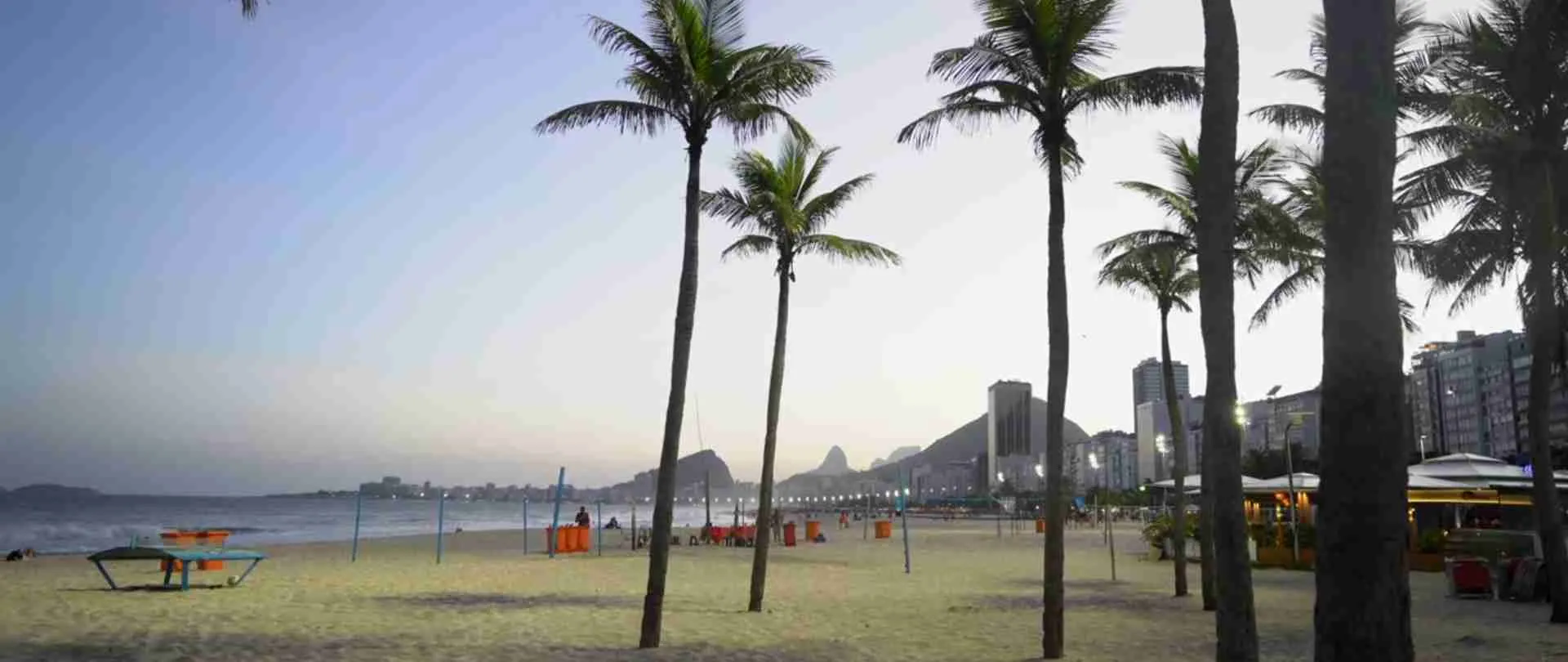
Copacabana and Ipanema represent Rio de Janeiro’s most iconic beachfront destinations, offering 6.6 kilometers of continuous Atlantic coastline that defines Brazilian beach culture. These adjacent neighborhoods provide distinct experiences: Copacabana delivers classic Rio atmosphere with extensive infrastructure spanning its famous 4-kilometer crescent, while Ipanema presents sophisticated beach culture with premium services and trendy dining across its 2.6-kilometer stretch. The 2026 season brings enhanced beach facilities, improved safety measures, and expanded water sports offerings that make these beaches essential destinations for international visitors.
Both beaches maintain year-round appeal with consistent Atlantic currents creating ideal swimming conditions, though seasonal variations significantly impact costs and crowd levels. Peak summer months (December-March 2026) bring maximum beach activity with temperatures reaching 28-32°C and accommodation rates climbing 60-100% above shoulder season pricing. The beaches feature distinct posto (lifeguard station) systems that organize social zones: Copacabana’s postos 2-6 attract diverse crowds, while Ipanema’s postos 8-10 define neighborhood character with posto 9 serving as the bohemian epicenter.
Planning your 2026 visit requires understanding the practical distinctions between these neighboring beaches. Copacabana provides broader tourist infrastructure with numerous budget and mid-range options, extensive public transportation access via three metro stations, and 24-hour services including beach vendors and late-night dining. Ipanema offers refined beach culture with designer boutiques, upscale gastronomy, and higher service standards that command premium pricing. Most visitors allocate 3-5 days exploring both beaches, with strategic accommodation placement determining daily transportation needs and overall budget requirements.
The 2026 season introduces improved beach services including expanded chair and umbrella rental zones, enhanced security patrols with multilingual tourist police, and upgraded public facilities with modernized changing rooms and showers. Water quality monitoring continues year-round with daily testing published on official municipal websites, ensuring safe swimming conditions throughout both beach stretches. Understanding these operational improvements helps visitors maximize their beach experience while managing costs effectively through strategic planning and advance reservations.
People Also Ask About Copacabana & Ipanema 2026
Which beach is better for tourists in 2026: Copacabana or Ipanema?
Copacabana serves budget-conscious and first-time visitors with extensive infrastructure, lower accommodation costs averaging R$300-500 per night for mid-range hotels, and broader public transportation access through three metro stations (Cardeal Arcoverde, Siqueira Campos, Cantagalo). The 4-kilometer beach provides numerous vendor options, diverse dining from R$35-60 per meal, and 24-hour services that accommodate flexible schedules. Copacabana’s wider beach creates more space during peak season, with posto areas offering distinct atmospheres from family zones (posto 6) to sports-oriented sections (posto 2).
Ipanema attracts visitors seeking refined beach culture with sophisticated dining (R$60-100 per meal), designer boutiques, and premium beach services starting at R$60-80 for chair and umbrella setups. The neighborhood features higher accommodation standards with boutique hotels ranging R$500-900 per night and superior service quality throughout restaurants and shops. Ipanema’s sunset viewing from Arpoador Rock provides iconic photo opportunities, while posto 9 delivers bohemian beach culture with LGBTQ-friendly atmosphere. Choose Copacabana for budget optimization and classic Rio experience, select Ipanema for upscale services and trendy beach culture.
How much does a beach day at Copacabana cost in 2026?
A complete Copacabana beach day costs R$180-250 per person covering all typical activities and meals. Chair and umbrella rental costs R$40-50 for full-day setup with beach towel included. Breakfast at beachfront café runs R$25-35 for fresh fruit, pão de queijo, and coffee. Beach vendors provide fresh coconut water at R$8-12, açaí bowls at R$15-20, and grilled cheese skewers (queijo coalho) at R$10-15 throughout the day. Lunch at casual beachfront restaurant costs R$45-65 for grilled fish or seafood with sides, beer, and fresh juice.
Water sports add R$80-120 for stand-up paddleboard rental (2 hours) or R$150-200 for surfing lessons with equipment included. Beach soccer equipment rental costs R$30-40 per day for ball and portable goals. Sunset caipirinha at beachfront bar runs R$25-35, while dinner at mid-range restaurant costs R$60-80 for Brazilian barbecue or seafood entrée with beverages. Metro transportation from accommodation to beach costs R$4.70 per ride. Budget-conscious visitors minimize costs to R$120-150 by bringing snacks, limiting water sports, and choosing self-catering accommodation options.
When is the best time to visit Rio’s beaches in 2026?
April-May and September-November 2026 provide optimal beach conditions with 30-40% lower accommodation costs compared to peak summer season. These shoulder months deliver comfortable temperatures of 24-28°C, reduced crowd levels that create more beach space, and excellent swimming conditions with calm Atlantic currents. Hotel rates drop to R$250-450 per night for mid-range properties versus R$400-800 during December-March peak season. Restaurant wait times decrease significantly, beach chair availability improves, and advance booking requirements relax for most services.
December-February represents peak Brazilian summer with maximum beach atmosphere, temperatures reaching 30-32°C, and extensive special events including New Year’s Eve (Réveillon) celebrations. This period requires advance accommodation booking 3-4 months ahead with 100% price premiums common for beachfront properties. March brings Carnival season with world-famous celebrations, though beach access remains excellent between parade days. June-August delivers Rio’s mild winter with temperatures 20-24°C, lower rainfall, and significantly reduced tourist crowds, making this period ideal for budget travelers accepting cooler ocean temperatures around 21-22°C.
Are Copacabana and Ipanema safe for tourists in 2026?
Both beaches maintain strong security presence with Tourist Police (Polícia do Turista) patrols operating daily 8 AM-8 PM throughout 2026 season, with multilingual officers stationed at major postos providing assistance and crime prevention. Security cameras monitor beachfront areas continuously, with emergency response times averaging 3-5 minutes for reported incidents. Daytime beach activities (6 AM-6 PM) present minimal security concerns when following standard precautions: avoiding jewelry, carrying minimal cash (R$100-150 for daily expenses), using hotel safes for valuables, and staying within populated beach sections.
Evening security requires additional caution with recommendations to use taxis or ride-sharing services after dark rather than walking deserted beach paths. Beach theft occurs primarily through distraction techniques targeting inattentive tourists, prevented by maintaining awareness of belongings and using beach bags with secure closures. ATM transactions require vigilance with recommendations to use bank-branch machines during business hours rather than isolated street ATMs. Travel insurance costs R$8-15 per day and covers theft, medical emergencies, and trip interruptions. Legitimate beach vendors wear identification badges, while unauthorized sellers should be politely declined to avoid potential scams.
Extended multi-day tours – 5+ days
Featured Rio De Janeiro Multi-Day Tour Packages
6 days
Endless Summer Rio and Paraty
- ✓ Comprehensive Rio De Janeiro tour
- ✓ Expert local guides included
- ✓ All accommodation arranged
- ✓ Transportation provided

4 days
Brazil Carnival Full Experience 4D/3N (Rio de Janeiro)
- ✓ Comprehensive Rio De Janeiro tour
- ✓ Expert local guides included
- ✓ All accommodation arranged
- ✓ Transportation provided

5 days
Rio +Angra and Ilha Grande day tour (5 Days)
- ✓ Comprehensive Rio De Janeiro tour
- ✓ Expert local guides included
- ✓ All accommodation arranged
- ✓ Transportation provided
7 days
Brazil: Rio de Janeiro and Ilha Grande – 7 days
- ✓ Comprehensive Rio De Janeiro tour
- ✓ Expert local guides included
- ✓ All accommodation arranged
- ✓ Transportation provided
Multi-day tour packages powered by TourRadar. Prices and availability subject to change.
Essential Planning Information 2026
Understanding Beach Geography and Posto Systems
Copacabana Beach extends 4 kilometers from Leme (northern end) to Arpoador (southern end), divided by numbered lifeguard stations (postos 1-6) that organize beach zones. Posto 1 (Leme) attracts families with calmer waters and local atmosphere, while posto 2 serves sports enthusiasts with regular volleyball and soccer matches. Posto 3 marks the central tourist zone with maximum vendor density and beach service availability. Posto 4 provides family-friendly atmosphere with playground equipment and children’s activities. Posto 5 serves young travelers and backpackers with budget beach services. Posto 6 (near Copacabana Fort) delivers scenic views with less crowded conditions and historical context from the adjacent military installation.
Ipanema Beach spans 2.6 kilometers with postos 7-10 defining distinct social environments. Posto 7 (Arpoador end) attracts surfers with consistent wave breaks and trendy beach crowd mixing tourists and locals. Posto 8 serves families with calm water zones and children-appropriate services. Posto 9 represents bohemian epicenter with LGBTQ-friendly atmosphere, artistic vendors, and sophisticated beach culture that draws international visitors seeking authentic Carioca (Rio resident) lifestyle. Posto 10 (near Leblon border) provides upscale beach experience with premium services and affluent local crowd. Each posto features distinct flags indicating water conditions: green (safe), yellow (caution), red (dangerous), and purple (marine life warnings).
2026 Beach Costs and Pricing Structure
Beach chair and umbrella packages cost R$40-60 for full-day rental at both Copacabana and Ipanema, with prices varying by posto location and service quality (check official beach service websites for current rates as seasonal pricing may vary). Premium setups at Ipanema posto 9 reach R$70-80 with enhanced comfort features including padded chairs, larger umbrellas, and complimentary water service. Half-day rentals (4 hours) cost R$25-35, while hourly rates run R$10-15 though full-day packages provide better value for beach sessions exceeding 4 hours.
Water sports pricing follows standardized rates across both beaches: stand-up paddleboard rental R$80-100 for 2-hour session, surfboard rental R$60-80 per day with wetsuit included, surfing lessons R$150-200 per 2-hour private session, beach volleyball equipment rental R$30-40 per day, beach soccer ball rental R$20-30 per day, and kayak rental R$100-120 for 2-hour period. Jet ski tours cost R$200-280 for 30-minute guided ride with safety equipment and insurance coverage. Parasailing experiences run R$250-350 per person for 10-12 minute flights with tandem configuration and professional operators.
Food and beverage costs from beach vendors: fresh coconut water R$8-12, açaí bowl R$15-25 with toppings, grilled cheese skewer R$10-15, shrimp empanada R$12-18, fresh fruit cup R$8-12, cold beer R$8-12 per can, caipirinha R$20-30, and bottled water R$5-8. Beachfront restaurants charge premium pricing: lunch entrées R$45-75, dinner entrées R$60-100, appetizers R$25-45, and desserts R$18-28. Budget-conscious visitors bring snacks from supermarkets where prices drop 40-60% compared to beach vendors and restaurants.
Transportation Access and Connectivity
Copacabana metro access includes three stations on Line 1: Cardeal Arcoverde (serves northern Copacabana and Leme), Siqueira Campos (central Copacabana), and Cantagalo (southern Copacabana near Ipanema border). Each station sits 2-4 blocks from beachfront, requiring 5-8 minute walks to reach sand. Metro operates 5 AM-midnight Monday-Saturday and 7 AM-11 PM Sundays with trains every 6-10 minutes during peak hours. Single-ride tickets cost R$4.70, while rechargeable RioCard offers 10-ride packages at R$42 (11% discount) and unlimited weekly passes at R$29 for metro-only travel.
Ipanema metro access connects through General Osório station (Line 1) serving central Ipanema with 3-5 block walk to beachfront. Bus routes 583, 584, and 2018 connect Copacabana to Ipanema with stops every 400-600 meters along beachfront avenues. Bus fare costs R$4.70 per ride paid via RioCard or exact change to driver. Journey time runs 15-20 minutes depending on traffic and specific pickup/dropoff locations. Taxis between Copacabana and Ipanema cost R$25-35 for direct rides, while ride-sharing services (Uber, 99) charge R$20-30 for equivalent journeys with advance booking reducing wait times to 3-5 minutes.
Bicycle rental provides efficient beach-to-beach transportation with Bike Rio stations located every 300-500 meters along beachfront. Day passes cost R$15 with unlimited 60-minute rides, while monthly memberships run R$25 for residents and extended-stay visitors. Dedicated bike paths separate cyclists from vehicle traffic throughout both beaches, creating safe conditions for casual riders and families. Walking between Copacabana and Ipanema requires 30-40 minutes covering 3.5 kilometers along scenic beachfront promenade (calçadão) with rest stops, water fountains, and public facilities available every 500-800 meters.
Copacabana Beach: Classic Rio Experience 2026
Beach Character and Atmosphere
Copacabana delivers quintessential Rio beach experience with diverse crowd mixing international tourists, local families, street performers, and beach vendors creating constant activity from sunrise to sunset. The famous black-and-white wave-pattern promenade (calçadão) designed by Roberto Burle Marx stretches the beach’s entire 4-kilometer length, providing running and cycling paths, outdoor exercise stations, and numerous viewing points for people-watching and Atlantic Ocean vistas. Weekend beach activity peaks Saturday-Sunday 10 AM-5 PM when local Cariocas join tourist populations, creating maximum energy with impromptu soccer matches, volleyball tournaments, and samba circles forming spontaneously.
The beach’s wide crescent shape creates natural wave breaks that produce consistent surfing conditions at northern and southern ends, while central sections offer calmer waters suitable for swimming and paddling. Beach vendors operate continuously 7 AM-7 PM selling refreshments, snacks, souvenirs, and services including massage (R$60-80 per hour), henna tattoos (R$30-50), and beach chair delivery. Sunset viewing attracts crowds to the southern end near Copacabana Fort where elevated viewpoint provides panoramic beach and ocean perspectives. Evening beach culture continues with beachfront kiosks serving cold beer, caipirinhas, and light meals until 10-11 PM while maintaining family-friendly atmosphere.
Water Sports and Beach Activities 2026
Copacabana’s consistent Atlantic wave action creates ideal surfing conditions at postos 1-2 (Leme end) and posto 6 (fort end) where wave breaks reach 1.5-2.5 meters during optimal swell periods April-September. Surfboard rental stations operate at both locations with boards starting R$60 per day and wetsuits R$30 per day during cooler months. Surf schools offer 2-hour beginner lessons at R$150-180 including equipment, with group classes (4-6 students) reducing costs to R$100-120 per person. Advanced surfers rent shortboards and performance equipment at R$80-100 per day with security deposits required.
Stand-up paddleboard (SUP) rental flourishes in calmer central sections (postos 3-4) where protected waters allow beginners and families safe practice conditions. Two-hour SUP rentals cost R$80-100 with basic instruction included, while guided tours exploring coastline to Arpoador and back run R$150-180 per person over 90-minute excursions. Beach volleyball courts near posto 2 attract serious players and casual participants with equipment rental R$30-40 per day including ball and portable net system. Spontaneous beach soccer matches welcome participants throughout the day with informal games requiring no rental fees, though dedicated equipment rental provides regulation balls and goals.
Parasailing operations launch from boats offshore posto 3-4 offering 10-12 minute flights at R$250-300 per person with safety briefings, life jackets, and professional operators maintaining international safety standards. Jet ski tours depart from designated zones near posto 4 with 30-minute guided rides costing R$220-280 per person (solo) or R$180-220 per person (tandem). Ocean swimming remains free with marked safe zones extending 100-150 meters offshore where lifeguards maintain constant surveillance. Beach massage tents offer hour-long treatments at R$60-80 combining Swedish and sports massage techniques, with 30-minute express sessions available at R$35-45.
Dining and Refreshment Options 2026
Beachfront dining at Copacabana ranges from casual kiosks to full-service restaurants accommodating all budget levels. Beach kiosks serve quick meals 8 AM-10 PM with grilled fish plates R$35-50, chicken with rice and beans R$28-38, and shrimp dishes R$45-60 including side salads and soft drinks. These establishments provide beach chair delivery service combining food orders with seating setup, though quality varies significantly among different operators with recommendations to observe customer volume before ordering.
Mid-range beachfront restaurants deliver elevated dining experiences with air-conditioned interiors, full bar service, and extensive seafood menus. Lunch entrées cost R$55-75 featuring grilled fish, seafood risotto, or Brazilian barbecue with sides, salad, and beverage included. Dinner prices increase 20-30% with same menu items running R$70-95 during evening service. Premium restaurants near Copacabana Palace hotel charge R$100-150 per person for multi-course meals with wine pairings, though these establishments target luxury market rather than typical beach-goers seeking casual dining.
Street-level dining one block inland from beachfront provides budget-conscious alternatives with comparable food quality at 30-40% lower costs. Traditional per-kilo restaurants (restaurante por quilo) charge R$65-85 per kilogram for buffet-style selection including hot entrées, salads, sides, and desserts. Self-service lunch at these establishments costs R$35-50 per person for complete meal with beverage. Supermarkets two blocks from beach offer fresh fruit, sandwiches, snacks, and beverages at prices 50-60% below beach vendor rates, allowing budget optimization for visitors making multiple beach days central to their Rio experience.
Ipanema Beach: Sophisticated Coastal Culture 2026
Beach Environment and Social Scene
Ipanema represents Rio’s sophisticated beach culture with upscale services, designer boutiques, and trendy dining establishing the neighborhood’s refined character. The 2.6-kilometer beach attracts affluent locals (Cariocas), international travelers seeking premium experiences, and cultural enthusiasts drawn to the area’s bohemian heritage. Posto 9 serves as the beach’s social epicenter where artists, musicians, and LGBTQ community create welcoming atmosphere that defines authentic Ipanema character. This section features regular drum circles, impromptu performances, and diverse crowd that embodies Rio’s inclusive beach culture.
The beach’s narrower profile compared to Copacabana creates more intimate atmosphere with premium beach services concentrated in limited space, driving higher rental costs for chairs and umbrellas. Sunset viewing from Arpoador Rock (Pedra do Arpoador) at posto 7 draws crowds daily for spectacular Atlantic Ocean sunsets, with spontaneous applause erupting as sun disappears below horizon. This ritual creates communal experience that connects tourists and locals in shared appreciation of natural beauty. Evening beach activity extends through beachfront bars and restaurants maintaining sophisticated atmosphere with craft cocktails, fresh seafood, and curated music selections.
Premium Beach Services 2026
Ipanema beach services command premium pricing reflecting the neighborhood’s upscale character and higher operational costs. Chair and umbrella setups start at R$50-60 for standard configuration, reaching R$70-80 for premium locations at posto 9 with padded loungers, larger umbrelas providing superior sun protection, and complimentary water service throughout the day. Beach attendants provide more attentive service compared to Copacabana with regular refreshment checks, towel changes, and assistance with vendor coordination reducing direct tourist-vendor interactions for those preferring curated beach experience.
Water sports maintain similar pricing to Copacabana with slight premiums (R$10-20 higher) at certain operators reflecting Ipanema’s positioning. Stand-up paddleboard rentals cost R$90-110 for 2-hour sessions with better equipment quality and more professional instruction included. Surfing lessons run R$160-200 for 2-hour private sessions with certified instructors providing detailed technique coaching. Beach volleyball courts require advance reservation during peak hours (10 AM-4 PM) with R$40-50 rental fees securing 2-hour court access. Kayak rentals reach R$110-130 for 2-hour periods with guided tours available at R$180-220 per person.
Beach massage services charge R$80-100 per hour with therapists offering specialized techniques including Thai massage, deep tissue, and reflexology in addition to traditional Swedish approaches. These practitioners operate under licensed tents with clean equipment, scheduled appointments, and higher hygiene standards compared to casual beach vendors. Personal training services exist at R$120-150 per hour with certified professionals providing beach workout sessions incorporating running, calisthenics, and functional fitness movements utilizing beach environment for resistance training.
Upscale Dining and Shopping 2026
Ipanema dining reflects sophisticated palates with restaurants emphasizing fresh ingredients, creative preparation, and elevated presentation. Lunch at mid-range establishments costs R$65-90 for entrées featuring contemporary Brazilian cuisine, Asian fusion, or Mediterranean-inspired dishes with craft beer or wine pairings. Dinner prices increase to R$85-120 per person for same venues during evening service when atmosphere shifts to intimate lighting and live music accompaniment. Premium restaurants charge R$150-250 per person for tasting menus showcasing chef creativity through multiple courses with beverage pairings.
Beachfront kiosks maintain more casual pricing at R$45-65 for lunch plates, though quality and presentation exceed typical Copacabana offerings with emphasis on fresh seafood preparation and organic ingredients where available. Açaí bowls reach R$20-30 at trendy health-focused establishments versus R$15-20 at Copacabana, reflecting organic toppings, premium açaí quality, and sophisticated presentations appealing to wellness-conscious visitors. Fresh juice bars charge R$15-25 for custom combinations using seasonal fruits, vegetables, and superfood supplements catering to health-oriented beach culture.
Shopping in Ipanema centers on Rua Visconde de Pirajá and Rua Garcia d’Ávila where Brazilian designer boutiques, international brands, and artisan shops create upscale retail environment. Brazilian fashion labels showcase beachwear, resort clothing, and accessories at prices ranging R$150-500 for quality pieces representing Rio’s design aesthetic. Artisan markets operate weekends at Praça General Osório featuring handcrafted jewelry, artwork, and cultural souvenirs at prices 20-40% below tourist-area shops, providing authentic purchases with direct artist interaction. Supermarkets in Ipanema maintain higher prices (15-25% premium) compared to Copacabana reflecting neighborhood’s affluent demographics.
Best Time to Visit Rio’s Beaches 2026
Peak Summer Season: December-March 2026
Brazilian summer (December-March) delivers maximum beach experience with temperatures consistently 28-32°C, extended daylight hours until 7:30-8 PM, and peak social energy as locals take summer holidays. December brings pre-Réveillon (New Year’s Eve) excitement with beach parties, special events, and maximum tourist arrivals creating vibrant atmosphere. Réveillon celebrations on Copacabana attract 2+ million people for fireworks, concerts, and beach festivities requiring advance accommodation booking 4-6 months ahead with rates reaching 200-300% above normal pricing. Hotels near both beaches sell out completely for December 28-January 3 period.
January-February represents absolute peak season with accommodation rates R$500-900 per night for mid-range beachfront properties and R$800-1,500 for upscale hotels. Beach chair availability becomes limited 11 AM-4 PM requiring early arrival (before 9 AM) to secure preferred locations, particularly at Ipanema posto 9. Restaurant reservations become essential for dinner service with walk-in wait times exceeding 45-90 minutes at popular establishments. Water temperatures reach 25-26°C providing ideal swimming conditions, while afternoon rain showers occur 2-3 times weekly bringing temporary relief from heat and humidity.
March brings Carnival celebrations transforming Rio into global party destination with street parades (blocos), Sambadrome competitions, and city-wide festivities. Beach access remains excellent between parade days with reduced accommodation availability and elevated pricing comparable to New Year period. Post-Carnival (mid-late March) sees tourist numbers decline 30-40% while maintaining excellent weather, creating sweet spot for visitors combining good conditions with improving accommodation availability. This period offers 20-25% lower hotel rates compared to January-February while preserving summer beach atmosphere.
Shoulder Season Excellence: April-May, September-November 2026
April-May delivers optimal value proposition with temperatures 24-28°C, reduced rainfall (April particularly dry), and 30-40% lower accommodation costs compared to summer peak. Mid-range beachfront hotels drop to R$300-500 per night with superior availability allowing flexible booking timelines. Beach crowds decrease noticeably with ample chair availability throughout the day and reduced wait times at restaurants. Water temperatures cool slightly to 23-24°C remaining comfortable for swimming and water sports. These months attract sophisticated travelers seeking authentic Rio experience without extreme tourist saturation.
Autumn weather (April-May) provides consistently sunny conditions with less humidity than summer months, creating comfortable conditions for extended beach time and outdoor activities. Sunset occurs earlier (5:30-6:30 PM) requiring schedule adjustments for evening beach activities, while morning temperatures 20-22°C make sunrise beach sessions particularly pleasant. Cultural events continue with local festivals and beach competitions maintaining atmospheric energy without overwhelming tourist crowds. This period suits visitors prioritizing value, comfort, and authentic local interaction over maximum party atmosphere.
September-November spring season mirrors autumn conditions with gradually warming temperatures, increasing daylight hours, and excellent value for accommodation and services. September remains coolest (22-26°C) with lowest tourist numbers creating budget-optimal conditions for cost-conscious travelers. October-November sees gradual warming toward summer conditions while maintaining shoulder-season pricing through mid-November when Brazilian school holidays begin. These months provide excellent ocean conditions with warm currents arriving ahead of peak summer, while hotel availability remains strong allowing last-minute booking opportunities. Spring represents ideal timing for visitors combining beach activities with Rio’s urban attractions including Christ the Redeemer, Sugarloaf Mountain, and cultural neighborhoods.
Winter Value Season: June-August 2026
Rio’s winter delivers mild conditions by international standards with daytime temperatures 20-24°C, coolest water temperatures 21-22°C, and significantly reduced tourist crowds. Accommodation costs drop 40-50% below peak summer rates with mid-range beachfront hotels available at R$180-300 per night and budget options starting R$100-150 per night. Beach activity continues throughout winter months as locals and cold-weather tourists from North America and Europe enjoy mild conditions compared to their home climates. Morning beach sessions require light jackets until 10 AM when temperatures warm sufficiently for beachwear.
Water sports remain viable throughout winter with wetsuits recommended for extended swimming and surfing sessions. Winter swells bring larger waves to both beaches creating optimal surfing conditions for intermediate and advanced surfers, while calmer sections still accommodate swimmers and paddleboarders. Beach services operate reduced hours 9 AM-5 PM with some vendors taking winter holidays, though sufficient options remain for comfortable beach days. Restaurant pricing decreases 10-15% during winter months with lunch and dinner specials targeting local customers maintaining steady business during tourist low season.
Winter provides ideal conditions for visitors prioritizing urban exploration, cultural activities, and moderate beach time rather than all-day beach sessions. Clear skies occur frequently with rainfall minimal June-August, creating excellent photography conditions for Christ the Redeemer and other outdoor attractions. This period suits active travelers uncomfortable with intense summer heat, families with young children sensitive to extreme temperatures, and budget-conscious visitors maximizing value through low-season pricing. Weekend beach atmosphere remains vibrant with locals maintaining year-round beach culture regardless of seasonal temperature variations.
Accommodation Strategies 2026
Copacabana Accommodation Options
Budget hotels in Copacabana (R$150-280 per night) provide basic accommodation 2-4 blocks from beachfront with essential amenities including air conditioning, WiFi, and basic breakfast. These properties suit cost-conscious travelers prioritizing location and beach access over luxury features, with cleanliness and safety varying significantly among different establishments requiring careful review research before booking. Hostels offering private rooms cost R$100-180 per night with shared dorms starting R$40-60 per bed, creating budget-optimal options for solo travelers and backpackers. These establishments often include communal kitchens allowing self-catering that reduces overall food costs 40-50%.
Mid-range hotels (R$350-600 per night) deliver comfortable stays with beachfront or ocean-view positioning, rooftop pools, restaurant service, and upgraded room amenities. These properties balance cost and comfort effectively for families and couples seeking quality accommodation without luxury pricing. Many include breakfast buffets featuring fresh fruits, regional specialties, and international options that eliminate morning meal costs. Front desk staff provide English-language assistance, tour booking services, and reliable transportation coordination that simplifies daily logistics for international visitors unfamiliar with Rio.
Luxury hotels (R$700-1,500 per night) provide premium experiences with beachfront positioning, full-service spas, multiple restaurants, concierge services, and upgraded room categories featuring balconies, ocean views, and luxury amenities. The iconic Copacabana Palace leads this category with historic prestige, though numerous international chain properties and boutique hotels offer comparable luxury at slightly lower rates. These establishments include daily beach service with dedicated chair setups, towel service, and refreshment delivery that eliminates direct interaction with beach vendors. Rates include extensive breakfast buffets, afternoon tea service, and evening cocktail hours providing significant meal value within room pricing.
Ipanema Accommodation Options
Ipanema accommodation skews toward mid-range and luxury categories with fewer budget options reflecting neighborhood’s upscale character. Budget hotels (R$200-350 per night) exist 3-5 blocks from beachfront with smaller room sizes, basic amenities, and limited services compared to Copacabana equivalents at similar price points. These properties serve cost-conscious visitors prioritizing Ipanema’s sophisticated atmosphere over budget optimization. Boutique hostels offering private rooms cost R$150-250 per night with stylish design, social areas, and knowledgeable staff providing insider tips on neighborhood culture.
Mid-range hotels (R$500-900 per night) deliver superior quality compared to Copacabana equivalents with emphasis on design, personalized service, and attention to detail reflecting Ipanema’s sophisticated market. Boutique properties dominate this category featuring 20-50 rooms with individualized décor, rooftop pools, craft cocktail bars, and restaurant service emphasizing organic ingredients and contemporary Brazilian cuisine. Beachfront positioning commands premium rates though properties 2-3 blocks inland offer excellent value with short walks to beach access. These hotels provide curated local recommendations, tour coordination, and transportation services that enhance visitor experience beyond basic accommodation.
Luxury hotels (R$1,000-2,500 per night) compete with global five-star standards through exceptional service, prime beachfront locations, world-class dining, and comprehensive amenity packages. The Fasano leads Ipanema luxury market with iconic Philippe Starck design, Michelin-quality restaurant, and legendary pool scene attracting international celebrities and affluent travelers. Other luxury properties provide comparable quality with varying aesthetic approaches from contemporary minimalism to Brazilian tropical design. These establishments include full concierge services, private beach areas with premium equipment, spa facilities, and personalized experiences that justify premium pricing for luxury-oriented visitors.
Booking Strategies and Timing 2026
Advance booking for peak season (December-March) requires 3-4 month lead times for optimal availability and pricing, with beachfront properties selling out 4-5 months ahead for Réveillon and Carnival periods. Booking platforms offer early-bird discounts 20-35% below standard rates when reserving 90+ days before arrival, while last-minute bookings (within 30 days) often carry 40-60% premiums as availability diminishes. Mid-week stays (Sunday-Thursday) provide 15-25% lower rates compared to weekend pricing (Friday-Saturday) during all seasons, allowing flexible travelers significant savings through strategic arrival timing.
Shoulder season (April-May, September-November) allows shorter booking windows with 4-6 weeks advance reservation securing excellent options at standard pricing. Last-minute deals emerge regularly during these periods as hotels offer discounts to fill inventory, creating opportunities for spontaneous travelers monitoring rates through multiple booking platforms. Winter season (June-August) provides maximum booking flexibility with reservations accepted 1-2 weeks before arrival while maintaining access to full hotel selection at discounted rates. This period suits travelers with flexible schedules who can optimize pricing through patient observation of rate trends.
Vacation rentals (Airbnb, Vrbo) offer alternatives to traditional hotels with advantages for longer stays (7+ days) and groups requiring multiple bedrooms. One-bedroom apartments in Copacabana cost R$250-450 per night while Ipanema equivalents run R$400-700 per night, though weekly and monthly discounts reduce effective nightly rates 20-30%. These properties include kitchen facilities enabling self-catering that saves R$100-200 daily on dining costs for families and groups. However, vacation rentals require more research to ensure location safety, accurate property descriptions, and responsive host communication compared to hotels with established reputations and consistent service standards.
Transportation Guide 2026
Airport Transfer Options
Galeão International Airport (GIG) sits 25 kilometers from Copacabana with transfer options ranging from budget public transport to private car services. Airport express buses (Frescão Premium) operate 5:30 AM-11 PM with direct service to major beachfront hotels costing R$25-30 per person, requiring 60-90 minutes depending on traffic and number of stops. These buses provide air conditioning, luggage storage, and WiFi, creating comfortable conditions for airport transfers. Regular public buses cost R$4.70 per person with multiple transfers required, extending journey time to 90-120 minutes while unsuitable for travelers with significant luggage.
Official airport taxis charge fixed rates posted at designated taxi stands: R$120-150 to Copacabana and R$130-160 to Ipanema with journey times 45-75 minutes depending on traffic conditions. These vehicles accommodate 4 passengers and standard luggage with air conditioning, metered service, and receipts issued automatically. Ride-sharing services (Uber, 99) provide alternatives at R$80-120 to both beaches with advance booking through apps, though pickup requires walking to designated zones outside airport terminals. Pre-arranged private transfers cost R$150-200 per vehicle with English-speaking drivers, flight monitoring, and meet-and-greet service including assistance with luggage.
Santos Dumont Airport (SDU) serves domestic flights and some regional international connections from a central Rio location just 8 kilometers from Copacabana. Taxis cost R$45-60 to Copacabana and R$50-70 to Ipanema with 20-30 minute journey times. Ride-sharing services charge R$35-50 with similar timing. Airport express buses don’t serve Santos Dumont though regular city buses connect both beaches at R$4.70 per ride requiring 40-60 minutes with luggage limitations. Santos Dumont’s proximity makes taxis or ride-sharing optimal for direct, comfortable transfers without significant cost premiums.
Local Transportation Between Beaches
Metro Line 1 provides efficient beach connectivity through stations serving both Copacabana (Cardeal Arcoverde, Siqueira Campos, Cantagalo) and Ipanema (General Osório) with trains operating 5 AM-midnight Monday-Saturday and 7 AM-11 PM Sundays. Single-ride tickets cost R$4.70 purchased from automated machines accepting cash and cards. Rechargeable RioCard offers convenience for multiple journeys with 10-ride packages at R$42 and weekly unlimited passes at R$29, though most visitors find single-ride tickets sufficient for occasional beach-to-beach transfers. Trains run every 6-10 minutes during peak hours with air conditioning, security cameras, and clear station announcements in Portuguese and English.
Bus routes 583, 584, and 2018 connect both beaches via beachfront avenue with stops every 400-600 meters providing convenient access from any location along either beach. Fare costs R$4.70 paid via RioCard or exact change to driver, with journey time 15-25 minutes depending on specific pickup and dropoff points. Buses operate 5 AM-midnight with frequencies every 10-15 minutes during daytime and 20-30 minutes during early morning and late evening. Air conditioning varies by bus age with newer vehicles providing climate control while older buses rely on open windows. These routes create flexible transportation allowing spontaneous beach exploration without pre-planning required for metro connections.
Bicycle rental through Bike Rio system offers scenic, healthy beach-to-beach transportation with stations located every 300-500 meters along beachfront. Day passes cost R$15 allowing unlimited 60-minute rides with automatic bike return at any station before starting next journey segment. Monthly memberships run R$25 suitable for extended stays. Dedicated bike paths separate cyclists from vehicle traffic throughout beachfront areas, creating safe conditions for casual riders and families. Journey time between beaches averages 12-18 minutes at moderate pace with opportunities for photo stops, refreshment breaks, and spontaneous exploration of beachfront parks and viewpoints along the route.
Walking and Alternative Transport
Walking between Copacabana and Ipanema requires 30-45 minutes covering 3.5 kilometers along beachfront promenade (calçadão) with continuous ocean views, regular rest stops, and numerous food and beverage vendors along the route. The walk provides free transportation while incorporating sightseeing, people-watching, and atmospheric immersion in Rio’s beach culture. Morning walks (6-9 AM) occur during cooler temperatures with active local joggers and cyclists creating energetic atmosphere, while sunset walks (5-7 PM) deliver spectacular Atlantic Ocean views with golden-hour photography opportunities. The entire route features well-maintained pavement, clear wayfinding, and strong pedestrian safety with separated bike and walking zones.
Taxis provide direct beach-to-beach transfers at R$25-35 for trips between central Copacabana and central Ipanema with journey times 10-15 minutes in normal traffic. These vehicles hail easily from beachfront locations or pre-book through hotel concierge services. Ride-sharing services charge R$20-30 for equivalent journeys with 3-5 minute wait times for pickup during peak hours. Both options suit travelers with children, elderly family members, or beach equipment requiring vehicle transport rather than walking or public transit.
Electric scooter rentals exist through app-based services (Yellow, Grin) with per-minute pricing of R$0.80-1.20 plus R$3-5 unlock fee. These devices work well for quick beach-to-beach transportation (15-20 minutes) though require smartphone app, credit card, and comfort with electric scooter operation including helmet use following local regulations. Beachfront bike/scooter rental shops offer traditional scooter rentals at R$40-60 for 4-hour periods and R$80-120 for full-day rentals with helmet, lock, and basic insurance included, providing alternatives to app-based services for visitors preferring traditional rental processes with physical shop locations.
Beach Activities & Water Sports 2026
Surfing and Wave Sports
Copacabana and Ipanema deliver consistent wave conditions year-round with optimal surfing at Arpoador (posto 7) where rocky point creates reliable wave break suitable for beginners and intermediate surfers. Wave heights range 1-2 meters typical days with winter swells (June-August) producing 2-3 meter waves attracting advanced surfers seeking challenging conditions. Dawn patrol sessions (6-8 AM) offer best conditions with offshore winds, fewer crowds, and morning light creating ideal surfing environment. Afternoon onshore winds increase chop making sessions more challenging though suitable for practice and progression.
Surf schools operate throughout both beaches with 2-hour beginner lessons costing R$150-200 per person including equipment, instruction, and safety briefing. Group classes (4-6 students) reduce costs to R$100-130 per person while providing social learning environment and shared progression experience. Intermediate and advanced lessons focus on technique refinement at R$180-220 per 2-hour session with video analysis available at premium operators. Multi-day surf packages offer value for committed learners with 3-day courses (6 total hours) running R$380-480 and 5-day intensive programs costing R$600-750 including equipment for entire period.
Surfboard rentals suit independent surfers with experience: longboards R$60-80 per day ideal for beginners and small wave conditions, funboards R$70-90 per day providing versatility for varied conditions, and shortboards R$80-100 per day designed for advanced surfers riding steeper waves. Wetsuit rentals add R$30-40 per day during cooler months (May-September) when water temperatures drop below 22°C. Rental shops provide wax, leashes, and board storage for multi-day rentals with 15-20% discounts applied when renting 3+ days. Board delivery to beach costs additional R$20-30 though eliminates need to transport equipment from shop to sand.
Stand-Up Paddleboarding and Kayaking
Stand-up paddleboarding (SUP) flourishes in protected beach sections where calm conditions allow beginners and families safe practice without challenging wave action. Copacabana postos 3-4 and Ipanema posto 8 provide ideal learning environments with gentle ocean movement and shallow water extending 50-100 meters offshore. Two-hour SUP rentals cost R$80-100 at Copacabana and R$90-110 at Ipanema with basic instruction included covering stance, paddle technique, and safety procedures. Inflatable SUP boards suit beginners with stable platforms and forgiving performance characteristics, while rigid boards preferred by experienced paddlers cost additional R$20-30 per rental.
Guided SUP tours explore coastline between beaches covering 4-6 kilometers over 90-minute excursions costing R$150-200 per person. These tours include equipment, instruction, and guide narration covering local history, ecology, and cultural information while progressing from Copacabana to Ipanema or reverse direction. Sunset SUP sessions departing 5-6 PM provide spectacular perspective on Atlantic Ocean sunset while paddling, creating memorable experiences for couples and photography enthusiasts. Group tours (6-10 participants) reduce individual costs to R$120-150 per person while maintaining quality instruction and safety standards.
Kayak rentals operate from multiple beach locations with single kayaks R$80-100 per 2-hour period and tandem kayaks R$120-150 per 2-hour period accommodating couples and families. Guided kayak tours follow similar routes and pricing to SUP tours with benefits including easier paddling for less athletic participants and superior stability for nervous beginners uncomfortable with stand-up balance requirements. Ocean kayaking requires basic swimming ability and comfort with wave action as launching and landing involve navigating beach break. Calm-water kayaking in protected sections suits families with young children and nervous beginners preferring gentler introduction to water sports.
Beach Volleyball and Soccer
Beach volleyball represents iconic Rio beach activity with courts abundant throughout both beaches. Informal games welcome drop-in participants throughout the day with no fees required, though organized courts near Copacabana posto 2 charge R$40-50 per 2-hour session including equipment (ball, net, boundary lines). These courts provide regulation-height nets, maintained sand conditions, and organized play attracting serious players and visitors seeking competitive matches. Leagues and tournaments occur regularly with beach kiosks posting schedules and registration information for visitors interested in structured competition.
Beach soccer dominates Rio’s beach culture with spontaneous matches forming continuously throughout both beaches. Visitors joining informal games need only ask participating players who typically welcome additional participants enthusiastically. Regulation equipment rental costs R$30-40 per day including ball and portable goals, though most games use improvised goals marked by beach bags, sandals, or other personal items. Futevôlei (footvolley) combines soccer and volleyball rules using volleyball net and soccer ball with prohibition against using hands, creating unique Brazilian beach sport that welcomes spectators and beginning participants willing to learn basic rules.
Beach tennis gained popularity at both beaches with designated courts and growing communities of players. Court rental costs R$50-70 per hour including equipment (rackets, balls, net) with advance reservations recommended during peak hours (9 AM-5 PM). This sport provides excellent workout with lower impact than running or soccer while creating social opportunities through doubles play and friendly competition. Lessons available at R$120-150 per hour with instruction covering technique, strategy, and game rules for beginners unfamiliar with beach tennis protocols. Tournament play occurs monthly with beachfront kiosks posting announcements and registration information for competitive visitors.
Dining & Nightlife 2026
Beachfront Dining Experiences
Beachfront kiosks at both beaches provide casual dining 8 AM-11 PM with menu focus on fresh seafood, Brazilian barbecue, and refreshing beverages. Copacabana kiosks charge R$35-60 for main plates including grilled fish, shrimp dishes, or chicken with traditional sides like rice, beans, farofa (toasted cassava flour), and vinaigrette salsa. These establishments deliver authentic Carioca atmosphere with open-air seating, cold beer in frosted glasses, and ocean views throughout meals. Service style involves ordering at counter or with roaming waiters, paying after meal completion, and relaxed timing without pressure to vacate tables.
Ipanema beachfront dining elevates experience through refined presentations, organic ingredients where available, and sophisticated preparation techniques while maintaining casual beach atmosphere. Lunch entrées cost R$55-80 featuring contemporary Brazilian cuisine including moqueca (seafood stew), grilled octopus with crispy potatoes, or fresh catch with tropical fruit salsas. Craft beer selections, natural wines, and creative cocktails complement food offerings with beverage costs R$15-35 per drink. Sunset dining sessions 5-7 PM combine meal service with spectacular Atlantic Ocean sunset views creating romantic atmosphere for couples and memorable experiences for all visitors.
Fine dining near both beaches provides evening alternatives to beachfront casual dining with multi-course meals, wine pairings, and elevated service standards. Copacabana options focus on traditional Brazilian steakhouses (churrascarias) serving all-you-can-eat rodízio-style barbecue at R$110-160 per person including salad bar, sides, and desserts. Ipanema restaurants emphasize contemporary cuisine through tasting menus costing R$180-280 per person featuring seasonal ingredients, creative presentations, and sommelier-selected wine pairings. Reservations essential for weekend dining during peak season with advance booking 2-3 days recommended for popular establishments.
Street Food and Quick Bites
Street food vendors throughout both beaches provide budget-friendly nutrition and authentic Brazilian flavors. Tapioca crepes cost R$12-20 with fillings including cheese, coconut, condensed milk, or savory options like chicken and catupiry (Brazilian cream cheese). Fresh coconut water vendors charge R$8-12 per coconut served cold with straw, providing natural hydration and tropical experience. Açaí bowls topped with granola, banana, and honey cost R$15-25 depending on size and premium toppings like organic açaí, imported granola, or superfood additions.
Empanada vendors sell stuffed pastries at R$8-15 each with fillings including ground beef, chicken, hearts of palm, shrimp, or cheese. These portable meals provide quick energy for active beach days without requiring sit-down dining time. Grilled cheese skewers (queijo coalho) cost R$10-15 offering salty, squeaky cheese grilled over open flame with optional honey, oregano, or garlic seasonings. Fresh fruit cups feature seasonal tropical fruits like mango, papaya, pineapple, and passion fruit at R$8-15 with options for fresh lime juice and honey toppings.
Bakeries (padarias) one block inland from both beaches serve fresh bread, pastries, and coffee throughout the day with pão de queijo (cheese bread) R$4-8, croissants R$6-10, and espresso coffee R$5-8. These establishments provide authentic local breakfast experience with standing counter service and fast turnover enabling quick visits before beach sessions. Self-service buffets (por quilo restaurants) charge R$65-85 per kilogram for hot dishes, salads, and sides with typical lunch plate running R$35-55 per person. These venues suit visitors seeking substantial meals at predictable costs with variety accommodating different dietary preferences and appetites.
Evening Entertainment and Bars
Beachfront bars maintain lively atmosphere until midnight with outdoor seating, live music, and craft cocktail menus. Caipirinhas cost R$25-40 depending on cachaça (Brazilian spirit) quality and fruit variations including classic lime, passion fruit, strawberry, or tropical combinations. Draft beer runs R$12-18 per 300ml serving while bottle options range R$10-25 depending on brand and import status. These venues create social atmosphere where tables easily combine, conversations flow naturally between groups, and spontaneous samba circles form regularly during weekend evenings.
Copacabana nightlife centers on beachfront avenue with numerous bars, clubs, and music venues attracting diverse crowds. Samba clubs charge R$40-80 cover including first drink with live music starting 10 PM-midnight and continuing until 4-5 AM. These venues provide authentic Brazilian music experience with opportunities to dance, observe talented musicians, and immerse in Rio’s legendary nightlife culture. Rooftop bars in beachfront hotels offer sophisticated alternatives with craft cocktails R$35-55, ocean views, and DJ music creating upscale atmosphere without cover charges though with premium beverage pricing.
Ipanema evening scene emphasizes sophistication through wine bars, craft beer taverns, and lounges featuring live jazz, bossa nova, and MPB (Brazilian popular music). These venues charge R$30-50 per drink with focus on quality beverages, intimate settings, and curated music programs. Late-night dining remains active until 1-2 AM with restaurants serving light plates, desserts, and coffee accommodating post-beach, post-dinner crowds seeking relaxed social environments. Street parties (blocos) occur sporadically throughout year with spontaneous gatherings featuring drum circles, dancing, and communal celebration that welcomes all participants regardless of language or dance ability.
Safety & Practical Tips 2026
Beach Safety Guidelines
Ocean safety requires attention to flag warnings posted at each posto: green indicates safe conditions for swimming with lifeguards on active duty, yellow signals caution with moderate currents or waves requiring strong swimming ability, red prohibits swimming due to dangerous conditions, and purple warns of marine life presence including jellyfish or rays. Lifeguards operate 8 AM-6 PM daily with emergency response capability and first aid equipment. Swimming outside guarded hours significantly increases risk with no emergency support available. Strong currents occur unpredictably requiring swimmers to avoid panic if caught in riptide: swim parallel to shore until escaping current pull rather than attempting direct return to beach.
Personal belongings require constant attention with beach theft occurring through distraction techniques targeting inattentive tourists. Never leave valuables unattended when entering water; use waterproof pouches for phones and money, or rotate swimming with travel companions to maintain belongings oversight. Bring minimum cash (R$100-150 for daily expenses) and avoid wearing jewelry on beach. Hotel safes provide secure storage for passports, extra cash, credit cards, and electronics not needed for beach day. Lockers available at some beach service vendors cost R$15-25 per day providing secure storage though requiring trust in vendor reliability and continuity.
Sun protection demands serious attention with tropical sun creating sunburn risk within 15-30 minutes for fair-skinned visitors. Apply SPF 50+ sunscreen every 90 minutes including after swimming, covering all exposed skin thoroughly. Wide-brimmed hats, UV-blocking sunglasses, and rash guards reduce sun exposure during extended beach time. Hydration requires drinking 2-3 liters water daily with coconut water providing natural electrolytes and refreshing taste. Heat exhaustion symptoms include dizziness, nausea, and excessive fatigue requiring immediate shade, hydration, and rest. Beachfront first aid stations operated by municipal government provide free assistance for sunburn, heat-related illness, and minor injuries.
Crime Prevention Strategies
Street crime targeting tourists occurs primarily through phone theft, pickpocketing in crowds, and distraction robberies. Maintain awareness of surroundings avoiding smartphone use while walking on sidewalks where motorcycle thieves can grab devices from inattentive pedestrians. Use phones only when stationary against walls or inside establishments, never while walking on sidewalks or waiting at bus stops. ATM transactions require vigilance with recommendations to use machines inside bank branches during business hours rather than street-facing ATMs where criminals may observe PIN entries or target customers after withdrawals.
Evening safety requires increased caution with recommendations to avoid walking on beach or deserted streets after dark. Use taxis or ride-sharing services for evening transportation rather than walking between restaurants and accommodation, even for short distances. Travel in groups when possible, particularly during evening hours. Avoid displaying expensive cameras, jewelry, or designer accessories that attract unwanted attention from opportunistic criminals. Photocopy passports and credit cards keeping copies separate from originals in hotel safe, enabling easier replacement if theft occurs.
Beach vendors and informal sellers occasionally employ aggressive sales tactics requiring firm but polite refusal without engaging in extended negotiations. Licensed vendors wear visible identification badges issued by municipal authorities, while unlicensed sellers should be avoided completely to prevent potential scams or quality issues with purchased goods. Tourist Police (Polícia do Turista) maintain stations at major postos providing English-language assistance, crime reporting, and general safety information. Report all theft incidents immediately to generate police reports required for insurance claims and replacement document processing.
Health and Medical Considerations
Travel insurance costs R$8-15 per day covering medical emergencies, theft, trip interruption, and evacuation if required. Brazil’s public healthcare system (SUS) provides free emergency care though private hospitals deliver superior service quality, English-language staff, and faster treatment timelines. Private hospital emergency room visits cost R$300-600 depending on treatment complexity, while routine doctor consultations run R$200-400 with most physicians accepting international health insurance with upfront payment and reimbursement process. Pharmacies (farmácias) abundant throughout both neighborhoods sell over-the-counter medications for common ailments including pain relief, digestive issues, and minor infections without prescriptions required for many medications available only through prescription in other countries.
Water quality monitoring occurs daily by municipal authorities with results posted at lifeguard stations and online through official websites. Avoid swimming after heavy rainstorms when runoff temporarily impacts ocean water quality, waiting 24-48 hours for conditions to return to safe standards. Beach showers and public restrooms receive regular cleaning throughout the day though quality varies significantly; beachfront restaurants and hotels provide superior facilities for customers. Jellyfish stings occur occasionally with vinegar treatments available from lifeguards providing immediate relief for pain and irritation.
Food safety requires choosing established restaurants and vendors with visible customer traffic indicating food turnover and quality standards. Avoid raw seafood from beach vendors due to refrigeration concerns, though beachfront restaurants with proper kitchens serve safe ceviche and oysters following appropriate handling protocols. Tap water in Rio meets safety standards though most visitors drink bottled water (R$3-6) or use water filters to avoid potential digestive adjustment issues. Ice in drinks at legitimate establishments uses treated water and presents minimal risk, though beach vendor ice quality remains questionable for sensitive stomachs.
Sample 2026 Itineraries
3-Day First-Time Visitor Itinerary 2026
Day 1: Copacabana Immersion
Arrive at Galeão Airport, transfer to Copacabana accommodation via airport express bus (R$25-30). Check into mid-range hotel near posto 4 with ocean view room. Afternoon beach session 2-6 PM with chair and umbrella rental R$45, fresh coconut water R$10, afternoon swim, and beach walk to Copacabana Fort viewpoint. Dinner at beachfront churrascaria R$75 per person for barbecue rodízio, evening stroll along calçadão enjoying street performers and beach atmosphere. Chair rental R$45, coconut water R$10, lunch snack R$20, dinner R$75, transportation R$30. Total day cost: R$180 per person (excluding accommodation R$400-500).
Day 2: Ipanema Discovery and Sunset
Morning metro to Ipanema (R$4.70), breakfast at padaria R$15, beach setup at posto 9 with premium chair rental R$60. Mid-morning stand-up paddleboard rental R$90 for 2-hour session including instruction, ocean swimming, lunch at beachfront restaurant R$65 for grilled fish with sides and caipirinha. Afternoon beach relaxation, fresh açaí bowl R$20, late afternoon walk to Arpoador Rock for sunset viewing and photos. Evening metro back to Copacabana R$4.70, dinner at casual restaurant R$50 for Brazilian stew with rice and beans. Metro R$9.40, breakfast R$15, chair rental R$60, SUP rental R$90, lunch R$65, açaí R$20, dinner R$50. Total day cost: R$309.40 per person (excluding accommodation).
Day 3: Beach Activities and Urban Exploration
Morning Copacabana beach session with surfing lesson R$150 for 2-hour beginner class including equipment. Post-surf açaí bowl R$18, shower at accommodation, afternoon taxi to Christ the Redeemer R$45 each way, entrance ticket R$90, 2-hour visit with photos and views. Return to Copacabana, evening beach volleyball participation (free), dinner at per-kilo restaurant R$45 for self-service buffet, final beach walk. Surfing lesson R$150, açaí R$18, taxi R$90 round-trip, Christ ticket R$90, volleyball free, dinner R$45. Total day cost: R$393 per person (excluding accommodation).
3-Day Budget Summary: Daily costs R$180 + R$309.40 + R$393 = R$882.40 per person over 3 days (excluding accommodation R$1,200-1,500 total for 3 nights). Complete 3-day experience costs R$2,082.40-2,382.40 per person including mid-range accommodation, all activities, meals, and transportation.
5-Day Beach Enthusiast Itinerary 2026
Day 1: Arrival and Ipanema Beach Culture
Airport transfer to Ipanema boutique hotel R$120 private car. Afternoon check-in, beach session at posto 9 with premium setup R$65, coconut water R$10, beach swimming, people-watching, cultural immersion. Dinner at contemporary Brazilian restaurant R$85 for moqueca seafood stew with wine, evening walk through neighborhood exploring streets and cafes. Transfer R$120, chair rental R$65, coconut water R$10, dinner R$85. Total day cost: R$280 per person (excluding accommodation R$600-800).
Day 2: Water Sports and Sunset Paddleboarding
Breakfast at hotel included, morning surf lesson at Arpoador R$180 for 2-hour private session, post-surf lunch at health café R$55 for açaí bowl and sandwich. Afternoon relaxation, sunset SUP tour R$160 for 90-minute guided coastal paddle. Post-paddle caipirinha at beachfront bar R$30, dinner at upscale restaurant R$95 for grilled octopus entrée with cocktails. Surf lesson R$180, lunch R$55, SUP tour R$160, caipirinha R$30, dinner R$95. Total day cost: R$520 per person (excluding accommodation).
Day 3: Copacabana Beach Day and Evening Samba
Metro to Copacabana R$4.70, beach setup at posto 3 R$45, morning beach volleyball participation (free), lunch at beachfront kiosk R$45 for grilled fish plate. Afternoon jet ski tour R$260 for 30-minute ride, beach soccer match participation (free), açaí bowl R$18. Evening metro to Copacabana R$4.70, dinner at local restaurant R$55, late-night samba club R$65 including cover and drinks. Metro R$9.40, chair rental R$45, volleyball free, lunch R$45, jet ski R$260, açaí R$18, dinner R$55, samba R$65. Total day cost: R$497.40 per person (excluding accommodation).
Day 4: Beach Relaxation and Culinary Tour
Leisure morning at Ipanema beach with chair rental R$65, morning swim, beachfront breakfast R$35 for fresh fruit and pão de queijo. Lunch at renowned seafood restaurant R$120 for lobster special with sides and wine. Afternoon stand-up paddleboard rental R$95 for 2-hour independent session, beach reading and relaxation. Sunset viewing from beach, evening food tour R$180 per person covering multiple restaurants and bars with tastings. Chair rental R$65, breakfast R$35, lunch R$120, SUP rental R$95, food tour R$180. Total day cost: R$495 per person (excluding accommodation).
Day 5: Final Beach Morning and Departure
Early morning beach session at Copacabana posto 6 with sunrise viewing (free beach access), farewell swim, beach walk to Leme. Late breakfast at café R$28 for coffee and pastries, afternoon check-out, airport transfer R$120 private car. Beach breakfast R$28, transfer R$120. Total day cost: R$148 per person (excluding accommodation for 4 nights only).
5-Day Budget Summary: Daily costs R$280 + R$520 + R$497.40 + R$495 + R$148 = R$1,940.40 per person over 5 days (excluding accommodation R$2,400-3,200 total for 4 nights). Complete 5-day beach enthusiast experience costs R$4,340.40-5,140.40 per person including boutique accommodation, extensive water sports, upscale dining, and cultural activities.
Budget-Conscious 4-Day Itinerary 2026
Day 1: Copacabana Budget Introduction
Airport bus to Copacabana R$25, check into budget hotel 3 blocks from beach R$180 per night. Afternoon beach session with rented beach mat from hotel (free), bring own snacks from supermarket R$15, beach swimming, sunset viewing. Dinner at per-kilo restaurant R$38 for self-service buffet, evening beach walk. Bus R$25, snacks R$15, dinner R$38. Total day cost: R$78 per person (excluding accommodation R$180).
Day 2: Free Activities and Beach Culture
Breakfast at accommodation (simple breakfast included), morning beach session with free beach access, join informal beach volleyball game (free), ocean swimming. Packed lunch from supermarket R$20, afternoon walk to Ipanema via beachfront promenade (free), posto 9 people-watching and cultural observation. Açaí bowl R$15, metro back to Copacabana R$4.70, dinner at casual restaurant R$35 for Brazilian stew. Lunch R$20, açaí R$15, metro R$4.70, dinner R$35. Total day cost: R$74.70 per person (excluding accommodation).
Day 3: Surfing and Beach Soccer
Group surf lesson R$110 for 2-hour session with 5 other students, post-surf empanadas from street vendor R$12 for two pastries. Afternoon beach soccer participation (free), fresh coconut water R$8, beach swimming. Evening dinner at budget restaurant R$32 for chicken with rice and beans, beach walk. Surf lesson R$110, empanadas R$12, coconut water R$8, dinner R$32. Total day cost: R$162 per person (excluding accommodation).
Day 4: Final Beach Morning and Departure
Morning beach session at sunrise (free), farewell swim, coffee and pastry at padaria R$12. Check-out by noon, shared shuttle to airport R$35 per person (booking with other travelers). Coffee R$12, shuttle R$35. Total day cost: R$47 per person (excluding accommodation for 3 nights only).
4-Day Budget Summary: Daily costs R$78 + R$74.70 + R$162 + R$47 = R$361.70 per person over 4 days (excluding accommodation R$540 total for 3 nights). Complete budget-conscious 4-day experience costs R$901.70 per person with budget accommodation, free activities emphasis, self-catered meals where possible, and strategic cost management throughout stay.
Money-Saving Strategies 2026
Accommodation Cost Optimization
Mid-week stays (Sunday-Thursday arrival with Monday-Thursday nights) reduce accommodation costs 15-25% compared to weekend pricing throughout both neighborhoods during all seasons. Booking 90+ days before arrival qualifies for early-bird discounts averaging 20-35% below standard rates at most properties. Extended stays (7+ nights) often receive 10-20% discounts through direct hotel booking with front desk negotiation, particularly during shoulder season when occupancy rates decrease. Consider accommodation 3-5 blocks from beachfront where rates drop 25-40% compared to oceanfront properties while maintaining 8-12 minute walks to beach access.
Hostels offering private rooms provide budget alternatives to hotels at 30-50% lower costs while maintaining private bathroom access and air conditioning. These properties include communal kitchens enabling self-catering that saves R$100-200 daily on dining costs for budget-conscious travelers. Vacation rentals through Airbnb become cost-effective for groups (3+ people) and families where multi-bedroom configurations and kitchen facilities justify booking fees and service charges compared to multiple hotel rooms. Weekly vacation rental rates (7+ nights) reduce effective nightly costs 20-30% through platform discounts and owner incentives for longer stays.
Dining Cost Management
Supermarket shopping for breakfast items, snacks, and beverages reduces costs 50-60% compared to restaurant purchases and beach vendors. Budget R$40-60 per person for 3 days of breakfast supplies (fruit, bread, cheese, coffee) versus R$25-35 per restaurant breakfast daily. Bring refillable water bottles (R$15-25 one-time purchase) avoiding bottled water purchases (R$5-8 each) that accumulate significant costs across multi-day visits. Per-kilo restaurants one block inland from beaches provide filling lunches at R$35-50 per person versus R$55-75 at equivalent beachfront establishments, with identical food quality and Brazilian authenticity.
Happy hour specials 4-7 PM at beachfront bars feature discounted beverages and complimentary appetizers reducing evening dining costs while maintaining social beach atmosphere. Street food vendors provide authentic Brazilian meals at R$15-30 versus R$45-75 for equivalent sit-down restaurant meals, with tapioca crepes, empanadas, and grilled cheese serving as substantial, budget-friendly nutrition. Avoid ordering beverages at restaurants where markups reach 200-400% compared to supermarket costs; instead, hydrate before meals and order minimal drinks with food to reduce total dining expenses.
Activity and Transportation Savings
Free beach access eliminates entry fees enabling unlimited beach time without ongoing costs beyond chair rentals (optional for budget travelers bringing beach mats). Join informal volleyball and soccer matches occurring continuously throughout both beaches providing free entertainment, exercise, and social interaction with locals and fellow travelers. Walking between beaches (30-45 minutes) provides free transportation while incorporating sightseeing and atmospheric immersion versus paying R$4.70-35 for bus, metro, or taxi alternatives.
Group water sports lessons reduce individual costs 30-40% compared to private instruction while maintaining quality education and safety standards. Book multi-day surf packages or extended rentals capturing 15-25% discounts versus single-day pricing. Avoid peak-season travel (December-February) when accommodation, dining, and activities carry 60-100% premiums compared to shoulder-season alternatives delivering comparable weather with significantly improved value. Purchase RioCard for metro and bus travel capturing 10-15% savings versus individual ticket purchases when making 5+ rides during visit.
Sunset viewing from Arpoador Rock provides free entertainment rivaling paid attractions while creating Instagram-worthy photos and memorable Rio experiences. Beach walking and people-watching throughout both neighborhoods costs nothing while delivering authentic cultural immersion and atmospheric understanding that defines Rio’s beach lifestyle. Free outdoor exercise equipment along beachfront provides no-cost fitness options for travelers maintaining workout routines during vacation periods versus expensive hotel gym access or paid fitness classes.
Booking Your 2026 Beach Experience
Optimal Booking Timeline
Peak season accommodation (December-March) requires booking 3-4 months before arrival for optimal availability and pricing, with beachfront properties selling out 4-5 months ahead during Réveillon (New Year) and Carnival periods. Booking platforms offer early-bird discounts 20-35% below standard rates when reserving 90+ days ahead, creating significant savings for travelers with flexible schedules who commit early to travel dates. Last-minute bookings (within 30 days) carry 40-60% price premiums as availability diminishes and remaining properties exploit strong demand with elevated pricing.
Shoulder season (April-May, September-November) accommodates shorter booking windows with 4-6 weeks advance reservation securing excellent options at standard rates. This period provides flexibility for travelers monitoring weather forecasts and adjusting timing based on seasonal conditions. Winter season (June-August) enables maximum booking flexibility with 1-2 weeks advance reservation accessing full hotel selection while capturing discounted rates. Spontaneous travelers benefit from monitoring multiple booking platforms where last-minute deals emerge regularly as hotels seek to fill inventory during lower-demand periods.
Recommended Booking Platforms
Booking.com provides extensive Rio accommodation inventory with competitive pricing, reliable customer reviews, and flexible cancellation policies on most properties enabling risk-free advance reservations. Platform rewards programs offer 10% discounts after completing 5 bookings creating ongoing value for frequent travelers. Agoda delivers strong rates for Asian travelers with region-specific promotions and currency options optimizing international booking processes. Hotels.com rewards program provides free night after 10 paid nights, creating value for travelers making multiple bookings annually across different destinations.
Airbnb suits longer stays (7+ days) and groups requiring multiple bedrooms or kitchen facilities where vacation rental advantages outweigh hotel amenities. Platform provides guest reviews, host communication capabilities, and booking protection that ensures legitimate properties and accurate listings. Direct hotel booking through property websites occasionally offers better rates than third-party platforms, particularly for extended stays where front desk negotiation captures discounts not available through automated booking systems. Loyalty programs for international chains (Marriott, Hilton, Accor) provide elite status benefits including room upgrades, late checkout, and bonus points accelerating reward accumulation.
Essential Booking Considerations
Cancellation policies vary dramatically among properties with flexible policies allowing free cancellation until 24-48 hours before arrival versus non-refundable rates offering 10-20% discounts but prohibiting any changes or cancellations. Purchase flexible rates when travel dates remain uncertain or when booking far in advance (90+ days) where unforeseen circumstances could prevent travel. Travel insurance costs R$8-15 per day covering trip cancellation, medical emergencies, and other disruptions, providing peace of mind for expensive bookings or travelers with health concerns.
Read recent guest reviews (within 6 months) focusing on feedback from travelers matching your demographic and travel style. International travelers should prioritize reviews from fellow foreigners who share language requirements and cultural expectations. Verify exact location using Google Maps ensuring accommodation sits within comfortable walking distance from beach, metro stations, restaurants, and desired neighborhood attractions. Request ocean-view rooms when booking to maximize balcony access and Atlantic views that enhance overall beach vacation experience, though expect 20-40% premiums versus city-view rooms at beachfront properties.
Confirm included amenities such as breakfast service, beach equipment, WiFi, and air conditioning before finalizing reservations. Brazilian hotels occasionally charge extra for amenities assumed included in other markets, creating surprise costs at checkout. Communicate special requests (high floor, quiet room, specific bed configuration) at booking and again 48 hours before arrival through direct hotel contact ensuring staff awareness of preferences. Join hotel loyalty programs even for single stays capturing points and potential benefits including welcome drinks, room upgrades, or late checkout that enhance value without additional costs.
Frequently Asked Questions
Is it better to stay in Copacabana or Ipanema in 2026?
Copacabana provides better value for budget and mid-range travelers with accommodation rates 20-40% lower than equivalent Ipanema properties, extensive public transportation access through three metro stations, and broader dining options accommodating all budgets from R$25-150 per meal. The neighborhood offers classic Rio atmosphere with diverse crowd, 24-hour services, and tourist infrastructure supporting first-time visitors and travelers prioritizing cost optimization. Copacabana’s 4-kilometer beach provides more space during crowded periods with numerous posto zones offering distinct atmospheres from family-friendly to sports-oriented sections.
Ipanema suits travelers seeking sophisticated beach culture with refined dining starting R$60 per meal, designer boutiques, and premium services throughout the neighborhood. The area attracts affluent locals and discerning international visitors creating trendy atmosphere with bohemian heritage at posto 9. Accommodation averages 30-50% higher costs than Copacabana though delivers superior service quality, boutique hotel experiences, and proximity to Leblon’s upscale dining. Choose based on budget priorities and desired atmosphere: Copacabana for value and classic Rio, Ipanema for sophistication and refined beach culture.
How safe are Copacabana and Ipanema beaches for tourists in 2026?
Both beaches maintain strong daytime security (8 AM-6 PM) with Tourist Police patrols, security cameras, and lifeguard oversight creating safe environment for normal beach activities when following standard precautions. Avoid jewelry, carry minimal cash (R$100-150 for daily expenses), use hotel safes for valuables, and maintain awareness of belongings especially when entering water. Beach theft occurs through distraction techniques targeting inattentive tourists prevented by vigilance and leaving valuables with travel companions when swimming. Tourist Police stations at major postos provide English-language assistance and emergency response averaging 3-5 minutes for reported incidents.
Evening caution increases after sunset with recommendations to avoid walking on beach or deserted streets after dark. Use taxis or ride-sharing services (R$20-35 between neighborhoods) for evening transportation rather than walking. Street crime targeting tourists involves primarily phone theft and pickpocketing in crowds, prevented through awareness and avoiding smartphone use while walking on sidewalks where motorcycle thieves operate. Travel insurance costs R$8-15 per day covering theft, medical emergencies, and trip interruption providing financial protection and peace of mind throughout Rio visit.
What’s the best time of day to visit the beaches in 2026?
Early morning (7-10 AM) provides coolest temperatures, smallest crowds, and best light for photography while allowing selection of preferred beach chair locations before prime spots fill. Local joggers, surfers, and early-bird beach-goers create energetic atmosphere during these hours with numerous opportunities for people-watching and cultural immersion. Ocean conditions often deliver calmest waters for swimming before afternoon winds increase wave action and surface chop. Beach services open 8-9 AM with chair rentals, vendor operations, and lifeguard stations beginning daily operations.
Late afternoon (4-7 PM) offers spectacular sunset viewing especially from Arpoador Rock where daily applause ritual creates communal experience. Temperatures cool from peak midday heat while maintaining warm beach conditions comfortable for swimming and activities. This period attracts post-work locals joining tourists for afternoon beach sessions creating maximum social energy and authentic Carioca atmosphere. Beach vendors remain active through evening with fresh coconuts, cold beer, and snacks available until sunset. Avoid midday hours (11 AM-2 PM) when sun intensity peaks and heat becomes uncomfortable for extended beach exposure, particularly during summer months when temperatures reach 30-32°C.
Do I need to bring my own beach equipment or rent in 2026?
Beach chair and umbrella rental (R$40-60 full day) provides convenient, comfortable setup without need to transport equipment from accommodation. Rental includes setup, positioning adjustment throughout day as sun moves, and pack-up at departure eliminating effort and logistics of managing personal beach equipment. Premium setups at Ipanema include padded loungers, larger umbrellas, and complimentary water service justifying slight cost increases over basic configurations. Beach towels typically included in mid-range and luxury hotel amenities with daily replacement service, eliminating need to purchase beach towels for vacation use.
Budget travelers bring beach mats or large towels from accommodation reducing daily costs by R$40-60 per person, though sacrificing comfort, sun protection, and convenience of professional beach setups. This approach works well for short beach sessions (2-3 hours) where rental costs exceed usage value. Snorkeling gear, surfboards, and water sports equipment available for rental as needed (R$60-100 per session) avoiding need to transport personal gear internationally. Most visitors find rental model provides optimal balance of convenience, comfort, and cost efficiency versus carrying beach equipment throughout Rio visit and international travel.
How much money should I bring for a beach day in 2026?
Budget beach day requires R$120-150 per person covering chair rental R$40-50, meals from beach vendors and kiosks R$50-70 total, beverages R$15-25, and transportation R$5-10. Mid-range beach day costs R$180-250 per person including premium chair setup R$50-60, restaurant lunch R$55-75, water sports or activity rental R$80-120, beverages and snacks R$20-35, and transportation R$10-15. Luxury beach day reaches R$300-400 per person with premium Ipanema services R$70-80, upscale restaurant dining R$100-150, water sports lessons or guided tours R$150-200, craft cocktails R$25-40, and private transportation R$30-50.
Bring cash in Brazilian reais (R$) as many beach vendors and some kiosks don’t accept credit cards requiring payment in local currency. ATMs available throughout both neighborhoods though transaction fees apply (R$15-25 per withdrawal) making larger single withdrawals more economical than multiple small ones. Credit cards accepted at established restaurants, hotels, and larger shops with Visa and Mastercard widely recognized while American Express has limited acceptance. Avoid carrying expensive cameras, jewelry, or excess cash on beach; keep hotel safe for valuables not needed during beach day and bring only funds required for planned activities and meals.
Can I swim in the ocean at both beaches year-round?
Year-round ocean swimming remains viable with water temperatures ranging 21-26°C depending on season. Summer months (December-March) provide warmest water at 24-26°C creating ideal swimming conditions without wetsuit requirements. Autumn and spring (April-May, September-November) maintain comfortable temperatures 23-24°C suitable for most swimmers with occasional cooler currents bringing brief temperature drops. Winter months (June-August) deliver coolest water at 21-22°C where locals and cold-water swimmers continue regular ocean activities though some visitors find temperatures uncomfortable for extended swimming without wetsuits.
Wave conditions vary daily based on Atlantic swell patterns with calmer conditions typical during summer and larger waves common during winter months. Check flag warnings at lifeguard posts before entering water: green (safe), yellow (caution), red (dangerous – no swimming), and purple (marine life warnings). Lifeguards operate 8 AM-6 PM daily with active patrols and emergency response capability. Swimming outside these hours significantly increases risk with no safety support available. Strong swimmers comfortable with ocean conditions find both beaches suitable for year-round swimming when respecting flag warnings and maintaining awareness of current and wave patterns.
Are there family-friendly areas at these beaches?
Copacabana posto 6 near the fort provides family-oriented atmosphere with calmer waters, playground equipment, and local family presence creating safe, welcoming environment for children. Posto 1 in Leme offers similar family appeal with less crowded conditions and protected swimming areas where parents can supervise children easily. These sections feature regular lifeguard patrols, clear water visibility, and gentle wave action suitable for younger swimmers and beginning water sport participants. Beach vendors in family zones maintain awareness of children with careful navigation around playing kids and respectful interaction with families.
Ipanema posto 8 attracts family crowd with calm water sections designated for children’s activities and swimming. The area maintains sophisticated atmosphere while accommodating families through child-friendly services, appropriate beach culture, and vendor sensitivity to family needs. Both neighborhoods provide public facilities including showers, changing rooms, and restrooms though quality varies with beachfront hotel facilities offering superior cleanliness and amenities for dining guests. Parks adjacent to both beaches feature playground equipment, shade areas, and grass sections where families can alternate between beach and park activities throughout day creating variety for children who tire of continuous beach time.
What Portuguese phrases should I learn for beach visits in 2026?
Essential beach phrases include “Quanto custa?” (How much does it cost?) for negotiating with vendors, “Água de coco, por favor” (Coconut water, please) for refreshment orders, “Onde fica o banheiro?” (Where is the bathroom?) for facility location, and “Obrigado/Obrigada” (Thank you – masculine/feminine) for polite interactions. “Posso sentar aqui?” (Can I sit here?) helps when arranging beach chair placement. “Quanto tempo?” (How long?) works for activity duration questions with rental vendors and tour operators.
Learn numbers 1-100 in Portuguese for price negotiations and cost clarity during beach vendor interactions. “Muito caro” (Too expensive) communicates price objections politely while “Tudo bem” (All good/okay) confirms satisfaction with services. “Desculpe” (Excuse me/Sorry) shows politeness when navigating crowded beach areas or requesting assistance. While many beachfront businesses employ English-speaking staff, demonstrating Portuguese attempts earns respect from locals and often results in better service, more accurate information, and warmer interactions throughout your Rio beach experience. Download translation apps before arrival ensuring offline functionality for immediate phrase translation when needed during beach activities.
Are credit cards widely accepted at the beaches in 2026?
Established restaurants, beachfront hotels, shops, and mid-size businesses accept credit cards with Visa and Mastercard widely recognized throughout both neighborhoods. Many establishments require minimum purchase amounts (R$20-50) for card transactions preferring cash for small purchases. Beach vendors, informal sellers, and street food operators predominantly work with cash only, requiring Brazilian reais for coconut water, snacks, and small purchases. Some beach chair rental operators accept cards though cash remains preferred enabling negotiation and avoiding credit card processing fees.
ATMs available throughout both beaches inside banks, shopping centers, and hotel lobbies with transaction fees R$15-25 per withdrawal from international cards. Withdraw larger amounts (R$500-1,000) less frequently rather than multiple small withdrawals to minimize cumulative fees. Notify your bank before traveling to prevent fraud alerts that block international card usage when unexpected Brazil charges appear. Carry backup payment methods including multiple credit cards and cash reserves preventing complete financial access loss if primary card is lost, stolen, or declined. Split cash and cards between different locations (hotel safe, day bag, wallet) ensuring access to funds if one storage location is compromised during your beach visit.
Additional Frequently Asked Questions
Is there WiFi available at the beaches?
Free public WiFi operates at designated zones along beachfront promenades with connection quality varying significantly throughout the day. Coverage exists near major posto areas though speeds and reliability decrease during peak usage hours (11 AM-5 PM) when thousands of users strain network capacity. Beachfront restaurants and bars provide WiFi to customers with passwords displayed on receipts or available from waitstaff, offering more reliable connections than public networks. Most mid-range and luxury hotels include complimentary in-room WiFi with fast speeds suitable for video calls, content streaming, and remote work requirements for digital nomads combining vacation with business responsibilities.
What should I do if I get sunburned?
Immediate treatment involves leaving direct sun exposure, applying cool (not cold) water compresses to affected skin, and taking over-the-counter pain relievers (acetaminophen or ibuprofen) available from nearby pharmacies without prescriptions. Apply aloe vera gel or hydrocortisone cream purchased from beachfront pharmacies every 2-4 hours reducing inflammation and promoting healing. Stay hydrated drinking 2-3 liters water daily and avoid additional sun exposure for 48-72 hours allowing skin recovery. Severe sunburns with blistering, fever, or intense pain require medical evaluation at private clinics (R$200-400 consultation) or hospital emergency rooms providing professional treatment and preventing complications. Prevention remains essential with SPF 50+ sunscreen applied every 90 minutes including after swimming.