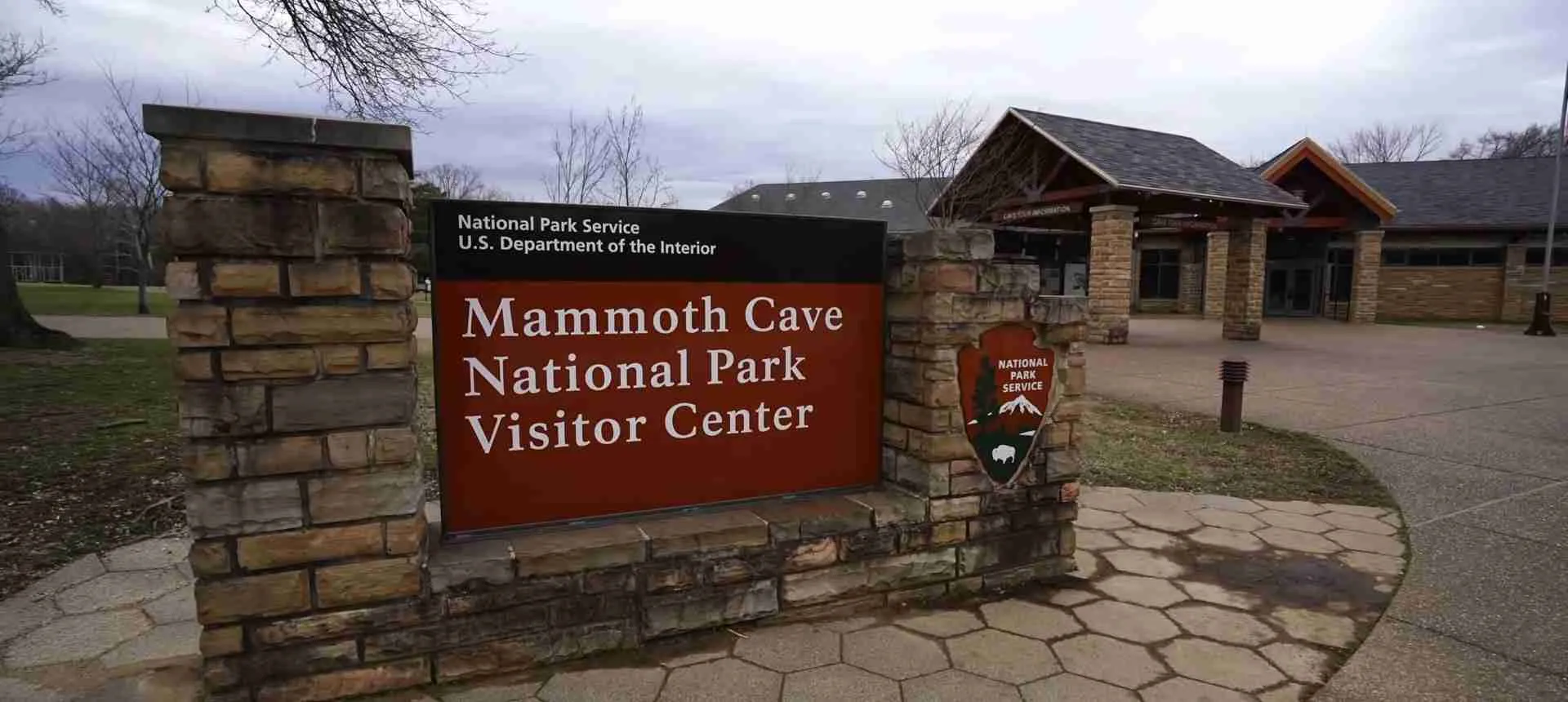
Mammoth Cave National Park Complete Guide 2026: Everything You Need to Know
Mammoth Cave National Park preserves the world’s longest known cave system with over 426 miles of mapped underground passages in south-central Kentucky. This UNESCO World Heritage Site and International Biosphere Reserve offers extraordinary subterranean exploration alongside 80+ miles of surface hiking trails, scenic river paddling opportunities, and one of the most accessible cave experiences in the United States just 90 minutes from both Louisville and Nashville.
Key Takeaways
- Cave Access 2026: All cave visits require advance tour reservations through Recreation.gov, with tours ranging $12-79 depending on difficulty and duration. Popular tours sell out weeks ahead during summer peak season, making early booking essential for securing preferred dates and times.
- Budget Planning 2026: Budget travelers need $100-145 per person daily assuming two sharing budget accommodations, mid-range visitors spend $150-245 per person daily with comfortable hotels and multiple cave tours, while luxury travelers invest $235-370 per person daily for premium lodging and comprehensive cave experiences.
- Best Time Visit 2026: Spring (April-May) and fall (September-October) offer ideal conditions with mild weather, moderate crowds, and full tour availability. Summer (June-August) brings peak visitation with 100,000+ July visitors and sold-out tours, while winter (December-February) provides solitude with just 16,000-18,000 January visitors but limited tour options.
- Geographic Access 2026: The park sits in south-central Kentucky accessible via Interstate 65, approximately 90 miles south of Louisville and 85 miles north of Nashville. Cave City (8 miles north) and Park City (15 miles north) provide budget accommodation options, while the on-site Lodge at Mammoth Cave offers convenient park-adjacent stays.
- Tour Variety 2026: Eight distinct cave tour options cater to different fitness levels and interests, from the wheelchair-accessible Mammoth Passage Tour to the challenging six-hour Wild Cave Tour requiring helmets and headlamps. Most popular tours (Historic Tour, Frozen Niagara Tour, Domes & Dripstones Tour) run 1-2.5 hours covering 0.75-2 miles underground.
- UNESCO Designation: Designated a UNESCO World Heritage Site in 1981 and International Biosphere Reserve in 1990, Mammoth Cave protects not only the world’s longest cave system but also critical karst terrain ecosystems, endangered species habitat including Indiana and Gray bats, and 4,000+ years of human cave history beginning with Native American exploration.
People Also Ask About Mammoth Cave National Park 2026
How much does a visit to Mammoth Cave cost per person in 2026?
Visiting Mammoth Cave National Park costs $100-145 per person daily for budget travelers, $150-245 for mid-range comfort, and $235-370 for luxury experiences, all assuming two people sharing hotel accommodations. Park entrance is free, but cave tour tickets range $12-79 depending on tour selection. The self-guided Discovery Tour costs $12 for adults and $9 for youth ages 6-15, while the most popular Historic Tour runs $27 for adults. Budget travelers typically select one cave tour daily combined with free surface hiking, mid-range visitors book 2-3 cave tours over multiple days, and luxury travelers often reserve specialized tours like the Wild Cave Tour at $79 per person requiring six hours underground.
What is the best cave tour for first-time visitors to Mammoth Cave in 2026?
The Historic Tour represents the ideal first-time cave experience at Mammoth Cave, covering two miles over two hours through the cave’s most historically significant passages including the massive Rotunda, Booth’s Amphitheater where 19th-century saltpeter mining occurred, and the towering Mammoth Dome. This tour costs $27 for adults in 2026 and requires moderate fitness to navigate 440 stairs, but rewards visitors with comprehensive cave geology, human history spanning 4,000 years, and the dramatic scale that gave Mammoth Cave its name. Alternative first-timer options include the Frozen Niagara Tour ($23 adults) for those seeking spectacular formations over a shorter 1.25-hour duration, or the Domes & Dripstones Tour ($24 adults) combining both large passage exploration and delicate flowstone formations.
Can you visit Mammoth Cave without booking a tour in advance for 2026?
Advanced tour reservations through Recreation.gov are strongly recommended and often essential for Mammoth Cave visits in 2026, as same-day tour availability is extremely limited and nonexistent during peak summer months when tours sell out weeks ahead. The park releases tour reservations up to six months in advance, and popular tours during July-August weekends typically sell out within days of becoming available. Walk-up tickets occasionally become available at the visitor center due to cancellations, but relying on same-day availability risks complete tour unavailability particularly for groups or visitors with time constraints. The only exception is the self-guided Discovery Tour offered during peak season (typically Memorial Day through October), which sometimes maintains day-of availability, though even this tour fills during busy weekends.
How many days should you spend at Mammoth Cave National Park in 2026?
Two to three days provides the optimal Mammoth Cave experience, allowing sufficient time for multiple cave tours, surface hiking exploration, and river activities without rushing. A two-day visit typically accommodates 2-3 cave tours plus 1-2 moderate hikes like the Green River Bluffs Trail or Cedar Sink Trail, totaling approximately $200-290 per person for mid-range travelers. Three days enables more comprehensive exploration including 4-5 cave tours across different difficulty levels, extensive surface trail hiking, possible Green River paddling, and time to appreciate the park’s biodiversity and dark sky designation. First-time visitors focused exclusively on cave experiences can successfully visit in one full day with 1-2 tours and basic surface exploration, though this compressed schedule misses the park’s remarkable above-ground ecosystems and requires precise tour timing.
Extended multi-day tours – 5+ days
Featured Southeast Usa Multi-Day Tour Packages

8 days
Short Family Journey in Florida
- ✓ Booking needs min. 2 travelers
9 days
The Ultimate Florida Road Trip
- ✓ Booking needs min. 2 travelers

14 days
Best of the South: Charleston to New Orleans
- ✓ Comprehensive Southeast Usa tour
- ✓ Expert local guides included
- ✓ All accommodation arranged
- ✓ Transportation provided
8 days
Florida Sunshine: From Miami to Key West
- ✓ Comprehensive Southeast Usa tour
- ✓ Expert local guides included
- ✓ All accommodation arranged
- ✓ Transportation provided
Multi-day tour packages powered by TourRadar. Prices and availability subject to change.
Introduction: Understanding Mammoth Cave National Park in 2026
Mammoth Cave National Park protects an underground landscape of staggering proportions. With 426 miles of surveyed passages making it Earth’s longest known cave system, the park represents just a fraction of what geologists believe exists beneath south-central Kentucky’s rolling karst terrain. New passages continue discovery even today, with surveys regularly extending the known system deeper into limestone bedrock laid down 325 million years ago during the Mississippian Period when shallow seas covered this region.
Above ground, the park encompasses 52,830 acres of hardwood forest, sinkholes, springs, and the Green River valley. This surface landscape provides critical context for understanding the cave below. Water percolating through soil and limestone created the vast caverns over millions of years, and that same process continues today. The park’s three-layer sandstone cap prevented complete cave collapse, creating the unusually large passages that distinguish Mammoth Cave from more heavily decorated but smaller cave systems.
Human connection to Mammoth Cave spans at least 4,000 years. Native Americans explored deep into the cave system, leaving artifacts, torch marks, and even human remains that provide archaeological evidence of extensive prehistoric cave use. Early Euro-American settlers rediscovered the cave in the 1790s, and during the War of 1812, enslaved workers mined cave sediments for saltpeter used in gunpowder production. Commercial cave tours began in 1816, making Mammoth Cave one of America’s oldest tourist attractions. Stephen Bishop, an enslaved guide, made many of the cave’s most significant discoveries in the 1830s-1840s, and his maps and route-finding created the foundation for modern cave tours.
The park achieved UNESCO World Heritage Site designation in 1981, recognizing both its superlative natural phenomena and its cultural significance. In 1990, it became the core area of an International Biosphere Reserve, acknowledging the cave system’s role within a larger ecological context. In 2021, Mammoth Cave received International Dark Sky Park certification, protecting its exceptional night sky quality for astronomical observation and nocturnal wildlife.
Planning a 2026 visit requires understanding this dual character—the cave system itself and the equally valuable surface environment. Most visitors focus exclusively on cave tours, missing the exceptional biodiversity, scenic hiking, and river opportunities that complement underground exploration. The park’s central Kentucky location places it within a day’s drive of major population centers including Louisville, Nashville, Cincinnati, and Indianapolis, making it one of the most accessible national parks in the eastern United States.
Cave tour reservations represent the critical planning element for any Mammoth Cave visit. Tours book through Recreation.gov up to six months in advance, and popular summer tours sell out within days of becoming available. Understanding tour options, physical requirements, and seasonal availability shapes successful trip planning. Surface activities require no advance reservations except for backcountry camping permits, but seasonal considerations affect trail conditions and river access.
This guide provides comprehensive planning information for 2026 visits including detailed cost breakdowns across budget tiers, seasonal timing strategies, complete tour descriptions with difficulty ratings, accommodation options both within the park and nearby communities, dining strategies, transportation logistics, and activity planning beyond cave tours. Whether planning a focused one-day cave visit or a comprehensive multi-day exploration of both subterranean and surface environments, this resource addresses the practical questions that ensure successful Mammoth Cave experiences.
Cave Tour Options and Pricing 2026
Mammoth Cave offers eight distinct tour options in 2026, each providing different perspectives on the cave system’s geology, history, and ecology. Tour selection depends on fitness level, time availability, interest in formations versus large passages, and tolerance for challenging conditions. All tours depart from the Visitor Center with specific assembly times 30 minutes before tour departure. Late arrivals forfeit tour fees without refund, making punctuality essential.
The self-guided Discovery Tour ($12 adults, $9 youth ages 6-15, children 5 and under free) offers the most flexible and budget-friendly cave access during peak season typically Memorial Day through October. This 0.75-mile tour through the Historic Entrance takes visitors through the massive Rotunda, Broadway, and other large trunk passages at their own pace over approximately 1-1.5 hours. Rangers station themselves at key points along the route to answer questions and provide interpretation. The Discovery Tour includes the same basic route as the Mammoth Passage Tour but without continuous guide narration, making it ideal for visitors who prefer self-paced exploration or families with young children who need flexibility. The tour involves 135 stairs and stays on broad, well-lit walkways through some of Mammoth Cave’s largest rooms.
The Mammoth Passage Tour ($18 adults, $13 youth) provides the guided version of the Discovery Tour route, covering the same 0.75-mile path over 1.25 hours with continuous ranger interpretation. This introductory tour suits visitors who dislike tight spaces, families with small children, or anyone seeking limited stair climbing while still experiencing the cave’s impressive scale. The tour emphasizes human history including Native American exploration, saltpeter mining during the War of 1812, and the contributions of enslaved guide Stephen Bishop who discovered and mapped much of the cave in the 1830s-1840s.
The Historic Tour ($27 adults, $19 youth) represents the park’s signature cave experience and the recommended choice for first-time visitors seeking comprehensive cave exploration. This two-hour, two-mile tour descends 440 stairs into the cave’s historic section, visiting the Rotunda where saltpeter mining equipment remains in place, Booth’s Amphitheater, Methodist Church, Tuberculosis Huts from an ill-fated 1842 medical experiment, Giant’s Coffin, and the Bottomless Pit. The tour demonstrates both the massive trunk passages that characterize Mammoth Cave and the tighter corridors that connect them. Moderate fitness is required for the stair climbing and uneven passage walking, but the tour rewards effort with the cave’s most historically significant areas and dramatic geological features. This tour provides the best value for visitors wanting comprehensive cave exposure in a single experience.
The Domes & Dripstones Tour ($24 adults, $17 youth) offers a two-hour, 1.75-mile journey combining large passage exploration with Mammoth Cave’s most impressive flowstone formations. The tour visits the Snowball Dining Room and Frozen Niagara, where calcite deposits create dramatic draperies, flowstone cascades, and delicate soda straw formations. Unlike the Historic Tour’s emphasis on human history and massive rooms, Domes & Dripstones focuses on geological processes that create cave formations. The tour includes 500 stairs including steep sections, requiring moderate to moderately strenuous fitness levels. Visitors interested primarily in cave formations rather than historical narratives should prioritize this tour.
The Frozen Niagara Tour ($23 adults, $16 youth) provides a shorter 1.25-hour option focused exclusively on the cave’s most spectacular formation area. Covering just under one mile with 200 stairs, this tour suits families with young children, visitors with limited time, or those primarily interested in beautiful formations rather than large passage exploration. The tour enters through the Frozen Niagara Entrance (requiring a short bus ride from the Visitor Center) and visits the Drapery Room, Frozen Niagara flowstone, and Crystal Lake. This represents the easiest tour for seeing significant formations, though it sacrifices the massive passage scale that defines much of Mammoth Cave’s character.
The Cleaveland Avenue Tour ($21 adults, $15 youth) explores one of the cave’s most visually distinctive sections, featuring tube-shaped passages with walls covered in gypsum flowers, needles, and other gypsum formations that sparkle in headlamp light. This two-hour, one-mile tour has been attracting visitors for nearly two centuries due to its unique aesthetic. The tour uses the elevator for descent and ascent (200 stairs total), or visitors can opt for the more challenging route covering two miles with 400 stairs. Cleaveland Avenue provides a very different visual experience from other tours—narrower passages, lower ceilings, and abundant wall formations rather than the vast rooms and vertical development seen elsewhere.
The Introduction to Caving Tour ($30 adults, $21 youth, ages 10+) bridges the gap between traditional walking tours and true wild caving experiences. This 3.5-hour tour covers 1.5 miles but includes crawling, climbing, and navigating tight passages that require headlamps and limited equipment. Participants wear knee pads and gloves (provided) and experience portions of the cave inaccessible to standard tours. The tour requires good physical condition and comfort with darkness, tight spaces, and getting dirty. This tour appeals to adventurous visitors wanting more challenging cave exploration without committing to the full Wild Cave Tour’s six-hour duration and extreme physical demands. Cancellations within 48 hours of tour time incur a $6 fee.
The Wild Cave Tour ($79 adults 16+, advance reservation required, ages 16+ only, maximum 12 participants) represents Mammoth Cave’s most challenging and immersive experience. This six-hour journey covers five miles through undeveloped cave passages requiring extensive crawling, climbing, and squeezing through tight spaces. Participants wear helmets, headlamps, and kneepads (all provided) and should expect to get thoroughly muddy. The tour visits areas of the cave accessible only to serious cavers and researchers, providing perspectives on cave exploration, geology, and ecology impossible to achieve on standard tours. Physical fitness requirements are substantial—the tour is moderately strenuous to strenuous throughout, with no easy exit points once begun. Minimum age is 16 years, and participants should be comfortable with extended periods in complete darkness, confined spaces, and strenuous physical activity. Cancellations within 48 hours incur a $12 fee. The Wild Cave Tour typically operates on weekends year-round but sells out weeks in advance.
All cave tours maintain a constant 54°F (12°C) temperature regardless of surface weather, requiring light jackets or long sleeves even during summer. Sturdy closed-toe shoes with good traction are mandatory—no sandals, flip-flops, or smooth-soled shoes. Cave floors can be wet, uneven, and slippery. Photography is permitted without flash on all tours. Tripods, selfie sticks, backpacks larger than hip-length, child backpack carriers, strollers, food, drinks other than water in sealed containers, and tobacco products are prohibited in the cave. Front-carrying baby carriers are permitted for very young children on easier tours.
Children under 16 must be accompanied by an adult 18 or older on all tours. Children 2 and under do not require tickets but count toward tour capacity limits. Age restrictions apply to Introduction to Caving (minimum age 10) and Wild Cave Tour (minimum age 16). Tour capacity varies by tour type, typically ranging from 12-40 participants. Private or small group tours are not offered—all tours operate as scheduled public programs.
Senior Pass and Access Pass holders receive 50% discount on one ticket per pass holder. The discount applies only to the pass holder, not their entire group. Visitors must pay full price online through Recreation.gov, then bring the physical pass and photo identification to the Visitor Center ticket counter to receive their refund before the tour. America the Beautiful Annual Passes do not provide discounts on cave tours.
Tour cancellations before the scheduled tour time receive full refunds minus a $1 per ticket processing fee. No-shows or late arrivals forfeit the entire tour fee without refund or rescheduling. Tours depart precisely on schedule—if you miss your assigned shelter meeting time, the tour leaves without you and fees are forfeited. Road construction or traffic delays are not accepted as reasons for late arrival, making early arrival (30 minutes before tour time) strongly recommended.
Accommodation Options and Costs 2026
Accommodation options near Mammoth Cave National Park span from on-site park lodging to budget motels in nearby towns, with pricing varying significantly by season and location. Understanding the geographic relationship between lodging options and the park entrance helps minimize drive time and maximize cave tour access.
Lodge at Mammoth Cave (On-Site Park Lodging)
The Lodge at Mammoth Cave provides the only accommodations within park boundaries, located adjacent to the Visitor Center with direct walking access to cave tour departures, surface trailheads, and park programs. The lodge complex includes the main hotel building, Heritage rooms, and seasonal Woodland Cottages, collectively offering approximately 110 rooms.
Hotel rooms in the main lodge building range $127-192 per night depending on season and room type. Sunset rooms offer modern amenities including air conditioning, private bathrooms, and contemporary furnishings. These rooms represent the lodge’s most comfortable option and book quickly for summer weekends. Heritage rooms provide more basic accommodations at slightly lower rates but show their age with dated bathrooms and furnishings. All hotel rooms include access to the lodge’s restaurant, gift shop, and central location.
Woodland Cottages ($90-130 per night) operate seasonally from April 1 through late October/early November, closing for winter due to lack of heating. These rustic cabins offer a more budget-friendly option but sacrifice modern comforts—most notably, Woodland Cottages do not include air conditioning, making summer stays potentially uncomfortable during hot, humid Kentucky weather. The cottages suit visitors prioritizing budget over comfort, particularly during cooler spring and fall months. Bringing portable fans is recommended for summer cottage stays.
The lodge’s primary advantage is location. Staying on-site eliminates morning drives to tour departure times, allows easy returns to rooms between activities, and provides immediate access to ranger programs and visitor center resources. The lodge restaurant offers breakfast and dinner (lunch at the adjacent cafe), removing the need for meal planning in nearby towns. These conveniences command a premium over off-site options, particularly during peak season when lodge rates approach or exceed $190 per night for hotel rooms.
Booking the Lodge at Mammoth Cave requires advance planning. Summer weekend reservations often book 6-12 months ahead. Make lodge reservations concurrent with cave tour bookings through Recreation.gov to ensure accommodation availability matches tour dates. Last-minute lodge availability occasionally occurs due to cancellations but cannot be relied upon for trip planning.
Cave City Accommodations (8 Miles North)
Cave City, located 8 miles north of the park entrance via Highway 70, serves as the primary accommodation hub for budget and mid-range visitors. The town features approximately 15 hotels and motels concentrated along Mammoth Cave Road, offering easy access to the park while maintaining lower rates than on-site lodging.
Budget options in Cave City include national chains like Days Inn, Econo Lodge, and Super 8 with rates ranging $80-110 per night during peak summer season and $55-75 during winter. These properties offer basic clean rooms, free breakfast (typically continental style), Wi-Fi, and parking. Quality varies by property—recent TripAdvisor and Google reviews provide current condition information. Budget properties appeal to visitors prioritizing cave tour budgets over accommodation quality, particularly for one or two-night stays when rooms primarily serve as sleeping spaces between park activities.
Mid-range Cave City hotels include Hampton Inn Cave City, Sleep Inn & Suites, Comfort Inn & Suites, and Quality Inn, with rates spanning $120-155 per night summer, dropping to $85-120 winter. These properties feature more spacious rooms, better breakfasts with hot options, pools, fitness centers, and more modern furnishings. The Hampton Inn and Sleep Inn & Suites consistently receive highest ratings for cleanliness and service. Mid-range hotels suit families or visitors spending multiple nights who value comfortable common areas and amenities between park visits.
Cave City also offers unique accommodations including Wigwam Village #2, one of the last remaining wigwam motels from America’s roadside architecture era. Individual concrete wigwam structures provide novelty lodging experiences at $90-120 per night. While not luxury accommodations, the wigwams offer memorable stays particularly appealing to families with children or road trip enthusiasts. The property includes a pool and is well-maintained as a roadside Americana artifact.
Cave City provides numerous dining options within walking distance or short drives of most hotels, including both national chains (Cracker Barrel, various fast food) and local restaurants. This dining variety gives Cave City a practical advantage over on-site lodging for visitors wanting meal flexibility and lower costs. The 8-mile drive to the park entrance takes 12-15 minutes, requiring arrival time padding for early morning cave tours but posing no significant inconvenience for most visitors.
Park City and Horse Cave Accommodations (12-15 Miles North)
Park City and Horse Cave, located 12-15 miles north of Mammoth Cave, offer additional accommodation options generally at lower rates than Cave City. Budget hotels in these communities range $70-95 per night summer, $50-70 winter, with mid-range options at $95-130 summer. The Holiday Inn Express Horse Cave represents the area’s most highly-rated mid-range property.
The additional distance from the park (20-minute drive versus 12-15 minutes from Cave City) provides minimal cost savings for most visitors except during peak season when Cave City books solid and Park City/Horse Cave rates remain more stable. These communities work well for visitors with flexible schedules or those combining Mammoth Cave visits with other regional attractions.
Bowling Green Accommodations (30 Miles Northwest)
Bowling Green, Kentucky’s third-largest city, sits 30 miles northwest of the park with far more extensive hotel options spanning budget to luxury categories. Rates range from $75 for budget chains to $190+ for upscale properties. The city offers superior dining variety, shopping, and amenities but requires 45-minute drives each way to the park.
Bowling Green makes sense for visitors attending Western Kentucky University events, combining Mammoth Cave with National Corvette Museum visits, or seeking urban amenities and entertainment unavailable in small towns near the park. For park-focused trips, the driving distance and time cost outweigh accommodation variety advantages.
Campground Options
Mammoth Cave National Park operates three developed campgrounds providing budget accommodation alternatives. Mammoth Cave Campground, the largest and most centrally located, offers 111 sites available first-come, first-served for $20 per night ($10 with Senior/Access Pass). The campground includes restrooms, showers, water, and dump station but no electrical hookups. Sites accommodate tents and RVs up to 40 feet. The campground operates year-round with full services from mid-March through October, limited services (no showers) November through mid-March.
Houchin Ferry Campground provides more rustic camping with 12 sites at $17 per night, first-come, first-served. Located on the park’s south side, this smaller campground offers more solitude but no showers or dump station. It operates year-round with pit toilets and hand-pump water. Maple Springs Group Campground serves organized groups only with advance reservations.
Backcountry camping requires free permits available at the Visitor Center. Thirteen designated backcountry campsites provide primitive camping opportunities for hikers exploring the park’s extensive trail system. Campers must camp only at designated sites, pack out all trash, and follow Leave No Trace principles.
Private campgrounds near the park include Yogi Bear’s Jellystone Park (Cave City), Singing Hills RV Park, and several others offering full hookups, pools, playgrounds, and amenities beyond park campground facilities. Rates range $35-55 per night. These appeal to RV travelers wanting full hookups or families seeking campground entertainment facilities.
Food and Dining Expenses 2026
Dining options near Mammoth Cave National Park range from on-site park facilities to Cave City restaurants and fast food chains, with daily food costs varying significantly based on dining choices and meal planning strategies.
On-Site Park Dining
The Green River Restaurant at the Lodge at Mammoth Cave serves breakfast and dinner with prices reflecting captive-audience national park dining economics. Breakfast menu items range $10-18 including traditional American options like eggs, pancakes, and breakfast sandwiches. Dinner entrees span $18-32 for items like fried chicken, catfish, steaks, and pasta. The restaurant emphasizes Kentucky regional cuisine and locally-sourced ingredients when possible, with standout items including skillet fried chicken consistently praised in visitor reviews. Meal quality receives generally positive reviews compared to typical national park dining, though prices run 20-30% above equivalent meals in Cave City.
The Snowball Dining Room adjacent to the visitor center operates as a more casual cafe serving lunch and light meals. Sandwiches, salads, pizza, and basic entrees range $8-15. This facility offers quicker service and lower prices than the Green River Restaurant, suitable for lunch between cave tours or quick meals for visitors staying on-site.
On-site dining eliminates driving for meals and provides convenience for multi-day lodge guests, but the premium pricing impacts overall trip budgets. A couple eating all meals at park facilities over a two-day visit can expect $140-200 in meal costs versus $90-130 for equivalent meals in Cave City.
Cave City Dining Options
Cave City provides approximately 15-20 dining establishments ranging from national fast food chains to local restaurants offering varied cuisines and price points.
Budget dining options include McDonald’s, Subway, Taco Bell, KFC, and similar chains where individual meals cost $7-12 per person. These work well for quick lunches or budget-conscious families. Local budget options like Miss Betty’s Diner and Watermill Restaurant offer Southern comfort food buffets and plate lunches at $10-15 per person including sides. The Watermill Restaurant’s all-you-can-eat buffet ($13-15) provides good value for hungry visitors after long hiking or cave tours.
Mid-range dining includes Cracker Barrel ($12-18 per person), El Mazatlan Mexican Restaurant ($12-20), Cave City Pizza ($10-16 for individual meals), and POURter’s Pub & Kitchen ($15-25). These restaurants offer fuller menus, table service, and better atmosphere than fast food. El Mazatlan receives particularly strong reviews for generous portions and authentic Mexican cuisine. Cave City Pizza emphasizes fresh ingredients and homemade pizza with local following.
Coffee shops including Ace Coffee Co provide specialty coffee drinks ($4-7) and light breakfast items. Several Cave City hotels include free breakfast buffets featuring hot items, cereal, fruit, yogurt, and baked goods—this included breakfast significantly reduces daily food costs for hotel guests.
A typical Cave City dining day might include: hotel breakfast (free), fast food or casual lunch ($10-15 per person), sit-down restaurant dinner ($15-25 per person), totaling $25-40 per person daily excluding snacks and drinks. This compares favorably to $50-70 per person daily for on-site park dining, generating $25-30 daily savings per person for the 12-minute drive to town.
Self-Catering and Picnic Options
Budget-conscious visitors can further reduce food costs through grocery shopping and picnic meals. A Dollar General in Cave City provides basic groceries, deli items, and snacks. More complete grocery shopping requires driving to larger stores in Park City or Bowling Green.
The park maintains several picnic areas with tables and grills free for public use. Packing coolers with sandwich fixings, snacks, and drinks enables lunch costs under $5-7 per person. Combining hotel breakfast, picnic lunch, and restaurant dinner reduces daily food costs to $15-30 per person.
Visitors staying in the park’s seasonal Woodland Cottages should note these units do not include kitchens, microwaves, or refrigerators, limiting self-catering options to room-temperature foods and cooler storage. The main lodge and hotel rooms similarly lack cooking facilities. Campground visitors have full self-catering capabilities with camp stoves and coolers.
Daily Budget Breakdown 2026
Understanding daily costs at Mammoth Cave National Park requires accounting for accommodation, meals, transportation, and cave tour expenses across different travel styles. The following breakdowns represent per-person, per-day costs assuming two people sharing hotel accommodation, with all expenses divided between travelers.
Budget Traveler Daily Costs 2026
Budget travelers prioritize cave tour experiences while minimizing accommodation and dining expenses. Daily costs range $100-145 per person assuming two sharing budget hotels.
Accommodation: Budget hotel in Cave City $80-90 per night, per-person share $40-45 (two sharing room). Alternative: Mammoth Cave Campground $20 per site, $10 per person sharing, though this requires camping equipment and limits meal flexibility. Budget hotels in Cave City provide better value for most visitors when dividing room costs between two people.
Meals: Breakfast included at most budget hotels (free), lunch $10-15 at fast food or budget restaurants, dinner $15-22 at casual Cave City restaurants, snacks and drinks $8-12. Total daily food costs $33-49 per person. Picnic lunches can reduce this by $5-8 daily.
Transportation: Visitors driving personal vehicles pay only fuel costs for the 16-mile round-trip Cave City to park entrance, approximately $3-5 daily. Visitors without vehicles must rent cars in Louisville or Nashville ($40-70 daily) plus fuel, adding $15-25 per person daily when split between two travelers. Local taxi or rideshare services are extremely limited and impractical for park access.
Attractions: Cave tours represent the primary expense. The self-guided Discovery Tour ($12 adults) provides budget cave access, while the Mammoth Passage Tour ($18) or Historic Tour ($27) offer better value through ranger interpretation. Budget travelers typically select one cave tour daily, occasionally two on full park days. Surface hiking, visitor center exhibits, and ranger programs are free. Daily attraction costs: $12-25 per person for one cave tour.
Total budget tier daily costs: $100-145 per person (two sharing budget hotel) including accommodation share, meals, transportation portion, and one cave tour. A three-day Mammoth Cave visit costs approximately $300-435 per person at budget tier.
Mid-Range Traveler Daily Costs 2026
Mid-range travelers balance cave tour variety with comfortable accommodations and better dining. Daily costs span $150-245 per person assuming two sharing mid-range hotels.
Accommodation: Mid-range hotels in Cave City $120-155 per night OR Lodge at Mammoth Cave hotel rooms $127-192 per night. Per-person share ranges $60-95 (two sharing). Mid-range accommodation provides better sleep quality, amenities like pools and fitness centers, and superior breakfasts impacting daily meal costs.
Meals: Hotel breakfast included (free or $10-15 at lodge restaurant), lunch $15-25 at mid-range restaurants, dinner $25-40 at better Cave City establishments or lodge restaurant, snacks and drinks $12-18. Total daily food costs $52-83 per person. Lodge dining adds $15-25 daily versus Cave City restaurants but eliminates driving.
Transportation: Personal vehicle fuel $3-5 daily for Cave City hotel guests. Rental car when needed $15-25 per person daily (split between two). Lodge guests eliminate transportation needs entirely.
Attractions: Mid-range visitors typically book 2-3 cave tours over a multi-day visit, averaging 1-1.5 tours daily. Popular tour combinations include Historic Tour ($27) plus Frozen Niagara Tour ($23) or Domes & Dripstones Tour ($24), totaling $50-55 daily when amortized across a 2-3 day visit. Some mid-range visitors add the Introduction to Caving Tour ($30) for more adventurous experiences. Daily attraction costs: $25-40 per person averaging multiple tours across visit length.
Total mid-range tier daily costs: $150-245 per person (two sharing mid-range hotel) including accommodation share, meals, transportation portion, and multiple cave tours amortized daily. A three-day Mammoth Cave visit costs approximately $450-735 per person at mid-range tier.
Luxury Traveler Daily Costs 2026
Luxury travelers prioritize comprehensive cave exploration, premium on-site lodging, and superior dining experiences. Daily costs range $235-370 per person assuming two sharing the best available accommodations.
Accommodation: Lodge at Mammoth Cave best hotel rooms $165-192 per night, per-person share $83-96 (two sharing). Alternatively, luxury travelers sometimes choose upscale bed and breakfasts in the region ($190-300 per night, $95-150 per person sharing) offering distinctive experiences beyond standard hotels. On-site lodge lodging provides unmatched convenience for intensive cave touring schedules.
Meals: All meals at lodge facilities or better regional restaurants: breakfast $15-25, lunch $18-30, dinner $35-50, premium drinks and snacks $12-15. Total daily food costs $70-110 per person. Luxury dining emphasizes lodge restaurant Kentucky specialties or drives to superior restaurants in Bowling Green for more refined cuisine.
Transportation: Lodge guests eliminate transportation needs. Visitors staying off-site may use rental vehicles ($30-50 per person daily share) allowing flexibility for regional exploration beyond the park.
Attractions: Luxury visitors often book comprehensive cave experiences including premium tours. Common combinations include Historic Tour ($27), Domes & Dripstones Tour ($24), and Wild Cave Tour ($79), plus possible Introduction to Caving Tour ($30). Averaging multiple tours across a multi-day visit generates daily attraction costs of $40-60 per person. Some luxury travelers hire private guides for above-ground naturalist hikes (arranged through local outfitters, $100-200 per day for group) adding premium interpretive experiences.
Total luxury tier daily costs: $235-370 per person (two sharing premium accommodation) including accommodation share, upscale dining, transportation when needed, and comprehensive cave tour packages. A three-day Mammoth Cave visit costs approximately $705-1,110 per person at luxury tier.
Cost-Saving Strategies Across All Budget Tiers
Several strategies reduce costs without sacrificing cave experience quality. Visiting during shoulder season (April-May or September-October) reduces accommodation costs by 20-30% compared to peak summer rates while maintaining full tour availability and optimal weather conditions. Winter visits (excluding holiday weeks) provide even steeper accommodation discounts but limit tour variety.
Booking cave tours and accommodations 4-6 months in advance ensures availability while allowing price comparison across Cave City hotels. Last-minute bookings during summer risk sold-out tours and inflated accommodation rates.
Hotel breakfast inclusion significantly impacts daily budgets—free hot breakfast saves $10-15 per person daily compared to restaurant breakfast or lodge dining. Prioritizing hotels advertising free breakfast reduces three-day trip costs by $30-45 per person.
Combining free surface activities (hiking, ranger programs, visitor center exhibits) with one quality cave tour daily provides full park experiences without multiple tour expenses. The park’s 80+ miles of hiking trails, Green River access, and evening programs offer substantial value at no cost beyond time investment.
Senior Pass and Access Pass holders should always bring passes and photo identification to the Visitor Center ticket counter to claim 50% tour discounts. For a couple both holding Senior Passes taking multiple tours, this discount saves $50-100 over a multi-day visit.
Best Time to Visit Mammoth Cave 2026
Seasonal considerations at Mammoth Cave National Park affect crowd levels, tour availability, accommodation rates, surface hiking conditions, and overall experience quality. The cave itself maintains constant 54°F temperature year-round, but surface weather, visitation patterns, and operational factors create distinct seasonal advantages and challenges.
Spring Season 2026 (March-May)
Spring brings awakening ecosystems, wildflower blooms, and steadily increasing visitation as weather warms. March experiences transitional conditions with daytime temperatures averaging 50-65°F but occasional cold snaps and nighttime lows near freezing. By May, temperatures range 65-78°F with increasing humidity.
Wildflowers provide spring’s primary surface attraction. The Heritage Trail, Cedar Sink Trail, and areas near the visitor center display peak wildflower diversity in April and early May. Cedar Sink, a massive 300-foot diameter sinkhole, ranks among Kentucky’s premier wildflower viewing locations with dozens of species carpeting the sinkhole slopes. Photographers and nature enthusiasts prioritize April visits to capture wildflower peak bloom.
Cave tour availability expands significantly on March 1 when seasonal programs resume after limited winter schedules. Spring break weeks (typically mid-March and early April depending on school district calendars) bring temporary visitation surges, but overall spring crowds remain moderate compared to summer. Tours generally maintain availability for advance bookings 2-4 weeks out except during spring break weekends when popular tours may sell out.
Precipitation peaks in spring with April and May averaging 4-5 inches monthly. Frequent rain creates muddy trail conditions and occasionally closes river access due to high water. Waterproof hiking boots and rain gear are essential spring equipment. Ticks emerge in April and remain active through fall—treat clothing with permethrin insecticide before arrival and conduct thorough tick checks after surface activities.
Accommodation rates begin transitional increase from winter lows to summer peaks. April and May rates typically run 15-25% below peak summer levels, providing cost advantages while maintaining comfortable weather and full park operations. This pricing sweet spot combined with wildflower displays makes late April through mid-May arguably the park’s optimal visit window for balancing cost, weather, crowds, and natural spectacle.
Summer Season 2026 (June-August)
Summer brings peak visitation, maximum tour variety, full park operations, and challenging hot humid weather above ground. July typically receives 100,000 visitors, with weekends bringing parking lot capacity crowds and sold-out cave tours weeks in advance. June and August see slightly lower but still substantial visitation.
Surface temperatures regularly exceed 90°F with humidity creating heat index values above 100°F. The cave’s constant 54°F temperature provides dramatic relief, making cave tours exceptionally appealing during summer heat. However, the 35-40°F temperature differential requires bringing light jackets or long sleeves for all cave tours—visitors often underestimate this cooling given surface heat.
All cave tour options operate on full summer schedules with maximum daily tour frequency. The self-guided Discovery Tour typically operates during summer (Memorial Day through October), providing the most flexible and budget-friendly cave access. Specialized tours like Wild Cave Tour run most frequently during summer months. This maximum tour variety benefits visitors wanting comprehensive cave exploration across multiple tour types.
Advance tour reservations become absolutely essential during summer. Popular tours like Historic Tour, Frozen Niagara Tour, and Domes & Dripstones Tour sell out 4-6 weeks ahead for July-August weekends, often within days of becoming available through Recreation.gov’s six-month advance booking window. Families constrained by school vacation schedules must book tours and accommodations concurrently 5-6 months ahead to ensure availability.
Surface hiking during summer heat requires early morning starts, abundant water carrying, and heat management strategies. Trails with tree canopy like Green River Bluffs Trail remain somewhat tolerable, but exposed areas like the Heritage Trail become extremely hot by midday. Most summer visitors focus on cave tours and limit surface hiking to early morning hours or evening. River activities including canoeing and kayaking on the Green River become most popular during summer, offering cooling alternatives to hiking.
Accommodation rates peak during summer with Cave City budget hotels reaching $90-110 per night and mid-range properties $130-155. The Lodge at Mammoth Cave often sells out entirely for summer weekends, with remaining availability at maximum $192 nightly rates. These peak prices combined with maximum crowds make summer the most expensive and challenging visit period despite full operational advantages.
Summer visits make sense for families constrained by school schedules, visitors wanting maximum tour variety, and travelers prioritizing river activities. The high costs and crowds represent acceptable tradeoffs for these visitors. Flexible travelers should strongly consider shoulder season alternatives.
Fall Season 2026 (September-November)
Fall provides Mammoth Cave’s second-best visit window after late spring, offering comfortable temperatures, beautiful foliage, moderate crowds (especially mid-September through mid-October), and still-extensive tour availability. September daytime temperatures average 75-82°F, dropping to 60-70°F by October and 45-60°F by November.
Autumn foliage typically peaks in mid-to-late October across the park’s extensive oak-hickory forests. The Green River Bluffs Trail and Turnhole Bend provide particularly scenic foliage overlooks. Fall colors attract regional visitors for weekend day trips, creating temporary crowd surges around October 15-25, but weekday visitation remains moderate even during peak foliage.
Cave tour schedules remain robust through September and early October with most tour options operating, though frequency may reduce from peak summer schedules. By November, some specialized tours reduce frequency or operate weekends only. The Wild Cave Tour generally continues year-round on weekend schedules. Tour advance booking remains advisable 2-4 weeks out for fall visits, particularly during October foliage weeks.
Two of the park’s three campgrounds close for the season in late October/early November. The Lodge at Mammoth Cave closes Woodland Cottages in late October due to lack of heating, though the main hotel remains open year-round. These operational changes reflect decreasing visitation as autumn progresses toward winter.
Accommodation rates drop significantly after Labor Day, with Cave City budget hotels falling to $70-90 per night and mid-range properties to $100-130. Lodge rates similarly decrease 15-25% from summer peaks. The combination of reduced costs, comfortable temperatures, autumn colors, and moderate crowds makes September and early October exceptional value periods. Late October maintains advantages except during peak foliage weekend crowds.
November transitions toward winter with cooling temperatures, reduced tour schedules, and increasing operational closures. Early November visits (pre-Thanksgiving) still offer reasonable conditions and very light crowds, particularly weekdays. Thanksgiving week brings temporary visitation spike as regional families visit during holiday breaks.
Winter Season 2026-2027 (December-February)
Winter delivers Mammoth Cave’s quietest season with minimal crowds, limited tour options, cold surface conditions, and significant operational changes. January typically receives just 16,000-18,000 visitors total compared to July’s 100,000, creating near-solitary park experiences particularly on weekdays.
Surface temperatures range 30-50°F daytime with nighttime lows often dropping below freezing. Snow occurs intermittently, usually light accumulations of 1-4 inches that melt quickly but can create icy trail conditions. The cave’s 54°F constant temperature actually feels warmer than surface conditions during winter, creating inverted seasonal perceptions—winter cave tours require lighter clothing than summer tours.
Cave tour offerings reduce substantially during winter. The park typically operates 2-4 tour options daily rather than summer’s full complement. Common winter tours include Mammoth Passage Tour, Historic Tour, and Frozen Niagara Tour, with specialized tours like Wild Cave Tour running weekend-only schedules. The reduced tour variety limits comprehensive cave exploration but rarely presents capacity problems—winter tours almost never sell out except Christmas week and New Year’s week when regional families visit during school breaks.
Accommodation rates reach annual lows during winter excluding holiday weeks. Cave City budget hotels drop to $55-75 per night, mid-range properties to $85-120, and the Lodge at Mammoth Cave to $115-145 for hotel rooms. These 30-40% discounts compared to summer rates provide significant value for cold-tolerant visitors, particularly those combining multi-day stays with comprehensive winter hiking.
Surface hiking during winter requires appropriate cold-weather clothing and awareness that trails can be icy or muddy after precipitation. However, winter hiking offers unique advantages: leafless trees provide extended sight lines and valley views, wildlife becomes more visible with reduced foliage, and the absence of summer humidity makes temperature hiking comfortable with proper layering. The Green River Bluffs Trail and other ridge trails provide excellent winter hiking when conditions permit.
Winter visits appeal to visitors seeking solitude, photographers wanting dramatic cave lighting without tourist crowds, and budget travelers prioritizing cost savings over operational convenience. The significantly reduced accommodation and attraction costs combined with near-private cave tour experiences create compelling value propositions for appropriately-prepared visitors. Families with school-age children typically cannot visit during winter except holiday weeks, making winter the domain of retirees, remote workers, and weekend visitors from nearby cities.
Optimal Visit Windows 2026
For most visitors balancing weather, costs, crowds, and operational factors, the optimal Mammoth Cave visit windows are late April through mid-May (spring wildflowers, moderate costs, good availability, comfortable temperatures) and September through mid-October (autumn colors, reduced costs, comfortable temperatures, still-full operations). These shoulder season periods provide the highest value-to-experience ratios.
Summer visits (June-August) suit families constrained by school schedules and visitors wanting maximum tour variety despite premium costs and maximum crowds. Winter visits (December-February excluding holidays) appeal to budget travelers and solitude-seekers willing to accept limited tour options and cold surface conditions in exchange for dramatic cost savings and near-private experiences.
Transportation and Getting Around 2026
Reaching Mammoth Cave National Park requires private vehicle transportation, as no public transportation serves the park or nearby towns. The park’s south-central Kentucky location places it within day-trip distance of multiple major cities but requires understanding regional highway access and local road networks.
Driving to Mammoth Cave from Major Cities
Louisville, Kentucky (90 miles north, 1.5 hours): Take Interstate 65 South to Exit 53 (Cave City/Park City), then follow Highway 70 west approximately 8 miles to the park entrance. This represents the most straightforward approach with entirely interstate highway driving until the final short stretch. Louisville serves as the primary airport for most Mammoth Cave visitors flying from distant origins.
Nashville, Tennessee (85 miles south, 1.5 hours): Take Interstate 65 North to Exit 53, then Highway 70 west to the park entrance. Nashville provides an alternative airport option and serves as the logical starting point for visitors combining Mammoth Cave with Tennessee attractions. The drive parallels Louisville’s route in reverse direction.
Cincinnati, Ohio (175 miles northeast, 2.75 hours): Take Interstate 71 South to Interstate 65 South through Louisville, continuing to Exit 53 and Highway 70 west. Cincinnati’s airport sometimes offers better flight deals than Louisville for East Coast travelers, though the additional 85 miles extends driving time considerably.
Indianapolis, Indiana (150 miles north, 2.5 hours): Take Interstate 65 South through Louisville to Exit 53 and Highway 70 west. Indianapolis provides another alternative airport and serves as the logical origin for Midwestern visitors.
St. Louis, Missouri (265 miles west, 4 hours): Take Interstate 64 East to Interstate 65 South, then exit at Cave City and follow Highway 70 west. This longer drive makes sense only for road-trippers or visitors already in the region.
Car Rental Considerations
Visitors flying to Louisville or Nashville require rental cars for park access. Both airports offer major rental agencies (Enterprise, Hertz, Budget, National, Avis) with rates ranging $40-70 daily for economy and compact cars during non-peak periods, escalating to $60-90 daily during summer peak travel weeks. Multi-day rentals (3+ days) often receive discounted daily rates.
Book rental cars concurrent with flight reservations, particularly for summer travel when rental fleets tighten and rates increase. Rental agreements should confirm unlimited mileage—the round-trip airport to park distance (180-170 miles from Louisville/Nashville) plus daily park access driving can accumulate 250-350 miles for multi-day visits.
GPS navigation or smartphone mapping apps (Google Maps, Apple Maps) work reliably throughout the region except for occasional signal loss within the park itself. Download offline maps before arrival for backup navigation. The park entrance is clearly signed from Highway 70 with minimal navigation complexity.
Green River Ferry
The historic Green River Ferry operates seasonally (typically mid-March through mid-November, weather permitting) providing vehicular access across the Green River between the park’s north and south sections. This cable ferry, free for all users, operates on-demand during daylight hours when seasonal conditions permit. The ferry accommodates passenger vehicles, trucks, and RVs within size limits.
While the ferry provides a unique historical experience and shortens driving distances for visitors accessing the park’s south-side trails and sites, it’s not essential for most visits. Primary park facilities including the visitor center, Lodge at Mammoth Cave, main campground, and most popular trailheads lie north of the Green River and do not require ferry access. Check current ferry operational status on the park website or by calling the visitor center (270-758-2180) as periods of high water or mechanical maintenance close the ferry unpredictably.
Parking at the Park
The main visitor center parking lot accommodates several hundred vehicles but reaches capacity during summer peak periods (typically 10 AM – 2 PM on July-August weekends). Overflow parking areas activate during busy periods, requiring short walks to the visitor center. Arriving early (before 9 AM) or later (after 3 PM) generally ensures convenient parking even during busy seasons.
Individual trailhead parking lots throughout the park rarely fill except during peak fall foliage weekends. Most trailheads accommodate 10-30 vehicles with additional roadside parking available. RVs and vehicles with trailers fit most trailhead lots but should verify specific trailhead parking configurations before arrival.
Within-Park Transportation
Several cave tours (primarily Frozen Niagara Tour and some seasonal tours) require bus transportation from the visitor center to alternative cave entrances. Tour tickets include bus transportation as part of the tour price. Buses depart from designated shelters at the visitor center approximately 15 minutes before tour start times. These bus rides add 10-15 minutes each way to tour durations but provide interpretation and context during the short drives.
No public shuttle or tram system operates within the park for general transportation. Visitors must drive personal vehicles between the visitor center, campgrounds, and distant trailheads. The main park road system is well-maintained paved highway suitable for all vehicle types. Backcountry access roads may be gravel but remain passable for standard passenger vehicles during dry conditions.
Rideshare and Taxi Services
Uber and Lyft operate in Cave City and the surrounding area, though driver availability is limited compared to urban markets. Rideshare from Louisville airport to Mammoth Cave costs $90-130 depending on time of day and driver availability—substantially more expensive than rental cars for multi-day visits. Rideshare suits solo travelers or couples without rental car needs beyond park access, but the limited driver availability and lack of return trip guarantees makes this impractical for most visitors.
Local taxi services exist in Cave City and Park City but with limited fleets and advance-call requirements. These services work for specific transportation needs (airport pickup, return from hiking trips) but not for general park access.
Surface Activities Beyond Cave Tours 2026
While cave tours dominate most visitor itineraries, Mammoth Cave National Park’s 52,830 acres of above-ground landscape provide extensive recreation opportunities that many visitors overlook. The park’s surface environment deserves dedicated time for hiking, river activities, wildlife observation, and ranger programs that complement subterranean exploration.
Hiking Trail Network
The park maintains approximately 80 miles of hiking trails ranging from short 0.5-mile interpretive walks to challenging 8+ mile backcountry routes through karst terrain, river bluffs, and hardwood forests. Trail difficulty varies significantly—research individual trail descriptions and elevation profiles before committing to specific routes.
Green River Bluffs Trail (3.5 miles roundtrip, moderate difficulty) ranks among the park’s most scenic hikes, following limestone bluff edges high above the Green River with multiple overlook points providing valley views. The trail passes through mature oak-hickory forest and includes approximately 300 feet elevation change distributed over gradual grades and some short steep sections. Spring wildflowers and fall foliage enhance this trail’s visual appeal. Plan 2-3 hours including overlook photography stops.
Cedar Sink Trail (2 miles roundtrip, easy to moderate) descends into one of Kentucky’s most impressive sinkholes, a 300-foot diameter collapsed cave chamber with intact ceiling spanning portions of the sinkhole. The trail descends approximately 150 feet from the parking area to the sinkhole floor, where hemlock trees create a cool microclimate and spring wildflowers carpet slopes in April-May. The return climb requires moderate fitness but rewards effort with unique geological features and exceptional biodiversity viewing. Plan 1.5-2 hours.
Heritage Trail (0.7 miles roundtrip, easy, paved) provides the park’s most accessible surface walk, running from the visitor center toward the historic cave entrance through manicured grounds. This fully accessible trail suits mobility-limited visitors, families with small children, or anyone wanting brief surface exposure without challenging terrain. Interpretive signs explain park history and ecology. Plan 30-45 minutes.
Mammoth Dome Sink Trail (1.25 miles roundtrip, easy) showcases another significant sinkhole with unique geological features. This short trail suits families or visitors with limited time wanting sinkhole exposure without Cedar Sink’s more demanding terrain. Plan 45 minutes to 1 hour.
River Styx Spring Trail (0.75 miles roundtrip, easy) leads to a major underground river outlet where the Echo River surfaces at River Styx Spring. This short interpretive trail demonstrates the karst hydrological system connecting surface water to underground cave passages. Plan 30-45 minutes.
Buffalo Creek Trail System (12+ miles, moderate to difficult) provides the park’s most extensive backcountry hiking opportunity with multiple interconnected loops allowing custom distance selection. These trails explore the park’s south side with river access, forested ridges, and backcountry camping opportunities. Serious hikers can spend full days on Buffalo Creek trails, encountering minimal other trail users and experiencing the park’s wilderness character.
Turnhole Bend Nature Trail (1 mile loop, easy) offers gentle walking through diverse forest types with interpretive signs explaining ecological communities. This trail suits birding, nature photography, and leisurely forest exploration. Plan 45 minutes to 1 hour.
Trail conditions vary seasonally. Spring and fall provide optimal hiking weather with comfortable temperatures and beautiful seasonal changes, though spring mud and fall leaf cover can obscure trail surfaces. Summer heat makes early morning hiking essential except on shaded trails. Winter hiking is viable but requires awareness of potential ice on north-facing slopes and stream crossings.
All trails are free to access with no permits required for day hiking. Backcountry camping requires free permits available at the visitor center. Trails close occasionally due to flooding, maintenance, or hazardous conditions—check current trail status at the visitor center before committing to specific routes.
Green River and Nolin River Activities
The Green River flows approximately 25 miles through the park from east to west, creating opportunities for canoeing, kayaking, and fishing. The Nolin River feeds the Green River near the park’s western boundary, adding additional paddling access. Both rivers flow through scenic forested terrain with limestone bluffs, providing wilderness character and wildlife observation opportunities.
Paddling the Green River requires private equipment or local outfitter rentals. Several outfitters in Cave City and Horse Cave rent canoes and kayaks for $40-70 per day with shuttle service available for one-way downstream trips. Popular paddle routes include the 8-mile section from Green River Ferry to Houchin Ferry (3-4 hours) offering gentle current and scenic bluffs, and shorter 3-5 mile sections suitable for half-day trips.
The Green River maintains navigable water levels year-round for kayaks and canoes, though spring runoff creates faster currents requiring appropriate paddling skills. Summer low water occasionally creates shallow sections requiring walking boats across gravel bars. Check current river levels at the visitor center before committing to rental equipment.
Fishing in the Green and Nolin Rivers targets bass (smallmouth and largemouth), catfish, and various sunfish species. Kentucky fishing licenses are required for anglers 16 and older, available online through the Kentucky Department of Fish and Wildlife Resources or at sporting goods stores in nearby towns. The park allows catch-and-release fishing year-round, with seasonal regulations on size and bag limits matching statewide Kentucky regulations.
Biking Opportunities
The Mammoth Cave Railroad Bike & Hike Trail provides a paved 9-mile pathway following the historic railroad route from Park City to the park boundary. This rail-trail offers gentle grades suitable for casual cyclists and families, passing through forest and crossing several historic railroad structures. The trail accommodates walkers, runners, and cyclists with separate lanes where width permits. Plan 1.5-2 hours for the roundtrip ride at moderate pace.
Park roads allow road cycling though narrow shoulders and moderate traffic on Highway 70 and the main park road limit cycling appeal. Serious road cyclists occasionally use park roads for training rides, particularly early mornings when traffic remains light. Mountain biking is not permitted on park hiking trails, limiting off-road cycling opportunities to the paved bike trail.
Ranger Programs and Visitor Center
The Mammoth Cave Visitor Center provides orientation exhibits, bookstore, restrooms, and ranger information services. Exhibits explain cave geology, ecology, human history, and conservation issues. A 15-minute orientation film screens throughout the day introducing park features and cave tour options. The visitor center operates year-round with extended hours during summer (typically 8 AM – 6 PM) and reduced hours during winter (9 AM – 5 PM). Arrive 30 minutes before cave tour times to collect tickets and prepare for tour departure.
Ranger-led surface programs operate primarily during summer and shoulder seasons, including evening programs at the campground amphitheater, guided nature walks, and special topic presentations. These free programs require no advance registration—check the daily schedule posted at the visitor center and campground. Topics vary but commonly include park wildlife, karst ecology, cave conservation, and human history.
Junior Ranger programs allow children to earn Junior Ranger badges by completing activity booklets and attending ranger programs. Activity booklets are available free at the visitor center and campground.
Wildlife and Dark Sky Observation
Mammoth Cave National Park protects diverse wildlife including white-tailed deer, wild turkey, gray fox, coyote, raccoon, beaver, and numerous bird species. Spring and fall bird migrations bring warblers, thrushes, and other neotropical migrants passing through the park’s forests. Patient observers walking quietly on trails regularly encounter deer, squirrels, and wild turkey, particularly during early morning and evening hours.
The park’s International Dark Sky Park certification recognizes exceptional night sky quality. On clear moonless nights, thousands of stars, the Milky Way, and occasional meteors become visible far beyond what urban and suburban residents normally experience. The visitor center parking area and campground provide convenient dark sky viewing locations. Bring red-light flashlights to preserve night vision and allow 20-30 minutes for eyes to fully adapt to darkness.
Family-Friendly Activities and Tips 2026
Mammoth Cave National Park accommodates families with children across wide age ranges, though planning appropriate cave tours and surface activities for different ages requires understanding physical requirements and endurance expectations.
Cave Tours for Families with Young Children
The Mammoth Passage Tour and self-guided Discovery Tour provide the most family-friendly cave access for children ages 3-8. These tours stay on broad, well-lit walkways through large passages where children can walk comfortably without squeezing through tight spaces or navigating numerous stairs. The 1-1.5 hour duration matches typical young children’s attention spans before restlessness develops. Park rangers on the Mammoth Passage Tour adjust interpretation for family audiences, incorporating questions and interactive elements that engage children.
The Frozen Niagara Tour suits families with children ages 6-12 who can handle moderate stair climbing (200 stairs total) over 1.25 hours. The spectacular formations hold children’s visual attention better than the large featureless passages on other tours, and the shorter duration prevents fatigue. The bus ride to and from the Frozen Niagara Entrance adds novelty that children enjoy.
The Historic Tour’s two-hour duration and 440 stairs challenge many children under age 8-10. Families should honestly assess children’s physical capabilities and patience before booking this tour. Well-conditioned active children ages 8+ generally handle the Historic Tour successfully, but sedentary children or those prone to complaining during physical activity may struggle. The tour’s “no exit” nature means struggling children and their families must complete the full route regardless of difficulty.
Children 2 and under do not require cave tour tickets but count toward tour capacity limits. Strollers and child backpack carriers are prohibited in the cave for safety reasons. Front-carrying infant carriers are permitted on easier tours but create awkward weight distribution during stair climbing. Parents must carry tired toddlers or young children who cannot complete tours independently—this adds substantial physical burden during longer tours with extensive stairs.
Age Restrictions and Tour Suitability
The Introduction to Caving Tour requires minimum age 10, enforced strictly due to crawling and tight space navigation unsuitable for smaller children. The Wild Cave Tour requires minimum age 16, reflecting the extreme physical demands and six-hour duration. These age limits protect children’s safety and ensure tour group compatibility.
Youth ticket pricing (ages 6-15) applies to most tours, providing modest savings over adult rates. Children 5 and under tour free on standard tours though still require supervision and capability to complete tours independently or with parent carrying assistance.
Surface Activities for Families
The Heritage Trail’s paved, accessible 0.7-mile surface provides easy family walking suitable even for young children and strollers. The visitor center area includes outdoor spaces where children can run and release energy between structured activities.
The Cedar Sink Trail challenges families with school-age children (typically 6+) through moderate hiking with the reward of dramatic sinkhole views and spring wildflowers. The 2-mile roundtrip distance and elevation change require child fitness and patience but create memorable experiences for outdoor-oriented families.
Junior Ranger programs engage children ages 5-12 through activity booklets combining education and exploration. Children complete activities at their own pace, attend a ranger program, and earn official Junior Ranger badges at the visitor center. The program provides structured learning that many children find more engaging than passive cave touring.
Practical Family Logistics
Cave temperatures at constant 54°F require bringing light jackets or long sleeves for all family members including children, even during hot summer surface weather. Children’s smaller body mass makes them more susceptible to feeling cold in the cave—bring layers that can be shed or added as needed.
Bathrooms are available at the visitor center and campground but not inside the cave. Ensure children use restrooms before tour departures as cave tours include no bathroom facilities during the 1-6 hour durations.
Snacks and drinks (except water in sealed containers) are prohibited in the cave. Pack snacks and juice boxes for children’s post-tour consumption but leave them in vehicles or lockers during tours. The visitor center and campground have snack vending machines and camp stores for quick food access.
Cave City hotels with pools provide valuable end-of-day recreation for children after cave tours and hiking. The pool allows children to release remaining energy while parents relax. Budget and mid-range hotels in Cave City commonly include pools, though confirm amenity availability when booking.
The Lodge at Mammoth Cave’s central location eliminates driving between accommodation and activities, reducing family logistics stress. However, the lack of pool facilities at the lodge (except seasonal outdoor pool access for lodge guests) and limited on-site entertainment beyond nature activities means energetic children may find the lodge environment less engaging than hotels with amenities.
Accessibility Information 2026
Mammoth Cave National Park provides accessibility features enabling visitors with mobility limitations, visual impairments, and other disabilities to experience portions of the cave system and surface environment, though the cave’s natural underground character creates inherent accessibility limitations.
Accessible Cave Tour
The Accessible Tour uses an elevator entrance providing underground access to visitors using wheelchairs, walkers, or other mobility devices. This 1-hour tour covers 0.5 miles of level paved pathway through the cave’s Broadway section, visiting some of the largest and most impressive trunk passages in the Mammoth Cave system. The tour requires no stairs and maintains wide pathways suitable for wheelchair navigation throughout.
Note: As of early 2026, the Accessible Tour is currently unavailable due to mechanical issues with the cave elevator. The park anticipates repairs but cannot provide definitive timeline for tour resumption. Contact the visitor center (270-758-2180) for current Accessible Tour status before trip planning if this tour represents essential access for mobility-limited visitors.
When operational, the Accessible Tour provides the only cave experience for visitors who cannot navigate stairs. The tour visits authentic cave passages (not a separate “accessible only” section) offering genuine Mammoth Cave exposure comparable to other tours’ large passage segments.
Surface Trail Accessibility
The Heritage Trail provides a paved, accessible 0.7-mile surface walking route from the visitor center toward the historic cave entrance. This trail maintains ADA-compliant grades and width throughout, suitable for wheelchair users and walkers. Interpretive signs along the route use text and graphics to explain park features.
Other park trails are not accessible for wheelchair users due to natural terrain, stairs, elevation change, and unpaved surfaces. Visitors with limited mobility who can walk uneven terrain but cannot handle extensive stairs can successfully hike portions of trails like River Styx Spring Trail and Turnhole Bend Nature Trail with assistance.
Visitor Center and Lodge Accessibility
The Mammoth Cave Visitor Center is fully accessible with automatic doors, accessible restrooms, lowered service counters, and assistive listening devices available for ranger programs and the orientation film. Captioning is available for the orientation film.
The Lodge at Mammoth Cave provides ADA-compliant rooms in both the main hotel building and Heritage building. These rooms feature roll-in showers, grab bars, lowered fixtures, and appropriate maneuvering space. Reserve accessible rooms well in advance during peak season as limited inventory creates high demand. The lodge’s restaurant and common areas maintain accessibility throughout.
Cave City hotels vary in accessibility—confirm specific room features when booking if accessible rooms are required. National chain properties (Hampton Inn, Sleep Inn & Suites, Comfort Inn) generally maintain better accessibility standards than older independent properties.
Service Animals
Service animals are permitted throughout the park including on cave tours, trails, and in all park facilities following National Park Service regulations. Service animals must be leashed or harnessed and under handler control at all times. Cave tour conditions (uneven surfaces, stairs, tight passages) may challenge some service animals—discuss concerns with visitor center staff before booking tours.
Emotional support animals and pets are not permitted in the cave or on cave tours but are allowed in campgrounds, parking areas, and on roads when leashed. Day kennels at the Lodge at Mammoth Cave are available for rent for visitors needing temporary pet accommodation during cave tours.
Accessibility Resources and Planning
The park provides detailed accessibility information through the Mammoth Cave website’s accessibility section and the visitor center’s accessibility specialist staff. Call ahead (270-758-2180) to discuss specific accessibility needs and receive current information about accessible cave tours, surface trails, and facility accessibility.
Wheelchair rentals are available at the visitor center for use in the visitor center area and on accessible trails. Cave tour participation using visitor center wheelchairs is not permitted—visitors requiring wheelchairs for cave tours must bring appropriate personal equipment.
Braille park maps and large-print materials are available at the visitor center information desk. Audio description services can be requested for ranger programs with advance notice.
Photography Opportunities 2026
Mammoth Cave National Park presents distinctive photography challenges and opportunities both underground and on the surface, with cave photography requiring specific technical approaches different from surface landscape work.
Cave Photography During Tours
Photography is permitted on all cave tours with specific restrictions: no flash photography, no tripods or monopods, and no delaying tour groups for photography. These rules protect fragile cave formations from lighting damage, prevent trip hazards in confined spaces, and maintain tour schedules.
Cave photography without flash requires high-ISO capability (ISO 3200-6400+) and fast lenses (f/2.8 or wider). Modern mirrorless and DSLR cameras handle these ISO settings with acceptable noise levels. Compact cameras and smartphones struggle in cave darkness, producing blurry images or excessive noise even with image stabilization. Photographers serious about cave images should invest in capable camera bodies and fast lenses before attempting cave photography.
The cave’s existing lighting creates the only illumination for photography—no supplemental lights, headlamps pointed at subjects, or other artificial lighting is permitted during tours. Lighting is designed for safe passage viewing, not photography, creating uneven exposure and harsh shadows. Learning to work within existing light constraints represents the primary cave photography challenge.
Composition opportunities vary dramatically by tour. The Historic Tour provides large passage shots with human scale (tour group members) adding perspective. The Domes & Dripstones Tour and Frozen Niagara Tour offer formation close-ups where existing lighting creates some modeling. The Mammoth Passage Tour’s broad walkways allow positioning for composition more easily than tours through tighter passages.
Cave photography during tours produces documentation images rather than gallery-quality work. The “no tripod, no flash, keep moving” constraints limit technical perfection. Set realistic expectations—the goal is capturing memorable compositions and sharing experiences, not creating exhibition prints.
Special Photography Tours
The park occasionally offers specialized photography tours providing extended time in specific cave locations with tripod access and smaller group sizes. These tours are not regularly scheduled but appear on the Recreation.gov calendar when available, typically 1-2 times annually. Serious cave photographers should monitor Recreation.gov for these special opportunities which allow proper tripod work and slower-paced composition.
Surface Photography Locations
Surface photography at Mammoth Cave follows standard landscape and nature photography approaches with some standout locations worth prioritizing.
The Historic Cave Entrance provides the park’s most iconic image—the massive natural opening framed by limestone cliff walls with the entrance path descending into darkness. This shot works best during morning when sunlight angles favorably. Spring wildflowers near the entrance add foreground interest during April-May. Include tour groups descending the entrance steps for human scale and narrative interest.
Green River Bluffs Trail overlooks deliver multiple composition opportunities along limestone bluff edges high above the river valley. Morning light (sunrise through mid-morning) works best for illuminating the valley and river while preventing harsh overhead sun. Fall foliage transforms these overlooks into premium autumn landscape locations during mid-to-late October.
Cedar Sink’s interior creates a unique microhabitat photography opportunity. The massive sinkhole’s slopes covered in spring wildflowers (peak April-May) glow in filtered light penetrating the partial ceiling. Hemlock trees create dark contrasting elements. A wide-angle lens (16-24mm) captures the sinkhole’s scale while showing ceiling structure.
River Styx Spring where the underground Echo River surfaces provides cave/karst ecosystem photography showing the invisible cave system’s connection to surface water. This location benefits from overcast light reducing contrast between bright spring water and dark surrounding rock.
Wildlife photography opportunities exist throughout the park for patient photographers. White-tailed deer appear regularly along forest edges during early morning and evening hours. Wild turkey flocks forage in open woodland areas. Spring and fall bird migrations bring warblers, thrushes, and other colorful migrants photographable with telephoto lenses (300mm+) for frame-filling compositions.
Night Sky Photography
Mammoth Cave’s International Dark Sky Park status creates exceptional astrophotography opportunities. The visitor center parking area and campground provide convenient dark sky access without hiking to remote locations.
Milky Way photography works best during new moon periods from March through October when the galactic core is visible in the southern sky. A wide-angle lens (14-24mm), camera capable of 30-second exposures at ISO 3200-6400, and sturdy tripod produce standard Milky Way compositions. Foreground elements like the visitor center building, historic cave entrance (when accessible at night), or forest silhouettes add context beyond pure star fields.
Star trail photography during longer winter nights creates circular star motion around Polaris. This requires intervalometer-equipped cameras or external intervalometers shooting sequences of 30-second exposures over 1-3 hours, later stacked in post-processing software.
Sample Itineraries 2026
These sample itineraries demonstrate how to structure Mammoth Cave visits across different durations and budget levels, with specific daily schedules, tour selections, and cost breakdowns.
Budget One-Day Visit
This compressed itinerary maximizes cave exposure and essential surface experiences within a single day while minimizing costs through strategic tour selection and self-catered meals.
Day 1: Drive to park arriving 8:30 AM, collect pre-booked Historic Tour tickets (9:30 AM departure, $27 per person), complete two-hour Historic Tour experiencing major cave passages and human history, surface for packed picnic lunch at visitor center tables (free, brought from home), afternoon Cedar Sink Trail hike (2 miles roundtrip, 1.5 hours) for sinkhole geology and spring wildflowers if visiting April-May, return to visitor center for 15-minute orientation film and exhibits (30 minutes), depart park by 4:00 PM.
Costs: Historic Tour $27, fuel from Cave City area roundtrip $5. Total: approximately $32 per person.
This one-day visit suits visitors passing through the region with limited time or those treating Mammoth Cave as one stop on a longer Kentucky road trip. The single quality cave tour combined with one moderate hike provides authentic park exposure without multi-day commitment.
Mid-Range Two-Day Visit
Two days allows multiple cave tours, expanded surface exploration, and unhurried experiences balancing subterranean and above-ground features.
Day 1: Arrive Cave City hotel late morning (Hampton Inn, $135 per night, $68 per person sharing), drive to park for 1:00 PM Frozen Niagara Tour departure ($23 per person, 1.25 hours), post-tour Heritage Trail walk (30 minutes), dinner at Cave City’s El Mazatlan Mexican Restaurant ($18 per person), return to hotel pool and relaxation.
Day 2: Hotel breakfast included (free), drive to park for 9:00 AM Historic Tour ($27 per person, 2 hours), post-tour Green River Bluffs Trail hike (3.5 miles, 2.5 hours), packed trail lunch from Cave City grocery ($8 per person), afternoon visitor center exhibits and ranger program if available (free), dinner at POURter’s Pub & Kitchen Cave City ($22 per person), depart region.
Costs: Hotel $68 per person, Day 1 meals $18, Day 2 meals $30, cave tours $50 total, fuel $8 per person. Total: approximately $174 per person for the two-day visit.
Comprehensive Three-Day Visit
Three days enables comprehensive cave exploration with 4-5 different tours, extensive surface hiking, river activities, and complete park immersion.
Day 1: Arrive Lodge at Mammoth Cave early afternoon (Sunset room $165 per night, $83 per person sharing), 2:00 PM Mammoth Passage Tour ($18, orientation to cave scale), late afternoon River Styx Spring Trail walk (45 minutes), dinner at Green River Restaurant in lodge ($28 per person).
Day 2: Lodge breakfast buffet ($15 per person), 9:00 AM Historic Tour ($27, comprehensive cave history and passages), post-tour rest at lodge, 2:00 PM Domes & Dripstones Tour ($24, spectacular formations), evening ranger program at campground amphitheater (free), casual dinner at Snowball Dining Room ($15 per person).
Day 3: Lodge breakfast ($15), 8:00 AM Introduction to Caving Tour ($30, crawling and adventurous passages, 3.5 hours), post-tour shower and lunch at Snowball Dining Room ($12), afternoon Green River canoe rental from Cave City outfitter ($55 per person including shuttle for 8-mile downstream paddle, 3-4 hours), dinner at lodge restaurant ($30), evening dark sky observation from visitor center parking lot.
Costs: Hotel $83 × 3 nights = $249 per person, Day 1 meals $28, Day 2 meals $30, Day 3 meals $57, cave tours $99 total, canoe rental $55, fuel minimal (on-site lodging). Total: approximately $518 per person for comprehensive three-day visit.
Family Four-Day Visit with Children
Four days accommodates family pacing with younger children, balancing cave tours appropriate for kids with extensive surface activities, pool time, and built-in rest periods preventing exhaustion.
Day 1: Arrive Cave City Sleep Inn & Suites afternoon ($140 per night family room accommodating four, $35 per person sharing), drive to park for self-guided Discovery Tour (parents $12 each, two children ages 8 and 11 at $9 each, total $42 for family), visitor center Junior Ranger booklet pickup (free), hotel pool time evening, pizza delivery to hotel ($35 family total, $9 per person).
Day 2: Hotel breakfast included (free), 10:00 AM Frozen Niagara Tour (parents $23 each, children $16 each, total $78 family), picnic lunch at visitor center (brought from grocery, $6 per person), afternoon Heritage Trail and Cedar Sink Trail if children’s energy permits (2.5 hours combined), Cracker Barrel dinner Cave City ($14 per person).
Day 3: Hotel breakfast (free), morning Mammoth Cave Railroad Bike Trail rental from Park City outfitter ($40 family bike rental for 4 bikes, $10 per person, 2 hours), lunch at Cave City Pizza ($12 per person), afternoon hotel pool and rest, Junior Ranger badge ceremony at visitor center (free), dinner at Watermill Restaurant buffet ($13 per person).
Day 4: Hotel breakfast (free), morning Turnhole Bend Nature Trail easy hike (1 hour), depart region late morning.
Costs: Hotel $35 × 4 nights = $140 per person, Day 1 meals $9, Day 2 meals $20, Day 3 meals $25, Day 4 minimal, cave tours $30 per person average (family of 4 total costs divided), bike rental $10, fuel $6 per person. Total: approximately $240 per person for family four-day visit with children ($960 family total).
Safety and Preparation 2026
Mammoth Cave National Park presents generally low-risk recreation environments, but proper preparation and awareness of specific hazards ensures safe enjoyable visits.
Cave Tour Safety
Cave temperatures maintain constant 54°F year-round requiring light jackets or long sleeves even during hot surface weather. Hypothermia risk is minimal during standard tours but becomes relevant for longer tours like Wild Cave Tour where six hours in cool temperatures with wet clothing creates genuine cooling. Layer clothing to add or remove as needed.
Sturdy closed-toe shoes with good traction are mandatory for all cave tours. Wet, uneven limestone surfaces become extremely slippery with smooth-soled shoes. Many tour participants slip and fall during tours due to inappropriate footwear—tennis shoes, hiking boots, or trail running shoes work well. Absolutely no sandals, flip-flops, high heels, or smooth dress shoes.
Cave tour passages include low ceilings, uneven surfaces, and stairs. Visitors should watch head clearance at all times and maintain awareness of ceiling height. Tall visitors (6’2″+) must duck frequently on some tours. Use provided handrails on stairs and steep passages.
Tour groups stay together following ranger guidance. Do not wander from the group or explore side passages—unmarked passages create genuine getting-lost risk and many passages dead-end at dangerous vertical drops. Stick with your tour group throughout the duration.
Medical emergencies in the cave require evacuation assistance taking 30-60 minutes even from near-entrance locations and potentially several hours from deep cave areas. Visitors with significant medical conditions (severe asthma, heart conditions, mobility limitations) should honestly assess ability to complete physically demanding tours without medical emergency risk. Rangers cannot carry visitors out of the cave except in extreme emergencies, and rescue operations are complex and time-consuming.
Surface Hiking Safety
Trail conditions vary seasonally with spring mud, summer heat, fall leaf cover obscuring trail surfaces, and winter ice creating distinct hazards. Check trail status at the visitor center before committing to specific hikes.
Water availability is limited on trails. The visitor center and campground provide water fountains, but individual trailheads do not. Carry adequate water for hike duration and conditions—1 liter per person for 2-hour hikes, 2 liters for longer hikes, more during hot humid summer weather. Dehydration creates serious problems particularly for children and older adults.
Ticks are active April through October with peak activity May through July. Lyme disease and other tick-borne illnesses occur in Kentucky. Treat clothing and gear with permethrin insecticide before arrival. Wear long pants tucked into socks on brushy trails. Conduct thorough tick checks on all family members including children after surface activities, paying particular attention to hairline, armpits, groin, and behind knees. Remove attached ticks promptly with fine-tip tweezers.
Venomous snakes including copperheads and timber rattlesnakes inhabit the park though encounters are rare. Watch where you place hands and feet when scrambling over rocks or logs. Do not reach into crevices or under objects without visual confirmation of space. Snakes avoid confrontation and bite only when threatened—give encountered snakes wide berth and they will retreat.
Poison ivy grows abundantly throughout the park. Learn to identify the three-leaflet pattern and avoid contact. The oil (urushiol) causes severe allergic reactions in most people. Wear long pants on brushy trails and wash potentially exposed skin with soap and water promptly after hikes.
Weather Hazards
Summer thunderstorms develop quickly during afternoon hours, bringing lightning, heavy rain, and flash flooding risk in low areas. Monitor weather forecasts and start hikes early during summer. If caught in thunderstorms, descend from ridgetop trails and avoid isolated tall trees, rock overhangs, and cave entrances where ground current from lightning strikes concentrates.
Flash flooding can occur in sinkholes and low-lying trails during heavy rain. The Green River and Nolin River rise quickly during heavy precipitation, creating dangerous paddling conditions. Check river levels at the visitor center before paddling trips and avoid river activities during high water warnings.
Winter ice on north-facing slopes and shaded trail sections creates slip hazards. Microspikes or traction devices greatly improve safety on icy trails during winter visits.
Cell Phone Coverage and Emergency Communication
Cell phone coverage is spotty throughout the park with reliable service at the visitor center and lodge but limited or no coverage on many trails and remote areas. Do not rely on cell phones for emergency communication in backcountry areas. Inform someone of hiking plans and expected return times when venturing on longer trails.
Emergency services access the park through standard 911 calls when cell coverage permits. The visitor center maintains land-line phones and radio communication with park rangers and emergency responders. In serious emergencies, send someone to the visitor center or flag down park staff rather than waiting for unreliable cell communication.
Wildlife Encounters
White-tailed deer, wild turkey, and smaller mammals pose no threat to humans. Black bears do not inhabit Mammoth Cave area despite presence in other Kentucky regions. Coyotes occur in the park but avoid human contact. No dangerous large mammals create safety concerns.
Do not feed wildlife or leave food accessible. Store food in vehicles when camping or hiking, not at picnic tables or campsites. Deer habituated to human food become aggressive during feeding attempts.
Conservation and Environmental Considerations 2026
Mammoth Cave National Park faces significant conservation challenges related to cave ecosystem protection, karst landscape management, endangered species habitat preservation, and visitor impact mitigation. Understanding these issues enhances visitor appreciation and encourages low-impact recreation practices.
White-Nose Syndrome and Cave Ecosystem Protection
White-nose syndrome, a fungal disease killing cave-dwelling bats across North America, has been confirmed in Mammoth Cave. The disease causes up to 95% mortality in affected bat populations and threatens species like Indiana bats and Gray bats that use the cave system for hibernation and summer colonies. Both species are federally endangered with Mammoth Cave providing critical habitat.
All cave tour participants must walk across decontamination mats following tour conclusions to prevent fungal spore spread to other caves. This mandatory procedure requires just seconds but significantly reduces cross-contamination risk between cave systems. Do not avoid or bypass the decontamination mats—this simple action protects bat populations beyond Mammoth Cave.
The park has implemented additional white-nose syndrome protocols including restricting human access to certain sensitive cave sections during bat hibernation and breeding seasons. These closures protect critical bat habitat during vulnerable life stages.
Karst Landscape Vulnerability
The park’s limestone karst terrain creates direct surface-to-cave hydrological connections. Rainwater percolating through soil dissolves limestone over geological time, creating sinkholes, springs, and underground river systems. This same process makes cave ecosystems extremely vulnerable to surface pollution.
Contaminants entering sinkholes, sinking streams, or even groundwater in areas miles from the park eventually flow into cave passages and underground rivers where unique cave-adapted species live in complete darkness. Agricultural runoff, septic system leachate, road salt, and other pollutants from surface activities impact cave water quality and cave-dwelling species.
Visitor responsibilities include properly disposing of all trash in designated receptacles, never dumping anything into sinkholes, and minimizing use of soaps or detergents that might enter groundwater near the park. Backcountry campers must pack out all trash and bury human waste at least 200 feet from sinkholes and sinking streams.
Cave-Adapted Species and Fragile Ecosystems
Mammoth Cave protects over 130 species documented within the cave system, including 12 troglobites—species evolved for cave life with no eyes or pigmentation, adapted to permanent darkness and stable cave environments. These include eyeless fish (southern cavefish, northern cavefish), eyeless crayfish, cave beetles, and cave harvestmen.
These species exist in extremely limited populations restricted to specific cave passages. Their isolation over millions of years created unique evolutionary adaptations and genetic distinctiveness. Cave-adapted species are extremely vulnerable to environmental changes—slight water chemistry alterations, temperature fluctuations, or food source disruptions can devastate entire populations.
Visitors must never touch cave formations, cave sediments, or cave-dwelling creatures. Human skin oils damage formations by altering surface chemistry, preventing continued mineral deposition. Touching or disturbing cave-adapted creatures stresses animals adapted to predictable low-energy environments with minimal disruption. The “leave no trace” principle applies especially strictly in cave environments where every human action creates disproportionate impacts.
Endangered Species Habitat
Beyond cave-dwelling species, the park protects habitat for three federally endangered species: Kentucky cave shrimp (found only in Mammoth Cave region, one of Earth’s rarest animals), Indiana bat (cave-hibernating bat using Mammoth Cave in winter), and Gray bat (large cave-dwelling bat using Mammoth Cave for summer maternal colonies).
The park implements seasonal cave closures and access restrictions protecting these species during critical life stages. Visitor cooperation with posted closures and ranger guidance directly contributes to endangered species recovery.
Visitor Impact Management
With 700,000 annual visitors, cumulative human impact on cave passages, surface trails, and ecosystems creates management challenges. The park addresses these through designated trail systems concentrating foot traffic, boardwalks and paved cave passages preventing erosion and formation damage, and capacity limits on cave tours preventing overcrowding.
Individual visitors contribute to conservation by staying on designated trails, never touching cave formations or walls, properly disposing of all waste, keeping voices at conversational levels in the cave to minimize disturbance to roosting bats, and following all ranger instructions regarding sensitive areas.
Regional Attractions and Day Trips 2026
Mammoth Cave’s south-central Kentucky location provides access to several regional attractions suitable for day trips or multi-day itinerary expansion beyond the park itself.
Diamond Caverns and Other Show Caves
Diamond Caverns, located in Park City approximately 12 miles north of Mammoth Cave, operates as a privately-owned show cave offering guided tours through formations-rich passages contrasting with Mammoth Cave’s large-passage character. Diamond Caverns emphasizes flowstone, stalactites, and other decorative formations rarely seen in Mammoth Cave’s extensive system. Tours run approximately one hour covering 0.5 miles underground with admission $25-30 adults. The cave works well as an afternoon add-on after morning Mammoth Cave tours for visitors wanting formation-focused cave experiences.
Hidden River Cave in Horse Cave (15 miles north of Mammoth Cave) provides another show cave option featuring an underground river, significant vertical development, and interpretation focused on cave restoration after severe pollution nearly destroyed the ecosystem in the mid-20th century. The cave’s recovery story demonstrates successful karst ecosystem restoration. Tours cost $20-25 adults.
Crystal Onyx Cave near Cave City offers additional show cave experiences. These private caves charge admission and operate on different principles than Mammoth Cave’s national park tours—guided experiences emphasizing spectacular formations in smaller cave systems versus Mammoth Cave’s vast scale and historical focus.
National Corvette Museum (Bowling Green)
The National Corvette Museum in Bowling Green (30 miles northwest of Mammoth Cave) showcases America’s sports car through exhibits, rare vehicle displays, restoration demonstrations, and interactive experiences. The museum gained international attention in 2014 when a massive sinkhole opened beneath the building’s Skydome, swallowing eight rare Corvettes. The museum incorporated this geological event into exhibits explaining karst terrain and displaying recovered vehicles. Admission $18 adults, $8 children. Plan 2-3 hours. The adjacent Corvette Assembly Plant offers factory tours (additional admission, advance reservations required) showing modern Corvette production.
Abraham Lincoln Birthplace National Historical Park
Abraham Lincoln Birthplace National Historical Park (50 miles northeast near Hodgenville) preserves the site of President Lincoln’s 1809 birth with a memorial building housing a symbolic log cabin, visitor center exhibits on Lincoln’s Kentucky years, and the Knob Creek unit marking Lincoln’s childhood home 1811-1816. Admission is free. Plan 1-2 hours for both units. This site pairs well with Mammoth Cave visits for history enthusiasts or families studying Lincoln’s life.
Barren River Lake State Resort Park
Barren River Lake State Resort Park (35 miles north) offers 10,000-acre lake recreation including fishing, boating, swimming beach, and extensive hiking trails through forests and lakeside habitat. The park operates a lodge, campground, marina, and golf course providing full-service outdoor recreation. Day-use visitors access beaches, boat ramps, and trails free or for minimal day-use fees ($5-10). This destination suits families wanting water recreation beyond Mammoth Cave’s river activities or multi-day visitors seeking recreation variety.
Nolin Lake State Park
Nolin Lake State Park borders Mammoth Cave National Park’s western edge, offering 5,800-acre lake access, swimming beaches, camping, and water sports. The park provides closer proximity to Mammoth Cave than Barren River Lake with similar recreation opportunities on a smaller scale. Day-use access is free with parking fees at some facilities.
Frequently Asked Questions Mammoth Cave 2026
Do I need advance reservations for cave tours in 2026?
Yes, advance tour reservations through Recreation.gov are strongly recommended and often essential for Mammoth Cave visits in 2026. Tours book up to six months ahead, and popular summer tours sell out weeks in advance, particularly for July-August weekends when Historic Tour, Frozen Niagara Tour, and other high-demand tours reach capacity within days of becoming available. Walk-up same-day tickets occasionally become available due to cancellations, but relying on walk-up availability risks complete tour unavailability especially during peak season. The only exception is the self-guided Discovery Tour offered during busy seasons, which sometimes maintains same-day availability though even this tour fills during peak weekends. Book cave tours concurrent with accommodation reservations to ensure tour dates align with lodging availability.
What should I wear for cave tours at Mammoth Cave?
Wear sturdy closed-toe shoes with good traction (hiking boots, tennis shoes, or trail runners), long pants or capris, and bring a light jacket or long-sleeve shirt as cave temperatures maintain constant 54°F year-round regardless of surface weather. Even during hot summer days when surface temperatures exceed 90°F, the 35-40°F temperature differential makes caves feel quite cold during 1-2 hour tours. Layered clothing allows adding or removing garments as needed when transitioning between surface heat and cave coolness. Absolutely avoid sandals, flip-flops, smooth-soled dress shoes, or high heels as wet limestone surfaces become extremely slippery creating fall risks. For adventurous tours like Introduction to Caving or Wild Cave Tour, wear clothes you don’t mind getting muddy and dirty as crawling and squeezing through passages soils clothing substantially.
How much does it cost for a family of four to visit Mammoth Cave for three days?
A family of four (two adults, two school-age children) visiting Mammoth Cave for three days typically spends $960-1,200 total depending on accommodation choices and cave tour selection. Budget breakdown: Mid-range hotel in Cave City averaging $140 per night for three nights ($420 total), hotel breakfast included (free), lunch and dinner for four people at $40-60 daily ($120-180 daily, $360-540 for three days), cave tour tickets for popular tours like Historic Tour ($27 adults, $19 youth) and Frozen Niagara Tour ($23 adults, $16 youth) averaging $100-140 per day when visiting 2-3 tours over three days ($200-280 total for multiple tours), fuel approximately $40 for Cave City to park driving over three days. This totals approximately $1,020-1,280 for comfortable mid-range three-day family visit. Budget-conscious families using budget hotels ($90-110 per night, $270-330 for three nights), limiting cave tours to 1-2 total, and self-catering some meals reduce costs to $700-850 total, while luxury families staying at the Lodge at Mammoth Cave and taking multiple premium tours spend $1,400-1,800.
Is Mammoth Cave worth visiting if I’ve been to other caves like Carlsbad Caverns?
Yes, Mammoth Cave offers distinctly different cave experiences from formation-focused caves like Carlsbad Caverns, Luray Caverns, or other heavily-decorated cave systems. While Mammoth Cave has fewer dramatic formations than some show caves, it compensates through unparalleled scale and passage size—Broadway Avenue alone extends 300 feet wide in sections, creating vast underground rooms that formation-rich caves cannot match. The cave’s significance lies in being Earth’s longest known cave system (426+ miles mapped), its exceptional preservation of human history spanning 4,000 years including War of 1812 saltpeter mining operations, and its massive dry trunk passages illustrating distinctive karst geology. Visitors expecting primarily formations may initially find Mammoth Cave less visually spectacular than heavily-decorated caves, but those appreciating geological scale, human history, and sheer underground vastness find Mammoth Cave extraordinary. The park also offers UNESCO World Heritage Site designation, International Biosphere Reserve status, and extensive above-ground recreation that pure show caves cannot provide, making it worth visiting even for experienced cave tourists.
Can you see the cave without taking a paid tour?
No, all cave access beyond the historic entrance area requires paid tour tickets. The park does not allow independent cave exploration or unsupervised cave entry due to safety hazards, conservation concerns protecting fragile cave ecosystems and endangered species, and the complex cave system’s getting-lost risks. The self-guided Discovery Tour ($12 adults, $9 youth ages 6-15) provides the most affordable cave access during peak season (typically Memorial Day through October), allowing visitors to walk at their own pace through the Historic Entrance section while rangers station themselves at key points for questions. This self-guided option costs less than fully-guided tours but still requires paid tickets and follows a designated route without allowing free wandering. Visitors wanting free park experiences should focus on surface activities including 80+ miles of hiking trails, the Heritage Trail paved accessible walk, visitor center exhibits and orientation film (all free), ranger programs, Green River access for fishing, and dark sky observation—all accessible without cave tour fees.
What is the best cave tour for first-time visitors to Mammoth Cave?
The Historic Tour ($27 adults, $19 youth, 2 hours, 2 miles, 440 stairs) represents the optimal first-time Mammoth Cave experience, visiting the cave’s most historically and geologically significant areas including the massive Rotunda, Booth’s Amphitheater with intact saltpeter mining equipment, Methodist Church, Tuberculosis Huts from an 1842 medical experiment, Giant’s Coffin, and Bottomless Pit. This tour demonstrates both the vast trunk passages characterizing Mammoth Cave and the tighter corridors connecting them while providing comprehensive human history interpretation spanning Native American exploration through 19th-century commercial tourism. The tour requires moderate fitness for stair climbing and two-hour duration but rewards effort with the cave’s signature experiences in a single tour. Alternative first-timer options include the Frozen Niagara Tour ($23 adults, 1.25 hours) for those wanting spectacular formations over shorter duration with fewer stairs, or the Domes & Dripstones Tour ($24 adults, 2 hours) combining large passages with the cave’s best flowstone formations. Avoid the Wild Cave Tour for first visits unless you have significant caving experience, as the six-hour extreme physical demands prevent appreciating cave features while focused on navigation challenges.
How far in advance should I book my Mammoth Cave trip for summer 2026?
Book summer 2026 Mammoth Cave trips 4-6 months in advance to ensure tour and accommodation availability during peak season. Recreation.gov opens cave tour reservations exactly six months ahead—for July 4th weekend tours, reservations become available January 4th. Popular tours like Historic Tour, Frozen Niagara Tour, and Domes & Dripstones Tour for July-August weekends often sell out within 1-2 weeks of becoming available, making early booking essential. Simultaneously book accommodations when securing tour reservations, as Cave City mid-range hotels and the Lodge at Mammoth Cave also book solid for summer weekends 3-6 months ahead. Weekday summer visits maintain better availability with tours bookable 2-4 weeks out, but weekends require maximum advance planning. Families constrained by specific school vacation weeks should prioritize tour booking the day reservations open (6 months ahead) then immediately book accommodations matching those tour dates. Waiting until 1-2 months before summer visits often results in sold-out tours for preferred dates, forcing either alternative tour selections, less-desirable tour times, or complete trip rescheduling.
Are there hotels inside Mammoth Cave National Park?
Yes, the Lodge at Mammoth Cave operates as the only accommodation within park boundaries, located adjacent to the visitor center with direct walking access to cave tour departures and park facilities. The lodge complex includes approximately 110 rooms across the main hotel building with Sunset and Heritage rooms ($127-192 per night depending on season and room type), plus seasonal Woodland Cottages ($90-130 per night, open April through late October only, no air conditioning). The lodge provides the ultimate convenience for cave-focused visits by eliminating morning drives to tour times, allowing easy room returns between activities, and offering on-site dining at the Green River Restaurant and Snowball Dining Room. However, the lodge commands premium pricing 15-30% above Cave City hotels 8 miles away, books solid for summer weekends requiring 6-12 month advance reservations, and offers limited amenities compared to modern chain hotels (no pool except seasonal outdoor pool, older room furnishings in Heritage rooms). The lodge suits visitors prioritizing location and park immersion over accommodation quality and cost efficiency, particularly for multi-day stays with intensive cave touring schedules.
What wildlife can I see at Mammoth Cave National Park?
Mammoth Cave National Park supports diverse wildlife including commonly-observed white-tailed deer, wild turkey, gray squirrels, and numerous bird species, plus more elusive animals like coyotes, gray fox, bobcats, beavers, raccoons, and opossums rarely seen but present throughout the park. White-tailed deer appear regularly along forest edges during early morning and evening hours, particularly near the visitor center area, campground, and along park roads. Wild turkey flocks forage in open woodland areas and meadows, often visible from Green River Bluffs Trail and other ridge trails. The Green and Nolin Rivers support river otters (occasionally sighted during paddling trips), beavers (lodges visible along riverbanks), and muskrats. The park protects over 240 bird species including year-round residents like red-tailed hawks, barred owls, pileated woodpeckers, Carolina chickadees, and tufted titmice, plus seasonal migrants including colorful warblers and thrushes during April-May spring migration and September-October fall migration. Inside the cave, visitors sometimes spot bats roosting in ceiling crevices during tours, including endangered Indiana bats and Gray bats, plus the occasional southern cavefish or northern cavefish in underground pools, though cave-adapted species sightings are uncommon and never guaranteed. Black bears do not inhabit the Mammoth Cave region despite presence in eastern Kentucky mountains.
Can I bring my dog to Mammoth Cave National Park?
Dogs are permitted in limited areas of Mammoth Cave National Park but prohibited from cave tours and most trails. Leashed pets are allowed in campgrounds, parking areas, and along paved park roads but cannot enter the cave under any circumstances, cannot hike most trails (except the Mammoth Cave Railroad Bike & Hike Trail which permits leashed pets), and cannot enter park buildings except service animals. The restriction exists because dogs’ sensitive noses can detect and be disturbed by cave scents, dogs can spread fungal spores contributing to white-nose syndrome in bats, and trail dogs disturb wildlife and create management issues. Service animals (not emotional support animals) are permitted throughout the park including on cave tours following National Park Service regulations, but emotional support animals and pets are prohibited from caves and trails. Day kennels at the Lodge at Mammoth Cave are available for rent allowing dog owners to board pets during cave tour hours, then retrieve them for evening campground or hotel accommodation. Visitors planning dog-inclusive Mammoth Cave trips should understand these severe restrictions and consider whether the limited pet-accessible areas justify bringing dogs versus alternative pet care arrangements.
What is the best month to visit Mammoth Cave to avoid crowds?
September and early October provide the optimal balance of minimal crowds, comfortable weather, full tour availability, and beautiful autumn foliage for Mammoth Cave visits in 2026. These early fall months see substantially lower visitation than summer peak (July’s 100,000 monthly visitors drop to approximately 50,000-60,000 in September) while maintaining most tour options and still-warm but not oppressively hot temperatures averaging 70-80°F daytime. Mid-September through early October particularly excels with autumn colors beginning to develop, schools back in session eliminating family crowds, and tour advance booking possible just 2-4 weeks out versus summer’s 4-6 week requirements. Late October through November sees even lighter crowds but reduced tour offerings and cooling temperatures. Winter months (January-February) deliver the absolute lightest crowds with just 16,000-18,000 January visitors—barely 15-20% of summer levels—creating near-private cave tours and surface trail experiences, but winter visits require accepting cold surface conditions, limited tour variety (2-4 tour options daily versus summer’s full complement), and closed seasonal facilities including Woodland Cottages and some campgrounds. For visitors prioritizing crowd avoidance while maintaining operational convenience, September-early October represents the sweet spot, while true solitude-seekers willing to accept operational limitations should target January-February.