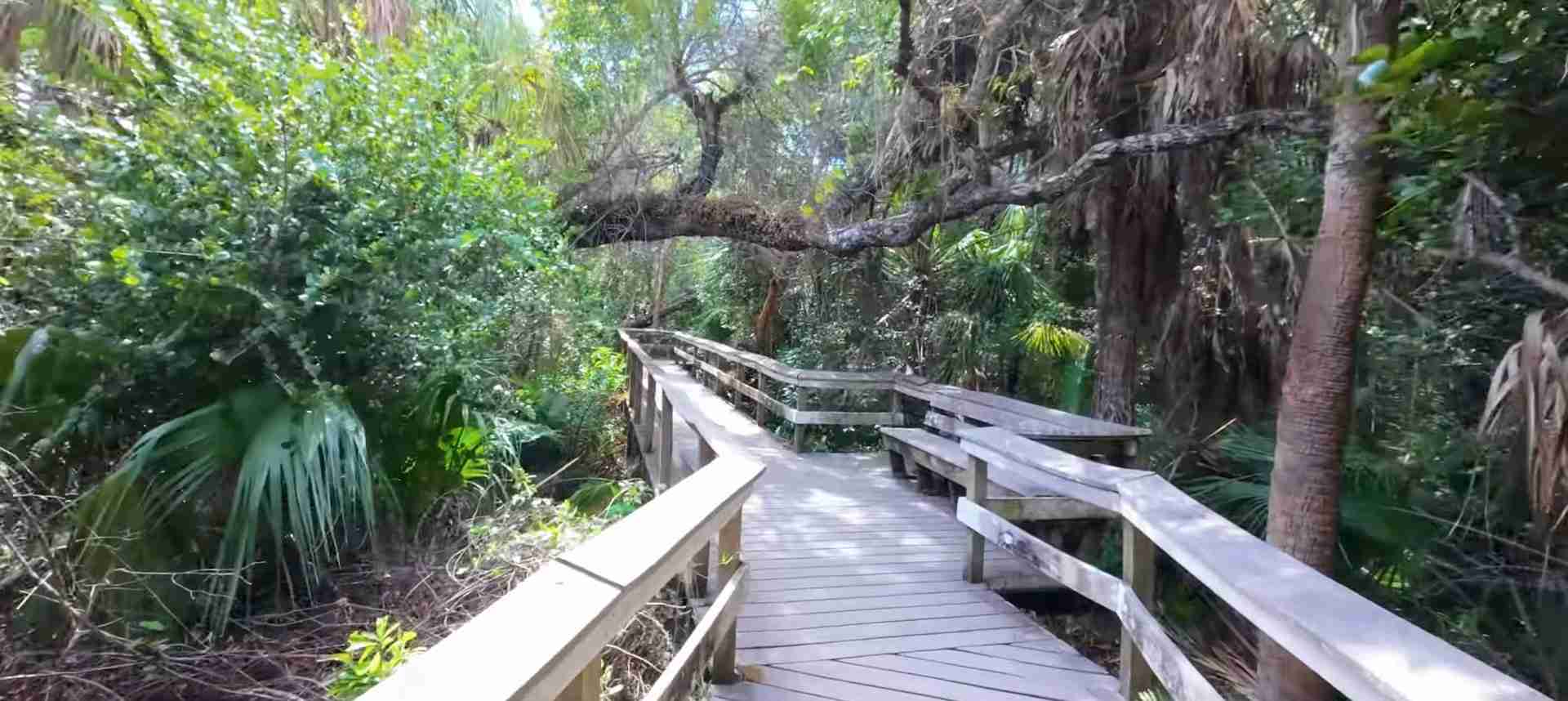
Everglades National Park UNESCO World Heritage Guide: Ecosystem & Conservation Significance
Everglades National Park, inscribed on UNESCO’s World Heritage List in 1979, represents one of North America’s most distinctive and threatened ecosystems—a vast subtropical wilderness where freshwater marshes meet coastal mangroves in a landscape unlike any other on the continent. This UNESCO designation recognizes the Everglades as an irreplaceable natural laboratory where temperate and subtropical species converge, creating biodiversity found nowhere else in the United States while providing critical habitat for more than 70 endangered and threatened species.
Key Takeaways About Everglades UNESCO World Heritage Status
- Triple International Recognition: The Everglades holds UNESCO World Heritage status (1979), UNESCO Biosphere Reserve designation (1976), and Ramsar Wetland of International Importance status (1987), making it one of only three sites globally to receive all three honors simultaneously
- Unprecedented Biodiversity Significance: Designated as the first U.S. national park specifically for its ecological diversity rather than scenic beauty, the Everglades shelters more than 1,500 plant and animal species including 360+ bird species, with one-quarter of the park’s native plants listed as threatened or endangered
- UNESCO Inscription Criteria: The site meets three UNESCO natural criteria—geological importance (viii), ecological processes (ix), and biodiversity conservation (x)—recognizing its role as the largest subtropical wilderness in North America and the only place where American alligators and crocodiles coexist naturally
- Danger List History: Listed as World Heritage in Danger twice (1993-2007 and 2010-present) due to severe water flow alterations, nutrient pollution, and habitat degradation, with restoration efforts targeting removal from danger status by 2025-2026
- Critical Ecosystem Services: Beyond wildlife habitat, the Everglades provides drinking water for one-third of Florida’s population, filters pollutants from agricultural runoff, replenishes aquifers, and protects coastal communities from storm surge through its extensive mangrove forests
- Ongoing Conservation Challenges: Water flows reduced by up to 60% from historic levels, invasive Burmese pythons that have decimated small mammal populations, mercury contamination, and climate change impacts including sea-level rise and increasing hurricane intensity continue to threaten the ecosystem’s Outstanding Universal Value
People Also Ask About Everglades World Heritage Status
What UNESCO Criteria Qualified the Everglades for World Heritage Status?
The Everglades qualifies under three UNESCO natural heritage criteria. Criterion (viii) recognizes its geological significance as a vast, nearly flat former seabed with active carbonate sedimentation in its limestone substrate. Criterion (ix) acknowledges the park’s exceptional ecological processes, from basic algal communities through complete food chains to apex predators like the Florida panther, representing unbroken biological processes in vast subtropical wetlands spanning freshwater marshes, tropical hardwood hammocks, pine rocklands, and the Western Hemisphere’s largest mangrove ecosystem. Criterion (x) honors the Everglades as a critical refuge for biodiversity, protecting more than 20 rare and endangered species while serving as North America’s most significant wading bird breeding ground. The convergence of temperate and subtropical species creates ecological combinations found nowhere else in the United States.
Why Is the Everglades on the World Heritage in Danger List?
The Everglades was placed on UNESCO’s List of World Heritage in Danger in 2010 (its second listing, following 1993-2007) due to continued degradation of its aquatic ecosystem despite decades of restoration efforts. Water inflows have been reduced by up to 60% from historic levels through drainage, flood control systems, and agricultural/urban water diversions, fundamentally altering the natural sheet flow that defines the ecosystem. Nutrient pollution from upstream agricultural activities has caused severe eutrophication, particularly affecting Florida Bay with significant marine habitat loss and biodiversity decline. Additional threats include mercury contamination throughout the food chain, invasive species (notably Burmese pythons), continued urban and agricultural encroachment, and climate change impacts including sea-level rise and ocean acidification. The U.S. government voluntarily requested danger listing to maintain international attention on restoration funding and progress.
How Large Is the UNESCO World Heritage Site Within Everglades National Park?
The original UNESCO World Heritage inscription in 1979 covered 567,000 hectares of Everglades National Park, which has since expanded to 610,670 hectares total. The World Heritage property sits at the center of a much larger protected ecosystem complex including Big Cypress National Preserve (295,000 hectares), Biscayne National Park (70,000 hectares), ten National Wildlife Refuges, and Florida state-managed Water Conservation Areas (350,000 hectares) directly upstream. Together, these interconnected protected areas form the Greater Everglades Ecosystem, spanning approximately 18,000 square miles from the Kissimmee Prairie near Orlando to Florida Bay at Florida’s southern tip. The federal wilderness designation covers 86% of Everglades National Park itself, ensuring the highest level of protection for natural processes.
What Makes the Everglades Ecosystem Globally Unique for UNESCO Recognition?
The Everglades represents the planet’s only example of a slow-moving subtropical river of sawgrass flowing almost imperceptibly from inland Lake Okeechobee to coastal estuaries—a phenomenon described as “a river of grass flowing from the hinterland into the sea.” This unique hydrology creates habitat mosaics where temperate North American and tropical Caribbean species coexist, producing biodiversity combinations found nowhere else. The ecosystem supports both American alligators and crocodiles in their only natural overlap zone, hosts the largest continuous sawgrass prairie globally, and provides the Western Hemisphere’s most extensive mangrove ecosystem. Complex biological processes remain intact from foundational algal associations through complete food webs to apex predators, demonstrating viable ecological functions increasingly rare in developed landscapes. The convergence of fresh and brackish water, shallow bays and deeper coastal waters generates exceptional habitat diversity supporting extraordinary concentrations of wading birds, reptiles, and endangered mammals.
Extended multi-day tours – 5+ days
Featured Florida Multi-Day Tour Packages

3 days
Florida 3-Day Discovery Tour
- ✓ Comprehensive Florida experience
- ✓ Expert local guides included
- ✓ All accommodation included
- ✓ Transportation provided

5 days
Florida 5-Day Highlights Experience
- ✓ Comprehensive Florida experience
- ✓ Expert local guides included
- ✓ All accommodation included
- ✓ Transportation provided
7 days
Florida 7-Day Cultural Journey
- ✓ Comprehensive Florida experience
- ✓ Expert local guides included
- ✓ All accommodation included
- ✓ Transportation provided
10 days
Florida 10-Day Complete Adventure
- ✓ Comprehensive Florida experience
- ✓ Expert local guides included
- ✓ All accommodation included
- ✓ Transportation provided
Multi-day tour packages powered by TourRadar. Prices and availability subject to change.
Introduction: Understanding Everglades World Heritage Significance
When UNESCO inscribed Everglades National Park on its World Heritage List in 1979, the designation recognized something unprecedented in conservation history—a vast wilderness preserved not for scenic grandeur or geological spectacle, but specifically for the web of life it sustains. The Everglades became the first U.S. national park designated primarily for biodiversity, establishing a precedent that ecological integrity and species survival could justify World Heritage status independent of conventional wilderness aesthetics.
The subtropical wetlands at Florida’s southern tip represent ecological processes on a continental scale. Freshwater historically flowed as a sheet 50 miles wide and only inches deep, moving almost imperceptibly southward from Lake Okeechobee through sawgrass prairies, cypress domes, and hardwood hammocks before reaching mangrove estuaries and Florida Bay. This slow movement through diverse habitats created gradients where temperate and tropical species converged, producing combinations of flora and fauna found nowhere else on Earth.
The park’s Outstanding Universal Value rests on three pillars recognized by UNESCO criteria. First, its geological significance as an active area of modern carbonate sedimentation on limestone substrate formed when sea levels dropped after the last Ice Age. Second, its representation of intact ecological processes spanning freshwater marshes, tropical hardwood hammocks, pine rocklands, extensive mangrove forests, and seagrass ecosystems supporting commercial and recreational fisheries. Third, its role as critical habitat for exceptional biodiversity including more than 20 federally rare, endangered, or threatened species.
These attributes face severe pressures. A century of drainage, agriculture, and urban development has fundamentally altered the water regime that defines the ecosystem. Canals, levees, and control structures divert water that historically flowed south, reducing sheet flow by up to 60% while contaminating remaining flows with agricultural nutrients. Invasive species including Burmese pythons have devastated native wildlife populations. Climate change threatens sea-level rise that could permanently inundate low-lying habitats while intensifying hurricanes damage already-stressed ecosystems.
The Everglades’ presence on UNESCO’s List of World Heritage in Danger (currently since 2010, previously 1993-2007) reflects these ongoing threats. Yet this danger listing also demonstrates commitment to recovery. The Comprehensive Everglades Restoration Plan approved in 2000 represents one of the world’s most ambitious ecosystem restoration efforts, targeting the re-establishment of natural water flows through projects that will span decades. Understanding the Everglades as World Heritage means recognizing both its irreplaceable global value and the fragility that makes international attention essential for its survival.
UNESCO World Heritage Inscription History and Criteria
Everglades National Park received UNESCO World Heritage status in 1979, becoming one of the first natural sites in the United States to gain this international recognition. The inscription followed the park’s 1976 designation as a UNESCO Biosphere Reserve and preceded its 1987 recognition as a Ramsar Wetland of International Importance, creating a trifecta of international conservation designations that applies to only three sites globally.
The 1979 inscription recognized 567,000 hectares of the park under three natural criteria from UNESCO’s World Heritage Convention. Criterion (viii) acknowledges geological importance: the Everglades represents a vast, nearly flat former seabed that was submerged at the end of the last Ice Age, with limestone substrate forming one of the most active areas of modern carbonate sedimentation on Earth. This ongoing geological process makes the region a living laboratory for understanding sedimentary formation in subtropical environments.
Criterion (ix) addresses ecological processes and biological diversity in ecosystem development. The Everglades contains vast subtropical wetlands and coastal marine ecosystems including freshwater marshes, tropical hardwood hammocks, pine rocklands, extensive mangrove forests, saltwater marshes, and seagrass beds critical to commercial and recreational fisheries. Complex biological processes range from basic algal associations through progressively higher species to apex predators including alligators, crocodiles, and Florida panthers. The food chain remains superbly evident and unbroken—increasingly rare in human-modified landscapes. The mixture of subtropical and temperate wildlife species occurs nowhere else in the United States, creating unique ecological assemblages at the junction of North America’s temperate zone and the subtropical Caribbean.
Criterion (x) recognizes the park as a noteworthy example of viable biological processes and critical habitat for threatened species. The exceptional variety of water habitats makes the Everglades a sanctuary for large numbers of birds and reptiles while providing refuge for more than 20 rare, endangered, and threatened species. The park serves as North America’s most significant breeding ground for wading birds, with colonies of wood storks, roseate spoonbills, egrets, and herons depending on the system’s productivity.
The park’s expansion in 1989 added approximately 44,112 hectares in the East Everglades Expansion Area along the northeast boundary, increasing protection for Shark River Slough. The park now encompasses 610,670 hectares total, though the original World Heritage inscription covered 567,000 hectares. This expanded area better protects the hydrological integrity essential to ecosystem function.
UNESCO recognition brought international visibility to conservation challenges. The designation helped attract federal funding for restoration efforts and maintained pressure on agencies to prioritize ecosystem health over competing water demands. When degradation reached crisis levels, UNESCO’s monitoring system provided mechanisms for documenting decline and advocating for corrective action, leading to the site’s placement on the List of World Heritage in Danger when conditions warranted international concern.
The Greater Everglades Ecosystem Context
Everglades National Park functions as the cornerstone of a much larger interconnected ecosystem spanning approximately 18,000 square miles from central Florida to the state’s southern tip. Understanding the park’s World Heritage significance requires recognizing its position within this broader landscape, where upstream conditions directly determine downstream ecological health.
The original Everglades ecosystem began at Lake Okeechobee, a vast shallow lake fed by the Kissimmee River watershed. During wet season, lake overflow created sheet flow—a shallow river up to 50 miles wide moving slowly southward through sawgrass prairies, cypress domes, and tree islands. This water flowed for months before reaching Florida Bay and the Gulf of Mexico, creating a hydrological engine that powered biological productivity throughout the system.
Today’s protected areas represent fragments of this historical continuity. North of Everglades National Park, three state-managed Water Conservation Areas (covering approximately 350,000 hectares) retain wetland characteristics while serving water supply and flood control functions. These areas provide critical habitat and represent the park’s immediate upstream water source. Water management decisions in these conservation areas directly impact flow timing, volume, and quality reaching the national park.
West of the park, Big Cypress National Preserve (295,000 hectares) protects cypress swamps and mixed wetland-upland mosaics that contribute flow to the western portions of Everglades National Park. The preserve’s hydrology affects sheet flow patterns and provides connectivity for wildlife movement, particularly for Florida panthers requiring large territories spanning both protected areas.
East of the park, Biscayne National Park (70,000 hectares) protects offshore coral reefs, seagrass beds, and mangrove coastline that receive freshwater discharge from the Everglades. The health of these marine ecosystems depends on appropriate freshwater delivery—too little causes hypersalinity, too much creates excessive nutrient loading.
Ten National Wildlife Refuges surrounding and interspersed with these larger protected areas provide additional habitat for endangered species. Arthur R. Marshall Loxahatchee National Wildlife Refuge north of the conservation areas, Crocodile Lake National Wildlife Refuge on Key Largo, and Florida Panther National Wildlife Refuge west of the park exemplify specialized reserves targeting individual species recovery within the greater ecosystem.
Beyond federal and state lands, extensive private holdings play crucial roles in ecosystem function. Agricultural lands in the Everglades Agricultural Area south of Lake Okeechobee produce winter vegetables and sugarcane while representing a major source of nutrient pollution to downstream wetlands. Ranch lands in northern conservation areas provide wildlife habitat and maintain relatively natural hydrology compared to urban development. Miami-Dade County’s urban development boundary east of the park preserves rural and agricultural buffers preventing complete urbanization up to park borders.
This ecosystem complexity explains why Everglades National Park cannot be restored in isolation. Water flowing through the park originates in the Kissimmee watershed 100 miles north. Water quality reflects upstream agricultural practices. Wildlife populations require habitat connectivity across jurisdictional boundaries. The South Florida Ecosystem Restoration Task Force formally coordinates restoration programs across all federal, state, local, and tribal governments managing components of this interconnected system, recognizing that ecosystem recovery demands landscape-scale cooperation beyond any single protected area’s capacity to achieve independently.
Exceptional Biodiversity and Threatened Species
The Everglades supports extraordinary biological diversity, with more than 1,500 documented plant and animal species creating one of North America’s richest ecosystems. This biodiversity stems from the park’s unique position at the interface of temperate and subtropical climate zones, where northern and tropical species reach their range limits and coexist in combinations found nowhere else on the continent.
Bird diversity defines the Everglades’ global significance. More than 360 bird species have been recorded in the park, making it one of North America’s premier birding destinations. The system serves as the continent’s most important breeding ground for wading birds, hosting spectacular nesting colonies of wood storks, roseate spoonbills, great egrets, snowy egrets, tricolored herons, and white ibises. These colonial nesters gather in concentrated rookeries during dry season when receding water concentrates fish in diminishing pools, creating abundant feeding opportunities that fuel reproduction. Historical accounts describe rookeries containing hundreds of thousands of birds, though modern populations represent fractions of historical abundance due to habitat alteration and past plume hunting.
The park provides critical habitat for numerous endangered and threatened bird species. The wood stork, North America’s only native stork species, depends on Everglades wetlands for breeding. The Cape Sable seaside sparrow exists only in Everglades prairies, making it one of the continent’s rarest birds with populations restricted to a few thousand individuals. The Everglades snail kite feeds exclusively on apple snails, creating absolute dependence on wetland conditions that maintain snail populations. Other threatened species including the roseate tern, red-cockaded woodpecker, and piping plover utilize park habitats seasonally.
Reptile diversity reflects the Everglades’ subtropical character. The park is the only place in North America where American alligators and American crocodiles coexist naturally. Alligators inhabit freshwater sloughs and wet prairies, excavating “gator holes” that provide dry-season refuge for fish and other aquatic organisms. Crocodiles occupy coastal mangrove zones and Florida Bay, representing the northern extent of this species’ range. Twenty-seven snake species inhabit the park, ranging from tiny ringneck snakes to invasive Burmese pythons. Sea turtles including endangered green, hawksbill, leatherback, and loggerhead species nest on park beaches and forage in nearshore waters.
Mammalian diversity includes the park’s most endangered inhabitant—the Florida panther. This subspecies of mountain lion once ranged throughout the southeastern United States but now survives only in South Florida with an estimated population of 70 to 100 individuals. Panthers require vast territories, with males ranging across 200 square miles of habitat. Their persistence depends on connectivity between Everglades National Park, Big Cypress National Preserve, and surrounding private lands that together provide sufficient space for viable populations.
The West Indian manatee, another federally endangered mammal, inhabits park waters seasonally. These gentle herbivores consume aquatic vegetation in coastal areas and seek warm-water refuges during winter cold snaps. Boat strikes and loss of warm-water habitat threaten manatee recovery despite decades of protection efforts. Smaller mammals including marsh rabbits, raccoons, and white-tailed deer historically occupied the ecosystem in substantial numbers before invasive Burmese pythons dramatically reduced their populations.
Plant diversity spans approximately 750 native seed-bearing species, with more than 160 species listed by Florida as threatened, endangered, or commercially exploited—representing nearly one-quarter of the park’s native flora. Sawgrass (Cladium jamaicense) dominates vast prairies, creating the iconic landscape described as a “river of grass.” This sedge tolerates both flooding and fire, maintaining dominance through ecological resilience. Tropical hardwood hammocks—elevated islands within the wetland matrix—support mahogany, gumbo limbo, and other species more typical of Caribbean forests. Pine rocklands on elevated limestone substrate harbor rare species including the Florida bonneted bat. Mangrove forests, representing the Western Hemisphere’s largest contiguous stand, include red, black, and white mangrove species that stabilize coastlines and provide nursery habitat for marine organisms.
The park’s location at the meeting point of temperate and tropical ecosystems creates unusual species assemblages. Northern species like white-tailed deer reach their southern range limit in the Everglades. Tropical species including the American crocodile and mangroves reach their northern extent. This overlap produces biodiversity found nowhere else, justifying UNESCO recognition under Criterion (x) for exceptional biological value.
More than 70 federally listed endangered and threatened species depend on Everglades habitats, giving South Florida one of the nation’s highest concentrations of imperiled species. Beyond charismatic megafauna, lesser-known species face extinction threats. The Florida bonneted bat, eastern indigo snake, Big Cypress fox squirrel, Key deer, and numerous plant species cling to survival in remaining suitable habitats. The responsibility for these species’ survival rests largely with Everglades ecosystem restoration, as no alternative habitats of comparable scale and quality exist.
Unique Ecosystem Processes and Hydrological Systems
The Everglades’ Outstanding Universal Value derives fundamentally from its hydrological processes—the slow southward flow of water that creates and maintains the entire ecosystem. Understanding these processes illuminates why alterations to water flow triggered UNESCO’s danger listing and why restoration focuses primarily on hydrological rehabilitation.
Historically, the Everglades functioned as a wide, shallow river. Summer rainfall in the Kissimmee River watershed filled Lake Okeechobee, which overflowed southward during wet season across a limestone plain with minimal topographic relief. Water spread as sheet flow approximately 50 miles wide and typically 6 to 12 inches deep, moving southward at rates measured in feet per day rather than miles per hour. This imperceptibly slow movement through dense sawgrass vegetation allowed biological productivity to extract nutrients from the water column while maintaining low-nutrient conditions essential to sawgrass prairie persistence.
Seasonal hydrology drove ecological processes. Wet season flooding from May through November inundated vast areas, expanding aquatic habitat and dispersing fish, invertebrates, and wading birds across the landscape. Dry season concentration from December through April gradually contracted surface water into sloughs and alligator holes, creating dense prey concentrations that attracted wading birds to feed and breed. This predictable annual cycle synchronized biological productivity, with fish reproduction timed to wet season habitat expansion and bird breeding timed to dry season prey concentration.
Multiple distinct ecosystems developed within this hydrological matrix. Sloughs—deeper channels where water persisted year-round—supported aquatic communities dominated by submerged vegetation and fish populations. Sawgrass prairies on slightly higher elevations experienced annual flooding but dried seasonally, creating different plant communities adapted to periodic inundation. Hardwood hammocks on topographic high points just inches above surrounding wetlands remained dry enough to support tree species, creating islands of tropical hardwood forest within the wetland expanse. Pine rocklands on the highest elevations supported longleaf pine and diverse understory vegetation adapted to fire and drought.
Fire played crucial roles in ecosystem maintenance. Lightning ignited sawgrass during dry season, creating low-intensity burns that cleared dead vegetation, recycled nutrients, and maintained prairie structure. Hardwood hammocks generally resisted fire due to higher moisture, creating fire-maintained boundaries between ecosystem types. Pine rocklands required frequent fire to suppress hardwood invasion and maintain understory diversity. The natural fire regime integrated with hydrology to create the landscape mosaic that supported biodiversity.
Coastal zones where freshwater met saltwater created estuarine gradients. Mangrove forests thrived in areas with appropriate salinity—enough salt to exclude freshwater competitors but sufficient freshwater to prevent hypersalinity. Seagrass beds in Florida Bay and the Gulf of Mexico depended on freshwater delivery to maintain salinity balance. These coastal ecosystems provided nursery habitat for commercially important fish and shellfish species while supporting abundant bird populations.
The food web demonstrated UNESCO Criterion (ix) regarding intact ecological processes. Primary production began with algae attached to plant surfaces (periphyton) and phytoplankton in the water column. These primary producers supported invertebrates including apple snails, crayfish, and grass shrimp. Small fish fed on invertebrates and algae. Medium-sized fish, wading birds, and turtles consumed small fish and invertebrates. Apex predators including alligators, crocodiles, and Florida panthers topped the food chain. This complete trophic structure from primary producers through top predators remains increasingly rare in human-modified landscapes.
Nutrient cycling operated through complex pathways. The limestone bedrock and low-nutrient rainfall created an oligotrophic (nutrient-poor) system where biological productivity depended on efficient nutrient recycling. Periphyton mats captured atmospheric nitrogen. Decomposition in tree island hammocks concentrated nutrients in organic soils. Fire released nutrients from accumulated vegetation. This nutrient efficiency maintained productivity despite external nutrient inputs remaining minimal until agricultural development introduced anthropogenic nutrient loading.
Hydroperiod—the duration and timing of flooding—controlled vegetation patterns. Species adapted to specific flood durations dominated areas matching their tolerances. Sawgrass thrived with flooding lasting 8 to 12 months annually. Wet prairies tolerated 6 to 10 months. Marl prairies adapted to 4 to 8 months. Slight variations in elevation of just inches translated to different hydroperiods and distinct plant communities, creating fine-scale habitat heterogeneity.
These processes operated at landscape scales. The ecosystem’s extent—originally covering approximately 11,000 square kilometers—allowed processes to function across complete gradients from freshwater source to saltwater destination. This spatial scale enabled seasonal wildlife movements, maintained genetic connectivity, and provided resilience to local disturbances. The geographic scope necessary for ecosystem function explains why restoration requires landscape-level interventions rather than site-specific management.
Threats to Outstanding Universal Value
The Everglades faces multiple interconnected threats that have degraded its Outstanding Universal Value and justified UNESCO’s danger listing. Understanding these threats illuminates the restoration challenges and the ongoing risk to World Heritage status.
Hydrological alteration represents the fundamental threat underlying most ecosystem degradation. A century of water management transformed the natural sheet flow into a controlled system of canals, levees, and water conservation areas. The Central and Southern Florida Project constructed between 1900 and 1970 drained wetlands for agriculture and urban development while providing flood control and water supply. This infrastructure captured water flowing south from Lake Okeechobee, diverted it to conservation areas and canals, and reduced natural sheet flow to Everglades National Park by up to 60% of historical volumes.
Flow reduction disrupted ecological processes dependent on natural flooding patterns. Reduced water delivery shortened hydroperiods, contracting aquatic habitat and stressing fish populations. Altered timing of water delivery no longer synchronized with seasonal biological cycles, affecting wading bird breeding success. Concentrated water release through control structures created artificial flow patterns different from historical sheet flow, fragmenting habitat connectivity. These hydrological changes cascaded through the food web, reducing prey availability for wading birds and causing population declines exceeding 90% for some species compared to historical abundance.
Nutrient pollution compounds hydrological problems. Agricultural operations in the Everglades Agricultural Area south of Lake Okeechobee discharge phosphorus-rich water into conservation areas and the national park. The naturally oligotrophic ecosystem evolved under extremely low nutrient conditions, with native sawgrass and periphyton communities adapted to nutrient scarcity. Phosphorus loading triggers ecological regime shifts, favoring cattails and other nutrient-tolerant species that outcompete sawgrass. Areas receiving elevated nutrients have converted from sawgrass prairie to cattail marsh, fundamentally altering ecosystem structure and reducing habitat quality for native species.
Florida Bay degradation illustrates downstream impacts of altered hydrology and nutrient loading. Reduced freshwater delivery increased bay salinity beyond levels tolerated by seagrass communities. Die-offs of seagrass beds during the 1990s devastated bay ecology, reducing habitat for juvenile fish and invertebrates while triggering algal blooms. Marine and estuarine biodiversity declined significantly, affecting commercial fisheries and bird populations dependent on bay productivity. Recovery requires restoration of appropriate freshwater delivery—sufficient volume delivered with proper timing to maintain salinity balance without excessive nutrient loading.
Invasive species pose severe ecological threats. The Burmese python represents the most devastating invasive predator. These large constrictor snakes, likely escaped from captive breeding facilities during hurricanes, established breeding populations in the park by the early 2000s. Python populations exploded, with research documenting near-complete elimination of medium-sized mammals in affected areas. Marsh rabbit, raccoon, opossum, and white-tailed deer populations plummeted by more than 90% in python-occupied habitat. This predation fundamentally altered ecosystem structure, affecting food webs and potentially threatening endangered species like the wood stork that depend on mammals as supplemental prey during poor fish years.
Invasive plants affect approximately 1.7 million acres of the Greater Everglades ecosystem. Brazilian pepper tree forms dense monocultures excluding native vegetation. Melaleuca, introduced for attempted wetland drainage, escapes cultivation to dominate disturbed wetlands. Old World climbing fern smothers native trees. Australian pine establishes on coastlines, altering beach nesting habitat. These invasions reduce native plant diversity, degrade wildlife habitat, and alter fire regimes and nutrient cycling. Control efforts cost millions annually yet barely contain expansion.
Mercury contamination affects the entire food chain. Atmospheric deposition from coal combustion and waste incineration delivers mercury to wetlands, where bacterial processes convert it to methylmercury that bioaccumulates through the food web. Top predators including wading birds, alligators, and Florida panthers accumulate mercury concentrations that cause reproductive impairment and mortality. Wildlife advisories warn against consuming fish from Everglades waters due to mercury contamination, indicating ecosystem-wide pollution affecting human and wildlife health.
Urban and agricultural expansion continues pressuring park boundaries. Southeast Florida’s population exceeds 6 million people with continuing growth concentrating water demands. Agriculture requires water for irrigation while generating nutrient-laden runoff. These competing demands for water supply, flood control, and environmental flows create fundamental conflicts difficult to resolve without additional water storage and treatment infrastructure.
Climate change introduces new threats while exacerbating existing stresses. Sea-level rise threatens to inundate low-lying coastal habitats, converting freshwater marshes to saltwater marsh or open water. Rising seas enable saltwater intrusion into coastal aquifers, affecting both water supply and vegetation communities. Increased hurricane intensity and frequency may cause more frequent catastrophic damage, as seen when Hurricane Andrew in 1992 and Hurricane Irma in 2017 devastated mangrove forests and seagrass communities. Changed rainfall patterns could alter wet and dry season dynamics that drive ecosystem processes. Ocean acidification may affect biogeochemical processes in Florida Bay, particularly carbonate precipitation that builds sediments.
These threats interact synergistically. Reduced water flows increase vulnerability to sea-level rise by eliminating freshwater pressure that historically kept saltwater at bay. Nutrient loading stresses vegetation communities already facing altered hydrology, reducing resilience to hurricanes and drought. Invasive species exploit disturbances created by altered fire regimes and hydrology. The cumulative impact exceeds the sum of individual threats, creating ecosystem-wide degradation that justified UNESCO’s determination that Outstanding Universal Value faces ongoing serious threat.
Restoration Efforts and UNESCO Danger Listing
The Everglades’ placement on UNESCO’s List of World Heritage in Danger twice—from 1993 to 2007 and again from 2010 to present—catalyzed restoration investments while documenting ongoing ecosystem degradation despite recovery efforts. Understanding this danger listing history illuminates both restoration progress and persistent challenges.
The first danger listing in 1993 followed Hurricane Andrew’s devastating August 1992 impact and mounting evidence of water quality deterioration from agricultural and urban development. The hurricane destroyed 25 to 40% of pine forests, decimated 70,000 acres of mangroves, and eliminated 90% of red-cockaded woodpecker nesting trees. These catastrophic losses occurred against a backdrop of systematic ecosystem decline from altered water flows, nutrient pollution, and mercury contamination. The United States government supported danger listing, recognizing that international attention could help secure restoration funding and maintain political pressure for ecosystem recovery.
The 1993 listing coincided with greatly increased federal funding for restoration. Congressional appropriations for ecosystem research, land acquisition, and water quality improvement jumped to unprecedented levels. The 1989 Everglades Expansion and Protection Act had already authorized purchase of the East Everglades Expansion Area (44,112 hectares) along the park’s northeast boundary to increase protection for Shark River Slough. Funding allocated $31.4 million for land acquisition and ecosystem research, with 95% of the target area ultimately incorporated into the park. These purchases enabled infrastructural changes in water management systems, allowing more natural flow patterns without flooding private lands.
The Comprehensive Everglades Restoration Plan (CERP), approved by Congress in 2000, represented the world’s most ambitious ecosystem restoration effort. The plan outlined 68 interconnected projects targeting re-establishment of natural water flows through the Greater Everglades ecosystem. Key objectives included capturing and storing water currently lost to ocean discharge, redirecting flows southward to wetlands, improving water quality before delivery to conservation areas and the park, and restoring more natural hydroperiods and flow patterns. Initial cost estimates approached $8 billion with implementation projected across multiple decades.
Specific restoration projects demonstrated progress justifying removal from the danger list in 2007. The Modified Water Deliveries Project improved water delivery to Northeast Shark River Slough, the park’s primary wetland system. The C-111 Project enhanced freshwater flows to southeastern portions of the park and Florida Bay. Construction of Stormwater Treatment Areas upstream utilized wetland vegetation to remove phosphorus from agricultural runoff before water entered conservation areas and the park. These treatment areas demonstrated effectiveness in reducing nutrient loads by up to 80% when properly maintained and operated.
UNESCO’s 2007 decision to remove the Everglades from the danger list recognized significant restoration achievements including completed land acquisitions, operational water delivery improvements, and documented water quality gains. The timing coincided with the park’s 60th anniversary, creating a symbolic milestone celebrating restoration progress. However, the Committee noted that several critical projects remained delayed and that full restoration benefits would require years or decades to materialize.
Re-inscription on the danger list in 2010 acknowledged that degradation continued despite restoration investments. Water flows still fell far short of restoration targets. Florida Bay remained degraded with diminished marine biodiversity. Nutrient pollution persisted despite treatment area construction. The United States again requested danger listing, demonstrating continued commitment to transparency and international cooperation in restoration monitoring. The danger listing maintained pressure for sustained funding and project implementation while enabling UNESCO monitoring and technical assistance.
Current restoration efforts focus on next-generation projects designed to achieve measurable ecosystem recovery. The Central Everglades Planning Project (CEPP) aims to improve water delivery to the heart of the Everglades through new infrastructure and operational changes. The Everglades Agricultural Area Reservoir project will construct massive water storage (240,000 acre-feet capacity) to redirect Lake Okeechobee discharges southward rather than east and west to coastal estuaries. Western Everglades Restoration Project and Tamiami Trail Next Steps address flow connectivity in western portions of the system. Combined, these projects represent several billion dollars in construction targeting measurable benchmarks for water quality, water quantity, and ecological response.
UNESCO established specific corrective measures and benchmarks for removal from the danger list. Key metrics include achieving target phosphorus concentrations in waters entering the park, delivering specified flow volumes with appropriate seasonal timing to Shark River Slough and Taylor Slough, restoring ecological indicators in Florida Bay including seagrass coverage and marine species abundance, and demonstrating recovery of wading bird populations responding to improved prey availability. The Desired State of Conservation for Removal from Danger (DSOCR) establishes concrete measurements that must be achieved and sustained before UNESCO can consider the site recovered.
Progress toward DSOCR benchmarks shows mixed results. Water quality improvements in some areas reflect Stormwater Treatment Area effectiveness. Water delivery volumes to Taylor Slough and Northeast Shark River Slough reached highest performance levels during unusually wet conditions in 2017 and 2018, though maintaining these levels under normal rainfall remains uncertain. Wading bird populations showed recovery with large “supercolonies” returning to breed in the park—a positive indicator of ecological response. However, many next-generation restoration projects face delayed construction schedules, with key milestones and DSOCR achievement now projected for 2025 to 2026 rather than earlier targets.
Continued threats complicate restoration. The 2019 Florida Appeals Court decision authorizing exploratory oil and gas drilling in Water Conservation Areas upstream of the park raised serious concerns about potential downstream contamination impacts. Construction proposals including the SR 836/Dolphin Expressway extension threaten additional wetland fragmentation and altered hydrology. Climate change impacts including sea-level rise and hurricane intensification introduce variables beyond water management’s capacity to control.
Federal appropriations demonstrate sustained commitment despite challenges. Funding for key ecosystem restoration projects totaled $221 million in 2006, with subsequent years maintaining high investment levels. The 2024 state of conservation report documents continued progress on construction milestones while acknowledging that full restoration benefits require sustained efforts over decades beyond initial project completion.
The danger listing serves multiple functions beyond documenting degradation. It maintains international visibility for restoration needs, helping justify continued appropriations to skeptical budget authorities. It provides technical monitoring through UNESCO World Heritage Centre and IUCN expertise, offering external validation of progress assessments. It enables periodic reactive monitoring missions that bring international experts to evaluate conditions and provide recommendations. Perhaps most importantly, it sustains political will for long-term restoration by embedding ecosystem recovery in international commitments that transcend domestic political cycles.
Management Framework and Protection Measures
Everglades National Park operates under a complex management framework involving federal, state, local, and tribal governments cooperating across jurisdictional boundaries to protect interconnected ecosystems. This multi-agency coordination reflects the reality that park boundaries cannot contain the hydrological and ecological processes essential to Outstanding Universal Value.
The National Park Service manages Everglades National Park under authority of the 1916 Organic Act that established the National Park Service and the 1934 Congressional designation of Everglades as a national park. Park management aims to preserve natural conditions and processes while providing for public enjoyment in ways consistent with resource protection. Wilderness designation covering 86% of the park imposes additional restrictions, limiting development and motorized access to preserve primitive character.
Internal park management divides the property into strict natural zones, managed natural zones, and developed zones. Strict natural zones receive minimal intervention, allowing ecological processes to operate without human manipulation except for essential research and emergency responses. Managed natural zones permit controlled interventions including prescribed fire, exotic species removal, and hydrological manipulations coordinated with external water management agencies. Developed zones concentrate visitor facilities, roads, and administrative infrastructure to minimize impacts on natural areas.
The South Florida Water Management District, a state agency, controls water flows entering the park through operation of control structures, canals, and conservation areas upstream. The District balances multiple objectives including flood control, water supply for urban and agricultural users, and environmental flows to natural areas. This multi-objective mission creates inherent conflicts between water demands and ecosystem needs. Interagency agreements establish protocols for coordinating water deliveries to achieve park restoration targets while meeting other water management responsibilities.
The U.S. Army Corps of Engineers constructed and operates much of the water control infrastructure affecting Everglades hydrology. The Corps’ Central and Southern Florida Project created the canal and levee system that fundamentally altered natural flows. Current Corps involvement focuses on planning and implementing restoration projects through the Comprehensive Everglades Restoration Plan, requiring coordination between flood control mission and ecosystem restoration objectives.
The U.S. Fish and Wildlife Service contributes through management of National Wildlife Refuges surrounding the park and implementation of Endangered Species Act protections for listed species. Recovery plans for Florida panthers, wood storks, snail kites, and other threatened species establish population goals and habitat protection requirements that guide management across jurisdictions. The Service provides technical expertise on species responses to restoration actions and monitors population trends indicating ecosystem health.
State of Florida agencies including the Florida Department of Environmental Protection and Florida Fish and Wildlife Conservation Commission contribute regulatory oversight, research, and management coordination. State lands adjacent to the park are managed compatibly with federal conservation objectives, and state water quality standards establish legal requirements for nutrient reductions and pollution control.
Miami-Dade and Monroe Counties provide local land use regulation affecting development patterns near park boundaries. The urban development boundary established by Miami-Dade County preserves rural and agricultural lands immediately east of the park, preventing sprawl from reaching park borders. This local planning authority directly affects the park’s setting and buffer zones protecting Outstanding Universal Value.
The Miccosukee Tribe of Indians of Florida and the Seminole Tribe of Florida maintain reservation lands within and adjacent to the Greater Everglades ecosystem. These tribes possess water rights, hunting and fishing rights, and cultural connections to the landscape predating park establishment. Tribal consultation in restoration planning respects these rights while seeking cooperative approaches to ecosystem recovery.
The South Florida Ecosystem Restoration Task Force formally coordinates restoration efforts across all federal, state, local, and tribal agencies involved in Greater Everglades management. This coordination mechanism recognizes that no single agency can restore ecosystem functions that span multiple jurisdictions and depend on cooperation across institutional boundaries. Regular meetings, shared monitoring programs, and collaborative planning processes build consensus on priorities and implementation strategies.
The Everglades Coalition brings together major environmental non-governmental organizations advocating for ecosystem protection. This coalition provides watchdog functions, technical expertise independent of government agencies, litigation when legal mandates are violated, and public education about restoration needs. The coalition’s sustained advocacy maintains political pressure for funding and implementation of restoration commitments.
Public consultation requirements embedded in restoration planning processes create opportunities for stakeholder input on project designs and operational plans. Agricultural interests, urban water utilities, environmental advocates, recreational users, and tribal governments all participate in planning forums where competing objectives are negotiated and reconciled through adaptive management frameworks.
Research programs provide scientific foundations for management decisions. The Critical Ecosystem Studies Initiative supports interdisciplinary research on key uncertainties affecting restoration success. Long-term monitoring programs track vegetation community changes, wading bird populations, water quality trends, and other indicators revealing ecosystem responses to management actions. This monitoring enables adaptive management that adjusts strategies based on empirical outcomes rather than assuming initial plans will succeed without modification.
International cooperation through UNESCO World Heritage mechanisms supplements domestic management. Periodic state of conservation reports submitted to UNESCO document progress and challenges, creating accountability for restoration commitments. Reactive monitoring missions bring international expertise to evaluate conditions and recommend strategies. Technical workshops convened by UNESCO and IUCN facilitate knowledge exchange on restoration approaches and conservation challenges applicable to Everglades recovery.
Budget resources demonstrate commitment levels but also reveal constraints. The park’s 2001 budget approached $14.3 million for administration, protection, resource management, research, interpretation, and maintenance. By 2002, land acquisition appropriations added $31.4 million specifically for East Everglades purchases. Ecosystem research funding reached $8 million in 2005. Federal appropriations for key restoration projects totaled $221 million in 2006 with sustained high funding in subsequent years. These investments represent substantial commitments yet remain modest relative to restoration plan cost estimates approaching $8 billion for full implementation across coming decades.
Enforcement mechanisms protect park resources from illegal activities. Law enforcement rangers patrol the park to prevent poaching, illegal camping, artifact collection, and exotic species introduction. Violations of Endangered Species Act protections carry federal penalties. Water quality standards enforced through state and federal authorities establish legal requirements for pollution reductions from upstream sources. When violations occur, litigation enforces compliance—the federal government’s lawsuits against polluters including the State of Florida during the 1980s and 1990s established legal precedents compelling improved water management.
This complex institutional framework reflects the reality that World Heritage conservation in the Everglades depends on cooperation across jurisdictional boundaries, reconciliation of competing interests, sustained funding commitments, and political will maintained across decades required for ecosystem recovery. No single agency or approach can succeed independently—only coordinated landscape-level efforts offer realistic prospects for achieving restoration goals and removing the site from UNESCO’s danger list.
Cultural and Scientific Significance Beyond Natural Values
While UNESCO recognition stems from natural criteria, the Everglades possesses cultural and scientific significance enriching its World Heritage value. Human connections to the landscape span millennia, and ongoing research makes the ecosystem a global laboratory for ecological understanding.
Indigenous peoples occupied the Everglades region for at least 5,000 years before European contact. The Calusa culture dominated South Florida’s coast, building shell mounds and utilizing marine resources. Interior wetlands supported seasonal occupation where aquatic resources and terrestrial hunting provided subsistence. Archaeological sites throughout the park preserve evidence of these long-term human-ecosystem relationships.
Modern Miccosukee and Seminole peoples maintain cultural connections to the landscape. Traditional ecological knowledge developed over generations informs understanding of ecosystem dynamics and species behavior. Tribal members retain harvesting rights for traditional resources including alligators and fish. The landscape holds spiritual significance beyond utilitarian values, representing ancestral connections and cultural identity.
Early European and American perceptions viewed the Everglades as wasteland requiring drainage for productive use. The writings of explorers and early naturalists document a landscape described as forbidding, disease-ridden, and worthless except as obstacle to development. These historical attitudes justified massive drainage projects transforming wetlands to agriculture and urban development throughout the late 1800s and early 1900s.
Conservation advocacy emerged from recognition of ecological values. Naturalist John Kunkel Small documented the region’s botanical richness. Ornithologist Frank Chapman revealed wading bird colonies of spectacular abundance before plume hunting decimated populations for the millinery trade. Landscape architect Ernest Coe championed national park designation, recognizing that ecological significance justified preservation. Marjory Stoneman Douglas’ 1947 book “The Everglades: River of Grass” reframed public perception, describing not a swamp but a unique river ecosystem worthy of protection. The park’s establishment in 1947 represented triumph of this conservation vision over development-oriented attitudes.
Scientific research in the Everglades contributes foundational knowledge to ecology, hydrology, and conservation biology. Long-term studies document ecosystem responses to hydrological alterations, providing empirical evidence linking water management to ecological outcomes. Research on wading bird ecology illuminates relationships between hydrology, prey availability, and reproductive success—insights applicable to wetland management globally. Studies of nutrient dynamics in oligotrophic systems reveal how low-nutrient wetlands function and respond to enrichment. Fire ecology research demonstrates relationships between fire frequency, vegetation structure, and biodiversity maintenance.
The ecosystem serves as natural laboratory for restoration ecology. Everglades restoration represents the largest ecosystem restoration project attempted globally. Lessons learned from successes and failures inform restoration approaches worldwide. Monitoring programs tracking responses to restoration interventions generate data applicable to degraded wetlands across tropical and subtropical regions. Adaptive management frameworks developed for Everglades restoration provide models for learning-based approaches reconciling scientific uncertainty with management necessity.
Climate change research utilizes the Everglades as sentinel for sea-level rise impacts in low-lying coastal wetlands. Studies documenting saltwater intrusion, vegetation community shifts, and storm surge effects provide early warnings applicable to coastal regions globally. The 2015 General Management Plan incorporates climate change adaptation strategies including enhancing ecosystem resilience through hydrological restoration and minimizing non-climate stressors that reduce adaptive capacity. These approaches represent emerging best practices for managing protected areas facing climate change.
Everglades National Park pioneered approaches to preserving biodiversity rather than scenery. As the first U.S. national park designated specifically for ecological values, it established precedent that species survival and ecosystem processes justify protection independent of conventional wilderness aesthetics. This principle expanded conservation beyond spectacular landscapes to recognize that seemingly ordinary wetlands possess irreplaceable ecological values worthy of international recognition.
Educational programs introduce millions of visitors to ecosystem concepts and conservation challenges. Interpretive displays explain hydrology, food webs, endangered species, and restoration efforts. Guided programs provide opportunities to observe wildlife and experience subtropical wilderness. Visitor centers present ecosystem models illustrating how water flow shapes biological communities. These educational experiences build public support for ecosystem protection and restoration investments.
Economic values extend beyond tourism. The Everglades provides drinking water for one-third of Florida’s population through aquifer recharge. Commercial and recreational fisheries depend on estuarine nursery habitats in mangrove forests and Florida Bay. Hurricane protection benefits arise from mangrove forests and wetlands that absorb storm surge and reduce flooding in populated areas. Carbon sequestration in wetland soils and mangrove biomass contributes climate regulation services. Water quality improvement through natural filtration reduces treatment costs for downstream users. These ecosystem services generate economic benefits valued in billions of dollars annually—values recognized increasingly as justifications for restoration investments that protect natural infrastructure.
The Everglades exemplifies how natural heritage sites provide multiple values beyond biodiversity conservation. Cultural connections span millennia. Scientific insights advance global understanding. Educational experiences build conservation constituencies. Ecosystem services deliver economic benefits. These interconnected values strengthen the case for UNESCO World Heritage recognition while demonstrating that protecting Outstanding Universal Value serves human communities as well as wildlife populations.
Visiting and Experiencing the World Heritage Site
Experiencing Everglades National Park as a World Heritage site requires understanding that visitor infrastructure intentionally remains limited to preserve wilderness character while providing access sufficient for education and enjoyment compatible with resource protection. The park offers multiple entry points and ecosystems accessible to diverse visitor interests and physical abilities.
The main park entrance near Homestead on the eastern edge provides access to Royal Palm, Flamingo, and extensive wetland trails. Royal Palm area offers the park’s most accessible wildlife viewing along two short trails. Anhinga Trail traverses freshwater slough where alligators, wading birds, turtles, and fish concentrate in winter dry season. This half-mile paved path with wheelchair accessibility provides close encounters with wildlife accustomed to human presence. Gumbo Limbo Trail winds through tropical hardwood hammock, demonstrating the elevated forest islands within the wetland matrix. Interpretive signs explain ecosystem relationships and species adaptations.
The 38-mile main park road from Royal Palm to Flamingo crosses multiple ecosystem types. Observation points provide vistas across sawgrass prairies stretching to the horizon—the “river of grass” landscape defining Everglades character. Short trails access diverse habitats. Pineland Trail explores pine rockland on elevated limestone substrate. Pa-hay-okee Overlook’s elevated boardwalk offers panoramic views across wet prairie. Mahogany Hammock features a half-mile boardwalk through dense tropical hardwood forest with massive mahogany trees.
Flamingo at the road’s terminus provides coastal access where freshwater wetlands meet Florida Bay. Canoe and kayak trails wind through mangrove tunnels and across open bays, offering intimate experiences of coastal ecosystems. Camping facilities and a marina support multi-day visits for exploring backcountry areas. Flamingo represents one endpoint of the 99-mile Wilderness Waterway, a marked canoe route traversing from Flamingo to Everglades City through the park’s largest continuous wilderness.
Shark Valley entrance on the north boundary along Tamiami Trail offers different perspectives. A 15-mile loop road accessible by bicycle, foot, or tram crosses sawgrass prairies and hardwood hammocks in the heart of the ecosystem. The observation tower at the loop’s midpoint provides elevated views revealing the landscape’s flatness and vastness. Winter dry season concentrates wildlife, with hundreds of alligators visible from the road and large numbers of wading birds feeding in receding pools.
Gulf Coast entrance at Everglades City provides access to the Ten Thousand Islands coastal mangrove wilderness. Boat and kayak trips explore tidal creeks, coastal bays, and mangrove islands supporting rookeries and estuarine fisheries. This roadless wilderness preserves coastal processes increasingly rare in developed Florida coastlines.
Seasonal considerations affect visitor experience significantly. Winter dry season from December through April offers optimal conditions: comfortable temperatures (60 to 75 degrees Fahrenheit), minimal mosquitoes, concentrated wildlife as receding water forces animals to remaining pools, and peak wading bird breeding activity. Summer wet season from May through November brings heat (80 to 95 degrees Fahrenheit), afternoon thunderstorms, abundant mosquitoes, and dispersed wildlife across flooded landscapes—challenging conditions for casual visitors but offering experiences of the ecosystem’s wet season character.
Wildlife viewing possibilities include alligators (virtually guaranteed year-round at Anhinga Trail and Shark Valley), wading birds including herons, egrets, ibises, and spoonbills (abundant winter dry season), American crocodiles (coastal areas around Flamingo), roseate spoonbills (breeding colonies winter-spring), wood storks (declining but still present), snail kites (wet prairie areas), manatees (winter in coastal waters), dolphins (Florida Bay and coastal areas), and sea turtles (nesting beaches May-September). Florida panther sightings remain extremely rare due to low population numbers and secretive behavior, though tracks and scat occasionally reward observant visitors.
Ranger-led programs enhance understanding of World Heritage significance. Guided walks explain ecosystem processes, restoration challenges, and wildlife ecology. Evening programs at amphitheaters cover topics from alligator biology to climate change impacts. Canoe trips with ranger naturalists explore aquatic ecosystems while discussing hydrological restoration. These interpretive programs provide context that transforms casual visits into educational experiences connecting to global conservation issues.
Backcountry access requires permits for overnight camping in designated sites. Chickees (elevated platforms above water) and ground sites distributed throughout the wilderness enable multi-day expeditions by canoe or kayak. This primitive camping preserves wilderness character while allowing experienced visitors to immerse in ecosystems beyond day-use areas. Permits limit numbers to protect resources and maintain solitude.
Photographic opportunities attract serious photographers seeking iconic Everglades images. Sunrise and sunset provide optimal light for landscape photography across sawgrass prairies. Anhinga Trail offers close wildlife photography opportunities without specialized equipment. Flamingo sunrises illuminate coastal wetlands and wading bird rookeries. Shark Valley’s observation tower enables aerial perspectives. Winter dry season provides best conditions when clear skies, concentrated wildlife, and comfortable temperatures align.
Conservation education facilities interpret ecosystem processes and restoration efforts. Ernest F. Coe Visitor Center near the main entrance features exhibits explaining Everglades ecology, endangered species, and restoration challenges. Films and interpretive displays establish context for understanding World Heritage significance. Gulf Coast Visitor Center presents coastal ecosystem interpretation and Ten Thousand Islands natural history. These facilities prepare visitors to recognize ecological values that justify UNESCO recognition.
Accessibility accommodations enable visitors with disabilities to experience core ecosystems. Paved trails at Anhinga and Gumbo Limbo provide wheelchair access. Tram tours at Shark Valley accommodate limited mobility. Accessible viewing areas along main roads offer sawgrass prairie vistas without requiring extensive walking. These provisions ensure that World Heritage values remain accessible beyond physically demanding backcountry experiences.
Visitor safety requires awareness of subtropical hazards. Summer heat and humidity demand appropriate hydration and sun protection. Mosquitoes during wet season necessitate repellent and protective clothing. Lightning accompanying afternoon thunderstorms poses serious risk—seek shelter immediately when storms approach. Alligators deserve respectful distance despite apparent tolerance of human presence; aggressive behavior or feeding attempts are illegal and dangerous. Hypothermia risk exists during winter cold fronts when temperatures occasionally drop to 40s Fahrenheit. Hurricane season extends June through November with evacuation required if storms threaten.
Commercial services remain limited consistent with wilderness preservation. Food and lodging exist in nearby Homestead and Florida City rather than within the park. Concessions at Flamingo closed after hurricane damage, with services gradually returning. This limited development preserves natural character while requiring visitors to plan accordingly for food, water, and accommodation needs.
The experience of visiting Everglades National Park as World Heritage site differs from conventional national park visits focused on dramatic scenery. The landscape’s subtlety requires patience and observation to appreciate ecosystem complexities. Wildlife concentrations at optimal locations and seasons reward planning. Understanding hydrological processes and restoration challenges adds intellectual depth to aesthetic experiences. Recognizing the ecosystem’s global uniqueness and conservation significance transforms visits from recreational outings to engagement with one of humanity’s most important conservation responsibilities—preserving irreplaceable natural heritage for future generations.
Future Challenges and Conservation Outlook
The Everglades’ future as a World Heritage site depends on successful navigation of interrelated challenges spanning hydrology, climate, invasive species, and sustained political commitment to restoration investments. The next decade will prove critical in determining whether Outstanding Universal Value can be maintained or whether degradation will continue despite restoration efforts.
Hydrological restoration remains the fundamental challenge. Current projects including the Central Everglades Planning Project and Everglades Agricultural Area Reservoir represent essential infrastructure for achieving water flow targets, but construction schedules extend through the late 2020s with full operational benefits delayed further. Meeting UNESCO’s Desired State of Conservation for Removal from Danger requires sustaining political will and funding commitments across multiple election cycles and economic conditions that could threaten appropriations.
Water quality improvements face agricultural resistance to additional regulations limiting nutrient discharges. Phosphorus reduction targets necessary for ecosystem recovery conflict with agricultural productivity in the Everglades Agricultural Area. Stormwater Treatment Areas demonstrate effectiveness but require extensive land areas and operational costs that challenge funding sustainability. Achieving water quality standards throughout the system demands stronger regulatory enforcement and possibly additional treatment capacity beyond current plans—political challenges requiring sustained advocacy and legal pressure.
Climate change introduces variables beyond water management’s control. Sea-level rise projections for South Florida range from one to four feet by 2100 depending on emission scenarios and ice sheet dynamics. Even conservative projections threaten to inundate substantial portions of low-lying Everglades habitats, converting freshwater marshes to saltwater environments unsuitable for current ecological communities. Adaptation strategies remain limited—ecosystem resilience enhanced through hydrological restoration provides the primary tool for helping communities withstand climate stresses, but fundamental transformations of coastal habitats appear inevitable.
Hurricane intensification under climate change threatens more frequent catastrophic damage to mangrove forests, seagrass beds, and infrastructure. Recent hurricanes including Andrew (1992) and Irma (2017) demonstrated vulnerability of even resilient ecosystems to intense storms. Recovery from major storms requires years to decades, and increasing frequency could prevent recovery between events, causing permanent ecosystem degradation.
Invasive species control lacks definitive solutions. Burmese python eradication appears unlikely given low detection rates, reproduction in inaccessible habitats, and absence of natural predators. Population suppression through intensive removal efforts represents the most realistic goal, requiring sustained funding for python patrols and research on control methods. Habitat recovery following python impacts remains uncertain—whether native mammal populations can recover even if python numbers decline requires decades of monitoring to determine.
Plant invasions continue spreading despite control investments. Complete eradication of established invasive plants appears unachievable across 1.7 million affected acres. Management focuses on preventing expansion, protecting high-value areas, and accepting that some invasive species will persist in the ecosystem indefinitely. This reality requires adjusting restoration expectations to acknowledge that returning to pre-invasion conditions may prove impossible.
Urban and agricultural growth pressures intensify as South Florida’s population continues expanding. Water demands from urban areas and agriculture compete directly with environmental flow requirements. Development proposals including highway expansions threaten additional habitat fragmentation and hydrological disruption. The urban development boundary protecting buffers around the park faces political pressure for revision to accommodate growth. Maintaining current protections requires constant advocacy against incremental encroachments.
Funding sustainability challenges restoration timelines. Initial project construction requires billions in capital investment, but long-term operational and maintenance costs add recurring expenses without corresponding political appeal. Infrastructure ages and requires replacement. Monitoring programs essential for adaptive management demand sustained investment in data collection and analysis. Economic downturns could trigger appropriations cuts endangering restoration progress.
The 2025-2026 target for achieving benchmarks enabling removal from UNESCO’s danger list appears achievable for some metrics but uncertain for others. Water quality improvements in specific areas demonstrate feasibility of phosphorus reduction. Water delivery infrastructure nearing completion will enable flow targets if operated appropriately. Wading bird population recoveries indicate biological resilience when conditions improve. However, Florida Bay restoration lags behind targets, mercury contamination lacks clear solutions, and climate change impacts accelerate beyond adaptation capacities.
Potential removal from the danger list by 2026 would represent significant achievement but not completion of restoration. The danger listing has sustained political attention and funding commitments essential to progress. Removal risks complacency that could undermine sustained implementation of remaining projects and monitoring programs essential to long-term success. UNESCO monitoring mechanisms provide accountability that domestic political processes alone may not maintain.
International cooperation through World Heritage mechanisms offers advantages for sustaining restoration commitments. Periodic reporting requirements enforce transparency. Technical missions provide expert evaluations. The global visibility of danger listing creates reputational pressures that domestic politics sometimes resist. Maintaining engagement with UNESCO even after potential danger list removal could help sustain momentum that decades of restoration implementation require.
Long-term success demands adaptive management acknowledging that initial plans will require modification as conditions change and monitoring reveals unanticipated responses. Rigid adherence to fixed restoration targets risks failure when circumstances shift. Building institutional capacity for learning-based management that adjusts strategies based on empirical outcomes represents essential infrastructure as important as physical construction projects.
Educational investments that build public understanding of ecosystem values and restoration necessity create constituencies supporting sustained funding and regulatory protections. Visitor programs, school curricula, and media outreach that communicate World Heritage significance help maintain political support across changing administrations and shifting priorities.
The Everglades’ conservation outlook balances significant challenges against demonstrated restoration capacity and sustained commitment. The ecosystem shows resilience when conditions improve—wading bird population recoveries demonstrate biological responses to hydrological improvements. Technical capacity exists to design and implement necessary projects. Funding has sustained at levels supporting major construction. Legal frameworks enforce environmental standards. International recognition through UNESCO maintains global attention.
Yet success remains uncertain. Climate change introduces variables beyond management control. Invasive species lack clear solutions. Competing water demands create persistent conflicts. Long implementation timelines test political patience. The fundamental question facing the Everglades as World Heritage site asks whether society will sustain restoration commitments across decades necessary for ecosystem recovery, or whether economic pressures and political expediency will sacrifice long-term conservation for short-term gains.
The answer will determine whether future generations inherit a functioning “river of grass” supporting extraordinary biodiversity, or whether the Everglades degrades to a remnant shadow of its former ecological magnificence—a cautionary example of humanity’s failure to preserve irreplaceable natural heritage despite possessing knowledge and resources necessary for success. The stakes extend beyond Florida to global conservation, as the Everglades demonstrates whether society can reconcile human development with ecosystem preservation on landscapes where both claim legitimate presence. World Heritage status carries responsibility to answer this question through actions demonstrating that preservation succeeds.
Frequently Asked Questions About Everglades UNESCO World Heritage Status
When Did the Everglades Become a UNESCO World Heritage Site?
The Everglades received UNESCO World Heritage status in 1979, becoming one of the earliest natural sites in the United States to gain this international recognition. The designation occurred just three years after the park’s 1976 recognition as a UNESCO Biosphere Reserve and eight years before its 1987 designation as a Ramsar Wetland of International Importance. This combination of three international conservation designations applies to only three sites worldwide, underscoring the Everglades’ exceptional global significance. The 1979 inscription recognized 567,000 hectares of Everglades National Park, which has since expanded to 610,670 hectares following the 1989 addition of the East Everglades Expansion Area.
What Are the Main Threats to the Everglades That Justified UNESCO Danger Listing?
The Everglades faces multiple interconnected threats that have led to its placement on UNESCO’s List of World Heritage in Danger twice—from 1993 to 2007 and again from 2010 to present. Water flow alterations represent the fundamental threat, with current flows reduced by up to 60% from historical levels due to drainage, flood control infrastructure, and water diversions for urban and agricultural use. Nutrient pollution from upstream agricultural operations, particularly phosphorus loading from the Everglades Agricultural Area, has triggered ecosystem regime shifts from native sawgrass prairies to cattail marshes while causing severe eutrophication in Florida Bay. Invasive species including Burmese pythons have decimated native mammal populations by more than 90% in affected areas, while invasive plants occupy approximately 1.7 million acres of the Greater Everglades ecosystem. Mercury contamination bioaccumulates through the food chain, affecting wildlife reproduction and human health. Urban and agricultural expansion continues pressuring park boundaries, competing for limited water resources. Climate change introduces additional stresses through sea-level rise threatening coastal habitat inundation, increased hurricane intensity causing catastrophic storm damage, and altered rainfall patterns disrupting seasonal hydrology that drives ecosystem processes. These cumulative threats interact synergistically to degrade the Outstanding Universal Value that justified World Heritage recognition.
How Does the Comprehensive Everglades Restoration Plan Address UNESCO Concerns?
The Comprehensive Everglades Restoration Plan approved by Congress in 2000 represents the world’s most ambitious ecosystem restoration effort, specifically targeting the threats that justified UNESCO danger listing. The plan comprises 68 interconnected projects designed to capture and store water currently discharged to the ocean, redirect flows southward to wetlands and the national park, improve water quality before delivery through Stormwater Treatment Areas that remove nutrients, and restore more natural hydroperiods and sheet flow patterns across the ecosystem. Key projects include the Central Everglades Planning Project improving water delivery to the park’s core wetlands, the Everglades Agricultural Area Reservoir providing 240,000 acre-feet of water storage to redirect Lake Okeechobee discharges southward, and infrastructure modifications including Tamiami Trail bridges enhancing flow connectivity. These efforts address UNESCO’s specific corrective measures including achieving target phosphorus concentrations in waters entering the park, delivering specified flow volumes with appropriate seasonal timing to critical wetland systems, restoring ecological indicators in Florida Bay, and demonstrating wading bird population recoveries responding to improved prey availability. The Desired State of Conservation for Removal from Danger establishes concrete benchmarks that must be achieved and sustained before UNESCO can consider the site recovered, with current projections targeting these goals for 2025-2026.
What Endangered Species Depend on Everglades World Heritage Protection?
More than 70 federally listed endangered and threatened species depend on Everglades habitats, giving South Florida one of the nation’s highest concentrations of imperiled wildlife. The Florida panther represents the most endangered mammal, with an estimated 70 to 100 individuals surviving in the wild exclusively in Southwest Florida including Everglades National Park and Big Cypress National Preserve. West Indian manatees utilize park waters seasonally, facing threats from boat strikes and habitat loss. The American crocodile inhabits coastal mangrove zones and Florida Bay at the northern extent of its range. Bird species include the wood stork, North America’s only native stork species depending on Everglades wetlands for breeding; the Cape Sable seaside sparrow, found exclusively in Everglades prairies with populations restricted to several thousand individuals; and the Everglades snail kite, feeding exclusively on apple snails creating absolute dependence on wetland conditions. Sea turtles including endangered green, hawksbill, and leatherback species nest on park beaches and forage in nearshore waters. Plant species including the brittle thatch palm, buccaneer palm, and tree cactus represent threatened flora requiring specialized habitats within hardwood hammocks and pine rocklands. The concentration of endangered species reflects both the Everglades’ exceptional biodiversity and the severe ecosystem degradation that has occurred, making World Heritage protection and restoration efforts critical to preventing extinctions.
How Can Visitors Experience the World Heritage Values of the Everglades?
Visitors can experience Everglades World Heritage values through multiple accessible entry points and ecosystems designed to balance resource protection with educational access. The main park entrance near Homestead provides access to Royal Palm area where Anhinga Trail offers wheelchair-accessible close encounters with alligators, wading birds, and fish concentrated in freshwater slough, while Gumbo Limbo Trail demonstrates tropical hardwood hammock forest within the wetland matrix. Shark Valley entrance offers a 15-mile loop road (accessible by bicycle, foot, or tram) crossing sawgrass prairies with an observation tower providing elevated views revealing the landscape’s vastness and flatness characteristic of sheet flow ecosystems. The 38-mile main park road to Flamingo traverses multiple ecosystem types with trails exploring pine rocklands, wet prairies, and tropical hardwood forests before reaching coastal mangroves and Florida Bay. Gulf Coast entrance at Everglades City accesses Ten Thousand Islands mangrove wilderness by boat and kayak. Winter dry season (December-April) offers optimal conditions with comfortable temperatures, minimal mosquitoes, concentrated wildlife at remaining water sources, and peak wading bird breeding activity demonstrating the ecological processes recognized by UNESCO. Ranger-led programs explain ecosystem restoration challenges, endangered species conservation, and the hydrological processes that define the “river of grass.” These interpretive experiences transform visits from recreational outings to engagement with global conservation priorities, connecting individual experiences to the ecosystem’s Outstanding Universal Value and the international responsibility to preserve it for future generations.
What Role Does Water Management Play in Protecting World Heritage Status?
Water management represents the single most critical factor in protecting Everglades World Heritage status, as the ecosystem’s Outstanding Universal Value depends fundamentally on hydrological processes that a century of water control infrastructure has severely altered. Natural sheet flow—shallow water moving slowly southward across sawgrass prairies from Lake Okeechobee to Florida Bay—created the habitat gradients, seasonal flooding cycles, and estuarine mixing zones that support exceptional biodiversity. Modern water management by the South Florida Water Management District and U.S. Army Corps of Engineers controls flows through canals, levees, and conservation areas, balancing flood protection and water supply for urban and agricultural users against environmental flow requirements for ecosystem health. Restoration efforts focus on re-establishing more natural flow patterns through infrastructure modifications including removing flow barriers, constructing water storage to capture wet season flows for dry season delivery, and operating control structures to deliver water with appropriate timing and duration matching historical hydroperiods. UNESCO’s corrective measures specifically target water quantity benchmarks (flow volumes to critical wetlands), water quality standards (phosphorus concentrations), and timing patterns (seasonal delivery matching ecosystem needs) as essential to removing the site from danger status. Success in meeting these hydrological targets will determine whether Outstanding Universal Value can be maintained or whether continued water management failures will cause irreversible ecosystem degradation justifying potential delisting from World Heritage status.
How Does Climate Change Threaten Everglades World Heritage Values?
Climate change introduces severe threats to Everglades Outstanding Universal Value beyond traditional management’s capacity to fully control. Sea-level rise represents the most immediate concern, with projections ranging from one to four feet by 2100 depending on emission scenarios—levels that would inundate substantial portions of low-lying freshwater marshes, converting them to saltwater environments unsuitable for current plant and animal communities adapted to freshwater conditions. Saltwater intrusion threatens coastal aquifers while pushing salinity gradients inland, fundamentally altering the fresh-brackish water mixing zones that create unique estuarine habitat. Increased hurricane intensity and frequency cause more severe catastrophic damage to mangrove forests and seagrass beds, as demonstrated by Hurricanes Andrew (1992) and Irma (2017), with recovery times measured in years to decades potentially exceeded by return intervals of major storms. Changed rainfall patterns could alter wet-dry season dynamics that drive ecosystem processes including wading bird breeding cycles synchronized with prey concentration during dry season. Ocean acidification may affect biogeochemical processes related to carbonate precipitation in Florida Bay sediments. The 2015 General Management Plan acknowledges these climate threats and recommends adaptation strategies including enhancing ecosystem resilience through hydrological restoration (healthier ecosystems better withstand climate stresses) and minimizing non-climate stressors that reduce adaptive capacity. However, fundamental limitations exist—even optimal management cannot prevent sea-level rise or eliminate hurricane impacts, meaning some transformation of coastal ecosystems appears inevitable regardless of restoration success, potentially altering the Outstanding Universal Value that justified World Heritage recognition.
What Is the Significance of the Everglades Being the First National Park Designated for Biodiversity?
Everglades National Park’s designation in 1947 as the first U.S. national park established specifically to preserve biodiversity rather than scenic beauty represented a revolutionary expansion of conservation philosophy that influenced global protected area strategies and directly contributed to its UNESCO World Heritage recognition. Earlier national parks including Yellowstone, Yosemite, and Grand Canyon emphasized spectacular scenery, geological formations, or recreational values as primary justifications for protection. The Everglades, by contrast, lacks dramatic topography or scenic grandeur—the landscape’s defining characteristic is its flatness, with elevation varying only inches across miles of sawgrass prairie. Yet advocates led by Ernest Coe and Marjory Stoneman Douglas recognized that ecological significance and species diversity justified protection independent of conventional wilderness aesthetics. This biodiversity-first approach established precedent that ecosystem processes, food web integrity, and habitat for endangered species could justify national park status, subsequently influencing conservation globally. UNESCO’s recognition of the Everglades under natural criteria (viii), (ix), and (x) specifically acknowledged these ecological values including viable biological processes, intact food chains from algae to apex predators, and critical habitat for threatened species. The park’s role as a biodiversity conservation model helped justify World Heritage designation beyond traditional natural heritage focused on geological features or scenic landscapes, demonstrating that seemingly subtle wetlands possess global significance warranting international protection equal to more visually spectacular sites.
How Do Invasive Species Impact Everglades World Heritage Integrity?
Invasive species represent one of the most severe threats to Everglades Outstanding Universal Value, causing ecosystem-level alterations that undermine the biodiversity and ecological processes recognized by UNESCO. Burmese pythons exemplify invasive predator impacts, having established breeding populations in the park after likely escaping from captive breeding facilities during hurricanes in the 1990s. Research documents near-complete elimination of medium-sized mammals in python-occupied habitats, with marsh rabbit, raccoon, opossum, and white-tailed deer populations declining by more than 90% compared to pre-python conditions. This predation fundamentally alters food webs, affects nutrient cycling, and potentially threatens endangered species including wood storks that supplement fish diets with small mammals during poor fish years. Control efforts including intensive python removal programs and research on suppression methods continue, but eradication appears unlikely given low detection rates and inaccessible breeding habitat. Invasive plants occupy approximately 1.7 million acres across the Greater Everglades ecosystem, with Brazilian pepper forming dense monocultures excluding native vegetation, melaleuca dominating disturbed wetlands, and Old World climbing fern smothering native trees. These plant invasions reduce native species diversity, degrade wildlife habitat quality, alter fire regimes essential to ecosystem maintenance, and change nutrient cycling patterns. Control costs exceed $100 million annually yet barely contain expansion, indicating that complete removal remains unfeasible. The permanent establishment of invasive species means restoration targets must acknowledge that returning to pre-invasion conditions may prove impossible, fundamentally altering expectations for what “restored” Everglades ecosystem composition will include while challenging UNESCO assessments of whether Outstanding Universal Value can be maintained with invasive species as permanent ecosystem components.
What International Cooperation Mechanisms Support Everglades Conservation?
International cooperation mechanisms through UNESCO World Heritage, Biosphere Reserve, and Ramsar Convention frameworks provide essential support for Everglades conservation beyond domestic management capacity. UNESCO World Heritage status requires periodic state of conservation reports submitted to the World Heritage Committee, creating accountability for restoration progress and transparent documentation of ongoing threats. These reports undergo expert review by the World Heritage Centre and IUCN (International Union for Conservation of Nature), providing independent technical evaluation of conditions and management effectiveness. Reactive monitoring missions bring international conservation experts to assess ecosystem status firsthand, offering recommendations based on global best practices and comparative experience with similar threatened sites. The List of World Heritage in Danger mechanism maintains international visibility for conservation challenges, helping justify federal appropriations by embedding restoration in international commitments that transcend domestic political cycles. Technical workshops convened by UNESCO facilitate knowledge exchange on restoration approaches, endangered species conservation, and climate adaptation strategies applicable to the Everglades while sharing lessons learned from Everglades restoration with other degraded wetland World Heritage sites globally. Biosphere Reserve designation through UNESCO’s Man and the Biosphere Programme supports research coordination, monitoring programs, and sustainable development initiatives reconciling conservation with human needs in buffer zones surrounding core protected areas. Ramsar Convention status as a Wetland of International Importance obligates wetland conservation and wise use principles while connecting the Everglades to a global network of critical wetland sites sharing monitoring protocols and management strategies. These international mechanisms supplement domestic legal frameworks by providing external accountability, technical expertise, comparative perspectives, and sustained political attention that strengthen conservation outcomes beyond what any single jurisdiction could achieve independently.