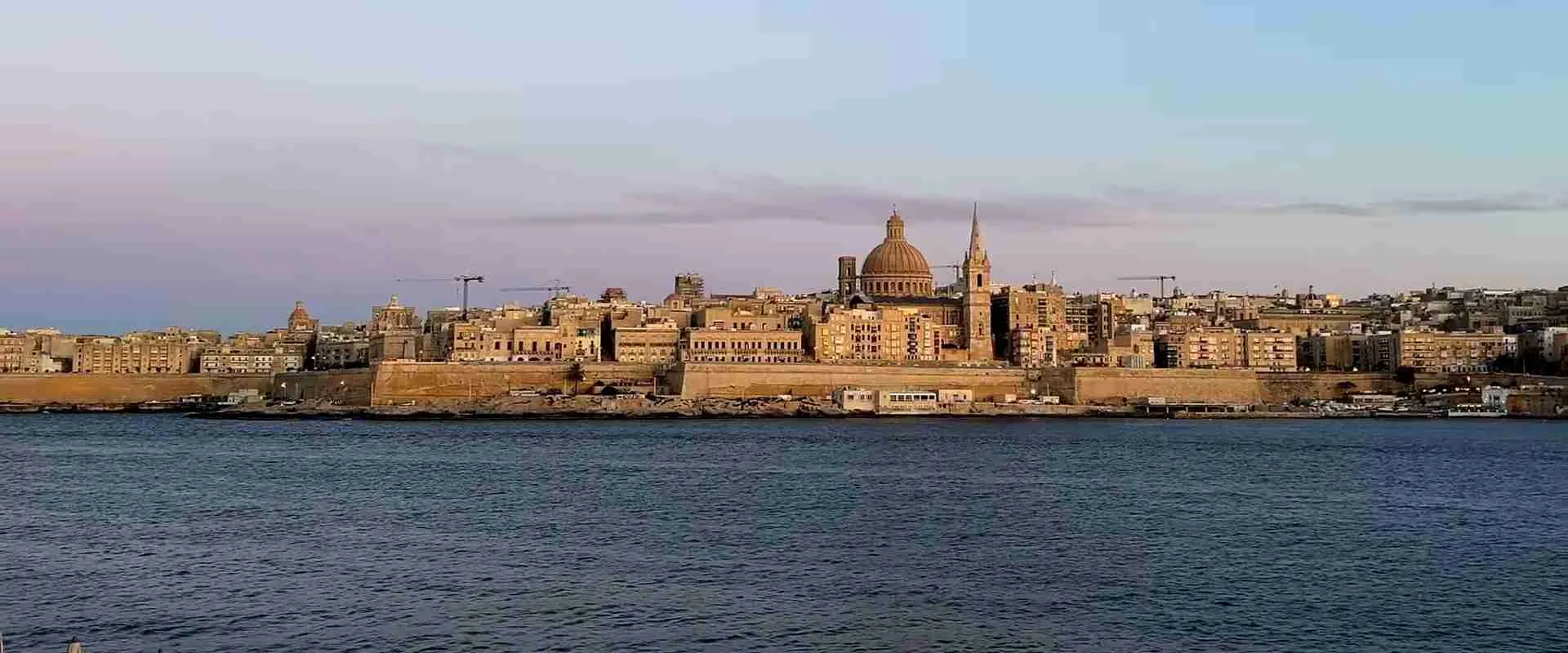
Malta Travel Guide 2026: Ultimate Planning Resource
The Maltese archipelago emerges from the Mediterranean Sea as a compact treasure trove of ancient temples predating Stonehenge, fortified cities built by the Knights of St. John, and crystalline waters rivaling the Caribbean. This comprehensive guide provides verified costs, strategic timing insights, and practical logistics to transform your 2026 Malta visit from an expensive gamble into a supremely organized Mediterranean adventure delivering exceptional value at every budget tier.
Key Takeaways for Malta Travel 2026
- Budget travelers spend €45-90 per person daily (two sharing budget accommodation, self-catering some meals, using public buses, mixing free sites with occasional paid attractions), making Malta one of Europe’s most accessible Mediterranean destinations in 2026.
- Mid-range visitors invest €135-220 per person daily (two sharing comfortable hotels, dining at local restaurants, combining buses with occasional taxis, visiting major paid attractions), offering excellent value compared to Italian or French coastal alternatives.
- Luxury travelers spend €295-500 per person daily (two sharing boutique hotels or five-star properties, fine dining experiences, private transportation, premium tours and activities), accessing world-class Mediterranean hospitality at prices below Western European equivalents.
- Shoulder seasons April-May and September-October 2026 deliver optimal conditions: temperatures 18-26°C perfect for sightseeing, accommodation costs 30-40% below summer peaks, manageable crowds at UNESCO World Heritage sites, and sea temperatures 19-25°C comfortable for swimming by May and extending through October.
- Public transport operates comprehensively and affordably: single bus journeys €2 (winter) or €2.50 (summer), seven-day unlimited passes €25, free personalized Tallinja cards for residents, extensive network connecting all major sites across Malta and Gozo islands.
- Strategic timing slashes costs dramatically: November-March accommodation prices drop 40-50%, flight costs from European cities fall to €30-80, major attractions remain open year-round, and Malta’s 300+ annual sunshine days ensure pleasant conditions even in winter months averaging 15-17°C.
People Also Ask About Malta Travel 2026
How much does a trip to Malta cost per day in 2026?
Malta travel costs range €45-90 per person daily for budget travelers (two sharing hostel dorms or budget hotels, self-catering breakfasts, eating at pastizzerias, using public buses, visiting free sites with occasional paid museums), €135-220 daily for mid-range comfort (two sharing three-star hotels, restaurant meals, mixed transport, standard paid attractions), and €295-500 daily for luxury experiences (two sharing boutique properties, fine dining, private transport, premium tours). These per-person figures assume two people sharing hotel accommodation, with room rates divided by two before calculating totals. Budget travelers accessing free Heritage Malta sites, cooking some meals, and maximizing the €25 weekly bus pass can operate at the lower end. Mid-range visitors balancing restaurant meals with occasional self-catering and combining buses with taxis for convenience typically land mid-range. Luxury travelers in five-star properties with private guides and gourmet dining reach the upper tier. Malta delivers exceptional Mediterranean value compared to destinations like Amalfi Coast or French Riviera where equivalent experiences cost 40-60% more.
What is the cheapest month to visit Malta in 2026?
November through February 2026 represents Malta’s most economical travel window, with accommodation prices dropping 40-50% below summer peaks, flights from European cities costing €30-80 versus €150-300 in peak season, and restaurant prices remaining stable year-round. January and February see the lowest visitor numbers and steepest discounts on hotels, with three-star properties available €50-80 nightly compared to €120-180 in July-August. Winter months average 15-17°C with 5-6 hours daily sunshine and occasional short rain showers rather than extended periods of precipitation. Major attractions including St. John’s Co-Cathedral, the Grand Master’s Palace, Ħal Saflieni Hypogeum, and megalithic temples operate year-round with identical admission fees but without summer crowds. The trade-off involves cooler sea temperatures (16-18°C, unsuitable for most swimmers) and shorter daylight hours, making this period ideal for culture-focused travelers prioritizing archaeology, architecture, and history over beach activities. March offers a transitional sweet spot with rising temperatures, blooming wildflowers, lower prices than shoulder season, and Easter Week processions creating spectacular cultural experiences.
Is one week enough time to visit Malta in 2026?
One week provides sufficient time to experience Malta’s primary highlights including Valletta’s baroque architecture and Knights’ heritage, the ancient capital Mdina’s medieval streetscapes, the Blue Grotto’s coastal formations, Ħaġar Qim and Mnajdra prehistoric temples (3600-3200 BCE), a full-day Gozo excursion encompassing Victoria Citadel and Azure Window site, Comino’s Blue Lagoon, selected Three Cities fortifications, and either northern beaches (Mellieħa Bay, Golden Bay) or southern swimming spots (St. Peter’s Pool). Seven days accommodates a balanced itinerary combining cultural immersion, archaeological exploration, coastal relaxation, and island-hopping without exhausting daily schedules. Budget travelers spending €315-630 weekly can access comprehensive experiences through self-catering, public transport, and strategic attraction selection. Mid-range visitors investing €945-1,540 weekly enjoy comfortable hotels, restaurant dining, and flexible transport. Luxury travelers spending €2,065-3,500 weekly access private guides, premium accommodations, and VIP experiences. Two weeks enables deeper exploration of Malta’s 19 rural villages, extensive coastal hiking trails, diving sites, additional Gozo time including Dwejra cliffs and Ramla Bay’s red sand, and day trips to Sicily via ferry. However, Malta’s compact size (27km by 15km) makes one week genuinely comprehensive rather than rushed for first-time visitors focusing on primary attractions.
Do I need to rent a car in Malta for 2026?
Car rental in Malta remains optional rather than essential for 2026, with Malta Public Transport’s extensive bus network connecting virtually every attraction, town, and beach across the archipelago through 200+ routes operating 5:30 AM to 11 PM daily. The seven-day unlimited Explore Card costing €25 provides economical access to the entire system including Gozo connections. Single journeys cost €2 (winter, valid two hours with free transfers) or €2.50 (summer), with contactless payment accepted. Budget and mid-range travelers relying on buses save €20-50 daily in rental fees, fuel, and parking costs while avoiding Malta’s challenging driving conditions including narrow streets, aggressive local driving culture, left-hand traffic (British legacy), and severe parking scarcity in Valletta and tourist areas. However, car rental delivers significant advantages for travelers prioritizing flexibility, visiting remote coastal spots like Dingli Cliffs or secluded coves inaccessible by bus, planning multi-stop days without schedule constraints, traveling with young children or limited mobility, or exploring Gozo extensively where bus frequencies decrease. Rental costs average €20-40 daily for manual compact cars, with automatic transmissions €35-60 daily. Ferry transport to Gozo costs €15.70 for cars or €4.65 for foot passengers. Parking in Valletta costs €3-7 daily at official lots. Most travelers combining Valletta exploration with targeted beach/temple visits find buses sufficient, while those prioritizing independence and remote site access benefit from rental flexibility.
Extended multi-day tours – 5+ days
Featured Malta Multi-Day Tour Packages
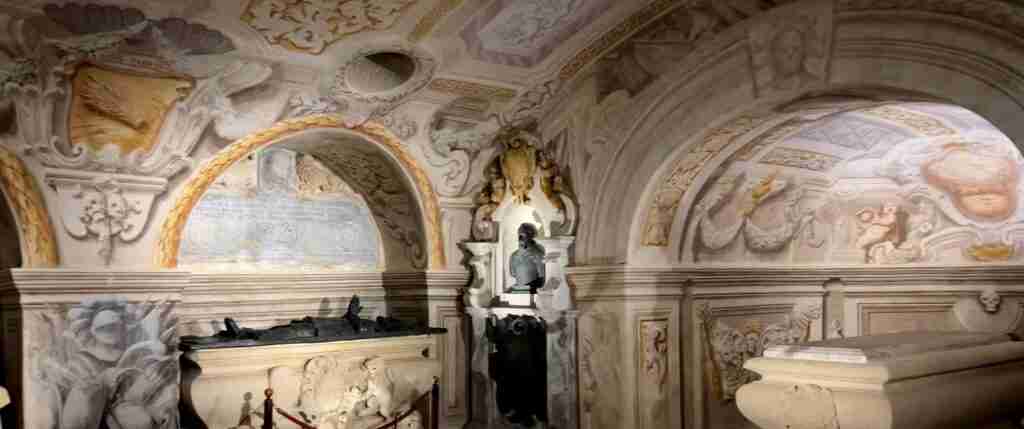
3 days
Malta 3-Day Discovery Tour
- ✓ Comprehensive Malta experience
- ✓ Expert local guides included
- ✓ All accommodation included
- ✓ Transportation provided
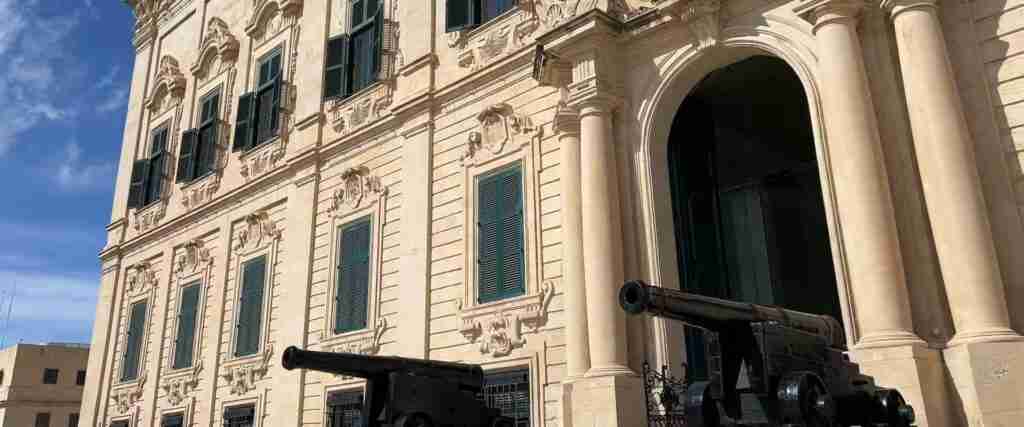
5 days
Malta 5-Day Highlights Experience
- ✓ Comprehensive Malta experience
- ✓ Expert local guides included
- ✓ All accommodation included
- ✓ Transportation provided
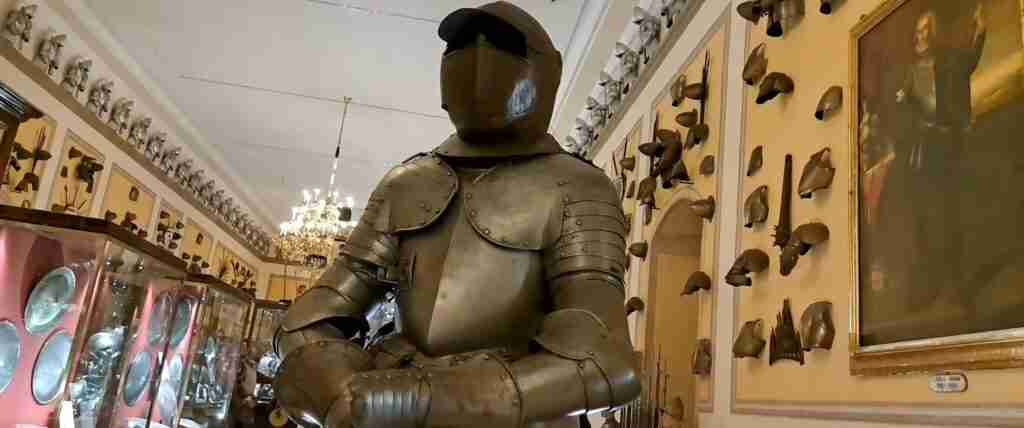
7 days
Malta 7-Day Cultural Journey
- ✓ Comprehensive Malta experience
- ✓ Expert local guides included
- ✓ All accommodation included
- ✓ Transportation provided
10 days
Malta 10-Day Complete Adventure
- ✓ Comprehensive Malta experience
- ✓ Expert local guides included
- ✓ All accommodation included
- ✓ Transportation provided
Multi-day tour packages powered by TourRadar. Prices and availability subject to change.
Introduction: Malta Travel Planning 2026
The Maltese islands occupy a strategic Mediterranean position 96 kilometers south of Sicily and 386 kilometers east of Tunisia, concentrating an improbable density of historical significance, architectural splendor, and coastal beauty within just 316 square kilometers of inhabited territory. This archipelago nation of three populated islands—Malta, Gozo, and Comino—has witnessed 7,000 years of continuous human habitation, creating archaeological layers spanning Neolithic temple builders (5000 BCE), Phoenician traders, Roman administrators, Byzantine Christians, Arab settlers, Norman conquerors, the Knights Hospitaller of St. John (1530-1798), French occupiers, and British colonial rulers (1800-1964), each civilization leaving indelible marks on the limestone landscape.
Malta’s compact geography delivers remarkable travel efficiency. The main island measures just 27 kilometers long by 15 kilometers wide, with Valletta positioned centrally on the northeast coast. Gozo spans 14 by 7 kilometers, reachable via 25-minute ferry. Comino measures barely 3.5 square kilometers, functioning primarily as a day-trip destination for Blue Lagoon visits. This concentration means travelers can breakfast in baroque Valletta, explore Bronze Age temples by midday, and swim at northern beaches by afternoon without excessive transit time. Public buses connect every inhabited settlement, while rental cars access remote coastal spots and rural valleys within 30-45 minute drives from any accommodation base.
The 2026 travel landscape in Malta reflects stabilized post-pandemic tourism patterns, with visitor numbers approaching but not exceeding 2019 levels, accommodation supply increased through new hotel development, and improved public infrastructure including expanded bus services and restored heritage sites. Malta joined the European Union in 2004 and adopted the euro in 2008, simplifying logistics for European travelers while maintaining Commonwealth connections through English as an official language alongside Maltese. The Schengen Area membership permits visa-free travel for 90 days within 180 days for citizens of visa-exempt countries, with standard Schengen visa requirements for others.
Malta’s UNESCO World Heritage credentials anchor its cultural appeal: Valletta designated 1980 as one of Europe’s most concentrated historic areas, the Megalithic Temples complex inscribed 1980 (expanded 1992) encompassing seven temple sites across Malta and Gozo dating 3600-2500 BCE, and the Ħal Saflieni Hypogeum subterranean necropolis inscribed 1980 as the world’s only known prehistoric underground temple. Beyond UNESCO recognition, Malta offers fortress architecture from the Knights’ era, Second World War history including George Cross award for civilian resilience during Axis siege, vibrant village festas celebrating patron saints with pyrotechnic displays, and Mediterranean cuisine blending Sicilian, North African, and British influences into distinctive rabbit stews, pastizzi savory pastries, and ftira flatbreads.
The 2026 strategic travel approach to Malta emphasizes timing optimization (shoulder seasons delivering 30-40% cost savings with superior weather for sightseeing), budget tier selection aligned with comfort priorities, accommodation location strategy balancing Valletta convenience against quieter bases in Sliema, St. Julian’s, or Gozo, transport decisions comparing bus economy against rental car flexibility, and attraction prioritization focusing on UNESCO sites, Knights’ heritage, and coastal experiences while avoiding tourist traps and overpriced boat operators. This guide provides verified 2026 pricing, seasonal analysis, neighborhood comparisons, sample itineraries, and strategic advice enabling travelers to extract maximum value from Malta’s concentrated Mediterranean offerings regardless of budget constraints.
Understanding Malta Travel Costs in 2026
Malta positions itself as a moderately priced Mediterranean destination in 2026, significantly more affordable than Italian coastal regions, French Riviera, or Spanish island resorts, while costing more than Eastern European alternatives like Albania or Bulgaria. The archipelago delivers exceptional value-for-money compared to Western European equivalents, with accommodation quality, dining standards, and attraction access exceeding price-point expectations. Understanding cost structures enables strategic budget optimization without sacrificing experience quality.
The 2026 cost landscape reflects several factors: Malta’s EU membership and euro adoption aligned prices with European standards while maintaining cost-of-living advantages versus larger Western economies; tourism infrastructure investment improved quality without proportionate price increases; competition among hotels, restaurants, and tour operators in the post-pandemic environment creates consumer-favorable pricing pressure; and seasonal fluctuations remain pronounced, with shoulder season and winter discounts reaching 40-50% below summer peaks. Strategic travelers timing visits outside June-August periods access identical attractions, restaurants, and infrastructure at substantially reduced costs.
Daily budget structures vary dramatically by travel style. Budget travelers minimizing accommodation costs through hostel dorms or budget hotels, self-catering breakfasts and some lunches, relying exclusively on public buses, focusing on free attractions supplemented by selective paid sites, and avoiding tourist-trap restaurants can operate €45-90 daily per person. Mid-range travelers occupying comfortable three-star hotels, dining at local restaurants for most meals, combining buses with occasional taxis, visiting major paid attractions, and booking standard boat trips invest €135-220 daily per person. Luxury visitors staying in boutique properties or five-star hotels, enjoying fine dining experiences, utilizing private transportation, engaging private guides, and accessing premium tours spend €295-500 daily per person. These figures assume two people sharing accommodation, with room rates divided by two before adding to per-person daily totals.
Malta’s pricing structure favors strategic travelers willing to research options, book advance accommodation during peak periods, utilize multisite attraction passes rather than individual tickets, eat where locals congregate rather than tourist-focused restaurants, and time visits during shoulder seasons. The seven-day Heritage Malta multisite pass costing €30 provides unlimited access to the National Museum of Archaeology, Grand Master’s Palace, Fort St. Elmo, MUŻA art museum, Ħaġar Qim and Mnajdra temples, Tarxien Temples, Ġgantija Temples in Gozo, and additional sites—saving 40-50% versus individual tickets totaling €60-70. The week-long Explore transport card at €25 delivers unlimited bus travel across Malta and Gozo, undercutting individual ticket costs exceeding €35 weekly. Strategic multiday pass purchases create immediate savings for travelers visiting multiple attractions.
Hidden costs requiring budget awareness include: summer peak-season supplements (accommodation rates rising 50-100% versus winter), airport bus €2.50 versus €10-15 taxi for central Valletta, Ħal Saflieni Hypogeum mandatory advance booking €35 (selling out weeks ahead), restaurant cover charges €2-3 per person at tourist-area establishments, Gozo Channel ferry €4.65 return for foot passengers or €15.70 return with vehicle, tipping expectations 10% for good service, public toilet charges €0.50-1 at major tourist sites, and beach equipment rental (loungers €5-8, umbrellas €3-5 daily at organized beaches). Planning for these ancillary expenses prevents budget overruns and financial stress during the trip.
Seasonal Travel Planning Malta 2026
Malta’s Mediterranean climate creates distinct seasonal travel windows, each offering unique advantages and trade-offs regarding weather conditions, visitor density, pricing structures, and activity suitability. Understanding seasonal patterns enables strategic timing decisions aligned with individual priorities balancing cost optimization, weather preferences, crowd tolerance, and experience goals.
Peak Season Malta 2026 (June Through August)
Summer peak season June-August 2026 delivers Malta’s hottest weather with daytime temperatures consistently 29-32°C, minimal rainfall (July averages zero precipitation), 10-11 hours daily sunshine, and sea temperatures reaching 24-27°C ideal for extended swimming, snorkeling, and water sports. This period attracts maximum visitor numbers including European families on school holidays, creating crowded conditions at major attractions, beaches, and restaurants. Valletta’s narrow streets become congested, Blue Lagoon approaches capacity on peak days with hundreds of boats, and popular beaches like Mellieħa Bay fill completely on weekends. Accommodation rates peak at their highest levels, with three-star hotels €120-180 nightly, mid-range properties €150-250, and luxury establishments €250-400—representing 50-100% increases versus winter rates.
Peak season advantages include: maximum beach weather certainty, full-capacity resort amenities and beach clubs operating with complete services, evening temperature comfort 22-25°C enabling late dinners and walks, village festas celebrating patron saints with elaborate fireworks displays weekly across different communities, extended ferry schedules to Gozo and Comino with increased frequency accommodating visitor demand, and comprehensive availability of boat tours, water sports facilities, and outdoor activities. The July-August period suits travelers prioritizing guaranteed hot weather, vibrant social atmosphere, all-inclusive resort experiences, nightlife in St. Julian’s Paceville district, and families constrained by school holiday schedules.
Peak season disadvantages center on overcrowding and expense. Major attractions implement timed entry or reach capacity, requiring advance booking and reducing spontaneity. Heritage sites become uncomfortably hot for extended visits in 30°C+ midday conditions. Accommodation must be reserved months ahead, with preferred properties fully booked and walk-in options limited to premium prices or inferior quality. Restaurant wait times extend, particularly at popular establishments. Bus services experience overcrowding on routes to beaches and tourist areas. The intense heat can prove challenging for elderly travelers, families with young children, or visitors unaccustomed to Mediterranean summer conditions. Budget travelers find this season least favorable due to elevated costs across all categories without corresponding increases in attraction quality or access.
Shoulder Season Malta 2026 (April-May and September-October)
Shoulder seasons April-May and September-October 2026 represent optimal travel windows for balanced experiences combining favorable weather, manageable costs, moderate crowds, and comfortable conditions for both cultural exploration and beach activities. Spring temperatures 18-24°C rise steadily through March-May, with April averaging 20°C and May reaching 23°C—warm enough for comfortable sightseeing without exhausting heat. Autumn maintains summer warmth through September (27°C average) before cooling gradually to 23°C in October, with sea temperatures remaining 23-25°C through October enabling extended swimming seasons.
April-May advantages include: blooming wildflowers carpeting countryside in vibrant colors, Easter Week (late March or April) processions in Birgu and Valletta creating spectacular cultural experiences, rapidly warming temperatures ideal for hiking Dingli Cliffs and coastal trails without summer dehydration risks, accommodation rates 30-40% below summer peaks, uncrowded attractions enabling relaxed UNESCO site visits and photography without tourist interference, and sea temperatures 19-22°C by May acceptable for swimming (though cooler than summer). May specifically earns recognition as Malta’s single best month, combining 24°C average temperatures, 10 hours daily sunshine, minimal 7mm monthly rainfall, relatively quiet conditions before June crowds arrive, and comfortable evening temperatures 15-18°C perfect for outdoor dining.
September-October advantages include: lingering summer warmth without peak intensity, sea temperatures 25-26°C in September representing the year’s warmest swimming conditions, Notte Bianca cultural festival in Valletta (October) opening museums free until midnight with concerts and performances, harvest season bringing fresh produce to markets, comfortable temperatures 23-27°C ideal for sightseeing and hiking, accommodation rates dropping 25-35% versus summer, and crowds diminishing after school holidays end. October specifically balances summer-quality weather with shoulder-season economics and reduced visitor density.
Shoulder season trade-offs involve some uncertainty. Spring weather can prove variable, with occasional cool days or brief showers, though rain typically falls in short bursts rather than extended periods. May offers the most reliable spring weather. Autumn presents higher reliability, particularly September’s consistent warmth. Some beach clubs and seasonal restaurants operate reduced hours or close in April and October, though major establishments remain open. Ferry schedules to Comino reduce frequency versus summer, requiring timing coordination. However, these minor inconveniences prove negligible compared to shoulder season advantages in cost savings, crowd reduction, and comfortable temperatures for active exploration. Most experienced Mediterranean travelers consider shoulder seasons categorically superior to peak summer for Malta visits.
Winter Season Malta 2026 (November Through March)
Winter November-March 2026 transforms Malta into a dramatically different destination, emphasizing cultural immersion, historical exploration, and local atmosphere over beach activities and outdoor recreation. Temperatures average 15-17°C daytime (12-14°C evenings), with January-February representing coldest months. November receives highest rainfall (109mm monthly average across 10 days), though precipitation falls in intense short bursts rather than continuous drizzle characteristic of northern Europe. Winter maintains 5-6 hours daily sunshine—less than summer’s 10-11 hours but substantially exceeding northern European equivalents. Sea temperatures 16-18°C remain too cold for comfortable swimming except hardy locals and cold-water enthusiasts.
Winter advantages overwhelmingly favor budget-conscious and culture-focused travelers. Accommodation rates plummet 40-50% below summer peaks, with three-star hotels €50-80 nightly (versus €120-180 summer), mid-range properties €80-120 (versus €150-250), and even luxury establishments offering €150-250 rates (versus €300-400). Flight costs from European cities drop to €30-80 on budget carriers versus €150-300 summer. Tourist sites become virtually empty, enabling intimate experiences at the Grand Master’s Palace, St. John’s Co-Cathedral, and archaeological sites without crowds. Local life becomes visible as seasonal tourism fades, with authentic village atmosphere, traditional markets, and genuine Maltese culture accessible. The green countryside following autumn rains creates photogenic landscapes contrasting summer’s golden-brown aridity. December Christmas preparations and January-February Carnival celebrations offer cultural experiences unavailable other seasons.
Winter trade-offs include: cooler temperatures requiring jackets for evening walks, occasional strong winds creating rough seas and ferry disruptions, shorter daylight hours (9 hours December versus 14 hours June) limiting daily itinerary possibilities, reduced beach appeal with empty sandy bays and closed beach clubs, some restaurants and seasonal attractions operating reduced hours or closing completely, and weather unpredictability requiring flexible planning. However, for archaeology enthusiasts, history buffs, architecture admirers, photographers seeking dramatic light, and budget travelers prioritizing cost optimization over beach time, winter Malta delivers exceptional value. The €30-80 flight savings alone can fund several nights’ accommodation or comprehensive dining experiences. Travelers comfortable with cooler weather and flexible about occasional rain find winter Malta an outstanding value proposition.
Accommodation Options and Costs Malta 2026
Malta’s accommodation spectrum ranges from €15 hostel dormitory beds to €400+ luxury suites, with extensive options at every price tier distributed across strategic locations including capital Valletta, resort towns Sliema and St. Julian’s, peaceful Gozo island, and rural villages offering authentic atmosphere. Selecting optimal accommodation involves balancing location convenience, budget constraints, amenity priorities, and seasonal availability, with advance booking essential during April-October peak and shoulder periods.
Budget Accommodation Malta 2026 (€15-50 Per Person Nightly)
Budget accommodation in Malta 2026 concentrates primarily in hostel dormitories €20-30 per bed in Sliema and Valletta, budget hotels €50-80 per room in secondary areas, and guesthouses €40-60 per room in rural villages and quieter coastal towns. Hostel options remain limited compared to major European cities, with approximately 15-20 hostels operating across the archipelago, predominantly in Sliema’s waterfront area (convenient for buses, restaurants, and coastal walks) and Valletta’s side streets (historic atmosphere but limited evening dining options outside tourist restaurants). Dormitories accommodate 4-8 beds with shared bathrooms, communal kitchens enabling self-catering cost savings, common areas for socializing, and basic amenities including WiFi and air conditioning (essential in summer). Notable hostels include Inhawi Hostel Valletta (dorms €20-28), Two Pillows Boutique Hostel Sliema (dorms €22-30), and Gozo Hostel Victoria (dorms €18-25).
Budget hotels and guesthouses provide private rooms with en-suite bathrooms €50-80 nightly, rising to €80-120 in summer peak season. These properties typically offer simpler décor, limited amenities (no pools or restaurants), but clean comfortable rooms with air conditioning, private bathrooms, and WiFi. Strategic budget hotel locations include Bugibba and Qawra (northern resort towns with bus connections and affordable restaurants), Marsascala (quiet fishing village with local atmosphere), and Valletta periphery neighborhoods. Budget travelers sharing rooms as couples or friends divide costs, achieving €25-40 per person nightly—competitive with dormitory rates while gaining privacy. Winter season (November-March) enables budget hotel access €35-60 nightly, representing exceptional value for private accommodation.
Budget accommodation strategies for 2026 include: booking 2-3 months ahead for April-October travel ensuring availability and better rates; considering Airbnb apartments €50-80 nightly in residential areas providing kitchens for self-catering cost savings; prioritizing locations with good bus connections rather than tourist-area premium pricing; accepting peripheral locations (Mellieħa, Marsaxlokk, Rabat) requiring 20-30 minute bus rides but delivering 30-40% cost savings; and timing visits November-March accessing drastically reduced rates. Budget travelers combining self-catering breakfasts, hostel dormitories or shared apartments, and strategic location selection successfully operate €20-40 per person nightly across most seasons.
Mid-Range Accommodation Malta 2026 (€100-200 Per Room Nightly)
Mid-range accommodation represents Malta’s largest sector, offering comprehensive options from three-star hotels €100-150 nightly to superior boutique properties €150-200, with rates rising €150-250 during July-August peak season. This category delivers comfortable rooms with quality beds, modern en-suite bathrooms, air conditioning, WiFi, breakfast included at most properties, pools at larger hotels, and convenient locations in Sliema, St. Julian’s, Valletta, or strategic bases. Mid-range positioning emphasizes value-for-money rather than luxury, providing clean comfortable environments, helpful service, and amenity completeness without premium pricing.
Sliema emerges as mid-range accommodation headquarters, concentrating dozens of three-star hotels along the waterfront promenade and inland streets. Properties like Waterfront Hotel Sliema (€120-160 nightly) and The Palace Sliema (€140-180) deliver balcony sea views, rooftop pools, central positions near ferry terminals and bus stops, and walking access to restaurants and shopping. Sliema’s advantage lies in non-touristy local atmosphere, authentic restaurants serving residents rather than tourists, efficient public transport connections to Valletta (5-10 minutes) and beach areas (15-30 minutes), and competitive pricing versus Valletta’s premium tourist positioning. St. Julian’s neighboring Sliema offers similar mid-range options with added nightlife access in Paceville district—ideal for younger travelers, less suitable for families or quiet-seeking visitors.
Valletta mid-range accommodation combines boutique guesthouses €140-200 nightly in restored townhouses with limited hotel options due to UNESCO World Heritage restrictions on new development. Properties emphasize historic atmosphere, central positioning within walking distance of all Valletta attractions, and authentic baroque surroundings, trading pool amenities and space for cultural immersion. The Embassy Valletta Hotel (€150-200), Ursulino Valletta (€140-180), and Casa Ellul (€120-160) represent quality mid-range Valletta options. Trade-offs include limited parking (street parking competitive, paid lots €5-7 daily), evening restaurant options heavy toward tourist-oriented establishments, and compact room sizes typical of historic building conversions.
Gozo mid-range accommodation serves travelers prioritizing tranquility, rural atmosphere, and extended island exploration over mainland convenience. Properties like Hotel Ta’ Cenc (€120-180) and Downtown Hotel Victoria (€90-140) deliver peaceful settings, local character, and Gozo access without Gozo pricing premiums typical of boutique properties. However, Gozo basing requires accepting limited evening entertainment beyond hotel restaurants, ferry dependence for Malta mainland day trips (last ferry 10:30 PM limiting Valletta evening options), and reduced restaurant variety compared to Sliema or St. Julian’s.
Mid-range accommodation strategy for 2026 emphasizes: booking 1-2 months ahead for shoulder season (April-May, September-October) ensuring good selection before properties fill; comparing Sliema’s 20-30% lower rates versus equivalent Valletta properties with marginally less convenient positioning; considering self-catering apartments €100-160 nightly providing kitchens for breakfast and occasional lunch savings; prioritizing properties with included breakfast (€8-12 value daily); and timing visits outside July-August peak season accessing €100-150 rates that rise to €150-250 in summer. Mid-range travelers investing €100-150 nightly (€50-75 per person sharing) access comfortable, well-located, full-amenity accommodation delivering excellent value.
Luxury Accommodation Malta 2026 (€250-500+ Per Room Nightly)
Luxury accommodation in Malta 2026 spans boutique townhouse conversions in Valletta (€250-350), five-star resort properties in St. Julian’s and Sliema (€300-450), and exclusive rural estates and palace hotels (€400-600+). This tier emphasizes design sophistication, premium service, comprehensive amenities including pools, spas, fine dining restaurants, and privileged locations delivering either historic atmosphere or contemporary resort luxury. Malta’s luxury sector delivers internationally competitive standards at prices 30-40% below equivalent Italian or French Riviera properties.
Valletta’s luxury boutique hotels occupy meticulously restored 16th-18th century palazzos, combining baroque architectural features, contemporary interior design, attentive personal service, and central positioning within the UNESCO World Heritage capital. Domus Zamittello (€280-380), Palazzo Consiglia (€300-400), and The Embassy Valletta Hotel (€250-350 mid-range to luxury depending on season) exemplify this category, offering intimate atmospheres (15-25 rooms), rooftop terraces overlooking Grand Harbour, sophisticated restaurants, and concierge services. Room sizes remain moderate (18-25 square meters typical) due to historic building constraints, trading space for architectural character and authentic atmosphere impossible to replicate in modern hotels.
St. Julian’s and Sliema luxury hotels emphasize contemporary resort amenities including multiple pools, spa facilities, fitness centers, private beach access or beach clubs, multiple restaurants, and spacious rooms 30-40 square meters. The Westin Dragonara Resort (€320-450), Hilton Malta (€300-420), and Corinthia Hotel St. George’s Bay (€280-380) deliver full-service resort experiences with direct coastal access, though less historic atmosphere than Valletta alternatives. These properties suit families seeking comprehensive on-site amenities, business travelers requiring meeting facilities, and visitors prioritizing pool/beach convenience over historic immersion.
Gozo luxury includes rural estates and renovated farmhouses offering peaceful countryside settings, private pools, authentic local character, and exceptional tranquility. Kempinski Hotel San Lawrenz (€350-500) and various luxury farmhouse rentals €300-600 nightly deliver exclusive experiences away from mainland tourism. However, Gozo luxury positioning requires accepting limited restaurant variety, ferry dependence for Malta mainland exploration, and higher costs versus mainland equivalents due to limited competition and exclusive positioning.
Luxury accommodation strategy for 2026 includes: booking 2-4 months ahead for peak season (June-August) and special events; comparing Valletta boutique character versus St. Julian’s resort amenities based on trip priorities; considering shoulder season April-May or September-October accessing €250-350 rates that rise to €400-500+ in July-August; researching villa rentals through specialized agencies for groups where per-person costs become competitive with four-star hotels; and prioritizing properties with included breakfast, as luxury restaurant breakfasts can reach €25-35 per person daily. Luxury travelers investing €250-400 nightly (€125-200 per person sharing) access world-class Mediterranean hospitality, architectural sophistication, and comprehensive amenities representing excellent value versus comparable European destinations.
Food and Dining Costs Malta 2026
Malta’s culinary landscape blends Mediterranean ingredients, Sicilian techniques, North African spices, and British colonial influences into distinctive cuisine combining rabbit stew (stuffat tal-fenek), pastizzi savory pastries filled with ricotta or mushy peas, ftira traditional flatbreads, and fresh seafood from surrounding waters. Dining costs span dramatic ranges from €1 pastizzi to €50+ fine dining mains, enabling budget optimization through strategic restaurant selection, self-catering flexibility, and local establishment prioritization over tourist-oriented venues.
Budget Dining Malta 2026 (€15-30 Per Person Daily)
Budget dining in Malta 2026 centers on pastizzerias (traditional pastry shops), street food vendors, supermarket self-catering, and local restaurants frequented by Maltese residents rather than tourists. Pastizzi, Malta’s iconic savory pastry, costs €0.50-1 at neighborhood pastizzerias like Crystal Palace Pastizzeria Rabat, Serkin Pastizzeria Valletta, and countless village establishments, providing filling breakfast or snack options. A budget breakfast combining two pastizzi €1.50, coffee €1.50, and fruit from supermarkets €1-2 totals €3-5 daily. Self-catering breakfasts from supermarket supplies (bread, cheese, eggs, fruit) costs €2-3 per person when accommodation provides kitchens.
Lunch budget options include takeaway ftira sandwiches €4-6, pizza slices €2-3, kebabs €5-7, and fixed-price lunch menus at local restaurants €8-12 including main course, side, and drink. Supermarket sandwiches and prepared foods enable €3-5 lunches for travelers prioritizing cost minimization. Lidl and other European chain supermarkets operate across Malta providing familiar products at continental prices comparable to home countries for Northern European visitors. Traditional hole-in-wall eateries in working-class neighborhoods like Ħamrun, Marsa, and Żabbar serve generous portions of rabbit, bragioli beef rolls, and Maltese pasta €8-12 for mains including sides and bread—authenticity at budget prices without tourist markup.
Dinner budget strategies emphasize €12-18 mains at neighborhood restaurants, sharing appetizers, avoiding tourist-area markup (Valletta Republic Street and St. Julian’s waterfront restaurants charge 30-50% premiums versus equivalent establishments in residential Sliema, Msida, or Birkirkara), and selecting daily specials often representing best value. Typical budget dinner costs €15-25 per person including main course €12-18, house wine €3-4 per glass, shared appetizer €6-8 split between two, and no dessert or coffee. Local beer (Cisk, Hopleaf) costs €3.50-5 at bars and restaurants, with supermarket prices €1.50-2.50 creating self-catering beverage cost savings. Water tap water remains drinkable but heavily chlorinated; most locals drink bottled water €1-2 for 1.5 liters from supermarkets.
Budget dining daily totals calculate €23-35 per person: breakfast €3-5 (pastizzi or self-catered), lunch €8-12 (takeaway or simple restaurant), dinner €15-25 (local neighborhood restaurant), snacks/coffee €2-3. Strategic budget diners self-catering breakfast and occasional lunch, eating pastizzi mid-morning, purchasing supermarket picnic supplies, and concentrating restaurant budget on one good dinner daily achieve lower €15-25 daily food costs. This approach requires accommodation with kitchen facilities, willingness to research local establishments beyond tourist areas, and flexibility accepting authentic Maltese cuisine over international options. Budget travelers allocating €25-35 daily per person eat well without deprivation, accessing genuine local food culture unavailable at tourist-trap restaurants.
Mid-Range Dining Malta 2026 (€40-70 Per Person Daily)
Mid-range dining balances restaurant meals with strategic self-catering, emphasizes quality local establishments over tourist venues, includes wine with dinner, and accommodates occasional splurge experiences without daily fine dining expenses. Breakfast options include hotel buffets €8-12 when included in accommodation rates, neighborhood cafés €6-10 for coffee and pastries, or quality self-catered continental breakfast €4-6. Mid-range travelers typically accept hotel breakfast when included, otherwise self-cater or use local cafés rather than tourist breakfast restaurants charging €15-20.
Lunch mid-range options encompass casual restaurants €15-25 for mains, harbourside cafés €12-18, and quality takeaway €8-12 supplemented by café stops. Traditional restaurants in Valletta side streets (avoiding Republic Street tourist concentration), Sliema residential areas, and Mdina offer excellent-value fixed menus €15-20 including appetizer, main, dessert, and wine. Seafood restaurants in fishing villages like Marsaxlokk and Marsascala deliver fresh catch €18-28 for grilled fish or seafood pasta in authentic atmosphere—tourists present but not overwhelming, prices fair reflecting quality rather than location exploitation. Mid-range lunch typically costs €15-25 per person including main, drink, possible shared appetizer.
Dinner mid-range experiences emphasize quality Maltese cuisine, fresh seafood, Italian-influenced restaurants, and atmospheric locations. Recommended mid-range restaurants include Rubino Valletta (traditional Maltese €18-28 mains), Barracuda Balluta Bay (seafood €22-35 mains), Tal-Petut Birgu (authentic rabbit stew €16-22), and countless Sliema establishments serving residents rather than tourists €18-30 mains. Wine costs €15-30 per bottle at neighborhood restaurants, €25-50 at upscale establishments, with house wine by carafe €12-18 representing good value. Typical mid-range dinner totals €30-50 per person including appetizer €8-12, main €18-28, shared dessert €6-10 split between two, wine €8-15 per person, and coffee €2-3.
Mid-range dining daily costs calculate €48-77 per person: breakfast €8-12 (hotel buffet or café), lunch €15-25 (casual restaurant or quality takeaway with café), dinner €30-50 (good local restaurant with wine), coffee/snacks €3-5. Strategic mid-range diners self-catering breakfast occasionally (hotel breakfast already paid in accommodation costs), using supermarket supplies for beach picnic lunches on swimming days, and reserving restaurant budget for dinners achieve €40-55 daily costs while maintaining quality experiences. This tier delivers comprehensive access to Malta’s food culture including traditional Maltese dishes, fresh seafood, and excellent Italian cuisine representing Sicilian proximity, without fine dining expenses.
Luxury Dining Malta 2026 (€90-150+ Per Person Daily)
Luxury dining in Malta 2026 emphasizes Michelin-level restaurants, fresh seafood at premium establishments, wine pairings, boutique hotel dining rooms, and complete meal experiences including appetizers, mains, desserts, wine, and digestifs. Malta hosts several Michelin-recommended restaurants (Michelin Guide Malta launched 2020) including ION The Harbour Valletta (fine dining €45-75 mains), Under Grain Valletta (modern Maltese €40-65), and De Mondion Mdina (luxury setting €50-80 mains), plus numerous high-quality establishments approaching Michelin standards.
Breakfast luxury options include boutique hotel dining rooms €15-25, premium café brunch €18-30, or quality continental spreads in luxury accommodation. Lunch luxury experiences span harbourside restaurants €30-50 for seafood, yacht club dining €25-40, and boutique establishments €28-45. However, many luxury travelers opt for casual lunch (€15-25) concentrating fine dining budget on dinner rather than daily multi-course lunch experiences. Dinner luxury dining centers €60-90 per person including appetizer €15-22, main €35-55, dessert €12-18, wine €30-60 bottle or €12-18 glass, digestif €8-12, and coffee €3-5. Premium seafood restaurants in Marsaxlokk, St. Julian’s, and Valletta charge €45-75 for lobster, sea bass, or mixed seafood platters, positioning at international luxury restaurant standards.
Luxury dining strategy for 2026 balances fine dining experiences with casual excellence, concentrating premium restaurant reservations on 2-3 evenings weekly rather than nightly fine dining, which creates monotony and excessive expense. Strategic luxury diners book signature restaurants (ION The Harbour, De Mondion) for special occasions, use hotel restaurants for convenient quality dining, and discover hidden gem establishments delivering exceptional food without premium positioning. Wine enthusiasts access excellent Maltese wines (Marsovin, Meridiana) €20-40 bottles representing outstanding value versus imported alternatives, plus Italian selections €30-80 reflecting Sicily proximity.
Luxury dining daily costs calculate €110-170 per person: breakfast €15-25 (hotel or premium café), lunch €25-40 (quality casual or occasional fine dining), dinner €60-90 (premium restaurant with wine), coffee/snacks €5-10. Luxury travelers reserving fine dining for alternate evenings, using hotel restaurants efficiently, and incorporating excellent casual restaurants for variety typically invest €90-130 daily while maintaining consistently elevated dining experiences. Malta’s luxury dining delivers Michelin-adjacent quality at prices 30-40% below equivalent Italian or French establishments, with creative modern Maltese cuisine, premium fresh seafood, and sophisticated Mediterranean cooking representing exceptional value at this tier.
Transportation Costs and Options Malta 2026
Malta’s compact geography and comprehensive public transport network enable economical movement across the archipelago, with strategic transportation decisions significantly impacting daily budgets. Understanding bus systems, rental car economics, taxi costs, and ferry logistics optimizes mobility expenditures while maintaining access flexibility.
Public Bus Transportation Malta 2026
Malta Public Transport operates the integrated Tallinja bus network encompassing 200+ routes connecting all inhabited areas across Malta and Gozo through single-operator system enabling seamless transfers. Single journey tickets cost €2 during winter season (mid-October through mid-June) or €2.50 summer season (mid-June through mid-October), valid two hours including unlimited free transfers between routes. Tickets purchased directly on buses accept exact cash only (no change given) or contactless bank cards, with contactless payments now available on most buses eliminating cash concerns.
The seven-day Explore Adult Card provides unlimited travel across all day routes (5:30 AM to 11 PM), night routes (limited Friday-Saturday service), and Special Services for €25. This card delivers immediate cost savings for travelers making 10+ journeys weekly (break-even at 13 winter journeys or 10 summer journeys). The card covers Malta and Gozo bus networks plus Marsamxetto Steam Ferry connecting Sliema-Valletta and Three Cities-Valletta, creating comprehensive mobility access. Explore Cards purchase at Malta International Airport arrivals area, ticket machines at major bus stations, Malta Public Transport sales offices in Valletta and Victoria Gozo, and selected Agenda Bookshops. The card activates upon first use, remaining valid seven days from activation date (not seven 24-hour periods but until midnight on the seventh day).
Alternative pass options include 12 Single Day Journeys Card €19 (effectively €1.58 per journey, shareable between multiple travelers, valid six months from first use on day services only) ideal for couples or groups making 6-8 total journeys. The Explore Flex Card offers customized packages combining bus passes with Gozo Highspeed ferry returns, harbour cruises, or both—practical for travelers planning Gozo day trips. Tourists should avoid the personalized Tallinja Card (€25 registration fee enabling free bus travel) designed for residents and long-term visitors, as processing takes 2-3 weeks and requires Maltese address.
Bus route practicalities: routes from Valletta central bus station reach all major destinations including Mdina (routes 51, 52, 53), Mellieħa beaches (routes 41, 42, 221), Golden Bay (route 225), Ħaġar Qim temples (route 74), Marsaxlokk fishing village (route 81), and Blue Grotto (route 74). Gozo routes connect from Victoria bus station to Azure Window site, Ramla Bay beach, and island villages. Google Maps provides accurate real-time bus information including route numbers, departure times, and journey durations. The official Tallinja app offers identical functionality plus mobile tickets (though physical Explore Cards remain most practical for week-long visitors).
Bus limitations include: crowding on summer routes to popular beaches during peak hours, infrequent evening service after 10 PM requiring taxis for late returns, reduced Sunday and public holiday schedules, occasional delays during summer traffic congestion, and limited routes to remote coastal areas like Dingli Cliffs or secluded swimming spots. However, for travelers visiting major attractions, staying in well-connected Sliema or Valletta, and maintaining flexible schedules, buses provide comprehensive economical transport. Budget travelers investing €25 weekly for unlimited bus access save €70-120 versus equivalent taxi costs or €100-200 versus rental cars including fuel and parking.
Rental Car Economics Malta 2026
Car rental in Malta costs €20-40 daily for manual transmission compact cars, €35-60 daily for automatic transmission vehicles, €45-80 daily for larger vehicles or SUVs, with weekly rates €120-250 for compacts (approximately 15-20% discount versus daily rates). Major international companies (Hertz, Avis, Europcar) operate at Malta International Airport and major towns, alongside local operators offering competitive rates. Insurance options include basic third-party coverage (mandatory minimum €8-12 daily), collision damage waiver reducing excess €12-18 daily, and full comprehensive coverage €18-25 daily. Most renters accept collision damage waiver minimizing financial exposure while controlling costs versus full comprehensive.
Fuel costs average €1.45-1.60 per liter for unleaded petrol (2026 projections), with compact cars consuming 5-6 liters per 100 kilometers. Typical weekly mileage exploring Malta thoroughly (Valletta, Mdina, temples, beaches, coastal drives) totals 200-300 kilometers, requiring 10-18 liters costing €15-28 weekly. Adding rental €140-200 weekly, insurance €85-125 weekly, fuel €15-28 weekly, and parking €10-20 weekly (avoiding Valletta €5-7 daily lot fees through strategic timing) creates total weekly costs €250-375 for couples, translating €125-190 per person, or €18-27 daily per person.
Rental car advantages include: freedom visiting remote beaches inaccessible by bus (Għajn Tuffieħa, Paradise Bay, Anchor Bay), flexibility creating custom itineraries without bus schedule constraints, convenient Gozo exploration where bus frequencies reduce versus Malta mainland, direct transport of beach equipment and shopping purchases, and time efficiency for travelers maximizing daily site visits. Families with young children benefit from private transport avoiding hot bus waits, accommodating nap schedules, and carrying strollers/supplies. Rental cars enable seeing more attractions daily through direct point-to-point travel, potentially justifying expense through compressed itinerary efficiency.
Rental car disadvantages center on Malta’s challenging driving environment: narrow village streets barely accommodating two-way traffic, aggressive local driving culture with impatient honking and risky overtaking, left-hand drive (British legacy) disorienting European continent drivers accustomed to right-hand systems, severe parking scarcity in Valletta and tourist areas, expensive parking lots €5-7 daily, and stress navigating unfamiliar roads with inadequate signage. First-time Malta drivers frequently express frustration with traffic aggression and parking challenges. Additionally, rental cars provide zero value during Valletta exploration, where walking covers all attractions within 30 minutes and parking proves nearly impossible, or beach days where single bus routes suffice.
Rental car strategy for 2026: consider rental for Gozo days (rent car for 1-2 days rather than entire week), book through comparison sites (Discover Cars, Rentalcars.com) securing better rates than direct booking, inspect vehicle thoroughly documenting all damage before departing lot, photograph for insurance clarity, decline expensive add-ons like GPS (smartphone navigation sufficient), verify insurance coverage details, and skip rental entirely for travelers content with bus-pace exploration, staying primarily in Valletta-Sliema area, or prioritizing budget optimization. Most independent travelers combining Valletta cultural focus with strategic beach visits find €25 weekly bus passes sufficient, saving €225-350 versus rental costs including insurance and fuel.
Taxi and Private Transfer Costs Malta 2026
Taxi costs in Malta follow regulated meters with base fare €5, plus approximately €1.50-2 per kilometer, or fixed rates for common routes (airport to Valletta €18-22, airport to Sliema €15-18, Valletta to St. Julian’s €10-14, Valletta to Mdina €20-25). Evening surcharges (10 PM to 6 AM) add 25% to metered fares. Taxis congregate at designated stands in Valletta, Sliema, St. Julian’s, airport, and ferry terminals, or book via phone/apps. Ride-sharing services (Bolt operates in Malta) offer similar pricing to traditional taxis with app convenience. eCabs (local app-based service) and Bolt provide reliable booking, upfront pricing, and cashless payment reducing cash carrying requirements.
Strategic taxi use optimizes transport budgets: airport arrival taxi €18-22 to Valletta or €15-18 to Sliema delivers convenience after flights, particularly with luggage, versus €2.50 airport bus requiring transfers; late evening returns from Valletta or Mdina dinners €10-18 when buses reduce frequency after 10 PM; direct beach transfers with equipment €12-18 avoiding bus crowding; and Gozo ferry terminal transport €8-12 eliminating bus timing coordination. Budget-conscious travelers using taxis selectively 2-3 times weekly for specific convenience-justified routes spend €30-50 weekly versus €100-200 relying heavily on taxis.
Private transfers offer fixed-rate airport pickups €20-30, full-day private car hire €150-200 including driver/guide, and customized tours €180-250 for 6-8 hours. These services suit families wanting hassle-free transportation, travelers with mobility limitations, or groups where per-person costs become competitive. A four-person family paying €25 private airport transfer divides to €6.25 per person versus €2.50 bus but eliminates luggage challenges, unclear bus directions, and potential stress. Full-day private tours €180-250 split among four people (€45-63 per person) deliver comprehensive guided experiences competitive with rental car costs while avoiding driving stress.
Ferry Services Malta 2026
Gozo Channel operates 24-hour ferry service between Ċirkewwa Malta and Mġarr Gozo, with departures every 45 minutes during day (6 AM to 10 PM) and reduced frequency overnight. Crossing duration 25 minutes covers 6 kilometers separating islands. Foot passenger tickets cost €4.65 return (payment on Gozo departure only, not Malta departure), while vehicle transport costs €15.70 return for cars up to 5 meters length. Foot passengers board freely, drivers purchase tickets at booths before boarding. Summer peak periods (July-August weekends) can involve 30-60 minute queues for vehicles, though foot passengers bypass delays walking directly to passenger areas.
The Marsamxetto Steam Ferry connects Sliema waterfront to Valletta landing (Lascaris Wharf) and Three Cities (Vittoriosa) to Valletta, operating daily with 30-minute frequency. Fares €1.50 one-way provide scenic harbour crossing alternatives to buses, particularly convenient for Valletta-Sliema travel (5-minute crossing versus 15-minute bus including waits). The Explore Card includes ferry services creating seamless bus-ferry combined transport. Ferries operate year-round with reduced frequency during winter and rough weather suspensions during strong winds.
Comino access via various private operators departing Ċirkewwa, Mellieħa, or Mġarr Gozo. Return tickets €10-15 per person typically include 3-4 hours on Comino for Blue Lagoon swimming. Boat schedules vary seasonally (frequent summer departures every 30-60 minutes, limited winter service). Purchase tickets at departure points rather than advance booking, except peak August weekends when advance booking through operators like Captain Morgan or Comino Hotel ferry ensures capacity. Budget travelers using independent Comino ferries pay €10-13 versus €40-60 for organized “Blue Lagoon cruises” including lunch, snorkel equipment, and beach club access—the premium suits some visitors but independent access suffices for swimming-focused travelers.
Attraction Costs and Sightseeing Budget Malta 2026
Malta concentrates extraordinary archaeological, architectural, and historical attractions within compact geography, enabling comprehensive cultural exploration without excessive expense. Strategic pass purchases, free attraction prioritization, and seasonal timing optimize sightseeing budgets while maintaining access to UNESCO World Heritage sites and premier Knights-era architecture.
Heritage Malta Multisite Pass 2026
The Heritage Malta Multisite Pass provides unlimited entry to 32+ government museums and archaeological sites for 30 days from first use, costing €30 for adults, €15 for children 6-11, free for under-6, €30 for students 12-17 with valid ID, and €25 for seniors 60+. Pass coverage includes premier attractions: National Museum of Archaeology Valletta (individually €5), Grand Master’s Palace Valletta (€10), Fort St. Elmo and National War Museum Valletta (€10), MUŻA National Art Museum Valletta (€5), Ħaġar Qim and Mnajdra Temples (€10), Tarxien Temples (€5), Ġgantija Temples Gozo (€9), Ħal Saflieni Hypogeum with mandatory advance booking (€35 separate ticket, NOT included in pass), and 20+ additional sites.
The pass delivers immediate savings for visitors attending 4+ sites. Standard individual admission totals €60-70 for major attractions (Grand Master’s Palace €10, Fort St. Elmo €10, Ħaġar Qim €10, Ġgantija €9, Archaeology Museum €5, MUŻA €5, Tarxien €5, three-city fortifications €5+, Palazzo Falson Mdina €9), meaning the €30 pass creates 40-50% savings. Strategic pass users visiting 8-12 sites during week-long stays maximize value, as unlimited access enables returning to favorite museums or casually exploring secondary sites without per-visit cost calculations. Purchase passes at any Heritage Malta site, Malta International Airport information desk, or online through Heritage Malta website (delivery €5 to Malta address or €15 international, though in-person airport purchase proves simpler for tourists).
Pass exclusions require awareness: Ħal Saflieni Hypogeum requires separate €35 tickets sold exclusively online through Heritage Malta website with mandatory advance booking (selling out 4-6 weeks ahead in peak season); St. John’s Co-Cathedral (€15 adults, €12 students/seniors, under-12 free) operates independently as active church; Malta National Aquarium (€15 adults, €10 children); private museums (Malta at War Museum €8, Palazzo Falson €9, Malta Classic Car Museum €15); and boat trips/private tour operators. However, Heritage Malta coverage encompasses all UNESCO-inscribed sites except Valletta city itself (entire capital is UNESCO site accessible free), creating comprehensive access to Malta’s archaeological treasures.
Major Paid Attraction Costs Malta 2026
Independent attractions beyond Heritage Malta coverage include: St. John’s Co-Cathedral Valletta €15 adults (€12 students/seniors, under-12 free), Malta’s premier baroque masterpiece housing Caravaggio’s “Beheading of St. John” and elaborate floor tomb art; Ħal Saflieni Hypogeum €35 adults (€20 children 6-11, €25 students 12-17, €30 seniors 60+), prehistoric underground necropolis requiring mandatory advance booking through Heritage Malta website with strictly limited daily capacity 80 visitors; Malta at War Museum Birgu €8 adults, focusing WWII siege experiences including authentic air raid shelters; and Malta National Aquarium St. Paul’s Bay €15 adults (€10 children 3-12), showcasing Mediterranean and tropical marine life in walk-through tunnel exhibits.
Blue Lagoon Comino boat trips range €10-15 independent ferry returns providing 3-4 hours swim time, versus €40-60 organized cruises including lunch, snorkel equipment, beach club access, and sometimes Gozo/Malta coastal stops. Budget travelers using basic ferry service achieve identical Blue Lagoon access saving €25-45 per person. Boat trips to Blue Grotto caves cost €8-10 per person for 15-minute excursions in traditional luzzu fishing boats—weather dependent, operating when seas permit. Valletta harbor cruises cost €15-20 for 45-minute narrated tours viewing Three Cities fortifications and Grand Harbour from water perspective.
Walking tours provide excellent value: Free Walking Tours Valletta operates tip-based 2-hour tours covering Knights’ history, architecture, and local culture (suggested tips €10-15 per person); Malta Private Tours offers customized €150-250 full-day guided experiences (split among groups); and numerous operators provide specialized thematic tours (food tours €50-75, Game of Thrones filming locations €40-60, temple-focused archaeology tours €55-85). Self-guided exploration using guidebooks, Google Maps, and Heritage Malta site information sheets enables comprehensive cultural understanding without tour expenses, though guided tours deliver contextual depth particularly valuable for archaeology and Knights’ history.
Free Attractions and Activities Malta 2026
Malta offers extensive free attractions creating comprehensive sightseeing opportunities without admission costs. Valletta free exploration encompasses baroque streetscapes, Upper Barrakka Gardens overlooking Grand Harbour (liftoff panoramas without €1 lift fee paid from lower entrance), Lower Barrakka Gardens, waterfront promenade, shopping streets, and external architecture viewing St. John’s Co-Cathedral facade, Grand Master’s Palace exterior, Auberge de Castille, and hundreds of elaborate balconies and carved doorways. Walking entire Valletta from bus station to fort tip requires 30 minutes, enabling multiple passes absorbing architectural details.
Mdina exploration remains free including Bastion Square panoramic views across Malta, medieval streets, cathedral square (external viewing), and atmospheric wandering through Silent City without entrance fees. Three Cities (Birgu, Senglea, Bormla) offer free waterfront walks, fortification views, Gardjola Gardens Senglea with harbor perspective, and authentic neighborhoods showcasing local life. Marsaxlokk fishing village combines Sunday fish market (morning), colorful luzzu boats, harbor promenade, and authentic atmosphere—completely free beyond optional restaurant lunch.
Coastal free activities include swimming at all public beaches (no admission fees at Malta beaches, unlike some Mediterranean destinations charging beach access or mandatory sunbed rental), coastal walking along promenades Sliema-St. Julian’s (6 kilometers waterfront), Marsascala to St. Thomas Bay, and numerous rocky swimming platforms accessible without cost. Dingli Cliffs offer spectacular hiking and photography (highest point Malta 253 meters) with walking trails across windswept headlands overlooking Mediterranean 250 meters below. Victoria Lines walking trail spans 12 kilometers across Malta following 19th century British fortification line with coastal views and historical interest.
Free cultural experiences include village festas celebrating patron saints with elaborate church decorations, street markets, traditional bands, and spectacular fireworks displays (June-September nearly every weekend somewhere in Malta, check local listings); Sunday markets (Marsaxlokk fish/crafts, Valletta flea market, Victoria Gozo market); and public cultural events (Notte Bianca October €6 for Heritage Malta sites but many free street performances, Museums by Candlelight June €6 accessing six sites). Budget travelers combining Heritage Malta pass with extensive free attractions successfully create rich cultural itineraries spending €5-8 daily on selective paid attractions beyond pass coverage.
Sample Daily Budget Breakdowns Malta 2026
The following detailed budget breakdowns demonstrate how daily costs materialize across spending tiers, illustrating real-world expense allocation for accommodation, meals, transport, and attractions. These examples assume two people sharing accommodation, with hotel costs divided by two before adding to per-person totals. All figures represent ranges reflecting actual variation in meal costs, transport frequency, and attraction choices rather than false precision of single figures.
Budget Daily Breakdown Malta 2026 (€45-90 Per Person Daily)
Accommodation: Hostel dormitory bed €20-30 per person OR budget hotel €50-80 per room divided by two (€25-40 per person for couple). Transport: Seven-day Explore bus pass €25 divided by seven days (€3.50 per day) OR single bus tickets €2-2.50 per ride × 3-4 daily rides (€6-10 per day), creating range €3-10 per day. Meals: Self-catered breakfast (supermarket supplies: bread, eggs, fruit, coffee) €2-4; pastizzi mid-morning snack €1-2; self-catered lunch (bread, cheese, vegetables, fruit) €4-6 OR takeaway ftira sandwich €4-6; dinner at local neighborhood restaurant (main course, shared appetizer, water) €12-18; total meals €23-35 per person daily. Attractions: Heritage Malta multisite pass €30 divided by seven days (€4.30 per day) OR free sites only (€0 per day) OR single paid sites €5-10 split across days, creating range €0-8 per day. Coffee/snacks/water: €2-5 daily.
Budget total calculation: Low-end scenario (hostel €20, transport €3.50, meals €23, attractions €0, incidentals €2) totals €48.50 per person daily, rounding to €45. High-end scenario (budget hotel €40 per person, transport €10, meals €35, attractions €8, incidentals €5) totals €98 per person daily, rounding to €100. However, typical budget travelers operating efficiently with hostel or budget hotel, seven-day bus pass amortized, mixed self-catering and budget restaurant dining, and Heritage Malta pass averaging €4 daily actually spend €55-75 per person most days. The €45-90 range captures both aggressive budget minimization (hostel dorms, extensive self-catering, free sites only) and comfortable budget travel (budget hotel shared, restaurant dinners, modest attraction spending) representing realistic budget tier variance.
Budget weekly costs: €45-90 daily × 7 days creates €315-630 weekly range per person. Adding one-time costs (Heritage Malta pass €30 if not included in daily average, airport transfers €20 round-trip, Gozo ferry €5, occasional taxi €10, souvenirs/contingency €30-50) produces total weekly budget €390-745 per person. European visitors accessing budget flights €50-100 achieve complete week-long Malta holidays €440-845 per person including airfare—exceptional Mediterranean value. Budget travelers typically find €500-650 per person (including flights) creates comfortable week-long experiences without deprivation through strategic cost optimization: booking advance flights, accepting hostel dorms or sharing budget hotels, cooking some meals, maximizing bus passes and Heritage Malta coverage, and focusing spending on experiences (occasional nice dinners, boat trips) rather than comfort amenities.
Mid-Range Daily Breakdown Malta 2026 (€135-220 Per Person Daily)
Accommodation: Mid-range three-star hotel €100-180 per room divided by two (€50-90 per person for couple). Transport: Seven-day Explore bus pass €25 divided by seven days (€3.50) PLUS occasional taxis (€15-25 weekly divided by seven days, €2-3.50 daily) OR rental car costs €20-30 daily divided by two (€10-15 per person), creating range €10-25 per day. Meals: Hotel breakfast included in accommodation OR café breakfast €8-12; casual lunch restaurant €15-25; good local restaurant dinner including wine €30-50; coffee/snacks €3-5; total meals €48-77 per person daily. Attractions: Heritage Malta pass €30 divided by seven days (€4.30) PLUS additional paid sites (St. John’s Co-Cathedral €15, Blue Lagoon trip €10, harbor cruise €15) averaging €15-30 daily including multi-day pass amortization and selective paid extras, creating range €15-30 per day. Incidentals: Beach lounger rental, souvenir purchases, additional coffee stops €5-10 daily.
Mid-range total calculation: Low-end scenario (three-star hotel €50 per person, transport buses €10, meals €48, attractions €15, incidentals €5) totals €128 per person daily, rounding to €130. High-end scenario (superior hotel €90 per person, transport €25, meals €77, attractions €30, incidentals €10) totals €232 per person daily, rounding to €230. However, typical mid-range travelers in Sliema three-star hotels, mixing buses with occasional taxis, dining at quality local restaurants with wine, visiting major paid attractions, and enjoying comfortable experiences actually spend €150-190 per person most days. The €135-220 range encompasses both economical mid-range (three-star hotels, bus-heavy transport, selective attraction spending) and comfortable mid-range (superior three-star or boutique hotels, flexible taxi use, comprehensive attraction access) representing realistic mid-range variance.
Mid-range weekly costs: €135-220 daily × 7 days creates €945-1,540 weekly range per person. Adding one-time costs (Heritage Malta pass €30 if not daily averaged, airport transfers €30 round-trip, Gozo ferry €10, rental car 2-day Gozo exploration €80 divided by two, souvenirs/contingency €50-80) produces total weekly budget €1,085-1,720 per person. European visitors accessing shoulder-season flights €80-150 achieve complete week-long Malta holidays €1,165-1,870 per person including airfare—excellent value for comfortable Mediterranean experiences with full attraction access, quality dining, and flexible transport. Mid-range travelers typically find €1,300-1,600 per person (including flights) delivers satisfying week-long experiences balancing comfort, cultural immersion, and strategic spending across accommodation, dining, and activities.
Luxury Daily Breakdown Malta 2026 (€295-500 Per Person Daily)
Accommodation: Boutique hotel or five-star property €250-400 per room divided by two (€125-200 per person for couple). Transport: Rental car €40-60 daily divided by two (€20-30 per person) OR private car with driver €150-200 daily divided by two (€75-100 per person), creating range €20-50 per day. Meals: Hotel or premium breakfast €15-25; quality lunch restaurant or occasional fine dining €25-55; upscale dinner with wine €60-90; coffee/snacks at premium venues €5-10; total meals €110-170 per person daily. Attractions: Heritage Malta pass €30 divided by seven days (€4.30) PLUS premium experiences (private guides €100-150 divided by two for couple, Blue Lagoon VIP charter €200 divided by two, Ħal Saflieni Hypogeum €35, premium wine tours €80) averaging €40-80 daily including pass and selective high-end experiences, creating range €40-80 per day. Incidentals: Beach club premium loungers, boutique shopping, spa treatments, additional premium services €15-25 daily.
Luxury total calculation: Low-end scenario (boutique hotel €125 per person, rental car €20, meals €110, attractions €40, incidentals €15) totals €310 per person daily, rounding to €310. High-end scenario (five-star hotel €200 per person, private driver €50, meals €170, attractions €80, incidentals €25) totals €525 per person daily, rounding to €525. However, typical luxury travelers in Valletta boutique hotels, balancing rental cars with occasional private transport, enjoying fine dining 3-4 evenings weekly with quality casual other days, booking selective premium experiences, and accessing luxury amenities actually spend €330-450 per person most days. The €295-500 range encompasses both accessible luxury (boutique hotels, rental cars, fine dining alternate days, standard premium experiences) and comprehensive luxury (five-star properties, private transport, consistent fine dining, exclusive premium experiences) representing realistic luxury tier variance.
Luxury weekly costs: €295-500 daily × 7 days creates €2,065-3,500 weekly range per person. Adding one-time costs (Heritage Malta pass €30 if not daily averaged, private airport transfers €60 round-trip, premium Gozo guided day trip €200 divided by two, spa treatments €150, shopping/souvenirs €150-300) produces total weekly budget €2,455-4,080 per person. European visitors accessing business class flights €300-500 or premium economy €150-250 achieve complete week-long Malta holidays €2,605-4,580 per person including airfare—competitive luxury Mediterranean value versus Italian Amalfi Coast or French Riviera where equivalent experiences exceed €4,000-6,000 weekly. Luxury travelers typically find €3,000-4,000 per person (including flights) delivers exceptional week-long experiences combining architectural sophistication, culinary excellence, personalized service, and Mediterranean luxury positioning Malta among Europe’s finest value luxury destinations.
Sample Multi-Day Itineraries Malta 2026
These itineraries demonstrate practical daily sequences combining cultural attractions, coastal experiences, and strategic logistics across budget tiers. Each itinerary reflects realistic pacing, authentic travel costs, and optimal attraction ordering based on proximity and opening hours.
Budget Three-Day Malta Itinerary 2026 (€140-270 Total Per Person)
Day 1 – Valletta and Three Cities: Accommodation hostel dorm Valletta €22. Breakfast self-catered (supermarket pastries, fruit, coffee from hostel kitchen) €3. Morning explore Valletta free (Upper Barrakka Gardens, streets, external architecture) 3 hours. Midday pastizzi lunch €5. Afternoon visit St. John’s Co-Cathedral €15. Late afternoon Marsamxetto ferry to Birgu €1.50, explore Three Cities waterfront free 2 hours. Dinner Tal-Petut Birgu (rabbit stew) €16. Ferry return Valletta €1.50. Day 1 total approximately €64 per person.
Day 2 – Mdina, Rabat, and Ħaġar Qim: Accommodation hostel €22. Breakfast self-catered €3. Bus Valletta to Mdina €2.50. Morning explore Mdina free (medieval streets, bastions) 2 hours. Walk to Rabat, Crystal Palace pastizzeria lunch €4. Afternoon bus to Ħaġar Qim temples (Heritage Malta pass covers admission) €2.50 bus, 90-minute temple visit. Bus Blue Grotto €2.50 for sunset viewing (skip €8 boat trip, view from cliff top free). Bus return Valletta €2.50 (within two-hour transfer window, no additional fare). Dinner neighborhood restaurant Valletta €14. Day 2 total approximately €53 per person.
Day 3 – Gozo Day Trip: Accommodation hostel €22. Breakfast self-catered €3. Bus to Ċirkewwa ferry terminal €2.50, Gozo ferry €4.65. Bus Victoria €2.50. Morning Ġgantija Temples (Heritage Malta pass) 90 minutes. Bus Ramla Bay €2.50, lunch beach (supermarket sandwich) €5, swimming 2 hours. Bus Victoria €2.50, afternoon Citadel exploration free 90 minutes. Bus Mġarr ferry €2.50, ferry return Malta €0 (included in €4.65 return), bus Valletta €2.50. Dinner simple restaurant €15. Day 3 total approximately €64 per person.
Three-day accommodation €66, meals €62-75, transport €25-30 (including ferry), attractions €15 (St. John’s only, temples covered by pre-purchased €30 Heritage Malta pass allocated to full week), creating total €168-186 per person. Including airport bus transfers €5 round-trip, coffee/snacks €10, and contingency €15, complete three-day budget trip costs approximately €198-216 per person. European budget flights €50-100 produce total package €248-316 per person for three-day Malta experience—exceptional value for Mediterranean island destination with UNESCO World Heritage concentration.
Mid-Range Five-Day Malta Itinerary 2026 (€775-1,100 Total Per Person)
Day 1 – Valletta Arrival and Exploration: Accommodation three-star Sliema hotel €70 per person (€140 room divided by two). Taxi airport to hotel €8 per person (€15 taxi divided by two). Lunch Valletta café €18. Afternoon explore Valletta (Upper Barrakka, streets, Grand Master’s Palace €10 Heritage Malta pass). Evening sunset harbor cruise €17. Dinner Rubino Valletta (Maltese cuisine, wine) €38. Day 1 total approximately €161 per person.
Day 2 – Mdina, Dingli, and Ħaġar Qim: Accommodation €70 per person. Breakfast hotel included. Rental car €20 per person (€40 daily divided by two). Morning Mdina exploration, Mdina Cathedral €5. Lunch Fontanella Tea Garden (panoramic terrace) €15. Afternoon Dingli Cliffs hiking 2 hours free, sunset Ħaġar Qim temples (Heritage Malta pass). Dinner seafood Marsaxlokk €42. Day 2 total approximately €152 per person.
Day 3 – Beaches and Blue Grotto: Accommodation €70 per person. Breakfast hotel included. Continue rental car €20 per person. Morning Golden Bay swimming and lounger rental €7. Lunch beach café €18. Afternoon Blue Grotto boat trip €9, swimming at Għar Lapsi free. Dinner St. Julian’s waterfront restaurant €35. Day 3 total approximately €159 per person.
Day 4 – Gozo Full Day: Accommodation €70 per person. Breakfast hotel included. Continue rental car €20 per person, ferry €8 per person (€15.70 car divided by two). Morning Victoria Citadel, Ġgantija Temples (Heritage Malta pass). Lunch Xlendi Bay seafood €22. Afternoon Azure Window site, Dwejra snorkeling free, Ramla Bay. Ferry return, dinner Sliema €28. Day 4 total approximately €148 per person.
Day 5 – Three Cities and Departure: Accommodation €70 per person. Breakfast hotel included. Morning Fort St. Angelo Birgu (Heritage Malta pass), Maritime Museum Birgu €5, waterfront walk Three Cities free. Lunch Birgu harbor restaurant €20. Afternoon return Sliema, shopping Republic Street Valletta. Taxi hotel to airport €8 per person. Day 5 total approximately €103 per person.
Five-day accommodation €350, meals €280-320, transport €130-150 (rental car three days, taxis, ferry), attractions €30 Heritage Malta pass plus €40 selective additional entries, creating total €830-890 per person. Including souvenirs €30, coffee/snacks €20, and contingency €40, complete five-day mid-range trip costs approximately €920-980 per person. European flights €100-150 produce total package €1,020-1,130 per person for five-day Malta experience—excellent value for comfortable Mediterranean holiday with comprehensive cultural access, flexible transport, and quality dining experiences.
Luxury Three-Day Malta Itinerary 2026 (€985-1,500 Total Per Person)
Day 1 – Valletta Arrival and Fine Dining: Accommodation Valletta boutique hotel €150 per person (€300 room divided by two). Private airport transfer €15 per person (€30 divided by two). Lunch ION The Harbour Valletta (fine dining) €55. Afternoon private guided tour Valletta Knights’ heritage 3 hours €75 per person (€150 guide divided by two). Evening cocktails Rooftop Bar €18. Dinner De Mondion Mdina (gourmet, wine pairing) €85. Taxi return hotel €12 per person (€24 divided by two). Day 1 total approximately €410 per person.
Day 2 – Private Boat Charter and Coastal Luxury: Accommodation boutique hotel €150 per person. Breakfast premium hotel dining room €22. Private boat charter Blue Lagoon, Gozo coast, Comino caves with swimming stops, lunch onboard, 6 hours €175 per person (€350 charter divided by two). Afternoon return hotel, spa treatment €80. Evening cocktails St. Julian’s boutique bar €15. Dinner Under Grain Valletta (modern Maltese, wine) €72. Taxi return €12 per person. Day 2 total approximately €526 per person.
Day 3 – Heritage and Departure: Accommodation boutique hotel €150 per person. Breakfast hotel €22. Private car with driver full day €100 per person (€200 divided by two). Morning Ħal Saflieni Hypogeum €35 (advance booked), Tarxien Temples €5 Heritage Malta pass. Lunch countryside estate restaurant €48. Afternoon Mdina private guided walk focusing architecture €40 per person (€80 guide divided by two), shopping Mdina glass. Private transfer airport €15 per person. Day 3 total approximately €415 per person.
Three-day accommodation €450, meals €475-525, transport €250-285 (private transfers, boat charter, driver), attractions €160 (including private guides), creating total €1,335-1,420 per person. Including premium shopping €100, spa additions €50, cocktails/wine extras €50, and contingency €50, complete three-day luxury trip costs approximately €1,585-1,670 per person. Business class flights €300-400 or premium economy €150-250 produce total package €1,735-2,070 per person for three-day Malta luxury experience—competitive Mediterranean luxury value with architectural sophistication, personalized service, and gourmet dining significantly undercutting equivalent Italian or French Riviera experiences.
Money-Saving Strategies Malta 2026
Strategic cost optimization enables travelers to access Malta’s experiences at substantially reduced expense without sacrificing enjoyment quality. These tested strategies deliver meaningful budget improvements across accommodation, dining, transport, and attractions.
Timing travel during shoulder seasons April-May or September-October creates immediate 30-40% accommodation savings versus July-August peaks, with three-star hotels costing €100-150 nightly (versus €150-250 summer), equivalent quality and access but comfortable temperatures better suited for sightseeing than 32°C summer heat. November-March winter visits slash costs further with accommodation 40-50% below summer, flights €30-80 versus €150-300, and identical attraction access minus beach appeal. Strategic travelers booking April-May visits access blooming countryside, Easter Week cultural events, warming temperatures, and approaching-summer conditions at off-peak pricing.
Accommodation strategies emphasizing location value over tourist-area convenience deliver substantial savings. Sliema three-star hotels cost 20-30% less than equivalent Valletta properties with marginally reduced positioning (5-10 minute ferry or 15-minute bus to Valletta versus walking access). Budget hotels in Bugibba, Qawra, or Marsascala peripheral locations cost €50-80 nightly versus €80-120 tourist-center equivalents, trading convenient positioning for 20-30 minute bus commutes and local neighborhood atmosphere. Airbnb apartments €60-100 nightly provide kitchen facilities enabling breakfast and occasional lunch self-catering, saving €10-15 daily per person versus restaurant meals—€70-105 weekly savings funding attraction tickets or nice dinners. Booking 2-3 months advance for peak season secures better rates and selection before properties fill.
Dining cost optimization centers on supermarket self-catering for breakfasts and occasional lunches, neighborhood restaurants over tourist-area establishments, pastizzerias for snacks, and house wine by carafe versus premium bottles. Continental breakfast from supermarket supplies (bread, cheese, eggs, fruit, coffee) costs €2-4 per person versus €8-12 café breakfasts or €15-20 hotel restaurants—daily €6-16 savings equals €42-112 weekly. Lunch at pastizzerias (€1 pastizzi, €4 ftira sandwiches) versus sit-down restaurants (€15-25) saves €10-20 daily. Dinner at residential neighborhood restaurants in Birkirkara, Msida, or Ħamrun rather than Valletta Republic Street or St. Julian’s waterfront delivers identical food quality, authentic local atmosphere, and 30-40% lower pricing—mains €12-18 versus €18-28 tourist areas. House wine by carafe €12-18 versus bottles €25-50 provides equivalent consumption at halved cost.
Transport economy emphasizes seven-day Explore bus pass €25 versus daily ticket costs €14-17.50 (two journeys daily at €2-2.50 summer rate), creating weekly savings €12-18 funding ferry trips or attraction tickets. Planning itineraries consolidating multiple attractions in single areas (Valletta morning, Three Cities afternoon; Mdina-Rabat-Dingli single day; Gozo dawn-to-dusk rather than multiple day trips) minimizes unnecessary bus rides and optimizes time efficiency. Walking Valletta-Sliema waterfront promenade 40 minutes replaces bus €2.50 or ferry €1.50, combining free exercise with harbor views. Avoiding taxi dependency except specific justified situations (late evening returns, airport luggage, remote beaches) prevents €50-100 weekly taxi expenses that buses accomplish €25.
Attraction cost optimization centers on Heritage Malta multisite pass €30 creating immediate savings versus individual tickets totaling €60-70 for major sites. Strategic pass users visiting 6-10 attractions during week-long stays maximize value through unlimited access enabling casual exploration without per-visit calculations. Free attraction prioritization—Valletta streets, Mdina medieval quarter, Three Cities waterfront, Marsaxlokk village, coastal swimming, Dingli Cliffs, village festas—creates comprehensive cultural experiences without admission costs. Avoiding tourist-trap boat operators charging €40-60 for Blue Lagoon cruises when independent ferries €10-15 deliver identical lagoon access saves €25-45 per person. Booking Ħal Saflieni Hypogeum direct through Heritage Malta website at €35 versus tour operator packages €60-80 including inferior additional sites saves €25-45 while accessing superior content.
Combined strategy implementation delivers dramatic budget improvements: shoulder season accommodation €100-150 nightly (€50-75 per person sharing) versus €150-250 summer equals €350-700 weekly savings for couple; self-catering breakfast and occasional lunch saves €8-18 daily per person equals €56-126 weekly; bus pass versus taxi dependency saves €50-100 weekly; Heritage Malta pass saves €30-40 versus individual tickets; avoiding tourist-trap restaurants and boat operators saves €30-60 weekly. Total strategic optimization produces €516-1,026 weekly savings for couple (€258-513 per person), transforming €1,600 mid-range week into €1,084-1,342 experience with identical cultural access, upgraded dining budget, or luxury accommodation upgrades. Smart budget allocation rather than indiscriminate penny-pinching enables travelers to invest savings into memorable experiences: private guides, fine dining splurges, or premium boat charters.
Hidden Costs and Fees Malta 2026
Budget planning requires accounting for ancillary expenses beyond primary accommodation, dining, transport, and attraction categories. These hidden costs accumulate substantially if unplanned, but awareness enables accurate budget projections and prevents financial surprises.
Summer peak-season supplements represent the largest hidden cost category, affecting accommodation rates rising 50-100% June-August versus November-March. A three-star Sliema hotel costing €80 nightly in February becomes €140-160 in July—€60-80 nightly increase totaling €420-560 weekly. Flight costs exhibit similar seasonal patterns with summer peak tickets €150-300 versus off-season €30-80, creating €120-220 price differences. Strategic travelers accepting slightly cooler weather and reduced beach appeal during April-May or September-October shoulder seasons access substantially identical cultural experiences and accommodation quality at intermediate pricing between winter economy and summer peaks.
Airport transportation costs €2.50 per person for direct bus to Valletta or Sliema (convenient, economical) versus €15-22 taxis. Couples or families considering taxi convenience (€15-18 to Sliema divided among 2-4 people versus €2.50 bus per person) find marginal per-person costs justifying luggage-handling convenience and direct delivery. However, solo budget travelers accepting bus service save €13-20 immediately, funding substantial meal or attraction budget. Return trips double costs, making round-trip airport transport planning essential for accurate budget projection.
Ħal Saflieni Hypogeum mandatory advance booking €35 per person (€20-30 youth/senior rates) requires awareness as this UNESCO underground necropolis operates strictly limited capacity (80 daily visitors maximum across eight tour slots) necessitating 4-8 week advance booking during April-October. Walk-up availability proves nonexistent peak season. Travelers unaware of advance booking requirements and €35 pricing discover last-minute unavailability, forcing either disappointment or expensive secondary-market tour operator packages €60-80 (if available). Planning Hypogeum tickets simultaneously with flights and accommodation prevents this frustration and expense.
Restaurant cover charges €2-3 per person appear at some Valletta tourist-area establishments, particularly outdoor terrace restaurants. These charges supplement menu pricing, appearing as separate line items on bills—legal in Malta but sometimes surprising to visitors expecting cover-free dining common in other destinations. Neighborhood restaurants in residential Sliema, Birkirkara, or Msida rarely charge covers, representing another advantage of local establishment selection over tourist-oriented venues. Bills also include 10% service suggestions, though tipping remains discretionary rather than mandatory—quality service merits 10% gratuity, adequate service 5-7%, poor service warrants lower or zero tips.
Gozo Channel ferry costs €4.65 return for foot passengers or €15.70 return for cars under 5 meters. Vehicles over 5 meters pay higher rates (€18-25). Payment occurs exclusively on Gozo departure, not Malta departure, requiring cash or card at Mġarr terminal booths. Foot passengers must retain tickets, though checking seldom occurs. Peak summer weekend ferry queues create 30-60 minute vehicle waits, though foot passengers bypass delays walking directly to passenger areas—advantage for travelers using public buses rather than rental cars.
Public toilet charges €0.50-1 at major tourist sites, bus stations, and public beaches. Valletta bus station, Mdina, and popular beaches implement pay toilets. Most restaurants, cafés, and shopping centers provide free facilities to customers, creating incentive for strategic coffee stops when nature calls. Heritage Malta sites include free toilet access with admission, negating concerns during museum visits. Budget travelers accepting minor inconvenience can largely avoid toilet fees through strategic bathroom use at free facilities.
Beach equipment rental charges apply at organized beaches: loungers €5-8 daily, umbrellas €3-5 daily, combined sets €8-12 daily. Popular beaches like Mellieħa Bay, Golden Bay, and Ramla Bay Gozo operate commercial zones with paid lounger/umbrella rental alongside free public access areas with your own beach mat/towel. Budget travelers bringing lightweight beach mats or accepting sand sitting eliminate these costs entirely. Rocky swimming platforms like St. Peter’s Pool or Sliema waterfront provide free access without equipment rental expectations, though lacking sand and shade amenities.
ATM fees vary by card issuer and bank. Most Malta ATMs impose €2-4 transaction charges, with international card issuers adding 1-3% foreign transaction fees. Strategic travelers withdrawing larger amounts less frequently (€200-300 per withdrawal versus multiple €50 withdrawals) minimize fixed per-transaction fees, though security concerns balance this optimization. Credit cards widely accepted at hotels, restaurants, and major attractions, often with zero foreign transaction fees depending on card type, though small establishments and market vendors prefer cash. Carrying €50-100 cash covers pastizzerias, buses, small restaurants, and minor purchases without ATM frequency concerns.
Parking costs €3-7 daily at Valletta official lots (limited availability, arriving early essential) with strict enforcement and €25-50 illegal parking fines. Street parking Valletta proves virtually impossible outside very early morning (7-8 AM). Sliema and St. Julian’s street parking competitive with residents, though paid zones €1-2 hourly exist in commercial areas. Rural areas, villages, and beach parking typically free. Travelers renting cars primarily for Gozo exploration or beach access find parking manageable outside Valletta, where bus access proves definitively superior to driving stress.
Essential Practical Tips Malta 2026
Successful Malta travel requires understanding local customs, climate challenges, cultural expectations, and logistical realities affecting daily comfort and experience quality. These practical insights prevent common frustrations and optimize trip enjoyment.
English language proficiency in Malta eliminates communication barriers typical of Mediterranean destinations. Malta operates officially bilingual with Maltese and English, legacy of 164 years British colonial rule (1800-1964). All signage, menus, official documents, museum descriptions, and public information appear in English. Maltese citizens universally speak English fluently, particularly younger generations and tourism-sector workers. Travelers requiring directions, restaurant recommendations, or assistance communicate easily without phrase books or translation apps. This linguistic accessibility dramatically simplifies independent travel versus Italian islands or Greek destinations requiring basic local language competence. However, learning basic Maltese courtesy phrases (grazzi = thank you, bongu = good morning) demonstrates cultural respect, typically eliciting warm responses from locals.
Climate preparation proves essential for summer visits when temperatures 29-32°C combine with Mediterranean sun intensity creating harsh midday conditions. Sun protection requires high-factor sunscreen (SPF 50+ reapplied frequently), wide-brimmed hats, sunglasses, lightweight long-sleeve sun shirts for extended outdoor exposure, and consistent water consumption 2-3 liters daily. Midday heat (12-3 PM) suggests timing itineraries prioritizing indoor attractions (museums, churches, Underground Malta) during peak intensity, reserving outdoor exploration for morning (7-11 AM) and late afternoon (4-7 PM) when temperatures moderate. Beach umbrellas provide essential shade during swimming excursions. Winter visits (November-March) require jacket or sweater for evenings averaging 12-14°C, though midday 15-17°C remains comfortable in sun with light layers.
Drinking water quality in Malta creates divided practices. Tap water meets EU safety standards but heavily chlorinated due to desalination and reverse osmosis treatment, creating unpleasant taste most visitors find objectionable. Local Maltese residents predominantly drink bottled water €1-2 for 1.5 liters from supermarkets. Travelers can safely consume tap water without health concerns, though palatability drives most toward bottled alternatives. Restaurant water service typically offers bottled €2-4 rather than free tap water, though requesting tap water proves acceptable if preferred. Budget travelers accepting chlorinated taste save €10-15 weekly; most travelers prioritize €1-2 daily bottled water investment for drinking comfort.
Electrical outlets follow UK standard Type G three-prong plugs (square pins) at 230V/50Hz. European travelers from continental countries using Type C or F two-prong round-pin plugs require adapters purchased at Malta International Airport shops €8-12, or brought from home €3-5 when purchased advance online. UK visitors use devices directly without adapters. US travelers require both plug adapters and voltage converters for non-dual-voltage devices (dual-voltage electronics like phone/laptop chargers accept 110-240V, requiring adapters only). Hotels sometimes provide limited adapter loan programs, though bringing personal adapters ensures consistent device charging without reception desk dependencies.
Currency usage centers exclusively on euro cash and cards, with Malta joining eurozone 2008. Credit cards widely accepted at hotels, restaurants, attractions, and larger establishments, though small pastizzerias, village shops, and some market vendors operate cash-only. ATMs concentrate in Valletta, Sliema, St. Julian’s, Victoria Gozo, and major towns, dispensing euro notes €10-50 denominations. Carrying €50-100 cash covers daily buses, pastizzi snacks, small restaurants, and market purchases without card dependencies. Exchange bureaus at airport offer poor rates versus using ATMs—airport currency exchange dramatically disadvantageous for arriving travelers better served withdrawing euros directly from ATMs using bank debit cards with reasonable international fees.
Photography restrictions apply at certain sites: St. John’s Co-Cathedral prohibits interior photography entirely (strictly enforced, visitors must deposit phones/cameras at entrance); Ħal Saflieni Hypogeum prohibits photography and video to protect delicate 5,000-year-old pigments from flash damage; military installations including Fort St. Elmo specific restricted areas show clear signage. Heritage Malta sites otherwise permit non-flash photography for personal use. Church photography during active religious services proves disrespectful—attend services quietly without photography, or visit outside service times for photo access. Valletta streets, Three Cities fortifications, coastal areas, and villages encourage photography without restrictions. Drone usage requires permits except in very limited rural areas, with Valletta, Mdina, airports, and military zones absolutely prohibiting drone flights—substantial fines and equipment confiscation penalties exist for violations.
Safety conditions in Malta prove excellent by international standards, with low violent crime rates, minimal tourist-targeting theft (compared to Barcelona or Rome pickpocket problems), and welcoming local population. Standard urban caution applies: securing valuables, using hotel safes for passports/excess cash, maintaining awareness in crowded areas, and avoiding excessive nighttime drinking vulnerability. Valletta and Sliema prove safe for evening walks. St. Julian’s Paceville nightlife district experiences occasional late-night intoxication-related incidents, though tourists rarely face targeting. Traffic represents primary safety concern, with aggressive local driving, narrow streets, and left-hand British-legacy circulation creating pedestrian challenges. Cross streets carefully, use marked crosswalks, and expect vehicles to yield grudgingly rather than automatically. Coastal cliff areas lack barriers at scenic viewpoints—maintain safe distances from edges, particularly in windy conditions.
Mobile connectivity in Malta operates on European standard GSM/4G/5G networks. European SIM cards function normally across Malta under EU roaming regulations (roam-like-at-home pricing), eliminating expensive roaming charges for EU visitors. UK visitors post-Brexit may face varying policies depending on carrier. US/international travelers requiring data access purchase local SIM cards €10-20 including 10-20GB data from mobile shops or airport kiosks, providing economical connectivity versus international roaming charges €10-15 daily. Most accommodation provides WiFi, though speeds vary from excellent (four-star+ hotels) to adequate (budget properties). Cafés and restaurants typically offer free customer WiFi, enabling travelers with minimal data needs to function largely offline with strategic WiFi utilization.
Medical services in Malta meet high European standards through comprehensive public healthcare system and private clinics. EU visitors using European Health Insurance Cards (EHIC) access emergency healthcare at reduced costs through reciprocal agreements. Travel insurance remains advisable for non-EU visitors and comprehensive coverage beyond emergency care. Pharmacies (identifiable by green cross signs) operate in all towns, stocking common medications and providing basic health advice. Prescription medications from home countries should include documentation and original packaging. COVID-19 regulations evolve continuously—checking Malta Health Authority website before travel confirms current entry requirements, mask policies, and any testing mandates, though 2026 expectations suggest normalized travel without pandemic restrictions.
Frequently Asked Questions Malta 2026
Is Malta expensive to visit in 2026 compared to other Mediterranean destinations?
Malta positions as moderately priced Mediterranean destination in 2026, costing significantly less than Italian coastal regions (Amalfi Coast, Cinque Terre, Sardinia), French Riviera, or Spanish island resorts (Ibiza, Mallorca tourist areas), while costing more than Eastern Mediterranean alternatives (Albania, Montenegro, Bulgaria). Budget travelers spending €45-90 per person daily find Malta among Europe’s most accessible Mediterranean islands, with costs comparable to Portugal or Croatia. Mid-range travelers investing €135-220 daily access experiences that would cost €200-300 daily in Italian equivalents. Luxury travelers at €295-500 daily experience sophistication requiring €400-700 daily in French or Italian luxury markets. Malta delivers exceptional value-for-money through competitive pricing, high accommodation quality relative to cost, excellent dining standards at moderate prices, affordable public transport, and concentrated UNESCO attractions accessible without excessive travel expenses. The combination of English language accessibility, comprehensive bus networks, and strategic free attraction availability creates opportunities for cost optimization impossible at destinations requiring expensive taxis, limited public transport, or language-barrier challenges adding expense.
Do I need advance bookings for major attractions in Malta during 2026?
Ħal Saflieni Hypogeum requires absolute mandatory advance booking through Heritage Malta website months ahead (4-8 weeks April-October, 2-4 weeks November-March), as strictly limited daily capacity 80 visitors with eight tour slots sells out completely during peak seasons. Walk-up access proves impossible—this represents Malta’s single most critical advance booking. Beyond Hypogeum, most major attractions accept walk-in visitors without advance booking: Grand Master’s Palace, Fort St. Elmo, National Museum of Archaeology, St. John’s Co-Cathedral, prehistoric temples Ħaġar Qim-Mnajdra-Tarxien-Ġgantija, and MUŻA art museum accommodate visitors throughout operating hours. However, July-August peak season creates crowding at popular sites, with St. John’s Co-Cathedral experiencing entry queues 30-60 minutes midday—morning visits (9-10 AM) or late afternoon (4-5 PM) avoid peak congestion. Heritage Malta sites sell timed entry online for specific slots creating guaranteed access without queues, recommended for travelers with tight schedules though not strictly necessary outside extreme peak periods. Accommodation requires 1-3 month advance booking April-October ensuring availability at preferred properties and securing better rates versus last-minute walk-in availability. Budget hostels and mid-range hotels fill completely peak weeks, leaving only premium or inferior alternatives for late bookers. Winter November-March permits flexible walk-in accommodation booking, though Easter Week (variable date March-April) sees concentrated demand requiring advance planning.
What is the best base location for first-time visitors to Malta in 2026?
Sliema emerges as optimal base for first-time Malta visitors balancing convenient positioning, abundant accommodation options across all budgets, excellent public transport connections, authentic local atmosphere, waterfront promenade amenities, and comprehensive dining/shopping without tourist-trap pricing typical of Valletta. Sliema positions 5-10 minute ferry ride or 15-minute bus from Valletta, offering marginally less convenient access than Valletta accommodation but delivering 20-30% lower hotel rates, better evening restaurant variety serving residents rather than tourists, waterfront walking/jogging paths, and peaceful atmosphere after daytime tourist departures. The Marsamxetto ferry connecting Sliema to Valletta operates 30-minute frequency 7 AM to 7 PM, providing scenic 5-minute harbour crossing alternative to buses. Sliema concentrates dozens of three-star hotels €100-150 nightly, mid-range properties €120-180, and hostels €20-30 dormitory beds, creating competitive pricing and abundant availability. Bus routes from Sliema Ferries terminal connect to Mdina, beaches, temples, and all major destinations. Alternative bases: Valletta delivers ultimate convenience walking to capital attractions, historic atmosphere in baroque streets, but limited accommodation options (predominantly boutique hotels €140-200+), tourist-restaurant orientation, and minimal evening local life after day visitors depart. St. Julian’s offers resort atmosphere, nightlife access (ideal for younger travelers), but tourist-heavy environment and higher costs. Bugibba/Qawra provide budget-friendly northern positioning near beaches, but peripheral location requiring longer bus commutes to cultural sites. Gozo suits travelers prioritizing tranquility and rural atmosphere over convenience, but requires accepting ferry dependence and limited evening entertainment. First-time week-long visitors maximizing cultural exploration, budget efficiency, and flexible logistics find Sliema’s balanced positioning optimal—convenient without Valletta premiums, authentic without isolation, well-connected without resort artificiality.
Can I visit Malta without speaking Maltese in 2026?
Absolute yes—English functions as complete communication medium throughout Malta, eliminating language barriers entirely. Malta operates officially bilingual with Maltese and English as equal official languages, legacy of 164 years British colonial administration (1800-1964). English education begins at primary school, creating universal English fluency particularly among younger generations and tourism-sector workers. All signage (road signs, museum descriptions, menus, public information, government documents) appears in English alongside or instead of Maltese. Restaurant menus provide English descriptions, hotel staff speak fluent English, bus drivers understand English directions, museum guides conduct tours in English, and shop transactions occur comfortably in English. Travelers navigate Malta independently without phrase books, translation apps, or basic local language competence required at Italian islands, Greek destinations, or French territories. This linguistic accessibility represents massive practical advantage over Mediterranean alternatives requiring basic local language for restaurant ordering, direction requests, or accommodation communication. However, learning basic Maltese courtesy phrases demonstrates cultural respect and typically elicits warmer interactions: grazzi (thank you), bongu (good morning), bonswa (good evening), jekk jogħġbok (please), iva (yes), le (no). Local Maltese use their native language in daily life, family conversations, and village settings—English dominance is practical accommodation for tourism and business rather than elimination of Maltese cultural identity. Travelers hearing melodic Maltese (Semitic language related to Arabic but written in Latin alphabet with numerous Italian and English loanwords) experience linguistic uniqueness while communicating entirely in English comfort.
What are the typical weather conditions in Malta during different months of 2026?
Malta experiences Mediterranean climate characterized by hot dry summers, mild wet winters, and excellent shoulder seasons. January-February represent coldest months averaging 15-17°C daytime (12-14°C evenings), with highest rainfall 80-100mm monthly (typically 10-12 rainy days per month falling in short intense bursts rather than continuous drizzle), 5-6 hours daily sunshine, and sea temperatures 16-18°C unsuitable for most swimmers. March transitions toward spring with rising temperatures 17-18°C, decreasing rainfall 40-50mm (5-7 rainy days), lengthening daylight 11 hours, and blooming countryside. April represents early shoulder season with pleasant 20°C averages, minimal rainfall 25mm (3-4 rainy days), 9 hours sunshine, and sea temperatures 17-18°C still cool for swimming. May delivers ideal conditions combining 24°C warmth, 7mm minimal rainfall (1-2 rainy days), 10 hours daily sunshine, and sea temperatures 19-22°C becoming comfortable for swimming by month’s end—often considered Malta’s single best month balancing weather, crowds, and pricing. June initiates summer heat 27°C with virtually zero rainfall, 11 hours sunshine, and sea temperatures 22-24°C. July-August represent peak summer with 30-32°C daytime heat, complete absence of rain, maximum 11-hour sunshine, and sea temperatures 25-27°C—ideal for beaches but uncomfortable for extensive sightseeing during midday hours. September maintains summer warmth 27-28°C with minimal rainfall beginning late month, 9-10 hours sunshine, and sea temperatures 25-26°C representing year’s warmest swimming. October delivers excellent shoulder conditions 23-24°C, moderate rainfall 80mm (8-10 rainy days concentrated late month), 7-8 hours sunshine, and sea temperatures 23-24°C remaining comfortable for swimming. November transitions to winter 19-20°C, increased rainfall 110mm (10-12 rainy days), 6 hours sunshine, and cooling sea 20-21°C. December establishes winter pattern 16-17°C, rainfall 110mm, 5-6 hours sunshine, and sea 18-19°C. Climate planning: April-May and September-October deliver optimal weather balancing warmth without excessive heat, minimal rainfall, and comfortable temperatures for both cultural exploration and beach activities; June and early September provide summer beach weather without July-August extremes; July-August suit beach-focused vacations but challenge extensive sightseeing; November-March accommodate culture-focused travelers accepting cooler weather, occasional rain, and winter sea temperatures in exchange for dramatically reduced costs and authentic local atmosphere.
Are credit cards widely accepted in Malta, or should I carry cash in 2026?
Credit and debit cards achieve wide acceptance across Malta at hotels, restaurants, major attractions, supermarkets, and larger establishments, though strategic cash carrying remains advisable for smaller businesses, traditional establishments, and convenience. Visa and Mastercard function universally, American Express acceptance proves more limited, Discover minimal. Hotels accept cards without concern, restaurants charging €15+ per person typically accept cards (though some smaller family establishments prefer cash), Heritage Malta sites accept cards at ticket counters, supermarkets and chain stores accept cards universally, and museums/attractions accept cards at admission desks. However, several categories require cash: pastizzerias (traditional pastry shops) operate cash-only, street food vendors accept cash exclusively, village shops and small establishments in rural areas lack card terminals, public buses accept only exact cash (€2-2.50) or contactless cards (not traditional credit cards), market vendors at Marsaxlokk Sunday market prefer cash, church donation boxes require coins, and public toilets charge €0.50-1 cash. Additionally, some smaller restaurants add 2-3% card surcharges or implement €10 minimum card purchases, incentivizing cash for small transactions. Practical strategy: carry €50-100 cash covering daily buses (if not using week-long Explore Card), pastizzi snacks, small restaurant bills, market purchases, and minor expenses, while using cards for accommodation, major restaurant dinners, attraction tickets, and supermarket shopping. ATMs concentrate in Valletta, Sliema, St. Julian’s, and major towns, dispensing euros with €2-4 transaction fees plus potential international card fees 1-3%—withdraw €200-300 per transaction minimizing fixed fees. Contactless payment (tap-to-pay) works on most buses and many establishments, providing cash alternative for small purchases. Overall, Malta operates comfortably for card-primary travelers willing to carry modest cash reserves for traditional establishments and convenience situations.
How much time should I allocate for a Gozo day trip in 2026?
Comprehensive Gozo day trips require 8-10 hours from Malta mainland departure to return, accounting for ferry crossings (50 minutes round-trip including boarding), bus transit to attractions (60-90 minutes total various routes), site visits (3-4 hours combined), and lunch (60 minutes). Practical timeline: depart Valletta or Sliema 8-9 AM, bus to Ċirkewwa ferry terminal (60 minutes from Valletta, 75 minutes from Sliema), ferry crossing to Mġarr Gozo (25 minutes), bus Victoria (20 minutes), visit Citadel Victoria and Ġgantija Temples (2-2.5 hours), bus to coastal lunch location (30 minutes), lunch Xlendi or Marsalforn (60 minutes), afternoon beach swimming or Azure Window site exploration (90 minutes), bus return Mġarr (45 minutes allowing for schedule waits), ferry to Malta (25 minutes), bus return Valletta/Sliema (60-75 minutes), arriving approximately 6-7 PM. This schedule accommodates primary Gozo highlights using public buses, though necessarily abbreviated compared to rental car flexibility enabling more sites (Ta’ Pinu Basilica, Dwejra snorkeling, Ramla Bay red sand, inland villages, additional temples). Alternative approach: rent car one day specifically for Gozo exploration (€20-25 rental plus €8 ferry for vehicle), enabling dawn departure, comprehensive 5-6 attraction visits, remote beach access, flexible lunch timing, and efficient routing returning evening—substantially more expensive (€25-35 per person versus €10-15 bus/ferry costs) but justified for travelers prioritizing thorough Gozo immersion. Tour operator full-day Gozo packages cost €50-80 per person including pickup, guide, admission fees, and sometimes lunch, delivering convenience for travelers uncomfortable with independent bus navigation but limiting schedule flexibility to group pace. Strategic timing: summer season (June-September) ferry queues peak especially weekends, creating potential 30-60 minute waits for vehicles (foot passengers bypass queues)—departing Ċirkewwa before 9 AM or after 11 AM avoids worst congestion. Winter season (November-March) reduces ferry frequency, requiring schedule coordination avoiding gaps between services. Most first-time visitors find single comprehensive Gozo day trip sufficient covering primary attractions (Citadel, temples, coastal areas), though Gozo enthusiasts appreciate overnight stays enabling relaxed exploration, rural tranquility, and sunset/sunrise experiences impossible on day trips.
What vaccinations or health precautions do I need for Malta travel in 2026?
Malta requires no mandatory vaccinations for travelers arriving from European Union, United States, Canada, Australia, or other Western countries, as Malta maintains European Union health standards with no endemic tropical diseases or unique health risks. Standard routine vaccinations (measles-mumps-rubella, diphtheria-tetanus-pertussis, varicella, polio, annual influenza) should remain current per home country recommendations, though Malta travel specifically requires no additional immunizations. Hepatitis A and B vaccinations prove advisable for all international travel as general precaution, though Malta’s food safety standards and water treatment eliminate typical hepatitis transmission risks present in developing countries. COVID-19 vaccination requirements and testing mandates evolve continuously—travelers should check Malta Health Authority official website 2-4 weeks before departure confirming current entry protocols, though 2026 expectations suggest normalized travel without pandemic restrictions as global situation stabilizes. Travel insurance including medical coverage proves advisable for non-EU visitors, as treatment costs reach European levels (consultation €50-100, emergency room visit €150-300, hospitalization €500-2,000 daily). EU visitors carrying European Health Insurance Card (EHIC) access Maltese public healthcare at reciprocal reduced rates covering emergency treatment, though comprehensive travel insurance remains recommended for repatriation, trip cancellation, and enhanced coverage. Prescription medications should travel in original packaging with documentation (doctor’s letter useful for controlled substances), as pharmacies cannot dispense prescription drugs without Maltese prescriptions. Common over-the-counter medications (pain relievers, antihistamines, digestive aids, bandages, sunscreen) are readily available from pharmacies marked by green cross signs in all towns. Summer heat creates primary health concern—consistent hydration (2-3 liters daily water), high-factor sunscreen (SPF 50+ reapplied frequently), sun protection clothing, and strategic midday indoor activity scheduling prevent heat exhaustion and sunburn. Tap water meets EU safety standards though heavily chlorinated—safe to drink but most visitors prefer bottled water for palatability. Malta harbors no dangerous wildlife, poisonous insects, or endemic diseases creating health threats absent in home countries. Medical care meets high European standards through comprehensive public hospitals and private clinics with English-speaking doctors, though costs necessitate insurance coverage for non-EU visitors.
Can I use my mobile phone in Malta, and what are roaming costs in 2026?
European Union visitors use mobile phones in Malta without roaming surcharges under “roam-like-at-home” EU regulations, meaning French, German, Italian, Spanish, or other EU SIM cards function at domestic rates with calls, texts, and data consuming home country plan allowances without additional fees. This creates seamless connectivity eliminating expensive roaming charges, international plans, or local SIM requirements for EU travelers. UK visitors post-Brexit face varying policies depending on mobile carrier—some maintain roam-like-at-home pricing for EU countries including Malta (EE, Three, O2, Vodafone offer varying policies), others implement roaming charges €5-15 daily, requiring verification with specific carrier before travel. United States, Canada, Australia, and other non-EU international visitors encounter expensive roaming charges €10-25 daily through home carriers, making local SIM cards economically superior for extended stays. Local prepaid SIM cards cost €10-20 from mobile shops (Epic, Go Mobile, Vodafone Malta, Melita Mobile) or Malta International Airport kiosks, providing 10-20GB data, unlimited local calls, and substantial international calling minutes—adequate for week-long visits with moderate data use (maps, restaurant research, social media, photo uploads). SIM cards require unlocked phones and passport presentation for registration complying with Maltese telecommunications law. Alternative connectivity: most accommodation provides WiFi (quality varying from excellent four-star+ properties to adequate budget hostels), cafés and restaurants offer free customer WiFi enabling strategic offline operation with periodic WiFi connection for essential communication, and Malta’s compact geography reduces constant connectivity necessity versus sprawling destinations. International travelers considering local SIM versus roaming plans should calculate: local SIM €15-20 one-time versus roaming €10-15 daily creates break-even at 1-2 days, making local SIMs definitively economical for stays 3+ days. However, short weekend visits (2-3 days) may accept roaming costs for convenience avoiding SIM acquisition. Data usage expectations: GPS navigation consumes moderate data (50-100MB daily), social media and messaging minimal (10-20MB daily), photo backup to cloud services substantial (500MB-2GB daily depending on quantity and quality), and video streaming massive (1-3GB per hour)—travelers avoiding cloud backup and video streaming operate comfortably within 10-15GB weekly allowances typical of local SIM packages. WhatsApp, Signal, and similar messaging apps function effectively on WiFi without cellular data, enabling international communication through WiFi-only connectivity strategy eliminating roaming charges entirely for budget-conscious travelers accepting offline periods between WiFi access points.
Are there any cultural customs or etiquette I should know for visiting Malta in 2026?
Malta combines Mediterranean warmth, British courtesy legacy, and Catholic religious tradition creating welcoming culture without complex etiquette protocols challenging visitors. Essential cultural awareness includes: dress codes at religious sites requiring covered shoulders and knees (shorts, miniskirts, sleeveless tops inappropriate at St. John’s Co-Cathedral, Mdina Cathedral, and active churches)—carrying lightweight scarf or shawl enables quick coverage transitioning from beach attire to church entry; photography prohibitions inside St. John’s Co-Cathedral (strictly enforced, phones/cameras deposited at entrance) and during active religious services (attending services without photography proves respectful, photographing outside service times acceptable); restaurant dining expectations including leisurely pace without rushed turnover typical of American service, bills delivered only upon request rather than automatically, and 10% gratuity suggestions (discretionary, not mandatory like American tipping culture); greeting formalities appreciating “good morning,” “good evening,” and “thank you” exchanges (bongu, bonswa, grazzi in Maltese demonstrates cultural respect); Sunday significance in Catholic Malta with reduced shop hours, family-focused atmosphere, and church attendance peaking mid-morning (10-11 AM)—scheduling Sunday as beach or village festa day rather than shopping day aligns with local patterns; and village festa etiquette respecting community celebrations with thousands attending patron saint festivities featuring elaborate church decorations, band marches, street vendors, and spectacular fireworks—outsiders welcome but arriving in respectful attire and avoiding disruptive behavior maintains harmony. Additional cultural notes: Maltese pride in Knights’ heritage creates appreciation for visitors demonstrating historical knowledge; siesta culture exists mildly with some shops closing 1-4 PM particularly in villages (less pronounced than Spain); beach attire remains beach-specific rather than worn in urban areas or restaurants; smoking restrictions apply indoors at restaurants and cafes with designated outdoor smoking areas; and queue culture follows British influence expecting orderly lines at bus stops, attraction entries, and service counters. Malta’s small size and concentrated tourism create local population accustomed to visitors, reducing cultural friction typical of destinations experiencing sudden tourism growth—locals prove generally patient with tourist questions, happy sharing recommendations, and welcoming of respectful engagement with Maltese culture and history. The combination of English language accessibility, European Union standards, and Mediterranean hospitality creates comfortable cultural environment for Western visitors without significant adjustment beyond basic respect for religious traditions and dress codes at sacred sites.
How does Malta compare to other Mediterranean islands for solo travelers in 2026?
Malta functions exceptionally well for solo travelers through combination of compact geography enabling independent exploration without isolation, comprehensive public transport eliminating rental car necessity, widespread English eliminating language barriers, excellent safety conditions particularly for women traveling alone, concentrated hostel infrastructure supporting solo traveler community, and abundant day trip opportunities without multi-day commitment. Malta’s small size (27km by 15km main island) creates psychological comfort impossible on sprawling Sicily or Sardinia where solo drivers face hours between destinations—Malta buses connect entire island within 60-90 minute maximums, enabling same-day return from any attraction. English language universality eliminates solo traveler communication challenges typical of Greek islands or Spanish territories where basic local language proves essential for restaurant ordering or direction requests. Safety conditions prove excellent with low violent crime rates, minimal tourist-targeting theft, and welcoming local population—solo women report comfortable evening walks in Valletta and Sliema, solo dining without harassment, and helpful strangers assisting with directions or recommendations. This contrasts with solo female travelers facing catcalling issues in parts of Sicily or Spain. Hostel availability (15-20 properties across Malta, predominantly Sliema and Valletta) creates social opportunities through dorm accommodations, common areas, organized pub crawls, and natural meeting spaces—solo travelers seeking social connection find hostel environments facilitating friendships, while those prioritizing independence access private rooms in budget hotels €40-60 nightly without forcing social interaction. Day trip structure suits solo schedules perfectly: Valletta exploration occupies full day without departure pressure, Gozo visits accomplish comprehensive island survey without overnight commitment, beach days function independently without coordination needs, and temple visits provide self-paced cultural immersion. This flexibility eliminates multi-day group tour dependencies typical of solo travelers at destinations lacking independent infrastructure. Comparative analysis: Malta significantly surpasses Sicily for solo travelers through superior public transport, smaller scale reducing isolation risks, and English accessibility (Sicily requires Italian for anything beyond basic tourist areas); Malta exceeds Greek islands through concentrated attractions eliminating ferry dependencies and accommodation advance booking anxiety facing solo travelers in Cyclades shoulder seasons; Malta matches Corsica for safety and natural beauty but surpasses through easier logistics and English communication; Malta surpasses Spanish islands (Ibiza, Mallorca, Menorca) through cultural depth, archaeological richness, and year-round appeal versus seasonal beach focus. Solo budget: €55-85 daily proves realistic for solo travelers in dormitories or budget hotels, self-catering some meals, using bus passes, and covering attraction costs without group cost-splitting advantages couples enjoy. Social opportunities emerge naturally through hostel environment, free walking tours attracting solo travelers, and Malta’s small tourism community creating repeated encounters at major sites. Overall, Malta ranks among Mediterranean’s finest solo destinations combining independence, safety, affordability, and social opportunity in remarkably balanced package.