
Montenegro Museums & Galleries 2026: Ultimate Cultural Guide
Montenegro’s museums and galleries preserve centuries of Adriatic heritage, from maritime traditions to royal dynasties, across historic cities like Cetinje, Kotor, and Budva. This guide covers admission costs, opening schedules, and cultural highlights to help you experience Montenegro’s artistic and historical treasures in 2026.
Key Takeaways About Montenegro Museums 2026
- National Museum Complex Value 2026: Purchase the €10 joint ticket in Cetinje to access five museums including King Nikola’s Palace, History Museum, Art Museum, Ethnographic Museum, and Njegoš Museum, offering exceptional value for comprehensive cultural exploration.
- Budget-Friendly Cultural Access: Individual museum admissions range €2-8 for adults, with student discounts bringing costs to €1.50-4, making Montenegro’s cultural institutions among Europe’s most affordable for 2026.
- Seasonal Opening Hours 2026: Museums operate extended hours April through November with summer evening openings until 11pm at select locations, while winter schedules reduce to 9am-5pm at most institutions.
- Maritime Heritage Concentration: Kotor’s Maritime Museum houses the Bay’s most significant nautical collection in a baroque palace, documenting nine centuries of seafaring tradition from the Boka Navy’s 9th-century founding through modern maritime history.
- Royal Capital Cultural District: Cetinje concentrates Montenegro’s premier cultural institutions within walking distance, including the former royal residence, parliamentary buildings, and specialized museums dedicated to national history and Montenegrin art.
- Archaeological Discoveries: The 1979 Budva earthquake uncovered valuable Illyrian, Greek, Roman, and Byzantine artifacts now displayed in the City Museum, revealing over 2,500 years of continuous settlement along Montenegro’s coast.
People Also Ask About Montenegro Museums 2026
How much does it cost to visit museums in Montenegro in 2026?
Montenegro museums charge €2-8 per individual attraction for adults in 2026, with the National Museum complex in Cetinje offering the best value at €10 for access to five separate museums including King Nikola’s Palace, History Museum, Art Museum, Ethnographic Museum, and Njegoš Museum. Kotor’s Maritime Museum costs €4-5 for adults, Budva City Museum charges €2 adults, and specialized museums like the Natural History Museum cost €2 for entry. Student discounts reduce prices by approximately 50 percent at most institutions, bringing costs to €1.50-4 with valid identification. Check official museum websites for current rates as pricing may adjust seasonally.
What are the opening hours for Montenegro museums in 2026?
Montenegro museums operate extended schedules April through November 2026, typically 9am-5pm or 9am-6pm daily, with select institutions in coastal destinations offering summer evening hours until 11pm to accommodate cruise ship passengers and tourists. The National Museum complex in Cetinje maintains 9am-5pm hours during the April 11-November 15 season. Winter schedules from November through March reduce operating hours, and some museums close Mondays or operate weekend-only schedules. Kotor’s Maritime Museum adjusts hours seasonally: 9am-5pm October 15-May 15, 8am-6pm May 15-July 1, and split schedules 8am-1pm plus 6pm-11pm during peak July-August. Always verify current hours before visiting as schedules change without advance notice.
Which Montenegro museums are must-visit in 2026?
The National Museum complex in Cetinje stands as Montenegro’s premier cultural destination in 2026, offering comprehensive collections across five interconnected museums that document Montenegrin history from prehistoric times through modern independence. Kotor’s Maritime Museum ranks as the second essential visit, preserving nine centuries of Bay of Kotor seafaring heritage in a magnificent baroque palace with navigational instruments, ship models, and bronze panels depicting legendary captains. Budva City Museum rewards visitors with archaeological treasures from multiple civilizations unearthed after the 1979 earthquake. King Nikola’s Palace provides intimate insight into Montenegro’s brief monarchy through preserved royal chambers, while Our Lady of the Rocks island museum near Perast combines religious art with stunning bay location.
Are Montenegro museums suitable for families with children in 2026?
Montenegro museums welcome families with reduced admission rates for children typically €1-2 compared to adult prices of €2-8, making cultural visits affordable for families in 2026. The Maritime Museum in Kotor engages children with ship models, weapons displays, and pirate-fighting history spread across three floors requiring 90-120 minutes to explore thoroughly. Natural History Museum in Cetinje displays native Montenegrin animals, insects, minerals, and fossils that captivate younger visitors, while Budva’s archaeological exhibits showcase ancient pottery, jewelry, and tools children find fascinating. Most museums occupy historic palaces with compact layouts suitable for shorter attention spans, avoiding overwhelming multi-hour marathons. Audio guides available at major museums provide family-friendly narration in multiple languages including English.
Extended multi-day tours – 5+ days
Featured Montenegro Multi-Day Tour Packages
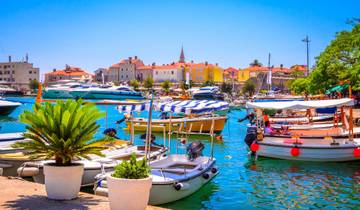
1 days
Semi-Private Day Tour of Montenegro: Budva & Kotor from Tirana
- ✓ Comprehensive Montenegro tour
- ✓ Expert local guides included
- ✓ All accommodation arranged
- ✓ Transportation provided
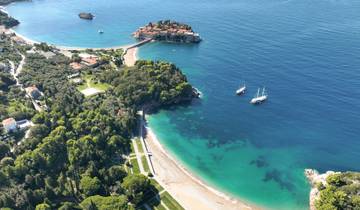
8 days
8 Days Montenegro Sailing Tour
- ✓ Comprehensive Montenegro tour
- ✓ Expert local guides included
- ✓ All accommodation arranged
- ✓ Transportation provided
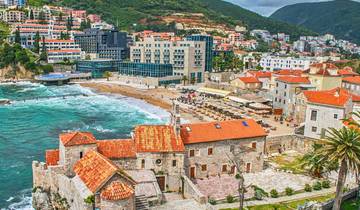
8 days
Highlights of Montenegro; Semi – Private tour with dedicated Tour Leader & Car
- ✓ Booking needs min. 2 travelers
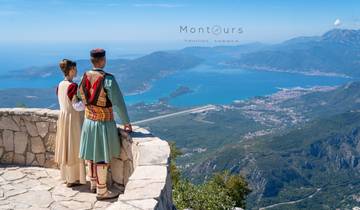
7 days
Comfortable Heartland of Montenegro Trip
- ✓ Comprehensive Montenegro tour
- ✓ Expert local guides included
- ✓ All accommodation arranged
- ✓ Transportation provided
Multi-day tour packages powered by TourRadar. Prices and availability subject to change.
Introduction to Montenegro’s Museum Landscape 2026
Montenegro preserves its layered Adriatic identity through a network of museums and galleries concentrated in historic cities that served as cultural capitals across different eras. The royal capital Cetinje houses the nation’s most comprehensive museum complex, documenting Montenegrin history from prehistoric settlements through Yugoslav dissolution and independence. Coastal fortified towns like Kotor and Budva maintain specialized maritime and archaeological museums reflecting centuries of Venetian, Byzantine, and Ottoman influences that shaped Adriatic culture.
The National Museum of Montenegro functions as an umbrella institution comprising five separate museums: the History Museum, Art Museum, Ethnographic Museum, Museum of King Nikola, and Museum of Petar II Petrović Njegoš. This complex administrative structure centralizes conservation, documentation, and research while maintaining distinct thematic focuses across multiple historic buildings. Visitors purchasing the joint ticket at any location access all five museums within a single visit, though experiencing the complete collection requires a full day given the breadth of material spanning archaeology, royal artifacts, traditional costumes, fine art, and literary heritage.
Montenegro’s museum landscape benefits from compact geography that allows cultural tourists to visit major institutions across different regions within a single week. Cetinje’s museum district sits 30 kilometers inland from coastal Budva, while Kotor’s Maritime Museum occupies the Bay’s most historic fortified town 50 kilometers north. Podgorica’s City Museum and Contemporary Art Center serve the capital’s growing population, though travelers prioritize smaller historic centers where museums occupy former royal palaces, parliamentary buildings, and aristocratic residences that themselves constitute cultural monuments.
The 1979 Budva earthquake paradoxically enriched Montenegro’s archaeological museums by exposing buried artifacts that expanded knowledge of ancient settlement patterns. Excavations following seismic damage revealed Illyrian, Greek, Roman, and Byzantine layers beneath medieval structures, filling museums with previously unknown material culture. Similar seismic restoration work in Kotor’s Old Town uncovered additional maritime artifacts now displayed alongside the Maritime Museum’s existing collections of navigational instruments, ship models, and historical documents.
Montenegro’s museum admission prices remain significantly below Western European levels in 2026, reflecting both economic positioning and cultural policy prioritizing access over revenue generation. The €10 joint ticket to five national museums costs less than single-museum admission at comparable institutions in Italy, Croatia, or Greece. This pricing strategy encourages extended museum visits and repeat tourism, with many visitors returning annually to explore collections in greater depth or attend temporary exhibitions.
Contemporary art galleries operate alongside traditional museums, with Cetinje’s Miodrag Dado Đurić Gallery showcasing modern Montenegrin and Serbian artists. These spaces provide contrast to history-focused museums, demonstrating Montenegro’s active participation in contemporary European art movements. Temporary exhibitions rotate quarterly at major institutions, warranting consultation of official websites before visiting to catch special shows featuring international loans or thematic displays.
National Museum Complex Cetinje 2026
The National Museum of Montenegro anchors Cetinje’s cultural district from its headquarters in Government House, a neo-Renaissance building constructed in 1910 that formerly housed Montenegro’s parliament. This complex institution administers five separate museums spread across historic buildings within walking distance of each other, requiring 4-6 hours to experience all locations thoroughly. Purchase the €10 joint ticket at any museum entrance to gain admission to the History Museum, Art Museum, Ethnographic Museum, Museum of King Nikola, and Museum of Petar II Petrović Njegoš.
Government House contains both the History Museum and Art Museum on separate floors, making this building the logical starting point for comprehensive museum visits. The History Museum occupies permanent exhibition space documenting Montenegrin civilization from Middle Paleolithic settlements through Yugoslav era and 2006 independence referendum. Collections progress chronologically through distinct periods: prehistory and ancient times, medieval principalities, Ottoman resistance in the 16th-18th centuries, modern state formation from 1796-1878, Kingdom period 1878-1918, interwar Yugoslavia 1918-1941, World War II resistance, and socialist development through dissolution.
The Art Museum on Government House’s upper floors displays Montenegrin painting, sculpture, and decorative arts from medieval religious icons through contemporary installations. The icon collection divides into three categories: Russian provenance from late 19th and early 20th centuries acquired through dynastic connections between Montenegrin rulers and Russian czars, Italo-Cretan icons from 17th-18th centuries that arrived via merchant trade routes, and local productions from the Dimitrijević-Rafailović family icon-painting school in Boka Kotorska. The Blue Chapel room houses the icon of Our Lady of Philermos, a major Christian relic originating in 12th-century Jerusalem, adorned with sapphires, diamonds, and rubies added by European goldsmiths in the 18th century.
Fresco copies throughout the museum complex preserve images of destroyed church paintings that document architectural decoration in Montenegrin monasteries from the 11th century forward. Many original frescoes deteriorated beyond recovery through weather exposure and Ottoman-era damage, making these reproduction collections invaluable resources for art historians studying regional Byzantine artistic traditions. The copies capture authentic pigments, techniques, and iconographic programs that contextualize Montenegro’s position within broader Orthodox artistic currents.
Museum admission includes access to library and archive collections containing over 100,000 books and 100,000 documents available for research by appointment. The Documentation Department maintains photographic archives, conservation records, and provenance research for museum holdings. Published museum catalogs, scholarly journals, and exhibition materials available in the museum shop provide deeper engagement with specific collections for serious students of Montenegrin cultural history.
Museum of King Nikola Cetinje 2026
King Nikola’s Palace stands as Cetinje’s most visited museum, occupying the modest royal residence where Montenegro’s first and only king ruled from 1910-1918 with his wife Milena and eleven children. Built in the 1860s and expanded through the reign, the palace preserves original furnishings, royal wardrobes, weapons collections, decorations, stamps, and correspondence that illuminate the Petrović-Njegoš dynasty’s lifestyle during Montenegro’s brief independence between Ottoman decline and Yugoslav absorption. Admission costs €8 for adults and €4 for students (check official site for current rates), or access through the €10 joint museum ticket.
The palace interior maintains authentic royal chambers showing how a small Balkan monarchy functioned at the turn of the 20th century. Unlike grandiose palaces in Vienna, Paris, or St. Petersburg, King Nikola’s residence reflects Montenegro’s modest resources and mountain warrior traditions adapted to European diplomatic requirements. Visitors walk through reception halls where the king entertained Russian, Austrian, and Ottoman officials, private apartments where the royal family lived, and offices where Nikola administered a kingdom of roughly 250,000 subjects carved from Ottoman territories.
Portrait galleries throughout the palace document dynastic connections between Montenegrin royalty and European crowned heads. King Nikola married his daughters into Russian, Italian, and Serbian royal families, creating matrimonial alliances that elevated tiny Montenegro’s diplomatic standing. Photographs, paintings, and correspondence displayed in dedicated rooms show Nikola’s relationships with Russian czars, particularly close ties maintained through Orthodox faith and shared opposition to Ottoman power in the Balkans.
The weapons collection demonstrates Montenegro’s military heritage, displaying traditional firearms, swords, and decorative daggers used in Ottoman-era resistance. Mountain warfare traditions shaped Montenegrin identity for centuries, with clan-based military organization preventing Ottoman conquest despite Montenegro’s small population and limited resources. The museum contextualizes these weapons within broader Balkan military history, showing how Montenegrin fighting techniques influenced regional conflicts through World War I.
Royal regalia collections include coronation items, ceremonial uniforms, medals, and honors awarded by European monarchies recognizing Montenegro’s kingdom status after 1910. These diplomatic symbols materialize Montenegro’s brief period of international recognition as an independent kingdom before World War I’s aftermath dissolved small Balkan states into new Yugoslav federation. The palace archive preserves diplomatic correspondence, state documents, and personal letters that scholars use to research early 20th-century Balkan politics.
Museum guides provide context unavailable from static displays, explaining family relationships, political alliances, and historical events that shaped each artifact’s significance. Guided tours depart regularly throughout museum hours, conducted in Montenegrin with English summaries available. The palace gardens surrounding the building maintain period landscaping with native trees, walkways, and seating areas where visitors rest between museum sections.
Njegoš Museum Biljarda Cetinje 2026
The Museum of Petar II Petrović Njegoš occupies Biljarda Palace, named for the billiard table the prince-bishop installed in this 1830s residence that served as his retreat and administrative center. Njegoš ranks as Montenegro’s most celebrated cultural figure, combining roles as Orthodox metropolitan, secular ruler, military commander, and poet whose epic “The Mountain Wreath” defines Montenegrin national literature. The museum displays Njegoš’s manuscripts, personal belongings, period furniture, and photographs while providing context for 19th-century Montenegrin society when church and state unified under theocratic leadership.
Njegoš’s billiard table that names the palace represents cultural aspirations toward European sophistication despite Montenegro’s isolation and poverty. The prince-bishop imported the table at considerable expense, creating space for diplomatic entertaining that demonstrated Montenegro’s awareness of continental customs. This symbolic gesture toward European cultural practices while maintaining traditional Orthodox and clan structures characterizes Njegoš’s rule and his attempts to modernize Montenegro without abandoning mountain warrior traditions.
Literary collections throughout the museum include first editions of Njegoš’s poetry, philosophical writings, and correspondence with European intellectuals. “The Mountain Wreath” manuscript pages show editorial revisions and creative process behind Montenegro’s national epic. The work dramatizes tensions between Christian and Muslim populations in the Balkans, employing Shakespearean tragic structure to explore themes of identity, revenge, and national survival. Museum displays contextualize the poem within 19th-century Romantic nationalism movements across Europe.
Photographic archives document late Ottoman-era Montenegro through images of tribal leaders, warrior bands, fortifications, and village life. These photographs preserve visual records of social structures, traditional costumes, and architectural styles that disappeared during 20th-century modernization. The museum maintains one of Montenegro’s most important photo collections for researchers studying Balkan ethnography, military history, and cultural transformation.
The palace viewing tower provides panoramic perspectives across Cetinje toward surrounding mountains, showing the strategic position that made this town defensible against Ottoman incursions. Njegoš selected this elevated site for both practical military considerations and symbolic visibility, positioning his residence where subjects could see authority represented architecturally. The tower remains open during museum hours weather permitting, offering photographers excellent vantage points for cityscape compositions.
Njegoš Birthplace Museum Njeguši 2026
Njegoš’s birthplace in the village of Njeguši, 20 kilometers from Cetinje toward Lovćen National Park, preserves the simple stone house where Petar II Petrović Njegoš was born in 1813. This modest mountain dwelling contrasts sharply with Biljarda Palace, illustrating Njegoš’s rise from humble village origins to leadership of Montenegrin church and state. The birthplace museum maintains period furnishings, agricultural implements, and household items showing typical 19th-century mountain life in Montenegro’s interior.
Village context surrounding the birthplace museum demonstrates traditional Montenegrin settlement patterns and clan organization. Njeguši sits on Lovćen mountain slopes at approximately 900 meters elevation, cultivating grain and raising livestock in harsh mountain conditions. The Petrović clan that produced Montenegro’s ruling dynasty originated in this village, with family graveyards and clan churches located within walking distance of the birthplace house.
Museum displays explain the unique Montenegrin tradition of selecting prince-bishops from the Petrović family, combining religious authority with secular political power. This theocratic system evolved during Ottoman pressure, unifying fragmented clans under church leadership when traditional feudal structures proved inadequate for coordinated defense. Njegoš inherited this position in 1830 at age 17, governing Montenegro until his death in 1851 while simultaneously serving as Orthodox metropolitan.
The museum building itself represents traditional Montenegrin vernacular architecture, constructed from local stone with wooden interior elements and limited window openings for defensive purposes and climate control. Thick stone walls provide insulation against winter cold while keeping interior spaces cool during summer heat. Modern restoration preserved these structural characteristics while stabilizing the building for museum use.
Njeguši village produces Montenegro’s most famous prosciutto and cheese, with local vendors selling traditional products near the birthplace museum. Many visitors combine museum tours with prosciutto tastings, experiencing both cultural and culinary heritage in single excursions. The village maintains traditional production methods including air-drying prosciutto in mountain winds that impart distinctive flavor profiles unavailable at lower elevations.
Maritime Museum Kotor 2026
Kotor’s Maritime Museum preserves nine centuries of Bay of Kotor seafaring heritage in the baroque Grgurina Palace, a 17th-century aristocratic residence on Boka Navy Square in Old Town’s heart. The museum documents Bay maritime traditions from the 9th-century founding of the Boka Navy through World War II, displaying navigational instruments, ship models, weapons, portraits of legendary captains, maps, and ethnographic collections that contextualize Kotor’s role in Adriatic and Mediterranean trade networks. Admission costs €4-5 for adults and €1 for children (check official site for current rates).
The museum entrance hall features six bronze relief panels depicting Kotor’s most significant historical figures and events, establishing thematic context for collections displayed across three floors. These panels chronicle the town’s evolution from medieval trading port through Venetian rule, Austrian administration, and Yugoslav incorporation. The artistic quality of these bronze works merits attention independent of their informational content, representing significant 20th-century Montenegrin sculptural achievement.
Ship model collections span galley warfare through steam-powered vessels, showing technological evolution that transformed Mediterranean naval power from antiquity through the industrial age. Detailed scale models reproduce Kotor-built ships that traded throughout the Mediterranean, carrying Venetian goods, transporting passengers, and occasionally engaging in sanctioned privateering against Ottoman vessels. The museum explains how Bay shipyards competed with larger Adriatic ports through specialized craftsmanship and intimate knowledge of local sailing conditions.
Navigational instrument displays demonstrate how Kotor captains calculated position, measured depth, tracked time, and predicted weather before modern electronic systems. Astrolabes, sextants, chronometers, and early compasses represent significant capital investments for ship owners, with instrument quality directly affecting navigation accuracy and voyage safety. The museum contextualizes these tools within broader Mediterranean sailing practices, showing how Adriatic sailors adapted techniques developed by Venetian, Genoese, and Ottoman maritime powers.
Portrait galleries honor Bay captains who achieved legendary status through extraordinary voyages, mercantile success, naval victories, or diplomatic service. These paintings document how seafaring families accumulated wealth and influence, with successful captains often commissioning portraits to commemorate achievements. The museum identifies family dynasties that dominated Kotor shipping across multiple generations, tracing lineages through portraits that hang in chronological sequences.
Ethnographic collections display traditional Boka costumes, jewelry, household items, and craft products showing how maritime wealth influenced local material culture. Successful merchants imported luxury goods unavailable in Montenegro’s interior, creating distinctive coastal lifestyle that contrasted with mountain poverty. The museum demonstrates how maritime prosperity supported specialized craftsmen producing decorative arts, fine textiles, and luxury objects for merchant families.
World War I photography sections document Montenegro’s involvement in Balkan conflicts, showing mobilization, combat, and occupation. Original photographs preserve visual records of Bay defenses, Austrian occupation, and civilian hardship during wartime. These images complement portrait and ship model collections by grounding maritime romantic narrative in 20th-century historical reality.
The museum building itself warrants attention as significant baroque architecture surviving multiple earthquakes that devastated other Old Town structures. Grgurina Palace demonstrates Venetian architectural influence on Kotor’s aristocratic residences, with courtyard, stone staircase, and decorative elements typical of 17th-century Adriatic palace design. The 1979 earthquake damaged but did not destroy the building, requiring extensive restoration completed in subsequent decades.
Budva City Museum 2026
Budva City Museum occupies four floors in Old Town, displaying archaeological artifacts uncovered when the 1979 earthquake exposed buried layers beneath medieval streets. Excavations following seismic damage revealed Illyrian, Greek, Roman, Byzantine, and Slavic settlement evidence spanning 2,500 years of continuous occupation. Museum collections document each civilization through pottery, coins, jewelry, weapons, tools, and architectural fragments that contextualize Budva’s strategic importance as a naturally defended peninsula controlling maritime trade routes. Admission costs €2 for adults and €1 for children.
The museum’s creation directly resulted from earthquake damage that paradoxically enriched archaeological knowledge by forcing systematic excavation of Old Town’s subsurface. Layers of destruction and rebuilding across millennia preserved artifacts from successive occupations, creating stratigraphic sequences that archaeologists used to establish Budva’s occupation chronology. The museum displays explain excavation methodologies and interpretive challenges when multiple civilizations built over previous settlements.
Illyrian collections represent Montenegro’s indigenous pre-Roman population, displaying tribal artifacts from the millennium before Roman conquest. Pottery styles, weapon designs, and burial practices distinguish Illyrian material culture from later Greek and Roman imports. The museum contextualizes these finds within broader Adriatic Illyrian civilization, showing how coastal tribes interacted with Greek colonists who established trading posts throughout the eastern Mediterranean.
Greek artifacts demonstrate Hellenic influence along Montenegro’s coast during classical antiquity, when Greek merchants established seasonal trading stations that evolved into permanent settlements. Imported Greek pottery, coins, and decorative objects found in Budva document commercial networks connecting the Adriatic to eastern Mediterranean centers like Athens, Corinth, and Rhodes. The museum explains how Greek artistic styles influenced local craftsmen who adapted Hellenic forms to regional preferences.
Roman occupation artifacts dominate museum holdings, reflecting Budva’s incorporation into the empire as part of the province Dalmatia. Roman-era collections include architectural fragments from public buildings, villa mosaics, Imperial coins, bronze implements, glass vessels, and dedicatory inscriptions that document urban planning, economic activity, religious practices, and social hierarchies. The museum reconstructs daily life in Roman Budva through material evidence, showing how frontier populations adopted Latin language, Roman law, and Mediterranean urban customs.
Byzantine collections bridge the transition from Roman imperial administration to medieval kingdoms, displaying religious objects, fortification evidence, and commercial goods that document Budva’s position within eastern Roman trade networks. Byzantine gold coins, religious icons, and architectural elements show how Orthodox Christianity replaced pagan worship while maintaining classical artistic traditions adapted to religious purposes.
Medieval Slavic artifacts document the arrival of populations who eventually formed modern Montenegrin identity. Weapons, jewelry, religious items, and architectural fragments from this period show how Slavic settlers adapted to coastal urban life while maintaining distinct cultural practices. The museum traces the gradual fusion of Roman, Byzantine, and Slavic elements that created Adriatic Montenegrin culture distinct from interior mountain traditions.
Venetian occupation collections reflect Budva’s longest continuous foreign rule, when the Serenissima controlled the coast for over 400 years. Renaissance and baroque artifacts demonstrate Venetian artistic influence, urban planning practices, commercial regulations, and architectural styles that defined coastal towns’ physical appearance. The museum explains how Venetian rule integrated Budva into Adriatic-wide economic systems while permitting local autonomy in religious and domestic affairs.
Ethnographic Museum Cetinje 2026
The Ethnographic Museum in Cetinje documents traditional Montenegrin material culture, preserving examples of regional costumes, household objects, agricultural implements, weapons, jewelry, textiles, and architectural models that illustrate pre-industrial life across different ecological zones. Collections distinguish mountain, coastal, and lowland traditions, showing how environmental conditions shaped distinct regional identities within small national territory. The museum participates in the €10 joint ticket program providing access to all National Museum complex institutions.
Traditional costume collections represent Montenegro’s most visually striking ethnographic holdings, displaying elaborate embroidered garments worn for ceremonial occasions, religious festivals, and weddings. These costumes required months of skilled handwork to produce, with decorative patterns identifying wearer’s regional origin, clan affiliation, and social status. The museum explains symbolic meanings encoded in costume elements, showing how visual communication operated in societies with limited literacy.
Regional variations in costume design distinguish Montenegro’s major cultural zones. Coastal populations adopted Mediterranean clothing styles influenced by Venetian fashion, using lighter fabrics and brighter colors suited to warmer climate. Mountain dwellers developed heavy wool costumes providing insulation against severe winters, with layered construction allowing temperature adjustment. Lowland agricultural regions between mountains and coast produced hybrid styles combining elements from both traditions.
Jewelry collections display traditional metalwork techniques producing decorative pieces from silver, gold, and semi-precious stones. Montenegrin jewelers developed distinctive styles incorporating filigree work, enamel inlays, and traditional motifs that distinguished local production from imported pieces. The museum contextualizes jewelry within gift-giving practices, dowry customs, and inheritance patterns that made precious metals portable wealth stores for families without land holdings.
Textile production displays demonstrate traditional weaving, embroidery, and dyeing techniques that produced clothing, household textiles, and decorative objects before industrial manufacturing. The museum maintains working loom models, spindle collections, and samples showing different weaving patterns characteristic of specific regions. Exhibits explain how textile production occupied women’s labor year-round, creating household necessities and trade goods that supplemented agricultural income.
Agricultural implement collections document traditional farming practices in Montenegro’s challenging mountain environment. Hand tools, wooden plows, harvesting equipment, and threshing implements show how small family plots produced grain, vegetables, and fodder for livestock using intensive manual labor. The museum contextualizes these tools within annual agricultural cycles, showing how seasonal tasks structured traditional village life.
Architectural models and building element collections preserve knowledge of traditional construction techniques as modern materials replace vernacular methods. Stone houses, wooden barns, water mills, and defensive towers represented distinct architectural types adapted to different functions and environmental conditions. The museum displays building tools, construction techniques, and architectural features that characterized traditional Montenegrin structures before concrete and steel replaced stone and timber.
Weapons collections complement those at other museums by focusing on tools used in daily life rather than purely military contexts. Knives, axes, and firearms served both practical work purposes and defensive needs in societies where violence remained endemic until the 20th century. The museum explains how weapon ownership connected to honor codes, clan loyalties, and masculine identity in traditional Montenegrin culture.
Contemporary Art Spaces Montenegro 2026
The Miodrag Dado Đurić Gallery in Cetinje showcases contemporary Montenegrin and Serbian art in spaces dedicated to this influential 20th-century artist who maintained studios in France while drawing inspiration from Balkan themes. The gallery rotates temporary exhibitions featuring modern painting, sculpture, installation, and mixed media work by regional artists exploring identity, memory, conflict, and transformation themes relevant to post-Yugoslav societies. Free admission makes this space accessible for visitors interested in contemporary art alongside historical museums.
Dado’s own work bridges surrealism, expressionism, and figurative traditions, creating disturbing images that processed trauma, violence, and psychological fragmentation. The gallery maintains a permanent collection of his paintings, drawings, and prints spanning a 50-year career from 1950s through his death in 2010. These works provide context for understanding how Yugoslav artists engaged with European modernism while addressing specifically Balkan historical experiences.
Contemporary Montenegrin artists featured in rotating exhibitions include painters, sculptors, photographers, and installation artists working across traditional and experimental media. Many explore questions of national identity formation after independence, investigating how small nations construct cultural narratives distinguishing themselves from neighbors. The gallery provides exhibition space for emerging artists who lack commercial gallery representation, supporting Montenegro’s developing contemporary art scene.
Temporary exhibition programming brings international contemporary art to Montenegro through exchange agreements with European museums and cultural institutions. These exhibitions expose Montenegrin audiences to global artistic trends while positioning Montenegro within international art circuits. Catalog publications document exhibitions for scholarly reference and collector interest.
Educational programming at the gallery includes artist talks, workshop series, and school group visits designed to develop visual literacy and contemporary art appreciation among younger audiences. These initiatives address limited arts education in Montenegro’s school curriculum by providing supplementary programming accessible to public school students at no charge.
The Contemporary Art Center in Podgorica complements Cetinje’s historical focus by providing exhibition space for experimental work, performance art, video installations, and new media projects. This center maintains flexible gallery spaces adaptable to different exhibition requirements, supporting artists working with scale, sound, or time-based media difficult to display in traditional museum contexts.
Our Lady of the Rocks Museum Perast 2026
Our Lady of the Rocks island church and museum sits on an artificial island in the Bay of Kotor opposite Perast, accessible by boat from the shoreline. This unique museum combines religious function with cultural preservation, housing votive offerings, maritime artifacts, silver religious objects, and ex-voto paintings donated by sailors giving thanks for survival at sea. The church itself constitutes the primary museum object, with baroque architecture, marble altars, and ceiling frescoes creating sacred space that documents Bay religious traditions. Admission costs €2.50 for adults and €1.50 for children.
Island creation legends describe how sailors discovered a Madonna icon on rocks in the Bay during the 15th century, then deliberately expanded the rocks by sinking captured pirate ships and dropping stones during return voyages. Generations of this practice created sufficient landmass to support a church, which sailors maintained through continuing donations and pilgrimage visits. The museum explains how this artificial island demonstrates remarkable collective effort sustained across centuries.
Ex-voto painting collections represent Montenegro’s most significant naive art holdings, displaying images commissioned by sailors surviving storms, shipwrecks, pirate attacks, and naval battles. These paintings follow established iconographic formulas showing ships in distress, sailors praying, and Madonna appearing to provide miraculous rescue. While artistically simple, these paintings document maritime hazards, ship types, sailing routes, and religious beliefs that shaped seafaring culture. The museum maintains over 2,500 ex-voto offerings dating from the 15th through 20th centuries.
Silver collection displays include decorative liturgical objects, candlesticks, chalices, and offering plates donated by wealthy merchant families. Montenegrin silversmiths produced highly detailed filigree work incorporating maritime motifs, religious symbols, and donor inscriptions. These objects represent significant wealth investments, demonstrating how successful maritime families channeled profits into religious patronage that enhanced family prestige while supporting church functions.
Tapestry museum holdings include a remarkable piece embroidered by Jacinta Kunić-Mijović over 25 years using gold and silver thread interwoven with her own hair. This devotional work demonstrates extreme personal sacrifice and religious dedication typical of Counter-Reformation era Catholicism. The tapestry depicts Madonna and Child surrounded by ornate decorative borders showing technical skill and patient labor.
Church architectural features include baroque altars, ceiling frescoes by Tripo Kokolja depicting Madonna’s life, and marble floors supporting continuous religious services. The main altar houses the miracle-working icon that originally inspired island creation, now encased in elaborate silver repoussé frame donated by faithful sailors. Visitors attend the island both as museum and functioning pilgrimage site where mass continues celebrating maritime religious traditions.
Boat transport to the island operates continuously during daylight hours from Perast waterfront, with water taxis charging approximately €5 per person for round-trip transfer. Tour operators in Kotor include island visits in comprehensive Bay excursions combining Our Lady of the Rocks with Perast town exploration and coastal scenic drives. The short boat ride provides excellent photographic opportunities capturing island architecture against mountain backdrops.
Museum Opening Hours and Seasonal Variations 2026
Montenegro museums adjust operating schedules seasonally to match tourism patterns, expanding hours during April-November when cruise ships and European tourists visit coastal destinations. The National Museum complex in Cetinje operates 9am-5pm daily during the April 11-November 15 season, reducing to limited winter hours or temporary closures from mid-November through early April when tourism drops dramatically. Always verify current schedules on official museum websites before planning visits, as institutions change hours without advance public notice.
Kotor Maritime Museum maintains the most complex seasonal schedule among major institutions, operating 9am-5pm from October 15 through May 15, extending to 8am-6pm from May 15 through July 1, then splitting to 8am-1pm morning sessions plus 6pm-11pm evening hours during peak July-August to accommodate cruise passenger arrivals and evening tourist traffic. September through mid-October returns to 8am-6pm daily operations. Weekend schedules may reduce Saturday hours to 9am-12pm except during July-August peak season.
Budva City Museum extends summer evening hours to capture beach tourists entering Old Town after daytime swimming. Summer operations run 9am-10pm, allowing museum visits after dinner when cooler temperatures make cultural activities more pleasant than midday heat. Winter reduces hours to 8am-8pm with possible Monday closures during low season when visitor numbers don’t justify full-time staffing.
Museum Monday closures remain common practice at smaller institutions and specialized collections, though major national museums typically operate seven days during peak season. Plan Monday activities around outdoor sites, beaches, or restaurant exploration rather than assuming all museums will be open. Cetinje museums sometimes coordinate Monday closures to allow staff training and collection maintenance.
Holiday closures affect museums throughout Montenegro on Orthodox Christmas (January 7), Orthodox Easter (dates vary, typically April), and national holidays including Independence Day (May 21) and Statehood Day (July 13). Museums may operate reduced hours on these dates rather than closing completely, but advance verification prevents wasted travel to closed institutions.
Last admission timing typically occurs 30-60 minutes before official closing hours, allowing museums to clear buildings, secure artifacts, and prepare spaces for overnight closure. Arrive at least one hour before closing to ensure adequate viewing time without guards rushing visitors toward exits. Larger museums like the National Museum complex require minimum two hours for superficial viewing, four hours for thorough examination.
Guided tour schedules at institutions offering professional tours occur at fixed intervals throughout museum hours, typically 10am, 12pm, 2pm, and 4pm during peak season. English-language tours may be less frequent than Montenegrin tours, sometimes requiring advance reservation for guaranteed availability. Many museums provide audio guides as alternatives to scheduled tours, allowing self-paced exploration with detailed commentary in multiple languages.
Museum Admission Pricing and Discounts 2026
Montenegro museum admission prices rank among Europe’s most affordable in 2026, with individual museums charging €2-8 for adult tickets while offering substantial student discounts reducing costs by approximately 50 percent. The National Museum complex €10 joint ticket providing access to five separate museums delivers exceptional value, as individual admission to all locations would total €20-25 if purchased separately. This pricing strategy encourages comprehensive cultural tourism while generating operating revenue sufficient for basic conservation and staffing.
Student discounts require valid international student identification or ISIC cards, though enforcement varies across institutions with some museums accepting any student ID while others insist on specific cards. Seniors over 65 may receive modest discounts at select museums, typically €1-2 reductions from standard adult admission. Children under 12 often receive discounted admission ranging €1-2, while children under 6 usually enter free at most institutions.
Family tickets bundling admission for two adults plus children appear at some museums, offering slight savings over individual ticket purchases. These family packages typically cost €15-20 depending on museum size and prestige, providing access for entire families at approximately 25 percent discount versus separate admissions. Family ticket availability varies by institution, warranting inquiry at ticket windows when arriving with children.
Group discounts apply when visiting with organized tours of 15 or more participants, reducing per-person costs approximately 20-30 percent below standard admission. Tour operators typically arrange group tickets in advance, including admission costs in comprehensive tour packages. Independent travelers assembling temporary groups to qualify for discounts face practical coordination challenges given visitor scheduling conflicts.
Photography restrictions vary by museum, with some institutions prohibiting all photography, others allowing photos without flash, and several charging modest fees for photography permissions. The National Museum complex generally permits non-flash photography throughout public galleries, though temporary exhibitions may impose restrictions protecting borrowed works or respecting donor wishes. Always inquire about photography policies before entering museums to avoid guards confiscating cameras or demanding photo deletion.
Combo tickets bundling museum admission with other attractions occasionally appear during high season, though these remain less common than in Western European tourist destinations. Some hotels include museum admission vouchers in package rates, particularly properties catering to cultural tourists visiting Cetinje or Kotor. Tour operators frequently bundle museum visits with transportation, guide services, and meal stops in comprehensive excursions priced €30-60 per person depending on itinerary scope.
Planning Museum Visits Montenegro 2026
Cetinje museum district requires a full day for thorough exploration of the five National Museum complex institutions plus additional specialized museums scattered throughout the former capital. Start museum days early at 9am opening, beginning with Government House containing both History Museum and Art Museum to establish chronological and thematic foundation. Move to King Nikola’s Palace mid-morning, allocating two hours for royal residence exploration, then break for lunch at one of Cetinje’s traditional restaurants serving Montenegrin cuisine.
Afternoon museum visits should prioritize Njegoš Museum Biljarda and Ethnographic Museum, saving the viewing tower climb for late afternoon when angled sunlight enhances mountain photography. This schedule provides natural breaks between museums, preventing mental fatigue from continuous artifact viewing. Purchase the €10 joint ticket at your first museum visit, retaining the ticket for admission to remaining institutions throughout the day.
Kotor Maritime Museum fits naturally into Old Town exploration days combining cultural visits with restaurant meals, shopping, and walking Kotor’s fortification walls. Museum exhibits require approximately 90 minutes for thorough viewing across three floors, making morning or late afternoon optimal timing when cruise ship crowds disperse. Coordinate museum visits with meal schedules, as many restaurants offer better value and availability during off-peak lunch hours before 1pm or dinner before 7pm.
Budva cultural tourism combines beach mornings with museum afternoons or evenings, allowing sunbathing during peak heat while saving cultural activities for cooler hours. Budva City Museum’s compact four-floor layout requires approximately one hour for careful viewing, fitting easily into late afternoon schedules after beach days. Evening visits during summer extended hours from 7pm-10pm avoid both heat and crowds while providing authentic local atmosphere as Montenegrin families walk Old Town streets.
Transportation between museum cities requires advance planning, as public buses connect major destinations but operate limited schedules requiring timetable coordination. Kotor to Cetinje buses depart hourly during daylight requiring approximately 45 minutes for the mountain crossing journey. Private car rental provides maximum flexibility for multi-museum itineraries, allowing spontaneous schedule adjustments impossible with public transportation constraints. Tour operator packages eliminate transportation concerns while constraining time at each location to group schedules.
Weather considerations affect museum planning particularly in Cetinje’s mountain location, where winter snow occasionally closes roads and summer afternoon thunderstorms disrupt outdoor walking between museums. Coastal museums in Kotor and Budva experience less severe weather, though summer heat makes early morning or evening visits more pleasant than midday museum touring. Always check weather forecasts before committing to mountain museum days, keeping coastal alternatives ready for storm days.
Museum fatigue represents real concern when visiting multiple institutions consecutively, as artifact viewing requires sustained attention causing mental exhaustion after several hours. Limit daily museum visits to three major institutions maximum, incorporating breaks for meals, coffee, outdoor walking, and non-cultural activities. Quality viewing of fewer museums produces better educational outcomes than rushed superficial tours attempting to see everything in compressed timeframes.
Specialized Collections and Small Museums 2026
Perast contains several small house museums beyond Our Lady of the Rocks island, including the Bujović Palace Museum displaying 17th-century aristocratic furnishings and family heirlooms. This modest collection occupies three rooms requiring approximately 30 minutes for viewing, offering intimate glimpses into wealthy merchant family lifestyle during Perast’s golden age as prosperous maritime town. Admission costs €0.50 per person, making this Montenegro’s most affordable museum experience.
The Natural History Museum in Cetinje displays Montenegro’s native flora, fauna, fossils, and mineral specimens in compact exhibition spaces requiring approximately one hour for thorough viewing. Collections emphasize endemic species unique to Montenegrin ecosystems and geological specimens documenting Dinaric Alps formation. Admission costs €2 for adults, appealing particularly to families with children interested in wildlife and natural sciences. Most exhibit labels appear in Cyrillic requiring translation apps for non-Montenegrin speakers.
Bar’s King Nikola’s Residence Museum occupies the former royal summer palace on the seafront, displaying archaeological artifacts from Bar’s destroyed old town alongside period furniture from Petrović-Njegoš dynasty rule. The modest collection documents Bar’s evolution from medieval fortress to modern port city, though earthquake damage and wartime destruction limited artifact survival. Museum operations remain irregular with seasonal closures common during low tourism periods.
Ulcinj Museum in Old Town displays limited archaeological collections documenting this southernmost coastal settlement’s extended history including Illyrian, Roman, Byzantine, Ottoman, and Montenegrin periods. The museum occupies historic building requiring restoration, with exhibition quality below standards maintained at Cetinje or Kotor institutions. Admission costs €1 per person, reflecting the museum’s small scale and limited holdings.
Risan near Kotor contains Roman mosaic remains discovered during 20th-century excavations, displayed in situ at the archaeological site rather than removed to museums. These mosaics document Roman villa construction along the Bay, showing sophisticated floor decoration typical of elite provincial residences. Site access requires modest admission fee, though irregular maintenance and limited interpretation reduce visitor experience compared to dedicated museums.
The Tobacco Museum in Podgorica occupies the former royal tobacco monopoly building, displaying equipment, advertising materials, and products from Montenegro’s once-significant tobacco industry. This specialized industrial museum appeals to niche audiences interested in manufacturing history and material culture, though general tourists typically prioritize other cultural sites. Admission costs €1 for adults.
Museum Accessibility and Visitor Facilities 2026
Montenegro museums occupy historic buildings constructed before accessibility standards existed, creating significant challenges for visitors with mobility impairments. Most museums feature multiple floors accessed via narrow stone staircases lacking elevators, effectively excluding wheelchair users from upper floor galleries. The National Museum complex buildings in Cetinje present particular accessibility barriers, as neo-Renaissance and baroque architecture prioritizes aesthetic concerns over universal access.
Ground floor galleries at larger museums sometimes accommodate wheelchair access, though uneven stone floors, narrow doorways, and threshold steps create obstacles throughout historic buildings. Visitors with mobility concerns should contact museums in advance to discuss accessibility options and identify which galleries remain reachable without stair climbing. Museum staff generally cooperate accommodating disabled visitors within historic building constraints.
Restroom facilities vary dramatically across Montenegro’s museum network, with major institutions providing modern amenities while smaller museums offer limited facilities potentially inaccessible to disabled visitors. Public restrooms outside museums may serve as alternatives, though availability and cleanliness standards fluctuate. Plan restroom access when scheduling museum visits, particularly for families with young children or elderly visitors.
Seating availability throughout exhibition galleries remains limited at most museums, as historic room layouts and artifact density leave little space for benches. Visitors requiring frequent rests should anticipate limited seating and plan accordingly by bringing walking sticks or scheduling shorter museum visits with external breaks. Museum guards generally permit visitors to exit temporarily for rest breaks, though readmission policies vary.
Climate control in older museum buildings remains inconsistent, with some exhibition spaces lacking air conditioning despite Montenegro’s hot summers. Winter heating may be limited or absent in poorly funded museums, requiring warm clothing during cold weather visits. These environmental conditions affect both visitor comfort and long-term artifact preservation, though limited budgets constrain climate control improvements.
Language accommodation at major museums includes English gallery labels, though smaller institutions may provide Cyrillic-only descriptions requiring translation apps or guide services. Audio guides available at National Museum complex institutions and Maritime Museum offer English narration, though quality and technical reliability vary. Consider hiring professional guides for complex museum visits where detailed historical context enhances understanding beyond static labels.
Museum shops selling books, catalogs, postcards, and reproduction artifacts appear at larger institutions, providing takeaway materials for continued learning after visits. These shops stock scholarly publications, museum catalogs, and general interest books about Montenegrin history, art, and culture often unavailable outside major bookstores. Publications appear in Montenegrin, English, and occasionally other European languages depending on international cooperation agreements.
Museums and Montenegrin National Identity 2026
Montenegro museums function as nation-building institutions preserving and promoting narratives supporting independent Montenegrin identity distinct from Serbian, Croatian, and broader Yugoslav identities. Since 2006 independence referendum, museums expanded programming emphasizing unique Montenegrin historical trajectory, cultural traditions, and national heroes distinguishing Montenegro from neighbors. This identity construction process operates through artifact selection, exhibition design, interpretive labels, and educational programming that collectively assert Montenegrin distinctiveness.
The National Museum complex particularly emphasizes historical periods when Montenegro maintained independence from external powers, dedicating substantial exhibition space to medieval principalities, Ottoman resistance, kingdom period, and World War II partisan movements. These narratives construct continuous thread of Montenegrin statehood and cultural autonomy even during Yugoslav federation when Montenegro theoretically maintained republic status within socialist system.
Language politics appear throughout museum interpretation, with institutions using Montenegrin language rather than Serbian despite minimal linguistic differences between variants. This language policy extends to museum publications, gallery labels, and official documentation emphasizing Montenegro’s distinct linguistic identity. Museums carefully balance inclusive narratives acknowledging Serbian Orthodox heritage with assertions of Montenegrin cultural particularity.
Minority representation in museum collections remains limited, with Albanian, Bosniak, and Roma populations receiving minimal exhibition space despite constituting significant percentages of Montenegro’s population. Museums primarily preserve Orthodox Montenegrin and coastal Adriatic traditions, marginalizing Islamic heritage despite centuries of Ottoman rule and continuing Muslim populations. This selective preservation reflects majority ethnic politics privileging Orthodox narratives over plural cultural heritage.
Regional museums in Cetinje, Kotor, and Budva construct overlapping but distinct identity narratives emphasizing local particularities within broader Montenegrin national framework. Kotor museums highlight maritime heritage connecting Bay populations to broader Mediterranean world, Budva emphasizes archaeological continuity across multiple civilizations, while Cetinje asserts capital city cultural leadership. These regional variations provide textured understanding of Montenegrin diversity beyond monolithic national narratives.
Museum educational programming targets schoolchildren through guided tours, curriculum materials, and interactive workshops designed to instill Montenegrin identity formation during critical developmental years. These programs complement formal education curricula emphasizing national history, traditional culture, and civic values supporting independent statehood. Museum field trips constitute required elements of elementary and secondary education across Montenegro.
Conservation Challenges Montenegro Museums 2026
Montenegro museums face severe conservation challenges from limited budgets, inadequate climate control, historic building constraints, and insufficient trained conservators. Many artifacts suffer ongoing deterioration from environmental exposure, handling damage, and deferred maintenance that overwhelms museums’ technical capacity. This conservation crisis threatens irreplaceable heritage objects while museums struggle to maintain basic operations on minimal government funding.
Climate control deficiencies represent the most serious conservation threat, as temperature and humidity fluctuations accelerate organic material decay. Textiles, paper documents, paintings, and wooden objects require stable environmental conditions that historic buildings cannot maintain without expensive HVAC systems beyond museum budgets. Summer heat and winter cold cycling causes paint flaking, textile degradation, and structural damage throughout collections.
Light exposure continues damaging sensitive materials as museums balance artifact preservation against visitor visibility requirements. Textiles, watercolors, and documents fade under prolonged light exposure, yet museums cannot afford UV-filtering glazing or sophisticated lighting controls that would protect collections. This constant tension between access and preservation favors short-term visitor experience over long-term artifact survival.
Security systems at smaller museums remain inadequate for protecting valuable holdings from theft, vandalism, or accidental damage. Limited budgets prevent installing comprehensive alarm systems, surveillance cameras, and motion detectors that would deter criminals and protect artifacts. Museum guards provide primary security, though low salaries and irregular schedules create coverage gaps exploitable by thieves.
Documentation deficiencies plague many collections, as museums lack systematic catalogs recording artifact provenance, condition, conservation history, and photographic documentation. This information deficit complicates conservation planning, scholarly research, insurance claims, and theft recovery efforts. Digitization projects slowly address documentation gaps though limited technical expertise and equipment constrain progress.
Conservation training opportunities in Montenegro remain minimal, with few programs producing professionally trained conservators capable of treating museum-quality artifacts. Museums rely on external expertise from international conservation organizations providing periodic assessments and emergency treatments, though sustainable long-term conservation requires developing domestic expertise. Universities offer limited conservation coursework producing graduates with basic skills insufficient for complex treatments.
International cooperation programs provide critical support for Montenegro museum conservation through equipment donations, training opportunities, technical assistance, and emergency funding. European Union cultural heritage programs, UNESCO World Heritage initiatives, and bilateral agreements with neighboring countries supply resources unavailable from domestic sources. These partnerships raise professional standards while addressing immediate conservation needs.
Digital Museum Initiatives Montenegro 2026
Montenegro museums slowly develop digital presence through websites, social media, and virtual exhibition platforms, though implementation lags substantially behind Western European institutions. The National Museum maintains bilingual website providing basic visitor information, though online collection catalogs, virtual tours, and educational resources remain underdeveloped compared to international standards. Limited IT budgets and technical expertise constrain digital development despite recognized importance for reaching broader audiences.
Photographic documentation projects systematically capture museum collections in high-resolution digital formats supporting research, publications, insurance documentation, and eventual online access. These digitization efforts concentrate on high-value objects, vulnerable materials requiring conservation, and frequently requested items where digital surrogates reduce handling damage. Completion remains years away given collection sizes and limited scanning capacity.
Social media accounts at major museums share exhibition announcements, event promotions, and behind-scenes content through Facebook and Instagram platforms popular among Montenegrin audiences. These channels provide cost-effective marketing reaching potential visitors while building engaged communities interested in cultural heritage. Post frequency and content quality vary based on staff capacity and institutional priorities.
Virtual exhibition platforms developed during COVID-19 pandemic provide online alternatives to physical museum visits, though most Montenegro museums created basic offerings compared to sophisticated virtual tours available from major international institutions. These digital exhibitions typically combine artifact photographs, descriptive text, and audio narration accessible through museum websites or YouTube channels. Continued development depends on securing technical support and funding for upgraded platforms.
Educational digital resources for schools include downloadable teaching materials, artifact databases, and virtual field trip options allowing students without transportation access to engage museum collections remotely. These resources particularly benefit rural schools far from Cetinje or Kotor museum concentrations, democratizing cultural access beyond urban centers. Museums collaborate with Education Ministry developing curriculum-aligned materials meeting national educational standards.
Mobile applications providing museum guides, audio tours, and augmented reality experiences remain underdeveloped in Montenegro despite global trends toward smartphone-based interpretation. Technical complexity and development costs inhibit mobile app creation, though partnerships with technology companies could produce solutions affordable for museum budgets. Visitor reliance on smartphone navigation and information access creates demand for official museum apps.
Museum Events and Special Programming 2026
Montenegro museums host temporary exhibitions, concert series, lecture programs, and cultural events beyond permanent collection displays, activating museum spaces for diverse audiences. These special programs attract visitors who might not attend standard museum exhibitions while generating media attention and community engagement. Event programming varies seasonally, with summer months featuring intensive festival schedules while winter focuses on indoor lectures and academic symposia.
Temporary exhibitions at major museums rotate quarterly or semi-annually, featuring borrowed works from international institutions, private collections, or regional museums. These exhibitions explore specific themes, showcase individual artists, or present comparative displays juxtaposing objects from different collections. Exhibition openings include receptions, artist talks, and guided tours providing social dimensions to museum visits.
Music performances occur in museum courtyards, galleries, and adjacent gardens during summer months, combining cultural programming with architectural settings. Chamber music concerts, traditional folk performances, and contemporary ensembles perform in intimate venues where music enhances museum experiences. Concert tickets typically cost €5-15 depending on performer prestige and venue size.
Museum nights during summer season extend operating hours into evening with special programming including live music, guided tours, craft demonstrations, and refreshments. These festive events attract younger audiences intimidated by formal daytime museum atmospheres, presenting cultural institutions as dynamic community spaces rather than dusty artifact repositories. Free or reduced admission encourages experimentation attending museums casually.
Academic lecture series hosted by museums provide public humanities programming addressing historical topics, art movements, conservation challenges, and archaeological discoveries. These lectures feature museum curators, visiting scholars, and local experts presenting research to general audiences. Attendance remains free though seating capacity limits audience sizes to 50-100 depending on venue.
Educational workshops for children during school holidays include hands-on activities teaching traditional crafts, historical research methods, and artistic techniques. These programs provide productive vacation activities while introducing children to museum environments in engaging formats different from school field trip experiences. Workshop fees typically cost €5-10 per child covering materials and instruction.
Museum anniversary celebrations marking institutional founding dates include special exhibitions, publication releases, and ceremonial events honoring museum achievements. These occasions attract dignitaries, donors, and cultural community members celebrating museum contributions to national heritage preservation. Public programming surrounding anniversaries raises museum profiles while generating fundraising opportunities.
Frequently Asked Questions Montenegro Museums 2026
Do Montenegro museums accept credit cards or only cash?
Most major Montenegro museums accept credit cards at ticket counters in 2026, though smaller institutions and specialized collections may require cash payments in euros. The National Museum complex in Cetinje, Maritime Museum in Kotor, and Budva City Museum process Visa and Mastercard transactions, while museum shops typically accept cards for publications and souvenirs. Always carry sufficient cash as backup since card processing systems occasionally fail or reader malfunctions prevent electronic payments. ATMs exist in Cetinje, Kotor, and Budva town centers within walking distance of museums, dispensing euros with standard international withdrawal fees.
Can I visit all Cetinje museums in one day?
Visiting all five National Museum complex institutions in Cetinje requires a full day from 9am opening through 5pm closing, allocating approximately 60-90 minutes per museum with breaks for lunch and walking between buildings. The €10 joint ticket covers admission to History Museum, Art Museum, King Nikola’s Palace, Njegoš Museum Biljarda, and Ethnographic Museum, all located within Cetinje’s compact historic center requiring 5-15 minute walks between locations. Attempting comprehensive viewing of all collections plus additional specialized museums like Natural History Museum creates exhausting schedules reducing enjoyment and retention, so prioritize institutions matching personal interests rather than forcing complete coverage. Multi-day Cetinje visits allow leisurely museum exploration with adequate rest between cultural activities.
Are guided tours available at Montenegro museums in English?
English-language guided tours operate at major Montenegro museums including the National Museum complex and Maritime Museum, scheduled at fixed intervals throughout operating hours typically 10am, 12pm, 2pm, and 4pm during peak season. Tour availability may reduce during low season when visitor numbers don’t justify continuous English guide staffing, requiring advance reservation to guarantee availability. Audio guides providing English narration represent alternatives to live tours, allowing self-paced exploration with detailed commentary explaining artifacts, historical context, and collection significance. Tour prices include standard museum admission, with guides expecting modest tips for quality service though tipping remains optional rather than mandatory.
What items cannot be brought into Montenegro museums?
Montenegro museums prohibit large bags, backpacks, umbrellas, tripods, and sharp objects from exhibition galleries for security and artifact protection purposes. Most institutions provide free coat checks and lockers for storing prohibited items, though valuables should remain with visitors or secured in hotel safes rather than museum storage. Photography restrictions vary by institution, with some museums allowing non-flash photography while others prohibit all cameras. Food and beverages never enter exhibition spaces regardless of museum policy variations, with consumption limited to outdoor areas, designated rest zones, or museum cafes when available. Security guards enforce these rules consistently, inspecting bags at entrances and monitoring gallery behavior throughout visits.
Which Montenegro museum has the best gift shop?
The National Museum complex gift shop in Cetinje offers the most comprehensive selection of books, museum catalogs, scholarly publications, postcards, and reproduction artifacts among Montenegro museums. This shop stocks English-language materials alongside Montenegrin publications, including exhibition catalogs documenting temporary shows, scholarly monographs on collection topics, and general interest books about Montenegrin history and culture. Maritime Museum in Kotor maintains smaller shop specializing in nautical-themed items, historical maps, and maritime history publications. Museum shops provide quality souvenirs superior to generic tourist shops, with proceeds supporting museum operations, acquisitions, and conservation programs.
Can I photograph inside Montenegro museums?
Photography policies vary across Montenegro museums, with the National Museum complex generally permitting non-flash photography throughout permanent collection galleries while prohibiting photography in temporary exhibitions protecting borrowed works. Maritime Museum allows photography without flash, though guards monitor compliance ensuring visitors don’t use professional lighting equipment or tripods disrupting other visitors. Some museums charge modest photography fees around €2-5, though enforcement remains inconsistent. Always inquire about photography rules when purchasing admission tickets to avoid conflicts with guards who may demand photo deletion or camera confiscation for policy violations. Respect restrictions protecting light-sensitive textiles, documents, and artworks requiring darkness for preservation.
Are Montenegro museums wheelchair accessible?
Montenegro museums occupy historic buildings constructed before accessibility standards, creating significant barriers for wheelchair users through narrow doorways, stone staircases, uneven floors, and absent elevators. Ground floor galleries at larger museums sometimes accommodate wheelchair access, though upper floors containing substantial collections remain inaccessible to mobility-impaired visitors. Contact museums in advance to discuss accessibility options and identify which exhibition spaces remain reachable without stair navigation. Museum staff generally cooperate assisting disabled visitors within architectural constraints, though fundamental building limitations prevent complete accessibility. Visitors with mobility concerns should prioritize single-floor museums or accept viewing only portions of multi-floor institutions.
What is the best time of day to visit Montenegro museums?
Early morning visits starting at 9am opening provide optimal museum experiences before cruise ship groups and tour buses arrive mid-morning creating crowded galleries. Late afternoon slots from 3pm-5pm also offer quieter conditions as day-trippers depart for other activities. Summer evening hours at select coastal museums from 6pm-11pm avoid midday heat while providing authentic atmosphere as locals promenade Old Town streets after work. Kotor Maritime Museum experiences heaviest crowding 10am-2pm when cruise passengers flood Old Town, so visit before 10am or after 3pm for pleasant viewing conditions. Monday visits at institutions remaining open avoid weekend tourist crowds, though verify operating hours as some museums close Mondays for staff training.
How much time should I allocate for each Montenegro museum?
Individual National Museum complex institutions require 60-90 minutes each for thorough viewing, totaling 5-7 hours for complete coverage of all five museums including walking time between buildings. Maritime Museum in Kotor occupies 90-120 minutes exploring three floors of nautical collections. Budva City Museum’s four-floor archaeological displays consume approximately one hour. King Nikola’s Palace warrants two hours examining royal chambers, artifact collections, and palace gardens. Smaller specialized museums like Natural History Museum or house museums in Perast require 30-60 minutes. Allow extra time for audio guides, reading detailed labels, watching documentary films, and resting between galleries rather than rushing through collections superficially. Quality viewing of fewer museums produces better educational outcomes than exhausting marathon attempts seeing everything.
Do Montenegro museums offer combined tickets with other attractions?
The National Museum €10 joint ticket represents Montenegro’s primary museum combination pass, providing access to five separate institutions (History Museum, Art Museum, King Nikola’s Palace, Njegoš Museum, Ethnographic Museum) at substantial savings versus individual admissions totaling €20-25 if purchased separately. Limited combo tickets bundling museums with other attractions occasionally appear during high season, though these remain less common than in Western European tourist destinations. Some tour operators include museum admissions in comprehensive excursion packages combining cultural visits with transportation, guide services, and meals, though these tour prices reflect premium convenience versus independent travel. Hotels occasionally partner with museums offering guests admission discounts or included tickets in accommodation packages, particularly properties targeting cultural tourists.