Malta Best Time to Visit 2026: Seasonal Planning Guide
Malta’s Mediterranean climate delivers 300 days of sunshine annually, making this compact archipelago a year-round destination where each season offers distinct advantages. Spring and autumn provide ideal conditions for sightseeing and outdoor activities with comfortable temperatures and manageable crowds, while summer brings peak beach weather alongside the highest prices and visitor numbers, and winter offers the most affordable rates with mild conditions perfect for cultural exploration.
Key Takeaways: Planning Your Malta Visit in 2026
- Optimal Overall Period: April-May and September-October deliver the best combination of excellent weather (20-26°C), lower accommodation costs compared to summer peaks, and comfortable crowd levels for exploring UNESCO sites and coastal areas
- Beach Season Excellence: June through September provides guaranteed swimming conditions with sea temperatures 22-26°C, though July-August brings peak crowds, highest hotel rates, and temperatures exceeding 30°C
- Budget Advantage Period: November through March offers accommodation rates 40-60% below summer peaks, with December-February seeing the steepest discounts despite occasional rain and cooler temperatures averaging 12-17°C
- Cultural Festival Calendar: Malta Fireworks Festival (April), Isle of MTV (June), Malta International Arts Festival (July), and Notte Bianca (October) represent 2026’s major cultural events worth planning around
- Diving Conditions: May-June and September-October provide optimal underwater visibility (30-40 meters) with comfortable water temperatures, while July-August brings warmer but more crowded dive sites
- Booking Strategy 2026: Reserve accommodations 3-4 months ahead for shoulder seasons, 5-6 months for summer peaks, and secure rental cars early as Malta’s compact size means limited vehicle availability during high season
People Also Ask About Malta Best Time to Visit 2026
What is the best month to visit Malta in 2026?
May and October stand out as the best overall months to visit Malta in 2026, offering the optimal balance of excellent weather, manageable costs, and comfortable crowd levels. May delivers average temperatures of 22-24°C with minimal rainfall, sea temperatures warm enough for swimming at 20-21°C, and accommodation prices 30-40% below July-August peaks. October maintains similar advantages with slightly warmer sea temperatures at 23-24°C following summer heating, perfect conditions for both beach activities and cultural sightseeing, and the added benefit of major events like Notte Bianca. Both months see significantly fewer tourists than summer while avoiding winter’s occasional rain and cooler temperatures.
When should I avoid visiting Malta in 2026?
August represents the most challenging month to visit Malta in 2026 for most travelers, combining peak crowds, highest accommodation rates (often double shoulder season prices), temperatures frequently exceeding 32°C, and fully booked popular sites and restaurants. Mid-July through mid-August sees Malta at absolute capacity, with beaches crowded, historic Valletta packed with cruise ship passengers, and limited availability for rental cars and tours. January-February can also be less ideal for beach-focused trips, as sea temperatures drop to 15-16°C (too cold for most swimmers), occasional winter storms disrupt ferry schedules to Gozo and Comino, and some beach clubs and water sports operators close for the season, though this period suits budget-conscious cultural travelers.
Is Malta warm enough to visit in winter 2026?
Malta remains pleasantly mild throughout winter 2026, with daytime temperatures averaging 15-17°C in December-February, making it comfortable for walking tours, museum visits, and exploring the fortified cities. Winter brings approximately 9-11 rainy days per month compared to summer’s near-zero rainfall, but rain typically arrives in short bursts rather than all-day downpours. The sea temperature drops to 15-16°C, too cold for most swimmers but manageable for hardy individuals with wetsuits. This season suits travelers prioritizing cultural experiences over beach activities, with significant advantages including accommodation costs 50-60% below summer rates, empty UNESCO sites allowing unhurried exploration, and restaurant reservations readily available. Pack layers and a light waterproof jacket for occasional showers.
What are the crowd levels like in Malta during different seasons in 2026?
Malta’s crowd patterns in 2026 follow distinct seasonal waves, with July-August seeing peak saturation across all attractions, beaches, and accommodations as European summer holidays drive maximum visitor numbers. Spring (April-May) and autumn (September-October) maintain moderate crowd levels that feel comfortable rather than overwhelming, allowing efficient movement through Valletta’s narrow streets and reasonable wait times at popular sites like the Hypogeum. Winter months (November-March) see the lowest visitor numbers, with December-January particularly quiet except around Christmas and New Year when some European visitors seek mild winter sun. Cruise ship arrivals significantly impact Valletta and the Three Cities on port days throughout the year, with 2-3 large ships often docking simultaneously during peak season, temporarily flooding historic areas with day-trippers before departing by evening.
Extended multi-day tours – 5+ days
Featured Malta Multi-Day Tour Packages
3 days
Malta 3-Day Discovery Tour
- ✓ Comprehensive Malta experience
- ✓ Expert local guides included
- ✓ All accommodation included
- ✓ Transportation provided
5 days
Malta 5-Day Highlights Experience
- ✓ Comprehensive Malta experience
- ✓ Expert local guides included
- ✓ All accommodation included
- ✓ Transportation provided
7 days
Malta 7-Day Cultural Journey
- ✓ Comprehensive Malta experience
- ✓ Expert local guides included
- ✓ All accommodation included
- ✓ Transportation provided
10 days
Malta 10-Day Complete Adventure
- ✓ Comprehensive Malta experience
- ✓ Expert local guides included
- ✓ All accommodation included
- ✓ Transportation provided
Multi-day tour packages powered by TourRadar. Prices and availability subject to change.
Understanding Malta’s Climate and Seasonal Patterns
Malta’s Mediterranean climate creates distinct seasonal personalities that shape the visitor experience throughout 2026. The archipelago sits at latitude 35°N, approximately level with Tunisia and southern Spain, positioning it firmly within the Mediterranean climate zone characterized by hot, dry summers and mild, moderately wet winters. This geographic location delivers more than 300 days of sunshine annually, with cloud cover minimal during summer months and only moderately increased during winter.
Temperature patterns follow predictable Mediterranean rhythms, with summer daytime highs averaging 30-32°C in July-August, dropping to comfortable 22-26°C during spring and autumn shoulder seasons, and maintaining mild 15-17°C through winter months. Nighttime temperatures exhibit similar seasonal variation, from warm 22-24°C summer evenings ideal for outdoor dining to cooler 10-12°C winter nights requiring light jackets. The sea temperature lags air temperature changes by approximately 6-8 weeks, remaining warm through October following summer heating and reaching minimum levels in February-March before warming again.
Rainfall concentrates heavily in winter months, with November through February accounting for approximately 75% of Malta’s annual precipitation. Summer months from June through August see virtually no rain, creating bone-dry conditions that brown the countryside but guarantee beach weather. Spring and autumn serve as transition periods with occasional brief showers, though these rarely disrupt outdoor activities for extended periods. Total annual rainfall averages 550mm, significantly lower than most European destinations, contributing to Malta’s water scarcity challenges but ensuring reliable sunshine for visitors.
Wind patterns significantly influence comfort levels, particularly during winter and spring when the Gregale wind arrives from the northeast bringing cooler conditions and occasional rough seas that can disrupt ferry services to Gozo and Comino. Summer brings the Xlokk wind from the southeast, sometimes carrying hot air and sand from North Africa that temporarily raises temperatures above 35°C and reduces visibility. The Majjistral wind from the northwest provides relief during hot summer days, creating pleasant breezes along western coasts. Understanding these wind patterns helps visitors choose appropriate clothing and plan activities accordingly.
Month-by-Month Weather and Visitor Guide for Malta 2026
January 2026: Quiet Winter Cultural Exploration
January represents Malta’s quietest tourism month in 2026, offering maximum solitude at cultural sites alongside the year’s lowest accommodation rates. Daytime temperatures average 15-16°C, comfortable for walking tours but requiring layers as occasional cool winds and cloudy periods reduce perceived warmth. Rainfall arrives on approximately 10-11 days throughout the month, typically as brief showers rather than prolonged downpours, though occasional winter storms can bring more persistent rain lasting several hours. Sea temperature reaches annual minimum at 15°C, far too cold for swimming without thick wetsuits, and many beach clubs remain closed until March.
Visitor advantages during January include hotel rates 55-60% below summer peaks, empty UNESCO sites allowing unhurried photography and exploration without crowds, and immediate restaurant availability even at highly-rated establishments that require weeks of advance booking in summer. The Three Cities, Mdina, and Valletta’s streets become wonderfully walkable without the crush of cruise ship passengers that characterizes warmer months. Cultural attractions maintain full operating hours, and indoor sites like the National Museum of Archaeology and St. John’s Co-Cathedral provide comfortable refuge during occasional rainy periods.
January limitations include reduced ferry frequency to Gozo and Comino, with some services suspended during rough weather when sea conditions become unsuitable for smaller vessels. Beach activities remain off the agenda for most visitors, and some coastal restaurants and water sports operators close for the season. Despite these limitations, January suits budget-conscious cultural travelers who prioritize museum visits, historical site exploration, and photography over beach activities, with particular appeal for older travelers and photography enthusiasts seeking dramatic winter light and empty fortress walls.
February 2026: Late Winter Value Season
February maintains January’s low tourism levels while offering slightly improved weather conditions as winter begins its gradual transition toward spring. Temperatures creep upward to 16-17°C daytime averages, and the island sees the year’s first almond blossoms, adding splashes of pink and white to the countryside. Rainfall continues at similar levels to January with 9-10 rainy days, though total precipitation begins decreasing as winter storms become less frequent. The sea remains cold at 15-16°C, still unsuitable for swimming but beginning its slow warming trend that continues through spring and summer.
Accommodation rates remain highly competitive throughout February, with hotels offering winter promotional rates that undercut summer peaks by 50-55%. This period represents the final opportunity for budget-focused travelers to secure maximum savings before spring’s gradual price increases begin in March. Cultural attractions maintain winter operating hours, and the absence of crowds continues making Valletta, Mdina, and Gozo’s Citadel wonderfully accessible for photography and unhurried exploration. Museums and indoor attractions provide comfortable alternatives during occasional rainy days.
February brings Carnival celebrations to Malta, typically falling in mid-to-late February depending on the Easter calendar (in 2026, Carnival occurs February 20-25). This vibrant festival transforms Valletta and Floriana with colorful parades, elaborate costumes, and street celebrations, offering cultural immersion opportunities absent during other winter months. Hotels in Valletta and surrounding areas book early for Carnival weekend, so visitors planning around this event should secure accommodations 2-3 months in advance. The festival provides excellent photographic opportunities and authentic cultural experiences, though brings temporary crowd increases to the capital region.
March 2026: Spring Awakening and Easter Celebrations
March marks Malta’s transition into spring, with noticeable improvements in weather conditions and the first significant uptick in visitor arrivals. Daytime temperatures climb to 18-19°C, warm enough for comfortable outdoor activities without jackets during sunny afternoons. Rainfall begins decreasing from winter peaks, with 7-8 rainy days typical for the month, and sunshine hours increase noticeably as days lengthen. The countryside transforms into vibrant green following winter rains, creating photogenic landscapes before summer heat browns the vegetation. Sea temperature remains cool at 16°C, still below comfortable swimming threshold for most visitors.
Easter falls on April 20 in 2026, but Holy Week preparations and religious processions begin in late March, particularly in traditional villages like Mosta, Qormi, and Zejtun. These elaborate celebrations showcase Malta’s deep Catholic heritage, with life-size statues carried through streets, brass bands playing funeral marches, and entire communities participating in religious observances. Visitors interested in cultural traditions find March’s pre-Easter period particularly rewarding, offering authentic glimpses into Maltese religious life without the intense summer heat.
Accommodation prices begin their gradual spring increase in March, rising 15-20% above February’s winter lows but remaining 35-45% below summer peaks. Early March still offers excellent value, while late March pricing reflects approaching Easter holidays when European visitors increase. Car rental availability remains good throughout March, and popular restaurants maintain comfortable reservation lead times of 1-2 days rather than the weeks required during summer. Beach clubs begin reopening late in the month, though sea temperatures discourage most swimming until April.
March suits visitors seeking spring weather without summer crowds, combining improving conditions with reasonable costs. Photography enthusiasts particularly appreciate March’s green landscapes, dramatic spring light, and flowering wildflowers that carpet the countryside before summer heat arrives. Cultural travelers enjoy Easter preparation activities, and outdoor enthusiasts find hiking and coastal walking ideal before temperatures climb further in April-May.
April 2026: Ideal Spring Conditions Emerge
April establishes itself as one of Malta’s most pleasant months in 2026, delivering excellent weather conditions, manageable visitor levels, and reasonable accommodation costs that create optimal visiting conditions for diverse traveler types. Temperatures reach comfortable 20-22°C, warm enough for lightweight clothing and outdoor activities throughout the day while avoiding summer’s oppressive heat. Rainfall drops significantly to 3-4 days for the month, with most days offering clear skies and abundant sunshine. The countryside maintains its spring green before gradually browning as summer approaches, and wildflowers reach peak bloom, creating photogenic landscapes across Malta and Gozo.
Sea temperature climbs to 17-18°C by late April, reaching the threshold where hardy swimmers begin venturing into the water, though most visitors still find it too cool for extended swimming sessions. Beach clubs operate fully by mid-April, with sunbeds, umbrellas, and water sports equipment available at popular beaches like Golden Bay, Mellieha Bay, and Ghajn Tuffieha. The combination of warm air temperatures and still-cool water creates perfect conditions for coastal hiking along Malta’s dramatic cliffs and hidden coves without the summer heat that makes such activities exhausting.
April 2026 brings major cultural events including Malta Fireworks Festival (typically late April), showcasing the Maltese passion for pyrotechnics with spectacular displays in Valletta’s Grand Harbour. Individual villages also host patron saint festa preparations throughout April, with weekend celebrations featuring fireworks, brass bands, and decorated streets. These local festivities provide authentic cultural experiences, with visitors welcome to join community celebrations centered around baroque churches and village squares.
Accommodation pricing in April sits 30-40% below July-August peaks while offering significantly better weather than winter months, creating excellent value for quality-conscious travelers. Hotels in Valletta, Sliema, and St. Julian’s maintain good availability except during festa weekends, and advance booking of 2-3 months secures preferred properties. Car rental demand increases but availability remains adequate with 3-4 weeks advance reservation. Popular restaurants like Noni, Rubino, and Under Grain require 1-2 weeks advance booking, manageable compared to summer’s month-long lead times.
April particularly suits active travelers, photography enthusiasts, and culture-focused visitors who want excellent weather without summer crowds. The month offers ideal conditions for hiking coastal paths, exploring Valletta’s fortifications, visiting Mdina’s silent streets, and discovering Gozo’s rural landscapes, all while avoiding July-August’s exhausting heat and overwhelming tourist numbers.
May 2026: Peak Spring Perfection
May represents many travelers’ choice for Malta’s single best month, combining near-perfect weather conditions with moderate costs and comfortable crowd levels that create optimal visiting conditions. Temperatures climb to 23-25°C, warm enough for swimming and beach activities while remaining comfortable for walking tours and outdoor dining throughout the day. Rainfall becomes minimal with only 1-2 days of brief showers for the entire month, and sunshine dominates with clear skies typical. The sea temperature reaches 20-21°C, crossing the threshold into comfortable swimming range for most visitors and creating ideal conditions for water sports, snorkeling, and diving.
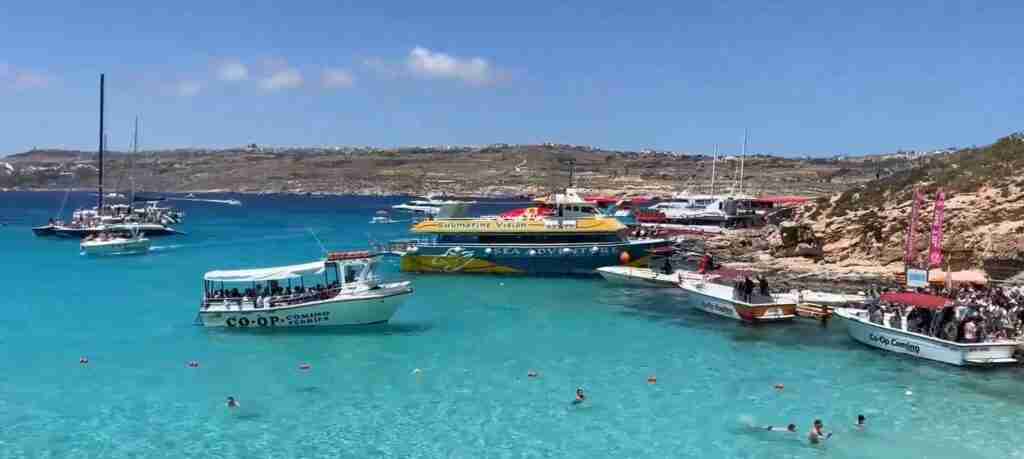
Beach activities transition from peripheral options to central attractions during May, with Malta’s beautiful bays offering excellent swimming conditions without the intense summer heat that makes midday beach time uncomfortable. Popular beaches like Mellieha Bay, Golden Bay, and Paradise Bay see increasing visitor numbers but remain far from summer saturation levels. Gozo’s beaches including Ramla Bay maintain their relaxed character, and Comino’s Blue Lagoon, while popular, doesn’t yet experience the overwhelming crowds that characterize July-August when hundreds of day-trippers arrive hourly.
Diving conditions reach annual peaks during May, with underwater visibility exceeding 30-35 meters, comfortable water temperatures, and calmer seas than later summer months when increased boat traffic and plankton blooms can reduce visibility. Malta’s renowned dive sites including the Um El Faroud wreck, Blue Hole (Gozo), and HMS Maori wreck offer exceptional conditions for both beginners and technical divers. Dive operators maintain full schedules but accommodate walk-in bookings more easily than during peak summer when advance reservation becomes essential.
May brings several cultural events worth planning around, including the Valletta Film Festival (early May) and various village festas celebrating patron saints with fireworks, processions, and community celebrations. These local festivals provide authentic cultural immersion opportunities, with visitors warmly welcomed to join traditional celebrations featuring elaborate baroque church decorations, brass bands, and evening fireworks displays that illuminate harbor areas.
Accommodation costs in May sit 25-35% below summer peaks, representing the final opportunity for shoulder-season savings before June’s significant price increases. Hotels across all categories maintain good availability, though popular boutique properties in Valletta and Gozo require 2-3 months advance booking. Car rental availability remains adequate with 4-6 weeks advance reservation recommended, and restaurant bookings at highly-rated establishments typically require 1-2 weeks notice rather than summer’s extensive lead times.
May particularly appeals to couples seeking romantic settings, divers pursuing optimal underwater conditions, families wanting beach access without extreme heat, and cultural travelers who appreciate spring perfection. The month combines virtually all advantages with minimal drawbacks, making it the most universally recommended period for Malta visits across diverse traveler preferences and priorities.
June 2026: Summer Season Begins
June marks Malta’s transition into full summer season, with school holidays beginning late in the month and visitor numbers climbing significantly from May’s comfortable levels. Temperatures rise to 27-29°C, establishing reliable beach weather while remaining slightly more tolerable than July-August’s peak heat. Rainfall becomes virtually nonexistent with clear skies dominating throughout the month, and sunshine hours reach near-maximum levels. The sea warms to 22-23°C, perfect for extended swimming sessions and water sports without the slight chill that characterizes May’s early-season waters.
Beach activity reaches full intensity during June, with all coastal facilities operating at capacity and water sports providers offering complete service menus. Popular beaches see increasing crowds, particularly on weekends when local families join tourists, though weekday visits remain relatively comfortable. Comino’s Blue Lagoon begins experiencing significant crowding, with multiple tour boats arriving throughout the day and the turquoise waters filled with swimmers and snorkelers. Gozo’s beaches maintain slightly more relaxed atmospheres than Malta’s, and less-known coves still offer relative solitude for visitors willing to hike to secluded locations.
June 2026 brings Isle of MTV (late June), a major free outdoor concert in Floriana’s Il-Fosos Square that attracts 40,000+ attendees with international headline acts. This massive event books out Valletta and nearby accommodations months in advance, and visitors planning around Isle of MTV should secure hotels by March-April. The concert weekend transforms Valletta into a vibrant party atmosphere, though also brings significant crowds to restaurants, bars, and public transport. Travelers seeking quieter experiences should avoid the specific Isle of MTV weekend or base themselves in Gozo or southern Malta’s quieter areas.
Accommodation prices jump significantly in June, rising 20-30% above May levels and approaching summer peak rates. Hotels across all categories see increased bookings, particularly during the final two weeks when European school holidays begin. Advance reservations of 3-4 months become advisable for preferred properties, and last-minute availability becomes limited, particularly in Valletta, Sliema, and St. Julian’s. Car rentals require 6-8 weeks advance booking to secure reasonable rates and vehicle availability, and popular restaurants demand 2-3 weeks notice for dinner reservations.
June suits travelers prioritizing guaranteed beach weather and warm swimming conditions who can tolerate increasing crowds and elevated costs. Families appreciate school holiday timing, divers still enjoy excellent underwater visibility before summer’s peak levels of marine activity, and event enthusiasts target Isle of MTV weekend. June offers more breathing room than July-August while delivering full summer conditions, though misses May’s more comfortable balance of weather, costs, and crowd levels.
July 2026: Peak Summer Heat and Crowds
July plunges Malta into peak summer conditions, with maximum temperatures regularly exceeding 31-32°C, brilliant sunshine dominating from dawn to dusk, and zero rainfall typical for the entire month. Heat becomes intense during midday hours, making air-conditioned retreats necessary for most visitors between 12:00-16:00 when exposed stone streets and fortifications radiate accumulated warmth. Evening temperatures remain warm at 24-26°C, creating perfect conditions for outdoor dining, harbor walks, and late-night activities that extend well past midnight as both tourists and locals embrace the comfortable nighttime warmth.
The sea reaches optimal swimming temperature at 25-26°C, bathwater-warm and inviting for extended water time. Every beach reaches capacity during July, with popular locations like Mellieha Bay, Golden Bay, and Armier Bay packed with sunbeds, umbrellas, and swimmers from morning through sunset. Comino’s Blue Lagoon experiences overwhelming crowding, with tour boats arriving continuously from 09:00-16:00 and the lagoon’s turquoise waters filled wall-to-wall with swimmers, making photography of empty water virtually impossible. Gozo’s beaches fare slightly better but still see significant increases from spring’s relaxed levels, and even remote coves attract more visitors than during shoulder seasons.
July 2026 brings Malta International Arts Festival, spanning the month with theater performances, concerts, open-air cinema, and cultural events across multiple venues in Valletta and surrounding areas. This prestigious festival attracts international artists and provides high-quality cultural programming, with performances scheduled strategically for evening hours when temperatures moderate. Festival events book substantially in advance, and accommodation in Valletta becomes particularly tight during major performance weekends.
Cultural site visiting requires strategic timing during July, with early morning (08:00-10:00) or late afternoon (17:00-19:00) slots providing the most comfortable conditions and smaller crowds. Midday visits to exposed sites like Mdina’s ramparts, Valletta’s Upper Barrakka Gardens, or the Tarxien Temples become exhausting under intense sun, and indoor attractions like museums offer welcome air-conditioned relief. Cruise ship arrivals peak during July with 2-3 large vessels frequently docked simultaneously in Valletta, temporarily flooding the capital with thousands of day-trippers who disappear by evening.
Accommodation costs reach annual peaks during July, with hotels charging 90-100% of their maximum summer rates. Popular properties, particularly boutique hotels in Valletta and luxury beach resorts, book completely 4-6 months in advance. Last-minute availability exists primarily in budget categories or less desirable locations, with premium options vanishing early. Car rental prices surge 40-50% above shoulder season rates, and vehicles must be reserved 8-12 weeks in advance to secure availability. Restaurant reservations at highly-rated establishments require 3-4 weeks advance notice, and walk-in dining becomes challenging at popular venues.
July suits sun-worshippers prioritizing guaranteed beach weather, event enthusiasts targeting the Arts Festival, and travelers whose schedules demand summer vacation timing despite crowds and costs. The month delivers unquestionable beach perfection but sacrifices comfort, budget value, and relaxed exploration that characterize shoulder seasons. Families with school-age children often accept July’s limitations as necessary compromises, while flexible travelers typically find May, June, September, or October offering superior overall experiences.
August 2026: Maximum Summer Intensity
August represents Malta’s most extreme month, amplifying July’s heat while adding maximum European vacation crowds and absolute peak pricing across accommodations, flights, and attractions. Temperatures frequently exceed 32-33°C, with occasional scirocco winds from North Africa pushing thermometers above 35°C and bringing hazy conditions that reduce visibility and make outdoor activities genuinely uncomfortable during midday hours. Nighttime temperatures remain warm at 25-27°C, and humidity increases slightly from July levels, though Malta’s island location maintains moderating sea breezes along coastal areas.
Every beach, attraction, and restaurant operates at absolute capacity during August, with Malta experiencing its highest annual visitor numbers. Popular beaches become shoulder-to-shoulder tapestries of sunbeds and umbrellas, with arriving mid-morning often finding no available space at major locations like Mellieha Bay, Golden Bay, and St. George’s Bay. Comino’s Blue Lagoon reaches unsustainable crowding levels, with tour operators ferrying hundreds of day-trippers hourly and the famous turquoise waters losing their pristine appeal under the weight of overwhelming human presence. Even Gozo’s typically relaxed beaches see significant crowding, and finding secluded swimming spots requires extensive searching or boat access to otherwise unreachable coves.
Valletta transforms into a dense tourist thoroughfare during August, with Republic Street and surrounding areas packed continuously from morning through evening. The Three Cities, Mdina, and other cultural sites experience similar crowding, making photography challenging and unhurried exploration nearly impossible during peak hours. Cruise ship arrivals compound these challenges, with multiple large vessels frequently docked simultaneously and thousands of additional day-trippers flooding already-crowded historic areas. Strategic timing becomes essential, with sunrise visits (06:00-08:00) to major sites offering the only realistic opportunities for crowd-free photography and comfortable exploration.
August brings the Santa Marija celebrations on August 15, Malta’s most important religious holiday when villages across the islands host elaborate festas with fireworks, processions, and community celebrations. The Mosta Feast stands out as particularly spectacular, with the massive Mosta Dome illuminated and extraordinary fireworks displays. These celebrations provide authentic cultural experiences, though coincide with peak visitor numbers, making accommodation particularly difficult to secure around the mid-month holiday weekend.
Accommodation availability approaches zero during August without advance reservations of 5-6 months, with premium properties booking 8-12 months ahead. Rates reach absolute annual peaks, often double or triple shoulder season pricing, and minimum stay requirements (3-7 nights) become common. Car rental availability becomes severely constrained, with popular vehicle categories (economy, compact) booking out entirely 3-4 months in advance and remaining inventory commanding premium rates. Restaurant reservations at highly-rated venues require 4-6 weeks advance notice, and walk-in dining limits choices to lower-tier establishments or off-peak hours.
August suits only travelers with inflexible summer vacation schedules, sun-seekers willing to tolerate extreme crowds for guaranteed beach weather, or event enthusiasts specifically targeting Santa Marija celebrations. Most flexible travelers find significantly superior experiences during May, June, September, or October when weather remains excellent while crowds and costs moderate substantially. Families bound by school calendar constraints often accept August’s limitations as necessary compromises, though those with flexibility typically prefer June or early September for more comfortable conditions.
September 2026: Autumn Perfection Returns
September emerges as another of Malta’s optimal months, combining continued excellent weather with noticeably decreased crowds and moderating costs as European summer holidays conclude. Temperatures remain warm at 27-29°C through early September before gradually moderating to 25-27°C late in the month, still delivering excellent beach weather while feeling slightly less oppressive than July-August’s peak heat. Rainfall remains virtually absent through mid-September, with only 2-3 rainy days typical for the entire month, and sunshine continues dominating though daylight hours begin shortening as autumn approaches.
The sea reaches its annual warmest temperature during September at 25-26°C following months of summer solar heating, creating perfect swimming conditions that many visitors find superior to May-June’s slightly cooler waters. This extended summer warmth maintains excellent beach conditions throughout September, with water sports operators maintaining full service and diving conditions remaining excellent with good underwater visibility. Beaches see dramatic crowd reductions after school terms resume across Europe in early September, with weekdays particularly relaxed and even popular beaches offering ample space and immediate sunbed availability.
Cultural site exploration becomes markedly more comfortable in September as temperatures moderate slightly and visitor numbers drop substantially from August’s overwhelming levels. Valletta’s streets regain navigable character, Mdina returns to its characteristic silence, and the Three Cities allow unhurried photography and exploration without constant human obstacles. Cruise ship arrivals continue but decrease from summer peaks, and even port days maintain reasonable crowd levels rather than complete saturation. Museums, fortifications, and archaeological sites provide comfortable visiting conditions without July-August’s exhausting heat or overwhelming queues.
September 2026 brings several notable events including Birgu Fest (late September), when the historic Three Cities transform with candlelight illuminations, cultural performances, and craft demonstrations that showcase traditional Maltese heritage. This atmospheric event attracts visitors but maintains comfortable crowd levels, and the candle-lit ambiance creates magical photographic opportunities. Village festas continue through September, with patron saint celebrations occurring in various locations across Malta and Gozo, each offering authentic cultural experiences with fireworks, processions, and community gatherings.
Accommodation pricing drops significantly in September, falling 25-35% below August peaks while maintaining excellent weather conditions. Early September retains slightly elevated rates as some European visitors extend summer holidays, while late September sees further price decreases as shoulder season begins. Hotels across all categories show good availability with 2-3 months advance booking sufficient for most properties, and last-minute bookings become viable again for flexible travelers. Car rental availability improves dramatically, and popular restaurants reduce reservation lead times to 1-2 weeks rather than summer’s month-long requirements.
September particularly suits travelers seeking the best balance of excellent beach weather, cultural exploration comfort, and reasonable costs. The month appeals to couples preferring relaxed atmospheres, divers enjoying warm water with good visibility, families with flexible schedules avoiding peak season challenges, and budget-conscious travelers wanting maximum value. September rivals May for the title of Malta’s optimal month, with the choice between them depending largely on preference for warmer (September) versus slightly cooler (May) temperatures and minimal crowd preference intensity.
October 2026: Extended Summer Conditions
October maintains surprisingly warm conditions through its first two-thirds, offering extended summer beach weather with continued moderate crowds before transitioning toward autumn characteristics in the final week. Temperatures average 24-26°C early in the month before gradually cooling to 21-23°C by late October, remaining comfortably warm for outdoor activities throughout the day. Rainfall begins increasing slightly with 4-5 rainy days typical for the month, though clear sunny days still dominate and showers typically arrive as brief afternoon events rather than prolonged downpours. The sea temperature remains inviting at 23-24°C through mid-October, still comfortable for swimming and water sports.
Beach activities remain fully viable through mid-October, with many visitors surprised by continued excellent swimming conditions so late in the year. Malta’s popular beaches maintain operations with sunbed and umbrella rentals available, and water sports operators continue full services through the month. Gozo’s beaches return to relaxed character, and even Comino’s Blue Lagoon regains some of its pristine appeal as tour boat frequency decreases significantly from summer saturation levels. Diving conditions remain excellent with good underwater visibility and comfortable water temperatures, making October appealing for divers seeking less crowded dive sites.
Cultural exploration becomes increasingly comfortable during October as temperatures moderate and visitor numbers continue declining from summer peaks. Valletta, Mdina, and archaeological sites provide ideal visiting conditions without overwhelming heat or crowds, and the softer autumn light creates beautiful photographic opportunities. Museums and indoor attractions see shorter queues, and historic sites allow unhurried exploration and photography without constant crowds in frame.
October 2026 brings Notte Bianca (White Night), typically held early in the month when Valletta transforms into an all-night cultural celebration with museums opening late, street performances, concerts, and artistic installations across the capital. This free event attracts significant crowds but creates vibrant atmosphere, and the comfortable autumn temperatures make evening wandering ideal. Hotels in Valletta book substantially for Notte Bianca weekend, requiring 2-3 months advance reservation, though the event’s popularity reflects its quality and authentic cultural value.
Accommodation pricing continues October’s downward trajectory, with rates 30-40% below summer peaks and early booking promotions appearing for November-March as hotels compete for winter business. Early October maintains slightly higher rates while weather remains consistently excellent, but late October sees further decreases as autumn establishes. Car rental availability becomes excellent with standard lead times of 2-3 weeks sufficient, and restaurant reservations require only 3-5 days advance notice at most establishments including highly-rated venues that demanded month-long lead times during summer.
October suits travelers seeking continued beach weather with autumn’s advantages of lower costs and reduced crowds. The month appeals to couples and older travelers who appreciate comfortable temperatures without summer’s intensity, divers wanting excellent conditions without crowded sites, and photographers seeking autumn light quality. October maintains excellent value across weather, costs, and crowd levels, though late October visitors should prepare for possible rain and slightly cooler conditions that signal approaching winter.
November 2026: Autumn Transition Period
November marks Malta’s transition from extended summer into winter patterns, with noticeable weather changes and significantly decreased tourism activity. Temperatures cool to 19-21°C, remaining mild compared to northern European winter but requiring light jackets for evening activities and early morning outings. Rainfall increases substantially to 7-8 days for the month as winter weather patterns establish, with occasional longer rain events replacing summer’s near-total absence of precipitation. Cloud cover increases from summer’s perpetual sunshine, though many days maintain clear skies and pleasant conditions. The sea temperature drops to 21-22°C, reaching the threshold where most visitors find swimming less appealing, though hardy individuals continue beach activities early in the month.
Beach clubs and water sports operators begin winding down operations during November, with many closing by mid-month as demand decreases and weather becomes less predictable. Popular beaches remain accessible but lose summer infrastructure, with sunbed rentals becoming scarce and beach bars operating reduced hours or closing entirely. Gozo’s beaches and Comino essentially empty, returning to pristine quiet states that contrast dramatically with summer’s overwhelming crowds. Diving operations continue through November with good underwater visibility, though water temperatures require wetsuits and rough seas occasionally prevent boat trips.
Cultural activities become the primary focus during November as outdoor beach activities decline. Museums, churches, and archaeological sites provide excellent visiting experiences without summer crowds or heat, and the softer autumn light creates beautiful photographic conditions. Valletta, Mdina, and the Three Cities return to authentic local character as tourist numbers drop substantially, allowing visitors to experience these historic areas as residents do rather than as overwhelmed tourist destinations. Indoor attractions offer comfortable refuge during rainy days, and the National Museum of Archaeology, St. John’s Co-Cathedral, and various palazzo museums maintain full operating hours.
November brings no major festivals or events, creating a quiet month focused on authentic local experiences rather than tourist-oriented activities. This absence of events contributes to November’s low visitor numbers but appeals to travelers seeking genuine cultural immersion without crowds or commercial tourism infrastructure. Restaurants return to primarily serving local clientele, making reservations easily obtainable and allowing visitors to experience Maltese dining culture authentically.
Accommodation costs drop 45-55% below summer peaks during November, with hotels aggressively promoting winter rates and package deals. Early booking promotions for winter months appear, and last-minute deals become common as occupancy levels fall. Car rental companies offer substantial discounts, and availability presents no challenges. Restaurant reservations require minimal advance notice, with same-day bookings typically feasible even at highly-rated establishments that demanded weeks or months of notice during summer.
November suits budget-conscious cultural travelers who prioritize low costs over beach activities, older travelers who appreciate mild temperatures and empty sites, and photography enthusiasts seeking autumn light and crowd-free compositions. The month requires flexibility regarding occasional rain and acceptance that beach activities become peripheral rather than central, though these compromises deliver substantial savings and authentic experiences unavailable during tourist-heavy seasons.
December 2026: Winter Cultural Season
December establishes Malta’s winter character with temperatures averaging 16-18°C, mild by northern European standards but cool enough to require layers and jackets for outdoor activities. Rainfall continues at similar levels to November with 9-10 rainy days typical, and occasional winter storms bring stronger winds and more persistent precipitation that can last several hours. Daylight hours reach annual minimum, with sunset occurring around 16:30, though temperatures remain comfortable for daytime cultural exploration. The sea cools to 18-19°C, too cold for swimming without wetsuits, and most beach facilities remain closed for the season.
Christmas decorations transform Valletta and village squares during December, with elaborate nativity scenes (presepji) displayed in churches and public spaces showcasing traditional Maltese craftsmanship. These intricate displays represent authentic cultural traditions rather than tourist-oriented activities, and visitors are welcomed to view installations in village churches across Malta and Gozo. Republic Street in Valletta features festive lighting, and the Christmas market atmosphere creates charming evening ambiance despite cooler temperatures.
Cultural site exploration remains excellent during December, with empty museums, uncrowded fortifications, and immediate availability at all attractions. The winter light, though shorter in duration, provides beautiful photographic conditions particularly during golden hour. Indoor attractions become especially appealing during rainy periods, and the National Museum of Archaeology, Grand Master’s Palace, and Casa Rocca Piccola offer fascinating historical insights with minimal crowds. St. John’s Co-Cathedral maintains its extraordinary artistic and architectural interest regardless of season, and December visits allow unhurried appreciation of Caravaggio’s masterworks without summer’s constant crowd flow.
December 2026 sees increased visitor numbers around Christmas and New Year holidays when some European travelers seek mild winter sun, though overall tourism remains far below summer levels. The final two weeks of December (December 20-31) see temporary accommodation price increases and reduced availability as hotels fill with holiday travelers, requiring 2-3 months advance booking for this specific period. Early December (December 1-19) maintains winter’s low rates and excellent availability, offering the year’s best value for quality-conscious cultural travelers.
New Year’s Eve brings fireworks celebrations across Malta, with Valletta’s waterfront and St. Julian’s hosting the largest displays. These celebrations attract local crowds and visiting Europeans, creating festive atmosphere though on considerably smaller scale than summer events. Hotels and restaurants require advance reservations for New Year’s Eve specifically, while other December dates maintain easy walk-in availability.
Accommodation rates remain 50-60% below summer peaks during early December before modest increases around Christmas. Hotels offer winter package deals often including breakfast and other amenities, and booking lead times of 4-8 weeks suffice for most properties except during Christmas-New Year period. Car rental availability presents no challenges and prices remain at annual lows, and restaurants accommodate walk-in diners easily except on Christmas Eve and New Year’s Eve when reservations become essential.
December suits budget-focused cultural travelers, older visitors who appreciate mild winter temperatures and authentic local experiences, and travelers seeking Christmas traditions in Mediterranean setting. The month requires acceptance of occasional rain, cooler temperatures, and eliminated beach activities, though delivers substantial cost savings, empty cultural sites, and genuine Maltese character absent during tourist-heavy seasons.
Detailed Weather Patterns and Climate Analysis for Malta 2026
Temperature Ranges and Seasonal Variations
Malta’s temperature patterns follow predictable Mediterranean rhythms with seasonal variations that create distinct comfort zones for different activities throughout 2026. Summer months from June through September maintain consistently warm to hot conditions, with July and August seeing average daytime maximums of 31-33°C that regularly exceed 35°C during heat waves driven by scirocco winds from North Africa. These extreme temperature events typically last 2-4 days before moderating sea breezes restore more typical conditions, though they significantly impact comfort levels and make midday outdoor activities genuinely challenging.
Spring (March-May) and autumn (September-November) deliver Malta’s most comfortable temperature ranges, with April-May averaging 20-25°C and September-October maintaining 24-27°C that feel ideal for walking tours, cultural site exploration, and outdoor dining. These shoulder seasons avoid summer’s oppressive heat while maintaining warmth sufficient for enjoyable beach activities, particularly during May and September when sea temperatures reach comfortable swimming range. Night temperatures during spring and autumn remain pleasant at 15-20°C, cool enough for comfortable sleeping without air conditioning yet warm enough for evening outdoor activities.
Winter months (December-February) maintain remarkably mild conditions compared to northern European destinations, with daytime temperatures averaging 15-17°C that feel comfortable with appropriate layering. Mornings and evenings cool to 10-12°C, requiring jackets and warmer clothing, though conditions rarely become genuinely cold by continental European standards. Occasional colder spells driven by northerly winds can temporarily reduce temperatures to 8-10°C during January-February, though these events last only 2-3 days before milder conditions return.
Nighttime temperatures follow similar seasonal patterns, with summer nights remaining warm at 22-26°C, creating perfect conditions for outdoor dining, harbor walks, and evening activities that extend well past midnight. Air conditioning becomes essential for comfortable sleeping during July-August, particularly in properties without sea-facing positions that miss cooling breezes. Spring and autumn nights moderate to 15-20°C, comfortable for sleeping with windows open and ideal for evening exploration. Winter nights cool to 10-12°C, requiring heating in accommodations though conditions remain far milder than northern European winters.
Rainfall Patterns and Precipitation Expectations
Malta’s rainfall patterns demonstrate extreme seasonal concentration, with winter months accounting for approximately 75% of annual precipitation while summer remains virtually bone-dry. December through February typically deliver 9-11 rainy days per month, with November and March seeing 7-8 days, creating the wettest period when visitors should prepare for occasional weather disruptions. However, even during these wetter months, rain typically arrives in short bursts of 1-3 hours rather than prolonged all-day events common in northern European climates, and many days maintain partially clear conditions with rain limited to morning or afternoon periods.
Summer months from June through August see essentially zero rainfall, with many consecutive weeks passing without a single drop. This creates guaranteed beach weather but also contributes to Malta’s chronic water scarcity challenges and browns the countryside into desert-like appearance by August. Occasional brief thunderstorms may develop during late August or early September as weather patterns begin transitioning toward autumn, though these remain rare exceptions rather than regular occurrences.
Spring (April-May) and autumn (September-October) serve as transition periods with minimal rainfall that rarely disrupts travel plans. April typically sees 3-4 rainy days, May only 1-2 days, September 2-3 days, and October 4-5 days, with most precipitation arriving as brief afternoon showers that clear quickly. These short rain events during shoulder seasons often improve photographic conditions by cleaning dust from the air and creating dramatic cloud formations, rather than significantly impacting visitor experiences.
Total annual rainfall averages approximately 550mm across Malta, significantly lower than most Mediterranean destinations and contributing to the islands’ semi-arid classification. This limited precipitation concentrates plant growth into winter and spring months when rainfall supports lush green landscapes, while summer heat and absence of rain transform the countryside into brown, parched conditions that persist until November rains trigger new growth cycles.
Sea Temperature Progression Throughout 2026
Sea temperature patterns lag air temperature changes by approximately 6-8 weeks due to water’s thermal mass properties, creating an interesting seasonal dynamic where optimal swimming conditions extend beyond peak air temperatures. The annual cycle begins with minimum sea temperatures in February-March at 15-16°C, too cold for comfortable swimming without thick wetsuits, before gradually warming through spring as solar heating accumulates in surface waters.
April sees sea temperatures climbing to 17-18°C, approaching the threshold where hardy swimmers begin venturing into water, while May reaches 20-21°C where most visitors find conditions comfortable for swimming and water sports. June continues the warming trend to 22-23°C, July reaches 25-26°C, and August maintains these peak conditions. September benefits from months of accumulated solar heating to reach the year’s warmest sea temperatures at 25-26°C, creating ideal swimming conditions that many visitors prefer to earlier summer months.
The gradual autumn cooling means October maintains pleasant 23-24°C sea temperatures through mid-month before dropping to 21-22°C by month’s end, still comfortable for swimming though some visitors find it slightly cool. November sees further cooling to 21-22°C early and 19-20°C late, reaching the threshold where most swimmers exit the water, and December drops to 18-19°C where only wetsuit-equipped divers and extremely hardy individuals continue water activities.
This lagged temperature pattern creates strategic opportunities for visitors, with May offering excellent swimming despite slightly cooler sea temperatures than July-August, and September-October providing warm water that persists after air temperatures moderate from summer peaks. Divers particularly appreciate spring (May-June) and autumn (September-October) when comfortable water temperatures combine with calmer seas and better underwater visibility than mid-summer periods.
Wind Patterns and Their Impact on Comfort and Activities
Malta’s wind patterns significantly influence visitor comfort throughout 2026, with several distinct winds creating recognizable weather characteristics. The Gregale wind arrives from the northeast, most common during winter and early spring (November-March), bringing cooler conditions, increased cloud cover, and occasionally rough seas that disrupt ferry services to Gozo and Comino. Strong Gregale events can temporarily make coastal areas uncomfortable with sustained winds reaching 30-40 km/h, though these typically last 2-3 days before moderating.
Summer brings the Xlokk wind from the southeast, occasionally carrying hot air and sand from North Africa that temporarily raises temperatures above 35°C and reduces visibility with atmospheric haze. These scirocco events create Malta’s most uncomfortable conditions, with hot, dust-laden air making outdoor activities exhausting during midday hours. Fortunately, these extreme events typically last only 1-3 days before cooler maritime air masses restore more typical summer conditions, and most summer days feature gentle sea breezes that moderate temperatures along coastal areas.
The Majjistral wind from the northwest provides welcome relief during hot summer days, creating pleasant breezes along western-facing beaches and coastal areas. This wind typically develops during afternoon hours as land heats faster than sea, creating pressure differentials that draw cooler maritime air inland. Western beaches like Ghajn Tuffieha and Golden Bay benefit particularly from these afternoon breezes, making them more comfortable than sheltered eastern locations during July-August heat.
Wind conditions significantly impact water activities, with rough seas occasionally preventing dive operations and ferry services to smaller islands. Gozo and Comino ferries maintain high reliability during summer when calm conditions dominate, but winter Gregale winds can disrupt schedules, particularly for smaller vessels operating to Comino. Divers should maintain flexible schedules during autumn and winter when occasional rough weather prevents access to exposed dive sites, though protected locations remain accessible even during windier periods.
Seasonal Pricing Variations Across Accommodations in Malta 2026
Malta’s accommodation pricing follows dramatic seasonal patterns that create opportunities for substantial savings during off-peak periods while demanding careful budget management during summer peaks. Understanding these pricing dynamics allows strategic booking that maximizes value without sacrificing experience quality, with differences between seasons often reaching 100-150% for identical properties.
Peak Season Pricing (July-August 2026)
July and August represent Malta’s absolute pricing peak across all accommodation categories, with hotels, guesthouses, and vacation rentals charging maximum annual rates. Budget properties including hostels and basic guesthouses price at €50-80 per night for dormitory beds or basic private rooms, with little negotiation flexibility as demand consistently meets or exceeds supply. Mid-range hotels charge €180-280 per night for standard double rooms in locations like Sliema, St. Julian’s, and Bugibba, while Valletta’s boutique hotels reach €220-350 per night even for relatively modest properties.
Luxury accommodations command premium pricing during peak summer, with five-star properties in St. Julian’s charging €350-550 per night, boutique luxury hotels in Valletta reaching €400-600, and top-tier resorts exceeding €500-800 for sea-view suites. Gozo’s farmhouses and boutique properties, popular with families and couples seeking quieter settings, book completely 4-6 months in advance with rates reaching €200-400 per night for properties sleeping 4-6 people, creating per-person costs comparable to Malta’s premium hotels when shared among families.
Minimum stay requirements become common during July-August, with many properties demanding 3-5 night minimums and prime locations sometimes requiring full-week bookings. These restrictions reduce flexibility while increasing total trip costs, and cancellation policies tighten significantly with non-refundable rates common and flexible options commanding 15-20% premiums. Early booking deadlines of 5-6 months before arrival become necessary for preferred properties, with last-minute availability limited primarily to budget categories or less desirable locations far from beaches and cultural attractions.
Shoulder Season Value (April-May and September-October 2026)
Spring and autumn shoulder seasons deliver Malta’s optimal value proposition, combining excellent weather with accommodation costs 30-45% below summer peaks. Budget properties charge €35-55 per night during these periods, mid-range hotels offer standard rooms at €120-180, and luxury properties reduce rates to €200-350, creating opportunities for travelers to access higher-quality accommodations within budgets that would limit them to basic properties during summer.
May and September represent particularly strong value periods, with hotels offering quality and service equivalent to summer while charging substantially less. Valletta’s boutique hotels, which command €300-400 during August, drop to €180-240 during shoulder seasons, and five-star properties reduce rates by 35-40% while maintaining identical amenities and service standards. Gozo’s farmhouses become significantly more accessible at €120-250 per night, and vacation rental properties across Malta offer flexible booking terms without summer’s minimum stay restrictions.
Booking lead times moderate during shoulder seasons, with 2-3 months advance reservation sufficient for most properties and last-minute bookings increasingly viable for flexible travelers. Cancellation policies relax from summer’s strict terms, and package deals combining accommodation with car rental or attraction tickets create additional savings opportunities. Hotel loyalty programs and direct booking discounts deliver better value during shoulder seasons when properties compete more actively for bookings rather than operating at guaranteed capacity.
Winter Budget Season (November-February 2026)
Winter months deliver Malta’s steepest accommodation discounts, with properties across all categories charging 50-60% below summer peaks as low tourist demand creates competitive pricing environment. Budget accommodations drop to €25-40 per night, mid-range hotels offer rooms at €80-140, and luxury properties reduce rates to €150-280, creating opportunities for cultural travelers to access premium accommodations at mid-range summer prices.
December’s first three weeks (December 1-19) represent exceptional value before Christmas holiday increases, with empty hotels offering aggressive promotional rates and package deals. Mid-range properties in Valletta, Sliema, and St. Julian’s charge €70-120 per night including breakfast, while boutique hotels offer rates of €120-180 that would reach €300-400 during summer for identical rooms. Five-star properties become surprisingly accessible at €180-300 per night, allowing budget-conscious travelers to experience luxury accommodations impossible to afford during peak season.
Booking flexibility reaches annual maximum during winter, with last-minute deals common and properties frequently offering upgrades or bonus nights to fill occupancy. Many hotels run winter promotions including “stay 4 nights, pay for 3” offers, complimentary breakfast additions, or airport transfer inclusions that create substantial additional value. Direct booking often secures better rates than online platforms as properties seek to minimize commission costs during low-demand periods, and negotiation becomes viable for extended stays or group bookings.
Holiday Period Exceptions (Christmas and New Year 2026-2027)
Christmas and New Year periods (approximately December 20-January 5) create temporary pricing spikes within otherwise low winter rates, as some European travelers seek mild Mediterranean winter holidays. Mid-range hotels increase rates to €140-200 per night during this period, boutique properties charge €180-280, and luxury hotels reach €280-400, representing 30-50% premiums above standard winter pricing though still below summer peaks.
New Year’s Eve sees the most extreme premium, with hotels adding €50-150 surcharges for December 31 specifically, often including gala dinners or party packages that become mandatory purchases at some properties. Valletta and St. Julian’s hotels particularly capitalize on fireworks viewing opportunities, charging premiums for harbor-view rooms that command best vantage points for midnight celebrations. Minimum stay requirements return during this period, with many properties demanding 3-5 night bookings spanning the New Year transition.
Advance booking becomes essential for Christmas-New Year period despite overall winter low demand, with preferred properties filling 3-4 months ahead as limited winter visitors concentrate around these holiday dates. Travelers seeking winter value should target early December (December 1-19) or January after holiday visitors depart (January 6 onward) when rates return to winter lows and availability opens substantially.
Festivals, Events, and Cultural Calendar for Malta 2026
Malta’s cultural calendar provides authentic experiences throughout 2026, with religious festivals, artistic events, and community celebrations offering insights into Maltese traditions and contemporary culture. Understanding event timing allows strategic planning around major festivals while avoiding unexpected crowds or accommodation shortages.
Spring Religious Celebrations and Easter 2026
Easter represents Malta’s most important religious celebration, with elaborate Holy Week processions and traditions dating centuries. In 2026, Easter falls on April 20, with Holy Week spanning April 13-19 and bringing dramatic religious observances across Malta’s traditional villages. Good Friday processions feature life-size statues depicting the Passion of Christ carried through streets by costumed participants, accompanied by brass bands playing solemn funeral marches and entire communities joining in candlelit walks.
Zejtun, Qormi, Mosta, and Vittoriosa host particularly elaborate Good Friday processions with multiple statues, hundreds of participants, and traditions maintained for generations. These events showcase authentic Maltese religious culture rather than tourist-oriented performances, though visitors are welcomed to observe and photograph respectfully. Churches display elaborate decorations including altar setups, and traditional food preparations create distinctive Holy Week atmosphere in village squares and bakeries.
Easter Sunday brings celebratory processions with risen Christ statues parading through villages, and families gather for traditional meals featuring roast lamb, pies, and figolla (almond pastry). Many restaurants require reservations for Easter Sunday lunch, and accommodation in popular areas books 2-3 months in advance. Easter Monday remains a public holiday with many businesses closed, though tourist attractions maintain operating hours. The Easter period combines genuine cultural experiences with excellent spring weather, making it appealing for visitors interested in Mediterranean religious traditions.
Malta Fireworks Festival April 2026
The Malta International Fireworks Festival typically occurs in late April, showcasing the Maltese passion for pyrotechnics with spectacular displays in Valletta’s Grand Harbour. This multi-day event features professional pyrotechnic teams from Malta and international participants creating elaborate aerial displays that illuminate the harbor and fortifications, accompanied by music and crowds gathering on waterfront viewing areas. The festival represents one of Malta’s most visually impressive events, with fireworks artistry reaching levels rarely seen elsewhere.
Prime viewing locations include Valletta’s waterfront, Upper Barrakka Gardens, and areas along Sliema and Vittoriosa waterfronts, all offering excellent vantage points for photography and comfortable viewing. The festival attracts substantial crowds though maintains manageable rather than overwhelming levels, and viewers typically secure good positions arriving 30-60 minutes before scheduled displays. Waterfront restaurants offer dinner packages with reserved viewing areas, though charge significant premiums compared to standard rates.
Accommodation in Valletta and waterfront areas books 2-3 months in advance for Fireworks Festival weekend, with harbor-view rooms commanding premiums. The festival coincides with generally excellent spring weather, creating ideal conditions for outdoor viewing without summer’s heat or winter’s rain risk. Cultural significance beyond tourist attraction makes this event worth considering when planning April 2026 visits, particularly for photography enthusiasts seeking dramatic nighttime compositions.
Village Festas Throughout 2026
Village festas celebrating patron saints occur continuously throughout 2026, with peak activity during summer months when virtually every weekend features multiple celebrations across Malta and Gozo. These community-centered events represent authentic Maltese culture, with elaborate church decorations, street festoons, brass band marches, and spectacular fireworks displays that demonstrate the Maltese passion for pyrotechnics. Each village festa creates unique atmosphere with local character and traditions maintained across generations.
Major festas include the Feast of St. Paul’s Shipwreck in Valletta (February 10), Feast of St. Joseph in Rabat (March 19), Feast of St. Gregory in Zejtun (first Wednesday after Easter), and numerous summer celebrations including Senglea’s Our Lady of Victories (September 8) and Qormi’s St. George (June). The Mosta Feast on August 15 (Assumption of Mary) stands as particularly spectacular, with the massive Mosta Dome illuminated and extraordinary fireworks rivaling professional displays.
Festas follow predictable patterns with religious processions, band marches, street vendors, and evening fireworks forming core elements. Villages compete in friendly rivalry over festa quality, investing substantial community resources in displays and celebrations. Visitors are warmly welcomed to participate, with no entry fees or formal tourist arrangements needed—simply arrive at the village during festa weekend and join community celebrations. Churches display elaborate decorations for several days before festa day, creating extended visiting opportunities for those interested in baroque religious art and architecture.
Festa scheduling follows the liturgical calendar with each village celebrating on assigned dates, though some flexibility exists when dates conflict. Complete festa schedules become available on Malta tourism websites by January, allowing visitors to plan around celebrations of interest. Festas particularly benefit photographers seeking authentic cultural content and travelers wanting genuine community experiences beyond tourist-oriented activities.
Isle of MTV June 2026
Isle of MTV represents Malta’s largest contemporary music event, typically held in late June with free admission attracting 40,000+ attendees to Floriana’s Il-Fosos Square. This massive outdoor concert features international headline acts with production values rivaling major paid festivals, and the free entry creates extraordinary value for music enthusiasts. Previous years have featured major artists including Snoop Dogg, will.i.am, and other internationally recognized performers, making the event appealing beyond typical destination activities.
The concert weekend transforms Valletta and surrounding areas into vibrant party atmosphere, with bars, clubs, and restaurants operating extended hours and pre-concert festivities building throughout the day. Security and crowd management reach high standards, though the massive attendance creates density challenges and requires arriving several hours early for preferred viewing positions. The event appeals particularly to younger travelers and festival enthusiasts, though the free admission and high-quality lineup attract diverse audiences.
Accommodation in Valletta, Floriana, and nearby Sliema books completely 3-4 months in advance for Isle of MTV weekend, with properties commanding premium rates and minimum stay requirements. Visitors planning around this event should secure hotels by March-April and expect elevated costs. Public transport becomes overwhelmed around concert times, and walking represents the most reliable transportation to venue areas. Post-concert celebrations continue late into the night, creating festive but sometimes noisy conditions in central areas.
Malta International Arts Festival July 2026
The Malta International Arts Festival spans July with diverse cultural programming including theater, dance, classical music, opera, contemporary performance, and visual arts across multiple venues in Valletta and surrounding areas. This prestigious festival attracts international artists and productions alongside Maltese talent, creating high-quality cultural offerings that appeal to arts enthusiasts and provide welcome air-conditioned respite from July heat.
Festival performances strategically schedule for evening hours when temperatures moderate, with outdoor venues including Fort St. Elmo’s parade grounds, the Mediterranean Conference Centre courtyard, and various baroque palazzos throughout Valletta. Indoor venues offer climate-controlled comfort, and the festival’s programming demonstrates remarkable range from classical concerts to contemporary experimental works, allowing visitors to sample diverse performances during extended stays.
Individual performances require advance booking through festival website or box office, with popular productions selling out weeks ahead. Festival passes offering multiple performances create value for extended visitors, and many events maintain moderate pricing making high-quality cultural experiences accessible. The festival coincides with peak summer crowds and heat, so attendance requires balancing cultural benefits against July’s challenges of high costs, intense temperatures, and maximum visitor saturation.
Notte Bianca October 2026
Notte Bianca (White Night) typically occurs in early October, transforming Valletta into an all-night cultural celebration when museums open late, streets fill with performances, and artistic installations appear throughout the capital. This free community event attracts 30,000-40,000 participants including locals and tourists, creating vibrant atmosphere celebrating arts, culture, and community. Museums offer free admission during Notte Bianca, allowing affordable access to collections typically requiring entrance fees, and the comfortable October temperatures make night-long wandering pleasant.
Programming includes street theater, live music, art installations, dance performances, historical reenactments, and cultural demonstrations across multiple venues and outdoor spaces throughout Valletta. The event showcases Maltese contemporary culture alongside traditional elements, and the relaxed, inclusive atmosphere encourages participation rather than passive observation. Families, couples, and solo travelers all find appealing activities, and the free nature removes financial barriers to cultural engagement.
Accommodation in Valletta books substantially for Notte Bianca weekend, requiring 2-3 months advance reservation though at reasonable rather than premium rates as October represents shoulder season. Public transport operates extended hours during the event, and walking Valletta’s compact streets becomes the primary transportation method as vehicular access closes for pedestrian events. The celebration continues past midnight with many participants staying until 02:00-03:00 before venues close and crowds disperse.
Best Times for Specific Activities in Malta 2026
Optimal Periods for Beach Activities and Swimming
Beach activities and swimming deliver best experiences during Malta’s extended warm season from May through October, with specific months offering distinct advantages depending on priorities. May provides the initial opportunity for comfortable swimming as sea temperatures reach 20-21°C, though hardy individuals may find this slightly cool compared to mid-summer warmth. The primary May advantage comes from uncrowded beaches allowing space selection and relaxed atmosphere impossible during July-August peaks, making this month ideal for travelers prioritizing comfort and tranquility over maximum water warmth.
June-September represents peak beach season with guaranteed warm water temperatures of 22-26°C and minimal rainfall risk, though July-August brings overwhelming crowds that significantly compromise beach experience quality at popular locations. June offers the best balance of warm water and manageable crowds among full summer months, while September delivers many travelers’ preferred beach conditions with 25-26°C water following summer heating, moderating air temperatures, and dramatically reduced crowds after schools resume across Europe. September beaches feel spacious and relaxed compared to July-August saturation, creating superior overall experiences for couples and families seeking quality over guaranteed peak heat.
October maintains surprisingly good beach conditions through mid-month with 23-24°C water temperatures and pleasant 24-26°C air temperatures, extending the beach season well into autumn for visitors willing to risk occasional rainfall. Late October sees conditions deteriorating as water cools to 21-22°C and weather becomes less predictable, though early October offers excellent value combining good conditions with low costs and minimal crowds. November-April represents off-season for beach activities, with water temperatures dropping to 15-19°C that only wetsuit-equipped divers tolerate.
Prime Diving Seasons and Underwater Visibility
Diving conditions in Malta reach optimal levels during May-June and September-October when underwater visibility exceeds 30-40 meters, water temperatures remain comfortable at 20-25°C, and seas maintain calmer conditions than summer peaks. These shoulder seasons avoid July-August’s increased boat traffic and plankton blooms that can reduce visibility, while providing comfortable water temperatures that require only 3-5mm wetsuits rather than winter’s thicker 7mm options.
May particularly stands out for technical divers targeting Malta’s renowned wrecks including the Um El Faroud, HMS Maori, and P31 patrol boat, as spring conditions deliver crystal-clear water allowing maximum penetration depth visibility. Gozo’s Blue Hole, Inland Sea, and various cavern systems show exceptional clarity during spring months, and marine life activity increases as waters warm from winter lows. Dive operators maintain full schedules but accommodate walk-in bookings more readily than summer peaks when advance reservation becomes essential.
September-October extends excellent diving conditions into autumn, with water temperatures peaking at 25-26°C in September before gradually cooling through October. These months attract serious divers seeking optimal underwater photography conditions, with soft autumn light combining with clear water to create ideal imaging situations. Cave and cavern diving reaches optimal conditions during autumn as water clarity maximizes natural light penetration, and the reduced tourist activity means dive sites feel uncrowded compared to summer saturation.
July-August diving remains viable but encounters challenges including reduced visibility from plankton blooms and increased boat activity, crowded dive sites with multiple groups visiting popular locations simultaneously, and occasionally uncomfortable surface conditions with hot sun requiring sun protection between dives. Winter months (November-March) see reduced diving activity but maintain good visibility for hardy divers willing to use 7mm wetsuits in 15-19°C water, with the benefit of completely empty dive sites and excellent underwater clarity during calm weather windows.
Ideal Periods for Cultural Site Exploration and Photography
Cultural site exploration achieves optimal conditions during April-May and September-October when comfortable temperatures, uncrowded attractions, and excellent lighting combine to create ideal visiting experiences. Spring months deliver green landscapes following winter rains, soft morning light perfect for photography, and temperatures of 20-25°C comfortable for extended walking tours through Valletta’s streets, Mdina’s ramparts, and archaeological sites without exhausting heat or winter chill.
September-October provides arguably superior cultural exploration conditions to spring, with autumn light quality surpassing spring’s greenery for many photographers. The lower angle autumn sun creates dramatic shadows on fortifications and baroque architecture, and morning golden hour occurs at convenient 06:30-07:30 timing allowing photography before tourist crowds arrive. Temperatures of 24-27°C in September dropping to 21-24°C in October create comfortable walking conditions, and the drastically reduced tourist numbers after school terms resume mean UNESCO sites, museums, and historic streets return to manageable crowd levels.
Winter months (November-March) offer the ultimate uncrowded cultural experiences, with virtually empty museums, immediate attraction access without queues, and authentic local atmosphere as tourist infrastructure scales back to serve primarily residents. The trade-offs include occasional rain requiring flexibility, shorter daylight hours limiting photography windows, and cooler temperatures of 15-17°C requiring layers. However, serious cultural travelers and photographers seeking empty compositions often prefer winter’s challenges over summer’s overwhelming crowds and exhausting heat.
Summer months (June-August) create challenging cultural site exploration conditions with temperatures exceeding 30°C making midday outdoor activities exhausting, overwhelming tourist crowds requiring early morning (06:00-08:00) or late afternoon (18:00-20:00) timing for comfortable visits, and harsh midday light reducing photography quality. Cruise ship arrivals compound summer challenges, temporarily flooding Valletta with thousands of day-trippers who concentrate around major sites. Visitors bound by summer vacation schedules should adopt strategic timing, prioritizing sunrise visits to major sites and allocating midday hours to air-conditioned museums and indoor attractions.
Best Weather Windows for Outdoor Activities and Hiking
Outdoor activities including hiking coastal paths, exploring countryside, and extended walking tours achieve optimal conditions during Malta’s shoulder seasons when temperatures remain comfortable throughout the day. March-May delivers ideal hiking weather as temperatures of 18-25°C allow extended physical activity without exhausting heat, spring wildflowers carpet the countryside, and minimal rainfall reduces trail disruption. The Dingli Cliffs, Victoria Lines, and Gozo’s coastal paths show particular beauty during spring when vegetation remains green following winter rains.
September-November extends excellent hiking conditions into autumn, with September maintaining warm 25-27°C that some hikers find slightly hot for strenuous activities but October-November’s 19-24°C creating near-perfect conditions. Autumn hiking avoids spring’s occasional remaining muddy sections from winter rains, though the countryside appears browner following summer heat. The moderate temperatures make Malta’s longer coastal walks feasible, including the full Dingli Cliffs route and Gozo’s challenging southern coastal path between Xlendi and Dwejra.
Winter months (December-February) remain viable for hiking despite cooler temperatures of 15-17°C, particularly appealing to northern European visitors accustomed to genuine winter conditions. Rain occasionally muddles trails and creates slippery limestone surfaces requiring caution, though most days maintain dry conditions suitable for walking. Winter hiking delivers empty trails and dramatic stormy seas along coastal routes, though requires flexible scheduling around weather windows and appropriate layered clothing for cooler conditions.
Summer months prove challenging for extended hiking as temperatures exceeding 30°C make strenuous outdoor activities dangerous during midday hours. Serious hikers visiting during summer should adopt dawn timing (05:00-08:00 starts) to complete routes before heat intensifies, carry substantial water supplies, and recognize that countryside appears brown and less photogenic than spring’s green landscapes. Coastal routes benefit from sea breezes but still require early timing and heat precautions during July-August peaks.
Seasonal Crowd Patterns and Tourism Intensity in Malta 2026
Understanding Malta’s dramatic seasonal crowd variations allows strategic planning that maximizes experience quality while managing the inevitable trade-offs between weather guarantees and comfortable visitor density. The archipelago’s compact size amplifies crowding effects, with popular sites reaching genuine saturation during peaks while offering wonderfully empty experiences during low seasons.
Peak Season Saturation (July-August 2026)
July-August represents Malta’s maximum tourism intensity, with virtually every attraction, beach, restaurant, and accommodation operating at or beyond comfortable capacity. Popular beaches transform into dense tapestries of sunbeds and umbrellas with arriving mid-morning frequently finding zero available space at major locations like Mellieha Bay, Golden Bay, and Armier Bay. Comino’s Blue Lagoon experiences particularly overwhelming crowding, with tour operators ferrying hundreds of visitors hourly and the famous turquoise waters losing pristine appeal under wall-to-wall human presence that makes photography of empty water essentially impossible.
Valletta’s narrow streets become dense tourist thoroughfares during July-August, with Republic Street and surrounding areas packed continuously from morning through evening. The Three Cities, Mdina, and other cultural sites experience similar saturation, making unhurried exploration and photography challenging. Cruise ship arrivals compound these challenges, with 2-3 large vessels frequently docked simultaneously adding thousands of additional day-trippers who flood already-crowded historic areas before departing by evening, temporarily increasing density to genuinely uncomfortable levels.
Restaurant reservations become essential during peak summer, with highly-rated establishments requiring 3-4 weeks advance booking and walk-in dining limited to lower-tier venues or off-peak hours. Popular dive sites see multiple groups simultaneously, reducing the solitary underwater experiences that characterize other seasons. Car rental availability becomes severely constrained, and traffic congestion increases noticeably as Malta’s limited road network struggles with peak vehicle numbers. These combined factors create visiting experiences that many travelers find frustrating despite guaranteed excellent weather.
Comfortable Shoulder Seasons (April-May and September-October 2026)
Spring and autumn deliver Malta’s most comfortable crowd levels, with visitor numbers sufficient to maintain full service availability but well below summer saturation that compromises experience quality. Beaches maintain relaxed character even during peak hours, with space readily available for sunbed selection and water activities proceeding without crowded conditions. Comino’s Blue Lagoon regains much of its pristine appeal during shoulder seasons, with tour boat frequency decreasing substantially and the turquoise waters allowing comfortable swimming and snorkeling rather than sardine-like density.
Cultural sites and museums maintain very manageable crowd levels during April-May and September-October, with Valletta’s streets navigable, Mdina returning to its characteristic silence, and archaeological sites allowing unhurried photography without constant human obstacles in frame. Cruise ship arrivals continue but decrease from summer peaks, and even port days maintain reasonable crowd levels rather than overwhelming saturation. Museums and indoor attractions see short or nonexistent queues, creating efficient visiting experiences compared to summer’s constant waiting.
Restaurant reservations remain advisable for highly-rated establishments but reduce to 1-2 weeks lead time rather than summer’s month-long requirements, and quality venues maintain walk-in availability for flexible diners. Dive sites offer comfortable experiences with fewer simultaneous groups, and car rental availability presents no challenges with standard 2-4 weeks advance booking sufficient. These moderate crowd levels combined with excellent weather during shoulder seasons create optimal conditions for travelers prioritizing experience quality over guaranteed peak heat.
Quiet Winter Period (November-March 2026)
Winter months deliver Malta’s lowest tourism intensity, with cultural attractions, restaurants, and accommodations serving primarily local clientele rather than tourist-dominated environments characteristic of warmer seasons. UNESCO sites become wonderfully empty, allowing photography of Valletta’s fortifications, Mdina’s streets, and archaeological ruins without waiting for crowds to clear. St. John’s Co-Cathedral, the Grand Master’s Palace, and various museums offer immediate entry without queues, and visitors enjoy unhurried appreciation of collections and architecture impossible during summer saturation.
Beaches essentially empty during winter as cold water temperatures and occasional rain eliminate swimming appeal for most visitors. This creates strikingly beautiful deserted coastal landscapes ideal for photography and contemplative walks, though removes beach activities as viable options. Restaurants and cafes maintain relaxed atmospheres serving local populations, allowing authentic experiences of Maltese dining culture without tourist-oriented service or prices. Village squares and historic areas return to genuine local character, and visitors experience Malta as residents do rather than as overwhelmed tourist destination.
The dramatic reduction in tourist numbers creates practical advantages including immediate accommodation availability, walk-in restaurant dining even at highly-rated establishments, and uncrowded public transport and streets making navigation efficient. However, some tourist-oriented services reduce or suspend operations during winter, with reduced ferry frequencies to Gozo and Comino, some coastal restaurants closing seasonally, and tour operators maintaining limited schedules. These service reductions reflect genuine low demand rather than infrastructure limitations, and winter visitors should verify operating hours for specific attractions or services before planning visits.
Holiday Period Exceptions (Easter, Christmas, New Year 2026-2027)
Certain holiday periods create temporary crowd surges within otherwise quiet seasons, requiring awareness for planning purposes. Easter Week (April 13-20, 2026) brings increased European visitor numbers seeking spring sunshine and Maltese religious celebrations, creating accommodation booking challenges and elevated costs despite overall April comfort. Holy Week processions attract substantial crowds to participating villages, and popular restaurants require reservations for Easter Sunday lunch.
Christmas-New Year period (approximately December 20-January 5) sees modest increases in European visitors seeking mild Mediterranean winter, though crowd levels remain far below summer peaks. Valletta and St. Julian’s see the most significant increases, particularly around New Year’s Eve when fireworks celebrations attract crowds. Accommodation availability tightens during this specific period, requiring 2-3 months advance booking compared to easy last-minute availability during December’s first three weeks. Rural areas and Gozo maintain winter’s quiet character even during Christmas-New Year, offering escape options for travelers preferring tranquility.
Booking Strategies and Advance Planning Timelines for Malta 2026
Successful Malta trip planning requires understanding optimal booking windows that balance advance planning security with flexibility preservation, with appropriate lead times varying dramatically by season and service type. Strategic booking secures preferred options while avoiding unnecessary advance payments that reduce trip flexibility.
Accommodation Booking Lead Times by Season
Summer peak season (July-August) demands the longest accommodation booking lead times, with preferred properties requiring 5-6 months advance reservation and premium boutique hotels in Valletta booking 8-12 months ahead. Travelers planning July-August 2026 visits should begin accommodation searches by February-March 2026 for optimal selection, with popular Gozo farmhouses and Valletta boutique properties often booking by January. Delaying beyond April risks limited availability, particularly in preferred locations, and remaining inventory typically represents lower-quality properties or less desirable neighborhoods.
Shoulder seasons (April-May and September-October) require moderate booking lead times of 2-3 months for comfortable selection without urgency. Booking 8-12 weeks before arrival secures preferred properties while maintaining reasonable flexibility for itinerary adjustments, and most quality hotels maintain good availability at this range. Travelers can often secure excellent last-minute deals during shoulder seasons if willing to accept reduced selection, as hotels balance filling capacity against holding inventory for higher rates.
Winter months (November-March except Christmas-New Year) allow extremely flexible booking timelines, with quality accommodations bookable 2-4 weeks in advance and last-minute reservations frequently delivering best rates as properties compete for limited demand. December’s first three weeks and January-February offer exceptional last-minute value for spontaneous travelers, though Christmas-New Year period requires earlier booking of 2-3 months due to temporary holiday demand surge.
Flight Booking Windows and Fare Patterns
Flight bookings to Malta demonstrate typical European patterns with optimal fare windows appearing 2-4 months before travel for summer peak season and 6-10 weeks for shoulder and winter periods. Summer flights (June-September) should ideally book by March-April for best fare availability, with popular travel dates around European school holiday periods filling earliest and commanding premium prices. Flexibility around specific dates creates savings opportunities, with midweek departures typically €50-100 cheaper than weekend flights during peak season.
Shoulder season flights often deliver best value booking 6-10 weeks before departure when airlines balance filling capacity against rate optimization, with last-minute deals occasionally appearing 2-3 weeks out for unpopular travel dates. Winter flights maintain consistent reasonable pricing across booking windows due to lower overall demand, with advance booking delivering minimal savings over last-minute purchases. Malta’s year-round service from major European hubs creates competitive pricing environment benefiting travelers.
Direct flights from major European cities (London, Rome, Frankfurt, Paris) maintain multiple daily frequencies during summer but reduce to single daily or every-other-day service during winter, limiting scheduling flexibility for specific dates. Connecting flights through European hubs remain available year-round but add 2-4 hours travel time, only justified by significant fare savings. Budget carriers including Ryanair and Wizz Air serve Malta extensively, offering lowest fares for travelers willing to accept baggage restrictions and less flexible cancellation policies.
Car Rental Reservations and Vehicle Availability
Car rental availability varies dramatically by season, with summer peak periods requiring substantial advance booking while winter maintains easy last-minute availability. July-August visitors should reserve vehicles 8-12 weeks in advance, with popular categories (compact, economy) booking earliest and remaining inventory commanding premium rates as availability tightens. Delaying summer car rental bookings beyond 4-6 weeks before arrival risks limited selection and inflated prices, with last-minute bookings sometimes finding zero availability in preferred categories.
Shoulder seasons require moderate 4-6 weeks advance booking for comfortable vehicle selection at reasonable rates, with last-minute bookings (1-2 weeks) remaining viable but potentially encountering reduced selection and modest rate premiums. Winter months allow flexible booking timelines of 2-3 weeks with excellent availability and competitive rates, making last-minute rental decisions feasible for spontaneous travelers.
Malta’s compact size and excellent public transport network make rental cars optional rather than essential for many visitors, particularly those staying in well-connected areas like Valletta, Sliema, or St. Julian’s. However, cars provide substantial flexibility for exploring remote beaches, rural Gozo areas, and southern Malta’s quieter regions. Drivers should note Malta follows left-side driving (British system), narrow village streets require confident maneuvering, and parking in Valletta and historic areas presents challenges requiring paid garages or distant street parking followed by walking.
Restaurant Reservations and Dining Planning
Restaurant reservation requirements vary dramatically by season and venue reputation, with summer peak season demanding substantial advance planning for highly-rated establishments. Restaurants including Noni, Rubino, Under Grain, and other top-tier venues require 3-4 weeks advance booking during July-August, with preferred evening timeslots (19:00-20:30) filling earliest. Failure to reserve ahead during summer limits dining to lower-tier venues or inconvenient early (18:00) or late (22:00) timings, significantly compromising culinary experiences.
Shoulder seasons reduce reservation lead times to 1-2 weeks for highly-rated establishments, with walk-in availability increasing for less famous quality venues. Many excellent restaurants accommodate walk-ins during April-May and September-October, particularly on weekdays, though reservations remain advisable for weekend dining. Winter months deliver ultimate flexibility with same-day or day-before reservations typically securing tables even at premium establishments, allowing spontaneous dining decisions impossible during tourist-heavy seasons.
Valletta and St. Julian’s restaurants experience the most severe booking pressure due to concentration of tourists and limited seating capacity in historic properties. Gozo’s restaurants generally maintain easier availability even during summer, and southern Malta’s traditional villages offer excellent local dining with minimal reservation requirements year-round. Travelers should distinguish between tourist-trap restaurants along busy streets and quality establishments slightly off main thoroughfares where Maltese families dine, with the latter offering superior food and value.
What to Pack for Malta Visits by Season in 2026
Appropriate packing varies substantially by season, with summer visits requiring minimal clothing and sun protection while winter demands layers and rain preparedness. Understanding seasonal requirements avoids overpacking while ensuring comfort across activities.
Summer Packing Essentials (June-September 2026)
Summer visits require lightweight, breathable clothing with sun protection as primary considerations. Essential items include multiple lightweight shirts and shorts for daily wear, swimwear with quick-dry properties for multiple beach days, sun hat with wide brim providing neck and face protection, high-SPF sunscreen (SPF 50+) as Mediterranean sun intensity causes rapid burning, quality sunglasses with UV protection for bright limestone reflections, and comfortable walking sandals suitable for hot pavements and beach access.
Evening dining and cultural site visits require slightly more formal options including lightweight long pants or skirts for church entries (shorts prohibited in many religious sites), collared shirts or dresses for restaurant dining, and light layers for air-conditioned spaces that feel cold after outdoor heat. Malta’s churches maintain strict dress codes requiring covered shoulders and knees, with entry refused for inappropriate clothing regardless of tourist status. Lightweight scarves or wraps solve church access issues while adding minimal luggage weight.
Additional summer essentials include reusable water bottle for constant hydration in heat, small daypack for beach trips and site visits, waterproof phone case or dry bag for water activities, after-sun lotion for inevitable minor burns, and light rain jacket though summer rain remains extremely rare. Electronics including phone chargers, camera equipment, and European plug adapters complete packing, with power banks valuable for extended sightseeing days without accommodation returns.
Spring and Autumn Shoulder Season Packing (April-May, September-October 2026)
Shoulder seasons require layering options for temperature variations between warm days and cooler evenings. Essential clothing includes lightweight long pants and shirts for comfortable walking, light fleece or cardigan for evening temperature drops, swimwear as water remains warm enough for swimming, comfortable walking shoes for extended site exploration, and sun protection including hat and sunscreen though intensity moderates from summer peaks.
Rain preparedness becomes relevant during shoulder seasons with compact umbrella and light rain jacket recommended, though precipitation remains limited to occasional brief showers rather than prolonged events. Church-appropriate clothing for cultural site visits, smart-casual options for restaurant dining, and comfortable layers that adapt to temperature changes complete the wardrobe. Spring visits benefit from camera equipment for capturing green landscapes and wildflowers, while autumn photography targets dramatic light and architectural details.
Winter Packing Requirements (November-March 2026)
Winter visits require genuine layering for 15-17°C temperatures that feel cool during overcast conditions. Essential items include warm fleece or light jacket for daily wear, long pants for comfortable walking, closed-toe walking shoes with good support, warm layers for evening activities when temperatures drop to 10-12°C, and waterproof jacket for rain protection during increased precipitation months.
Winter rain requires umbrella and waterproof footwear, with occasional storms making full rain gear valuable for determined outdoor exploration. Light gloves and scarf add comfort during cooler January-February periods, particularly for early morning or evening activities. Church and museum visits remain comfortable in winter, though heating may be limited in historic buildings making layers valuable for indoor exploration. Winter packing allows heavier items like photography equipment without summer’s heat concerns, and empty museums create ideal conditions for tripod photography impossible during crowded seasons.
Transportation and Getting Around Malta During Different Seasons
Malta’s transportation options vary in efficiency and convenience by season, with summer peaks straining the limited infrastructure while winter maintains relaxed services. Understanding seasonal transportation patterns allows realistic planning for inter-island travel, local buses, and alternative options.
Ferry Services to Gozo and Comino by Season
The Gozo Channel ferry between Cirkewwa (Malta) and Mgarr (Gozo) operates year-round with frequency varying by season. Summer months (June-September) see departures every 45 minutes during peak hours (07:00-22:00), accommodating maximum demand from tourists and residents. Vehicle space often fills during summer weekends, requiring arriving 60-90 minutes before preferred sailing to secure spot, with foot passengers typically boarding without significant delays. The 25-minute crossing maintains high reliability during summer’s calm seas, and round-trip fares cost €4.65 for adults as foot passengers or €15.70 for cars.
Winter months reduce ferry frequency to hourly sailings with last departures earlier around 20:00-21:00, though service maintains good reliability except during Gregale storms when rough seas occasionally disrupt schedules. Winter crossings can be rougher with moderate seas, though the channel’s protected nature prevents most weather cancellations. Reduced winter demand means vehicle space readily available and foot passengers board immediately without queuing.
Comino ferry services operate primarily from Cirkewwa and Mgarr (Gozo) during summer months with multiple departures daily to the Blue Lagoon and Santa Marija Bay. These services reduce substantially during shoulder seasons and essentially cease during winter (November-March) when cold water eliminates swimming demand. Summer ferry operators run continuous shuttle services from 09:00-17:00, with return fares around €10-15 depending on operator and season. Private boat charters remain available year-round for visitors seeking Comino access during off-season.
Public Bus System Efficiency by Season
Malta’s public bus system operated by Malta Public Transport provides extensive coverage across the islands with seasonal variations in efficiency and crowding. Summer months see buses operating at maximum capacity, particularly routes serving popular beaches (Mellieha, Golden Bay, Ghajn Tuffieha) where standing room often fills completely and vehicles pass waiting passengers during peak afternoon returns. The 15-minute frequency on major routes helps but doesn’t eliminate summer crowding challenges.
Express routes connecting major tourist areas (Valletta-Sliema-St. Julian’s, Valletta-Airport) maintain good efficiency year-round with air-conditioned buses running every 10-15 minutes during peak periods. These routes avoid the worst beach crowding and provide reliable service for cultural site visits and accommodation connections. Single journey fares cost €2.00 for summer (June-October) and €1.50 for winter (November-May), with 7-day passes at €21.00 delivering value for visitors making multiple daily trips.
Winter bus services maintain full route coverage but reduce frequency on less-traveled rural routes, and empty buses allow comfortable seating. Visitors during winter find buses efficient and pleasant, with air conditioning unnecessary and comfortable temperatures making even longer journeys pleasant. Gozo’s bus system follows similar seasonal patterns with reduced service during winter but adequate coverage for cultural site visits and village connections.
Taxi and Ride Services Across Seasons
Taxi availability in Malta varies by season with summer demand often exceeding supply, particularly late evenings when restaurant diners seek returns to accommodations. Licensed white taxis meter-rate services from ranks or street hails, with €15-25 typical for cross-island journeys. Ride-sharing services including Bolt operate in Malta, often delivering better availability and pricing than traditional taxis, particularly during summer peaks when conventional taxi supply constrains.
Airport transfers command fixed rates of €15-20 to most accommodation areas, though traffic congestion during summer significantly extends journey times. Pre-booking airport transfers through accommodation providers often secures better rates than taxi rank service, particularly for early morning departures. Winter taxi availability improves substantially with demand declining, making walk-up service viable without pre-booking.
Water taxis operate between Valletta and the Three Cities, providing scenic 10-minute crossings across Grand Harbour that avoid road congestion while offering photographic opportunities. These services operate year-round weather permitting, with €2-3 fares representing good value for the experience. Traditional dgħajsa water taxis provide similar services with slightly higher rates but unique traditional boat character appealing to visitors seeking authentic experiences.
Frequently Asked Questions About Visiting Malta in 2026
How far in advance should I book accommodations for Malta in 2026?
Booking timelines depend entirely on travel season, with peak summer (July-August) requiring 5-6 months advance reservation for preferred properties and boutique hotels in Valletta booking 8-12 months ahead. Shoulder seasons (April-May, September-October) need moderate 2-3 months lead time for comfortable selection, while winter months (November-March except Christmas-New Year) allow flexible booking as late as 2-4 weeks before arrival with excellent last-minute deals often available. Christmas-New Year period requires 2-3 months advance booking despite otherwise quiet winter season. Isle of MTV weekend in late June and major festa weekends in summer also demand earlier booking than normal for those specific dates. Travelers with specific property preferences should always book earlier within these ranges, while flexible visitors can wait toward shorter end of recommended windows.
Is Malta suitable for winter visits in 2026 or should I only come during summer?
Malta remains highly suitable for winter visits during November-March 2026, though appeals to different traveler types than summer beach-focused tourism. Winter delivers mild temperatures averaging 15-17°C comfortable for walking tours and cultural exploration, accommodation costs 50-60% below summer peaks creating exceptional value, and completely empty UNESCO sites allowing unhurried photography and exploration impossible during crowded seasons. The trade-offs include sea temperatures of 15-19°C too cold for swimming without wetsuits, 9-11 rainy days monthly requiring schedule flexibility, and reduced beach infrastructure as clubs close seasonally. Winter particularly suits budget-conscious cultural travelers, older visitors who appreciate authentic local atmosphere, photographers seeking empty compositions, and anyone prioritizing museum visits and historical site exploration over beach activities. December’s Christmas traditions add cultural interest, and the absence of crowds creates genuinely authentic experiences of Maltese daily life rather than tourist-saturated environments.
What is the water temperature like throughout the year in Malta?
Malta’s sea temperature follows predictable Mediterranean patterns ranging from minimum 15-16°C in February-March to maximum 25-26°C in August-September. The gradual warming begins in April reaching 17-18°C, continues through May to 20-21°C where hardy swimmers find conditions acceptable, and climbs through June to comfortable 22-23°C suitable for extended water time. July maintains 25-26°C, August continues at peak warmth, and September benefits from accumulated summer heating to reach the year’s warmest temperatures at 25-26°C that many visitors prefer to earlier summer months. October remains pleasant at 23-24°C through mid-month before cooling to 21-22°C by month’s end, November drops to 21-22°C early and 19-20°C late, and December reaches 18-19°C where only wetsuit-equipped divers continue regular water activities. This lagged temperature pattern relative to air temperature means September-October often provides better swimming conditions than May-June despite similar air temperatures, and explains why early summer (June) water feels slightly cool while early autumn (September) water feels bathwater-warm.
How crowded does Malta get during peak summer months?
Malta experiences severe crowding during July-August peak season that significantly impacts visitor experience quality across beaches, cultural sites, restaurants, and transportation. Popular beaches including Mellieha Bay, Golden Bay, and Armier Bay reach capacity with wall-to-wall sunbeds and umbrellas, arriving mid-morning often finding zero available space. Comino’s Blue Lagoon becomes overwhelmingly crowded with hundreds of tour boat visitors hourly, transforming the pristine turquoise waters into sardine-like swimming conditions impossible to photograph empty. Valletta’s narrow streets become dense tourist thoroughfares packed continuously from morning through evening, and cruise ship arrivals of 2-3 large vessels simultaneously add thousands of day-trippers who compound already-challenging density. Cultural sites including Mdina, the Three Cities, and archaeological ruins see maximum visitor numbers making unhurried exploration and photography difficult. Restaurants require 3-4 weeks advance reservations at quality establishments, car rentals book out completely 2-3 months ahead in popular categories, and accommodation availability approaches zero without 5-6 months advance planning. These combined factors create genuinely overwhelming conditions that many travelers find frustrating despite guaranteed excellent weather, leading experienced visitors to prefer shoulder seasons offering superior overall experiences through better balance of good weather with manageable crowds.
Are there any major festivals or events worth planning a trip around in 2026?
Several significant festivals and events in Malta 2026 merit trip planning consideration, each offering unique cultural experiences. Easter Week (April 13-19, 2026) showcases elaborate Holy Week processions with life-size religious statues, brass bands, and authentic Catholic traditions in villages including Zejtun, Qormi, and Vittoriosa. Malta Fireworks Festival in late April features spectacular pyrotechnic displays in Grand Harbour rivaling world-class productions. Isle of MTV in late June brings 40,000+ attendees for free outdoor concert with international headline acts, though books out Valletta accommodations months ahead. Malta International Arts Festival spans July with diverse theater, music, and performance programming across multiple venues. Notte Bianca in early October transforms Valletta into all-night cultural celebration with free museum access, street performances, and artistic installations attracting 30,000-40,000 participants. Village festas occur throughout summer months, with the Mosta Feast on August 15 particularly spectacular with extraordinary fireworks displays. Each event combines authentic cultural experiences with specific planning requirements around accommodation booking and crowd management, making them worthwhile targets for visitors seeking beyond standard tourism activities.
What are the best months for diving in Malta?
Malta’s optimal diving conditions occur during May-June and September-October when underwater visibility exceeds 30-40 meters, water temperatures remain comfortable at 20-25°C requiring only 3-5mm wetsuits, and sea conditions maintain calmer states than peak summer. May particularly excels for technical diving targeting Malta’s renowned wrecks including Um El Faroud, HMS Maori, and P31 patrol boat, as spring clarity allows maximum penetration depth visibility and marine life activity increases with warming waters. September-October extends excellent conditions into autumn with water temperatures peaking at 25-26°C in September, creating ideal thermal comfort without thick wetsuits while maintaining the clear water and reduced boat traffic advantages of shoulder seasons. These periods avoid July-August’s challenges of increased boat activity, occasional plankton blooms reducing visibility, and crowded dive sites with multiple groups simultaneously. Winter months (November-March) maintain good visibility for hardy divers willing to use 7mm wetsuits in 15-19°C water, offering the benefit of completely empty dive sites and crystal-clear water during calm weather windows. July-August diving remains viable but encounters the year’s most challenging conditions despite warmest water, making shoulder seasons the clear preference for serious divers prioritizing optimal underwater photography and exploration conditions.
How does Malta’s weather compare to other Mediterranean destinations?
Malta’s Mediterranean climate shares general characteristics with other southern Mediterranean destinations including southern Spain, southern Italy, and Greece, though specific patterns demonstrate notable differences. Malta typically delivers slightly hotter and drier summers than coastal Spain or Italy, with July-August temperatures regularly exceeding 32°C and virtually zero rainfall creating more intense heat than Barcelona or Naples experience. Winter conditions remain exceptionally mild compared to northern Mediterranean destinations, with Malta’s 15-17°C December-February averages surpassing Rome’s 10-13°C and significantly warmer than southern France’s 8-12°C. Malta’s total annual rainfall of 550mm falls below Barcelona’s 650mm, Rome’s 750mm, and Athens’ 400mm, positioning it among the driest Mediterranean destinations. Sea temperatures follow similar Mediterranean patterns though Malta’s southern latitude means slightly warmer water year-round compared to northern Mediterranean coasts, with 1-2°C advantages particularly noticeable during winter months. Wind patterns differ substantially from mainland coasts, with Malta’s island exposure creating more consistent sea breezes that moderate summer heat along coasts while occasionally disrupting winter ferry services more than protected continental harbors experience. Overall, Malta’s climate delivers more reliable sunshine and warmth than northern Mediterranean destinations while proving slightly more intense during summer peaks than those same locations, making it excellent for sun-seekers willing to manage July-August heat but potentially challenging for visitors seeking moderate temperatures year-round.
Should I rent a car or rely on public transportation in Malta?
The decision between rental car and public transportation in Malta depends on itinerary focus, accommodation location, and personal preferences, with valid arguments for both approaches. Public buses provide adequate coverage for cultural site visits in well-connected areas including Valletta, Mdina, the Three Cities, and popular beaches, with single fares of €1.50-2.00 making transportation quite affordable and 7-day passes at €21.00 delivering excellent value for active visitors. Express routes between major tourist areas maintain good frequency and reliability, and the absence of parking concerns in historic areas represents significant advantage as Valletta and Mdina present genuine parking challenges. However, buses struggle with summer crowding particularly on beach routes, require patience for connections when visiting multiple sites daily, and limit access to remote locations including southern Malta’s fishing villages, hidden coves, and rural Gozo areas best explored independently. Rental cars provide maximum flexibility for comprehensive island exploration, eliminate waiting for bus connections, and create opportunities for discovering locations inaccessible by public transport, though require managing left-side driving (British system), navigating narrow village streets, and solving parking challenges in historic areas. The optimal strategy often combines approaches: using public transport for well-connected Valletta, Sliema, and St. Julian’s activities while renting cars for specific days exploring Gozo, southern Malta, or remote beaches. Solo travelers and couples on tight budgets typically find buses sufficient, while families and visitors prioritizing comprehensive exploration benefit from rental car flexibility despite additional costs.
What should I expect from Malta’s weather in spring versus autumn?
Spring (April-May) and autumn (September-October) deliver Malta’s most comfortable weather conditions though with subtle seasonal differences influencing activity choices. Spring temperatures range 20-25°C, warming gradually through the season, while autumn maintains 24-27°C in September before cooling to 21-24°C in October, giving autumn a slight warmth advantage particularly early in the season. Sea temperatures demonstrate more significant differences, with spring water reaching 17-21°C that hardy swimmers tolerate but many find slightly cool, while autumn water peaks at 23-26°C following summer solar heating, creating more universally comfortable swimming conditions. Rainfall patterns remain similar with spring seeing 3-4 April days and 1-2 May days, versus autumn’s 2-3 September days and 4-5 October days, both representing minimal precipitation unlikely to disrupt activities. Spring delivers lush green landscapes and wildflower blooms following winter rains, creating photogenic countryside particularly appealing for hikers and photographers, while autumn presents browner vegetation following summer heat but offers superior light quality for architectural photography. Crowd levels remain comparable during both seasons though autumn sees slightly faster drops after summer peaks compared to spring’s gradual build toward summer, making September-October marginally quieter than April-May. Both seasons offer excellent overall conditions, with spring appealing more to hikers and nature photographers while autumn suits beach-focused travelers preferring warm water and architectural photographers seeking optimal light quality. The choice between them often depends on personal temperature preferences (spring slightly cooler, autumn slightly warmer) and specific interests (spring greenery versus autumn warmth and swimming perfection).
How much does typical daily spending change between different seasons in Malta?
Daily spending variations between Malta’s seasons demonstrate dramatic differences driven primarily by accommodation cost fluctuations, with meals, attractions, and transportation maintaining relatively stable pricing year-round. Summer peak season (July-August) daily costs for mid-range travelers typically reach €240-335 per person assuming two sharing hotel accommodation, quality restaurant meals, public transport, and paid attractions, while shoulder seasons (April-May, September-October) reduce these same spending categories to approximately €165-235 daily, representing 25-35% savings primarily from accommodation discounts. Winter months (November-March) deliver maximum savings with mid-range daily costs dropping to €130-180 per person, approximately 45-50% below summer peaks, again driven overwhelmingly by accommodation reductions of 50-60% while food and activity costs remain similar. Budget travelers see proportionally similar seasonal variations, with summer daily costs of €95-130 per person dropping to €70-100 during shoulder seasons and €55-80 during winter, while luxury travelers experience even more dramatic swings as high-end accommodations demonstrate the most extreme seasonal pricing with summer rates of €380-550+ per person daily dropping to €210-300 during shoulder seasons and €180-280 during winter. These calculations assume consistent activity levels and meal quality across seasons, meaning travelers maintaining identical standards experience genuine 40-50% total cost reductions visiting during winter versus summer, with shoulder seasons offering intermediate savings of 25-35%. The dramatic accommodation-driven variations mean flexible travelers achieve superior value during shoulder or winter periods while maintaining excellent weather conditions (shoulder seasons) or accepting weather trade-offs for maximum savings (winter), making summer peaks justifiable primarily for travelers with inflexible vacation schedules rather than optimal value-conscious choices.
Tags: malta travel, best time visit malta, malta 2026, malta weather, malta seasons, malta planning guide, mediterranean travel, malta tourism, malta shoulder season, malta summer travel, malta festivals, malta diving, malta beaches, malta cultural travel, malta budget planning
Malta’s Mediterranean climate delivers 300 days of sunshine annually, making this compact archipelago a year-round destination where each season offers distinct advantages. Spring and autumn provide ideal conditions for sightseeing and outdoor activities with comfortable temperatures and manageable crowds, while summer brings peak beach weather alongside the highest prices and visitor numbers, and winter offers the most affordable rates with mild conditions perfect for cultural exploration.
Key Takeaways: Planning Your Malta Visit in 2026
- Optimal Overall Period: April-May and September-October deliver the best combination of excellent weather (20-26°C), lower accommodation costs compared to summer peaks, and comfortable crowd levels for exploring UNESCO sites and coastal areas
- Beach Season Excellence: June through September provides guaranteed swimming conditions with sea temperatures 22-26°C, though July-August brings peak crowds, highest hotel rates, and temperatures exceeding 30°C
- Budget Advantage Period: November through March offers accommodation rates 40-60% below summer peaks, with December-February seeing the steepest discounts despite occasional rain and cooler temperatures averaging 12-17°C
- Cultural Festival Calendar: Malta Fireworks Festival (April), Isle of MTV (June), Malta International Arts Festival (July), and Notte Bianca (October) represent 2026’s major cultural events worth planning around
- Diving Conditions: May-June and September-October provide optimal underwater visibility (30-40 meters) with comfortable water temperatures, while July-August brings warmer but more crowded dive sites
- Booking Strategy 2026: Reserve accommodations 3-4 months ahead for shoulder seasons, 5-6 months for summer peaks, and secure rental cars early as Malta’s compact size means limited vehicle availability during high season
People Also Ask About Malta Best Time to Visit 2026
What is the best month to visit Malta in 2026?
May and October stand out as the best overall months to visit Malta in 2026, offering the optimal balance of excellent weather, manageable costs, and comfortable crowd levels. May delivers average temperatures of 22-24°C with minimal rainfall, sea temperatures warm enough for swimming at 20-21°C, and accommodation prices 30-40% below July-August peaks. October maintains similar advantages with slightly warmer sea temperatures at 23-24°C following summer heating, perfect conditions for both beach activities and cultural sightseeing, and the added benefit of major events like Notte Bianca. Both months see significantly fewer tourists than summer while avoiding winter’s occasional rain and cooler temperatures.
When should I avoid visiting Malta in 2026?
August represents the most challenging month to visit Malta in 2026 for most travelers, combining peak crowds, highest accommodation rates (often double shoulder season prices), temperatures frequently exceeding 32°C, and fully booked popular sites and restaurants. Mid-July through mid-August sees Malta at absolute capacity, with beaches crowded, historic Valletta packed with cruise ship passengers, and limited availability for rental cars and tours. January-February can also be less ideal for beach-focused trips, as sea temperatures drop to 15-16°C (too cold for most swimmers), occasional winter storms disrupt ferry schedules to Gozo and Comino, and some beach clubs and water sports operators close for the season, though this period suits budget-conscious cultural travelers.
Is Malta warm enough to visit in winter 2026?
Malta remains pleasantly mild throughout winter 2026, with daytime temperatures averaging 15-17°C in December-February, making it comfortable for walking tours, museum visits, and exploring the fortified cities. Winter brings approximately 9-11 rainy days per month compared to summer’s near-zero rainfall, but rain typically arrives in short bursts rather than all-day downpours. The sea temperature drops to 15-16°C, too cold for most swimmers but manageable for hardy individuals with wetsuits. This season suits travelers prioritizing cultural experiences over beach activities, with significant advantages including accommodation costs 50-60% below summer rates, empty UNESCO sites allowing unhurried exploration, and restaurant reservations readily available. Pack layers and a light waterproof jacket for occasional showers.
What are the crowd levels like in Malta during different seasons in 2026?
Malta’s crowd patterns in 2026 follow distinct seasonal waves, with July-August seeing peak saturation across all attractions, beaches, and accommodations as European summer holidays drive maximum visitor numbers. Spring (April-May) and autumn (September-October) maintain moderate crowd levels that feel comfortable rather than overwhelming, allowing efficient movement through Valletta’s narrow streets and reasonable wait times at popular sites like the Hypogeum. Winter months (November-March) see the lowest visitor numbers, with December-January particularly quiet except around Christmas and New Year when some European visitors seek mild winter sun. Cruise ship arrivals significantly impact Valletta and the Three Cities on port days throughout the year, with 2-3 large ships often docking simultaneously during peak season, temporarily flooding historic areas with day-trippers before departing by evening.
Understanding Malta’s Climate and Seasonal Patterns
Malta’s Mediterranean climate creates distinct seasonal personalities that shape the visitor experience throughout 2026. The archipelago sits at latitude 35°N, approximately level with Tunisia and southern Spain, positioning it firmly within the Mediterranean climate zone characterized by hot, dry summers and mild, moderately wet winters. This geographic location delivers more than 300 days of sunshine annually, with cloud cover minimal during summer months and only moderately increased during winter.
Temperature patterns follow predictable Mediterranean rhythms, with summer daytime highs averaging 30-32°C in July-August, dropping to comfortable 22-26°C during spring and autumn shoulder seasons, and maintaining mild 15-17°C through winter months. Nighttime temperatures exhibit similar seasonal variation, from warm 22-24°C summer evenings ideal for outdoor dining to cooler 10-12°C winter nights requiring light jackets. The sea temperature lags air temperature changes by approximately 6-8 weeks, remaining warm through October following summer heating and reaching minimum levels in February-March before warming again.
Rainfall concentrates heavily in winter months, with November through February accounting for approximately 75% of Malta’s annual precipitation. Summer months from June through August see virtually no rain, creating bone-dry conditions that brown the countryside but guarantee beach weather. Spring and autumn serve as transition periods with occasional brief showers, though these rarely disrupt outdoor activities for extended periods. Total annual rainfall averages 550mm, significantly lower than most European destinations, contributing to Malta’s water scarcity challenges but ensuring reliable sunshine for visitors.
Wind patterns significantly influence comfort levels, particularly during winter and spring when the Gregale wind arrives from the northeast bringing cooler conditions and occasional rough seas that can disrupt ferry services to Gozo and Comino. Summer brings the Xlokk wind from the southeast, sometimes carrying hot air and sand from North Africa that temporarily raises temperatures above 35°C and reduces visibility. The Majjistral wind from the northwest provides relief during hot summer days, creating pleasant breezes along western coasts. Understanding these wind patterns helps visitors choose appropriate clothing and plan activities accordingly.
Month-by-Month Weather and Visitor Guide for Malta 2026
January 2026: Quiet Winter Cultural Exploration
January represents Malta’s quietest tourism month in 2026, offering maximum solitude at cultural sites alongside the year’s lowest accommodation rates. Daytime temperatures average 15-16°C, comfortable for walking tours but requiring layers as occasional cool winds and cloudy periods reduce perceived warmth. Rainfall arrives on approximately 10-11 days throughout the month, typically as brief showers rather than prolonged downpours, though occasional winter storms can bring more persistent rain lasting several hours. Sea temperature reaches annual minimum at 15°C, far too cold for swimming without thick wetsuits, and many beach clubs remain closed until March.
Visitor advantages during January include hotel rates 55-60% below summer peaks, empty UNESCO sites allowing unhurried photography and exploration without crowds, and immediate restaurant availability even at highly-rated establishments that require weeks of advance booking in summer. The Three Cities, Mdina, and Valletta’s streets become wonderfully walkable without the crush of cruise ship passengers that characterizes warmer months. Cultural attractions maintain full operating hours, and indoor sites like the National Museum of Archaeology and St. John’s Co-Cathedral provide comfortable refuge during occasional rainy periods.
January limitations include reduced ferry frequency to Gozo and Comino, with some services suspended during rough weather when sea conditions become unsuitable for smaller vessels. Beach activities remain off the agenda for most visitors, and some coastal restaurants and water sports operators close for the season. Despite these limitations, January suits budget-conscious cultural travelers who prioritize museum visits, historical site exploration, and photography over beach activities, with particular appeal for older travelers and photography enthusiasts seeking dramatic winter light and empty fortress walls.
February 2026: Late Winter Value Season
February maintains January’s low tourism levels while offering slightly improved weather conditions as winter begins its gradual transition toward spring. Temperatures creep upward to 16-17°C daytime averages, and the island sees the year’s first almond blossoms, adding splashes of pink and white to the countryside. Rainfall continues at similar levels to January with 9-10 rainy days, though total precipitation begins decreasing as winter storms become less frequent. The sea remains cold at 15-16°C, still unsuitable for swimming but beginning its slow warming trend that continues through spring and summer.
Accommodation rates remain highly competitive throughout February, with hotels offering winter promotional rates that undercut summer peaks by 50-55%. This period represents the final opportunity for budget-focused travelers to secure maximum savings before spring’s gradual price increases begin in March. Cultural attractions maintain winter operating hours, and the absence of crowds continues making Valletta, Mdina, and Gozo’s Citadel wonderfully accessible for photography and unhurried exploration. Museums and indoor attractions provide comfortable alternatives during occasional rainy days.
February brings Carnival celebrations to Malta, typically falling in mid-to-late February depending on the Easter calendar (in 2026, Carnival occurs February 20-25). This vibrant festival transforms Valletta and Floriana with colorful parades, elaborate costumes, and street celebrations, offering cultural immersion opportunities absent during other winter months. Hotels in Valletta and surrounding areas book early for Carnival weekend, so visitors planning around this event should secure accommodations 2-3 months in advance. The festival provides excellent photographic opportunities and authentic cultural experiences, though brings temporary crowd increases to the capital region.
March 2026: Spring Awakening and Easter Celebrations
March marks Malta’s transition into spring, with noticeable improvements in weather conditions and the first significant uptick in visitor arrivals. Daytime temperatures climb to 18-19°C, warm enough for comfortable outdoor activities without jackets during sunny afternoons. Rainfall begins decreasing from winter peaks, with 7-8 rainy days typical for the month, and sunshine hours increase noticeably as days lengthen. The countryside transforms into vibrant green following winter rains, creating photogenic landscapes before summer heat browns the vegetation. Sea temperature remains cool at 16°C, still below comfortable swimming threshold for most visitors.
Easter falls on April 20 in 2026, but Holy Week preparations and religious processions begin in late March, particularly in traditional villages like Mosta, Qormi, and Zejtun. These elaborate celebrations showcase Malta’s deep Catholic heritage, with life-size statues carried through streets, brass bands playing funeral marches, and entire communities participating in religious observances. Visitors interested in cultural traditions find March’s pre-Easter period particularly rewarding, offering authentic glimpses into Maltese religious life without the intense summer heat.
Accommodation prices begin their gradual spring increase in March, rising 15-20% above February’s winter lows but remaining 35-45% below summer peaks. Early March still offers excellent value, while late March pricing reflects approaching Easter holidays when European visitors increase. Car rental availability remains good throughout March, and popular restaurants maintain comfortable reservation lead times of 1-2 days rather than the weeks required during summer. Beach clubs begin reopening late in the month, though sea temperatures discourage most swimming until April.
March suits visitors seeking spring weather without summer crowds, combining improving conditions with reasonable costs. Photography enthusiasts particularly appreciate March’s green landscapes, dramatic spring light, and flowering wildflowers that carpet the countryside before summer heat arrives. Cultural travelers enjoy Easter preparation activities, and outdoor enthusiasts find hiking and coastal walking ideal before temperatures climb further in April-May.
April 2026: Ideal Spring Conditions Emerge
April establishes itself as one of Malta’s most pleasant months in 2026, delivering excellent weather conditions, manageable visitor levels, and reasonable accommodation costs that create optimal visiting conditions for diverse traveler types. Temperatures reach comfortable 20-22°C, warm enough for lightweight clothing and outdoor activities throughout the day while avoiding summer’s oppressive heat. Rainfall drops significantly to 3-4 days for the month, with most days offering clear skies and abundant sunshine. The countryside maintains its spring green before gradually browning as summer approaches, and wildflowers reach peak bloom, creating photogenic landscapes across Malta and Gozo.
Sea temperature climbs to 17-18°C by late April, reaching the threshold where hardy swimmers begin venturing into the water, though most visitors still find it too cool for extended swimming sessions. Beach clubs operate fully by mid-April, with sunbeds, umbrellas, and water sports equipment available at popular beaches like Golden Bay, Mellieha Bay, and Ghajn Tuffieha. The combination of warm air temperatures and still-cool water creates perfect conditions for coastal hiking along Malta’s dramatic cliffs and hidden coves without the summer heat that makes such activities exhausting.
April 2026 brings major cultural events including Malta Fireworks Festival (typically late April), showcasing the Maltese passion for pyrotechnics with spectacular displays in Valletta’s Grand Harbour. Individual villages also host patron saint festa preparations throughout April, with weekend celebrations featuring fireworks, brass bands, and decorated streets. These local festivities provide authentic cultural experiences, with visitors welcome to join community celebrations centered around baroque churches and village squares.
Accommodation pricing in April sits 30-40% below July-August peaks while offering significantly better weather than winter months, creating excellent value for quality-conscious travelers. Hotels in Valletta, Sliema, and St. Julian’s maintain good availability except during festa weekends, and advance booking of 2-3 months secures preferred properties. Car rental demand increases but availability remains adequate with 3-4 weeks advance reservation. Popular restaurants like Noni, Rubino, and Under Grain require 1-2 weeks advance booking, manageable compared to summer’s month-long lead times.
April particularly suits active travelers, photography enthusiasts, and culture-focused visitors who want excellent weather without summer crowds. The month offers ideal conditions for hiking coastal paths, exploring Valletta’s fortifications, visiting Mdina’s silent streets, and discovering Gozo’s rural landscapes, all while avoiding July-August’s exhausting heat and overwhelming tourist numbers.
May 2026: Peak Spring Perfection
May represents many travelers’ choice for Malta’s single best month, combining near-perfect weather conditions with moderate costs and comfortable crowd levels that create optimal visiting conditions. Temperatures climb to 23-25°C, warm enough for swimming and beach activities while remaining comfortable for walking tours and outdoor dining throughout the day. Rainfall becomes minimal with only 1-2 days of brief showers for the entire month, and sunshine dominates with clear skies typical. The sea temperature reaches 20-21°C, crossing the threshold into comfortable swimming range for most visitors and creating ideal conditions for water sports, snorkeling, and diving.
Beach activities transition from peripheral options to central attractions during May, with Malta’s beautiful bays offering excellent swimming conditions without the intense summer heat that makes midday beach time uncomfortable. Popular beaches like Mellieha Bay, Golden Bay, and Paradise Bay see increasing visitor numbers but remain far from summer saturation levels. Gozo’s beaches including Ramla Bay maintain their relaxed character, and Comino’s Blue Lagoon, while popular, doesn’t yet experience the overwhelming crowds that characterize July-August when hundreds of day-trippers arrive hourly.
Diving conditions reach annual peaks during May, with underwater visibility exceeding 30-35 meters, comfortable water temperatures, and calmer seas than later summer months when increased boat traffic and plankton blooms can reduce visibility. Malta’s renowned dive sites including the Um El Faroud wreck, Blue Hole (Gozo), and HMS Maori wreck offer exceptional conditions for both beginners and technical divers. Dive operators maintain full schedules but accommodate walk-in bookings more easily than during peak summer when advance reservation becomes essential.
May brings several cultural events worth planning around, including the Valletta Film Festival (early May) and various village festas celebrating patron saints with fireworks, processions, and community celebrations. These local festivals provide authentic cultural immersion opportunities, with visitors warmly welcomed to join traditional celebrations featuring elaborate baroque church decorations, brass bands, and evening fireworks displays that illuminate harbor areas.
Accommodation costs in May sit 25-35% below summer peaks, representing the final opportunity for shoulder-season savings before June’s significant price increases. Hotels across all categories maintain good availability, though popular boutique properties in Valletta and Gozo require 2-3 months advance booking. Car rental availability remains adequate with 4-6 weeks advance reservation recommended, and restaurant bookings at highly-rated establishments typically require 1-2 weeks notice rather than summer’s extensive lead times.
May particularly appeals to couples seeking romantic settings, divers pursuing optimal underwater conditions, families wanting beach access without extreme heat, and cultural travelers who appreciate spring perfection. The month combines virtually all advantages with minimal drawbacks, making it the most universally recommended period for Malta visits across diverse traveler preferences and priorities.
June 2026: Summer Season Begins
June marks Malta’s transition into full summer season, with school holidays beginning late in the month and visitor numbers climbing significantly from May’s comfortable levels. Temperatures rise to 27-29°C, establishing reliable beach weather while remaining slightly more tolerable than July-August’s peak heat. Rainfall becomes virtually nonexistent with clear skies dominating throughout the month, and sunshine hours reach near-maximum levels. The sea warms to 22-23°C, perfect for extended swimming sessions and water sports without the slight chill that characterizes May’s early-season waters.
Beach activity reaches full intensity during June, with all coastal facilities operating at capacity and water sports providers offering complete service menus. Popular beaches see increasing crowds, particularly on weekends when local families join tourists, though weekday visits remain relatively comfortable. Comino’s Blue Lagoon begins experiencing significant crowding, with multiple tour boats arriving throughout the day and the turquoise waters filled with swimmers and snorkelers. Gozo’s beaches maintain slightly more relaxed atmospheres than Malta’s, and less-known coves still offer relative solitude for visitors willing to hike to secluded locations.
June 2026 brings Isle of MTV (late June), a major free outdoor concert in Floriana’s Il-Fosos Square that attracts 40,000+ attendees with international headline acts. This massive event books out Valletta and nearby accommodations months in advance, and visitors planning around Isle of MTV should secure hotels by March-April. The concert weekend transforms Valletta into a vibrant party atmosphere, though also brings significant crowds to restaurants, bars, and public transport. Travelers seeking quieter experiences should avoid the specific Isle of MTV weekend or base themselves in Gozo or southern Malta’s quieter areas.
Accommodation prices jump significantly in June, rising 20-30% above May levels and approaching summer peak rates. Hotels across all categories see increased bookings, particularly during the final two weeks when European school holidays begin. Advance reservations of 3-4 months become advisable for preferred properties, and last-minute availability becomes limited, particularly in Valletta, Sliema, and St. Julian’s. Car rentals require 6-8 weeks advance booking to secure reasonable rates and vehicle availability, and popular restaurants demand 2-3 weeks notice for dinner reservations.
June suits travelers prioritizing guaranteed beach weather and warm swimming conditions who can tolerate increasing crowds and elevated costs. Families appreciate school holiday timing, divers still enjoy excellent underwater visibility before summer’s peak levels of marine activity, and event enthusiasts target Isle of MTV weekend. June offers more breathing room than July-August while delivering full summer conditions, though misses May’s more comfortable balance of weather, costs, and crowd levels.
July 2026: Peak Summer Heat and Crowds
July plunges Malta into peak summer conditions, with maximum temperatures regularly exceeding 31-32°C, brilliant sunshine dominating from dawn to dusk, and zero rainfall typical for the entire month. Heat becomes intense during midday hours, making air-conditioned retreats necessary for most visitors between 12:00-16:00 when exposed stone streets and fortifications radiate accumulated warmth. Evening temperatures remain warm at 24-26°C, creating perfect conditions for outdoor dining, harbor walks, and late-night activities that extend well past midnight as both tourists and locals embrace the comfortable nighttime warmth.
The sea reaches optimal swimming temperature at 25-26°C, bathwater-warm and inviting for extended water time. Every beach reaches capacity during July, with popular locations like Mellieha Bay, Golden Bay, and Armier Bay packed with sunbeds, umbrellas, and swimmers from morning through sunset. Comino’s Blue Lagoon experiences overwhelming crowding, with tour boats arriving continuously from 09:00-16:00 and the lagoon’s turquoise waters filled wall-to-wall with swimmers, making photography of empty water virtually impossible. Gozo’s beaches fare slightly better but still see significant increases from spring’s relaxed levels, and even remote coves attract more visitors than during shoulder seasons.
July 2026 brings Malta International Arts Festival, spanning the month with theater performances, concerts, open-air cinema, and cultural events across multiple venues in Valletta and surrounding areas. This prestigious festival attracts international artists and provides high-quality cultural programming, with performances scheduled strategically for evening hours when temperatures moderate. Festival events book substantially in advance, and accommodation in Valletta becomes particularly tight during major performance weekends.
Cultural site visiting requires strategic timing during July, with early morning (08:00-10:00) or late afternoon (17:00-19:00) slots providing the most comfortable conditions and smaller crowds. Midday visits to exposed sites like Mdina’s ramparts, Valletta’s Upper Barrakka Gardens, or the Tarxien Temples become exhausting under intense sun, and indoor attractions like museums offer welcome air-conditioned relief. Cruise ship arrivals peak during July with 2-3 large vessels frequently docked simultaneously in Valletta, temporarily flooding the capital with thousands of day-trippers who disappear by evening.
Accommodation costs reach annual peaks during July, with hotels charging 90-100% of their maximum summer rates. Popular properties, particularly boutique hotels in Valletta and luxury beach resorts, book completely 4-6 months in advance. Last-minute availability exists primarily in budget categories or less desirable locations, with premium options vanishing early. Car rental prices surge 40-50% above shoulder season rates, and vehicles must be reserved 8-12 weeks in advance to secure availability. Restaurant reservations at highly-rated establishments require 3-4 weeks advance notice, and walk-in dining becomes challenging at popular venues.
July suits sun-worshippers prioritizing guaranteed beach weather, event enthusiasts targeting the Arts Festival, and travelers whose schedules demand summer vacation timing despite crowds and costs. The month delivers unquestionable beach perfection but sacrifices comfort, budget value, and relaxed exploration that characterize shoulder seasons. Families with school-age children often accept July’s limitations as necessary compromises, while flexible travelers typically find May, June, September, or October offering superior overall experiences.
August 2026: Maximum Summer Intensity
August represents Malta’s most extreme month, amplifying July’s heat while adding maximum European vacation crowds and absolute peak pricing across accommodations, flights, and attractions. Temperatures frequently exceed 32-33°C, with occasional scirocco winds from North Africa pushing thermometers above 35°C and bringing hazy conditions that reduce visibility and make outdoor activities genuinely uncomfortable during midday hours. Nighttime temperatures remain warm at 25-27°C, and humidity increases slightly from July levels, though Malta’s island location maintains moderating sea breezes along coastal areas.
Every beach, attraction, and restaurant operates at absolute capacity during August, with Malta experiencing its highest annual visitor numbers. Popular beaches become shoulder-to-shoulder tapestries of sunbeds and umbrellas, with arriving mid-morning often finding no available space at major locations like Mellieha Bay, Golden Bay, and St. George’s Bay. Comino’s Blue Lagoon reaches unsustainable crowding levels, with tour operators ferrying hundreds of day-trippers hourly and the famous turquoise waters losing their pristine appeal under the weight of overwhelming human presence. Even Gozo’s typically relaxed beaches see significant crowding, and finding secluded swimming spots requires extensive searching or boat access to otherwise unreachable coves.
Valletta transforms into a dense tourist thoroughfare during August, with Republic Street and surrounding areas packed continuously from morning through evening. The Three Cities, Mdina, and other cultural sites experience similar crowding, making photography challenging and unhurried exploration nearly impossible during peak hours. Cruise ship arrivals compound these challenges, with multiple large vessels frequently docked simultaneously and thousands of additional day-trippers flooding already-crowded historic areas. Strategic timing becomes essential, with sunrise visits (06:00-08:00) to major sites offering the only realistic opportunities for crowd-free photography and comfortable exploration.
August brings the Santa Marija celebrations on August 15, Malta’s most important religious holiday when villages across the islands host elaborate festas with fireworks, processions, and community celebrations. The Mosta Feast stands out as particularly spectacular, with the massive Mosta Dome illuminated and extraordinary fireworks displays. These celebrations provide authentic cultural experiences, though coincide with peak visitor numbers, making accommodation particularly difficult to secure around the mid-month holiday weekend.
Accommodation availability approaches zero during August without advance reservations of 5-6 months, with premium properties booking 8-12 months ahead. Rates reach absolute annual peaks, often double or triple shoulder season pricing, and minimum stay requirements (3-7 nights) become common. Car rental availability becomes severely constrained, with popular vehicle categories (economy, compact) booking out entirely 3-4 months in advance and remaining inventory commanding premium rates. Restaurant reservations at highly-rated venues require 4-6 weeks advance notice, and walk-in dining limits choices to lower-tier establishments or off-peak hours.
August suits only travelers with inflexible summer vacation schedules, sun-seekers willing to tolerate extreme crowds for guaranteed beach weather, or event enthusiasts specifically targeting Santa Marija celebrations. Most flexible travelers find significantly superior experiences during May, June, September, or October when weather remains excellent while crowds and costs moderate substantially. Families bound by school calendar constraints often accept August’s limitations as necessary compromises, though those with flexibility typically prefer June or early September for more comfortable conditions.
September 2026: Autumn Perfection Returns
September emerges as another of Malta’s optimal months, combining continued excellent weather with noticeably decreased crowds and moderating costs as European summer holidays conclude. Temperatures remain warm at 27-29°C through early September before gradually moderating to 25-27°C late in the month, still delivering excellent beach weather while feeling slightly less oppressive than July-August’s peak heat. Rainfall remains virtually absent through mid-September, with only 2-3 rainy days typical for the entire month, and sunshine continues dominating though daylight hours begin shortening as autumn approaches.
The sea reaches its annual warmest temperature during September at 25-26°C following months of summer solar heating, creating perfect swimming conditions that many visitors find superior to May-June’s slightly cooler waters. This extended summer warmth maintains excellent beach conditions throughout September, with water sports operators maintaining full service and diving conditions remaining excellent with good underwater visibility. Beaches see dramatic crowd reductions after school terms resume across Europe in early September, with weekdays particularly relaxed and even popular beaches offering ample space and immediate sunbed availability.
Cultural site exploration becomes markedly more comfortable in September as temperatures moderate slightly and visitor numbers drop substantially from August’s overwhelming levels. Valletta’s streets regain navigable character, Mdina returns to its characteristic silence, and the Three Cities allow unhurried photography and exploration without constant human obstacles. Cruise ship arrivals continue but decrease from summer peaks, and even port days maintain reasonable crowd levels rather than complete saturation. Museums, fortifications, and archaeological sites provide comfortable visiting conditions without July-August’s exhausting heat or overwhelming queues.
September 2026 brings several notable events including Birgu Fest (late September), when the historic Three Cities transform with candlelight illuminations, cultural performances, and craft demonstrations that showcase traditional Maltese heritage. This atmospheric event attracts visitors but maintains comfortable crowd levels, and the candle-lit ambiance creates magical photographic opportunities. Village festas continue through September, with patron saint celebrations occurring in various locations across Malta and Gozo, each offering authentic cultural experiences with fireworks, processions, and community gatherings.
Accommodation pricing drops significantly in September, falling 25-35% below August peaks while maintaining excellent weather conditions. Early September retains slightly elevated rates as some European visitors extend summer holidays, while late September sees further price decreases as shoulder season begins. Hotels across all categories show good availability with 2-3 months advance booking sufficient for most properties, and last-minute bookings become viable again for flexible travelers. Car rental availability improves dramatically, and popular restaurants reduce reservation lead times to 1-2 weeks rather than summer’s month-long requirements.
September particularly suits travelers seeking the best balance of excellent beach weather, cultural exploration comfort, and reasonable costs. The month appeals to couples preferring relaxed atmospheres, divers enjoying warm water with good visibility, families with flexible schedules avoiding peak season challenges, and budget-conscious travelers wanting maximum value. September rivals May for the title of Malta’s optimal month, with the choice between them depending largely on preference for warmer (September) versus slightly cooler (May) temperatures and minimal crowd preference intensity.
October 2026: Extended Summer Conditions
October maintains surprisingly warm conditions through its first two-thirds, offering extended summer beach weather with continued moderate crowds before transitioning toward autumn characteristics in the final week. Temperatures average 24-26°C early in the month before gradually cooling to 21-23°C by late October, remaining comfortably warm for outdoor activities throughout the day. Rainfall begins increasing slightly with 4-5 rainy days typical for the month, though clear sunny days still dominate and showers typically arrive as brief afternoon events rather than prolonged downpours. The sea temperature remains inviting at 23-24°C through mid-October, still comfortable for swimming and water sports.
Beach activities remain fully viable through mid-October, with many visitors surprised by continued excellent swimming conditions so late in the year. Malta’s popular beaches maintain operations with sunbed and umbrella rentals available, and water sports operators continue full services through the month. Gozo’s beaches return to relaxed character, and even Comino’s Blue Lagoon regains some of its pristine appeal as tour boat frequency decreases significantly from summer saturation levels. Diving conditions remain excellent with good underwater visibility and comfortable water temperatures, making October appealing for divers seeking less crowded dive sites.
Cultural exploration becomes increasingly comfortable during October as temperatures moderate and visitor numbers continue declining from summer peaks. Valletta, Mdina, and archaeological sites provide ideal visiting conditions without overwhelming heat or crowds, and the softer autumn light creates beautiful photographic opportunities. Museums and indoor attractions see shorter queues, and historic sites allow unhurried exploration and photography without constant crowds in frame.
October 2026 brings Notte Bianca (White Night), typically held early in the month when Valletta transforms into an all-night cultural celebration with museums opening late, street performances, concerts, and artistic installations across the capital. This free event attracts significant crowds but creates vibrant atmosphere, and the comfortable autumn temperatures make evening wandering ideal. Hotels in Valletta book substantially for Notte Bianca weekend, requiring 2-3 months advance reservation, though the event’s popularity reflects its quality and authentic cultural value.
Accommodation pricing continues October’s downward trajectory, with rates 30-40% below summer peaks and early booking promotions appearing for November-March as hotels compete for winter business. Early October maintains slightly higher rates while weather remains consistently excellent, but late October sees further decreases as autumn establishes. Car rental availability becomes excellent with standard lead times of 2-3 weeks sufficient, and restaurant reservations require only 3-5 days advance notice at most establishments including highly-rated venues that demanded month-long lead times during summer.
October suits travelers seeking continued beach weather with autumn’s advantages of lower costs and reduced crowds. The month appeals to couples and older travelers who appreciate comfortable temperatures without summer’s intensity, divers wanting excellent conditions without crowded sites, and photographers seeking autumn light quality. October maintains excellent value across weather, costs, and crowd levels, though late October visitors should prepare for possible rain and slightly cooler conditions that signal approaching winter.
November 2026: Autumn Transition Period
November marks Malta’s transition from extended summer into winter patterns, with noticeable weather changes and significantly decreased tourism activity. Temperatures cool to 19-21°C, remaining mild compared to northern European winter but requiring light jackets for evening activities and early morning outings. Rainfall increases substantially to 7-8 days for the month as winter weather patterns establish, with occasional longer rain events replacing summer’s near-total absence of precipitation. Cloud cover increases from summer’s perpetual sunshine, though many days maintain clear skies and pleasant conditions. The sea temperature drops to 21-22°C, reaching the threshold where most visitors find swimming less appealing, though hardy individuals continue beach activities early in the month.
Beach clubs and water sports operators begin winding down operations during November, with many closing by mid-month as demand decreases and weather becomes less predictable. Popular beaches remain accessible but lose summer infrastructure, with sunbed rentals becoming scarce and beach bars operating reduced hours or closing entirely. Gozo’s beaches and Comino essentially empty, returning to pristine quiet states that contrast dramatically with summer’s overwhelming crowds. Diving operations continue through November with good underwater visibility, though water temperatures require wetsuits and rough seas occasionally prevent boat trips.
Cultural activities become the primary focus during November as outdoor beach activities decline. Museums, churches, and archaeological sites provide excellent visiting experiences without summer crowds or heat, and the softer autumn light creates beautiful photographic conditions. Valletta, Mdina, and the Three Cities return to authentic local character as tourist numbers drop substantially, allowing visitors to experience these historic areas as residents do rather than as overwhelmed tourist destinations. Indoor attractions offer comfortable refuge during rainy days, and the National Museum of Archaeology, St. John’s Co-Cathedral, and various palazzo museums maintain full operating hours.
November brings no major festivals or events, creating a quiet month focused on authentic local experiences rather than tourist-oriented activities. This absence of events contributes to November’s low visitor numbers but appeals to travelers seeking genuine cultural immersion without crowds or commercial tourism infrastructure. Restaurants return to primarily serving local clientele, making reservations easily obtainable and allowing visitors to experience Maltese dining culture authentically.
Accommodation costs drop 45-55% below summer peaks during November, with hotels aggressively promoting winter rates and package deals. Early booking promotions for winter months appear, and last-minute deals become common as occupancy levels fall. Car rental companies offer substantial discounts, and availability presents no challenges. Restaurant reservations require minimal advance notice, with same-day bookings typically feasible even at highly-rated establishments that demanded weeks or months of notice during summer.
November suits budget-conscious cultural travelers who prioritize low costs over beach activities, older travelers who appreciate mild temperatures and empty sites, and photography enthusiasts seeking autumn light and crowd-free compositions. The month requires flexibility regarding occasional rain and acceptance that beach activities become peripheral rather than central, though these compromises deliver substantial savings and authentic experiences unavailable during tourist-heavy seasons.
December 2026: Winter Cultural Season
December establishes Malta’s winter character with temperatures averaging 16-18°C, mild by northern European standards but cool enough to require layers and jackets for outdoor activities. Rainfall continues at similar levels to November with 9-10 rainy days typical, and occasional winter storms bring stronger winds and more persistent precipitation that can last several hours. Daylight hours reach annual minimum, with sunset occurring around 16:30, though temperatures remain comfortable for daytime cultural exploration. The sea cools to 18-19°C, too cold for swimming without wetsuits, and most beach facilities remain closed for the season.
Christmas decorations transform Valletta and village squares during December, with elaborate nativity scenes (presepji) displayed in churches and public spaces showcasing traditional Maltese craftsmanship. These intricate displays represent authentic cultural traditions rather than tourist-oriented activities, and visitors are welcomed to view installations in village churches across Malta and Gozo. Republic Street in Valletta features festive lighting, and the Christmas market atmosphere creates charming evening ambiance despite cooler temperatures.
Cultural site exploration remains excellent during December, with empty museums, uncrowded fortifications, and immediate availability at all attractions. The winter light, though shorter in duration, provides beautiful photographic conditions particularly during golden hour. Indoor attractions become especially appealing during rainy periods, and the National Museum of Archaeology, Grand Master’s Palace, and Casa Rocca Piccola offer fascinating historical insights with minimal crowds. St. John’s Co-Cathedral maintains its extraordinary artistic and architectural interest regardless of season, and December visits allow unhurried appreciation of Caravaggio’s masterworks without summer’s constant crowd flow.
December 2026 sees increased visitor numbers around Christmas and New Year holidays when some European travelers seek mild winter sun, though overall tourism remains far below summer levels. The final two weeks of December (December 20-31) see temporary accommodation price increases and reduced availability as hotels fill with holiday travelers, requiring 2-3 months advance booking for this specific period. Early December (December 1-19) maintains winter’s low rates and excellent availability, offering the year’s best value for quality-conscious cultural travelers.
New Year’s Eve brings fireworks celebrations across Malta, with Valletta’s waterfront and St. Julian’s hosting the largest displays. These celebrations attract local crowds and visiting Europeans, creating festive atmosphere though on considerably smaller scale than summer events. Hotels and restaurants require advance reservations for New Year’s Eve specifically, while other December dates maintain easy walk-in availability.
Accommodation rates remain 50-60% below summer peaks during early December before modest increases around Christmas. Hotels offer winter package deals often including breakfast and other amenities, and booking lead times of 4-8 weeks suffice for most properties except during Christmas-New Year period. Car rental availability presents no challenges and prices remain at annual lows, and restaurants accommodate walk-in diners easily except on Christmas Eve and New Year’s Eve when reservations become essential.
December suits budget-focused cultural travelers, older visitors who appreciate mild winter temperatures and authentic local experiences, and travelers seeking Christmas traditions in Mediterranean setting. The month requires acceptance of occasional rain, cooler temperatures, and eliminated beach activities, though delivers substantial cost savings, empty cultural sites, and genuine Maltese character absent during tourist-heavy seasons.
Detailed Weather Patterns and Climate Analysis for Malta 2026
Temperature Ranges and Seasonal Variations
Malta’s temperature patterns follow predictable Mediterranean rhythms with seasonal variations that create distinct comfort zones for different activities throughout 2026. Summer months from June through September maintain consistently warm to hot conditions, with July and August seeing average daytime maximums of 31-33°C that regularly exceed 35°C during heat waves driven by scirocco winds from North Africa. These extreme temperature events typically last 2-4 days before moderating sea breezes restore more typical conditions, though they significantly impact comfort levels and make midday outdoor activities genuinely challenging.
Spring (March-May) and autumn (September-November) deliver Malta’s most comfortable temperature ranges, with April-May averaging 20-25°C and September-October maintaining 24-27°C that feel ideal for walking tours, cultural site exploration, and outdoor dining. These shoulder seasons avoid summer’s oppressive heat while maintaining warmth sufficient for enjoyable beach activities, particularly during May and September when sea temperatures reach comfortable swimming range. Night temperatures during spring and autumn remain pleasant at 15-20°C, cool enough for comfortable sleeping without air conditioning yet warm enough for evening outdoor activities.
Winter months (December-February) maintain remarkably mild conditions compared to northern European destinations, with daytime temperatures averaging 15-17°C that feel comfortable with appropriate layering. Mornings and evenings cool to 10-12°C, requiring jackets and warmer clothing, though conditions rarely become genuinely cold by continental European standards. Occasional colder spells driven by northerly winds can temporarily reduce temperatures to 8-10°C during January-February, though these events last only 2-3 days before milder conditions return.
Nighttime temperatures follow similar seasonal patterns, with summer nights remaining warm at 22-26°C, creating perfect conditions for outdoor dining, harbor walks, and evening activities that extend well past midnight. Air conditioning becomes essential for comfortable sleeping during July-August, particularly in properties without sea-facing positions that miss cooling breezes. Spring and autumn nights moderate to 15-20°C, comfortable for sleeping with windows open and ideal for evening exploration. Winter nights cool to 10-12°C, requiring heating in accommodations though conditions remain far milder than northern European winters.
Rainfall Patterns and Precipitation Expectations
Malta’s rainfall patterns demonstrate extreme seasonal concentration, with winter months accounting for approximately 75% of annual precipitation while summer remains virtually bone-dry. December through February typically deliver 9-11 rainy days per month, with November and March seeing 7-8 days, creating the wettest period when visitors should prepare for occasional weather disruptions. However, even during these wetter months, rain typically arrives in short bursts of 1-3 hours rather than prolonged all-day events common in northern European climates, and many days maintain partially clear conditions with rain limited to morning or afternoon periods.
Summer months from June through August see essentially zero rainfall, with many consecutive weeks passing without a single drop. This creates guaranteed beach weather but also contributes to Malta’s chronic water scarcity challenges and browns the countryside into desert-like appearance by August. Occasional brief thunderstorms may develop during late August or early September as weather patterns begin transitioning toward autumn, though these remain rare exceptions rather than regular occurrences.
Spring (April-May) and autumn (September-October) serve as transition periods with minimal rainfall that rarely disrupts travel plans. April typically sees 3-4 rainy days, May only 1-2 days, September 2-3 days, and October 4-5 days, with most precipitation arriving as brief afternoon showers that clear quickly. These short rain events during shoulder seasons often improve photographic conditions by cleaning dust from the air and creating dramatic cloud formations, rather than significantly impacting visitor experiences.
Total annual rainfall averages approximately 550mm across Malta, significantly lower than most Mediterranean destinations and contributing to the islands’ semi-arid classification. This limited precipitation concentrates plant growth into winter and spring months when rainfall supports lush green landscapes, while summer heat and absence of rain transform the countryside into brown, parched conditions that persist until November rains trigger new growth cycles.
Sea Temperature Progression Throughout 2026
Sea temperature patterns lag air temperature changes by approximately 6-8 weeks due to water’s thermal mass properties, creating an interesting seasonal dynamic where optimal swimming conditions extend beyond peak air temperatures. The annual cycle begins with minimum sea temperatures in February-March at 15-16°C, too cold for comfortable swimming without thick wetsuits, before gradually warming through spring as solar heating accumulates in surface waters.
April sees sea temperatures climbing to 17-18°C, approaching the threshold where hardy swimmers begin venturing into water, while May reaches 20-21°C where most visitors find conditions comfortable for swimming and water sports. June continues the warming trend to 22-23°C, July reaches 25-26°C, and August maintains these peak conditions. September benefits from months of accumulated solar heating to reach the year’s warmest sea temperatures at 25-26°C, creating ideal swimming conditions that many visitors prefer to earlier summer months.
The gradual autumn cooling means October maintains pleasant 23-24°C sea temperatures through mid-month before dropping to 21-22°C by month’s end, still comfortable for swimming though some visitors find it slightly cool. November sees further cooling to 21-22°C early and 19-20°C late, reaching the threshold where most swimmers exit the water, and December drops to 18-19°C where only wetsuit-equipped divers and extremely hardy individuals continue water activities.
This lagged temperature pattern creates strategic opportunities for visitors, with May offering excellent swimming despite slightly cooler sea temperatures than July-August, and September-October providing warm water that persists after air temperatures moderate from summer peaks. Divers particularly appreciate spring (May-June) and autumn (September-October) when comfortable water temperatures combine with calmer seas and better underwater visibility than mid-summer periods.
Wind Patterns and Their Impact on Comfort and Activities
Malta’s wind patterns significantly influence visitor comfort throughout 2026, with several distinct winds creating recognizable weather characteristics. The Gregale wind arrives from the northeast, most common during winter and early spring (November-March), bringing cooler conditions, increased cloud cover, and occasionally rough seas that disrupt ferry services to Gozo and Comino. Strong Gregale events can temporarily make coastal areas uncomfortable with sustained winds reaching 30-40 km/h, though these typically last 2-3 days before moderating.
Summer brings the Xlokk wind from the southeast, occasionally carrying hot air and sand from North Africa that temporarily raises temperatures above 35°C and reduces visibility with atmospheric haze. These scirocco events create Malta’s most uncomfortable conditions, with hot, dust-laden air making outdoor activities exhausting during midday hours. Fortunately, these extreme events typically last only 1-3 days before cooler maritime air masses restore more typical summer conditions, and most summer days feature gentle sea breezes that moderate temperatures along coastal areas.
The Majjistral wind from the northwest provides welcome relief during hot summer days, creating pleasant breezes along western-facing beaches and coastal areas. This wind typically develops during afternoon hours as land heats faster than sea, creating pressure differentials that draw cooler maritime air inland. Western beaches like Ghajn Tuffieha and Golden Bay benefit particularly from these afternoon breezes, making them more comfortable than sheltered eastern locations during July-August heat.
Wind conditions significantly impact water activities, with rough seas occasionally preventing dive operations and ferry services to smaller islands. Gozo and Comino ferries maintain high reliability during summer when calm conditions dominate, but winter Gregale winds can disrupt schedules, particularly for smaller vessels operating to Comino. Divers should maintain flexible schedules during autumn and winter when occasional rough weather prevents access to exposed dive sites, though protected locations remain accessible even during windier periods.
Seasonal Pricing Variations Across Accommodations in Malta 2026
Malta’s accommodation pricing follows dramatic seasonal patterns that create opportunities for substantial savings during off-peak periods while demanding careful budget management during summer peaks. Understanding these pricing dynamics allows strategic booking that maximizes value without sacrificing experience quality, with differences between seasons often reaching 100-150% for identical properties.
Peak Season Pricing (July-August 2026)
July and August represent Malta’s absolute pricing peak across all accommodation categories, with hotels, guesthouses, and vacation rentals charging maximum annual rates. Budget properties including hostels and basic guesthouses price at €50-80 per night for dormitory beds or basic private rooms, with little negotiation flexibility as demand consistently meets or exceeds supply. Mid-range hotels charge €180-280 per night for standard double rooms in locations like Sliema, St. Julian’s, and Bugibba, while Valletta’s boutique hotels reach €220-350 per night even for relatively modest properties.
Luxury accommodations command premium pricing during peak summer, with five-star properties in St. Julian’s charging €350-550 per night, boutique luxury hotels in Valletta reaching €400-600, and top-tier resorts exceeding €500-800 for sea-view suites. Gozo’s farmhouses and boutique properties, popular with families and couples seeking quieter settings, book completely 4-6 months in advance with rates reaching €200-400 per night for properties sleeping 4-6 people, creating per-person costs comparable to Malta’s premium hotels when shared among families.
Minimum stay requirements become common during July-August, with many properties demanding 3-5 night minimums and prime locations sometimes requiring full-week bookings. These restrictions reduce flexibility while increasing total trip costs, and cancellation policies tighten significantly with non-refundable rates common and flexible options commanding 15-20% premiums. Early booking deadlines of 5-6 months before arrival become necessary for preferred properties, with last-minute availability limited primarily to budget categories or less desirable locations far from beaches and cultural attractions.
Shoulder Season Value (April-May and September-October 2026)
Spring and autumn shoulder seasons deliver Malta’s optimal value proposition, combining excellent weather with accommodation costs 30-45% below summer peaks. Budget properties charge €35-55 per night during these periods, mid-range hotels offer standard rooms at €120-180, and luxury properties reduce rates to €200-350, creating opportunities for travelers to access higher-quality accommodations within budgets that would limit them to basic properties during summer.
May and September represent particularly strong value periods, with hotels offering quality and service equivalent to summer while charging substantially less. Valletta’s boutique hotels, which command €300-400 during August, drop to €180-240 during shoulder seasons, and five-star properties reduce rates by 35-40% while maintaining identical amenities and service standards. Gozo’s farmhouses become significantly more accessible at €120-250 per night, and vacation rental properties across Malta offer flexible booking terms without summer’s minimum stay restrictions.
Booking lead times moderate during shoulder seasons, with 2-3 months advance reservation sufficient for most properties and last-minute bookings increasingly viable for flexible travelers. Cancellation policies relax from summer’s strict terms, and package deals combining accommodation with car rental or attraction tickets create additional savings opportunities. Hotel loyalty programs and direct booking discounts deliver better value during shoulder seasons when properties compete more actively for bookings rather than operating at guaranteed capacity.
Winter Budget Season (November-February 2026)
Winter months deliver Malta’s steepest accommodation discounts, with properties across all categories charging 50-60% below summer peaks as low tourist demand creates competitive pricing environment. Budget accommodations drop to €25-40 per night, mid-range hotels offer rooms at €80-140, and luxury properties reduce rates to €150-280, creating opportunities for cultural travelers to access premium accommodations at mid-range summer prices.
December’s first three weeks (December 1-19) represent exceptional value before Christmas holiday increases, with empty hotels offering aggressive promotional rates and package deals. Mid-range properties in Valletta, Sliema, and St. Julian’s charge €70-120 per night including breakfast, while boutique hotels offer rates of €120-180 that would reach €300-400 during summer for identical rooms. Five-star properties become surprisingly accessible at €180-300 per night, allowing budget-conscious travelers to experience luxury accommodations impossible to afford during peak season.
Booking flexibility reaches annual maximum during winter, with last-minute deals common and properties frequently offering upgrades or bonus nights to fill occupancy. Many hotels run winter promotions including “stay 4 nights, pay for 3” offers, complimentary breakfast additions, or airport transfer inclusions that create substantial additional value. Direct booking often secures better rates than online platforms as properties seek to minimize commission costs during low-demand periods, and negotiation becomes viable for extended stays or group bookings.
Holiday Period Exceptions (Christmas and New Year 2026-2027)
Christmas and New Year periods (approximately December 20-January 5) create temporary pricing spikes within otherwise low winter rates, as some European travelers seek mild Mediterranean winter holidays. Mid-range hotels increase rates to €140-200 per night during this period, boutique properties charge €180-280, and luxury hotels reach €280-400, representing 30-50% premiums above standard winter pricing though still below summer peaks.
New Year’s Eve sees the most extreme premium, with hotels adding €50-150 surcharges for December 31 specifically, often including gala dinners or party packages that become mandatory purchases at some properties. Valletta and St. Julian’s hotels particularly capitalize on fireworks viewing opportunities, charging premiums for harbor-view rooms that command best vantage points for midnight celebrations. Minimum stay requirements return during this period, with many properties demanding 3-5 night bookings spanning the New Year transition.
Advance booking becomes essential for Christmas-New Year period despite overall winter low demand, with preferred properties filling 3-4 months ahead as limited winter visitors concentrate around these holiday dates. Travelers seeking winter value should target early December (December 1-19) or January after holiday visitors depart (January 6 onward) when rates return to winter lows and availability opens substantially.
Festivals, Events, and Cultural Calendar for Malta 2026
Malta’s cultural calendar provides authentic experiences throughout 2026, with religious festivals, artistic events, and community celebrations offering insights into Maltese traditions and contemporary culture. Understanding event timing allows strategic planning around major festivals while avoiding unexpected crowds or accommodation shortages.
Spring Religious Celebrations and Easter 2026
Easter represents Malta’s most important religious celebration, with elaborate Holy Week processions and traditions dating centuries. In 2026, Easter falls on April 20, with Holy Week spanning April 13-19 and bringing dramatic religious observances across Malta’s traditional villages. Good Friday processions feature life-size statues depicting the Passion of Christ carried through streets by costumed participants, accompanied by brass bands playing solemn funeral marches and entire communities joining in candlelit walks.
Zejtun, Qormi, Mosta, and Vittoriosa host particularly elaborate Good Friday processions with multiple statues, hundreds of participants, and traditions maintained for generations. These events showcase authentic Maltese religious culture rather than tourist-oriented performances, though visitors are welcomed to observe and photograph respectfully. Churches display elaborate decorations including altar setups, and traditional food preparations create distinctive Holy Week atmosphere in village squares and bakeries.
Easter Sunday brings celebratory processions with risen Christ statues parading through villages, and families gather for traditional meals featuring roast lamb, pies, and figolla (almond pastry). Many restaurants require reservations for Easter Sunday lunch, and accommodation in popular areas books 2-3 months in advance. Easter Monday remains a public holiday with many businesses closed, though tourist attractions maintain operating hours. The Easter period combines genuine cultural experiences with excellent spring weather, making it appealing for visitors interested in Mediterranean religious traditions.
Malta Fireworks Festival April 2026
The Malta International Fireworks Festival typically occurs in late April, showcasing the Maltese passion for pyrotechnics with spectacular displays in Valletta’s Grand Harbour. This multi-day event features professional pyrotechnic teams from Malta and international participants creating elaborate aerial displays that illuminate the harbor and fortifications, accompanied by music and crowds gathering on waterfront viewing areas. The festival represents one of Malta’s most visually impressive events, with fireworks artistry reaching levels rarely seen elsewhere.
Prime viewing locations include Valletta’s waterfront, Upper Barrakka Gardens, and areas along Sliema and Vittoriosa waterfronts, all offering excellent vantage points for photography and comfortable viewing. The festival attracts substantial crowds though maintains manageable rather than overwhelming levels, and viewers typically secure good positions arriving 30-60 minutes before scheduled displays. Waterfront restaurants offer dinner packages with reserved viewing areas, though charge significant premiums compared to standard rates.
Accommodation in Valletta and waterfront areas books 2-3 months in advance for Fireworks Festival weekend, with harbor-view rooms commanding premiums. The festival coincides with generally excellent spring weather, creating ideal conditions for outdoor viewing without summer’s heat or winter’s rain risk. Cultural significance beyond tourist attraction makes this event worth considering when planning April 2026 visits, particularly for photography enthusiasts seeking dramatic nighttime compositions.
Village Festas Throughout 2026
Village festas celebrating patron saints occur continuously throughout 2026, with peak activity during summer months when virtually every weekend features multiple celebrations across Malta and Gozo. These community-centered events represent authentic Maltese culture, with elaborate church decorations, street festoons, brass band marches, and spectacular fireworks displays that demonstrate the Maltese passion for pyrotechnics. Each village festa creates unique atmosphere with local character and traditions maintained across generations.
Major festas include the Feast of St. Paul’s Shipwreck in Valletta (February 10), Feast of St. Joseph in Rabat (March 19), Feast of St. Gregory in Zejtun (first Wednesday after Easter), and numerous summer celebrations including Senglea’s Our Lady of Victories (September 8) and Qormi’s St. George (June). The Mosta Feast on August 15 (Assumption of Mary) stands as particularly spectacular, with the massive Mosta Dome illuminated and extraordinary fireworks rivaling professional displays.
Festas follow predictable patterns with religious processions, band marches, street vendors, and evening fireworks forming core elements. Villages compete in friendly rivalry over festa quality, investing substantial community resources in displays and celebrations. Visitors are warmly welcomed to participate, with no entry fees or formal tourist arrangements needed—simply arrive at the village during festa weekend and join community celebrations. Churches display elaborate decorations for several days before festa day, creating extended visiting opportunities for those interested in baroque religious art and architecture.
Festa scheduling follows the liturgical calendar with each village celebrating on assigned dates, though some flexibility exists when dates conflict. Complete festa schedules become available on Malta tourism websites by January, allowing visitors to plan around celebrations of interest. Festas particularly benefit photographers seeking authentic cultural content and travelers wanting genuine community experiences beyond tourist-oriented activities.
Isle of MTV June 2026
Isle of MTV represents Malta’s largest contemporary music event, typically held in late June with free admission attracting 40,000+ attendees to Floriana’s Il-Fosos Square. This massive outdoor concert features international headline acts with production values rivaling major paid festivals, and the free entry creates extraordinary value for music enthusiasts. Previous years have featured major artists including Snoop Dogg, will.i.am, and other internationally recognized performers, making the event appealing beyond typical destination activities.
The concert weekend transforms Valletta and surrounding areas into vibrant party atmosphere, with bars, clubs, and restaurants operating extended hours and pre-concert festivities building throughout the day. Security and crowd management reach high standards, though the massive attendance creates density challenges and requires arriving several hours early for preferred viewing positions. The event appeals particularly to younger travelers and festival enthusiasts, though the free admission and high-quality lineup attract diverse audiences.
Accommodation in Valletta, Floriana, and nearby Sliema books completely 3-4 months in advance for Isle of MTV weekend, with properties commanding premium rates and minimum stay requirements. Visitors planning around this event should secure hotels by March-April and expect elevated costs. Public transport becomes overwhelmed around concert times, and walking represents the most reliable transportation to venue areas. Post-concert celebrations continue late into the night, creating festive but sometimes noisy conditions in central areas.
Malta International Arts Festival July 2026
The Malta International Arts Festival spans July with diverse cultural programming including theater, dance, classical music, opera, contemporary performance, and visual arts across multiple venues in Valletta and surrounding areas. This prestigious festival attracts international artists and productions alongside Maltese talent, creating high-quality cultural offerings that appeal to arts enthusiasts and provide welcome air-conditioned respite from July heat.
Festival performances strategically schedule for evening hours when temperatures moderate, with outdoor venues including Fort St. Elmo’s parade grounds, the Mediterranean Conference Centre courtyard, and various baroque palazzos throughout Valletta. Indoor venues offer climate-controlled comfort, and the festival’s programming demonstrates remarkable range from classical concerts to contemporary experimental works, allowing visitors to sample diverse performances during extended stays.
Individual performances require advance booking through festival website or box office, with popular productions selling out weeks ahead. Festival passes offering multiple performances create value for extended visitors, and many events maintain moderate pricing making high-quality cultural experiences accessible. The festival coincides with peak summer crowds and heat, so attendance requires balancing cultural benefits against July’s challenges of high costs, intense temperatures, and maximum visitor saturation.
Notte Bianca October 2026
Notte Bianca (White Night) typically occurs in early October, transforming Valletta into an all-night cultural celebration when museums open late, streets fill with performances, and artistic installations appear throughout the capital. This free community event attracts 30,000-40,000 participants including locals and tourists, creating vibrant atmosphere celebrating arts, culture, and community. Museums offer free admission during Notte Bianca, allowing affordable access to collections typically requiring entrance fees, and the comfortable October temperatures make night-long wandering pleasant.
Programming includes street theater, live music, art installations, dance performances, historical reenactments, and cultural demonstrations across multiple venues and outdoor spaces throughout Valletta. The event showcases Maltese contemporary culture alongside traditional elements, and the relaxed, inclusive atmosphere encourages participation rather than passive observation. Families, couples, and solo travelers all find appealing activities, and the free nature removes financial barriers to cultural engagement.
Accommodation in Valletta books substantially for Notte Bianca weekend, requiring 2-3 months advance reservation though at reasonable rather than premium rates as October represents shoulder season. Public transport operates extended hours during the event, and walking Valletta’s compact streets becomes the primary transportation method as vehicular access closes for pedestrian events. The celebration continues past midnight with many participants staying until 02:00-03:00 before venues close and crowds disperse.
Best Times for Specific Activities in Malta 2026
Optimal Periods for Beach Activities and Swimming
Beach activities and swimming deliver best experiences during Malta’s extended warm season from May through October, with specific months offering distinct advantages depending on priorities. May provides the initial opportunity for comfortable swimming as sea temperatures reach 20-21°C, though hardy individuals may find this slightly cool compared to mid-summer warmth. The primary May advantage comes from uncrowded beaches allowing space selection and relaxed atmosphere impossible during July-August peaks, making this month ideal for travelers prioritizing comfort and tranquility over maximum water warmth.
June-September represents peak beach season with guaranteed warm water temperatures of 22-26°C and minimal rainfall risk, though July-August brings overwhelming crowds that significantly compromise beach experience quality at popular locations. June offers the best balance of warm water and manageable crowds among full summer months, while September delivers many travelers’ preferred beach conditions with 25-26°C water following summer heating, moderating air temperatures, and dramatically reduced crowds after schools resume across Europe. September beaches feel spacious and relaxed compared to July-August saturation, creating superior overall experiences for couples and families seeking quality over guaranteed peak heat.
October maintains surprisingly good beach conditions through mid-month with 23-24°C water temperatures and pleasant 24-26°C air temperatures, extending the beach season well into autumn for visitors willing to risk occasional rainfall. Late October sees conditions deteriorating as water cools to 21-22°C and weather becomes less predictable, though early October offers excellent value combining good conditions with low costs and minimal crowds. November-April represents off-season for beach activities, with water temperatures dropping to 15-19°C that only wetsuit-equipped divers tolerate.
Prime Diving Seasons and Underwater Visibility
Diving conditions in Malta reach optimal levels during May-June and September-October when underwater visibility exceeds 30-40 meters, water temperatures remain comfortable at 20-25°C, and seas maintain calmer conditions than summer peaks. These shoulder seasons avoid July-August’s increased boat traffic and plankton blooms that can reduce visibility, while providing comfortable water temperatures that require only 3-5mm wetsuits rather than winter’s thicker 7mm options.
May particularly stands out for technical divers targeting Malta’s renowned wrecks including the Um El Faroud, HMS Maori, and P31 patrol boat, as spring conditions deliver crystal-clear water allowing maximum penetration depth visibility. Gozo’s Blue Hole, Inland Sea, and various cavern systems show exceptional clarity during spring months, and marine life activity increases as waters warm from winter lows. Dive operators maintain full schedules but accommodate walk-in bookings more readily than summer peaks when advance reservation becomes essential.
September-October extends excellent diving conditions into autumn, with water temperatures peaking at 25-26°C in September before gradually cooling through October. These months attract serious divers seeking optimal underwater photography conditions, with soft autumn light combining with clear water to create ideal imaging situations. Cave and cavern diving reaches optimal conditions during autumn as water clarity maximizes natural light penetration, and the reduced tourist activity means dive sites feel uncrowded compared to summer saturation.
July-August diving remains viable but encounters challenges including reduced visibility from plankton blooms and increased boat activity, crowded dive sites with multiple groups visiting popular locations simultaneously, and occasionally uncomfortable surface conditions with hot sun requiring sun protection between dives. Winter months (November-March) see reduced diving activity but maintain good visibility for hardy divers willing to use 7mm wetsuits in 15-19°C water, with the benefit of completely empty dive sites and excellent underwater clarity during calm weather windows.
Ideal Periods for Cultural Site Exploration and Photography
Cultural site exploration achieves optimal conditions during April-May and September-October when comfortable temperatures, uncrowded attractions, and excellent lighting combine to create ideal visiting experiences. Spring months deliver green landscapes following winter rains, soft morning light perfect for photography, and temperatures of 20-25°C comfortable for extended walking tours through Valletta’s streets, Mdina’s ramparts, and archaeological sites without exhausting heat or winter chill.
September-October provides arguably superior cultural exploration conditions to spring, with autumn light quality surpassing spring’s greenery for many photographers. The lower angle autumn sun creates dramatic shadows on fortifications and baroque architecture, and morning golden hour occurs at convenient 06:30-07:30 timing allowing photography before tourist crowds arrive. Temperatures of 24-27°C in September dropping to 21-24°C in October create comfortable walking conditions, and the drastically reduced tourist numbers after school terms resume mean UNESCO sites, museums, and historic streets return to manageable crowd levels.
Winter months (November-March) offer the ultimate uncrowded cultural experiences, with virtually empty museums, immediate attraction access without queues, and authentic local atmosphere as tourist infrastructure scales back to serve primarily residents. The trade-offs include occasional rain requiring flexibility, shorter daylight hours limiting photography windows, and cooler temperatures of 15-17°C requiring layers. However, serious cultural travelers and photographers seeking empty compositions often prefer winter’s challenges over summer’s overwhelming crowds and exhausting heat.
Summer months (June-August) create challenging cultural site exploration conditions with temperatures exceeding 30°C making midday outdoor activities exhausting, overwhelming tourist crowds requiring early morning (06:00-08:00) or late afternoon (18:00-20:00) timing for comfortable visits, and harsh midday light reducing photography quality. Cruise ship arrivals compound summer challenges, temporarily flooding Valletta with thousands of day-trippers who concentrate around major sites. Visitors bound by summer vacation schedules should adopt strategic timing, prioritizing sunrise visits to major sites and allocating midday hours to air-conditioned museums and indoor attractions.
Best Weather Windows for Outdoor Activities and Hiking
Outdoor activities including hiking coastal paths, exploring countryside, and extended walking tours achieve optimal conditions during Malta’s shoulder seasons when temperatures remain comfortable throughout the day. March-May delivers ideal hiking weather as temperatures of 18-25°C allow extended physical activity without exhausting heat, spring wildflowers carpet the countryside, and minimal rainfall reduces trail disruption. The Dingli Cliffs, Victoria Lines, and Gozo’s coastal paths show particular beauty during spring when vegetation remains green following winter rains.
September-November extends excellent hiking conditions into autumn, with September maintaining warm 25-27°C that some hikers find slightly hot for strenuous activities but October-November’s 19-24°C creating near-perfect conditions. Autumn hiking avoids spring’s occasional remaining muddy sections from winter rains, though the countryside appears browner following summer heat. The moderate temperatures make Malta’s longer coastal walks feasible, including the full Dingli Cliffs route and Gozo’s challenging southern coastal path between Xlendi and Dwejra.
Winter months (December-February) remain viable for hiking despite cooler temperatures of 15-17°C, particularly appealing to northern European visitors accustomed to genuine winter conditions. Rain occasionally muddles trails and creates slippery limestone surfaces requiring caution, though most days maintain dry conditions suitable for walking. Winter hiking delivers empty trails and dramatic stormy seas along coastal routes, though requires flexible scheduling around weather windows and appropriate layered clothing for cooler conditions.
Summer months prove challenging for extended hiking as temperatures exceeding 30°C make strenuous outdoor activities dangerous during midday hours. Serious hikers visiting during summer should adopt dawn timing (05:00-08:00 starts) to complete routes before heat intensifies, carry substantial water supplies, and recognize that countryside appears brown and less photogenic than spring’s green landscapes. Coastal routes benefit from sea breezes but still require early timing and heat precautions during July-August peaks.
Seasonal Crowd Patterns and Tourism Intensity in Malta 2026
Understanding Malta’s dramatic seasonal crowd variations allows strategic planning that maximizes experience quality while managing the inevitable trade-offs between weather guarantees and comfortable visitor density. The archipelago’s compact size amplifies crowding effects, with popular sites reaching genuine saturation during peaks while offering wonderfully empty experiences during low seasons.
Peak Season Saturation (July-August 2026)
July-August represents Malta’s maximum tourism intensity, with virtually every attraction, beach, restaurant, and accommodation operating at or beyond comfortable capacity. Popular beaches transform into dense tapestries of sunbeds and umbrellas with arriving mid-morning frequently finding zero available space at major locations like Mellieha Bay, Golden Bay, and Armier Bay. Comino’s Blue Lagoon experiences particularly overwhelming crowding, with tour operators ferrying hundreds of visitors hourly and the famous turquoise waters losing pristine appeal under wall-to-wall human presence that makes photography of empty water essentially impossible.
Valletta’s narrow streets become dense tourist thoroughfares during July-August, with Republic Street and surrounding areas packed continuously from morning through evening. The Three Cities, Mdina, and other cultural sites experience similar saturation, making unhurried exploration and photography challenging. Cruise ship arrivals compound these challenges, with 2-3 large vessels frequently docked simultaneously adding thousands of additional day-trippers who flood already-crowded historic areas before departing by evening, temporarily increasing density to genuinely uncomfortable levels.
Restaurant reservations become essential during peak summer, with highly-rated establishments requiring 3-4 weeks advance booking and walk-in dining limited to lower-tier venues or off-peak hours. Popular dive sites see multiple groups simultaneously, reducing the solitary underwater experiences that characterize other seasons. Car rental availability becomes severely constrained, and traffic congestion increases noticeably as Malta’s limited road network struggles with peak vehicle numbers. These combined factors create visiting experiences that many travelers find frustrating despite guaranteed excellent weather.
Comfortable Shoulder Seasons (April-May and September-October 2026)
Spring and autumn deliver Malta’s most comfortable crowd levels, with visitor numbers sufficient to maintain full service availability but well below summer saturation that compromises experience quality. Beaches maintain relaxed character even during peak hours, with space readily available for sunbed selection and water activities proceeding without crowded conditions. Comino’s Blue Lagoon regains much of its pristine appeal during shoulder seasons, with tour boat frequency decreasing substantially and the turquoise waters allowing comfortable swimming and snorkeling rather than sardine-like density.
Cultural sites and museums maintain very manageable crowd levels during April-May and September-October, with Valletta’s streets navigable, Mdina returning to its characteristic silence, and archaeological sites allowing unhurried photography without constant human obstacles in frame. Cruise ship arrivals continue but decrease from summer peaks, and even port days maintain reasonable crowd levels rather than overwhelming saturation. Museums and indoor attractions see short or nonexistent queues, creating efficient visiting experiences compared to summer’s constant waiting.
Restaurant reservations remain advisable for highly-rated establishments but reduce to 1-2 weeks lead time rather than summer’s month-long requirements, and quality venues maintain walk-in availability for flexible diners. Dive sites offer comfortable experiences with fewer simultaneous groups, and car rental availability presents no challenges with standard 2-4 weeks advance booking sufficient. These moderate crowd levels combined with excellent weather during shoulder seasons create optimal conditions for travelers prioritizing experience quality over guaranteed peak heat.
Quiet Winter Period (November-March 2026)
Winter months deliver Malta’s lowest tourism intensity, with cultural attractions, restaurants, and accommodations serving primarily local clientele rather than tourist-dominated environments characteristic of warmer seasons. UNESCO sites become wonderfully empty, allowing photography of Valletta’s fortifications, Mdina’s streets, and archaeological ruins without waiting for crowds to clear. St. John’s Co-Cathedral, the Grand Master’s Palace, and various museums offer immediate entry without queues, and visitors enjoy unhurried appreciation of collections and architecture impossible during summer saturation.
Beaches essentially empty during winter as cold water temperatures and occasional rain eliminate swimming appeal for most visitors. This creates strikingly beautiful deserted coastal landscapes ideal for photography and contemplative walks, though removes beach activities as viable options. Restaurants and cafes maintain relaxed atmospheres serving local populations, allowing authentic experiences of Maltese dining culture without tourist-oriented service or prices. Village squares and historic areas return to genuine local character, and visitors experience Malta as residents do rather than as overwhelmed tourist destination.
The dramatic reduction in tourist numbers creates practical advantages including immediate accommodation availability, walk-in restaurant dining even at highly-rated establishments, and uncrowded public transport and streets making navigation efficient. However, some tourist-oriented services reduce or suspend operations during winter, with reduced ferry frequencies to Gozo and Comino, some coastal restaurants closing seasonally, and tour operators maintaining limited schedules. These service reductions reflect genuine low demand rather than infrastructure limitations, and winter visitors should verify operating hours for specific attractions or services before planning visits.
Holiday Period Exceptions (Easter, Christmas, New Year 2026-2027)
Certain holiday periods create temporary crowd surges within otherwise quiet seasons, requiring awareness for planning purposes. Easter Week (April 13-20, 2026) brings increased European visitor numbers seeking spring sunshine and Maltese religious celebrations, creating accommodation booking challenges and elevated costs despite overall April comfort. Holy Week processions attract substantial crowds to participating villages, and popular restaurants require reservations for Easter Sunday lunch.
Christmas-New Year period (approximately December 20-January 5) sees modest increases in European visitors seeking mild Mediterranean winter, though crowd levels remain far below summer peaks. Valletta and St. Julian’s see the most significant increases, particularly around New Year’s Eve when fireworks celebrations attract crowds. Accommodation availability tightens during this specific period, requiring 2-3 months advance booking compared to easy last-minute availability during December’s first three weeks. Rural areas and Gozo maintain winter’s quiet character even during Christmas-New Year, offering escape options for travelers preferring tranquility.
Booking Strategies and Advance Planning Timelines for Malta 2026
Successful Malta trip planning requires understanding optimal booking windows that balance advance planning security with flexibility preservation, with appropriate lead times varying dramatically by season and service type. Strategic booking secures preferred options while avoiding unnecessary advance payments that reduce trip flexibility.
Accommodation Booking Lead Times by Season
Summer peak season (July-August) demands the longest accommodation booking lead times, with preferred properties requiring 5-6 months advance reservation and premium boutique hotels in Valletta booking 8-12 months ahead. Travelers planning July-August 2026 visits should begin accommodation searches by February-March 2026 for optimal selection, with popular Gozo farmhouses and Valletta boutique properties often booking by January. Delaying beyond April risks limited availability, particularly in preferred locations, and remaining inventory typically represents lower-quality properties or less desirable neighborhoods.
Shoulder seasons (April-May and September-October) require moderate booking lead times of 2-3 months for comfortable selection without urgency. Booking 8-12 weeks before arrival secures preferred properties while maintaining reasonable flexibility for itinerary adjustments, and most quality hotels maintain good availability at this range. Travelers can often secure excellent last-minute deals during shoulder seasons if willing to accept reduced selection, as hotels balance filling capacity against holding inventory for higher rates.
Winter months (November-March except Christmas-New Year) allow extremely flexible booking timelines, with quality accommodations bookable 2-4 weeks in advance and last-minute reservations frequently delivering best rates as properties compete for limited demand. December’s first three weeks and January-February offer exceptional last-minute value for spontaneous travelers, though Christmas-New Year period requires earlier booking of 2-3 months due to temporary holiday demand surge.
Flight Booking Windows and Fare Patterns
Flight bookings to Malta demonstrate typical European patterns with optimal fare windows appearing 2-4 months before travel for summer peak season and 6-10 weeks for shoulder and winter periods. Summer flights (June-September) should ideally book by March-April for best fare availability, with popular travel dates around European school holiday periods filling earliest and commanding premium prices. Flexibility around specific dates creates savings opportunities, with midweek departures typically €50-100 cheaper than weekend flights during peak season.
Shoulder season flights often deliver best value booking 6-10 weeks before departure when airlines balance filling capacity against rate optimization, with last-minute deals occasionally appearing 2-3 weeks out for unpopular travel dates. Winter flights maintain consistent reasonable pricing across booking windows due to lower overall demand, with advance booking delivering minimal savings over last-minute purchases. Malta’s year-round service from major European hubs creates competitive pricing environment benefiting travelers.
Direct flights from major European cities (London, Rome, Frankfurt, Paris) maintain multiple daily frequencies during summer but reduce to single daily or every-other-day service during winter, limiting scheduling flexibility for specific dates. Connecting flights through European hubs remain available year-round but add 2-4 hours travel time, only justified by significant fare savings. Budget carriers including Ryanair and Wizz Air serve Malta extensively, offering lowest fares for travelers willing to accept baggage restrictions and less flexible cancellation policies.
Car Rental Reservations and Vehicle Availability
Car rental availability varies dramatically by season, with summer peak periods requiring substantial advance booking while winter maintains easy last-minute availability. July-August visitors should reserve vehicles 8-12 weeks in advance, with popular categories (compact, economy) booking earliest and remaining inventory commanding premium rates as availability tightens. Delaying summer car rental bookings beyond 4-6 weeks before arrival risks limited selection and inflated prices, with last-minute bookings sometimes finding zero availability in preferred categories.
Shoulder seasons require moderate 4-6 weeks advance booking for comfortable vehicle selection at reasonable rates, with last-minute bookings (1-2 weeks) remaining viable but potentially encountering reduced selection and modest rate premiums. Winter months allow flexible booking timelines of 2-3 weeks with excellent availability and competitive rates, making last-minute rental decisions feasible for spontaneous travelers.
Malta’s compact size and excellent public transport network make rental cars optional rather than essential for many visitors, particularly those staying in well-connected areas like Valletta, Sliema, or St. Julian’s. However, cars provide substantial flexibility for exploring remote beaches, rural Gozo areas, and southern Malta’s quieter regions. Drivers should note Malta follows left-side driving (British system), narrow village streets require confident maneuvering, and parking in Valletta and historic areas presents challenges requiring paid garages or distant street parking followed by walking.
Restaurant Reservations and Dining Planning
Restaurant reservation requirements vary dramatically by season and venue reputation, with summer peak season demanding substantial advance planning for highly-rated establishments. Restaurants including Noni, Rubino, Under Grain, and other top-tier venues require 3-4 weeks advance booking during July-August, with preferred evening timeslots (19:00-20:30) filling earliest. Failure to reserve ahead during summer limits dining to lower-tier venues or inconvenient early (18:00) or late (22:00) timings, significantly compromising culinary experiences.
Shoulder seasons reduce reservation lead times to 1-2 weeks for highly-rated establishments, with walk-in availability increasing for less famous quality venues. Many excellent restaurants accommodate walk-ins during April-May and September-October, particularly on weekdays, though reservations remain advisable for weekend dining. Winter months deliver ultimate flexibility with same-day or day-before reservations typically securing tables even at premium establishments, allowing spontaneous dining decisions impossible during tourist-heavy seasons.
Valletta and St. Julian’s restaurants experience the most severe booking pressure due to concentration of tourists and limited seating capacity in historic properties. Gozo’s restaurants generally maintain easier availability even during summer, and southern Malta’s traditional villages offer excellent local dining with minimal reservation requirements year-round. Travelers should distinguish between tourist-trap restaurants along busy streets and quality establishments slightly off main thoroughfares where Maltese families dine, with the latter offering superior food and value.
What to Pack for Malta Visits by Season in 2026
Appropriate packing varies substantially by season, with summer visits requiring minimal clothing and sun protection while winter demands layers and rain preparedness. Understanding seasonal requirements avoids overpacking while ensuring comfort across activities.
Summer Packing Essentials (June-September 2026)
Summer visits require lightweight, breathable clothing with sun protection as primary considerations. Essential items include multiple lightweight shirts and shorts for daily wear, swimwear with quick-dry properties for multiple beach days, sun hat with wide brim providing neck and face protection, high-SPF sunscreen (SPF 50+) as Mediterranean sun intensity causes rapid burning, quality sunglasses with UV protection for bright limestone reflections, and comfortable walking sandals suitable for hot pavements and beach access.
Evening dining and cultural site visits require slightly more formal options including lightweight long pants or skirts for church entries (shorts prohibited in many religious sites), collared shirts or dresses for restaurant dining, and light layers for air-conditioned spaces that feel cold after outdoor heat. Malta’s churches maintain strict dress codes requiring covered shoulders and knees, with entry refused for inappropriate clothing regardless of tourist status. Lightweight scarves or wraps solve church access issues while adding minimal luggage weight.
Additional summer essentials include reusable water bottle for constant hydration in heat, small daypack for beach trips and site visits, waterproof phone case or dry bag for water activities, after-sun lotion for inevitable minor burns, and light rain jacket though summer rain remains extremely rare. Electronics including phone chargers, camera equipment, and European plug adapters complete packing, with power banks valuable for extended sightseeing days without accommodation returns.
Spring and Autumn Shoulder Season Packing (April-May, September-October 2026)
Shoulder seasons require layering options for temperature variations between warm days and cooler evenings. Essential clothing includes lightweight long pants and shirts for comfortable walking, light fleece or cardigan for evening temperature drops, swimwear as water remains warm enough for swimming, comfortable walking shoes for extended site exploration, and sun protection including hat and sunscreen though intensity moderates from summer peaks.
Rain preparedness becomes relevant during shoulder seasons with compact umbrella and light rain jacket recommended, though precipitation remains limited to occasional brief showers rather than prolonged events. Church-appropriate clothing for cultural site visits, smart-casual options for restaurant dining, and comfortable layers that adapt to temperature changes complete the wardrobe. Spring visits benefit from camera equipment for capturing green landscapes and wildflowers, while autumn photography targets dramatic light and architectural details.
Winter Packing Requirements (November-March 2026)
Winter visits require genuine layering for 15-17°C temperatures that feel cool during overcast conditions. Essential items include warm fleece or light jacket for daily wear, long pants for comfortable walking, closed-toe walking shoes with good support, warm layers for evening activities when temperatures drop to 10-12°C, and waterproof jacket for rain protection during increased precipitation months.
Winter rain requires umbrella and waterproof footwear, with occasional storms making full rain gear valuable for determined outdoor exploration. Light gloves and scarf add comfort during cooler January-February periods, particularly for early morning or evening activities. Church and museum visits remain comfortable in winter, though heating may be limited in historic buildings making layers valuable for indoor exploration. Winter packing allows heavier items like photography equipment without summer’s heat concerns, and empty museums create ideal conditions for tripod photography impossible during crowded seasons.
Transportation and Getting Around Malta During Different Seasons
Malta’s transportation options vary in efficiency and convenience by season, with summer peaks straining the limited infrastructure while winter maintains relaxed services. Understanding seasonal transportation patterns allows realistic planning for inter-island travel, local buses, and alternative options.
Ferry Services to Gozo and Comino by Season
The Gozo Channel ferry between Cirkewwa (Malta) and Mgarr (Gozo) operates year-round with frequency varying by season. Summer months (June-September) see departures every 45 minutes during peak hours (07:00-22:00), accommodating maximum demand from tourists and residents. Vehicle space often fills during summer weekends, requiring arriving 60-90 minutes before preferred sailing to secure spot, with foot passengers typically boarding without significant delays. The 25-minute crossing maintains high reliability during summer’s calm seas, and round-trip fares cost €4.65 for adults as foot passengers or €15.70 for cars.
Winter months reduce ferry frequency to hourly sailings with last departures earlier around 20:00-21:00, though service maintains good reliability except during Gregale storms when rough seas occasionally disrupt schedules. Winter crossings can be rougher with moderate seas, though the channel’s protected nature prevents most weather cancellations. Reduced winter demand means vehicle space readily available and foot passengers board immediately without queuing.
Comino ferry services operate primarily from Cirkewwa and Mgarr (Gozo) during summer months with multiple departures daily to the Blue Lagoon and Santa Marija Bay. These services reduce substantially during shoulder seasons and essentially cease during winter (November-March) when cold water eliminates swimming demand. Summer ferry operators run continuous shuttle services from 09:00-17:00, with return fares around €10-15 depending on operator and season. Private boat charters remain available year-round for visitors seeking Comino access during off-season.
Public Bus System Efficiency by Season
Malta’s public bus system operated by Malta Public Transport provides extensive coverage across the islands with seasonal variations in efficiency and crowding. Summer months see buses operating at maximum capacity, particularly routes serving popular beaches (Mellieha, Golden Bay, Ghajn Tuffieha) where standing room often fills completely and vehicles pass waiting passengers during peak afternoon returns. The 15-minute frequency on major routes helps but doesn’t eliminate summer crowding challenges.
Express routes connecting major tourist areas (Valletta-Sliema-St. Julian’s, Valletta-Airport) maintain good efficiency year-round with air-conditioned buses running every 10-15 minutes during peak periods. These routes avoid the worst beach crowding and provide reliable service for cultural site visits and accommodation connections. Single journey fares cost €2.00 for summer (June-October) and €1.50 for winter (November-May), with 7-day passes at €21.00 delivering value for visitors making multiple daily trips.
Winter bus services maintain full route coverage but reduce frequency on less-traveled rural routes, and empty buses allow comfortable seating. Visitors during winter find buses efficient and pleasant, with air conditioning unnecessary and comfortable temperatures making even longer journeys pleasant. Gozo’s bus system follows similar seasonal patterns with reduced service during winter but adequate coverage for cultural site visits and village connections.
Taxi and Ride Services Across Seasons
Taxi availability in Malta varies by season with summer demand often exceeding supply, particularly late evenings when restaurant diners seek returns to accommodations. Licensed white taxis meter-rate services from ranks or street hails, with €15-25 typical for cross-island journeys. Ride-sharing services including Bolt operate in Malta, often delivering better availability and pricing than traditional taxis, particularly during summer peaks when conventional taxi supply constrains.
Airport transfers command fixed rates of €15-20 to most accommodation areas, though traffic congestion during summer significantly extends journey times. Pre-booking airport transfers through accommodation providers often secures better rates than taxi rank service, particularly for early morning departures. Winter taxi availability improves substantially with demand declining, making walk-up service viable without pre-booking.
Water taxis operate between Valletta and the Three Cities, providing scenic 10-minute crossings across Grand Harbour that avoid road congestion while offering photographic opportunities. These services operate year-round weather permitting, with €2-3 fares representing good value for the experience. Traditional dgħajsa water taxis provide similar services with slightly higher rates but unique traditional boat character appealing to visitors seeking authentic experiences.
Frequently Asked Questions About Visiting Malta in 2026
How far in advance should I book accommodations for Malta in 2026?
Booking timelines depend entirely on travel season, with peak summer (July-August) requiring 5-6 months advance reservation for preferred properties and boutique hotels in Valletta booking 8-12 months ahead. Shoulder seasons (April-May, September-October) need moderate 2-3 months lead time for comfortable selection, while winter months (November-March except Christmas-New Year) allow flexible booking as late as 2-4 weeks before arrival with excellent last-minute deals often available. Christmas-New Year period requires 2-3 months advance booking despite otherwise quiet winter season. Isle of MTV weekend in late June and major festa weekends in summer also demand earlier booking than normal for those specific dates. Travelers with specific property preferences should always book earlier within these ranges, while flexible visitors can wait toward shorter end of recommended windows.
Is Malta suitable for winter visits in 2026 or should I only come during summer?
Malta remains highly suitable for winter visits during November-March 2026, though appeals to different traveler types than summer beach-focused tourism. Winter delivers mild temperatures averaging 15-17°C comfortable for walking tours and cultural exploration, accommodation costs 50-60% below summer peaks creating exceptional value, and completely empty UNESCO sites allowing unhurried photography and exploration impossible during crowded seasons. The trade-offs include sea temperatures of 15-19°C too cold for swimming without wetsuits, 9-11 rainy days monthly requiring schedule flexibility, and reduced beach infrastructure as clubs close seasonally. Winter particularly suits budget-conscious cultural travelers, older visitors who appreciate authentic local atmosphere, photographers seeking empty compositions, and anyone prioritizing museum visits and historical site exploration over beach activities. December’s Christmas traditions add cultural interest, and the absence of crowds creates genuinely authentic experiences of Maltese daily life rather than tourist-saturated environments.
What is the water temperature like throughout the year in Malta?
Malta’s sea temperature follows predictable Mediterranean patterns ranging from minimum 15-16°C in February-March to maximum 25-26°C in August-September. The gradual warming begins in April reaching 17-18°C, continues through May to 20-21°C where hardy swimmers find conditions acceptable, and climbs through June to comfortable 22-23°C suitable for extended water time. July maintains 25-26°C, August continues at peak warmth, and September benefits from accumulated summer heating to reach the year’s warmest temperatures at 25-26°C that many visitors prefer to earlier summer months. October remains pleasant at 23-24°C through mid-month before cooling to 21-22°C by month’s end, November drops to 21-22°C early and 19-20°C late, and December reaches 18-19°C where only wetsuit-equipped divers continue regular water activities. This lagged temperature pattern relative to air temperature means September-October often provides better swimming conditions than May-June despite similar air temperatures, and explains why early summer (June) water feels slightly cool while early autumn (September) water feels bathwater-warm.
How crowded does Malta get during peak summer months?
Malta experiences severe crowding during July-August peak season that significantly impacts visitor experience quality across beaches, cultural sites, restaurants, and transportation. Popular beaches including Mellieha Bay, Golden Bay, and Armier Bay reach capacity with wall-to-wall sunbeds and umbrellas, arriving mid-morning often finding zero available space. Comino’s Blue Lagoon becomes overwhelmingly crowded with hundreds of tour boat visitors hourly, transforming the pristine turquoise waters into sardine-like swimming conditions impossible to photograph empty. Valletta’s narrow streets become dense tourist thoroughfares packed continuously from morning through evening, and cruise ship arrivals of 2-3 large vessels simultaneously add thousands of day-trippers who compound already-challenging density. Cultural sites including Mdina, the Three Cities, and archaeological ruins see maximum visitor numbers making unhurried exploration and photography difficult. Restaurants require 3-4 weeks advance reservations at quality establishments, car rentals book out completely 2-3 months ahead in popular categories, and accommodation availability approaches zero without 5-6 months advance planning. These combined factors create genuinely overwhelming conditions that many travelers find frustrating despite guaranteed excellent weather, leading experienced visitors to prefer shoulder seasons offering superior overall experiences through better balance of good weather with manageable crowds.
Are there any major festivals or events worth planning a trip around in 2026?
Several significant festivals and events in Malta 2026 merit trip planning consideration, each offering unique cultural experiences. Easter Week (April 13-19, 2026) showcases elaborate Holy Week processions with life-size religious statues, brass bands, and authentic Catholic traditions in villages including Zejtun, Qormi, and Vittoriosa. Malta Fireworks Festival in late April features spectacular pyrotechnic displays in Grand Harbour rivaling world-class productions. Isle of MTV in late June brings 40,000+ attendees for free outdoor concert with international headline acts, though books out Valletta accommodations months ahead. Malta International Arts Festival spans July with diverse theater, music, and performance programming across multiple venues. Notte Bianca in early October transforms Valletta into all-night cultural celebration with free museum access, street performances, and artistic installations attracting 30,000-40,000 participants. Village festas occur throughout summer months, with the Mosta Feast on August 15 particularly spectacular with extraordinary fireworks displays. Each event combines authentic cultural experiences with specific planning requirements around accommodation booking and crowd management, making them worthwhile targets for visitors seeking beyond standard tourism activities.
What are the best months for diving in Malta?
Malta’s optimal diving conditions occur during May-June and September-October when underwater visibility exceeds 30-40 meters, water temperatures remain comfortable at 20-25°C requiring only 3-5mm wetsuits, and sea conditions maintain calmer states than peak summer. May particularly excels for technical diving targeting Malta’s renowned wrecks including Um El Faroud, HMS Maori, and P31 patrol boat, as spring clarity allows maximum penetration depth visibility and marine life activity increases with warming waters. September-October extends excellent conditions into autumn with water temperatures peaking at 25-26°C in September, creating ideal thermal comfort without thick wetsuits while maintaining the clear water and reduced boat traffic advantages of shoulder seasons. These periods avoid July-August’s challenges of increased boat activity, occasional plankton blooms reducing visibility, and crowded dive sites with multiple groups simultaneously. Winter months (November-March) maintain good visibility for hardy divers willing to use 7mm wetsuits in 15-19°C water, offering the benefit of completely empty dive sites and crystal-clear water during calm weather windows. July-August diving remains viable but encounters the year’s most challenging conditions despite warmest water, making shoulder seasons the clear preference for serious divers prioritizing optimal underwater photography and exploration conditions.
How does Malta’s weather compare to other Mediterranean destinations?
Malta’s Mediterranean climate shares general characteristics with other southern Mediterranean destinations including southern Spain, southern Italy, and Greece, though specific patterns demonstrate notable differences. Malta typically delivers slightly hotter and drier summers than coastal Spain or Italy, with July-August temperatures regularly exceeding 32°C and virtually zero rainfall creating more intense heat than Barcelona or Naples experience. Winter conditions remain exceptionally mild compared to northern Mediterranean destinations, with Malta’s 15-17°C December-February averages surpassing Rome’s 10-13°C and significantly warmer than southern France’s 8-12°C. Malta’s total annual rainfall of 550mm falls below Barcelona’s 650mm, Rome’s 750mm, and Athens’ 400mm, positioning it among the driest Mediterranean destinations. Sea temperatures follow similar Mediterranean patterns though Malta’s southern latitude means slightly warmer water year-round compared to northern Mediterranean coasts, with 1-2°C advantages particularly noticeable during winter months. Wind patterns differ substantially from mainland coasts, with Malta’s island exposure creating more consistent sea breezes that moderate summer heat along coasts while occasionally disrupting winter ferry services more than protected continental harbors experience. Overall, Malta’s climate delivers more reliable sunshine and warmth than northern Mediterranean destinations while proving slightly more intense during summer peaks than those same locations, making it excellent for sun-seekers willing to manage July-August heat but potentially challenging for visitors seeking moderate temperatures year-round.
Should I rent a car or rely on public transportation in Malta?
The decision between rental car and public transportation in Malta depends on itinerary focus, accommodation location, and personal preferences, with valid arguments for both approaches. Public buses provide adequate coverage for cultural site visits in well-connected areas including Valletta, Mdina, the Three Cities, and popular beaches, with single fares of €1.50-2.00 making transportation quite affordable and 7-day passes at €21.00 delivering excellent value for active visitors. Express routes between major tourist areas maintain good frequency and reliability, and the absence of parking concerns in historic areas represents significant advantage as Valletta and Mdina present genuine parking challenges. However, buses struggle with summer crowding particularly on beach routes, require patience for connections when visiting multiple sites daily, and limit access to remote locations including southern Malta’s fishing villages, hidden coves, and rural Gozo areas best explored independently. Rental cars provide maximum flexibility for comprehensive island exploration, eliminate waiting for bus connections, and create opportunities for discovering locations inaccessible by public transport, though require managing left-side driving (British system), navigating narrow village streets, and solving parking challenges in historic areas. The optimal strategy often combines approaches: using public transport for well-connected Valletta, Sliema, and St. Julian’s activities while renting cars for specific days exploring Gozo, southern Malta, or remote beaches. Solo travelers and couples on tight budgets typically find buses sufficient, while families and visitors prioritizing comprehensive exploration benefit from rental car flexibility despite additional costs.
What should I expect from Malta’s weather in spring versus autumn?
Spring (April-May) and autumn (September-October) deliver Malta’s most comfortable weather conditions though with subtle seasonal differences influencing activity choices. Spring temperatures range 20-25°C, warming gradually through the season, while autumn maintains 24-27°C in September before cooling to 21-24°C in October, giving autumn a slight warmth advantage particularly early in the season. Sea temperatures demonstrate more significant differences, with spring water reaching 17-21°C that hardy swimmers tolerate but many find slightly cool, while autumn water peaks at 23-26°C following summer solar heating, creating more universally comfortable swimming conditions. Rainfall patterns remain similar with spring seeing 3-4 April days and 1-2 May days, versus autumn’s 2-3 September days and 4-5 October days, both representing minimal precipitation unlikely to disrupt activities. Spring delivers lush green landscapes and wildflower blooms following winter rains, creating photogenic countryside particularly appealing for hikers and photographers, while autumn presents browner vegetation following summer heat but offers superior light quality for architectural photography. Crowd levels remain comparable during both seasons though autumn sees slightly faster drops after summer peaks compared to spring’s gradual build toward summer, making September-October marginally quieter than April-May. Both seasons offer excellent overall conditions, with spring appealing more to hikers and nature photographers while autumn suits beach-focused travelers preferring warm water and architectural photographers seeking optimal light quality. The choice between them often depends on personal temperature preferences (spring slightly cooler, autumn slightly warmer) and specific interests (spring greenery versus autumn warmth and swimming perfection).
How much does typical daily spending change between different seasons in Malta?
Daily spending variations between Malta’s seasons demonstrate dramatic differences driven primarily by accommodation cost fluctuations, with meals, attractions, and transportation maintaining relatively stable pricing year-round. Summer peak season (July-August) daily costs for mid-range travelers typically reach €240-335 per person assuming two sharing hotel accommodation, quality restaurant meals, public transport, and paid attractions, while shoulder seasons (April-May, September-October) reduce these same spending categories to approximately €165-235 daily, representing 25-35% savings primarily from accommodation discounts. Winter months (November-March) deliver maximum savings with mid-range daily costs dropping to €130-180 per person, approximately 45-50% below summer peaks, again driven overwhelmingly by accommodation reductions of 50-60% while food and activity costs remain similar. Budget travelers see proportionally similar seasonal variations, with summer daily costs of €95-130 per person dropping to €70-100 during shoulder seasons and €55-80 during winter, while luxury travelers experience even more dramatic swings as high-end accommodations demonstrate the most extreme seasonal pricing with summer rates of €380-550+ per person daily dropping to €210-300 during shoulder seasons and €180-280 during winter. These calculations assume consistent activity levels and meal quality across seasons, meaning travelers maintaining identical standards experience genuine 40-50% total cost reductions visiting during winter versus summer, with shoulder seasons offering intermediate savings of 25-35%. The dramatic accommodation-driven variations mean flexible travelers achieve superior value during shoulder or winter periods while maintaining excellent weather conditions (shoulder seasons) or accepting weather trade-offs for maximum savings (winter), making summer peaks justifiable primarily for travelers with inflexible vacation schedules rather than optimal value-conscious choices.