
Mallorca Travel Guide 2026: Ultimate Planning Resource
This comprehensive guide provides actionable planning information for your 2026 Mallorca visit, covering cost breakdowns, seasonal timing strategies, accommodation options across all budget levels, transportation logistics, detailed itineraries with verified expense calculations, and booking recommendations. Whether you’re planning a beach-focused week, cultural city exploration, mountain hiking adventure, or comprehensive island tour, Mallorca delivers exceptional Mediterranean experiences with careful planning and strategic timing.
Key Takeaways
- Budget Efficiency: Mallorca offers excellent value in 2026 with daily costs ranging €80-180 per person depending on season and style, making it accessible for various budget levels
- Strategic Timing: May-June and September-October provide optimal weather, smaller crowds, and better pricing compared to peak July-August season
- Transportation Flexibility: The island combines affordable public buses (€1.50-5 per ride), convenient car rentals (€25-45 daily), and extensive cycling infrastructure for diverse exploration options
- Regional Diversity: From Palma’s cultural richness to the Serra de Tramuntana mountains, pristine northern beaches, and charming eastern coves, Mallorca delivers varied Mediterranean experiences within compact distances
- Advance Planning Advantage: Booking flights 3-4 months ahead, securing accommodation 2-3 months early, and reserving popular restaurants saves 30-40% compared to last-minute arrangements in 2026
- Beach Paradise Access: Over 300 beaches and coves ranging from family-friendly sandy shores to secluded rocky inlets provide endless coastal exploration possibilities
Planning Your Mallorca Adventure in 2026
Mallorca stands as the Mediterranean’s most diverse island destination, combining crystalline beaches with UNESCO-protected mountains, vibrant cultural heritage with modern resort amenities, and authentic village experiences with cosmopolitan city life. The largest Balearic Island welcomes over 12 million visitors annually, yet maintains distinct regions that preserve traditional character and natural beauty.
The island measures 100 kilometers east to west and 75 kilometers north to south, creating manageable distances for comprehensive exploration. Palma, the capital city, anchors the southwestern coast with Gothic cathedrals, contemporary art museums, and sophisticated dining scenes. The Serra de Tramuntana mountain range dominates the northwestern coast, offering dramatic cliffside villages, hiking trails, and UNESCO World Heritage recognition. The northeastern coastline features pristine beaches and exclusive resorts, while the southeastern region provides family-friendly bays and water sports centers.
Planning for 2026 requires understanding Mallorca’s pronounced seasonal patterns, strategic booking timelines, and regional transportation logistics. The island experiences dramatic price fluctuations between high season (July-August) and shoulder months (May-June, September-October), with accommodation costs varying by 50-70% depending on timing. Transportation choices significantly impact both budget and experience, from extensive public bus networks serving major routes to car rentals enabling remote beach access and mountain village exploration.
People Also Ask About Mallorca Travel 2026
How much does a week in Mallorca cost in 2026?
A week in Mallorca costs €560-1,260 per person in 2026, depending on season and travel style. Budget travelers spend €80-100 daily (hostel accommodation, public transport, casual dining, free beaches), mid-range visitors average €120-180 daily (3-star hotels, rental car, restaurant meals, paid activities), and luxury travelers invest €200-300+ daily (4-5 star resorts, fine dining, private tours, premium experiences). Check current accommodation rates and flight prices as seasonal variations affect total costs significantly.
What is the best month to visit Mallorca in 2026?
May, June, and September represent optimal months for visiting Mallorca in 2026, offering warm swimming temperatures (20-25°C water), reliable sunshine, manageable crowds, and moderate pricing. May delivers spring wildflowers and fewer tourists, June provides excellent beach weather before peak season, and September combines warm seas with harvest season festivals and lower accommodation rates. July-August offer guaranteed sun but bring maximum crowds and 40-50% higher prices. April and October work for cultural exploration and hiking but feature cooler water temperatures (16-19°C) and occasional rain.
Do you need a car to explore Mallorca in 2026?
A car significantly enhances Mallorca exploration in 2026 but isn’t mandatory for all itineraries. Palma functions excellently without cars using walkability and public transport. The northern coast, eastern coves, and mountain villages require cars for efficient access to remote beaches, hilltop towns, and scenic viewpoints. Public buses (TIB network) connect major towns and popular beaches with €1.50-5 fares, but run limited schedules outside peak season. Rental cars cost €25-45 daily for economy models, enabling flexible exploration and multiple beach visits per day. Many visitors combine car-free Palma days with rental car periods for regional touring.
Is Mallorca expensive compared to mainland Spain in 2026?
Mallorca prices run 15-30% higher than comparable mainland Spanish destinations in 2026, reflecting island logistics and tourism demand. Restaurant meals cost €15-25 per person compared to €12-18 on the mainland, mid-range hotels average €100-150 nightly versus €70-110 inland, and car rentals command premium rates during summer months. However, Mallorca remains competitively priced against other Mediterranean islands, offering better value than Ibiza, similar costs to Corsica or Sardinia, and lower prices than French Riviera destinations. Budget optimization through shoulder season timing, advance booking, and strategic accommodation location reduces the island premium significantly.
Extended multi-day tours – 5+ days
Featured Mallorca Multi-Day Tour Packages
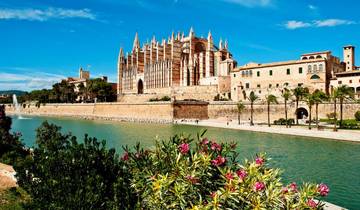
4 days
Palma de Mallorca City Break
- ✓ Comprehensive Mallorca tour
- ✓ Expert local guides included
- ✓ All accommodation arranged
- ✓ Transportation provided
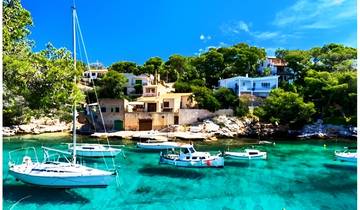
9 days
Mallorca: Cycling Paradise
- ✓ Comprehensive Mallorca tour
- ✓ Expert local guides included
- ✓ All accommodation arranged
- ✓ Transportation provided

8 days
Mallorca in 8 Days: Sunsets, Serenity & Natural Wonders
- ✓ Booking needs min. 2 travelers

5 days
Island Adventure in Mallorca
- ✓ Booking needs min. 2 travelers
Multi-day tour packages powered by TourRadar. Prices and availability subject to change.
Essential Planning Information for 2026
Current Costs and Pricing Breakdown
Accommodation Costs 2026: Mallorca accommodation ranges €40-350+ per night depending on category, location, and season. Budget hostels in Palma cost €25-40 for dorm beds, €60-90 for private rooms. Mid-range 3-star hotels average €80-140 in shoulder season (May-June, September-October), rising to €120-200 in peak July-August. Beach resort hotels command €150-280 nightly for mid-range properties, while luxury 5-star resorts start €300-500+ in summer months. Rural agroturismo properties (countryside estates) offer unique experiences at €90-180 per night. Apartment rentals provide cost-effective options for families and groups, ranging €70-200 nightly for 2-bedroom units.
Flight Costs 2026: Round-trip flights to Palma de Mallorca (PMI) from major European cities cost €60-250 depending on origin, season, and booking timing. Budget carriers serve the island extensively, with prices from London €80-150, Barcelona €60-120, Madrid €80-140, Paris €100-180, and Frankfurt €120-200. Book 3-4 months ahead for optimal pricing. Peak season (July-August) sees flights increase 40-60% over shoulder months. Check major booking platforms for current flight availability and compare carriers, as seasonal pricing varies significantly.
Daily Activity Costs: Beach access remains free at most public beaches, while organized beach clubs charge €15-30 for sunbed rentals. Cathedral of Palma entrance costs €9-10, major museums €6-12. Guided tours range €35-75 per person for half-day excursions, boat trips €40-90 depending on duration and destination. Water sports equipment rentals cost €20-50 for 2-hour sessions (kayaks, paddleboards, snorkel gear). Wine tastings in local bodegas run €15-35 per person. Bellver Castle charges €4 entrance, while many smaller churches and historic sites offer free access.
Dining Costs: Restaurant meals in Mallorca cost €12-45 per person depending on establishment type and location. Casual bocadillo (sandwich) lunches run €6-10, menu del día (daily menu) at local restaurants €12-18 including drink and dessert. Mid-range dinner restaurants charge €20-35 per person for three courses plus wine. Seafood restaurants along the coast average €30-45 per person, while Palma’s fine dining establishments start €50-80+ per person. Supermarket shopping for self-catering costs €30-50 daily for two people preparing meals in apartment accommodation. Local bakeries sell ensaimadas (traditional pastries) for €3-6, perfect for breakfast.
Transportation Costs: Public buses (TIB network) charge €1.50-5 per ride depending on distance, with multi-journey cards (T10) offering 20-30% savings at €13-40 for 10 rides. Palma city buses cost €1.50 per journey. Rental cars range €25-45 daily for economy models in shoulder season, rising to €50-80 in peak summer for equivalent vehicles. Gasoline costs €1.55-1.75 per liter. Taxi fares from Palma airport to city center run €22-28, to nearby beach resorts €35-55. The tourist train from Palma to Sóller costs €15-18 one-way (€25-32 round-trip), providing scenic mountain journey experiences.
Entry Requirements and Documentation
EU, UK, US, Canadian, and Australian citizens enter Spain visa-free for tourism stays up to 90 days within 180-day periods. Valid passports with 3+ months remaining validity beyond departure dates satisfy entry requirements. The UK requires passports valid for full stay duration after Brexit changes. Non-EU visitors should verify current requirements as regulations evolve with European Entry/Exit System (EES) implementation planned for 2024-2025.
No special permits or additional documentation apply specifically to Mallorca beyond standard Spanish entry requirements. COVID-19 related restrictions no longer affect travel to Spain as of 2024, though travelers should monitor official sources for any reinstated health measures. Travel insurance remains recommended but not mandatory. EU citizens use European Health Insurance Cards (EHIC) for medical coverage, while non-EU visitors should arrange comprehensive travel insurance covering medical emergencies.
Best Time to Visit Mallorca in 2026
Seasonal Analysis for 2026 Travel
May (Late Spring – Optimal Value): May delivers exceptional Mallorca experiences with average highs of 23-25°C, minimal rainfall (30mm monthly average), and sea temperatures reaching 18-20°C suitable for swimming. The island blooms with spring wildflowers, particularly stunning in the Tramuntana mountains. Tourist numbers remain moderate, creating peaceful beach experiences and easier restaurant reservations. Accommodation prices stay 30-40% below peak season rates. All attractions operate full schedules, while outdoor activities like hiking and cycling benefit from comfortable temperatures. May represents ideal timing for visitors prioritizing value, pleasant weather, and manageable crowds without sacrificing services or accessibility.
June (Early Summer – Peak Value): June combines summer weather with shoulder season advantages, featuring 27-29°C temperatures, abundant sunshine (10+ hours daily), and warming seas at 21-23°C. Beach conditions become excellent while avoiding July-August crowds. Accommodation prices rise slightly from May but remain 20-30% below peak rates. All beach facilities operate fully, water sports centers open for season, and coastal restaurants begin extended summer hours. June works particularly well for families with school-age children before peak vacation periods begin. The month offers warm swimming conditions, reliable weather, and significantly better value than July-August alternatives.
July-August (Peak Summer – Maximum Crowds): Peak summer months guarantee sunshine with 30-33°C temperatures, minimal rainfall, and warm 25-26°C sea temperatures ideal for swimming. However, this period brings maximum tourist crowds, fully booked accommodation, and premium pricing 40-60% above shoulder seasons. Popular beaches become congested, restaurants require advance reservations, and roads experience heavy traffic. These months suit travelers prioritizing guaranteed weather over budget considerations or those constrained by traditional school vacation schedules. Book all services 3-4 months ahead for this period.
September (Early Autumn – Premium Shoulder): September ranks as one of Mallorca’s finest months, combining warm 27-30°C temperatures, still-warm 24-25°C seas, decreasing crowds as school resumes across Europe, and moderating prices falling 20-30% from peak. The month offers excellent beach weather without July-August intensity, easier access to popular restaurants, and more peaceful coastal experiences. Water reaches annual maximum temperature in early September. Grape harvest festivals occur in wine regions, adding cultural experiences. September particularly appeals to couples and retirees avoiding school vacation crowds while maintaining summer weather conditions.
October (Autumn – Cultural Focus): October transitions toward autumn with pleasant 23-25°C temperatures, increased but still moderate rainfall (75mm average), and cooling seas at 21-22°C. Tourist numbers drop significantly, creating peaceful exploration opportunities and off-season pricing 40-50% below summer peaks. This month works excellently for cultural touring in Palma, mountain hiking in comfortable temperatures, and cycling through quieter roads. Beach swimming remains possible for hardy swimmers, though water sports activities wind down. October suits visitors prioritizing cultural experiences, budget optimization, and avoiding crowds over peak beach conditions.
November-April (Low Season – Limited Services): Winter months bring mild 15-18°C temperatures, increased rainfall, and cool 15-17°C seas unsuitable for swimming. Many beach facilities, water sports centers, and seasonal restaurants close November through March. However, Palma maintains year-round cultural appeal with museums, architecture, and dining scenes functioning fully. The Tramuntana mountains offer excellent hiking in cooler temperatures, while accommodation prices drop 50-60% below peak season. Winter suits budget-conscious cultural tourists, hiking enthusiasts, and visitors exploring Palma’s urban attractions rather than beach activities.
Weather Patterns and Crowd Predictions for 2026
Mallorca experiences Mediterranean climate patterns with hot, dry summers and mild, occasionally wet winters. Summer months (June-September) bring minimal rainfall (under 20mm monthly), abundant sunshine (10-12 hours daily), and stable high temperatures. The Tramuntana mountains create microclimates, with northern coastal areas receiving slightly more rainfall and experiencing cooler temperatures than the southern plains and eastern beaches.
Crowd patterns follow predictable seasonal rhythms in 2026. Easter week (April 13-20) brings Spanish domestic tourists creating temporary high season conditions in Palma and nearby beaches. July-August constitute absolute peak season with maximum visitor numbers from across Europe. The island approaches full capacity during these months, particularly in popular beach resorts like Port de Sóller, Cala d’Or, and Port de Pollença. September sees gradual crowd reduction as schools resume, while October through April remains quiet except for weekend city breaks in Palma.
Wind patterns affect beach selection throughout the year. Northern coastal beaches (Port de Pollença, Port d’Alcúdia) experience stronger northern winds called Tramuntana, particularly in spring and autumn. Southern and eastern beaches generally enjoy more shelter. Summer months bring gentle Mediterranean breezes ideal for sailing. Sirocco winds from North Africa occasionally raise temperatures 5-8°C above normal, creating exceptionally hot conditions in summer months.
Where to Stay in Mallorca: 2026 Accommodation Guide
Palma de Mallorca (City Base)
Palma serves as Mallorca’s cultural and logistical hub, ideal for travelers prioritizing architecture, museums, dining, and nightlife over beach proximity. The historic old town features boutique hotels in converted palaces (€100-200 nightly), mid-range business hotels near the cathedral (€80-140), and budget hostels in the Santa Catalina neighborhood (€25-40 dorms, €60-90 privates). Palma eliminates car rental needs with excellent walkability, urban beaches within 15 minutes by bus, and public transport connections to the entire island.
The city works particularly well for first-time visitors wanting comprehensive island exploration through day trips while maintaining sophisticated evening amenities. Restaurants, bars, and cultural attractions remain open year-round unlike seasonal beach resorts. Accommodation in Palma averages 20-30% less expensive than equivalent beachfront properties during peak season. Book old town locations for historic atmosphere and walking access to major sites, or Santa Catalina neighborhood for local character, market access, and emerging dining scenes.
North Coast Resorts (Beach and Mountains)
The northern coastline combines pristine beaches with Tramuntana mountain access, featuring popular resort towns like Port de Pollença, Port d’Alcúdia, and Port de Sóller. These areas offer family-friendly sandy beaches, extensive water sports facilities, seafood restaurants, and walking promenades. Accommodation ranges from apartment rentals (€90-180 nightly for 2-bedroom units) to mid-range beach hotels (€120-220) and luxury properties (€250-450+). The region requires advance booking for peak season, with best availability appearing when reserving 2-3 months ahead.
Port de Pollença suits families and active travelers with shallow beaches, cycling routes, and hiking trail access to the Tramuntana mountains. Port d’Alcúdia provides extensive sandy beaches, water sports centers, and budget-friendly all-inclusive resort options. Port de Sóller offers boutique charm in a picturesque coastal setting with the historic train connection to Palma. These areas work best for travelers seeking beach-focused vacations with occasional cultural excursions to Palma or mountain villages.
East Coast Coves (Secluded Beaches)
The eastern coastline features numerous small coves and intimate beaches between larger towns, offering quieter alternatives to major resorts. Areas like Cala d’Or, Cala Figuera, Porto Cristo, and Cala Ratjada provide rocky coastlines with crystal-clear waters, smaller beach clubs, and village atmospheres. Accommodation leans toward apartment rentals and smaller hotels (€80-160 nightly) rather than large resort complexes. These locations appeal to couples and independent travelers seeking peaceful beach access without resort atmosphere intensity.
The east coast requires rental cars for efficient exploration, as public transport services multiple small communities with less frequency than major northern resorts. Many coves remain undeveloped with free beach access, natural settings, and minimal facilities. This region works well for travelers comfortable with independent exploration, self-catering in apartments, and discovering beaches through local knowledge rather than resort amenities. Book accommodations in specific preferred towns as the eastern coast stretches over 100 kilometers with distinct community characters.
Serra de Tramuntana Villages (Mountain Retreats)
Mountain villages like Valldemossa, Deià, Fornalutx, and Sóller offer stone architecture, terraced landscapes, artistic heritage, and UNESCO World Heritage ambiance. Accommodation features boutique hotels in converted estates (€120-280 nightly), rural agroturismo properties (€90-180), and village apartments (€70-140). These areas prioritize hiking, cycling, cultural exploration, and escape from coastal tourism intensity over beach access.
Tramuntana villages work exceptionally well during shoulder seasons (April-June, September-October) when mountain temperatures remain comfortable for outdoor activities. The region requires rental cars as public transport serves major villages but not all mountainside communities. Many properties book months ahead for peak season due to limited accommodation capacity. These locations suit travelers prioritizing natural landscapes, authentic village experiences, and active pursuits over beach time and nightlife.
South Coast Beaches (Budget-Friendly Resorts)
The southern coastline near Palma offers established beach resorts like Playa de Palma, S’Arenal, and Magaluf with extensive sandy beaches, all-inclusive hotels, water parks, and active nightlife. Accommodation provides budget-friendly all-inclusive options (€60-120 per person nightly including meals and drinks), mid-range hotels (€80-140), and apartment complexes. These areas attract younger travelers, families seeking all-inclusive convenience, and budget-conscious visitors prioritizing beach access and entertainment over cultural authenticity.
The south coast provides easy airport access (10-20 minutes from Palma airport), extensive beach facilities, and comprehensive tourist services. However, the region experiences intense development, crowded beaches during peak season, and resort atmosphere rather than authentic Mallorcan character. Book these areas for value-oriented beach vacations, convenient airport proximity, and comprehensive resort amenities rather than cultural immersion or authentic local experiences.
Getting Around Mallorca in 2026
Public Transportation Options and Costs
The TIB bus network operates comprehensive routes connecting Palma to major towns, beach resorts, and tourist destinations across Mallorca. Bus fares cost €1.50-5 per journey depending on distance, with exact pricing available on TIB website route planners. Multi-journey cards (T10) provide 10 rides at 20-30% discount, costing €13-40 depending on zone coverage. Buses run frequent schedules to popular destinations like Port de Sóller (Line 203, €5 one-way, 30 minutes), Port de Pollença (Line 340, €5, 90 minutes), and eastern coastal towns.
Palma operates urban bus system (EMT) serving city neighborhoods and nearby beaches with €1.50 flat fare per journey. Tourist Bus offers hop-on-hop-off services around Palma’s major attractions for €20 24-hour tickets. The historic wooden train (Ferrocarril de Sóller) operates between Palma and Sóller through mountain tunnels and scenery, costing €15-18 one-way or €25-32 round-trip. This tourist attraction doubles as practical transport though slower than buses. Train service continues from Sóller to Port de Sóller via vintage tram for €7-8 additional fare.
Public transport works effectively for Palma exploration and reaching major beach resorts or towns. However, limitations include reduced schedules outside peak season, infrequent service to remote beaches and mountain villages, and minimal evening/weekend options to smaller communities. Travelers relying exclusively on public transport should base themselves in Palma or major resort towns, planning beach visits around bus schedules and understanding remote coves require rental cars or organized tours for access.
Car Rental Strategies and Considerations
Rental cars provide maximum flexibility for Mallorca exploration, enabling access to remote beaches, mountain villages, and efficient multi-destination touring. Economy car rentals cost €25-45 daily in shoulder season (May-June, September-October), rising to €50-80 daily for equivalent vehicles during peak July-August when advance booking becomes essential. Comparison shopping across rental companies reveals significant price variations, with international chains often matching or beating local operators during promotional periods. Book 2-3 months ahead for summer travel to secure availability and competitive rates.
Most rental agreements include unlimited mileage, basic insurance coverage, and second-driver options. Carefully review insurance terms as credit card coverage may not apply to certain European rentals. Roads throughout Mallorca maintain excellent conditions with clear signage, though mountain routes feature tight curves, steep grades, and narrow passages requiring confident driving skills. Palma experiences typical urban congestion during morning and evening rush hours, while coastal roads become crowded during summer weekends as local residents head to beaches.
Parking in Palma requires paid street parking (€1-2 hourly) or underground garages (€15-25 daily). Beach parking varies from free roadside spaces to paid lots (€5-12 daily) near popular destinations. Many remote beaches and coves offer free parking in designated areas. Cars prove essential for accessing eastern coves, northern mountain villages, and combining multiple beach visits in single days. However, Palma-based itineraries function well without cars, and visitors focusing exclusively on one resort town can avoid rental expenses through public transport and walking.
Cycling and Alternative Transportation
Mallorca ranks among Europe’s premier cycling destinations with extensive infrastructure, dedicated bike lanes, and favorable terrain ranging from flat coastal routes to challenging mountain climbs. Bike rentals cost €15-35 daily depending on bicycle type, with road bikes commanding premium rates over hybrid or electric models. Many towns offer electric bike rentals (€25-40 daily) providing mountain access without extreme fitness requirements. Organized cycling tours operate throughout the island, offering guided routes with support vehicles and local expertise.
Major cycling routes include the flat coastal path between Port d’Alcúdia and Port de Pollença (20 kilometers), the challenging Sa Calobra mountain descent (40 kilometers with 800-meter elevation changes), and numerous farm roads through central plains suitable for casual riders. The Tramuntana mountain roads attract serious cyclists worldwide for training and recreational riding. Cycling works as primary transportation in areas like Port de Pollença, though longer island distances require combining bikes with car transport or limiting exploration to specific regions.
Scooter and motorcycle rentals provide alternative options for couples or solo travelers, costing €30-55 daily for 125cc scooters. These vehicles navigate narrow village streets easily and offer fuel efficiency but provide limited luggage capacity and weather protection. Taxi services operate throughout the island with metered rates from Palma airport to nearby destinations, while ride-sharing apps have limited availability outside Palma. Private transfer services offer fixed-rate airport transportation to beach resorts, typically costing €45-75 for up to four passengers depending on destination.
Budget Optimization for Mallorca 2026
Advance Booking Benefits and Strategies
Strategic advance booking generates 30-50% savings on Mallorca travel costs in 2026. Flight prices to Palma increase significantly as departure dates approach, with optimal booking windows occurring 3-4 months ahead for summer travel and 6-8 weeks for shoulder season trips. Budget airlines release promotional fares periodically, making price alerts on booking platforms valuable for capturing temporary discounts. Booking Tuesday through Thursday departures rather than Friday-Sunday reduces flight costs by 15-25% during peak season.
Accommodation advance booking proves critical for peak season (July-August) when popular properties reach capacity 3-4 months ahead. Early reservation enables better room selection, location choice, and access to early-bird discounts offered by many hotels during January-March booking periods. Shoulder season (May-June, September-October) provides more booking flexibility, though 4-6 weeks advance reservation still ensures optimal selection and pricing. Many accommodations offer free cancellation until 7-14 days before arrival, allowing advance booking without commitment risk.
Popular restaurants in Palma and beach resort towns book completely during peak dinner hours in summer. Reserve tables 2-4 weeks ahead for highly regarded establishments, particularly seafood restaurants along the coast and Michelin-starred venues in Palma. The tourist train to Sóller sells out peak summer weekends when booked less than one week ahead, making online reservation worthwhile. Boat tours to remote beaches and coastal caves similarly benefit from advance booking, ensuring preferred departure times and avoiding sold-out disappointment.
Seasonal Timing for Maximum Value
Shoulder season travel (May-June, September-October) delivers optimal value in Mallorca, combining favorable weather with 20-40% cost reductions across accommodation, flights, and activities. June particularly represents the sweet spot with summer weather, warm seas, and pricing still below July-August peaks. September offers similar advantages with harvest festivals, grape picking experiences, and reduced crowds as European schools resume. These months enable access to same beaches, attractions, and services as peak season at significantly lower total costs.
Early summer (early June) and late summer (late September) provide shoulder season advantages within traditionally popular months. Booking first two weeks of June rather than late June saves 15-25% on accommodation while delivering comparable weather. Similarly, visiting after September 15 rather than before captures end-of-summer pricing drops while maintaining warm sea temperatures and operational beach facilities. These micro-timing strategies optimize value for travelers with flexible vacation scheduling.
Winter visits (November-March) slash accommodation costs by 50-60% but require accepting limited beach services, cooler weather, and reduced tourist infrastructure outside Palma. This timing works for budget-conscious cultural tourists, hikers enjoying moderate mountain temperatures, and visitors prioritizing Palma’s year-round urban attractions over coastal experiences. Weekend city breaks to Palma during winter offer exceptional value with 3-star hotels at €50-80 nightly and empty museums providing leisurely exploration.
Free and Low-Cost Activities
Mallorca’s natural assets provide extensive free experiences. Over 300 beaches and coves offer swimming, snorkeling, and sunbathing without entrance fees, though some resort beaches charge €15-30 for sunbed rentals. Hiking trails throughout the Tramuntana mountains provide free access to spectacular mountain scenery, coastal viewpoints, and traditional villages. The GR-221 long-distance trail crosses the entire mountain range with free access to most sections. Coastal walking paths connect many beach communities, offering scenic exercise without costs.
Palma’s architecture creates free cultural experiences through exterior viewing of the cathedral, Bellver Castle grounds, modernist buildings, and old town streets. Sunday visits to Bellver Castle offer free entrance (€4 other days). Many smaller churches throughout Palma and island villages provide free access to historic interiors and artwork. Local markets operate throughout the island offering cultural immersion, with Palma’s Mercat de l’Olivar open Monday-Saturday for free exploration of food stalls and local products.
Picnic lunches from supermarkets or local markets reduce daily food costs by 40-60% compared to restaurant meals. Supermarkets sell prepared foods, fresh produce, local cheeses, and cured meats ideal for beach picnics at €8-15 per person versus €20-35 restaurant lunches. Many beaches have free picnic areas and shade structures. Swimming and snorkeling require no equipment fees using personal gear, while beach volleyball courts, children’s playgrounds, and coastal promenades offer free activities. Sunset viewing from coastal viewpoints provides memorable experiences without expenses.
Mallorca Sample Itineraries for 2026
Week-Long Island Exploration (Car-Based)
Day 1 – Arrival and Palma Orientation: Arrive Palma airport, collect rental car, drive 15 minutes to Palma accommodation. Afternoon walking tour of old town visiting cathedral exterior (free), Royal Palace of La Almudaina grounds, and historic streets. Evening dinner in Santa Catalina neighborhood. Rental car €35, parking €20, lunch €15-20, dinner €25-35, cathedral plaza viewing free. Total day cost: €95-110 per person (excluding accommodation €100-150).
Day 2 – Tramuntana Mountain Villages: Morning drive to Valldemossa (30 minutes) visiting monastery complex and village streets (monastery entry €10). Continue to Deià for coastal viewpoint photography and lunch in village restaurant €20-28. Afternoon visit to Sóller town and Port de Sóller beach. Return to Palma evening. Gasoline €15-20, monastery €10, lunch €20-28, dinner in Palma €20-30, parking €8. Total day cost: €73-96 per person (excluding accommodation).
Day 3 – North Coast Beaches: Drive to Port de Pollença (1 hour) for morning beach time and swimming. Picnic lunch from supermarket supplies €10-15. Afternoon visit to Formentor Beach and lighthouse viewpoint (free access). Return via Alcúdia old town (free walking). Dinner in Palma. Gasoline €18-25, picnic lunch €10-15, ice cream €5-8, dinner €25-35, parking €10. Total day cost: €68-93 per person (excluding accommodation).
Day 4 – East Coast Coves: Morning drive to Porto Cristo visiting Drach Caves (€17-20 entry including underground lake concert). Beach time at Cala Millor or Cala Romantica (free). Lunch at coastal restaurant €18-25. Afternoon exploring Cala Figuera fishing village and nearby coves. Return to Palma evening. Gasoline €20-28, caves €17-20, lunch €18-25, snacks €8-12, dinner €20-30, parking €8. Total day cost: €91-123 per person (excluding accommodation).
Day 5 – Palma Cultural Day (Car-Free): Full day Palma exploration without car. Cathedral entry €9-10, Bellver Castle €4, Arab Baths €3, museums €6-8 each. Menu del día lunch €14-18. Afternoon shopping and café time. Evening tapas dinner. Cathedral €9-10, castle €4, Arab Baths €3, museum €6, lunch €14-18, tapas dinner €20-28, bus day pass €5. Total day cost: €61-74 per person (excluding accommodation €100-150).
Day 6 – South Coast and Beaches: Morning drive to Es Trenc beach (45 minutes), Mallorca’s longest natural beach. Beach day with picnic lunch. Afternoon visit to Colònia de Sant Jordi for boat watching and ice cream. Stop at Santuari de Sant Salvador monastery en route back (free entry, €2 parking). Dinner in Palma. Gasoline €15-22, beach parking €8, picnic lunch €12-18, ice cream €5-8, monastery parking €2, dinner €25-35. Total day cost: €67-93 per person (excluding accommodation).
Day 7 – Western Coast and Departure Preparation: Morning drive along western coast to Sant Elm (1 hour), small fishing village with Dragonera Island views. Coastal walk and swimming. Lunch in Sant Elm €15-22. Afternoon return to Palma, car return, final old town stroll. Light dinner before departure preparation. Gasoline €18-25, lunch €15-22, parking €8, dinner €18-25, final supplies €10-15. Total day cost: €69-95 per person (excluding accommodation).
Week-Long Island Exploration Total: Seven-day comprehensive Mallorca exploration costs €524-684 per person excluding accommodation, including rental car (€35 daily average), gasoline, entrance fees, meals, and parking. Adding mid-range accommodation (€100-150 nightly) brings total week cost to €1,224-1,734 per person. Budget optimization through picnic lunches, free beach activities, and shoulder season timing reduces costs by 25-30%.
Palma-Based Week Without Car
Day 1 – Old Town Immersion: Walking exploration of Palma old town including cathedral (€9-10), Royal Palace exterior viewing (free), Arab Baths (€3), historic streets, and waterfront promenade. Menu del día lunch €14-18. Afternoon museum visits (€6-8 each). Evening tapas tour in La Lonja neighborhood. Cathedral €9-10, Arab Baths €3, museum €6-8, lunch €14-18, tapas dinner €20-28. Total day cost: €52-67 per person (excluding accommodation €80-140).
Day 2 – Beach Day at Playa de Palma: Bus to Playa de Palma beach (€1.50 each way). Full beach day with swimming and sunbathing. Beachfront lunch at chiringuito €15-22. Afternoon water sports or relaxation. Return to city for dinner. Bus €3, beach lunch €15-22, ice cream €4-6, dinner in Palma €20-30, beach shower/toilet free. Total day cost: €42-61 per person (excluding accommodation).
Day 3 – Mountain Train to Sóller: Tourist train from Palma to Sóller (€25-32 round-trip). Explore Sóller town, lunch in main plaza €16-24. Tram to Port de Sóller (€7-8 each way included in combination ticket). Beach time at Port de Sóller. Return train evening. Train Palma-Sóller-Port €32-38 combined, lunch €16-24, ice cream €5-8, snacks €8-12. Total day cost: €61-82 per person (excluding accommodation).
Day 4 – Valldemossa Day Trip: Bus to Valldemossa (Line 210, €4-5 each way). Visit monastery complex (€10), village streets, and local bakeries. Lunch with traditional coca de patata pastries €14-20. Afternoon mountain walks and photography. Return bus to Palma. Bus €8-10, monastery €10, lunch €14-20, snacks €6-10. Total day cost: €38-50 per person (excluding accommodation).
Day 5 – Culture and Shopping Day: Morning visit to Bellver Castle (bus €1.50 each way, entry €4). Afternoon exploring Palma markets, shopping streets, and modernist architecture. Museum visits (€6-8). Evening concert or cultural event if available (€15-30 depending on event). Bus €3, castle €4, museum €6-8, lunch €14-18, dinner €20-28, possible event €15-30. Total day cost: €62-91 per person (excluding accommodation).
Day 6 – East Coast Beach Excursion: Bus to Porto Cristo or Cala Millor (€5 each way). Beach day with coastal walks. Visit Drach Caves near Porto Cristo (€17-20). Lunch at beach restaurant €18-25. Afternoon swimming and exploration. Return bus evening. Bus €10, caves €17-20, lunch €18-25, snacks €8-12. Total day cost: €53-67 per person (excluding accommodation).
Day 7 – Relaxed Palma Farewell: Morning visit to cathedral interior if not yet seen (€9-10), final old town exploration, shopping for local products and souvenirs. Menu del día lunch €14-18. Afternoon beach visit via bus or waterfront walking. Light dinner and final evening in Palma. Cathedral €9-10 (if not visited), bus to beach €1.50, lunch €14-18, final dinner €18-25, supplies €10-15. Total day cost: €52-68 per person (excluding accommodation).
Palma-Based Week Total: Seven days exploring Mallorca from Palma base using public transport costs €360-486 per person excluding accommodation, covering buses, trains, entrance fees, and meals. Adding mid-range Palma accommodation (€80-140 nightly) brings total week cost to €920-1,466 per person. This car-free approach reduces costs 25-35% versus car-based exploration while maintaining excellent island access and beach experiences.
Booking Strategies for Mallorca 2026
Official Booking Channels and Resources
Accommodation booking operates through multiple channels with varying advantages. Direct hotel bookings often match or beat third-party platform rates while offering better cancellation flexibility and potential room upgrades. Major booking platforms (Booking.com, Expedia) aggregate options enabling easy comparison and frequently offer loyalty program benefits. Vacation rental platforms (Airbnb, Vrbo) provide apartment and villa options particularly valuable for families and groups seeking self-catering capabilities and multiple bedrooms.
Flight booking requires comparing budget carriers (Ryanair, easyJet, Eurowings) serving Palma extensively with traditional airlines offering included baggage and more generous change policies. Budget airlines charge separately for checked bags (€15-45 depending on weight), seat selection (€5-25), and priority boarding (€6-12), making total cost comparison essential. Set price alerts on Google Flights or Skyscanner for fare tracking and book when prices drop below average for specific routes.
Activity and tour bookings function through official attraction websites (Cathedral of Palma, Drach Caves), local tour operators (boat trips, hiking guides, cycling tours), and aggregator platforms (GetYourGuide, Viator). Book directly through attraction websites when possible for lowest rates and official information. Tour operators typically allow online booking with credit card payment and email confirmation. Popular summer tours and boat trips should be reserved 1-2 weeks ahead to ensure availability and preferred departure times.
Restaurant and Dining Reservations
Popular Palma restaurants require advance reservations for dinner service, particularly from June through September. Michelin-starred establishments and highly-rated seafood restaurants book 2-4 weeks ahead for peak season weekend tables. Mid-range restaurants accept same-day or next-day reservations for most periods, though peak dinner hours (8:30-10:00 PM) fill quickly. Most restaurants offer online booking through their websites or platforms like TheFork (formerly El Tenedor) which sometimes provides discount programs for advance bookings.
Coastal resort restaurants experience heavy demand during peak season, especially seafood establishments with harbor views. Book 1-2 weeks ahead for popular locations during July-August. Many beach restaurants operate on first-come basis making early arrival (before 8:00 PM) advisable for table availability. Menu del día lunch options generally don’t require reservations as most restaurants maintain capacity for walk-in lunch guests. Local neighborhood restaurants in Palma often accommodate walk-ins even during peak season, providing backup options when preferred venues book completely.
Transportation Pre-Booking Essentials
Rental car availability tightens significantly during peak summer months, making advance reservation essential for July-August travel. Book 2-3 months ahead for best selection and pricing, comparing rates across multiple companies and checking for seasonal promotional offers. Verify insurance coverage, mileage limits, additional driver policies, and fuel deposit requirements before confirming reservations. Most rental companies allow free cancellation until 24-48 hours before pickup, enabling advance booking without commitment risk while securing availability.
The historic Palma-Sóller train offers online booking through official website (trendesoller.com) reducing ticket line wait times during peak season. Book round-trip tickets online for slight discounts over individual one-way purchases. The train rarely sells out except summer weekends, though advance booking ensures preferred departure times. Public buses operate on regular schedules without advance booking requirements, though multi-journey cards can be purchased online for slight savings over individual ticket purchases.
Finalizing Your Mallorca 2026 Plans
Pre-Departure Checklist
Confirm passport validity with minimum 3 months remaining beyond departure date for non-EU visitors, full stay validity for UK citizens. Verify entry requirements haven’t changed as European Entry/Exit System implementation may affect border procedures. Arrange travel insurance covering medical emergencies, trip cancellation, and personal belongings, particularly valuable for summer peak season when weather disruptions occasionally affect flights and ferry services.
Download offline maps for Mallorca through Google Maps or Maps.me applications before departure, enabling navigation without data charges. Save confirmation emails for accommodation, rental car, flight, and any pre-booked tours in easily accessible email folder or printed copies. Many establishments still prefer physical confirmations. Research parking locations and rates if using rental car, particularly in Palma where street parking requires payment and underground garages cost €15-25 daily.
Pack appropriate clothing for season with layers for mountain areas where temperatures drop 5-10°C below coastal readings. Summer visitors need high-SPF sunscreen as Mediterranean sun intensity increases skin burn risk. Comfortable walking shoes suit Palma’s cobblestone streets and coastal promenades. Bring reef-safe sunscreen to protect marine environments at beach areas. Check weather forecasts one week before departure for final packing adjustments though Mallorca summer weather remains highly predictable.
Local SIM Cards and Connectivity
Most European mobile carriers include Mallorca in standard EU roaming coverage at no additional charge for voice, text, and data services. UK visitors should verify post-Brexit roaming policies with their carriers as some companies now charge for EU usage. Non-European visitors can purchase local SIM cards at Palma airport from Vodafone, Orange, or Movistar kiosks for €15-25 including 5-10GB data and local calls. Airport SIM purchases enable immediate navigation and communication capabilities.
WiFi availability extends throughout Mallorca with free connections in most hotels, many restaurants, shopping centers, and public areas in Palma. Beach areas generally lack WiFi except at established beach clubs. Data usage for navigation, restaurant research, and booking confirmation makes local SIM or roaming coverage valuable for efficient travel. Many attractions offer free WiFi for ticket booking and information access on-site.
Currency and Payment Considerations
Spain uses Euro currency with credit cards widely accepted throughout Mallorca including small establishments, though some village restaurants and market stalls operate cash-only. Withdraw Euros from ATMs using debit cards for best exchange rates, with typical €2-5 per transaction fees depending on home bank policies. Notify banks of travel dates to prevent fraud blocks on cards during foreign use. Carry €50-100 in small denomination cash for situations requiring immediate payment or when card systems experience technical issues.
Restaurants typically add service to bills though additional 5-10% tips for exceptional service remain appreciated. Taxi drivers expect small rounding up of fares rather than percentage tips. Beach chair attendants don’t require tipping beyond rental fees. Markets and some smaller shops offer slight discounts for cash payment as they avoid card processing fees. Major purchases like accommodation and rental cars function smoothly with credit card payments including deposit holds released upon return or checkout.
Frequently Asked Questions About Mallorca Travel 2026
How many days do you need to see Mallorca properly?
Seven to ten days allows comprehensive Mallorca exploration including Palma cultural attractions, multiple beach regions, mountain villages, and varied island experiences. A 4-5 day trip works for focused itineraries concentrating on Palma plus one beach region or combining cultural touring with limited coastal time. Weekend city breaks suit Palma-only visits with 2-3 days sufficient for major historic sites, dining scenes, and nearby beach access. Extended 10-14 day visits enable leisurely exploration without rushing between regions, particularly valuable for combining active pursuits like hiking or cycling with beach relaxation.
What should I avoid in Mallorca?
Peak season crowds in July-August bring congested beaches, fully booked restaurants, and traffic delays that reduce experience quality while increasing costs 40-60%. Magaluf and S’Arenal areas attract party tourism with late-night noise unsuitable for families or travelers seeking authentic Mallorcan experiences. Driving mountain roads without confidence handling tight curves, steep grades, and narrow passages creates stress and potential safety issues. Visiting in winter (November-March) without understanding reduced services, closed seasonal facilities, and cool sea temperatures leads to disappointment for beach-focused trips. Attempting comprehensive island coverage without rental car limits access to remote beaches and mountain villages best experienced independently.
Is Mallorca suitable for families with children?
Mallorca excels for family travel with numerous shallow sandy beaches ideal for young children, particularly Port d’Alcúdia, Port de Pollença, and Playa de Palma areas offering gentle entry and lifeguard supervision. Many beach resorts provide kids’ clubs, playgrounds, and family-oriented activities. Accommodation options include apartment rentals with kitchens enabling self-catering and flexible meal timing. Drach Caves near Porto Cristo fascinate children with underground lakes and boat rides. Water parks near major beach resorts offer active alternatives to beach days. Public transport accommodates strollers and family groups. The island’s compact size prevents exhausting long drives. Summer weather remains reliably sunny eliminating weather-disrupted plans. Family daily costs average €100-150 per adult with children often receiving reduced entrance fees and dining charges.
Can you swim in Mallorca year-round?
Swimming remains comfortable May through October with sea temperatures ranging 20-26°C during these months. June through September offers warmest conditions at 23-26°C ideal for extended water activities. May and October feature cooler but swimmable temperatures at 19-22°C suitable for hardy swimmers and active water sports. November through April brings cool 15-18°C seas primarily comfortable for wetsuits rather than casual swimming. Hardy local swimmers enjoy year-round access, but tourist swimming season effectively runs May-October. Water clarity remains excellent throughout the year with visibility best in shoulder seasons when reduced beach activity minimizes sediment disturbance.
What is Mallorca best known for?
Mallorca’s reputation centers on stunning beaches with over 300 coastal options ranging from expansive sandy shores to intimate rocky coves. The Serra de Tramuntana UNESCO World Heritage mountain range provides dramatic landscapes, hiking trails, and picturesque villages. Gothic architecture highlights include Palma Cathedral (La Seu), one of Europe’s finest Gothic structures. The island’s cycling infrastructure attracts serious cyclists worldwide for training and recreational riding. Ensaimada pastries represent traditional Mallorcan cuisine alongside sobrassada cured sausage. Cultural heritage combines with modern resort amenities creating diverse Mediterranean experiences. Artists and writers including Frédéric Chopin and George Sand historically sought inspiration in Mallorca’s landscapes and climate.
How does Mallorca compare to other Spanish islands?
Mallorca offers more diverse experiences than Ibiza, which focuses primarily on electronic music scenes and party tourism, or Menorca’s quieter, less-developed coastal emphasis. The island provides better cultural depth than Canary Islands alternatives while maintaining comparable beach quality. Mallorca delivers superior hiking opportunities through the Tramuntana mountains compared to flatter Balearic siblings. Infrastructure and services exceed other Spanish islands with international airport connections, extensive public transport, and varied accommodation options. Prices run higher than mainland Spain but lower than Ibiza, with better value than most Mediterranean alternatives. The combination of beaches, mountains, culture, and accessibility creates well-rounded Mediterranean destination appeal.
Is Mallorca safe for tourists?
Mallorca maintains excellent safety records with violent crime rare and tourist areas particularly secure. Pickpocketing occurs in crowded Palma locations and popular beaches during peak season, making standard precautions advisable including securing valuables and maintaining awareness in crowded areas. Swimming safety requires attention to flag systems at supervised beaches, with red flags indicating dangerous conditions. Mountain hiking demands appropriate preparation, proper footwear, and weather awareness. Road safety standards meet European norms with well-maintained highways and clear signage. Emergency services function efficiently with English widely spoken in tourist areas. Healthcare facilities provide excellent service with travel insurance recommended for comprehensive coverage. Solo travelers, families, and all demographics visit safely with basic awareness.
What language do they speak in Mallorca?
Catalan serves as Mallorca’s primary local language alongside Spanish (Castellano), with the local dialect called Mallorquí. All signage appears in Catalan, including street names, bus destinations, and official information. However, Spanish remains universally understood and spoken throughout the island. English speakers find widespread English capability in tourist areas, hotels, restaurants, and attractions, though less common in smaller villages and local establishments. Learning basic Spanish phrases enhances interactions, particularly in traditional neighborhoods and rural areas. Restaurant menus typically appear in multiple languages including English, German, and sometimes French. Most Mallorcans appreciate efforts to use basic local greetings regardless of language proficiency.
What are the best beaches in Mallorca for 2026?
Es Trenc on the southern coast offers Mallorca’s longest natural beach with pristine white sand and turquoise waters resembling Caribbean settings. Formentor Beach in the northeast provides stunning mountain backdrop scenery with crystal-clear water ideal for snorkeling. Cala Mondragó near the southeast combines two pristine coves with pine forests and nature reserve protection. Port de Pollença features family-friendly shallow waters with extensive sandy beach and mountain views. Sa Calobra offers dramatic mountain setting with pebbly shore and remarkable coastal scenery accessed via spectacular mountain road. Cala Agulla near Cala Ratjada provides beautiful sandy crescent with clear water and dune protection. Each beach offers distinct character with selection depending on preferences for crowds, facilities, water activities, or natural settings.
When is the cheapest time to visit Mallorca in 2026?
November through March represents absolute cheapest period for Mallorca visits with accommodation costs 50-60% below peak season and flights significantly discounted. However, this period features cool weather, limited beach services, and closed seasonal facilities. May and October provide optimal value balance, offering 30-40% cost reduction versus peak summer while maintaining warm weather, operational services, and swimmable seas. Early June (before mid-month) and late September (after September 15) deliver shoulder season pricing with nearly summer conditions. Avoiding July-August peak weeks saves 40-60% on accommodation, flights, and activities while accessing identical beaches and attractions with significantly fewer crowds. Budget-conscious travelers prioritizing beach experiences should target May or early October for maximum value.
Final Planning Recommendations for 2026
Mallorca delivers exceptional Mediterranean experiences through strategic planning that aligns timing, accommodation location, transportation choices, and activity selection with personal travel priorities and budget parameters. The island rewards advance research and booking with significant cost savings, better availability, and enhanced experiences across all travel styles from budget backpacking to luxury resort vacations.
Successful Mallorca visits balance comprehensive planning with flexible spontaneity, reserving essential services (flights, accommodation, rental cars during peak season) while maintaining freedom for beach discovery, village exploration, and serendipitous experiences that define memorable travel. The island’s compact size and excellent infrastructure enable both structured itineraries and improvised adventures, adapting to weather, mood, and unexpected discoveries.
Whether pursuing beach relaxation, cultural immersion, active outdoor pursuits, or comprehensive island exploration, Mallorca’s diverse regions, accessible attractions, and welcoming atmosphere create satisfying Mediterranean escapes. With careful attention to seasonal patterns, advance booking timelines, and cost optimization strategies outlined in this guide, your 2026 Mallorca adventure promises remarkable experiences, exceptional value, and lasting memories of Spain’s premier island destination.