
Balearic Islands Best Tours 2026: Island Hopping Adventures
Key Takeaways
- Multi-island tour packages cost €850-1,200 per person for 7-day experiences in 2026, with options ranging from budget sailing trips to luxury yacht charters
- Inter-island ferries operate year-round with summer frequencies of 8-12 daily departures between major islands, taking 2-4 hours depending on routes
- UNESCO World Heritage sites across the islands include Ibiza’s Dalt Vila, Menorca’s Talayotic settlements, and Mallorca’s Serra de Tramuntana cultural landscape
- Best value tour periods run March-May and September-October 2026 with 30-40% lower pricing than peak summer months while maintaining excellent weather
- Advance booking 4-6 months ahead secures preferred dates and 15-25% early bird discounts on premium island hopping packages
- Combined land-sea tours offer the most comprehensive island exploration, covering coastal highlights by boat and interior attractions by private coach
Introduction: Discovering the Balearic Islands Through Tours in 2026
The Balearic archipelago offers one of the Mediterranean’s most diverse island-hopping experiences, combining UNESCO World Heritage cultural sites with pristine natural landscapes across four main islands. Mallorca captivates with its dramatic Serra de Tramuntana mountains and historic palaces, while Menorca preserves ancient Talayotic archaeological sites and untouched coves. Ibiza balances its legendary nightlife reputation with the medieval fortifications of Dalt Vila, a UNESCO-designated Renaissance military architecture masterpiece. Formentera completes the quartet with Caribbean-quality beaches and crystal-clear waters perfect for snorkeling and sailing.
Professional tour operators provide structured island hopping experiences that eliminate the logistical complexity of independent travel while maximizing time at each destination’s highlights. Multi-day packages combine ferry transportation, accommodation, guided excursions, and cultural experiences into seamless itineraries designed specifically for the Mediterranean sailing season. The 2026 season brings expanded tour options including new sustainable sailing programs, enhanced UNESCO heritage focus, and specialized photography expeditions capturing the islands’ dramatic coastal landscapes.
Choosing the right tour type depends on your travel style, budget, and interests. Budget-conscious travelers find excellent value in small-group sailing tours sharing cabin accommodations and communal dining experiences. Mid-range options offer private cabins on comfortable catamarans with professional crews handling all navigation and meal preparation. Luxury yacht charters provide ultimate flexibility with customizable itineraries, gourmet dining, and exclusive access to secluded anchorages inaccessible to larger vessels. Family-oriented tours feature kid-friendly activities, shorter sailing segments, and accommodation in family suites with connecting rooms.
The strategic geography of the Balearic Islands creates natural island-hopping circuits. The Mallorca-Menorca northern route focuses on cultural heritage and dramatic coastlines. The Ibiza-Formentera southern pairing emphasizes beach experiences and vibrant Mediterranean lifestyle. Comprehensive grand tours circle the entire archipelago over 7-10 days, providing balanced exposure to each island’s unique character. Understanding these circuits helps select tours aligned with your primary interests whether historical exploration, beach relaxation, or photographic opportunities.
People Also Ask About Balearic Islands Tours 2026
How much does an island hopping tour cost in the Balearics in 2026?
Multi-island tour packages cost €850-1,200 per person for 7-day experiences in 2026. Check official tour operators for current rates as pricing may vary by season. Budget sailing trips sharing cabins start around €650 per person for basic 5-day itineraries with communal facilities and self-catering options. Mid-range catamaran tours with private cabins, full-board dining, and guided shore excursions run €1,100-1,600 per person for week-long circuits. Luxury yacht charters command €2,500-4,500 per person for premium vessels with professional crews, gourmet dining, and exclusive experiences.
Pricing fluctuates significantly by season, with peak July-August rates running 40-50% higher than shoulder season March-May and September-October periods. Single supplements add 30-50% to per-person rates for solo travelers wanting private cabins. Children under 12 receive 25-40% discounts on most family-oriented tours. Group bookings for 6+ people secure 10-15% savings on base rates. All-inclusive packages bundling accommodation, meals, activities, and inter-island transportation offer the best overall value compared to booking components separately.
What is the best island hopping route in the Balearics for 2026?
The Mallorca-Menorca-Ibiza-Formentera grand circuit provides the most comprehensive Balearic experience, covering all major islands over 7-10 days with balanced time at each destination. This route starts in Palma de Mallorca, sails north to Menorca’s Mahón harbor, crosses south to Ibiza Town, and concludes with Formentera’s beaches before returning to Mallorca. The clockwise direction follows prevailing winds for optimal sailing conditions and positions demanding passages early in the itinerary when energy levels run highest.
For shorter 4-5 day trips, the Ibiza-Formentera pairing maximizes beach time and Mediterranean lifestyle experiences with minimal sailing between islands. The 2-hour ferry crossing allows multiple round trips exploring different areas of each island. Alternatively, the Mallorca-Menorca northern route emphasizes cultural heritage with UNESCO World Heritage sites, historic cities, and dramatic coastal landscapes. This pairing suits travelers prioritizing historical exploration over beach activities. Both abbreviated routes work well for first-time visitors testing their interest before committing to longer comprehensive tours.
Do I need advance bookings for Balearic Islands tours in 2026?
Book island hopping tours 4-6 months in advance for preferred dates during peak season July-August 2026, when popular sailing tours sell out completely. Premium yacht charters and small-group specialized tours (8-12 passengers) require even earlier booking, often filling 6-9 months ahead for summer departures. Early booking secures 15-25% early bird discounts on many tour operators’ standard rates, making advance planning financially advantageous beyond just date availability.
Shoulder season departures March-May and September-October offer more flexibility, with quality tours bookable 6-8 weeks in advance. Last-minute deals appear occasionally 2-3 weeks before departure when operators have unsold cabin capacity, offering savings of 20-30% off standard rates. However, relying on last-minute availability risks limited tour selection and less desirable cabin assignments. The sweet spot for balancing choice and savings involves booking 3-4 months ahead for shoulder season travel, securing good selection while accessing moderate early booking discounts.
Which Balearic Islands have UNESCO World Heritage sites to visit in 2026?
Ibiza and Formentera share UNESCO designation for “Biodiversity and Culture,” protecting the islands’ unique Posidonia oceanica seagrass meadows and Ibiza’s historic Dalt Vila fortified upper town. The Renaissance military architecture of Dalt Vila features intact 16th-century bastioned walls, Gothic cathedral, and medieval urban layout remarkably preserved within defensive ramparts. Walking tours explore cobblestone streets, historic buildings, and panoramic harbor viewpoints accessed through monumental gateways. The Posidonia meadows surrounding both islands maintain Mediterranean marine ecosystem health and clarity of coastal waters visible during sailing passages.
Menorca earned UNESCO Biosphere Reserve status recognizing the island’s balanced approach to development, preserving traditional landscapes, and protecting over 70 Talayotic archaeological sites dating 1400-800 BCE. Bronze Age stone settlements feature talaiots (defensive towers), taulas (T-shaped ceremonial monuments), and navetas (burial structures) scattered across the island’s interior. Guided archaeological tours visit Torre d’en Galmés, Naveta des Tudons, and Talatí de Dalt, providing context for these mysterious prehistoric monuments. Mallorca’s Serra de Tramuntana gained UNESCO Cultural Landscape designation for traditional agricultural terracing, stone architecture, and water management systems integrated within dramatic mountain scenery along the island’s northwest coast.
Extended multi-day tours – 5+ days
Featured Balearic Islands Multi-Day Tour Packages
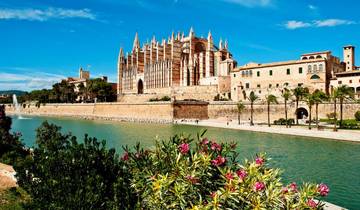
4 days
Palma de Mallorca City Break
- ✓ Comprehensive Balearic Islands tour
- ✓ Expert local guides included
- ✓ All accommodation arranged
- ✓ Transportation provided
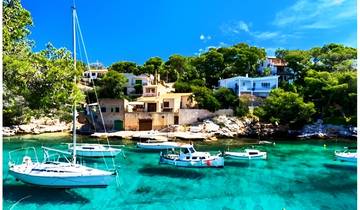
9 days
Mallorca: Cycling Paradise
- ✓ Comprehensive Balearic Islands tour
- ✓ Expert local guides included
- ✓ All accommodation arranged
- ✓ Transportation provided
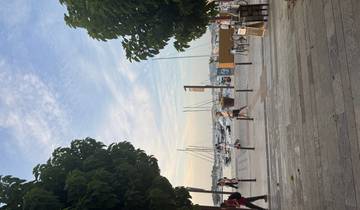
6 days
Ibiza Getaway
- ✓ Booking needs min. 2 travelers

8 days
Mallorca in 8 Days: Sunsets, Serenity & Natural Wonders
- ✓ Booking needs min. 2 travelers
Multi-day tour packages powered by TourRadar. Prices and availability subject to change.
Essential Planning Information 2026
Understanding Island Hopping Tour Categories in 2026
Sailing tours represent the traditional island hopping experience, using wind-powered yachts or catamarans for authentic Mediterranean maritime travel. These tours emphasize the journey as much as the destinations, with experienced sailors appreciating the seamanship involved in navigating between islands. Modern sailing vessels combine traditional rigging with contemporary comfort, featuring stabilizers for smooth passages, air-conditioned cabins, and professional crews handling navigation and sail management. Passengers enjoy the romance of wind-powered travel without requiring sailing expertise themselves.
Motor yacht tours prioritize speed and schedule reliability, covering greater distances in less time with precise departure and arrival timing. These vessels maintain consistent 15-20 knot cruising speeds compared to sailing yachts averaging 6-8 knots under ideal wind conditions. The predictable timing works well for travelers with fixed schedules or those wanting maximum sightseeing time ashore rather than extended sailing passages. Modern motor yachts feature stabilization systems reducing motion sickness concerns and spacious deck areas for comfortable viewing during inter-island transits.
Combination land-sea tours blend island hopping ferry travel with comprehensive shore excursions using private coaches. These programs appeal to travelers wanting island variety without overnight sailing accommodation or those preferring hotel stays over cabin life. Daily ferry crossings connect islands while luxury coaches transport groups to interior attractions, mountain viewpoints, and cultural sites beyond coastal areas. This hybrid approach offers the broadest destination coverage, combining maritime passages with extensive land-based exploration impossible on sailing-focused itineraries.
Small-group specialized tours focus on specific interests including photography workshops, culinary experiences, archaeological exploration, or wellness retreats. These programs attract 8-12 participants sharing common interests, creating intimate learning environments with expert guides. Photography tours position sailing schedules around optimal lighting conditions for coastal landscapes. Culinary tours incorporate market visits, cooking classes, and restaurant experiences showcasing each island’s gastronomic traditions. Archaeological programs feature expert-led visits to Talayotic sites and Roman ruins with detailed historical interpretation beyond standard sightseeing tours.
Current Tour Operator Pricing Structure for 2026
Tour pricing follows all-inclusive models bundling accommodation, meals, inter-island transportation, guided excursions, and activity fees into single package rates. Budget sailing tours averaging €650-850 per person include cabin accommodation on shared boats (4-8 passengers), full-board dining prepared by onboard crew, ferry transfers where appropriate, and basic guided walks at major stops. These value options work well for sociable travelers comfortable with communal living and group dynamics determining some itinerary specifics based on collective preferences.
Mid-range catamaran experiences priced €1,100-1,600 per person offer private double cabins with ensuite facilities, professional chef-prepared meals featuring local Mediterranean cuisine, comprehensive shore excursions with qualified guides, and water sports equipment including snorkeling gear and kayaks. These tours strike a balance between comfort and value, providing privacy for couples while maintaining the social aspects of small-group travel. Cabin configurations accommodate couples, families, and solo travelers willing to pay single supplements for privacy.
Luxury yacht charters commanding €2,500-4,500 per person deliver ultimate flexibility with customizable itineraries, gourmet dining designed around guest preferences, premium wine selections, exclusive beach club access, and professional crews handling all aspects of navigation and service. These high-end experiences appeal to discerning travelers prioritizing privacy, comfort, and personalized service over budget considerations. Luxury charters accommodate 4-12 guests on vessels ranging from elegant sailing yachts to powerful motor yachts equipped with water toys, tenders for shore access, and spacious deck areas for outdoor living.
Specialized interest tours fall within €1,200-2,200 per person range depending on expertise level and group size. Photography expeditions include professional photographer guidance, optimal timing for lighting conditions, and editing workshops during sailing passages. Archaeological tours feature expert historians providing detailed interpretation of UNESCO sites and lesser-known prehistoric locations. Wellness retreats incorporate yoga sessions on deck, spa treatments at island facilities, and healthy Mediterranean cuisine supporting mindfulness objectives. Culinary tours combine cooking classes, market visits, wine tastings, and restaurant experiences showcasing regional gastronomic traditions.
Best Time to Visit the Balearics for Island Hopping in 2026
Seasonal Analysis for 2026 Island Hopping Tours
The optimal island hopping season runs May-October 2026 when consistent weather patterns, warm water temperatures, and full ferry schedules create ideal touring conditions. May marks the season’s beginning with comfortable 22-26°C air temperatures, calm seas, and spring wildflowers coloring coastal landscapes. Tourist crowds remain modest during May, with uncrowded beaches, easy restaurant reservations, and relaxed atmosphere at major attractions. Water temperatures reach 18-20°C in May, suitable for swimming though cooler than peak summer months.
June-August represent peak season with guaranteed sunshine, 28-32°C temperatures, and warmest water (24-26°C) perfect for extensive swimming and water sports. Summer months bring maximum ferry frequencies with 8-12 daily departures between major islands, providing flexible scheduling for multi-stop itineraries. However, peak season corresponds with highest prices (tours cost 40-50% more than shoulder periods), crowded attractions requiring advance reservations, and fully booked accommodation especially in Ibiza where nightlife attracts massive summer influx. Heat during July-August can become intense for extended sightseeing, with afternoon temperatures regularly exceeding 32°C in interior areas.
September-October deliver the sweet spot for many experienced travelers, combining excellent weather (24-28°C) with reduced crowds and 30-40% lower tour pricing compared to peak summer. Water temperatures remain warm through September (23-25°C), only cooling to 21°C by late October. Autumn months offer more authentic local experiences as seasonal tourism infrastructure scales back to year-round resident services. Restaurant quality often improves as establishments focus on discerning diners rather than volume business. Photography benefits from softer autumn light creating warmer tones in coastal landscapes and historic architecture.
November-April shoulder and low season sees reduced ferry schedules with 2-4 daily departures on major routes, making multi-island touring more challenging though not impossible. Winter months (December-February) bring occasional stormy periods with rough seas canceling ferry services, though mild temperatures (12-17°C) and sunny spells create pleasant conditions for cultural touring when weather cooperates. Spring months March-April gradually expand services as season ramps up, offering bargain pricing (50-60% below summer rates) with improving weather but cooler water temperatures (14-16°C) limiting swimming appeal.
Weather Patterns and Sailing Conditions Throughout 2026
The Balearic sailing season benefits from consistent Mediterranean weather patterns featuring stable high-pressure systems dominating May-September with minimal rainfall and predictable wind conditions. Summer winds blow predominantly from the east-northeast during morning hours, shifting to southwest sea breezes in afternoons as land heats and draws cooler marine air inland. These reliable patterns enable accurate passage planning with typical sailing speeds of 6-8 knots under favorable conditions and calm overnight anchorages in protected bays and harbors.
Occasional Mistral events bring strong northwesterly winds from mainland France, creating challenging conditions particularly in waters north of Mallorca and Menorca. These systems develop rapidly when cold fronts sweep south across the Mediterranean, generating winds of 25-35 knots and rough seas reaching 2-3 meters. Professional tour operators monitor weather forecasts closely, adjusting itineraries to avoid exposed passages during Mistral periods and utilizing protected harbors until conditions moderate. Modern sailing yachts handle these conditions safely, though passenger comfort suffers during heavy weather necessitating altered plans.
Autumn transition months September-October experience more variable weather as summer high-pressure stability breaks down and Atlantic weather systems begin influencing the western Mediterranean. This period brings occasional rain showers, more frequent wind shifts, and less predictable conditions requiring flexible itinerary planning. However, autumn sailing offers advantages including fewer boats on popular routes, comfortable temperatures avoiding peak summer heat, and dramatic skies creating exceptional photographic opportunities during variable weather periods.
Spring months March-May feature gradually improving conditions as winter’s instability gives way to summer’s predictability. Early season sailing involves more conservative passage planning accounting for potential weather changes and shorter daylight hours limiting optimal sailing windows. However, spring rewards with pristine water clarity following winter’s marine renewal, spectacular wildflower displays on coastal headlands, and uncrowded anchorages providing peaceful evening settings. Water temperatures climb from 14°C in March to 20°C by May, making late spring increasingly appealing for swimming-focused itineraries.
Transportation Between Islands 2026
Inter-Island Ferry Services and Schedules for 2026
Baleària operates the most comprehensive inter-island network with high-speed ferries connecting all four main islands year-round. Summer schedule frequencies run 8-12 daily departures on major routes (Mallorca-Ibiza, Ibiza-Formentera) with reduced winter service dropping to 2-4 daily crossings November-March. Ticket prices range €40-75 per person for standard passenger fares on popular routes, with vehicle transportation adding €85-120 depending on car size. High-speed vessels complete Mallorca-Ibiza crossings in 2 hours compared to 4.5 hours on conventional ferries, commanding premium pricing of €65-90 versus €45-60 for slower services.
The Mallorca-Menorca northern route operates 3-5 daily summer departures taking 4 hours between Palma and Mahón ports. This crossing traverses more exposed waters north of the archipelago, experiencing occasional rough conditions during strong wind events requiring robust vessels. Modern ferries feature stabilization systems, comfortable seating, onboard cafeterias, and outdoor deck areas for viewing during calm weather passages. Winter service reduces to 1-2 daily departures with occasional cancellations during severe weather periods affecting the exposed northern route more than southern passages.
The Ibiza-Formentera connection represents the archipelago’s busiest ferry route with 15-20 daily summer departures operating almost like shuttle service between islands separated by just 11 nautical miles. Crossings take 25-30 minutes on high-speed catamarans departing Ibiza Town harbor for La Savina port in northern Formentera. Ticket prices remain modest at €20-30 per person round-trip, with frequent departures eliminating advance booking requirements during shoulder season. However, peak summer weekends see all ferries operating at full capacity, making advance reservations advisable for guaranteed space on preferred departure times.
Trasmediterránea provides additional capacity on major routes, offering competition keeping fares reasonable while maintaining service quality. Their fleet includes both high-speed vessels for time-conscious travelers and conventional ferries appealing to budget-minded passengers or those transporting vehicles. The combination of multiple operators ensures reliable service even when individual companies face mechanical issues or schedule disruptions. Real-time booking apps display current availability across all operators, enabling flexible planning and last-minute ticket purchases for spontaneous travel decisions.
Private Boat Charter Options for 2026 Island Hopping
Bareboat charters appeal to experienced sailors wanting complete autonomy over itinerary, pace, and routing decisions. These arrangements rent fully equipped sailing yachts or motor vessels without crew, requiring charterers demonstrate sailing competence through certification or experience verification. Weekly bareboat rates run €2,500-5,500 for 35-45 foot sailing yachts accommodating 4-6 passengers, with larger 50-60 foot vessels commanding €6,000-12,000 weekly. Security deposits of €2,000-5,000 protect against damage, refunded upon successful return and inspection.
Skippered charters add professional captain services for those wanting to sail without full responsibility for navigation, anchoring, and vessel management. Skippers provide expert local knowledge regarding best anchorages, weather interpretation, and hidden coves inaccessible to those unfamiliar with archipelago waters. These charters cost €1,200-2,000 more than bareboat rates for captain’s weekly fee, plus food and accommodation for the skipper. The investment delivers stress-free sailing while learning from experienced professionals who often share insights about maritime traditions, local culture, and optimal cruising strategies.
Fully crewed luxury charters include professional captain, chef, and service crew managing all aspects of the voyage while guests relax and enjoy the experience. These premium options cost €15,000-45,000 weekly for vessels accommodating 6-12 guests in spacious cabins with ensuite facilities. Gourmet cuisine prepared by onboard chefs features fresh local ingredients, Mediterranean specialties, and menu customization based on guest preferences. Crew handle provisioning, navigation, anchoring, tender services to shore, and maintaining pristine vessel condition throughout the charter period.
Day charter options provide affordable sailing experiences without overnight commitment, ranging from 4-hour sunset cruises (€400-800 for private groups up to 8 people) to full-day excursions (€1,200-2,500) including swimming stops, beach barbecues, and water sports activities. These flexible options work well for families, friend groups, or those uncertain about extended live-aboard experiences. Many operators offer sample day charters as introduction to their multi-day programs, allowing potential clients to evaluate vessels and services before committing to longer bookings.
Comprehensive Island-by-Island Tour Highlights 2026
Mallorca Tour Experiences and UNESCO Cultural Landscapes
The Serra de Tramuntana UNESCO Cultural Landscape dominates Mallorca’s northwestern coast with dramatic limestone mountains, traditional agricultural terracing, and historic villages connected by ancient mule paths now popular hiking trails. Tour excursions into the Serra include visits to Valldemossa where Chopin spent winter 1838-39, Deià’s artistic community attracting painters and writers, and Sóller’s Art Nouveau architecture accessed via vintage electric train from Palma. The landscape showcases centuries of human adaptation to mountainous terrain through ingenious dry-stone walls, irrigation systems channeling mountain springs, and agricultural terraces producing olives and citrus fruits.
Palma de Mallorca’s Gothic cathedral La Seu ranks among Europe’s finest medieval religious architecture, featuring the world’s largest Gothic rose window (13.8 meters diameter) and modernist interior elements added by Antoni Gaudí early 20th century. The cathedral dominates Palma’s waterfront, with honey-colored limestone exterior glowing golden during late afternoon light providing exceptional photographic opportunities. Adjacent Almudaina Palace preserves Moorish architecture from Islamic period (902-1229 CE) before Christian reconquest, displaying the cultural layering characteristic of Mediterranean islands positioned between European and North African civilizations.
Coastal attractions include Drach Caves featuring extensive underground lake systems with classical music concerts performed from boats, creating unique acoustic experiences within natural caverns. The eastern coast’s calas (coves) offer perfect swimming conditions in sheltered turquoise waters framed by pine-covered cliffs. Formentor Peninsula provides dramatic driving routes along cliff-edge roads to lighthouse viewpoints and exclusive beach access. These natural attractions complement cultural sites, creating balanced tour itineraries mixing historical exploration with Mediterranean beach lifestyle.
Traditional markets operate in towns across Mallorca, with Inca’s Thursday market offering local produce, leather goods from the town’s renowned shoe industry, and ensaïmada pastries symbolic of Mallorcan cuisine. Market visits provide authentic cultural immersion, interacting with local vendors, sampling regional products, and observing traditional commercial practices continuing for centuries. Food-focused tours incorporate market visits with cooking classes teaching paella preparation, sobrassada (cured sausage) tasting, and wine experiences at island vineyards producing increasingly respected vintages from indigenous grape varieties.
Menorca Archaeological Sites and Biosphere Reserve Landscapes
Torre d’en Galmés represents Menorca’s largest and best-preserved Talayotic settlement, occupied continuously from 1400 BCE through Roman period. The extensive site covers 6 hectares on strategic hilltop location, featuring three talaiots (defensive towers), taulas (T-shaped ceremonial monuments), hypostyle halls with stone columns, and sophisticated water collection systems. Archaeological evidence reveals advanced Bronze Age society with organized religion, defensive architecture, and agricultural economy supporting several hundred inhabitants. Guided tours interpret site features, explaining construction techniques using massive stone blocks placed without mortar and theoretical purposes of enigmatic taulas unique to Menorca’s prehistoric culture.
Naveta des Tudons stands as the Mediterranean’s most complete funerary monument from prehistoric period, dating to 1200-750 BCE. The naveta (ship-shaped burial chamber) contains skeletal remains of approximately 100 individuals buried collectively over centuries, along with bronze bracelets, ceramic vessels, and bone buttons suggesting belief in afterlife requiring grave goods. The structure’s remarkable preservation demonstrates sophisticated stone masonry achieving stability for over 3,000 years without mortar binding. Interpretive signage explains naveta’s role in Talayotic culture and the archaeological discoveries providing insights into Bronze Age burial practices and social organization.
Menorca’s Biosphere Reserve designation recognizes the island’s balanced development approach preserving traditional landscapes, protecting endemic species, and maintaining cultural heritage. The reserve encompasses the entire island including marine areas, protecting diverse ecosystems from wetlands attracting migratory birds to dramatic coastal cliffs and pristine beaches. Traditional agricultural practices continue in interior areas with dry-stone walls dividing fields, ancient olive trees, and pastoral landscapes largely unchanged for centuries. Conservation programs maintain habitat for endemic species including Menorcan subspecies of Hermann’s tortoise and rare plants adapted to the island’s microclimate.
Mahón harbor represents one of the world’s largest natural deepwater harbors, stretching 5 kilometers inland from the Mediterranean entrance. British naval occupation 18th century left architectural legacy visible in Georgian-style buildings and the production of gin (influenced by British naval tradition) continuing in Xoriguer distillery offering tours and tastings. Harbor boat tours explore the magnificent waterway, visiting fortifications, explaining maritime history, and providing perspectives on waterfront architecture impossible from land vantage points. The harbor area features excellent restaurants specializing in seafood and local lobster stew (caldereta de llagosta) representing Menorcan culinary tradition.
Ibiza UNESCO Heritage and Cultural Experiences 2026
Dalt Vila’s Renaissance fortifications represent the finest remaining example of European military architecture from the period, constructed 1554-1585 following designs by Italian engineer Giovanni Battista Calvi. The star-shaped bastion system with seven defensive structures successfully repelled numerous attacks, preserving the medieval upper town within intact walls. Walking tours enter through monumental Portal de ses Taules gateway, climbing cobblestone streets to Gothic cathedral and castle offering panoramic views across Ibiza Town, harbor, and surrounding coastline. The UNESCO designation recognizes not just the fortifications but the preserved urban layout, historic buildings, and cultural continuity within the walls.
The archaeological museum displays artifacts from Ibiza’s Phoenician, Punic, and Roman periods, including extensive collection from Sa Caleta settlement and Puig des Molins necropolis. Phoenician traders established the island’s first urban settlement circa 654 BCE, developing it into major Mediterranean commercial center. The necropolis contains over 3,000 underground burial chambers carved into soft stone, with grave goods including jewelry, ceramics, and terracotta figurines providing insights into ancient belief systems. These archaeological treasures demonstrate Ibiza’s significance in ancient Mediterranean trade networks connecting North Africa, Iberian Peninsula, and Italian peninsula.
Posidonia oceanica seagrass meadows surrounding Ibiza and Formentera earned UNESCO recognition for ecological importance maintaining Mediterranean marine health and water clarity. The underwater meadows support diverse marine ecosystems, stabilize seafloor sediments, produce oxygen, and create the exceptional water transparency attracting snorkelers and divers. Boat tours often include snorkeling stops over Posidonia areas where visibility reaches 30-40 meters, revealing vibrant marine life including octopus, groupers, and colorful reef fish. Conservation programs protect these sensitive ecosystems from anchoring damage and coastal development threatening the meadows’ survival.
Beyond the nightlife reputation dominating popular perception, Ibiza’s interior villages preserve traditional white-washed architecture, fortified churches, and agricultural landscapes characteristic of pre-tourism island culture. Santa Gertrudis offers artisan galleries, traditional restaurants, and Sunday morning market attracting locals and discerning visitors. Sant Miquel preserves weekly folkloric dance performances during summer months, demonstrating traditional ball pagès with authentic costumes and live music. These cultural experiences provide context for understanding Ibiza’s heritage beyond the beach clubs and electronic music festivals now defining the island’s international image.
Formentera Beach Experiences and Natural Landscapes
Ses Illetes beach consistently ranks among Mediterranean’s finest, featuring white sand, gradient turquoise waters, and views to small islets offshore. The narrow peninsula location creates calm conditions on one side regardless of wind direction, ensuring swimmable water even during breezy days affecting exposed beaches. Beach services include sunbed and umbrella rentals (€25-35 daily), beach bars serving Mediterranean cuisine, and water sports operators offering paddle boarding, kayaking, and sailing lessons. The beach attracts sophisticated crowds seeking natural beauty over party atmosphere, creating relaxed elegant vibe contrasting sharply with Ibiza’s energetic scene just 30 minutes away by ferry.
Formentera’s small size (83 square kilometers) makes it ideal for bicycle exploration, with relatively flat terrain, scenic coastal roads, and extensive cycling infrastructure. Bike rental shops near La Savina ferry port offer quality bicycles (€12-18 daily) with child seats, electric assist options for easier pedaling, and delivery to accommodation. Popular cycling routes connect major beaches, passing through traditional villages, salt flats attracting flamingos, and Cap de Barbaria lighthouse standing on dramatic southwestern cliffs. The cycling culture creates peaceful roads where bicycles often outnumber cars, making family cycling safe and enjoyable.
Salt production continued in Formentera’s southern salt pans (ses Salines) from ancient times through 20th century, with evaporation ponds now protected as wetland habitat while maintaining cultural heritage significance. Walking trails around salt pans provide excellent birdwatching opportunities, particularly during spring and autumn migration when flamingos, herons, and shorebirds rest in shallow waters. The white salt mountains and pink-tinted waters create surreal landscapes particularly photogenic during golden hour lighting. Information panels explain traditional salt production methods and ecological importance of wetland preservation.
Formentera’s restaurant scene emphasizes fresh seafood, traditional island cuisine, and Mediterranean fusion creations taking advantage of exceptional local ingredients. Beach clubs like Juan y Andrea combine upscale dining with sand-floor seating and azure water views, serving grilled fish, paella, and creative Mediterranean dishes. Village restaurants in Sant Ferran and Es Pujols offer more casual atmosphere with authentic island flavors, local wines, and reasonable pricing compared to beachfront establishments. The emphasis on quality ingredients, simple preparation, and outdoor dining creates memorable culinary experiences integral to Formentera’s appeal as Mediterranean lifestyle destination.
Sample 2026 Island Hopping Itineraries
Budget-Friendly 5-Day Sailing Circuit 2026
This affordable sailing tour departs Palma de Mallorca aboard comfortable 45-foot sailing yacht accommodating 6-8 passengers in shared cabin configuration. Day one involves afternoon embarkation, settling into accommodations, safety briefing, and evening sail to Porto Cristo on Mallorca’s east coast. Crew prepares onboard dinner featuring fresh Mediterranean ingredients purchased at Palma market. First night anchored in Porto Cristo provides gentle introduction to sailing lifestyle with protected harbor minimizing motion. Porto Cristo visit next morning includes Drach Caves tour €18, coffee and pastries €8-10, total day cost: €26-28 per person.
Day two crosses to Menorca with morning departure catching favorable winds for 4-hour passage to Mahón harbor. Afternoon shore excursion visits Mahón’s harbor viewpoints, British colonial architecture, and Xoriguer gin distillery tasting €8. Evening dinner at harborfront restaurant €25-35 per person, exploring local seafood specialties. The sailing passage provides essential Mediterranean experience, learning basic seamanship from professional crew while enjoying sun and sea. Mahón gin tasting €8, dinner €25-35, coffee €3, total day cost: €36-46 per person.
Day three explores Menorca’s southern coast with morning sail to secluded anchorages offering swimming and snorkeling in crystal-clear water. The day emphasizes relaxation and water activities, utilizing onboard equipment for paddle boarding and kayaking. Crew prepares lunch onboard using provisions including fresh bread, local cheeses, Spanish ham, and salads. Afternoon continues to Cala Galdana, one of Menorca’s most beautiful beaches framed by pine-covered cliffs. Evening barbecue on deck features grilled fish and vegetables purchased at morning market. Onboard meals included, beach bar drinks €12-15, total day cost: €12-15 per person.
Day four involves longer passage crossing to Ibiza, departing early to maximize favorable morning wind conditions for 6-hour sail. Arrival Ibiza Town late afternoon allows evening exploration of Dalt Vila fortifications and harbor promenade. The climb through historic upper town provides sunset photography opportunities from castle ramparts. Dinner in Dalt Vila’s cobblestone streets €30-40 features traditional Ibizan cuisine in atmospheric historic setting. Sunset drinks €12-15, dinner €30-40, gelato €5, total day cost: €47-60 per person.
Day five concludes with morning Formentera day trip via passenger ferry €25 round-trip, exploring Ses Illetes beach by bicycle rental €15 for the day. Beach lunch at casual chiringuito (beach restaurant) costs €20-30 including drinks. Return ferry to Ibiza connects with afternoon sail back to Palma, completing the circuit with overnight passage arriving early next morning for disembarkation after breakfast. Ferry €25, bike rental €15, lunch €20-30, snacks €10, total day cost: €70-80 per person.
Total 5-day budget: Ferry €25, daily costs €26-28 + €36-46 + €12-15 + €47-60 + €70-80 = €191-254 per person (excluding accommodation on boat which is included in tour package). Tour package including yacht accommodation, crew, onboard meals, sailing instruction, and inter-island navigation costs approximately €650-750 per person. Overall trip investment reaches €850-1,000 per person for complete 5-day island hopping experience on sailing yacht with shared cabins and combination of onboard and restaurant dining creating balance between budget consciousness and comfort.
Premium 7-Day Catamaran Grand Circuit 2026
This comprehensive tour operates aboard spacious 50-foot catamaran with 4 private double cabins, ensuite facilities, and experienced crew including captain and chef. Embarkation Sunday afternoon in Palma allows settling in before welcome dinner onboard featuring gourmet Mediterranean cuisine prepared by professional chef. The catamaran’s shallow draft enables access to secluded anchorages impossible for deeper-keel sailboats, while dual-hull stability ensures comfortable passages even during moderate wind conditions. Day one orientation and Palma cathedral visit €10, welcome dinner included, total: €10 per person.
Day two explores Mallorca’s Serra de Tramuntana with morning coach transfer to mountain viewpoints, Valldemossa village where Chopin resided, and Deià’s artistic community. The UNESCO Cultural Landscape reveals traditional agricultural terracing, dry-stone architecture, and spectacular coastal mountain scenery. Lunch at mountain restaurant €35-45 showcases local lamb, seasonal vegetables, and Mallorcan wines. Afternoon return to catamaran for evening sail along dramatic coastline to overnight anchorage at Port de Sóller. Coach tour included, lunch €35-45, coffee €4, total day cost: €39-49 per person.
Day three crosses to Menorca with morning departure for 4-hour passage in comfortable conditions aboard stable catamaran. Arrival Mahón includes archaeological tour visiting Torre d’en Galmés Talayotic settlement €5 and Naveta des Tudons funerary monument €3. Expert guide provides historical interpretation of Bronze Age civilization unique to Menorca. Evening in Mahón features harborfront dining €40-50 at restaurants specializing in caldereta de llagosta (lobster stew) when in season. Archaeological sites €8, dinner €40-50, drinks €15, total day cost: €63-73 per person.
Day four explores Menorca’s northern coast with morning swim stops at pristine calas accessible only by boat, snorkeling over Posidonia meadows in 40-meter visibility. The catamaran’s shallow draft permits close approach to beach areas impossible for deeper vessels. Onboard chef prepares Mediterranean lunch featuring fresh fish purchased at morning market. Afternoon continues to Fornells, picturesque fishing village known for windsurfing and excellent seafood restaurants. Evening dining experience €45-55 features local lobster and regional specialties. Onboard lunch included, dinner €45-55, total day cost: €45-55 per person.
Day five involves scenic passage to Ibiza, crossing the archipelago’s southern waters in 5-hour comfortable sail. Afternoon arrival allows Dalt Vila UNESCO site exploration with professional guide explaining Renaissance fortifications and maritime history. The three-hour walking tour includes cathedral entrance €5, museum visit €8, and strategic viewpoints photographing sunset over harbor and coastline. Dinner in atmospheric Dalt Vila restaurant €50-65 features creative Ibizan-Mediterranean fusion cuisine. UNESCO tour €13, dinner €50-65, aperitif €12, total day cost: €75-90 per person.
Day six emphasizes Formentera’s beach paradise with early ferry €28 to island, private van transfer to Ses Illetes beach, beach club lunch €45-60, afternoon water sports activities €35 for stand-up paddle boarding. The carefully paced schedule maximizes beach time while avoiding rushed ferry connections. Evening return to Ibiza for farewell dinner at renowned restaurant €65-80 celebrating week’s experiences with premium wine selections and tasting menu showcasing Mediterranean culinary excellence. Ferry €28, lunch €45-60, water sports €35, dinner €65-80, total day cost: €173-203 per person.
Day seven concludes with morning Ibiza Town market visit, shopping for local products, and leisurely brunch €25-35 before afternoon sail back to Palma completing the circuit. Arrival early evening allows final night enjoying Palma’s tapas scene €30-40 and waterfront promenades before next morning disembarkation. Market shopping €20-30, brunch €25-35, tapas dinner €30-40, total day cost: €75-105 per person.
Total 7-day costs: Daily expenses €10 + €39-49 + €63-73 + €45-55 + €75-90 + €173-203 + €75-105 = €480-685 per person (excluding accommodation on catamaran which is included in tour package). Premium catamaran tour including private cabins, professional crew, chef-prepared meals, guided excursions, and inter-island navigation costs approximately €1,400-1,600 per person. Complete investment reaches €1,880-2,285 per person for luxurious 7-day grand circuit experiencing all four Balearic Islands with emphasis on cultural depth, culinary excellence, and comfortable accommodations throughout the journey.
Specialized Tour Options 2026
Photography-Focused Island Hopping Expeditions
Professional photography tours schedule itineraries around optimal lighting conditions, positioning participants at scenic locations during golden hour and planning overnight stops providing dawn and dusk photography opportunities. These specialized programs limit group size to 6-8 photographers ensuring individual attention from instructor and avoiding overcrowded shooting locations. Professional photographers leading tours possess intimate knowledge of archipelago’s most photogenic locations including hidden viewpoints, dramatic coastal formations, and authentic village scenes avoiding tourist-heavy areas producing generic images.
Technical instruction covers landscape photography techniques including long exposure for smooth water effects, using graduated neutral density filters for balanced sky exposures, and post-processing workflows optimizing Mediterranean light characteristics. Coastal photography sessions address challenges of bright sunlight reflecting off water, capturing wave motion, and composing with natural elements like rock formations and traditional boats. Architecture photography workshops cover Dalt Vila’s Renaissance fortifications, Palma Cathedral’s Gothic details, and traditional white-washed villages requiring different technical approaches than natural landscape work.
Equipment considerations include professional-grade cameras with weather sealing protecting against salt spray during boat passages, wide-angle lenses capturing expansive seascapes and architectural interiors, and telephoto lenses isolating distant details like lighthouse towers or sailing vessels. Tripods prove essential for long exposure work and low-light cathedral interiors, though carbon fiber models recommended for minimizing weight during location changes. Drone photography opportunities exist at certain locations following Spanish aviation regulations requiring registration and respecting privacy and no-fly zones around airports and military installations.
Evening editing sessions aboard vessel or in hotel utilize portable computers reviewing day’s images, demonstrating processing techniques, and receiving personalized critique improving compositional skills and technical execution. Group image reviews create collaborative learning environment where participants learn from each other’s successes and challenges. Professional instructors share industry insights regarding portfolio development, preparing images for publication, and navigating commercial photography markets. Many tours conclude with group exhibition of best images and professional printing services helping participants showcase their work.
Culinary and Wine-Focused Island Tours
Gastronomic tours emphasize each island’s unique culinary traditions, from Menorca’s mahón cheese and sobrassada sausage to Ibiza’s traditional sofrit pagès stew and Mallorca’s ensaïmada pastries. These programs incorporate market visits explaining local ingredients, cooking classes teaching traditional preparation methods, and restaurant experiences showcasing both classic dishes and creative contemporary interpretations. Professional chefs or culinary historians guide tours, providing context for regional specialties, explaining historical influences from Roman to Moorish to modern Spanish cuisines, and demonstrating techniques participants can replicate at home.
Wine experiences feature visits to island vineyards producing increasingly recognized wines from indigenous grape varieties adapted to Mediterranean climate and limestone soils. Mallorca’s wine regions including Binissalem and Pla i Llevant craft quality reds from Manto Negro and Callet grapes alongside international varieties. Tasting sessions explore terroir influence on flavor profiles, winemaking philosophy balancing tradition with modern techniques, and food pairing principles matching wines with local cuisine. Some vineyard visits include lunch prepared by estate chefs using estate-grown ingredients paired with library wines showcasing vintage variation and aging potential.
Olive oil production tours visit traditional groves harvesting native Mallorquina olive variety, explaining cultivation techniques adapted to island conditions and demonstrating cold-press extraction methods preserving flavor and nutritional qualities. Tasting sessions distinguish quality extra virgin oils from commercial products, identifying flavor notes like fruitiness, pepperiness, and bitterness indicating polyphenol content and health benefits. Participants learn proper storage protecting oils from light and heat degradation, cooking applications where different oil characteristics perform best, and selection criteria for purchasing quality products.
Cheese production visits feature artisan producers maintaining traditional methods for Mahón cheese, Menorca’s Protected Designation of Origin product aged in caves developing complex flavors. The production process from pasture-raised Friesian cattle to aging protocols creates mild young cheese and intensely flavored aged varieties perfect for different culinary applications. Tasting sessions pair cheeses with local wines, membrillo quince paste, and traditional crackers. Participants gain appreciation for artisan food production maintaining traditional methods despite modern commercial pressures favoring industrial scale and standardized products.
Family-Oriented Island Hopping Adventures
Family tours design itineraries balancing adult interests with children’s engagement, incorporating interactive activities, age-appropriate cultural experiences, and ample beach time maintaining younger travelers’ enthusiasm. Vessels selected for family programs feature spacious deck areas for safe play, swimming platforms with easy water access, and cabin configurations accommodating families including connecting cabins for older children wanting some independence. Professional crews experienced with family groups establish appropriate balance between structured activities and flexibility accommodating children’s unpredictable needs and energy cycles.
Activity planning incorporates snorkeling instruction using child-sized equipment, teaching basic swimming and water safety skills while exploring marine life in shallow protected areas. Kayaking and stand-up paddle boarding introduce children to water sports in controlled conditions with proper safety equipment and supervision. Beach time emphasizes building sandcastles, exploring tide pools discovering marine creatures, and beach games promoting physical activity. These experiences create positive associations with ocean environments while teaching respect for marine ecosystems and conservation principles appropriate for various age levels.
Cultural experiences for families transform potentially boring historical sites into engaging adventures through treasure hunts finding specific architectural details, storytelling bringing historical figures alive, and hands-on activities like drawing fortifications or creating pottery using ancient techniques. Mallorca’s Drach Caves captivate children with underground boat rides and classical concerts in unusual settings. Menorca’s prehistoric sites appeal through mystery of ancient civilizations and speculation about builders’ lives 3,000 years ago. Interactive museum displays and age-appropriate guided tours maintain attention while conveying educational content meeting parents’ desires for enriching travel experiences.
Accommodation and dining flexibility address common family challenges including picky eaters resistant to unfamiliar foods, earlier dinner times than typical Spanish schedules, and occasional need for quiet downtime when children become overstimulated or tired. Tour programs maintain pasta and chicken options alongside adventurous Mediterranean cuisine, schedule family-friendly dinner times 6:30-7:30 PM rather than 9-10 PM Spanish norm, and build rest periods into itineraries preventing exhaustion diminishing everyone’s enjoyment. These practical accommodations make multi-generational travel feasible for families with younger children wanting authentic experiences without unrealistic expectations of perfect behavior in every situation.
Booking Strategies for 2026 Season
Optimal Booking Timeline and Advance Planning
The ideal booking window opens 6-9 months before intended travel dates, particularly for peak season July-August departures when premium tours sell out entirely. January-February represent prime booking season for upcoming summer travel, when operators release full schedules and early booking discounts reach maximum 20-25% off standard rates. This timing provides complete selection of tour types, preferred departure dates, and cabin choices before popular options disappear. Calendar flexibility during booking process enables selecting least expensive weeks even within peak season, as pricing fluctuates based on specific departure dates rather than uniform monthly rates.
Shoulder season bookings (April-May, September-October) offer more flexibility with quality tours bookable 8-12 weeks ahead while maintaining good selection and accessing moderate 10-15% early booking savings. The reduced advance planning requirement suits travelers with less predictable schedules or those making spontaneous decisions. However, waiting beyond 6-week window before travel dates risks missing preferred tour types even during shoulder season as smaller tour operators running limited departures may fill completely despite generally lower demand than peak summer months.
Last-minute booking opportunities appear occasionally 2-4 weeks before departure when operators have unsold capacity seeking to fill boats rather than sailing partially empty. These deals offer legitimate savings of 25-35% off standard rates but require complete schedule flexibility accepting whatever departure dates remain available. Success with last-minute booking depends on checking multiple operators’ websites regularly, maintaining readiness to book immediately when deals appear, and accepting potential compromises regarding cabin location, boat type, or exact itinerary routing compared to original preferences.
Group bookings for 6+ travelers unlock significant savings through volume discounts of 10-15% plus negotiating power regarding itinerary customization, meal preferences, and activity selection. Many operators create custom departures for groups of 8-12 meeting minimum capacity thresholds for dedicated charters. The group approach works well for family reunions, friend groups, or special interest clubs wanting private experiences without public tour scheduling constraints. However, coordinating large group travel requires designated organizer managing communication, collecting deposits, and handling inevitable changes as individual circumstances evolve during extended planning periods.
Selecting Appropriate Tour Operators and Vessels
Operator reputation requires investigation beyond marketing materials and website presentations emphasizing only positive aspects. Independent review platforms including TripAdvisor, Google Reviews, and sailing-specific sites like SailAdvisor provide unfiltered customer feedback revealing actual experiences regarding crew professionalism, vessel condition, itinerary accuracy, and company responsiveness addressing inevitable issues arising during travel. Reading recent reviews (within past 12 months) ensures information reflects current operations rather than historical performance that may have changed following ownership transfers or management reorganization.
Vessel age and maintenance standards significantly impact comfort and reliability during multi-day tours. Modern boats built within past 10 years typically feature current safety equipment, efficient systems reducing maintenance issues, and contemporary layouts maximizing space utilization. However, well-maintained older vessels offering character and sailing performance can provide superior experiences compared to poorly maintained newer boats. Request specific vessel names during booking rather than accepting generic “similar vessel” clauses allowing last-minute substitutions potentially downgrading quality. Research individual boats through yacht databases revealing specifications, age, and refit history indicating maintenance investment levels.
Crew qualifications and experience levels separate professional operations from amateur ventures. Captains should possess appropriate commercial licensing for vessel size and passenger capacity, with documented experience navigating Balearic waters specifically rather than just general Mediterranean sailing background. Chef credentials matter for dining quality, distinguishing between trained culinary professionals and crew members preparing basic meals from limited repertoire. Staff-to-guest ratios above 1:4 typically indicate service-oriented operations versus bare-bones crewing focused solely on vessel operation without hospitality considerations.
Insurance coverage and safety protocols deserve attention beyond website reassurances promising safe professional operations. Operators should maintain comprehensive liability insurance protecting both company and passengers, provide detailed safety briefings covering emergency procedures, and maintain current safety equipment inspections and certifications. Medical considerations require knowing nearest medical facilities from planned anchorages, crew medical training levels, and evacuation procedures for serious health emergencies. Quality operators document these protocols clearly, while evasive responses to safety inquiries suggest inadequate preparation for emergency scenarios that rarely occur but require professional handling when they do.
Understanding Pricing Structure and Hidden Costs
Base tour prices typically include vessel accommodation, specified meals (usually full-board with breakfast, lunch, dinner), inter-island navigation and fuel, basic activities like snorkeling equipment, and services of professional crew. Reading inclusion details carefully prevents surprises discovering anticipated services actually cost extra. All-inclusive packages generally prove better value than base-price-plus-extras models where seemingly lower initial pricing disappears through accumulated supplementary charges for standard features reasonable travelers expect included.
Common additional costs include shore excursions beyond basic included walking tours, premium alcoholic beverages outside house wine with meals, specialty activities like diving or jet skiing, port fees and tourist taxes in some jurisdictions, and crew gratuities following maritime conventions of 10-15% of base tour price. Budget planning should anticipate €200-400 per person additional spending beyond base tour price for week-long programs, varying based on activity participation and personal consumption patterns. Clarifying which costs truly prove optional versus functionally mandatory prevents budget-busting surprises reducing overall trip satisfaction.
Single supplement charges affect solo travelers wanting private cabin accommodation without sharing with strangers. These supplements range 30-50% above per-person double-occupancy rates, reflecting genuine cost of using cabin for one person rather than two. Some operators offer guaranteed share programs matching solo travelers willing to accept roommates, splitting double-occupancy pricing without single supplement penalty. However, roommate matching depends on having another solo traveler of appropriate gender and compatible profile available for specific departure, making guaranteed share unreliable for definite planning without single supplement backup willingness.
Cancellation policies and travel insurance represent critical financial protections for expensive multi-day tours. Operators typically require non-refundable deposits of 30-50% at booking with final payment 60-90 days before departure. Cancellation forfeits deposit entirely plus graduated percentage of remaining payment depending on timing relative to departure date. Comprehensive travel insurance covering trip cancellation for medical reasons, travel delays, and emergency evacuation typically costs 5-7% of total trip investment but provides essential protection against losing entire tour cost due to illness, family emergencies, or other unforeseen circumstances preventing participation. Insurance purchased within 14 days of initial deposit often includes pre-existing condition coverage otherwise excluded from policies.
Practical Planning Essentials 2026
Packing Recommendations for Island Hopping Tours
Soft-sided luggage proves essential for boat-based tours where rigid suitcases consume excessive locker space and create handling difficulties on boarding ramps and companionway stairs. Duffel bags or large backpacks maximize packing efficiency while stowing compactly in cabin lockers typically measuring 60x40x30 centimeters. Packing cubes organize contents systematically, enabling quick access to specific items without emptying entire bags. The space-constrained environment rewards minimalist packing philosophy bringing versatile clothing items serving multiple purposes rather than single-use specialty garments consuming precious locker volume.
Clothing selection emphasizes quick-dry synthetic or merino wool fabrics rather than cotton which remains damp for extended periods in marine environment. Three-four changes of casual wear rotate through washing in cabin sinks or using vessel laundry facilities when available. Layers adapt to variable conditions including sun protection during daytime sailing, wind protection during passages, and cooler evenings requiring light jacket or fleece. Footwear needs include non-slip boat shoes required on deck (never black soles marking fiberglass), comfortable walking shoes for shore excursions, and sandals for beach and casual wear. Most tours prohibit hard-sole street shoes on deck preventing slip hazards and surface damage.
Technical gear includes sunglasses with retention straps preventing loss overboard, reef-safe sunscreen protecting skin without damaging Posidonia meadows and coral ecosystems, and wide-brim hat providing face and neck sun protection during extended deck time. Waterproof phone cases enable photography without water damage risk, while portable power banks maintain device charging between limited electrical outlet opportunities. Seasickness medications prove worthwhile even for those typically unaffected by motion, as Mediterranean conditions occasionally produce choppy passages affecting sensitive individuals. Prescription medications require sufficient supply for entire tour duration plus several extra days accounting for potential travel delays or extended tour circumstances.
Water sports enthusiasts should bring personal snorkeling masks providing custom fit superior to rental equipment, rash guards offering sun protection during swimming and snorkeling, and underwater cameras documenting marine encounters. Serious photographers require weather-sealed equipment protecting against salt spray, extra memory cards given limited backup opportunities during tour, and spare batteries accounting for increased shooting volume compared to land-based travel. Reading materials, downloaded entertainment, and portable gaming devices fill downtime during sailing passages or weather-delayed days though most participants report less screen time than anticipated given engaging social environment and natural scenery.
Health and Safety Considerations for 2026 Tours
Travel health insurance proves essential for international visitors, covering medical treatment, emergency evacuation, and repatriation services unavailable through domestic policies. Spain’s healthcare system provides excellent emergency care though services for foreign nationals typically require upfront payment later reimbursed through insurance rather than direct billing arrangements. European Health Insurance Cards (EHIC) cover EU citizens for necessary medical treatment at Spanish public facilities under reciprocal healthcare agreements. The sailing environment introduces specific risks including sunburn, dehydration, seasickness, and minor injuries from line handling or deck movement requiring basic first aid intervention available through onboard medical kits.
Seasickness affects even experienced sailors during particular conditions, with symptoms ranging from mild nausea to complete incapacitation. Preventive medications including over-the-counter meclizine, prescription scopolamine patches, or natural ginger supplements work best when started before symptoms begin. Behavioral techniques like maintaining horizon focus, staying on deck in fresh air, and avoiding reading or screen time during rough passages help manage symptoms. Most tours experience only calm-moderate conditions unlikely to trigger seasickness, though Mediterranean weather occasionally produces choppy seas during Mistral wind events or afternoon sea breeze periods.
Sun exposure intensifies on water through surface reflection increasing UV radiation compared to land-based environments. High SPF sunscreen (50+) applied generously and reapplied every 2 hours prevents painful burns derailing vacation enjoyment. Protective clothing including long-sleeve rash guards, wide-brim hats, and UV-protective sunglasses provides superior protection compared to sunscreen alone for extended deck time. Hydration requirements increase dramatically in Mediterranean summer heat, with 3-4 liters daily water intake preventing dehydration-related headaches, fatigue, and reduced cognitive function. Vessels maintain adequate fresh water supply though conservation remains important given finite tank capacity between port fill-ups.
Swimming safety requires realistic assessment of personal abilities and ocean awareness. Mediterranean waters lack dangerous currents affecting tropical regions, though thermal stratification creates surprisingly cold water at depth even during summer. Jellyfish appear occasionally, particularly during late summer periods when blooms drift through areas creating stinging hazards for swimmers. Following crew guidance regarding swimming locations, water conditions, and marine life warnings prevents most incidents. Non-swimmers or weak swimmers should wear life jackets during swimming platform activities and inform crew about limitations rather than attempting capabilities beyond actual skill levels creating dangerous situations requiring rescue intervention.
Cultural Etiquette and Local Customs
Spanish dining culture operates on later schedules than northern European or North American norms, with lunch typically served 2-4 PM and dinner beginning 9-10 PM. Adapting to local timing enhances cultural immersion and access to authentic restaurant experiences operating on Spanish rather than tourist schedules. However, family tours and some operators accommodate earlier dining for practical considerations and guest preferences. Meal pacing differs from rushed American dining, with leisurely multi-course experiences expected to last 1.5-2 hours reflecting Mediterranean values around food as social event rather than mere sustenance.
Dress codes remain relatively casual throughout the Balearics outside upscale restaurants and clubs requiring smart-casual attire (collared shirts for men, dresses or dress pants for women). Beach attire including swimwear and cover-ups stays appropriate for coastal areas but requires changing before entering town centers, churches, or restaurants. Topless sunbathing remains common and accepted at Spanish beaches, though visitors should observe local practice at specific locations before assuming universality. Churches and cathedrals require modest dress covering shoulders and knees, with some sites providing wrap scarves for those arriving inappropriately dressed for sacred spaces.
Language considerations include recognizing that Spanish mainland Castellano differs from island Catalan variants spoken locally, though Spanish remains universally understood. Tourist areas feature extensive English capability though attempting basic Spanish phrases shows cultural respect and often receives warmer reception than assuming English availability. Essential phrases include “buenos días” (good morning), “gracias” (thank you), “por favor” (please), “la cuenta” (the check), and “no hablo español” (I don’t speak Spanish) prompting staff to switch to English or gesture communication. Learning numbers proves particularly useful for market shopping and price discussions.
Tipping practices differ from American conventions, with service charges typically included in bills removing mandatory tipping requirements. However, rounding up bills or leaving 5-10% for exceptional service shows appreciation for outstanding efforts. Restaurant bills rounded to nearest euro prove appropriate for casual meals, while upscale dining might warrant 10% additional for exceptional service. Tour guides, drivers, and crew appreciate gratuities following maritime conventions of 10-15% base tour price divided among crew members, though practice varies and operators provide guidance regarding local expectations and distribution methods.
2026 Updates & Current Information
New Tour Offerings and Operators for 2026 Season
Sustainable sailing programs launching for 2026 season emphasize carbon-neutral operations through exclusive use of wind power, elimination of single-use plastics, and partnership with marine conservation organizations. These eco-focused tours appeal to environmentally conscious travelers wanting to minimize tourism footprint while supporting conservation initiatives. Programs include beach cleanup activities, Posidonia meadow monitoring participation, and educational sessions about Mediterranean marine ecosystem protection. Premium pricing of €1,400-1,800 per person for week-long tours reflects smaller group sizes, higher quality provisions emphasizing organic local sources, and conservation organization contributions built into package costs.
Photography expedition specialists expand offerings beyond traditional tours with dedicated programs featuring professional photographer guides, optimal scheduling around golden hour lighting, and technical instruction throughout voyages. New 2026 departures focus on specific themes including seascape long exposure techniques, architectural photography in historic settings, and underwater photography combining sailing with diving instruction. These specialized programs command €1,800-2,400 per person pricing justified by small group sizes (maximum 6-8 participants), professional instruction, and carefully planned itineraries maximizing photographic opportunities while minimizing sailing time between locations.
Luxury yacht charter operators introduce new flagship vessels for 2026 season including 70-foot performance catamarans combining speed, space, and comfort previously requiring larger crew-intensive vessels. These modern designs accommodate 8-10 guests in ensuite cabins while maintaining small professional crew enabling premium service without intrusive crew presence. Innovations include fold-down beach platforms creating level beach access from boat, integrated water toy garages storing jet skis and diving equipment, and sophisticated electronics enabling optimal routing and weather monitoring. Weekly charter rates begin €25,000-35,000 for entire vessel, translating to €2,500-4,500 per person for couples or families sharing costs.
Family adventure operators launch dedicated programs for 2026 addressing growing demand for multi-generational travel combining adult interests with child-appropriate activities and flexible scheduling accommodating family dynamics. These specialized tours feature larger modern catamarans with cabin configurations suiting families, onboard educators creating interactive learning experiences, and itineraries balancing cultural exploration with beach time and water sports engagement. Pricing runs €1,200-1,600 per adult with 30-40% children’s discounts, making family trips accessible compared to separate adult and children’s program costs.
Updated Transportation and Infrastructure Information
Ferry operators expand high-speed catamaran services for 2026 summer season, increasing daily frequencies between major island pairs from 8 to 12 departures on peak routes (Palma-Ibiza, Ibiza-Formentera). The enhanced schedules provide greater flexibility for independent travelers and shore excursion planning, reducing connection waiting times that previously consumed valuable sightseeing hours. New vessels entering service feature improved passenger amenities including comfortable seating, larger viewing decks, upgraded food service, and enhanced WiFi connectivity enabling productive travel time for business travelers or communication with home during vacation.
Port infrastructure improvements at major harbors include expanded marina capacity accommodating increased charter yacht activity, upgraded tender docks facilitating shore transfers, and enhanced passenger facilities at ferry terminals. Palma’s new western marina extension adds 150 berths for visiting yachts, reducing congestion during peak summer season when Mediterranean cruising reaches maximum intensity. Mahón’s historic harbor receives restored waterfront promenade connecting terminal facilities with city center, creating pleasant walking route replacing previous vehicle-dominated access corridor.
Digital services expansion includes mandatory online advance booking for popular attractions like Dalt Vila cathedral tours and Drach Caves concerts, eliminating ticket windows and walk-up availability that previously created flexible spontaneous touring. While reducing spontaneity, advance booking guarantees access to high-demand experiences and provides arrival time slots reducing crowding compared to open access systems. Mobile apps consolidate ferry booking, attraction tickets, and restaurant reservations into unified platforms simplifying planning for independent travelers organizing complex multi-island itineraries.
COVID-related protocols largely phase out for 2026 season as Mediterranean tourism returns to pre-pandemic operations, though some attractions maintain capacity limits improving visitor experience compared to pre-2020 overcrowding. Tour operators no longer require health documentation or vaccination proof for domestic European travel, though international visitors should verify current requirements based on citizenship and departure country. The lasting changes include enhanced hygiene practices, improved ventilation systems on ferries and tour vessels, and more flexible cancellation policies recognizing unforeseen circumstances beyond traditional force majeure events.
Frequently Asked Questions About Balearic Islands Tours 2026
Are island hopping tours suitable for non-swimmers?
Island hopping tours accommodate non-swimmers through varied activities beyond water sports including cultural excursions, photography opportunities, and beach relaxation not requiring swimming ability. Tour vessels provide life jackets for all passengers with mandatory wearing during tender transfers or water platform activities for anyone not comfortable in water. Many tours include substantial land-based components visiting UNESCO sites, historic cities, and scenic viewpoints providing fulfilling experiences without water immersion. Inform operators about swimming limitations during booking process ensuring appropriate tour selection and allowing crew to provide extra attention and equipment as needed.
What cabin arrangements are available for solo travelers?
Solo travelers choose between paying single supplements (30-50% above double-occupancy rates) for private cabin use or accepting guaranteed share arrangements matching with other solo travelers to split double-occupancy pricing. Guaranteed share programs require flexibility accepting unknown roommate assignment and work best for sociable personalities comfortable with shared accommodation. Single supplements represent significant cost for those prioritizing privacy, though some operators offer limited single cabins at reduced supplement rates compared to converting standard doubles. Last-minute solo bookings occasionally avoid supplements when operators have single remaining spots difficult to sell as couples but this unreliable strategy risks limited tour availability.
How do weather conditions affect itinerary flexibility?
Professional tour operators maintain flexible itinerary adjustments responding to weather forecasts and actual conditions encountered during voyages. Routes modify to avoid rough passages during strong wind events, substituting protected alternative anchorages providing similar experiences without uncomfortable sea conditions. However, complete itinerary guarantees prove impossible given weather’s inherent unpredictability, with some advertised stops occasionally skipped when safety or passenger comfort requires routing changes. Quality operators communicate weather-related modifications transparently, explaining reasoning and proposed alternatives rather than making unilateral changes without guest input.
What mobility levels do different tour types require?
Sailing-focused tours require moderate mobility for boarding ramps, companionway stairs between deck and cabins, and occasionally uneven deck surfaces during boat movement. Modern catamarans with single-level layouts and stable platforms prove most accessible for limited mobility passengers compared to traditional monohull sailboats with steep companionway stairs. Land-based components involve varying walking distances, cobblestone streets in historic districts, and irregular surfaces at archaeological sites that can challenge those with mobility limitations. Discuss specific requirements during booking process allowing operators to assess vessel suitability and recommend appropriate tours matching capability levels.
Are children welcomed on island hopping tours?
Family-oriented tour programs specifically design itineraries accommodating children with shorter sailing segments, kid-appropriate activities, flexible schedules, and safety equipment sized for younger passengers. However, adult-focused tours often maintain minimum age requirements (typically 12-16 years) based on vessel design, activity intensity, and intended atmosphere maintaining romantic or educational experience incompatible with young children’s presence. Age restrictions exist for valid safety and experience reasons, not arbitrary discrimination, with family specialists offering superior options for traveling with children compared to attempting to fit kids into adult programs never designed for family participation.
How do dietary restrictions get accommodated during tours?
Onboard chefs accommodate most dietary requirements including vegetarian, vegan, gluten-free, and common allergies when informed during booking process allowing appropriate provisioning. Mediterranean cuisine naturally features plant-based options, fresh vegetables, and healthy ingredients simplifying vegetarian/vegan accommodation compared to regions relying heavily on meat-centric traditions. However, highly specialized diets or multiple severe allergies may prove challenging given limited galley storage and resupply opportunities during extended sailing periods. Communicate dietary needs explicitly during booking, receiving confirmation of accommodation capability before finalizing reservations to avoid onboard disappointment when chefs cannot meet unstated requirements.
What happens if someone gets seasick during the tour?
Seasickness affects different people unpredictably, with some experiencing symptoms during relatively calm conditions while others remain comfortable in rougher seas. Vessels maintain seasickness medication in first aid supplies, though starting preventive medications before symptoms develop works more effectively than treating active nausea. Crew provide recommendations for symptom management including staying on deck in fresh air, maintaining horizon focus, and avoiding reading or screen activities. Itineraries can modify to reach protected anchorages earlier when passengers struggle with conditions, though complete route changes prove impractical for group tours where majority passengers remain comfortable.
Do tours operate if minimum participant numbers aren’t met?
Small tour operators require minimum participant numbers (typically 4-6 passengers) making departure financially viable with full crew and vessel operational costs. Bookings made more than 60 days in advance risk cancellation if minimum numbers don’t materialize, resulting in full refund but lost travel planning time and potentially higher costs rebooking alternative tours or destinations. Larger operators with multiple vessels often consolidate small bookings onto single boats rather than canceling entirely, though this may involve minor itinerary modifications or vessel changes from originally booked options. Last-minute bookings (within 30 days) rarely face cancellation as operators know final passenger counts determining departure viability.
How much sailing experience do passengers need?
No sailing experience required for crewed tours where professional captains and crew handle all vessel operation, navigation, and sail management. Passengers welcome to participate in sailing activities under crew supervision learning basic seamanship, line handling, and helming during calm conditions, though participation remains entirely optional. The hands-on opportunities appeal to those interested in sailing while respecting that most passengers prefer relaxing and enjoying the journey without operational responsibilities. Bareboat charters require documented sailing competence through certification or experience verification, as charterer assumes full responsibility for vessel operation without professional crew support.
What communication and connectivity options exist during tours?
Mobile phone coverage exists throughout the Balearics with occasional gaps during open water passages between islands depending on carrier and distance from shore cell towers. EU travelers enjoy roaming agreements preventing excessive data charges, while international visitors should verify coverage and costs with home carriers or purchase Spanish SIM cards for data access. Many tour vessels maintain WiFi connectivity though bandwidth limitations restrict streaming video or large file transfers given satellite internet cost and speed constraints. The limited connectivity encourages digital detox and present-moment engagement with surroundings, though emergency communication remains accessible throughout tours via mobile networks and vessel satellite phone systems.
Conclusion: Planning Your Perfect 2026 Balearic Islands Tour
The Balearic archipelago delivers Mediterranean island hopping experiences combining UNESCO World Heritage cultural sites with pristine natural landscapes across four distinct islands, each offering unique character and attractions. Mallorca provides dramatic mountain scenery, historic cities, and sophisticated infrastructure supporting diverse touring options. Menorca preserves prehistoric archaeological treasures and pristine beaches within UNESCO Biosphere Reserve protection. Ibiza balances legendary nightlife with Renaissance fortifications and ancient Phoenician heritage. Formentera completes the picture with Caribbean-quality beaches and laid-back Mediterranean atmosphere perfect for relaxation and water sports.
Selecting appropriate tour types requires matching personal interests, budget constraints, and travel style with available options ranging from budget-conscious small-group sailing trips to luxury private yacht charters with professional crews and customized itineraries. Photography enthusiasts find specialized programs positioning participants at optimal locations during ideal lighting conditions with professional instruction throughout. Families benefit from dedicated programs balancing adult cultural interests with children’s engagement through interactive activities and flexible scheduling. Solo travelers navigate single supplement challenges through guaranteed share programs or accepting premium pricing for private cabin accommodation.
Timing decisions significantly impact both experience quality and financial investment, with shoulder season May-June and September-October delivering optimal balance of excellent weather, reduced crowds, and 30-40% cost savings compared to peak summer months. Early booking 4-6 months ahead secures preferred dates and 15-25% early bird discounts while maintaining complete tour selection before popular options sell out entirely. The 2026 season brings expanded offerings including sustainable sailing programs, enhanced family options, and new luxury vessels combining performance, space, and comfort in innovative catamaran designs.
Successful island hopping requires realistic planning acknowledging that maritime travel involves weather variables, schedule adjustments, and modest compromises compared to land-based touring where complete control over timing and routing remains possible. However, these minor uncertainties pale against rewards of sailing between islands under Mediterranean sun, swimming in crystal-clear waters, exploring UNESCO heritage sites, and experiencing authentic island culture beyond typical tourist encounters. The comprehensive planning information, pricing transparency, and practical advice provided throughout this guide enable confident decision-making creating memorable 2026 Balearic Islands island hopping adventures perfectly aligned with individual interests, capabilities, and expectations.