
Madrid Travel Tips 2026: Essential Planning Guide
Key Takeaways
- Madrid tap water is safe to drink and free, saving €3-5 daily on bottled water purchases
- Metro 10-ride tickets cost €12.20 versus €1.50-2 per single journey, providing significant transportation savings
- Restaurants serve lunch 2-4 PM and dinner 9-11 PM, with many closing between service periods
- Free museum entry occurs specific weekday evenings and Sunday mornings, saving €15-30 per person
- Pickpocketing targets tourists in metro stations and crowded areas; crossbody bags provide better security
- English proficiency varies widely; basic Spanish phrases enhance local interactions and service quality
Introduction: Navigating Madrid Successfully in 2026
Madrid rewards prepared visitors. The Spanish capital combines European sophistication with distinctly Spanish customs, creating travel experiences that benefit enormously from practical knowledge. Understanding local rhythms, cultural expectations, and practical logistics transforms potentially frustrating situations into smooth interactions. First-time visitors often struggle with meal timing, transportation systems, and communication challenges that locals navigate effortlessly. This comprehensive guide addresses these practical concerns through specific, actionable advice based on Madrid’s actual operating conditions in 2026.
Successful Madrid travel requires balancing tourist attractions with authentic local experiences. The city operates on Spanish schedules that differ significantly from Northern European or American patterns. Shops close for siesta, restaurants serve meals at specific hours, and social life peaks late into the night. Transportation systems require understanding ticketing options, while safety concerns center on petty theft rather than violent crime. Cultural etiquette governs social interactions, dining experiences, and business encounters. This guide provides the practical foundation for confident, enjoyable Madrid exploration throughout 2026.
People Also Ask About Madrid Travel Tips 2026
What should I know before visiting Madrid in 2026?
Before visiting Madrid in 2026, understand that Spanish meal times differ significantly from other countries: lunch occurs 2-4 PM and dinner 9-11 PM, with restaurants often closed between services. The metro system provides efficient transportation with 10-ride tickets at €12.20 offering better value than single €1.50-2 journeys. Tap water is safe to drink, eliminating bottled water expense. Many museums offer free entry during specific evening hours and Sunday mornings. Pickpocketing affects tourist areas; secure bags and awareness prevent most theft. English proficiency varies; basic Spanish phrases improve interactions. Shops close 2-5 PM for siesta though tourist areas remain open. Tipping is optional with 5-10% for exceptional service. Summer temperatures reach 35-40°C, requiring sun protection and midday rest strategies. Book major attractions 1-2 weeks ahead during peak season (April-October) to guarantee entry.
Is Madrid safe for tourists in 2026?
Madrid remains safe for tourists in 2026 with low violent crime rates and professional emergency services. The primary safety concern is pickpocketing in metro stations, crowded tourist areas, and markets. Thieves target distracted tourists carrying visible valuables in back pockets or open bags. Using crossbody bags worn in front, avoiding phone use while walking in crowded areas, and maintaining awareness prevent most theft. Neighborhoods like Sol, Gran Vía, and Atocha station see highest pickpocketing incidents. Violent crime affecting tourists is extremely rare. Walking at night in central districts is generally safe though quieter areas warrant normal urban caution. Scams include overcharging at unlicensed taxis, inflated restaurant bills in tourist zones, and distraction techniques near ATMs. Legitimate taxis display meters and official identification. Police maintain strong presence in tourist areas and speak English for reporting incidents. Emergency number 112 provides multilingual assistance.
How much cash should I carry in Madrid daily in 2026?
Carry €40-60 cash daily in Madrid during 2026 for incidental expenses, small purchases, and establishments not accepting cards. Most restaurants, shops, and attractions accept credit cards, including contactless payments and mobile payment apps. Small neighborhood bars and traditional markets prefer cash for purchases under €10. Metro ticket machines accept both cash and cards. Tipping uses cash for immediate direct payment to service staff. Emergency backup cash of €20-30 provides security if cards fail or theft occurs. ATMs throughout Madrid dispense cash without international transaction fees at most banks. Notify your bank before travel to prevent card blocking from suspicious foreign transactions. Breaking large bills at supermarkets or chain stores avoids small merchant frustration with €50-100 notes. Avoid carrying excessive cash; €100+ unnecessarily increases theft risk without practical benefit.
What is the best way to get around Madrid in 2026?
Madrid’s metro system provides the best transportation option for tourists in 2026, offering fast, frequent, and affordable service to all major attractions. Single metro tickets cost €1.50-2 depending on zones, while 10-ride cards cost €12.20 providing significant savings for multiple daily trips. Metro operates 6 AM to 1:30 AM daily with extended weekend hours until 2 AM. The system covers 13 lines and 302 stations reaching all tourist districts. Bus networks complement metro service though routes prove more complex for visitors. Tourist transport cards cost €8.40 (1 day), €14.20 (2 days), or €18.40 (3 days) including unlimited metro, bus, and suburban train use. Walking suits exploration between nearby attractions in compact historic center. Taxis cost €6-12 for cross-city trips and accept card payments. Uber and Cabify operate with similar pricing to official taxis. Bicycle rental through BiciMAD public system costs €2 annual subscription plus €0.50-0.60 per half-hour usage, though Madrid’s hills and traffic challenge inexperienced cyclists.
Extended multi-day tours – 5+ days
Featured Madrid Multi-Day Tour Packages
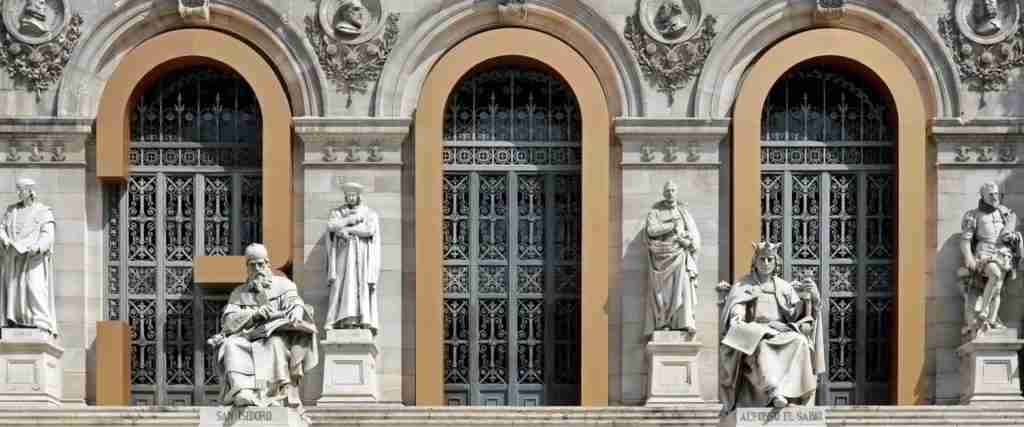
3 days
Madrid 3-Day Discovery Tour
- ✓ Comprehensive Madrid experience
- ✓ Expert local guides included
- ✓ All accommodation included
- ✓ Transportation provided
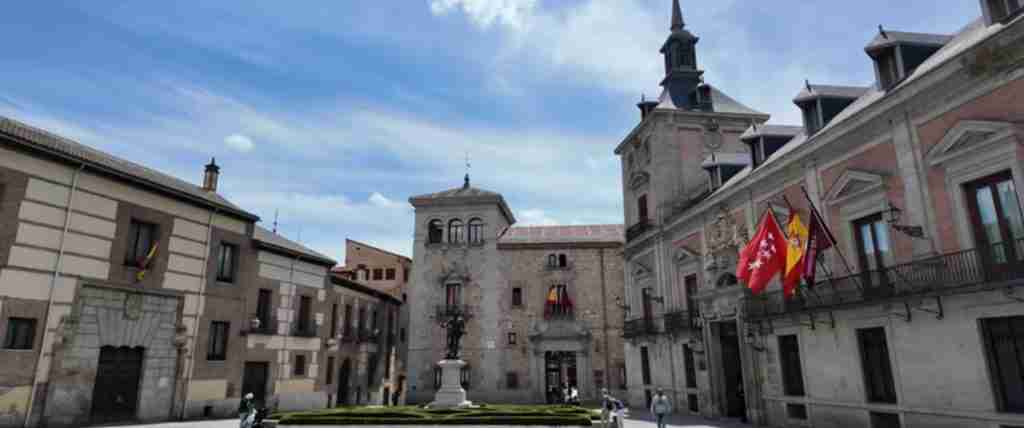
5 days
Madrid 5-Day Highlights Experience
- ✓ Comprehensive Madrid experience
- ✓ Expert local guides included
- ✓ All accommodation included
- ✓ Transportation provided

7 days
Madrid 7-Day Cultural Journey
- ✓ Comprehensive Madrid experience
- ✓ Expert local guides included
- ✓ All accommodation included
- ✓ Transportation provided
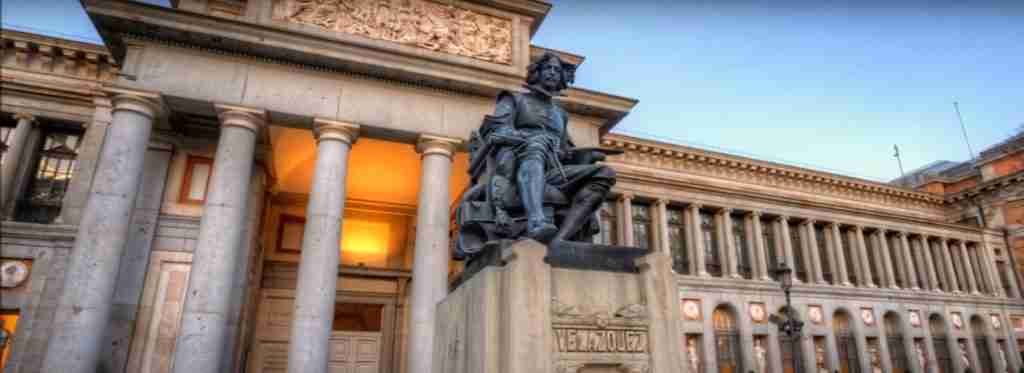
10 days
Madrid 10-Day Complete Adventure
- ✓ Comprehensive Madrid experience
- ✓ Expert local guides included
- ✓ All accommodation included
- ✓ Transportation provided
Multi-day tour packages powered by TourRadar. Prices and availability subject to change.
Essential Money and Payment Strategies for 2026
Currency and Payment Methods in Madrid 2026
Spain uses the euro with coins in denominations of 1, 2, 5, 10, 20, and 50 cents plus €1 and €2 coins. Bills come in €5, €10, €20, €50, €100, €200, and €500 denominations, though €200 and €500 notes are rare and many businesses refuse them. Credit and debit cards see widespread acceptance across Madrid with Visa and Mastercard working universally. American Express acceptance is less common, particularly at smaller establishments. Contactless payment works at most modern terminals with tap limits of €50 for card payments and unlimited for mobile wallet payments requiring authentication.
Most restaurants accept cards for any amount though some traditional neighborhood bars prefer cash for drinks or small tapas orders under €10. All major attractions, chain stores, and modern restaurants process cards without minimum purchase requirements. Small family-run establishments and market vendors deal primarily in cash. ATMs throughout Madrid dispense euros with most banks allowing withdrawals without additional fees beyond standard international transaction charges your bank may assess. Notify your bank before travel to prevent security blocks on foreign transactions. Using ATMs at actual bank branches during business hours provides security against skimming devices occasionally placed on standalone machines.
Money-Saving Strategies for 2026 Madrid Visits
Madrid offers numerous opportunities for budget-conscious travelers to reduce expenses without sacrificing experience quality. Free museum entry occurs Mondays-Saturdays 6-8 PM at Prado Museum and Reina Sofía Museum plus Sundays 10 AM-2 PM, saving €15 per person per museum. Many smaller museums offer free entry on specific weekday afternoons. Menu del día lunch specials at restaurants cost €12-18 for three-course meals with drinks, providing substantial savings versus à la carte dinner ordering. Shopping at Mercado de San Miguel or neighborhood markets offers authentic food experiences at lower costs than tourist-district restaurants.
Transportation savings accumulate through multi-ride metro tickets versus single journeys. The 10-ride card at €12.20 costs 39% less than ten individual €2 tickets. Tourist transport cards justify costs only for visitors making 5+ trips daily. Walking between central attractions like Royal Palace, Plaza Mayor, and Retiro Park eliminates transportation expense while providing neighborhood exploration. Drinking tap water rather than purchasing bottled water saves €3-5 daily. Free walking tours on tip-based models cost €10-15 versus €35-55 for paid guided tours while providing comparable content quality. Purchasing picnic supplies at supermarkets like Mercadona or Carrefour Express for some meals reduces dining expenses by 50-60% compared to restaurant meals for every meal.
Transportation Mastery in Madrid 2026
Metro System Navigation and Ticketing
Madrid’s metro system operates as the city’s transportation backbone with 302 stations across 13 color-coded lines covering 293 kilometers. Trains run every 2-5 minutes during peak hours (7-10 AM, 5-8 PM) and every 5-10 minutes during off-peak periods. Service operates 6 AM to 1:30 AM weekdays, with extended Friday and Saturday service until 2 AM. Platform signs display direction and terminus station names; verify both before boarding. Connection stations link multiple lines with clear signage showing transfer routes. Station names often reference nearby landmarks or neighborhoods aiding orientation.
Ticketing options suit different travel patterns. Single tickets cost €1.50 for zone A (central Madrid) or €2 including airport supplement. The 10-ride Multi Card costs €12.20 for zone A travel and can be shared among multiple travelers for savings on group trips. Tourist passes cost €8.40 (1 day), €14.20 (2 days), €18.40 (3 days), €26.40 (5 days), or €35.40 (7 days) including unlimited metro, bus, and light rail travel. Tourist passes do not include airport metro supplement requiring separate €3 ticket. Passes justify costs for travelers making 5+ journeys daily; fewer trips favor pay-per-ride options. Ticket machines at all stations accept cash and cards with English language options. Retain tickets until exiting stations; inspectors fine €100 for traveling without valid tickets.
Bus, Taxi, and Alternative Transportation Options in 2026
Madrid’s bus network complements metro coverage with 200+ routes operating throughout the city. Bus tickets cost €1.50 with same Multi Cards used on metro valid for buses. Night buses (Búhos) operate 11:45 PM to 5:30 AM when metro closes, with routes converging at Plaza de Cibeles. Bus stops display route numbers and destinations with real-time arrival information. Most tourists find metro more intuitive than complex bus route navigation though buses provide scenic surface travel showing neighborhood character metro routes miss.
Licensed Madrid taxis display white bodies with red diagonal stripes and green roof lights when available. Meters start at €2.50 base fare with €1.10-1.30 per kilometer depending on time and day. Supplements add €3 for airport trips, €5.50 for trips from Atocha or Chamartín stations, and €6.70 for Christmas Eve or New Year’s Eve. Cross-city trips cost €8-15 in most circumstances. Tipping is optional; rounding up to next euro or adding €1-2 for helpful service is customary. All taxis accept card payments by law though cash remains preferred by some drivers. Uber and Cabify operate in Madrid with similar pricing to official taxis. Ride-hailing apps provide upfront pricing and electronic receipts some travelers prefer over traditional taxis. BiciMAD bike-share requires €2 annual subscription plus €0.50-0.60 per 30 minutes but suits only experienced urban cyclists given Madrid’s hills, traffic patterns, and limited dedicated cycling infrastructure.
Communication and Language Essentials for 2026
Spanish Language Basics and Useful Phrases
English proficiency in Madrid varies significantly by age, industry, and location. Young service workers, hotel staff, and tourist industry employees often speak functional English. Older generations and traditional neighborhood businesses operate primarily in Spanish. Tourist districts like Sol, Gran Vía, and areas near major attractions have higher English presence than residential neighborhoods. Learning basic Spanish phrases dramatically improves interaction quality and local receptiveness. Essential phrases include: “Buenos días” (good morning), “Buenas tardes” (good afternoon/evening), “Por favor” (please), “Gracias” (thank you), “¿Habla inglés?” (Do you speak English?), “No hablo español” (I don’t speak Spanish), “¿Cuánto cuesta?” (How much does it cost?), and “La cuenta, por favor” (The bill, please).
Numbers prove essential for prices, addresses, and times. Learn 1-10 and key numbers like 20, 50, 100. Restaurant vocabulary helps menu navigation: “carne” (meat), “pescado” (fish), “verduras” (vegetables), “agua” (water), “vino” (wine), “cerveza” (beer). Direction words include “derecha” (right), “izquierda” (left), “recto” (straight), “cerca” (near), “lejos” (far). Emergency terms include “ayuda” (help), “policía” (police), “médico” (doctor), “hospital” (hospital). Pronunciation differences matter: “c” before “e” or “i” sounds like “th” in Spain (cerveza = thehr-VEH-tha), “ll” sounds like “y” (paella = pie-EH-yah), double “r” rolls, and “j” sounds like strong “h” (jamón = hah-MON).
Mobile Connectivity and Internet Access in 2026
Mobile connectivity in Madrid requires either international roaming plans, local Spanish SIM cards, or portable WiFi devices. European Union visitors enjoy roaming-free mobile service under EU regulations with home country data plans working identically in Spain. Non-EU visitors face international roaming charges of €5-15 per day for data packages or pay-per-use rates reaching €10-20 per megabyte. Spanish prepaid SIM cards from Orange, Vodafone, or Movistar cost €15-25 for 2-4 weeks with 5-10GB data and calling minutes. Purchase at phone shops, airports, or some convenience stores with passport required for registration. Most modern phones accept European SIM cards though verify your device is unlocked before travel.
Free WiFi exists throughout Madrid at hotels, cafés, restaurants, and some public spaces. Coverage quality varies with larger chain establishments providing reliable connections and small traditional bars offering limited or no WiFi. Starbucks, McDonald’s, and other international chains provide consistent free WiFi across locations. Public WiFi networks exist in some metro stations and municipal buildings though connection reliability proves inconsistent. Plaza Mayor, Retiro Park, and other tourist areas offer public access points. Download offline maps before arrival using Google Maps, Maps.me, or Apple Maps offline functionality preventing navigation issues when cellular data is unavailable. Translation apps like Google Translate work offline with Spanish language pack downloaded in advance. Banking apps, ride-hailing services, and mobile payment systems require data connectivity making reliable internet access essential for contemporary Madrid navigation.
Dining Etiquette and Restaurant Culture in 2026
Spanish Meal Times and Restaurant Customs
Spanish meal timing differs dramatically from Northern European and American patterns. Breakfast (desayuno) occurs 7-10 AM as light affair with coffee and pastry or toast. Lunch (comida) serves 2-4 PM as the main meal with restaurants opening around 1:30 PM and kitchens closing 4-4:30 PM. Many restaurants close entirely between lunch and dinner services. Dinner (cena) begins 9-11 PM with kitchens opening 8:30-9 PM. Tourist-district restaurants accommodate earlier dining but traditional establishments strictly maintain Spanish schedules. Arriving at 6 PM expecting dinner finds most restaurants closed or serving only drinks. Late Spanish dining reflects cultural patterns with social meals extending 1-2 hours minimum.
Restaurant service follows Spanish customs that differ from American expectations. Servers do not hover or repeatedly check on tables; this is not neglect but rather respecting diners’ space for conversation and leisure. Wave or make eye contact to request server attention. Requesting the check requires explicit asking; servers will not bring bills unprompted as this implies rushing diners. Say “La cuenta, por favor” (the bill, please) when ready to leave. Tipping is optional with 5-10% for exceptional service; Spanish servers earn standard wages without American-style tip dependency. Leaving small change (€1-3) for casual meals or 5-8% for excellent dinner service is appreciated but not expected. Credit cards work everywhere though traditional establishments prefer cash for small bills under €15-20.
Tapas Culture and Bar Etiquette in 2026
Tapas bars operate differently from sit-down restaurants with distinct cultural customs. Standing at bars is common and often cheaper than table seating; some establishments charge different prices for bar versus table service. Order drinks first; food follows. Say “Ponme una caña” (pour me a small beer) or “Un vino tinto, por favor” (a red wine, please) then browse displayed tapas or ask about available options. Traditional bars include small complimentary tapas with drink orders though this custom has largely disappeared in tourist areas and modern establishments. Order food by pointing to displayed items or requesting specific dishes by name: “Ponme unas patatas bravas” (give me some patatas bravas).
Bar hopping (ir de tapas) represents authentic Madrid social culture with locals visiting 3-5 bars over evening, having 1-2 tapas and drinks at each location. This provides variety and social interaction across different neighborhood establishments. Leave small change on bar as minimal tip (€0.30-0.50 per drink) or round up to next euro when paying. Bars get crowded 8-11 PM on weekends; arrive earlier or later for calmer service. Smoking bans prohibit indoor smoking at all Spanish bars and restaurants with designated outdoor areas at establishments with patios. Loud conversation and social atmosphere is normal and expected in traditional bars; this is not rudeness but standard Spanish social culture. Family-friendly tapas bars welcome children though some late-night establishments cater primarily to adult clientele.
Safety and Security Practices for 2026
Preventing Pickpocketing and Common Scams
Pickpocketing represents Madrid’s primary tourist safety concern with thieves operating at metro stations, crowded tourist sites, and busy markets. Common tactics include: distraction by person asking directions while accomplice pickpockets, razor-blade bag slashing on crowded metro cars, motorcycle grab-and-dash theft of phones or bags near curbs, staged fights or commotions diverting attention while thieves work the crowd. Hotspots include Sol metro station, Gran Vía shopping district, Plaza Mayor, El Rastro flea market, and metro lines 1, 2, and 5 serving tourist areas. Rush hour crowding (7-10 AM, 5-8 PM) provides cover for pickpockets operating in compressed passenger conditions.
Effective prevention strategies include: wearing crossbody bags in front of body with hand on zipper in crowded areas, avoiding back pockets for phones or wallets, using front pockets with button or zipper closure, keeping bags zipped and secured on restaurant chairs or at feet rather than hanging on chair backs, avoiding phone use while walking in tourist areas (step aside to doorways if necessary), photographing with camera strap around neck, carrying only necessary cash and cards with backup cards and passport secured at hotel. Money belts or neck pouches provide extra security for passports and emergency cash. Avoid displaying expensive jewelry, watches, or designer bags that mark tourists as high-value targets. Be particularly alert when groups of people surround you, someone bumps you repeatedly, or staged commotions occur nearby.
Emergency Services and Medical Care in 2026
Emergency services in Madrid respond professionally and efficiently to tourist needs. Dial 112 for all emergencies (police, fire, medical) with multilingual operators directing appropriate services. Police station (comisaría) locations exist throughout the city with tourist police (Policía Nacional) at Plaza de Sol speaking English and specializing in tourist assistance. Report thefts and crimes at any police station for insurance claims though recovery of stolen items is uncommon. Police generally do not pursue pickpocketing cases beyond report filing unless part of larger investigation.
Medical emergencies receive treatment at public hospitals and private clinics throughout Madrid. Public hospitals provide care to everyone regardless of insurance status with charging systems addressing payment after treatment. European Health Insurance Card (EHIC) holders from EU countries receive free treatment at public facilities. Travel insurance covering medical expenses provides fastest access to private clinics and hospitals with English-speaking staff and modern facilities. Pharmacies (farmacias) identified by green crosses operate throughout Madrid with pharmacists providing advice for minor ailments and selling over-the-counter medications. 24-hour pharmacies rotate duties with lists posted at all pharmacy locations showing nearest open facility after hours. For non-emergency medical needs, private clinics like Unidad Médica or Medicover provide English-speaking doctors with appointments available same-day or next-day for €80-120 consultation fees.
Cultural Etiquette and Social Customs for 2026
Social Interaction Norms
Spanish social customs differ from Northern European and American patterns in greeting, personal space, and conversation styles. Greetings involve two kisses (one on each cheek) for friends and acquaintances, though business contexts use handshakes. Wait for Spanish people to initiate kiss greetings; tourists using handshakes cause no offense. Address people formally with “usted” until invited to use informal “tú”; younger generations use “tú” more liberally. Maintaining eye contact during conversation shows respect and engagement. Speaking volume in Spain exceeds Northern European norms; animated conversation is normal rather than rude. Interrupting is common in Spanish conversation as sign of engagement rather than disrespect.
Personal space in Spain is closer than in Anglo-Saxon cultures with comfortable conversation distance about 30-40 centimeters (12-16 inches). Standing arms-length apart feels distant to Spaniards. Touching during conversation (arm touches, shoulder pats) is normal and friendly. Spanish people prioritize punctuality for business meetings but social gatherings accept 15-30 minute delays as normal. Dining invitations at someone’s home require bringing wine, dessert, or small gift like flowers or chocolates. Remove shoes when entering Spanish homes if hosts remove theirs; otherwise leaving shoes on is acceptable. Complimenting home, food, or hospitality is appreciated and expected.
Dress Code and Appearance Expectations in 2026
Madrid maintains European fashion consciousness with appearance valued in social and professional contexts. Spanish people dress more formally than Northern Europeans or Americans for equivalent situations. Restaurants, museums, and attractions have no strict dress codes though very casual wear (beach wear, gym clothes, flip-flops) looks inappropriate outside tourist districts. Smart casual attire suits most Madrid situations: clean jeans or trousers with collared shirt or blouse work for restaurants and attractions. Women commonly wear dresses, skirts, or fashionable trousers. Men wear collared shirts, clean jeans or trousers, and closed shoes rather than athletic wear.
Business settings require formal attire: suits for men, professional dresses or pantsuits for women. Religious sites like Almudena Cathedral require modest dress covering shoulders and knees; carry a light scarf or cardigan for covering if wearing summer clothing. Beach wear, shorts, and sleeveless shirts suit only beach contexts or extreme summer heat, not city restaurants or museums. Athletic clothing belongs at gyms or for actual sports activities; wearing gym clothes for sightseeing marks tourists. Quality footwear matters; clean walking shoes or leather shoes are preferred over worn athletic shoes or sandals. Madrid judges appearance more than many casual-oriented cultures; making modest effort toward neat, put-together appearance shows cultural respect and often improves service quality.
Weather and Seasonal Considerations for 2026
Seasonal Packing Strategies
Madrid’s continental climate creates distinct seasonal conditions requiring different packing strategies. Summer (June-August) brings intense heat with temperatures reaching 35-40°C. Pack lightweight, breathable clothing in natural fabrics like cotton or linen. Multiple layers allow adjustment as buildings often maintain cold air conditioning contrasting with outdoor heat. Wide-brimmed hat, sunglasses, and SPF 30+ sunscreen prevent sun damage. Refillable water bottle maintains hydration. Light evening layer handles temperature drops after sunset. Comfortable walking shoes in breathable materials prevent foot problems during extensive walking in heat.
Spring (March-May) and autumn (September-November) provide pleasant temperatures of 15-25°C with occasional rain. Pack layers including light jacket, long-sleeve shirts, and sweater for variable conditions. Light raincoat or compact umbrella handles occasional showers. Closed shoes protect against rain though waterproof boots are unnecessary unless visiting during particularly wet periods. Winter (December-February) requires warm clothing with temperatures of 5-12°C. Heavy coat, scarf, gloves, and hat protect against cold during outdoor exploration. Indoor spaces maintain heating but churches and museums can be cool. Layering allows temperature adjustment between heated interiors and cold streets. Comfortable waterproof walking shoes handle occasional rain and cold conditions.
Dealing with Madrid Heat in Summer 2026
Summer heat in Madrid requires strategic adaptation for comfortable exploration. Schedule outdoor activities early morning (7-11 AM) or evening (6-9 PM) when temperatures are more manageable. Use midday hours (12-5 PM) for indoor attractions like Prado Museum, Royal Palace, or air-conditioned shops and restaurants. Siesta tradition makes practical sense in extreme heat; returning to hotel for afternoon rest and air conditioning allows evening energy recovery. Seek shade while walking and take frequent breaks at cafés for cold drinks and relief from sun exposure.
Hydration becomes critical in Madrid summer with 2-3 liters daily minimum for active tourists. Tap water is safe and free at restaurants and public fountains throughout the city. Refilling water bottles eliminates purchase expense while maintaining hydration. Avoid excessive alcohol during hottest hours as this accelerates dehydration. Light meals rather than heavy lunches prevent sluggishness in heat. Seek air-conditioned spaces when feeling overheated or dizzy; heat exhaustion develops quickly in 38-40°C conditions. Know heat exhaustion symptoms: excessive sweating, weakness, nausea, headache. Treatment involves moving to cool location, drinking water, and resting. Severe cases require medical attention. Madrid hospitals treat numerous tourist heat-related cases each summer; prevention through proper hydration, sun protection, and midday rest prevents most problems.
Shopping and Business Hours in 2026
Understanding Spanish Shop Schedules
Spanish shop hours follow traditional patterns with siesta closures though modern tourist areas increasingly maintain continuous hours. Traditional schedule operates Monday-Saturday 10 AM-2 PM, closing for siesta until 5 PM, then reopening 5-8 PM. Sunday closures are standard except in tourist zones and shopping centers. Large shopping centers (El Corte Inglés, ABC Serrano) maintain continuous 10 AM-9 PM hours Monday-Saturday plus Sunday hours 11 AM-9 PM. Tourist district shops (Gran Vía, Sol, Plaza Mayor area) often skip siesta to capture tourist traffic. Grocery stores and supermarkets generally stay open continuously 9 AM-9 PM including many Sundays.
Banks operate Monday-Friday 8:30 AM-2 PM with Thursday afternoon hours until 4 PM at some branches. Banks close weekends and holidays creating challenges for financial transactions. ATMs provide 24/7 access though some limit withdrawals to €300-600 daily. Pharmacies follow 9:30 AM-2 PM, 5-8 PM schedules with rotating 24-hour duty pharmacies. Post offices operate Monday-Friday 8:30 AM-8:30 PM, Saturday 9:30 AM-1 PM. Museums and attractions generally maintain continuous hours 10 AM-6 PM or later without siesta closures. Restaurant hours follow meal schedules with closures between lunch (ends 4 PM) and dinner (begins 8:30 PM). Planning around Spanish business hours prevents frustration when arriving at closed establishments.
VAT Refunds and Duty-Free Shopping in 2026
Non-EU visitors can reclaim Value Added Tax (IVA in Spain) on purchases exceeding €90.16 at participating retailers. VAT rates in Spain include 21% standard rate on most goods, 10% reduced rate on certain items, and 4% super-reduced rate on necessities. Tax-free shopping stores display “Tax Free Shopping” signage. Request tax refund form at time of purchase, provide passport for processing, and keep receipts with items unused in original packaging. At departure, present forms, receipts, and physical goods at customs office before checking luggage. Customs validates forms allowing refund processing through third-party providers like Global Blue or Premier Tax Free.
Refund processing options include immediate cash refund at airport refund offices (with 3-5% service fee), credit card refunds processed 2-4 weeks after customs validation (with 2-3% service fee), or bank transfer to home country account. Minimum purchase requirements and service fees reduce actual refund amounts below theoretical VAT recovery. Calculate if hassle justifies savings; €500 purchase at 21% VAT yields €87 theoretical refund minus service fees of €3-8 resulting in €79-84 actual refund. Worth pursuing for luxury purchases but marginal for small shopping. Madrid-Barajas Airport provides tax refund offices after security in Terminal 4 and Terminal 1 with queues of 15-45 minutes during peak periods. Allow extra airport time for refund processing.
Technology and Apps for 2026 Madrid Visits
Essential Travel Apps and Digital Tools
Madrid navigation benefits from several smartphone applications enhancing visitor experiences. Google Maps provides comprehensive metro, bus, and walking directions with real-time transit information, business hours, and user reviews. Download offline maps before arrival preventing navigation issues without cellular data. Citymapper offers Madrid-specific transit planning with detailed platform information, service alerts, and fare calculation. Metro Madrid official app provides metro system maps, station information, and journey planning in English.
Restaurant discovery benefits from TheFork (La Tenedor in Spanish) providing reservations, reviews, and occasional dining discounts. Google Translate offers offline translation with downloaded Spanish language pack enabling camera translation of menus and signs without internet connection. XE Currency provides real-time exchange rates for price calculation. WhatsApp enables free messaging and calls over WiFi or data, serving as primary communication method for booking confirmations and business contact in Spain. Uber and Cabify provide ride-hailing alternatives to traditional taxis. GetYourGuide and Viator facilitate tour bookings with mobile ticket delivery. Banking apps with travel notification features prevent card blocking from suspicious foreign transactions.
Electrical Adapters and Charging Solutions in 2026
Spain uses Type C and Type F electrical outlets with 230V/50Hz power supply. Type C features two round pins, while Type F adds grounding clips. US and UK devices require adapters; universal travel adapters work throughout Europe. Most modern electronics (phones, laptops, cameras) include 110-240V compatibility requiring only plug adapter rather than voltage converter. Check device specifications; older devices or styling tools may require voltage converters preventing damage from higher European voltage. Hair dryers and heating devices often need converters or European versions.
Hotels provide outlet access though European sockets may not accommodate all devices simultaneously without adapters. USB charging ports increasingly appear in modern hotels though bringing power bank provides backup charging capacity during full-day sightseeing. Multi-USB charging blocks allow simultaneous device charging from single outlet. European USB adapters deliver same 5V charging standard as worldwide devices. Consider bringing extension cord or multiple-outlet adapter for hotels with limited outlet access near beds or work areas. Most cafés and restaurants allow charging though asking permission shows courtesy.
Special Considerations for Different Traveler Types
Solo Traveler Safety and Social Opportunities in 2026
Solo travelers find Madrid safe and welcoming with infrastructure supporting independent exploration. Hostel accommodation provides budget options and social opportunities through common spaces, organized activities, and fellow solo travelers. Hotel accommodation suits travelers valuing privacy and independence. Solo dining is completely normal in Madrid without social stigma; restaurants seat solo diners without hesitation or poor tables. Bar seating facilitates conversation with bartenders or other patrons for social interaction. Free walking tours provide structured introductions to city and opportunities meeting other travelers.
Safety practices for solo travelers mirror general advice with additional awareness during evening activities. Share itinerary with friend or family, maintain charged phone with emergency contacts accessible, and avoid excessive alcohol consumption in unfamiliar situations. Solo women travelers find Madrid generally respectful though catcalling occasionally occurs, particularly in nightlife districts. Firm “no” and walking away handles most situations; genuine harassment is rare. Join group tours or activities for structured social interaction. Meetup groups, language exchange events, and cultural activities provide opportunities connecting with locals and expatriates. Madrid’s size prevents loneliness while maintaining manageable navigation for solo visitors.
Senior Traveler Considerations and Accessibility in 2026
Madrid accommodates senior travelers though awareness of physical demands and accessibility limitations improves experience quality. Historic sites include significant walking on uneven cobblestone streets and stairs in buildings lacking elevators. Pacing visits with regular rest breaks prevents exhaustion. Many museums and major attractions provide wheelchairs, elevators, and accessible facilities. Metro stations increasingly install elevators though older stations retain only stairs. Metro Line 1 and central stations generally have elevator access. Bus system provides alternative accessible transportation with low-floor buses and designated seating.
Senior travelers benefit from slower-paced private tours allowing customized rest breaks versus group tours maintaining fixed schedules. Many attractions offer senior discounts for EU citizens over 65; non-EU citizens should inquire about senior rates though these less commonly apply. Restaurant dining during earlier hours (lunch at 2 PM, dinner at 8:30 PM) allows service before prime crowding. Afternoon siesta rest at hotel maintains evening energy for cultural activities. Medical considerations include carrying sufficient prescription medications, health insurance documentation, and emergency contact information. Pharmacies throughout Madrid assist with minor health needs and many pharmacists speak functional English in tourist areas.
LGBTQ+ Travelers in Madrid 2026
Madrid ranks among Europe’s most LGBTQ+-friendly cities with strong legal protections, vibrant queer community, and accepting social environment. Chueca neighborhood serves as gayborhood center with numerous LGBTQ+ bars, restaurants, shops, and cultural venues. Same-sex couples display affection publicly throughout Madrid without issue in nearly all contexts. Pride Madrid (Orgullo) occurs late June/early July as one of Europe’s largest pride celebrations with million+ attendance. LGBTQ+ specific travel resources include Chueca tourism information office, LGBTQ+ specific tour operators, and queer nightlife guides.
Madrid’s LGBTQ+ scene includes diverse venues from casual neighborhood bars to sophisticated cocktail lounges and dance clubs. Chueca offers highest concentration though queer venues exist throughout the city. Lesbian-specific venues are less numerous than gay male spaces but exist in Chueca and Lavapiés. Transgender travelers generally find Madrid respectful and accommodating with legal protections and medical care available. While Madrid shows high acceptance, rural areas outside the capital may be more conservative. Overall, LGBTQ+ travelers experience Madrid as welcoming destination with full access to city life and culture without discrimination concerns present in less accepting locations.
FAQ Section: Madrid Travel Tips 2026
Do I need travel insurance for Madrid?
Travel insurance for Madrid is highly recommended though not legally required. Insurance covers medical emergencies, trip cancellations, lost luggage, and theft. Medical coverage proves particularly valuable for non-EU citizens facing full-cost medical bills at private clinics (consultations €80-150, emergency room visits €300-600, hospital stays €1,000+ daily). EU citizens with European Health Insurance Card receive free public healthcare though insurance still covers private care, repatriation, and non-medical issues. Trip cancellation coverage protects pre-paid accommodation, flights, and tours if emergency prevents travel. Theft coverage reimburses stolen items though limitations and deductibles apply. Comprehensive travel insurance costs €40-80 for week-long Madrid trips providing coverage significantly exceeding premium cost for covered events.
Is tap water safe to drink in Madrid?
Madrid tap water is completely safe to drink and meets EU quality standards. The water comes from Sierra de Guadarrama mountain reservoirs with excellent natural quality and treatment. Locals drink tap water without concern. Restaurants provide free tap water if requested though bottled water is standard unless specified otherwise. Say “agua del grifo” (tap water) to receive free water at restaurants. Refilling water bottles from tap eliminates €1.50-3 bottled water expense adding to €6-15 daily savings. Taste may differ slightly from home water due to mineral content but causes no health concerns. Environmental benefits of avoiding plastic water bottles align with sustainable tourism practices. Some older buildings may have aging pipes affecting taste; hotels generally maintain good water quality and can advise if any concerns exist.
What should I do if my passport is stolen in Madrid?
If your passport is stolen in Madrid, immediately report the theft to local police for report filing (required for replacement). Visit or call your country’s embassy or consulate in Madrid to report stolen passport and begin replacement process. US Embassy is located near Gregorio Marañón metro station, UK Embassy near Colón, Canadian Embassy near Serrano. Embassies provide emergency passports or temporary travel documents allowing return home. Bring passport photos (available at photo shops throughout Madrid for €6-12), police report, identification if available, and proof of citizenship. Processing emergency travel documents requires 1-3 business days in most cases. Fees for replacement US passport are $165; UK emergency travel document £100; Canadian temporary passport $160. Keep copies of passport information page and visa stamps stored separately from actual passport enabling faster replacement. Travel insurance may cover replacement costs and related expenses depending on policy terms.
How much should I budget per day in Madrid excluding accommodation?
Daily Madrid budgets vary significantly by travel style and dining preferences. Budget travelers spending €40-60 daily utilize menu del día lunch specials (€12-18), grocery store breakfasts and snacks (€10-15), free walking tours with tips (€10-15), free museum hours, and €12.20 for 10-ride metro card used across multiple days. Mid-range travelers spending €80-120 daily dine at restaurants for lunch and dinner (€40-60 combined), visit paid museum tours (€15-35), use taxis occasionally (€10-15), and enjoy tapas or drinks (€20-30). Luxury travelers spending €200-300+ daily eat at high-end restaurants (€80-120+ per meal), book private tours (€200-400 for day tours), use taxis primarily (€25-40 daily), and attend premium cultural events like flamenco with dinner (€75-95). These budgets exclude accommodation, international flights, and optional day trips to Toledo or Segovia (add €65-120 for day trips).
Can I use my credit card everywhere in Madrid?
Credit cards work at most Madrid establishments including restaurants, shops, attractions, and hotels. Visa and Mastercard receive universal acceptance while American Express works at fewer locations, particularly small family-run businesses. Contactless payment functions at modern terminals for amounts under €50 with tap cards or mobile payment apps like Apple Pay or Google Pay. Some traditional neighborhood bars and market vendors prefer or require cash for small purchases under €10-15. Always carry €40-60 cash for small transactions, tips, and cash-only establishments. Notify your bank before traveling to prevent security blocks from foreign transactions. Check if your card charges international transaction fees (typically 3% of purchase); some cards offer fee-free foreign transactions. ATMs throughout Madrid allow cash withdrawal though check withdrawal fees from your home bank and Spanish ATM operators.
What holidays should I know about in Madrid?
Major Spanish holidays affecting Madrid operations include: January 1 (New Year’s Day), January 6 (Epiphany), Good Friday, May 1 (Labor Day), May 2 (Madrid Day – regional holiday), May 15 (San Isidro – Madrid patron saint), August 15 (Assumption), October 12 (National Day), November 1 (All Saints), December 6 (Constitution Day), December 8 (Immaculate Conception), December 25 (Christmas). Many shops, banks, and some restaurants close on major holidays though tourist-oriented services often remain open. Museums may have altered hours or closures on holidays. August sees many Madrid residents vacation causing some local business closures though tourist services maintain operation. Christmas season (December 20-January 6) brings special markets, decorations, and programming. San Isidro festivities in mid-May include traditional celebrations, bullfights, and cultural events throughout Madrid.
Is Madrid expensive compared to other European cities?
Madrid costs less than Northern European capitals like London, Paris, or Copenhagen but more than Eastern European cities. Restaurant meals cost 20-30% less than London or Paris equivalents with menu del día lunches (€12-18) providing exceptional value. Accommodation rates are moderate with budget hostels (€25-40 per bed), mid-range hotels (€80-150 per night), and luxury hotels (€200-400 per night) costing notably less than London, Paris, or Amsterdam equivalents. Museum entry (€12-18) and attraction tickets match Western European standards. Metro transportation (€1.50-2 per ride) and taxis (€6-15 cross-city) offer good value. Alcohol and dining out cost significantly less than Nordic countries. Overall, Madrid provides excellent value for Western European capital with prices 25-40% below London, Paris, or Zurich for equivalent experiences while maintaining similar service quality and cultural offerings.
Should I book attractions in advance or can I buy tickets at the door?
Booking major Madrid attractions in advance is strongly recommended during peak season (April-October) to guarantee entry and avoid lengthy ticket lines. Royal Palace tickets purchased online allow timed entry skipping 30-60 minute queues. Prado Museum and Reina Sofía Museum online booking prevents 45-90 minute waits during busy periods. Popular tours and flamenco shows sell out 1-2 weeks ahead in peak season. Free museum entry time slots during evening hours and Sunday mornings fill quickly and may require advance reservations. Winter months (November-March) see lower demand with same-day tickets often available at major attractions. Walk-up availability exists but limits schedule flexibility and wastes vacation time waiting in lines. Most attractions offer mobile tickets eliminating printing requirements. Advance booking costs same price as door tickets while providing significant time savings and guaranteed entry making this consistently worthwhile for major attractions.
What souvenirs are worth buying in Madrid?
Quality Madrid souvenirs include Spanish ceramics and pottery from Toledo, Talavera, or Manises with traditional designs (€20-200 depending on size and quality). Jamón ibérico (cured ham) vacuum-sealed for travel (€30-100 per piece) provides authentic Spanish culinary gift. Spanish olive oil from Andalusian producers comes in attractive packaging (€15-40). Saffron from La Mancha region offers genuine Spanish spice (€8-20 per gram). Traditional Spanish fans (abanicos) range from tourist versions (€5-15) to handcrafted artistic pieces (€50-300). Leather goods including bags, wallets, and accessories from Salamanca neighborhood shops (€40-200) offer Spanish craftsmanship. Espadrilles and Spanish footwear (€25-80) provide functional souvenirs. Spanish wine from Rioja, Ribera del Duero, or other regions (€10-50 per bottle) ships easily. Football jerseys from Real Madrid or Atlético official stores (€80-150) appeal to sports fans. Avoid tourist-trap items like plastic flamenco dolls, mass-produced ceramics, or fake luxury goods.