
Madrid Photography Guide: Mastering Light & Composition
Key Takeaways
- Madrid’s high-altitude location (650m) creates exceptionally clear light ideal for photography, with dramatic golden hours and extended blue hours throughout the year
- The city offers diverse photographic opportunities: Habsburg and Bourbon architecture, vibrant urban street life, world-class museum interiors, and panoramic viewpoints
- Understanding Madrid’s harsh midday sun and deep shadows requires mastering exposure techniques, HDR processing, and strategic timing for optimal architectural photography
- Templo de Debod, Retiro Park, and rooftop viewpoints provide iconic skyline compositions combining natural and urban elements
- Street photography thrives in neighborhoods like Malasaña, Lavapiés, and around Gran Vía, where Madrid’s social energy creates dynamic documentary opportunities
- Museum photography requires balancing available light challenges, reflection management, and compositional framing to capture artworks and architectural spaces effectively
Understanding Madrid’s Photographic Character
Madrid presents photographers with a compelling combination of architectural grandeur, vibrant street culture, exceptional light quality, and diverse urban landscapes. The city’s position on the Castilian plateau at 650 meters elevation creates atmospheric conditions that produce notably clear light compared to coastal cities. This elevation combined with Madrid’s relatively dry climate generates sharp contrasts between light and shadow, creating dramatic conditions that challenge and reward photographers who master exposure techniques. Understanding these distinctive light characteristics forms the foundation for successful Madrid photography across all genres and styles.
The city’s architectural heritage spans five centuries of Spanish history, from medieval structures through Habsburg and Bourbon neoclassicism to contemporary design. This architectural diversity provides subject matter ranging from ornate Baroque facades to austere modernist buildings, from monumental plazas to intimate neighborhood streets. Photographing this built environment requires understanding how different architectural styles interact with light, how to emphasize structural elements through composition, and how to capture urban spaces’ emotional qualities beyond mere documentation. Madrid’s architecture rewards both wide-angle environmental portraits and detailed studies of decorative elements, facades, and spatial relationships.
Madrid’s social energy manifests visibly in street life that animates public spaces from early morning through late evening. Cafés spilling onto sidewalks, animated conversations in plazas, evening paseos along major boulevards, neighborhood markets, and spontaneous street performances create rich documentary photography opportunities. Capturing this social dimension requires different technical approaches than architectural photography—faster shutter speeds to freeze movement, longer focal lengths for candid portraits, sensitivity to decisive moments, and ethical awareness about photographing people in public spaces. This human element transforms Madrid from collection of buildings into living city, adding narrative depth that purely architectural photography lacks.
People Also Ask About Madrid Photography
What is the best time of day for photographing Madrid?
Golden hour—the hour after sunrise and before sunset—provides Madrid’s most favorable light for photography, offering warm color temperatures, soft directional light, and manageable contrast ranges. Summer golden hours occur approximately 6:00-7:30 AM and 8:30-10:00 PM, while winter shifts these to 8:00-9:30 AM and 5:30-7:00 PM. Blue hour, the twilight period after sunset, creates atmospheric conditions ideal for urban night photography with balanced ambient and artificial light. Madrid’s high elevation extends these optimal lighting periods compared to sea-level cities, providing more working time during transitional hours. Midday photography in Madrid’s intense sun requires careful exposure management or deliberate high-contrast aesthetic approaches.
Where are the best viewpoints for Madrid skyline photographs?
Templo de Debod offers Madrid’s premier sunset skyline viewpoint, combining the ancient Egyptian temple in foreground with city skyline background. Cerro del Tío Pío (Seven Tits Park) provides panoramic views across southeastern Madrid with unobstructed horizons. Círculo de Bellas Artes rooftop terrace delivers central city views with landmarks including Gran Vía and Telefónica Building. Teleférico cable cars create elevated moving platforms for aerial urban perspectives. Faro de Moncloa observation tower gives 360-degree views from 92 meters height. Retiro Park’s Crystal Palace and Rose Garden offer parkland-skyline combinations. Each viewpoint favors different times of day and weather conditions, requiring strategic planning to maximize photographic potential.
What camera settings work best for Madrid’s bright sunlight?
Madrid’s intense sunlight creates high-contrast conditions requiring careful exposure management. Use low ISO (100-200) to minimize noise while maintaining highlight detail. Aperture selection depends on desired depth of field: f/8-f/11 for architecture requiring front-to-back sharpness, f/2.8-f/5.6 for portraits with background separation. Shutter speeds vary by subject: 1/250s minimum for handheld general photography, 1/500s+ for freezing pedestrian movement, slower speeds for deliberate motion blur. Expose for highlights when shooting high-contrast scenes, accepting shadow underexposure that can be recovered in post-processing. Bracketing exposures enables HDR processing for scenes exceeding dynamic range. Shoot RAW format to maximize post-processing flexibility for challenging light conditions.
Is drone photography permitted in Madrid?
Drone operation in Madrid faces significant restrictions due to urban density and airport proximity. Madrid-Barajas Airport establishes flight restriction zones covering much of the city center. Flying drones over crowds, government buildings, royal properties, and certain plazas is prohibited. Operators must register drones, maintain visual line of sight, respect 120-meter maximum altitude, and avoid flying over people without proper permits. Many tourist attractions explicitly prohibit drone photography. Parks like Retiro may allow recreational flying in designated areas with appropriate permissions. Serious aerial photographers should research AESA (Spanish Aviation Safety Agency) regulations thoroughly and obtain necessary permits before attempting drone operations. Ground-based elevated viewpoints often provide better legal alternatives for overhead perspectives.
Extended multi-day tours – 5+ days
Featured Madrid Multi-Day Tour Packages

3 days
Madrid 3-Day Discovery Tour
- ✓ Comprehensive Madrid experience
- ✓ Expert local guides included
- ✓ All accommodation included
- ✓ Transportation provided
5 days
Madrid 5-Day Highlights Experience
- ✓ Comprehensive Madrid experience
- ✓ Expert local guides included
- ✓ All accommodation included
- ✓ Transportation provided
7 days
Madrid 7-Day Cultural Journey
- ✓ Comprehensive Madrid experience
- ✓ Expert local guides included
- ✓ All accommodation included
- ✓ Transportation provided
10 days
Madrid 10-Day Complete Adventure
- ✓ Comprehensive Madrid experience
- ✓ Expert local guides included
- ✓ All accommodation included
- ✓ Transportation provided
Multi-day tour packages powered by TourRadar. Prices and availability subject to change.
Technical Foundations for Madrid Architecture
Photographing Madrid’s architectural heritage requires understanding how structural elements, decorative details, and spatial relationships translate into two-dimensional images. Wide-angle lenses (16-35mm) capture building facades and urban spaces, though barrel distortion and converging verticals require attention. Tilt-shift lenses correct perspective distortion, maintaining parallel vertical lines essential for formal architectural photography. Standard focal lengths (35-70mm) provide natural perspective approximating human vision, useful for environmental architecture including context. Telephoto lenses (70-200mm+) isolate architectural details—sculptural elements, decorative facades, ornamental features—compressing perspective to emphasize patterns and textures.
Lighting direction fundamentally affects architectural photography’s visual impact. Front lighting (photographer between sun and subject) reveals color and detail but produces flat results lacking dimensional information. Side lighting creates shadows that reveal texture and volume, emphasizing architectural relief and structural articulation. Back lighting produces dramatic silhouettes and rim lighting, though exposing for building detail becomes challenging. Overcast conditions provide diffused light ideal for color-accurate documentation but may lack dramatic impact. Understanding how light interacts with different architectural styles—Habsburg Baroque ornament versus Bourbon neoclassical severity—enables photographers to choose optimal timing for specific subjects.
Composition principles organize architectural elements into coherent visual statements. Leading lines—streets, colonnades, arcades—direct viewer attention while creating depth perception. Symmetry emphasizes classical architecture’s formal order, particularly effective in Madrid’s Bourbon-era buildings and plazas. Frame-within-frame compositions use archways, doorways, or windows to create layered spatial relationships. Rule of thirds positioning avoids centered compositions that may appear static, though deliberate centered symmetry suits formal architectural subjects. Foreground elements add depth and scale, preventing flat distant views. These compositional strategies transform documentary records into visually compelling photographs that communicate architecture’s aesthetic and emotional qualities.
Post-processing architectural photographs addresses technical limitations while enhancing visual impact. Perspective correction straightens converging verticals, maintaining buildings’ structural integrity. Highlight recovery salvages overexposed sky detail common in high-contrast conditions. Shadow lifting reveals architectural detail in underexposed areas without appearing unrealistic. Selective adjustments emphasize specific architectural features while subduing distracting elements. Black and white conversion emphasizes form, texture, and tonal relationships, often strengthening graphic compositions. These digital darkroom techniques extend photography’s capabilities while requiring restraint to avoid obviously manipulated appearances that undermine documentary credibility.
Iconic Location Photography: Landmarks and Monuments
Plaza Mayor represents Madrid’s most photographed architectural ensemble, requiring strategic approaches to capture this familiar space in fresh ways. Morning light enters from the east, illuminating the Plaza’s western facade with warm directional light while leaving eastern areas in shadow creating contrast. Evening light reverses this pattern. Shooting from Plaza corners emphasizes the space’s enclosed character, while elevated viewpoints from surrounding buildings provide comprehensive overviews. Detail shots of Casa de la Panadería’s frescoes, equestrian Philip III statue, or lamp posts add variety beyond wide environmental views. Winter snow dramatically transforms the Plaza’s appearance, creating rare photographic opportunities. Weekend crowds require patience for clear views, while early morning offers emptier compositions.
Palacio Real’s imposing neoclassical facade demands wide-angle coverage to encompass the building’s monumental scale. The Plaza de la Armería provides optimal vantage point, though midday sun creates harsh contrast. Dawn photography captures the palace’s eastern facade in soft light with city awakening background. Campo del Moro gardens offer elevated views combining palace architecture with landscape elements. Interior photography faces challenges from mixed artificial lighting, restricted tripod use, and ornate details competing for attention. The Throne Room’s gilded grandeur requires careful exposure to balance window light and interior illumination. Gardens provide relief from architectural photography’s technical demands while offering seasonal variety—spring blooms, autumn color, winter structure.
Templo de Debod draws photographers for sunset compositions combining ancient Egyptian architecture with Madrid skyline. Arriving 90 minutes before sunset secures good positions as crowds gather. Wide-angle lenses capture temple and skyline together, while telephoto compression stacks temple against distant buildings. The temple’s reflection in surrounding pools adds compositional interest during calm conditions. Blue hour photography after sunset balances temple lighting with residual sky glow, creating atmospheric results impossible at other times. Different seasons alter sunset timing and sky colors—summer provides later light, winter creates dramatic low-angle illumination. Weekend crowds complicate photography, requiring patience and composition flexibility to work around other visitors.
Gran Vía embodies Madrid’s early 20th-century urban ambition through monumental Beaux-Arts buildings lining the broad boulevard. Shooting from street level emphasizes the canyon-like quality created by tall facades. Elevated viewpoints from rooftop bars or Círculo de Bellas Artes provide overview perspectives showing the avenue’s urban planning. Night photography captures illuminated building facades, traffic light trails, and neon signs creating vibrant urban energy. The Telefónica Building’s Art Deco tower provides focal point for compositions. Schweppes sign offers iconic Madrid element for including in frames. Fast lenses handle low light conditions, while tripods (where permitted) enable long exposures smoothing traffic into light streaks while maintaining architectural sharpness.
Natural Settings: Parks and Gardens
Retiro Park provides 125 hectares of green space offering photographic relief from urban architecture. The Crystal Palace, a glass and iron greenhouse, combines architectural and natural elements particularly effective during golden hour when warm light floods transparent structure. Reflection photography in the palace’s pond duplicates the building while adding symmetry and visual interest. The Rose Garden presents seasonal color peaks in May and October, with structured plantings creating patterns ideal for abstract compositions. Retiro Lake’s rental boats add human activity and scale to lakeside compositions. Monument to Alfonso XII’s colonnade provides classical architectural backdrop for portrait photography or compositional framing device.
Royal Botanical Garden offers organized plant collections in formal garden settings ideal for macro and botanical photography. Spring bulbs provide seasonal color while summer perennials create lush herbaceous displays. The garden’s historic greenhouses combine Victorian architecture with exotic plants, creating atmospheric interior/exterior combinations. Structured pathways and geometric plantings lend themselves to symmetrical compositions emphasizing formal garden design. Diffused overcast light proves optimal for plant photography by softening contrast and preventing harsh shadows. Macro lenses reveal botanical details invisible to casual observation, transforming flowers into abstract compositions of form and color. The garden’s manageable size enables thorough photographic coverage within a single visit.
Casa de Campo’s extensive grounds provide landscape photography opportunities within city limits. The park’s hillside topography creates varied vantage points overlooking Madrid’s western skyline. Lake Casa de Campo offers foreground interest for skyline compositions while supporting diverse bird species attracting wildlife photographers. The Teleférico cable car provides aerial perspectives crossing the park with city views beyond. Mountain biking, jogging, and recreational activities add dynamic human elements to landscape compositions. Autumn color transforms deciduous areas, creating seasonal variety. The park’s less manicured character compared to Retiro produces more natural-appearing woodland photography, particularly in peripheral areas away from main paths and facilities.
Madrid Río linear park along the Manzanares River demonstrates contemporary landscape architecture blending recreational infrastructure with ecological restoration. Pedestrian bridges—particularly the spiraling Arganzuela Bridge—create sculptural architectural subjects while providing elevated viewpoints. Skateparks and recreational facilities attract action photography subjects performing aerial tricks and technical maneuvers. The park’s contemporary design aesthetic—angular forms, industrial materials, geometric patterns—appeals to photographers interested in modern urban landscape. Golden hour photography silhouettes bridge structures against colorful skies. Night photography captures illuminated bridges reflected in the river. The park’s linear form enables bicycle-based photography excursions covering multiple locations within single outings.
Urban Street Photography: Neighborhoods and Daily Life
Malasaña neighborhood embodies Madrid’s alternative culture through street art, independent shops, and bohemian residents. Narrow streets and dense urban fabric create intimate scales conducive to candid street photography. Cafés and bars spilling onto sidewalks provide stages for social interaction documentation. Vintage clothing stores, independent bookshops, and cultural venues attract visually distinctive individuals making interesting portrait subjects. Plaza del Dos de Mayo serves as neighborhood social hub, busy during evening paseos and weekend afternoons. Street art and graffiti add color and visual interest to building facades. The neighborhood’s photogenic decay—peeling paint, aged storefronts, authentic urban textures—appeals to photographers seeking gritty urban character over polished tourist environments.
Lavapiés represents Madrid’s most multicultural neighborhood, with immigrants from Latin America, North Africa, South Asia, and sub-Saharan Africa creating diverse street life. Markets display unfamiliar produce and goods reflecting diverse communities. Restaurants, shops with signs in multiple languages, and cultural centers document Madrid’s demographic transformation. Corrala architecture—traditional working-class housing with shared courtyards—provides distinctive settings though photographing residential interiors requires resident permission and cultural sensitivity. The neighborhood’s economic challenges produce authentic urban environments unmediated by tourist-oriented development. Social cohesion and intercultural mixing create positive narratives contrasting with potential poverty-tourism concerns requiring ethical awareness about representation and exploitation.
Gran Vía’s commercial energy generates dynamic street photography from shopping pedestrians, street performers, and urban flow. Wide sidewalks and building setbacks provide space for candid photography without obstructing pedestrian circulation. Storefront windows create compositional frames and reflective surfaces adding visual complexity. The avenue’s architectural variety—Art Deco, Beaux-Arts, modernist additions—provides backdrops ranging from ornate to austere. Traffic and neon create kinetic urban energy particularly effective in evening and night photography. Street performers near theater district add human interest and narrative elements. The challenge lies in capturing individual moments within constant activity, requiring anticipation, timing, and patience to isolate compelling gestures or expressions from continuous urban flow.
Mercado de San Miguel’s gourmet market hall combines food photography opportunities with architectural and social documentation. Stained glass facades create colorful backdrops for interior photography. Vendors arrange products artfully, creating still-life compositions of Spanish culinary traditions. Crowds sampling tapas and wine generate social interaction suitable for environmental portraits and candid moments. The market’s interior lighting—warm incandescent tones mixing with natural light—creates technical challenges requiring white balance adjustments and exposure compensation. Fast prime lenses enable handheld shooting in low light while maintaining acceptable shutter speeds. Detail shots of jamón, seafood displays, and artisan products document Spanish food culture. Market photography requires respecting vendors’ work environments while capturing commercial and social activities occurring simultaneously.
Museum Photography: Art and Interior Spaces
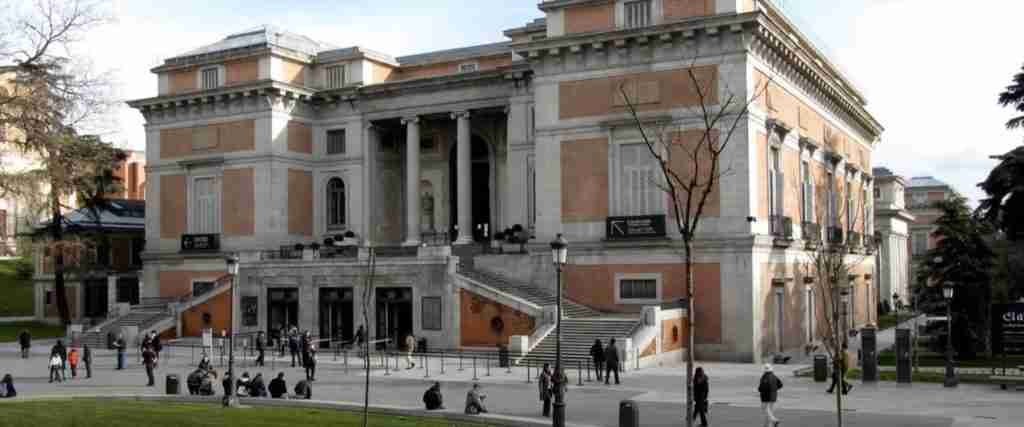
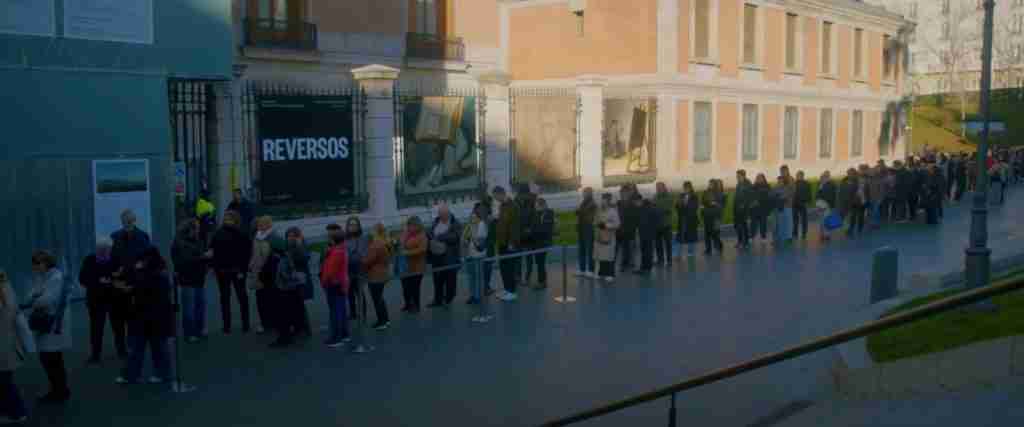
Prado Museum allows photography without flash for personal use in permanent collections, enabling documentation of artistic masterpieces and museum architecture. Low light conditions require high ISO settings (1600-3200+), fast apertures (f/1.4-f/2.8), and image stabilization or careful bracing to prevent camera shake. Reflections in protective glazing complicate photographing paintings, requiring careful positioning to minimize glass reflection while maintaining optimal viewing angle. Photographing entire paintings requires sufficient distance rarely available in crowded galleries, necessitating detail shots highlighting specific passages. Architectural photography captures the museum’s grand galleries, skylights, and spatial sequences. Visit during opening hours’ first minutes for emptier galleries enabling unobstructed photography. RAW capture facilitates post-processing to correct color casts from mixed museum lighting and to recover shadow detail in high-contrast conditions.
Reina Sofía Museum’s modern building combines restored historic hospital wings with Jean Nouvel’s contemporary glass addition, creating architectural photography contrasts between historical and contemporary design. Guernica’s gallery prohibits photography directly of the painting but permits wider environmental shots showing viewers’ engagement with Picasso’s masterwork. The museum’s white-wall modernist display aesthetic suits contemporary art documentation. Natural light from skylights and glass walls varies throughout day, creating changing conditions requiring adaptive exposure approaches. Sculpture installations require three-dimensional documentation photographing from multiple angles to convey form. Video art and time-based media present documentation challenges beyond still photography’s capabilities. The museum’s exterior plaza and glass facades photograph effectively during blue hour when artificial interior lighting becomes visible through transparent walls.
Thyssen-Bornemisza Museum occupies renovated palace with more intimate scale than Prado or Reina Sofía. Smaller galleries and lower visitor density facilitate easier photography with fewer crowds appearing in frames. The museum’s collection spanning 13th through 20th centuries requires adapting photography approaches to different artistic styles and hanging densities. Renaissance portraits benefit from diffused available light flattering their subtle modeling. Impressionist paintings’ vibrant colors risk oversaturation requiring exposure restraint. The palace’s period room installations combine paintings with decorative arts, enabling environmental documentation showing how artworks relate to architectural settings. Carved wood ceilings and marble details provide architectural interest beyond painting collection. Like the Prado, photography policies protect artworks while enabling personal documentation and study.
Royal Palace interiors present photography challenges from mixed lighting—daylight through windows combined with chandeliers and spotlights creating complex color temperatures. Throne Room’s gilded surfaces create extreme contrast between highlights and shadows. Wide-angle coverage captures room architecture and spatial grandeur, though convergence control challenges increase in interior spaces. Detail photography isolates decorative elements—ceiling frescoes, furniture, tapestries, porcelain—creating abstract compositions from ornamental excess. Restricted tripod use necessitates high ISO settings accepting increased noise for acceptable shutter speeds. Queue systems and crowd flow leave limited time in rooms, requiring pre-visualization and rapid composition to work efficiently. Exterior courtyard photography provides relief from interior challenges while documenting palace architecture in natural light.
Seasonal Photography Opportunities
Spring transforms Madrid’s parks and gardens through flowering sequences beginning in February and extending through May. Early bulbs—crocuses, tulips, daffodils—create colorful displays in organized plantings. Trees’ new foliage appears in successive waves as different species leaf out. Apple and cherry blossoms peak in March-April providing brief spectacular displays. Wisteria drapes garden structures in purple flowering masses. Retiro’s Rose Garden reaches first bloom peak in May with dramatic color and fragrance. Spring’s moderate temperatures and longer days create comfortable photography conditions between winter cold and summer heat. Variable weather produces dramatic cloudscapes for skyline photography. Pollen may affect equipment requiring cleaning.
Summer brings intense heat and harsh midday sun creating challenging conditions for general photography. Golden hours extend latest in the year providing extended optimal light windows. Outdoor restaurants and cafés fill sidewalks creating vibrant street life documentation opportunities. Parks empty during hot afternoons but animate during cooler evenings. Madrid’s summer festivals and cultural programming generate photographic events. Minimal rainfall produces reliable sunny conditions for planned photography though lacking weather variety. Tourist crowds peak complicating photography at popular locations. Early morning and evening hours provide manageable light and temperatures while avoiding midday extremes. Air conditioning haze may affect distant skyline clarity during hot afternoons.
Autumn delivers Madrid’s most photographic season through moderate temperatures, lower tourist numbers, and dramatic seasonal color. Park trees transform through golden yellows, oranges, and reds particularly effective during golden hour’s warm light. Retiro’s tree-lined paths create tunnel effects with colorful overhead canopies. Lower sun angles produce longer shadows creating more dimensional light throughout day. Autumn storms generate dramatic cloudscapes and occasional rainbows. Harvest produce appears in markets providing seasonal still-life subjects. Grape harvest (vendimia) occurs in surrounding wine regions within day-trip distance. Comfortable weather enables extended outdoor photography sessions without summer heat or winter cold. UNESCO sites like Aranjuez show peak autumn color in royal gardens.
Winter photography embraces bare tree structure, occasional snow, and dramatic low-angle sunlight. Snow rarely accumulates significantly in Madrid but dusts plazas and monuments creating transformed landscapes. Christmas lighting transforms Gran Vía and Puerta del Sol through decorative illumination photography opportunities. Shorter days compress golden hours but produce rich warm light when it occurs. Winter’s clearer air increases skyline clarity for distant photography. Reduced tourist numbers enable easier access to popular locations. Museum photography becomes more appealing during cold weather. Blue hour arrives earlier enabling night photography without extreme late hours. Cold conditions drain batteries rapidly requiring spare power. Winter clothing enables comfortable outdoor photography in temperatures ranging from cool to cold but rarely extreme.
Night Photography: Urban Illumination
Madrid’s active nightlife and architectural illumination create extensive night photography opportunities extending well beyond blue hour. Plaza Mayor’s uniform lighting creates even illumination suitable for handheld photography with fast lenses and high ISO. Palacio Real’s floodlighting emphasizes the building’s neoclassical facade dramatically against night sky. Gran Vía’s neon signs, traffic lights, and illuminated buildings generate colorful urban energy captured through long exposures turning traffic into light trails while maintaining architectural sharpness through tripod stability. Templo de Debod’s reflection photography works particularly effectively after dark when temple lighting reflects in surrounding pools without competing with bright sky.
Long exposure technique transforms urban scenes through motion blur and light trails. Traffic becomes abstract streaks emphasizing movement and urban flow. Pedestrians blur into ghostly presences while stationary elements remain sharp. Moving clouds create dramatic skies when exposures extend into multiple minutes. These creative effects require sturdy tripods, remote releases preventing camera shake, and experimentation finding optimal exposure times. Neutral density filters enable longer exposures even during blue hour when residual daylight would otherwise overexpose extended exposure times. Interval timers enable multiple exposures for later stacking or time-lapse sequences. Technical control over long exposures expands creative possibilities beyond documentary recording.
Fountain photography captures water movement through shutter speed control. Fast speeds (1/500s+) freeze water droplets creating crystalline effects. Moderate speeds (1/60-1/125s) show water movement while maintaining droplet definition. Slow speeds (1/15s-1s) blur water into silky veils creating ethereal effects. Cibeles fountain’s sculptural elements photograph effectively with illuminated water streams. Neptune fountain requires timing when choreographed water shows operate. Plaza de España’s fountains provide foreground interest for wider urban compositions. Winter ice formation occasionally transforms fountains into crystalline sculptures. Calm conditions enable reflection photography doubling sculptural elements in still water. Experimental approaches transform familiar subjects through technical manipulation.
Astrophotography within Madrid faces light pollution challenges though city-fringe locations enable limited star photography. Retiro Park’s darker areas show constellations during clear nights though light domes from surrounding city limit results. Casa de Campo’s hilltop locations provide better conditions moving beyond urban core. Meteor showers (Perseids in August, Geminids in December) create shooting stars captured through wide-angle lenses and extended exposures. Moon photography requires telephoto lenses (200mm+) capturing lunar detail. Combining moon or stars with illuminated foreground architecture creates dramatic composites though may require exposure blending. Serious astrophotography requires traveling beyond Madrid’s light pollution to darker rural areas within surrounding region where Milky Way becomes visible during summer months.
Portrait and People Photography
Environmental portraiture combines portrait subjects with Madrid’s architectural and urban context telling visual stories about people’s relationships to place. Retiro Park’s colonnade provides classical architectural backdrop while golden hour light flatters skin tones. Plaza Mayor’s arcades create shaded backgrounds avoiding harsh sun. Café tables on sidewalks enable lifestyle portraits showing social culture. Architecture provides leading lines, frames, and context enriching portraits beyond simple headshots. Positioning subjects in shade while exposing for background prevents harsh facial shadows common in Madrid’s bright sun. Reflectors or fill flash balance subject exposure with background avoiding silhouettes. Permission and rapport remain essential for authentic expressions transcending stiff formal poses.
Street portraiture approaches strangers requesting quick portraits documenting Madrid’s social diversity. This practice requires cultural sensitivity, language capability, and respect for subjects’ autonomy. Offering to email results provides reciprocal benefit rather than pure extraction. Prime lenses (50mm, 85mm) provide flattering perspective and background separation at accessible prices. Fast apertures (f/1.4-f/2.8) enable shooting in varied light while creating selective focus isolating subjects. Quick interaction and photography work together avoiding protracted setups that make subjects self-conscious. Respecting refusals maintains ethical standards while building experience reading body language and cultural comfort levels around photography.
Event photography captures Madrid’s festivals, demonstrations, celebrations, and public gatherings generating newsworthy imagery and social documentation. San Isidro festival’s traditional costumes provide colorful subjects. Pride parade’s festive atmosphere creates vibrant street scenes. Political demonstrations document social movements and civic engagement. Religious processions during Holy Week maintain centuries-old traditions. These events require photographer mobility, awareness of peak moments, and ability to work quickly in crowded dynamic conditions. Zoom lenses provide focal length flexibility without lens changes disrupting photography flow. High frame rates capture peak action during rapid sequences. Backup equipment provides insurance against failures during unrepeatable events.
Documentary portrait projects exploring specific communities or social issues require extended engagement beyond single sessions. Photographing immigrant communities, working-class neighborhoods, or cultural traditions demands trust building through repeated visits and demonstrated respect. These projects balance aesthetic goals with ethical representation responsibilities avoiding exploitation or stereotyping. Collaborative approaches involving subject input into how they’re represented addresses power imbalances inherent in photography. Long-term documentary work develops deeper understanding of subject communities while creating more nuanced multi-layered narratives impossible in superficial brief encounters. Final work presentation requires considering how photographs will be received by both subjects and broader audiences.
Post-Processing and Workflow
RAW format capture provides maximum flexibility for post-processing Madrid’s challenging high-contrast light conditions. Highlight recovery salvages overexposed areas common when photographing bright buildings against deep shadow. Shadow lifting reveals architectural detail in underexposed areas without appearing unrealistic. White balance correction addresses mixed lighting and color casts from various artificial sources. These adjustments prove impossible or severely limited with JPEG files that have already applied in-camera processing. RAW workflows require more storage space and processing time but enable significantly better results from challenging source material.
Cataloging and organizing Madrid photographs requires disciplined workflow preventing accumulation of unsorted image libraries. Lightroom or similar software enables keyword tagging, rating systems, and collection organization. Geotagging embeds location data facilitating later retrieval when trying to remember specific locations. Regular backup prevents catastrophic losses from equipment failure or theft. Cloud storage provides off-site backup redundancy. Maintaining organized system requires consistent discipline but pays dividends enabling efficient image retrieval and preventing photos from becoming inaccessible within disorganized archives. Regular selection and editing prevents keeping everything, focusing attention on strongest work.
Developing consistent personal editing style creates visual coherence across bodies of work while expressing individual aesthetic sensibilities. Color grading choices affect mood and atmosphere—warm tones create nostalgic welcoming feelings, cool tones suggest modernity or melancholy. Contrast and clarity settings determine whether images appear soft and atmospheric or crisp and graphic. Vignetting and borders provide finishing touches establishing boundaries and directing attention. Personal style emerges through repeated choices becoming recognizable signature. However, consistency should not prevent experimentation or adapting approaches to different subjects. Balance between distinctive style and subject-appropriate treatment requires ongoing aesthetic judgment.
Social media and online sharing extend photography beyond personal archives creating audience engagement and community participation. Instagram suits grid-based visual presentation while enabling short captions. Photography-specific platforms like 500px or Flickr attract more serious photographers and provide higher resolution display. Geotagging creates location associations introducing photographs to users searching specific places. Hashtags expand discovery beyond existing followers. However, social media algorithms and attention economics pressure toward quantity over quality, viral appeal over artistic merit, and constant posting over thoughtful curation. Balancing social media participation with deeper photographic practice prevents platforms from dictating creative choices through engagement metrics.
Equipment Recommendations and Practical Considerations
Camera selection balances image quality, portability, and features suitable for Madrid photography’s varied demands. Full-frame sensors provide superior low-light performance essential for museum and night photography while delivering maximum resolution for large prints. APS-C cameras offer smaller lighter packages with sufficient quality for most applications at lower costs. Mirrorless systems provide advantages in weight, electronic viewfinder information, and silent operation useful in museums. Weather sealing protects equipment during occasional rain though Madrid’s generally dry climate makes this less critical than in wetter regions. Dual card slots provide security against card failures during important shoots.
Lens selection depends on photographic priorities and willingness to carry weight. Wide-angle zooms (16-35mm) cover architectural and landscape photography needs. Standard zooms (24-70mm) provide versatile focal ranges suitable for most subjects. Telephoto zooms (70-200mm) enable detail photography and candid street portraits. Fast prime lenses (35mm f/1.4, 50mm f/1.4, 85mm f/1.4) provide superior low-light capability and background separation at lower costs than equivalent zoom ranges. Macro lenses reveal botanical details in gardens and markets. Lens choices involve tradeoffs between quality, size, cost, and versatility requiring photographers to prioritize based on shooting style and physical capability to carry equipment.
Support equipment enhances photography quality and expands creative possibilities. Sturdy tripods enable long exposures, HDR brackets, and precise composition though add weight and setup time. Monopods provide stability while maintaining mobility valuable for street photography or events. Remote releases prevent camera shake during long exposures. Spare batteries prove essential as mirrorless cameras’ electronic viewfinders drain power rapidly, compounded by cold weather operation. Memory cards need sufficient capacity and write speed for continuous shooting or RAW bursts. Lens filters—polarizers, neutral density, graduated ND—control reflection, enable long exposures, and balance sky brightness. This support gear transforms from optional to essential as photographic ambitions expand beyond casual snapshots.
Practical considerations affect photography success beyond equipment capability. Comfortable walking shoes enable extended photography sessions covering Madrid’s extensive walkable areas. Weather-appropriate clothing prevents discomfort limiting photography duration. Sunscreen and hat protect against Madrid’s intense sun during summer photography. Camera bags need sufficient capacity for equipment while remaining maneuverable in crowds. Padded protection prevents damage from impacts. Anti-theft features deter opportunistic thieves targeting expensive camera equipment. Water and snacks maintain energy and hydration during long shooting sessions. These mundane logistics significantly impact photography outcomes though receiving less attention than glamorous equipment discussions.
Frequently Asked Questions About Madrid Photography
What photography equipment should I bring to Madrid?
Essential equipment includes camera body, wide-angle lens (16-35mm) for architecture and landscapes, standard zoom (24-70mm) for general photography, spare batteries (minimum two extras), sufficient memory cards, and comfortable camera bag. Optional but valuable additions include tripod for night photography and long exposures, fast prime lens (50mm f/1.8) for low-light museums and street photography, telephoto lens (70-200mm) for details and candid portraits, and polarizing filter for managing reflections and saturating blue skies. Climate-specific items include lens cloth for cleaning dust, rain cover for occasional showers, and sunshade for controlling lens flare in bright conditions. Prioritize equipment you’re comfortable using repeatedly over excessive gear creating burden. Smartphone cameras prove surprisingly capable for casual documentation though limited for specialized applications.
Where can I legally use tripods in Madrid?
Tripod use in Madrid faces various restrictions depending on location. Museums typically prohibit tripods protecting artworks and preventing visitor obstruction, though monopods may be permitted. Public squares and parks generally allow tripod photography for personal use, though commercial shoots may require permits. Gran Vía and busy pedestrian areas restrict tripod setup preventing sidewalk obstruction. Royal Palace grounds prohibit tripods in most areas. Some churches and religious sites ban tripod photography during services. Private property including restaurants and shops require permission. When uncertain, ask security or staff about policies before setup. Respectful behavior—not blocking paths, setting up considerately, removing equipment promptly—increases tolerance even in technically restricted areas. Commercial photography always requires advance permits and potentially fees.
How do I photograph people respectfully in Madrid streets?
Respectful street photography balances documentary goals with subjects’ dignity and privacy rights. Spain’s privacy laws allow photographing people in public spaces without explicit consent, though publication may require releases. Ethical practice exceeds legal minimums through cultural sensitivity and human decency. Visible photography appears less intrusive than surreptitious shooting. If subjects notice and object, respect their wishes by deleting images or not photographing. Photographing children requires extra caution given parental concerns. Homeless individuals face exploitation risks making their photography ethically questionable regardless of legality. When approaching strangers for portraits, explain purpose, show sample images, and offer to share results. Learning basic Spanish phrases facilitates communication and demonstrates respect. These practices build trust enabling authentic rather than stolen moments while maintaining ethical standards.
What are the best apps or resources for finding photo locations?
Google Maps satellite view reveals parks, plazas, and potential viewpoints for advance planning. Street View enables virtual reconnaissance determining shooting angles and light direction before visiting locations. Instagram location tags show how other photographers have approached specific spots though may reveal oversaturated locations. Sun Seeker app tracks sun and moon paths helping predict lighting conditions at planned locations and times. PhotoPills app includes extensive planning tools—golden hour timing, Milky Way visibility, augmented reality previews showing sun/moon positions. Weather apps forecast cloud cover, precipitation, and visibility affecting photography conditions. Madrid tourism websites list viewpoints and cultural sites. Photography forums and Facebook groups connect photographers sharing location knowledge and arranging photo walks. These digital resources supplement physical exploration which remains essential for discovering unique personal perspectives beyond crowded Instagram hotspots.
How can I improve my architectural photography in harsh sunlight?
Madrid’s intense sun creates high-contrast conditions requiring technical adaptation and creative approaches. Expose for highlights accepting shadow underexposure that can be recovered in RAW post-processing. Bracket exposures (±1-2 stops) enabling HDR processing for scenes exceeding dynamic range. Use fill flash or reflectors illuminating shadow areas reducing contrast. Embrace high-contrast aesthetic deliberately creating graphic compositions with deep shadows and bright highlights. Convert to black and white emphasizing tonal relationships rather than fighting difficult color balance. Shoot during transitional hours (golden hour, blue hour) when contrast naturally decreases. Use buildings’ shadows to create compositions about light and shade rather than struggling against harsh conditions. Polarizing filters reduce haze and deepen blue skies though require rotating for optimal effect. Post-processing techniques—graduated filters, dodge and burn, tone curves—provide extensive control over final tonal relationships.
What photography etiquette should I follow in Madrid museums?
Museum photography etiquette balances personal documentation rights with collective experience preservation. Never use flash which damages artworks, disturbs other visitors, and creates reflections on protective glazing. Hold cameras carefully preventing accidental drops that could damage priceless artworks. Don’t block other visitors’ views while composing photographs—take quick shots and move aside. Avoid touching artwork while positioning for photographs. Respect photography restrictions in temporary exhibitions honoring loan agreements with other institutions. Keep voices low when coordinating with companions avoiding disrupting contemplative atmosphere. Follow staff instructions promptly without argument. Consider whether photographing artwork enhances your experience or prevents direct engagement with originals. Use museum visits primarily for viewing, taking selective photographs of favorites rather than attempting to document entire collections. These practices enable everyone to enjoy museums while allowing photography for legitimate documentation and study purposes.
Is black and white processing effective for Madrid photography?
Black and white conversion proves particularly effective for Madrid photography emphasizing form, texture, light, and composition without color’s distraction. Madrid’s architectural heritage—ornate Baroque facades, austere neoclassical buildings, modernist structures—translates powerfully to black and white revealing underlying structural elements. High-contrast light conditions that challenge color photography become assets in black and white creating dramatic tonal relationships. Street photography gains timeless quality in monochrome removing temporal markers and focusing attention on human gestures and interactions. Museum interiors convert effectively avoiding mixed color temperature challenges. However, Madrid’s vibrant street life, colorful markets, and flowering parks may lose important qualities in monochrome. Shoot RAW enabling non-destructive conversion decisions later rather than committing in-camera. Experiment converting same scenes to both color and black and white determining which better serves specific images’ strengths and emotional qualities.
How do I photograph Madrid’s famous sunset viewpoints without crowds?
Popular sunset locations like Templo de Debod attract crowds requiring strategic approaches for unobstructed photography. Arrive 90+ minutes before sunset securing optimal positions before peak crowds. Weekdays see fewer visitors than weekends providing breathing room. Shoot wider compositions incorporating people as scale elements rather than fighting crowds for empty scenes. Use telephoto lenses compressing perspective and isolating temple against sky from farther positions. Visit during other seasons when fewer tourists travel to Madrid though sunset occurs earlier requiring schedule adjustment. Explore alternative viewpoints—Cerro del Tío Pío, Faro de Moncloa, rooftop bars—experiencing good light without Debod’s crowds. Consider golden hour instead of sunset when light quality remains excellent but crowds haven’t gathered. Accept crowds as authentic urban experience rather than obstacle, photographing people’s sunset viewing creating narrative layers beyond empty landscapes. These strategies enable successful photography despite popularity without requiring impossible exclusivity at public viewpoints.
What are common mistakes in Madrid photography?
Common mistakes include shooting only during midday harsh light missing golden hour’s favorable conditions, using inadequate ISO in low-light situations resulting in blurry handheld images, failing to expose for highlights in high-contrast conditions losing sky detail, neglecting composition fundamentals in excitement of interesting subjects, photographing only famous landmarks ignoring neighborhoods’ authentic character, not respecting people’s privacy and cultural boundaries in street photography, carrying excessive equipment becoming burdened rather than focused, deleting images prematurely before careful review at full size on computer, over-processing photographs pushing adjustments beyond natural appearance, and failing to research locations’ photographic potential missing optimal positions and timing. Learning from these mistakes accelerates skill development transforming technical understanding into improved results. Analyzing unsuccessful images identifies specific problems enabling targeted improvement rather than vague dissatisfaction.
How can I develop a unique photographic perspective on Madrid?
Developing unique perspectives requires moving beyond obvious iconic locations toward personal vision and interpretation. Explore neighborhoods tourists ignore discovering authentic local character. Focus on specific themes—doorways, shadows, reflections, colors—creating coherent projects with depth. Return repeatedly to favorite locations photographing them across seasons, times of day, and weather conditions revealing transformations. Experiment with unconventional techniques—intentional camera movement, multiple exposures, infrared photography—creating distinctive aesthetic approaches. Study Madrid photography by accomplished practitioners learning what’s been done while identifying unexplored possibilities. Combine Madrid elements in unexpected ways—ancient and modern, architecture and nature, stillness and motion. Allow time for unstructured wandering discovering serendipitous moments impossible to plan. Cultivate personal emotional responses to places photographing feelings rather than merely recording scenes. Unique perspective emerges through sustained engagement with place, technical experimentation, and authentic self-expression rather than novelty for its own sake.