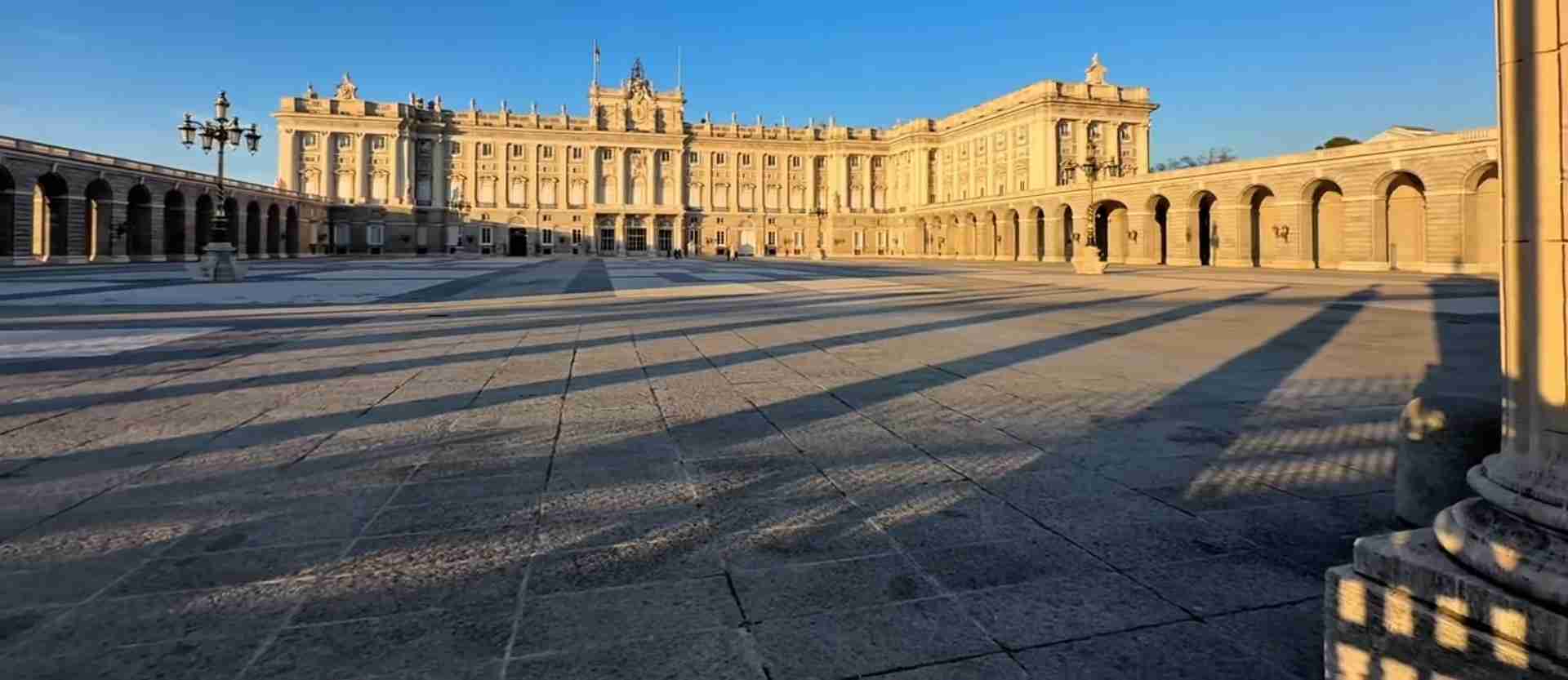
Madrid 5-Day Itinerary 2026: Best Excursions & Planning
Madrid combines royal grandeur with authentic Spanish culture across five perfect days that balance world-renowned museums, historic monuments, vibrant neighborhoods, and culinary traditions. This complete itinerary guides you through the Prado’s art masterpieces, Royal Palace chambers, lively tapas districts, and day trip possibilities while providing verified 2026 costs, practical transportation guidance, and flexible scheduling that accommodates different travel styles without overwhelming daily agendas.
Key Takeaways for Planning Your Madrid Week 2026
- Budget Planning 2026: Expect €750-1,300 per person for five complete days including mid-range accommodation (€375-625 for 5 nights), meals (€200-350), major attraction entries (€90-150), and transportation (€85-175), with budget options from €500-700 and luxury reaching €2,000-3,500+
- Transportation Foundation: Purchase the Multi Card (€2.50) plus 10-journey ticket (€12.20) immediately at airport Metro station for unlimited metro and bus access throughout your stay at €1.22 per journey average—far superior value to single tickets at €1.50-2.00 each
- Museum Strategy 2026: Book Prado Museum tickets (€15) online 1-2 weeks ahead to avoid 45-60 minute queues during 10:00 AM-2:00 PM peak hours, while Royal Palace (€15) and Reina Sofía (€12) allow same-week booking with minimal wait concerns
- Neighborhood Selection: Base yourself in Sol-Gran Vía for central access to everything, La Latina for authentic tapas culture and historic character, Malasaña for contemporary Madrid nightlife, or Salamanca for upscale shopping and dining—each neighborhood delivers distinct Madrid experiences
- Daily Meal Value: The menu del día lunch tradition offers extraordinary value at €12-18 for three-course meals with wine or beer in neighborhood restaurants (rising to €20-30 in tourist zones)—schedule your main meal midday to maximize budget efficiency and experience authentic Spanish dining rhythm
- Day Trip Opportunity: Reserve Day 4 or 5 for Toledo day trip (30 minutes by high-speed train, €13.90 each way)—this UNESCO World Heritage city delivers medieval architecture, El Greco masterpieces, and complete cultural contrast to Madrid’s metropolitan energy within a single convenient excursion
People Also Ask About Madrid 5-Day Itinerary 2026
How Much Does a 5-Day Madrid Trip Cost in 2026?
A 5-day Madrid trip costs €750-1,300 per person for mid-range travel, or €500-700 for budget travelers. Mid-range budgets include comfortable 3-star hotels at €75-125 nightly (€375-625 for 5 nights), three daily meals at €8-12 breakfast, €15-25 lunch, and €30-45 dinner (€265-410 total), major museum and monument entries at €90-150 total (Prado €15, Royal Palace €15, Reina Sofía €12, Thyssen-Bornemisza €13, plus 3-4 additional attractions), and daily transportation at €17-35 (€85-175 total including airport transfer). Budget travelers stay in hostels (€25-45 nightly), eat menu del día lunches and casual dinners (€35-50 daily), focus on free attractions and limited museum entries (€50-80 total), and use public transport exclusively (€50-75 total). Luxury travelers spending €150-300 nightly on 4-5 star hotels, €80-120 on upscale dining, and €200-300 on premium experiences reach €2,000-3,500 for five days.
What Are the Must-See Attractions for a First-Time 5-Day Madrid Visit in 2026?
Essential first-time Madrid attractions include the Prado Museum (€15, 2-3 hours for highlights including Velázquez’s Las Meninas and Goya’s Black Paintings), Royal Palace (€15, 2-2.5 hours for State Rooms and Royal Armory), Reina Sofía Museum (€12, 1.5-2 hours featuring Picasso’s Guernica), Retiro Park (free, Spain’s most beautiful urban park with Crystal Palace and rowboat lake), Plaza Mayor (free, Habsburg Madrid’s historic heart), Thyssen-Bornemisza Museum (€13, completing Madrid’s Golden Triangle of Art), Gran Vía (free, Madrid’s Broadway with architecture and shopping), Mercado de San Miguel (free entry, gourmet food market), and Temple of Debod (free, authentic Egyptian temple with sunset views). For Day 4 or 5, add Toledo day trip (€13.90 train each way, UNESCO World Heritage medieval city). This combination covers Spanish royal history, world-class art spanning five centuries, authentic Madrid neighborhoods, and architectural landmarks from different eras while balancing paid attractions with free cultural experiences.
Is 5 Days Enough Time for Madrid?
Five days provides ideal Madrid balance—sufficient for thorough exploration without feeling rushed or exhausted. Days 1-2 cover the essential Golden Triangle museums (Prado, Reina Sofía, Thyssen-Bornemisza) and Royal Palace, while Days 3-5 enable deeper neighborhood discovery, culinary experiences, additional museums or monuments based on interests, and one day trip to Toledo, Segovia, or El Escorial. Shorter 2-3 day trips force exhausting schedules hitting only major museums superficially, while five days permits morning museum visits followed by leisurely afternoon tapas, evening neighborhood strolls, and flexibility for weather delays or spontaneous discoveries. Madrid’s compact historic center makes it walkable for major sites, but the city rewards extended stays through authentic neighborhood experiences in La Latina, Malasaña, Chueca, and Lavapiés that shorter visits miss. Five days also allows proper appreciation of Spanish dining rhythm—long midday menu del día lunches, late afternoon breaks, evening tapas crawls starting 8:00-9:00 PM—without constantly rushing between scheduled attractions.
Where Should I Stay in Madrid for a 5-Day Visit in 2026?
Base yourself in Sol-Gran Vía (€80-140 nightly) if prioritizing central location with walking access to museums, monuments, and neighborhoods—the Puerta del Sol metro hub provides connections everywhere, though the area feels tourist-oriented with chain restaurants and international shops. Choose La Latina (€70-120 nightly) for authentic Madrid character with tapas bars, Sunday El Rastro flea market, and residential atmosphere, though you’ll commute 10-15 minutes by metro to major museums. Select Malasaña or Chueca (€75-130 nightly) for contemporary Madrid with independent boutiques, vintage shops, trendy restaurants, and LGBT-friendly nightlife, positioned between Gran Vía and Chamberí with excellent metro access. Opt for Salamanca (€100-180 nightly) if seeking upscale shopping, refined dining, and proximity to Retiro Park, though this wealthy residential district lacks the bohemian energy of central neighborhoods. For five days, most travelers choose Sol-Gran Vía or La Latina—Sol for maximum sightseeing convenience, La Latina for authentic local life with easy access to everything via Metro Lines 3 and 5. Avoid staying near Atocha Station unless connecting to high-speed trains—the area provides train access but limited neighborhood character or dining options.
Extended multi-day tours – 5+ days
Featured Madrid Multi-Day Tour Packages
7 days
7 Days in Madrid: Echoes of Empire: Madrid, Ávila & Segovia
- ✓ Comprehensive Madrid tour
- ✓ Expert local guides included
- ✓ All accommodation arranged
- ✓ Transportation provided

4 days
Madrid: Cultural Experience with Toledo Half-day tour, City Break
- ✓ Comprehensive Madrid tour
- ✓ Expert local guides included
- ✓ All accommodation arranged
- ✓ Transportation provided
5 days
5-Day Madrid Including Toledo, Avila and Segovia
- ✓ Comprehensive Madrid tour
- ✓ Expert local guides included
- ✓ All accommodation arranged
- ✓ Transportation provided
2 days
Segovia, Avila and Toledo in 2 days from Madrid
- ✓ Comprehensive Madrid tour
- ✓ Expert local guides included
- ✓ All accommodation arranged
- ✓ Transportation provided
Multi-day tour packages powered by TourRadar. Prices and availability subject to change.
Introduction: Planning Your Perfect Five Days in Madrid 2026
Madrid functions as Spain’s political, cultural, and geographic heart—a sprawling metropolitan area of 6.6 million people that concentrates exceptional art museums, royal palaces, and authentic Spanish traditions within a surprisingly walkable historic core. This five-day itinerary balances the essential Madrid experiences that define the city’s identity—the Prado Museum’s masterpiece collection rivaling any European institution, the Royal Palace’s 3,418 rooms representing centuries of Spanish monarchy, Retiro Park’s 125 hectares providing urban respite—with neighborhood explorations that reveal contemporary Madrid culture through tapas bars, street markets, and residential districts where locals live daily life beyond tourist circuits. The city rewards both structured museum visits and aimless wandering through narrow streets discovering hidden plazas, century-old taverns, and neighborhood bakeries that have served the same families for generations.
Planning five Madrid days requires understanding the city’s layout and transportation logic. The historic center (Centro) contains most major monuments clustered around Sol, Plaza Mayor, and the Royal Palace, while the museum district (Paseo del Arte) concentrates the Prado, Reina Sofía, and Thyssen-Bornemisza within a 15-minute walk along Paseo del Prado. The Gran Vía boulevard cuts diagonally through the city center connecting Plaza de España to Cibeles fountain, functioning as Madrid’s commercial spine with theaters, shops, and restaurants. North of Gran Vía, the Malasaña and Chueca neighborhoods provide contemporary culture—independent boutiques, vintage shops, alternative bars. South of Sol, La Latina’s medieval streets host the city’s most authentic tapas scene and Sunday flea market. East beyond the museums, Retiro Park separates tourist Madrid from the elegant Salamanca shopping district. This itinerary dedicates Days 1-2 to museums and monuments, Days 3-4 to neighborhoods and experiences, and Day 5 to a Toledo day trip or flexible Madrid explorations based on emerging interests.
The 2026 Madrid environment brings several planning considerations. Museum entry fees remain exceptional value compared to other European capitals—Prado €15, Royal Palace €15, Reina Sofía €12—while combination passes like the Art Walk Card (€32 for Prado, Reina Sofía, and Thyssen-Bornemisza valid one year) deliver additional savings for art-focused visits. Madrid’s public transportation network expanded with Metro Line 11 extension and improved airport connections via Line 8, making the Multi Card (€2.50) plus 10-journey ticket (€12.20) the optimal solution for five-day stays providing metro and bus access at €1.22 per journey. Accommodation prices range from €25-45 nightly for budget hostels, €70-125 for comfortable mid-range hotels, and €150-300 for upscale properties. Daily food costs span €35-50 for budget dining (menu del día lunches, casual tapas dinners), €60-85 for mid-range restaurant meals, and €100-150 for consistent upscale dining experiences. The Spanish dining schedule differs dramatically from Northern European or American patterns—lunch peaks 2:00-3:30 PM, many restaurants close 4:00-8:00 PM, dinner begins 9:00-10:00 PM—requiring schedule adaptation to access the best authentic dining experiences.
This guide provides hour-by-hour daily plans with specific museum priorities, realistic time allocations, and practical logistics for each experience. Every day balances morning cultural visits with afternoon neighborhood exploration and evening dining or entertainment. Budget breakdowns appear with verified 2026 prices showing exact costs for entries, meals, and transportation. Alternative options accommodate different interests—art enthusiasts can add specialized museums, architecture lovers can substitute palace visits, food-focused travelers can extend market and tapas experiences. The itinerary intentionally builds flexibility—not every hour requires rigid scheduling, some afternoons invite spontaneous discovery, and Day 5 offers complete choice between day trips and additional Madrid time. Madrid rewards both efficient sightseeing and leisurely immersion—this five days delivers both approaches in balanced proportion.
Day 1: Prado Museum and Retiro Park
Begin your Madrid experience with the Prado Museum, one of the world’s supreme art collections featuring Spanish masters unmatched anywhere. This full day focuses on art appreciation followed by leisurely park time, establishing Madrid’s dual character of high culture and Mediterranean relaxation.
Morning: Prado Museum Deep Dive (9:00 AM – 1:00 PM)
The Prado Museum opens 10:00 AM weekdays, but arrive 9:30 AM if using pre-purchased tickets to avoid security queues that form by 10:30 AM. Entry costs €15 for general admission (free Monday-Saturday 6:00-8:00 PM and Sunday 5:00-7:00 PM, though free hours attract major crowds making leisurely viewing difficult—pay the €15 for comfortable morning access with fewer visitors). Book tickets online 1-2 weeks ahead through the official Museo del Prado website or authorized resellers to guarantee preferred time slots during peak spring and fall seasons. The museum contains over 8,000 works spanning 12th-20th centuries with strengths in Spanish, Italian, and Flemish paintings—attempting to see everything induces exhaustion and diminishes appreciation. Instead, focus on essential masterpieces across three strategic routes.
Route 1 (Spanish Golden Age, 75 minutes): Start Ground Floor Room 12 with Velázquez’s Las Meninas, the Prado’s most famous painting showing the artist at work with Infanta Margarita and court attendants while King Philip IV and Queen Mariana reflect in the background mirror—study the complex spatial composition and psychological depth that influenced centuries of subsequent artists. Continue to Rooms 14-16 for additional Velázquez works including The Spinners and royal portraits. Move to First Floor Rooms 65-67 for El Greco’s dramatic works with elongated figures and supernatural lighting including The Nobleman with his Hand on his Chest and The Adoration of the Shepherds. Conclude in Rooms 64 and 85-94 for Goya spanning his entire career from cheerful tapestry cartoons through disturbing Black Paintings transferred from his house walls.
Route 2 (European Masters, 60 minutes): First Floor Rooms 28-29 house Rubens including The Three Graces, while Rooms 41-44 contain Titian, Veronese, and Tintoretto Venetian masterpieces. Ground Floor Room 56a displays Hieronymus Bosch’s Garden of Earthly Delights triptych—spend significant time with this surreal 15th-century work examining the countless details across its three panels depicting paradise, earthly pleasures, and hell. First Floor Rooms 7-8 contain Dürer and German Renaissance works completing the Northern European collection.
Route 3 (Focused Highlights if Time Limited, 90 minutes): If visiting only one major work per artist, prioritize: Velázquez’s Las Meninas (Room 12), Goya’s Third of May 1808 (Room 64) and The Family of Charles IV (Room 32), El Greco’s The Nobleman with his Hand on his Chest (Room 9B), Bosch’s Garden of Earthly Delights (Room 56a), and Titian’s Charles V at Mühlberg (Room 27). This circuit captures the Prado’s essential character through six masterpieces requiring 15 minutes each plus walking between galleries.
The Prado’s museum café provides adequate coffee and snacks but expect tourist prices (€4-6 coffee, €8-12 pastries). Exit and walk to nearby cafés for better value—Café Murillo across the street serves proper Spanish breakfast (€6-8) or early lunch (€10-15).
Afternoon: Retiro Park Exploration (2:00 PM – 5:00 PM)
Walk 300 meters from the Prado’s Jerónimos entrance directly into Retiro Park through the gate near the Jerónimos Church. Retiro Park (Parque del Buen Retiro) functions as Madrid’s green lung—125 hectares of gardens, monuments, and recreational space created as royal retreat in the 17th century and opened to public in 1868. Entry is free. The park sees heavy weekend crowds (families, joggers, street performers, vendors) but maintains peaceful atmosphere weekdays and provides essential respite after intensive museum morning.
Start at the Estanque Grande (Great Pond), the park’s centerpiece featuring a large rectangular pool with rowboat rentals (€6 for 45 minutes, accommodates 2-4 people) and the Alfonso XII Monument at the east end—a semicircular colonnade with equestrian statue facing the water. Walk north through the Paseo de las Estatuas (Avenue of Statues) lined with royal and noble figures from Spain’s past. The Crystal Palace (Palacio de Cristal) stands at the park’s south center—a stunning glass and iron pavilion built 1887 for a Philippine Islands exhibition, now hosting contemporary art installations organized by the Reina Sofía Museum. Entry is free. The building itself justifies the visit regardless of current exhibition—sunlight filtering through glass walls and reflecting on the interior pool creates ethereal atmosphere. Adjacent to the Crystal Palace, the artificial lake populated by ducks and swans provides photo opportunities.
Continue to the Rosaleda (Rose Garden) west of the Crystal Palace if visiting April-June when roses bloom. The Fallen Angel Fountain (Fuente del Ángel Caído) nearby claims the distinction of being one of the few public monuments dedicated to Lucifer—a 19th-century bronze sculpture depicting the devil’s fall from heaven, positioned at exactly 666 meters above sea level according to popular legend (actual elevation 633 meters, but the myth persists). Walk the park’s tree-lined paths observing Madrid life—street musicians, portrait artists, fortune tellers, children’s puppet shows, couples strolling, elderly men playing petanca. The park operates sunrise to sunset with extended summer hours—October-March closes 10:00 PM, April-September closes midnight.
Evening: La Latina Neighborhood Tapas Introduction (7:00 PM – 10:30 PM)
Take Metro Line 2 from Retiro station to La Latina station (10 minutes). La Latina represents Madrid’s most authentic tapas neighborhood—medieval streets climbing hillside south of Plaza Mayor with concentration of traditional taverns, modern wine bars, and neighborhood restaurants frequented by locals more than tourists despite increasing international discovery. Unlike tourist-trap establishments around Plaza Mayor charging inflated prices for mediocre food, La Latina’s tapas bars maintain quality and reasonable pricing because neighborhood residents form their primary clientele. Begin your tapas exploration around 8:00-8:30 PM—earlier than Spanish dinner norm (9:00-10:00 PM) but still respecting local rhythm while finding seats before peak crowds.
Start at Cava Baja, La Latina’s restaurant-lined main street. Options include: Txirimiri for Basque pintxos (small skewered snacks, €3-5 each), Casa Lucas for traditional Madrid stews and roasted meats served in generous portions (€8-15 per dish), El Viajero with three-floor layout and rooftop terrace (full meals €25-35 per person), or Taberna Tempranillo specializing in Spanish wines paired with artisanal cheeses and charcuterie (€4-8 per tapa). The tapas bar strategy differs from sit-down restaurant dining—order 1-2 items per person at each bar, eat standing or at limited bar seating, then move to the next establishment rather than spending entire evening in one location. This “crawl” pattern allows sampling diverse specialties while experiencing multiple atmospheric spaces.
Essential Madrid tapas to try during your first evening: croquetas (bechamel fritters usually ham or mushroom, €1.50-2.50 each), patatas bravas (fried potatoes with spicy tomato sauce and aioli, €5-8 portion), jamón ibérico (Iberian ham sliced from hanging legs, €8-15 depending on quality), tortilla española (Spanish potato omelet served room temperature in thick wedges, €3-6), gambas al ajillo (garlic shrimp sizzling in olive oil, €8-12), and pimientos de Padrón (small green peppers flash-fried and salted, €5-8). Order caña (small beer, €2-3), vino tinto (red wine, €3-5 glass), or tinto de verano (red wine with lemon soda, refreshing summer option €3-4). Budget €30-45 per person for satisfying evening covering 3-4 bars with multiple tapas and several drinks.
Day 1 Budget Breakdown 2026
Prado Museum €15, lunch near Prado €12, Retiro Park free (optional rowboat €6), Metro rides €3.66 (3 journeys at €1.22 each with 10-journey ticket), dinner tapas and drinks in La Latina €38. Total day cost: €68.66 per person excluding accommodation. Add €5-10 for additional coffee breaks, bottled water, or gelato if desired. First-day costs run lower than subsequent days due to free park afternoon and budget-friendly tapas dinner—save extra budget capacity for Day 2’s Royal Palace and more expensive dining.
Day 2: Royal Palace, Plaza Mayor, and Historic Madrid
Day 2 focuses on Madrid’s Habsburg and Bourbon heritage through royal monuments, historic plazas, and the medieval quarter. This day involves more walking than Day 1—approximately 6-7 kilometers total across the historic center—so wear comfortable shoes and prepare for elevation changes as the city center sits on hills above the Manzanares River.
Morning: Royal Palace and Gardens (9:00 AM – 1:00 PM)
The Royal Palace (Palacio Real) opens 10:00 AM daily (9:00 AM October-March). Arrive 9:30 AM with pre-purchased tickets to enter at opening before tour groups arrive mid-morning. Entry costs €15 for the State Rooms and Royal Armory (€19 for guided tour in English or Spanish, €24 for combined ticket including Royal Kitchen). Book tickets online through Patrimonio Nacional 1-2 weeks ahead to guarantee preferred time slots, though same-week booking typically succeeds except during peak summer weeks. The Royal Palace functions as official residence of Spanish royal family for state ceremonies but they live at Zarzuela Palace outside the city, making the Royal Palace primarily a museum except during occasional official events that close it to visitors (check calendar when booking).
The palace contains 3,418 rooms (only 50 open to public) making it larger than Buckingham Palace or Versailles. Construction began 1738 on the site of the old Alcázar fortress destroyed by fire in 1734, commissioned by Philip V as Spain’s definitive royal residence in European Baroque style. The building’s white limestone and gray granite exterior presents severe classical facades contrasting with lavishly decorated interiors. The self-guided tour route (mandatory one-way path) proceeds through State Rooms including: the Throne Room with ceiling fresco by Tiepolo and silver lion sculptures flanking Habsburg thrones, the Porcelain Room completely covered in white and green porcelain plaques from the Buen Retiro factory, the Gala Dining Room set for 145 guests with Bohemian crystal chandeliers and royal table service, the Royal Chapel with frescoes and religious artworks, the Royal Armory displaying medieval and Renaissance weapons worn by Spanish monarchs, and the Stradivarius Room containing five violins and cellos made by the famous luthier for the Spanish court. Allocate 2-2.5 hours for thorough palace visit.
After the palace interior, explore the Sabatini Gardens (Jardines de Sabatini) on the north side—formal French-style gardens with geometric hedges and fountain providing excellent palace facade photography from across the parterre. The Campo del Moro gardens on the palace’s west slope offer more naturalistic English-style landscaping with peacocks roaming freely, though these gardens close 6:00 PM (5:00 PM winter) and access requires walking around the palace to the separate entrance—visit if time permits but not essential. Both gardens are free entry. The Royal Palace area includes the adjacent Almudena Cathedral, Madrid’s main Catholic church completed 1993 in neo-Gothic and neo-Baroque styles—entry is free to the main cathedral (€1 donation suggested), or €6 to access the museum and dome with city views. The cathedral lacks the artistic or historic significance of the palace but provides complementary visit if interested in religious architecture.
Afternoon: Plaza Mayor, Historic Center, and San Miguel Market (2:00 PM – 6:00 PM)
Walk 800 meters east from the Royal Palace area through narrow streets to Plaza Mayor, the Habsburg Madrid’s grand public square completed 1619. The arcaded square measures 129 x 94 meters enclosed by three-story residential buildings with 237 balconies facing inward—originally hosting royal ceremonies, bullfights, and public executions, now functioning as tourist gathering point with outdoor cafés charging exorbitant prices (€5-7 for coffee, €15-25 for simple meals—skip the plaza cafés and observe from the square without sitting). The Casa de la Panadería (Bakery House) on the square’s north side features recently-painted facade frescoes. Street performers, human statues, and artists selling paintings populate the plaza daily. Walk through any of the nine arched entrances to explore surrounding streets.
From Plaza Mayor’s southwest corner, walk through the Arco de Cuchilleros (Cutlers’ Arch) descending staircase to Cava Baja—you’re entering the medieval Madrid core with the oldest surviving streets dating to the Moorish medina period before Christian reconquest. These narrow lanes climbing hillside contain some of Madrid’s most traditional restaurants and taverns. Walk north toward Plaza de la Villa, an intimate medieval plaza with buildings spanning 15th-17th centuries including the Casa de la Villa (old city hall, now exhibitions and events), the Casa de Cisneros (Gothic-Mudejar palace), and the Torre de los Lujanes (Gothic tower where allegedly King Francis I of France was imprisoned after the Battle of Pavia 1525).
Continue to Mercado de San Miguel, Madrid’s premier gourmet food market 200 meters west of Plaza Mayor. The market operates in an early-20th-century iron and glass structure restored 2009 as upscale food hall with 30+ stalls selling Spanish delicacies—jamón ibérico carved to order, oysters and seafood, croquetas, Spanish cheeses, vermouth and wine, pastries and sweets. This is not a traditional produce market for locals but rather a tourist-oriented gourmet showcase charging premium prices (€4-8 per tapa, €8-15 per dish). The market works best as light lunch or afternoon snack location sampling multiple vendors—budget €20-30 per person for satisfying grazing. Alternatively, skip San Miguel’s inflated prices and have proper sit-down lunch at a nearby traditional restaurant—Botín on Cuchilleros street holds Guinness World Record as oldest continuously operating restaurant (since 1725) specializing in roast suckling pig (€25-40 per person for full meal).
After lunch, visit the nearby Almudena Cathedral if skipped during Royal Palace morning, or walk to the Temple of Debod (Templo de Debod) in Parque del Oeste west of the Royal Palace. This authentic 2nd-century BCE Egyptian temple was gifted to Spain by Egypt in 1968 for helping save Abu Simbel temples during Aswan Dam construction—reconstructed in Madrid stone by stone. Entry is free but requires timed tickets (available on-site, free). The temple itself measures modest dimensions but the west-facing setting above the Manzanares valley makes it Madrid’s prime sunset viewing location—arrive 1-2 hours before sunset (varies by season: 6:00 PM winter, 9:30 PM summer) to secure position. The temple interior displays Egyptian archaeological information and construction history.
Evening: Gran Vía and Dinner (7:00 PM – 11:00 PM)
Walk or take Metro Line 3 to Gran Vía, Madrid’s commercial boulevard connecting Plaza de España to Cibeles fountain. Gran Vía was constructed 1910-1929 cutting through old neighborhoods to create a modern avenue of theaters, shops, and grand buildings—Madrid’s answer to Barcelona’s Passeig de Gràcia or Paris’s Champs-Élysées. The street showcases early-20th-century architecture mixing Art Nouveau, Art Deco, and neo-Baroque styles. Walk the length (1.3 km) observing illuminated facades and street life—Gran Vía feels most alive evening hours when theaters open and crowds promenade. The Capitol building’s rounded corner and Metrópolis building’s dome topped with bronze statue define the Gran Vía skyline.
For dinner, choose between restaurant options around Gran Vía or return to neighborhoods discovered earlier. Options: (1) Stay near Gran Vía for international cuisine or Spanish chains—Casa Labra near Gran Vía via Puerta del Sol serves cod croquetas and draft beer in standing-room tavern atmosphere (€15-25 per person), (2) Walk north to Chueca neighborhood for contemporary dining—Bazaar and Lateral offer Spanish fusion tapas in modern settings (€30-45 per person), (3) Take Metro to Malasaña for alternative scene—La Ardosa serves excellent tapas including tortilla española and salmorejo in traditional tile-walled tavern (€25-35 per person), (4) Splurge at Casa Lucio near La Latina for famous huevos rotos (broken eggs over potatoes) that former King Juan Carlos frequented (€40-60 per person, reservations essential). Budget €35-50 per person for dinner with wine at quality neighborhood restaurant.
Day 2 Budget Breakdown 2026
Royal Palace €15, lunch at San Miguel Market or restaurant €22, Temple of Debod free, Metro rides €4.88 (4 journeys at €1.22 each), dinner with wine €42. Total day cost: €83.88 per person excluding accommodation. This day runs higher than Day 1 due to Royal Palace entry and more substantial restaurant meals compared to Day 1’s tapas approach—budget travelers can reduce costs by skipping San Miguel Market for bocadillo sandwiches from street vendors (€4-6) and choosing more economical dinner restaurants (€25-30).
Day 3: Reina Sofía, Thyssen, and Neighborhood Immersion
Day 3 completes Madrid’s Golden Triangle of Art with visits to the Reina Sofía and Thyssen-Bornemisza museums, then transitions to authentic neighborhood exploration in Malasaña or Lavapiés. This day balances morning culture with afternoon wandering, demonstrating Madrid’s blend of international artistic significance and local Spanish character.
Morning: Reina Sofía Museum – Picasso and 20th Century (9:00 AM – 12:30 PM)
The Reina Sofía Museum (Museo Nacional Centro de Arte Reina Sofía) opens 10:00 AM most days (closed Tuesdays). Arrive 9:45 AM to enter at opening. Entry costs €12 for general admission (free Monday and Wednesday-Saturday 7:00-9:00 PM, Sunday 1:30-7:00 PM—free hours attract crowds but evening visits work well for this museum unlike the Prado since the collection focuses on 20th-century works that suffer less from crowded viewing than Old Master paintings). Purchase tickets online through the official museum website or authorized resellers to avoid ticket office queues, though queues rarely exceed 15-20 minutes except peak summer weeks. The museum occupies the renovated 18th-century Hospital General building with Jean Nouvel’s modern glass and steel additions completed 2005.
The Reina Sofía collection spans early-20th-century through contemporary art with particular strength in Spanish modernism—Picasso, Dalí, Miró, Gris—and international avant-garde movements. The museum’s undisputed highlight sits in Room 206 on Floor 2: Picasso’s Guernica, the monumental 1937 anti-war canvas depicting the German bombing of Basque town Guernica during the Spanish Civil War. Guernica measures 3.49 x 7.76 meters and occupies an entire room designed specifically for its permanent display. Viewing Guernica requires processing the work’s scale, symbolism (the bull, the horse, the electric light bulb, the fallen warrior), and historical context—allocate 20-30 minutes sitting on benches facing the painting while absorbing details. The adjacent rooms display Guernica’s preparatory sketches and studies showing Picasso’s artistic process, plus period photographs documenting the bombing’s devastation.
After Guernica, explore Floor 2’s Collection 1 (1900-1945) featuring: Dalí’s surrealist works including The Great Masturbator and The Enigma of Hitler showing his transition from figurative to surrealist style, Miró’s dream-like compositions in primary colors, Juan Gris’s Cubist still lifes, and works by international artists including Kandinsky, Léger, and Max Ernst. Floor 4 houses Collection 2 (1945-1968) and Collection 3 (1962-1982) with postwar abstraction, pop art, and conceptual works. If time is limited, prioritize Guernica plus Floor 2’s Spanish modernist collection (Salvador Dalí, Joan Miró, Juan Gris)—these works represent the Reina Sofía’s unique contributions that you won’t encounter in other Madrid museums. Allocate 2-2.5 hours for focused visit, 3-4 hours for comprehensive exploration including all floors and temporary exhibitions.
Late Morning: Thyssen-Bornemisza Museum Speed Visit (1:00 PM – 2:30 PM)
Walk 500 meters north along Paseo del Prado from Reina Sofía to Thyssen-Bornemisza Museum. Entry costs €13 (€9 reduced for students/seniors, free Mondays 12:00-4:00 PM). The Thyssen presents private collection assembled by Baron Hans Heinrich Thyssen-Bornemisza and his father spanning 13th-20th centuries—an encyclopedic survey filling chronological gaps between the Prado (through 1850s) and Reina Sofía (from 1900s). The collection’s breadth provides “greatest hits” overview of Western art history from medieval religious panels through Pop Art. If visiting all three Golden Triangle museums, allocate less time to Thyssen (90 minutes) focusing on its unique strengths: German Renaissance (Dürer, Holbein), 17th-century Dutch Golden Age paintings, American 19th-century landscapes, and Impressionist/Post-Impressionist works including Van Gogh and Monet. The museum occupies the renovated 18th-century Villahermosa Palace with clear chronological organization—top floor to bottom floor progresses oldest to newest.
Alternatively, if experiencing museum fatigue after Prado and Reina Sofía, skip Thyssen entirely and extend afternoon neighborhood time or rest at hotel. The Art Walk Card (Paseo del Arte card, €32 valid one year for single entries to Prado, Reina Sofía, and Thyssen-Bornemisza) saves €8 vs. individual tickets (€15 + €12 + €13 = €40) but only benefits visitors certain to visit all three museums—if you might skip Thyssen, don’t purchase the combined pass.
Afternoon: Malasaña Neighborhood Discovery (3:00 PM – 7:00 PM)
Take Metro Line 1 from Banco de España (near Thyssen) to Tribunal station, emerging in Malasaña neighborhood. Malasaña represents Madrid’s alternative, youth-oriented district—narrow streets with vintage clothing shops, record stores, independent bookstores, street art, cafés serving specialty coffee, and bars that defined the 1980s Movida Madrileña countercultural movement after Franco’s dictatorship ended. The neighborhood maintains bohemian character despite increasing gentrification and international discovery. Unlike tourist-oriented Sol or deliberately preserved La Latina, Malasaña functions as authentic residential and commercial district where young madrileños shop, socialize, and live.
Start at Plaza Dos de Mayo, the neighborhood’s heart commemorating Madrid’s 1808 uprising against Napoleon’s occupation. The plaza hosts weekend flea markets and outdoor bar seating where locals gather evenings and weekends. Walk surrounding streets—Calle Fuencarral (main commercial street with chains mixed with independent boutiques), Calle Velarde (vintage shops and record stores), Calle Espíritu Santo (cafés and quiet residential character), and Calle San Andrés (bars and small restaurants). Stop at Malasaña institutions: La Carmencita (historic taberna from 1854 with tile walls and marble tables serving traditional Madrid cuisine), Lolina Vintage Café (shabby-chic coffee shop with vintage furniture and homemade cakes), Ojalá (bar designed like indoor beach with sand floor and tropical plants serving creative cocktails), or Boudoir (cocktail bar in former apartment with intimate rooms and velvet furniture).
Malasaña shopping focuses on vintage and alternative fashion—Flamingos Vintage for 1960s-1980s clothing, Magpie for curated vintage and contemporary designers, Snapo for vinyl records, La Buena Vida for independent music and fanzines. Most shops open 11:00 AM-2:00 PM and 5:00 PM-9:00 PM following Spanish retail schedules with midday closure (many close Sundays and Mondays). Budget €3-5 for coffee and pastries at cafés, €8-15 for vintage clothing finds if shopping, nothing if simply observing neighborhood atmosphere.
Evening: Dinner and Optional Nightlife (8:00 PM – Late)
Stay in Malasaña for dinner or venture to adjacent Chueca neighborhood (10-minute walk east). Both areas offer diverse dining from traditional Spanish to international cuisine. Budget options: La Mucca de Pez for burgers and casual food (€12-18 per person), Celicioso for gluten-free options including excellent cakes (€15-20), or Lateral near Plaza de Chueca for modern Spanish tapas (€25-35). Mid-range restaurants: Casa Julio for traditional Madrid home cooking including rabo de toro (oxtail stew) and cocido madrileño (chickpea stew with meats, €30-45), or Yakitoro in Chueca for Japanese-Spanish fusion (€40-55). After dinner, Malasaña and Chueca come alive with bar and club scene—start drinks 11:00 PM-midnight as venues fill, clubs open 1:00-2:00 AM and continue until 5:00-6:00 AM on weekends. Cover charges range €5-15 for clubs. Budget €6-10 per cocktail or mixed drink, €3-5 per beer. Participating in Madrid’s legendary nightlife is optional but culturally significant—Madrid ranks among Europe’s top party cities with 24-hour bars, rooftop terraces, and clubs catering to every musical taste.
Day 3 Budget Breakdown 2026
Reina Sofía Museum €12, Thyssen-Bornemisza Museum €13 (or skip if fatigued), lunch €15, Metro rides €3.66 (3 journeys), coffee and snack in Malasaña €5, dinner €35, drinks if staying out €20. Total day cost: €103.66 per person excluding accommodation (€90.66 if skipping Thyssen, lower if skipping evening drinks). Budget-conscious travelers can use free museum hours (Reina Sofía Monday or Wednesday-Saturday 7:00-9:00 PM) and budget restaurants to reduce costs to €60-75 for the day.
Day 4: Day Trip to Toledo
Day 4 provides escape from Madrid’s metropolitan energy with day trip to Toledo, a UNESCO World Heritage city 70 kilometers south preserving medieval architecture, Christian-Jewish-Muslim cultural synthesis, and El Greco’s artistic legacy. Alternatively, if preferring to remain in Madrid, substitute Salamanca neighborhood shopping and Cibeles area exploration, or day trip to Segovia (Roman aqueduct and Alcázar castle) or El Escorial (monastery-palace complex).
Morning: Toledo Travel and Historic Center (8:00 AM – 2:00 PM)
High-speed AVE trains depart Madrid Puerta de Atocha station for Toledo approximately every hour starting 8:00 AM. Journey time 33 minutes. Tickets cost €13.90 each way (€27.80 round-trip) when booked in advance through Renfe website or app—prices increase to €20-25 each way for same-day purchases or peak trains. Book Toledo tickets 1-2 weeks ahead to secure preferred departure and return times. Recommended schedule: depart Madrid 8:50 AM, arrive Toledo 9:23 AM, explore 5-6 hours, return Toledo 3:30 PM or 4:30 PM, arrive Madrid 4:03 PM or 5:03 PM. This timing provides full morning and afternoon in Toledo without exhausting late return or sacrificing Madrid evening options.
Toledo’s train station sits 1.5 kilometers from the historic center across the Tagus River gorge. Take city bus Line 5 or 61 from station to Plaza de Zocodover in the historic center (€1.50, 10 minutes, departures every 15-20 minutes), or walk uphill 20-25 minutes if energy permits. Toledo’s compact medieval center concentrates within 16th-century walls on the hilltop peninsula surrounded on three sides by the Tagus River—virtually everything worth seeing sits within 1-kilometer radius of Plaza de Zocodover. The city functions as open-air museum with nearly every building predating 1600, narrow cobblestone streets climbing steep hillside, and viewpoints offering dramatic vistas over red-tile roofs and river valley. Toledo served as Visigoth capital 6th-8th centuries, then major city under Muslim rule 8th-11th centuries, then Castilian Christian capital until Madrid replaced it 1561—this layered history created unique architectural blending of Christian, Jewish, and Islamic traditions.
Essential Toledo sights within 6-hour visit: Toledo Cathedral (€12, Spain’s primate Catholic church built 1227-1493 in Gothic style with works by El Greco, Goya, and Caravaggio), Alcázar (fortress dominating the city skyline, now Army Museum, €5 or skip exterior viewing sufficient), Church of Santo Tomé (€3, small church containing El Greco’s masterpiece The Burial of the Count of Orgaz), Synagogue of Santa María la Blanca (€3, 12th-century synagogue with horseshoe arches showing Mudejar style), Synagogue of El Tránsito (€3, 14th-century synagogue with Hebrew inscriptions, now Sephardic Museum), and Monastery of San Juan de los Reyes (€3, late-Gothic church with two-story cloister). If choosing three, prioritize: Cathedral (comprehensive monument requiring 60-90 minutes), Santo Tomé Church (El Greco’s The Burial of the Count of Orgaz alone justifies visit, 20-30 minutes), and walking atmospheric streets observing architecture and craft shops selling Toledo’s famous damascene metalwork (steel inlaid with gold or silver threads, €20-200+ depending on item size and craftsmanship).
Afternoon: Toledo Continued and Return to Madrid (2:00 PM – 5:00 PM)
Have lunch at Toledo restaurant—El Trebol for affordable menu del día (€15-20), La Orza for refined regional cuisine in medieval building (€30-45), or Adolfo for upscale dining with Castilian specialties (€50-70). Toledo culinary specialties include venison (venado), partridge (perdiz), Manchego cheese, and marzipan (mazapán) pastries made by local convents—purchase marzipan at Santo Tomé shop (oldest continuously operating marzipan producer since 1856, €15-25 for assorted box). After lunch, walk to viewpoints outside the walls for panoramic Toledo photography—Mirador del Valle across the Tagus River provides classic postcard view of the city skyline with cathedral tower and Alcázar silhouetted above medieval houses. Return to train station by 3:00 PM for 3:30 PM departure or extend Toledo time for 4:30 PM or 5:30 PM return trains. Arrive back in Madrid by 4:00-6:00 PM with evening free for dinner and final Madrid explorations.
Alternative: Full Day in Madrid – Salamanca Shopping and Museums
If skipping Toledo, dedicate Day 4 to Madrid’s elegant Salamanca neighborhood east of Retiro Park. This wealthy residential and shopping district contains designer boutiques, upscale restaurants, and several specialized museums. Take Metro Line 4 to Serrano or Velázquez stations emerging at the heart of the Salamanca shopping district along Calle Serrano and Calle Ortega y Gasset—Madrid’s equivalent to Paris’s Avenue Montaigne or London’s Bond Street with Hermès, Loewe, Chanel, Gucci, and Spanish designer brands including Purificación García and Adolfo Domínguez. Prices reflect luxury positioning but window shopping costs nothing and demonstrates Madrid’s wealthy consumer class.
Museum options in Salamanca: National Archaeological Museum (Museo Arqueológico Nacional, €3, excellent collection spanning prehistoric through Visigoth periods including famous Iberian sculptures and Roman mosaics, 2-3 hours), Sorolla Museum (€3, former home and studio of Valencian painter Joaquín Sorolla filled with his luminous Mediterranean beach scenes and portraits, 1-1.5 hours), or Lázaro Galdiano Museum (€7, private collection in mansion setting featuring European paintings, decorative arts, and medieval artifacts, 2 hours). Have lunch at upscale Salamanca restaurant—Platea Madrid (former cinema converted to gourmet food hall, €25-40), Ramón Freixa Madrid (Michelin two-star, €120-180 for tasting menu, reservations required weeks ahead), or José Luis (Madrid institution for jamón and tapas, €30-50).
Day 4 Budget Breakdown 2026
Toledo option: Train tickets €27.80, Toledo bus €3, Toledo Cathedral €12, Santo Tomé Church €3, lunch €25, marzipan purchases €20, Madrid Metro €2.44 (2 journeys). Total: €93.24 per person. Madrid alternative: Metro rides €3.66, museum entries €3-7, lunch €35, coffee and snacks €8, optional shopping personal budget. Total: €49.66-53.66 per person plus shopping. Toledo day trip runs higher due to train costs but delivers UNESCO World Heritage experience unavailable in Madrid—budget travelers can reduce Toledo costs by skipping multiple church entries (exterior views sufficient), eating bocadillos (€5-8) instead of restaurant lunch, and limiting souvenir purchases.
Day 5: Flexible Day – Markets, Final Sights, or Second Day Trip
Your final full day provides flexibility based on interests developed during Days 1-4, remaining must-see attractions, or second day trip option. This day should balance completing Madrid essentials with relaxed final experiences, souvenir shopping if desired, and avoiding overambitious scheduling before departure preparations.
Option A: El Rastro Flea Market and Lavapiés (Sunday Only)
If Day 5 falls on Sunday, dedicate morning to El Rastro, Madrid’s legendary open-air flea market operating Sundays and holidays 9:00 AM-3:00 PM in La Latina neighborhood. El Rastro sprawls along Ribera de Curtidores street and surrounding lanes with 1,000+ stalls selling antiques, vintage clothing, books, jewelry, art, household goods, tourist souvenirs, and general junk—quality varies dramatically requiring patient searching. Arrive 9:30-10:00 AM to avoid peak crowds that make walking difficult by 11:30 AM-1:00 PM. The market functions as social event and cultural experience beyond shopping—madrileños browse, socialize, and continue to nearby bars for vermouth and tapas (vermuteo, traditional Sunday late-morning drinking and eating tradition, 12:00-2:00 PM).
Bargaining is expected at El Rastro—offer 30-40% below asking price as starting point, settle around 50-70% of initial price for most items. Watch for pickpockets in crowded areas—carry minimal cash, keep bags zippered and in front, leave valuables at hotel. After market browsing, walk east into Lavapiés neighborhood, Madrid’s most multicultural district with immigrants from North Africa, South Asia, Latin America, and Sub-Saharan Africa creating vibrant street life, international restaurants, and alternative cultural spaces. Lavapiés gentrification progresses slower than Malasaña or Chueca, maintaining working-class character. Visit the Tabacalera building (former tobacco factory, now occupied social center hosting art exhibitions, concerts, and community events, free entry but operating hours variable), have lunch at Bangladeshi, Senegalese, or Pakistani restaurant (€10-15 per person), or Indian Sitar for South Indian vegetarian cuisine (€12-18).
Option B: Additional Museums or Monuments
Select from these Madrid attractions missed in Days 1-4: CaixaForum Madrid (free entry, contemporary art exhibitions and cultural programming in vertical garden building by Herzog & de Meuron, 1-2 hours), Naval Museum (Museo Naval, free entry, Spanish maritime history including Columbus’s maps and Magellan expedition artifacts, 1.5-2 hours), Cerralbo Museum (€3, 19th-century aristocratic palace preserved with original decorative arts and paintings, 1-2 hours), Convent of Las Descalzas Reales (€6, 16th-century royal convent with art collection and chapels, guided tour only, limited daily entries so arrive early, 1 hour), or Debod Temple if skipped Day 2 (free, Egyptian temple with sunset views, 30-45 minutes). Combine 2-3 of these for full morning and afternoon, or pair one major museum with shopping at El Corte Inglés department store (Spanish chain with flagship store at Callao or Castellana locations selling everything from fashion to gourmet food).
Option C: Second Day Trip – Segovia or El Escorial
Segovia (90 minutes by bus from Moncloa station, €8.51 each way, or 30 minutes by AVE train from Chamartín station €14-22 each way): UNESCO World Heritage city famous for 1st-century Roman aqueduct (free to view, stunning engineering achievement with 167 arches reaching 28 meters high), Gothic cathedral, and Alcázar castle (€6, Disney’s Cinderella Castle inspiration with turreted exterior and royal apartments). Segovia’s roast suckling pig (cochinillo asado) represents regional specialty—Mesón de Cándido near aqueduct is most famous (€35-50 per person). Allow 5-6 hours in Segovia for aqueduct, cathedral, Alcázar, lunch, and old town wandering.
El Escorial (50 minutes by train from Atocha or Chamartín stations €4.50-8 each way, or 1 hour by bus from Moncloa €4.50): Monastery-palace complex built by Philip II 1563-1584 combining royal residence, monastery, basilica, library, and royal pantheon where Spanish monarchs are buried. Entry €12 (€6 reduced). The austere Renaissance architecture contrasts dramatically with Madrid’s Royal Palace Baroque exuberance, reflecting Philip II’s severe Catholic piety. The complex sprawls across 33,000 square meters with 16 courtyards—allocate 2.5-3 hours for thorough visit. The Sierra de Guadarrama mountain setting provides dramatic backdrop.
Evening: Final Madrid Dinner and Farewell (7:00 PM – 11:00 PM)
Choose special final dinner celebrating Madrid’s culinary traditions or revisiting favorite discovered restaurants from earlier days. Options: StreetXO for David Muñoz’s Michelin-starred Asian-Spanish fusion in casual street-food-inspired setting (€80-120, reservations required weeks ahead), Sobrino de Botín for historic atmosphere in the world’s oldest restaurant with roast meats (€40-60), DiverXO for Muñoz’s three-Michelin-star experience with radical culinary creativity (€250-350, reservations required 1-2 months ahead), Casa Revuelta near Plaza Mayor for fried cod and draft beer at marble counters (€20-30), or return to favorite tapas neighborhood (La Latina, Malasaña, Chueca) for relaxed farewell evening. After dinner, take final evening stroll through illuminated historic center—Plaza Mayor, Puerta del Sol, Gran Vía, and Royal Palace take on different character after dark with building facades lit and crowds thinned compared to daytime tourist hordes.
Day 5 Budget Breakdown 2026 (Variable)
Sunday market option: El Rastro free (optional purchases €20-50), lunch in Lavapiés €15, Metro rides €3.66. Total €38.66-68.66 per person plus purchases. Additional museums option: Museum entries €6-12, lunch €20, Metro €3.66, shopping personal budget, dinner €45. Total €74.66-86.66 per person plus shopping. Second day trip: Transportation €17-44 depending on destination and train class, sight entries €6-18, lunch €30, Metro €2.44. Total €55.44-94.44 per person. Final evening special dinner varies €40-300 depending on restaurant choice.
Accommodation Planning for Five Days Madrid 2026
Madrid accommodation costs vary by neighborhood, property category, and booking timing. Room rates reflect per-night costs for double occupancy—solo travelers in single rooms typically pay 60-75% of double rates. Five-night stays occasionally earn multi-night discounts (5-10% off) when booking directly with hotels rather than third-party sites.
Budget Accommodation (€25-50 Per Night)
Budget travelers choose hostels offering dormitory beds (€25-35 per person nightly) or private rooms in hostels and basic guesthouses (€45-70 for doubles). Madrid’s hostel scene concentrates in Centro neighborhood near Sol and Gran Vía with convenient access to attractions but sometimes noisy nighttime environment. Top-rated budget options include: Way Hostel (modern design hostel near Atocha station with co-working space and rooftop terrace, dorms €28-35), The Hat Madrid (boutique hostel on Gran Vía with restaurant and bar, dorms €30-38, privates €70-85), and Hostal Persal on Plaza del Ángel (family-run guesthouse with simple clean rooms and central location, doubles €55-75). For five nights, budget accommodation totals €125-250 per person in dorms, €225-375 for private rooms (€112.50-187.50 per person assuming two sharing). Budget areas: Sol-Gran Vía (maximum convenience but tourist-heavy), La Latina (authentic atmosphere, short metro ride to museums), Lavapiés (multicultural neighborhood, lowest prices, further from main sights).
Mid-Range Accommodation (€70-140 Per Night)
Mid-range hotels provide 3-star to lower-4-star comfort: private bathrooms, air conditioning, daily housekeeping, Wi-Fi, breakfast options (usually €8-15 additional), and professional service. This category represents optimal value for most travelers—comfort and amenities without luxury prices. Options include: Room Mate Alicia on Plaza Santa Ana (design hotel with rooftop terrace and bar, doubles €100-140), Hotel Moderno near Puerta del Sol (recently renovated with contemporary rooms, doubles €85-120), Catalonia Puerta del Sol (4-star chain hotel with rooftop terrace overlooking Sol, doubles €110-145), Petit Palace Posada del Peine claiming to be Madrid’s oldest hotel on Plaza Santa Ana (boutique property with bicycles for guests, doubles €95-135), and Hotel Liabeny on Salud street off Gran Vía (traditional 4-star with spacious rooms, doubles €90-130). For five nights, mid-range accommodation costs €425-700 for double occupancy (€212.50-350 per person assuming two sharing). Recommended mid-range neighborhoods: Sol-Gran Vía (central access to everything), Chueca (contemporary vibe, excellent restaurants, safe LGBT-friendly area), La Latina (authentic character, weekend market, tapas scene).
Luxury Accommodation (€150-350+ Per Night)
Luxury hotels offer 5-star services: prime locations, rooftop restaurants with city views, spa facilities, concierge services, turndown service, premium bedding and bath products, and distinctive architecture or historic pedigree. Madrid’s luxury hospitality ranges from historic palaces to contemporary design properties. Options: Hotel Palacio de los Duques Gran Meliá (5-star in converted 19th-century palace near Royal Palace, doubles €180-280), Hotel Único Madrid (boutique 5-star in Salamanca with Michelin-star restaurant, doubles €220-350), The Principal Madrid (5-star on Gran Vía with rooftop terrace and restaurant, doubles €200-320), Hotel Ritz Madrid by Mandarin Oriental (legendary Belle Époque palace opposite Prado, doubles €400-700), VP Plaza España Design (5-star with rooftop infinity pool and views, doubles €180-280), and Gran Hotel Inglés (historic 1886 hotel renovated to contemporary luxury, doubles €190-300). For five nights, luxury accommodation costs €900-1,750 for double occupancy (€450-875 per person). Ultra-luxury properties exceed these ranges—Four Seasons Madrid (opening 2026 or 2027) will set new luxury benchmark. Luxury travelers typically base in: Salamanca (elegant shopping district, residential calm, Retiro Park proximity), near Prado museums (art-focused stays, quiet evening atmosphere), or Gran Vía (central energy, theater district, views).
Neighborhood-Specific Accommodation Strategies 2026
Sol-Gran Vía accommodation places you at Madrid’s geographic and transport center—metro hub, walking distance to museums and monuments, surrounded by shops and restaurants—but the area functions as tourist zone with limited authentic neighborhood character and higher prices for equivalent quality versus other districts. The constant activity creates 24-hour noise affecting street-facing rooms. Choose Sol-Gran Vía if maximizing sightseeing time outweighs neighborhood authenticity. La Latina combines historic character with contemporary energy—cobblestone medieval streets, tapas bar concentration, Sunday El Rastro market—providing authentic Madrid experience while maintaining excellent access via Metro Lines 3 and 5 to museums and monuments. La Latina suits travelers valuing atmosphere over immediate museum proximity. Malasaña-Chueca neighborhoods deliver contemporary Madrid—independent boutiques, specialty coffee, trendy restaurants, active nightlife—attracting younger travelers and LGBT visitors (Chueca specifically). These northern neighborhoods require 10-15 minute metro rides to major museums but excel in evening entertainment options. Salamanca provides wealthy residential atmosphere, designer shopping, refined dining, and proximity to Retiro Park, appealing to luxury travelers and shopping enthusiasts but lacking the excitement of central neighborhoods. Five-day stays benefit from choosing a single neighborhood rather than moving hotels mid-trip—the hassle and time cost of changing locations outweigh marginal benefits unless combining two very different trip phases (e.g., first three nights central sightseeing location, final two nights in party neighborhood for nightlife focus).
Food and Dining Budget Madrid 2026
Madrid dining costs vary dramatically by meal type, neighborhood, and establishment category. Spanish dining culture emphasizes long midday lunches over dinners, making the menu del día (fixed-price lunch €12-30) the most important meal for both budget and culinary experience. This section establishes authoritative food costs preventing duplication elsewhere.
Breakfast Costs (€3-15)
Traditional Spanish breakfast consists of coffee and pastry rather than hearty Anglo-American or Central European morning meals—most madrileños eat tostada (toasted bread with olive oil, tomato, or jam, €2-4) or croissant (€1.50-3) with café con leche (coffee with milk, €1.50-2.50) at café counters standing or on stools. Churros con chocolate (fried dough sticks with thick hot chocolate for dipping, €4-6) represents weekend breakfast tradition at chocolaterías like San Ginés near Sol (operating 24 hours). Hotel breakfast buffets save €8-15 daily per person if included with room rate—otherwise continental breakfast at hotel dining rooms costs €10-18. Café breakfast with juice, coffee, pastries, and toast costs €6-10. For five days, breakfast budget: €15-20 (minimalist café counter breakfast), €40-60 (regular café breakfast), €50-90 (hotel buffet or substantial café meals).
Lunch Costs (€12-45)
Lunch represents the main Spanish meal and prime opportunity for excellent value via menu del día—three courses (starter, main, dessert) plus bread and drink (wine, beer, or soft drink) at fixed prices €12-18 in neighborhood restaurants, €18-25 in tourist areas, €25-30+ in upscale establishments. The menu del día exists because Spanish labor law requires employers to provide lunch breaks, creating working-class demand for affordable midday meals that evolved into cultural tradition now utilized by tourists and locals alike. Menu del día represents exceptional value—the same restaurant charging €18-25 per dish à la carte offers three-course lunch with drink for €15-22. Always ask “¿Tienen menú del día?” when entering restaurants 1:00-4:00 PM. Non-menu alternatives: bocadillos (filled baguette sandwiches at bars and cafés, €5-9), tapas grazing at bars (€15-25 for satisfying combination), or food halls like Mercado San Miguel (€20-35 for multiple small plates). For five lunches, budget: €60-90 (menu del día neighborhood restaurants), €90-125 (menu del día tourist zones or non-menu alternatives), €125-225 (upscale restaurants without menu del día or à la carte choices).
Dinner Costs (€25-70)
Spanish dinners begin late (9:00-10:00 PM) and often consist of lighter tapas meals rather than formal sit-down courses. Budget dinner options: tapas bars with 3-4 tapas plus drinks (€25-35 per person), casual restaurants serving raciones (large tapas portions, €30-45), or international cuisine in neighborhoods like Malasaña (€28-42). Mid-range dinner: sit-down restaurants with wine and multiple courses (€40-60 per person), traditional Madrid cuisine specialists serving roasts and stews (€45-65), or contemporary Spanish fusion restaurants (€50-70). High-end dinner: Michelin-starred or celebrity chef restaurants (€80-300 for tasting menus). The tapas crawl approach (visiting 3-4 bars ordering 1-2 items each) provides both culinary variety and cultural immersion while often costing less than single-restaurant meals. For five dinners, budget: €125-175 (tapas bars and casual restaurants), €200-300 (mix of tapas and sit-down restaurants), €300-500 (consistent upscale dining), €500-1,500 (regular Michelin dining).
Snacks, Drinks, and Additional Food Costs
Between-meal expenses accumulate: coffee breaks (€1.50-3), afternoon snacks like empanadas or pastries (€2-4), ice cream or horchata (€3-5), bottled water (€1-2), beer or wine with afternoon tapas (€2.50-5), evening cocktails if extending nightlife (€8-14). Budget €8-15 daily for these incidental costs, totaling €40-75 across five days. Conservative spenders limiting extras reduce this to €25-40, while liberal snackers and cocktail enthusiasts reach €60-100+.
Five-Day Food Budget Summary by Spending Level
Budget dining (café breakfasts, menu del día lunches, tapas dinners): Breakfast €40, lunch €75, dinner €150, snacks €40. Total: €305 for five days. Mid-range dining (café or hotel breakfasts, quality menu del día or upscale lunches, sit-down dinners): Breakfast €60, lunch €108, dinner €250, snacks €58. Total: €476 for five days. Upscale dining (hotel buffets, à la carte lunches, refined dinners): Breakfast €80, lunch €175, dinner €400, snacks €75. Total: €730 for five days.
Transportation Strategy Madrid 2026
Madrid’s public transportation system provides exceptional value and comprehensive coverage making rental cars unnecessary and taxis optional for convenience rather than necessity. This section establishes authoritative transportation costs.
Multi Card and Ticket Options
The Multi Card (Tarjeta Multi) functions as rechargeable contactless card valid on Metro, EMT city buses, and Light Rail within Madrid’s fare zones. The card itself costs €2.50 (non-refundable, 10-year validity) and must be purchased before loading tickets. Purchase Multi Cards at any metro station ticket machine (English language option available), airport metro station, or authorized tobacco shops. Load the card with either: single journey tickets (€1.50-2.00 depending on distance and zones, no transfer privileges), 10-journey ticket (€12.20 valid on metro and buses within Zone A covering central Madrid and most tourist attractions—optimal value for 3-7 day stays averaging €1.22 per journey), or Tourist Travel Pass (unlimited travel for 1, 2, 3, 5, or 7 days within selected zones).
The 10-journey ticket represents best value for five-day Madrid stays. For typical tourist patterns (4-6 metro/bus rides daily), one 10-journey ticket covers approximately 2 days. Purchasing two 10-journey tickets (€24.40 total) provides 20 journeys sufficient for five days including airport transport. The Tourist Travel Pass costs €26.80 for 5 days Zone A (including airport access without €4.50 supplement)—this matches or slightly exceeds the 10-journey ticket cost while eliminating recharge concerns and providing unlimited travel flexibility. The pass makes financial sense if taking 22+ journeys over five days (€26.80 ÷ €1.22 = 22 journeys break-even point). Most visitors prefer 10-journey ticket flexibility—purchase as needed rather than committing to unlimited pass.
Airport Transportation from Barajas
Madrid-Barajas Airport (MAD) sits 13 kilometers northeast of city center. Transportation options: Metro Line 8 Pink (€1.50-2.00 plus €4.50 airport supplement for non-pass holders, or free with Tourist Travel Pass, 25-30 minutes to Nuevos Ministerios with connections to other lines), Airport Express Bus (Línea Exprés Aeropuerto, €5 cash payment on board, 24/7 service every 15-20 minutes, 40 minutes to Atocha Station or 30 minutes to Cibeles, stops at Terminals T1, T2, and T4), taxi (€33 flat rate to any address within M-30 ring road covering all central Madrid, 20-30 minutes depending on traffic and destination), or private transfer (€40-60 pre-booked, convenience of fixed price and meet-and-greet service). The Multi Card 10-journey ticket covers metro to airport (paying €1.22 for journey plus €4.50 supplement = €5.72 total), matching the bus cost while providing faster direct connection if hotel is near metro lines. For arrival, take metro or bus; for departure with luggage, taxi’s flat rate provides stress-free option.
Daily Transportation Estimates by Activity Pattern
Museum-focused days (Days 1-3) require 4-6 metro rides: hotel to first attraction, between attractions if not walking distance, return to hotel or evening neighborhood. Average 5 rides daily = €6.10 using 10-journey ticket pricing. Neighborhood exploration days (Day 3, Day 5 options) involve less transport: 2-4 rides for reaching initial neighborhood then extensive walking. Average 3 rides = €3.66. Day trip days (Day 4 Toledo or alternatives) need minimal Madrid transport: 2 rides (hotel to train station, station to hotel upon return) = €2.44 plus separate day trip transportation costs.
Five-Day Transportation Budget Including Airport
Multi Card purchase €2.50, three 10-journey tickets €36.60 (30 journeys sufficient for typical five-day patterns including some taxi substitutions for convenience or late night), airport metro arrival €5.72, departure taxi €33. Total weekly transportation: €77.82 per person. Budget alternative reducing to €60-65: Metro both directions from airport (€11.44 total), use all journeys from three 10-journey tickets avoiding any taxis. Mid-range comfort increasing to €90-120: Taxi arrival (€16.50 per person in shared ride with travel companion), metro departure or second taxi (€33), occasional taxi rides 2-3 times during week for convenience (€8-12 per ride, total €16-36). Luxury travelers using taxis frequently reach €150-250 weekly (€8-15 per typical cross-district ride, 15-20 rides weekly).
Transportation Tips for Efficiency
Download the Metro Madrid official app for system maps, route planning, and real-time service updates. Google Maps provides excellent Madrid public transport directions integrated with metro, bus, and walking routes—use it as primary navigation tool. Madrid metro operates 6:00 AM-1:30 AM daily with extended 2:00 AM weekend closing, while night buses (Búhos) serve 24-hour needs. The metro system maintains excellent cleanliness and safety standards—all stations have security personnel, clearly marked signage, and accessible facilities. Line 1 (light blue) connects Atocha to Sol to Gran Vía to Chamberí running north-south through central tourist zones. Line 2 (red) runs west-east connecting Cuatro Vientos to Las Rosas passing through La Latina, Sol, and Retiro. Line 3 (yellow) connects Villaverde to Moncloa passing through Lavapiés, Sol, and Chueca. Learn these three lines and you navigate 90% of Madrid tourist needs. Pickpockets target crowded metro cars especially Line 1 around Sol station during peak hours—keep bags zippered and in front, wallets in front pockets, phones in hand rather than pockets. Late-night Friday-Saturday metro extensions (until 2:00 AM) accommodate nightlife—clubs and bars concentrate around Malasaña, Chueca, and Huertas districts with metro access eliminating taxi needs except for latest departures after 2:00 AM.
Complete Five-Day Budget Summary Madrid 2026
This comprehensive summary combines all expense categories, providing three spending level totals per person for complete five-day Madrid visit. Costs assume double occupancy for accommodation—solo travelers add accommodation costs that don’t split between two people.
Budget Level Five-Day Costs (€500-750 per person)
Accommodation: Hostels or budget guesthouses €125-250 for five nights (€25-50 nightly per person in dorms or shared rooms). Meals: Café breakfasts, menu del día lunches, tapas dinners €305 total (€40 breakfast, €75 lunch, €150 dinner, €40 snacks). Attractions: Selective entries to major museums only €48 estimated (Prado €15, Royal Palace €15, Reina Sofía €12, plus limited additional entries or using free museum hours, skipping Thyssen and Toledo day trip). Transportation: Public transport exclusively €65 total (€2.50 card, €36.60 three 10-journey tickets, €11.44 airport metro both directions, €14 taxi for one convenience situation). Total five-day budget: €543-668 per person including accommodation, all meals, essential attraction entries, and complete transportation. Conservative budget travelers using hostel dorms (€25-30 nightly), free museum hours when possible (evening Prado Monday-Saturday 6:00-8:00 PM, evening Reina Sofía Monday Wednesday-Saturday 7:00-9:00 PM), limiting restaurant meals for more street food and supermarket supplies, and walking when feasible reducing transport needs can achieve €500-550 total. Budget level delivers authentic Madrid experience focusing on essential culture while eliminating luxury elements—the Prado and Royal Palace provide world-class experiences regardless of budget tier, and menu del día lunches at neighborhood restaurants rival upscale dining quality at fraction of cost.
Mid-Range Level Five-Day Costs (€950-1,400 per person)
Accommodation: Comfortable 3-4 star hotels €350-625 for five nights (€70-125 nightly per person assuming double occupancy €140-250 room rates split between two). Meals: Mix of café and hotel breakfasts, quality menu del día and some upscale lunches, sit-down dinners with wine €476 total (€60 breakfast, €108 lunch, €250 dinner, €58 snacks and beverages). Attractions: Entry to all major museums and Toledo day trip €104-124 (Prado €15, Royal Palace €15, Reina Sofía €12, Thyssen €13, Toledo train €27.80, Toledo entries €15, Retiro rowboat €6, optional additional museums €0-20, Temple Debod free, parks free). Transportation: Standard public transport with occasional taxis €90 (€2.50 card, €36.60 three 10-journey tickets, shared taxi arrival €16.50, metro departure €5.72, 2-3 convenience taxis €20-30). Total five-day mid-range: €1,020-1,315 per person including accommodation, all meals, comprehensive sightseeing, and flexible transportation. This mid-range budget delivers excellent Madrid experience—comfortable centrally-located hotels, quality dining at authentic restaurants, entry to all significant attractions, and stress-free transportation choices. Most travelers in their 30s-50s with moderate incomes find this range appropriate for Madrid’s exceptional value proposition compared to Paris, London, or other major European capitals where equivalent experiences cost significantly more.
Luxury Level Five-Day Costs (€2,000-3,500+ per person)
Accommodation: 5-star hotels with services and prime locations €750-1,750 for five nights (€150-350 nightly per person assuming double occupancy €300-700 room rates split between two), with ultra-luxury properties at historic palaces or design hotels exceeding €2,000-3,500 for five nights. Meals: Upscale restaurants consistently, premium experiences, Michelin dining €950 minimum total (€80 breakfast often included in luxury hotel rates, €175 lunch, €400 dinner, €75 beverages and snacks), with luxury diners regularly reaching €1,200-1,800 for five days when including wine pairings at multiple Michelin experiences and celebrity chef restaurants. Attractions: All entries plus premium guided tours, private experiences €220 estimated (standard entries €95, private museum guides €80-100, Toledo private car and guide rather than train €150-200, premium experiences and activities). Transportation: Private transfers, frequent taxis, maximum comfort €180 minimum (private airport transfers round-trip €100-120, taxis for convenience throughout visit €80-100). Total five-day luxury: €2,100-3,100 baseline per person, with ultra-luxury properties and consistent Michelin three-star dining exceeding €3,500-5,000 per person. Luxury travel in Madrid delivers exceptional value compared to equivalent experiences in Paris, London, New York, or Tokyo—five-star Madrid hotels costing €200-300 nightly provide service, location, and facilities requiring €400-600 nightly elsewhere, and Michelin-star dining in Madrid costs 30-40% less than equivalent Paris or London establishments for comparable quality. Madrid rewards luxury travel through access to exclusive experiences (private Prado tours, Royal Palace after-hours visits, rooftop terrace dining overlooking city) unavailable to budget travelers while maintaining the same essential cultural foundations that make Madrid remarkable at any price point.
Practical Planning Tips and Essential Information Madrid 2026
Beyond daily itineraries and budgets, several practical considerations ensure smooth Madrid visit execution and avoid common tourist challenges.
When to Visit Madrid 2026 – Seasonal Considerations
Madrid experiences continental climate with hot dry summers and cold winters, creating distinct seasonal visit characteristics. Spring (April-May) and autumn (September-October) deliver optimal conditions: comfortable 15-25°C temperatures, lower humidity, reduced tourist crowds compared to summer, and 20-30% lower accommodation costs versus July-August peaks. April brings spring flowers to Retiro Park and Casa de Campo, while October’s autumn foliage colors the city’s tree-lined boulevards. These shoulder seasons represent ideal Madrid timing. Summer (June-August) brings intense heat (30-38°C regularly, occasionally exceeding 40°C), low humidity creating dry rather than muggy conditions, crowded museums with 60-90 minute Prado queues by midday, peak accommodation prices, and many madrileños fleeing to coast leaving reduced local atmosphere. Summer visitors should schedule indoor museum visits during hottest afternoon hours (2:00-5:00 PM when Spanish restaurants close anyway), save outdoor activities for early morning or evening, drink extensive water, use air conditioning (standard in hotels, limited in older apartments), and accept slower pace. Winter (November-March) delivers cold temperatures (5-12°C), occasional rain or rare snow (1-2 days yearly), very few tourists creating nonexistent museum queues, substantial hotel discounts (40-60% below summer rates), and authentic Madrid experience without tourist-season crowds. Winter travelers need warm clothing but benefit from immediate museum access, better restaurant availability, and bargain accommodation—trade-off cold outdoor exploring for cultural immersion at fraction of peak-season costs. Madrid functions year-round unlike coastal Spain destinations that essentially close October-March.
Spanish Dining Hours and Cultural Adaptation
Spanish meal timing differs dramatically from Northern European and American patterns, requiring schedule adjustment to access authentic experiences. Breakfast 8:00-10:00 AM consists of light café fare rather than substantial meals. Lunch peaks 2:00-3:30 PM as main daily meal when most restaurants serve menu del día—arriving 1:00 PM ensures table availability before crowds, arriving 3:00 PM risks sold-out items or closing kitchens. Many restaurants close 4:00-8:00 PM between lunch and dinner service. Dinner begins 9:00-10:00 PM for Spaniards (tourists eating 8:00 PM appear in restaurants alone until locals arrive). Restaurants serve until 11:30 PM or midnight. Bars and nightlife start after dinner—drinks begin 11:00 PM-midnight, clubs open 1:00-2:00 AM, party continues until 5:00-6:00 AM on weekends. Adapting to Spanish rhythm rather than seeking tourist-schedule restaurants improves dining quality dramatically—the best traditional restaurants don’t open before 8:30 PM for dinner and serve primarily Spanish clientele eating 9:30-11:00 PM. Attempting to maintain Northern European schedule (7:00 PM dinner, 10:00 PM bedtime) excludes you from authentic Madrid dining and nightlife culture. Siesta myth: Modern Madrid doesn’t observe midday siesta except for shop closures 2:00-5:00 PM in some neighborhoods—people work normal business hours. The afternoon closing reflects lunch break tradition and heat avoidance more than sleeping customs, though restaurants, small shops, and some businesses close midday then reopen evening hours.
Safety, Scams, and Practical Concerns
Madrid ranks as generally safe major city with violent crime rates low for metropolitan area of 6.6 million. Petty theft represents primary tourist concern: pickpocketing on crowded metro (especially Line 1 around Sol), at tourist monuments with queues (Prado, Royal Palace), in busy restaurants and bars where bags hang on chairs, and on Puerta del Sol plaza where distraction techniques involving dropped coins, “surveys,” or sudden crowds enable wallet theft. Secure valuables in zippered interior pockets or internal bag compartments, maintain awareness in crowds, never leave bags unattended, avoid wearing expensive jewelry conspicuously. Common scams: restaurant bill padding (verify bill matches menu prices before paying—some tourist zone establishments add items not ordered), taxi meter manipulation (ensure meter starts at base fare €2.50 when entering, refuse suspiciously high fares and demand printed receipt), street game operators around Plaza Mayor and Sol using shell games or card tricks to separate tourists from money (never participate—these are always rigged), and flower sellers who hand flowers then demand payment (refuse items you didn’t request). Spanish police (Policía Nacional, green uniforms) are professional and helpful—report theft at police stations for insurance claims (police report called denuncia required by travel insurance), though recovering stolen items rarely succeeds. Emergency number 112 operates in English for serious situations.
Language and Communication Madrid 2026
Spanish (Castilian Spanish, distinct from Catalan, Galician, or Basque spoken in other regions) is the official language. English proficiency varies: adequate in hotels, major museums, and tourist restaurants where staff speak functional English; limited in neighborhood restaurants, small shops, markets, and with taxi drivers where Spanish dominates; minimal among older generation and working-class service workers. Learning basic Spanish phrases improves experiences significantly: “Hola” (hello—use constantly), “Gracias” (thank you), “Por favor” (please), “¿Cuánto cuesta?” (how much does it cost?), “La cuenta, por favor” (the bill, please), “¿Habla inglés?” (do you speak English?—asking respectfully before launching English conversation), “No entiendo” (I don’t understand), “¿Dónde está…?” (where is…?). Most madrileños appreciate foreigners attempting Spanish even with terrible pronunciation and grammar—effort matters more than accuracy. Translation apps work effectively—Google Translate’s Spanish language pack downloaded offline before trip handles menus, signs, and conversations. Restaurant menus increasingly include English translations at tourist-frequented establishments, though neighborhood favorites often remain Spanish-only. Pointing at menu items or dishes displayed in windows/refrigerators works when language fails. Madrid’s international status means hospitality workers typically encounter English daily unlike smaller Spanish cities—don’t assume everyone speaks English but don’t fear communication barriers preventing successful visit.
Money, Currency, and Payment Logistics
Spain uses the Euro (€). Credit cards (Visa, Mastercard universally accepted, American Express less common) work at hotels, restaurants, shops, museums, and attractions, though small establishments, neighborhood bars, and market vendors prefer cash. Budget €50-100 cash daily for small purchases, tapas bars, coffee, metro tickets (machines accept cards but occasionally malfunction), tips, and street vendors. ATMs provide best exchange rates—withdraw from machines inside bank branches rather than generic street ATMs for better security. Inform your bank of Spain travel dates to prevent fraud blocks on foreign transactions. Tipping customs: restaurants expect 5-10% gratuity for good service (not mandatory like US 15-20% custom, often not included in bill), bars expect rounding up (€8.50 becomes €9) or €0.50-1 per round, taxi drivers appreciate rounding up (€11.75 becomes €12 or €13), hotel porters receive €1-2 per bag. Many restaurants include service charge (servicio incluido) but additional tip still appreciated for exceptional service. Grocery stores, supermarkets, and El Corte Inglés department stores accept cards exclusively with minimal cash registers.
Frequently Asked Questions About Madrid 5-Day Itinerary 2026
Do I Need to Book Museum Tickets in Advance for Madrid in 2026?
Yes, book Prado Museum tickets 1-2 weeks ahead during peak seasons (April-June, September-October) as morning time slots (10:00-11:00 AM) fill quickly and on-site ticket queues reach 45-60 minutes by midday. Royal Palace tickets allow same-week booking with minimal waits except July-August peak when 2-3 days advance booking ensures preferred times. Reina Sofía Museum rarely requires advance booking—same-day purchases work except occasional special exhibitions that attract crowds. Thyssen-Bornemisza Museum allows walk-up purchases with short queues. Toledo day trip train tickets should be booked 1-2 weeks ahead to secure desired departure/return times as popular trains (8:50 AM departure, 4:30 PM return) fill weekends and holidays. Other Madrid attractions (parks, plazas, neighborhoods, Cathedral, Temple of Debod) require no reservations. Off-season travelers (November-March except Christmas/New Year) can purchase museum tickets same-day or 2-3 days ahead with minimal concerns.
Is Madrid Safe for Solo Travelers in 2026?
Yes, Madrid is generally safe for solo travelers including solo women, with standard urban precautions applied. Solo women experience occasional street harassment (catcalls, persistent bar approaches) in nightlife districts but rarely serious threats—firm refusals and moving away resolve most situations. Avoid walking alone after midnight in deserted areas, use official taxis or metro for late-night returns, inform hotel of daily plans, keep phone charged with local SIM or roaming active. Solo travelers benefit from Madrid’s extensive public transport eliminating private vehicle navigation, abundant accommodation options including solo-friendly hostels with common areas facilitating social interaction, and café culture making solo dining completely normal (Spaniards regularly eat alone at bars and restaurants without social stigma). Join free walking tours (multiple companies operate daily 10:00 AM and 11:00 AM departures from Puerta del Sol) to meet other travelers for optional group activities. Solo disadvantages: accommodation costs don’t split (single supplements or full double rates add 40-80% to budget), some activities like tapas crawls feel more natural in groups, and limited photo opportunities showing yourself in shots unless requesting assistance from other tourists. Madrid’s solo female travel safety reputation exceeds many European capitals—exercise normal awareness but don’t fear the city.
Can I Do Madrid Without Speaking Spanish?
Yes, non-Spanish speakers successfully navigate Madrid using English, though learning 10-15 basic Spanish phrases enhances experiences and local interactions significantly. English penetration in tourist zones (Sol, Gran Vía, museums, larger hotels, international restaurant chains) means essential transactions succeed in English. Museum audio guides and information exist in English at Prado, Reina Sofía, Royal Palace, and major attractions. Metro ticket machines offer English language option making public transport accessible. However, venturing beyond tourist circuits into authentic neighborhoods (La Latina tapas bars, Lavapiés markets, Malasaña vintage shops) reveals limited English—here, Spanish phrases, pointing, smiling, and translation apps become essential. Download Google Translate’s Spanish offline language pack before arrival—the camera translation function reads menus and signs in real-time, conversation mode facilitates basic dialogues with shop owners or waiters. Essential phrases: “Hola” (hello), “Gracias” (thank you), “¿Cuánto cuesta?” (how much?), “La cuenta, por favor” (the bill please), “¿Dónde está…?” (where is…?), “No hablo español” (I don’t speak Spanish—establishes baseline then proceed with English or gestures). Most madrileños appreciate foreigners attempting Spanish even with atrocious pronunciation—effort generates warmth and assistance, while expecting English without trying Spanish creates negative impressions. Madrid’s international city status means hospitality and tourism workers regularly encounter English speakers—you’ll successfully complete your visit without Spanish fluency while missing some authentic interaction depth that language provides.
What’s the Best Way to Get from Madrid Airport to City Center?
Metro Line 8 (pink line) provides fastest and most economical airport connection to central Madrid—25-30 minutes to Nuevos Ministerios interchange station with connections to multiple metro lines reaching all neighborhoods. Cost €1.50-2.00 metro fare plus €4.50 airport supplement (€5.72 total with 10-journey Multi Card, or free if using Tourist Travel Pass that includes airport access). Trains run every 4-8 minutes, 6:00 AM-1:30 AM daily. This option works best for travelers with moderate luggage and reasonable mobility navigating metro stairs/escalators (elevators available but require specific platform knowledge). Airport Express Bus offers surface alternative—€5 cash payment directly to driver (no advance purchase, no card payment), 24/7 service every 15-20 minutes, 40 minutes to Atocha Station via Cibeles and O’Donnell. The bus suits travelers preferring surface views, avoiding metro crowds, or arriving late night/early morning outside metro hours. Taxis charge flat €33 rate to any address within M-30 ring road covering all central hotels and neighborhoods—20-30 minutes depending on traffic and specific destination. Taxi makes sense for groups of 3-4 splitting cost (€8.25-11 per person), travelers with heavy luggage avoiding metro stairs, arrivals after metro closure, or valuing convenience over economy. Pre-booked private transfers cost €40-60 providing meet-and-greet service, fixed price, and direct door-to-door transport—luxury option for stress-free arrival after long flights. Most budget and mid-range travelers choose metro arrival (best value, fastest), taxi departure when traveling with purchased souvenirs and luggage (convenience for €33 vs. wrestling bags on metro when rushed for flight).
Is Five Days Enough to Add Day Trips from Madrid?
Yes, five days provides sufficient time for one major day trip (Toledo, Segovia, or El Escorial) plus thorough Madrid exploration without feeling rushed. The recommended structure dedicates Days 1-3 to Madrid essentials (museums, monuments, neighborhoods), Day 4 to day trip, and Day 5 to flexible Madrid completion or second day trip if desired. Toledo day trip (30 minutes each way by AVE train, €27.80 round-trip, UNESCO World Heritage medieval city with El Greco art and Christian-Jewish-Muslim architecture) delivers complete cultural experience different from Madrid’s metropolitan character—allocate 5-6 hours in Toledo for cathedral, viewpoints, old town wandering, and lunch returning to Madrid with evening free. Segovia alternative (30 minutes by train or 90 minutes by bus) showcases Roman aqueduct, Gothic cathedral, and Alcázar castle plus roast suckling pig regional specialty. El Escorial option (50 minutes by train) visits Philip II’s monastery-palace-mausoleum complex in Sierra de Guadarrama mountains. Attempting multiple day trips in five-day visit creates exhausting schedule sacrificing Madrid neighborhood exploration and authentic dining experiences for monument-hopping—choose one day trip maximum, or skip day trips entirely if preferring deeper Madrid immersion including Salamanca shopping district, additional museums (Archaeological, Sorolla, Lázaro Galdiano), and extended tapas culture participation. Five days balances Madrid essentials with single excursion perfectly—shorter three-day visits should skip day trips focusing on capital, while week-long stays can comfortably include two day trips plus complete Madrid coverage.
When Are Museums Free in Madrid and Should I Visit During Free Hours?
Madrid’s major museums offer free evening admission hours: Prado Monday-Saturday 6:00-8:00 PM and Sunday 5:00-7:00 PM (free to permanent collection, temporary exhibitions may charge), Reina Sofía Monday and Wednesday-Saturday 7:00-9:00 PM and Sunday 1:30-7:00 PM, and Thyssen-Bornemisza Monday 12:00-4:00 PM. While free entry saves €12-15 per museum (€39-40 total for all three), the significant drawbacks include: extremely crowded galleries making comfortable viewing difficult, limited time windows (2 hours) forcing rushed visits through museums deserving 2.5-3 hours minimum, late evening timing (after 6:00-7:00 PM) conflicting with Spanish dinner schedules and leaving little energy for evening neighborhood exploration, and queues for free admission that can reach 30-45 minutes negating time savings. Free hours benefit travelers on strict budgets accepting crowded rushed experiences, locals who visit museums repeatedly making brief focused visits practical, and people specifically targeting single masterpieces (viewing Guernica during Reina Sofía free hours works since one room visit suffices). Most visitors should pay standard admission for morning slots (10:00-11:00 AM museum openings)—the €15-39 total cost for comfortable uncrowded comprehensive viewing with sufficient time represents exceptional value for world-class collections, and the morning visit allows afternoon/evening for neighborhood wandering, long lunches, and authentic Spanish dining schedule participation. If attempting free hours, arrive 30-45 minutes before free period begins to join queue, or accept you’ll spend 20-30 minutes waiting then face crowded galleries. Tuesday closures (Reina Sofía closed Tuesdays, Prado and Thyssen open) require planning around—avoid scheduling Tuesday for modern art museum visits.
How Much Should I Budget for Tapas in Madrid?
Budget €25-40 per person for satisfying tapas dinner visiting 3-4 bars with drinks. Individual tapas cost €3-8 depending on complexity: simple items like aceitunas (olives, €3-4), patatas bravas (€5-7), or croquetas (€1.50-2.50 each, order 3-4) at lower range, while specialty items like pulpo a la gallega (Galician octopus, €10-14), solomillo (beef tenderloin, €12-16), or premium jamón ibérico (€12-20) reach higher costs. The tapas crawl strategy orders 1-2 items per person at each bar, allowing variety sampling across multiple establishments. Drinks add €2-5 per person per bar—caña (small beer) €2-3, copa de vino (wine glass) €3-5, tinto de verano (refreshing red wine with lemon soda) €3-4. A typical three-bar tapas evening trajectory: Bar 1 (arrive 8:00-8:30 PM, 2 tapas + 1 drink each = €12-15 per person), Bar 2 (9:00-9:30 PM, 2 tapas + 1 drink = €12-15), Bar 3 (10:00-10:30 PM, 1-2 tapas + 1 drink = €8-12), totaling €32-42 per person for satisfying three-hour dining experience with variety. Budget approaches reduce costs: focus on bars offering free tapa with drink purchase (tradition declining in Madrid but some old taverns maintain custom), order raciones (large portions €8-15) to share among group rather than individual tapas, choose bread-based items (montaditos, tostas) at €3-5 instead of premium seafood or meats, drink house wine or beer instead of cocktails. Upscale tapas experiences (contemporary gastro-bars in Salamanca or Chamberí, renowned establishments like Estado Puro or Lateral) easily reach €45-65 per person with creative dishes, premium ingredients, and craft cocktails. The authentic neighborhood tapas bar approach (La Latina, Lavapiés, traditional spots) delivers best value—locals’ establishments maintain reasonable prices because neighborhood patronage forms their customer base rather than tourists willing to overpay in Sol or Plaza Mayor zones.
Should I Buy the Madrid City Pass or Individual Attraction Tickets?
The Madrid City Pass varies by version—basic passes around €95-135 cover 3-7 days of attractions plus public transport, while comprehensive passes reach €150-200 adding skip-the-line access and more attractions. The pass only delivers value if you’ll visit 5+ included major attractions within pass validity period and utilize unlimited public transport extensively. For typical five-day Madrid visit hitting essential sights, individual ticket purchases cost less: Prado €15, Royal Palace €15, Reina Sofía €12, Thyssen €13, plus 2-3 minor museums €15-20 totaling €70-75 in museum admissions. Adding 20 metro journeys €24.40 (two 10-journey tickets) brings total €94.40-99.40—essentially matching basic Madrid City Pass cost. The pass benefits aggressive sightseers attempting 6-8 museums plus multiple tours in 2-3 days, but forces exhausting schedules and superficial visits contradicting leisurely Madrid appreciation. Drawbacks: passes create pressure to “maximize value” by cramming activities rather than relaxing into Spanish pace, expired passes waste money if illness or weather disrupts plans, not all included attractions interest every visitor (bullfighting museum, wax museum, random tours), and researching pass details/booking procedures often consumes time equivalent to buying individual tickets. Recommendation: Skip city passes for five-day Madrid stays buying individual tickets as needed—the €20-30 potential savings don’t justify scheduling constraints and psychological pressure to over-visit. Exception: travelers visiting 6+ major museums in 2-3 days because they’re art enthusiasts should calculate carefully comparing pass cost vs. itemized tickets plus transport, then buy pass if savings exceed €30-40 making administrative hassle worthwhile. The Art Walk Card (€32 for Prado, Reina Sofía, and Thyssen-Bornemisza valid one year) makes sense only if certain to visit all three museums—saves €8 vs. individual tickets but becomes poor value if you skip Thyssen due to museum fatigue.
What’s the Best Neighborhood for First-Time Visitors to Stay?
Sol-Gran Vía provides optimal first-time visitor base balancing maximum convenience with reasonable prices. This central area positions you within 10-15 minute walks of Prado Museum, Royal Palace, Retiro Park, Plaza Mayor, and most essential sights while serving as metro hub with Lines 1, 2, and 3 converging at Sol station connecting everywhere. The neighborhood offers abundant accommodation options across all budget levels (€70-200 nightly for mid-range doubles), hundreds of restaurants from budget to upscale, 24-hour services, and security from constant crowds. Disadvantages: tourist-oriented atmosphere lacking authentic neighborhood character, higher prices for equivalent quality versus outer districts, street noise especially weekend nights, and chain restaurants/international shops replacing local establishments. Choose Sol-Gran Vía if prioritizing efficient sightseeing, first time in Madrid without Spanish language skills, short 3-4 day stays maximizing monument access time, traveling with children or elderly requiring minimal transport. Second choice: La Latina offers authentic Madrid character with tapas bar concentration, Sunday El Rastro market, cobblestone medieval streets, and residential atmosphere while maintaining excellent access via Metro Lines 3 and 5 to museums and monuments (10-15 minute rides). La Latina suits travelers valuing neighborhood experience, food-focused visitors appreciating authentic tapas culture, and those comfortable with slightly less convenient sightseeing access in exchange for genuine local atmosphere. Accommodation costs €70-120 nightly for doubles. Avoid basing in: Atocha Station area (lacks neighborhood character, primarily transport hub), Chamartín (business district far north requiring long commutes), airport area (pointless unless 6:00 AM flight departure), or extreme outer metro lines (defeats purpose of Madrid’s walkable compact center). Five-day stays benefit from neighborhood immersion rather than constantly moving hotels—choose one base and day-trip or metro to other districts versus splitting accommodation mid-visit.
How Much Time Should I Spend at Each Museum?
Prado Museum requires 2.5-3 hours for focused highlights visit covering Spanish masters (Velázquez, Goya, El Greco) and essential European works (Bosch, Rubens, Titian), or 4-5 hours for comprehensive exploration including lesser-known collections and temporary exhibitions. Attempting complete Prado viewing (8,000+ works) induces exhaustion and diminishes appreciation—focus on masterpieces, skip minor works. Royal Palace needs 2-2.5 hours for State Rooms, Royal Armory, and selected special rooms following mandatory one-way route, adding 45-60 minutes if including Sabatini Gardens or Cathedral. Reina Sofía Museum takes 1.5-2 hours for focused visit concentrating on Guernica plus Floor 2 Spanish modernists (Dalí, Miró), or 3-4 hours for complete 20th-century collection across all floors plus temporary exhibitions. Thyssen-Bornemisza Museum requires 90 minutes for highlights tour hitting unique strengths (German Renaissance, Dutch Golden Age, Impressionists), or 2.5-3 hours for floor-by-floor chronological progression through entire collection. Allocate time generously—rushing Madrid’s museums to tick boxes misses their purpose. Spanish museums encourage lingering unlike some Northern European institutions—find bench facing masterpiece, sit 15-20 minutes absorbing details and context rather than photographing and moving forward immediately. Morning visits provide optimal viewing—arrive at opening (10:00 AM most museums) when galleries remain relatively empty for 60-90 minutes before crowds arrive. Avoid visiting all three Golden Triangle museums on consecutive days (museum fatigue reduces appreciation)—space them across your five days inserting neighborhood exploration, park time, or day trips between cultural intensive experiences.