
Madrid 2-Day Itinerary 2026: Complete Planning Guide
Madrid packs Spain’s royal heritage, world-class art museums, vibrant tapas culture, and energetic street life into a walkable city center perfect for intensive 48-hour exploration. This 2-day itinerary strategically sequences Madrid’s essential experiences—Prado masterpieces, Royal Palace grandeur, historic plazas, neighborhood tapas bars, and Retiro Park serenity—maximizing your limited time while building cultural context and incorporating budget-smart timing for free museum hours.
Key Takeaways for Madrid 2026
- Strategic Museum Timing 2026: Visit Prado Museum during free evening hours (6-8 PM Monday-Saturday, 5-7 PM Sunday) to save €15 admission, though crowds increase significantly. Reina Sofia offers free entry 7-9 PM Monday-Saturday. The Paseo del Arte Pass costs €32.80 covering Prado, Reina Sofia, and Thyssen-Bornemisza for budget-conscious art enthusiasts visiting all three (check official websites for current rates as pricing may vary).
- Transport Efficiency 2026: The Multi Card costs €2.50 with single Metro/bus rides at €1.50 in central Zone A, while the 10-trip ticket provides best value at €7.30. Tourist Travel Passes run €8.40 for 1 day to €35.40 for 7 days with unlimited rides. Madrid’s compact center makes most major sites walkable, reducing transport dependency.
- Menu del Día Strategy 2026: Lunch menus (1:30-3 PM weekdays) deliver three-course meals with wine for €12-18, saving €15-25 versus equivalent dinner pricing. This substantial midday meal sustains energy through afternoon sightseeing while keeping dinner costs minimal with tapas grazing at €15-25 per person.
- Optimal Sightseeing Rhythm 2026: Madrid’s late dining schedule (restaurants open 8:30 PM, locals arrive 9:30-11 PM) allows extended evening exploration after sites close. Royal Palace visits require 2-3 hours, Prado Museum demands minimum 2 hours, Retiro Park deserves 90 minutes for relaxed enjoyment rather than rushed crossing.
- Neighborhood Positioning 2026: Stay near Sol, Gran Vía, or La Latina neighborhoods for maximum walkability to Day 1 and Day 2 sites. These central areas deliver morning coffee convenience, evening tapas access, and Metro connections when needed, versus tourist-trap Plaza Mayor surroundings charging premium prices.
- Budget Planning 2026: Expect €155-231 daily per person for mid-range travel including accommodation (€60-90 nightly), meals with menu del día lunch strategy (€50-70), transport (€5-10), and selective museum entries. Budget travelers manage on €89-148 daily, while comfort-focused visitors allocate €263-388 for enhanced dining and premium hotels.
People Also Ask About Madrid 2-Day Itinerary 2026
Is 2 days enough time to see Madrid in 2026?
Two days provides sufficient time to experience Madrid’s essential highlights including Prado Museum art masterpieces, Royal Palace grandeur, historic center plazas (Puerta del Sol, Plaza Mayor), Retiro Park relaxation, and authentic tapas culture in La Latina or Malasaña neighborhoods. This duration allows comprehensive coverage of must-see attractions without rushed scheduling, though you’ll sacrifice depth at individual museums and miss day trips to Toledo or El Escorial. First-time visitors accomplish their primary Madrid bucket list across 48 hours when following strategic itinerary sequencing that groups geographically proximate sites, times museum visits for optimal crowd avoidance, and incorporates free evening entry hours for budget savings. Extended stays of 3-4 days enable leisurely museum exploration, secondary attractions like Thyssen-Bornemisza or Reina Sofia deeper dives, flamenco show experiences, and relaxed neighborhood wandering, but 2 days delivers Madrid’s defining experiences efficiently for time-constrained travelers.
What is the best area to stay in Madrid for a 2-day visit in 2026?
Sol and Gran Vía neighborhoods offer unbeatable central positioning within 10-15 minutes walking distance of Prado Museum, Royal Palace, Retiro Park, Plaza Mayor, and major Metro lines, making them ideal for 2-day visitors prioritizing efficiency over authentic atmosphere. La Latina provides superior value accommodations (15-25% cheaper than Sol), excellent tapas bars frequented by locals, charming historic streets, and 20-minute walks to major sites, appealing to travelers seeking neighborhood character alongside sightseeing convenience. Malasaña and Chueca districts deliver modern Madrid’s creative energy with independent shops, craft cocktail bars, and younger demographic, though slightly increased distance (25-30 minutes walking) from Royal Palace and Prado requires more Metro usage. For 2 days maximizing limited time, stay within Madrid’s M-30 ring road near Metro stations on Lines 1 (blue), 2 (red), or 5 (green) connecting major attractions, avoiding peripheral locations requiring extended commutes that consume precious sightseeing hours.
How much should I budget for 2 days in Madrid in 2026?
A realistic 2-day Madrid budget in 2026 totals €160-240 per person for mid-range travel, breaking down to €80-120 daily. This covers: accommodation €60-90 per night (€120-180 for 2 nights) in comfortable three-star hotels or quality guesthouses near center, meals €35-55 daily utilizing menu del día lunch strategy and tapas dinners (€70-110 total), transport €5-10 daily with 10-trip ticket or tourist pass (€10-20 total), major attraction entries including Royal Palace and selective museum visits (€20-35 total). Budget travelers eating primarily at markets and casual establishments, staying in hostel dorms or budget guesthouses, visiting free museum hours exclusively, and walking extensively reduce costs to €100-140 total (€50-70 daily). Comfort-focused travelers preferring boutique hotels, restaurant dining with wine, taxis for convenience, and comprehensive museum access including Paseo del Arte Pass should plan €300-400+ total (€150-200+ daily) for the 2-day period excluding international transportation.
Do I need to book Madrid attractions in advance for 2026?
Advance online booking significantly reduces queue times in 2026 for Royal Palace (45-90 minute waits during peak hours 11 AM-2 PM), Prado Museum during paid entry hours, and Reina Sofia when avoiding free evening crowds, though Madrid’s major sites rarely sell out completely unlike Barcelona or Seville attractions. Purchase Royal Palace tickets online 2-3 days ahead for skip-the-line access, though free Wednesday-Thursday afternoon entry for EU residents and free Sunday final two hours for everyone create longer queues during those periods. Prado Museum allows timed-entry online bookings eliminating ticket office waits, particularly valuable during April-October tourist season and weekends year-round when lines extend 30-45 minutes. Free evening museum hours (Prado 6-8 PM, Reina Sofia 7-9 PM) operate first-come capacity limits—arrive 20-30 minutes before opening for manageable waits versus showing up at peak times when entry may be refused. For 2-day Madrid visits during November-March low season, same-day ticket purchases work adequately at most sites, though online booking adds minimal cost while eliminating queue uncertainty.
Extended multi-day tours – 5+ days
Featured Madrid Multi-Day Tour Packages
3 days
Madrid 3-Day Discovery Tour
- ✓ Comprehensive Madrid experience
- ✓ Expert local guides included
- ✓ All accommodation included
- ✓ Transportation provided
5 days
Madrid 5-Day Highlights Experience
- ✓ Comprehensive Madrid experience
- ✓ Expert local guides included
- ✓ All accommodation included
- ✓ Transportation provided

7 days
Madrid 7-Day Cultural Journey
- ✓ Comprehensive Madrid experience
- ✓ Expert local guides included
- ✓ All accommodation included
- ✓ Transportation provided

10 days
Madrid 10-Day Complete Adventure
- ✓ Comprehensive Madrid experience
- ✓ Expert local guides included
- ✓ All accommodation included
- ✓ Transportation provided
Multi-day tour packages powered by TourRadar. Prices and availability subject to change.
Introduction: Maximizing Your 48 Hours in Madrid 2026
Madrid rewards intensive short visits through unusual concentration of world-class museums, historic monuments, and authentic Spanish culture within compact walkable center, distinguishing it from sprawling European capitals requiring days just navigating between scattered attractions. This 2-day itinerary leverages Madrid’s geographic compression and late-night energy to pack experiences typically requiring 3-4 days into optimized 48-hour sequence, strategically timing museum visits around free evening hours, positioning meals to capture menu del día value, grouping proximate sites to minimize transport time, and building crescendo from royal history through art immersion to neighborhood culture immersion.
The challenge of visiting Madrid in just 2 days lies not in finding worthwhile experiences—the city overflows with Velázquez masterpieces, Habsburg architecture, and tapas traditions—but in ruthlessly prioritizing essential Madrid moments while accepting that comprehensive exploration remains impossible within time constraints. This itinerary concentrates on defining Madrid experiences delivering maximum cultural impact: Prado Museum’s Golden Age paintings establishing Spain’s artistic legacy, Royal Palace grandeur revealing imperial ambitions, historic center plazas where Spanish daily life unfolds, Retiro Park’s green serenity providing respite, and tapas bar hopping introducing Spanish social rituals. We sacrifice secondary museums, flamenco shows, day trips, and leisurely neighborhood meandering to ensure depth at priority sites rather than superficial rushing through exhaustive checklists.
Your 2 days divide into clear geographic and thematic focuses: Day 1 establishes Madrid’s artistic and royal heritage through Prado Museum intensive visit and Royal Palace exploration, followed by historic center orientation across Puerta del Sol, Plaza Mayor, and evening tapas immersion in La Latina. Day 2 balances morning Retiro Park relaxation with afternoon Reina Sofia modern art (or Thyssen-Bornemisza if preferred), Gran Vía commercial energy, and evening neighborhood exploration in Malasaña or Chueca discovering contemporary Madrid beyond tourist-zone monuments. Each day incorporates strategic free time allowing spontaneous discoveries, rest breaks preventing museum fatigue, and flexibility adapting to weather, energy levels, or unexpected closures.
Understanding Madrid’s 2026 practical realities shapes successful brief visits. The city’s late dining schedule (dinner rarely before 9:30 PM) extends useful sightseeing hours past northern European norms—sites closing at 6-7 PM still allow evening strolls, plaza people-watching, and 8 PM museum entries before transitioning to tapas culture. Metro efficiency and walkable center minimize transport complexity, though heat during July-August afternoons necessitates midday breaks that locals embrace through siesta tradition. Hotel positioning near Metro lines 1, 2, or 5 determines whether you’ll waste 45 minutes daily commuting or maximize sightseeing time through 5-minute walks to major sites.
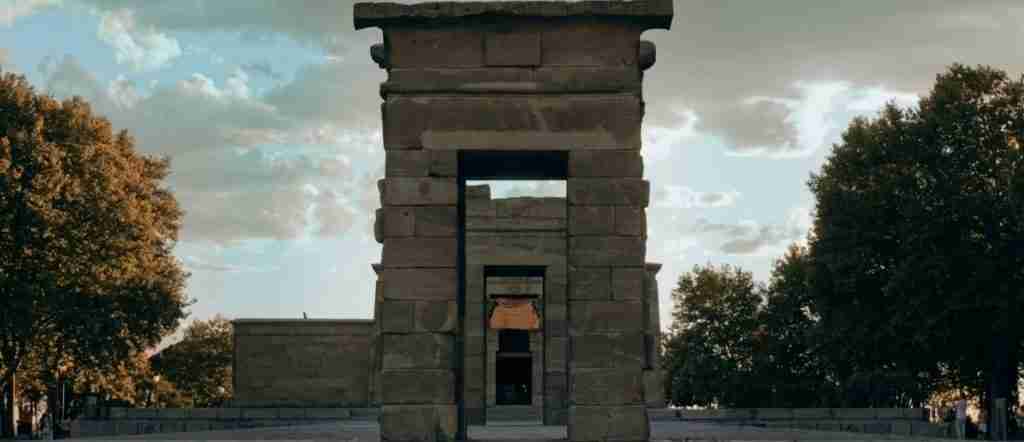
This itinerary assumes you’re arriving with comfortable walking shoes (expect 12-15 kilometers daily), downloaded offline maps, basic Spanish phrases for restaurant ordering, and realistic expectations that 2 days delivers Madrid’s highlights rather than comprehensive understanding. You’ll spend substantial time in museums and monuments (5-6 hours Day 1, 3-4 hours Day 2), walk extensively between sites despite Metro availability, navigate crowds at Prado and Royal Palace during peak hours, encounter aggressive restaurant touts near Plaza Mayor, and discover that published opening hours sometimes differ from actual operations. You’ll also taste exceptional jamón ibérico at centuries-old taverns, witness sunset over Madrid from Templo de Debod, experience art masterpieces rivaling anything in Paris or Florence, and collect memories of a city that transforms historic grandeur into vibrant modern energy through Spanish passion for living fully in present moment.
Day 1: Art Immersion and Royal Madrid 2026
Your first day concentrates on Madrid’s defining cultural pillars—world-class art and imperial heritage—through intensive Prado Museum exploration and Royal Palace visit, establishing historical context that enriches subsequent neighborhood wandering. This packed day requires early start, comfortable shoes, and acceptance that museum fatigue becomes reality around hour 3 of masterpiece viewing.
Morning: Prado Museum Deep Dive
Begin at Prado Museum when doors open at 10 AM, arriving 15 minutes early for ticket purchase if you haven’t booked online. The museum charges €15 general admission covering permanent collection and temporary exhibitions (check official website for current rates as pricing may vary), though free evening entry 6-8 PM Monday-Saturday or 5-7 PM Sunday saves money if you’re willing to navigate significantly larger crowds. Online timed-entry tickets eliminate queue waits, particularly valuable April-October and weekends when lines extend 30-45 minutes. Audio guides cost additional €5 but enhance understanding of artistic techniques and historical context that distinguish Velázquez mastery from contemporaries.
Allocate minimum 2.5-3 hours for meaningful Prado exploration, though art enthusiasts easily spend 4-5 hours without exhausting the collection. With limited time, prioritize these must-see masterpieces distributed across three floors: Velázquez’s Las Meninas (Ground Floor, Room 12) representing pinnacle of Spanish Golden Age portraiture, Goya’s Third of May 1808 and Saturn Devouring His Son (First Floor, Rooms 64-67) revealing dark Romantic genius, El Bosco’s Garden of Earthly Delights triptych (Ground Floor, Room 56A) displaying medieval surrealism, and Rubens’ collection (First Floor, Rooms 28-29) demonstrating Flemish Baroque vitality.
Strategic Prado navigation begins at Velázquez entrance (main door), proceeding to Ground Floor Room 12 for Las Meninas before crowds thicken around 11:30 AM. Move systematically through Spanish masters (Velázquez, Goya, El Greco) before tackling Italian (Titian, Raphael) and Flemish (Rubens, Brueghel) collections as energy permits. The museum layout encourages chronological progression through European art 12th-20th centuries, though thematic jumps between favorite artists create equally valid experiences. Take 10-minute rest breaks in courtyard cafe or window benches preventing sensory overload that transforms masterpieces into blur after hour 3.
Late Morning: Retiro Park Quick Visit or Direct Royal Palace Transit
Exit Prado around 12:30-1 PM, choosing between brief Retiro Park stroll (20 minutes walk east from museum) or direct transit to Royal Palace lunch area. Retiro Park’s 125 hectares contain Crystal Palace exhibition space, rose garden, artificial lake with rowboat rentals, and shaded paths providing respite from urban intensity. A quick 30-45 minute loop covers highlights including Palacio de Cristal glass pavilion and lakeside monument, though comprehensive park exploration deserves the 90 minutes allocated on Day 2 morning. Alternatively, walk or Metro directly toward Royal Palace vicinity for lunch in Opera or La Latina neighborhoods before afternoon palace visit.
Lunch: Menu del Día Strategy
Target restaurants near Royal Palace in Opera or La Latina districts offering menu del día three-course lunches with wine €12-18, Madrid’s exceptional dining value available weekdays 1:30-3:30 PM. These fixed-price menus include appetizer (salad, soup, or croquetas), main course (traditional Spanish dishes like cocido madrileño stew, grilled fish, or chicken), dessert or coffee, plus bread and drink. Casa Lucio (in La Latina) serves famous broken eggs though pricier than average, while neighborhood spots like Taberna La Bola offer authentic experience at €15-18 per person total.
Avoid restaurants immediately surrounding Plaza Mayor charging tourist-trap prices (€25-40 per person for inferior quality) and pushing oversized paella pans in windows—these signal establishments surviving through location monopoly rather than food quality. Walk 5-10 minutes into surrounding streets where working madrileños actually eat, identified by Spanish-language menus, local dialect conversations, and absence of English hawkers outside. Budget 60-75 minutes for leisurely Spanish lunch including post-meal coffee, as rushing violates cultural norms while short-changing the substantial meal sustaining energy through afternoon sightseeing.
Afternoon: Royal Palace and Plaza de Oriente
After lunch, walk to Royal Palace (Palacio Real) for 2-3:30 PM entry avoiding morning tour group congestion. General admission costs approximately €13-14 (check official website for current rates), though EU residents enter free Wednesday-Thursday 4-6 PM and everyone enters free Sunday final 2 hours (expect significantly longer queues during free periods). The palace complex includes State Rooms, Royal Armory, and Kitchen Gallery, with optional add-ons for Royal Pharmacy and temporary exhibitions. Audio guides cost additional €5 providing room-by-room commentary on tapestries, frescoes, and furnishings across 50+ accessible chambers.
Allocate minimum 2-2.5 hours for comprehensive Royal Palace visit including security screening, coat check, and systematic progression through ceremonial rooms. Highlights include Throne Room with Tiepolo ceiling frescoes depicting Spanish monarchy’s divine right, Porcelain Room entirely covered in ornate ceramic panels, Stradivarius Hall containing royal string instrument collection, and Royal Armory displaying medieval weaponry and suits of armor. The palace overwhelms through sheer opulence—gold leaf, crystal chandeliers, silk tapestries, and marble columns creating sensory excess that numbs after 90 minutes of continuous splendor.
Photography restrictions prohibit images inside State Rooms, though exterior courtyards and gardens allow photos. Lines move steadily except during Spanish school group season (October-May weekdays), when chaos reigns as 200+ students surge through chambers. Exit through Sabatini Gardens on palace north side for photo opportunities with royal facade backdrop, or Campo del Moro gardens on west side offering hillside views across greenery toward palace.
Late Afternoon: Historic Center Orientation
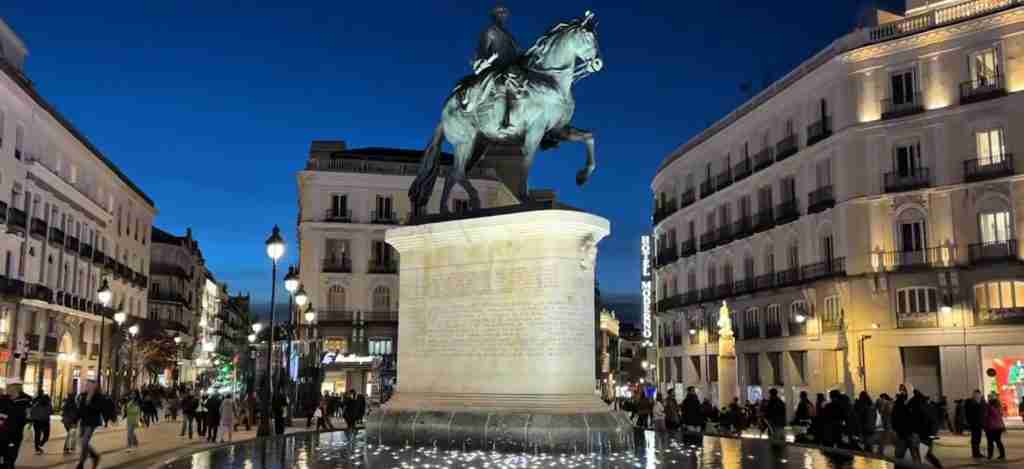
From Royal Palace, walk 10-15 minutes east through Plaza de Oriente toward Puerta del Sol, Madrid’s symbolic center and busiest plaza. This walk passes Teatro Real opera house, Calle Arenal shopping street, and converges at Sol where 10+ streets radiate outward. Puerta del Sol contains Kilometer Zero marker (Spain’s geographic center point), Tio Pepe neon sign (Madrid landmark), and Bear and Strawberry Tree statue (city symbol), plus endless street performers, pickpockets, and tourists creating chaotic atmosphere best experienced briefly before continuing.
Walk south from Sol toward Plaza Mayor (5 minutes), the 17th-century Habsburg square enclosed by uniform facades, arcaded walkways, and central equestrian statue. The plaza functions primarily as tourist attraction rather than local gathering space—cafes lining perimeter charge €5-8 for coffee consumed at tables where equivalent beverage costs €1.50 at nearby non-plaza establishments. Admire the architecture, photograph the symmetrical layout, avoid restaurants and souvenir shops, then exit toward Mercado de San Miguel or La Latina tapas district.
Evening: La Latina Tapas Exploration
Early evening (7-8:30 PM) provides optimal timing for La Latina neighborhood exploration before dinner crowds arrive. This historic district southwest of Plaza Mayor contains narrow medieval streets, traditional taverns, and authentic tapas bars where madrileños gather for evening socializing. Unlike touristy Plaza Mayor surroundings, La Latina delivers genuine neighborhood atmosphere with locals outnumbering visitors at most establishments.
Tapas hopping strategy involves visiting 3-4 different bars over 2-3 hours, ordering 1-2 small plates (€3-5 each) plus drink (€2-4) at each stop rather than full meal at single restaurant. This Spanish tradition allows sampling house specialties—Casa Lucas for huevos rotos (broken eggs over fried potatoes), Juana La Loca for creative montaditos (small sandwiches), Txirimiri for Basque pintxos (skewered appetizers), Almendro 13 for traditional croquetas and jamón. Total spending runs €20-30 per person across evening including 4-5 drinks, delivering more variety and cultural authenticity than sit-down restaurant dinner.
Dining times in Madrid run significantly later than northern Europe or North America—restaurants open around 8:30 PM but feel empty until 9:30-10 PM when locals arrive for proper dinner. For tapas bars, arrive 7:30-8:30 PM for initial selection before maximum crowding around 9-10 PM, or embrace the chaos after 10 PM when standing room only creates festive atmosphere. Calle Cava Baja serves as La Latina’s main tapas artery with dozens of options packed into two-block stretch—explore side streets for quieter alternatives with superior value.
Return to accommodation via Metro (La Latina station Line 5, or walk toward Sol station) or extend evening with stroll through lit-up Plaza Mayor and Puerta del Sol observing Madrid nightlife. Day 1 walking typically totals 12-14 kilometers with substantial standing time in museums and palace, so comfortable shoes and periodic rest breaks prevent exhaustion compromising Day 2 enjoyment.
Day 2: Parks, Modern Art, and Contemporary Madrid 2026
Your second day balances morning relaxation in Retiro Park with afternoon museum options (Reina Sofia or Thyssen-Bornemisza), Gran Vía commercial energy, and evening neighborhood exploration discovering Madrid beyond tourist-monument circuit. This slightly less intensive schedule allows recovery from Day 1’s museum marathon while still covering essential Madrid experiences.
Morning: Retiro Park Comprehensive Exploration
Begin Day 2 relaxed pace at Retiro Park around 10-10:30 AM after proper breakfast, allowing Spanish lifestyle appreciation rather than aggressive monument rushing. This 125-hectare green space serves as Madrid’s primary urban park, offering ornamental gardens, sculptures, lake activities, cultural pavilions, and shaded paths where locals jog, read, or simply sprawl on grass. The park functions as living room for madrileños, particularly weekends when families picnic, street performers entertain, and spontaneous social interactions unfold in quintessentially Spanish manner.
Enter Retiro via Puerta de Felipe IV (near Prado Museum) or Puerta de Alcalá for systematic exploration covering these highlights: Monument to Alfonso XII overlooking artificial lake where rowboat rentals (€6 per 45 minutes) provide relaxed water perspective, Palacio de Cristal glass-and-iron exhibition hall hosting contemporary art installations, Rose Garden (Rosaleda) displaying 4,000 roses peak season May-June, Fallen Angel statue (world’s only monument to Lucifer), and Paseo de las Estatuas tree-lined promenade with royal sculptures. Allow 90 minutes minimum for meaningful park experience without rushed crossing.
Retiro Park operates as free public space with no admission charges except temporary Palacio de Cristal exhibitions. Coffee carts throughout park sell €2-3 beverages, while nearby Calle Alfonso XII contains cafes for sit-down breakfast if skipped at hotel. The park provides essential Madrid counterbalance to museum and monument intensity—green serenity, human-scale architecture, and social observation without educational objectives or cultural pressure.
Late Morning: Reina Sofia Museum or Thyssen-Bornemisza Alternative
Around noon, choose between Reina Sofia (modern/contemporary art, 15-minute walk from Retiro) or Thyssen-Bornemisza Museum (comprehensive European art survey, near Prado). Reina Sofia charges €12 general admission (check official website for current rates) with free entry 7-9 PM Monday-Saturday, though evening crowds reduce contemplative viewing. The museum focuses 20th-century Spanish art featuring Picasso’s Guernica as centerpiece alongside Salvador Dalí, Joan Miró, and Juan Gris collections demonstrating Spain’s modernist contributions.
Alternatively, Thyssen-Bornemisza Museum costs approximately €13 admission covering private collection spanning 13th-20th centuries with strengths in Dutch Golden Age, German Expressionism, and American painting absent from Prado’s Spanish-focused holdings. This medium-sized museum requires 1.5-2 hours versus Reina Sofia’s 2-3 hours, making Thyssen better choice for visitors experiencing art fatigue or preferring comprehensive historical survey over modern art concentration.
For budget-conscious travelers maximizing free museum access, Reina Sofia’s evening hours (7-9 PM) save €12 admission though crowds significantly increase. Alternatively, skip additional museums entirely if Day 1’s Prado experience satisfied art appetite, instead exploring neighborhoods, shopping Gran Vía, or simply absorbing Madrid street life without educational objectives. Two-day visits don’t require exhaustive museum coverage—one exceptional art experience (Prado) delivers more lasting impact than three rushed museum visits.
Lunch: Casual Dining Options
Second day lunch strategies depend on museum timing and budget priorities. If visiting Reina Sofia or Thyssen-Bornemisza during midday hours, museum cafes provide adequate though unremarkable lunch options €12-18 saving exit-reentry time. Alternatively, walk toward Atocha station area where worker-focused restaurants serve menu del día €12-15 with less tourist inflation than historic center establishments.
For casual tapas lunch avoiding formal sit-down experience, Mercado de San Miguel near Plaza Mayor offers gourmet market atmosphere with 30+ vendors selling small plates, wines, and prepared foods €4-8 per item. This popular tourist destination charges premium prices versus neighborhood markets but delivers variety, quality, and convenient central location. Budget €20-30 per person for satisfying market meal with drinks, experiencing Madrid’s evolved food hall concept beyond traditional bar-counter tapas format.
Afternoon: Gran Vía and Shopping District
Early-mid afternoon (2-4 PM) suits Gran Vía exploration, Madrid’s main commercial boulevard running east-west through city center. This 1.3-kilometer street contains flagship stores (Zara, Primark, El Corte Inglés department store), historic theaters, ornate early-20th-century architecture, and tourist-focused energy distinct from La Latina’s neighborhood authenticity or Prado’s cultural gravitas. Gran Vía delivers urban Madrid’s commercial vibrancy and architectural ambition through buildings demonstrating Spanish adaptation of American skyscraper aesthetics during 1920s-1930s prosperity.
Walk Gran Vía’s full length from Plaza de España toward Cibeles fountain, observing architectural details on Telefónica Building (Madrid’s first skyscraper, 1929), Edificio Metrópolis with winged victory statue, and various Art Deco facades. Window shop international brands, people watch at outdoor cafes, or visit El Corte Inglés rooftop Gourmet Experience for panoramic city views (free access, though purchasing drink expected). This commercial district lacks historic monuments or major museums but provides energy contrast to morning park serenity.
Late Afternoon: Templo de Debod Sunset or Malasaña Exploration
Around 5-6 PM, choose between Templo de Debod (Egyptian temple, 20-minute walk west from Gran Vía) for sunset views or Malasaña neighborhood exploration north of Gran Vía. Templo de Debod operates as free outdoor monument providing elevated city panoramas particularly stunning at sunset when golden hour light illuminates Madrid skyline. This 2,200-year-old Egyptian temple relocated to Madrid in 1968 attracts photographers and couples gathering on surrounding hillside for dusk atmosphere, though actual temple interior offers minimal interest.
Alternatively, explore Malasaña district (centered around Plaza Dos de Mayo) representing Madrid’s alternative culture, indie shops, vintage clothing stores, craft cocktail bars, and younger demographic. This gentrifying neighborhood delivers authentic urban Madrid distinct from tourist-zone character while remaining safely walkable and packed with cafes for late-afternoon cortado (espresso with milk). Malasaña rewards aimless wandering through side streets discovering murals, bookshops, and local businesses reflecting contemporary Spanish creativity beyond historic monuments.
Evening: Neighborhood Dining and Final Madrid Immersion
For final Madrid dinner, choose neighborhood reflecting your preferences: return to La Latina for additional tapas bar discoveries missed Day 1, explore Chueca (east of Gran Vía) for modern restaurant scene and LGBTQ+ nightlife hub atmosphere, or remain in Malasaña for casual dining among locals rather than tourists. Each neighborhood delivers distinct Madrid personality—La Latina’s traditional tavern culture, Chueca’s contemporary cosmopolitan energy, Malasaña’s alternative artistic community.
Dinner strategies include traditional sit-down meal at mid-range restaurant €25-40 per person with wine, continued tapas hopping visiting new bars €20-30 per person, or casual bocadillo sandwiches and beer at neighborhood bars €12-18 per person maximizing budget for final evening drinks or dessert splurge. Madrid’s late dining culture means 9-10 PM represents ideal dinner timing, with post-meal paseo (evening stroll) around illuminated historic center providing graceful conclusion to 2-day visit.
After dinner, extend Madrid experience through evening activities: rooftop bar cocktails overlooking city (€10-15 per drink at venues near Gran Vía or Plaza Santa Ana), live music at small clubs in Huertas or Malasaña (€5-10 cover charges), or simple plaza people-watching at Puerta del Sol observing Madrid’s nocturnal energy. Return to accommodation for early departure preparations or extended nightlife exploration if schedule permits—Madrid sustains vibrant street activity until 1-2 AM even weekdays, 3-4 AM weekends.
Getting Around Madrid 2026: Transport Guide for 2-Day Visits
Madrid’s compact historic center makes walking the primary transport mode for most Day 1 and Day 2 activities, supplemented by Metro rides when distances exceed comfortable 25-minute strolls or when routing requires crossing parks or highways. Understanding Madrid’s efficient transport system prevents time waste while adding minimal cost to overall budget.
Multi Card and Ticket Options for Short Visits
Purchase the Multi Card (€2.50 non-refundable card fee) at any Metro station machine or tobacco shops displaying Estanco signage, then load with your chosen ticket type. This contactless card functions across Metro, buses, and light rail within selected zones. For 2-day Madrid visits concentrating on Zone A central attractions, options include: single tickets at €1.50 per ride (increases €0.11 per station after 5 stations, acceptable for 1-2 trips), 10-trip tickets at €7.30 providing best per-ride value for moderate usage (4-6 daily trips), or Tourist Travel Pass at €16.80 for 2 consecutive days with unlimited Zone A rides plus airport Metro access.
Calculate which option suits your transport patterns. If following this itinerary’s walkable routing with occasional Metro rides (4-6 total across 2 days), the 10-trip ticket delivers optimal value at €0.73 per ride. More frequent riders using transport 8-10+ times justify Tourist Travel Pass convenience eliminating per-ride tracking. Budget-conscious travelers walking extensively need only 2-3 Metro rides total (Sol to La Latina, accommodations to Retiro, hotel to airport), making €1.50 single tickets most economical at €4.50-6 total versus €7.30 for unused 10-trip credit.
Metro Lines Relevant to This Itinerary
Line 2 (red) connects Sol hub to Retiro, Opera (near Royal Palace), and extends toward Cuatro Caminos, covering most Day 1-2 east-west movement. Line 1 (blue) runs north-south through Sol toward Atocha station (Reina Sofia vicinity) southbound or Tribunal (Malasaña access) northbound. Line 5 (green) serves La Latina tapas district connecting to Opera and Callao (Gran Vía). These three lines handle 90% of tourist movement, with intuitive connections at Sol central station where lines intersect.
Metro operates 6 AM-1:30 AM daily with 24-hour service Friday-Saturday nights, though this itinerary rarely requires late-night Metro usage. Trains run every 3-7 minutes during daytime, increasing to 10-15 minutes after 11 PM. Airport Metro Line 8 requires €4.50 supplement beyond standard ticket, though Tourist Travel Pass includes airport access at no additional charge. Validate Multi Card at turnstile entry by tapping reader—exit doesn’t require validation unlike some European systems.
Walking Distances Between Major Sites
Understanding walking times between sites informs decisions about Metro usage versus foot travel. Prado Museum to Royal Palace: 20-25 minutes walking west through pleasant streets, or 15 minutes via Metro Line 2 from Banco de España to Opera. Royal Palace to Plaza Mayor: 12-15 minutes walking east downhill. Puerta del Sol to Retiro Park: 20 minutes walking, 5 minutes via Metro Line 2. Gran Vía to Malasaña: 10-12 minutes walking north from Callao station. These distances remain comfortable for most visitors wearing appropriate footwear, making Metro usage optional rather than essential except during rain, extreme heat, or energy conservation priorities.
Taxi Usage Considerations
Madrid taxis charge starting fare approximately €2.50-3 plus metered distance fees, with typical central district rides running €8-12. Taxis work for morning airport transfers (€30 fixed rate to/from airport within M-30 ring road), late-night returns when Metro closed, or multiple-person trips where per-person Metro costs approach taxi splitting economics. However, traffic congestion during rush hours (8-10 AM, 5-8 PM weekdays) makes Metro significantly faster for cross-city movement—taxis stuck in traffic while Metro maintains schedule. Budget travelers following this itinerary rarely need taxis beyond potential airport transfer, saving €15-25 across 2 days versus taxi-dependent routing.
Where to Stay in Madrid 2026: Neighborhood Analysis
Accommodation location dramatically impacts 2-day visit efficiency, determining whether you’ll waste 60-90 minutes daily commuting or maximize sightseeing through central positioning near major sites and Metro access.
Sol and Gran Vía – Maximum Convenience
Sol neighborhood surrounding Puerta del Sol plaza and Gran Vía avenue deliver unbeatable central positioning within 10-15 minutes walk of Prado, Royal Palace, Plaza Mayor, and major Metro lines converging at Sol station. Mid-range hotels run €70-120 per night in this prime zone, with budget options from €45-70 and boutique properties €130-200. The area functions as tourist epicenter with corresponding noise levels, chain restaurants, and international visitor concentration versus neighborhood authenticity.
Choose Sol/Gran Vía for: first-time visitors prioritizing convenience, travelers with limited mobility preferring minimal walking, and business travelers requiring central location for meetings. Avoid if: seeking authentic neighborhood experience, sensitive to street noise (Gran Vía traffic continues late), or budget-conscious as prices run 20-30% above peripheral areas for equivalent quality. Book rooms facing interior courtyards versus Gran Vía street-facing for quieter nights.
La Latina – Value and Atmosphere
La Latina southwest of Plaza Mayor offers 15-25% cheaper accommodation than Sol while maintaining walkability to major sites (20 minutes to Prado, 12 minutes to Royal Palace, immediate tapas bar access). Hotels and guesthouses run €50-90 per night for mid-range comfort in converted historic buildings along quiet residential streets. This neighborhood delivers authentic Madrid character through narrow medieval lanes, neighborhood markets, family-run shops, and locals outnumbering tourists except Sunday El Rastro flea market chaos.
La Latina suits: budget-conscious travelers accepting slightly increased walking distances, food enthusiasts prioritizing tapas bar proximity, and visitors seeking residential atmosphere. The district lacks major chain hotels, instead featuring small properties with 10-20 rooms requiring advance booking during peak season. Metro access via La Latina station Line 5 connects efficiently to broader transport network when walking distances exceed comfort thresholds.
Malasaña and Chueca – Contemporary Madrid
Malasaña and Chueca north of Gran Vía attract younger travelers and creative professionals through independent shops, craft cocktail bars, vintage boutiques, and alternative culture scene. Accommodation runs €60-100 per night for mid-range properties, with excellent neighborhood dining value and vibrant evening atmosphere. These districts require 25-30 minutes walking to Prado Museum or Royal Palace, making Metro usage more frequent than Sol/La Latina options, though connections remain straightforward via Lines 1, 2, and 5.
Consider Malasaña/Chueca for: travelers under 40 seeking contemporary Madrid energy, LGBTQ+ visitors appreciating Chueca’s welcoming atmosphere, and visitors prioritizing nightlife access over monument proximity. Skip if: time-constrained 2-day visit makes Royal Palace walking distance essential, or if late-night bar noise conflicts with early morning sightseeing schedules.
Budget Alternatives: Hostels and Outer Districts
Madrid hostels offer dorm beds €18-35 per night or private rooms €40-70, concentrated around Sol, Gran Vía, and Malasaña with social atmospheres attracting backpackers and solo travelers. Quality varies dramatically—research reviews carefully regarding cleanliness, noise levels, and security. Budget hotels in districts beyond central core (Chamberí, Argüelles, Lavapiés) provide €35-60 private rooms though requiring 30-40 minute Metro commutes consuming precious 2-day sightseeing time.
For 2-day Madrid visits, prioritize location over budget savings—staying in peripheral district saving €15-20 nightly costs 60-90 minutes daily commuting, effectively sacrificing 3-4 sightseeing hours across your 48-hour visit. Better strategy involves central accommodation (Sol, La Latina, Gran Vía) combined with budget dining through menu del día lunches and self-service breakfast from supermarkets, concentrating savings on meals rather than sacrificing irreplaceable sightseeing time to hotel cost optimization.
Dining Strategies for Madrid 2026: Maximizing Value and Experience
Madrid’s dining landscape rewards strategic timing and neighborhood positioning while punishing tourist-zone impulse decisions, creating massive value differences between €12 menu del día three-course meals and €40 mediocre Plaza Mayor restaurant equivalents meters away.
Menu del Día: Madrid’s Exceptional Lunch Value
Menu del día fixed-price lunches represent Madrid’s best dining value, offering three courses plus bread and drink (wine or beer included) for €12-18 at restaurants serving locals rather than tourists. This substantial midday meal traditionally serves as Spain’s largest daily food intake, providing enough calories and satisfaction to reduce dinner needs to light tapas or simple evening meal, drastically reducing total daily food costs while delivering superior quality compared to equivalent-price tourist restaurants.
Menu del día operates Monday-Friday 1:30-3:30 PM (sometimes extended to 4 PM), rarely offered evenings or weekends when restaurants shift to à la carte pricing. Strategic lunch planning times major midday break around 2 PM menu del día at neighborhood restaurant identified by Spanish-language menus, local clientele speaking rapid Madrid dialect, and absence of picture menus or English hawkers outside. Choices typically include 3-4 appetizer options (soup, salad, croquetas, seasonal vegetables), 4-5 main courses (meat, fish, traditional Spanish dishes), and dessert or coffee.
Best menu del día locations cluster around business districts (Opera, Lavapiés, Chamberí) where workers demand quality-price balance versus tourist zones where captive audiences tolerate mediocrity. Walk purposefully away from Plaza Mayor, Puerta del Sol, and Prado Museum immediate vicinity—literally 5-8 minutes walking creates €5-10 per person savings while upgrading food quality dramatically. Ask hotel staff for neighborhood recommendations rather than relying on TripAdvisor rankings skewed toward tourist expectations versus local standards.
Tapas Culture Economics and Strategy
Tapas dining operates as social experience involving multiple bar visits over 2-3 hours, ordering 1-2 small plates plus drink at each establishment rather than full meal at single location. Individual tapas cost €3-6 depending on complexity—simple options like patatas bravas (fried potatoes with spicy sauce) or pan con tomate (tomato bread) at €3-4, premium items like jamón ibérico or gambas al ajillo (garlic shrimp) at €5-8. Total evening spending runs €20-30 per person visiting 3-4 bars consuming 6-8 total tapas plus 4-5 drinks, delivering exceptional value and cultural authenticity versus sit-down restaurant dinner.
Tapas bar strategy emphasizes house specialties rather than comprehensive menu ordering—each establishment excels at specific dishes while maintaining mediocre versions of generic offerings. Research or ask bartenders for recommendations (¿Cuál es su especialidad?), ordering their signature preparation rather than attempting full Spanish cuisine survey at single location. Classic Madrid tapas include: tortilla española (potato omelet), croquetas (béchamel croquettes with ham or mushrooms), calamares (fried squid), huevos rotos (broken eggs over potatoes), champiñones al ajillo (garlic mushrooms), and various jamón preparations ranging from inexpensive to premium ibérico de bellota.
Tapas pricing follows Madrid convention where standing at bar costs less than seated table service—identical tapa runs €3-4 at bar versus €4.50-6 at table in same establishment. Budget-conscious diners embrace bar standing, locals alternate between standing (quick first drink and tapa) then claiming tables for subsequent rounds. Avoid restaurants with sidewalk hawkers aggressive soliciting tourists or displaying oversized paella pans in windows—these signals mark tourist traps serving mediocre food at inflated prices. Crowded bars packed with Spaniards speaking rapid-fire Madrid dialect indicate quality establishments worth navigating language barriers to experience.
Budget Breakfast and Snack Options
Hotel breakfast quality varies wildly from €3-5 simple continental spreads to €12-18 elaborate buffets rarely justifying premium charges for 2-day visits. Budget strategy involves supermarket purchases (bread, ham, cheese, fruit, yogurt) for €8-12 total providing 2-3 mornings’ breakfast at €4-6 daily versus €10-15 hotel breakfast fees. Alternatively, neighborhood cafes serve traditional Spanish breakfast—tostada (toast with tomato and olive oil), café con leche (coffee with milk), fresh orange juice—for €5-8 total consumed at bar standing.
Afternoon snacking opportunities include bocadillo sandwiches at casual bars €4-7, churros with chocolate from traditional churrerías €3-5, or pintxos (Basque-style skewered appetizers) from specialized bars €2-4 per piece. Mercado de San Miguel offers premium market snacking €6-12 per item in atmospheric covered market setting, though neighborhood markets deliver superior value for identical quality. These strategic snacks bridge Spanish meal timing (2-3 PM lunch, 9-10 PM dinner) preventing hunger-driven poor dining decisions in tourist-trap restaurants.
Budget Breakdown Madrid 2 Days 2026: Complete Cost Analysis
Realistic 2-day Madrid budgets require category-by-category expense understanding while accounting for personal priorities balancing museum access versus tapas bar splurges, hotel comfort versus transportation convenience, and comprehensive sightseeing versus relaxed exploration pace.
Accommodation Costs for 2 Nights
Mid-range comfortable hotel near center (Sol, La Latina, Gran Vía areas): €70-110 per night equals €140-220 total for 2 nights. Budget hotels or hostel private rooms: €40-70 per night equals €80-140 for 2 nights. Boutique or four-star properties: €130-200 per night equals €260-400 for 2 nights. Location premium worth paying for 2-day visits—central accommodation saving 60-90 minutes daily commuting provides €15-25 hotel cost increase justification through irreplaceable sightseeing time preservation.
Food and Dining for 2 Days
Daily food budget per person ranges dramatically based on dining choices. Budget travelers utilizing menu del día lunches, tapas bar dinners, and supermarket breakfasts: €30-45 daily equals €60-90 for 2 days. Mid-range visitors mixing menu del día, quality tapas bars, and occasional sit-down dinners: €50-70 daily equals €100-140 for 2 days. Comfort-focused diners preferring restaurant meals with wine, market dining, and breakfast at hotels: €80-110 daily equals €160-220 for 2 days.
Menu del día lunch: €14-18, tapas dinner: €22-32, simple breakfast: €6-10, coffee/snacks: €8-10. Total mid-range daily food: €50-70 per person. Multiply by 2 days for complete food budget €100-140 per person. Budget optimization focuses on menu del día lunches (saving €15-25 versus equivalent dinner pricing) and tapas bar dinners (saving €10-20 versus sit-down restaurants) rather than breakfast skimping that compromises morning energy levels.
Transportation for 2 Days
Multi Card: €2.50 one-time. 10-trip ticket: €7.30 provides 4-6 rides at €0.73 each, adequate for moderate Metro usage following this walkable itinerary. Alternative 2-day Tourist Travel Pass Zone A: €16.80 with unlimited rides including airport access. Total transport budget: €10-20 per person depending on walking tolerance and weather conditions. Add €5-10 buffer for potential taxis, airport bus if avoiding €30 taxi fare, or unexpected transport needs.
Attractions and Activities for 2 Days
Major paid entries in this itinerary: Royal Palace €13-14, Prado Museum €15 (free evening hours alternative), Reina Sofia or Thyssen-Bornemisza €12-13 (Reina Sofia free evening hours alternative). Total attractions using paid entry hours: €40-42 per person. Alternative using free museum hours exclusively: €13-14 (Royal Palace only required payment). Paseo del Arte Pass covering all three major museums: €32.80 saves €7-9 if visiting all three during paid hours.
Most experiences in this itinerary cost nothing: Retiro Park, Plaza Mayor, Puerta del Sol, La Latina wandering, Gran Vía walking, Templo de Debod, neighborhood exploration, plaza people-watching. Madrid delivers exceptional free cultural experiences supplementing paid museum/monument visits, making total attraction costs manageable even for budget travelers.
Total 2-Day Budget Examples
Budget traveler (hostel or budget hotel, menu del día plus tapas, free museum hours, walking primarily): Accommodation €80-140, food €60-90, transport €10-15, attractions €13-25, miscellaneous €15-25. Total: €178-295 (€89-148 daily) per person for 2 days excluding flights.
Mid-range traveler (comfortable central hotel, mixed quality dining, selective paid museums, occasional Metro use): Accommodation €140-220, food €100-140, transport €15-20, attractions €30-42, miscellaneous €25-40. Total: €310-462 (€155-231 daily) per person for 2 days excluding flights.
Comfort traveler (boutique hotel, restaurant dining with wine, comprehensive museums, taxis for convenience): Accommodation €260-400, food €160-220, transport €25-40, attractions €40-55, miscellaneous €40-60. Total: €525-775 (€263-388 daily) per person for 2 days excluding flights.
These totals exclude international transportation to/from Madrid. Add airport transfer costs (taxi €30, Express Bus €5, Metro €6 including airport supplement), contingency buffer 15-20% for unexpected expenses, and shopping/souvenirs based on personal priorities. Madrid delivers exceptional value compared to Paris, London, or Rome for equivalent experiences and quality.
Essential Madrid Travel Tips 2026
Practical knowledge prevents common frustrations while maximizing positive experiences during limited 2-day visits.
Optimal Visiting Months and Weather Considerations
April-May (spring) and September-October (autumn) provide ideal Madrid conditions with temperatures 15-25°C, minimal rain, and manageable tourist crowds. June-August brings intense heat (regularly 32-38°C) making midday sightseeing uncomfortable despite longer daylight hours and vibrant street life extending late into evenings. November-March features cold temperatures (5-15°C), occasional rain, dramatically reduced crowds, and excellent hotel value but requires indoor-focused activities and warm clothing. For 2-day visits prioritizing museum and monument concentration, any season works adequately though spring/autumn deliver optimal walking comfort.
Siesta Culture and Business Hours
Traditional siesta closures (2-5 PM) affect small shops, family-owned businesses, and some restaurants though major tourist sites, chain stores, and restaurants in central zones operate continuously. Plan shopping or boutique browsing for morning or late afternoon rather than midday when closures frustrate expectations. Conversely, Spanish late dining creates opportunity for extended afternoon sightseeing without hunger pressure—sites closing 6-7 PM still allow post-closure plaza strolling, park walks, and 8 PM museum entries before 9:30 PM dinner reservations.
Language and Communication
English proficiency varies—tourist-zone hotel staff and museum workers speak functional English while neighborhood restaurants, Metro workers, and small shops often operate Spanish-only. Download Google Translate app with Spanish language package for offline menu translation and basic communication. Learn essential phrases: “Hola” (hello), “Gracias” (thank you), “La cuenta, por favor” (check please), “¿Cuánto cuesta?” (how much?), “No hablo español” (I don’t speak Spanish). Attempt Spanish greetings before switching English—locals appreciate effort even when reverting to gesture-based communication.
Safety and Common Tourist Traps
Madrid rates as generally safe European capital with violent crime extremely rare. Primary concerns include pickpockets on Metro during rush hours and crowded tourist sites (Puerta del Sol, Gran Vía), bag snatching from outdoor restaurant tables in busy plazas, and distraction scams involving dropped objects or bird droppings leading to theft during “helpful” cleaning. Keep valuables secure in front pockets or cross-body bags, maintain awareness in tourist zones, and politely refuse aggressive restaurant solicitation around Plaza Mayor where food quality inversely correlates with hawker persistence.
Tipping Customs and Service Charges
Spanish tipping operates differently from North American norms—service charges typically included in prices with additional tipping optional rather than expected. Round up taxi fares to nearest euro, leave €1-2 per person at casual restaurants after satisfactory service, or 5-10% at upscale establishments. Bar service and tapas orders don’t require tipping beyond rounding €12.50 tab to €13. Hotel porters receive €1-2 per bag. Overtipping marks tourists unfamiliar with local customs while undertipping at quality establishments appears cheap—moderate approach matching Spanish conventions serves appropriate middle ground.
Frequently Asked Questions About Madrid 2-Day Itinerary 2026
Can I do a day trip to Toledo or Segovia during a 2-day Madrid visit in 2026?
Day trips to Toledo (30 minutes by high-speed train) or Segovia (30 minutes train) technically fit 2-day Madrid visits but sacrifice either Day 1 Royal Palace/Prado or Day 2 Retiro/Reina Sofia experiences, effectively reducing Madrid proper to single day while adding €15-25 transport costs and 6-8 hours including travel time. Most travelers visiting Madrid for just 2 days prioritize comprehensive capital exploration over rushed day trip additions, reserving Toledo or Segovia for future extended visits allowing 3-4 Madrid days plus excursions. If absolutely determined to include day trip, replace Day 2 morning Retiro relaxation with 7 AM departure to Toledo returning by 3 PM for abbreviated Reina Sofia visit, though this creates exhausting schedule eliminating recovery time from Day 1’s intensive museum marathon. Better strategy involves accepting that 2 days allows either thorough Madrid coverage or Madrid plus one day trip, not both without compromising quality at all locations.
Should I buy Paseo del Arte Pass for 2 days in Madrid in 2026?
The Paseo del Arte Pass costs €32.80 covering one-time entry to Prado, Reina Sofia, and Thyssen-Bornemisza museums versus individual tickets totaling €40-43 at standard rates, saving €7-10 for visitors attending all three during paid hours. However, this itinerary dedicates substantial Day 1 time to Prado (2.5-3 hours) and brief Day 2 slot to either Reina Sofia or Thyssen-Bornemisza (1.5-2 hours), leaving third museum unvisited or requiring rushed coverage. If visiting all three museums during paid hours justifies pass purchase (€10 savings plus skip-line convenience at Thyssen-Bornemisza), though most 2-day visitors experience art fatigue after Prado’s intensity and prefer single additional museum Day 2 versus comprehensive art circuit. Alternative strategy utilizing free evening hours (Prado 6-8 PM, Reina Sofia 7-9 PM) saves entire admission costs though accepting larger crowds and reduced contemplative viewing, eliminating pass value proposition entirely. Purchase pass only if genuinely committed to three museum visits during paid hours and willing to sacrifice other Madrid experiences (extended Retiro time, neighborhood wandering, leisurely meals) for concentrated art immersion.
What is the best time of day to visit Royal Palace in 2026?
Royal Palace receives lowest crowds 2-4 PM weekdays when morning tour groups have departed and afternoon independent visitors haven’t yet arrived, making this itinerary’s post-lunch timing optimal for relaxed exploration without overwhelming congestion. Opening hour (10 AM) attracts queue formations though moves steadily, while mid-late morning (10:30 AM-1 PM) brings peak tour group concentration creating bottlenecks in Throne Room and Porcelain Room as 40+ person groups block access. Free admission periods (Wednesday-Thursday 4-6 PM for EU residents, Sunday final 2 hours for everyone) generate significantly longer queues potentially requiring 60-90 minute waits versus 15-20 minutes with advance-purchase tickets outside free windows. Summer months (June-August) intensify crowding across all timeframes, while November-March offers manageable visitor numbers even during theoretically busy mid-morning hours. Book online skip-the-line tickets for any visit timing, arriving 2-3 PM for optimal balance between crowd avoidance and remaining visit time before 6 PM closing.
Can I see flamenco show during 2-day Madrid visit in 2026?
Madrid offers numerous flamenco tablaos (dedicated venues) presenting nightly shows 7:30-10:30 PM, easily incorporated into evening schedules after museum/monument daytime sightseeing. Quality performances at established venues (Corral de la Morería, Cardamomo, Casa Patas) cost €35-70 including one drink or €70-120 with dinner, running 60-90 minutes and showcasing professional dancers, singers, and guitarists demonstrating Andalusian art form transplanted to capital city. Fit flamenco into this itinerary by: Day 1 substituting flamenco show for extended La Latina tapas crawl (book 9 or 10 PM show after early tapas 7-8 PM), or Day 2 adding show after Malasaña dinner around 10-10:30 PM slot if energy remains after full sightseeing schedule. However, 2-day Madrid visits pack intensive cultural experiences creating legitimate exhaustion—many travelers discover late-evening flamenco attendance feels obligatory rather than enjoyable after 12-15 kilometer walking days and 5-6 hours museum standing. Better approach involves prioritizing either comprehensive daytime sightseeing or evening cultural performance rather than attempting both exhaustively, reserving second flamenco experience for future Madrid return when schedule permits more balanced daily pacing.
Where should I eat breakfast in Madrid on a 2-day visit in 2026?
Optimal breakfast strategies balance cost, time efficiency, and energy requirements for intensive sightseeing days. Hotel breakfast included in room rate justifies consumption if adequate quality, though many budget-mid range properties charge €8-15 extra for mediocre continental spreads not worth premium. Superior alternatives include: neighborhood cafes serving traditional Spanish breakfast (tostada with tomato and olive oil, café con leche, fresh orange juice) €5-8 consumed standing at bar counter, Chocolatería San Ginés (near Sol) offering famous churros with hot chocolate €4-6 though tourist-heavy atmosphere, or supermarket self-assembly (bread, ham, cheese, fruit, yogurt) totaling €8-12 providing 2-3 mornings breakfast at €4-6 daily cost versus €10-15 cafe spending. Strategic timing involves early breakfast 8-8:30 AM before museum opening or late breakfast 10-10:30 AM after initial sightseeing, avoiding 9-10 AM breakfast rush at popular cafes. For Day 1 intensive Prado start, grab quick supermarket breakfast or hotel option maximizing museum arrival punctuality; Day 2 allows leisurely cafe breakfast before relaxed Retiro Park morning given less time-sensitive schedule. Remember Spanish breakfast typically lighter than northern European or American equivalents—locals sustain on coffee and toast until substantial 2-3 PM lunch, adjusting expectations from eggs-bacon-pancakes breakfast expectations toward European continental norms.
Can I use credit cards everywhere in Madrid in 2026?
Credit cards (Visa, Mastercard widely accepted, American Express less universal) work at hotels, established restaurants, major attractions, chain stores, and most sit-down establishments throughout Madrid. However, cash remains necessary for: small tapas bars particularly in La Latina traditional establishments, morning coffee at corner cafes where €1.50 espresso on credit card generates eye-rolling, Mercado de San Miguel vendors (though many now accept cards), Metro single-ticket machines (though newer machines accept contactless), and small shops in residential neighborhoods. Carry €40-60 daily cash withdrawn from bank ATMs at favorable exchange rates versus currency exchange services charging 5-10% commission. Notify credit card companies of Spain travel dates preventing fraud blocks, verify card charges no foreign transaction fees (or budget additional 2-3% on purchases), and understand that chip-and-PIN remains standard with occasional establishment refusing swipe-only American cards. Budget travelers relying heavily on menu del día lunches and tapas bars need higher cash ratios (60-70% cash, 30-40% card) versus comfort travelers using hotels and restaurants accepting cards universally (30-40% cash, 60-70% card). Street crime concerns make distributing money across wallet, hotel safe, and travel partner sensible rather than carrying €200+ daily increasing theft impact.
What should I pack for 2 days in Madrid in 2026?
Essential items include: comfortable broken-in walking shoes (expect 12-15 kilometers daily on mixed pavement, cobblestones, museum floors), lightweight daypack for carrying water bottles, purchased items, and layers removed during temperature fluctuations, portable phone charger for heavy navigation and photo use, European power adapter (Type C/F two round prongs, 230V), and basic Spanish phrasebook or translation app downloaded offline. Clothing depends on season—summer (June-August) requires sun protection (hat, sunscreen, sunglasses), breathable fabrics, and light layers for air-conditioned museums; winter (November-March) needs warm jacket, scarf, umbrella for occasional rain; spring/autumn balance with layering options handling 15-25°C daily fluctuations. Madrid observes casual dress standards with smart-casual adequate for upscale restaurants (avoid shorts and tank tops at fine dining) though no formal requirements at most establishments. Pack minimal bags anticipating souvenir purchases requiring luggage space—Madrid shopping (leather goods, gourmet foods, fashion) tempts acquisition beyond arrival packing capacity. Leave expensive jewelry home avoiding unwanted attention, bring prescription medications in original containers, and carry photocopies of passport/important documents separate from originals. Two-day visits allow light packing (carry-on only) eliminating checked baggage waits and facilitating quick airport transitions.
Is Madrid safe for solo travelers in 2026?
Madrid rates as safe European capital for solo travelers including women, with violent crime extremely rare and tourist zones maintaining active police presence and late-night street life creating safety through population density rather than isolated areas. Solo travel considerations include: choosing accommodations in well-lit central neighborhoods (Sol, Gran Vía, La Latina, Malasaña) over peripheral districts, using Metro during daylight hours and early evening rather than past midnight, maintaining awareness in crowded tourist zones (Puerta del Sol, Metro) where pickpockets operate, and trusting instincts about uncomfortable situations immediately removing yourself rather than politeness concerns. Women travelers report generally respectful treatment though occasional catcalling or unwanted attention from nightclub areas late evenings, mitigated through confident body language, ignoring provocations, and utilizing rideshare apps (Cabify, Uber) for late returns versus walking alone after 2 AM. Solo dining at tapas bars feels natural as locals frequently eat alone at bar counters versus table seating, though evening restaurant reservations for one sometimes meet resistance at establishments prioritizing two-person minimum turnover. Madrid’s solo traveler infrastructure includes hostel social scenes facilitating connections, walking tour groups enabling shared experiences, and generally welcoming atmosphere for independent explorers across age demographics and backgrounds. Standard urban safety precautions (securing valuables, avoiding isolated areas at night, staying aware of surroundings) suffice for safe solo Madrid exploration without exceptional concerns beyond typical European city cautions.
How early should I book hotels for Madrid in 2026?
Book Madrid accommodation 4-6 weeks ahead for spring (April-May) and autumn (September-October) shoulder seasons when demand peaks during optimal weather periods attracting European leisure travelers and business conferences. Summer (June-August) and winter (November-March) allow shorter 2-3 week booking windows though August specifically (Spanish vacation month) and Christmas-New Year periods require advance planning despite being low seasons for international visitors. Central neighborhoods (Sol, La Latina, Gran Vía) within 15-minute walk of major sites fill earliest as location-conscious travelers prioritize walkability, while peripheral areas maintain availability closer to arrival dates at expense of extended commutes. Last-minute availability always exists due to Madrid’s massive hotel inventory (thousands of properties across price ranges), though optimal value properties in prime locations vanish weeks ahead during peak periods. Book refundable rates when uncertain about plans allowing cancellation flexibility if itinerary changes, reading cancellation policies carefully as some promotional rates require payment upfront with no refunds. Review recent guest feedback (within 6 months) focusing on location convenience, cleanliness standards, noise levels, and actual room conditions versus marketing photos. Madrid hotel market delivers generally good value compared to Paris or London equivalents, making central accommodation premium worth paying for 2-day visits where location efficiency translates directly to maximized sightseeing time.
Can I visit both Prado and Reina Sofia in one day in 2026?
Visiting both Prado and Reina Sofia same day remains physically possible (museums located 1 kilometer apart, 15-minute walk) but creates museum fatigue reducing appreciation quality at second institution after 3-4 hours intensive art viewing at first location. This itinerary deliberately separates major museums across Day 1 (Prado) and Day 2 (Reina Sofia or Thyssen-Bornemisza) recognizing that human attention spans and standing tolerance limits art absorption around 2.5-3 hour marks before diminishing returns set in. Attempting both museums single day requires: arriving Prado opening (10 AM) for 2-2.5 hour concentrated visit ending by 12:30 PM, quick lunch break, then Reina Sofia 2:30-5:30 PM for another 2-3 hours—totaling 5-6 hours museum time plus meals creating physically exhausting schedule that sacrifices Royal Palace, Retiro Park, neighborhood experiences, and relaxed meal enjoyment. Alternative strategy utilizing free evening hours (visit Prado 6-8 PM then immediately transfer to Reina Sofia 7-9 PM) compresses museums into 4 continuous hours of art viewing amid significantly larger crowds, delivering budget savings while creating mental exhaustion and superficial skimming rather than meaningful engagement. For 2-day Madrid visits, prioritize single exceptional museum experience (Prado Day 1) supplemented by one additional museum Day 2 versus attempting comprehensive art circuit that transforms cultural appreciation into endurance test, remembering that quality engagement with fewer sites creates more lasting memories than rushed coverage of maximum attractions checking boxes without absorption.