
Istanbul 7-Day Itinerary 2026: Complete Week-Long Planning Guide
Istanbul’s unique position straddling two continents creates an extraordinary week-long journey through Byzantine churches, Ottoman palaces, bustling bazaars, and vibrant neighborhoods across Europe and Asia. This complete 7-day itinerary balances iconic monuments with local experiences, provides realistic budget breakdowns with verified 2026 costs, and offers flexible daily plans that accommodate different travel styles while ensuring you experience the essential character of this magnificent city.
Key Takeaways for Planning Your Istanbul Week 2026
- Budget Planning 2026: Expect ₺18,500-32,000 (€525-900) per person for the complete week including mid-range accommodation (₺9,000-16,000 for 7 nights), meals (₺5,250-8,400), major attraction entries (₺2,500-4,000), and transportation (₺1,750-3,600), with luxury options reaching ₺50,000+ (€1,400+)
- Transportation Foundation: Purchase your Istanbulkart (₺165 card fee plus loaded credit) immediately upon arrival at Istanbul Airport to access the entire metro, tram, ferry, and bus network at ₺35 per ride with automatic transfer discounts within 2 hours
- Neighborhood Strategy 2026: Base yourself in Sultanahmet for monument proximity, Karaköy-Galata for contemporary Istanbul, or Beşiktaş for authentic local life—each neighborhood offers distinct advantages for different days of your itinerary
- Timing Optimization: Visit major monuments (Hagia Sophia, Topkapi Palace, Basilica Cistern) at opening time (9:00 AM) to avoid crowds that peak 11:00 AM-2:00 PM, and schedule Asian side explorations for Day 5 or 6 when you’ve mastered the transportation system
- Cultural Considerations 2026: Hagia Sophia and Blue Mosque are active places of worship with prayer time restrictions (5 daily prayers close upper galleries for 30-45 minutes), modest dress requirements strictly enforced (shoulders and knees covered, headscarves for women), and free entry to prayer halls with paid €25 fee only for Hagia Sophia’s upper gallery museum areas
- Essential Advance Bookings: Reserve Topkapi Palace skip-the-line tickets, evening Bosphorus dinner cruises, and Turkish bath (hamam) experiences 2-3 weeks ahead during peak season (April-October) to secure preferred time slots and avoid disappointment at popular venues
People Also Ask About Istanbul 7-Day Itinerary 2026
How Much Does a 7-Day Istanbul Trip Cost in 2026?
A 7-day Istanbul trip costs ₺18,500-32,000 (€525-900) per person for mid-range travel, or ₺12,000-15,000 (€340-425) for budget travelers. Mid-range budgets include comfortable 3-star hotels at ₺1,200-2,000 nightly (₺8,400-14,000 for 7 nights), three daily meals at ₺150-300 breakfast, ₺300-500 lunch, and ₺400-700 dinner (₺5,950-10,500 total), major attraction entries at ₺250-600 daily (₺1,750-4,200 total), and daily transportation at ₺250-500 (₺1,750-3,500 total). Budget travelers stay in hostels (₺400-700 nightly), eat street food and local restaurants (₺500-800 daily), and focus on free or low-cost attractions. Luxury travelers spending ₺4,000-8,000 nightly on 5-star hotels, ₺1,500-3,000 on fine dining, and ₺1,000-2,000 on premium experiences reach ₺50,000-70,000 (€1,400-2,000) for the week.
What Are the Must-See Attractions for a First-Time 7-Day Istanbul Visit in 2026?
Essential first-time attractions include Hagia Sophia (€25 for upper gallery museum areas), Topkapi Palace (₺2,750 with Harem), Blue Mosque (free, active place of worship), Basilica Cistern (₺800), Grand Bazaar (free entry, 4,000 shops), Süleymaniye Mosque (free, Ottoman masterpiece), a Bosphorus cruise (₺200-500 for public ferry, ₺1,500-3,000 for dinner cruise), Galata Tower (₺650), Dolmabahçe Palace (₺900), Spice Bazaar (free), and a traditional Turkish bath experience (₺800-2,500). Dedicate Days 1-2 to Sultanahmet’s Byzantine and Ottoman monuments, Day 3 to Beyoğlu and Galata, Day 4 to the Bosphorus waterfront, Day 5 to the Asian side, Day 6 to additional palaces or neighborhoods, and Day 7 to final shopping and favorites. This balanced approach covers 2,000 years of history, both continents, major architectural styles, and authentic cultural experiences.
Is 7 Days Too Long for Istanbul in 2026?
Seven days is ideal for Istanbul rather than too long, allowing thorough exploration without rushing. Days 1-3 cover the essential monuments (Sultanahmet, Beyoğlu, Grand Bazaar, Bosphorus), while Days 4-7 enable deeper discoveries: the Asian side neighborhoods (Kadıköy, Üsküdar), additional Ottoman palaces (Dolmabahçe, Yıldız), outer neighborhoods (Balat, Fener, Eyüp), museum collections (Istanbul Archaeology Museums, Turkish and Islamic Arts Museum), and leisurely experiences like extended hamam visits, cooking classes, or multiple Bosphorus crossings. Shorter 3-4 day trips force exhausting schedules and surface-level visits, while a full week permits morning monument visits followed by afternoon neighborhood wandering, discovery of local restaurants away from tourist zones, and flexibility for weather-dependent activities. Istanbul’s scale (15 million people, 5,343 km² across two continents) rewards extended stays.
Where Should I Stay in Istanbul for a 7-Day Visit in 2026?
Base yourself in Sultanahmet (₺1,200-2,500 nightly) if prioritizing monument proximity—you’re within walking distance of Hagia Sophia, Topkapi Palace, Blue Mosque, and Basilica Cistern, though the area feels tourist-oriented with inflated restaurant prices. Choose Karaköy or Galata (₺1,500-3,000 nightly) for contemporary Istanbul with rooftop bars, art galleries, trendy restaurants, and easy T1 tram access to Sultanahmet plus walking access to Beyoğlu. Select Beşiktaş or Ortaköy (₺1,000-2,000 nightly) for authentic local neighborhoods with excellent transportation connections, waterfront Bosphorus views, palace proximity, and genuine Turkish restaurants at local prices. Taksim (₺1,200-2,800 nightly) provides central access to both historic sites and modern districts but faces noise and crowds. For a full week, consider splitting: 3 nights Sultanahmet (Days 1-3 monument-focused), then 4 nights Karaköy or Beşiktaş (Days 4-7 neighborhood exploration and Asian side trips).
Extended multi-day tours – 5+ days
Featured Madrid Multi-Day Tour Packages

3 days
Madrid 3-Day Discovery Tour
- ✓ Comprehensive Madrid experience
- ✓ Expert local guides included
- ✓ All accommodation included
- ✓ Transportation provided
5 days
Madrid 5-Day Highlights Experience
- ✓ Comprehensive Madrid experience
- ✓ Expert local guides included
- ✓ All accommodation included
- ✓ Transportation provided
7 days
Madrid 7-Day Cultural Journey
- ✓ Comprehensive Madrid experience
- ✓ Expert local guides included
- ✓ All accommodation included
- ✓ Transportation provided

10 days
Madrid 10-Day Complete Adventure
- ✓ Comprehensive Madrid experience
- ✓ Expert local guides included
- ✓ All accommodation included
- ✓ Transportation provided
Multi-day tour packages powered by TourRadar. Prices and availability subject to change.
Introduction: Planning Your Perfect Week in Istanbul 2026
Istanbul stands as one of the world’s most captivating cities, where 2,600 years of continuous habitation have layered Byzantine, Roman, and Ottoman civilizations into a living urban tapestry unlike anywhere else. This seven-day itinerary guides you through the essential monuments that define Istanbul’s historic identity—Hagia Sophia’s soaring dome, Topkapi Palace’s imperial courtyards, the Blue Mosque’s cascading architecture—while ensuring you experience the authentic character that makes the city extraordinary: sunrise calls to prayer echoing across the Golden Horn, ferries shuttling between continents as commuters sip tea, grandmothers rolling dough in family restaurants, fishermen casting lines from Galata Bridge, and street vendors grilling fresh corn along the Bosphorus waterfront.
Planning a week in Istanbul requires understanding the city’s geography across two continents and five major districts. The historic peninsula (Sultanahmet and surrounding Fatih district) contains the concentration of Byzantine and early Ottoman monuments—your Days 1-2 focus. Beyoğlu district north across the Golden Horn encompasses the Galata Tower, Istiklal Street, and Taksim Square—your Day 3 exploration. The Bosphorus European shoreline from Beşiktaş through Ortaköy to Arnavutköy provides palace visits and waterfront atmosphere—your Day 4 journey. The Asian side (Üsküdar, Kadıköy) offers authentic neighborhoods away from tourist circuits—your Day 5 adventure. This itinerary then dedicates Days 6-7 to flexible deeper explorations based on your emerging interests: additional palaces, outer neighborhoods, extended shopping, or simply slowing down to absorb Istanbul’s rhythm.
The 2026 travel environment brings several practical considerations. Istanbul’s public transportation network expanded significantly with new metro lines connecting the airport directly to the city center (M11 line) and extending throughout both European and Asian sides—the Istanbulkart remains your essential tool at ₺165 initial cost plus loaded credit. Entry fees for major monuments reflect Turkey’s currency fluctuations, with Hagia Sophia charging €25 for upper gallery access, Topkapi Palace at ₺2,750, and Basilica Cistern at ₺800—expect to budget ₺2,500-4,000 for attraction entries across the week. Accommodation prices range from ₺400-700 nightly for budget hostels, ₺1,200-2,500 for comfortable mid-range hotels, and ₺4,000-8,000 for luxury properties. Daily food costs span ₺500-800 for budget street food and local eateries, ₺1,000-1,500 for mid-range restaurant meals, and ₺2,000-3,000 for upscale dining experiences.
This guide provides hour-by-hour daily plans with specific walking routes, realistic time allocations, and practical logistics for each experience. Every day balances morning monument visits (when crowds are lightest) with afternoon neighborhood wandering and evening cultural experiences. Budget breakdowns appear with each day’s activities, showing exact costs for entries, meals, and transportation using verified 2026 prices. Alternative options accommodate different interests—art enthusiasts can substitute museum visits for shopping time, food lovers can extend market explorations, architecture students can add specialized tours. The itinerary intentionally builds in flexibility: not every hour requires scheduling, some afternoons invite aimless wandering, and several evenings suggest options rather than mandates. Istanbul rewards both structured sightseeing and spontaneous discovery—this week delivers both.
Day 1: Sultanahmet’s Byzantine and Early Ottoman Core
Begin your Istanbul week by immersing in the historic peninsula’s concentration of world-heritage monuments, where you’ll walk the same grounds as Byzantine emperors and Ottoman sultans. This full day focuses on Hagia Sophia, Topkapi Palace, the Blue Mosque, and Basilica Cistern—the quartet that defines Istanbul’s skyline and historical narrative. Start early (8:00 AM departure from accommodation) to experience these spaces before tour groups arrive.
Morning: Hagia Sophia and Blue Mosque (8:30 AM – 12:30 PM)
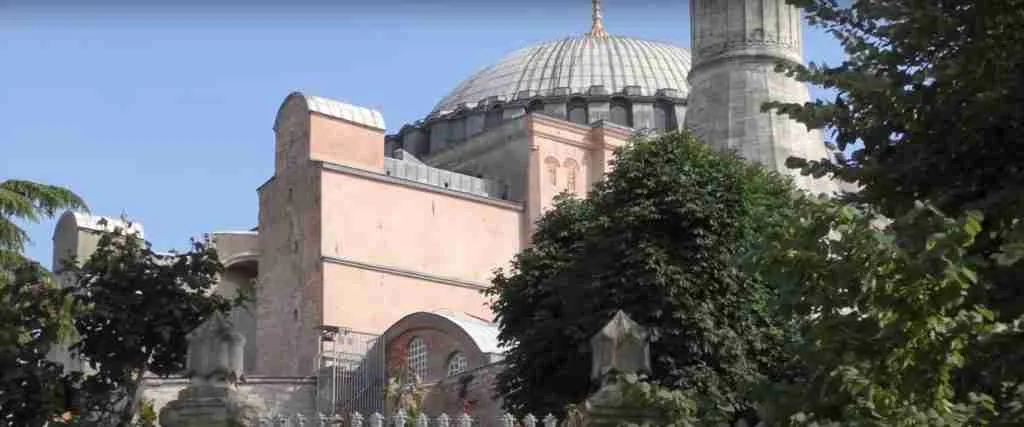
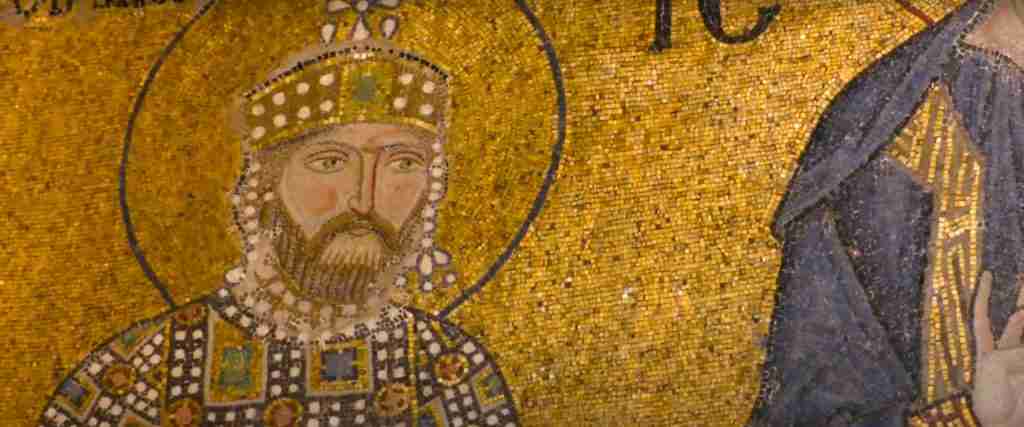
Arrive at Hagia Sophia at 8:30 AM, 30 minutes before the 9:00 AM official opening. Entry to the main prayer hall is free as Hagia Sophia functions as an active mosque, but accessing the upper gallery museum areas with Byzantine mosaics requires the €25 ticket—book this skip-the-line entry online 2-3 weeks ahead through official resellers to guarantee admission. The upper gallery houses the finest mosaics including the Deësis mosaic showing Christ flanked by the Virgin Mary and John the Baptist, dating to the 13th century. Dress modestly with shoulders and knees covered; women must wear headscarves provided at the entrance. Expect 1.5-2 hours for thorough exploration. The architecture alone demands attention: the central dome spanning 31 meters and soaring 56 meters overhead, supported by massive piers and semi-domes, represents a Byzantine engineering achievement that influenced architecture for a millennium.
Exit Hagia Sophia around 10:30-11:00 AM and walk 200 meters across Sultanahmet Square to the Blue Mosque (Sultan Ahmed Mosque). Entry is free but restricted during the five daily prayer times—check the posted schedule at the entrance. Security screening can require 20-30 minutes during peak midday hours. The mosque earned its Blue Mosque nickname from the 20,000 hand-painted Iznik tiles covering the interior walls in blues, greens, and whites. The six minarets caused controversy when built in 1616, as only Mecca’s mosque had six until Sultan Ahmed added a seventh to Mecca to resolve the issue. Remove shoes at the entrance (provided bags available for carrying them), and women must cover heads with provided scarves if not already covered. Spend 45-60 minutes inside, noting how natural light filters through 260 windows creating the luminous blue atmosphere. The prayer carpet can accommodate 10,000 worshippers.
Afternoon: Topkapi Palace and Basilica Cistern (1:00 PM – 6:00 PM)
Walk 600 meters from Blue Mosque to Topkapi Palace, stopping for lunch at one of the Sultanahmet restaurants along the route—expect ₺300-500 for a lunch of kebabs, rice, salad, and ayran (yogurt drink). Enter Topkapi Palace at approximately 1:30 PM. The ₺2,750 entry includes both the main palace grounds and the Harem section—absolutely visit the Harem, as this was the private residence of the sultan’s family and contains some of the palace’s most beautiful tilework and architecture. The palace consists of four main courtyards progressing from public to increasingly private spaces. The First Courtyard (Court of Janissaries) is free to enter and contains the church of Hagia Irene. The ticketed areas begin with the Second Courtyard, containing the Imperial Council chambers and palace kitchens. The Third Courtyard houses the Audience Chamber, Treasury (displaying the famous Topkapi Dagger with three large emeralds and the 86-carat Spoonmaker’s Diamond), and Sacred Relics section containing Prophet Muhammad’s belongings. The Fourth Courtyard offers Bosphorus views from terraced gardens. Allocate 2.5-3 hours minimum for thorough exploration—rushing Topkapi means missing the intricate details that make it extraordinary.
Exit Topkapi around 4:00-4:30 PM and walk 500 meters back toward Sultanahmet Square to the Basilica Cistern (Yerebatan Sarnıcı). Entry costs ₺800 and includes audio guide. This underground water storage system built in 532 CE features 336 columns supporting vaulted ceilings over shallow water, creating an atmospheric subterranean space lit dramatically with colored lights. The two Medusa head column bases—one sideways, one upside-down—provide the cistern’s most famous photo opportunity. The temperature inside stays cool year-round at 15-18°C. Allocate 45-60 minutes for your visit. The cistern originally stored up to 80,000 cubic meters of water supplied via aqueducts from the Belgrade Forest 19 kilometers north.
Evening: Sultanahmet Dinner and First Impressions (6:30 PM – 9:30 PM)
Spend your evening absorbing Sultanahmet’s atmosphere as monuments illuminate after sunset. Walk to the Hippodrome area (directly behind Blue Mosque) to see the Egyptian Obelisk (originally erected in Luxor around 1490 BCE, transported to Constantinople in 390 CE), the Serpent Column from Delphi (479 BCE), and the German Fountain (1900). Choose dinner at a restaurant slightly away from the immediate Sultanahmet Square to find better value—walk toward Cağaloğlu or Kennedy Caddesi waterfront where locals eat. Budget ₺500-800 for dinner including meze appetizers (hummus, baba ganoush, stuffed grape leaves), a main course (grilled fish, lamb kebab, or İskender kebab with yogurt), and çay (tea) or soft drinks. After dinner, return to Sultanahmet Square to see Hagia Sophia and Blue Mosque illuminated—the evening lighting transforms these monuments into ethereal silhouettes against the darkening sky.
Day 1 Budget Breakdown 2026
Hagia Sophia upper gallery €25 (approximately ₺900 at 2026 exchange rates), Topkapi Palace ₺2,750, Basilica Cistern ₺800, lunch ₺400, dinner ₺650, transportation ₺105 (3 rides: hotel to Sultanahmet area, no additional rides needed as everything walkable, evening return to hotel). Total day cost: ₺5,605 per person excluding accommodation. Add ₺150-400 for optional audio guides, bottled water, snacks, or ice cream breaks.
Day 2: Grand Bazaar, Spice Bazaar, and Süleymaniye Mosque
Day 2 shifts focus from monumental architecture to Istanbul’s commercial heart and a second major mosque complex. The Grand Bazaar represents one of the world’s oldest and largest covered markets—4,000 shops within 61 streets under vaulted ceilings. Süleymaniye Mosque, built by the legendary architect Sinan, rivals the Blue Mosque in architectural achievement while seeing far fewer tourists. This day provides your primary shopping opportunities and introduces you to Istanbul’s market culture.
Morning: Grand Bazaar Shopping Experience (9:00 AM – 12:30 PM)
The Grand Bazaar opens Monday-Saturday at 9:00 AM (closed Sundays and major religious holidays). Arrive at opening to experience the market as merchants unlock shops and prepare displays—the atmosphere differs completely from the crowded afternoon chaos. Entry is free through multiple gates; enter through Nuruosmaniye Gate (main entrance facing Nuruosmaniye Mosque) to begin at the historic core. The bazaar organized into sections by traditional craft guilds: carpet dealers concentrate in certain streets, gold and jewelry shops in others, leather goods, ceramics, textiles, lanterns, and antiques each have their traditional zones, though modern commerce has blurred these boundaries somewhat.
Shopping strategy: The Grand Bazaar operates on negotiation—stated prices represent starting points, not final costs. Budget 30-50% below initial asking prices as your target after bargaining. Quality varies dramatically; take time to examine craftsmanship and materials. For carpets and kilims, inquire about natural vs. synthetic dyes, knot count, and regional origins. Reputable dealers provide certificates of authenticity and can arrange international shipping. For ceramics and tiles, Iznik and Kütahya represent quality production centers. Turkish delight, spices, and tea make practical gifts—purchase these from the Spice Bazaar later today for better selection and prices. Set a budget before entering (it’s easy to overspend amid the sensory overload), and don’t feel pressured to buy anything. Window shopping and photography (ask permission for shop interiors) are perfectly acceptable. Allocate at least 2-3 hours to wander without rushing—the Grand Bazaar rewards aimless exploration as much as purposeful shopping.
Late Morning to Afternoon: Spice Bazaar and Waterfront (12:30 PM – 3:00 PM)
Exit the Grand Bazaar and walk 850 meters downhill toward the Golden Horn waterfront to reach the Spice Bazaar (Egyptian Bazaar / Mısır Çarşısı). The walk takes 12-15 minutes through commercial streets that continue the bazaar atmosphere. Entry to the Spice Bazaar is free. This smaller, more focused market specializes in spices, dried fruits, nuts, Turkish delight, tea, coffee, and food products. The air fills with scents of cumin, sumac, saffron, and fresh-ground Turkish coffee. Purchase gifts here: Turkish delight (lokum) in varieties far beyond the standard rose flavor—try pomegranate, pistachio, hazelnut, or lemon—costs ₺150-300 per kilogram depending on quality. Spice mixes including seven-spice blends for kebabs, oregano-sumac-sesame mixes for bread, and saffron threads range ₺50-400. Excellent Turkish tea (çay) packaged in tins costs ₺80-150. Budget ₺500-1,000 if purchasing gifts for multiple people.
Exit the Spice Bazaar and walk to the Galata Bridge (Karaköy direction) 200 meters away. Stop for lunch at one of the restaurants underneath the bridge’s lower level—these seafood restaurants offer Golden Horn and Galata Tower views. Budget ₺400-700 for a fish sandwich (balık ekmek, Istanbul’s signature street food at ₺80-120 if purchased from boats), a meze platter, and drinks, or ₺600-900 for grilled fish, rice, and salad. After lunch, walk across Galata Bridge observing fishermen casting lines from the bridge railing—this scene has defined Istanbul for centuries and continues daily regardless of tourist seasons or modern development.
Afternoon: Süleymaniye Mosque and Complex (3:00 PM – 5:30 PM)
From Galata Bridge, take the T1 tram from Eminönü stop toward Bağcılar direction, ride two stops to Beyazıt-Kapalıçarşı, exit and walk 700 meters uphill to Süleymaniye Mosque. Alternatively, walk the entire distance (1.6 km, 20-25 minutes uphill) if energy permits. Süleymaniye Mosque was commissioned by Sultan Süleyman the Magnificent and completed in 1557 by the architect Sinan, whose work defined Ottoman architecture. The mosque complex (külliye) originally included a hospital, madrasas (schools), a kitchen feeding the poor, a caravanserai, and Sinan’s own tomb—many buildings remain and create a peaceful courtyard environment. Entry to the mosque is free outside prayer times. The interior features exceptional tile work, stained glass windows by master craftsman İbrahim the Drunkard, and calligraphy panels. The acoustic properties allow a sermon delivered from the mihrab to be heard throughout the vast prayer hall without amplification. Sinan’s tomb sits in the garden corner, marked by a simple monument befitting his modest wishes despite his architectural genius. Süleyman and his wife Roxelana (Hürrem Sultan) are buried in separate mausoleums within the complex.
The mosque gardens provide extraordinary views over the Golden Horn and Bosphorus—photography from this vantage captures Istanbul’s layers as centuries of architecture cascade down the hillside toward the water. Allocate 1-1.5 hours for mosque visit and garden exploration. The area around Süleymaniye sees relatively few tourists compared to Sultanahmet, so you experience the space as locals do during their daily prayers and afternoon tea breaks at nearby cafes.
Evening: Dinner in Balat or Return to Accommodation (6:00 PM – 9:00 PM)
From Süleymaniye, you have two options. Option A: Take a taxi (₺150-250) or walk 2 kilometers to the Balat neighborhood along the Golden Horn for dinner in this historic formerly-Jewish, Greek, and Armenian quarter now gentrifying with cafes and restaurants in colorful restored houses. Budget ₺600-900 for dinner at a contemporary Turkish restaurant. Option B: Return directly to your accommodation via T1 tram, rest after two full sightseeing days, and have a simpler dinner near your hotel (₺400-600). Both options work—gauge your energy levels and decide accordingly.
Day 2 Budget Breakdown 2026
Grand Bazaar entry free (shopping budget personal), Spice Bazaar entry free (optional purchases ₺500-1,000), Süleymaniye Mosque free, lunch ₺600, dinner ₺650, transportation ₺105 (3 rides), optional taxi to Balat ₺200. Total day cost: ₺1,355 per person excluding accommodation and optional shopping purchases. If purchasing gifts and souvenirs, add ₺1,000-3,000 depending on items.
Day 3: Beyoğlu, Galata Tower, and Istiklal Street
Day 3 transitions from historic monuments to Istanbul’s contemporary face. Beyoğlu district represents modern Turkish culture—art galleries, music venues, rooftop bars, international cuisine, street life, and the energy of a neighborhood where Istanbullus spend their social time. This day involves significant walking (6-7 km total) through neighborhoods built on hills, so wear comfortable shoes and prepare for elevation changes.
Morning: Galata Tower and Neighborhood (9:00 AM – 12:00 PM)
Take the T1 tram from Sultanahmet to Karaköy stop (if staying in Sultanahmet) or walk to Karaköy from accommodations in Beyoğlu/Galata areas. From Karaköy, walk 600 meters uphill to Galata Tower through the winding streets of Galata neighborhood. These streets contain art galleries, design shops, boutique hotels, and cafes—worth exploring before or after the tower visit. Galata Tower entry costs ₺650 and includes elevator access to the observation deck 61 meters above ground. The tower was built by Genoese colonists in 1348 as part of the Galata fortress walls. The 360-degree views from the top span the entire historic peninsula, Bosphorus, Golden Horn, Asian shore, and modern Istanbul—one of the city’s best panoramic viewpoints. Visit early (9:00-10:00 AM arrival) to avoid queues that form by midday. The observation deck gets crowded, so expect to circle it multiple times capturing photos from different angles. Allocate 45-60 minutes for the tower visit.
Descend Galata Tower and explore the surrounding neighborhood. Stop for late breakfast or coffee at one of the numerous cafes serving Turkish breakfast spreads (₺200-350 for cheese, olives, tomatoes, cucumbers, honey, jam, butter, eggs, and unlimited bread) or lighter European-style options (₺150-250 for pastries and coffee). The Galata area has become Istanbul’s hipster district with independent bookshops, vintage clothing stores, and specialty coffee roasters.
Afternoon: Istiklal Street and Taksim Square (12:30 PM – 6:00 PM)
Walk from Galata through the atmospheric Tünel area (ride the historic Tünel funicular ₺35 if avoiding the steep uphill, or walk 400 meters) to reach the southern end of Istiklal Street. This 1.4-kilometer pedestrian avenue represents Istanbul’s commercial and entertainment heart—3 million people walk this street daily. The red nostalgic tram (T2 line, ₺35 per ride) runs the length of Istiklal, though walking allows you to explore side streets and enter shops.
Istiklal Street features: international and Turkish retail chains, historic passages (pasaj) containing restaurants and cafes, the Çiçek Pasajı (Flower Passage) with its Belle Époque atmosphere, Armenian and Greek churches including the Church of St. Anthony of Padua, the historic Pera Palace Hotel (where Agatha Christie wrote “Murder on the Orient Express”), bookshops including the famous Robinson Crusoe bookstore, and countless restaurants representing every cuisine. Don’t rush—Istiklal rewards wandering and people-watching. Duck into the side streets: Nevizade Street for meyhane restaurants (Turkish taverns), Asmalı Mescit for bars and clubs, and French Street (Fransız Sokağı) for outdoor dining.
Stop for lunch at a traditional lokanta (₺250-400 for daily specials including soup, main dish with rice or bulgur, and soft drink) or try street food: midye dolma (stuffed mussels at ₺10-15 each, eat 6-8 for a light meal), döner kebab (₺100-150), simit (sesame bread ring at ₺15-25), or fresh-squeezed pomegranate juice (₺60-100). Budget ₺300-500 for lunch depending on choices.
Istiklal Street terminates at Taksim Square, the symbolic center of modern Istanbul. The square contains the Republic Monument commemorating Turkey’s founding and serves as a major transportation hub. The square itself holds limited interest for tourists (it’s primarily a transit point), but the Gezi Park behind it provides green space and cafes.
Late Afternoon: Istanbul Modern or Museum Visit (4:00 PM – 6:00 PM)
If interested in contemporary art, visit Istanbul Modern art museum at its Karaköy waterfront location. Entry costs ₺900 (₺550 discounted for students and seniors). The collection focuses on Turkish modern and contemporary art from the late 19th century to present, with rotating temporary exhibitions. The museum café offers Bosphorus views. Alternative museum options include the Pera Museum (₺200, focusing on Orientalist paintings and Anatolian weights) or the SALT Beyoğlu contemporary art space (free entry, experimental exhibitions and research library).
Evening: Rooftop Bar or Meyhane Dinner (7:00 PM – 11:00 PM)
Beyoğlu excels in evening entertainment. Options include: (1) Sunset drinks at a rooftop bar with Bosphorus views—360 Istanbul in Beyoğlu, Mikla bar at the Marmara Pera Hotel, or Leb-i Derya Richmond are popular choices. Budget ₺300-500 for cocktails or wine (2 drinks). (2) Traditional meyhane dinner on Nevizade Street—these Turkish taverns serve endless meze plates, rakı (anise-flavored spirit), and live music. Budget ₺800-1,200 for a full meyhane experience with multiple meze courses, fish or meat main course, and drinks. (3) International cuisine dinner on French Street or Asmalı Mescit—Italian, Japanese, French, and fusion restaurants operate throughout Beyoğlu. Budget ₺700-1,000 for dinner and drinks. Choose based on your mood—meyhane provides the most authentic Turkish social experience.
Day 3 Budget Breakdown 2026
Galata Tower ₺650, breakfast/coffee ₺250, lunch ₺400, Istanbul Modern or Pera Museum ₺900, dinner ₺900, rooftop bar drinks ₺400, transportation ₺140 (4 rides including Tünel funicular and T2 tram). Total day cost: ₺3,640 per person excluding accommodation. This day runs higher than monument-focused days due to Beyoğlu’s upscale dining and entertainment scene—budget travelers can reduce costs by skipping the museum (free SALT Beyoğlu instead), choosing lokanta over restaurants, and substituting beer/wine for cocktails at bars (₺150-250 vs ₺300-500).
Day 4: Bosphorus Cruise and Waterfront Palaces
Day 4 centers on the Bosphorus Strait, the narrow waterway connecting the Black Sea to the Mediterranean that divides Istanbul between Europe and Asia. A Bosphorus cruise provides essential perspective on Istanbul’s geography and waterfront architecture. Choose between budget-friendly public ferry options (₺200-300, 1.5-2 hours) or premium dinner cruises (₺1,500-3,000, 3-4 hours with meal and entertainment).
Morning: Dolmabahçe Palace (9:00 AM – 12:00 PM)
Begin Day 4 at Dolmabahçe Palace, the 19th-century Ottoman palace that replaced Topkapi as the administrative center. Entry costs ₺900 for combined Selamlık (public areas) and Harem tickets. The palace represents Ottoman Empire’s final architectural statement—European Baroque, Rococo, and Neoclassical styles blending with traditional Ottoman elements. The palace contains 285 rooms, 46 halls, and 6 Turkish baths. Highlights include the Ceremonial Hall with its 4.5-ton Bohemian crystal chandelier gifted by Queen Victoria, the Crystal Staircase with Baccarat crystal balustrades, and the Sultan’s bedchamber where Mustafa Kemal Atatürk died on November 10, 1938 (all clocks in the palace remain stopped at 9:05 AM, the time of his death). Guided tours are mandatory and operate on a strict schedule—tours begin every 15-20 minutes but numbers are limited, so arrive at 9:00 AM opening to avoid delays. Tours last 60-75 minutes. The palace gardens along the Bosphorus are free to explore after your tour—budget an additional 30-45 minutes for garden walks and waterfront views.
The palace location in Beşiktaş district provides easy access—take T1 tram to Kabataş terminal stop, then walk 900 meters along the waterfront (10-12 minutes), or take the T1 tram one additional stop to Dolmabahçe.
Afternoon: Bosphorus Public Ferry Cruise (1:00 PM – 4:00 PM)
From Dolmabahçe area, walk or take tram to Eminönü ferry terminal. Purchase tickets for the long Bosphorus cruise (Uzun Boğaz Turu) operated by Şehir Hatları municipal ferry company—check the schedule as these depart 2-3 times daily (typically 10:35 AM and 1:35 PM departures). Round-trip fare costs ₺200 with Istanbulkart. The 6-hour cruise sails the full length of the Bosphorus to the Black Sea entrance near Anadolu Kavağı village, stops for a 2-hour lunch break, then returns. You’ll pass under both Bosphorus bridges, see dozens of waterfront mansions (yalı), Ottoman fortresses, fishing villages, and the point where Europe and Asia approach within 700 meters at the strait’s narrowest point.
Bring snacks and water for the ferry (kiosks at Eminönü sell supplies), though the ferry has a small cafeteria serving tea, coffee, snacks, and simple sandwiches (₺50-150). At Anadolu Kavağı village lunch stop, explore the small fishing village and have lunch at waterfront restaurants—fresh grilled fish costs ₺400-600, or try fried calamari, fish sandwiches, and salads for ₺300-450. The cruise provides invaluable perspective on Istanbul’s relationship with water—this city lives on and around the Bosphorus in ways that land-based sightseeing cannot convey.
Alternative: If the 6-hour public ferry exceeds your available time or interest, take shorter Bosphorus commuter ferries from Eminönü to Üsküdar (Asian side, ₺35, 15 minutes) or to Kadıköy (₺35, 25 minutes), experiencing Bosphorus crossings as locals do during daily commutes. These ferries depart every 15-20 minutes throughout the day.
Evening: Ortaköy Waterfront Dinner (7:00 PM – 10:00 PM)
After your Bosphorus cruise returns to Eminönü, take the T1 tram to Kabataş, then bus or taxi to Ortaköy (₺35-45 by bus, ₺120-180 by taxi from Kabataş). Ortaköy is a lively Bosphorus-side neighborhood beneath the first Bosphorus Bridge, famous for its waterfront square, baroque mosque, and kumpir (stuffed baked potatoes at ₺80-120 from street vendors—add unlimited toppings including corn, pickles, olives, sausage, and cheese). Have dinner at one of the waterfront fish restaurants (₺700-1,000 for grilled fish, meze, and drinks) while watching the illuminated bridge overhead and ferries passing. Street musicians and vendors create a carnival atmosphere on weekend evenings. Alternative neighborhood options: Bebek (upscale, quieter) or Arnavutköy (village atmosphere) along the same Bosphorus coastline.
Day 4 Budget Breakdown 2026
Dolmabahçe Palace ₺900, Bosphorus ferry cruise ₺200, Anadolu Kavağı lunch ₺450, Ortaköy dinner ₺800, kumpir snack ₺100, transportation ₺175 (5 rides including ferry). Total day cost: ₺2,625 per person excluding accommodation. Luxury alternative: Substitute the public ferry (₺200) with an evening Bosphorus dinner cruise (₺1,500-3,000) departing 7:00-8:00 PM, adding ₺1,300-2,800 to the day’s costs for an all-inclusive dinner with live entertainment and premium boat experience.
Day 5: Asian Side Exploration (Üsküdar and Kadıköy)
Day 5 crosses to Istanbul’s Asian side, where you’ll discover authentic neighborhoods functioning as residential and commercial districts rather than tourist zones. The Asian side receives far fewer visitors despite offering excellent food, waterfront promenades, local markets, and neighborhoods that reveal how Istanbul’s 15 million residents actually live beyond the historic peninsula’s museum atmosphere.
Morning: Üsküdar Mosques and Waterfront (9:00 AM – 1:00 PM)
Take a ferry from Eminönü or Kabataş to Üsküdar (₺35, 15-20 minutes). Ferries depart every 15-20 minutes throughout the morning. Üsküdar contains several important mosques within walking distance of the ferry terminal. Start at Mihrimah Sultan Mosque immediately visible from the ferry dock—designed by Sinan in 1548 for Süleyman the Magnificent’s daughter. Entry is free outside prayer times. Walk 500 meters south along the waterfront to Şemsi Paşa Mosque, a small mosque built directly on the Bosphorus edge with a peaceful courtyard and stunning water views. Continue another 400 meters to Kız Kulesi (Maiden’s Tower), the iconic tower on a small island 200 meters offshore. Boats shuttle to the tower every 15 minutes (₺250 round trip). The tower houses a restaurant and cafe—visit for coffee or tea (₺100-150) and panoramic views, or simply photograph it from the shore. The tower’s history spans Byzantine, Ottoman, and Republican periods with legends about princesses and plagues.
Walk back through Üsküdar’s residential streets to experience daily neighborhood life—produce markets, bakeries, tea houses (çay bahçesi) where local men play backgammon, and small restaurants serving local specialties. Stop for an early lunch at a traditional lokanta (₺200-350 for home-style Turkish cooking including lentil soup, pilaf, vegetable dishes, and grilled meat).
Afternoon: Kadıköy Market and Moda Neighborhood (2:00 PM – 6:00 PM)
From Üsküdar, take a bus or minibus to Kadıköy (₺35, 15-20 minutes), or return to European side and take ferry to Kadıköy from Eminönü (₺35, 25 minutes). Kadıköy serves as the Asian side’s cultural and commercial heart—a neighborhood for eating, shopping, and experiencing Istanbul as Istanbullus do. Start at Kadıköy Market near the ferry terminal—this produce, fish, cheese, and specialty food market operates in covered and open-air sections throughout the neighborhood. The market differs completely from tourist bazaars—here, local residents shop daily for fresh ingredients. Wander through fish stalls displaying catches from the morning’s boats, cheese vendors offering samples of 20+ Turkish cheese varieties, pickle (turşu) vendors selling fermented vegetables from enormous jars, and spice merchants. Even if not purchasing groceries, the market provides authentic cultural immersion.
Adjacent to the market, Kadıköy’s pedestrian shopping streets (Mühürdar Caddesi, Tellalzade Sokak, Güneşlibahçe Sokak) contain bookshops, clothing boutiques, record stores, cafes, bars, and restaurants. This neighborhood attracts Istanbul’s artistic and intellectual communities—you’ll find independent theaters, art-house cinemas, and live music venues. Stop for Turkish coffee and a sweet at one of the traditional coffee houses (₺80-120 for coffee and dessert).
Walk 1.5 kilometers from Kadıköy market area to Moda neighborhood at the peninsula’s tip. Moda’s tree-lined streets contain elegant 19th-century apartments, sidewalk cafes, antique shops, and the Moda Sahil waterfront promenade offering views back to the European side and Princes’ Islands. Walk the promenade (free), sit at waterfront tea gardens (₺50-100 for tea), and watch local families, couples, and runners using the seaside path. Moda represents Istanbul’s higher-income residential character—well-maintained buildings, boutique shops, and a generally relaxed atmosphere compared to the constant motion of Beyoğlu or Sultanahmet.
Evening: Asian Side Dinner and Return (6:00 PM – 9:00 PM)
Have dinner at one of Kadıköy’s excellent restaurants before returning to the European side. The neighborhood offers every cuisine at prices 15-20% below equivalent European side establishments. Options: Traditional meyhane with meze and rakı (₺700-1,000), contemporary Turkish fusion restaurants (₺600-900), international cuisine (₺500-800), or simple kebab and pide places (₺300-500). Çiya Sofrası, the famous chef-run lokanta near Kadıköy market, serves regional Anatolian dishes rarely found elsewhere (₺400-600 for mezze, main dish, and dessert)—arrive before 7:00 PM as lines form quickly.
After dinner, return via ferry to Eminönü or Karaköy (₺35, 25-30 minutes), enjoying the nighttime Bosphorus crossing as the city’s lights reflect on the water. This evening ferry ride provides perfect closure to your Asian side exploration day.
Day 5 Budget Breakdown 2026
Ferry to Üsküdar ₺35, Maiden’s Tower boat ₺250, Maiden’s Tower coffee ₺125, Üsküdar lunch ₺300, ferry to Kadıköy ₺35, coffee and dessert ₺100, Kadıköy dinner ₺750, return ferry ₺35, additional transportation ₺70 (2 local bus/tram rides). Total day cost: ₺1,700 per person excluding accommodation. The Asian side delivers exceptional value—you’ll eat better food at lower prices than equivalent European side restaurants while experiencing authentic Istanbul neighborhoods.
Day 6: Flexible Day – Museums, Additional Palaces, or Neighborhood Deep Dive
By Day 6, you’ve covered Istanbul’s essential monuments and major districts. This day provides flexibility to pursue specific interests, revisit favorite areas, or explore options missed in Days 1-5. Select one or two of the following options based on your interests, or design a hybrid day mixing elements from multiple options.
Option A: Istanbul Archaeology Museums and Gülhane Park
The Istanbul Archaeology Museums complex contains three museums under one ticket (₺350): the Archaeology Museum proper with artifacts from Troy, Babylon, Assyria, and Ottoman collections; the Museum of the Ancient Orient featuring pre-Islamic Mesopotamian, Egyptian, and Anatolian artifacts including the Kadesh Peace Treaty (1269 BCE) between Ramses II and the Hittite king; and the Tiled Pavilion (Çinili Köşk) displaying centuries of Iznik and Kütahya ceramics. The museums sit in gardens adjacent to Topkapi Palace—walking distance from Sultanahmet. Allocate 2-3 hours for thorough exploration. The collection receives far fewer visitors than it deserves; you’ll often have galleries nearly to yourself. After the museums, walk through Gülhane Park, Istanbul’s oldest public park created from outer Topkapi Palace gardens. The park’s elevated terrace provides Golden Horn views, and the rose garden blooms spectacularly in April-May. Free entry to the park. Budget ₺350 for museum entry, ₺300-500 for lunch near Gülhane, ₺100-150 for park çay and snacks.
Option B: Balat and Fener Historic Neighborhoods
Explore the Golden Horn’s western shore neighborhoods where Greek Orthodox, Armenian, and Jewish communities built churches, synagogues, and wooden houses from the Byzantine period through the 20th century. Balat has gentrified significantly with cafes opening in restored colorful houses, while Fener retains working-class character. Take T5 tram to Balat stop or ferry to Fener from Eminönü. Visit the Greek Orthodox Ecumenical Patriarchate (free, modest dress required), Fener Greek Orthodox College (red castle-like building on the hillside, photography from outside only), Bulgarian St. Stephen Church (iron church prefabricated in Vienna and assembled in Istanbul), Ahrida Synagogue (oldest synagogue in Istanbul, visits by appointment), and climb the steep streets photographing painted wooden houses. Stop for lunch at contemporary cafes serving Turkish breakfast all day (₺250-400) or traditional restaurants (₺350-500). Allocate a full morning and afternoon (5-6 hours) for this neighborhood exploration. Budget ₺100 for transportation, ₺400 for lunch, ₺200 for coffee/snacks, total ₺700 plus shopping/gallery visits if interested.
Option C: Princes’ Islands Day Trip
Take a ferry to Büyükada (largest of the Princes’ Islands archipelago in the Sea of Marmara). Ferries depart from Kabataş terminal (₺50-70, 90 minutes), operating 6-8 times daily. The islands ban motorized vehicles (except service vehicles)—transportation is by bicycle, horse-drawn carriage (prohibited in 2020 but bicycles and electric shuttle buses available), or walking. Rent a bicycle (₺150-250 for full day) upon arrival and circle the island (14 km perimeter, 2-3 hours at leisurely pace). The island features Victorian-era wooden mansions, pine forests, swimming beaches, and a mountain-top Greek monastery (Aya Yorgi Church and Monastery, steep 20-minute hike from town). Have lunch at waterfront fish restaurants (₺500-800). The island provides complete escape from Istanbul’s intensity—no traffic noise, cleaner air, and a vacation-like atmosphere. Return ferries operate until evening. Budget ₺140 for round-trip ferry, ₺200 for bike rental, ₺700 for lunch and snacks, ₺50-100 for monastery entrance donation, total ₺1,090-1,140 for the day.
Option D: Turkish Bath (Hamam) and Relaxation Day
Experience a traditional Turkish bath at one of Istanbul’s historic hamams. The complete hamam ritual includes: warming in the hot room (sıcaklık) on heated marble, scrubbing by bath attendant with a rough mitt (kese) that removes dead skin, soap massage with olive oil soap bubbles, relaxation period, and final cooldown with tea. Historic hamams include Çemberlitaş Hamamı (1584), Ayasofya Hürrem Sultan Hamamı (1556, between Hagia Sophia and Blue Mosque), Kılıç Ali Paşa Hamamı (1580, in Tophane), and Süleymaniye Hamamı (1557, next to Süleymaniye Mosque). Prices: budget hamams ₺800-1,200 for self-service, ₺1,500-2,500 including scrub and massage; luxury historic hamams ₺2,000-4,500 for complete treatment. Reserve in advance (2-3 weeks ahead in high season). The experience lasts 60-90 minutes. Combine hamam visit with a relaxed afternoon—massage appointments, extended hotel rest, or slow exploration of nearby neighborhoods without sightseeing pressure. Budget ₺2,000-4,500 for hamam depending on venue choice, ₺400-600 for relaxed lunch, ₺300-500 for coffee and dessert, total ₺2,700-5,600.
Day 6 Budget Breakdown 2026 (Variable)
Budget varies dramatically by chosen activity: Archaeology Museums day ₺950-1,000, Balat-Fener neighborhood exploration ₺700-1,000, Princes’ Islands ₺1,090-1,140, Turkish bath experience ₺2,700-5,600. Choose based on interests and budget tolerance. Transportation typically adds ₺70-140 regardless of option selected.
Day 7: Final Shopping, Last Monument Visits, or Leisure Morning Before Departure
Your final full day should balance any remaining must-see experiences with practical departure preparations and leisurely morning activities that don’t induce stress. Schedule based on your departure time—if departing evening or night, you have most of the day free; if departing early-to-mid afternoon, focus on morning activities only.
Morning Options: Last-Minute Sights or Shopping (9:00 AM – 1:00 PM)
Option 1: Chora Church (Kariye Museum)—This former Byzantine church contains Istanbul’s finest Byzantine mosaics and frescoes depicting Christ’s life, Mary’s life, and the Last Judgment. The church operated as a mosque (closed for restoration in recent years, reopened as mosque with charges for tourist viewing area). Entry €20. The mosaics rival Ravenna’s famous works and provide essential Byzantine art education. Located in Edirnekapı neighborhood—take T1 tram to Pazartekke stop, then bus or taxi (₺80-120 taxi from Sultanahmet). Allocate 1.5-2 hours including travel time. After visiting, explore the nearby Mihrimah Sultan Mosque (another Sinan work) and city walls section.
Option 2: Arasta Bazaar and Last Gift Shopping—The Arasta Bazaar behind Blue Mosque offers similar products to Grand Bazaar but with lower prices and fewer crowds—better for final souvenir purchases or items you decided against earlier in the week. Budget 1-2 hours for shopping. Also visit the Mosaic Museum in the same area (₺200, small museum displaying Great Palace mosaics discovered during excavations). Combine with a final walk through Sultanahmet photographing monuments in morning light and revisiting favorite spots.
Option 3: Leisurely Turkish Breakfast—Choose a breakfast restaurant serving comprehensive Turkish breakfast spreads (kahvaltı). Kahvaltı includes: cheese varieties (beyaz peynir, kaşar, tulum), olives (black and green), fresh tomatoes and cucumbers, honey, jam (rose, sour cherry, fig), butter, clotted cream (kaymak), eggs (menemen—scrambled with tomatoes and peppers—or boiled), sucuk (Turkish sausage), pastırma (cured beef), börek (savory pastry), açma (sweet pastry), unlimited fresh bread, and çay. A quality breakfast costs ₺300-500 per person and provides a 2-hour leisurely morning meal with multiple courses arriving as you eat—the perfect non-rushed final morning activity. Recommended breakfast spots: Van Kahvaltı Evi (Van-style breakfast featuring regional cheeses and herbs), Namli Gurme (upscale delicatessen with breakfast service), or hotel breakfast if included in accommodation.
Afternoon: Packing, Departure Preparation, and Airport Transfer (2:00 PM – Departure)
Pack belongings, check accommodation for forgotten items, and arrange airport transfer. Options for Istanbul Airport (IST) from Sultanahmet area: (1) M11 metro line from various stations—Gayrettepe, Kağıthane, and other stops connect to the airport metro (₺35 with Istanbulkart), journey time 50-70 minutes depending on origin station and connections, (2) Havaist airport shuttle buses from Taksim, Sultanahmet, and other districts (₺150-180, 60-90 minutes depending on route and traffic), (3) Taxi (₺600-900, 45-70 minutes depending on traffic and time of day—calculate longer time during rush hours 7:30-10:00 AM and 5:00-8:00 PM), (4) Private transfer arranged through hotel or booking service (₺800-1,200, more comfortable than taxi with fixed price regardless of traffic delays). Book airport transport 3-4 hours before flight departure for international flights (airlines recommend 3 hours pre-departure arrival). Asian side departures add 20-40 minutes to travel times.
If departing from Sabiha Gökçen Airport (SAW, Asian side), budget 90-120 minutes travel time from European side plus the 3-hour pre-departure recommendation. Havaist shuttle buses serve SAW (₺180-220, connections from Taksim, Kadıköy, and other points), or taxi from Sultanahmet costs ₺700-1,000 (longer journey than IST). Verify which airport your flight departs from—confusion between Istanbul Airport (IST, European side) and Sabiha Gökçen (SAW, Asian side) causes travelers to miss flights.
Day 7 Budget Breakdown 2026
Chora Church €20 (₺700), taxi to Chora ₺200, breakfast ₺400, final shopping/souvenirs personal budget, Arasta Bazaar Mosaic Museum ₺200, lunch ₺350. Total day cost: ₺1,850 per person excluding accommodation, optional shopping, and departure transportation (airport transfer costs ₺150-1,200 depending on method chosen but listed separately as departure logistics). This day typically costs less than active sightseeing days due to limited full activities—budget the saved funds toward departure logistics or adjust upward for leisurely final breakfast experiences.
Accommodation Planning for 7 Days 2026
Accommodation costs vary significantly by neighborhood, hotel category, and booking timing for your Istanbul week. Room rates listed reflect per-night costs for double occupancy rooms in 2026—solo travelers in single rooms may see 60-80% of these rates, while families needing larger rooms or multiple rooms increase costs proportionally.
Budget Accommodation (₺400-800 Per Night)
Budget travelers choose hostels, guesthouses, or basic hotels offering clean rooms with essential amenities but limited services. Hostel dormitory beds cost ₺400-700 per person per night—common areas, shared kitchens, and social atmosphere appeal to backpackers and solo travelers. Private rooms in hostels or guesthouses run ₺600-1,000 for doubles. Basic hotels without notable character offer doubles at ₺700-1,200. For seven nights, budget accommodation totals ₺2,800-8,400 per person, depending on dormitory vs private room choices. Recommended budget areas: Sultanahmet (abundant hostels but touristy atmosphere), Beyoğlu near Taksim (local character, metro access), or Asian side Kadıköy (excellent value, authentic neighborhoods).
Mid-Range Accommodation (₺1,200-2,500 Per Night)
Mid-range hotels provide 3-star to lower-4-star comfort: private bathrooms, air conditioning, breakfast included, WiFi, and professional service. This category represents the sweet spot for most travelers—comfort without luxury prices. Rooms feature modern renovations in historic buildings, neighborhood character hotels, or international chain properties in newer districts. For seven nights, mid-range accommodation costs ₺8,400-17,500 for double occupancy (₺4,200-8,750 per person assuming two sharing). Recommended mid-range areas: Galata-Karaköy (contemporary atmosphere, restaurant access, boutique hotels in restored buildings), Sultanahmet (proximity to monuments, traditional architecture, rooftop terraces with mosque views), or Beşiktaş (residential character, transportation hub, authentic local dining). Book 4-8 weeks ahead for best rates and inventory during peak season (April-June, September-October).
Luxury Accommodation (₺3,500-8,000+ Per Night)
Luxury hotels offer 5-star services: Bosphorus or historic monument views, rooftop restaurants and bars, spa facilities, concierge services, premium bedding and bath products, and distinctive architecture or design. Historic palace hotels, contemporary waterfront properties, and international luxury brands all operate in Istanbul. Seven nights of luxury accommodation costs ₺24,500-56,000 for double occupancy (₺12,250-28,000 per person). Ultra-luxury properties (Çırağan Palace Kempinski, Four Seasons Sultanahmet, Shangri-La Bosphorus, The Peninsula Istanbul) exceed ₺8,000-15,000 nightly during peak season. Luxury travelers typically base in Beşiktaş-Ortaköy waterfront (Bosphorus views, palace proximity), Nişantaşı (Istanbul’s luxury shopping district), or Sultanahmet (Four Seasons occupies a historic 19th-century prison building).
Neighborhood-Specific Accommodation Strategies 2026
Sultanahmet accommodation places you within walking distance of Hagia Sophia, Topkapi Palace, Blue Mosque, and Basilica Cistern—ideal for Days 1-2 monument visits but limited authentic dining and evening entertainment options. The area quiets after dark as restaurants cater primarily to tourists. Choose Sultanahmet if monument proximity supersedes neighborhood character. Galata-Karaköy combines historic atmosphere with contemporary lifestyle—rooftop bars, art galleries, design shops, and the Galata Tower all within walking distance, plus T1 tram access to Sultanahmet in 15 minutes. This neighborhood balances sightseeing access with authentic Istanbul evening life. Beşiktaş provides middle ground: residential character with genuine Turkish restaurants at local prices, excellent public transport connections (ferry terminal, metro, tram, bus hub), proximity to Bosphorus palaces and waterfront, and authentic neighborhood markets. Choose Beşiktaş if seeking local experience while maintaining easy tourist site access. Beyoğlu near Taksim positions you in modern Istanbul’s entertainment heart—hundreds of restaurants, bars, clubs, theaters, and shops along Istiklal Street, but you’ll commute to historic monuments via tram. Choose Beyoğlu if nightlife and contemporary culture interest you more than being near monuments. Asian side (Kadıköy) offers best value, authentic neighborhoods, and excellent dining, but requires ferry commutes (20-30 minutes) to European side monuments daily—practical for longer stays (10+ days) but less convenient for a single week.
Food and Dining Budget 2026
Istanbul’s dining costs span enormous range depending on neighborhood, restaurant type, and cuisine choices. Turkish food at local restaurants costs significantly less than international cuisine at trendy establishments—you can eat exceptionally well for ₺500-800 daily or spend ₺2,000-3,000 at upscale venues. This section assigns each meal type to one authoritative cost range to prevent redundant pricing throughout the article.
Breakfast Costs (₺100-500)
Turkish breakfast (kahvaltı) ranges from simple simit (sesame bread ring) with tea (₺40-60) purchased from street vendors to comprehensive spreads at dedicated breakfast restaurants (₺300-500). Hotel breakfast buffets included with mid-range accommodation save ₺250-400 daily per person. Budget travelers buying simit, börek (savory pastry at ₺60-100), or gözleme (stuffed flatbread at ₺80-150) from street vendors spend ₺100-200 for breakfast. Café breakfast with croissants, eggs, and coffee costs ₺150-300. Full traditional breakfast at restaurant (unlimited bread, cheese, olives, eggs, honey, jam, vegetables, and tea) costs ₺300-500. For seven days, breakfast budget: ₺700-1,400 (minimalist street food), ₺1,750-2,800 (cafes and simple restaurants), ₺2,100-3,500 (hotel breakfast or daily restaurant spreads).
Lunch Costs (₺200-700)
Lunch represents the most flexible meal for budget management. Street food lunches—döner kebab (₺100-150), lahmacun (Turkish flatbread pizza at ₺40-70 each, order 2-3), midye dolma stuffed mussels (₺10-15 each, consume 8-12 for meal), kumpir stuffed potato (₺80-120), or balık ekmek fish sandwich (₺80-120)—cost ₺200-350. Traditional lokanta restaurants serving home-style daily specials (soup, main dish with rice, dessert) charge ₺250-400. Sit-down restaurant lunches with appetizers and drinks cost ₺400-700. Upscale restaurants or tourist-zone establishments exceed ₺700-1,000. For seven lunches, budget: ₺1,400-2,450 (street food mix), ₺1,750-2,800 (lokanta restaurants), ₺2,800-4,900 (standard restaurants), ₺4,900-7,000 (upscale). Days 2 and 4 might push toward higher costs due to Grand Bazaar and Bosphorus area dining, while Asian side Day 5 delivers best value lunches (₺250-450 for quality equivalent to ₺400-700 European side meals).
Dinner Costs (₺400-1,500)
Dinner represents the main meal and primary dining expenditure. Budget restaurant dinners with kebab, rice, salad, and soft drink cost ₺400-600 in local neighborhoods (Beşiktaş, Kadıköy, outer Beyoğlu). Mid-range restaurant dinners including meze appetizers, main course, dessert, and non-alcoholic drinks cost ₺700-1,000 in Sultanahmet, Galata, or Beyoğlu. Meyhane tavern dinners with multiple meze plates, fish or meat main course, rakı, and live music cost ₺800-1,200. Upscale restaurants with wine pairings and premium ingredients exceed ₺1,200-2,000. Waterfront Bosphorus dining premiums add 20-30% compared to inland equivalent restaurants. For seven dinners, budget: ₺2,800-4,200 (budget local restaurants), ₺4,900-7,000 (mid-range mixed), ₺5,600-8,400 (regular meyhane and mid-upscale), ₺8,400-14,000 (consistent upscale dining). If scheduling one special evening (Day 4 Bosphorus dinner cruise at ₺1,500-3,000 or Day 3 rooftop bar dinner), adjust other days’ dinners downward to maintain overall budget.
Snacks, Desserts, and Beverages Throughout Week
Between-meal costs accumulate: Turkish coffee (₺60-100), ice cream (₺80-150 per scoop), baklava and desserts (₺100-200), fresh juice (₺60-120), bottled water (₺20-40), midday tea or coffee breaks (₺50-100), evening drinks at bars (₺150-500 per drink depending on venue). Budget ₺200-400 daily for these incidental food and beverage expenses, totaling ₺1,400-2,800 across seven days. Conservative spenders limiting street food and café stops reduce this to ₺800-1,200, while liberal snackers and dessert enthusiasts reach ₺2,000-3,500.
Seven-Day Food Budget Summary by Spending Level
Budget dining (street food, lokanta restaurants, no alcohol): Breakfast ₺1,050, lunch ₺1,750, dinner ₺3,500, snacks ₺1,000. Total: ₺7,300 (€210) for seven days. Mid-range dining (mix of lokanta and standard restaurants, occasional alcohol): Breakfast ₺2,100, lunch ₺3,150, dinner ₺5,950, snacks ₺1,750. Total: ₺12,950 (€370) for seven days. Upscale dining (quality restaurants, regular alcohol, some premium experiences): Breakfast ₺2,800, lunch ₺4,550, dinner ₺9,800, snacks ₺2,450. Total: ₺19,600 (€560) for seven days.
Transportation Strategy 2026
Istanbul’s public transportation system using the Istanbulkart provides economical city navigation across all seven days. This section establishes authoritative transportation costs to prevent duplication elsewhere in the article.
Istanbulkart Purchase and Loading
Purchase your Istanbulkart immediately upon arrival at Istanbul Airport (IST) from yellow-and-black Biletmatik machines on floor -2 near the M11 metro line entrance. The card itself costs ₺165 (non-refundable card fee). Load credit onto the card at purchase or any time at Biletmatik machines, some kiosks, or through the Istanbulkart mobile app—minimum load ₺50, maximum ₺500 per transaction. For a seven-day visit with typical usage (5-7 rides daily), load ₺700-1,000 initially, then reload mid-week if needed. The card never expires and can be kept as a souvenir or reloaded on future Istanbul visits.
Per-Ride Costs and Transfer Discounts
Each ride costs ₺35 when paying with Istanbulkart for metro, tram, bus, and most ferries. Turkey’s public transport offers automatic transfer discounts when changing vehicles within a 2-hour window: first ride ₺35, second ride (first transfer) ₺26, third ride (second transfer) ₺20, subsequent rides continue at ₺20. These discounts apply when transferring from tram to metro, bus to ferry, or any combination—the system tracks your journey automatically via card taps. However, note that tourists using anonymous Istanbulkart cards (the type sold to visitors) do not receive transfer discounts—foreign visitors pay the full ₺35 per ride regardless of transfers. Only personalized Istanbulkart cards registered to Turkish residents receive transfer pricing. For budget planning, calculate ₺35 per ride consistently as a tourist.
Daily Transportation Estimates by Activity Pattern
Monument-focused days (Days 1-2) require minimal transportation: 2-4 rides daily for hotel to Sultanahmet area transport, midday breaks, or evening returns (₺70-140 daily). Neighborhood exploration days (Days 3, 5) involve more transportation as you move between districts: 4-6 rides for tram, metro, ferry, and bus combinations (₺140-210 daily). Bosphorus days (Day 4) include longer ferry rides but fewer total journeys: 3-4 rides including ferry (₺105-140 daily). Rest or museum days (Day 6-7) return to minimal needs: 2-3 rides (₺70-105 daily).
Seven-Day Transportation Budget Including Airport Transfer
Istanbulkart purchase ₺165, loaded credit for week ₺700-1,000 (5-6 rides daily average at ₺35 per ride for 35-42 total rides), airport transfer options: M11 metro ₺35 (budget), Havaist bus ₺150 (comfortable), taxi ₺600-900 (convenient), private transfer ₺800-1,200 (premium). Total weekly transportation: ₺900-1,200 (aggressive public transport use, metro airport transfer), ₺1,200-1,500 (typical public transport use, bus airport transfer), ₺1,600-2,100 (some taxis for convenience, taxi airport transfer), ₺2,000-3,000 (frequent taxis, private airport transfer). Budget and mid-range travelers should plan ₺1,200-1,800 for complete week including arrival and departure logistics. Luxury travelers substituting taxis for public transport reach ₺3,000-5,000 weekly.
Transportation Tips for Efficiency 2026
Install Google Maps and Moovit apps for journey planning—both work excellently in Istanbul with real-time public transport directions, walking routes, and estimated times. The official Istanbul transit app (Metro Istanbul) provides official schedules but Google Maps typically delivers more intuitive routing for tourists. Ferries between European and Asian sides run every 15-20 minutes throughout the day—never wait more than 20 minutes for next departure. Morning rush hours (7:30-9:30 AM) and evening rush hours (5:00-7:30 PM) mean crowded trams and metros—standing room only on T1 tram especially. If possible, schedule major rides outside these times for comfort. The T1 tram from Kabataş through Sultanahmet to Bağcılar represents Istanbul’s most useful tourist line—memorize this route as it connects to nearly everything. Weekend nights see reduced public transport frequency after midnight—last metros around 12:30 AM, last trams 1:00 AM, very limited buses afterward. Plan evening returns accordingly or budget for taxis (₺150-300 for typical cross-neighborhood journeys).
Complete 7-Day Budget Summary 2026
This comprehensive budget summary combines all expense categories established in dedicated sections above, providing three spending level totals per person for the complete Istanbul week. Remember these costs assume double occupancy for accommodation (costs split between two people)—solo travelers add accommodation costs that don’t split, while larger groups sharing apartments may reduce per-person accommodation costs below these figures.
Budget Level Weekly Costs (₺12,000-17,000 / €340-485 per person)
Accommodation: Hostels or budget guesthouses ₺2,800-5,600 for seven nights (₺400-800 nightly) per person. Meals: Street food, lokantas, minimal alcohol ₺7,300 total (₺1,050 breakfast, ₺1,750 lunch, ₺3,500 dinner, ₺1,000 snacks). Attractions: Selective entry to major monuments only ₺5,600 total estimated for week (Hagia Sophia €25/₺900, Topkapi ₺2,750, Basilica Cistern ₺800, Galata Tower ₺650, plus 2-3 additional lower-cost entries). Transportation: Aggressive public transport use ₺1,200 (₺165 card, ₺700 loaded credit, ₺35 metro to airport, ₺300 metro from airport on departure). Total week budget: ₺16,900 per person including accommodation, all meals, major attraction entries, and complete transportation. Conservative budget travelers reducing restaurant meals for more street food, skipping paid attractions beyond the absolute essentials, walking instead of riding short distances, and staying in hostel dormitories can reduce this toward ₺12,000-14,000. Budget travelers should note: hostels and budget hotels provide excellent value in Istanbul—quality dramatically exceeds what similar prices deliver in Western European cities.
Mid-Range Level Weekly Costs (₺22,500-35,000 / €640-1,000 per person)
Accommodation: Comfortable 3-star to lower-4-star hotels ₺8,400-17,500 for seven nights (₺1,200-2,500 nightly) per person assuming double occupancy. Meals: Restaurant mix with some upscale experiences ₺12,950 total (₺2,100 breakfast, ₺3,150 lunch, ₺5,950 dinner, ₺1,750 snacks including moderate alcohol consumption). Attractions: Entry to all major and several minor monuments ₺8,500 total estimated (all Day 1-2 entries, museums, palaces, Chora Church, plus optional Turkish bath ₺2,000, optional Bosphorus dinner cruise ₺2,500 if substituting for Day 4 public ferry and dinner separately). Transportation: Standard public transport with some taxis ₺1,500 (₺165 card, ₺1,000 credit, ₺150 Havaist bus to airport, ₺185 from airport). Total week mid-range: ₺31,350 per person including accommodation, all meals, comprehensive sightseeing, and flexible transportation. This mid-range budget delivers excellent Istanbul experience—comfortable hotels in great neighborhoods, quality dining at a mix of authentic and upscale restaurants, entry to everything significant, and stress-free transportation choices. Most travelers in their 30s-50s with stable incomes find this range comfortable and appropriate for Istanbul’s value proposition.
Luxury Level Weekly Costs (₺45,000-75,000+ / €1,280-2,140+ per person)
Accommodation: 5-star hotels with Bosphorus or monument views ₺24,500-56,000 for seven nights (₺3,500-8,000 nightly) per person assuming double occupancy, with ultra-luxury properties exceeding ₺8,000-15,000 nightly. Meals: Upscale restaurants consistently, premium experiences ₺19,600 minimum total (₺2,800 breakfast, ₺4,550 lunch, ₺9,800 dinner, ₺2,450 beverages), with luxury diners regularly reaching ₺25,000-35,000 for the week when including wine pairings, premium seafood, and special tasting menu experiences. Attractions: All entries plus premium guided tours, private experiences, and luxury hamam ₺12,000 estimated (standard entries ₺8,500 plus private guides ₺2,000, luxury hamam ₺4,500, cooking class ₺1,500, or similar premium add-ons). Transportation: Private transfers, frequent taxis, premium comfort ₺3,000 minimum (₺165 card for occasional public transport, ₺1,200 private airport transfers round-trip, ₺1,635 taxis for convenience throughout week). Total week luxury: ₺59,100-90,600 per person baseline (calculation: ₺24,500 + ₺19,600 + ₺12,000 + ₺3,000 = ₺59,100 minimum; ₺56,000 + ₺19,600 + ₺12,000 + ₺3,000 = ₺90,600 maximum), with ultra-luxury properties and consistent Michelin-level dining exceeding ₺100,000-150,000 per person. Luxury travel in Istanbul delivers exceptional value compared to equivalent Western European cities—five-star Istanbul hotels costing ₺4,000-6,000 nightly provide service, views, and facilities requiring €500-800 nightly in Paris, London, or Rome.
Practical Planning Tips and Essential Information 2026
Beyond daily itineraries and budgets, several practical considerations ensure smooth execution of your Istanbul week.
Weather and Seasonal Considerations
Istanbul’s climate varies dramatically by season, influencing both your packing and daily schedule management. April-May and September-October deliver ideal conditions: temperatures 15-25°C, lower humidity, reduced crowds compared to summer, and spring/autumn color in parks and Bosphorus shorelines. These shoulder seasons represent optimal Istanbul travel timing. June-August brings summer heat (25-35°C, occasionally exceeding 35°C), high humidity, crowds at major monuments with midday queues extending 60-90 minutes, and peak season pricing for hotels. Summer travelers should schedule indoor monument visits during hottest hours (11:00 AM-3:00 PM), save outdoor activities (Bosphorus cruises, neighborhood walks) for early morning or evening, drink extensive water (₺20-40 per 500ml bottle), wear sun protection, and accept that popular sites will be crowded regardless of timing. November-March delivers cool to cold temperatures (5-15°C), frequent rain, occasional snow (1-3 days yearly), and significantly fewer tourists. Winter travelers benefit from short or nonexistent queues at monuments, substantial hotel discounts (30-50% below peak rates), and authentic Istanbul experience without tourist-season crowds—bring warm, waterproof clothing and accept reduced daylight hours (sunset by 5:00-5:30 PM December-January) limiting evening outdoor activities.
Money, Currency, and Payment Methods
Turkey’s official currency is the Turkish Lira (₺ or TRY). Exchange rates fluctuate significantly—verify current rates when planning, as the figures in this guide use approximate 2026 rates (€1 = ₺35, $1 = ₺32). Currency exchange: Airport exchange bureaus offer poor rates with high commissions. Instead, exchange minimal amounts (₺500-1,000) at airport for immediate needs, then exchange additional funds at better rates in the city—currency exchange offices (döviz bürosu) throughout Beyoğlu, Taksim, and Sultanahmet post rates clearly. Banks provide competitive exchange rates but involve longer transaction times. ATMs deliver fair rates and work with international cards—withdraw from machines inside bank branches rather than street-corner ATMs for better security. Credit cards: Major hotels, upscale restaurants, and shopping malls accept international credit cards (Visa, Mastercard universally; American Express less commonly), but small restaurants, markets, street vendors, public transport kiosks, and many shops require cash. Budget to obtain ₺2,000-4,000 cash weekly for daily expenses (meals, snacks, small purchases), using cards for major expenses (hotel bills, upscale restaurants). Tipping: Restaurants expect 10-15% gratuity (often not included in bill—check before adding). Taxi drivers appreciate rounding up (₺185 fare becomes ₺200). Hotel porters receive ₺50-100 per service. Hamam attendants receive ₺200-400 gratuity beyond treatment cost.
Safety, Health, and Practical Concerns
Istanbul ranks as generally safe for tourists with standard urban precautions. Petty theft (pickpocketing) occurs on crowded public transport (T1 tram especially), at tourist monument queues, and in crowded bazaars—secure valuables in front pockets or internal bag compartments, maintain awareness in crowds, avoid displaying expensive jewelry or electronics unnecessarily. Scams: Restaurant bill inflation (verify bill matches menu prices), taxi meter manipulation (insist meter runs from pickup, note suspiciously high fares and refuse payment until resolved), carpet shop high-pressure sales (never feel obligated to purchase despite hospitality and tea), fake police asking to “verify” foreign currency (real police never stop tourists for currency checks—decline and walk away). Tap water: Istanbul’s municipal water is chlorinated and technically safe for locals but may cause stomach upset in visitors unaccustomed to it—drink bottled water (₺20-40 per 500ml everywhere) for the week to avoid gastrointestinal issues. Health insurance: Ensure travel health insurance covers Turkey—quality private hospitals exist throughout Istanbul (Acıbadem, Memorial, American Hospital) but charge international rates (€100-200 basic consultation, €1,000+ emergency room visits). EU citizens: Turkey is not EU member so EHIC cards don’t provide coverage—separate travel insurance mandatory. Pharmacies (eczane, marked with green cross) stock extensive over-the-counter medications—Turkish pharmacists often provide medical advice for minor ailments. Bring essential prescription medications from home with copies of prescriptions, as finding exact equivalents may involve delays.
Mosque Visit Etiquette and Dress Codes
All mosques in Istanbul are active places of worship—respectful behavior is mandatory, not optional. Dress code applies to everyone: Men must wear long pants or trousers (no shorts above knee), shirts covering shoulders (no tank tops or sleeveless). Women must wear long pants or skirts below knee, shirts covering shoulders and upper arms (no sleeveless or low necklines), and headscarves covering hair completely—scarves are provided free at mosque entrances if you arrive without one. Remove shoes at mosque entrances—cubbies or plastic bags provided for storing shoes. Speak quietly inside mosques—these are functioning prayer spaces, not museums. Photography permitted but respectful—no flash, no photos during prayer times, no photos directly of people praying. Prayer times: Mosques close to tourists during five daily prayers (typically 30-45 minute closures): fajr (dawn), dhuhr (midday), asr (afternoon), maghrib (sunset), isha (evening). Major tourist mosques (Blue Mosque, Süleymaniye) designate separate tourist entrance areas that remain accessible except during actual prayer services, while smaller neighborhood mosques may fully close during prayers. Friday noon prayers (jumu’ah) attract largest crowds and longest tourist closures (60-90 minutes). Plan mosque visits between prayer times—check daily prayer schedules posted at entrances or via smartphone prayer time apps.
Language and Communication
Turkish is the official language. English proficiency varies: High in tourist zones (Sultanahmet, Beyoğlu, major hotels, upscale restaurants)—staff speak functional to fluent English. Medium in transportation hubs and commercial areas—basics understood, complex conversations challenging. Low in neighborhood restaurants, local markets, Asian side residential areas—expect minimal English. Learning basic Turkish phrases improves experiences: “Merhaba” (hello), “Teşekkür ederim” (thank you), “Lütfen” (please), “Affedersiniz” (excuse me), “Ne kadar?” (how much?), “Hesap lütfen” (bill please), “Yardım eder misiniz?” (can you help?). Translation apps work well—Google Translate’s Turkish language pack (download offline before trip) handles menus, signs, and conversation fragments. Restaurant menus increasingly include English translations at tourist-frequented establishments, though neighborhood lokantas often remain Turkish-only—point at dishes displayed in steam tables when language barriers exist, or simply order “çorba” (soup), “pirinç pilavı” (rice pilaf), and “köfte” (meatballs) as universally-available safe choices.
Day-by-Day Logistics Timing Summary
This consolidated timing overview helps you visualize how each day flows and adjust schedules based on personal pace preferences or unforeseen delays. Times listed reflect recommended arrival at each location, not rigid schedules—Istanbul rewards flexibility.
Day 1: 8:30 AM Hagia Sophia arrival (2 hours visit), 11:00 AM Blue Mosque (1 hour), 1:00 PM lunch break (45 min), 1:30 PM Topkapi Palace entry (3 hours thorough visit), 4:30 PM Basilica Cistern (1 hour), 6:00 PM Hippodrome and Sultanahmet Square evening, 7:30 PM dinner. Day 2: 9:00 AM Grand Bazaar opening (3 hours shopping), 12:30 PM walk to Spice Bazaar (1 hour shopping), 2:00 PM lunch at Galata Bridge (1 hour), 3:00 PM walk or tram to Süleymaniye Mosque (2 hours visit and views), 6:00 PM evening options (Balat dinner or return to hotel). Day 3: 9:00 AM Galata Tower arrival (1 hour visit), 10:30 AM Galata neighborhood breakfast (1.5 hours), 12:30 PM begin Istiklal Street walk (4 hours with lunch, shopping, people-watching), 4:00 PM museum visit (2 hours), 7:00 PM evening rooftop bar or meyhane dinner (3-4 hours). Day 4: 9:00 AM Dolmabahçe Palace (2.5 hours), 12:00 PM travel to Eminönü, 1:35 PM Bosphorus ferry departure (6-hour round trip including Anadolu Kavağı lunch), 7:30 PM return, 8:00 PM Ortaköy dinner. Day 5: 9:00 AM ferry to Üsküdar (3 hours exploring mosques and Maiden’s Tower), 12:00 PM lunch, 2:00 PM transit to Kadıköy (4 hours market, shopping, Moda neighborhood), 6:30 PM Kadıköy dinner, 8:30 PM return ferry. Day 6: Flexible based on chosen option—full day allocated for selected activity. Day 7: Morning: breakfast, last sights or shopping (3-4 hours), afternoon: packing and departure (hotel checkout typically 11:00 AM-12:00 PM, airport transfer 3-4 hours before flight).
Week Planning Quick Decision Matrix
Use this decision tool to customize the seven-day framework for your specific interests: If prioritizing history and architecture: Dedicate full attention to Days 1-2 monuments plus Day 4 palaces, add Day 6 Archaeology Museums and Kariye Church, potentially skip Day 5 Asian side for additional mosque visits (Rüstem Pasha, Şehzade, Fatih Mosque). If prioritizing contemporary culture and nightlife: Compress Days 1-2 monuments into rushed single day (arrive opening, accept some skipping), extend Day 3 Beyoğlu into 2 days exploring Cihangir, Galatasaray, and Karaköy gallery districts thoroughly, use Day 6 for Kadıköy nightlife and Asian side contemporary scene. If traveling with children: Break Day 1 into two shorter days (Hagia Sophia + Blue Mosque one day, Topkapi Palace separate day), schedule Miniaturk miniature park, Istanbul Aquarium, or Princes’ Islands for Day 6, reduce walking-intensive Days 3 and 5 or substitute tram/metro rides. If prioritizing food and markets: Extend Day 2 market time into full day (Grand Bazaar morning, lunch, Spice Bazaar afternoon, add Karaköy Güllüoğlu baklava shop), make Day 5 Asian side food-focused (Kadıköy market, multiple restaurant meals, street food sampling), add Day 6 food tour or cooking class. If on very tight budget: Skip paid museum entries (Archaeology Museums, Istanbul Modern), substitute free alternatives (SALT Beyoğlu, mosque visits, parks, waterfront promenades), maximize street food meals, walk rather than using public transport for distances under 2km, skip luxury experiences (hamam, dinner cruises), use that budget for accommodation in safer neighborhoods or better quality essential entries.
Frequently Asked Questions About Istanbul 7-Day Itinerary 2026
Do I Need to Book Attraction Tickets in Advance for Istanbul in 2026?
Yes for three specific attractions during peak season (April-October): Topkapi Palace skip-the-line tickets eliminate 60-90 minute queues that form by 10:00 AM—book online 2-3 weeks ahead through official resellers. Hagia Sophia upper gallery museum area tickets (€25) require online booking as on-site sales may reach daily capacity by midday—secure tickets 1-2 weeks ahead. Turkish bath (hamam) appointments at historic baths book weeks ahead for preferred time slots—reserve 2-4 weeks advance for popular evening slots. Other attractions sell tickets on-site without significant waits: Basilica Cistern rarely exceeds 15-minute queues even in peak afternoon hours (arrive morning for essentially no wait), Dolmabahçe Palace tickets purchase on arrival though arriving at 9:00 AM opening recommended as guided tours fill progressively, Galata Tower entry can involve 20-30 minute queues but rarely longer. Free attractions (Blue Mosque, Süleymaniye Mosque, Grand Bazaar, Spice Bazaar, neighborhoods) require no reservations. Off-season travelers (November-March) can purchase all tickets on arrival with minimal queues except potentially Topkapi Palace.
Is Istanbul Safe for Solo Travelers in 2026?
Yes, Istanbul is generally safe for solo travelers including solo women travelers, with standard urban precautions applied. Solo women experience occasional unwanted attention (catcalling, persistent shop vendor approaches) in tourist areas but rarely serious harassment—firm “No, thank you” responses and continuing walking resolve most situations. Avoid walking alone late evening (after 11:00 PM) in deserted areas, use registered taxis or ride-hailing apps (BiTaksi) for late-night returns, inform hotel staff of daily plans and expected return times, keep phone charged with local SIM or international roaming active. Solo travelers benefit from Istanbul’s extensive public transportation reducing need for private vehicles in unfamiliar areas, abundant accommodation options including female-only hostel dorms, and locals’ general helpfulness toward tourists asking directions or assistance. Solo dining: Istanbullus commonly eat alone at restaurants—solo dining attracts no stigma or unusual attention. Join free walking tours (multiple companies operate daily departures from Sultanahmet) to meet other travelers for optional group activities. Solo travel disadvantages: accommodation costs don’t split with travel partners (single supplements or full double room rate), some activities (Bosphorus dinner cruises, private guides) cost significantly more solo, and limited photo opportunities with you in frame unless requesting assistance from other tourists.
Can I Visit Both Europe and Asia in One Week Without Rushing?
Absolutely yes—seven days provides ample time for both continents plus depth in multiple neighborhoods without exhausting schedules or superficial visits. The itinerary dedicates Day 5 fully to Asian side exploration (Üsküdar morning, Kadıköy afternoon and evening), which represents appropriate time allocation given that the Asian side’s attractions are primarily neighborhood character and authentic local culture rather than monument collections requiring multiple days. Ferry crossings between continents take only 15-25 minutes, so accessing the Asian side requires minimal travel commitment—you’re not undertaking major expeditions but rather brief commutes comparable to crossing from one Manhattan borough to another. Week-long visitors should prioritize the European side’s monument concentration (Days 1-4) while absolutely including Asian side experience (Day 5) for complete Istanbul understanding—the city’s dual-continent identity remains theoretical until you’ve actually ferried between Europe and Asia watching the Bosphorus shore drift past. Travelers staying shorter durations (3-4 days) might reasonably skip the Asian side to avoid time pressure, but seven-day visitors omitting Asia miss essential Istanbul character. The Asian side delivers some of Istanbul’s best dining value, authentic neighborhood atmosphere without tourist-industry infrastructure, and genuine local life that tourist-zone European neighborhoods increasingly lack.
Should I Learn Turkish Before Visiting Istanbul in 2026?
No, learning Turkish is not necessary for a successful Istanbul visit, though memorizing 10-15 basic phrases improves daily interactions and local appreciation of effort. English penetration in tourist zones (Sultanahmet, Galata, Taksim, major hotels, upscale restaurants) means you’ll successfully navigate essential interactions without Turkish. However, venturing beyond tourist circuits into authentic neighborhoods (Beşiktaş residential areas, Asian side Kadıköy markets, outer Fatih district mosques) reveals limited English—here, Turkish phrases or translation apps become essential for restaurant orders, price negotiations, and directions. Download Google Translate’s Turkish language pack offline before arrival—the app’s camera translation function reads signs and menus in real-time, and conversation mode facilitates basic dialogues with shop owners or taxi drivers. Essential Turkish phrases worth memorizing: “Merhaba” (hello—use constantly), “Teşekkür ederim” (thank you—locals genuinely appreciate this), “Lütfen” (please), “Ne kadar?” (how much?—critical for markets and unlisted-price shops), “Hesap lütfen” (bill please—for restaurants), “Affedersiniz” (excuse me—when seeking directions or passing through crowds), “Yok” (no—useful declining persistent sellers), “Var mı?” (is there? / do you have?—when seeking specific items), “Çok güzel” (very beautiful—compliment for food, views, architecture). Even butchered pronunciation of these phrases generates warm responses from Turks who appreciate foreigners attempting their language—perfect accent is unnecessary, effort is valued.
How Much Should I Budget for Souvenirs and Shopping in Istanbul?
Shopping budgets vary enormously based on interests—from ₺500-1,000 for token gifts to ₺50,000-100,000+ for serious carpet or jewelry purchases. Budget realistic amounts for different shopping categories: Turkish delight and food gifts ₺500-1,000 purchases enough quality lokum, tea, spices, and dried fruits for 8-12 gift recipients. Ceramics and household items ₺1,000-3,000 buys multiple decorative plates, bowls, or tile pieces from Grand Bazaar or specialized ceramic shops—significant pieces (large charger plates, museum-quality reproductions) exceed ₺3,000-8,000. Textiles and clothing ₺2,000-5,000 purchases quality Turkish towels (peştamal), scarves, or leather jackets from Grand Bazaar or Laleli textile district. Carpets and kilims represent major purchases: Small kilims (pillow covers, decorative pieces) start ₺2,000-5,000, Medium rugs (100x150cm) range ₺8,000-20,000 depending on materials and knots, Large carpets (200x300cm+) exceed ₺20,000-100,000+ for quality hand-knotted pieces with natural dyes—serious buyers should dedicate half-day to full-day shopping at reputable dealers, verify natural vs synthetic dyes (test: burn single thread—natural smells like burning hair, synthetic melts like plastic), examine knot counts (higher density indicates more work and value), request authenticity certificates, and arrange shipping (₺3,000-8,000 typical shipping cost to US/Europe for large pieces). Jewelry at Grand Bazaar gold shops prices by weight plus minimal craftsmanship fees—verify current gold prices and calculate accordingly for gold jewelry, while silver and costume jewelry shops operate on negotiated prices starting 40-60% above final expected price. Overall shopping budget guidance: ₺1,500-3,000 for modest souvenir shopping, ₺5,000-10,000 for substantive purchases (ceramics, textiles, minor antiques), ₺15,000-50,000+ for major investment pieces (quality carpets, significant jewelry, art). Remember all prices negotiate except in fixed-price stores—expect to pay 60-70% of initial asking prices after bargaining in traditional markets.
What Are the Best Areas to Stay in Istanbul for a 7-Day First Visit in 2026?
Choose Sultanahmet if monument proximity is your absolute priority and you accept tourist-zone atmosphere and inflated restaurant prices in exchange for walking-distance access to Hagia Sophia, Topkapi Palace, Blue Mosque, and Basilica Cistern—ideal if you value extra sleep time over evening entertainment, have limited mobility making tram commutes difficult, or are staying only 3-4 days total making every minute of monument time precious. Choose Galata-Karaköy if you want balance between historic site access (T1 tram reaches Sultanahmet in 12 minutes) and contemporary Istanbul neighborhood character—rooftop bars, art galleries, design boutiques, independent coffee roasters, and walking access to Beyoğlu create appealing base for travelers who appreciate modern culture alongside historic monuments. Choose Beşiktaş if seeking authentic residential neighborhood experience with excellent transportation connections—locals’ favorite restaurants at genuine prices, waterfront Bosphorus atmosphere, ferry terminal providing scenic commutes, and metro/tram/bus hub allowing easy access everywhere. Beşiktaş suits travelers who value experiencing Istanbul as Istanbullus live it rather than as tourists consume it. Choose Beyoğlu near Taksim if nightlife, shopping, and contemporary entertainment interest you more than being near monuments—hundreds of restaurants, bars, clubs, and shops along Istiklal Street, but you’ll commute daily to historic sites. Consider split accommodation for week-long stays: Book 3 nights Sultanahmet (Days 1-3 focused on monument concentration and Grand Bazaar/Spice Bazaar shopping), then 4 nights Karaköy or Beşiktaş (Days 4-7 focused on Bosphorus, neighborhoods, Asian side, and flexible explorations)—this split maximizes both monument convenience early week and neighborhood authenticity later week. The hassle of changing hotels midweek is minimal (pack efficiently, most hotels store luggage before afternoon check-in allowing you to continue sightseeing the changeover day) and the benefits of appropriate location for each phase substantial.
How Do Istanbul’s Hammams (Turkish Baths) Work and Are They Worth the Cost?
Turkish baths (hamam) provide traditional bathing rituals dating to Ottoman times—worth experiencing at least once if interested in cultural practices and willing to budget ₺1,500-4,500 for quality historic venues. The hamam process proceeds in stages over 60-90 minutes: Enter changing area (camekan), change into provided wrap (peştamal for men, full coverage for women), lock valuables in provided safe box, receive wooden clogs. Move to warm room (ıklık) to acclimate body temperature for 10-15 minutes. Enter hot room (sıcaklık) with heated marble platform (göbek taşı) at center—lie on hot marble allowing body to sweat and pores to open, 15-20 minutes. Bath attendant (tellak for men, natır for women) calls you for scrubbing—lie on marble while attendant scrubs entire body with rough mitt (kese) removing dead skin (substantial amounts of grey/brown dead skin roll off—this is normal and not dirt). Rinse with warm water poured from basin. Attendant performs soap massage creating enormous olive oil soap bubbles, massaging body thoroughly. Final rinse with cool then warm water. Return to warm room then changing room, rest with provided tea while body temperature normalizes 15-20 minutes. Hamam etiquette: You remain in underwear under peştamal (full nudity uncommon in traditional hamams except in very high-end spa-style establishments with private rooms), same-gender attendants always, tipping ₺200-400 expected for attendant beyond treatment cost. Recommended historic hamams: Çemberlitaş Hamamı (1584, ₺1,800-3,500 depending on service package, central location near Grand Bazaar), Ayasofya Hürrem Sultan Hamamı (1556, ₺2,500-4,500, stunning Sinan architecture between Hagia Sophia and Blue Mosque), Kılıç Ali Paşa Hamamı (1580, ₺2,000-3,500, Tophane neighborhood, authentic atmosphere). Modern spa hamams in luxury hotels (Çırağan Palace, Four Seasons) charge ₺4,000-8,000 but provide more private, spa-like experiences losing some traditional character. Budget hamams exist (₺800-1,200) in neighborhood districts but quality and cleanliness vary significantly—invest in reputable historic venues for your first/only experience.
Is Seven Days Too Long for Istanbul? Will I Get Bored?
No, seven days is not too long—Istanbul’s 2,600 years of continuous habitation, 15 million population, dual-continent geography, and layered cultural complexity reward extended stays far beyond shorter visits. Three-four day trips force rushed schedules hitting only the most famous sites superficially, while seven days allows: Thorough monument exploration without exhausting 12-hour days (Days 1-2 cover Sultanahmet thoroughly at reasonable pace). Multiple neighborhood experiences revealing Istanbul’s diversity beyond the tourist circuit—contemporary Karaköy, residential Beşiktaş, authentic Asian side Kadıköy all display different Istanbul faces (Days 3-5). Flexibility for weather delays, unexpected discoveries, or simply slowing down when tired (Day 6 flexible programming). Time for cultural experiences beyond monument-hopping—extended Turkish breakfast, full hamam ritual, evening meyhane dinner with live music, or cooking class (scattered throughout week). Opportunity to develop favorite spots and return—maybe you discovered an exceptional café in Galata or perfect sunset viewpoint in Üsküdar, and want to revisit rather than constantly moving to new locations. Even week-long visitors typically leave with lists of unexplored districts, unvisited museums, and experiences they’ll seek on future visits—Istanbul’s 5,343 km² spanning two continents contains far more than any single week captures. Istanbul rewards slow travel and repeat visits more than rapid consumption and moving on. Travelers worried about boredom can intensify the itinerary by adding: Day trips to Edirne (Ottoman capital before Constantinople conquest, 2-hour drive, remarkable mosques), Princes’ Islands (larger island exploration, Heybeliada, Burgazada in addition to Büyükada), or Asian side suburban districts (Çengelköy, Kuzguncuk historic neighborhoods). Istanbul’s 39 districts across both continents each contain unique character—even 2-3 week stays don’t exhaust possibilities.
Do I Need a Visa for Turkey and What About Passport Requirements?
Visa requirements vary by nationality—check current regulations for your specific passport 2-3 months before travel as policies change. US citizens require e-visa (obtain online at https://www.evisa.gov.tr before departure, costs $50, valid 180 days for stays up to 90 days per entry, typically processed within minutes). EU citizens do not require visa for tourism stays under 90 days (passport only, stamped upon arrival). UK citizens post-Brexit require e-visa similar to US process. Australian, Canadian, and many other nationalities require e-visa with varying costs and conditions. Check visa requirements specific to your passport nationality via Turkish Ministry of Foreign Affairs official channels. Passport requirements: Must be valid at least 6 months beyond intended departure date from Turkey—if your passport expires within 6 months of your Istanbul return date, renew passport before booking travel. Airlines refuse boarding passengers with insufficient passport validity regardless of visa status. Carry passport at all times in Istanbul—Turkish authorities may request identification, and hotels require passport for registration. Photocopy passport data page and visa, keeping copies separate from original (hotel safe for originals, daypack for copies). Additional documentation recommended: Travel insurance certificate, accommodation confirmations, return flight tickets, sufficient funds evidence—immigration officers rarely request these for tourist visitors but having them available prevents potential entry delays or complications.
What About Istanbul’s Hills? Is the City Difficult to Walk?
Yes, Istanbul is extremely hilly and walking involves significant elevation changes that exhaust unprepared visitors. The historic peninsula builds on seven hills mimicking Rome’s geography—Sultanahmet sits on one elevated plateau, Süleymaniye Mosque crowns another, creating constant uphill/downhill walking between monuments. Beyoğlu district climbs steeply from Galata waterfront (sea level) to Taksim Square (60+ meters elevation gain over 800 meters distance)—walking from Karaköy ferry terminal to Taksim involves challenging uphill grade. Accept that Istanbul walking is never flat: 2 kilometers nominal distance frequently includes 40-60 meter elevation changes over staircases, steep ramps, and sloping streets. Wear proper walking shoes with ankle support and grippy soles—fashion sneakers or leather dress shoes inadequate for Istanbul’s cobblestones and grades. Use public transport strategically to avoid exhausting climbs: The Tünel funicular eliminates the Karaköy-Beyoğlu climb (₺35, 90-second ride replacing 15-minute steep uphill walk), metro and tram lines provide elevation-neutral transport between distant neighborhoods, ferries cross water barriers without walking. Break walking-intensive days (Day 2 Grand Bazaar to Süleymaniye is 1.6km uphill, Day 3 Galata to Istiklal covers significant elevation changes) with frequent café stops for rest and tea—attempting European-style 8-10km daily walking itineraries in Istanbul leads to leg exhaustion and foot pain. Mobility-impaired travelers or those with knee/hip problems should rely heavily on taxis and public transport rather than walking between sites—Istanbul’s topography makes it one of the world’s more challenging major cities for walking-intensive tourism. The reward for accepting Istanbul’s hills: extraordinary views from every elevated vantage point (Süleymaniye gardens, Galata Tower, Pierre Loti café, Çamlıca Hill) revealing the city’s layered geography, water boundaries, and architectural skyline in ways that flat cities cannot deliver.