The train journey to Machu Picchu represents one of the world’s most spectacular rail experiences, winding through the Sacred Valley of the Incas along the rushing Urubamba River beneath towering Andean peaks. This scenic route provides the primary access method for most visitors, carrying over one million passengers annually to the gateway town of Aguas Calientes.
Key Takeaways
- • PeruRail and IncaRail offer three service levels from budget-friendly to ultra-luxury options
- • Ollantaytambo departure saves 2 hours compared to Cusco and offers better scenery
- • Book train tickets 2-3 months in advance especially during peak season (June-August)
- • Expedition class provides best value with panoramic windows and comfortable seating
- • Hiram Bingham luxury train costs $588 but includes gourmet dining and exclusive experiences
- • Round-trip same day is possible but overnight in Aguas Calientes provides better experience
- Contact us for a comfortable and personalized itinerary (Free Service)
Two main operators, PeruRail and IncaRail, provide comprehensive service from Cusco and Ollantaytambo with options ranging from budget-friendly expedition cars to ultra-luxury dining experiences that rival the world’s finest trains. Understanding these options allows travelers to select transportation that matches their budget, comfort preferences, and time constraints.
This comprehensive guide explores all train options, booking strategies, departure stations, service levels, and insider tips for maximizing your rail experience while minimizing costs and complications during your journey to Peru’s most famous destination.
Understanding the Railway System
Historical Background and Infrastructure
The railway to Machu Picchu follows the original route built in the 1920s to support the growing international interest sparked by Hiram Bingham’s archaeological discoveries. This narrow-gauge line represents an engineering marvel, navigating dramatic elevation changes and challenging terrain through the heart of the Sacred Valley.
Track limitations create the booking challenges and premium pricing that characterize Machu Picchu train travel. The single-line railway with limited passing points restricts the number of daily trains, creating natural scarcity that drives up demand and prices, especially during peak seasons.
Key infrastructure characteristics include:
- Narrow gauge track suitable only for specialized tourist trains
- Single-line operations with strategic passing sidings
- Weather vulnerability during rainy season with potential delays
- Limited daily capacity restricting overall passenger numbers
Route Geography and Scenery
The train route descends from the high Andes into cloud forest ecosystems, providing passengers with spectacular views of changing landscapes, ancient agricultural terraces, and snow-capped peaks. This geographic diversity creates one of South America’s most scenic rail journeys.
Elevation changes dramatically during the journey, starting at Cusco (11,200 feet), passing through Ollantaytambo (9,160 feet), and arriving at Aguas Calientes (6,690 feet). This descent helps visitors acclimatize gradually while enjoying increasingly lush vegetation as the train approaches the Amazon cloud forest region.
Train Operators: PeruRail vs IncaRail
PeruRail: The Established Leader
PeruRail has dominated Machu Picchu transportation since 1999, operating the most extensive network with multiple service levels and departure points. Their fleet accommodates diverse traveler preferences from budget backpackers to luxury seekers demanding world-class amenities.
PeruRail’s service levels include:
Expedition Service – The most accessible option with round-trip fares starting around $140. Features include:
- Comfortable reclining seats with adequate legroom
- Large panoramic windows showcasing Sacred Valley scenery
- Onboard refreshments featuring local snacks and beverages
- Cultural presentations highlighting Andean traditions
- Multiple departure times providing scheduling flexibility
Vistadome Service – Mid-range option priced around $190-240 round-trip offering:
- Observatory-style windows including glass roof panels
- Enhanced meal service with locally-sourced ingredients
- Fashion show entertainment featuring alpaca wool clothing
- Welcome cocktail using traditional Peruvian ingredients
- Priority boarding and dedicated customer service
Hiram Bingham Luxury Service – Ultra-premium experience with round-trip fares reaching $588 including:
- Art Deco-inspired carriages with elegant interior design
- Gourmet four-course dining prepared by internationally trained chefs
- Premium bar service with signature cocktails and fine wines
- Live entertainment featuring traditional Peruvian music and dance
- Exclusive access to Belmond Sanctuary Lodge facilities
- Dedicated tour guide at Machu Picchu
IncaRail: The Boutique Alternative
IncaRail entered the market in 2007 with a focus on smaller groups and personalized service, appealing to travelers seeking alternatives to mass tourism experiences. Their emphasis on environmental sustainability and cultural authenticity creates distinct advantages for conscious travelers.
IncaRail’s service offerings:
Voyager Service – Entry-level option competitive with PeruRail’s Expedition class, featuring:
- Locally-inspired design elements showcasing Andean artistry
- Panoramic windows for optimal scenery viewing
- Cultural programming highlighting indigenous traditions
- Smaller train capacity creating more intimate experiences
- Environmentally conscious operations with sustainability focus
360° Service – Premium offering with enhanced amenities including:
- Observatory-style carriages with ceiling windows
- Gourmet meal service featuring regional specialties
- Premium bar selections with craft cocktails
- Cultural performances by local artists
- Personalized attention from dedicated staff
First Class Private Service – Ultra-luxury option offering:
- Private cabin accommodations for exclusive parties
- Customized itineraries with flexible scheduling
- Personal concierge service throughout the journey
- Fine dining experiences with celebrity chef partnerships
- Exclusive access to premium facilities and experiences
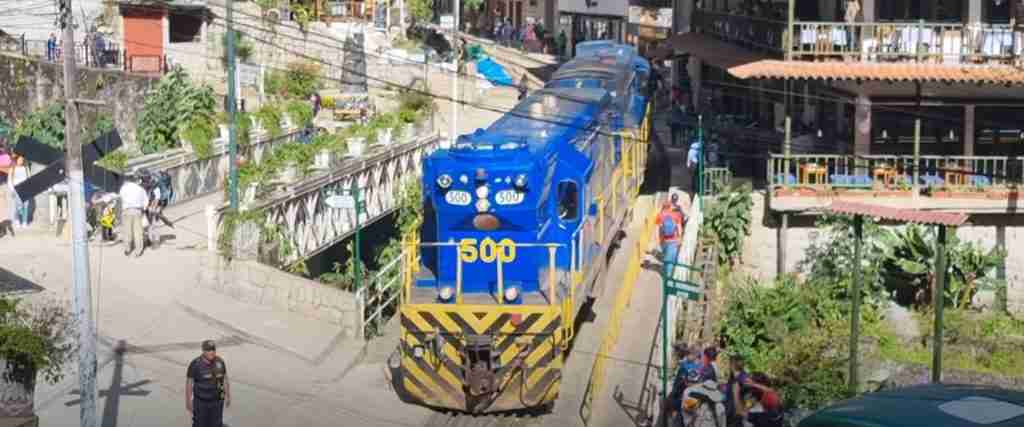
Departure Stations: Cusco vs Ollantaytambo
Cusco Station: Comprehensive but Lengthy
San Pedro Station in Cusco provides the most comprehensive departure option with multiple daily trains and all service levels available. However, the journey from Cusco adds approximately 1.5-2 hours to travel time compared to Ollantaytambo departures.
Cusco departure advantages:
- More departure times providing greater scheduling flexibility
- All service classes available from budget to ultra-luxury
- Central location easy to reach from most Cusco accommodations
- No additional transportation required to reach departure point
Cusco departure disadvantages:
- Longer journey time with less scenic initial portion
- Higher elevation starting point may affect altitude-sensitive travelers
- More expensive tickets due to longer route
- Less comfortable seating time for extended journey
Ollantaytambo Station: Scenic and Efficient
Ollantaytambo station offers the most scenic and efficient route to Machu Picchu, departing from the heart of the Sacred Valley with immediate access to spectacular mountain and river scenery. This option requires additional transportation from Cusco but provides significant advantages for many travelers.
Ollantaytambo departure benefits:
- Shorter journey time saving 1.5-2 hours each direction
- Better scenery immediately from departure point
- Lower altitude starting point (9,160 vs 11,200 feet)
- More comfortable journey with reduced time on train
- Exploring Sacred Valley adds cultural value to trip
Ollantaytambo considerations:
- Transportation to Ollantaytambo adds complexity and cost
- Fewer departure times compared to Cusco station
- Limited service levels on some routes
- Accommodation options fewer but charming in Sacred Valley
Service Level Comparison and Recommendations
Budget-Conscious Travelers: Expedition/Voyager Class
Expedition and Voyager class trains provide excellent value for budget-conscious travelers seeking comfortable transportation without premium amenities. These services offer all essential features for enjoying the scenic journey while maintaining affordable pricing.
What you get in budget class:
- Comfortable seating with adequate space for most passengers
- Large windows providing excellent scenery viewing
- Basic refreshments including snacks and beverages
- Cultural entertainment highlighting local traditions
- Professional service from trained staff
Budget class limitations:
- Standard meal quality compared to premium classes
- Limited beverage options with basic selections
- Higher passenger capacity creating busier atmosphere
- Fewer exclusive amenities compared to luxury services
Mid-Range Travelers: Vistadome/360° Class
Mid-range services provide optimal balance of comfort, amenities, and value for travelers seeking enhanced experiences without ultra-luxury pricing. These options include significant upgrades over basic services while remaining accessible to most budgets.
Mid-range enhancements include:
- Observatory windows with glass ceiling panels for superior viewing
- Enhanced dining with locally-sourced, higher-quality meals
- Premium beverages including cocktails and fine wines
- Cultural performances by local artists and musicians
- Smaller capacity creating more intimate atmosphere
Luxury Travelers: Hiram Bingham/First Class
Ultra-luxury train services transform transportation into a destination experience, justifying premium pricing through exceptional amenities, exclusive access, and world-class service standards that rival the finest hotels and restaurants.
Luxury service features:
- Gourmet dining experiences with internationally trained chefs
- Premium bar service featuring top-shelf spirits and wines
- Exclusive lounge access at departure stations
- Dedicated tour guides at Machu Picchu
- Luxury hotel partnerships providing additional benefits
- Personalized service throughout the entire experience
Booking Strategies and Timing
Advance Booking Requirements
Train tickets require advance booking, especially during peak season (June-August) when demand far exceeds capacity. Popular departure times and luxury services sell out months ahead, making early planning essential for preferred travel dates.
Recommended booking timeline:
- Peak season (June-August): Book 3-4 months in advance
- Shoulder seasons (April-May, September-October): Book 2-3 months ahead
- Low season (November-March): Book 1-2 months in advance
- Luxury services: Book 4-6 months ahead regardless of season
Pricing Strategies and Cost Optimization
Train ticket prices fluctuate based on demand, season, and service level, with opportunities for savings through strategic booking timing and route selection. Understanding pricing patterns helps optimize transportation budgets.
Cost optimization strategies:
- Book early for better rates before prices increase closer to travel dates
- Choose Ollantaytambo departure for shorter, less expensive routes
- Travel during low season for significant savings on all service levels
- Consider weekday travel when possible for better availability and pricing
- Compare operators as IncaRail sometimes offers better value
Group Bookings and Special Arrangements
Groups of 10+ passengers often qualify for discounts and special arrangements including private carriages, customized meal service, and flexible scheduling options. Group leaders should contact operators directly for best rates and options.
Group booking benefits:
- Volume discounts of 10-20% for large groups
- Private carriage options for exclusive group experiences
- Customized itineraries with flexible departure times
- Group coordinator services for seamless logistics management
Journey Experience: What to Expect
Scenic Highlights Along the Route
The train journey provides continuously changing scenery from high Andean landscapes through agricultural valleys to lush cloud forests. Passengers experience Peru’s geographic diversity while comfortable seated with panoramic views.
Key scenic highlights include:
- Sacred Valley panoramas with ancient terraced mountainsides
- Urubamba River rapids rushing alongside the train tracks
- Traditional villages maintaining centuries-old customs
- Cloud forest transition with increasing tropical vegetation
- Towering Andean peaks including snow-capped summits
Onboard Services and Amenities
Modern trains feature comfortable seating, large windows, and professional service designed to enhance the journey experience. Staff members provide cultural commentary, serve refreshments, and ensure passenger comfort throughout the trip.
Standard onboard features:
- Panoramic windows optimized for scenery viewing
- Climate control maintaining comfortable temperatures
- Restroom facilities available throughout the journey
- Professional staff providing multilingual service
- Cultural presentations about local history and traditions
Alternative Transportation Options
Budget Alternative: Hidroelectrica Route
The Hidroelectrica route provides significant cost savings for budget travelers willing to accept additional travel time and physical demands. This option reduces transportation costs by 60-70% compared to train travel while providing unique scenic experiences.
Hidroelectrica journey process:
- Bus from Cusco to Hidroelectrica station (6-7 hours)
- Hiking along train tracks to Aguas Calientes (2-3 hours)
- Spectacular cloud forest scenery unavailable to train passengers
- Physical challenge requiring good fitness levels
- Budget savings exceeding $100 per person
Hidroelectrica considerations:
- Long travel time of 8-9 hours total
- Physical demands of hiking portion
- Weather dependency during rainy season
- Basic accommodation during bus portion
- Limited luggage capacity for hiking segment
Helicopter Access: Premium Alternative
Helicopter transfers provide the fastest and most dramatic access to Machu Picchu region, though weather dependency and high costs limit this option to special occasions and luxury travelers.
Helicopter transfer benefits:
- Fastest access with 25-minute flight time from Cusco
- Aerial perspectives impossible from ground transportation
- Weather permitting spectacular mountain views
- Exclusive experience for special celebrations
- Time efficiency maximizing site exploration time
Practical Tips and Insider Advice
Packing for Train Travel
Train travel requires strategic packing for comfort and convenience during the journey and subsequent Machu Picchu exploration. Consider weight limitations and changing weather conditions throughout the day.
Essential train travel items:
- Layered clothing for temperature variations
- Camera equipment with extra batteries for scenic photography
- Snacks and water for additional refreshments
- Entertainment for longer journey portions
- Motion sickness remedies for sensitive travelers
Maximizing the Journey Experience
Simple strategies enhance the train experience and create lasting memories of this iconic South American rail journey.
Experience enhancement tips:
- Choose window seats on the right side for best river views
- Bring camera equipment for capturing changing landscapes
- Engage with staff for cultural insights and local knowledge
- Stay alert for wildlife including birds and occasional mammals
- Document the journey for sharing experiences with others
Arrival in Aguas Calientes
Station to Town Navigation
Aguas Calientes train station sits at the edge of town with easy walking access to hotels, restaurants, and the bus terminal for Machu Picchu. Understanding the town layout helps efficient navigation upon arrival.
Key locations from train station:
- Main plaza – 5-minute walk with restaurants and shops
- Bus terminal – 8-minute walk for Machu Picchu shuttles
- Most hotels – 3-10 minute walk depending on location
- Hot springs – 15-minute walk for relaxation
- Market area – 5-minute walk for local products
Overnight vs Day Trip Considerations
Staying overnight in Aguas Calientes provides significant advantages over attempting day trips from Cusco, including early morning Machu Picchu access and reduced travel fatigue.
Overnight stay benefits:
- Early morning access to Machu Picchu before crowds
- Reduced travel fatigue from avoiding long day trips
- Multiple visit options if weather conditions vary
- Town exploration time for hot springs and local culture
- Better sunrise opportunities at Machu Picchu
Return Journey Planning
Flexible Return Options
Return train schedules offer multiple departure times allowing visitors flexibility in their Machu Picchu exploration while ensuring adequate time for the train journey back to Cusco or connecting transportation.
Typical return schedule:
- Early afternoon departures – 2:00-3:00 PM for full morning at site
- Late afternoon options – 4:00-5:00 PM for extended exploration
- Evening departures – 6:00-7:00 PM for maximum site time
- Luxury service timing – Often includes specific departure coordination
Connection Considerations
Return journey timing affects onward travel plans including flights, hotels, and connecting transportation. Build appropriate buffers for potential delays and connection requirements.
Connection planning factors:
- Weather delays possible during rainy season
- Traffic conditions in Cusco affecting airport transfers
- Hotel check-in times for late arrivals
- International flight connections requiring overnight stays
- Altitude readjustment time needed in Cusco
The train journey to Machu Picchu represents far more than simple transportation – it’s an integral part of the overall experience that connects visitors with the stunning landscapes and cultural heritage of the Sacred Valley while building anticipation for the archaeological wonder that awaits.
Choosing the right train service depends on your budget, comfort preferences, and travel style, but all options provide access to one of the world’s most spectacular rail journeys. Whether you select budget-friendly Expedition class or ultra-luxury Hiram Bingham service, the memories created during this iconic journey will last a lifetime.

Frequently Asked Questions
Which train service offers the best value for money?
Expedition class provides the best balance of comfort and affordability, featuring panoramic windows, comfortable seating, and cultural presentations at reasonable prices. IncaRail’s Voyager service offers similar value with smaller group sizes.
Should I depart from Cusco or Ollantaytambo?
Ollantaytambo offers better scenery and saves 1.5-2 hours of travel time. However, Cusco provides more departure times and service options. Choose based on your Sacred Valley plans and schedule flexibility.
How far in advance should I book train tickets?
Book 2-3 months ahead for most seasons, but 3-4 months for peak season (June-August) and luxury services. Popular departure times sell out quickly, especially morning trains.
Can I do Machu Picchu as a day trip by train?
Yes, but overnight stays are recommended. Day trips involve very early departure and late return, leaving limited time for thorough site exploration. Overnight allows early morning access before crowds arrive.
What’s the difference between PeruRail and IncaRail?
PeruRail offers more departure times and route options, while IncaRail focuses on smaller groups and environmental sustainability. Both provide similar service levels at comparable prices.
Are train delays common during rainy season?
Occasional delays occur due to landslides or flooding, but services operate year-round except during extreme weather events. Build buffer time into your itinerary during November-March.
Is the Hiram Bingham luxury train worth the cost?
For special occasions or luxury travelers, yes. The experience includes gourmet dining, premium service, and exclusive access. However, basic services provide the same transportation and scenery at much lower cost.
Can I bring large luggage on the train?
Luggage storage is limited. Bring only what you need for Machu Picchu and overnight in Aguas Calientes. Most hotels in Cusco provide luggage storage for additional items.
What happens if I miss my train?
Contact the operator immediately. Rebooking depends on availability and may incur fees. Travel insurance often covers costs associated with missed transportation due to covered reasons.
Are there food options for dietary restrictions?
Most services accommodate dietary restrictions with advance notice. Luxury trains offer more flexibility, while basic services have limited options. Inform operators during booking about specific needs.