Hiking to Machu Picchu represents the ultimate adventure pilgrimage, following ancient Inca pathways through diverse ecosystems from high Andean peaks to lush cloud forests. These sacred routes, built over 500 years ago, provide modern adventurers with authentic connections to indigenous culture while offering some of the world’s most spectacular mountain scenery.
Key Takeaways
- • Classic Inca Trail requires permits 5-6 months in advance and is limited to 500 people daily
- • Salkantay Trek offers spectacular mountain views without permit requirements or crowd restrictions
- • Huayna Picchu climb takes 1-2 hours but provides the most iconic Machu Picchu views
- • Physical preparation should start 2-3 months before with regular cardio and hiking practice
- • Altitude acclimatization in Cusco for 2-3 days is essential before attempting any trek
- • Dry season (May-September) provides optimal conditions for all hiking routes
- Contact us for a comfortable and personalized itinerary (Free Service)
Multiple trekking options accommodate different fitness levels, time constraints, and adventure preferences, from the famous four-day Classic Inca Trail to challenging alternative routes like Salkantay and Choquequirao. Each path offers unique landscapes, archaeological sites, and cultural encounters that transform the journey into a transformative experience.
This comprehensive guide covers all major hiking routes to Machu Picchu, preparation requirements, permit procedures, packing essentials, and insider tips for maximizing your trekking adventure while ensuring safety and enjoyment in Peru’s most challenging and rewarding hiking destination.
Extended multi-day tours – 5+ days
Featured Machu Picchu Multi-Day Tour Packages
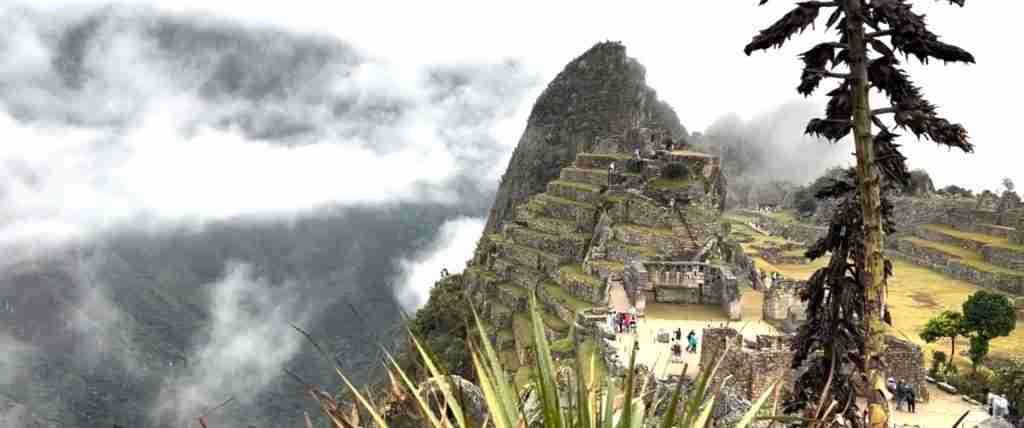
3 days
Machu Picchu 3-Day Discovery Tour
- ✓ Comprehensive Machu Picchu experience
- ✓ Expert local guides included
- ✓ All accommodation included
- ✓ Transportation provided

5 days
Machu Picchu 5-Day Highlights Experience
- ✓ Comprehensive Machu Picchu experience
- ✓ Expert local guides included
- ✓ All accommodation included
- ✓ Transportation provided
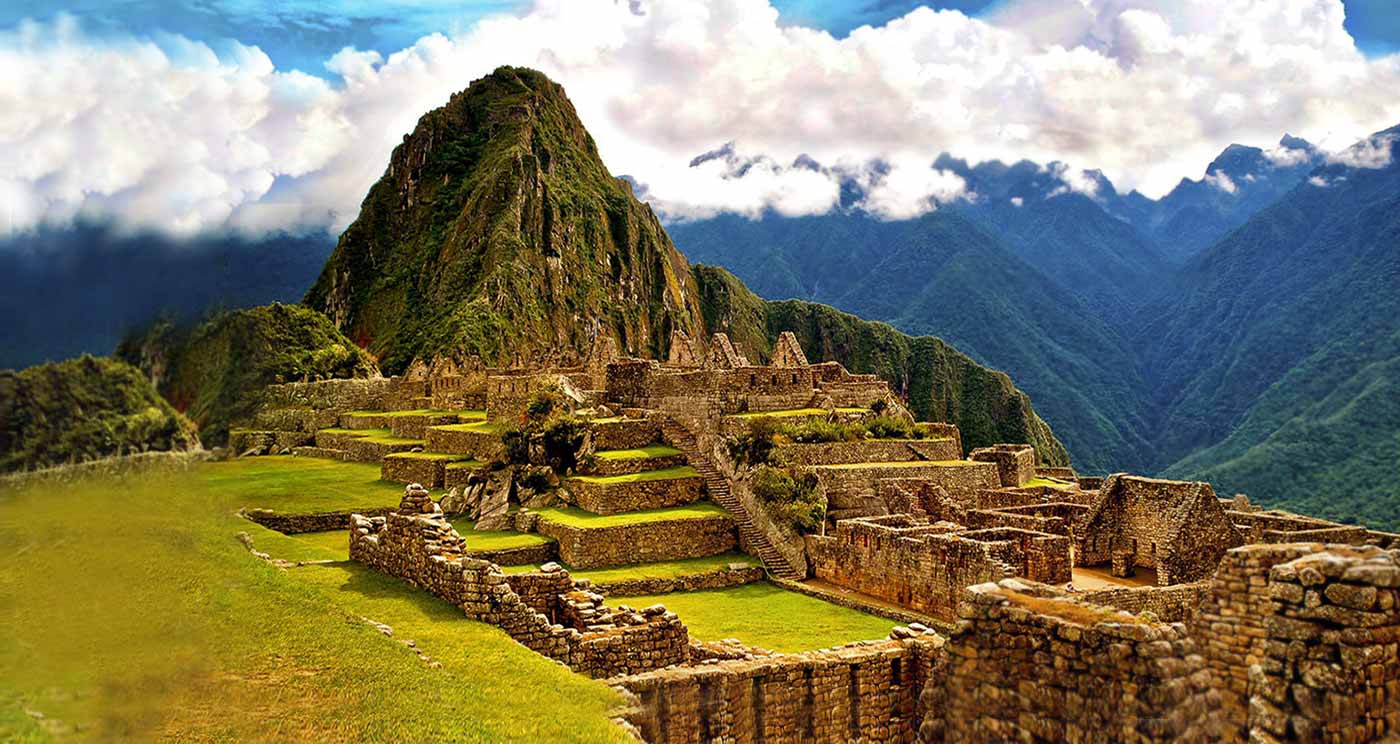
7 days
Machu Picchu 7-Day Cultural Journey
- ✓ Comprehensive Machu Picchu experience
- ✓ Expert local guides included
- ✓ All accommodation included
- ✓ Transportation provided
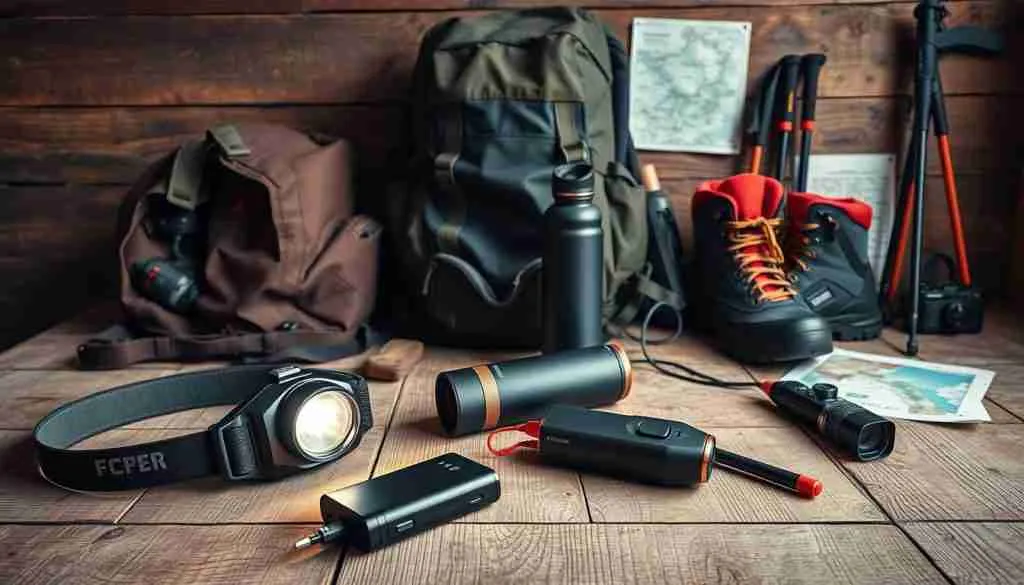
10 days
Machu Picchu 10-Day Complete Adventure
- ✓ Comprehensive Machu Picchu experience
- ✓ Expert local guides included
- ✓ All accommodation included
- ✓ Transportation provided
Multi-day tour packages powered by TourRadar. Prices and availability subject to change.
Featured Machu Picchu Multi-Day Tour Packages
3 days
Machu Picchu 3-Day Discovery Tour
- ✓ Comprehensive Machu Picchu experience
- ✓ Expert local guides included
- ✓ All accommodation included
- ✓ Transportation provided
5 days
Machu Picchu 5-Day Highlights Experience
- ✓ Comprehensive Machu Picchu experience
- ✓ Expert local guides included
- ✓ All accommodation included
- ✓ Transportation provided
7 days
Machu Picchu 7-Day Cultural Journey
- ✓ Comprehensive Machu Picchu experience
- ✓ Expert local guides included
- ✓ All accommodation included
- ✓ Transportation provided
10 days
Machu Picchu 10-Day Complete Adventure
- ✓ Comprehensive Machu Picchu experience
- ✓ Expert local guides included
- ✓ All accommodation included
- ✓ Transportation provided
Multi-day tour packages powered by TourRadar. Prices and availability subject to change.
Understanding Machu Picchu Hiking Options
The Original Inca Road Network
The Inca civilization built over 25,000 miles of stone roads connecting their vast empire from Colombia to Chile, with several routes converging at Machu Picchu. These engineering marvels, constructed without wheeled vehicles or iron tools, demonstrate sophisticated understanding of terrain, drainage, and sustainable construction techniques.
Modern trekking routes follow portions of this ancient network, providing authentic historical experiences while showcasing the environmental diversity that made the Inca Empire so successful. Each route offers different perspectives on Andean geography, archaeology, and indigenous culture.
Key characteristics of Inca trails include:
- Stone construction using precisely fitted blocks without mortar
- Sophisticated drainage preventing erosion during heavy rains
- Strategic rest stations every 12-15 miles for messengers and travelers
- Multiple elevation zones showcasing diverse ecosystems
- Archaeological sites along routes demonstrating Inca engineering
Modern Trekking Categories
Contemporary Machu Picchu hiking divides into three main categories: regulated classic routes requiring permits, alternative treks without restrictions, and day hikes within the Machu Picchu site itself.
Regulated routes like the Classic Inca Trail require advance permits, certified guides, and strict group size limitations to protect archaeological sites and fragile ecosystems. These restrictions ensure authentic experiences while preserving the routes for future generations.
Alternative treks provide similar landscapes and cultural encounters without permit requirements or group restrictions, offering flexibility for independent travelers and last-minute planners while reducing pressure on the most famous routes.
Site-specific hikes within Machu Picchu itself include mountain climbs and extended circuits that enhance the archaeological experience through physical challenge and elevated perspectives.
Classic Inca Trail: The Ultimate Pilgrimage
Route Overview and Significance
The Classic Inca Trail represents the most famous and historically significant route to Machu Picchu, following original Inca pathways through over 30 archaeological sites before arriving at the Lost City through the iconic Sun Gate (Inti Punku) at sunrise.
This four-day, three-night trek covers 26 miles through diverse ecosystems including high-altitude grasslands, cloud forests, and subtropical valleys while gaining and losing over 8,000 feet of elevation. The route culminates with the dramatic first view of Machu Picchu from the Sun Gate, recreating the original Inca pilgrimage experience.
Daily breakdown of the Classic Inca Trail:
Day 1: Ollantaytambo to Wayllabamba (7.5 miles)
- Moderate hiking through Sacred Valley agricultural terraces
- Gradual elevation gain from 9,160 to 10,300 feet
- First archaeological site at Llactapata ruins
- Acclimatization day preparing for higher altitudes
Day 2: Wayllabamba to Pacaymayu (7 miles)
- Most challenging day crossing Dead Woman’s Pass at 13,780 feet
- Dramatic elevation changes with steep ascents and descents
- Spectacular mountain views of surrounding Andean peaks
- High-altitude ecosystem with unique flora and fauna
Day 3: Pacaymayu to Wiñay Wayna (10 miles)
- Archaeological day with multiple Inca site visits
- Cloud forest transition with increasing vegetation diversity
- Spectacular ruins including Sayacmarca and Wiñay Wayna
- Cultural interpretation of Inca religious and agricultural practices
Day 4: Wiñay Wayna to Machu Picchu (3 miles)
- Pre-dawn departure for sunrise at Sun Gate
- Emotional culmination with first views of Machu Picchu
- Guided tour of the archaeological site
- Train return to Cusco in the evening
Permit Requirements and Booking
The Peruvian government limits Classic Inca Trail access to 500 people daily, including guides and porters, making permits extremely scarce and requiring advance booking through authorized operators. This restriction protects the fragile trail ecosystem and ensures quality experiences for visitors.
Permit booking timeline:
- Release date: January 1st for the entire year
- Peak season booking: Permits sell out within hours for June-August
- Recommended timing: Book 5-6 months in advance
- Cancellation policy: No refunds or transfers allowed
- Required information: Exact passport details needed at booking
Authorized operators must provide:
- Certified guides with specialized Inca Trail training
- Porter services for group equipment and food
- Quality camping equipment suitable for mountain conditions
- Comprehensive meal service throughout the trek
- Emergency communication and evacuation procedures
Physical and Mental Preparation
The Classic Inca Trail demands excellent physical fitness and mental preparation for high-altitude hiking over challenging terrain. Proper training reduces injury risk while maximizing enjoyment of this once-in-a-lifetime experience.
Physical preparation recommendations:
- Start training 2-3 months before departure date
- Focus on cardiovascular fitness through running, cycling, and stair climbing
- Build hiking endurance with progressively longer day hikes
- Strengthen core and legs for stability on uneven terrain
- Practice with full backpack to simulate trek conditions
Mental preparation aspects:
- Research Inca history to enhance cultural appreciation
- Prepare for discomfort including cold, altitude, and fatigue
- Develop positive mindset for overcoming challenges
- Plan recovery time after completing the trek

Alternative Trekking Routes
Salkantay Trek: The Mountain Route
The Salkantay Trek offers spectacular high-altitude mountain scenery without the permit restrictions and crowds of the Classic Inca Trail. This challenging five-day route circles Peru’s second-highest peak (20,574 feet) through diverse ecosystems from glacial valleys to cloud forests.
Salkantay Trek highlights:
- Salkantay Pass at 15,213 feet with glacier views
- Humantay Lake reflecting snow-capped peaks
- Coffee plantation visits in cloud forest regions
- Hot springs relaxation after challenging hiking days
- Flexible itineraries without strict permit requirements
Route overview:
- Day 1: Cusco to Soraypampa with Humantay Lake visit
- Day 2: Cross Salkantay Pass to Chaullay
- Day 3: Descent through cloud forest to Lucmabamba
- Day 4: Coffee plantation tour and train to Aguas Calientes
- Day 5: Machu Picchu sunrise tour
Choquequirao Trek: The Hidden City
The Choquequirao Trek represents the ultimate Andean adventure for experienced hikers seeking solitude and archaeological discovery. This challenging 7-9 day route visits “the other Machu Picchu” – a vast Inca complex that receives fewer than 30 visitors daily.
Choquequirao challenges and rewards:
- Extreme difficulty with steep terrain and river crossings
- Complete solitude with minimal tourist infrastructure
- Massive archaeological complex still being excavated
- Pristine ecosystems with abundant wildlife
- Authentic adventure without modern conveniences
Short Inca Trail: Condensed Experience
The Short Inca Trail provides authentic Inca Trail experience in just two days for travelers with limited time or fitness levels. This condensed version covers the most spectacular final section while arriving at Machu Picchu through the Sun Gate.
Short Trail benefits:
- Reduced physical demands suitable for moderate fitness levels
- Same permit requirements but easier to obtain
- Quality archaeological sites including Wiñay Wayna
- Sun Gate arrival for classic first views of Machu Picchu
- Hotel accommodations instead of camping
Day Hikes Within Machu Picchu
Huayna Picchu: The Classic Challenge
Climbing Huayna Picchu provides the most iconic views of Machu Picchu from the towering peak that appears in countless photographs behind the ruins. This challenging climb requires advance booking and good fitness levels but rewards hikers with unparalleled perspectives.
Huayna Picchu specifications:
- Elevation gain: 1,180 feet in 0.6 miles
- Round-trip time: 2-3 hours total
- Difficulty level: Strenuous with steep stone steps
- Daily limit: 400 people in two time slots
- Advance booking: Required with Machu Picchu entrance
Huayna Picchu safety considerations:
- Narrow final section with no safety barriers
- Steep drop-offs not suitable for height-fearful hikers
- Slippery conditions when wet from rain or morning dew
- Age restrictions: Not recommended for children under 12
- Weather dependency: Closed during severe conditions
Machu Picchu Mountain: The Gentle Giant
Machu Picchu Mountain offers spectacular 360-degree views with a longer but less technical ascent suitable for most fitness levels. This alternative provides equally stunning perspectives without the extreme difficulty of Huayna Picchu.
Mountain characteristics:
- Elevation gain: 2,000 feet over 1.2 miles
- Round-trip time: 3-4 hours total
- Difficulty: Moderate with steady but manageable grade
- Trail conditions: Well-maintained with safety features
- Panoramic views: Entire Sacred Valley and surrounding peaks
Essential Preparation and Training
Physical Conditioning Program
Successful Machu Picchu hiking requires months of physical preparation focused on cardiovascular endurance, leg strength, and altitude adaptation. Training programs should simulate trek conditions while building fitness gradually.
Cardiovascular training (4-5 times weekly):
- Running or jogging: Start with 20 minutes, build to 45-60 minutes
- Stair climbing: Excellent for leg strength and altitude simulation
- Cycling: Low-impact cardio building endurance
- Swimming: Full-body conditioning with lung capacity improvement
Strength training (2-3 times weekly):
- Squats and lunges: Build leg strength for steep terrain
- Core exercises: Improve stability and balance
- Calf raises: Strengthen muscles for constant elevation changes
- Functional movements: Step-ups, planks, and mountain climbers
Hiking practice (weekly progression):
- Week 1-4: 2-4 mile hikes on flat terrain
- Week 5-8: 4-8 mile hikes with moderate elevation gain
- Week 9-12: 8+ mile hikes with significant elevation changes
- Final month: Multi-day hiking with full backpack
Altitude Acclimatization Strategy
Proper altitude acclimatization prevents serious health issues and ensures enjoyable hiking experiences at elevations exceeding 12,000 feet. Gradual exposure allows the body to adapt while reducing altitude sickness risk.
Recommended acclimatization schedule:
- Days 1-2 in Cusco: Rest and light activities at 11,200 feet
- Day 3-4: Sacred Valley exploration at 9,000-10,000 feet
- Day 5-6: Higher altitude day trips to 12,000+ feet
- Day 7+: Begin multi-day trekking with proper preparation
Altitude sickness prevention:
- Hydration: Drink 3-4 liters of water daily
- Avoid alcohol: Delays acclimatization process
- Light meals: Easily digestible foods reduce nausea
- Coca tea: Traditional remedy for altitude adjustment
- Medication: Consult doctor about acetazolamide (Diamox)
Essential Gear and Packing
Technical Hiking Equipment
Quality gear makes the difference between misery and enjoyment during multi-day Andean trekking. Invest in proven equipment designed for mountain conditions and variable weather.
Footwear essentials:
- Hiking boots: Ankle support, waterproof, broken-in before travel
- Camp shoes: Lightweight sandals or slip-ons for rest
- Quality socks: Merino wool blend preventing blisters
- Gaiters: Protection from mud, rocks, and vegetation
Clothing system:
- Base layers: Moisture-wicking synthetic or merino wool
- Insulating layers: Fleece or down for warmth
- Shell layers: Waterproof breathable jacket and pants
- Hiking pants: Quick-dry, durable material
- Accessories: Hat, gloves, buff, and warm beanie
Technical gear:
- Backpack: 40-65 liter capacity with proper fit
- Trekking poles: Essential for knee protection and stability
- Headlamp: LED with extra batteries
- Water system: Hydration bladder or bottles with purification
- First aid kit: Personal medications and basic supplies
Camping Equipment (for camping treks)
Most tour operators provide camping equipment, but quality varies significantly. Understand what’s included and consider bringing personal items for comfort and reliability.
Typically provided by operators:
- Tents: Usually 2-person capacity with rain fly
- Sleeping mats: Basic foam or inflatable pads
- Dining tent: Common area for meals and socializing
- Toilet tent: Portable facilities for group use
- Cooking equipment: Stoves, fuel, and preparation tools
Consider bringing personal items:
- Sleeping bag: Rated to 10°F for mountain conditions
- Pillow: Inflatable for comfort and space savings
- Personal items: Toiletries, medications, and comfort items
Safety and Risk Management
Common Hiking Hazards
Andean trekking involves inherent risks that require awareness, preparation, and appropriate response strategies. Understanding potential hazards allows proactive risk management and safer experiences.
Weather-related risks:
- Sudden storms: Lightning, hail, and flooding possible
- Temperature extremes: From freezing nights to intense sun
- High winds: Particularly dangerous on exposed ridges
- Snow and ice: Possible year-round above 14,000 feet
Terrain hazards:
- Steep drop-offs: Narrow trails with significant exposure
- Loose rock: Potential for slips and rockfall
- River crossings: Swift water during rainy season
- Uneven surfaces: Ancient stone steps and loose terrain
Emergency Procedures
Proper emergency planning reduces serious incident consequences through preparation, communication, and evacuation procedures appropriate for remote mountain environments.
Communication systems:
- Satellite phones: Carried by professional guides
- Emergency radios: Backup communication systems
- GPS devices: Location tracking for rescue coordination
- Check-in protocols: Regular contact with base operations
Evacuation procedures:
- Helicopter evacuation: Weather permitting from accessible locations
- Ground evacuation: Foot or horseback to road access
- Medical facilities: Limited options in remote areas
- Insurance coverage: Essential for evacuation costs
Cultural and Environmental Respect
Leave No Trace Principles
Protecting fragile Andean ecosystems requires conscious effort from all visitors through responsible hiking practices and environmental stewardship. These pristine environments face increasing pressure from tourism growth.
Essential practices:
- Pack out all waste: Including organic materials
- Stay on established trails: Prevent erosion and habitat damage
- Respect wildlife: Observe from distance without feeding
- Minimize campfire impact: Use established fire rings or stoves
- Respect cultural sites: No touching or removing artifacts
Indigenous Cultural Sensitivity
Machu Picchu remains sacred to indigenous Quechua communities who maintain spiritual connections to these ancient sites. Respectful behavior honors their cultural heritage while enhancing visitor experiences.
Respectful practices:
- Learn basic Quechua phrases: Shows respect for local culture
- Participate in traditional ceremonies: When invited by community leaders
- Purchase from local artisans: Support community economies
- Understand sacred space significance: Behave appropriately at spiritual sites
Hiking to Machu Picchu represents one of the world’s greatest adventure pilgrimages, combining spectacular mountain scenery, profound cultural experiences, and personal challenge in a journey that transforms participants while honoring the achievements of ancient civilizations.
Whether you choose the classic Inca Trail or alternative routes, proper preparation and respectful attitudes ensure unforgettable experiences that connect you with both the natural world and human heritage in ways that conventional tourism cannot match. The effort required makes the destination even more meaningful when you finally witness sunrise over the Lost City of the Incas.

Frequently Asked Questions
How far in advance should I book the Classic Inca Trail?
Book 5-6 months in advance, especially for peak season (June-August). Permits are released January 1st and sell out within hours for popular months. Alternative treks don’t require permits and can be booked with less advance notice.
What fitness level is required for Machu Picchu hiking?
Good to excellent fitness is required for multi-day treks. You should comfortably hike 8-10 miles with elevation gain before attempting. Start training 2-3 months before your trip with cardiovascular exercise and hill hiking.
Can I hike to Machu Picchu without a guide?
The Classic Inca Trail requires certified guides and permits. Alternative routes like Salkantay can be done independently with proper preparation, though guided trips provide safety, logistics, and cultural interpretation.
What’s the best time of year for hiking to Machu Picchu?
Dry season (May-September) offers the best conditions with minimal rain and clear views. June-August is busiest with perfect weather. Shoulder seasons (April-May, September-October) provide good conditions with fewer crowds.
How challenging is the altitude during the hikes?
Most passes exceed 13,000 feet, requiring proper acclimatization. Spend 2-3 days in Cusco before trekking, stay hydrated, and ascend gradually. Altitude affects everyone differently regardless of fitness level.
What happens if weather prevents hiking?
Extreme weather can cause delays or cancellations for safety reasons. The Classic Inca Trail closes completely during February for maintenance. Good tour operators provide alternative arrangements and flexible policies.
Can children do Machu Picchu hiking?
Multi-day treks are challenging for children under 12. Huayna Picchu has age restrictions due to safety concerns. Shorter day hikes within Machu Picchu are more suitable for families with children.
What gear should I absolutely not forget?
Proper hiking boots (broken in), rain gear, warm layers for cold nights, headlamp, sun protection, and personal medications. Quality gear makes the difference between enjoyable and miserable experiences.
Are there bathroom facilities on the hiking trails?
Basic facilities exist at some campsites and major ruins. Most of the trail has no facilities, requiring Leave No Trace waste practices. Tour operators typically provide portable toilet tents for group camping.
How much should I tip guides and porters?
Standard tipping is $20-25 per day for guides and $15-20 per day for porters. These workers depend on tips for fair wages, and good service deserves generous appreciation for their hard work in challenging conditions.