Machu Picchu, a top tourist spot, is facing big challenges in 2025. These include how tourism affects conservation. Planning ahead is key due to the site’s popularity and the challenges it faces.
The dry season, from April to October, is the best time to see Machu Picchu. It has little rain and lots of tourists. But, the rainy season makes it harder to explore outside. Our team is working on the tourism and conservation issues at Machu Picchu.
Key Takeaways
- Machu Picchu is one of the most visited destinations globally, with a significant impact on conservation efforts.
- Reservations for Machu Picchu must be made at least one month in advance, with various ticket options available during high and regular seasons.
- The dry season, from April to October, is the best time to visit Machu Picchu, with little rain and peak tourist activity.
- The rainy season, from November to March, can make outdoor excursions more difficult, but prices for flights and hotels tend to decrease during this time.
- Visitors are encouraged to visit at the season changes, such as late April or early October, for better weather and lower prices.
- Our team of experts will explore the current state of Machu Picchu and the efforts being made to address the challenges it faces, including conservation and tourism management.
- Contact us for a comfortable and personalized itinerary (Free Service)
The Current State of Machu Picchu in 2025
Machu Picchu is a top spot in South America, drawing over 1.5 million visitors each year. This high number raises worries about conservation efforts and the site’s condition due to global tourism. To tackle these issues, infrastructure changes have been made. These include better waste management and new restroom facilities.
Recent visitor statistics show Machu Picchu welcomes over 5,000 visitors daily. Each visitor can stay for up to 4 hours. This helps manage the crowds better.
The Peruvian government has taken steps to control visitor numbers. They limit the number of tour guides and group sizes. For instance, no more than 10 people can follow one tour guide. This rule helps keep the site safe and preserves its history and culture.
New Booking System and Entry Requirements
A new booking system and entry rules for Machu Picchu are big steps for sustainable tourism. This system helps manage the site by controlling visitor numbers and supporting conservation. With only 5600 visitors allowed each day, planning ahead and booking early is key.
The new system makes visiting easier and more efficient. You can pick from different circuits and times. The tourism management team will keep an eye on it to make sure it works well. Here are some important things to remember when booking:
- Daily visitor limit: 5600 in the peak season (June 1 through October 15) and 4500 in the low season (October 16 through May 31)
- Ticket prices: vary depending on the circuit and time slot, with discounts available for students and children
- Booking in advance: recommended, even more so during peak season
This new booking system and entry requirements aim to balance tourism with conservation. It’s all about keeping Machu Picchu’s beauty and history safe for the future. Our company mission is to offer top-notch travel experiences that respect local culture and comfort. We fully support these efforts and encourage visitors to travel responsibly.
Would you like to book a custom Package Tour to Machu Picchu? Please fill-out our below trip planner and we will respond promptly with suggestions!What are Some Common Challenges to Consider When Visiting Machu Picchu in 2025?
Planning a trip to Machu Picchu in 2025 comes with its own set of challenges. One major issue is time slot restrictions. With only 4,500 tickets sold each day, it’s crucial to plan your visit. This includes considering the time of year and weather-related concerns.
The Inca Trail, a favorite route to the site, is closed in February. This is due to maintenance and weather issues.
Another hurdle is physical access limitations. Visitors can only stay for a maximum of 4 hours. The Huayna Picchu Mountain has a daily limit of 400 people, divided into two shifts. It’s also important to think about tourism planning. Booking tickets early can save you money, as last-minute tickets are often more expensive.
To plan your trip, here are some key statistics:
- Total daily ticket availability for Machu Picchu: 4,500 tickets ( low season )
- Daily maximum number of entrance tickets sold: 1,500 tickets
- Number of ticket entry schedules available for Machu Picchu: 9 schedules (from 6 a.m. to 3 p.m.)
By understanding these challenges and planning ahead, you can have a great trip to Machu Picchu in 2025.


Environmental Conservation Measures
Protecting Machu Picchu is a big deal. The Peruvian government and UNESCO are teaming up to tackle big issues like erosion prevention, pollution, and waste management. They want to lessen the harm tourism can cause to this fragile place.
To make this happen, they’re starting new projects. For example:
- They’re working on erosion prevention to keep the land safe.
- They’re setting up waste management plans to cut down on trash.
- They’re also focusing on vegetation protection to save the area’s plants.
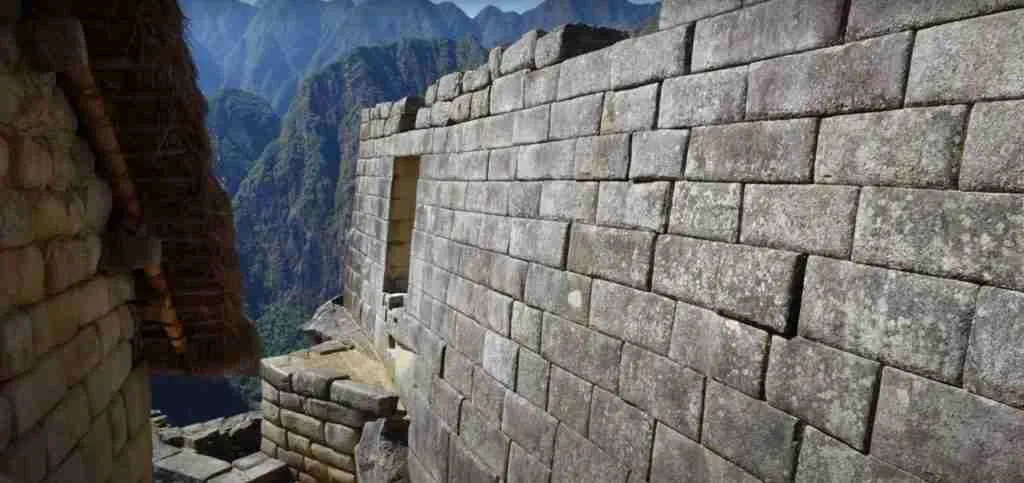
Effective Conservation Strategies
These steps are key to keeping Machu Picchu beautiful and important. By being eco-friendly and responsible, visitors help protect this amazing site for future generations.
| Conservation Measure | Objective |
|---|---|
| Erosion Prevention | Protect the site’s terrain from erosion |
| Waste Management | Reduce the amount of waste generated by tourists |
| Vegetation Protection | Preserve the site’s unique flora |
Transportation and Access Updates
Planning a trip to Machu Picchu means thinking about transportation and access. The train from Cusco to Machu Picchu is a great choice. But, the Inca Trail is closed in February for maintenance and weather.
For those who prefer hiking, the Salkantay trek is an option. It’s important to book your transportation and access early, mainly during busy times. The area has lots of places to stay and eat, thanks to good tourism infrastructure.
The Peruvian government works hard to keep Machu Picchu safe. Visitors can help by being careful with the environment and following rules. Choosing green transportation and supporting local businesses helps keep Machu Picchu beautiful.
- The train service between Cusco and Machu Picchu operates daily.
- The Inca Trail is closed in February for maintenance and weather-related concerns.
- Alternative routes, such as the Salkantay trek, are available for hikers.
- Booking transportation and access in advance is recommended, specially during peak season.
By picking the right transportation and supporting local efforts, visitors can help Machu Picchu stay stunning. They also help the local tourism infrastructure and conservation work.
Impact on Local Communities and Economy
The rise in tourism at Machu Picchu has big effects on local communities and the economy. With up to 2,000 visitors daily, tourism brings jobs and business chances. But, it also brings challenges like higher prices and costs of living.
The local food is a big part of the tourist experience. Efforts are made to keep cultural preservation and community involvement alive. The research at Machu Picchu helps the local economy and keeps the site safe for the future.
Some key economic effects of tourism on local communities include:
- Creation of local jobs and business opportunities
- Increased property values and prices of goods and services
- Contribution to the local economy through entrance fees and tourism-related activities

The impact of tourism on local communities and the economy is complex. It offers chances for growth and cultural preservation. But, it also brings challenges that need to be tackled with sustainable tourism and community involvement programs.
Digital Innovation and Virtual Tourism Options
The world is getting more digital, and digital innovation is changing tourism. Now, with virtual reality (VR) and augmented reality (AR), you can see places without leaving home. This move to virtual tourism helps protect places like Machu Picchu, supporting conservation and sustainability.
VR app downloads have jumped by 60% lately, showing more people want virtual trips. Also, 69% of travelers plan to go solo in 2025. Virtual tourism offers a special, deep dive into places for these solo travelers. By using digital innovation and virtual tourism, we can lessen tourism’s environmental impact and support green travel.
Virtual tourism has many perks, like cutting down on carbon, making travel easier, and offering richer cultural experiences. As travel evolves, focusing on sustainability and conservation is key. This ensures places like Machu Picchu stay safe for the future.
| Benefits of Virtual Tourism | Description |
|---|---|
| Reduced Carbon Footprint | Less greenhouse gas from fewer trips |
| Increased Accessibility | Accessible from anywhere, anytime |
| Enhanced Cultural Experiences | Deeper, interactive cultural experiences |
Sustainable Tourism Initiatives
Efforts are underway to promote conservation and lessen tourism’s impact on Machu Picchu. Sustainable tourism initiatives are being put in place. These include carbon footprint reduction plans and eco-friendly guidelines for visitors.
To support sustainable tourism, measures are being taken. For example, the daily visitor limit is now 2,500 people. There are also 4,500 tickets for entry to different parts of Machu Picchu. Visitors must book Huayna Picchu entrance tickets in advance.
The Peruvian government is also fighting deforestation. They created the Ministry of Environment in 2008 to protect natural ecosystems.
Visitors are encouraged to follow eco-friendly guidelines and respect the site. This includes staying on designated trails and not littering. Together, we can reduce the carbon footprint of tourism and preserve Machu Picchu for the future.
Here are some ways to join in sustainable tourism efforts:
- Respecting local regulations and guidelines
- Reducing waste and litter
- Supporting local conservation efforts
Archaeological Preservation Projects
Machu Picchu’s cultural and historical importance is being safeguarded through various preservation projects. Restoration work and scientific research are underway to protect the site. This ensures that future generations can still marvel at its beauty.
The research project at Machu Picchu is dedicated to preserving the site. It’s part of a bigger program covering 19 sites, starting in 2019. This focus on conservation and restoration is vital for keeping the site’s integrity and understanding its history.
Current Restoration Work
Key aspects of the restoration work include:
- Structural repairs to the site’s historical buildings and walls
- Conservation of the site’s cultural artifacts and relics
- Implementation of measures to prevent erosion and protect the site’s vegetation
Scientific Research Programs
The scientific research at Machu Picchu aims to deepen our understanding of the site. These programs include:
- Archaeological excavations and surveys
- Analysis of the site’s cultural artifacts and relics
- Studies on the site’s environmental and ecological conditions
Conclusion: The Future of Machu Picchu Beyond 2025
Looking ahead, Machu Picchu’s future depends on good tourism and conservation plans. The Peruvian government, UNESCO, and local groups must join forces. This way, Machu Picchu will stay a lively spot for people to visit for years.
Keeping Machu Picchu’s ecosystem healthy is key. New tourism management ideas, like controlling visitor numbers and building green structures, are crucial. These steps help protect the site while making it a great place for visitors to explore.
It’s also important to listen to local voices and involve them in decisions. This approach builds pride and ensures the site’s management reflects the community’s values. By doing this, we make sure Machu Picchu’s future is bright and meaningful to all who care about it.
