Machu Picchu Day Trip from Cusco 2026: Complete Planning Guide
Key Takeaways
- Book Machu Picchu tickets 3-4 months ahead for peak season (June-September) when Circuit 2 sells out within days of release
- Round-trip train tickets from Ollantaytambo cost $140-190 in 2026, while buses from Aguas Calientes run $24 round trip
- Total day trip costs range $204-273 per person excluding accommodation, including tickets, transportation, meals, and guide services
- Depart Cusco by 5:00-6:00 AM to maximize time at the citadel and catch optimal morning light for photography
- Circuit 2 Classic Route offers the iconic postcard viewpoint plus comprehensive access to temples, terraces, and urban sectors
- Valid passport required matching ticket booking exactly – no name changes permitted after purchase through official Ministry of Culture system
- Contact us by filling out the trip planner form, and our partner’s expert travel advisors will work closely with you to create your tailor-made itinerary (Free Service)
Planning Your Machu Picchu Day Trip in 2026
Visiting Machu Picchu as a day trip from Cusco represents one of South America’s most rewarding travel experiences, combining efficient logistics with profound cultural immersion at the 15th-century Inca citadel. The 2026 season brings continued implementation of Peru’s circuit-based access system, with four distinct routes managing visitor flow across this UNESCO World Heritage site while preserving its archaeological integrity. Strategic planning transforms this complex journey into a seamless adventure, navigating train schedules, ticket availability, and elevation changes that define the Sacred Valley experience.
The day trip logistics require coordinating multiple transportation modes across dramatically changing terrain – from Cusco at 3,400 meters through the Sacred Valley to Aguas Calientes at 2,040 meters, then ascending to Machu Picchu at 2,430 meters. This carefully orchestrated sequence involves early morning departures, train connections, shuttle buses, and timed entry slots that reward advance preparation with extraordinary payoffs. The 2026 booking system opens in mid-December 2025, creating competitive demand for popular morning slots and Circuit 2 access during peak season months.
Understanding the complete day trip framework empowers travelers to make informed decisions about timing, budget allocation, and circuit selection. The standard day trip departs Cusco between 5:00-6:00 AM, reaches Machu Picchu by 9:00-10:00 AM, allows 3-4 hours exploring the citadel, and returns to Cusco by 8:00-9:00 PM. This comprehensive 15-16 hour experience delivers concentrated exposure to Inca engineering genius, Andean biodiversity, and the spiritual resonance that makes Machu Picchu one of humanity’s most cherished archaeological treasures.
People Also Ask About Machu Picchu Day Trips 2026
How much does a Machu Picchu day trip from Cusco cost in 2026?
A complete Machu Picchu day trip from Cusco costs $204-273 per person in 2026, depending on train class and dining choices. Standard tickets cost 152 Peruvian Soles ($40 USD) for basic circuits, with premium mountain access tickets at 200 Soles ($53 USD), plus an additional SERNANP fee of approximately $8 USD – check the official Ministry of Culture website for current rates as seasonal adjustments occur. Round-trip train tickets from Ollantaytambo to Aguas Calientes range $140-190 for economy class (Expedition or Voyager services), while round-trip shuttle buses between Aguas Calientes and the Machu Picchu entrance run $24. Transportation from Cusco to Ollantaytambo adds $8-20 depending on shared van or private service, and meals in Aguas Calientes or along the route contribute $25-40 for breakfast, lunch, and snacks. Optional guided tours enhance the experience for $25-40 per person when joining group tours at the entrance.
What is the best time to start a Machu Picchu day trip in 2026?
Departing Cusco between 5:00-6:00 AM positions travelers to reach Machu Picchu by 9:00-10:00 AM, capturing optimal morning light and lower crowd density before midday surges. The earliest practical departure from Cusco at 5:00 AM connects with the 7:05 AM Expedition train from Ollantaytambo, arriving in Aguas Calientes at 8:45 AM. This schedule allows time for the 25-minute shuttle bus ride to reach the entrance by 9:30 AM, aligning perfectly with morning entry slots and the golden hour photography window that lasts until 11:00 AM. Morning visits benefit from clearer visibility before afternoon clouds accumulate around the peaks, plus cooler temperatures for exploring the extensive terraces and steep staircases. The morning departure also ensures adequate time for the comprehensive 3-4 hour circuit exploration without rushing to catch return trains, which run until early evening from Aguas Calientes.
Can you do Machu Picchu as a day trip from Cusco in 2026?
Machu Picchu functions exceptionally well as a day trip from Cusco, with train schedules specifically designed to accommodate same-day visitors who prefer Cusco’s superior accommodation options and altitude acclimatization environment. The journey requires 15-16 hours door-to-door, departing Cusco in early morning darkness and returning after dinner time. This concentrated timeframe delivers 3-4 hours of actual exploration time at the citadel, sufficient for completing one full circuit, capturing comprehensive photographs, and absorbing the site’s archaeological and spiritual significance. The day trip eliminates overnight accommodation costs in expensive Aguas Calientes while maximizing time in Cusco’s rich cultural environment. Train frequencies support flexible scheduling with multiple daily departures from Ollantaytambo throughout the year, though peak season (June-September) demands advance booking for preferred morning slots that optimize photography conditions and crowd management.
Do you need advance bookings for Machu Picchu day trips in 2026?
Advance bookings are essential for Machu Picchu day trips in 2026, with Circuit 2 Classic Route tickets selling out 3-4 months ahead during peak season and train tickets requiring 4-6 week advance purchase for preferred schedules. The official Ministry of Culture ticket sales open in mid-December 2025 for the entire 2026 calendar year, creating immediate competitive pressure for popular circuits and entry times. Circuit 2, offering the iconic Guardian’s House viewpoint plus comprehensive temple access, has limited daily availability of approximately 500 tickets and sells out within 1-2 days of release during June-September high season. Train tickets from Ollantaytambo to Aguas Calientes face similar demand pressure, with economy class Expedition and Voyager services filling early for morning departure times. The booking sequence requires securing Machu Picchu entrance tickets first, then coordinating train schedules to align with your confirmed entry window. Shuttle buses from Aguas Calientes to the entrance do not require advance booking, with continuous departures every 5-10 minutes starting at 5:30 AM.
Extended multi-day tours – 5+ days
Featured Machu Picchu Multi-Day Tour Packages
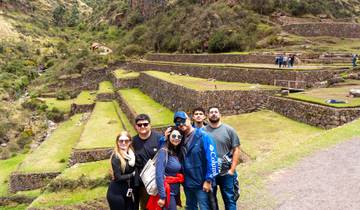
5 days
5 Day Cusco Travel Package: Cusco, Sacred Valley, Machu Picchu, and Maras Moray.
- ✓ Comprehensive Machu Picchu tour
- ✓ Expert local guides included
- ✓ All accommodation arranged
- ✓ Transportation provided

2 days
2-Day Short Inca Trail to Machu Picchu with Hotel & Vistadome Train
- ✓ Comprehensive Machu Picchu tour
- ✓ Expert local guides included
- ✓ All accommodation arranged
- ✓ Transportation provided
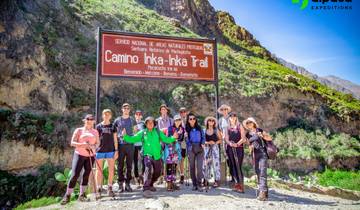
4 days
Classic Inca Trail Trek 4D/3N to Machu Picchu (Group service )
- ✓ Comprehensive Machu Picchu tour
- ✓ Expert local guides included
- ✓ All accommodation arranged
- ✓ Transportation provided
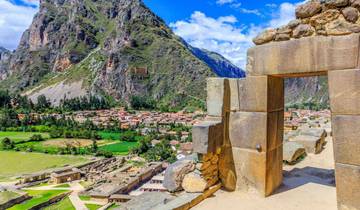
4 days
4 days – Traditional Cusco & Machu Picchu
- ✓ Comprehensive Machu Picchu tour
- ✓ Expert local guides included
- ✓ All accommodation arranged
- ✓ Transportation provided
Multi-day tour packages powered by TourRadar. Prices and availability subject to change.
Essential Planning Information 2026
Understanding the 2026 Circuit System
The 2026 circuit system divides Machu Picchu into four distinct routes with sub-variations, each offering unique perspectives and archaeological access while managing the 4,500-5,600 daily visitor capacity. Circuit 1 focuses on panoramic viewpoints from upper terraces, Circuit 2 delivers the comprehensive classic experience, Circuit 3 emphasizes lower urban sections and agricultural terraces, and Circuit 4 provides alternative lower-elevation pathways. For day-trippers seeking maximum value from limited time, Circuit 2 stands as the overwhelming favorite, combining the iconic Guardian’s House postcard viewpoint with extensive access to the Temple of the Sun, Sacred Plaza, Temple of the Three Windows, Intihuatana solar observatory, and the urban residential sectors.
Circuit 2 operates year-round with entry times spread from 8:00 AM through 2:00 PM in hourly slots, each admitting approximately 200 visitors. The circuit requires 2.5-4 hours to complete depending on photography interests and crowd density, with a one-way routing system implemented in 2024 preventing backtracking or re-entry. This means planning your photographic priorities and temple visits sequentially along the designated path. Circuit 2 divides into Route 2-A and Route 2-B, with subtle differences in the exact sequence through the urban sector, though both deliver the same landmark access. The maximum stay duration runs 4-6 hours from your entry time, sufficient for thorough exploration without rushing.
The daily visitor capacity operates on seasonal adjustments: high season (January 2-5, April 19-June 2, September-November 2, December 30-31) permits 5,600 visitors across all circuits, while low season (remaining dates) restricts entry to 4,500 visitors. These limits create genuine scarcity during peak travel months, driving the advance booking requirements that define successful 2026 planning. An additional 1,000 last-minute tickets become available daily in Aguas Calientes starting at 3:00 PM the day before, sold at the Ministry of Culture office until 10:00 PM, though queues form hours in advance and sell out quickly during high season.
Ticket Prices and Booking Strategy for 2026
The 2026 ticket pricing structure maintains tiered rates based on visitor nationality, age, and circuit selection. Foreign adult tickets (ages 18 and above) cost 152 Peruvian Soles ($40 USD) for standard circuits without mountain access, while premium tickets including Huayna Picchu mountain access cost 200 Soles ($53 USD) and Machu Picchu Mountain tickets also run 200 Soles ($53 USD) – check the official government website tuboleto.cultura.pe for current rates as seasonal adjustments occur. The 2026 season introduces an additional SERNANP (National Service of Natural Protected Areas) fee of approximately $8 USD for access to natural panoramic viewpoints, bringing total costs to $48-61 per person depending on circuit selection.
Discounted rates apply to specific categories: Peruvian nationals pay 64 Soles ($17 USD), residents of Andean Community countries (Colombia, Ecuador, Bolivia) also pay 64 Soles, and foreign children under 18 receive reduced rates at 77 Soles ($20 USD). Student discounts require valid International Student Identity Card (ISIC) presentation at entry plus official university enrollment documentation, reducing adult foreign rates to 77 Soles. These student benefits apply only to currently enrolled students under age 25, with strict verification at the entrance gate matching passport details to ticket information.
The booking process operates exclusively through the Peruvian Ministry of Culture’s official platform at tuboleto.cultura.pe, which opens for 2026 sales on November 17, 2025. This centralized system prevents unauthorized resellers and ensures legitimate ticket acquisition, though tour operators often secure ticket blocks at premium prices ($80-120 USD) bundled with guide services and transportation. The official booking requires passport information entered exactly as it appears in your travel document, as entrance guards verify identification against ticket details with no exceptions. Name changes, date modifications, or circuit switches after purchase are not permitted under the non-refundable policy, making accurate initial booking critical.
Transportation Options for 2026 Day Trips
Cusco to Ollantaytambo Transfer
The day trip begins with the 68-kilometer journey from Cusco to Ollantaytambo train station, positioned in the Sacred Valley at 2,792 meters elevation. This 1.5-2 hour drive descends from Cusco’s 3,400-meter altitude through spectacular Andean scenery, passing traditional villages and agricultural terraces that preview the Inca engineering awaiting at Machu Picchu. Three primary transportation options serve this route, each balancing cost against convenience and departure flexibility.
Shared tourist vans operate the most economical service at $4-8 USD per person, departing from Cusco’s Pavitos street near the main market between 5:00-7:00 AM. These 12-15 passenger vehicles leave when full, creating variable departure times that require 30-45 minute buffer periods. The shared service drops passengers at Ollantaytambo’s train station approximately 90-120 minutes before train departures, allowing time for ticket collection and platform access. Private taxi or arranged transportation costs $40-60 USD for up to four passengers, offering door-to-door service with guaranteed departure times and direct drop-off at your specified train platform. Many travelers prefer the private option for early morning departures, eliminating the uncertainty of shared van schedules when catching specific trains.
The third option involves staying overnight in Ollantaytambo itself, eliminating the morning transfer stress entirely. This strategy positions travelers at the train station 10-15 minutes before departure, though Ollantaytambo’s limited accommodation options and higher prices compared to Cusco make this choice less popular for budget-conscious day-trippers. The town does offer charming Inca-era streets and the impressive Ollantaytambo fortress ruins, potentially justifying an overnight stay for travelers with flexible itineraries.
Train Services from Ollantaytambo to Aguas Calientes
Two companies dominate the Ollantaytambo-Aguas Calientes rail corridor: PeruRail and Inca Rail, both offering multiple service classes across the scenic 1 hour 45 minute journey through the Urubamba River valley. The 2026 season sees approximately 20% price increases from 2025 rates, with round-trip tickets ranging $140-190 for economy class services, $220-280 for mid-range options, and $500-950 for luxury experiences.
PeruRail’s Expedition service represents the most popular budget-friendly option, featuring comfortable seating, panoramic windows for Sacred Valley viewing, and included onboard audio guide narrating the route’s historical and geographical significance. Round-trip Expedition fares start at approximately $140 USD in 2026, with prices varying by season and booking timing. The Vistadome service upgrades the experience with larger panoramic windows including overhead glass panels, onboard entertainment featuring traditional dance demonstrations, and light snack service including local beverages. Vistadome round-trip tickets run $180-220 USD, justified for travelers prioritizing the journey experience alongside the destination.
Inca Rail offers comparable services: The Voyager (economy class) at $130-160 round trip, The 360° (mid-range observatory experience) at $200-250 round trip, and The First Class at $300-400 round trip featuring gourmet meals and observatory lounge access. Both companies maintain similar departure schedules with morning trains leaving Ollantaytambo between 6:00-10:00 AM and return services from Aguas Calientes running 2:30-7:00 PM. The standard recommendation for day-trippers involves the 7:00-8:00 AM departure window, arriving in Aguas Calientes by 9:00-10:00 AM to catch shuttle buses for morning entry slots.
Train tickets include assigned seating with luggage storage, though day-trippers should travel light with small daypacks containing essentials only. Larger backpacks face restrictions at Machu Picchu’s entrance, though secure storage facilities operate in Aguas Calientes for $3-5 USD per item. The trains operate daily year-round with increased frequency during high season (June-September), though advance booking remains essential regardless of season due to limited capacity and high demand.
Shuttle Buses from Aguas Calientes to Machu Picchu Entrance
The final transportation segment involves the 25-30 minute shuttle bus ride from Aguas Calientes up the switchback Hiram Bingham Highway to the Machu Picchu entrance at 2,430 meters. Consettur operates this monopoly service with eco-friendly buses running every 5-10 minutes from 5:30 AM until 4:00 PM for uphill journeys, with return service continuing until all visitors depart the site, often extending to 6:00 PM or later.
Round-trip bus tickets cost $24 USD in 2026 (up from $23 in 2025), with one-way options available at $12 USD for travelers who prefer hiking one direction. The buses seat 29 passengers with large windows, seat belts, and secure luggage space, though only small daypacks are permitted as backpack size restrictions apply before boarding. Tickets can be purchased in advance through Consettur’s website comprar.consettur.com or at their sales offices in Cusco and Aguas Calientes, though walk-up availability remains strong except during peak morning hours when queues form.
During high season mornings (7:00-9:00 AM), lines at the Aguas Calientes bus station can require 30-60 minute waits, driving recommendations to arrive at the station 60-90 minutes before your scheduled Machu Picchu entry time. The bus station sits on Avenida Hermanos Ayar, a 5-minute walk from the train station following clear signage through the compact town center. First buses depart at 5:30 AM specifically for travelers with 6:00-7:00 AM entry slots who want to capture sunrise light on the citadel.
The alternative walking route from Aguas Calientes to the entrance follows a steep 8-kilometer trail gaining 400 meters of elevation, requiring 1.5-2 hours of continuous uphill hiking. This option appeals to budget-conscious and fitness-oriented travelers, though the demanding climb before exploring the extensive Machu Picchu site itself leaves most visitors fatigued. The majority of day-trippers opt for the round-trip bus service, conserving energy for the 2-4 hours of walking required within the archaeological complex itself.
Sample 2026 Day Trip Itineraries
Classic Day Trip from Cusco – Morning Entry
The standard day trip itinerary maximizes time at Machu Picchu while managing the complex logistics efficiently:
5:00 AM: Depart Cusco via shared van or private transfer to Ollantaytambo. Light breakfast in Cusco before departure or snacks purchased the previous evening.
6:30-7:00 AM: Arrive Ollantaytambo train station. Collect pre-purchased train tickets and proceed to departure platform.
7:05 AM: Board PeruRail Expedition or Inca Rail Voyager service departing for Aguas Calientes. Enjoy scenic Sacred Valley views during the 1 hour 45 minute journey.
8:50 AM: Arrive Aguas Calientes. Walk 5 minutes to Consettur bus station on Avenida Hermanos Ayar.
9:00 AM: Board shuttle bus for 25-minute ride to Machu Picchu entrance. Buses depart every 5-10 minutes.
9:30 AM: Arrive at Machu Picchu entrance gate. Present passport and pre-purchased entrance ticket. Security screening takes 10-15 minutes.
9:45 AM-1:30 PM: Explore Circuit 2 Classic Route, including Guardian’s House viewpoint, Temple of the Sun, Sacred Plaza, Temple of the Three Windows, Intihuatana, and urban residential sectors. Photograph the iconic postcard view and explore archaeological features. Optional guided tour (2 hours) provides historical and cultural context.
1:45 PM: Exit Machu Picchu following one-way circuit routing. Board return shuttle bus to Aguas Calientes.
2:15 PM: Arrive Aguas Calientes. Lunch at local restaurant near the train station.
3:20 PM: Board return train to Ollantaytambo (multiple departure options: 2:55 PM, 3:20 PM, 4:22 PM depending on season and train service).
5:30 PM: Arrive Ollantaytambo. Connect with pre-arranged return transfer to Cusco or catch shared van.
7:00-7:30 PM: Arrive Cusco. Evening free for dinner and rest.
Cusco to Ollantaytambo transport $4-8 (shared van), round-trip train ticket $140-190, shuttle bus round-trip $24, Machu Picchu entrance ticket $40-48, breakfast $5-8, lunch $15-20, snacks $5-8, optional guided tour $25-40. Total day cost: $258-366 per person (excluding accommodation).
Budget-Optimized Day Trip
Cost-conscious travelers can reduce expenses through strategic choices while maintaining the complete Machu Picchu experience:
Depart Cusco 5:00 AM via shared van ($4-6) to Ollantaytambo. Pack breakfast purchased from Cusco market the previous evening ($2-3) to eat on the train. Book economy class Expedition or Voyager train round-trip ($140-160). Arrive Aguas Calientes and purchase round-trip bus tickets ($24). Enter Machu Picchu with standard Circuit 2 ticket ($48 including SERNANP fee). Explore independently without hiring a guide, using downloaded maps and information. Pack lunch from Cusco to eat at the picnic area near the entrance ($5-8 for sandwich, fruit, snacks). Return to Aguas Calientes on shuttle bus. Quick snack before return train ($5-8). Return train to Ollantaytambo and shared van to Cusco ($4-6).
Ollantaytambo transport $8-12, round-trip train $140-160, shuttle bus $24, entrance ticket $48, packed breakfast $2-3, packed lunch $5-8, afternoon snack $5-8. Total day cost: $232-263 per person (excluding accommodation).
Premium Day Trip Experience
Travelers prioritizing comfort and enhanced experiences can upgrade multiple components:
Private transfer from Cusco hotel to Ollantaytambo ($50-60 divided by group size). Upgrade to Vistadome or 360° train service round-trip ($220-280) featuring panoramic windows, entertainment, and snacks. Purchase Huayna Picchu add-on ticket ($53 base + $8 SERNANP) for the challenging 1.5-hour mountain climb above the citadel. Hire private guide at entrance ($80-120 for 2-hour personalized tour). Lunch at Sanctuary Lodge, the only restaurant at the entrance ($30-45 for buffet lunch). Round-trip shuttle bus ($24). Return via premium train service with included beverages and entertainment.
Private transport (per person in group of 4) $12-15, premium train round-trip $220-280, Huayna Picchu ticket $61, private guide $80-120 divided by group, Sanctuary Lodge lunch $30-45, shuttle bus $24, breakfast $8-12, snacks $8-12. Total day cost: $443-569 per person (excluding accommodation).
Budget Planning for 2026 Day Trips
Complete Cost Breakdown
Understanding the full financial picture helps travelers allocate budgets appropriately across the multiple expense categories inherent in the Machu Picchu day trip:
Essential Costs (Required):
- Machu Picchu entrance ticket: $40-61 depending on circuit and mountain access
- Round-trip train from Ollantaytambo: $140-190 economy class
- Round-trip shuttle bus: $24
- Cusco to Ollantaytambo transport: $8-60 depending on shared vs. private
- Subtotal essential costs: $212-335 per person
Food and Beverage:
- Breakfast in Cusco or packed: $5-12
- Lunch in Aguas Calientes: $12-25 (budget to mid-range)
- Snacks and water throughout day: $8-15
- Subtotal food costs: $25-52 per person
Optional Enhancements:
- Guided tour at entrance (group): $25-40 per person
- Private guide: $80-120 total divided by group size
- Train upgrade to Vistadome/360°: Additional $40-90 beyond economy class
- Luggage storage in Aguas Calientes: $3-5
- Photography permit (professional equipment): $0 (included in entrance)
Total Day Trip Cost Ranges:
- Budget approach (shared transport, packed meals, self-guided): $232-263
- Standard approach (shared transport, restaurant meals, optional group tour): $258-366
- Premium approach (private transport, train upgrades, private guide): $443-569
These ranges exclude overnight accommodation in Cusco, which operates separately from the day trip logistics. Budget travelers staying in Cusco hostels ($15-30 per night) can complete the entire experience for under $300 total, while premium seekers combining luxury Cusco hotels with upgraded services may invest $600-800 for the complete day trip experience.
Money-Saving Strategies for 2026
Strategic cost optimization preserves the quality experience while reducing total expenditure:
Book train tickets 2-3 months in advance: Early booking through PeruRail and Inca Rail websites often provides 10-15% discounts compared to last-minute purchases, plus guarantees preferred departure times that optimize the daily schedule.
Travel during shoulder season (April-May, September-October): These months offer better ticket availability, lower train prices during promotional periods, and reduced crowd density at the citadel while maintaining favorable weather conditions. Rainy season (November-March) brings the lowest prices but increased precipitation risk.
Pack breakfast and lunch from Cusco: Aguas Calientes restaurants charge premium prices due to tourist concentration and limited competition. Purchasing bread, cheese, fruit, and snacks from Cusco’s San Pedro Market the day before saves $15-25 per person compared to restaurant meals.
Use shared transportation to Ollantaytambo: The $40-60 private transfer cost can be reduced to $8-12 per person through shared tourist vans, with minimal impact on schedule flexibility when departing for early morning trains.
Self-guide using downloaded resources: While professional guides provide valuable historical context, the $25-40 expense can be eliminated through thorough pre-trip research and downloaded Machu Picchu maps available from the official Ministry of Culture website. Audio guide apps offer middle-ground solutions for $8-12.
Skip the bus one direction: Physically fit travelers can hike down from Machu Picchu to Aguas Calientes in 45-60 minutes, saving $12 on the one-way bus ticket while enjoying the downhill path through cloud forest vegetation. The uphill walk proves more challenging and time-consuming.
Booking and Reservations for 2026
Official Ticket Booking Process
The 2026 Machu Picchu ticket booking process operates through the Peruvian Ministry of Culture’s centralized platform at tuboleto.cultura.pe, opening for sales on November 17, 2025. This official system implements strict verification protocols and non-refundable policies that demand careful attention during the booking sequence:
Step 1: Create account on tuboleto.cultura.pe using valid email address. The system requires email verification before proceeding to ticket selection.
Step 2: Select visit date from the 2026 calendar. High season dates (June-September) show rapid availability decreases, while shoulder and low season dates maintain better inventory.
Step 3: Choose circuit type based on interests. Circuit 2 Classic Route provides the comprehensive experience for first-time visitors, while Circuit 1 emphasizes panoramic viewpoints and optional mountain hikes. Review the detailed circuit maps provided on the official website before finalizing selection.
Step 4: Select entry time slot. Morning entries (6:00-9:00 AM) offer optimal lighting and lower temperatures, while afternoon slots (12:00-2:00 PM) face increased cloud cover but reduced crowd density. Each time slot admits approximately 200 visitors.
Step 5: Enter visitor information exactly as it appears on passport. The system requires full legal name, passport number, nationality, and birth date. Any discrepancy between ticket information and passport presentation at entrance results in denied entry with no refund.
Step 6: Complete payment through accepted credit cards (Visa, MasterCard, American Express). International transaction fees of 2-4% apply through most US and European banks. The system generates immediate confirmation email with PDF ticket attached.
Step 7: Print physical ticket or download to mobile device. Entry guards accept both printed and digital tickets, though backup printed copies protect against phone battery or technical failures.
The booking system operates with absolute finality – no refunds, no name changes, no date modifications, and no circuit switches after purchase confirmation. This rigid policy reflects the UNESCO site’s capacity management requirements and the Peruvian government’s administrative limitations. Travel insurance that covers ticket cancellation scenarios provides the only protection against unforeseen schedule changes.
Train Ticket Booking Strategy
PeruRail and Inca Rail open 2026 bookings at varying times throughout late 2025, with early booking promotions often providing 10-15% discounts plus guaranteed preferred departure times. The recommended booking sequence coordinates Machu Picchu entrance tickets first, then selects train schedules that deliver you to Aguas Calientes 60-90 minutes before your confirmed entry time.
For a 10:00 AM Machu Picchu entry, the ideal train departs Ollantaytambo around 7:00-7:30 AM, arriving in Aguas Calientes by 8:45-9:15 AM. This buffer allows for the 5-minute walk to the bus station, potential 10-30 minute bus queue during peak times, 25-minute bus ride to entrance, and 10-15 minute security screening before your scheduled entry window. Trains departing after 8:00 AM risk missing morning entry slots due to bus queuing during high season.
Return train booking provides more flexibility since Machu Picchu circuits do not specify exit times – only entry windows. Most day-trippers spend 3-4 hours exploring, suggesting departure times of 1:00-3:00 PM align well with afternoon train options. Multiple return trains operate between 2:30-7:00 PM, allowing schedule adjustments based on actual exploration duration and energy levels.
Both PeruRail and Inca Rail websites (perurail.com and incarail.com) offer direct booking with immediate confirmation. Third-party agencies mark up prices by 10-25% while adding uncertain reliability, making direct booking the preferred approach for independent travelers. Group bookings of 10+ passengers qualify for modest discounts through direct company contact.
Practical Tips for 2026 Day Trips
What to Pack for Your Day Trip
Strategic packing balances comfort, regulation compliance, and preparedness for variable mountain weather:
Essential Documents:
- Valid passport (same document used for ticket booking)
- Printed Machu Picchu entrance ticket (plus digital backup)
- Printed train tickets round-trip (plus digital backup)
- Bus tickets if pre-purchased (or cash for on-site purchase)
- Travel insurance documentation
Clothing and Footwear:
- Comfortable hiking shoes with ankle support and good tread
- Lightweight layers (morning starts cool, midday warms considerably)
- Rain jacket or poncho (afternoon showers common year-round)
- Sun hat and sunglasses (high-altitude UV exposure intense)
- Long pants protect against sun and vegetation
Health and Safety:
- Sunscreen SPF 50+ (reapply every 2 hours)
- Insect repellent with DEET (mosquitoes present in cloud forest zones)
- Personal medications and altitude sickness prevention (if needed)
- Small first-aid kit with bandages, pain relievers, anti-diarrheal medication
- Hand sanitizer and tissues
Food and Hydration:
- Reusable water bottle (refill at entrance before entering)
- Energy bars, trail mix, fruit (packed breakfast/lunch if budget-conscious)
- Electrolyte tablets for altitude and exertion management
Photography and Electronics:
- Camera with extra batteries and memory cards
- Smartphone with portable charger (battery drains quickly with photo usage)
- Small tripod permitted for landscape photography (professional equipment allowed without special permits)
Prohibited Items (Leave in Cusco or Aguas Calientes storage):
- Large backpacks over 20 liters (small daypacks only)
- Trekking poles (prohibited inside archaeological zone)
- Drones (strictly forbidden throughout Machu Picchu sanctuary)
- Food inside the citadel (consume at designated areas near entrance)
- Single-use plastics (environmental protection regulations)
Altitude and Physical Preparation
Machu Picchu sits at 2,430 meters elevation – significantly lower than Cusco’s 3,400 meters but still high enough to affect sea-level residents. The day trip involves descending from Cusco to the Sacred Valley (2,800 meters), then rising again to Machu Picchu, creating variable altitude exposure throughout the journey. Most visitors find Machu Picchu easier to navigate than Cusco itself due to the lower elevation, though the extensive walking within the site demands reasonable fitness levels.
Circuit exploration requires 2-4 hours of continuous walking on uneven stone paths, stairs, and terraced slopes. The Guardian’s House viewpoint involves a 15-minute climb up steep stone steps gaining 50 meters of elevation, while the comprehensive Circuit 2 route covers 3-4 kilometers of walking distance with elevation changes up to 100 meters between upper and lower sectors. Visitors with knee or hip issues should consider the impact of prolonged stair climbing and descending.
Preparation recommendations include spending 2-3 days in Cusco before the Machu Picchu day trip, allowing partial acclimatization to high altitude. Hydration proves critical – aim for 3-4 liters of water throughout the day trip, starting with increased consumption the day before. Coca tea, widely available in Cusco and on trains, provides traditional altitude relief though scientific evidence remains mixed. Avoid alcohol and heavy meals the evening before your trip, as both impair altitude adaptation.
Prescription altitude medications like Diamox (acetazolamide) can be obtained from Cusco pharmacies without prescription for $8-12 per course. Consult with medical professionals about dosing and contraindications before purchase. Most healthy adults under 60 manage the Machu Picchu experience without medication when properly hydrated and acclimatized through Cusco acclimatization days.
Weather Patterns and Seasonal Considerations
Machu Picchu’s location in the cloud forest transition zone between Andes and Amazon creates microclimates with distinct seasonal patterns that influence day trip planning:
Dry Season (May-September): Peak tourism season offers the most reliable weather with minimal rainfall, though not entirely rain-free. Morning hours (6:00 AM-11:00 AM) provide clearest skies and optimal photography conditions. Afternoon clouds accumulate around peaks by 1:00-2:00 PM, occasionally bringing brief showers. Temperatures range 12-20°C (54-68°F) during the day, dropping to 8-12°C (46-54°F) at dawn. This season sees maximum visitor density, driving the 3-4 month advance booking requirements for Circuit 2.
Shoulder Season (April, October): These transition months balance favorable weather against reduced crowds and better ticket availability. April marks the end of rainy season with approximately 8-10 rainy days per month, while October transitions toward the wet season with similar precipitation frequency. Both months offer discounted train prices during promotional periods and 4-6 week advance booking windows for popular circuits. Temperature ranges remain similar to dry season, though afternoon rain probability increases to 40-50%.
Rainy Season (November-March): Lowest visitor numbers and best price availability characterize these months, with February seeing Inca Trail closures for maintenance (though regular access continues). Daily rain probability reaches 60-80% with afternoon showers nearly guaranteed. Morning visits still provide acceptable conditions, as heavy rain concentrates in late afternoon and evening hours. The landscape transforms into lush green during rainy season, offering unique photographic opportunities despite weather challenges. Temperatures stay mild at 15-22°C (59-72°F) during the day, with increased humidity creating muggy conditions.
Regardless of season, pack rain protection and layers for temperature fluctuation between early morning coolness and midday warmth. The microclimate variability means weather can change rapidly, shifting from clear skies to rain within 30-45 minutes.
Understanding Machu Picchu Circuits in 2026
Circuit 2 Classic Route – Comprehensive Overview
Circuit 2 maintains its position as the most popular choice for day-trippers, combining the iconic Guardian’s House postcard viewpoint with extensive access to Machu Picchu’s most significant archaeological features. The circuit operates year-round with entry times from 8:00 AM through 2:00 PM, allowing 4-6 hour maximum stays from entry time. The complete route covers approximately 3 kilometers of walking on stone paths, stairs, and terraced slopes, requiring 2.5-4 hours depending on photography interests and crowd density.
The standard Circuit 2 routing begins at the main entrance, proceeds to the Guardian’s House viewpoint for the classic panoramic photograph, then descends into the urban sector visiting the Temple of the Sun, Royal Tomb, Sacred Plaza, Temple of the Three Windows, Principal Temple, Intihuatana solar observatory, Sacred Rock, and concluding with the residential sectors and water channel systems. The one-way path implemented in 2024 prevents backtracking, requiring strategic planning for photography priorities as you cannot return to previously visited areas.
Circuit 2 divides into Route 2-A and Route 2-B with subtle variations in the exact sequence through temple complexes, though both deliver access to the same landmarks. The distinction primarily affects crowd management during peak hours when the two routes distribute visitors across parallel pathways through urban sectors. First-time visitors find either route satisfactory, with the main consideration being entry time slots rather than route variations.
The circuit’s comprehensive nature makes it ideal for travelers who may only visit Machu Picchu once, delivering exposure to the site’s iconic views, major temples, residential areas, and agricultural terraces within a single routing. Photography opportunities abound throughout the circuit, from the Guardian’s House panorama to intimate details of stonework in temple complexes. The 4-6 hour maximum stay allows thorough exploration without rushing, accommodating both quick 2-hour visits and extended 4-5 hour deep dives into archaeological details.
Alternative Circuits for Specialized Interests
While Circuit 2 serves most day-trippers effectively, alternative circuits cater to specialized interests and physical capabilities:
Circuit 1 Panoramic – Mountain Focus: This circuit emphasizes upper terrace viewpoints and optional mountain hikes (Huayna Picchu or Machu Picchu Mountain) for physically fit visitors seeking adventure beyond the citadel itself. Circuit 1 provides Guardian’s House viewpoint access but limits entry to the urban temple sectors, making it less comprehensive for first-time visitors. The mountain add-ons require additional tickets ($53 base + $8 SERNANP) and 2-4 hours of challenging uphill hiking beyond the standard circuit exploration. Huayna Picchu permits only 400 visitors daily in two time slots (7:00 AM and 10:00 AM entries), selling out months in advance during peak season.
Circuit 3 Lower Urban Sector: This route focuses on agricultural terraces, lower residential areas, and the impressive Great Cavern, appealing to visitors interested in Inca engineering and daily life rather than panoramic photography. Circuit 3 does not access the Guardian’s House viewpoint, potentially disappointing travelers seeking the classic postcard image. The circuit proves less physically demanding than Circuit 2, with reduced stair climbing and more gradual terrain, making it suitable for visitors with mobility limitations or those traveling with young children.
Circuit 4 Shortest Route: The most condensed option provides abbreviated access to lower elevations and select terraces, operating as an overflow circuit when Circuits 1-3 sell out. Circuit 4 appeals primarily to travelers returning to Machu Picchu for subsequent visits after completing comprehensive circuits on earlier trips. Day-trippers making their first visit should prioritize Circuits 2 or 1 over this abbreviated experience.
Planning Your 2026 Machu Picchu Visit
Optimal Timing for Day Trip Success
Successful day trip execution hinges on coordinating multiple timing factors across seasons, entry windows, and daily schedules. The optimal approach balances weather reliability, crowd management, ticket availability, and photography conditions:
Seasonal Selection: June-August offers the most reliable weather with minimal rain, though maximum crowds and 3-4 month advance booking requirements create planning pressure. April-May and September-October deliver the sweet spot of favorable weather (70-80% clear mornings), moderate crowds, and 4-8 week booking windows. November-March suits budget travelers and those accepting 60-80% daily rain probability in exchange for lowest prices and excellent availability.
Entry Window Selection: Morning slots (6:00-9:00 AM) capture the best photography light, lowest temperatures for comfortable hiking, and often clearer skies before afternoon cloud accumulation. The earliest 6:00 AM entry requires pre-dawn shuttle bus boarding and train departures around 5:00 AM from Ollantaytambo (or 4:00 AM bimodal bus+train from Cusco), creating logistical challenges. The 8:00-9:00 AM entry window balances favorable conditions with manageable departure times, departing Cusco around 5:00-6:00 AM for 7:00-8:00 AM trains. Afternoon entries (12:00-2:00 PM) face increased cloud cover and rain probability but encounter smaller crowds as morning visitors depart.
Day of Week Considerations: Tuesday-Thursday sees slightly lower visitor numbers compared to weekend peaks when Peruvian domestic tourism increases. Monday often experiences residual weekend crowds, while Friday begins weekend surge patterns. The difference proves subtle during peak season when daily capacity maximums apply, but becomes more noticeable during shoulder months when weekday visits offer improved comfort levels.
Combining Machu Picchu with Sacred Valley Exploration
Day-trippers can extend the experience by integrating Sacred Valley site visits around the Machu Picchu day trip logistics. Two primary strategies optimize this combination:
Pre-Machu Picchu Valley Day: Spend a full day exploring Ollantaytambo fortress ruins, Pisac archaeological site and artisan market, and Chinchero textile village before your Machu Picchu day trip. This approach positions you in Ollantaytambo the night before Machu Picchu, eliminating the early morning Cusco transfer and allowing leisurely train boarding 10-15 minutes before departure. Ollantaytambo accommodation costs $30-80 per night for budget to mid-range options, offset by saved transfer costs and reduced morning stress.
Post-Machu Picchu Recovery Day: Schedule Sacred Valley exploration the day after your Machu Picchu trip, using it as active recovery from the intensive day trip exertion. This sequencing allows sleeping later in Cusco, visiting valley sites at a relaxed pace, and processing the Machu Picchu experience while fresh in memory. The Sacred Valley’s lower elevation (2,800 meters vs. Cusco’s 3,400 meters) provides easier physical conditions after the Machu Picchu effort.
Both approaches extend the total Cusco area stay by 1-2 days while adding $40-80 in accommodation and $20-40 in Sacred Valley entrance fees, though many travelers find the comprehensive Inca heritage exposure worth the investment.
Health and Safety Considerations for 2026
Altitude Sickness Prevention and Management
The Machu Picchu day trip involves variable altitude exposure that can trigger acute mountain sickness (AMS) in susceptible individuals, despite the citadel’s relatively moderate 2,430-meter elevation. The real challenge comes from spending nights in Cusco at 3,400 meters before descending for the day trip, creating extended high-altitude exposure that accumulates over several days.
Primary prevention strategies include gradual acclimatization through 2-3 days in Cusco before the Machu Picchu trip, aggressive hydration (3-4 liters daily), avoiding alcohol and heavy meals during acclimatization period, and considering altitude medication (Diamox/acetazolamide) for those with AMS history. Symptoms warranting concern include severe headache unrelieved by over-the-counter pain medication, nausea and vomiting preventing adequate hydration, extreme fatigue limiting basic activities, and difficulty breathing during rest. These signs suggest medical evaluation before proceeding with the day trip.
The majority of healthy adults successfully complete the Machu Picchu day trip without significant altitude complications when properly acclimatized through Cusco pre-trip days. The lower elevation at Machu Picchu actually provides relief from Cusco’s altitude, with many visitors reporting improved energy and breathing ease during the excursion. The primary risk period occurs during the initial Cusco arrival days rather than during the Machu Picchu visit itself.
Physical Fitness Requirements
Circuit 2 exploration demands moderate physical fitness with 2-4 hours of continuous walking on uneven surfaces, 400-500 stair steps throughout the route, and elevation changes up to 100 meters between upper and lower sectors. The Guardian’s House viewpoint requires a 15-minute climb on steep stone steps, while the Intihuatana solar observatory involves additional uphill segments through the urban sector.
Visitors with reasonable cardiovascular fitness who can walk 5-8 kilometers and climb several flights of stairs without significant difficulty handle Circuit 2 comfortably. The circuit allows rest stops throughout the route, with designated areas near major temples providing seating and recovery opportunities. The one-way routing prevents backtracking, though the pace remains entirely self-directed without time pressure beyond the maximum stay limits.
Those with mobility limitations, knee or hip problems, or cardiovascular concerns should consult physicians before booking and consider Circuit 3 as a less demanding alternative. The site provides wheelchair-accessible routes to limited viewpoints, though the majority of archaeological areas require stair navigation and uneven stone path walking that challenges mobility-impaired visitors.
Environmental Protection and Visitor Responsibilities
Machu Picchu’s UNESCO World Heritage designation brings strict environmental protection protocols that all visitors must follow. Single-use plastics are prohibited throughout the sanctuary, requiring reusable water bottles and avoiding plastic-wrapped snacks. Food consumption is permitted only in designated areas near the entrance, not within the archaeological zone itself. Touching stonework, climbing on walls or terraces, and disturbing vegetation all violate conservation regulations and can result in immediate expulsion.
The circuit system implements carrying capacity management to prevent overcrowding damage to fragile stone paths and temple floors. Visitor behavior expectations include staying on designated paths, following directional signage in one-way routing, disposing of all waste in provided receptacles, and maintaining respectful noise levels that preserve the site’s contemplative atmosphere. Drones remain strictly forbidden throughout the sanctuary, with severe penalties including equipment confiscation and potential legal charges for violations.
Photography is permitted throughout the site without special permits, though professional equipment use should avoid blocking paths or disrupting other visitors. The famous jumping photos and yoga poses once common at Machu Picchu now face restrictions, with guards monitoring for disruptive behavior that damages the visitor experience for others. The focus has shifted toward respectful appreciation of the archaeological and cultural significance rather than social media spectacle.
2026 Updates and Current Information
New Regulations for the 2026 Season
The 2026 season introduces continued refinement of the circuit system first implemented in 2024, with stricter enforcement of maximum stay durations and one-way routing protocols. The most significant change involves the formal separation of Inca Trail permits from Machu Picchu entry tickets – previously bundled, these now require separate bookings through different systems. Inca Trail hikers must purchase both their 4-day trekking permit AND a separate Machu Picchu entrance ticket, adding $48-61 to the total cost and creating additional booking complexity.
The SERNANP (National Service of Natural Protected Areas) fee introduced in 2025 continues in 2026 at approximately $8 USD, covering access to natural panoramic viewpoints and supporting conservation efforts throughout the Historic Sanctuary. This fee applies to all ticket types including standard circuits and mountain add-ons, representing a significant increase from 2024 pricing that visitors should incorporate into budget planning.
Digital verification systems implemented in late 2025 expand in 2026 with passport scanning at entry points, creating stricter identity verification that reduces ticket fraud and reselling. The enhanced system cross-references passport details against ticket information in real-time, eliminating the previous practice of minor name discrepancies being overlooked by entrance guards. This technology upgrade demands perfect accuracy during the online booking process, as any variation between passport and ticket triggers automatic entry denial.
Ticket Availability Patterns for 2026
Booking data from 2024-2025 predicts continued high competition for Circuit 2 tickets during peak season, with the 500 daily Circuit 2 slots selling out within 1-2 days of release for June-August dates. Shoulder season (April-May, September-October) maintains 4-6 week availability windows before sellouts occur, while low season (November-March) provides the most flexibility with tickets often available 1-2 weeks before visit dates.
The 1,000 last-minute tickets available daily in Aguas Calientes (sold at the Ministry of Culture office from 3:00 PM the day before) offer backup options for travelers without advance bookings, though queues form hours before sales begin during peak season and tickets sell out within 30-60 minutes. This last-minute availability works best during shoulder and low seasons when demand pressure remains moderate. The last-minute system requires physical presence in Aguas Calientes with valid passport, making it impractical for day-trippers departing from Cusco who would need to arrive the afternoon before their intended visit.
Train ticket availability mirrors Machu Picchu entrance patterns, with economy class Expedition and Voyager services filling 6-8 weeks ahead during high season for morning departures. Return trains maintain better availability with multiple afternoon options reducing pressure on specific time slots. The 15% discount promotion offered through coupon code EARLY2026 for PeruRail bookings incentivizes advance purchase while reducing costs for budget-conscious travelers.

Frequently Asked Questions
Do you need a guide to visit Machu Picchu in 2026?
Official regulations do not require hiring a guide for Machu Picchu visits in 2026, though guides enhance the experience through historical context, architectural explanations, and cultural insights not readily apparent from self-exploration. Group guided tours at the entrance cost $25-40 per person for 2-hour introductions covering major highlights, while private guides run $80-120 total for personalized tours. Many day-trippers successfully self-guide using downloaded maps, guidebooks, and pre-trip research, though missing nuanced details about Inca construction techniques, astronomical alignments, and ceremonial significance that guides illuminate.
Can you buy Machu Picchu tickets at the entrance in 2026?
No advance tickets cannot be purchased at the Machu Picchu entrance itself in 2026. All tickets must be secured through the official Ministry of Culture website tuboleto.cultura.pe before arrival, or through the last-minute daily allocation in Aguas Calientes. Walk-up ticket sales at the entrance gate have been eliminated to manage capacity and prevent overcrowding that damages the archaeological site. This policy makes advance planning mandatory for all visitors, with the only exception being the 1,000 last-minute tickets sold in Aguas Calientes the afternoon before intended visits.
What happens if you miss your train to Machu Picchu?
Missing your train creates significant logistical challenges as trains run at fixed schedules with assigned seating. PeruRail and Inca Rail maintain strict boarding cutoffs 10-15 minutes before departure, with no flexibility for late arrivals. Rebooking on later trains depends on seat availability, often requiring full-price new ticket purchase plus change fees totaling $40-80. The missed train also jeopardizes your timed Machu Picchu entry window, as arriving hours late eliminates your reserved slot without refund or rescheduling options. Travel insurance covering missed transportation can offset some costs, though the disrupted itinerary often means losing the entire day’s Machu Picchu access.
Is one day enough time to see Machu Picchu?
One day provides adequate time for comprehensive Circuit 2 exploration, capturing iconic photographs, visiting major temples, and absorbing the site’s cultural and archaeological significance. The standard 3-4 hour circuit duration covers all major highlights with opportunities for rest, photography, and contemplation at significant structures. Travelers seeking deeper immersion through multiple circuits, mountain climbs, or extended contemplative time benefit from 2-day visits staying overnight in Aguas Calientes, though most first-time visitors find the day trip experience satisfying and complete. The key is managing expectations around depth versus breadth – a day trip delivers broad exposure to Machu Picchu’s essence without exhaustive exploration of every structure and terrace.
What is the best month to visit Machu Picchu in 2026?
September stands out as the optimal month balancing favorable weather, manageable crowds, and reasonable ticket availability. The dry season extends through September with 70-80% clear mornings, while visitor numbers decline from June-August peak levels creating more comfortable crowd density. Ticket availability remains moderate with 6-8 week booking windows, compared to 3-4 months required for July-August. May and October represent alternative strong choices during shoulder season transitions, offering similar weather patterns with additional cost savings during promotional periods. The truly best month depends on individual priorities – budget travelers favor November-March rainy season discounts, while photography enthusiasts prioritize June-July clear skies despite crowds.
Can you do Machu Picchu and Huayna Picchu in one day trip?
Yes, combining Machu Picchu Circuit 1 exploration with Huayna Picchu mountain climb fits within a single day trip from Cusco, though it requires careful scheduling and strong physical fitness. The Huayna Picchu add-on ticket ($53 base + $8 SERNANP) grants access to the challenging 1.5-hour climb (each direction) above the citadel, offering panoramic views from 2,720 meters elevation. The two daily entry slots (7:00 AM and 10:00 AM) for Huayna Picchu’s 400-visitor capacity require 6:00-8:00 AM Machu Picchu entrance tickets, meaning very early train departures from Ollantaytambo around 5:00-6:00 AM. Total time at the site extends to 5-6 hours combining the mountain climb with Circuit 1 exploration, returning to Aguas Calientes by 2:00-3:00 PM for afternoon trains to Cusco. This ambitious schedule demands excellent fitness for the steep, narrow mountain trail plus 3-4 hours of additional circuit walking.
What should you not do at Machu Picchu?
Prohibited activities include touching or climbing on ancient stonework, feeding wildlife (particularly llamas and viscachas), consuming food within the archaeological zone (designated eating areas exist near entrance), using drones, bringing large backpacks over 20 liters, carrying trekking poles past the entrance, and making excessive noise that disturbs other visitors’ experience. Environmental violations like littering, smoking, and using single-use plastics face enforcement through immediate expulsion and potential fines. The famous jumping photos and yoga poses now trigger guard intervention as disruptive behavior damaging the contemplative atmosphere and wearing down stone surfaces through repeated impact. Respectful appreciation of the UNESCO World Heritage significance should guide all behavior decisions.
Is altitude sickness common at Machu Picchu?
Altitude sickness proves relatively uncommon at Machu Picchu itself due to the moderate 2,430-meter elevation, significantly lower than Cusco’s 3,400 meters where most visitors spend acclimatization days. The greater risk comes from extended time in Cusco before the day trip, with symptoms developing during those initial high-altitude nights rather than during the Machu Picchu visit. Proper acclimatization through 2-3 Cusco days before the excursion, aggressive hydration, and altitude medication (if needed) prevent most cases. The day trip actually provides temporary altitude relief as you descend from Cusco through the Sacred Valley, with many visitors reporting improved energy and breathing at Machu Picchu compared to Cusco’s elevation. Those experiencing severe symptoms in Cusco should delay the Machu Picchu trip until acclimatization improves, as the full-day exertion can exacerbate unresolved altitude issues.
How early do you need to book Machu Picchu tickets for 2026?
Peak season tickets (June-September) require booking 3-4 months in advance when sales open in mid-December 2025, with Circuit 2 often selling out within 1-2 days of release for July-August dates. Shoulder season (April-May, September-October) demands 4-8 week advance booking, while low season (November-March) provides the most flexibility with tickets often available 2-4 weeks before visit dates. The recommended strategy involves booking immediately when the November 17, 2025 sales opening occurs, securing preferred dates and circuits during the initial availability window. Later booking attempts risk facing sold-out Circuit 2 or suboptimal entry times that compromise photography conditions and crowd management. The non-refundable policy creates tension between early booking security and schedule uncertainty, making careful calendar coordination essential before purchase.
What is the cancellation policy for Machu Picchu tickets in 2026?
Machu Picchu entrance tickets are non-refundable with no cancellation options, no name changes, no date modifications, and no circuit switches after purchase through the official Ministry of Culture system. This absolute policy reflects capacity management requirements and government administrative limitations, creating genuine financial risk for travelers with uncertain schedules. Travel insurance that specifically covers Peru travel and includes ticket cancellation protection provides the only safety net against unforeseen changes. The rigid policy extends to train tickets from both PeruRail and Inca Rail, which allow date changes (with fees) but not cancellations for refunds. This creates cascading planning pressure to get dates correct during initial booking, as errors or emergencies result in complete financial loss of entrance fees and transportation costs.