
Milford Sound Budget Guide 2026: Complete Cost Breakdown
This comprehensive budget guide provides detailed 2026 cost breakdowns across all spending categories, comparison frameworks for evaluating transportation options, money-saving strategies proven to reduce costs by 30-50%, and sample budget scenarios from backpacker to luxury experiences. Whether planning a single day trip or multi-day Fiordland exploration, these detailed financial insights enable confident budgeting decisions.
Key Takeaways
- Budget visitors spend NZD $200-280 per person for a day trip from Queenstown including transport and cruise, while luxury experiences cost NZD $800-1,200+ with scenic flights and premium tours
- Self-drive options reduce transportation costs by 40-60% compared to guided coach tours, with rental cars from Queenstown costing NZD $60-90 per day versus coach tours at NZD $130-180 per person
- Booking cruises and tours 2-3 months ahead saves 15-25% compared to last-minute purchases, with early bird discounts bringing cruise costs from NZD $95-110 down to NZD $75-85
- Staying in Te Anau instead of Queenstown cuts accommodation costs by 30-40% while reducing drive time to Milford Sound by 90 minutes each way
- Winter months (June-August 2026) offer 20-35% lower prices on tours and accommodation compared to peak summer season, though weather conditions require flexible planning
- Multi-day passes combining Milford Sound with Doubtful Sound or other Fiordland attractions provide 15-20% savings versus booking experiences separately
Introduction: Planning Your Milford Sound Budget for 2026
Milford Sound stands as New Zealand’s most celebrated natural attraction, where Mitre Peak rises dramatically 1,692 meters from dark fjord waters, waterfalls cascade hundreds of meters down sheer granite cliffs, and fur seals bask on sun-warmed rocks beneath temperate rainforest canopy. This UNESCO World Heritage site within Fiordland National Park attracts over 600,000 visitors annually, making budget planning essential for experiencing this geological masterpiece without financial stress.
Understanding Milford Sound costs for 2026 requires navigating transportation complexities from Queenstown or Te Anau, selecting between coach tours and self-drive options, choosing appropriate cruise experiences, and timing visits to maximize value. The remote location 288 kilometers from Queenstown means transportation represents your largest single expense, accounting for 45-65% of total day trip costs depending on your chosen method.
Smart budget planning balances cost control with experience quality. The fundamental trade-off exists between guided coach convenience at NZD $130-180 per person versus self-drive flexibility at NZD $25-35 per person for fuel plus cruise tickets. Weather unpredictability adds another planning dimension, as Milford Sound receives over 7 meters of annual rainfall creating spectacular waterfalls but also causing occasional road closures and flight cancellations.
People Also Ask About Milford Sound 2026
How much does it cost to visit Milford Sound in 2026?
Budget day trips from Queenstown cost NZD $200-280 per person including coach transport and standard cruise, mid-range experiences with premium transport and nature cruises run NZD $350-500 per person, while luxury options featuring scenic flights, overnight cruises, and kayaking adventures reach NZD $800-1,200+ per person. Check official operators like Real Journeys, Jucy Cruise, and Go Orange for current rates as seasonal pricing varies. Self-drive visitors reduce costs to NZD $120-180 per person by eliminating coach transport, paying only for fuel (NZD $40-60 return from Queenstown) and cruise tickets (NZD $75-110).
What is the cheapest way to visit Milford Sound in 2026?
The most economical approach combines self-drive transportation with early-bird cruise bookings, reducing total costs to NZD $120-150 per person for a full day experience. Rent a vehicle in Queenstown for NZD $60-90 per day split among 3-4 passengers (NZD $15-30 per person), budget NZD $40-60 for return fuel, and book advance-purchase cruises at NZD $65-75 per person. Winter months (June-August) offer additional 20-25% savings on cruise prices and 30-40% lower accommodation rates. Packing lunch and snacks saves NZD $25-40 compared to purchasing food at the Milford Sound Visitor Centre where limited options come at premium prices.
Do you need to book Milford Sound cruises in advance for 2026?
Advance booking is essential during peak season (December-February) when cruises sell out 3-4 weeks ahead, strongly recommended for shoulder seasons (March-May, September-November) when availability tightens 1-2 weeks before travel, and advisable year-round for securing lowest prices. Early bird bookings made 2-3 months ahead save 15-25% compared to standard rates, with Real Journeys offering discounts reducing NZD $95 cruises to NZD $75-80. Last-minute availability exists during winter (June-August) but limits choice of departure times and cruise operators. Weather-related cancellations affect 8-12% of scheduled cruises annually, making refundable bookings worth the slight premium for flexible travelers.
Is Milford Sound worth the cost in 2026?
Milford Sound delivers exceptional value for nature enthusiasts and photographers seeking world-class fjord scenery accessible through well-developed infrastructure. The combination of towering waterfalls, resident fur seal colonies, occasional dolphin encounters, and dramatic mountain scenery justifies the investment for most visitors. Budget-conscious travelers maximize value through self-drive options, shoulder season timing, and advance bookings reducing costs by 40-60% versus peak season coach tours. The UNESCO World Heritage designation, unique temperate rainforest ecosystem, and geological significance provide educational depth beyond simple sightseeing. Weather unpredictability represents the main value concern, as rain and clouds obscure mountain views on 200+ days annually, making seasonal timing and flexible scheduling important for optimizing your investment.
Extended multi-day tours – 5+ days
Featured Milford Sound Multi-Day Tour Packages
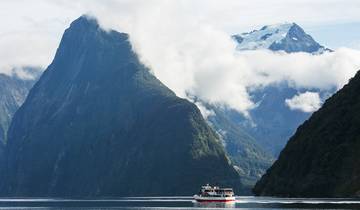
4 days
Walk New Zealand's Fiordland National Park
- ✓ Comprehensive Milford Sound tour
- ✓ Expert local guides included
- ✓ All accommodation arranged
- ✓ Transportation provided
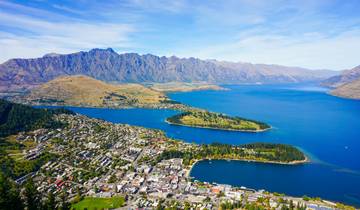
7 days
Ski New Zealand (Hostels)
- ✓ Comprehensive Milford Sound tour
- ✓ Expert local guides included
- ✓ All accommodation arranged
- ✓ Transportation provided

4 days
New Zealand South Island Queenstown Wonders
- ✓ Comprehensive Milford Sound tour
- ✓ Expert local guides included
- ✓ All accommodation arranged
- ✓ Transportation provided
7 days
New Zealand Panorama
- ✓ Comprehensive Milford Sound tour
- ✓ Expert local guides included
- ✓ All accommodation arranged
- ✓ Transportation provided
Multi-day tour packages powered by TourRadar. Prices and availability subject to change.
Essential Planning Information 2026
Current Costs and Pricing Breakdown
Understanding Milford Sound’s complete cost structure enables accurate budget planning across all experience components. Transportation represents 45-65% of total expenses depending on chosen method, cruise experiences account for 25-35%, accommodation claims 15-25% for overnight stays, while food, activities, and miscellaneous items comprise the remaining 5-15%.
Standard cruise options cost NZD $75-110 per adult in 2026, with basic 1.75-hour cruises from Jucy Cruise starting at NZD $75 for early bird bookings and NZD $85-95 for standard advance purchase. Real Journeys’ 2-hour nature cruises range NZD $95-110, while Go Orange’s smaller vessel experiences run NZD $90-105. Check operator websites for current official rates as pricing varies seasonally and promotional discounts apply throughout the year. Children ages 5-14 receive 40-50% discounts on most cruises, while under-5s travel free on standard vessels.
Coach transport from Queenstown costs NZD $130-180 per person for standard day trips including cruise, with Great Sights and InterCity operating daily departures. Premium glass-roof coaches command NZD $180-220 per person offering enhanced viewing during the scenic drive. These packages include professional commentary, rest stops at key viewpoints, and guaranteed cruise departure, eliminating logistical stress for first-time visitors.
Self-drive transportation requires rental vehicle costs of NZD $60-90 per day for economy cars, NZD $90-130 for mid-size vehicles, and NZD $130-180 for premium SUVs offering superior comfort on the winding mountain roads. Fuel expenses add NZD $40-60 for the 576-kilometer return journey from Queenstown, while parking at Milford Sound remains free. Rental car daily rates drop 15-25% during winter months (June-August) compared to peak summer season.
Scenic flight options provide aerial perspectives of Milford Sound and surrounding Fiordland peaks at premium prices. Helicopter tours from Queenstown cost NZD $550-750 per person for 45-60 minute experiences, while small plane flights run NZD $380-480 per person for similar durations. Combined fly-cruise-drive packages where you fly one way and drive or coach the other offer better value at NZD $450-600 per person while eliminating the return drive fatigue.
Seasonal Pricing Variations 2026
Summer peak season (December-February) commands highest prices across all categories, with cruise tickets at maximum rates of NZD $95-110, coach tours reaching NZD $150-180, and accommodation in Te Anau running NZD $180-280 per night for mid-range options. Demand peaks during New Zealand’s school holidays (mid-December through January) when domestic tourism surges alongside international visitors, making advance booking essential 4-6 weeks ahead.
Shoulder season months (March-May and September-November) offer sweet-spot value combining 10-20% price reductions with generally favorable weather and reduced crowds. Cruise prices drop to NZD $85-100, coach tours decrease to NZD $120-160, while Te Anau accommodation falls to NZD $140-220 per night. September and October provide particularly strong value as spring weather improves while summer price increases haven’t yet activated.
Winter season (June-August) delivers maximum savings with cruise tickets discounted to NZD $65-85, coach tours at NZD $110-140, and accommodation plummeting to NZD $100-160 per night. These 25-40% discounts come with weather trade-offs including higher rainfall, increased road closure risk, and occasional snow requiring tire chains on the Milford Road. Winter visitors experience fewer crowds, dramatic snow-capped peaks, and more powerful waterfalls fed by winter precipitation.
Transportation Costs 2026
Coach Tour Options from Queenstown
Coach tours eliminate driving stress while providing professional commentary about Fiordland’s geology, history, and ecology during the 4.5-hour journey from Queenstown to Milford Sound. Standard day trips departing 7:00-7:30 AM and returning 7:30-8:30 PM cost NZD $130-180 per person including cruise, with Great Sights and InterCity operating daily services year-round.
Premium glass-roof coaches from companies like Trips & Tramps and Real Journeys enhance viewing experiences through panoramic windows during the scenic drive through Eglinton Valley and across Homer Tunnel. These upgrades cost NZD $180-220 per person, justifying the premium through superior comfort, smaller group sizes of 20-30 passengers versus 44-50 on standard coaches, and guaranteed window seats for all travelers.
Coach tours include strategic stops at key viewpoints including Mirror Lakes, Eglinton Valley, and Monkey Creek, allowing photography opportunities without time pressure. Professional drivers navigate the challenging mountain road sections safely, particularly valuable during winter months when black ice and snow create hazardous conditions. The 12-14 hour door-to-door duration limits time at Milford Sound itself to approximately 2-2.5 hours including the cruise.
Self-Drive Cost Analysis
Self-drive options provide maximum flexibility and significant cost savings for groups of 2-4 travelers. Rental cars from Queenstown cost NZD $60-90 per day for economy vehicles like Toyota Corollas, NZD $90-130 for mid-size options such as SUVs offering better comfort on mountain roads, and NZD $130-180 for premium 4WDs providing superior handling in winter conditions.
Fuel costs for the 576-kilometer return journey run NZD $40-60 depending on vehicle efficiency and current petrol prices, calculated at approximately NZD 2.50-2.80 per liter for unleaded fuel. Economy cars averaging 6-7 liters per 100 kilometers keep fuel expenses at the lower end, while larger SUVs consuming 10-12 liters per 100 kilometers push costs toward the upper range.
The self-drive route from Queenstown follows State Highway 6 to Te Anau (171 kilometers, 2 hours), then State Highway 94 through spectacular mountain scenery to Milford Sound (119 kilometers, 2.5 hours including the Homer Tunnel). The road requires confident driving skills through winding sections, one-lane bridges, and steep grades, particularly challenging for visitors unfamiliar with New Zealand mountain roads. Winter conditions (June-August) mandate tire chains which rental companies provide for NZD $25-35 per day, with chain installation required at designated points when snow affects the Homer Tunnel approaches.
Alternative Transportation Methods
Shuttle bus services offer middle-ground pricing between full coach tours and self-drive options, costing NZD $70-95 per person for transport-only services from Queenstown or NZD $45-65 from Te Anau. Tracknet and BBQ Bus operate daily departures allowing travelers to book separate cruise tickets and customize their Milford Sound experience duration. This approach suits budget-conscious travelers comfortable arranging their own cruise bookings while avoiding rental car expenses.
Scenic flights provide spectacular aerial perspectives of Milford Sound’s dramatic landscape while bypassing the 4.5-hour road journey each way. Fixed-wing aircraft from Glenorchy or Queenstown cost NZD $380-480 per person for 45-60 minute flights showcasing multiple fjords, glaciers, and mountain ranges. Helicopter tours at NZD $550-750 per person allow hover time over key features and potential glacier landings, though weather dependence affects 15-20% of scheduled flights causing cancellations or rescheduling.
Fly-cruise-drive combinations optimize time and value by flying one direction and returning via road, eliminating repetitive scenery while capturing both aerial and ground-level perspectives. These packages cost NZD $450-600 per person including cruise, representing strong value for travelers on limited time budgets who want comprehensive Fiordland exposure without two days of driving.
Accommodation Options 2026
Te Anau Base Strategy
Te Anau serves as the strategic accommodation base for budget-conscious Milford Sound visitors, located 119 kilometers from Milford Sound versus Queenstown’s 288 kilometers. This positioning reduces drive time by 90 minutes each way while offering 30-40% lower accommodation costs compared to Queenstown’s tourism-driven prices.
Budget accommodation in Te Anau includes backpacker hostels at NZD $35-55 per person in shared dorms, NZD $90-130 for private hostel rooms with shared bathrooms, and basic motels at NZD $120-170 per night for rooms with private facilities. Te Anau Lakeview Holiday Park offers powered campervan sites at NZD $45-60 per night and basic cabins at NZD $80-120, providing economical options for self-contained travelers.
Mid-range Te Anau hotels and motels cost NZD $140-220 per night during shoulder seasons, rising to NZD $180-280 during summer peak. Properties like Distinction Luxmore Hotel and Kingsgate Hotel Te Anau provide comfortable rooms, on-site restaurants, and lake views at prices 25-35% below equivalent Queenstown accommodation. These options suit travelers prioritizing budget efficiency over Queenstown’s broader dining and entertainment options.
Luxury Te Anau accommodation ranges NZD $280-450 per night for properties like Fiordland Lodge offering premium amenities, spectacular lake views, and fine dining experiences. While expensive relative to Te Anau’s overall market, these options still undercut comparable Queenstown luxury properties by 15-25% while maintaining proximity to Milford Sound and other Fiordland attractions.
Queenstown Accommodation Planning
Queenstown-based accommodation makes sense for travelers wanting to combine Milford Sound day trips with other South Island attractions including Arrowtown, Glenorchy, and adventure activities. Budget options include hostels at NZD $40-65 per person in dorms, NZD $120-180 for private hostel rooms, and budget motels at NZD $150-220 per night for basic double rooms.
Mid-range Queenstown hotels cost NZD $200-350 per night during shoulder seasons, climbing to NZD $280-450 during peak summer months. Properties in Frankton and Fernhill neighborhoods offer better value than central Queenstown locations while maintaining bus access to town center and tour departure points. The extra accommodation expense buys access to Queenstown’s extensive restaurant scene, bars, shopping, and evening entertainment not available in smaller Te Anau.
Luxury Queenstown accommodation runs NZD $400-800+ per night for properties like The Rees Hotel, Sofitel Queenstown, and Matakauri Lodge, targeting travelers prioritizing comfort and amenities over budget efficiency. These premium options serve visitors combining Milford Sound with other high-end experiences including helicopter tours, luxury wine tours, and fine dining experiences.
Overnight at Milford Sound
Staying overnight at Milford Sound itself through Mitre Peak Lodge provides unique immersion in the fjord environment while eliminating the long drive and enabling evening/morning cruise experiences when day-trippers have departed. The lodge operates November-April only due to winter weather conditions, offering accommodation at NZD $450-650 per person per night including dinner and breakfast.
Overnight cruise experiences on Real Journeys’ vessels cost NZD $450-650 per person for shared cabin accommodation including dinner, breakfast, kayaking opportunities, and tender boat excursions to waterfalls and wildlife viewing areas. These experiences provide extended time on the water capturing changing light conditions and wildlife behavior patterns not visible during standard 1.75-2 hour day cruises.
The overnight option suits photographers seeking sunrise/sunset light, wildlife enthusiasts wanting extended observation opportunities, and travelers preferring immersive nature experiences over efficient day-trip logistics. Weather independence becomes critical as overnight stays lack the flexibility to reschedule if conditions deteriorate, making spring-summer booking (November-February) advisable for reliable weather patterns.
Activities and Experiences Budget 2026
Cruise Options Comparison
Standard cruises from Jucy Cruise, Real Journeys, and Go Orange provide essential fjord experiences through 1.75-2.5 hour journeys to the Tasman Sea and return, costing NZD $75-110 per adult. All operators navigate past Mitre Peak, approach major waterfalls including Stirling Falls and Bowen Falls, visit fur seal colonies on Seal Rock, and provide geological and ecological commentary. Early departure times (9:00-10:00 AM) encounter fewer vessels on the water, while afternoon cruises (1:00-3:00 PM) benefit from improved light angles for photography.
Nature cruises from Real Journeys emphasize wildlife observation and ecological interpretation through smaller vessel experiences lasting 2.5 hours, costing NZD $110-130 per adult. Qualified nature guides provide detailed commentary on the fjord’s unique ecosystem, temperate rainforest ecology, and marine mammal behavior. These cruises spend extended time near wildlife areas and offer better photographic angles through smaller group sizes of 70 passengers versus 150-300 on standard vessels.
Overnight cruises combine accommodation, meals, and extended fjord access through evening and morning cruise components. Real Journeys operates the Milford Wanderer and Fiordland Navigator vessels offering shared cabin accommodation at NZD $450-650 per person or private cabin upgrades at NZD $800-950 per person. These experiences include dinner, breakfast, kayaking opportunities, and tender boat excursions providing intimate access to waterfalls, rainforest zones, and wildlife areas inaccessible to day cruise vessels.
Kayaking Experiences
Kayaking at Milford Sound delivers sea-level perspectives of towering waterfalls and intimate wildlife encounters impossible from cruise vessels. Rosco’s Milford Kayaks operates guided tours year-round at NZD $139-179 per person for morning or afternoon sessions, NZD $219-259 for sunrise tours combining dawn light with minimal vessel traffic, and NZD $159-189 for sunset experiences offering dramatic late-day illumination of the fjord walls.
Standard 2.5-hour guided kayak tours explore the sheltered eastern shoreline, approach Stirling Falls for spray-zone experiences under the 155-meter cascade, and visit fur seal haul-out areas for close observation of New Zealand’s endemic marine mammals. No previous kayaking experience is required as calm fjord conditions and stable sea kayaks accommodate beginners, though basic fitness sufficient for 90 minutes of paddling is necessary.
Full-day kayak expeditions cost NZD $289-339 per person including lunch, paddling deeper into the fjord toward the Tasman Sea, exploring side arms like Sinbad Gully, and spending extended time photographing and observing the unique ecosystem. These experiences suit active travelers seeking comprehensive immersion in Milford Sound’s environment beyond standard cruise observations.
Scenic Flight Add-Ons
Scenic flights transform Milford Sound visits through aerial perspectives revealing the fjord’s dramatic scale within the broader Fiordland landscape. Fixed-wing flights from Milford Sound Airport cost NZD $250-320 per person for 20-30 minute circuits over the fjord, nearby Sutherland Falls (New Zealand’s tallest at 580 meters), and surrounding peaks, providing photography opportunities impossible from ground or water level.
Helicopter flights offer superior flexibility through hover capabilities and multiple landing opportunities on remote peaks or glacier surfaces. Glacier Southern Lakes Helicopters operates 20-minute Milford Sound flights at NZD $350-420 per person, 30-minute extended tours at NZD $480-550, and 45-minute experiences including glacier landings at NZD $650-750. The premium over fixed-wing flights buys enhanced photographic control and unique landing experiences.
Combined flight-cruise packages integrate aerial and water-level perspectives, with operators offering cruise-plus-flight deals at NZD $320-410 per person representing 15-20% savings versus booking components separately. These packages work particularly well for travelers on tight schedules wanting maximum Milford Sound exposure within limited time budgets.
Daily Cost Breakdown 2026
Budget Day Trip Scenario
Budget-conscious travelers minimize costs through self-drive transportation, early-bird cruise bookings, and packed meals, achieving comprehensive Milford Sound experiences for NZD $120-180 per person. Accommodation in Te Anau at NZD $90-130 per night (split between two people sharing a motel room). Rental car costs NZD $70 per day divided among three passengers equals NZD $23 per person, fuel NZD $50 return split three ways adds NZD $17 per person, early-bird cruise booking NZD $75, packed lunch and snacks NZD $12-15. Total day cost: NZD $127-130 per person (excluding accommodation NZD $45-65 per person).
This budget approach requires advance planning booking early-bird cruises 2-3 months ahead, coordinating with travel companions to fill rental vehicles efficiently, and preparing food in Te Anau before the early morning departure. The 12-14 hour day begins with 6:00-6:30 AM departure from Te Anau, 2.5-hour drive reaching Milford Sound for 9:00-9:30 AM cruise departure, 1.75-2 hour cruise, brief exploration time at Milford Sound, then return drive reaching Te Anau by 4:30-5:30 PM.
Weather flexibility is critical for budget travelers using non-refundable early-bird bookings, making shoulder season trips (March-May, September-November) advisable when weather patterns are more stable than winter months. Building an extra day’s flexibility into Te Anau accommodation allows rescheduling if road closures or adverse weather affects the Milford Road.
Mid-Range Day Trip Experience
Mid-range budgets balance comfort, convenience, and experience quality through coach tours, nature cruises, and quality accommodation, costing NZD $280-380 per person for complete experiences. Accommodation in Te Anau mid-range hotel NZD $180-220 per night (split between two people sharing). Coach tour from Queenstown including standard cruise NZD $150-180, lunch at Milford Sound café NZD $25-35, coffee and snacks NZD $15-20, Milford Discovery Centre admission NZD $10. Total day cost: NZD $200-245 per person (excluding accommodation NZD $90-110 per person).
Coach tours eliminate driving stress and rental car logistics while providing professional commentary enriching the scenic journey. Departure from Queenstown hotels at 7:00-7:30 AM connects to 12:00-1:00 PM cruise departures, allowing mid-day light optimal for photographing Mitre Peak and major waterfalls. Return journey reaches Queenstown by 7:30-8:30 PM, completing a full but manageable day trip.
Mid-range travelers upgrade to nature cruises for NZD $35-40 premium over standard vessels, gaining smaller group sizes, enhanced commentary from qualified nature guides, and superior wildlife observation opportunities. The investment pays dividends for nature enthusiasts and photographers wanting detailed ecological interpretation alongside sightseeing experiences.
Luxury Day Experience
Luxury travelers optimize time and comfort through scenic flights, premium cruises, and high-end accommodation, achieving exceptional Milford Sound experiences at NZD $700-1,000+ per person. Accommodation in Queenstown luxury hotel NZD $400-600 per night (split between two people sharing). Helicopter flight from Queenstown to Milford Sound NZD $650-750, premium nature cruise NZD $110-130, lunch at Milford Sound NZD $40-55, return coach ride NZD $150-180. Total day cost: NZD $950-1,115 per person (excluding accommodation NZD $200-300 per person).
The fly-cruise-drive combination maximizes Milford Sound exposure while minimizing repetitive travel time. Morning helicopter departure from Queenstown showcases aerial perspectives of Lake Wakatipu, the Remarkables mountain range, and Fiordland peaks before landing at Milford Sound for premium cruise experiences. Return coach journey provides ground-level perspectives of Eglinton Valley, Mirror Lakes, and the Homer Tunnel that aerial views cannot capture.
Luxury experiences justify premium pricing through time efficiency eliminating 9 hours of return driving, unique aerial photography opportunities, priority boarding on premium cruise vessels, and professional helicopter pilot commentary about Fiordland’s geology and ecology. This approach suits time-limited travelers wanting comprehensive experiences within condensed schedules.
Money-Saving Strategies 2026
Advance Booking Discounts
Early-bird cruise bookings made 2-3 months before travel date save 15-25% compared to standard advance purchase rates and 30-40% versus walk-up prices. Real Journeys offers promotional “Early Bird” rates reducing NZD $95 cruises to NZD $75-80 when booked before specified cutoff dates throughout the year. Jucy Cruise discounts bring standard NZD $85 rates down to NZD $70-75 for advance bookings, representing substantial savings for families and groups.
These discounts apply to fixed departure dates requiring commitment to specific travel windows, making them unsuitable for flexible travelers wanting weather-dependent scheduling. The savings justify the trade-off for budget-conscious visitors with defined itineraries who can build weather contingency days into their New Zealand travel plans.
Combination packages bundling multiple Fiordland experiences deliver additional savings beyond early-bird rates. Real Journeys’ Doubtful Sound + Milford Sound package costs NZD $250-290 versus NZD $310-370 for separate bookings, while multi-day passes including Te Anau Glowworm Caves, Doubtful Sound wilderness cruise, and Milford Sound cruise run NZD $320-380 representing 18-22% savings versus individual purchases.
Seasonal Timing Optimization
Shoulder season travel during March-May or September-November captures optimal value balancing price reductions, weather reliability, and crowd levels. Cruise prices drop 10-20% from peak summer rates, coach tours decrease NZD $20-40 per person, and accommodation falls 20-30% across all categories from budget hostels to luxury hotels.
Early season trips in September-October benefit from spring weather improvements, increasing water volumes creating powerful waterfalls, and New Zealand’s emerging wildflower displays in alpine meadows along the Milford Road. Late season visits in April-May capture autumn colors transforming the beech forest canopy, crisp clear days ideal for photography, and minimal crowds as international tourism declines before winter.
Winter months (June-August) offer maximum discounts of 25-40% across all services but require weather flexibility and acceptance of potential road closures. The Homer Tunnel approaches require tire chains on 30-40 winter days annually, adding NZD $25-35 daily rental costs but enabling access to snow-dusted peaks, dramatic storm systems, and powerful waterfalls fed by winter precipitation. Budget travelers using winter periods must build 2-3 flexible days into itineraries accommodating weather-related delays.
Self-Drive Optimization
Self-drive transportation cuts costs 40-60% versus coach tours while providing schedule flexibility and photography control along the scenic Milford Road. Rental car costs of NZD $60-90 per day divided among 3-4 passengers reduces per-person transport to NZD $15-30 plus NZD $12-20 fuel share, totaling NZD $27-50 versus NZD $130-180 coach fares.
Departure timing affects road conditions and wildlife observation opportunities. Early departures by 6:30 AM from Te Anau reach Milford Sound for 9:00-9:30 AM cruise departures while avoiding mid-day coach traffic congestion at key viewpoints. Early morning light illuminates Eglinton Valley’s mountain faces and increases chances of wildlife sightings including kea parrots at Homer Tunnel and New Zealand falcons hunting along forest edges.
Fuel savings through efficient driving techniques and proper vehicle selection reduce transportation costs further. Economy vehicles consuming 6-7 liters per 100 kilometers keep fuel expenses at NZD $40-50 for the 576-kilometer return journey, while larger SUVs increase costs to NZD $55-75. The comfort and handling benefits of SUVs justify the premium for drivers concerned about mountain road navigation, particularly during shoulder seasons when occasional rain creates slippery conditions.
Accommodation Strategy
Basing operations from Te Anau rather than Queenstown saves 30-40% on accommodation while reducing drive time to Milford Sound by 90 minutes each way. Two nights in Te Anau mid-range accommodation at NZD $140-220 per night (split between two people) costs NZD $70-110 per person per night versus equivalent Queenstown properties at NZD $100-175 per person per night.
Hostel accommodation reduces costs further for budget-conscious solo travelers and small groups comfortable with shared facilities. Private hostel rooms at NZD $90-130 per night provide significant savings versus motels while offering kitchen access for meal preparation. Shared dorm beds at NZD $35-55 per person suit backpackers prioritizing budget efficiency, particularly during shoulder seasons when hostel occupancy drops and spontaneous bookings become feasible.
Holiday parks and campgrounds offer economical options for travelers with campervans or camping equipment. Te Anau Lakeview Holiday Park charges NZD $45-60 for powered campervan sites and NZD $18-25 per person for tent sites, representing maximum accommodation value for self-sufficient travelers. Basic cabins at NZD $80-120 per night provide budget shelter for travelers without camping gear.
Sample Budget Scenarios 2026
Backpacker Budget: NZD $150-200 Per Person
Ultra-budget travelers achieve comprehensive Milford Sound experiences through strategic choices minimizing expenses across all categories. This scenario assumes Te Anau base, self-drive transportation shared among four passengers, early-bird cruise booking, and packed meals eliminating commercial food purchases.
Accommodation Te Anau hostel shared dorm NZD $45 per night. Rental car NZD $70 per day divided four ways equals NZD $17.50 per person, fuel NZD $50 return split four ways adds NZD $12.50, early-bird cruise NZD $70, packed breakfast, lunch, and snacks NZD $10-15. Total day cost: NZD $110-115 per person (excluding accommodation NZD $45 per person).
This budget requires maximum advance planning booking early-bird cruises 3 months ahead when promotional rates release, coordinating with fellow travelers to share rental vehicles efficiently, and self-catering meals using hostel kitchen facilities. The experience quality matches higher-budget options for core activities including the scenic drive and cruise, with sacrifices limited to accommodation comfort and dining variety.
Backpackers enhance value through free activities including short walks near Milford Sound visitor centre, photography from multiple viewpoints along the Milford Road, and wildlife observation at key spots like Monkey Creek and Mirror Lakes. These activities add depth without additional expense beyond fuel already budgeted for the return journey.
Mid-Range Comfort: NZD $350-500 Per Person
Mid-range budgets balance experience quality, comfort, and value through coach transportation, nature cruise upgrades, and quality accommodation. This scenario assumes Queenstown base for broader South Island travel flexibility and full-service coach tour eliminating driving responsibilities.
Accommodation Queenstown mid-range hotel NZD $250 per night split between two people equals NZD $125 per person. Coach tour from Queenstown including standard cruise NZD $165, nature cruise upgrade NZD $30, lunch at Milford Sound café NZD $30-40, coffee and treats NZD $20-25, Milford Discovery Centre NZD $10. Total day cost: NZD $255-270 per person (excluding accommodation NZD $125 per person).
Coach tours provide stress-free experiences with professional drivers navigating challenging mountain sections, knowledgeable guides offering geological and ecological commentary, and guaranteed seating without vehicle coordination complexities. The 12-14 hour day limits time at Milford Sound itself but delivers comprehensive scenic experiences along the route.
Nature cruise upgrades enhance wildlife observation and ecological understanding through smaller vessels, extended time near seal colonies and dolphin feeding areas, and qualified nature guides providing detailed interpretation. The NZD $30-40 premium transforms standard sightseeing into educational experiences suitable for nature enthusiasts and families seeking deeper engagement with Fiordland’s unique ecosystem.
Luxury Experience: NZD $900-1,200 Per Person
Luxury budgets optimize time, comfort, and unique access through scenic flights, premium accommodations, and specialized experiences unavailable to budget travelers. This scenario combines helicopter transport, overnight cruise experience, and Queenstown luxury hotel base.
Accommodation Queenstown luxury hotel NZD $500 per night split between two people equals NZD $250 per person. Helicopter flight from Queenstown to Milford Sound NZD $695, overnight cruise with private cabin NZD $850, return helicopter flight to Queenstown NZD $695. Total two-day cost: NZD $2,490 per person including accommodation.
The overnight cruise component provides exclusive access to Milford Sound during evening and morning hours when day-trippers have departed, revealing different wildlife behaviors, lighting conditions, and fjord atmospheres. Private cabin accommodation ensures comfort and privacy, while included kayaking opportunities and tender boat excursions deliver intimate encounters with waterfalls, rainforest zones, and fur seal colonies.
Helicopter flights justify premium pricing through time efficiency eliminating 9 hours of road travel, aerial photography opportunities showcasing Fiordland’s dramatic scale, potential glacier landings on remote ice fields, and professional pilot commentary about the region’s geological history. This approach suits time-limited travelers wanting maximum Milford Sound exposure within compressed schedules.
Booking and Planning Timeline 2026
Optimal Booking Windows
Peak summer season (December-February) requires booking 6-8 weeks ahead for cruise departures and coach tours, with weekend dates and New Zealand school holiday periods (mid-December through January) needing 8-12 weeks advance planning. Early-bird promotional rates typically release 3-4 months before travel dates, rewarding early planners with 15-25% savings while ensuring availability during high-demand periods.
Shoulder season months (March-May, September-November) allow more flexible booking timelines with 3-4 weeks advance planning sufficient for most services. These periods balance availability, pricing, and weather reliability, making them ideal for travelers seeking value without weather uncertainties of winter months. Last-minute bookings become feasible during April-May and September-October when domestic tourism declines and international visitor numbers haven’t yet peaked.
Winter months (June-August) offer maximum booking flexibility with same-week and even same-day availability common for cruise departures and accommodation. This flexibility reflects reduced demand but requires acceptance of weather uncertainty including potential road closures, flight cancellations, and rain affecting visibility. Winter travelers should book refundable rates or purchase travel insurance covering weather-related cancellations when committing to specific travel dates.
Weather Contingency Planning
Milford Sound receives over 7 meters of annual rainfall distributed across 182 rainy days annually, making weather contingency essential for budget planning. Rain transforms the landscape through hundreds of temporary waterfalls cascading down sheer granite cliffs, creating spectacular conditions for photography but occasionally limiting visibility of distant peaks and reducing wildlife observation opportunities.
Road closures affect the Milford Road 5-8 times annually during winter months due to avalanche risk, heavy snowfall, or landslides blocking the narrow mountain highway. These closures last from several hours to 2-3 days while Department of Conservation crews clear debris and assess avalanche danger in high-risk zones. Travelers building 1-2 flexible days into Te Anau stays can reschedule Milford Sound trips around closures, while rigid itineraries risk missing the experience entirely.
Weather forecasting for Milford Sound requires checking MetService forecasts for Milford Sound specifically rather than broader Fiordland or Southland regions, as localized weather patterns create significant variations over short distances. Forecast accuracy improves within 48-72 hours of travel dates, allowing informed decisions about proceeding with bookings or rescheduling to more favorable weather windows.
Multi-Day Package Coordination
Travelers combining Milford Sound with other Fiordland attractions benefit from multi-day package pricing reducing total costs 15-20% versus separate bookings. Real Journeys’ Fiordland Multi-Day Pass includes Milford Sound cruise, Doubtful Sound wilderness cruise, and Te Anau Glowworm Caves at NZD $320-380 versus NZD $395-475 for individual purchases.
Package coordination requires 3-4 days minimum in Te Anau base allowing weather flexibility across multiple activities. Travelers can prioritize Milford Sound on forecasted clear days while using rainy periods for Te Anau Glowworm Caves (indoor attraction unaffected by weather) and Doubtful Sound cruises (where rain enhances waterfall displays similar to Milford Sound).
Booking packages 6-8 weeks ahead for summer season ensures availability across all components while securing early-bird discounts on individual elements. Package pricing remains valid for specific travel windows rather than exact dates, providing some flexibility to schedule individual components based on daily weather forecasts and personal preferences.
2026 Updates & Current Information
Infrastructure Developments Affecting Costs
The Milford Opportunities Project continues evaluating long-term infrastructure improvements including potential tunnel alternatives to the avalanche-prone Homer Tunnel section, airstrip upgrades enabling larger aircraft, and visitor center expansions. While major construction remains in planning phases, existing infrastructure maintenance increases parking charges at Milford Sound from free status to potential NZD $5-10 daily fees during peak seasons, affecting self-drive budget calculations.
Electric vehicle charging infrastructure expands along the Te Anau-Milford route with two fast-charging stations planned for 2026 installation at Te Anau Downs and Cascade Creek. These facilities support growing EV rental options, though charging time of 30-45 minutes adds schedule considerations for time-sensitive travelers targeting specific cruise departure windows.
Digital booking systems increasingly replace walk-up ticket sales, making advance online booking essential rather than optional for cruise departures. Real Journeys reports 85% of 2025 summer cruise capacity sold through advance bookings versus previous 65-70% rates, trending toward 100% advance-booking models during peak periods. This shift emphasizes importance of early planning for securing desired departure times and pricing tiers.
Environmental Management and Access Policies
Department of Conservation implements dynamic visitor management during peak periods including potential timed entry systems limiting simultaneous vessel numbers in the fjord. These measures maintain environmental protection while spreading visitor loads across available cruise departures. The system affects peak summer dates in January-February when multiple vessels previously operated simultaneously, now staggered for reduced environmental impact.
Fiordland National Park conservation programs include pest control operations targeting stoats, rats, and possums threatening native bird populations. Visitor fees contribute to these programs through cruise ticket surcharges (already included in standard pricing) and voluntary Department of Conservation donations recommended at NZD $5-10 per visitor. Budget calculations should account for these voluntary conservation contributions when planning total expenses.
Weather monitoring systems provide improved road closure forecasting through automated snow depth sensors and avalanche prediction models along high-risk sections. These improvements reduce uncertainty around winter travel while maintaining safety-first closure protocols during extreme weather events. Real-time road status updates are available through Journey Planner at journeys.nzta.govt.nz, essential resources for self-drive travelers monitoring conditions before departing Te Anau or Queenstown.
Frequently Asked Questions
Can you visit Milford Sound without taking a cruise?
Yes, visitors access Milford Sound foreshore areas, walking tracks, and viewpoints without purchasing cruise tickets. The Milford Foreshore Walk provides 30-45 minutes of easy walking exploring temperate rainforest, viewing Mitre Peak from shore level, and observing fur seals on rocks near the boat dock. The short Lookout Track climbs 15 minutes to elevated viewpoints showcasing the fjord’s dramatic U-shaped valley formed by glacial erosion over 100,000 years. These free activities suit budget travelers, photographers wanting specific shore-based angles, and hikers who have completed the Milford Track multi-day hike ending at Milford Sound. However, cruises provide essential perspectives impossible from shore including close approaches to major waterfalls, seal colony visits, dolphin encounter opportunities, and views of the fjord opening to the Tasman Sea.
How much money should I bring for a day at Milford Sound?
Budget NZD $150-200 per person for self-drive day trips including fuel share, cruise ticket, and meals; NZD $250-350 for coach tour packages with standard cruises and commercial meals; or NZD $500-800 for premium experiences with nature cruise upgrades or scenic flight components. Bring cash or cards for café purchases at Milford Sound where limited food options cost NZD $15-25 for basic lunches and NZD $5-8 for coffee. Credit cards are widely accepted at the cruise operators and visitor centre, though cell phone coverage is intermittent limiting mobile payment reliability. ATMs are not available at Milford Sound itself, requiring cash withdrawal in Te Anau or Queenstown before departure. Budget an additional NZD $50-100 buffer for unexpected purchases, souvenir photographs, or backup food if packed lunches prove insufficient for the long day.
Is Milford Sound worth visiting in bad weather?
Rain dramatically enhances Milford Sound’s visual appeal through hundreds of temporary waterfalls cascading down sheer 1,200-meter cliffs, transforming the landscape into one of earth’s most spectacular waterfall displays. Regular waterfalls like Stirling Falls and Bowen Falls increase from impressive to thunderous volumes, while the entire fjord walls come alive with silver ribbons of falling water visible only during and immediately after rain events. Photographers capture unique conditions impossible during clear weather, though distant peak views may be obscured by low clouds and mist. The main weather concern is severe storms creating hazardous sea conditions causing cruise cancellations approximately 3-5 times annually. Light to moderate rain actually improves the Milford Sound experience for most visitors, while only extreme weather affecting safety warrants rescheduling plans.
What is the best time of day to visit Milford Sound?
Morning cruises departing 9:00-11:00 AM offer optimal light angles for photographing Mitre Peak’s eastern face, fewer vessels on the water creating quieter experiences, and higher probability of wildlife sightings as dolphins feed actively during morning hours. Afternoon departures from 1:00-3:00 PM capture improved light penetration deep into the fjord as the sun arcs westward, though increased vessel traffic from coach tour arrivals crowds popular viewing areas. Late afternoon cruises after 4:00 PM provide softer golden-hour light ideal for photography, minimal crowds as day-trippers depart, and peaceful conditions for nature observation. Sunrise and sunset cruises offered seasonally November-March capture magical light conditions but require overnight stays at Milford Sound adding significant cost. Weather patterns show slightly lower rainfall probability during morning hours compared to afternoon convective shower development, though Milford Sound’s extreme precipitation totals make timing predictions unreliable.
How long should I spend at Milford Sound?
Most visitors spend 3-4 hours at Milford Sound including 1.75-2.5 hour cruise, 30-60 minutes exploring foreshore walks and viewpoints, and 15-30 minutes at the visitor centre or café. This duration provides comprehensive exposure to the fjord’s main features while fitting within day-trip schedules from Queenstown or Te Anau. Nature enthusiasts and photographers benefit from extended 5-8 hour stays allowing multiple short walks, lunch at leisure, and afternoon cruises capturing different light conditions compared to morning departures. Overnight stays through Mitre Peak Lodge or overnight cruises provide 18-24 hour immersion enabling sunrise/sunset photography, extended wildlife observation, and kayaking experiences, though significantly higher costs limit this option to travelers prioritizing deep nature engagement over budget efficiency.
Can I drive to Milford Sound in a standard rental car?
Yes, standard two-wheel-drive rental cars safely navigate the sealed Milford Road during summer months (November-April) when snow and ice are absent. The route includes steep grades up to 10%, winding sections requiring cautious cornering, one-lane bridges with give-way protocols, and the Homer Tunnel’s 1.2-kilometer descent at 10% grade through unlit granite tunnel. Confident drivers familiar with mountain roads handle these challenges without difficulty in any vehicle type. Winter conditions (May-October) require four-wheel-drive vehicles or tire chains for two-wheel-drive cars when snow affects the Homer Tunnel approaches and high-altitude sections. Rental companies charge NZD $25-35 daily for chain rental and prohibit certain vehicle types on the Milford Road during winter, making advance coordination with rental agencies essential for winter travel planning.
Are there budget accommodation options at Milford Sound itself?
No budget accommodation exists at Milford Sound due to its remote location and extreme annual rainfall exceeding 7 meters. The only overnight option is Mitre Peak Lodge operating November-April at NZD $450-650 per person per night including meals. Budget travelers must base operations from Te Anau (119 kilometers away, NZD $35-130 per night for hostel/budget motel) or Queenstown (288 kilometers away, NZD $40-180 per night for hostel/budget accommodation). Some visitors sleep in campervans at the Milford Sound car park, though this practice operates in regulatory gray area as Department of Conservation prohibits freedom camping in this zone. The nearest official campground is Cascade Creek (20 kilometers from Milford Sound) offering basic tent sites at NZD $10-15 per person, though facilities are minimal and weather exposure extreme.
What should I pack for a Milford Sound day trip?
Essential items include waterproof jacket and pants regardless of forecast as weather changes rapidly, warm layers for cool conditions on the water even during summer, non-slip shoes with good tread for potentially wet walking tracks, sunglasses and sunscreen for cruise portions in bright conditions, camera with weather protection for photography opportunities, and seasickness medication if prone to motion sensitivity in choppy water. Bring lunch and snacks for budget travelers as café options at Milford Sound charge premium prices with limited selection. Include extra warm clothing in vehicle as temperatures drop significantly along the mountain sections of the Milford Road, particularly in shaded valleys and near the Homer Tunnel. Pack drinking water as purchase options are limited to the visitor centre, and consider binoculars for wildlife observation of fur seals, dolphins, and waterfalls from cruise vessels.
How far in advance should I book for Christmas-New Year period?
Book 12-16 weeks ahead (early September for late December trips) for peak Christmas-New Year period when New Zealand school holidays overlap with international visitor peaks. Cruise departures sell out completely during this period, with accommodation in Te Anau and Queenstown reaching 95-100% occupancy forcing last-minute travelers to book properties 30-50 kilometers away in smaller towns. Coach tours fill 8-10 weeks ahead, while premium experiences like scenic flights and overnight cruises book out even earlier at 14-18 weeks advance notice. Rental car availability becomes constrained during this peak period as domestic New Zealand travelers combine with international visitors creating highest demand of the year. The earliest booking windows often provide best pricing through super-early-bird promotions, making September bookings optimal for late December travel from both availability and cost perspectives.
Can I visit both Milford Sound and Doubtful Sound in one day?
No, combining both fjord experiences in a single day is logistically impossible due to distance and access requirements. Milford Sound day trips from Queenstown require 12-14 hours total including 4.5 hours driving each way and 2-4 hours at the fjord. Doubtful Sound access requires traveling to Manapouri for boat transfer across the lake, coach transfer over Wilmot Pass, then cruise on Doubtful Sound itself, consuming 8-9 hours minimum. The two experiences are located on opposite sides of Fiordland National Park separated by rugged mountain terrain without direct connecting roads. Budget-conscious travelers wanting both experiences should allocate 2-3 days based from Te Anau (equidistant to both fjords) allowing one day for Milford Sound, one for Doubtful Sound, and potential weather contingency for rescheduling if closures affect either location. Combined multi-day packages from Real Journeys offer 15-20% savings versus separate bookings while providing flexibility to schedule each experience on optimal weather days.