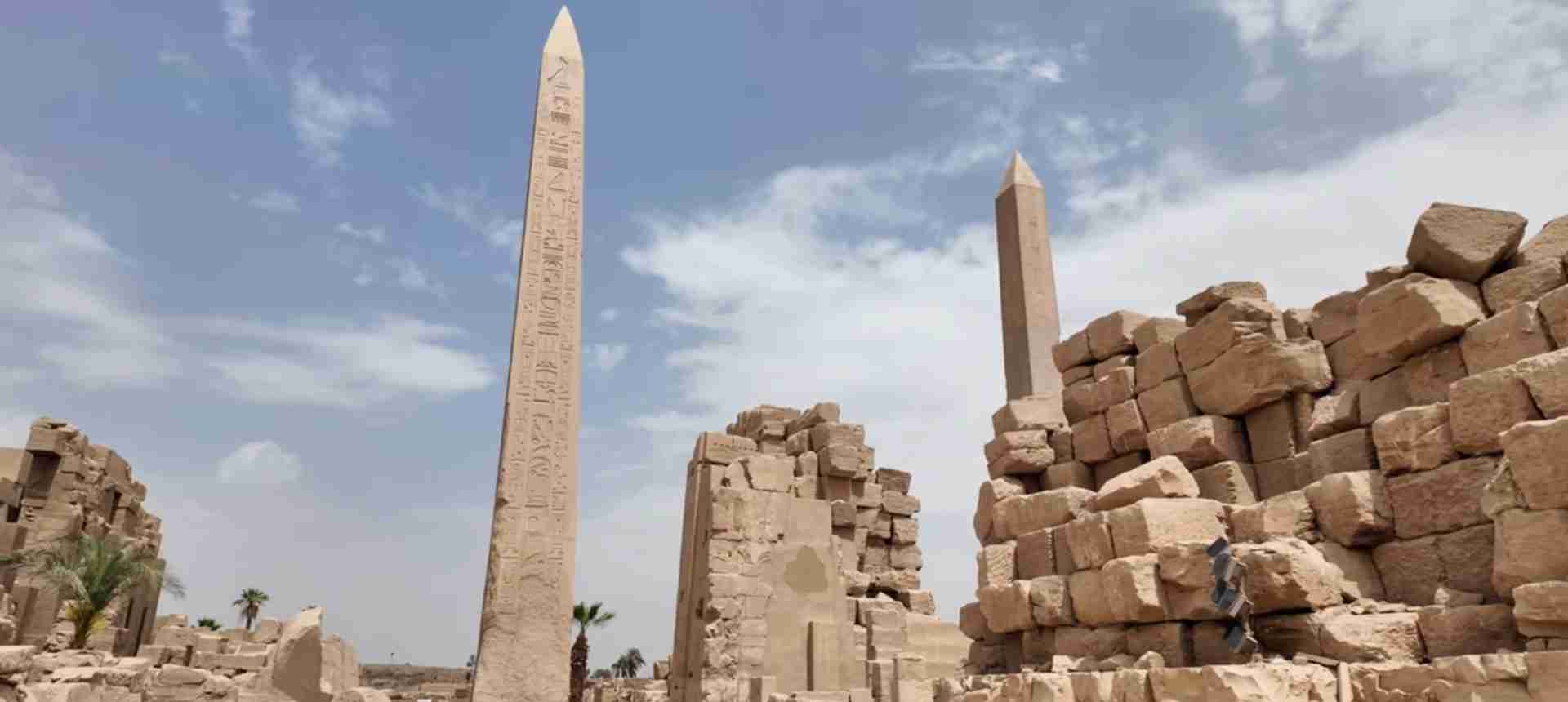
Luxor 3-Day Itinerary 2026: First-Time Visitor Guide
Key Takeaways
- Three full days provides sufficient time for major East Bank monuments (Karnak, Luxor Temple), comprehensive West Bank archaeological sites (Valley of Kings, Hatshepsut Temple, Medinet Habu), and essential cultural experiences without exhausting rushed pace
- Strategic morning starts (6-7 AM) at major sites avoid midday heat exceeding 35°C March-October and miss large tour group arrivals typically beginning 9-10 AM, creating comfortable visiting with minimal crowds
- West Bank full-day exploration requires organized transport through private driver (600-800 EGP) or tour (300-500 EGP per person) as distances between monuments (3-8 km) prevent walking in heat
- Total three-day monument costs reach 800-1,100 EGP per person for essential entries including Valley of Kings (300 EGP), Karnak (300 EGP), Hatshepsut Temple (140 EGP), Medinet Habu (100 EGP), Luxor Museum (200 EGP), and Luxor Temple (200 EGP)
- Mid-range travelers budget 4,500-6,000 EGP ($150-200) for complete three-day experience including accommodation (2,400-3,600 EGP for 3 nights), meals (900-1,200 EGP), transportation (600-900 EGP), and monument entries (800-1,100 EGP)
- Optional hot air balloon flight ($100-150) on Day 2 morning provides spectacular West Bank aerial perspectives though represents 30-40% of total three-day budget requiring financial prioritization
Designing the Optimal 3-Day Luxor Experience for 2026
Three days represents the minimum duration for comprehensive Luxor exploration balancing major monument coverage with sustainable pace preventing archaeological exhaustion. The compact timeframe requires strategic prioritization focusing on essential UNESCO World Heritage sites while accepting inevitable omissions of secondary attractions. This concentrated approach suits first-time visitors seeking thorough introduction to Luxor’s treasures before potential future extended stays or travelers with limited Egypt itinerary time requiring maximum impact.
The itinerary structure divides logically into Day 1 East Bank orientation establishing Luxor familiarity through accessible urban monuments, Day 2 intensive West Bank archaeological immersion covering royal tombs and mortuary temples, and Day 3 balanced completion integrating remaining major sites with cultural experiences and flexible time for personal interests. This progression builds knowledge systematically from straightforward temple architecture through complex funerary symbolism to integrated understanding.
Seasonal timing affects implementation significantly with winter visits (November-February) enabling comfortable full-day outdoor activities while summer months (June-September) require modified schedules concentrating monument visits in early morning (6-9 AM) and late afternoon (4-6 PM) with mandatory midday air-conditioned refuge. The shoulder seasons (March-April, October) balance favorable weather with moderate crowds and pricing. First-time visitors should strongly consider avoiding summer’s extreme heat unless experienced with hot climate management.
Budget flexibility within the three-day framework accommodates various spending levels. Budget travelers minimize costs through guesthouse accommodation, local restaurant dining, public transport, and selective monument entries totaling 2,500-3,500 EGP. Mid-range travelers selecting comfortable hotels, tourist restaurants, private drivers, and comprehensive site coverage spend 4,500-6,000 EGP. Luxury travelers exceeding 8,000+ EGP add hot air balloons, fine dining, upscale hotels, and private guides. The itinerary adapts across these ranges maintaining core experience quality.
People Also Ask About 3-Day Luxor Itineraries for 2026
Is three days enough time to see Luxor’s major attractions in 2026?
Three days covers essential monuments including Karnak Temple, Luxor Temple, Valley of the Kings, Hatshepsut Temple, Medinet Habu, and Luxor Museum representing Luxor’s highlights. The timeframe omits secondary sites including Valley of Queens, Ramesseum, Deir el-Medina, Tombs of Nobles, and various smaller temples. First-time visitors complete satisfying comprehensive introduction though enthusiasts desire 5-7 days for complete coverage. The three-day duration prevents archaeological fatigue while delivering substantial historical and cultural immersion. Most visitors leave feeling adequately exposed to Luxor’s significance without exhaustion from excessive monument overload.
What’s the best order for visiting Luxor’s monuments in a 3-day itinerary for 2026?
The East Bank first approach (Day 1) provides gentle introduction through accessible urban monuments with straightforward temple architecture before tackling complex West Bank funerary sites requiring greater historical context. Karnak’s massive scale and Luxor Temple’s refined elegance establish architectural vocabulary. Day 2 intensive West Bank immersion builds on this foundation presenting royal tombs and mortuary temples in concentrated format maximizing West Bank positioning. Day 3 flexibility allows Luxor Museum historical contextualization and remaining priorities. This progression optimizes learning while managing physical demands through strategic pacing.
Should first-time visitors book organized tours or explore independently in 2026?
Optimal strategy combines both approaches using organized tour for West Bank Day 2 providing transportation, historical commentary, and logistical management while exploring East Bank independently Day 1 and 3 when monument proximity and straightforward access don’t require guided assistance. West Bank’s dispersed sites separated by 3-8 km desert distances necessitate vehicle transport best arranged through tours or private drivers. East Bank’s walkable distances (Karnak to Luxor Temple 2.7 km) enable independent exploration saving guide costs while maintaining flexibility. This mixed approach balances budget, learning, and convenience optimally for first-timers.
What time should travelers start each day in Luxor during 2026?
Optimal start times vary seasonally. Winter months (November-February) support 7-8 AM monument arrivals with comfortable temperatures throughout mornings. Spring and autumn (March-April, October) require earlier 6-7 AM starts as temperatures rise quickly. Summer months (June-September) demand 5:30-6 AM departures completing major outdoor activities before 10 AM when heat becomes dangerous. All seasons benefit from early starts avoiding tour group crowds typically arriving 9-10 AM. Day 2 hot air balloon optional upgrade necessitates 4:30-5 AM hotel departure regardless of season for dawn flight timing.
Extended multi-day tours – 5+ days
Featured Luxor Multi-Day Tour Packages
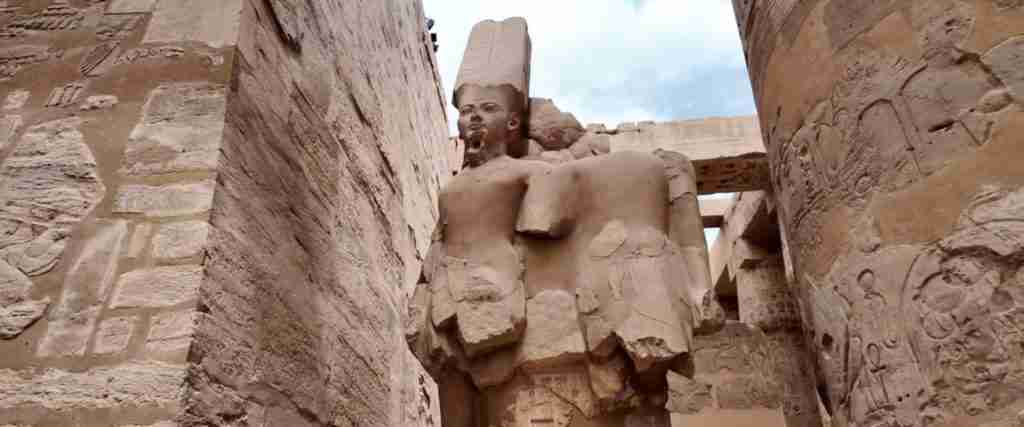
3 days
Luxor 3-Day Discovery Tour
- ✓ Comprehensive Luxor experience
- ✓ Expert local guides included
- ✓ All accommodation included
- ✓ Transportation provided
5 days
Luxor 5-Day Highlights Experience
- ✓ Comprehensive Luxor experience
- ✓ Expert local guides included
- ✓ All accommodation included
- ✓ Transportation provided

7 days
Luxor 7-Day Cultural Journey
- ✓ Comprehensive Luxor experience
- ✓ Expert local guides included
- ✓ All accommodation included
- ✓ Transportation provided

10 days
Luxor 10-Day Complete Adventure
- ✓ Comprehensive Luxor experience
- ✓ Expert local guides included
- ✓ All accommodation included
- ✓ Transportation provided
Multi-day tour packages powered by TourRadar. Prices and availability subject to change.
Day 1: East Bank Orientation and Essential Monuments for 2026
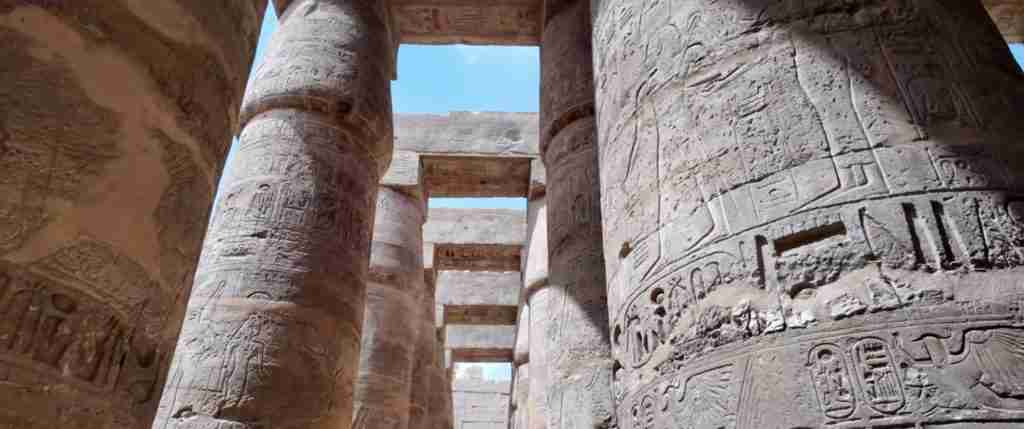
Morning begins with 6:30 AM hotel departure targeting Karnak Temple opening at 6 AM. The early start provides 2-3 hours before crowds and heat intensify. Entry costs 300 EGP accessing the massive temple complex covering 200 acres. Allow 2.5-3 hours exploring the Great Temple of Amun-Ra featuring the spectacular Hypostyle Hall with 134 columns, the Sacred Lake, various pylons, and extensive relief carvings. The vast scale overwhelms first-time visitors requiring pace management preventing exhaustion before day’s completion.
Return to hotel around 9:30-10 AM for breakfast and midday rest avoiding dangerous heat hours. Mid-range hotel breakfast buffets provide substantial meals enabling light lunch or snacks later. The forced rest period matches Egyptian rhythms as streets empty and businesses close during peak heat. Use this time for hotel pool relaxation, room rest, or preliminary next-day planning. The break prevents heat exhaustion while conserving energy for afternoon activities.
Late afternoon 4 PM departure allows Luxor Museum visit (200 EGP entry, open until 9 PM winter, 10 PM summer) providing air-conditioned environment and exceptional artifact quality. The compact museum requires 2-3 hours for comprehensive exploration. The Amenhotep III cache, mummy room, and curated selection provide historical context enriching subsequent monument visits. The museum’s manageable size prevents overwhelm while delivering substantial educational value.
Evening proceeds to Luxor Temple (200 EGP entry) around 6 PM as illumination begins creating dramatic effects. The temple’s compact layout enables thorough 1.5-2 hour exploration. The urban setting and beautiful lighting create memorable evening experience. Exit around 8 PM proceeding to nearby corniche restaurants for dinner with Nile views. Budget restaurants charge 80-150 EGP for substantial meals while tourist establishments cost 250-400 EGP. Return to hotel around 9-10 PM concluding first day.
Day 1 Cost Summary: Accommodation 800-1,200 EGP, breakfast included at hotel, Karnak entry 300 EGP, light lunch/snacks 50-80 EGP, Luxor Museum 200 EGP, Luxor Temple 200 EGP, dinner 150-350 EGP, local transport (optional taxis) 50-100 EGP. Total day cost: 950-1,330 EGP per person (excluding accommodation).
Day 2: Comprehensive West Bank Archaeological Immersion for 2026
Optional hot air balloon flight departs 4:30-5 AM requiring pre-booking and $100-150 payment (check operator websites for current official rates as pricing varies). The 45-60 minute sunrise flight over West Bank monuments and agricultural landscape provides spectacular aerial perspectives. Hotel pickup, transportation, and post-flight champagne celebration conclude around 7:30 AM. This optional upgrade adds significant cost though creates highlight memories justifying expense for many visitors. Book with reputable operators (Sindbad, Magic Horizon) ensuring safety standards.
West Bank exploration begins 7-8 AM via organized tour (300-500 EGP per person including transportation and guide) or private driver arrangement (600-800 EGP total, shareable among group). First stop targets Valley of the Kings (300 EGP entry) opening 6 AM. The standard ticket includes three tombs from rotating open selection. Premium tombs (Tutankhamun 300 EGP, Seti I 1,400 EGP) require additional fees – Tutankhamun proves worthwhile for most visitors while Seti I’s premium cost suits enthusiasts. Allow 2-2.5 hours exploring tombs and visitor center.
Mid-morning proceeds to Hatshepsut Temple at Deir el-Bahari (140 EGP entry) around 9:30-10 AM. The dramatic three-tiered temple carved into cliffs requires 1-1.5 hours comprehensive exploration. The Punt colonnade reliefs and architectural integration create stunning visuals. Morning light illuminates the facade optimally though crowds increase by 10 AM. The exposed location intensifies heat requiring sun protection and hydration.
Midday visit combines Medinet Habu temple (100 EGP entry) with potential additional stops at Ramesseum (100 EGP) or Tombs of Nobles (various small tombs 60-100 EGP each) if energy and interest continue. Medinet Habu proves essential with exceptional preservation and war reliefs. The additional sites suit enthusiasts though most first-timers experience monument fatigue after three major West Bank locations. Tours typically include 3-4 sites before noon return to East Bank hotels.
Afternoon rest proves mandatory after intensive morning. Return to hotel around 1-2 PM for lunch and extended rest through hottest hours. Evening flexibility enables personal choice activities including corniche walking, market exploration, or additional rest. Dinner at rooftop restaurant with monument views (200-400 EGP) provides celebratory meal reflecting day’s achievements. Early sleep prepares for final day.
Day 2 Cost Summary: Accommodation 800-1,200 EGP, breakfast included at hotel, hot air balloon 3,000-4,500 EGP optional (check official operator sites for current rates), West Bank tour/driver 300-800 EGP (depending on shared vs private), Valley of Kings 300 EGP, Tutankhamun tomb 300 EGP optional, Hatshepsut Temple 140 EGP, Medinet Habu 100 EGP, lunch 80-150 EGP, dinner 200-400 EGP. Total day cost: 1,120-1,890 EGP per person excluding accommodation and optional balloon (add 3,000-4,500 EGP if including balloon).
Day 3: Cultural Integration and Flexible Completion for 2026
Morning flexibility allows choice activities based on personal interests and remaining energy. Options include returning to Karnak for areas missed Day 1, visiting Valley of Queens (100 EGP) or Deir el-Medina (100 EGP) for additional West Bank archaeology, exploring the souq market for authentic shopping, or simply enjoying hotel amenities and relaxed morning. The intentional flexibility prevents forced march through monuments when fatigue sets in.
Late morning bicycle rental (50-80 EGP) enables independent West Bank village exploration for energetic travelers. The flat agricultural landscape suits cycling between monuments or through farming communities. The ferry crossing (5-10 EGP each way) provides Nile river perspective. Alternatively, corniche walking and market wandering provide free cultural activities for budget-conscious or monument-saturated visitors. This personalized approach acknowledges varying stamina and interests.
Afternoon combines remaining priorities with practical considerations. The souq market exploration provides authentic shopping and cultural immersion without entry costs. Alabaster workshops in West Bank villages demonstrate traditional crafts. Photography opportunities at previously visited monuments from different angles or lighting conditions appeal to photo enthusiasts. Some travelers prefer pool relaxation and packing preparation for next destination. The lack of mandatory activities creates restorative balance after two intensive monument days.
Evening farewell dinner at quality restaurant (300-500 EGP) provides trip reflection and celebratory conclusion. Rooftop locations overlooking illuminated temples create appropriate setting for final Luxor night. Post-dinner corniche walking and final Nile sunset viewing bid farewell to the city. Early evening return to hotel enables packing and next morning departure preparation. The relaxed final evening prevents exhaustion-marred trip conclusions.
Day 3 Cost Summary: Accommodation 800-1,200 EGP, breakfast included at hotel, bicycle rental 50-80 EGP optional, ferry crossings 10-20 EGP, light lunch/snacks 50-100 EGP, optional additional monument entries 0-300 EGP based on choices, farewell dinner 300-500 EGP, local transport 50-100 EGP. Total day cost: 460-1,100 EGP per person (excluding accommodation), varying significantly based on activity choices.
Complete 3-Day Budget Breakdown for 2026
Comprehensive three-day costs vary substantially by accommodation tier and optional activity choices. Budget breakdown includes accommodation (3 nights 2,400-3,600 EGP mid-range hotels with breakfast), monument entries cumulative (1,340 EGP base entries: Karnak 300, Valley of Kings 300, Tutankhamun 300, Hatshepsut 140, Medinet Habu 100, Luxor Museum 200, Luxor Temple 200), meals beyond included breakfasts (900-1,200 EGP for lunches, snacks, dinners), transportation (600-900 EGP including West Bank tour/driver, taxis, ferry, bicycle), producing base total 5,240-6,640 EGP ($175-220) for mid-range three-day experience.
Optional enhancements add significant costs above base itinerary. Hot air balloon flight ($100-150 or 3,000-4,500 EGP) increases budget 30-40%. Premium tomb entries including Seti I (1,400 EGP) or Nefertari in Valley of Queens (1,400 EGP) add 600-1,400 EGP per tomb. Private guides for personalized attention cost 600-1,000 EGP daily. Photography permits at 300 EGP per camera per site accumulate costs for serious photographers. Luxury hotel upgrades to properties like Winter Palace or Sofitel add 1,000-2,000+ EGP nightly. These options create highly variable total costs from 5,000 EGP budget minimum to 15,000+ EGP luxury maximum.
Budget minimization strategies reduce baseline costs through guesthouse accommodation (1,200-1,800 EGP for 3 nights), local restaurant exclusive dining (600-800 EGP), public transport and walking (200-300 EGP), selective monument entries prioritizing absolute essentials (800-1,000 EGP omitting premium tombs and some secondary sites), producing reduced total 2,800-3,900 EGP ($95-130). This approach suits backpackers and budget-conscious travelers accepting basic comfort standards while maintaining core experience quality.
Cost-sharing opportunities substantially benefit couples or small groups. Accommodation double occupancy reduces per-person costs 30-40% versus solo travelers paying single supplements. Private driver costs (600-800 EGP) split among 2-4 people beat per-person tour costs (300-500 EGP each). Shared taxis and felucca rides distribute fixed costs. Restaurant mezze sharing enables greater variety at lower per-person expense. Two travelers typically spend 60-70% per person versus solo travelers. Four travelers approach 50% per-person of solo costs through systematic sharing opportunities.
Essential First-Timer Tips for 2026 Success
Monument photography timing prioritizes early morning and late afternoon when slanting sunlight reveals relief carving details through shadow contrast. Midday overhead sun creates harsh lighting and washed-out colors unsuitable for quality photography. Interior temple photography requires high ISO capabilities and image stabilization as flash remains prohibited and tripods prove impractical in crowded spaces. Valley of the Kings prohibits all photography requiring acceptance or rule violation risks including camera confiscation. Professional photographers should research site-specific regulations before equipment investment.
Heat management proves critical for visitor safety and comfort. Drink 3-4 liters water daily during active site visiting. Wide-brimmed hats and sunglasses prevent sunstroke and eye strain. Lightweight long-sleeve shirts provide sun protection while maintaining cultural appropriateness. Rest breaks every 60-90 minutes prevent heat exhaustion cumulative effects. Recognize heat illness symptoms including dizziness, nausea, and confusion requiring immediate cooling and medical attention. Summer visitors especially require conservative heat tolerance assessment accepting reduced activity capacity.
Cultural sensitivity enhances experiences and interactions. Conservative dress with covered shoulders and knees shows respect and reduces unwanted attention particularly affecting women. Remove shoes at mosque entrances and during home visits if invited. Photography requires permission especially photographing people. Accept tea or coffee offers during merchant interactions as refusal seems rude. Basic Arabic greetings (“as-salamu alaykum,” “shukran”) demonstrate respect and improve interactions. These cultural courtesies create positive exchanges enriching overall experience beyond monument viewing.
Bargaining expectations require adjustment to Egyptian commercial culture. Initial prices in markets typically quote 2-3x fair values expecting negotiation. Bargain good-naturedly to 40-60% of opening quotes reaching reasonable agreements. Fixed-price establishments including hotel restaurants, museums, and government shops eliminate bargaining stress though limit selection. Taxi fares require advance agreement before boarding. Accepting bargaining as game rather than confrontation maintains positive attitude while achieving fair pricing. Persistence and walking away often produce dramatic price reductions from previously firm positions.
Optimal Season Selection for 3-Day Visits in 2026
Winter season (November-February) provides ideal visiting conditions with daytime temperatures 20-25°C (68-77°F) enabling comfortable full-day outdoor activities. Evenings require light jackets as temperatures drop to 8-15°C (46-59°F). The peak tourist season brings larger crowds at monuments and elevated hotel prices (40-60% above summer) though comfortable weather justifies premium costs. European holiday periods (Christmas, New Year, Easter) see maximum crowds requiring advance booking and higher prices. Book accommodations and hot air balloons 2-4 weeks ahead for winter visits ensuring availability.
Shoulder seasons (March-April and October) balance favorable weather with moderate crowds and mid-range pricing. Spring temperatures rise progressively through March reaching uncomfortable levels by late April. Occasional khamsin sandstorms carry Saharan dust reducing visibility and comfort. Autumn provides cooling relief with October proving particularly pleasant. Hotel rates sit 20-30% below winter peaks while maintaining comfortable visiting conditions. These months suit budget-conscious travelers accepting occasional weather variability for significant savings. Advance booking proves less critical though desirable for preferred properties.
Summer season (May-September) challenges visitors with extreme heat regularly exceeding 40°C (104°F). The modified schedule requiring pre-dawn starts (5-6 AM) and indoor midday refuge (11 AM-4 PM) limits daily activities substantially. Empty monuments and rock-bottom hotel prices (50-60% below winter) reward heat-tolerant travelers. Locals consider summer visitors slightly insane though acknowledge budget savings. This season suits experienced hot-climate travelers with proven heat tolerance accepting constrained schedules for financial benefits. First-time visitors should strongly avoid summer unless budget absolutely dictates timing.
Ramadan observance (March 1-29, 2026) affects visiting conditions through restaurant closures during daylight hours and modified service schedules. Monument visiting proceeds normally though crowd patterns shift toward evening hours. Cultural immersion opportunities increase as iftar celebrations and nighttime festivities provide authentic experiences rarely accessible to tourists. Practical conveniences decrease requiring flexibility regarding meal access. Ramadan visiting rewards cultural curiosity though demands adaptability. First-time visitors might prefer non-Ramadan periods for easier logistics while repeat visitors often deliberately choose Ramadan for unique cultural access.
Packing Essentials for 3-Day Luxor Visits in 2026
Clothing requirements emphasize modest coverage, sun protection, and breathability. Bring 2-3 lightweight long-sleeve shirts and loose long pants providing cultural appropriateness and sun protection. Women need scarves for mosque visits and conservative coverage. Comfortable closed-toe walking shoes handle uneven ancient surfaces better than sandals though one pair sandals suits evening corniche walks. Light jacket for winter evening temperatures. Quick-dry fabrics enable hand washing and overnight drying. The limited three-day duration prevents over-packing as outfit repetition proves acceptable.
Sun protection items include high-SPF sunscreen (50+) requiring multiple daily applications, wide-brimmed hat with neck coverage preventing sunstroke, quality sunglasses reducing glare from pale limestone monuments, and compact umbrella providing portable shade during extended site visits. The intense solar radiation demands serious sun protection regardless of season. Winter’s moderate temperatures create false security as UV exposure remains dangerous. Bring adequate supplies as local availability proves spotty and expensive at tourist shops.
Health and hygiene supplies include substantial hand sanitizer as handwashing facilities prove limited, toilet paper for monument bathrooms rarely stocking it, anti-diarrheal medication for inevitable digestive issues, oral rehydration salts preventing dehydration from heat or illness, prescription medications in original containers with doctor letters for controlled substances, and basic first aid supplies including bandages and antibiotic ointment. Egyptian pharmacies stock most medications though communication challenges and time lost shopping distract from limited three-day itinerary.
Technology items enable navigation and documentation. Smartphone with Egyptian SIM card (200-400 EGP) or international roaming enables maps, translations, and communications. Power bank maintains charges during long days away from hotels. Camera with adequate memory cards and batteries documents experiences (check photography permit requirements and prohibitions). Downloaded offline maps (Maps.me, Google Maps) function without data connections. Headlamp or flashlight assists navigating dark tomb passages. The compact three-day timeframe demands reliable technology avoiding equipment failures consuming precious time.
FAQ About 3-Day Luxor Itineraries for 2026
Can travelers extend or shorten the 3-day itinerary for 2026?
The itinerary adapts flexibly to 2-4 day timeframes. Two-day compression requires sacrifice of either comprehensive West Bank coverage or East Bank thoroughness – most visitors choose intensive West Bank Day 1 followed by East Bank highlights Day 2, omitting Luxor Museum and secondary sites. Four-day extension enables relaxed pacing with additional sites (Valley of Queens, Deir el-Medina, Ramesseum), recovery days, or day trips to Dendera/Abydos temples. The three-day baseline provides optimal balance though individual circumstances dictate appropriate modifications. Travel pace preferences vary with some requiring more rest while others happily maintain intensive schedules.
Should travelers book hotels near East or West Bank in 2026?
East Bank hotel location provides superior infrastructure with restaurant concentration, shopping access, corniche promenade proximity, and easier airport connections. West Bank guesthouses offer budget accommodation and authentic village atmosphere though sacrifice convenience and dining options. First-time visitors benefit from East Bank hotels enabling easy orientation, safe walking, and varied dining. The public ferry (5-10 EGP) and private boats (50-100 EGP) connect banks easily for West Bank day trips. West Bank accommodation suits return visitors seeking different experience or extreme budget minimization. The three-day timeframe’s limited duration emphasizes convenience favoring East Bank positioning.
How physically demanding is the 3-day itinerary in 2026?
The itinerary requires moderate fitness with 4-8 km daily walking over uneven ancient surfaces in heat. Karnak’s 200-acre complex demands substantial walking. Valley of the Kings includes uneven paths and tomb staircases. The cumulative walking totals 15-20 km across three days. Heat intensifies physical demands particularly during warm months. Seniors and those with mobility limitations can manage with private drivers minimizing walking between monument sections, strategic rest breaks, and flexible pacing eliminating optional sites. Physical conditioning preparation before trips enables better enjoyment though average fitness suffices with realistic pace expectations and heat awareness.
What happens if travelers get sick during the 3-day visit in 2026?
Digestive issues affect many visitors despite precautions requiring flexible itinerary adjustment. Mild cases respond to anti-diarrheal medication and rest enabling continued activities. Moderate cases necessitate hotel rest days consuming precious limited time. Hotels can arrange doctor visits to rooms for 400-800 EGP consultation fees. Serious conditions require hospital treatment with private facilities (International Hospital, private Luxor clinics) providing adequate care for 2,000-5,000+ EGP depending on treatment. Travel insurance with medical coverage proves essential as Egyptian facilities demand upfront payment. The compact three-day schedule means illness substantially impacts experience requiring acceptance as travel risk.
Can first-time visitors navigate Luxor independently without Arabic in 2026?
Independent navigation proves feasible though challenging. Monuments display English signage and ticket offices have English-speaking staff. Hotels provide assistance with transportation arrangements and directions. Maps and GPS enable physical navigation though Arabic street signs challenge verification. Restaurant ordering benefits from picture menus or Google Translate. Taxi negotiations require basic numbers and destination knowledge. Learning basic Arabic phrases significantly eases interactions though isn’t strictly necessary. Tourist infrastructure accommodates English speakers though richer experiences emerge from language effort. Organized tours eliminate language challenges entirely for those preferring structured approaches.
What items can travelers skip buying in advance for 2026?
Most items besides initial hotel nights and potential hot air balloon flights book easily upon arrival. Monument tickets purchase on-site at entrance offices. Tours book day-before or morning-of at hotels or tour agencies. Transportation arranges same-day through hotels or street negotiation. Restaurants operate walk-in basis without reservations. The flexibility enables itinerary adjustments based on weather, energy, and interests. However, winter peak season hotel booking benefits from advance reservation and hot air balloons require 1-2 weeks notice ensuring availability. The balanced approach books essentials while maintaining flexibility for spontaneous adaptation.
How do couples optimize the 3-day itinerary for romantic experiences in 2026?
Romantic enhancements include hot air balloon sunrise flights creating memorable shared experience, felucca sunset cruises for intimate Nile perspectives, rooftop restaurant dinners overlooking illuminated temples, upscale hotel selection with pools and Nile views, and strategic activity pacing preventing exhaustion-induced arguments. The archaeological focus doesn’t naturally create romance though the dramatic monuments and Nile setting provide beautiful context. Balance intensive monument days with relaxed couple time including pool lounging, sunset watching, and quality meals. The three-day duration suits romantic getaways avoiding extended trip fatigue while delivering substantial shared adventure creating relationship memories.
What photography equipment proves essential versus optional for 2026?
Essential equipment includes smartphone camera (modern phones produce excellent results), wide-angle capability (16-35mm equivalent) for architectural shots, adequate memory cards and batteries, and basic lens cleaning supplies. Optional upgrades include dedicated camera (mirrorless/DSLR) for superior image quality, telephoto zoom (70-200mm) capturing wall relief details, tripod for low-light interiors (though bulky and often prohibited), and specialized filters. Valley of the Kings photography prohibition eliminates need for tomb-specific equipment. Most travelers find smartphone cameras adequate for social media and memories while serious photographers justify dedicated equipment investment. Equipment theft risk suggests avoiding excessive expensive gear.
Can travelers with dietary restrictions manage Luxor dining in 2026?
Vegetarian options prove abundant with Egyptian cuisine featuring substantial vegetarian dishes (koshari, ful, ta’ameya, various mezze). Vegan dining requires more attention as dairy products feature prominently though achievable through ingredient inquiry. Gluten-free proves challenging as bread dominates Egyptian meals though rice dishes and grilled meats provide alternatives. Food allergies require clear communication with restaurant staff and acceptance of cross-contamination risks in local kitchens. Tourist restaurants better accommodate dietary restrictions than local establishments. Travelers with severe restrictions should research carefully, consider self-catering options where possible, and bring emergency food supplies from home.
What contingency plans should travelers have for 3-day Luxor visits in 2026?
Essential contingencies include flexible scheduling accommodating weather extremes or unexpected closures, budget padding (20% above planned spending) handling price variations and unexpected costs, backup accommodation options if primary hotels prove unsatisfactory, alternative transportation arrangements if planned methods fail, downloaded offline information and maps functioning without internet, and comprehensive travel insurance covering medical emergencies and trip interruptions. The three-day compact schedule provides limited flexibility though basic contingency planning prevents minor problems from derailing entire visits. Maintaining calm flexibility when plans change proves more valuable than rigid schedule adherence.