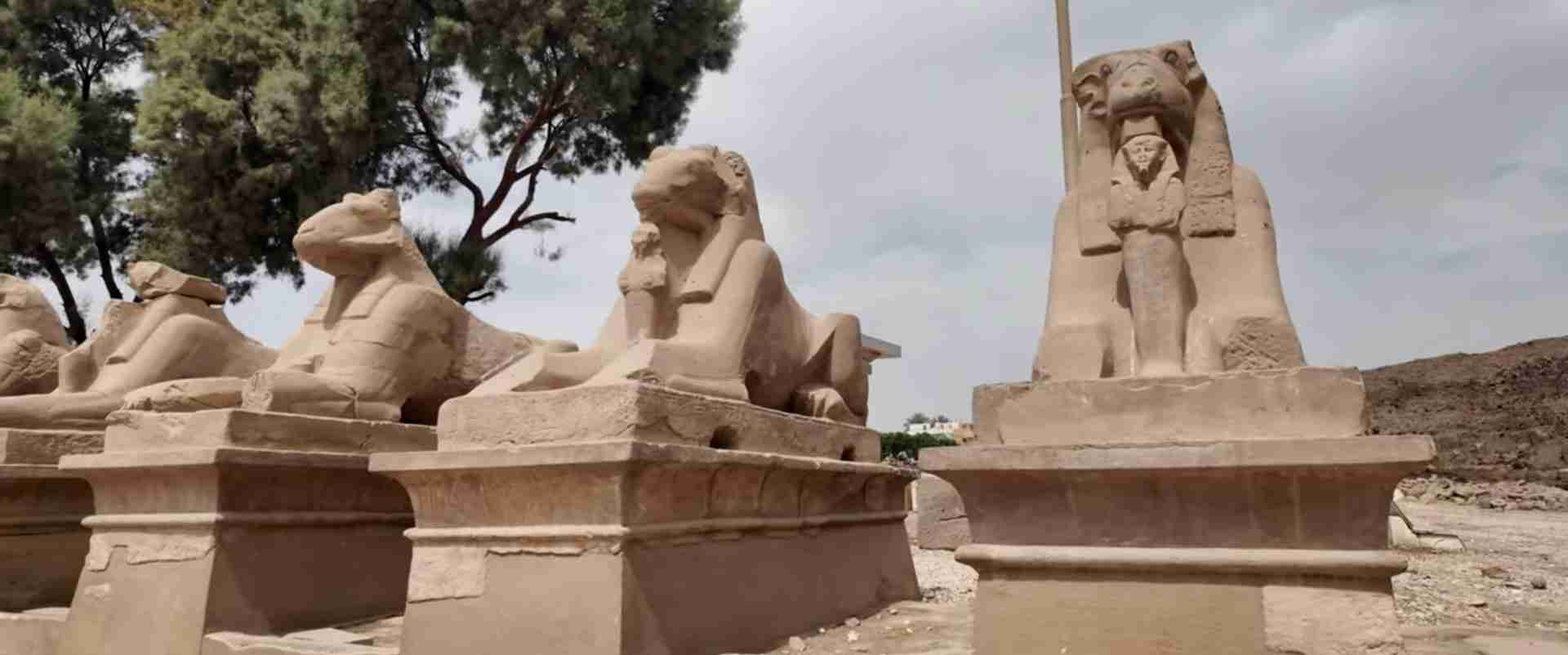
Luxor Day Trips 2026: Best Excursions & Planning Guide
Key Takeaways
- Dendera and Abydos combination creates the premier Luxor day trip visiting two exceptional temples 60 km north and 165 km northwest respectively, requiring 10-12 hours roundtrip with private driver costing 1,200-1,500 EGP split among passengers
- Temple entry fees for major day trip destinations include Dendera (140 EGP), Abydos (100 EGP), Esna (100 EGP), and Edfu (230 EGP), with combined entries typically 240-370 EGP depending on selected destinations
- Early morning departures (6-7 AM) maximize site time before midday heat and allow completing roundtrip circuits by early afternoon enabling evening Luxor activity or rest recovery
- Valley of Queens and Deir el-Medina create accessible West Bank half-day extensions just 3-5 km from main Valley of Kings area, combining easily with other West Bank monuments for comprehensive archaeological immersion
- Organized tours simplify logistics charging 800-1,200 EGP per person for Dendera-Abydos combinations including transportation, guide, and sometimes lunch, versus independent travel’s 500-700 EGP per person costs with self-arranged drivers
- Day trip planning requires assessing personal archaeological enthusiasm, physical stamina for extended travel, and budget flexibility as full-day excursions add 800-1,500 EGP to base Luxor costs while delivering exceptional UNESCO experiences beyond standard itineraries
Understanding Day Trip Options from Luxor in 2026
Luxor’s concentration of monuments creates the misconception that all Egyptian temple experiences exist within immediate city limits. The reality proves more expansive as exceptional archaeological sites including Dendera, Abydos, Esna, and Edfu occupy positions 60-165 kilometers from Luxor requiring dedicated day trips. These excursions reward visitors with less-crowded temples featuring remarkable preservation, unique architectural elements, and distinct historical significance complementing Luxor’s famous monuments.
Day trip feasibility depends on multiple factors including available time beyond core Luxor monuments, physical stamina for extended travel, budget capacity for additional transportation and entries, and archaeological enthusiasm justifying repeat temple experiences. Visitors spending 3-4 days in Luxor often complete comprehensive city monument coverage leaving subsequent days available for extended excursions. The day trips suit archaeology enthusiasts seeking completeness while proving optional for casual visitors satisfied with Luxor’s standard offerings.
Transportation logistics favor organized tours or private driver arrangements over public transport. Egyptian intercity microbuses theoretically connect destinations though schedules remain irregular, routes require multiple transfers, comfort levels prove minimal, and language barriers create navigation challenges. Private drivers charging 1,000-1,500 EGP daily provide air-conditioned vehicles, direct routing, flexible scheduling, and waiting service at sites. Tours add guide commentary and logistical management for 800-1,200 EGP per person. Independent budget travelers occasionally use public transport accepting substantial inconvenience for cost savings.
The day trip circuit divides into northern destinations (Dendera, Abydos), southern sites (Esna, Edfu, Kom Ombo), and West Bank extensions (Valley of Queens, Deir el-Medina, Ramesseum). Northern temples combine naturally into single-day Dendera-Abydos circuit. Southern sites integrate with Aswan-bound travel as stops along Nile routes. West Bank extensions add easily to existing West Bank days. Strategic selection based on interests, schedule, and budget optimizes supplemental site experiences.
People Also Ask About Luxor Day Trips for 2026
Which day trip from Luxor proves most worthwhile in 2026?
The Dendera-Abydos combination delivers maximum archaeological value featuring two exceptional temples with remarkable preservation and distinct characteristics. Dendera Temple dedicated to Hathor showcases Greco-Roman period architecture with intact roof, original colors in crypts, famous zodiac ceiling, and unique Hathor-headed columns. Abydos Temple of Seti I preserves Egypt’s finest relief carvings with exquisite detail and sophisticated artistry. These temples provide experiences qualitatively different from Luxor’s New Kingdom monuments justifying the 10-12 hour commitment. First-time visitors prioritizing single day trip should select this combination over alternatives.
How much do Luxor day trips cost in 2026?
Comprehensive day trip costs include transportation (private driver 1,200-1,500 EGP total, organized tour 800-1,200 EGP per person), monument entries (140-370 EGP depending on destinations), meals (150-300 EGP for lunch and snacks), and optional guide services if hiring independently (400-600 EGP). Solo travelers hiring private drivers pay full transport costs (1,200-1,500 EGP) while couples or small groups split expenses substantially reducing per-person spending. Organized tours prove economical for solo travelers eliminating single-supplement transport costs. Total per-person expenses range 700-1,000 EGP budget independent to 1,200-1,800 EGP organized tour luxury depending on choices.
Can travelers visit Dendera and Abydos in one day during 2026?
The combination requires full-day commitment departing Luxor 6-7 AM and returning 5-6 PM. Dendera sits 60 km north requiring 75-90 minute drive. Allow 2-3 hours exploring the temple complex. Abydos lies 100 km further northwest (165 km total from Luxor) adding 90-120 minute drive from Dendera. Abydos exploration requires 1.5-2 hours. Return journey to Luxor takes 2.5-3 hours. The circuit proves feasible though demanding with 5-6 hours driving and 4-5 hours site visiting. Early departure and efficient time management enable completion by late afternoon. Some visitors prefer splitting destinations across two days reducing daily intensity though doubling transportation costs.
Are day trips from Luxor safe in 2026?
Day trip routes traverse stable Upper Egypt regions with minimal security concerns. Tourist police checkpoints along highways monitor traveler movements. Organized tours operate daily without incidents. Private drivers navigate routes regularly understanding road conditions and safety protocols. The primary risks involve traffic accidents from Egypt’s chaotic driving patterns rather than criminal activity or terrorism. Standard precautions including reputable driver selection, daylight travel timing, and comprehensive travel insurance provide adequate safety measures. Political situations occasionally prompt travel advisories though Upper Egypt tourism typically continues during broader Egyptian instabilities affecting other regions.
Extended multi-day tours – 5+ days
Featured Luxor Multi-Day Tour Packages
3 days
Luxor 3-Day Discovery Tour
- ✓ Comprehensive Luxor experience
- ✓ Expert local guides included
- ✓ All accommodation included
- ✓ Transportation provided

5 days
Luxor 5-Day Highlights Experience
- ✓ Comprehensive Luxor experience
- ✓ Expert local guides included
- ✓ All accommodation included
- ✓ Transportation provided

7 days
Luxor 7-Day Cultural Journey
- ✓ Comprehensive Luxor experience
- ✓ Expert local guides included
- ✓ All accommodation included
- ✓ Transportation provided

10 days
Luxor 10-Day Complete Adventure
- ✓ Comprehensive Luxor experience
- ✓ Expert local guides included
- ✓ All accommodation included
- ✓ Transportation provided
Multi-day tour packages powered by TourRadar. Prices and availability subject to change.
Premier Day Trip: Dendera and Abydos Temples for 2026
The combined Dendera-Abydos excursion creates the ultimate Luxor day trip visiting two of Egypt’s most impressive provincial temples. Dendera Temple Complex 60 kilometers north of Luxor preserves exceptional Ptolemaic-Roman period architecture (305 BCE – 395 CE) presenting later Egyptian temple design at its zenith. The Hathor Temple features intact roof creating rare covered temple spaces, basement crypts with original paint, famous astronomical Dendera Zodiac ceiling (replica – original in Louvre), and unique Hathor-headed columns. The temple demonstrates Greek-Egyptian artistic fusion under Ptolemaic rule.
Abydos Temple of Seti I 165 kilometers northwest of Luxor showcases Egypt’s finest relief carving quality. The 19th Dynasty temple (1290-1279 BCE) preserves exquisite detail in wall reliefs depicting offering scenes, ritual processions, and divine interactions. The Abydos King List chronologically names 76 pharaohs establishing royal succession legitimacy. The Osireion mysterious structure behind the main temple presents massive granite architecture of uncertain purpose and dating. Together these sites provide experiences unavailable at more famous Luxor monuments.
Optimal scheduling begins with 6:30-7 AM hotel departure arriving Dendera around 8-8:30 AM. The early timing provides 2-2.5 hours before heat intensifies and tour groups arrive. Entry costs 140 EGP with photography technically requiring 300 EGP permit though enforcement proves inconsistent. Explore the Hathor Temple methodically including roof access, crypt descent, birth house, and sacred lake area. Depart Dendera 10:30-11 AM heading northwest to Abydos arriving around 12:30-1 PM.
Abydos visit during midday heat requires accepting uncomfortable conditions or scheduling lunch break at nearby restaurant. Entry costs 100 EGP accessing both Seti I Temple and Osireion. Allow 1.5-2 hours exploring the temple’s detailed reliefs and visiting the Osireion. Depart Abydos around 2:30-3 PM returning to Luxor by 5-6 PM. The long day requires stamina though delivers exceptional archaeological rewards. Bring substantial water (2-3 liters per person), snacks, sun protection, and comfortable walking shoes.
Dendera-Abydos Day Trip Cost Summary: Private driver 1,200-1,500 EGP total (split among passengers), Dendera entry 140 EGP per person, Abydos entry 100 EGP per person, lunch at roadside restaurant 100-150 EGP per person, snacks and water 50-80 EGP, optional independent guide 400-600 EGP. Total cost for 2 people: 900-1,065 EGP per person. Total cost for solo traveler: 1,490-1,930 EGP (all transport costs, no splitting).
Alternative Day Trip: Esna and Edfu Temples for 2026
The southern route visits Esna Temple 54 kilometers south and Edfu Temple 105 kilometers south of Luxor. This circuit suits travelers continuing to Aswan who can visit sites as stops along the journey rather than roundtrip day excursions. Those remaining in Luxor can complete the circuit as full-day trip though the sites prove less impressive than Dendera-Abydos justifying lower priority placement.
Esna Temple dedicated to Khnum sits sunken 9 meters below modern street level demonstrating accumulated sediment over centuries. Only the hypostyle hall survives with 24 columns featuring varied capitals and Greco-Roman period reliefs. Entry costs 100 EGP with 45-60 minute visits sufficient for comprehensive exploration. The temple’s modest size and partial preservation create abbreviated experience though the unique below-ground positioning and well-preserved column decoration merit attention for completist visitors.
Edfu Temple honoring Horus presents Egypt’s best-preserved complete temple thanks to desert sand burial protecting structures until 19th century excavation. The Ptolemaic temple (237-57 BCE) demonstrates ideal ancient temple layout with pylon entrance, open courtyard, hypostyle hall, and inner sanctuaries progressively more restricted. The massive pylon towers, extensive wall reliefs narrating Horus mythology, and near-complete preservation create impressive monument. Entry costs 230 EGP reflecting the site’s significance and preservation quality.
The Esna-Edfu circuit departs Luxor 7-8 AM arriving Esna 8-8:30 AM for 1-hour visit. Continue south to Edfu arriving 10-10:30 AM allowing 2-3 hours comprehensive exploration before midday heat peaks. Return journey to Luxor takes 2-2.5 hours arriving 2-3 PM. The shorter day trip compared to Dendera-Abydos proves more manageable though delivers less impressive monuments. Most visitors prioritize Dendera-Abydos though Edfu’s exceptional preservation appeals to temple architecture enthusiasts.
Esna-Edfu Day Trip Cost Summary: Private driver 1,000-1,200 EGP total (split among passengers), Esna entry 100 EGP per person, Edfu entry 230 EGP per person, lunch 100-150 EGP per person, snacks and water 50-80 EGP. Total cost for 2 people: 740-920 EGP per person. Total cost for solo traveler: 1,480-1,740 EGP (all transport costs, no splitting).
West Bank Extended Sites: Valley of Queens and Deir el-Medina for 2026
The West Bank archaeological area extends beyond core Valley of the Kings, Hatshepsut Temple, and Medinet Habu circuit including valuable supplementary sites. Valley of the Queens houses tombs of New Kingdom royal wives and princes with the famous Nefertari tomb (Ramesses II’s wife) presenting Egypt’s most beautiful painted tomb. Standard entry costs 100 EGP accessing 2-3 open tombs from rotating selection. Nefertari’s tomb requires separate 1,400 EGP premium ticket with 10-minute viewing time limit though the exceptional preservation and artistic quality justify costs for dedicated enthusiasts.
Deir el-Medina village preserved the community of artisan workers who constructed royal tombs. The site includes worker tomb chapels featuring vivid paintings depicting daily life, work scenes, and afterlife journey in more informal style than royal tombs. The modest scale and intimate scenes provide valuable contrast to monumental royal contexts. Entry costs 100 EGP with 1-1.5 hours sufficient for village and accessible tombs exploration. The site appeals particularly to visitors interested in ancient Egyptian social history and artistic production processes.
The Ramesseum, Ramesses II’s mortuary temple, presents partially ruined monument with fallen colossal statues, hypostyle hall remains, and extensive relief fragments. The temple inspired Shelley’s “Ozymandias” poem referencing the toppled colossus. Entry costs 100 EGP though the ruined condition creates less impressive experience than better-preserved Medinet Habu. The site rewards archaeology enthusiasts and literature fans rather than general visitors.
These extended sites combine efficiently with standard West Bank visits adding 2-4 hours to comprehensive day. Alternatively, dedicate separate day to secondary sites creating relaxed exploration without packed itinerary pressure. The sites sit 3-5 kilometers from Valley of the Kings accessible via same transportation serving core West Bank monuments. Tours including these extensions cost 400-600 EGP versus standard West Bank tour rates, or add 100-200 EGP to private driver costs.
West Bank Extended Day Cost Summary (additions to standard West Bank day): Valley of Queens 100 EGP, Nefertari tomb 1,400 EGP optional, Deir el-Medina 100 EGP, Ramesseum 100 EGP, additional driver time 100-200 EGP, extended tour supplement 150-200 EGP. Selecting Valley of Queens and Deir el-Medina adds 300-500 EGP per person to standard West Bank day costs.
Organizing Day Trip Transportation for 2026
Private driver arrangements provide maximum flexibility negotiated through hotels or direct driver contacts. Hotels charge 10-20% commission adding markup though provide accountability and quality assurance. Direct hiring through hotel taxi stands or personal referrals eliminates commission though requires stronger negotiation and less recourse if problems arise. Agree clearly on itinerary, duration, all-inclusive pricing, waiting time at sites, and payment terms before departure preventing misunderstandings. Confirm driver speaks functional English or bring translation app for communication.
Pricing negotiations start with hotel inquiries establishing baseline rates. Dendera-Abydos circuits quote 1,200-1,500 EGP for sedan accommodating 3-4 passengers. Larger vans for 5-7 passengers cost 1,500-1,800 EGP. Esna-Edfu trips run 1,000-1,200 EGP. Rates include vehicle, fuel, driver, waiting time, and tolls. Tips of 100-150 EGP supplement agreed prices for good service. Negotiate firmly but fairly recognizing drivers earn living supporting families. Written agreement prevents disputes though rarely provided – clear verbal agreement with witness (hotel staff) suffices.
Organized tours through hotel tour desks or established agencies simplify logistics charging per-person rates typically 800-1,200 EGP for Dendera-Abydos including transportation, guide, and sometimes lunch. Tours operate fixed schedules with meeting points and specific timing. The group nature (8-15 participants) reduces flexibility though provides social opportunities and eliminates negotiation stress. Solo travelers particularly benefit from per-person pricing avoiding full private vehicle costs. Quality varies with operator – read reviews and confirm included services before booking.
Shared cost strategies enable solo and couple travelers to reduce per-person expenses. Ask hotel receptions if other guests plan similar day trips enabling shared driver costs. Post in online forums (TripAdvisor, Couchsurfing, Facebook travel groups) seeking cost-sharing partners. Some drivers coordinate multiple parties sharing vehicles though reduced flexibility as accommodation must balance different parties’ preferences. The potential savings of 40-60% per person justify effort seeking partners though require flexibility regarding exact timing and itinerary details.
Day Trip Timing and Seasonal Considerations for 2026
Winter season (November-February) provides optimal day trip conditions with comfortable temperatures enabling midday travel and site exploration. Sunrise departures prove pleasant rather than brutal. Midday site visiting remains tolerable though early starts still prove advisable avoiding tour group crowds. The extended comfortable hours enable relaxed pacing and thorough exploration. Winter’s popularity increases road traffic and site crowds particularly on tour-heavy days (typically Tuesday-Thursday). Book transportation in advance ensuring availability.
Spring and autumn (March-April, October) require earlier starts as temperatures rise quickly through mornings. Depart 6-6:30 AM targeting site arrivals before 9 AM when heat intensifies. The shoulder season provides moderate crowds and favorable pricing though occasional spring sandstorms disrupt visibility and comfort. October particularly suits day trips with cooling temperatures and stable weather following oppressive summer. These months balance favorable conditions with manageable challenges for prepared travelers.
Summer months (May-September) challenge day trip execution as extreme heat exceeds safe outdoor activity levels during midday hours. Dendera-Abydos requires pre-dawn 5-5:30 AM departure completing first temple before 10 AM heat peak. Schedule midday break at air-conditioned restaurant rather than second temple exploration. Resume late afternoon when temperatures moderate slightly. The extended driving in air-conditioned vehicles actually proves more tolerable than walking Luxor monuments in summer heat. Empty sites and rock-bottom prices reward heat-tolerant travelers. Most visitors avoid summer day trips concentrating efforts on surviving core Luxor monument visiting.
Ramadan (March 1-29, 2026) affects day trip logistics minimally as sites maintain normal hours and drivers work regardless of fasting. Roadside restaurant lunches prove challenging as establishments close during daylight. Bring substantial snacks and food from hotels or accept midday fasting alongside Egyptian companions. The cultural sensitivity of avoiding eating and drinking in driver presence during daylight hours shows respect. Evening return timing enables iftar participation if curious about cultural experience. Ramadan day trips require greater self-sufficiency regarding food though remain feasible.
Essential Day Trip Planning Tips for 2026
Physical preparation involves assessing personal stamina for 10-12 hour days including 5-6 hours vehicle time and 4-5 hours site walking in heat. The extended sitting causes stiffness while site exploration demands mobility over uneven surfaces. Comfortable clothing, good walking shoes, and adequate rest preceding trip day optimize comfort. Travelers with motion sickness should bring medication as rural Egyptian roads feature frequent speed bumps and occasional rough surfaces. The demanding nature requires honest self-assessment – shorter local excursions may suit those with limited endurance.
Packing requirements include 3-4 liters water per person as remote areas lack reliable bottled water sources. Substantial snacks (nuts, dried fruit, protein bars) bridge long periods between meals. Sun protection including high-SPF sunscreen, wide-brimmed hats, and sunglasses proves essential. Toilet paper for questionable site facilities. Hand sanitizer for hygiene without water access. Camera equipment with adequate memory and batteries. Cash in small bills for entries, tips, and possible roadside purchases. Modest clothing respecting religious sites particularly Abydos’s sacred status. Small first aid kit for minor issues.
Site-specific research enhances experiences beyond simply visiting temples. Reading about Dendera’s astronomical ceiling significance, Abydos’s Osiris mythology importance, or Edfu’s Horus worship rituals deepens appreciation. Guidebooks (Lonely Planet, Rough Guide) provide context. Online resources including Wikipedia and dedicated Egyptology websites offer detailed information. Understanding basic temple layout (pylon entrance, courtyard, hypostyle hall, sanctuary progression) enables oriented exploration. The investment in background knowledge transforms passive sightseeing into engaged learning.
Photography considerations include morning side-lighting at Dendera creating optimal relief carving illumination, Abydos interior lighting requiring high ISO capabilities, and generally relaxed photography enforcement at provincial sites versus stricter Luxor monument controls. Bring adequate memory cards and batteries as extended days drain resources. The less-crowded sites enable patient composition and multiple angles impossible at packed Luxor locations. These day trip temples often produce photographers’ favorite images due to combination of impressive subjects and favorable photography conditions.
Budget vs. Organized Tour Comparison for 2026
Independent budget approach hiring private driver and handling entries/meals directly costs 700-1,000 EGP per person for couples/groups splitting transport expenses. This strategy requires negotiation skills, comfortable navigation uncertainty, and self-guided site exploration using guidebooks. Benefits include schedule flexibility, budget control, and authentic interaction. Challenges involve language barriers, potential driver issues, and lack of expert historical commentary. Budget travelers with Egyptian travel experience manage well though first-timers may struggle with logistics.
Organized tour participation costing 800-1,200 EGP per person provides comprehensive packages including air-conditioned transport, professional Egyptologist guide, entry fees, and sometimes lunch. The expertise adds substantial educational value as guides explain historical context, architectural features, and mythological significance invisible to untrained observers. Social opportunities emerge within tour groups. Challenges include fixed schedules eliminating spontaneity, larger groups reducing individual attention, and guide quality variation. Tours suit first-time visitors prioritizing ease and education.
The hybrid approach hiring private driver while engaging independent guide costs 900-1,300 EGP per person combining flexibility advantages with expert commentary. Book driver through hotel and arrange guide separately through tour agencies or personal contacts. This strategy maximizes both convenience and education though requires additional coordination. Particularly suits small groups (3-4 people) desiring private experience with professional guidance. The premium cost justifies benefits for visitors valuing both independence and expertise.
Solo travelers face distinct calculations. Private driver full costs (1,200-1,500 EGP) plus entries and meals create 1,500-2,000 EGP solo day trips. Organized tours at 800-1,200 EGP per person prove more economical though sacrifice flexibility. The cost differential incentivizes solo travelers toward organized tours or aggressive partner-seeking for shared costs. Solo travelers valuing independence highly accept premium costs while budget-focused travelers choose tours practically. No obviously superior solution exists – personal priorities determine optimal choice.
FAQ About Luxor Day Trips for 2026
Can travelers visit Abu Simbel as day trip from Luxor in 2026?
Abu Simbel sits 280 kilometers south of Aswan, approximately 500 kilometers from Luxor, creating 10+ hour driving roundtrip from Luxor plus site time – essentially impossible as comfortable day trip. Visitors seeing Abu Simbel should base in Aswan organizing shorter 4-hour roundtrip excursions or taking overnight bus/car reaching site for sunrise before returning Aswan. Some ambitious travelers drive Luxor-Aswan (3-4 hours) as day trip stopping Edfu and Kom Ombo en route then continuing Aswan-Abu Simbel next day, but this stretches “day trip” definition. Abu Simbel requires separate Aswan-based planning rather than Luxor day trip consideration.
Are children suitable for Luxor day trips during 2026?
Extended driving times, hot conditions, and limited child-focused activities create challenging day trip environments for young children. The 10-12 hour days with 5-6 hours vehicle time exhaust children leading to meltdowns disrupting family enjoyment. Archaeological sites lack interactive elements maintaining child interest. Teenagers with historical interest manage successfully though reluctant adolescents require motivation. Families should honestly assess children’s tolerance for long sedentary periods and temple enthusiasm before committing. Shorter West Bank extended sites prove more family-appropriate than distant Dendera-Abydos marathon. Consider splitting adults enabling child care rotation if one parent desires day trips.
What happens if transportation breaks down during day trips in 2026?
Vehicle breakdowns on remote roads create inconvenient situations though rarely dangerous. Professional drivers carry tools and spare parts handling minor issues. Egyptian mechanical ingenuity enables creative repairs using minimal resources. Serious breakdowns require calling backup vehicles – organized tours maintain support systems while independent drivers contact colleagues or rental agencies. The delays add 1-3 hours though rarely prevent trip completion. Mobile phones enable communication though signal coverage proves spotty between population centers. Travel insurance rarely covers breakdown delays though may assist with alternative arrangements if driver completely unable to continue. Accept occasional disruptions as Egyptian travel reality maintaining calm flexibility.
Can travelers combine multiple day trips into single long excursion in 2026?
Ambitious travelers occasionally attempt combining Dendera-Abydos with additional stops creating massive 14-16 hour days. The exhausting pace sacrifices thorough site appreciation for quantity accumulation. Most visitors prefer dedicating separate days to different circuits maintaining sustainable pacing. The one reasonable combination extends Dendera-Abydos with Esna stop en route creating triangular routing though adding 2 hours and another temple to already long day. Physical stamina, archaeological enthusiasm, and schedule constraints must all align justifying marathon day trips versus separate excursions. Generally inadvisable except for completist travelers with extreme temple passion.
Do day trips from Luxor require advance booking in 2026?
Private drivers and tours typically arrange day-before or morning-of without advance booking except during absolute peak periods (Christmas, New Year). Hotels maintain driver contacts and tour agency connections enabling quick organization. Winter season benefits from 2-3 day advance booking ensuring availability of preferred operators. Summer and shoulder seasons allow last-minute arrangements. Flexibility regarding specific operator versus fixed company enables easier booking. The logistics-heavy nature means some planning benefits experience though extensive advance booking proves unnecessary. Decide day trips after arriving Luxor assessing personal energy, interest, and weather rather than over-committing from home.
How do day trips affect overall Luxor itinerary planning for 2026?
Day trips require full days outside Luxor creating domino effects on overall scheduling. Each day trip adds 10-12 hours to minimum Luxor duration. Visitors allocating 3 days for core Luxor monuments should add separate day per desired excursion. The intensive nature necessitates recovery days preventing consecutive day trips. Realistic planning allows: Day 1 Luxor orientation, Day 2 West Bank, Day 3 Dendera-Abydos day trip, Day 4 East Bank completion and rest, Day 5 departure. The 4-5 day total enables both comprehensive Luxor coverage and quality day trip without exhausting rushed pace. Shorter visits require sacrifice of day trips or core monuments.
What makes Dendera-Abydos more worthwhile than Esna-Edfu in 2026?
Dendera features unique intact roof, basement crypts with original colors, astronomical ceiling, and Ptolemaic architectural fusion. Abydos preserves Egypt’s finest relief carving quality with exquisite detail. Together they provide experiences qualitatively different from Luxor monuments. Esna’s partial preservation creates modest impression while Edfu’s completeness, though impressive, presents similar New Kingdom temple style already experienced at Luxor and elsewhere. The greater preservation uniqueness and superior artistic quality at Dendera-Abydos justify its priority status. Budget-limited travelers should definitely choose Dendera-Abydos over Esna-Edfu. Only completists visiting all accessible temples need include both circuits.
Can travelers photograph freely at day trip temples in 2026?
Provincial temples enforce photography rules more loosely than famous Luxor sites. Dendera, Abydos, Esna, and Edfu technically require 300 EGP camera permits though enforcement proves inconsistent. Many visitors photograph without permits receiving no challenges. Guards may request permits then accept 20-50 EGP “tips” instead of official fees. The relaxed atmosphere compared to Valley of Kings’s strict photography ban enables more casual shooting. Smartphones particularly avoid scrutiny versus obvious DSLR cameras. Ethical travelers purchase permits supporting site maintenance while budget travelers risk occasional guard confrontation. Flash and tripod restrictions apply universally preventing damage to ancient pigments.
What food options exist during day trips in 2026?
Roadside restaurants near temple sites serve basic Egyptian cuisine including grilled meats, rice, vegetables, and salads. Quality varies from acceptable to questionable requiring standard developing-country food safety assessment. Prices range 80-150 EGP per person for substantial meals. Organized tours often include lunch at predetermined restaurants receiving tour group business. Independent travelers can request driver recommendations or bring packed lunches from hotels avoiding restaurant uncertainty. Highway rest stops provide snacks, drinks, and basic facilities. The limited options mean adventurous eating attitudes or substantial packed provisions prove advisable. Vegetarians and those with dietary restrictions should definitely bring backup food.
Should first-time Egypt visitors prioritize day trips from Luxor in 2026?
First-timers should thoroughly explore core Luxor monuments before considering day trips. The Valley of the Kings, Karnak, Hatshepsut Temple, and Luxor Temple deliver world-class experiences justifying Luxor’s fame. Only after completing these essentials should visitors contemplate provincial temples. Limited schedules benefit more from additional core Luxor time (Luxor Museum, market exploration, West Bank extended sites) versus distant temples. Repeat visitors or archaeology enthusiasts with 5+ days in Luxor justify day trip additions. First-timers with only 3-4 days should focus intensively on Luxor proper saving day trips for future visits. Exception: transit travelers proceeding Aswan can incorporate Edfu/Kom Ombo as stops rather than backtrack day trips.