Luxembourg City Travel Tips 2026: Essential Planning Advice
Luxembourg City rewards well-prepared travelers with exceptional value through its groundbreaking free nationwide public transport, UNESCO World Heritage fortifications, and strategic position in the heart of Europe. This compact capital combines medieval fortress architecture with modern European institutions, offering a unique blend of historical depth and contemporary accessibility. Understanding practical logistics — from the LuxembourgCard system to navigating multilingual environments — transforms a pleasant visit into an extraordinarily efficient and affordable European experience.
Key Takeaways: Luxembourg City Travel Essentials 2026
- Free Public Transport Revolution: All buses, trams, and trains throughout Luxembourg operate completely free since March 2020, eliminating transit costs entirely and making the country one of the world’s most budget-friendly destinations for transportation.
- UNESCO World Heritage Core: The “City of Luxembourg: its Old Quarters and Fortifications,” inscribed in 1994, forms the historical heart with dramatic cliff-edge ramparts, underground casemates, and centuries of military architecture accessible through walking paths and panoramic elevators.
- LuxembourgCard Strategic Value: The tourist pass costs €14 for one day, €22 for two days, or €31 for three days individual use, granting free admission to 60-80+ attractions nationwide — essential for museum enthusiasts planning multiple site visits.
- Multilingual Navigation: Luxembourgish, French, and German serve as official languages, with English widely understood in tourist areas — signage appears in multiple languages, and most service staff communicate comfortably in English.
- Compact Walkable Geography: The Old Town, Grund valley, Kirchberg plateau, and station district connect via pedestrian paths, scenic elevators, and efficient bus routes within a remarkably small footprint — most attractions sit within 30 minutes’ walk of each other.
- Museum Free Hours: Many institutions offer complimentary admission Thursday evenings from 6:00 PM to 8:00 PM, with annual events including Museum Night (October) and Luxembourg Museum Days (May weekend) providing additional free-access opportunities.
People Also Ask About Luxembourg City Travel 2026
Is Luxembourg City expensive to visit in 2026?
Luxembourg City presents moderate costs compared to other Western European capitals, with strategic advantages significantly reducing overall expenses. Accommodation represents the primary expense category, with mid-range hotels ranging €90-180 per night, while dining costs €15-35 per meal at casual restaurants and €40-75 at upscale establishments. The complete elimination of public transport costs — all buses, trams, and trains operate free nationwide — saves travelers €15-25 daily compared to cities like Paris or Brussels. Museum admission averages €5-11 per site, with the LuxembourgCard at €14-31 providing excellent value for cultural enthusiasts. Budget travelers manage €75-120 daily, mid-range visitors spend €180-250, and luxury travelers invest €350-500+, placing Luxembourg City in the moderate expense tier alongside cities like Edinburgh or Lyon rather than premium destinations like Zurich or Oslo.
How many days do you need in Luxembourg City in 2026?
Two to three days provides optimal depth for experiencing Luxembourg City’s essential attractions while maintaining a comfortable pace. Day one covers the UNESCO Old Town including Bock Casemates, Chemin de la Corniche, Notre-Dame Cathedral, and the Grand Ducal Palace exterior, with evening exploration of the Grund valley’s restaurants and riverside paths. Day two focuses on cultural institutions — MUDAM contemporary art museum, National Museum of History and Art, and Pétrusse Casemates — plus the Pfaffenthal Panoramic Elevator and Kirchberg European Quarter. A third day enables day trips to Vianden Castle (50 minutes by train), the Moselle wine region, or the Müllerthal “Little Switzerland” hiking region. Single-day visitors prioritize the fortifications and Old Town core, while four-plus days incorporate deeper cultural immersion, additional museums, and multiple excursions. The city’s compact geography and free transport make efficient two-day exploration entirely achievable without feeling rushed.
What is the best time to visit Luxembourg City in 2026?
May through September delivers optimal weather conditions for Luxembourg City visits in 2026, with June and early September offering the ideal balance of pleasant temperatures, manageable crowds, and full attraction access. Summer months (July-August) provide the longest daylight hours and warmest weather averaging 22-25°C, but attract peak tourist volumes particularly around the casemates and Old Town viewpoints. Spring shoulder season (April-May) brings mild temperatures of 12-18°C, blooming parks, and fewer visitors, though occasional rain requires flexible planning. September and early October extend excellent conditions with harvest festivals, autumn colors in the Pétrusse Valley, and reduced accommodation rates compared to summer peaks. Winter visits (December-February) offer magical Christmas markets from late November through December, dramatically lower hotel prices, and negligible crowds, but shortened museum hours and 0-5°C temperatures limit outdoor exploration comfort. March experiences unpredictable weather transitions but provides the lowest annual prices for accommodation and the beginning of extended museum operating schedules.
Do I need to speak French or German in Luxembourg City in 2026?
English proficiency suffices comfortably for navigating Luxembourg City in 2026, though basic French or German phrases enhance local interactions and demonstrate cultural respect. The overwhelming majority of tourism professionals — hotel staff, restaurant servers, museum guides, and tourist office personnel — communicate fluently in English, reflecting Luxembourg’s international character as a European Union administrative center. Signage throughout the UNESCO World Heritage area, public transport, and major attractions appears in Luxembourgish, French, German, and frequently English. Menus at tourist-oriented restaurants include English translations, while supermarkets and shops employ multilingual staff. Learning essential greetings in French (“bonjour,” “merci,” “au revoir”) or German (“guten Tag,” “danke,” “auf Wiedersehen”) receives warm appreciation, but language barriers rarely impede practical navigation. Outside the immediate city center in residential neighborhoods, French becomes more prevalent as the primary communication language, though even there, younger residents typically speak functional English. The Mobiliteit.lu public transport app operates in English, and emergency services maintain English-speaking capacity for international visitors.
Extended multi-day tours – 5+ days
Featured Western Europe Multi-Day Tour Packages
3 days
Western Europe 3-Day Discovery Tour
- ✓ Comprehensive Western Europe experience
- ✓ Expert local guides included
- ✓ All accommodation included
- ✓ Transportation provided
5 days
Western Europe 5-Day Highlights Experience
- ✓ Comprehensive Western Europe experience
- ✓ Expert local guides included
- ✓ All accommodation included
- ✓ Transportation provided
7 days
Western Europe 7-Day Cultural Journey
- ✓ Comprehensive Western Europe experience
- ✓ Expert local guides included
- ✓ All accommodation included
- ✓ Transportation provided
10 days
Western Europe 10-Day Complete Adventure
- ✓ Comprehensive Western Europe experience
- ✓ Expert local guides included
- ✓ All accommodation included
- ✓ Transportation provided
Multi-day tour packages powered by TourRadar. Prices and availability subject to change.
Introduction: Luxembourg City Travel Planning for 2026
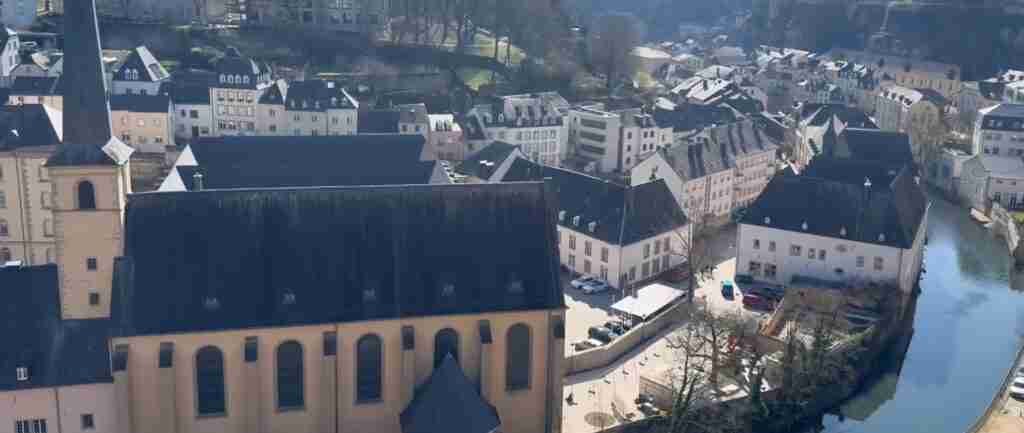
Luxembourg City occupies a unique position among European capitals — simultaneously compact enough to explore thoroughly in a weekend yet layered with sufficient historical depth, cultural institutions, and architectural drama to reward extended stays. The dramatic clifftop Old Town, designated a UNESCO World Heritage Site in 1994 as “City of Luxembourg: its Old Quarters and Fortifications,” showcases centuries of military architecture across three distinct elevation levels connected by scenic paths, modern elevators, and stone staircases carved into the rock. The Alzette and Pétrusse river valleys create natural fortifications that European powers reinforced repeatedly from the 10th through 19th centuries, leaving contemporary visitors with an extraordinary concentration of bastions, casemates, and strategic viewpoints.
The Grand Duchy’s decision in March 2020 to make all public transport free nationwide transformed Luxembourg into one of Europe’s most accessible destinations for budget-conscious travelers. This policy eliminates a major expense category that typically consumes €15-25 daily in comparable cities, shifting financial focus to accommodation, dining, and cultural admissions. Combined with the concentrated geography of major attractions, free transport enables spontaneous exploration across the country — day trips to Vianden’s medieval fortress, the Moselle wine villages, or Müllerthal’s sandstone formations require no advance ticket purchases or route planning anxiety, merely boarding the appropriate train or bus.
Luxembourg City’s trilingual character reflects its position at the crossroads of Romance and Germanic Europe, with Luxembourgish serving as the national language while French and German function as official administrative languages. This multilingual fluidity extends to English, particularly in tourism and business contexts, creating an environment where international visitors navigate comfortably without language barriers becoming logistical obstacles. The population’s multicultural composition — nearly half of city residents hold foreign nationality, primarily from other EU countries — reinforces this cosmopolitan openness and ensures service industries accommodate diverse linguistic needs.
The city’s modest size — approximately 135,000 residents in the municipality, expanding to 200,000+ in the greater metropolitan area — concentrates attractions, services, and infrastructure within remarkably walkable boundaries. The UNESCO core, Grund valley restaurants, Kirchberg European Quarter museums, and central station district all sit within 3 kilometers of each other, connected by efficient bus routes, pedestrian paths following the fortification walls, and the iconic Pfaffenthal Panoramic Elevator ascending 71 meters between valley and plateau levels. This compact geography enables travelers to experience multiple distinct neighborhoods and historical periods within single days without sacrificing depth or resorting to rushed, superficial tourism.
Planning a 2026 Luxembourg City visit requires understanding this convergence of accessibility, cultural density, and strategic positioning. The following sections address essential practical considerations — accommodation strategies, dining approaches, museum systems, day trip logistics, and seasonal timing — that transform general interest in the destination into concrete, actionable travel plans optimized for individual preferences and budgets.
Understanding Luxembourg’s Free Public Transport System 2026
Luxembourg’s nationwide free public transport system represents the most significant budget advantage for visitors in 2026, eliminating costs that typically consume substantial portions of travel budgets in comparable European destinations. Since March 1, 2020, all buses, trams, and second-class trains throughout the country operate completely free for all passengers — residents and tourists alike — with no tickets, passes, or validation requirements. Simply board any vehicle, find a seat, and travel anywhere within Luxembourg’s borders without payment or documentation.
The system encompasses Luxembourg City’s extensive urban bus network operated by AVL (Autobus de la Ville de Luxembourg), the modern tram line connecting the station district to Kirchberg and Findel Airport, and CFL (Chemins de Fer Luxembourgeois) trains serving destinations throughout the Grand Duchy including Vianden, Echternach, Wasserbilligen (Moselle region), and Ettelbruck. Within the capital, bus routes numbered 1-99 serve the urban core with frequent intervals during business hours, while routes 200+ connect to suburban areas and surrounding communes. The tram operates on a single line with branches, running every 4-10 minutes during peak periods and providing step-free access with modern accessibility features.
Navigation tools make this free system remarkably user-friendly even for first-time visitors. The Mobiliteit.lu mobile app, available for iOS and Android in English language option, provides real-time schedules, route planning, and platform information for all buses, trams, and trains. Download this essential tool before arrival — it functions with both mobile data and offline cached routes, displays live arrival times at each stop, and calculates optimal connections between any two points in the country. Physical maps at major stops and stations supplement the digital interface, while multilingual announcements aboard vehicles announce upcoming stops.
Practical implications of free transport extend beyond simple cost savings. Day trips to Vianden Castle, located 50 minutes north by train and bus combination, require no advance ticket purchase or seat reservations — merely board the appropriate departure and disembark at your destination. Similarly, exploring the Moselle wine region via Wasserbilligen station or accessing Müllerthal trailheads near Echternach becomes spontaneous rather than requiring careful fare calculation and ticket purchasing logistics. Within Luxembourg City itself, the system encourages flexible itinerary adjustments without concern about wasted pre-purchased tickets if plans change.
First-class train travel requires paid upgrades for those seeking additional comfort, priced at €6 for a single-day pass covering all journeys. This optional enhancement provides access to less-crowded carriages with larger seats and quieter environments, appealing primarily to business travelers or those making extended journeys to border regions. For typical tourist routes within Luxembourg — city center to Vianden, to the Moselle, or to Müllerthal — second-class free service provides entirely adequate comfort and convenience.
The free transport policy’s implications for Luxembourg City accommodation strategy deserve emphasis. Hotels in peripheral districts like Kirchberg, Gasperich, or near Findel Airport typically offer rates €20-40 lower than comparable properties in the immediate Old Town area. The free bus and tram network eliminates the traditional tradeoff between location and budget — staying 15-20 minutes from the center via frequent bus service costs nothing in transit while potentially saving €120-200 over a three-night stay compared to premium central locations. This dynamic makes comparing accommodation purely on nightly rate somewhat misleading; total trip cost including saved transport expenses often favors well-connected peripheral options over central properties.
Understanding the transport system’s boundaries clarifies where the free policy applies. All public buses, trams, and trains within Luxembourg operate free, but international connections to Belgium, France, and Germany require standard paid tickets from the border onward. For example, trains from Luxembourg City to Brussels, Paris, or Frankfurt require purchasing tickets for the international segment. Rideshare services (Uber operates limited service), taxis, and rental cars follow standard paid models, as do tourist-oriented services like the City Train sightseeing bus, which operates commercially separate from the public transport network.
Navigating the UNESCO World Heritage Site 2026
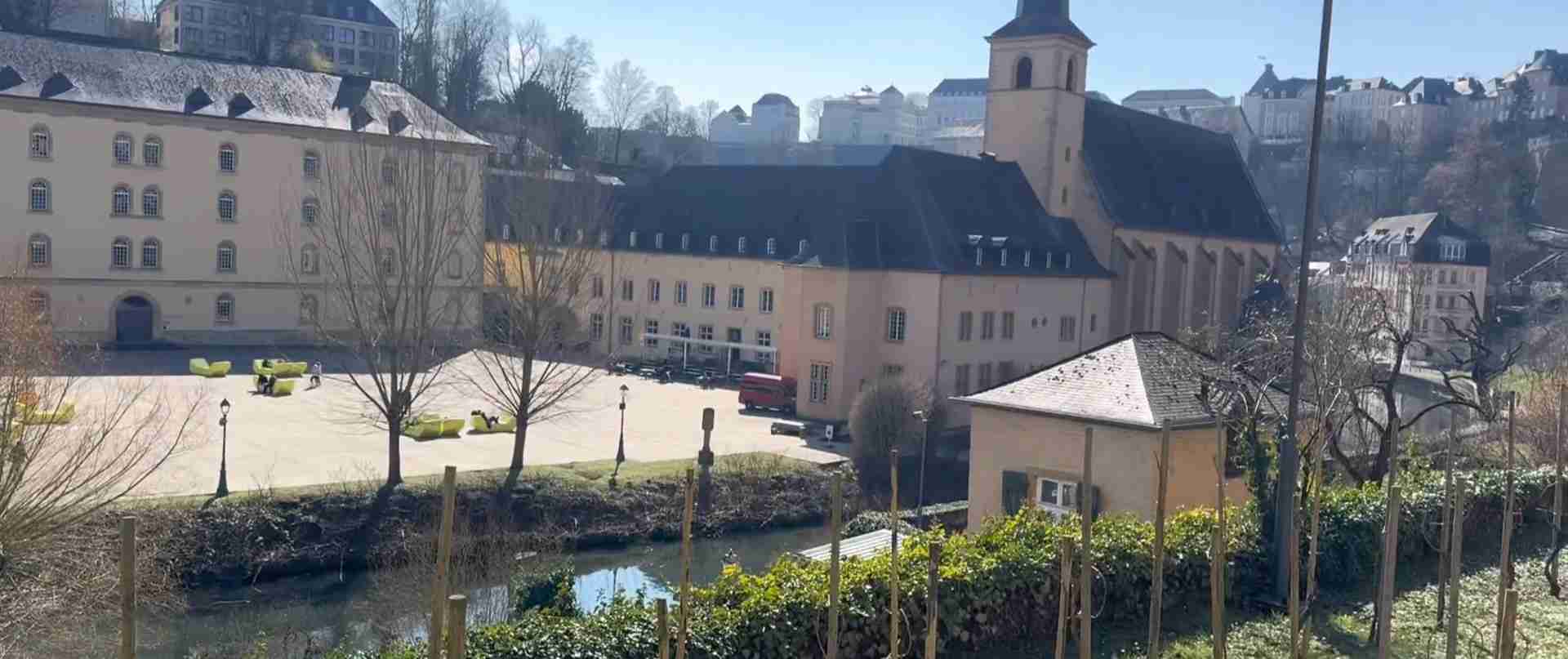
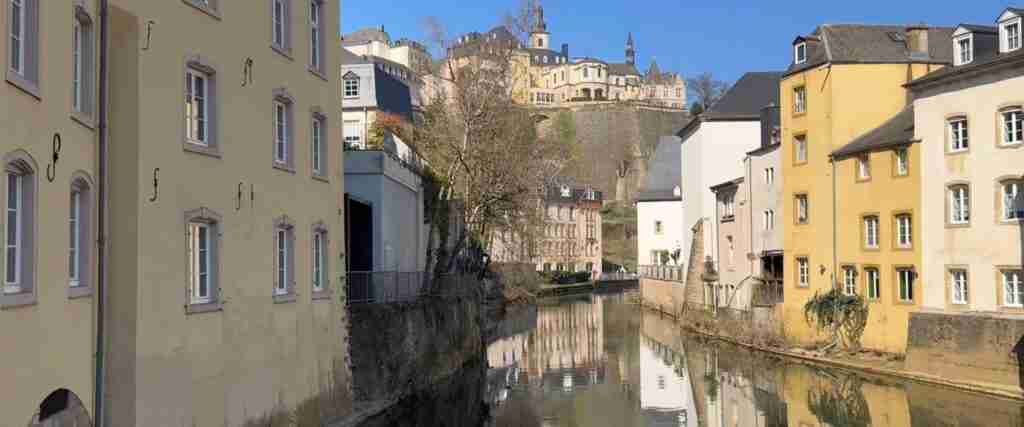
The “City of Luxembourg: its Old Quarters and Fortifications,” inscribed on the UNESCO World Heritage List in 1994 under criterion (iv), encompasses the dramatic clifftop Old Town, preserved fortification remnants, and the contrasting valley districts of Grund, Clausen, and Pfaffenthal. This concentrated heritage zone demonstrates Luxembourg’s strategic military importance from the 10th through 19th centuries, when successive European powers — Burgundians, Spanish, French, Austrians, and Prussians — reinforced the natural defensive advantages of the rocky promontory overlooking the Alzette and Pétrusse river valleys.
The Bock promontory forms the historical and geographical core of Luxembourg’s fortifications, where Count Siegfried established the original castle in 963 CE that eventually evolved into one of Europe’s most formidable fortress complexes. The Bock Casemates — 17 kilometers of underground galleries carved from solid rock — provided subterranean shelter for troops, ammunition, horses, and workshops during sieges and bombardments. Visitors in 2026 explore approximately 1.5 kilometers of these tunnels via guided access costing €11 per adult, with entry timed at 15-minute intervals from 9:45 AM to 5:00 PM final admission. The casemates maintain constant cool temperatures around 10-12°C year-round, requiring light jackets even during summer visits. Strategic openings in the rock walls frame dramatic views across the Alzette valley to the Grund district’s church spires and historic houses clustered along the riverbanks.
The Pétrusse Casemates, reopened in 2026 after extensive enhancement featuring cutting-edge scenography and atmospheric lighting installations, offer a complementary underground experience accessed from Place de la Constitution. Adult admission costs €12.60, with similar timed-entry protocols. These galleries demonstrate different construction periods and military functions compared to the Bock system, providing visitors interested in fortification architecture with valuable comparative insights. The innovative lighting design transforms the historical tunnel system into an evocative multimedia experience emphasizing the casemates’ evolving purposes from military defense through World War shelter to contemporary heritage interpretation.
Above ground, the Chemin de la Corniche pedestrian promenade traces the former rampart line along the clifftop, earning recognition as “Europe’s most beautiful balcony” for its sweeping views across the Alzette valley. This wheelchair-accessible path connects the Bock area to the Citadelle du Saint-Esprit ruins, passing interpretive panels explaining the fortification system’s development and demolition history. The 1867 Treaty of London mandated Luxembourg’s military neutralization, requiring demolition of the fortress works that had consumed 300 years of construction and reinforcement. The dismantling process lasted from 1867 to 1883, removing massive walls and bastions while preserving select remnants that now form the UNESCO-inscribed landscape.
The Pfaffenthal Panoramic Elevator, inaugurated in 2016, provides dramatic vertical transportation between the Pfaffenthal valley district and the UNESCO World Heritage plateau level. This glass-sided inclined elevator ascends 71 meters, offering extraordinary views during the 64-second journey. The facility operates free of charge, consistent with Luxembourg’s commitment to accessible public infrastructure, and functions daily from early morning through late evening. The elevator transforms the traditional challenging climb between valley and clifftop into an effortless, scenic experience, particularly valuable for travelers with mobility limitations or those visiting during hot summer weather when the steep paths become less appealing.
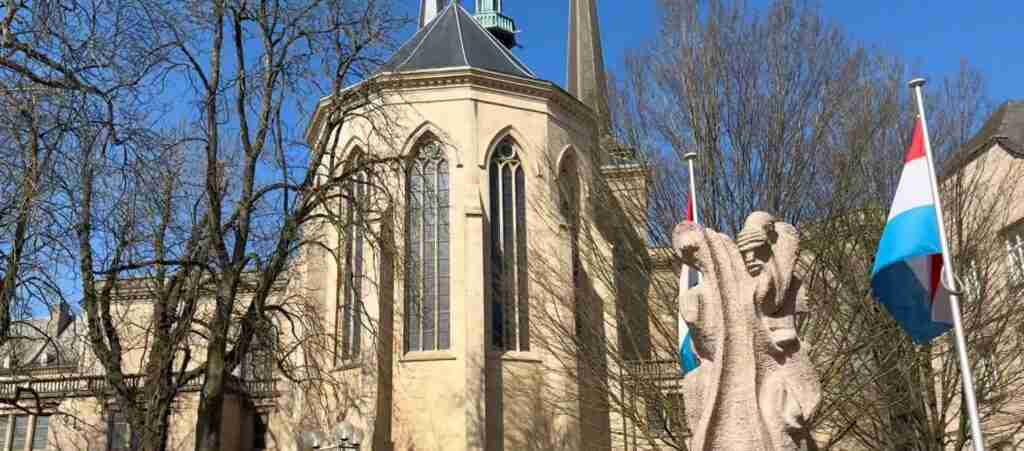
Notre-Dame Cathedral, while not technically part of the fortification ensemble, anchors the southern edge of the UNESCO zone with its distinctive blend of late Gothic and Renaissance architecture. The 17th-century structure features an elaborate baroque crypt housing the tombs of the Grand Ducal family, ornate confessionals, and the revered statue of Our Lady, Consoler of the Afflicted — Luxembourg’s patron saint. Admission remains free, with respectful dress codes enforced during services. The cathedral’s three spires dominate the city skyline from multiple viewpoints, serving as orientation landmarks when navigating the Old Town’s winding streets.
The Grand Ducal Palace on Rue du Marché-aux-Herbes represents Luxembourg’s political continuity from fortress town to sovereign state. The 16th-century façade underwent Renaissance and baroque modifications, with the distinctive Moorish-style extension added in the 1890s. The palace functions as the Grand Duke’s official city residence and administrative office, with public tours available during limited summer periods (typically July-August) requiring advance booking through the Luxembourg City Tourist Office. When tours operate, admission costs approximately €15 including access to ceremonial rooms and state apartments normally closed to the public. The exterior viewing and photography opportunities remain free year-round from the adjacent street.
Strategic viewpoints throughout the UNESCO zone provide orientation and photographic opportunities without admission costs. The Gëlle Fra (Golden Lady) monument on Place de la Constitution overlooks the Pétrusse valley with panoramic vistas across the Adolphe Bridge and southern Old Town. The Corniche promenade offers continuous valley perspectives, while the plateau behind the Bock Casemates entrance provides elevated views across the Alzette valley to Kirchberg’s modern architecture. These vantage points demonstrate Luxembourg’s distinctive multi-level geography — the contrast between fortress plateau, mid-level neighborhoods clinging to cliffsides, and valley-floor districts creates dramatic topographical variety within the compact urban footprint.
Navigating the UNESCO area on foot requires comfortable walking shoes and reasonable fitness for managing elevation changes. The primary routes between plateau and valley levels — aside from the Pfaffenthal Elevator — include stone staircases carved into the rock faces, switchback paths with moderate grades, and the winding Rue du Fort Niedergrünewald descending from the Old Town to Grund. Allow 15-20 minutes for each descent or ascent between levels when planning itineraries, with additional time for photograph stops at the numerous scenic overlooks. The moderate physical demands reward visitors with intimate engagement with the fortification landscape’s vertical drama rather than abstract viewing from distant observation points.
Museum and Cultural Attraction Strategy 2026
Luxembourg City’s museum landscape concentrates within the UNESCO core and Kirchberg cultural quarter, offering world-class collections in compact venues that enable efficient cultural immersion without the overwhelming scale of mega-institutions in larger capitals. Understanding admission structures, free access opportunities, and the LuxembourgCard system maximizes cultural experiences while managing budgets effectively.
The National Museum of History and Art (Musée National d’Histoire et d’Art – MNHA) on Marché-aux-Poissons occupies a beautifully renovated medieval building integrating modern exhibition spaces. Collections span Luxembourg’s archaeological heritage, fine arts from the 15th through 20th centuries, and decorative arts including ceramics, furniture, and religious artifacts. Adult admission costs €5, with combined tickets including the Lëtzebuerg City Museum providing exceptional value. The museum offers complimentary admission Thursday evenings from 6:00 PM to 8:00 PM, enabling budget-conscious visitors to experience major collections without cost. Temporary exhibitions occupy dedicated galleries, with recent shows addressing topics ranging from contemporary photography to Luxembourg’s industrial heritage.
The Luxembourg City History Museum (Lëtzebuerg City Museum) on Rue du Saint-Esprit interprets urban development through interactive displays, architectural models, and archaeological artifacts recovered during city excavations. The permanent exhibition traces Luxembourg from its founding fortress through industrial modernization to contemporary European administrative center, with particular emphasis on the physical evolution of the fortification landscape. The same €5 admission covers entry to both this museum and MNHA, creating a combined cultural package spanning archaeology, history, and fine arts. Thursday evening free admission applies here as well, from 6:00 PM to 8:00 PM.
MUDAM (Musée d’Art Moderne Grand-Duc Jean) on the Kirchberg plateau occupies a striking I.M. Pei-designed building combining historical Fort Thüngen remnants with contemporary architecture. The museum dedicates itself exclusively to modern and contemporary art, with rotating exhibitions featuring international artists alongside emerging Luxembourg creators. Admission costs €8 for adults, positioning MUDAM slightly above the €5 standard for other city museums. The permanent collection emphasizes conceptual art, installations, and multimedia works from the late 20th and early 21st centuries. The building’s architecture and integration with the historic fort foundations merit attention independent of the exhibition content — the interplay between Pei’s geometric glass forms and the preserved military stonework creates dramatic spatial contrasts.
The Villa Vauban municipal art museum focuses on 17th-21st century European painting, with notable holdings in Dutch Golden Age works, French academic art, and Luxembourg regional artists. The neoclassical villa housing the collection underwent extensive modern expansion, creating airy galleries for the permanent collection plus dedicated spaces for temporary exhibitions. Adult admission costs €5, with the same Thursday evening free access from 6:00 PM to 8:00 PM. The museum gardens provide pleasant outdoor space for contemplation between gallery visits, with sculpture displays rotating periodically.
The LuxembourgCard tourist pass rationalizes admission costs for visitors planning multiple cultural sites across 2-3 days. Individual passes cost €14 for one day, €22 for two days, or €31 for three days, granting free or reduced admission to 60-80+ attractions nationwide — museums, castles, historic sites, and some specialized tours. Family/group cards for up to five people cost €31 for one day, €54 for two days, or €77 for three days, offering substantial savings for traveling parties. The card’s value calculation depends entirely on individual itineraries — break-even typically occurs around 3-4 paid admissions daily, so museum enthusiasts visiting 4-6 sites across two days achieve clear financial advantage, while casual visitors entering 1-2 attractions find single admissions more economical.
The LuxembourgCard provides additional benefits beyond admission coverage. Participating attractions include sites throughout the country — Vianden Castle (€11 standard admission), Beaufort Castle (€8), the National Mining Museum in Rumelange (€9), and Moselle wine cellars offering tastings. The card also covers certain guided tours, boat excursions on the Moselle River, and the City Train tourist bus in Luxembourg City. These supplementary inclusions extend value beyond museum admissions alone, particularly for visitors incorporating day trips and specialized experiences into their itineraries.
Purchase options for the LuxembourgCard include online advance booking via the official Visit Luxembourg website (delivered as PDF with QR code for smartphone display), tourist office purchase at Place Guillaume II in central Luxembourg City, and sales at participating hotels and attractions. Online purchase enables immediate activation upon arrival without queuing at tourist offices, while physical purchase provides in-person consultation about optimal card duration based on planned activities. The card activates upon first use at any participating venue, with multi-day cards allowing non-consecutive usage over a 365-day period — a two-day card needn’t be used on consecutive days if travelers prefer spacing museum visits around other activities.
Free museum access events in 2026 provide alternatives to the LuxembourgCard for budget-focused visitors. Museum Night (Nuecht vun de Muséeën), held annually during the second October weekend, opens participating institutions for extended evening hours with special programming including workshops, performances, and guided tours. Luxembourg Museum Days coincide with International Museum Day weekend in mid-May, offering free admission and family-oriented activities at approximately 40 institutions across the Grand Duchy. These annual events enable comprehensive cultural experiences without admission costs, though crowding increases substantially compared to typical operating conditions.
Photography policies vary by institution. Most Luxembourg museums permit non-flash photography for personal use in permanent collection galleries, while temporary exhibitions often restrict photography due to copyright and loan agreement stipulations. Commercial photography requires advance permission and may incur fees. MUDAM enforces stricter photography limitations on certain installations where artists prohibit documentation. Check specific policies at each museum entrance or website before planning photography-focused visits.
Museum fatigue — the cognitive and physical exhaustion from intensive cultural consumption — affects many travelers attempting to maximize limited time in cities. Luxembourg’s relatively modest museum scale mitigates this phenomenon compared to mega-institutions like the Louvre or British Museum, with most collections viewable comprehensively in 90-120 minutes. Strategic pacing — alternating museum visits with outdoor fortification exploration, café breaks, or valley district walks — maintains engagement while preventing the numbing overload that diminishes appreciation of individual works and exhibitions.
Accommodation Strategies and Neighborhood Selection 2026
Luxembourg City accommodation costs span a wide range depending on location, timing, and property category, with strategic neighborhood selection and booking timing significantly influencing total trip budgets. The compact city geography and free public transport system enable value-conscious travelers to prioritize well-connected peripheral locations over premium central hotels without sacrificing access to major attractions.
The Old Town (Ville Haute) and adjacent Gare (Station) district command premium rates due to immediate proximity to the UNESCO World Heritage sites, central business district offices, and primary shopping streets. Expect €140-220 per night for mid-range three-star hotels, €220-350 for upscale four-star properties, and €350-600+ for luxury five-star accommodations during peak summer and business travel periods (September-October, March-May excluding holidays). These areas provide walking-distance access to Notre-Dame Cathedral, the Bock Casemates, Place d’Armes restaurants, and central shopping, appealing to travelers prioritizing convenience and atmosphere over budget optimization.
The Kirchberg plateau, developed as the European Union institutional quarter and modern business district, offers contemporary hotels with corporate-oriented amenities — business centers, conference facilities, executive lounges — at rates typically €20-50 lower than comparable Old Town properties. Mid-range Kirchberg hotels range €100-170 per night, with several chain properties (Novotel, Park Inn, NH) providing reliable international standards. The district connects to the Old Town via frequent tram service (8-12 minutes to the station area) and bus routes, making the modest travel time a worthwhile tradeoff for the cost savings. Kirchberg hotels particularly appeal to business travelers visiting European institutions, families requiring more spacious modern rooms, and budget-conscious tourists comfortable with efficient but less atmospheric surroundings compared to the historic core.
The Grund valley district, nestled along the Alzette River at the base of the fortress cliffs, features boutique hotels and converted historic properties offering distinctive character in pedestrian-friendly riverside settings. Accommodation options remain limited compared to plateau districts, with rates comparable to Old Town properties (€150-250 mid-range, €280-450 upscale) but providing unique ambiance surrounded by medieval buildings, café terraces, and immediate access to valley walking paths. Grund properties suit travelers prioritizing atmosphere and boutique experiences over modern amenities, though the elevation gain to the Old Town plateau (manageable via paths or the Pfaffenthal Elevator) factors into daily navigation.
Budget accommodation concentrates in the Gare district surrounding Luxembourg’s central train station, approximately 1 kilometer south of the Old Town core. This mixed commercial and residential area provides practical, no-frills hotels and a limited hostel scene at substantially lower rates than tourist-centric neighborhoods. Budget hotels range €60-95 per night, while hostel dormitory beds cost €25-40. The district lacks the charm of the Old Town or Grund but compensates with excellent public transport connectivity (train, bus, and tram hub), proximity to shopping centers and supermarkets, and walking distance to the Pétrusse Valley parks providing green space access. Budget travelers, backpackers, and practical-minded visitors find the Gare district’s functional character and cost advantages outweigh atmospheric considerations.
Seasonal pricing patterns significantly impact accommodation costs. Peak summer months (June-August) combine leisure tourism with continued business travel, maintaining elevated rates across all categories. Autumn business peaks (September-October) drive demand from European Parliament sessions and corporate meetings, often producing the year’s highest rates in business-oriented hotels. Spring (March-May) and autumn (November) shoulder seasons offer moderate pricing with generally favorable weather and full attraction access. Winter (December-February) delivers the lowest annual rates — mid-range Kirchberg hotels drop to €70-120, Old Town properties fall to €110-180 — though Christmas market periods (late November-December) create brief demand spikes. Single-night stays typically cost €15-30 more than multi-night bookings, with 3+ night reservations often qualifying for modest discounts.
Advance booking versus last-minute strategies present tradeoffs. Booking 2-3 months ahead secures preferred locations and property categories during peak periods, with moderate flexibility policies allowing free cancellation until 1-7 days before arrival. Last-minute booking (1-7 days prior) occasionally yields exceptional deals when hotels reduce rates to fill empty inventory, but risks limited selection and forces acceptance of whatever remains available. Business hotels in Kirchberg particularly offer aggressive last-minute weekend discounts, reducing Friday-Sunday rates by 30-50% compared to weekday corporate demand pricing. This dynamic enables flexible travelers monitoring rates to capture substantial savings.
Alternative accommodation models supplement traditional hotels. Apartment rentals via platforms like Airbnb and Booking.com provide kitchen facilities enabling self-catering for extended stays, with one-bedroom units ranging €80-150 nightly depending on location and quality. These options particularly benefit families or groups sharing costs, though Luxembourg’s accommodation inventory skews heavily toward business hotels rather than residential short-term rental supply, limiting selection compared to larger tourism-driven cities. Serviced apartments combine hotel-like amenities with residential space configurations, offering middle-ground solutions at premium rates (€120-200 nightly for studios/one-bedrooms).
Practical accommodation considerations beyond base rates influence selection. Parking costs €15-30 daily at most central hotels, with limited free parking available only at peripheral properties — a significant factor for travelers arriving by car. Breakfast inclusion varies, with €15-25 per person charged when not bundled in room rates; nearby bakeries and cafés provide breakfast alternatives at €8-15 per person. Air conditioning, standard in modern Kirchberg hotels, appears inconsistently in older Old Town properties, affecting summer comfort during heat waves. Elevator availability matters given the city’s vertical topography and accommodation properties occupying historic multi-story buildings — confirm lift access for mobility-impaired travelers or those uncomfortable with stairs.
The optimal accommodation strategy for most leisure visitors balances location convenience, property quality, and cost through peripheral neighborhood selection with excellent transit connections. A mid-range Kirchberg hotel at €120-150 nightly, combined with free tram access reaching the Old Town in 10 minutes, often provides superior overall value compared to €180-220 central properties offering marginal time savings. The free public transport system fundamentally alters traditional location-versus-cost calculations, enabling quality-focused selection without automatic assumptions that proximity commands premium value.
Dining, Food Markets, and Culinary Navigation 2026
Luxembourg City’s dining landscape reflects the country’s position at the intersection of French and German culinary traditions, with substantial international diversity driven by the large expatriate population working in European institutions and financial services. Understanding restaurant categories, pricing structures, and strategic dining approaches enables travelers to experience varied culinary offerings while managing food budgets according to individual preferences.
Traditional Luxembourgish cuisine emphasizes hearty preparations reflecting agricultural and working-class heritage — dishes like Judd mat Gaardebounen (smoked pork collar with broad beans), Bouneschlupp (green bean soup), and Gromperekichelcher (potato pancakes) appear on menus at establishments preserving regional culinary identity. These traditional restaurants typically charge €18-32 for main courses, with complete meals including appetizers and desserts reaching €35-55 per person excluding beverages. Notable traditional venues cluster in the Old Town and Grund districts, with English-language menus widely available alongside French and German versions.
French-influenced fine dining commands the city’s culinary prestige, with several Michelin-starred establishments and numerous upscale bistros offering sophisticated preparations emphasizing seasonal ingredients and wine pairings. Fine dining mains range €35-65, with tasting menus reaching €85-150 per person before wine selections. These restaurants concentrate in the Old Town plateau and selected Grund valley locations, appealing to special-occasion diners and culinary enthusiasts allocating substantial meal budgets. Reservations become essential at prestigious establishments, particularly Friday-Saturday evenings and holiday periods.
Casual dining options provide accessible quality at moderate prices. Italian trattorias, French bistros, Belgian-style brasseries, and international cafés charge €15-28 for mains, with complete two-course meals totaling €25-40 per person. These mid-range venues dominate the restaurant landscape numerically, offering reliable quality without fine-dining formality or associated costs. The Place d’Armes area, Rue Chimay, and Grund riverside streets concentrate casual dining options with outdoor terraces during favorable weather, creating vibrant social atmospheres particularly during summer evenings.
Quick-service and budget dining requires more intentional seeking but delivers substantial cost savings. Bakeries and sandwich shops provide takeaway lunches for €6-12 — baguette sandwiches, quiches, salads, and pastries enable picnic-style meals in the Pétrusse Valley parks or on Corniche benches overlooking the valley views. Ethnic restaurants including Turkish kebab shops, Asian noodle bars, and Middle Eastern establishments charge €8-15 for filling meals, clustering in the Gare district and along Avenue de la Liberté. These options particularly benefit budget travelers, families managing daily meal costs, and visitors comfortable with informal dining environments.
Supermarkets provide maximum budget control through self-catering when accommodation includes kitchen facilities. Cactus, Delhaize, and Auchan operate locations near the station and in peripheral districts, with prepared salad bars, rotisserie chickens, bread, cheese, and produce enabling meal assembly at €5-12 per person. This approach suits apartment rental guests, travelers on restricted budgets, or those preferring dietary control and familiar food options over restaurant dining. Sunday closures affect most supermarkets, though selected Gare district locations maintain limited Sunday hours — plan grocery shopping for weekdays to ensure access.
Food markets add cultural color and practical shopping options. The Place Guillaume II outdoor market operates Wednesday and Saturday mornings, featuring local produce, cheeses, flowers, and specialty items in a traditional European market atmosphere. The smaller Hollerich flea market (Sunday mornings) includes food vendors alongside antiques and collectibles. These markets provide ingredient sourcing for self-catering while offering immersive local experiences — Luxembourgers shop these markets actively rather than viewing them as tourist attractions, creating authentic rather than staged environments.
Wine culture reflects Luxembourg’s Moselle valley production, with local whites — particularly Riesling, Auxerrois, and Pinot Gris — appearing prominently on restaurant lists. Glass prices range €5-9 for house wines, €7-15 for better bottles, with premium selections reaching €15-25 per glass at upscale establishments. Beer culture draws heavily from Belgian traditions, with both mass-market lagers (€3-5 per 25cl serving) and craft/specialty beers (€5-8) widely available. Diekirch and Bofferding represent major Luxembourg brewery brands, while Belgian imports dominate the craft segment. Wine and beer purchases at supermarkets cost substantially less than restaurant service — bottles of quality local wine range €8-20 retail versus €25-50 restaurant markups.
Practical dining customs differ somewhat from other European contexts. Tipping remains discretionary rather than obligatory, with 5-10% considered generous for satisfactory service — the practice of rounding up bills to convenient figures (€47 check rounded to €50) appears more common than calculating precise percentage tips. Service charges appear included in menu prices, eliminating the American expectation of automatic 15-20% gratuities. Reservations prove advisable for weekend dinners at popular restaurants, while weekday lunches and casual venues accommodate walk-ins readily. Lunch specials (“formules” or “menu du jour”) provide excellent value, offering two-course meals for €12-22 compared to €25-40 evening equivalents at the same establishments.
Breakfast approaches vary by accommodation type and personal preference. Hotel breakfasts range from basic continental spreads (coffee, bread, jam) included in room rates to elaborate buffets commanding €15-25 supplements. Bakery breakfasts at establishments like Oberweis or Namur cost €6-12 for coffee, croissants, and fruit, delivering authentic atmosphere and quality at half hotel buffet costs. Many travelers adopt mixed strategies — bakery breakfasts on days with early starts or tight budgets, hotel buffets when included or when seeking substantial fuel before active sightseeing days.
Dietary restrictions receive accommodation at most establishments, with vegetarian options appearing on standard menus and vegan/gluten-free selections available upon request at many venues. The international character of the dining scene ensures familiarity with diverse dietary needs, though highly specialized requirements (strict kosher, halal certification) limit options to specific ethnic restaurants rather than mainstream venues. Language typically poses no barrier — menus appear in French, German, and increasingly English, with staff at tourist-area restaurants communicating comfortably about ingredients and preparations.
Day Trip Destinations from Luxembourg City 2026
Luxembourg’s compact national geography enables extensive day trip exploration from the capital without expensive transportation, lengthy travel times, or complex logistics. The free nationwide public transport system transforms destinations across the Grand Duchy into accessible excursions requiring only schedule consultation rather than financial planning or ticket purchasing.
Vianden represents Luxembourg’s most iconic day trip destination, featuring a dramatically restored medieval castle perched above a picturesque town nestled in the Our River valley. The journey from Luxembourg City combines trains to Ettelbruck (30 minutes) with connecting buses to Vianden (20 additional minutes), totaling approximately 50-60 minutes door-to-door. The castle charges €11 adult admission, offering self-guided exploration of furnished state rooms, knights’ halls, chapel, and defensive towers with panoramic valley views. The town below provides riverside walking paths, traditional restaurants serving regional specialties, and craft shops in historic buildings. A chairlift (€8 round-trip, €5 one-way) ascends from the town center to higher valley viewpoints, offering aerial perspectives over the castle and surrounding forests. Dedicate 4-6 hours for comprehensive Vianden exploration — 90 minutes castle visit, 60 minutes town wandering, 45 minutes chairlift/viewpoint experience, plus meal time if dining locally.
The Moselle Valley wine region extends along Luxembourg’s southeastern border with Germany, producing predominantly white wines with appellations including Remich, Grevenmacher, and Wormeldange. Trains reach Wasserbilligen (30 minutes from Luxembourg City), providing access to vineyard villages connected by local buses and scenic cycling paths. Several wineries offer tastings and cellar tours, typically costing €8-15 per person for guided experiences sampling 4-6 wines with explanations of Luxembourg viticulture and production methods. The riverfront promenade in Remich features restored historic facades, casual restaurants with terrace seating, and boat excursions operating seasonally on the Moselle River (€12-18 for 60-90 minute cruises, often included in the LuxembourgCard). Wine tourism appeals particularly during harvest season (September-October) when vineyard landscapes display autumn colors and special events celebrate the vintage.
Müllerthal Region, marketed as “Luxembourg’s Little Switzerland,” occupies the eastern Grand Duchy with sandstone rock formations, forested valleys, and a network of hiking trails ranging from easy 5-kilometer loops to challenging 15-kilometer circuits. Access from Luxembourg City via train to Echternach (45 minutes) positions travelers at the region’s primary town, offering trail connections, accommodation, and services. The Mullerthal Trail network encompasses 112 kilometers across three main routes, with numerous shorter alternatives for day hikers. Notable geological features include the Schiessentümpel waterfall, Hohllay rock labyrinth, and dramatic overhanging cliff formations creating natural shelters. Day hikers typically complete 8-12 kilometer sections requiring 3-4 hours, plus transportation and meal time. Echternach itself merits exploration for its abbey heritage, medieval market square, and traditional restaurants, adding cultural elements to outdoor recreation.
The Ardennes region in northern Luxembourg offers different landscapes compared to the Müllerthal sandstone — rolling forested hills, historic market towns, and Battle of the Bulge heritage sites. Clervaux, accessible via train in 90 minutes from Luxembourg City, features a restored medieval castle housing “The Family of Man” photography exhibition (UNESCO Memory of the World designation), the Museum of the Battle of the Bulge, and a scale-model collection depicting Luxembourg’s castles. The Clervaux Abbey operates actively as a Benedictine community, with parts accessible to visitors. The journey length positions Clervaux as a longer day trip requiring early departure and late return, or alternatively as an overnight destination enabling deeper northern region exploration including Esch-sur-Sûre reservoir and Wiltz castle town.
Differdange and the Terres Rouges (Red Lands) region in southern Luxembourg showcase industrial heritage landscapes — former iron ore mining territories now partially reclaimed by nature while preserving blast furnace sites and mining infrastructure. The National Mining Museum in Rumelange (45 minutes by train plus connecting bus) offers underground gallery tours through actual mining tunnels, providing insight into Luxembourg’s industrial development that transformed the country from agricultural backwater to one of Europe’s wealthiest nations. The post-industrial landscapes appeal particularly to photographers and industrial heritage enthusiasts drawn to the contrast between massive steel structures and colonizing vegetation.
Day trip planning benefits from the Mobiliteit.lu app’s journey planner functionality, calculating optimal train-bus combinations with real-time departure schedules. Most destinations feature hourly or better service during daytime hours (6:00 AM to 8:00 PM), with reduced frequencies early morning and evening requiring schedule verification. Sunday and holiday service operates on modified schedules with less frequency than weekdays, affecting return journey timing particularly from smaller destinations like Müllerthal trailheads or remote Moselle villages.
Weather considerations influence day trip timing and destination selection. Müllerthal hiking requires dry conditions for safe navigation of rock passages and potentially muddy forest trails — check forecasts and postpone outdoor excursions during heavy rain or winter ice conditions. Wine valley visits remain pleasant during most conditions given the primarily town-based activities, though vineyard terrace dining and river cruises obviously benefit from favorable weather. Vianden castle operates year-round with indoor spaces providing shelter, though outdoor tower access and scenic viewpoints deliver reduced appeal during storms or fog.
Packing essentials for day trips vary by destination. Müllerthal hiking demands proper footwear, water bottles, snacks, and layers for changing conditions — trails lack extensive services and shops. Moselle wine visits require minimal specialized gear but benefit from sunglasses and sun protection during summer terrace tastings. Vianden suits casual urban exploration gear, with comfortable walking shoes adequate for castle stairs and town rambles. The unpredictable nature of weather in Luxembourg at all seasons recommends carrying light rain gear regardless of morning conditions or forecast confidence.
Weather Patterns and Seasonal Considerations 2026
Luxembourg experiences temperate oceanic climate with four distinct seasons, moderate rainfall distributed throughout the year, and weather variability requiring flexible daily planning. Understanding seasonal patterns, typical conditions, and packing strategies optimizes comfort and enables activity planning aligned with climate realities rather than idealized expectations.
Summer months (June-August) deliver the warmest and longest daylight conditions, with average high temperatures ranging 22-25°C and occasional heat waves reaching 30-32°C. This period provides optimal weather for outdoor fortification exploration, valley walking, terrace dining, and day trip excursions. Rainfall occurs approximately 10-12 days monthly on average, typically as brief afternoon showers rather than all-day precipitation, allowing morning sightseeing even during unsettled periods. July and August particularly attract peak tourist volumes, with accommodation prices elevated and popular sites like the Bock Casemates experiencing queues during midday peaks. The extended daylight — sunrise around 5:30 AM, sunset past 9:30 PM in June — enables early morning and evening exploration avoiding midday crowds and heat.
Spring (March-May) presents transitional conditions with increasing temperatures, blooming parks and valley gardens, and variable weather requiring layered clothing and rain preparedness. March averages 8-12°C daily highs with frequent rain showers, while May reaches 17-20°C with improving reliability. This shoulder season offers substantial advantages — 20-30% lower accommodation rates compared to summer, reduced crowding at attractions, full museum operating hours commencing in April, and pleasant conditions for walking when weather cooperates. Cherry blossoms in the Pétrusse Valley parks peak in mid-to-late April, creating photogenic conditions. The unpredictability necessitates flexible itineraries capable of pivoting between outdoor fortification exploration during clear spells and museum visits when rain arrives.
Autumn (September-November) mirrors spring’s transitional character with reverse temperature trajectory — September often extends summer-like conditions (20-23°C), while November brings winter’s approach (6-10°C). This season particularly appeals for photography given dramatic autumn foliage in valley districts and favorable light angles. September and early October maintain peak pricing and service levels as European Parliament activity drives business demand, while late October and November deliver shoulder-season cost advantages. Rainfall increases compared to summer, averaging 12-14 precipitation days monthly, requiring waterproof layers and covered footwear. Museums maintain full operating hours through October, with some attractions reducing November hours as winter approaches.
Winter (December-February) combines the year’s lowest temperatures (0-5°C daily highs), shortest daylight (sunrise 8:15 AM, sunset 4:45 PM in December), and most affordable accommodation rates. December offers unique Christmas market atmosphere from late November through year-end, with wooden chalets on Place d’Armes and Place Guillaume II selling mulled wine, grilled sausages, regional crafts, and seasonal decorations. This festive period attracts specific tourism despite cold conditions, creating a brief demand exception to winter’s general low season. January and February deliver the deepest discounts on hotels — often 40-50% below summer rates — appealing to budget travelers and those comfortable with limited outdoor time and earlier restaurant closures. Snow occurs occasionally but rarely accumulates substantially, with frost and damp conditions more typical than picturesque snowfall. Museum visits, café culture, and indoor attractions dominate itineraries given weather limitations.
Packing strategies adapt to seasonal conditions and Luxembourg’s weather variability. Summer visits require sun protection (hat, sunglasses, sunscreen), light layers for temperature flexibility, and compact rain jacket for afternoon showers. Spring and autumn demand more substantial layering — fleece or light insulated jacket, long pants, waterproof shell, and closed-toe comfortable walking shoes. Winter necessitates warm coat, gloves, scarf, and waterproof footwear for potentially wet conditions, plus thermal layers for outdoor fortification exploration. Comfortable walking shoes appear essential year-round given the cobblestone Old Town streets, elevation changes between districts, and extensive on-foot exploration that defines Luxembourg City sightseeing.
Weather forecast resources include Luxembourg’s national meteorological service (meteolux.lu) providing detailed local predictions, standard smartphone weather apps offering hourly forecasts, and the Mobiliteit.lu transport app displaying current conditions. Morning forecast checks enable tactical itinerary adjustments — pivoting museum visits to rainy periods while capitalizing on clear windows for outdoor photography and fortification walks. The weather’s changeability cautions against rigid scheduling — flexibility to swap planned activities between days based on unfolding conditions improves outcomes compared to forcing predetermined itineraries regardless of rain or unexpected sunshine.
Indoor backup activities mitigate disappointing weather impacts. The extensive museum network provides all-day occupancy options during sustained rain. Multi-level shopping centers near the station district offer weather-protected browsing and dining. The Philharmonie Luxembourg in Kirchberg presents exceptional architecture independent of concert schedules, with the public areas open for viewing. Café culture — settling into historic establishments for extended coffee, pastries, and people-watching — transforms weather obstacles into opportunities for cultural immersion and rest from intensive sightseeing.
Money, Currency, and Financial Practicalities 2026
Luxembourg operates on the euro (€) as its official currency, sharing monetary policy with the broader Eurozone while maintaining certain distinctive financial practices and cost structures. Understanding payment methods, currency exchange, tipping customs, and typical transaction scenarios enables smooth financial navigation throughout visits.
ATM availability throughout Luxembourg City enables convenient cash withdrawal using international debit and credit cards. Machines cluster around Place d’Armes, along Avenue de la Liberté, in the Gare station district, and at Kirchberg commercial areas. Most ATMs offer English language options alongside French, German, and Luxembourgish interfaces. Withdrawal fees vary by home bank policy — typically €3-5 flat fees or 1-3% of transaction value, with some banks waiving international ATM fees for premium account holders. Visa and Mastercard networks provide the widest acceptance, while American Express cards function at some but not all machines. Select ATMs operated by Spuerkeess (Luxembourg’s savings bank) and major commercial banks, avoiding independent machines in tourist areas that often impose additional surcharges beyond standard network fees.
Credit and debit card acceptance appears nearly universal at hotels, restaurants, museums, and retail establishments. Contactless payment via cards or smartphone apps (Apple Pay, Google Pay) works at most terminals with transaction limits typically set at €50-100 before PIN verification requirements. A minority of small establishments — bakeries, market vendors, small cafés — operate cash-only or impose minimum purchase requirements (€10-15) for card acceptance. Carry €50-100 cash reserve for these scenarios plus small purchases where card use seems disproportionate to transaction values.
Currency exchange services cluster around the station district and central commercial streets, though ATM withdrawal generally provides superior exchange rates compared to physical exchange offices. Bureau de change services typically charge 3-5% margins on currency conversion plus potential flat fees, making them economically disadvantageous except when ATM access proves unavailable. Hotels offer emergency currency exchange at highly unfavorable rates (5-10% margins) — use this option only as last resort when banks and ATMs remain closed during weekends or holidays.
Tipping practices in Luxembourg reflect Continental European rather than American customs. Restaurant bills include service charges, making additional tipping discretionary rather than obligatory. Local practice involves rounding up bills to convenient figures — €47 rounded to €50, €23 rounded to €25 — representing approximately 5-10% gratuities considered generous for satisfactory service. Exceptional service might warrant 10-15% tips, while poor service receives minimal or zero tips without social pressure. Taxi drivers receive similar treatment — rounding up fares rather than calculating precise percentages. Hotel porters appreciate €1-2 per bag, while housekeeping tips (€2-5 daily) remain optional but welcomed.
Value-added tax (TVA/MwSt) at standard 17% rate applies to most goods and services, included in displayed prices rather than added at purchase like American sales tax. Reduced VAT rates apply to certain categories — 8% for restaurants, hotels, and cultural admissions; 3% for essential goods. Prices displayed on menus, in shops, and at attractions include all taxes, eliminating calculation requirements or checkout surprises. Non-EU visitors can claim VAT refunds on goods purchases exceeding €75 from participating retailers, requiring special tax-free forms completed at purchase and validated by customs when departing the EU. The administrative process and minimum thresholds make VAT refunds practical primarily for substantial shopping rather than incidental tourist purchases.
Budget monitoring strategies help maintain financial discipline throughout visits. Track daily expenses via smartphone notes or dedicated budget apps, categorizing spending across accommodation, meals, attractions, and miscellaneous purchases. This awareness prevents gradual overspending accumulation and enables tactical adjustments — switching from restaurants to supermarket meals, prioritizing free attractions over paid admissions — when approaching budget limits. The free public transport eliminates one major variable expense category, simplifying budget management by concentrating focus on accommodation, dining, and cultural admission costs.
Hidden costs and surprise expenses warrant awareness. Public restroom fees (€0.50-1.00) appear at some locations including train stations and major shopping areas, though many restaurants, museums, and hotels provide facilities free for customers. Tourist-oriented restaurants around Place d’Armes and major sites sometimes charge €2-4 per person for bread and cover charges not always clearly disclosed on menus — verify included items before ordering. Luggage storage fees at the central station cost approximately €6-8 per item per day, relevant for travelers visiting Luxembourg City during transit between other destinations or before hotel check-in availability.
Financial safety practices recommended in Luxembourg City mirror general European urban precautions. Keep valuables secured in inside jacket pockets or secure bags rather than exterior pockets vulnerable to pickpockets in crowded areas — tourist sites, public transport during peak hours, and crowded restaurant terraces present elevated risk situations. Divide cash and cards across multiple locations (wallet, hotel safe, separate bag pocket) to minimize loss impact if theft or loss occurs. Photograph credit cards and passport identification pages, storing images in email or cloud storage for quick reference if replacements become necessary. Inform banks and credit card issuers about travel dates and destinations to prevent fraud-triggered card blocks during legitimate international purchases.
Language, Communication, and Cultural Navigation 2026
Luxembourg’s trilingual official status — Luxembourgish as national language, French and German as administrative languages — creates a unique linguistic environment where multilingualism represents the norm rather than exception. This complexity initially appears daunting to monolingual visitors, but practical navigation requires understanding how English fits within this framework and which languages serve particular contexts.
Luxembourgish (Lëtzebuergesch) serves as the mother tongue for most native Luxembourgers, a Franconian Germanic dialect with substantial German and French vocabulary influences. The language appears on official signage, local media, and informal communications between Luxembourgers, but rarely represents a practical necessity for tourists given limited international utility and locals’ multilingual capabilities. Learning basic Luxembourgish greetings — “Moien” (hello), “Äddi” (goodbye) — demonstrates cultural appreciation but remains entirely optional for functional communication.
French functions as the primary administrative language for written communications, legal documents, and formal contexts. Restaurant menus, museum labels, and informational signage frequently appear in French first with German and sometimes English translations following. French proficiency enables fuller engagement with cultural institutions and subtle menu descriptions beyond basic English summaries. French speakers navigate Luxembourg City with particular ease given the language’s prevalence in service contexts and written materials.
German serves important administrative functions and appears widely in signage, particularly transit announcements and directional signs. The large German-speaking population working in Luxembourg — both German nationals and Luxembourgers educated in German-medium schools — ensures German comprehension throughout service sectors. German speakers find communication straightforward, though French often takes precedence in written materials at cultural attractions.
English occupies no official status but functions extensively as the de facto international language for Luxembourg’s European institutional workers, financial sector employees, and expatriate communities. Most Luxembourgers under 50 speak functional to fluent English, having studied it throughout secondary education. Tourism industry professionals — hotel reception, restaurant servers in tourist areas, museum staff, tourist office personnel — communicate comfortably in English, accustomed to international visitors requiring English-language service. The vast majority of Luxembourg City tourism scenarios proceed smoothly with English-only capability, from hotel bookings to restaurant orders to museum visits.
Practical language strategies for English-speaking travelers begin with basic French courtesies. Opening interactions with “Bonjour” (good day), concluding with “Merci” (thank you) and “Au revoir” (goodbye), and requesting English assistance with “Parlez-vous anglais?” (Do you speak English?) demonstrates respect and often receives warmer responses than immediately launching into English. Most service personnel switch to English readily once the request arrives in French rather than English-first approaches that sometimes register as presumptuous. This minimal French effort — literally three phrases — smooths countless daily interactions.
Restaurant navigation benefits from French menu terminology understanding even when English translations appear. Many traditional Luxembourgish and French dishes lack precise English equivalents, making rough French comprehension useful for identifying ingredients and preparations. Terms like “porc” (pork), “boeuf” (beef), “agneau” (lamb), “pommes de terre” (potatoes), and basic preparations (“grillé” – grilled, “rôti” – roasted, “fumé” – smoked) enable menu decoding. Servers at tourist-area restaurants explain dishes in English when requested, though this sometimes produces simplified descriptions losing nuance of preparations.
Signage throughout the city appears in multiple languages with varying consistency. Major tourist attractions provide English information alongside French and German. Street signs use French naming conventions (“Rue” for street, “Place” for square, “Avenue” for avenue). Public transport announcements aboard buses and trains occur in French and German, with the Mobiliteit.lu app providing English interface options for journey planning. The general pattern: institutional and commercial contexts accommodate English readily, while traditional local establishments in residential neighborhoods may require more French or German reliance.
Cultural communication patterns reflect Luxembourg’s position between French and German norms. Business hours signage, shop interactions, and service contexts tend toward French directness rather than elaborate American-style customer service friendliness. This cultural approach sometimes registers as cold or impersonal to travelers expecting enthusiastic welcome and proactive assistance. Understanding this as regional communication style rather than personal rudeness prevents misinterpretation of neutral professional demeanors. Politeness and courtesy remain expected — greetings upon entering shops, thanking service providers — within this somewhat formal framework.
Emergency services operate in French, German, and English. The European emergency number 112 connects to operators capable of handling English-language calls, dispatching police, ambulance, or fire services as needed. Medical facilities in Luxembourg City staff English-speaking doctors and nurses given the international patient base from European institutions. Pharmacy consultations occur in English at most locations, with pharmacists explaining medication usage and dosage in clear English when needed.
Translation apps provide backup support when language barriers arise. Google Translate’s camera function enables real-time menu translation by photographing text and selecting target language. This technology works imperfectly but suffices for basic comprehension when server assistance proves unavailable or when navigating entirely French or German contexts. Offline translation download options enable functionality without mobile data connectivity, useful for travelers with limited roaming plans or in areas with weak coverage.
Safety, Health, and Emergency Preparedness 2026
Luxembourg consistently ranks among Europe’s safest countries, with violent crime rates substantially below continental averages and street safety levels enabling comfortable evening exploration throughout central districts. Understanding the minimal but present risks, health system access, and emergency protocols ensures travelers address practical safety considerations without undue concern or paranoia.
Petty crime represents the primary safety consideration in Luxembourg City, concentrated in predictable high-traffic tourist areas and public transport during crowded periods. Pickpocketing occurs occasionally at the Bock Casemates entrance during peak summer afternoons, in crowded restaurants around Place d’Armes, aboard packed buses, and at the central train station. Standard urban precautions — secure bags with zipped closures, inside jacket pockets for valuables, awareness of surroundings in crowds — mitigate these risks effectively. Violent crime against tourists remains exceptionally rare, with incidents involving weapons or assault practically nonexistent in standard tourism contexts.
Evening safety throughout Luxembourg City remains high by international standards. The Old Town, Grund valley, and Gare district maintain active evening street life with restaurant terraces, café activity, and pedestrian movement creating natural surveillance and comfortable atmospheres. Women traveling solo generally navigate confidently throughout central areas without harassment concerns beyond occasional unwanted attention that standard urban boundary-setting addresses effectively. Peripheral residential districts see less foot traffic after dark but present no particular danger, simply requiring normal awareness and avoiding poorly-lit isolated areas late at night.
Police presence appears moderate and approachable. Officers patrol tourist areas on foot during peak periods, speaking English readily when approached for assistance or directions. The Grand Ducal Police (Police Grand-Ducale) maintains jurisdiction throughout the city, with emergency number 113 connecting to police dispatch for immediate concerns requiring intervention. For non-emergency situations — reporting pickpocketing after the fact, lost property inquiries — visit the police station at Rue Glesener in the Bonnevoie district or contact the tourist police service via the tourist office at Place Guillaume II.
Health system access for tourists operates smoothly through both emergency and non-emergency channels. European Union citizens benefit from reciprocal healthcare coverage via European Health Insurance Card (EHIC), enabling treatment at public healthcare facilities with costs covered by home country systems. Non-EU visitors should verify travel insurance coverage including medical expenses, as services require direct payment or guarantee of payment before treatment at private facilities. The Centre Hospitalier de Luxembourg (CHL) operates the primary public hospital providing emergency services 24/7, located in the Belair-Merl district approximately 2 kilometers west of the Old Town. Emergency ambulance dispatch via 112 transports patients to appropriate facilities based on condition severity.
Pharmacies (identified by green cross signs) appear throughout Luxembourg City, with at least one rotating pharmacy maintaining 24-hour service detailed on signs at all pharmacy locations. Pharmacists provide over-the-counter medications, minor first aid supplies, and consultations for non-serious ailments — travelers experiencing digestive issues, minor infections, or medication needs often resolve situations through pharmacy consultation without requiring doctor visits. Bring prescription medications in original packaging with documentation to facilitate replacements if supplies run low or luggage containing medications goes missing.
Water safety presents zero concerns — Luxembourg City tap water meets high European Union standards, safe for drinking, cooking, and ice production. Restaurants serve tap water upon request free of charge, though cultural preference often favors bottled mineral water (€3-6 per bottle at restaurants, €0.50-1.50 at supermarkets). Drinking fountains appear in parks and public spaces, marked as potable water sources. This eliminates bottled water purchasing necessity for hydration, reducing plastic waste and costs while ensuring safe drinking water access throughout the city.
Food safety standards similarly align with European Union regulations, with regular restaurant inspections and strict hygiene protocols. Food poisoning incidents remain rare, typically limited to individual sensitivity rather than systemic contamination. Restaurants displaying health inspection certificates meet current standards, though absence of visible certification doesn’t necessarily indicate problems given inspection schedules. Food allergies require proactive communication with servers — while cross-contamination protocols may not match specialized allergen-free facility standards, most establishments accommodate common allergies (nuts, dairy, gluten) through ingredient modifications when informed clearly.
Natural disaster risks in Luxembourg approach zero. The country experiences no earthquakes, hurricanes, tornadoes, or other dramatic natural events requiring emergency preparedness or evacuation protocols. Summer thunderstorms occasionally produce localized flooding in low-lying areas, but these pose minimal risk to tourists in elevated Old Town districts. Winter snow and ice rarely accumulate sufficiently to disrupt services or create dangerous conditions, with city infrastructure managing typical winter precipitation without significant impacts.
Document security practices prevent complications if loss or theft occurs. Photocopy or photograph passport identification pages, storing digital copies in email or cloud storage accessible from any internet connection. Separate photocopies of credit cards, travel insurance documentation, and emergency contact numbers from originals, keeping backup copies in hotel safes or separate luggage from daily carry items. Embassy contact information for home countries — the US Embassy operates at 22 Boulevard Emmanuel Servais, British Embassy at 5 Boulevard Joseph II — enables quick assistance if passport replacement or emergency travel documents become necessary.
Travel insurance coverage warrants verification before departure, confirming medical expense coverage, evacuation provisions, theft protection, and trip cancellation policies. While Luxembourg’s safety record minimizes many insurance claim scenarios, medical emergencies can produce substantial bills at private facilities without insurance coverage, making comprehensive travel insurance worthwhile for all but EU citizens with EHIC cards providing reciprocal coverage.
Connectivity, WiFi, and Digital Resources 2026
Luxembourg’s advanced digital infrastructure provides excellent connectivity throughout the capital, with widespread WiFi availability, strong mobile networks, and useful digital resources simplifying navigation, booking, and information access. Understanding connectivity options and essential apps optimizes the practical digital dimension of Luxembourg City visits.
Free public WiFi networks operate at numerous locations including Place d’Armes, Place Guillaume II, the central train station, major museums, and many cafés and restaurants. The City of Luxembourg operates “Hotcity” public WiFi zones in central areas, providing complimentary internet access after simple registration via email address or social media authentication. Connection speeds suffice for email, social media, mapping, and general browsing, though bandwidth limitations make large file downloads or video streaming impractical. Security-conscious users avoid sensitive transactions (online banking, password entry) on public networks, reserving such activities for secured hotel WiFi or mobile data connections.
Hotel WiFi appears standard across all accommodation categories from budget hostels to luxury properties, with credentials provided at check-in and connection speeds generally reliable for typical usage. Some older properties experience coverage limitations in certain rooms or throttle speeds during peak usage periods, though these issues affect minority properties rather than representing systematic problems. Business hotels in Kirchberg particularly emphasize reliable high-speed connectivity given their corporate client base, while boutique properties in historic buildings sometimes struggle with WiFi penetration through thick stone walls.
Mobile data options for visitors include international roaming via home carriers, local SIM card purchase, or eSIM digital activation. European Union visitors benefit from “roam like home” regulations eliminating roaming charges throughout EU countries including Luxembourg — data, calls, and texts function at domestic rates without additional costs or activation requirements. Non-EU visitors face variable roaming charges depending on home carrier agreements, often reaching €8-15 per day for international roaming packages or pay-as-you-go rates that rapidly accumulate costs. Local prepaid SIM cards from Tango, POST, or Orange Luxembourg cost approximately €10-20 for 5-10GB data packages, available at mobile shops near the train station or in city center retail areas. Unlocked phones accept these SIM cards directly, providing local connectivity at Luxembourg domestic rates. eSIM-compatible devices enable digital mobile plan activation via apps like Airalo or Holafly, purchasing data packages remotely before arrival and activating upon landing without physical SIM card exchange.
Essential apps for Luxembourg City navigation and planning include several highly useful tools. The Mobiliteit.lu app provides comprehensive public transport journey planning, real-time schedules, and route maps for all buses, trams, and trains throughout the country. This free official app operates in English and proves indispensable for utilizing the free transport network efficiently. Google Maps supplements Mobiliteit.lu with walking directions, business hours information, and user reviews for restaurants and attractions, though the Mobiliteit.lu app provides superior transit integration for Luxembourg-specific journey planning. The Visit Luxembourg official app compiles attraction information, event calendars, accommodation booking, and LuxembourgCard purchase functionality in a single platform, useful for itinerary research and booking though somewhat redundant with Google Maps for basic navigation.
Restaurant reservation apps including TheFork (formerly LaFourchette) list participating Luxembourg City restaurants with online booking capabilities, user reviews, and occasional special offers. Not all establishments participate in these platforms — traditional restaurants and smaller operations still rely on phone reservations or walk-in service — but the apps prove convenient for securing tables at popular mid-range to upscale venues during peak periods without language barriers or phone calls.
Weather apps provide essential planning support given Luxembourg’s variable conditions. Standard smartphone weather applications (Apple Weather, Google Weather) offer adequate forecasts, while the Luxembourg national meteorological service app “MeteoLux” provides more detailed local predictions with hourly updates and severe weather warnings. Check forecasts each morning to optimize daily itinerary sequencing — shifting outdoor activities to predicted clear windows while reserving museum visits for anticipated rain periods.
Translation apps assist with language barriers in situations where English support proves limited. Google Translate’s camera function translates photographed text in real-time, useful for detailed menu descriptions, museum labels in French/German only, or signage in residential areas. The app’s offline download capability enables functionality without data connectivity after downloading French and German language packs before the trip. While translation quality varies and sometimes produces nonsensical results, the tool suffices for basic comprehension when other options fail.
Banking and payment apps streamline financial management. Mobile banking applications from home financial institutions enable account monitoring, transaction tracking, and fraud alert response during travels. Digital payment platforms — Apple Pay, Google Pay, PayPal — function at Luxembourg merchants accepting contactless payments, providing convenient alternatives to carrying multiple credit cards or large cash amounts. Currency conversion apps including XE Currency or OANDA provide real-time exchange rate information for budgeting and price comparisons, though most calculations remain straightforward given euro stability.
Photography and social media apps naturally accompany contemporary travel, with Instagram, TikTok, and Facebook serving documentation and sharing functions. Luxembourg’s photogenic fortification landscapes, valley viewpoints, and medieval architecture create compelling content for visual platforms. Standard photo editing apps enhance images captured on smartphone cameras, though dedicated camera users likely bring preferred editing software on laptops or tablets.
Power and charging infrastructure in Luxembourg operates on European standard 230V, 50Hz electricity with Type C and Type F outlets (two round pins). North American devices require voltage converters for heat-producing appliances (hair dryers, curling irons) plus plug adapters for all devices. Most modern electronics (phones, laptops, cameras) include universal power supplies accepting 110-240V, requiring only plug adapters rather than voltage conversion. USB charging ports appear increasingly common in hotel rooms, train stations, and public spaces, though carrying dedicated charging cables and portable power banks ensures device battery life throughout full sightseeing days when outlet access remains uncertain.
Practical Logistics and Planning Details 2026
Luxembourg City’s compact size and efficient infrastructure simplify many logistical considerations that complicate visits to larger, more sprawling destinations. Understanding arrival procedures, luggage management, operating hours, and booking strategies enables smooth practical execution of planned itineraries.
Luxembourg Airport (LUX), located 6 kilometers northeast of the city center, serves as the primary arrival point for international air travelers. The airport connects to central Luxembourg City via free bus route 16 (20-25 minutes to the train station) and the airport branch of the tram line (25 minutes to the station district). Both services operate every 10-20 minutes during daytime hours with less frequent evening service, providing convenient and cost-free airport transfers eliminating taxi expenses (€25-35 to city center). The small terminal size enables quick immigration processing for Schengen Area arrivals and efficient baggage claim typically completing within 20-30 minutes of landing.
Luxembourg Central Station (Gare Centrale) accommodates travelers arriving by international train from Brussels (3 hours), Paris (2.5 hours), Frankfurt (3.5 hours), or other European cities. The station building provides left luggage storage facilities (€6-8 per item per day) useful for day visitors or travelers between onward connections. The station district’s cluster of budget hotels, hostels, supermarkets, and transit connections creates a practical base for arrival-day orientation before moving to other neighborhoods.
Luggage storage beyond the train station operates at limited locations. Some hotels accommodate early arrival luggage storage for guests checking in later that day, while dedicated luggage storage services remain minimal in a compact city where accommodation rarely sits far from attractions. Travelers on multi-city trips including Luxembourg as a day visit or overnight stop between other destinations benefit from using train station storage facilities rather than attempting to navigate the Old Town’s pedestrian areas and elevation changes with full luggage.
Operating hours for attractions, restaurants, and shops follow patterns worth understanding for itinerary planning. Museums typically operate Tuesday-Sunday 10:00 AM to 6:00 PM, with Monday closures standard at most institutions. The MNHA (National Museum of History and Art) and several other venues extend hours Thursday evenings until 8:00 PM for free admission during 6:00-8:00 PM periods. Restaurants serve lunch approximately 12:00-2:30 PM and dinner 6:30-10:00 PM, with kitchen closures between service periods making mid-afternoon meal orders impossible at many establishments. Shops generally open 9:00 AM-6:00 PM Monday-Saturday, with Sunday closures standard for most retail except tourist-oriented souvenir shops and selected station area pharmacies. Supermarkets maintain longer hours than boutiques, often operating 8:00 AM-8:00 PM weekdays with reduced Saturday hours and very limited Sunday availability.
Booking strategies for accommodations and restaurants vary by season and establishment category. Peak summer (June-August) and autumn business periods (September-October) warrant 4-8 week advance hotel reservations for preferred properties and locations, while shoulder seasons (March-May, November) often accommodate 1-2 week advance booking comfortably. Last-minute weekend deals in Kirchberg business hotels enable spontaneous Friday-Sunday visits at substantial discounts during January-March and July-August periods when corporate demand drops. Restaurant reservations prove essential at prestigious establishments any time of year, advisable at popular mid-range venues Friday-Saturday evenings, and unnecessary at casual bistros and ethnic restaurants during weekdays.
Tourist information resources concentrate at the Luxembourg City Tourist Office (Office Régional du Tourisme – ORT) at Place Guillaume II in the Old Town heart. English-speaking staff provide maps, attraction information, accommodation assistance, and LuxembourgCard sales. The office operates Monday-Saturday 9:00 AM-6:00 PM with reduced winter hours, closed Sundays except during peak summer months. Free city maps, museum brochures, and event calendars available at the office supplement online resources with tangible reference materials. The staff’s local expertise particularly assists with day trip planning, restaurant recommendations aligned with preferences and budgets, and resolving practical questions about transportation or logistics.
Group sizes influence certain practical considerations. Solo travelers navigate Luxembourg City efficiently given extensive single-dining options at cafés and bistros, compact geography eliminating transportation coordination, and abundant hostel and budget hotel accommodation. Couples and pairs benefit from cost-sharing on accommodation (per-room rather than per-person pricing) while maintaining flexibility for restaurant and attraction choices. Families with children find Luxembourg manageable given the limited distances, free transport eliminating ticket juggling, and family-friendly museums including the Natural History Museum with interactive exhibits. Groups of 4+ adults encounter coordination challenges at restaurants without reservations and may face split accommodation across multiple rooms driving costs higher than smaller party configurations.
Accessibility considerations for mobility-impaired travelers receive mixed accommodation. The modern Kirchberg district, Pfaffenthal Panoramic Elevator, and contemporary museum spaces provide excellent wheelchair access with ramps, elevators, and adapted facilities. The UNESCO World Heritage Old Town presents substantial challenges given cobblestone streets, elevation changes, historic buildings lacking elevators, and the Bock/Pétrusse Casemates’ inherent underground stair-intensive nature precluding wheelchair access. The free public transport system features low-floor trams and modern buses with wheelchair ramps, providing accessible mobility between districts even when specific historic sites resist adaptation. Travelers requiring full accessibility should focus on Kirchberg museums, use the panoramic elevator for valley-to-plateau transitions, and accept that certain heritage sites remain physically inaccessible while still experiencing substantial portions of Luxembourg’s offerings.
Children’s considerations include stroller navigation challenges on Old Town cobblestones similar to wheelchair concerns, though most attractions accommodate families comfortably with changing facilities and family tickets (typically 2 adults + 2-3 children) at museums providing cost savings over individual admissions. The Natural History Museum specifically targets families with interactive displays and child-oriented programming. Parks including the Pétrusse Valley and Pfaffenthal riverside paths provide open space for active children beyond museum and attraction visits, while the novelty of the panoramic elevator and underground casemates (for school-age children) creates memorable experiences beyond passive sightseeing.
Pet travel considerations reflect European norms — dogs particularly accompany owners on public transport, outdoor café terraces, and some hotel properties advertising pet-friendly policies. Size and behavior standards apply, with well-behaved leashed dogs generally welcome in outdoor and transport contexts while excluded from museums, indoor restaurants, and food shops. Verify specific hotel pet policies during booking, as fees (€10-20 per night) and restrictions (size limits, designated rooms) vary by property.
Frequently Asked Questions About Luxembourg City Travel 2026
Do I need a visa to visit Luxembourg City in 2026?
Visa requirements for Luxembourg follow Schengen Area regulations rather than country-specific rules. United States, Canada, United Kingdom, Australia, New Zealand, and numerous other countries’ citizens enter Luxembourg visa-free for tourism stays up to 90 days within any 180-day period. European Union and European Economic Area citizens enjoy unlimited stay rights without visa requirements. Travelers from countries requiring Schengen visas must obtain authorization before arrival through Luxembourg embassies or consulates in their home countries, with processing typically requiring 2-4 weeks. Passport validity extending at least three months beyond planned departure from the Schengen Area represents mandatory entry requirement for all nationalities. Verify current requirements based on nationality via Luxembourg Ministry of Foreign Affairs website or embassy contacts, as regulations evolve and individual circumstances affect application processes.
Can I drink the tap water in Luxembourg City?
Luxembourg City tap water meets strict European Union drinking water standards and flows completely safe for consumption, cooking, ice production, and teeth brushing. The municipal water system sources from local springs and underground aquifers, treated to ensure microbiological safety and chemical compliance. Hotels, restaurants, cafés, and public facilities all distribute the same high-quality municipal water supply without regional quality variations. Drinking fountains in parks and public spaces provide free access to potable water for refilling bottles, marked clearly as safe drinking sources. Visitors from regions with water safety concerns can drink Luxembourg tap water confidently without bottled water purchasing necessity, reducing plastic waste and eliminating ongoing bottled water costs while maintaining complete safety and hydration.
What should I pack for Luxembourg City in different seasons?
Summer visits (June-August) require lightweight breathable clothing, sun protection including hat and sunglasses, comfortable walking shoes suitable for cobblestones and extended urban exploration, light rain jacket for afternoon showers, and layers for temperature transitions between outdoor heat and air-conditioned indoor spaces. Spring and autumn (March-May, September-November) demand more substantial layering — medium-weight jacket, long pants, closed-toe waterproof walking shoes, umbrella or waterproof shell, and flexible clothing enabling adjustment to variable daily conditions ranging from 12-22°C. Winter travels (December-February) necessitate warm coat, gloves, scarf, thermal underlayers, waterproof footwear handling wet cobblestones safely, and compact umbrella for frequent rain. All seasons benefit from comfortable walking shoes given extensive on-foot exploration and uneven historic street surfaces, daypack for carrying layers and purchased items, and phone charging cables plus European outlet adapters for electronics.
How much does Luxembourg City cost per day in 2026?
Luxembourg City daily costs vary substantially by accommodation choices, dining preferences, and activity selections. Budget travelers utilizing hostel dormitory beds at €25-40 nightly, preparing some meals from supermarket ingredients, limiting paid attractions, and dining at casual ethnic restaurants manage €75-120 per person daily. Mid-range visitors staying in three-star hotels at €90-180 per night shared between two people, eating restaurant meals for lunch and dinner, visiting major museums, and occasionally splurging on upscale dining experiences spend €180-250 per person daily. Luxury travelers occupying four/five-star hotels at €220-450+ nightly, dining at fine restaurants, hiring private guides, and purchasing premium experiences invest €350-500+ daily. The complete elimination of public transport costs — all buses, trams, and trains operate free — saves €15-25 daily compared to cities like Paris or Brussels, improving Luxembourg’s overall value proposition particularly for budget and mid-range travelers. Daily attraction costs average €5-12 per museum without the LuxembourgCard, while the card at €14-31 provides value for visitors entering 3+ paid sites daily.
Is Luxembourg City safe for solo female travelers in 2026?
Luxembourg City provides exceptionally safe environment for solo female travelers, with violent crime rates among Europe’s lowest and street harassment far less prevalent than in larger Southern European capitals. Women traveling alone report comfortable evening exploration throughout central districts including the Old Town, Grund valley, and Gare area, with active restaurant and café terraces creating natural surveillance and social activity well into evening hours. Standard urban awareness practices — avoiding poorly-lit isolated areas late at night, maintaining awareness in crowded tourist spots, securing valuables against pickpockets — address the minimal risks present. Public transport operates safely throughout operating hours with security cameras aboard vehicles and at major stops. Accommodation in central neighborhoods enables walking returns from evening activities without requiring isolated walks through peripheral areas. The international character of Luxembourg’s population, driven by European institutions and financial sector workers, creates cosmopolitan atmosphere where solo female visitors blend naturally into diverse crowds rather than standing out as unusual or vulnerable.
What is the LuxembourgCard and is it worth buying in 2026?
The LuxembourgCard functions as a tourist pass granting free or reduced admission to 60-80+ attractions throughout the Grand Duchy, priced at €14 for one day, €22 for two days, or €31 for three days for individual travelers, with group/family cards for up to five people costing €31, €54, and €77 respectively. The card covers major Luxembourg City sites including museums (typically €5-10 admission), the Bock and Pétrusse Casemates (€11-13), plus attractions throughout the country like Vianden Castle (€11), Beaufort Castle (€8), and Moselle wine cellar tours (€8-15). Value calculation depends entirely on planned activities — travelers visiting 3-4 paid attractions daily over 2-3 days achieve clear savings compared to individual admission purchases, while casual visitors entering 1-2 sites find single tickets more economical. The card provides non-financial benefits including skip-the-line access at certain attractions and convenience of presenting single pass rather than purchasing tickets at each venue. Consider the card worthwhile for museum enthusiasts planning comprehensive cultural immersion, families visiting multiple attractions daily, and visitors incorporating day trips to Vianden, Müllerthal, or Moselle sites during stays. Skip the card for travelers focusing primarily on free activities — fortification walks, valley exploration, café culture — and entering minimal paid attractions.
Can I use euros from other countries in Luxembourg, or do I need Luxembourg-specific currency?
Luxembourg uses standard euro currency identical to euros circulating throughout the 20-country Eurozone, meaning any euros obtained in France, Germany, Italy, Spain, or other member countries function perfectly in Luxembourg without exchange requirements or value differences. While Luxembourg mints its own euro coins featuring Grand Duke Henri’s portrait on national sides, these coins circulate freely throughout the Eurozone alongside all other members’ issues without preferential status or collection value for circulation pieces. Similarly, euro banknotes printed by various Eurozone countries circulate interchangeably — Luxembourg accepts German, French, Italian, and all other Eurozone notes at face value without discrimination. Travelers arriving from other Eurozone countries simply continue using existing euros without currency exchange necessity, while visitors from outside the euro area obtain euros through standard channels — home country bank exchange, airport ATM withdrawal upon arrival, or credit card transactions — without concern for Luxembourg-specific currency requirements. The unified currency system eliminates one of travel’s traditional hassles when moving between European countries sharing the euro.
What happens if I get sick or injured in Luxembourg City in 2026?
European Union citizens receive medical treatment in Luxembourg through reciprocal coverage arrangements using European Health Insurance Cards (EHIC), with costs billed to home country healthcare systems rather than requiring direct patient payment. Non-EU visitors must pay for medical services directly or provide insurance guarantees before treatment at private facilities, making comprehensive travel insurance with medical coverage essential for international travelers. For emergencies, call 112 to request ambulance dispatch, which transports patients to Centre Hospitalier de Luxembourg (CHL) or other appropriate facilities based on condition severity. Emergency department treatment addresses acute issues with English-speaking doctors typically available given the international patient population. Non-emergency medical needs find resolution through pharmacies for minor ailments — stomach issues, colds, minor infections — where pharmacists provide over-the-counter medications and consultation. Locate duty pharmacies (rotating 24-hour service) via signs posted at all pharmacy locations or through hotel reception assistance. Private doctors accepting walk-in patients cluster in central districts with consultation fees €50-90 before additional tests or prescriptions, though availability without appointments varies. Travel insurance documentation should include 24-hour assistance hotlines enabling pre-authorization for treatment and direct billing to insurance providers rather than requiring patients to pay upfront and seek reimbursement later.
Do I need to book Bock Casemates tickets in advance, or can I purchase at the entrance?
The Bock Casemates operate on timed-entry ticketing with 15-minute interval admissions limiting crowding in the underground galleries, with tickets purchasable both online via the Luxembourg City Tourist Office website and at the entrance pavilion on Montée de Clausen. Summer peak periods (July-August) plus holiday weekends occasionally sell out preferred time slots, particularly midday windows when tourist volumes peak, making advance online booking advisable for travelers with rigid schedules requiring specific visit times. Most non-peak periods (spring, autumn, winter, weekday mornings/late afternoons even in summer) accommodate walk-up ticket purchases without problematic wait times or sold-out slots. Adult admission costs €11 with children and senior discounts available, covered under the LuxembourgCard for pass holders. Tours last approximately 45 minutes traversing the accessible portions of the 17-kilometer underground tunnel network, with constant 10-12°C temperatures making light jackets comfortable even during summer heat. Purchase strategy for most travelers: attempt walk-up purchase at preferred visit times, reserving online booking only if experiencing sold-out slots or traveling during identified peak periods when capacity constraints bind.
What is the best way to get from Luxembourg City to nearby countries in 2026?
Luxembourg’s central European position enables convenient day trips and onward travel to Belgium, France, and Germany via extensive train connections from Luxembourg Central Station. Brussels reaches in approximately 3 hours via direct CFL/SNCB trains with hourly departures, enabling day visits to Belgian capital attractions or connections to Bruges, Ghent, and Antwerp. Paris sits 2.5 hours distant via TGV high-speed service with multiple daily departures, making French capital day trips theoretically possible though rushed given distance. Germany’s Trier reaches in 50 minutes via regional trains providing access to Roman heritage sites and Moselle Valley German side. These international train connections require purchasing standard tickets — Luxembourg’s free public transport applies only within national borders — with advance booking (1-2 weeks prior) yielding best fares compared to day-of-travel rates. Budget airlines including Ryanair and Wizz Air operate from Luxembourg Airport to various European destinations, though train connections often prove more convenient given airport location and security/check-in time requirements versus direct city-center rail departures. FlixBus long-distance coach service connects Luxembourg City to numerous European cities at budget-friendly fares (€10-30 typical ranges) with travel times substantially longer than trains but prices significantly lower for budget-conscious travelers comfortable with 4-8 hour bus journeys.