
Lugano Museums & Galleries 2026: Complete Cultural Guide
Lugano’s cultural landscape positions the city as a vital crossroads between Northern and Southern Europe, with world-class museums showcasing everything from Renaissance masterpieces to contemporary installations, ethnic art collections to literary heritage. This lakeside Swiss city offers exceptional cultural experiences at modest admission prices, with multiple venues clustered along the scenic waterfront and accessible via excellent public transportation. Whether you’re exploring cutting-edge exhibitions at the LAC cultural center or discovering Hermann Hesse’s literary legacy in nearby Montagnola, Lugano delivers extraordinary artistic depth for travelers planning visits in 2026.
Key Takeaways About Lugano Museums 2026
- Major Art Museum Access 2026: MASI Lugano operates across two locations offering modern art at LAC and historical collections at Palazzo Reali for CHF 6 ($7) standard admission, with free entry every first Thursday evening 6-8pm.
- Cultural Diversity Range: Lugano’s museum network spans five distinct categories including contemporary art, natural history, ethnic collections, literary heritage, and specialized children’s museums, with several offering completely free admission throughout 2026.
- Public Transportation Integration: All major museums sit within easy reach via Lugano’s efficient bus and funicular network, with TPL buses connecting central venues to outlying attractions like the Hermann Hesse Museum in Montagnola for standard CHF 3 ($3) single fares.
- Budget-Friendly Cultural Access: Daily museum exploration costs CHF 20-40 ($22-44) for adults visiting 2-3 venues, significantly reduced through the Swiss Museum Pass or Ticino Ticket tourist card which bundle unlimited public transport with museum access.
- Exhibition Programming 2026: LAC and MUSEC maintain rotating temporary exhibitions spanning 3-6 month periods throughout 2026, requiring advance research through official museum websites to catch specific shows of personal interest.
- Seasonal Operating Patterns: Most Lugano museums maintain consistent year-round schedules except Hermann Hesse Museum which operates daily April-October but weekends-only November-March, affecting winter cultural itinerary planning significantly.
People Also Ask About Lugano Museums 2026
What Are the Main Museums to Visit in Lugano in 2026?
The flagship cultural venue MASI Lugano anchors Lugano’s museum scene in 2026, operating exhibition spaces within the modern LAC (Lugano Arte e Cultura) cultural center along the lakefront and the historic Palazzo Reali building. MASI showcases modern and contemporary art with particular emphasis on Swiss and Italian artists from the 19th and 20th centuries, complemented by rotating temporary exhibitions featuring international masters. The Hermann Hesse Museum in Montagnola preserves the Nobel Prize-winning author’s manuscripts, watercolors, and personal effects from his 43 years living above Lugano. MUSEC (Museum of Cultures) presents world-class ethnic art collections from Oceania, Asia, and indigenous cultures in the elegant Villa Malpensata. The Cantonal Museum of Natural History offers comprehensive displays of regional flora, fauna, and geological formations with free admission. Museo in Erba provides Switzerland’s only dedicated children’s art museum for ages 3-11. The Collezione Giancarlo e Danna Olgiati displays over 200 works of 20th-century Italian and international art including major Futurist, Arte Povera, and Nouveau Réalisme pieces.
How Much Do Lugano Museums Cost in 2026?
MASI Lugano charges CHF 6 ($7) standard admission and CHF 5 ($5) reduced rate for students, seniors over 65, and groups in 2026, with audio guides available for an additional CHF 3 ($3). The Hermann Hesse Museum in Montagnola costs CHF 10 ($11) for adults, CHF 8 ($9) for students and seniors, and CHF 26 ($29) for family cards covering two adults and children aged 13-18, with an audio walking tour available for CHF 5 ($5) standalone or CHF 4 ($4) combined with museum admission. MUSEC charges CHF 15 ($17) full price, CHF 10 ($11) reduced, and CHF 5 ($5) for children 6-15, but offers special Monday pricing at CHF 10 ($11) full and CHF 7 ($8) reduced throughout 2026. The Cantonal Museum of Natural History provides completely free admission for all visitors. Multiple museums honor the Swiss Museum Pass, Raiffeisen Member Plus cards, and Ticino Ticket tourist cards for free or discounted entry.
What Are Museum Opening Hours in Lugano 2026?
MASI Lugano at LAC opens Tuesday-Wednesday and Friday 11am-6pm, Thursday with extended hours 11am-8pm, and Saturday-Sunday-holidays 10am-6pm, closing Mondays throughout 2026. The Hermann Hesse Museum maintains daily operations 10:30am-5:30pm April through October but restricts to Saturday-Sunday only 10:30am-5:30pm November through March. MUSEC operates Monday-Wednesday-Thursday-Friday 11am-6pm and Saturday-Sunday-holidays 10am-6pm, closing Tuesdays. The Cantonal Museum of Natural History follows standard institutional hours Tuesday-Sunday with midday closures noon-2pm. Palazzo Reali shares MASI’s schedule but occasionally closes for exhibition changeovers announced on the official website.
Is There a Museum Pass for Lugano 2026?
The Swiss Museum Pass provides unlimited admission to over 500 museums throughout Switzerland including Lugano’s major venues, priced at CHF 189 ($210) annually or CHF 106 ($118) for individuals under 30 in 2026. The Ticino Ticket tourist card bundles unlimited public transportation throughout the canton with reduced museum admissions, distributed by participating hotels to overnight guests. Several Lugano museums offer free admission on specific occasions including MASI’s first Thursday evening 6-8pm monthly sessions and periodic special event days announced through individual museum websites. Raiffeisen bank members receive automatic free access to MASI and other partner museums by presenting valid Maestro, Mastercard, Visa, or V-Pay cards with “Member Plus” logo.
Extended multi-day tours – 5+ days
Featured Switzerland Multi-Day Tour Packages
3 days
Switzerland 3-Day Discovery Tour
- ✓ Comprehensive Switzerland experience
- ✓ Expert local guides included
- ✓ All accommodation included
- ✓ Transportation provided
5 days
Switzerland 5-Day Highlights Experience
- ✓ Comprehensive Switzerland experience
- ✓ Expert local guides included
- ✓ All accommodation included
- ✓ Transportation provided

7 days
Switzerland 7-Day Cultural Journey
- ✓ Comprehensive Switzerland experience
- ✓ Expert local guides included
- ✓ All accommodation included
- ✓ Transportation provided

10 days
Switzerland 10-Day Complete Adventure
- ✓ Comprehensive Switzerland experience
- ✓ Expert local guides included
- ✓ All accommodation included
- ✓ Transportation provided
Multi-day tour packages powered by TourRadar. Prices and availability subject to change.
Introduction to Lugano’s Cultural Landscape 2026
Lugano occupies a distinctive position within Switzerland’s cultural geography as the nation’s third-largest financial center and largest Italian-speaking city, where Mediterranean sensibilities blend with Alpine precision to create sophisticated urban amenities. The city’s museum network emerged from 19th-century collecting traditions when wealthy Ticinese families and returning emigrant artists began donating artworks and ethnographic objects to public institutions. This foundational generosity evolved into today’s professionally managed cultural infrastructure anchored by the LAC cultural center which opened in 2015 as one of Switzerland’s largest museum-concert hall complexes.
The 2026 cultural calendar reflects Lugano’s strategic positioning between Milan’s contemporary art scene and Zurich’s institutional collections, with MASI programming major exhibitions in partnership with institutions including Paris’s Musée d’Orsay, New York’s Museum of Modern Art, and London’s Tate Modern. These international collaborations bring works rarely exhibited in Switzerland to Lugano’s lakefront venues while showcasing the region’s own artistic heritage spanning medieval religious art through 21st-century installations. The concentration of museums within the compact city center enables visitors to experience diverse collections spanning art history, natural sciences, world cultures, and literary biography within single-day itineraries using public transportation exclusively.
Recent infrastructure developments enhance cultural accessibility in 2026 through improved signage, multilingual exhibition materials, and digital integration. Most major museums now offer dedicated smartphone applications providing audio guides, interactive content, and real-time exhibition updates. The LAC cultural center combines museum galleries with concert halls and theater spaces under one architectural complex designed by Swiss architect Ivano Gianola, creating a multipurpose venue where visual art exhibitions intersect with musical performances and theatrical productions. This integrated approach positions museum visits within broader cultural experiences rather than isolated viewing sessions.
Lugano’s museum landscape extends beyond the city center to include specialized venues in surrounding communities accessible via the efficient regional bus network. The Hermann Hesse Museum occupies the historic Torre Camuzzi in Montagnola where the German Nobel laureate lived and worked for 43 years, offering insights into his literary creation process and watercolor painting practice. The Swiss Customs Museum in Gandria village documents border control history through artifacts from smuggling attempts and enforcement operations. These outlying venues complement central exhibitions with focused thematic content unavailable in larger metropolitan museums.
The 2026 visitor experience benefits from Canton Ticino’s tourism infrastructure including the Ticino Ticket program providing overnight guests with unlimited public transportation and museum discounts. This integration recognizes that cultural tourism drives significant economic activity while enabling sustainable visitor mobility through public transit rather than private vehicles. Museum admission prices remain modest by Swiss standards, with several institutions offering completely free access and others implementing reduced rates for students, seniors, and families. The concentration of world-class collections in this compact lakeside setting creates exceptional cultural value for travelers allocating time for art and history exploration during Lugano visits.
MASI Lugano: Museum of Art of Italian Switzerland 2026
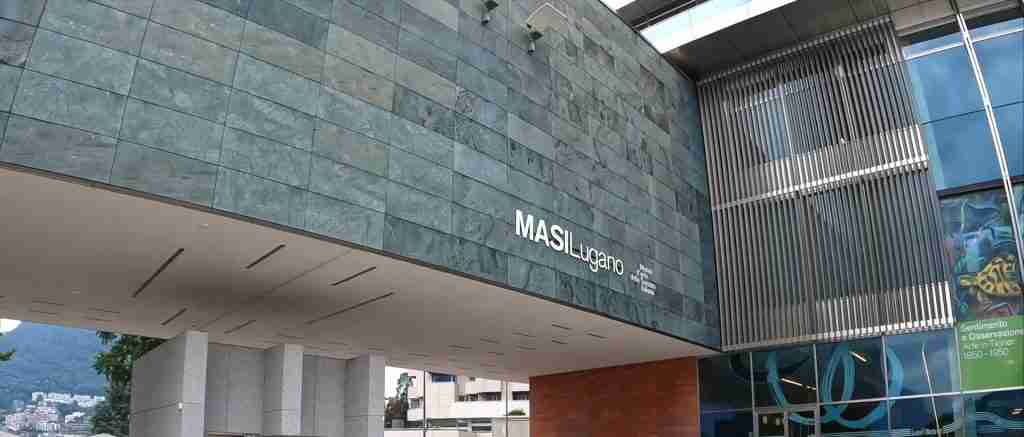
MASI Lugano represents the cultural cornerstone of Lugano’s museum landscape in 2026 through the 2015 merger of two historic institutions: the Museo Cantonale d’Arte and Museo d’Arte della Città di Lugano. This unification created one of Switzerland’s most visited art museums attracting over 100,000 annual visitors, operating across two complementary venues that together span five centuries of artistic production. The modern LAC location showcases contemporary and 20th-century works while Palazzo Reali presents earlier historical collections, enabling thematic separation that enhances visitor understanding of artistic evolution.
The LAC venue occupies three exhibition floors totaling approximately 2,500 square meters within the larger Lugano Arte e Cultura complex situated prominently on Piazza Bernardino Luini along the lakefront promenade. Swiss architect Ivano Gianola designed the building with extensive wood paneling and floor-to-ceiling windows providing Lake Lugano views that integrate natural beauty with artistic contemplation. The museum spaces employ modular gallery design accommodating diverse exhibition formats from intimate contemporary installations to expansive historical surveys. Climate-controlled environments maintain conservation standards for delicate works including paintings, sculptures, works on paper, and mixed-media pieces.
MASI’s permanent collection encompasses approximately 1,500 works spanning the early 15th century through contemporary production, with particular strength in Ticinese, Swiss, and Italian artists who shaped regional artistic identity. Notable holdings include works by Antonio Ciseri, Giovanni Segantini, Giovanni Giacometti, and his son Alberto Giacometti, alongside international masters including Claude Monet, Edgar Degas, Henri Matisse, and Pablo Picasso. The collection traces Ticino’s artistic development from Renaissance religious painting through 19th-century Realism and Symbolism to 20th-century avant-garde movements and contemporary practice.
The temporary exhibition program drives MASI’s cultural impact in 2026 through major monographic shows and thematic surveys developed through international museum partnerships. Recent years featured exhibitions dedicated to Ernst Ludwig Kirchner, Alexander Calder, and Luigi Ghirri among others, with each show typically running 3-6 months. The 2026 schedule includes both ticketed special exhibitions and rotating displays from the permanent collection ensuring fresh content for repeat visitors. Exhibition quality matches major European institutions through rigorous curatorial research, professional installation design, and comprehensive interpretive materials available in Italian, German, French, and English.
MASI LAC admission costs CHF 6 ($7) for adults and CHF 5 ($5) for reduced categories including students aged 17-25, seniors over 65, groups, and holders of various museum pass programs in 2026. Check the official MASI website for current rates as pricing may vary depending on temporary exhibition programming. Audio guides rent for CHF 3 ($3) providing detailed commentary on permanent collection highlights and temporary exhibitions. Children under 16, city residents under 18, art history students, ICOM members, and Swiss Museum Pass holders receive free admission. The museum implements special free admission windows every first Thursday evening 6-8pm, attracting capacity crowds of art enthusiasts.
Operating hours maintain consistency throughout 2026 with Tuesday-Wednesday-Friday schedules 11am-6pm, Thursday extended hours 11am-8pm accommodating working professionals, and Saturday-Sunday-holiday hours 10am-6pm. Monday closures follow standard museum practice for collection maintenance and exhibition installations. The ticket desk closes 15 minutes before museum closing. Visitors must check large bags, backpacks exceeding 40x40x20cm dimensions, and trolley cases in the mandatory cloakroom. Photography without flash is generally permitted in permanent collection galleries but may be restricted in temporary exhibitions depending on loan agreements.
The museum shop offers high-quality exhibition catalogs, art books, design objects, and local crafts reflecting MASI’s commitment to art education and regional culture promotion. The adjacent Caffè LAC provides refreshments with lakefront terrace seating, though visitor reviews note service quality issues unrelated to museum management. Educational programming includes guided tours available by reservation, family workshops on weekend afternoons, lecture series featuring artists and curators, and specialized programs for school groups. MASI maintains active social media presence announcing exhibition openings, special events, and behind-the-scenes content engaging both local and international audiences.
Palazzo Reali: MASI’s Historical Art Venue 2026
Palazzo Reali functions as MASI Lugano’s second exhibition space focusing on art from the early 15th century through the mid-20th century, occupying the former Museo Cantonale d’Arte headquarters at Via Canova 10 in Lugano’s historic center. This elegant palazzo underwent comprehensive renovation between 2015-2019 emerging with modernized exhibition infrastructure while preserving historical architectural character including ornate ceilings, marble floors, and period details. The reopened venue presents permanent collection works in thematic rotations exploring artistic movements, individual masters, and regional cultural development across five centuries.
The exhibition program at Palazzo Reali complements LAC’s contemporary focus by providing dedicated space for earlier artistic periods underrepresented in modern museum contexts. Visitors encounter Renaissance religious paintings, Baroque altarpieces, Neoclassical portraiture, Romantic landscapes, and early Modernist experiments showing artistic evolution in Ticino and broader Italian-Swiss cultural zones. The intimate gallery rooms suit small-scale works on paper, detailed portrait paintings, and decorative arts requiring close viewing impossible in LAC’s expansive contemporary galleries.
Palazzo Reali admission follows MASI LAC pricing at CHF 6 ($7) standard and CHF 5 ($5) reduced, with single tickets valid for same-day entry to both venues enabling comprehensive art historical surveys across morning and afternoon visits. The same free admission categories apply including children under 16, Swiss Museum Pass holders, and first Thursday evening 6-8pm monthly sessions. Operating hours mirror LAC schedules with Tuesday-Wednesday-Friday 11am-6pm, Thursday 11am-8pm, Saturday-Sunday-holidays 10am-6pm, and Monday closures. Periodic temporary closures occur for exhibition changeovers announced on the official MASI website.
The Palazzo Reali location requires navigating Lugano’s pedestrianized old town center accessible via stairs and narrow streets presenting mobility challenges compared to LAC’s modern accessibility standards. Visitors with wheelchairs or strollers should verify current access arrangements through the museum website or by telephone before visiting. The historic building lacks elevators and contains multiple floor levels connected by traditional staircases. Despite these physical constraints, Palazzo Reali offers unique atmospheric qualities where historical art inhabits historically appropriate architectural settings creating immersive period experiences unavailable in purpose-built modern galleries.
Exhibition rotation schedules at Palazzo Reali change approximately quarterly, with MASI curators selecting thematic groupings from the permanent collection or organizing focused shows on individual artists, artistic movements, or historical periods. The 2026 program includes “Autoritratti dalla collezione 1928-2021” (Self-Portraits from the Collection) running December 2025 through June 2026, examining artistic self-representation across nearly a century. Future programming information appears on the MASI website typically 2-3 months before exhibition openings, enabling advance planning for visitors targeting specific artistic interests.
Collezione Giancarlo e Danna Olgiati 2026
The Collezione Giancarlo e Danna Olgiati constitutes a significant private collection of modern and contemporary art displayed in dedicated exhibition space adjacent to LAC on Riva Caccia. This collection encompasses over 200 works spanning early 20th-century avant-garde movements through contemporary production, with particular strength in Italian Futurism, Nouveau Réalisme, Arte Povera, and conceptual art practices. The Olgiati family deposited the collection with Lugano on long-term loan, creating public access to masterworks that would otherwise remain in private hands.
Artists represented include major Italian and international figures including Lucio Fontana, Alighiero Boetti, Giuseppe Penone, Mario Merz, Piero Manzoni, Jannis Kounellis, and Giulio Paolini among others. The collection reflects sophisticated curatorial vision emphasizing experimental practices that challenged traditional art-making conventions through unconventional materials, performance documentation, and conceptual frameworks. Works rotate periodically in thematic presentations coordinated with MASI programming to create dialogues between collection holdings and temporary exhibitions.
The Collezione Olgiati space opens to the public twice annually for extended viewing periods announced on the MASI Lugano website and through local cultural calendars. Admission costs are included in standard MASI tickets when the collection is accessible, creating added value for museum visitors during open periods. The limited viewing schedule reflects conservation requirements for fragile contemporary works and the private ownership status requiring coordination between the Olgiati Foundation and the City of Lugano. Visitors specifically interested in Futurism, Arte Povera, or Italian contemporary art should verify collection access timing before planning Lugano cultural itineraries.
Hermann Hesse Museum Montagnola 2026
The Hermann Hesse Museum occupies the Torre Camuzzi in Montagnola village, perched on the Collina d’Oro (Golden Hill) hillside approximately 6 kilometers above Lugano center. This intimate museum documents the German-Swiss Nobel Prize-winning author’s life and work during the 43 years he lived in Montagnola from 1919 until his death in 1962. The permanent exhibition preserves Hermann Hesse’s typewriter, eyeglasses, summer hat, personal library, watercolor paintings, manuscripts, and correspondence creating immersive connections to his literary creative process.
Hermann Hesse arrived in Montagnola at age 42 following personal crisis including separation from his family and profound disillusionment with World War I’s catastrophic consequences. In the modest apartment at Casa Camuzzi he rediscovered creative vitality, beginning the prolific writing period that produced “Siddhartha,” “Narcissus and Goldmund,” “Steppenwolf,” and “The Glass Bead Game” for which he received the 1946 Nobel Prize for Literature. Hesse also developed serious painting practice creating approximately 3,000 watercolors between 1919-1938, many depicting the distinctive landscapes and light conditions of the Collina d’Oro region.
The museum’s permanent exhibition spans multiple small rooms within Torre Camuzzi displaying artifacts chronologically through Hesse’s Montagnola decades. Visitors encounter his writing desk and typewriter, first editions of major works in multiple languages (his books have sold over 150 million copies translated into 60 languages), original watercolor paintings showing local landscapes and architectural details, personal correspondence with contemporaries including Thomas Mann and Bertolt Brecht, and documentary photographs capturing daily life in his garden and study. Multilingual video presentations in Italian, German, French, and English provide biographical context and literary analysis.
Museum admission costs CHF 10 ($11) for adults, CHF 8 ($9) for students and seniors, and CHF 26 ($29) for family cards covering two adults and one or more children aged 13-18 in 2026. Check the official museum website for current rates. The audio guide walking tour costs CHF 5 ($5) standalone or CHF 4 ($4) when combined with museum admission, leading visitors through eleven stations around Montagnola and neighboring Gentilino following locations significant in Hesse’s life including Casa Camuzzi, the Pink House where he lived 1931-1962, and Sant’Abbondio cemetery where he rests beside his wife Ninon.
Operating hours follow seasonal patterns with daily access 10:30am-5:30pm April through October, but weekend-only operations 10:30am-5:30pm Saturday-Sunday November through March. This restricted winter schedule significantly impacts cold-weather itineraries requiring weekend visits for museum access. Children under 12 and students attending Ticino schools receive free admission. The museum honors Swiss Museum Pass, Raiffeisen Member Plus, Ticino Ticket, and Kultur-GA cards for complimentary entry. KulturLegi Card holders receive 50% discounts on both full and family admission prices.
Transportation from Lugano center requires TPL bus line 434 toward Agra departing from Via Balestra bus station near the train station or from Via Sorengo behind the railway station. Buses stop at Montagnola Piazza Brocchi with approximately 15-minute journey time. Standard Lugano public transport fares apply at CHF 3 ($3) single tickets. Driving visitors exit Lugano Sud highway and follow signs toward Ponte Tresa/Agno Airport, turning toward Gentilino/Montagnola at Sorengo traffic light. Limited parking exists near the museum in Montagnola village center.
Accessibility challenges exist as Torre Camuzzi lacks facilities for wheelchair users or visitors with reduced mobility due to the historic tower structure. Museum management acknowledges this limitation and commits to improving accessibility in future renovations. The audio guide walking tour traverses hilly terrain on unpaved paths through woods and gardens requiring moderate fitness and appropriate footwear. The museum shop sells extensive Hesse literature in multiple languages, watercolor reproductions, and regional cultural items. Special programming includes guided tours, readings, lectures, concerts, and temporary exhibitions coordinated through the Hermann Hesse Foundation which manages the museum.
MUSEC: Museum of Cultures 2026
MUSEC (Museo delle Culture) presents world-class ethnic art and photography collections housed in the elegant 18th-century Villa Malpensata along Lugano’s lakefront promenade at Riva Antonio Caccia 5. The museum opened in 1989 to preserve and exhibit masterpieces of South Seas art collected by Swiss artist Serge Brignoni over his lifetime, subsequently expanding through additional prestigious donations including one of the world’s most important collections of hand-painted Japanese photographs from the late 19th century. MUSEC functions as important research center for art anthropology while maintaining dynamic exhibition programming accessible to general audiences.
The permanent collection encompasses art from the Far East, India, Southeast Asia, Indonesia, and Oceania with particular strength in Oceanic carvings, masks, and ceremonial objects showing connections between indigenous creative traditions and European avant-garde movements. Brignoni’s selection criteria emphasized exceptional craftsmanship and aesthetic power, creating a collection that functions as art rather than purely ethnographic documentation. The Japanese photography collection features hand-tinted albumen prints depicting Meiji-era scenes, landscapes, and portraits representing photography’s early intersection with traditional Japanese painting techniques.
MUSEC organizes exhibition spaces across four distinct areas within Villa Malpensata’s multiple floors. The ground-floor Spazio Maraini dedicates entirely to historical and contemporary photography exhibitions, recently featuring retrospectives of noted photographers including Italian anthropologist Fosco Maraini. The first and second floor Spazio Mostre hosts major temporary exhibitions rotating every 3-6 months exploring themes from ethnic arts to modern and contemporary art. The third-floor Spazio Cielo presents new acquisitions, collaborating collectors’ holdings, and contemporary artists engaging with the museum’s anthropological focus. The Spazio Tesoro near the entrance provides free public access to rotating highlights from permanent collections.
The 2026 exhibition calendar includes “The Great Schools of Japanese Painting” running February 19-May 17, 2026, examining major stylistic movements that shaped Japanese art history. “CHEN XI: A Rabbit’s Tale” presents the first major European solo exhibition of this Chinese artist October 16, 2025-January 25, 2026. “ZHANG HONG MEI: Fabric of the City” explores urban textile practices March 19-July 5, 2026. Additional photography exhibitions continue the Unpublished Photo series showcasing emerging photographers. The museum’s website publishes detailed exhibition information including curator statements, artist biographies, and interpretive essays enriching visitor preparation.
MUSEC admission costs CHF 15 ($17) for adults, CHF 10 ($11) for reduced categories including seniors with AVS/AI cards, university students, and FAI SWISS/FAI Italia members, and CHF 5 ($5) for children and young people aged 6-15 in 2026. Children under 6 enter free. Every Monday throughout 2026, MUSEC implements special pricing at CHF 10 ($11) full admission, CHF 7 ($8) reduced, and CHF 4 ($4) children/youth, with discounts non-combinable with other offers. After 5pm visits receive 30% discounts on all ticket categories. The museum honors Swiss Museum Pass, Raiffeisen Member cards, Swiss Travel Pass, ICOM, and various regional museum association cards for free admission.
Operating hours run Monday-Wednesday-Thursday-Friday 11am-6pm and Saturday-Sunday-holidays 10am-6pm, closing Tuesdays throughout 2026. The museum closes December 24, 25, and 31 for holidays. Groups can arrange guided tours by appointment through [email protected] with specialized rates for school groups at CHF 3 ($3) per student. The Spazio Tesoro area with permanent collection highlights remains accessible free during all museum hours providing cultural access regardless of temporary exhibition pricing.
Villa Malpensata’s lakefront location offers easy access from Lugano train station via 5-minute walks along the waterfront promenade or via TPL bus line 4 toward Centro alighting at Piazza Luini stop. The 18th-century villa combines historical architecture with modern exhibition infrastructure following comprehensive renovation completing in 2014-2016. The museum shop sells exhibition catalogs, art books, ethnic crafts, and design objects. The building is accessible for visitors with wheelchairs and strollers with dedicated entrance ramps and elevator access. Two large covered public parking garages operate nearby for driving visitors.
Cantonal Museum of Natural History 2026
The Museo cantonale di storia naturale (Cantonal Museum of Natural History) presents comprehensive natural science collections documenting Ticino’s biodiversity, geological formations, and ecological systems through permanent exhibitions accessible completely free to all visitors in 2026. Located in Lugano within the Parco Civico public park grounds, the museum serves both educational and research functions as part of Canton Ticino’s territorial department. The collections span zoology, botany, geology, and paleontology with particular emphasis on Alpine and pre-Alpine ecosystems characteristic of southern Switzerland.
Exhibition galleries showcase mounted specimens of regional fauna including mammals, birds, reptiles, amphibians, and fish displayed in naturalistic habitat dioramas recreating ecological contexts. The museum maintains exceptional mushroom collections with detailed taxonomic presentations supporting identification education for foragers and mycology enthusiasts. Botanical displays document Alpine and Mediterranean plant species coexisting in Ticino due to unique microclimates created by mountainous terrain and southern latitude. Geological exhibitions trace the region’s formation through tectonic activity, glaciation, and erosion processes.
The museum excels in educational programming designed for school groups with guided tours, hands-on workshops, and curriculum-aligned activities introducing students to scientific methodology and environmental conservation principles. Family-friendly interactive displays encourage children to engage directly with natural history concepts through touchable specimens, microscope stations, and multimedia presentations. Weekend programming frequently includes specialized workshops on topics ranging from fossil identification to bird watching techniques.
Free admission eliminates financial barriers to natural science education making the museum accessible to all income levels throughout 2026. Operating hours follow institutional schedules Tuesday-Sunday with midday closures noon-2pm reflecting traditional Ticinese business practices. The museum closes Mondays for collection maintenance and research activities. English signage availability varies with most interpretive materials in Italian and German, though visual displays communicate effectively across language barriers through specimen presentation and habitat dioramas.
Location within Parco Civico public park creates pleasant visit contexts with museum exploration combined with outdoor recreation in landscaped gardens surrounding the neoclassical villa housing the collections. The park offers children’s playgrounds, lakefront access, and shaded walking paths ideal for pre- or post-museum relaxation. Parking exists along Via Giuseppe Mazzini with dedicated accessibility spaces near the museum entrance. Public transportation via multiple TPL bus lines serves the park area with stops within 3-5 minute walks.
Museo in Erba: Children’s Art Museum 2026
Museo in Erba operates as Ticino’s only dedicated children’s museum specializing in interactive art experiences for ages 3-11, occupying spaces in Lugano’s Central Park at Riva Caccia 1, Galleria 1st floor. The museum’s name translates as “Museum in Grass” or “Museum in its Infancy,” reflecting the institution’s mission to nurture children’s creativity and art appreciation through playful educational approaches. Temporary exhibitions rotate every 4-6 months introducing young visitors to major artists, art movements, and creative techniques through hands-on activities rather than passive viewing.
The educational philosophy emphasizes experiential learning where children engage directly with artistic concepts through making, experimenting, and playing rather than observing finished artworks behind barriers. Exhibition designers create immersive environments where visitors manipulate materials, solve creative challenges, and express emotions through artistic media. Past exhibitions explored works by artists including Pablo Picasso, Joan Miró, and contemporary Swiss creators, translating complex artistic concepts into age-appropriate interactive installations.
Creative workshops complement exhibitions with scheduled sessions where children work with professional art educators creating projects related to current exhibition themes. Workshop formats vary from single 90-minute sessions to multi-week programs developing sustained creative practices. Family workshops on weekend afternoons enable parents and children to collaborate on artistic projects fostering shared creative experiences. School group programs align with Ticino education curriculum providing teachers with structured art education resources.
Admission pricing and operating hours require verification through the museum website as information varies by exhibition period and season. Advance reservations are strongly recommended especially during peak tourist seasons and school holiday periods when visitor capacity limits may apply due to COVID-19 protocols or exhibition space constraints. The museum’s central location near LAC cultural center enables combined cultural itineraries pairing children’s programming with adult museum visits at nearby MASI or MUSEC venues.
Parent feedback emphasizes the museum’s value for engaging children with short attention spans in meaningful cultural experiences through active participation rather than quiet contemplation. The interactive approach succeeds in introducing artistic concepts and famous artists to young audiences building foundational art literacy. However, visitor reviews note occasional access frustrations when capacity limits prevent entry without reservations, particularly disappointing for families discovering the museum spontaneously during Lugano visits.
Swiss Customs Museum Gandria 2026
The Swiss Customs Museum (Museo Doganale Svizzero) occupies a historic building in Gandria village, situated on Lake Lugano’s eastern shore approximately 6 kilometers from Lugano center along the water. Established in 1949, the museum documents Switzerland’s border control history through artifacts, photographs, documents, and contraband items confiscated during enforcement operations. The collection provides unique insights into Switzerland’s international border management and the cat-and-mouse games between smugglers and customs officials from the 19th century through contemporary times.
Exhibition themes explore illegal trade patterns, smuggling techniques, counterfeiting operations, and border surveillance technologies across historical periods. Visitors encounter creative smuggling devices including modified vehicles, clothing with hidden compartments, and innocent-appearing objects concealing contraband. Documentary materials trace legal frameworks governing international trade, taxation systems, and enforcement protocols. The museum acknowledges Gandria’s location on the Italian border where geographic proximity created persistent smuggling pressures throughout modern Swiss history.
The lakefront setting in Gandria village contributes significantly to the museum experience as visitors can combine cultural exploration with scenic boat journeys on Lake Lugano. Regular ferry service connects Lugano’s embarkation point with Gandria dock operating spring through autumn with reduced winter schedules. The village itself maintains traditional Ticinese character with narrow pedestrian lanes, stone buildings, and lakeside restaurants serving regional cuisine. Combined museum visit and village exploration creates satisfying half-day excursions from Lugano.
Admission fees and operating hours vary seasonally requiring verification through the official customs museum website or Lugano tourism office before planning visits. The museum typically operates April through October with weekend-only or limited weekday hours depending on staffing and seasonal demand. English language materials may be limited with primary interpretation in Italian and German reflecting the museum’s regional focus. Accessibility challenges exist due to the historic building structure and Gandria’s hillside topography with steep pedestrian paths.
Planning Your Lugano Museum Visit 2026
Successful museum exploration in Lugano requires advance planning addressing timing, transportation, admission coordination, and itinerary pacing to maximize cultural experiences while respecting physical stamina and cognitive engagement capacity. The concentration of major venues within walkable distances creates opportunities for multi-museum days but also risks exhaustion from over-ambitious scheduling. Strategic planning optimizes both quantity and quality of cultural encounters.
Prioritize museum selection based on personal interests rather than attempting comprehensive coverage across all venues. Art enthusiasts should allocate primary time to MASI’s LAC and Palazzo Reali locations potentially combined with Collezione Olgiati when accessible. World culture and photography interests direct visitors toward MUSEC with its rotating temporary exhibitions. Literary travelers prioritize the Hermann Hesse Museum requiring dedicated half-day excursions to Montagnola. Natural history enthusiasts appreciate the free Cantonal Museum despite language barriers in interpretive materials. Families with young children incorporate Museo in Erba into broader Lugano cultural itineraries.
Timing considerations include weekly schedules with Monday closures at most major museums, extended Thursday evening hours at MASI accommodating working schedules, and special admission windows including first Thursday evening 6-8pm free entry at MASI and every Monday reduced pricing at MUSEC. Seasonal factors influence Hermann Hesse Museum access shifting from daily operations April-October to weekend-only November-March. Exhibition rotation schedules at MASI and MUSEC create windows of 3-6 months for specific temporary shows requiring advance research through museum websites when targeting particular exhibitions of strong personal interest.
Transportation planning leverages Lugano’s efficient public bus network radiating from the central train station connecting outlying museums including Hermann Hesse Museum in Montagnola via TPL line 434. Standard single-journey tickets cost CHF 3 ($3) with day passes available for unlimited travel. The Ticino Ticket tourist card distributed by participating hotels bundles unlimited public transportation with museum discounts creating significant value for multi-day cultural exploration. Walking between central museums along the lakefront promenade provides pleasant outdoor intervals between indoor viewing sessions.
Admission cost optimization employs various strategies including Swiss Museum Pass providing unlimited access across 500+ Swiss museums for CHF 189 ($210) annually justifying costs for visitors planning extensive Swiss cultural tourism beyond Lugano. Individual museum passes like Raiffeisen Member Plus cards deliver free MASI admission without additional fees. Targeted visits during free admission windows including MASI first Thursday evenings and Cantonal Natural History Museum’s permanent free access reduce cultural expenses. Family cards at Hermann Hesse Museum (CHF 26 covering two adults and children) provide better value than individual adult tickets (CHF 10 each) for qualifying groups.
Itinerary pacing acknowledges cognitive capacity limits where museum fatigue diminishes engagement after 90-120 minutes of focused viewing. Strategic scheduling intersperses museum visits with outdoor breaks in Lugano’s lakefront parks, café refreshment stops, or scenic funicular rides to Monte San Salvatore or Monte Brè creating varied experiential rhythms preventing exhaustion. Morning museum visits capture peak cognitive clarity for complex contemporary exhibitions while afternoon sessions suit lighter natural history or historical displays. Multi-day Lugano stays distribute museum experiences across separate days rather than overwhelming single marathon cultural sessions.
Advance exhibition research through museum websites identifies specific temporary shows aligning with personal interests, enabling targeted visits during limited exhibition windows. Museums publish online calendars announcing upcoming programming 2-3 months ahead supporting trip planning around highly anticipated shows. Newsletter subscriptions deliver exhibition announcements, special event notifications, and cultural programming updates maintaining awareness of Lugano’s evolving museum landscape throughout 2026.
Lugano Museum Passes and Discount Cards 2026
Multiple museum pass and discount card programs provide cost-effective cultural access in Lugano during 2026, with selection depending on visit duration, geographic scope, and institutional priorities. Understanding program benefits, coverage limitations, and acquisition methods optimizes value extraction from these various systems.
The Swiss Museum Pass represents the most comprehensive option providing unlimited admission to over 500 museums throughout Switzerland including all major Lugano venues. Annual passes cost CHF 189 ($210) for adults, CHF 106 ($118) for young people under 30, and CHF 379 ($420) for families covering two adults and children under 16. The pass pays for itself after approximately 30 museum visits based on typical CHF 6 individual admission prices, requiring substantial cultural tourism across multiple cities to justify costs. Purchase online through museumspass.ch or at participating museums with immediate activation upon first use valid for 365 days.
The Ticino Ticket tourist card bundles unlimited public transportation throughout Canton Ticino with discounted museum admissions and other tourism benefits distributed exclusively by participating hotels to overnight guests. The card activates upon hotel check-in and remains valid through checkout date covering the entire accommodation period. Discounted museum rates vary by institution with MASI offering CHF 4 ($4) admission versus standard CHF 6 ($7) and Hermann Hesse Museum CHF 8 ($9) versus CHF 10 ($11). Unlimited bus, train, and boat travel throughout the canton creates substantial transportation value particularly for visitors exploring beyond Lugano city limits.
Raiffeisen Member Plus cards provide automatic free admission to MASI and partner museums throughout Switzerland for Raiffeisen bank account holders. Cardholders present valid Maestro, Mastercard, Visa, or V-Pay bank cards displaying “Member Plus” logo at museum ticket desks receiving complimentary entry without advance registration or additional fees. This program delivers exceptional value for Raiffeisen banking customers planning Swiss cultural tourism as membership involves no costs beyond standard bank account relationships.
Student and senior discount cards including ISIC (International Student Identity Card) and AVS/AI Swiss senior cards qualify holders for reduced admission rates typically CHF 4-5 ($4-5) versus CHF 6-10 ($7-11) standard prices. University student status with valid enrollment documentation similarly receives reduced rates at most institutions. These discounts accumulate significant savings across multiple museum visits without requiring specialized museum pass purchases.
Professional association memberships including ICOM (International Council of Museums), AMS/VMS (Swiss Museum Association), and similar organizations grant members free admission at most Lugano museums as professional courtesy recognizing museum workers and cultural sector employees. Art history students enrolled in accredited programs similarly receive complimentary access supporting educational activities. These specialized categories serve narrow populations but deliver complete cost elimination for qualified individuals.
Free admission opportunities exist without advance card purchases through strategic timing including MASI’s first Thursday evening sessions 6-8pm monthly attracting capacity crowds of bargain-hunting culture enthusiasts. The Cantonal Museum of Natural History maintains permanent free admission for all visitors regardless of date or demographic. MUSEC’s Spazio Tesoro area remains freely accessible separate from ticketed temporary exhibition galleries. Children under 16 enter MASI free while Hermann Hesse Museum admits children under 12 complimentary creating family-friendly cost structures.
MyLugano Card and MyLugano Pass programs offered through the city tourism office provide varying benefit levels including museum discounts, restaurant offers, and activity reductions. The cashback structure returns 10% of expenditures as LVGA points usable for future purchases creating modest savings for visitors making substantial tourism expenditures. Detailed program information and enrollment processes appear on lugano.ch tourism website with in-person assistance available at the tourist information office near the train station.
Combining Museums with Other Lugano Attractions 2026
Lugano’s compact urban geography and diverse attraction portfolio enable integrated itineraries combining museum visits with natural landscapes, architectural landmarks, culinary experiences, and recreational activities creating varied daily rhythms preventing cultural monotony. Strategic combinations leverage geographic proximity and thematic connections enhancing overall destination understanding.
The LAC cultural center clustering MASI museum with concert halls and performance spaces positions museum visits within broader cultural experiences. Evening concert or theater performances following afternoon museum exploration create full cultural days. The adjacent lakefront promenade connects museums with outdoor recreation through walking paths, public beaches, and boat departure points. Parco Ciani’s botanical gardens and sculpture installations extend artistic engagement from indoor galleries to landscaped outdoor environments.
Monte San Salvatore and Monte Brè funicular railways lift visitors from lakefront museums to summit viewpoints revealing regional geography contextualizingTicino’s artistic heritage within Alpine-Mediterranean landscape transitions. The dramatic elevation changes and panoramic vistas inspire understanding of how distinctive light conditions and topographic drama influenced regional artists including Hermann Hesse’s watercolor practice. Combined museum-mountain itineraries balance indoor cultural concentration with outdoor physical activity and scenic appreciation.
Lugano’s architectural heritage including the Chiesa di Santa Maria degli Angioli with its Renaissance frescoes by Bernardino Luini and the Cattedrale di San Lorenzo’s neoclassical facade complement museum art collections with in-situ historical works in original religious contexts. The pedestrianized old town center surrounding Piazza della Riforma showcases Ticinese urban planning traditions with arcaded shopping streets and lakefront piazzas. Architectural appreciation enhances art historical understanding through built environment engagement.
Culinary exploration intersperses museum visits with regional gastronomy sampling Ticinese specialties including risotto, polenta, grotto wine taverns, and Italian-influenced café culture. Traditional restaurants in Gandria village combine Swiss Customs Museum visits with waterfront dining featuring lake fish preparations and local wines. The LAC area restaurants provide lunch breaks between museum sessions while old town osterie offer atmospheric dinner settings following afternoon cultural activities.
Lake Lugano boat excursions integrate transportation with sightseeing creating scenic journeys between cultural sites. Regular ferry service connects Lugano center with Gandria for Customs Museum access, Morcote village famous for its baroque church and botanical gardens, and Campione d’Italia Italian enclave accessible by Swiss boats. Circular lake tours passing waterfront villas and mountain backdrops provide relaxing intervals between concentrated museum viewing sessions.
Market days including Lugano’s Tuesday and Friday open-air markets in Piazza della Riforma and Via Pessina create opportunities to engage contemporary Ticinese commercial culture alongside historical museum collections. Fresh produce, regional cheeses, cured meats, and artisanal crafts represent living cultural traditions complementing museum-preserved historical artifacts. Market atmosphere and social interactions enrich destination understanding beyond institutional cultural presentations.
Seasonal events including outdoor concerts, film festivals, and cultural celebrations provide variable programming beyond permanent museum offerings. The Lugano Festival classical music series fills summer evenings with performances often held at LAC concert halls adjacent to museum galleries. Christmas markets and holiday illuminations transform winter cultural visits with festive atmospheres compensating for reduced daylight hours and some seasonal museum schedule restrictions.
Practical Museum Visiting Tips 2026
Successful museum experiences in Lugano require attention to practical details including reservation requirements, photography policies, accessibility provisions, storage facilities, and visitor conduct expectations ensuring smooth logistics and respectful engagement with cultural institutions.
Reservation requirements vary by institution with most major museums accepting walk-in visitors during standard capacity periods but Museo in Erba strongly recommending advance bookings particularly during peak seasons and holiday periods when visitor limits apply. Online reservation systems accessible through museum websites enable time-slot selection avoiding disappointment from capacity-related entry denials. Special exhibitions at MASI occasionally implement timed-entry tickets during high-demand opening weeks requiring advance purchase for specific viewing windows.
Photography policies generally permit personal non-flash photography in permanent collection galleries at MASI and other venues for non-commercial purposes, but temporary exhibitions may restrict photography depending on loan agreements with lending institutions and copyright considerations. Visitors should verify current policies through signage at ticket desks or by asking staff before photographing artworks. Flash photography, video recording, tripods, and selfie sticks typically face universal prohibition protecting artworks from light damage and preventing visitor disruption.
Accessibility provisions at modern venues including MASI LAC meet international standards with wheelchair access, elevators, accessible restrooms, and assistance animal permissions. Historic buildings including Palazzo Reali, Hermann Hesse Museum Torre Camuzzi, and MUSEC Villa Malpensata face architectural constraints limiting accessibility despite renovation efforts. Visitors with mobility challenges should contact museums in advance verifying current access arrangements, available accommodations, and potential limitations enabling informed visit planning.
Storage facilities require visitors to check large bags, backpacks exceeding specified dimensions (typically 40x40x20cm at MASI), umbrellas, and coats in mandatory cloakrooms protecting artworks from accidental contact damage. Museums provide free secure storage with numbered tickets or electronic systems. Visitors should carry minimal personal items in small bags suitable for gallery spaces while securing valuables in provided lockers where available.
Audio guide availability varies by institution with MASI offering CHF 3 ($3) rental devices in multiple languages providing detailed commentary on permanent collections and temporary exhibitions. The Hermann Hesse Museum’s walking tour audio guide costs CHF 5 ($5) standalone or CHF 4 ($4) combined with admission leading visitors through Montagnola landscape locations. Increasingly museums provide smartphone applications as free alternatives to rental devices requiring visitors to bring headphones and ensure adequate battery life.
Visitor conduct expectations include standard museum protocols prohibiting food and beverages in galleries, maintaining quiet conversation volumes, supervising children preventing artwork contact, and respecting other visitors’ viewing experiences. Mobile phones should be silenced with voice calls conducted outside gallery spaces. Sketching and note-taking typically receive permission using pencils only (never pens or markers) while maintaining appropriate distance from artworks.
Weather considerations influence museum visit timing with rainy days driving increased attendance creating crowded conditions particularly during summer tourist seasons. Lugano’s subtropical microclimate produces intense summer heat making air-conditioned museum galleries attractive midday refuges. Winter visits benefit from reduced crowds but face shortened daylight hours and some seasonal museum schedule restrictions particularly at Hermann Hesse Museum shifting to weekend-only operations November through March.
Language support varies across institutions with major museums including MASI and MUSEC providing multilingual interpretive materials in Italian, German, French, and English reflecting Switzerland’s linguistic diversity. Smaller venues may offer limited English signage requiring basic Italian or German comprehension for full exhibition understanding. Audio guides and smartphone applications extend language accessibility beyond physical label translations.
Museum Dining and Shopping Options 2026
Museum support facilities including cafés, restaurants, and shops contribute significantly to overall visitor experiences providing refreshment breaks, souvenir opportunities, and extended cultural engagement beyond core exhibition viewing. Lugano’s museum amenities range from basic necessities to sophisticated cultural retail environments.
Caffè LAC adjacent to MASI museum offers lakefront terrace seating with views across Lake Lugano toward surrounding mountains creating attractive settings for pre-museum breakfast, mid-visit refreshment breaks, or post-exhibition lunches. Menu selections span Italian coffee traditions, light meals, pastries, and seasonal specialties reflecting regional culinary preferences. Visitor reviews note service quality inconsistencies with some experiences reporting slow or inattentive staff despite excellent locations and pleasant atmospheres. The café operates independently from museum management explaining service disconnects from MASI’s otherwise professional operations.
MUSEC lacks dedicated on-site dining facilities but Villa Malpensata’s lakefront location positions the museum within walking distance of numerous Lugano waterfront restaurants, cafés, and gelaterias. The area between MUSEC and LAC features concentrated dining options ranging from casual sandwich shops to formal tablecloth restaurants accommodating various budget levels and culinary preferences. Visitors can exit museums for lunch breaks in nearby establishments returning for afternoon viewing sessions using same-day admission tickets.
Hermann Hesse Museum’s Montagnola village location provides access to traditional Ticinese restaurants and cafés in the compact village center within 5-minute walks from Torre Camuzzi. These establishments serve regional specialties in atmospheric settings complementing literary museum visits with culinary cultural experiences. Visitors combining museum exploration with the audio guide walking tour encounter additional dining options in Gentilino village along the documented route.
Museum shops represent important cultural retail environments offering high-quality art books, exhibition catalogs, design objects, and regional crafts carefully curated to reflect institutional missions and collection strengths. MASI museum shop stocks comprehensive art book selections including major international publishers alongside exhibition-specific catalogs documenting temporary shows. Design objects, art posters, postcards, and stationery provide affordable souvenir options supplementing premium art book acquisitions.
The Hermann Hesse Museum shop specializes in literary materials including Hesse’s complete works in multiple languages, critical studies, biographies, and related German literature. Watercolor reproductions, artistic stationery, and regional cultural items extend shopping options beyond purely literary focus. The shop supports the museum’s educational mission by providing access to Hesse scholarship for international visitors unable to source German-language materials in home countries.
MUSEC museum shop emphasizes ethnic arts, world culture publications, fair-trade crafts, and photography books reflecting the institution’s anthropological and photographic collection strengths. Selections support museum educational missions while providing ethical shopping alternatives through fair-trade artisan partnerships. Prices generally reflect quality and ethical sourcing rather than bargain mass-production, positioning museum shopping as values-aligned cultural consumption.
Shopping strategies for budget-conscious visitors include postcard and small poster purchases providing affordable artwork reproductions, exhibition catalogs purchased during museum visits avoiding later acquisition difficulties when shows close, and seasonal sales occasionally offered on overstock items. Museum memberships sometimes include shop discounts creating value for visitors making substantial cultural retail purchases during extended Lugano stays.
Special Events and Educational Programs 2026
Lugano museums extend beyond permanent collection displays and temporary exhibitions through dynamic programming including lectures, workshops, concerts, guided tours, and family activities transforming static viewing experiences into participatory cultural engagement. The 2026 calendar reflects institutional commitments to education, community access, and cultural democratization.
MASI Lugano maintains robust public programming including curator-led exhibition tours providing expert insights into temporary shows and collection presentations. Lecture series feature visiting artists, art historians, and critics discussing contemporary art practices, historical movements, and theoretical frameworks. These intellectually rigorous programs attract art professionals, students, and serious enthusiasts seeking deeper engagement beyond casual gallery viewing. Most lectures and tours conduct in Italian with some programs offering German, French, or English depending on speaker backgrounds and audience composition.
Family programs at multiple museums recognize children’s distinct engagement needs through specialized activities avoiding passive viewing frustrations. Weekend afternoon workshops at MASI and Museo in Erba provide hands-on art-making experiences where children create projects inspired by exhibition themes under professional art educator guidance. These sessions build art appreciation through active participation rather than contemplative observation, developing creative confidence alongside cultural literacy.
School group programs represent core institutional missions supporting Canton Ticino’s educational system through curriculum-aligned museum experiences. Teachers can arrange guided tours, workshops, and interactive sessions addressing specific learning objectives across art history, natural sciences, world cultures, and literary studies depending on venue specializations. Reduced group rates and flexible scheduling accommodate school budgets and academic calendars. Museums provide preparatory materials enabling classroom teachers to integrate museum visits within broader instructional units.
LAC cultural center’s concert programming intersects with museum programming through interdisciplinary events combining visual art exhibitions with musical performances exploring thematic connections. Chamber concerts staged within exhibition galleries create immersive experiences where music and visual art dialogue across artistic media. The 1,000-seat concert hall hosts Orchestra della Svizzera italiana performances, international touring ensembles, and contemporary music festivals complementing museum visual art presentations with world-class musical offerings.
MUSEC programming frequently includes cultural celebrations, film screenings, and artist talks connecting ethnic art collections with living cultural traditions. Photography exhibitions in Spazio Maraini generate related events including photographer lectures, portfolio reviews, and technical workshops. The museum’s anthropological research mission produces scholarly symposia and academic conferences attracting specialists while maintaining public accessibility through general audience events.
Hermann Hesse Museum programming emphasizes literary engagement through readings, lectures, and walking tours connecting Hesse’s written works with Montagnola landscape inspirations. Temporary exhibitions exploring specific themes from Hesse’s life and work rotate through museum spaces complementing permanent displays. Special events mark significant anniversaries including the upcoming 150th birth anniversary in 2027 generating expanded programming throughout 2026-2027.
Evening programs including LAC’s Thursday extended hours 11am-8pm at MASI and occasional special late-night museum openings create alternative visiting schedules accommodating working professionals unable to attend during standard daytime hours. These evening sessions sometimes feature live music, guided tours, or social components transforming museum visits into cultural events rather than solitary viewing experiences.
Day Trip Combinations with Lugano Museums 2026
Lugano’s strategic location in southern Ticino enables museum-focused day trips combining cultural institutions with regional destinations accessible via public transportation or short drives. These itineraries expand cultural experiences beyond city limits while maintaining museum engagement as organizing themes.
The Hermann Hesse Museum naturally combines with broader Collina d’Oro exploration including Montagnola village, Gentilino neighboring community, and Agra hilltop viewpoint accessible via the same TPL bus line 434. The audio guide walking tour connects multiple locations across 90-120 minute circuits revealing landscapes inspiring Hesse’s watercolor paintings and literary descriptions. Visitors can extend itineraries with lunch at traditional Montagnola restaurants and late afternoon returns to Lugano for evening activities.
Gandria village day trips pair the Swiss Customs Museum with scenic boat journeys across Lake Lugano, waterfront dining in traditional restaurants, and exploration of the medieval village’s pedestrian lanes and lakefront promenades. Regular ferry service from Lugano’s central boat terminal reaches Gandria in approximately 30 minutes with multiple daily departures enabling flexible timing. The Sentiero dell’Olivo olive tree path connecting Gandria to Castagnola provides optional hiking extensions for active visitors.
Locarno and Ascona excursions approximately 45 minutes from Lugano via regional trains combine museum visits at Museo di Locarno, Museum Casa Rusca, and Museo Comunale d’Arte Moderna with exploration of these photogenic lake towns. The dramatically different Lake Maggiore landscape and Ticinese architectural traditions provide geographic and cultural context enriching understanding of regional identity beyond Lugano-specific perspectives. Combined train and boat passes enable scenic return journeys via lake steamers.
Bellinzona’s three UNESCO World Heritage castles located 25 minutes from Lugano by frequent regional trains create architectural pilgrimage sites complementing museum art collections with military architecture and medieval history. The castello museums contain historical artifacts, archaeological finds, and art exhibitions within spectacular fortress settings. Bellinzona’s compact old town, Saturday market, and traditional restaurants support full-day cultural itineraries combining heritage sites with urban exploration.
Como, Italy day trips accessible via hourly regional trains reaching the Italian lakeside city in approximately 30 minutes provide international cultural contrast combining Swiss precision with Italian spontaneity. Como’s Pinacoteca Civica, Museo Archeologico, and numerous churches containing Renaissance frescoes expand art historical perspectives beyond Swiss contexts. Lake Como boat excursions, silk museum visits, and Italian culinary experiences create varied cultural encounters within easy day-trip range.
Valle Verzasca excursions combine limited museum content with dramatic natural landscapes where emerald mountain rivers, stone bridge architecture, and traditional stone villages represent living cultural heritage complementing museum artifact collections. The valley’s extreme natural beauty attracts photographers and nature enthusiasts while historic villages including Lavertezzo and Corippo preserve traditional Ticinese building methods and community structures threatened by depopulation and modernization.
Lugano Museums for Different Traveler Types 2026
Lugano’s museum diversity accommodates varied traveler profiles including families with children, solo cultural enthusiasts, senior citizens, accessibility-dependent visitors, and specialized interest groups each requiring tailored approaches optimizing institutional strengths for specific needs and preferences.
Families with young children prioritize Museo in Erba’s interactive installations and hands-on workshops over contemplative art viewing at MASI or MUSEC, though family programs at major museums provide periodic child-friendly access to broader collections. The Cantonal Museum of Natural History’s habitat dioramas, touchable specimens, and wildlife displays engage children more successfully than abstract contemporary art requiring sophisticated art historical knowledge. Strategic scheduling combines short focused museum visits with outdoor breaks in Parco Ciani playgrounds, lakefront gelato stops, and funicular rides creating varied daily rhythms preventing childhood boredom and behavioral disruptions.
Solo cultural travelers appreciate Lugano’s museum concentration enabling independent exploration without coordination challenges. The walkable distances between venues, clear signage, multilingual interpretive materials, and solo-friendly café environments support comfortable independent cultural tourism. Audio guides and smartphone applications provide expert commentary replacing tour group dependencies while preserving autonomous pacing. Solo travelers often maximize museum time through extended viewing sessions unconstrained by group schedules or companion stamina variations.
Senior citizens benefit from Lugano museums’ generous senior discount policies reducing admission costs while accommodating reduced mobility through elevator access, rest seating, and proximity to public transportation hubs. The compact museum scale prevents exhausting gallery circuits common in major metropolitan institutions. Slower pacing and detailed exhibition engagement suit retirement travel patterns prioritizing quality over quantity. Senior travelers frequently combine museum visits with lakefront promenades, café socializing, and cultural event attendance creating balanced activity profiles.
Accessibility-dependent visitors face variable experiences across Lugano’s museum landscape with modern LAC facilities providing comprehensive wheelchair access, elevators, accessible restrooms, and assistance animal permissions while historic structures including Palazzo Reali, Hermann Hesse Museum, and portions of MUSEC present architectural barriers despite renovation efforts. Advance website research and telephone contact with museum accessibility coordinators prevents disappointing discoveries upon arrival enabling informed itinerary adjustments accommodating access requirements.
Photography enthusiasts find Lugano museums rewarding subjects both for artwork documentation (where permitted) and architectural photography capturing gallery design, exhibition installations, and museum buildings themselves. LAC’s contemporary architecture, Palazzo Reali’s period interiors, Villa Malpensata’s neoclassical facades, and Torre Camuzzi’s historic tower structure offer varied photographic opportunities. Natural lighting from lakefront windows creates dramatic exhibition documentation challenges requiring technical skills balancing ambient and artificial illumination.
Art history students and researchers benefit from MASI’s scholarly resources including comprehensive collection documentation, research library access, curatorial staff expertise, and academic programming supporting thesis research and professional development. The institution’s international exhibition partnerships facilitate access to artworks and archival materials unavailable through permanent collections alone. Student discount policies and free admission programs reduce financial barriers to repeated research visits.
Literary pilgrims specifically targeting Hermann Hesse’s legacy allocate substantial time to the Montagnola museum and walking tour engaging deeply with biographical details, manuscript materials, and landscape locations inspiring major works. These focused visits often extend across full days combining museum exploration with Hesse scholarship, watercolor appreciation, and philosophical reflection in garden settings the author knew intimately.
Seasonal Considerations for Museum Visits 2026
Seasonal variations influence Lugano museum experiences through weather patterns affecting outdoor comfort during site transitions, tourist crowd levels impacting gallery congestion, operational schedule changes particularly at Hermann Hesse Museum, special exhibition timing, and cultural event calendars requiring seasonal planning strategies.
Spring (March-May) represents optimal museum visiting with mild temperatures 15-20°C (59-68°F) supporting comfortable walking between venues, moderate tourist crowds preceding peak summer influx, blooming gardens in Parco Ciani and museum grounds, and full operational schedules as Hermann Hesse Museum transitions from winter weekend-only to daily access beginning April 1. Spring temporary exhibitions frequently launch new programming cycles at MASI and MUSEC creating fresh content for repeat visitors or travelers timing Lugano visits around specific shows.
Summer (June-August) generates peak tourist seasons with maximum visitor numbers creating crowded gallery conditions particularly during July-August school holiday periods. High temperatures 25-30°C (77-86°F) make air-conditioned museum interiors attractive midday refuges from lakefront heat. Extended daylight hours enable late afternoon museum visits following morning outdoor activities and early evening cultural programs leveraging MASI Thursday extended hours. Summer cultural festivals including outdoor concerts and lakefront events complement museum programming with varied entertainment options.
Autumn (September-November) delivers excellent museum conditions combining reduced tourist crowds post-summer, comfortable temperatures 10-18°C (50-64°F) for inter-museum walks, and major temporary exhibition launches as institutions unveil fall programming. The Hermann Hesse Museum maintains full daily operations through October before transitioning to weekend-only schedules November 1. Autumn foliage in surrounding mountains provides spectacular backdrops for museum visits combined with scenic funicular excursions and landscape appreciation.
Winter (December-February) presents mixed museum conditions with minimal tourist crowds creating uncrowded galleries, reduced operational hours at some venues, Hermann Hesse Museum weekend-only access November through March, and shorter daylight limiting afternoon programming. Cold temperatures 0-8°C (32-46°F) and potential lake fog reduce outdoor activity appeal increasing museum attractiveness as primary winter cultural engagement. Christmas markets and holiday programming create festive atmospheres compensating for weather limitations. Winter museum visits suit focused cultural travelers prioritizing artistic engagement over outdoor recreation.
Exhibition timing requires advance research as major temporary shows typically run 3-6 month cycles creating narrow viewing windows for specific exhibitions of strong personal interest. MASI and MUSEC publish annual exhibition calendars on websites approximately 2-3 months before show openings enabling trip planning around anticipated programs. Blockbuster exhibitions occasionally extend beyond standard schedules based on attendance success while others close early if institutional scheduling requires gallery turnover for subsequent programming.
Lugano Museum Etiquette and Cultural Norms 2026
Successful museum engagement in Lugano requires understanding Swiss and Ticinese cultural expectations regarding public behavior, social interaction, noise levels, personal space, and institutional respect ensuring comfortable experiences for all visitors while avoiding inadvertent cultural offense.
Swiss cultural norms emphasize quiet contemplation in museum galleries with conversation maintained at whisper levels preventing disturbance to other visitors. Loud discussion, raised voices, and group chatter draw disapproving glances from staff and fellow visitors expecting respectful silence supporting concentrated art appreciation. Museum guards enforce noise policies through polite requests for volume reduction with persistent violators facing potential removal. Cultural travelers accustomed to more animated Mediterranean or North American gallery behaviors should consciously moderate enthusiasm matching local norms.
Personal space expectations reflect northern European comfort zones with visitors maintaining significant physical distance during gallery viewing, queue formation, and social interaction. Crowding close to other viewers examining artworks or standing uncomfortably near strangers in spacious galleries violates unspoken social protocols. Respectful museum visiting involves circulating patiently, waiting turns for popular artwork viewing positions, and maintaining buffer zones preventing physical contact or invasion of personal viewing space.
Photography conduct when permitted requires discrete smartphone use without flash, extended setup times, or viewfinder blocking preventing other visitors’ artwork access. Selfie culture receives particular Swiss skepticism with elaborate self-documentation performances, selfie sticks, and social media staging drawing critical attention. Visitors can photograph artworks when allowed but should complete documentation efficiently without monopolizing viewing positions or creating spectacles disturbing gallery atmospheres.
Mobile phone usage follows strict protocols requiring devices silenced upon museum entry with voice calls conducted exclusively outside gallery spaces. Text messaging and photography generate minimal disturbance when conducted discretely but animated conversations, video calls, and loud notification alerts violate behavioral expectations. Many visitors completely silence devices during museum visits treating cultural engagement as technology-free contemplative practice rather than multitasking opportunities.
Child supervision responsibilities fall entirely on accompanying adults with museums expecting parents and guardians to prevent running, shouting, artwork touching, or disruptive behaviors from young visitors. Swiss cultural norms assume children can behave appropriately in public spaces with adults maintaining constant supervision rather than allowing independent gallery exploration. Families failing to control disruptive children face staff intervention and potential requests to leave galleries protecting other visitors’ experiences.
Dress codes remain informal with museums welcoming casual attire appropriate for public cultural spaces. However, excessively revealing clothing, beach attire, or offensive graphics may generate disapproval in conservative Swiss contexts. Most visitors adopt smart-casual European urban style reflecting respect for cultural institutions while prioritizing comfortable footwear for extended gallery standing and inter-museum walking.
Tipping practices do not apply to museum contexts as admission fees and gift shop purchases include all service costs without expectation of additional gratuity. Museum café servers receive standard Swiss restaurant tips of 5-10% for table service but gallery attendants, ticket desk staff, and cloakroom personnel receive no additional compensation beyond institutional salaries. This cultural norm differs significantly from North American tipping expectations requiring conscious adjustment from visitors accustomed to widespread gratuity customs.
Emergency Protocols and Visitor Safety 2026
Museum safety protocols, emergency procedures, health facilities, and security measures protect visitor wellbeing while enabling appropriate responses to medical emergencies, security incidents, or natural disasters requiring visitor awareness of procedures and available resources.
Medical emergencies receive immediate response from museum staff trained in basic first aid with emergency services contacted via Switzerland’s universal 144 emergency medical number. Major museums including MASI LAC maintain on-site defibrillators and first aid stations staffed by personnel certified in emergency response protocols. Visitors experiencing health issues should immediately notify nearest museum staff who coordinate appropriate responses ranging from rest facilities for minor discomfort to emergency services for serious medical situations.
Security presence at Lugano museums balances visitor safety with welcoming atmospheres through discrete professional guards monitoring galleries, protecting valuable artworks, and responding to behavioral issues or theft attempts. Visitors should report suspicious activities, unattended packages, or security concerns to uniformed security personnel or staff at information desks. Bag checks and metal detectors are not routine at most Lugano museums unlike major metropolitan institutions, though valuable temporary exhibitions may implement enhanced security screening.
Fire evacuation procedures post clearly throughout gallery spaces with illuminated exit signs in multiple languages identifying emergency egress routes. Museums conduct regular evacuation drills ensuring staff competency in emergency procedures. Visitors hearing fire alarms should immediately proceed to nearest marked exits following staff instructions without collecting personal items from cloakrooms until building safety is confirmed. Assembly points are designated outside buildings where staff conduct headcounts verifying all visitors evacuated safely.
Theft prevention begins with personal responsibility for valuables, securing bags and belongings during museum visits. Museums provide free cloakroom storage for coats and large bags with numbered claim tickets but accept no liability for lost or stolen personal items. Visitors should retain wallets, passports, cameras, and electronics in supervised possession rather than in unattended cloakroom storage. Artwork theft represents criminal offense resulting in prosecution through Swiss legal systems with museums cooperating fully with law enforcement investigations.
Weather emergencies including severe thunderstorms or flooding rarely impact Lugano museum operations but can affect travel safety particularly for visitors using lake ferries to reach Gandria or other waterfront museums. Staff monitor weather conditions providing updates and recommendations for safe travel. Winter ice or heavy snow occasionally causes temporary path closures affecting Hermann Hesse Museum walking tour access with conditions announced through website updates and on-site signage.
Accessibility emergencies affecting visitors with disabilities receive priority attention from staff trained in evacuation assistance protocols. Visitors requiring evacuation assistance should identify themselves to staff upon arrival enabling appropriate emergency planning. Wheelchair users and others with mobility limitations are assigned evacuation buddies during emergencies ensuring safe building exit when standard egress routes involve stairs or other architectural barriers.
Frequently Asked Questions About Lugano Museums 2026
What is the best museum in Lugano 2026?
MASI Lugano represents the premier art museum with world-class collections spanning Renaissance through contemporary periods, professional exhibition programming, and partnerships with major international institutions bringing exceptional temporary shows to Lugano. The modern LAC facility provides state-of-the-art exhibition infrastructure while Palazzo Reali offers historic architectural settings for earlier artworks. However, “best” depends entirely on personal interests with MUSEC excelling for ethnic art and photography enthusiasts, Hermann Hesse Museum serving literary pilgrims, and Cantonal Natural History Museum appealing to science-focused families.
How much time should I spend at MASI Lugano 2026?
Comprehensive MASI visits spanning both LAC and Palazzo Reali locations require 3-4 hours minimum examining permanent collections and major temporary exhibitions without rushing. Focused visits targeting specific exhibitions or collection highlights can complete satisfactorily in 90-120 minutes. Art enthusiasts conducting detailed study or sketching activities may spend 5-6 hours across full days. Single location visits to either LAC or Palazzo Reali alone require approximately 90 minutes to 2 hours depending on exhibition scope and viewing pace.
Are Lugano museums suitable for children in 2026?
Museo in Erba specifically serves children ages 3-11 with interactive installations, hands-on workshops, and playful educational approaches introducing art concepts through active participation rather than passive viewing. The Cantonal Museum of Natural History engages children through habitat dioramas, touchable specimens, and wildlife displays sparking curiosity about regional ecosystems. MASI and MUSEC offer family programs and workshops on weekend afternoons making contemporary and ethnic art accessible to younger audiences, though core collections target adult audiences with sophisticated art historical content less engaging for children without specialized interests.
Can I visit multiple Lugano museums in one day 2026?
Yes, Lugano’s compact geography and walkable distances between central museums enable multi-venue days visiting 2-3 institutions within single visits. Recommended combinations include MASI LAC morning visits followed by MUSEC afternoon sessions, both located along the lakefront promenade within 10-minute walks. Adding Palazzo Reali creates comprehensive art historical surveys from Renaissance through contemporary periods. The Cantonal Natural History Museum in Parco Civico supplements cultural itineraries with natural science content. However, museum fatigue limits productive viewing beyond 4-5 hours requiring strategic pacing with outdoor breaks and meal intervals preventing cognitive exhaustion.
Does Lugano have free museums in 2026?
The Cantonal Museum of Natural History provides completely free admission for all visitors throughout 2026 without restrictions or special requirements. MASI Lugano implements free admission windows every first Thursday evening 6-8pm monthly attracting substantial crowds. MUSEC’s Spazio Tesoro area featuring permanent collection highlights remains freely accessible separate from ticketed temporary exhibitions. Children under specific ages receive complimentary access at multiple venues including MASI (under 16), Hermann Hesse Museum (under 12), and MUSEC (under 6). Swiss Museum Pass holders and various professional association members receive free admission at participating museums.
What languages are Lugano museums in 2026?
Major museums including MASI and MUSEC provide multilingual interpretive materials in Italian, German, French, and English reflecting Switzerland’s linguistic diversity and international tourism importance. Exhibition labels, wall texts, and didactic panels appear in multiple languages enabling non-Italian speakers to engage meaningfully with collections and temporary shows. Audio guides available at MASI and Hermann Hesse Museum offer additional language options including English narration. Smaller venues like the Cantonal Natural History Museum may emphasize Italian and German with limited English signage requiring basic language comprehension or accepting purely visual engagement with specimen displays.
How do I get to Hermann Hesse Museum from Lugano 2026?
TPL bus line 434 toward Agra departs from Lugano’s central bus station at Via Balestra near the train station or from Via Sorengo behind the railway station reaching Montagnola Piazza Brocchi stop in approximately 15 minutes. Buses operate on regular schedules throughout the day with increased frequency during peak hours and reduced service on Sundays and holidays. Standard Lugano public transport fares apply at CHF 3 ($3) single journey tickets or free travel with Ticino Ticket tourist cards. From the bus stop, Torre Camuzzi museum sits within 3-minute walk through Montagnola village center. Driving visitors exit Lugano Sud highway following Ponte Tresa/Agno Airport signs, turning toward Gentilino/Montagnola at Sorengo traffic light with limited parking in Montagnola village.
Are Lugano museums open on Sundays 2026?
Yes, major Lugano museums including MASI LAC, MUSEC, and Cantonal Natural History Museum maintain Sunday operations with MASI and MUSEC open 10am-6pm Sundays and holidays. Hermann Hesse Museum operates Sundays 10:30am-5:30pm April through October and weekend-only hours November through March. Palazzo Reali follows MASI Sunday schedules 10am-6pm. However, all museums close certain public holidays including Christmas December 25 and New Year’s Day January 1 with additional holiday closures announced on individual institution websites. Sunday museum visits create popular weekend cultural activities for both tourists and local residents creating higher attendance levels than weekday visits.
Do Lugano museums have audio guides 2026?
MASI Lugano offers audio guides for CHF 3 ($3) rental providing detailed commentary on permanent collection highlights and temporary exhibitions in multiple languages. The Hermann Hesse Museum’s audio guide walking tour costs CHF 5 ($5) standalone or CHF 4 ($4) combined with museum admission leading visitors through Montagnola landscape locations significant in the author’s life. MUSEC and other venues increasingly provide smartphone application alternatives to traditional rental devices enabling free audio access for visitors bringing personal headphones and ensuring adequate device battery life. Exhibition-specific audio content varies by temporary show with major exhibitions typically offering comprehensive audio interpretation while smaller presentations may lack dedicated audio programming.
What should I wear to Lugano museums 2026?
Lugano museums welcome casual comfortable attire appropriate for public cultural spaces without formal dress codes. Smart-casual European urban style predominates among visitors wearing comfortable walking shoes, jeans or slacks, casual shirts or blouses suitable for indoor climate-controlled environments. Museum temperatures maintain artwork conservation standards typically 18-21°C (64-70°F) year-round requiring light layers particularly during summer when outdoor temperatures significantly exceed interior conditions. Avoid excessively revealing clothing, beach attire, offensive graphics, or dirty/torn garments respecting Swiss cultural norms regarding public presentation. Comfortable footwear proves essential for extended gallery standing and walking between venues across hard museum floors.