Visiting Lugano: Ultimate Planning Resource & Travel Guide 2026
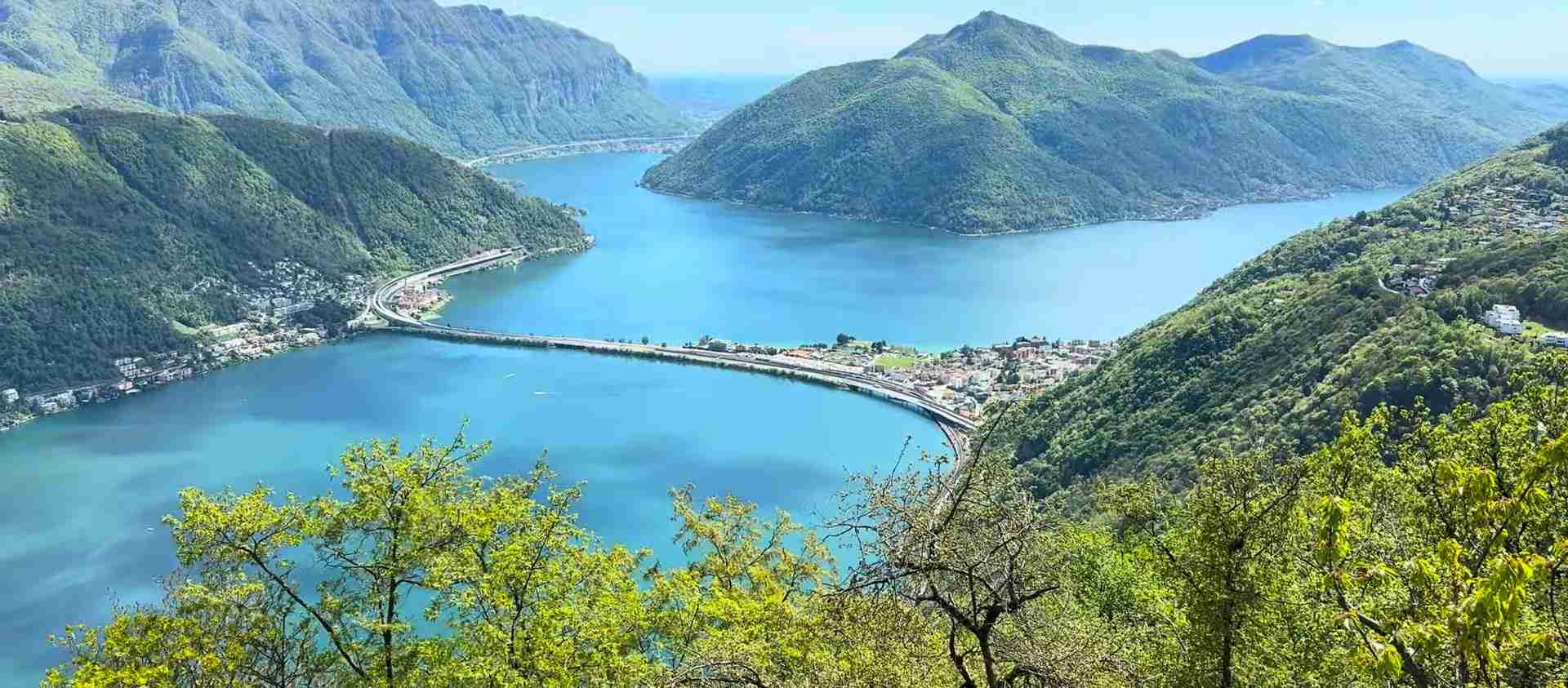
Lugano seamlessly blends Swiss precision with Italian warmth, creating a lakeside paradise where Alpine peaks meet Mediterranean flair. This sophisticated southern Swiss city offers crystalline waters framed by dramatic mountains, palm-lined promenades, world-class cultural institutions, and authentic Ticinese cuisine, all while maintaining Switzerland’s legendary infrastructure and efficiency. Whether you’re drawn to funicular rides ascending panoramic viewpoints, leisurely boat cruises across sparkling Lake Lugano, explorations of charming neighboring villages, or simply savoring an espresso at a lakefront café, Lugano delivers an unforgettable Swiss-Italian experience accessible year-round.
Key Takeaways for Visiting Lugano 2026
- Budget Flexibility: Lugano accommodates diverse budgets with daily costs ranging CHF 105-175 ($130-220) for budget travelers, CHF 200-305 ($250-380) for mid-range comfort, and CHF 425-760 ($530-950) for luxury experiences, all per person assuming two sharing hotel accommodation.
- Swiss Travel Pass Value: The 8-day Swiss Travel Pass (CHF 439 / $549) covers all Lugano public transport, lake boats, museum entries, and provides 50% discounts on Monte San Salvatore and Monte Brè funiculars, typically paying for itself within 3-4 intercity journeys.
- Complimentary Transport Card: Most Lugano hotels provide guests with a free Ticino Ticket covering all local public transport, significantly reducing daily transportation costs and encouraging spontaneous exploration throughout the region.
- Optimal Visiting Seasons: April-May and September-October offer ideal conditions with moderate temperatures, fewer crowds, and lower accommodation rates compared to peak summer (June-August), while winter (December-March) provides mild weather perfect for cultural attractions and lakeside strolls.
- Italian-Swiss Dual Identity: Lugano operates in Italian-speaking Switzerland using Swiss Francs (not Euros), combining Swiss organization and safety standards with Italian culinary excellence, architectural elegance, and Mediterranean lifestyle, creating a unique cultural experience.
- Strategic Location: Lugano’s position near the Italian border enables easy day trips to Milan (1 hour), Como (30 minutes), and throughout Ticino Canton, maximizing regional exploration while maintaining a single accommodation base with superior Swiss infrastructure.
People Also Ask About Visiting Lugano 2026
How much does visiting Lugano cost per day in 2026?
Visiting Lugano costs CHF 105-175 ($130-220) per person daily for budget travelers, CHF 200-305 ($250-380) for mid-range comfort, and CHF 425-760 ($530-950) for luxury experiences, all assuming two people sharing hotel accommodation. Budget travelers stay in hostels or budget hotels, prepare some meals from supermarkets, and utilize free attractions alongside occasional paid experiences. Mid-range visitors enjoy comfortable three-star hotels, dine at local restaurants for most meals, and experience signature attractions including funicular rides to panoramic viewpoints. Luxury travelers select five-star lakefront properties, dine at fine restaurants, and access premium experiences with personalized service. Most Lugano hotels provide complimentary Ticino Tickets covering all local public transport, substantially reducing transportation expenses across all budget tiers.
Is Lugano worth visiting in 2026?
Lugano absolutely merits visiting in 2026 for travelers seeking a sophisticated Swiss-Italian experience combining Alpine grandeur with Mediterranean charm. The city uniquely balances stunning natural beauty—crystalline lake waters surrounded by dramatic mountain peaks—with world-class cultural institutions, authentic Ticinese cuisine, and impeccable Swiss infrastructure. Lugano offers exceptional value compared to larger Swiss cities like Zurich or Geneva while maintaining equivalent quality standards, provides complimentary local transport through hotel-provided Ticino Tickets, and serves as an ideal base for exploring both southern Switzerland and northern Italy. The compact city center enables effortless walkability, funiculars ascend to breathtaking panoramic viewpoints within minutes, and the lakeside promenade creates a perpetually scenic backdrop. Lugano particularly excels for travelers appreciating Italian culture within Swiss reliability, seeking accessible mountain experiences without extreme Alpine altitudes, or desiring a sophisticated yet relaxed lakeside atmosphere.
What’s the best time to visit Lugano in 2026?
The optimal times to visit Lugano in 2026 are April-May (spring) and September-October (autumn), when moderate temperatures ranging 15-25°C (59-77°F), fewer crowds, stable weather patterns, and accommodation rates 20-30% below peak summer create ideal conditions. Spring brings blooming camellias and magnolias throughout Parco Ciani, opening outdoor restaurant terraces, and comfortably warm days perfect for hiking and lake cruises. Autumn delivers spectacular foliage colors across surrounding mountains, grape harvest festivals in nearby vineyards, crystal-clear visibility for panoramic photography, and pleasantly warm lake waters extending swimming season. Summer (June-August) attracts maximum visitors with temperatures occasionally exceeding 30°C (86°F), peak accommodation prices, and crowded funiculars and boat cruises, though this season offers longest daylight hours, numerous outdoor festivals, and guaranteed sunshine. Winter (December-March) provides remarkably mild weather with temperatures rarely dropping below freezing, uncrowded attractions, significantly reduced hotel rates, and atmospheric Christmas markets, ideal for cultural exploration without outdoor activity focus.
How many days do you need in Lugano in 2026?
Lugano requires 3-4 days for comprehensive exploration covering signature attractions, nearby villages, mountain viewpoints, and authentic cultural experiences without rushed scheduling. A 3-day itinerary accommodates Monte San Salvatore or Monte Brè funicular ascents, leisurely lakeside promenade strolls, visits to Gandria fishing village and Swissminiatur park, exploration of the old town and LAC cultural center, plus one day trip to Como or Morcote. Extending to 4-5 days enables ascending both mountain peaks, additional day trips throughout Ticino Canton (Bellinzona castles, Locarno, Valle Verzasca), deeper museum exploration, unhurried dining at traditional grottos, and flexible time for spontaneous discoveries. Weekend visitors (2 days) can experience core highlights including one mountain funicular, lakeside walks, old town exploration, and signature dining. Week-long stays transform Lugano into a relaxing base for extensive regional exploration, combining Swiss precision with Italian dolce vita lifestyle at a comfortable pace.
Extended multi-day tours – 5+ days
Featured Switzerland Multi-Day Tour Packages
3 days
Switzerland 3-Day Discovery Tour
- ✓ Comprehensive Switzerland experience
- ✓ Expert local guides included
- ✓ All accommodation included
- ✓ Transportation provided
5 days
Switzerland 5-Day Highlights Experience
- ✓ Comprehensive Switzerland experience
- ✓ Expert local guides included
- ✓ All accommodation included
- ✓ Transportation provided
7 days
Switzerland 7-Day Cultural Journey
- ✓ Comprehensive Switzerland experience
- ✓ Expert local guides included
- ✓ All accommodation included
- ✓ Transportation provided
10 days
Switzerland 10-Day Complete Adventure
- ✓ Comprehensive Switzerland experience
- ✓ Expert local guides included
- ✓ All accommodation included
- ✓ Transportation provided
Multi-day tour packages powered by TourRadar. Prices and availability subject to change.
Introduction: Discovering Lugano’s Swiss-Italian Paradise in 2026
Lugano occupies a privileged position in Switzerland’s sun-drenched Ticino Canton, where Swiss efficiency embraces Italian passion against a backdrop of shimmering lake waters and dramatic mountain silhouettes. This sophisticated city of approximately 63,000 residents has evolved into southern Switzerland’s financial and cultural capital while preserving its authentic charm, Mediterranean climate, and architectural elegance that distinguishes it from northern Swiss counterparts. The city stretches along the northern shore of glacially-formed Lake Lugano, surrounded by Monte San Salvatore, Monte Brè, and Monte Generoso—peaks offering panoramic vistas across three nations and countless Alpine summits.
Lugano’s Italian-speaking population, Swiss Franc currency, and unique cultural fusion create an intriguing hybrid experience unavailable elsewhere in Europe. Palm trees sway along lakeside promenades where Swiss precision meets Italian lifestyle, Art Nouveau villas overlook pristine waters, and traditional Ticinese grottos serve authentic regional cuisine with Swiss attention to quality. The city functions as an ideal introduction to Switzerland for travelers finding larger Swiss cities prohibitively expensive, while simultaneously offering sophisticated travelers a refined alternative to more touristy Alpine destinations. Lugano’s compact layout enables exploration entirely on foot, supplemented by efficient public transport, complimentary hotel-provided local transit cards, and funiculars accessing mountain viewpoints within minutes.
The 2026 travel season introduces enhanced accessibility with improved international connections, renovated cultural facilities, expanded dining options celebrating Ticinese cuisine, and optimized visitor services maintaining Switzerland’s hospitality standards. The Swiss Travel Pass continues providing exceptional value, covering all Lugano public transport, lake boats, and museum entries while offering substantial discounts on mountain railways. ETIAS authorization (€7, valid three years) launches in late 2026 for visa-exempt visitors to the Schengen Area, representing the only new entry requirement for most international travelers. Lugano’s calendar features year-round cultural events, summer lakeside festivals, autumn food celebrations, and intimate winter markets, ensuring engaging experiences regardless of visit timing.
Understanding Lugano requires appreciating its dual identity—technologically advanced Swiss infrastructure paired with Italian warmth and culinary excellence. The city’s Mediterranean microclimate produces Switzerland’s sunniest weather, enabling year-round outdoor dining, perpetually blooming gardens, and comfortable winter temperatures rarely requiring heavy coats. This guide provides comprehensive planning resources for 2026, covering accurate budget calculations, accommodation strategies across all price tiers, transportation optimization, signature attractions with current operational details, authentic dining recommendations, strategic day trip planning, and practical insights ensuring visitors experience Lugano’s unique Swiss-Italian magic without logistical stress or budget surprises.
Understanding Lugano Costs and Budget Planning 2026
Lugano maintains Switzerland’s reputation for premium pricing while offering superior value compared to Zurich or Geneva, particularly for travelers leveraging complimentary hotel transport cards, prioritizing authentic local experiences over tourist traps, and utilizing strategic meal planning combining restaurant dining with supermarket provisions. The Swiss Franc (CHF) serves as official currency, with most establishments accepting credit cards while preferring Swiss Francs over Euros for cash transactions. Current exchange rates fluctuate around CHF 1 = $1.25 USD, though visitors should verify rates before departure as currency markets impact total trip costs significantly.
Lugano’s cost structure reflects Swiss labor expenses, premium ingredient quality, and sophisticated infrastructure, yet the city’s Italian influence moderates pricing compared to northern Switzerland. Budget-conscious travelers discover substantial savings through strategic choices—staying slightly outside the immediate lakefront premium zone, utilizing complimentary hotel-provided Ticino Tickets eliminating local transport costs, preparing breakfasts and occasional lunches from supermarket provisions, and balancing upscale restaurant experiences with authentic grotto dining offering superior value. Mid-range travelers enjoy comfortable experiences without extreme luxury premiums, accessing quality three-star hotels, dining well at moderate restaurants, and experiencing signature attractions at reasonable costs. Luxury visitors access world-class five-star properties, Michelin-quality dining, and premium services at rates below equivalent experiences in Paris, London, or New York.
Daily Budget Breakdown by Travel Style 2026
Budget travelers visiting Lugano need CHF 105-175 ($130-220) per person daily assuming two sharing accommodation. This budget covers hostel dormitory beds or budget hotel double rooms divided between two travelers (CHF 40-70 per person), supermarket breakfasts (CHF 8-12), budget restaurant lunches or takeaway (CHF 18-25), grotto dinners or casual dining (CHF 25-35), minimal local transport beyond complimentary hotel cards (CHF 5-10), and selective attraction entries balanced with abundant free experiences (CHF 10-20). Budget travelers maximize value by staying in Lugano’s less central neighborhoods, preparing some meals from Coop or Migros supermarkets, hiking free mountain trails, enjoying complimentary lakeside promenades and parks, and selecting occasional paid attractions strategically. The Swiss Travel Pass provides excellent value for budget travelers planning regional exploration, as the CHF 439 eight-day pass covers transport costs that would otherwise consume significant daily budgets.
Mid-range travelers visiting Lugano spend CHF 200-305 ($250-380) per person daily for comfortable, quality experiences. This budget accommodates three-star hotel accommodation (CHF 160-250 per room, CHF 80-125 per person sharing), hotel breakfasts or quality café dining (CHF 12-18), casual restaurant lunches (CHF 25-35), mid-range restaurant dinners (CHF 50-70), local transport supplements (CHF 10-15), and regular attraction entries including funicular rides (CHF 25-40). Mid-range travelers balance authenticity with comfort, selecting well-located hotels offering complimentary Ticino Tickets, dining at a mix of traditional grottos and contemporary restaurants, experiencing both mountain funiculars without budget stress, taking lake cruises, and accessing museums and cultural venues freely. This tier delivers optimal Lugano experiences without unnecessary luxury premiums or uncomfortable budget restrictions.
Luxury travelers visiting Lugano invest CHF 425-760 ($530-950) per person daily for five-star comfort and exclusive experiences. This budget covers luxury lakefront hotels (CHF 400-800 per room, CHF 200-400 per person sharing), premium breakfast buffets (CHF 20-30), upscale restaurant lunches (CHF 45-70), fine dining dinners at Michelin-quality establishments (CHF 90-150), private transport or premium services (CHF 20-30), and exclusive experiences including private boat charters or guided mountain excursions (CHF 50-80). Luxury visitors access properties like Hotel Splendide Royal or Villa Principe Leopoldo, dine at Arte al Lago or Ristorante Grandia, enjoy personalized concierge services, and experience Lugano through premium lenses combining Swiss precision with Italian elegance. Luxury rates remain substantially below equivalent experiences in major European capitals while maintaining superior quality standards.
Weekly and Extended Stay Costs 2026
A week-long Lugano visit costs approximately CHF 735-1,225 ($920-1,530) per person for budget travelers maintaining daily ranges across seven days, excluding flights but including all accommodation, meals, local transport, and activities. Budget visitors extending stays benefit from weekly apartment rentals offering kitchen facilities enabling meal preparation, multi-day transport passes maximizing value, and unhurried exploration favoring free or low-cost experiences over rushed premium attractions. Budget-conscious week-long strategies include staying in Lugano’s Paradiso or Cassarate neighborhoods at lower rates while accessing central areas via complimentary Ticino Ticket, shopping weekly at Coop or Migros for breakfast and lunch provisions, dining out for dinners at authentic grottos, hiking free mountain trails, and experiencing one premium attraction every 2-3 days.
Mid-range travelers spending a week in Lugano invest CHF 1,400-2,135 ($1,750-2,670) per person for comfortable, quality experiences throughout the visit. This enables well-located hotel accommodation, regular restaurant dining, both mountain funicular ascents, multiple lake cruises, comprehensive museum exploration, and one significant day trip such as Como or Bellinzona. Mid-range weekly visitors achieve optimal value through booking directly with hotels for potential multi-night discounts, purchasing the Swiss Travel Pass covering all transport and museum entries across seven days, balancing upscale dinners with casual lunches, and maintaining flexibility for spontaneous discoveries without budget anxiety.
Luxury travelers invest CHF 2,975-5,320 ($3,720-6,650) per person for a week of five-star Lugano experiences, covering premium lakefront accommodation, fine dining throughout the week, private experiences, first-class transport, and exclusive access. Luxury week-long visits transform Lugano into an indulgent retreat combining Swiss sophistication with Italian warmth, accessing private boat charters across Lake Lugano, personalized wine tastings in nearby Ticino vineyards, spa treatments at luxury hotels, private guided mountain excursions, and Michelin-starred dining experiences.
Money-Saving Strategies for Lugano 2026
Purchasing the Swiss Travel Pass delivers substantial savings for travelers spending 4+ days in Switzerland including Lugano. The CHF 439 eight-day second-class pass covers unlimited train, bus, and boat travel throughout Switzerland, free entry to 500+ museums, and 50% discounts on mountain railways including Monte San Salvatore and Monte Brè funiculars. Standard point-to-point tickets between Zurich and Lugano exceed CHF 90 one-way, meaning the pass pays for itself within 3-4 intercity journeys while eliminating ticket-purchasing stress and encouraging spontaneous exploration. Families traveling with children benefit enormously as the Swiss Family Card enables children under 16 to travel completely free when accompanied by parents holding valid passes.
Requesting the complimentary Ticino Ticket upon hotel check-in eliminates all local public transport costs throughout Lugano. Nearly all Lugano hotels—from budget properties to five-star resorts—provide this free card covering buses, funiculars within city limits, and select regional transport, typically saving CHF 10-20 daily per person. Visitors should specifically request the Ticino Ticket at check-in as some properties require explicit guest requests rather than providing automatically.
Shopping at Coop or Migros supermarkets for breakfast provisions, lunch ingredients, and snacks reduces daily food costs by 40-60% compared to restaurant dining for every meal. A substantial supermarket breakfast costs CHF 8-12 versus CHF 20-30 at cafés, while assembled sandwiches, fresh produce, and local cheeses create satisfying picnic lunches for CHF 10-15 versus CHF 25-35 at restaurants. Supermarkets also stock excellent Swiss chocolates, wines, and regional products at substantially lower prices than tourist shops.
Visiting during shoulder seasons (April-May, September-October) typically reduces accommodation costs by 20-30% compared to peak summer rates while delivering superior weather compared to winter and fewer crowds than high season. Spring and autumn bookings secure better hotel values, uncrowded attractions, and more personalized service. Booking accommodation directly with hotels frequently yields better rates than third-party platforms, particularly for multi-night stays where properties offer unpublished discounts, complimentary upgrades, or added amenities.
Maximizing free attractions conserves budget for premium experiences. Lugano offers exceptional no-cost experiences including the lakeside promenade from Paradiso to Gandria, Parco Ciani botanical gardens, old town exploration, Sunday markets, numerous hiking trails accessing panoramic viewpoints, and public beach areas. Visitors balancing free experiences with selective paid attractions enjoy comprehensive Lugano exploration without budget strain.
Accommodation Guide: Where to Stay in Lugano 2026
Lugano’s compact geography simplifies accommodation selection, with most neighborhoods offering easy access to lakeside attractions, cultural venues, and transport connections. The city’s accommodation options span from budget-friendly hostels and three-star comfort hotels to legendary five-star lakefront palaces, all maintaining Switzerland’s hospitality standards while reflecting diverse budgets and preferences. Nearly all Lugano hotels provide complimentary Ticino Tickets covering local public transport, eliminating location-based transport cost differentials and enabling budget-conscious travelers to secure better accommodation values in peripheral neighborhoods without transport expense penalties.
Budget Accommodation in Lugano 2026 (CHF 80-140 / $100-175 Per Room)
Budget travelers find reliable accommodation through Lugano’s hostel network and budget hotel options offering clean, functional rooms without luxury amenities. Montarina Hostel provides dormitory beds from CHF 40 ($50) per person with kitchen facilities enabling meal preparation, social common areas, and locations near funicular stations accessing city center within 10 minutes. Hotel Atlantico offers budget double rooms from CHF 95 ($119) including basic breakfast, positioning guests near the central bus terminal with immediate access throughout Lugano via complimentary Ticino Ticket.
Budget hotel category includes properties like Hotel Zurigo Downtown (CHF 115-140 / $144-175 per room) offering compact but comfortable rooms, strategic downtown locations within walking distance to lakeside promenades and shopping districts, and included continental breakfasts. These establishments maintain Swiss cleanliness standards while minimizing non-essential amenities, focusing budgets on superior locations rather than spacious rooms or extensive facilities. Budget properties typically feature shared bathroom configurations for lowest-priced rooms, basic in-room amenities, and minimal on-site dining beyond breakfast, encouraging guests to explore Lugano’s exceptional restaurant scene.
Budget travelers maximize value by booking well in advance during peak summer months, accepting slightly smaller rooms in exchange for prime locations, utilizing in-room tea/coffee facilities to minimize café expenses, and leveraging complimentary hotel Ticino Tickets reducing daily transport budgets to near-zero. Most budget properties position guests within 10-15 minute walks to lakeside attractions while offering significantly lower rates than immediate waterfront hotels.
Mid-Range Accommodation in Lugano 2026 (CHF 160-250 / $200-315 Per Room)
Mid-range accommodation delivers comfortable, quality experiences through Lugano’s extensive three-star hotel network offering superior room sizes, enhanced amenities, convenient locations, and professional service standards. Hotel International Au Lac (CHF 180-230 / $225-288 per room) provides lakeside proximity, renovated rooms with modern bathrooms, breakfast buffets featuring local products, and balconies overlooking city or lake views. Hotel Delfino Lugano (CHF 165-210 / $206-263 per room) combines historic charm with contemporary comfort, positioning guests near Piazza della Riforma while offering spacious rooms, quality bedding, and attentive service.
Hotel Pestalozzi Lugano represents mid-range value excellence at CHF 175-220 ($219-275 per room), delivering central location steps from lakeside promenades, well-appointed rooms with air conditioning, comprehensive breakfast buffets, and easy access to all major attractions within walking distance. These mid-range properties typically include amenities such as in-room safes, mini-refrigerators, complimentary WiFi, quality toiletries, and daily housekeeping maintaining Swiss cleanliness standards. Many feature small fitness facilities, business centers, and multilingual staff providing professional concierge services for restaurant reservations, tour bookings, and regional exploration guidance.
Mid-range accommodation strategies include booking lake-view rooms for modest supplements providing perpetual scenic backdrops, requesting upper floors for improved vistas and reduced street noise, and utilizing hotel concierge services for restaurant recommendations accessing authentic local establishments rather than tourist-focused venues. Mid-range properties balance convenience with comfort, positioning travelers within easy reach of signature attractions while maintaining budgets enabling quality dining and activity experiences.
Luxury Accommodation in Lugano 2026 (CHF 400-800+ / $500-1,000+ Per Room)
Lugano’s luxury accommodation tier delivers world-class experiences through legendary five-star properties combining Belle Époque grandeur, contemporary sophistication, impeccable service, and stunning lakefront positions. Hotel Splendide Royal (CHF 550-800+ / $688-1,000+ per room) epitomizes Lugano elegance with its privileged lakeside location, sumptuous rooms and suites featuring lake views, Michelin-starred Arte al Lago restaurant, full-service spa, heated outdoor pool, and personalized concierge services arranging private boat charters, wine tastings, and exclusive experiences. The property’s 96 rooms blend classic Swiss hospitality with Italian warmth, offering spacious accommodations, marble bathrooms, premium amenities, and attentive service maintaining five-star standards.
Villa Principe Leopoldo (CHF 480-750+ / $600-940+ per room) occupies an elevated position above Lugano providing panoramic lake and mountain vistas, combining historic villa architecture with contemporary luxury. The property features 76 elegant rooms and suites, two restaurants including the renowned Principe Leopoldo Restaurant, extensive spa facilities, infinity pool overlooking the lake, and lush gardens creating an exclusive retreat atmosphere while remaining just minutes from city center. Grand Hotel Villa Castagnola (CHF 420-650+ / $525-813+ per room) offers lakeside luxury through its park setting, private beach access, multiple dining venues, and classic Swiss hospitality traditions.
Luxury properties provide comprehensive services including 24-hour room service, valet parking, private lake beach access, full-service spas offering Swiss and Thai treatments, fitness facilities with personal training, business centers, and concierge teams arranging helicopter transfers, yacht charters, private guides, and exclusive experiences throughout Ticino. These establishments cater to discerning travelers expecting seamless service, anticipatory hospitality, and refined environments where every detail reflects Swiss precision and Italian elegance. Luxury guests enjoy priority restaurant reservations, personalized welcome amenities, turndown services, premium bath products, and seamless coordination of all travel arrangements.
Neighborhood Selection and Location Strategy 2026
Lugano Centro (city center) provides optimal convenience for first-time visitors, positioning travelers within walking distance to lakeside promenades, Piazza della Riforma, Via Nassa shopping district, LAC cultural center, and comprehensive restaurant options. Central accommodation commands premium rates but eliminates transport requirements for core attractions, enables spontaneous evening strolls along illuminated lakefront, and places diverse dining within immediate reach. Hotels in this zone typically range CHF 180-600 ($225-750) per room depending on amenities and exact positioning.
Paradiso neighborhood south of city center offers excellent value with lakeside access, Monte San Salvatore funicular station, quality three-star hotels, and immediate transport connections throughout Lugano via complimentary Ticino Ticket. Paradiso delivers tranquil residential atmosphere while maintaining proximity to central attractions, typically offering rates 15-25% below city center equivalents for comparable quality levels. The neighborhood features local restaurants, supermarkets, and authentic Ticinese character less touristic than central zones.
Cassarate area east of center positions travelers near Monte Brè funicular base station, providing elevated viewpoints overlooking city and lake, peaceful residential streets, and budget-friendly accommodation options. Hotels here offer superior value for budget and mid-range categories, trading immediate central location for quieter atmosphere and lower rates while remaining just 10-15 minutes from city center via bus or pleasant lakeside walks. Cassarate suits travelers prioritizing accommodation value, seeking tranquil evenings away from tourist concentrations, and comfortable with short transport connections.
Dining and Food Experiences in Lugano 2026
Lugano’s culinary landscape masterfully balances Swiss quality standards with authentic Italian flavors, creating a distinctive Ticinese cuisine celebrating regional products, traditional preparations, and Mediterranean influences. The city’s Italian-speaking population maintains strong cultural connections to neighboring Lombardy, evidenced through risottos prepared with precision, fresh lake fish preparations, polenta traditions, and exceptional wine selections from Ticino’s Merlot vineyards. Dining in Lugano spans from rustic mountain grottos serving traditional fare at moderate prices to sophisticated lakefront establishments delivering Michelin-quality experiences, accommodating every budget tier while maintaining superior ingredient quality and preparation standards.
Budget Dining in Lugano 2026 (CHF 15-35 / $19-44 Per Meal)
Budget-conscious diners access satisfying, authentic meals through strategic selection combining supermarket provisions, casual lunch venues, and traditional grottos. Manora Restaurant attached to Manor department store provides exceptional value with cafeteria-style service offering fresh salads, daily hot dishes, pastas, and desserts at CHF 15-22 ($19-28) for complete meals. This semi-self-service establishment maintains quality standards while enabling budget travelers to dine affordably in central locations. Similar value appears at Coop and Migros supermarket cafeterias offering hot daily specials, fresh sandwiches, and salad bars at comparable prices.
Traditional Ticinese grottos represent optimal value for authentic dining experiences, with establishments like Grotto San Michele serving classic regional dishes including risotto, polenta with braised meats, and local sausages at CHF 25-35 ($31-44) for main courses. These rustic venues typically occupy stone buildings with outdoor terraces, emphasize seasonal ingredients, maintain family-run traditions, and deliver superior food quality compared to tourist-focused central restaurants at similar or lower prices. Grottos concentrate slightly outside immediate city center, requiring short bus rides rewarded with authentic atmosphere and local clientele.
Assembling supermarket meals from Coop or Migros provides substantial savings with fresh bread, local cheeses, cured meats, seasonal produce, and Swiss chocolates creating satisfying picnics for CHF 10-15 ($13-19) per person. Supermarkets stock prepared sandwiches, fresh pasta, and ready-to-eat options enabling apartment-staying visitors to prepare quality meals at fraction of restaurant costs. Budget dining strategies include substantial supermarket breakfasts (CHF 8-12), assembled lunches consumed at lakeside parks, and grotto dinners maximizing authentic experiences within modest budgets.
Mid-Range Dining in Lugano 2026 (CHF 40-80 / $50-100 Per Meal)
Mid-range dining delivers quality Ticinese cuisine through Lugano’s extensive casual and mid-level restaurant network offering authentic regional preparations, pleasant atmospheres, and attentive service. Osteria del Borgo (CHF 45-65 / $56-81 per person) serves homemade pasta, traditional meat preparations, and local wine selections in charming historic quarter setting, balancing authentic character with contemporary comfort. Ristorante Montevideo (CHF 50-75 / $63-94 per person) provides lakeside dining featuring fresh lake fish, risottos, and Swiss-Italian fusion dishes with outdoor terrace seating maximizing lake views.
Mid-range establishments typically present complete meals—antipasti, primi (pasta or risotto), secondi (main protein), and dolci (dessert)—at CHF 50-80 ($63-100) per person including wine. These venues emphasize regional ingredients, maintain professional service standards, and deliver authentic Ticinese hospitality without luxury premiums. Restaurant menus frequently feature local specialties including lake perch and pike, Ticino Merlot wines, polenta preparations, and seasonal mushroom or truffle dishes reflecting traditional cuisine. Many mid-range restaurants offer attractive lunch menus (CHF 25-35 / $31-44) providing multi-course meals at reduced prices compared to evening service.
Casual pizzerias and trattorias populate Lugano’s dining scene, offering authentic Italian preparations at moderate prices. Quality pizzas range CHF 18-28 ($23-35), fresh pasta dishes CHF 22-35 ($28-44), and meat or fish mains CHF 30-48 ($38-60), enabling satisfying dinners for CHF 40-65 ($50-81) per person including wine or beer. These establishments deliver relaxed atmospheres perfect for families, casual dining, or unhurried meals accompanied by local wines served by the glass or carafe.
Fine Dining in Lugano 2026 (CHF 90-150+ / $113-188+ Per Meal)
Lugano’s fine dining establishments deliver Michelin-quality experiences combining innovative cuisine, exceptional service, sophisticated wine programs, and stunning lake or mountain views. Arte al Lago at Hotel Splendide Royal (CHF 100-150+ / $125-188+ per person) offers Michelin-starred cuisine featuring creative Mediterranean-inspired dishes, extensive wine cellars, and refined lakeside dining rooms. The restaurant emphasizes seasonal ingredients, artistic presentations, and wine pairings curated by expert sommeliers, creating memorable culinary experiences rivaling major European capitals.
Ristorante Grandia (CHF 90-130 / $113-163 per person) provides elegant atmosphere near city center with sophisticated menu highlighting seasonal ingredients, refined Swiss-Italian preparations, and extensive Ticino wine selections. La Perla sul Lago (CHF 95-140 / $119-175 per person) combines breathtaking lake views with modern fusion cuisine, offering multi-course tasting menus alongside à la carte options featuring fresh seafood, creative vegetable preparations, and innovative desserts. Fine dining reservations require advance booking, particularly for weekend dinners and summer lakeside terrace seating.
Fine dining experiences emphasize multi-course meals spanning antipasti, pasta courses, protein mains, cheese selections, and elaborate desserts, accompanied by carefully selected wine pairings. Tasting menus range CHF 110-180+ ($138-225+) per person before wine pairings, delivering 5-7 courses showcasing chef creativity and seasonal ingredients. Service maintains impeccable Swiss precision while embracing Italian warmth, creating refined yet comfortable atmospheres where culinary excellence takes center stage. Fine dining suits celebration occasions, romantic evenings, and travelers prioritizing exceptional food experiences as central travel components.
Local Food Specialties and Ticinese Cuisine 2026
Ticinese cuisine reflects the region’s Italian heritage combined with Swiss ingredient quality, producing distinctive specialties unavailable elsewhere. Risotto represents the fundamental Ticino dish, prepared with precision using local rice, seasonal ingredients, and generous Ticino Merlot wine, appearing in variations including mushroom (autumn), asparagus (spring), and saffron (classic). Polenta serves as traditional accompaniment prepared from yellow cornmeal, often paired with braised meats, wild boar, or rich sauces following mountain traditions. Fresh lake fish including perch and pike appear on menus throughout Lugano, prepared simply to highlight delicate flavors or incorporated into sophisticated preparations showcasing Italian culinary techniques.
Local cured meats feature prominently, particularly Salame nostrano (traditional pork salami), Mortadella di fegato (liver mortadella), and Lardo di maiale (cured pork fat), typically served as antipasti with local bread and pickled vegetables. Ticino produces exceptional cheeses including Formagella Ticinese (soft cow’s milk cheese), Zincarlin (spiced cheese spread), and various alpine cheeses from mountain dairies. These products appear in traditional dishes and cheese courses at upscale restaurants, paired with local honey, jams, and accompaniments.
Ticino’s wine production concentrates on Merlot grapes, producing both young everyday wines and sophisticated aged reserves comparable to quality Italian wines. Local wine culture encourages pairing Merlot with traditional dishes, exploring grappas distilled from local grape pomace, and visiting nearby vineyards offering tastings and cellar tours. Desserts emphasize Italian traditions including panna cotta, tiramisu, and regional specialties like torta di pane (bread pudding) prepared with local ingredients and traditional techniques. Travelers exploring Ticinese cuisine discover authentic Swiss-Italian fusion unavailable in neighboring Italy or northern Switzerland, representing distinctive regional identity.
Transportation and Getting Around Lugano 2026
Lugano’s compact geography and comprehensive public transport network eliminate private vehicle requirements, with most attractions accessible via pleasant walks, efficient buses, historic funiculars, and lake boats all covered by complimentary hotel-provided Ticino Tickets or Swiss Travel Pass. The city’s pedestrian-friendly center, well-maintained sidewalks, and lakeside promenades encourage walking as primary transport mode, while public buses operate punctually connecting peripheral neighborhoods, and funicular railways ascend mountain viewpoints within minutes. Understanding Lugano’s transport options maximizes exploration efficiency while minimizing costs through strategic use of included transport services.
Walking and Pedestrian Navigation in Lugano 2026
Lugano’s downtown core measures approximately one kilometer from north to south, enabling complete exploration on foot within 15-20 minutes at leisurely pace. The lakeside promenade extends from Paradiso through central waterfront to Cassarate, creating a scenic 3-kilometer walking route connecting major attractions, lakefront parks, beach areas, and dining districts. Well-maintained pedestrian paths feature smooth surfaces suitable for all mobility levels, comprehensive signage in Italian, German, French, and English, and frequent benches providing rest opportunities overlooking lake and mountain vistas.
Piazza della Riforma serves as the central reference point, with Via Nassa’s elegant shopping arcades extending south toward lake, while Via Pessina ascends north through old town toward railway station. Pedestrian-only zones throughout central areas create pleasant strolling environments free from vehicle traffic, though Swiss drivers maintain exemplary pedestrian priority at crossings when sidewalks transition to vehicle streets. Walking from train station to lakeside requires approximately 10 minutes descending gradually, while return climbs remain manageable though slightly strenuous for travelers with limited mobility.
Comfortable walking shoes prove essential given Lugano’s hillside topography, with cobblestone streets in old town areas, occasional steep sections between elevation levels, and extensive daily walking distances accumulating when exploring thoroughly. Summer temperatures occasionally exceeding 30°C (86°F) recommend morning and evening walking schedules, utilizing midday hours for indoor museum visits or lakeside café breaks. Lugano’s compact scale means most daily exploration occurs on foot, supplemented by strategic public transport for peripheral attractions or when carrying purchases from shopping excursions.
Public Buses and Local Transport 2026
Lugano operates comprehensive bus network connecting all city neighborhoods, peripheral communities, and regional attractions through Trasporti Pubblici Luganesi (TPL) providing frequent, punctual service adhering to Swiss precision standards. Most Lugano hotels provide complimentary Ticino Tickets upon check-in, covering all local buses, select regional routes, and even lakeside boat services, essentially eliminating local transport costs for hotel guests. Visitors should specifically request Ticino Tickets at hotel reception as some properties require explicit guest requests rather than automatic distribution.
Bus lines operate approximately every 10-15 minutes during peak hours on major routes, with reduced frequency evenings and Sundays while maintaining reliable service throughout operating hours typically spanning 05:30-23:00. Digital displays at all bus stops provide real-time arrival information, route maps, and service updates in multiple languages. Payment for visitors without Ticino Tickets occurs via ticket machines at major stops or through smartphone apps, with single rides costing CHF 2.40 ($3) for short journeys within city limits. The Swiss Travel Pass covers all Lugano public transport, providing unlimited bus access throughout stay.
Key bus routes include Line 2 connecting train station, city center, and Paradiso (Monte San Salvatore funicular base), Line 434 running along lakeside promenade extending to Gandria and Castagnola, and numerous regional lines accessing neighboring communities. Bus drivers maintain professional service, announce stops clearly, and accommodate tourists unfamiliar with routes, though Italian represents primary announcement language supplemented by German on major tourist routes. Lugano’s efficient bus system enables exploration throughout metropolitan area without private vehicles, though compact city center means many travelers rely predominantly on walking supplemented by occasional strategic bus journeys.
Funicular Railways to Mountain Viewpoints 2026
Two historic funicular railways provide effortless access to Lugano’s signature mountain viewpoints, ascending from lakeside stations to panoramic summits within 12-15 minutes while offering spectacular vistas throughout ascents. Monte San Salvatore Funicular departs Paradiso (southern Lugano) ascending to 912-meter summit featuring 360-degree panoramas across Lake Lugano, surrounding peaks, and distant Alpine ranges extending to Monte Rosa. The funicular operates two separate sections requiring mid-station transfer, climbing 620 vertical meters through dramatic scenery to mountain-top terminus providing immediate access to summit church, restaurant terrace, and hiking trails.
Monte San Salvatore funicular operates daily from March through November with extended evening service on summer Fridays and Saturdays, plus limited winter service December through February. Round-trip tickets cost CHF 28 ($35) for adults with Swiss Travel Pass holders receiving 50% discounts reducing fares to CHF 14 ($18). The summit features Restaurant Vetta offering Mediterranean cuisine with unparalleled views, a small museum presenting religious artifacts and natural history exhibits with free admission, accessible hiking trails descending toward Carona or returning to Paradiso, and dramatic lookout platforms including rooftop access atop historic summit church providing ultimate panoramic perspectives.
Monte Brè Funicular departs Cassarate (eastern Lugano) ascending to 933-meter summit considered Switzerland’s sunniest mountain, offering similarly spectacular panoramas complementing San Salvatore’s western perspective. The funicular climbs directly to summit without mid-station transfers, providing 15-minute journey through verdant hillsides to mountain-top village of Brè featuring traditional Ticinese architecture, artisan studios, restaurants, and hiking trails. Round-trip fares approximate CHF 28 ($35) with similar Swiss Travel Pass discounts, while Ticino Ticket holders receive 30% reductions.
Both funiculars maintain Swiss operational precision with departures every 30 minutes during peak season, accessible facilities for limited-mobility travelers, and staff providing multilingual assistance. Summit facilities include restaurants serving lunch and refreshments, clean public restrooms, children’s playgrounds, and well-marked hiking trails ranging from gentle ridge walks to challenging descents. Weather significantly impacts visibility—clear days deliver breathtaking views across three nations, while clouds obscure vistas rendering expensive funicular trips disappointing. Checking weather forecasts before purchasing tickets prevents wasted expenses on cloudy days, with morning typically providing clearest conditions before afternoon heat potentially generating haze or clouds.
Lake Boats and Waterborne Transport 2026
Lake Lugano boat services operated by Società Navigazione del Lago di Lugano provide scenic transport connecting Lugano with neighboring villages including Gandria, Morcote, and Melide while offering leisurely cruises showcasing surrounding mountain amphitheater from water-level perspectives. Regular scheduled services depart central Lugano from Giardini Nassa pier, with Swiss Travel Pass and Ticino Ticket covering most local routes within Swiss territorial waters while charging supplements for extended cruises entering Italian sections. Boat schedules operate reduced frequency compared to buses, typically departing hourly during summer season with limited winter service.
Popular boat routes include Lugano-Gandria (20 minutes, CHF 12 / $15 without pass), Lugano-Morcote (45 minutes, CHF 20 / $25 without pass), and circular lake cruises (90-120 minutes, CHF 30-45 / $38-56 without pass) visiting multiple villages while providing onboard commentary describing lake history, notable properties, and surrounding geography. Boats feature outdoor deck seating perfect for sunny days, enclosed indoor salons providing protection during inclement weather, onboard refreshment services, and accessible boarding for travelers with limited mobility. Many visitors combine boat transport with hiking, ascending funiculars for panoramic views before hiking down mountain trails to lakeside villages, then returning via boat creating circular itineraries maximizing scenic experiences.
Special themed cruises operate seasonally including sunset dinner cruises, jazz evening services, and holiday-themed excursions commanding premium prices while delivering unique perspectives of illuminated shorelines and mountain silhouettes. Standard boat services require no advance reservations, operating first-come basis with ample capacity except peak summer weekends potentially experiencing full boats. Combining boat transport with walking creates pleasant car-free exploration throughout Lugano region, though travelers should verify return schedules before departing to avoid inconvenient waits at peripheral villages with limited dining or attraction options.
Swiss Travel Pass and Regional Transport Integration 2026
The Swiss Travel Pass represents optimal value for visitors exploring beyond Lugano, providing unlimited travel on Switzerland’s comprehensive train, bus, and boat network while including museum entries and mountain railway discounts. The 8-day second-class pass costs CHF 439 ($549) covering continuous travel throughout period, paying for itself within 3-4 intercity journeys when compared to standard point-to-point fares. First-class passes cost CHF 699 ($874) providing enhanced comfort and less crowding during peak periods, justified for travelers prioritizing spacious seating and quieter carriages.
Pass benefits extend beyond transport, covering free entry to 500+ Swiss museums including Lugano’s LAC cultural center, Museo d’Arte della Svizzera Italiana, and regional institutions throughout Ticino. Mountain railway discounts of 50% apply to both Monte San Salvatore and Monte Brè funiculars, reducing combined ascents from CHF 56 to CHF 28 ($70 to $35), immediately recovering significant pass cost. The Swiss Family Card enables children under 16 to travel completely free when accompanied by pass-holding parents, transforming family economics and making Switzerland remarkably affordable for family travel despite expensive reputation.
Alternative options include the Swiss Half-Fare Card (CHF 150 / $188 for one month) providing 50% discounts on all trains, buses, boats, and mountain railways, suitable for travelers taking fewer journeys, driving between some destinations, or preferring point-to-point ticket flexibility over unlimited travel. Lugano-based visitors planning primarily local exploration with perhaps one or two day trips may find Half-Fare Card sufficient, though travelers visiting multiple Swiss cities or taking numerous mountain excursions consistently achieve superior value through Swiss Travel Pass. The pass eliminates ticket-purchasing decisions, encourages spontaneous travel adjustments, and provides psychological freedom to ride trains, buses, and boats without calculating per-journey costs.
Top Attractions and Must-See Experiences in Lugano 2026
Lugano’s attractions masterfully balance natural beauty, cultural sophistication, historic significance, and recreational opportunities, creating diverse experiences suitable for all interests and ages. The city’s compact geography enables visiting multiple attractions daily without exhausting travel between sites, while varied options accommodate weather contingencies—outdoor mountain ascents and lakeside activities for sunny days, museums and galleries for rainy weather, and year-round cultural venues maintaining consistent appeal. Understanding attraction priorities, operational details, and strategic combinations maximizes limited vacation time while ensuring signature Lugano experiences receive appropriate attention.
Monte San Salvatore: Lugano’s Sugar Loaf Mountain 2026
Monte San Salvatore stands as Lugano’s most iconic natural landmark, offering unparalleled 360-degree panoramas across Lake Lugano, surrounding Alpine peaks extending to Monte Rosa, and views spanning three nations from its 912-meter summit accessible via historic funicular railway. The mountain’s distinctive conical profile—earning its “Sugar Loaf” nickname—creates instantly recognizable silhouette dominating southern Lugano skyline, while summit facilities provide comfortable viewing platforms, dining options, and hiking trail access creating comprehensive mountain experiences beyond mere viewpoint visits.
The funicular railway ascends from Paradiso district through two separate sections requiring mid-station transfer at Pazzallo, climbing 620 vertical meters through increasingly dramatic landscape transformations from lakeside vegetation to mountain flora. Each section operates dedicated cars maintaining 30-minute departure intervals during operating season (mid-March through early November, plus limited December-February winter service), with journey totaling approximately 12 minutes actual riding time plus brief transfer pause. Round-trip fares cost CHF 28 ($35) with Swiss Travel Pass holders receiving 50% discounts to CHF 14 ($18), while one-way tickets enable hikers ascending via funicular before descending mountain trails.
Summit facilities include Restaurant Vetta offering panoramic terrace dining with Mediterranean-inspired cuisine and traditional Swiss preparations at moderate prices (CHF 25-45 / $31-56 for mains), a small museum presenting religious artifacts, mineralogical specimens, and lightning phenomenon exhibits with free admission, and the historic Chiesa di San Salvatore (Church of the Holy Savior) whose rooftop viewing platform provides ultimate panoramic perspectives. The church roof access requires climbing narrow interior stairs unsuitable for young children or travelers with mobility limitations, though ground-level terraces deliver spectacular views without stair climbing.
Well-marked hiking trails depart summit descending toward Carona village (45 minutes), Pazzallo mid-station (30 minutes), or Paradiso funicular base (90 minutes), creating options for active travelers preferring downhill walking over second funicular ride. The summit nature trail provides educational signage describing local flora, fauna, and geological formations while maintaining gentle grades suitable for families. Children enjoy the summit playground featuring climbing structures, swings, and open spaces for running, making San Salvatore family-friendly destination beyond adult appreciation of views.
Optimal visiting strategy involves morning ascents capturing clearest atmospheric conditions before afternoon heat generates haze or clouds potentially obscuring distant Alpine peaks. Summit weather can differ dramatically from lakeside conditions—bringing light jackets even on warm days protects against mountain winds, while checking weather forecasts before purchasing funicular tickets prevents disappointing trips during overcast conditions. The funicular operates extended evening hours on summer Fridays and Saturdays (until 22:30) providing sunset viewing opportunities and illuminated city perspectives, though morning clarity typically delivers superior photography conditions.
Monte Brè: Switzerland’s Sunniest Peak 2026
Monte Brè ascends from Lugano’s eastern Cassarate district to 933-meter elevation creating counterpoint panoramic perspective complementing Monte San Salvatore’s western views while offering access to traditional Ticinese village atmosphere and artistic heritage uncommon at alpine viewpoints. The funicular—operating since 1908 making it among Switzerland’s oldest—climbs directly from lakeside to summit without mid-station transfers, providing 15-minute journey through progressive vegetation zones revealing increasingly expansive lake and mountain vistas.
The summit village of Brè maintains authentic Ticinese character with stone houses, narrow cobbled lanes, artisan studios, and traditional architecture creating village atmosphere rare at mountain-top destinations. The Wilhelm Schmid Museum celebrates Swiss painter Wilhelm Schmid’s legacy through free exhibitions displaying works inspired by Lugano region landscapes, while village streets feature outdoor sculpture installations creating informal art trail. Summit facilities include restaurants serving traditional Ticinese cuisine with outdoor terraces overlooking lake panoramas, clean public facilities, and children’s playground providing family-friendly amenities.
Hiking trails depart Brè summit descending through chestnut forests toward Gandria fishing village (90 minutes), creating popular half-day itinerary combining funicular ascent, summit lunch, forest hiking, and boat return from Gandria to central Lugano. The trail features moderate difficulty with well-maintained paths, occasional steep sections requiring sturdy footwear, and educational signage describing natural and cultural history. Alternative easier walks along summit ridge provide gentle exercise with continuous panoramic rewards suitable for all fitness levels and ages.
Round-trip funicular fares approximate CHF 28 ($35) with Ticino Ticket holders receiving 30% discounts and Swiss Travel Pass holders obtaining 50% reductions. The funicular operates year-round with consistent daily schedules though reduced winter frequencies, providing reliable access regardless of season. Monte Brè claims designation as Switzerland’s sunniest mountain, delivering particularly pleasant conditions during shoulder seasons when cloud coverage frequently affects higher Alpine peaks while Brè maintains clear skies and comfortable temperatures.
Combining both Monte San Salvatore and Monte Brè ascents within single visit provides comprehensive Lugano panoramic perspectives—western and eastern viewpoints revealing lake’s complete geography, surrounding mountain amphitheater from opposing angles, and Italian border regions from different elevations. Travelers with limited time should prioritize one mountain based on accommodation proximity, though active visitors easily accomplish both ascents within full day when combined with lakeside activities or village explorations between mountain visits.
Lakeside Promenade and Parco Ciani 2026
Lugano’s lakeside promenade extends approximately 3 kilometers from Paradiso through central waterfront to Cassarate, creating continuous pedestrian pathway lined with subtropical vegetation, sculpture installations, café terraces, and perpetual lake and mountain vistas. This car-free route serves as Lugano’s social heart where locals and visitors stroll morning and evening, jog along maintained paths, pause at waterfront benches, and access swimming areas during summer months. The promenade requires no admission fees, operates 24 hours providing sunset and evening illumination experiences, and accommodates all mobility levels through level, well-maintained surfaces.
Parco Ciani occupies 63,000 square meters of lakeside parkland featuring botanical collections, centuries-old trees, villa architecture, children’s playgrounds, and expansive lawns perfect for picnics or relaxation. The park’s extensive plant collections include camellias blooming March-April, magnolias creating stunning spring displays, Mediterranean species thriving in Lugano’s mild microclimate, and mature specimen trees providing shaded walking paths. Free admission enables unlimited visits, with early morning walks avoiding midday heat and evening strolls capturing golden-hour photography of mountains reflected in lake waters.
The promenade connects numerous free beach access points where locals swim in remarkably clean lake waters during summer months, with Lido Piscina Conca d’Oro providing organized beach facilities, swimming pools, changing rooms, and refreshment services at modest fees (CHF 10-15 / $13-19 daily access). Public beach areas require no fees, offering simple lake access with grass lawns for sunbathing though lacking organized facilities. Swimming season extends May through September when water temperatures reach 20-24°C (68-75°F), with July-August providing warmest conditions and most crowded beach areas.
Seasonal events activate the promenade including summer evening concerts, cultural festivals, outdoor cinema screenings, and holiday markets transforming lakeside into vibrant gathering spaces. Weekly markets occupy Piazza della Riforma connecting directly to waterfront, creating opportunities combining shopping, café breaks, and lakeside relaxation within single morning. The promenade serves as Lugano’s perpetual attraction—weather permitting, walking this scenic route provides consistently rewarding free experiences showcasing the city’s natural beauty, sophisticated lifestyle, and Mediterranean atmosphere distinguishing it from northern Swiss destinations.
LAC Lugano Arte e Cultura: Contemporary Cultural Center 2026
LAC Lugano Arte e Cultura opened in 2015 as Ticino’s premier cultural venue, combining contemporary art museum, concert hall, and cultural center within striking lakeside architecture designed by Ivano Gianola. The facility houses Museo d’Arte della Svizzera Italiana presenting rotating exhibitions of modern and contemporary art with emphasis on Swiss and Italian connections, permanent collections featuring 20th-century masters, and special exhibitions attracting international attention. Concert hall programs include classical music performances, jazz series, theatrical productions, and contemporary performances creating year-round cultural calendar.
Museum admission costs CHF 15 ($19) for adults with Swiss Travel Pass holders entering free, seniors and students receiving reduced rates, and combination tickets available for temporary exhibition access. The museum operates Tuesday-Sunday 10:00-18:00 with extended Thursday hours until 20:00, while concert hall events follow individual performance schedules requiring advance ticket purchases. Architecture itself merits appreciation—the building’s geometric forms, expansive glass facades overlooking lake, and sophisticated interior spaces create destinations beyond exhibition content.
LAC’s lakeside café provides quality refreshments with outdoor terrace seating overlooking water, making it pleasant break destination regardless of museum interest. The cultural center frequently hosts free outdoor events, public lectures, and community gatherings particularly during summer months when lakeside plaza activates with temporary installations, performances, and festivals. LAC represents Lugano’s commitment to contemporary culture, providing sophisticated alternatives to traditional heritage attractions while establishing the city as serious cultural destination beyond scenic natural beauty.
Old Town and Historic Center Exploration 2026
Lugano’s old town (Centro Storico) preserves medieval street patterns, Renaissance architecture, and Baroque churches within compact area ascending from lakeside Piazza della Riforma through narrow pedestrian lanes toward elevated residential neighborhoods. The old town requires no admission fees, rewards aimless wandering through atmospheric streets, and reveals architectural details, hidden courtyards, artisan shops, and neighborhood cafés representing authentic local character often obscured by lakeside tourist concentrations.
Chiesa di Santa Maria degli Angeli stands as old town’s architectural masterpiece, featuring magnificent Renaissance frescoes by Bernardino Luini covering interior walls with Last Supper depiction and biblical scenes created 1529. The church provides free admission during daylight hours, maintains respectful quiet atmosphere appropriate for sacred space, and delivers art historical significance rivaling major museums without entry fees. The adjacent piazza provides café seating perfect for post-visit refreshment while admiring church façade.
Via Nassa represents Lugano’s premium shopping street, featuring arcaded sidewalks sheltering luxury boutiques, Swiss watch retailers, designer fashion, and specialty shops beneath Renaissance-era buildings. Window shopping provides entertainment without purchase requirements, while the covered arcades enable comfortable strolling during rain protecting visitors from weather. Piazza della Riforma serves as old town’s social center, surrounded by pastel-colored historic buildings, outdoor café terraces, and hosting weekly markets, seasonal events, and evening gatherings creating perpetual activity and people-watching opportunities.
Cattedrale di San Lorenzo occupies elevated position above city center, requiring uphill walk through old town streets rewarded by Romanesque-Renaissance architecture, restored interior, and panoramic terrace views across rooftops toward lake and mountains. The cathedral provides free admission, operates as active parish church maintaining regular service schedules, and combines religious significance with architectural interest. Surrounding neighborhood features less touristic shops, neighborhood restaurants, and residential atmosphere revealing everyday Lugano beyond waterfront tourist zones.
Gandria: Traditional Fishing Village Experience 2026
Gandria village clings to steep lakeside slopes 5 kilometers east of central Lugano, preserving traditional Ticinese fishing village character with car-free narrow lanes, stone houses, lakeside cafés, and authentic atmosphere largely untouched by modern development. Accessing Gandria via lake boat (20 minutes, covered by Swiss Travel Pass/Ticino Ticket) or lakeside walking path (60-90 minutes from Cassarate) creates scenic journey rewarding arrival with village exploration, waterfront dining, and swimming opportunities in remarkably clean lake waters.
The village features no formal attractions requiring admission fees, instead offering atmospheric wandering through steep cobbled streets too narrow for vehicles, discovering hidden staircases, flower-decorated balconies, and local residents maintaining traditional lifestyles. Waterfront restaurants serve fresh lake fish, traditional Ticinese preparations, and local wines at moderate prices (CHF 30-50 / $38-63 for mains) with terrace seating overlooking water creating idyllic lunch settings. Swimming areas provide free lake access with small pebble beaches, while brave visitors enjoy refreshing swims in deep clear waters.
The Swiss Customs Museum (Museo Doganale Svizzero) occupies lakeside position south of Gandria village, presenting smuggling history, customs enforcement evolution, and border control artifacts with free admission and engaging exhibits appealing to children through interactive displays. Accessing the museum requires boat service or continuation along lakeside path beyond Gandria village, creating extended half-day excursion combining village atmosphere, museum visit, and scenic transport.
Optimal Gandria visiting strategy combines morning boat departure from central Lugano, village exploration and lakeside lunch, afternoon swimming or museum visit, then return via lakeside hiking path creating circular journey maximizing scenic experiences. Alternative approaches reverse the sequence—hiking to Gandria morning while temperatures remain moderate, enjoying midday village lunch, then relaxing boat return afternoon. Gandria represents essential Lugano experience showcasing traditional Ticinese village character increasingly rare throughout modernized lakeside communities.
Day Trips and Regional Excursions from Lugano 2026
Lugano’s strategic position near the Italian border and central location within Ticino Canton enables exceptional day trip opportunities accessing Italian lake communities, Swiss Alpine valleys, UNESCO World Heritage castles, and distinctive regional attractions all within 30-90 minutes travel. The Swiss Travel Pass covers all transport throughout Switzerland while extending to Italian border stations, maximizing day trip accessibility and value. Regional exploration reveals Ticino’s cultural diversity, scenic variety, and authentic villages contrasting with Lugano’s urban sophistication, creating comprehensive southern Swiss experiences beyond single-city limitations.
Como, Italy: Italian Lake Town Experience 2026
Como sits 30 kilometers north of Lugano across the Italian border, offering authentic Italian atmosphere, historic architecture, and lakeside elegance accessible within 30-40 minutes via direct regional trains departing Lugano hourly. The Swiss Travel Pass covers travel to Chiasso border station, requiring standard Italian train tickets (€3-5 / $4-6) for the final segment to Como, while full journey costs approximately CHF 15 ($19) without pass coverage. Como represents Italy’s distinct character—more relaxed pacing, different architectural styles, and atmospheric piazzas contrasting with Swiss precision.
Como’s attractions include the magnificent Duomo (Gothic-Renaissance cathedral) featuring elaborate façade sculptures and artistic treasures with free admission, historic funicular ascending to Brunate village delivering panoramic lake views (€6 / $7 round-trip), and lakeside promenades rivaling Lugano’s beauty while offering Italian dining at more affordable prices. Lunch costs €20-35 ($25-44) per person at quality Como trattorias, substantially below Swiss equivalents, making dining a strategic day trip component. Villa Olmo park provides free lakeside access with neoclassical villa exterior viewing and extensive gardens perfect for picnics.
Optimal Como day trips depart Lugano mid-morning, arriving for late morning exploration and extended lunch at lakeside restaurants, afternoon villa gardens or funicular ascent, then evening return allowing dinner in Lugano. The day trip combines cultural variety, Italian atmosphere exposure, and strategic meal savings within easy logistics, though travelers should carry passports as border crossings occasionally require identification verification. Como’s compact historic center enables walking-based exploration, eliminating local transport requirements and enabling full-day adventures within modest budgets.
Bellinzona: UNESCO World Heritage Castles 2026
Bellinzona occupies strategic Alpine valley position 30 kilometers north of Lugano, featuring three UNESCO World Heritage medieval castles—Castelgrande, Montebello, and Sasso Corbaro—creating Switzerland’s most impressive castle complex accessible within 30 minutes via frequent direct trains covered by Swiss Travel Pass. The castles served as critical defensive fortifications controlling north-south Alpine passages, preserving exceptional medieval military architecture through centuries while evolving into cultural venues hosting museums, concerts, and special events.
Castelgrande dominates Bellinzona’s skyline, accessible via free elevator from old town or uphill walk through restored ramparts, featuring free courtyard access while museum areas charge CHF 10 ($13) admission (free with Swiss Travel Pass). The castle complex includes two distinctive towers, extensive rampart walks providing valley panoramas, archaeological museum presenting regional history, and restaurant serving traditional Ticinese cuisine at moderate prices. Montebello Castle positions slightly higher on hillside, requiring uphill walk rewarded by civic museum exhibitions and medieval atmosphere, while Sasso Corbaro occupies highest elevation demanding steeper ascent compensated by ultimate panoramic perspectives.
Bellinzona’s old town features attractive piazzas, Saturday morning market (largest in Ticino), traditional shops, and authentic atmosphere less touristic than Lugano. Combining castle exploration with market visits creates ideal Saturday day trip, arriving morning for market atmosphere and fresh produce purchases before castle ascents and afternoon cultural exploration. The full castle circuit requires 4-5 hours walking between sites, ascending ramparts, and exploring museums, though visitors with limited time prioritize Castelgrande delivering maximum impact with minimal effort.
Dining in Bellinzona costs less than Lugano equivalents, with traditional grottos serving complete meals for CHF 25-40 ($31-50) per person and casual pizzerias offering quality preparations at CHF 15-25 ($19-31). Strategic lunch in Bellinzona conserves budget while experiencing authentic Ticinese hospitality in less touristy environment. Return trains depart every 30 minutes enabling flexible scheduling without rigid timetables, making Bellinzona ideal spontaneous day trip when weather favors outdoor castle exploration.
Morcote: Switzerland’s Most Beautiful Village 2026
Morcote occupies picturesque lakeside position 10 kilometers south of Lugano, regularly cited among Switzerland’s most beautiful villages through its perfectly preserved medieval architecture, cascading hillside setting, and stunning lake views. Accessing Morcote via lake boat (45 minutes, covered by Swiss Travel Pass/Ticino Ticket) provides scenic approach revealing village gradually ascending steep slopes, while bus service (Line 431, 20 minutes) offers faster transport when time constrains. The village prohibits through-vehicle traffic, maintaining pedestrian character and tranquil atmosphere rare in accessible tourist destinations.
Chiesa di Santa Maria del Sasso crowns village summit, requiring ascent through 400+ stone steps winding between historic houses and gardens, rewarding climb with Renaissance church interior, cemetery featuring elaborate monuments, and panoramic terrace overlooking Lake Lugano toward Alpine peaks. The church provides free admission while maintaining active religious function, combining spiritual significance with architectural beauty and scenic positioning. Descent via alternative routes reveals different village perspectives, hidden corners, and artisan workshops.
Waterfront cafés and restaurants provide idyllic lunch settings with direct lake views, serving fresh fish preparations and traditional dishes at moderate prices (CHF 30-55 / $38-69 per person for complete meals). Parco Scherrer occupies hillside south of village, featuring exotic botanical gardens with subtropical species, Asian-inspired architecture, and artistic installations within terraced landscape, charging CHF 12 ($15) admission (free with Swiss Travel Pass) for access to remarkably diverse plant collections thriving in Morcote’s microclimate.
Optimal Morcote visits combine morning boat departure from Lugano, village exploration ascending to summit church, midday lakeside lunch with extended terrace relaxation, afternoon Parco Scherrer visit or village swimming, then afternoon boat return creating leisurely full-day excursion without rushed scheduling. The combination delivers quintessential Ticino experiences—scenic boat transport, traditional village atmosphere, quality lakeside dining, and botanical beauty—within single accessible day trip suitable for all ages and mobility levels.
Foxtown Factory Outlet: Shopping Experience 2026
Foxtown occupies converted industrial buildings in Mendrisio, 15 kilometers south of Lugano near Italian border, creating Switzerland’s largest factory outlet complex featuring 160+ international brands offering discounts 30-70% below standard retail prices. Direct trains from Lugano reach Mendrisio station (15 minutes, covered by Swiss Travel Pass) with free shuttle buses connecting station to Foxtown complex operating every 15 minutes. The outlet attracts serious shoppers seeking designer fashion, Swiss watches, sporting goods, and luxury brands at substantially reduced prices while maintaining Switzerland’s product authenticity and consumer protection standards.
Foxtown features brands including Prada, Versace, Armani, Nike, Adidas, Gucci, Hugo Boss, and numerous others spanning fashion, accessories, home goods, and children’s products. Swiss watch outlets provide authentic timepieces at discounted rates, while sporting goods sections offer quality equipment and clothing ideal for Alpine activities. The complex includes dining options ranging from casual cafeterias to sit-down restaurants, though prices reflect tourist venue premiums suggesting packed lunches for budget-conscious shoppers.
Shopping strategies include visiting weekday mornings avoiding weekend crowds, carrying passports enabling tax-free shopping for non-Swiss residents (VAT refund approximately 8% on purchases exceeding CHF 300), and researching desired brands’ outlet presences before visiting to prioritize limited shopping time. Serious shoppers allocate full days enabling thorough exploration across multiple buildings, while casual browsers accomplish satisfying visits within 2-3 hours. Combining Foxtown with nearby Mendrisio old town exploration, Swiss border village atmosphere, or Italian border crossing creates diverse day trips beyond pure shopping focus.
Valle Verzasca: Emerald Pools and Mountain Valley 2026
Valle Verzasca stretches northwest of Locarno, featuring crystal-clear emerald river pools, traditional stone villages, and dramatic mountain scenery representing Ticino’s Alpine character contrasting with lakeside sophistication. Accessing the valley requires changing trains in Bellinzona or Locarno (60-75 minutes total from Lugano, covered by Swiss Travel Pass) then transferring to PostBus service ascending valley to Sonogno village terminus. The valley attracts swimmers, hikers, photographers, and nature enthusiasts seeking authentic mountain atmosphere and remarkably transparent river waters perfect for summer swimming.
The Verzasca Dam (Diga di Contra) stands 220 meters tall, famous as the bungee jumping location featured in James Bond film “GoldenEye,” offering organized jumps (CHF 255 / $319) through professional operators alongside free dam walkway access providing vertigo-inducing views into deep canyon. Popular swimming areas include Lavertezzo’s Roman bridge pools attracting crowds during summer weekends yet maintaining beauty despite visitor numbers, while upstream locations toward Sonogno provide quieter swimming opportunities in equally transparent waters.
Traditional villages including Lavertezzo, Corippo (Switzerland’s smallest municipality), and Sonogno preserve stone architecture, rustic character, and traditional lifestyles increasingly rare in modernized Switzerland. Village restaurants serve authentic Ticinese cuisine at moderate prices, while walking trails range from gentle riverside paths to challenging mountain ascents accessing high-altitude viewpoints. Valle Verzasca suits adventurous travelers comfortable with longer transport times (2+ hours each direction), seeking natural beauty over cultural attractions, and preferring authentic mountain experiences to organized tourist venues. Full-day excursions enable comprehensive valley exploration, swimming, hiking, and village visits within single trip, though overnight stays in valley accommodations transform rushed day trips into immersive mountain retreats.
Seasonal Considerations and Weather Planning 2026
Lugano experiences remarkably mild Mediterranean climate unusual for Switzerland, with palm trees thriving along lakeside promenades, minimal snow accumulation even during winter months, and summer temperatures occasionally exceeding 30°C (86°F) creating year-round visitation appeal. Understanding seasonal variations enables strategic timing maximizing pleasant weather, avoiding extreme crowds, securing optimal accommodation rates, and accessing season-specific experiences unavailable other periods. Lugano’s climate reliability surpasses many European destinations, delivering consistent sunshine hours, low precipitation compared to northern Switzerland, and comfortable temperatures supporting outdoor activities across extended seasons.
Spring Season Planning (March-May 2026)
Spring delivers ideal Lugano conditions combining moderate temperatures ranging 12-22°C (54-72°F), blooming subtropical vegetation throughout parks and gardens, opening outdoor restaurant terraces, and substantially fewer visitors compared to summer peak enabling uncrowded attraction access and easier restaurant reservations. Accommodation rates remain 20-30% below summer peaks while delivering superior weather compared to northern European destinations experiencing cold, rainy springs. March sees camellia and magnolia blooms transforming Parco Ciani into floral showcase, April brings warm sunny days perfect for hiking and lake activities, while May approaches summer conditions with occasional warm spells reaching 25°C (77°F).
Spring advantages include uncrowded funiculars accessing mountain viewpoints without queues, pleasant hiking temperatures avoiding summer heat stress, extended daylight hours from March through May supporting full-day excursions, and seasonal restaurant specialties featuring asparagus, spring vegetables, and fresh preparations celebrating seasonal ingredients. Lake Lugano remains cool for swimming (14-18°C / 57-64°F), though hardy swimmers and outdoor pools accommodate early-season water activities. Spring weather variability requires packing layers—mornings can be cool requiring light jackets while afternoons warm substantially encouraging t-shirt weather.
Key spring events include Easter celebrations featuring special church services and traditional processions, opening of mountain funicular services after winter maintenance (typically mid-March), and activation of lake boat full schedules supporting comprehensive day trip planning. Spring represents optimal shoulder season balancing pleasant weather, manageable crowds, reasonable accommodation rates, and comprehensive attraction operations, making it arguably Lugano’s best overall visiting period for travelers prioritizing quality experiences over guaranteed beach weather.
Summer Season Planning (June-August 2026)
Summer brings peak tourist season combining maximum visitors, highest accommodation rates, warmest temperatures (22-30°C / 72-86°F), and guaranteed sunshine supporting beach activities, swimming, and outdoor dining. Lake water temperatures reach comfortable 22-24°C (72-75°F) encouraging swimming, water sports, and beach relaxation as central vacation activities. Summer delivers longest daylight hours enabling extended daily exploration, though midday heat occasionally becomes uncomfortable requiring strategic scheduling favoring morning and evening activities with midday breaks for lunch, museum visits, or lakeside relaxation.
Accommodation during summer (particularly July-August) requires advance booking—quality hotels fill weeks ahead, rates increase 30-50% above shoulder seasons, and last-minute availability concentrates in less desirable properties or expensive luxury tier. Restaurants experience maximum demand necessitating dinner reservations, particularly for lakeside terrace seating at popular venues. Mountain funiculars operate maximum frequency yet experience longest queues, while lake boats run comprehensive schedules supporting extensive day trip options though becoming crowded weekends and holidays.
Summer advantages include reliable weather enabling confident outdoor activity planning, extended operational hours at attractions, comprehensive lake boat schedules accessing remote villages, active cultural calendar featuring outdoor concerts and festivals, and vibrant evening atmosphere with extended outdoor dining and lakeside entertainment. Summer suits families constrained by school schedules, beach-focused travelers prioritizing swimming and water activities, and visitors seeking guaranteed warm weather despite accepting crowds and premium pricing as tradeoffs. Strategic summer planning involves booking accommodation months ahead, making restaurant reservations for desired venues, visiting popular attractions early morning or late afternoon avoiding midday peaks, and scheduling indoor activities during hottest midday hours.
Autumn Season Planning (September-October 2026)
Autumn delivers arguably Lugano’s optimal conditions combining moderate temperatures (15-23°C / 59-73°F), diminishing crowds as students return to school and families conclude summer holidays, spectacular foliage colors across surrounding mountains, stable weather patterns, and accommodation rates dropping 25-35% below summer peaks. Lake water remains swimmable through September (20-22°C / 68-72°F) extending beach season while October cools to 16-18°C (61-64°F) suitable only for hardy swimmers. Autumn provides crystal-clear visibility conditions perfect for mountain panorama photography as atmospheric haze dissipates and Alpine peaks appear sharply defined against deep blue skies.
September maintains near-summer conditions with warm days, comfortable evenings, and operational services continuing summer patterns while crowds noticeably decrease after Labor Day. October introduces autumn character through changing foliage, harvest festivals in nearby vineyards, traditional food celebrations featuring chestnuts and mushrooms, and slightly cooler temperatures requiring light layers. Autumn weather remains remarkably stable compared to northern European destinations experiencing increasing rainfall and declining temperatures—Lugano’s Mediterranean microclimate protects against excessive autumn deterioration maintaining pleasant conditions through October.
Autumn advantages include easier restaurant reservations without advance booking requirements, uncrowded attractions and shorter funicular queues, superior photography conditions with dramatic lighting and clear atmospheres, harvest-season dining featuring seasonal specialties, and relaxed pace as tourist infrastructure shifts from maximum summer capacity toward quieter winter operations. Autumn suits photographers seeking optimal lighting conditions, budget-conscious travelers benefiting from reduced accommodation rates, and visitors preferring mild temperatures over summer heat while accepting slightly shorter daylight hours and cooler evenings requiring warmer clothing.
Winter Season Planning (November-February 2026)
Winter transforms Lugano into mild lakeside retreat combining remarkably comfortable temperatures (4-12°C / 39-54°F), minimal precipitation, uncrowded attractions, substantially reduced accommodation rates (40-50% below summer), and atmospheric Christmas markets creating distinct seasonal appeal. Unlike northern Switzerland experiencing harsh winters requiring heavy coats and snow management, Lugano maintains Mediterranean character with occasional frosts yet rare snow accumulation, palm trees continuing year-round growth, and comfortable outdoor conditions enabling winter promenade walks, café terraces, and hiking on sunny days.
Winter operational changes include reduced lake boat schedules limiting day trip flexibility, shorter daylight hours (8-9 hours December-January) compressing daily activity windows, and occasional mountain funicular maintenance closures for annual service. However, Monte San Salvatore and Monte Brè maintain winter operations with reduced schedules, museums and cultural venues operate normal hours, restaurants continue service though outdoor terraces close, and essential city functions proceed unaffected. Winter weather occasionally brings rainy periods—packing rain jackets and planning indoor contingency activities (museums, shopping, thermal baths) ensures enjoyable visits despite occasional precipitation.
Winter advantages include dramatically reduced costs across accommodation, dining, and attractions, virtually empty funiculars and museums enabling personalized experiences, authentic local atmosphere as seasonal tourism dissipates, atmospheric Christmas markets (late November through December), and mild temperatures compared to northern European destinations experiencing harsh winters. Winter suits budget travelers maximizing savings, cultural enthusiasts prioritizing museums and indoor attractions, and visitors seeking authentic local experiences without tourist crowds. December combines Christmas atmosphere with mild weather, while January-February deliver lowest rates and maximum availability though shortest daylight and occasional gray weather require flexibility.
Practical Travel Tips and Essential Information 2026
Understanding Lugano’s practical realities—language dynamics, currency practices, tipping customs, safety standards, and local conventions—transforms theoretical planning into successful on-ground navigation. Switzerland maintains exceptional infrastructure standards, legendary efficiency, and tourist-friendly systems reducing travel stress, yet specific regional characteristics and Ticinese cultural elements distinguish Lugano from northern Swiss cities. Strategic awareness of operational details, cultural expectations, and practical logistics optimizes limited vacation time while preventing common visitor mistakes and unnecessary expenses.
Language and Communication in Lugano 2026
Lugano operates as Italian-speaking Swiss city where Italian dominates everyday conversation, street signage, restaurant menus, and local culture, yet German, French, and English function as supplementary languages throughout tourist infrastructure. Hotel staff, tourist information centers, major restaurants, and attraction personnel speak English fluently, while Swiss Germans visiting from northern cantons communicate in German creating trilingual public atmosphere. Italian fluency enhances experiences enabling authentic interactions with local shopkeepers, market vendors, and traditional restaurant staff, though English suffices for all essential transactions and navigation.
Common Italian phrases facilitate friendly exchanges—”Buongiorno” (good morning), “Grazie” (thank you), “Per favore” (please), and “Scusi” (excuse me) demonstrate respect for local culture while eliciting warmer responses from service staff. Restaurant menus typically appear in Italian with German translations, occasionally including English versions at tourist-oriented establishments. Google Translate smartphone apps provide reliable real-time translation for complex menu items, directional signs, or detailed conversations, while most younger Lugano residents speak conversational English learned through school systems.
Swiss multilingualism creates fascinating linguistic dynamics—signage appears in multiple languages, train announcements repeat in Italian, German, and French, and locals effortlessly switch languages accommodating visitors. This flexibility reduces language barriers substantially compared to monolingual destinations, though attempting Italian basics demonstrates cultural respect appreciated by locals. Understanding Lugano’s Italian character while recognizing Swiss multilingual reality provides optimal communication strategy—start conversations in English if uncomfortable with Italian, appreciate Italian cultural elements, and recognize linguistic diversity as normal rather than confusing.
Currency, Payments, and Financial Practicalities 2026
Swiss Francs (CHF) serve as official currency throughout Lugano, with most establishments strongly preferring francs over euros despite proximity to Italy. Current exchange rates fluctuate around CHF 1 = $1.25 USD, though travelers should verify rates before departure and monitor exchange fees charged by banks and currency exchanges. Credit cards (Visa, Mastercard) enjoy near-universal acceptance at hotels, restaurants, shops, and attractions, often providing better exchange rates than cash conversions while eliminating currency exchange fees. ATMs throughout Lugano dispense Swiss Francs at competitive rates, charging international transaction fees varying by home bank policies—travelers should verify ATM fee structures before departure and consider banks offering fee-free international withdrawals.
Some budget establishments, markets, and small shops prefer cash payments, making modest Swiss Franc supplies practical despite credit card ubiquity. Currency exchanges exist at train station, airport, and downtown locations but charge substantial premiums (3-5% typical) making them last-resort options compared to ATM withdrawals or credit card payments. Euros occasionally accept at tourist-focused establishments near Italian border, though exchange rates dramatically favor operators over customers—paying in Swiss Francs consistently delivers better value even when conversion from euros or dollars occurs via credit cards.
Tipping practices in Switzerland differ from American conventions—service charges include in restaurant bills making additional tips optional rather than expected. Rounding bills to nearest franc or adding 5-10% for exceptional service represents appropriate appreciation without obligation. Taxi drivers expect rounding to nearest 5 francs, hotel porters receive CHF 2-5 per bag, and housekeeping staff appreciate CHF 2-3 daily though tips remain optional. Swiss service staff earn living wages without depending on tips, making tipping genuine appreciation for superior service rather than expected supplements to insufficient base wages.
Safety, Security, and Health Considerations 2026
Lugano maintains exceptional safety standards typical throughout Switzerland, with violent crime virtually nonexistent, petty theft rare even in tourist areas, and emergency services operating with legendary Swiss efficiency. Walking alone at night poses minimal risk in central areas, though standard urban precautions—awareness of surroundings, securing valuables, avoiding isolated areas late evening—remain sensible. Pickpocketing occasionally occurs in crowded tourist zones, markets, and public transport, making cross-body bags, front pockets for valuables, and attention in crowded situations prudent without paranoia.
Medical facilities meet highest international standards with modern hospitals, multilingual staff, and sophisticated equipment, though costs reflect Swiss pricing requiring comprehensive travel insurance for non-European visitors. EU citizens should carry European Health Insurance Cards (EHIC) providing reciprocal healthcare coverage, while non-EU travelers require private insurance covering Swiss medical expenses potentially exceeding $1,000 daily for hospital care. Pharmacies throughout Lugano stock international medications, provide professional consultations, and operate rotating 24-hour emergency services, while tap water quality exceeds bottled water standards making expensive bottled purchases unnecessary.
Switzerland requires ETIAS authorization (€7, valid three years, online application) expected launching late 2026 for visa-exempt visitors from United States, Canada, Australia, and numerous other nations. This represents minor administrative requirement resembling ESTA for United States entry, though specific implementation details and exact launch date require verification closer to travel dates. Most visitors require no visas for stays under 90 days within 180-day period, though checking current entry requirements based on nationality before booking prevents surprises.
Connectivity and Internet Access 2026
Lugano provides comprehensive WiFi coverage through complimentary hotel internet, café and restaurant WiFi, public hotspots in major piazzas, and excellent mobile data networks supporting international roaming or local SIM card purchases. Most hotels include free WiFi as standard amenity across all price tiers, delivering reliable connections for email, video calls, and streaming without data caps or speed limitations. Cafés and restaurants typically provide WiFi passwords upon requesting, while public spaces including train station, Piazza della Riforma, and Parco Ciani offer free municipal WiFi requiring simple registration.
International mobile roaming functions reliably though potentially incurring expensive charges depending on home carrier policies—travelers should verify roaming costs before departure and consider enabling international data plans offering set daily rates (typically $10-15 daily) capping expenses. European visitors benefit from EU roaming regulations eliminating surcharges, using home data allowances throughout Switzerland at domestic rates. Purchasing local Swiss SIM cards from Swisscom, Salt, or Sunrise provides cost-effective alternative for extended stays, offering prepaid plans from CHF 20-40 ($25-50) including substantial data allowances, local phone numbers, and competitive rates.
Connectivity enables real-time transport schedule checking via Swiss Federal Railways (SBB) apps providing comprehensive journey planning, live departure updates, and platform information essential for efficient train travel. Google Maps functions reliably for navigation, restaurant discovery, and attraction information, while translation apps facilitate menu reading and basic conversations. Comprehensive connectivity transforms smartphone devices into essential travel tools providing navigation, translation, communication, and information access eliminating traditional guidebook dependencies.
Lugano Tourist Information and Support Services 2026
The official Lugano Region tourism office maintains central location at Palazzo Civico (Piazza della Riforma) providing multilingual staff, complimentary city maps, accommodation booking assistance, activity recommendations, and current event information. The office operates Monday-Saturday with extended summer hours, offering professional consultation for day trip planning, restaurant reservations, and attraction access. Secondary information points at train station and airport provide arrival orientation, transport guidance, and essential materials, though central office delivers comprehensive personalized service.
Official tourism website (luganoregion.com) provides current information regarding events, temporary exhibitions, restaurant openings, and operational updates preceding printed materials potentially containing outdated details. The website enables advance accommodation booking, activity reservations, and itinerary planning facilitating pre-trip preparation. Tourist offices stock detailed hiking maps, boat schedules, funicular timetables, and specialized guides addressing specific interests including family activities, accessible tourism, and cultural programming.
Most hotels provide concierge or reception services offering restaurant reservations, activity bookings, and personalized recommendations based on guest preferences. Quality establishments maintain relationships with restaurants, tour operators, and attraction venues enabling priority reservations and occasional preferential rates. Leveraging hotel concierge knowledge—particularly regarding authentic local restaurants, seasonal events, and optimal timing for popular attractions—enhances experiences through insider insights unavailable via guidebooks or websites.
Frequently Asked Questions About Visiting Lugano 2026
Do I need to speak Italian to visit Lugano?
Italian fluency enhances Lugano experiences but remains optional for successful visits. English functions reliably throughout tourist infrastructure including hotels, major restaurants, attractions, and transport services, while younger residents typically speak conversational English learned through education systems. German also widely understood given northern Swiss visitor numbers and multilingual population. Basic Italian phrases (“Buongiorno,” “Grazie,” “Per favore”) demonstrate cultural respect and elicit warmer responses from locals, though English suffices for all essential transactions. Restaurant menus typically appear in Italian with German translations, occasionally supplemented by English at tourist-focused establishments. Translation apps provide reliable support for detailed menu reading or complex conversations. Lugano’s Italian character creates authentic cultural atmosphere distinguishing it from northern Switzerland, yet Swiss multilingual reality ensures language barriers never prevent comfortable navigation or quality experiences.
Is Lugano expensive compared to other Swiss cities?
Lugano costs less than Zurich or Geneva while maintaining equivalent quality standards, offering superior value particularly for travelers leveraging complimentary hotel transport cards, strategic meal planning, and moderate accommodation tiers. Daily costs range CHF 105-175 ($130-220) for budget travelers, CHF 200-305 ($250-380) for mid-range comfort, and CHF 425-760 ($530-950) for luxury experiences, all per person assuming two sharing accommodation. These figures position Lugano 15-20% below Zurich equivalents while delivering Mediterranean climate, Italian cultural influences, and lakeside beauty unavailable in larger northern cities. Strategic savings emerge through complimentary Ticino Ticket eliminating local transport costs, supermarket meal provisions reducing dining expenses 40-60%, and abundant free attractions including lakeside promenades, parks, hiking trails, and village explorations. Lugano’s Italian influence moderates some pricing compared to northern Switzerland, particularly for dining where traditional grottos serve quality meals at CHF 25-45 ($31-56) versus premium restaurant requirements in business-focused Zurich.
Can I use euros in Lugano?
Swiss Francs (CHF) represent official currency throughout Lugano with most establishments strongly preferring francs despite proximity to Italy. Some tourist-oriented shops, hotels, and restaurants accept euros, though exchange rates dramatically favor merchants over customers—paying in euros typically results in 10-15% effective premiums compared to Swiss Franc transactions. Credit cards provide best payment method offering competitive exchange rates without physical currency handling, while ATMs dispense Swiss Francs at reasonable rates charging modest international transaction fees. Travelers should avoid euro payments even when accepted, instead utilizing credit cards, Swiss Franc cash from ATMs, or converting currency before Switzerland arrival. Border proximity doesn’t translate to euro acceptance—Switzerland maintains independent currency policy outside European Union, making Swiss Francs essential for optimal value and universal acceptance.
What’s included with the Swiss Travel Pass in Lugano?
The Swiss Travel Pass covers unlimited travel on all Lugano public buses, lake boats within Swiss territorial waters, and regional trains throughout Ticino Canton, while providing free entry to LAC cultural center, Museo d’Arte della Svizzera Italiana, and 500+ Swiss museums. Mountain funiculars to Monte San Salvatore and Monte Brè receive 50% discounts reducing combined round-trip fares from CHF 56 to CHF 28 ($70 to $35). The pass includes comprehensive Ticino region coverage enabling day trips to Bellinzona, Locarno, Ascona, and throughout canton without additional tickets. International coverage extends to Italian border stations including Chiasso, though continuing to Como or Milan requires separate Italian tickets. The 8-day second-class pass (CHF 439 / $549) typically pays for itself within 3-4 intercity journeys when combined with museum entries and mountain railway discounts, while eliminating ticket-purchasing stress and encouraging spontaneous exploration. Children under 16 travel completely free with Swiss Family Card when accompanied by pass-holding parents, making the pass exceptional family value.
Is Lugano good for families with children?
Lugano excels as family destination combining safe environment, comprehensive infrastructure, diverse activities suiting various ages, and Swiss hospitality standards ensuring comfortable family travel. Both mountain funiculars feature summit playgrounds, accessible facilities, and family-friendly restaurants, while lakeside promenades provide safe walking routes, multiple playgrounds, and beach areas perfect for children. Parco Ciani offers extensive playgrounds, open lawns for running, and shaded areas protecting from summer heat. Lake swimming provides safe, supervised beach areas during summer months, while boat rides create engaging transport doubling as entertainment. Museums including Swissminiatur (miniature Switzerland theme park) and Swiss Customs Museum offer child-focused exhibits and interactive displays.
Family-friendly dining spans from casual pizzerias to lakeside restaurants offering children’s menus, high chairs, and accommodating service. Hotels range from budget family rooms to luxury properties with children’s programs, pools, and connecting rooms. The Swiss Travel Pass’s free children provision (under 16 travel free with Swiss Family Card) dramatically reduces family transport costs, while comprehensive public transport eliminates driving stress in unfamiliar territory. Lugano’s compact geography prevents exhausting distances between attractions, moderate temperatures avoid extreme heat or cold stressing children, and Italian culture creates welcoming family atmosphere where children integrate naturally into restaurant and café environments. Activities scale across age ranges—toddlers enjoy playgrounds and boat rides, school-age children appreciate funicular ascents and swimming, while teenagers engage with hiking, water sports, and cultural attractions.
How do I get from Lugano to Milan?
Direct trains connect Lugano to Milano Centrale approximately hourly, completing the journey in 55-70 minutes depending on service type with Swiss Travel Pass covering travel to Chiasso border requiring separate Italian tickets (€10-20 / $13-25) for remaining segment. Total journey costs CHF 25-40 ($31-50) without pass coverage, though advance online booking through Trenitalia or Swiss Federal Railways websites occasionally yields promotional fares. Services alternate between Swiss trains requiring Chiasso change and direct Italian Eurocity trains, with latter providing superior comfort and speed. Passport carrying remains mandatory as international border crossings require potential identity verification though Schengen Area membership typically results in unstaffed border passages without formal checks.
Milano Centrale station positions centrally enabling easy metro access throughout Milan, with famous Duomo, Galleria Vittorio Emanuele II, and Navigli district reachable within 15-20 minutes via efficient metro system. Day trips from Lugano to Milan suit fashion shopping, cultural attraction visits, Duomo exploration, and authentic Milanese dining, though full days enable comfortable pacing without rushed scheduling. Return trains operate until late evening enabling dinner in Milan before Lugano returns. Alternative transport includes direct buses (slightly cheaper, slower, less comfortable) and private car services (expensive, unnecessary given excellent train connections). The train journey showcases progressive landscape transitions from Swiss Alps through Como region into Lombardy plains, creating scenic journey component beyond mere transportation.
What should I pack for visiting Lugano in different seasons?
Spring (March-May) requires layers accommodating variable temperatures—light jacket or sweater for cool mornings, t-shirts for warm afternoons, comfortable walking shoes, rain jacket for occasional showers, and sunglasses for increasing sunshine hours. Summer (June-August) demands sun protection including hat, sunscreen, sunglasses, swimsuit, lightweight breathable clothing, comfortable walking sandals, and light evening layer as temperatures cool after sunset. Autumn (September-October) combines summer and spring packing—swimsuit for early September lake swimming, light jacket for October evenings, layers enabling temperature adjustments, and rain protection as precipitation frequency increases.
Winter (November-February) requires moderate warm clothing—medium-weight jacket sufficient rather than heavy winter coat, long pants, closed walking shoes, umbrella or rain jacket, and layers for variable indoor heating. Lugano’s mild Mediterranean climate means extreme cold-weather gear remains unnecessary even winter, though rain protection proves essential as winter brings increased precipitation. Year-round essentials include comfortable walking shoes given extensive daily walking distances, modest clothing for church visits (covered shoulders and knees), electrical adapter for Swiss three-prong outlets, and small daypack for excursions.
Smart packing strategy emphasizes versatile pieces enabling layering, neutral colors mixing easily, and quality walking shoes preventing blisters during extensive exploration. Lugano’s sophisticated yet relaxed atmosphere accepts casual dress at most venues, though upscale restaurants appreciate smart casual attire. Laundry facilities exist at most accommodations enabling washing during extended stays, reducing packing requirements for week-long visits. Forgetting items poses minimal concern—Lugano stocks comprehensive retail options replacing forgotten essentials, though Swiss prices encourage complete packing before departure.
Is Lugano accessible for travelers with limited mobility?
Lugano provides good accessibility standards reflecting Swiss infrastructure quality, though hillside topography creates challenges in old town areas and peripheral neighborhoods. Modern hotels, major attractions, transport hubs, and lakeside promenades maintain wheelchair accessibility with ramps, elevators, and accessible facilities, while historic buildings and traditional areas sometimes lack complete accessibility adaptations. Public buses feature low-floor designs enabling easy boarding, trains provide accessible carriages with designated wheelchair spaces, and both mountain funiculars offer accessible boarding and riding facilities.
Lakeside promenade features level, well-maintained surfaces suitable for wheelchairs and limited mobility, while Parco Ciani provides accessible paths throughout main park areas. LAC cultural center maintains full accessibility including elevators, accessible restrooms, and designated wheelchair viewing areas. Hotels range from basic accessibility to comprehensive adapted rooms with roll-in showers, widened doorways, and mobility aids—advance confirmation of specific accessibility features prevents arrival disappointments. Restaurants increasingly provide accessible entries and facilities, though traditional grottos in peripheral locations sometimes occupy historic buildings with steps and narrow doorways.
Old town exploration presents accessibility challenges through cobblestone streets, uneven surfaces, and steep sections connecting elevation levels—wheelchair users may find certain old town areas difficult though primary lakeside attractions remain accessible. Advance planning, strategic accommodation selection near accessible areas, and utilizing accessible transport options enable successful Lugano visits for travelers with limited mobility, though acknowledging hillside topography and historic infrastructure prevents unrealistic expectations. Tourist information provides accessibility-specific guidance, while specialized tour operators arrange accessible excursions and personalized assistance when standard services prove inadequate.
Can I drink tap water in Lugano?
Lugano’s tap water exceeds bottled water quality through rigorous Swiss standards, sophisticated filtration systems, and pristine Alpine sources making expensive bottled purchases unnecessary. Public fountains throughout city dispense identical quality water providing free refills eliminating single-use plastic bottles while conserving budgets—carrying reusable water bottles and refilling at ubiquitous fountains represents sustainable, economical hydration strategy. Restaurants serve tap water upon request without charges, though many establishments encourage bottled purchases through subtle service practices. Swiss tap water quality surpasses most international standards, tasting clean without chemical flavors, containing beneficial minerals, and maintaining consistent safety requiring zero purification supplements.
How crowded does Lugano get, and when should I visit to avoid crowds?
Lugano experiences distinct seasonal crowd variations with peak congestion July-August when accommodation rates increase 30-50%, popular attractions queue significantly, and restaurant reservations become essential. Summer weekends attract maximum visitors particularly at Monte San Salvatore and Monte Brè funiculars experiencing substantial wait times, while lakeside promenades and Parco Ciani accommodate crowds more easily through expansive spaces. Shoulder seasons (April-May, September-October) deliver optimal crowd balance—sufficient visitors supporting full operational services yet manageable numbers preventing frustrating waits or overwhelming congestion.
Winter (November-February) provides emptiest conditions with virtually queue-free attractions, easily available restaurant seating, and authentic local atmosphere as tourism diminishes substantially. However, some visitors prefer moderate activity levels over complete emptiness, making shoulder seasons arguably optimal balancing pleasant weather, reasonable crowds, and comprehensive services. Weekday visits consistently deliver better crowd conditions compared to weekends regardless of season, while early morning and late afternoon timing at popular attractions avoids midday concentration peaks. Strategic crowd avoidance involves booking shoulder-season travel, selecting weekday rather than weekend visits, and timing popular attractions outside peak hours—Monte San Salvatore ascents before 10:00 or after 15:00 encounter fewer visitors than midday concentrations.