
Lucerne Best Tours & Walking Routes 2026: Complete Travel Guide
Lucerne stands as Switzerland’s most picturesque lakeside city, where medieval architecture meets alpine grandeur across perfectly walkable streets and world-class mountain excursions. This guide maps the city’s premier guided tours and self-guided walking routes for 2026, from the cobblestoned pathways of the Old Town to the cogwheel railways ascending Mount Pilatus and Mount Rigi, ensuring you experience both the intimate charm of Lucerne’s historic core and the breathtaking panoramas that made this region legendary.
Key Takeaways About Lucerne Tours and Routes 2026
- Old Town Walking Freedom: The historic center spans just 2 kilometers and can be explored via multiple self-guided routes taking 1.5-3 hours, with all major landmarks—Chapel Bridge, Musegg Wall, Lion Monument, and lakefront promenades—accessible entirely on foot without transportation costs.
- Official City Tours 2026: Guided walking tours through the Old Town cost CHF 25-30 ($28-33) and run 1.5-2 hours, departing multiple days weekly from the Tourist Information at Lucerne railway station with professional multilingual guides covering history, architecture, and hidden corners.
- Mountain Excursion Pricing: The Mount Pilatus Golden Round Trip costs CHF 120 ($133) and combines boat cruise, cogwheel railway, and cable car into a full-day mountain experience, while Mount Rigi day passes range CHF 52-72 ($58-80) depending on booking timing and included routes.
- Musegg Wall Experience: Three of the nine medieval towers open to visitors April through November, offering free access to Lucerne’s fortification walls with panoramic city and lake views—this self-guided route adds 45-90 minutes to any Old Town walk and requires moderate fitness for tower stairs.
- Specialized Tour Options 2026: Thematic tours including chocolate tastings, brewery visits, nightwatchman historical walks, and culinary strolls operate year-round, typically priced CHF 35-90 ($39-100) per person for 2-3 hour experiences beyond standard sightseeing itineraries.
- Seasonal Considerations: Mountain tours to Pilatus and Rigi operate full routes mid-May through mid-October; winter months November through April see reduced cable car operations but cogwheel trains continue, with Golden Round Trips unavailable and alternative routing required during these periods.
People Also Ask About Lucerne Tours and Walking 2026
How much does a guided tour of Lucerne cost in 2026?
Official guided walking tours of Lucerne’s Old Town cost CHF 25 ($28) per person for 1.5-hour tours departing from the Tourist Information center at the railway station. These tours operate Monday, Wednesday, Friday, Saturday, and Sunday, covering Chapel Bridge, Water Tower, Jesuit Church, and Musegg Wall with professional English-speaking guides. Private tours range CHF 35-80 ($39-89) per person depending on duration and group size, while specialized thematic tours including chocolate tastings or brewery visits typically cost CHF 60-90 ($67-100). Mountain excursion tours command higher pricing: Mount Pilatus guided tours start around CHF 150-180 ($167-200) including transportation and guide services, while Mount Rigi guided experiences range CHF 120-170 ($133-189). Self-guided audio tours available through mobile apps cost CHF 10-15 ($11-17) for unlimited 24-hour access.
Can you walk the Lucerne Old Town route without a guide in 2026?
The Lucerne Old Town offers exceptional self-guided walking with clear signage, compact layout, and major landmarks visible from each other across short distances. The standard Old Town loop covers approximately 2 kilometers and takes 1.5-2 hours at a leisurely pace, starting at the railway station, crossing Chapel Bridge, exploring the frescoed buildings of the historic center, climbing sections of the Musegg Wall, visiting the Lion Monument, and returning via the lakefront promenade. No advance booking, tickets, or guides are required for street access, though specific attractions like the Glacier Garden require separate admission. Detailed free walking maps are available at the Tourist Information center, and multiple online resources provide step-by-step directions with landmark descriptions. The route is entirely walkable on flat or gently sloping terrain except for optional tower climbs on the Musegg Wall, making it accessible for most fitness levels including families with children.
What’s included in the Mount Pilatus Golden Round Trip 2026?
The Mount Pilatus Golden Round Trip for 2026 costs CHF 120 ($133) for adults and includes four distinct transportation segments forming a complete circular route from Lucerne. The journey begins with a one-hour boat cruise on Lake Lucerne from Lucerne’s central pier to Alpnachstad, where you board the world’s steepest cogwheel railway ascending 48% gradients through four tunnels to the 2,132-meter summit at Pilatus Kulm. After exploring the summit facilities, restaurants, and viewing platforms, you descend via panoramic gondola and aerial cableway to Kriens, then return to Lucerne by public bus. This routing operates mid-May through mid-October when both the cogwheel train and cable car systems run full schedules. Swiss Travel Pass holders receive 50% discount, and seat reservations for the cogwheel train are recommended during peak summer months to avoid waiting times, particularly in July and August.
How long should I allocate for walking routes in Lucerne 2026?
The basic Old Town walking route requires 1.5-2 hours for major landmarks including Chapel Bridge, Old Town squares, and lakefront areas, covering approximately 2 kilometers at a comfortable pace with brief photo stops. Adding the Musegg Wall towers extends the walk to 2.5-3.5 hours as the wall ascent and tower exploration add 45-90 minutes depending on how many of the nine towers you visit and how long you spend at viewpoints. A comprehensive self-guided route including the Lion Monument, Glacier Garden area, and extended lakefront walk stretches to 3-4 hours and covers roughly 5-8 kilometers. Mountain excursions require full-day commitments: Mount Pilatus Golden Round Trip takes 5-7 hours including boat travel, cogwheel railway, summit time, and cable car descent, while Mount Rigi classic round trips need 4-6 hours for the complete boat, cogwheel train, and cable car experience with summit exploration time.
Extended multi-day tours – 5+ days
Featured Lucerne Multi-Day Tour Packages
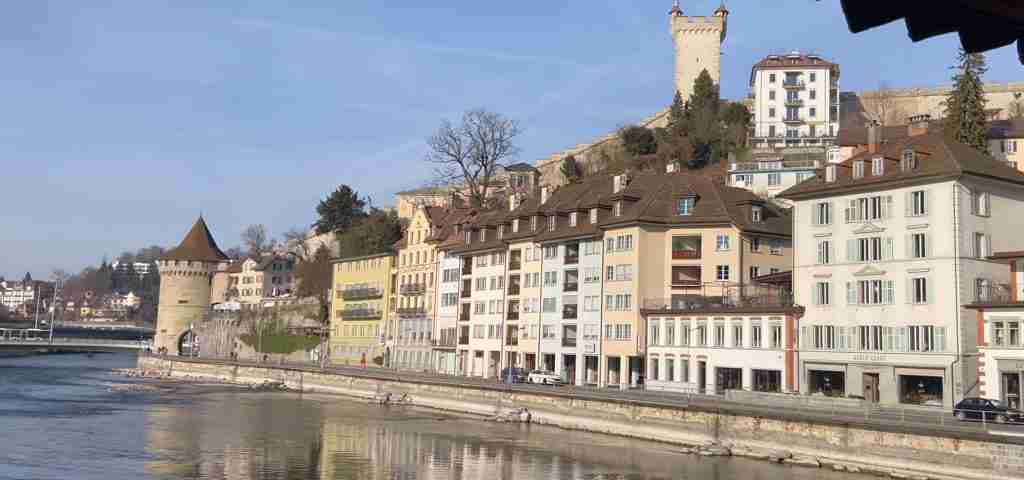
3 days
Lucerne 3-Day Discovery Tour
- ✓ Comprehensive Lucerne experience
- ✓ Expert local guides included
- ✓ All accommodation included
- ✓ Transportation provided
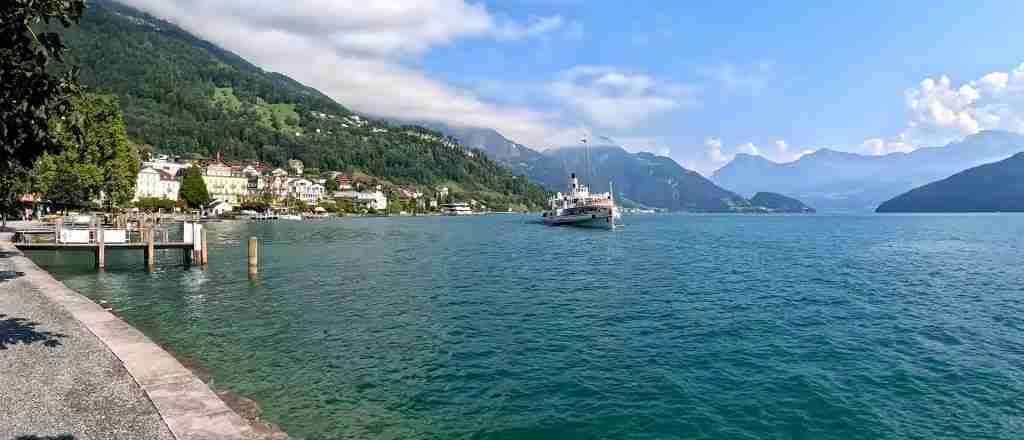
5 days
Lucerne 5-Day Highlights Experience
- ✓ Comprehensive Lucerne experience
- ✓ Expert local guides included
- ✓ All accommodation included
- ✓ Transportation provided
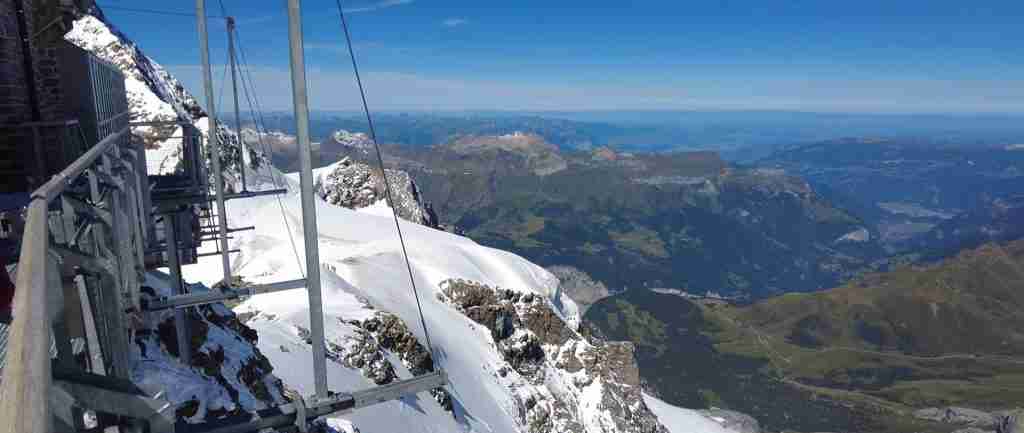
7 days
Lucerne 7-Day Cultural Journey
- ✓ Comprehensive Lucerne experience
- ✓ Expert local guides included
- ✓ All accommodation included
- ✓ Transportation provided
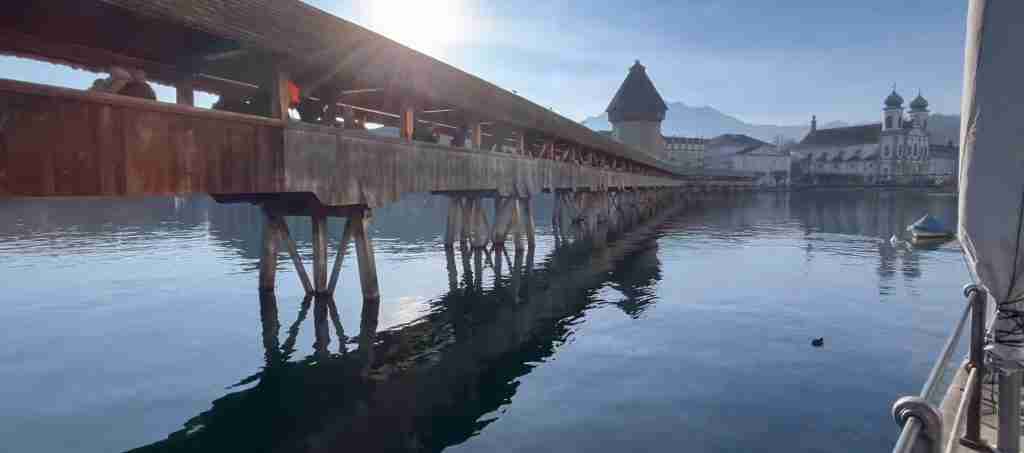
10 days
Lucerne 10-Day Complete Adventure
- ✓ Comprehensive Lucerne experience
- ✓ Expert local guides included
- ✓ All accommodation included
- ✓ Transportation provided
Multi-day tour packages powered by TourRadar. Prices and availability subject to change.
Introduction to Lucerne’s Tours and Walking Experiences
Lucerne’s geographic setting creates a unique touring environment where medieval urban exploration transitions seamlessly into alpine mountain adventures within minutes of the city center. The compact Old Town preserves eight centuries of Swiss history across pedestrian streets, covered wooden bridges, and painted guild houses, while the surrounding mountains—Pilatus to the southwest, Rigi to the east, Bürgenstock and Stanserhorn to the northwest—offer cogwheel railways, aerial cable cars, and hiking networks accessible via direct boat connections from the central lakefront.
The city’s walking infrastructure supports both structured guided experiences and independent exploration. Professional tour operators provide daily Old Town walks, thematic cultural tours, and full-day mountain excursions with multilingual guides, transportation coordination, and specialized access to locations and stories that self-guided visitors might miss. Simultaneously, Lucerne’s clear signage, compact layout, and abundance of public resources enable confident self-guided touring without advance bookings or guide services.
This dual-track system means travelers can calibrate their Lucerne experience based on personal preferences, time constraints, and budget considerations. Independent walkers gain flexibility to pause at cafes, detour into artisan shops, or extend time at particular viewpoints without group schedule constraints, while guided tour participants benefit from historical context, logistical coordination, and insider knowledge that transforms sightseeing into cultural education.
The 2026 touring landscape incorporates both traditional offerings and enhanced experiences. Official city tours maintain their established routes and pricing while private operators expand specialized options including culinary walks, architectural deep dives, and photography-focused itineraries. Mountain excursions continue utilizing Switzerland’s historic cogwheel railways and modern cable car systems, with seasonal operations dictating available routes and experiences throughout the year.
Understanding Lucerne’s Walking Tour Infrastructure 2026
Lucerne’s pedestrian network divides into three distinct zones, each serving different touring functions and requiring different navigation approaches. The Old Town core occupies the southern bank of the Reuss River between Chapel Bridge and Spreuer Bridge, covering roughly one square kilometer of car-free medieval streets where frescoed facades, guild fountains, and covered market squares create the quintessential Swiss urban experience. This zone handles the heaviest tourist foot traffic and contains the highest density of landmarks per square meter.
The lakefront promenade extends along both shores of Lake Lucerne from the railway station eastward past the KKL culture center, hotels, and departure piers for lake boats. This waterfront zone offers flat, wide pedestrian paths ideal for relaxed strolling with mountain and water views, connecting modern Lucerne infrastructure with scenic vantage points. The promenade system continues east toward residential neighborhoods and park areas, providing extended walking options beyond the tourist core.
The Musegg Wall fortifications rise above the Old Town on the northern hillside, forming a defensive perimeter punctuated by nine towers, three of which open to public access during summer months. This elevated zone requires uphill walking on inclined paths and tower staircases, rewarding the modest physical effort with commanding views across the city, lake, and distant mountain ranges. The wall walk itself spans roughly 800 meters with variable surface conditions ranging from paved paths to uneven stone sections.
Navigation within these zones requires minimal advance preparation. Major landmarks remain visible from multiple points, street signs appear in German with tourist-friendly pictograms, and the compact scale prevents disorienting distances between reference points. The Reuss River provides constant orientation—Old Town landmarks cluster on the southern bank, the railway station anchors the northern approach, and Chapel Bridge marks the western boundary of the historic core.
Tourist infrastructure supports independent walking throughout the city center. The Tourist Information office inside the railway station provides free city maps, printed walking route suggestions, and current information on attraction hours and temporary closures. Public restrooms are available at the railway station, major squares including Weinmarkt and Löwenplatz, and near the Lion Monument. Drinking fountains flow throughout the Old Town at historic guild fountains, all providing potable water safe to drink directly.
Terrain considerations matter primarily for the Musegg Wall experience and routes incorporating the Lion Monument area. The Old Town itself sits on relatively flat ground with gentle slopes between the river and main squares, manageable for standard walking fitness including elderly travelers and families with strollers on the main routes, though narrower side alleys may present cobblestone challenges. The climb to Musegg towers involves sustained uphill walking and steep tower staircases unsuitable for mobility limitations, while the Lion Monument sits atop a moderate incline requiring 10-15 minutes of uphill approach from the Old Town core.
Seasonal weather impacts walking comfort but rarely prevents touring. Summer months June through August offer long daylight hours and generally pleasant temperatures, though afternoon thunderstorms can bring sudden heavy rain particularly in July. Spring and autumn provide comfortable walking conditions with fewer crowds and dramatic lighting for photography, while winter months December through February see shorter days, potential snow and ice on paths, and cold temperatures requiring layered clothing, though the city maintains clear pedestrian routes throughout the season.
Official Guided City Tours of Lucerne 2026
The official Lucerne Guided City Tour operates as the city’s premier public walking experience, departing from the Tourist Information center inside the railway station with scheduled tours running Monday, Wednesday, Friday, Saturday, and Sunday throughout 2026. The standard tour costs CHF 25 ($28) per person and lasts 1.5 hours, covering the essential Old Town circuit including Chapel Bridge with its 17th-century paintings, the octagonal Water Tower, Jesuit Church interior, Weinmarkt square with its painted facades, glimpses of the Musegg Wall from street level, and cultural context about Lucerne’s development from a fishing village to a major trading hub along the Gotthard route.
Tour guides speak English as the primary language for international visitors, with multilingual capabilities including German, French, Italian, Spanish, and Portuguese depending on advance group bookings. The tours accommodate both individual travelers joining scheduled departures and private groups booking dedicated time slots. Group sizes typically range 10-20 participants during peak season, maintaining walkable cohesion while allowing adequate guide interaction and question opportunities.
The official tour route emphasizes historical narrative and architectural appreciation rather than comprehensive landmark coverage. Guides provide context about the 1633 fire that destroyed much of the city, the reconstruction that produced the current Old Town character, the meaning behind specific facade paintings that decorate guild houses, and the political relationships that shaped Lucerne’s role in Swiss confederation history. This storytelling approach transforms visible structures into legible historical documents rather than treating them as photographic backdrops.
Extended 2-hour tours are available on request for private groups wanting deeper exploration or specific thematic focus, costing CHF 30 ($33) per person with advance booking requirements. These longer experiences can incorporate interior visits to churches beyond standard entrance views, extended Weinmarkt explanation covering guild history and medieval commerce, or detailed Musegg Wall discussion though not full tower climbs during the guided portion.
Thematic variations on the standard city tour address specialized interests throughout 2026. The Musegg Wall fortification tour costs CHF 30 ($33) and dedicates its entire focus to the medieval defensive system, climbing accessible towers, walking wall sections, and explaining siege warfare and civic protection strategies that shaped the fortification’s design. The Belle Époque theatrical walking tour combines costumed performance with historical narrative, presenting Lucerne’s late 19th-century transformation into a luxury tourism destination. The pub gossip tour explores Lucerne’s tavern culture and social history through visits to historic drinking establishments.
Private guided tours provide complete flexibility for families, small groups, or travelers wanting personalized pacing and focus. Private Old Town tours start at CHF 200-250 ($222-278) for 2-hour experiences accommodating up to 10 participants, available in all major European languages plus Russian, Chinese, and Korean with advance booking. These private experiences can adjust routing based on participant interests, skip crowded landmarks during peak hours, or extend to include locations beyond the standard circuit such as the Swiss Transport Museum or specific neighborhoods in Neustadt.
Booking procedures for official tours operate through multiple channels. Individual travelers can purchase tickets directly at the Tourist Information desk on the day of departure, though peak summer season may see tours reach capacity especially on weekends. Online booking through the luzern.com website ensures guaranteed spots and allows advance payment by credit card. Private group tours require booking 3-7 days in advance depending on language requirements and guide availability, with email confirmation and payment via credit card or invoice for companies.
Cancellation policies follow standard Swiss tourism practices. Public tours purchased on the day are non-refundable. Private tours booked in advance allow free cancellation up to 31 days before the scheduled date, charge CHF 90 cancellation fee for cancellations 1-30 days prior, and require full payment for cancellations less than 24 hours before departure. Tours operate in all weather conditions without rain checks or rescheduling options, so the standard advice remains dressing appropriately for forecast conditions.
Tour accessibility accommodates most mobility levels for the standard Old Town routes, which avoid stairs and steep inclines except for brief sections approaching certain squares. The Musegg Wall specialized tour involves significant stair climbing and uneven medieval stone surfaces, explicitly not barrier-free and requiring good mobility. Guides can adjust pacing for elderly participants or those with moderate fitness limitations, though the group nature of scheduled tours means some base walking speed is expected to keep the tour cohesive.
Self-Guided Old Town Walking Routes 2026
The classic self-guided Old Town circuit covers Lucerne’s essential landmarks across a 2-kilometer loop requiring 1.5-2 hours at a comfortable pace with photo stops and brief interior visits. The route starts at Bahnhofplatz outside the railway station, where the transportation hub meets the lakefront and boat piers. From here, the KKL Lucerne Culture and Congress Centre designed by Jean Nouvel sits directly on the water, its dramatic cantilevered roof and reflecting pools creating a striking modern contrast to the medieval architecture ahead.
Walking north across the Seebrücke bridge toward the lake offers the first panoramic view encompassing Mount Pilatus to the southwest, the Bürgenstock ridge northwest across the water, and Mount Rigi visible on clear days to the east. The lakefront promenade provides benches and viewpoints for pausing to appreciate the alpine setting before proceeding into the historic core. Chapel Bridge appears as a diagonal wooden structure spanning the Reuss River, its distinctive octagonal Water Tower marking the western entrance to the Old Town proper.
Chapel Bridge itself dates to 1333, making it the oldest covered wooden bridge in Europe despite reconstruction after the 1993 fire that destroyed significant sections. The interior ceiling panels contain 17th-century paintings by Hans Heinrich Wägmann depicting scenes from Lucerne’s history and legend, though the fire destroyed many original panels. Walking the bridge’s 204-meter length from north to south transports you from modern Lucerne into the medieval quarter, with views down the river toward Spreuer Bridge and the Old Town waterfront.
Crossing Chapel Bridge deposits you at St. Peter’s Chapel, Lucerne’s oldest church structure with origins in the 12th century. The chapel interior contains medieval frescoes showing scenes from St. Peter’s life, though 2024 installations added contemporary elements including an AI-generated interpretation of religious imagery, creating interesting juxtapositions between ancient and modern artistic approaches. The chapel opens daily for visitors without admission charge, providing a quiet refuge from the street activity outside.
From St. Peter’s Chapel, Kapellgasse leads west into the heart of the Old Town where frescoed buildings line cobblestoned streets. The painted facades represent guild associations, civic values, and mythological scenes, with over 200 such paintings throughout the historic core. Weinmarkt square emerges as the Old Town’s commercial heart, its fountain and painted buildings creating the archetypal Swiss medieval town square. The square historically functioned as a fish market before later wine trade associations gave it the current name, with the butchers’ and fishermen’s guildhalls once occupying prominent positions marked by their guild symbols.
Continuing through the Old Town brings you to Kornmarkt square and its Fritschibrunnen fountain, celebrating Lucerne’s Carnival traditions. The painted facades here include the famous Dornach House with its dramatic historical scenes. These Old Town squares connect via narrow alleys and passages that reward exploration, with artisan shops, cafes, and bakeries occupying ground floors beneath residential apartments that maintain the neighborhood’s living character beyond pure tourist function.
Spreuer Bridge, the Old Town’s second covered wooden bridge, crosses the Reuss River east of Chapel Bridge. Built in 1408, Spreuer Bridge contains the famous “Dance of Death” painting cycle—67 panels by Kaspar Meglinger depicting death coming for people of all social classes. These memento mori images reflect the plague era’s stark mortality awareness. The bridge name derives from “Spreu” meaning chaff, as this location once served as the authorized spot for disposing grain chaff into the river.
From Spreuer Bridge, the route can extend east along the riverside to visit the Jesuit Church, Switzerland’s first large Baroque church built in the 17th century. The church interior displays ornate white stonework, elaborate ceiling frescoes, and houses one of Switzerland’s finest pipe organs. The church opens daily to visitors free of charge, with organ concerts scheduled regularly that showcase the instrument’s acoustics in the vaulted space.
Returning toward the lake and walking along Löwenstrasse leads to the Church of St. Leodegar with its twin Gothic bell towers visible from many vantage points across the city. Built in the 17th century after fire destroyed the previous monastery church, St. Leodegar demonstrates late Renaissance architecture incorporating the surviving Gothic towers from the earlier structure. The church interior contains beautiful carved wooden choir stalls and rich decoration befitting its monastic origins.
From St. Leodegar, Löwenstrasse continues north approximately four blocks to Löwenplatz where the famous Lion Monument awaits. Carved directly into a sandstone cliff face, the dying lion commemorates Swiss Guards who died defending King Louis XVI during the French Revolution. The monument measures 10 meters long and 6 meters high, with the wounded lion’s expression conveying nobility in suffering. Mark Twain famously described it as “the most mournful and moving piece of stone in the world.” The monument sits in a small park with viewing areas, though approaching requires climbing from the street to the cliff base.
The Glacier Garden museum and park sit adjacent to the Lion Monument, offering geological exhibits including glacial potholes carved during ice age periods and an 18th-century relief map of Central Switzerland. The museum charges admission CHF 15 ($17) but provides context about Lucerne’s geological formation and ice age history that explains the dramatic alpine landscape surrounding the city.
The extended Old Town route incorporates the Musegg Wall, Lucerne’s medieval fortification system visible from many city viewpoints. The wall ascends the hillside north of the Old Town with nine towers punctuating its 800-meter length. Three towers—Schirmer, Zyt, and Männli—open to visitors April through November, with access entirely free. Climbing the towers requires navigating steep medieval staircases but rewards the effort with panoramic views across the Old Town rooftops, Lake Lucerne, and the surrounding mountains.
The Zyt Tower houses the city’s oldest clock, dating to 1535, with the special privilege of striking the hour one minute before all other city clocks. This peculiarity stems from medieval civic regulations granting the fortification clock priority status. The Männli Tower provides the highest viewpoint among accessible towers, while Schirmer Tower offers the best vantage for photographing Chapel Bridge from above. Walking the wall sections between towers shows the fortification construction methods and provides elevated perspectives on the city’s layout and development patterns.
Completing the circuit returns you to the lakefront via various routes through Neustadt, the 19th-century expansion district north of the railway station. Neustadt lacks the Old Town’s painted facades but shows everyday Swiss urban life with contemporary shops, cafes, and residential buildings. The lakefront promenade provides a pleasant walking conclusion, passing boat docks, hotels, and waterfront cafes before returning to the railway station starting point.
Self-guided navigation benefits from free resources available both online and at the Tourist Information desk. Printed walking maps show major landmarks with suggested routes and walking times between points. Mobile apps including Ciceru and GPSmyCity provide audio guide content with GPS-triggered narration at specific locations, typically costing CHF 10-15 ($11-17) for 24-hour access. These apps function offline after initial download, eliminating international data charges while navigating.
The self-guided approach offers complete flexibility for pacing, detours, cafe stops, shopping diversions, and extended time at personally interesting locations. No advance booking is required, no meeting times constrain your schedule, and you can start, pause, or conclude the walk according to weather, energy levels, or spontaneous discoveries. The tradeoff involves missing the historical narrative, insider anecdotes, and contextual information that professional guides provide, though reading advance background information and using audio guides can partially bridge this knowledge gap.
Specialized Walking Tours and Experiences 2026
Beyond standard Old Town circuits, Lucerne’s specialized walking tours address specific interests including culinary traditions, architectural details, theatrical history, and evening atmospheres. These thematic experiences typically run 2-3 hours and operate with smaller group sizes, creating more intimate participant-guide interaction than large public tours allow.
Chocolate-focused walking tours combine Old Town history with visits to traditional Swiss confectioneries where chocolate tastings occur as part of the experience. These tours cost CHF 60-90 ($67-100) per person and visit 3-4 artisan chocolate shops, sampling different styles including pralines, truffles, seasonal specialties, and explaining Swiss chocolate manufacturing traditions. The walking component covers standard Old Town landmarks including Chapel Bridge, Jesuit Church, and St. Leodegar while the chocolate shop visits provide breaks from continuous walking and opportunities to discuss Swiss culinary culture.
Beer and brewery tours explore Lucerne’s tavern traditions and contemporary craft brewing scene. The typical format costs CHF 75-85 ($83-94) and combines Old Town walking with stops at 2-3 traditional pubs or modern craft beer locations, sampling four different Swiss beer styles ranging from classic lagers to contemporary ales. Guides discuss brewing history, regional beer culture, and the relationship between taverns and Swiss social life while visiting historic drinking establishments that played roles in civic and guild activities.
Culinary walking tours focusing on broader Swiss food traditions cost CHF 85-95 ($94-105) and incorporate more substantial food portions including cheese tastings, charcuterie samples, traditional breads, and regional specialties beyond chocolate focus. These tours span 3-3.5 hours to accommodate the longer tasting experiences and typically visit 5-6 locations including cheese shops, bakeries, and specialty food vendors alongside historic landmarks.
The nightwatchman tours offer evening theatrical experiences where costumed guides in authentic medieval attire lead small groups through illuminated Old Town streets, recounting historical tales, legends, and the nightwatchman’s actual role in medieval civic life. These tours cost CHF 35-45 ($39-50) per person and operate after dark year-round, with the atmospheric lighting on historic buildings and bridges creating dramatic settings for storytelling. The theatrical element appeals particularly to families with children and travelers interested in immersive historical experiences beyond factual landmark tours.
Architecture-focused tours provide detailed examination of Lucerne’s building styles, construction methods, and urban development patterns. These specialized experiences cost CHF 80-100 ($89-111) for 2-3 hour walks with architecture-trained guides explaining the evolution from medieval timber construction through Renaissance painted facades, Baroque church architecture, 19th-century expansion districts, and modern structures like the KKL culture center. These tours appeal to architecture students, professionals, and serious enthusiasts wanting technical detail and comparative analysis beyond general historical tours.
Photography walking tours organize routes and timing specifically for optimal lighting and composition opportunities. Operating morning or late afternoon to capture golden hour lighting, these tours cost CHF 70-90 ($78-100) and focus on positioning for best shots of Chapel Bridge, Musegg Wall towers, Old Town facades, and lakefront mountain backdrops. Guides who are themselves photographers provide technical advice on exposure settings, composition techniques, and ideal vantage points while also explaining the history and context of photographed subjects.
Private walking tours with local guides provide completely customized experiences tailored to specific interests, mobility levels, and time constraints. These private experiences cost CHF 200-400 ($222-444) for 2-4 hours depending on group size and specialization requirements, with higher pricing for technical specialties like architecture or languages beyond major European options. Private tours can incorporate museum visits, specific neighborhood explorations, or extended routes to locations outside standard tourist circuits.
All specialized tours require advance booking through operator websites, tour booking platforms, or the Tourist Information desk. Many specialized tours operate with minimum participant requirements of 4-6 people, meaning individual bookings may be subject to cancellation if minimum numbers aren’t met, particularly during off-season periods November through March. Booking 7-14 days in advance increases certainty of tour operation, especially for niche specialized experiences with limited weekly departures.
Mount Pilatus Tours and Routes 2026
Mount Pilatus towers 2,132 meters above sea level southwest of Lucerne, its dramatic rocky summit and steep approaches making it one of Central Switzerland’s most distinctive peaks. The mountain’s legend-laden reputation stems from medieval beliefs that Pontius Pilate’s ghost haunted the summit, leading to centuries when climbing was officially forbidden. Modern access transformed Pilatus from forbidden peak to premier excursion destination through engineering feats including the world’s steepest cogwheel railway.
The Golden Round Trip represents the classic Pilatus experience, combining four transportation modes into a circular journey beginning and ending in central Lucerne. The complete route costs CHF 120 ($133) for adult 2nd class tickets in 2026, with 50% discount for Swiss Travel Pass holders and Half-Fare Card holders. The journey operates mid-May through mid-October when both cogwheel railway and cable car systems run full seasonal schedules.
The Golden Round Trip begins at Pier 2 directly in front of Lucerne’s main railway station, where one-hour boat cruises depart for Alpnachstad at the mountain’s base. The boat crossing provides the day’s first panoramic viewing opportunity, passing lakeside villages, grand hotels, and residential communities with Mount Pilatus growing progressively larger ahead. The boat ride includes both indoor seating areas and outdoor decks, with first-class tickets available at additional cost for access to the upper deck lounge.
From Alpnachstad’s dock, a short walk leads to the cogwheel railway station where the steepest rack railway in the world begins its 30-minute ascent. The railway achieves maximum gradients of 48% on sections where the tracks appear nearly vertical from certain angles. Four tunnels punctuate the route, with open sections providing increasingly dramatic views as the railway climbs from lake level through forest zones into alpine terrain. The vintage red trains run on hourly schedules during operating season, with seat reservations strongly recommended during July and August peak periods to avoid lengthy waiting times.
The summit station Pilatus Kulm offers multiple facilities including restaurants, viewing terraces, indoor observation areas, and hiking trail access. Two peaks within walking distance—Tomlishorn and Oberhaupt—provide different panoramic perspectives across Central Switzerland. Clear days reveal views spanning 73 Alpine peaks, numerous lakes including Lake Lucerne, Lake Zug, and Lake Sempach, and valleys stretching toward the Swiss Plateau. Indoor facilities remain accessible during inclement weather, providing sheltered viewing through large windows when summit conditions prove challenging.
Summit hiking trails range from easy 15-minute walks between peaks to more challenging routes descending toward intermediate stations. The Dragon Trail offers an easy introduction to alpine hiking with minimal elevation change but dramatic cliff-edge perspectives. More ambitious hikers can descend 300-400 vertical meters to Fräkmüntegg, combining upper summit cogwheel travel with midstation hiking before cable car descent, creating a mixed transport and hiking experience.
The descent segment begins with the aerial cableway from Pilatus Kulm to Fräkmüntegg, a short 5-minute ride replacing older cabin cars with modern gondolas offering 360-degree rotating views during descent. Fräkmüntegg serves as the mountain’s activity center, with the longest summer toboggan run in Switzerland, rope park climbing challenges, and restaurants. The toboggan run costs CHF 9 ($10) per ride and provides adrenaline-focused entertainment distinct from the scenic contemplation of summit areas.
The second cable car segment descends from Fräkmüntegg to Krienseregg, then a final panorama gondola continues to the valley station in Kriens. This multi-stage descent totals approximately 1,400 vertical meters and takes 30-40 minutes of total riding time, with opportunities to exit at intermediate stations for hiking if desired. The Kriens valley station sits at the town edge, with Bus 1 providing frequent 10-minute connections back to Lucerne’s railway station, completing the circular route.
The Silver Round Trip provides an alternative routing at similar pricing, substituting train travel from Lucerne to Alpnachstad for the boat segment. This option saves approximately 45 minutes compared to boat travel but sacrifices the lake cruise scenic experience. The Silver Round Trip appeals to travelers with limited time or those prioritizing mountain time over water-based sightseeing, operating whenever the cogwheel railway functions regardless of boat schedules.
Winter access to Pilatus continues November through April using only the cable car route from Kriens, as the cogwheel railway closes for seasonal maintenance and avalanche risk management. Winter visitors ascend via cable car to explore snow-covered summit facilities, winter hiking trails, and restaurant services, but cannot complete round trip routes or combine boat elements. Winter cable car return tickets cost less than summer Golden Round Trip pricing, typically CHF 65-75 ($72-83), reflecting the reduced transport options.
Guided group tours to Mount Pilatus operate through commercial operators offering coach transport from Lucerne hotels, organized Golden Round Trip sequences, and professional multilingual guides providing mountain information and managing logistics. These guided experiences cost CHF 150-180 ($167-200) per person, with higher pricing reflecting the guide service, coordination, and guaranteed scheduling compared to independent Golden Round Trip ticket purchases. Guided tours particularly benefit first-time Swiss visitors uncertain about Swiss transport systems or wanting historical and geological commentary during the journey.
Practical considerations for Pilatus visits include weather dependency, physical requirements, and timing logistics. Summit weather can differ dramatically from Lucerne valley conditions, with temperature drops of 10-15°C common and sudden weather changes including fog, rain, or snow even in summer months. Layered clothing including wind-resistant outer shells is essential regardless of valley forecasts. The cogwheel railway and cable cars operate in most weather conditions but can suspend service temporarily during electrical storms or extreme wind events.
Dining options on Pilatus range from quick cafeteria service to full-service restaurants. Summit restaurants at Pilatus Kulm charge premium alpine pricing with main courses CHF 28-45 ($31-50), though the quality matches the pricing and views provide exceptional ambiance. Pre-purchased picnic supplies from Lucerne offer budget alternatives, though designated picnic areas with waste disposal exist rather than eat-anywhere policies. Fräkmüntegg midstation includes more casual dining options at slightly lower pricing than summit facilities.
Mount Rigi Tours and Experiences 2026
Mount Rigi rises 1,797 meters east of Lucerne across Lake Lucerne, earning its “Queen of the Mountains” nickname through gentler slopes, extensive hiking networks, and panoramic vistas encompassing 13 lakes and 620 Alpine peaks. Unlike Pilatus’s dramatic rocky character, Rigi presents rolling alpine meadows, accessible ridgeline walks, and Europe’s first mountain railway established in 1871, creating a different mountain experience favoring leisurely exploration over dramatic adrenaline moments.
The Rigi Classic Round Trip follows time-tested routing combining boat travel, cogwheel railway, and cable car into a circular full-day journey. Independent travelers can purchase Rigi Day Passes for CHF 72 ($80) providing unlimited travel on all Rigi transport systems, or utilize Swiss Travel Passes for completely free Rigi access including boats, trains, and cable cars. Budget-conscious visitors booking ahead through SBB’s Saver Day Pass system can secure complete Rigi access for CHF 52 ($58), with dynamic pricing rewarding advance purchase.
The classic route departs from Lucerne’s central boat pier with one-hour cruises to Vitznau, a lakeside village at Rigi’s base. The boat journey crosses Lake Lucerne’s widest section, passing grand Belle Époque hotels, smaller villages clinging to shoreline slopes, and approaching the mountain with its cogwheel railway tracks visible ascending the eastern face. Boats run hourly schedules during summer season, with reduced frequencies in shoulder seasons and no service during winter months when ice conditions prevent navigation.
From Vitznau’s dock, a brief walk leads to the cogwheel railway station where Europe’s first mountain railway has operated since 1871. The vintage red trains climb 30 minutes to Rigi Kulm summit station at 1,797 meters, passing through multiple climate zones from lakeside deciduous forests through coniferous bands into alpine grasslands. The railway maintains traditional character with wooden bench seating and large windows providing unobstructed views during the gradual ascent. Modern safety systems update the historic infrastructure while preserving the nostalgic railway experience.
Rigi Kulm summit station serves as the central hub with restaurants, viewing terraces, a small mountain chapel, and the starting point for numerous hiking trails. The summit provides 360-degree panoramas particularly dramatic at sunrise, when special early morning trains carry photographers and hikers to witness dawn breaking over the Alps. The sunrise experience requires pre-booking special departure trains and costs CHF 60-70 ($67-78) including summit breakfast, operating select dates May through October.
Hiking networks on Rigi span over 120 kilometers at varying difficulty levels from easy ridge walks to challenging alpine routes. The Lake View Trail offers the most popular option, descending from Rigi Kulm to intermediate stations with consistently spectacular views across Lake Lucerne toward Pilatus and the Bernese Alps. This moderately easy trail takes 2-3 hours at relaxed pace and allows hikers to board cogwheel trains at multiple stations along the descent, providing flexibility for shorter walks.
The Känzeli viewing platform stands as Rigi’s most photographed spot, a cliff-edge terrace with metal railings extending over the precipice for vertiginous perspectives straight down to Lake Lucerne. The platform sits a short walk from Rigi Kaltbad station and provides dramatic foreground-background composition opportunities with the lake, distant mountains, and sky. Reaching Känzeli requires only 10-15 minutes easy walking from the station, making it accessible even for visitors not attempting longer hikes.
Rigi Kaltbad station hosts additional attractions including the Rigi Kaltbad Mineral Baths & Spa designed by renowned Swiss architect Mario Botta. The spa utilizes natural mineral water sources, with outdoor infinity pools positioned for mountain and lake views. Spa entry costs CHF 35 ($39) for two hours of access, separate from mountain transport tickets. The spa provides swimwear rental, towels, and facilities, appealing particularly as a post-hiking relaxation option or rainy-day alternative to summit hiking plans.
The descent completes via aerial cable car from Rigi Kaltbad to Weggis, dropping rapidly from mountain station through forest zones to the lakeside village. Weggis maintains charming resort character with lakefront promenade, traditional hotels, and boat connections back to Lucerne. The final boat segment provides reflective conclusion to the mountain experience, approaching Lucerne with evening light often casting dramatic colors across the water and city landmarks.
Alternative routing options include reversing the direction for varied perspectives, substituting different cable car routes through Goldau on Rigi’s southern slope, or combining train travel from Lucerne to Arth-Goldau instead of boat segments for faster but less scenic approaches. These variations cost similar amounts but trade scenic boat time for additional mountain time or flexibility in scheduling around boat departure intervals.
Guided Rigi tours typically cost CHF 120-170 ($133-189) per person and include professional multilingual guides, complete transport coordination, and structured itineraries ensuring participants don’t miss key viewpoints or experiences. Guides provide geological context about Rigi’s formation, botanical information about alpine flora encountered on hiking segments, and historical background about the railway’s construction and significance in Swiss tourism development. Guided experiences particularly benefit groups wanting social interaction, solo travelers seeking companionship, or families with children where guide oversight helps manage attention spans.
Rigi’s family-friendly character manifests through gentle terrain, multiple escape routes via frequent train stations, and attractions like the Rigiland playground at Kaltbad specifically designed for children. The mountain tolerates weather changes better than more exposed peaks, with tree cover on lower slopes providing wind protection and trail options at various elevations allowing retreat from summit conditions while maintaining pleasant hiking environments.
Seasonal operations on Rigi differ from Pilatus. The cogwheel railways and cable cars operate year-round with winter schedules and holiday period service continuing through December and January. Winter transforms Rigi into snow sports territory with ski slopes, snowshoe trails, sledding runs, and winter hiking paths, though boat access ends November through March requiring train alternatives from Lucerne via Arth-Goldau. The mountain’s rolling character makes it particularly suitable for winter access compared to steeper peaks requiring more technical winter skills.
Dining on Rigi spans casual self-service options to traditional mountain restaurants serving Swiss specialties. Rigi Kulm summit station includes both quick cafeteria service and sit-down restaurant areas with main courses CHF 24-38 ($27-42). Kaltbad station offers additional dining choices near the spa, while intermediate stations maintain basic food service. The pricing remains below Pilatus summit levels while still reflecting mountain logistics, with outdoor terrace seating at multiple locations providing mountain-view dining experiences when weather permits.
Boat Cruises and Lake-Based Routes 2026
Lake Lucerne’s boat services form integral components of both Pilatus and Rigi excursions while also functioning as independent touring experiences. The Lake Lucerne Navigation Company operates Switzerland’s largest inland fleet with historic paddle steamers, modern motor vessels, and seasonal panoramic boats serving communities around the lake’s complex shoreline. The lake’s unusual shape—four arms meeting near Lucerne—creates extended cruising distances reaching 38 kilometers to the lake’s southern reaches at Flüelen.
Scheduled boat service from Lucerne’s central piers operates year-round with expanded summer schedules May through October and reduced winter timetables November through April. Summer season sees hourly departures to major destinations including Vitznau, Weggis, Alpnachstad, and longer routes to Brunnen and Flüelen. These boats serve both practical transportation linking lakeside villages and tourist sightseeing functions, with open deck areas, onboard restaurants, and commentary systems explaining passing landmarks.
Point-to-point boat tickets cost based on distance traveled, with Lucerne to Vitznau costing CHF 28 ($31) one-way in 2nd class, while longer routes to Brunnen reach CHF 45 ($50). First-class tickets add CHF 8-12 ($9-13) and provide access to upper deck lounges with premium seating and reduced crowding. Swiss Travel Pass holders ride all Lake Lucerne boats free, making the pass valuable even for short Swiss visits when planning multiple mountain excursions utilizing boat transport.
Lake cruises as standalone experiences include lunch cruises, dinner cruises, and scenic routes focusing on water-based sightseeing rather than mountain connections. A popular two-hour circular cruise departing Lucerne costs CHF 38 ($42) and explores the lake’s northern arms with views toward multiple mountain ranges, passing the historic Rütli Meadow where Swiss confederation tradition places the nation’s founding, and approaching the towering rock faces of the Urnersee southern section.
Sunset cruises operate during summer months with evening departures capturing golden hour lighting across the water and mountains. These special cruises cost CHF 45-60 ($50-67) depending on whether dining is included, with onboard restaurant service available for full meal experiences. The twilight timing combined with reduced crowding creates romantic atmospheres distinct from daytime sightseeing cruises.
Historic paddle steamer experiences offer nostalgic alternatives to modern motor vessels. Five paddle steamers maintained by Lake Lucerne Navigation Company operate select routes during summer season, with the ornate interiors, polished brass fixtures, and characteristic paddle wheels creating period ambiance. The paddle steamers command premium pricing with same-route fares approximately 20% higher than standard vessels, justified by the heritage experience and preservation costs for these museum-quality operational vessels dating to early 1900s.
Combined boat-and-city tour packages bundle Old Town walking experiences with lake cruises, typically costing CHF 110-140 ($122-156) for 3-4 hour experiences including professional guide services for the walking segment and independent boat travel with provided tickets and scheduling guidance. These combinations appeal particularly to first-time visitors wanting comprehensive city and lake introduction within limited time.
Private boat charters provide exclusive experiences for groups, celebrations, or corporate events. Charter pricing starts around CHF 1,200 ($1,333) for two-hour evening cruises accommodating up to 25 passengers, scaling up based on vessel size, duration, and included catering. The charter market serves wedding parties, anniversary celebrations, and company events seeking memorable Swiss settings beyond standard restaurant or hotel venues.
Practical boat considerations include weather impacts and schedule reliability. Lake Lucerne’s position among mountains creates localized weather patterns where winds can strengthen suddenly, occasionally causing wave conditions uncomfortable for sensitive travelers. The boats handle weather conditions safely but deck access may be restricted during storms. Schedule delays prove rare but can occur during extreme weather or dense fog reducing visibility below safe navigation thresholds.
Seasonal differences affect boat experiences substantially. Summer operations provide maximum frequency, longest operating hours, and fullest service networks reaching all lakeside communities. Spring and autumn shoulder seasons maintain regular service but with reduced departure frequencies and earlier final departures. Winter service November through March contracts significantly, with some routes suspended entirely and remaining services operating reduced schedules focusing on primary routes between larger communities.
Photography-Focused Walking Routes 2026
Lucerne’s photogenic qualities make it a primary destination for photography enthusiasts seeking iconic Swiss imagery, with Chapel Bridge, mountain backdrops, and Old Town facades appearing in countless tourism publications worldwide. Optimizing photography routes requires considering lighting conditions, crowd patterns, and vantage point access that differs from general sightseeing priorities.
The golden hour photography route starts at the lakefront promenade 30-45 minutes before sunrise, when eastern light begins illuminating Mount Pilatus across the water while foreground areas remain in shadow, creating dramatic contrast and color saturation. The KKL culture center’s geometric architecture provides modern compositional elements against mountain backgrounds. As sunrise progresses, walking to Chapel Bridge captures the wooden structure with warm side lighting emphasizing texture and the bridge’s diagonal composition across the frame.
Chapel Bridge itself offers multiple photographic approaches. The classic tourist shot positions from the north bank showing the full bridge length with Water Tower and mountain backdrop works best during morning hours when sun illuminates the bridge from behind the photographer. Late afternoon light from the west creates backlit conditions with the bridge silhouetted, producing dramatic mood but losing facade detail. Inside the bridge, the painted ceiling panels photograph best during midday when skylight through the bridge’s openings provides relatively even illumination avoiding harsh shadows.
Musegg Wall photography requires afternoon to evening light for the best results. The wall faces west and northwest, meaning morning light leaves towers in shadow while afternoon sun creates relief and dimension on the stone surfaces. Sunset timing provides particularly dramatic opportunities with warm light raking across the fortifications and the potential for silhouette compositions against colorful western skies. Accessing the towers for interior-to-exterior shots requires climbing which may limit equipment carrying capacity, but the elevated viewpoints provide unique city-overview compositions impossible from street level.
Old Town facade photography benefits from overcast conditions that eliminate harsh shadows in the narrow streets, allowing the painted building details to photograph with even color saturation. Sunny conditions in the tight alleys create extreme contrast between sunlit and shadowed areas, often exceeding camera dynamic range and forcing exposure compromises. Early morning before 9 AM offers empty street conditions for architecture photography without crowds, particularly valuable for clean facade compositions on Weinmarkt and Kornmarkt.
The Lion Monument presents specific photographic challenges due to its orientation. The carving faces north, meaning it never receives direct sunlight, creating perpetually shaded conditions. Overcast days provide the best light for capturing the sculpture’s detail and expression without harsh shadow areas. The monument’s position carved into the cliff limits perspective options, with the traditional straight-on view from the observation area producing the strongest composition. Tripods are permitted but the confined space when tourist groups present can make extended setup times problematic during peak season hours.
Lakefront compositions benefit from early morning when boat traffic remains minimal and water surfaces display mirror-like reflections. The promenade areas near the boat piers provide foreground interests including moored boats, wooden docks, and waterfront railings that add depth to wide-angle compositions featuring the lake and mountains. Late afternoon light creates dramatic cloud formations and potential for sunset color reflected on the water surface, though predicting cloud conditions remains uncertain in mountain environments.
Night photography in Lucerne focuses on illuminated Chapel Bridge, which receives dedicated architectural lighting after dark year-round. Long exposures of 15-30 seconds capture the bridge structure with light trails from passing pedestrians creating ghostly motion effects. The reflection of the lit bridge in the river water doubles the visual impact when calm conditions permit mirror-like reflections. Tripods become essential for night work, with photographer etiquette requiring awareness of passing pedestrians and positioning that doesn’t block walking traffic.
The challenge of photographing Lucerne lies in creating images that transcend the thousands of identical tourist shots posted daily online. Seeking alternative vantage points from side streets, experimenting with unconventional timing outside golden hours, incorporating human elements for scale and narrative, and focusing on details rather than always pursuing wide establishing shots can produce more original interpretations of well-documented subjects.
Photography equipment considerations include weather protection given Switzerland’s changeable mountain weather. Rain covers, lens cloths for water drops, and sealed camera bodies provide security during sudden showers common throughout the year. Wide-angle lenses in the 16-35mm range suit Old Town street photography and bridge compositions, while 70-200mm telephotos compress distant mountain backgrounds and isolate architectural details on facades. Neutral density filters enable long daytime exposures for smoothing water and eliminating tourists from busy locations.
Drone photography faces strict regulations in Switzerland’s urban areas. Lucerne’s Old Town falls within no-fly zones due to density, privacy concerns, and helicopter traffic serving mountain regions. Attempting drone flights without proper permits risks confiscation, fines, and legal complications. The surrounding mountains and less densely built areas may permit drone operations but require research into specific local regulations and obtaining necessary authorizations well in advance of visit dates.
Seasonal Considerations for Tours and Walking 2026
Lucerne’s touring landscape transforms substantially across the year’s seasons, with mountain transport availability, weather conditions, daylight hours, and crowd levels all varying on seasonal patterns that shape practical touring decisions and experience quality.
Summer high season June through August brings optimal mountain tour operations with all cable cars, cogwheel railways, and boat services running full schedules. The Golden Round Trip to Pilatus and Classic Rigi routes operate as designed with multiple daily departures and extended operating hours matching long summer daylight. Weather reliability reaches its peak with warm temperatures and generally stable conditions, though afternoon thunderstorms remain common particularly in July. Crowds reach maximum density during these months, with popular tours booking well in advance and summit facilities experiencing capacity pressures during midday peak hours.
Spring season April through May offers excellent touring value with warming weather, blooming alpine meadows, and reduced crowd levels compared to summer peaks. Mountain tours transition to full operation in mid-May when cable car and cogwheel systems complete seasonal maintenance and avalanche risks diminish to acceptable levels. April visitors face more limited mountain options but benefit from uncrowded city touring and lower accommodation costs. Spring weather proves more variable than summer with frequent precipitation and rapid temperature changes requiring flexible clothing options.
Autumn September through October provides arguably the best overall touring conditions with stable weather, autumn colors transforming hillside forests, reduced tourist numbers, and continued full mountain transport operations through mid-October. September particularly balances summer’s operational advantages with autumn’s reduced crowds, while October’s later weeks begin showing transition toward winter as mountain stations close for the season and boat schedules contract. The autumn light creates particularly dramatic photographic conditions with warm tones and crystal-clear alpine visibility following summer haze.
Winter season November through March presents dramatically different touring experiences with Old Town walking remaining viable year-round while mountain excursions transform entirely. The Pilatus Golden Round Trip becomes impossible as the cogwheel railway closes for winter, though cable car access from Kriens continues for winter summit experiences. Rigi maintains year-round operations with winter sports adding skiing and snowshoeing to hiking options. Boat services contract severely or suspend entirely on major routes, eliminating the lake cruise components that define summer mountain tours.
December and January bring festive atmosphere with Christmas markets, holiday decorations, and seasonal events in the Old Town. The city’s illuminations create enchanting evening walking conditions, while reduced daylight hours compress touring windows into shorter periods. Snow conditions in the city vary yearly but typically see several snowfall events transforming the medieval architecture into postcard winter scenes, though the practical impact includes slippery walkways requiring appropriate footwear.
Weather unpredictability characterizes Lucerne’s mountain setting across all seasons. The city sits at the convergence of multiple valleys where weather patterns change rapidly as fronts move through the Alps. Forecasts provide general guidance but conditions can shift within hours, particularly on mountains where summit weather differs dramatically from valley conditions. This variability makes flexible planning essential, with contingency indoor options and willingness to adjust daily schedules based on actual conditions rather than advance expectations.
Crowd management strategies differ by season. Summer requires advance booking for popular tours, early morning starts to reach attractions before tour group arrivals, and realistic expectations about sharing viewpoints with numerous other visitors. Shoulder seasons provide more spontaneous possibilities with many experiences bookable day-of or with minimal advance notice. Winter offers maximum flexibility and solitude outside holiday periods, though reduced operational hours and service frequencies require schedule awareness.
Daylight hours constrain touring possibilities particularly in winter when 4 PM darkness ends practical walking in Old Town back streets and mountain summit time must conclude by early afternoon to complete descents before nightfall. Summer’s extended daylight permits touring from early morning through 9 PM sunsets, with twilight lingering even later enabling evening walking along the lakefront. Seasonal time changes in March and October affect tour schedules, with some morning departures shifting one hour as Switzerland transitions between standard and daylight time.
Budget-Conscious Touring Strategies 2026
Experiencing Lucerne’s tours and walking routes spans a wide cost spectrum from completely free self-guided exploration to premium guided experiences exceeding CHF 200 ($222) per person. Budget-conscious approaches can deliver rich experiences through strategic choices about which elements justify expense and which provide comparable value at no cost.
The completely free Lucerne experience centers on self-guided Old Town walking using free maps from the Tourist Information desk, exploring Chapel Bridge and Spreuer Bridge without admission charges, viewing the Lion Monument from the free public observation area, walking accessible sections of Musegg Wall and climbing the three towers open to public without charge, and utilizing the lakefront promenade for mountain views and ambiance without paying for boat travel. This zero-cost approach delivers the essential Lucerne visual experience and historical atmosphere, requiring only time investment and basic walking fitness.
Selective paid additions enhance the free baseline strategically. The official guided city tour at CHF 25 ($28) provides historical context and insider information transforming visible structures into comprehensible historical narrative, representing good value for two hours of professional interpretation. An inexpensive self-guided audio guide at CHF 10-15 ($11-17) achieves similar educational goals for more independent personalities preferring self-paced exploration.
Mountain access presents the largest single touring expense but offers several cost-management approaches. The Swiss Travel Pass provides free access to Mount Rigi including all trains, cable cars, and boats, making the pass economically advantageous even for relatively short Switzerland visits when multiple mountain excursions are planned. For Rigi-only visitors, the Saver Day Pass at CHF 52 ($58) undercuts standard day pass pricing by 30% when booked well in advance through SBB, representing significant savings for those comfortable with advance commitment. The Swiss Half-Fare Card costs CHF 120 ($133) and delivers 50% discount on virtually all Swiss transport including both Pilatus and Rigi, paying for itself if visiting both mountains plus other Swiss destinations.
Pilatus access on budget involves choosing Silver Round Trip over Golden Round Trip, substituting train travel for the boat segment and saving approximately CHF 10-15 ($11-17) while reducing journey time. This trade sacrifices the scenic lake cruise but maintains the core cogwheel railway and cable car mountain experience. Alternatively, hiking portions of routes instead of utilizing all mechanical transport can reduce costs while adding active experiences, though this requires appropriate fitness levels and equipment.
Timing visits strategically controls costs. Shoulder season May and September-October offers operational advantages of full mountain services with reduced accommodation costs and tour pricing compared to peak July-August. Very early or late departures for mountain tours sometimes see lower demand allowing for last-minute bookings at reduced rates, though this strategy risks missing departures if vehicles fill during peak season.
Combining free and paid elements optimally might follow this pattern: free self-guided Old Town morning walk, CHF 25 official guided tour afternoon providing context and answering questions accumulated during morning exploration, and CHF 52 Saver Day Pass Rigi excursion utilizing advance booking discounts. This three-element Lucerne experience totals CHF 77 ($86) per person plus meals, delivering both mountain and city experiences with professional interpretation at reasonable cost.
Picnic approaches to mountain dining eliminate premium restaurant charges. Supermarkets in Lucerne center including Coop and Migros stock sandwich supplies, fruits, snacks, and drinks at standard Swiss grocery pricing substantially below mountain restaurant rates. Designated eating areas with waste disposal exist at all major mountain stations, maintaining environmental standards while permitting brought food. The savings from packed lunches can approach CHF 30-40 ($33-44) per person compared to mountain restaurant meals.
Group dynamics affect per-person costs particularly for private tours. A private Old Town tour costing CHF 250 ($278) seems expensive for individuals but splits to CHF 50 ($56) per person for five participants, becoming competitive with regular guided tours while delivering personalized pacing and focus. Family units or travel companion groups can leverage these per-group pricing structures advantageously.
Free cultural experiences supplement paid touring. Chapel Bridge’s interior paintings require no admission, church interiors including Jesuit Church and St. Leodegar open free to visitors, and walking past the painted facades throughout Old Town provides continuous architectural appreciation without charges. The question becomes what paid additions enhance rather than replace this free baseline, with the answer varying based on personal interest in historical context, convenience versus independence, and social versus solitary exploration preferences.
Planning Multi-Day Tour Itineraries 2026
Visitors spending 2-4 days in Lucerne can structure comprehensive touring experiences balancing city exploration, mountain excursions, and flexibility for weather contingencies or spontaneous discoveries. The multi-day advantage allows spreading physical demands, optimizing weather windows, and experiencing different daily rhythms rather than attempting exhaustive single-day coverage.
A three-day Lucerne itinerary might structure as: Day 1 focuses on Old Town walking beginning with self-guided morning exploration covering Chapel Bridge, Old Town squares, and lakefront areas, followed by afternoon official guided tour providing historical context, and concluding with relaxed evening walk along the promenade or revisiting personally interesting areas discovered during the guided tour. This first day establishes city familiarity without physical strain from mountain hiking.
Day 2 dedicates to the Mount Pilatus Golden Round Trip, departing early from the central pier on morning boat to Alpnachstad, ascending via cogwheel railway to summit for 2-3 hours of exploration including hiking and dining, then descending via cable car to Kriens with potential stops at Fräkmüntegg for activities if energy and time permit. The full-day mountain experience returns to Lucerne by late afternoon or early evening, allowing dinner in the Old Town and early rest recovering from the day’s activities and altitude exposure.
Day 3 shifts to Mount Rigi via the Classic Round Trip, starting with morning boat to Vitznau, cogwheel train to Rigi Kulm for hiking the Lake View Trail or visiting viewpoints, and concluding with cable car descent to Weggis and boat return. The gentler terrain and more accessible hiking on Rigi complements Pilatus’s dramatic character while providing variety in mountain experiences. Evening time permits final Old Town walks purchasing Swiss chocolates and souvenirs.
This three-day structure assumes good weather for both mountain days. Weather contingencies require flexibility to swap days if forecasts show mountain conditions deteriorating, or willingness to substitute indoor options like the Swiss Transport Museum or shopping in the Old Town if persistent poor weather makes mountain ascents impractical. The advantage of multiple days allows waiting for weather windows rather than attempting mountains regardless of conditions.
Two-day compressed itineraries force prioritization between mountains or combining abbreviated experiences. One effective two-day approach pairs thorough Old Town exploration including guided tour and Musegg Wall on Day 1, with a choice of either Pilatus or Rigi for Day 2 based on personal preference for dramatic scenery versus gentle hiking. This accepts missing one mountain to experience the other properly rather than attempting both in reduced time frames that compromise either experience.
Four-day itineraries allow incorporating additional elements beyond the essential city-and-mountains combination. The fourth day provides options for specialized thematic tours like chocolate walks or architectural deep dives, day trips to nearby destinations accessible from Lucerne such as Mount Titlis or the Jungfraujoch, or purely recreational time spent at leisure in the city’s cafes, museums, or lakefront areas without structured touring demands.
Seasonal adjustments to multi-day itineraries matter significantly. Winter visits replace Golden Round Trip expectations with alternative Pilatus cable car access or extended Old Town focus including Christmas markets during December. Summer scheduling must account for early booking requirements and potential crowding, while shoulder seasons provide maximum flexibility for day-of decisions and spontaneous route adjustments.
Physical pacing considerations suggest sequencing easier activities early in visits before attempting the most demanding mountain experiences. Starting with Old Town walking on flat terrain introduces visitors to Swiss environment and adjusts to time zones for international travelers before mountain altitude and sustained hiking demands compound fatigue. Alternating high-activity days with lighter touring days prevents exhaustion accumulation across multi-day visits.
Transport logistics between activities benefit from Lucerne’s compact central geography. All major tours and routes begin from the railway station area or nearby piers, with accommodation in the Old Town or along the lakefront keeping morning departure preparations to simple 5-15 minute walks. This contrasts with larger cities where significant transit time between accommodation and tour departure points consumes valuable morning hours.
Family-Friendly Tour Options 2026
Lucerne’s family touring landscape balances child appeal against traditional sightseeing, requiring selections that maintain adult interest while providing engagement for younger participants whose patience for extended historical walking or passive viewing proves limited. The city’s compact scale, varied experiences, and Swiss infrastructure support successful family visits across age ranges.
Old Town walking with children requires pacing adjustments and interest maintenance strategies. The 2-kilometer basic route proves manageable for elementary-age children when broken with stops at fountains for water play, ice cream shops for energy refreshment, and playgrounds including the small park areas near the lakefront. Chapel Bridge’s covered structure provides shelter during brief rain while the painted ceiling panels offer discussion points about historical storytelling methods. The bridge crossing takes minimal time, maintaining motion that suits children’s attention better than stationary museum-style viewing.
The Musegg Wall towers appeal to children through castle-climbing fantasies and the concrete reward of reaching viewpoints after stair climbs. The physical challenge engages active children while the fortification concept allows for simplified historical explanation about city protection and medieval defense. The three accessible towers require supervision particularly for younger children on steep tower stairs, but the dramatic views and sense of achievement reaching tower tops provides memorable experiences distinct from ground-level walking.
Mountain tours suit families differently based on children’s ages and hiking capabilities. The transport elements—boats, cogwheel railways, cable cars—provide inherent interest for most children through novelty and movement variety. Pilatus’s steeper railways and dramatic views create exciting experiences, while the Fräkmüntegg rope park and toboggan run offer activity-focused alternatives to pure sightseeing. These paid activity additions cost CHF 15-30 ($17-33) per child but substantially increase time children remain engaged rather than merely tolerating adult sightseeing interests.
Rigi’s gentler character makes it particularly suitable for family hiking. The extensive trail network includes easy options like the Lake View Trail’s upper sections where moderate walking provides changing views and flowers in season without technical difficulty or exposure that creates parental stress. The Rigiland playground at Kaltbad station provides specific child-focused facilities where families can pause, allowing children active play time while parents enjoy mountain views from adjacent benches. The mineral bath spa offers family swimming options as all-ages activity when weather doesn’t favor extended hiking.
Family-friendly guided tours exist but remain less common than adult-focused options. Some private tour operators specifically market family experiences with storytelling approaches, shorter durations matching child attention spans, and interactive elements beyond lecture-style information delivery. These specialized family tours cost CHF 250-350 ($278-389) for group rates but distribute across family members making per-person costs reasonable when calculated across five or six family participants.
Practical family considerations include restroom access, dining flexibility, and energy level management. Lucerne provides numerous public restroom facilities at railway station, major squares, tourist attractions, and mountain stations, all maintained to Swiss cleanliness standards. Restaurants and cafes throughout the Old Town offer child-friendly menus and welcoming attitudes toward families, contrasting with some European destinations where children in restaurants face social disapproval. Swiss dining culture accepts children in most contexts outside very formal establishments.
Stroller navigation in Old Town presents mixed results. The main Old Town streets accommodate strollers despite cobblestones, though the bumpy surface creates discomfort for infants and requires robust stroller construction. Side alleys and certain bridge approaches include stairs or very rough surfaces making stroller passage difficult or impossible. Families with very young children benefit from baby carriers allowing navigation throughout the historic core without stroller limitations.
Mountain transport accommodates strollers with limitations. Cogwheel trains and cable cars allow stroller boarding but provide no designated storage, requiring parents to manage strollers in vehicle aisles or seating areas. The compact folding strollers prove most practical for mountain excursions, allowing collapse and carrying during the transportation segments. Hiking trails universally exclude stroller use, requiring carriers for children unable to walk extended distances independently.
Age-appropriate experience selection prevents family stress. Toddlers under 3 years primarily need outdoor exposure and novel experiences like boats and trains, caring little about historical context or landmark significance. Elementary age children 6-10 years can engage with simplified historical stories and show enthusiasm for physical challenges like tower climbing and moderate hiking. Teenagers and adolescents may resist forced family sightseeing but often enjoy mountain hiking challenges, photography opportunities, and the independence of exploring Old Town shops or cafes with parental supervision boundaries.
Accessibility Considerations for Walking Tours 2026
Lucerne’s touring infrastructure accommodates varied mobility levels though significant limitations exist particularly for the historic medieval architecture that predates accessibility regulations. Understanding these constraints allows realistic planning and alternative routing to match capabilities with available experiences.
Old Town walking routes present accessibility challenges from cobblestone surfaces throughout most historic streets. The uneven stone creates difficult wheelchair navigation and proves tiring for visitors with walking limitations who can move independently but struggle with rough surfaces. The main routes between railway station, Chapel Bridge, and lakefront promenade utilize better-maintained surfaces approaching modern paving standards, allowing some Old Town exposure for mobility-limited visitors willing to skip narrow alleys and secondary squares.
Chapel Bridge offers level access without stairs at both entry points, permitting wheelchair users to cross and experience the covered bridge interior. The bridge floor consists of wooden planks with some gaps and slight surface variations but remains navigable for standard wheelchairs with assistance. Spreuer Bridge similarly provides ramp access allowing bridge crossing without stairs, though the surface conditions mirror Chapel Bridge limitations.
The Musegg Wall fortifications remain completely inaccessible for mobility-limited visitors. The wall walk itself involves multiple stairs, steep inclines, and uneven medieval stone surfaces, while the towers contain spiral staircases too narrow for anything beyond standard walking ability. No adapted alternatives exist for experiencing the walls and towers—visitors unable to climb stairs must forgo this experience entirely or enjoy tower views vicariously through companions’ photos and descriptions.
Official guided city tours advertise the standard Old Town route as barrier-free, meaning wheelchair users can participate with understanding that surface conditions prove challenging and certain photo angles or viewpoints may be inaccessible. Private tours offer complete flexibility to route around the most difficult surfaces and adjust pacing for reduced mobility, making them better choices than fixed-route public tours for visitors with significant accessibility needs.
Mountain tours present severe accessibility limitations. The cogwheel trains to both Pilatus and Rigi require multiple stairs to board from platforms, and the trains themselves include steps between cars. Cable car boarding similarly involves stepping gaps and platform differences making wheelchair access extremely difficult without portable ramps that stations don’t universally provide. Summit facilities at both mountains include stairs to reach the best viewpoints, restaurants, and photo locations, with wheelchair-accessible routes reaching only limited portions of total facilities.
Boat services offer relatively good accessibility with some vessels equipped with boarding ramps and designated wheelchair spaces, though the rocking motion and need to navigate within boats during cruises remains challenging. The larger motor vessels provide better accessibility than smaller boats, and checking specific vessel assignments for planned routes allows selecting most accessible departures. Lake Lucerne Navigation Company lists accessibility features for individual ships on their website, enabling advance research and booking of most suitable cruises.
Audio guides and mobile app-based tours benefit hearing-impaired visitors through text accompaniment to audio narration, providing full access to information without requiring hearing ability. Visual impairment presents greater challenges as much of Lucerne’s appeal centers on visual architecture and scenery, though guided tours can emphasize tactile elements, describing visual scenes in detail, and providing context that enhances limited visual experience.
Assistance animals receive general accommodation throughout Switzerland including on public transport and in most tourist facilities. The Swiss cultural acceptance of working assistance animals means guide dogs face minimal access restrictions, though specific attractions should be contacted in advance to confirm policies and make arrangements for animal presence during guided tours.
Accessible restroom facilities exist throughout the city at major transit points, tourist attractions, and many restaurants, with Swiss universal design standards applied to newer constructions and retrofitted into older facilities where structurally feasible. The Tourist Information office maintains lists of accessible restrooms and can provide specific guidance on facility locations along intended routes.
Realistic accessibility assessment requires acknowledging that significant portions of Lucerne’s historic appeal—medieval fortifications, narrow Old Town alleys, mountain summit areas—remain fundamentally inaccessible due to their historical nature and topographic reality. This doesn’t prevent enjoyable visits for mobility-limited travelers, but requires focusing on accessible elements including lakefront promenades, limited Old Town routes on better surfaces, boat cruises, and adjusted expectations about experiencing all aspects of destinations designed before accessibility consciousness existed.
Frequently Asked Questions About Lucerne Tours and Walking 2026
Do I need to book Lucerne walking tours in advance in 2026?
Official public guided tours departing from the Tourist Information center generally don’t require advance booking and accept walk-up participants purchasing tickets the morning of departure, though summer weekends July through August occasionally reach capacity making advance online booking advisable for guaranteed spots. Private tours and specialized thematic experiences like chocolate walks, brewery tours, or architectural deep dives require booking 3-7 days ahead through operator websites or booking platforms. Mountain tour operators offering guided Golden Round Trip or Rigi excursions strongly recommend booking 7-14 days in advance during peak season given limited vehicle capacity and high demand. Self-guided walking requires no booking whatsoever, offering complete schedule flexibility.
What happens if weather is bad on my planned mountain tour day in 2026?
Lucerne’s mountain tours operate in most weather conditions including rain, fog, and moderate wind, with cogwheel railways and cable cars built to handle Swiss alpine weather variability. Tours only cancel for extreme conditions including electrical storms, hurricane-force winds, or mechanical failures, with operators issuing cancellation notifications and full refunds when service suspends. Poor visibility from fog or clouds limits summit views but doesn’t prevent mountain access, requiring personal decision about whether ascending with no visibility justifies expense. Independent ticket holders can choose to abandon summit plans and retain unused tickets, while guided tour participants face group schedules and typically proceed unless operators cancel entirely. The Swiss recommendation remains dressing appropriately for poor conditions rather than avoiding mountains whenever forecasts show imperfect weather.
Can I do both Mount Pilatus and Mount Rigi in a single day from Lucerne in 2026?
Attempting both Pilatus and Rigi in one day creates an extremely rushed experience sacrificing quality for quantity, technically possible but not recommended. The Pilatus Golden Round Trip alone consumes 5-7 hours including boat travel, cogwheel railway, summit time, and cable car descent, while Rigi Classic requires 4-6 hours for complete routing. Attempting both means abbreviated summit times, eliminating hiking, rushing meals, and transforming relaxed mountain appreciation into transportation scheduling stress. Multi-day Lucerne visits allow dedicating separate days to each mountain, providing proper time for hiking, photography, and experiencing summit environments rather than viewing them as checklist items during minimal station stops. Single-day visitors must prioritize one mountain over attempting both superficially.
Are Lucerne’s walking tours suitable for elderly travelers or those with limited mobility in 2026?
The standard Old Town walking tours cover flat to gently sloping terrain manageable for most elderly travelers maintaining regular walking capability, with tour pacing adjusted for group comfort and frequent stops at landmark locations allowing rest. The cobblestone surfaces throughout the historic core present challenges for anyone with balance issues or who tires easily on uneven ground, requiring realistic self-assessment about walking tolerance. Private tours offer completely flexible pacing and route adjustments accommodating reduced mobility better than fixed-schedule public tours. The Musegg Wall specialized tour involves significant stair climbing explicitly unsuitable for mobility limitations. Mountain tours suit elderly travelers differently—the transportation elements require minimal physical effort while summit hiking proves optional, but the elevation, thin air, and typically 5-7 hour journey length demands reasonable fitness levels.
What languages are Lucerne’s guided tours offered in during 2026?
Official public guided tours operate primarily in English for the international tourism market, with German, French, and Italian available on specific scheduled departures announced on the website calendar. Private tours accommodate virtually any language with advance booking: German, English, French, Italian, Spanish, Portuguese, Dutch, Finnish, Russian, Chinese, and Korean all appear in operator capabilities lists, with guide assignment depending on language requirements and booking timing. Audio guide apps provide DIY touring in even broader language arrays including Japanese and additional Asian languages beyond live guide offerings. Mountain tour operators typically provide English and German guides as standard, with other European languages available on request for private groups.
How much walking is involved in a typical Lucerne city tour in 2026?
The standard official guided city tour covers approximately 2 kilometers over 1.5 hours at a leisurely pace with frequent stops at landmarks for explanations and photos, walking roughly 1.3 kilometers per hour including stationary time. This equals about 20-25 minutes of actual walking with the remaining hour spent stopped at viewing locations. Self-guided Old Town circuits following similar routes take 1.5-2 hours covering the same 2-kilometer distance, with variation based on how long visitors pause at points of interest. Extended routes incorporating Musegg Wall add another 800 meters of walking plus tower stair climbing adding several hundred vertical steps across the three accessible towers. A comprehensive day of Old Town exploration might accumulate 5-8 kilometers total walking when including multiple routes, detours, and return segments.
What should I wear for mountain tours in Lucerne during 2026?
Mountain tours require layered clothing systems adaptable to temperature changes from lake level to summit elevations. Summer mountain visits demand starting with light shirts and pants or shorts suitable for warm valley conditions, but carrying wind-resistant jackets and long sleeves for summit environments where temperatures typically drop 10-15°C below Lucerne city levels. Comfortable closed-toe walking shoes with grip are essential for both cobblestone navigation and potential summit hiking, avoiding fashion sneakers or sandals that provide inadequate traction or protection. Spring and autumn require warmer base layers with fleece or insulated jackets given colder summit conditions, while winter mountain visits need full cold-weather gear including hats, gloves, and insulated coats. Rain gear should accompany all mountain trips year-round given Switzerland’s changeable weather, with compact rain jackets providing wind protection even when precipitation doesn’t materialize.
Can I bring my own food on mountain tours in 2026?
All mountain facilities welcome brought food and provide designated eating areas with waste disposal, making packed picnics acceptable alternatives to purchasing mountain restaurant meals. The summit restaurants on both Pilatus and Rigi don’t require food purchases to access viewing terraces or interior seating areas during non-peak hours, though purchasing at least beverages demonstrates courtesy when occupying restaurant space for extended periods. Picnic areas exist at all major stations including outdoor benches and sheltered locations, with waste bins provided though pack-it-in/pack-it-out environmental responsibility is expected. The weight consideration matters when hiking—bringing substantial picnic supplies adds kilograms to daypack loads during uphill sections, though utilizing trains and cable cars for all elevation change eliminates this concern for visitors not hiking.
How early should I arrive for morning boat departures on mountain tours in 2026?
Boat departures operate on precise Swiss schedules with no delay accommodations for late-arriving passengers, requiring arrival at piers 10-15 minutes before scheduled departure times particularly during peak summer season when boarding lines form. The boats typically open for boarding 5-10 minutes before departure, allowing time to select seating and stow belongings before departure whistle sounds. Missing a boat departure means waiting for the next scheduled service, potentially one hour later during summer frequencies or longer during shoulder seasons, cascading timing problems throughout carefully scheduled mountain tour itineraries. First-class ticket holders receive priority boarding when lines form, providing seating choice advantages during crowded departures. The boat piers sit directly opposite Lucerne’s main railway station requiring only 1-2 minute walk from the station exit, making morning departure logistics straightforward for visitors accommodated near the station or arriving by train.
Are there student or senior discounts for Lucerne tours and mountain excursions in 2026?
Official guided city tours offer no standard age-based discounts, charging CHF 25 ($28) per adult without variations. The Swiss Travel Pass provides the most significant discount mechanism for mountain transport, offering free access to Mount Rigi and 50% discount on Mount Pilatus Golden Round Trip for pass holders of any age. The Swiss Half-Fare Card available to visitors costs CHF 120 ($133) and delivers 50% discount on virtually all Swiss transport including both mountains, though seniors don’t receive special pricing on the card itself. Some private tour operators offer modest 10-15% senior discounts for participants over 65 years, particularly for weekday departures during off-peak seasons, though this varies by operator and requires inquiry when booking. Youth under 16 travel free on Rigi mountain trains when accompanied by parents, while children aged 6-15 require boat tickets at reduced child pricing.