London with Kids 2026: Complete Family Travel Guide
Key Takeaways
- London offers 30+ major family attractions with children under 5 entering free at most paid sites, reducing family costs significantly
- Budget £250-400 daily for family of four in 2026 including accommodation, attractions, meals, and transportation
- Public transportation with Oyster cards costs 50% less than taxis while providing authentic London experiences children enjoy
- Mix free attractions (British Museum, Hyde Park, Changing of the Guard) with 1-2 paid sites daily to balance budget and engagement
- Book family-friendly hotels near tube stations in zones 1-2 for easy access to attractions without exhausting young children
- Spring and summer 2026 offer best weather for outdoor activities and extended park time between museum visits
Planning Your London Family Trip 2026
London transforms into a giant family adventure playground when approached with children’s interests in mind. The city balances world-class museums with expansive parks, combines historical castles with interactive science centers, and offers transportation systems that children find as exciting as the destinations themselves. Successful London family trips in 2026 blend educational experiences with playful exploration, allowing children to learn through engagement rather than passive observation.
The key to stress-free London family travel involves realistic pacing and strategic planning. Children under 10 maintain focus for 60-90 minutes at museums before needing outdoor breaks, making combination itineraries essential. London’s compact center permits easy transitions between indoor attractions and nearby parks. Tube rides themselves become mini-adventures for children fascinated by underground trains and escalators. Most major attractions offer family facilities including nursing rooms, child-friendly restaurants, and buggy-accessible routes.
London’s family appeal extends across age groups from toddlers to teenagers. Science Museum’s interactive exhibits engage 4-year-olds and 14-year-olds simultaneously. Tower of London’s medieval history captivates children studying knights and castles. Thames River boats provide entertainment through transportation. Street performers in Covent Garden offer free shows between formal attraction visits. This comprehensive guide addresses practical considerations from stroller navigation to teenage interests, ensuring every family member enjoys London’s offerings.
People Also Ask About London with Kids 2026
How much does a family trip to London cost in 2026?
A family of four (2 adults, 2 children ages 8 and 11) spends £250-400 daily in London during 2026. Budget breakdown: accommodation £120-200 (family room or apartment), attractions £40-80 (2-3 paid sites with children’s tickets), meals £60-90 (mix of restaurants and supermarket supplies), transportation £15-25 (tube day cap for family). Weekly costs: £1,750-2,800 for seven days (check official attraction websites for current rates as pricing may vary). Under-5s enter free at most attractions and travel free on public transport, reducing costs for families with toddlers. Budget strategies save 30-40%: book apartments with kitchens for breakfast and dinner (£50-70 daily savings), prioritize free museums, purchase London Pass for families planning multiple daily paid attractions. Mid-range families balance free and paid experiences comfortably at £300 daily total.
What’s the best age to visit London with kids in 2026?
Children ages 7-12 gain maximum benefit from London visits, possessing attention spans for museum exploration while maintaining enthusiasm for interactive exhibits and outdoor play. This age group understands historical context at Tower of London, engages deeply with science exhibits, and walks reasonable distances without constant carrying. Children 4-6 enjoy London but require more frequent breaks, shorter museum visits, and stroller access for tired moments. Teenagers (13+) appreciate London’s cultural offerings, shopping districts, and contemporary attractions like immersive experiences and street food markets.
Toddlers and preschoolers (1-3) find London challenging due to crowded attractions, limited nap spaces, and overstimulation from constant sensory input. However, London’s parks, playgrounds, and select attractions like London Zoo work well for this age group with realistic expectations. The ideal family London visit includes children old enough to walk 2-3 miles daily (reducing stroller logistics), young enough to find educational content fascinating (before teenage eye-rolling begins), and interested in history, science, or nature themes that London showcases exceptionally well.
Is London child-friendly in 2026?
London ranks among Europe’s most child-friendly major cities with comprehensive facilities and welcoming attitudes. Every major museum provides family facilities: baby changing rooms, nursing areas, family restrooms, coat storage, and cafeterias with high chairs. Tube stations increasingly offer elevator access (60% of central stations equipped), though stroller navigation requires planning around stairs-only locations. Restaurants welcome children with dedicated menus and accommodating service, particularly at chains and casual establishments.
Parks and playgrounds appear throughout central London, providing free play spaces every few blocks. Pedestrian safety measures include crossing lights with clear signals and islands for safe street crossing. Public restrooms exist in parks, museums, and major shopping areas (£1-2 fee at some locations). Pharmacies carry children’s medicine and supplies widely. London’s multicultural environment creates tolerance for family noise and activity compared to more formal European cities. Locals offer directions and assistance readily to families with young children navigating public transport or seeking facilities.
What are the best free activities for kids in London 2026?
London offers exceptional free family activities matching or exceeding many paid attractions. British Museum’s Egyptian mummies, Greek sculptures, and ancient artifacts fascinate children ages 6-14 without admission charges. Natural History Museum’s dinosaur skeletons, blue whale model, and earthquake simulator provide hours of engagement at no cost. Science Museum’s interactive galleries, space exploration exhibits, and flight simulators offer hands-on learning free. National Gallery showcases masterpieces with family trails and children’s audio guides at no charge. Tate Modern’s contemporary art and viewing levels overlooking the Thames provide cultural exposure freely.
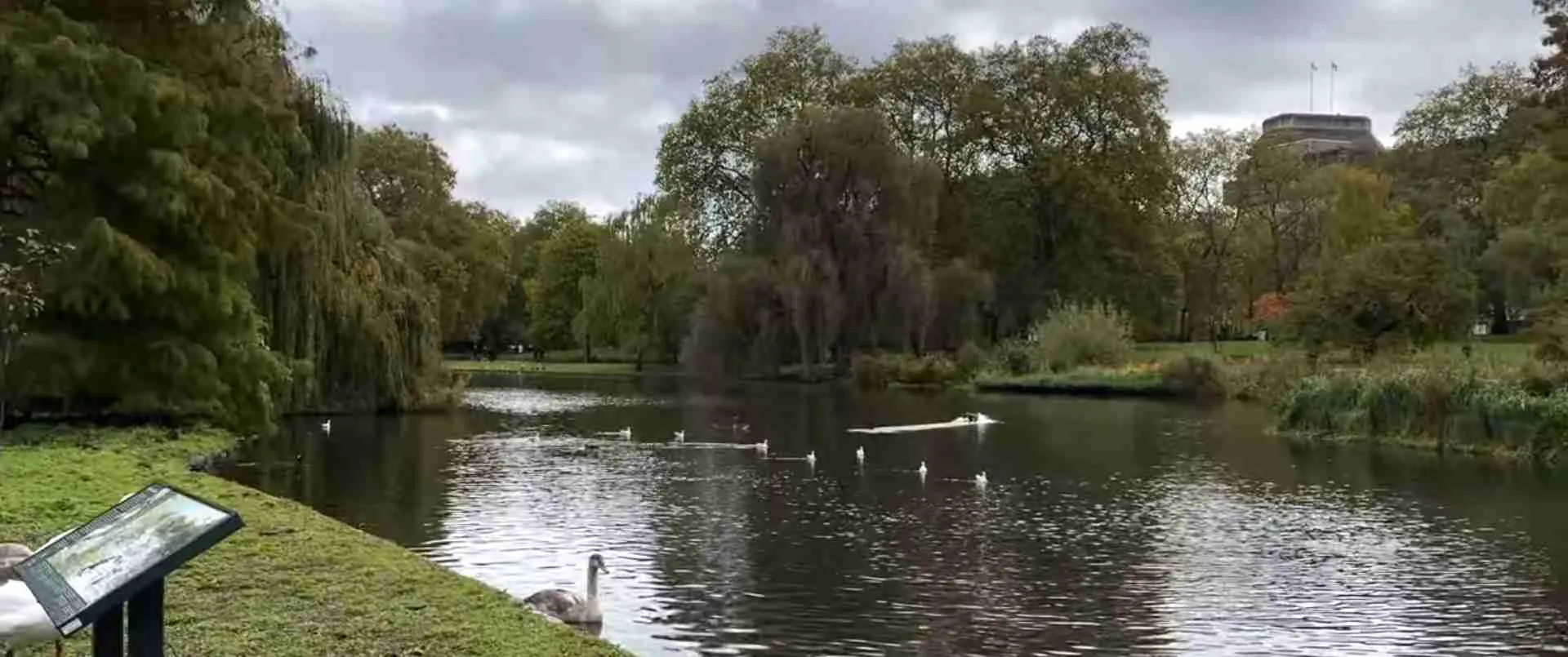
Outdoor free activities include Hyde Park’s Princess Diana Memorial Playground (elaborate pirate ship and adventure structures), Regent’s Park’s boating lake, Greenwich Park’s rolling hills and Royal Observatory views, and St James’s Park’s pelican feeding (2:30 PM daily). Changing of the Guard at Buckingham Palace (11 AM selected days) and Horse Guards Parade (11 AM daily) offer ceremonial pageantry free. Covent Garden’s street performers entertain throughout afternoons without tickets. Borough Market’s food sampling and Thames riverside walks complete free itinerary options. Families easily fill 2-3 London days with only free activities while experiencing world-class cultural institutions.
Extended multi-day tours – 5+ days
Featured London Multi-Day Tour Packages
3 days
London 3-Day Discovery Tour
- ✓ Comprehensive London experience
- ✓ Expert local guides included
- ✓ All accommodation included
- ✓ Transportation provided

5 days
London 5-Day Highlights Experience
- ✓ Comprehensive London experience
- ✓ Expert local guides included
- ✓ All accommodation included
- ✓ Transportation provided

7 days
London 7-Day Cultural Journey
- ✓ Comprehensive London experience
- ✓ Expert local guides included
- ✓ All accommodation included
- ✓ Transportation provided
10 days
London 10-Day Complete Adventure
- ✓ Comprehensive London experience
- ✓ Expert local guides included
- ✓ All accommodation included
- ✓ Transportation provided
Multi-day tour packages powered by TourRadar. Prices and availability subject to change.
Essential Planning Information 2026
Best Time to Visit London with Children 2026
Late April through early June offers ideal family visiting conditions in 2026. Schools remain in session, reducing attraction crowds by 40-50% compared to summer holidays. Weather warms to 15-20°C with longer daylight (sunset 8-9 PM by late May), perfect for park play after museum visits. Spring flowers bloom in London’s parks, creating beautiful walking environments. Easter holidays (April 18-21) see increased crowds but generally manageable compared to summer crush.
Summer (July-August) brings warmest weather and longest days but peak crowds at all attractions. Lines at Tower of London and other popular sites extend 60-90 minutes during midday. Book major attractions 2-3 weeks ahead for guaranteed timed entry. Higher accommodation costs (30-40% above spring rates) and crowded tube carriages challenge family comfort. However, outdoor concerts, summer festivals, and Thames beach activities provide unique seasonal experiences unavailable other times.
September offers excellent compromise: comfortable 18-22°C weather, reduced crowds as schools restart, and lower accommodation rates. Parks maintain green landscapes through September. October brings beautiful autumn colors and Halloween activities but cooler 12-15°C temperatures requiring layered clothing. Winter (November-March) challenges families with 5-10°C cold, frequent rain, and 4 PM sunset limiting outdoor time. However, Christmas lights, ice skating, and pantomime performances create magical seasonal experiences. February half-term sees moderate crowds with better weather than December-January.
Family Accommodation Strategies 2026
Family-friendly hotels in zones 1-2 cost £150-250 nightly for rooms accommodating four people during spring-autumn 2026. Premier Inn and Travelodge chains offer family rooms (double bed plus sofa bed or bunk beds) at £100-150 nightly with predictable quality and locations throughout central London. Book 2-3 months ahead for best rates and family room availability. Properties near Russell Square, South Kensington, and Waterloo provide easy tube access to major attractions while costing 20-30% less than hotels immediately adjacent to landmarks.
Apartments through Airbnb or Vrbo (£120-200 nightly for two-bedroom) provide kitchens for breakfast and dinner preparation, saving £30-50 daily versus full restaurant meals. Living rooms offer space for children to play after full sightseeing days. Washing machines eliminate excess luggage for longer stays. Short-term rentals work particularly well for families staying 5+ days when kitchen access significantly reduces food costs. Location remains crucial – prioritize neighborhoods within 10-minute walk of tube stations to minimize transit time with tired children.
Budget family accommodations include hostels with private family rooms (£80-120 nightly) offering basic facilities and communal kitchens. Generator Hostels and Safestay locations provide modern facilities targeting families and mature travelers rather than party crowds. University residence halls (available July-August) rent rooms at £60-90 nightly with basic furnishings and shared bathrooms. These work for budget-conscious families willing to sacrifice luxury for savings. All accommodation types fill early during summer – book 3-4 months ahead for July-August visits.
Transportation with Children 2026
Oyster cards or contactless payment cards provide most economical London transport for families. Adults pay £2.80 per tube journey with daily cap at £8.10 (unlimited rides after reaching cap). Children 11-15 pay half adult fares with Oyster photocard (apply free online before travel), and children under 11 travel free when accompanied by paying adults (maximum 4 children per adult). A family of four pays maximum £16.20 daily for unlimited London transport versus £60-80 for equivalent taxi rides.
Tube navigation with children requires planning for stairs at many stations. Elevators exist at major stations (Westminster, King’s Cross, London Bridge) but 40% of central stations use stairs-only access. Download the official Transport for London app showing elevator-equipped stations. Fold strollers at escalators per safety requirements. Buses provide step-free access through rear doors and accommodate strollers unfolded when space permits. The 15 and 11 bus routes connect major tourist sites without tube transfers, offering city sightseeing through ground-level windows children enjoy.
Thames Clipper riverboats operate Westminster to Greenwich with stops at Tower, London Bridge, and Canary Wharf. Adult tickets cost £9.90 single, £13.20 return, while children 5-15 pay £4.95 single, £6.60 return, and under-5s ride free. Riverboats transform transportation into attraction, providing 40-minute cruises past landmarks. Black cabs accommodate families of five with jump seats and guarantee air conditioning during summer heat. Expect £15-25 for cross-central-London rides. Uber and Bolt apps show prices before booking, offering transparent costs for occasional taxi use when children tire or weather turns poor.
Best Family Attractions 2026
Tower of London Family Experience
The Tower of London delivers authentic castle experiences with medieval armor, crown jewels, and Yeoman Warder tours that children ages 6-14 find captivating. Adult tickets cost £34.80, children 5-15 pay £17.40, under-5s enter free, family tickets (2 adults + 3 children) £87 in 2026 (check official website for current rates as pricing may vary). The fortress complex requires 2.5-3 hours exploring towers, walking on walls, and viewing execution sites. Children enjoy interactive displays explaining weapons, armor, and daily life of medieval guards.
Yeoman Warder tours run every 30 minutes from 10 AM, lasting 60 minutes with entertaining historical storytelling. The Crown Jewels viewing requires 20-40 minute waits during peak times but moves efficiently on conveyor belts past the coronation regalia. Children fascinated by sparkly objects stay engaged throughout. The White Tower’s Royal Armouries collection displays full suits of armor including child-sized examples and elaborately decorated tournament equipment. Interactive displays allow trying on armor pieces and shields.
Ravens roam the grounds freely, with Ravenmaster talks explaining the legend that the Tower falls if ravens leave. The Medieval Palace recreates royal chambers with period furnishings and costumed interpreters. Bloody Tower tells the story of the Princes in the Tower mystery. Wall walks provide elevated city views and allow children to imagine defending the fortress. Visit early (arrive at 9:30 AM opening) or after 2 PM to avoid midday school group crowds. Pack snacks as limited food options exist within the Tower complex.
Natural History Museum Adventures
The Natural History Museum offers completely free admission with exhibits rivaling any paid attraction globally. The Hintze Hall’s blue whale skeleton suspended from the ceiling creates immediate wow-factor arrival. Dinosaur galleries feature animatronic T-Rex, complete skeletons, and interactive displays explaining extinction. Children ages 4-12 spend 2-3 hours exploring without loss of interest. The Earthquake simulator recreates a Japanese grocery store during seismic activity, providing memorable hands-on experience.
The Darwin Centre’s Cocoon displays 22 million insect specimens through glass walls visible from the walkway winding through seven stories. Touch-screen displays provide information scaled to children’s reading levels. Free Explorer backpacks (check out from information desks) contain activities, specimen guides, and magnifying glasses for self-guided discoveries. The museum’s scale overwhelms first-time visitors – focus on dinosaurs, mammals, and Earth galleries for children under 10, adding Darwin Centre and gem vaults for older children and teenagers.
The museum opens 10 AM-5:50 PM daily except December 24-26. Arrive by 10:30 AM or after 2 PM to avoid school group peaks. The ground floor gets crowded 11 AM-1 PM – use this time exploring upper galleries or having lunch in the museum café (£8-12 per child meal, £12-18 adult meals). Free family trails provide themed scavenger hunts throughout galleries. The museum shop sells quality educational toys and books at reasonable prices. Allow 2.5-3 hours minimum, longer for dinosaur-obsessed children who want to see every specimen multiple times.
Science Museum Interactive Learning
The Science Museum provides free entry with seven floors of interactive exhibits particularly engaging for children ages 6-14 interested in technology, space, and hands-on experiments. The Wonderlab requires £10 per person tickets (book online ahead) for interactive science shows, electricity demonstrations, and engineering challenges. The Garden play area (basement level) caters to under-8s with water play, construction zones, and sensory activities at no additional charge beyond museum admission (free).
Flight simulators allow piloting virtual aircraft (£2-4 per simulation). The space exploration galleries display actual spacecraft, moon rock samples, and detailed Apollo mission artifacts. Pattern Pod for under-8s features lights, sounds, and geometric shapes exploration. Older children gravitate toward computing history, medical innovations, and industrial revolution machinery galleries. The IMAX cinema shows 3D films on a five-story screen (tickets £11 adults, £9 children, separate from museum admission).
The museum opens 10 AM-6 PM daily. Arrive at opening or after 1 PM to minimize crowds. Wonderlab timed tickets (required, £10 per person) sell out weeks ahead during school holidays – book online 2-3 weeks before visit. The museum café offers standard options at moderate prices (£7-10 children’s meals). Lunch boxes welcome in designated eating areas. Plan 3-4 hours for comprehensive exploration including Wonderlab, IMAX, and main galleries. The free museum app provides maps and exhibit descriptions helping families navigate the extensive building efficiently.
Family-Friendly Museums & Activities 2026
British Museum Treasures with Children
The British Museum offers world-class artifacts spanning human history with free admission making it exceptional value for families. The Egyptian galleries’ mummies fascinate children ages 6-14, with sarcophagi, hieroglyphics, and mummy-making process displays providing tangible history lessons. Greek and Roman sculptures include the Parthenon Marbles showcasing Olympic gods and battlefield scenes. The museum’s scale overwhelms – target specific galleries rather than attempting complete coverage.
Free family activity backpacks contain themed materials for self-guided exploration. The Samsung Digital Discovery Centre offers hands-on digital activities exploring museum objects through technology (free, though advance booking recommended during holidays). Audio guides for children (£5) provide age-appropriate explanations in story format. Free family eye-opener tours run Saturdays and Sundays at 11:30 AM, offering 30-minute introductions to highlights suitable for ages 5+.
Focus visits around children’s interests: Egypt and mummies for most children, Vikings and medieval treasures for older elementary students, clocks and mechanical devices for technically-minded children, money and coins for budding collectors. The museum café provides adequate family dining (£8-12 children’s meals, £12-18 adults) or bring lunch boxes for courtyard picnics. Visit duration: 90 minutes for young children (single gallery focus), 2-3 hours for older children exploring multiple areas. The museum opens 10 AM-5 PM daily, until 8:30 PM Fridays. Avoid Saturday afternoons when crowds peak.
London Zoo Wildlife Encounters
London Zoo delivers engaging animal encounters with conservation education throughout 36-acre grounds in Regent’s Park. Adult tickets cost £29.75 online, £33 gate price, children 3-15 pay £19.30 online, £22 gate, under-3s enter free (check official website for current rates as pricing may vary). The zoo requires 3-4 hours visiting major exhibits and feeding times. Lions, tigers, gorillas, penguins, and reptile houses provide main attractions. The walk-through African bird habitat and butterfly paradise allow close animal encounters.
Daily talks and feeding times occur throughout the day: penguins 11:30 AM and 2:30 PM, tigers 11 AM and 3:30 PM, gorillas 2:30 PM. The Land of the Lions recreates Indian Gir Forest landscape with themed areas and conservation stories. In with the Lemurs walk-through habitat allows observing active primates without barriers. The Reptile House contains species featured in Harry Potter films, exciting young fans. The play areas provide rest stops between exhibits for burning excess energy.
The zoo opens 10 AM with last entry 4 PM (closing 5 PM winter, 6 PM summer). Book online 1-2 days ahead for 10% savings versus gate prices. Arrive at opening for smallest crowds and most active animals. The zoo offers various food options (£6-10 children’s meals, £10-15 adult meals) or picnic areas for packed lunches. Strollers navigate easily throughout paved paths. Plan visits during dry weather as many exhibits involve outdoor walking. Annual membership (£90 adults, £60 children) reaches break-even at two visits for families planning return trips.
SEA LIFE London Aquarium Underwater Adventure
The SEA LIFE London Aquarium presents underwater environments from local British coasts to tropical Pacific reefs in converted County Hall building beside the Thames. Online tickets cost £21 adults, £16 children 3-15, under-3s free, with gate prices 15-20% higher (check official website for current rates). The aquarium requires 90-120 minutes for complete visit through 14 themed zones. The ocean tunnel walkway places visitors beneath swimming rays, sharks, and tropical fish providing dramatic photo opportunities.
Daily feeding demonstrations and talks run throughout the day: rays 11 AM, penguins 2 PM, sharks 2:30 PM. Touch pool allows gentle interaction with starfish and crabs under staff supervision. The Pacific octopus and jellyfish displays mesmerize children with alien-like creatures. Penguin playground viewing area contains benches for resting while children watch penguin antics. Interactive displays explain conservation efforts and marine biology concepts at elementary reading levels.
Book online 1-2 days ahead for significant savings versus walk-up prices. Visit weekday mornings for smallest crowds (weekends and school holidays get extremely busy 11 AM-3 PM). The aquarium connects to London Eye and County Hall restaurants, making combined morning/lunch visits efficient. No outside food permitted inside but multiple dining options exist immediately outside. Lighting inside stays dim for aquarium atmosphere – not ideal for stroller navigation but manageable. Combine with Thames river walk and nearby Jubilee Gardens playground for balanced afternoon.
Parks & Outdoor Spaces for Families 2026
Hyde Park Family Adventures
Hyde Park’s 350 acres provide London’s premier outdoor family space with playgrounds, boating, swimming, and endless running room, all free to access. The Diana Princess of Wales Memorial Playground features elaborate wooden pirate ship, teepee village, sensory trail, and sand play areas attracting children ages 2-12. The playground requires free tickets during peak summer days (book online) to control capacity, while off-season welcomes walk-ins freely. Opening hours 10 AM-6 PM in winter, until 7:45 PM in summer.
The Serpentine lake offers pedal boats and rowboats for hire April-October at £12 per boat per 30 minutes (maximum 4 people per boat). Children enjoy steering duties on pedal boats. The Serpentine outdoor swimming area (Lido) operates May-September with adult swimming £5.20, children under 16 £2, family tickets £12. Seasonal pricing applies. The lido provides deck chairs, café, and changing facilities. Open swimming sessions run throughout the day with shallow areas suitable for confident children ages 8+.
Expansive lawns throughout the park invite picnics, ball games, and running around freely. September brings funfair installations with carnival rides and games (pay per ride, £3-5 per attraction). Winter Wonderland (November-January) transforms the park’s southeast corner into massive Christmas market and fairground with ice skating, circus shows, and holiday markets (entry free, individual attractions £3-15). Numerous cafés and refreshment stands provide snacks and meals throughout the park. Budget £20-35 for family boat rental and ice creams on typical park afternoons.
Regent’s Park and Primrose Hill
Regent’s Park combines formal gardens, sports facilities, and London Zoo access within 395 acres of green space. Queen Mary’s Gardens showcase spectacular rose displays June-September with free entry and excellent photography opportunities. Children enjoy running the pathways, playing hide-and-seek in garden corners, and observing ducks and geese at the boating lake. The boating lake rents rowboats April-September at £10 per boat per hour, pedal boats £12 per 30 minutes.
Multiple playgrounds throughout the park cater to different age groups. The Gloucester Gate playground near London Zoo features modern climbing structures. The Hub community sports facility offers tennis courts, football pitches, and activity programs (booking required, costs vary by activity). Broad Walk avenue provides 1-mile straight pathway perfect for scooters, balance bikes, and beginner cyclists. Primrose Hill, the park’s northern section, rises 256 feet offering panoramic London skyline views and steep grass slopes children love for rolling and playing.
Open-air theater operates July-September in the park’s central amphitheater, presenting Shakespeare comedies and family productions (tickets £25-50). The park contains multiple cafés and refreshment stations. Picnic areas with benches appear throughout. The Honest Sausage café near Gloucester Gate offers organic meals £8-15 and children’s options. Free weekly park runs start Saturday mornings at 9 AM for all fitness levels. The park provides peaceful afternoon escapes after morning museum visits, offering space for children to run, play, and recharge before evening activities.
Greenwich Park and Thames Riverside
Greenwich Park spans 180 acres southeast of central London, combining historic buildings, playgrounds, riverside walks, and spectacular skyline views from the hilltop observatory. Free park access provides full-day family entertainment. The Tumbling Bay natural playground features climbing structures, water play, sand pits, and natural materials encouraging creative play. Children under 5 particularly enjoy this well-designed space. Older children explore the ornamental gardens, deer park (yes, real deer roaming freely), and tree-lined avenues.
The Prime Meridian Line at Royal Observatory marks 0° longitude where families straddle eastern and western hemispheres (line viewing free in courtyard, observatory entry £16 adults, £8 children if visiting exhibits). The view from observatory steps ranks among London’s best, showcasing Canary Wharf skyscrapers, Thames bend, and historic Maritime Greenwich below. Blackheath, the park’s southeastern section, offers wide open spaces perfect for kite flying and ball games away from formal garden areas.
The National Maritime Museum (free admission) at the park’s base presents seafaring history through interactive exhibits fascinating for children interested in pirates, exploration, and British naval history. Allow 90 minutes for museum visit. The Cutty Sark clipper ship (£17 adults, £8.50 children, check official website for current rates) sits adjacent to the park, offering deck tours and below-deck exploration of the historic trading vessel. Thames riverboat access connects Greenwich to central London, making the journey part of the adventure (£9.90 adults, £4.95 children 5-15, under-5s free).
Family Accommodation Strategies 2026
Budget Family Lodging Options
Budget family accommodations in London emphasize location over luxury, prioritizing tube accessibility and basic facilities at £80-120 nightly for four people. Premier Inn locations throughout zones 1-2 offer family rooms with double bed plus sofa bed sleeping children comfortably. Properties near County Hall (walking distance to South Bank attractions), Kings Cross (excellent transport connections), and Victoria (convenient for day trips) provide strategic bases. Book directly through Premier Inn website 2-3 months ahead for best availability and prices including breakfast options (£12-15 per person additional).
Travelodge family rooms cost £70-100 nightly with similar layouts to Premier Inn but more variable quality depending on specific location. Central Travelodge properties (Covent Garden, Liverpool Street, Waterloo) offer excellent positioning while outer locations save money but require longer commutes. Both chains feature simple rooms with private bathrooms, adequate heating/cooling, and WiFi. Neither includes kettles in rooms – request at check-in if hot water essential for baby bottles or morning tea.
Airbnb apartments in zones 2-3 provide full kitchens and living space at £90-140 nightly. Neighborhoods like Clapham, Kentish Town, and Stratford offer authentic London residential experiences 15-25 minutes from central attractions via tube. Kitchen access saves £40-60 daily on breakfast and dinner preparation. Living rooms prevent cabin fever during evening downtime. Washing machines eliminate excess luggage. Book apartments with consistent positive reviews (100+ reviews, 4.8+ stars) and clear checkout instructions to avoid surprises.
Mid-Range Family Hotels and Apartments
Mid-range family hotels (£150-220 nightly) provide enhanced comfort, better locations, and family-focused amenities. Citadines aparthotels throughout London offer studio or one-bedroom apartments with kitchenettes, separate sleeping areas, and weekly cleaning service. South Kensington, Trafalgar Square, and Barbican locations place families within walking distance of major attractions. The kitchenette (mini-fridge, microwave, basic dishes) allows simple breakfast preparation and snack storage without full cooking capability.
Novotel hotels near Tower Bridge, Greenwich, and Canary Wharf feature family rooms sleeping four with children under 16 eating free from breakfast buffet (when booked with parents’ breakfast, typically £15-18 per adult). Indoor pools at select locations provide evening entertainment after sightseeing days. The hotels offer reliable quality with modern facilities, 24-hour reception, and family-friendly staff accustomed to children’s needs. Book directly for best rate guarantees and flexible cancellation options.
Serviced apartments through companies like SACO and Native provide hotel services (reception, cleaning) with apartment layouts (full kitchen, separate bedrooms, washing machine). These properties cost £180-250 nightly but sleep 4-6 people comfortably and include kitchen facilities saving substantial dining costs. Locations throughout central London provide options near different attraction clusters. Minimum stays of 3-4 nights typically apply, making these ideal for week-long family visits rather than short stays.
Luxury Family Accommodations and Suites
Luxury family hotels (£300-500+ nightly) offer connecting rooms, suite configurations, and upscale amenities transforming accommodation into experience. The Milestone Hotel near Kensington Palace provides family suites with separate children’s bedrooms decorated in fairytale themes. Complimentary afternoon tea, evening milk and cookies, and personal concierge service justify premium pricing for special occasion trips. The hotel’s proximity to Kensington Gardens and museums makes walking to attractions possible.
Rosewood London creates family packages including scavenger hunts, in-room tepees, welcome gifts for children, and connecting room configurations. The Covent Garden location provides entertainment district access with theaters and restaurants steps away. The hotel’s sense of arrival program customizes children’s amenities based on ages and interests. Expect £400-600 nightly for family suite accommodations with breakfast included. The hotel’s central location eliminates transportation costs and time for nearby attractions.
Four Seasons properties (Canary Wharf, Park Lane) offer family floors with childproofed rooms, kid-friendly bathroom amenities, and children’s programming. Teen lounges provide older children hangout space separate from parents. Park Lane location overlooks Hyde Park with immediate access to park activities. Hotels arrange private guided tours, provide strollers and baby equipment, and offer 24-hour room service with children’s menus. Luxury accommodations work best for families prioritizing stress-free experiences and willing to invest significantly in comfort and convenience.
Budget Planning for Families 2026
Complete Family Budget Breakdown 2026
A typical family of four (2 adults, children ages 8 and 11) visiting London for five days spends £1,500-2,400 total mid-range budget. Accommodation £750-1,100 (5 nights at £150-220 per night for family room), attractions £300-450 (mix of paid entries and free museums), meals £400-600 (combination of restaurants, takeaway, and supermarket supplies), transportation £75-125 (tube travel, occasional taxis, airport transfer), miscellaneous £100-150 (souvenirs, snacks, contingencies). Daily average: £300-480 for full family including accommodation.
Budget-conscious families reduce costs to £1,000-1,500 for five days through strategic choices. Accommodation £400-600 (5 nights at £80-120 budget hotel or apartment), attractions £100-200 (emphasize free museums, limit paid sites to 2-3 total), meals £250-350 (breakfast and dinner from apartment/hotel, lunch from markets and supermarkets), transportation £60-80 (tube only, minimal taxi use), miscellaneous £50-100. Daily average: £200-300 for full family including accommodation. The budget approach requires discipline but provides authentic London experiences without constant spending stress.
Attraction Cost Analysis and Planning 2026
London’s major family attractions divide into free and paid categories. Free attractions (British Museum, Natural History Museum, Science Museum, National Gallery, numerous parks) provide world-class experiences requiring £0 admission. Paid attractions vary significantly: Tower of London £87 family ticket (2 adults + 3 children), London Zoo £96 family ticket (2 adults + 2 children), London Eye £116 family ticket, SEA LIFE Aquarium £74 family online price, Madame Tussauds £100+ family ticket. Check official websites for current rates as pricing may vary.
Strategic attraction planning balances free and paid experiences. Budget one paid major attraction daily (£25-40 per person) combined with multiple free activities. Five-day example: Day 1 free (British Museum, Hyde Park), Day 2 paid (Tower of London), Day 3 free (Natural History Museum, Science Museum), Day 4 paid (London Zoo), Day 5 mixed (free Changing of Guard, paid Thames Riverboat). Total paid attractions: £200-300 for family of four across five days. This approach maintains engagement while controlling costs.
London Pass provides unlimited attraction access for set periods: 1-day adult £94, child 5-15 £64, 2-day adult £134, child £94, 3-day adult £164, child £104. Families planning 3+ paid attractions daily reach break-even making passes worthwhile. However, passes create pressure to maximize daily visits potentially exhausting children. Calculate specific family interests and realistic daily attraction numbers before purchasing. Many families find selective paid entry more relaxing than pass-driven rushed schedules.
Food and Dining Budget Strategies 2026
Family dining costs range dramatically based on restaurant choices and preparation strategies. Full restaurant dining (three meals daily) costs £60-90 per family of four. Breakfast at hotel or café £20-30, lunch at casual restaurant £25-35, dinner at mid-range restaurant £40-60. This approach totals £300-450 for five-day trip. Convenient but expensive, particularly when children waste significant portions of adult-sized servings.
Balanced approach combines prepared and restaurant meals: Breakfast from apartment or hotel room (supermarket supplies) £6-10, lunch from market vendors or takeaway £15-25, dinner at casual restaurant £25-40. Daily cost £46-75, five-day total £230-375. This strategy saves breakfast costs while allowing enjoyable lunch and dinner experiences. Markets like Borough, Camden, and Spitalfields provide excellent lunch variety at moderate prices with outdoor seating.
Maximum budget approach emphasizes self-preparation: Breakfast apartment-prepared £5-8, lunch from supermarket (sandwiches, fruit, snacks) £10-15, dinner apartment-prepared or takeaway £20-30. Daily cost £35-53, five-day total £175-265. Sainsbury’s, Tesco, and M&S supermarkets throughout London provide quality ingredients. Prepared meals section offers ready-to-eat options requiring minimal preparation. This approach works best with apartment accommodation including full kitchen and dining area. Evening restaurant splurge (£40-60) once or twice during trip balances budget consciousness with experience creation.
Transportation with Kids 2026
Mastering the Tube with Children
London Underground (tube) represents the most efficient family transportation for reaching attractions quickly and economically. Children under 11 travel free when accompanied by paying adult (maximum 4 children per adult). Children 11-15 receive 50% discount with Young Visitor Discount applied to Oyster cards (set up online before travel or at ticket machines). Adult fares cost £2.80 per journey zones 1-2 with daily cap at £8.10 (unlimited travel after reaching cap). Family of four maximum daily cost: £16.20 for unlimited London transport.
Navigate tube system strategically with children. Plan routes using the official Transport for London app showing elevator-equipped stations and connection requirements. Major stations (Westminster, King’s Cross, London Bridge, Victoria, Liverpool Street) provide step-free access via elevators. Smaller stations often require stairs or escalator navigation. Children under 8 tire quickly carrying backpacks up/down station stairs – use elevator-accessible routes or buses when possible. Fold strollers before entering escalators per safety regulations.
Tube travel entertainment for children: Let older children navigate using printed tube maps (free at any station). Younger children enjoy counting stops, identifying station names, and watching announcement boards. Off-peak travel (after 9:30 AM, before 4 PM) provides seat availability and less crowded platforms. Peak hours (7-9 AM, 4:30-7 PM) create extremely crowded conditions uncomfortable for families with young children or strollers. Plan museum visits during peak commute hours, traveling to/from attractions during quieter mid-morning or mid-afternoon periods.
Buses, River Boats, and Alternative Transport
London buses provide ground-level sightseeing while transporting families between attractions. Children under 11 ride free with paying adults, ages 11-15 pay half-fare with Oyster card. Bus costs identical to tube (£2.80 per adult journey, £8.10 daily cap) but provides step-free access accommodating strollers without folding. The 15 bus route connects Tower Hill, Tower Bridge, Trafalgar Square, and Paddington. The 11 bus links Liverpool Street, St Paul’s Cathedral, Westminster, and King’s Road Chelsea. Front upper-deck seats offer excellent views children enjoy.
Request stop bells allow children participation – let them press the button to signal driver at your destination. Bus route maps at every stop show upcoming destinations. The official TfL app provides real-time bus arrival information. Buses travel slower than tubes but eliminate stair navigation and provide visual orientation showing London’s geography. Night buses operate 24 hours on major routes when tubes stop (12:30-5:30 AM).
Thames Clippers riverboats transform transportation into Thames cruise experiences. Services operate Westminster to Greenwich with intermediate stops at Waterloo, Blackfriars, Bankside, London Bridge, Tower, and Canary Wharf. Adult fares £9.90 single, £13.20 return, children 5-15 pay £4.95 single, £6.60 return, under-5s free. The 40-minute Westminster-Greenwich journey showcases riverside landmarks from unique water perspective. Boats operate every 20-30 minutes 6 AM-midnight. Book family river buses for special days combining transportation with sightseeing rather than daily commuting.
Taxi and Car Service Strategies
Black cabs provide premium family transport with guaranteed air conditioning, wheelchair accessibility, and space for five passengers using jump seats. Metered fares average £15-25 for cross-central-London trips (Westminster to Tower Bridge, South Kensington to Liverpool Street). Black cabs accept street hails, queue at designated taxi ranks, or book through apps like Gett. Drivers know every London street and landmark – state destination and driver navigates optimal route. Tipping 10-15% customary for good service.
Uber and Bolt apps provide transparent pricing before booking with cars arriving 3-8 minutes after request. Standard UberX/Bolt cars accommodate 4 passengers (3 adults or 2 adults + 2 children comfortably). Select UberXL for 6 passengers or extra luggage space. Prices fluctuate with demand – expect £12-22 for central London trips, surge pricing during peak hours or events increasing costs 1.5-2x normal rates. Child car seats legally required for children under 12 years (135cm height) – bring travel car seats or request Uber Car Seat option (£2 surcharge, limited availability).
Rental cars make minimal sense for central London exploration. Congestion charging (£15 per day) applies to central zone driving, parking costs £25-40 daily, and driving stress in dense traffic with children exceeds any convenience benefits. Consider rental cars only for day trips outside London (Stonehenge, Oxford, Cotswolds) where car provides freedom unavailable via public transport. Book economy cars (£40-60 daily) from major providers at London airport locations avoiding central city congestion entirely.
Sample 2026 Family Itineraries
Three-Day First Visit Itinerary for Families 2026
Day 1: Westminster and South Bank. Start Westminster Abbey exterior viewing 9 AM (free), walk to Parliament and Big Ben photos, reach Changing of Guard at Buckingham Palace 10:30 AM arrival for 11 AM ceremony (free). Lunch St James’s Park £10-15 per person from nearby cafés. Afternoon Thames Path walk to Tate Modern (free museum, allow 90 minutes), continue to Shakespeare’s Globe exterior viewing (free), Borough Market snacks £5-8 per person. Return to hotel by 4:30 PM. Westminster Abbey entry £27 adults £13 children if visiting interior, lunch £50 family, snacks £30, transport £5. Total day cost: £85 per family excluding accommodation (or £150 with Abbey interior visit).
Day 2: Museums and Hyde Park. Natural History Museum 10 AM opening (free, allow 2.5 hours focusing on dinosaurs and mammals). Lunch from museum café £12 per child, £15 adults or packed lunch £8-12 total. Walk through South Kensington to Hyde Park, afternoon at Diana Playground (free, arrive 2 PM). Serpentine boat rental £12 per 30 minutes optional. Ice cream and park snacks £15-20 family. Return to hotel 5 PM. Lunch £50-60, boat rental £12, snacks £15-20, transport £5. Total day cost: £82-97 per family excluding accommodation.
Day 3: Tower of London and Greenwich. Tower of London 9:30 AM opening (family ticket £87 for 2 adults + 3 children, check official website for current rates). Explore 2.5 hours including Crown Jewels and Yeoman Warder tour. Lunch Tower Hill area £12-18 per person from chains. Thames Clipper to Greenwich 1 PM departure (£29 adults return, £15 children 5-15 return). Greenwich Park free exploration, Royal Observatory courtyard Prime Meridian line (free). Return riverboat 4:30 PM. Tower £87, lunch £60, riverboat £44, snacks £10, transport £5. Total day cost: £206 per family excluding accommodation.
Three-day total: £373-453 per family excluding accommodation (£1,125-1,353 including £250 nightly accommodation = £2,125-2,353 for family of four complete trip).
Five-Day Comprehensive Family Itinerary 2026
Day 1: South Kensington Museums. Natural History Museum 10 AM (free), lunch museum café £50, Science Museum 1:30 PM (free, Wonderlab £40 for family of four if adding). Hyde Park Diana Playground 4 PM (free). Dinner South Kensington £60. Wonderlab £40, meals £110, transport £8. Total: £158 per family (excluding accommodation).
Day 2: Royal London. Changing of Guard 11 AM (free), lunch St James’s Park £50, Westminster Abbey 1:30 PM (£80 family), St James’s Park pelican feeding 2:30 PM (free), afternoon tea Borough Market £40. Westminster £80, meals £90, transport £8. Total: £178 per family (excluding accommodation).
Day 3: Tower and East End. Tower of London 9:30 AM (£87 family), lunch Borough Market £50, afternoon Spitalfields and Brick Lane street art exploration (free). Dinner Brick Lane curry house £55. Tower £87, meals £105, transport £8. Total: £200 per family (excluding accommodation).
Day 4: Zoo and Regent’s Park. London Zoo 10 AM (£96 family online price, check website for current rates), lunch zoo café or packed lunch £45, afternoon Primrose Hill and Regent’s Park (free). Dinner Primrose Hill area £60. Zoo £96, meals £105, transport £8. Total: £209 per family (excluding accommodation).
Day 5: Greenwich and Maritime. Thames Clipper to Greenwich 10 AM (£44 family return), National Maritime Museum (free), Cutty Sark (£52 family ticket, check website for current rates), Greenwich Park playground and Prime Meridian (free), lunch Greenwich Market £50. Return riverboat 4 PM. Cutty Sark £52, riverboat £44, meals £50, transport £8. Total: £154 per family (excluding accommodation).
Five-day total: £899 per family excluding accommodation (£1,899-2,349 including £200-290 nightly accommodation for 5 nights = £2,799-3,349 for family of four complete trip).
Budget-Conscious Seven-Day Itinerary 2026
Day 1: British Museum (free), Covent Garden street performers (free), lunch Tesco meal deal £20 family, transport £8. Total: £28 (excluding accommodation).
Day 2: Natural History Museum (free), Science Museum excluding Wonderlab (free), lunch supermarket £20, Hyde Park Diana Playground (free), dinner apartment-prepared £25, transport £8. Total: £53 (excluding accommodation).
Day 3: Changing of Guard (free), St James’s Park (free), National Gallery (free), lunch Borough Market £45, dinner Chinatown £50, transport £8. Total: £103 (excluding accommodation).
Day 4: Tower of London exterior and Tower Bridge (free views), Thames River walk (free), Tate Modern (free), lunch Southbank market stalls £40, dinner apartment-prepared £25, transport £8. Total: £73 (excluding accommodation).
Day 5: Greenwich National Maritime Museum (free), Greenwich Park (free), lunch Greenwich Market £40, Thames Clipper one direction £22 (adults only, walk return via tunnel), riverboat £22, dinner apartment-prepared £25, transport £8. Total: £95 (excluding accommodation).
Day 6: Hyde Park full day (free), Serpentine boat rental £12, packed lunch £15, snacks and ice cream £20, dinner apartment-prepared £25, transport £8. Total: £80 (excluding accommodation).
Day 7: Camden Market (free), Regent’s Park (free), lunch Camden vendors £40, British Library (free), dinner restaurant splurge £70, transport £8. Total: £118 (excluding accommodation).
Seven-day total: £550 per family excluding accommodation (£1,150-1,590 including £600-1,040 apartment accommodation for 7 nights at £85-150 per night = £1,700-2,140 for family of four complete budget trip).
Dining with Children 2026
Family-Friendly Restaurant Recommendations
Chain restaurants throughout London provide reliable family dining with children’s menus, high chairs, and changing facilities. Giraffe restaurants offer global menu with children’s portions £6-8 including drink and fruit. Wagamama serves Asian-inspired noodles and rice dishes children typically enjoy for £7-10 children’s meals. Pizza Express locations throughout London provide familiar pizza options £7-9 children’s portions with dough balls children can play with while waiting. Nando’s peri-peri chicken attracts families with spicy-to-mild options and efficient service at £6-8 children’s meals.
Gastropubs increasingly cater to families with dedicated children’s areas and weekend activity sheets. The Narrow in Limehouse, The Princess in Primrose Hill, and The Albion in Islington offer Sunday roasts £8-10 children’s portions with vegetables and Yorkshire puddings. Pub gardens provide outdoor space for children to move between courses during summer months. Most gastropubs welcome families until 7-8 PM before transitioning to adult atmosphere.
Cultural dining experiences introduce children to diverse cuisines. Chinatown restaurants offer dim sum with visual variety engaging curious eaters – duck pancakes, spring rolls, and dumplings work well for children at £5-8 per portion. Brick Lane curry houses provide mild korma and butter chicken options alongside naan bread children can tear and dip at £8-12 per meal. Borough Market food stalls allow sampling multiple cuisines in small portions, perfect for picky eaters uncertain about new foods.
Supermarkets, Markets, and Budget Dining 2026
Supermarket meal preparation provides maximum savings and dietary flexibility. Sainsbury’s, Tesco, and M&S Simply Food locations throughout central London stock breakfast supplies (cereal, yogurt, fruit, pastries) for £15-20 feeding family of four. Prepared sandwich meal deals include sandwich, drink, and snack for £3.50-4 per person, creating £14-16 lunch for four. Dinner supplies (pasta, sauce, salad, bread) cost £12-18 feeding family with basic cooking facilities. Three daily meals prepared from supermarkets total £40-55 versus £85-120 restaurant equivalent.
Markets combine dining with entertainment value. Borough Market (Monday-Saturday 10 AM-5 PM) vendors sell fresh bread, cheese, charcuterie, olives, and international street food. Sample free tastes at many stalls before purchasing. Budget £40-60 for varied market lunch feeding family of four from multiple vendors. Camden Market’s food section offers global street food £8-12 per portion with outdoor seating along Regent’s Canal. Spitalfields Market (Sunday best) provides brunch options, artisan baked goods, and specialty foods for takeaway picnics.
Budget chain dining includes Pret A Manger for fresh sandwiches and salads (£5-8 per person), Leon for Mediterranean-inspired fast food (£7-10 per person), and Greggs for inexpensive bakery items and hot snacks (£4-6 per person). These chains appear throughout central London providing quick meals without table service waits. Many locations offer eat-in seating or takeaway for park picnics. Combination approach uses chains for breakfast and lunch (£25-35 daily), reserving table-service restaurants for occasional dinners (£60-80 versus £120-150 three daily restaurant meals).
Dealing with Picky Eaters and Dietary Restrictions
Picky eaters find familiar options throughout London. McDonald’s, KFC, and Burger King locations provide internationally consistent menus children recognize. British chain restaurants offer plain pasta, chicken nuggets, fish fingers, and chips at most locations. Request simple preparations (sauce on side, plain grilled chicken) at any restaurant – chefs accommodate reasonable modifications for children. Pack emergency snacks (granola bars, crackers, dried fruit) for moments when nothing appeals to particular children.
Vegetarian and vegan families navigate London easily with numerous plant-based restaurants and clearly-labeled menu options. Wagamama, Pret, and Leon offer multiple vegetarian/vegan choices marked clearly. Most restaurants provide vegetarian children’s options (cheese pasta, vegetable pizza). South Kensington, Covent Garden, and Camden areas contain highest concentration of vegetarian restaurants. Grocery stores stock extensive vegetarian/vegan product ranges including non-dairy milk and plant-based proteins.
Food allergies require vigilance but London restaurants increasingly accommodate restrictions. Major chains provide detailed allergen information online and in-store. Restaurant servers understand common allergies (gluten, nuts, dairy, eggs) and communicate clearly with kitchen staff. Carry allergy cards in English explaining restrictions specifically. Research restaurant allergen policies before arrival when possible. Supermarkets label major allergens clearly on packaging. The Allergy UK website lists London restaurants with strong allergy protocols and staff training.
Practical Tips for Families 2026
Health, Safety, and Emergency Preparation
Pack basic medical supplies preventing minor inconveniences from becoming trip disruptions. Children’s pain reliever/fever reducer (ibuprofen or paracetamol), antihistamine for allergies, bandages and antiseptic for minor cuts, motion sickness medication for boats or buses, any prescription medications in original containers. UK pharmacies (Boots, Superdrug) sell most medications but cost more than home supplies. Pharmacies throughout central London open daily 8 AM-8 PM, with 24-hour locations near major stations.
NHS walk-in centres provide non-emergency medical care free for all children regardless of nationality. Locations at Kings Cross, Soho, and Whitechapel open daily with evening hours. European Health Insurance Card (EHIC) holders receive free NHS treatment. Travel insurance covers emergency medical costs for non-EHIC visitors. Emergency ambulance service (dial 999 or 112) responds throughout London. Most hotel reception desks help arrange doctor visits or recommend nearby medical facilities.
Keep children’s identification accessible: copies of passports, emergency contact numbers, allergy information, and insurance details. Consider temporary contact information cards in children’s pockets with parent phone numbers and hotel address. Discuss emergency procedures with children: stay where you are if separated, approach police officers or museum staff, never leave building with anyone unknown. Major tourist sites have designated lost children meeting points – identify these upon arrival at Tower of London, museums, and busy markets.
Stroller Navigation and Baby Facilities
Stroller-friendly London requires planning around step-free access. Major museums (British Museum, Natural History Museum, Science Museum, Tate Modern) provide elevator access and coat check for folding strollers during exhibits. Some galleries prohibit strollers during crowded periods – use baby carriers as backup. Tube stations with elevator access include Westminster, London Bridge, King’s Cross, Canary Wharf, and Stratford. The TfL website maps show step-free routes. Buses accommodate unfolded strollers when space available – board through rear doors, secure stroller in designated area.
Baby changing facilities exist in all major attractions, museums, parks, and shopping centers. Family restrooms provide space for assisting multiple children or nursing. Public restrooms in parks and markets charge £1-2, while museum facilities remain free. Nursing mothers welcome in any public space – British law protects breastfeeding rights. Many museums provide dedicated nursing rooms with comfortable seating. Restaurants accommodate feeding and changing needs with understanding staff.
Stroller alternatives reduce logistics challenges. Baby carriers (front-carry or backpack-style) navigate crowds, stairs, and cobblestones easier than wheels. Children ages 2-5 tire during long walks but resist strollers – lightweight umbrella strollers fold compactly for tube travel. Older children travel without strollers, though portable lightweight camping chairs provide rest options in parks. Consider child fitness realistically when planning daily distances – children under 6 comfortably walk 1-2 miles before tiring, ages 6-10 manage 2-4 miles with breaks.
Weather Preparation and Seasonal Clothing
London weather changes rapidly requiring adaptable clothing strategies. Pack layers removable as temperatures fluctuate throughout the day: t-shirts, long-sleeve shirts, fleeces or hoodies, and waterproof shells. Children outgrow clothes quickly – purchase inexpensive layers at Primark or H&M upon arrival rather than packing excessive clothing from home. One warm jacket, one waterproof jacket, and layered shirts beneath adapt to 5-25°C temperature range across seasons.
Rain gear proves essential year-round. Lightweight waterproof jackets with hoods protect during sudden showers. Compact umbrellas fit easily in backpacks without excessive weight. Waterproof shoes or boots prevent wet feet from puddles and sustained drizzle. Pack extra socks – wet feet create miserable children quickly. Summer rain showers pass within 30-60 minutes, making patience and covered waiting areas preferable to full rain gear unless sustained downpours expected.
Seasonal specific considerations: Spring requires layers for 8-18°C variation, light rain jacket, comfortable walking shoes. Summer needs sun protection (hats, sunscreen, sunglasses despite frequent clouds), light breathable clothing, one light jacket for cool evenings. Autumn repeats spring packing with addition of slightly warmer fleeces. Winter demands warm coats, gloves, scarves, hats, thermal layers, waterproof boots for 5-10°C temperatures. Winter sunset at 4 PM necessitates reflective elements if walking after dark.
Frequently Asked Questions About London with Kids 2026
What age children most enjoy London attractions?
Children ages 7-12 extract maximum value from London’s museums, historical sites, and activities. This age group maintains attention through 90-minute museum visits, understands historical context at Tower of London and Westminster Abbey, walks 3-5 miles daily without excessive complaints, and engages with interactive exhibits enthusiastically. Children 4-6 enjoy London but require modified expectations: 60-minute attraction visits, frequent playground breaks, stroller availability for tired moments, and emphasis on visual/physical activities over information-heavy exhibits. Teenagers 13+ appreciate London’s contemporary culture, shopping, food diversity, and technology/science museums though may resist traditional sightseeing.
Should we buy London Pass for family visits?
London Pass value depends on family’s planned attraction quantity and children’s stamina. Passes cost £94 adult 1-day, £134 2-day, £164 3-day, children 5-15 pay £64 1-day, £94 2-day, £104 3-day. Break-even requires 2-3 paid attractions daily. However, children rarely maintain enthusiasm for 3+ major sites daily, making passes potentially wasteful. Families visiting Tower of London (£34.80 adults), Westminster Abbey (£27), and St Paul’s Cathedral (£23) in one day save money with pass. Families mixing free museums with occasional paid attractions save money buying individual tickets as needed. Calculate specific planned attractions before purchasing – many families overestimate realistic daily capacity with children.
How do we handle tired children mid-day?
Schedule rest breaks every 2-3 hours preventing complete meltdowns. Plan morning museum visit, return to hotel for lunch and quiet time 12-2 PM, resume afternoon activities refreshed. Parks provide free rest locations with benches, grass for sitting, and usually nearby cafés. Museum cafeterias offer climate-controlled rest areas where families order minimal snacks while children recharge. Thames riverboats transform transportation into 20-40 minute sitting breaks moving between locations. Consider splitting family temporarily – one parent continues sightseeing with older energetic children while other returns to hotel with tired younger children.
What’s the best family base location in London?
South Kensington provides ideal family accommodation base near Natural History Museum, Science Museum, Hyde Park, and multiple tube lines. The neighborhood offers restaurants, supermarkets, and family-friendly atmosphere. Alternative strong locations include Kings Cross (excellent tube connections to all attractions, recently redeveloped with restaurants and shops), Westminster (walking distance to major landmarks though more expensive and touristy), and Greenwich (parks, maritime attractions, quieter neighborhood feel though farther from West End museums). Prioritize proximity to tube stations (within 10-minute walk) over specific neighborhood character – easy transport access outweighs neighborhood charm when managing tired children.
Can we do day trips from London with kids in 2026?
Day trips work well for families with children ages 8+ comfortable with 2-hour train rides. Windsor Castle provides royal history 40 minutes from London with elaborate state rooms and large grounds for running between buildings (castle entry £28.50 adults, £16.50 children 5-17, check website for current rates). Oxford offers university architecture and Alice in Wonderland connections 60 minutes from London (walking tour free, college visits £5-8). Brighton beach sits 60 minutes south with classic British seaside experiences and Royal Pavilion. Hampton Court Palace combines Tudor history with maze and extensive gardens 30 minutes from central London (£27 adults, £13.50 children, check website for current rates). Day trips require early departure (8-9 AM trains) and return by 5-6 PM, making them better as occasional variety rather than consecutive days creating exhaustion.
How much walking is realistic for children daily?
Children under 6 comfortably walk 1-2 miles before requiring strollers or carriers. Ages 6-8 manage 2-3 miles with frequent breaks and engaging commentary preventing boredom. Ages 9-12 walk 3-5 miles matching adult sightseeing pace with reasonable rest stops. Teenagers manage adult distances but may prefer tube transport between distant locations over long walks. Break walking into segments: morning walk to attraction (30 minutes), museum exploration (90 minutes mostly standing), lunch break (sitting 45 minutes), afternoon park visit (gentle walking or playing), tube transport to dinner area. Total daily distance spreads across multiple segments feels less exhausting than continuous walking.
What if it rains our entire visit?
London’s extensive indoor attractions make rain secondary concern rather than trip disaster. Plan entirely indoor itineraries: days 1-2 South Kensington museums, day 3 British Museum and Covent Garden covered shopping, day 4 Tower of London (partially covered) and Borough Market’s covered sections, day 5 SEA LIFE Aquarium and South Bank Centre covered walkways. Museum exploration extends during rain – Natural History Museum contains 4-5 hours content versus typical 2-hour sunny-day visit before children want outdoor play. Shopping centers (Covent Garden, Westfield) provide climate-controlled entertainment. Theatre shows offer rainy afternoon activities for families with older children. Brief walks between tube stations and attractions manageable with waterproof jackets and umbrellas. Extended rain creates different London experience, not ruined vacation.
Should we pre-book attractions for specific times?
Major attractions benefit from advance booking during summer 2026 though most accept walk-ups outside July-August. Tower of London, Westminster Abbey, and London Eye sell timed entry tickets online with 10-15% discounts versus gate prices. Pre-booking guarantees entry during crowded periods and reduces waiting time. However, rigid schedules conflict with family flexibility – children’s moods, weather changes, and spontaneous interests disrupt planned timing. Book major anchor attraction (Tower of London) for specific date but remain flexible for other activities. Free museums (British Museum, Natural History Museum, Science Museum) never require booking except special exhibitions. Balance planning confidence (confirmed Tower tickets) with adaptability (unscheduled afternoon allows responding to children’s energy levels).