
London History: Complete Historical Guide
Key Takeaways
- Roman Londinium founded AD 43 became Britain’s largest city within decades, with surviving wall sections marking original square-mile settlement boundaries
- Medieval London emerged as political and economic capital through Norman conquest, with Tower of London and Westminster Abbey establishing royal power centers
- Tudor period transformed London into Protestant nation’s capital and global trade hub, with monarchs Henry VIII and Elizabeth I reshaping religion, culture, and exploration
- Great Fire of 1666 destroyed 80% of medieval city, enabling Christopher Wren’s rebuilding that created baroque St Paul’s Cathedral and modern urban planning
- Victorian era saw explosive population growth from 1 million to 6.7 million, with underground railway, sewage systems, and global empire headquarters infrastructure
- World War II Blitz destroyed vast areas, while post-war reconstruction and multiculturalism transformed London into today’s diverse global metropolis of 9 million residents
Introduction: Understanding London’s Historical Significance
London’s history spans over 2,000 years from Roman military outpost to global financial center, encompassing invasions, plagues, fires, bombing, and continuous reinvention that created the multifaceted metropolis visible today. Four UNESCO World Heritage Sites preserve critical historical moments: Tower of London embodies 900+ years of royal power and imprisonment, Palace of Westminster represents parliamentary democracy evolution, Maritime Greenwich showcases naval empire building, and Royal Botanic Gardens at Kew document scientific enlightenment and colonial botanical exchange.
The city’s historical significance extends beyond physical monuments to conceptual contributions shaping modern civilization. Westminster parliamentary system influenced democratic governments worldwide. City of London financial innovations created modern banking and insurance industries. London scientific institutions advanced medicine, physics, and natural sciences. Literary and theatrical traditions from Shakespeare through Dickens to contemporary writers established English language cultural dominance. Understanding London’s history provides insight into British national development, European power dynamics, global colonialism impacts, and urban evolution patterns replicated across continents.
This comprehensive historical guide explores London’s development through major periods from Roman founding through present day, examining political transformations, architectural evolution, social upheavals, and cultural achievements that created contemporary London. Each era left distinctive architectural layers, from Roman walls and medieval churches through Georgian squares and Victorian infrastructure to modern skyscrapers. These physical remains tell stories of ambition, conflict, innovation, tragedy, and resilience across two millennia of continuous urban occupation and growth.
People Also Ask About London History
When was London founded and by whom?
Romans founded London as Londinium in AD 43 during Emperor Claudius’s invasion of Britain, establishing a military settlement at the Thames’s lowest bridging point where London Bridge stands today. The strategic location provided access to inland Britain while maintaining maritime connection to continental Europe. Within two decades, Londinium grew into Britain’s largest city with forum, basilica, governor’s palace, and commercial port serving as Roman Britain’s capital and trading hub.
Pre-Roman Celtic tribes inhabited the Thames valley but archaeological evidence reveals no major settlement at London’s precise location before Roman arrival. The name “Londinium” likely derives from Celtic origins, though exact etymology remains debated among scholars. Roman engineers constructed the first London Bridge, defensive walls encompassing roughly one square mile (today’s City of London financial district), and infrastructure including roads, aqueducts, and public baths. Londinium’s population reached 60,000 by AD 100, making it one of the Roman Empire’s significant northern cities before Germanic invasions precipitated Roman withdrawal around AD 410.
What major events shaped medieval London?
Norman Conquest in 1066 fundamentally reshaped London when William the Conqueror built Tower of London to control the Saxon city while maintaining its commercial privileges. Westminster Abbey’s construction by Edward the Confessor (consecrated 1065) established Westminster as royal ceremonial center separate from commercial City of London, creating dual power centers persisting today. Medieval London’s population reached 50,000-80,000 by 1300, making it England’s dominant urban center and one of northern Europe’s largest cities.
Black Death arrived 1348-1349, killing approximately 40-60% of London’s population and recurring periodically through medieval period. Peasants’ Revolt in 1381 saw tens of thousands storm London protesting taxation, killing Archbishop of Canterbury before Richard II quelled uprising. Wars of Roses (1455-1487) saw London support multiple claimants to English throne, with Tower of London serving as prison for defeated rivals. Medieval guilds controlled trades and crafts, while Thames maritime commerce brought wool, wine, and manufactured goods through Port of London, establishing economic foundations for future commercial dominance.
How did the Great Fire change London?
Great Fire of London burned September 2-6, 1666, destroying 13,200 houses, 87 churches, and major civic buildings across 436 acres within medieval walls. The fire started in Pudding Lane bakery and spread rapidly through timber-framed buildings and thatched roofs during dry summer conditions with strong east winds. Only six verified deaths occurred despite massive destruction, as most residents fled to fields beyond city walls. Medieval London’s cramped wooden construction disappeared, enabling comprehensive rebuilding with brick and stone structures, wider streets, and improved urban planning.
Christopher Wren rebuilt 51 destroyed churches including masterpiece St Paul’s Cathedral (1675-1710), establishing English Baroque architectural style. Robert Hooke and other surveyors implemented new building regulations requiring brick construction, stone foundations, and wider thoroughfares to prevent future fire spread. Though grand baroque redesign plans proved too expensive, incremental rebuilding created more rational street layouts, improved sanitation, and prestigious architecture. The fire’s transformation of London from medieval to early modern city enhanced livability, reduced plague risks, and enabled subsequent Georgian and Victorian expansion.
What role did London play in the British Empire?
London served as British Empire’s administrative, financial, and symbolic capital from 17th-century colonial expansion through mid-20th-century decolonization. East India Company, headquartered in City of London from 1600, controlled vast Asian territories and trade networks generating enormous wealth flowing through London banking houses, insurance firms, and commodity exchanges. Maritime Greenwich’s royal observatories, naval college, and ship construction supported navigation advances and fleet maintenance enabling global naval dominance.
Victorian London reached imperial zenith as capital of empire covering quarter of Earth’s land surface and ruling 400+ million subjects. Parliament at Westminster legislated colonial governance, while Colonial Office bureaucrats administered territories from Whitehall government district. Bank of England controlled imperial currency, while London Stock Exchange financed railways, mines, and plantations across continents. Royal Botanic Gardens at Kew coordinated plant transfers for colonial plantations, moving rubber, tea, and other crops between continents. Empire decline following World War II transformed London from imperial capital to Commonwealth symbolic center and multicultural metropolis shaped by post-colonial immigration from former territories.
Extended multi-day tours – 5+ days
Featured London Multi-Day Tour Packages
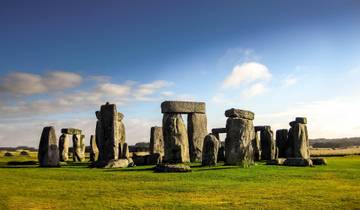
2 days
Windsor, Stonehenge, Bath & Oxford from London – 2 Days
- ✓ Comprehensive London tour
- ✓ Expert local guides included
- ✓ All accommodation arranged
- ✓ Transportation provided
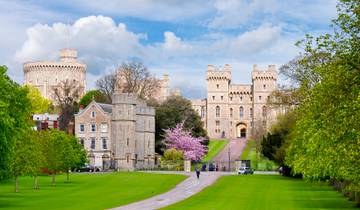
5 days
Classic England – 5 Days
- ✓ Comprehensive London tour
- ✓ Expert local guides included
- ✓ All accommodation arranged
- ✓ Transportation provided
5 days
Royal Indulgence | London, England
- ✓ Booking needs min. 2 travelers
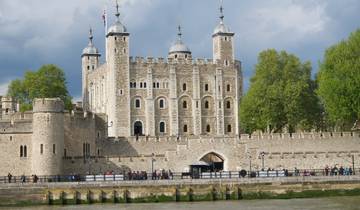
7 days
Spotlight on London (2026)
- ✓ Comprehensive London tour
- ✓ Expert local guides included
- ✓ All accommodation arranged
- ✓ Transportation provided
Multi-day tour packages powered by TourRadar. Prices and availability subject to change.
Roman Londinium: Foundation to Abandonment (AD 43-410)
Roman Invasion and Strategic Settlement
Roman legions under Emperor Claudius landed in Kent during summer AD 43, conquering southeast Britain within months and establishing military outposts at strategic locations. Engineers selected a Thames crossing point approximately 50 miles inland where tidal river narrowed sufficiently for bridge construction while maintaining depth for merchant vessels. This location, close to modern London Bridge, provided access to Britain’s interior via Roman roads while connecting to Channel ports and continental trade routes. Early Londinium consisted of military fortifications, wooden buildings, and wharves serving invasion forces and subsequent colonization efforts.
By AD 60, Londinium emerged as significant commercial center with timber-framed buildings, thriving port, and established merchant community attracting Roman and Celtic traders. Iceni tribe rebellion led by Queen Boudicca in AD 60-61 resulted in Londinium’s complete destruction as Celtic forces burned the settlement, killing inhabitants and destroying Roman infrastructure. Archaeological excavations reveal burned layer dating to this period with coins and charred debris marking devastation. Romans rebuilt Londinium with enhanced defenses, and by AD 100 the reconstructed city exceeded 60,000 residents with monumental architecture rivaling other provincial Roman capitals.
Roman Infrastructure and Urban Development
Second-century Londinium reached its peak with massive basilica and forum complex covering three acres, serving as administrative center, courthouse, and public gathering space. The basilica, measuring over 500 feet long, ranked among the Roman Empire’s largest north of Alps. Governor’s palace occupied modern Cannon Street area with elaborate mosaics, painted walls, and underfloor heating demonstrating Roman luxury. Public baths, amphitheater seating 6,000 spectators, and temple complex dedicated to Mithras provided social, entertainment, and religious functions typical of Roman urban centers.
Engineers constructed defensive walls between AD 190-225, encompassing roughly 330 acres in irregular rectangle following Thames shoreline and high ground. Walls stood 20 feet high and 8 feet thick with defensive gates at major roads entering city. Portions survive near Tower of London, Museum of London, and Barbican, marking original Roman settlement’s boundaries. Thames wharves extended along riverfront with wooden piers, warehouses, and customs facilities processing imports from Gaul, Spain, and Mediterranean. Roman roads radiated from Londinium to military outposts and settlements: Watling Street northwest toward Wales, Ermine Street north to York, and routes southeast to Channel ports.
Decline and Germanic Settlement
Fourth century brought challenges as Germanic raids increased, Roman military strength declined, and imperial administration weakened. Official Roman withdrawal around AD 410 left Londinium’s infrastructure deteriorating without maintenance. Population declined sharply as inhabitants abandoned the city, with archaeological evidence suggesting near-complete desertion by mid-5th century. Stone buildings collapsed, roads became overgrown, and Thames walls crumbled without Roman engineering expertise maintaining them. Anglo-Saxon settlers established Lundenwic approximately one mile west near modern Covent Garden, avoiding ruined Roman city that locals called “old city” or “fort.”
Roman wall ruins remained visible throughout medieval period, and Saxons eventually reoccupied the defended space within walls by 9th century. Roman infrastructure’s legacy persisted through street patterns, wall alignment, and bridge location that shaped medieval and modern London development. Archaeological discoveries continue revealing Roman Londinium beneath modern city, with Museum of London displaying mosaics, sculptures, pottery, and everyday objects illuminating life in Roman Britain’s capital during nearly four centuries of occupation.
Anglo-Saxon and Viking London (5th-11th Centuries)
Saxon Settlement and Christian Conversion
Anglo-Saxon settlers established Lundenwic during 6th century west of abandoned Roman city, developing trading settlement focused on Thames commerce and agricultural trade. Population remained modest at several thousand through early medieval period. Christianity’s reintroduction in 597 when St Augustine arrived from Rome transformed religious landscape, with first St Paul’s Cathedral consecrated in 604 on site of current baroque cathedral. Lundenwic served as East Saxon kingdom’s principal settlement and trading hub connecting Britain to continental European commerce networks.
Viking raids began late 8th century, with Danish armies conquering much of eastern England by 870s. King Alfred the Great recaptured London in 886, refortifying Roman walls and relocating settlement from Lundenwic to defended enclosure within Roman defenses. This reoccupied area became known as Lundenburgh (“London fortress”), while abandoned Lundenwic gained name Aldwych (“old settlement”). Alfred’s strategic decision to reuse Roman fortifications proved crucial for London’s defense and subsequent development, establishing pattern of settlement within Roman wall boundaries that persisted through medieval period.
Late Saxon Commercial Growth
Tenth century saw London’s commercial importance grow as political stability returned following Viking wars. Ethelred the Unready’s reign (978-1016) witnessed renewed Danish attacks, with London serving as key defensive position and payment center for Danegeld tribute taxes. Danish King Canute ruled England from 1016-1035, maintaining London as commercial center while governing from Winchester. Edward the Confessor (1042-1066) initiated Westminster Abbey’s construction, establishing royal ceremonial center separate from commercial City of London that created enduring dual character of London and Westminster as distinct but interconnected entities.
Late Saxon London developed distinctive governance structures with citizens’ assembly (folkmoot) meeting regularly to address civic matters. London’s wealth and military significance grew, with the city providing significant proportion of English military forces and tax revenues. Thames bridges, wharves, and markets expanded, connecting English agricultural production to European cloth trade and wine imports. London’s position controlling Thames crossing and serving as southeastern England’s primary port established commercial dominance that persisted beyond Saxon period into Norman conquest and medieval expansion.
Norman Conquest and Medieval Growth (1066-1485)
William the Conqueror and Norman London
Norman victory at Hastings in October 1066 brought London under William the Conqueror’s control, though the city initially resisted before accepting Norman rule. William granted London charter confirming Saxon laws and liberties, recognizing the city’s power and seeking merchant cooperation rather than confrontation. However, William built Tower of London immediately outside city walls as massive stone keep (White Tower) dominating skyline and controlling population through military presence. The Tower’s construction demonstrated Norman architectural superiority over Saxon building techniques while establishing permanent Norman authority symbol visible throughout London.
Norman aristocracy constructed stone castles, churches, and manor houses introducing Romanesque architecture featuring round arches, massive walls, and decorative stonework. Westminster Abbey’s reconstruction by Edward the Confessor (completed 1090s) established Gothic elements that influenced subsequent English religious architecture. Norman London’s population reached approximately 15,000-20,000, making it England’s largest city and one of northwestern Europe’s significant urban centers. French became court and aristocracy’s language, while English remained common people’s tongue, creating linguistic division lasting centuries.
Medieval Commercial Expansion
Twelfth and thirteenth centuries witnessed remarkable London growth as wool trade with Flanders enriched merchant class. Guilds organized craftspeople and tradespeople, controlling quality standards, training apprentices, and dominating civic governance through aldermen representation. Hanseatic League established trading post (Steelyard) facilitating Baltic commerce in furs, timber, and naval supplies. Italian banking houses including Medici maintained London branches financing crown and merchant ventures. Thames wharves expanded with specialized docks for different trades: Queenhithe for grain, Billingsgate for fish, Custom House for imports requiring tax assessment.
London Bridge, reconstructed in stone between 1176-1209, supported houses, shops, and chapel along its span, becoming famous thoroughfare and architectural achievement. Medieval London spread beyond Roman walls with suburbs growing in Southwark, Clerkenwell, and Westminster. City of London Corporation developed self-governance structures including Lord Mayor (first elected 1189), aldermen representing wards, and Common Council managing civic affairs. Charters from successive monarchs granted trading privileges, self-taxation rights, and judicial independence that strengthened London’s autonomy relative to crown authority.
Plague, War, and Social Upheaval
Black Death arrived in London during autumn 1348, killing an estimated 40,000-50,000 residents (40-60% of population) within months. Plague recurred periodically through 14th and 15th centuries, with major outbreaks in 1361, 1369, and 1471 maintaining population below pre-plague levels for generations. Labor shortages following plague increased wages, challenged feudal structures, and contributed to social tensions erupting in Peasants’ Revolt of 1381. Rebels occupied London for three days, destroying legal documents, killing officials including Archbishop of Canterbury, and demanding feudal system abolition before young King Richard II dispersed the revolt through promises and subsequent violent suppression.
Hundred Years’ War with France (1337-1453) strained English resources while creating military supply contracts enriching London merchants. Wars of the Roses (1455-1487) between York and Lancaster factions brought political instability, with London’s support shifting between claimants affecting national outcomes. Tower of London imprisoned losing nobles, with Princes in the Tower (Edward V and brother Richard) disappearing mysteriously in 1483 during Richard III’s usurpation. Despite political turmoil, London’s commercial importance grew, with cloth exports and financial services establishing the city as northwestern Europe’s commercial hub rivaling Bruges and Antwerp.
Tudor London: Renaissance and Reformation (1485-1603)
Henry VIII and Religious Transformation
Tudor dynasty’s establishment in 1485 brought political stability enabling London’s cultural and economic flowering. Henry VII’s fiscal policies and marriage alliances strengthened royal finances while expanding trade connections. Henry VIII’s reign (1509-1547) dramatically transformed London through religious upheaval as the king broke with Roman Catholic Church, establishing Church of England with monarch as supreme head. Dissolution of Monasteries (1536-1541) transferred enormous monastic properties to crown and aristocratic supporters, with religious houses, hospitals, and charitable institutions throughout London seized and redistributed.
Former monastic lands became aristocratic mansions, with properties along Strand connecting City to Westminster developing as nobleman’s residences. Religious institutions’ destruction eliminated social welfare systems, creating increased poverty and social challenges that successive governments struggled addressing. Protestant theology reshaped religious practice, with English-language Bible and prayer books replacing Latin mass. Religious artwork, stained glass, and sculptures destroyed as “idolatrous,” fundamentally altering church interiors and artistic traditions. Religious volatility continued through Edward VI’s Protestant reforms (1547-1553) and Mary I’s Catholic restoration (1553-1558), with heresy executions at Smithfield burning grounds creating climate of fear and sectarian division.
Elizabethan Cultural Renaissance
Elizabeth I’s reign (1558-1603) witnessed London’s transformation into cultural capital as theaters, literature, and arts flourished. Playhouses including The Theatre, The Curtain, and The Globe opened in Southwark and Shoreditch outside city authorities’ jurisdiction, presenting works by William Shakespeare, Christopher Marlowe, and Ben Jonson to diverse audiences. Shakespeare’s plays performed at Globe Theatre from 1599 established English dramatic tradition influencing world literature. Printing houses proliferated, spreading reformed religion texts, classical works translated into English, and emerging English literary traditions.
Exploration and maritime trade expanded dramatically as English ships challenged Spanish and Portuguese dominance. Francis Drake circumnavigated globe (1577-1580), returned with enormous Spanish treasure, and received knighthood aboard Golden Hinde at Deptford. East India Company charter in 1600 initiated Asian trade that eventually controlled vast territories and generated extraordinary wealth. Royal Exchange, opened 1571, created formal merchants’ meeting space modeled on Antwerp bourse, establishing London as international financial center. Population doubled during Elizabeth’s reign from approximately 120,000 to 200,000, with immigration from countryside and foreign Protestant refugees from continental religious conflicts contributing to growth.
Urban Development and Social Structure
Tudor London expanded beyond medieval boundaries with fashionable residences developing westward toward Westminster, while dense working-class neighborhoods grew east toward Docks. Wealthy merchants built timber-framed houses with elaborate facades, projecting upper stories, and decorative plasterwork. Inns of Court near Holborn trained lawyers in common law system, creating professional legal class distinct from clerical training. Grammar schools and private tutors educated middle and upper classes in Latin, Greek, and classical learning influenced by Renaissance humanism spreading from Italy.
Poverty increased as population growth, agricultural enclosures, and inflation created visible underclass. Bear-baiting, bull-baiting, and public executions at Tyburn provided popular entertainment across social classes. Plague remained constant threat, with major outbreaks in 1563 and 1593 killing tens of thousands. Thames remained primary water source and sewage disposal system, creating public health hazards. Despite challenges, Tudor London emerged as confident, culturally vibrant, and economically dynamic city positioned for 17th-century expansion and conflicts.
Stuart London: Civil War and Catastrophe (1603-1714)
Early Stuart Tensions and Civil War
James I’s succession (1603) united English and Scottish crowns while religious and political tensions simmered. Gunpowder Plot (1605) attempted to blow up Parliament and king during state opening, with plotters arrested and executed after Catholic extremist conspiracy discovered. Charles I’s conflicts with Parliament over taxation and religious policy escalated to Civil War (1642-1651), with London supporting Parliamentary cause providing financial resources and military forces crucial to victory. Charles I’s execution at Whitehall in 1649 shocked European monarchies and established Commonwealth under Oliver Cromwell’s Puritan dictatorship.
Cromwell’s Commonwealth (1649-1660) suppressed traditional celebrations, closed theaters, and enforced strict religious observance. London’s commercial interests chafed under Puritan restrictions while appreciating political stability and naval victories against Dutch rivals. Cromwell’s death in 1658 created succession crisis leading to monarchy’s restoration in 1660 when Charles II returned to enthusiastic welcome. Restoration brought relaxed social atmosphere, reopened theaters with women performing for first time, and encouraged scientific inquiry through Royal Society’s formation in 1660 bringing together leading natural philosophers.
Great Plague and Great Fire
Great Plague arrived summer 1665, ultimately killing approximately 100,000 Londoners (15-20% of population) by autumn 1666. Disease spread rapidly through overcrowded parishes with poor sanitation, peaking during hot August weather. Wealthy residents fled to countryside estates while working poor remained trapped in infected areas. Red crosses marked infected houses with inhabitants sealed inside for 40 days. Bodies transported nightly to plague pits for mass burials. Cold weather’s arrival in autumn 1666 reduced transmission as plague slowly dissipated, ending London’s centuries-long plague cycle.
Great Fire began September 2, 1666, in Pudding Lane bakery, spreading quickly through timber-framed buildings during dry conditions and strong winds. Fire burned four days, consuming 13,200 houses, 87 churches, St Paul’s Cathedral, and major civic buildings across 436 acres. Samuel Pepys’s diary provides eyewitness account of fire’s progress and population’s panic. King Charles II directed firefighting efforts, ordering building demolitions to create firebreaks. Medieval London disappeared, enabling wholesale reconstruction with improved building regulations, wider streets, and brick construction preventing similar catastrophe.
Reconstruction and Late Stuart Development
Christopher Wren led rebuilding efforts, designing 51 replacement churches including masterpiece St Paul’s Cathedral (1675-1710). Wren’s baroque designs introduced continental European architectural sophistication, with mathematical proportions, classical orders, and elaborate decoration. Though grand plans for total city redesign proved financially impossible, incremental rebuilding created improved urban environment. Building regulations mandated brick construction, stone foundations, and fireproof materials. Streets widened slightly, though medieval property boundaries generally remained respected due to ownership complications.
Financial services expanded dramatically as Bank of England’s foundation in 1694 created national banking system, government debt instruments, and credit expansion fueling commercial growth. Stock Exchange dealings increased, with joint-stock companies raising capital for trading ventures, manufacturing enterprises, and colonial plantations. London’s population reached 500,000 by 1700, making it Europe’s largest city. Glorious Revolution of 1688 replaced Catholic James II with Protestant William III and Mary II, establishing parliamentary supremacy over royal prerogative and creating constitutional monarchy framework persisting today. Act of Union 1707 united England and Scotland, with London becoming Great Britain’s capital and Westminster hosting new British Parliament.
Georgian London: Elegance and Expansion (1714-1837)
Architectural Development and West End Growth
Georgian period witnessed systematic westward expansion as aristocratic estates developed into elegant squares surrounded by terraced houses. Grosvenor Square, Berkeley Square, and Bedford Square exemplified Georgian planning with central gardens, unified facades, and restricted commercial activity. Architects including John Nash, Robert Adam, and James Wyatt created neoclassical buildings employing Greek and Roman architectural elements with mathematical proportions and refined decoration. Regent Street, designed by Nash as ceremonial route connecting Carlton House to Regent’s Park, demonstrated urban planning ambition with curved colonnades and palatial facades.
Terraced houses featured standardized designs with four-to-five stories, sash windows, decorative doorways, and service basements. Iron railings, Portland stone facades, and classical proportion created unified streetscapes still characterizing Bloomsbury, Marylebone, and Mayfair. Building speculation financed construction, with developers leasing land from aristocratic estates on 99-year leases. Middle-class professionals occupied newly built areas while working classes remained in East End’s crowded courts and alleys. Social geography divided city sharply between fashionable western neighborhoods and impoverished eastern districts near docks and industries.
Enlightenment Science and Culture
Enlightenment intellectual currents flourished as Royal Society advanced scientific knowledge through experimental method. Isaac Newton served as Society president, publishing Principia Mathematica establishing laws of motion and universal gravitation. Royal Observatory at Greenwich coordinated astronomical observations solving longitude navigation problem through Harrison’s marine chronometers. British Museum opened 1759, providing public access to antiquities, natural history specimens, and library collections embodying enlightenment beliefs in universal knowledge and public education.
Coffeehouses proliferated as social institutions where merchants, professionals, and intellectuals discussed politics, science, and philosophy. Lloyd’s Coffee House evolved into Lloyd’s of London insurance market, while Jonathan’s Coffee House became Stock Exchange’s precursor. Newspapers and periodicals including The Spectator and The Gentleman’s Magazine spread ideas and news. Literary culture flourished through Samuel Johnson’s dictionary compilation, Oliver Goldsmith’s essays, and novel emergence as literary form through Daniel Defoe, Samuel Richardson, and Henry Fielding. Theater thrived at Drury Lane and Covent Garden playhouses presenting Shakespeare revivals and contemporary comedies.
Industrial Revolution Beginnings
Late Georgian period brought industrial transformation as manufacturing workshops expanded, new technologies emerged, and labor migration increased. Thames docks expanded eastward with specialized facilities: West India Docks (1802), London Docks (1805), and East India Docks (1806) handling growing global trade. Warehouses stored imported goods including sugar, tea, tobacco, and manufactured products. Workshops produced clothing, furniture, precision instruments, and luxury goods for domestic and export markets. Population reached 1 million by 1801, doubling to 2 million by 1837 through rural migration and Irish immigration.
Transportation improvements included new bridges spanning Thames: Westminster Bridge (1750), Blackfriars Bridge (1769), and multiple others reducing congestion on London Bridge. Regent’s Canal (opened 1820) connected industrial areas to Paddington Basin and national canal network, facilitating bulk goods transport. Gas lighting, introduced early 19th century, illuminated streets and reduced crime while enabling extended commercial hours. Poverty remained severe in eastern and southern districts, with Charles Dickens’s novels later depicting harsh conditions in workhouses, debtors’ prisons, and slums. Reform movements addressed social problems through charitable organizations, while political agitation for voting rights expanded culminating in Great Reform Act 1832 increasing middle-class parliamentary representation.
Victorian London: Empire Capital (1837-1901)
Population Explosion and Urban Challenges
Victorian era witnessed unprecedented urban growth as London population increased from 2 million (1837) to 6.7 million (1901), making it world’s largest city and British Empire’s capital. Rural migration, Irish famine refugees, and natural increase crowded working-class districts into notorious slums including Whitechapel, Bethnal Green, and Seven Dials. Overcrowding, inadequate sanitation, and polluted water created public health crises with cholera epidemics in 1832, 1849, 1854, and 1866 killing tens of thousands. Dr. John Snow’s 1854 investigation linking Broad Street pump to cholera outbreak established epidemiological methods proving waterborne disease transmission.
Social reformers including Charles Booth documented poverty through systematic surveys revealing that 30% of Londoners lived below poverty line. Housing reformers like Octavia Hill purchased slum properties implementing sanitation improvements and rent collection reforms. Philanthropists including George Peabody funded model housing blocks providing affordable apartments with modern facilities. Despite reform efforts, extreme inequality persisted with opulent West End mansions contrasting starkly against East End rookeries where families crowded into single rooms lacking running water or proper sewage disposal.
Infrastructure Revolution
Metropolitan Board of Works, established 1855, coordinated infrastructure improvements across expanding metropolis. Joseph Bazalgette designed comprehensive sewage system constructing 82 miles of brick sewers intercepting waste before Thames discharge, dramatically reducing cholera and improving river water quality. Victoria Embankment, built 1864-1870, reclaimed Thames shoreline creating public promenade while housing sewers and underground railway. Thames Embankments transformed riverfront from mudflats and wharves into ordered granite walls with gardens and roadways.
Metropolitan Railway opened 1863 as world’s first underground railway, linking Paddington to Farringdon using covered-trench construction. Subsequent lines including District, Circle, and Metropolitan extensions created underground network enabling suburban expansion. Steam locomotives initially hauled trains through tunnels, with electrification beginning 1890s improving air quality. Suburban railways radiated from terminal stations including King’s Cross, St Pancras, Paddington, and Victoria, connecting city to expanding suburbs in Middlesex, Surrey, and Essex. Omnibus services and later electric trams provided street-level mass transit, with red buses becoming iconic London symbol.
Imperial Grandeur and Cultural Achievements
Great Exhibition 1851 showcased British industrial and colonial achievements in Joseph Paxton’s innovative Crystal Palace, attracting 6 million visitors to Hyde Park displays. Exhibition profits funded South Kensington museum complex including Victoria and Albert Museum, Natural History Museum, and Science Museum creating cultural district. Royal Albert Hall (1871) provided concert venue, while Albert Memorial commemorated Queen Victoria’s consort with elaborate Gothic monument. Imperial symbolism permeated architecture with Buckingham Palace’s eastern facade (1850s), Tower Bridge (1894), and numerous statues celebrating military victories and colonial expansion.
Literary culture flourished through Charles Dickens depicting urban life’s harsh realities, Brontë sisters’ novels, and George Eliot’s intellectual fiction. Pre-Raphaelite artists including Dante Gabriel Rossetti challenged academic painting traditions. Music halls provided working-class entertainment, while West End theaters presented serious drama and musical comedies. Newspaper circulation increased dramatically as literacy rates rose, with penny press making journalism accessible to working classes. Department stores including Harrods and Selfridges revolutionized retail with fixed prices, extensive merchandise displays, and middle-class consumer culture.
Twentieth Century: War and Transformation (1901-2000)
Edwardian Era and World War I
Edwardian period (1901-1914) continued Victorian expansion while social tensions increased. Suffragette movement demanded women’s voting rights through demonstrations, hunger strikes, and property destruction. Labor movement grew strength as trade unions organized unskilled workers, with dock strikes and transport strikes challenging industrial relations. Liberal government implemented social reforms including old-age pensions (1908) and national insurance (1911) creating welfare state foundations. Population reached 7.2 million by 1911 as suburbs expanded along railway lines into Middlesex and Surrey countryside.
World War I (1914-1918) brought first aerial bombing as German Zeppelin and Gotha bomber raids killed 670 Londoners and damaged buildings. Blackout regulations darkened streets, while anti-aircraft guns and searchlights defended against air attacks. Women entered workforce replacing men serving in military, operating buses, manufacturing munitions, and staffing government offices. War memorials erected across city commemorated enormous casualties, with Cenotaph on Whitehall becoming national war memorial after 1919 unveiling. Post-war housing shortage prompted suburban expansion as “Metroland” developments along Metropolitan Railway attracted middle-class commuters to mock-Tudor semi-detached houses.
World War II and the Blitz
World War II brought catastrophic destruction as German Luftwaffe conducted sustained bombing campaign (the Blitz) from September 1940 through May 1941. Over 20,000 Londoners died in air raids, with 1.4 million houses damaged or destroyed. East End bore disproportionate bombing due to docks and industrial targets, with entire neighborhoods reduced to rubble. Historic buildings including Houses of Parliament, British Museum, and numerous churches sustained damage. December 29, 1940 firestorm destroyed large City of London area, with St Paul’s Cathedral surviving despite surrounding devastation in iconic photographs symbolizing British resilience.
Underground stations served as bomb shelters housing tens of thousands nightly, with platforms converted to sleeping quarters. Civil defense organizations including Home Guard, air raid wardens, and fire watchers maintained order and assisted casualties. V-1 flying bombs and V-2 rockets struck London 1944-1945, killing additional thousands in final war phase. Victory in Europe (VE Day, May 8, 1945) brought massive celebrations in Trafalgar Square and Piccadilly Circus, though post-war austerity and rebuilding challenges extended for decades.
Post-War Reconstruction and Immigration
Post-war reconstruction transformed London through comprehensive planning. Festival of Britain (1951) on South Bank celebrated recovery with modernist architecture and optimistic design. New Towns including Stevenage, Harlow, and Basildon relocated population from bomb-damaged areas. Council estates replaced Victorian slums with tower blocks and modern apartments, though architectural quality varied significantly. Comprehensive redevelopment destroyed historic neighborhoods in Bermondsey, Islington, and Southwark, with traffic-focused planning demolishing buildings for road widening.
Commonwealth immigration transformed London’s demographic composition as West Indians, South Asians, and Africans arrived seeking employment. Windrush generation from Caribbean settled in Brixton, Notting Hill, and Hackney, while South Asian communities developed in Tower Hamlets, Southall, and Wembley. Initial tensions and discrimination gradually gave way to multicultural integration, with London becoming one of world’s most diverse cities. Swinging London of 1960s saw cultural explosion in music, fashion, and youth culture centered on Carnaby Street, King’s Road, and West End. Economic decline and deindustrialization during 1970s-1980s brought challenges, with unemployment, racial tensions, and urban decay affecting inner-city areas.
Modern London: Financial Hub and Global City
Financial deregulation (Big Bang, 1986) transformed City of London into global financial center attracting international banks and generating enormous wealth. Canary Wharf development in former Docklands created second financial district with skyscrapers including Canada Tower (1991). London population reached lowest point of 6.7 million in 1980s before rebounding through immigration and urban regeneration to surpass 8 million by 2010s. Thames barrier (opened 1984) protected against tidal flooding enabling riverside redevelopment.
Millennium projects including Tate Modern (2000), London Eye (2000), and Millennium Bridge (2000) revitalized South Bank. Olympic Games 2012 regenerated East London with Olympic Park, improved transport infrastructure, and residential development. Modern London emerged as truly global city with 300+ languages spoken, diverse cuisine from all continents, and international population working in finance, technology, creative industries, and services. Historic preservation balanced with modern development, with UNESCO World Heritage Sites protected while contemporary architecture including The Shard and Gherkin created dramatic skyline. London’s historical layers remain visible from Roman walls through Georgian squares to Victorian warehouses converted to luxury apartments, demonstrating continuous evolution across two millennia.
Frequently Asked Questions About London History
Why did Romans choose London’s location?
Romans selected London’s location due to strategic Thames crossing point approximately 50 miles inland where river narrowed sufficiently for bridge construction while maintaining adequate depth for merchant vessels. This position provided optimal balance between maritime access to continental Europe and overland access to Britain’s interior via Roman road network. The site offered defensible high ground on north bank, while tidal Thames connected to Channel ports essential for supplying invasion forces and subsequent colonial administration. Archaeological evidence suggests no significant pre-Roman settlement at precise location, indicating Romans identified and developed the strategic site during AD 43 invasion planning.
How many times has London been destroyed?
London suffered catastrophic destruction at least five times throughout history. Queen Boudicca’s Celtic rebellion in AD 60-61 completely burned Roman Londinium, with archaeological layers of ash, burned debris, and coins marking devastation. Great Fire of 1666 destroyed approximately 80% of City of London within medieval walls, consuming 13,200 houses and 87 churches across 436 acres. World War II Blitz (1940-1941) killed over 20,000 residents while damaging or destroying 1.4 million buildings through sustained German bombing. While not total destruction, Black Death (1348-1349) and Great Plague (1665) killed 40-60% of population representing demographic catastrophes. V-1 and V-2 attacks (1944-1945) caused additional significant destruction in war’s final phase. Despite repeated devastation, London consistently rebuilt stronger and larger, demonstrating remarkable resilience across two millennia.
What is the oldest building still standing in London?
White Tower at Tower of London, completed approximately 1097 during William the Conqueror’s reign, represents London’s oldest largely intact major building. Though Roman walls survive in fragments near Museum of London and Barbican, these represent infrastructure rather than complete buildings. Chapel of St John within White Tower contains original Norman architecture with massive pillars, rounded arches, and vaulted ceiling dating to 11th century. Westminster Abbey contains portions from 1250s including Chapter House, though most visible structure dates to 13th-16th century construction. St Bartholomew-the-Great in Smithfield retains Norman chancel and crossing from 1123 foundation, making it London’s oldest church interior. Temple Church, built 1160-1185 by Knights Templar, displays Romanesque architecture with distinctive circular nave. These surviving medieval structures provide tangible connections to London’s distant past.
Why does London have two ancient centers: City and Westminster?
London’s dual centers resulted from separate developments: City of London evolved from Roman Londinium as commercial and merchant center within Roman walls, while Westminster developed from 11th century as royal ceremonial and governmental center around Westminster Abbey and Palace. Edward the Confessor’s decision to build Westminster Abbey and adjacent palace approximately two miles west of City created distinct royal sphere separate from merchant-dominated City. This separation persisted through medieval period as City maintained self-governance through Lord Mayor and Corporation, while Westminster housed monarchy, courts, and later Parliament. Strand area between City and Westminster developed as aristocratic corridor connecting both centers. Geographic separation enabled City to preserve commercial independence and self-government traditions while Westminster concentrated political and ceremonial functions, creating complementary rather than competing centers whose distinct characters persist today.
How did London become capital of British Empire?
London became imperial capital through gradual accumulation of commercial, financial, and political functions across several centuries. Tudor maritime expansion initiated global reach through exploration, piracy, and trading company charters. East India Company (chartered 1600) established Asian trade networks eventually controlling vast territories administered from London offices. Stuart period saw Caribbean and North American colonization, with London merchants financing plantations and slave trade generating enormous profits. Georgian era brought parliamentary supremacy and financial innovations including Bank of England and Stock Exchange creating capital-raising mechanisms for imperial expansion. Victorian era consolidated empire with London as undisputed administrative, financial, and symbolic center where Colonial Office bureaucrats governed global territories, merchant banks financed railways and mines, and royal ceremonies celebrated imperial grandeur. Maritime Greenwich’s royal observatories and naval college supported navigation advances essential to global naval supremacy, while Royal Botanic Gardens at Kew coordinated botanical transfers between colonies. By late 19th century, London ruled empire covering quarter of Earth’s land surface through concentrated political power, financial control, and transportation networks radiating from capital.
What caused the Great Fire of London to spread so quickly?
Great Fire spread rapidly due to multiple factors: medieval City contained densely packed timber-framed buildings with projecting upper stories creating continuous fuel sources, September 1666 followed exceptionally dry summer reducing moisture content in wooden structures, and strong east winds blew flames building-to-building faster than firefighting efforts could contain. Buildings featured thatched roofs, pitch waterproofing, and stored combustible materials including tallow, oil, and spirits. Narrow medieval streets prevented effective firebreaks while hampering firefighting equipment access. Initial response delayed as Lord Mayor Thomas Bloodworth underestimated fire danger, refusing to authorize building demolitions that might have contained spread. Leather buckets and manual pumps proved inadequate against conflagration intensity. Fire burned four days before wind changes and building demolitions created effective firebreaks near Tower of London. Ironically, fire’s destruction enabled comprehensive rebuilding with improved building codes mandating brick construction, stone foundations, and wider streets preventing similar catastrophe.
How did World War II change London permanently?
World War II bombing destroyed approximately 30% of City of London buildings and damaged residential areas throughout metropolis, necessitating comprehensive post-war reconstruction. Modernist planning principles replaced Victorian neighborhoods with tower blocks, wide roads, and separated functions changing urban fabric fundamentally. Historic preservation awareness increased following war losses, leading to conservation movements protecting remaining heritage. Social changes included women’s expanded workforce participation continuing after war, welfare state expansion through National Health Service and social housing, and breakdown of rigid class structures. Commonwealth immigration transformed London demographically as West Indians, South Asians, and Africans rebuilt nation, creating multicultural city. Deindustrialization accelerated as bomb-damaged factories never reopened, shifting economy toward services and eventually financial center dominance. Psychologically, Blitz solidarity created national mythology of resilience while shared sacrifice experience influenced post-war social democratic consensus. Physical scars remained visible for decades through bombsites, partially destroyed churches, and gap-toothed streetscapes, with some ruins preserved as war memorials. London emerged from war as diminished global power capital but evolved into diverse, modern metropolis fundamentally different from pre-war imperial city.
Why is London called “The Smoke”?
London gained nickname “The Smoke” or “The Old Smoke” during Industrial Revolution due to overwhelming coal smoke pollution from domestic heating, factories, and railway engines creating dense smog enveloping city. Victorian era saw millions of coal fires burning simultaneously, with smoke particles mixing with fog creating infamous “pea-soupers” – thick yellow-green smogs reducing visibility to few feet. Charles Dickens frequently described foggy, smoky London atmosphere in novels. Great Smog of December 1952, worst pollution event, killed approximately 12,000 people through respiratory problems over four days, leading to Clean Air Act 1956 establishing smokeless zones and emissions controls. Nickname persisted culturally even as air quality dramatically improved through clean air legislation, natural gas heating adoption replacing coal, and deindustrialization eliminating heavy manufacturing. Modern London enjoys far better air quality than Victorian period, though diesel vehicle emissions and urban pollution remain ongoing concerns. Historical nickname reflects London’s industrial heritage and dramatic environmental transformation over past 150 years.
What happened to medieval London?
Medieval London disappeared largely through Great Fire of 1666 which destroyed approximately 80% of City within Roman walls, eliminating timber-framed buildings, thatched roofs, and cramped medieval street patterns. Surviving medieval structures include Tower of London, parts of Westminster Abbey, Temple Church, and handful of churches including St Bartholomew-the-Great. Victorian redevelopment demolished remaining medieval buildings as slum clearance and road widening projects prioritized traffic flow over historic preservation. World War II bombing eliminated additional medieval remnants in areas spared by Great Fire. Modern development continues revealing archaeological remains during construction, with Museum of London displaying excavated medieval artifacts, pottery, and structural remains. Some medieval street patterns survive in City of London despite building replacement, with Cheapside, Poultry, and Threadneedle maintaining approximate medieval alignments. Westminster Hall within Palace of Westminster preserves finest medieval timber roof from 1097. Overall, remarkably little medieval architecture survives intact, with London’s medieval character known primarily through archaeological excavation, historical documents, and artistic depictions rather than standing buildings.
How did Thames shape London’s development?
Thames River fundamentally determined London’s existence and growth as tidal waterway providing maritime access to continental Europe while penetrating inland Britain. Romans selected Thames crossing point for Londinium’s founding, with bridge and port facilities establishing city’s commercial function. Medieval period saw Thames as primary transportation corridor with river traffic preferred over poor road conditions. Wharves, docks, and warehouses lined riverbanks processing wool exports and wine imports. London Bridge remained sole Thames crossing until 1750, concentrating traffic and commerce around bridge approaches. Tudor exploration and Stuart colonial expansion made Thames gateway to global trade networks, with ships docking at Legal Quays near Tower of London. Georgian period brought additional bridges and expanded dock facilities east toward Blackwall and Isle of Dogs. Victorian era created specialized docks: West India Docks for sugar, London Docks for wine and brandy, East India Docks for Asian goods. Thames pollution from sewage and industrial waste created public health crises addressed through Bazalgette’s embankment and sewage system. Modern period saw industrial decline, dock closures, and riverside redevelopment into residential and cultural quarters, with Thames transforming from working river to recreational and heritage asset while maintaining symbolic importance as London’s defining geographic feature.