London Cultural Significance Guide: Heritage & Global Impact
Key Takeaways
- London established the Westminster parliamentary system that became the democratic model for nations worldwide, fundamentally shaping modern governance
- The city serves as the birthplace of the English language literary tradition, producing Shakespeare, Dickens, and the modern novel format
- London’s theatrical district pioneered professional theater culture and continues defining global performance standards through the West End
- Royal ceremonies and constitutional monarchy traditions centered in London influence diplomatic protocol and state ceremony worldwide
- The city’s multicultural evolution demonstrates successful integration of immigrant communities while preserving historical identity
- London’s UNESCO World Heritage sites represent pivotal moments in architectural, political, and scientific human achievement
Introduction: Understanding London’s Global Cultural Impact
London stands as one of the most culturally significant cities in human history, having shaped global governance systems, literary traditions, theatrical arts, scientific advancement, and modern urban culture over two millennia. The city’s cultural impact extends far beyond its geographic boundaries, influencing democratic institutions, linguistic development, artistic movements, and social structures across continents. Understanding London’s cultural significance requires examining its role as the capital of the British Empire, the birthplace of parliamentary democracy, the center of English literary tradition, and a continuing global cultural capital.
The city’s four UNESCO World Heritage sites—the Tower of London, Palace of Westminster, Maritime Greenwich, and Kew Gardens—represent tangible manifestations of cultural achievements that transformed human civilization. These sites embody pivotal developments in political systems, scientific exploration, architectural innovation, and botanical knowledge. Beyond these designated heritage locations, London’s cultural significance permeates neighborhoods, institutions, traditions, and social practices that continue shaping contemporary global culture.
London’s transformation from a Roman settlement to medieval trading center, imperial capital, and modern multicultural metropolis reflects broader patterns of human cultural evolution. The city absorbed influences from successive waves of immigration while maintaining distinct cultural identity, creating a unique synthesis of tradition and innovation. This cultural complexity makes London an essential study for understanding how urban centers generate, preserve, and transmit cultural significance across generations and geography.
People Also Ask About London Cultural Significance
Why is London considered culturally significant?
London’s cultural significance stems from its foundational role in developing democratic governance systems, establishing the English literary tradition, pioneering modern theater, advancing scientific knowledge, and creating architectural innovations that influenced global urban development. The city served as the capital of the British Empire at its height, spreading English language, common law legal systems, parliamentary democracy, and cultural practices across one-quarter of the world’s population. London institutions—from the British Museum to the Royal Society—became models for similar organizations worldwide. The city’s cultural output in literature, theater, music, art, and philosophy shaped Western civilization fundamentally, while its evolution into a multicultural metropolis demonstrates successful integration of diverse populations within a cohesive urban identity.
What cultural traditions originated in London?
London originated parliamentary democracy through the Westminster system, establishing the model of constitutional monarchy and representative government that spread to nations globally. The city created professional theater culture through Elizabethan playhouses and continues this tradition through West End theatrical production. London developed the modern novel format through authors like Defoe, Fielding, and Richardson. The city established Christmas carol traditions, afternoon tea rituals, and pub culture that became synonymous with British identity. London originated scientific societies like the Royal Society that formalized scientific methodology. The city developed constitutional law traditions, common law legal precedents, and judicial systems adopted by numerous countries. London established museum culture through institutions like the British Museum that made cultural artifacts accessible to the public.
How did London influence world culture?
London influenced world culture through its role as imperial capital, spreading English language, legal systems, governmental structures, educational models, and cultural practices throughout the British Empire. The city’s literary output—from Shakespeare to Dickens to contemporary authors—shaped global literary traditions and storytelling conventions. London’s theatrical tradition established performance standards and genres that theaters worldwide emulate. The city’s architectural innovations, from Georgian terraces to Victorian railway stations, influenced urban design globally. London’s scientific institutions advanced knowledge in physics, biology, chemistry, and astronomy that benefited humanity universally. The city’s musical contributions—from Handel to the Beatles to contemporary genres—shaped popular culture across continents. London’s fashion, cuisine, media, and arts continue influencing global trends through cultural exports and international exchange.
What makes London’s cultural heritage unique?
London’s cultural heritage uniqueness lies in its continuous occupation and evolution over two millennia, creating layered historical depth visible in the urban landscape. The city successfully preserved medieval, Tudor, Georgian, Victorian, and modern architectural elements while functioning as a contemporary metropolis. London maintains living traditions—from royal ceremonies to parliamentary procedures to legal customs—that connect directly to medieval precedents while adapting to contemporary contexts. The city balances preservation of historical identity with multicultural evolution, incorporating immigrant communities while maintaining distinct British character. London’s institutional continuity—with organizations like the Tower of London, Westminster Abbey, and the Inns of Court operating for centuries—creates cultural stability rare in major cities. This combination of historical depth, institutional continuity, cultural diversity, and ongoing innovation makes London’s heritage globally distinctive.
Extended multi-day tours – 5+ days
Featured London Multi-Day Tour Packages

2 days
Windsor, Stonehenge, Bath & Oxford from London – 2 Days
- ✓ Comprehensive London tour
- ✓ Expert local guides included
- ✓ All accommodation arranged
- ✓ Transportation provided
5 days
Classic England – 5 Days
- ✓ Comprehensive London tour
- ✓ Expert local guides included
- ✓ All accommodation arranged
- ✓ Transportation provided
5 days
Royal Indulgence | London, England
- ✓ Booking needs min. 2 travelers
7 days
Spotlight on London (2026)
- ✓ Comprehensive London tour
- ✓ Expert local guides included
- ✓ All accommodation arranged
- ✓ Transportation provided
Multi-day tour packages powered by TourRadar. Prices and availability subject to change.
Parliamentary Democracy and Governance Legacy
The Palace of Westminster represents London’s most profound cultural contribution to human civilization: the development of parliamentary democracy and constitutional governance. The Westminster system emerged gradually from medieval councils advising monarchs into representative government balancing crown, parliament, and judiciary. This evolution created the model for democratic governance adopted by nations across the Commonwealth and beyond, fundamentally shaping modern political systems. The principles of legislative sovereignty, ministerial responsibility, loyal opposition, and constitutional monarchy originated in Westminster’s chambers and corridors.
The signing of Magna Carta in 1215, though occurring outside London, established legal principles that Westminster refined over centuries. The document’s assertion that monarchs operate under law rather than above it became foundational to constitutional government. Westminster developed these principles through parliamentary evolution, creating checks and balances that limited arbitrary power. The Glorious Revolution of 1688 established parliamentary supremacy over royal authority, cementing constitutional monarchy as a stable governmental form combining traditional legitimacy with democratic accountability.
Parliament’s chamber design—with government and opposition facing each other across the floor—created adversarial democracy’s physical manifestation. This spatial arrangement encourages debate, scrutiny, and accountability while maintaining civility through procedural rules. The Speaker’s role as impartial arbiter, the division lobbies for voting, and the traditions governing parliamentary procedure all originated in Westminster and spread to legislatures worldwide. Countries from Canada to Australia to India adapted Westminster parliamentary systems, spreading London’s democratic innovations globally.
The development of political parties, cabinet government, and prime ministerial authority emerged from Westminster practice rather than constitutional design. These conventions—unwritten rules governing political behavior—demonstrate how London’s political culture innovated governance structures through tradition rather than formal law. The concept of “loyal opposition”—that challenging government serves democratic function rather than sedition—originated in Westminster and fundamentally changed political discourse. This innovation allowed peaceful transfer of power between rival factions, replacing violent regime change with electoral competition.
London’s legal institutions complemented parliamentary development by establishing common law traditions that balanced precedent with adaptation. The Inns of Court trained lawyers in legal reasoning that valued practical resolution over theoretical purity. This pragmatic legal tradition, combined with Westminster’s political innovations, created governance systems emphasizing evolutionary change over revolutionary rupture. The cultural significance of these contributions cannot be overstated—they provided alternatives to authoritarian rule and violent political change, offering pathways to democratic governance that preserved social stability.
Literary Heritage and Language Development
London’s literary significance begins with Geoffrey Chaucer’s Canterbury Tales, written in Middle English rather than Latin or French, establishing English as a literary language. This decision had profound cultural consequences, democratizing literature by making it accessible to broader audiences. Chaucer’s work demonstrated that English could express complex ideas, subtle emotions, and sophisticated narratives equal to classical languages. His choice validated vernacular literature and encouraged subsequent authors to write in English rather than Latin, fundamentally shaping linguistic and literary development.
The city’s theatrical tradition reached its apex with William Shakespeare, whose plays performed in London’s Globe Theatre created the most influential body of work in English literature. Shakespeare’s linguistic innovations—he coined thousands of words and phrases still used today—expanded English vocabulary and expressive range. His dramatic techniques, character development, plot structures, and thematic explorations established templates that writers worldwide continue employing. Shakespeare’s work demonstrated English literature’s capacity for philosophical depth, psychological insight, and poetic beauty, elevating the language’s cultural status internationally.
London’s coffeehouses and literary salons in the 17th and 18th centuries created spaces where writers, philosophers, and intellectuals exchanged ideas that shaped Enlightenment thought. These venues fostered literary culture that valued wit, reason, and civilized debate. The development of periodical literature—from The Spectator to The Tatler—emerged from these coffeehouse conversations, creating new literary forms that combined entertainment with social commentary. This periodical tradition influenced essay writing, journalism, and public discourse, establishing conventions that continue governing written communication.
The novel format developed in London through authors like Daniel Defoe, Samuel Richardson, and Henry Fielding, who experimented with extended prose narratives exploring individual consciousness and social relationships. Robinson Crusoe, Pamela, and Tom Jones established conventions for character development, plot structure, and narrative voice that defined the novel form. This literary innovation provided new ways of examining human experience, offering psychological depth and social observation that poetry and drama could not achieve. The novel became the dominant literary form of the modern era, and London authors established its fundamental characteristics.
Victorian London produced literary giants whose works addressed industrial society’s challenges while entertaining mass audiences. Charles Dickens portrayed urban poverty, social injustice, and class conflict in novels that combined moral purpose with compelling storytelling. His serialized publication format made literature accessible to working-class readers, democratizing literary culture. Other Victorian authors—from the Brontës to George Eliot to Thomas Hardy—explored social change, women’s roles, religious doubt, and individual versus society, addressing concerns that resonate with contemporary readers.
London’s continuing literary significance manifests in its publishing industry, literary festivals, bookshops, libraries, and the concentration of contemporary authors choosing to live and work in the city. The British Library preserves literary heritage while supporting contemporary writing. Literary landmarks—from Poets’ Corner in Westminster Abbey to writers’ homes preserved as museums—maintain connections between London’s literary past and present, demonstrating how cultural heritage informs ongoing creativity.
Theatrical Tradition and Performance Culture
London’s theatrical tradition transformed entertainment from religious ritual and court spectacle into professional performance art accessible to diverse audiences. The establishment of permanent playhouses in Elizabethan London—the Theatre, the Rose, the Globe—created dedicated performance spaces that professionalized acting and playwriting. These venues charged admission, paid performers, and operated as businesses rather than occasional entertainments, fundamentally changing theater’s economic and social status. This commercialization of theater created sustainable artistic careers and encouraged dramatic innovation.
The Globe Theatre under Shakespeare’s Lord Chamberlain’s Men demonstrated theater’s capacity for sophisticated artistic expression while entertaining audiences across social classes. The playhouse’s open-air design, thrust stage, and minimal scenery required dramatists to create atmosphere through language rather than spectacle, encouraging poetic and linguistic innovation. The mixing of groundlings standing in the yard with wealthy patrons in galleries created socially diverse audiences that differed from court entertainment’s exclusivity. This democratic theatrical culture made performance art a shared urban experience rather than elite privilege.
The Restoration period revived London theater after Puritan closure, introducing actresses to professional stage for the first time and developing comedy of manners that satirized social pretension. Theater became a space for social observation and commentary, addressing contemporary issues through dramatic representation. The patent theater system—granting Drury Lane and Covent Garden monopolies on spoken drama—created pressure for theatrical innovation, leading to the development of musical theater, pantomime, and other hybrid performance forms that evaded monopoly restrictions.
Victorian London’s theatrical expansion created the West End district that continues dominating English-language theater globally. Purpose-built theaters with proscenium arches, elaborate scenery, and advanced stage machinery enabled spectacular productions that combined dramatic art with visual entertainment. The development of matinee performances, long runs of successful productions, and theatrical districts accessible by public transport made theater a regular middle-class entertainment rather than special occasion. This commercialization and popularization of theater created the model for Broadway and theatrical districts worldwide.
London’s theatrical tradition encompasses diverse performance forms beyond spoken drama. Musical theater developed through Gilbert and Sullivan operettas at the Savoy Theatre, creating templates for musical comedy that influenced American musical theater. Music halls provided working-class entertainment combining songs, comedy, and variety acts that influenced popular entertainment globally. Experimental theater movements—from the Royal Court Theatre’s new writing to fringe theater’s avant-garde productions—continually challenged theatrical conventions and pushed artistic boundaries.
The National Theatre’s establishment provided state-supported venue for producing classic and contemporary drama at the highest artistic standards. This institutional support recognized theater’s cultural importance beyond commercial success, ensuring that challenging or uncommercial works receive professional production. The West End’s continuing vitality—hosting long-running productions, premiering new works, and attracting international audiences—demonstrates London theater’s ongoing cultural significance. The city’s theatrical schools, from RADA to Central School of Speech and Drama, train performers and directors who work globally, spreading London’s theatrical traditions internationally.
Royal Ceremonies and Constitutional Monarchy
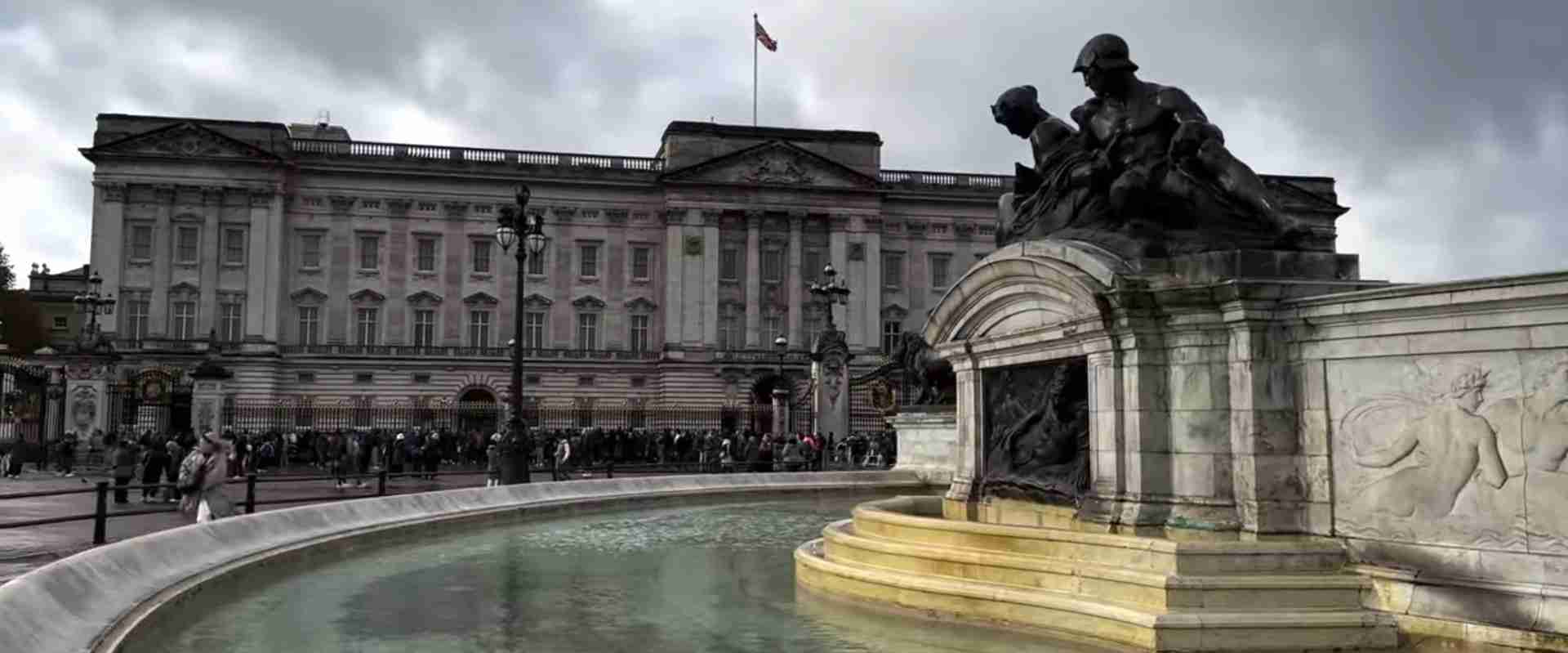
London’s royal ceremonies represent living cultural traditions connecting contemporary Britain to medieval precedents while demonstrating constitutional monarchy’s symbolic functions. The Changing of the Guard at Buckingham Palace, Trooping the Colour, State Opening of Parliament, and royal weddings combine historical pageantry with constitutional purpose. These ceremonies maintain traditions established centuries ago while adapting to contemporary contexts, demonstrating cultural continuity within evolving society. The precision, discipline, and spectacle of royal ceremonies influence state ceremonial worldwide, establishing standards for diplomatic protocol and national celebration.
The Tower of London’s role in royal tradition encompasses both historical functions—royal residence, fortress, prison—and contemporary ceremonial purposes. The Crown Jewels housed in the Tower represent continuity of monarchy across dynasties and constitutional changes. The Yeoman Warders maintain centuries-old traditions while interpreting history for contemporary visitors. The Ceremony of the Keys—locking the Tower nightly for over 700 years—demonstrates how seemingly minor rituals maintain cultural continuity and institutional memory across generations.
Westminster Abbey serves as coronation site for English monarchs since 1066, creating unbroken ceremonial continuity longer than almost any institution worldwide. The coronation ceremony combines Christian religious rites with state ceremonial, anointing monarchs while recognizing parliamentary authority. This synthesis of spiritual and temporal power demonstrates constitutional monarchy’s balancing of traditional legitimacy with democratic accountability. The Abbey’s role as royal wedding venue, national memorial, and burial place for monarchs, poets, scientists, and military heroes makes it a focal point for British national identity and cultural memory.
Buckingham Palace functions as working royal residence and national symbol, hosting state banquets, diplomatic receptions, and investitures that maintain constitutional monarchy’s ceremonial role. The palace’s public areas showcase art from the Royal Collection, making royal cultural heritage accessible to citizens and visitors. Garden parties hosted at the palace honor public service across society, connecting monarchy to contemporary achievement while maintaining traditional ceremonial forms. The balcony appearances during national celebrations create moments of shared national experience, with crowds gathering to witness royal family visibility.
Royal traditions influence British society beyond ceremonial occasions through honors systems, charitable patronage, and symbolic leadership. The monarch’s constitutional role—giving royal assent to legislation, appointing prime ministers, meeting weekly with government leaders—maintains forms while recognizing parliament’s actual authority. This separation of symbolic and actual power allows democratic governance within traditional frameworks, providing cultural stability through constitutional change. The cultural significance lies not in political power but in providing national symbols, ceremonial continuity, and historical connections that democratic institutions alone cannot offer.
Scientific and Intellectual Advancement
London’s scientific significance centers on institutions that formalized knowledge creation and dissemination. The Royal Society, founded in 1660, established scientific methodology emphasizing observation, experimentation, and peer review over philosophical speculation. The Society’s motto “Nullius in verba” (take nobody’s word) promoted empirical investigation over accepting authority. This methodological revolution transformed how humans understand nature, requiring testable hypotheses and reproducible results. The Royal Society’s Philosophical Transactions became the first scientific journal, creating publication standards and peer review processes that govern scientific communication globally.
The Royal Society attracted leading scientists including Isaac Newton, who developed universal gravitation theory and calculus while living in London. Robert Hooke’s microscopic observations, published in Micrographia, revealed previously invisible biological structures and established microscopy as research tool. Christopher Wren applied mathematical principles to architecture while pursuing scientific investigations. Edmond Halley calculated comet orbits and created star catalogs. These scientific achievements emerged from London’s intellectual culture that valued empirical investigation, mathematical reasoning, and collaborative knowledge building.
Maritime Greenwich’s Royal Observatory advanced astronomical knowledge while solving practical navigation problems. The establishment of Prime Meridian at Greenwich made London the reference point for global timekeeping and geographic measurement. The Observatory’s work in determining longitude enabled accurate ocean navigation, facilitating global trade and exploration. This combination of theoretical astronomy and practical application exemplifies how London institutions addressed scientific questions with real-world consequences. The standardization of time zones and geographic coordinates based on Greenwich demonstrates how London’s scientific work created global systems still operating today.
The British Museum’s founding in 1753 as the first national public museum made cultural and scientific knowledge accessible to citizens rather than limited to elites. The Museum’s collections—from Egyptian antiquities to natural history specimens to ethnographic materials—enabled comparative research across cultures and time periods. The Museum became model for similar institutions worldwide, establishing principles that cultural heritage belongs to humanity rather than private collectors. The adjacent British Library provides researchers access to humanity’s written knowledge, supporting scholarship across disciplines.
London’s medical institutions advanced healthcare and public health understanding. St. Bartholomew’s Hospital, founded in 1123, represents one of Europe’s oldest continuously operating hospitals. The discovery of blood circulation by William Harvey while working at St. Bartholomew’s revolutionized medical understanding. The development of vaccination by Edward Jenner, though working outside London, gained acceptance through city’s medical establishment. London’s role in combating cholera epidemics through John Snow’s epidemiological investigations established public health as scientific discipline requiring systematic observation and data analysis.
The Royal Institution promoted scientific knowledge to public audiences through demonstration lectures that made complex concepts accessible to non-specialists. Michael Faraday’s Christmas Lectures, begun in 1825, continue today, demonstrating London institutions’ commitment to public scientific education. This tradition of making scientific knowledge publicly accessible—through museums, lectures, publications, and demonstrations—represents significant cultural contribution, promoting scientific literacy and democratic access to knowledge.
Architectural Innovation and Urban Development
London’s architectural significance encompasses innovations that influenced urban design globally. The rebuilding after the Great Fire of 1666 created opportunities for planned development that medieval organic growth had prevented. Christopher Wren’s designs for St. Paul’s Cathedral and dozens of city churches established Baroque architecture in Britain while demonstrating how architectural beauty served religious and civic purposes. Wren’s work influenced colonial architecture across the British Empire, spreading English architectural traditions internationally.
Georgian London’s residential squares and terraces created urban design templates copied worldwide. The development of Bloomsbury, Marylebone, and Belgravia demonstrated how planned neighborhoods could combine private residential space with shared public gardens, creating livable high-density urban environments. The architectural uniformity of terrace houses—while providing individual dwellings—created harmonious streetscapes and defined neighborhoods. This balance between individual and collective needs influenced urban planning globally, offering alternatives to both medieval disorder and modern high-rise anonymity.
Victorian London’s engineering achievements—from railway stations to bridges to sewage systems—addressed challenges created by rapid industrial urbanization. The construction of comprehensive sewage infrastructure by Joseph Bazalgette solved public health crises while creating embankments that reshaped the Thames riverfront. Major railway termini like St. Pancras and Paddington combined functional transportation infrastructure with architectural grandeur, making utilitarian structures civic monuments. The Victorian achievement was recognizing that infrastructure could be both functional and beautiful, that engineering served cultural purposes beyond technical problem-solving.
The London Underground, the world’s first underground railway system, revolutionized urban transportation and enabled metropolitan expansion. The Underground’s distinctive tile work, signage (including the iconic roundel), and station architecture created recognizable design language that communicated information while providing aesthetic coherence. The Underground map designed by Harry Beck abstracted geographic reality into schematic clarity, creating cartographic innovation copied by transit systems worldwide. This combination of functional design and visual communication demonstrates how infrastructure shapes urban experience and cultural identity.
Modern London’s architectural landmarks—from the Barbican to the Lloyd’s Building to the Shard—demonstrate continuing architectural innovation within historically rich context. The challenge of building contemporary architecture among historic fabric has generated designs that either contrast dramatically with or carefully complement existing structures. This tension between preservation and innovation, between respecting heritage and creating contemporary architecture, influences urban design debates globally. London’s solution—allowing both preservation and innovation within the same cityscape—offers models for cities balancing history with modernity.
Multicultural Evolution and Social Integration
London’s cultural significance includes its evolution into one of the world’s most ethnically diverse cities while maintaining distinct identity. Successive waves of immigration—Huguenots, Jews, Irish, Caribbean, South Asian, Eastern European—brought new languages, religions, cuisines, and traditions that enriched London culture without erasing its essential character. This process of integration and synthesis demonstrates how cities can embrace diversity while preserving historical identity. The cultural significance lies in showing that diversity strengthens rather than weakens urban culture.
London’s food culture evolved from traditional British cuisine to encompass global influences, creating culinary diversity that reflects demographic change. Markets like Borough Market showcase local British products alongside international ingredients, creating spaces where culinary traditions interact. The development of “modern British” cuisine incorporating global influences while maintaining British foundations demonstrates cultural synthesis. London’s restaurant scene—from curry houses to dim sum restaurants to Turkish grills—makes global food traditions accessible while adapting to local tastes and ingredients.
Religious diversity manifests in London’s worship spaces spanning Christianity, Judaism, Islam, Hinduism, Sikhism, and Buddhism. Historic churches and synagogues operate alongside mosques, temples, and gurdwaras, creating religious landscape reflecting demographic diversity. This religious pluralism required legal and social accommodations protecting religious freedom while maintaining secular governance. London’s experience managing religious diversity offers lessons for multicultural societies balancing religious accommodation with social cohesion.
Notting Hill Carnival represents Caribbean cultural traditions becoming part of London’s cultural calendar. The carnival—Europe’s largest street festival—celebrates Caribbean music, dance, food, and costume while occurring in distinctly London context. This adoption of immigrant cultural traditions into mainstream London culture demonstrates integration’s creative possibilities. Similar processes occurred with Diwali celebrations, Chinese New Year festivities, and St. Patrick’s Day parades, enriching London’s cultural life through demographic diversity.
London’s linguistic diversity—with over 300 languages spoken in the city—creates multilingual environment where English remains lingua franca while multiple languages thrive in homes and communities. This linguistic richness connects London to global cultures while English’s dominance maintains communication across communities. The cultural significance lies in demonstrating how linguistic diversity can coexist with shared language enabling social interaction across communities.
The challenge of integration—ensuring immigrant communities participate in broader society while maintaining cultural traditions—remains ongoing. London’s experience with discrimination, housing segregation, economic inequality, and social tensions demonstrates integration’s difficulties alongside its achievements. The cultural significance lies not in perfect solutions but in continuous effort to balance diversity and cohesion, to preserve traditions while creating shared urban identity, to recognize both commonality and difference in multicultural society.
Museum Culture and Public Education
The British Museum’s founding principle—making cultural artifacts freely accessible to the public—revolutionized how societies understand their relationship to cultural heritage. The Museum democratized access to objects previously reserved for wealthy collectors or royal courts, asserting that cultural knowledge belongs to all citizens. This principle influenced museum development worldwide, establishing public education as legitimate function of cultural institutions. The Museum’s encyclopedic collection—spanning human history and global cultures—enables comparative study impossible when objects remain in original contexts.
London’s concentration of world-class museums—the National Gallery, Natural History Museum, Science Museum, Victoria and Albert Museum, Tate galleries—provides unparalleled cultural and educational resources. The free admission policy for permanent collections ensures economic barriers do not limit access to cultural knowledge. This commitment to public education reflects values prioritizing knowledge accessibility over commercial profit, recognizing museums’ role in fostering educated citizenry. The cultural significance extends beyond objects displayed to the principle that society benefits from broadly disseminated cultural knowledge.
The National Gallery’s collection demonstrates Western painting’s evolution from medieval religious art through Renaissance innovation to modern experimentation. The Gallery’s hanging—mixing periods and schools to encourage comparisons—promotes active looking rather than passive chronological progression. Educational programs, lectures, and publications help visitors understand artistic techniques, historical contexts, and aesthetic judgments. This educational mission transforms museums from storage facilities into active teaching institutions shaping cultural understanding.
The Victoria and Albert Museum’s focus on decorative arts and design elevated crafts previously considered minor arts. The Museum demonstrated that furniture, ceramics, textiles, and metalwork deserve serious aesthetic consideration alongside painting and sculpture. This broadened definition of art influenced design education and public taste, encouraging attention to everyday objects’ aesthetic qualities. The Museum’s influence on design education—through collections inspiring students and practitioners—shaped material culture globally.
Natural History Museum collections advanced biological and geological knowledge while inspiring public interest in natural sciences. The Museum’s exhibitions—from dinosaur skeletons to gemstone collections to evolutionary displays—make scientific knowledge accessible through visual spectacle and clear explanation. The Museum balances research functions with public education, conducting serious scientific work while creating engaging public programs. This dual mission demonstrates how cultural institutions serve both specialist scholars and general audiences.
London museums’ role in repatriation debates highlights questions about cultural heritage ownership and colonial legacies. The British Museum’s collections include objects acquired during imperial expansion, raising questions about return to origin countries. These debates address difficult questions about historical injustice, current ownership, and best stewardship practices. The cultural significance lies not in simple solutions but in wrestling with complex questions about who owns cultural heritage and how societies address historical wrongs while preserving knowledge accessibility.
Economic and Commercial Cultural Impact
The City of London’s financial district developed banking, insurance, and trading practices that shaped global capitalism. The London Stock Exchange standardized securities trading, creating regulated markets that facilitated capital formation. Lloyd’s of London pioneered insurance industry practices that spread risk across investors, enabling commercial ventures that individual merchants could not finance alone. The development of joint-stock companies—allowing multiple investors to share ownership—created corporate structures that dominate modern economies.
The Bank of England’s evolution from private institution to central bank established monetary policy practices that central banks worldwide adopted. The concept of lender of last resort—providing liquidity during financial crises—prevented banking panics from destroying the entire financial system. The Bank’s role in managing currency, setting interest rates, and regulating commercial banks created models for modern central banking. These financial innovations had profound cultural consequences, enabling economic growth, funding government activities, and shaping how societies organize economic life.
London’s commercial culture developed business practices—from standardized contracts to arbitration systems to trade associations—that reduced transaction costs and enabled complex commercial relationships. The development of commercial law in London courts created predictable legal frameworks for business activity. The principle that courts enforce contracts even against powerful parties created trust necessary for sophisticated commerce. These legal and commercial innovations spread through British Empire and influenced global business practices.
The Port of London’s importance in global trade made the city a center for commodity markets and merchant networks. The trade in tea, coffee, spices, textiles, and raw materials created merchant communities connecting London to producers and consumers worldwide. The docks and warehouses lining the Thames represented imperial commerce’s material infrastructure. Though London’s port declined as container shipping moved to deeper water facilities, the city’s commercial legacy persists in financial services, insurance, and trading practices descended from earlier mercantile activity.
London’s role as imperial capital created networks connecting the city to colonies across continents. These networks facilitated not just commercial exchange but cultural transmission—spreading English language, legal systems, educational models, and social practices. The cultural significance of these imperial connections remains contested—they enabled both economic development and exploitation, cultural exchange and cultural domination. Contemporary London’s role in Commonwealth networks continues some connections while other former colonies distance themselves from imperial history.
Media, Publishing, and Communications
London’s publishing industry shaped global media through newspapers, magazines, books, and now digital content. Fleet Street’s newspaper industry developed journalistic practices that influenced journalism worldwide. The Times established reputation for authoritative reporting and editorial independence. The tradition of investigative journalism, opinion columns, letters to editors, and war correspondence developed in London newsrooms. Though printing facilities moved from Fleet Street, London remains British media center, hosting national newspapers, international news bureaus, and digital media companies.
Book publishing concentrated in London created the industry that made British authors accessible globally. Publishing houses like Penguin revolutionized book distribution through paperback editions that made literature affordable to mass audiences. The Bloomsbury Group’s connections to Hogarth Press and other literary publishers created networks linking writers, editors, and critics. London’s literary agents, editors, and publishers continue shaping which books reach readers, influencing global literary culture through acquisition and marketing decisions.
BBC’s role in broadcasting established public service media model balancing government funding with editorial independence. The BBC’s World Service spread English language and British perspectives globally during the 20th century, influencing international opinion and providing news to regions lacking free press. The BBC’s commitment to balanced reporting, educational programming, and cultural content demonstrated alternatives to purely commercial broadcasting. This public service model influenced broadcasting systems worldwide, though digital media and commercial competition challenge its sustainability.
London’s advertising industry shaped consumer culture through campaigns that defined brand identities and influenced purchasing behavior. The development of advertising agencies combining creative work with market research created modern advertising industry. London agencies exported techniques globally, shaping how products are marketed and consumers addressed. The cultural significance lies in advertising’s role in creating consumer culture, shaping desires, and communicating values through commercial messaging.
The development of English as global language owes much to London’s media dominance. The BBC’s broadcasting established Received Pronunciation as standard English, though regional accents now receive greater acceptance. London publishing decisions about spelling, grammar, and usage influenced English language development. The global reach of London-based media made British English familiar worldwide, though American English increasingly dominates due to US media power. The cultural significance lies in language’s role in shaping thought, communication, and cultural exchange—London’s linguistic influence continues through historical legacy even as contemporary power shifts.
Fashion, Style, and Popular Culture
London’s fashion culture balances tradition and rebellion, creating styles that influence global fashion. Savile Row tailoring established standards for men’s suits that endure today. The precision cutting, hand-stitching, and custom fitting create garments symbolizing British quality and craftsmanship. This tradition continues despite mass-produced clothing’s dominance, demonstrating how traditional crafts maintain cultural significance beyond purely economic value.
British fashion’s rebellious streak manifests in subcultures that challenged conventional style. Punk rock’s emergence in London during the 1970s created aesthetic rejecting commercialized fashion through deliberately confrontational styling. Vivienne Westwood’s designs translated punk’s anti-establishment attitude into clothing that influenced high fashion globally. The tradition of British subcultures—from mods to skinheads to new romantics—using clothing as identity expression and social resistance continues influencing youth culture worldwide.
London Fashion Week established the city as major fashion capital alongside Paris, Milan, and New York. British designers—from Alexander McQueen to Stella McCartney to Burberry—combine traditional craftsmanship with contemporary innovation. London’s fashion schools train designers who work globally, spreading British design sensibilities internationally. The fashion industry contributes economically but also culturally, influencing how people present themselves and understand style’s relationship to identity.
British popular music’s global influence began with the Beatles but continued through subsequent decades with genres from progressive rock to punk to Britpop to grime. London’s music venues—from small clubs to large arenas—provide spaces where musicians develop careers and audiences discover new sounds. The city’s music press—NME, Melody Maker—shaped critical discourse about popular music. Though digital media transformed music distribution and discovery, London remains influential in music culture through artists, venues, festivals, and media presence.
British television’s cultural exports—from Masterpiece Theatre dramas to comedy series to reality shows—influenced global television culture. The development of formats that international broadcasters adapt for local markets created new entertainment industry model. British actors, writers, and directors work globally, spreading British creative sensibilities while absorbing international influences. The cultural significance lies in entertainment’s role in shaping values, representing social issues, and creating shared cultural references across borders.
Conservation and Heritage Preservation
London’s approach to heritage conservation balances preservation with adaptation, protecting historic structures while allowing contemporary use. The listing system—designating buildings of architectural or historical significance—prevents demolition while permitting modifications. This approach recognizes that heritage buildings must serve contemporary functions to justify maintenance costs. The challenge lies in determining which changes respect historic character and which compromise architectural integrity.
The Tower of London’s conservation demonstrates how historic sites maintain authenticity while accommodating millions of visitors. Preservation work maintains medieval fabric using traditional materials and techniques where possible. The challenge of managing tourist impact—from environmental conditions to physical wear—requires ongoing maintenance and conservation planning. The Tower balances multiple functions—tourist attraction, Yeoman Warder residence, Crown Jewels storage, ceremonial site—while preserving historic character.
Westminster’s conservation addresses unique challenges of protecting working political buildings with centuries of accumulated history. The 19th-century Gothic Revival structure requires specialized maintenance due to complex decorative schemes and aging materials. The challenge of maintaining building systems—heating, ventilation, electrical, security—within historic fabric requires careful integration of modern technology with historic architecture. Westminster demonstrates that heritage preservation involves not just protecting old buildings but maintaining their functionality for continuing use.
Conservation philosophy debates whether restoration should recreate original appearance or show building’s evolution over time. The decision to preserve later additions versus removing them to reveal earlier fabric involves value judgments about which historical periods deserve recognition. London’s conservation practice generally values showing historical layers rather than creating idealized historical appearance. This approach treats buildings as historical documents recording change over time rather than frozen museums of particular periods.
The cultural significance of conservation lies in maintaining tangible connections to history that abstract knowledge cannot provide. Historic buildings make past societies’ values, technologies, and aesthetics physically present in contemporary cities. The decision to preserve historic fabric represents societal commitment to maintaining cultural memory, to recognizing that human achievement in past generations deserves respect and protection. Conservation also addresses sustainability—reusing existing structures rather than demolishing and rebuilding conserves embodied energy and resources.
Educational Institutions and Knowledge Production
London’s universities—University College London, Imperial College, London School of Economics, King’s College—contribute to knowledge production across disciplines while educating students who become leaders globally. These institutions conduct research advancing human understanding in sciences, humanities, and social sciences. The concentration of universities creates intellectual culture where ideas circulate through seminars, conferences, and informal exchanges. London’s role as educational center attracts international students who bring perspectives from their home countries while absorbing British educational traditions.
The Inns of Court—Lincoln’s Inn, Inner Temple, Middle Temple, Gray’s Inn—train barristers through unique system combining academic study with apprenticeship. The Inns maintain traditions dating to medieval origins while adapting to contemporary legal practice. The tradition of dining together, mooting (practice arguments), and mentorship by senior barristers creates professional culture emphasizing not just legal knowledge but ethical conduct and professional standards. This educational model influenced legal education globally, particularly in Commonwealth countries.
London’s academic libraries—from the British Library to university collections to specialized research libraries—provide scholars access to materials enabling advanced research. The British Library’s legal deposit privilege—receiving copies of all books published in UK—creates comprehensive collection of British published materials. Specialized libraries like the Warburg Institute or the Wellcome Library support research in particular fields. The concentration of library resources makes London attractive to scholars requiring access to rare or specialized materials.
The tradition of public lectures at institutions like the Royal Institution, British Museum, or National Gallery makes scholarly knowledge accessible beyond academic communities. These lectures translate specialized research into accessible presentations, promoting public understanding of complex subjects. The tradition recognizes that knowledge creation serves public purposes, that scholars have obligations to communicate findings beyond specialist peers. This commitment to public intellectual life distinguishes British academic culture and influences how universities understand their social roles.
London’s role in educating Commonwealth elites created networks of British-trained leaders in former colonies. This educational influence spread British approaches to law, governance, administration, and business. The cultural consequences included both beneficial knowledge transmission and perpetuation of colonial power structures. Contemporary debates address how educational institutions should acknowledge colonial pasts while serving diverse student populations with varied cultural backgrounds and perspectives.
Green Spaces and Environmental Heritage
London’s royal parks—Hyde Park, Regent’s Park, St. James’s Park, Green Park—provide green space in dense urban environment while preserving landscapes designed across centuries. These parks originated as royal hunting grounds before opening to public access, democratizing spaces once reserved for monarchy. The parks’ design—combining formal elements with naturalistic landscapes—influenced urban park development globally. Frederick Law Olmsted studied London parks before designing Central Park, showing London’s influence on urban parks worldwide.
Kew Gardens represents botanical science’s cultural significance, demonstrating how plant collection, classification, and conservation serve both scientific and aesthetic purposes. The Gardens’ role in economic botany—introducing cash crops to colonies, developing cultivation techniques—connected botanical science to imperial commerce. Contemporary conservation work protects endangered plant species while research advances botanical knowledge. The Gardens balance scientific functions with public education, creating beautiful landscapes that teach visitors about plant diversity and conservation needs.
The Thames riverfront’s transformation from working docks to recreational and residential space demonstrates post-industrial urban regeneration. The Thames Path walking route makes the river accessible for recreation rather than just commerce and industry. Riverside developments balance new construction with heritage preservation, creating contemporary neighborhoods within historically significant context. The cultural significance lies in showing how cities can adapt to economic changes while maintaining connections to industrial heritage.
London’s urban forests and nature reserves provide habitat for wildlife while offering residents access to nature. The protection of ancient woodland, wetlands, and meadows within London’s boundaries recognizes that urban environments need not eliminate natural ecosystems. Community gardens, green roofs, and street trees demonstrate how nature integrates into dense urban fabric. The cultural significance lies in recognizing nature’s role in urban quality of life, that cities need not choose between density and environmental quality.
Climate change and environmental sustainability challenges require London to adapt infrastructure and lifestyles to reduce carbon emissions and prepare for changing climate. The Thames Barrier protects London from tidal flooding, representing engineering response to environmental threats. Low emission zones, congestion charging, and public transport investment address air quality and carbon emissions. These environmental policies influence global urban policy, demonstrating how historic cities address contemporary environmental challenges while preserving heritage character.
Continuing Cultural Influence and Contemporary Relevance
London’s cultural significance extends beyond historical achievements to continuing influence in contemporary global culture. The city remains a creative center producing literature, theater, music, art, fashion, and media consumed worldwide. London’s multicultural population brings global perspectives while British cultural traditions provide continuity with past achievements. This combination of diversity and tradition creates cultural dynamism that keeps London relevant as tastes and values evolve.
The soft power derived from cultural influence—the ability to shape opinions and behaviors through cultural appeal rather than coercion—remains significant in international relations. British cultural exports—from Harry Potter to the Premier League to the Royal Family—shape how international audiences perceive Britain. London’s role as financial center, tourist destination, and cultural capital maintains Britain’s global relevance despite declining political and military power compared to imperial heights. The cultural significance lies in demonstrating how cultural influence can outlast political dominance.
London’s experience addressing contemporary challenges—from housing crises to inequality to terrorism to pandemic disease—influences how cities worldwide approach similar problems. Urban policy innovations developed in London—congestion charging, bike-sharing systems, mixed-use development—spread to other cities through policy networks and best practice sharing. London serves as urban laboratory where solutions to contemporary challenges are tested, evaluated, and refined before wider adoption.
The question of what preserves and what changes in London’s culture remains contested. Tensions between economic development and heritage preservation, between diversity and traditional identity, between global city and national capital generate ongoing debates about London’s character and future direction. These tensions are not problems to solve but conditions of contemporary urban life in historically significant cities. The cultural significance lies in how London navigates these tensions, providing examples of successful adaptations and cautionary tales of mistakes avoided.
London’s enduring cultural significance stems from continuous evolution while maintaining connections to historical achievements. The city demonstrates that cultural vitality requires both preserving heritage and embracing change, that tradition and innovation reinforce rather than contradict each other. Understanding London’s cultural significance requires recognizing both specific achievements and broader patterns—how cities generate culture, how cultural influence spreads geographically and temporally, how societies balance preservation and adaptation. London provides not just cultural heritage to appreciate but lessons about how human communities create and maintain significance across generations.
Frequently Asked Questions
How did London influence the development of modern democracy?
London influenced modern democracy primarily through the Westminster parliamentary system, which established the model of constitutional monarchy, representative government, and checks on executive power that spread globally. The Palace of Westminster’s evolution from medieval royal council to sovereign parliament created governmental structures balancing crown, legislature, and judiciary. Key innovations including loyal opposition (the concept that challenging government serves democracy rather than sedition), cabinet government, ministerial responsibility, and parliamentary supremacy over monarchy all originated in Westminster. The Glorious Revolution of 1688 established parliamentary authority over royal power, creating constitutional government that combined traditional legitimacy with democratic accountability. Common law traditions developed in London courts complemented political innovations by establishing rule of law and legal protections for individual rights. These combined political and legal innovations provided alternatives to authoritarian rule and violent regime change, offering pathways to democratic governance that nations across the Commonwealth and beyond adapted to their circumstances.
What makes London’s literary heritage globally significant?
London’s literary heritage achieved global significance by establishing English as a major literary language and creating works that shaped Western literary traditions. Geoffrey Chaucer’s decision to write Canterbury Tales in Middle English rather than Latin or French validated vernacular literature and democratized access to written culture. William Shakespeare’s plays performed at the Globe Theatre created the most influential body of work in English literature, introducing thousands of words and phrases still used today while establishing dramatic techniques and character development conventions. London coffeehouses fostered Enlightenment intellectual culture where periodical literature and essay writing developed. The novel format emerged through London authors like Defoe, Richardson, and Fielding who experimented with extended prose narratives. Victorian London produced literary giants like Dickens whose serialized novels made literature accessible to working classes while addressing social issues. London’s continuing literary significance manifests in its publishing industry, concentration of contemporary authors, literary festivals, and cultural institutions that maintain connections between literary heritage and ongoing creativity. The city’s literary output provided not just entertainment but new ways of examining human experience and understanding society.
How did London’s royal ceremonies influence global diplomatic protocol?
London’s royal ceremonies established standards for state ceremonial and diplomatic protocol that influenced practices worldwide. The precision, discipline, and spectacle of events like Trooping the Colour, State Opening of Parliament, and royal weddings created models for national celebration and constitutional ceremony. Westminster Abbey’s coronation ceremonies—maintaining unbroken tradition since 1066—demonstrated how ritual could balance religious rites with constitutional recognition of parliamentary authority. State banquets at Buckingham Palace established protocols for diplomatic entertaining, seating arrangements, toasts, and honors that embassies worldwide adapted. The development of honors systems recognizing public service across society influenced how nations acknowledge achievement beyond military valor. Royal protocols governing precedence, forms of address, and ceremonial behavior spread through diplomatic networks when Britain maintained global empire. Even as British political power declined, ceremonial standards established in London continued influencing how nations conduct state occasions, receive foreign dignitaries, and mark important national events. The cultural significance lies in showing how symbolic leadership and ceremonial tradition serve functions that democratic institutions alone cannot provide.
What role did London play in scientific advancement?
London played central roles in scientific advancement through institutions that formalized knowledge creation and practical application. The Royal Society, founded 1660, established scientific methodology emphasizing observation, experimentation, and peer review, creating standards governing scientific practice worldwide. The Society attracted leading scientists including Isaac Newton, who developed gravitational theory and calculus while in London, and Robert Hooke, whose microscopic observations revealed biological structures. Maritime Greenwich’s Royal Observatory solved longitude navigation problems while establishing Prime Meridian as reference point for global timekeeping and geographic measurement. The British Museum enabled comparative research across cultures and time periods through encyclopedic collections. Medical institutions like St. Bartholomew’s Hospital advanced healthcare understanding, with discoveries like blood circulation and vaccination gaining acceptance through London’s medical establishment. The Royal Institution promoted public scientific education through demonstration lectures that made complex concepts accessible. These institutions demonstrated how systematic knowledge creation, peer review, practical application, and public education could advance human understanding while benefiting society broadly. London’s scientific culture combined theoretical investigation with practical problem-solving, producing innovations that transformed how humans understand nature and apply knowledge.
How has London’s multicultural evolution influenced its cultural identity?
London’s multicultural evolution transformed the city into one of the world’s most ethnically diverse while maintaining distinct British identity, demonstrating how immigration enriches urban culture without erasing historical character. Successive immigrant waves—Huguenots, Jews, Irish, Caribbean, South Asian, Eastern European—brought languages, religions, cuisines, and traditions that synthesized with existing British culture. Food culture evolved from traditional British cuisine to embrace global influences, with markets showcasing international ingredients alongside local products. Religious diversity manifests in worship spaces spanning multiple faiths, requiring legal and social accommodations protecting religious freedom within secular governance frameworks. Cultural festivals like Notting Hill Carnival (celebrating Caribbean traditions) became part of London’s annual calendar, enriching cultural life through demographic diversity. Over 300 languages spoken in London create multilingual environment where English remains lingua franca enabling cross-community communication. The ongoing challenge of integration—ensuring immigrant communities participate in broader society while maintaining cultural traditions—demonstrates that multicultural success requires continuous effort balancing diversity and cohesion, preserving traditions while creating shared urban identity recognizing both commonality and difference.
What is London’s significance in theater and performance culture?
London’s theatrical significance stems from transforming entertainment from occasional spectacle into professional performance art accessible across social classes. Elizabethan playhouses—the Theatre, the Rose, the Globe—created permanent venues that professionalized acting and playwriting through paid admission and regular performances. Shakespeare’s Globe demonstrated theater’s capacity for sophisticated artistic expression while entertaining diverse audiences mixing groundlings with wealthy patrons in democratically shared experience. Restoration theater introduced actresses to professional stage and developed comedy of manners addressing social issues. Victorian expansion created the West End district that continues dominating English-language theater globally through long-running productions, new writing premieres, and international audiences. London developed diverse performance forms including musical theater through Gilbert and Sullivan operettas, music halls providing working-class entertainment, and experimental theater challenging conventions. The National Theatre provides state-supported venue ensuring challenging works receive professional production beyond commercial viability. West End’s continuing vitality and theatrical schools training performers who work globally maintain London’s influence on theatrical standards worldwide. The cultural significance lies in establishing theater as both commercial entertainment and serious artistic medium combining dramatic literature with performance craft.
How did London’s financial institutions shape global capitalism?
London’s financial institutions developed banking, insurance, and trading practices that fundamentally shaped modern capitalism. The City of London’s financial district created standardized securities trading through the London Stock Exchange, enabling capital formation for commercial ventures. Lloyd’s of London pioneered insurance practices spreading risk across investors, making ventures too risky for individual merchants financially feasible. Joint-stock companies allowing multiple investors to share ownership created corporate structures dominating modern economies. The Bank of England’s evolution to central bank established monetary policy practices that central banks worldwide adopted, including lender of last resort function preventing banking panics from destroying financial systems. Commercial law developed in London courts created predictable legal frameworks for business activity, establishing principles that contracts bind even powerful parties and courts provide neutral arbitration. These financial and legal innovations spread through British Empire, influencing global business practices. London’s role as imperial capital created networks connecting the city to producers and consumers worldwide, facilitating commercial exchange and cultural transmission. The cultural significance extends beyond economic efficiency to shaping how societies organize economic life, allocate capital, manage risk, and conduct international commerce.
What conservation challenges does London face in preserving heritage?
London faces complex conservation challenges balancing heritage preservation with contemporary urban needs. The listing system protects architecturally or historically significant buildings from demolition while permitting modifications, requiring judgment about which changes respect historic character versus compromise architectural integrity. Managing tourist impact at sites like the Tower of London involves addressing environmental conditions and physical wear while maintaining authenticity using traditional materials and techniques. Westminster’s conservation addresses unique challenges of protecting working political buildings requiring modern systems—heating, ventilation, electrical, security—integrated within historic fabric. Conservation philosophy debates whether restoration should recreate original appearance or show evolution over time, involving value judgments about which historical periods deserve recognition. The decision to preserve or remove later additions treats buildings as historical documents recording change rather than frozen museums. Climate change requires adapting historic structures to environmental threats while preserving heritage character. Development pressure in valuable London real estate creates tension between economic interests and preservation commitments. The cultural significance lies in maintaining tangible connections to history that abstract knowledge cannot provide, representing societal commitment to cultural memory while recognizing heritage buildings must serve contemporary functions justifying maintenance costs.
How does London’s media influence extend globally?
London’s media influence extends globally through publishing, broadcasting, and now digital content shaping international culture. Fleet Street’s newspaper industry developed investigative journalism, opinion columns, and war correspondence practices influencing journalism worldwide. Book publishing concentrated in London created the industry making British authors accessible globally, with innovations like Penguin paperbacks revolutionizing distribution by making literature affordable to mass audiences. BBC’s role in public service broadcasting established models balancing government funding with editorial independence, while World Service spread English language and British perspectives internationally. London’s advertising industry shaped consumer culture through campaigns defining brand identities and influencing purchasing behavior globally. The development of English as global language owes much to London media dominance, with BBC broadcasting establishing pronunciation standards and publishing decisions influencing spelling, grammar, and usage. Though American media increasingly dominates, London’s historical linguistic and media influence persists through established standards and continuing content production. British television exports—from dramas to comedies to format adaptations—influence global television culture. The cultural significance lies in media’s role shaping values, representing social issues, and creating shared cultural references across borders, with London-based media organizations continuing to influence global discourse.
What educational contributions has London made to global knowledge?
London’s educational contributions encompass institutional innovations, knowledge production, and training global leaders across disciplines. Universities including University College London, Imperial College, and London School of Economics conduct research advancing understanding in sciences, humanities, and social sciences while educating students who become leaders worldwide. The concentration of universities creates intellectual culture where ideas circulate through seminars, conferences, and exchanges. The Inns of Court train barristers through unique system combining academic study with apprenticeship and professional mentorship, influencing legal education globally particularly in Commonwealth countries. Academic libraries including the British Library provide scholars access to comprehensive research materials through legal deposit requirements. Public lectures at institutions like the Royal Institution and British Museum make scholarly knowledge accessible beyond academic communities, promoting public understanding of complex subjects. London’s role educating Commonwealth elites created networks of British-trained leaders spreading approaches to law, governance, and administration. Museums established public education as legitimate function of cultural institutions, making artifacts freely accessible and supporting educational programming. The cultural significance lies in London’s commitment to knowledge accessibility—recognizing that informed citizenry benefits society broadly and that knowledge creation serves public purposes beyond specialist interests.