
London Travel Tips 2026: Essential Planning & Practical Advice
Key Takeaways
- Oyster Card saves 50% on transport costs – Pay £2.80 per Tube journey vs £6.70 cash, with daily caps protecting your budget in 2026
- Free museums include world-class collections – British Museum, National Gallery, Tate Modern, Natural History Museum offer free entry throughout 2026
- Book major attractions 2-4 weeks ahead – Tower of London, Westminster Abbey, and Churchill War Rooms sell out during peak 2026 season
- Walking between zones saves £15-25 daily – Many central attractions lie within walkable distance, reducing 2026 transport expenses significantly
- Supermarket meals cost £5-8 vs £15-25 restaurants – Tesco, Sainsbury’s, and Marks & Spencer provide quality budget dining options for 2026 visitors
- Tap water is safe and free everywhere – Restaurants provide free tap water, eliminating £3-5 bottled water costs throughout your 2026 stay
Understanding London Travel in 2026
London ranks among the world’s most complex yet rewarding destinations for international visitors. The city’s 33 boroughs span 607 square miles, incorporating four UNESCO World Heritage sites, 170 museums, 857 art galleries, and over 8 million residents speaking 300 languages. This comprehensive guide provides essential practical advice for navigating London efficiently and economically in 2026, drawing on established visitor patterns and current operational realities to help you maximize your experience while minimizing unnecessary expenses.
Understanding London’s fundamental systems – transportation networks, cultural expectations, pricing structures, and practical logistics – transforms potentially overwhelming complexity into manageable planning. The city operates according to established patterns that reward preparation and strategic thinking. Visitors who invest time learning these systems before arrival consistently report more satisfying experiences, lower costs, and greater confidence navigating this magnificent metropolitan environment.
People Also Ask About London Travel 2026
What are the most important things to know before visiting London in 2026?
Five critical elements define successful London visits in 2026. First, obtain an Oyster Card or use contactless payment for all transport – this single decision saves 50% on every journey. Second, book major attractions 2-4 weeks ahead during peak season to guarantee entry. Third, understand that free museums provide world-class experiences without admission charges. Fourth, walking between many central attractions saves significant transport costs while revealing authentic neighborhood character. Fifth, supermarket meals offer quality dining at one-third restaurant prices, stretching your budget substantially.
How much money should I budget per day for London in 2026?
Realistic daily budgets for London in 2026 range from £80-120 for budget travelers (hostels, supermarket meals, free attractions, walking), £150-220 for mid-range visitors (moderate hotels, mix of restaurant and supermarket dining, paid attractions, strategic transport), and £300+ for luxury experiences (upscale hotels, fine dining, private tours, taxis). These figures exclude accommodation but include meals, transport, attractions, and incidental expenses. Strategic planning allows comfortable experiences at any budget level.
Is London safe for tourists in 2026?
London maintains excellent safety standards for international visitors in 2026, with violent crime rates among the lowest of major European capitals. Central tourist areas benefit from extensive CCTV coverage, regular police patrols, and established security protocols. Pickpocketing occurs in crowded areas like Oxford Street, Borough Market, and Tube stations during peak hours – maintain awareness of belongings and use bags with secure closures. Evening travel on public transport remains safe throughout central zones, though standard urban caution applies after midnight in peripheral areas.
Do I need to tip in London restaurants in 2026?
London tipping practices differ significantly from American standards. Most restaurants add automatic 12.5% service charges to bills – check your receipt before adding additional tips. When service charges aren’t included, 10-15% represents appropriate gratuity for good service. Pubs require no tips for drinks ordered at bars. Coffee shops don’t expect tips though small change in tip jars is appreciated. Taxi drivers receive 10% for good service or round up to nearest pound. Hotel porters receive £1-2 per bag. Unlike American practice, tipping remains optional rather than obligatory in British culture.
Extended multi-day tours – 5+ days
Featured London Multi-Day Tour Packages

2 days
Windsor, Stonehenge, Bath & Oxford from London – 2 Days
- ✓ Comprehensive London tour
- ✓ Expert local guides included
- ✓ All accommodation arranged
- ✓ Transportation provided
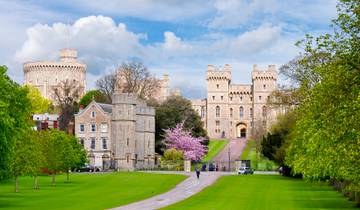
5 days
Classic England – 5 Days
- ✓ Comprehensive London tour
- ✓ Expert local guides included
- ✓ All accommodation arranged
- ✓ Transportation provided
5 days
Royal Indulgence | London, England
- ✓ Booking needs min. 2 travelers
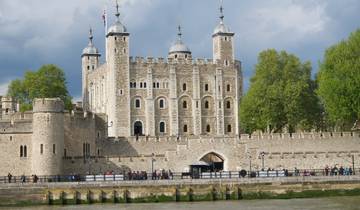
7 days
Spotlight on London (2026)
- ✓ Comprehensive London tour
- ✓ Expert local guides included
- ✓ All accommodation arranged
- ✓ Transportation provided
Multi-day tour packages powered by TourRadar. Prices and availability subject to change.
Essential Planning Information for 2026
Documentation and Entry Requirements for 2026
Entry requirements for London in 2026 depend on your nationality and purpose of visit. US, Canadian, Australian, New Zealand, and EU citizens don’t require visas for tourism visits under 6 months, needing only valid passports with at least 6 months remaining validity. Your passport receives a stamp at immigration (keep this for departure). Other nationalities should verify requirements at gov.uk/check-uk-visa well before travel. Travel insurance isn’t mandatory but strongly recommended given London’s high medical costs – comprehensive coverage costs £25-45 for week-long visits. Register your trip with your embassy for emergency assistance protocols.
Health and Medical Considerations for 2026
London’s healthcare system operates through the National Health Service (NHS), providing emergency care to all visitors but charging for non-emergency treatment. EU residents with European Health Insurance Cards receive NHS care at standard rates. Non-EU visitors pay full private costs for medical treatment – a doctor’s consultation costs £100-150, specialist visits £200-300, and emergency room treatment £150-500. Comprehensive travel insurance becomes essential for non-emergency medical situations. Pharmacies (called “chemists”) operate throughout the city – Boots represents the largest chain with branches every few blocks in central areas. Many medications requiring prescriptions in other countries are available over the counter. Tap water meets all safety standards and tastes excellent throughout London.
Transportation Mastery for 2026 Visitors
Oyster Card and Contactless Payment Strategy
Transportation costs represent major expenses for London visitors, making payment method choice critically important in 2026. Oyster Cards cost £7 deposit (refundable) and reduce single journey costs from £6.70 cash to £2.80 for Zone 1 Tube travel. Daily caps limit maximum spending – £8.50 for Zones 1-2, £13.50 for Zones 1-4, protecting your budget during extensive travel days. Contactless bank cards offer identical pricing to Oyster Cards without deposit requirements, working seamlessly for international visitors with contactless-enabled cards.
Purchase Oyster Cards at any Tube station from ticket machines or customer service windows. Top up at machines throughout the network or many convenience stores displaying Oyster symbols. The system automatically deducts lowest fares and applies daily caps – you never pay more than the cap regardless of journeys taken. Weekly caps (Monday-Sunday) cost £42.70 for Zones 1-2, providing additional savings for longer stays. Check your balance at any ticket machine or online at tfl.gov.uk. Return your card at station ticket offices before departure to reclaim the £7 deposit plus any remaining balance.
Tube and Bus Navigation in 2026
London’s Underground (Tube) operates 11 lines serving 272 stations across 250 miles of track, providing the fastest method for crossing the city. Trains run 5:30 AM – 12:30 AM weekdays, with Night Tube service on selected lines Friday and Saturday nights. Peak hours (7:30-9:30 AM, 5:00-7:00 PM weekdays) create crowded conditions – travel outside these windows for more comfortable journeys. Study Tube maps available at all stations or download digital versions before arrival – the geographic layout becomes intuitive after initial orientation.
Buses offer scenic alternatives to underground travel, with 8,000 buses operating 700 routes throughout London. Single bus journeys cost £1.75 with Oyster/contactless cards (no cash accepted on buses). Hopper fare allows unlimited bus and tram travel within one hour of first touch-in, enabling connections without additional charges. Front buses display route numbers and destinations – check against route maps at bus stops or use Transport for London app for real-time arrivals. Buses provide excellent opportunities for sightseeing while traveling, particularly routes 11, 15, and 24 passing major landmarks.
Walking as Primary Transportation
Central London’s compact geography makes walking the most efficient transport method for many journeys. Covent Garden to British Museum takes 15 minutes on foot vs 25 minutes by Tube when including platform/transfer time. Westminster to Tower of London follows Thames Path for spectacular 40-minute walks past multiple landmarks. Strategic walking saves £5-8 daily in transport costs while revealing authentic neighborhood character invisible from underground. Download offline maps before arrival (Google Maps, Citymapper) for navigation without data charges. London’s pedestrian infrastructure provides excellent wayfinding with clear signage at major intersections.
Money Management Strategies for 2026
Currency and Payment Methods
London operates on British Pounds Sterling (£) with exchange rates fluctuating around $1.25-1.30 per pound in 2026. Credit and debit cards are accepted nearly everywhere, with contactless payments under £100 requiring no PIN entry. Inform your bank of travel dates to prevent fraud blocks on international transactions. Visa and Mastercard work universally; American Express acceptance is less common. Withdraw cash from bank ATMs rather than currency exchange bureaus to avoid unfavorable rates – your bank’s international fees typically provide better value than bureau margins. Major banks (Barclays, HSBC, Lloyds) have ATMs throughout central London.
Budget Optimization Techniques for 2026
Strategic spending decisions dramatically impact total London costs in 2026. Supermarket chains (Tesco, Sainsbury’s, Marks & Spencer) offer excellent prepared meals for £5-8 vs £15-25 restaurant equivalents – salads, sandwiches, and hot meals meet quality standards while saving £50-70 daily for couples. Free museum entry eliminates £80-120 in admission costs during week-long visits. Walking between attractions saves £15-25 daily in transport expenses. Buying advance attraction tickets online saves 10-20% compared to gate prices. Lunch specials at restaurants cost 30-40% less than dinner service with identical menus. Theatre day tickets and standing room options provide £15-35 access to shows costing £75-150 for premium seats.
Free and Low-Cost Experiences in 2026
London provides extraordinary free experiences throughout 2026. British Museum houses world-class collections spanning human civilization without admission charges. National Gallery displays masterpieces by da Vinci, Van Gogh, and Monet in free permanent galleries. Tate Modern presents contemporary art in spectacular Bankside location with free entry. Natural History Museum offers dinosaur halls and blue whale skeletons without tickets. Science Museum provides interactive exhibits free to all visitors. Victoria & Albert Museum showcases decorative arts across centuries with free admission. These institutions would cost £20-30 each elsewhere, yet London makes them freely accessible to everyone.
Beyond museums, free walking tours operate daily throughout central London (tip guides £10-15 based on experience quality). Changing of the Guard ceremonies at Buckingham Palace occur regularly without tickets. Borough Market offers free food samples throughout vendor stalls. Hyde Park, Regent’s Park, and Greenwich Park provide expansive green spaces for picnics and relaxation. Westminster Abbey holds free evening services with full access to architectural splendor. South Bank walking routes pass street performers, markets, and river views without cost. Sky Garden provides free panoramic views with advance reservations.
Dining Intelligence for 2026 Visits
Restaurant Categories and Pricing
London’s diverse dining scene operates across clear price categories in 2026. Budget options include pub meals (£12-18 for substantial portions), chain restaurants like Wagamama and Nando’s (£15-22 per person), and ethnic restaurants in neighborhoods like Brick Lane, Edgware Road, and Chinatown (£10-18). Mid-range dining includes gastropubs (£25-40), neighborhood restaurants (£30-45), and lunch at upscale establishments (£35-50). Fine dining reservations start £80-120 before wine at Michelin-starred venues. Prix fixe lunch menus at prestigious restaurants offer 40-50% savings compared to dinner service with similar quality.
Supermarket Strategies
British supermarkets provide exceptional value for London visitors in 2026. Tesco Metro and Sainsbury’s Local operate throughout central areas with prepared sandwiches (£3-5), salads (£4-6), hot meals (£5-8), and meal deals (sandwich, snack, drink for £3.50-4.50). Marks & Spencer Food Halls offer premium quality prepared foods (£6-10) with distinctive British character. Waitrose provides upscale options in central locations. Most chains operate 7 AM – 11 PM daily with smaller stores near tourist areas. Self-catering travelers save £80-120 daily compared to restaurant dining while maintaining quality standards. Combine supermarket breakfasts and lunches with dinner restaurants for optimal budget balance.
Pub Culture and Etiquette
Pubs represent essential London cultural institutions operating according to specific customs in 2026. Order food and drinks at the bar rather than waiting for table service in traditional pubs. Pay when ordering rather than running tabs. No tipping at bars though round to nearest pound for convenience. Pub food ranges from basic snacks (£6-10) to substantial meals (£12-18) with good quality-to-price ratios. Sunday roasts provide excellent value at £15-22 for large portions. Many pubs welcome children until 8-9 PM in dining areas. Outdoor seating (beer gardens) fills quickly in pleasant weather – arrive early for popular establishments.
Accommodation Wisdom for 2026
Location Optimization
Accommodation location profoundly impacts your London experience in 2026. Central zones (Westminster, Covent Garden, South Bank) minimize transport time but maximize costs (£200-400+ nightly). Zone 2 neighborhoods (King’s Cross, Shoreditch, Victoria) balance accessibility with value (£120-220 nightly) while providing authentic local character. Zone 3 areas require 25-40 minute commutes but slash costs to £80-150 nightly for equivalent quality. Proximity to Tube stations matters more than specific neighborhoods – anywhere within 10 minutes walk of underground stations provides excellent connectivity. Northern Line serves major tourist areas efficiently. Central Line connects east-west efficiently. Circle Line loops through prime sightseeing zones.
Alternative Accommodation Options
Beyond traditional hotels, London offers diverse accommodation types for 2026 visitors. Serviced apartments provide kitchens and living spaces (£150-300 nightly) ideal for families and extended stays. Aparthotels combine hotel services with apartment layouts. Hostels offer private rooms (£60-100 nightly) alongside dorms (£25-45 per bed) for budget travelers. Airbnb operates throughout London with entire apartments (£100-200 nightly) and private rooms (£50-90 nightly), though cleaning fees add £50-100 to short stays. University residence halls rent rooms during summer holidays (£60-90 nightly) in excellent locations. Bed and breakfasts provide personal service and breakfast inclusion (£90-150 nightly).
Safety and Security Protocols for 2026
Common Risks and Prevention
Pickpocketing represents the primary safety concern for London tourists in 2026, concentrated in crowded areas and public transport. Oxford Street, Borough Market, Camden Market, and major Tube stations see elevated theft activity during peak hours. Use bags with secure zippers, keep valuable items in front pockets, maintain awareness in crowds, and avoid displaying expensive electronics unnecessarily. Distraction techniques involve “helpful” strangers creating confusion while partners steal belongings – politely decline unsolicited assistance. Hotel room safes protect passports and valuables during daily excursions. Photocopy important documents for backup storage separate from originals.
Emergency Protocols
Emergency services in London operate through unified 999 or 112 numbers for police, ambulance, and fire services. Operators speak English with translation services available for other languages. Police response times average 8-12 minutes in central areas. Tourist police desks operate at major transport hubs providing assistance in multiple languages. Your embassy/consulate provides support for passport loss, legal issues, and emergency situations – register your trip before arrival for faster assistance. NHS provides emergency medical treatment regardless of payment ability – settle bills later through insurance rather than delaying treatment. Hospital emergency departments (A&E) operate 24/7 at major facilities throughout London.
Cultural Awareness and Local Customs
Social Etiquette Standards
British social customs differ subtly but significantly from other cultures, influencing daily interactions in London throughout 2026. Queuing (standing in line) represents sacred cultural practice – never jump queues at bus stops, ticket windows, or shops. Apologizing excessively reflects linguistic custom rather than admission of fault – “sorry” serves as general politeness marker. Please and thank you appear in nearly every transaction. Tube escalator etiquette requires standing right, walking left – blocking left lanes irritates commuters. Moderate voice volume in public spaces, particularly public transport and restaurants. British reserve means personal space matters – maintain comfortable distance in conversations. Punctuality matters for scheduled appointments and reservations.
Practical Customs Information
Understanding London’s operational customs prevents daily frustrations in 2026. Shops close earlier than many countries expect – 6-7 PM for smaller stores, 8-9 PM for larger retailers, with Sunday hours often reduced 12-6 PM. Many restaurants close between lunch and dinner service (3-5:30 PM). Museums typically close 5-6 PM except late nights (usually Fridays). Last Tube trains depart 12:00-12:30 AM, requiring night buses or taxis after midnight. Restaurants expect reasonable dining durations – 60-90 minutes for casual meals, 2-3 hours for upscale dining. Table-clearing signals readiness to depart – lingering extends dining duration. Smoking is prohibited indoors in all public spaces including pubs and restaurants. Designated smoking areas exist outside establishments.
Weather Preparation for 2026 Seasons
Seasonal Clothing Strategies
London weather demands layered clothing strategies year-round in 2026. Spring (March-May) requires waterproof jackets, light sweaters, and adaptable layers for 8-15°C temperatures with frequent rain. Summer (June-August) needs sun protection, light breathable clothing for 18-25°C days, but evening layers for cooling temperatures. Autumn (September-November) mirrors spring conditions with additional warmth requirements as temperatures decline toward winter. Winter (December-February) demands warm coats, scarves, gloves for 2-8°C temperatures, though snow remains rare and short-lived. Rain occurs year-round – compact umbrellas and waterproof jackets prove essential regardless of season.
Weather-Adaptive Planning
London’s changeable weather requires flexible daily planning throughout 2026. Rainy days favor museum visits, covered markets (Borough Market, Covent Garden), shopping districts (Oxford Street, Westfield), and indoor attractions. Pleasant weather prioritizes walking tours, park visits (Hyde Park, Regent’s Park), Thames River walks, and open-air markets. Book indoor activities in advance for guaranteed access during poor weather. Check weather forecasts daily and adjust plans accordingly. Most attractions operate regardless of weather with indoor spaces predominating. Public transport provides weather-independent travel. Embrace British attitude of proceeding regardless of weather conditions – rain constitutes normal backdrop rather than activity-stopping obstacle.
Technology and Connectivity for 2026
Mobile Data Solutions
International visitors need connectivity for maps, transport apps, and communication during London stays in 2026. Purchase prepaid UK SIM cards at airports or phone shops (£10-25 for 5-15GB data lasting one week). EE, Vodafone, O2, and Three operate networks throughout London. Many airports sell tourist SIM cards immediately after immigration. Alternatively, international roaming plans from home carriers often include reasonable UK rates – verify costs before relying on this option. Portable WiFi devices rental (£6-10 daily) provides connectivity for multiple devices. Most hotels, cafes, and many public spaces offer free WiFi networks.
Essential Apps for London
Download these applications before arriving in London for optimal 2026 navigation and planning. Citymapper provides comprehensive public transport routing with real-time updates, walk times, and cost comparisons across travel options. Transport for London official app offers service status, journey planning, and Oyster balance checks. Google Maps works offline when downloaded in advance for navigation without data usage. Uber and Bolt operate throughout London for taxi alternatives. Trainline handles advance train bookings with mobile tickets. OpenTable and TheFork provide restaurant reservations with availability filtering. TimeOut London lists current events, exhibitions, and entertainment options. BoroughBox shows food market schedules and locations.
Attraction Booking Strategies for 2026
Advance Planning Protocols
Major London attractions require advance booking 2-4 weeks ahead during 2026 peak season (May-September) to guarantee entry. Tower of London, Westminster Abbey, Churchill War Rooms, St Paul’s Cathedral, and Hampton Court Palace sell out days ahead during summer. Book online through official websites to save 10-15% compared to gate prices. London Pass and London Explorer Pass include multiple attractions with cost savings over individual tickets for intensive sightseeing schedules – calculate whether bundled pricing justifies your actual planned visits. Many museums offering free general admission charge for special exhibitions requiring timed-entry tickets booked weeks ahead.
Skip-the-Line Value Assessment
Fast-track tickets at premium-priced attractions merit evaluation based on season and personal tolerance for queuing. Tower of London lines reach 45-90 minutes during summer middays but drop to 15-30 minutes at opening (9 AM) or late afternoon (4-5 PM). Westminster Abbey queues extend 30-60 minutes peak season. St Paul’s Cathedral waits average 20-40 minutes summer. London Eye lines stretch 60-120 minutes without advance tickets. Fast-track typically costs £10-20 premium over standard admission. Arriving at opening time provides equivalent time savings without additional costs. Evaluate whether your schedule values time or money more highly – no objectively correct answer exists for this trade-off.
Day Trip Coordination from London
Easy Excursion Options
London’s central location enables numerous day trips enriching your 2026 visit. Trains reach Oxford in 60 minutes, Cambridge in 50 minutes, Bath in 90 minutes, Brighton in 60 minutes, Canterbury in 60 minutes, and Windsor in 30 minutes. Book advance train tickets through Trainline 4-6 weeks before travel for 40-60% savings over same-day prices – advance tickets cost £15-30 vs £35-60 for walk-up fares. Organized tours provide hassle-free alternatives including transportation, guide services, and multiple sites in single days (Stonehenge + Bath, Oxford + Cotswolds, Windsor + Hampton Court). Evaluate whether independent travel flexibility or guided convenience better suits your preferences.
Shopping Guidelines for 2026 Visitors
VAT Refund Procedures
Non-UK residents can reclaim Value Added Tax (VAT) on purchases exceeding £30 when departing Britain. Request VAT refund forms during purchase transactions at participating retailers – look for “Tax Free Shopping” signs in store windows. Present forms with purchases at airport customs before checking luggage (officials may inspect items). Process refunds at airport refund desks after customs approval. Refunds arrive via credit card, cash, or check depending on processing method selected. Processing fees reduce refunds by 10-20% of total VAT. Small purchases rarely justify administrative hassle, but substantial shopping benefits from 20% tax reclamation on major expenditures.
Family Travel Considerations for 2026
Child-Friendly Logistics
London accommodates family travelers effectively throughout 2026 with specific adaptations improving experiences. Children under 11 travel free on all public transport with fare-paying adults – significant cost savings for families. Many museums offer family trails, activity packs, and interactive exhibits engaging young visitors. Restaurant high chairs and children’s menus are standard in family-friendly establishments. Supermarkets stock familiar brands and baby supplies at reasonable prices. Changing facilities appear in all major attractions and shopping centers. Compact folding strollers navigate public transport more easily than full-size models. Book accommodation with family rooms or connecting rooms for better value than multiple separate rooms. Many attractions offer family tickets providing discounts over individual entry prices.
Sample 2026 Itinerary with Daily Costs
Budget-Conscious Three-Day London Plan
Day 1 – Historic Central London: Start at Westminster Abbey with £27 advance online tickets. Walk to Buckingham Palace for free Changing of Guard ceremony (11 AM). Lunch at Marks & Spencer (£6-8). Walk through St James’s Park to Trafalgar Square. Visit National Gallery free admission (3 hours). Dinner at Pret A Manger (£8-12). Evening walk along South Bank with street performers and Thames views. Transport: £8.50 daily cap. Westminster Abbey £27, lunch £6-8, dinner £8-12, snacks £5, transport £8.50. Total day cost: £54.50-60.50 per person (excluding accommodation).
Day 2 – Museum District & Markets: British Museum free admission (9 AM, 3 hours). Walk to Covent Garden for street entertainment and browsing. Lunch at Borough Market (£10-15). Afternoon at Tate Modern free admission (2 hours). Dinner supermarket meal (£7-10). Evening Thames river walk from Tate Modern to Tower Bridge. Transport: £8.50 daily cap. Lunch £10-15, dinner £7-10, snacks £6, transport £8.50. Total day cost: £31.50-39.50 per person (excluding accommodation).
Day 3 – Tower & Greenwich: Tower of London advance tickets £33.60. Lunch near Tower (£12-18). Afternoon Greenwich via Thames Clipper (included in Oyster cap). Visit Royal Observatory meridian line free grounds access. Greenwich Market browsing. Return via DLR/Tube. Dinner Wagamama (£18-25). Transport: £8.50 daily cap. Tower of London £33.60, lunch £12-18, dinner £18-25, snacks £6, transport £8.50. Total day cost: £78.60-91.10 per person (excluding accommodation).
Three-Day Total: £164.60-191.10 per person excluding accommodation. Add £180-300 for three nights accommodation (budget to mid-range options). Complete three-day trip costs £344.60-491.10 per person including accommodation, transport, meals, and major attractions.
Final Planning Checklist for 2026
Pre-Departure Preparations
- 8-12 Weeks Before: Book flights and accommodation. Purchase travel insurance. Reserve any special exhibitions at museums requiring advance tickets. Book major attraction tickets (Tower of London, Westminster Abbey) for guaranteed entry dates.
- 4-6 Weeks Before: Book advance train tickets for day trips at discount rates. Reserve any desired restaurant reservations at popular establishments. Download essential apps (Citymapper, Google Maps offline, Transport for London). Notify banks of travel dates to prevent card blocks.
- 2-3 Weeks Before: Verify passport validity (6 months minimum remaining). Print accommodation confirmations and attraction tickets as backup to digital copies. Review weather forecasts and pack accordingly. Confirm any tours or experiences booked online.
- Departure Week: Exchange small amount of currency for immediate arrival needs (£50-100). Charge all electronic devices. Pack compact umbrella and layers for changeable weather. Review emergency contact information and embassy details.
Upon Arrival Actions
Immediately purchase Oyster Card or activate contactless payment at first Tube station. Obtain free Transport for London map at any station. Purchase UK SIM card if needed for mobile data. Orient yourself with area around accommodation. Locate nearest supermarket and ATM. Verify Tube station proximity and routes to major attractions. Confirm first day’s timing and logistics while fresh and energetic rather than leaving until tired from arrival travel.
Frequently Asked Questions About London Travel 2026
Do I need travel insurance for London in 2026?
While not legally required, travel insurance provides essential protection for London visits in 2026. Medical treatment costs £100-500 for routine care, potentially thousands for serious conditions or hospitalization. Trip cancellation coverage protects non-refundable bookings if unexpected circumstances prevent travel. Baggage coverage reimburses lost or stolen belongings. Emergency evacuation provides transportation home if medical situations require it. Comprehensive policies cost £25-45 for week-long trips – minimal expense relative to potential financial exposure without coverage.
Can I drink tap water in London?
London tap water meets all safety standards and tastes excellent throughout the city. Restaurants provide free tap water when requested – simply ask for “tap water” rather than ordering bottled options. Refillable water bottles save £3-5 daily eliminating bottled water purchases. Many attractions and public spaces have water fountains for refills. The practice of drinking tap water represents normal behavior rather than budget compromise, with locals preferring it over bottled alternatives.
How much does a typical lunch cost in London?
Lunch prices vary dramatically based on venue choice. Supermarket meal deals cost £3.50-5.50 for sandwich, drink, and snack. Fast casual chains (Pret, Leon, Itsu) charge £8-12 for substantial meals. Pub lunches run £12-18. Casual restaurants cost £15-25. Upscale establishments charge £35-50 for prix fixe lunch menus. Street food at markets offers £8-15 options. Budget-conscious travelers comfortably eat lunch for £5-12 daily through strategic supermarket and chain selection.
Is the London Pass worth buying in 2026?
London Pass value depends entirely on your planned activities and sightseeing intensity. Calculate total costs of attractions you definitely plan visiting, then compare against pass pricing. Passes cost £104-254 depending on duration (1-10 days). Break-even requires visiting 3-4 paid attractions daily. Many world-class museums offer free entry (British Museum, National Gallery, Tate Modern), reducing pass value. Fast-track access provides time savings during peak season. Evaluate whether your actual planned itinerary justifies bundled pricing – many visitors overestimate attraction visits when purchasing passes.
What’s the best way to get from Heathrow to central London in 2026?
Four main options connect Heathrow to central London with different cost-time trade-offs. Heathrow Express trains reach Paddington Station in 15 minutes for £25 advance online (£32 same-day). Piccadilly Line Tube takes 45-60 minutes for £5.50 off-peak with Oyster/contactless. Elizabeth Line offers 30-40 minute journeys to central stations for £12.80. Licensed taxis cost £55-75 with 45-75 minute journey times depending on traffic. National Express coaches provide budget options at £8-12 with 60-90 minute journeys. Evaluate whether time savings justify premium costs based on arrival time, luggage amounts, and accommodation location.
Do I need to book restaurants in advance in London?
Reservation requirements depend on restaurant category and timing. High-end establishments require bookings days to weeks ahead, particularly Friday-Saturday evenings. Popular mid-range restaurants benefit from day-of reservations ensuring table availability. Casual dining and chains accept walk-ins readily. Lunch services accommodate walk-ins more easily than dinner. OpenTable and TheFork apps show real-time availability and enable quick mobile reservations. Sunday roasts at popular pubs require advance booking. Ultimately, reservations provide certainty over hoping for walk-in availability – 10 minutes booking time eliminates disappointment risk.
How much should I budget for shopping in London?
Shopping budgets range dramatically based on interests and priorities. Souvenir shopping costs £30-80 for typical items (t-shirts £15-25, mugs £8-12, postcards £1-2, books £10-20). Luxury goods on Bond Street and Harrods target high-end budgets (£200-2000+). High street fashion chains (Zara, H&M, Topshop) offer moderate pricing (£30-100 for outfits). British brands like Burberry, Mulberry, and Paul Smith command premium prices (£150-800 for signature items). Markets provide affordable unique items (£10-50 for artisan crafts). VAT refunds reclaim 20% for non-EU residents on purchases over £30. Allocate shopping budget based on genuine interest rather than obligation – London offers sufficient free experiences that shopping can remain entirely optional.
Is London accessible for travelers with mobility limitations?
London’s accessibility continues improving throughout 2026, though historic infrastructure presents challenges. Newer Tube stations include lifts (elevators) enabling step-free access, while older stations lack them – check TfL’s step-free map before planning journeys. Buses feature wheelchair access with designated spaces. Black cabs accommodate wheelchairs with driver assistance. Major attractions provide accessibility features including ramps, lifts, and accessible toilets. Westminster Abbey, Tower of London, and British Museum offer detailed accessibility information on websites. Reserve accessible accommodation well ahead as quantities remain limited. Organizations like AccessAble provide detailed accessibility guides for specific venues. Plan additional time for accessible routes and request assistance proactively when needed.
What should I do if I lose my passport in London?
Passport loss requires immediate action to enable departure from UK. First, report the loss to local police at nearest station to obtain police report (required for embassy). Second, contact your embassy or consulate immediately – US Embassy operates in London with appointment systems for emergency passport services. Bring police report, identification (driver’s license, birth certificate copies if available), passport photos (available at photo booths throughout London), and completed emergency passport application forms. Processing takes 2-5 business days. Maintain photocopies of passport separately from original for faster replacement. Travel insurance may cover emergency passport costs. Your embassy provides specific guidance for your nationality’s requirements.
Can I use my mobile phone from home in London?
International phone usage works throughout London in 2026 with appropriate planning. Verify your carrier’s UK roaming rates before departure – some plans include reasonable European roaming while others charge prohibitive rates. Purchase local SIM cards (£10-25) for cost-effective data and calls if your phone is unlocked. WiFi calling over hotel/cafe networks provides free communication without cellular charges. WhatsApp, FaceTime, and similar apps work over WiFi for free international communication. Download offline maps before arrival for navigation without data usage. Many cafes, restaurants, and public spaces offer free WiFi networks. Portable WiFi devices rental (£6-10 daily) enables connectivity for multiple devices if traveling in groups.