London 7-Day Itinerary 2026: Complete Week Planning Guide
Seven days in London transforms rushed sightseeing into immersive cultural exploration where sustainable pacing enables deep engagement with world-class museums, historic neighborhoods, royal palaces, and enriching day trips beyond the capital’s boundaries. This comprehensive itinerary balances Westminster’s ceremonial grandeur, the Tower’s medieval drama, museum marathons, theatrical evenings, and excursions to Windsor Castle and Hampton Court Palace that reveal Britain’s monarchy and heritage across a thousand years.
Key Takeaways
- Budget £700-1,400 for accommodation across seven nights in mid-range London hotels (£100-200 nightly), with daily transport capped at £8.90 using zones 1-2 Oyster or contactless payment
- Days 1-3 concentrate on central London’s political heritage (Westminster), medieval history (Tower of London), and cultural landmarks (British Museum, West End theater) establishing foundation knowledge
- Days 4-5 explore South Kensington’s museum quarter and Greenwich’s maritime UNESCO World Heritage Site with sustainable pacing avoiding museum exhaustion
- Day 6 ventures to Windsor Castle (£32 advance booking) for royal State Apartments, St. George’s Chapel, and the world’s oldest occupied castle 25 minutes west of London
- Day 7 offers Hampton Court Palace (£27.20) exploring Henry VIII’s Tudor magnificence and baroque gardens, or alternative excursions to Bath, Stonehenge, or Oxford
- Total week costs range £1,500-2,600 per person for mid-range travel including accommodation, attractions, dining, and transport with budget and luxury alternatives spanning £900-1,400 for budget travelers and £2,800-5,000+ for luxury experiences
People Also Ask About London 7-Day Itinerary 2026
How much does a 7-day trip to London cost in 2026?
A 7-day London trip in 2026 costs £1,500-2,600 ($1,950-3,380) per person for mid-range travel. Accommodation represents the largest expense at £700-1,400 (£100-200 nightly for mid-range hotels in zones 1-2), followed by dining at £350-560 (£50-80 daily), attractions and activities at £200-300 including day trips, transport at £80-120 for the week, and miscellaneous expenses at £170-220. Flights from North America add £400-850 depending on season and advance booking. Budget travelers staying in hostels, cooking some meals, and limiting paid attractions reduce total costs to £900-1,400, while luxury travelers in boutique hotels with fine dining and premium experiences reach £2,800-5,000+. The seven-day duration delivers better value per day than shorter trips by spreading fixed costs like flights across more nights while enabling deeper neighborhood immersion and sustainable touring pace.
Is 7 days too long for visiting London in 2026?
Seven days provides ideal duration for comprehensive London exploration without rushing between landmarks or sacrificing quality for quantity coverage. This timeframe enables thorough engagement with 4-5 major museums spending 3-4 hours each, Westminster’s political quarter, Tower of London’s Crown Jewels, 2-3 West End theater performances, neighborhood immersion in Covent Garden, South Bank, Greenwich, and enriching day trips to Windsor Castle or Hampton Court Palace. The week-long structure prevents museum fatigue through strategic rest days, afternoon park breaks, and evening entertainment variety maintaining enthusiasm across consecutive touring days. Visitors passionate about specific interests — British history, theater, art museums, food markets — appreciate the seven-day luxury of deep dives impossible during 3-4 day visits, while those seeking surface-level highlights might find five days sufficient.
What is the best itinerary order for a week in London in 2026?
Begin with Westminster and central London orientation (Days 1-2) establishing geographic familiarity and major landmark context, follow with cultural immersion in museums and theater (Days 3-4) building historical knowledge, explore specialized neighborhoods like Greenwich (Day 5) applying accumulated context, then conclude with day trips to Windsor or Hampton Court (Days 6-7) revealing royal heritage beyond London proper. This progression moves from concentrated tourist zones toward authentic neighborhoods and countryside excursions as confidence builds, while alternating indoor museum days with outdoor exploration prevents monotonous daily patterns. Front-loading Westminster Abbey (£27) and Tower of London (£34.80) ensures priority attractions receive fresh energy before fatigue accumulates, while scheduling West End theater midweek (Wednesday-Thursday) delivers better availability and lower prices than weekend performances.
Should I book day trips from London in advance for 2026?
Book Windsor Castle and Hampton Court Palace tickets 1-2 weeks ahead for guaranteed entry at advance pricing (Windsor £32 vs £36 gate price, Hampton Court £27.20), though same-day tickets remain available except during peak summer weekends. Organized day trips to Bath, Stonehenge, Oxford, or Cotswolds through tour operators require 3-7 days advance booking during high season (June-August) when coach capacity fills, while shoulder season (April-May, September-October) permits more spontaneous booking. Independent day trips via train to Brighton, Cambridge, or Canterbury need no advance planning as rail tickets purchase easily at stations, though advance online booking delivers 30-50% savings on specific trains versus flexible anytime fares. Balance booking certainty for priority attractions against spontaneity flexibility adjusting to weather, energy levels, and discoveries during your London week.
Extended multi-day tours – 5+ days
Featured London Multi-Day Tour Packages
2 days
Windsor, Stonehenge, Bath & Oxford from London – 2 Days
- ✓ Comprehensive London tour
- ✓ Expert local guides included
- ✓ All accommodation arranged
- ✓ Transportation provided
5 days
Classic England – 5 Days
- ✓ Comprehensive London tour
- ✓ Expert local guides included
- ✓ All accommodation arranged
- ✓ Transportation provided
5 days
Royal Indulgence | London, England
- ✓ Booking needs min. 2 travelers
7 days
Spotlight on London (2026)
- ✓ Comprehensive London tour
- ✓ Expert local guides included
- ✓ All accommodation arranged
- ✓ Transportation provided
Multi-day tour packages powered by TourRadar. Prices and availability subject to change.
Introduction to Planning Your London Week 2026
London’s overwhelming scale — 170+ museums, four UNESCO World Heritage Sites, 33 boroughs each maintaining distinct character, 857 art galleries, and 2,000 years of layered history from Roman Londinium through Victorian imperialism to contemporary global finance — transforms from paralyzing abundance into manageable richness when approached through strategic seven-day planning. A full week enables the sustainable touring pace where thorough museum engagement, neighborhood immersion, evening theater, and countryside excursions combine without rushed logistics or exhausting daily schedules that reduce quality for quantity coverage. This duration represents the minimum timeframe for comprehensive London introduction while providing sufficient flexibility for weather contingencies, spontaneous discoveries, and rest periods essential for maintaining enthusiasm across consecutive sightseeing days.
The 2026 London landscape presents both opportunities and practical considerations shaping itinerary construction. Transport for London’s fare structure rewards strategic Oyster card or contactless payment use with daily caps at £8.90 for zones 1-2 travel, effectively providing unlimited movement after 3-4 journeys while weekly caps deliver additional savings for seven-day stays. Major museums including the British Museum, National Gallery, Tate Modern, Natural History Museum, and Victoria & Albert Museum maintain free general admission policies reducing attraction costs while paid sites like Westminster Abbey (£27), Tower of London (£34.80), Windsor Castle (£32 advance), and The Shard (£32-43) require advance online booking for guaranteed entry and modest cost savings versus gate purchases.
London’s food scene spans budget-conscious options through world-class dining across every price tier and cuisine tradition. Supermarket meal deals (£3-5), traditional pub meals (£10-15), diverse ethnic restaurants (£15-25 per person), and pre-theater set menus at upscale establishments (£20-30) provide economical sustenance while special occasion dining at Michelin-starred venues (£60-120+) rewards culinary enthusiasts. The city’s cultural calendar maintains year-round programming with West End productions rotating seasonal offerings, museum special exhibitions changing quarterly, and neighborhood markets operating weekly creating fresh experiences even for repeat visitors.
This seven-day structure concentrates Westminster and royal London on Day 1, the Tower and East London on Day 2, the British Museum and West End on Day 3, South Kensington museums on Day 4, Greenwich maritime heritage on Day 5, Windsor Castle day trip on Day 6, and Hampton Court Palace or alternative excursions on Day 7. The routing minimizes backtracking through logical geographic progression while building narrative coherence tracing London’s evolution from Norman conquest through Tudor magnificence, Georgian elegance, Victorian expansion, and contemporary global influence. Optional adjustments accommodate weather variability, personal interests, energy fluctuations, and spontaneous discoveries that define memorable travel beyond rigid pre-planning.
Day 1 – Westminster and Royal London 2026: Political Heart and Ceremonial Traditions
Your first London day concentrates on Westminster’s unparalleled density of political power, royal ceremony, and architectural grandeur where Parliament, Westminster Abbey, Buckingham Palace, and Trafalgar Square cluster within 20-minute walks creating efficient routing through Britain’s governmental and monarchical core.
Morning: Westminster Abbey and Parliamentary Quarter (9:00 AM – 12:30 PM)
Westminster Abbey opens at 9:00 AM weekdays enabling early arrival before coach tour groups intensify after 10:30 AM. Entry costs £27 for adults when booked online (check official website for current rates as pricing may vary), with audio guides included providing narrative context for coronation chairs, Poets’ Corner literary memorials, royal tombs spanning centuries, and Gothic architectural evolution from 13th-century foundations through Victorian restoration. Allocate 90-120 minutes for comprehensive exploration of the nave where coronations occur, cloisters surrounding peaceful gardens, Chapter House displaying medieval floor tiles, and Henry VII’s Lady Chapel demonstrating Tudor architectural ambition through elaborate fan vaulting and pendant bosses.
The abbey functions as both active Anglican church and museum of British history where kings and queens crowned, married, and buried since William the Conqueror establish continuity threading through a millennium of monarchy. Seventeen monarchs rest in abbey tombs while Poets’ Corner honors literary giants including Chaucer, Dickens, and T.S. Eliot. The Coronation Chair, built in 1296, has seated every monarch since Edward II during coronation ceremonies maintaining traditions unchanged across 700 years.
Parliament Square adjoins the abbey’s western entrance providing immediate perspectives of the Palace of Westminster’s Gothic Revival façade where Elizabeth Tower housing Big Ben rises 96 meters above the Thames. While Parliament interior tours require months-advance booking and specific session scheduling, exterior photography from Parliament Square, Westminster Bridge, and Victoria Tower Gardens captures iconic compositions of pinnacles, spires, and riverside positioning defining London’s political imagery globally. The 10-minute walk along Millbank delivers Thames perspectives revealing Parliament’s relationship with river commerce and naval power that built British imperial influence.
Midday: Buckingham Palace and St. James’s Park (12:30 PM – 2:30 PM)
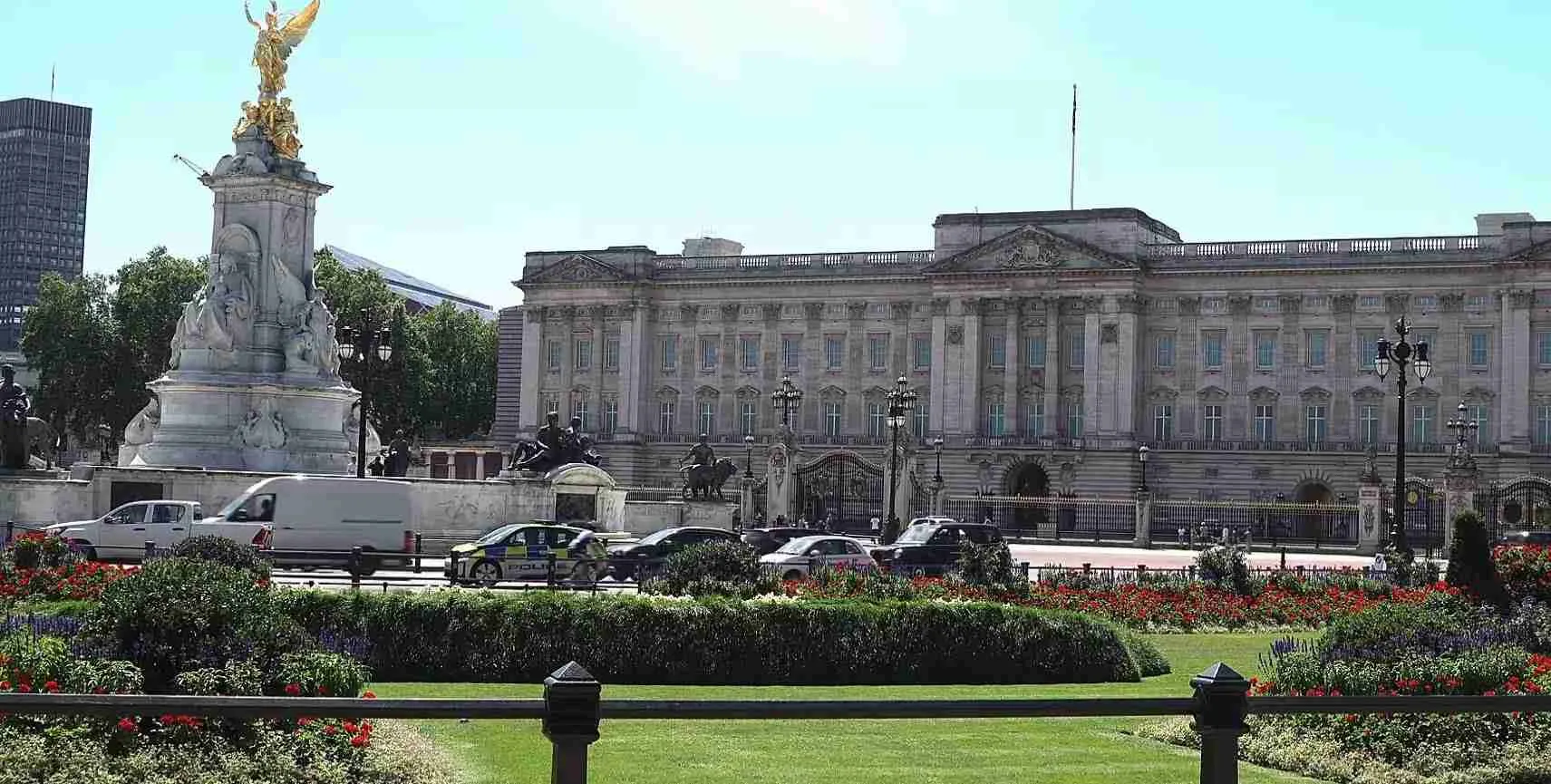
Buckingham Palace’s Changing of the Guard ceremony occurs at 11:00 AM on Monday, Wednesday, Friday, and Sunday from April through July, with reduced winter schedules requiring verification on the Royal website before planning visits. Position yourself at palace gates by 10:30 AM for front-row ceremony views as guards march from Wellington Barracks accompanied by military bands performing 45-minute precision drill maintaining British pageantry traditions. Crowds of 500-1,000 people during peak season demand patience and strategic positioning near central gates for optimal sightlines.
St. James’s Park provides peaceful contrast between Buckingham Palace and Whitehall with tree-lined paths, ornamental lake populated by waterfowl including pelicans, and flower beds creating urban oasis ideal for picnic lunches from nearby supermarkets. The park’s Blue Bridge crossing the lake delivers classic palace views framed by weeping willows while benches enable relaxed breaks between morning abbey touring and afternoon gallery visits.
Afternoon: National Gallery and Trafalgar Square (2:30 PM – 6:00 PM)
The National Gallery maintains free admission to permanent collections spanning European painting from the 13th through early 20th centuries with masterworks including Leonardo da Vinci’s “Virgin of the Rocks,” Jan van Eyck’s “Arnolfini Portrait,” Holbein’s “Ambassadors,” Turner’s seascapes, and Monet’s water lilies requiring no entry fee or advance booking. Allocate 2-3 hours for focused gallery touring balancing Renaissance masters, Dutch Golden Age works, French Impressionism, and British landscape traditions. Special exhibitions command separate admission fees typically £12-18 when present.
Trafalgar Square’s civic plaza, Nelson’s Column monument, and Edwin Landseer’s bronze lions create natural gathering space hosting political demonstrations, cultural celebrations, and tourist photography around fountain pools and stepped terraces. The square’s commanding position above Whitehall and direct sight lines to Parliament establishes its role as London’s democratic forum where public assembly rights maintain constitutional traditions.
Evening: Covent Garden Dining and West End Exploration (6:00 PM – 10:00 PM)
Covent Garden’s covered market, street performers creating theatrical atmosphere, and surrounding dining concentration provide vibrant evening introduction to London’s entertainment district. Budget-conscious options include chains like Côte Brasserie and Bella Italia (£15-22 per person), authentic ethnic cuisines in surrounding Soho streets (£12-18 per person), and upscale pre-theater restaurants (£25-40 per person) catering to audiences heading to nearby West End theaters for 7:30 PM or 8:00 PM curtains.
Walking exploration through Covent Garden’s pedestrianized streets, Seven Dials intersection, and Neal’s Yard’s colorful buildings provides post-dinner entertainment, while pubs like The Lamb & Flag (16th-century timber-framed building on Rose Street) offer traditional British atmosphere if full restaurant dining doesn’t appeal. Save West End theater attendance for Days 3 or 4 when you’re more familiar with booking logistics and performance options.
Day 1 Costs Summary
Westminster Abbey £27, lunch £8-15, National Gallery free entry, dinner £15-25, transport £8.90 daily cap. Total Day 1: £58.90-75.90 per person excluding accommodation.
Day 2 – Tower of London and East London Heritage 2026: Medieval Fortress to Contemporary Culture
Day 2 explores London’s eastern districts where medieval fortifications, Victorian markets, and contemporary creative communities converge along Thames riverside revealing the city’s evolution from Norman military control through industrialization to 21st-century cultural regeneration.
Morning: Tower of London and Crown Jewels (9:00 AM – 12:30 PM)
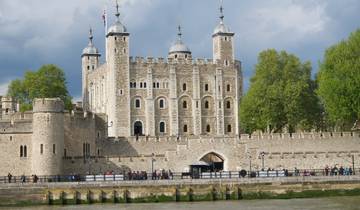
The Tower of London opens at 9:00 AM Tuesday-Saturday, 10:00 AM Sunday-Monday in 2026, with early arrival essential for manageable Crown Jewels queues before coach groups arrive after 10:30 AM. Entry costs £34.80 for adults when booked online through Historic Royal Palaces (check official website for current rates as pricing may vary), delivering comprehensive access to the White Tower, Crown Jewels Exhibition, Battlements, Medieval Palace, Bloody Tower, Torture Exhibition, and Yeoman Warder tours across the 12-acre fortress complex.
Join the 10:00 AM Yeoman Warder (Beefeater) tour providing 60-minute historical narrative from William the Conqueror’s 1066 fortress construction through royal imprisonments, famous executions, and the Tower’s continuing role housing the Crown Jewels. The tour’s entertaining blend of historical accuracy and theatrical presentation establishes context for independent exploration afterward. Allocate 3-4 hours minimum for thorough Tower coverage including the Crown Jewels Exhibition showcasing working regalia with the Imperial State Crown containing 2,868 diamonds and the Sovereign’s Sceptre holding the 530-carat Cullinan I diamond.
The White Tower’s Norman architecture, medieval armor collections, and Chapel of St. John represent England’s finest 11th-century military architecture while the Medieval Palace recreates 13th-century royal chambers demonstrating the Tower’s original function as royal residence before becoming infamous as prison and execution site. The Battlements walk delivers Tower Bridge views and Thames perspectives contextualizing the fortress’s strategic positioning controlling river commerce into London.
Midday: Tower Bridge and Borough Market (12:30 PM – 3:00 PM)
Tower Bridge stands 5 minutes walk from the Tower’s exit gates offering both free exterior photography and paid Tower Bridge Exhibition access (£11.40 online) to high-level walkways with glass floor panels 42 meters above the Thames. The bridge’s Victorian Gothic styling creates London’s most recognizable Thames crossing with bascule bridge lifts occurring 4-5 times daily for tall ships — check the official lift schedule if witnessing bridge engineering interests you.
Borough Market sits 10 minutes southwest along the South Bank’s Thames Path where wholesale fruit and vegetable trading since the 13th century evolved into gourmet food hall showcasing artisan producers, international cuisines, and specialty ingredients. Market lunch options range £6-12 for street food portions including Ethiopian stews, Spanish paella, British pies, Middle Eastern mezze, and Italian fresh pasta creating global food court atmosphere under Victorian iron-and-glass market buildings. Wednesday-Thursday 10:00 AM-5:00 PM provides full trader selection while Friday-Saturday 10:00 AM-6:00 PM brings maximum crowds but peak energy.
Afternoon: Shakespeare’s Globe and Southbank Cultural Quarter (3:00 PM – 6:00 PM)
Shakespeare’s Globe Theatre occupies Bankside 5 minutes west of Borough Market offering guided tours (£19) revealing Elizabethan theater practices through the reconstructed open-air playhouse built following original 1599 designs. If your visit aligns with the April-October season, evening performances deliver authentic Shakespeare productions with standing “groundling” tickets at £7 providing budget access to world-class theater, though 3-hour performances without interval seating challenge stamina.
Tate Modern, Britain’s national modern art gallery housed in the converted Bankside Power Station, maintains free admission to permanent collections spanning Picasso, Matisse, Rothko, Warhol, and contemporary installations across vast turbine hall spaces and gallery levels. Allocate 90-120 minutes for highlights touring if energy permits after morning Tower exploration, or save comprehensive Tate Modern visits for subsequent London trips given your week-long duration enables selective rather than completist museum coverage.
Evening: Shoreditch and East London Creative Scene (7:00 PM – 10:30 PM)
Shoreditch represents East London’s creative hub where street art murals, independent restaurants, vintage shops, and nightlife venues occupy former industrial buildings converted into contemporary cultural spaces revealing London’s ongoing transformation. Brick Lane’s Bangladeshi curry houses (£12-18 per person) provide economical dining with competitive pricing, while Shoreditch High Street supports trendy gastropubs and international cuisines (£18-28 per person) catering to local residents and creative professionals.
Spitalfields Market combines covered food stalls, vintage clothing, and artisan crafts under Victorian market structures with late hours Thursday-Friday enabling evening browsing. The area’s authenticity contrasts with tourist-focused West End, revealing how young professionals, artists, and immigrant communities shape neighborhood identity beyond heritage tourism.
Day 2 Costs Summary
Tower of London £34.80, lunch £10-15, Tower Bridge Exhibition £11.40 (optional), dinner £15-25, transport £8.90 daily cap. Total Day 2: £80.10-95.10 per person excluding accommodation.
Day 3 – British Museum and West End Theater 2026: World History and Theatrical Excellence
Day 3 balances morning immersion in the British Museum’s unparalleled global collections with afternoon Covent Garden exploration and evening West End theater representing London’s cultural supremacy across historical scholarship and contemporary performance arts.
Morning: British Museum Highlights Tour (9:00 AM – 1:00 PM)
The British Museum maintains free admission to permanent collections spanning 2 million years of human history across 8 million objects making it essential London cultural experience requiring no advance booking or entry fee. Arrive at 9:00 AM opening for optimal viewing conditions in the Egyptian galleries housing the Rosetta Stone, monumental sculptures from Ramesses II’s mortuary temple, and mummy cases spanning three millennia before coach groups arrive after 10:30 AM.
The Great Court’s glass-and-steel roof by Norman Foster creates dramatic entrance space where information desks, coat check, and free WiFi enable orientation before embarking on focused highlights tours. Essential galleries include Greece and Rome collections showcasing the Parthenon Sculptures (Elgin Marbles), the Mausoleum at Halicarnassus frieze, and Portland Vase representing classical antiquity’s artistic achievements. Enlightenment Gallery traces European intellectual development through the museum’s founding collections while Middle East galleries display Assyrian palace reliefs from Nineveh, Persian gold treasures, and cuneiform tablets documenting early writing systems.
Allocate 3-4 hours for comprehensive highlights touring covering major civilizations without attempting exhaustive gallery coverage impossible during single visits. The museum provides free mobile app tours and daily guided tours focusing on different collection areas — check information desks for current tour schedules. The Great Court’s cafés offer midday refreshments (£8-15 per person) though Bloomsbury’s surrounding streets provide more economical lunch options at independent cafés and pubs within 5-minute walks.
Afternoon: Covent Garden Shopping and Street Performance (1:00 PM – 5:30 PM)
Covent Garden’s Apple Market, Jubilee Market, and surrounding pedestrianized streets combine shopping, street performance, and architectural charm in former vegetable market buildings converted to retail and entertainment uses. Shopping options span luxury brands on King Street and Floral Street, British heritage stores including Neal’s Yard Remedies and Cambridge Satchel Company, and high street chains filling the market buildings’ upper levels.
Street performers entertain throughout the Piazza daily with musicians, magicians, and acrobats creating festival atmosphere requiring no admission cost beyond optional tips in performers’ collection buckets. The performance culture dates to 1662 when Samuel Pepys recorded Punch and Judy shows, maintaining Covent Garden’s theatrical traditions predating the West End’s formalization. Neal’s Yard’s colorful courtyard shops and Seven Dials’ radiating lanes provide alternative browsing areas less crowded than the central Piazza.
Evening: West End Theater Performance (6:00 PM – 11:00 PM)
London’s West End rivals Broadway as global theater capital with 40+ theaters presenting musicals, dramas, comedies, and classics in historic playhouses concentrated between Covent Garden and Piccadilly Circus. Long-running productions include “The Lion King” at Lyceum Theatre, “Les Misérables” at Sondheim Theatre, and “The Phantom of the Opera” at His Majesty’s Theatre, while new productions rotate through venues seasonally reflecting current theatrical trends.
Ticket prices range £25-150 depending on seat location and show popularity with midweek performances (Tuesday-Thursday) offering lower prices and better availability than weekend shows. Book directly through official theater websites avoiding third-party markup fees, or purchase in-person at theater box offices where day-of-performance seats sometimes become available at discounted rates. The TKTS booth in Leicester Square sells discounted same-day tickets for performances with unsold seats, delivering 25-50% savings below box office prices though popular shows rarely appear on discount boards.
Pre-theater dining concentrates between 5:00-7:00 PM when restaurants offer set menus (£20-30 for 2-3 courses) timed for 7:30 PM or 8:00 PM curtains. These fixed-price menus deliver exceptional value compared to à la carte pricing while ensuring timely arrival at theaters. Independent restaurants on side streets away from Covent Garden’s center provide better value for equivalent quality than tourist-focused establishments in the Piazza proper.
Day 3 Costs Summary
British Museum free entry, lunch £10-15, West End theater £35-80, dinner £20-30, transport £8.90 daily cap. Total Day 3: £73.90-133.90 per person excluding accommodation.
Day 4 – South Kensington Museums and Hyde Park 2026: Science, Natural History, and Royal Parks
Day 4 explores South Kensington’s museum quarter where the Natural History Museum, Victoria & Albert Museum, and Science Museum cluster within 5-minute walks followed by Hyde Park’s 350-acre green expanse providing urban nature relief from concentrated museum touring.
Morning: Natural History Museum and Geological Wonders (9:30 AM – 1:00 PM)
The Natural History Museum maintains free admission to permanent collections housed in Alfred Waterhouse’s Romanesque cathedral-like building where the entrance hall’s blue whale skeleton suspended from the ceiling creates immediate impact replacing the previous Diplodocus replica. The museum’s 80 million specimens span geology, paleontology, zoology, and botany with particular strengths in dinosaur fossils, mineral collections, and biodiversity exhibits demonstrating Earth’s 4.6-billion-year evolution.
Arrive at 10:00 AM opening (weekdays and weekends) for manageable crowds before peak 11:00 AM-3:00 PM periods intensify. Priority galleries include the Dinosaur Gallery’s animatronic T-Rex, the Blue Zone’s marine mammals and ecology exhibits, the Hintze Hall’s architectural grandeur, and the Earth Hall’s earthquake simulator demonstrating plate tectonics. The Darwin Centre’s Cocoon structure houses research collections with 17 million insects and 3 million plants visible through glass walls revealing scientific work beyond public exhibitions.
The museum shop sells excellent natural history books, mineral specimens, and educational materials though prices reflect museum gift shop premiums versus external bookstores. Allocate 2.5-3.5 hours for comprehensive touring balancing permanent galleries with temporary exhibitions when present.
Midday: Victoria & Albert Museum Arts and Design (1:00 PM – 4:30 PM)
The Victoria & Albert Museum (V&A) represents the world’s leading decorative arts, design, and applied arts museum with collections spanning ceramics, furniture, fashion, glass, jewelry, metalwork, photographs, sculpture, textiles, and paintings from global cultures across 5,000 years. Free permanent collection admission enables extended browsing across 145 galleries covering 12.5 acres though comprehensive coverage exceeds single-visit capacity.
Essential galleries include the Cast Courts displaying plaster copies of European Renaissance and medieval masterworks at original scale, the Fashion Gallery tracking clothing evolution 1600-present, the Medieval & Renaissance galleries with the Raphael Cartoons, the British Galleries 1500-1900 documenting domestic interiors and design innovation, and the Asian collections featuring Indian textiles, Chinese ceramics, and Japanese metalwork. The museum’s architecture itself demonstrates design evolution across the building’s 150-year development from Victorian galleries through contemporary extensions.
The V&A Café occupies original Victorian refreshment rooms with Morris, Gamble & Poynter Rooms maintaining elaborate decorative schemes making them among London’s most beautiful museum dining spaces (£8-15 per person for light meals). Friday evening hours extending until 10:00 PM provide alternative timing enabling morning Hyde Park walks followed by afternoon V&A visits if schedule adjustments prove desirable.
Afternoon: Hyde Park and Kensington Gardens (4:30 PM – 7:00 PM)
Hyde Park and Kensington Gardens form continuous 625-acre green space where recreational activities, monuments, and formal gardens provide contrast to urban density and museum interiors. The Serpentine lake divides Hyde Park from Kensington Gardens with boating, the Serpentine Lido swimming area (operates June-September), and waterside walking paths attracting joggers, cyclists, and families throughout daylight hours.
Notable landmarks include the Diana, Princess of Wales Memorial Fountain’s flowing water design, Speakers’ Corner (northeast corner near Marble Arch) hosting public debate since 1872, the Albert Memorial’s Gothic Revival splendor facing Royal Albert Hall, and the Italian Gardens’ formal water features north of the Serpentine. Park benches enable relaxed afternoon breaks after museum touring while the Serpentine Gallery showcases contemporary art exhibitions with free admission in landmark pavilions designed by leading architects.
Evening: Knightsbridge or Alternative Museum Extension (7:00 PM – 9:30 PM)
Knightsbridge’s luxury shopping district borders Hyde Park’s southeastern corner where Harrods and Harvey Nichols represent British retail institutions. Harrods’ Egyptian Hall, food halls spanning global delicacies, and architectural grandeur justify browsing even without purchasing luxury goods, while surrounding streets support designer boutiques for window shopping if actual purchasing exceeds budget constraints.
Alternatively, the Science Museum (also free entry, 10:00 AM-6:00 PM daily) warrants exploration if time and energy permit extending South Kensington’s museum concentration. Highlights include the Apollo 10 command module, Stephenson’s Rocket locomotive, and interactive science demonstrations engaging visitors across age ranges with accessible technology explanations.
Day 4 Costs Summary
Natural History Museum free entry, V&A Museum free entry, lunch £10-15, dinner £18-28, transport £8.90 daily cap. Total Day 4: £36.90-51.90 per person excluding accommodation.
Day 5 – Greenwich Maritime Heritage 2026: Royal Observatory and Thames Perspectives
Day 5 ventures to Greenwich’s UNESCO World Heritage Site combining maritime history, astronomical significance, and riverside parkland revealing Britain’s naval power and scientific contributions before returning central for evening entertainment or relaxation after four consecutive intensive touring days.
Morning: Greenwich – Cutty Sark and Royal Observatory (9:00 AM – 1:00 PM)
Greenwich requires 30-40 minute transport from central London via Docklands Light Railway (DLR) to Cutty Sark station from Bank or Tower Gateway, Thames Clippers river boats from Westminster or Tower piers (45 minutes, £13-18 scenic journey), or National Rail services from London Bridge reaching Greenwich station within 15 minutes. River boat options combine transport with Thames sightseeing though departure schedules and weather affect reliability compared to DLR or rail alternatives.
The Cutty Sark, the world’s sole surviving tea clipper ship from 19th-century China trade, underwent major restoration creating museum ship experience where you walk beneath the hull’s copper plating suspended in dry dock. Entry costs £18 for adults (check official website for current rates), with combined tickets including the Royal Observatory delivering modest savings. The ship’s speed records, cargo holds, and crew quarters reveal maritime commerce conditions when British naval supremacy dominated global trade routes.
Greenwich Park’s sloping grounds lead uphill to the Royal Observatory where the Prime Meridian line marks longitude 0°, dividing Earth’s eastern and western hemispheres. The meridian courtyard enables the popular photo straddling the line with one foot in each hemisphere, with free public access though observatory entry (£18 for adults; check official website) includes planetarium shows, historic telescopes, and timekeeping exhibits explaining how Greenwich Mean Time established global time standards from British imperial expansion. Park views from the observatory hill encompass the Thames, Canary Wharf’s financial district towers, and Greenwich’s Baroque architecture revealing London’s eastern development.
Midday: National Maritime Museum and Greenwich Town (1:00 PM – 4:00 PM)
The National Maritime Museum maintains free admission to galleries exploring British naval history, Pacific exploration, Atlantic slave trade, and contemporary oceanography through interactive exhibits, historic vessels, and fine art collections. The museum neighbors the Old Royal Naval College where the Painted Hall and Chapel (free entry) showcase Baroque architecture rivaling European palace interiors with elaborate ceiling paintings by James Thornhill and decorative schemes demonstrating British artistic achievement.
Greenwich Market operates daily in covered Victorian market buildings where artisan crafts, vintage clothing, antiques, and street food create neighborhood market atmosphere distinct from tourist-focused Borough Market. Wednesday-Sunday brings full vendor presence while reduced stalls operate Tuesday-Thursday. Food vendors serve international cuisines (£6-12 per portion) providing lunch options between market browsing and museum visits.
Greenwich town center’s independent shops, riverside pubs including the Trafalgar Tavern (traditional British menu with Thames views, £15-25 per person), and pedestrian-friendly streets support leisurely afternoon exploration. The area’s UNESCO World Heritage designation recognizes the architectural and historical ensemble spanning royal palace, naval college, observatory, and park as outstanding universal value demonstrating European cultural achievement.
Afternoon Return and Evening Flexibility (4:00 PM – 10:00 PM)
Thames Clippers river boat services from Greenwich Pier to Tower Pier (25 minutes, £13-15) combine return transport with final Thames perspectives traveling upstream past Canary Wharf toward Tower Bridge’s iconic silhouette. Outdoor deck seating maximizes views though London weather may require indoor cabin retreats during drizzle. Oyster cards and contactless payment work on Thames Clippers with boat fares contributing to daily transport caps.
Evening options include returning to central London neighborhoods for final theater performances if you missed opportunities on Days 1-3, exploring South Bank’s riverside bars and restaurants, visiting Sky Garden at 20 Fenchurch Street (free admission with advance booking) for sunset city views, or enjoying hotel relaxation after four intensive touring days. The week’s midpoint warrants schedule flexibility accommodating energy levels and weather conditions rather than rigid daily plans.
Day 5 Costs Summary
Cutty Sark £18, Royal Observatory £18, Greenwich Market lunch £10-15, dinner £15-25, transport £17.80 daily cap (including river boat). Total Day 5: £78.80-93.80 per person excluding accommodation.
Day 6 – Windsor Castle Day Trip 2026: Royal Heritage Beyond London
Day 6 ventures to Windsor Castle, the world’s oldest and largest occupied castle serving as official royal residence for 40 monarchs across nearly 1,000 years, located 25 minutes west of London providing essential counterpoint to urban touring through countryside royal palace experience.
Morning Travel and Castle Arrival (8:30 AM – 10:00 AM)
Windsor & Eton Central station connects directly to London Paddington via Great Western Railway services departing every 30 minutes with 30-40 minute journey times including one change at Slough. Alternatively, Windsor & Eton Riverside station serves South Western Railway trains from London Waterloo with 50-60 minute direct journeys every 30 minutes. Both stations position you within 5-10 minute walks of Windsor Castle’s entrance gates making either route viable depending on your London accommodation location relative to Paddington or Waterloo stations.
Purchase advance rail tickets online for 30-50% savings below flexible same-day fares, with off-peak return tickets from London to Windsor costing £12-18 per person versus £25-35 for anytime flexible returns. Oyster cards work to Windsor (Zone 6) capping daily fares at appropriate levels though traditional rail tickets often deliver better value for day trips beyond central zones.
Windsor Castle Exploration (10:00 AM – 2:30 PM)
Windsor Castle entry costs £32 for adults when booked online in advance, with gate prices at £36 representing £4 premium for same-day purchases (check official website for current rates as pricing may vary). The castle opens Thursday-Monday 10:00 AM-5:15 PM March-October, 10:00 AM-4:15 PM November-February, with closures Tuesday-Wednesday and occasional short-notice closures for state ceremonies given Windsor’s status as working royal palace. Book tickets 1-2 weeks ahead guaranteeing preferred entry times during peak summer months when capacity management may delay walk-up visitors.
Allocate 2.5-3 hours minimum for comprehensive Windsor exploration beginning with the State Apartments where ceremonial rooms used for official state visits display Royal Collection masterworks including paintings by Holbein, Rubens, and Van Dyck, Sèvres porcelain, and English and French furniture demonstrating royal taste across centuries. St. George’s Chapel, included in castle admission, showcases Perpendicular Gothic architecture as the burial place for 11 monarchs including Henry VIII, Charles I, and Queen Elizabeth II whose tomb occupies the King George VI Memorial Chapel added in 2022.
Queen Mary’s Dolls’ House represents the world’s largest and most famous dolls’ house completed in 1924 as perfect 1:12 scale replica of an aristocratic residence with working electricity, lifts, and plumbing demonstrating craftspeople’s skills across 1,500 contributing artisans. The Semi-State Rooms, open September-March, display George IV’s private apartments with elaborate decorative schemes blending classical, Gothic, and Rococo styles using finest 18th-century English and French works.
Free multimedia audio guides in multiple languages provide room-by-room commentary enriching self-guided tours, while Changing of the Guard ceremonies occur at 11:00 AM on select days (Thursday, Saturday, alternate dates August-March, daily April-July) weather permitting. The ceremony lasts 30 minutes with guards marching from barracks through Windsor town center into castle precincts creating pageantry rivaling Buckingham Palace’s equivalent ceremony.
Windsor Town Exploration and Lunch (2:30 PM – 4:00 PM)
Windsor town center’s cobbled streets, independent shops, and riverside pubs provide pleasant afternoon exploration after castle touring. The Undercroft Café inside Windsor Castle serves meals £8-14, sandwiches £5-7, and coffee £3-4 for on-site dining, while Windsor High Street supports chains and independent restaurants (£12-20 per person) offering better value than castle premises. The riverside Thames Path enables walks along the water toward Eton Bridge connecting Windsor with Eton College’s historic campus across the river.
Eton High Street’s Georgian architecture, traditional shops, and the visible Eton College buildings provide alternative browsing if time permits before return trains to London. The college, founded 1440 by Henry VI, educated 20 British prime ministers and maintains architectural grandeur visible from public streets though school grounds remain private during term time.
Return Journey and Evening London (4:00 PM – 10:00 PM)
Return trains to London depart Windsor every 30 minutes from both stations with similar journey times as morning outbound services. Evening arrival in London by 5:00-6:00 PM enables dinner in neighborhoods you’ve explored earlier in the week, final shopping in areas like Covent Garden or Oxford Street (stays open until 9:00 PM), or evening theater if you haven’t exhausted West End interests during previous days.
Alternatively, embrace hotel relaxation after the day trip recognizing that sustainable week-long pacing benefits from strategic rest periods rather than maximizing every evening hour. Your seven-day duration provides luxury of selective evening programming unlike shorter trips demanding continuous activity.
Day 6 Costs Summary
Windsor Castle £32 advance ticket, train return £12-18, lunch £12-20, dinner £15-25 (optional London evening). Total Day 6: £71-95 per person excluding accommodation.
Day 7 – Hampton Court Palace or Alternative Excursions 2026: Tudor Magnificence and Final Options
Your final London day offers Hampton Court Palace’s Tudor and Baroque splendor as primary recommendation, with alternative excursions to Bath, Stonehenge, Oxford, or Cambridge providing variety based on personal interests and energy levels after six consecutive touring days.
Option A: Hampton Court Palace Day Trip (Primary Recommendation)
Hampton Court Palace, Henry VIII’s favorite royal residence located 30 minutes southwest of central London, combines Tudor magnificence with baroque gardens demonstrating British royal architectural evolution across 500 years. Entry costs £27.20 for adults (check official website for current rates as pricing may vary), with online advance booking recommended though same-day tickets typically remain available except peak summer weekends.
Train services from London Waterloo to Hampton Court station depart every 30 minutes with 30-35 minute journey times positioning you 5 minutes walk from palace gates. Off-peak return fares cost £10-14 per person, substantially cheaper than organized tours while providing schedule flexibility. The palace opens 10:00 AM-5:15 PM April-October, 10:00 AM-4:15 PM November-March, with last admission 60 minutes before closing enabling full-day visits or half-day morning/afternoon options depending on energy levels.
Allocate 3-4 hours minimum for comprehensive Hampton Court exploration spanning the Great Hall where Shakespeare’s plays premiered, the Chapel Royal with magnificent baroque ceiling, Tudor Kitchens demonstrating 16th-century food preparation for 1,000 courtiers, Henry VIII’s State Apartments, and William III’s baroque additions including the King’s and Queen’s State Apartments with trompe-l’œil ceiling paintings. The palace’s 60-acre gardens feature the famous hedge maze (planted 1690, half-mile of winding passages), the Great Vine (oldest and largest grapevine in world, planted 1769), Privy Garden recreating William III’s 1702 formal gardens, and extensive parkland along the Thames.
Free audio guides in multiple languages provide room-by-room commentary while costumed interpreters demonstrate Tudor cooking, baroque court etiquette, and palace history through interactive presentations. The Tiltyard Café serves hot and cold food options (£8-14 per person) with indoor and outdoor seating, while the palace gift shop sells heritage-inspired souvenirs and historical books.
Option B: Bath and Stonehenge Organized Tour
Organized coach tours combining Bath’s Georgian architecture, Roman baths, and Stonehenge’s prehistoric monument operate daily from London Victoria Coach Station with 10-11 hour durations including transport, guided commentary, and admission tickets. Tour costs range £75-95 per person delivering comprehensive coverage of two UNESCO World Heritage Sites southwest of London with professional guides explaining historical context throughout the journey.
Tours typically depart 8:00-8:30 AM returning 6:00-7:00 PM, visiting Stonehenge for 60-90 minutes walking among the standing stones with audio guide explanations of the monument’s 5,000-year history and astronomical alignments. Bath visits span 3-4 hours including Roman Baths admission, Georgian architecture walking tours featuring the Royal Crescent and Circus, and free time for shopping or dining in this remarkably preserved 18th-century spa city. Book tours 3-7 days ahead during summer peak season ensuring availability.
Option C: Oxford or Cambridge University Town
Independent train day trips to Oxford (60 minutes from London Paddington, £20-30 return) or Cambridge (50 minutes from London King’s Cross, £18-28 return) provide university town experiences featuring collegiate architecture, academic traditions, and pedestrian-friendly historic centers. Both cities reward 4-6 hour visits exploring college quadrangles (some requiring admission £3-8), university museums, riverside walks (punting on River Cam in Cambridge), and independent shops and restaurants in medieval street patterns.
Oxford highlights include Christ Church College (Harry Potter filming location), Bodleian Library, Radcliffe Camera, and covered market, while Cambridge offers King’s College Chapel, Trinity College, the Backs riverside parks, and Fitzwilliam Museum. Either destination delivers contrast to London’s urban scale through smaller historic towns maintaining academic atmospheres unchanged across centuries.
Option D: London Neighborhood Deep Dive or Relaxation
Alternatively, dedicate Day 7 to London neighborhoods unexplored during earlier days including Notting Hill’s Portobello Road Market (Saturday antiques market), Camden Market’s alternative culture and street food, Hampstead Heath’s hilltop parkland with city views, or Kew Gardens’ botanical collections (£18.50 entry, 30 minutes west by Underground). This option suits travelers exhausted from six intensive days preferring sustainable pacing over completist coverage, or those who discovered specific London areas during the week meriting deeper exploration.
Hotel relaxation, afternoon spa treatments, extended shopping sessions in areas like Oxford Street or Harrods, or simple wandering through neighborhoods you enjoyed earlier all represent legitimate uses of your final full day given that seven-day duration eliminates pressure to maximize every moment unlike shorter trips.
Day 7 Costs Summary (Hampton Court Option)
Hampton Court Palace £27.20, train return £10-14, lunch £12-18, dinner £15-25, transport £8.90 daily cap. Total Day 7: £73.10-93.10 per person excluding accommodation.
Where to Stay for 7 Days in London 2026: Accommodation Planning and Neighborhood Selection
Seven-night accommodation in London represents your largest single expense category with strategic neighborhood selection balancing proximity to attractions against nightly rates that vary dramatically by location, hotel category, and booking timing. Zones 1-2 central positioning minimizes transport time while maximizing walking access to landmarks though some peripheral neighborhoods offer exceptional value if budget constraints outweigh convenience priorities.
Budget Accommodation (£60-100 Per Night / £420-700 Seven Nights)
Budget hotels and hostels in the £60-100 nightly range concentrate in areas like King’s Cross, Paddington, Earl’s Court, and Stratford where older buildings, shared facilities, or peripheral locations enable affordable pricing. Generator Hostel London offers dormitory beds from £12 with superior private rooms from £60-80 featuring design-focused interiors near Russell Square and the British Museum. Point A Hotels operate no-frills but clean modern rooms in Shoreditch, King’s Cross, and Westminster at £70-90 nightly focusing on essential amenities.
Premier Inn and Travelodge chains provide reliable mid-budget options at £80-120 depending on location with advance purchase rates delivering best value. Locations near transport hubs like King’s Cross, London Bridge, and Waterloo balance affordability with accessibility. Weekly booking sometimes delivers 10-15% discounts below cumulative nightly rates when booking seven consecutive nights during shoulder seasons.
Mid-Range Accommodation (£100-200 Per Night / £700-1,400 Seven Nights)
Mid-range hotels in the £100-200 bracket occupy neighborhoods throughout zones 1-2 offering comfortable rooms, private bathrooms, and neighborhood character without luxury pricing. Bloomsbury’s Georgian townhouse hotels provide literary atmosphere near the British Museum at £110-160 nightly, while South Kensington’s Victorian properties position you among museums at £120-180. The Z Hotels operate ultra-compact but well-designed rooms in premium locations including Piccadilly, Soho, and Shoreditch at £90-140 trading room size for central positioning.
Boutique hotels like The Hoxton Shoreditch or One Hundred Shoreditch blend contemporary design with neighborhood authenticity at £140-200 nightly appealing to travelers valuing style over international chain consistency. Seven-night stays during shoulder seasons (April-May, September-October) sometimes qualify for reduced rates or complimentary nights when booking directly with properties rather than through third-party platforms.
Upscale Accommodation (£200-400 Per Night / £1,400-2,800 Seven Nights)
Upscale 4-star hotels in the £200-400 range occupy prime locations with full-service amenities including concierge, fitness centers, restaurants, and spacious rooms. Chains like Marriott, Hilton, and InterContinental maintain properties in Mayfair, Covent Garden, and Westminster at £220-350 nightly. Thames riverside hotels including Park Plaza Westminster Bridge or Sea Containers London offer water views at £240-400 depending on room category with river-facing rooms commanding 30-50% premiums above interior-facing equivalents.
Luxury Accommodation (£400+ Per Night / £2,800+ Seven Nights)
Luxury 5-star hotels in the £400+ category deliver world-class service, Michelin-starred restaurants, lavish spas, and prestigious addresses in Mayfair, Knightsbridge, and Belgravia. The Savoy, Claridge’s, and The Ritz represent London’s heritage luxury properties where afternoon tea ceremonies, art deco or Georgian interiors, and celebrity sightings justify £500-1,200 nightly rates. Contemporary luxury including The Shard’s Shangri-La Hotel or Rosewood London blend modern design with impeccable service at £450-800 for standard rooms.
Strategic Booking Recommendations for Week-Long Stays
Book 8-12 weeks ahead for summer visits (June-August) securing best rates before seasonal pricing increases intensify. Consider booking 4 nights in one neighborhood (Days 1-4) then 3 nights in a different area (Days 5-7) experiencing neighborhood variety while minimizing luggage transport frequency. Bloomsbury works excellently for British Museum proximity Days 1-4, then South Kensington for museum quarter Days 5-7, though luggage transfer between hotels consumes 1-2 hours better spent touring unless cost savings justify the logistics.
Alternatively, maintain single accommodation for all seven nights prioritizing convenience over variety, selecting central locations like Bloomsbury, South Bank, or Victoria ensuring all major attractions remain within 20-30 minute transport access. Weekly apartment rentals through platforms like Plum Guide (£800-1,800 per week) sometimes deliver better value than cumulative hotel costs when traveling as couples or families, with kitchen facilities enabling budget-conscious breakfast and light meal preparation.
London Dining Strategy for 7 Days 2026: Budget Management and Culinary Exploration
Strategic meal planning across seven days balances budget-conscious sustenance enabling affordable daily costs against memorable dining experiences celebrating London’s exceptional food scene spanning every cuisine tradition and price tier globally.
Budget Dining Foundation (£30-45 Daily Per Person)
Supermarket meal deals from Tesco, Sainsbury’s, M&S, and Waitrose provide £3-5 complete lunches including sandwiches, snacks, and drinks sold at ubiquitous locations throughout central London. Adopting supermarket lunches for 5-6 days weekly saves £25-40 versus restaurant equivalents, redirecting budgets toward evening dining experiences. Traditional pub meals deliver authentic British food at £10-15 per person including fish and chips, Sunday roasts, and meat pies with generous portions and welcoming atmosphere in historic buildings.
Ethnic neighborhoods provide exceptional value with Brick Lane’s Bangladeshi curry houses (£12-18), Chinatown’s Hong Kong-style cafés (£10-15), and Edgware Road’s Lebanese restaurants (£12-20) serving authentic cuisines at neighborhood prices. Borough Market, Greenwich Market, and Camden Market’s street food stalls offer international variety at £6-12 per portion creating economical lunch or dinner alternatives to sit-down restaurants.
Mid-Range Dining Balance (£50-80 Daily Per Person)
Mid-range restaurants including chains like Côte Brasserie, Wagamama, Dishoom, and Carluccio’s deliver reliable quality at £15-25 per person for main courses. Allocate 3-4 evening meals weekly to sit-down restaurants (£45-75 across dinner and drinks) while maintaining supermarket lunches and 2-3 budget dinners at pubs or ethnic restaurants keeping weekly food costs at £350-560 per person across seven days.
Pre-theater set menus represent exceptional value opportunities at £20-30 for 2-3 courses served 5:00-7:00 PM before evening theater curtains, delivering 30-50% savings below à la carte equivalents at upscale establishments. Schedule 1-2 pre-theater dining experiences during your week coordinating with West End performances maximizing both culinary and cultural value.
Upscale Dining Experiences (£80-120+ Daily Per Person)
Dedicate 1-2 evenings across your week to memorable dining experiences at gastropubs with seasonal British ingredients, modern European cuisine, or high-end ethnic restaurants where chef-driven menus justify £30-80 per person pricing. Reservations become essential 2-4 weeks ahead for popular establishments. Restaurants like Dishoom (elevated Indian), Hawksmoor (steakhouse), and The Ivy (British brasserie) represent this category with consistent quality.
Michelin-starred restaurants beginning around £60-80 per person for lunch set menus rising to £120-300 for dinner tasting menus at establishments like The Ledbury or Restaurant Gordon Ramsay deliver world-class dining if culinary excellence ranks among travel priorities. One special occasion meal across your week creates lasting memories justifying premium costs when budgets permit.
Money-Saving Dining Strategies Across Seven Days
Eat larger midday meals when restaurants offer lunch specials at 30-40% below dinner pricing for equivalent dishes, then consume lighter dinners from supermarkets or pubs. Hotel breakfasts, if included in room rates, provide substantial fuel reducing midday food needs to light snacks or market tastings. Avoid restaurants immediately adjacent to major tourist sites where prices run 20-30% above equivalents 2-3 blocks away as you exit premium tourist pricing zones.
Allocate your week’s dining budget strategically: Days 1-2 focus on budget orientation while learning neighborhood options, Days 3-5 include mid-range experiences and pre-theater dining, Days 6-7 either splurge on special meals or maintain budget discipline depending on week-long expense tracking. This progression prevents early-week overspending while maintaining financial awareness throughout your stay.
Complete 7-Day London Budget Breakdown 2026
Budget Traveler (£900-1,400 Per Person Total)
Accommodation £420-700 (hostels and budget hotels £60-100 nightly), dining £210-315 (£30-45 daily: supermarket meals, pub dinners, market food), attractions £100-150 (Westminster Abbey, Tower of London, Windsor, paid attractions only, visiting free museums extensively), transport £60-90 (seven daily caps £8.90 plus day trip rail fares), miscellaneous £110-145 (souvenirs, contingencies, occasional treats). Budget travelers walk extensively, prepare some meals, visit free museums, use standing theater tickets, and stay in hostels or outer zone budget hotels accepting longer transport times.
Mid-Range Traveler (£1,500-2,600 Per Person Total)
Accommodation £700-1,400 (mid-range hotels £100-200 nightly zones 1-2), dining £350-560 (£50-80 daily: mix of supermarket lunches, mid-range dinners, pre-theater meals, occasional upscale experiences), attractions £200-300 (comprehensive paid site coverage including Westminster Abbey, Tower of London, The Shard, Windsor, Hampton Court, theater tickets, special exhibitions), transport £80-120 (daily caps plus day trip rail and occasional taxis), miscellaneous £170-220 (shopping, quality souvenirs, spontaneous additions). Mid-range travelers balance economy with comfort through strategic meal planning, advance attraction booking, mid-range accommodations, and selective rather than completist touring.
Luxury Traveler (£2,800-5,000+ Per Person Total)
Accommodation £1,400-2,800+ (upscale and luxury hotels £200-400+ nightly), dining £560-840 (£80-120 daily: upscale restaurants, Michelin dining, premium pre-theater, afternoon teas, fine wine), attractions £300-500 (premium theater tickets, private guided tours, VIP experiences, champagne at The Shard), transport £120-200 (taxis, private transfers, premium rail tickets, river boat cruises), miscellaneous £420-660 (designer shopping, luxury souvenirs, spa treatments, spontaneous upgrades). Luxury travelers prioritize experience quality over cost optimization with central hotels, fine dining, convenient transport, and premium cultural access.
Essential London Travel Tips for Week-Long Visits 2026
Pacing and Energy Management Across Seven Days
Week-long London visits benefit from strategic rest periods preventing accumulated exhaustion that reduces enjoyment and retention of experiences. Schedule 1-2 lighter days (Days 4-5 often ideal) with single morning attractions followed by park walks, shopping, or hotel relaxation rather than intensive all-day touring. Alternate museum-intensive days (Days 3-4) with outdoor-focused days (Day 5 Greenwich, Days 6-7 countryside excursions) preventing monotonous daily patterns.
Morning starts before 9:00 AM maximize attraction access during quieter periods while afternoon 3:00-5:00 PM breaks for hotel returns, refreshments, or park relaxation prevent exhaustion enabling enjoyable evening activities. Your seven-day duration eliminates pressure to maximize every hour unlike shorter trips where unused time feels wasteful.
Weather Contingency Planning
London’s unpredictable weather across seven days inevitably includes rain requiring flexible itinerary adjustments. Prepare rain contingencies moving outdoor-focused days (Hyde Park, Greenwich parkland, Windsor gardens) to sunny periods while rainy days shift toward museum-intensive options (additional Tate Modern time, V&A deep dive, extended British Museum galleries). Pack compact umbrella and light waterproof jacket enabling continued exploration during brief showers characteristic of London drizzle rather than heavy downpours.
Weekly Transport Optimization
Seven-day stays benefit from weekly Oyster card caps at £47.30 for zones 1-2 (compared to seven daily caps at £62.30 total) delivering automatic £15 savings when using contactless or Oyster cards consistently. The weekly cap applies Monday-Sunday meaning arrival midweek (Thursday-Friday) prevents full weekly cap benefits unless staying through following week. Day trip rail fares to Windsor, Hampton Court, and other destinations fall outside Oyster zones requiring separate ticket purchases though combined fares sometimes exist.
Booking Timeline for Week-Long Visits
Book flights 8-12 weeks ahead for summer visits securing moderate fares before peak season pricing intensifies. Reserve accommodation 8-12 weeks ahead guaranteeing preferred hotels and neighborhoods before availability tightens. Purchase theater tickets 2-4 weeks ahead for popular shows ensuring preferred seat locations and performance dates. Book day trip organized tours (Bath/Stonehenge combinations) 1-2 weeks ahead during summer. Reserve Windsor Castle and Hampton Court Palace tickets 1-2 weeks ahead for guaranteed entry times. Most London museums require no advance booking maintaining walk-up access daily.
Frequently Asked Questions About 7-Day London Visits 2026
Can I see everything important in London during 7 days in 2026?
Seven days enables comprehensive introduction to London’s essential attractions, major museums, royal heritage, and cultural offerings while acknowledging that “everything” exceeds any single visit’s capacity given London’s overwhelming scale. You thoroughly experience Westminster’s political quarter, the Tower of London’s Crown Jewels, the British Museum’s global collections, South Kensington’s museum trio, Greenwich’s maritime heritage, Windsor Castle’s royal magnificence, West End theater, and diverse neighborhood characters across sustainable pacing preventing exhaustion. However, specialized interests — every Tate gallery, all royal palaces, comprehensive neighborhood exploration, multiple day trips — require return visits or longer stays. Seven days represents comprehensive overview rather than exhaustive coverage, establishing foundation knowledge for potential future London visits building on accumulated familiarity.
Should I get a London Pass for a 7-day visit in 2026?
The London Pass delivers value only if you visit 4-5 paid attractions daily maintaining exhausting schedules sacrificing quality for quantity coverage. Calculate your specific intended attractions across seven days — if Westminster Abbey (£27), Tower of London (£34.80), Windsor Castle (£32), Hampton Court (£27.20), Churchill War Rooms (£33), St. Paul’s Cathedral (£23), The Shard (£35), and Thames cruise (£15) all interest you, the combined £227 cost compares to a 7-day London Pass at approximately £90-100 daily depending on package. However, visiting 8 paid attractions across seven days (1.1 daily average) enables sustainable pacing with comprehensive free museum coverage (British Museum, National Gallery, Tate Modern, V&A, Natural History Museum consuming 10-12 total hours across multiple days) making individual ticket purchases more economical than pass costs. The pass benefits only completist tourists maximizing daily paid attraction visits (3-4 daily minimum) creating rushed schedules inappropriate for quality engagement.
What’s the ideal London accommodation strategy for 7 nights in 2026?
Book single accommodation for all seven nights in centrally-located neighborhoods like Bloomsbury, South Bank, Westminster, or King’s Cross prioritizing convenience over variety and eliminating mid-week luggage transfers consuming touring time. Bloomsbury delivers optimal balance positioning you near the British Museum, King’s Cross transport hub, Covent Garden entertainment, and British Library with mid-range hotel options at £100-150 nightly providing excellent value for central zones 1-2 location. Alternatively, split accommodation with 4 nights near initial attractions (Bloomsbury for British Museum proximity Days 1-4) then 3 nights in different area (South Kensington for museum quarter Days 5-7) experiencing neighborhood variety while accepting 1-2 hours luggage transfer logistics on Day 5. Weekly apartment rentals sometimes deliver better value than cumulative hotel costs for couples or families when kitchen facilities enable breakfast and light meal preparation reducing dining expenses £15-30 daily.
How do I avoid tourist crowds during a week in London in 2026?
Arrive at paid attractions like Westminster Abbey and Tower of London at 9:00-9:30 AM opening before coach tour groups intensify after 10:30 AM, reducing queue times from 45-60 minutes to 5-10 minutes while enabling photography without crowds. Visit the British Museum and National Gallery during final admission hours (British Museum 4:30-5:30 PM, National Gallery 4:00-6:00 PM) when coach groups have departed and galleries achieve peaceful conditions matching morning opening quietness. Schedule weekday visits to popular attractions avoiding weekend crowds when local families and short-term tourists concentrate at major landmarks. Explore neighborhoods like Greenwich, Hampstead, Notting Hill, and Camden during midweek periods when tourist concentrations remain in Westminster and South Kensington core zones. Your seven-day duration enables flexible timing shifting popular attractions to optimal windows unlike rigid 3-4 day schedules forcing weekend or midday visits during peak crowd periods.
What day trips from London work best for first-time visitors in 2026?
Windsor Castle represents ideal first-time day trip combining easy 30-minute rail access, manageable 2.5-3 hour touring duration, significant royal heritage directly connected to London’s monarchical history, and charming town center exploration requiring minimal planning beyond advance ticket purchase. Hampton Court Palace serves as excellent second day trip providing Tudor and baroque palace experience complementing Windsor’s medieval and Georgian architecture while maintaining convenient 30-minute rail access from Waterloo. These two day trips deliver royal heritage depth impossible within London proper while avoiding the long coach journeys (2+ hours each way) required for Bath, Stonehenge, Oxford, or Cotswolds combinations that consume 10-12 hours total leaving limited actual site time. First-time visitors benefit more from thorough London and near-London royal palace coverage establishing foundation knowledge before distant countryside excursions appropriate for return visits or longer stays.
How much walking should I expect daily during 7 days in London?
Expect 15,000-20,000 steps daily (approximately 7-10 miles) combining attraction touring, neighborhood exploration, and transport station connections during intensive sightseeing days (Days 1-5), with reduced 8,000-12,000 steps during day trip days (Days 6-7) when rail travel replaces urban walking. Museum galleries alone generate 5,000-8,000 steps during 2-4 hour visits while walking between clustered attractions adds 3,000-6,000 steps. Underground station platforms, stairs, and corridors contribute 2,000-3,000 additional steps daily across typical 4-6 transport journeys. Comfortable, broken-in walking shoes prove absolutely essential preventing blisters that compound across seven consecutive days creating misery by midweek. Schedule afternoon rest periods at hotels, cafés, or parks preventing accumulated fatigue while enabling evening activities maintaining enthusiasm rather than exhausted collapse. Your seven-day duration permits sustainable pacing with strategic rest days impossible during shorter trips demanding continuous activity.
Can I visit London on a strict budget for 7 days in 2026?
Strict budget London visits (£900-1,400 total per person) remain viable through strategic choices: hostels and budget hotels in outer zones or areas like King’s Cross and Earl’s Court (£50-80 nightly), supermarket meal deals for lunches and some dinners (£15-25 daily food costs), extensive free museum coverage (British Museum, National Gallery, Tate Modern, V&A, Natural History Museum representing 15+ hours world-class culture at zero cost), selective paid attraction coverage prioritizing 3-4 absolute essentials (Westminster Abbey, Tower of London, Windsor Castle total £93.80), standing theater tickets (£7-25), and consistent walking replacing paid transport when distances permit. Budget travelers accept longer accommodation commutes, cook some meals, limit evening entertainment, visit free attractions extensively, and walk 20,000+ daily steps minimizing transport costs. The extensive free museum offerings and accessible supermarket infrastructure make London more budget-friendly than reputation suggests when approached strategically.
What’s the best month to visit London for a week in 2026?
May and September deliver optimal seven-day visiting conditions combining favorable weather (12-19°C / 54-66°F), moderate tourist crowds, shoulder season hotel pricing 20-30% below summer peaks, and full attraction hours without winter schedule reductions. May brings spring blooms across London’s parks, longer daylight extending past 8:00 PM, and pre-summer enthusiasm before August exhaustion while September offers autumn colors, reduced crowds as school terms resume, pleasant walking temperatures, and maintained summer operating hours at attractions transitioning toward winter schedules only in October. Both months enable sustainable week-long outdoor activity balancing museum touring with park walks and countryside day trips in comfortable conditions. Avoid July-August’s peak crowds, maximum hotel costs, and tourist saturation unless constrained by school holiday scheduling, while December brings festive markets and theater seasons offset by short daylight (sunset 4:00 PM) reducing touring efficiency across seven days.
Should I book organized tours or explore London independently for 7 days?
Seven-day durations favor independent exploration over organized tours given sufficient time for orientation, neighborhood discovery, and flexible pacing responding to weather, energy levels, and spontaneous interests impossible on rigid tour schedules. The extensive Underground network, clear signage, free museum admission, and English language accessibility enable confident independent touring from Day 1 with smartphone maps and guidebook references providing navigation support. Reserve organized tours for specific enriching experiences: Thames river cruises combining transport with commentary, day trips to Bath/Stonehenge combinations requiring coach logistics, or specialized walking tours revealing hidden neighborhoods or themed history (Jack the Ripper, Beatles, Churchill War Rooms) complementing self-guided exploration. Independent approaches deliver superior value, flexibility, sustainable pacing, and authentic neighborhood engagement compared to organized tour buses rushing between landmarks preventing meaningful immersion across your week-long stay.
How do I handle jet lag during the first days of my London week in 2026?
Schedule Days 1-2 with outdoor activities in natural light helping circadian rhythm adjustment rather than intensive museum touring where jet lag reduces attention and retention. Westminster Abbey, Parliament exterior walks, St. James’s Park, and Tower of London combine outdoor movement with engaging experiences preventing sleep while exposing you to sunlight facilitating faster adaptation. Avoid afternoon naps beyond 30 minutes maintaining nocturnal sleep consolidation enabling quicker adjustment. Push through Day 1 exhaustion until local 9:00-10:00 PM bedtime resisting mid-afternoon collapse even when overwhelming tiredness occurs. Most travelers achieve functional adjustment by Day 3-4 with complete adaptation by Day 5-6, making your seven-day duration ideal for experiencing London both during initial jet lag and post-adjustment periods unlike 3-4 day trips where entire visits occur under jet lag influence reducing enjoyment and retention significantly.