London 6-Day Itinerary 2026: Essential Planning & Practical Advice
London combines two millennia of history with cutting-edge contemporary culture across 33 boroughs spanning 1,572 square kilometers, creating overwhelming possibilities for first-time visitors attempting to balance iconic landmarks with authentic neighborhood exploration. This six-day itinerary structures your visit through geographical logic and thematic progression, minimizing transport time while maximizing authentic London experiences from royal palaces to East End markets. Whether you’re pursuing royal history, world-class museums, or multicultural neighborhoods, these carefully planned days transform London’s vastness into manageable discovery.
Key Takeaways for Your London 6-Day Itinerary 2026
- Strategic neighborhood clustering: This itinerary groups attractions by geographic proximity across six distinct daily zones from Westminster royal landmarks to East End creative districts, reducing Underground travel while building comprehensive London understanding through varied neighborhood character.
- Verified 2026 transportation costs: London Underground fares increased March 1, 2026 to £3.10 peak (£3.00 off-peak) for Zone 1 travel with daily caps at £8.90 for zones 1-2, making the 7-day Travelcard at £44.70 optimal value for this itinerary covering central London exploration.
- Free museum advantage: Major museums including British Museum, National Gallery, Tate Modern, Victoria & Albert Museum, and Natural History Museum offer free general admission, allowing museum-intensive days without accumulating entry costs while paid attractions like Tower of London (£34.80) and Westminster Abbey (£27) require advance booking.
- Accommodation location priority: Central neighborhoods including Bloomsbury, South Kensington, and Covent Garden provide walking access to multiple itinerary days while maintaining authentic London character beyond tourist zones, with hotel rates ranging £120-350 nightly depending on season and standard.
- Advance booking timeline: Reserve Tower of London and Westminster Abbey tickets 2-3 weeks ahead for preferred morning slots, book popular restaurants 1-2 weeks in advance, and purchase theatre tickets 2-6 weeks before arrival for optimal show selection and pricing.
- Built-in flexibility: Each day includes 2-3 hours unscheduled time permitting spontaneous market browsing, extended museum visits, or neighborhood café culture absorption that defines authentic London experiences beyond checklist sightseeing.
People Also Ask About London 6-Day Itinerary 2026
How much does a 6-day London trip cost in 2026?
A 6-day London trip in 2026 costs £1,440-2,820 per person for mid-range travel excluding flights. Budget breakdown: accommodation £120-280 nightly (£720-1,680 total), daily expenses £80-130 for meals and attractions (£480-780 total), transportation £60-80 including 7-day Travelcard and airport transfers (£60-80 total), and additional costs £180-280 for theatre, shopping, and contingencies. Budget travelers using hostels, free museums, and street food manage £600-900 total, while luxury visitors spending on five-star hotels, Michelin dining, and private experiences exceed £4,000-6,000 per person for comprehensive comfort and exclusive access.
What is the best time to visit London in 2026?
The best times to visit London in 2026 are May-June and September-October when weather remains mild with temperatures 15-20°C, tourist crowds thin after peak summer, and accommodation rates drop 20-30% below July-August pricing — calculation: summer £200-350 discounted 20-30% = £140-280 range for shoulder season — while attractions maintain full operating hours. Late spring (May-June) offers blooming parks, longer daylight hours (sunset 9:00 PM June), and outdoor festival season beginning, while early autumn (September-October) provides comfortable walking weather, autumn colors in royal parks, and cultural season opening with new theatre productions and museum exhibitions. Winter (November-February) brings lowest hotel rates (£120-200 vs £200-350 summer, representing 40-43% reduction: (200-120)÷200=40%, (350-200)÷350=43%) and festive Christmas markets November-January, though short daylight hours (8-9 hours December) and frequent rain require indoor-heavy itinerary adjustments.
Is 6 days enough time to see London in 2026?
Six days provides sufficient time to experience London’s essential attractions and diverse neighborhoods without exhausting pace, covering major museums (British Museum, National Gallery, Tate Modern), iconic monuments (Tower of London, Westminster Abbey, Buckingham Palace), historic districts (Westminster, City of London, South Bank), markets (Borough, Camden), and comfortable day-trip options (Windsor, Greenwich) while maintaining 2-3 hours daily flexibility for spontaneous discoveries. This duration allows 3-4 major activities per day with proper lunch breaks and evening exploration matching London’s vast scale without constant rushing. Extending to 8-10 days enables deeper neighborhood immersion, additional day trips (Stonehenge, Bath, Oxford), more theatre attendance, and specialized museum focus, while condensing to 3-4 days forces difficult choices between landmark sightseeing and neighborhood atmosphere appreciation.
Do I need to book London attractions in advance for 2026?
Book Tower of London and Westminster Abbey timed-entry tickets 2-3 weeks ahead during April-September peak season guaranteeing preferred morning time slots avoiding afternoon crowds that create 90-minute queues for walk-up visitors, while major free museums (British Museum, National Gallery) accept same-day entry though arriving at opening (10:00 AM typical) secures best experience before crowds intensify. Churchill War Rooms, London Eye, and Madame Tussauds benefit from advance online booking providing 10-20% discounts versus door pricing and guaranteed entry during sold-out periods. Theatre tickets for popular West End shows require 2-6 weeks advance purchase for optimal seat selection and pricing, while restaurant reservations at acclaimed venues need 1-2 weeks notice for preferred dining times.
Extended multi-day tours – 5+ days
Featured London Multi-Day Tour Packages
2 days
Windsor, Stonehenge, Bath & Oxford from London – 2 Days
- ✓ Comprehensive London tour
- ✓ Expert local guides included
- ✓ All accommodation arranged
- ✓ Transportation provided
5 days
Classic England – 5 Days
- ✓ Comprehensive London tour
- ✓ Expert local guides included
- ✓ All accommodation arranged
- ✓ Transportation provided
5 days
Royal Indulgence | London, England
- ✓ Booking needs min. 2 travelers
7 days
Spotlight on London (2026)
- ✓ Comprehensive London tour
- ✓ Expert local guides included
- ✓ All accommodation arranged
- ✓ Transportation provided
Multi-day tour packages powered by TourRadar. Prices and availability subject to change.
Introduction: Planning Your Perfect Week in London 2026
London defies simple categorization as a single unified city, functioning instead as a constellation of distinct villages absorbed across centuries into a sprawling metropolitan region where Roman walls coexist with glass skyscrapers and medieval markets thrive beside contemporary art galleries. A six-day visit provides the necessary timeframe to appreciate this layered complexity while avoiding the superficial landmark-chasing that misses London’s essential character residing in neighborhood pubs, covered markets, riverside walks, and the everyday rhythms of Europe’s most multicultural capital. This itinerary balances iconic tourist destinations with authentic local experiences, recognizing that memorable London visits combine Westminster Abbey’s gothic grandeur with Brick Lane’s curry houses, Tower of London’s Crown Jewels with Columbia Road’s Sunday flower market.
The geographical organization groups each day around specific London zones connected by Underground proximity or comfortable walking distances, preventing the scattered itineraries that waste hours on tube transfers while building coherent neighborhood familiarity. Day One introduces Westminster’s royal and governmental London establishing historical context and iconic recognition. Day Two explores museum excellence through British Museum and National Gallery paired with Covent Garden’s commercial vitality. Day Three navigates the Tower of London and City of London’s financial district before crossing to vibrant South Bank. Day Four ventures to West London’s museum corridor and royal parks, while Day Five discovers creative East London’s markets and street art. Day Six offers flexible completion of deferred attractions or comfortable day trips to Windsor Castle or Greenwich’s maritime heritage.
This structure acknowledges physical and mental energy fluctuations across extended travel. Monument-heavy days alternate with lighter neighborhood exploration days preventing cultural exhaustion. Free museum days balance paid attraction days managing budgets naturally. Outdoor walking days precede indoor museum days accounting for weather unpredictability. The Tower of London visit falls early (Day Three) when motivation peaks for intensive historical touring requiring several hours committed exploration. Theatre attendance possibilities thread throughout the week, positioned after lighter activity days when evening energy remains high for West End show appreciation.
Practical considerations shape timing recommendations throughout. Museums receive morning priority when crowds remain manageable and natural light optimizes artwork viewing. Afternoon hours accommodate markets, parks, and shopping when morning museum fatigue sets in. Evenings transition to dining and pub culture when London shifts from tourist efficiency to local rhythms. This pattern prevents the burnout plaguing itineraries attempting too many major attractions daily while ensuring comprehensive London experience across royal, cultural, historical, and contemporary dimensions defining the city’s multifaceted character.
The itinerary assumes mid-range preferences balanced between comfort and value, though alternatives suit budget travelers and luxury seekers at each decision point. Accommodation recommendations focus on central locations providing easy access to daily starting points while preserving neighborhood character beyond sterile tourist zones. Dining suggestions span from traditional pub meals to contemporary restaurants reflecting London’s position as Europe’s most diverse culinary capital. Transportation guidance emphasizes the Underground’s efficiency while acknowledging walking’s irreplaceable role discovering London’s street-level personality invisible from tube platforms.
Budget transparency receives attention throughout with specific cost breakdowns reflecting verified March 2026 pricing adjustments for attractions, dining, and transportation. The itinerary’s free museum emphasis reduces daily costs significantly compared to Paris or Rome where major museums charge substantial entry fees, allowing budget reallocation toward quality dining, theatre tickets, or day trip experiences. Understanding London’s pricing structure prevents common tourist traps while maximizing value across accommodation, dining, and attraction categories through informed decision-making based on current rather than outdated pricing information.
Day 1: Royal Westminster – Buckingham Palace to Westminster Abbey 2026
Day One establishes immediate London immersion through its most recognizable royal and governmental landmarks concentrated in Westminster, building iconic recognition and historical context framing the remaining five days. This intensive introduction balances structured monument visits with spontaneous royal park wandering, setting expectations for how London reveals itself through grand ceremonial spaces and intimate garden corners simultaneously. Starting with Buckingham Palace capitalizes on first-day energy while completing Britain’s most essential royal experience early, preventing disappointment if weather or schedule complications interfere with later attempts.
Morning: Buckingham Palace and Changing of the Guard (9:00 AM – 12:30 PM)
Begin at Green Park Underground station arriving by 9:30 AM to secure prime viewing positions along The Mall for the Changing of the Guard ceremony commencing 11:00 AM daily April-July and alternate days August-March (verify schedule on Household Division website before visiting as ceremony cancels during heavy rain or state events). Walk through Green Park to Buckingham Palace’s front gates where crowds gather against iron railings observing the choreographed military precision as New Guard relieves Old Guard in traditional red tunics and bearskin hats symbolizing British ceremonial continuity.
The ceremony lasts approximately 45 minutes with optimal viewing from The Mall’s center section or directly before palace gates where guardsmen march. Arrive early as crowds intensify by 10:30 AM creating dense standing-room-only conditions requiring patience and persistence securing sightlines through tourist masses. Alternative viewing positions include Clarence House end of The Mall where guards assemble before marching to palace, offering more space though less central action than main palace forecourt.
Buckingham Palace State Rooms open to visitors late July-September only when Royal Family vacations at Balmoral, with timed-entry tickets (£32 adults 2026) permitting self-guided tours through throne room, picture gallery, and state apartments showcasing royal art collection and ceremonial spaces. Outside summer opening, appreciate the palace’s neoclassical facade designed by John Nash during 1820s transformation from private residence to official royal headquarters, now serving as administrative offices and occasional ceremonial venue for state banquets and investitures.
Midday: St James’s Park and Trafalgar Square (12:30 PM – 2:30 PM)
Walk through St James’s Park, London’s oldest royal park dating to 1603, following the lake eastward past pelicans and waterfowl toward Horse Guards Parade where mounted sentries maintain ceremonial guard duty outside Whitehall government offices. The park provides welcome green recovery after Changing of the Guard crowds, with deck chairs scattered along lakeside paths inviting relaxation amid urban oasis preserving centuries-old royal hunting ground character despite surrounding Westminster’s governmental intensity.
Continue through Admiralty Arch reaching Trafalgar Square, London’s central ceremonial space commemorating Admiral Nelson’s 1805 naval victory with the 50-meter Nelson’s Column dominating the square surrounded by bronze lion sculptures and fountains. The National Gallery’s neoclassical facade occupies the square’s northern edge, housing one of world’s finest Western European painting collections free to public (covered extensively Day Two itinerary). The square itself functions as London’s gathering point for political demonstrations, New Year celebrations, and casual tourist congregation appreciating central location and architectural grandeur.
Lunch options around Trafalgar Square and Whitehall span from casual cafés to traditional British pubs. The Admiralty at 66 Trafalgar Square serves classic pub meals (£12-18 mains) in Victorian premises with outdoor seating overlooking the square, while St Stephen’s Tavern at 10 Bridge Street opposite Big Ben offers pre-1930s atmosphere and traditional fish and chips (£14-16) popular with Westminster parliamentary staff. For lighter alternatives, Pret A Manger and similar chain cafés throughout the area provide sandwiches and prepared salads (£4-8) suitable for park picnicking if weather permits.
Afternoon: Westminster Abbey and Houses of Parliament (2:30 PM – 6:00 PM)
Walk south along Whitehall past Downing Street’s guarded gates (Number 10 residence visible through iron railings), Horse Guards, and Cenotaph war memorial to Westminster Abbey, Britain’s most significant religious building where coronations, royal weddings, and state funerals occur. Westminster Abbey admission costs £27 for adults in 2026 with timed-entry tickets recommended 2-3 weeks ahead during peak season guaranteeing entry without 60-90 minute queues confronting walk-up visitors after midday. The abbey opens Monday-Saturday with services closing the building to sightseers Sundays and during special ceremonial events (check calendar before visiting).
Allow 2-2.5 hours exploring the abbey’s extraordinary gothic architecture, Poets’ Corner memorials to literary giants including Shakespeare and Dickens (though neither buried here), Coronation Chair where British monarchs receive crowning since 1308, and royal tombs housing Henry VII, Elizabeth I, and Mary Queen of Scots among others. The abbey audio guide (included with admission) provides historical context and architectural explanations navigating the complex floor plan spanning nave, cloisters, chapter house, and multiple chapels. The fan-vaulted Lady Chapel ceiling represents English Perpendicular Gothic architecture at its apex, while the abbey’s overall ensemble creates overwhelming historic atmosphere witnessing nearly 1,000 years continuous worship and royal ceremony.
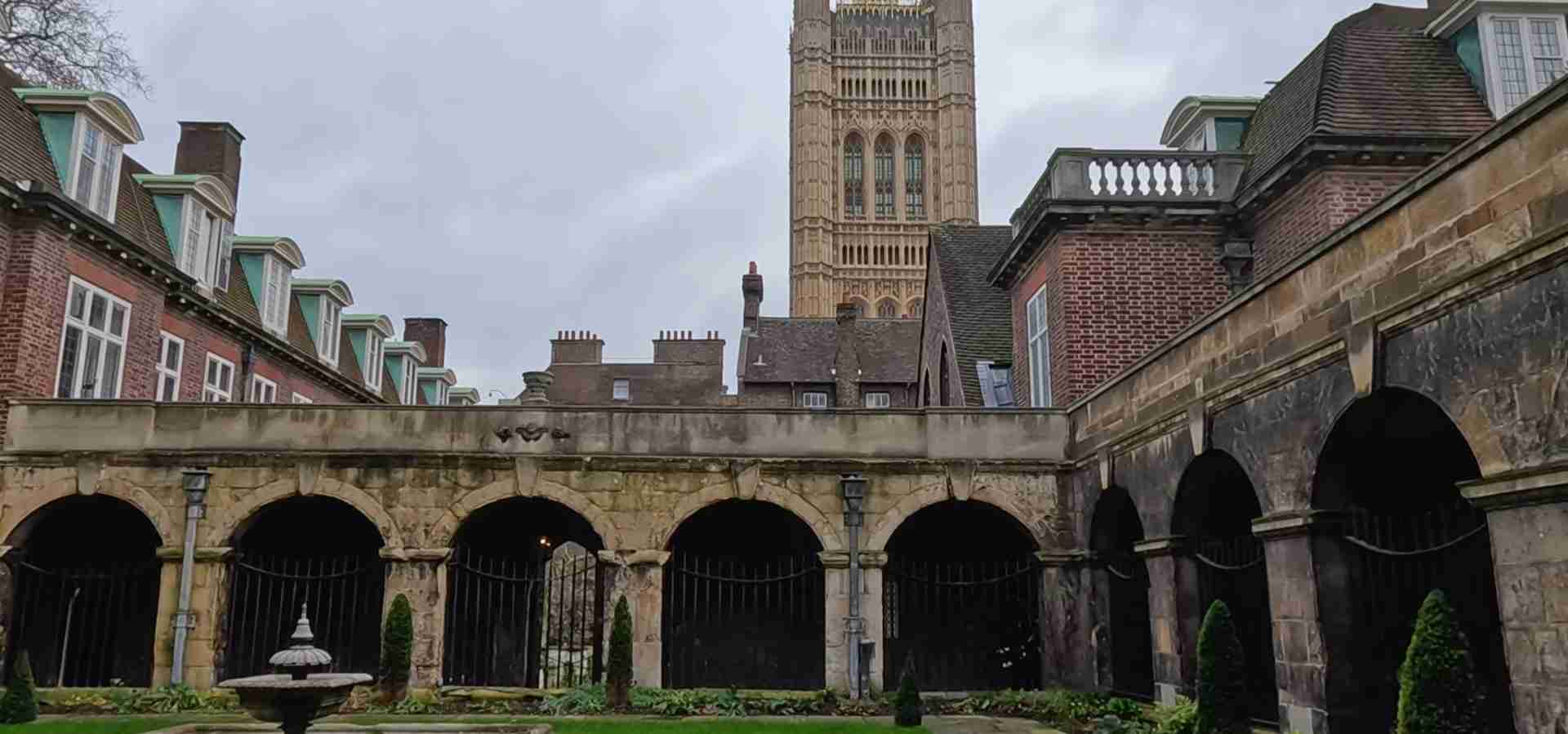
Exit Westminster Abbey to Parliament Square viewing the Houses of Parliament’s iconic gothic revival facade and Elizabeth Tower housing Big Ben (the bell, not the clock or tower despite common misnaming). Parliament tours require advance booking through parliamentary website offering timed entry Saturdays and weekdays during recess periods (£28.50 adults), while viewing from exterior remains possible anytime appreciating Charles Barry’s 19th-century architectural masterpiece following the 1834 fire destroying medieval palace. Cross Westminster Bridge reaching the South Bank for unobstructed Parliament and Big Ben photography opportunities without foreground crowds cluttering compositions.
Evening: South Bank Walk and Dinner (6:00 PM – 9:00 PM)
Walk east along South Bank’s riverside promenade passing London Eye, Southbank Centre’s cultural venues, and Thames-side restaurants toward Borough Market area. This pedestrian route captures London’s contemporary riverside regeneration juxtaposed against Westminster’s historical grandeur visible across the river. Street performers, bookstalls, and seasonal food vendors activate the promenade creating festive atmosphere particularly summer evenings when extended daylight (9:00 PM sunset June) encourages outdoor lingering.
Dinner options concentrate around Waterloo and Borough neighborhoods just inland from the riverfront. Skylon at Southbank Centre serves modern British cuisine (£28-42 mains) with floor-to-ceiling Thames views and refined atmosphere, while Anchor Bankside at 34 Park Street offers traditional pub dining (£14-22 mains) in 17th-century riverside premises. For contemporary alternatives, Borough Market vicinity (opening hours vary by day, closed Sundays) hosts diverse food vendors and adjacent restaurants serving global cuisines from Ethiopian to Vietnamese at £12-25 per meal, though evening availability depends on weekday timing as market vendors close by early evening.
Day 1 Cost Summary 2026
Westminster Abbey admission £27, lunch £12-18, dinner £20-38, Underground tickets £8.90 daily cap, optional coffee/snacks £5-8. Total day cost: £72.90-99.90 per person (excluding accommodation). Buckingham Palace State Rooms £32 additional if visiting during July-September opening period.
Day 2: Museum Mile and West End – British Museum to Covent Garden 2026
Day Two dedicates full attention to London’s world-class free museums and vibrant West End district, capitalizing on British Museum and National Gallery’s exceptional collections while exploring Covent Garden’s commercial energy and theatre district’s cultural offerings. This museum-intensive day positions lighter neighborhood exploration for subsequent days preventing cultural fatigue while maximizing London’s unique advantage offering premier museum access without accumulating Italian or French-style entry fees. The geographical concentration around Bloomsbury and Covent Garden enables efficient walking connections minimizing Underground transfers between major attractions.
Morning: British Museum (9:30 AM – 1:00 PM)
Arrive at British Museum’s Great Court entrance by 9:30 AM opening time when crowds remain minimal and natural light optimizes artifact viewing across galleries spanning human civilization from ancient Egypt to contemporary cultures. The British Museum offers completely free admission (voluntary donations requested), making it exceptional value among world museums though timed-entry reservations now required booking free slots online 2-3 weeks ahead during peak season preventing disappointment at capacity-reached closures.
Three and a half hours barely scratches the museum’s 8 million object collection across 94 galleries spanning 13.5 acres of floor space, requiring ruthless prioritization focused on personal interests rather than attempting comprehensive coverage guaranteeing exhaustion and diminished appreciation. Essential highlights for first-time visitors include the Rosetta Stone enabling Egyptian hieroglyphic decipherment, Parthenon Marbles (Elgin Marbles) representing classical Greek sculptural achievement despite ongoing repatriation controversies, Egyptian mummy galleries showcasing ancient funerary practices, and the Sutton Hoo ship burial treasure revealing Anglo-Saxon material culture. The museum’s geographical organization groups objects by cultural origin with Egyptian, Greek-Roman, Middle Eastern, Asian, and African collections occupying distinct wings radiating from the central Great Court beneath Norman Foster’s glass roof.
Beyond crowd-magnet highlights, the British Museum rewards wandering through quieter galleries revealing specialized collections matching niche interests. The Enlightenment Gallery displays 18th-century curiosity cabinets illustrating early museum collecting philosophy. The Islamic World galleries present sophisticated medieval ceramics and manuscripts. The Korean Foundation Gallery showcases East Asian artistic traditions receiving minimal tourist attention despite exceptional quality. Download the free British Museum app before arrival for self-guided tour routes and object information avoiding rental audio guide fees.
Midday: Bloomsbury and Lunch (1:00 PM – 2:30 PM)
Exit British Museum into Bloomsbury neighborhood, London’s traditional intellectual quarter where British Library, University of London, and numerous independent bookshops preserve scholarly atmosphere despite creeping commercialization. Russell Square and surrounding Georgian residential streets maintain village-like character despite central location, with garden squares providing recovery territory after intensive museum touring.
Lunch in Bloomsbury offers concentrated restaurant choices around British Museum and university precincts. The Lamb at 94 Lamb’s Conduit Street serves traditional British pub food (£12-18 mains) in atmospheric Victorian premises maintaining local character despite tourist proximity, while Dishoom at 22 Kingly Street (short walk to Covent Garden) provides excellent Indian cuisine (£10-16 dishes) in Bombay café-inspired surroundings requiring patience for peak-hour queues at this deservedly popular mini-chain. For budget alternatives, numerous cafés and sandwich shops along Great Russell Street offer prepared meals (£6-10) suitable for Russell Square garden picnicking when weather cooperates.
Afternoon: National Gallery and Covent Garden (2:30 PM – 6:30 PM)
Walk or take Underground to Trafalgar Square reaching the National Gallery, Britain’s premier art museum housing Western European paintings 1250-1900 including exceptional Renaissance, Baroque, and Impressionist collections completely free to public (special exhibitions charge admission). The gallery opens daily 10:00 AM-6:00 PM (9:00 PM Fridays) with no advance booking required, though arriving by 2:30 PM avoids morning crowds while allowing three hours comprehensive viewing before closing.
Essential masterpieces for art enthusiasts include Leonardo da Vinci’s Virgin of the Rocks, Van Eyck’s Arnolfini Portrait demonstrating Flemish detail precision, Velázquez’s Rokeby Venus, Turner’s Fighting Temeraire celebrating British naval heritage, and Van Gogh’s Sunflowers representing Post-Impressionist color experimentation. The gallery’s chronological organization progresses through Sainsbury Wing’s early Renaissance works to main building’s Baroque and 19th-century collections, creating coherent narrative of European painting evolution. The central hall’s dome and grand staircase provide architectural highlights complementing artistic treasures, while temporary exhibitions in lower-level Sunley Room explore specialized themes worth checking during your visit.
After National Gallery touring, walk to adjacent Covent Garden exploring the restored 19th-century market hall now hosting shops, restaurants, and street performers entertaining crowds in the covered piazza. The surrounding streets including Neal Street, Floral Street, and Seven Dials concentrate independent boutiques, vintage shops, and specialty stores offering more distinctive shopping than Oxford Street’s chain-dominated commercialism. Covent Garden’s pedestrian-friendly layout encourages aimless wandering discovering hidden courtyards, covered passages, and Neal’s Yard’s colorful alternative shops clustered around central courtyard.
Evening: West End Theatre and Dinner (7:00 PM – 11:00 PM)
London’s West End theatre district surrounding Covent Garden and Leicester Square presents world-class musical and dramatic productions rivaling Broadway’s commercial theatre scene. Book tickets 2-6 weeks ahead through official theatre websites or authorized agents like TodayTix and ATG Tickets for best pricing (£25-150 depending on show, seating, and demand) and seat selection. Long-running favorites include Hamilton, Les Misérables, and The Phantom of the Opera, while new productions rotate regularly requiring current listings research matching personal preferences for musicals versus straight plays.
Pre-theatre dining concentrates around Covent Garden and Soho neighborhoods within easy walking distance of major theatres. The Ivy Market Grill at 1 Henrietta Street serves modern British cuisine (£18-32 mains) with efficient pre-theatre service targeting 7:00 PM reservations, while Balthazar at 4-6 Russell Street offers French brasserie classics (£20-35 mains) in grand Belle Époque-inspired interiors. For post-theatre alternatives, numerous restaurants around Leicester Square and Soho maintain late kitchens serving until 11:00 PM-midnight accommodating theatre crowds emerging from 10:00 PM show endings.
Day 2 Cost Summary 2026
British Museum free, National Gallery free, lunch £10-18, dinner £25-40, theatre ticket £25-150, Underground tickets £8.90 daily cap, optional coffee/snacks £5-8. Total day cost: £73.90-224.90 per person (excluding accommodation, variable by theatre choice). This museum-heavy day delivers exceptional cultural value through free premier collections unavailable in other European capitals.
Day 3: Tower and City – Historic Fortress to Modern Finance 2026
Day Three navigates London’s founding territory from the Tower of London’s medieval fortress through the City of London’s financial district to South Bank’s contemporary cultural venues, tracing the city’s evolution from Roman settlement to global financial center. This historically focused day combines the Tower’s intensive Crown Jewels and royal history with lighter South Bank wandering, preventing exhaustion while building understanding of London’s layered development across twenty centuries. The Tower visit requires significant time commitment justifying morning priority when energy peaks for concentrated historical immersion.
Morning: Tower of London (9:00 AM – 1:00 PM)
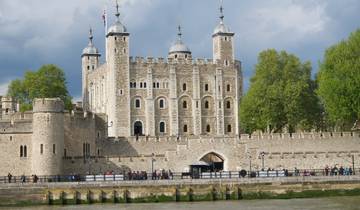
Arrive at Tower Hill Underground station by 8:45 AM reaching Tower of London at 9:00 AM opening when crowds remain minimal and Yeoman Warder tours depart regularly without extended waits. Tower of London admission costs £34.80 for adults in 2026 with advance online booking strongly recommended 2-3 weeks ahead during peak season guaranteeing entry and avoiding walk-up queues extending 90+ minutes by midday. The fortress opens daily 9:00 AM-5:30 PM (4:30 PM winter) except December 24-26 and January 1.
Allow four hours minimum exploring this UNESCO World Heritage fortress encompassing 21 towers across 12-acre complex where William the Conqueror established Norman control in 1078. Essential experiences include the Crown Jewels exhibition displaying working coronation regalia including St Edward’s Crown, Imperial State Crown containing 2,868 diamonds, and Sovereign’s Sceptre with 530-carat Cullinan I diamond – the largest clear-cut diamond in the world. Queues for Crown Jewels extend considerably after 11:00 AM making early arrival critical for reasonable wait times before moving walkway carries viewers past the illuminated displays.
The White Tower, the fortress’s 11th-century Norman keep, houses the Royal Armouries collection displaying medieval weapons, armor, and Henry VIII’s enormous tournament armor illustrating his increasing girth across successive suits. The Medieval Palace recreates 13th-century royal apartments showing how monarchy lived before Buckingham Palace era. The Bloody Tower gained notoriety housing high-profile prisoners including Sir Walter Raleigh during 13-year imprisonment and allegedly the murdered Princes in the Tower, while Tower Green witnessed private executions of nobility including Anne Boleyn and Catherine Howard, Henry VIII’s executed wives.
Join complimentary Yeoman Warder tours led by ceremonial guards offering entertaining historical narratives blending facts with legends about the Tower’s 900-year history as royal residence, prison, execution site, armory, and treasury. Tours depart every 30 minutes from main entrance lasting approximately one hour, though independent exploration after the tour allows deeper engagement with specific towers and exhibitions matching personal interests without guide pacing constraints.
Midday: City of London Walk and Lunch (1:00 PM – 3:00 PM)
Exit Tower of London walking west along Tower Hill into the City of London, Britain’s financial district where Roman Londinium originated and medieval guilds established trading power persisting through modern banking and insurance corporations occupying contemporary skyscrapers. The City operates as separate jurisdiction from Greater London with own governing Lord Mayor (distinct from London’s elected mayor) and police force preserving thousand-year autonomy despite geographic absorption into larger metropolis.
Walk past the Monument commemorating the 1666 Great Fire starting point (£5 admission climbing 311 steps to viewing platform), continuing to Leadenhall Market, a covered Victorian market dating to 1881 with ornate painted ironwork creating photogenic shopping arcade now hosting upscale shops and restaurants within medieval street pattern. The market served as Diagon Alley exterior filming location in Harry Potter and the Philosopher’s Stone, attracting franchise enthusiasts though the market’s architectural merit justifies visits independent of cinematic associations.
Lunch in the City caters primarily to financial district workers with options ranging from quick sandwich shops to expense-account restaurants. The Lamb Tavern at Leadenhall Market serves traditional pub fare (£12-18 mains) in atmospheric premises, while numerous Pret A Manger and similar chains provide prepared sandwiches and salads (£5-9) suitable for office workers and tourists equally. The City empties considerably after 6:00 PM weekdays and stays quiet weekends when office workers absent themselves, creating strange contrast between weekday intensity and weekend dormancy.
Afternoon: St Paul’s Cathedral and South Bank (3:00 PM – 6:00 PM)
Continue west reaching St Paul’s Cathedral, Sir Christopher Wren’s baroque masterpiece rebuilt 1675-1710 following the Great Fire’s destruction of the medieval cathedral. St Paul’s Cathedral admission costs £27 for adults in 2026 providing access to the cathedral floor, crypt, and dome climb ascending 528 steps through Whispering Gallery (257 steps), Stone Gallery (376 steps), and Golden Gallery (528 steps) offering panoramic London views from 85 meters elevation. The cathedral opens Monday-Saturday 8:30 AM-4:30 PM (closed Sundays except for services) with last admission 4:00 PM allowing time for dome climb before closing.
The cathedral interior impresses through Wren’s geometric precision and spatial harmony beneath the 111-meter dome dominating the City’s skyline despite surrounding office tower competition. The Whispering Gallery demonstrates acoustic phenomenon where whispers travel around the circular gallery’s perimeter remaining audible 32 meters distant. The crypt houses tombs of Wellington, Nelson, and Wren himself alongside memorial chapels and the cathedral treasury displaying religious artifacts. Allow 1.5-2 hours minimum for cathedral exploration including dome climb requiring moderate fitness for narrow spiral staircases and steep steps rewarding effort with exceptional city panoramas.
Cross Millennium Bridge, Norman Foster’s pedestrian suspension bridge linking St Paul’s to Tate Modern, reaching South Bank’s cultural quarter. Tate Modern occupies the converted Bankside Power Station housing Britain’s national collection of modern and contemporary art completely free to public (special exhibitions charge admission). The museum opens daily 10:00 AM-6:00 PM with late hours until 10:00 PM Fridays-Saturdays. The Turbine Hall’s vast industrial space hosts large-scale installations by contemporary artists, while permanent collection galleries organize works thematically rather than chronologically across multiple floors spanning Impressionism through current digital art.
Evening: Borough Market and Dinner (6:00 PM – 9:00 PM)
Walk east along South Bank passing Shakespeare’s Globe theatre and reaching Borough Market, London’s oldest food market dating to 1014 though current Victorian structure dates to 1851. The market operates Wednesday-Saturday (closed Sunday-Tuesday) with full vendor presence Thursday-Saturday 10:00 AM-5:00 PM when artisan food producers, international street food stalls, and specialty ingredient vendors create festive culinary atmosphere. Evening visits coincide with market closing though surrounding permanent restaurants remain open providing dinner options in the historic market vicinity.
Dining around Borough Market ranges from casual market stalls to acclaimed restaurants. Padella at 6 Southwark Street serves fresh pasta (£6-12) from limited menu attracting perpetual queues requiring patience or off-peak timing, while Roast at The Floral Hall offers upscale British cuisine (£25-40 mains) overlooking the market floor. For traditional pub atmosphere, The George Inn at 77 Borough High Street, London’s only surviving galleried coaching inn dating to 1677, provides historic surroundings and standard pub meals (£12-18 mains) maintaining character despite tourist popularity.
Day 3 Cost Summary 2026
Tower of London admission £34.80, St Paul’s Cathedral admission £27, lunch £10-18, dinner £18-40, Underground tickets £8.90 daily cap, optional Monument £5, Tate Modern free. Total day cost: £98.70-133.70 per person (excluding accommodation). This historically intensive day requires comfortable walking shoes for Tower exploration and cathedral dome climbing totaling 15,000-18,000 steps.
Day 4: West London Culture – Museums and Royal Parks 2026
Day Four ventures to West London’s museum corridor and royal parks, exploring South Kensington’s trio of world-class free museums and adjacent Hyde Park and Kensington Gardens’ green expanses. This culturally rich day balances indoor museum touring with outdoor park walking, preventing the museum fatigue plaguing consecutive indoor days while capitalizing on London’s unique concentration of premier collections within walking distance. The leisurely pacing accommodates variable weather through flexible indoor-outdoor options maintaining engagement regardless of conditions.
Morning: Natural History Museum (9:30 AM – 12:30 PM)
Begin at South Kensington Underground station emerging to museum district where Natural History Museum, Science Museum, and Victoria & Albert Museum cluster within 200 meters. Start with Natural History Museum arriving at 10:00 AM opening when crowds remain manageable and the grand Central Hall’s Romanesque architecture housing Dippy the Diplodocus skeleton cast (or temporary replacement depending on exhibition schedule) creates immediate impact. The museum offers completely free admission (donations requested) with no advance booking required, though popular temporary exhibitions in Earth Hall charge entry and require online reservations.
Three hours permits thorough exploration of highlights across the museum’s 80 million specimen collection spanning life sciences, earth sciences, and paleontology. The Dinosaur gallery featuring animatronic T-Rex and fossilized skeletons captivates children and adults equally, while the Blue Zone’s mammals collection displays stunning taxidermy including blue whale model suspended from ceiling and African elephant specimens. The Darwin Centre’s Cocoon structure houses research collections and interactive exhibits explaining ongoing scientific work, while the Earth Hall’s escalator ascending through hollowed globe reaches earthquake and volcano exhibitions demonstrating geological forces.
The museum building itself deserves architectural appreciation beyond collection contents, with Alfred Waterhouse’s 1881 terracotta facade featuring intricate animal carvings representing British fauna and the soaring Central Hall creating cathedral-like atmosphere celebrating natural world through architecture symbolizing Victorian scientific enthusiasm. The museum’s family-friendly focus makes it popular with school groups and children, creating higher noise levels and crowd density than art-focused museums though the vast spaces accommodate masses without overwhelming claustrophobia.
Midday: Victoria & Albert Museum and Lunch (12:30 PM – 3:00 PM)
Walk 200 meters to Victoria & Albert Museum, the world’s largest museum of applied and decorative arts housing 2.3 million objects spanning 5,000 years of human creativity across ceramics, furniture, fashion, glass, jewelry, metalwork, photographs, textiles, and sculpture. The V&A offers completely free admission (donations requested) opening daily 10:00 AM-5:45 PM (10:00 PM Fridays) with no advance booking required for general collections though popular temporary exhibitions charge entry requiring online reservations.
Two hours scratches the surface of the V&A’s 145 galleries spanning seven floors, requiring selective focus on personal interests rather than attempting comprehensive coverage. Essential highlights include the Cast Courts displaying full-scale plaster replicas of architectural masterpieces including Trajan’s Column and Michelangelo’s David, the Fashion gallery tracing 400 years of clothing evolution through exceptional historical garments, the Medieval & Renaissance galleries housing the Raphael Cartoons and exceptional European decorative arts, and the British Galleries 1500-1900 presenting furniture, ceramics, and textiles documenting British design development. The museum’s architecture combines Victorian original galleries with contemporary additions including the stunning John Madejski Garden courtyard providing outdoor café seating during warm weather.
Lunch at the V&A Café occupies the museum’s original refreshment rooms featuring ornate Victorian interiors and reasonable pricing (£8-14 for prepared meals and sandwiches), while numerous restaurants along Exhibition Road and South Kensington Underground vicinity offer diverse cuisines from Italian to Middle Eastern at £12-22 main course pricing. Alternatively, purchase picnic provisions at nearby Waitrose or M&S Simply Food stores (£6-10 total) for Hyde Park lawn consumption if weather permits outdoor dining.
Afternoon: Hyde Park and Kensington Gardens (3:00 PM – 6:00 PM)
Walk north through Hyde Park, London’s largest central royal park spanning 350 acres connecting to adjacent Kensington Gardens creating continuous green corridor through West London. The Serpentine lake divides the parks with rowing boat rentals available summer months (£12 per hour) and the Diana Princess of Wales Memorial Fountain providing modern water feature commemorating the late princess through circular stone channel where water flows in both directions meeting at the bottom.
Continue through Kensington Gardens reaching the Albert Memorial, a 54-meter neo-Gothic monument erected by Queen Victoria memorializing her deceased husband Prince Albert featuring elaborate statuary and gilded details exemplifying Victorian Gothic Revival style. Across Kensington Road stands the Royal Albert Hall, London’s premier concert venue hosting classical music, rock concerts, and the annual BBC Proms season July-September. The round red-brick structure tours daily (£15.50 adults) revealing the stunning glass-domed interior and backstage areas, though exterior appreciation costs nothing and the building’s presence dominates the South Kensington cultural quarter.
Kensington Palace occupies the park’s western edge, serving as working royal residence for several family members while the State Rooms open to public visitors (£24 adults) displaying royal apartments, the King’s and Queen’s State Apartments, and exhibitions about palace residents including Queen Victoria who was born and raised here. The palace and surrounding gardens reward extended exploration if royal history particularly interests you, though this itinerary positions palace touring as optional based on energy levels and specific interests developed across previous days.
Evening: Notting Hill and Dinner (6:30 PM – 9:00 PM)
Take Underground from High Street Kensington to Notting Hill Gate station exploring the affluent residential neighborhood famous for pastel-colored Georgian townhouses, Portobello Road antiques market (Saturdays only for full market, weekday antique shops open normally), and cosmopolitan atmosphere mixing old-money British with international residents. The area gained Hollywood fame through the 1999 film Notting Hill though the neighborhood’s character predates and survives cinematic romanticization.
Dining in Notting Hill offers concentrated restaurant choices along Westbourne Grove and side streets. The Ledbury at 127 Ledbury Road holds two Michelin stars serving exceptional modern European cuisine (£185 tasting menu) requiring reservations months ahead, while more accessible options include Electric Diner at 191 Portobello Road serving American-British comfort food (£14-24 mains) in retro 1950s surroundings. For casual alternatives, numerous gastropubs throughout the neighborhood provide quality British cooking at £16-26 main course pricing in convivial atmospheric premises favored by local residents.
Day 4 Cost Summary 2026
Natural History Museum free, V&A Museum free, lunch £8-22, dinner £20-45, Underground tickets £8.90 daily cap, optional Albert Hall tour £15.50, optional Kensington Palace £24. Total day cost: £36.90-115.40 per person (excluding accommodation, variable by optional attractions). This museum-heavy day delivers exceptional free cultural value while maintaining comfortable pacing through park walking breaks preventing indoor fatigue.
Day 5: East London Discovery – Markets, Street Art, and Creative Districts 2026
Day Five discovers East London’s creative neighborhoods and multicultural markets contrasting sharply with Westminster’s royal formality and South Kensington’s museum culture, revealing contemporary London’s artistic energy and immigrant communities reshaping traditional British identity. This neighborhood-focused day emphasizes walking, browsing, and atmospheric absorption rather than monument ticking, allowing spontaneous discoveries and flexible pacing matching East London’s informal character. Sunday visits optimize market activity, particularly for Columbia Road flower market and Brick Lane’s vintage scene.
Morning: Columbia Road Flower Market and Shoreditch (9:00 AM – 1:00 PM)
Begin at Old Street Underground station walking to Columbia Road for Sunday flower market (Sundays only 8:00 AM-3:00 PM, most active 9:00 AM-noon) where vendors crowd the narrow Victorian street selling seasonal flowers, potted plants, and bulbs at competitive prices attracting Londoners stocking their gardens and flats. The market atmosphere combines serious plant shopping with social gathering as locals linger over coffee from surrounding cafés and browse independent shops flanking the flower stalls selling vintage clothing, artisan foods, and handmade crafts.
The market’s surrounding streets reward exploration beyond the flower vendors, with Ezra Street, Ravenscroft Street, and parallel roads hosting independent boutiques, vintage shops, and specialty food stores maintaining village character despite Shoreditch’s broader gentrification. Note that most shops along Columbia Road open Sundays only coordinating with market traffic, creating ghostly atmosphere weekdays when flower vendors absent themselves and surrounding businesses shutter.
Walk south into Shoreditch proper exploring the creative district where Victorian warehouses converted to studios, galleries, and restaurants attract artists, designers, and technology workers transforming working-class neighborhood into contemporary cultural hub. Brick Lane anchors the area running north-south through former Jewish quarter now dominated by Bangladeshi immigrant community whose curry houses line the street competing for tourist and local custom. Sunday morning sees Brick Lane Vintage Market operating in the former Truman Brewery complex hosting stalls selling retro clothing, vinyl records, and collectibles (Sunday 10:00 AM-5:00 PM) complementing permanent vintage shops open throughout the week.
Midday: Brick Lane and Spitalfields (1:00 PM – 4:00 PM)
Lunch on Brick Lane confronts visitors with overwhelming curry house concentration as restaurants compete through aggressive tout engagement attempting to lure customers with discount offers and free drinks. Tayyabs at 83 Fieldgate Street slightly east of Brick Lane proper serves exceptional Pakistani cuisine (£8-15 mains) without touts, requiring patience for inevitable queues at this family-run institution. For alternatives, Beigel Bake at 159 Brick Lane operates 24 hours serving filled bagels (£2-5) from counter service creating informal takeaway culture popular with late-night revelers and early-morning market vendors equally.
Cross to Spitalfields Market, a covered Victorian market renovated into contemporary shopping and dining venue hosting independent fashion designers, craft vendors, and artisan food stalls Thursday-Sunday (reduced offerings Monday-Wednesday). The market’s architectural framework preserves historical character while accommodating modern retail creating pleasant browsing environment protected from weather. Surrounding streets including Lamb Street and Brushfield Street concentrate additional shops, cafés, and restaurants serving the area’s creative professional population and weekend tourists discovering East London’s transformation.
Street art throughout Shoreditch and surrounding neighborhoods showcases internationally renowned artists including Banksy, Stik, and ROA whose murals adorn building facades, shutters, and walls creating outdoor gallery appreciated through self-guided walking or organized street art tours (£15-25 per person through companies like Alternative London and Shoreditch Street Art Tours). The art changes constantly through new commissions and unauthorized additions creating perpetual evolution distinguishing street art scene from static museum collections.
Afternoon: Hoxton and Hackney (4:00 PM – 6:00 PM)
Continue north into Hoxton and Hackney neighborhoods where gentrification progresses less completely than central Shoreditch maintaining grittier character and cheaper rents attracting younger artists and recent immigrants. Broadway Market (Saturdays 9:00 AM-5:00 PM) hosts food vendors and craft stalls along a Victorian street lined with independent cafés and shops, while nearby London Fields park provides green space where locals gather for weekend picnics and informal sports.
Hackney’s diverse immigrant communities from Turkish, Vietnamese, West African, and Eastern European backgrounds create multicultural character visible through specialty food shops, ethnic restaurants, and community centers preserving traditional cultures while contributing to London’s status as Europe’s most diverse city. This neighborhood exploration reveals contemporary London beyond tourist-circuit heritage sites, illustrating how immigration and cultural mixing continue reshaping British identity despite periodic political tensions around demographic change.
Evening: East End Dining and Optional Nightlife (6:30 PM – 11:00 PM)
Return to Shoreditch for dinner in the neighborhood’s concentrated restaurant scene spanning from innovative gastropubs to international cuisines. Lyle’s at 56 Shoreditch High Street holds Michelin star serving modern British tasting menus (£75-95) in minimalist industrial surroundings, while Smokestak at 35 Sclater Street offers barbecue meats (£14-28 mains) and craft cocktails in casual warehouse setting. For budget alternatives, numerous Vietnamese restaurants along Kingsland Road serve excellent pho and banh mi (£8-14 per meal) satisfying substantial appetites at minimal cost.
East London’s nightlife spans from traditional pubs to contemporary cocktail bars and music venues. The Ten Bells at 84 Commercial Street maintains Victorian pub character in premises linked to Jack the Ripper history, while Callooh Callay at 65 Rivington Street creates speakeasy atmosphere through hidden entrance and creative cocktails (£12-16). Shoreditch also hosts numerous live music venues including Village Underground and XOYO presenting diverse programming from indie rock to electronic music depending on calendar (£10-25 admission typical).
Day 5 Cost Summary 2026
Markets free to browse, lunch £8-20, dinner £18-45, Underground tickets £8.90 daily cap, optional street art tour £15-25, optional flowers/shopping variable, optional nightlife £10-35. Total day cost: £44.90-133.90 per person (excluding accommodation, highly variable by shopping and nightlife choices). This walking-intensive day covers 18,000-22,000 steps through East London’s creative neighborhoods requiring comfortable shoes and weather-appropriate clothing.
Day 6: Flexible Final Day – Windsor Castle or Greenwich 2026
Day Six offers flexible completion of deferred Westminster attractions or comfortable day trips to Windsor Castle or Greenwich Maritime Quarter, recognizing that five intensive London days reveal individual preferences favoring certain aspects over others. This optional structure acknowledges that rigid itineraries cannot predict personal interests developed through week-long immersion, allowing the final day to emphasize discovered priorities whether royal palaces, museums, markets, or relaxed neighborhood atmosphere. Both Windsor and Greenwich provide easy day-trip options reaching London’s outer territories without exhausting full-day travel times.
Option A: Windsor Castle Day Trip (Morning to Evening)
Take direct train from London Paddington to Windsor & Eton Central station (35-40 minutes, £12-20 depending on time and advance purchase) reaching England’s oldest occupied castle and weekend residence of the British Royal Family. Windsor Castle admission costs £28.50 for adults in 2026 with advance online booking recommended weekends and summer months when tourist crowds intensify. The castle opens daily 10:00 AM-4:00 PM (last admission) with State Rooms closing when Royal Family in residence (typically March-April and some December dates requiring calendar checking before planning visit).
Allow 3-4 hours exploring Windsor Castle’s State Rooms displaying royal art collection and ceremonial spaces, St George’s Chapel where Henry VIII, Charles I, and Queen Elizabeth II are buried, and Round Tower offering elevated views across Windsor Great Park and the Thames Valley. The castle’s scale and preserved medieval-Renaissance architecture create impressive royal atmosphere contrasting with Buckingham Palace’s official administrative character. Windsor town center adjacent to castle entrance hosts shops, restaurants, and the Long Walk park avenue stretching 4.8 kilometers through Windsor Great Park providing scenic walking if time and weather permit extended exploration.
Return trains to London Paddington depart every 30 minutes throughout afternoon and evening allowing flexible timing matching castle touring pace. Budget full-day excursion costs Windsor Castle admission £28.50, train travel £24-40 round trip, lunch in Windsor £12-25, and optional tea/snacks £6-10 totaling £70.50-103.50 per person excluding London accommodation and dinner upon return.
Option B: Greenwich Maritime Quarter (Morning to Evening)
Take Jubilee Line Underground to North Greenwich station transferring to Thames Clipper river bus service (£9.50 single, £19 unlimited day ticket) reaching Greenwich Pier after scenic 20-minute river journey viewing Canary Wharf, Thames Barrier, and Docklands development from water perspective impossible via Underground routes. Alternatively, take Docklands Light Railway (DLR) to Cutty Sark station (included in Underground daily cap) providing faster though less scenic approach to Greenwich.
Greenwich concentrates UNESCO World Heritage maritime sites within compact riverside neighborhood including the Old Royal Naval College’s baroque architecture housing Painted Hall (£15 adults) featuring elaborate ceiling murals, the National Maritime Museum documenting British naval history through artifacts and interactive displays (free admission), and the Royal Observatory (£18 adults combined with Flamsteed House) straddling the Prime Meridian where East meets West at 0° longitude.
The Cutty Sark clipper ship (£17.50 adults) dominates the riverside with the restored 1869 vessel elevated allowing visitors to walk beneath the hull appreciating engineering and maritime history. Greenwich Market operates daily hosting craft vendors, food stalls, and antique dealers in covered Victorian market building, while surrounding Greenwich Park climbs the hill behind the Observatory providing exceptional London skyline views from elevated green space where Henry VIII was born in the former Palace of Placentia.
Greenwich village atmosphere rewards afternoon wandering through independent shops, bookstores, and riverside pubs lining narrow streets preserving historic character despite tourist popularity. Return to central London via Thames Clipper or DLR allowing evening arrival for dinner in areas covered earlier in itinerary. Budget full-day Greenwich costs vary by attraction choices: National Maritime Museum free, Cutty Sark £17.50, Royal Observatory £18, Painted Hall £15, Thames Clipper £19 day ticket, lunch £12-20, totaling £81.50-89.50 per person for full site visits (calculation: 17.50+18+15+19+12 minimum = 81.50; 17.50+18+15+19+20 maximum = 89.50) or £31-39 visiting only free museums with Thames Clipper day ticket and lunch (calculation: 19+12 minimum = 31; 19+20 maximum = 39).
Option C: London Completion Day (Varied Schedule)
Alternatively, dedicate Day Six to attractions deferred earlier or discovered interests developed during the week. Options include Churchill War Rooms (£28 adults) exploring underground bunker where Churchill directed World War II operations, Wallace Collection (free) displaying exceptional French furniture and Old Master paintings in Georgian townhouse, Camden Market browsing alternative fashion and street food through sprawling vendor complex, or simply extended time in favored neighborhoods like Notting Hill, Covent Garden, or South Bank absorbing atmosphere through café culture and aimless wandering.
Shopping opportunities include Oxford Street’s chain retail concentration (underwhelming), Regent Street’s more upscale offerings, Liberty department store’s Tudor Revival architecture and curated fashion, or Harrods’ overwhelming luxury emporium in Knightsbridge. Museum options include the smaller Courtauld Gallery (£9 adults) housing exceptional Impressionist collection, Wellcome Collection (free) exploring medical history and human health, or Design Museum (£16 adults) celebrating contemporary and historical design across disciplines.
Day 6 Cost Summary 2026
Costs vary entirely by selected option: Windsor Castle day trip £70.50-103.50, Greenwich full visits £81.50-89.50, Greenwich free museums only £31-39, London completion day £20-80 depending on attraction choices and dining. Underground tickets £8.90 daily cap applies to London options, trains to Windsor additional as noted. This flexible final day allows budget adjustment matching remaining funds and personal priorities rather than forcing predetermined activities.
Transportation in London 2026: Underground and Beyond
London public transportation combines Underground (Tube), buses, Overground trains, and riverboats into integrated network covering central London and surrounding boroughs efficiently at reasonable costs compared to taxis or car rentals. The Underground’s 11 lines and 270+ stations provide primary transportation reaching neighborhoods and attractions throughout the city, while buses offer scenic surface-level alternatives and night buses maintain service after Underground closure. Understanding fare zones, daily caps, and payment methods prevents common tourist confusion while minimizing transportation costs across your six-day visit.
London Underground Fares and Payment Methods 2026
As of March 1, 2026, London Underground fares increased approximately 5.8% with Zone 1 peak single fares reaching £3.10 (£3.00 off-peak) and Zone 1-2 peak fares £3.60 following government funding agreement requiring Transport for London to raise prices RPI inflation rate plus 1% annually through 2030. Peak times apply Monday-Friday 6:30-9:30 AM and 4:00-7:00 PM, with off-peak rates covering all other times including weekends and holidays. These fares apply equally to contactless payment card users and Oyster card holders, making contactless the simplest option for international visitors avoiding the £7 Oyster card purchase fee.
Daily fare caps limit maximum charges regardless of journey quantity, with zones 1-2 capping at £8.90 daily (frozen through March 2027 per government agreement) meaning unlimited travel across central London after reaching cap threshold through accumulated individual fares. Weekly caps provide better value for six-day visits with zones 1-2 capping at £44.70 for unlimited Monday-Sunday travel, though purchasing proper 7-Day Travelcard sometimes offers slight advantages over relying on automatic capping depending on travel patterns and zone requirements.
Payment methods include contactless debit/credit cards (simplest for tourists), Oyster cards (£7 initial purchase required but refundable), or paper single tickets (expensive, avoid except emergencies). Contactless cards tap yellow readers at entry and exit gates with system calculating optimal fares and caps automatically throughout the day and week. Ensure using same payment card/device for all journeys as mixing payment methods prevents cap application charging full single fares without recognizing cumulative travel.
Bus Travel and Alternative Transport
London buses cost flat £1.75 per journey regardless of distance (frozen through at least July 2026) with Hopper fare allowing unlimited bus and tram transfers within one hour of first tap for single £1.75 charge. Buses accept only contactless payment or Oyster cards with no cash payments permitted, requiring advance preparation before boarding. Bus routes concentrate along major corridors with night buses (N-prefix route numbers) operating midnight-5:30 AM when Underground closes, providing viable late-night transport avoiding expensive taxi fares.
Thames Clipper riverboats operate along the Thames connecting Westminster, London Eye, Tate Modern, Tower, Greenwich, and other riverside locations at £9.50 single journey or £19 unlimited day ticket providing scenic alternative to Underground for appropriate routes. The Elizabeth Line (formerly Crossrail) connects Heathrow Airport to central London and Canary Wharf at higher speed than traditional Underground serving Paddington, Bond Street, Tottenham Court Road, Liverpool Street, and Canary Wharf among other stations with fares matching Underground zones.
Airport Transfers and Journey Planning
Heathrow Airport connects to central London via Piccadilly Line Underground (£5.60 off-peak, 50-60 minutes to central stations), Elizabeth Line (£13.90, 30-40 minutes), or Heathrow Express train (£25 standard class, 15 minutes to Paddington though Paddington location requires onward Underground travel). The Underground provides cheapest option while Heathrow Express trades cost for speed suitable for business travelers or heavily laden families. Gatwick Airport requires National Rail services (£10-20, 30-35 minutes) with no Underground connection making Heathrow more convenient for central London access.
Journey planning uses TfL’s official website and apps (Citymapper particularly user-friendly) providing real-time information, route options, and fare calculations accounting for disruptions and engineering works affecting weekend service. Download offline tube maps before arrival ensuring navigation capability without data connection as many Underground stations lack reliable cellular service. Study maps before descending to platforms preventing wrong-direction boarding wasting time backtracking through station corridors.
Where to Stay in London 2026: Optimal Accommodation Neighborhoods
Accommodation location determines daily logistics throughout your London visit, with central neighborhoods providing walking access to major attractions while peripheral locations require additional Underground time and potential late-night safety considerations. The optimal balance combines central accessibility, neighborhood character, reasonable pricing, and tube connectivity to areas beyond walking range, with several districts offering particularly strong combinations for six-day first-time visits prioritizing efficient sightseeing balanced with authentic London atmosphere.
Bloomsbury and King’s Cross (Central North)
Bloomsbury occupies prime central territory north of Covent Garden, housing British Museum, British Library, and university precincts while maintaining residential Georgian character with garden squares and independent bookshops. The neighborhood’s intellectual heritage from Bloomsbury Group writers and philosophers preserves scholarly atmosphere despite tourist traffic around British Museum. Hotels range £120-280 per night for mid-range properties during spring-autumn peak season, with better value available than equivalent West End locations given Bloomsbury’s larger inventory and competitive market.
King’s Cross station area transformed dramatically through recent regeneration around St Pancras International and King’s Cross station complex, creating contemporary residential-commercial district with Eurostar connections, canal-side developments, and emerging restaurant scene. Hotels near King’s Cross stations trade some historic charm for modern facilities and excellent transport connections including six Underground lines providing fast access throughout London. Accommodation costs match Bloomsbury rates (£120-280 nightly) with occasional deals at chain hotels during low season.
South Kensington and Earl’s Court (West Central)
South Kensington clusters world-class museums (Natural History, V&A, Science Museum) with upscale residential streets, French cultural presence around Institut Français, and genteel atmosphere attracting tourists and wealthy residents equally. The neighborhood provides walking access to museum district, Hyde Park, Knightsbridge shopping, and tube connections reaching Westminster and West End efficiently. Hotels range £150-350 per night for mid-range to upscale properties, with premium pricing reflecting desirable location and neighborhood prestige.
Earl’s Court slightly southwest offers more budget-conscious alternatives at £100-200 per night though the neighborhood lacks South Kensington’s cultural attractions and architectural distinction. The tube station provides Piccadilly and District Line access reaching major destinations reasonably quickly, making Earl’s Court viable base trading central charm for cost savings suitable for budget travelers prioritizing affordability over location prestige.
Covent Garden and Soho (Central West End)
Covent Garden and adjacent Soho occupy London’s entertainment core with West End theatres, concentrated restaurants, National Gallery proximity, and perpetual activity creating New York-style urban energy. The central location enables walking access to Westminster, Trafalgar Square, British Museum, and South Bank while tube stations provide rapid connections to peripheral attractions. Hotels command premium rates £200-400+ per night reflecting desirable location, though smaller boutique properties occasionally offer £150-200 rates during winter low season.
This neighborhood suits visitors prioritizing theatre attendance, late-night restaurant access, and central location over quiet residential atmosphere. Street noise and pedestrian traffic continue past midnight particularly weekends making light sleepers prefer quieter districts despite location convenience advantages.
Neighborhoods to Consider Carefully
Areas around major stations including Paddington, Euston, and Victoria concentrate budget hotels serving transit passengers, but these neighborhoods lack charm and residential character making them poor choices despite low rates and transport convenience. Similarly, distant zones 3-4 neighborhoods offer cheaper accommodation (£80-150 nightly) but require 30-45 minute tube journeys reaching central attractions, adding cumulative transport time reducing actual sightseeing hours and limiting late-night activity options.
Dining and Food Budget Guide London 2026
London dining spans from £3 meal-deal sandwiches to £300+ tasting menus at three-Michelin-star restaurants, with quality available across the price spectrum when understanding neighborhood pricing patterns, meal timing strategies, and cuisine diversity reflecting the city’s multicultural population. British traditional fare persists in historic pubs and upscale restaurants, while immigrant communities from South Asia, Middle East, East Asia, and Eastern Europe contribute authentic cuisines often exceeding quality available in origin countries given London’s concentration of skilled chefs and demanding diners.
Budget Dining Options (£5-15 Per Meal)
Chain cafés including Pret A Manger, Leon, and Greggs sell pre-made sandwiches, salads, and hot meals (£3-8) providing fast nutrition suitable for museum lunch breaks or park picnics when time constraints prevent sit-down dining. Borough Market, Camden Market, and other food market vendor stalls serve diverse international cuisines (£6-12 per plate) from Caribbean jerk chicken to Korean bibimbap, creating informal dining atmosphere consuming meals at communal tables or nearby benches.
Traditional fish and chips shops throughout London serve the British staple at £8-14 per portion, while chicken shops particularly concentrated in south and east London offer roasted chicken and chips at £6-10 satisfying substantial appetites economically. Brick Lane’s curry houses compete for customers through aggressive discounting sometimes offering main courses £6-10 though quality varies considerably requiring selective restaurant choice rather than accepting random tout recommendations.
Mid-Range Dining (£15-35 Per Meal)
Traditional pubs serve British classics including Sunday roasts, fish and chips, steak and kidney pie, and bangers and mash at £12-22 main course pricing in atmospheric premises preserving Victorian or Georgian architecture and community gathering function. Gastropubs elevate pub food through refined preparation and quality ingredients at £16-28 main courses, blurring lines between casual pub dining and formal restaurant experiences while maintaining relaxed atmosphere and local clientele.
Ethnic restaurants throughout London offer exceptional value, particularly South Asian (Indian, Pakistani, Bangladeshi), Middle Eastern (Lebanese, Turkish), East Asian (Chinese, Vietnamese, Thai), and Eastern European cuisines at £10-20 main courses matching or exceeding quality available in origin countries. Dishoom’s Bombay café concept, Barrafina’s Spanish tapas, and Padella’s fresh pasta demonstrate London’s strength transforming international cuisines into contemporary British dining while respecting authentic flavors and techniques.
Special Occasion Dining (£50+ Per Person)
London’s Michelin-starred restaurants range from one-star gastropubs offering accessible fine dining at £40-70 per person to three-star temples commanding £200-350+ for elaborate tasting menus. Lyle’s, The Clove Club, and Sabor represent one-star approachability, while Core by Clare Smyth, Restaurant Gordon Ramsay, and Alain Ducasse at The Dorchester exemplify multi-star excellence requiring reservations months ahead for popular dates.
Many acclaimed restaurants offer prix-fixe lunch menus at 30-40% discount from dinner pricing, providing entry points to fine dining without evening commitment and cost. Reserve special occasion restaurants 4-8 weeks ahead for one-stars during peak season, 8-12 weeks for two-stars, and 3-6 months for three-stars, though cancellations occasionally open last-minute availability worth checking if flexible on timing.
Daily Food Budget Estimates 2026
Budget travelers managing £25-40 daily food costs combine chain café breakfasts (£4-7), market lunch or meal-deal sandwiches (£6-10), and casual ethnic restaurant dinners (£12-18) with occasional pub refreshments (£3-5). Mid-range budgets of £50-80 daily permit café or hotel breakfasts (£8-15), gastropub or casual restaurant lunches (£15-25), quality restaurant dinners (£25-35), and afternoon coffee stops (£3-6). Luxury dining budgets exceeding £100 daily accommodate upscale restaurant experiences, Michelin lunches or dinners, premium wine selections, and multiple daily café stops without budget constraints limiting choices.
Practical Tips for London 2026: Essential Planning Advice
Successful London visits balance advance planning with spontaneous flexibility, preparing logistical essentials while maintaining openness to unexpected discoveries distinguishing memorable trips from rigid itinerary completion. These practical considerations address common questions and challenges first-time visitors encounter, covering booking timelines, money matters, weather preparation, and cultural nuances smoothing daily experiences when understood beforehand rather than discovered through frustrating trial-and-error during limited vacation time.
Booking Timeline and Advance Reservations
Book accommodation 2-3 months before arrival for optimal selection in preferred neighborhoods, particularly during peak season (April-September) and special events including Chelsea Flower Show (May), Wimbledon tennis (June-July), and New Year’s celebrations when hotels fill rapidly and rates increase 30-50% above off-season pricing. Last-minute availability exists year-round but forces acceptance of peripheral locations or premium central pricing at remaining properties.
Tower of London and Westminster Abbey require 2-3 weeks advance timed-entry booking during peak season for preferred morning slots, while most free museums accept walk-in visits though arriving at opening (10:00 AM typical) secures best experience before crowds intensify. Theatre tickets need 2-6 weeks notice for optimal show and seat selection, particularly for popular long-running musicals and new productions receiving critical acclaim. Restaurant reservations at acclaimed venues require 1-2 weeks for mid-range establishments, 4-8 weeks for Michelin-starred restaurants depending on prestige and current popularity.
Money, Tipping, and Payment Methods
Credit and debit cards with contactless capability function universally throughout London at shops, restaurants, museums, and transport with £100 contactless limit accommodating most purchases. Notify banks of international travel preventing fraud alerts freezing cards during foreign use, and verify chip-and-PIN functionality as magnetic-stripe cards encounter acceptance issues at unstaffed ticket machines and some retailers. ATMs throughout central London dispense pounds sterling at reasonable exchange rates superior to airport currency exchange kiosks charging excessive fees and poor rates.
Tipping expectations differ from American customs with restaurant service charges (12.5% typical) often included in bills eliminating additional gratuity requirement. When service charges absent, leave 10-15% for satisfactory table service, round up bills at casual establishments, or skip tipping entirely at counter-service cafés and pubs. Taxi drivers receive 10-15% rounding to nearest pound for typical fares, while hotel porters deserve £1-2 per bag for luggage assistance.
Weather Preparation and Seasonal Considerations
London weather remains unpredictable year-round with rain possible any season requiring compact umbrella carrying and layered clothing accommodating temperature fluctuations 10°C+ across single days. Spring (April-May) brings variable conditions alternating between sunny 18°C days and cold rainy 10°C stretches, while summer (June-August) provides warmest weather (20-28°C typical) though occasional rain persists dampening outdoor plans without warning. Autumn (September-October) offers comfortable temperatures (14-20°C) and less rain than spring, while winter (November-February) brings cold conditions (5-10°C), limited daylight (8 hours December), and frequent drizzle requiring indoor activity emphasis.
Daylight hours vary dramatically by season with June providing 16+ hour days (sunrise 4:45 AM, sunset 9:20 PM) enabling extended outdoor exploration, while December offers merely 8 hours (sunrise 8:00 AM, sunset 4:00 PM) requiring tight scheduling and accepting darkness descending mid-afternoon during winter visits. Plan museum-heavy days during short winter daylight, saving outdoor activities for longer spring-summer days when parks and markets operate extended hours matching available light.
Safety and Common Sense Precautions
London maintains general safety comparable to other major Western European capitals with violent crime rare in tourist areas though pickpocketing and phone theft occur frequently on crowded Underground trains, busy markets, and tourist attraction queues. Keep valuables secured in front pockets or bags worn across body, avoid displaying expensive phones and cameras unnecessarily in crowded areas, and maintain awareness when strangers create distractions potentially enabling theft accomplices targeting distracted tourists.
Common scams include shell game hustlers around tourist sites, charity clipboard solicitors seeking donations and personal information, and counterfeit ticket sellers outside attractions offering “discounted” entry actually worthless. Purchase attraction tickets only through official websites or authorized resellers, decline unsolicited charity approaches, and ignore street gambling regardless of apparent winning opportunities. Licensed black cabs and Uber provide reliable transport avoiding unlicensed minicabs sometimes overcharging or taking circuitous routes exploiting tourist navigation ignorance.
Frequently Asked Questions About London 6-Day Itinerary 2026
Should I buy a London Pass for a 6-day visit in 2026?
The London Pass offers diminishing value for this itinerary structure given that major free museums (British Museum, National Gallery, Tate Modern, V&A, Natural History Museum) require no admission while paid attractions (Tower of London £34.80, Westminster Abbey £27, St Paul’s Cathedral £27) total approximately £88.80 versus the 6-day London Pass costing £154 adult pricing. The pass includes attractions beyond this itinerary’s core route like London Zoo, Kew Gardens, and Thames river cruises potentially justifying costs for visitors interested in these additions, though basic itinerary completion costs less through individual ticket purchases. Calculate actual intended attraction visits before purchasing city passes rather than assuming automatic savings that may not materialize given specific visiting patterns.
What is the best way to get from Heathrow to central London in 2026?
The Elizabeth Line from Heathrow to central London stations including Paddington, Bond Street, and Tottenham Court Road costs £13.90 taking 30-40 minutes, providing optimal balance between cost and speed for most travelers with luggage. The Piccadilly Line Underground offers cheapest option at £5.60 off-peak requiring 50-60 minutes to central stations with multiple stops and potential crowding during rush hours making luggage management difficult. Heathrow Express trains reach Paddington in 15 minutes at £25-37 depending on advance purchase, trading cost for speed suitable for business travelers or those with accommodation near Paddington though onward transport typically required reaching other central neighborhoods. Taxis cost £50-80 reaching central London depending on traffic and destination, justifying expense for groups of 3-4 when per-person costs approach public transport pricing while providing door-to-door hotel delivery.
Can I visit major London attractions for free in 2026?
London provides exceptional free museum access including British Museum, National Gallery, Tate Modern, Tate Britain, Victoria & Albert Museum, Natural History Museum, Science Museum, National Portrait Gallery, and Wallace Collection among others offering world-class collections without admission charges (temporary special exhibitions often charge separately). Additional free experiences include Changing of the Guard at Buckingham Palace, Hyde Park and other royal parks, Leadenhall Market, Columbia Road flower market (Sundays), and architectural appreciation of landmarks like Houses of Parliament, St Paul’s Cathedral exterior, and Tower Bridge. This generous free admission policy distinguishes London from Paris, Rome, or Florence where major museums charge substantial entry fees, allowing budget travelers to experience premier cultural institutions while allocating spending toward quality dining, theatre, or day trips.
How much walking should I expect during this 6-day London itinerary?
This itinerary averages 15,000-20,000 steps daily (approximately 11-15 kilometers) combining museum touring, neighborhood exploration, and walking between Underground stations and attractions, with peak days reaching 20,000-25,000 steps during extensive neighborhood walks (Day 5 East London) and multi-attraction days (Day 3 Tower and City). Comfortable, broken-in walking shoes prove essential rather than optional as cobblestone streets, museum standing, and multi-hour touring sessions punish inadequate footwear through blisters and foot pain degrading experience quality. Build rest breaks into afternoon schedules, alternate intensive walking days with lighter museum days, and consider occasional taxis for cross-city movements when accumulated fatigue justifies the £10-20 cost avoiding additional Underground transfers and street navigation.
Do I need to learn British English phrases before visiting London in 2026?
American English speakers navigate London without language barriers though certain vocabulary differences merit awareness preventing confusion: “tube” or “underground” (not subway), “queue” (not line), “lift” (not elevator), “ground floor” (American first floor), “bill” (not check at restaurants), “quid” (informal pound sterling), and directional terms “mind the gap” (watch the space between train and platform). Londoners appreciate polite greetings and “excuse me” rather than immediate demands, though the formal British reserve stereotype overstates contemporary urban attitudes particularly among younger diverse populations. British pronunciation and regional accents rarely impede basic communication for American visitors, though Scottish, Welsh, and strong regional English accents occasionally challenge comprehension requiring polite requests for repetition when misunderstanding occurs.
Is 6 days enough to visit both London and other UK destinations in 2026?
Six days permits focused London exploration or London combined with single day trips (Windsor, Greenwich, Brighton) manageable as 8-10 hour excursions returning to London accommodation nightly, but proves insufficient adding Oxford, Cambridge, Cotswolds, Bath, or Scotland requiring 2-3 additional days minimum for meaningful multi-day regional visits. Attempting to compress London plus external destinations into six days forces superficial sightseeing rather than genuine experiences, sacrificing neighborhood immersion and spontaneous discoveries distinguishing memorable visits from rushed itinerary completion. Extend to 8-10 days if combining London with Oxford (1-2 days), Bath and Stonehenge (2 days), or Cotswolds villages (2-3 days), or accept that six days demands choosing between comprehensive London or abbreviated London plus selective regional day trips.
What should I do if it rains during my London visit in 2026?
Rain redirects daily plans toward museum-heavy itineraries rather than park wandering and market browsing, with British Museum, National Gallery, V&A, Natural History Museum, and Churchill War Rooms providing excellent rainy-day alternatives that this itinerary already emphasizes regardless of weather. London’s covered shopping arcades including Burlington Arcade, Leadenhall Market’s Victorian ironwork roof, and Covent Garden’s market hall offer weather-protected browsing, while afternoon cinema attendance, theatre matinees, or extended pub sessions embrace quintessential London rainy-day culture rather than treating precipitation as ruined plans. Purchase compact umbrellas (£8-15) from any convenience store or Boots pharmacy rather than bulky rain jackets occupying luggage space throughout your trip, and embrace the moody London-in-the-rain atmosphere featured in countless films rather than considering weather an itinerary disaster requiring complete restructuring.
How safe is London for solo travelers in 2026?
London maintains safety levels comparable to other major Western European capitals with solo travelers of all genders generally safe throughout tourist areas and central neighborhoods during daytime and evening hours, though standard urban precautions apply including awareness on crowded Underground trains, avoiding peripheral neighborhoods after dark, and maintaining visible confidence deterring opportunistic criminals targeting obviously lost or distracted tourists. Solo female travelers report generally positive experiences with occasional unwanted attention in nightlife areas or late-night transport managed through assertive boundary-setting, staying in well-lit populated areas, and using licensed taxis for late-night accommodation returns when public transport feels uncomfortable. Join walking tours, pub crawls, or hostel-organized events for organic social opportunities meeting fellow travelers if complete solo exploration feels isolating, or embrace London’s café and pub culture where solo dining and drinking carries zero social stigma unlike American norms treating restaurant tables-for-one as unusual.
Should I buy skip-the-line tickets for London attractions in 2026?
Skip-the-line tickets justify premium costs at Tower of London during peak summer months when walk-up visitors face 90+ minute queues versus advance timed-entry accessing the fortress within 30 minutes of scheduled time, and potentially at London Eye where standard tickets often sell out requiring next-day visits disrupting itinerary flow. Westminster Abbey benefits from advance booking guaranteeing preferred morning entry though queues rarely exceed 30-40 minutes for walk-up visitors making premium fast-track unnecessary versus standard advance reservation securing timed entry. Most London museums including British Museum, National Gallery, and V&A maintain free admission with no advance booking required, making skip-the-line concepts irrelevant though arriving at opening (10:00 AM typical) provides best experience before crowds intensify regardless of ticketing method.
What vaccinations or health preparations do I need for London 2026?
London requires no special vaccinations for international travelers from North America, Western Europe, or Australia, with standard routine immunizations (MMR, tetanus) sufficient for safe travel assuming current vaccination compliance. European Health Insurance Card (EHIC) holders receive reciprocal healthcare coverage, while non-EU travelers should verify international medical coverage through existing health insurance or purchase travel medical insurance (£30-60 for week-long coverage) protecting against unexpected medical costs. NHS walk-in centers and pharmacies marked by green cross signs throughout London provide basic healthcare and over-the-counter medications for minor ailments, while prescription medications should be carried in original packaging with doctor’s letters explaining medical necessity preventing customs complications or emergency replacement difficulties during your visit.