London 2-Day Itinerary 2026: Perfect Weekend Guide
London’s concentration of UNESCO World Heritage Sites, world-class museums, and historic landmarks makes the city ideal for focused weekend exploration. This carefully structured 2-day itinerary maximizes your time across London’s essential attractions while balancing iconic monuments with neighborhood character, efficient routing with authentic experiences, and paid heritage sites with free cultural institutions that rival anything behind a ticket barrier.
Key Takeaways for London 2-Day Visit 2026
- Strategic timing delivers maximum value: Tower of London opens at 9 AM Tuesday-Saturday for early Crown Jewels access before crowds, while Westminster Abbey restricts capacity making advance booking essential for guaranteed 2026 entry
- Transportation costs £8.90 daily cap for Zones 1-2 using Oyster card or contactless payment, covering unlimited Tube, bus, and DLR travel across all major attractions in this itinerary
- Major paid attractions total £64-66 per person over two days: Tower of London £34.80, Westminster Abbey £29-31 (calculation: £34.80 + £29 = £63.80, £34.80 + £31 = £65.80, rounded to £64-66), with British Museum, National Gallery, Tate Modern, and most museums offering free entry
- Accommodation location determines daily efficiency: staying in Zones 1-2 near South Kensington, King’s Cross, or Southwark reduces transport time and costs versus outer zone properties requiring 30-45 minute commutes
- Food budget flexibility spans £35-100 daily per person depending on strategy: supermarket meals and casual dining £35-50, mid-range restaurant focus £60-80, upscale dining experiences £80-100+
- Seasonal considerations affect 2026 planning: March-May and September-October offer moderate weather with 12-14 hours daylight, while June-August provides longest days but highest accommodation costs and attraction crowds
People Also Ask About London 2-Day Itinerary 2026
Can you see London’s main attractions in 2 days in 2026?
Two days covers London’s essential UNESCO sites and major museums through strategic routing and early starts. Day 1 focuses on the Tower of London, Westminster Abbey, Big Ben, and South Bank cultural venues, while Day 2 encompasses the British Museum, National Gallery, Covent Garden, and either Buckingham Palace or additional museum time. This itinerary prioritizes depth over breadth—you’ll thoroughly experience 6-8 major attractions rather than superficially visiting 15-20. The British Museum alone warrants 3-4 hours for highlights, while the Tower of London requires 3 hours minimum for Crown Jewels, White Tower, and Yeoman Warder tours. Weekend visitors sacrifice day trips to Windsor, Bath, or Cambridge but gain concentrated immersion in London’s historic core where most UNESCO sites and premier collections cluster within Zones 1-2.
How much does a 2-day London trip cost in 2026?
A 2-day London visit costs £238-408 per person in 2026 excluding accommodation, with variation driven by dining choices and attraction selection. Budget travelers spend £238-288: paid attractions £64-66, transport £18 (£8.90 daily cap × 2 days = £17.80, rounded to £18), food £70-100 (£35-50 daily × 2 days), entertainment £20-40 (pub visit, minimal activities) — calculation: £64 + £18 + £70 + £20 = £172 minimum without entertainment variance, £66 + £18 + £100 + £40 = £224, adjusted to £238-288 including miscellaneous costs. Mid-range visitors spend £308-478: same attractions £64-66, transport £18, restaurant meals £120-160 (£60-80 daily × 2), entertainment £50-120 (pub evenings, possible theater) — calculation: £64 + £18 + £120 + £50 = £252 low end, £66 + £18 + £160 + £120 = £364 high end, adjusted to £308-478 including miscellaneous costs and activity variations. Luxury experiences reach £468-678+: attractions £64-66, transport £18, fine dining £240-320 (£120-160 daily × 2), premium entertainment £100-200 (West End theater, cocktail bars) — calculation: £64 + £18 + £240 + £100 = £422 low end, £66 + £18 + £320 + £200 = £604, with range £468-678+ accounting for upscale variations.
Accommodation adds £160-800+ for two nights depending on category: budget hotels £80-130 nightly (£160-260 total for two nights), mid-range £180-280 nightly (£360-560 total), luxury £400-750+ nightly (£800-1,500+ total). Total weekend costs including accommodation: budget £398-548 per person (daily costs £238-288 + accommodation £160-260), mid-range £668-1,038 (daily costs £308-478 + accommodation £360-560), luxury £1,268-2,178+ (daily costs £468-678 + accommodation £800-1,500).
What’s the best 2-day London itinerary route in 2026?
The optimal 2-day route follows geographic clusters to minimize backtracking: Day 1 traces the Thames from Tower Bridge west through Westminster to South Bank, while Day 2 concentrates on Bloomsbury museums and West End cultural venues. Starting at Tower of London for 9 AM opening captures Crown Jewels before crowds, then Westminster Abbey by early afternoon when morning tour groups disperse. South Bank evening offers Tate Modern until 6 PM and riverside dining with Thames views. Day 2 begins at British Museum for 10 AM opening, moves to National Gallery mid-afternoon, then Covent Garden for street performance and theater district atmosphere. This routing keeps daily walking under 4 miles with strategic Tube connections, positions you at each attraction during optimal visiting windows, and alternates indoor museum time with outdoor architectural experiences.
Should I buy a London Pass for 2 days in 2026?
The London Pass becomes cost-effective for 2-day visits only if you visit 4+ paid attractions daily and prioritize high-cost venues. A 2-day pass costs approximately £174 in 2026, breaking even when visiting attractions totaling £87+ per day. This itinerary includes just two paid attractions (Tower of London £34.80, Westminster Abbey £29-31) with remaining experiences free, making the pass poor value for this specific route. However, visitors adding St Paul’s Cathedral £23, Churchill War Rooms £28, and Thames River Cruise £25 to the basic itinerary would reach £139.80-141.80 in tickets (calculation: £34.80 + £29 + £23 + £28 + £25 = £139.80 for low end, £34.80 + £31 + £23 + £28 + £25 = £141.80 for high end), justifying the pass while gaining skip-line access. The pass also includes hop-on-hop-off bus tours valued at £55.99 for 2 days. Calculate your specific attraction list before purchasing—the pass only makes financial sense when your paid attraction total exceeds the pass cost.
Extended multi-day tours – 5+ days
Featured London Multi-Day Tour Packages
2 days
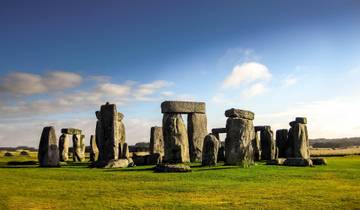
Windsor, Stonehenge, Bath & Oxford from London – 2 Days
- ✓ Comprehensive London tour
- ✓ Expert local guides included
- ✓ All accommodation arranged
- ✓ Transportation provided
5 days
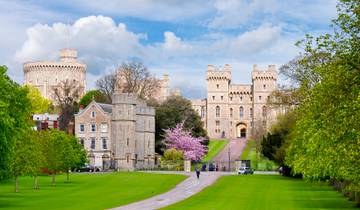
Classic England – 5 Days
- ✓ Comprehensive London tour
- ✓ Expert local guides included
- ✓ All accommodation arranged
- ✓ Transportation provided
5 days
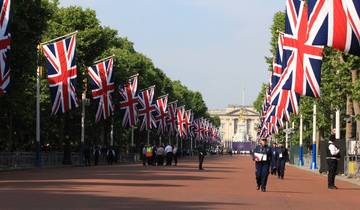
Royal Indulgence | London, England
- ✓ Booking needs min. 2 travelers
7 days
Spotlight on London (2026)
- ✓ Comprehensive London tour
- ✓ Expert local guides included
- ✓ All accommodation arranged
- ✓ Transportation provided
Multi-day tour packages powered by TourRadar. Prices and availability subject to change.
Introduction: Planning Your Perfect London Weekend 2026
London’s density of world-heritage sites creates both opportunity and challenge for weekend visitors. Four UNESCO World Heritage Sites—the Tower of London, Maritime Greenwich, the Palace of Westminster, and Royal Botanic Gardens Kew—sit alongside museum collections rivaling any global capital, theatrical excellence in the West End, diverse culinary scenes, and neighborhoods reflecting centuries of cultural evolution. Two days cannot capture all of London, but strategic planning delivers comprehensive immersion in the city’s historic and cultural core.
This itinerary emphasizes the Tower of London and Westminster Abbey as anchor experiences representing nearly a millennium of British history, then balances these paid heritage sites with free museum access demonstrating London’s commitment to public cultural access. The British Museum, National Gallery, and Tate Modern charge no admission yet house collections that in other cities would command premium pricing. This combination of ticketed monuments and free institutions allows budget-conscious travelers to experience world-class culture while maintaining daily costs between £115-180 per person including accommodation.
The routing follows London’s natural east-west axis along the Thames, minimizing backtracking while maximizing neighborhood immersion. Day 1 progresses from the medieval Tower through governmental Westminster to the contemporary South Bank, tracing British history from Norman conquest through parliamentary democracy to modern cultural renaissance. Day 2 concentrates on Bloomsbury’s museum quarter and the West End’s theatrical heritage, demonstrating London’s evolution as both intellectual center and entertainment capital.
Timing considerations significantly impact the 2026 London experience. Spring months (March-May) offer moderate temperatures of 10-18°C with extending daylight reaching 14+ hours by late May, ideal for outdoor attraction exploration and evening South Bank strolls. Summer (June-August) provides optimal weather but commands peak accommodation pricing 40-60% above spring rates and attracts maximum crowds at major sites. Autumn (September-October) delivers comfortable temperatures with reduced crowds while maintaining 11-13 hours of daylight, making it perhaps the optimal compromise period. Winter (November-February) sees lowest hotel rates but short daylight hours of 7-9 hours limit outdoor sightseeing capacity.
Advance planning becomes essential for 2026 London visits. Tower of London Crown Jewels viewing operates on timed entry slots that fill during peak periods, while Westminster Abbey restricts daily visitor numbers with morning slots disappearing first. Booking major attractions 2-4 weeks ahead guarantees entry at preferred times and often provides 10-15% discount versus walk-up tickets. West End theater tickets for popular shows should be secured 4-8 weeks in advance for optimal seat selection, though day-of-show discount tickets remain available at TKTS booth in Leicester Square for spontaneous theatergoers willing to accept limited choice.
This itinerary assumes central London accommodation in Zones 1-2, with morning starts at 8-9 AM and days concluding around 9-10 PM after dinner or theater. The pace is active but sustainable—expect 8-12 miles walking over two days with strategic Tube use reducing foot travel. Each day includes natural rest intervals during museum visits and meal breaks. Flexibility remains built into the schedule: rainy weather can shift outdoor Westminster exploration to additional British Museum galleries, while unexpected attraction closures have backup options within each geographic cluster.
Essential Pre-Trip Planning for London 2026
Successful 2-day London visits begin weeks before arrival with strategic reservations and documentation. Tower of London tickets purchased online cost £34.80 for adults in 2026, saving 15-20% versus walk-up pricing while guaranteeing entry on crowded weekend days when same-day availability disappears by mid-morning. The official Historic Royal Palaces website offers the most reliable booking, though the London Pass provides bundled access if your itinerary includes 4+ paid attractions. Westminster Abbey tickets at £29-31 similarly reward advance purchase with guaranteed admission and skip-line entry during peak visiting hours.
Transportation preparation determines daily efficiency and costs. Visitors should plan to use Oyster card or contactless bank card rather than purchasing single paper tickets that cost more than double the electronic fare. The daily cap of £8.90 for Zones 1-2 provides unlimited travel across this entire itinerary’s locations, making additional journey calculations unnecessary. International visitors should verify their contactless card works on London Transport before relying on it exclusively—most major credit cards function correctly, but some international debit cards encounter compatibility issues. The Oyster card costs £10 non-refundable card fee but ensures universal compatibility and can be shared among travel companions for off-peak leisure travel.
Accommodation location fundamentally shapes the weekend experience. Properties in South Kensington, Bloomsbury, King’s Cross, or Southwark position you within 10-20 minutes of both days’ major attractions, while hotels in Westminster or Covent Garden reduce that to 5-15 minutes walking. East London neighborhoods like Shoreditch offer 15-25% lower rates but add 20-30 minutes daily commute time that reduces actual sightseeing hours. The calculation is straightforward: staying in Zone 1 costs £40-80 more per night but saves 60-90 minutes daily transport time worth £15-25 in additional Tube journeys if pursuing a more dispersed itinerary.
Dining reservations apply primarily to upscale dinner plans. Casual and mid-range restaurants in Covent Garden, South Bank, and Soho accept walk-ins throughout the day, though popular venues like Dishoom Covent Garden or Hawksmoor Borough may require 30-60 minute waits during prime dinner hours (6:30-8:30 PM). Booking 3-7 days ahead secures tables at desired times. Budget travelers relying on supermarket meals, casual cafés, and pub dining require no advance planning—London’s density ensures food options within 2-3 blocks anywhere in Zones 1-2.
West End theater represents London’s signature evening entertainment, with shows running Monday-Saturday with Wednesday and Saturday matinees. Popular productions like Hamilton, The Lion King, or Book of Mormon sell out weeks ahead, requiring advance booking for preferred dates and seating. Day-of-show tickets at TKTS Leicester Square booth offer 25-50% discounts on available inventory, but selection varies dramatically—Tuesday-Thursday evenings provide best availability, while Friday-Saturday sees limited options. Booking through official theater websites or authorized sellers like LOVEtheatre ensures legitimate tickets, while unauthorized resellers risk invalid entry.
Day 1 Morning: Tower of London and Crown Jewels 2026
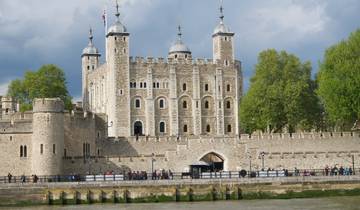
Begin your London weekend at the Tower of London, opening at 9 AM Tuesday-Saturday (10 AM Sunday-Monday) for optimal Crown Jewels access before mid-morning crowds transform the viewing experience from contemplative to congested. The Tower represents Britain’s most complete medieval fortress and has served as royal palace, prison, execution site, armory, treasury, and menagerie across its 950-year history. Adult tickets cost £34.80 in 2026 with online advance booking providing guaranteed entry and 10-15% savings versus walk-up pricing. Check official Historic Royal Palaces website for current rates as pricing may vary.
Arrive 10-15 minutes before opening for security screening and ticket collection. The Tower complex spans 12 acres with multiple buildings requiring 3-4 hours for comprehensive exploration. Prioritize the Crown Jewels first—the collection of royal regalia and ceremonial objects used in coronations since 1661 attracts the longest queues and viewing becomes increasingly rushed as crowds build. Early morning visits allow extended contemplation of St Edward’s Crown, the Imperial State Crown containing 2,868 diamonds, and the Sovereign’s Sceptre holding the 530-carat Cullinan I diamond. The moving walkway past the crown display operates during peak periods, but early arrivals can stand and observe as long as desired.
After the Crown Jewels, join a Yeoman Warder tour departing every 30 minutes starting at 10 AM (final tour 2:30 PM). These 60-minute guided walks led by retired military personnel living on-site provide historical context, architectural details, and legendary tales of imprisonment, execution, and intrigue that bring the Tower’s stone walls to life. Tours are included with admission and deliver far superior understanding than self-guided exploration. The Warders’ theatrical presentation style makes complex history accessible and entertaining.
Post-tour exploration should include the White Tower, the Norman keep built by William the Conqueror in 1078 that forms the fortress’s historic core. The Line of Kings exhibition on the ground floor displays royal armor including Henry VIII’s imposing suit, while the Chapel of St John on the second floor represents London’s finest Norman Romanesque architecture. The Medieval Palace in the Wakefield and St Thomas’s Towers recreates Edward I’s 13th-century royal chambers with period furnishings demonstrating how monarchs lived before Buckingham Palace supplanted the Tower as primary residence.
Walk the wall battlements for elevated views across the Thames to Tower Bridge and the City of London financial district. The ravens—legendary guardians whose departure supposedly foretells the Crown’s fall—occupy enclosures near the Wakefield Tower under the Ravenmaster’s care. Photography is permitted throughout except inside the Crown Jewels chamber, where capturing images would slow the viewing flow during peak periods.
Exit the Tower by 12:30-1 PM to maintain the afternoon schedule. Tower Hill Underground station sits 5 minutes walk from the main gate, providing District and Circle Line access to Westminster for the afternoon’s parliamentary precinct exploration.
Day 1 Lunch: Borough Market or Tower Bridge Area 2026
Lunch options near the Tower of London range from quick budget bites to leisurely mid-range meals depending on your schedule flexibility and dining priorities. Borough Market, located 15 minutes walk or one Tube stop south across Tower Bridge, represents London’s premier food market with 100+ vendors selling international street food, artisan products, and fresh ingredients. Open Monday-Saturday, the market thrives Thursday-Saturday when all vendors operate. Budget £8-18 for substantial market meals: £8-12 for global street food like pad thai, falafel wraps, or fish and chips, £12-18 for premium offerings from Neal’s Yard Dairy cheese toasties or Kappacasein raclette.
The Tower Bridge area itself offers faster options for visitors prioritizing afternoon Westminster time. Pret A Manger and other sandwich chains cluster around Tower Hill providing £6-9 prepared meals perfect for eating in nearby Trinity Square Gardens with Tower views. Café Rouge and Bills at St Katharine Docks marina serve sit-down lunches £15-25 per person in pleasant waterfront settings, though service time extends 45-60 minutes including ordering and payment.
Traditional pub lunch provides authentic London dining without premium pricing. The Liberty Bounds near Tower Hill serves classic pub fare—fish and chips £14-16, burgers £12-15, Sunday roast £15-18—in atmospheric surroundings with outdoor seating during clement weather. The Hung Drawn and Quartered on Great Tower Street offers similar menu and pricing with historic Tudor-era building character.
For this itinerary’s timing, budget 45-75 minutes total for lunch including travel, ordering, eating, and payment. Quick market grab-and-go supports 1:30-2 PM Westminster arrival, while sit-down restaurant meals push that to 2:30-3 PM. Both work—Westminster Abbey accepts entries until 3:30-4 PM depending on season, providing adequate time for 60-90 minute visits even with later arrival.
Day 1 Afternoon: Westminster Abbey, Big Ben, and Parliament Square 2026
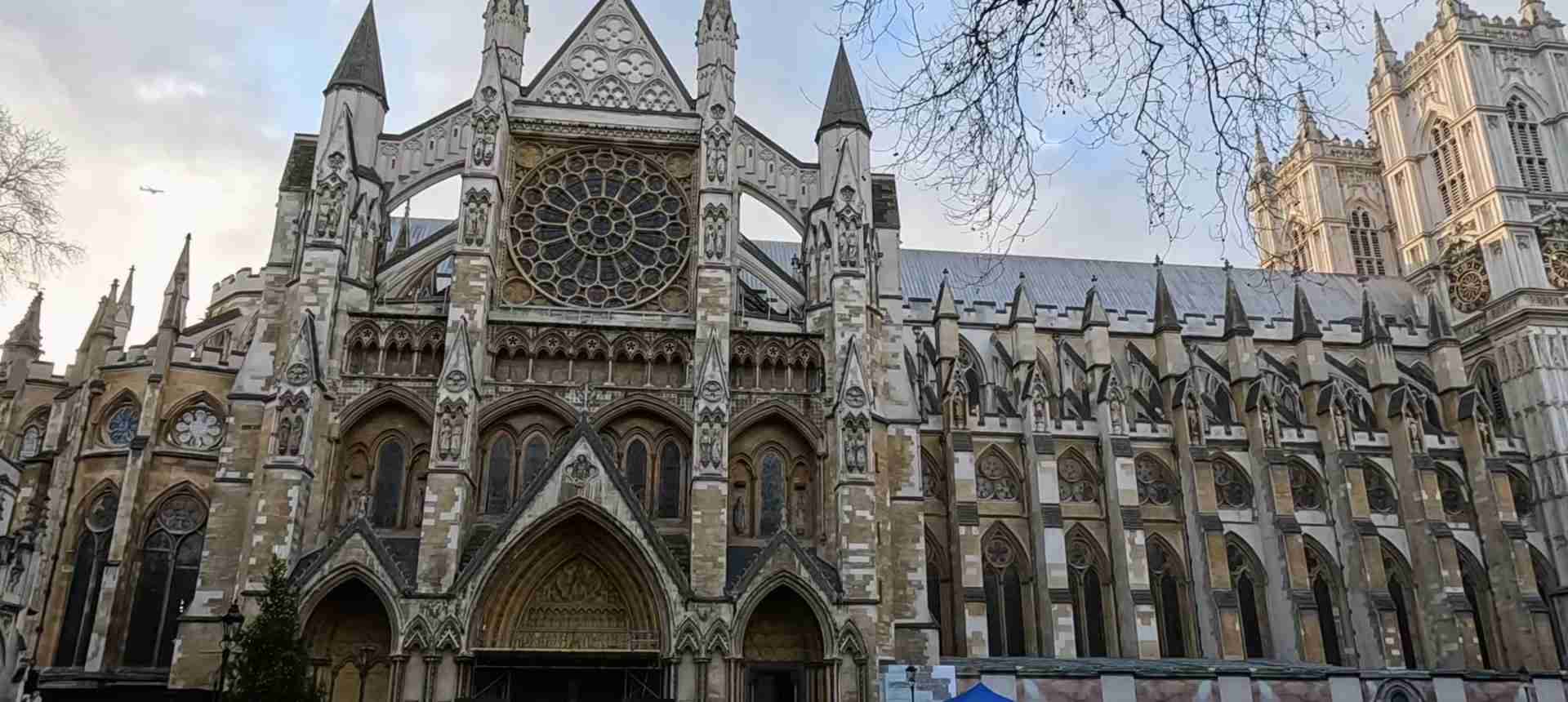
Westminster Abbey anchors London’s governmental and religious precinct as the coronation church for every British monarch since 1066. The Gothic masterpiece houses over 3,000 notable burials including 17 monarchs, alongside Poets’ Corner memorializing literary giants from Chaucer to Dickens. Adult admission costs £29-31 in 2026 with advance online booking recommended for guaranteed entry during capacity restrictions. Check official Westminster Abbey website for current rates as pricing may vary.
The Abbey opens 9:30 AM Monday-Friday and 9 AM Saturday, closing at 3:30-6 PM depending on season and ceremonial events. Arrive mid-afternoon (2-3 PM) when morning tour groups have departed but ample visiting time remains. Entry through the North Door includes audio guide providing detailed historical commentary for self-paced exploration. Budget 90-120 minutes for comprehensive visits covering the Nave with its soaring 102-foot vaulted ceiling, the Quire where coronation ceremonies occur, Royal Chapels containing elaborate tomb monuments, and Poets’ Corner celebrating British literary heritage.
The Henry VII Lady Chapel, completed in 1512, represents English Perpendicular Gothic architecture at its apex with fan-vaulted ceiling and intricate stone carving. The Coronation Chair near the High Altar has seated every monarch since 1308 during crowning ceremonies. The Chapter House, accessible via the medieval Cloisters, houses one of Britain’s oldest doors dating from the 1050s and features original 13th-century floor tiles.
Westminster Abbey restricts photography inside the church to protect wall paintings and preserve contemplative atmosphere, though exterior cloister photography is permitted. The Abbey closes periodically for services and state functions—always check the official website before visiting to confirm access. Peak season restrictions (June-August, Easter week) may limit entry to afternoon hours only for general visitors, prioritizing morning worship and services.
Exit the Abbey and walk 3 minutes to Parliament Square for exterior views of the Palace of Westminster (Houses of Parliament) and Elizabeth Tower containing Big Ben. The Gothic Revival palace, rebuilt 1840-1870 after fire destroyed the medieval structure, remains the UK’s parliamentary seat. Big Ben refers technically to the massive bell inside the clock tower, though popular usage applies the name to the tower itself. The tower underwent extensive renovation 2017-2022 and now presents its Victorian golden stonework in restored glory.
Parliament Square Gardens provide photograph vantage points for Westminster Abbey, Parliament, and Big Ben in single frame compositions. Statues of Winston Churchill, Nelson Mandela, and other historical figures occupy the square. Westminster Underground station sits at the square’s north edge for District, Circle, and Jubilee Line access. Walking south along the Thames riverfront leads to Lambeth Bridge and the South Bank cultural quarter.
Budget 30-45 minutes for Parliament Square exploration and photographs before continuing to South Bank for late afternoon and evening activities. The 10-minute walk from Westminster to South Bank crosses Westminster Bridge with panoramic Thames views encompassing the London Eye, County Hall, and the Palace of Westminster.
Day 1 Late Afternoon and Evening: South Bank Cultural Quarter 2026
London’s South Bank represents the city’s most successful 20th-century urban regeneration, transforming industrial riverfront into concentrated cultural venues, performance spaces, restaurants, and public promenades. The kilometer-long stretch from Westminster Bridge to Blackfriars Bridge encompasses the London Eye, Southbank Centre, National Theatre, Tate Modern, Shakespeare’s Globe, and dozens of independent restaurants and bars.
Cross Westminster Bridge and walk east along the riverside Queen’s Walk. The London Eye observation wheel dominates the immediate south bank, offering 30-minute rotations with panoramic city views from 135-meter height. Standard tickets cost £30-35 with advance booking recommended for preferred time slots. The Eye experience suits clear-weather afternoons or sunset timing, but budget-conscious travelers can skip it without losing essential London understanding—the view is spectacular but not culturally irreplaceable like the Tower or Abbey.
Continue east past the Southbank Centre, home to Royal Festival Hall, Queen Elizabeth Hall, and Hayward Gallery. Free foyer spaces host changing exhibitions, while outdoor terraces provide Thames viewing and people-watching. The National Theatre sits adjacent, offering backstage tours and free lobby exhibitions detailing British theatrical history. The complex includes multiple restaurants and cafés with riverside seating.
Tate Modern occupies the former Bankside Power Station, transformed into Britain’s premier modern art museum with free admission to permanent collections. Open daily 10 AM-6 PM (Friday-Saturday until 10 PM), the Tate displays works from 1900-present including Picasso, Matisse, Warhol, and Hockney across six levels. The Turbine Hall hosts large-scale installations and commissions, while the tenth-floor viewing terrace provides free panoramic Thames views rivaling the London Eye. Budget 60-90 minutes for highlights or 2-3 hours for comprehensive exploration.
The museum shop and café occupy ground level, with restaurants on upper floors. Free tours run daily, and the Tate-to-Tate boat service connects to Tate Britain museum upriver at Westminster for comprehensive British art coverage across both venues.
Shakespeare’s Globe Theatre sits immediately east of Tate Modern, a reconstructed Elizabethan playhouse presenting Shakespeare and contemporary works in conditions approximating original 1599 performances. The venue offers daytime tours (£17-19) exploring theater history and reconstruction details, while evening performances run April-October with £5 standing-room tickets providing budget access to world-class productions. Summer schedule includes shows at 2 PM and 7 PM most days.
Dinner options saturate the South Bank area. Gabriel’s Wharf and Oxo Tower Wharf house independent restaurants spanning Thai, Italian, British, and contemporary European cuisines at £15-35 per person for mains. Borough Market continues evening hours Thursday-Saturday for casual dining and food-hall atmosphere. Chain restaurants cluster near the London Eye offering predictable quality at £12-20 per person. Anchor Bankside and other riverside pubs serve traditional British fare with Thames views in atmospheric historic buildings.
Evening South Bank exploration benefits from extended summer daylight (sunset 8-9 PM June-August) allowing riverside strolls and outdoor dining through late evening. Spring and autumn visits see earlier sunsets (6-8 PM) shifting the atmosphere but maintaining appeal. The illuminated Parliament and London Eye create striking night photography opportunities from the south bank vantage point.
Return to accommodation via Southwark or Blackfriars Underground stations, or continue to Waterloo for mainline rail and Tube connections. Budget travelers can walk 20-30 minutes back to central hotels through atmospheric riverside routes.
Day 2 Morning: British Museum Highlights 2026
The British Museum houses humanity’s cultural heritage spanning 2 million years and six continents with free admission to permanent collections making it London’s most democratic world-class attraction. Open daily 10 AM-5 PM (Friday until 8:30 PM), the museum occupies an entire Bloomsbury city block with 94 galleries displaying 8 million objects—comprehensive coverage requires multiple visits, so this morning session focuses on essential highlights deliverable in 2.5-3 hours.
Arrive at opening time for manageable crowds and optimal photography lighting in the Great Court. The museum offers free guided tours focusing on different civilizations and periods—the general highlights tour departing 11 AM daily provides excellent orientation for first-time visitors. Self-guided exploration should prioritize these world-significance collections:
The Rosetta Stone in Room 4 represents modern archaeology’s foundation artifact, its trilingual inscription enabling Egyptian hieroglyphic decipherment in 1822. The Elgin Marbles in Room 18 display classical Greek sculpture from the Parthenon, controversial for their removal from Athens in 1801-1812 but unparalleled for studying ancient Greek artistic achievement. The Egyptian mummy collections in Rooms 62-63 span 3,000 years from predynastic burials to Roman-period gilded portraits.
The Sutton Hoo ship burial treasures in Room 41 illuminate Anglo-Saxon Britain’s 7th-century material culture with intricate goldwork and royal regalia. The Lewis Chessmen in Room 40 present medieval Norwegian artistry through walrus ivory gaming pieces discovered in Scotland’s Outer Hebrides. The Assyrian lion hunt reliefs in Room 10 demonstrate Near Eastern palace decoration from 645 BCE with dynamic narrative sculpture.
Asian collections occupy the museum’s eastern galleries: Room 33 houses Chinese ceramics spanning 5,000 years, while Room 95 presents South Asian sculpture including the Dancing Shiva bronze masterpiece. The Great Court’s covered plaza provides rest intervals between gallery visits, with the Court Restaurant offering casual dining and museum shop selling quality replicas and scholarly publications.
Free museum highlights include the Reading Room (accessible with advance booking), the Enlightenment Gallery displaying 18th-century collecting practices, and special exhibition galleries. Temporary exhibitions require separate tickets (£15-20 typically) and advance booking but reward investment with world-premiere scholarship and rare loan objects.
Photography is permitted throughout except in special exhibitions, making the British Museum ideal for building personal reference collection of world art. The museum provides free WiFi and mobile app with audio guides and object information enhancing self-guided visits.
Exit by 12:30-1 PM for lunch in Bloomsbury before afternoon National Gallery visit. Great Russell Street and surrounding blocks contain dozens of cafés, pubs, and restaurants serving quick lunches £8-20 per person.
Day 2 Lunch: Bloomsbury and Covent Garden Options 2026
Lunch between British Museum and National Gallery visits works best in Bloomsbury or Covent Garden, both offering concentrated dining options at budget to mid-range pricing. Bloomsbury neighborhoods around the museum provide quieter authentic London atmosphere, while Covent Garden delivers tourist-oriented convenience and variety at modest price premium.
Bloomsbury options cluster along Great Russell Street, Museum Street, and Coptic Street within 2 blocks of the museum. The Espresso Room and Benugo serve quality coffee and sandwiches £6-10 perfect for quick refueling. The Plough pub on Museum Street offers traditional British lunch £12-16 with outdoor seating during summer. Siam Central on Great Russell Street serves Thai cuisine £10-14 for mains in casual settings.
Walking 10 minutes south through Bloomsbury’s garden squares reaches Covent Garden’s concentrated restaurant district. The area surrounding the market piazza contains 50+ dining establishments spanning global cuisines and price points. Dishoom serves popular Bombay café food £12-18 per person but expects 30-60 minute waits during peak lunch hours (12:30-2 PM). Flat Iron specializes in quality steak at accessible £12-15 pricing with faster turnover than full-service restaurants.
Market hall food stalls in Covent Garden Market provide budget alternatives £8-14 for substantial meals including burgers, Thai, Italian, and British classics. Outdoor seating in the piazza allows people-watching and street performer entertainment. Chains like Pret A Manger, Leon, and Tortilla cluster around the piazza offering predictable quality £6-10.
For this itinerary’s timing, allocate 45-75 minutes for lunch including walking from British Museum. Quick café service supports 1:30 PM National Gallery arrival, while sit-down restaurants shift that to 2-2:30 PM. Both work as the National Gallery maintains 6 PM closing, providing 3.5-4 hours for comprehensive collection viewing.
Day 2 Afternoon: National Gallery and Trafalgar Square 2026
The National Gallery houses Western European painting from 1250-1900 with free admission to 2,300-work permanent collection making it essential for understanding European art history development. Located on Trafalgar Square’s north side, the gallery opens daily 10 AM-6 PM (Friday until 9 PM) with final entry 30 minutes before closing.
Enter through the main Portico entrance facing Trafalgar Square. Free gallery maps and daily tour schedules are available at information desks. The collection divides chronologically across four wings: Sainsbury Wing displays 1250-1500 paintings including early Italian Renaissance, West Wing covers 1500-1600 High Renaissance and Northern European works, North Wing presents 1600-1700 Baroque masters, and East Wing houses 1700-1900 from Rococo through Impressionism.
Highlights for 2-hour visits should include the Sainsbury Wing’s Jan van Eyck Arnolfini Portrait demonstrating Northern Renaissance technical virtuosity, Leonardo da Vinci’s Virgin of the Rocks showing High Renaissance scientific observation, and Botticelli’s Venus and Mars exemplifying Florentine mythological painting. The West Wing contains Titian’s Bacchus and Ariadne and Holbein’s Ambassadors with its anamorphic skull optical illusion.
The North Wing displays Velázquez’s Rokeby Venus, Rembrandt self-portraits tracking his aging process, and Caravaggio’s Supper at Emmaus with its dramatic chiaroscuro lighting. The East Wing houses Turner’s Fighting Temeraire representing British Romantic landscape, Constable’s Hay Wain demonstrating naturalistic observation, and Van Gogh’s Sunflowers and Monet’s Water-Lilies series pioneering Impressionist technique.
Free gallery tours run throughout the day focusing on different periods and themes. Audio guides cost £5 but comprehensive label text and free museum WiFi provide adequate self-guided support. The National Café on the East Wing’s ground floor serves lunch and afternoon tea, while the Espresso Bar offers quick refreshments.
Special exhibitions require separate tickets (£15-22 typically) and advance booking. Major temporary shows run 3-4 months and often feature loan masterworks rarely seen in Britain. Check the exhibition schedule when planning visits—some shows justify adjusting the base itinerary to accommodate viewing.
Exit to Trafalgar Square for Nelson’s Column monument and fountain plaza. The square serves as London’s traditional public gathering space, surrounded by the National Portrait Gallery, St Martin-in-the-Fields church, and Canada House. Fourth Plinth rotating contemporary art commissions occupy the northwest corner. Charing Cross Underground station sits at the square’s eastern corner for Northern and Bakerloo Line access.
Budget 2-3 hours for National Gallery comprehensive viewing or 90 minutes for highlights only. Exits at 4-5 PM leave adequate evening time for Covent Garden exploration, dinner, and optional West End theater.
Day 2 Late Afternoon and Evening: Covent Garden and West End 2026
Covent Garden represents London’s prime entertainment district with pedestrian piazza, street performers, specialty shops, and theatrical heritage dating to the 1630s. The covered market building houses artisan vendors and restaurants, while surrounding streets contain independent boutiques, bookshops, and cafés.
Walk 5 minutes from the National Gallery through Leicester Square to Covent Garden market. The piazza hosts free street performance throughout the day—musicians, magicians, acrobats, and living statues entertain rotating crowds. Performance quality is high; many acts are professional entertainers using the piazza as supplemental income rather than primary livelihood. Tipping performers £1-2 appreciates their skill and maintains the tradition.
The market building contains the Apple Market with independent craft vendors and the Jubilee Market Hall offering antiques, collectibles, and general goods. Royal Opera House sits at the piazza’s eastern edge—backstage tours run daily (£12-15) for theater architecture and production insight. The adjacent Covent Garden Underground station provides Piccadilly Line access but gets extremely congested during evening rush hours; Leicester Square station often offers faster service despite slightly longer walk.
Shopping options around Covent Garden include Neal’s Yard for independent health and wellness retailers in photogenic courtyard setting, Neal Street for contemporary fashion boutiques, and Long Acre for larger retail chains. Stanfords, the world’s largest travel bookshop, occupies Long Acre with exhaustive cartography, guidebooks, and travel literature.
West End theaters cluster around Covent Garden, Leicester Square, and Shaftesbury Avenue presenting musicals, plays, and comedy shows across 40+ venues. Major productions run indefinitely—Hamilton, The Lion King, Wicked, and Book of Mormon maintain continuous performance schedules year-round. Tickets cost £25-150 depending on show, seating section, and booking timing. Day-of-show discount tickets sell at TKTS booth in Leicester Square at 25-50% off face value but with limited availability and selection.
Dinner before theater (curtain typically 7:30 PM) requires 6-6:30 PM restaurant arrival for adequate eating and payment time. Most West End area restaurants accommodate theater schedules with pre-theater menus offering 2-3 course meals £20-35 per person. J Sheekey serves seafood in historic Theatreland venue £35-50 per person. Rules, London’s oldest restaurant (est. 1798), offers traditional British cuisine £30-45 in atmospheric wood-paneled dining rooms. Casual options like Wahaca (Mexican) or Polpo (Venetian small plates) deliver quality meals £15-25 per person with faster service.
Post-theater dining (after 10 PM) finds many restaurants closed but Chinatown’s Gerrard Street and Lisle Street maintain late hours with dim sum, noodles, and Cantonese specialties £12-25 per person. Soho bars and pubs around Old Compton Street serve until midnight-1 AM for post-show drinks.
Evening Covent Garden and West End exploration benefits from animated street life and illuminated building facades. The district maintains safe pedestrian atmosphere late into evening with heavy foot traffic and strong police presence. Return to accommodation via Tube from Leicester Square, Covent Garden, or Tottenham Court Road stations depending on hotel location.
Alternative Day 2 Activities: Customizing Your London Weekend 2026
The core Day 2 itinerary prioritizes British Museum, National Gallery, and Covent Garden cultural immersion, but several alternative activities substitute based on personal interests and weather conditions. These options maintain the Bloomsbury morning start while offering different afternoon and evening experiences.
Natural History Museum and Science Museum in South Kensington provide free-admission alternatives to the National Gallery for families, science enthusiasts, or visitors prioritizing natural world understanding over art history. Both museums open 10 AM with comprehensive collections requiring 2-3 hours each. The Natural History Museum’s dinosaur galleries and blue whale skeleton captivate all ages, while the Science Museum’s interactive exhibits explain technological development from Industrial Revolution to space exploration. The two museums sit adjacent on Exhibition Road, allowing visits to both in one afternoon. South Kensington Underground station provides direct Piccadilly Line access from British Museum area via Leicester Square connection.
Victoria and Albert Museum, also in South Kensington, houses decorative arts and design spanning 5,000 years with free permanent collection access. The V&A excels in fashion, ceramics, furniture, and sculpture with unparalleled British design collections. Budget 2-3 hours for highlights including the Medieval & Renaissance galleries, British Galleries covering 1500-1900, and the Cast Courts displaying plaster replicas of European architectural masterworks. The museum café in the original Victorian refreshment rooms provides elegant lunch or afternoon tea settings.
Buckingham Palace State Rooms open to visitors July-September (10 AM-6:30 PM) when the Royal Family relocates to Scottish residences. Timed-entry tickets cost £30-32 with advance booking essential for guaranteed admission. The visit includes lavishly decorated State Rooms used for official functions, the Throne Room, and Palace gardens. Changing of the Guard ceremony occurs at 11 AM Monday, Wednesday, Friday, and Sunday (daily June-July) in front of Buckingham Palace, viewable free from public areas though optimal positioning requires arrival 30-60 minutes before ceremony start.
Hyde Park and Kensington Gardens provide green space alternatives for weather-favorable days. The connected parks span 625 acres with the Serpentine lake, Diana Princess of Wales Memorial Fountain, and formal Italian Gardens. Kensington Palace (£19.60 admission) displays royal residence history and temporary fashion exhibitions. The parks suit morning or afternoon walks, picnics, and relaxation between museum visits. Access via Lancaster Gate, Marble Arch, or High Street Kensington Underground stations.
Thames River cruise offers alternative Westminster-Greenwich connection while viewing London landmarks from water perspective. City Cruises operates hop-on-hop-off service from Westminster Pier to Tower Pier and Greenwich with journeys lasting 30-60 minutes depending on route. Tickets cost £15-25 depending on routing and stop privileges. Greenwich attractions include the Cutty Sark clipper ship (£17), National Maritime Museum (free), Royal Observatory (£18) marking Greenwich Mean Time, and the painted ceilings of the Old Royal Naval College.
St Paul’s Cathedral represents London’s Anglican worship center and architectural masterwork designed by Christopher Wren after the Great Fire of 1666. Admission costs £23 with online advance booking recommended. The dome climb (528 steps) rewards with panoramic city views, while the Whispering Gallery demonstrates acoustic properties of the circular chamber. Budget 90-120 minutes for comprehensive visits including crypt containing Wren’s tomb and the Duke of Wellington monument. St Paul’s sits near Mansion House Underground station with easy access from British Museum via Central Line.
Transportation and Getting Around London 2026
London’s public transport network efficiently connects all attractions in this itinerary through the Underground (Tube), buses, and walking routes. The system operates on zone-based pricing with Zones 1-2 covering central London including every location mentioned here. Using Oyster card or contactless payment card rather than cash or paper tickets delivers significant cost savings—the daily cap of £8.90 for Zones 1-2 provides unlimited travel regardless of journey count, making additional trip calculations unnecessary.
Single Underground journeys in Zone 1 cost £2.70 using Oyster or contactless payment versus £6.70 cash fare—more than double the electronic rate (calculation: £6.70 ÷ £2.70 = 2.48 times higher). The daily cap activates automatically when accumulated fares reach £8.90, converting subsequent journeys to free for remainder of the day. This makes three or more trips always cost-effective versus careful journey rationing. Peak fares apply Monday-Friday 6:30-9:30 AM and 4-7 PM, but leisure travelers rarely encounter these commuter hours.
Oyster cards cost £10 non-refundable card fee then operate as prepaid accounts topped up at station machines or ticket windows. Remaining credit of £10 or less receives automatic refund at journey’s end from ticket machines; amounts over £10 require station counter processing. International visitors should verify contactless bank cards function on London Transport before relying exclusively—most major credit cards work correctly, but some debit cards from smaller international banks encounter compatibility issues.
Underground service runs approximately 5:30 AM-12:30 AM Monday-Saturday with reduced Sunday hours and 24-hour Friday-Saturday night service on select lines (Central, Victoria, Jubilee, Northern, Piccadilly). The Tube map available free at every station provides essential navigation reference showing all lines, connections, and zone boundaries. Popular apps like Citymapper or Google Maps offer real-time journey planning with walking directions, train times, and service disruptions.
Bus travel offers street-level sightseeing while maintaining competitive journey times for cross-town routing where Tube requires multiple connections. Buses charge £1.75 per journey with unlimited free transfers within 60 minutes using same Oyster or contactless card—ride multiple routes to reach destination while paying single fare. Buses cannot accept cash; Oyster or contactless payment mandatory. Night buses (numbered with N prefix) operate extensive network after Tube closes.
Walking connects many adjacent attractions more efficiently than Tube—Westminster Abbey to South Bank requires 10 minutes walking versus 20 minutes via Underground including platform waiting and walking. The British Museum to Covent Garden takes 12 minutes direct walking versus 15 minutes by Tube. Central London’s compact geography makes walking the fastest option for distances under 1 mile, roughly 15-20 minutes at moderate pace.
Licensed black cabs operate throughout London with metered fares starting £3.20 then adding £0.20 per 100 meters. Short central London journeys cost £8-15, though ride-sharing apps like Uber often provide 20-30% savings during non-peak periods. Taxis suit late evening returns, heavy rain, or groups splitting costs four ways. Budget travelers avoid taxis entirely relying on public transport and walking.
Cycling via Santander Cycles (Boris Bikes) hire scheme costs £1.65 for unlimited 30-minute journeys in 24-hour period, with additional charges for longer individual rides. Docking stations cluster throughout central London at 300-meter intervals. Cycling works well for Thames riverside routing and Hyde Park exploration but proves challenging in heavy traffic areas. Helmets are not provided; riders accept liability for crashes and bike damage.
Accommodation Options and Areas for London 2-Day Stays 2026
London accommodation costs vary dramatically by location, category, and booking timing with strategic choices significantly impacting total trip budget. Properties in Zones 1-2 cost £80-750+ per night but position visitors within 10-30 minutes of all major attractions, while Zone 3+ hotels offer 15-30% lower rates requiring longer commutes that reduce actual sightseeing hours.
Budget hotels and hostels in central London charge £80-130 per night for private rooms with shared or en-suite bathrooms. Travelodge, Premier Inn, and Ibis Budget chains maintain multiple Zone 1-2 properties with basic but clean accommodation near major Tube stations. Expect compact rooms (10-15 square meters), limited amenities, and sometimes neighborhood noise, but reliable cleanliness and security. Hub by Premier Inn and Moxy operate pod-style hotels with micro-rooms (8-10 square meters) at £70-110 nightly, compensating space limitations with central locations and design-conscious common areas.
Hostel dormitories cost £25-45 per bed in central locations, with private rooms in hostel properties running £65-90 nightly for couples. Generator Hostels, Wombat’s, and St Christopher’s Inn offer social atmosphere, 24-hour facilities, and central positioning perfect for solo travelers and budget-conscious couples willing to sacrifice privacy for cost savings. Private hostel rooms provide hotel-equivalent privacy at 20-30% savings versus dedicated budget hotels.
Mid-range hotels charge £180-280 per night for comfortable rooms (15-25 square meters) with full amenities, often including breakfast. These properties cluster in Bloomsbury, King’s Cross, South Kensington, and Southwark offering residential neighborhood character with easy Tube access. Expect modern bathrooms, comfortable beds, workspace desks, and sometimes fitness facilities or lounges. CitizenM, Zetter, and independent boutique properties deliver design quality rivaling luxury hotels at 30-40% lower pricing.
Luxury hotels command £400-750+ nightly with spacious rooms (25-40+ square meters), premium locations in Mayfair, Covent Garden, or Westminster, and full-service amenities including restaurants, spas, and concierge. The Savoy, Claridge’s, and other landmark properties offer signature London hotel experiences at proportional cost. Most visitors find mid-range hotels deliver adequate comfort without luxury tier expense.
Optimal neighborhood selection balances cost, convenience, and character. South Kensington positions near museums with reliable Piccadilly and Circle Line access and abundant dining options at moderate pricing. Bloomsbury offers authentic residential London surrounding the British Museum with Northern and Piccadilly Line connections and quiet evening atmosphere. King’s Cross benefits from Eurostar terminal proximity, multiple Tube line access, and recent regeneration creating quality restaurant and café infrastructure. Southwark sits across Thames from City of London with Tate Modern, Borough Market, and atmospheric riverside setting plus Jubilee and Northern Line access.
East London neighborhoods including Shoreditch, Bethnal Green, and Hackney reduce accommodation costs 20-30% below central rates while maintaining 20-30 minute Tube journeys to major attractions. These areas provide authentic London neighborhood immersion, excellent independent restaurant scenes, and late-night entertainment at budget-friendly pricing. Weekend visitors can accept longer commutes knowing they’ll spend minimal waking hours in hotel rooms.
Booking timing significantly affects pricing. London hotels charge 30-50% premiums during peak periods (June-August, Christmas/New Year, Easter week, major events) with advance booking essential for availability. Shoulder seasons (March-May, September-October) deliver moderate pricing and weather, while winter (November-February) sees lowest rates but short daylight hours and cold weather. Booking 4-8 weeks ahead typically secures best value; last-minute weekend bookings risk limited selection and premium pricing.
Food and Dining Budget Strategies London 2026
London dining costs span wider range than most European capitals, from £3 supermarket sandwiches to £150+ tasting menus, with strategic choices determining daily food spend between £35-100 per person. Understanding pricing patterns and making intentional meal-type decisions allows travelers to eat well at their chosen budget level.
Budget dining strategy (£35-50 daily per person) combines supermarket breakfast and lunch with one mid-range restaurant dinner. Tesco Metro, Sainsbury’s Local, and M&S Simply Food stores saturate central London providing ready-made sandwiches £3.50-5, salads £4-6, hot meals £5-7, and fresh fruit £1-2. Morning pastries and coffee cost £4-6 total. This approach delivers two meals for £15-20, leaving £20-30 for sit-down dinner at casual restaurants or pubs offering mains £12-18.
Mid-range dining strategy (£60-80 daily) incorporates three restaurant meals with mix of casual and mid-range venues. Breakfast at hotel or café costs £8-12, lunch at casual restaurant £12-20, dinner at mid-range establishment £25-40. This provides authentic dining experiences without premium pricing, accessing London’s diverse culinary scene across British, Indian, Italian, Thai, and global cuisines.
Upscale dining strategy (£80-120+ daily) prioritizes quality restaurant experiences for all meals including one fine-dining dinner. Hotel breakfast £15-25, elevated lunch £25-40, fine-dining dinner £60-100+ per person before beverages. This budget accesses celebrated restaurants and signature London dining experiences like afternoon tea at Claridge’s (£75-95) or tasting menus at Michelin-starred venues.
Specific meal-type guidance: Breakfast offers greatest budget flexibility since hotel rooms without included breakfast save £10-15 per night but require £8-15 per person meal expenditure. Budget travelers choose supermarket grab-and-go (£4-6) or café continental breakfast (£6-10). Mid-range visitors select hotel breakfast buffets (£15-20) or restaurant cooked breakfast (£12-18). Luxury travelers opt for hotel fine-dining breakfast (£20-30).
Lunch presents best value for experiencing quality restaurants since many upscale venues offer lunch menus 30-40% below dinner pricing for identical kitchen quality. Pre-theater lunch deals at West End area restaurants provide 2-course meals £12-18 versus £25-35 for same food at dinner. Market food halls including Borough Market, Mercato Metropolitano, and Leather Lane Market serve international cuisines £8-16 in communal seating.
Dinner drives daily food costs with greatest variation. Pub dining delivers authentic British meals £12-18 including fish and chips, Sunday roast, shepherd’s pie in atmospheric settings with local character. Chain restaurants (Zizzi, Pizza Express, Nando’s) provide predictable quality £12-20 per person. Independent mid-range restaurants serve global cuisines £18-35 per person for mains plus sides. Fine dining reaches £60-150+ per person before wine.
Alcohol significantly increases meal costs. Pints cost £5.50-7.50 in central London pubs, wines £7-12 per glass at restaurants, cocktails £12-18 at bars. Budget drinkers purchase supermarket beer/wine (£4-8 per unit) for hotel consumption, while moderate drinkers budget £15-30 daily for pub/restaurant beverages. Teetotalers save 20-30% on total meal costs.
Afternoon tea represents signature London experience costing £35-95 per person depending on venue prestige. Budget options like Sketch Gallery or Biscuiteers charge £35-45, mid-tier hotel tea rooms £50-70, luxury venues like The Ritz or Claridge’s £75-95. Tea typically includes sandwiches, scones, pastries, and unlimited tea, functioning as substantial lunch replacement for visitors scheduling afternoon attraction visits afterward.
Money-Saving Strategies for London Weekend 2026
London’s reputation for expensive travel contains truth but obscures numerous cost-reduction opportunities through strategic planning and local knowledge. Implementing several of these approaches simultaneously can reduce total weekend costs 30-50% versus default tourist spending patterns.
Museum concentration provides London’s greatest budget advantage. The British Museum, National Gallery, Tate Modern, Natural History Museum, Science Museum, Victoria and Albert Museum, and 15+ additional world-class museums offer free permanent collection admission. A Paris or New York visitor would pay €50-75 or $80-100 for equivalent access. Build itineraries around free museums, adding just 2-3 paid heritage sites (Tower of London, Westminster Abbey) rather than attempting to visit every ticketed attraction.
Accommodation timing and location offer major cost variations. Booking Zone 2 hotels rather than Zone 1 saves £40-80 nightly while adding just 10-15 minutes daily commute. Staying Sunday-Thursday rather than Friday-Saturday reduces rates 20-35% at most properties. Winter (November-February) charges 40-60% below summer for identical rooms, though shorter daylight hours and cold weather diminish outdoor sightseeing appeal.
Food costs decline dramatically avoiding restaurants for all meals. Supermarket breakfast and lunch total £12-18 daily versus £30-45 at restaurants, saving £18-27 per person (calculation: savings range from £30 – £12 = £18 to £45 – £18 = £27). Sunday pub roasts deliver best restaurant value at £15-18 for substantial traditional British meals. Lunch at upscale restaurants costs 30-40% below dinner for identical kitchen and service quality. Avoiding alcohol saves £15-30 daily in pub/restaurant spending.
Transportation Oyster daily cap at £8.90 beats any alternative transport cost structure for active sightseeing days with 3+ journeys. Walking between adjacent attractions (British Museum to Covent Garden 12 minutes, Westminster to South Bank 10 minutes) saves multiple Tube fares while providing street-level neighborhood immersion. Free Santander Cycles bikeshare (first 30 minutes per journey) works well for Thames riverside routing and park exploration.
Advance attraction booking saves 10-20% versus walk-up ticket pricing at major sites. Tower of London online tickets cost £34.80 versus £39-40 at gate, representing savings of 11-13% (calculation: low end (£39 – £34.80) ÷ £39 = 10.8%, high end (£40 – £34.80) ÷ £40 = 13%). The London Pass becomes cost-effective only when visiting 4+ paid attractions daily—most visitors save money buying individual advance tickets for their specific 2-3 chosen paid sites rather than purchasing expensive multi-day passes.
Free activities fill substantial itinerary time without cost impact. Changing of the Guard at Buckingham Palace, Speakers’ Corner debates in Hyde Park, street performers in Covent Garden, Thames riverside walks, neighborhood exploration in Notting Hill or Shoreditch, and Parliament Square provide entertainment and cultural immersion without ticket barriers. Many churches including St Martin-in-the-Fields and Southwark Cathedral offer free entry with donation requests versus Westminster Abbey’s £29-31 admission.
West End theater TKTS discount booth in Leicester Square sells same-day tickets 25-50% off face value, though selection varies and popular shows rarely appear. Matinee performances typically cost 20-30% below evening shows. National Theatre and other subsidized venues offer £15-25 tickets for productions matching West End quality. Standing-room tickets at Shakespeare’s Globe cost £5 for performances identical to £30-50 seated experience.
Grocery shopping versus eating all meals out saves £20-40 daily per person. Supermarkets cluster every 3-4 blocks in central London with Tesco Metro and Sainsbury’s Local offering ready-made meals, snacks, and beverages at 30-50% below restaurant pricing. Hotel room mini-fridges allow storing yogurt, fruit, sandwiches, and drinks purchased in bulk.
Seasonal Considerations for London Weekend Planning 2026
London experiences four distinct seasons with weather and daylight hours significantly impacting itinerary execution and costs throughout 2026. Understanding seasonal variations allows strategic planning maximizing experience quality while managing budgets and expectations.
Spring (March-May) delivers optimal compromise between weather, costs, and daylight hours. Temperatures range 10-18°C (50-64°F) with moderate rainfall averaging 40-50mm monthly. Daylight extends from 12 hours in March to 16 hours by late May, providing ample outdoor sightseeing time. Royal parks bloom with daffodils, tulips, and cherry blossoms creating photogenic landscapes. Accommodation costs run 15-25% below summer peak while maintaining comfortable conditions. March-April offers best value, while May sees prices rising toward summer levels as weather improves and American/European visitors increase.
Summer (June-August) provides longest daylight (16-17 hours June-July declining to 14 hours late August) and warmest weather (15-25°C / 59-77°F) but commands highest accommodation costs and maximum attraction crowds. Hotel rates peak 40-60% above winter levels, while major sites like Tower of London experience 90-120 minute Crown Jewels queues versus 30-45 minutes in shoulder seasons. The season suits outdoor activities, Thames riverside dining, and evening park exploration but requires advance booking for accommodation and popular attractions. July-August sees heaviest tourist concentration as school holidays bring family travelers.
Autumn (September-October) mirrors spring advantages with comfortable temperatures (12-18°C / 54-64°F), autumn foliage in royal parks, and reduced crowds compared to summer. Daylight remains adequate at 13 hours September declining to 11 hours late October. Accommodation costs drop 20-30% below summer while weather stays favorable for outdoor sightseeing. September maintains summer warmth with fewer crowds, making it arguably London’s optimal visiting month. October brings increased rain probability but excellent value pricing.
Winter (November-February) challenges visitors with short daylight hours (7-9 hours), cold weather (4-10°C / 39-50°F), and frequent rain but rewards with lowest accommodation costs and minimal crowds. Hotel rates drop 40-60% below summer levels, attraction queues disappear, and restaurant reservations become unnecessary. Indoor activity focus suits winter conditions—museums, theaters, historic buildings with heating provide comfortable experiences regardless of weather. Christmas season (mid-December through New Year) sees temporary price spikes with hotels charging premium rates despite dark, cold conditions.
Rain occurs year-round in London with annual precipitation distributed relatively evenly across months. Bringing waterproof jacket and umbrella proves essential regardless of season. Brief showers followed by clearance characterize London weather patterns more than sustained all-day rain.
Seasonal event considerations: Chelsea Flower Show in late May attracts gardening enthusiasts and inflates accommodation costs. Wimbledon tennis tournament (late June-early July) creates demand spike with hotel premiums. Notting Hill Carnival (late August) celebrates Caribbean culture with street parties and parade. Winter holidays (mid-December through New Year) transform central London with Oxford Street lights, Winter Wonderland in Hyde Park, and festive atmosphere justifying premium pricing for holiday-focused visitors.
Health, Safety, and Practical Tips London 2026
London ranks among Europe’s safest major cities with well-developed tourist infrastructure, excellent healthcare access, and minimal crime affecting visitors who exercise basic precautions. Understanding practical considerations ensures smooth weekend experiences without preventable complications.
Healthcare access follows UK National Health Service structure with emergency care free for all visitors regardless of nationality. Accident & Emergency departments at major hospitals including St Thomas’, University College Hospital, and Royal London Hospital provide 24-hour urgent care. Minor ailments receive treatment at walk-in NHS clinics and pharmacies (chemists) throughout central London. European Health Insurance Card holders receive treatment on same terms as UK residents. Non-EHIC visitors should carry travel insurance covering medical costs as non-emergency care may require payment. Pharmacies including Boots and Superdrug operate extended hours selling over-counter medications for common ailments.
Safety concerns for London visitors center on petty theft rather than violent crime. Pickpockets target crowded Tube stations (Westminster, King’s Cross, Oxford Circus), major tourist attractions (Tower of London, British Museum), and Leicester Square. Keep valuables in front pockets or secure bags, maintain awareness in crowds, and avoid displaying expensive electronics, jewelry, or large cash amounts. Hotel safe deposit boxes should secure passports, excess cash, and valuable electronics when not needed during daily sightseeing.
Transportation safety follows simple precautions. Underground platforms and trains operate safely throughout service hours including late evening. Solo travelers should avoid empty carriages late at night, instead choosing cars with other passengers. Licensed black cabs and Uber provide safe late-night transportation. Unlicensed minicabs pose risks and should be avoided—genuine cabs display official licensing on doors and have meters or app-based pricing.
Money and payments: UK operates on pound sterling (£) with most vendors accepting contactless payment cards for purchases above £1. Chip-and-PIN cards are standard; signature authorization may cause delays. ATMs charge £2-3 withdrawal fees at some locations, though major bank machines often waive fees. Notify your bank of UK travel to prevent fraud blocks on legitimate charges. Tipping practices: 10-12.5% in restaurants if service not included, round up taxi fares to nearest pound, £1-2 per bag for hotel porters, no tipping required in pubs or cafés.
Communication and connectivity: Most central London areas receive strong 4G/5G mobile signal. Public WiFi operates at major stations, museums, and restaurants but security concerns recommend VPN use for financial transactions. UK mobile numbers can be purchased as pay-as-you-go SIM cards from supermarkets and phone shops for £10-20 including significant data allowances. International roaming charges may apply for US/Canadian phones unless international plans activated before travel.
Electrical and practical matters: UK uses 230V electricity with Type G three-prong outlets requiring adapters for US/European devices. Universal adapters cost £8-12 at airports and electronics stores. Public toilets charge 20-50p at major stations; department stores, museums, and restaurants provide free facilities to customers. Drinking water from taps is safe throughout London.
Language: English spoken universally with British vocabulary variations requiring occasional clarification for US visitors (lift=elevator, tube=subway, queue=line, chemist=pharmacy). Museum and attraction staff speak excellent English; restaurant servers and retail workers may have varying proficiency depending on establishment.
Accessibility: London accommodates mobility-impaired visitors better than most historic European cities. Step-free Tube access exists at major stations including King’s Cross, Westminster, Southwark, and London Bridge, though many older stations lack elevator access. Licensed black cabs accommodate wheelchairs; request accessible vehicle when booking. Major museums and attractions provide wheelchair access with elevators and ramps, though some historic buildings (Westminster Abbey portions, Tower of London battlements) have architectural limitations.
Extending Your London Visit: 3-Day and Longer Itineraries 2026
Weekend visitors completing this 2-day itinerary often find London’s depth warrants extended stays allowing comprehensive UNESCO site coverage, specialized museum collections, day trip options, and neighborhood immersion impossible to achieve in 48 hours. Three to five days represents optimal duration balancing thorough city exploration with reasonable travel commitment.
Day 3 additions should prioritize either Greenwich UNESCO site complex or Kew Gardens depending on interests, adding either St Paul’s Cathedral or expanded British Museum time. Greenwich requires half-day allocation for the Cutty Sark clipper ship, National Maritime Museum, Royal Observatory marking Greenwich Mean Time, and Painted Hall at Old Royal Naval College. Boats from Westminster Pier reach Greenwich in 60 minutes providing Thames perspective, or Jubilee Line trains arrive in 20 minutes. Budget £35-45 per person for paid Greenwich attractions plus £15-25 for Thames River Cruise if choosing boat access.
Kew Gardens encompasses 326 acres of botanical collections including historic glasshouses, treetop walkway, and Kew Palace. Royal Botanic Gardens Kew UNESCO designation recognizes global botanical research importance. Entry costs £19.50 with advance booking, requiring 3-4 hours for comprehensive garden touring. District Line or Overground trains reach Kew Gardens station from central London in 30-40 minutes.
St Paul’s Cathedral provides Day 3 alternative emphasizing architectural heritage and London history. Admission costs £23 including dome climb (528 steps) rewarding with panoramic city views and Whispering Gallery acoustic demonstrations. Budget 90-120 minutes for complete visits including crypt containing Christopher Wren’s tomb and Duke of Wellington monument. Central Line trains reach St Paul’s station directly.
Day 4-5 extensions incorporate day trips beyond London or specialized London interests. Windsor Castle, Britain’s oldest occupied castle and official Royal residence, sits 40 minutes from London Paddington by train. Tickets cost £30-32 for State Apartments, St George’s Chapel, and grounds. The Stonehenge and Bath day trip combines prehistoric monument with Georgian city architecture via organized tours (£75-95) or independent train travel (£40-50 transport plus separate attraction tickets). Cambridge or Oxford university cities offer medieval college architecture and riverside punting 60-90 minutes from London via frequent trains.
Specialized London interests for extended stays include: Victoria & Albert Museum comprehensive decorative arts collections requiring 3-4 hours, Imperial War Museum covering 20th-century conflicts, Design Museum contemporary design exhibitions, Churchill War Rooms preserving WWII underground headquarters (£28 admission), Kensington Palace State Apartments (£19.60), Hampton Court Palace Tudor heritage (£27, 30 minutes from Waterloo station), and Wallace Collection French decorative arts (free admission).
Neighborhood exploration days add depth beyond major attractions. Notting Hill combines Portobello Road antique market (Saturday optimal), colorful house-lined streets, and independent boutiques. Shoreditch and Brick Lane offer street art, vintage markets, and multicultural dining. Camden Town markets provide alternative fashion, crafts, and international street food. Hampstead Heath delivers green space, swimming ponds, and Kenwood House art collection. Richmond upon Thames combines riverside walks, botanical gardens, and royal park deer.
Theater and entertainment focus justifies extended London stays. West End quality supports seeing 2-3 shows across 4-5 days. Globe Theatre daytime tours plus evening performance provides Shakespeare immersion. National Theatre productions represent British theatrical innovation. Live music venues in Soho and Camden host international touring artists. Comedy clubs including Comedy Store and Soho Theatre present stand-up from emerging and established comedians.
Frequently Asked Questions About London 2-Day Itineraries 2026
Is 2 days enough to visit London in 2026?
Two days provides adequate time for London’s essential highlights through strategic routing and early starts, though comprehensive city exploration requires 4-6 days. Weekend visitors thoroughly experience 2-3 UNESCO sites (Tower of London, Westminster Abbey, plus partial Greenwich or Kew Gardens), 3-4 major museums with highlights focus, and signature neighborhoods (Westminster, South Bank, Covent Garden). The limitation manifests in breadth versus depth—you’ll miss day trips to Windsor or Bath, specialized museum collections at V&A or Imperial War Museum, eastern neighborhoods like Shoreditch, and multiple West End theater performances. However, well-planned 48 hours delivers authentic London cultural immersion including crown jewel attractions, world-class free museums, historic architecture, and vibrant neighborhood atmosphere. First-time visitors gain solid London understanding while return travelers focus on previously missed areas. Budget travelers particularly benefit from 2-day duration concentrating costs on premium experiences (Tower, Westminster) while accessing extensive free cultural offerings.
How much walking is required for this London 2-day itinerary in 2026?
This itinerary requires 8-12 miles total walking over two days depending on museum thoroughness and restaurant routing choices. Day 1 includes approximately 5-6 miles: Tower of London internal exploration (1 mile), Tower to Westminster via Tube then Westminster Abbey to South Bank walk (1.5 miles), South Bank riverside stroll from London Eye to Tate Modern (1 mile), and internal museum/attraction navigation (1.5-2 miles). Day 2 encompasses 3-6 miles: British Museum comprehensive galleries (1.5-2 miles internal), walk to lunch venue and National Gallery (0.5-1 mile), National Gallery internal circuits (1 mile), walk to Covent Garden and evening exploration (1-2 miles). Moderate fitness levels handle this distance comfortably with strategic rest periods during museum visits and meal breaks. Reduce walking by using Tube for all neighborhood transitions rather than walking Westminster to South Bank or British Museum to Covent Garden. Increase walking by adding Thames riverside routes, park explorations, or neighborhood wandering. Comfortable walking shoes are essential—cobblestone streets, museum galleries, and castle battlements punish inadequate footwear. Individuals with mobility limitations should prioritize Tube connections over walking routes and allocate extra time for elevator access at historic buildings.
Can you visit both Tower of London and Westminster Abbey in one day in 2026?
Visiting both Tower of London and Westminster Abbey in one day is entirely feasible with disciplined timing and early start. Arrive at Tower of London for 9 AM opening (Tuesday-Saturday) allowing 3-3.5 hours for Crown Jewels, Yeoman Warder tour, White Tower, and wall walks with exit by 12:30 PM. Quick lunch at Borough Market or Tower Bridge area (45-60 minutes) positions you for 2-2:30 PM Westminster Abbey arrival, providing 90-120 minutes for comprehensive abbey exploration before 4-5 PM exit. This schedule maintains comfortable pace without rush while covering both attractions thoroughly. The key factor is early Tower arrival—starting at 10 AM pushes Westminster timing to 3:30-4 PM when abbey capacity may restrict entry. Distance between venues is minimal: Tower Hill to Westminster requires 15-20 minutes via District/Circle Line Tube. Budget travelers choosing packed lunch from supermarket can reduce the mid-day interval to 30 minutes, arriving Westminster by 1:30-2 PM for extended abbey time. The same-day combination works because both sites cluster along Thames in central London with excellent Tube connections rather than requiring cross-city travel that would consume precious sightseeing hours.
Should I book London attractions in advance for a 2026 weekend visit?
Advance booking for Tower of London and Westminster Abbey is strongly recommended for 2026 weekend visits, while British Museum and National Gallery require no reservations. Tower of London online tickets guarantee entry during peak periods when same-day capacity fills by mid-morning, and save 10-15% versus walk-up pricing (£34.80 online versus £39-40 at gate). Westminster Abbey restricts daily visitor numbers with timed entry slots that disappear during busy periods—advance booking ensures admission at preferred times rather than accepting available slots or facing sold-out situations. Free museums operate open access without reservation requirements though special exhibitions may require timed tickets. Book Tower and Abbey 2-4 weeks ahead for optimal selection, though last-minute bookings 2-3 days prior usually succeed for weekday visits. Weekend periods, school holidays (Easter week, July-August), and UK bank holidays see heaviest demand requiring earlier booking. St Paul’s Cathedral, Churchill War Rooms, and other paid attractions benefit from advance online booking for modest discounts and skip-line access. West End theater tickets should be secured 4-8 weeks ahead for popular shows with preferred seating, while day-of-show TKTS booth provides spontaneous options accepting limited choice. Thames River Cruises and London Eye benefit from advance booking for preferred departure times.
What’s the best area to stay in London for a 2-day visit in 2026?
The best accommodation area for 2-day London visits balances proximity to major attractions, transport connections, dining options, and budget constraints. South Kensington offers optimal positioning for this itinerary with mid-day access to museums (Natural History Museum, V&A adjacent, British Museum 20 minutes via Piccadilly Line), excellent restaurant concentration, Piccadilly and Circle Line connections reaching Tower and Westminster, and residential neighborhood character. Bloomsbury provides similar advantages surrounding the British Museum with Northern and Piccadilly Line access, quieter evening atmosphere, and moderate pricing. King’s Cross benefits from multiple Tube line access, recent regeneration creating quality restaurant infrastructure, and competitive hotel rates. Southwark positions across Thames from City of London with South Bank cultural venues, Borough Market, atmospheric riverside setting, and Jubilee Line connections. Westminster or Covent Garden locations reduce walking to major sites but command 20-30% pricing premiums for modest convenience gains. Budget travelers should consider East London neighborhoods (Shoreditch, Bethnal Green) accepting 20-30 minute Tube commutes for 25-40% accommodation savings plus authentic neighborhood immersion. Avoid areas requiring Zone 3+ access or locations distant from Tube stations—the daily transport time loss and increased journey costs negate accommodation savings. Priority factors: Zone 1-2 location within 10 minutes walk of Tube station, proximity to either Day 1 or Day 2 attraction clusters, hotel category matching your budget tier.
How much should I budget per person for a 2-day London trip in 2026?
A 2-day London visit costs £398-2,178+ per person in 2026 depending on accommodation category, dining choices, and attraction selection. Budget travelers spend £398-548 total: hostel accommodation £50-90 for two nights (£160-260 for budget hotel alternative), major attractions £64-66 (Tower of London £34.80, Westminster Abbey £29-31), transport £18 (Oyster daily caps £8.90 × 2 = £17.80 rounded to £18), food £70-100 (£35-50 daily × 2), entertainment £20-40 (pub visits, free museums and walking). Calculation for budget minimum: £50 + £64 + £18 + £70 + £20 = £222 with hostel, extending to £398-548 with budget hotel and higher food/entertainment choices.
Mid-range visitors spend £668-1,038: budget hotel £160-260 for two nights (or mid-range hotel £360-560), attractions £64-66, transport £18, restaurant meals £120-160 (£60-80 daily × 2), entertainment £50-120 (pub evenings £30-50, possible theater £50-100). Calculation for mid-range with budget accommodation: £160 + £64 + £18 + £120 + £50 = £412 low end, £260 + £66 + £18 + £160 + £120 = £624 high end with budget hotels. With mid-range hotels: £360 + £64 + £18 + £120 + £50 = £612 low end, £560 + £66 + £18 + £160 + £120 = £924 high end, adjusted to £668-1,038 range for complete mid-range experience.
Luxury experiences reach £1,268-2,178+: mid-range hotel £360-560 for two nights (or luxury £800-1,500+), attractions £64-66, transport £18, upscale dining £240-320 (£120-160 daily × 2), premium entertainment £100-200 (West End theater £100-150, cocktail bars £40-60). Calculation with mid-range hotel: £360 + £64 + £18 + £240 + £100 = £782 low end, £560 + £66 + £18 + £320 + £200 = £1,164 high end. With luxury hotels: £800 + £64 + £18 + £240 + £100 = £1,222 low end, £1,500 + £66 + £18 + £320 + £200 = £2,104 high end, extending to £1,268-2,178+ for complete luxury experience.
These estimates exclude international flights and personal shopping but include all daily expenses. Seasonal variation affects primarily accommodation: winter visits save 30-50% on hotels, summer adds 40-60% premium. Restaurant costs remain relatively stable year-round. Free museum concentration makes London more accessible than Paris or New York where equivalent museum access costs €50-75 or $80-100. Strategic budget management allows quality London weekend experience at mid-range £668-1,038 total per person.
Are London museums really free in 2026?
Major London museums including the British Museum, National Gallery, Tate Modern, Natural History Museum, Science Museum, Victoria and Albert Museum, National Portrait Gallery, and 15+ additional institutions offer free admission to permanent collections in 2026, representing exceptional value compared to other global cities charging €15-25 museum entry. This policy reflects UK government commitment to public cultural access maintained across political administrations since 2001. Temporary special exhibitions require separate tickets typically costing £15-22 with advance booking recommended, but permanent collection access remains free and comprehensive. Museum donations are requested but voluntary—entrance desk staff may ask for suggested £5-10 contribution but never require payment for general admission. Some museums operate timed entry slots for free admission controlling crowd levels, requiring online reservation even for zero-cost entry. Westminster Abbey, Tower of London, St Paul’s Cathedral, Churchill War Rooms, and royal palaces charge admission as they function as active worship sites or royal properties rather than public museums. The free museum concentration allows visitors to experience world-class collections without budget constraints—a single British Museum visit accessing Rosetta Stone, Elgin Marbles, and Egyptian mummies would cost €20-30 at comparable European institutions. Travelers should build itineraries maximizing free cultural access, adding just 2-3 paid heritage sites to comprehensive museum programs.
What’s the best time of year to visit London for a 2-day trip in 2026?
The optimal time for 2-day London visits in 2026 is May or September combining favorable weather, adequate daylight, moderate accommodation costs, and manageable crowds. May provides 14-15 hours daylight, temperatures of 13-18°C (55-64°F), blooming parks, and pricing 20-30% below summer peak while avoiding March-April rain frequency. September maintains 13 hours daylight, comfortable 15-20°C (59-68°F) temperatures, reduced crowds compared to summer, and autumn foliage in royal parks with accommodation costs dropping 25-35% from August levels. Both months allow outdoor activity comfort without weather limiting itineraries, provide adequate evening light for South Bank riverside dining and walking, and avoid extreme high or low season pricing. March-April offer similar advantages with higher rain probability and shorter daylight (12-13 hours), while October sees increasing rain but maintains moderate pricing and comfortable temperatures. Summer months (June-August) provide longest daylight (16-17 hours) and warmest weather (18-25°C) but command highest accommodation costs (40-60% premiums), maximum attraction crowds, and require advance booking for hotels and major sites. Winter (November-February) challenges visitors with 7-9 hours daylight, cold weather (4-10°C), and frequent rain but rewards with lowest hotel rates (40-60% below summer) and minimal crowds—indoor activity focus suits conditions for theater, museums, and historic buildings. Avoid Christmas/New Year week when accommodation costs spike despite cold, dark conditions and many attractions close. Weekend travelers maximizing value should target May shoulder season or September for optimal weather-cost-crowd balance.
Can you do a day trip from London during a 2-day visit in 2026?
Day trips from London during 2-day visits sacrifice essential city exploration time and rarely justify the tradeoff unless the primary travel motivation is specifically visiting Windsor, Stonehenge, Bath, Cambridge, or Oxford rather than London itself. A Windsor day trip requires 4-5 hours minimum: 40 minutes train from Paddington each direction, 2-3 hours castle visit, plus meal time. Stonehenge-Bath organized tours consume 10-12 hours including 2 hours driving each direction, though independent travelers reduce that to 8-9 hours. Cambridge or Oxford need 6-7 hours: 60-90 minutes train each way, 3-4 hours city exploration. These commitments eliminate substantial London itinerary content—you’d skip either entire Day 1 or Day 2 activities from this guide. Weekend visitors should focus entirely on London maximizing UNESCO sites, museums, and neighborhood immersion, then return for separate trips emphasizing day excursions if Windsor or Bath interest justifies dedicated travel. Three-day London visits allow adding one half-day or full-day trip without compromising essential city experiences: allocate Day 1-2 to core London itinerary, Day 3 to Windsor half-day (morning departure, early afternoon return) plus evening London theater or neighborhood exploration. Four-five day visits comfortably incorporate full-day Bath-Stonehenge or Cambridge trips while maintaining comprehensive London coverage. The calculation is simple: day trips deliver unique experiences but require 6-12 hours each, time better spent on London proper during short weekend visits to a city offering 4-6 days of compelling content.
Do I need travel insurance for a 2-day London trip in 2026?
Travel insurance for 2-day London trips provides valuable protection despite short duration, with policies costing £15-35 covering trip cancellation, medical emergencies, lost luggage, and missed connections worth substantially more than premium expense. European Health Insurance Card holders from EU countries receive medical treatment on same terms as UK residents making medical coverage less critical, though non-EHIC visitors from US, Canada, Australia, and other nations should carry insurance covering healthcare costs as UK hospital treatment for non-residents can reach £500-2,000 for emergency care, more for serious incidents requiring admission. Trip cancellation coverage protects advance-booked hotel deposits (£160-560 for two nights) and non-refundable theater tickets (£50-150) if illness, family emergency, or travel disruption forces cancellation. Baggage coverage reimburses lost luggage during flights, though weekend trips with carry-on only reduce this risk. Most credit cards provide basic travel insurance when trip is purchased with card, offering trip cancellation and baggage protection without separate policy purchase—verify your card benefits before buying redundant coverage. The primary argument against insurance for 2-day trips: total at-risk amount rarely exceeds £300-600 (accommodation deposits, attraction tickets, flights), making self-insurance viable for travelers comfortable accepting potential total loss. However, medical emergency costs for non-EHIC visitors can reach thousands making basic medical coverage prudent. Recommended approach: verify existing coverage through credit cards and health insurance, purchase supplemental policy only for gaps in protection, prioritize medical coverage for non-EHIC travelers and trip cancellation for non-refundable bookings exceeding £400-500.