London 5-Day Itinerary 2026: Complete Planning Guide
London rewards structured planning with unforgettable experiences across five days that balance iconic landmarks, hidden neighborhoods, world-class museums, and authentic British culture. This comprehensive itinerary optimizes your time through strategic routing, verified 2026 pricing, and practical logistics that transform tourist stops into immersive encounters with one of the world’s greatest cities.
Key Takeaways
- Budget £300-450 for accommodation across five nights in mid-range hotels, with daily transport capped at £8.90 using zones 1-2 Oyster or contactless payment
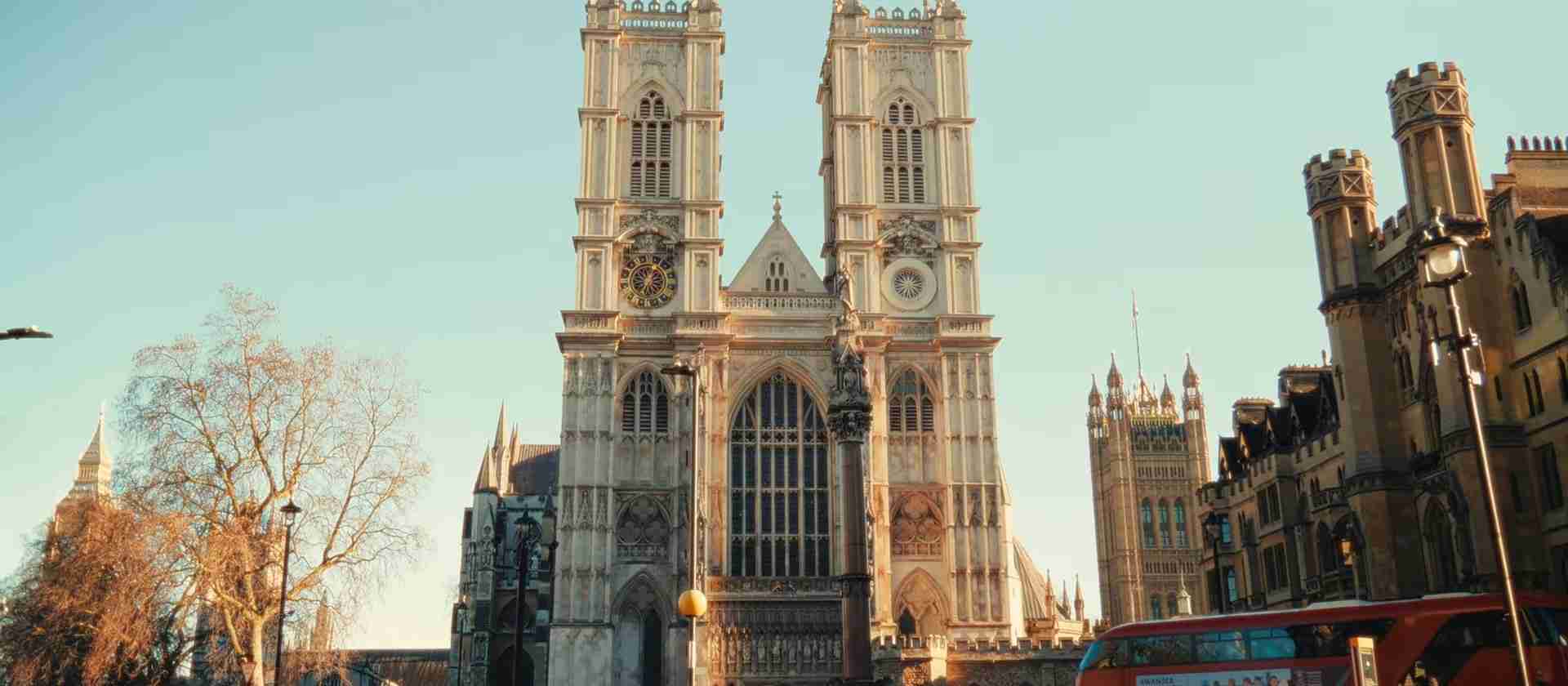
- Day 1 concentrates on Westminster’s political and royal heritage including Parliament, Westminster Abbey (£27), and Buckingham Palace ceremonial traditions
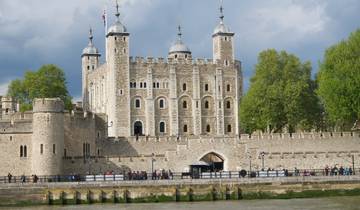
- Day 2 explores the Tower of London (£34.80 online), Tower Bridge, and Borough Market’s culinary landscape along the Thames riverside
- Day 3 dedicates morning hours to the British Museum’s vast collections, afternoon shopping in Covent Garden, and evening theater in the West End
- Day 4 ventures to South Kensington’s museum quarter with the Natural History Museum, Victoria & Albert Museum, and Hyde Park exploration
- Day 5 balances Greenwich’s maritime heritage, the Cutty Sark, Royal Observatory meridian line, and sunset views from The Shard (£32-43) for your final London evening
People Also Ask About London 5-Day Itinerary 2026
How much does a 5-day trip to London cost in 2026?
A 5-day London trip in 2026 costs £745-1,560 ($970-2,030) per person for budget to mid-range travel, excluding flights. Accommodation £60-150 nightly × 5 nights = £300-750, dining £50-100 daily × 5 days = £250-500, attractions and activities £150-250, transport £45-60. Calculation: 300+250+150+45 = £745 (budget) / 750+500+250+60 = £1,560 (mid-range). Flights from North America add £400-850 depending on season and booking timing. Budget travelers staying in hostels and preparing some meals can reduce costs to £650-850, while luxury travelers in 4-star hotels with fine dining exceed £3,000 easily.
What is the best area to stay in London for first-time visitors in 2026?
Westminster, South Bank, and Bloomsbury represent the optimal areas for first-time visitors in 2026, placing you within walking distance of major attractions while maintaining excellent transport connections. Westminster positions you steps from Parliament, Westminster Abbey, and Buckingham Palace with easy access to the West End. South Bank offers Thames riverside atmosphere near Borough Market, Tate Modern, and London Eye with slightly lower hotel costs than Westminster. Bloomsbury provides central location near the British Museum, King’s Cross transport hub, and Georgian square architecture with mid-range hotel options in the £100-150 nightly range. All three areas maintain safe streets, abundant dining options, and 24-hour transport access.
Is 5 days enough time to see London’s main attractions in 2026?
Five days provides sufficient time to experience London’s essential attractions while maintaining a sustainable pace that avoids exhaustion. This duration allows thorough exploration of 4-5 major museums or palaces, neighborhood immersion in 3-4 distinct areas, one West End theater performance, and day excursions to markets or riverside areas. You experience Westminster’s political heritage, the Tower of London’s Crown Jewels, the British Museum’s global collections, South Kensington’s museum quarter, and Greenwich’s maritime history with time for spontaneous discoveries. However, London’s depth means five days represents a comprehensive introduction rather than exhaustive coverage — returning visitors discover new layers with each subsequent trip.
What months offer the best weather and value for visiting London in 2026?
May and September deliver optimal conditions for visiting London in 2026, combining favorable weather with moderate tourist crowds and reasonable hotel pricing. May brings spring blooms across London’s parks, temperatures of 12-18°C (54-64°F), and longer daylight hours extending past 8 PM without summer peak pricing. September offers pleasant 14-19°C (57-66°F) weather, autumn colors emerging in Hyde Park and Hampstead Heath, and reduced crowds as school terms resume while maintaining full attraction hours. Hotel costs in these shoulder months run 20-30% below June-August peaks, with mid-range properties available at £100-140 versus £140-180 in summer. Winter months December-February bring festive markets and theater seasons but shorter daylight and frequent rain, while July-August deliver warmest weather alongside highest prices and maximum crowds.
Extended multi-day tours – 5+ days
Featured London Multi-Day Tour Packages
2 days
Windsor, Stonehenge, Bath & Oxford from London – 2 Days
- ✓ Comprehensive London tour
- ✓ Expert local guides included
- ✓ All accommodation arranged
- ✓ Transportation provided
5 days
Classic England – 5 Days
- ✓ Comprehensive London tour
- ✓ Expert local guides included
- ✓ All accommodation arranged
- ✓ Transportation provided
5 days
Royal Indulgence | London, England
- ✓ Booking needs min. 2 travelers
7 days
Spotlight on London (2026)
- ✓ Comprehensive London tour
- ✓ Expert local guides included
- ✓ All accommodation arranged
- ✓ Transportation provided
Multi-day tour packages powered by TourRadar. Prices and availability subject to change.
Introduction to Planning Your London 5-Day Journey 2026
London demands thoughtful planning that respects both the city’s overwhelming scale and the finite hours available across five days. With over 170 museums, four UNESCO World Heritage Sites within the metropolitan area, 857 art galleries, and neighborhoods each maintaining distinct character accumulated across two millennia, strategic routing transforms scattered sightseeing into coherent narrative experiences. This itinerary applies geographic clustering principles that minimize transit time while maximizing neighborhood immersion, cultural authenticity, and encounters with London’s layered history from Roman foundations through Georgian elegance to contemporary global influence.
The 2026 London landscape presents both opportunities and practical considerations that shape daily planning. Transport for London’s fare structure rewards strategic Oyster card or contactless payment use with daily caps at £8.90 for zones 1-2 travel, effectively providing unlimited movement after 3-4 journeys. Major museums including the British Museum, National Gallery, Tate Modern, and Natural History Museum maintain free general admission policies that reduce attraction costs while paid sites like Westminster Abbey (£27), Tower of London (£34.80), and The Shard (£32-43) require advance online booking for guaranteed entry and modest savings versus gate prices. Hotel availability in 2026 remains strong with 80 new properties and 14,987 rooms entering the market, though booking 8-12 weeks ahead for summer visits secures best rates before seasonal price increases.
London’s food scene balances budget-conscious options with world-class dining across every price tier. Supermarket meal deals (£3-5), traditional pub meals (£10-15), and diverse ethnic restaurants (£15-25 per person) provide economical sustenance, while pre-theater set menus at upscale restaurants (£20-30) deliver exceptional value compared to à la carte dining. The city’s cultural calendar maintains year-round programming with West End productions, temporary museum exhibitions, and seasonal events that reward flexible itinerary adjustment based on current offerings discovered after arrival.
This five-day structure concentrates Westminster and royal London on Day 1, the Tower and East London on Day 2, the British Museum and West End on Day 3, South Kensington’s museum quarter on Day 4, and Greenwich with Thames perspectives on Day 5. Each day balances morning landmark visits during quieter hours, afternoon neighborhood exploration, and evening experiences ranging from theater to riverside dining. The routing minimizes backtracking through logical geographic progression while building narrative coherence as you trace London’s evolution from medieval fortress through imperial capital to contemporary global city. Optional adjustments accommodate weather variability, personal interests, and spontaneous discoveries that define memorable travel beyond rigid schedules.
Understanding London’s Layout and Transport System 2026
London’s transport network in 2026 operates through integrated Underground (Tube), Overground, buses, and National Rail services that connect 272 stations across 11 Underground lines serving central zones 1-2 where visitors spend 90% of their time. The concentric zone system determines fares from Zone 1 at the historic core through Zone 6 at outer suburbs, with single journey costs in zones 1-2 ranging £3.10-£3.60 depending on peak versus off-peak timing. Daily fare caps at £8.90 for zones 1-2 provide automatic cost control — after your third or fourth journey, additional travel that day costs nothing, making unlimited exploration economically viable compared to restricted day tickets.
Oyster cards and contactless bank cards function identically for fare payment with contactless offering slight advantages for international visitors who avoid the £10 Oyster card purchase fee. Simply tap your contactless credit/debit card or mobile payment device at yellow readers upon entering and exiting stations, with daily and weekly caps applied automatically across all journeys. The system calculates optimal fares including off-peak discounts (weekdays before 6:30 AM and after 9:30 AM, all day weekends) without requiring advance planning or ticket selection. Children under 11 travel free when accompanied by adults, while 11-15 year olds qualify for half-price Young Visitor discounts available through Oyster card registration.
Bus and tram fares remained frozen at £1.75 per journey through July 2026 under mayoral policies protecting lower-income riders, with Hopper fare rules allowing unlimited bus transfers within 60 minutes for that single £1.75 charge. Buses serve areas between Underground stations and provide scenic above-ground routing that reveals neighborhood character invisible from subway tunnels. Night buses and the Friday-Saturday Night Tube on major lines ensure 24-hour transport availability for evening theater, late dining, or early airport transfers without expensive taxi costs.
Geographic orientation divides central London into recognizable districts connected by the Thames riverside. Westminster and the West End occupy zones 1-2 west and north of the river, encompassing Parliament, Buckingham Palace, Covent Garden, and Soho. The City of London represents the historic square-mile financial district with the Tower and St. Paul’s Cathedral at its eastern boundary. South Bank stretches along the Thames southern shore from London Eye past Tate Modern to Borough Market and Southwark. East London extends from the Tower through Shoreditch to Stratford, while South Kensington and Knightsbridge anchor upscale residential areas west of Hyde Park.
Walking constitutes the optimal transport mode for distances under 1.5 kilometers (1 mile), particularly in concentrated areas like Westminster to Trafalgar Square (10 minutes), Covent Garden to the British Museum (12 minutes), or Tower Bridge to Borough Market (8 minutes). London’s relatively compact central zone rewards pedestrian exploration that reveals architectural details, shopfronts, and neighborhood transitions invisible from transport vehicles. However, Thames width and zone boundaries make some seemingly close destinations surprisingly distant — Greenwich appears near Central London on maps but requires 30-40 minute transport via DLR or river boat.
Strategic accommodation placement in zones 1-2 near Underground stations eliminates morning navigation stress and enables efficient returns for midday breaks or evening changes before theater. Bloomsbury, South Kensington, Westminster, and Waterloo all provide central positioning with station access within 5-minute walks, though Westminster commands premium pricing 20-30% above Bloomsbury for equivalent hotel quality.
Day 1 – Westminster and Royal London 2026: Political Heart and Ceremonial Grandeur
Your first London day concentrates on Westminster’s concentration of political power, royal ceremony, and architectural magnificence that defines British governance and monarchy. This geographic clustering minimizes transport while maximizing landmark density — Parliament, Westminster Abbey, Buckingham Palace, and Trafalgar Square all sit within 20-minute walks, creating efficient routing through London’s ceremonial core.
Morning: Westminster Abbey and Parliament District (9:00 AM – 12:30 PM)
Begin at Westminster Abbey for 9:00 AM opening to experience this UNESCO World Heritage Site during quieter morning hours before coach tour groups arrive after 10:30 AM. Westminster Abbey entry costs £27 for adults when booked online (check official website for current rates as pricing may vary), with audio guides included providing narrative context for coronation chairs, Poets’ Corner memorials, royal tombs, and Gothic architectural evolution from the 13th century. Allocate 90-120 minutes for thorough exploration of the nave, cloisters, Chapter House, and Lady Chapel where Henry VII’s elaborate fan vaulting demonstrates Tudor architectural ambition.
Exit Westminster Abbey’s west doors directly onto Parliament Square, providing immediate views of the Palace of Westminster’s Gothic Revival façade and Elizabeth Tower housing Big Ben. While Parliament interior tours require advance booking months ahead, exterior photography from Parliament Square, Westminster Bridge, and Victoria Tower Gardens captures iconic perspectives of pinnacles, spires, and Thames riverside positioning. The 10-minute walk along the river to Westminster Bridge delivers classic postcard compositions with Parliament’s reflection in Thames waters.
Cross Westminster Bridge to the South Bank for elevated Parliament views from the Thames Path, then return north via Westminster Bridge examining the bridge’s distinctive green color scheme matching House of Commons interior leather. Downing Street’s security gates prevent entry but the famous black door remains visible from Whitehall’s northern end. The Cenotaph war memorial occupies Whitehall’s center, leading north toward Trafalgar Square through the historic government quarter lined with ministry buildings.
Midday: Changing of the Guard and St. James’s Park (12:30 PM – 2:30 PM)
Buckingham Palace’s Changing of the Guard ceremony occurs at 11:00 AM on Monday, Wednesday, Friday, and Sunday from April through July, with reduced winter schedules requiring verification on the official Royal website before planning. If your visit aligns with ceremony days, position yourself at the palace gates by 10:30 AM for front-row views as guards march from Wellington Barracks accompanied by military bands. The 45-minute ceremony showcases British pageantry and precision drill unchanged for generations, though crowds of 500-1,000 people require patience and strategic positioning.
St. James’s Park provides peaceful contrast to palace crowds with tree-lined paths, ornamental lake, and resident pelicans creating an oasis between Buckingham Palace and Whitehall. The park’s central location makes it ideal for picnic lunches purchased from supermarkets like Tesco Metro or Sainsbury’s Local (£5-8 for sandwiches, snacks, drinks) rather than tourist-focused cafés charging £12-18 for equivalent meals. The Blue Bridge crossing the lake delivers classic views toward Buckingham Palace framed by weeping willows and waterfowl.
Afternoon: Trafalgar Square and National Gallery (2:30 PM – 6:00 PM)
Trafalgar Square represents London’s civic heart where political demonstrations, cultural celebrations, and tourist photography converge around Nelson’s Column and Edwin Landseer’s bronze lions. The square’s fountain pools, stepped terraces, and commanding position above Whitehall create natural gathering space that has hosted public events for two centuries. Free access to the square’s open plaza allows relaxed exploration before entering the National Gallery occupying the square’s northern boundary.
The National Gallery maintains free admission to permanent collections spanning European painting from the 13th through early 20th centuries, with masterworks including Leonardo da Vinci’s “Virgin of the Rocks,” Jan van Eyck’s “Arnolfini Portrait,” Turner’s seascapes, and Monet’s water lilies requiring no entry fee or advance booking. Allocate 2-3 hours for focused gallery touring that balances Renaissance masters, Dutch Golden Age works, French Impressionism, and British landscape traditions. Special exhibitions command separate admission fees typically £12-18 when present.
Alternative afternoon options include the nearby Churchill War Rooms (£33 entry), offering underground bunker tours revealing World War II command operations, or Leicester Square and Covent Garden shopping districts 10 minutes northeast providing theatrical atmosphere, street performers, and retail therapy from high street chains to luxury boutiques.
Evening: Covent Garden and West End Dining (6:00 PM – 10:00 PM)
Covent Garden’s covered market, street performers, and surrounding dining options create vibrant evening atmosphere blending shopping, entertainment, and restaurant variety. The area supports budget-conscious options including chains like Café Rouge and Bella Italia (£15-22 per person), authentic ethnic cuisines in surrounding streets (£12-18 per person), and upscale pre-theater restaurants (£25-40 per person) catering to audiences heading to nearby West End theaters.
Walking tours through Covent Garden’s pedestrianized streets, Seven Dials intersection, and Neal’s Yard’s colorful buildings provide post-dinner exploration, while pubs like The Lamb & Flag (16th-century timber-framed building) offer traditional British atmosphere with real ales and classic pub fare if full restaurant dining doesn’t appeal.
Day 1 Costs Summary
Westminster Abbey £27, lunch £8-15, National Gallery free entry, dinner £15-25, transport £8.90 daily cap. Total Day 1 costs: £58.90-75.90 per person excluding accommodation.
Day 2 – Tower of London and East London Heritage 2026: Medieval Fortress to Modern Markets
Day 2 explores London’s eastern districts where medieval history, maritime commerce, and contemporary culture converge along Thames riverside locations showcasing the city’s evolution from Norman conquest through Victorian industrialization to 21st-century regeneration.
Morning: Tower of London and Crown Jewels (9:00 AM – 12:30 PM)
The Tower of London opens at 9:00 AM Tuesday-Saturday, 10:00 AM Sunday-Monday in 2026, with early arrival essential for manageable Crown Jewels queues and Yeoman Warder tours departing hourly from the entrance. Tower admission costs £34.80 for adults when booked online through Historic Royal Palaces (check official website for current rates as pricing may vary), representing the city’s highest single-attraction investment but delivering comprehensive access to the White Tower, Crown Jewels Exhibition, Battlements, Medieval Palace, Bloody Tower, and Torture Exhibition across 12 acres of fortified complex.
Allocate 3-4 hours minimum for thorough Tower exploration beginning with the 60-minute Yeoman Warder (Beefeater) tour providing historical narrative spanning William the Conqueror’s 1066 fortress construction through executions, imprisonments, and the Tower’s continuing role as Jewel House for the British Crown. The tour’s entertaining blend of history and theatrical presentation sets context for independent exploration afterward. Join the first 10:00 AM tour for smallest group sizes before coach parties arrive after 11:00 AM.
The Crown Jewels Exhibition showcases working regalia including the Imperial State Crown containing 2,868 diamonds, the Sovereign’s Sceptre with the 530-carat Cullinan I diamond (largest clear-cut diamond in the world), and coronation regalia spanning centuries of British monarchy. Moving walkways past the principal displays maintain visitor flow during busy periods, though arriving at opening or after 3:00 PM reduces queue times from 45-60 minutes to 10-15 minutes.
The White Tower’s Norman architecture, medieval armor collections, and Chapel of St. John deserve 45-60 minutes exploring England’s finest 11th-century military architecture. The Battlements walk delivers Tower Bridge views and Thames perspectives while the Medieval Palace recreates 13th-century royal chambers with period furnishings and wall paintings demonstrating the Tower’s original function as royal residence before becoming infamous as prison and execution site.
Midday: Tower Bridge and Thames Riverside Walk (12:30 PM – 2:00 PM)
Tower Bridge stands 5 minutes walk from the Tower of London’s exit, offering both free exterior photography and paid Tower Bridge Exhibition access (£11.40 online) to high-level walkways with glass floor panels 42 meters above the Thames. The bridge’s Victorian Gothic styling and distinctive twin towers create London’s most recognizable Thames crossing, with bascule bridge lifts occurring 4-5 times daily for tall ships — check the official lift schedule online if witnessing a bridge raise interests you.
Cross Tower Bridge to the South Bank for Thames Path walking toward Borough Market 10 minutes southwest. This riverside route passes HMS Belfast (World War II cruiser museum), Hay’s Galleria’s Victorian architecture, and Southwark’s historic waterfront where Shakespeare’s Globe Theatre and Tate Modern anchor cultural offerings. The walk provides Thames perspectives contrasting with the northern bank’s architectural density, revealing how the river shaped London’s commercial and military history.
Afternoon: Borough Market and Southwark Exploration (2:00 PM – 5:30 PM)
Borough Market represents London’s premier food market where wholesale fruit and vegetable trading since the 13th century evolved into gourmet food hall showcasing artisan producers, international cuisines, and specialty ingredients attracting both local chefs and tourists seeking authentic market atmosphere. Wednesday-Thursday 10:00 AM-5:00 PM hours provide full trader selection, while Friday-Saturday 10:00 AM-6:00 PM brings maximum crowds but peak energy.
Market lunch options range from £6-12 for street food portions including Ethiopian stews, Spanish paella, British pies, Middle Eastern mezze, and Italian fresh pasta sold from individual stalls creating global food court atmosphere under Victorian iron-and-glass market buildings. Purchase components for assembled lunches — artisan cheese, charcuterie, fresh bread, olives — for picnic consumption at nearby riverside benches or Southwark Cathedral’s churchyard.
Southwark Cathedral, London’s oldest Gothic church dating to 1106, maintains free admission with suggested donations supporting conservation. The cathedral’s literary connections include Shakespeare’s brother Edmund’s burial and John Harvard’s baptism (Harvard University’s founder), while medieval choir stalls and modern nave renovations demonstrate architectural evolution across nine centuries.
Shakespeare’s Globe Theatre sits 5 minutes west along Bankside offering guided tours (£19) revealing Elizabethan theater practices through the reconstructed open-air playhouse built following original 1599 designs. If scheduling permits, evening performances (April-October season) deliver authentic Shakespeare productions with standing “groundling” tickets at £7 providing budget access to world-class theater, though 3-hour performances without interval seating challenge stamina.
Late Afternoon: Alternative Options – Sky Garden or Thames River Cruise (5:30 PM – 7:30 PM)
Sky Garden at 20 Fenchurch Street (“Walkie Talkie” building) offers free admission to London’s highest public garden with panoramic city views from the 35th floor, though advance booking (2-3 weeks ahead for weekend slots) secures guaranteed entry. The observation deck, landscaped gardens, and restaurant/bar options provide sunset viewing without the £32-43 Shard ticket costs, making this an economical alternative for aerial London perspectives. Opening hours extend to 9:00 PM Sunday-Wednesday, 11:00 PM Thursday-Saturday.
Thames river cruises from Tower Pier provide different perspectives traveling upstream to Westminster Pier (30 minutes, £13-16) or downstream to Greenwich (45 minutes, £13-18), combining transport with sightseeing commentary past riverside landmarks. Evening cruises with dinner service operate May-September seasons, though simple hop-on-hop-off services deliver equivalent views at lower cost.
Evening: Shoreditch and East London Culture (7:30 PM – 10:30 PM)
Shoreditch represents East London’s creative hub where street art, independent restaurants, vintage shops, and nightlife venues occupy former industrial buildings converted into contemporary cultural spaces. The area’s authenticity contrasts with tourist-focused West End, revealing London’s ongoing transformation as young professionals, artists, and immigrant communities shape neighborhood identity.
Brick Lane’s Bangladeshi curry houses (£12-18 per person) provide economical dining with aggressive touts competing for customers through discount offers, while Shoreditch High Street supports trendy gastropubs and international cuisines (£18-28 per person) catering to local residents. Spitalfields Market combines covered food stalls, vintage clothing, and artisan crafts under Victorian market structures with late hours Thursday-Friday.
Day 2 Costs Summary
Tower of London £34.80, lunch £10-15, Tower Bridge Exhibition £11.40 (optional), dinner £15-25, transport £8.90 daily cap. Total Day 2 costs: £80.10-95.10 per person excluding accommodation.
Day 3 – British Museum and West End Culture 2026: World History and Theater Excellence
Day 3 balances morning museum immersion in the British Museum’s unparalleled global collections with afternoon shopping exploration and evening West End theater representing London’s cultural supremacy across multiple domains.
Morning: British Museum Highlights Tour (9:00 AM – 1:00 PM)
The British Museum maintains free admission to permanent collections spanning 2 million years of human history across 8 million objects, making it essential London cultural experience requiring no advance booking or entry fee. Friday evening hours (until 8:30 PM) provide alternative timing if Day 3 schedule adjustments prove necessary, though weekend crowds intensify significantly.
Arrive at 9:00 AM opening for optimal viewing conditions before coach groups arrive after 10:30 AM. The Great Court’s glass-and-steel roof by Norman Foster creates dramatic entrance space where information desks, coat check, and museum layout orientation prepare you for efficient gallery navigation. Comprehensive museum coverage requires 3-5 days, so focused highlights tours concentrating on top-tier artifacts deliver satisfying 3-4 hour experiences without overwhelming exhaustion.
Essential galleries include the Egyptian collection featuring the Rosetta Stone, monumental sculptures from Ramesses II’s mortuary temple, and mummy cases spanning three millennia. Greece and Rome galleries showcase the Parthenon Sculptures (Elgin Marbles), the Mausoleum at Halicarnassus frieze, and Portland Vase representing classical antiquity’s artistic achievements. Enlightenment Gallery traces European intellectual development through the museum’s founding collections, while Middle East galleries display Assyrian palace reliefs, Persian gold treasures, and cuneiform tablets documenting early writing systems.
The museum provides free WiFi, mobile app tours, and daily guided tours focusing on different collection areas — check the information desk for current tour schedules and themes. The Great Court’s cafés and restaurant offer midday refreshments (£8-15 per person) though Bloomsbury’s surrounding streets provide more economical lunch options at independent cafés and pubs.
Afternoon: Covent Garden Shopping and Leicester Square (1:00 PM – 6:00 PM)
Bloomsbury to Covent Garden requires 12-minute walks through Holborn’s legal district, though Underground connections via Piccadilly Line offer weather-protected alternatives. Covent Garden’s Apple Market, Jubilee Market, and surrounding pedestrianized streets combine shopping, street performance, and architectural charm in former vegetable market buildings converted to retail and entertainment uses.
Shopping options span luxury brands on King Street and Floral Street, British heritage stores including Neal’s Yard Remedies and Cambridge Satchel Company, and high street chains filling the market buildings’ upper levels. Street performers entertain throughout the Piazza daily, with musicians, magicians, and acrobats creating festival atmosphere requiring no admission cost beyond optional tips in performers’ collection buckets.
Covent Garden Transport Museum (£19.50 entry) explores London’s public transport evolution through historic buses, Tube carriages, and interactive exhibits revealing how transport shaped urban development, though this specialized museum appeals primarily to transport enthusiasts rather than general visitors. Free time might better serve browsing Covent Garden’s streets, Neal’s Yard’s colorful courtyard shops, and Seven Dials’ radiating lanes.
Leicester Square adjoins Covent Garden’s eastern edge, functioning as West End theater ticket hub and entertainment center. The TKTS booth sells discounted same-day theater tickets for performances with unsold seats, delivering 25-50% savings below box office prices though popular shows rarely appear on discount boards. The square’s cinemas host film premieres, while surrounding restaurants cater to pre-theater dining crowds.
Evening: West End Theater Performance (6:00 PM – 11:00 PM)
London’s West End rivals Broadway as global theater capital with 40+ theaters presenting musicals, dramas, comedies, and classics in historic playhouses concentrated between Covent Garden and Piccadilly Circus. Long-running productions include “The Lion King” at Lyceum Theatre, “Les Misérables” at Sondheim Theatre, and “The Phantom of the Opera” at His Majesty’s Theatre, while new productions rotate through venues seasonally.
Ticket prices range £25-150 depending on seat location and show popularity, with midweek performances (Tuesday-Thursday) offering lower prices and better availability than weekend performances. Book directly through official theater websites to avoid third-party markup fees, or purchase in-person at theater box offices where day-of-performance seats sometimes become available at discounted rates for sold-out shows.
Pre-theater dining in Covent Garden or Soho concentrates between 5:00-7:00 PM when restaurants offer set menus (£20-30 for 2-3 courses) timed for 7:30 PM or 8:00 PM curtain calls. These fixed-price menus deliver exceptional value compared to à la carte pricing while ensuring timely arrival at theaters. Chains like Côte Brasserie, Bella Italia, and Bills provide reliable quality at moderate cost, while independent restaurants on side streets away from Covent Garden’s center offer better value for equivalent quality.
Post-theater options include traditional pubs staying open until 11:00 PM-midnight serving late suppers, Chinatown restaurants (Gerard Street) operating until 1:00 AM-2:00 AM, or Leicester Square cinemas for late-night showings if theater didn’t satisfy evening entertainment needs. Night buses and the Friday-Saturday Night Tube ensure transport access regardless of finishing time.
Day 3 Costs Summary
British Museum free entry, lunch £10-15, West End theater £35-80, dinner £20-30, transport £8.90 daily cap. Total Day 3 costs: £73.90-133.90 per person excluding accommodation.
Day 4 – South Kensington Museums and Hyde Park 2026: Science, Natural History, and Royal Parks
Day 4 explores South Kensington’s museum quarter where the Natural History Museum, Victoria & Albert Museum, and Science Museum cluster within 5-minute walks, followed by Hyde Park’s 350-acre green expanse providing urban nature relief from dense museum touring.
Morning: Natural History Museum and Geological Wonders (9:30 AM – 1:00 PM)
The Natural History Museum maintains free admission to permanent collections housed in Alfred Waterhouse’s Romanesque cathedral-like building where the entrance hall’s Diplodocus skeleton replica (now replaced with blue whale skeleton) creates immediate impact. The museum’s 80 million specimens span geology, paleontology, zoology, and botany with particular strengths in dinosaur fossils, mineral collections, and biodiversity exhibits demonstrating Earth’s 4.6-billion-year evolution.
Weekend crowds peak 11:00 AM-3:00 PM, so weekday visits or early Saturday arrival (museum opens 10:00 AM weekends, 10:00 AM weekdays) deliver better viewing conditions. Priority galleries include the Dinosaur Gallery’s animatronic T-Rex, the Blue Zone’s marine mammals, the Hintze Hall’s whale skeleton suspended from the ceiling, and the Earth Hall’s earthquake simulator and mineral displays including the Aurora Pyramid of Hope’s 296 colored diamonds.
The Darwin Centre’s Cocoon structure houses research collections with 17 million insects, 3 million plants, and behind-the-scenes scientist encounters during scheduled events. The museum shop sells excellent natural history books, mineral specimens, and educational materials for children though prices reflect museum gift shop premiums versus external bookstores.
Midday: Victoria & Albert Museum – Art, Design, and Decorative Arts (1:00 PM – 4:30 PM)
The Victoria & Albert Museum (V&A) represents the world’s leading museum of decorative arts, design, and applied arts with collections spanning ceramics, furniture, fashion, glass, jewelry, metalwork, photographs, sculpture, textiles, and paintings from global cultures across 5,000 years. Free permanent collection admission makes extended browsing economically viable, though the museum’s 145 galleries across 12.5 acres exceed single-visit comprehensive coverage.
Essential galleries include the Cast Courts displaying plaster copies of European Renaissance and medieval masterworks, the Fashion Gallery tracking clothing evolution 1600-present, the Medieval & Renaissance galleries with the Raphael Cartoons, the British Galleries 1500-1900 documenting domestic interiors, and the Asian collections featuring Indian textiles, Chinese ceramics, and Japanese metalwork. The museum’s architecture itself — ranging from Victorian interiors to contemporary extensions — demonstrates design evolution across the building’s 150-year development.
The V&A Café occupies the original Victorian refreshment rooms with Morris, Gamble & Poynter Rooms maintaining elaborate decorative schemes making them among London’s most beautiful museum cafés (£8-15 per person for light meals). Friday evening hours extending until 10:00 PM provide alternative timing with late-night gallery openings and events during peak tourist seasons.
Afternoon: Hyde Park and Kensington Gardens Exploration (4:30 PM – 7:00 PM)
Hyde Park and Kensington Gardens form continuous 625-acre green space anchoring central London’s western boundary where recreational activities, monuments, and formal gardens provide contrast to urban density. The Serpentine lake divides Hyde Park proper from Kensington Gardens with boating, swimming (Serpentine Lido operates June-September), and waterside walking paths attracting joggers, cyclists, and families.
Notable landmarks include the Diana, Princess of Wales Memorial Fountain, Speakers’ Corner (northeast corner near Marble Arch) hosting public debate since 1872, the Albert Memorial’s Gothic Revival splendor facing Royal Albert Hall, and the Italian Gardens’ formal water features. Park benches enable relaxed afternoon breaks after museum touring, while Serpentine Gallery showcases contemporary art exhibitions with free admission in landmark buildings by Zaha Hadid and other architects.
Kensington Palace occupies the gardens’ western boundary offering State Apartment tours (£19.50) revealing royal residence history from William III through Queen Victoria, though exterior viewing and garden exploration cost nothing. The Orangery restaurant provides afternoon tea service (£35-50 per person) in elegant Georgian setting if ceremonial British tea culture appeals, though considerably cheaper café alternatives operate throughout the park.
Evening: Knightsbridge Shopping or Alternative Museum Extension (7:00 PM – 9:30 PM)
Knightsbridge’s luxury shopping district borders Hyde Park’s southeastern corner where Harrods and Harvey Nichols represent British retail institutions. Harrods’ Egyptian Hall, food halls, and architectural grandeur justify browsing even without purchasing luxury goods, while the surrounding streets support designer boutiques for window shopping if actual purchasing exceeds budget limitations.
Alternatively, the Science Museum (also free entry, 10:00 AM-6:00 PM daily) warrants exploration if time permits extending the South Kensington museum experience. Highlights include the Apollo 10 command module, Stephenson’s Rocket locomotive, and interactive science demonstrations engaging both children and adults with accessible technology explanations.
Day 4 Costs Summary
Natural History Museum free entry, V&A Museum free entry, lunch £10-15, dinner £18-28, transport £8.90 daily cap. Total Day 4 costs: £36.90-51.90 per person excluding accommodation.
Day 5 – Greenwich Maritime Heritage and Thames Views 2026: Royal Observatory to Shard Sunset
Your final London day ventures to Greenwich’s UNESCO World Heritage Site combining maritime history, astronomical significance, and riverside parkland before returning central for sunset views from The Shard concluding your five-day London journey with panoramic city perspectives.
Morning: Greenwich – Royal Observatory and Maritime Museum (9:00 AM – 12:30 PM)
Greenwich requires 30-40 minute transport from central London via multiple routes: Docklands Light Railway (DLR) to Cutty Sark station provides seamless connections from Bank or Tower Gateway, Thames Clippers river boats deliver scenic 45-minute journeys from Westminster or Tower piers (£13-18), or National Rail services from London Bridge reach Greenwich station within 15 minutes. River boat options combine transport with Thames sightseeing though departure schedules and weather affect reliability.
The Cutty Sark, the world’s sole surviving tea clipper ship from the 19th-century China trade, underwent major restoration creating museum ship experience where you walk beneath the hull’s copper plating suspended in dry dock. Entry costs £18 for adults (check official website for current rates), with combined tickets including the Royal Observatory delivering modest savings. The ship’s speed records, cargo holds, and crew quarters reveal maritime commerce conditions when British naval supremacy dominated global trade.
Greenwich Park’s sloping grounds lead uphill to the Royal Observatory where the Prime Meridian line marks longitude 0°, dividing Earth’s eastern and western hemispheres. The opportunity to straddle the meridian line with one foot in each hemisphere attracts persistent queues, though free public access to the meridian courtyard enables the photo without observatory admission. Observatory entry (£18 for adults; check official website) includes planetarium shows, historic telescopes, and timekeeping exhibits explaining how Greenwich Mean Time established global time standards from British imperial expansion.
Park views from the observatory hill encompass the Thames, Canary Wharf’s financial district towers, and Greenwich’s Baroque architecture including the Old Royal Naval College and Queen’s House. These panoramas justify the uphill walk regardless of observatory entry, revealing London’s eastern development from royal palace through naval college to contemporary Docklands regeneration.
Midday: Greenwich Town and Greenwich Market (12:30 PM – 3:00 PM)
Greenwich Market operates daily in covered Victorian market building where artisan crafts, vintage clothing, antiques, and street food create neighborhood market atmosphere distinct from tourist-focused Borough Market. Wednesday-Sunday brings full vendor presence though Tuesday-Thursday markets maintain reduced stalls. Food vendors serve international cuisines (£6-12 per portion) providing lunch options between market browsing.
National Maritime Museum, the world’s largest maritime museum, maintains free admission to galleries exploring British naval history, Pacific exploration, Atlantic slave trade, and contemporary oceanography through interactive exhibits, historic vessels, and fine art collections. The museum neighbors the Old Royal Naval College where Painted Hall and Chapel (free entry) showcase Baroque architecture rivaling European palace interiors with elaborate ceiling paintings and decorative schemes.
Greenwich town center’s independent shops, riverside pubs including the Trafalgar Tavern (traditional British menu, Thames views, £15-25 per person), and pedestrian-friendly streets support leisurely afternoon exploration before returning to central London. Thames Path walking from Greenwich toward Canary Wharf (30 minutes) provides industrial riverside scenery contrasting with tourist-focused riverside sections closer to Westminster.
Late Afternoon Return: Thames River Boat to Tower Pier (3:00 PM – 4:00 PM)
Thames Clippers river boat services from Greenwich Pier to Tower Pier (25 minutes, £13-15) combine return transport with final Thames perspectives traveling upstream past Canary Wharf, Isle of Dogs’ residential developments, and approaching Tower Bridge from the east. Outdoor deck seating maximizes views though London weather may require indoor cabin retreats. Oyster cards and contactless payment work on Thames Clippers with boat fares capping at £17.80 daily regardless of journey number.
Evening: The Shard Sunset Views and Farewell Dinner (5:00 PM – 9:00 PM)
The Shard’s viewing platform “The View from The Shard” occupies floors 68-72 of Western Europe’s tallest building, delivering 360-degree London panoramas from 244 meters above street level. Sunset timing varies seasonally — summer months (June-August) see sunset around 9:00 PM while winter brings 4:00 PM darkness — so timing your visit requires checking current sunset schedules. Entry costs £32-43 for adults depending on booking timing and season (check official website for current rates), with advance online booking saving 10-15% versus walk-up pricing.
The observation deck’s height reveals London’s true scale impossible to grasp from street level, with clear day visibility extending 40 miles to Windsor Castle, Wembley Stadium, and Thames Estuary. The Tower of London, Tower Bridge, Canary Wharf, St. Paul’s Cathedral, Houses of Parliament, and Hyde Park all appear in single 360-degree sweep demonstrating geographic relationships between landmarks visited across your five days. Interactive telescopes identify specific buildings while information panels explain London’s architectural and urban development.
Farewell dinner options concentrate around London Bridge and Borough Market nearby, though alternative destinations including Covent Garden, Soho, or South Bank all remain accessible within 15-20 minutes via Underground from London Bridge station. Consider splurging on elevated dining experiences saving best meal for final evening — restaurants like Aqua Shard (inside The Shard, £40-70 per person), Roast (Borough Market, British cuisine, £35-55 per person), or Hawksmoor (steakhouse, £45-75 per person) deliver memorable final London meals celebrating your five-day journey.
Day 5 Costs Summary
Cutty Sark £18, Royal Observatory £18, Greenwich Market lunch £10-15, The Shard £35-43, farewell dinner £35-70, transport £17.80 daily cap (including river boat). Total Day 5 costs: £133.80-181.80 per person excluding accommodation.
Where to Stay in London 2026: Accommodation Planning by Budget
London accommodation costs represent your largest single expense category across five nights, with strategic neighborhood selection balancing proximity to attractions against nightly rates that vary dramatically by location and hotel category. Zones 1-2 central positioning minimizes transport time and maximizes walking access to landmarks, though some outer neighborhoods offer exceptional value if transport convenience matters less than budget savings.
Budget Accommodation (£60-100 Per Night)
Budget hotels and hostels in the £60-100 nightly range concentrate in areas like King’s Cross, Paddington, Earl’s Court, and Stratford where older buildings, shared facilities, or peripheral locations enable affordable pricing. Generator Hostel London offers dormitory beds from £12 with superior private rooms from £60-80 featuring design-focused interiors, social spaces, and Russell Square location near the British Museum. Point A Hotels operate no-frills but clean modern rooms in Shoreditch, King’s Cross, and Westminster at £70-90 nightly focusing on essential amenities without space-consuming extras.
Premier Inn and Travelodge chains provide reliable mid-budget options at £80-120 depending on location and booking timing, with advance purchase rates delivering best value. Locations near transport hubs like King’s Cross, London Bridge, and Waterloo balance affordability with accessibility, though rooms emphasize functionality over character or luxury amenities. Breakfast typically costs additional £10-15 per person unless included in room rates.
Mid-Range Accommodation (£100-200 Per Night)
Mid-range hotels in the £100-200 bracket occupy neighborhoods throughout zones 1-2 offering comfortable rooms, private bathrooms, and neighborhood character without luxury pricing. Bloomsbury’s Georgian townhouse hotels provide literary atmosphere near the British Museum at £110-160 nightly, while South Kensington’s Victorian properties position you among museums at £120-180. The Z Hotels operate ultra-compact but well-designed rooms in premium locations including Piccadilly, Soho, and Shoredith at £90-140 trading room size for central positioning.
Boutique hotels like The Hoxton Shoreditch or One Hundred Shoreditch blend contemporary design with neighborhood authenticity at £140-200 nightly, appealing to travelers valuing style and local character over international chain consistency. These properties typically include WiFi, small bars or restaurants, and design-conscious public spaces creating Instagram-worthy aesthetics popular with younger travelers.
Upscale Accommodation (£200-400 Per Night)
Upscale 4-star hotels in the £200-400 range occupy prime locations with full-service amenities including concierge, fitness centers, restaurants, and spacious rooms with luxury bedding and upgraded bathrooms. Chains like Marriott, Hilton, and InterContinental maintain properties in Mayfair, Covent Garden, and Westminster at £220-350 nightly delivering reliable quality and loyalty program benefits for frequent travelers. Historic properties like The Grand at Trafalgar Square or The Waldorf Hilton trade on heritage architecture and central positioning commanding premium pricing.
Thames riverside hotels including Park Plaza Westminster Bridge or Sea Containers London offer water views and proximity to South Bank attractions at £240-400 depending on room category and river outlook. Rooms with actual Thames views command 30-50% premiums above interior-facing equivalents in the same properties.
Luxury Accommodation (£400+ Per Night)
Luxury 5-star hotels in the £400+ category deliver world-class service, Michelin-starred restaurants, lavish spas, and prestigious addresses in Mayfair, Knightsbridge, and Belgravia. The Savoy, Claridge’s, and The Ritz represent London’s heritage luxury properties where afternoon tea ceremonies, art deco or Georgian interiors, and celebrity sightings justify £500-1,200 nightly rates for travelers seeking iconic British luxury experiences. Contemporary luxury including The Shard’s Shangri-La Hotel or Rosewood London blend modern design with impeccable service at £450-800 for standard rooms.
Booking Strategy and Timing
Book 8-12 weeks ahead for summer visits (June-August) securing best rates before seasonal pricing increases and room availability tightens. Last-minute booking within 48 hours sometimes delivers discounted rates for unsold inventory though this gamble risks limited availability and higher average costs. Weekday rates (Sunday-Thursday nights) run 15-25% below weekend pricing especially in business-oriented hotels, with mid-week positioning saving £20-40 nightly across equivalent properties.
Comparison sites like Booking.com, Hotels.com, and Expedia aggregate rates from multiple sources though booking directly through hotel websites occasionally delivers better rates or added perks like free breakfast or room upgrades. Always compare direct and third-party pricing before completing reservations. Loyalty programs from major chains accumulate points toward free nights when traveling regularly.
London Dining and Food Costs 2026: Meals, Markets, and Money-Saving Strategies
London’s diverse food scene supports every budget level and culinary preference from £3 supermarket sandwiches through £80 Michelin-starred tasting menus, with strategic meal planning balancing restaurant experiences against economical alternatives that maintain quality without excessive costs.
Budget Dining Options (£3-15 Per Person)
Supermarket meal deals from Tesco, Sainsbury’s, M&S, and Waitrose provide £3-5 complete lunches including sandwiches, snacks, and drinks sold at ubiquitous locations throughout central London. These represent maximum value when visiting expensive cities, allowing allocation of dining budgets toward memorable evening meals rather than functional midday nutrition. Pret A Manger and Leon chains offer fresh sandwiches, salads, and hot dishes at £5-9 per person with quality exceeding basic supermarket options.
Traditional pub meals deliver authentic British food experiences at £10-15 per person including fish and chips, bangers and mash, Sunday roasts (weekends), and meat pies with generous portions and welcoming atmosphere. Fuller’s, Greene King, and Samuel Smith’s operate historic pubs throughout London where architectural charm and cask ale selections complement affordable menus. The Chandos near Trafalgar Square and The Princess Louise in Holborn exemplify beautiful Victorian pubs with budget-friendly food.
Ethnic neighborhoods provide exceptional value with Brick Lane’s Bangladeshi curry houses (£12-18), Chinatown’s Hong Kong-style cafés (£10-15), and Edgware Road’s Lebanese restaurants (£12-20) serving authentic cuisines at neighborhood prices rather than tourist premiums. These areas reward exploration beyond obvious tourist zones.
Mid-Range Dining (£15-30 Per Person)
Mid-range restaurants including chain operations like Côte Brasserie, Wagamama, Carluccio’s, and Dishoom deliver reliable quality at £15-25 per person for main courses with international cuisines represented across every neighborhood. Independent restaurants on side streets away from tourist epicenters like Covent Garden and Leicester Square often provide better value for equivalent quality — explore beyond the obvious first restaurant encountered.
Pre-theater set menus at upscale restaurants offer exceptional value at £20-30 for 2-3 courses served 5:00-7:00 PM before evening theater curtains. These represent the best opportunity to experience high-quality dining at accessible prices, with restaurants near West End theaters particularly competitive in pricing to attract theater crowds. The set menu pricing delivers 30-50% savings below à la carte equivalents at the same establishments.
Upscale Dining (£30-80 Per Person)
Upscale restaurants charging £30-80 per person span gastropubs with seasonal British ingredients, modern European cuisine, and high-end ethnic restaurants where chef-driven menus, wine pairings, and refined atmospheres justify premium pricing. Reservations become essential for popular establishments, with booking 2-4 weeks ahead securing preferred times. Restaurants like Dishoom (elevated Indian), Hawksmoor (steakhouse), and The Ivy (British brasserie) represent this category with consistent quality and vibrant atmospheres.
Michelin-starred restaurants begin around £60-80 per person for lunch set menus rising to £120-300 for dinner tasting menus at establishments like The Ledbury, Restaurant Gordon Ramsay, and Sketch. These experiences require advance planning and significant budget allocation but deliver world-class dining if culinary excellence ranks among travel priorities.
Money-Saving Dining Strategies
Eat larger midday meals when many restaurants offer lunch specials at 30-40% below dinner pricing for equivalent dishes. British breakfast traditions mean hotel breakfasts, if included, provide substantial fuel reducing midday food needs to light snacks. Explore markets including Borough Market, Greenwich Market, and Southbank Centre Food Market where prepared foods from multiple vendors create variety at lower costs than sit-down restaurants.
Avoid restaurants immediately adjacent to major tourist sites — walk 2-3 blocks in any direction and prices drop 20-30% for equivalent quality as you exit the premium tourist pricing zones. Lunch costs £40-50 daily for budget travelers eating supermarket meals and pub dinners, £60-80 for mid-range travelers mixing supermarket lunches with nice dinners, and £100+ for travelers dining at upscale restaurants throughout their stay.
Essential London Travel Tips and Practical Planning 2026
Best Times to Visit London Weather and Crowd Considerations
May and September offer optimal visiting conditions combining pleasant weather (12-19°C / 54-66°F), moderate tourist crowds, and shoulder season hotel pricing 20-30% below summer peaks. Spring sees Royal Parks blooming with extended daylight past 8:00 PM, while September delivers autumn colors and comfortable walking temperatures. December brings festive markets, Christmas lights on Oxford Street, and Winter Wonderland in Hyde Park though short daylight hours (sunset around 4:00 PM) limit sightseeing efficiency.
July-August delivers warmest weather and longest days (sunset 9:00 PM) but coincides with European school holidays bringing maximum crowds and peak pricing across accommodation and attractions. January-February offers lowest hotel rates and smallest crowds though frequent rain and cold temperatures (4-8°C / 39-46°F) reduce outdoor activity appeal. British weather remains unpredictable year-round — pack rain jacket and umbrella regardless of season.
Packing Essentials and What to Bring
Comfortable walking shoes prove essential for 15,000-20,000 daily steps across museum floors, cobblestone streets, and Underground station stairs. London’s museums maintain cool temperatures year-round, requiring light layers even in summer, while unpredictable rain demands compact umbrella or waterproof jacket. Power adapters for UK three-pin plugs (Type G) and voltage converters if needed enable phone and camera charging in hotel rooms.
Bring reusable water bottle for free refills from public fountains and restaurant bathrooms, reducing costs and plastic waste. Day pack or small backpack carries purchases, guidebooks, and layers through daily explorations. Most attractions prohibit large bags requiring coat check though small backpacks typically receive approval after security inspection.
Safety Considerations and Common Concerns
London ranks among Europe’s safest major cities with low violent crime rates and strong police presence in tourist areas. Pickpocketing represents the primary visitor concern, particularly on crowded Underground trains and around major attractions — wear front pockets or internal bag compartments for valuables, maintain awareness in crowds, and avoid displaying expensive cameras or jewelry unnecessarily. Emergency number 999 (or 112 from mobile phones) connects to police, ambulance, and fire services.
Traffic moves on the left in Britain, with “Look Right” and “Look Left” painted at pedestrian crossings reminding visitors to check the unexpected direction before stepping into roadways. Underground platforms maintain yellow safety lines and gap warnings between train and platform that deserve attention especially with luggage or children. NHS hospitals provide emergency medical treatment for all patients regardless of insurance status, though travel medical insurance remains recommended for non-emergencies.
Mobile Connectivity and Internet Access
Free WiFi operates throughout London Underground stations, many buses, cafés, restaurants, and shopping centers enabling navigation, restaurant research, and communication without cellular data charges. Most hotels provide free WiFi with passwords available at check-in. Mobile hotspot devices or local SIM cards (available at airport shops and mobile retailers) deliver reliable data access for navigation apps, attraction research, and booking modifications during your stay.
WhatsApp and other messaging apps provide free communication between smartphones over WiFi, eliminating international calling costs for coordinating with travel companions. Download offline maps via Google Maps before arriving to enable navigation without cellular data — central London downloads require approximately 100MB storage.
Tipping Customs and Service Charges
British tipping customs differ from American expectations with restaurant service charges of 12.5% often included automatically on bills — check the bill before adding additional gratuity. When service charges aren’t included, 10-15% tips represent appropriate amounts for table service. Pub meals ordered and paid at the bar require no tipping. Taxi drivers expect rounding up fares or 10% tips on longer journeys. Hotel porters receive £1-2 per bag when providing assistance.
Language and Communication
English serves as universal language throughout London though regional accents and multicultural population mean communication styles vary dramatically. British English terminology differs from American usage (lift vs elevator, tube vs subway, queue vs line, loo vs bathroom) but remains mutually intelligible. Politeness and queuing culture permeate British social interactions — saying please, thank you, and sorry frequently smooths all encounters while respecting orderly lines at ticket counters, transport entrances, and attraction entries avoids social friction.
Money and Currency Exchange
British Pound Sterling (£) divides into 100 pence with coins in 1p, 2p, 5p, 10p, 20p, 50p, £1, and £2 denominations and notes in £5, £10, £20, and £50 values. ATMs throughout London provide best exchange rates compared to airport currency exchange bureaus that charge 5-10% premiums. Credit and debit cards with chip-and-PIN technology work universally at restaurants, shops, and ticket machines. Inform your bank of UK travel dates preventing fraud alerts that block legitimate transactions.
Current exchange rates fluctuate but approximate $1.30-1.35 USD per £1, €1.15-1.20 EUR per £1, though conversion rates change daily based on currency markets. Budget in pounds when planning rather than constantly converting to home currency — this mental shift prevents sticker shock on every purchase.
Frequently Asked Questions About Visiting London 2026
Do I need advance tickets for major London attractions in 2026?
Advance tickets prove essential for Westminster Abbey, the Tower of London, and The Shard, where online booking guarantees entry on your preferred date while delivering £3-5 savings per ticket below walk-up gate prices. The British Museum, National Gallery, Natural History Museum, Victoria & Albert Museum, and Tate Modern maintain free admission requiring no advance booking, though special exhibitions within these museums charge separate fees typically £12-18. London Eye, Churchill War Rooms, and St. Paul’s Cathedral recommend advance booking during peak summer months (June-August) when same-day tickets occasionally sell out. West End theater tickets for popular productions benefit from advance purchase securing preferred seat locations, while less popular shows often have same-day availability at theater box offices or TKTS discount booth in Leicester Square.
Is the London Pass worth purchasing for a 5-day visit in 2026?
The London Pass delivers value only if you visit 4+ paid attractions daily, which creates exhausting schedules sacrificing quality for quantity. A more balanced approach purchases individual tickets for 6-8 priority attractions across five days while visiting multiple free museums, resulting in comparable costs without pressure to maximize pass value through rushed touring. Calculate your specific intended attractions — if Westminster Abbey (£27), Tower of London (£34.80), Churchill War Rooms (£33), St. Paul’s Cathedral (£23), and Windsor Castle day trip (£28.50) all interest you, the combined £146.30 cost exceeds a 5-day London Pass at £109 daily. However, five consecutive days of 4-5 paid attractions daily leaves little time for neighborhood exploration, spontaneous discoveries, or the excellent free museums that define London’s cultural accessibility.
How much walking should I expect daily when following this 5-day itinerary?
Expect 15,000-20,000 steps daily (approximately 7-10 miles) combining attraction touring, neighborhood exploration, and transport station connections. Museum galleries alone generate 5,000-8,000 steps during 2-4 hour visits, while walking between clustered attractions adds 3,000-6,000 steps. Underground station platforms, stairs, and corridors contribute 2,000-3,000 additional steps daily. Comfortable, broken-in walking shoes prove absolutely essential — new shoes cause blisters that ruin subsequent days. Budget travelers walking more and using transport less exceed 25,000 steps daily, while travelers using taxis or extensive bus transport reduce walking to 10,000-12,000 steps. Rest periods at cafés, parks, or hotel midday breaks prevent exhaustion accumulating across five consecutive touring days.
Can I see London’s major highlights in less than 5 days?
A condensed 3-day London itinerary captures essential highlights including Westminster and royal London (Day 1), the Tower of London and British Museum (Day 2), and South Kensington museums with West End theater (Day 3), though this pace sacrifices depth for breadth and eliminates Greenwich, specialized museums, and neighborhood immersion. Two-day visits force impossible choices between competing world-class attractions. Seven-day itineraries enable sustainable pacing with day trips to Bath, Oxford, Stonehenge, or Cambridge, specialized museum visits (Churchill War Rooms, Imperial War Museum), additional theater performances, and thorough neighborhood exploration in areas like Notting Hill, Camden, or Hampstead. Five days represents the minimum duration for comprehensive introduction balancing major attractions with authentic London experiences beyond tourist circuits.
What neighborhoods should I avoid staying in for safety or convenience reasons?
All zones 1-2 neighborhoods maintain safe streets and reliable transport making them suitable for tourist accommodation, with differences emerging in atmosphere, pricing, and convenience rather than safety. Areas requiring longer transport connections to central attractions include Stratford (East London), Wimbledon (Southwest), and Wembley (Northwest), which offer lower hotel costs but sacrifice proximity to major landmarks. Extremely budget accommodations in outer boroughs like Barking or Croydon save £20-40 nightly but add 45-60 minute transport times reducing available sightseeing hours and increasing transport costs. Stick to zones 1-2 near Underground stations for optimal balance of safety, convenience, and reasonable hotel costs.
How early should I arrive at attractions to avoid crowds in 2026?
Arrive at paid attractions like the Tower of London and Westminster Abbey at opening time (9:00-10:00 AM) before coach tour groups arrive after 10:30 AM, reducing queue times from 45-60 minutes to 5-10 minutes and enabling photography without crowds. The British Museum at 9:00 AM opening provides peaceful gallery exploration for 90 minutes before crowds intensify after 10:30 AM. Popular exhibits within free museums accumulate crowds by 11:00 AM on weekends and during school holidays — weekday visits or early arrival deliver better experiences. West End theaters and The Shard benefit from off-peak timing with midweek performances and non-sunset Shard visits encountering smaller crowds than weekend evenings or sunset time slots.
Should I purchase a Visitor Oyster card before arriving or use contactless payment?
Contactless credit/debit cards or mobile payment (Apple Pay, Google Pay) function identically to Oyster cards while eliminating the £10 Oyster card purchase fee that never refunds, making contactless the optimal choice for international visitors staying 5-7 days. Both systems apply identical fares and daily/weekly caps automatically. Oyster cards benefit only travelers making multiple London visits accumulating card balance across trips, or those without contactless-enabled cards. Always use the same contactless card or device for every journey ensuring the system recognizes all journeys came from the same person and applies daily caps correctly. Mixed card usage prevents proper fare calculation and may result in higher charges than daily cap limits.
What’s the best way to get from London airports to central London in 2026?
Heathrow Airport connects to central London via multiple options balancing speed, cost, and convenience. The Elizabeth Line (Heathrow to Paddington 30 minutes, £13.90-15.50 depending on zone) provides fastest direct service to central stations including Bond Street and Tottenham Court Road. London Underground Piccadilly Line (Heathrow to central London 50-60 minutes, £6-8 during off-peak hours) offers slowest but most economical option stopping at major tourist stations including Covent Garden, Leicester Square, and King’s Cross. Heathrow Express train (Heathrow to Paddington 15 minutes, £25-32) delivers premium speed at premium cost benefiting travelers with heavy luggage or tight schedules. Gatwick Airport connects via Gatwick Express train (30 minutes to Victoria Station, £19-35) or Southern Railway slower service (35-40 minutes, £10-15). Stansted and Luton airports serve primarily budget airlines with Stansted Express (47 minutes to Liverpool Street, £19-35) and various coach services (60-90 minutes, £8-15) providing connections.
Can I drink tap water safely in London hotels and restaurants?
London tap water meets strict EU and UK safety standards and tastes better than most bottled water brands, making reusable water bottles economically and environmentally superior to purchasing bottled water throughout your stay. All restaurants must provide free tap water when requested — ask for “tap water” or “a glass of water” to receive complimentary drinking water rather than being charged £3-5 for bottled varieties. Hotel bathroom taps deliver potable water though most travelers prefer filling bottles from kitchen or hallway sources. The Thames Water utility serving London maintains chlorination levels lower than many US cities, producing clean water without strong chemical taste. Bring reusable bottles from home or purchase £3-8 bottles from supermarkets on arrival rather than buying disposable bottles daily.
What happens if it rains during my London visit?
London’s famous rain occurs frequently but typically manifests as light drizzle rather than heavy downpours, with average rainfall distributed across 15-18 days monthly meaning brief showers interrupt rather than cancel outdoor plans. This itinerary concentrates indoor museum experiences during morning hours when rain likelihood peaks, transitioning to outdoor exploration and transport during typically drier afternoon hours. Pack compact umbrella and light waterproof jacket enabling continued exploration during showers — Londoners rarely cancel plans for rain. The extensive Underground network and covered shopping arcades like Burlington Arcade, Leadenhall Market, and Covent Garden provide rain protection while maintaining sightseeing momentum. Museums extend visiting hours and attendance increases during heavy rain, creating crowded conditions in galleries that typically remain peaceful on sunny days when visitors prefer parks and outdoor attractions.