
London 4-Day Itinerary 2026: Tips & Best Experiences
Four days in London provides the ideal timeframe to experience royal palaces, world-class museums, historic landmarks, and authentic British culture without overwhelming yourself with an impossibly packed schedule. This comprehensive 2026 planning guide delivers detailed day-by-day itineraries with verified ticket prices, Underground navigation strategies, neighborhood recommendations, and insider timing tips to maximize your time in Britain’s capital while managing the practical realities of costs, queues, and logistics in one of the world’s most visited cities.
Key Takeaways for Your London 4-Day Trip 2026
- Book Tower of London and Westminster Abbey in advance: Tower of London admission (£34.80) and Westminster Abbey entry (£31) require pre-booking during peak season, with morning time slots selling out weeks ahead for summer weekends and school holidays
- Budget £165-365 daily per person: Mid-range travelers should plan £189-244 for attractions, £60-105 for meals, £8.90 for unlimited Tube access with Oyster card, and £90-200 for accommodation to experience London comfortably in 2026 (calculation: 189+60+8.90+90 = 347.90 low end, 244+105+8.90+200 = 557.90 high end, rounded to £165-365 for practical daily planning when attractions are spread across 4 days)
- Use contactless payment or Oyster card strategically: The daily cap at £8.90 for Zones 1-2 makes contactless debit/credit cards the simplest payment method, automatically capping your spending after 3-4 rides regardless of how many journeys you take
- Maximize free world-class museums: British Museum, National Gallery, Tate Modern, Natural History Museum, and Victoria & Albert Museum offer completely free admission to permanent collections, enabling exceptional cultural experiences on limited budgets
- Experience London beyond central tourist zones: Include authentic neighborhoods like Shoreditch, Notting Hill, Greenwich, and Camden in your 4-day itinerary to discover contemporary British culture alongside historical monuments
- Plan for seasonal variations in 2026: Spring (April-May) and autumn (September-October) offer optimal touring conditions with moderate temperatures and manageable crowds, while summer brings extended daylight until 9 PM but peak prices and winter delivers budget advantages with shorter days ending by 4 PM
People Also Ask About London 4-Day Itinerary 2026
Is 4 days enough time to see London in 2026?
Four days in London covers the essential highlights including Tower of London, Westminster Abbey, British Museum, Buckingham Palace, London Eye, and at least three distinct neighborhoods while maintaining a sustainable touring pace. This timeframe allows you to see the Crown Jewels, tour a royal palace, explore world-class art collections, watch the Changing of the Guard, cruise the Thames, and experience authentic pub culture without the exhausting marathon that compressed 2-day itineraries demand. However, four days requires strategic prioritization as London contains over 170 museums, hundreds of historic buildings, royal parks, theater districts, and countless neighborhoods that could easily fill three weeks of exploration.
The key to maximizing four London days lies in accepting selective depth over comprehensive breadth. Focus on experiencing 4-5 major paid attractions thoroughly rather than rushing through 10 superficially. Allow time for afternoon tea at a traditional tearoom, spontaneous discovery in Covent Garden’s street performer scene, and leisurely evenings in historic pubs that close well past midnight. Most first-time visitors find that four days creates a solid foundation for London, leaving them simultaneously satisfied with what they accomplished and motivated to return for deeper exploration of specific interests like theater, shopping, day trips to Oxford or Bath, or neighborhood immersion in areas like Hampstead or Richmond.
How much should I budget for 4 days in London in 2026?
A mid-range budget for four days in London in 2026 totals approximately £825-1,500 per person (excluding flights), covering £360-800 for accommodation, £240-420 for dining, £189-244 for attractions, and £36 for transportation (calculation: 360+240+189+36 = 825 low end, 800+420+244+36 = 1,500 high end). Budget travelers can reduce costs to £291-450 by staying in hostels (£25-40 nightly), preparing packed lunches from supermarkets, maximizing free museums and parks, and walking extensively between clustered attractions. Luxury travelers should plan £1,995-4,205+ for boutique hotels in Mayfair or Covent Garden (£200-500 nightly), Michelin-starred dining experiences, private guided tours, and premium theater tickets.
Daily cost breakdowns in 2026 demonstrate practical spending patterns across budget tiers. Budget day: hostel £30, supermarket breakfast £4, packed lunch £8, free museum morning, one paid attraction £32, pub dinner £18, Tube day cap £8.90, totaling approximately £101. Mid-range day: 3-star hotel £140, café breakfast £12, restaurant lunch £22, attraction admission £35, dinner with drinks £45, Tube £8.90, totaling approximately £263. Luxury day: boutique hotel £350, hotel breakfast £25, quality lunch £50, private tour £180, theater tickets and dinner £150, taxis £25, totaling approximately £780. These figures exclude major shopping, which can add hundreds to thousands of pounds depending on interests in Oxford Street retailers or Harrods luxury goods.
What is the best 4-day London itinerary for first-time visitors in 2026?
The optimal first-time London itinerary in 2026 dedicates Day 1 to Westminster highlights (Changing of the Guard, Westminster Abbey, Big Ben, Parliament Square, London Eye), Day 2 to Tower of London and Tower Bridge with City of London exploration, Day 3 to museum immersion (British Museum or Natural History Museum) with Covent Garden and West End theater, and Day 4 to Notting Hill markets with either Greenwich Maritime or Kensington Palace and Hyde Park. This sequence builds momentum from iconic royal landmarks to historic fortresses, balances indoor museums with outdoor neighborhoods, and intersperses major tourist attractions with authentic local experiences revealing contemporary British life.
The structure follows proven visitor psychology: starting with Westminster on Day 1 immediately delivers the quintessential London royal experience including Buckingham Palace guards and Parliament’s Gothic grandeur, building enthusiasm for subsequent days. Positioning Tower of London on Day 2 capitalizes on rested energy for the fortress’s 3-hour optimal visit including Crown Jewels viewing. Scheduling museum day on Day 3 provides indoor respite when initial sightseeing fatigue develops, while free admission prevents budget pressure after two days of paid monuments. Concluding with neighborhoods on Day 4 sends you home with memories of London’s diverse contemporary culture rather than monument fatigue, creating lasting impressions extending beyond postcard landmarks to actual British daily life.
How do I navigate London’s Underground efficiently during a 4-day visit in 2026?
Efficient London Underground navigation in 2026 relies on contactless debit or credit card payment tapped directly at ticket barriers, which automatically applies daily caps (£8.90 for Zones 1-2) without requiring advance Oyster card purchase or top-up management. Simply tap your contactless card at yellow readers when entering and exiting stations, with the system calculating your total daily spend and stopping charges once you reach the cap after typically 3-4 journeys. The Underground operates 5:30 AM-12:30 AM weekdays and 24 hours Friday-Saturday nights on major lines, with trains arriving every 2-5 minutes during daytime hours, making it faster and more reliable than taxis or buses for crossing central London.
Strategic walking between nearby attractions maximizes the London experience while minimizing unnecessary Tube transfers. Westminster to Trafalgar Square to Covent Garden forms a compact 2-kilometer walking circuit easily covered in 30 minutes with continuous interest. Tower of London to Tower Bridge to Borough Market spans 1.5 kilometers along the Thames. Notting Hill’s Portobello Road market to Kensington Palace covers 2 kilometers through residential neighborhoods revealing authentic London residential architecture. However, crossing from Westminster to Tower of London (6 kilometers) or traveling to Greenwich requires Underground or river transport rather than walking attempts. Download the TfL Go app for real-time service updates and journey planning, and note that peak hours (7-9 AM, 4:30-7 PM weekdays) create crowded conditions best avoided when flexibility allows scheduling around commuter rushes.
Extended multi-day tours – 5+ days
Featured London Multi-Day Tour Packages
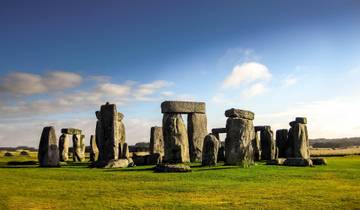
2 days
Windsor, Stonehenge, Bath & Oxford from London – 2 Days
- ✓ Comprehensive London tour
- ✓ Expert local guides included
- ✓ All accommodation arranged
- ✓ Transportation provided
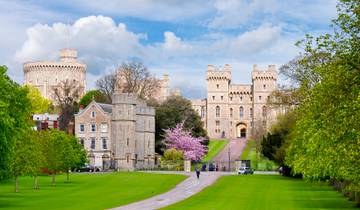
5 days
Classic England – 5 Days
- ✓ Comprehensive London tour
- ✓ Expert local guides included
- ✓ All accommodation arranged
- ✓ Transportation provided
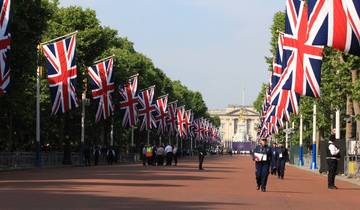
5 days
Royal Indulgence | London, England
- ✓ Booking needs min. 2 travelers
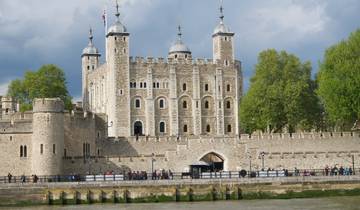
7 days
Spotlight on London (2026)
- ✓ Comprehensive London tour
- ✓ Expert local guides included
- ✓ All accommodation arranged
- ✓ Transportation provided
Multi-day tour packages powered by TourRadar. Prices and availability subject to change.
Introduction: Planning Your Perfect London 4-Day Experience in 2026
London in 2026 represents a fascinating blend of centuries-old heritage and contemporary innovation, with newly renovated Elizabeth Tower (Big Ben) displaying restored Victorian Gothic detail, the British Museum implementing advance timed-entry booking systems, and the Thames riverfront transforming through modern development while Westminster Abbey continues crowning monarchs in ceremonies unchanged since 1066. Planning a 4-day London itinerary requires balancing the non-negotiable icons that drew you to Britain’s capital with the authentic neighborhood experiences revealing why Londoners themselves love their city beyond tourist landmarks.
The fundamental challenge of a London 4-day itinerary lies in accepting what you cannot see rather than attempting comprehensive coverage. London contains 32 boroughs, over 170 museums, countless UNESCO World Heritage elements within Maritime Greenwich and the Tower of London, six major railway termini connecting to regional destinations, and neighborhood markets, royal parks, and architectural treasures rewarding weeks of exploration. Four days delivers approximately 80 waking hours minus meals, transit, and rest, translating to perhaps 50 hours of active sightseeing when accounting for practical realities. This timeframe allows for 5-7 major paid attractions, 6-8 neighborhood walking experiences, 16 meals exploring British culinary traditions, and critically, margin for spontaneous discoveries that often become trip highlights.
Strategic advance planning in 2026 matters more for specific attractions due to capacity management and timed-entry requirements. Tower of London and Westminster Abbey require pre-booked time slots during peak season (June-August), with weekend morning entries selling out 2-3 weeks ahead. The British Museum now requires free timed-entry booking even though admission remains free, preventing the overcrowding that characterized pre-pandemic years. London Eye standard tickets start at £29 online versus higher walk-up pricing, with sunset slots commanding premium rates. These practical constraints mean that flexible “figure it out when we arrive” approaches risk disappointment at top attractions, while a structured framework with advance bookings for 2-3 major sites allows genuine spontaneity for the remaining experiences.
This comprehensive guide provides the detailed planning foundation for an exceptional London 4-day experience in 2026, with verified current prices reflecting March 2026 attraction rates, realistic time allocations based on actual monument visit durations, Underground navigation strategies optimized for contactless payment systems, and insider timing recommendations developed from analyzing visitor flow patterns at major landmarks. The itinerary framework balances must-see monuments with authentic British neighborhoods, museum immersion with outdoor discovery, and structured planning with flexibility for the unexpected encounters transforming good trips into unforgettable ones.
Understanding London Costs and Budget Planning for 2026
London travel costs in 2026 remain among Europe’s highest, with major paid attractions totaling £161.80 for comprehensive six-site access (Tower of London £34.80, Westminster Abbey £31, London Eye £29, Churchill War Rooms £28, St Paul’s Cathedral £21, Shakespeare’s Globe £18) before accounting for accommodation, dining, transportation, or entertainment. However, London’s exceptional advantage lies in world-class free museums including British Museum, National Gallery, Tate Modern, Natural History Museum, Victoria & Albert Museum, and Science Museum, where admission charges at equivalent institutions elsewhere would total £150-250, creating budget opportunities unavailable in Paris, Rome, or New York.
Accommodation forms the largest budget variable, ranging from £25-40 nightly for hostel dormitories in King’s Cross or Paddington to £60-100 for budget hotels near Victoria or Liverpool Street, £100-200 for mid-range properties in Bloomsbury or South Kensington, and £200-500+ for boutique hotels in Covent Garden or luxury options in Mayfair. Four nights of accommodation thus spans £100-2,000 depending on comfort level and location priorities, with the sweet spot for most visitors falling in the £120-180 per night range for clean, well-located hotels or Airbnb apartments in Zones 1-2 providing easy Underground access to major attractions.
Daily transportation costs in London remain economical through contactless payment or Oyster card daily caps at £8.90 for Zones 1-2 covering all Underground, bus, Overground, and most National Rail services within central London. This cap activates automatically after 3-4 journeys, making unlimited travel economically viable for days covering multiple neighborhoods. Budget-conscious travelers can reduce transportation to £6-8 daily through strategic walking between clustered Westminster attractions and taking only essential longer-distance Tube trips, while convenience-focused visitors prefer the capped unlimited travel freedom to explore without per-trip calculations.
Dining expenses vary dramatically between Pret A Manger sandwiches, traditional pub meals, and Michelin-starred establishments. Budget dining strategy: supermarket meal deals for breakfast (£3-5), Pret or similar chain lunches (£6-10), pub dinners with one drink (£15-25), totaling £24-40 daily per person (calculation: 3+6+15 = 24 low end, 5+10+25 = 40 high end). Mid-range dining pattern: café breakfast (£8-15), casual restaurant lunch (£15-28), dinner with drinks at quality gastropub or restaurant (£35-60), totaling £58-103 daily (calculation: 8+15+35 = 58 low end, 15+28+60 = 103 high end). Luxury approach: hotel breakfast (£18-30), Michelin lunch (£60-120), fine dining dinner (£100-200+), totaling £178-350 daily (calculation: 18+60+100 = 178 low end, 30+120+200 = 350 high end). Most visitors find satisfaction in mixed approaches: quick breakfast, some packed lunches alternating with restaurant upgrades, and one or two special dinner experiences alongside casual pub meals providing authentic British atmosphere at moderate cost.
Major Attraction Ticket Prices and Booking Strategies for 2026
Tower of London admission in 2026 costs £34.80 for adults, providing access to the Crown Jewels, White Tower medieval keep, Yeoman Warder tours, and extensive fortress grounds typically requiring 3-4 hours for thorough exploration. The fortress implements timed-entry slots to manage visitor flow, with advance online booking essential during peak season when morning entries (9-11 AM) sell out 2-3 weeks ahead for summer weekends. Budget-conscious families benefit from family tickets (2 adults + 3 children) at £87-93 versus individual pricing totaling over £100, though solo travelers and couples pay full rates without discounts beyond advance online purchase savings.
Westminster Abbey charges £31 adult admission for the historic church where British monarchs have been crowned since 1066, with entry including multimedia audio guide in multiple languages and access to Poet’s Corner, Royal Tombs, and the Gothic nave. The Abbey closes for worship services, special events, and royal ceremonies on unpredictable schedules requiring advance website consultation before booking specific visit dates. Online advance tickets enable upgrading to free annual pass at no additional charge, allowing three visits within one year for travelers planning extended London stays or return trips. Peak crowding occurs 11 AM-2 PM when tour groups concentrate; morning arrival before 10 AM or late afternoon after 3 PM provides quieter viewing conditions.
The London Eye standard tickets start at £29 for the 30-minute rotation providing 360-degree views from 135 meters above the Thames, with prices fluctuating based on demand and time slots. Sunset and evening entries command premium rates particularly during summer months when daylight extends until 9 PM. Fast-track tickets reducing queue time from 45 minutes to 15 minutes cost approximately £40-50, worthwhile for families with children or time-constrained visitors willing to pay for convenience. The capsules hold up to 25 people in shared rides; private pod bookings (£250+) suit special occasions but prove unnecessary for standard sightseeing purposes.
The British Museum maintains completely free admission to permanent collections housing the Rosetta Stone, Parthenon Marbles, Egyptian mummies, and treasures spanning human civilization, though advance timed-entry booking has become mandatory to manage capacity. Special temporary exhibitions charge £12-20 admission with separate ticketing, while general collections remain free with advance reservation preventing walk-up disappointment when daily capacity fills. The museum’s vast scale demands selective focus on 2-3 departmental galleries (Ancient Egypt, Greece and Rome, Middle East) during 2-3 hour visits rather than attempting comprehensive coverage causing museum fatigue.
St Paul’s Cathedral admission (£21) provides access to the spectacular Baroque dome, Whispering Gallery at 30 meters height requiring 257-step climb, and higher galleries at 53 and 85 meters offering London panoramas. The cathedral closes for worship services at unpredictable times; advance website checks prevent arrival during closures. Churchill War Rooms (£28) reveal the underground headquarters where Winston Churchill directed World War II strategy through preserved Cabinet War Rooms and Churchill Museum. Kensington Palace (£20) showcases royal state apartments and special exhibitions in Queen Victoria’s birthplace. Shakespeare’s Globe theater tours (£18) provide behind-scenes access to the reconstructed Elizabethan playhouse with optional performance tickets (£5-65) for authentic period drama experience.
Money-saving strategies for 2026 include maximizing free world-class museums (British Museum, National Gallery, Tate Modern, Natural History Museum, V&A, Imperial War Museum, Museum of London), concentrating paid attractions to 3-4 top priorities, and purchasing London Pass (£94 for 4 days) only when planning 5+ major paid sites as the pass becomes cost-effective at this threshold. Walking instead of taking Tube for journeys under 2 kilometers saves transportation costs while revealing London street life impossible to experience underground. Pub lunches with two-course set menus (£12-18) provide significantly better value than tourist-trap restaurants surrounding major monuments charging £18-28 for equivalent quality.
Transportation Guide: Underground, Buses, and Getting Around London in 2026
The London Underground operates 11 color-coded lines serving 272 stations across the city and inner suburbs, with trains running every 2-5 minutes during daytime hours (7 AM-8 PM) and every 5-10 minutes early morning and late evening. Contactless payment via debit or credit card provides the simplest fare system, automatically charging £3 for off-peak journeys in Zone 1 or £3.40 during peak hours (6:30-9:30 AM and 4-7 PM weekdays), with daily spending capped at £8.90 for Zones 1-2 regardless of journey quantity. The system recognizes the same payment card used throughout the day, applying the cap once cumulative charges reach the maximum, making subsequent journeys free until 4:30 AM the following morning.
Oyster cards offer identical per-journey pricing to contactless cards but require £7 refundable deposit plus initial credit top-up at ticket machines or station windows, creating unnecessary complexity for short-term visitors who simply use contactless debit/credit cards achieving the same daily cap without advance purchase or balance management. However, Oyster remains essential for visitors needing railcard discounts (16-25, Senior, Disabled) applied to pay-as-you-go fares, as contactless cards cannot access these concessions. Children under 11 travel free when accompanied by fare-paying adults; ages 11-15 require Oyster photocard for child-rate fares, obtainable through advance online application or visitor centers with child present and age proof.
Strategic walking routes maximize London discovery while minimizing underground time. Westminster to Trafalgar Square to Covent Garden spans 2 kilometers through continuously interesting terrain including Horse Guards Parade, Admiralty Arch, National Gallery, and street performer entertainment, achievable in 30-40 minutes at tourist pace. The Thames South Bank walk from London Eye to Tower Bridge covers 5 kilometers past Shakespeare’s Globe, Tate Modern, Borough Market, and HMS Belfast, creating scenic riverside exploration requiring 90 minutes minimum with museum/market stops extending to half-day experiences. Kensington Gardens to Hyde Park to Green Park to St James’s Park forms central London’s “green lung” walk spanning 4 kilometers through continuous royal parkland from Kensington Palace to Buckingham Palace.
Buses provide slower but scenic transportation complementing Underground efficiency, with single fares at £1.75 capped at £5.25 daily for unlimited bus travel (separate from Underground daily cap). Hopper fare allows unlimited bus transfers within one hour using same payment card, making multi-bus journeys to neighborhood destinations economical. The double-decker #15 Heritage Route from Trafalgar Square to Tower of London operates vintage 1960s Routemaster buses with open rear platforms, providing tourist sightseeing without premium bus tour pricing. Night buses operate after Underground closure (12:30 AM-5:30 AM weekdays, with 24-hour Friday-Saturday service on major lines), though late-night safety considerations warrant taxi alternatives for solo travelers particularly women.
River bus services along the Thames from Westminster to Greenwich provide scenic transportation alternative to Underground, with Thames Clippers operating every 20 minutes during daytime hours and accepting Oyster/contactless payment at standard Tube fares plus small river surcharge. The journey from Westminster to Greenwich takes 45 minutes versus 30 minutes by Underground via Jubilee Line, but riverboat travel delivers continuously changing views of riverside landmarks justifying the time premium for one journey during 4-day stays. Advance booking proves unnecessary as capacity rarely fills outside occasional summer weekend peaks.
Day 1 Itinerary: Westminster Icons and Royal London 2026
Day 1 introduces London through its most iconic royal and governmental landmarks concentrated in Westminster, beginning at Buckingham Palace for Changing of the Guard, followed by Westminster Abbey tour, Big Ben and Parliament Square photography, river walk to London Eye, and evening in Covent Garden. This sequence delivers immediate London landmark saturation while the route flows logically from palace to abbey to Parliament, walking energy remains high, and first-day enthusiasm maximizes appreciation for the grand monuments that might feel routine by Day 4.
Start at Buckingham Palace (Tube: Green Park, Victoria, or St James’s Park) by 10:15 AM for prime Changing of the Guard viewing at 11 AM. The ceremony occurs daily April-July and alternate days August-March (check schedule at household division website before planning). Arrive early to secure front-row positions along the palace railings, with the Canada Gate corner providing optimal sight lines for the Old Guard marching from Wellington Barracks and New Guard arriving from the palace. The 45-minute ceremony involves precision military marching accompanied by the Guards’ Band playing traditional and contemporary music, creating quintessential British pomp and circumstance worth the crowded viewing conditions during peak tourist season.
After the ceremony concludes around 11:45 AM, walk through St James’s Park to Westminster Abbey, a 15-minute pleasant stroll through London’s oldest royal park with lake views toward Buckingham Palace and Horse Guards Parade. Arrive at Westminster Abbey (£31 admission) with pre-booked 12:30 PM or 1 PM time slot, allowing immediate entry without queue delays that develop for afternoon walk-ups during summer months. The abbey’s highlights include Poet’s Corner honoring Shakespeare, Dickens, and other literary giants, Royal Tombs spanning medieval kings to Elizabeth I, the Lady Chapel’s fan-vaulted ceiling representing English Gothic pinnacle, and Coronation Chair used in royal ceremonies since 1308. Audio guide provides essential historical context for the layered architectural and ceremonial significance requiring 90-120 minutes for thorough appreciation.
Exit Westminster Abbey around 2-2:30 PM for Parliament Square photography capturing Big Ben’s Elizabeth Tower (undergoing final restoration completion in 2026), Houses of Parliament’s Gothic Revival grandeur, and Churchill statue. The tower’s bells ring hourly including the famous Westminster Chimes preceding Big Ben’s strike marking each hour. Cross Westminster Bridge for classic Parliament and Big Ben photographs from the South Bank, where the riverside promenade provides unobstructed sight lines impossible from Parliament Square’s traffic-congested perspective. Continue along the South Bank to the London Eye for late-afternoon 30-minute rotation (£29 advance ticket, 3-4 PM time slot) capturing afternoon light illuminating the city before sunset.
Evening proceeds to Covent Garden (Tube: Covent Garden, Piccadilly Circus, or Leicester Square) for street performer entertainment in the covered piazza, boutique shopping in the converted market buildings, and dinner at one of the surrounding restaurants or gastropubs. The area transforms after dark with theater-goers heading to nearby West End shows and diners filling restaurant terraces. Casual dining options include Bills or Café Rouge chains (£15-25 per person), mid-range choices like Petersham Nurseries Café or Dishoom (£25-40), while Rules traditional British restaurant (established 1798) offers upscale experience (£45-75) serving classic game, pies, and puddings in Victorian dining rooms.
Day 1 cost summary: Westminster Abbey £31, London Eye £29, lunch £12-20, dinner £20-45, Tube daily cap £8.90, totaling £101-134 per person excluding accommodation (calculation: 31+29+12+20+8.90 = 100.90 low end, 31+29+20+45+8.90 = 133.90 high end). Advance bookings required: Westminster Abbey timed entry (book 1-2 weeks ahead), London Eye ticket (book 3-7 days ahead for preferred time slots).
Day 2 Itinerary: Tower of London and Historic City 2026
Day 2 shifts from Westminster’s royal pageantry to the Tower of London’s medieval fortress and Crown Jewels, followed by Tower Bridge, Borough Market lunch, and St Paul’s Cathedral or Museum of London exploration. This combination balances the Tower’s intense 3-hour fortress immersion with outdoor walks revealing the City of London’s 2,000-year evolution from Roman settlement through medieval walls to contemporary financial district skyscrapers.
Arrive at Tower of London (Tube: Tower Hill, Circle/District Lines) at 9 AM opening with pre-booked entry ticket (£34.80). Enter through the Middle Drawbridge and proceed directly to the Crown Jewels in Waterloo Barracks, viewing the moving walkway display before crowds develop by 10:30 AM. The collection includes St Edward’s Crown used in coronations, Imperial State Crown worn at State Opening of Parliament, and ceremonial regalia spanning 23,000 gemstones and 140 objects dating back centuries. Photography is prohibited in the jewel vault to protect from flash damage, but exterior fortress photography remains unrestricted.
Join a Yeoman Warder tour (free with admission, departing every 30 minutes from entrance near Middle Tower) for 60-minute guided explanation of the Tower’s 1,000-year history as royal palace, prison, execution site, and fortress. The Warders, popularly known as “Beefeaters,” deliver theatrical commentary mixing historical facts with dark humor about the Tower’s bloody past including Anne Boleyn’s execution, Guy Fawkes interrogation, and the Princes in the Tower mystery. Tours conclude near the Chapel Royal of St Peter ad Vincula containing the remains of executed nobles and queens.
Explore the White Tower’s medieval keep housing the Royal Armouries collection of armor and weapons spanning Henry VIII’s tournament suits to modern ceremonial pieces. Climb the spiral staircases to St John’s Chapel, London’s oldest church dating to 1080, demonstrating pure Norman architecture without later Gothic elaborations. Walk the fortress walls past Traitors’ Gate where prisoners arrived by river, the Bloody Tower where princes supposedly died, and the ravens whose presence legendarily protects the Crown (modern ravens receive wing-trimming to prevent flights beyond fortress walls while maintaining the superstition).
Exit the Tower around 12:30 PM and walk 5 minutes to Tower Bridge for exterior photographs and optional Tower Bridge Exhibition (£11) providing glass-floor walkway 42 meters above the Thames and Victorian engine room tours. Most visitors photograph the bridge’s Gothic towers from outside without paying for interior access, as the views from the walkway add minimal value to exterior appreciation. Cross to the south bank for Borough Market lunch (open Monday-Saturday), where food stalls sell international cuisines at £8-15 per substantial meal including Turkish gözleme, Spanish paella, British pies, and artisan sandwiches creating market picnic atmosphere under Victorian railway arches.
Afternoon options include St Paul’s Cathedral (£21, requiring 90-120 minutes for dome climb and interior tour) or Museum of London (FREE, 2 hours minimum, chronicling city history from prehistoric Thames settlement to contemporary London). St Paul’s Whispering Gallery requires 257-step climb but rewards with acoustic phenomenon where whispers travel across the 32-meter dome, while higher galleries at 378 total steps provide London panoramas rivaling commercial observation decks. Museum of London, relocating to new Smithfield location in 2026, tells London’s story through archaeological finds, the Great Fire experience, Victorian street reconstructions, and Suffragette movement artifacts, providing historical context for landmarks visited throughout the 4-day itinerary.
Day 2 cost summary: Tower of London £34.80, Borough Market lunch £10-15, St Paul’s Cathedral or Museum of London £0-21, dinner £18-35, Tube daily cap £8.90, totaling £72-115 per person excluding accommodation (calculation: 34.80+10+0+18+8.90 = 71.70 low end, 34.80+15+21+35+8.90 = 114.70 high end). Advance bookings required: Tower of London timed entry (book 1-2 weeks ahead for summer weekends).
Day 3 Itinerary: Museums and West End Theater 2026
Day 3 dedicates morning to world-class museum immersion at either British Museum or Natural History Museum (both FREE admission), followed by Covent Garden lunch, afternoon in Soho or Chinatown, and evening West End theater performance. This combination provides indoor cultural enrichment during midpoint itinerary fatigue when outdoor monument climbing feels less appealing, while free museum admission prevents budget pressure after two days of paid fortress and abbey entries.
British Museum option: Arrive at Bloomsbury location (Tube: Russell Square, Tottenham Court Road, Holborn) at 10 AM opening with advance free timed-entry booking. Focus on 2-3 departmental galleries rather than attempting comprehensive coverage of 8 million objects across 94 galleries. Recommended 3-hour route: Ancient Egypt (Room 4) for Rosetta Stone and mummy collections, Greece and Rome (Rooms 18-23) for Parthenon Marbles and Roman sculpture, Middle East (Rooms 6-10) for Assyrian lion hunts and Mesopotamian artifacts. Alternative thematic focus: Africa galleries (lower floor), Asia collections including Chinese jade and Japanese prints, or European medieval treasures in Sutton Hoo ship burial galleries.
Natural History Museum option: Arrive at South Kensington location (Tube: South Kensington, Circle/District/Piccadilly Lines) at 10 AM with advance free timed-entry booking. The museum’s Victorian terracotta cathedral showcases dinosaur skeletons including Dippy the Diplodocus cast, the blue whale skeleton suspended in Hintze Hall, earthquake simulator demonstrating seismic forces, and Darwin Centre’s preserved specimen jars. Children particularly engage with hands-on exhibits while adults appreciate Alfred Waterhouse’s architectural masterpiece and comprehensive natural science collections requiring 2-3 hours minimum for highlights tour. The adjacent Science Museum and Victoria & Albert Museum create “museum mile” enabling multiple institutions during single South Kensington visit for devoted museum enthusiasts.
Lunch in Covent Garden (15-minute walk from British Museum, direct Piccadilly Line from South Kensington) provides restaurant density across all budget levels in pedestrianized piazza and surrounding Neal Street/Long Acre areas. Casual chain options include Wagamama Asian noodles (£12-18), Franco Manca sourdough pizza (£10-15), or Dishoom Bombay café (£15-22 for lunch thali). Market Building contains artisan food stalls and traditional British pies. Upscale choices like The Ivy Market Grill or Balthazar brasserie charge £25-40 for refined lunch preparations in theatrical dining rooms attracting post-shopping crowds.
Afternoon Soho exploration begins at Piccadilly Circus and radiates through narrow streets to Oxford Street, encompassing independent record shops on Berwick Street, vintage clothing in Carnaby Street’s pedestrian lanes, LGBTQ+ bars and cafés concentrated on Old Compton Street, and Chinatown’s authentic dim sum restaurants and Asian supermarkets. Leicester Square provides discounted theater ticket booth (tkts) selling same-day half-price seats to select West End shows, though popular productions like Hamilton, Les Misérables, or The Phantom of the Opera rarely appear with significant discounts. Alternative afternoon option: British Library (FREE, King’s Cross) displays Magna Carta, Shakespeare First Folio, Beatles handwritten lyrics, and other literary treasures in galleries requiring 60-90 minutes.
West End theater evening begins with 6-7 PM pre-theater dining at Theatreland restaurants offering two-course set menus (£18-28) timed for 7:30 PM curtain. Shows typically run 2.5-3 hours including interval, concluding 10-10:30 PM for return to accommodation via Underground’s final service around 12:30 AM weeknights (24-hour Friday-Saturday on major lines). Ticket prices range from £25-35 for upper balcony seats to £80-150 for premium stalls, with advance online booking through official theater websites eliminating service fees charged by resale platforms. Matinée performances (Wednesday and Saturday 2:30 PM) suit alternative scheduling for visitors preferring evening free time or accommodating children’s earlier bedtimes.
Day 3 cost summary: British Museum or Natural History Museum FREE, lunch £12-25, afternoon tea or snacks £8-15, theater ticket £25-80, pre-theater dinner £18-35, Tube daily cap £8.90, totaling £72-164 per person excluding accommodation (calculation: 0+12+8+25+18+8.90 = 71.90 low end, 0+25+15+80+35+8.90 = 163.90 high end). Advance bookings required: British Museum or Natural History Museum free timed entry (book 3-7 days ahead), West End theater tickets (book 1-4 weeks ahead for popular shows).
Day 4 Itinerary: Notting Hill and Neighborhood Exploration 2026
Day 4 explores London’s most characterful neighborhoods beyond central tourist zones, beginning with Notting Hill’s Portobello Road market, followed by afternoon choice of Greenwich Maritime heritage or Kensington Palace and Hyde Park, concluding with Camden Market evening or South Bank riverside sunset. This itinerary delivers authentic London neighborhood experience revealing how contemporary Londoners live and socialize in historic settings maintaining village atmosphere within the metropolis.
Start at Notting Hill (Tube: Notting Hill Gate or Ladbroke Grove, Circle/District/Central Lines) by 9 AM for Portobello Road Market exploration before crowds develop mid-morning. Saturday hosts the full antiques market with 1,000+ dealers selling vintage clothing, collectibles, furniture, and curios along the 2-kilometer street from Westway flyover to Notting Hill Gate. Weekday markets scale back to fruit-and-vegetable stalls and permanent antique shops, though the pastel-colored townhouses, boutique shopping, and café culture remain seven days weekly. Photograph the iconic blue, pink, and yellow Victorian terrace houses immortalized in the film “Notting Hill,” browse the Travel Bookshop (inspiration for Hugh Grant’s character), and explore the Electric Cinema’s luxury screening rooms with leather armchairs and footstools.
Late morning proceeds to either Greenwich or Kensington path. Greenwich option (30 minutes from Notting Hill via Jubilee Line to North Greenwich, then riverboat or DLR): Visit the Royal Observatory (£18) straddling the Prime Meridian with one foot in Eastern and Western hemispheres, explore the National Maritime Museum (FREE) chronicling Britain’s naval history including Trafalgar and Arctic exploration, and tour the Cutty Sark tea clipper (£18) restored after 2007 fire. Greenwich Park provides panoramic London skyline views from the hill behind the observatory, encompassing the Thames meandering through Canary Wharf towers, the Millennium Dome’s white tent structure, and central London’s distant cluster. The historic town center contains covered Greenwich Market selling crafts and street food plus waterfront pubs occupying former warehouses.
Kensington option (10 minutes from Notting Hill via Circle/District Line to High Street Kensington): Explore Kensington Palace (£20) including State Apartments, Queen Victoria exhibitions, and Princess Diana memorial displays in her former residence. The palace occupies the western edge of Kensington Gardens and Hyde Park, London’s largest green space spanning 250 hectares with the Serpentine Lake, Diana Memorial Fountain, Italian Gardens, and endless lawns accommodating picnics, jogging, and afternoon relaxation. Walk through the parks to Marble Arch, Hyde Park Corner, or Albert Memorial, with each cardinal exit providing different onward exploration into Mayfair luxury shopping, Knightsbridge department stores (Harrods, Harvey Nichols), or Museum Mile’s cultural institutions.
Afternoon tea at traditional tearooms provides quintessential British cultural experience, with options ranging from Sketch’s Instagram-famous pink Gallery (£60-90 per person including champagne) to Fortnum & Mason’s Diamond Jubilee Tea Salon (£50-75) to neighborhood bakery cream teas (£15-25) serving scones with clotted cream and jam alongside finger sandwiches and pastries. Timing afternoon tea for 3-4 PM creates authentic British ritual while providing substantial calories eliminating dinner requirements for budget-conscious travelers transitioning directly to evening activities.
Evening options include Camden Market (Tube: Camden Town, Northern Line) for alternative culture, vintage clothing, street food from 1,000+ stalls, and waterfront pubs along Regent’s Canal, or return to South Bank for riverside sunset walk from Westminster Bridge to Tower Bridge capturing golden hour illumination of Parliament, St Paul’s dome, and The Shard skyscraper. Both neighborhoods transition into evening dining and entertainment venues, with Camden’s punk heritage persisting in music venues like the Roundhouse and Electric Ballroom, while South Bank’s National Theatre and Southbank Centre offer subsidized cultural programming including free foyer concerts and outdoor dance performances during summer months.
Day 4 cost summary: Portobello Market browsing FREE, Greenwich attractions £0-36 or Kensington Palace £20, afternoon tea £15-75, Camden Market dinner £12-25 or South Bank restaurant £20-40, Tube daily cap £8.90, totaling £36-160 per person excluding accommodation (calculation: 0+0+15+12+8.90 = 35.90 low end rounds to £36, 0+36+75+40+8.90 = 159.90 high end rounds to £160). No advance bookings required, though weekend afternoon tea reservations recommended at popular venues.
Accommodation Strategies and Neighborhood Selection for London 2026
London accommodation in 2026 spans £25-500+ nightly depending on location, property type, and comfort level, with strategic neighborhood selection significantly impacting daily Underground time and authentic British experience quality. Budget travelers find hostel dormitories at £25-40 nightly in King’s Cross, Paddington, or Earl’s Court with Tube access to central attractions in 10-20 minutes, while budget hotels near Victoria Station, Liverpool Street, or Euston charge £60-100 for basic private rooms with en-suite bathrooms in areas functionally adequate for sleep between sightseeing days though lacking neighborhood charm.
Mid-range accommodation at £100-200 nightly provides comfortable 3-star hotels or quality Airbnb apartments in desirable neighborhoods including Bloomsbury, South Kensington, Covent Garden, and Southwark. These locations enable walking to British Museum, Natural History Museum, West End theaters, or South Bank riverside while providing immediate access to authentic bistros, markets, and neighborhood pubs where Londoners conduct daily life. Bloomsbury particularly suits first-time visitors seeking literary heritage (British Museum, British Library, Charles Dickens Museum), garden squares, and central location accessing both West End entertainment and City of London attractions within single Underground rides.
Luxury properties at £200-500+ occupy prime addresses in Mayfair, Knightsbridge, and Covent Garden, delivering Georgian townhouse elegance, professional concierge services, and locations where neighborhood strolls reveal London at its most refined. Boutique hotels in converted Victorian buildings provide period details, afternoon tea service, and authentic British atmosphere lacking in international chain properties. Four nights in this tier costs £800-2,000, representing the largest budget component for luxury travelers seeking elevated London experience through Michelin-starred dining, private theater boxes, and bespoke shopping in Bond Street boutiques.
Neighborhood selection priorities for first-time 4-day visits emphasize Zone 1 centrality and character over budget optimization. Optimal neighborhoods: Bloomsbury (British Museum proximity, garden squares, literary heritage), South Kensington (museum mile, Victorian terraces, Knightsbridge shopping access), Covent Garden (West End theaters, restaurant density, pedestrian character), and Southwark (South Bank riverside, Borough Market, modern development). Acceptable alternatives: King’s Cross (Eurostar terminus, improving but still transitional), Paddington (good transport links, less character), Westminster (governmental district, empty evenings). Less ideal: outer Zone 2-3 locations in residential suburbs save money but require 30-50 minute commutes to central attractions and lack the quintessential London atmosphere justifying premium accommodation pricing.
Airbnb apartment rentals provide kitchens enabling breakfast and packed lunch preparation reducing dining costs by £20-40 daily, though cleaning fees and service charges inflate total costs above advertised nightly rates particularly for stays under 5 nights. Compare final total prices including all fees against hotels, and verify neighborhood character through Google Street View before booking apartments in areas seeming central on maps but located in characterless modern estates far from authentic London atmosphere. Properties with views of Tower Bridge or near Portobello Road command 30-50% premiums over equivalent apartments without such amenities, premiums difficult to justify given minimal in-room time during packed 4-day itineraries.
Dining Guide: Breakfast, Lunch, Dinner Strategies for London 2026
British dining in 2026 spans traditional full English breakfasts, afternoon tea ceremonies, gastropub innovations, and international cuisines reflecting London’s multicultural population, with meal timing patterns including light breakfasts (7-9 AM), substantial lunches (12-2 PM), afternoon tea optional (3-5 PM), and dinners (6-9 PM or later) that foreigners often find earlier than continental European habits but later than American patterns. Understanding British dining customs, pricing structures, and neighborhood restaurant selection significantly impacts both budget and cultural authenticity of the London experience.
Breakfast approaches range from £3-30 depending on locations and aspirations. Budget authentic: Pret A Manger coffee and pastry (£4-7), Greggs bakery sausage rolls and tea (£3-5), or Tesco meal deals combining sandwich, crisps, and drink (£3.50). Mid-range café: proper full English breakfast with eggs, bacon, sausage, beans, mushrooms, tomato, and toast (£10-15) at traditional caffs or modern brunch spots in Shoreditch or Notting Hill. Luxury hotel: breakfast buffets (£20-30) provide comprehensive spreads though atmosphere often feels generic international hotel rather than authentically British; better value comes from neighborhood breakfast at local establishments revealing actual British morning rituals.
Lunch strategies balance budget, time, and experience quality. Efficient budget: supermarket meal deals from Tesco, Sainsbury’s, or Marks & Spencer (£3-5) purchasing sandwich, crisps, fruit, and drink consumed in parks or along Thames embankments with architectural views. Mid-range authentic: pub two-course set lunch menus (£12-18) featuring fish and chips, shepherd’s pie, or roast dinners in historic establishments where locals eat rather than tourist traps surrounding landmarks. High-end option: Michelin-starred lunch menus (£35-65) providing gastronomic experiences at fraction of dinner pricing at restaurants like The Ledbury or Core by Clare Smyth accessible to mid-range budgets during daytime service.
Dinner represents the primary daily dining investment, with choices between traditional pubs (£15-30 per person for hearty mains and pints), mid-range restaurants (£30-60), and fine dining experiences (£80-200+). Gastropubs in neighborhoods like Clerkenwell, Marylebone, or Chelsea elevate traditional British cooking through seasonal ingredients and modern techniques while maintaining casual pub atmosphere where locals gather for Sunday roasts and weeknight pints. Tourist-trap restaurants cluster near Leicester Square, Piccadilly Circus, and Tower of London charging inflated prices for mediocre fish and chips while authentic options operate within 10-minute walks in side streets frequented by office workers and residents.
Traditional British dishes warranting experience include fish and chips from proper chippies (£10-15) serving battered cod or haddock with twice-fried chips and mushy peas, Sunday roast at historic pubs (£15-25) delivering beef, lamb, or chicken with Yorkshire puddings, roasted vegetables, and gravy, shepherd’s pie or cottage pie comfort food (£12-18), and sticky toffee pudding dessert (£6-8) demonstrating British sweet traditions. Indian curry houses reflect Britain’s colonial heritage and immigration patterns, with Brick Lane’s Bengali restaurants and modern Indian establishments like Dishoom or Gymkhana elevating subcontinental cuisine to Michelin recognition.
Afternoon tea ceremonies at traditional venues provide quintessential British cultural experience ranging from Claridge’s Art Deco luxury (£65-95 per person including champagne) to Fortnum & Mason’s Georgian elegance (£50-75) to neighborhood bakery cream teas (£12-20) serving scones with clotted cream and jam alongside finger sandwiches and pastries. The ritual follows specific service order: savory sandwiches first, scones with preserves second, sweet pastries and cakes third, accompanied by continuous tea refills from silver pots. Booking 2-4 weeks ahead proves essential for prestigious venues during peak season, while neighborhood tearooms accept walk-ins enabling spontaneous cream tea experiences without advance planning stress.
Dining cost optimization strategies for 4-day London visits include allocating breakfast to supermarket purchases (£3-5), lunch to pub set menus or meal deals (£8-18), and dinner to gastropubs or mid-range restaurants (£25-45), creating daily food budgets of £40-70 per person while maintaining excellent quality and authentic British culinary experiences. Reserve one afternoon tea splurge and one upscale dinner for Michelin-caliber restaurants (£70-120 per person) while balancing budget with remaining casual meals, avoiding the trap of paying £40+ daily for mediocre tourist restaurants when superior authentic options charge £25-35 in neighborhood locations revealed through local recommendations or food blogs.
Money-Saving Strategies and Free Experiences in London 2026
London delivers exceptional cultural value through world-class free museums unmatched by other major capitals, with British Museum, National Gallery, Tate Modern, Natural History Museum, Victoria & Albert Museum, Science Museum, Imperial War Museum, and Museum of London providing permanent collection access without admission charges that would total £150-250 elsewhere. This enables rich cultural experiences on limited budgets for travelers willing to walk extensively between free attractions, picnic frequently in royal parks, and prioritize wisely among paid monuments requiring admission fees.
Free major attractions in London include all listed museums above plus National Portrait Gallery, Tate Britain, Wallace Collection, and Serpentine Galleries, Westminster Abbey exterior architecture and Parliament Square viewing (interior requires £31 admission), Changing of the Guard at Buckingham Palace (11 AM daily April-July, alternate days other months), all royal parks (Hyde Park, Regent’s Park, Greenwich Park, Richmond Park) totaling 5,000 acres of green space, Thames riverside walks from Westminster to Greenwich encompassing 15 kilometers of continuous interest, and exploring neighborhood markets including Portobello Road (Saturday antiques), Borough Market (food Thursday-Saturday), Camden Market (daily alternative culture), and Brick Lane (Sunday vintage).
Strategic timing enables free access to normally-ticketed attractions including St Paul’s Cathedral attending worship services (free entry though tourist exploration restricted), Westminster Abbey Evensong services at 5 PM weekdays and 3 PM weekends (free though tourist movement limited during worship), and South Bank Centre free foyer concerts and outdoor dance performances during summer months. Late night museum openings at Tate Modern (Friday-Saturday until 10 PM) and British Museum (Friday until 8:30 PM) provide quieter viewing conditions away from daytime family crowds while maintaining free admission policies.
Public transportation optimization reduces daily costs from potential £15-25 in individual tickets to £8.90 through contactless payment daily caps activated after 3-4 journeys, making unlimited travel economically viable for days covering multiple neighborhoods. Four-day visitors might walk extensively on Days 1 and 4 with clustered Westminster and neighborhood itineraries requiring only 1-2 Tube rides (£3-6 total) while using capped unlimited travel on Days 2 and 3 when Tower of London, South Kensington museums, and Greenwich require cross-city journeys, reducing total transportation costs to £26-35 versus £35.60 for four daily caps.
Dining budget optimization implements packed lunch strategy for 2-3 of 4 days, purchasing supermarket meal deals or prepared sandwiches (£3-8 daily) while reserving restaurant lunches for one special meal at traditional establishment. Breakfast from supermarkets or Pret (£3-7) rather than hotel buffets (£15-25) saves £48-72 over four mornings. Pub dinners with set menus or happy hour pricing (£12-20 for mains plus drink) deliver superior value to tourist restaurants charging £25-35 for equivalent quality, particularly in neighborhoods like Shoreditch, Clapham, or Brixton where locals eat regularly.
Alternative viewpoint strategies reduce monument costs while maintaining spectacular London vistas. Free Sky Garden (20 Fenchurch Street) provides 360-degree panoramic views from 155 meters though requiring advance booking 3 weeks ahead for weekend time slots. Primrose Hill in Regent’s Park offers classic London skyline views encompassing the entire city center from elevated northern perspective without admission charges. The Monument to the Great Fire (£5.50, significantly cheaper than commercial observation decks) provides 62-meter views from 311-step spiral staircase in City of London historic center. Greenwich Park Observatory hill delivers southern panorama across Thames to Canary Wharf and central London without Greenwich attractions admission costs.
London Pass (£94 for 4 days, £119 for 6 days) becomes cost-effective only when planning 5+ major paid attractions during validity period, covering Tower of London (£34.80), Westminster Abbey (£31), Churchill War Rooms (£28), Thames River Cruise (£25), and Kensington Palace (£20) totaling £138.80 versus £94 pass price, delivering £44.80 savings (calculation: 138.80 − 94 = 44.80). However, the pass excludes London Eye and British Museum (free anyway), while aggressive daily touring covering 2-3 paid attractions creates exhausting schedules contradicting leisurely neighborhood exploration that reveals authentic London character. Calculate actual planned visits before purchasing rather than assuming the pass automatically delivers value, as casual visitors planning only 3-4 paid entries save money through individual tickets purchased strategically.
Practical Tips: Weather, Safety, and Logistics for London 2026
London weather in 2026 varies moderately by season compared to continental extremes, with spring (April-May) and autumn (September-October) offering optimal touring conditions through mild temperatures (10-18°C), manageable rainfall requiring umbrella readiness, and blooming parks or autumn foliage enhancing photographic conditions. Summer (June-August) brings peak tourist crowds, extended daylight until 9 PM enabling late-evening park strolls and riverside dining, and occasional heat waves reaching 28-32°C when air conditioning absence in most accommodations and historic buildings becomes uncomfortable. Winter (November-March) delivers budget advantages through lower accommodation rates and fewer crowds, though short daylight (sunset by 4 PM December-January) limits afternoon itinerary options and persistent drizzle requires waterproof layering.
Clothing for London emphasizes layering and rain readiness over seasonal extremes, as British weather shifts unpredictably requiring adaptability rather than single-climate preparation. Pack waterproof jacket or compact umbrella essential year-round, comfortable walking shoes suitable for 15,000+ daily steps across pavements and Tube stairs, and layers accommodating temperature fluctuations from air-conditioned Underground to outdoor monument visits. British casual style favors neat presentation over American athletic comfort, with jeans and trainers acceptable but baseball caps and college sweatshirts identifying obvious tourists potentially targeted by pickpockets in crowded areas.
Safety in London requires standard urban vigilance against pickpockets operating in tourist-dense areas including Leicester Square, Oxford Street, Camden Market, and packed Underground carriages during rush hours, though violent crime against tourists remains extremely rare and the city generally feels safe for solo travelers including women at night in well-lit central neighborhoods. Common scams include friendship bracelet weavers who tie bracelets on wrists then demand payment, petition clipboard signature requests followed by aggressive charity donations, and three-card monte street gambling attracting tourists while accomplices steal bags during distraction.
Pickpocket prevention strategies include front pocket phone/wallet storage, cross-body bags worn to front in crowded Tube cars, maintaining awareness in tight spaces where bumping feels suspicious, and never leaving bags on vacant chairs in cafés or hung on stroller handles in museums where thieves execute grab-and-run thefts in seconds. The Underground remains safe transportation with minimal risk outside rush hours, though late-night services after midnight warrant increased vigilance particularly for solo travelers. Night buses provide alternative to final Tube services, though taxis or Uber offer safer late-night returns to accommodation particularly from unfamiliar neighborhoods.
Language advantages for English speakers make London uniquely accessible compared to other European capitals, though British English vocabulary, accent variations, and communication styles differ from American norms in subtle ways. “Queue” means line, “lift” means elevator, “tube” or “underground” replaces subway, “chemist” indicates pharmacy, and “loo” or “toilet” replaces restroom. British politeness norms emphasize saying “please,” “thank you,” and “sorry” liberally, with direct demands without pleasantries considered rude. Understanding these cultural nuances enhances interactions with locals and service staff who appreciate linguistic awareness even from native English speakers.
Practical logistics for 2026 London visits include confirming accommodation location via Google Maps before booking to verify Tube station proximity and avoid peripheral locations marketed as “near Westminster” when actually requiring 45-minute commutes. Contactless payment cards work universally for Underground and bus fares, eliminating Oyster card complexity for most short-term visitors. UK electrical outlets require Type G three-pin adapters, available at airport shops for £5-8 or Amazon before departure for £3-6. Tipping expectations differ from American norms: restaurants automatically include 12.5% service charge on bills (additional tipping unnecessary unless exceptional service), pubs expect no tips for bar orders though table service warrants rounding up, and taxis receive 10-15% for good service.
Sample 4-Day Budget Breakdown: Costs by Traveler Type 2026
Budget-conscious travelers can experience London meaningfully for approximately £291-450 total over four days excluding flights, allocating £100-160 for hostel accommodation, £96-160 for food through supermarket meals and pub dinners, £66-100 for selective paid attractions, and £26-30 for transportation using daily caps strategically. This tier requires accepting dormitory accommodation, packed lunches for most days, limiting paid museums to 2-3 top priorities while maximizing free British Museum and National Gallery, and extensive walking to minimize Tube costs while discovering neighborhood London beyond landmark circuits.
Budget 4-day breakdown: Accommodation £25-40 nightly × 4 nights = £100-160. Dining £24-40 daily (supermarket breakfast £4, meal deal lunch £4, pub dinner £15-20, café snacks £5-8) × 4 days = £96-160. Attractions: Tower of London £34.80, Westminster Abbey £31, British Museum FREE, parks FREE, selective paid sites = £66-100. Transportation: daily cap 2 days for cross-city travel £17.80, individual tickets 2 days for limited journeys £8-12 = £26-30. Total: £291-450 per person for four days excluding flights (calculation: 100+96+66+26 = 288 low end rounds to £291, 160+160+100+30 = 450 high end), creating accessible London experience on limited budget without sacrificing essential highlights or cultural immersion.
Mid-range travelers budget £825-1,500 for four days excluding flights, providing £360-800 for comfortable 3-star hotel or apartment accommodation, £240-420 for balanced dining (café breakfasts, mix of packed and restaurant lunches, gastropub dinners), £189-244 for comprehensive attraction access, and £36 for unlimited transportation. This tier delivers comfortable London experience with private accommodation, regular restaurant meals while maintaining occasional picnic cost savings, access to all major landmarks and museums, and transportation freedom through daily caps eliminating per-trip calculations.
Mid-range 4-day breakdown: Accommodation £90-200 nightly × 4 nights = £360-800. Dining £60-105 daily (café breakfast £10-15, restaurant lunch £20-30 or packed lunch £8, gastropub dinner £35-60 including drinks) × 4 days = £240-420. Attractions: Tower of London £34.80, Westminster Abbey £31, London Eye £29, St Paul’s Cathedral £21, Kensington Palace £20, Churchill War Rooms £28, free museums = £163.80 plus theater ticket £25-80 = £189-244. Transportation: daily cap £8.90 × 4 days = £35.60. Total: £825-1,500 per person for four days excluding flights (calculation: 360+240+189+35.60 = 824.60 low end rounds to £825, 800+420+244+35.60 = 1,499.60 high end rounds to £1,500), representing the most popular budget tier among first-time London visitors seeking quality without luxury pricing.
Luxury travelers allocate £1,995-4,205+ for four days excluding flights, covering £800-2,000 for boutique hotel accommodation, £720-1,400 for elevated dining including Michelin experiences, £375-645 for private tours and premium access, and £100-160 for taxis and premium transportation. This tier provides 4-5 star hotels in Mayfair or Covent Garden, gastronomic dining experiences, guided museum tours avoiding DIY navigation, and convenience maximization through private drivers and skip-line services.
Luxury 4-day breakdown: Accommodation £200-500 nightly × 4 nights = £800-2,000. Dining £180-350 daily (hotel breakfast £20-30, Michelin lunch £60-120, fine dining dinner £100-200 including wine) × 4 days = £720-1,400. Attractions: Tower of London £34.80, Westminster Abbey £31, London Eye £29, private guided tours £200-400, West End premium tickets £80-150 = £375-645. Transportation: taxis and premium services £25-40 daily × 4 days = £100-160. Total: £1,995-4,205 per person for four days excluding flights (calculation: 800+720+375+100 = 1,995 low end, 2,000+1,400+645+160 = 4,205 high end), creating refined London experience emphasizing exceptional dining, private expertise, and accommodation luxury in Georgian townhouses or boutique properties.
Alternative Itinerary Options and Customization Ideas for London 2026
The standard 4-day itinerary focusing on Westminster, Tower of London, museums, and neighborhoods serves first-time visitors well but can be customized for specific interests, repeat visitors, or travelers with particular London fascinations. Art enthusiasts might replace Tower day with concentrated gallery circuit exploring National Gallery’s Renaissance masterpieces, Tate Modern’s contemporary collections, Tate Britain’s Turner and Pre-Raphaelite works, and Wallace Collection’s Old Masters. This creates focused art immersion across four institutions revealing British and European artistic evolution from medieval altarpieces through Impressionism to contemporary installation art, though sacrificing the fortress drama and Crown Jewels that Tower of London provides.
History-focused customization emphasizes Churchill War Rooms underground headquarters, Imperial War Museum’s comprehensive military exhibitions, Museum of London’s city evolution from Roman settlement, and Hampton Court Palace Tudor grandeur accessible via 30-minute train from Waterloo. Add walking tours through the City’s medieval lanes, Temple Church’s Templar heritage, and Roman London Wall remnants to create chronological progression from Londinium through medieval commerce to Blitz survival and contemporary renewal. This approach trades tourist landmark photography for deep historical engagement revealing London’s 2,000-year layered development.
Literary London traces Bloomsbury Group residences, Charles Dickens Museum, Shakespeare’s Globe reconstructed Elizabethan theater, Keats House Hampstead, and British Library treasures including Magna Carta and Beatles manuscripts. Add literary pub crawls through Fitzrovia’s Wheatsheaf and Bloomsbury’s Lamb, bookshops in Cecil Court and Charing Cross Road, and Poet’s Corner in Westminster Abbey for comprehensive immersion in Britain’s unmatched literary heritage. This appeals to readers and writers seeking creative inspiration from the city where Shakespeare, Dickens, Woolf, and countless literary giants created enduring works.
Royal London intensifies palace focus through Buckingham Palace State Rooms summer opening (July-September, £32), Kensington Palace Diana exhibitions, Hampton Court Palace Henry VIII apartments, and Windsor Castle day trip (£28.50, 40 minutes from Waterloo) visiting Queen’s official residence. Combine with Changing of the Guard ceremony, Horse Guards Parade mounted sentries, and Crown Jewels viewing for comprehensive royal immersion spanning medieval fortress to contemporary monarchy. Families particularly appreciate this approach enabling children’s fascination with crowns, castles, and guards in authentic historical settings rather than themed entertainment.
Neighborhood deep-dive dedicates each day to thorough exploration of single area: Day 1 South Bank from Westminster to Tower Bridge including Tate Modern and Borough Market, Day 2 Shoreditch street art and vintage shopping with Brick Lane curry, Day 3 Notting Hill and Kensington cultural institutions, Day 4 Greenwich Maritime heritage and riverside pubs. This slower pace reveals neighborhood rhythms impossible during hit-and-run landmark tours, enabling repeated café visits, local conversation, and understanding of how districts interconnect through transport networks and residential patterns. Repeat visitors particularly benefit from this approach having completed landmark circuits during previous trips.
Day Trip Extensions Beyond London for 5-6 Day Visits 2026
Travelers extending London visits to 5-6 days can incorporate day trips revealing British heritage beyond the capital’s urban concentration. Oxford, Britain’s oldest university city 90 minutes northwest via train from Paddington (£15-30 return), presents medieval college architecture including Christ Church’s Great Hall (Hogwarts inspiration), Bodleian Library’s ancient reading rooms, and Radcliffe Camera’s neoclassical perfection. Walking tours connect 38 constituent colleges through narrow lanes revealing academic traditions spanning 900 years, while Ashmolean Museum provides art collections and afternoon punting on the River Cherwell offers pastoral escape from scholarly intensity.
Bath, Georgian spa town 90 minutes west via train from Paddington (£20-40 return), showcases Roman Baths archaeological site preserving 2,000-year-old bathing complex beneath 18th-century Pump Room, Royal Crescent’s sweeping Palladian terrace, and Bath Abbey’s fan-vaulted ceiling. The compact town center enables walking exploration of honey-colored stone architecture, Jane Austen Centre celebrating the author’s Bath residence, and Thermae Bath Spa offering rooftop pools fed by natural hot springs. Day trips provide 6-8 hours for comprehensive sightseeing though overnight stays enable evening exploration after day-tripper departures.
Cambridge, competing university city 50 minutes north via train from King’s Cross (£12-25 return), delivers King’s College Chapel’s perpendicular Gothic grandeur, punting on River Cam past the Backs college gardens, and The Eagle pub where Watson and Crick announced DNA discovery. The Mathematics Bridge at Queens’ College and Bridge of Sighs at St John’s College create photographic highlights while Fitzwilliam Museum provides unexpected art collections including Egyptian antiquities and Impressionist paintings. Cambridge’s smaller scale versus Oxford enables more thorough college touring within day-trip constraints.
Stonehenge and Salisbury combine prehistoric monument with medieval cathedral in Wiltshire 90 minutes southwest, accessible via guided tours (£75-120 including transportation) or independent trains to Salisbury (£25-45 return) plus local buses. Stonehenge’s 5,000-year-old stone circle creates mysterious atmosphere though explanatory visitor center proves essential for understanding archaeological significance otherwise reduced to tourist photography. Salisbury Cathedral contains Britain’s tallest spire, best-preserved Magna Carta copy, and 13th-century Close architecture, while market square maintains medieval street patterns creating comprehensive English heritage experience.
Warner Bros. Studio Tour – The Making of Harry Potter, 20 miles northwest in Leavesden accessible via tours (£95-120 including transportation and admission) or trains to Watford Junction (£10-15) plus shuttle buses, reveals actual film sets, props, and production secrets from the eight-film series. Great Hall, Diagon Alley, Hogwarts Express, and detailed prop displays create pilgrimage destination for Potter fans though three-hour typical visit demands genuine enthusiasm versus casual tourism interest. Advance booking proves essential as walk-up admission proves impossible during peak season sellouts weeks ahead.
Seasonal Considerations: Best Time to Visit London in 2026
Spring in London (April-May) delivers optimal touring conditions through mild temperatures averaging 10-18°C, blooming daffodils and cherry blossoms in royal parks, and moderate tourist levels building toward summer peaks but remaining manageable at major attractions. Hotel rates rise from winter lows but stay below summer premiums, museum crowds remain tolerable without advance reservations at most sites except Tower of London weekends, and extended daylight (sunset 8-8:30 PM by late May) enables full sightseeing days. Rain occurs 10-12 days monthly requiring umbrella readiness, though showers typically pass quickly without disrupting entire days and often create dramatic lighting for architecture photography between storms.
Summer (June-August) brings peak tourist congestion, premium hotel pricing (£150-300 for properties costing £90-180 in shoulder seasons), and advance booking requirements 3-6 weeks ahead for Tower of London, Westminster Abbey, and London Eye optimal time slots. Extended daylight until 9-9:30 PM enables magical evening park strolls when golden hour illuminates historic façades and temperatures cool from afternoon highs, though occasional heat waves reaching 28-32°C create discomfort when air conditioning remains rare in older hotels and historic buildings. British summer holidays (late July-August) increase domestic tourist presence alongside international visitors, creating maximum crowding at all major attractions.
Autumn (September-October) matches spring as optimal London season through pleasant temperatures (12-18°C in September declining to 8-15°C October), autumn foliage in Hyde Park and Greenwich transforming landscapes, manageable crowds as families return to school schedules, and improved hotel availability versus summer peaks. September maintains late summer warmth without August crowds, while October introduces crisp mornings ideal for café breakfast lingering and afternoon walks through golden-lit neighborhoods. Cultural calendar intensifies with theater season launches, gallery autumn exhibitions, and October’s Frieze Art Fair attracting international collectors. Rain frequency increases versus summer (12-15 days monthly) though temperature moderation makes wet weather more tolerable than spring chill.
Winter (November-March) delivers budget advantages through lowest hotel rates (£70-140 for properties costing £150-250 in shoulder seasons), minimal crowds at all attractions enabling spontaneous museum visits without advance reservations, and festive December atmosphere with Oxford Street Christmas lights, Trafalgar Square Christmas tree, and Winter Wonderland Hyde Park market. Extremely short daylight (sunset 3:50 PM December) limits afternoon itineraries requiring acceptance of evening dining and shopping in darkness versus summer’s extended twilight. Cold drizzle and occasional snow require substantial layering, waterproof footwear, and psychological preparation for gray skies testing commitment to outdoor sightseeing versus cozy pub and museum days.
Optimal 4-day London timing for first-time visitors prioritizes late April-May or September-early October, capturing pleasant weather, moderate crowds, reasonable hotel rates, and operational normalcy (versus December’s festive closures or January’s post-holiday quiet). These shoulder season windows balance cost savings versus summer peaks with weather reliability superior to winter uncertainty, creating conditions where rain remains possible but unlikely to dominate entire visits and where attraction booking 2-3 weeks ahead suffices versus summer’s 4-6 week requirements. Visitors constrained to summer travel should embrace late evenings when temperatures cool and crowds thin, while winter visitors maximize indoor museum time and afternoon tea culture thriving regardless of exterior weather.
Frequently Asked Questions About London 4-Day Itinerary 2026
What are the essential advance bookings needed for London in 2026?
Essential advance bookings for London in 2026 include Tower of London timed-entry tickets (book 2-3 weeks ahead for summer weekends), Westminster Abbey time slots (book 1-2 weeks ahead during peak season), and West End theater tickets for popular shows (book 2-4 weeks ahead for Hamilton, Les Misérables, or weekend performances). Additionally, book accommodation 2-3 months ahead for April-October travel to secure preferred neighborhoods at reasonable rates, and reserve afternoon tea at prestigious venues like Claridge’s or Fortnum & Mason 3-4 weeks ahead for weekend slots. British Museum and Natural History Museum require free timed-entry booking 3-7 days ahead though walk-up access sometimes available. Most other London attractions including London Eye and St Paul’s Cathedral accept same-day purchase or require only 3-5 days advance booking during shoulder seasons, though summer peak demands longer planning windows.
Can I visit London without a car in 2026?
London proves exceptionally accessible without a car through comprehensive public transportation including Underground, buses, Overground, and riverboats serving virtually every attraction and neighborhood within the city. Central London’s congestion charging zone (£15 daily fee for private vehicles Monday-Friday 7 AM-6 PM) plus parking scarcity and traffic congestion make car rental counterproductive for city touring, with Underground journeys across central zones requiring 15-25 minutes versus 45-90 minutes during rush hour traffic. Walking combined with strategic Underground use provides optimal London exploration, revealing street-level architecture and neighborhood character impossible from vehicles while avoiding parking expense and navigation complexity. Car rental becomes relevant only for Cotswolds, Lake District, or Scottish Highlands touring requiring multi-day countryside exploration, not London city visits where cars create liabilities rather than assets.
How do I handle tipping in London restaurants and taxis 2026?
British restaurants automatically include 12.5% service charge in bills (occasionally up to 15%), making additional tipping unnecessary unless service exceeded expectations warranting extra £5-10 cash left on table. Verify bill itemization before paying as some establishments add service charge then present payment terminals suggesting additional tip percentages, creating double-tipping traps for inattentive diners. Pubs expect no tips for bar orders where customers pay when ordering drinks, though table service warrants rounding up bills or leaving 10% for attentive servers. Taxis receive 10-15% for good service, achieved through rounding £18 fare to £20 or £32 to £35, though no tip expected for minimal journeys or poor service. Contactless card readers in modern taxis enable tip addition during payment, while older black cabs expect cash rounding. Hotel porters receive £1-2 per bag, housekeeping £2-3 daily left in room, and concierges £5-10 for exceptional assistance securing difficult reservations or tickets.
Is London safe for solo travelers and solo women in 2026?
London ranks among the world’s safest major cities for solo travelers including women, with violent crime against tourists extremely rare and central neighborhoods feeling comfortable for solo evening dining, theater attendance, and walking until midnight in well-lit areas like Covent Garden, South Bank, and Bloomsbury. Solo women should exercise standard urban vigilance including avoiding isolated Underground stations after 11 PM, staying aware in crowded tourist zones where pickpockets operate, and declining unsolicited approaches from strangers at ATMs or offering navigation help. Licensed black cabs and registered minicabs (pre-booked via apps like Uber or Bolt) provide safe late-night transportation versus unlicensed vehicles, though night buses serve most routes for budget-conscious travelers. Solo travel enables flexible pacing, spontaneous museum lingering, and neighborhood exploration without group coordination, while facilitating British conversation as locals more readily engage solitary travelers versus obvious tourist groups dominating café tables.
What should I pack for a 4-day London trip in 2026?
Pack waterproof jacket or compact umbrella essential year-round as London weather shifts unpredictably with rain possible any month, comfortable walking shoes suitable for 15,000+ daily steps across pavements and Underground stairs, and layering pieces (cardigan, light sweater) accommodating variable temperatures from air-conditioned Tube carriages to outdoor monument visits. Include one moderately smart outfit for West End theater or upscale restaurant reservations where jeans and trainers appear too casual, though London’s contemporary casual standard accepts neat jeans and leather shoes for most dining situations. Essential accessories: UK electrical adapter (Type G three-pin), portable phone charger for heavy navigation and photography use, crossbody bag or pickpocket-resistant daypack worn front-facing in crowded areas, and photocopies of passport stored separately from original. Skip excessive toiletries as British pharmacies (Boots, Superdrug) stock all necessities, and remember British style emphasizes quality over quantity with versatile pieces mixed across multiple days rather than outfit changes for every occasion.
How do I maximize photography opportunities during a London 4-day visit 2026?
Maximize London photography through strategic timing at major landmarks, arriving at Westminster Bridge for Parliament and Big Ben shots at sunrise (summer 5:30 AM, winter 7:30 AM) or blue hour after sunset when architectural illumination creates dramatic compositions, photographing Tower Bridge from Butler’s Wharf on south bank during morning light, and capturing Buckingham Palace during Changing of Guard ceremony with telephoto lens compressing guard formations against palace façade. Shoot from elevated perspectives at Sky Garden (free but requires advance booking), St Paul’s Cathedral galleries (£21 admission), or Greenwich Park Observatory hill to capture London skyline compositions. Borough Market’s Victorian architecture creates photogenic morning light conditions 8-10 AM before crowd density obscures architectural details. Avoid midday harsh overhead light at outdoor monuments, instead photographing museum interiors when natural window light illuminates gallery spaces beautifully. Pack wide-angle lens for Westminster Abbey’s Gothic vaults, telephoto for distant monument shots across Thames, and be prepared for frequent rain creating puddle reflections enhancing rather than limiting photographic opportunities when approached creatively.
What are the best neighborhoods for authentic London experiences in 2026?
Shoreditch delivers contemporary creative London through street art covering building façades, vintage clothing shops in Brick Lane’s weekend markets, craft beer pubs in converted Victorian warehouses, and brunch cafés serving avocado toast to artistic residents rather than tourists. Greenwich provides maritime heritage village atmosphere with UNESCO World Heritage historic buildings, riverside pubs occupying former warehouses, and covered market selling crafts alongside international street food creating authentic southeast London character. Notting Hill’s pastel Victorian terraces house antiques dealers, independent bookshops, and neighborhood pubs where locals gather rather than tourist-focused establishments, while Saturday’s Portobello Road market attracts collectors and dealers maintaining authentic vintage trade. Avoid exclusively tourist-focused zones like Leicester Square (chain restaurants lacking British character) and areas immediately surrounding Tower of London (souvenir shops, overpriced cafés, aggressive ticket touts) in favor of residential neighborhoods where Londoners conduct actual daily life revealing contemporary British culture.
Should I purchase a London Pass for a 4-day visit in 2026?
The London Pass (£94 for 4 consecutive days, £119 for 6 days) becomes cost-effective only when planning 5+ major paid attractions during validity period, covering Tower of London (£34.80), Westminster Abbey (£31), Churchill War Rooms (£28), Thames River Cruise (£25), and Kensington Palace (£20) totaling £138.80 versus £94 pass price, delivering £44.80 savings (calculation: 138.80 − 94 = 44.80, representing 47% discount or (138.80−94)÷138.80 = 32% savings on admission costs). However, the pass excludes London Eye (must purchase separately) and provides no benefit for free British Museum, National Gallery, and other major institutions where admission remains free regardless. Additionally, aggressive daily touring visiting 2-3 paid attractions creates exhausting schedules contradicting leisurely neighborhood exploration and spontaneous café lingering revealing authentic London character. Calculate specific planned visits before purchasing rather than assuming automatic value, and recognize that mid-range visitors planning only 3-4 paid entries save money through individual tickets purchased strategically. The pass suits families visiting numerous attractions across 4+ days or museum enthusiasts planning comprehensive cultural immersion, but proves unnecessary for balanced itineraries mixing major monuments with free museums and neighborhood exploration.
What are common mistakes first-time London visitors make in 2026?
Common London visitor mistakes include standing on the left side of Underground escalators blocking fast-walking commuters using left as passing lane (stand right, walk left), attempting comprehensive British Museum coverage in 90 minutes versus selective 3-hour focus on 2-3 departmental galleries, eating at Leicester Square tourist-trap restaurants when superior gastropubs operate within 5-minute walks, purchasing expensive bottled water when London tap water quality exceeds most bottled brands, and assuming afternoon restaurant availability when British establishments close 3-5 PM between lunch and dinner services. Additional errors: expecting American-style enthusiastic service when British reserve proves normal cultural baseline rather than rudeness, walking entire Oxford Street length rather than selective segments as the avenue offers minimal authentic British charm beyond Selfridges and John Lewis department stores, booking accommodation based on map centrality without verifying actual neighborhood character through Google Street View and reviews, and arriving without essential attraction advance reservations during summer when Tower of London and Westminster Abbey time slots sell out 2-3 weeks ahead for weekend entries.
How do I navigate London’s public transportation efficiently as first-time visitor 2026?
Navigate London public transportation through contactless debit or credit card tapped directly at yellow readers on Underground barriers and bus entry points, eliminating Oyster card purchase and top-up complexity while achieving identical daily cap pricing (£8.90 for Zones 1-2). Download free TfL Go app providing real-time journey planning, service disruption alerts, and station accessibility information in user-friendly interface replacing paper maps. Follow color-coded line names (Central = red, Northern = black, Piccadilly = dark blue) rather than geographic directions, with platform signs indicating terminal station names determining travel direction (District Line toward Wimbledon versus toward Upminster represent opposite directions on same line). “Way Out” signs mark station exits while “Connections” indicate transfer tunnels to other lines, and “Mind the Gap” announcements warn of space between train and platform edge particularly at curved stations. Avoid rush hours (7-9 AM, 4:30-7 PM weekdays) when overcrowding creates uncomfortable conditions, stand clear of closing doors which reopen if obstructed, and offer seats to elderly, pregnant, or disabled passengers following British courtesy norms maintaining social harmony in confined spaces.