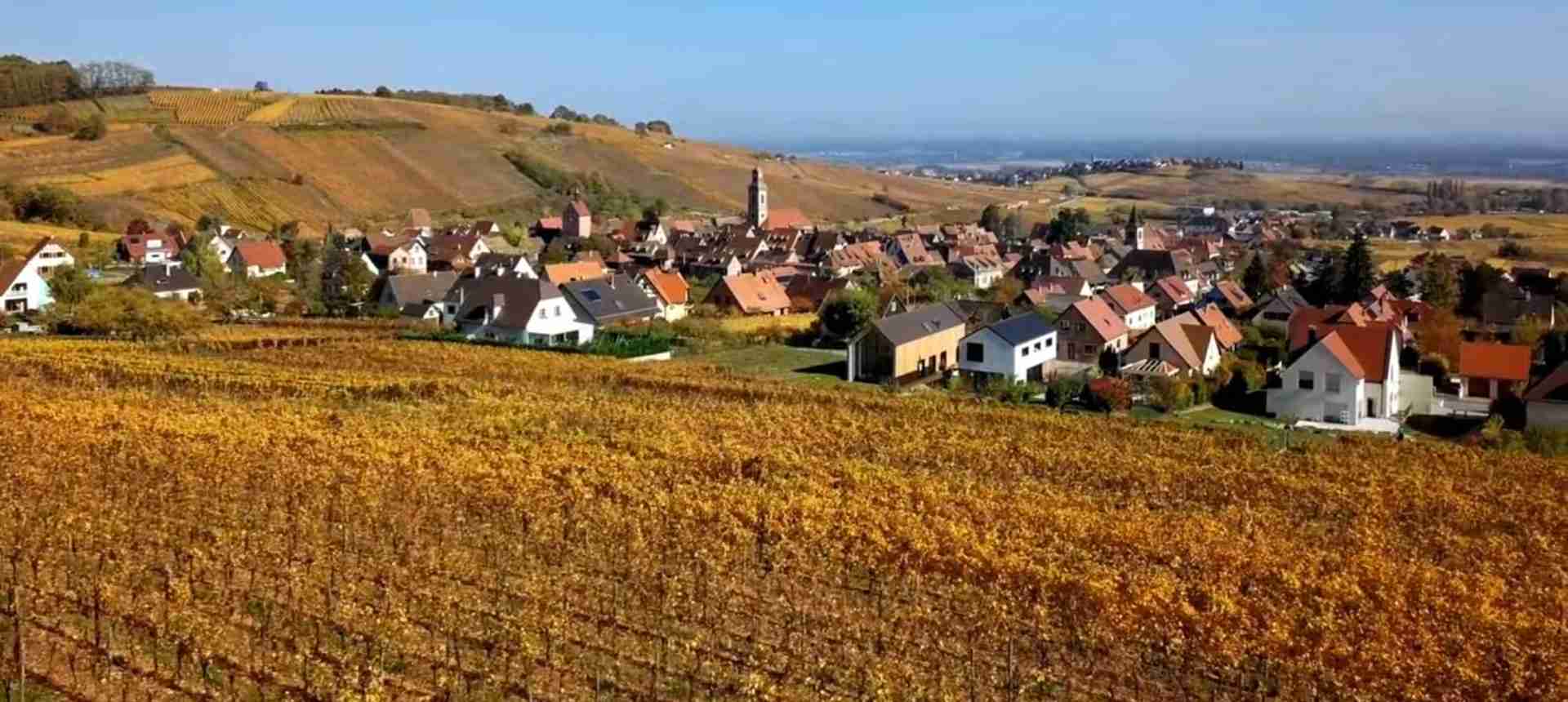
Loire Valley Wine Route 2026: Vouvray to Chinon
This comprehensive planning guide provides 2026-specific information on costs, transportation, accommodation, tasting room protocols, and itinerary strategies for exploring the Vouvray to Chinon wine route. Whether you’re budget-conscious wine enthusiasts seeking authentic experiences or luxury travelers desiring premium accommodations and private tastings, understanding the planning fundamentals ensures your Loire Valley wine journey delivers memorable experiences matching your interests and resources.
Key Takeaways
- The 60-kilometer Vouvray to Chinon wine route explores five distinct appellations spanning sparkling Vouvray, elegant Montlouis-sur-Loire, complex Bourgueil, structured Saint-Nicolas-de-Bourgueil, and historic Chinon wines
- Tasting room visits cost €8-15 per person for standard tastings in 2026, with premium experiences and cave tours ranging €20-45, requiring advance booking during peak season
- Transportation options include self-drive rental cars (€45-75 daily), guided wine tours (€85-145 per person), and bicycle routes for experienced cyclists covering 15-25 kilometers daily
- Budget travelers complete the route for €120-160 daily per person including accommodation, tastings, meals, and transportation, while mid-range visitors spend €200-280 daily
- Spring (April-May) and autumn (September-October) offer optimal visiting conditions with harvest activities, fewer crowds, and comfortable temperatures for touring vineyards and cellars
- Troglodyte cave accommodations unique to the Loire Valley range €80-140 per night, providing authentic wine country experiences within walking distance of major appellations
Introduction: Planning Your 2026 Loire Valley Wine Journey
The Loire Valley wine route from Vouvray to Chinon traverses 60 kilometers of France’s most diverse wine terroir, where limestone cliffs shelter ancient troglodyte cellars producing wines ranging from bone-dry sparkling to luscious sweet, powerful reds to delicate rosés. This compact wine region allows visitors to experience five distinct appellations within a single day’s journey, though most wine enthusiasts spread the experience across three to four days to properly appreciate the region’s depth and character. The 2026 season brings renewed focus to Loire Valley wines as international recognition grows for the region’s organic viticulture, distinctive terroir expression, and exceptional value compared to more famous French wine regions.
Planning your 2026 wine route requires understanding the geographic layout, transportation logistics, and booking strategies that ensure access to the best cellars and experiences. The route follows the Loire River and its tributary the Vienne, with vineyards climbing the valley slopes where limestone soils and temperate maritime climate create ideal conditions for Chenin Blanc, Cabernet Franc, and other Loire varieties. Small family domains dominate production, offering intimate tasting experiences where winemakers personally guide visitors through their cellars and explain their viticultural philosophy.
People Also Ask About Loire Valley Wine Route 2026
How much does wine tasting cost in Loire Valley in 2026?
Standard tasting room visits cost €8-15 per person at most Loire Valley domains in 2026, typically including tastings of 4-6 wines with basic explanations of production methods and terroir characteristics. Check individual domain websites for current pricing as fees vary based on estate prestige and tasting format. Premium experiences including cave tours, barrel tastings, and food pairings range €20-45 per person, while private tastings with winemakers at prestigious domains reach €50-80 per person. Many smaller family domains offer complimentary tastings for visitors who purchase wine, though this practice decreases as Loire Valley wine tourism professionalizes.
Organized wine tour companies charge €85-145 per person for full-day experiences visiting 3-4 domains with transportation, guide service, and sometimes lunch included. These tours eliminate driving concerns and provide expert context, making them valuable for first-time Loire Valley visitors. Multi-day wine tour packages including accommodation, meals, and comprehensive tasting programs cost €600-1,200 per person for three-day experiences, offering turnkey solutions for visitors seeking guided expertise throughout their wine route exploration.
What is the best time to visit Loire Valley wine route in 2026?
April through May and September through October provide optimal conditions for Loire Valley wine route exploration in 2026. Spring offers blooming vineyards, comfortable temperatures averaging 15-20°C, and uncrowded tasting rooms as tourism season begins. May brings vibrant green landscapes and longer daylight hours ideal for combining wine visits with château tours and outdoor activities. September and October deliver harvest season excitement with grape picking visible in vineyards, new vintage tastings at progressive domains, and autumn colors enhancing the valley’s natural beauty.
Summer months (June-August) bring peak tourism with crowded tasting rooms and accommodation prices 20-30% higher than shoulder seasons. July and August temperatures reach 25-30°C, making cave visits particularly appealing for their natural cooling but creating less comfortable conditions for vineyard walks and outdoor cycling. November through March sees reduced tasting room hours with many smaller domains closing or operating by appointment only, though winter visits offer intimate experiences and deeply discounted accommodation rates for travelers willing to accept limited services and bare vineyard landscapes.
Do you need advance reservations for Loire Valley wine tastings in 2026?
Advance reservations become essential for premium domains, specialized experiences, and visits during peak season (May-June, September-October) in 2026. High-profile estates like Domaine Huet in Vouvray, Clos Rougeard in Saumur-Champigny, and Bernard Baudry in Chinon require bookings 2-4 weeks ahead during peak periods. Many domains now use online reservation systems allowing visitors to secure specific time slots ensuring personalized attention from winemakers or knowledgeable staff. Reservations guarantee access during preferred times and often unlock premium experiences not available to walk-in visitors.
Smaller family domains operating traditional tasting rooms accommodate walk-in visitors throughout the day, particularly during weekday periods outside peak tourism. However, calling ahead even for casual domains proves advisable, confirming opening hours and ensuring staff availability to provide quality tasting experiences. Weekend visits, especially Saturdays when Parisian wine enthusiasts flood the Loire Valley, benefit from advance planning regardless of domain size or prestige. The trend toward appointment-only visiting accelerates annually as domains recognize that scheduled visits improve both visitor experience and operational efficiency.
Can you bicycle the Loire Valley wine route in 2026?
Cycling represents an excellent transportation option for the Loire Valley wine route, with dedicated bike paths following the Loire River and quiet country roads connecting vineyard areas. The relatively flat terrain along the river allows cyclists of moderate fitness to cover 25-40 kilometers daily while visiting 3-5 domains. Electric bicycle rentals (€35-50 daily) make the route accessible to less experienced cyclists while providing range and hill-climbing assistance for accessing vineyard areas above the valley floor. Several companies offer supported bicycle wine tours where vehicles transport luggage between accommodations while cyclists enjoy unencumbered riding.
The Loire à Vélo bicycle route provides well-marked infrastructure connecting Vouvray, Tours, and points west, though reaching specific wine domains requires departing marked paths onto secondary roads. Detailed cycling maps and GPS routes available from tourism offices and bicycle rental shops guide riders to recommended domains while avoiding busy highways. Cycling the wine route requires responsible alcohol consumption, with most cyclists limiting tastings to small samples and purchasing bottles for evening enjoyment rather than drinking quantities during daytime visits. Bicycle-friendly accommodations throughout the region provide secure storage and basic maintenance tools.
Extended multi-day tours – 5+ days
Featured Loire Valley Multi-Day Tour Packages
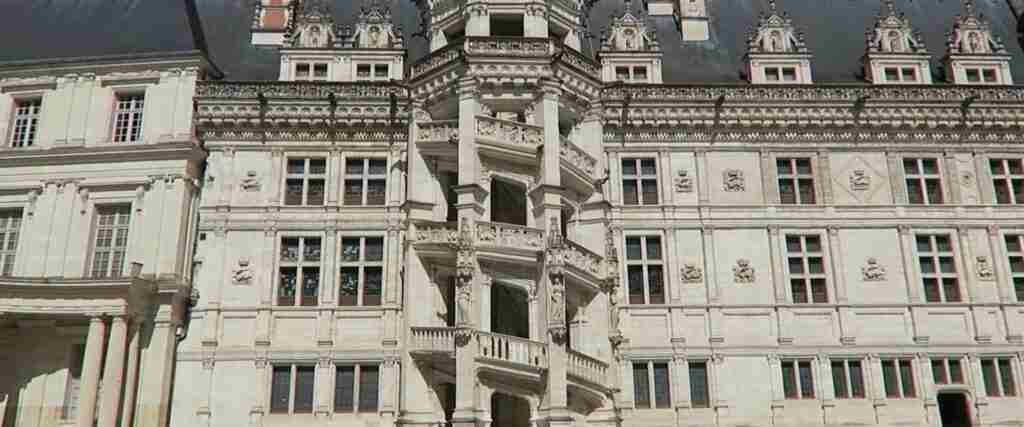
3 days
Loire Valley 3-Day Discovery Tour
- ✓ Comprehensive Loire Valley experience
- ✓ Expert local guides included
- ✓ All accommodation included
- ✓ Transportation provided
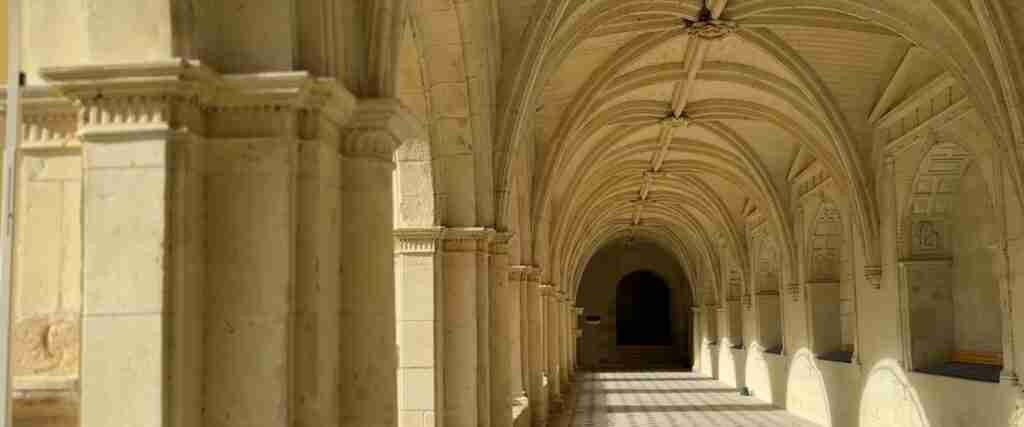
5 days
Loire Valley 5-Day Highlights Experience
- ✓ Comprehensive Loire Valley experience
- ✓ Expert local guides included
- ✓ All accommodation included
- ✓ Transportation provided
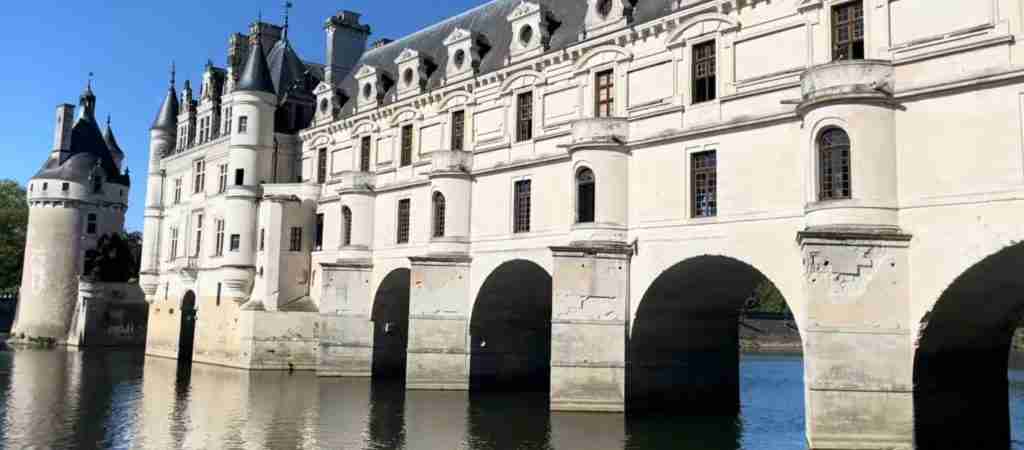
7 days
Loire Valley 7-Day Cultural Journey
- ✓ Comprehensive Loire Valley experience
- ✓ Expert local guides included
- ✓ All accommodation included
- ✓ Transportation provided
10 days
Loire Valley 10-Day Complete Adventure
- ✓ Comprehensive Loire Valley experience
- ✓ Expert local guides included
- ✓ All accommodation included
- ✓ Transportation provided
Multi-day tour packages powered by TourRadar. Prices and availability subject to change.
Essential Planning Information 2026
Current Costs and Pricing Breakdown
Wine tasting experiences range €8-80 per person depending on format and domain prestige in 2026. Standard walk-in tastings at family domains cost €8-15 covering 4-6 wines with basic commentary. Mid-tier experiences including cave tours and extended tastings range €18-35 per person, while premium private tastings with winemakers or featuring rare vintages reach €50-80. Check domain websites for current official rates as pricing varies significantly based on estate reputation and tasting format.
Accommodation costs vary substantially by category and season. Budget options including camping (€15-25 per night), hostels (€30-45 per bed), and basic B&Bs (€60-85 for doubles) serve cost-conscious travelers. Mid-range accommodations including comfortable B&Bs, wine-themed guesthouses, and small hotels cost €90-150 per night for double occupancy. Luxury options featuring château accommodations, designer hotels, and premium wine estates range €200-400 per night with exceptional properties exceeding €500 during peak periods.
Restaurant meals range from €15-25 for casual bistro lunches to €35-55 for quality restaurant dinners, with Michelin-starred establishments commanding €80-150 per person for multi-course menus. Picnic provisions from local markets create budget-friendly lunch options at €10-15 per person including bread, cheese, charcuterie, and produce. Wine purchases vary dramatically based on appellation and producer, with excellent domain wines available €12-25 per bottle while prestigious producers and rare vintages reach €40-150 per bottle.
Transportation Options and Costs
Rental cars provide maximum flexibility for wine route exploration, with compact cars costing €45-65 daily and mid-size vehicles €60-75 daily from Tours or Nantes airports. Automatic transmission vehicles command €10-15 daily premium over manual transmission. Insurance adds €15-25 daily depending on coverage level, while fuel costs approximately €12-18 daily based on typical wine route driving distances. Rental agencies at Tours railway station offer convenient pickup locations for travelers arriving by train from Paris.
Designated driver services operate throughout the Loire Valley, charging €180-250 for full-day wine route tours with professional drivers navigating between domains while passengers enjoy tastings without alcohol consumption concerns. These services accommodate 2-8 passengers in luxury vehicles, with per-person costs decreasing for larger groups. Bicycle rentals cost €25-35 daily for standard touring bikes and €35-50 daily for electric-assist models, with multi-day rentals receiving 10-15% discounts. Organized wine tour companies provide all-inclusive transportation, charging €85-145 per person for full-day experiences.
Best Time to Visit Loire Valley Wine Route 2026
Seasonal Analysis for 2026
Spring (April-May) delivers ideal wine touring conditions with comfortable temperatures averaging 12-20°C, blooming vineyards creating photogenic landscapes, and uncrowded tasting rooms providing leisurely experiences. April sees budbreak in vineyards as vines emerge from winter dormancy, while May brings flowering period when tiny grape clusters form. Winemakers remain accessible during spring as the intense summer tourism and autumn harvest have not yet arrived. Accommodation prices run 15-20% below peak season rates, and popular domains accommodate walk-in visitors more readily than during summer months.
Summer (June-August) brings peak tourism with maximum daylight hours allowing extended daily touring but also crowded tasting rooms and higher accommodation costs. June offers pleasant temperatures around 20-25°C with long evenings perfect for outdoor dining at wine estate terraces. July and August see temperatures reaching 25-30°C with occasional 35°C+ heat waves making midday outdoor activities uncomfortable but cave visits particularly refreshing. Summer accommodation requires advance booking with prices 20-30% above shoulder season rates. Many domains implement appointment-only policies during summer to manage visitor flow.
Autumn (September-October) provides exceptional wine touring experiences as harvest season brings vineyards to life with picking crews, fermentation aromas from cellars, and new vintage barrel tastings at progressive domains. September temperatures remain comfortable at 18-24°C with generally stable weather, while October brings cooler conditions (12-18°C) and increased rainfall possibilities. The autumn landscape transitions through spectacular color changes enhancing photography and cycling experiences. Harvest timing varies by appellation and vintage conditions, typically beginning late August for sparkling wine grapes and extending through October for late-harvest sweet wines.
Winter (November-March) sees dramatically reduced wine tourism with many smaller domains closing or operating by appointment only. January and February temperatures average 3-8°C with occasional freezing periods and limited daylight hours. However, winter visits offer intimate experiences with winemakers who have more time for extended conversations and cellar explorations. Accommodation costs drop 30-40% below peak season with exceptional deals available at normally expensive properties. Winter pruning in vineyards provides insight into viticultural practices, while domains focus on blending decisions and barrel aging management. Visitors willing to accept reduced services and bare landscapes gain authentic experiences impossible during crowded summer months.
Weather Patterns and Crowd Predictions for 2026
Loire Valley weather in 2026 follows typical oceanic climate patterns with moderate temperatures, variable precipitation, and relatively mild extremes compared to continental French regions. Spring brings 8-12 rainy days per month with showers typically brief and interspersed with sunny periods. Summer sees 6-9 rainy days monthly with occasional thunderstorms but generally stable conditions. Autumn precipitation increases to 10-14 rainy days monthly, requiring flexible itineraries and waterproof gear. Winter delivers 12-15 rainy days monthly with temperatures rarely dropping below -5°C even during cold snaps.
Crowd levels peak during May-June and September-October when weather conditions optimize wine touring and European vacation schedules align with Loire Valley appeal. Weekends throughout peak season bring Parisian day-trippers swelling visitor numbers at popular domains near Tours and Chinon. August sees mixed patterns with many French on vacation but also international tourists filling the gap. Weekdays during April, early May, late October, and November offer the most tranquil visiting conditions with tasting rooms rarely crowded and winemakers available for extended conversations.
Accommodation Strategies for 2026
Budget Accommodation Options
Camping municipal sites throughout the Loire Valley cost €15-25 per night for tent pitches with basic facilities including showers, electrical hookups, and often swimming pools. Campgrounds in Vouvray, Tours, and Chinon provide convenient bases for wine route exploration, with many offering bicycle rentals and local tourism information. Campsites operate May through September with limited winter availability, requiring advance research for shoulder season visits.
Budget B&Bs operated by local families cost €60-85 per night for double rooms with private bathrooms and breakfast included. These accommodations often occupy traditional Loire Valley longhouses or converted farm buildings, providing authentic regional character at affordable prices. Hosts frequently offer local wine recommendations and route planning assistance, adding value beyond basic lodging. Popular budget B&Bs require advance booking during peak season, particularly for weekend stays.
Youth hostels in Tours and surrounding towns charge €30-45 per bed in shared dormitories, offering budget-conscious travelers clean, safe accommodation with communal kitchens reducing meal costs. Private rooms at hostels cost €70-95 per night, providing budget-friendly alternatives to hotels while maintaining affordable pricing. Hostel locations in city centers facilitate evening activities and restaurant access while requiring short drives or bicycle rides to vineyard areas.
Mid-Range and Luxury Wine Country Options
Troglodyte cave accommodations unique to the Loire Valley offer distinctive experiences at €80-140 per night. These rooms carved into limestone cliffs maintain constant cool temperatures, creating comfortable sleeping environments without air conditioning while providing authentic connection to regional history. Properties in Vouvray, Montlouis-sur-Loire, and along the Vienne River between Chinon and Bourgueil combine historic character with modern bathroom facilities and comfortable furnishings. Cave accommodations cluster near vineyard areas, allowing walking access to some domains.
Wine-themed chambres d’hôtes operated by winemaking families cost €100-160 per night, often including estate wine tastings and opportunities to learn about viticulture directly from producers. These accommodations provide the deepest immersion in wine culture, with hosts sharing insider knowledge about neighboring domains, current vintage conditions, and regional wine trends. Properties range from working wine estates to renovated wine merchants’ houses, all emphasizing wine tourism as central to the guest experience.
Boutique hotels in historic buildings throughout Chinon, Bourgueil, and Tours charge €120-200 per night, offering designer aesthetics, quality restaurants, and professional service while maintaining intimate scale. Properties in this category typically feature 8-15 rooms in renovated mansions or historic commercial buildings, balancing character with contemporary comfort. Central locations in wine villages allow evening walks to restaurants and wine bars after storing vehicles for the night.
Château accommodations provide luxury experiences at €200-400 per night with exceptional properties exceeding €500 during peak periods. These estates offer parkland settings, swimming pools, gourmet restaurants, and elegant period interiors creating memorable wine country experiences. Some châteaux maintain their own vineyards and wine production, allowing guests to experience estate-grown wines paired with refined cuisine. Château hotels require advance booking throughout peak season, with some properties demanding 2-3 night minimum stays during high summer and harvest periods.
Transportation Guide for 2026 Wine Route
Self-Drive Navigation and Costs
Driving the Vouvray to Chinon wine route covers approximately 60 kilometers along well-maintained highways and country roads. The D952 highway follows the Loire River south from Vouvray through Tours to the Vienne River, where the D751 continues west to Chinon. Secondary roads climbing vineyard slopes access individual domains, with most properties providing clear signage and GPS coordinates on their websites. Navigation apps including Google Maps and Waze function reliably throughout the region, though downloading offline maps proves prudent for areas with weak cellular signals.
Fuel costs for typical wine route itineraries total €12-18 daily based on current French fuel prices around €1.80-2.00 per liter and average consumption of 6-8 liters per 100 kilometers. Parking remains free at most wine domains and in smaller villages, while Tours and Chinon charge €1.50-2.50 per hour for street parking and €12-18 daily for parking garages. Self-drive touring requires designating a non-drinking driver or limiting tastings to small samples with meals consumed between visits to metabolize alcohol safely.
Rental car insurance deserves careful consideration for wine route touring. Basic third-party coverage included with rentals provides minimum legal protection, while comprehensive coverage with collision damage waiver costs €15-25 daily. Personal automobile insurance and credit card rental car coverage may extend to French rentals, potentially eliminating need for expensive rental company insurance. Verify coverage specifics before declining rental agency insurance to avoid unexpected liability.
Organized Tours and Guided Experiences
Full-day organized wine tours cost €85-145 per person including transportation in luxury minivans, visits to 3-4 carefully selected domains, expert guide commentary, and sometimes lunch. These tours operate from Tours, Amboise, and other central locations with hotel pickup service often included. Tour companies maintain relationships with quality domains, often accessing cellars and experiences unavailable to independent visitors. English-speaking guides provide cultural and historical context enriching the wine tasting experience beyond pure sensory evaluation.
Private wine tours serve groups of 2-8 people at €450-750 daily, offering customized itineraries based on specific wine interests and preferences. Private tours allow flexible timing, extended visits at favorite domains, and spontaneous itinerary adjustments impossible with fixed-schedule group tours. Sommelier-guided private tours at the upper price range provide expert wine evaluation training and insider access to prestigious domains requiring introductions. Private touring makes particular sense for groups of 4-6 people where per-person costs become competitive with group tour pricing.
Multi-day wine tour packages including accommodation, all meals, comprehensive tasting programs, and expert guides cost €600-1,200 per person for three-day experiences. These turnkey programs eliminate all planning logistics while providing structured progression through Loire Valley wine education. Packages typically include mix of well-known and undiscovered domains, château visits, market tours, and cooking demonstrations integrating wine with Loire Valley gastronomy. Premium packages feature luxury château accommodation, Michelin-starred dining, and private tastings with renowned winemakers.
Bicycle Touring Logistics
Bicycle rentals cost €25-35 daily for touring bikes and €35-50 daily for electric-assist models, with helmets, locks, and basic repair kits included. Multi-day rentals receive 10-15% discounts, while weekly rentals offer best value for extended wine route exploration. Rental shops in Tours, Amboise, Vouvray, and Chinon provide route maps, domain recommendations, and GPS devices preloaded with wine route itineraries. Electric bicycles democratize wine route cycling, providing hill-climbing assistance while maintaining the outdoor experience and flexible pacing bicycles offer.
Supported bicycle tours eliminate luggage transport concerns, with vehicle services moving bags between accommodations while cyclists enjoy unencumbered riding. These services cost €35-50 daily per person based on group size, requiring minimum 2-4 participants. Self-supported cyclists can arrange luggage transfer through specialized companies charging €15-25 per bag per transfer, allowing multi-day touring without panniers. Most accommodations provide secure bicycle storage and basic maintenance tools for self-supported touring.
Wine route cycling requires responsible alcohol consumption planning. Most cyclists limit daytime tastings to small samples for evaluation, purchasing bottles for evening enjoyment rather than consuming significant quantities during riding hours. Some domains offer “cyclist tastings” with particularly small pours acknowledging that visitors must safely navigate roads afterward. Evening accommodation provides opportunities for relaxed wine appreciation with meals, eliminating safety concerns about cycling under alcohol influence.
Wine Tourism Costs and Budget Planning 2026
Daily Budget Scenarios
Budget travelers complete Loire Valley wine route experiences for €120-160 daily per person including all costs. Camping or hostel accommodation (€20-40 per person), picnic lunches from markets (€10-15), casual restaurant dinners (€20-30), economy wine tastings (€15-25 for 2-3 domains), bicycle or shared car rental costs (€15-25 per person), and incidental expenses create comprehensive daily budget. This scenario requires camping comfort, market-based lunches, selective domain visits, and willingness to skip premium experiences while maintaining authentic wine route immersion.
Mid-range wine tourists spend €200-280 daily per person for comfortable experiences balancing quality and value. Comfortable B&B or hotel accommodation (€50-75 per person double occupancy), restaurant lunches (€18-28), quality restaurant dinners (€35-55), comprehensive tasting programs (€30-50 for 3-4 domains including premium experiences), rental car costs (€25-35 per person split among two travelers), and wine purchases for evening enjoyment create satisfying wine route experiences. This budget allows flexibility to add occasional château tours, premium tastings, or Michelin-starred meals without budget stress.
Luxury travelers invest €400-600 daily per person for premium Loire Valley wine experiences. Château or designer hotel accommodation (€100-200 per person), Michelin-starred or high-end bistro meals (€80-150 total daily), private wine tours or comprehensive tasting programs (€75-125), quality wine purchases (€50-100 daily), and all transportation costs create refined, comfortable wine route journeys. This budget unlocks access to prestigious domains, private winemaker meetings, exceptional accommodations, and gastronomic experiences matching Loire Valley’s finest wines.
Money-Saving Strategies for 2026
Shoulder season visits during April, May, October, and November reduce accommodation costs 15-25% compared to peak June-September rates while providing excellent weather and less crowded tasting rooms. Weekday touring eliminates weekend premiums at some accommodations while encountering fewer visitors at wine domains. Booking accommodation and premium tastings 6-8 weeks ahead secures early reservation discounts at many properties.
Picnic lunches from local markets create budget-friendly midday meals at €10-15 per person compared to €20-35 for restaurant lunches. Loire Valley markets operate morning hours in most towns, offering exceptional local products including goat cheeses, rillettes, artisan breads, fruits, and prepared salads. Many wine domains welcome picnicking in designated areas, allowing visitors to enjoy estate wines with quality provisions while avoiding restaurant costs and time.
Focusing visits on family domains rather than famous estates reduces tasting costs while often providing more personal, educational experiences. Small producers typically charge €8-12 for comprehensive tastings compared to €20-45 at prestigious domains, and family winemakers often spend more time explaining their philosophies and production methods. The wine quality differences between well-made family domain wines and famous estates prove smaller than the price differences, making this strategy both economical and educational.
Wine purchases directly from producers eliminate retail markups, with domain prices 20-40% below restaurant wine list prices and 30-50% below export market prices. Buying mixed cases of 12 bottles qualifies for 10-15% discounts at most domains, reducing per-bottle costs significantly. Shipping wine purchases home avoids carrying weight during travel, though international shipping costs and customs duties can eliminate pricing advantages for buyers outside EU. Travelers within EU enjoy duty-free transport of reasonable wine quantities for personal consumption.
Sample 2026 Wine Route Itineraries
Three-Day Comprehensive Wine Route
Day 1 – Vouvray and Montlouis-sur-Loire: Begin at Domaine Huet in Vouvray for comprehensive biodynamic Chenin Blanc education (€25-35 per person for premium cave tour and tasting). Continue to smaller family domain like Domaine de la Fontainerie for traditional sparkling and still Vouvray tastings (€10-15). Lunch picnic provisions from Vouvray market (€12-18 per person). Afternoon visits to Montlouis-sur-Loire domains including Domaine de la Taille aux Loups (€15-20) and François Chidaine (€18-25). Dinner in Montlouis-sur-Loire at local bistro (€30-45 per person). Accommodation in troglodyte cave guesthouse (€80-120 per night double occupancy). Tasting fees €68-95, lunch €12-18, dinner €30-45, accommodation €40-60 per person. Total day cost: €150-218 per person excluding wine purchases.
Day 2 – Bourgueil and Saint-Nicolas-de-Bourgueil: Morning visit to Yannick Amirault in Bourgueil for exemplary Cabernet Franc across different terroirs (€15-20). Continue to Domaine de la Chevalerie for traditional cave tour and tasting (€12-18). Lunch at Bourgueil wine bar with local charcuterie and cheese (€18-28 per person). Afternoon exploration of Saint-Nicolas-de-Bourgueil including Domaine Frédéric Mabileau (€12-15) and younger generation producers experimenting with minimal intervention winemaking (€10-15). Dinner at Tours restaurant showcasing Loire Valley cuisine (€35-50 per person). Accommodation in Tours boutique hotel (€110-160 per night double occupancy). Tasting fees €49-68, lunch €18-28, dinner €35-50, accommodation €55-80 per person. Total day cost: €157-226 per person excluding wine purchases.
Day 3 – Chinon: Morning visits to historic Chinon domains including Bernard Baudry (€20-30 for comprehensive tasting) and Philippe Alliet (€18-25). Market visit in Chinon town for picnic provisions and regional products (€15-22 per person). Afternoon château visit at Château de Chinon overlooking vineyards and Vienne River valley (€10 entry). Final domain visit at organic producer like Domaine de la Noblaie (€12-18). Departure late afternoon or evening. Tasting fees €50-73, lunch €15-22, château entry €10. Total day cost: €75-105 per person excluding accommodation and wine purchases.
Three-day total costs: Tastings €167-236, meals €65-95, accommodation €95-140 per person, plus transportation and wine purchases. Overall trip budget €450-650 per person plus transportation and wine purchases.
One-Day Express Wine Route
Focused Chinon Experience: Morning departure from Tours with rental car or organized tour (€25-35 per person for shared car costs, €95-125 for guided tour). First visit at Domaine Bernard Baudry for structured Chinon education (€20-30). Continue to smaller organic producer like Domaine Grosbois (€12-18). Lunch at Chinon bistro with local wine list (€25-38 per person). Afternoon visits to contrasting styles at Philippe Alliet (€18-25 for age-worthy traditional Chinon) and younger generation producer experimenting with carbonic maceration (€10-15). Return to Tours by evening. Tasting fees €60-88, lunch €25-38, transportation €25-35 per person. Total day cost: €110-161 per person excluding wine purchases.
Five-Day Comprehensive Loire Valley Wine Immersion
Day 1 – Vouvray Depth: Full day exploring Vouvray’s diversity from bone-dry to lusciously sweet Chenin Blanc. Visits to Domaine Huet (€25-35), Domaine du Clos Naudin (€15-20), and sparkling wine specialist (€12-18). Lunch in Vouvray village (€22-32). Afternoon tasting at innovative producer experimenting with skin-contact orange wine (€15-20). Dinner at Tours wine bar (€35-50). Cave accommodation (€40-60 per person). Tasting fees €67-93, meals €57-82, accommodation €40-60. Total: €164-235 per person.
Day 2 – Montlouis-sur-Loire and Azay-le-Rideau: Morning Montlouis tastings at François Chidaine (€18-25) and Domaine de la Taille aux Loups (€15-20). Market picnic lunch (€12-18). Afternoon château visit at Azay-le-Rideau (€12 entry). Evening domain visit at experimental winemaker (€12-15). Dinner at Azay-le-Rideau (€30-45). Accommodation in wine-themed B&B (€50-75 per person). Tasting fees €45-60, meals €42-63, château €12, accommodation €50-75. Total: €149-210 per person.
Day 3 – Bourgueil Terroir Exploration: Comprehensive Bourgueil day with visits to Yannick Amirault (€15-20), Domaine de la Chevalerie (€12-18), and rising star producer (€12-15). Wine-paired lunch at Bourgueil restaurant (€35-50). Afternoon visits to two contrasting terroir-specific producers (€10-15 each). Dinner in Tours (€35-50). Tours hotel (€55-80 per person). Tasting fees €59-83, meals €70-100, accommodation €55-80. Total: €184-263 per person.
Day 4 – Saint-Nicolas-de-Bourgueil and Chinon Introduction: Morning Saint-Nicolas-de-Bourgueil visits at Domaine Frédéric Mabileau (€12-15) and natural wine producer (€10-15). Drive to Chinon for market lunch (€15-22). Afternoon Chinon tastings at Domaine de la Noblaie (€12-18) and Bernard Baudry (€20-30). Dinner at Chinon wine bar (€30-42). Chinon accommodation (€50-75 per person). Tasting fees €54-78, meals €45-64, accommodation €50-75. Total: €149-217 per person.
Day 5 – Chinon Depth and Departure: Morning visits at Philippe Alliet (€18-25) and minimal intervention producer (€12-18). Château de Chinon visit (€10 entry). Final lunch in Chinon (€22-35). Departure afternoon. Tasting fees €30-43, lunch €22-35, château €10. Total: €62-88 per person.
Five-day total costs: Tastings €255-357, meals €236-344, accommodation €245-365, attractions €22, plus transportation and wine purchases. Overall trip budget €850-1,200 per person plus transportation and wine purchases.
Booking and Reservations for 2026 Season
Domain Reservation Strategies
Book prestigious domains 3-4 weeks ahead during peak season (May-June, September-October) to secure preferred dates and times. High-profile estates like Domaine Huet, Bernard Baudry, and François Chidaine fill reservation calendars quickly, particularly for weekend visits. Most domains now maintain online booking systems through their websites, allowing visitors to reserve specific time slots. Confirmation emails typically include detailed directions, parking information, and any preparation requests like bringing wine glasses for outdoor tastings.
Mid-tier family domains accept reservations 1-2 weeks ahead, providing flexibility while ensuring winemaker availability. Many smaller producers operate flexibly, accommodating walk-in visitors during weekdays but requiring reservations for weekends when local French wine enthusiasts visit. Calling domains directly rather than only emailing often yields better results, particularly with older-generation winemakers less comfortable with digital communication. Basic French phrases help, though many younger-generation winemakers speak functional English.
Create backup options when planning itineraries, identifying alternative domains in each appellation in case preferred choices prove unavailable. Loire Valley’s producer density means excellent alternatives exist for any domain, and discovering lesser-known estates often provides trip highlights. Flexibility about specific producers while maintaining appellation coverage ensures successful wine route experiences even when prestigious domains prove fully booked.
Accommodation Booking Timeline
Book luxury château hotels and premium B&Bs 8-12 weeks ahead for peak season visits, as properties with limited room counts fill early. Popular wine-themed accommodations in Vouvray, Bourgueil, and Chinon areas require similar advance booking to secure preferred dates. Shoulder season and mid-week visits offer more flexibility, often allowing bookings 3-4 weeks ahead for all property categories.
Booking platforms like Booking.com and Airbnb provide comprehensive accommodation options with user reviews guiding selection. However, many traditional B&Bs and small hotels maintain only basic web presence, requiring direct contact through telephone or email. French tourism office websites aggregate local accommodation options including properties not listed on international booking platforms, potentially uncovering excellent value options.
Consider accommodation location relative to planned wine visits when booking. Properties within walking distance of domain clusters allow evening wine enjoyment without driving concerns, while accommodations in larger towns like Tours provide restaurant and nightlife access. Troglodyte cave accommodations often occupy isolated settings requiring driving to evening dining, though many provide simple meal service or kitchenettes allowing self-catering with market provisions and purchased wines.
Planning Your 2026 Loire Valley Wine Route Experience
Pre-Trip Preparation
Research Loire Valley wine appellations and grape varieties before arrival to maximize tasting room experiences. Understanding that Vouvray and Montlouis-sur-Loire produce exclusively Chenin Blanc while Bourgueil, Saint-Nicolas-de-Bourgueil, and Chinon focus on Cabernet Franc allows intelligent questions and appreciation of stylistic differences between producers. Reading recent vintage reports provides context for what winemakers discuss during cellar visits, while learning basic French wine terminology facilitates communication even with limited language skills.
Book key domain visits, premium accommodations, and any organized tours 6-8 weeks before travel during peak season. Secure rental car reservations simultaneously, as popular vehicle categories and automatic transmissions become scarce during high tourism periods. Download offline maps and wine route GPS coordinates before arrival, ensuring navigation capability in areas with weak cellular signals. Pack appropriate clothing for cave visits (light jacket even in summer as caves maintain 12-14°C temperature), comfortable walking shoes for vineyard visits, and rain gear for unpredictable Loire Valley weather.
Plan wine shipping logistics for purchases exceeding carry-on limits. Some domains offer shipping services, while specialized wine shipping companies collect purchases from multiple domains for consolidated shipment. Research home country customs allowances and duties to understand total costs of importing purchased wines. EU residents enjoy duty-free transport of reasonable quantities for personal consumption, while non-EU buyers face customs duties and shipping costs potentially equaling wine purchase prices.
During-Visit Optimization Strategies
Begin each day’s wine touring later in morning (10-10:30 AM) rather than racing to first appointments, allowing relaxed breakfast and avoiding alcohol consumption on empty stomach. Space domain visits 90-120 minutes apart, preventing palate fatigue and allowing time to absorb information from each tasting. Limit daily visits to 3-4 domains maximum, prioritizing quality over quantity and leaving time for spontaneous discoveries or extended conversations with engaging winemakers.
Drink water between tastings to maintain palate freshness and prevent dehydration from combined effects of alcohol and talking extensively. Use spittoons provided at most domains when tasting numerous wines, allowing sensory evaluation without consuming excessive alcohol. Many domains offer bread or crackers as palate cleansers, though avoiding strong flavors between wines preserves ability to appreciate subtle differences.
Take notes during tastings to remember wines, producers, and insights gained from winemaker conversations. Smartphone photos of wine labels, vineyard views, and domain architecture help reconstruct experiences when reviewing notes later. However, balance documentation with present-moment experience, avoiding excessive photography that prevents genuine engagement with wines, places, and people encountered during wine route exploration.
2026 Updates and Current Information
Recent Developments in Loire Valley Wine Tourism
The 2026 season sees continued growth in organic and biodynamic viticulture throughout Loire Valley, with approximately 30% of vineyards now farming organically or in conversion. This trend creates opportunities for visitors interested in sustainable wine production to find numerous domains sharing their ecological viticultural philosophies. Many producers now highlight their organic certifications and biodynamic practices during tastings, reflecting market demand for transparency about production methods.
Natural wine movement maintains strong presence in Loire Valley, particularly among younger-generation winemakers in Vouvray, Montlouis, and Chinon. These producers use minimal intervention techniques including native yeast fermentations, little or no sulfur additions, and gentle handling throughout winemaking. The resulting wines often display unconventional characteristics compared to traditional Loire styles, creating polarizing responses among wine enthusiasts. Tasting natural wines requires open-minded approach and willingness to appreciate different aesthetic than mainstream production.
Climate change effects become increasingly visible in Loire Valley viticulture, with harvest dates advancing 10-15 days compared to historical norms and alcohol levels creeping upward. Winemakers adapt through earlier harvesting, experimenting with cooler-climate varieties, and adjusting cellar techniques to maintain the freshness and elegance characterizing Loire wines. These conversations about climate adaptation add contemporary relevance to domain visits, connecting historical traditions with present challenges.
Digital wine tourism tools expand in 2026 with more domains offering online reservation systems, virtual tasting options, and enhanced web content including vineyard videos and winemaker interviews. Some properties experiment with augmented reality applications providing additional information during physical visits, though traditional personal interactions remain the foundation of Loire Valley wine tourism. The digital enhancements complement rather than replace face-to-face encounters between visitors and winemakers.
Frequently Asked Questions About 2026 Wine Route
Can you visit Loire Valley wine route without a car?
Visiting the Loire Valley wine route without a car proves challenging but possible through combination of public transportation, bicycle rentals, and organized tours. Trains connect Tours to smaller towns including Amboise and Chinon, while local buses serve some wine villages during limited schedules. Bicycle rentals in Tours, Amboise, Vouvray, and Chinon provide car-free transportation covering reasonable daily distances on relatively flat terrain. Organized wine tours eliminate transportation concerns entirely while providing expert guidance. The most practical car-free approach combines Tours as base with bicycle day trips to Vouvray and Montlouis, train excursion to Chinon with local cycling, and organized tour to Bourgueil/Saint-Nicolas-de-Bourgueil areas less accessible by public transport.
How much wine can you legally transport from France?
EU residents traveling within EU countries face no legal limits on wine transport for personal consumption, though customs officials may question obviously commercial quantities. Practical limits involve airline baggage allowances (typically 23kg per checked bag) and physical ability to carry bottles. Non-EU visitors face home country customs allowances varying significantly by nation. United States allows one liter duty-free per adult with additional quantities subject to customs duties and excise taxes. Canada permits varying allowances by province, typically 1-2 liters duty-free depending on absence duration. Australian visitors enjoy generous 2.25 liters per adult duty-free allowance. Research specific home country regulations before purchasing significant wine quantities, as duties and shipping costs can substantially increase total expense.
Do Loire Valley winemakers speak English?
English proficiency among Loire Valley winemakers varies considerably by generation and tourism exposure. Younger winemakers (under 45) increasingly speak functional English, particularly at domains receiving significant international visitors. Prestigious estates serving global markets typically ensure English-speaking staff available during tasting room hours. Smaller family domains, especially those run by older generation winemakers, may offer limited English requiring basic French wine vocabulary or translation apps. Many domains provide tasting notes and information sheets in English even when oral communication requires French. Organized tours with English-speaking guides solve language barriers while providing cultural and historical context enriching the wine tasting experience.
What is the best base town for Loire Valley wine route?
Tours serves as most practical base for Loire Valley wine route exploration, offering extensive accommodation options, excellent restaurants, convenient rental car access, and central location between Vouvray and Chinon. The city’s size provides urban amenities while maintaining manageable scale, with the historic center walkable and parking reasonably accessible. Tours positions visitors within 20-30 minutes drive of Vouvray, Montlouis, and Bourgueil areas, with Chinon requiring 45-60 minutes. Alternative bases include Amboise for château access combined with wine touring, Chinon for western route focus, or smaller wine villages like Bourgueil for complete immersion in wine country at expense of urban conveniences.
Are children welcome at Loire Valley wine domains?
Children receive welcome at family-operated domains where multi-generational families appreciate visitors bringing their children. French wine culture treats wine as normal part of meals and family life rather than adults-only indulgence, creating generally child-friendly atmosphere at most properties. However, extended tasting room visits may bore children, suggesting family wine touring benefits from shorter domain visits, picnic breaks, and interspersing wine-focused activities with château visits, playground stops, and outdoor exploration. Some domains maintain farm animals, gardens, or play areas specifically acknowledging that wine tourism families include children. Organized wine tours typically specify minimum age requirements, often restricting participation to adults for practical and liability reasons.
How is Loire Valley wine route different from Bordeaux or Burgundy?
Loire Valley wine route offers more intimate, accessible experiences compared to Bordeaux and Burgundy’s more formal, prestigious wine tourism. Loire domains tend toward family-scale operations where owners personally conduct tastings, contrasting with Bordeaux châteaux employing professional tasting room staff and Burgundy’s tiny domaines with limited visitor accommodation. Loire wine prices remain modest compared to Bordeaux and Burgundy, with excellent wines available €15-30 per bottle versus €30-100 for comparable quality from more famous regions. The Loire Valley landscape combines wine culture with châteaux, gardens, and river valley beauty creating diverse tourism appeal beyond pure wine focus. The region’s relative accessibility from Paris, lower costs, and authentic local character attract visitors seeking wine country experiences without the pretension or expense of more celebrated wine regions.
Can you ship wine purchases back from Loire Valley?
Wine shipping from Loire Valley to international destinations operates through specialized shipping companies collecting purchases from multiple domains for consolidated shipment. Costs vary by destination, volume, and shipping method, typically ranging €30-60 per case for European destinations and €80-150 per case for intercontinental shipping. Some domains maintain relationships with shipping companies facilitating convenient arrangements, while others require visitors to organize independent shipping. Domestic French shipping to hotels or vacation rentals within France costs €15-25 per case, useful for travelers continuing to other French destinations before departing. International shipping faces customs duties and import regulations varying by destination country, potentially adding 30-100% to wine costs depending on specific taxes. Calculate total delivered costs including shipping and duties before committing to large purchases, as the final expense may exceed buying the same wines through importers in home markets.
What food specialties pair with Loire Valley wines?
Loire Valley cuisine emphasizes river fish, local goat cheeses, pork rillettes, and vegetables from the “Garden of France.” Sandre (pike-perch) and brochet (pike) from the Loire River pair beautifully with Vouvray and Montlouis Chenin Blanc, while delicate chicken dishes complement these wines’ elegance. Crottin de Chavignol and Sainte-Maure-de-Touraine goat cheeses match Sancerre, Pouilly-Fumé, and other Loire Sauvignon Blancs, though the combination works well with Chenin Blanc too. Chinon red wines partner excellently with local charcuterie, rillons (pork belly confit), and game birds, while lighter Bourgueil suits mushroom dishes and river fish in red wine sauce. Tarte Tatin, supposedly invented in the Loire Valley, provides traditional dessert pairing with demi-sec or moelleux Vouvray. Exploring local restaurants showcasing regional cuisine enhances wine route experiences by demonstrating how Loire wines evolved to complement local food traditions.
Are there wine festivals in Loire Valley during 2026?
Loire Valley hosts numerous wine festivals throughout the year, with major events including Printemps des Vins de Bourgueil (late April), Salon des Vins de Loire in Angers (early February for trade, some consumer access), and various harvest festivals in September and October. Vouvray celebrates its wines with Foire aux Vins in August, while Chinon hosts multiple wine events throughout summer months. Local village festivals often include wine components with domain open houses, street tastings, and winemaker-prepared meals. These festivals provide opportunities to taste wines from multiple producers efficiently while experiencing local culture and meeting winemakers in festive rather than formal tasting room contexts. However, festivals also bring crowds and potentially rushed tastings, suggesting the trade-off between efficiency and quality of individual encounters. Check local tourism office websites for current festival schedules as dates vary annually and some events operate biennially.
What is the minimum time needed for Loire Valley wine route?
A meaningful Loire Valley wine route experience requires minimum two full days, allowing visits to 6-8 domains across three appellations with accommodation in wine country. Three to four days provides comfortable pacing for visiting 9-12 domains, exploring all five appellations from Vouvray to Chinon, including château visits and market experiences, and developing understanding of Loire Valley wine diversity. Five to seven days allows deep exploration of individual appellations, discovery of lesser-known producers, participation in special experiences like cooking classes or extended barrel tastings, and relaxed enjoyment without rushed daily schedules. One-day wine route trips from Paris prove logistically possible but require intense pacing sacrificing depth for breadth, making them least satisfying approach to Loire Valley wine tourism. The region rewards unhurried exploration with wine discoveries, winemaker relationships, and cultural immersion impossible during brief visits.