
Ljubljana Travel Tips 2026: Essential Planning & Practical Advice
Ljubljana, Slovenia’s charming capital, rewards well-prepared travelers with seamless exploration through its car-free center, efficient public transport, and walkable neighborhoods. This guide provides essential 2026 planning strategies, from navigating the Ljubljana Card system to understanding seasonal timing, local customs, and money-saving approaches that maximize your experience in this green European capital where Baroque architecture meets modern sustainability initiatives.
Key Takeaways: Ljubljana Travel Planning 2026
- Ljubljana Card Value: The 48-hour card at €39 covers unlimited bus transport, major museums, Ljubljana Castle funicular, boat tours, and bike rentals, paying for itself after visiting just three attractions plus using public transport twice daily.
- Car-Free Exploration: The entire historic center is pedestrianized, making Ljubljana one of Europe’s most walkable capitals where you can reach every major sight on foot within 20-30 minutes from Prešeren Square.
- Optimal Timing 2026: Visit April-May or September-October for mild weather ranging from 15-22°C, lower accommodation prices than summer peaks, and fewer crowds while all attractions maintain full operating hours.
- Airport Transfer Strategy: Pre-booked private transfers cost €40-42 fixed price to city center, eliminating metered taxi uncertainty where fares range €30-45 depending on traffic and route selection.
- Public Transport Efficiency: Single bus rides cost €1.30 with credit card or €1.50 with the Urbana card, which allows unlimited transfers within 90 minutes and also works for bike rentals and the castle funicular.
- English Language Advantage: Ljubljana boasts Slovenia’s highest English proficiency with 50,000 university students creating a multilingual environment where signage, menus, and tourist services operate seamlessly in English alongside Slovenian.
People Also Ask About Ljubljana Travel 2026
Do I Need to Speak Slovenian to Visit Ljubljana in 2026?
English fluency in Ljubljana reaches among the highest levels in continental Europe, with nearly universal comprehension in tourist areas, restaurants, hotels, and among residents under 50. Slovenia’s education system mandates English instruction from elementary school, and Ljubljana’s large student population of 50,000 reinforces everyday English usage. Tourist Information Centers, museums, attraction signage, restaurant menus, and public transport apps all operate in English. Bus drivers understand basic English directions, and contactless payment systems eliminate language barriers for transactions. While learning basic Slovenian phrases like “hvala” (thank you) and “dober dan” (good day) earns friendly appreciation, linguistic preparation is unnecessary for a successful Ljubljana visit. The city’s international orientation, reinforced by its role as Slovenia’s capital and main university hub, ensures English speakers navigate independently without translation apps or phrasebooks.
Is Ljubljana Safe for Solo Travelers in 2026?
Ljubljana consistently ranks among Europe’s safest capital cities, with extremely low violent crime rates and minimal petty theft compared to major Western European destinations. Solo travelers walk freely through the historic center, Tivoli Park, and riverside promenades at night without safety concerns. The pedestrianized old town eliminates vehicle traffic hazards, well-lit streets extend throughout central districts, and visible police presence around Prešeren Square and the Dragon Bridge maintains security without feeling intrusive. Women traveling alone report comfortable experiences in cafés, restaurants, and public transport without harassment. The main precautions involve standard urban awareness: monitoring belongings in crowded market areas, avoiding unlicensed taxis at the train station, and keeping valuables secure in busy tourist zones during summer peak season. Emergency services respond quickly, most locals speak English and assist lost travelers, and the compact city layout prevents disorientation. The biggest risk involves bicycle theft if using the public bike system, solved by utilizing the built-in locks properly and choosing well-trafficked parking stations.
Can I Use Credit Cards Everywhere in Ljubljana 2026?
Contactless credit and debit card payment dominates Ljubljana in 2026, with near-universal acceptance at restaurants, shops, museums, public transport, and even small cafés. Visa and Mastercard work everywhere; American Express sees limited acceptance outside major hotels and international establishments. The city bus system accepts contactless payment directly at validators, eliminating the need for the Urbana card for casual visitors. Market stalls at the Central Market increasingly accept card payments, though some smaller vendors prefer cash for purchases under €5. ATMs throughout the center dispense euros without difficulty, and exchange offices near Prešeren Square offer competitive rates for non-euro currency. Tipping culture remains modest, with card payment terminals at restaurants allowing tip addition before processing. The main exceptions requiring cash include some traditional restaurants in residential neighborhoods beyond the tourist center, occasional taxi drivers despite official policies mandating card acceptance, and certain festival or market vendors. Carrying €50-100 in cash covers contingencies without necessity for large amounts.
How Much Time Should I Spend in Ljubljana 2026?
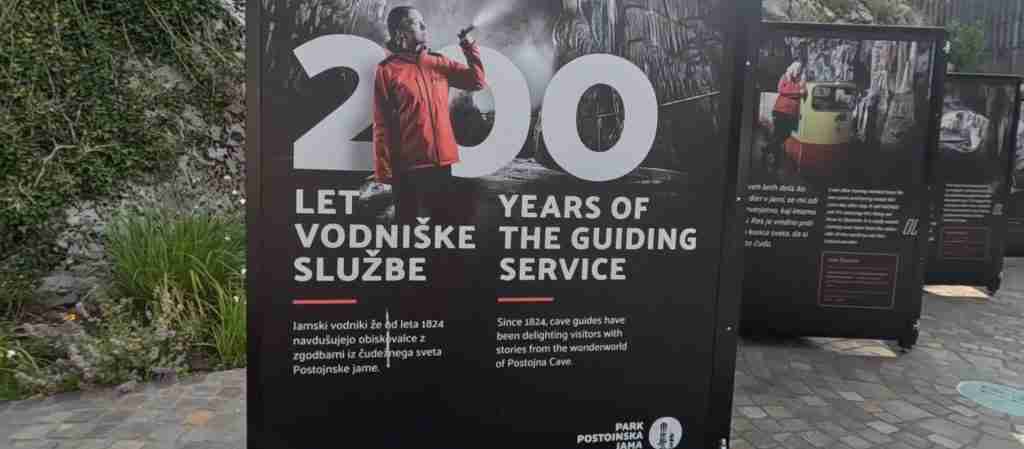
Ljubljana rewards two to three full days for comprehensive exploration without rushed pacing. Day one covers the historic center, Dragon Bridge, Triple Bridge, Prešeren Square, riverside cafés, Central Market, and Ljubljana Castle including the funicular ride and castle exhibitions. Day two explores Tivoli Park, the National Museum, Jože Plečnik architectural sites including his house museum, the alternative Metelkova art district, and deeper neighborhood wandering through Krakovo and the university quarter. Day three allows either relaxed cafe-hopping and shopping along the Ljubljanica River, or day trip excursions to Lake Bled (90 minutes), Postojna Cave (1 hour), or the Karst wine region (1.5 hours). Weekend visitors successfully experience Ljubljana’s highlights in 48 intense hours by prioritizing the Ljubljana Card 48-hour option and maintaining efficient morning starts. Extended four to five day visits permit thorough museum exploration, multiple day trips, deeper culinary experiences, and unhurried enjoyment of Ljubljana’s defining characteristic: the art of sitting at riverside cafés watching city life unfold. The compact city prevents boredom even during longer stays, as new neighborhoods, markets, galleries, and parks reveal themselves beyond initial tourist circuits.
Extended multi-day tours – 5+ days
Featured Ljubljana Multi-Day Tour Packages

3 days
Ljubljana 3-Day Discovery Tour
- ✓ Comprehensive Ljubljana experience
- ✓ Expert local guides included
- ✓ All accommodation included
- ✓ Transportation provided

5 days
Ljubljana 5-Day Highlights Experience
- ✓ Comprehensive Ljubljana experience
- ✓ Expert local guides included
- ✓ All accommodation included
- ✓ Transportation provided
7 days
Ljubljana 7-Day Cultural Journey
- ✓ Comprehensive Ljubljana experience
- ✓ Expert local guides included
- ✓ All accommodation included
- ✓ Transportation provided

10 days
Ljubljana 10-Day Complete Adventure
- ✓ Comprehensive Ljubljana experience
- ✓ Expert local guides included
- ✓ All accommodation included
- ✓ Transportation provided
Multi-day tour packages powered by TourRadar. Prices and availability subject to change.
Understanding Ljubljana’s Geography and Layout in 2026
Ljubljana’s remarkably compact center concentrates virtually all visitor attractions within a 2-kilometer radius of Prešeren Square, the city’s geographic and social heart where the pink Franciscan Church anchors the space between the Triple Bridge and modern commercial districts. The Ljubljanica River divides the city into distinct character zones: the historic Baroque old town climbing toward Ljubljana Castle on the eastern bank, and the 19th-century Hapsburg-era streets leading to Tivoli Park on the western side. This natural division creates intuitive navigation where the castle serves as a constant visual landmark visible from most central locations.
The pedestrianized zone encompasses the entire old town from Congress Square south to the covered market, and west from the Dragon Bridge to the Cobblers’ Bridge. Within this car-free area, cobblestone streets designed for medieval foot traffic preserve intimate scale where buildings rarely exceed four stories and sight lines remain human-scaled rather than overwhelming. Jože Plečnik’s distinctive architectural interventions throughout the 1920s-1950s unified disparate Baroque, Art Nouveau, and modernist elements into the cohesive aesthetic that defines Ljubljana today. His Triple Bridge expansion, market colonnade, riverside embankments, and bridge designs created the iconic riverfront promenade where tourism and local life coexist naturally.
Beyond the immediate center, distinct neighborhoods offer specific appeals. The university quarter north of Congress Square pulses with student energy, affordable eateries, and alternative culture spaces. Krakovo, a former fishermen’s settlement south of the old town, retains village character with single-story cottages, gardens, and the traditional Plečnik-designed embankments. Tivoli Park extends west for 5 square kilometers, providing forests, promenades, mansions housing museums, and recreational spaces that earned Ljubljana its European Green Capital designation. The socialist-era Fužine district southeast of center, though architecturally undistinguished, hosts the Museum of Architecture and Design in a converted castle. Metelkova, a former military barracks north of the train station transformed into an autonomous art squat and alternative culture center, represents Ljubljana’s creative countercurrent to its polished central image.
Distance realities make exploration manageable: walking from the train station to Prešeren Square takes 10 minutes; Prešeren Square to Ljubljana Castle base requires 8 minutes; the castle to Metelkova spans 15 minutes; Tivoli Park’s main entrance sits 12 minutes west of Prešeren Square. The entire walkable core covers perhaps 40 minutes end to end at moderate pace, with the Ljubljana Card’s included bus system providing assistance for longer transits to the zoo, Plečnik House, or peripheral museums. First-time visitors consistently underestimate how thoroughly they can explore Ljubljana on foot, often purchasing transport cards they never use because walking proves faster and more pleasant than waiting for buses serving short distances.
Navigating the Ljubljana Card System 2026
The Ljubljana Card represents Ljubljana’s primary tourist value proposition, bundling unlimited public transport with free entry to major attractions and tour inclusions that rapidly offset the card cost for active visitors. Three duration options serve different itinerary lengths: 24 hours costs €31, 48 hours runs €39, and 72 hours reaches €45. Children’s cards (ages 6-14) cost €18, €23, and €27 respectively, while children under 6 enjoy free museum entry and public transport without requiring cards. The pricing structure makes the 48-hour option the strongest value, adding just €8 over the 24-hour card while doubling usable time.
The card activates automatically upon first use at any museum validator, bus card reader, or attraction entrance, beginning the countdown from that moment rather than from purchase time. This activation flexibility allows advance purchase without pressure, letting you activate the card when optimal for your schedule. Purchase locations include the Tourist Information Center at Adamič-Lundrovo nabrežje 2 (open daily 8 AM-6 PM, Sundays 8 AM-5 PM), Ljubljana Airport arrivals hall, major hotels including DoubleTree by Hilton and Hotel One66, and the lower funicular station at Ljubljana Castle. Online purchase through Visit Ljubljana’s official website delivers a QR code immediately, usable directly from your phone without collecting a physical card.
Card inclusions demonstrate genuine value rather than token gestures. Free access covers Ljubljana Castle (normally €13) including the funicular (€4 return when purchased separately), the City Museum (€6), National Gallery (€10), Museum of Modern Art (€9), Slovenian Ethnographic Museum (€7), and over 20 additional museums and galleries. The included guided walking tour (normally €10) departs daily from the Tourist Information Center and provides 2-hour historical overviews with knowledgeable English-speaking guides. A Ljubljanica River boat tour (€10 value) offers 45-minute narrated cruises past riverside architecture and under historic bridges. During April-October high season, 4-hour bicycle rental from the BicikeLJ public bike system is included. The urban sightseeing train (€8 value) circles major sights in 45 minutes with recorded multilingual commentary.
The unlimited public transport component covers all LPP bus routes within Zone 1, which encompasses the entire central Ljubljana area extending to suburbs including Medvode, Škofljica, and Dobrova. For visitors whose accommodation lies in central districts, this transport benefit sees limited use since walking proves faster than waiting for buses serving short distances. The transport value increases for stays in peripheral hotels, visits to Ljubljana Zoo, trips to the Plečnik House museum, or travel to the airport on line 28 (though note that as of 2026, airport service is no longer included in the Ljubljana Card and requires separate tickets). The card functions as a tap-and-go validator on bus readers, eliminating ticket purchase steps and transfer complexity.
Value calculations depend on planned activities but break even rapidly. A typical intensive day including Ljubljana Castle with funicular (€17), City Museum (€6), walking tour (€10), and four bus rides (€6) totals €39 in separate purchases, exactly matching the 48-hour card price while providing those benefits for two full days instead of one. Add a boat tour, National Gallery visit, or sightseeing train and the card delivers immediate savings. More importantly, the card eliminates constant ticket purchasing decisions, entry fee calculations, and transport payment friction that interrupt travel flow. The psychological value of pre-paid access encourages spontaneous museum visits and attraction exploration that separate ticket purchases might discourage.
The card works less effectively for minimalist itineraries focusing on atmospheric walks, café culture, and free activities. Travelers who plan only to visit Ljubljana Castle and perhaps one museum, who prefer walking over public transport, and who skip organized tours gain limited financial benefit from card purchase. For these visitors, purchasing attractions individually and using the pay-as-you-go Urbana card or contactless credit card payment for occasional bus rides proves more economical. The card particularly suits families with children where multiple admissions at child rates plus parent cards still deliver savings, and where the included transport and tours solve logistical challenges of keeping children engaged during multi-day stays.
Public Transportation Strategy Ljubljana 2026
Ljubljana’s public transport system operates through LPP (Ljubljanski potniški promet), running 85 bus routes connecting central districts with suburbs and surrounding towns. For visitors staying in central accommodation, the bus system serves primarily as backup rather than primary transport since the compact pedestrianized center makes walking faster and more pleasant for reaching historic attractions. The system’s real value emerges for reaching peripheral destinations: Ljubljana Zoo, the Botanical Garden, Jože Plečnik House, residential neighborhoods beyond Tivoli Park, and suburbs hosting accommodation outside premium central districts.
Payment options in 2026 include contactless credit card taps directly on bus validators (€1.30 per ride, no transfers allowed), the Urbana card system (€1.50 per ride with unlimited 90-minute transfers), or Ljubljana Card inclusion (unlimited rides during card validity). The contactless card option suits single-ride needs without requiring card purchase, though the inability to transfer within 90 minutes means each bus boarding costs the full €1.30 fare. The Urbana card, despite its €2 one-time purchase fee, proves worthwhile for stays exceeding three days or itineraries requiring multiple daily rides, since the 90-minute transfer window allows combinations like hotel to attraction, walking exploration, then return via different bus route on a single €1.50 charge.
Urbana cards are purchased at green Urbanomat machines at major bus stops (accepting cash and cards), newsagent kiosks, post offices, petrol stations, and the Tourist Information Center. The card requires initial €2 purchase plus minimum €1 credit load, making €3 the practical minimum investment. Credit loads in any amount thereafter, and unused credit remains valid for five years, allowing visitors to retain cards for future Ljubljana visits without expiration concerns. The physical yellow card supports multiple passengers simultaneously when showing the bus driver and requesting multiple fare deductions, useful for families traveling together.
The alternative Urbana mobile app (available on iOS and Android) eliminates physical card needs by converting smartphones into validators. Download the free app, register with email verification, load credit via credit card, and tap your phone against bus validators exactly as you would a physical card. The app requires Bluetooth activation for validation to register properly, a technical requirement that occasionally frustrates users whose phones have Bluetooth disabled by default. The app displays remaining credit, transaction history, and saved favorite routes, providing transparency that physical cards lack. For visitors whose phones support NFC payment technology (most smartphones from 2020 onward), the app offers the most convenient payment method, consolidating all Ljubljana transport needs into a device they already carry and check constantly.
Bus routes operate from approximately 5 AM to midnight or 1 AM depending on the line, with reduced frequency after 10 PM. Night routes cover major corridors for late evening restaurant returns and nightlife districts including Metelkova. The absence of 24-hour service rarely impacts tourists since Ljubljana’s compact center allows walking home from any central restaurant or bar within 20 minutes maximum. Weekend schedules reduce frequency compared to weekdays, though routes serving tourist zones maintain regular intervals. Route planning through Google Maps works flawlessly, providing accurate departure predictions and optimal connection suggestions that eliminate the need to understand Ljubljana’s route numbering system or study printed schedules.
Specific useful routes for tourists include Line 28 (airport to city center, though note this no longer falls under Ljubljana Card coverage as of 2026 and requires separate tickets at standard fares), Line 3 (train station to Tivoli Park and residential areas), Line 6 (old town to Ljubljana Zoo via Tivoli), Line 9 (central station to Plečnik House), and Line 18 (comprehensive city loop connecting major residential and commercial nodes). The Tourist Train and boat services, while technically transport, function more as sightseeing experiences than practical A-to-B solutions, offering oriented overview tours rather than efficient transit between specific destinations.
Airport Transfer Planning and Arrival Logistics 2026
Ljubljana Jože Pučnik Airport (LJU), located 26 kilometers north of the city center near the town of Brnik, serves as Slovenia’s primary international gateway with direct connections throughout Europe via carriers including Lufthansa, Air France, Turkish Airlines, and budget operators. The airport-to-city transfer decision significantly impacts arrival stress and costs, with four main options serving different priorities: pre-booked private transfer (€40-42), metered airport taxi (€30-45), shared shuttle service (€12), or public bus (€4-5). Understanding the trade-offs prevents arrival surprises and optimizes the value-convenience balance.
Pre-booked private transfers through services like Welcome Pickups, GoOpti, or Airtrail Slovenia offer fixed pricing (typically €40-42 for up to 4 passengers), meet-and-greet service inside arrivals with name signs, flight delay monitoring, and direct door-to-door service to any Ljubljana address. The fixed price eliminates metered taxi uncertainty where traffic, route selection, and driver discretion create €30-45 variability. English-speaking drivers provide destination orientation during the 25-30 minute drive, answer questions about Ljubljana logistics, and handle luggage without surcharges. The premium over public transport (€38 difference) buys significant convenience for travelers arriving with substantial luggage, families with children, late-night flights when shuttle schedules reduce, or anyone prioritizing immediate comfortable transport after long flights. Book at least 24 hours advance for availability, provide flight numbers for automatic delay tracking, and specify your accommodation’s exact address since Ljubljana street numbering can confuse unfamiliar drivers.
Metered airport taxis wait outside Terminal B arrivals, licensed operators displaying permits behind windshields per October 2025 regulations. Base fare starts at €1.98 plus €1.09 per kilometer, putting typical city center trips in the €30-40 range under normal traffic conditions. The variability stems from route options (highway versus local roads), traffic density (rush hour peaks from 7-9 AM and 4-6 PM), and driver route selection autonomy. Official taxis accept credit cards though some drivers claim card machine malfunctions to encourage cash payment at potentially inflated rates. Always confirm payment method acceptance before entering the taxi, observe the meter activation immediately upon departure, and request a receipt showing all charges. Uber and similar rideshare services do not operate in Slovenia, eliminating that familiar option for international travelers. The taxi option suits spontaneous departures without advance booking requirements, though the price uncertainty and occasional unscrupulous drivers create risk that fixed-price pre-booking eliminates.
The Nomago shuttle service operates scheduled departures connecting Ljubljana Airport with the city’s main bus station at approximately 45-minute intervals during daytime hours, with reduced late-night frequency. Current 2026 pricing runs €12 per person with online pre-booking or €13 when purchasing at the airport desk. The service requires waiting for scheduled departures rather than immediate departure, adding 15-45 minutes to travel time depending on arrival timing relative to shuttle schedules. The bus station arrival point sits about 15 minutes walking from central hotels, requiring onward walking with luggage or a short taxi ride (€5-8). The shuttle makes sense for solo budget travelers with flexible schedules, those whose accommodation lies near the bus station, or visitors comfortable navigating onward transport with luggage. The €28-30 savings over private transfer represents meaningful value for backpackers and budget-conscious travelers.
Public transport via bus Line 28 connects the airport with Ljubljana’s main bus and train station area, operating hourly during daytime with reduced evening frequency. The ride costs approximately €4-5 depending on payment method (standard LPP tariff applies), making it Ljubljana’s most economical airport transfer by substantial margin. The route requires onward connection to most accommodation since the bus station lies outside the pedestrianized tourist center, adding bus changes or walking distance with luggage. The public bus suits extremely budget-focused travelers with minimal luggage, those whose accommodation lies near the bus station, or visitors arriving during daytime hours when frequency remains consistent. The time investment (60-75 minutes door-to-door including waits and connections) plus luggage management on crowded public buses diminishes the appeal despite the dramatic cost savings.
Return airport transfers follow similar logic with one crucial difference: timing certainty matters more for departure flights than arrival comfort. Morning flights (departures before 9 AM) require leaving central Ljubljana by 6-6:30 AM, when public transport runs reduced schedules and shuttle services offer limited early departures. Pre-booked private transfer eliminates this anxiety through guaranteed pickup timing regardless of hour. The stress reduction from confirmed airport arrival 2 hours before international departures justifies the premium for most travelers. For afternoon or evening departures, shared shuttles or public transport remain viable if your schedule accommodates the necessary advance departure time to buffer against connection delays.
Accommodation Location Strategy 2026
Accommodation location fundamentally shapes your Ljubljana experience through convenience, cost, atmosphere, and daily walking distances. The compact center creates a false impression that “anywhere central” works equally well, but subtle location distinctions significantly impact daily logistics, nighttime noise levels, and access to services beyond tourist infrastructure. Understanding Ljubljana’s accommodation zones allows optimization matching your priorities, budget, and travel style rather than generic “book anywhere central” advice that ignores meaningful differences.
The premium zone occupies the pedestrianized old town between Prešeren Square and Ljubljana Castle, encompassing the riverfront streets, market area, and medieval core. Hotels and apartments here sit literally seconds from major attractions, riverside cafés, and tourist infrastructure, eliminating all transportation needs beyond rare bus rides to peripheral sights. Prices reflect this supreme convenience, with mid-range hotels ranging €120-180 per night and apartments €90-140. The trade-offs include tourist density, reduced supermarket access (the nearest large grocery stores lie outside the pedestrian zone), and nighttime noise from bars, restaurants, and crowds on Friday-Saturday nights. This location suits short stays (1-3 nights) where maximum daily sightseeing efficiency justifies premium pricing, visitors with mobility limitations benefiting from zero walking requirements, or travelers who prioritize atmosphere over budget.
The inner ring surrounding the pedestrian zone — roughly bounded by the train station, Tivoli Park, and Krakovo — offers the best value-convenience balance. Accommodation here costs 20-30% less than old town equivalents (€90-140 for similar quality hotels, €65-100 for apartments) while maintaining 10-15 minute walking access to all central attractions. Neighborhood streets retain local character with residential density, actual supermarkets (Mercator, Hofer, Lidl branches), and lower tourist concentration creating authentic Ljubljana atmosphere. Streets around the university quarter northeast of Congress Square pulse with affordable eateries, student bars, and local cafés lacking tourist markup. The Tivoli Park periphery west of center provides quiet tree-lined streets, proximity to the park’s recreational spaces, and quick access to the National Gallery and museums within Tivoli. The Krakovo district south of the old town preserves village-scale charm with traditional cottages, gardens, and a community feel absent in tourist zones. The inner ring suits stays exceeding three nights where local neighborhood experience matters, budget-conscious travelers willing to walk 15 minutes, or those seeking authentic Ljubljana beyond tourist surfaces.
The outer residential zone includes socialist-era housing estates, modern suburbs, and areas beyond comfortable walking distance from central attractions. Accommodation here — primarily apartments and budget hotels — costs 40-50% below old town rates (€50-80 per night), attracting extreme budget travelers, road-trippers using Ljubljana as a Slovenia base, or families requiring multi-room apartments beyond central district budgets. The major drawbacks involve complete car or bus dependence for accessing attractions, dining limited to neighborhood restaurants lacking English menus or tourist orientation, and disconnect from Ljubljana’s pedestrian core defining its appeal. This outer zone makes sense primarily for travelers with rental cars who view Ljubljana as one stop on broader Slovenia road trips, or extended stays (1+ weeks) where apartment economics and kitchen access justify the location inconvenience for daily sightseeing.
Specific streets and landmarks help evaluate listings. Accommodation within sight of the Ljubljanica River or mentioning “old town,” “city center,” or “Prešeren Square” in addresses occupies the premium zone. Listings near “train station” (Železniška postaja) or “Tivoli” fall in the value inner ring. Terms like “residential area,” “quiet neighborhood,” or suburban district names (Moste, Fužine, Šiška) indicate outer zones requiring transport reliance. Cross-reference accommodation addresses on Google Maps with walking time to Prešeren Square: under 10 minutes places you in premium zones, 10-20 minutes hits the value ring, anything exceeding 20 minutes walking puts you in outer reliance zones where bus or car becomes necessary.
Seasonal timing affects both pricing and availability. July-August peak season sees rates increase 30-40% above shoulder season levels with advance booking essential for quality options near the center. Christmas markets (December) and New Year create secondary peaks with premium pricing. April-May and September-October shoulder seasons offer the best combination of weather, lower rates, and availability, often finding superior accommodation for 25% less than summer equivalents. November-March winter low season bottoms out pricing with excellent deals, though some tourists undervalue Ljubljana’s winter appeal — Christmas markets, thermal spa access, uncrowded museums, and café culture flourishing indoors create legitimate winter city break potential at dramatically reduced costs.
Timing Your Visit: Weather, Crowds, and Seasonal Planning 2026
Ljubljana’s continental climate creates distinct seasonal experiences affecting comfort, costs, crowds, and available activities. Understanding these patterns allows strategic timing optimization matching your tolerance for heat, cold, tourist density, and budget flexibility. The conventional wisdom pushing May-September as Ljubljana’s only viable visiting window ignores excellent shoulder and winter season opportunities delivering lower prices, authentic local atmosphere, and weather often more comfortable than summer peaks.
Spring (April-May) represents Ljubljana’s objectively optimal visiting window for weather-activity-value balance. Temperatures range 15-22°C, warm enough for comfortable walking without summer heat stress, with longer daylight hours (sunset after 8 PM by May) maximizing sightseeing time. Crowds remain modest compared to summer peaks, restaurant reservations secure same-day availability, and accommodation rates run 20-30% below July-August pricing. Tivoli Park and surrounding forests explode with spring blooms, wildflowers carpet the Ljubljanica embankments, and outdoor café terraces reopen after winter closure. May specifically captures Ljubljana’s annual celebration energy with various festivals, outdoor concerts, and seasonal markets activating public spaces. The main drawbacks involve occasional rainfall (average 10-12 rainy days per month) requiring waterproof layers and flexible scheduling, plus cooler evening temperatures (dropping to 8-12°C) limiting late-night outdoor dining comfort. Spring suits travelers prioritizing weather-value optimization, those avoiding peak tourist density, and visitors who appreciate spring’s transitional energy over summer’s established patterns.
Summer (June-August) delivers Ljubljana’s warmest weather (22-28°C), longest daylight (sunset after 9 PM), and most tourist activity alongside corresponding crowds and costs. July-August specifically sees accommodation prices peak 30-40% above shoulder seasons, restaurant wait times extend particularly Friday-Saturday evenings, and riverside café tables require advance claiming by mid-morning. The pedestrianized center feels occasionally oversaturated with tour groups, selfie-seekers around the Dragon Bridge, and shoulder-to-shoulder riverside promenades during lunch hours and early evenings. Heat waves occasionally push temperatures above 32°C, making midday walking uncomfortable without shade strategies. The advantages include guaranteed sunny weather (July averages only 7 rainy days), all attractions operating full hours, outdoor festivals and concerts filling Prešeren Square and Tivoli Park, and the summer energy that defines Ljubljana for many locals who consider June-August the “real” Ljubljana. Summer suits families constrained by school calendars, first-time visitors wanting guaranteed weather reliability, and travelers who enjoy energetic tourist scenes over tranquil exploration. Book accommodation 2-3 months advance for quality options at non-outrageous rates.
Autumn (September-October) mirrors spring advantages with arguably superior atmosphere as post-vacation locals return to routine, students restart the academic year energizing the university quarter, and autumn colors transform Tivoli Park forests. September extends summer weather patterns (18-24°C) with fewer crowds and lower prices, creating Ljubljana’s actual sweet spot for experienced travelers. October introduces cooler temperatures (12-18°C) and increased rainfall but maintains comfortable touring conditions and captures harvest season energy in the Central Market where local produce peaks. Wine regions surrounding Ljubljana (Vipava Valley, Goriška Brda) celebrate harvest festivals through October, offering excellent day trip opportunities. Autumn’s drawbacks involve shorter daylight (sunset by 6 PM in October) compressing sightseeing windows, occasional cold rain requiring weatherproof preparation, and some outdoor café terraces beginning seasonal closure by late October. Autumn strongly suits travelers who value crowd avoidance, appreciate seasonal transitions, and prioritize value without sacrificing weather comfort.
Winter (November-February) represents Ljubljana’s most undervalued season, dismissed by guidebooks but offering legitimate appeal for certain traveler profiles. December specifically transforms central Ljubljana through Christmas markets at Prešeren Square and Congress Square, outdoor ice skating, festival lights strung across pedestrian streets, and glühwein (mulled wine) stalls creating festive atmosphere rivaling Alpine Christmas markets at fraction of the cost. January-February see the lowest tourist numbers annually and bottom-out accommodation pricing (often 50% below summer peaks), delivering essentially private access to museums, uncrowded riverside walks, and authentic local life as Ljubljana operates primarily for residents rather than visitors. Temperatures range 0-7°C with occasional snow creating postcard aesthetics, while museums, galleries, and indoor attractions maintain full operations. The defining experience becomes Ljubljana’s celebrated café culture, which flourishes indoors during winter as locals spend hours in coffee houses, reading, conversing, and watching street life through steamed windows. Winter drawbacks include limited daylight (sunset by 4:30 PM December-January), some outdoor attractions closing, consistently gray skies affecting mood for sun-dependent travelers, and cold rain or snow requiring serious weatherproof gear. Winter suits budget-conscious travelers, those who appreciate quiet atmospheric exploration, café culture enthusiasts, Christmas market fans, and visitors combining Ljubljana with nearby skiing (Krvavec, Vogel resorts within 90 minutes). Avoid winter only if sunshine constitutes a non-negotiable requirement or if you find 4:30 PM sunset psychologically difficult.
Money Management and Banking in Ljubljana 2026
Slovenia joined the Eurozone in 2007, making euro currency standard throughout Ljubljana and eliminating exchange rate calculations for visitors from other euro-using countries. For non-euro travelers, Slovenia’s Eurozone membership creates straightforward money management where ATM withdrawals deliver optimal exchange rates without currency exchange office markups, and credit card payments process at fair interbank rates rather than tourist-targeted spreads. Understanding Ljubljana’s payment culture, ATM availability, tipping expectations, and cost patterns allows budget optimization without daily financial decision anxiety.
Credit and debit card acceptance approaches universal in 2026 Ljubljana, with contactless payment dominating transactions across all business types. Visa and Mastercard work everywhere from major hotels to small cafés, with contactless limits increased to €50 eliminating PIN requirements for most purchases. American Express and Discover see limited acceptance outside international hotels and major retailers. The city bus system, market vendors, and even some street food stalls accept contactless payment, reducing cash necessity to near zero. Chip-and-PIN technology remains standard, so US-issued signature-only cards occasionally encounter difficulty, though contactless tap typically overrides this issue. Currency conversion offers at payment terminals (DCC — Dynamic Currency Conversion) should always be declined by selecting “charge in euros” rather than your home currency, as merchant-applied conversion rates include 3-5% markups above interbank rates your home bank applies directly.
ATM machines (termed “bankomat” in Slovenian) cluster throughout central Ljubljana, with highest density around Prešeren Square, the train station, and major shopping streets. Slovenian banks including NLB, Abanka, and Intesa Sanpaolo operate ATMs charging €2-3 per withdrawal for foreign cards, applying at the ATM operator level before your home bank’s international fees. Euronet-branded ATMs scattered through tourist areas should be avoided — their aggressive currency conversion offers, unclear fee structures, and poor exchange rates create 5-8% total cost increases over standard bank ATMs. Maximum single withdrawal typically caps at €200-300, encouraging multiple withdrawals over extended stays that compound per-transaction fees. The optimal strategy involves larger infrequent withdrawals (€200+) from major bank ATMs, minimizing per-transaction costs while maintaining the superior interbank exchange rate ATM withdrawals provide versus currency exchange offices.
Currency exchange offices, despite tourist area proliferation, deliver poor value in 2026. The offices clustering around the train station, bus station, and Prešeren Square advertise “zero commission” while embedding 4-6% spreads between buy-sell rates that exceed ATM costs by multiples. The heavily promoted “best rate in Ljubljana” claims use reference rates including bank profit margins, meaning advertised rates already undercut interbank rates before factoring the spread. Use exchange offices only for emergency situations where you possess only non-euro cash without ATM access — and even then, multiple ATM transactions prove more economical than single exchange office visits for amounts exceeding €100.
Tipping culture in Ljubljana remains modest and non-obligatory compared to North American expectations, though appreciation for good service through small tips gains increasing acceptance. Restaurant bills do not include service charges, and servers earn living wages without tip dependency. Locals round up restaurant bills to the nearest convenient euro (€47 bill becomes €50) or add 5-10% for exceptional service. Never leave tips on tables — always state the total amount including tip when paying the server directly. Taxi drivers receive 5-10% tips or rounding to nearest euro for standard service. Hotel porters and room service appreciate €1-2 per service. Tour guides expect €3-5 per person for excellent guiding. Bartenders receive no tips for standard drink service, though cocktail bars with complex drinks see occasional small tips for skilled bartenders. The key distinction: tipping rewards genuinely exceptional service rather than functioning as mandatory payment supplement, giving you discretion to reward service quality authentically.
Daily costs in Ljubljana run moderate by European standards, noticeably higher than Balkans destinations but 30-40% below Western European capitals. Budget-conscious travelers manage €50-70 daily covering hostel accommodation (€20-30), supermarket self-catering (€15-20), one affordable restaurant meal (€12-18), and transport or attractions (€10-15). Mid-range comfort travelers spending €120-180 daily access three-star hotels (€70-110), three restaurant meals (€40-60), unlimited coffee and drinks (€15-20), and full attraction access with occasional tours. Luxury travelers exceeding €250 daily secure four-star accommodation (€150-200), fine dining experiences (€80-100), premium wine tastings, and private guides. These ranges assume single traveler costs; couples splitting accommodation and occasionally sharing dishes reduce per-person expenses by approximately 30%.
Dining Strategy and Restaurant Culture 2026
Ljubljana’s dining scene evolved dramatically over the past decade from traditional heavy Slovenian cuisine toward modern European gastronomy incorporating Mediterranean influences, seasonal ingredients, and presentation aesthetics rivaling far larger capitals. This evolution creates diverse dining options spanning authentic Slovenian restaurants serving traditional dishes, farm-to-table locavore establishments, international cuisines including excellent Asian and Middle Eastern options, and upscale fine dining achieving Michelin-level quality. Understanding restaurant culture, reservation protocols, and dining timing optimizes experiences while avoiding tourist trap pitfalls concentrated along prime riverside real estate.
Traditional Slovenian restaurants (often termed “gostilna”) serve hearty Central European fare reflecting Austrian, Italian, and Balkan influences from Slovenia’s geographic position. Signature dishes include žlikrofi (potato dumplings from Idrija), jota (bean-sauerkraut soup), kranjska klobasa (Carniolan sausage), ričet (barley-bean stew), and štruklji (rolled dumplings filled with various ingredients). Authentic gostilne operate primarily in residential neighborhoods slightly beyond the tourist center, where Gostilna Sokol (traditional preparation, reasonable prices, local patronage), Gostilna Šestica (family-run, seasonal menus, authentic recipes), and Gostilna Pri Škofu (historic setting, outdoor courtyard, extensive Slovenian menu) deliver genuine experiences without tourist pricing. Main courses at traditional restaurants range €12-22, portions arrive generous, and wine by the carafe accompanies meals at €4-8. These restaurants close between lunch (until 3 PM) and dinner service (starting 6-7 PM), reflecting Central European dining patterns rather than continuous all-day service.
Modern Slovene cuisine restaurants reinterpret traditional ingredients through contemporary techniques, seasonal sourcing, and artistic plating. Restaurants like JB (Ljubljana’s Michelin-starred flagship, tasting menus from €75), Strelec (castle location, innovative Slovenian ingredients, mains €25-40), and Monstera (modern bistro, creative small plates, natural wines) represent Ljubljana’s culinary evolution. These establishments require advance reservations (1-2 weeks for weekend dinners at top venues), expect dressier attire than casual tourist wear, and operate at refined pacing where full meals span 2-3 hours. The experience rewards food-focused travelers seeking memorable culinary experiences rather than efficient refueling.
Casual riverside restaurants and pizzerias dominate the Ljubljanica embankments, offering prime outdoor seating with direct river and castle views. These locations charge 20-30% premiums for real estate rather than culinary excellence, making them pleasant for drinks and light meals where atmosphere justifies moderate food at elevated prices. Pizzas run €10-15, pasta mains €14-20, and simple grilled fish or meat €18-28. Service pacing reflects relaxed riverside ambiance rather than efficient turnover, making these spots ideal for leisurely afternoon or early evening meals where sitting time exceeds eating time. Locals generally avoid riverside dining except for special occasions or tourist-hosting duties, preferring neighborhood restaurants with superior food-value ratios, but tourists understandably prioritize riverside atmosphere that locals take for granted.
The Central Market area offers exceptional casual eating through market stalls, food trucks, and simple restaurants sourcing ingredients directly from adjacent vendors. Prices drop significantly from nearby tourist restaurants while quality often exceeds them through fresh ingredient access and reduced overhead costs. Market breakfast at one of the simple eateries runs €5-8 for excellent coffee and pastries or more substantial egg dishes. Lunch portions of grilled fish, roasted meats, or seasonal vegetable plates cost €8-14, consumed at communal tables or taken to market square benches. Friday market days (larger vendor presence, extended hours) create optimal visiting timing. The covered market colonnade designed by Jože Plečnik operates Monday-Saturday 7 AM-4 PM (reduced hours Sunday), with outdoor stalls closing earlier. This area rewards visitors seeking authentic local food culture over sanitized tourist dining.
Ljubljana’s international dining surprisingly deep for a capital of 300,000, reflecting the university population and increasing cosmopolitan character. Excellent Asian restaurants include Ramen Bar Okayama (authentic ramen, Japanese small plates, €10-16 meals), Namaste (Indian restaurant, Slovenian-run, comprehensive menu, €12-18 mains), and several Vietnamese pho houses serving substantial noodle bowls for €8-12. Middle Eastern options include Leila (Lebanese cuisine, mezze selections, €15-22 mains) and various kebab and falafel spots concentrated near the university quarter at €6-10 for complete meals. These restaurants operate at lower price points than Slovenian cuisine equivalents while maintaining quality standards, creating value options for travelers seeking variety beyond Central European fare.
Dining timing follows Central European patterns with distinct lunch (12-2 PM) and dinner (7-10 PM) services, many restaurants closing between services particularly in residential areas. Tourist-zone restaurants maintain continuous service but often deliver reheated or lower-quality dishes during off-hours when kitchens operate minimally. Dinner reservations become essential for popular restaurants on Friday-Saturday evenings, recommended for Thursday and weeknights at top venues, and generally unnecessary for casual lunch service. Making reservations by phone works when staff speak English (common in central districts), while direct restaurant website booking systems or booking through Google Maps increasingly standard at modern establishments eliminates language barriers.
Language and Communication Strategies 2026
Slovenia ranks among Europe’s highest English proficiency nations, with Ljubljana demonstrating particularly strong English comprehension due to university concentration, international business presence, and tourism sector development. This linguistic accessibility eliminates communication barriers that complicate travel in many European capitals, allowing English-speaking visitors to navigate independently without translation apps or phrasebook dependency. Understanding the practical scope and limitations of English accessibility, plus cultural etiquette around language use, optimizes interactions while showing respect for local linguistic identity.
English fluency in Ljubljana correlates strongly with age demographics and occupational sectors. Virtually all residents under 40 speak conversational to fluent English, having learned it as mandatory subject throughout primary and secondary education since Slovenia’s independence in 1991. The city’s 50,000 university students routinely use English in academic contexts, international student exchanges, and social media consumption, maintaining active practice beyond formal education. Tourism sector employees — hotel staff, restaurant servers in tourist areas, museum guides, tourist information personnel, shop workers in central districts — operate comfortably in English as job requirement rather than optional skill. Mid-career professionals (ages 40-55) generally possess functional English with varying confidence levels, while older residents beyond retirement age show more variable proficiency with German often serving as their primary foreign language from Yugoslavia-era education.
Tourist infrastructure operates bilingually as standard practice. Museum exhibits, attraction signage, audio guides, printed maps, and information boards present Slovenian and English text in parallel. Restaurant menus in the pedestrianized center, riverside establishments, and areas serving tourists include English translations, with newer restaurants often presenting English as primary language with Slovenian subtitles reflecting international customer base. Public transport apps, ticketing machines, and automated systems include English language options consistently. Street signs remain Slovenian-only (no English translations for street names or navigation), but smartphone mapping apps provide English navigation instructions making this linguistic limitation irrelevant for practical movement.
The cultural etiquette around language use requires minimal adjustment for English speakers. Initiating interactions in Slovenian with basic greetings like “dober dan” (good day) and “hvala” (thank you) earns friendly reception, though staff in tourist sectors typically respond in English before you proceed beyond greetings. Asking “Do you speak English?” (“Ali govorite angleško?”) proves unnecessary in central districts where English dominates, though using the phrase in residential neighborhoods or when interacting with older residents shows cultural awareness. Slovenians generally appreciate visitors attempting Slovenian phrases but prefer effective English communication over struggling through complex Slovenian constructions neither party understands clearly. The key distinction from countries where English generates resentment: Slovenia lacks colonial history or linguistic imperialism associations with English, viewing it pragmatically as international communication tool facilitating tourism and business rather than cultural threat.
Practical vocabulary worth learning includes basic greetings (dober dan/dobro jutro/dober večer for good day/morning/evening), courtesies (prosim for please, hvala for thank you, izvini for excuse me), numbers for market purchases, and food terms enhancing market and neighborhood restaurant experiences. Mobile translation apps like Google Translate function reliably with Slovenian for situations requiring complex communication beyond tourist English, though their necessity remains minimal for standard tourism activities.
The one linguistic frustration involves pronunciation of Ljubljana itself and various proper nouns. “Ljubljana” pronounced “lyoo-blee-AH-nah” in English approximation, though the actual Slovenian pronunciation includes sounds difficult for English speakers to reproduce accurately. Rather than attempting perfect pronunciation and creating confusion, English speakers can use the accepted anglicized version universally understood in tourism contexts. Place names within Ljubljana similarly carry challenging pronunciation, but pointing at maps or showing smartphone screens solves this issue more effectively than attempting pronunciation that locals might not recognize.
Emergency situations benefit from Slovenia’s comprehensive emergency services English capability. Calling 112 (European emergency number) connects with operators speaking English who dispatch police, medical, or fire services as needed. Hospital emergency departments staff English-speaking doctors and nurses consistently, particularly at Ljubljana’s main medical center. Pharmacies in central districts employ English-speaking pharmacists who advise on over-counter medications for common ailments. The practical implication: medical or safety emergencies don’t compound through language barriers as they might in less English-accessible European destinations.
Safety Considerations and Emergency Preparedness 2026
Ljubljana maintains exceptional safety standards by European and global metrics, with violent crime essentially absent from tourist experiences and property crime minimal compared to major Western capitals. Understanding the limited risks that do exist, along with emergency procedures and health infrastructure access, ensures preparedness without generating unwarranted anxiety about a destination ranking among Europe’s safest cities according to both statistical crime data and traveler experience reports.
Street crime occurs rarely in Ljubljana’s central districts, with pickpocketing and bag snatching less common than in comparable European cities. The main vulnerable locations include crowded summer events at Prešeren Square, the Central Market during Friday peak hours, and bus routes serving the airport during high tourist season when travelers carry luggage and distraction peaks. Standard urban precautions suffice: front-pocket phone placement, zipped bags worn forward on crowded buses, wallets in front pockets rather than back, and basic awareness of surroundings particularly when distracted by maps or photography. The pedestrianized center eliminates motorcycle-snatch theft risks present in many European cities, and the compact layout prevents getting lost in isolated areas where vulnerability increases.
Solo traveler safety — particularly for women — receives consistently positive reports reflecting Slovenia’s social culture, low crime rates, and safe infrastructure. Women walking alone at night through central districts, riverside promenades, and Tivoli Park report comfortable experiences without harassment or threatening behavior. The university population creates evening foot traffic through central areas maintaining natural surveillance, well-lit streets extend throughout tourist zones, and police presence around Prešeren Square increases during weekend evenings without creating oppressive atmosphere. Solo diners encounter no unusual attention or awkwardness at restaurants, hostel social environments facilitate easy connections with other travelers, and locals assist lost tourists helpfully without opportunistic exploitation. The main precaution involves avoiding isolated dark streets in non-central residential areas late at night, though even these areas see minimal violent crime risk compared to capitals elsewhere.
Scams targeting tourists remain rare and relatively unsophisticated compared to organized operations in Prague, Rome, or Barcelona. The primary scam involves unlicensed taxis at the train station and occasionally the bus station, where drivers without official permits offer rides at inflated fixed prices or “broken” meters requiring cash-only payment at arbitrary amounts. Avoid by using marked official taxis displaying company names and permits, or pre-booking transfers eliminating this risk entirely. Restaurant scams adding unauthorized charges or substituting cheaper wines while charging premium prices occur occasionally at prime tourist locations along the Ljubljanica embankments — verify bills match menus and question unclear charges rather than paying disputed amounts immediately. Distraction theft techniques where one person creates confusion while another takes belongings remain possible but far less organized than in higher-crime cities. Trust instinct when situations feel orchestrated, keep valuable items secured rather than resting on tables or chair backs, and maintain awareness when friendly strangers initiate unexpected conversations requiring divided attention.
Natural hazards pose minimal risks with proper awareness. Summer heat waves occasionally push temperatures above 32°C, requiring hydration, sun protection, and midday shade during walking tours. Thunderstorms develop rapidly in summer afternoons, sometimes producing heavy rain and lightning that clear within hours — monitoring weather forecasts allows planning around brief weather windows. Winter ice makes cobblestone streets slippery, requiring appropriate footwear with good traction particularly on bridges and slopes. The Ljubljanica River poses no flooding risks to the pedestrianized center due to effective river management and embankment construction, unlike historical periods when floods disrupted the city regularly.
Emergency services respond rapidly through the universal European emergency number 112, connecting English-speaking operators who dispatch police, medical, or fire services. Ljubljana’s main emergency department at University Medical Center Ljubljana operates 24/7 with English-speaking doctors and comprehensive trauma care. Private medical clinics including MediCenter Ljubljana and Poliklinika Sinteza provide walk-in services for non-emergency situations requiring faster service than public hospitals, accepting international insurance and credit card payment. Pharmacies (lekarna) throughout central Ljubljana dispense prescription medications and advise on over-counter treatments, with rotating 24-hour emergency pharmacy service posted at all pharmacy locations.
Travel insurance covering medical treatment in EU countries remains essential even for minor incidents. While Slovenia’s healthcare quality equals Western European standards, private clinic visits and emergency room treatment for non-EU residents require direct payment (€80-150 for standard consultations, €250-500 for emergency department treatment) that insurance reimburses. The European Health Insurance Card (EHIC) for EU citizens provides access to Slovenian public healthcare at standard rates, though private travel insurance still proves worthwhile for repatriation coverage and avoiding payment complications requiring bureaucratic follow-up from home.
Lost passport procedures involve contacting your embassy or consulate immediately. Major embassies including US, UK, Canadian, and Australian maintain presences in Ljubljana with established emergency passport issuance procedures taking 1-3 business days depending on documentation availability. Police reports for lost or stolen passports are filed at Ljubljana police stations with English-speaking officers standard, though many embassies issue emergency travel documents without requiring police reports if loss circumstances involve no theft or criminal activity.
Cultural Customs and Social Etiquette 2026
Slovenian cultural norms blend Central European formality with relaxed Mediterranean influences, creating social environments where politeness, quietness, and personal space receive high value alongside increasingly casual interactions in tourism contexts. Understanding these cultural expectations prevents inadvertent rudeness while helping you blend naturally into local environments beyond obviously tourist areas. The practical impact on tourism experiences remains modest given Ljubljana’s international exposure, but cultural awareness enhances interactions and opens opportunities for genuine local connections beyond transactional service exchanges.
Greeting customs include firm handshakes for formal introductions, with men and women shaking hands equally. Close friends greet with two kisses (right-left cheek contact), but this familiarity develops only through repeated social interaction rather than applying to new acquaintances. Address people formally using surnames with “gospod” (Mr.) or “gospa” (Mrs./Ms.) unless invited to use first names, though tourism sector interactions typically proceed directly to first names recognizing international informality standards. “Dober dan” (good day) serves as standard greeting when entering shops, cafés, or other business spaces — the absence of greeting feels rude in local perception, though tourist-focused establishments accommodate international norms where customers enter silently.
Public behavior expectations emphasize quietness and personal space more than typical in Mediterranean or Anglo countries. Loud conversations in restaurants, public transport, or quiet streets draw negative attention as lacking self-awareness. Groups laughing loudly or shouting across streets read as disruptive rather than energetically social. Personal space in lines, on sidewalks, and in public spaces maintains greater distance than American or Southern European norms, with close proximity outside crowded situations feeling intrusive. Phone conversations in restaurants or cafés are taken outside or conducted very quietly, with speaker phone use in public spaces essentially unacceptable. These norms reflect general Central European cultural values around public decorum, with Ljubljana specifically proud of its reputation as quiet, clean, and civilized compared to larger European capitals locals consider chaotic.
Restaurant and café behavior follows several unwritten rules. Servers provide menus and leave customers to review without hovering, returning when signaled through eye contact or hand gestures rather than checking repeatedly. Rushing through meals appears inappropriate — Slovenians view dining as social time rather than efficient refueling, making 90+ minute dinners standard even for casual meals. Calling servers by whistling or snapping fingers constitutes serious rudeness; raising a hand or making eye contact signals service needs appropriately. Requesting the bill uses “račun, prosim” (bill, please) or “can we pay?” in English, with servers allowing extended time after meals before assuming customers want to leave. Split bills and separate checks accommodate readily when requested, with credit card payment for individual portions standard practice.
Dress standards run more formal than American casual norms, particularly for dining beyond tourist-focused riverside establishments. Men wearing shorts and athletic wear in upscale restaurants receive service but stand out as underdressed compared to local patrons in collared shirts or casual jackets. Women dress up slightly for evening dining, though Ljubljana’s style tends toward understated elegance rather than conspicuous fashion statements. The practical implication: packing one elevated-casual outfit for nice dinners prevents standing out awkwardly while leaving heavy formal wear unnecessary. Museums, galleries, and tourist attractions accept any respectful clothing without dress codes. Churches appreciate covered shoulders for both sexes and skirts/long pants for women, though enforcement remains rare at major tourist-visited churches like the Cathedral of St. Nicholas.
Smoking regulations ban indoor smoking in restaurants, cafés, bars, and enclosed public spaces, with compliance essentially universal. Outdoor café terraces and restaurant gardens allow smoking, creating the characteristic scene of Slovenians lingering over coffee and cigarettes for hours at riverside tables. Non-smoking sections outdoors don’t exist as separate zones — smoke drifts across terraces according to wind patterns rather than designated areas. The high smoking rates among Slovenians compared to Northern European countries means outdoor dining inevitably involves secondhand smoke exposure, though never to levels common in countries with more permissive smoking cultures. Electronic cigarettes and vaping follow similar outdoor-only patterns.
Photography etiquette requires awareness in several contexts. Photographing the exterior of buildings, bridges, streets, and public spaces involves no restrictions or sensitivities. Inside museums and galleries, photography policies vary — some allow photography without flash, others prohibit photos entirely to protect light-sensitive artworks, and a few charge photography fees for permission. Always verify policies at entrances rather than assuming permission. Photographing locals requires discretion — candid photos capturing crowds or distant subjects prove unproblematic, but close-up portraits of identifiable individuals without permission feels intrusive regardless of public space context. Street performers and costumed characters around tourist zones expect small tips if you photograph them directly, though no obligation applies for incidental inclusion in broader scene photos.
Environmental consciousness runs high in Ljubljana given its European Green Capital designation, with locals expecting visitors to respect sustainability practices. Recycling bins for paper, plastic, and glass appear ubiquitously with sorted disposal expected rather than optional. The plastic bag ban means bringing reusable bags for shopping or purchasing bags at shops. Littering faces strong social disapproval and potential fines, with streets maintained immaculately clean through combination of city services and social pressure against dropping trash. Tap water throughout Ljubljana meets highest quality standards, making bottled water purchase unnecessary from environmental or health perspectives — requesting tap water in restaurants remains acceptable though servers might initially confirm the request given bottled water profit margins.
Technology and Connectivity Planning 2026
Ljubljana offers comprehensive digital connectivity matching Western European standards, with reliable high-speed internet, extensive mobile coverage, and technology-forward infrastructure supporting travelers’ connectivity needs without specialized equipment or complicated setup. Understanding mobile data options, WiFi availability, and communication app compatibility ensures seamless connectivity for navigation, accommodation booking, restaurant reservations, and staying connected with home contacts during your Ljubljana stay.
Mobile data access for international visitors operates through three main approaches: EU roaming (for EU residents), international roaming plans (for non-EU travelers with compatible home plans), or local SIM cards. EU residents automatically benefit from roam-like-home regulations eliminating roaming charges throughout Slovenia, making their home country mobile plans function identically across the border without additional costs or setup requirements. Non-EU travelers should verify international roaming rates with home carriers before departure — some carriers offer affordable daily or weekly international packages (€5-15 per day), while others charge prohibitive per-megabyte rates making local SIM cards essential for anything beyond minimal emergency use.
Slovenian SIM cards from major carriers Telekom Slovenije, A1, and Telemach are purchased at airport kiosks, carrier stores throughout the city center, and some convenience stores and tobacco shops. Tourist-focused prepaid packages typically offer 10-20GB data plus local calls for €15-25 on 7-30 day validity periods, providing abundant data for maps, restaurant research, accommodation booking, and social media use during typical tourism stays. SIM card activation requires passport presentation for registration, and the process completes within minutes at official carrier stores with English-speaking staff. The main compatibility consideration involves phone unlocking — devices locked to home carriers won’t accept foreign SIM cards, requiring either advance unlocking arrangements with your home carrier or using costly international roaming as alternative.
eSIM technology increasingly available in 2026 offers convenient alternative to physical SIM cards for compatible devices. Services like Airalo, Holafly, and carrier-specific eSIM options provide Slovenia data plans downloadable entirely through apps without physical SIM handling. This approach suits travelers with eSIM-compatible phones (iPhone XS/newer, recent Samsung Galaxy models, Google Pixel 3+, and many other 2020+ flagship phones) seeking setup convenience without locating carrier stores or handling tiny SIM cards. Pricing runs slightly higher than physical SIMs (€20-30 for 10GB) but saves time and effort for tech-comfortable travelers.
WiFi availability throughout Ljubljana essentially eliminates the necessity for constant mobile data usage if you’re comfortable with intermittent connectivity. Hotels, hostels, and apartments provide WiFi as standard amenity, with rare exceptions limited to budget options in outer districts. Cafés, restaurants, and bars offer free WiFi to customers universally, with passwords posted or provided on request. The Tourist Information Center and many museums provide free guest WiFi. Most significantly, Ljubljana maintains extensive public WiFi coverage through the Ljubljana Free WiFi network covering Prešeren Square, the entire old town pedestrian zone, riverside promenades, major parks, and bus stations. Connection requires simple one-time registration with email, then automatic reconnection throughout covered areas. The coverage quality supports basic navigation, messaging, and web browsing, though streaming or heavy downloads exceed the network’s capability during peak usage periods.
Communication app compatibility runs universal. WhatsApp dominates Slovenian personal and increasingly business communication, with locals often preferring WhatsApp contact over SMS for restaurant reservations, accommodation coordination, and tour guide communication. Standard messaging apps including iMessage, Signal, and Telegram function normally over data or WiFi. Video calling through FaceTime, WhatsApp, Zoom, and similar services works reliably over WiFi connections. Social media, email, cloud storage, and navigation apps operate without geographic restrictions or VPN requirements — Slovenia applies no internet censorship or service blocking that creates complications in some destinations.
Navigation apps performance varies slightly by platform. Google Maps provides the most comprehensive Ljubljana data with accurate walking routes, public transport directions including real-time bus tracking, and detailed business information. Apple Maps functionality improved substantially but lags slightly in local business data comprehensiveness and public transport integration. Offline map capability remains important despite widespread WiFi availability — downloading Google Maps offline data for Ljubljana eliminates connectivity anxiety for navigation in areas where mobile data drops or WiFi isn’t accessible. The downloaded maps consume minimal storage (under 100MB for comprehensive Ljubljana coverage) and update manually rather than automatically, making them low-maintenance travel tools.
Power and charging infrastructure uses European standard Type C and Type F electrical outlets at 230V 50Hz, requiring travel adapters for US (Type A), UK (Type G), and other non-European plugged devices. Most modern device chargers (phones, laptops, tablets, cameras) support 100-240V input automatically, requiring only outlet adapters rather than voltage converters. USB charging ports appear increasingly common in newer hotels, cafés, and public spaces, though carrying your own charging cables remains essential since standardization hasn’t reached the point where travelers can reliably find compatible charging cables ubiquitously. Portable battery banks prove valuable for long touring days using navigation extensively, particularly during summer when tourists spend 10+ hours daily exploring without returning to accommodation for midday charging.
Free and Low-Cost Activities 2026
Ljubljana’s compact walkable center, extensive parks, free museums, and public spaces create abundant no-cost and minimal-cost experiences delivering authentic Ljubljana atmosphere without straining budgets. Understanding these opportunities allows travelers on any budget to experience the city’s defining characteristics — riverfront ambiance, architectural heritage, and outdoor culture — without feeling economically excluded from Ljubljana’s appeal. The strategy involves balancing free atmospheric activities with selective paid attraction visits creating varied days mixing indulgence and economy.
Walking tours generate Ljubljana’s highest-value free experience. The city’s pedestrianized center begs aimless wandering across bridges, along embankments, through markets, and into hidden courtyards revealing Baroque details, Art Nouveau flourishes, and Plečnik’s architectural interventions at every turn. The Triple Bridge, Dragon Bridge, Cobblers’ Bridge, and Butchers’ Bridge each demonstrate distinct architectural styles and historical periods while providing river and castle views free of admission charges. The walk from Prešeren Square along the riverfront south to Krakovo covers the essential Ljubljana experience — cafés, bridges, castle views, local life — in 45 minutes without a single ticket purchase required. Extended walks through the university quarter reveal student life, affordable eateries, and street art absent from heavily touristed zones. The Sunday morning Prešeren Square atmosphere when locals gather for coffee and conversation rather than tourist sightseeing demonstrates authentic Ljubljana social culture better than any paid museum visit.
Tivoli Park provides Ljubljana’s defining green space experience across 5 square kilometers of forests, promenades, playgrounds, and recreational areas. Walking the central promenade from the park entrance to Tivoli Manor spans 2 kilometers through tree-lined paths where Slovenians jog, cycle, walk dogs, and picnic throughout the day. Side paths branch into forested areas suitable for quiet contemplation, reading, or escaping summer heat. The Jakopič Promenade hosts rotating outdoor photo exhibitions presenting contemporary and historical photography along the tree-lined walk. Rožnik Hill rises beyond Tivoli’s north edge, providing forested trails, lookout points with city views, and a TV tower restaurant accessible via 30-minute uphill hikes. The park hosts free outdoor concerts, cultural events, and festivals throughout summer months, with schedules posted at park entrances and on Visit Ljubljana’s website.
Central Market exploration provides free cultural immersion through sensory experiences, local interaction, and architectural appreciation. The Plečnik-designed colonnade housing permanent vendor stalls opens Monday-Saturday morning through mid-afternoon, while open-air stalls offering seasonal produce, flowers, and crafts operate on Fridays and Saturdays. Walking through fish stalls, cheese vendors, vegetable displays, and honey merchants costs nothing while revealing Slovenian food culture more authentically than restaurant visits. The architecture itself — Plečnik’s signature columned design, integration with riverside embankments, and connection to Dragon Bridge — creates outdoor museum conditions without admission fees. Market vendors speak enough English for basic interaction, and purchasing small quantities (100g cheese samples, seasonal fruit) costs minimal amounts while supporting local vendors.
Free museums and galleries offer cultural depth without payment requirements. The National Museum of Contemporary History in Tivoli Park maintains free admission, presenting Slovenia’s 20th-century political and social history through engaging exhibits covering both World Wars, socialism, independence, and contemporary Slovenia. The International Centre of Graphic Arts in Tivoli Mansion hosts free temporary exhibitions of contemporary graphic art and periodic printmaking demonstrations. The Ljubljana City Library’s main branch features rotating free art exhibitions in public spaces, and the building itself represents significant modern architecture. Church access remains free throughout Ljubljana, with the Cathedral of St. Nicholas demonstrating Baroque interior excellence including elaborate ceiling frescoes and Plečnik-designed bronze doors depicting Slovenian Christianity’s history.
River observing from Ljubljanica embankments offers low-cost entertainment through extended café sitting where single coffee or drinks purchases (€3-5) buy hours of prime people-watching real estate. Locals and tourists parade past in continuous streams, riverside performers entertain periodically, and boat traffic navigating under low bridges creates mild excitement. The investment of one drink per 2-3 hours represents fair exchange for comfortable seating with views, WiFi access, and bathroom facilities while accomplishing trip planning, email correspondence, or simply existing in pleasant surroundings without pressure for rapid departure. Strategic café sitting during meal hours allows eating elsewhere more economically while maintaining riverside presence during peak activity periods.
Seasonal festivals and public events fill summers with free cultural programming. The Ljubljana Festival (June-September) presents outdoor concerts, theater performances, and cultural events throughout the city with many free public performances in Križanke courtyard and other open spaces. The Ljubljana Dragon Carnival (February) fills streets with parade participants, music, and festivities celebrating Ljubljana’s dragon mascot. The Open Kitchen food market (Fridays March-October) transforms Pogačarjev Square into outdoor food venue where purchasing street food from 20+ vendors creates inexpensive sampling opportunities. The Christmas Market (December) presents craft stalls, mulled wine, and festival atmosphere around decorated Prešeren Square without admission charges beyond optional food and drink purchases.
Day Trip Options from Ljubljana 2026
Ljubljana’s central Slovenia location positions the city as ideal base for day trip excursions reaching Slovenia’s premier attractions within 60-90 minutes travel time. Understanding transportation options, timing considerations, and realistic itinerary possibilities for top destinations allows maximizing day trip value without exhausting transit or rushed experiences that diminish the destinations’ appeal. The key strategic decision involves whether staying overnight at destinations like Lake Bled justifies the experience versus returning to Ljubljana base accommodations each evening.
Lake Bled ranks as Slovenia’s most visited day trip destination, located 55 kilometers northwest of Ljubljana with 90-minute bus connections or 45-minute drives. The iconic lake surrounding Bled Island with its pilgrimage church and backed by Bled Castle perched on clifftops delivers postcard Slovenia scenery that justifies the destination’s popularity despite tourist density. Regular bus service from Ljubljana bus station operates hourly throughout the day (€8 return, purchase tickets at station or on bus), departing from Bay 7 and arriving at Bled’s lakefront after stops in Radovljica and Lesce. The trip works successfully as day excursion allowing 5-6 hours at the lake for complete circuit walking (6km, 90 minutes at leisure pace), traditional pletna boat ride to the island (€18 return), cremeschnitte cream cake sampling at waterfront cafés, and either Bled Castle visit or forest trails around the lake’s quieter northern shore. Summer crowds peak June-August, with May, September, and October delivering superior experiences through reduced visitor density, comfortable temperatures, and autumn colors (October specifically) enhancing the already scenic setting.
Postojna Cave and Predjama Castle combine naturally as single-day excursion reaching Slovenia’s largest cave system and dramatic cliff-integrated castle 50 kilometers south of Ljubljana. Package tour operators offer combined visits (€60-80 including transport, cave entry, castle entry, and guide), while independent travelers use direct buses from Ljubljana station to Postojna (€8 one-way, 90 minutes, hourly departures) then local buses or taxis (€12-15) for the additional 10 kilometers to Predjama Castle. The cave tour operates via miniature train transporting visitors 2 kilometers into the underground network before 90-minute guided walks through spectacular formations, underground rivers, and cavern halls. Tours depart hourly in peak season, with English-language guides standard. Predjama Castle, built into a 123-meter cliff face, demonstrates medieval engineering ingenuity and provides Renaissance-era furnished rooms, dungeon tours, and dramatic exterior photo opportunities. Combined independent visits require 5-6 hours total, making early Ljubljana departure (8-9 AM bus) essential for unhurried experiences returning to Ljubljana by evening. Winter visits (November-March) reduce cave tour frequency and close some castle sections, while summer sees highest tour frequency and complete access.
The Karst wine region including Vipava Valley represents Slovenia’s premiere wine tourism destination, reachable in 90 minutes southwest of Ljubljana. This day trip suits wine enthusiasts more than general tourists, as the experience centers on winery visits, wine tastings, and vineyard landscapes rather than architectural sights or museums. No direct public transport serves the small wine villages efficiently, making rental cars essential for independent exploration or organized wine tours (€80-120 per person including transport, 3-4 winery visits, tastings, lunch) the practical alternatives. The region specializes in Teran red wine, Vitovska white wine, and Malvazija, with family-run wineries offering intimate tastings showcasing terroir-driven production. September-October harvest season provides optimal visiting timing when vineyards show autumn colors and wineries operate harvest festivals. The region functions better as overnight destination allowing evening winery dinners and relaxed morning departures without driving immediately after tasting sessions, though determined visitors successfully complete day trips when treating wine tasting with appropriate moderation.
Škocjan Caves, a UNESCO World Heritage Site, offer more dramatic underground experiences than Postojna through massive underground canyon, river passages, and unique karst formations. Located 80 kilometers south of Ljubljana near the Italian border, access requires buses from Ljubljana to Divača (€10 one-way, 2 hours, limited frequency) then 3-kilometer walks or taxi connections (€8-12) to cave entrances. Tour frequency reduces compared to Postojna (5-7 tours daily in summer, 2-3 in winter), requiring advance schedule checking and rigid departure timing from Ljubljana. The 90-minute guided tours involve significant walking including hundreds of steps, cave passages ranging from cramped to cathedral-sized, and the spectacular Martel’s Chamber housing underground river gorges. The remote location and limited tour frequency make Škocjan challenging as day trip unless departing Ljubljana before 8 AM, though the dramatic caves justify the effort for visitors seeking authentic karst experiences beyond Postojna’s more touristed operations.
Coastal towns including Piran, Koper, and Portorož along Slovenia’s 46-kilometer Adriatic coastline represent the Mediterranean alternative to alpine excursions. Regular buses from Ljubljana to Koper (€10-12, 2.5 hours) and Piran (€12-14, 3 hours) operate 8-10 times daily, allowing flexible departure timing though return buses reduce to hourly evening service by 7-8 PM. Piran’s Venetian Gothic architecture, Tartini Square, medieval lanes, and waterfront promenade deliver compact Italian-influenced atmosphere different from Ljubljana’s Central European character. The coastal trip works best May-September when weather supports swimming possibilities and outdoor café culture, while winter visits (November-February) face reduced restaurant and accommodation hours plus cool gray weather diminishing coastal appeal. Day trips prove rushed with 3-hour each-way travel consuming substantial time, making overnight stays more suitable for thorough coastal exploration, though determined visitors successfully complete Piran day trips departing Ljubljana by 8 AM and returning after evening seafood dinners around 9-10 PM.
Frequently Asked Questions Ljubljana 2026
Is Three Days Enough for Ljubljana?
Three days provides optimal Ljubljana timeframe for comprehensive exploration without rushed pacing or boredom. Day one covers central historic district including Ljubljana Castle, Dragon Bridge, Prešeren Square, riverside promenades, and Central Market, establishing orientation and hitting major landmarks. Day two explores Tivoli Park, National Gallery or Modern Art Museum, Plečnik House, and alternative districts like Metelkova, revealing Ljubljana beyond immediate tourist circuits. Day three allows either leisurely cafe-sitting, shopping, and deeper neighborhood exploration, or full-day excursion to Lake Bled, Postojna Cave, or other nearby attractions. The three-day duration matches well with long-weekend breaks from major European cities, accommodates varied interests through balanced sightseeing and relaxation, and prevents the rushed single-day visits that miss Ljubljana’s defining characteristic: the pleasure of slowing down at riverside cafés watching city life unfold. Extended four to five day visits add day trip variety, thorough museum exploration, and participation in evening cultural events, though Ljubljana’s compact size risks slight boredom for travelers requiring constant new stimulation beyond atmospheric appreciation.
Can I Drink Tap Water in Ljubljana?
Ljubljana’s tap water meets European Union’s highest quality standards, sourced from protected aquifers and springs feeding the city with minimal treatment required. Drinking directly from taps in hotels, restaurants, public fountains, and apartments is completely safe without filtration or boiling, providing water quality equal to or exceeding most bottled waters available for purchase. The excellent water quality makes purchasing bottled water unnecessary from health perspectives, though restaurants profit substantially from bottled water sales creating reluctance to provide tap water without request. Asking for tap water with “voda iz pipe, prosim” or English “tap water, please” works in most establishments, though upscale restaurants occasionally resist or charge nominal fees (€1-2) for tap water service. Many public drinking fountains throughout the city center, Tivoli Park, and main squares provide free tap water refills for reusable bottles, marked with “pitna voda” (drinking water) signs. The environmental benefit from avoiding bottled plastic bottles aligns with Ljubljana’s green capital sustainability values, making tap water preference both practical and philosophically consistent with the city’s environmental consciousness.
Do Restaurants in Ljubljana Accept Credit Cards?
Credit card acceptance approaches universal throughout Ljubljana’s restaurant sector in 2026, with contactless payment dominating transactions even for small purchases. Visa and Mastercard work without issue across all restaurant categories from casual cafés to fine dining establishments. American Express sees limited acceptance outside major hotel restaurants and international chains, while Discover remains essentially unusable. The rare exceptions to card acceptance involve very small neighborhood establishments in residential areas beyond tourist districts, occasional cash-only daily specials or market food stalls, and some traditional family-run gostilne where elderly proprietors maintain cash preferences despite technical capability for card processing. Always verify card acceptance before ordering when dining in neighborhood locations lacking obvious tourist orientation, though refusal scenarios remain sufficiently rare that most travelers never encounter them. Contactless tap limits increased to €50 in 2026, eliminating PIN requirements for most meals and streamlining payment compared to previous chip-and-PIN procedures. The practical implication: carrying minimal cash (€20-50) covers contingencies without necessity for maintaining substantial cash reserves or seeking ATMs before every meal.
How Do I Get from Ljubljana Airport to City Center?
Four main transportation options connect Ljubljana Airport with the city center 26 kilometers south: pre-booked private transfer (€40-42 fixed price, 25-30 minutes), metered airport taxi (€30-45 depending on traffic and route, 25-35 minutes), shared Nomago shuttle (€12 per person, 35-45 minutes with potential waiting), or public bus Line 28 (€4-5, 50-60 minutes including connections). Pre-booked transfers through services like Welcome Pickups or GoOpti provide meet-and-greet arrivals hall service, fixed pricing eliminating metered uncertainty, and direct door-to-door delivery to any Ljubljana accommodation, justifying the premium over alternatives for travelers with luggage, families, late-night arrivals, or anyone prioritizing immediate comfort after flights. Metered official taxis wait outside Terminal B with base fare €1.98 plus €1.09 per kilometer, creating €30-40 typical costs though traffic and route selection introduce variability that occasionally reaches €45. The Nomago shuttle operates scheduled departures approximately hourly, requiring waits up to 45 minutes depending on arrival timing relative to shuttle schedule, and delivers passengers to Ljubljana bus station requiring onward walking or short taxi connections to most central hotels. Public bus Line 28 provides budget-maximizing option at €4-5 but requires connections at the bus station and proves cumbersome with substantial luggage. For most travelers, the pre-booked transfer €30-35 premium over public transport delivers worthwhile convenience value, while solo budget travelers with backpacks successfully use public transport or shared shuttles trading time for cost savings.
Is Ljubljana Expensive Compared to Other European Capitals?
Ljubljana costs position midway between budget-friendly Eastern European capitals and expensive Western European destinations, running approximately 30-40% below prices in London, Paris, or Amsterdam while exceeding Budapest, Prague, or Krakow costs by 20-30%. Restaurant meals average €12-20 for mid-range lunches and €20-35 for dinner mains, coffee runs €2-4 at standard cafés, beer costs €3-5, and wine by the glass reaches €4-8. Three-star hotel accommodation ranges €70-110 per night in central locations, with apartments offering similar comfort at €65-100 nightly. Museum entry fees typically fall in €6-13 range, public transport single tickets cost €1.30, and taxi rates (€2 base plus €1.09/km) remain reasonable. The overall cost level supports comfortable mid-range travel at €120-180 daily budget including accommodation, three meals, transport, and attraction entry without constant economizing. Budget travelers manage €50-70 daily through hostel accommodation, supermarket self-catering, and free activities, while luxury experiences exceed €250 daily accessing four-star properties, fine dining, and premium tours. The practical implication: Ljubljana suits moderate budgets well, delivers good value compared to Western capitals many travelers compare it against, but costs more than continuing eastward to cheaper Balkans destinations nearby. The quality-price ratio favors Ljubljana strongly — standards of accommodation, dining, cleanliness, and service consistently exceed expectations given relatively moderate pricing.
What Should I Pack for Ljubljana in Summer 2026?
Summer Ljubljana packing (June-August) centers on warm weather comfort while accommodating indoor museum visits, evening temperature drops, and occasional rain showers. Essential items include lightweight breathable clothing for 25-30°C daytime temperatures, comfortable broken-in walking shoes for cobblestone streets and extended daily walking, sun protection through hat and sunscreen for hours of outdoor sightseeing, and light jacket or cardigan for air-conditioned museums and cooler evenings when temperatures drop to 15-18°C. Rain gear through compact umbrella or lightweight rain jacket proves necessary despite summer being Ljubljana’s driest season, as afternoon thunderstorms develop occasionally creating brief intense rainfall. One slightly elevated-casual outfit (collared shirt for men, dress for women) suits nice restaurants beyond tourist riverside establishments where locals dress up modestly. Daypack capacity for daily essentials including water bottle (refillable at public fountains), phone charger, camera, and purchased items from markets or shops prevents awkward carrying. Reusable shopping bag solves Ljubljana’s plastic bag ban and market purchases. European electrical adapter (Type C/F) charges devices. Prescription medications plus basic first aid items including pain relievers and blister treatments for inevitable walking wear prevent pharmacy visits for minor issues. Skip: heavy formal wear (unnecessary even at upscale restaurants), excessive clothing changes (hotel laundry services and apartment washing machines support longer wear), winter layers (genuinely unnecessary June-August), and non-essential electronics weighing luggage. The Mediterranean-influenced summer climate plus Ljubljana’s compact walkable core emphasize lightweight versatile clothing over specialized technical gear.
Are There Luggage Storage Options in Ljubljana?
Luggage storage facilities operate at several locations throughout Ljubljana accommodating travelers with checkout-arrival timing gaps, day trip departures from the city, or those needing to store bags while apartment hunting or changing accommodations. The main Ljubljana train station operates left luggage lockers and staffed luggage storage (€3-6 per bag per day depending on size, 24-hour access through automated lockers, limited hours for staffed service) providing most convenient option for travelers arriving or departing by train. The Tourist Information Center at Adamič-Lundrovo nabrežje 2 offers luggage storage service (€3-5 per bag per day, operating during center hours 8 AM-6 PM) serving the pedestrianized old town more directly than the train station. Several private luggage storage services including Bounce and Radical Storage partner with shops, cafés, and hotels throughout central Ljubljana offering storage at €5-8 per bag per day with extended hours and multiple location options bookable through their apps or websites. Many hotels and hostels, even after checkout, allow former guests to store luggage for several hours free or minimal charges, though this courtesy extends primarily to actual guests rather than walk-in storage requests. The Airbnb-style accommodation sector varies widely on storage accommodation after checkout, with some hosts gladly storing bags while others strictly enforce departure timing. The practical advice: book luggage storage advance when timing requires it, use train station lockers for overnight or early morning access needs, and utilize the Tourist Information Center option when visiting Ljubljana as day trip base without accommodation. Theft from these storage facilities remains extremely rare, though standard precautions like removing obvious valuables and using integrated locks for backpack zippers provide appropriate security measures.
Can I Visit Ljubljana Castle Without the Funicular?
Walking access to Ljubljana Castle operates freely without funicular use through several pedestrian paths ascending from the old town to the castle hilltop 120 meters above the city. The main walking routes include the paved path starting behind Vodnikov Square near the market (15-20 minute gradual ascent with occasional steps and resting points providing interim city views), the steeper direct staircase beginning near Študentovska Street in the university quarter (10-12 minute rapid ascent, cardiovascular challenge), and the forest trail from Rožnik Hill’s direction approaching from the castle’s back side (20-25 minutes through wooded paths). These walking routes cost nothing, allow appreciation of castle fortifications and defensive positions from below while ascending, provide better photography angles than the funicular’s direct approach, and deliver satisfying accomplishment from the physical effort. The walks suit physically capable visitors who appreciate hiking, those economizing by avoiding the €4 funicular expense, and travelers preferring active exploration over mechanical transport. The funicular justifies its cost primarily for visitors with mobility limitations, families with young children finding walking exhausting, time-pressed itineraries maximizing efficiency, or those descending after extended castle visits when leg fatigue makes downhill walking less appealing. Ljubljana Card holders receive free funicular access making the walk-vs-ride decision based purely on preference rather than economics. Many visitors optimize through walking ascent (fresh energy, better views, exercise) followed by funicular descent (tired legs, already paid through Ljubljana Card). The castle grounds themselves remain freely accessible regardless of ascent method, with only interior castle exhibitions requiring admission fees.
What’s the Best Area to Stay in Ljubljana for First-Time Visitors?
First-time visitors benefit most from accommodation within walking distance of Prešeren Square, the geographic and social center of Ljubljana where the Triple Bridge, Franciscan Church, and pedestrianized old town converge. Specifically, areas within 10-15 minutes walking from Prešeren Square — encompassing the old town between the castle and Ljubljanica River, the riverside embankments north toward Congress Square, and streets just west of Prešeren Square toward Tivoli Park — position visitors optimally for efficient sightseeing, evening restaurant access, and immersion in Ljubljana’s atmospheric core without transportation dependence or constant navigation anxiety. Hotels and apartments in these zones cost premiums (€90-180 for quality mid-range options) reflecting supreme convenience, though the value proposition holds for 2-3 night stays where daily walking time savings and reduced orientation stress justify higher accommodation costs. Specific streets like Čopova, Mestni trg, Stari trg, or Gornji trg lie in prime positions, while locations listing “old town,” “city center,” or “5 minutes from Triple Bridge” generally deliver on proximity promises. Accommodation immediately on riverside embankments maximizes atmosphere but sometimes increases noise from Friday-Saturday evening bars and crowds. First-timers specifically should prioritize central location over apartment size, amenities, or stylish design — Ljubljana’s compact core means your accommodation becomes a sleeping base rather than a destination, with daily hours spent exploring streets, cafés, and attractions rather than appreciating accommodation features. Extended stays (4+ nights) or repeat visitors can successfully consider locations in the value ring 15-20 minutes from center, leveraging local neighborhood atmosphere and cost savings after establishing city familiarity making navigation effortless.
Are Museums in Ljubljana Closed on Mondays?
Ljubljana museums follow varying Monday closure patterns rather than universal Monday closure standard operating in some European cities, requiring individual museum schedule verification rather than assuming Monday closures across the board. Major museums including the National Gallery, Museum of Modern Art, City Museum of Ljubljana, and Slovenian Ethnographic Museum operate Monday through Sunday with full schedules, eliminating Monday closure concerns for these primary cultural institutions. Several smaller museums and galleries including Plečnik House and some temporary exhibition spaces do close Mondays, following traditional European museum patterns where Monday provides staff recovery day after weekend visitor peaks. Ljubljana Castle exhibitions maintain daily operation throughout the week, while the National Museum operates Tuesday-Sunday closing only Mondays. The International Centre of Graphic Arts follows Monday closure patterns though surrounding Tivoli Park remains accessible daily. Church access generally operates daily though specific hours vary by location and religious services take priority over tourist visits. The practical implication: Monday visits to Ljubljana remain viable for major attraction access, though checking specific venue websites or calling ahead prevents disappointment at niche museums where Monday closures remain standard. Many restaurants in residential neighborhoods beyond the tourist center close Mondays as weekly rest day, creating slightly reduced dining options though tourist-zone riverside restaurants maintain continuous operation. The Monday museum landscape ultimately proves less restrictive than cities like Paris or Vienna where Monday closures affect most major institutions, giving Ljubljana visitors flexibility for schedule optimization without avoiding Mondays entirely.