
Best Time to Visit Ljubljana 2026: Weather, Events & Seasonal Tips
Ljubljana offers distinct seasonal experiences throughout 2026, from the cultural intensity of the Winter Festival to the outdoor cafes of summer and the golden foliage of autumn. Understanding Ljubljana’s weather patterns, festival calendar, and tourism cycles helps you match your visit to your travel priorities, whether you seek warm-weather exploration, cultural immersion, budget-conscious travel, or crowd-free sightseeing.
Key Takeaways: Timing Your Ljubljana Visit in 2026
- Optimal Weather Windows 2026: May through September delivers the warmest temperatures (20-26°C) and longest daylight hours (7-9 hours daily sunshine), ideal for outdoor exploration and riverside dining. April and October offer mild conditions (15-21°C) with fewer crowds than peak summer, making them excellent shoulder-season choices for comfortable sightseeing.
- Festival-Dense Periods 2026: Cultural offerings peak during three distinct windows: the Winter Festival (February 10-March 2) for classical music, the Ljubljana Festival (June-September) for international performing arts, and the Jazz Festival (July 1-4) for world-class jazz performances. September 19-20 brings the specialty Ljubljana Coffee Festival for coffee enthusiasts.
- Budget-Conscious Timing 2026: January through March (excluding February 10-March 2 during Winter Festival) and November present the lowest accommodation rates, typically 30-40% below summer peaks. Mid-week stays throughout the year cost less than weekends, with Tuesday-Thursday representing the best value across all seasons.
- Crowd Management Strategy 2026: Peak tourist congestion occurs July-August when summer vacationers fill the Old Town and Ljubljana Castle. The shoulder months of April-May and September-October provide the sweet spot: pleasant weather with 40-50% fewer visitors than midsummer, shorter queues at attractions, and easier restaurant reservations.
- Weather Risk Assessment 2026: June records Ljubljana’s highest rainfall (152mm average), with afternoon thunderstorms common throughout summer despite warm temperatures. Winter months (December-February) bring frequent fog, snow, and temperatures near or below freezing (-2°C to 5°C), requiring appropriate cold-weather preparation but offering magical Christmas market experiences.
- Strategic Planning Advantage 2026: Booking accommodation 3-4 months ahead for summer travel (June-August) and Christmas market season (December) secures better rates and prime locations. Last-minute deals emerge in January-February and November when tourism drops to its annual low, offering flexible travelers significant savings on quality hotels in central locations.
People Also Ask About Visiting Ljubljana in 2026
What is the Best Month to Visit Ljubljana in 2026?
May and September represent the optimal months for visiting Ljubljana in 2026, offering the best balance of weather, crowds, and value. May delivers spring warmth (20°C average highs) with 7 hours of daily sunshine, blooming parks, and manageable visitor numbers before summer crowds arrive. The city awakens from winter with outdoor cafe terraces opening along the Ljubljanica River, festivals like the March Around Ljubljana (May 7-9) and ARTish art market (May 9), and hotel rates 20-25% below peak summer pricing. September provides similar advantages with early autumn temperatures (21°C), the Ljubljana Coffee Festival (September 19-20), and post-summer tranquility as families return home after August vacations. Both months avoid June’s heavy rainfall (152mm) and the July-August tourist surge while delivering excellent conditions for walking tours, castle visits, and day trips to Lake Bled or Postojna Cave.
How Much Does Ljubljana Cost to Visit in Peak Season 2026 vs. Off-Season?
Peak season summer accommodation in Ljubljana (July-August 2026) costs €100-160 per night for mid-range hotels in central locations near Prešeren Square or along the Ljubljanica River, with budget options (hostels, guesthouses) at €35-65 and luxury properties at €180-300 nightly. Off-season winter rates (January-February, November 2026, excluding Christmas market period) drop to €65-110 for mid-range, €25-45 for budget, and €120-200 for luxury stays, representing savings of 30-40% compared to summer peaks. Restaurant meal costs remain relatively stable year-round (€12-20 lunch, €20-35 dinner for mid-range dining), though some high-end establishments reduce hours in winter. Attraction admission prices stay consistent regardless of season: Ljubljana Castle funicular with castle admission costs €13, while the Dragon Bridge, Triple Bridge, and Old Town exploration remain free. The primary cost differential lies in accommodation and flights, with shoulder seasons (April-May, September-October) offering mid-point pricing at €75-130 for mid-range hotels, making them the value sweet spot for budget-conscious travelers seeking both good weather and reasonable costs.
What are the Major Events and Festivals in Ljubljana in 2026?
Ljubljana’s 2026 festival calendar spans all four seasons with internationally recognized cultural programming. The Winter Festival Ljubljana (February 10-March 2) opens the year with symphonic concerts, chamber music, and the International Piano Competition Festival Ljubljana at Cankarjev dom and other prestigious venues, attracting classical music enthusiasts during the coldest months. National Day of Culture (February 8) offers free admission to museums, galleries, and cultural institutions throughout the city. Spring brings the March Around Ljubljana (May 7-9), a massive recreational walking event with over 30,000 participants, and the ARTish art market (May 9) along Gallus Embankment. Summer’s flagship offering is the 74th Ljubljana Festival (June-September), transforming venues like Križanke into stages for opera, ballet, theatre, and concerts by leading international artists, with the Jazz Festival Ljubljana (July 1-4) as a July highlight featuring performers like Pat Metheny and Dee Dee Bridgewater. The Ana Desetnica international street theatre festival fills public spaces with performances throughout July. Autumn features the Ljubljana Coffee Festival (September 19-20) showcasing specialty coffee culture with tastings, competitions, and workshops. December’s Christmas market creates festive atmosphere with wooden chalets, mulled wine, and holiday entertainment throughout the Old Town.
Does Ljubljana Have Good Weather Year-Round in 2026?
Ljubljana experiences distinct seasonal weather variations in 2026 rather than consistent year-round conditions, making timing crucial for weather-dependent activities. Summer months (June-August) deliver the warmest temperatures (23-26°C highs) and most sunshine (8-9 hours daily), ideal for outdoor dining, castle visits, and walking tours, though June brings Ljubljana’s heaviest rainfall (152mm average) with frequent afternoon thunderstorms despite warm conditions. Spring (April-May) and autumn (September-October) offer comfortable mid-range temperatures (15-21°C) with 5-7 hours of daily sunshine, perfect for sightseeing without heat stress, though occasional rain showers occur throughout these shoulder seasons. Winter (December-February) presents challenging conditions with near-freezing or below-freezing temperatures (-2°C to 5°C), frequent fog obscuring morning views, regular snowfall, and limited sunshine (2-4 hours daily), though the Christmas market season compensates with festive atmosphere and cultural programming like the Winter Festival. March and November serve as transitional months with unpredictable weather patterns ranging from spring-like warmth to winter-like cold depending on specific weather systems. Travelers prioritizing guaranteed warm, dry conditions should focus on July-August despite crowds, while those accepting occasional weather variability gain significant advantages in crowd avoidance and cost savings during shoulder seasons.
Extended multi-day tours – 5+ days
Featured Ljubljana Multi-Day Tour Packages
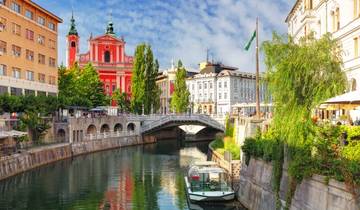
7 days
Slovenia Discovery
- ✓ Comprehensive Ljubljana tour
- ✓ Expert local guides included
- ✓ All accommodation arranged
- ✓ Transportation provided

3 days
Best of Alpe Adria Trail
- ✓ Booking needs min. 2 travelers

5 days
5 Days in Ljubljana: Caves, Castles & Alpine Wonders
- ✓ Comprehensive Ljubljana tour
- ✓ Expert local guides included
- ✓ All accommodation arranged
- ✓ Transportation provided
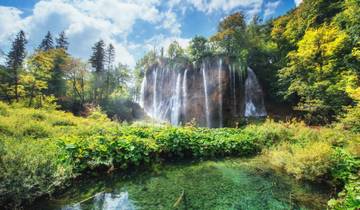
7 days
Discover Croatia & Slovenia (Multi country)
- ✓ Comprehensive Ljubljana tour
- ✓ Expert local guides included
- ✓ All accommodation arranged
- ✓ Transportation provided
Multi-day tour packages powered by TourRadar. Prices and availability subject to change.
Introduction: Strategic Planning for Ljubljana in 2026
Ljubljana’s position in Central Europe’s temperate zone creates four distinct seasons, each offering unique advantages for different traveler priorities. The city’s compact Old Town, dominated by Jože Plečnik’s architectural masterpieces and framed by the emerald Ljubljanica River, rewards exploration in every season, but the experience varies dramatically between summer’s bustling cafe culture and winter’s fog-shrouded mornings. Slovenia’s capital combines Habsburg elegance with Balkan warmth, Mediterranean influences with Alpine proximity, creating a destination where timing decisions significantly impact both experience quality and budget requirements.
The 2026 calendar presents particularly strong cultural programming, with the 74th Ljubljana Festival continuing its tradition as one of Central Europe’s premier summer arts events, the Winter Festival entering its 9th edition with world-class musicians, and specialty festivals like the Jazz Festival and Coffee Festival drawing international participants. Understanding how these events align with weather patterns, tourist flows, and accommodation pricing allows visitors to craft optimal itineraries matching their specific interests.
Ljubljana’s tourism patterns reflect broader European seasonal cycles, with July-August representing absolute peak season when accommodation books months in advance and popular restaurants require reservations even for lunch. The shoulder seasons of April-May and September-October have gained recognition among experienced travelers for their balance of favorable conditions and reduced pressure on infrastructure. Winter divides into two distinct periods: the festive Christmas market season (particularly December) when the city embraces its holiday identity, and the quieter January-February window when budget-conscious travelers find exceptional value despite cold temperatures.
This comprehensive timing guide examines each month of 2026 individually, analyzes seasonal trade-offs, highlights major events with confirmed dates, evaluates weather considerations for different activity types, and provides strategic recommendations for various traveler profiles. Whether you prioritize perfect weather, cultural immersion, budget optimization, crowd avoidance, or specific festivals, understanding Ljubljana’s annual rhythm enables informed decision-making that aligns your visit with your highest-value priorities.
Ljubljana Month-by-Month Analysis 2026
January 2026: Winter Quiet and Budget Opportunities
January in Ljubljana opens the year as the coldest and quietest month, with average high temperatures reaching only 2°C and overnight lows dropping to -4°C. Fog frequently blankets the city during morning hours, obscuring views of Ljubljana Castle until midday when conditions typically clear. Snow falls regularly, transforming the Old Town’s Baroque facades and Art Nouveau buildings into picturesque winter scenes, though the same snow creates slippery cobblestone conditions requiring appropriate footwear with good traction.
Despite challenging weather, January presents Ljubljana’s best accommodation values, with mid-range hotels in central locations dropping to €65-90 per night, budget hostels at €25-35, and even luxury properties offering rates of €120-160 that would reach €250-300 during summer peaks. Museums, galleries, and indoor attractions like Ljubljana Castle’s museum collections maintain full operating hours, and the absence of summer crowds means you’ll often have rooms to yourself for contemplative viewing. The city’s excellent cafe culture thrives year-round, with cozy establishments like Kavarna Rog and Cafetino providing warm refuges for afternoon coffee and cake while watching winter life pass by outside.
January sees only 2.4 hours of daily sunshine on average, with short winter days creating early sunset times around 4:30-5:00 PM. This limited daylight compresses sightseeing schedules but creates atmospheric evening ambience in the Old Town as streetlights reflect off the Ljubljanica River and historic buildings illuminate. Dress in layers with quality winter coat, insulated footwear, hat, and gloves. Indoor activities like museum visits, thermal spa trips to nearby Terme Snovik or Terme Čatež (45-60 minutes away), and traditional Slovenian restaurant meals dominate January itineraries.
Cultural programming in January focuses on indoor venues, with the Slovenian National Theatre staging opera and ballet performances, Cankarjev dom presenting concerts and theatrical productions, and smaller venues throughout the city hosting chamber music recitals and contemporary art exhibitions. The post-holiday period (after January 6) represents the absolute lowest point in Ljubljana’s tourism calendar, creating exceptional conditions for visitors who prioritize value and authenticity over weather perfection.
February 2026: Winter Festival Cultural Immersion
February transforms Ljubljana’s winter landscape through the 9th Ljubljana Winter Festival (February 10 – March 2, 2026), bringing world-class musical programming to venues throughout the capital. The festival opens on February 10 at 7:30 PM in Cankarjev dom’s Gallus Hall with legendary conductor Charles Dutoit leading performances of Hector Berlioz’s Romeo and Juliet symphony, setting the tone for three weeks of exceptional concerts, chamber music recitals, and the International Piano Competition Festival Ljubljana – Piano 2026. This cultural intensity makes mid-February through early March Ljubljana’s winter cultural peak, attracting classical music enthusiasts despite cold temperatures.
Weather conditions in February closely mirror January’s patterns, with average highs of 5°C and lows of -2°C, though the month sees marginally more sunshine at 3.9 hours daily and slightly less precipitation (76mm, Ljubljana’s driest month). February 8 marks National Day of Culture, honoring Slovenian poet France Prešeren with free admission to museums, galleries, and cultural institutions throughout Ljubljana, creating exceptional value for culture-focused visitors. Many establishments extend hours on this public holiday, making it one of the year’s most rewarding days for museum exploration.
Accommodation rates remain low during early February (€65-95 mid-range), but increase moderately during the Winter Festival period (February 10 onward) as music enthusiasts book hotels near Cankarjev dom and Križanke venues. The festival atmosphere draws a sophisticated international audience, with pre-concert dining creating animated scenes at Old Town restaurants and post-performance discussions continuing in elegant wine bars along Stari trg and Mestni trg.
February’s short daylight hours (sunrise around 7:00 AM, sunset around 5:30 PM) still limit outdoor activity time, but the extended evening cultural programming means you’ll make productive use of dark hours through concerts, performances, and festival events rather than returning to your hotel after early dinner. Pack similar winter essentials as January (warm coat, insulated boots, layers) plus one slightly dressier outfit for festival concert attendance if you plan to experience Winter Festival programming. Many venues maintain elegant-casual dress codes for classical music performances.
March 2026: Winter’s Retreat and Spring’s Advance
March represents Ljubljana’s most variable month, with weather oscillating between late-winter conditions and early-spring promise as continental air masses compete with Mediterranean influences. Average high temperatures climb to 10°C, with overnight lows around 1°C, marking the first month when daytime temperatures consistently exceed freezing. This temperature rise creates unpredictable conditions: some days feature shirtsleeve weather with cafe terraces opening, while others bring cold rain or late-season snow flurries requiring full winter attire.
The Winter Festival concludes on March 2, transitioning Ljubljana from cultural intensity back to quieter rhythms. Tourism remains limited through mid-March as European spring break schedules haven’t yet begun, maintaining good value for accommodation (€70-100 mid-range) and uncrowded conditions at major attractions. The FIS Ski Jumping World Cup Finals typically occur in late March near Kranjska Gora in Planica (about 90 minutes from Ljubljana), attracting winter sports enthusiasts to the region though not creating significant impact on Ljubljana hotel availability.
Daylight extends noticeably through March, with sunset moving from 5:30 PM early in the month to beyond 6:30 PM by March 31, creating more viable afternoon hours for castle visits and walking tours. Sunshine averages 4.9 hours daily, and Ljubljana’s parks and green spaces begin showing first signs of spring growth, with crocuses emerging in Tivoli Park by late March. The Ljubljanica River water level typically runs high from snowmelt in the Julian Alps, creating dramatic flows under the city’s baroque bridges.
March serves budget-conscious travelers willing to accept weather uncertainty, combining winter’s low prices with lengthening days and warming temperatures that make outdoor exploration increasingly comfortable. The month lacks major festivals or events, focusing attention on Ljubljana’s architectural heritage, museum collections, and culinary scene without festival-related complications or surcharges. Pack layers allowing flexible adaptation to variable conditions: medium-weight jacket, sweater, long pants, closed-toe walking shoes, and a compact umbrella for sudden showers. Some days you’ll shed layers by midday; others require full bundling even in afternoon hours.
April 2026: Shoulder Season Excellence
April marks Ljubljana’s emergence into proper spring conditions, with average high temperatures of 15°C, 5 hours of daily sunshine, and parks transforming through blooming trees and spring flowers. Tivoli Park, Ljubljana’s largest green space, becomes particularly beautiful as magnolias, cherry blossoms, and tulips create color displays throughout its 5 square kilometers. The Botanical Garden of the University of Ljubljana opens its outdoor sections fully, showcasing over 4,500 plant species in peak spring condition.
This shoulder-season month delivers Ljubljana’s best value proposition: weather warm enough for comfortable outdoor exploration without heavy coats, daylight extending past 7:30 PM by month’s end, tourist numbers still 40-50% below summer peaks, and accommodation rates remaining moderate at €75-110 for mid-range hotels. Restaurants maintain easier reservation availability than summer months, and Ljubljana Castle funicular rarely has significant queues. The Easter holiday (March 28-29 in 2026 calendar) falls just before April, meaning early April avoids both Easter crowds and premium Easter weekend rates.
April weather requires preparation for occasional rain showers (106mm average monthly rainfall spread over 15 rainy days), making a compact umbrella or rain jacket essential equipment. Temperatures remain cool enough that mornings and evenings call for a light jacket or sweater, but midday hours often allow t-shirt comfort, especially when the sun breaks through. This weather pattern proves ideal for active tourism: walking the Old Town’s cobblestone streets, climbing Castle Hill via the forested paths, cycling along the Ljubljanica River, or taking day trips to Lake Bled where spring scenery rivals summer beauty without summer crowds.
Cultural programming in April focuses on smaller-scale events as the city prepares for summer festival season. The Open Kitchen food market (if operating in 2026 as in previous years) typically begins its Friday outdoor season in late April, gathering food trucks and local vendors for weekly culinary celebrations in Pogačar Square. April’s combination of awakening natural beauty, manageable crowds, reasonable prices, and increasingly pleasant weather makes it one of Ljubljana’s most underrated months—known among experienced travelers but overlooked by mainstream tourism still focused on traditional summer vacation windows.
May 2026: Spring Peak and Festival Activity
May delivers Ljubljana’s finest spring conditions, with average high temperatures reaching 20°C, 7.6 hours of daily sunshine, and long daylight extending past 8:00 PM by month’s end. Parks reach peak spring beauty as late-season flowers overlap with early roses, cafe terraces fill daily rather than sporadically, and the Ljubljanica River becomes active with boat tours, standup paddleboarders, and riverside joggers. The city sheds its last winter reserve and embraces outdoor living, with market vendors, street performers, and extended cafe hours creating animated streetscapes throughout the Old Town.
May 7-9, 2026 brings the March Around Ljubljana, one of Slovenia’s largest recreational events attracting over 30,000 participants for organized walks of varying distances around Ljubljana’s perimeter and through its neighborhoods. This massive community event creates festive atmosphere but doesn’t significantly impact accommodation availability since most participants are Slovenian day-visitors. May 9 features the ARTish art market along Gallusovo nabrežje (Gallus Embankment), where artists and craftspeople display works in outdoor gallery format, combining shopping opportunity with pleasant riverside strolling.
Accommodation rates begin climbing in May (€85-125 mid-range) as European holiday planning shifts toward summer mode, though prices remain 15-20% below peak July-August levels. Advance booking becomes more important, particularly for preferred central locations near Prešeren Square or along the river. May delivers excellent value relative to summer months while offering comparable or superior weather: summer’s July-August heat can make midday sightseeing uncomfortable, whereas May’s 20°C temperatures prove perfect for all-day outdoor exploration without heat stress.
Rainfall increases to 116mm averaged across 16 rainy days, meaning you’ll likely encounter some wet weather during a May visit. However, May showers tend toward brief afternoon thunderstorms rather than all-day rain, allowing morning sightseeing followed by museum or cafe refuge during wet hours. Pack a light rain jacket or travel umbrella alongside spring clothing: long pants or skirts, light sweater for cool mornings, comfortable walking shoes, and t-shirts for warmer afternoons. May requires less bulky luggage than winter months while still needing layering options for variable conditions.
May’s combination of excellent weather, manageable crowds, blooming nature, lengthening days, and moderate pricing makes it one of Ljubljana’s two optimal months (alongside September) for general tourism. The month lacks mega-festivals but offers constant activity through smaller events, gallery openings, outdoor concerts in parks, and the overall vibrancy of a city fully embracing its outdoor identity after winter months indoors.
June 2026: Summer’s Start and Festival Season Launch
June inaugurates Ljubljana’s summer season with the launch of the 74th Ljubljana Festival, one of Central Europe’s premier cultural events running from June through September 2026. This internationally recognized festival transforms venues like the outdoor courtyard of Križanke (a former monastery converted by architect Jože Plečnik) into stages for opera, ballet, classical concerts, and theatrical performances by leading artists and ensembles from around the world. The festival’s June programming typically features opening-week spectacles designed to generate excitement for the months-long celebration of performing arts.
Weather in June delivers summer warmth with average high temperatures of 23°C and 8 hours of daily sunshine, making outdoor activities comfortable throughout the day. However, June records Ljubljana’s highest annual rainfall at 152mm averaged across 16 rainy days, with afternoon thunderstorms common despite morning sunshine. These dramatic storms, typical of continental European summers, often develop rapidly in afternoon hours as heat builds, then clear quickly leaving refreshed evening air. The rain rarely cancels plans but requires flexibility: morning castle visit, museum refuge during afternoon storm, evening river walk under cleared skies.
Tourism begins building in June as European school holidays commence mid-month, though visitor numbers remain 20-30% below July-August peaks. Accommodation rates climb to €95-140 for mid-range hotels as summer pricing takes effect, and popular restaurants begin requiring reservations for dinner even on weekdays. Ljubljana Castle sees increased visitor flow, though queues remain manageable compared to peak summer congestion. The funicular to the castle operates with increased frequency to accommodate growing visitor numbers, and tourist boat tours on the Ljubljanica River expand their daily departure schedule.
June’s temperature range proves ideal for active tourism: warm enough for t-shirts and summer dresses but not so hot that midday exploration becomes uncomfortable. Sunrise occurs around 5:00 AM and sunset extends past 9:00 PM, creating extraordinarily long days that allow early-morning castle hikes before crowds arrive, full afternoon sightseeing programs, and extended evening dining on riverside terraces as daylight lingers. This generous daylight window lets visitors pack extensive daily itineraries without rushed pacing.
The confluence of Ljubljana Festival programming, excellent weather (despite rain risk), manageable crowds, and long daylight makes June particularly appealing for culture-focused travelers willing to work around afternoon thunderstorms. Pack layers allowing quick adaptation to variable conditions: light rain jacket, comfortable walking shoes that handle wet cobblestones, sun hat and sunscreen for sunny stretches, and slightly dressier attire if you plan to attend festival performances at elegant venues like Križanke or the Slovenian National Theatre.
July 2026: Peak Summer Heat and Cultural Intensity
July represents Ljubljana’s absolute weather peak, with the year’s highest average temperatures (26°C), most sunshine (9.2 hours daily), and longest daylight hours (sunrise around 5:00 AM, sunset beyond 9:00 PM). The Ljubljana Festival reaches full intensity, with performances scheduled nightly at multiple venues throughout the city. The Jazz Festival Ljubljana (July 1-4, 2026) brings world-class performers like Pat Metheny, Dee Dee Bridgewater, and Bilal for four days of exceptional jazz programming at venues including Cankarjev dom’s Gallus Hall and other prestigious stages. The Ana Desetnica international street theatre festival fills public spaces throughout July with performances, installations, and theatrical interventions that transform ordinary streets into impromptu stages.
July’s heat occasionally reaches uncomfortable levels during afternoon hours, with temperatures sometimes climbing to 30°C or higher during heatwave conditions. Unlike Mediterranean destinations moderated by sea breezes, landlocked Ljubljana’s continental position can trap heat in the Old Town’s stone streets and narrow passages. Locals and experienced visitors adapt by following Mediterranean rhythms: early morning activities during cool hours (6:00-10:00 AM), leisurely lunch followed by afternoon refuge in air-conditioned museums or shaded parks, then resuming outdoor exploration as temperatures moderate after 6:00 PM and extending into long summer evenings.
Tourist numbers peak in July, with July and August representing Ljubljana’s busiest months. The Old Town’s pedestrianized streets fill with visitors from across Europe and beyond, Ljubljana Castle requires early arrival or advance online tickets to avoid entrance queues, and popular restaurants like Gostilna Šestica and Druga Violina need reservations days in advance for desirable evening dining times. Accommodation books months ahead for July dates, particularly during the Jazz Festival weekend (July 1-4), and mid-range hotel rates reach their annual peak at €110-160 nightly, with luxury properties commanding €200-300 and even budget hostels charging €45-65 for dormitory beds.
Despite crowds and premium pricing, July offers unmatched cultural programming and the security of warm, largely dry weather (126mm rainfall, less than June). The Ljubljana Festival’s prestige attracts world-renowned performers rarely available in cities Ljubljana’s size, creating once-in-a-year opportunities to experience exceptional artistry in venues ranging from the Renaissance courtyard of Križanke to the neoclassical elegance of the Slovenian National Theatre. Street life reaches its zenith, with outdoor concerts in Tivoli Park, late-night crowds at riverside bars, and constant animation throughout the Old Town creating vibrant urban energy.
July visitors should book accommodation 3-4 months ahead, secure Ljubljana Festival and Jazz Festival tickets early for popular performances, make restaurant reservations upon arrival, and embrace early-morning and evening schedules to avoid midday heat. Pack sun protection (hat, sunglasses, sunscreen), comfortable walking shoes, light breathable clothing, and one dressier outfit for festival performances. Consider staying outside the immediate Old Town center if budget-conscious—neighborhoods like Krakovo, Trnovo, or areas near Tivoli Park offer quieter, often cheaper accommodation with short walks into the historic core.
August 2026: Summer Peak and Vacation Season Intensity
August maintains July’s summer conditions with marginally cooler temperatures (25°C average highs versus July’s 26°C), slightly less sunshine (8.2 versus 9.2 hours daily), and continued high rainfall (139mm across 14 rainy days) typical of Central European summer thunderstorm patterns. The Ljubljana Festival continues its programming throughout August, offering daily performances though typically with slightly less prestige programming than July’s highlights. August represents the absolute peak of European vacation season, when entire countries seemingly pause for summer holidays and tourism infrastructure throughout the continent reaches maximum capacity.
Ljubljana experiences its highest visitor numbers in August, with accommodation availability at its tightest and rates remaining at or near July levels (€105-160 mid-range). The Old Town’s narrow streets become genuinely crowded during midday and early evening hours, Ljubljana Castle requires queuing for both funicular and walk-up entrance, and restaurants throughout the center maintain July’s advance-reservation requirements. The Ljubljanica River sees constant boat tour traffic, standup paddleboarders compete for space, and riverside cafe terraces fill by mid-morning with visitors staking claim to coveted river-view seating.
The city’s infrastructure handles August crowds efficiently—Ljubljana invested heavily in tourism development following Slovenia’s 2004 EU accession—but the experience differs markedly from shoulder seasons’ intimate exploration. Popular photography spots like the Dragon Bridge and Triple Bridge require patience to capture crowd-free images, museum rooms rarely offer solitary viewing, and the spontaneous restaurant discovery that works in April or October gives way to planned dining reservations secured days ahead. Budget travelers find August particularly challenging, with hostel beds scarce and even basic accommodation commanding premium rates.
Despite crowd challenges, August offers reliable warm weather and the security of Ljubljana Festival programming as backup for rainy days. The long daylight hours (sunset still around 8:30 PM early August) enable early-evening activities after afternoon heat subsides, and the animated street life creates genuine urban energy that appeals to travelers who enjoy bustling rather than contemplative tourism. Late August, particularly after August 20 as Northern European schools resume, sees some moderation in crowd levels while maintaining good weather, offering marginally better conditions than mid-August’s absolute peak.
August visitors should arrive with full advance planning: confirmed accommodation booked months ahead, Ljubljana Festival performances ticketed early for popular shows, key restaurant reservations made upon arrival, and mental preparation for sharing Ljubljana with substantial fellow visitor numbers. Consider day trips to less-touristed destinations like Škocjan Caves, the Logar Valley, or Ptuj to escape Old Town crowds. Pack identical summer gear as July, with particular attention to sun protection and comfortable shoes capable of full-day walking in heat.
September 2026: Autumn’s Golden Beginning
September delivers Ljubljana’s second optimal travel window (alongside May), with early autumn temperatures (21°C average highs), 6.3 hours of daily sunshine, manageable rainfall (127mm), and dramatically reduced tourist numbers as European families return home after August vacations. The Ljubljana Festival continues through early September before concluding its 74th edition, offering final performances at discounted prices as the season winds down. September 19-20, 2026 brings the Ljubljana Coffee Festival, showcasing specialty coffee culture with tastings, workshops, barista competitions, and mixology bars attracting coffee enthusiasts from across Europe.
The shift from summer to autumn creates particularly beautiful conditions in Ljubljana’s parks and green spaces. Tivoli Park’s trees begin showing early fall color by late September, creating golden backdrops for photography. Morning temperatures drop to 10-12°C, bringing crisp autumn air that clears overnight fog quickly and creates excellent visibility for Ljubljana Castle views across the city. Daytime warmth remains comfortable for outdoor activities without summer’s heat stress, and evening temperatures require only a light jacket—perfect for riverside dining on terraces that remain open through September.
Accommodation rates drop noticeably from August peaks, with mid-range hotels falling to €85-120 nightly, budget options at €35-55, and even luxury properties offering better value at €140-220. September’s first two weeks see moderate visitor numbers (40-50% below August levels), while post-September 15 experiences further drops as shoulder season settles in fully. Restaurant reservations remain advisable for popular establishments but become same-day or next-day possible rather than requiring multi-day advance booking. Ljubljana Castle queues disappear, museum rooms offer peaceful viewing, and the Old Town regains its more intimate character as mass tourism recedes.
September combines the best of summer and shoulder season: summer’s reliable pleasant weather with shoulder season’s moderate prices and crowd levels. The month particularly suits travelers who found July-August too crowded or expensive but want warm weather assurance. Cultural programming through the Ljubljana Coffee Festival and final Ljubljana Festival performances maintains event interest beyond basic sightseeing, while September’s produce markets showcase autumn harvest abundance—pumpkins, apples, grapes, mushrooms, and chestnuts creating seasonal culinary opportunities.
Pack transitional clothing allowing layering: light jacket or sweater for mornings and evenings, t-shirts or light tops for midday warmth, long pants or medium-weight skirts, comfortable walking shoes, and perhaps one warm layer for unusually cool days. A light rain jacket covers occasional showers without bulky waterproof requirements. September’s weather variability remains less extreme than spring’s, with conditions generally stable within a comfortable temperature range rather than oscillating between winter and summer as March does.
October 2026: Autumn Deepening and Quiet Returns
October accelerates Ljubljana’s autumn transition, with temperatures dropping to 16°C average highs, daylight decreasing to 4.6 hours of sunshine, and rainfall increasing to 113mm making it the year’s second-wettest month after November. Trees throughout Tivoli Park, along the Ljubljanica River embankments, and on Castle Hill reach peak fall color, creating spectacular golden, orange, and red displays that rival more famous autumn destinations. Morning fog becomes common again as temperature differentials between night and day increase, though fog typically clears by midmorning revealing crisp autumn light excellent for photography.
Tourism drops to about 30% of summer peak levels, returning Ljubljana to local rhythms as the city refocuses on its identity as Slovenia’s capital and university town rather than primarily tourist destination. The timing feels transitional: outdoor cafe terraces remain open on pleasant days but begin closing as evening temperatures drop, some seasonal restaurants reduce hours or close entirely, and cultural programming shifts toward indoor venues as outdoor festival season concludes. This authentic local atmosphere appeals to travelers seeking genuine daily life rather than tourist-oriented experiences, though it requires accepting that some tourism infrastructure scales back from summer’s maximum availability.
Accommodation rates drop further to €75-105 mid-range, €30-50 budget, and €120-180 luxury, representing shoulder season’s best values relative to weather quality. October’s temperatures still allow comfortable outdoor exploration during midday hours, making it viable for castle visits, Old Town walking tours, and day trips to destinations like Predjama Castle or Lake Bled where autumn scenery creates distinctive beauty absent during summer’s green uniformity. The harvest season brings culinary interest through mushroom specialties, game meats, pumpkin dishes, and new wine (“mušt”) at traditional gostilne throughout Ljubljana.
October weather requires flexibility and appropriate preparation. Some days deliver Indian summer conditions with temperatures reaching 18-20°C and sunshine enabling shirtsleeve comfort; other days bring persistent rain, fog, and temperatures around 10-12°C requiring full autumn attire. Pack layers accommodating this range: medium-weight jacket, sweater or fleece, long pants, closed-toe shoes with good traction for wet cobblestones, umbrella, and perhaps a light scarf for cool mornings. The month suits travelers who prioritize authenticity and value over weather guarantees, accepting some weather risk in exchange for low crowds and moderate prices while autumn’s beauty remains visible.
November 2026: Autumn’s Conclusion and Winter’s Approach
November represents Ljubljana’s least appealing month for tourism, combining the year’s wettest conditions (130mm rainfall at 84% average humidity), shortest daylight (sunset around 4:30 PM by month’s end), dropping temperatures (8°C highs, 1°C lows), and persistent gray skies with only 2.6 hours of daily sunshine. Fog becomes frequent and often lingers throughout the day rather than clearing by midmorning, obscuring Ljubljana Castle views and creating damp, penetrating cold that feels harsher than January’s dry cold at similar temperatures. Autumn’s colorful foliage has largely fallen, leaving bare trees and brown landscapes without snow’s visual compensation.
Tourism drops to its annual minimum, with November visitor numbers perhaps 15-20% of summer peaks. Most seasonal establishments close entirely, outdoor terraces disappear, and even some year-round restaurants reduce hours or close Mondays-Tuesdays due to limited demand. This creates challenges for visitors: fewer dining options, reduced cultural programming, some attractions operating on winter schedules with shortened hours, and generally quiet streets that can feel deserted during evening hours. The Old Town maintains core tourism services—Ljubljana Castle, museums, and major restaurants remain open—but the vibrancy of summer or spring vanishes completely.
Accommodation reaches rock-bottom rates (€60-90 mid-range, €25-40 budget, €100-150 luxury) as hotels struggle to fill rooms. These prices represent 40-50% discounts versus summer peaks and deliver exceptional value for travelers on tight budgets or those who prioritize indoor activities like museum visits, restaurant exploration, and cultural events over weather-dependent sightseeing. November actually offers some advantages: museum rooms become private viewing spaces, restaurants serve unhurried meals without turnover pressure, and locals appreciate visitors who chose their city during its least glamorous month rather than only during festival season.
November suits specific traveler profiles: budget-conscious visitors accepting weather trade-offs for financial savings, museum and culture enthusiasts who prioritize indoor attractions over outdoor beauty, photographers seeking moody atmospheric conditions rather than bright sunshine, and those who prefer authentic local life over tourist-optimized experiences. The month requires honest assessment of personal weather tolerance—some travelers find November’s gray damp conditions depressing, while others embrace the atmospheric quality and absence of crowds as liberating from summer’s tourist intensity. Pack full autumn-to-winter clothing: warm jacket, layers, waterproof shoes, umbrella, and prepare mentally for limited daylight and frequent rain.
December 2026: Christmas Magic and Winter Festival Return
December transforms Ljubljana through its renowned Christmas market, running throughout the month in the Old Town’s main squares and along the Ljubljanica River. Wooden chalets selling handcrafted gifts, traditional foods, mulled wine, and seasonal decorations create festive atmosphere, while elaborate lighting displays illuminate the city’s facades, bridges, and trees. The market centers around Prešeren Square, extending along the riverfront and into smaller squares throughout the pedestrianized core, attracting both tourists and locals for shopping, socializing, and celebrating the holiday season. Live music performances, children’s activities, and special events occur throughout December, with particular intensity during the weeks immediately before Christmas.
Weather in December brings winter conditions with temperatures averaging 3°C highs and -3°C lows, frequent snow that sticks and accumulates creating genuine winter scenery, and limited sunshine at 2 hours daily. However, the Christmas market atmosphere compensates for cold temperatures—the mulled wine stands, roasted chestnut vendors, and warm indoor shopping chalets make outdoor exploration pleasant despite cold conditions. The city’s compact core means you’re never far from a warm cafe or indoor attraction when you need to warm up, and the festive mood creates special-occasion energy absent during November’s gray quiet or January’s post-holiday letdown.
Accommodation rates spike during December, particularly during the week before Christmas and between Christmas and New Year’s, with mid-range hotels charging €100-140, approaching summer peak rates. Early December (before December 15) and the week immediately after New Year’s offer better availability and prices (€75-110 mid-range) for those with flexible schedules. December requires advance booking—the Christmas market draws visitors from across Europe, and Ljubljana’s limited accommodation inventory fills quickly. Many hotels impose 2-3 night minimum stays during peak Christmas market weekends.
December creates particularly memorable experiences for first-time visitors, with the Christmas market atmosphere, winter scenery, and festive decoration creating storybook conditions that exceed Ljubljana’s already considerable summer charm. The month suits romantic getaways, Christmas market enthusiasts, and travelers who appreciate seasonal celebrations. Families with children find excellent appeal in December’s holiday activities, though cold temperatures require appropriate clothing for young ones. The combination of festive atmosphere and genuine winter conditions (snow, cold) creates authentic Central European Christmas market experience, distinguishing Ljubljana from larger, more commercial Christmas markets in cities like Vienna or Prague where crowds can overwhelm the experience.
Pack comprehensive winter clothing: heavy coat, insulated waterproof boots, gloves, hat, scarf, warm layers, and hand warmers for extended outdoor Christmas market browsing. The market’s mulled wine (called “kuhano vino” in Slovenian) and hot chocolate stands provide frequent warming opportunities, and many attendees adopt a “browse outdoor market, warm up in cafe, return to market” rhythm throughout the day. December’s short daylight hours (sunrise around 7:30 AM, sunset around 4:30 PM) compress sightseeing schedules, but evening illumination of the Christmas market creates much of the appeal, with peak atmospheric conditions occurring after 5:00 PM when darkness fully descends and lighting displays achieve maximum impact.
Seasonal Strategies for Ljubljana 2026
Spring Season Strategy: April-May 2026 Optimization
Spring in Ljubljana delivers the year’s best value-to-experience ratio, combining warming temperatures, awakening nature, lengthening daylight, and moderate tourism pressure. April-May 2026 suit travelers who prioritize exploration comfort over weather guarantees, appreciate seasonal transitions in nature, and value crowd avoidance as much as destination beauty. The season rewards flexible itineraries that adapt to occasional rain rather than rigid daily plans requiring perfect sunshine.
Strategic timing within spring makes significant difference: early April (April 1-15) extends shoulder season advantages with lowest prices and fewest crowds but cooler temperatures (12-15°C highs) and shorter daylight; late April through mid-May (April 20-May 20) delivers peak spring conditions with 18-20°C warmth, blooming parks, and manageable crowds before late May’s early-summer surge; late May (May 20-31) sees weather approaching summer quality but crowds and prices beginning summer escalation as European holiday planning shifts into high gear.
Spring accommodation strategy involves booking 4-6 weeks ahead for optimal rates before summer demand drives prices higher. Mid-week stays (Tuesday-Thursday) deliver 15-20% better rates than weekends throughout spring, and booking directly with smaller independent hotels or guesthouses often yields better values than major booking platforms. Consider neighborhoods like Krakovo, Trnovo, or near Metelkova for authentic local atmosphere and lower prices with short walks (10-15 minutes) to Old Town attractions.
Spring packing requires layers accommodating variable conditions: medium-weight jacket, sweater, long pants, comfortable walking shoes, compact umbrella, sun hat for sunny stretches, and sunscreen as UV intensity increases through spring. Avoid bulky winter gear but retain one warm layer for cool mornings and evenings. Spring’s temperature swings between morning cool (8-10°C) and afternoon warmth (18-22°C) mean you’ll shed and add layers multiple times daily—dress in removable layers rather than single heavy pieces.
Spring day-trip opportunities expand throughout April-May as mountain roads clear of snow and alpine regions become accessible. Lake Bled transforms through spring blooming and remains less crowded than summer, Škocjan Caves maintain comfortable interior temperatures year-round, and the Soča Valley begins its spectacular turquoise-water season without summer’s kayaking crowds. Spring timing enables authentic experiences at major destinations before tourist infrastructure switches to high-volume summer mode.
Summer Season Strategy: June-August 2026 Navigation
Summer in Ljubljana presents the classic tourism trade-off: optimal weather and maximum cultural programming balanced against peak crowds, highest prices, and occasional uncomfortable heat. June-August 2026 suit travelers who prioritize weather certainty, cultural events, outdoor activities, and vibrant urban energy over budget optimization or intimate experiences. Summer rewards advance planning, early reservations, and willingness to pay premium rates for peak-season access.
June emerges as summer’s most strategic month, combining Ljubljana Festival programming, warm temperatures, long daylight, and 20-30% fewer visitors than July-August. June’s afternoon thunderstorms (152mm monthly rainfall) require flexibility but clear quickly, and June accommodation rates remain 10-15% below July-August peaks. Early June (June 1-15) particularly rewards strategic timing, with summer conditions but limited school holidays keeping family travel minimal. Late June (June 20-30) sees crowds building as European schools close for summer.
July represents maximum cultural intensity through the Jazz Festival (July 1-4) and peak Ljubljana Festival programming, justifying premium prices for culture-focused travelers. However, July crowds reach their apex, requiring advance planning for accommodation (book 3-4 months ahead), restaurant reservations (make upon arrival for entire stay), and Ljubljana Festival tickets (purchase online immediately upon program announcement in spring 2026). Budget travelers should avoid July unless cultural programming specifically justifies the premium costs.
August offers weather reliability and continued Ljubljana Festival programming but represents summer’s most challenging month for crowd tolerance, with August accommodation often fully booked and sometimes requiring minimum stays. Late August (post-August 20) provides moderating conditions as Northern European schools resume, creating a brief window of summer weather with marginally fewer crowds and occasionally lower rates for last-minute availability.
Summer strategies include embracing early-morning schedules (6:00-10:00 AM) for castle visits and major attractions before crowds arrive, adopting afternoon refuge patterns during peak heat (1:00-5:00 PM museum visits, cafe time, or hotel return), and extending evening activities past 8:00 PM when temperatures moderate and long summer daylight persists. Reserve Thursday-Friday-Saturday evenings at popular restaurants immediately upon arrival, as these peak dining slots book days ahead in summer. Consider day trips mid-week rather than weekends when both tourists and Ljubljana residents escape to mountains or coast.
Summer accommodation near but not within the immediate Old Town core offers better value and quieter evening conditions. Neighborhoods within 10-15 minute walks—areas near Tivoli Park, Krakovo, Trnovo, or across the river from the Old Town—provide respite from tourist-zone animation while maintaining easy access. Summer requires lighter luggage than other seasons: summer clothing, comfortable walking shoes, sun protection, light rain jacket for thunderstorms, and perhaps one slightly dressier outfit for festival performances or upscale dining.
Autumn Season Strategy: September-October 2026 Approach
Autumn in Ljubljana replicates spring’s value proposition with different seasonal character: warm early autumn giving way to cool late autumn, harvest season replacing spring blooming, and post-summer tranquility versus pre-summer anticipation. September-October 2026 suit travelers who appreciate seasonal transitions, prefer mature tourist infrastructure (staff, restaurants, attractions operating at peak efficiency from summer experience) without summer crowds, and enjoy autumn’s distinctive visual and culinary character.
September delivers autumn’s optimal window, combining 21°C warmth, 6 hours of daily sunshine, manageable rainfall, and immediate post-summer calm as families return home. Early September (September 1-10) catches final Ljubljana Festival performances, while mid-September (September 10-20) includes the Ljubljana Coffee Festival (September 19-20). Late September (September 20-30) sees early fall colors emerging and temperatures moderating to comfortable sightseeing conditions (18-20°C) without summer heat.
October extends autumn advantages through peak fall color in parks and on Castle Hill, harvest season culinary specialties (mushrooms, game, pumpkins, new wine), and continued moderate weather through mid-October. However, late October (after October 20) sees rapid temperature drops, increasing rainfall, fog returning, and some seasonal establishments closing—creating transitional conditions between autumn and winter. Budget-conscious travelers find excellent value in October, with rates 25-35% below summer peaks and very limited crowds at all attractions.
Autumn accommodation strategy involves balancing weather quality against price, with September commanding moderate rates (€85-120 mid-range) justified by good conditions, while October’s lower rates (€75-105) reflect increasing weather uncertainty. Booking 2-3 weeks ahead suffices for autumn dates, allowing weather forecast monitoring and last-minute adjustments impossible with summer’s required 3-4 month advance booking. Autumn rewards flexibility: travelers willing to adjust dates within a window (example: “sometime between September 15-30”) can optimize for favorable weather patterns as forecasts develop.
Autumn packing mirrors spring’s layering approach but shifts toward slightly warmer base clothing, with September allowing summer pieces plus sweater and light jacket, while October requires autumn jacket, warmer layers, umbrella, and waterproof shoes. Autumn’s beauty creates exceptional photography conditions, particularly morning light on Castle Hill and late-afternoon golden hour along the Ljubljanica River, justifying camera equipment for photography enthusiasts. Autumn day trips to wine regions (Maribor, Goriska Brda) align with harvest season, creating distinctive regional experiences unavailable in other seasons.
Winter Season Strategy: November-February 2026 Considerations
Winter in Ljubljana divides into three distinct periods requiring different strategic approaches: quiet winter (November, January-early February), Winter Festival period (February 10-March 2), and Christmas market season (December). Each offers advantages for specific traveler profiles but requires honest assessment of cold-weather tolerance and indoor-activity preference.
Quiet winter (November, January, early February excluding festival dates) delivers Ljubljana’s absolute lowest prices, most authentic local atmosphere, and least crowded conditions. Mid-range hotels drop to €60-90, budget hostels to €25-40, and even luxury properties offer €100-150 rates representing 50-60% discounts versus summer. However, quiet winter requires acceptance of cold temperatures (-2°C to 5°C), limited daylight (2-4 hours sunshine), frequent fog, and rain or snow. This period suits hardcore budget travelers, culture enthusiasts content with museums and indoor attractions, and those seeking genuine daily life rather than tourist experiences.
Winter Festival period (February 10-March 2, 2026) transforms Ljubljana into a classical music destination, with world-class performers, prestigious International Piano Competition, and concentrated cultural programming justifying winter travel for music enthusiasts. Accommodation books moderately during festival dates—not summer-level demand but better advance planning (4-6 weeks ahead) recommended. Festival period suits travelers who prioritize cultural immersion over weather, with concerts providing structured evening programming and daytime museum/cafe culture filling non-performance hours. February’s National Day of Culture (February 8) adds exceptional value through free museum admission citywide.
Christmas market season (December, particularly December 10-January 6) creates special-occasion atmosphere justifying premium winter rates (€100-140 mid-range, approaching summer levels). The market’s festive energy, winter scenery, holiday decoration, and seasonal specialties create distinctive experience unavailable other times. Christmas market period suits romantic getaways, holiday enthusiasts, and families seeking authentic Central European Christmas traditions. However, crowds during peak Christmas market weeks (December 15-25) approach summer levels in the Old Town, requiring advance booking and patience with tourist congestion.
Winter strategies across all periods involve embracing indoor culture—Ljubljana’s museums, galleries, theaters, cafes, and restaurants provide rich programming regardless of weather. Winter day trips to thermal spas (Terme Čatež, Terme Snovik, Terme Olimia, all within 60 minutes) create appealing escapes from cold urban conditions. Winter requires comprehensive cold-weather clothing: heavy coat, insulated waterproof boots, gloves, hat, scarf, warm layers, and realistic expectations about limited outdoor time compared to summer’s all-day accessibility. Winter particularly rewards travelers with high culture appetite and low weather requirements, offering exceptional value for those whose ideal day centers on museum mornings, cafe afternoons, and concert evenings rather than outdoor exploration.
Major Events and Festivals Calendar 2026
Winter Festival Ljubljana 2026: February 10 – March 2
The 9th Winter Festival Ljubljana brings world-class classical music programming to the capital during its coldest months, creating cultural intensity that compensates for winter’s weather challenges. The festival opens February 10 at 7:30 PM in Cankarjev dom’s Gallus Hall with legendary conductor Charles Dutoit leading performances of Hector Berlioz’s dramatic Romeo and Juliet symphony, setting the artistic standard for the festival’s three-week run. Subsequent programming includes symphonic concerts featuring major international orchestras, chamber music recitals showcasing renowned ensembles, solo recitals by distinguished performers, and the International Piano Competition Festival Ljubljana – Piano 2026.
The Piano Competition represents a highlight of international classical music calendars, attracting exceptional young pianists competing before expert juries for prizes, recognition, and career advancement. Competition rounds occur throughout the festival period, with preliminary rounds demonstrating technical mastery and final rounds showcasing artistic interpretation of concerto repertoire with full orchestra accompaniment. The competition performances, held alongside the festival’s regular concert programming, create exceptional density of piano music rarely available outside major music capitals.
Winter Festival venues include Cankarjev dom (Ljubljana’s premier concert hall with acoustics designed for symphonic performance), Križanke (the atmospheric courtyard and halls of the former monastery converted by architect Jože Plečnik), the Slovenian National Theatre, and smaller intimate spaces for chamber music recitals. Many performances sell out well in advance, particularly opening and closing concerts and Piano Competition finals. The festival website begins ticket sales typically in December 2025, and serious classical music enthusiasts should purchase tickets upon announcement for highly anticipated performances.
Attending the Winter Festival justifies February travel despite cold temperatures for classical music devotees. The festival attracts sophisticated international audiences, creating refined atmosphere throughout participating venues. Concert-goers dress elegantly-casual to elegant depending on venue and performance prestige—business casual at minimum, with many attendees embracing formal concert attire. Pre-concert dining at Old Town restaurants creates social ritual, and post-concert discussion continues in wine bars and hotel lounges as audiences decompress from evening’s artistic experiences. The festival transforms Ljubljana’s winter identity from quiet low season to vibrant cultural destination, proving that winter travel can deliver peak-quality experiences when cultural programming provides the attraction rather than weather or outdoor activities.
March Around Ljubljana: May 7-9, 2026
The March Around Ljubljana represents one of Slovenia’s largest recreational events, attracting over 30,000 participants annually for organized walking routes of varying distances around Ljubljana’s perimeter and through its neighborhoods. The event originated decades ago and maintains strong participation from Slovenian citizens, families, school groups, and recreational walking clubs, creating massive community celebration focused on active lifestyle, outdoor activity, and civic participation. Routes range from short family-friendly walks to serious 25+ kilometer circuits, accommodating all fitness levels and age groups.
While primarily a local event, the March Around Ljubljana creates festive atmosphere throughout the city during May 7-9 weekend, with registration areas, rest stops, refreshment stations, and finish-line celebrations visible throughout the Old Town and surrounding neighborhoods. Visitors coincidentally in Ljubljana during March weekend experience authentic community event rather than tourist-oriented festival, observing how Ljubljana residents embrace outdoor recreation as the May weather invites active pursuits after winter months indoors. The event doesn’t significantly impact accommodation availability since most participants are day-visitors from Ljubljana or nearby areas, though restaurants and cafes near finish-line areas experience temporary surge in lunch-time crowds.
The March coincides with spring’s peak beauty and late May warmth, combining the event’s community energy with excellent general tourism conditions. Visitors can observe the March without participating, enjoy the animated city atmosphere, and benefit from May’s optimal weather for their own sightseeing activities. The event creates photographic opportunities showing Ljubljana at its most community-oriented, with families crossing finishing lines together, groups celebrating completed walks, and the city functioning at peak outdoor activity mode. The March Around Ljubljana exemplifies Ljubljana’s identity as Europe’s Green Capital, a compact walkable city that prioritizes outdoor recreation, sustainability, and quality of life above commercial tourism alone.
Ljubljana Festival: June – September 2026 (74th Edition)
The Ljubljana Festival ranks among Central Europe’s most prestigious summer arts festivals, with the 74th edition in 2026 continuing its tradition of presenting world-class opera, ballet, symphonic concerts, chamber music, and theatrical performances throughout the summer months. The festival transforms Ljubljana into a cultural capital, attracting leading international artists and ensembles for performances in venues ranging from the Renaissance elegance of Križanke’s outdoor courtyard to the neoclassical grandeur of the Slovenian National Theatre. Past Ljubljana Festivals have hosted renowned orchestras, celebrated conductors, internationally acclaimed opera companies, and legendary soloists, establishing the festival’s reputation as a highlight of European summer cultural calendars.
The festival typically structures its programming to create intensity throughout the summer rather than concentrating in one short period. June performances often include ambitious opening productions designed to generate excitement—major opera productions, internationally touring ballet companies, or symphonic spectaculars featuring renowned orchestras and conductors. July continues with peak programming density, particularly around the Jazz Festival dates (July 1-4) when the two festivals complement each other. August maintains regular performance schedule, and September brings closing-week productions that often feature special programming including retrospectives or premieres.
Križanke serves as the Ljubljana Festival’s iconic venue, with its outdoor courtyard providing atmospheric setting for warm summer evening performances. The courtyard, designed by Jože Plečnik through conversion of a medieval monastery, seats approximately 1,200 audience members in a space where Renaissance architecture, summer stars overhead, and world-class performances create uniquely memorable experiences. Other festival venues include Cankarjev dom’s multiple halls, the Slovenian National Theatre for opera and ballet productions, various churches for sacred music programming, and smaller intimate spaces for chamber music recitals and contemporary performances.
The Ljubljana Festival publishes its complete 2026 program typically in March or April, with tickets going on sale immediately upon announcement. Popular performances sell quickly, particularly for internationally renowned artists, premiere productions, and prime Saturday evening time slots. The festival website offers online ticketing in English, with prices typically ranging €20-80 depending on performance prestige, venue section, and seat quality. Festival passes covering multiple performances provide better per-show rates for visitors planning extensive attendance. Culture-focused travelers should monitor the festival website beginning in early 2026, purchasing tickets promptly upon program announcement for highest-priority performances.
Attending Ljubljana Festival performances requires slight dress elevation beyond daytime tourism attire. Business casual represents minimum standard (collared shirt or blouse, dress pants or skirt), with many attendees embracing cocktail attire or formal wear particularly for premiere productions and gala performances. The festival audience skews sophisticated international, with educated European and North American cultural tourists predominating. Pre-concert dining at Old Town restaurants creates anticipatory atmosphere, and post-performance crowds linger in venues’ surrounding areas discussing the evening’s artistry. The festival transforms Ljubljana from charming small capital into legitimate cultural destination, proving that exceptional programming can make smaller cities competitive with established cultural capitals for discerning audiences prioritizing performance quality over destination glamour.
Jazz Festival Ljubljana: July 1-4, 2026 (67th Edition)
The Jazz Festival Ljubljana, entering its 67th edition in 2026, represents one of Europe’s longest-running jazz festivals and continues attracting world-class performers for its concentrated four-day celebration of jazz in multiple forms. The 2026 lineup includes legendary guitarist Pat Metheny, celebrated vocalist Dee Dee Bridgewater with her quartet, and R&B artist Bilal, demonstrating the festival’s range from traditional jazz to contemporary fusion and jazz-adjacent genres. Performances occur at Cankarjev dom’s Gallus Hall and Linhart Hall, providing excellent acoustics and comfortable seated settings for attentive listening rather than festival-ground casual atmosphere.
Jazz Festival Ljubljana maintains serious artistic credibility despite its relatively short duration, with programming curated to showcase both established legends and emerging talents, traditional jazz interpretations and contemporary innovations, American jazz masters and European jazz traditions. Past festivals have featured icons like Herbie Hancock, Wayne Shorter, Chick Corea, and many others who rarely perform in cities Ljubljana’s size, making the festival essential attendance for serious jazz enthusiasts willing to travel specifically for exceptional programming compressed into four intensive days.
The festival’s early-July timing coincides with peak Ljubljana Festival programming, creating intense cultural density where opera, ballet, symphonic concerts, and jazz performances compete for attention across the four-day window. This concentration attracts culturally omnivorous travelers who structure entire vacations around experiencing multiple art forms during a single trip. Accommodation books heavily for July 1-4 dates, with many hotels imposing 2-3 night minimum stays during Jazz Festival weekend. Advance booking 3-4 months ahead becomes essential, as does securing jazz festival tickets immediately upon program announcement (typically in April or early May 2026).
Individual concert tickets typically range €30-70 depending on performer prestige and seat location, with festival passes covering all performances offering better per-concert value for those attending multiple shows. Early-bird discount tickets often become available when the program first announces, rewarding immediate purchase decisions. The festival attracts dedicated jazz audiences—serious listeners who appreciate the art form’s complexity rather than casual background music consumers—creating attentive concert atmosphere where crowd noise during performances would be conspicuous and unwelcome.
Jazz Festival Ljubljana justifies July travel specifically for jazz enthusiasts, offering concentrated access to world-class performers in intimate venues at price points far below what equivalent programming would cost in major music capitals. The festival’s reputation, longevity (67 years), and consistent quality programming make it a fixture on European jazz calendars, drawing knowledgeable audiences from across the continent. Combining Jazz Festival attendance with broader Ljubljana Festival programming creates comprehensive cultural immersion unavailable except in the world’s largest cities, proving that Ljubljana’s summer cultural offerings compete with European capitals many times its size.
Ljubljana Coffee Festival: September 19-20, 2026
The Ljubljana Coffee Festival, launched in 2016, has grown into Slovenia’s largest specialty coffee event and a significant gathering on Central Europe’s coffee culture calendar, attracting coffee professionals, roasters, baristas, and enthusiasts from across the continent. The two-day festival showcases specialty coffee culture through unlimited tastings, high-level lectures on coffee science and preparation, hands-on workshops, barista competitions, latte art demonstrations, coffee cocktail mixology bars, and artisan food vendors complementing the coffee focus. World-class industry leaders including coffee producers from origin countries, renowned roasters, champion baristas, and coffee scientists present panels, demonstrations, and discussions exploring every aspect of specialty coffee from farm to cup.
The festival typically occupies central Ljubljana venues, creating concentrated coffee destination where attendees move between tasting stations sampling beans from different origins and roasting profiles, attend workshops on brewing methods and equipment, watch championship-level barista competitions demonstrating technical mastery and creative innovation, and engage with coffee professionals discussing industry trends and agricultural practices. The atmosphere combines serious coffee education with festive celebration of coffee culture, attracting both industry professionals seeking networking and knowledge exchange and coffee-loving consumers wanting to deepen their appreciation.
Ticket types typically include consumer day passes (allowing general admission to all public areas, tastings, and most programming), professional passes (adding access to industry panels and networking events), and workshop tickets (for specific hands-on instructional sessions with limited capacity requiring separate registration). Prices vary by ticket type, with consumer day passes generally €25-40, full weekend passes €40-65, and workshop supplements €15-30 depending on content. Early-bird discounts reward advance purchase, and tickets generally go on sale in early summer 2026 through the festival website.
The Ljubljana Coffee Festival’s mid-September timing coincides with Ljubljana’s optimal autumn conditions—warm comfortable weather, post-summer reduced crowds, moderate hotel rates—making coffee festival attendance an excellent anchor for broader Ljubljana tourism. The festival’s concentrated two-day format allows attending one or both days while reserving other time for standard Ljubljana sightseeing. Coffee enthusiasts serious about the specialty coffee movement find the festival delivers exceptional access to industry leaders, rare coffee varieties, and educational programming unavailable in everyday settings. Casual coffee drinkers discover the festival offers engaging introduction to coffee complexity they never suspected existed, potentially transforming their relationship with their daily beverage.
The festival demonstrates Ljubljana’s position within European food and beverage culture movements, with Slovenia’s small-scale agricultural traditions, quality-focused producers, and educated consumer base creating fertile ground for specialty coffee adoption. Ljubljana’s existing strong cafe culture—where traditional coffee houses coexist with contemporary specialty roasters—provides ideal context for festival programming. Combining Coffee Festival attendance with exploration of Ljubljana’s diverse cafe scene (from historic institutions like Kavarna Zvezda to contemporary specialty spots like Escobar) creates comprehensive coffee tourism experience showing how Ljubljana interprets coffee tradition through contemporary innovation.
Ljubljana Christmas Market: December 2026
Ljubljana’s Christmas market transforms the Old Town into a winter wonderland throughout December, with elaborate lighting installations illuminating bridges, buildings, and trees while wooden chalets fill Prešeren Square, the riverfront embankments, and smaller squares throughout the pedestrianized core. The market combines holiday shopping (handcrafted gifts, traditional decorations, artisan goods), seasonal food and drink (mulled wine or “kuhano vino”, roasted chestnuts, traditional pastries, hearty winter foods), and festive programming (live music performances, children’s activities, carol singing, special events) creating comprehensive holiday experience that attracts both tourists seeking Central European Christmas tradition and Ljubljana residents embracing seasonal celebration.
The market typically opens in late November (around November 25-28) and continues through early January, with peak intensity during the three weeks before Christmas (December 5-25) when decorations reach maximum density, programming becomes daily rather than weekend-only, and crowds peak both from international tourism and Slovenian visitors from elsewhere in the country. The week between Christmas and New Year’s maintains festive atmosphere while experiencing somewhat reduced crowds as many visitors celebrate holidays at home before returning for New Year’s Eve celebration. The market finally winds down in early January, typically closing around January 6 (Epiphany).
Market layout centers on Prešeren Square where the main Christmas tree stands surrounded by gift chalets, with additional chalet clusters along both riverbanks creating continuous market experience through the Old Town. Specialized zones focus on different offerings: children’s activity areas with carousel, puppet shows, and interactive workshops; food and beverage concentration near the Dragon Bridge with both traditional Slovenian specialties and international winter foods; artisan craft areas showcasing Slovenian makers and international vendors. The market’s relatively compact area allows easy complete exploration in 2-3 hours, though many visitors return multiple times during extended stays, sampling different food vendors, finding perfect gifts, and soaking up atmosphere during both daylight and evening hours.
Evening visits (after 5:00 PM when full darkness descends) showcase the market’s lighting displays at maximum effect, with building projections, bridge illumination, tree lights, and chalet glow creating magical atmosphere that photographs dramatically better than daytime conditions. The Christmas market justifies cold-weather tolerance, with mulled wine stands providing frequent warming stops and the festive energy compensating for December’s -3°C to 3°C temperature range. Market visitors adopt rhythm of outdoor browsing interspersed with warm cafe breaks, creating sustainable pattern for extended market enjoyment despite cold conditions.
Accommodation during Ljubljana Christmas market period requires booking well in advance (3-4 months ahead recommended for prime dates December 15-25), with many hotels imposing 2-3 night minimum stays and charging rates approaching summer peak levels (€100-140 mid-range). However, market atmosphere and winter scenery create distinctive Ljubljana experience unavailable in other seasons, justifying premium pricing for travelers seeking authentic Central European Christmas market tradition in a city small enough to maintain intimate rather than commercialized feel. Ljubljana’s Christmas market delivers genuine local tradition alongside international tourism, distinguishing it from massive commercial operations in cities like Prague or Vienna where crowds can overwhelm atmosphere. The Ljubljana market remains discoverable and enjoyable, creating special occasion travel worthwhile for holiday enthusiasts and families seeking memorable Christmas experiences.
Weather Considerations for Activity Planning 2026
Outdoor Exploration Optimal Windows
Ljubljana’s climate creates four distinct windows for outdoor-focused tourism, each delivering different conditions. The primary outdoor window spans May through September (warmest temperatures 20-26°C, longest daylight 7-9 hours sunshine daily, though June brings heavy rainfall at 152mm). This period proves optimal for castle hill hiking, riverside walking, cycling along the Ljubljanica, day trips to Lake Bled and Alpine regions, and extended outdoor dining on cafe terraces. August occasionally brings uncomfortable midday heat (30°C+) requiring afternoon indoor refuge, but morning and evening hours remain pleasant for exploration.
The secondary outdoor window encompasses April and October (moderate temperatures 15-21°C, adequate daylight 5-6 hours sunshine, increasing rainfall particularly in October at 113mm). These shoulder months deliver comfortable sightseeing temperatures without summer heat stress, though requiring flexibility for rain showers and acceptance that some outdoor activities may need indoor alternatives on wet days. April’s spring blooming and October’s fall colors create distinctive natural beauty compensating for weather unpredictability. These months suit active travelers willing to work around occasional poor weather days rather than demanding guaranteed sunshine.
The marginal outdoor window includes March and November (cool temperatures 8-10°C, limited sunshine 3-5 hours daily, frequent rain particularly November at 130mm). Outdoor activities remain technically possible—castle visits, Old Town walking tours, brief park strolls—but require appropriate clothing and realistic expectations about abbreviated outdoor time. These months work for travelers prioritizing indoor culture who want occasional outdoor excursions rather than outdoor-focused itineraries. The experience feels more like “outdoor breaks between indoor activities” than “primarily outdoor tourism with indoor supplements.”
The indoor-focus window covers December through February (cold temperatures -2°C to 5°C, very limited sunshine 2-4 hours daily, snow and fog common). Outdoor activities compress to necessary transit between indoor destinations—walking from hotel to museum, castle to restaurant, venue to venue—rather than extended outdoor exploration for its own sake. However, winter’s Christmas market period (December) creates appealing outdoor experience through festive atmosphere and market infrastructure (warming drinks, heated chalets, frequent warming breaks) that makes cold weather tolerable. Winter proves viable for travelers whose ideal day centers on museums, cafes, cultural events, and restaurants with minimal outdoor recreation requirements.
Photography Lighting Conditions by Season
Ljubljana’s varying daylight hours and seasonal light quality create dramatically different photography conditions throughout 2026. Summer (June-August) provides longest shooting windows with sunrise around 5:00 AM and sunset extending past 9:00 PM, allowing early-morning castle hill shoots before tourist crowds arrive and extended golden hour sessions along the Ljubljanica River as long summer evenings linger. However, summer’s strong midday sun (9.2 hours daily sunshine in July) creates harsh shadows and blown highlights requiring HDR techniques or deliberate midday shooting strategies. Early morning and evening “magic hours” deliver the strongest photographic light.
Spring and autumn (April-May, September-October) offer photographers moderate daylight windows (sunrise around 6:00-7:00 AM, sunset 7:00-8:00 PM) with softer light angles than summer’s overhead intensity. Spring’s fresh greens and blooming flowers create vibrant color palettes, while autumn’s golden foliage and warm earth tones provide rich seasonal character. Cloudy conditions common in these seasons create natural diffusion, softening harsh shadows and enabling comfortable all-day shooting without extreme contrast management. Spring and autumn reward flexibility—overcast days deliver excellent even light for architectural photography, while clear days provide dramatic skies and directional light for landscape work.
Winter (December-February) presents challenging conditions with very limited daylight (sunrise around 7:30 AM, sunset around 4:30 PM) and frequent fog obscuring morning light until midmorning if clearing at all. However, winter’s low sun angles create long dramatic shadows even at midday, and fresh snow transforming the city overnight delivers pristine white foregrounds and rooftops unavailable in other seasons. Christmas market period offers exceptional night photography opportunities with elaborate lighting displays, festive illumination, and animated market scenes. Winter suits photographers seeking atmospheric moody conditions, dramatic weather effects, and willingness to work within compressed daylight windows rather than extended all-day shooting schedules.
Day Trip Accessibility by Season
Ljubljana serves as excellent base for day trips throughout Slovenia and into neighboring countries, but seasonal accessibility varies significantly. Summer (June-September) opens complete access to all destinations, with mountain passes cleared of snow, Lake Bled swimming viable, Soča River at ideal levels for water activities, coastal destinations like Piran fully operational with beach facilities, and Alpine hiking trails throughout Triglav National Park accessible to highest elevations. Summer’s long daylight enables ambitious day trips—leaving Ljubljana 8:00 AM, experiencing full day at destination, returning 8:00-9:00 PM before full darkness.
Spring (April-May) and autumn (September-October) maintain good day trip accessibility with some limitations. Lake Bled and Postojna Cave remain excellent year-round destinations. Škocjan Caves maintain consistent interior temperatures. Predjama Castle and Ptuj offer indoor-focused content unaffected by season. However, high Alpine routes may remain snow-closed through April, Soča River water temperatures prove too cold for swimming/kayaking until late May, and coastal destinations operate reduced schedules before June and after September. These shoulder seasons work well for cultural day trips (Maribor, Ptuj, Italian towns across border) and moderate-altitude natural destinations, while extreme Alpine or water-based activities require summer timing.
Winter (December-February) limits day trip options significantly, with high mountain passes closed by snow, water activities impossible, coastal destinations operating minimal winter schedules, and short daylight compressing available time at destinations. However, winter opens skiing opportunities at Slovenian ski resorts (Kranjska Gora, Vogel, Krvavec) and Austrian/Italian resorts within day-trip range. Postojna Cave operates year-round and presents special Christmas programming in December. Thermal spa destinations (Terme Čatež, Terme Olimia) become particularly appealing winter day trips, offering warm indoor/outdoor pools, saunas, and wellness facilities as contrast to cold urban conditions. Winter day trips require careful planning around short daylight (departing Ljubljana at 8:00 AM, beginning return by 3:00-4:00 PM) and road condition monitoring during snowy periods.
Crowd Levels and Pricing Patterns Throughout 2026
Peak Season Economics: July-August and December
Ljubljana’s peak tourism periods create maximum demand for limited accommodation inventory, pushing mid-range hotel rates to €110-160 nightly, budget hostels to €45-65, and luxury properties to €200-300, representing 40-60% premiums over shoulder season pricing. July-August peak results from European summer vacation concentration when entire families travel for extended periods, while December’s Christmas market period draws weekend visitors and holiday travelers seeking festive atmosphere. Both periods require booking 3-4 months ahead for optimal rates and preferred locations, with popular central hotels (those within immediate walk of Prešeren Square or along the Ljubljanica River) selling out entirely for peak dates.
Peak season accommodation strategy involves trading location for value—hotels and guesthouses in neighborhoods 10-15 minutes walk from Old Town (Krakovo, Trnovo, areas near Tivoli Park, across the river) offer 20-30% better rates than equivalent properties in tourist core, with walkable access maintained. Alternative accommodation types (Airbnb apartments, university residence halls converted to summer hotels, guesthouses in residential areas) provide budget relief, though requiring more advance research and booking. Peak season rewards extreme advance planning, with bookings made 4-6 months ahead securing better rates and more choice than last-minute approaches that face slim availability and inflated prices.
Restaurant reservations become essential during peak periods, with popular establishments requiring booking 2-3 days ahead for prime Friday-Saturday evening slots. Weekday lunch and early-week dinners remain somewhat more accessible, but peak season visitors should make all restaurant reservations immediately upon arrival rather than gambling on same-day availability. Some high-demand restaurants extend waiting times to 1-2 hours during peak dinner service (7:00-9:00 PM), making reservations not merely convenient but necessary for quality dining experiences. The positive aspect of peak-season restaurant crowding: exceptional atmosphere and animated dining scenes as establishments operate at full capacity with energized service teams and fellow diners creating vibrant social environments.
Attraction queues emerge during peak periods, particularly Ljubljana Castle where funicular lines extend 15-30 minutes during midday hours and walk-up entrance gates see crowds. Advance online ticket purchasing (available through castle website) allows skipping main queue, though not eliminating all waiting. Popular guided tours (Ljubljana Castle tours, walking tours of Old Town, boat tours on Ljubljanica) fill days ahead during peak season, requiring advance booking through tourism offices or online platforms. Peak season visitors should adopt early-morning attraction strategies (arriving at opening times before midday crowds) and leverage advance ticketing wherever available to minimize queuing impact on vacation time.
Shoulder Season Value: April-May and September-October
Shoulder seasons deliver Ljubljana’s best overall value through combination of moderate weather, reasonable prices, and manageable crowds. Mid-range accommodation drops to €75-125 nightly (30-40% below peak summer rates), budget options at €30-55, and luxury properties at €120-200, with significantly better availability allowing booking 2-4 weeks ahead rather than requiring summer’s 3-4 month advance planning. Hotel rates often negotiate during shoulder seasons, with direct booking sometimes yielding better deals than platform rates as properties seek to fill rooms without paying commission fees.
Shoulder season crowd levels create qualitatively different experiences than peak summer. Ljubljana Castle becomes exploreable without constant queueing, museum rooms allow contemplative viewing rather than jostling through crowds, popular photography spots (Dragon Bridge, Triple Bridge, castle viewpoints) enable capturing clean images without waiting for crowd breaks, and riverside dining terraces maintain availability for walk-up seating rather than requiring advance reservations. The Old Town retains vibrancy through mix of tourists and local daily life without overwhelming to tourist-only identity that characterizes peak summer months.
Restaurant accessibility improves dramatically during shoulder seasons, with same-day or next-day reservations securing tables at all but the most elite establishments. Many restaurants offer lunch specials during shoulder months seeking to maintain consistent business, creating value opportunities for quality meals at reduced prices. Service quality often improves as restaurant staff work at sustainable rather than maximal capacity, allowing more attention per table and less rushed meal pacing. Shoulder season dining creates relaxed experiences where extended multi-course meals with wine pairings feel welcome rather than implicitly discouraged to turn tables for waiting crowds.
Shoulder season strategy involves leveraging flexibility for maximum advantage. Travelers with variable dates can monitor weather forecasts and book last-minute for optimal conditions, impossible with summer’s required advance booking. Mid-week stays (Tuesday-Thursday) deliver 15-25% better rates than weekends throughout shoulder months, and some hotels offer 3-night minimum-stay packages at per-night rates below standard pricing. Shoulder seasons reward spontaneous adjustments—if rain forecasted, shifting a planned castle visit to museum morning causes no penalty from advance tickets or reservations, whereas peak summer’s booked schedules lock visitors into commitments regardless of weather conditions.
Low Season Opportunities: January-February and November
Low season presents Ljubljana’s most dramatic pricing disparities, with mid-range hotels dropping to €60-95 nightly (50-60% below peak summer), budget hostels at €25-40, and luxury properties at €100-160. These rates create exceptional value for travelers accepting weather trade-offs (cold temperatures, limited daylight, increased rain/snow probability) in exchange for financial savings. Low season accommodation often negotiates, with multi-night stays securing discounts and direct hotel booking sometimes yielding rates below online platform pricing as properties prefer any revenue to empty rooms during quiet periods.
Low season crowds essentially disappear, creating private-tour experiences at major attractions. Ljubljana Castle receives perhaps 10-20% of summer visitor numbers, museums operate with nearly empty rooms allowing unlimited viewing time at individual pieces, and restaurants serve meals without any turnover pressure. This creates contemplative tourism appealing to travelers who find summer crowds overwhelming and prefer intimate destination exploration. However, low season also means some seasonal establishments close entirely, reduced museum hours, fewer tour departure times, and generally quieter street life as the city functions primarily for local residents rather than maintaining tourist infrastructure at full capacity.
Low season delivers authentic local atmosphere absent during peak months. Ljubljana operates as Slovenia’s capital and university city first, tourist destination second, allowing visitors to observe genuine daily life rather than tourism-optimized experiences. The corollary: fewer English-speaking service personnel, reduced English-language signage, less accommodation in tourist-friendly forms, and general expectation that visitors adapt to local patterns rather than local infrastructure adapting to visitor preferences. Low season suits independent travelers comfortable navigating less tourist-friendly environments rather than first-time visitors expecting full tourism services.
Low season within shoulder distinction: January-February (after January 6 through February 8) represents absolute minimum tourism, while late November also sees very limited visitors. Early January (January 1-6) maintains some holiday travelers, and February 8 (National Day of Culture) plus February 10-March 2 (Winter Festival) attract cultural tourists creating moderate demand spikes. November remains uniformly quiet throughout. Strategic timing within low season can capture lowest prices (late November, mid-January) or add cultural value (Winter Festival period) while still maintaining low-season rate advantages relative to summer.
Strategic Recommendations by Traveler Type 2026
First-Time Visitors: September or May 2026
First-time Ljubljana visitors should prioritize September or May 2026 for optimal balance of favorable conditions across all variables: weather quality (warm comfortable temperatures ideal for extended outdoor exploration), crowd management (40-50% below peak summer levels allowing relaxed sightseeing pace), pricing (moderate rates 25-35% below summer peaks), and cultural programming (Ljubljana Festival concluding in early September, Ljubljana Coffee Festival in September, spring festivals in May). These shoulder months eliminate major trade-offs, delivering good-to-excellent conditions across every dimension without requiring sacrifice in any category.
September carries slight edge for first-timers due to mature tourism infrastructure operating at peak efficiency after summer season experience, stable early-autumn weather patterns, and post-summer tranquility creating welcoming rather than overwhelmed atmosphere. May delivers comparable weather with spring beauty replacing autumn colors, though slightly higher rainfall (116mm vs September’s 127mm) and occasional cooler days requiring warmer clothing. Either month enables experiencing Ljubljana as intended: charming walkable capital with excellent cafe culture, significant architectural heritage, beautiful natural setting, and quality cultural programming without excessive crowds or costs creating barriers to enjoyment.
First-time visitor itineraries should focus on core Ljubljana experiences: Ljubljana Castle exploration (both funicular and walk-up via forest paths), Old Town walking including Triple Bridge, Dragon Bridge, Prešeren Square, and Robba Fountain, riverside cafe time observing daily life along the Ljubljanica, Tivoli Park strolling, architecture appreciation (particularly Jože Plečnik’s designs), museum visits (National Gallery, National Museum, Ljubljana City Museum), and taking at least one day trip to Lake Bled or Postojna Cave to experience Slovenia beyond its capital. September and May provide excellent conditions for all these activities without weather constraints limiting options or crowds overwhelming capacity.
Budget-Conscious Travelers: January-February or November 2026
Budget-focused visitors should target January through early February (January 6 – February 8) or November 2026 for maximum accommodation savings, with mid-range hotels at €60-90, budget hostels €25-40, and luxury properties €100-160, representing 50-60% discounts versus summer peaks. These windows avoid Christmas market premium pricing (December), Winter Festival rates (February 10-March 2), and spring shoulder season increases (April onward). The trade-off requires accepting cold temperatures (-2°C to 8°C), limited daylight (2-4 hours sunshine), and frequent precipitation (rain, snow, fog) that constraint outdoor activities and create challenging photography conditions.
Budget travelers maximize value through strategic approaches: staying in neighborhoods beyond immediate Old Town (10-15 minute walks create 25-35% savings), embracing lunch as main meal when restaurants offer better value than dinner, visiting museums on free days (February 8 National Day of Culture offers citywide free admission), utilizing public transport rather than taxis (Ljubljana’s excellent bus network costs €1.30 per ride), and packing comprehensive picnic provisions rather than dining out for every meal. Low season’s minimal crowds mean free attractions (Dragon Bridge, Triple Bridge, Old Town streets, parks) deliver maximum enjoyment without human congestion diminishing experiences.
Low season cultural programming focuses on indoor venues—theaters, concert halls, galleries—where cold weather proves irrelevant and reduced tourism creates easy ticket availability for performances that sell out months ahead in summer. Slovenian National Theatre offers opera and ballet at far lower ticket prices than equivalent productions in Vienna or Milan, Cankarjev dom presents concerts and shows, and smaller venues throughout the city host chamber music, contemporary performances, and gallery exhibitions. Budget travelers with high culture appetite and low weather requirements find exceptional value in low-season Ljubljana, accessing world-class cultural programming at budget-friendly costs while avoiding summer’s premium pricing and crowds.
Culture Enthusiasts: July 1-4, 2026 (Jazz Festival) or February 10-March 2 (Winter Festival)
Serious culture travelers should build 2026 Ljubljana visits around either the Jazz Festival Ljubljana (July 1-4) or Winter Festival Ljubljana (February 10-March 2), both delivering world-class programming justifying travel specifically for cultural access. The Jazz Festival’s concentrated four-day format features internationally renowned performers (Pat Metheny, Dee Dee Bridgewater, Bilal) in excellent venues, creating intensive jazz immersion unavailable outside major music capitals. The Winter Festival’s three-week run presents symphonic concerts, chamber music, and the International Piano Competition with legendary conductors and exceptional performers, establishing February-early March as classical music season in Ljubljana.
Culture-focused strategy involves securing festival tickets immediately upon program announcement (typically March-April 2026 for Jazz Festival, December 2025 for Winter Festival), booking accommodation simultaneously for July 1-4 or February 10-March 2 dates before festival attendees fill hotels, and structuring entire visit around performance schedule. Multiple-performance attendance rewards festival pass purchases offering per-show savings. Culture enthusiasts should arrive at least one day before first performance to settle in and orient, attend performances nightly or multiple times daily during festival, and remain one day after final performance to decompress before departure.
The broader Ljubljana Festival (June-September) offers culture enthusiasts more flexible timing, with performances throughout summer allowing customized itineraries matching individual schedules. However, the flagship Jazz Festival and Winter Festival deliver more concentrated prestige programming over shorter windows, creating intensive rather than extended cultural experiences. Culture travelers should combine festival attendance with Ljubljana’s general cultural infrastructure—National Gallery, Museum of Modern Art, architectural walking tours, historical sites—creating comprehensive cultural immersion beyond performance attendance alone. July cultural visit benefits from summer weather enabling outdoor exploration between performances, while February cultural visit requires acceptance of winter conditions but delivers unmatched classical music concentration.
Weather-Dependent Travelers: July-August 2026
Travelers prioritizing guaranteed good weather should focus on July-August 2026, when temperatures reach 25-26°C, sunshine averages 8-9 hours daily, and warm conditions remain reliable without unexpected cold snaps or extended rainy periods. While July-August brings Ljubljana’s heaviest crowds and highest prices (€110-160 mid-range hotels), weather certainty justifies premiums for travelers whose vacation satisfaction depends heavily on sunshine, warmth, and outdoor activities. Summer’s long daylight (sunrise around 5:00 AM, sunset past 9:00 PM) maximizes usable hours for sightseeing, photography, and outdoor dining.
Summer strategy requires embracing peak-season realities: booking accommodation 3-4 months ahead, making restaurant reservations immediately upon arrival, visiting major attractions at opening times before midday crowds, and potentially planning day trips to less-touristed destinations for crowd relief. Early-morning schedules (beginning castle visits at 9:00 AM opening) and extended evening activities (dining after 8:00 PM when temperatures moderate) optimize summer’s conditions while managing crowd impact. Late July through mid-August sees absolute peak congestion; late August (after August 20) provides marginal relief as Northern European schools resume while maintaining good weather.
Weather-focused travelers should note that summer’s reliability isn’t absolute—June particularly sees frequent afternoon thunderstorms despite overall warm conditions, and August occasionally brings multi-day rainy spells. However, these weather interruptions prove less severe and shorter-duration than spring or autumn rain, and warm temperatures mean wet weather doesn’t preclude outdoor activities entirely, just requiring rain jackets rather than forcing complete indoor retreat. Summer’s trade-offs—crowds, prices, occasional heat stress—become worthwhile for travelers who find vacation satisfaction depends primarily on weather conditions rather than intimate experiences or budget optimization.
Photographers: September-October 2026 or December
Photography enthusiasts should target September-October for autumn color and golden light or December for winter atmosphere and Christmas market illumination. September-October delivers 21°C to 16°C comfortable temperatures for extended outdoor shooting sessions, dramatic autumn foliage creating color palettes unavailable in other seasons, comfortable daylight windows (sunrise around 6:30-7:00 AM, sunset 6:00-7:30 PM) without summer’s extreme length or winter’s severe brevity, and manageable crowds allowing patient composition work at popular locations without constant human traffic interrupting frames.
Autumn photography focuses on Ljubljana’s parks (particularly Tivoli Park with extensive tree coverage), Castle Hill’s forested approaches, riverside embankments where autumn trees reflect in the Ljubljanica, and architectural photography where autumn’s softer light angles create dimensional rather than flat illumination. Variable autumn weather—mix of sunny, cloudy, and overcast days—creates diverse lighting conditions rather than repetitive sunshine, with cloudy days delivering excellent even light for architectural detail work and clear days providing dramatic skies and directional light for landscape compositions.
December photography shifts to Christmas market scenes, elaborate city lighting installations, winter atmosphere, and potential snow coverage transforming the Old Town’s appearance. Night photography becomes primary focus, with market illumination, building projections, bridge lighting, and festive decoration creating compositions impossible outside December. December’s challenges include very short daylight (sunrise 7:30 AM, sunset 4:30 PM), cold temperatures requiring gloved hands operating equipment, and potential fog obscuring morning light. However, December’s winter mood and Christmas market uniqueness justify accepting challenging conditions for photographers seeking distinctive rather than generic Ljubljana imagery.
Photography strategy involves scouting locations during suboptimal light then returning during magic hours, utilizing tripods for long-exposure night work (particularly on bridges at dusk), and planning itineraries around light rather than convenience. Photographers should pack comprehensive gear: wide-angle lens for architectural work, telephoto for compressed perspective shots, neutral density filters for long exposure, sturdy tripod for night photography, and protective equipment for adverse weather. Autumn delivers most versatile photography conditions, while December offers most unique but technically challenging opportunities.
Packing Essentials by Season 2026
Summer Packing (June-August): Light and Sun-Protected
Summer travel to Ljubljana requires minimal bulky clothing but comprehensive sun protection and rain preparation. Essential items include lightweight breathable clothing (t-shirts, summer dresses, shorts or light pants), comfortable walking shoes with good arch support capable of all-day cobblestone navigation, sun hat with brim providing face and neck protection, quality sunglasses with UV protection, and sunscreen SPF 30+ for extended outdoor exposure during 8-9 hour sunshine days. One light rain jacket or compact umbrella covers June’s frequent afternoon thunderstorms without occupying significant luggage space.
Summer evenings occasionally cool to 14-16°C, justifying one light sweater or long-sleeve layer for late-night riverside dining or outdoor performances. Comfortable walking shoes prove essential—Ljubljana’s pedestrianized Old Town covers extensive ground with cobblestone surfaces, and summer heat makes uncomfortable footwear intolerable during long sightseeing days. Consider breaking in new shoes before travel rather than risking blisters during vacation. Summer’s long daylight and outdoor focus mean less formal attire needs: casual resort-style clothing works for most situations, with slight elevation (collared shirt, sundress, closed-toe shoes) appropriate for upscale restaurant dining or Ljubljana Festival performances at elegant venues.
Summer practical additions include refillable water bottle (Ljubljana’s public fountains provide excellent drinking water), day pack for carrying layers and rain gear, camera with charged batteries for extended shooting days, portable phone charger for GPS navigation and restaurant research, and any prescription medications plus basic first aid (blister plasters, pain relievers, antihistamines for allergy season). Summer luggage remains manageable—one carry-on plus personal item suffices for week-long visits given minimal clothing bulk and laundry accessibility at accommodation. Summer packing focuses on versatile mix-and-match pieces creating multiple outfit combinations from limited items, maximizing options while minimizing weight.
Spring/Autumn Packing (April-May, September-October): Layers and Flexibility
Shoulder season packing requires layering systems accommodating variable conditions within single days. Essential items include medium-weight jacket (water-resistant preferred), sweater or fleece providing warmth without bulk, long pants plus one lighter pair allowing temperature adaptation, t-shirts and long-sleeve tops for layering, comfortable walking shoes with good traction for wet cobblestones, and compact umbrella or packable rain jacket covering frequent showers. Temperature ranges from 8-10°C morning lows to 18-22°C afternoon highs demand removable layers rather than single heavy pieces.
Shoulder season clothing strategy employs “three-layer system”: base layer (t-shirt or light top), mid layer (sweater or long-sleeve shirt), outer layer (jacket). This combination allows adding or removing components as temperature fluctuates through the day, avoiding both morning chill and afternoon overheating. Fabrics matter: synthetic or merino wool base layers dry quickly after rain exposure and regulate temperature better than cotton, while outer layers should provide wind and rain protection without excessive bulk. Shoes require closed-toe design with good tread for wet surfaces—Ljubljana’s cobblestones become slippery when wet, making flip-flops or fashion-focused footwear impractical.
Shoulder season accessories include light scarf adding warmth without significant weight, hat or cap for rain protection, sunglasses for sunny intervals, and gloves for particularly cool April mornings or October evenings. September typically requires less warm layering than April or October, with September conditions trending closer to summer while October approaches winter. Packing cubes help organize layering systems, keeping base layers separate from outer layers for efficient morning dressing. Shoulder seasons benefit from checked luggage accommodating bulkier items like jackets and sweaters that don’t compress well into carry-on restrictions, particularly for trips exceeding 4-5 days.
Winter Packing (November-February): Comprehensive Cold-Weather Protection
Winter travel demands comprehensive cold-weather clothing protecting against temperatures from -5°C to 8°C, snow, rain, fog, and wind. Essential items include heavy winter coat (down or synthetic insulation rated for 0°C or lower), insulated waterproof boots with aggressive tread for snow and ice, warm layers (thermal underwear, sweaters, fleece), gloves (consider two pairs—light gloves for active movement, heavy mittens for standing outdoor activities), warm hat covering ears, scarf for neck and face protection, and potentially hand warmers for extended Christmas market browsing. Winter conditions make inadequate clothing genuinely miserable rather than merely uncomfortable.
Winter clothing strategy emphasizes core body warmth through layering: thermal base layer, insulating mid layers (fleece or wool), warm outer layer (heavy coat). Lower body protection often neglected by travelers accustomed to milder climates: thermal long underwear under pants significantly improves cold tolerance, and wool or thick synthetic socks prove essential for insulated boots. Winter lighting conditions (2-4 hours sunshine, long periods of dim overcast sky) make dark clothing depressing—consider packing at least some colorful items maintaining visual interest in gray conditions.
Winter practical additions include moisturizer and lip balm combating dry heated indoor air and cold outdoor wind, small packet tissues, waterproof bag protecting electronic devices from precipitation, and potentially compact folding umbrella supplementing jacket hood for rain protection. Winter luggage becomes bulkiest of any season—heavy coats and insulated boots occupy significant space. However, winter clothes can be worn during travel days rather than packed, reducing checked luggage requirements: wear heavy coat, boots, sweater during flight, packing only additional layers and casual shoes. Winter packing for December Christmas market visits should include one slightly dressier outfit for potential restaurant dining or cultural events, as December attracts more formal occasion travel than January-February’s purely practical winter visits.
Frequently Asked Questions About Visiting Ljubljana in 2026
Is Ljubljana Worth Visiting in Winter 2026?
Ljubljana proves worthwhile in winter for specific traveler profiles accepting cold-weather trade-offs in exchange for distinct advantages. December’s Christmas market period (particularly December 10-25) creates festive atmosphere, elaborate lighting displays, and holiday programming justifying winter travel for Christmas market enthusiasts and those seeking Central European holiday traditions. The Winter Festival Ljubljana (February 10-March 2) delivers world-class classical music programming attracting culture enthusiasts willing to prioritize performances over weather. Budget travelers find exceptional accommodation value during quiet winter periods (January, November, early February) with mid-range hotels at €60-90 nightly, representing 50-60% discounts versus summer rates. However, winter requires honest assessment of cold tolerance, preference for indoor activities, and acceptance of limited daylight (2-4 hours sunshine, sunset around 4:30 PM). Travelers prioritizing outdoor exploration, extended daily sightseeing, or reliable sunshine should avoid winter entirely, choosing spring, summer, or autumn instead. Winter suits culture-focused visits, Christmas market experiences, budget-conscious travel, and those who appreciate authentic local atmosphere when tourism infrastructure operates primarily for residents rather than visitors.
What Should I Do If It Rains During My Ljubljana Visit in 2026?
Rain in Ljubljana rarely forces complete activity cancellation but requires flexible itinerary adjustment and appropriate preparation. The city’s compact Old Town allows short walks between covered destinations, and Ljubljana’s strong museum and cultural venue concentration provides excellent rainy-day alternatives. Top rainy-day indoor options include Ljubljana Castle museum collections (accessible via covered funicular, exhibits tell Ljubljana history), National Gallery (Slovenian art from medieval through modern periods), National Museum of Slovenia (archaeological and historical collections), Museum of Modern Art (20th-century Slovenian and international works), Ljubljana City Museum (multimedia exhibits on city evolution), and Slovenian National Theatre for matinee opera or ballet performances. Many churches remain open for architectural viewing, including the Franciscan Church of the Annunciation and Cathedral of St. Nicholas. Ljubljana’s cafe culture provides extended indoor refuge—historic establishments like Kavarna Zvezda offer multi-hour comfortable seating for coffee, pastries, and observation of rainy-day street life through large windows overlooking Prešeren Square. Covered market halls near Dragon Bridge allow browsing food vendors and local products protected from rain. Some visitors actually prefer rainy days for museum concentration, using sunny days for outdoor sightseeing and rainy days for cultural immersion without weather guilt about missing prime conditions. Pack compact umbrella or light rain jacket as standard equipment regardless of season—Ljubljana experiences precipitation year-round, and being prepared enables continuing outdoor activities during light rain rather than retreating indoors at first drops.
How Many Days Should I Spend in Ljubljana in 2026?
Ljubljana requires minimum 2-3 days for core city exploration: Day 1 covers Old Town walking (Triple Bridge, Dragon Bridge, Prešeren Square, riverside promenade, outdoor market), Ljubljana Castle (both funicular and interior tours), and evening at riverside cafes or restaurants. Day 2 includes museum visits (National Gallery, National Museum, or City Museum depending on interests), Tivoli Park strolling, remaining architectural highlights (Jože Plečnik’s works throughout city), and perhaps Ljubljana Festival performance if visiting during summer. Day 3 allows either deeper Ljubljana exploration (additional museums, neighborhoods beyond Old Town, Metelkova autonomous zone) or first day trip to Lake Bled or Postojna Cave. However, 4-5 days creates more comfortable pace without rushed sightseeing, enables multiple day trips, allows attendance at cultural events without sacrificing core sightseeing, and provides time for genuine cafe culture immersion rather than hurried touring. Ljubljana’s manageable size means 7+ days risks exhausting primary attractions unless combining with extensive Slovenia exploration (day trips to Piran, Maribor, Soča Valley, multiple Alpine destinations) or deep-dive cultural participation (attending numerous Ljubljana Festival performances, taking cooking classes, joining walking tours to different neighborhoods). First-time visitors should plan 3-4 days minimum, experienced travelers returning for cultural events or specific interests might need only 2 days, while those treating Ljubljana as Slovenia base for broader regional exploration can justify week-long stays through varied day trips. Ljubljana rewards relaxed pace over rushed completion of sight checklists—its appeal lies partly in unhurried cafe time, riverside strolling, and general atmosphere rather than solely monument collection.
Can I Visit Ljubljana and Lake Bled in the Same Trip in 2026?
Ljubljana and Lake Bled combine excellently as single-trip destinations, with Lake Bled located just 55 kilometers northwest of Ljubljana accessible via multiple transportation options requiring 45-60 minutes travel time. Most visitors base in Ljubljana (superior accommodation range, restaurant options, cultural programming, and evening activities) while taking one or two day trips to Lake Bled rather than splitting accommodation between both destinations. Day-trip approach works efficiently: depart Ljubljana morning (8:00-9:00 AM), spend 4-6 hours at Lake Bled (walking lakeside path, rowing traditional pletna boat to Bled Island church, visiting Bled Castle perched on cliff overlooking lake, sampling famous Bled cream cake at Park Hotel or lakeside cafes), return to Ljubljana late afternoon (4:00-6:00 PM) in time for dinner. This pattern maximizes time at both destinations without wasted check-in/check-out cycles and maintains Ljubljana as comfortable base throughout visit. Transportation options include rental car (most flexible, enables stopping at Radovljica medieval town or other points between Ljubljana and Bled), bus (€7-8 one way, hourly departures from Ljubljana bus station), organized day tours (€40-60 including transportation and guide), or private transfer (€60-80 each way for 1-4 passengers). Some travelers prefer overnighting at Lake Bled for sunset and sunrise photography impossible on day trips, but most find day-trip approach sufficient for experiencing Bled’s primary attractions. Consider combining Lake Bled with Vintgar Gorge (4 kilometers from Bled, spectacular river gorge with wooden walkways) if visiting May-October when gorge operates, creating full-day nature-focused excursion. Ljubljana-Bled combination works year-round: summer for swimming and full outdoor access, spring and autumn for moderate crowds and pleasant temperatures, winter for snow-covered alpine scenery and Bled Christmas market (December).
Is Ljubljana Expensive Compared to Other European Capitals in 2026?
Ljubljana ranks as moderately affordable among European capitals, considerably cheaper than Western European cities (London, Paris, Vienna, Munich, Zurich) but somewhat more expensive than some Eastern European destinations while remaining competitive with Prague and Budapest. Mid-range accommodation in Ljubljana costs €85-140 nightly depending on season versus €150-250 in Vienna or €120-200 in Prague. Restaurant meals run €12-20 for lunch, €20-40 for dinner at mid-range establishments, compared to €18-30 lunch and €30-60 dinner in Western European capitals. Museum admission averages €5-12 per site, and Ljubljana Castle (the city’s most expensive single attraction) costs €13 including funicular and interior museums—far below castle admission prices in Germany, France, or UK. Public transportation remains inexpensive at €1.30 per ride. The primary cost variable: accommodation prices spike during peak summer (July-August €110-160 mid-range) and Christmas market period (December €100-140), while shoulder and low seasons offer excellent value (spring/autumn €75-120, winter €60-95). Day trip costs remain reasonable: Postojna Cave admission €28, Lake Bled free (only paid pletna boat ride to island €15 per person), Škocjan Caves €18. Overall, Ljubljana enables quality European capital experience at substantially lower costs than comparable cities in Austria, Germany, or Italy while offering slightly better value than Prague despite similar price levels. Budget travelers can visit Ljubljana comfortably at €50-70 daily (hostel accommodation, self-catered breakfasts, lunch as main meal, modest dinners, free walking over paid attractions), mid-range travelers at €120-180 daily (hotel accommodation, restaurant meals, attraction admission, some guided tours), and luxury travelers at €250+ daily (boutique hotels, fine dining, private guides, premium experiences). Slovenia’s Euro adoption (2007) means no currency conversion complexity, though eliminating potential bargaining advantages that exist in countries with weaker local currencies.
Do I Need to Speak Slovenian to Visit Ljubljana in 2026?
English proficiency in Ljubljana’s tourism sector makes Slovenian language unnecessary for typical tourist interactions, though learning basic phrases enhances cultural appreciation and local reception. Most accommodation staff, restaurant servers in tourist areas, museum personnel, tour guides, and information office workers speak functional-to-excellent English, with younger staff generally demonstrating higher English fluency than older generations. Tourism infrastructure has adapted to Slovenia’s EU membership (2004) and growing international visitor numbers, making English the default foreign language throughout Ljubljana’s central areas. However, English proficiency drops notably outside tourist zones—neighborhood restaurants in residential areas, shops beyond Old Town, public transport personnel, older locals—where basic Slovenian phrases or translation apps become helpful. Essential Slovenian phrases worth learning: “Dober dan” (good day/hello), “Hvala” (thank you), “Prosim” (please/you’re welcome), “Oprostite” (excuse me), “Govorite angleško?” (do you speak English?), “Koliko stane?” (how much does it cost?). Most Slovenians appreciate even minimal language effort, responding warmly to foreigners attempting their complex language rather than expecting English service as entitlement. Restaurant menus in tourist areas provide English translations, though neighborhood establishments may offer Slovenian-only menus where translation apps or friendly server assistance help navigate options. Museum exhibits typically include English text alongside Slovenian, and Ljubljana Castle provides English audio guides. Public signage throughout Old Town appears in both Slovenian and English. The practical reality: monolingual English speakers visit Ljubljana successfully without language barriers impeding enjoyment, but learning basic courtesy phrases and demonstrating respect for local language enhances interactions and sometimes unlocks insider recommendations or special treatment locals reserve for visitors making cultural effort. Consider downloading offline translation app before travel as backup for situations requiring communication beyond English-speaking contexts.
What’s the Best Way to Get Around Ljubljana in 2026?
Ljubljana’s compact Old Town pedestrian zone makes walking the primary transportation mode for most visitor activities, with 80% of major attractions accessible within 15-20 minute walks from accommodation in central neighborhoods. The city’s flat topography (except Castle Hill which offers funicular alternative to steep walking path) and pedestrianized streets create ideal conditions for foot travel. However, Ljubljana’s excellent public bus system (Ljubljana Public Transport – LPP) provides affordable transportation to destinations beyond immediate Old Town: buses serve Tivoli Park, Metelkova, residential neighborhoods, and transportation hubs (train station, bus station). Bus fare costs €1.30 per ride when using Urbana card (rechargeable smart card available at kiosks and LPP sales points for €2 plus credit top-up), with cards offering better value than single-ride paper tickets. Buses run frequently (every 5-15 minutes on major routes) from approximately 5:00 AM to midnight, with reduced frequency on Sundays and holidays. For visitors staying multiple days, Urbana card proves worthwhile even if using buses only occasionally—the card remains valid for future visits, holding unused credit indefinitely. Taxis and rideshare (Uber, Bolt) operate throughout Ljubljana but remain unnecessary for most tourist itineraries given walkability and bus coverage, though useful for airport transfers (€30-40 to city center, 30 minutes drive) or late-night returns exceeding comfortable walking distances. Bicycle rental exists through BicikeLJ bike-sharing system (registration required, first 60 minutes free then nominal hourly fees), though bike infrastructure in Old Town remains limited by pedestrian-only zones and cobblestone surfaces better suited to walking. Ljubljana Castle funicular (€4 round-trip, included in €13 castle admission ticket) provides convenient access to hilltop castle, though many visitors enjoy ascending via forest walking path (15-20 minute moderate climb) and descending via funicular or reverse route depending on fitness level and time. Rental cars prove unnecessary for Ljubljana city exploration and become complicated by pedestrian zones, limited parking, and one-way street patterns, though useful for independent day trips to multiple Slovenia destinations (Lake Bled, Postojna Cave, wine regions, coast) at your own pace versus scheduled tours or public bus timetables.
Should I Book Ljubljana Festival or Jazz Festival Tickets in Advance for 2026?
Advance ticket booking proves essential for popular Ljubljana Festival and Jazz Festival performances, with highest-demand events selling out within days or weeks of program announcement while less popular performances retain availability closer to dates. The Ljubljana Festival typically announces its complete 2026 summer program in March or April, opening ticket sales simultaneously through its website with online purchasing in English. Jazz Festival Ljubljana usually announces lineup in April or early May with immediate ticket sales commencement. Strategy for both festivals involves monitoring websites beginning in February-March, purchasing tickets for highest-priority performances immediately upon program announcement (within first week of sales opening), and securing accommodation simultaneously before festival attendees fill hotels. Jazz Festival presents particular booking pressure due to concentrated four-day window (July 1-4) when entire festival audience arrives simultaneously—early booking 3-4 months ahead becomes crucial for July 1-4 accommodation and top-tier performances (Pat Metheny, Dee Dee Bridgewater level artists). Ljubljana Festival’s extended June-September run creates more flexible booking, though peak performances (opening productions, internationally renowned artists, Saturday evening slots in July-August) still sell quickly. Festival websites offer user-friendly English-language purchasing with credit card payment, email confirmation, and print-at-home or mobile tickets eliminating physical box office requirements. Ticket prices for Ljubljana Festival range €20-80 depending on performance prestige, venue section, and seat quality, with festival passes (multiple performances at discounted per-show rates) available for culture enthusiasts planning extensive attendance. Jazz Festival tickets typically run €30-70 per concert, with festival passes covering all four days at better value than individual concert prices. Some performances retain availability into late May or June as festival dates approach, allowing last-minute booking, but risking unavailability for highly anticipated events justifies early purchasing. The cultural programming quality at both festivals significantly exceeds what artists of comparable international stature would cost in major music capitals, making advance booking investment worthwhile for serious culture travelers building entire Ljubljana visits around festival participation.
Is Ljubljana Safe for Solo Travelers in 2026?
Ljubljana ranks among Europe’s safest cities for solo travelers, with low violent crime rates, minimal street harassment, reliable public safety infrastructure, and welcoming local attitudes toward independent visitors. Slovenia maintains low overall crime rates by European standards, and Ljubljana as small capital (population approximately 295,000) retains manageable scale where threatening urban anonymity of mega-cities doesn’t exist. The pedestrianized Old Town sees constant foot traffic during tourist season, creating inherent safety through visibility and social presence. Evening river terrace dining extends late into summer nights with animated crowds providing natural security through numbers. Solo travelers report minimal negative experiences, with women traveling alone particularly noting Ljubljana’s non-threatening atmosphere compared to cities in some Southern or Eastern European destinations where street harassment can be pervasive. Standard urban caution remains advisable: awareness of surroundings, securing valuables, avoiding deserted areas late at night, not displaying expensive electronics or jewelry unnecessarily, and trusting instincts if situations feel uncomfortable. Pickpocketing exists at tourist-heavy locations (Ljubljana Castle funicular area, crowded Old Town squares, popular restaurant terraces) though remains less pervasive than notorious pickpocket capitals like Barcelona or Rome. Solo travelers should secure passports and excess cash in accommodation, carry only daily essentials, and consider money belts or hidden pockets for credit cards. The Metelkova autonomous zone (alternative culture center with bars, clubs, street art) can feel edgy at night but maintains relatively safe atmosphere given constant presence of alternative community members and security consciousness among venue operators. Ljubljana’s compact geography means solo travelers never face long isolated walks—accommodation in central neighborhoods maintains 10-15 minute walks to Old Town through populated areas. Public transport remains safe at all hours, though buses reduce frequency after 11:00 PM. Solo travelers benefit from Ljubljana’s strong cafe culture: sitting alone in cafe with coffee or glass of wine feels completely normal and comfortable rather than drawing attention or judgment as might occur in some cultures. Many hostels and boutique hotels attract solo traveler communities, creating built-in social networks for those desiring company while maintaining independent travel flexibility. Overall, Ljubljana enables solo exploration with confidence and minimal safety concerns beyond basic urban awareness applicable anywhere.
Can I Do Day Trips from Ljubljana to Italy, Austria, or Croatia in 2026?
Ljubljana’s central location within Slovenia and proximity to neighboring countries enables day trips to Italian, Austrian, and Croatian destinations, though feasibility depends on specific target cities and realistic travel time tolerance. Italian destinations within day-trip range include Trieste (1.5 hours drive or 2 hours by bus, historic Habsburg port city with coffee culture and Adriatic atmosphere), Gorizia/Goriška Brda (1 hour drive, wine country straddling Italian-Slovenian border), and potentially Venice (2.5 hours drive or 3 hours by train/bus, though long travel times create compressed Venice time—departing Ljubljana 7:00 AM, arriving Venice 10:00 AM, departing Venice 5:00 PM, returning Ljubljana 8:00 PM yields only 7 hours in Venice minus travel exhaustion). Austrian destinations include Klagenfurt (1 hour drive, modest regional capital near Wörthersee lake) and Villach (1.25 hours), though both offer limited tourist interest relative to travel time investment. Croatian coast destinations like Piran, Portorož, and Koper actually lie within Slovenia (despite Mediterranean-Venetian character feeling Croatian), while reaching actual Croatian destinations requires longer drives: Rovinj (2.5 hours), Pula (2 hours), or Zagreb (1.5-2 hours). Day-trip strategy requires realistic assessment of travel time versus destination time—Trieste works excellently as compact day trip (arrive 10:00 AM, depart 6:00 PM yields 8 hours exploration), while Venice demands very long day for relatively limited time given Venice’s density justifying multiple days. Most Ljubljana-based travelers find Slovenia’s domestic destinations (Lake Bled, Postojna Cave, Škocjan Caves, Slovenian coast, Soča Valley) provide more rewarding day trips than international destinations given shorter travel times and distinctive Slovenian character. However, Italy enthusiasts particularly value Trieste access as achievable authentic Italian experience from Ljubljana base without committing to Italian accommodation. Transportation for international day trips typically requires rental car (most flexible, enables route optimization and timing control) or organized tours (€50-80 typically for international destinations including transportation and guide), as public bus/train connections often involve transfers and slower schedules. Consider Croatia’s Plitvice Lakes National Park as exceptional though demanding day trip (2.5 hours drive, UNESCO World Heritage waterfall paradise justifying travel effort), ideally visited via organized tour or rental car rather than attempting public transport complexity. International day trip decisions should weigh genuine destination interest against travel time reality, ensuring investment yields proportional experience value.