Ljubljana Hidden Gems Guide: Off-the-Beaten-Path Discoveries
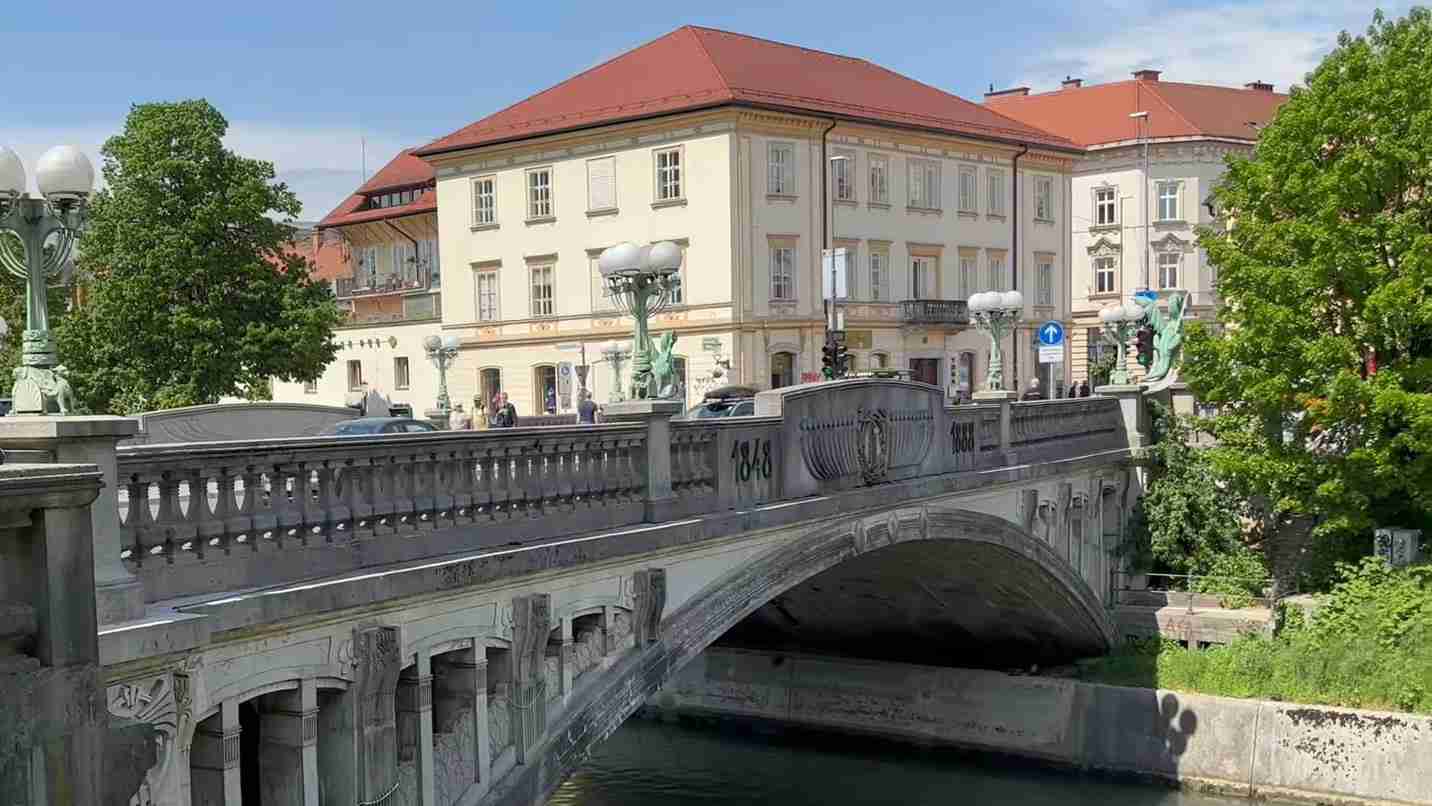
Beyond Ljubljana’s iconic Dragon Bridge and castle-crowned hill lies a parallel city of secret courtyards, underground art galleries, literary cafes, and neighborhood workshops where locals actually spend their time. Slovenia’s capital rewards curious travelers who venture past the postcard views into alleyways thick with street art, hidden gardens designed by Jože Plečnik himself, and basement bars where Ljubljana’s creative underground has gathered for decades.
Key Takeaways: Ljubljana’s Hidden Treasures
- Architectural Secrets Beyond Plečnik’s Famous Works: While tourists flock to the Triple Bridge and National Library, hidden Plečnik masterpieces like the Žale Cemetery’s arcaded entrance and the Vegova Street colonnade reveal the architect’s genius in unexpected neighborhood corners where locals pause for coffee.
- Underground Culture in Metelkova and Beyond: The autonomous cultural zone of Metelkova Mesto transforms former Yugoslav military barracks into Europe’s most vibrant squat-turned-arts-district, complete with graffiti-covered buildings, underground clubs, and artist studios operating in complete independence from commercial tourism.
- Plečnik’s Hidden Landscape Architecture: The architect’s lesser-known contributions include intimate garden designs along the Ljubljanica River, secluded parks like Navje Memorial Park with its ancient linden trees, and the Trnovo embankment where locals swim in summer while tourists remain unaware upstream.
- Alternative Museum Circuit: Skip the overcrowded castle museum for intimate collections like the Slovene Ethnographic Museum’s attic treasure rooms, the quirky Museum of Illusions’ mind-bending installations, and the Print Studio Archive documenting centuries of Slovene graphic arts in a quiet Krakovo neighborhood space.
- Literary and Intellectual Hideaways: Ljubljana’s cafe culture extends beyond Copacabana Square to include Skrivnost bookshop-cafe where Slovene writers still gather, the Pritličje philosophy cafe hosting weekly debates, and Antiq Palace Hotel’s library bar where first editions line mahogany shelves.
- Secret Gardens and Green Spaces: Beyond Tivoli Park’s manicured paths wait wild spaces like the Ljubljana Marsh nature reserve just beyond city limits, the Japanese Garden hidden behind the Technical Museum, and the forgotten monastery gardens of Krakovo where nuns still tend medieval herb plots.
People Also Ask About Ljubljana Hidden Gems
What are the most underrated neighborhoods in Ljubljana?
Krakovo and Trnovo represent Ljubljana’s most authentic neighborhoods, where market gardeners still cultivate plots dating to the Middle Ages and locals swim in the Ljubljanica River from private embankment access points. These medieval districts south of the center retain wooden cottages, kitchen gardens running to the riverbank, and family-run gostilnas serving homemade wine. The Tabor neighborhood northeast of the center preserves working-class character with Serbian bakeries, second-hand bookshops, and the Roza Housing Estate — a masterpiece of communist-era architecture now occupied by artists and students. Šiška, further northwest, hosts weekly flea markets at the Šiška Market where locals trade everything from Yugoslav-era furniture to homemade rakija, while the district’s main street features family restaurants unchanged since the 1970s. These neighborhoods lack obvious tourist attractions but provide genuine encounters with daily Slovene life — bread baked in wood-fired ovens, conversations conducted in thick Ljubljana dialect, and evening walks where you’ll meet local families rather than tour groups.
Where can I find authentic Jože Plečnik architecture away from tourist crowds?
Plečnik’s residential and landscape works scatter throughout Ljubljana’s neighborhoods, accessible to those willing to walk beyond the center. The Žale Cemetery gates showcase the architect’s monumental style with classical columns and pyramidal elements marking the entrance to Ljubljana’s main burial ground — locals visit to honor Slovenia’s cultural figures buried in Plečnik-designed arcades. Vegova Street’s colonnade near the Faculty of Law demonstrates his urban planning vision with covered walkways and carefully proportioned columns creating intimate pedestrian scale. The Krakovo embankment reveals Plečnik’s landscape genius through poplar-lined promenades, stone stairs descending to the water, and pyramidal forms integrated into river walls where locals still gather for evening walks. His Church of St. Francis in Šiška combines brick modernism with classical elements, visited primarily by neighborhood residents attending mass. The Plečnik House museum in Trnovo preserves the architect’s personal residence complete with studio and garden, offering intimate insight into his working methods and daily life. These sites require intentional seeking but reward visitors with architecture experienced as Plečnik intended — as part of everyday urban life rather than tourist spectacle.
What underground cultural venues operate in Ljubljana?
Metelkova Mesto anchors Ljubljana’s alternative scene as Europe’s oldest continually operating autonomous cultural zone, transforming former Yugoslav People’s Army barracks into artist studios, underground clubs, and performance spaces operating entirely outside commercial control. Individual venues within the complex include Gala Hala hosting experimental music, Channel Zero featuring punk and metal concerts, Monokel presenting LGBT+ events, and Menza pri Koritu serving vegetarian food in graffiti-covered spaces. The Rog Factory squat, though currently threatened by redevelopment, maintains alternative spaces for skateboarders, musicians, and visual artists in abandoned bicycle factory buildings. KUD France Prešeren operates as a multi-arts venue in Tabor presenting avant-garde theater, experimental film, and electronic music events ignored by mainstream media. The Škuc Gallery pioneered LGBT+ culture in Yugoslavia and continues programming queer art, underground cinema, and performance art in a basement space near Kongresni Square. Klub Gromka in the Poljane neighborhood hosts ethnic music concerts and world beat nights in an intimate venue decorated with instruments and textiles from around the globe. These venues maintain deliberate obscurity — finding them requires local knowledge or persistent exploration of neighborhoods where street art signals creative activity.
Which museums and galleries do Ljubljana residents actually visit?
The Slovene Ethnographic Museum provides the most comprehensive introduction to Slovene material culture, housing collections from Alpine shepherding traditions to Karst folk costume in a Plečnik-designed building near the Ljubljanica. Locals visit the attic treasure rooms where thousands of artifacts reveal daily life across centuries — wooden farming tools, ceremonial masks, traditional textiles — curated with scholarly depth rather than tourist simplification. The Museum of Contemporary Art Metelkova hosts challenging exhibitions in renovated military barracks, presenting Slovene and international artists working in installation, video, and performance media. The architecture itself — raw concrete, industrial windows, fortress walls — creates stark contrast with white-cube galleries downtown. The City Museum of Ljubljana occupies a Renaissance palace with permanent exhibitions on urban history, temporary shows examining contemporary Ljubljana identity, and a Roman archaeological site visible through glass floors. The Print Workshop Museum documents graphic arts traditions through working presses, paper-making demonstrations, and archives of political posters, book illustrations, and fine art prints. The Technical Museum’s collection spans from steam engines to calculators, attracting engineering students and nostalgia-seeking locals who remember Yugoslav-era technology. These institutions emphasize education and preservation over entertainment, maintaining admission prices under €5 and hosting lectures, workshops, and community events that sustain local engagement beyond tourist seasons.
Extended multi-day tours – 5+ days
Featured Ljubljana Multi-Day Tour Packages
7 days
Slovenia Discovery
- ✓ Comprehensive Ljubljana tour
- ✓ Expert local guides included
- ✓ All accommodation arranged
- ✓ Transportation provided

3 days
Best of Alpe Adria Trail
- ✓ Booking needs min. 2 travelers

5 days
5 Days in Ljubljana: Caves, Castles & Alpine Wonders
- ✓ Comprehensive Ljubljana tour
- ✓ Expert local guides included
- ✓ All accommodation arranged
- ✓ Transportation provided
7 days
Discover Croatia & Slovenia (Multi country)
- ✓ Comprehensive Ljubljana tour
- ✓ Expert local guides included
- ✓ All accommodation arranged
- ✓ Transportation provided
Multi-day tour packages powered by TourRadar. Prices and availability subject to change.
Introduction: Discovering Ljubljana’s Secret Identity
Ljubljana reveals itself slowly, layer by layer, to visitors willing to stray from the Old Town’s pedestrian streets and castle-crowned hill. Slovenia’s capital functions as a genuine city of 300,000 residents rather than a themed heritage attraction, maintaining working neighborhoods, underground cultural venues, and daily rhythms largely unaffected by tourism. The city’s compact scale — you can walk from any edge to the center in 30 minutes — disguises remarkable depth of history, architecture, and cultural production concentrated in a manageable urban footprint.
Architect Jože Plečnik reshaped Ljubljana between the world wars, transforming an earthquake-damaged provincial capital into a coherent architectural vision combining classical forms, modernist materials, and Slovene nationalist symbolism. While his Triple Bridge and riverside colonnades attract camera-wielding crowds, his equally significant neighborhood works — cemetery gates, embankment walls, church interiors — remain the domain of locals who use these spaces daily for walks, contemplation, and community gathering. Understanding Plečnik’s comprehensive urban vision requires exploring beyond the famous monuments into residential streets where his columns, pyramids, and carefully proportioned spaces shape everyday experience.
The city’s alternative culture thrives in spaces tourists rarely discover: the autonomous zone of Metelkova Mesto where underground clubs operate in graffiti-covered barracks, the squatted factory buildings of Rog where skateboarders and artists maintain creative independence, and basement galleries presenting challenging contemporary art to audiences of students and intellectuals. This parallel Ljubljana coexists with the postcard-perfect Old Town but operates according to different values — experimentation over tradition, community over commerce, authenticity over performance.
Ljubljana’s neighborhood character varies dramatically across short distances. The medieval market gardens of Krakovo preserve wooden cottages and vegetable plots where nuns cultivated herbs in the 15th century. The working-class districts of Tabor and Šiška maintain Serbian bakeries, second-hand bookshops, and communist-era housing estates now occupied by artists attracted by low rents and creative communities. The bourgeois streets of Center feature Art Nouveau apartment buildings, antique shops, and cafes where intellectuals have debated Slovene identity for generations. These neighborhoods lack obvious attractions but provide essential context for understanding how Ljubljana actually functions as a living city.
The Ljubljanica River shapes the city’s geography and social life, flowing through the center in a lazy curve before turning south toward the Ljubljana Marsh. While tourists congregate on the cobbled embankments near the Triple Bridge, locals know swimming spots downstream in Trnovo, fishing holes where elderly men gather at dawn, and quiet stretches lined with weeping willows where couples escape summer heat. The river’s willow-shaded banks host spontaneous barbecues, midnight swims, and lazy afternoons with nothing to prove — Ljubljana life at its most authentic.
This guide maps Ljubljana’s hidden layers systematically, organizing discoveries by neighborhood, theme, and cultural significance. The selection criteria prioritize places where locals actually spend time over manufactured authenticity, working institutions over tourist-oriented recreations, and continuing traditions over heritage performances. Some recommendations include practical details like opening hours and admission fees where relevant, but many describe spaces — parks, embankments, neighborhoods — experienced freely according to your own schedule and interests. The goal remains constant: helping curious travelers discover the Ljubljana that residents inhabit daily, where architecture serves life rather than Instagram, and where authentic culture continues evolving rather than being preserved in amber for visitor consumption.
Plečnik’s Hidden Architectural Masterpieces
Jože Plečnik’s comprehensive vision for Ljubljana extended far beyond the Triple Bridge and riverside market colonnades that dominate postcards. The architect spent four decades transforming the city’s infrastructure, religious buildings, cemeteries, and public spaces into a coherent architectural statement combining classical proportions, modernist materials, and deeply Slovene symbolism. His lesser-known works reward discovery with intimate scale, unexpected details, and integration into daily neighborhood life that his famous monuments cannot achieve.
Žale Cemetery Monumental Gateway and Arcades
Ljubljana’s main cemetery entrance represents Plečnik at his most monumental, with classical columns supporting pyramid-topped pavilions flanking the approach road. The architect designed the entire cemetery complex including arcaded galleries where prominent Slovenes rest in family chapels, ceremonial spaces for funeral services, and landscaped paths connecting burial sections. The entrance gates combine Egyptian, Greek, and Roman elements into a uniquely Plečnikian statement about death, memory, and cultural continuity. Local families visit regularly to maintain graves and honor Slovenia’s artistic, political, and intellectual figures buried in the architect’s arcade tombs. The cemetery chapel features Plečnik’s characteristic fusion of classical forms and modern concrete construction, with pyramidal elements marking the building’s spiritual function. Walking the arcaded galleries reveals careful attention to proportion, light, and materials — limestone walls, terracotta tiles, brass fixtures — creating contemplative atmosphere far removed from tourist Ljubljana. The complex operates as working cemetery rather than monument, with funeral processions, gravediggers tending plots, and elderly visitors bringing flowers to family sites. Spring visits coincide with cherry blossoms lining the paths, while autumn light enhances the warm tones of Plečnik’s carefully selected materials.
Vegova Street Colonnade and Urban Ensemble
The colonnade along Vegova Street near the Faculty of Law demonstrates Plečnik’s vision for covered pedestrian walkways creating human-scaled urban spaces. Classical columns support a simple roof structure, providing shelter from rain while maintaining visual connection to the street. The architect designed the ensemble to frame views toward the castle while creating intimate scale at ground level — a characteristic Plečnik strategy for relating monumental elements to daily urban experience. Law students use the colonnade constantly, shortcutting between campus buildings, smoking cigarettes between lectures, and gathering in small groups where the covered space creates natural meeting points. The adjacent Križanke summer theater complex, also Plečnik-designed, transforms a medieval monastery into an open-air performance venue with classical columns integrated into Romanesque ruins. The combination reveals the architect’s skill at urban-scale intervention — connecting buildings across streets, framing views toward landmarks, and creating pedestrian sequences that shape how people move through the city. Few tourists discover this complex despite its proximity to the center, allowing appreciation of Plečnik’s architecture functioning as intended rather than as tourist attraction.
Trnovo Embankment and River Architecture
Plečnik’s riverside works in the Trnovo neighborhood reveal his landscape architecture at its most lyrical, with poplar-lined promenades, stone stairs descending to the water, and pyramidal elements integrated into embankment walls. The architect lived in Trnovo for decades, personally supervising construction of riverside improvements that local residents still use for evening walks, summer swimming, and lazy afternoons reading under willow trees. The Church of St. John the Baptist features Plečnik’s interior redesign combining baroque elements with modernist concrete, creating spiritual atmosphere through carefully controlled light and classical proportions. The adjacent presbytery and parish buildings form an integrated ensemble typical of Plečnik’s comprehensive approach to urban design. The Trnovo Bridge — less famous than the Triple Bridge but equally sophisticated — features pyramidal lamps and carefully proportioned balustrades creating elegant transition between neighborhoods. Locals cross constantly while tourists concentrate upstream, allowing quiet appreciation of the architect’s skill at designing infrastructure that enhances daily life. Summer evenings bring neighborhood residents to the embankment for picnics, swimming, and social gatherings where the riverside’s gentle gradient provides natural access to the water. The willow trees Plečnik planted now shade the promenade, their drooping branches creating green ceiling over the walkway exactly as the architect intended.
Church of St. Francis in Šiška
This brick church in the working-class Šiška neighborhood represents Plečnik’s fusion of modernist construction techniques with classical and Byzantine references. The exterior combines exposed brick with white stone accents, creating patterns and textures that shift with changing light throughout the day. The bell tower rises in distinctive pyramidal form — Plečnik’s signature element — visible across the district as landmark for residents navigating neighborhood streets. The interior achieves remarkable spaciousness despite modest dimensions, with concrete columns supporting barrel vaults and clerestory windows flooding the nave with natural light. The architect designed every element from altar furnishings to door handles, creating total artistic environment typical of his comprehensive approach. Parish families attend mass regularly, maintaining active liturgical use rather than monument status. The church anchors a neighborhood square where markets operate on weekends, children play football, and elderly residents gather on benches between errands. This integration into daily community life represents precisely what Plečnik intended — architecture serving spiritual and social functions rather than attracting visitors. The surrounding Šiška district retains working-class character with family-run shops, Serbian bakeries, and Yugoslav-era apartment blocks unaffected by gentrification, providing authentic context for experiencing the church as neighborhood institution rather than tourist site.
Plečnik House Museum in Trnovo
The architect’s personal residence preserves his living quarters, studio, and garden exactly as arranged at his death in 1957. The house functions as time capsule of Plečnik’s working methods, with architectural drawings covering tables, classical sculpture fragments decorating the garden, and the architect’s personal library revealing his intellectual influences. The studio contains drafting tables positioned to capture north light, storage for templates and models, and the simple furnishings Plečnik preferred throughout his life. The house itself demonstrates his architectural philosophy — classical proportions adapted to modest scale, carefully selected materials including brick and wood, and pyramidal elements marking the building’s corners. The garden functions as outdoor extension of the studio, with columned pergolas, pyramid-topped gatehouses, and fragments of classical architecture integrated into landscape design. Plečnik cultivated grapevines, tended flower beds, and used the garden as experimental space for testing forms later incorporated into public projects. The museum preserves this intimate relationship between domestic life and architectural practice, allowing visitors to understand how Plečnik’s comprehensive vision emerged from daily contemplation of form, proportion, and material. The location in residential Trnovo means local families pass the house constantly while walking dogs, children heading to school, and elderly neighbors maintaining the rituals of neighborhood life. This context makes the museum experience fundamentally different from institutional architecture museums — you encounter Plečnik’s life embedded in continuing community rather than isolated as heritage object.
Underground Culture and Alternative Venues
Ljubljana’s alternative cultural scene operates largely invisible to tourists, concentrated in squatted buildings, autonomous zones, and underground venues maintaining independence from both commercial entertainment and official cultural programming. These spaces emerged during Yugoslavia’s socialist period when student movements created alternative cultural production, accelerated after independence in 1991 when economic uncertainty opened space for experimentation, and continue today as resistance to gentrification and commercialization of urban culture.
Metelkova Mesto Autonomous Cultural Zone
The former Yugoslav People’s Army barracks transformed into Europe’s oldest continually operating autonomous cultural center in 1993, when artists and activists occupied buildings scheduled for demolition. The complex now houses over a dozen independent venues, artist studios, and performance spaces operating under principles of direct democracy, anti-commercialism, and cultural diversity. The buildings themselves function as canvas for street artists, with every surface covered in graffiti, murals, and political messages creating visual intensity rarely seen in Western European cities. Gala Hala occupies the largest hall, hosting experimental electronic music, avant-garde performance, and multimedia events in raw industrial space with minimal renovation — concrete walls, metal beams, and basic sound system supporting artistic vision over commercial polish. Channel Zero presents punk, metal, and hardcore concerts in basement venue where bands play at floor level surrounded by audience, breaking down performer-spectator separation. Monokel serves as Ljubljana’s primary LGBT+ venue with drag performances, queer dance parties, and community events creating safe space in conservative Slovene society. Menza pri Koritu operates vegetarian kitchen serving affordable meals to artists, students, and community members, maintaining principle that cultural participation should not depend on economic means. The Hostel Celica occupies former prison cells converted into artist-designed rooms, with original bars and doors preserved as reminder of the building’s history of confinement and control. Each cell received unique artistic treatment, transforming punishment architecture into creative expression.
Metelkova operates without official schedule or publicity, requiring visitors to explore the complex freely and discover which venues operate on particular evenings. The atmosphere shifts dramatically from afternoon tranquility — artists working in studios, small groups conversing in courtyards — to late-night intensity when club music shakes buildings and crowds fill spaces designed for military discipline. The zone maintains radical openness with no entrance requirements beyond respect for space and community, making it simultaneously welcoming and intimidating for visitors unfamiliar with autonomous cultural traditions. Local participation includes artists maintaining studios, musicians rehearsing in basement spaces, political activists organizing meetings, and alternative families raising children within the community. This genuine inhabitation distinguishes Metelkova from tourist-oriented alternative districts in other European capitals — the zone functions as living experiment in cultural autonomy rather than performance of resistance. Summer brings outdoor concerts to the courtyards, with bands playing into early morning while people dance, drink, and engage in conversations that blend Slovene, Serbian, English, and other languages reflecting Ljubljana’s increasing cosmopolitanism. Winter concentrates activity indoors where warm interiors and loud music provide escape from cold and social conformity.
Rog Factory Squat and Creative Center
The abandoned Rog bicycle factory became Ljubljana’s second autonomous zone in 2006, when artists and activists occupied the industrial complex to preserve cultural space threatened by speculative development. The factory buildings house artist studios, skateboard parks, concert venues, and workshop spaces where creative communities maintain independence from both market pressures and official cultural institutions. The squat operates under constant threat of eviction, with periodic police actions and developer pressure creating uncertainty about its future. This precarity intensifies community solidarity and political consciousness, with residents viewing the space as front line in broader struggles over urban development, affordable culture, and public space. The skateboard park occupies factory floors with ramps and obstacles built from scavenged materials, attracting skaters from across Slovenia and abroad who appreciate the raw industrial setting. Concerts happen irregularly in spaces ranging from intimate basement rooms to large factory halls, with programming emphasizing punk, hardcore, and experimental music ignored by commercial venues. Artist studios fill upper floors where good natural light and cheap rent support visual artists, sculptors, and multimedia creators working outside gallery systems. The community kitchen operates on donation basis, serving vegetarian meals and hosting dinners that combine food with political discussion and community building.
Rog represents more oppositional politics than Metelkova, explicitly challenging property ownership, urban development, and cultural commodification. The space attracts anarchists, anti-capitalists, and activists viewing cultural production as inseparable from political struggle. This ideological clarity creates both strong community bonds and barriers to casual visitors, with the squat maintaining deliberate distance from tourist-friendly alternative culture. The industrial architecture remains largely unmodified with rusting machinery, peeling paint, and exposed infrastructure creating aesthetic of creative decay rather than renovated cool. This authenticity appeals to those seeking genuine underground culture but may disappoint visitors expecting polished alternative venues. The factory’s uncertain future means any visit could be the last, with developer interest and municipal pressure constantly threatening eviction. Local supporters organize benefit concerts, political demonstrations, and media campaigns defending the squat as essential cultural resource and model for alternative urban development. The struggle continues with courts, protests, and negotiations creating ongoing drama about whether Ljubljana will preserve autonomous culture or sacrifice it to real estate speculation.
KUD France Prešeren Multi-Arts Center
This artist-run organization operates in Tabor neighborhood, presenting experimental theater, contemporary dance, electronic music, and multimedia performance in intimate venue emphasizing artistic innovation over commercial appeal. The programming consistently challenges audiences with difficult work — abstract choreography, conceptual theater, sound art — that commercial venues reject as uncommercial. The space itself maintains deliberate simplicity with flexible black box theater, minimal technical infrastructure, and volunteer labor keeping costs low and maintaining independence. KUD functions as production hub for Ljubljana’s experimental artists, providing rehearsal space, technical support, and presentation opportunities for work-in-progress. The audience consists primarily of artists, students, and intellectuals willing to engage with challenging work, creating knowledgeable community that sustains adventurous programming. The organization survived from Yugoslav period through independence to present, adapting to political and economic changes while maintaining commitment to artistic experimentation. Recent programming includes collaborations with international artists, residencies for visiting performers, and festivals concentrating experimental work from across Europe. The performances often explore Slovene identity, Yugoslav memory, and contemporary political issues through abstract forms that avoid didactic messaging. This sophisticated approach attracts serious artists while limiting popular appeal, exactly the tradeoff KUD accepts in maintaining artistic integrity.
Škuc Gallery and LGBT+ Cultural Center
Škuc pioneered LGBT+ culture in Yugoslavia during the 1980s, creating one of Europe’s earliest queer cultural organizations under socialist system theoretically hostile to sexual minorities. The basement gallery near Kongresni Square presents queer art, underground cinema, and performance work challenging heteronormative culture through visual means. The programming combines historical exhibitions documenting LGBT+ life in Yugoslavia with contemporary work exploring queer identity, transgender experience, and sexual politics in post-socialist Slovenia. The venue also hosts film screenings, lectures, and community events maintaining Škuc’s role as center for Ljubljana’s queer community. The gallery’s history makes it significant beyond artistic programming — the space represents decades of political struggle, community building, and cultural production by Slovene LGBT+ people creating visibility despite discrimination. The exhibitions often combine personal testimony, archival materials, and contemporary art to document queer experience across generations. The venue maintains deliberate grassroots character with minimal funding, volunteer labor, and commitment to accessibility over institutional polish. This authenticity creates intimate atmosphere where community members gather, socialize, and engage with cultural production reflecting their lives and politics. The gallery’s location in city center basement creates interesting contrast — hidden entrance down narrow stairs versus prominent cultural position as Ljubljana’s primary LGBT+ space.
Klub Gromka World Music Venue
This intimate club in Poljane neighborhood specializes in ethnic music, world beat, and global sounds largely ignored by mainstream Ljubljana venues. The programming brings musicians from Balkans, Africa, Latin America, and Asia to perform for audiences interested in music beyond European tradition. The venue decorates with instruments, textiles, and artifacts collected during decades of presenting global music, creating aesthetic that celebrates musical diversity. The performances range from traditional musicians presenting heritage repertoires to fusion artists combining ethnic instruments with electronic production, always emphasizing live performance over recorded sound. The audience includes older hippies who discovered world music in the 1970s, younger listeners attracted to global hip-hop and electronic fusion, and immigrant communities hearing familiar sounds in foreign city. This mix creates unusually diverse crowd for Ljubljana, where most venues cater to ethnically homogeneous Slovene audiences. Gromka maintains affordable ticket prices and welcoming atmosphere, operating as community space rather than commercial nightclub. The venue survived multiple threats of closure, with dedicated audiences and benefit concerts preserving this rare outlet for non-European music. The programming includes regular festivals concentrating music from particular regions — Balkan brass bands, West African percussion, Latin American guitar traditions — creating intensive exploration of specific musical cultures. These festivals attract visitors from across Slovenia and neighboring countries, temporarily transforming Ljubljana into hub for particular musical community.
Neighborhood Explorations Beyond Center
Ljubljana’s authentic character emerges in residential neighborhoods where daily life continues largely unaffected by tourism. These districts maintain working institutions, family-run businesses, and community rhythms providing essential context for understanding contemporary Slovene urban culture. Exploration requires curiosity more than tourist infrastructure, with discoveries emerging from wandering streets, entering neighborhood shops, and observing how residents actually spend their time.
Krakovo and Trnovo Medieval Garden Districts
These adjacent neighborhoods south of the center preserve medieval character with wooden cottages, market gardens, and riverside access unchanged in essential character for centuries. Krakovo maintains working urban agriculture with vegetable plots tended by families holding cultivation rights passed through generations. The narrow lanes between gardens create intimate pedestrian scale with vines growing over wooden fences, chickens scratching in yards, and elderly gardeners hoeing rows of lettuce and tomatoes. The Church of St. Florian marks the district center with baroque facade and Plečnik-designed interior where neighborhood families attend mass. The surrounding streets feature single-story cottages painted in faded pastels — yellows, pinks, greens — creating architectural palette found nowhere else in Ljubljana. The Plečnik embankment provides riverside promenade where residents walk dogs, children ride bicycles, and couples stroll in evening light. Trnovo extends the garden district character southward with additional plots, the Plečnik House, and bars where students gather for cheap beer and live music. The Ljubljanica River forms the districts’ natural boundary, with access points where locals swim during summer heat — locals plunge from embankment walls while tourists remain unaware upstream. The Pri Škofu gostilna serves traditional Slovene food in family-run restaurant unchanged for decades, with handwritten menus, gruff service, and authentic cucina povera dishes reflecting rural Slovene cuisine. These neighborhoods function as time capsules preserving pre-industrial urban patterns while remaining fully inhabited rather than preserved as museum pieces.
Tabor Working-Class District
Northeast of the center, Tabor preserves working-class character with Serbian bakeries, second-hand bookshops, and Yugoslav-era apartment blocks housing artists attracted by low rents and creative community. The district developed during industrialization as housing for factory workers, with densely built streets lacking the bourgeois elegance of the center. The Roza Housing Estate represents architectural high point — communist-era social housing designed with idealistic vision of collective living, generous green space, and integrated community services. The estate attracted preservationist attention for its architectural quality, now occupied by students, artists, and immigrants creating multicultural community. Tabor Street forms the district’s main commercial spine with family-run shops selling everything from haberdashery to musical instruments, maintaining streetscape of independent retailers resisting chain store homogenization. The Zaloška Market operates weekly with farmers selling vegetables, elderly women hawking handmade textiles, and vendors offering everything from tools to Yugoslav-era memorabilia. The market attracts residents from across Ljubljana seeking quality produce and low prices, creating cross-class shopping environment increasingly rare in European capitals. The district’s bars and cafes cater to local clientele with cheap beer, simple food, and sociability unaffected by hipster aesthetics or tourist expectations. The Tabor Hall serves as district cultural center with local theater productions, children’s programs, and community events maintaining neighborhood focus rather than city-wide appeal.
Šiška Industrial and Residential Zone
West of center, Šiška combines industrial heritage with residential neighborhoods where immigrant communities and working families maintain distinct character from gentrifying center. The district developed around factories and breweries, with worker housing creating dense urban fabric. The architecture ranges from Art Nouveau apartment buildings on main streets to simple worker cottages on side streets, with contemporary additions filling gaps with varying aesthetic success. Šiška Street forms the commercial spine with family-run restaurants serving Balkan cuisine — ćevapi, pljeskavica, burek — reflecting Serbian and Bosnian immigration. The bakeries operate from early morning with fresh bread and pastries maintaining standards lost in center’s tourist-oriented establishments. The weekly flea market at Šiška Market draws bargain hunters from across Ljubljana with vendors selling everything from antique furniture to homemade rakija, creating chaotic but authentic market atmosphere. The district’s bars remain ungentrified with cheap drinks, working-class clientele, and football matches on television creating masculine sociability. The Church of St. Francis anchors religious life with Plečnik’s architectural masterpiece serving active parish maintaining traditional Catholic practice. The surrounding streets host Corpus Christi processions, Christmas markets, and Easter celebrations continuing pre-socialist religious traditions. The district attracts artists and students seeking affordable housing, with former industrial spaces converting to studios and galleries creating emerging creative scene. This cultural activity remains grassroots with irregular events, word-of-mouth publicity, and DIY aesthetic distinguishing it from established art districts.
Bežigrad Bourgeois Residential Area
North of center, Bežigrad developed as bourgeois residential district during interwar period, with Art Deco and early modernist apartment buildings lining tree-shaded streets. The district maintains middle-class character with professionals, established families, and elderly residents occupying apartments unchanged for generations. The architecture represents significant cultural heritage with geometric facades, curved balconies, and decorative details characteristic of 1920s-1930s urbanism. Bežigrad Street forms commercial spine with independent shops, professional offices, and cafes serving neighborhood clientele rather than tourists. The Bežigrad Market operates daily with covered stalls selling meat, fish, vegetables, and prepared foods to local shoppers maintaining preference for market shopping over supermarkets. The vendors know regular customers by name, offering cooking advice and setting aside premium items for loyal clients. The Plečnik Stadium anchors the district’s sports culture with football matches drawing devoted supporters and athletics events continuing Olympic aspirations. The surrounding parkland provides neighborhood green space with children’s playgrounds, walking paths, and open fields where families picnic on summer weekends. The district’s cafes include Kavarna Evropa — Art Deco interior with original fixtures serving coffee and pastries in atmosphere unchanged since opening. The clientele includes elderly residents meeting friends, professionals conducting informal business meetings, and parents socializing while children play in adjacent park. This social function sustains the cafe’s importance beyond commercial calculation, with regulars maintaining daily rituals of morning coffee, afternoon cake, and evening aperitifs.
Secret Gardens and Green Spaces
Ljubljana’s green infrastructure extends far beyond Tivoli Park’s manicured paths, encompassing wild spaces, hidden gardens, and neighborhood parks where locals escape urban intensity. These green spaces vary from formal gardens preserving historical landscape design to spontaneous nature where Ljubljana’s compact density suddenly opens into meadow, forest, or wetland. Discovery requires walking beyond obvious destinations into neighborhoods where green space emerges unexpectedly between buildings, along rivers, or in forgotten corners of urban fabric.
Ljubljana Marsh Nature Reserve
The Ljubljana Marsh extends south of the city as extensive wetland ecosystem preserving prehistoric settlement sites, rare biodiversity, and traditional landscape of meadows and drainage ditches. The marsh represents Ljubljana’s original setting — wet grassland unsuitable for agriculture but rich in bird life, amphibians, and wetland plants. Archaeological sites document lake dwelling cultures from Bronze Age, with wooden stakes visible in peat revealing settlement patterns 5,000 years old. The landscape preserves traditional hay meadows mowed by local farmers maintaining biodiversity through extensive agriculture. Spring brings thousands of migratory birds pausing in wetland habitat during northward journey, with birdwatchers documenting species rarely seen elsewhere in Slovenia. The marsh supports walking and cycling along gravel paths crossing between meadows, with Plečnik’s chapel at Črna Vas marking architectural intervention in landscape. The building combines classical forms with rural simplicity, serving farming community while functioning as landscape folly visible across wetland. The marsh remains largely unknown to tourists despite proximity to city center, with local naturalists, walkers, and cyclists appreciating the accessible wild landscape. Summer brings wildflowers carpeting meadows in yellow, purple, and white, with traditional mowing preserving botanical diversity threatened by intensive agriculture elsewhere.
Navje Memorial Park and Cemetery Garden
This intimate memorial park near Prešeren Square preserves graves of Slovene cultural figures under ancient linden trees creating shadowed sanctuary in city center. Plečnik designed the space as garden cemetery with arcaded walls, classical urns, and carefully proportioned landscaping creating contemplative atmosphere. The graves include writers, artists, and intellectuals central to Slovene national culture, with memorial inscriptions often citing their work. The park functions as outdoor library of Slovene cultural history, with each grave representing particular contribution to national identity. The linden trees predating the cemetery create green canopy filtering sunlight into shifting patterns on stone paths and grass. The space attracts readers seeking quiet, couples meeting discreetly, and elderly residents resting on benches between errands. This combination of memorial function and daily use creates uniquely Ljubljana mixture of sacred and profane, where cultural reverence coexists with practical urban life. The surrounding walls preserve Plečnik’s arcade design with columns framing views toward church tower, creating carefully composed perspectives typical of the architect’s landscape work. The park’s intimacy contrasts with Tivoli’s expansive paths, offering different quality of urban green space — enclosed rather than open, memorial rather than recreational, cultural rather than natural.
Japanese Garden at Technical Museum
Hidden behind the Technical Museum in Bežigrad, this authentic Japanese garden features traditional elements including stone lanterns, raked gravel, koi pond, and carefully pruned plants creating miniature landscape. The garden emerged from collaboration between Slovene and Japanese cultural organizations, constructed by Japanese gardeners using traditional techniques and materials. The design follows Japanese principles of borrowed scenery, asymmetric balance, and symbolic representation of natural forms in artificial landscape. The koi pond attracts visitors feeding fish while contemplating water reflections, with stone bridge providing viewing platform. The tea house offers occasional traditional tea ceremonies with tatami mats, sliding screens, and proper utensils creating authentic Japanese cultural experience in Ljubljana setting. The garden provides radical contrast to surrounding urban fabric, with privacy walls blocking views of apartment buildings and industrial structures. This isolation creates impression of transplanted space, simultaneously authentic to Japanese tradition and completely artificial in Slovene context. The garden attracts Japanese expatriates seeking familiar aesthetic, Slovenia-Japan friendship society members participating in cultural exchange, and curious locals discovering unexpected urban oasis. The space remains little-known despite central location, with visitors arriving through word-of-mouth rather than tourist promotion. Spring brings cherry blossoms creating brief but celebrated flowering, with viewing events and special openings marking traditional hanami season.
Rožnik Hill Forest and Viewing Tower
Rising directly behind Tivoli Park, Rožnik Hill provides forested escape with walking trails, observation tower, and city views unmatched by the tourist-crowded castle. The forest preserves mixed deciduous woodland with beech, oak, and chestnut trees creating dense canopy. The trails range from gentle paths suitable for elderly walkers to steeper routes requiring modest fitness, all maintained by Ljubljana forestry service. The Cankar Monument marking poet Ivan Cankar’s favorite walking destination anchors the hill’s literary associations, with marble obelisk inscribed with his poetry. Local runners use the trails for training, dog walkers exercise pets in forest setting, and families hike to viewing tower for Sunday outings. The observation tower provides panoramic views across Ljubljana to Alps and Karawanks beyond, with orientation panels identifying visible peaks and landmarks. The view surpasses the castle’s more famous perspective by including the castle itself as architectural element in cityscape rather than being limited by position atop the hill. The forest’s southern slope receives intense sun creating microclimate supporting plants uncommon in Ljubljana, with naturalists documenting orchids, lilies, and Mediterranean species at northern range limits. The Prešeren Rest hostel operated historically as refreshment stop for walkers, though its current status remains uncertain. The building preserves interwar architecture with terrace overlooking city, occasionally hosting events but no longer functioning as regular cafe.
Krakovo Monastery Gardens
The Ursuline convent in Krakovo maintains walled gardens cultivated by nuns according to traditions predating modern Slovenia. The gardens combine practical vegetable production with medicinal herb plots, ornamental flowers, and fruit trees creating traditional monastic landscape. The sisters maintain organic cultivation methods using compost, crop rotation, and companion planting rather than chemical inputs. The produce supplies the convent kitchen with seasonal vegetables and herbs used for cooking and traditional remedies. The gardens occasionally open for tours organized through the archdiocese, allowing rare glimpses into enclosed religious life continuing largely unchanged since Habsburg period. The walls surrounding the gardens create separation from secular urban fabric, with only chapel tower visible from surrounding streets. This enclosure preserves contemplative atmosphere essential to monastic function while protecting gardens from urban pressures. The sisters’ horticultural knowledge includes folk plant lore, religious symbolism of particular species, and practical cultivation techniques passed through generations of nuns. The herb garden features traditional medicinal plants including chamomile, mint, sage, and numerous species used in European folk medicine since medieval period. The sisters prepare tisanes and salves using traditional recipes, maintaining healing practices increasingly rare in contemporary Slovenia. The orchards preserve heritage fruit varieties adapted to Ljubljana climate, including apples, pears, and cherries dating to 19th century plantings.
Literary Haunts and Intellectual Cafes
Ljubljana maintains living literary culture with bookshops hosting readings, cafes frequented by writers, and institutions preserving Slovene literary heritage. The city’s compact scale means writers, academics, and intellectuals literally encounter each other daily in shared public spaces, creating literary community impossible in larger capitals. These spaces combine commercial function with cultural significance, operating simultaneously as businesses and cultural institutions.
Antiq Palace Hotel Library Bar
The hotel’s ground floor bar preserves remarkable private library with first editions, rare volumes, and antiquarian books lining mahogany shelves floor to ceiling. The collection emphasizes Slovene literature, philosophy, and history with significant holdings of European classics in original languages. The bar operates as public space with non-guests welcome to read, work, or simply appreciate bibliophile atmosphere. The furniture includes leather armchairs, reading lamps, and writing tables creating gentleman’s club ambiance rare in contemporary Ljubljana. The clientele includes academics preparing lectures, writers working on manuscripts, and book collectors browsing shelves for interesting finds. The bartenders maintain quiet atmosphere discouraging loud conversation, creating environment conducive to reading and contemplation. The book collection belongs to hotel owner’s personal holdings, with ongoing acquisitions adding to library holdings. The volumes include incunabula, illuminated manuscripts, and modern first editions creating survey of European book culture across centuries. The space functions as unofficial literary salon with writers, translators, and publishers meeting informally to discuss projects, negotiate deals, and maintain literary networks. These encounters happen naturally through proximity rather than scheduled events, with regular patrons recognizing each other and initiating conversations. The bar serves quality coffee, wine, and light meals allowing extended stays without pressure to leave, supporting the contemplative atmosphere.
Skrivnost Bookshop-Cafe
This combination bookshop and cafe in the center hosts regular literary events, author readings, and informal gatherings where Slovene writers actually socialize. The shop emphasizes Slovene literature with comprehensive holdings of contemporary authors, literary magazines, and small press publications rarely found in commercial bookstores. The cafe portion includes tables where customers read purchases over coffee, creating atmosphere where books function as social catalyst rather than solitary consumption. The events calendar includes readings by established authors launching new works, emerging writers presenting first books, and translators discussing bringing foreign literature into Slovene. These events attract literary community including publishers, critics, and devoted readers maintaining active engagement with contemporary Slovene writing. The audience sizes range from intimate gatherings of dozen people to standing-room events when major authors appear. The shop maintains personal service with staff offering recommendations, tracking down out-of-print volumes, and maintaining relationships with publishing houses. The name “Skrivnost” translates as “secret,” reflecting the shop’s insider status in Ljubljana literary world — writers know it as gathering place, while casual tourists remain unaware. The shop survives despite chain bookstore competition through cultivating loyal clientele willing to pay slightly higher prices for expert service and literary atmosphere.
Pritličje Philosophy Cafe
This basement cafe near the university hosts regular philosophy discussions, lecture series, and intellectual debates continuing Ljubljana’s tradition of cafe-based public intellectualism. The weekly philosophy evening brings academics, students, and interested citizens together for structured discussion of philosophical topics ranging from ancient ethics to contemporary political theory. The format includes short presentation by expert followed by open discussion where participants engage dialectically with ideas presented. The atmosphere remains egalitarian with professors and students interacting as intellectual equals, creating rare democratic space for philosophical exchange. The cafe operates as regular establishment during daytime with coffee, beer, and simple food, transforming into intellectual venue during evening programs. The audience includes philosophy students deepening understanding beyond coursework, retired academics maintaining intellectual engagement, and curious citizens interested in ideas. The discussions often address contemporary political and ethical issues through philosophical frameworks, connecting abstract thought to practical concerns. The cafe’s name “Pritličje” means “ground floor” in Slovene, though the space actually occupies basement level — an ironic naming characteristic of Ljubljana’s intellectual culture. The venue publishes occasional journals documenting discussions and contributing to Slovene philosophical discourse beyond cafe walls. The space survived multiple threats of closure with regular participants organizing to preserve this rare venue for public philosophy.
Galerija Alkatraz Bookshop and Gallery
This art bookshop specializes in contemporary art publications, artists’ books, and exhibition catalogues with emphasis on Eastern European and Balkan art production. The collection includes rare catalogues from Yugoslav period, contemporary Slovene artists’ publications, and international art books unavailable elsewhere in Ljubljana. The gallery portion presents exhibitions by emerging artists working in book arts, zines, and printed matter blurring boundaries between art and publishing. The space functions as resource for Ljubljana’s art community with artists researching influences, curators developing exhibitions, and students discovering avant-garde traditions. The shop organizes occasional events including book launches, artist talks, and discussions about art publishing and alternative distribution. These programs connect Ljubljana artists to broader international networks of independent art publishing. The staff includes artists maintaining deep knowledge of holdings and ability to recommend based on specific interests and research needs. The shop operates on minimal budget with volunteer labor and donated space allowing continued operation despite limited commercial viability. The location in semi-basement space near Old Town creates modest profile requiring insider knowledge to discover, exactly the clientele the shop seeks — serious artists and researchers rather than casual browsers.
France Prešeren Monuments and Literary Geography
Ljubljana’s greatest poet appears throughout the city in monuments, street names, and memorial sites creating literary geography connecting physical spaces to cultural memory. Prešeren Square anchors this geography with monument to the poet facing Julija Primic’s former residence — commemorating unrequited love central to his poetry. The square functions as Ljubljana’s primary meeting point with locals arranging encounters “at Prešeren” and tourists photographing the statue without understanding its cultural significance. The monument includes relief sculptures of figures from Slovene cultural history, creating pantheon of national heroes surrounding the poet. The Cankar monument on Rožnik Hill marks another literary site where Ljubljana’s second great poet walked contemplating themes of mortality, nature, and Slovene identity. These monuments function actively in contemporary culture rather than as mere heritage objects — locals reference them constantly in giving directions, arranging meetings, and organizing protests and celebrations. The literary associations deepen appreciation of physical spaces, with knowledge that Prešeren walked particular streets or frequented particular taverns adding cultural layer to architectural and social experience. The Slovene national anthem uses Prešeren’s poetry, ensuring every Slovene knows at least fragments of his work and creating living connection to 19th-century literary tradition.
Alternative Shopping and Artisan Workshops
Ljubljana’s shopping culture extends beyond tourist-oriented souvenir shops and commercial chains into alternative markets, artisan workshops, and second-hand stores where locals actually make purchases. These spaces combine commercial function with cultural significance, preserving traditional crafts, sustainable shopping practices, and economic alternatives to consumerist mainstream.
Pogačar Square Artisan Market
This weekend market in Krakovo district features local artisans selling handmade crafts, organic produce, and traditional products directly to consumers. The vendors include woodworkers displaying carved utensils and furniture, textile artists selling woven scarves and embroidered linens, ceramic potters offering functional stoneware, and jewelry makers presenting silver work using traditional Slovene designs. The market operates Saturdays year-round with additional Friday sessions during summer, creating reliable venue for artisan sales and community gathering. The produce vendors sell organic vegetables, artisan cheeses, fresh eggs, and traditional preserved foods including pickles, jams, and cured meats. The quality and price attract locals choosing market shopping over supermarkets, with vendors building regular customer relationships through consistent quality and personal service. The market atmosphere remains authentically Slovene with vendors and customers conversing in local dialect, regulars greeting each other by name, and social interaction comprising significant portion of the experience beyond commercial transaction. The location in historic Krakovo neighborhood surrounded by market gardens and medieval cottages creates ideal setting reinforcing connections between urban market and rural production. The market preserves economic space for small-scale producers unable to compete in mainstream retail, supporting sustainable agriculture and traditional crafts through direct sales to conscious consumers.
Šiška Flea Market
The Sunday flea market at Šiška Market draws bargain hunters from across Ljubljana with vendors selling everything from Yugoslav-era furniture to antique tools, vintage clothing, and homemade rakija. The market occupies covered stalls and outdoor spaces with hundreds of vendors creating chaotic browsing environment requiring patience and sharp eyes to discover worthwhile items. The goods range from genuine antiques to garage-sale rejects, with savvy shoppers developing expertise in distinguishing valuable finds from junk. The furniture stalls feature solid wood pieces from pre-particle-board era, often requiring refinishing but offering quality impossible to find in contemporary commercial furniture. The tool vendors include elderly craftsmen selling lifetime accumulations of hand tools, with plane collections, chisels, and measuring instruments appealing to woodworkers seeking vintage implements. The clothing racks yield designer labels, vintage denim, and traditional Slovene costume components alongside mass-market castoffs. The food vendors sell homemade preserved foods with rural families bringing pickles, jams, honey, and rakija produced in village kitchens according to traditional recipes. The rakija vendors offer tastes before purchase, with fruit brandies ranging from traditional plum to innovative quince, pear, and berry varieties. These informal alcohol sales exist in legal gray area tolerated by authorities recognizing cultural tradition. The market preserves economic practices from socialist period when unofficial economy supplemented state distribution, maintaining parallel market where personal relationships and negotiation skills matter more than cash.
Stari Trg Antique Shops
The Old Square features concentration of antique shops specializing in Slovene folk art, Habsburg-era furniture, and Yugoslav modernist design. The shops cater primarily to local collectors and interior designers sourcing authentic period pieces for renovation projects. The inventory includes painted marriage chests from Alpine valleys, traditional ceramics from different Slovene regions, religious folk art including painted glass and carved crucifixes, and Habsburg-era furniture from bourgeois Ljubljana households. The Yugoslav design items attract particular interest with mid-century modern furniture, decorative arts, and graphic design representing recently appreciated cultural heritage. The shop owners maintain expertise in Slovene material culture with ability to identify regional origins, date pieces accurately, and explain cultural contexts. This knowledge distinguishes the shops from tourist-oriented outlets selling reproduction folk art manufactured abroad. The prices reflect serious collecting rather than souvenir budgets, with significant pieces commanding hundreds or thousands of euros. The clientele includes wealthy Slovenes furnishing restored rural properties, foreign collectors of Eastern European design, and museums acquiring examples for permanent collections. The shops also handle estate sales, with Ljubljana families liquidating inherited furnishings as younger generations reject traditional aesthetics. This creates steady inventory of quality pieces entering market as older generation passes and heirs cash out.
Trubarjeva Cesta Independent Boutiques
This street connecting the center to Metelkova features independent fashion boutiques, design shops, and concept stores presenting alternative to commercial chains. The retailers emphasize Slovene designers, sustainable production, and limited-edition items creating sense of discovery impossible in predictable chain stores. The fashion boutiques stock local designers producing small collections using natural materials and ethical manufacturing, appealing to consumers seeking alternatives to fast fashion. The design shops present contemporary Slovene industrial design including furniture, lighting, and household objects manufactured by small workshops. The book and record shops stock independent publications, alternative music, and cultural productions ignored by commercial retailers. The clientele includes artists and creatives seeking distinctive goods, environmentally conscious consumers prioritizing sustainable production, and locals supporting Slovene design industry. The street maintains alternative character despite gradual gentrification, with new openings generally respecting the independent ethos. The rents remain lower than center streets, allowing experimental ventures and startup designers to maintain physical retail presence. The shops organize occasional events including trunk shows, designer meet-and-greets, and sample sales creating direct connections between makers and consumers.
Kraigher House Traditional Crafts Center
This cultural institution in Stara Ljubljana preserves traditional Slovene crafts through workshops, demonstrations, and sales of authentic handmade objects. The center occupies historic building with workshop spaces where master craftspeople maintain techniques threatened by industrial production. The woodcarving workshop produces traditional Alpine implements including hay rakes, butter molds, and decorative panels using hand tools and century-old patterns. The lace-making demonstration shows Idrija bobbin lace techniques recognized as UNESCO intangible cultural heritage, with lacemakers creating intricate patterns requiring years of training to master. The pottery workshop maintains regional ceramic traditions from different Slovene areas, producing functional stoneware using traditional forms and glazes. The textile workshop demonstrates weaving on traditional looms, natural dyeing using plant materials, and embroidery techniques specific to different Slovene valleys. The center sells workshop products at prices reflecting hours of skilled handwork required, connecting consumers willing to pay for authentic craft with artisans preserving traditional skills. The workshops also train apprentices and host educational programs teaching traditional techniques to students maintaining intergenerational transmission of craft knowledge. The center operates with government cultural funding recognizing traditional crafts as cultural heritage requiring preservation beyond market economics.
Hidden Viewpoints and Photography Locations
Ljubljana’s compact topography creates numerous viewing positions revealing the city’s layout, architectural character, and relationship to surrounding landscape. While the castle hilltop attracts tourist crowds, alternative viewpoints provide equally compelling perspectives with solitude allowing contemplative appreciation. These locations reward photographers seeking distinctive compositions and curious visitors wanting to understand Ljubljana’s urban structure.
Nebotičnik Skyscraper Rooftop Cafe
Built in 1933, Nebotičnik (“Skyscraper”) dominated Ljubljana’s skyline as Yugoslavia’s tallest building for decades. The Art Deco tower now houses offices with rooftop cafe providing 360-degree views across the city. The perspective reveals Ljubljana’s basin setting with Alps visible north, Karawanks east, and Ljubljana Marsh stretching south. The architectural vista includes castle hilltop, river loops, church towers, and Yugoslav-era high-rises creating temporal layering of different periods. The interior preserves original Art Deco details including geometric railings, decorative lighting fixtures, and period furnishings creating authentic 1930s atmosphere. The cafe operates as regular establishment with coffee, drinks, and light meals served throughout the day and into evening. The clientele includes businesspeople from building offices, elderly residents remembering the tower from youth, and visitors discovering alternative to castle viewpoint. The building itself merits attention as architectural monument representing interwar modernism’s arrival in Ljubljana, with streamlined facade and vertical emphasis contrasting baroque and Habsburg architecture dominating the center. The ground floor lobby preserves period details including marble stairs, brass fixtures, and geometric floor patterns. The building survived World War II and subsequent socialist period maintaining original character despite political changes, now protected as architectural heritage.
Rožnik Observation Tower
The metal observation tower on Rožnik Hill provides elevated perspective including Ljubljana Castle as compositional element rather than viewing position. The panorama encompasses entire Ljubljana basin with clear views to Alps when weather permits. The foreground includes Tivoli Park’s formal gardens, center’s architectural density, and riverside development creating urban landscape study. The middle distance shows suburban expansion with Yugoslav-era housing estates and contemporary development illustrating Ljubljana’s post-war growth. The background includes agricultural land, forest-covered hills, and distant mountains framing the city’s regional context. The tower access requires moderate uphill walk through forest from Tivoli Park, with trail signs marking route. The structure itself represents basic metal framework with stairs ascending to platform — functional rather than architectural, contrasting castle’s stone romanticism. The viewing experience emphasizes landscape and urban form over architectural detail, with distance creating abstraction where individual buildings merge into urban pattern. Photographers appreciate varied lighting throughout day, with morning light from east illuminating castle and afternoon sun creating dramatic shadows across cityscape. The location remains relatively undiscovered with local runners, walkers, and photographers comprising primary visitors.
Šance Promenade Historic Fortifications
The Habsburg-era fortification walls northwest of center preserve elevated promenade with views across Tivoli Park to castle and Old Town beyond. The military earthworks date from Napoleonic period when Ljubljana served as capital of Illyrian Provinces, requiring defensive perimeter against potential Austrian reconquest. The fortifications never saw combat but remain as historic monument with walking paths following ramparts. The tree-lined promenade creates shaded corridor popular with local walkers, runners, and parents pushing strollers. The viewpoints along the wall reveal carefully composed perspectives toward the castle with foreground trees framing the view. The southern sections include memorial plaques commemorating partisan resistance during World War II occupation, connecting military architecture to 20th-century history. The fortifications provide elevated position revealing Tivoli’s formal garden layout with geometric paths, fountains, and planted borders visible from above. The autumn colors particularly spectacular with avenue trees turning yellow and orange creating dramatic foreground for castle views. The location attracts almost no tourists despite proximity to Tivoli and center, with locals appreciating the quiet elevated walking circuit. The fortifications extend toward University of Ljubljana campus, with additional sections preserved in varying degrees of maintenance.
Tabor Hill Lookout Point
The low hill northeast of center provides neighborhood viewpoint with castle, Alps, and eastern suburbs visible from accessible location. The summit features simple bench and orientation marker rather than tourist infrastructure, creating authentic local lookout. The residential neighborhood surrounds the viewpoint with locals using the space for dog walking, children’s play, and evening gatherings. The perspective emphasizes Ljubljana’s basin setting with clear sense of surrounding topography — how the city occupies valley floor between forested hills with mountains rising beyond. The foreground includes Tabor’s working-class architecture with mixture of periods and styles revealing neighborhood’s development history. The middle distance shows center’s church towers, castle, and administrative buildings standing out from residential density. The background extends to Kamnik Alps and Karawanks depending on visibility, with snow-covered peaks visible through autumn, winter, and spring. The viewpoint remains completely off tourist radar with discovery requiring local knowledge or intentional exploration of Tabor neighborhoods. The lack of facilities or signage emphasizes the space’s function as neighborhood amenity rather than attraction, with visitors expected to arrive, enjoy the view, and depart without expectations of interpretation or services.
Trnovo Riverbank Photography Perspectives
The Ljubljanica embankment in Trnovo provides intimate riverside compositions impossible to achieve in tourist-crowded center. The perspective includes Plečnik’s architectural elements — pyramidal lamps, stone balustrades, willow-planted banks — with castle visible upstream framing images with architectural and natural elements. The willow trees create green ceiling over the water with drooping branches reaching to surface, particularly photogenic in spring leaf-out and autumn color. The reflections in calm water double architectural elements creating symmetrical compositions. The morning light from east illuminates castle while leaving foreground in shadow creating depth and drama. The evening light catches willow leaves in golden tones with castle silhouetted against sunset sky. The location attracts almost no tourists with photographers working without crowds, tripod interference, or competing for shooting positions. The neighborhood context adds authenticity with locals swimming, walking dogs, and socializing on embankment naturally integrating into images rather than posing self-consciously. The seasonal variation dramatic with spring bringing tree blossoms, summer lush green foliage, autumn spectacular color, and winter bare branches revealing architectural lines. The riverside provides long shooting sessions with changing light, passing clouds, and neighborhood activity creating varied opportunities across several hours.
Traditional Markets and Food Culture
Ljubljana’s market culture maintains traditions predating European Union integration, with daily markets, seasonal rhythms, and direct producer-consumer relationships increasingly rare in contemporary capitals. These markets function as social institutions beyond commercial role, providing gathering spaces where different generations and classes encounter each other through shared practice of food shopping.
Central Market Vodnikov Trg Daily Operations
The central market along Vodnikov trg and Pogačarjev trg operates daily with covered permanent stalls and open-air temporary positions creating Ljubljana’s primary food shopping destination. Plečnik designed the market colonnade and surrounding architecture, integrating commercial function with monumental urban design. The permanent vendors include butchers, fishmongers, dairy sellers, and specialty food purveyors maintaining stalls passed through family generations. These established merchants maintain loyal customer bases with housewives shopping daily for fresh ingredients, elderly customers conducting morning shopping rituals, and chefs sourcing restaurant supplies. The butchers display whole carcasses hanging from hooks with skilled cutting performed to customer specifications rather than prepackaged portions. The fishmongers receive daily deliveries of Adriatic seafood with whole fish displayed on ice — sea bass, gilt-head bream, squid, and octopus reflecting Mediterranean influences on Slovene cuisine. The dairy stalls offer fresh milk, cream, butter, and traditional cheeses including cow’s milk varieties from Alpine dairies and sheep cheeses from Karst region. The seasonal rhythm shapes available products with spring bringing wild asparagus, early strawberries, and tender greens, summer overwhelming stalls with tomatoes, peppers, and stone fruits, autumn featuring mushrooms, squash, and root vegetables, and winter focusing on stored produce and greenhouse items. The outdoor positions host farmers selling directly from gardens with seasonal specialties including first lettuces, heritage tomato varieties, specialty potatoes, and foraged items like wild mushrooms and herbs.
The market culture includes distinctive social practices with vendors and regular customers maintaining relationships through decades of transactions. The elderly women vendors sitting behind vegetable displays often grow produce in private gardens, selling surplus to supplement pensions and maintain social contact. These grannies enforce traditional standards with firm opinions about proper preparation methods, appropriate purchasing quantities, and suitable combinations. The cheese sellers offer tastes before purchase with expectation that customers will engage knowledgeably about aging, terroir, and production methods. The conversations often extend beyond commercial transaction into local news, family updates, and community concerns, with market functioning as neighborhood information exchange. The architecture creates weather-protected shopping with Plečnik’s colonnade sheltering stalls from rain while maintaining open airflow and natural light. The spatial organization places permanent food stalls under colonnade with flower market, craft vendors, and seasonal positions occupying open square adjacent. This creates natural circulation with shoppers moving from food to flowers to crafts in logical sequence. The market’s proximity to castle funicular and Old Town makes it visible to tourists but maintains authentic function with vendors serving local customers rather than adapting to tourist expectations. The prices remain reasonable with competition between vendors and direct sales model eliminating retail markup.
Saturday Organic Market at Pogačar Square
The Saturday organic market in Krakovo features certified organic producers selling vegetables, fruits, dairy, meat, and prepared foods to consumers prioritizing environmental and health concerns. The vendors include established organic farms, startup operations converting to organic production, and smallholders selling garden surplus. The certification requirements ensure genuine organic production rather than marketing claims, with inspections and documentation supporting consumer confidence. The produce quality often exceeds conventional items with heirloom varieties, optimal ripeness, and careful handling reflecting premium production. The prices exceed conventional market rates reflecting higher production costs and limited scale, with customers accepting premium for environmental benefits and superior flavor. The regular attendees include wealthy health-conscious consumers, environmental activists supporting sustainable agriculture, and foodies seeking superior ingredients. The market creates community among like-minded shoppers with conversations about recipes, farming practices, and political issues connecting participants beyond commercial exchange. The farmers often discuss growing methods, varietal characteristics, and seasonal challenges, treating interested customers as partners in agricultural enterprise rather than mere purchasers.
The prepared food vendors include artisan bakers using heritage grain varieties and natural fermentation, cheese makers producing traditional styles using raw milk, and sausage makers avoiding industrial additives. The bread displays feature whole wheat sourdoughs, rye varieties, and seed-crusted loaves contrasting with commercial bakery products. The raw milk cheese selection includes both fresh varieties and aged wheels showing traditional production surviving EU regulatory pressure toward pasteurization. The sausage makers smoke products using traditional methods with natural casings and regional spice combinations reflecting Slovene culinary heritage. The honey vendors present varietal honeys from different floral sources with tastes revealing acacia, chestnut, and wildflower characteristics. The propolis, pollen, and beeswax products appeal to natural health enthusiasts seeking bee products’ claimed benefits. The atmosphere remains distinctly Ljubljana with Slovene language dominating, local customers arriving by bicycle, and social networks evident in greeting patterns and extended conversations. The market preserves alternative economic model where small-scale sustainable agriculture survives through direct sales to conscious consumers willing to pay premium prices.
Krakovo Riverside Farmers’ Stands
Along the Ljubljanica embankment in Krakovo, elderly gardeners maintain informal selling positions displaying vegetables grown in adjacent garden plots. These micro-vendors lack official market stalls, operating from folding tables, wooden crates, or blankets spread on pavement. The produce includes ultra-fresh items picked that morning with dirt still clinging to roots and dew visible on leaves. The varieties emphasize traditional Slovene vegetables including different lettuce types, specialty beans, heritage tomato varieties, and unusual items rarely seen in commercial channels. The sellers include retired residents supplementing pensions, elderly women maintaining garden traditions, and middle-aged urbanites cultivating inherited plots. The pricing operates informally with posted signs, verbal negotiations, or honor-system payment reflecting personal relationships between vendors and regular customers. The stands function as neighborhood institutions with locals shopping while walking dogs, children sent to buy vegetables for dinner, and elderly residents maintaining daily shopping routines. The social interaction often exceeds commercial significance with vendors and customers discussing weather, gardening techniques, and neighborhood news. The location along picturesque embankment attracts some tourist attention though transactions remain primarily between locals conducting everyday shopping. The seasonal nature means stands appear during growing season and disappear in winter when gardens lie dormant.
Tavčarjeva Ulica Chestnut Vendors
During autumn and winter, roasted chestnut vendors position themselves along Tavčarjeva Ulica and near Prešeren Square, maintaining seasonal tradition predating modern Ljubljana. The vendors roast chestnuts in perforated drums over wood fires, filling surrounding air with smoke and sweet roasted aroma. The chestnuts arrive from Slovene Primorska region where Mediterranean climate supports trees producing superior nuts. The vendors serve chestnuts in paper cones, warm and ready to eat while walking. The price remains affordable with paper cone costing few euros, making chestnuts accessible snack rather than luxury item. The customers include elderly residents remembering chestnuts from childhood, workers grabbing quick snack between errands, and young people discovering traditional food. The vendors maintain characteristic appearance with heavy coats against cold, blackened hands from handling charred chestnuts, and weathered faces from outdoor work. The conversations often minimal with transactions conducted efficiently to keep customers moving and hands free for next batch. The tradition survived socialist period and continues in contemporary Ljubljana as authentic remnant of street food culture predating international fast food chains. The seasonal limitation creates anticipation with first vendors appearing in October marking autumn’s arrival and disappearing in March as weather warms.
Frequently Asked Questions
How do I access Metelkova Mesto and what should I expect?
Metelkova Mesto occupies the former Yugoslav People’s Army barracks at Masarykova cesta 24, a 15-minute walk northeast from Prešeren Square. The complex operates without official hours or entrance requirements — simply walk through the gate into courtyards where multiple venues operate independently. The atmosphere varies dramatically by time, with afternoon visits revealing artist studios, casual conversations, and relatively quiet activity, while late evenings bring crowds, loud music, and intense club scene. First-time visitors should arrive before midnight to orient themselves while venues remain relatively calm, then return later when preferred acts perform or parties intensify. Dress codes remain casual with alternative aesthetics welcome, though extreme fashions unnecessary. The zone operates on principles of respect, tolerance, and anti-commercialism — aggressive behavior, discriminatory attitudes, and treating the space as tourist spectacle all receive hostile reception. Photography requires sensitivity with many residents and visitors preferring privacy, so ask permission before photographing people directly. The venues operate independently with different music policies, door policies, and atmospheres, so explore multiple spaces before settling. Some nights feature no scheduled events with spontaneous gatherings and informal performances, while other evenings bring touring bands and crowded dance floors. The beer remains cheap, bathrooms basic, and commercial amenities minimal — bring cash, expect DIY aesthetics, and arrive with open mindset rather than service expectations.
What neighborhoods should I explore to see everyday Ljubljana life?
Krakovo and Trnovo south of the center preserve authentic character with market gardens, riverside embankments, and neighborhood gostilnas serving locals rather than tourists. Walk the narrow lanes between vegetable plots, observe elderly gardeners tending traditional crops, and stop at Pri Škofu for homestyle Slovene cooking. Tabor northeast of center maintains working-class authenticity with Serbian bakeries on Tabor Street, the Roza Housing Estate’s communist-era architecture, and weekly markets at Zaloška where locals trade everything from produce to memorabilia. Šiška west of center features industrial heritage, family-run Balkan restaurants, and Sunday flea market attracting bargain hunters citywide. Bežigrad north of center preserves bourgeois character with Art Deco architecture, the daily market at Bežigrad Square, and neighborhood cafes like Kavarna Evropa serving regulars in unchanged 1930s interiors. Each neighborhood rewards several hours of walking, shopping in local stores, eating in family restaurants, and observing daily routines — morning coffee rituals, afternoon shopping trips, evening strolls — revealing how Ljubljana residents actually live beyond tourist performances.
Where can I find authentic Plečnik architecture beyond the famous monuments?
The Žale Cemetery gates and arcaded galleries showcase Plečnik’s monumental style serving continuing memorial function, located north of center via bus 2, 7, or 11 to Žale stop. The Vegova Street colonnade near the law faculty demonstrates his urban-scale interventions creating covered walkways and framed views, accessible by walking north from Prešeren Square toward University campus. The Trnovo embankment along the Ljubljanica reveals his landscape architecture with poplar-lined promenades and riverside stairs, reached by walking south through Krakovo district. The Church of St. Francis in Šiška represents his fusion of modernist construction and classical forms, serving active parish in working-class neighborhood — take bus 1, 5, or 9 to Šiška. The Plečnik House museum in Trnovo preserves his personal residence and studio with garden demonstrating his domestic architecture and working methods, requiring advance booking for weekend visits. The National and University Library reading room, though requiring library card for entry, occasionally permits guided tours showcasing the interior’s dramatic staircases, reading rooms, and symbolic details. These sites lack tourist crowds but reward architectural pilgrimage with experiences of Plečnik’s work functioning as intended within continuing urban life.
What hidden viewpoints provide alternatives to Ljubljana Castle?
Nebotičnik skyscraper’s rooftop cafe provides 360-degree city views from Art Deco tower in the center, accessible without castle admission fee or funicular ride. The observation platform operates as regular cafe serving coffee and drinks throughout day. Rožnik Hill observation tower offers elevated perspective including the castle itself as compositional element, reached by walking through Tivoli Park and following forest trail markers uphill. The Šance promenade along Habsburg-era fortifications northwest of Tivoli creates tree-lined elevated walk with framed castle views, accessible from Tivoli’s northern sections. Tabor Hill northeast of center provides neighborhood viewpoint revealing Ljubljana’s basin setting and surrounding mountains, requiring intentional exploration of Tabor district to discover. The Trnovo riverbank offers intimate perspectives with castle visible upstream framed by Plečnik’s architecture and willow trees, accessible by walking south from center through Krakovo. These alternatives provide solitude, local context, and distinctive compositions impossible to achieve from tourist-crowded castle ramparts.
Which museums and galleries operate off the tourist circuit?
The Slovene Ethnographic Museum presents comprehensive material culture collections in Plečnik-designed building near Metelkova, emphasizing scholarly depth over tourist-friendly simplification. The attic treasure rooms contain thousands of artifacts revealing Slovene daily life across centuries. The Museum of Contemporary Art Metelkova hosts challenging exhibitions in former military barracks, presenting installation, video, and performance art ignored by commercial galleries. The Print Workshop Museum documents graphic arts traditions through working presses and archives, located in quiet Krakovo neighborhood. The City Museum of Ljubljana occupies Renaissance palace with exhibitions on urban history and visible Roman archaeological site beneath glass floors. The Technical Museum preserves Yugoslav-era technology and industrial heritage attracting nostalgia-seeking locals and engineering students. The Slovene School Museum documents education history with reconstructed historical classrooms and teaching materials from Habsburg period through socialism. The Brewery Museum at Union Brewery explains brewing history and Slovene beer culture with tastings of different varieties. These institutions maintain educational missions over entertainment, with admission under €5 and programming including lectures, workshops, and community events sustaining local engagement.
How can I experience Ljubljana’s literary and intellectual culture?
Antiq Palace Hotel library bar provides bibliophile atmosphere with rare books, leather armchairs, and scholarly clientele — non-guests welcome to read and work. Skrivnost bookshop-cafe hosts author readings and literary events where Slovene writers socialize, creating insider access to contemporary literary scene. Pritličje philosophy cafe organizes weekly discussions bringing academics and interested citizens together for structured philosophical debates — check schedule online for topics and times. Galerija Alkatraz specializes in art books and artists’ publications, functioning as resource for Ljubljana’s art community. France Prešeren Square and monuments throughout the city create literary geography connecting physical spaces to Slovenia’s greatest poet. Literary walks following routes associated with Slovene writers reveal how literature shapes urban experience and cultural memory. The National and University Library occasionally permits tours of Plečnik’s interior revealing how architectural space enhances scholarly function. University lectures sometimes allow public attendance — check faculties’ websites for open events on literature, philosophy, and Slovene cultural topics.
What’s the best way to experience Ljubljana Marsh nature reserve?
Reach the marsh by bicycle from city center via Barje Road south, cycling 30-40 minutes through suburbs to wetland area. The cycle path continues through marsh on gravel surfaces suitable for standard bicycles. Walking access via bus 19 or 19B to Črna Vas stop, then follow paths into wetland. The landscape functions best during migration seasons — April-May for northbound birds and September-October for southbound — when thousands of birds pause in wetland habitat. Spring also brings wildflower displays across hay meadows with traditional mowing preserving botanical diversity. Early morning visits optimize bird observation with dawn chorus and active feeding before midday heat. Binoculars enhance bird-watching though casual visitors appreciate landscape character and traditional agricultural setting without specialized equipment. The Plečnik chapel at Črna Vas provides architectural interest combining visit to nature reserve with cultural monument. The marsh extends over large area requiring several hours for thorough exploration, with bicycle providing efficient access to dispersed viewing points. Weather conditions affect experience significantly with clear skies revealing distant Alps and rain creating moody atmosphere emphasizing wetland character. The reserve lacks services with nearest cafes and restaurants in Črna Vas village or back in Ljubljana, so bring snacks and water for extended visits.
Where do Ljubljana locals swim and enjoy the Ljubljanica River?
Trnovo embankment south of the center provides traditional swimming spots where locals plunge from stone walls into clean sections of the Ljubljanica. The locations lack official designation with access based on local knowledge and community practice rather than marked facilities. Locals gather during summer afternoons with towels spread on embankment, children jumping from walls, and adults lounging in shallow water. The swimming occurs entirely informally without lifeguards, changing facilities, or official sanction — participants swim at own risk based on local tradition. The access points include stairs and graduated embankment allowing easy water entry and exit. The water quality varies with heavy rains potentially affecting cleanliness, though regular swimmers know to avoid post-storm periods. The atmosphere remains authentically local with neighborhood families, students, and elderly residents sharing space based on community norms rather than commercial control. Foreigners occasionally discover the swimming through observation or local recommendation, with participation requiring adapting to informal social codes. The experience provides rare opportunity to engage with Ljubljana daily life as practiced by residents rather than staged for tourist consumption. Alternative swimming includes municipal pools for those preferring official facilities with changing rooms, lifeguards, and guaranteed water quality.
What traditional Slovene crafts can I observe being practiced in Ljubljana?
Kraigher House traditional crafts center demonstrates woodcarving, lace-making, pottery, and textile work with master craftspeople maintaining century-old techniques. The lace-making specifically preserves Idrija bobbin lace recognized as UNESCO intangible heritage, with demonstrations revealing complex pattern-making requiring years to master. The center sells authentic handmade products at prices reflecting skilled labor investment. The central market occasionally features artisan vendors demonstrating basketry, wood carving, and other traditional skills during cultural festivals and heritage events. The Slovene Ethnographic Museum collections document traditional crafts with objects, photographs, and explanatory materials revealing how crafts functioned in historical Slovene society. The Print Workshop Museum maintains working presses demonstrating letterpress printing and traditional graphic arts techniques threatened by digital production. The Technical Museum preserves craft tools and demonstrates historical manufacturing processes connecting contemporary visitors to pre-industrial making. The artisan market at Pogačar Square weekends brings craftspeople selling handmade textiles, ceramics, and woodwork, with some vendors demonstrating techniques while waiting for customers. These experiences reveal how traditional Slovene material culture survives through institutional preservation, dedicated craftspeople, and consumers valuing handmade authenticity over industrial production.
How do I navigate Ljubljana’s alternative cultural scene as a visitor?
Start with Metelkova Mesto autonomous zone exploring during afternoon to orient yourself, then return evenings when events occur — no advance research required as discovery happens through wandering and asking present people about schedules. The Rog Factory requires more local knowledge with irregular events and inside connections helpful for accessing interesting programs — befriend Ljubljana residents through hostels, cafes, or social situations and ask for introductions. KUD France Prešeren publishes schedule online in Slovene with Google Translate sufficient to understand programming — arrive early as seating limited and popular events fill quickly. Škuc Gallery posts exhibitions and events on website with LGBT+ programming announced through community networks and social media. Klub Gromka world music events appear in alternative weekly papers and online cultural calendars — check program and arrive before listed start time as shows begin promptly. The alternative scene values authentic interest over tourist consumption, with participants appreciating visitors who research background, ask informed questions, and engage respectfully with community values. Speaking some Slovene helps though English widely understood, particularly among younger participants in alternative spaces. The cultural productions often challenge mainstream aesthetics with abstract forms, political content, and experimental approaches requiring open mindset rather than entertainment expectations. Dress casually with alternative fashion welcome but unnecessary — genuine interest matters more than costume. Budget modest amounts as venues maintain affordable admission and drink prices supporting accessibility principles — €5-15 covers most events including beverage.