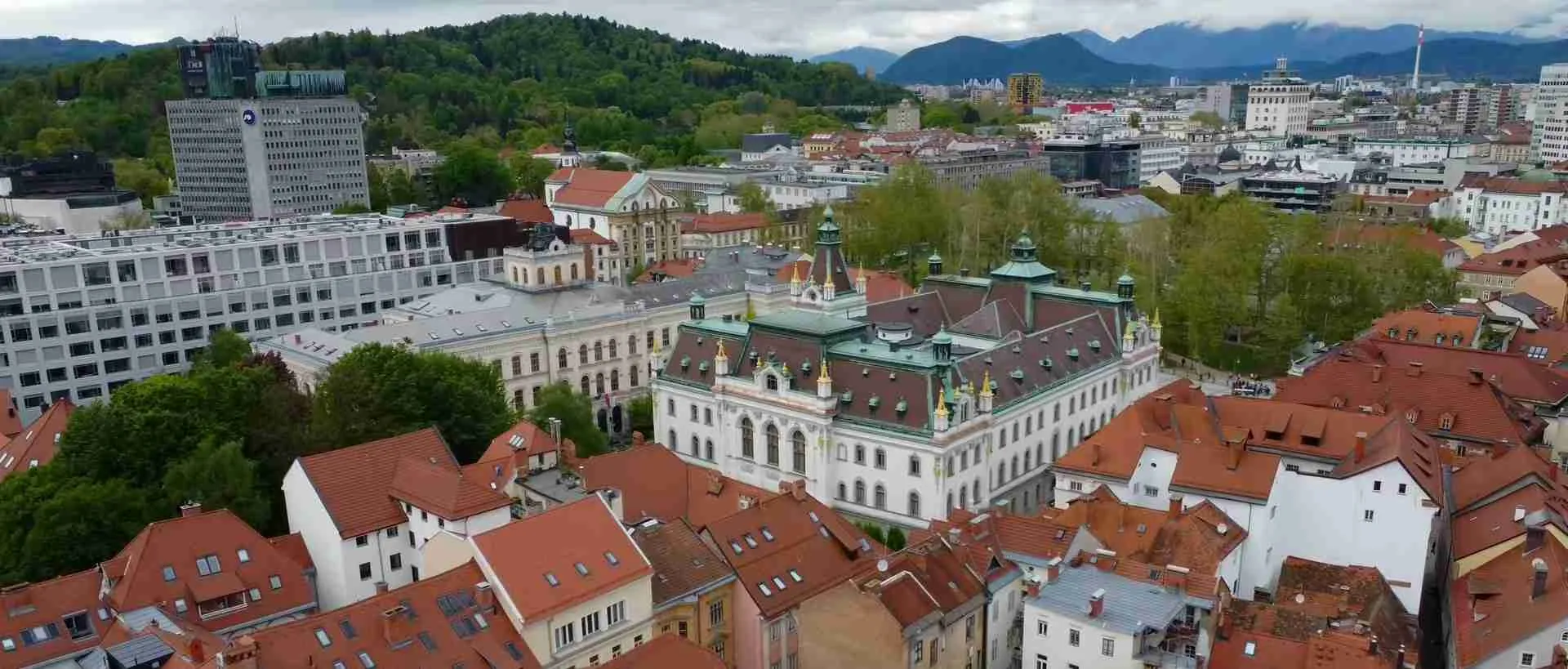
Ljubljana 3-Day Itinerary 2026: First-Time Visitor Guide
Slovenia’s charming capital offers an ideal three-day introduction to Central European elegance, combining walkable baroque architecture, riverside cafés, and alpine proximity into a compact weekend escape. This itinerary balances Ljubljana’s essential landmarks with day-trip accessibility to Lake Bled, providing first-time visitors with practical daily schedules, verified transportation logistics, and realistic budget frameworks for 2026 travel planning.
Key Takeaways About Ljubljana 3-Day Itinerary 2026
- Budget-Conscious Three Days 2026: Expect €210-315 per person for three days (two sharing budget hotels), covering accommodation in central hostels or budget hotels, hearty street food meals including famous burek, extensive use of the efficient €1.30 bus system, free walking tours through the pedestrian Old Town, and selective paid attractions like Ljubljana Castle.
- Mid-Range Comfort 2026: Plan €390-570 per person for three days (two sharing mid-range hotels), including boutique accommodation in the historic center, quality Slovenian restaurant dining with local wines, mixed public transport and occasional taxis, comprehensive attraction access including castle tickets and guided walking tours, plus a full-day Lake Bled excursion.
- Optimal Visit Timing 2026: May through September offers 18-25°C temperatures ideal for outdoor exploration, with July-August bringing peak crowds and prices approximately 30% higher than shoulder months. Visit May or September for pleasant weather, manageable tourist numbers, and mid-range hotels averaging €120-140 nightly versus July’s €160-180.
- Day Trip Accessibility 2026: Lake Bled sits 55 kilometers north with direct buses departing hourly for €13-15 round trip (75-90 minutes), while Postojna Cave and Predjama Castle lie 50 kilometers southwest with €73-95 organized tours including transport and admission, making Ljubljana an ideal base for Slovenia’s alpine and karst attractions.
- Walkability Advantage 2026: Ljubljana’s compact 1.2-kilometer historic core from Dragon Bridge to Tivoli Park allows visitors to reach major attractions on foot within 15-20 minutes, eliminating daily transport costs and enabling spontaneous exploration of hidden courtyards, riverside markets, and Jože Plečnik’s architectural masterpieces without rigid schedules.
- Three-Day Cost Framework 2026: Budget travelers need €210-315 per person for three days (two sharing), mid-range visitors spend €390-570 per person, and luxury travelers invest €765-1,125 per person (all two sharing boutique hotels), with costs including accommodation, meals, local transport, attraction entries, and one full-day excursion outside Ljubljana.
People Also Ask About Ljubljana 3-Day Itinerary 2026
Is Three Days Enough Time in Ljubljana in 2026?
Three days provides sufficient time to explore Ljubljana’s compact historic center thoroughly while including one substantial day trip to iconic Slovenian destinations like Lake Bled or Postojna Cave. The city’s walkable 1.2-kilometer core means visitors cover central landmarks—Ljubljana Castle, Triple Bridge, Prešeren Square, Central Market, and Tivoli Park—comfortably across two full days, leaving day three for alpine or coastal excursions. Travelers seeking multiple day trips (Lake Bled, Lake Bohinj, Škocjan Caves, Piran) benefit from extending to four or five days, though three days delivers a complete Ljubljana introduction without feeling rushed.
What Are Daily Costs for Ljubljana 3-Day Itinerary 2026?
Daily costs per person in Ljubljana 2026 range from €70-105 for budget travelers (two sharing budget hotels), €130-190 for mid-range comfort (two sharing mid-range hotels), to €255-375 for luxury experiences (two sharing upscale hotels). Budget daily expenses include hostel accommodation €30-40 per person, street food and casual dining €25-38, public transport €3-5, and selective attraction fees €10-20. Mid-range daily costs cover boutique hotels €60-80 per person, restaurant meals €45-67, mixed transport €5-8, and comprehensive attraction access €20-35. Luxury daily budgets encompass design hotels €120-175 per person, upscale dining €83-125, private transport €15-25, and premium experiences €35-50.
What Should Be Included in a Ljubljana 3-Day Itinerary 2026?
Essential Ljubljana experiences across three days include Day 1 covering the Old Town core with Ljubljana Castle (€19 ticket including funicular), Dragon Bridge, Triple Bridge, Central Market, and Prešeren Square; Day 2 featuring Tivoli Park, National Museum, Modern Art Museum, and river cruises (€12-15); and Day 3 dedicated to Lake Bled day trip (€13-15 bus, €18 castle entry, €12-15 pletna boat to island). Additional worthwhile activities include evening strolls along Ljubljanica River, sampling local wines at riverside bars, visiting Metelkova alternative culture district, and exploring Jože Plečnik architectural sites. First-time visitors prioritize Day 1’s historic core and Day 3’s Lake Bled excursion as non-negotiable highlights.
How Do I Get Around Ljubljana During a 3-Day Visit in 2026?
Ljubljana’s compact walkable center eliminates transport needs for most central exploration, with the pedestrian Old Town spanning just 1.2 kilometers end-to-end. City buses operated by LPP cost €1.30 per ride via Urbana card (90 minutes unlimited transfers), serving outer attractions like Žale Cemetery and residential neighborhoods, though central visitors often skip public transport entirely. Taxis via Uber or local companies charge €8-15 for typical cross-city trips, useful for late-night returns or airport transfers. Day trips to Lake Bled utilize direct buses from Ljubljana Bus Station (€13-15 round trip, hourly departures), while organized tours (€70-95) handle transport to multiple destinations. Purchase a €2 Urbana card at kiosks if planning bus use, though many three-day visitors rely exclusively on walking.
Extended multi-day tours – 5+ days
Featured Ljubljana Multi-Day Tour Packages
3 days
Ljubljana 3-Day Discovery Tour
- ✓ Comprehensive Ljubljana experience
- ✓ Expert local guides included
- ✓ All accommodation included
- ✓ Transportation provided

5 days
Ljubljana 5-Day Highlights Experience
- ✓ Comprehensive Ljubljana experience
- ✓ Expert local guides included
- ✓ All accommodation included
- ✓ Transportation provided

7 days
Ljubljana 7-Day Cultural Journey
- ✓ Comprehensive Ljubljana experience
- ✓ Expert local guides included
- ✓ All accommodation included
- ✓ Transportation provided

10 days
Ljubljana 10-Day Complete Adventure
- ✓ Comprehensive Ljubljana experience
- ✓ Expert local guides included
- ✓ All accommodation included
- ✓ Transportation provided
Multi-day tour packages powered by TourRadar. Prices and availability subject to change.
Introduction to Ljubljana 3-Day Itinerary Planning 2026
Ljubljana rewards first-time visitors with an unusual combination rarely found in European capitals: genuine walkability without tourist overload, alpine day-trip accessibility within hourly bus range, and pricing that delivers mid-range comfort at Western European budget costs. The Slovenian capital’s 285,000 residents support a café culture dense enough for spontaneous discoveries yet maintain a relaxed pace absent from Prague or Vienna crowds. Three days captures this rhythm completely—two days immersing in the baroque-meets-art-nouveau historic core, one day venturing to Lake Bled’s alpine perfection 55 kilometers north.
Planning a Ljubljana three-day itinerary requires understanding the city’s compact geography. The entire historic center stretches just 1.2 kilometers from Dragon Bridge north to Tivoli Park south, with Ljubljana Castle perched on its central hill. This walkability fundamentally shapes daily scheduling: visitors move between Prešeren Square, Central Market, Triple Bridge, and riverside promenades in 10-15 minute strolls, building days around neighborhood immersion rather than transport logistics. The pedestrian Old Town prohibits vehicle traffic, creating an uninterrupted walking experience from morning market browsing through evening aperitivo along cobbled riverbanks.
The 2026 travel season presents optimal conditions for Ljubljana visits, with May through September offering 18-25°C temperatures ideal for outdoor café lingering and alpine hiking excursions. Summer months (July-August) deliver peak weather alongside peak crowds and 25-30% higher accommodation costs, making shoulder months (May, September) strategically attractive for balanced weather and value. Winter visits (December-February) drop to 0-5°C with occasional snow, transforming the city into a festive market destination though limiting day-trip appeal to Lake Bled and alpine regions.
Budget frameworks for Ljubljana 2026 reflect Slovenia’s position as Central Europe’s value proposition: prices sitting 20-30% below Vienna or Salzburg while maintaining comparable quality and infrastructure. Three-day costs per person range from €210-315 for budget travelers (two sharing hostels), €390-570 for mid-range comfort (two sharing boutique hotels), to €765-1,125 for luxury experiences (two sharing design hotels). These totals encompass accommodation, meals, local transport, attraction entries, and one full-day excursion, with costs heavily influenced by accommodation tier selection and dining choices between €4 burek street food and €35 restaurant meals.
This itinerary structures three days to balance Ljubljana’s dual appeals: the city itself as a walking museum of Jože Plečnik’s visionary urban design, and its role as Slovenia’s strategic day-trip hub to alpine lakes and karst caves. Day 1 establishes orientation through the Old Town core and castle heights. Day 2 expands into riverside culture, Tivoli Park’s green expanse, and museum immersion. Day 3 ventures beyond city limits to Lake Bled’s iconic island church and medieval castle. The sequence allows gradual familiarity with Ljubljana’s layout before independent day-trip navigation, though visitors adjusting based on weather forecasts or personal energy should feel empowered to reorder days flexibly.
Practical considerations shape successful Ljubljana visits beyond landmark lists. The city operates on cash and card interchangeably, though smaller establishments and market vendors prefer euros in physical form. Restaurant tipping follows European norms of rounding up or 5-10% for exceptional service, never obligatory but appreciated. Ljubljana’s 2026 tourist tax adds €3.13 per person per night to accommodation bills, often excluded from booking platform quotes. The Urbana transport card costs €2 initially though provides minimal value for three-day visitors staying centrally and walking extensively—most travelers skip it entirely, purchasing single bus tickets via contactless bank card if needed.
Seasonal factors beyond temperature influence Ljubljana 2026 planning. The Friday Open Kitchen street food market (Odprta Kuhna) operates mid-March through October at Pogačarjev Square, offering €8-12 gourmet plates from Slovenia’s top restaurants—a must-visit lunch if schedules align. Dragon Carnival in February and Ljubljana Festival in July-August bring cultural programming and evening performances. December Christmas markets transform the historic center into winter wonderland, though cold weather (0-5°C) limits outdoor comfort. July-August heat (25-30°C) makes morning castle visits and afternoon Tivoli Park retreats strategically wise, while May-June and September balance pleasant temperatures with thinner crowds and 20% lower mid-range hotel rates.
Transportation logistics for Ljubljana three-day visits remain remarkably straightforward. Jože Pučnik Airport sits 26 kilometers north, connected by GoOpti shuttle buses (€9-17 advance booking, 30-45 minutes) or taxis (€30-45, 25 minutes). Most visitors arrive via European train networks at Ljubljana Central Station, positioned 500 meters from Old Town’s southern edge. The bus station occupies the same complex, handling intercity and international connections plus Lake Bled day-trip departures. Once arrived, feet replace wheels—Ljubljana’s pedestrian core and 15-minute walk from station to Prešeren Square means most three-day visitors never board local buses.
This itinerary prioritizes realistic pacing over checkbox tourism. Ljubljana rewards lingering—the second coffee at a riverside café, the unplanned detour down a hidden lane, the conversation with a market vendor explaining štruklji dumplings. Budget-conscious travelers achieve rich experiences through free walking exploration, €4 burek lunches, and selective paid attractions (castle plus one museum versus attempting all). Mid-range visitors balance quality dining at €20-30 per person with casual meals, mixing guided tours and independent wandering. Luxury travelers layer private experiences—sommelier-guided wine tastings, after-hours castle access, private Lake Bled transfers—onto the same core itinerary framework, elevating rather than replacing the essential Ljubljana rhythm.
Day 1: Ljubljana Old Town and Castle Exploration 2026
Begin your Ljubljana experience at Prešeren Square, the city’s beating heart where the salmon-pink Franciscan Church of the Annunciation anchors a pedestrian plaza perpetually animated by street musicians, café tables, and locals meeting for morning coffee. The square honors Slovenia’s greatest poet France Prešeren, whose bronze statue gazes across Triple Bridge toward his unrequited love’s former residence—a romantic detail that captures Ljubljana’s intimate scale. Arrive between 8:30-9:00 AM to experience the square before tour groups arrive, when morning light illuminates the church’s baroque façade and you can secure riverside café seats at nearby Café Makalonca or Zvezda Kavarna for cappuccino and pastries (€4-6).
Cross the iconic Triple Bridge, architect Jože Plečnik’s 1932 pedestrian masterpiece that transformed a single Roman crossing into three parallel spans creating a monumental gateway between old and new Ljubljana. The bridge design exemplifies Plečnik’s genius for preserving historical elements while introducing modernist functionality—the original 1842 stone bridge remains the central span, flanked by two pedestrian additions that widened the crossing without demolishing the past. Pause mid-bridge for photographs capturing the Ljubljanica River’s reflection of pastel buildings and the castle hill backdrop, then continue across to explore the Saturday antique market (weekends only) beneath the colonnade connecting Triple Bridge to Dragon Bridge.
Walk north along Ciril-Metodov trg and Vodnikov trg to reach Ljubljana Central Market, where Plečnik’s covered colonnades and open pavilions host daily produce vendors, butchers, fishmongers, and specialty food stalls. The market operates Monday-Saturday 6:00 AM-4:00 PM (reduced hours Saturday afternoon), with Friday mornings offering peak variety and the seasonal Open Kitchen food market (Odprta Kuhna) transforming Pogačarjev Square adjacent to the main market into a gourmet street food destination mid-March through October. Browse fresh štruklji dumplings, local honey varieties, Karst prosciutto, and seasonal produce while absorbing the commercial energy that has animated this riverside location since Roman Emona. Purchase picnic components for later Tivoli Park lunches or simply observe Ljubljana’s daily rhythms.
Continue north to Dragon Bridge (Zmajski most), Ljubljana’s most photographed landmark featuring four imposing copper dragon sculptures guarding each bridge corner. Completed in 1901, the art nouveau bridge represented cutting-edge engineering as one of Europe’s earliest reinforced concrete structures, though today’s visitors focus primarily on dragon selfies and the local legend that dragons wag their tails when virgins cross the bridge. The dragons symbolize Ljubljana’s coat of arms and connect to Jason and the Argonauts mythology—allegedly the hero slew a dragon in the marshes where Ljubljana now stands. Photograph opportunities work best from the southern bank looking north toward castle hills, or from the bridge itself capturing dragon details against building backdrops.
Return south toward Prešeren Square and locate the funicular station at Krekov trg (approximately 400 meters from Prešeren Square, 5-minute walk). Ljubljana Castle ticket offices sell combined funicular and castle entry tickets for €19 adults in 2026, covering round-trip funicular access, viewing tower entry, virtual castle exhibition, Slovenian History Museum, and Puppetry Museum. Check official rates at ljubljanskigrad.si as pricing may vary. The glass-enclosed funicular operates daily throughout the year with May-September hours of 9:00 AM-10:00 PM and reduced winter schedules 9:00 AM-6:00 PM. The 70-second ride ascends 70 meters vertical to castle courtyards, though fit visitors can alternatively hike up via stone staircases and forested paths in 15-20 minutes, saving €6 and enjoying woodland shade.
Ljubljana Castle (Ljubljanski grad) crowns the city from its 376-meter hill, offering Slovenia’s most comprehensive historical overview and the best panoramic views of Ljubljana’s red-tile rooftops against alpine backdrops. Begin at the viewing tower (Razgledni stolp), climbing 95 steps to the highest accessible point for 360-degree vistas encompassing Ljubljana’s compact center, the Ljubljanica River’s serpentine course, Tivoli Park’s green expanse, and on clear days the Julian Alps 50 kilometers northwest. Descend to explore the castle courtyard freely—entry to the courtyard and castle grounds remains free even without purchasing tickets, allowing budget-conscious visitors to enjoy views and café ambiance without museum fees.
Ticket holders should prioritize the Virtual Castle 4D film, a 12-minute presentation tracing Ljubljana’s development from Roman Emona through medieval fortress to Habsburg administrative center and modern capital. The film’s time-travel narrative and 4D effects (moving seats, wind, scents) effectively convey 2,000 years of urban evolution in digestible entertainment. Continue to the Slovenian History Exhibition spanning six themed sections from Ice Age inhabitants through independence in 1991, with interactive displays and reconstructed historical scenes making the somewhat dry subject matter engaging. The Museum of Puppetry occupies the Pentagonal Tower with traditional marionettes, shadow puppets, and contemporary experimental forms—worthwhile for families with children or puppetry enthusiasts, skippable for others pressed for time.
Allocate 2-3 hours total for castle exploration depending on museum interest and crowd levels. Mid-morning visits (9:00-10:30 AM) encounter fewer tour groups, while late afternoon (4:00-6:00 PM) offers golden hour photography and pleasant temperatures during summer heat. The castle grounds include multiple café options: Grajska Kavarna serves coffee and pastries (€3-6), while Gostilna na Gradu offers full Slovenian lunches (€15-25 per person). Budget travelers can pack snacks from the morning market visit, enjoying them at castle rampart benches with billion-dollar views at zero-euro prices.
Descend via funicular or footpath by early afternoon, returning to the Old Town core for lunch exploration. For budget-conscious meals, seek out Nobel Burek (Trubarjeva cesta 7) or Burek Olimpija (multiple locations) for enormous cheese or meat burek pastries (€3-4) that constitute complete meals. Mid-range lunches work well at Druga Violina (Gornji trg 21, €10-15 mains) offering traditional Slovenian dishes in a social enterprise employing people with disabilities, or Čevabdžinica Sarajevo ’84 (Slovenska cesta 40, €10-15) for excellent Balkan grilled meats in perpetually busy casual setting. Splurge lunches merit reservations at Strelec Restaurant within Ljubljana Castle (€35-50 per person) for Michelin-quality Slovenian cuisine with unmatched views.
Spend the afternoon exploring the southern Old Town neighborhoods between castle hill and Tivoli Park. Walk Gornji trg (Upper Square) and Stari trg (Old Square), the two parallel medieval streets running along the castle’s eastern slope, lined with artisan shops, galleries, antique dealers, and small museums. Stop at the Čevljarski Most (Cobblers’ Bridge), another Plečnik design featuring a glass pyramid and craft market stalls. Continue to Križanke, a former monastery converted by Plečnik into an open-air theater and cultural complex where summer Ljubljana Festival performances take place (July-August, ticket prices vary by event).
The National and University Library of Slovenia (Narodna in univerzitetna knjižnica) on Turjaška ulica represents Plečnik’s architectural masterpiece, combining Renaissance palazzo proportions with modernist materials and mystical Egyptian-influenced details. The public entrance hall opens Monday-Friday 8:00 AM-7:00 PM, Saturday 9:00 AM-1:00 PM, with free entry to the reading room foyer—ascending the black marble staircase and experiencing the copper-lit reading hall justifies the detour even for non-library users. The building functions as a working university library so maintain quiet respect for studying students while photographing the extraordinary columned interior.
As late afternoon transitions to evening, return to riverside promenades along Breg and Petkovškovo nabrežje for aperitivo culture observance. Ljubljana’s bar scene concentrates along both Ljubljanica River banks, with outdoor terraces packed from May through September as locals practice the evening ritual of wine or cocktails before dinner. Appropriate spots include Makalonca (Hribarjevo nabrežje 19) for riverfront atmosphere and quality Slovenian wines by glass (€4-6), or AS Aperitivo (Copova ulica 5A) for creative cocktails (€7-10) in stylish surroundings. The scene peaks 6:00-8:00 PM when golden hour light bathes the buildings and everyone seems to know everyone—visitors inserting themselves into this daily rhythm grasp Ljubljana’s essential character.
Dinner options for Day 1 reflect accommodation budget tiers. Budget travelers continue the burek theme with €8-12 casual meals at Klobasarna (Ciril-Metodov trg 15) for traditional Carniolan sausage with mustard and bread, or OnThai (Trubarjeva cesta 7C, €5-10 takeaway) for authentic Thai curries. Mid-range diners should book ahead at Gostilna Dela (Kolodvorska ulica 8A, €18-28 mains) for seasonal Slovenian cooking with locavore sourcing, or Špajza (Gornji trg 28, €20-30 mains) for traditional recipes in cozy medieval cellar. Luxury seekers reserve at Restavracija JB (Miklošičeva cesta 19, €80-120 tasting menus) for Michelin one-star contemporary cuisine, or Monstera Bistro (Gosposvetska cesta 9, €45-65 tasting menus) for innovative small plates showcasing Slovenian ingredients.
Conclude Day 1 with an evening riverside stroll, when floodlit castle and bridges create postcard scenes and street performers congregate at Prešeren Square. Summer visitors (June-August) can catch outdoor film screenings at Ljubljana Castle (Film Pod Zvezdami, tickets €5-7) or live music at various Old Town venues. The city maintains safe, relaxed nighttime ambiance allowing comfortable walks back to accommodations at any hour, with well-lit pedestrian zones and locals filling streets until midnight on weekends.
Day 1 Budget Summary 2026
Morning coffee and pastry €5-8, castle ticket with funicular €19, casual lunch €10-18, afternoon drinks €5-10, dinner €12-35 depending on venue choice, miscellaneous €5-10. Total Day 1 costs range €56-100 per person excluding accommodation.
Day 2: Museums, Tivoli Park, and Cultural Immersion 2026
Begin Day 2 with westward exploration toward Tivoli Park, Ljubljana’s 5-square-kilometer green lung offering respite from urban stone and exceptional morning light for photography. Walk west from the city center along Cankarjeva cesta to reach Tivoli Park’s main entrance at Jakopič Promenade, a tree-lined boulevard extending 1 kilometer through manicured gardens to Tivoli Castle. The promenade’s morning hours (7:00-10:00 AM) bring joggers, dog walkers, and locals maintaining daily outdoor rituals—joining this flow immerses visitors in residential Ljubljana rhythms beyond tourist-center bustle. Continue straight to reach Tivoli Castle (Tivolski grad), an elegant 17th-century mansion housing the International Centre of Graphic Arts with rotating contemporary exhibitions (entry €3-5, closed Mondays).
Tivoli Park itself invites unstructured wandering through rose gardens, tree-lined paths, and open lawns where Ljubljana residents picnic and play throughout summer months. Key features include the Jakopič Promenade’s outdoor photography exhibitions displaying large-format prints on metal frames lining the central walkway (exhibitions change seasonally), and Cekin Mansion with café and children’s playgrounds. For active visitors, multiple trails ascend Rožnik Hill at the park’s western edge, reaching 391-meter summit viewpoints in 20-30 minute climbs through beech forest. The park requires no entry fee and operates 24/7—many visitors return for evening jogs or sunset viewing after full sightseeing days.
Exit Tivoli Park’s eastern edge to reach the Museum Quarter along Prešernova cesta and Muzejska ulica, where Slovenia’s premier cultural institutions cluster within 300 meters. The National Museum of Slovenia (Narodni muzej Slovenije, Muzejska ulica 1) presents comprehensive archaeological and historical collections spanning Roman Emona artifacts, medieval manuscripts, and natural history specimens. Particularly notable exhibits include the oldest musical instrument in the world (a 60,000-year-old Neanderthal flute), Roman lapidarium with stone inscriptions, and Egyptian mummy. Entry costs €8 adults in 2026, open Tuesday-Sunday 10:00 AM-6:00 PM (Thursday until 8:00 PM). Check narodnimuzej.si for current official rates as pricing may vary.
Next door, the National Museum of Contemporary History (Muzej novejše zgodovine Slovenije) occupies the baroque Cekin Mansion with exhibitions tracing Slovenia’s 20th century from Austro-Hungarian dissolution through Yugoslavia and independence. Interactive displays and period objects effectively convey complex political transitions—the World War II resistance section and 1991 Ten-Day War materials prove especially compelling for understanding Slovenian national identity formation. Entry costs €5 adults, open Tuesday-Sunday 10:00 AM-6:00 PM. Combined National Museum tickets covering both institutions offer modest discounts (€11 versus €13 separate).
Allocate mid-morning through early afternoon for museum immersion—2-3 hours covers highlights of both National Museums without overwhelming fatigue. Alternatively, art enthusiasts should substitute the Moderna Galerija (Museum of Modern Art, Cankarjeva cesta 15) housing Slovenia’s premier 20th-century art collection with Impressionist through contemporary works. The gallery emphasizes Slovenian artists who achieved international recognition plus temporary exhibitions rotating quarterly (entry €7 adults, closed Mondays).
Break for lunch in the neighborhoods surrounding the Museum Quarter, where local workers frequent affordable eateries largely ignored by tourists. Recommended options include Ajda Slovenian restaurant (Wolfova ulica 12, €8-15 mains) for authentic home-style cooking in no-frills setting frequented by university students and municipal employees, or Šestica (Slovenska cesta 40, €10-18 mains) for Balkan grilled meats and Slovenian wines. Quick budget lunches work at Čompe self-service restaurant (Čopova ulica 14, €6-10) offering daily specials with soup-and-main combinations popular with office workers on tight schedules.
Early afternoon presents ideal timing for Ljubljanica River boat tours, which depart from Rog Embankment near Triple Bridge and cruise the serpentine river through central Ljubljana’s historic districts. Standard boat tours last 45-60 minutes, narrating architectural history and urban legends while gliding under 23 bridges including Plečnik’s signature designs. Tickets cost €12-15 adults in 2026, with departures roughly hourly from 10:00 AM-6:00 PM daily in summer (May-September), reduced schedules in shoulder months. Check with operators like Brodarstvo Jezero or Ljubljana Tourist Boat for current schedules and online booking options. The low-angle water perspective reveals building details invisible from street level while providing relaxing seated respite after morning museum walking.
Alternatively, active afternoon options include renting BicikeLJ bikes (Ljubljana’s public bike-share system) for cycling along the Ljubljanica to Trnovo district and Krakovo neighborhood, traditionally working-class areas now gentrifying into attractive café and gallery zones. Bike rental requires registration via the BicikeLJ app with first hour free, subsequent hours €1-2 per hour. The 5-kilometer Trnovo loop (mostly flat, paved paths) takes 30-45 minutes at leisure pace, passing Trnovo Church with its angel-adorned belfry and Krakovo’s riverside gardens where elderly residents still maintain vegetable plots within city limits.
Mid-to-late afternoon suits visiting Metelkova Mesto, Ljubljana’s autonomous cultural zone and former Yugoslav army barracks transformed into street art gallery, alternative music venue cluster, and youth hostel (Hostel Celica). Located 1 kilometer northeast of city center (15-minute walk from Prešeren Square or 5 minutes from Ljubljana Station), Metelkova’s graffiti-covered buildings and open-air sculpture installations create stark aesthetic contrast to Old Town baroque elegance. Daytime visits allow safe exploration of the art installations and courtyard murals, while nighttime transforms Metelkova into Ljubljana’s alternative nightlife hub with live music venues, bars, and clubs operating until dawn (not recommended for conservative travelers uncomfortable with countercultural atmospheres).
As Day 2 evening approaches, return to central Ljubljana for the critical decision between formal dinner reservations and casual evening grazing. Mid-range budgets accommodate quality sit-down dinners at restaurants like Hood Burger (Eipprova ulica 5A, €10-16) for gourmet burgers with local beef and creative toppings ranked among Europe’s best, or Gostilna na Gradu (Ljubljana Castle, €18-28 mains) if missed during Day 1 castle visit—evening castle access via funicular continues until 10:00 PM in summer, allowing dinner with sunset views.
Budget travelers can construct excellent evening meals from Central Market purchases combined with wine from specialized shops like Vinoteka Movia (Mestni trg 2, €12-25 bottles) or Le Petit Café (Trg francoske revolucije 4, €8-15 bottles), picnicking at riverside benches or Tivoli Park lawns—a local tradition embraced by Ljubljana residents on summer evenings. Supermarkets like Mercator (multiple central locations) provide prepared salads, cheeses, breads, and Slovenian craft beers (€1-3) for budget-conscious self-catering.
Ljubljana’s evening entertainment varies by season and day of week. Summer months (June-September) bring outdoor concerts, film screenings, and festival programming to various venues—consult Visit Ljubljana’s events calendar at visitljubljana.com for current schedules. Year-round options include jazz at Ljubljana Castle’s Jazz Club (Grajska planota 1, concerts usually Friday-Saturday, €10-20 tickets), classical performances at Slovenian Philharmonic (Kongresni trg 10, €15-50 tickets depending on performance), or simply joining the nightly riverside promenade of locals and visitors strolling between bridges until midnight. The city’s compact scale means impromptu evening changes work easily—spotting a street concert at Prešeren Square or discovering a wine bar in Krakovo requires minimal detours from accommodation returns.
Day 2 Budget Summary 2026
Morning Tivoli exploration free, museum entries €13-16, lunch €10-18, river boat tour €12-15, afternoon activities €5-15, dinner €12-35 depending on choice, evening drinks €8-15. Total Day 2 costs range €60-114 per person excluding accommodation.
Day 3: Lake Bled Full-Day Excursion 2026
Dedicate Day 3 entirely to Lake Bled, Slovenia’s postcard-perfect alpine lake that justifies independent day-trip effort over organized tours for control over timing and budget. Early departure from Ljubljana proves strategically crucial—catching the 7:00-8:00 AM bus from Ljubljana Bus Station (Avtobusna Postaja Ljubljana, Trg osvobodilne fronte 4) ensures arrival at Lake Bled before tour bus crowds overwhelm the iconic viewpoints and pletna boats to Bled Island. Direct buses to Bled depart hourly throughout the day, with journey times of 1 hour 15 minutes to 1 hour 30 minutes depending on stops. Round-trip tickets cost €13-15 purchased at bus station ticket offices or online via ap-ljubljana.si—purchasing round-trip immediately guarantees return seats on busy summer afternoons when buses fill to capacity.
Upon arrival at Bled bus station (Cesta svobode), the lake lies 400 meters northwest—a 5-minute downhill walk deposits visitors at the eastern shoreline where most restaurants, boat rentals, and services cluster. Begin Lake Bled exploration with the classic 6-kilometer perimeter walk, a mostly flat paved trail circumnavigating the glacial lake in 1.5-2 hours at casual pace with frequent photo stops. Walking clockwise from the bus station starting point provides optimal photography angles: eastern shoreline captures Bled Island against Julian Alps backdrop, southern shore views castle perched on 130-meter cliff, western shore offers serene forest shade, and northern viewpoints frame the entire composition with mountains beyond. The trail accommodates joggers, cyclists, and parents with strollers without feeling overcrowded even during peak summer months, though narrow sections near castle cliffs require single-file passage.
Interrupt the lake circuit on the southern shore to ascend to Bled Castle (Blejski grad), medieval fortress commanding dramatic cliff-top position with vertiginous views plunging to lake waters below. The steep approach path climbs 130 meters vertical in 15-20 minutes from lakeside—wear appropriate footwear and anticipate breathlessness at the top. Castle entry costs €18 adults in 2026, granting access to castle courtyards, chapel, museum exhibitions, printing workshop, and most importantly the rampart viewpoints that deliver the definitive Lake Bled postcard vista with island church, glassy water, and alpine peaks. Check blejski-grad.si for current official rates as pricing may vary. Budget-conscious visitors can enjoy impressive lake views from the castle approach path without purchasing tickets, saving €18 while sacrificing interior access and the highest viewing platform.
Allocate 1-1.5 hours for Bled Castle exploration including museum exhibitions covering castle history and local crafts, with emphasis on viewpoint photography and the small wine cellar offering tastings of Slovenian varieties (€5-8 per tasting). The castle restaurant Bled Castle Restaurant serves lunch with spectacular views (€18-30 mains, reservations recommended in summer), though most day-trippers prefer lakeside cafés for more casual midday meals.
Descend to lakeside for the quintessential Lake Bled experience: pletna boat ride to Bled Island (Blejski otok), Slovenia’s only natural island. Traditional wooden pletnas operated by licensed oarsmen depart from multiple lakeside points (Mlino dock near Grand Hotel Toplice, Kurja vas on western shore) throughout the day, with 15-20 minute crossings costing €12-15 per person for round-trip transport. The price covers boat passage only—island church entry adds €6. Boats depart when full (typically 12-16 passengers) resulting in minimal waits during summer high season, though shoulder months (May, September) may require 15-30 minute intervals between crossings. Budget-conscious or active travelers can rent self-guided rowboats at various lakeside points (€10-15 per hour) and row to the island independently, combining transportation with exercise and flexible timing though requiring genuine rowing capability—the crossing takes 20-30 minutes each way with novice rowers sometimes struggling against winds.
Upon reaching Bled Island, 99 stone steps ascend from the boat landing to the Church of the Assumption, a baroque structure housing Slovenia’s famous “wishing bell” that legend claims grants wishes to those who ring it. Church entry (€6 adults) provides access to nave viewing and bell-ringing opportunity plus small exhibition about the church’s history. The entire island measures just 200 meters in length—exploration takes 20-30 minutes including church visit and circumnavigation of the small island perimeter. Pletna boats wait at the landing for return crossings, departing when passengers gather or at regular intervals depending on season and demand. The island experience epitomizes Lake Bled’s appeal: concentrated beauty, accessible logistics, and just enough activity to feel accomplished without exhaustion.
Return to mainland for late lunch at lakeside restaurants and cafés clustered on the eastern and southern shores. Budget options include Grajska Plaza self-service restaurant (Cesta svobode 19A, €8-14 mains) near the bus station offering simple prepared foods and outdoor seating, or Pizzeria Rustika (Riklijeva cesta 13, €10-16 pizzas) for solid Italian standards. Mid-range lunches merit booking at Gostilna Murka (Cesta Svobode 9, €15-25 mains) for traditional Slovenian dishes emphasizing lake fish and Gorenjska regional specialties, or Vila Ajda Restaurant (Cesta svobode 45, €18-30 mains) combining scenic terrace and locally-sourced ingredients. Don’t leave Lake Bled without tasting kremšnita (cream cake), the local dessert institution consisting of vanilla custard and whipped cream between puff pastry layers—Park Café (Cesta svobode 15, €4-5 per slice) and Hotel Park’s original recipe claims superiority over imitators, though blind taste tests reveal minimal differences from other bakeries.
Early afternoon offers optional extensions beyond basic Lake Bled attractions. Hiking enthusiasts can climb to Mala Osojnica viewpoint, the definitive Lake Bled overview immortalized in thousands of Instagram posts. The trailhead begins on the lake’s western shore (Uvala Blejska Dobrava parking area) with steep switchbacks ascending 200 meters vertical through beech forest in 20-30 minutes of sustained climbing. The summit platform delivers 180-degree panoramas encompassing the entire lake, island church, and castle against Julian Alps beyond—photographers prioritize golden hour timing (late afternoon or early morning) for optimal light. This extension adds 1.5-2 hours to the Lake Bled itinerary including roundtrip hiking, feasible only for visitors with early bus departures or flexibility on return timing.
Alternative afternoon extensions include Vintgar Gorge (Soteska Vintgar), a 1.6-kilometer boardwalk trail through narrow canyon carved by Radovna River approximately 4 kilometers northwest of Lake Bled. Gorge entry costs €10 adults with boardwalk paths suitable for all fitness levels (no climbing required), though reaching the gorge requires taxi transport (€12-15 one-way from Lake Bled) or additional hiking along connecting trails. The gorge experience—sheer rock walls, turquoise pools, 13-meter Šum waterfall—delivers dramatic natural beauty justifying the logistics for visitors seeking wilderness variety beyond lake scenery. However, fitting both Lake Bled comprehensive exploration AND Vintgar Gorge into single-day trip from Ljubljana demands early 6:00-7:00 AM bus departures and acceptance of rushed scheduling—most first-time visitors prioritize thorough Lake Bled immersion over gorge additions.
Plan return bus departure from Lake Bled to Ljubljana no later than 6:00-7:00 PM to allow evening flexibility in the capital, with later departures continuing until 9:00-10:00 PM during summer months for extended lake stays. Bus schedules concentrate departures at hourly intervals (:00 and :30 past hour) from the main Bled bus station, with tickets purchased from the driver (exact change recommended) or pre-purchased online. Summer weekends see buses filling to capacity by departure times—arriving at the bus station 15-20 minutes early secures seats when standing room becomes the alternative. The return journey retraces the morning route southward through Gorenjska countryside, depositing passengers back at Ljubljana Bus Station in 1 hour 15 minutes to 1 hour 30 minutes.
Evening arrival in Ljubljana offers final-night dinner opportunities at restaurants missed during Days 1-2, or casual drinks along Ljubljanica River reflecting on three packed days of Slovenian experiences. Budget-conscious day-trippers often purchase dinner supplies from Ljubljana’s 24-hour Mercator supermarket (multiple locations) or late-operating restaurants like Nobel Burek (open until 2:00 AM) for economical final meals before accommodation return. Mid-range travelers can secure same-day reservations at quality restaurants like Monstera Bistro or Pri Škofu, while luxury diners requiring advance booking should have arranged earlier in the itinerary—Ljubljana’s fine dining scene typically demands 2-3 days notice for weekend tables.
Day 3 Budget Summary 2026
Round-trip bus Ljubljana-Lake Bled €13-15, Bled Castle entry €18, pletna boat to island €12-15, island church entry €6, lunch €12-25, kremšnita slice €4-5, optional rowboat rental or viewpoint hike €0-15, Ljubljana dinner €10-30. Total Day 3 costs range €75-128 per person excluding accommodation.
Ljubljana Accommodation Options 2026
Ljubljana’s accommodation landscape spans predictable European capital tiers from backpacker dormitories to boutique design hotels, with pricing positioning Slovenia as Central Europe’s value proposition—expect rates 20-30% below Vienna or Munich for comparable quality and location. The historic Old Town core and Trnovo riverside districts command premium rates for pedestrian convenience, while neighborhoods beyond Trnovo Church offer marginally lower prices requiring 10-15 minute walks to central attractions. Summer months (July-August) see prices peak 25-30% above shoulder season (May, September), with December holiday markets creating secondary demand surge. Advance booking 4-8 weeks ahead secures optimal availability and rates, particularly for mid-range properties where Ljubljana’s limited inventory creates supply constraints during high season.
Budget accommodation in Ljubljana 2026 centers on hostels and guesthouses priced €17-30 per person for dormitory beds, €50-80 per room for private doubles. Hostel Celica (Metelkovska ulica 8, €22-28 dorm beds, €60-75 private rooms) occupies a former military prison in the Metelkova alternative culture district, where individual cells have been transformed by local artists into unique sleeping pods—staying here delivers both accommodation and cultural experience. Location requires 15-minute walks to Old Town but positions visitors perfectly for alternative nightlife. Hostel Tresor (Čopova ulica 38, €20-26 dorm beds, €55-70 private rooms) operates centrally near Prešeren Square with modern facilities, communal kitchen, and social atmosphere attracting international backpackers. Alibi M14 (Metelkova ulica 14, €18-24 dorm beds) provides ultra-budget option in Metelkova with basic amenities and late-night noise from surrounding bars—light sleepers should look elsewhere.
Budget hotels and guesthouses offer private room alternatives at €55-90 per night. B&B Hotel Ljubljana Park (Vilharjeva cesta 33, €60-85) delivers chain reliability near Tivoli Park with breakfast included, modern rooms, and business-hotel efficiency. Vila Minka Guesthouse (Rimska cesta 8, €55-75) operates family-run accommodation in residential neighborhood 1 kilometer south of center with garden terrace and kitchenette access. These budget properties sacrifice Old Town immediacy for lower rates—10-15 minute walks or single bus rides reach central attractions.
Mid-range accommodation dominates Ljubljana’s 2026 visitor lodging, priced €100-180 per night for centrally-located boutique hotels and apartments. Vander Urbani Resort (Krojaška ulica 6-8, €120-165) anchors the mid-range tier with rooftop pool, design interiors, and location 300 meters from Prešeren Square—this represents the Ljubljana accommodation sweet spot balancing quality, location, and reasonable pricing. City Hotel Ljubljana (Dalmatinova ulica 15, €110-145) provides business-hotel professionalism near train station with pillow menus, soundproofed rooms, and excellent breakfast buffets. Cubo Hotel (Slovenska cesta 15, €105-140) delivers boutique design in former bank building with in-room massage options and stylish common areas. Central Apartments Ljubljana (various locations, €90-130) operate modern flats throughout the Old Town for self-catering flexibility and separate bedroom/living spaces—ideal for families or longer stays.
These mid-range properties position guests within 5-10 minute walks of major attractions while delivering comfort amenities (air conditioning, quality beds, modern bathrooms) that budget hostels omit. Booking directly through hotel websites sometimes yields better rates than aggregator platforms—compare prices across Booking.com, Expedia, and property sites before confirming.
Luxury accommodation in Ljubljana 2026 occupies a small but distinguished tier priced €200-400 per night. InterContinental Ljubljana (Slovenska cesta 59, €220-320) brings international chain standards with rooftop restaurant, full-service spa, and location adjacent to Tivoli Park—business travelers dominate weekday occupancy while weekend leisure travelers access premium facilities at slightly reduced rates. Grand Hotel Union (Miklošičeva cesta 1, €180-280) claims the Old Town’s luxury position with art nouveau architecture, central Prešeren Square location, and historic pedigree (operating since 1905). Allegory Hotel (Gornji trg 23, €210-350) delivers intimate boutique luxury in medieval Old Town building with six suites, personalized service, and Michelin-starred Restaurant JB downstairs. Antiq Palace Hotel & Spa (Gosposka ulica 10, €190-300) occupies 16th-century palazzo with period furnishings, private spa, and Venetian-influenced décor reflecting Ljubljana’s historical Habsburg connections.
Luxury properties justify premium rates through location superiority (literally on Prešeren Square or Old Town’s quietest corners), exceptional service (concierge assistance, welcome amenities), and facility depth (spas, restaurants, rooftop terraces). However, Ljubljana’s compact scale means mid-range hotels deliver 90% of the luxury experience at 50% of the price—luxury accommodation makes sense for travelers prioritizing pampering over exploration.
Apartment rentals through Booking.com or Airbnb offer alternatives spanning budget to luxury tiers, particularly advantageous for families, groups, or stays exceeding three nights. Central Ljubljana apartments rent €70-180 per night depending on size and location, providing kitchens for self-catering economy and living space impossible in standard hotel rooms. However, short stays (1-3 nights) rarely justify apartment logistics—hotel simplicity wins for quick Ljubljana visits where breakfast and room service eliminate meal planning burdens.
Accommodation strategy for Ljubljana three-day itineraries prioritizes location over luxury—budget and mid-range properties within 1 kilometer of Prešeren Square maximize walking efficiency and evening flexibility. Staying in Metelkova or beyond Trnovo saves €15-30 per night but requires discipline about bus schedules or acceptance of 20-minute walks after full sightseeing days. Ljubljana’s pedestrian safety and compact scale make any central location reasonable—the question becomes whether saving €30 per night merits 15 additional daily walking minutes versus spending that €90 total saving on a nice restaurant meal.
Transportation and Getting Around Ljubljana 2026
Ljubljana’s compact 1.2-kilometer historic core fundamentally shapes transportation strategy—most three-day visitors never board local buses, relying entirely on pedestrian navigation through the Old Town’s car-free zone. The city’s pedestrianized center extends from Dragon Bridge north to Tivoli Park south, encompassing all Day 1 and Day 2 itinerary attractions within 15-20 minute walking radius from any central hotel. This walkability eliminates daily transport costs and scheduling constraints, allowing spontaneous detours and flexible timing impossible when coordinating bus timetables.
Public buses operated by Ljubljanski Potniški Promet (LPP) serve outer neighborhoods and residential areas through 53 routes radiating from the city center, though tourists rarely utilize buses beyond airport transfers or specific destinations like Žale Cemetery. Single bus rides cost €1.30 for 90 minutes of unlimited transfers, paid via Urbana card (contactless smart card costing €2 initially) or contactless bank card tap at vehicle validators. The Urbana card requires purchasing at kiosks, Urbanomats (green ticket machines at major stops), or Ljubljana Bus Station ticket offices, then loading credit through the same channels. However, most short-stay visitors skip Urbana cards entirely, paying per ride via bank card or not using buses at all.
Bus routes theoretically interesting to visitors include Line 1 (Train Station to Bežigrad), Line 6 (city center to Črnuče via residential districts), and Line 11 (center to Fužine neighborhood), though none connect must-see attractions requiring bus access. The Ljubljana urban train (Urbani vlakec) operates as tourist-oriented shuttle running loops between major sights during summer months (May-October), costing €12 adults for all-day hop-on/hop-off access—cute but unnecessary given easy walking distances and irregular 30-60 minute wait times between trains. Skip it unless traveling with small children or mobility-limited companions.
Taxis and rideshares fill gaps when late-night returns, luggage transport, or rainy weather justify door-to-door convenience. Licensed taxi companies include Taxi Ljubljana (tel. +386 1 9700), Metro Taxi (+386 1 5440), and Rony Taxi (+386 41 716 716) with metered fares starting around €2 plus €1-1.50 per kilometer—typical cross-city trips cost €8-15, with airport runs to Jože Pučnik Airport (26 kilometers north) reaching €30-45 depending on traffic. Uber operates in Ljubljana with comparable pricing to traditional taxis, sometimes slightly cheaper during off-peak hours. GoOpti shuttle service provides shared airport transfers bookable online for €9-17 per person depending on departure time and advance booking, with hotel pickups and drop-offs eliminating bus station logistics—economical for solo travelers, less compelling for couples or groups when taxi splitting costs.
Airport transportation from Jože Pučnik Airport (LJU) to Ljubljana city center offers multiple options. Public buses (route 28) connect the airport to Ljubljana Bus Station hourly Monday-Friday (€4.10, 45-50 minutes), with reduced weekend service—this option requires Urbana card purchase at airport kiosks and works only for travelers with minimal luggage tolerance for 45-minute suburban bus journeys. GoOpti shared shuttles (€9-17 advance booking) pick up from airport arrivals and deliver to specific Ljubljana addresses in 30-45 minutes, coordinating with other passengers heading similar directions. Private taxis (€30-45) provide direct transport in 25-30 minutes, worthwhile for couples or groups where per-person cost drops to €15-23. Rental cars remain unnecessary for Ljubljana city exploration though justify costs for travelers planning extensive Slovenia road trips beyond the capital—major rental companies (Hertz, Enterprise, Sixt) operate airport desks with daily rates starting €30-50 for compact vehicles.
BicikeLJ bike-sharing system operates 60+ stations throughout Ljubljana with 600 bicycles available via mobile app registration. First hour free, subsequent hours €1-2 per hour—cyclists can explore Trnovo, Krakovo, and riverside paths comfortably on flat terrain, though Old Town cobblestones and pedestrian congestion make cycling less pleasant than walking in the historic core. Register via BicikeLJ app (requires SMS verification and credit card), locate available bikes at stations shown on the app map, unlock via app, ride to any other station, and return. Occasional technical glitches and station capacity issues (full stations preventing returns) create minor frustrations, though the system generally functions reliably during peak season. Cycling works best for reaching Tivoli Park, exploring Metelkova district, or connecting train station to southern neighborhoods—less useful for core sightseeing already efficiently walkable.
Intercity transport from Ljubljana enables day trips to Slovenia’s premier destinations. Lake Bled buses depart hourly from Ljubljana Bus Station (Avtobusna Postaja Ljubljana, adjacent to train station) with €13-15 round-trip tickets and 75-90 minute journey times—discussed thoroughly in Day 3 section above. Coastal destinations like Piran and Koper connect via 2-3 daily bus departures (2.5-3 hours, €12-17 one-way) or slightly faster train service to Koper (2 hours, €9-13). Postojna Cave and Predjama Castle lie 50 kilometers southwest with organized day tours (€65-95 including transport and admission) handling logistics more efficiently than public bus combinations requiring multiple transfers. Maribor in eastern Slovenia connects via hourly trains (2-2.5 hours, €12-18) for visitors extending beyond Ljubljana area.
International connections position Ljubljana as Balkan transportation hub. Trains reach Venice (6-7 hours, €29-45), Vienna (6 hours, €29-65), Zagreb (2.5 hours, €9-15), and Budapest (8 hours, €35-55) with comfortable seating and scenic routes through alpine valleys—book tickets online via Slovenske železnice (slo-zeleznice.si) or at Ljubljana train station. FlixBus operates intercity coaches to Munich, Vienna, Zagreb, and coastal Croatia with competitive pricing (€15-35) though longer journey times than trains. Ljubljana’s European accessibility makes the city attractive for multi-country itineraries pairing Slovenia with Austria, Italy, or Croatia—visitors allocating 3 days Ljubljana, 3 days Lake Bled/Bohinj, 3 days Croatian coast achieve satisfying Adriatic circuit without excessive transit time.
Parking in Ljubljana merits mention for road-trippers despite most visitors arriving by bus or train. The Old Town prohibits private vehicle access through automated bollards enforced 6:00 AM-10:00 PM, with fines for unauthorized entry (€40+). Park at multi-story garages like Zmajski most near Dragon Bridge (€1.50-2 per hour, €18-25 daily) or Kongresni trg beneath Congress Square (€1.80 per hour, €20-28 daily), then walk to accommodations. Most hotels lack parking—confirm availability and costs (typically €15-25 nightly) when booking if arriving by car. Street parking with payment meters exists in outer neighborhoods at €0.80-1.50 per hour, but finding spaces during business hours proves challenging. Better strategy: leave the car at accommodation garage for entire Ljubljana stay and use feet for all city exploration.
Food and Dining in Ljubljana 2026
Ljubljana’s dining scene delivers Slovenia’s culinary evolution from hearty alpine-Slavic traditions through contemporary farm-to-table innovation, with pricing that rewards visitors accustomed to Western European capitals—quality meals cost 30-40% less than Vienna equivalents while matching or exceeding ingredient sourcing and technique. Three days allows sampling the full spectrum from €4 burek street food through €80 Michelin tasting menus, with mid-range restaurants clustering in the €15-30 per person range for complete meals with wine.
Street food and quick casual dining anchors budget-conscious eating strategies. Burek, the Balkan pastry stuffed with cheese (sirnica), meat (mesnica), or spinach (zeljanica), dominates Ljubljana’s affordable meal options with enormous portions costing €3-4 from vendors like Nobel Burek (Trubarjeva cesta 7, open 24 hours), Olimpija Burek (multiple locations), or Burek Pr’ Bohincu (Trubarjeva cesta 14). These phyllo-dough spirals constitute complete meals accompanied by drinkable yogurt (kislo mleko) in proper Balkan style—morning, afternoon, or 2:00 AM post-bar cravings all justify burek consumption. Klobasarna (Ciril-Metodov trg 15) specializes in Carniolan sausage (kranjska klobasa), Slovenia’s protected-origin pork sausage served with mustard and bread for €5-8—the definitive Ljubljana lunch grabbed between morning castle visit and afternoon museum circuit.
Open Kitchen (Odprta Kuhna) transforms Friday afternoons (March-October) into Ljubljana’s premier street food event at Pogačarjev Square adjacent to Central Market. Twenty-plus food stalls operated by Ljubljana’s top restaurants offer €8-12 plates showcasing everything from Asian fusion through traditional Slovenian dishes—the event draws enormous local crowds creating vibrant market atmosphere and allowing visitors to sample multiple cuisines at single location without sit-down restaurant commitments. Arrive 12:00-1:00 PM for peak variety before popular vendors sell out, bring cash for faster transactions, and claim picnic spots along nearby river embankments for outdoor dining with Ljubljana Castle backdrop.
Casual sit-down restaurants populate the €10-18 main dish range with generous portions and informal atmospheres. Druga Violina (Gornji trg 21) serves traditional Slovenian home cooking (€10-15 mains) in medieval Old Town setting, operated as social enterprise employing people with disabilities—the štruklji (rolled dumplings with various fillings) and jota (bean-sauerkraut soup) represent authentic regional flavors often missing from tourist-oriented menus. Čevabdžinica Sarajevo ’84 (Slovenska cesta 40) packs Ljubljana’s best Balkan grilled meats (€10-15) into perpetually busy casual space—the mixed grill platters for two (€20-25) satisfy hearty appetites with ćevapi, pljeskavica, and grilled vegetables. Hood Burger (Eipprova ulica 5A) earned international burger acclaim for gourmet creations using Slovenian beef and creative toppings (€10-16), with vegetarian options and craft beer selection in hip industrial setting.
Mid-range dining in Ljubljana centers on the €18-35 per person range for refined preparations emphasizing local ingredients and Slovenian wine pairings. Gostilna Dela (Kolodvorska ulica 8A) exemplifies the contemporary Slovenian restaurant—seasonal menus built around farmers market sourcing, natural wines from Goriska Brda and Vipava Valley, and sophisticated presentation without pretension (€18-28 mains). Špajza (Gornji trg 28) occupies medieval cellar in Old Town core serving traditional recipes with quality execution (€20-30 mains)—try žlikrofi (Idrija dumplings), beef tongue in horseradish sauce, or buckwheat mush with cracklings for authentic Slovenian flavors impossible to find elsewhere. Gostilna na Gradu (Ljubljana Castle) combines stunning views with solid Slovenian cooking (€18-28 mains), though the setting upcharges slightly versus equivalent food at ground level—worth it for romantic dinners watching sunset over the city.
Several restaurants inhabit the ambitious mid-to-high range (€35-60 per person) bridging traditional bistros and fine dining. Monstera Bistro (Gosposvetska cesta 9) operates Michelin Bib Gourmand kitchen with €45-65 tasting menus showcasing Slovenian ingredients through contemporary techniques—the 5-course format allows comprehensive introduction to chef Ana Roš-inspired modern Slovenian cuisine without full splurge commitment. Atelje (Nazorjeva ulica 8) delivers refined cooking (€35-55 mains) in bright contemporary space, balancing international influences with Slovenian foundations—the wine list emphasizes natural producers and small-batch winemakers often unavailable at casual restaurants. Reservations for these restaurants demand 3-5 days advance notice during summer peak, less in shoulder seasons—book via restaurant websites or phone rather than relying on walk-in availability.
Fine dining in Ljubljana reaches its apex at Restavracija JB (Miklošičeva cesta 19), Slovenia’s first Michelin one-star restaurant operated by chef Janez Bratovž with €80-120 tasting menus exploring seasonal ingredients through classical French technique and Slovenian terroir. The dining room maintains formal elegance requiring appropriate dress (jackets recommended for men, no sneakers), while service approaches international fine dining standards rare elsewhere in Ljubljana. Wine pairings (€45-70) draw from JB’s exceptional cellar of Slovenian and international bottles—the full experience totals €150-200 per person, justified for special occasions or culinary-focused travelers prioritizing one exceptional meal over multiple casual ones. Advance reservations (2-3 weeks minimum for summer weekends) book through the restaurant’s website with credit card guarantee.
Slovenian wine deserves specific attention as Ljubljana restaurants showcase domestic production rarely exported beyond regional markets. White varieties dominate, particularly the indigenous Rebula (similar to Italian Ribolla Gialla) from Goriska Brda and Malvazija from coastal Istria (€4-8 per glass, €20-40 per bottle at restaurants). Orange wines—white grapes fermented with skins producing amber-hued, tannic results—originated in Slovenia’s Goriska Brda region and appear extensively on Ljubljana wine lists for adventurous drinkers. Red varieties include international grapes (Merlot, Cabernet Franc) plus local Refosk (€5-9 per glass, €25-50 per bottle). Multiple wine bars specialize in Slovenian bottles: Vinoteka Movia (Mestni trg 2) offers flights and by-the-glass pours with expert guidance, Le Petit Café (Trg francoske revolucije 4) emphasizes natural wines, and Dvorni Bar (Dvorni trg 2) combines extensive selection with small plates in sophisticated atmosphere. For wine education, allocate €25-40 for flights of 3-4 glasses sampling Slovenian regions and grape varieties—investment repays through informed ordering at subsequent restaurant meals.
Beer culture in Ljubljana centers on two major domestic breweries: Union (lighter lager style) and Laško (slightly maltier), both available €3-5 for 0.5L in bars and restaurants. Craft beer explosion reached Slovenia later than Western Europe but now delivers excellent domestic microbrews at bars like Nana (Stari trg 2) and Pritličje (Mestni trg 2)—expect €4-6 for 0.4L craft pours. Bars along Ljubljanica River serve as Ljubljana’s social hub from May through September, when outdoor terraces packed with locals and visitors create animated evening scenes without oppressive nightclub atmospheres. Makalonca (Hribarjevo nabrežje 19) offers riverside views and quality wine selection, while AS Aperitivo (Copova ulica 5A) delivers creative cocktails (€7-10) in stylish modern setting. Ljubljana’s moderate drinking culture means bars close 11:00 PM-1:00 AM on weekdays, extending to 2:00-3:00 AM weekends—heavy nightlife seekers should manage expectations accordingly.
Coffee culture permeates Ljubljana with Italian-influenced espresso bars densely populating the Old Town. Expect €1.50-2.50 for cappuccino or macchiato at riverside cafés, with breakfast pastries (€2-4) accompanying morning caffeine rituals. Recommended coffee spots include Zvezda Kavarna (Wolfova ulica 14) for traditional café atmosphere, Pritličje (Mestni trg 2) for specialty single-origin espresso, and any anonymous riverside café where you find available seating during peak morning hours. Ljubljana residents practice multiple daily coffee rituals—morning espresso, mid-morning cappuccino, afternoon macchiato—visitors adopting this rhythm experience the city’s social fabric more authentically than rushing between landmarks.
Grocery shopping at Mercator, Spar, or Lidl supermarkets allows budget-conscious self-catering, particularly for breakfasts and picnic lunches assembled from Central Market purchases. Supermarket staples include Slovenian yogurts (€0.80-1.50), fresh breads (€1-2), local cheeses (€8-15 per kilogram), and craft beers (€1-3). Central Market (daily except Sunday) offers superior produce, meats, and specialty items versus supermarket selection—purchase Karst prosciutto (€25-35 per kilogram), honey varieties (€8-15 per jar), and seasonal fruits for elevated picnic experiences in Tivoli Park or along Ljubljanica River.
Money-Saving Strategies for Ljubljana 2026
Ljubljana’s inherent affordability compared to Western European capitals provides baseline savings, though strategic choices further reduce costs without sacrificing experience quality. Three-day budget-conscious travelers targeting €210-315 total per person (two sharing accommodation) implement multiple tactics across accommodation, dining, transport, and attraction categories.
Accommodation represents the single largest cost control variable. Budget hostels (€17-30 per person dormitory beds) versus mid-range hotels (€100-160 per room) create €60-100 daily savings for couples—three nights totals €180-300 saved by accepting shared bathrooms and dormitory sleeping. Shoulder season timing (May, September) reduces accommodation costs 20-25% versus peak July-August rates, with May offering particularly attractive weather-to-price ratios. Booking 6-8 weeks ahead through aggregator platforms (Booking.com, Hostelworld) secures optimal rates, while last-minute deals occasionally appear for unsold inventory though gambling availability creates unnecessary stress.
Dining costs scale dramatically based on venue selection and meal construction. Budget travelers allocating €25-38 daily for meals achieve this through burek breakfasts (€4), market picnic lunches (€8-12), and casual restaurant dinners (€12-18) or self-prepared accommodation meals. The calculation: €4 morning burek + €10 Central Market lunch components + €15 dinner at Druga Violina = €29 daily food cost per person. Contrast with mid-range dining allocating €45-67 daily: €10 hotel breakfast + €22 sit-down lunch + €30 restaurant dinner = €62. The €33 daily difference totals €99 over three days—the price of Lake Bled day trip admission and transport. Eliminating one mid-range dinner in favor of supermarket picnic plus wine along the river maintains experience quality while saving €20-30.
Open Kitchen (Odprta Kuhna) Friday food market deserves strategic emphasis for quality-conscious budget travelers—€8-12 plates from Ljubljana’s top restaurants deliver chef-driven cooking at casual prices. Timing Ljubljana visits to include Friday afternoon allows exceptional value meal without sit-down restaurant waits or service charges. Similarly, the Friday Central Market expanded offerings justify adjusting itinerary scheduling for optimal market immersion.
Attraction entry fees accumulate quickly without selective prioritization. Ljubljana Castle ticket (€19 including funicular) represents the single must-pay entry, while other attractions offer varying value propositions. Free alternatives include castle approach hiking (saving €6 funicular cost), Tivoli Park exploration, riverside promenading, and Old Town wandering capturing 80% of Ljubljana’s appeal at zero cost. Museum passes bunching National Museum and Contemporary History Museum (€11 combined versus €13 separate) provide modest savings for culture enthusiasts, though most visitors find single-museum visits sufficient—choose one aligned with personal interests rather than attempting comprehensive museum coverage from completion anxiety.
Lake Bled day trip costs control begins with DIY bus transport (€13-15 round-trip) versus organized tours (€70-95). Independent travel saves €55-80 while granting schedule flexibility and extended lakeside time. At Lake Bled, rowboat rental (€10-15 per hour) versus pletna boat hire (€12-15 round-trip) delivers comparable island access at similar cost but with exercise and time control. Bled Castle entry (€18) provides the postcard viewpoint though free castle approach paths deliver 70% of the vista—budget-conscious visitors photograph from the approach, saving €18 for dinner expenses. Packing lunch from Ljubljana supermarkets or Central Market eliminates €12-25 Lake Bled restaurant costs, though quality loss from pre-made sandwiches versus lakeside dining ambiance represents personal trade-off assessment.
Transportation savings in Ljubljana derive from its inherent walkability—three-day visitors exploring exclusively the Old Town core and Tivoli Park spend €0 on local transport through comprehensive pedestrian navigation. Skip the Urbana card (€2) and urban train (€12) as unnecessary for compact itinerary. Day trip buses (€13-15) and occasional taxis (€8-15) constitute unavoidable expenses when venturing beyond city limits, though rideshare splitting among multiple travelers divides costs.
Free activities populate Ljubljana’s daily schedule possibilities: morning Central Market browsing, Tivoli Park strolls and summit hikes, riverside walks along Ljubljanica, Plečnik architectural spotting (Triple Bridge, National Library exterior viewing, Križanke courtyards), Prešeren Square people-watching, evening street performer entertainment, Metelkova Mesto daytime street art tours, and Dragon Bridge dragon photography. These experiences constitute authentic Ljubljana immersion without admission fees—visitors emphasizing these free activities over paid attractions achieve €30-50 daily savings while arguably experiencing more genuine city character than museum-heavy schedules.
Water bottle carrying eliminates €2-3 daily beverage costs through refills at Ljubljana’s 30+ public drinking fountains scattered throughout the city center—potable tap water quality matches bottled standards. Supermarket wine purchases (€8-15 bottles) versus restaurant wine consumption (€4-8 per glass) enable quality evening drinking at reduced costs through riverside picnic sessions, though foregoing restaurant atmosphere represents another personal preference calculation.
Ljubljana Card (€45 for 72 hours) bundles castle entry, bus travel, and museum admissions with modest savings for intensive users—calculate personal itinerary costs first to determine if the card’s €45 investment returns value versus à la carte purchasing. Most three-day visitors prioritizing walking and selective attractions find the card unnecessary, though families visiting multiple museums and relying on buses may achieve break-even.
Best Time to Visit Ljubljana 2026
Ljubljana’s optimal visit timing balances weather comfort, crowd levels, and event calendars across distinct seasonal personalities. The city functions year-round with indoor attractions and restaurants operating continuously, though outdoor-centric activities (river cruises, Tivoli Park, alpine day trips) perform best May through September when temperatures reach 18-27°C and precipitation drops to annual lows.
May stands as Ljubljana’s ideal visit month combining pleasant 16-22°C temperatures, manageable tourist numbers, spring bloom in Tivoli Park, and accommodation rates 20-25% below peak summer. Daylight extends to 8:30 PM facilitating full-day itineraries, while occasional rain showers (average 100mm monthly precipitation) prove brief afternoon interruptions rather than day-ruining deluges. Lake Bled and alpine day trips function fully with clear mountain views and snow-free hiking trails. Open Kitchen food market begins mid-March operations meaning May visitors catch the event with growing momentum before July-August tourist crush. Hotels averaging €90-130 for mid-range properties in May versus €120-160 in July provide significant savings multiplied across three nights.
June through August delivers peak summer with 20-27°C temperatures, longest daylight (sunset 9:00 PM), and maximum tourist activity. July-August specifically see international and domestic visitors flooding Ljubljana, creating restaurant reservation challenges and reducing spontaneous availability at quality accommodations. Prices peak 25-30% above shoulder months—mid-range hotels commanding €120-160 in July cost €90-130 in May or September for identical properties. However, summer brings the Ljubljana Festival (July-August cultural programming), guaranteed outdoor weather for river cruises and Tivoli Park relaxation, and vibrant evening street life extending past midnight. Visitors prioritizing guaranteed warm weather and accepting higher costs plus crowds should book summer visits 8-12 weeks ahead.
September rivals May for optimal Ljubljana visiting conditions—temperatures cooling to comfortable 15-22°C, summer tourist crush dissipating by mid-month, autumn colors beginning in Tivoli Park, and accommodation rates dropping back to shoulder-season levels (€90-130 mid-range). The month avoids September’s oppressive heat waves (July-August occasionally hit 32-35°C) while maintaining reliable dry weather (average 90mm precipitation). Open Kitchen continues through October meaning September visitors enjoy the food market without July crowds. Early September (first 10 days) still carries summer pricing and availability pressures, while late September (after day 20) transitions toward quieter autumn conditions with occasional restaurants beginning weekly closures.
October and November constitute Ljubljana’s least attractive months—temperatures dropping to 8-15°C, rainfall increasing dramatically (October 120mm average), daylight shortening to 5:00 PM sunsets, and many outdoor activities closing for winter. Alpine day trips lose appeal with grey skies obscuring mountain views. However, accommodation bargains emerge for travelers tolerant of indoor museum-heavy itineraries and autumn drizzle—prices bottom 30-40% below peak summer. Late October brings Ljubljana Film Festival and autumn wine harvest celebrations in surrounding regions, partially offsetting weather disadvantages.
December through February presents winter Ljubljana with 0-5°C temperatures, occasional snow, and Christmas market transformations of the historic center. December specifically delivers festive atmosphere with market stalls filling Prešeren Square and Congress Square (late November through early January), mulled wine consumption reaching annual peaks, and holiday lighting throughout the Old Town. The Christmas season attracts specific visitor segments seeking Central European winter charm, though Lake Bled and outdoor activities suffer from cold conditions limiting mountain day-trip appeal. January-February drop temperatures further with fewer events justifying visits—only committed culture enthusiasts or budget travelers capitalizing on rock-bottom accommodation rates (50-60% below summer peaks) should schedule these months.
March and April transition toward spring with unpredictable weather—some days deliver pleasant 12-18°C sunshine, others grey 8°C rain. Tivoli Park begins blooming mid-April creating photogenic conditions, though reliable outdoor comfort remains elusive until May. Shoulder season pricing activates by late March (€85-120 mid-range hotels) with minimal tourist crowds, appealing for travelers accepting weather gambling in exchange for value and empty attractions.
Event calendar considerations influence specific 2026 timing within otherwise similar months. The Dragon Carnival (early February) brings costumed parades and Slovenian folk traditions to winter Ljubljana—worthwhile for culture-focused travelers despite cold weather. Ljubljana Marathon (late October) attracts international runners and creates festive weekend atmosphere plus accommodation availability challenges requiring early booking. Ana Desetnica Street Theatre Festival (early July) fills Old Town streets with performances and outdoor events, adding entertainment value to peak summer visits. Specific event dates vary year-to-year—consult Visit Ljubljana’s official calendar at visitljubljana.com when finalizing 2026 travel dates.
Crowd management strategies apply regardless of season. Arriving at Ljubljana Castle before 9:30 AM avoids tour bus groups arriving 10:00-11:00 AM. Lake Bled day trips departing Ljubljana before 8:00 AM guarantee arrival ahead of mid-morning crowds overwhelming the island boat queue. Restaurant reservations during peak season (July-August, December) require 3-5 days advance notice for quality establishments—walk-in dining works in shoulder months. Friday Open Kitchen becomes impossibly crowded 1:00-2:00 PM in summer; arrive 12:00-12:30 PM for more comfortable browsing.
Weather contingency planning matters more during shoulder and winter months. November-March visitors should pack layers, rain gear, and accept potential indoor pivots when drizzle persists—the National Museum and Modern Art Gallery provide excellent rainy-day alternatives to Tivoli Park strolls. Summer visits (June-August) occasionally see afternoon thunderstorms; early morning castle visits and museum afternoons insulate against weather disruptions.
Practical Tips for Ljubljana First-Time Visitors 2026
Language barriers in Ljubljana remain minimal for English speakers—virtually all tourism sector workers, restaurant staff, and young residents speak conversational English, while older generations may struggle beyond basic phrases. Slovenian language learning isn’t necessary though simple courtesy phrases (hvala/thank you, prosim/please, dober dan/good day) earn appreciative smiles. Menus universally provide English translations, street signs include Roman alphabet, and navigation apps function reliably. However, learning to pronounce “Ljubljana” correctly (lyoob-lyah-nah with slight stress on first syllable) prevents embarrassing mispronunciations—locals tolerate “Laibach” (German historical name) from confused tourists but appreciate attempts at proper pronunciation.
Currency and payment logistics center on euros (Slovenia adopted the eurozone 2007) with cash and card acceptance widespread throughout the city. ATMs cluster around Prešeren Square, near Ljubljana Station, and throughout the Old Town with standard European withdrawal fees (€1-3 per transaction depending on bank). Credit cards work at virtually all restaurants, hotels, and shops, though Central Market vendors and some small cafés prefer cash. Carry €50-100 cash for market purchases, occasional cash-only establishments, and small purchases where card minimums apply. Tipping follows European norms: round up for casual meals or coffee (exact change to nearest euro), add 5-10% for quality service at sit-down restaurants, skip tips at self-service or counter-order establishments. Ljubljana’s tourist tax (€3.13 per person per night) typically appears on accommodation bills as separate line item.
Safety in Ljubljana ranks exceptional by international urban standards—violent crime remains rare, pickpocketing minimal outside crowded summer markets, and solo travelers (including solo women) navigate evening streets comfortably. Reasonable precautions (don’t leave bags unattended, watch belongings in crowded markets) suffice. The Metelkova Mesto alternative culture district appears edgier than it is—daytime visits prove completely safe, nighttime bar-hopping attracts countercultural crowds but not dangerous elements. River bridges and Old Town lanes stay well-lit and populated until midnight, though solo travelers should use common sense about deserted areas after 1:00 AM. Emergency numbers follow EU standards: 112 for police/ambulance/fire.
Weather preparation depends entirely on visit timing. May-September visitors pack light layers (mornings cool 12-15°C, afternoons warm 22-27°C), sunscreen, sunglasses, and single light rain jacket for occasional afternoon showers. Comfortable walking shoes prove essential—Ljubljana’s cobblestones and castle hill climbs punish fashion footwear. October-April visitors require substantial layering, waterproof jacket, and acceptance of grey skies and 5-12°C temperatures. Winter visits (December-February) demand heavy coat, gloves, hat for 0-5°C conditions and occasional snow. No visit requires formal attire beyond fine dining restaurants where smart casual (jacket for men, nice dress for women) fits appropriately—Ljubljana maintains relaxed Central European atmosphere even at upscale establishments.
Mobile connectivity and internet access function seamlessly through EU roaming agreements (no charges for EU residents), while non-EU visitors should purchase local SIM cards at airport kiosks or city mobile shops (€10-20 for tourist data plans with 10-20GB). WiFi blankets the Old Town through “WiFree Ljubljana” offering 60 minutes daily free internet throughout the pedestrian zone—connect at any participating venue. Most accommodations provide reliable WiFi included in room rates. Mobile data proves useful for Google Maps navigation, restaurant reservations, and spontaneous research though offline maps downloaded before arrival eliminate complete dependence on data connection.
Health services and pharmacies (lekarna, green cross symbol) operate throughout Ljubljana with EU Health Insurance Card covering EU residents for emergency treatment. Non-EU visitors should verify travel insurance coverage for medical needs. Over-the-counter medications for common ailments (pain relievers, cold medicine, digestive aids) are available at pharmacies without prescription, though specific brands differ from home-country equivalents. Tap water throughout Slovenia meets or exceeds bottled water quality—refill bottles freely from fountains or restaurant taps. Summer visitors should apply sunscreen generously during full-day outdoor itineraries as alpine sunshine intensity surprises many visitors accustomed to northern European climates.
Electrical outlets follow Continental European Type C/F standard (230V, two round prongs)—visitors from UK, USA, or anywhere using different outlet types need plug adapters purchased before travel or at airport shops. Most modern electronics (phone chargers, laptops) automatically handle voltage conversion (110-240V) requiring only physical plug adapter, but hair dryers and older electronics may need voltage converters to prevent damage. Check device labels before plugging in.
Grocery shopping and self-catering options center on Mercator (red logo), Spar, and Lidl supermarkets scattered throughout residential neighborhoods. Central locations include Mercator City Park (Slovenska cesta 56), Mercator Nama (Tomšičeva ulica 2), and Lidl near the train station (Masarykova cesta). These provide full supermarket selection including prepared foods, local cheeses, Slovenian wines (€8-15 bottles), craft beers (€1-3), and picnic components. Central Market offers superior quality produce, meats, and specialty items though at 15-25% premium versus supermarket pricing—worth paying for picnic centerpieces (Karst prosciutto, artisan cheeses, honey) while supermarkets handle staples (bread, yogurt, water).
Photography tips for Ljubljana emphasize golden hour timing and riverside perspectives. The castle provides optimal city overviews morning or late afternoon when side-lighting enhances red-tile roof textures. Dragon Bridge dragons photograph best from southern approach looking north against building backdrops. Ljubljanica River shots work from Triple Bridge looking east toward castle hill, particularly during blue hour (30 minutes after sunset) when building lights reflect in water. Tivoli Park’s Jakopič Promenade delivers tree-lined symmetry ideal for Instagram-worthy shots. Lake Bled’s famous perspective from Mala Osojnica viewpoint requires morning light (before 10:00 AM) to avoid harsh shadows and afternoon glare. Slovenian residents generally accept street photography though asking permission for close portraits shows courtesy.
Local customs and etiquette remain relaxed though some guidelines apply. Slovenians maintain moderate reserve initially warming with conversation—don’t interpret initial formality as coldness. Restaurant tables belong to diners for evening duration without rushed turnover pressure (exception: Open Kitchen where standing-room-only requires active table monitoring). Smoking remains common in outdoor café areas and some bars though banned in enclosed restaurants. Sunday observance closes most shops (Central Market operates Saturday only) requiring grocery and supply purchasing Saturday or during week. Quiet hours (typically 10:00 PM-7:00 AM) in residential buildings mean late-night noise from Airbnb guests draws neighbor complaints—respect accommodation rules about noise levels.
Luggage storage options operate at Ljubljana Train Station (left luggage office, €3-5 per item per day) enabling day trip departure from Ljubljana with hotel checkout morning or early arrival before check-in times. Some accommodations hold luggage free for guests pre-check-in or post-checkout—inquire when booking. Commercial luggage storage services like Nannybag partner with shops and hotels throughout the city for app-based locker access (€5-8 per day).
Sustainability consciousness runs high in Slovenia—Ljubljana earned European Green Capital designation 2016, with comprehensive recycling programs, excellent public transport, and pedestrian prioritization. Visitors reduce environmental impact by walking extensively (already optimal sightseeing strategy), choosing reusable water bottles over disposables, selecting restaurants emphasizing local ingredients, and using public buses for Lake Bled day trips rather than private transfers. Many restaurants and cafés advertise zero-waste commitments and compostable packaging—supporting these establishments aligns with Ljubljana’s environmental values.
Frequently Asked Questions About Ljubljana 3-Day Itinerary 2026
Do I Need a Car for Ljubljana 3-Day Itinerary 2026?
No, skip car rental for Ljubljana city exploration as the compact pedestrian Old Town prohibits vehicle access, parking costs €15-25 daily at central garages, and all three-day itinerary attractions sit within 1.2-kilometer walking radius. Public buses (€1.30 per ride) serve outer neighborhoods visitors rarely visit, while Lake Bled day trip connects via direct hourly buses (€13-15 round trip) more economically than car rental plus Bled parking fees. Car rental makes sense only for travelers extending beyond Ljubljana to multiple Slovenian regions (Soča Valley, Karst, Coastal) on self-directed multi-day road trips—Ljubljana-only visitors waste money on unused vehicles.
What Should I Pack for Ljubljana in May 2026?
Pack light layers for May’s variable 12-22°C temperatures including long pants, long-sleeve shirts, light sweater or fleece for cool mornings, one warm jacket for evening river walks, and single waterproof layer for brief afternoon showers (average 100mm precipitation). Comfortable walking shoes with proper arch support prove essential for cobblestone Old Town and castle hill climbs—sneakers or hiking shoes outperform fashion footwear. Include sunscreen and sunglasses for sunny afternoon protection, reusable water bottle for fountain refills, and day pack for market purchases and attraction ticket storage. Skip formal attire unless booking fine dining restaurants (smart casual suffices). May weather allows lighter packing versus winter months requiring heavy coats.
Is Ljubljana Expensive Compared to Other European Capitals 2026?
Ljubljana costs significantly less than Western European capitals—expect prices 20-40% below Vienna, Munich, or Paris for comparable quality. Mid-range hotels cost €100-160 nightly versus €150-250 in Austria, restaurant meals average €15-30 per person versus €25-45 in Germany, and attraction entries remain modest (Ljubljana Castle €19 versus €20-25 for equivalent European castles). Budget travelers manage €70-105 daily per person (two sharing) achieving comfortable experiences, while mid-range visitors spend €130-190 daily versus €180-280 required for similar comfort in Salzburg or Prague. Slovenia’s recent EU membership (2004) and smaller tourism industry compared to neighbors creates this value proposition, though prices trend slowly upward toward Western European parity over time.
Can I Visit Lake Bled and Postojna Cave in One Day from Ljubljana 2026?
Attempting both Lake Bled and Postojna Cave in single day from Ljubljana creates rushed, unsatisfying experiences better split across separate days or omitting one entirely. Organized tours bundling both destinations operate (€120-180 per person) with 10-12 hour durations, though schedule realities allow just 2-3 hours at each location including substantial driving (1.5 hours Ljubljana-Bled, 1.5 hours Bled-Postojna, 1 hour Postojna-Ljubljana)—insufficient time for Lake Bled’s complete perimeter walk plus island boat ride plus Bled Castle exploration, and rushed through Postojna’s 1.5-hour cave tour plus adjacent Predjama Castle. Better strategy: dedicate full Day 3 to Lake Bled enabling comprehensive exploration (castle, island, perimeter walk, possible Vintgar Gorge or viewpoint hike), or substitute Postojna Cave full-day tour if karst geology interests exceed alpine lake scenery.
What Are Must-Try Foods in Ljubljana 2026?
Essential Ljubljana food experiences include burek (€3-4) from Nobel Burek or Olimpija for enormous cheese or meat-filled pastries constituting complete meals, kranjska klobasa (Carniolan sausage, €5-8) at Klobasarna serving Slovenia’s signature pork sausage with mustard and bread, štruklji (rolled dumplings, €10-15 at Druga Violina) stuffed with cottage cheese or tarragon showcasing traditional Slovenian comfort food, žlikrofi (Idrija dumplings, €12-18 at Špajza) resembling ravioli with potato-onion filling, and kremšnita (cream cake, €4-5 at Park Café) for vanilla custard dessert impossible to escape Lake Bled without tasting. Beyond specific dishes, prioritize Slovenian wines (Rebula white, Refošk red) at wine bars like Vinoteka Movia, and craft beers at Pritličje or Nana. Open Kitchen (Friday afternoons, €8-12 plates) provides concentrated tasting opportunity across multiple cuisines from single location.
Do Ljubljana Attractions Require Advance Booking in 2026?
Most Ljubljana attractions operate walk-up entry without advance booking—Ljubljana Castle, museums, Tivoli Park, and river cruises accommodate spontaneous visits except during peak summer crowds (July-August weekends) when castle and boat queues extend 20-30 minutes. Notable exceptions requiring advance reservations: fine dining restaurants (Restavracija JB, Monstera Bistro need 3-7 days notice), guided walking tours during peak season (2-3 days ahead recommended), and Lake Bled organized day tours from Ljubljana (1-2 days ahead for popular operators). Castle ticket online purchases reduce funicular queues slightly though walk-up purchasing rarely creates problematic waits. The Ljubljana casual approach means spontaneity works—plan major restaurant meals ahead while leaving attractions and activities flexible for weather and energy adjustments.
Is Ljubljana Safe for Solo Travelers in 2026?
Ljubljana ranks among Europe’s safest capitals for solo travelers including solo women, with violent crime essentially nonexistent, minimal pickpocketing outside crowded summer markets, and comfortable evening walking throughout illuminated Old Town and riverside areas. Solo travelers navigate independently without safety concerns using common-sense urban precautions: watch belongings in packed markets, avoid deserted areas after midnight, use established taxi companies or Uber for late returns. The Metelkova alternative culture district appears edgier than it is—daytime visits prove completely safe while nighttime bar-hopping attracts young crowds without dangerous elements. Solo dining at quality restaurants encounters no awkwardness—Ljubljana residents dine solo frequently and servers treat single diners identically to couples. Hostel scene facilitates easy meeting of other travelers for shared Lake Bled day trips or evening drinks.
What Day Trips from Ljubljana Work Best in 2026?
Lake Bled emerges as the definitive Ljubljana day trip combining iconic scenery, easy logistics (€13-15 bus round trip, hourly departures, 1.5-hour journey), and comprehensive activities (castle €18, pletna boat €12-15, perimeter walk free) completing Slovenia’s postcard imagery. Secondary priority goes to Postojna Cave and Predjama Castle (€65-95 organized tours necessary for practical logistics) delivering underground karst formations and medieval castle built into cliff face—ideal for visitors preferring natural phenomena over alpine lakes. Coastal Piran (2.5-hour bus, €12-17 one-way) appeals for Adriatic Mediterranean atmosphere, though travel time limits effective visiting hours for day-trippers versus overnight stays. Lake Bohinj (2-hour bus, €5-11 one-way) offers quieter alternative to Bled’s crowds, though less dramatic scenery and limited activities make it secondary choice. Škocjan Caves UNESCO site (€75-95 tours) delivers more dramatic cave formations than Postojna though requires similar full-day commitment.
How Many Days Should I Spend in Ljubljana in 2026?
Three days provides ideal Ljubljana introduction balancing comprehensive city exploration across two days with single full-day regional excursion (Lake Bled, Postojna Cave, or coastal Piran), allowing relaxed pacing without feeling rushed or bored. Two days covers essential city highlights (castle, Old Town, Tivoli Park, major museums) though eliminates day trip possibilities or requires very compressed scheduling. Four days suits travelers wanting multiple day trips (Lake Bled plus Postojna, or Lake Bled plus Piran coast) or preferring extremely relaxed city exploration with frequent café lingering and Tivoli Park afternoons. One day barely scratches Ljubljana’s surface—feasible only as stopover between other Balkan or alpine destinations. Five-plus days makes sense only for travelers using Ljubljana as base for extensive regional exploration (Soča Valley, Goriska Brda wine region, Logarska Valley) or those specifically researching Slovenian culture and history.
What Currency and Payment Methods Work in Ljubljana 2026?
Slovenia uses the euro (EUR) since 2007 eurozone adoption, with credit cards (Visa, Mastercard) accepted at virtually all restaurants, hotels, shops, and attractions throughout Ljubljana. ATMs cluster throughout the city center dispensing euros with typical €1-3 withdrawal fees depending on home bank networks. Carry €50-100 cash for Central Market vendors, some small cafés, and occasional cash-preferred establishments, though card payments dominate transactions. Contactless payment (tap cards, mobile wallets) functions on city buses (€1.30 per ride) eliminating Urbana card needs for casual users. American Express sees limited acceptance versus Visa/Mastercard—carry Visa as backup if AmEx is primary card. Restaurant tipping follows European norms of rounding up or 5-10% for excellent service via cash or card depending on establishment—Ljubljana doesn’t pressure tips like US dining culture.