
Ljubljana Day Trips 2026: Best Excursions & Planning Guide
Ljubljana’s central location makes it Slovenia’s ideal base for exploring dramatic Alpine lakes, underground caves, Mediterranean coastlines, and historic castles—all reachable within two hours. This guide covers verified 2026 transportation costs, admission prices, and strategic planning advice for maximizing your day trip experiences from the Slovenian capital.
Key Takeaways
- Transportation Value 2026: Independent bus travel costs €6-7 each way to Lake Bled on weekdays, dropping to €2 on weekends—a 70% discount that makes Saturday and Sunday excursions exceptionally affordable for budget-conscious travelers.
- Top Destination Proximity: Lake Bled sits 55 minutes away by bus, Postojna Cave reaches in 45 minutes, and the Adriatic coast arrives in 90 minutes, with all major attractions accessible as comfortable day trips without requiring overnight stays.
- Budget Day Trip Range 2026: Independent Lake Bled excursions cost €25-35 per person with basic transportation and meals, mid-range trips with attractions run €70-95 including castle and boat access, while guided multi-site tours range €85-145 depending on itinerary complexity.
- Peak Season Strategy: July and August crowds at Lake Bled and Postojna Cave require advance online booking for both bus seats and attraction tickets, with early morning departures (6-8 AM) providing clearer photos and shorter queues at popular viewpoints.
- Multi-Site Efficiency 2026: Combination tours visiting Postojna Cave plus Predjama Castle save approximately 25% versus separate tickets, while full-day itineraries covering three destinations (Lake Bled, caves, castle) maximize value at €115-145 with included transportation and guides.
- Weather Consideration: Alpine destinations Lake Bled and Triglav National Park experience reliable sunshine June through September with temperatures 18-26°C, while coastal Piran extends the season into October with Mediterranean warmth ideal for autumn excursions.
People Also Ask About Ljubljana Day Trips 2026
How much does a Lake Bled day trip from Ljubljana cost in 2026?
Independent Lake Bled day trips from Ljubljana cost €25-35 per person for budget travelers using public buses at €6-7 each way (€2 on weekends) with self-guided lake walking and affordable meals at €12-18 for lunch. Mid-range visitors spending €70-95 include Bled Castle admission at €17, pletna boat rides to the island at €18, and sit-down restaurant meals at €20-30. Premium guided tours range €57-93 with included transportation, professional guides, and structured itineraries covering castle visits and optional Vintgar Gorge access. The most economical approach books weekend bus tickets for €4 round-trip, packs picnic supplies from Ljubljana’s Central Market, and focuses on free activities like the 6-kilometer lake loop walk that showcases all viewpoints without admission fees.
What is the best day trip from Ljubljana for first-time visitors in 2026?
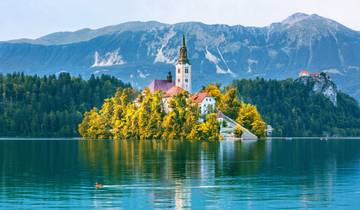
Lake Bled stands as the essential first day trip from Ljubljana in 2026, combining accessibility with Slovenia’s most iconic scenery through its island church, clifftop castle, and Julian Alps backdrop all visible within a compact area perfect for single-day exploration. The destination sits just 55 minutes away by frequent buses departing every 30 minutes from Ljubljana’s main station, requires minimal advance planning compared to more remote locations, and offers scalable experiences from free lake-loop walking to premium boat rides and castle tours based on individual budgets and interests. Alternative comprehensive options include combination tours visiting Postojna Cave and Predjama Castle for €68-84 that showcase Slovenia’s underground wonders and medieval architecture, or coastal excursions to Piran at €86-102 providing Mediterranean contrast to Ljubljana’s inland character. First-timers maximizing limited time should consider full-day multi-site tours at €115-145 covering Lake Bled, Postojna Cave, and Predjama Castle in single coordinated itineraries with professional guides handling all logistics and providing historical context that independent travel cannot match.
Can you do Postojna Cave and Lake Bled in one day from Ljubljana in 2026?
Completing both Postojna Cave and Lake Bled in one day from Ljubljana remains entirely feasible in 2026 through organized tours at €115-145 that coordinate timing, transportation, and admission logistics across both destinations within 10-11 hour itineraries. Independent travelers attempting this combination face significant challenges including incompatible bus schedules between the two locations requiring backtracking through Ljubljana, separate advance ticket bookings for Postojna Cave’s hourly timed tours at €28-31, and Lake Bled attractions like Bled Castle at €17 and pletna boats at €18 that demand specific time slots during peak summer months. The organized tour advantage provides pre-arranged Postojna Cave entry at optimal morning hours when underground chambers remain less crowded, seamless transfer to Lake Bled for afternoon exploration without bus connection stress, and professional guides explaining geological formations, historical context, and local legends that enhance both experiences beyond simple sightseeing. Budget-conscious visitors choosing independent exploration should dedicate separate full days to each destination—Postojna Cave with Predjama Castle as a natural pairing requiring half-day minimum, Lake Bled with Vintgar Gorge justifying full-day immersion that allows proper appreciation without exhausting rushed schedules.
How do I get from Ljubljana to day trip destinations in 2026?
Public buses operated by Arriva Slovenia depart Ljubljana’s main bus station every 30 minutes throughout the day for Lake Bled at €6-7 one-way (€2 on weekends), with journey times of 55 minutes to Bled and 45-50 minutes to Postojna Cave via direct routes requiring no transfers. Bus tickets purchase at station counters, through the Arriva mobile app, or from drivers accepting cash and cards, with weekend travel offering extraordinary value at 70% discounts making Saturday and Sunday excursions significantly more affordable than weekday trips. Organized tours at €57-145 depending on destination and itinerary complexity provide door-to-door service from central Ljubljana hotels, eliminating navigation concerns and parking fees while adding professional guides and coordinated multi-site visits that independent buses cannot replicate. Private transfers through services like GoOpti cost €35-75 one-way offering flexibility for customized departure times and multiple passenger cost-sharing, particularly valuable for early morning departures to beat crowds or evening returns after public bus schedules end around 10 PM. Train connections to Lesce-Bled station run hourly at €12-18 but require additional 4-kilometer taxi or bus transfer to Lake Bled itself, making direct buses more convenient and economical for most travelers visiting Slovenia’s alpine attractions in 2026.
Extended multi-day tours – 5+ days
Featured Slovenia Multi-Day Tour Packages
8 days
Stunning Slovenia
- ✓ Comprehensive Slovenia tour
- ✓ Expert local guides included
- ✓ All accommodation arranged
- ✓ Transportation provided

8 days
Walking in Slovenia
- ✓ Comprehensive Slovenia tour
- ✓ Expert local guides included
- ✓ All accommodation arranged
- ✓ Transportation provided

7 days
Slovenia: Hike, Bike & Raft
- ✓ Comprehensive Slovenia tour
- ✓ Expert local guides included
- ✓ All accommodation arranged
- ✓ Transportation provided
5 days
5 Day Zagreb Including Ljubljana & Lake Bled
- ✓ Comprehensive Slovenia tour
- ✓ Expert local guides included
- ✓ All accommodation arranged
- ✓ Transportation provided
Multi-day tour packages powered by TourRadar. Prices and availability subject to change.
Introduction
Ljubljana occupies Slovenia’s geographic heart, positioning travelers within remarkably short distances of the nation’s most spectacular natural and cultural attractions. This strategic centrality transforms the compact capital into an efficient base for day trip exploration, with dramatic alpine scenery, underground cave systems, Mediterranean coastlines, and medieval castles all reaching within 90 minutes by public transportation or organized tour.
Slovenia’s modest size—measuring just 20,273 square kilometers—creates unique advantages for day trip planning that larger European nations cannot match. Travelers staying in Ljubljana access Lake Bled’s fairytale island and castle in 55 minutes, explore Postojna Cave’s subterranean chambers within 45 minutes, reach the Adriatic coast at Piran in 90 minutes, and venture into Triglav National Park’s alpine wilderness in two hours, all without requiring rental cars or complex logistics. This concentration of diverse experiences within brief travel times allows visitors to sample mountain, karst, and coastal landscapes during single week-long stays while returning each evening to familiar Ljubljana accommodations.
The 2026 travel season brings improved infrastructure and expanded tour options while maintaining Slovenia’s reputation for exceptional value compared to neighboring Austria and Italy. Public bus networks serve major destinations with frequent departures throughout the day, budget-conscious weekend fares drop to €2 for popular routes like Ljubljana-Lake Bled, and organized tour companies compete to offer comprehensive multi-site itineraries at €85-145 with professional guides and coordinated scheduling. Understanding transportation logistics, admission pricing structures, seasonal crowd patterns, and strategic timing transforms rushed tourist checklists into immersive experiences that reveal why Slovenia consistently ranks among Europe’s most rewarding compact destinations.
This guide provides verified 2026 information for independent travelers and tour participants alike, covering transportation costs, attraction admission fees, optimal visit timing, crowd avoidance strategies, and budget planning across all experience levels from backpacker basics to premium guided experiences.
Lake Bled Day Trips 2026: Slovenia’s Iconic Alpine Destination
Lake Bled stands as Slovenia’s single most photographed location, combining a glacial lake surrounded by Julian Alps peaks, a medieval castle perched 130 meters above the water on cliff faces, and a tiny island hosting a 17th-century church reached exclusively by traditional wooden boats. This concentration of scenic elements within a compact walkable area makes Bled the essential day trip from Ljubljana, accessible in 55 minutes by frequent public buses and offering experiences scalable from free lakeside walking to premium castle tours and boat rides based on individual budgets and interests.
Getting to Lake Bled from Ljubljana in 2026
Arriva Slovenia operates direct buses from Ljubljana’s main bus station (Avtobusna Postaja) to Bled every 30 minutes throughout the day, with first departures around 6 AM and final services near 10 PM covering both early morning photography opportunities and evening returns after full-day exploration. Weekday tickets cost €6-7 one-way with journey times of 55 minutes to Bled Bus Station located 300 meters from the lakeshore, while weekend travel offers extraordinary value at €2 one-way—a 70% discount making Saturday and Sunday excursions exceptionally affordable for budget travelers. The bus route follows highway E61 northward from Ljubljana through gentle countryside before entering alpine terrain, with scenic mountain views beginning approximately 30 minutes into the journey as the Julian Alps skyline emerges ahead.
Purchasing tickets at the station ticket counter provides flexibility to board any bus throughout the day without fixed departure times, as tickets validate for the travel date rather than specific scheduled services. Online advance booking through the Arriva website or mobile app guarantees seats during July and August when summer crowds fill buses by 9-10 AM, though this convenience requires printing tickets or displaying mobile QR codes that station purchases avoid. The station building at Trg Osvobodilne Fronte includes luggage storage at €4 for full-day storage, clean restrooms, ATM machines, and basic food kiosks, with the location sitting 10 minutes walking distance from Ljubljana’s old town Dragon Bridge area.
Alternative transportation includes trains to Lesce-Bled station at €12-18 one-way departing hourly, though this option requires additional 4-kilometer transfer to Lake Bled itself via local bus or taxi adding €5-10 and 15-20 minutes to total journey time. Private transfers through GoOpti or similar services cost €35-45 one-way for solo travelers with prices dropping to €15-20 per person for groups of three or four sharing vehicle costs, offering flexibility for customized departure times and door-to-door hotel service that public buses cannot provide.
Lake Bled Essential Attractions 2026
The 6-kilometer walking path encircling Lake Bled provides the essential free activity that showcases all major viewpoints, castle perspectives, and island vistas during 90-120 minute leisurely loops accessible to all fitness levels on flat paved surfaces. This counterclockwise route beginning from Bled Bus Station near the Grand Hotel Toplice passes swimming platforms along the northeastern shore, reaches optimal island photography angles at the southwestern corner, and returns via quieter western sections offering swan encounters and bench-lined resting spots every few hundred meters. Early morning walks between 6-8 AM capture mirror-like lake reflections before breeze disturbs the water surface, avoid midday summer crowds that peak 11 AM-3 PM, and provide opportunities for sunrise golden hour photography that afternoon visitors cannot replicate.
Bled Castle perches 130 meters above the lake on sheer cliff faces, claiming status as Slovenia’s oldest castle with foundations dating to 1011 and commanding panoramic views across the lake to Julian Alps peaks beyond. Adult admission costs €17 in 2026 (check official website for current rates), providing access to castle courtyards, museum collections displaying regional history, a wine cellar offering bottling experiences, and upper terrace viewing platforms that justify the steep 15-20 minute uphill walk or summer shuttle bus alternative. The castle chapel houses 16th-century frescoes, while the blacksmith’s forge demonstrates traditional metalworking techniques during scheduled demonstrations. Visitors seeking similar elevated views without admission fees should hike 30 minutes to Ojstrica viewpoint north of the lake, where wooden viewing platforms deliver the famous overhead lake photograph perspective appearing in countless Slovenia promotional materials.
Bled Island reaches via traditional pletna boats operated by licensed oarsmen rowing passengers across 560 meters of open water in wooden vessels accommodating up to 20 travelers. Round-trip rides cost €18 per adult with 20-minute journeys each direction and 30-40 minutes allowed on the island for climbing the 99 stone steps to the Church of the Assumption. Church admission costs €6 additional for interior access to the 15th-century wishing bell and baroque altarpiece, though many visitors photograph the exterior without entering. Pletna boats depart from multiple docks around the lake when filled to capacity, meaning solo travelers may wait 15-30 minutes during slower morning and late afternoon periods while midday summer hours see frequent immediate departures. Adventurous budget travelers can rent private rowboats at €25 per hour from rental stations along the northern shore, splitting costs among two to four passengers and controlling island visit duration independently of pletna schedules.
Vintgar Gorge Extension from Lake Bled 2026
Vintgar Gorge sits 4 kilometers northwest of Lake Bled, accessible via local bus, bicycle, or 45-minute walking path, offering a 1.6-kilometer boardwalk trail suspended above the crystal-clear Radovna River through steep rock walls carved over millennia by glacial melt. Admission costs €15 for adults in 2026 (check official rates before visiting), with the trail operating approximately May through October when weather permits safe walkway conditions. The route follows wooden galleries clinging to gorge walls past waterfalls, rapids, and emerald pools, ending at the impressive 13-meter Šum Waterfall where most visitors turn around rather than continuing the extended loop trail.
Combining Lake Bled and Vintgar Gorge in single-day itineraries works best for travelers arriving early morning by 7-8 AM to complete the gorge walk before midday heat and crowds, returning to Lake Bled for afternoon swimming or castle visits when alpine temperatures peak 2-4 PM. Local buses run from Bled Bus Station to Vintgar entrance at €3-5 round-trip with departures every 60-90 minutes during summer, while bicycle rentals from Bled town at €18 per day provide faster flexible transportation along the scenic rural road connecting the two locations.
Lake Bled Dining and Practical Information 2026
Budget meals in Bled average €12-18 for pizza, burgers, or simple pasta dishes at casual restaurants around the lake, with sandwich shops and bakeries offering packed lunch options at €8-12 for travelers preferring lakeside picnic dining on numerous benches and grass areas encircling the water. Mid-range restaurants charge €20-30 for three-course meals featuring Slovenian specialties like žlikrofi dumplings and lake trout, while upscale lakefront establishments at the Grand Hotel Toplice and Vila Bled reach €40-60 per person for refined dining with premium lake views and wine pairings.
The famous Bled Cream Cake (kremšnita) represents the obligatory local specialty, with the original version at Park Hotel costing €8 for generous portions of custard cream layered between flaky pastry. Budget alternatives at town bakeries offer similar cakes at €6 without lakefront ambiance but identical taste. Coffee at lakeside cafés runs €4-6 for espresso drinks with outdoor seating commanding slight premiums over standing-room interior bars.
Lake Bled swimming occurs from designated platforms and beaches around the shoreline during June through September when water temperatures reach comfortable 20-24°C, with changing facilities and restroom access available at major beaches. Lockers cost €5 per day at main swimming areas. The lake maintains excellent water quality monitored by health authorities, with lifeguard supervision at primary swimming zones during peak afternoon hours.
Postojna Cave and Predjama Castle Day Trips 2026
Postojna Cave ranks as Europe’s most-visited cave system and Slovenia’s top paid attraction, showcasing 24 kilometers of underground passages carved through limestone over two million years by the Pivka River. The site combines easily-accessible cave tours via electric underground railway with nearby Predjama Castle—a dramatic medieval fortress built into a 123-meter cliff face just 9 kilometers away. This natural pairing creates half-day or full-day excursions from Ljubljana reaching in 45 minutes by direct bus, with combination tickets offering approximately 25% savings versus separate admissions and representing exceptional value for travelers interested in both underground geology and castle history.
Transportation to Postojna Cave 2026
Direct buses from Ljubljana to Postojna Cave operate hourly throughout the day on the Ljubljana-Koper coastal route, with journey times of 45-50 minutes and one-way fares at €5-6 for standard service. The Postojna Cave Park entrance sits 2 kilometers from Postojna town center, with some buses stopping directly at the cave complex while others require short taxi transfer at €8-10 from town bus station. Travelers should verify their specific bus stop destination when purchasing tickets to avoid unexpected transfers, as route variations depend on bus company and schedule timing.
Organized half-day tours from Ljubljana to Postojna Cave and Predjama Castle cost €68-84 including round-trip transportation, cave admission, castle entry, and professional guides, representing convenient value for travelers preferring coordinated logistics over independent bus connections. These tours typically depart Ljubljana 9-10 AM and return 3-4 PM, allowing morning cave visits before midday crowds and afternoon castle exploration with optimal photography lighting. Private car transfers offer flexibility at €80-120 for vehicles accommodating up to four passengers, with costs per person dropping significantly for couples and small groups sharing transportation expenses.
Postojna Cave Admission and Tour Experience 2026
Adult admission to Postojna Cave costs €31 during peak season June through September and €28 in off-peak months October through May, with guided tours departing hourly throughout the day requiring advance online booking during summer months when popular 10 AM and 12 PM slots sell out two to three days ahead. The 90-minute tour begins with a thrilling 10-minute ride aboard electric trains traveling 3.5 kilometers into the cave system through vast chambers and narrow passages, followed by 1.2 kilometers of guided walking through spectacular halls showcasing stalactites, stalagmites, and the famous white “Brilliant” column serving as the cave’s symbol.
Cave temperature remains constant at 10°C year-round regardless of outside weather, making warm jackets or fleeces essential even during hot summer days when surface temperatures exceed 30°C. Comfortable walking shoes with good traction prevent slips on occasionally damp surfaces, though the paved pathways and wooden boardwalks maintain accessibility for most mobility levels excluding wheelchairs. Photography remains permitted throughout the tour without flash, with dramatic lighting installations highlighting key formations and chambers providing excellent opportunities for memorable images despite challenging low-light conditions.
The cave tour culminates at the Vivarium aquarium displaying the famous olm (human fish)—blind, pale salamanders living exclusively in Dinaric karst cave systems and capable of surviving up to 10 years without food. These bizarre creatures generated international attention in 2016 when Postojna’s olms successfully hatched babies in captivity for the first time, marking significant scientific achievement in understanding these mysterious amphibians that Slovenian folklore long considered baby dragons dwelling in underground darkness.
Predjama Castle 2026
Predjama Castle clings dramatically to a vertical cliff face 123 meters high, earning Guinness World Records recognition as the world’s largest cave castle for its unique construction partially inside natural cavern opening. The castle sits 9 kilometers from Postojna Cave with free shuttle buses connecting the two locations during July and August for combination ticket holders, while other months require taxi at €15-20 one-way or private vehicle for the 12-minute journey between sites.
Standard adult admission costs €17 when purchased separately, though combination tickets with Postojna Cave at €40 save approximately €8 compared to individual purchases and remain valid for 30 days allowing flexible visit scheduling. The self-guided castle tour explores medieval chambers across five levels connected by steep stone staircases, showcasing 16th-century furniture, armor displays, torture instruments in the dungeon, and the famous secret tunnel through which the knight Erazem of Predjama conducted daring supply runs during lengthy sieges. New upper gallery sections opened in 2025 reveal previously restricted areas and hidden passages used for castle defense.
Castle interior temperatures remain cool year-round due to cliff location and cave integration, requiring light jackets even during summer afternoons. The clifftop ramparts provide dramatic valley views across the Lokva River disappearing underground below the castle, with this vanishing river phenomenon typical of Slovenia’s karst landscape where surface water frequently sinks into limestone caverns before reemerging kilometers away through springs.
Combined Visit Strategy 2026
Efficient combined visits typically start with Postojna Cave during morning hours when underground temperatures remain most comfortable and tour groups stay smaller than afternoon periods, then continue to Predjama Castle for midday through afternoon exploration when natural daylight illuminates the cliff face and surrounding valley for optimal photography. Summer shuttle buses between the two sites operate approximately every hour during peak season, though precise schedules vary and travelers should confirm current timing at Postojna Cave ticket office.
Independent visitors spending full days at Postojna Cave Park can add the Vivarium aquarium exhibiting cave fauna beyond the olms, plus the Expo Cave Karst exhibition hall explaining karst geology and cave formation processes. Triple Adventure tickets combining cave, castle, and additional exhibitions cost €47 during high season, providing value for families with children interested in comprehensive cave ecosystem education beyond the standard geological tour.
Dining options near Postojna Cave include the on-site restaurant serving Slovenian specialties at mid-range prices €15-25 per person, though local knowledge suggests driving 5 minutes to Postojna town for Gostilna Avio Pub where authentic Slovenian cuisine costs €12-18 with generous portions and craft beer selections. Budget travelers can pack picnic supplies from Ljubljana’s Central Market, with designated eating areas at both Postojna Cave Park and Predjama Castle grounds allowing outdoor dining with dramatic scenery.
Piran and the Slovenian Coast Day Trips 2026
Piran presents Slovenia’s most photogenic coastal town, preserving Venetian architecture and medieval charm along a compact peninsula jutting into the Adriatic Sea just 90 minutes from Ljubljana. The town’s Venetian heritage appears in narrow stone streets, pastel building facades, central Tartini Square, and St. George’s Cathedral dominating the hilltop with sweeping sea views across the Gulf of Trieste to Italian and Croatian coastlines visible on clear days. This Mediterranean contrast to Ljubljana’s inland character creates appealing day trip variety, particularly during shoulder seasons when Alpine destinations experience cooler temperatures while coastal regions maintain warm sunshine ideal for outdoor exploration.
Reaching Piran from Ljubljana 2026
Direct buses from Ljubljana to Piran depart three to four times daily with journey times of 2-2.5 hours depending on route and stops, priced at €12-15 one-way for standard service. The coastal highway route passes through the Karst region featuring distinctive red soil, vineyard landscapes, and scattered villages known for prosciutto production, with ocean views beginning approximately 30 minutes before Piran arrival. Limited bus frequency compared to Lake Bled or Postojna Cave routes requires careful schedule checking and advance planning to ensure convenient departure and return times for single-day visits.
Organized tours to Piran from Ljubljana cost €86-102 with six-hour itineraries including round-trip transportation, guided old town walking tours, and free time for independent exploration, swimming, or seaside dining. Many tour packages combine Piran with nearby attractions like the UNESCO-listed Škocjan Caves creating full-day excursions at €102-125 that maximize coastal region experiences beyond Piran alone. Private transfers accommodate flexible schedules at €120-160 for vehicles carrying up to four passengers, offering convenience for groups wanting customized departure times and coastal town variety including stops at Portorož, Izola, or Koper.
Exploring Piran 2026
Piran’s compact medieval core concentrates within a small peninsula easily explored on foot during two to three hours of leisurely walking through narrow pedestrian streets where Venetian Gothic architecture lines building facades and local cats sun themselves on warm stone steps. Tartini Square forms the social heart where cafés serve espresso and gelato under arcade shadows, named for violinist Giuseppe Tartini whose bronze statue commands the oval plaza paved in marble concentric circles referencing the compass rose of maritime navigation.
St. George’s Cathedral crowns the hilltop above old town, reached via steep stone staircases climbing through residential quarters where laundry hangs between centuries-old buildings and small gardens grow Mediterranean herbs in terracotta pots. Cathedral admission costs €2 with bell tower access included, rewarding the 15-minute uphill walk with 360-degree panoramas encompassing the Adriatic coastline, Slovenian Alps visible inland, and Italian peninsula across the gulf. The Venetian House represents Piran’s most photographed Gothic building with distinctive red facade and corner windows, while medieval city walls partially ring the historic center with walking paths offering elevated coastal views.
Swimming in Piran occurs from concrete platforms and small pebble beaches around the peninsula, with clearest water quality at locations away from the small marina. The main swimming area near the lighthouse provides ladder access, changing facilities, and summer lifeguard supervision, though serious beach experiences work better at nearby Portorož resort with proper sand beaches and beach club amenities just 3 kilometers south via frequent local buses at €2 round-trip.
Coastal Dining and Practical Information 2026
Seafood dominates Piran restaurant menus, with fresh Adriatic fish, calamari, mussels, and octopus dishes ranging €18-35 depending on restaurant location and fish market pricing. Budget-conscious travelers find pizzas and pasta at €12-18 in side-street trattorias away from waterfront premium pricing, while harborfront restaurants charge €25-40 per person for three-course meals with sea views and wine pairings featuring local Refošk red or Malvasia white wines from nearby Istrian vineyards.
The daily fish market operates mornings in the small square near the marina, selling fresh catch alongside local produce, olive oil, and truffle products at significantly lower prices than restaurant menus for travelers with kitchen access in their Ljubljana accommodations. Gelato shops line Tartini Square and waterfront promenades at €3-5 per serving, providing essential refreshment during warm afternoon exploration.
Piran reaches peak crowding July and August when Slovenian and Italian beachgoers fill the town, while May, June, and September offer ideal conditions with warm 22-26°C temperatures, manageable crowds, and fully operational restaurants and shops. October extends the season with mild 18-22°C weather perfect for walking and dining, though some seasonal establishments begin closing and swimming becomes less appealing as sea temperatures drop below 20°C.
Triglav National Park and Soča Valley Day Trips 2026
Triglav National Park protects Slovenia’s Julian Alps including Mount Triglav (2,864 meters)—the nation’s highest peak and national symbol—plus pristine alpine valleys, glacial lakes, and the famous emerald Soča River flowing through dramatic gorges. The park covers 838 square kilometers of protected wilderness accessible via multiple entry points, with Bohinj Valley and Soča Valley offering the most feasible day trip destinations from Ljubljana for travelers without vehicles, though the 2-2.5 hour journey time each direction limits exploration depth compared to overnight stays allowing fuller immersion in alpine landscapes.
Soča Valley Access and Activities 2026
The Soča River creates one of Europe’s most striking natural wonders, flowing brilliant emerald-turquoise through narrow gorges and wide valley sections with water clarity allowing visibility several meters deep despite the vivid coloration caused by limestone particles suspended in glacial melt. The valley stretches approximately 60 kilometers from Soča River source near the Italian border through villages like Bovec and Kobarid before the river eventually flows into the Adriatic in Italy.
Organized full-day tours from Ljubljana to Soča Valley cost €115-145 with departures around 7-8 AM and returns near 6-7 PM, including stops at the Soča River source spring, Great Soča Gorge viewing bridge, and various scenic viewpoints showcasing turquoise pools and mountain backdrops. These tours typically incorporate additional stops at Zelenci Nature Reserve with its impossibly clear spring-fed lake, Kranjska Gora alpine resort town, and Russian Chapel memorial to WWI prisoners who died building mountain roads. Independent bus access to the Soča Valley proves challenging without private vehicles due to limited public transportation, making organized tours or private transfers the practical options for day visitors from Ljubljana.
The Soča Valley functions as Slovenia’s adventure sports capital, with rafting, kayaking, canyoning, and ziplining operations concentrated around Bovec offering adrenaline activities in dramatic alpine settings. Multi-activity day tours from Ljubljana at €145-175 combine Soča Valley scenery with rafting expeditions on Class II-III rapids suitable for beginners, or canyoning adventures through side gorges featuring waterfall rappels and natural water slides. These active excursions require higher fitness levels than standard sightseeing tours and include all necessary equipment, professional guides, and safety instruction for participants without prior experience.
Lake Bohinj Alternative 2026
Lake Bohinj sits 30 kilometers from Lake Bled deeper into Triglav National Park, offering wilder and less developed alpine lake scenery without Bled’s tourist infrastructure and crowds. The lake measures 4 kilometers long by 1 kilometer wide, making it Slovenia’s largest natural lake and providing swimming, kayaking, and hiking access surrounded by dramatic mountain walls rising directly from the shoreline. Bohinj attracts travelers seeking authentic mountain atmosphere beyond Bled’s commercialized resort character, though the remote location means fewer dining options and limited amenities compared to its famous neighbor.
Combined Lake Bled and Lake Bohinj tours from Ljubljana cost €93-121 depending on itinerary, with eight to nine-hour days visiting both alpine lakes plus Savica Waterfall—a 78-meter cascade accessed via 15-minute uphill walk from the lake. These combination itineraries work best during summer months when daylight extends to 9 PM allowing full-day exploration, while spring and autumn shorter days compress visit times at each location. Independent access to Bohinj via bus requires travel through Bled with connections adding 45-60 minutes compared to direct Ljubljana-Bled routes, making the destination more practical for overnight stays than day trips for travelers without rental cars.
Additional Day Trip Destinations from Ljubljana 2026
Škocjan Caves UNESCO Site
Škocjan Caves earned UNESCO World Heritage status for their extraordinary dimensions including the largest known underground canyon reaching 146 meters high and 120 meters wide where the Reka River disappears into the karst system. The caves sit 90 minutes southwest of Ljubljana near the Italian border, offering more dramatic and adventurous touring than Postojna Cave’s accessibility-focused experience through natural chambers requiring greater fitness for steep staircases and uneven pathways. Adult admission costs €24 with guided tours departing at scheduled times requiring advance reservation during summer months.
Combined tours visiting Škocjan Caves and coastal Piran in single-day itineraries cost €102-125, providing efficient pairing of UNESCO cave experience with Mediterranean seaside exploration. The combination works geographically since both destinations lie in southwestern Slovenia along similar routes from Ljubljana, though the full-day schedule remains ambitious with approximately 11 hours total duration including 3-4 hours of vehicle travel between the three locations.
Kamnik and Velika Planina
Velika Planina alpine plateau sits 1,600 meters elevation with traditional wooden herders’ huts creating one of Europe’s largest shepherd settlements, accessible via cable car and chairlift from Kamnik valley just 45 minutes north of Ljubljana. The plateau offers scenic hiking through summer pastures where cattle graze among wild flowers, with opportunities to sample fresh dairy products and experience highland cultural traditions largely unchanged for centuries. Day trip costs include cable car and chairlift round-trip at €18 plus optional dining at mountain huts serving hearty Slovenian fare at €12-18 per meal.
Winter transforms Velika Planina into a snow sports destination with cross-country skiing and snowshoeing replacing summer hiking, though the plateau experiences heavy snow November through April requiring appropriate equipment and weather awareness. Summer visits June through September avoid snow while maintaining cool alpine temperatures 5-10°C below Ljubljana, providing refreshing escapes during heat waves.
Maribor and Wine Country
Maribor ranks as Slovenia’s second-largest city sitting 130 kilometers northeast of Ljubljana in wine-producing Styria region, known for the world’s oldest grapevine growing in the old town center and surrounding vineyard-covered hills. The city combines baroque architecture, student culture from substantial university population, and excellent wine tourism infrastructure with numerous tasting rooms and cellar tours. Day trips to Maribor from Ljubljana cost €110-130 with tours typically including wine tastings at traditional cellars, old town walking tours, and lunch featuring regional specialties at €20-30 per person.
The journey to Maribor requires 2-2.5 hours each direction via highway or train, making this a fuller commitment than closer destinations like Lake Bled or Postojna Cave. Wine enthusiasts find the extended travel time worthwhile for access to Slovenian wine regions producing distinctive varieties like Žametovka (blue frankish) red and Šipon (furmint) white not readily available in Ljubljana’s international-focused wine bars.
Strategic Planning for Ljubljana Day Trips 2026
Budget Planning Across Experience Levels 2026
Budget day trippers spending €25-35 per person rely on independent public bus transportation at €6-14 round-trip depending on destination and day of week, pack lunch supplies purchased from Ljubljana markets at €8-12 to avoid restaurant costs, and focus activities on free experiences like lake walking, coastal old town exploration, and viewpoint hiking rather than paid admissions. Weekend travel maximizes savings through heavily discounted bus fares to popular destinations, while mid-week visits mean standard pricing but fewer crowds at major attractions.
Mid-range travelers spending €70-95 per person include attraction admissions like Bled Castle at €17, pletna boat rides at €18, Postojna Cave at €31, and sit-down restaurant meals at €20-30 while maintaining public bus transportation for affordability. This category provides the optimal balance between independent flexibility and comprehensive experience access, allowing entrance to major paid attractions while avoiding premium tour guide costs.
Premium guided tour participants spending €85-145 per person prioritize convenience and expertise over cost savings, gaining professional local guides providing historical context and cultural insights, coordinated multi-site logistics eliminating navigation stress, guaranteed attraction access without line waiting, and comfortable vehicles with WiFi and air conditioning. Small-group tours limited to eight participants offer personalized attention and flexible pacing compared to large bus groups accommodating 40-50 travelers at slightly lower €75-95 price points.
Seasonal Considerations 2026
Peak summer months July and August deliver warmest temperatures 25-30°C and longest daylight hours extending to 9 PM, ideal for swimming and extended evening exploration, though this season brings maximum crowds requiring advance booking for buses, attraction tickets, and restaurant reservations. Popular destinations like Lake Bled and Postojna Cave see tour group congestion 10 AM-3 PM, with early morning arrivals before 9 AM or late afternoon visits after 4 PM providing significantly better experiences with shorter queues and clearer photography angles.
Shoulder seasons May-June and September-October offer excellent conditions with mild 18-24°C temperatures, reduced crowds at major attractions, and full operational hours for restaurants and transportation while avoiding peak-season pricing premiums at hotels and tours. September particularly shines with warm stable weather, harvest season producing vibrant agricultural landscapes, and autumn colors beginning to transform alpine forests from late September onward. These months represent optimal timing for travelers prioritizing experience quality over guaranteed swimming weather.
Winter November through March limits some destinations like Vintgar Gorge that close for snow and ice, while drastically reducing crowds at year-round sites like Postojna Cave and Ljubljana itself. Alpine destinations including Lake Bled transform into winter wonderlands with occasional lake freezing creating unique photo opportunities, though cold temperatures 0-5°C and shorter daylight hours 8 AM-5 PM constrain outdoor activity duration. Coastal Piran maintains milder winter temperatures 8-12°C than inland regions but experiences frequent rain and wind reducing Mediterranean beach appeal.
Multi-Day Visit Strategy
Travelers spending three or more days in Ljubljana should diversify day trips across mountain, karst, and coastal categories rather than concentrating on single destination types, creating variety that showcases Slovenia’s geographic diversity within its compact borders. A balanced three-day approach might visit Lake Bled on day one for alpine scenery, Postojna Cave and Predjama Castle on day two for underground and medieval experiences, and coastal Piran on day three for Mediterranean contrast, with each day offering distinct landscapes, activities, and cultural perspectives that collectively reveal the nation’s remarkable variety.
Efficient scheduling prioritizes weather-dependent destinations like Lake Bled swimming and coastal Piran beach time during forecasted sunny days, while reserving Postojna Cave’s underground climate-controlled environment for rainy or overcast periods when outdoor mountain scenery loses visual impact. Checking weather forecasts three days ahead allows strategic reordering of planned itineraries to maximize conditions at each location.
Rest days between ambitious excursions prevent exhaustion from consecutive full-day trips, with Ljubljana offering numerous half-day activities including the castle, old town walking tours, and Tivoli Park that provide lighter schedules between intensive day trip adventures. This pacing approach particularly benefits travelers combining active pursuits like Soča Valley rafting with more relaxed sightseeing days.
Booking and Reservation Timing 2026
Advance online booking becomes essential during July and August for Postojna Cave timed entry tickets that sell out popular morning slots two to three days ahead, organized tours filling to capacity three to five days before departure, and Lake Bled weekend bus tickets reaching capacity by late morning during peak season. Booking one week ahead provides comfortable margins for summer travel, while shoulder season April-May and September-October typically allows same-day or next-day reservations without significant risk of unavailability.
Flexible travelers willing to accept early morning or mid-afternoon tour departures find better availability than those seeking optimal 9-11 AM start times when most tour companies schedule departures. Similarly, Tuesday through Thursday dates experience lighter demand than Friday through Sunday when both tourists and Ljubljana residents take weekend excursions creating competition for limited bus seats and tour spaces.
Hotel pickup services offered by most tour companies require providing accommodation addresses at least one day before departure, with typical pickup windows spanning 30-45 minutes before official tour start times to collect participants from multiple downtown hotels. Travelers preferring guaranteed punctual departures should select central meeting point options rather than hotel pickup, eliminating variables from morning logistics.
Transportation Infrastructure and Practical Logistics 2026
Ljubljana Bus Station Operations
Ljubljana’s main bus station (Avtobusna Postaja) sits at Trg Osvobodilne Fronte adjacent to the central train station, occupying a location 10 minutes walking distance from old town Prešeren Square and Dragon Bridge landmarks. The station facility includes numbered departure bays where buses load passengers, indoor ticket counters operating 6 AM-10 PM daily for in-person purchases, luggage storage charging €4 per bag for full-day storage, clean public restrooms at €1 entry fee, and basic food kiosks selling packaged snacks and beverages.
Departure information displays at the station show real-time bus positions and platform assignments, though Lake Bled buses consistently depart from bay 7 and Postojna/coastal buses typically use bays 8-12 with some variation. Arriving 15 minutes before scheduled departure time provides adequate buffer for ticket purchases and platform location, while summer peak season travelers should add 10-15 minutes extra margin during morning rush periods when ticket counter lines extend.
Luggage policies vary by bus company, with standard buses accommodating reasonable carry-on bags at no charge while larger suitcases may require €2-3 storage fees paid to drivers. Travelers day-tripping from Ljubljana typically store bags at the station luggage storage facility rather than carrying them on excursions, eliminating weight during walking tours and attraction visits while ensuring security throughout the day.
Mobile Connectivity and Navigation
Slovenia maintains excellent mobile coverage throughout populated areas including Ljubljana and major day trip destinations, with 4G and 5G service reaching most Alpine valleys, coastal towns, and highway routes between cities. International visitors from EU countries use domestic mobile plans without roaming charges under EU regulations, while travelers from other regions should verify roaming costs with home carriers or purchase local SIM cards at €15-25 for prepaid data packages at Ljubljana airport or city center mobile shops.
Google Maps provides reliable navigation and public transportation directions for independent travelers, with real-time bus tracking, walking routes, and destination information covering all major tourist sites. Downloading offline map data before departing Ljubljana eliminates mobile data consumption during day trips while maintaining navigation functionality if service proves spotty in remote mountain valleys.
Translation apps assist with menu reading and basic communication in smaller towns where English proficiency varies, though younger Slovenians in tourist areas generally speak excellent English making language barriers minimal at major destinations like Lake Bled, Postojna Cave, and Piran.
Safety and Emergency Considerations
Slovenia ranks among Europe’s safest countries with extremely low crime rates and well-maintained infrastructure reducing accident risks during day trip activities. Standard travel precautions including securing valuables, watching personal belongings in crowded bus stations, and maintaining awareness in tourist areas prove sufficient for avoiding the minimal petty theft that occasionally occurs at major attractions.
Mountain activities require appropriate footwear for hiking trails that may include uneven surfaces, loose rocks, and steep sections where proper traction prevents slips and falls. Alpine weather changes rapidly with afternoon thunderstorms common during summer months, making waterproof jackets and backup warm layers advisable even when morning skies appear clear. Lightning risk exists on exposed mountain ridges and summits, with shelter-seeking and descent protocols essential during storm development.
Emergency services throughout Slovenia respond via universal European 112 number connecting to medical, police, or fire assistance with English-speaking operators available 24 hours. Mountain rescue services operate across Triglav National Park for hiking incidents, while coastal areas maintain lifeguard services and rescue equipment at designated swimming beaches during summer months. Travel insurance covering medical emergencies and evacuation costs provides peace of mind for active travelers engaging in hiking, rafting, or other adventure activities beyond standard sightseeing.
Frequently Asked Questions About Ljubljana Day Trips 2026
How early should I start day trips from Ljubljana to avoid crowds in 2026?
Departing Ljubljana between 6-7 AM on first available buses reaches destinations like Lake Bled by 7-8 AM before tour groups arrive around 9:30-10 AM, providing 1.5-2 hours of peaceful exploration with superior photography lighting and empty viewpoints at popular spots like Ojstrica overlook. Early arrivals at Postojna Cave claim 9 AM tour slots that explore underground chambers before midday when multiple tour groups converge, while coastal Piran benefits from morning arrival securing prime restaurant tables for lunch and avoiding afternoon heat during old town walking. Bus schedules accommodate early departures with Lake Bled services beginning 5:45 AM on weekdays, though practical planning considers most attractions remain closed until 8-9 AM making ultra-early arrival somewhat limiting. The optimal strategy balances arrival timing with attraction opening hours—targeting 8 AM presence at Lake Bled allows immediate castle access when gates open while maintaining crowd advantage, whereas Postojna Cave operates timed tours requiring coordination with their schedule rather than arbitrary early arrival.
Can I visit multiple destinations in one day from Ljubljana in 2026?
Visiting multiple major destinations independently in single days proves challenging due to incompatible bus schedules requiring Ljubljana backtracking between locations, while organized tours at €115-145 specifically coordinate multi-site visits within 10-11 hour itineraries covering three destinations like Lake Bled, Postojna Cave, and Predjama Castle. Common successful combinations pair geographically proximate sites—Postojna Cave and Predjama Castle sit just 9 kilometers apart with shuttle buses connecting them, while Lake Bled and Vintgar Gorge share 4-kilometer proximity manageable via local bus or bicycle. Attempting ambitious independent combinations like Lake Bled plus Piran requires 6 hours total bus travel time alone before accounting for exploration duration, effectively consuming entire daylight hours with rushed experiences at each location and little actual sightseeing time. Budget-conscious travelers should accept single-destination focus for independent day trips while reserving multi-site ambitions for organized tours providing dedicated transportation and professional time management that maximizes sightseeing hours rather than transit periods.
What happens if weather ruins my planned day trip in 2026?
Rain transforms but rarely ruins Ljubljana day trips, with Postojna Cave offering ideal weather-independent experiences in constant 10°C underground environments unaffected by surface conditions, while Lake Bled and coastal Piran maintain atmospheric beauty during light rain that dramatically enhances mountain and sea photography with moody clouds and dramatic lighting. Heavy rain or thunderstorms may close Vintgar Gorge temporarily for safety due to slippery wooden boardwalks and flash flood potential, while alpine destinations like Soča Valley lose scenic impact when fog obscures mountain views and riverbank trails become muddy. Organized tour companies typically operate in all but severe weather conditions, though participants should request confirmation the evening before if forecasts predict storms. Most tour operators provide flexible rescheduling or full refunds for weather cancellations initiated by the company rather than participants, while advance-purchase Postojna Cave and attraction tickets maintain validity for alternative dates within stated periods. Strategic travelers book weather-dependent activities like Lake Bled swimming and mountain hiking for sunny forecast days while reserving caves and indoor-friendly destinations for predicted rain, maintaining exploration momentum regardless of conditions.
Are Ljubljana day trips suitable for families with young children in 2026?
Lake Bled provides excellent family experiences with the flat 6-kilometer lake loop accommodating strollers, gentle swimming beaches suitable for young children during warm months, and pletna boat rides delivering short adventure durations matching limited attention spans. Postojna Cave fascinates children through the exciting underground train ride and alien-like olm creatures, though the 90-minute tour duration and some steep staircases challenge toddlers requiring parental carrying. Predjama Castle appeals to children through medieval knight stories and dramatic cliff-face location, while coastal Piran offers beach time and gelato rewards between old town exploration. Family-focused organized tours exist at similar €85-145 pricing but with child discounts reducing per-person costs, shorter durations around 6-8 hours accommodating nap schedules, and guides experienced with managing family group dynamics. The primary family challenges involve long bus travel times testing patience, limited child-specific dining options beyond pizza and pasta at most destinations, and attraction admission costs accumulating quickly for larger families where Postojna Cave family tickets reach €85-100 for two adults and two children. Strategic families target weekends when bus fares drop to €2 per person including children over age 6, pack substantial snack supplies to avoid expensive attraction cafeteria pricing, and focus on one major destination per day rather than ambitious multi-site tours exhausting young travelers.
Do I need to speak Slovenian for day trips from Ljubljana in 2026?
English proficiency remains excellent throughout Ljubljana and major tourist destinations like Lake Bled, Postojna Cave, and Piran where hospitality industry workers, tour guides, and younger residents speak fluent English facilitating easy communication for directions, restaurant orders, and attraction information. Bus drivers and ticket counter staff at Ljubljana station typically speak functional English sufficient for basic transactions, though some older employees in smaller towns may have limited proficiency requiring patience and simple phrasing. Tourist attractions provide English audio guides, signage, and brochures as standard offerings, while restaurant menus in tourist areas include English translations or picture options eliminating language barriers for dining. Learning basic Slovenian phrases like “hvala” (thank you) and “prosim” (please) demonstrates cultural respect appreciated by locals, though genuine communication obstacles rarely arise for English speakers at destinations covered in this guide. Translation apps on smartphones provide backup assistance for rare situations requiring complex communication, while gesture-based communication suffices for simple needs like requesting restaurant bills or asking directions when verbal exchange proves difficult.
What should I pack for day trips from Ljubljana in 2026?
Essential day trip packing includes comfortable walking shoes with good traction for lake loops, castle steps, and potential hiking rather than fashion-focused footwear risking blisters or slips on uneven surfaces. Weather layers prove critical with light waterproof jackets protecting against sudden mountain showers common in alpine areas, while warm fleece or sweater layers accommodate the constant 10°C temperature inside Postojna Cave even when outside summer conditions reach 30°C. Sun protection through hats, sunglasses, and SPF 30+ sunscreen prevents burns during extended outdoor exposure at high-altitude alpine destinations and Mediterranean coastal towns where reflection from water intensifies ultraviolet exposure. Refillable water bottles reduce costs and environmental impact as Ljubljana tap water maintains excellent quality and public fountains appear throughout the city for free refills before departures. Snacks supplement limited dining options at remote destinations while avoiding expensive attraction cafeteria pricing, with trail mix, fruit, and granola bars providing energy during active exploration. Daypack capacity around 15-20 liters accommodates all essentials without becoming burdensome during long walking tours, with internal organization keeping cameras, water, layers, and valuables accessible without excavating through packed contents. Cash in small denominations remains necessary despite widespread card acceptance, as some pletna boat operators, market vendors, and restroom facilities require coins or small bills when card machines prove unavailable.
Can I swim at Lake Bled and Piran during my day trip in 2026?
Lake Bled swimming season extends June through September when water temperatures reach comfortable 20-24°C, with designated swimming platforms and beaches around the lakeshore providing ladder access, changing facilities at main beaches, and restroom availability near primary swimming zones. Lockers cost €5 per day for securing valuables while swimming, though most travelers rotating between swimming and exploration prefer leaving bags with travel companions or using waterproof pouches for essentials. Lake water quality maintains excellent standards monitored by health authorities, with lifeguard supervision at main beaches during peak afternoon hours and generally safe conditions for competent swimmers given the lake’s manageable size and protected location preventing strong currents. Piran coastal swimming occurs from concrete platforms and small pebble beaches with clearer water quality at locations away from the marina, though serious beach experiences work better at nearby Portorož with proper sand beaches just 3 kilometers south via €2 local bus. Mediterranean sea temperatures at Piran reach comfortable 22-25°C July through September, extending the coastal swimming season slightly beyond Lake Bled’s alpine conditions. Travelers planning swimming day trips should pack swimsuits, towels, and sun protection in their daypacks, accepting that changing facilities may be basic and locker availability limited requiring valuables supervision strategies with companions.
Are organized tours worth the extra cost compared to independent travel in 2026?
Organized tours at €85-145 deliver value through professional guides providing historical context and cultural insights that independent travelers miss without advance research, coordinated logistics eliminating navigation stress and transportation connections, guaranteed attraction access without queue waiting, and comfortable vehicles with amenities versus crowded public buses. First-time Slovenia visitors and travelers with limited time particularly benefit from tour efficiency that maximizes destination exposure within single days, while solo travelers avoid isolation through small-group social dynamics building camaraderie with fellow participants. However, independent public bus travel at €6-14 round-trip saves €70-130 per person compared to equivalent organized tours, with this significant cost difference allowing budget travelers to afford additional days in Slovenia or upgrade accommodation quality with the savings. Independent travelers gain complete schedule flexibility departing when desired and spending preferred durations at each attraction rather than adhering to group timings, while avoiding forced souvenir shop stops common on some budget tour programs. The optimal choice depends on individual priorities—travelers valuing convenience, expertise, and social experience find tours worthwhile despite premium pricing, while budget-conscious visitors with basic navigation skills and patience for public transportation logistics achieve comparable experiences at fraction of tour costs accepting reduced comfort and requiring self-directed research for comparable information depth.
What’s the best single day trip for someone with just one day outside Ljubljana in 2026?
Lake Bled represents the consensus essential single day trip combining Slovenia’s most iconic scenery with accessibility and diverse experience options within compact geography suitable for limited time. The destination showcases alpine landscapes, medieval architecture through Bled Castle, cultural elements via island church and pletna boats, plus outdoor activities from swimming to hiking that collectively encapsulate Slovenia’s character more comprehensively than any alternative single location. First-time visitors should dedicate 5-7 hours minimum for meaningful Bled exploration allowing proper lake circuit walking, castle visit, boat ride consideration, and Vintgar Gorge extension if energy and interest permit, rather than rushed 3-4 hour visits that sacrifice quality for checklist completion. Alternative worthy single-day options include Postojna Cave and Predjama Castle combination for travelers prioritizing unique experiences over postcard scenery, with the underground cave train adventure and cliff-face castle providing memorable stories exceeding Lake Bled’s admittedly stunning but somewhat passive viewing experience. Coastal Piran appeals to visitors craving Mediterranean atmosphere contrasting Ljubljana’s inland character, though the destination works better as a second or third day trip after covering Lake Bled’s essential status. Weather conditions may override default Bled recommendations if rain obscures mountain views, when Postojna Cave’s climate-controlled underground environment maintains full impact regardless of surface conditions creating superior rainy-day alternative.
How much time should I allocate for each major destination in 2026?
Lake Bled requires 4-6 hours minimum for meaningful exploration including the 1.5-hour lake circuit walk, 1-hour castle visit, 45-minute pletna boat round-trip with island time, and meal breaks, while extending to 7-8 hours allows relaxed pacing with swimming, additional viewpoint hikes, or Vintgar Gorge extension without rushed schedules. Postojna Cave combined with Predjama Castle demands 5-6 hours total allocating 2 hours for timed cave tour including arrival buffer, 1-hour minimum at Predjama Castle, plus transportation between sites and meal time, with this duration representing practical minimum rather than leisurely exploration allowing unhurried photography and thorough castle inspection. Coastal Piran works within 4-5 hours covering old town walking tour, cathedral climb, swimming opportunity, and seaside lunch, though travelers desiring relaxed Mediterranean atmosphere benefit from 6-7 hour presence removing pressure to maximize every minute and allowing café lingering capturing coastal lifestyle rhythm. Soča Valley and alpine destinations like Triglav National Park justify full 9-11 hour commitments given 2-hour each direction travel times plus meaningful on-site exploration, with these locations poorly suited to half-day attempts producing exhausting transit ratios versus actual destination time. Strategic planning adds 30-minute buffers to minimum time requirements accommodating unexpected delays, line waits at popular attractions, or spontaneous interest extensions discovering unanticipated highlights, while realistic self-assessment about personal walking speed and photography tendencies guides appropriate duration selection.