Liverpool Travel Guide 2026: Complete Visitor’s Guide to the Beatles City
Liverpool stands as one of Britain’s most dynamic cultural destinations in 2026, where UNESCO World Heritage waterfront meets groundbreaking musical legacy. This vibrant port city on the Mersey River combines world-class museums, legendary football stadiums, and the birthplace of The Beatles with Georgian architecture, thriving dining scenes, and warm Scouse hospitality that makes every visitor feel at home.
Key Takeaways About Liverpool 2026
- Budget-Conscious Travel 2026: Liverpool delivers exceptional value for budget travelers, with daily costs ranging £65-95 per person including hostel accommodation, affordable pub meals, and free world-class museums. The city’s £2 bus fare cap keeps transportation costs minimal while comprehensive access to cultural attractions comes without admission fees.
- Mid-Range Comfort 2026: Expect £120-180 per person daily for mid-range comfort in Liverpool, covering quality hotel accommodation shared between two travelers, diverse restaurant options from traditional British fare to international cuisine, and paid attractions including Beatles heritage sites and stadium tours that define the Liverpool experience.
- Beatles Heritage Access 2026: The Beatles Story museum charges £18-22 for adult admission with audio guides, while the free Cavern Quarter walking route connects Penny Lane, Strawberry Field, and the original Cavern Club site. The Magical Mystery Tour bus combines convenience with comprehensive Beatles history at approximately £18-25 per person.
- Transportation Value 2026: Liverpool’s compact city center walks easily in 20-30 minutes end-to-end, while the £2 single bus fare and £6 Solo day ticket provide excellent value for reaching outlying Beatles sites, Anfield Stadium, and waterfront attractions. The Saveaway pass at £5-7 offers unlimited off-peak travel across buses, trains, and ferries.
- Free Cultural Treasures 2026: Liverpool houses more free museums and galleries than any UK city outside London, including Tate Liverpool, Walker Art Gallery, Merseyside Maritime Museum, Museum of Liverpool, and World Museum. These world-class institutions require zero admission fees while delivering exceptional exhibitions.
- Seasonal Timing 2026: Visit Liverpool during spring (April-June) or autumn (September-October) for optimal weather, fewer crowds, and hotel rates £50-80 below summer peaks. Summer brings festivals and longer daylight but higher accommodation costs and busier attractions, while winter offers January restaurant deals and significant savings on hotels.
People Also Ask About Liverpool Travel 2026
How Much Does Liverpool Cost Per Day in 2026?
Liverpool daily costs in 2026 range £65-95 per person for budget travelers staying in hostels and eating affordably, £120-180 per person for mid-range comfort with quality hotels and diverse dining, and £265-395 per person for luxury experiences with upscale accommodation and premium attractions. These figures assume two people sharing hotel accommodation where applicable.
What Are the Must-See Attractions in Liverpool 2026?
Liverpool’s essential attractions in 2026 include the UNESCO Royal Albert Dock complex housing The Beatles Story museum and Tate Liverpool, Anfield Stadium for Liverpool FC tours, the Georgian Quarter featuring both cathedrals, the Cavern Quarter with Beatles heritage sites, and the waterfront Three Graces including the Royal Liver Building. Most major museums offer free admission while paid attractions range £15-30.
How Many Days Should I Spend in Liverpool 2026?
Three to four days allows comprehensive Liverpool exploration in 2026, covering Beatles heritage sites across two days, major museums and waterfront attractions over one day, and either an Anfield Stadium tour or day trip to Chester or the Wirral coast. Weekend visitors can experience highlights in two intensive days, while week-long stays enable deeper neighborhood exploration and multiple day trips.
Is Liverpool Good for First-Time UK Visitors in 2026?
Liverpool serves as an excellent introduction to British culture in 2026, offering compact walkability, straightforward public transport, genuine Northern hospitality, affordable costs compared to London, comprehensive visitor infrastructure, and cultural significance spanning maritime history, musical innovation, and contemporary arts. The city delivers authentic British experiences without London’s overwhelming scale or expense.
Extended multi-day tours – 5+ days
Featured Liverpool Multi-Day Tour Packages

3 days
Liverpool 3-Day Discovery Tour
- ✓ Comprehensive Liverpool experience
- ✓ Expert local guides included
- ✓ All accommodation included
- ✓ Transportation provided

5 days
Liverpool 5-Day Highlights Experience
- ✓ Comprehensive Liverpool experience
- ✓ Expert local guides included
- ✓ All accommodation included
- ✓ Transportation provided

7 days
Liverpool 7-Day Cultural Journey
- ✓ Comprehensive Liverpool experience
- ✓ Expert local guides included
- ✓ All accommodation included
- ✓ Transportation provided
10 days
Liverpool 10-Day Complete Adventure
- ✓ Comprehensive Liverpool experience
- ✓ Expert local guides included
- ✓ All accommodation included
- ✓ Transportation provided
Multi-day tour packages powered by TourRadar. Prices and availability subject to change.
Understanding Liverpool in 2026
Liverpool emerges in 2026 as Britain’s most accessible major cultural destination, where maritime heritage meets musical revolution on streets that walk easily between Georgian elegance and contemporary regeneration. The city’s UNESCO World Heritage waterfront anchors a compact urban core where world-class museums cluster within minutes of Beatles pilgrimage sites, legendary football stadiums, and thriving neighborhoods that showcase authentic Northern English culture. Unlike London’s sprawl or Edinburgh’s tourist congestion, Liverpool maintains genuine local character alongside visitor attractions, creating experiences where Scouse wit and warm hospitality feel as authentic in 2026 as the city’s documented history.
The Mersey River defines Liverpool’s geography and identity, with the historic waterfront extending from the Three Graces at Pier Head through Royal Albert Dock to the regenerated Baltic Triangle creative quarter. North of the center, Anfield Stadium draws football pilgrims while the Georgian Quarter showcases Britain’s finest concentration of Georgian architecture outside Bath. The city center’s pedestrianized core features Liverpool ONE shopping district, while the Cavern Quarter preserves Beatles heritage on Mathew Street where the Fab Four played their early gigs. This concentrated layout means visitors walk between major attractions in under 30 minutes, creating exceptional accessibility that distinguishes Liverpool from sprawling metropolitan competitors.
Liverpool’s 2026 renaissance builds on decades of regeneration following industrial decline, transforming abandoned docks into cultural quarters and reclaiming waterfront spaces for public enjoyment. The city’s European Capital of Culture designation in 2008 catalyzed permanent improvements that continue maturing nearly two decades later, while Liverpool’s football heritage and Beatles legacy ensure perpetual global recognition that drives tourism infrastructure investment. Major hotels cluster near Lime Street station and the waterfront, restaurants span every cuisine and budget, and attractions range from free world-class museums to premium experiences like stadium tours and river cruises that showcase different aspects of Liverpool’s layered identity.
The Scouse spirit defines Liverpool experiences beyond physical attractions, manifesting in pub conversations, street-corner humor, and genuine friendliness that transforms casual encounters into memorable interactions. This cultural warmth combines with Northern English directness to create distinctly Liverpool hospitality where locals eagerly share neighborhood recommendations, historical anecdotes, and football opinions with visitors who engage authentically. Understanding this social context enhances Liverpool visits immeasurably, as the city reveals itself through human connection as much as architectural heritage or museum exhibitions. Liverpool in 2026 offers substance over style, authenticity over polish, and cultural depth that rewards extended exploration beyond superficial tourism.
Liverpool Neighborhoods and Districts 2026
Liverpool’s waterfront anchors visitor orientation in 2026, stretching from the Three Graces at Pier Head through Royal Albert Dock’s restaurant-lined cobblestone quays to the regenerated warehouses of the Baltic Triangle. The UNESCO-inscribed historic waterfront showcases Britain’s maritime heritage through architecture spanning three centuries, while modern developments like the M&S Bank Arena and Liverpool One shopping center demonstrate ongoing evolution. Waterfront hotels command premium rates but deliver unmatched convenience for Albert Dock attractions including The Beatles Story, Tate Liverpool, and Merseyside Maritime Museum. The Mersey Ferries depart from Pier Head, offering iconic river crossings immortalized in Gerry and the Pacemakers’ 1960s hit.
The city center radiates from Lime Street Station, where Victorian grandeur meets pedestrianized shopping streets connecting Liverpool ONE with the Cavern Quarter on Mathew Street. This compact core houses mid-range hotels, diverse restaurants, and practical amenities that serve both business travelers and tourists. The Cavern Club remains operational at its original site, though the current venue recreates rather than occupies the exact basement where The Beatles performed 292 times between 1961 and 1963. Bold Street anchors Liverpool’s independent dining scene with vegetarian cafes, vintage shops, and craft beer bars that showcase the city’s creative energy beyond mainstream tourism. The St George’s Quarter cultural district features St George’s Hall, Walker Art Gallery, World Museum, and Central Library within one block.
The Georgian Quarter extends southeast from the city center, featuring Britain’s finest concentration of Georgian townhouses alongside both Liverpool cathedrals anchoring Hope Street’s cultural corridor. This elevated neighborhood offers characterful bed-and-breakfast accommodation in converted townhouses, independent restaurants on Lark Lane, and Sefton Park’s 235 acres of Victorian parkland with Palm House conservatory. The Anglican Cathedral dominates the skyline as Britain’s largest cathedral, while the modernist Metropolitan Cathedral completes Hope Street’s architectural bookends. Georgian Quarter accommodation provides quiet residential atmosphere with easy walks to city center attractions.
Anfield and Everton occupy Liverpool’s northern residential districts, drawing football pilgrims to legendary stadiums that anchor working-class neighborhoods beyond typical tourist circuits. Anfield Stadium opens for tours and museum visits on non-matchday dates, offering behind-the-scenes access to Liverpool FC’s historic home including the players’ tunnel, dressing rooms, and the famous “This Is Anfield” sign. Stanley Park separates Anfield from Goodison Park, Everton FC’s current home, though Everton plans relocation to a new waterfront stadium. These neighborhoods showcase authentic Liverpool beyond waterfront regeneration, with traditional pubs, local markets, and residential streets that maintain genuine community character.
The Wirral Peninsula across the Mersey River extends Liverpool’s metropolitan reach to coastal towns, Victorian seaside resorts, and rural villages accessible via Mersey Tunnel or ferry connections. Port Sunlight model village showcases planned community architecture and gardens surrounding Lady Lever Art Gallery, while West Kirby and Hoylake offer traditional seaside charm with sandy beaches and dune walks. The Wirral serves as convenient Liverpool base for visitors prioritizing coastal scenery over urban intensity, with accommodation costs typically lower than Liverpool proper. Mersey Railway connects Wirral towns to Liverpool city center in 20-30 minutes, enabling commuter access that supports day-trip exploration.
The Baltic Triangle southeast of Albert Dock represents Liverpool’s creative regeneration, where converted warehouses house digital startups, independent breweries, street art murals, and late-night music venues. This developing district attracts younger visitors seeking nightlife beyond mainstream clubs, craft beer over corporate brands, and cutting-edge culture that forecasts Liverpool’s evolution beyond Beatles nostalgia and football heritage. The Baltic Market food hall offers diverse global cuisine from independent vendors, while the Baltic Triangle’s graffiti-covered streets photograph dramatically for visitors documenting urban exploration. This neighborhood demonstrates Liverpool’s forward momentum while maintaining industrial character that connects contemporary creativity to maritime history.
Getting to Liverpool 2026: Transportation Options
Liverpool John Lennon Airport sits eight miles southeast of the city center, handling domestic and European flights through budget carriers and regional services. The Airlink 500 express bus connects the airport to Liverpool ONE and Lime Street Station every 30 minutes, costing £2 single fare under the city’s bus fare cap. Journey time runs 40-50 minutes depending on traffic and specific destination. Taxis from the airport rank charge £20-30 to city center locations, while pre-booked private transfers cost slightly less. The airport handles approximately 5 million annual passengers, offering straightforward processing and compact terminals that minimize connection stress. Car rental desks operate near baggage claim for visitors planning wider regional exploration.
Avanti West Coast trains connect Liverpool Lime Street Station to London Euston in 2 hours 15 minutes, departing hourly with increased frequency during peak periods. Advance purchase tickets cost £25-50 when booked weeks ahead, while same-day off-peak fares run £60-90 and peak tickets exceed £100. Northern Rail operates regional services to Manchester (45-60 minutes), Chester (45 minutes), and Lancashire towns. TransPennine Express links Liverpool to Yorkshire cities including Leeds, Sheffield, and York. Lime Street Station occupies the city center’s eastern edge, placing arriving passengers within 10-minute walks of most city center hotels and 20-minute walks to Royal Albert Dock. The station features left luggage facilities, ticket offices, and direct connections to local bus services outside the main entrance.
National Express coaches serve Liverpool from London Victoria Coach Station in 5-6 hours, offering budget alternatives to rail travel with fares as low as £15-25 when booked in advance. Megabus operates similar routes with comparable pricing. Coaches terminate at Liverpool ONE bus station near the waterfront, providing convenient arrival points for Albert Dock accommodation. The extended journey time suits budget-conscious travelers without tight schedules, while overnight coaches enable arrival without paying for accommodation. Coach travel includes free luggage allowance comparable to rail services, with onboard toilets and WiFi available on most services.
Driving to Liverpool via the M6 motorway connects the city to Britain’s national road network, with journey times of 3-4 hours from London, 4-5 hours from Edinburgh, and 45 minutes from Manchester. The M62 motorway links Liverpool to Yorkshire and Hull, while the M56 provides access to North Wales and Chester. Liverpool city center parking costs £10-18 per day in multistory car parks, with cheaper rates in peripheral park-and-ride locations served by frequent bus connections. Many city center hotels charge £15-25 daily parking fees on top of room rates. Street parking requires payment 8am-6pm Monday-Saturday at £2-4 hourly rates. Visitors planning exclusively city-center activities rarely need cars, as walking and public transport handle most movement efficiently.
Ferry services from Belfast and Dublin operated by Stena Line and P&O Irish Sea connect Liverpool to Ireland via Birkenhead’s Twelve Quays terminal across the Mersey. Ferry travel suits visitors combining Irish itineraries with Liverpool exploration or travelers bringing vehicles across the Irish Sea. The crossing takes 8 hours from Dublin or 8 hours from Belfast, with overnight departures enabling morning arrival. Foot passengers pay £30-50 each way, while car passage adds £80-120. Twelve Quays terminal sits 3 miles from Liverpool city center, accessible via bus connections or short taxi journeys costing £10-15.
Liverpool Public Transportation 2026
Liverpool’s bus network operates under the Merseytravel umbrella, with major operators including Arriva and Stagecoach running frequent services throughout the city and wider metropolitan region. The £2 bus fare cap introduced by the Liverpool City Region Mayor applies to single journeys throughout 2026, making Liverpool buses Britain’s most affordable urban transport. The Solo day ticket costs £6 and permits unlimited bus travel after three single journeys in one day. Multi-day bundles offer £16 for three days or £25 for five days, with non-consecutive day usage enabling flexible exploration. Contactless payment via bank cards or mobile devices works on all services, eliminating ticket purchase friction.
Queen Square Bus Station near Lime Street Station serves routes to northern, eastern, and western destinations, while Liverpool ONE bus station handles southern and southeastern services. Major routes include the 10 and 14 services to Anfield Stadium, the 61 and 79 to Liverpool Airport, and the 500 Airlink express to the airport. Buses operate from early morning to late evening, with reduced night service on major routes. Real-time information displays at bus stops show arrival times, while the Merseytravel app provides journey planning and live bus tracking. The extensive network means most Liverpool attractions sit within 5-10 minutes walk of bus stops, creating convenient access throughout the metropolitan area.
Merseyrail operates the local rail network with two main lines: the Northern Line running to Southport, Ormskirk, and Hunts Cross, and the Wirral Line serving destinations across the Mersey including Chester and Ellesmere Port. The underground city center section features stations at Central, James Street, Lime Street, and Moorfields, providing rapid connections to waterfront attractions and business districts. Single fares cost £2-5 depending on distance, while the Saveaway pass offers unlimited off-peak travel at £5 for Liverpool city zone or £7 for wider Merseyside coverage. The pass includes buses and Mersey Ferries, delivering comprehensive transport access. Merseyrail trains run every 15 minutes during peak periods and every 30 minutes off-peak.
Mersey Ferries operate between Liverpool Pier Head and Birkenhead Woodside or Seacombe terminals, maintaining the river crossing service immortalized in 1960s popular culture. The River Explorer Cruise runs hourly during daytime, offering 50-minute narrated cruises along the waterfront with included access to the U-boat Story museum in Birkenhead. Ferry tickets cost £3 single crossing or £9 for the River Explorer experience. The Saveaway pass includes ferry travel, making it valuable for visitors planning multiple transport modes. The ferries provide functional river crossings plus tourist experiences showcasing Liverpool’s waterfront from the Mersey, revealing architectural perspectives impossible from land-based viewpoints.
Taxis and ride-hailing services including Uber operate throughout Liverpool, with city center to Anfield Stadium costing £12-18 and airport transfers running £20-30. Black cabs cluster at Lime Street Station, Albert Dock, and major hotels, accepting both card and cash payment. Pre-booking private transfers often delivers better value than metered taxis for airport journeys. Liverpool’s compact walkable core means taxis suit specific journeys like late-night returns or luggage-laden hotel transfers rather than general sightseeing movement. The comprehensive bus network handles most visitor transportation needs more economically.
Liverpool Accommodation Guide 2026
Waterfront hotels command premium positions in 2026, with properties like Titanic Hotel Liverpool occupying converted warehouses at Stanley Dock and The Resident Liverpool delivering contemporary design near Albert Dock. These waterfront locations place guests within walking distance of major museums, restaurants, and attractions, though room rates typically run £120-200 per night for mid-range properties and £200-300 for luxury brands. The Titanic Hotel features original warehouse architecture including cast-iron columns and brick walls, creating atmospheric spaces that connect guests to Liverpool’s maritime heritage. Albert Dock hotels offer unmatched convenience for Beatles Story visits and waterfront dining, justifying premium rates for visitors prioritizing location over value.
City center accommodation clusters near Lime Street Station and Liverpool ONE, providing practical bases for visitors using public transport to reach outlying attractions. Mid-range chains including Premier Inn, Novotel, and Holiday Inn occupy converted buildings and purpose-built properties with standard amenities, pricing £80-120 per night. These hotels lack waterfront atmosphere but deliver functional comfort with included breakfast options, onsite parking availability, and proximity to restaurants serving every cuisine and budget. The Adelphi Hotel represents Liverpool’s grand railway hotel tradition with Art Deco features and historic character, though facilities show age compared to contemporary chains. City center positioning enables quick walks to bus stations, train connections, and the pedestrianized core.
Georgian Quarter guesthouses and bed-and-breakfast properties provide characterful alternatives to chain hotels, occupying converted Victorian and Georgian townhouses with period features including high ceilings, sash windows, and decorative plasterwork. These smaller properties charge £70-110 per room with breakfast, offering personalized service and quiet residential locations while maintaining 15-20 minute walks to city center attractions. Seel Street Hotel represents boutique accommodation in a converted warehouse, combining industrial character with contemporary design. Hope Street Hotel anchors the Georgian Quarter’s luxury segment with stylish rooms, celebrated restaurant, and rooftop views toward both cathedrals. The Georgian Quarter appeals to visitors valuing neighborhood atmosphere over immediate attraction proximity.
Budget hostels serve backpackers and cost-conscious travelers throughout Liverpool, with YHA Liverpool Albert Dock delivering quality accommodation in a prime waterfront location for £25-35 per dormitory bed. Private rooms in hostels cost £50-70 per night, offering ensuite facilities comparable to budget hotels. The Liverpool Pod provides capsule-style accommodation with modern design and social atmosphere near the Cavern Quarter. Budget hotels including Tune Hotel and Ibis Styles offer basic rooms starting from £40-60 per night, sacrificing space and amenities for central locations and low rates. These properties suit short stays where guests spend minimal time in rooms, maximizing exploration time while minimizing accommodation costs.
Wirral accommodation provides coastal alternatives to urban Liverpool, with seaside towns like West Kirby and Hoylake offering Victorian guesthouses and contemporary hotels at £60-100 per night. These locations suit visitors combining Liverpool cultural attractions with coastal walks and traditional British seaside experiences. The 30-minute Mersey Railway journey connects Wirral towns to Liverpool city center, enabling convenient day trips from coastal bases. Port Sunlight’s Leverhulme Hotel occupies a historic building within the model village, providing characterful accommodation and easy access to Lady Lever Art Gallery. Wirral properties deliver better value than Liverpool city center with quieter residential settings, though require advance planning for late-night Liverpool activities.
Beatles Heritage Liverpool 2026
The Beatles Story occupies two Royal Albert Dock locations in 2026, offering comprehensive exhibitions chronicling the band’s formation, rise to global fame, and individual solo careers. Standard admission costs £20 for adults with included audio guide narrated by John Lennon’s sister Julia Baird, providing detailed commentary across recreated spaces including the Casbah Coffee Club, Cavern Club, and Abbey Road Studios. The main Albert Dock exhibition features original instruments, stage costumes, handwritten lyrics, and memorabilia spanning the band’s Liverpool origins through their 1970 breakup. The second location at Pier Head houses additional exhibitions with Mersey River views. Combined tickets with Mersey Ferry cruises provide integrated experiences showcasing Beatles Liverpool from water and land perspectives.
The Cavern Club continues operating at 10 Mathew Street in rebuilt premises that recreate the original basement venue where The Beatles performed 292 times between 1961 and 1963. The current venue occupies an accurate recreation rather than the precise original location, which sits partially beneath adjacent buildings following 1970s construction that destroyed the authentic site. Live music fills the Cavern daily from afternoon through late evening, with tribute bands regularly performing Beatles sets alongside contemporary rock and indie acts. Entry costs vary by performance, ranging from £5-15 for daytime sessions to £15-25 for evening shows featuring established tribute acts. The Cavern Quarter encompasses surrounding streets where Beatles-themed shops, museums, and murals create concentrated Beatles tourism infrastructure.
Strawberry Field opened as an interactive attraction in 2018, enabling visitors to explore the grounds and gardens that inspired John Lennon’s iconic song. The Salvation Army site charges £15 admission including audio guide, café access, and exhibitions detailing Lennon’s childhood connection to the property where he played as a boy. The famous red gates feature prominently in visitor photographs, while landscaped gardens provide reflective spaces connecting natural beauty to musical creativity. Strawberry Field operates as social enterprise, with admission fees supporting The Salvation Army’s community work in Liverpool. The site sits 3 miles from city center, accessible via buses including the Magical Mystery Tour.
Penny Lane’s roundabout shelter, barbershop, and street signs attract Beatles pilgrims photographing locations referenced in the 1967 song. The suburban street maintains residential character alongside its musical fame, with local businesses embracing Beatles associations through themed signage and memorabilia displays. Penny Lane sits 2 miles southeast of city center, reached via numerous bus routes including services 75, 76, and 80. The street itself offers limited tourist infrastructure beyond photo opportunities, functioning primarily as residential neighborhood where The Beatles members caught buses during their youth. Visitors combine Penny Lane with Strawberry Field for comprehensive Beatles suburban pilgrimage, often via the Magical Mystery Tour bus that efficiently connects both sites.
The Magical Mystery Tour operates psychedelically painted buses departing from Royal Albert Dock, offering two-hour guided journeys to Beatles landmarks including Penny Lane, Strawberry Field, childhood homes on Forthlin Road and Menlove Avenue, and significant sites throughout Liverpool. Tours cost £22-28 depending on booking method and season, providing entertaining narration combining biographical detail with Liverpool humor. The bus tour efficiently covers scattered suburban locations impractical to reach via public transport, making it valuable for visitors prioritizing comprehensive Beatles coverage over independent exploration. Tours depart multiple times daily, requiring advance booking during peak summer season.
20 Forthlin Road and Mendips on Menlove Avenue represent Paul McCartney and John Lennon’s childhood homes respectively, maintained by the National Trust with guided tours available on select dates. Tours must be pre-booked through the National Trust and operate via minibus from Speke Hall or Albert Dock meeting points, combining both properties in 2.5-hour experiences. Adult admission costs £25, providing intimate access to the actual rooms where early Beatles songs were written and rehearsed. Limited tour frequency and small group sizes create exclusive experiences that contrast with mass-market Beatles attractions, appealing to dedicated fans willing to plan ahead. The National Trust properties deliver authentic connection to Beatles origins beyond commercial tourism infrastructure.
The Liverpool Beatles Museum on Mathew Street opened in 2015 as independent alternative to The Beatles Story, featuring different memorabilia collection including instruments, clothing, and personal items across three floors. Adult admission costs £15, offering smaller-scale presentation that some visitors prefer to The Beatles Story’s comprehensive exhibition. The museum sits directly across from the Cavern Club, enabling convenient Beatles Quarter exploration. Beatles-themed pubs, shops, and street murals throughout the Cavern Quarter create immersive environments where Beatles presence permeates multiple businesses rather than concentrating in single institutions.
Liverpool Museums and Galleries 2026
Tate Liverpool occupies converted Albert Dock warehouses with free admission to national collection exhibitions spanning modern and contemporary art from 1900 to present. The gallery presents rotating displays from Tate’s holdings alongside temporary exhibitions requiring separate admission fees of £10-15. Notable works include pieces by Picasso, Warhol, Hockney, and Bacon, displayed in characterful brick-vaulted spaces that preserve industrial architecture. The waterfront café offers lunch and refreshments with Albert Dock views. Tate Liverpool operates Tuesday-Sunday 10am-6pm, providing contemplative contrast to Liverpool’s music and maritime attractions. The national collection access without admission fees makes Tate Liverpool exceptional value for culture-focused visitors.
Walker Art Gallery on William Brown Street houses Britain’s finest art collection outside London, featuring masterworks from medieval to contemporary periods including Pre-Raphaelite paintings, Dutch masters, and Victorian sculpture. Free admission enables repeated visits across multiple days, with highlights including Millais’ portrait of a young girl and extensive Reynolds portraits. The Big Art for Little Artists gallery provides hands-on creativity spaces for children. Regular temporary exhibitions supplement the permanent collection, sometimes requiring £5-8 admission fees. The Walker demonstrates Liverpool’s cultural depth beyond Beatles heritage and football legacy, offering art historical significance comparable to major European galleries.
World Museum on William Brown Street combines natural history, ancient Egypt, planetarium, and aquarium exhibitions across five floors of free-admission displays. The Egyptian collection features mummies and artifacts spanning pharaonic periods, while natural history galleries present taxidermy specimens and dinosaur fossils. The planetarium requires separate £5 admission with regular astronomy shows throughout the day. Bug House aquarium displays showcase tropical species and marine ecosystems. World Museum attracts family visitors with diverse collections spanning scientific and cultural subjects, providing full-day exploration opportunities without admission costs.
Museum of Liverpool opened in 2011 as purpose-built facility exploring the city’s history through maritime trade, popular music, social movements, and sporting achievement. Free admission includes galleries dedicated to the Beatles, Liverpool FC and Everton FC, Titanic connections, and Liverpool’s role in the transatlantic slave trade. Interactive displays and original artifacts create engaging presentations suitable for all ages. The waterfront building features striking contemporary architecture by Danish firm 3XN, with observation terraces providing panoramic views across the Mersey River. Museum of Liverpool anchors Pier Head’s regenerated waterfront, connecting architectural landmark status with comprehensive historical exhibitions.
Merseyside Maritime Museum occupies Albert Dock warehouses with free admission to exhibitions detailing Liverpool’s maritime heritage including the Titanic disaster, naval warfare, and maritime trade. The Seized! gallery explores customs enforcement and contraband smuggling, while International Slavery Museum addresses Liverpool’s controversial role in the transatlantic slave trade with unflinching historical examination. The Old Dock tour requires separate £9 admission, providing guided access to the world’s first commercial enclosed wet dock beneath Albert Dock. Maritime Museum delivers essential context for understanding Liverpool’s development from minor port to major global trading center.
Liverpool Cathedral’s gothic revival architecture creates Britain’s largest cathedral, with admission remaining free while voluntary donations support ongoing maintenance. The tower experience costs £6, providing access to observation platforms 331 feet above ground level with panoramic views across Liverpool and the Wirral. The cathedral’s vast nave stretches 619 feet, exceeding any British cathedral in length. Regular choral evensong services showcase the cathedral’s musical tradition, while the Great Space hosts contemporary art installations in dialogue with Victorian architecture. The onsite café serves lunches overlooking St James’s Gardens. Liverpool Cathedral embodies the city’s architectural ambition and religious heritage.
Metropolitan Cathedral represents modernist architecture’s bold mid-20th century vision, with circular design and distinctive lantern tower creating striking contrast to the Anglican Cathedral’s traditional gothic. Free admission welcomes visitors to the cathedral consecrated in 1967, featuring stunning stained glass creating blue and purple light throughout the circular interior. The crypt exhibition explores the cathedral’s construction history and abandoned designs for larger structure. Metropolitan Cathedral sits at Hope Street’s opposite end from the Anglican Cathedral, creating architectural bookends that anchor the Georgian Quarter. The walk between both cathedrals traverses Liverpool’s cultural corridor.
Anfield Stadium and Liverpool FC 2026
Anfield Stadium tours provide behind-the-scenes access to Liverpool FC’s historic ground, including the players’ tunnel, dressing rooms, press conference room, and the iconic “This Is Anfield” sign. Standard tours with museum entry cost £28 for adults, operating daily except matchdays from 10am with final entry at 3pm. The 90-minute guided experience covers the stadium’s 1892 origins, expansion history, and modern facilities including the Main Stand completed in 2016. The Liverpool FC Museum houses the club’s six European Cup trophies, league championship medals, and interactive displays chronicling Anfield’s legendary matches. Audio guides enhance the self-paced museum exploration.
The Anfield VIP Experience elevates standard tours with added hospitality including legendary player Q&A sessions, premium lounge access, and enhanced photo opportunities. These premium packages cost £60-100 depending on specific legendary players participating, providing intimate encounters with Liverpool FC heroes. The Legends Q&A format allows fans to hear first-hand stories from former players including Phil Thompson, John Aldridge, and other Anfield greats. Limited availability requires advance booking, particularly for sessions featuring the most celebrated players. VIP experiences suit dedicated supporters willing to pay premiums for exclusive access beyond standard tours.
Matchday stadium attendance requires tickets that prove exceptionally difficult to obtain through official channels, as Liverpool FC’s massive global following far exceeds Anfield’s 53,000 capacity. General sale tickets rarely become available, with most seats allocated to season ticket holders and club members. Official hospitality packages starting from £150-400 per person provide guaranteed matchday access including premium seating, dining, and beverage packages. Third-party resellers charge inflated prices that often exceed £200-500 for standard seats, with legitimacy concerns and potential entry refusal. Visiting fans receive allocations through their own clubs rather than purchasing directly.
The Liverpool FC Official Store at Anfield and multiple city center locations sell club merchandise including replica kits, scarves, and official memorabilia. The Anfield superstore beside the stadium provides the widest selection, operating daily 9am-5pm with extended hours on matchdays. Replica shirts cost £60-85 for adults, with customization options adding £15-20 for name and number printing. Official merchandise pricing remains consistent across locations, eliminating price shopping motivation. The store experiences peak crowds on matchdays and following major tournament victories.
Getting to Anfield from the city center requires buses including routes 14, 17, and 26, departing from Queen Square Bus Station and running every 10-15 minutes. The journey takes 15-20 minutes to Anfield Road, with return services maintaining frequent schedules. On matchdays, special soccer bus services operate with increased frequency from Lime Street area. Walking to Anfield covers approximately 2.5 miles from the city center, taking 45-50 minutes through residential neighborhoods. Taxis cost £12-18 from city center hotels, providing convenient options for tour participants with mobility limitations or time constraints.
Everton FC’s Goodison Park sits across Stanley Park from Anfield, with the club planning relocation to a new waterfront stadium near Royal Albert Dock. The historic ground offers tours on non-matchday dates, providing similar behind-the-scenes access to Liverpool FC’s experience. Everton tour tickets cost £20-25 for adults, including the club museum and memorabilia displays. The new stadium scheduled for completion in 2025 will enhance Everton’s visitor facilities significantly, though the historic Goodison Park retains nostalgic appeal for football heritage enthusiasts. Both clubs share Liverpool’s football-obsessed culture, creating city-defining sporting identity beyond individual club loyalties.
Royal Albert Dock and Waterfront 2026
Royal Albert Dock represents Liverpool’s most visited attraction complex, combining restored Victorian warehouse architecture with contemporary museums, restaurants, shops, and public spaces along the waterfront. The UNESCO World Heritage designation recognizes the dock’s architectural and historical significance as the world’s first non-combustible warehouse system, built with cast iron, brick, and stone without structural timber. The colonnade walkways shelter pedestrian circulation between attractions, while the central dock basin reflects surrounding buildings in calm water creating Instagram-worthy symmetry. Royal Albert Dock transforms from daytime cultural venue to evening dining destination as restaurants fill waterfront terraces.
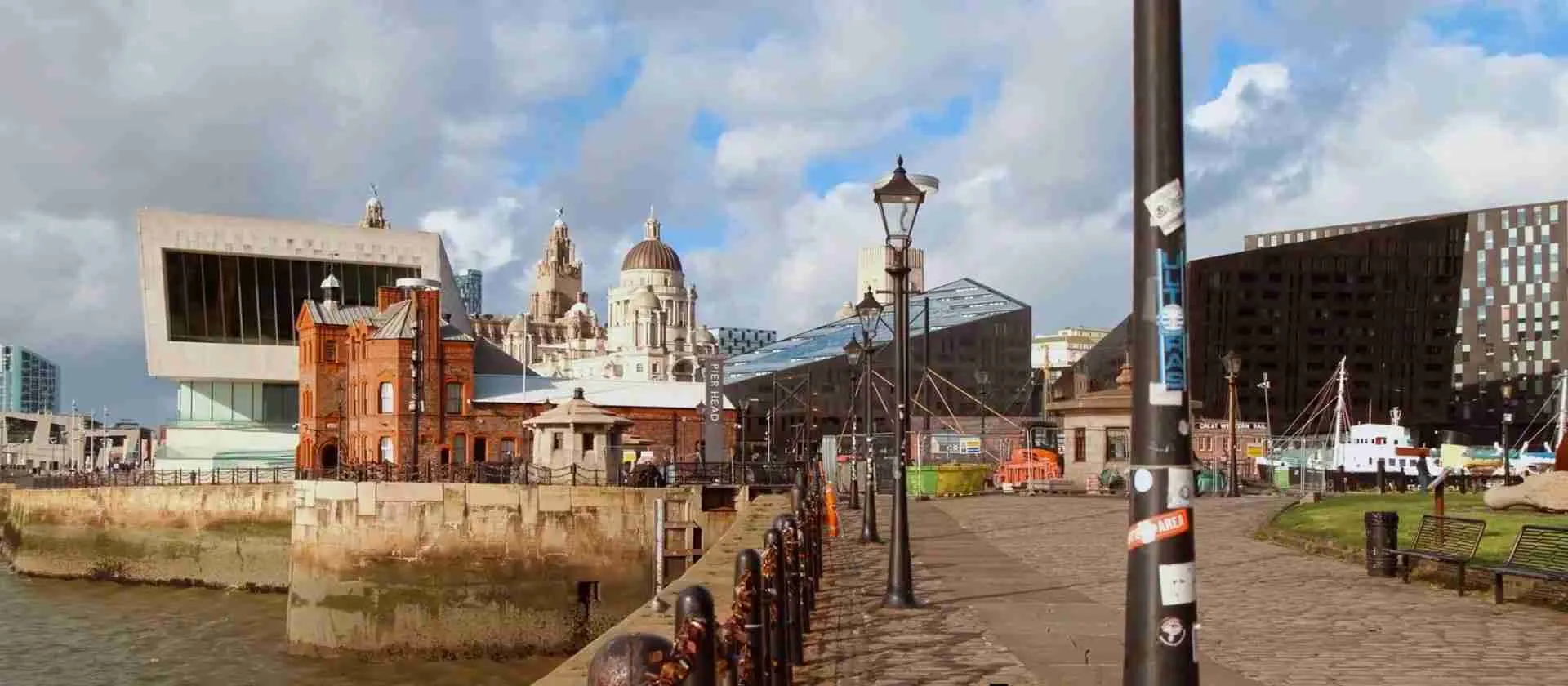
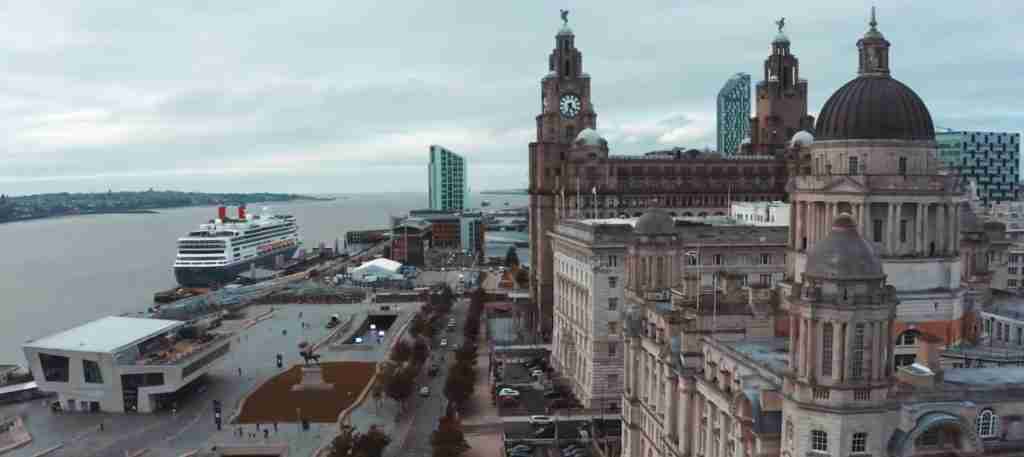
The Three Graces at Pier Head form Liverpool’s iconic waterfront skyline, comprising the Royal Liver Building with its legendary Liver Birds, the Cunard Building, and the Port of Liverpool Building. These early 20th-century commercial palaces represent Edwardian confidence in Liverpool’s global maritime dominance. The Royal Liver Building opened for tours in 2019, charging £18 for access to the 10th and 15th floor observation decks with 360-degree city and river views. The experience includes exhibitions about the building’s history and the Liver Bird mythology connecting to Liverpool’s identity. The Three Graces observation tour provides essential waterfront perspectives showcasing the Mersey River’s width and Liverpool’s architectural heritage.
The Museum of Liverpool anchors Pier Head’s northern end with striking contemporary architecture contrasting the Three Graces’ historic elegance. The building’s cantilevered forms and waterfront positioning create dramatic profiles against Mersey backdrops. Free admission enables full exploration of Liverpool’s history across multiple floors covering maritime trade, popular music, industrial innovation, and sporting culture. The rooftop terrace provides free public access to panoramic views rivaling paid observation decks. The Museum of Liverpool functions as both cultural institution and public amenity, with indoor cafés and outdoor terraces serving diverse visitor needs.
The Albert Dock restaurant scene spans chain establishments to independent dining, with waterfront terraces charging premiums for view access. Gusto Italian, Maray, and Neon Jamon represent mid-range options serving Mediterranean and contemporary British cuisine at £15-30 per main course. These restaurants fill during lunch and dinner periods, requiring reservations for optimal seating. The Tate café provides lighter options including sandwiches, salads, and cakes at £8-15 price points. Several bars including the Long Shot sports bar offer casual drinking environments with live sports broadcasts. Albert Dock dining delivers convenient refueling for attraction-hopping visitors, though prices exceed comparable city center establishments.
The Echo Wheel observation wheel operated at Albert Dock until 2022, with future reintroduction remaining uncertain. The M&S Bank Arena adjacent to Albert Dock hosts major concerts and sporting events throughout the year, featuring international touring acts and Liverpool’s indoor arena entertainment. The arena capacity reaches 11,000 for concerts, with shows spanning pop, rock, comedy, and family entertainment. Ticket prices vary by performer, typically ranging £30-100 for major acts. The waterfront location creates integrated entertainment venues within walking distance of hotels and restaurants.
Liverpool Food and Dining Scene 2026
Traditional Scouse defines Liverpool’s signature dish, consisting of lamb or beef stew with potatoes, carrots, and onions, served with pickled red cabbage and crusty bread. Historic pubs throughout Liverpool serve authentic Scouse alongside other British classics including fish and chips, steak and ale pie, and Sunday roasts. Recommended traditional venues include The Philharmonic Dining Rooms with ornate Victorian interior, The Ship and Mitre near Albert Dock serving extensive real ale selection, and Ma Egerton’s Stage Door maintaining theatrical pub atmosphere. Traditional pub meals cost £10-18, providing substantial portions that reflect Liverpool’s working-class heritage and hearty Northern English cooking traditions.
Bold Street represents Liverpool’s independent dining corridor, featuring vegetarian specialists, international cuisine, and contemporary British restaurants within one pedestrianized street. The Egg Café pioneered Bold Street’s vegetarian scene with all-day breakfasts and plant-based mains at £8-15 price points. Neon Jamon serves Spanish small plates and vermouth in intimate surroundings, while Bakchich Lebanese street food offers wraps and mezze starting from £7. Bold Street restaurants cater to students and young professionals, maintaining affordable pricing that contrasts with waterfront tourist premiums. The diverse cuisine mix spans Asian, Mediterranean, Latin American, and Middle Eastern influences reflecting Liverpool’s multicultural population.
The Baltic Triangle food scene operates from converted warehouses housing street food vendors, craft breweries, and experimental restaurants. Baltic Market occupies a former warehouse with rotating street food stalls serving global cuisines from Vietnamese banh mi to Mexican tacos at £8-12 per main dish. Independent breweries including Mad Hatter and Neptune provide craft beer pairings. The Baltic Triangle attracts younger visitors seeking authentic Liverpool creativity beyond mainstream tourism, with grungy aesthetics and underground atmosphere. The neighborhood functions best during evening hours when venues activate with live music and social energy.
Liverpool ONE shopping district houses chain restaurants spanning casual dining to mid-market establishments including Wagamama, Pizza Express, and Gourmet Burger Kitchen. These familiar brands provide reliable quality at £12-20 per person, suitable for quick lunches between shopping or guaranteed children’s menus for family dining. Restaurants cluster around Liverpool ONE’s outdoor plaza areas, creating pedestrian-friendly dining that integrates with retail spaces. The district offers convenience and predictability rather than culinary adventure, serving visitors prioritizing familiar options over local discovery.
The Georgian Quarter’s Lark Lane functions as bohemian dining enclave with independent cafés, international restaurants, and quirky bars. Keith’s Wine Bar has operated since 1974 as neighborhood institution, while newer arrivals including Moor and Elif bring contemporary Turkish and refined British cooking. Lark Lane restaurants charge £15-30 for mains, positioning between budget Bold Street and premium waterfront establishments. The neighborhood attracts locals over tourists, creating authentic dining atmosphere where Liverpool residents actually eat rather than tourist-oriented venues. Evening reservations prove essential at popular spots, particularly Friday and Saturday nights.
Liverpool Restaurant Week operates twice annually in January and June, featuring participating restaurants offering set-price menus at £5-35 depending on venue tier. The January promotion helps drive business during traditionally slow months, with deals including three-course meals at upscale restaurants for under £30. Previous participants include Gaucho steakhouse, Browns Brasserie, and Mowgli street food, spanning Liverpool’s dining spectrum from budget to fine dining. The promotion requires downloading vouchers from the Liverpool Restaurant Week website, with advance booking essential as popular restaurants fill quickly during promotional periods.
Liverpool Shopping 2026
Liverpool ONE anchors the city’s retail landscape as Britain’s largest open-air shopping complex, featuring over 170 stores spanning high street brands, international chains, and anchor department stores including John Lewis. The pedestrianized layout connects Paradise Street, Lord Street, and Hanover Street across multiple blocks with outdoor plazas, covered arcades, and park spaces. Major retailers include Zara, H&M, Next, and Apple, providing mainstream fashion and electronics. The complex opened in 2008 as centerpiece of Liverpool’s retail regeneration, creating modern shopping environment that attracts regional visitors beyond the immediate city. Liverpool ONE operates Monday-Saturday 9am-8pm and Sunday 11am-5pm, with individual store hours varying slightly.
Cavern Walks and Mathew Street shopping focuses on Beatles memorabilia, with multiple stores selling official and unofficial merchandise spanning from tasteful collectibles to novelty souvenirs. The Beatles Shop stocks extensive official merchandise including limited edition releases, while From Me to You specializes in vinyl records and authentic memorabilia. Prices range from £5 postcards to £5,000 signed photographs and rare pressings. Visitors seeking genuine Beatles collectibles should prioritize official stores over street vendors, as authenticity guarantees matter for serious purchases. The concentrated Beatles retail creates convenient one-stop shopping for music heritage enthusiasts.
Bold Street and surrounding lanes showcase independent boutiques, vintage clothing stores, and specialized retailers that distinguish Liverpool from generic high street shopping. News from Nowhere cooperative bookshop occupies converted townhouse with leftist political literature and alternative press. Resurrection vintage clothing spans decades of fashion history with curated selection and knowledgeable staff. Bold Street retailers serve Liverpool’s artistic community and visiting culture seekers, offering discoveries impossible in chain-dominated shopping centers. Saturday browsing attracts largest crowds as weekend shoppers explore independent Liverpool.
Metquarter occupies converted Victorian buildings near Whitechapel, housing luxury brands including designer fashion, jewelry, and premium accessories. The arcade-style layout features Versace, Kurt Geiger, and other upscale retailers targeting affluent shoppers. The Metquarter delivers concentrated luxury shopping experience, though selection pales compared to Manchester’s high-end retail or London’s department stores. The venue suits visitors seeking premium brands during Liverpool visits without requiring separate Manchester trips.
Liverpool markets include St John’s Market for fresh produce and everyday goods, plus weekend markets at Albert Dock featuring artisan crafts, local foods, and handmade products. The Baltic Market operates Friday-Sunday with street food vendors and independent sellers. Traditional markets provide authentic local shopping atmospheres contrasting retail center polish, with bargaining accepted and cash preferred. Market shopping suits visitors seeking local flavor and practical purchases over tourist souvenirs.
Liverpool Nightlife and Entertainment 2026
The Cavern Quarter concentrates nightlife around Mathew Street, with the historic Cavern Club anchoring live music venues featuring tribute bands, local acts, and touring musicians. The Cavern operates afternoon through late evening with varying admission charges by performance, ranging from free daytime entry to £15-25 for headline tribute acts. Adjacent venues including the Rubber Soul bar and Cavern Pub extend the Beatles-themed drinking environment with 1960s memorabilia and rock music soundtracks. The quarter attracts tourists and locals alike, creating energetic atmosphere particularly Friday and Saturday nights when multiple venues operate simultaneously.
Concert Square forms Liverpool’s main nightclub district with outdoor drinking area surrounded by bars and clubs operating until 3am. The pedestrianized square fills during warm months as drinkers occupy outdoor tables, while surrounding venues including Revolution, Popworld, and Blue Angel cater to mainstream clubbing crowds. Admission charges apply after 10pm, typically £5-10, with drinks priced £4-7 for spirits and mixers. Concert Square appeals to younger clubbers seeking accessible nightlife without dress codes or exclusive entry requirements. The square’s reputation spans from fun party atmosphere to rowdy excess depending on perspective and tolerance levels.
The Baltic Triangle provides alternative nightlife in warehouse conversions housing craft breweries, underground clubs, and experimental venues. Camp and Furnace occupies massive warehouse space with rotating events including live music, club nights, and food markets. Kazimier Garden features outdoor courtyard surrounded by bars and performance spaces. Baltic Triangle nightlife attracts creative crowds seeking cutting-edge music and artistic atmosphere over mainstream clubbing. The district operates primarily Friday and Saturday nights, with events requiring separate tickets purchased in advance through venue websites or Resident Advisor.
Liverpool Philharmonic Hall presents classical concerts, contemporary composition, and popular music performances throughout the year in Art Deco concert hall completed in 1939. The Royal Liverpool Philharmonic Orchestra performs regular subscription series, while visiting orchestras, chamber ensembles, and solo recitalists round out programming. Ticket prices range from £15 for upper gallery seats to £50+ for premium stalls positions. The Philharmonic Dining Rooms pub adjacent to the hall features spectacular Victorian interior with ornate plasterwork, stained glass, and marble fixtures, operating as functioning pub rather than preserved museum piece.
The Everyman and Playhouse theaters present contemporary drama, classic revivals, and original productions across two venues in the city center. These repertory theaters showcase Liverpool’s theatrical tradition with professional productions featuring regional and national talent. Ticket prices typically range £15-35 depending on seating position and production. The theaters program accessible work alongside experimental pieces, maintaining balance between commercial appeal and artistic ambition. The Everyman building won RIBA Stirling Prize for architecture in 2014 after complete reconstruction maintaining theatrical operation.
Liverpool Day Trips 2026
Chester sits 30 miles south of Liverpool, accessible via hourly trains taking 45 minutes from Lime Street Station at £10-15 return fares. The Roman-founded city preserves Britain’s most complete medieval city walls encircling a compact historic center featuring the Rows — unique two-tiered medieval shopping galleries. Chester Cathedral showcases Gothic architecture with Victorian restoration, while Chester Zoo houses 35,000 animals across 128 acres of landscaped grounds. Day trips enable exploration of Roman amphitheater remains, riverside walks along the River Dee, and cathedral tours, returning to Liverpool for evening activities. Chester provides accessible heritage experience contrasting Liverpool’s maritime and musical identity.
The Wirral Peninsula offers coastal walks, Victorian seaside towns, and historic attractions within Mersey River proximity. West Kirby provides sandy beach access with views across the Dee Estuary toward Wales, while Hoylake offers traditional British seaside atmosphere with golf courses including Royal Liverpool. Port Sunlight model village preserves William Lever’s planned community architecture and gardens surrounding Lady Lever Art Gallery’s Pre-Raphaelite collection. The Wirral reaches from Liverpool via Mersey Railway in 20-30 minutes, enabling half-day coastal excursions from city base. The peninsula delivers seaside variety for visitors seeking coastal scenery alongside urban culture.
North Wales mountains rise 50 miles from Liverpool, with Snowdonia National Park accessible via car or rail connections through Chester. Bangor and Llandudno provide Victorian seaside resort architecture with mountain backdrops, while Conwy Castle represents Edward I’s Welsh conquest military architecture. Day trips to North Wales require early departure and late return, with driving enabling more flexible itineraries than rail-dependent public transport. The mountain scenery provides dramatic contrast to Liverpool’s urban waterfront, appealing to visitors seeking landscape variety during extended stays.
The Lake District National Park sits 90 miles northeast of Liverpool, reachable via car in 90 minutes or trains to Windermere taking 2-2.5 hours. The Lake District’s mountain scenery, literary heritage, and outdoor recreation justify full-day excursions or overnight stays from Liverpool base. Windermere boat cruises, Beatrix Potter’s Hill Top house, and Dove Cottage where Wordsworth wrote Lake District poetry create diverse activities spanning literature, history, and natural beauty. The Lake District represents major destination requiring dedicated time rather than casual day trip, though feasible for determined visitors willing to maximize travel hours.
Manchester lies 35 miles east of Liverpool, connected via frequent trains taking 45-55 minutes from Lime Street to Manchester Piccadilly at £10-20 return fares. England’s second city offers complementary cultural attractions including museums, galleries, shopping, and dining that enhance regional exploration. The Science and Industry Museum, Imperial War Museum North, and National Football Museum provide free admission, while the Northern Quarter showcases independent shops and restaurants. Manchester versus Liverpool rivalry adds cultural context to dual-city visits, as visitors compare competing urban regeneration models and cultural offerings. Combined Manchester-Liverpool trips enable comprehensive Northern England exploration from either city as base.
Budget Breakdown: Daily Costs in Liverpool 2026
Budget travelers discover Liverpool accommodates shoestring spending through hostel dormitories, affordable pub meals, and extensive free museum access. Daily costs ranging £65-95 per person include dormitory beds at £25-35, substantial pub lunches and supermarket dinners totaling £25-38, the £6 Solo bus ticket for unlimited travel, and attraction mix combining free museums with one paid Beatles site or stadium tour at £8-15. Budget travelers maximize free cultural access including Tate Liverpool, Walker Art Gallery, World Museum, and both cathedrals while limiting paid attractions to must-see Beatles heritage sites. Wetherspoons pubs provide breakfast from £5 and evening meals from £8-12, delivering filling British fare at rock-bottom prices. Street markets and supermarket meal deals at £3-5 further reduce food costs for determined budget adherents.
Mid-range travelers enjoying Liverpool’s attractions without financial restriction experience daily costs of £120-180 per person covering quality hotel accommodation shared between two travelers at £40-60 per person, diverse restaurant meals spanning traditional British to international cuisine totaling £56-80 daily, comprehensive public transport at £6-10, and full attraction access including paid Beatles sites and stadium tours at £20-30. Mid-range visitors dine at Bold Street independents for lunch at £15-25 and Georgian Quarter restaurants for dinner at £25-40, sampling Liverpool’s culinary diversity across traditional Scouse, contemporary British, and global cuisines. Hotel breakfast inclusion or café morning meals at £10-15 complete the daily food budget. Mid-range spending enables comfortable exploration without constant budget calculation, accessing paid attractions freely while maintaining quality accommodation and dining standards.
Luxury visitors investing in premium Liverpool experiences encounter daily costs of £265-395 per person through waterfront hotel accommodation at £100-150 per person sharing luxury properties, upscale restaurant dining totaling £110-160 across three meals, private transport or premium taxi usage at £15-25, and VIP attraction access including Anfield legends experiences and exclusive tours at £40-60. Luxury travelers occupy waterfront suites with Mersey views, dine at Panoramic 34 or other celebrated restaurants commanding £40-60 mains, and access premium Beatles experiences like National Trust house tours or private guided itineraries. This spending level transforms Liverpool from budget-friendly destination to curated luxury experience, though the city’s inherent character and most significant attractions remain accessible to all spending tiers through free museums and affordable public realm.
Weekly Costs and Multi-Day Budgets 2026
Week-long Liverpool stays cost £455-665 for budget travelers maintaining hostel accommodation, self-catered meals, and selective attraction access throughout seven days. This budget enables comprehensive city exploration with daily alternation between paid Beatles attractions and free museums, occasional restaurant meals supplementing supermarket shopping, and complete public transport freedom via weekly passes. Budget week visitors exhaust Liverpool’s major attractions while maintaining spending discipline through strategic choices about dining occasions and accommodation amenities. The extended timeframe enables day trips to Chester or the Wirral, expanding regional knowledge without London-equivalent costs.
Mid-range weekly budgets of £840-1,260 provide comfortable Liverpool immersion with quality hotel accommodation, unrestricted restaurant dining, and complete attraction access without financial calculation. This spending level enables daily restaurant meals spanning lunch and dinner, comprehensive Beatles heritage tours including Magical Mystery Tour and Anfield stadium experiences, and flexibility for spontaneous activities like Mersey Ferry cruises or evening theater performances. Mid-range week visitors experience Liverpool thoroughly without budget constraints limiting choices, though stopping short of luxury indulgence. The weekly timeframe permits relaxed exploration pace with repeated visits to favorite neighborhoods and restaurants discovered through week-long residence.
Luxury weekly stays at £1,855-2,765 deliver premium Liverpool experiences with waterfront hotel suites, celebrated restaurant reservations, private tour arrangements, and VIP access to exclusive attractions including Anfield legends experiences and after-hours museum tours. This investment transforms Liverpool into luxury destination through concierge services, private guides, and elevated experiences that transcend the city’s fundamentally accessible character. Luxury week visitors discover Liverpool’s finest offerings while maintaining premium comfort standards throughout extended stays.
Money-Saving Strategies Liverpool 2026
Liverpool’s £2 bus fare cap represents exceptional transportation value, making the Solo day ticket at £6 worthwhile only after three journeys in a single day. Strategic planning means walking Liverpool’s compact city center while using buses exclusively for outlying destinations like Anfield Stadium, Penny Lane, and Strawberry Field. The Saveaway pass at £5-7 adds ferry and train access to bus travel, creating comprehensive transport coverage for visitors planning multiple transport modes in single days. Smart transportation spending minimizes costs through walking the walkable center and reserving paid transport for necessary longer journeys.
Free museum access eliminates major budget categories, as Tate Liverpool, Walker Art Gallery, World Museum, Museum of Liverpool, and Merseyside Maritime Museum combine to provide world-class cultural experiences without admission fees. Strategic visitors prioritize free attractions for 2-3 days before adding paid Beatles sites and stadium tours, maximizing cultural exposure while minimizing spending. The cathedral observation towers at £6 each provide affordable alternatives to commercial observation decks, while waterfront walks and public parks deliver entertainment without costs.
Lunch specials and early dining offers throughout Liverpool’s restaurants reduce meal costs significantly compared to standard dinner pricing. Restaurant Week promotions in January and June deliver three-course meals at participating restaurants for £15-30, creating opportunities for upscale dining at budget prices. Wetherspoons pubs offer consistent value pricing with mains from £8-12 and meal deals including drinks from £10. Supermarket meal deals from Tesco, Sainsbury’s, and Marks & Spencer provide sandwiches, snacks, and drinks for £3-5, enabling picnic lunches in Sefton Park or riverside locations.
Advance booking reduces attraction costs, with online tickets often discounted £2-5 compared to gate prices. Combined tickets for multiple attractions including Beatles sites, stadium tours, and ferry cruises deliver bundled savings. The Liverpool Pass sold through tourism websites bundles major attractions into multi-day passes with claimed savings of £35-100 for families, though individual circumstances determine actual value. Strategic visitors calculate whether bundled passes or individual tickets better serve their planned itineraries.
Off-peak season travel from November through March delivers hotel savings of £30-80 per night compared to summer rates, while January restaurant promotions and reduced attraction crowds enhance value. Winter Liverpool requires weather-appropriate clothing but offers authentic local experience without peak-season tourist saturation. Budget-conscious visitors gain exponentially more value during shoulder seasons when hotel competition drives rates down and restaurants offer promotional pricing.
Liverpool Weather and Best Times to Visit 2026
Spring months from April through June deliver optimal Liverpool visiting conditions in 2026, with mild temperatures ranging 12-18°C (54-64°F), moderate rainfall, and increasing daylight extending into evening hours. The spring period combines pleasant weather with manageable tourist crowds and reasonable hotel rates positioned between winter lows and summer peaks. Festival season begins with Africa Oyé world music festival in June, while the waterfront activates with outdoor events. Spring vegetation greens parks and public spaces, enhancing outdoor exploration throughout Liverpool’s compact center. Visitors packing layered clothing handle variable spring weather where sunny mornings transition to cloudy afternoons.
Summer extends from July through August with warmest conditions reaching 19-22°C (66-72°F) and longest daylight lasting past 9pm. Peak tourism season brings elevated hotel rates, fuller attraction crowds, and advance booking requirements for popular restaurants and tours. Summer festivals including Liverpool International Music Festival and Creamfields electronic music event draw massive crowds, impacting accommodation availability and pricing. The season suits visitors prioritizing outdoor activities, waterfront dining, and maximum exploration hours, though temperate Liverpool summers never reach Mediterranean heat. Light rain remains possible despite summer designation, requiring flexible indoor backup plans.
Autumn from September through October mirrors spring conditions with mild temperatures, moderate rainfall, and diminishing crowds as schools resume and summer tourism wanes. Hotel rates decline significantly from summer peaks while restaurants and attractions operate full schedules without peak congestion. Autumn foliage enhances Sefton Park and other green spaces, while shorter days create atmospheric evening lighting for waterfront walks. September particularly balances favorable weather with reduced tourism pressure, creating ideal visiting conditions for travelers prioritizing value and comfort over maximum daylight hours.
Winter from November through March sees temperatures averaging 6-10°C (43-50°F) with increased rainfall and short daylight lasting until only 4-5pm December-January. Winter’s benefits include dramatically reduced hotel rates often £30-50 below summer levels, January restaurant promotions offering remarkable dining value, and authentic local atmosphere as tourism drops to minimum levels. Christmas markets and festive decorations create atmospheric December despite cold weather. Visitors embracing winter conditions discover Liverpool’s genuine character beyond peak-season polish, though weather-appropriate clothing and flexibility around rain prove essential. Indoor attractions including museums and theaters suit winter visiting perfectly.
Liverpool’s maritime climate brings year-round rainfall averaging 15-20 days monthly, requiring rain jackets regardless of season. The Gulf Stream influence moderates temperatures, preventing extreme heat or severe cold while maintaining generally grey overcast skies. Visitors expecting Mediterranean sunshine face disappointment, while those embracing Northern English weather discover Liverpool’s character suits its climate. Sudden weather changes throughout the year mean layered clothing and waterproof outerwear prove essential regardless of season. Liverpool’s indoor attractions and compact walkability mean weather rarely prevents activity, just influences clothing choices and indoor versus outdoor emphasis.
Liverpool Safety and Practical Information 2026
Liverpool maintains generally safe environment for visitors in 2026, with violent crime against tourists remaining rare while petty crime including pickpocketing occurs in crowded areas like Lime Street Station, Liverpool ONE, and busy pubs. Standard urban precautions including securing valuables, remaining aware in crowds, and avoiding isolated areas late at night prove sufficient for most situations. The city center, waterfront, and Georgian Quarter remain well-lit and populated during evening hours, creating comfortable environments for restaurant returns and evening entertainment. Liverpool’s friendly character means locals often provide assistance and directions when approached respectfully.
Toxteth, Dingle, and Wavertree neighborhoods in south Liverpool maintain higher crime rates than city center tourist areas, though visitors rarely encounter these residential districts during typical tourism activities. Northern neighborhoods surrounding Anfield Stadium show working-class character without particular tourist-directed crime concerns. The Baltic Triangle operates safely during evening hours when venues activate, though isolated warehouse buildings between venues warrant caution. Common sense urban awareness serves visitors well throughout Liverpool without requiring excessive concern or restricting reasonable exploration.
Emergency services throughout the UK use 999 for police, fire, and ambulance assistance. Liverpool ONE and major attractions feature security personnel and CCTV coverage. Lime Street Station maintains British Transport Police presence. The Royal Liverpool University Hospital provides 24-hour emergency care, while city center pharmacies including Boots locations offer over-the-counter medications and health advice during standard retail hours. Travel insurance covering medical emergencies proves essential for international visitors, as NHS treatment requires payment from non-UK residents.
Liverpool ONE and major shopping centers offer baby changing facilities and accessible toilets, while most restaurants and attractions maintain family-friendly infrastructure. The city’s compactness enables stroller navigation, though some historic buildings including The Beatles Story feature stairs limiting wheelchair access. The Merseyrail network provides step-free access at major stations, while buses feature low floors enabling easier boarding. The Royal Liver Building observation experience lacks elevator capacity for wheelchairs, though the ground floor exhibitions remain accessible. Detailed accessibility information appears on individual attraction websites and the Liverpool City Council accessibility map.
Public restrooms operate throughout the city center including Liverpool ONE, major museums, and train stations. Most require 30p-50p payment via turnstile or attendant. Restaurants and pubs restrict restrooms to customers, though purchasing a soft drink enables access. The cleanliness standards vary, with newer facilities at Liverpool ONE and Royal Albert Dock maintaining higher standards than older public conveniences near Lime Street Station. Water fountains and bottle refill stations appear in major attractions and shopping centers.
Liverpool’s tap water meets UK drinking standards and tastes acceptable, enabling bottle refills that reduce plastic waste and costs. Most restaurants serve tap water free upon request, eliminating expense of bottled water. Electrical outlets use UK-standard 230V Type G three-pin plugs, requiring adapters for international visitors. Mobile phone coverage operates reliably throughout Liverpool via all major UK networks, with 4G and 5G service in the city center. Public WiFi functions in Liverpool ONE, major museums, and many restaurants and cafés, though connection quality varies. Hotels reliably provide WiFi with varying speeds and occasional fees at budget properties.
Liverpool for Families with Children 2026
World Museum ranks as Liverpool’s premier family attraction, combining natural history displays, planetarium shows, and Bug House aquarium across five floors of free-admission exhibits. Children engage with dinosaur fossils, Egyptian mummies, and live insect displays while parents appreciate zero entrance fees. The planetarium requires separate £5 admission per person with age-appropriate shows scheduled throughout the day. The museum operates Tuesday-Sunday 10am-5pm with café facilities and dedicated children’s galleries including Big Art for Little Artists at Walker Art Gallery next door. World Museum enables full-day family exploration without admission costs mounting across multiple children.
The Beatles Story includes Discovery Zone specifically designed for younger visitors, providing interactive activities that engage children without deep Beatles knowledge. Audio guides feature John Lennon’s sister narration that contextualizes the band’s story, while recreated Cavern Club and Hamburg venues create tangible environments children can explore physically. The museum’s tactile elements including costume displays and instrument exhibitions appeal to children’s interests beyond purely visual presentations. Standard admission at £20 applies to adults while children aged 5-15 pay reduced rates and children under 5 enter free. Family tickets provide bundled savings for two adults with multiple children.
Anfield Stadium tours captivate football-interested children through access to dressing rooms where Liverpool FC players prepare, the tunnel where teams emerge onto the pitch, and the manager’s dugout where tactical decisions occur during matches. The 90-minute guided tour maintains engaging pace suitable for children age 6 and above with football interest, though younger children may lose focus. The Liverpool FC Museum includes interactive displays and trophy cases appealing to young supporters. Family tour tickets bundle adult and child admissions at discounted rates, with children under 5 admitted free. Post-tour visits to the official store enable souvenir browsing spanning every price point.
Mersey Ferry cruises provide 50-minute entertainment combining narrated river history with waterfront views and opportunities to stand on outdoor decks feeling Mersey breezes. The River Explorer experience costs £9 per person with children enjoying hands-on elements of ferry travel unavailable in museums. The crossing to Birkenhead includes access to the U-boat Story museum featuring World War II German submarine U-534 raised from the seabed, creating combined experiences that fill half-day family outings. Ferry travel delivers practical transportation with added entertainment value, appealing to children’s interest in boats and outdoor experiences.
Sefton Park’s 235 acres provide playground facilities, open lawn spaces for games, and the Victorian Palm House conservatory displaying tropical plants. The free-admission park enables picnics, ball games, and playground time without costs, creating budget-friendly family activities between museum visits. Liverpool’s waterfront walking and cycling paths extend for miles along the Mersey, enabling stroller navigation and family bike rides with periodic playgrounds and public art installations. The compact city center allows families to alternate indoor museum visits with outdoor park time, maintaining children’s engagement through environmental variety.
Family-friendly restaurants throughout Liverpool provide children’s menus, high chairs, and accommodating service. Chain establishments including Pizza Express, Wagamama, and Nando’s deliver predictable children’s meals at £5-8, while pub restaurants offer familiar British dishes. Albert Dock restaurants maintain outdoor seating enabling active children to move between courses without disturbing indoor diners. Ice cream shops along the waterfront provide treats between attractions. Liverpool’s dining scene accommodates families without relegating them to purely child-focused establishments.
Solo Travel in Liverpool 2026
Liverpool welcomes solo travelers with safe daytime environment, sociable hostel scene, and compact geography enabling independent exploration without transport complexity. The walkable city center means solo visitors navigate confidently between attractions without taxi dependence or navigation stress. Lime Street Station provides central arrival point with clear signage directing pedestrians toward waterfront and city center destinations. Solo travelers appreciate Liverpool’s genuine friendliness as locals engage in casual conversations at pubs, bus stops, and attraction queues, creating social opportunities beyond organized tour groups.
Hostel dormitories enable budget accommodation with social atmosphere as travelers share common spaces, kitchen facilities, and activity recommendations. YHA Liverpool Albert Dock occupies prime waterfront position with dormitory beds from £25-35, attracting international backpackers and British travelers creating diverse social mix. The Pod Liverpool near the Cavern Quarter provides capsule-style accommodation with modern design and bar area where guests naturally interact. Hostel noticeboards advertise group activities including pub crawls, walking tours, and day trips enabling solo travelers to join organized socializing. Private hostel rooms cost £50-70 for travelers seeking hostel social atmosphere with greater privacy than dormitories.
Liverpool’s pub culture suits solo visitors as bar seating and standing areas enable natural conversations with locals and fellow travelers. The Philharmonic Dining Rooms attracts beer enthusiasts admiring Victorian architecture while sampling real ales, creating conversational atmosphere around shared interests. The Baltic Triangle’s craft beer venues draw creative crowds engaged with music and arts, facilitating interactions beyond forced tourist socializing. Traditional Scouse pubs welcome solo drinkers without the isolated feeling some urban bars create, as Liverpool’s inherent friendliness extends to solitary visitors nursing pints while observing local life.
Solo dining in Liverpool presents no awkwardness as many restaurants maintain bar seating suitable for single diners, while casual eateries on Bold Street normalize solo eating without pretense. Noodle bars, ramen restaurants, and street food vendors provide quick solo meals without table service pressure. The Baltic Market’s communal tables create natural sharing environments where solo diners occupy spaces alongside groups without social discomfort. Liverpool’s unpretentious character means solo restaurant visits generate zero judgment or awkward accommodation from staff or fellow diners.
The Beatles Story and museum attractions suit solo exploration as audio guides enable self-paced touring without group constraints. Stadium tours and Beatles bus excursions operate with mixed groups where solo travelers join without prior arrangement, creating structured activities that provide social interaction opportunities without requiring advance friend groups. Solo visitors appreciate flexibility to linger at attractions of particular interest without coordinating group preferences, while Liverpool’s concentrated attractions mean spontaneous itinerary changes occur easily without complicating transport or timing.
Evening safety for solo travelers requires standard urban awareness including staying in well-lit areas, avoiding excessive alcohol consumption that impairs judgment, and using legitimate taxis for late returns rather than walking isolated routes. The city center and waterfront remain populated during evening hours, creating comfortable environments for solo returns from restaurants or theaters. Solo travelers might avoid Concert Square’s rowdier late-night scenes while finding comfortable evening options in the Georgian Quarter or Baltic Triangle. Liverpool’s genuine character and Northern friendliness create welcoming environment for independent exploration throughout the city.
Liverpool Photography Locations 2026
The Royal Albert Dock delivers Liverpool’s most photogenic composition combining Victorian warehouse architecture with waterfront reflections and the Three Graces skyline backdrop. Early morning visits find calm water creating perfect mirror reflections before pedestrian crowds arrive, while blue hour evening light illuminates building facades against darkening sky. The colonnade walkways provide foreground elements framing distant skyline compositions. Photographers capture multiple perspectives from dock basin edges, museum terraces, and waterfront promenades. The Tate Liverpool’s industrial brick contrasts the ornate details of the Three Graces, creating visual tension in wider compositions.
The Three Graces at Pier Head form Liverpool’s iconic skyline, with the Royal Liver Building’s distinctive clock towers and Liver Birds creating instantly recognizable Liverpool imagery. The ferry terminal pier extends into the Mersey River, providing elevated perspectives toward the Three Graces from water level. Sunset positions the setting sun behind the buildings when viewed from Albert Dock, creating dramatic silhouettes. The Museum of Liverpool’s contemporary architecture provides contrasting foreground against the Edwardian grandeur. Wide-angle lenses capture the full Three Graces composition while telephoto focal lengths isolate individual building details and the Liver Birds perched atop the Royal Liver Building.
Liverpool Cathedral’s gothic architecture photographs dramatically from multiple angles including the adjacent St James’s Cemetery where gravestones provide gothic foreground elements. The cathedral’s length creates compositional challenges requiring wide lenses or elevated perspectives from across Hope Street. Interior photography captures soaring nave columns and stained glass with available light creating atmospheric results, though tripods require permission. The tower observation deck provides aerial cityscape perspectives including waterfront views and urban sprawl extending toward the Wirral. The Metropolitan Cathedral’s modernist lantern tower and circular design contrast the gothic Anglican cathedral, creating architectural diversity within single neighborhood.
The Cavern Quarter’s Beatles murals, street art, and themed storefronts provide colorful urban photography opportunities concentrated on Mathew Street. The Beatles statues on the waterfront near Pier Head create tourist photograph staples with Mersey backdrop. Penny Lane’s street sign attracts pilgrim photographers despite minimal aesthetic interest beyond Beatles association. Strawberry Field’s red gates frame compositions including the property’s grounds and buildings, creating Beatles heritage documentation. These locations deliver recognizable Liverpool imagery though require creative composition to transcend straightforward record shots.
The Georgian Quarter’s townhouses, both cathedrals, and Falkner Street’s gentle hill create architectural photography opportunities showcasing Liverpool’s historic fabric beyond waterfront landmarks. Rodney Street’s Georgian doorways provide repeating pattern compositions, while Hope Street’s cultural corridor connects both cathedrals. The Philharmonic Dining Rooms pub interior features extraordinary Victorian tilework, ornate plasterwork, and decorative details requiring interior photography technique. Sefton Park’s Palm House conservatory creates botanical photography opportunities with Victorian glass architecture framing tropical plants.
Frequently Asked Questions About Liverpool 2026
What currency does Liverpool use and should I exchange money in advance?
Liverpool uses British Pound Sterling (£), with currency exchange available at the airport, banks, and city center bureaus. ATMs throughout Liverpool dispense pounds with reasonable fees for international cards, making advance exchange unnecessary for most visitors. Credit and debit cards function widely at hotels, restaurants, and attractions, though some smaller establishments require cash. Contactless payment works on public transport without requiring physical tickets. Exchange rates at airports typically offer worse rates than city center options, while ATM withdrawal often delivers best exchange rates despite bank fees.
Can I visit Liverpool’s Beatles sites independently or should I book a tour?
Independent Beatles site visits work perfectly for Albert Dock Beatles Story museum and Cavern Quarter exploration, both accessible via straightforward walking and public transport. The Magical Mystery Tour bus efficiently reaches suburban sites including Penny Lane and Strawberry Field that require longer bus journeys independently. National Trust childhood homes require booked tours as private residences not open for independent visits. Budget-conscious travelers save £20-25 by skipping the tour bus and using regular buses to reach Penny Lane and Strawberry Field, though lose narrated context and time efficiency. The ideal approach combines independent city center exploration with the Magical Mystery Tour for suburban sites.
How far in advance should I book Anfield Stadium tours?
Anfield Stadium tours sell out weeks in advance during peak summer season from June through August, requiring booking 2-4 weeks ahead for guaranteed access at preferred times. Off-peak periods from October through March maintain better availability with 1-2 week advance booking typically sufficient. Matchday closures eliminate tour availability, requiring calendar checking against Liverpool FC fixtures when planning visits. Last-minute availability occasionally occurs due to cancellations, though relying on walk-up access risks disappointment. Online booking through Liverpool FC’s official website provides best prices and availability, with third-party resellers adding unnecessary markup.
Is three days enough time to experience Liverpool properly?
Three days enables comprehensive Liverpool exploration covering major attractions across manageable pace without excessive rushing. A typical three-day itinerary dedicates day one to waterfront and museums, day two to Beatles heritage sites, and day three to Anfield Stadium or a day trip to Chester or the Wirral. Weekend visitors compress highlights into two intensive days, while week-long stays allow deeper neighborhood exploration and multiple day trips. Liverpool’s compact geography and concentrated attractions mean three days delivers satisfying experience covering essential sites without superficial tourism that leaves destinations unexplored.
What’s the best area to stay in Liverpool for first-time visitors?
City center accommodation near Lime Street Station provides optimal first-time visitor positioning, delivering walking access to most major attractions, convenient public transport connections, and central location simplifying orientation. Waterfront hotels offer premium locations with attraction proximity though cost more than city center alternatives. The Georgian Quarter provides quieter residential atmosphere with characterful guesthouses, though requires 15-20 minute walks to waterfront and city center. Budget travelers prioritize hostels near Albert Dock or the Cavern Quarter for location value. The compact city means most central accommodation enables comprehensive exploration without transport dependency.
Can I see Liverpool in one day or is an overnight stay necessary?
Day trips from Manchester, Chester, or other Northern England bases enable abbreviated Liverpool sampling covering highlights including Royal Albert Dock, The Beatles Story, and waterfront walking. However, meaningful Liverpool exploration requires overnight stays enabling evening entertainment, relaxed museum visits, and comprehensive attraction coverage without constant time pressure. Single-day visitors sacrifice depth for breadth, missing Liverpool’s pub culture, evening atmosphere, and thorough Beatles heritage exploration. The city rewards extended stays through layered experiences impossible during rushed day visits, though determined travelers on tight itineraries can sample key attractions in 6-8 intensive hours.
What’s included with Liverpool museum free admission?
Free Liverpool museums including Tate Liverpool, Walker Art Gallery, World Museum, Museum of Liverpool, and Merseyside Maritime Museum provide full access to permanent collection exhibitions without admission charges. Special temporary exhibitions at these venues may require separate admission fees of £5-15, though permanent collections alone justify multi-hour visits. Audio guides, tours, and special programs sometimes incur additional costs beyond free general admission. The free access includes world-class art, natural history, maritime heritage, and local history exhibitions that would command £15-20 admission fees at comparable institutions in other cities.
Does Liverpool have good public transport or should I rent a car?
Liverpool’s excellent public transport combining £2 buses, Merseyrail trains, and Mersey Ferries handles comprehensive visitor movement without car rental necessity. The compact walkable city center eliminates transport need for central attractions, while buses efficiently reach Anfield Stadium, Beatles suburban sites, and airport. Car rental proves useful only for Liverpool-based day trips to North Wales, the Lake District, or extensive Wirral exploration, though adds parking costs and navigation complexity in the city center. The combination of walking and public transport serves most visitors optimally, with occasional taxis for luggage transfers or late returns supplementing the comprehensive public network.
What’s Liverpool’s tipping culture in restaurants and taxis?
British tipping culture in Liverpool expects 10-15% in table service restaurants when service charge isn’t already included on the bill, though diners check bills carefully as some establishments add automatic service charges. Counter service cafés and takeaway establishments don’t expect tips beyond optional charity boxes. Taxi drivers appreciate rounding up fares to the nearest pound or adding 10% for longer journeys, though aren’t offended by exact fare payment. Bar staff don’t expect per-drink tipping though “have one for yourself” offers to buy them a drink remains traditional. Liverpool’s tipping culture proves less aggressive than American expectations, with tips reflecting service quality rather than obligatory additions.
How much time should I allocate for The Beatles Story museum?
The Beatles Story requires 2-3 hours for thorough exploration including audio guide listening, photograph viewing, and recreated environment examination at the main Albert Dock site. Rush visits covering highlights take 90 minutes minimum, while dedicated Beatles fans spending time at every exhibit may extend visits toward 3.5-4 hours including the Pier Head location. The audio guide adds 30-45 minutes versus quick visual scanning, though provides essential context for maximizing the experience. Visitors combining The Beatles Story with other Albert Dock attractions should allocate minimum 2-hour blocks enabling unhurried exploration without schedule pressure.