
Liverpool Budget Guide 2026: Ultimate Travel Cost Breakdown
Liverpool delivers exceptional value for travelers in 2026, with world-class museums offering free admission, an efficient £2 bus network connecting Beatles landmarks, and accommodation options spanning £35 hostels to luxury waterfront hotels. This maritime city combines cultural richness with budget-friendly infrastructure, making it accessible for every spending style.
Key Takeaways: Liverpool Travel Costs 2026
- Budget Travelers: Expect £40-80 per person daily for hostel accommodation, self-catering meals, public transport, and free museum visits in 2026
- Mid-Range Comfort: Plan £115-190 per person daily for comfortable hotels, restaurant dining, efficient city transport, and paid Beatles attractions
- Luxury Experience: Allocate £260-430 per person daily for waterfront hotels, fine dining, private tours, and premium cultural experiences
- Free Culture: Seven National Museums Liverpool venues including World Museum, Museum of Liverpool, and Walker Art Gallery require zero admission fees
- Transportation Value: £2 bus fares and £6 Saveaway passes make exploring Beatles sites, Albert Dock, and city neighborhoods remarkably affordable
- Weekly Budgets 2026: Seven-day visits range from £280-560 (budget backpackers) to £805-1,330 (mid-range comfort) to £1,820-3,010 (luxury travelers)
People Also Ask About Liverpool Budget 2026
How much does Liverpool cost per day in 2026?
Liverpool costs £40-80 per person daily for budget travelers sharing hostel accommodation, £115-190 for mid-range comfort in hotels, and £260-430 for luxury experiences. Budget visitors benefit from free National Museums, £2 bus fares, and affordable pub meals at £8-15. Mid-range travelers enjoy comfortable hotels at £90-140 per room, restaurant dining at £40-67 daily, and paid Beatles attractions. Luxury visitors access waterfront boutique hotels at £200-320 per room, fine dining at £95-150 daily, and private Beatles tours. All figures assume two people sharing hotel accommodation.
What’s the cheapest way to visit Liverpool in 2026?
The cheapest Liverpool visit combines hostel dormitories at £20-28 per person nightly, self-catering from Aldi and Lidl supermarkets for £16-31 daily meals, £2 single bus fares or £6 Saveaway passes for unlimited transport, and prioritizing free National Museums Liverpool venues. Budget travelers can experience world-class Beatles heritage, maritime history, and contemporary art without paying admission to major cultural institutions. Strategic timing during off-peak January-March or November reduces accommodation costs by 30-40% below summer rates.
How much does a week in Liverpool cost in 2026?
A seven-day Liverpool visit costs £280-560 for budget backpackers, £805-1,330 for mid-range comfort, and £1,820-3,010 for luxury travelers in 2026. Budget weekly costs include hostel accommodation £140-195, self-catering meals £115-220, public transport passes £40, and selective paid attractions £30-70. Mid-range weeks encompass hotel accommodation £315-490, restaurant dining £280-470, efficient transport £60-105, and comprehensive attraction access £140-280. Luxury weeks feature boutique hotels £700-1,120, fine dining £665-1,050, private transport £175-280, and premium cultural experiences £280-560.
Are Liverpool museums really free in 2026?
Seven National Museums Liverpool venues offer completely free admission in 2026, including World Museum’s planetarium and aquarium, Museum of Liverpool’s city history, Walker Art Gallery’s European art collection, Merseyside Maritime Museum’s Titanic exhibition, International Slavery Museum, Sudley House art collection, and Lady Lever Art Gallery. These institutions operate Tuesday-Sunday 10am-5pm with zero entry fees. Only specialty paid attractions like Beatles Story at £27, Anfield Stadium tours at £25, and Western Approaches Museum at £15 require admission fees. This free cultural access represents exceptional value for budget-conscious travelers.
Extended multi-day tours – 5+ days
Featured Liverpool Multi-Day Tour Packages
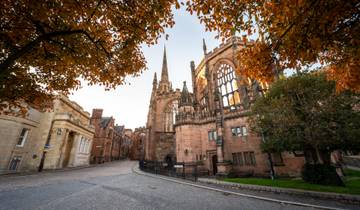
2 days
Essential England (7 destinations)
- ✓ Comprehensive Liverpool tour
- ✓ Expert local guides included
- ✓ All accommodation arranged
- ✓ Transportation provided
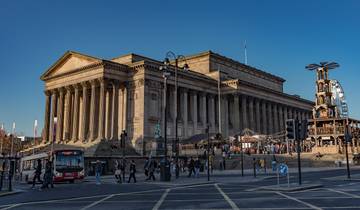
6 days
6 Day London And Liverpool By Train
- ✓ Comprehensive Liverpool tour
- ✓ Expert local guides included
- ✓ All accommodation arranged
- ✓ Transportation provided

6 days
England in a Week (Classic, Winter)
- ✓ Comprehensive Liverpool tour
- ✓ Expert local guides included
- ✓ All accommodation arranged
- ✓ Transportation provided
4 days
Anfield Stadium&LFC Liverpool Experience
- ✓ Comprehensive Liverpool tour
- ✓ Expert local guides included
- ✓ All accommodation arranged
- ✓ Transportation provided
Multi-day tour packages powered by TourRadar. Prices and availability subject to change.
Introduction: Understanding Liverpool Travel Costs 2026
Liverpool stands as one of England’s most budget-accessible major cities in 2026, offering exceptional cultural experiences without London’s premium pricing. The city’s UNESCO waterfront, Beatles heritage, and maritime history create compelling attractions across every budget tier. Free National Museums provide world-class exhibitions rivaling paid institutions elsewhere, while affordable public transport connects neighborhoods efficiently.
Budget travelers discover remarkable value through hostel networks, supermarket self-catering options, and zero-admission cultural venues. Mid-range visitors enjoy comfortable hotels, diverse restaurant scenes, and comprehensive Beatles site access at prices significantly below comparative UK cities. Luxury seekers find boutique waterfront properties, Michelin-recommended dining, and exclusive private tours without excessive premiums.
Liverpool’s compact geography concentrates attractions within walkable distances, reducing transport costs. The Royal Albert Dock, city center museums, Liverpool Cathedral, and major shopping districts sit within one mile radius. Beatles landmarks including Penny Lane, Strawberry Field, and childhood homes require £2 bus journeys rather than expensive tour packages. This walkability and efficient public transport infrastructure dramatically lower daily spending compared to sprawling metropolitan areas.
Seasonal pricing variations create strategic opportunities for budget optimization. Summer months June-August command premium rates for accommodation and tours, while shoulder seasons March-May and September-October deliver identical experiences at reduced costs. Winter January-February offers deepest discounts but shorter daylight hours and occasional rain. Understanding these patterns enables travelers to maximize value without sacrificing experience quality.
This comprehensive budget guide breaks down accommodation, dining, transportation, and attraction costs across budget, mid-range, and luxury tiers. Detailed daily expense breakdowns, money-saving strategies, neighborhood cost comparisons, and sample itineraries with verified pricing equip travelers to plan Liverpool visits matching their financial parameters while experiencing the city’s complete cultural landscape.
Accommodation Costs Liverpool 2026: Complete Analysis by Budget Tier
Liverpool accommodation spans hostels at £35-55 nightly to luxury waterfront hotels at £200-320, with quality and value exceeding comparable UK cities. City center locations provide walking access to Albert Dock, Cavern Quarter, and major museums, while neighborhoods like Baltic Triangle and Georgian Quarter offer characterful alternatives at reduced rates.
Budget Accommodation Liverpool (£35-60 Per Night)
Hostel dormitories cost £20-30 per bed in central locations, with facilities including shared kitchens, common areas, and basic Wi-Fi. YHA Liverpool Albert Dock occupies prime waterfront position at £24-32 per dorm bed, featuring organized social activities and secure luggage storage. Liverpool International Inn near Lime Street station charges £20-28 for dormitory accommodation with 24-hour reception and laundry facilities. The Liverpool Pod hostel in city center provides modern pod-style dormitories at £28-35 per night with individual reading lights and USB charging ports.
Budget hotels in peripheral neighborhoods deliver private rooms at £35-60 per night. Premier Inn locations in Edge Lane, Knotty Ash, and Huyton offer double rooms at £35-50 including breakfast, though these require 15-25 minute bus journeys into city center. Travelodge Liverpool Central Exchange charges £40-55 for compact but clean rooms in walking distance to major attractions. These budget hotels provide private bathrooms, basic breakfast options, and free Wi-Fi while sacrificing design elements and premium amenities.
Budget travelers sharing accommodation calculate per-person costs by dividing room rates. A £50 budget hotel room equals £25 per person nightly, creating daily accommodation expenses of £18-28 per person when including occasional solo hostel nights. This budget tier prioritizes location over luxury, accepting smaller rooms and basic facilities to maintain central access while minimizing costs.
Mid-Range Accommodation Liverpool (£90-140 Per Night)
Mid-range hotels provide comfortable three-star and boutique properties across city center neighborhoods. Ibis Styles Liverpool Centre Dale Street charges £85-110 per night for contemporary rooms near Cavern Quarter with complimentary breakfast and modern design elements. Holiday Inn Express Liverpool Royal Albert Dock offers waterfront positions at £95-125 including breakfast buffets, though weekend rates increase significantly during events.
Boutique options like Seel Street Hotel deliver character-filled rooms at £100-140 with unique decor, quality linens, and neighborhood atmosphere in Ropewalks district. The Resident Liverpool provides aparthotel accommodation at £110-145 with kitchenettes, work spaces, and eco-friendly amenities near shopping districts. These mid-range properties balance comfort, location, and value without premium-tier pricing.
Georgian Quarter guesthouses and bed-and-breakfasts charge £80-120 for Victorian townhouse accommodations with period features, hearty breakfasts, and personalized service. Hope Street Hotel, though approaching luxury territory at £130-170, delivers exceptional design and rooftop views for travelers seeking upgrade experiences within mid-range budgets. Mid-range accommodation averages £90-140 per room, translating to £45-70 per person nightly for couples sharing.
Luxury Accommodation Liverpool (£200-350 Per Night)
Luxury properties concentrate along waterfront and city center premium zones. Titanic Hotel Liverpool occupies converted historic building at Albert Dock charging £195-280 for industrial-chic rooms with exposed brick, rainfall showers, and heritage atmosphere. The Municipal Hotel MGallery provides five-star elegance at £220-320 with marble bathrooms, 24-hour room service, and acclaimed Seaforth Restaurant within the building.
INNSiDE by Meliá Liverpool delivers contemporary design at £180-260 in Central Docks, featuring floor-to-ceiling windows, modern fitness facilities, and waterfront views. Pullman Liverpool charges £210-300 for business-luxury hybrid accommodation with executive lounges, premium bedding, and Kings Dock proximity. The Halyard Liverpool Vignette Collection offers boutique luxury at £240-350 with individually designed rooms, local art installations, and personalized concierge services.
Luxury travelers calculate £200-320 per room equating to £100-160 per person nightly when sharing. These properties justify premium pricing through superior locations, distinctive design, exceptional service standards, and unique amenities unavailable at lower tiers. Weekend and event periods can inflate rates by additional 20-40%, requiring advance booking for optimal pricing.
Neighborhood Accommodation Cost Comparison 2026
City Center and Cavern Quarter command highest rates at £90-300 per night across mid-range to luxury tiers, justified by walking access to nightlife, restaurants, and major attractions. Albert Dock waterfront properties add £20-50 premium over comparable city center hotels for maritime views and heritage atmosphere. Ropewalks and Baltic Triangle neighborhoods deliver 10-15% savings while maintaining excellent restaurant and bar access within five-minute walks to major sites.
Georgian Quarter and Hope Street areas provide character-filled accommodation at rates 15-25% below city center equivalents, appealing to travelers prioritizing atmosphere over nightlife proximity. Peripheral neighborhoods including Anfield, Sefton Park, and Aigburth reduce costs by 30-40% but require 20-30 minute bus journeys for attraction access. These outlying areas suit budget-conscious travelers comfortable navigating public transport and sacrificing immediate walkability.
Kensington, Edge Lane, and industrial districts offer budget hotel chains at deep discounts of 40-60% below city center rates, though these locations lack neighborhood character and require transit dependence. Budget travelers balancing cost savings against convenience calculate £6-12 daily bus expenses against £20-40 nightly accommodation savings when choosing peripheral locations.
Seasonal Accommodation Price Variations 2026
Summer peak season June-August elevates accommodation costs by 30-50% above baseline rates, driven by school holidays, favorable weather, and international tourist demand. Beatles Week August and Liverpool International Music Festival intensify summer pricing with event premiums adding another 20-30% to standard summer rates. Booking three-six months advance secures lower rates before peak-season inflation.
Shoulder seasons March-May and September-October reduce costs by 15-25% while maintaining pleasant weather and full attraction operations. These periods deliver optimal value-to-experience ratios with spring flowers or autumn colors enhancing city aesthetics without summer crowds or premium pricing. Liverpool FC home matches particularly Champions League fixtures inflate weekend rates by £20-60 regardless of season, requiring flexibility around fixtures.
Winter low season November-February offers deepest discounts at 35-50% below summer peaks, though shorter daylight hours and rain probability increase. Holiday periods Christmas and New Year reverse winter savings with temporary premium pricing for festive atmosphere. January-February deliver absolute lowest rates for travelers prioritizing cost over weather, with many hotels offering last-minute deals below published prices.
Food and Dining Costs Liverpool 2026: Budget to Fine Dining Analysis
Liverpool dining spans budget pub meals at £8-15 to fine dining experiences at £40-70 per person, with exceptional ethnic diversity and local specialties including Scouse stew and Liverpool-style fish and chips. The city’s restaurant scene balances traditional British fare, international cuisines, and contemporary fusion establishments across every price tier.
Budget Dining Liverpool (£16-31 Per Person Daily)
Budget breakfast options include self-catering from supermarkets at £3-6 per meal, purchasing bread, spreads, yogurt, fruit, and cereal from Aldi, Lidh, Tesco Metro, or Morrisons locations throughout city center. Greggs bakery chain offers meal deals at £3-5 combining pastries, sandwiches, and hot drinks at numerous locations. Wetherspoon pubs serve full English breakfasts at £5-7 with unlimited coffee, providing substantial starts to sightseeing days.
Lunch expenses range £5-10 through strategic choices. Supermarket meal deals at £3-5 combine sandwiches, crisps, and drinks from Tesco, Sainsbury’s, or Co-op convenience stores. Bold Street independent cafes offer lunch specials at £6-9 including soups, sandwiches, and salads. Albert Dock waterfront has budget options like Tesco Express and Subway charging £5-8 for quick meals, though quality varies and premium pricing appears near tourist zones.
Dinner represents the largest daily food expense at £8-15 for budget travelers. Wetherspoon pub locations throughout city center serve meals at £7-12 including burgers, fish and chips, curries, and traditional British dishes with acceptable quality. Ethnic restaurants in Chinatown offer authentic meals at £8-15 with generous portions exceeding tourist-area establishments. Bold Street independent eateries provide vegetarian and vegan options at £9-14, appealing to dietary-restricted budget travelers.
Budget daily food costs total £16-31 per person through self-catering breakfasts, supermarket lunches, and affordable restaurant dinners. Eliminating restaurant meals entirely and purchasing groceries for all meals reduces costs to £12-18 daily, though sacrificing local culinary experiences. Budget travelers balance cost minimization against cultural immersion by allocating one restaurant meal daily while self-catering remaining meals.
Mid-Range Dining Liverpool (£40-67 Per Person Daily)
Mid-range breakfast choices span hotel breakfast buffets at £8-15 when not included with accommodation, or independent cafes at £8-12 for quality cooked breakfasts. Bold Street Coffee charges £9-13 for specialty coffee, avocado toast, and breakfast bowls. Independent bakeries like Homebaked Anfield offer £7-10 breakfast options with local atmosphere exceeding chain alternatives.
Lunch expenses increase to £12-20 in mid-range tier. Restaurant lunch specials throughout city center provide two-course meals at £12-18 during weekday promotions. Albert Dock waterfront restaurants charge £15-22 for main courses with premium pricing for tourist location, though Tate Liverpool cafe offers exceptional value at £10-15 with gallery views. Baltic Triangle independent eateries deliver creative lunches at £12-18 with locally-sourced ingredients and unique flavor profiles.
Dinner occupies primary dining expenditure at £20-35 per person before drinks. Liverpool ONE shopping complex restaurants charge £18-28 for main courses across chain establishments like Las Iguanas, Nando’s, and Zizzi. Independent restaurants in Ropewalks district offer superior quality at £22-35 including Italian, Mediterranean, and modern British cuisines. Bold Street vegetarian specialists provide innovative plant-based dinners at £16-26.
Mid-range daily food expenses total £40-67 per person combining quality cafe breakfasts, restaurant lunches, and comfortable sit-down dinners. This tier emphasizes experience and quality over pure cost minimization, allocating budget for culinary exploration while avoiding premium fine-dining pricing. Drinks add £10-20 daily when including afternoon coffee breaks and dinner beverages.
Luxury Dining Liverpool (£95-150 Per Person Daily)
Luxury breakfast experiences include hotel five-star spreads at £20-30 or high-end brunch venues at £15-25. The Municipal Hotel Seaforth Restaurant serves acclaimed breakfast at £22-28 with waterfront views and premium ingredients. Art School Liverpool offers weekend brunch at £18-26 combining elegant atmosphere with creative presentations.
Lunch in luxury tier ranges £30-45 at destination restaurants. Panoramic 34 provides skyline views and refined cuisine at £32-48 for main courses, though lunch menus offer value compared to dinner pricing. Etsu Japanese restaurant charges £28-42 for authentic sushi and teppanyaki experiences. Hope Street restaurants including The Art School and 60 Hope Street deliver £30-50 lunch options with Michelin Guide recognition.
Dinner represents luxury tier pinnacle at £50-80 per person before beverages. Wreckfish delivers contemporary British fine dining at £55-75 for tasting menus with wine pairings adding £35-60 additional. Maray restaurants provide upscale small plates at £45-65 when building full dining experiences across multiple courses. Spire Restaurant at Liverpool Cathedral combines historic atmosphere with modern cuisine at £50-70 per person.
Luxury daily food costs total £95-150 per person through high-end breakfast, destination lunches, and fine dining dinners. Wine, cocktails, and premium beverages add £30-60 daily, elevating total luxury food expenses to £125-210 per person. This tier prioritizes culinary excellence, unique atmospheres, and memorable dining experiences as primary Liverpool vacation components.
Liverpool Restaurant Week and Money-Saving Dining Opportunities 2026
Liverpool Restaurant Week operates twice annually in January and August, offering fixed-price menus at £5-35 across 100+ participating venues. These promotional periods provide exceptional value for experiencing premium restaurants at discounted rates, with three-course menus at £25 representing 40-60% savings compared to standard pricing. January edition capitalizes on post-holiday quiet periods, while August timing attracts summer tourists.
Lunchtime specials throughout the year deliver consistent savings of 20-40% compared to dinner menus at identical restaurants. Two-course lunch offers at £12-18 provide access to quality establishments serving £25-40 dinner mains. Weekday lunch periods see greatest availability and deepest discounts as restaurants incentivize off-peak dining. Early bird dinner specials before 6pm or 7pm offer similar savings at 15-30% below standard evening rates.
Wetherspoon pubs maintain year-round value with meal and drink combinations at £9-13, curry club Thursdays at £7-9, and steak club Tuesdays at £10-12. These chain promotions deliver reliable budget options across multiple city locations. Independent restaurants participate in occasional promotions through apps including Too Good To Go offering surplus food at 50-70% discounts, though availability varies and requires flexibility.
Supermarket and Self-Catering Cost Analysis 2026
Aldi and Lidl supermarkets offer lowest grocery prices in Liverpool, with weekly shopping for two people costing £35-55 for basic ingredients including pasta, rice, vegetables, proteins, and breakfast items. These German discount chains locate branches in Edge Lane, Old Swan, and Kensington neighborhoods requiring short bus journeys from city center accommodation. Budget travelers self-catering all meals reduce daily food costs to £6-9 per person through strategic grocery shopping.
Tesco Metro, Sainsbury’s Local, and Co-op convenience stores throughout city center charge 10-25% premiums over full-size supermarkets but provide immediate accessibility for travelers without transport. Meal deal promotions at £3-5 deliver prepared sandwiches, snacks, and drinks representing convenience value despite lower quality than restaurant alternatives. These convenience options suit travelers balancing time efficiency against cost optimization.
Liverpool Central Market near Clayton Square offers fresh produce, artisan breads, and specialty items at competitive prices in atmospheric covered market setting. Vendors negotiate bulk purchases and closing-time discounts, appealing to budget travelers seeking quality ingredients without supermarket anonymity. Market shopping combines cost effectiveness with cultural experience unavailable at chain retailers.
Transportation Costs Liverpool 2026: Public Transit and Getting Around
Liverpool transportation combines affordable buses at £2 single fares, comprehensive Merseyrail train network, historic Mersey Ferries, and extensive taxi availability. The compact city center enables walking as primary transportation, with public transit covering Beatles sites, airport connections, and regional destinations efficiently.
Bus Transportation Liverpool 2026
Single bus fares cost £2 throughout Liverpool City Region, maintained through mayoral subsidy programs extending through September 2025 with likely 2026 continuation. This flat-rate pricing eliminates zone complications and provides exceptional value for longer routes including airport services and Beatles site visits. Contactless payment, mobile tickets, and cash acceptance offer flexible payment options, though exact change required for cash payments.
Solo day passes at £6 provide unlimited bus travel throughout Liverpool City Region, breaking even at three journeys and delivering value for active sightseeing days. Three-day bundles cost £16 and five-day bundles £25, with non-consecutive usage allowing flexible activation throughout trip duration. These multi-day passes suit travelers visiting Penny Lane, Strawberry Field, Anfield Stadium, and Sefton Park requiring 4-6 daily bus journeys.
Saveaway off-peak passes at £5 cover unlimited bus and train travel within Liverpool from 9:30am weekdays and all-day weekends. The £7 Saveaway Plus extends coverage to entire Merseyside region including Wirral, St Helens, and Knowsley. These passes provide cost-effective exploration for travelers avoiding morning rush hours and focusing on mid-day to evening activities. Off-peak restrictions suit tourist schedules naturally prioritizing 10am-6pm sightseeing windows.
Key bus routes include 86 to Penny Lane and Strawberry Field, 26 and 17 to Anfield Stadium, and 500 express airport service. Arriva bus 500 airport connection operates every 30 minutes charging £2 single fare for 35-minute journey to city center, dramatically undercutting £20-25 taxi alternatives. Night buses operate limited routes with identical £2 pricing for late-night returns from nightlife districts.
Train Transportation Liverpool 2026
Merseyrail operates extensive suburban network with underground city center stations at Central, James Street, Lime Street, and Moorfields. Single fares range £2-5 for regional destinations including Chester, Southport, and Ormskirk. Central Liverpool travel between underground stations costs £2-3, useful for rainy day shopping or large luggage transfers between Lime Street station and Albert Dock.
RailPass day tickets at £8-12 provide unlimited Merseyrail travel in chosen zones, breaking even at three-four journeys. Weekly RailPasses cost £25-45 depending on zone coverage, appealing to extended-stay travelers exploring Merseyside region comprehensively. Trio passes combining bus, train, and ferry cost £32 weekly for Zone 1 coverage, delivering best value for intensive public transport users.
National Rail services from Liverpool Lime Street connect London Euston in 2 hours 10 minutes with advance fares from £15-30, Manchester Piccadilly in 45 minutes at £8-15, and regional destinations throughout Northern England and Scotland. These intercity services suit day trips to Manchester, Chester, or North Wales but fall outside typical Liverpool city transportation budgets. Off-peak returns provide better value than standard anytime fares when schedules permit flexible travel timing.
Mersey Ferry Transportation 2026
Mersey Ferry operates River Explorer cruises between Liverpool Pier Head and Wirral terminals at Seacombe and Woodside. Standard return tickets cost £4 adults, £3 children, providing 50-minute circular commentary cruises. The River Explorer Cruise offers Beatles and maritime history narration, combining transportation utility with tourist attraction value. Ferry services complement bus and train networks for cross-river Wirral destinations including historic Birkenhead.
Ferry operating hours run 10am-5pm peak season with reduced winter schedules. Weekend and school holiday services increase frequency to 30-minute departures, while midweek winter operations reduce to 60-minute intervals. Trio passes include unlimited ferry travel at no additional cost, making the attraction effectively free for public transport pass holders. The Ferry ‘Cross the Mersey experience resonates with Beatles enthusiasts seeking authentic Liverpool connections.
Taxi and Ride-Share Costs Liverpool 2026
Licensed black cabs operate throughout Liverpool with minimum £4 charges increasing to £8-15 for typical city center to Albert Dock or Cavern Quarter journeys. Night surcharges add 20% to standard fares after 10pm weekdays and midnight weekends. Lime Street station taxi rank provides reliable availability though surge pricing during train arrivals inflates costs. Pre-booking taxis through local firms including Delta Taxis offers phone app convenience and avoids rank queues.
Uber operates in Liverpool with base fares around £5-12 for city center journeys, competitive with traditional taxis and sometimes 10-20% cheaper during off-peak periods. Surge multipliers during Friday-Saturday night entertainment hours, major events, and adverse weather dramatically inflate prices to 1.5-2.5x normal rates. Budget-conscious travelers avoiding surge pricing save £10-20 per journey by walking 10-15 minutes to escape high-demand zones before requesting rides.
Airport taxi transfers cost £18-25 to city center, a significant premium over £2 bus services but justified for late arrivals, heavy luggage, or group travel. Four passengers sharing £22 taxi equals £6 per person, competitive with bus when considering time savings and direct routing. Pre-booking airport taxis through hotel concierges secures fixed rates avoiding meter uncertainty, though sacrifices flexibility for delayed flights.
Walking and Cycling Liverpool 2026
Liverpool’s compact geography enables walking as primary city center transportation. Royal Albert Dock to Liverpool Cathedral spans 15-minute walk, Cavern Quarter to Liverpool ONE 10 minutes, and Pier Head to Ropewalks district 12 minutes. Budget travelers maximize free walking as zero-cost transportation while burning calories and discovering street-level atmosphere impossible from vehicles. Digital maps on smartphones eliminate getting lost in well-signposted city center.
City Bike rental through CityCycle scheme charges £1-2 per hour with daily caps at £5, providing alternative to walking for energetic travelers. Docking stations throughout city center, Albert Dock, and waterfront enable point-to-point journeys without return requirements. Bike infrastructure improvements include dedicated lanes on Strand, Great Howard Street, and Stanley Park approaches, though mixed-traffic roads dominate city center requiring confident cycling skills.
Electric scooter rentals through various providers charge £1 unlock plus £0.15-0.20 per minute, totaling £3-6 for typical 15-20 minute journeys. These services suit occasional use rather than all-day transportation, with costs exceeding bus alternatives for multiple daily trips. Scooter parking regulations require designated zones, complicating spontaneous stop-and-explore tourism patterns compared to walking flexibility.
Transportation Daily Cost Summaries by Budget Tier 2026
Budget travelers spend £4-6 daily on transportation through Solo day passes at £6, Saveaway passes at £5, or three-four £2 single bus fares. Walking supplements public transit for distances under one mile, minimizing transport expenses while maintaining attraction accessibility. Budget tier prioritizes multi-day passes when daily journey counts exceed three, breaking even at £6 threshold.
Mid-range travelers allocate £8-15 daily including day passes £5-7, occasional taxis £5-10 for convenience or late-night returns, and contingency transport £3-5 for spontaneous route changes. This flexibility enables responsive scheduling without budget constraints forcing uncomfortable walks or extended wait times. Mid-range tier values time efficiency alongside cost management, accepting selective taxi usage for optimal experience.
Luxury travelers invest £25-40 daily in transportation through private taxis, pre-booked transfers, and premium tour coach services. This tier eliminates public transport entirely, prioritizing comfort, schedule control, and door-to-door service over cost optimization. Private Beatles tours with dedicated drivers cost £150-250 for full-day experiences, dividing across multiple passengers for per-person costs within luxury daily transportation budgets.
Attraction and Activity Costs Liverpool 2026: Free Museums to Paid Experiences
Liverpool attractions span completely free National Museums to premium Beatles experiences at £27, creating accessible cultural programming across every budget. The city’s UNESCO maritime heritage, musical legacy, and architectural treasures deliver world-class experiences without requiring large entertainment budgets.
Free Attractions Liverpool 2026
National Museums Liverpool operates seven completely free venues open Tuesday-Sunday 10am-5pm. World Museum combines planetarium shows, aquarium exhibits, natural history collections, and Ancient Egypt galleries in single five-floor building near Lime Street station. Museum of Liverpool at Albert Dock chronicles city history through interactive displays, football heritage, and maritime evolution without admission charges. Walker Art Gallery houses European art collections rivaling London institutions, featuring Renaissance masters, Pre-Raphaelites, and contemporary works in elegant Victorian building.
Merseyside Maritime Museum and International Slavery Museum share Albert Dock location, examining Liverpool’s maritime trade, Titanic connections, and transatlantic slavery history through powerful exhibitions. Sudley House displays Victorian art collection in merchant’s former home in Mossley Hill, requiring 20-minute bus journey but offering intimate gallery atmosphere. Lady Lever Art Gallery in Port Sunlight village showcases decorative arts, furniture, and paintings in purpose-built Edwardian gallery setting.
Liverpool Cathedral provides free admission to Anglican cathedral featuring largest organ in UK, tower climbs at £6, and stunning Gothic Revival architecture. Metropolitan Cathedral of Christ the King charges no entry fees for modernist circular design and vibrant stained glass. Both cathedrals offer free organ recitals, choral evensongs, and architectural tours, providing cultural experiences without ticket costs.
Albert Dock itself operates as free-access waterfront heritage site with galleries, shops, and restaurants surrounding historic docks. Walking Royal Albert Dock perimeter, photographing Three Graces buildings, and exploring waterfront public spaces costs nothing while delivering essential Liverpool atmosphere. Pier Head monuments, statues, and public art throughout city center add zero-cost cultural encounters during walking explorations.
Paid Beatles Attractions Liverpool 2026
Beatles Story museum charges £27 adults for comprehensive interactive exhibitions across two Albert Dock sites, chronicling band history through replicated venues, original instruments, and multimedia displays. Tickets include audio guides in 12 languages and access to both Pier Head and Albert Dock locations. Advanced online booking offers small discounts and guaranteed timeslot entry during busy summer periods. The exhibition requires 90-120 minutes for thorough exploration, representing £13-18 hourly entertainment value.
Strawberry Field visitor center costs £15 admission for gardens, exhibition halls, and multimedia presentations about the Salvation Army site inspiring John Lennon’s song. Entry includes cafe access and commemorative gardens offering quiet reflection space. The 20 Forthlin Road and Mendips childhood homes require National Trust membership or £29 combined tour tickets, operating limited schedules requiring advance booking. These guided tours provide authentic environments where Beatles grew up, appealing to devoted fans willing to invest in comprehensive heritage experiences.
Magical Mystery Tour bus departs Albert Dock charging £23 adults for two-hour guided Beatles landmark circuits including Penny Lane, Strawberry Field, childhood homes, and city center sites. Live commentary from knowledgeable guides adds entertainment value beyond simple transportation. Private Beatles taxi tours cost £150-250 for 3-4 hour customized experiences accommodating 4-6 passengers, equating to £25-42 per person when sharing. These premium options suit time-constrained travelers prioritizing efficient comprehensive access over budget concerns.
Sports and Stadium Tours Liverpool 2026
Anfield Stadium tour costs £25 adults for behind-scenes access to Liverpool FC facilities including dressing rooms, players’ tunnel, press conference room, and trophy rooms. Museum admission accompanies tour tickets, displaying club’s six European Cups and 19 League Championships. Match day tours suspended on home fixture dates require schedule awareness when planning visits. Anfield experiences rank among world’s premier football tourism offerings, justifying costs for sports enthusiasts regardless of Liverpool FC allegiance.
Goodison Park Everton FC stadium tours charge £15 adults for guided access to historic venue, appealing to football culture enthusiasts seeking both Liverpool club perspectives. Tours operate limited schedules requiring advance booking through official website. Combined Liverpool-Everton derby culture exploration provides comprehensive football city understanding for £40 total admission across both stadiums.
Museums and Specialty Exhibitions Liverpool 2026
Western Approaches Museum charges £15 adults for underground World War II command center preserving Battle of Atlantic operations rooms. This hidden gem delivers authentic wartime atmosphere through preserved equipment, maps, and communications systems. The 90-minute self-guided experience suits history enthusiasts seeking lesser-known attractions beyond mainstream tourist circuits.
British Music Experience at Cunard Building costs £17 adults for interactive music history journey covering 70 years of British popular music. Hands-on instruments, hologram performances, and memorabilia displays engage visitors actively rather than passive observation. The museum adds £17 daily attraction cost for music culture enthusiasts supplementing Beatles-specific experiences with broader musical context.
Tate Liverpool at Albert Dock provides free admission to permanent collections with special exhibitions charging £8-15 entry fees. Contemporary art programming rotates every few months, bringing international artists and installations to Liverpool. Free gallery admission enables multiple visits throughout extended stays, while paid special exhibitions provide optional upgrades for art enthusiasts allocating larger culture budgets.
Entertainment and Nightlife Costs Liverpool 2026
Cavern Club admission ranges free-£6 depending on performance schedule, with afternoon sessions offering no-cover access to legendary Beatles venue. Evening performances charge £3-8 for tribute bands and local musicians maintaining Cavern’s live music tradition. The £6 maximum represents exceptional value for atmospheric live music in historically significant venue, though drink prices at £4-6 per pint add to evening costs.
Philharmonic Hall tickets range £15-50 for Royal Liverpool Philharmonic Orchestra performances, ballet, and classical concerts in Victorian concert hall. Rush tickets and day-of-show discounts reduce costs for flexible schedules, while subscription packages offer season-long savings. The Philharmonic Dining Rooms pub across street requires no admission for spectacular Victorian interior featuring intricate tiles, carved woods, and ornate details rivaling paid attractions.
Cinema tickets at Showcase, Odeon, and FACT venues cost £8-14 for standard screenings, with Tuesday discount days reducing prices to £5-7. FACT contemporary arts venue combines cinema programming with galleries and cafe, providing cultural complex atmosphere. Evening entertainment budgets allocate £10-25 per person for drinks, cover charges, and incidental costs beyond attraction tickets.
Daily Attraction Costs by Budget Tier 2026
Budget travelers spend £0-15 daily on attractions through prioritizing free National Museums, cathedral visits, and walking tours. Single paid attraction like Beatles Story at £27 amortizes across multiple-day trips, adding £5-10 daily attraction budget alongside free venues. This tier maximizes value through strategic paid experience selection complementing comprehensive free programming.
Mid-range travelers allocate £20-40 daily including Beatles Story £27, additional specialty museum £10-15, and evening entertainment £5-15. This budget enables two-three paid attractions daily while maintaining free museum access and cultural programming. Mid-range tier experiences Liverpool’s complete attraction portfolio without financial restrictions limiting access to premier experiences.
Luxury travelers invest £40-80 daily through private Beatles tours £40-50 per person, premium stadium experiences, exclusive exhibitions, and VIP entertainment access. Private guided experiences, premium seating for performances, and behind-scenes access define luxury tier. This budget prioritizes unique perspectives unavailable through standard admission tickets, creating memorable exclusive encounters justifying premium expenditure.
Sample Daily Itineraries with Complete Cost Breakdowns 2026
Budget Day Liverpool: £42 Per Person
Morning begins at YHA hostel £26 accommodation cost calculated from previous night stay, self-catering breakfast £4 purchased from Tesco Metro including bread, yogurt, banana. Walk 15 minutes to Albert Dock arriving 10am for free Museum of Liverpool opening, spending 90 minutes exploring city history. Continue to Merseyside Maritime Museum free admission, examining Titanic exhibitions and maritime trade displays until 12:30pm.
Lunch at Albert Dock Tesco Express meal deal £4 eaten on waterfront benches overlooking historic ships. Afternoon £2 bus to Penny Lane photographing famous street signs and barber shop, followed by walk to Strawberry Field gates for exterior photos saving £15 interior admission. Return £2 bus to city center visiting Walker Art Gallery free admission, browsing European art collections 90 minutes.
Dinner at Wetherspoon pub £10 for fish and chips and soft drink near Cavern Quarter. Evening walk through Mathew Street photographing Cavern Club exterior and Beatles statues, free entertainment. Return walk to hostel completing zero-cost evening activities. Daily total approximately £42 per person including £13 accommodation share, £4 breakfast, £4 lunch, £10 dinner, £4 transport, £7 incidentals.
Mid-Range Day Liverpool: £147 Per Person
Morning at Ibis Styles hotel £95 room cost divided equally between two guests at £48 per person including breakfast buffet £12 value. Walk to Beatles Story at Albert Dock £27 admission, spending two hours exploring interactive exhibitions with audio guide. Mid-morning coffee break at Albert Dock cafe £4 for flat white and pastry.
Lunch at Bold Street independent restaurant £18 for Mediterranean platter and drink, exploring neighborhood boutiques afterward. Afternoon Magical Mystery Tour bus £23 for two-hour Beatles landmarks circuit with live commentary, returning to city center 4pm. Walk Liverpool Cathedral free admission climbing tower £6 for panoramic city views.
Dinner at Ropewalks independent restaurant £28 for main course, side, and drinks, enjoying 90-minute relaxed dining experience. Evening Cavern Club £6 cover charge for tribute band performance, £8 for two pints during show. Return taxi to hotel £8 divided by two passengers. Daily total approximately £147 per person including £48 accommodation share, £12 breakfast included, £18 lunch, £28 dinner, £10 transport day pass plus taxi, £27 Beatles Story, £23 bus tour, £6 tower, £6 Cavern cover, £8 drinks.
Luxury Day Liverpool: £342 Per Person
Morning at Titanic Hotel £225 room cost shared between two at £113 per person, including £25 breakfast at hotel restaurant with waterfront views. Private Beatles taxi tour £200 for four hours divided among four passengers at £50 per person, visiting Mendips, Forthlin Road, Penny Lane, Strawberry Field with expert guide providing insider stories. Tour includes Strawberry Field admission £15 per person with guide commentary.
Lunch at Panoramic 34 skyline restaurant £42 for three courses and wine, spending 90 minutes enjoying 34th-floor views. Afternoon private Anfield Stadium tour £60 premium experience with hospitality lounge access and extended behind-scenes access unavailable on standard tours. Transfer by taxi £12 divided between two passengers.
Pre-dinner drinks at Philharmonic Dining Rooms pub £15 for craft cocktails in ornate Victorian interior. Dinner at The Art School restaurant £68 for tasting menu with wine pairings, celebrating special occasion through three-hour fine dining experience. Evening taxi to Cavern Quarter nightlife £10 divided by two, enjoying premium cocktail bars £20 per person. Return hotel taxi £12 shared. Daily total approximately £342 per person including £113 accommodation share, £25 breakfast included, £42 lunch, £68 dinner, £15 drinks, £50 private Beatles tour, £15 Strawberry Field, £60 premium Anfield tour, £17 taxis, £20 evening cocktails.
Weekly Budget Breakdowns Liverpool 2026: Seven-Day Cost Analysis
Budget Backpacker Week: £280-560 Per Person
Seven-night hostel accommodation at £20-28 per person nightly totals £140-195 for week. Self-catering breakfasts £3-6 daily and lunches £5-10 from supermarkets combine with one budget restaurant dinner £8-15 nightly, creating £16-31 daily food costs totaling £115-220 weekly. Public transport through five-day Solo pass £25 plus weekend day passes £12 totals £40 weekly transport budget.
Attraction costs emphasize free National Museums with selective paid experiences. Beatles Story £27, Cavern Club evenings £12 across two nights, and one stadium or specialty museum £15 total £54 paid attractions. Contingency expenses for occasional cafe breaks, snacks, and incidentals allocate £30-70 for flexibility. Weekly total approximately £280-560 per person combining accommodation £140-195, meals £115-220, transport £40, attractions £30-70, and incidentals £30-60.
This budget tier delivers comprehensive Liverpool experience through strategic free attraction prioritization, self-catering discipline, and hostel networking creating social atmosphere offsetting limited dining-out budget. Budget backpackers maximize value while experiencing essential Beatles heritage, maritime museums, cathedral architecture, and local culture without sacrificing safety or reasonable comfort levels.
Mid-Range Comfort Week: £805-1,330 Per Person
Seven-night mid-range hotel accommodation at £90-140 room rate divides to £45-70 per person nightly, totaling £315-490 for week assuming two sharing rooms. Restaurant dining at £40-67 daily combines cafe breakfasts £8-12, restaurant lunches £12-20, and comfortable sit-down dinners £20-35 for £280-470 weekly food costs. Transportation through Trio weekly pass £32 plus occasional taxis £28-73 totals £60-105 weekly transport budget.
Attraction spending includes Beatles Story £27, Magical Mystery Tour £23, Anfield Stadium tour £25, Western Approaches Museum £15, British Music Experience £17, cathedral tower £6, specialty exhibition £12, Cavern Club evenings £15, and Philharmonic Hall performance £30 totaling £140-280 comprehensive attraction access. Entertainment, drinks, and contingency expenses allocate £60-135 for social activities, afternoon coffees, and unexpected opportunities.
Weekly total approximately £805-1,330 per person including accommodation £315-490, meals £280-470, transport £60-105, attractions £140-280, and entertainment £60-135. This mid-range tier balances comfort, comprehensive attraction access, and dining variety without budget constraints limiting experience quality. Comfortable hotels, efficient transportation, and unrestricted cultural programming create stress-free Liverpool exploration optimal for first-time visitors and those prioritizing vacation relaxation.
Luxury Experience Week: £1,820-3,010 Per Person
Seven-night luxury accommodation at £200-320 room rate divides to £100-160 per person nightly, totaling £700-1,120 for week. Fine dining experiences at £95-150 daily span high-end breakfast venues, destination lunches, and Michelin-recommended dinners creating £665-1,050 weekly food costs. Premium beverages including cocktails, wines, and specialty coffees add £210-420 bringing total luxury dining to £875-1,470 weekly.
Transportation exclusively through taxis and private drivers allocates £175-280 weekly for door-to-door convenience eliminating public transport entirely. Private Beatles tours £200-250, premium Anfield experiences £60, VIP stadium tours £80, private gallery viewings £120, Philharmonic Hall premium seating £80, exclusive Cavern Club VIP tables £100, and private city tours £150-250 total £280-560 attraction expenses creating unparalleled access and personalized experiences.
Weekly total approximately £1,820-3,010 per person including accommodation £700-1,120, dining and beverages £875-1,470, transport £175-280, attractions and exclusive experiences £280-560, shopping and contingencies £140-280. Luxury tier emphasizes exceptional service, exclusive access, memorable experiences, and complete freedom from budget concerns enabling spontaneous upgrades and premium opportunities impossible at lower tiers.
Money-Saving Strategies Liverpool 2026: Maximizing Value
Advance Booking and Early Planning Savings
Booking accommodation 3-6 months advance secures early-bird rates 20-40% below last-minute pricing, particularly critical during summer peak season June-August. Hotels release limited quantities of promotional rates rewarding advance planners with exceptional value. Flexible date searching identifies £20-40 nightly savings when shifting travel dates by single days avoiding weekend premiums or event surcharges.
Attraction tickets purchased online through official websites deliver small 5-10% discounts compared to gate prices while guaranteeing entry during capacity-restricted periods. Beatles Story, Anfield tours, and special exhibitions sell out summer weekends requiring advance booking regardless of modest savings. Private tour operators offer early booking incentives reducing prices £20-50 per person for commitments made 60+ days ahead.
Off-Peak Travel Timing Strategies
January-February winter low season reduces accommodation costs 35-50% below summer rates, creating exceptional value despite shorter daylight hours. Liverpool Restaurant Week January edition provides two annual opportunities for premium dining at discounted fixed prices. Winter cultural programming continues uninterrupted with identical museum exhibitions, theatrical productions, and concerts accessible at fraction of summer tourist season costs.
Shoulder seasons March-May and September-October balance favorable weather, lower accommodation rates, and reduced crowds. These periods deliver optimal value-to-experience ratios with spring flowers or autumn colors enhancing aesthetics. Weekday Tuesday-Thursday visits further reduce costs through midweek hotel promotions and restaurant lunch specials unavailable during weekend peak demand.
Free Attraction Prioritization
National Museums Liverpool’s seven free venues provide 2-3 full days of world-class exhibitions without admission costs. Strategic itinerary planning emphasizes free programming before allocating budget to paid attractions, ensuring cultural depth regardless of spending limits. Walker Art Gallery, World Museum, and Museum of Liverpool rival paid institutions elsewhere, delivering exceptional value through comprehensive collections and rotating special exhibitions.
Free walking tours operate on tip-based models, allowing flexible payment based on satisfaction and budget rather than fixed admission fees. These guided experiences provide historical context, neighborhood orientation, and insider recommendations enhancing overall trip value beyond simple cost savings. Cathedral visits, architectural walking, and waterfront exploration create zero-cost activities complementing paid attraction programming.
Public Transport Pass Optimization
Five-day Solo passes at £25 reduce daily transport costs to £5 compared to £12-14 spending through individual £2 single fares. Strategic pass purchasing matches trip duration and intensity, with three-day passes £16 suiting long weekend visits. Saveaway passes at £5-7 deliver unlimited off-peak travel breaking even at three journeys, ideal for flexible schedules avoiding morning rush hours.
Walking distances under one mile eliminates unnecessary transport expenses while providing street-level discovery impossible from buses. City center attractions cluster within 15-minute walking radius enabling zero transport days when focusing on Albert Dock, Cavern Quarter, Liverpool ONE, and cathedrals. Combining walking with strategic bus use for outlying Beatles sites optimizes transport budgets without sacrificing attraction access.
Accommodation Cost Reduction Tactics
Hostel dormitories at £20-28 per person offer significant savings over private rooms, with modern hostels providing comfortable amenities including secure lockers, USB charging, and social atmospheres enhancing solo traveler experiences. Budget hotels in peripheral neighborhoods reduce costs 30-40% compared to city center equivalents, with £4-6 daily bus expenses justified by £20-40 nightly accommodation savings for budget-conscious travelers comfortable navigating public transport.
Extended stay bookings unlock weekly discounts of 10-20% compared to nightly rates, particularly effective for Airbnb apartments and aparthotels. Seven-night bookings receive preferential rates rewarding longer commitments. Accommodation sharing among friend groups or families dramatically reduces per-person costs, with four people sharing two-bedroom apartment at £120 nightly equating to £30 per person compared to £45-70 individual hotel costs.
Dining Cost Management
Self-catering breakfast and lunch meals from supermarkets reduces daily food costs £10-15 compared to restaurant equivalents, allocating savings toward memorable dinner experiences at quality establishments. Aldi and Lidl groceries combined with accommodation kitchen facilities enable substantial savings without sacrificing nutrition or satisfaction. Picnic lunches at Albert Dock, Sefton Park, or waterfront locations transform practical cost-cutting into enjoyable outdoor dining experiences.
Lunch specials and early bird dinner promotions deliver 20-40% savings at identical restaurants serving premium evening menus. Two-course lunches at £12-18 access establishments charging £25-40 for equivalent dinner portions. Wetherspoon pub locations throughout city provide reliable budget meals at £7-12 with consistent quality eliminating uncertainty inherent in unfamiliar independent venues.
Liverpool Restaurant Week participation twice annually enables premium dining experiences at fixed £25 three-course menus representing £15-30 savings per person compared to standard pricing. January and August timing allows strategic trip planning around these promotional periods. Too Good To Go app offers surplus restaurant food at 50-70% discounts, though requires flexibility accepting random cuisines and pickup timing.
Combined Ticket and Pass Strategies
Liverpool Pass provides 25% discounts at Beatles Story, Anfield Stadium, hop-on-hop-off buses, and Mersey Ferry cruises. One-day passes at £22 and two-day passes at £36 deliver value when visiting multiple included attractions, though require calculation verifying savings exceed standard admission totals. The pass suits convenience-prioritizing travelers willing to trade modest financial savings for simplified ticket management.
National Trust membership at £84 annually includes free admission to Mendips and 20 Forthlin Road Beatles childhood homes valued £29 combined, plus 500+ UK properties. Membership breaks even visiting three properties during UK trip, justifying costs for heritage-focused travelers exploring multiple National Trust sites nationwide. Day-of-visit National Trust memberships allow immediate entry while activating year-long benefits.
Hidden Costs and Budget Contingencies Liverpool 2026
Tipping Practices and Service Charges
UK tipping conventions expect 10-12.5% in restaurants for table service, though many establishments add automatic service charges to bills requiring verification before adding additional gratuity. Pubs operating on bar-service models expect no tipping for drink orders, though cocktail bars appreciate £1-2 per round. Taxi drivers expect rounding up to nearest pound or 10% on longer journeys, while hotel porters appreciate £1-2 per bag for luggage assistance.
Budget travelers allocate £3-8 daily for tipping covering restaurant service, occasional bar gratuities, and small service tips. Mid-range tipping budgets increase to £8-15 daily for restaurant dining and taxi usage. Luxury tier tipping reaches £20-40 daily including restaurant service charges, multiple daily taxi trips, hotel concierge gratuities, and private tour guide tips. These expenses rarely appear in published price lists but accumulate to £50-280 weekly depending on spending tier.
Attraction Photo and Souvenir Charges
Professional photographers at Beatles attractions charge £10-15 for printed souvenir photos at strategic locations. Stadium tours offer £8-12 photo packages with green-screen effects placing visitors alongside famous players. These optional purchases add £20-40 per trip for families documenting experiences through professional images. Budget-conscious travelers decline photographer services relying on smartphone cameras for free documentation.
Museum gift shops present temptation for Beatles memorabilia, local souvenirs, and specialty items ranging £5-50 per purchase. Refrigerator magnets £4-6, postcards £1-2, t-shirts £15-25, and specialty items £30-80 accumulate quickly when visiting multiple attractions. Souvenir budgets vary dramatically by personal shopping preferences, with minimalist travelers spending £10-20 weekly and enthusiastic collectors allocating £100-200 for meaningful keepsakes.
Mobile Phone and Internet Costs
International visitors without UK mobile plans face roaming charges or require purchasing local SIM cards at £10-20 for weekly data packages. Free Wi-Fi availability at hotels, museums, cafes, and public spaces reduces data requirements for travelers checking email and social media primarily from accommodation. Navigation apps and offline map downloads minimize real-time data needs during sightseeing.
UK visitors with domestic mobile plans experience zero additional charges, though data-intensive activities including video streaming and extensive photography uploads can exhaust monthly allowances requiring £5-10 data top-ups. Budget contingencies include £10-25 for mobile connectivity ensuring communication, navigation, and photography backup throughout trip duration.
Laundry and Personal Care Expenses
Hostel and budget hotel guests without in-room laundry require laundrette services at £5-8 per wash-dry cycle, with city center locations including Bold Street Laundrette and Liverpool Laundrette near Lime Street station. Week-long trips necessitate one laundry cycle adding £5-8 per person to total expenses. Luxury hotels provide laundry services at premium rates of £3-8 per item, with full outfit washing totaling £30-60 making self-service alternatives attractive even for luxury travelers.
Personal care items including toiletries, medications, and hygiene products purchased locally add £10-20 weekly for items forgotten or depleted during travel. Boots pharmacies throughout city center stock comprehensive ranges at UK standard pricing, while Superdrug offers discount alternatives. These incidental expenses rarely appear in pre-trip budgets but materialize as real costs requiring allocation in contingency planning.
Weather-Related Contingency Expenses
Liverpool’s maritime climate produces unpredictable rain showers necessitating umbrella purchases £5-10, waterproof jacket investments £20-40, or emergency clothing changes. Budget travelers packing rain gear avoid these contingency purchases, while unprepared visitors face £15-50 weather-related expenses. Indoor attraction pivoting during heavy rain eliminates transportation flexibility requiring additional taxi usage adding £10-20 daily compared to planned walking itineraries.
Regional Day Trips and Extended Exploration Costs 2026
Chester Day Trip Budget Analysis
Chester lies 45 minutes from Liverpool via Merseyrail at £5-8 return journey, offering Roman walls, medieval rows, and Tudor architecture. Day trip budgets include transport £8, Chester city wall walking free, cathedral suggested donation £5, lunch £12-18, and souvenir shopping £10-20 totaling £35-50 per person. Chester combines with Liverpool stays creating regional exploration without additional accommodation costs.
North Wales Coast Excursions
Conwy Castle and Llandudno coastal resort sit 90 minutes from Liverpool requiring £15-25 return train journeys. Day trip expenses encompass transport £20, Conwy Castle admission £12, Great Orme tramway £10, lunch and refreshments £15-25, totaling £55-70 per person. These scenic excursions suit visitors with 4-5 Liverpool days seeking landscape diversity beyond urban attractions.
Manchester Cultural Comparison
Manchester requires 45-minute train journeys at £8-15 return, enabling comparison of Northern England’s two major cultural cities. Manchester day budgets include transport £12, attraction admission £15-30, meals £25-40, creating £50-85 daily expenses. Combined Liverpool-Manchester trips showcase complementary cultural programming with Manchester’s science, industrial heritage, and contemporary art scenes supplementing Liverpool’s maritime and Beatles focus.
Traveling Liverpool with Kids and Families 2026
Family Accommodation Strategies
Family rooms at mid-range hotels cost £110-160 nightly accommodating two adults and two children, dividing to £28-40 per person for four-person families. Aparthotels with cooking facilities reduce food costs through breakfast preparation and packed lunches saving £20-40 daily compared to restaurant meals. Premier Inn family rooms at £70-100 include breakfast for up to two children under 16, representing significant value for larger families.
Child-Friendly Attraction Costs
Children under 5 enter National Museums Liverpool free, while 5-16 year-olds pay reduced rates at paid attractions. Beatles Story charges £17 for children versus £27 adults, Anfield Stadium tours £15 versus £25 adults, and Magical Mystery Tour £15 versus £23 adults. Family tickets at many attractions bundle two adults and two children at £60-80 representing 20-30% savings versus individual admissions.
World Museum’s aquarium, planetarium, and natural history collections provide 2-3 hours of free children’s engagement rivaling paid attractions elsewhere. Museum of Liverpool’s interactive displays designed for young visitors combine education with entertainment without admission charges. These free family attractions dramatically reduce daily entertainment costs compared to commercial children’s venues.
Family Daily Budget Estimates 2026
Budget families allocate £120-200 daily for four people including family room accommodation £70-100, self-catering meals £40-60, public transport family tickets £10-15, selective paid attractions £20-50, and contingencies £15-30. Mid-range families budget £250-380 daily including comfortable family accommodation £110-160, restaurant dining £80-120, flexible transport £20-35, comprehensive attraction access £60-100, and entertainment £25-45. These family budgets assume two adults and two school-age children sharing accommodations and leveraging family ticket discounts where available.
Solo Traveler Budget Considerations Liverpool 2026
Solo Accommodation Premium
Solo travelers face single supplement charges at hotels, with private rooms costing full room rates without sharing benefits. Budget hotels charge £40-65 for single occupancy versus £35-60 for doubles shared, creating 15-25% premium for solo travelers. Hostels eliminate this premium through per-bed dormitory pricing at £20-30, making hostel accommodation financially optimal for budget-conscious solo travelers despite sacrificing private space.
Solo Transport and Dining Efficiencies
Solo travelers benefit from identical public transport costs as couples, with Solo day passes and Saveaway tickets priced per-person rather than per-group. Taxi expenses concentrate entirely on single passenger rather than dividing among multiple riders, increasing per-person transport costs £10-25 daily compared to traveling couples. Walking predominates solo travel patterns, minimizing transport expenses while maintaining safety in well-populated city center areas.
Restaurant dining solo eliminates sharing opportunities reducing flexibility and increasing costs 10-20% through ordering single dishes rather than splitting multiple items. Counter seating at ramen shops, cafe bars, and casual establishments provides comfortable solo dining environments without awkward single-table occupancy. Pub culture accommodates solo diners naturally, with bar seating enabling social interaction or comfortable isolation depending on preference.
Solo Traveler Daily Budget Ranges 2026
Budget solo travelers spending £55-95 daily prioritize hostel dormitories £20-30, self-catering meals £18-30, public transport £5-8, free attractions, and selective paid experiences £10-25. Mid-range solo budgets increase to £140-220 daily for private hotel accommodation £65-90, restaurant dining £45-70, flexible transport including occasional taxis £12-20, and comprehensive paid attraction access £25-50. Luxury solo travelers invest £280-450 daily in boutique accommodation £120-180, fine dining £90-140, taxi transportation £30-50, and premium experiences £40-80 without sharing benefits reducing per-person costs.
Liverpool Pass and Discount Card Analysis 2026
Liverpool Pass Value Assessment
Liverpool Pass costs £22 one-day and £36 two-day providing 25% discounts at Beatles Story, Anfield Stadium, hop-on-hop-off bus tours, and Mersey Ferry cruises. Standard pricing for these attractions totals: Beatles Story £27, Anfield £25, bus tour £23, ferry £4 equaling £79 full-price admission. Pass holder pricing reduces total to approximately £60, creating £19 savings on single-day intensive itinerary.
However, most visitors spread attractions across multiple days rather than intensive single-day touring. Two-day pass at £36 provides modest convenience benefits but limited financial advantages unless visiting all included attractions. National Museums Liverpool’s free admission eliminates need for comprehensive city passes, with selective individual attraction purchases often more economical than pass commitments.
National Trust Membership for Beatles Childhood Homes
National Trust membership at £84 annually provides free admission to Mendips and 20 Forthlin Road valued at £29 combined admission. Membership breaks even at three National Trust property visits during UK trip, requiring calculations based on broader travel plans. Day-of-visit membership upgrades available, enabling immediate entry to childhood homes while activating year-long benefits for future UK heritage site exploration.
Seasonal Cost Variations and Optimal Timing 2026
Summer Peak Season Pricing June-August
Summer accommodation rates peak 40-60% above winter baseline pricing, with mid-range hotels increasing from £80-100 winter rates to £110-150 summer rates. Budget hostels rise from £20-25 to £28-35 per bed reflecting maximum seasonal demand. Liverpool FC and Everton FC pre-season training and occasional friendly matches create localized spikes adding further 15-25% premiums to nearby accommodation.
Beatles Week August creates annual pricing surge with hotel rates doubling and some properties implementing minimum three-night stay requirements. International Beatles conventions attract thousands of fans creating accommodation scarcity and premium pricing. Budget travelers avoiding Beatles Week timing save £30-60 per night compared to August peak rates while accessing identical attractions year-round.
Spring Shoulder Season Value March-May
Spring pricing sits 15-30% below summer peaks while delivering favorable weather, blooming gardens, and lengthening daylight hours. Grand National horse race early April creates temporary accommodation surge in Aintree vicinity but minimal city center impact. Easter school holidays elevate rates moderately during specific two-week window but maintain overall shoulder-season value outside holiday dates.
Spring cultural programming includes International Beatles Week May, river festival, and music events without accommodation scarcity experienced during summer. March-April timing optimizes value before summer crowds while avoiding winter weather limitations. May delivers peak spring conditions with moderate pricing and comprehensive attraction operations.
Autumn Advantage September-October
Autumn maintains summer attraction operations and favorable weather while reducing accommodation costs 20-35% below summer peaks. September school return creates immediate rate reductions as families exit travel market. October half-term holiday week briefly reverses autumn savings but maintains better value than summer equivalents.
Liverpool Light Night arts festival October transforms city through free cultural programming, exhibitions, and performances adding value without additional costs. Autumn foliage enhances Sefton Park, Stanley Park, and waterfront walking while temperatures remain comfortable for outdoor activities. Halloween-themed events late October add seasonal atmosphere justifying autumn timing beyond pure cost considerations.
Winter Deep Discount Season November-February
Winter delivers absolute lowest rates at 40-60% below summer pricing, with mid-range hotels dropping to £60-90 from summer £110-150 rates. January-February see deepest discounts as post-holiday lull reduces demand. Christmas and New Year temporarily reverse winter savings with festive premium pricing exceeding even summer rates, though booking flexibility avoids these specific peak dates.
Liverpool’s maritime climate produces mild winters compared to continental Europe, with temperatures rarely reaching freezing but rain frequency increasing. Shorter daylight hours limit afternoon sightseeing time, with 4pm darkness December-January compressing attraction schedules. Indoor museum focus suits winter weather patterns, with National Museums providing extensive free programming regardless of external conditions.
Liverpool Christmas market November-December adds festive atmosphere without admission charges, creating seasonal experiences justifying winter visits beyond cost savings. Liverpool ONE shopping complex provides extensive covered retail space enabling weather-independent activities. Winter theater seasons, Christmas pantomimes, and holiday concerts fill cultural calendars complementing year-round museum and gallery programming.
Frequently Asked Questions: Liverpool Budget 2026
Is Liverpool expensive to visit compared to other UK cities in 2026?
Liverpool ranks among UK’s most affordable major cities for visitors in 2026, with costs significantly below London, Edinburgh, and Cambridge while matching Manchester and Birmingham pricing. Budget travelers spend £40-80 daily versus £70-120 in London, mid-range visitors allocate £115-190 versus £180-260 London rates, and luxury experiences cost £260-430 versus £400-600+ London equivalents. Free National Museums, £2 bus fares, and diverse accommodation tiers create exceptional value across all spending levels. Liverpool delivers world-class cultural attractions, UNESCO heritage sites, and comprehensive Beatles experiences without premium pricing demanded by capital cities.
What’s included in daily budget estimates for Liverpool 2026?
Daily budget figures include accommodation per person sharing hotel rooms, all meals, local transportation, attraction admissions, and reasonable contingencies for incidentals. Budget tier £40-80 daily assumes hostel dormitories or shared budget hotel rooms, self-catering majority of meals with one budget restaurant dinner, public transport passes, free museum visits, and selective paid attraction access. Mid-range £115-190 daily encompasses comfortable hotel accommodation shared, restaurant dining all meals, efficient city transport including occasional taxis, comprehensive Beatles site access, and entertainment allowances. Luxury £260-430 daily features boutique hotel accommodation shared, fine dining experiences, private transportation, premium exclusive tours, and complete freedom from budget constraints.
Can I visit Liverpool on £30 per day in 2026?
Visiting Liverpool on £30 daily requires extreme budget discipline combining hostel dormitory accommodation £18-22 per night, complete self-catering from discount supermarkets £10-14 daily, walking-only transportation eliminating bus expenses, and exclusively free National Museum visits. This ultra-budget approach sacrifices restaurant dining, paid Beatles attractions, and transport convenience while maintaining safety and basic comfort. Realistic ultra-budget travelers allocate £35-45 daily allowing occasional £2 bus journeys to Penny Lane and modest cafe meals while prioritizing free cultural programming. Most budget-conscious visitors find £40-60 daily provides better balance between cost control and meaningful Liverpool experiences.
How much should I budget for Beatles attractions in Liverpool 2026?
Comprehensive Beatles experience costs £70-100 per person including Beatles Story £27, Magical Mystery Tour bus £23, childhood home tour £29 (National Trust properties), Strawberry Field visitor center £15, Anfield Stadium tour £25, and Cavern Club evening £6. Budget Beatles fans prioritize free options including Cavern Quarter walking, Penny Lane and Strawberry Field exterior photography accessed via £4-6 transport, and free Beatles statues throughout city center, reducing paid Beatles costs to £27-50 for selective museum and tour experiences. Luxury Beatles enthusiasts invest £150-250 in private taxi tours, premium stadium experiences, exclusive behind-scenes access, and multiple repeated visits to paid attractions creating comprehensive immersive heritage exploration.
Do I need to book Liverpool hotels months in advance for 2026?
Summer peak season June-August requires 2-3 months advance booking for optimal rates and availability, particularly during Beatles Week August and Liverpool FC Champions League fixtures. Last-minute summer bookings face 30-50% price premiums and limited quality property availability. Shoulder seasons March-May and September-October permit 2-4 weeks advance booking maintaining good selection and competitive rates. Winter November-February enables spontaneous booking within days of arrival securing deep discounts and upgraded rooms as hotels fill remaining capacity. Event dates including Grand National April, International Beatles Week May, and major concerts necessitate earlier booking regardless of season, with 3-6 months advance planning recommended for major event weekends.
What hidden costs should I expect in Liverpool 2026?
Hidden costs accumulate £50-150 weekly including restaurant service charges and tipping £20-60, souvenir purchases £20-50, mobile phone international roaming or SIM cards £10-25, laundry services £5-15, forgotten toiletries and personal items £10-20, weather-related contingency purchases £10-30, and tourist photography packages £15-35. ATM withdrawal fees for international visitors add £5-15 depending on transaction frequency and bank policies. These unplanned expenses rarely appear in pre-trip budgets but materialize as real costs requiring 10-20% contingency allocation above calculated accommodation, food, transport, and attraction expenses. Budget-conscious travelers minimize hidden costs through advance planning, packing comprehensive supplies, and declining optional purchases while maintaining reasonable flexibility for genuine necessities.
Are credit cards widely accepted in Liverpool in 2026?
Credit and debit cards achieve near-universal acceptance throughout Liverpool in 2026, with contactless payment limits increased to £100 for convenient tap-to-pay transactions. Hotels, restaurants, major attractions, chain stores, and public transport accept cards without minimum purchase requirements. Small independent cafes, market vendors, and street performers occasionally operate cash-only requiring £20-40 daily cash reserves for incidental purchases. ATMs throughout city center provide 24-hour cash access with £5-10 international withdrawal fees depending on card issuer policies. Travelers relying primarily on cards while maintaining modest cash reserves for contingencies navigate Liverpool seamlessly without extensive currency exchange needs.
How much does food cost in Liverpool restaurants in 2026?
Restaurant meal prices span budget pub dinners £8-15, mid-range restaurant mains £18-28, and fine dining experiences £40-70 per person before drinks in 2026. Budget-friendly chains including Wetherspoon serve meals at £7-12 with adequate quality and portions. Bold Street and Ropewalks independent restaurants charge £12-25 for creative lunch menus and £18-35 for dinner services. Waterfront Albert Dock restaurants command premium pricing £22-40 for tourist-location convenience despite variable quality justifications. Fine dining establishments including The Art School and Panoramic 34 deliver £50-80 tasting menus with wine pairings adding £35-60 additional. Liverpool Restaurant Week twice annually reduces costs through £25 fixed-price three-course menus at participating premium venues representing exceptional value opportunities.
Is public transportation reliable in Liverpool for tourists in 2026?
Liverpool public transportation proves highly reliable for tourists in 2026, with extensive bus networks operating 6am-midnight daily, Merseyrail trains running 15-30 minute frequencies during daytime hours, and comprehensive route coverage connecting major attractions. Real-time digital displays at stops, smartphone journey planners, and English-language announcements create accessible systems for visitors unfamiliar with routes. Occasional service disruptions during severe weather or strikes receive advance notification through Merseytravel website and apps enabling contingency planning. Weekend engineering works occasionally replace rail segments with bus shuttles maintaining connectivity despite temporary inconvenience. Overall system reliability matches European standards with 95%+ on-time performance and intuitive operations suitable for independent tourist navigation without local knowledge requirements.
Should I buy Liverpool Pass or individual attraction tickets in 2026?
Individual attraction ticket purchasing proves more economical than Liverpool Pass for most visitors spreading experiences across multiple days at relaxed pace. Pass pricing £22 one-day and £36 two-day provides 25% discounts at included attractions but requires intensive single-day or two-day itineraries visiting all included sites to achieve genuine savings. Travelers prioritizing free National Museums alongside selective paid Beatles attractions spend £40-65 total through individual Beatles Story £27, Anfield tour £25, and miscellaneous entries £10-15, making pass benefits marginal. However, convenience-prioritizing travelers valuing simplified ticketing and hop-on-hop-off bus access find pass utility justifies modest financial premiums. Calculate specific planned attraction costs comparing individual admission totals against pass pricing determining optimal approach based on personal itinerary and convenience priorities.