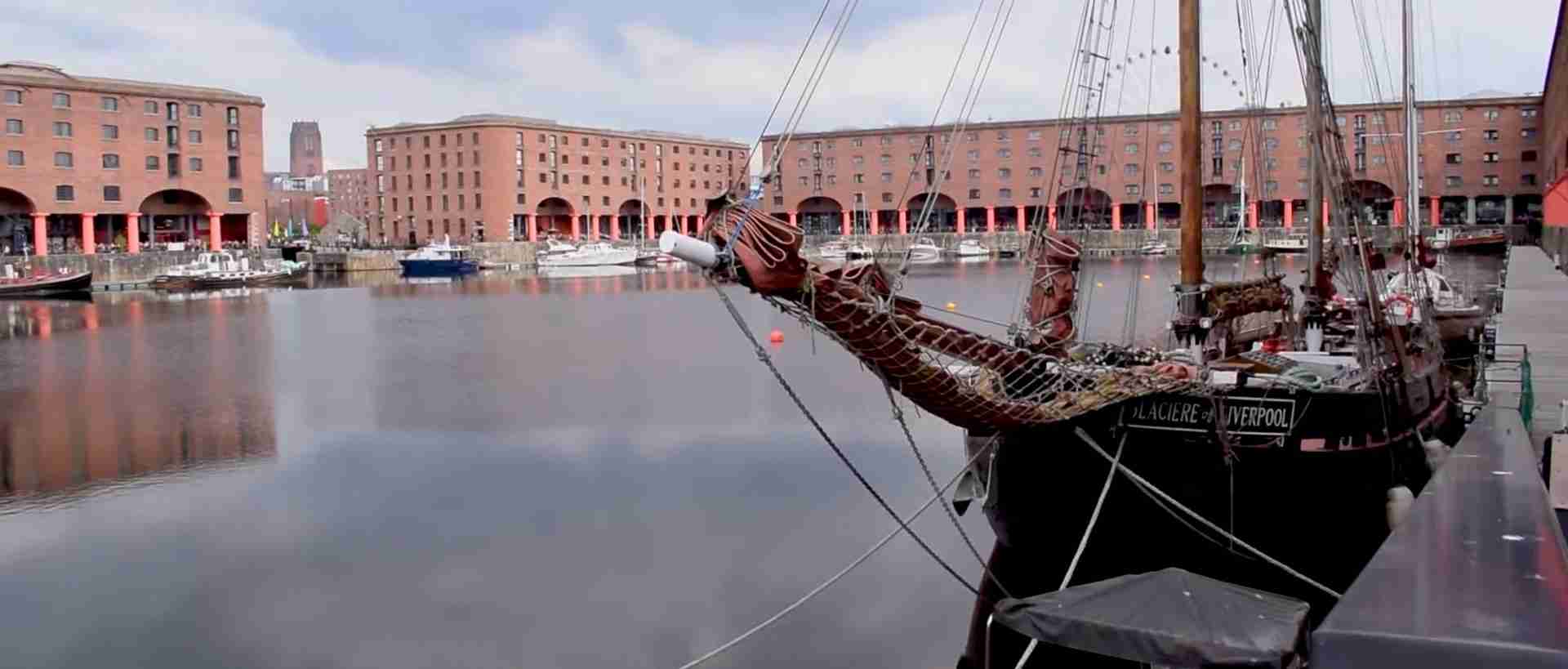
Liverpool Day Trips 2026: Chester, North Wales & Lake District Excursions
Liverpool’s strategic location in Northwest England positions travelers within effortless reach of three distinct landscapes: medieval Chester’s Roman heritage and Victorian elegance lie 45 minutes south, the Lake District’s mountain wilderness awaits two hours north, while North Wales delivers castle-studded coastlines and Snowdonia’s peaks just beyond the Welsh border. Each destination offers complete day-trip experiences accessible by frequent trains or organized tours, transforming Liverpool into a launching point for exploring Britain’s most celebrated countryside and historic towns.
Key Takeaways: Liverpool Day Trips 2026
- Chester Medieval Experience 2026: Britain’s best-preserved Roman city sits 45 minutes from Liverpool via frequent trains costing £4-5 return, with free access to the largest Roman amphitheatre in Britain, complete medieval city walls, and Chester Cathedral (£3 suggested donation). The walled city delivers a full-day experience for £20-35 per person including transport, meals, and attractions.
- Lake District Mountain Escapes 2026: England’s premier national park reaches from Liverpool in 90 minutes via direct trains to Windermere (£15-25 return) or organized tours (£40-50). Independent travelers spend £45-75 per person including transport, local buses, and Lake Windermere cruises, while guided tours cost £65-90 per person including narrated transport through Grasmere, Ambleside, and mountain viewpoints.
- North Wales Castle Country 2026: UNESCO-listed Conwy Castle, Snowdonia National Park, and the Victorian resort of Llandudno combine into nine-hour guided tours departing Liverpool at £40-50. Total day costs reach £67-87 per person including tours, Conwy Castle entry (£12), and meals, with tours handling complex rural transport that challenges independent travelers.
- Transport Infrastructure 2026: Liverpool Lime Street station anchors Northwest England’s rail network with Chester services every 20 minutes, Lake District trains eight times daily, and North Wales connections requiring Chester changes. Organized tour operators collect passengers from central Liverpool locations, eliminating parking concerns and navigation challenges.
- Seasonal Planning Advantages 2026: Chester remains accessible year-round with indoor Roman museum exhibits and covered shopping arcades. Lake District tours operate daily March through October with reduced winter schedules, while North Wales castle tours run throughout the year. Midweek departures offer quieter attractions and lower accommodation pressure if extending trips overnight.
- Multi-Destination Strategies 2026: Combine day trips across a Liverpool visit to experience contrasting landscapes: Chester for urban Roman history, Lake District for mountain wilderness, North Wales for coastal castles. Rail passes covering Northwest England routes provide value for travelers planning three or more day trips, while tour operators offer multi-day packages linking destinations.
People Also Ask About Liverpool Day Trips 2026
How much does a day trip from Liverpool cost in 2026?
Day trip costs from Liverpool vary by destination and travel method. Chester day trips cost £20-35 per person including £4-5 return train tickets, £15-25 for meals, and minimal attraction fees since major sites like the Roman Amphitheatre and city walls are free. Lake District excursions range £45-75 per person for independent train travel (£15-25 return plus local transport and optional £10-15 cruise) or £65-90 for organized tours including narrated transport and Lake Windermere cruises. North Wales castle tours cost £67-87 per person including £40-50 tour fees, £12 Conwy Castle entry, and £15-25 meals. Budget-conscious travelers minimize costs through self-guided Chester visits, while Lake District and North Wales benefit from organized tours that eliminate complex rural transport logistics.
What’s the best day trip from Liverpool in 2026?
Chester emerges as the optimal day trip for first-time Liverpool visitors seeking Roman history and medieval architecture within 45 minutes via frequent trains. The walled city delivers complete experiences without vehicle requirements: walk two miles of intact medieval walls, explore Britain’s largest Roman amphitheatre, browse The Rows’ unique two-tiered shopping galleries, and photograph the ornate Eastgate Clock. Chester suits all weather conditions with indoor attractions including Grosvenor Museum’s Roman collection and covered Victorian arcades. Lake District appeals to outdoor enthusiasts prioritizing mountain scenery and lakeside walks, while North Wales attracts castle enthusiasts and Snowdonia National Park visitors. Chester’s accessibility, concentrated attractions, and minimal costs make it the strongest introductory day trip.
Can you visit the Lake District and North Wales in one day from Liverpool in 2026?
Combining Lake District and North Wales into a single day trip from Liverpool proves logistically impractical and diminishes both experiences. The Lake District lies 90 minutes northeast of Liverpool, while North Wales sits 60 minutes west, positioning them in opposite directions with no direct connecting routes. Attempting both destinations requires four hours minimum in transit alone, leaving insufficient time to experience Lake Windermere’s cruises, Conwy Castle’s towers, or Snowdonia’s viewpoints. Organized tours focus exclusively on either Lake District or North Wales, never combining them due to distance constraints. Travelers visiting Liverpool for multiple days should allocate separate full days to each destination, maximizing time at attractions rather than in vehicles. Chester pairs more reasonably with North Wales as both lie west of Liverpool, though most tours still separate them into distinct days.
Do Liverpool day trips operate year-round in 2026?
Liverpool day trip availability varies by destination and season throughout 2026. Chester trains run every 20 minutes year-round including weekends and holidays except Christmas Day, with the Roman city remaining accessible in all weather through indoor museums, covered shopping galleries, and the cathedral. Lake District organized tours operate daily from March through October with peak summer frequencies, reducing to weekend-only services November through February due to shortened daylight hours and mountain weather. Independent Lake District train travel continues year-round with eight daily services to Windermere, though winter storms occasionally delay mountain routes. North Wales castle tours run throughout 2026 with full schedules spring through autumn and reduced winter frequencies. Book winter tours early as operators run smaller groups with limited departure slots. Chester provides the most reliable year-round option, while Lake District and North Wales favor April through September visits for maximum tour availability and favorable mountain weather.
Extended multi-day tours – 5+ days
Featured Liverpool Multi-Day Tour Packages
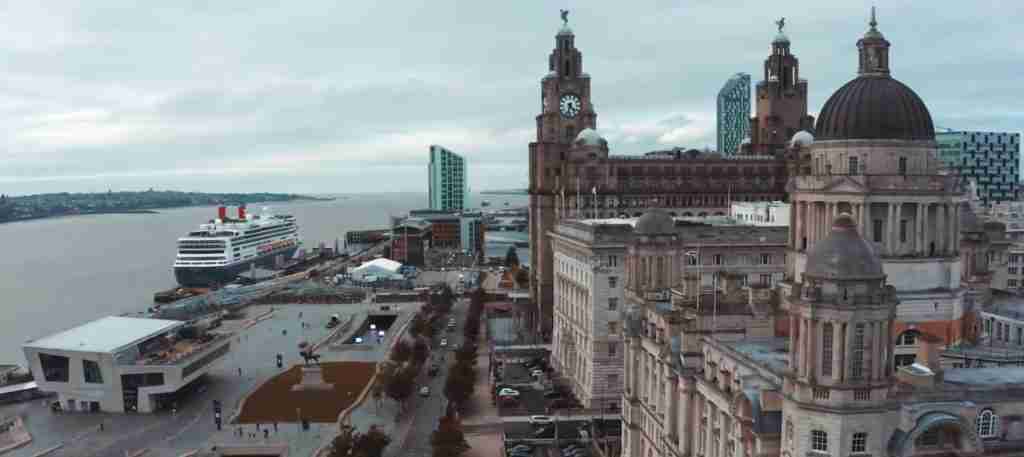
3 days
Liverpool 3-Day Discovery Tour
- ✓ Comprehensive Liverpool experience
- ✓ Expert local guides included
- ✓ All accommodation included
- ✓ Transportation provided
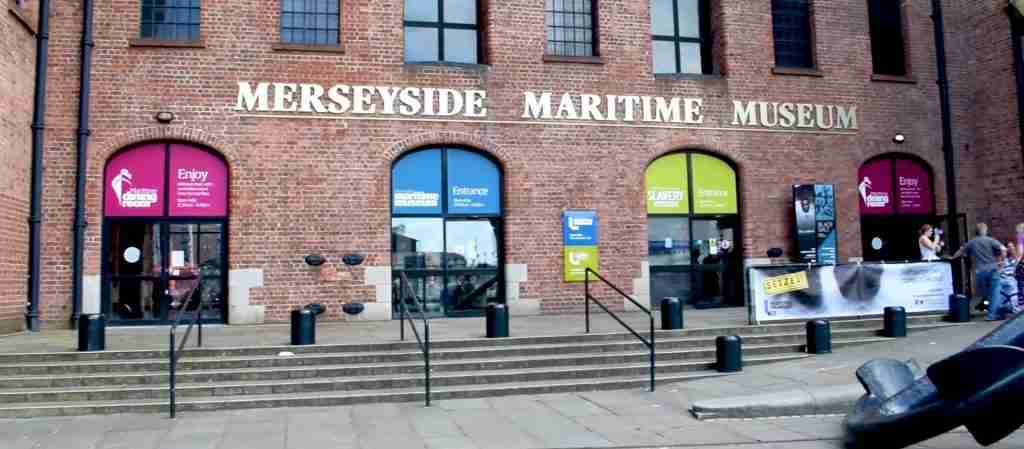
5 days
Liverpool 5-Day Highlights Experience
- ✓ Comprehensive Liverpool experience
- ✓ Expert local guides included
- ✓ All accommodation included
- ✓ Transportation provided

7 days
Liverpool 7-Day Cultural Journey
- ✓ Comprehensive Liverpool experience
- ✓ Expert local guides included
- ✓ All accommodation included
- ✓ Transportation provided
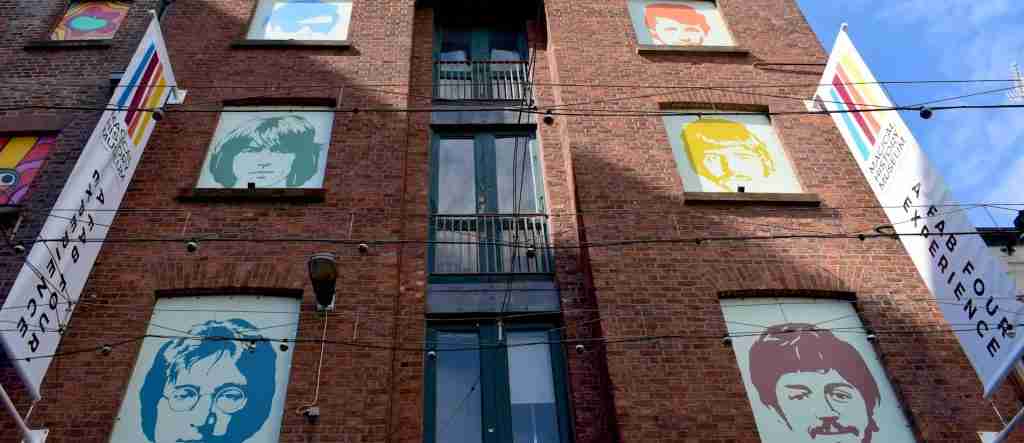
10 days
Liverpool 10-Day Complete Adventure
- ✓ Comprehensive Liverpool experience
- ✓ Expert local guides included
- ✓ All accommodation included
- ✓ Transportation provided
Multi-day tour packages powered by TourRadar. Prices and availability subject to change.
Introduction: Liverpool as Northwest England Day Trip Hub
Liverpool occupies a geographical sweet spot in Northwest England, positioning travelers equidistant from three of Britain’s most compelling landscapes within comfortable day-trip distances. The city’s Victorian-era rail infrastructure, expanded continuously through modern high-speed connections, delivers Chester’s Roman walls in 45 minutes, penetrates the Lake District’s mountain core in 90 minutes, and reaches North Wales’ castle coast within an hour. This transport network transforms Liverpool from a Beatles-and-docks destination into a strategic base for exploring medieval market towns, UNESCO World Heritage castles, and England’s premier national park without changing accommodations or dealing with rural parking challenges. Liverpool Lime Street station anchors these connections with 300-plus daily train departures fanning across Northwest England, while specialized tour operators complement rail services with narrated excursions to attractions unreachable by public transport.
The three primary destinations represent distinct facets of Northwest England’s character. Chester preserves Britain’s most complete Roman military fortress overlaid with medieval walls, half-timbered Tudor architecture, and Victorian civic pride, creating a compact walled city where two millennia of history concentrate within a 30-minute walking circuit. The Lake District National Park offers the antithesis: 900 square miles of glacially carved mountains, England’s deepest lakes, and William Wordsworth’s poetic landscapes where stone villages nestle between peaks reaching beyond 900 meters. North Wales bridges these extremes with Edward I’s iron ring of castles guarding Snowdonia National Park’s rugged interior, combining martial medieval architecture with Celtic heritage and the distinctive Welsh language still spoken in mountain villages. Day-trippers select destinations based on interests: Roman historians and urban walkers favor Chester, outdoor enthusiasts target the Lake District, while castle collectors and Snowdonia hikers choose North Wales.
Planning successful day trips from Liverpool requires understanding transport rhythms and timing constraints inherent to each destination. Chester’s proximity and frequent train service permit spontaneous visits without advance booking, allowing flexible departure times and extended afternoon explorations. Lake District and North Wales demand more structured planning: independent Lake District travelers face two-hour rail journeys plus local bus connections to reach prime Windermere locations, while North Wales’ rural road network challenges drivers unfamiliar with single-track mountain routes and limited signage in Welsh-English bilingual regions. Organized tours resolve these complexities through prearranged itineraries departing Liverpool at fixed morning hours, delivering narrated transport, optimized routing to multiple sites, and guaranteed return times. The trade-off between independent flexibility and organized convenience shapes day trip selection, with first-time visitors often gravitating toward tours while experienced travelers comfortable navigating unfamiliar public transport systems opt for independent rail exploration.
This guide examines each destination through practical 2026 planning lenses: current transport costs, attraction opening hours, seasonal weather patterns, and realistic time allocations. Chester receives detailed coverage of walkable routes connecting Roman, medieval, and Victorian layers within the compact walled city. Lake District sections separate organized tour experiences from independent rail-and-bus combinations, acknowledging that Windermere town differs significantly from Grasmere village or Ambleside’s outdoor activity focus. North Wales content distinguishes between coastal castle towns like Conwy and Caernarfon versus interior Snowdonia mountain experiences, recognizing that most day-trippers experience the region through organized tours rather than rental car exploration. Cost breakdowns calculate per-person expenses including transport, meals, attraction entries, and optional upgrades like Lake Windermere cruises or Chester Cathedral tower climbs, providing travelers with realistic budget expectations before departure.
Chester Day Trips 2026: Roman Walls & Medieval Streets
Chester stands as Britain’s most accessible Roman city, delivering two millennia of architectural history within a walkable walled core 45 minutes south of Liverpool. The Romans founded Deva Victrix in 79 CE as the 20th Legion’s headquarters, constructing Britain’s largest amphitheatre and a fortress city that evolved through medieval expansion, Tudor prosperity, and Victorian civic ambition into today’s remarkably preserved urban ensemble. Modern visitors walk atop two miles of medieval walls encircling the Roman street grid, explore the amphitheatre where gladiators fought before 7,000 spectators, and browse The Rows — unique two-tiered shopping galleries dating to the 13th century that create covered walkways unknown elsewhere in Britain. Chester’s compact geography concentrates attractions within a 30-minute radius of the train station, eliminating vehicle requirements and allowing visitors to experience Roman, medieval, Tudor, Georgian, and Victorian periods through continuous foot exploration.
Rail connections from Liverpool to Chester rank among Northwest England’s most frequent services, with TransPennine Express and Merseyrail operators combining to provide departures every 20 minutes from Liverpool Lime Street. Journey times span 39 to 45 minutes depending on service type, with direct trains eliminating connection complexities. Advance online bookings secure return tickets from £4, while same-day purchases at Liverpool Lime Street cost £8-10 depending on travel time. Peak morning departures (7:00-9:00 AM) fill quickly with Chester commuters, making 9:30-10:00 AM arrivals ideal for day-trippers seeking quieter streets and open attraction doors. Chester station sits 10 minutes’ walk north of the city walls via Foregate Street, passing Victorian shopfronts and the Town Hall before reaching the medieval core. Return trains depart Chester until 11:45 PM on weekdays, providing flexibility for dinner explorations or evening pub visits before Liverpool returns.
Chester City Walls Walking Circuit 2026
Chester’s medieval city walls form a complete two-mile circuit atop Roman and Saxon foundations, offering elevated perspectives across the walled city, River Dee valley, and Welsh hills beyond. The walls rise 12-15 feet above street level with regular stone staircases providing access at 10 entry points around the circuit. Walking the complete circuit takes 60-75 minutes at moderate pace with photography stops, though most visitors walk sections rather than the full loop. The walls remain free to access year-round during daylight hours, though winter months (November-February) see earlier sunset closures around 4:30 PM while summer extends walking hours until 9:00 PM.
The eastern wall section between Newgate and Eastgate delivers prime Roman archaeology and Victorian landmarks. Climb steps at Newgate to walk above King Charles Tower — the watchtower where Charles I observed his defeated forces at the 1645 Battle of Rowton Moor — before continuing past the Roman amphitheatre viewpoint to Eastgate. The ornate Victorian Eastgate Clock marks Chester’s most photographed monument, built in 1897 to commemorate Queen Victoria’s Diamond Jubilee with elaborate wrought ironwork featuring gilt decorations and clock faces visible from four directions. Photographers capture the clock from wall-level walkways or street-level positions on Eastgate Street below, with morning light (9:00-11:00 AM) providing optimal illumination free of backlighting. Descend at Eastgate to explore The Rows or continue south along the wall toward River Dee views.
The southern and western walls trace the River Dee’s curve past medieval towers and Victorian suspension bridges. Bridgegate marks the medieval southern entrance where a stone gate once controlled river access, now removed but commemorated by plaques describing the medieval port that shipped goods to Ireland and Wales. The Recorder’s Steps descend to riverside paths popular with joggers and dog walkers, offering ground-level perspectives on the wall’s defensive height. Continue west past the Water Tower — Chester’s most intact defensive tower, now housing a small heritage center — to reach the Roodee, Britain’s oldest racecourse where horse racing has occurred since 1539. The western wall returns northward past the castle’s medieval keep and Victorian county hall, completing the circuit at Northgate where original Roman stonework remains visible in the wall’s foundation layers.
Roman Chester: Amphitheatre, Gardens & Grosvenor Museum 2026
Chester Roman Amphitheatre stands as Britain’s largest arena of its kind, discovered in 1929 and partially excavated to reveal a stone-built structure seating 7,000-8,000 spectators for gladiatorial contests, animal hunts, and military exercises. The amphitheatre dates to approximately 90 CE in its first phase, with later reconstruction around 275 CE creating the substantial stone walls visible today. Only the northern semicircle has been excavated — the southern half remains buried beneath modern buildings — but the exposed arena floor, entrance tunnels, and tiered seating foundations communicate the structure’s scale. Entry remains free year-round during daylight hours, with interpretive panels explaining amphitheatre functions, construction techniques, and the discovery process. The site sits immediately east of the city walls on Little St John Street, accessible via steps from the wall walk or ground-level from the street.
The adjacent Roman Gardens occupy a Victorian park created in 1949 to display Roman architectural fragments discovered during 19th and 20th century excavations. Stone columns from the headquarters building, hypocaust heating system remains, and bathhouse fragments sit arranged in landscaped gardens free to enter year-round. The gardens lack the architectural completeness of sites like Bath or York but provide context for Chester’s Roman military fortress scale. Visitors often combine amphitheatre and gardens visits in 45-60 minutes before continuing to city wall walks or The Rows shopping district. The gardens border the city walls’ eastern section, allowing seamless route connections without backtracking.
Grosvenor Museum on Grosvenor Street houses Northwest England’s premier Roman military collection with artifacts from the 20th Legion’s 300-year Chester garrison. The Roman Deva Experience gallery displays centurion armor, cavalry weapons, ceramic tableware from Mediterranean trade routes, and lead water pipes inscribed with legion marks. Tombstones commemorate individual soldiers including a cavalry trooper from Thrace and a legionary from Spain, revealing the Roman army’s multinational composition. The museum opens Monday-Saturday 10:30 AM-5:00 PM and Sunday 1:00-4:00 PM, with free entry though donations support collections maintenance. Allow 60-75 minutes for thorough Roman gallery exploration plus temporary exhibitions on Chester’s medieval and Victorian periods. The museum sits 8 minutes’ walk from Chester station via Grosvenor Street, making it an optimal first stop for history-focused visitors.
Chester Cathedral & Medieval Architecture 2026
Chester Cathedral occupies a 1,000-year religious site, evolving from 1092 Benedictine Abbey of St Werburgh through Henry VIII’s 1541 cathedral designation to today’s active Church of England cathedral and city landmark. The building exhibits Norman Romanesque foundations in the north transept, Early English Gothic nave arcades, and Perpendicular Gothic clerestory windows, creating an architectural chronology readable through stonework evolution. The cathedral opens Monday-Saturday 9:30 AM-6:00 PM and Sunday 12:30-4:00 PM year-round except Christmas Day. Entry remains free for most of 2026 with a £3 suggested donation requested during summer months (June-August) and the Christmas period (December 15-January 6). The suggested donation operates on honor system with collection points rather than enforced ticketing, though regular attendees note staff presence near entrances during peak donation periods.
The cathedral interior rewards 45-60 minute explorations focusing on medieval choir stalls, Victorian stained glass, and the 14th century Lady Chapel. The choir stalls feature elaborate 15th century woodcarving depicting biblical scenes, grotesque creatures, and everyday medieval life in miniature misericords — hinged seats allowing monks to rest during long services. The Victorian East Window installed in 1859 depicts Christ in Majesty surrounded by prophets and apostles in vibrant reds, blues, and golds, representing Gothic Revival glasswork at its peak. The Lady Chapel’s 14th century tracery and decorative tiles exemplify Decorated Gothic style with intricate stone patterns forming geometric designs. The cathedral offers guided tours Monday-Saturday at 11:00 AM and 2:00 PM for £6 per person, providing deeper historical context than self-guided visits, plus tower tours ascending 200 steps to rooftop views across Chester and Welsh hills beyond.
Medieval Chester extends beyond the cathedral through The Rows — two-tiered shopping galleries lining Bridge Street, Watergate Street, Eastgate Street, and Northgate Street. The Rows originated in the 13th century through uncertain processes, creating covered first-floor walkways above ground-level shops accessed by staircases from street level. Modern businesses occupy historic buildings, with designer boutiques, jewelers, and cafes filling Tudor-era structures. The Rows remain free to explore and photograph, though most visitors combine window shopping with The Rows’ distinctive architecture rather than making purchases. Bishop Lloyd’s House on Watergate Street Row exemplifies the architecture: a 1615 timber-framed building with elaborate carved panels depicting religious and heraldic imagery, now housing a gift shop but maintaining original interior timbers. The Rows require no special access or timing — businesses keep standard retail hours Monday-Saturday 9:00 AM-5:30 PM, Sunday 11:00 AM-5:00 PM.
Chester Day Trip Costs & Budget Planning 2026
A self-guided Chester day trip from Liverpool costs £20-35 per person, with the range accounting for meal choices and optional attraction entries. Train transport costs £4-5 return booking advance online through Trainline or Northern Rail websites, rising to £8-10 for same-day purchases at Liverpool Lime Street station. Chester’s primary attractions — Roman Amphitheatre, city walls, Roman Gardens, and Rows galleries — charge no entry fees, with only Chester Cathedral requesting a £3 suggested donation during peak summer and Christmas periods. Grosvenor Museum remains free year-round with voluntary donation boxes supporting collections expansion. Food costs constitute the variable expense: budget travelers pack lunches from Liverpool supermarkets (£5-8 for sandwiches, snacks, and drinks) while restaurant lunches in Chester’s Rows cafes and high street chains cost £12-18 for mains and beverages. Coffee breaks at independent cafes like Hanky Panky Pancakes or Jaunty Goat run £4-6 per person for drinks and pastries.
A typical Chester day trip budget breaks down across three spending tiers. Budget-conscious travelers limit costs to £20-25 per person: £4-5 train return, £8-12 for a pub lunch, and £3-5 for afternoon coffee, experiencing all major attractions without paid entries. Mid-range visitors spending £28-35 per person add Chester Cathedral tower tours (£6) or Grosvenor Museum donations (£3-5) while dining at better restaurants for £15-20 lunches. Chester offers minimal opportunities for luxury spending beyond high-end restaurants like The Chef’s Table or Sticky Walnut where multi-course lunches reach £35-45 per person, but most day-trippers focus on attraction exploration rather than fine dining. Optional additions include Chester Cathedral guided tours (£6), Eastgate Clock souvenir photos printed at city center kiosks (£8-10), or The Rows shopping purchases which vary by individual budgets and interests.
Transport timing influences return flexibility and evening meal options. Departing Liverpool at 9:30 AM allows 10:15 AM Chester arrival with full days until 6:00 PM for attraction circuits, shopping, and relaxed lunches. Visitors extending stays until 8:00-9:00 PM access Chester’s evening restaurant scene with reservations at popular venues like Joseph Benjamin or Covino, though this pushes return trains to 9:30-10:30 PM departures. Most day-trippers return by 6:00-7:00 PM trains after afternoon tea or early dinners, maximizing Liverpool evening hours for waterfront walks or Albert Dock explorations. Chester’s compact geography eliminates taxi needs — the train station, city walls, cathedral, and Rows all fall within 15 minutes’ walk of each other, with clear signage directing visitors between attractions. Budget planning should account for one pub lunch or cafe meal plus coffee break costs, as Chester’s attraction concentration makes all-day exploration without food stops impractical.
Lake District Day Trips 2026: Windermere, Grasmere & Mountain Viewpoints
The Lake District National Park delivers England’s premier mountain landscapes within 90 minutes of Liverpool via direct trains to Windermere or organized coach tours threading through glacial valleys, literary villages, and lakeside viewpoints. This 900-square-mile UNESCO World Heritage Site combines 16 major lakes with peaks exceeding 900 meters — including Scafell Pike at 978 meters, England’s highest point — and stone-built villages where William Wordsworth, Beatrix Potter, and John Ruskin created works defining British Romanticism. Day-trippers access the park’s accessible southern reaches centered on Lake Windermere, England’s longest lake at 10.5 miles, plus the iconic villages of Grasmere and Ambleside where tourist infrastructure concentrates. The Lake District’s appeal lies in dramatic elevation changes compressed into short distances: valley floors at 40-50 meters elevation rise to mountain passes at 300+ meters within 20-minute drives, creating constantly shifting vistas of water, mountains, and pastoral valleys.
Reaching the Lake District from Liverpool requires choosing between independent train travel and organized tour packages, each offering distinct advantages. TransPennine Express operates eight direct trains daily from Liverpool Lime Street to Windermere station, departing every 1-2 hours from 7:30 AM until 6:00 PM. Journey times span 1 hour 45 minutes, arriving directly at Windermere village on the lake’s eastern shore. Return tickets booked online cost £15-25 depending on departure times and booking lead time, with off-peak afternoon returns (after 9:30 AM weekday departures) securing lowest fares. Windermere station sits 5 minutes’ walk from lake piers where cruises depart and 10 minutes from village center shops and restaurants. This independent approach grants flexibility in timing and destination selection but requires navigating Lake District bus networks to reach Grasmere, Ambleside, or mountain viewpoints beyond Windermere village.
Organized Lake District tours from Liverpool address the park’s transport challenges through pre-planned itineraries visiting multiple sites impossible to connect efficiently via public transport. Major operators including BusyBus and local tour companies depart central Liverpool locations (World Museum, Liverpool Lime Street area) at 8:30-9:00 AM, returning 6:00-6:30 PM after nine-hour excursions. Tours cost £40-50 per person including narrated coach transport, driver-guide commentary, and strategic stops at Windermere, Grasmere, Tarn Hows viewpoint, and Ambleside or Bowness. Tours exclude meals and optional Lake Windermere cruises (£10-15 additional), allowing participants to budget dining independently. The organized format delivers superior mountain viewpoint access via roads impassable to standard buses and provides historical context through guide narration that independent travelers miss. Tours suit first-time Lake District visitors prioritizing comprehensive overviews over deep exploration of individual villages.
Windermere & Bowness Lake District Gateway 2026
Windermere village and its lakeside twin Bowness-on-Windermere form the Lake District’s primary tourist hub, combining Victorian railway-era hotels with modern visitor facilities and Lake Windermere cruise operations. The villages sit connected by a 15-minute walk or regular shuttle bus descending 120 meters from Windermere’s hilltop train station to Bowness’s lakeside piers. Windermere village centers on Victorian and Edwardian commercial buildings housing outdoor gear shops, cafes, and accommodations, while Bowness spreads along the lake’s eastern shore with boat launch facilities, waterfront parks, and the Beatrix Potter World museum. Day-trippers typically use Windermere as a transport hub and Bowness as the lakeside exploration base, spending 2-3 hours between train arrival and cruise departures or organized tour pickups.
Lake Windermere cruises operate year-round from Bowness Pier, offering perspectives on England’s longest lake unreachable from shore paths. Windermere Lake Cruises runs three routes: the Yellow Cruise circles Windermere’s southern basin (45 minutes, £10), the Red Cruise reaches Ambleside at the lake’s northern end (3 miles, 90 minutes round-trip including 30-minute Ambleside stop, £13), and the Green Cruise connects Bowness to Brockhole visitor center and Waterhead (various combinations, £11-15). All cruises operate daily year-round with reduced winter schedules November-February. The vessels accommodate 300-400 passengers across open-air decks and enclosed cabins, with onboard cafes selling hot drinks and snacks. Spring and autumn (April-May, September-October) offer optimal cruise experiences with manageable crowds, green hillsides, and clearer mountain views than summer’s frequent haze. Book cruises online through Windermere Lake Cruises’ website or purchase tickets at Bowness Pier on arrival — advance booking becomes essential only during summer school holidays (late July-August) when vessels fill by 11:00 AM.
Bowness village rewards 60-90 minute explorations independent of cruise schedules. St Martin’s Church occupies a hillside site above the village center, reached via steep lanes offering elevated lake views. The 15th century church interior contains East Window glass depicting Jesus with local saints and a medieval ceiling with painted heraldic shields. Beatrix Potter’s World on Crag Brow recreates 23 scenes from Potter’s children’s books including Peter Rabbit, Jemima Puddle-Duck, and Tom Kitten through miniature displays and interactive exhibits. The attraction targets families with young children rather than adult literary tourists, charging £9 adult entry for 45-minute visits through themed rooms. Bowness’s lakefront promenade extends south from the main pier past ice cream parlors, fish-and-chip shops, and souvenir stores selling Lake District slate products and woolen goods. Budget-conscious visitors bring sandwiches to consume on lakeside benches rather than paying £12-18 for restaurant lunches, though cafes like Angel Inn Tearoom and Hedgerow provide quality local produce options at moderate prices.
Grasmere Village & Wordsworth Country 2026
Grasmere village occupies a glacial valley 9 miles northwest of Windermere, surrounded by fells including Helm Crag’s distinctive Lion and the Lamb rock formation and Silver How’s 1,290-foot summit. The village gained literary significance as William Wordsworth’s home from 1799-1808 at Dove Cottage and again 1813-1850 at Rydal Mount, with the poet’s grave in St Oswald’s churchyard drawing literary pilgrims alongside tourists seeking Grasmere gingerbread and mountain scenery. Grasmere retains its stone-built character through planning restrictions limiting modern development, creating a village core of 18th and 19th century buildings housing tearooms, outdoor shops, and galleries along narrow lanes radiating from the central green.
Reaching Grasmere via public transport from Windermere requires the 555 bus operating hourly between Windermere station and Grasmere via Ambleside. The 25-minute journey costs £6-8 return, with buses departing Windermere station bay 5 at :15 past each hour 9:15 AM-6:15 PM. The 555 continues north to Keswick, creating a continuous bus corridor along the Lake District’s eastern valleys. Purchase tickets from drivers using contactless payment or exact cash, as drivers cannot provide extensive change. Most Lake District day tours include Grasmere stops of 45-60 minutes, sufficient time for gingerbread purchases and village center strolls but inadequate for Dove Cottage tours or lakeside walks requiring additional hours. Independent travelers extending Grasmere visits beyond tour schedule constraints catch return 555 buses to Windermere until 7:45 PM final departure, allowing afternoon tea at Heidi’s Tearoom or early dinners at Dove Cottage Cafe before Windermere train connections.
Grasmere’s primary attraction beyond landscape setting is Dove Cottage and the adjacent Wordsworth Museum, occupying the poet’s 1799-1808 residence where he wrote his most celebrated works including “I Wandered Lonely as a Cloud” and portions of “The Prelude.” The cottage preserves original interior features including the tiny upstairs bedroom where Wordsworth wrote at a wooden desk and the small parlor where he hosted Samuel Taylor Coleridge, Robert Southey, and Dorothy Wordsworth during Lake District literary gatherings. Guided cottage tours run every 30 minutes Tuesday-Sunday 10:00 AM-4:30 PM from March through October, reducing to Friday-Sunday operations November-February. Combined cottage and museum tickets cost £12 adults, £6 children, with tours lasting 45 minutes plus 30 minutes for museum exploration. The museum displays manuscript drafts, personal correspondence, and period artifacts contextualizing Romantic poetry within Lake District landscape influences. Book tickets online before arrival during summer months as tour groups fill morning and early afternoon slots, leaving late afternoon visits most readily available for walk-up day-trippers.
Grasmere Gingerbread Shop on Church Cottage represents the village’s culinary claim alongside literary heritage. Sarah Nelson developed her gingerbread recipe in 1854, creating a product distinguished from traditional gingerbread through its crisp exterior and chewy interior texture achieved through closely guarded ingredient ratios. The shop operates from the original cottage Monday-Saturday 9:30 AM-5:30 PM, Sunday 12:30-5:30 PM, selling individually wrapped pieces for £1 each or 6-packs for £5. The shop prohibits photography inside to protect recipe secrecy, though exterior photos of the white cottage with slate roof appear frequently on social media. Expect 10-15 minute queues during summer afternoons (1:00-4:00 PM) when tour buses stop, making morning or late afternoon visits optimal for minimal waits. The gingerbread travels well for train journeys back to Liverpool, providing edible souvenirs alongside Lake District landscape memories.
Lake District Organized Tour Experiences 2026
Lake District organized tours from Liverpool deliver comprehensive national park introductions through nine-hour itineraries combining multiple villages, mountain viewpoints, and photographic stops impossible to replicate via public transport. Tours depart Liverpool at 8:30-9:00 AM from central collection points including the World Museum on William Brown Street or Liverpool Lime Street station area, returning 6:00-6:30 PM after full-day Lake District circuits. Sixteen-passenger minibuses provide every participant with window seats and space for cameras, waterproof jackets, and hiking boots. Driver-guides narrate continuously during transit, explaining Lake District geology, Romantic poetry connections, farming traditions, and contemporary conservation challenges. Tours cost £40-50 per person depending on operator and booking timing, with early online reservations securing lower rates than walk-up bookings. This price includes only transport and narration — meals, museum entries, and optional cruise upgrades remain passenger responsibilities.
Typical Lake District tour itineraries follow predictable patterns optimized for maximum scenery within single-day constraints. Morning sections (9:30-11:30 AM) focus on reaching the Lake District via M6 motorway and approaching Windermere through southern valleys, with brief photo stops at Newby Bridge or countryside viewpoints. Main touring segments (11:30 AM-4:30 PM) cover Bowness lakeside walks, optional 45-minute Lake Windermere cruises (£10-15 additional charge not included in tour price), Ambleside outdoor gear shopping and tea breaks, Grasmere village gingerbread purchases and brief village strolls, plus Tarn Hows viewpoint for elevated mountain perspectives. Tours avoid Wordsworth house interiors and extended walking trails due to time limitations, instead emphasizing village atmosphere and accessible viewpoints photographable from roadside pullouts. Return journeys (4:30-6:30 PM) often route through different valleys than morning approaches, maximizing landscape variety while covering required ground to reach Liverpool by early evening.
Tarn Hows represents tours’ signature mountain viewpoint, offering panoramic Lake District vistas from 525 feet elevation accessible via short walks from coach parking areas. The tarn (small mountain lake) occupies a Victorian-era landscaped setting created through three smaller tarns damming, with conifer plantations framing the water and distant peaks including Helvellyn visible northwest. A level path circuits the tarn in 1.2 miles (60-90 minutes at leisurely pace), though tour stops typically allow only 20-30 minutes for photography from the parking area and initial path sections. The site remains free to access year-round, managed by National Trust which maintains parking facilities and path surfaces. Optimal photography occurs during morning visits (9:00-11:00 AM) when eastern light illuminates mountain faces and minimizes water glare, though most tours reach Tarn Hows in afternoon after Windermere and Grasmere segments.
Lake District tour success depends on weather acceptance and realistic expectation setting. The national park receives 140-200 inches of annual rainfall depending on elevation, with rain falling some portion of 200+ days per year. Tours operate regardless of weather conditions — cancellations occur only for severe storms creating dangerous driving conditions, typically fewer than 5 days annually. Pack waterproof jackets, rain pants, and covered footwear even during summer months, as mountain weather shifts within hours from sunshine to heavy rain. Tours provide no compensation for rain-affected visits, as weather variability constitutes inherent Lake District experiences. Conversely, clear weather days (approximately 40-60 per year concentrated May-September) deliver spectacular mountain views justifying the journey. Book tours during multi-day Liverpool stays to allow weather-dependent rescheduling if forecasts predict all-day rain during initial tour dates. The Lake District rewards flexible travelers who adjust expectations based on conditions rather than demanding guaranteed sunshine in England’s rainiest region.
Lake District Day Trip Costs & Planning 2026
Lake District day trips from Liverpool cost £45-90 per person depending on transport choices, meal selections, and optional activities. Independent rail travelers spend £35-60: £15-25 return train tickets Windermere, £5-10 local 555 bus fares to Grasmere and Ambleside, and £15-25 meals and snacks. Adding optional Lake Windermere cruises (£10-15) and Dove Cottage tours (£12) pushes independent costs to £57-87 per person. Organized tours reverse the cost structure: £40-50 tour fees include transport and narration but exclude meals (£15-25) and optional cruises (£10-15), totaling £55-90 per person. The organized tour premium buys convenience, mountain viewpoint access, and guide expertise rather than cost savings, with independent travel offering lower base prices for travelers comfortable navigating bus schedules and willing to limit exploration to Windermere-Bowness-Grasmere corridor accessible by public transport.
Meal planning significantly impacts Lake District budgets. Packing lunches from Liverpool supermarkets before departure reduces costs to £5-8 per person for sandwiches, snacks, and drinks consumed at lakeside benches or village greens. Grasmere and Ambleside tearooms charge £8-15 for jacket potatoes, soup-and-sandwich combinations, or afternoon tea spreads, while full restaurant lunches with mains, sides, and beverages reach £18-25 at establishments like Jumble Room in Grasmere or Zeffirellis in Ambleside. Coffee breaks add £4-6 per person at independent cafes serving lattes and pastries. Budget-conscious travelers bring morning coffee from Liverpool hotels and limit purchases to Grasmere gingerbread (£1-5) and single afternoon coffee breaks, reducing food costs to £10-15 per person daily. Mid-range budgets allocating £20-30 for meals allow sit-down lunches at village pubs like Tweedies Bar in Grasmere plus coffee stops without sacrificing quality for cost concerns.
Seasonal timing influences Lake District day trip costs through accommodation pressure affecting Windermere area pricing if extending overnight, though day-trippers avoid these impacts. Summer school holidays (late July-August) see highest visitor numbers and advanced booking requirements for cruises and organized tours, with tours often selling out 2-3 weeks before departure dates. Shoulder seasons (April-May, September-October) offer tour availability without advance booking while maintaining good weather odds — approximately 55-60% of days see some sunshine during these months versus 45-50% in winter. Winter day trips (November-February) reduce costs through lower train fares and tour companies offering £5-10 discounts on standard rates, though shorter daylight hours (sunset 4:00-4:30 PM December-January) constrain exploration time and increase rain likelihood to 70% of days. Spring represents optimal value: March-April tour prices remain at off-season rates while weather improves and Easter crowds haven’t yet arrived, creating a brief window for cost-conscious Lake District exploration.
North Wales Day Trips 2026: Conwy Castle, Snowdonia & Coastal Towns
North Wales delivers UNESCO World Heritage castles, Snowdonia National Park mountain scenery, and Victorian seaside resort architecture within 60-90 minutes of Liverpool via organized tours threading complex rural routes. Edward I’s 13th century castle-building campaign created an “iron ring” of fortresses including Conwy, Caernarfon, Harlech, and Beaumaris — four sites collectively designated UNESCO World Heritage status in 1986 for representing medieval military architecture at its peak. Behind the coastal castles rises Snowdonia (Eryri) National Park, 823 square miles of mountains, glacial valleys, and Celtic heritage where Welsh remains the dominant language in traditional villages. Day-trippers experience North Wales primarily through guided tours rather than independent travel, as the region’s single-track mountain roads, limited public transport outside coastal corridors, and scattered attractions challenge unfamiliar drivers navigating bilingual Welsh-English signage.
Reaching North Wales independently from Liverpool requires train connections through Chester to coastal stations including Llandudno Junction, Bangor, or Conwy, with journey times spanning 90-120 minutes and requiring 1-2 connections. Transport for Wales operates these services every 1-2 hours throughout the day, with return tickets costing £20-30 depending on destination and booking timing. This independent approach works for visitors targeting single North Wales towns like Conwy or Caernarfon but proves impractical for experiencing multiple castles, Snowdonia viewpoints, and coastal scenery within day-trip constraints. The coastal corridor between Llandudno and Bangor features hourly bus connections, but interior Snowdonia villages like Betws-y-Coed or mountain passes require rental cars or seasonal tourist bus services with limited frequencies unsuitable for time-constrained day-trippers.
Organized North Wales tours from Liverpool solve these transport challenges through full-day itineraries departing central Liverpool collection points at 8:30-9:00 AM and returning 5:30-6:00 PM after nine-hour circuits. Major operators including BusyBus, Mountain Goat, and regional tour companies charge £40-50 per person for comprehensive tours visiting Llandudno’s Victorian seafront, Conwy Castle and walled town, Snowdonia National Park mountain viewpoints, Betws-y-Coed village, and the Pontcysyllte Aqueduct. Tours include only transport and driver-guide narration — castle entries (Conwy £12, Caernarfon £10), meals (£15-25 per person), and optional activities remain participant expenses. The organized format delivers insider access to Snowdonia’s off-road viewpoints via routes impassable to coaches, provides Welsh history and language context through guide commentary, and eliminates navigation stress allowing visitors to focus on scenery rather than map-reading.
Conwy Castle & Walled Town 2026
Conwy Castle and its associated town walls represent Edward I’s castle-building program at its most impressive, constructed 1283-1289 as part of England’s military conquest of Wales. Master mason James of St George designed the castle with eight massive round towers rising to near-original 70-foot heights, creating an elongated rectangular fortress protecting the medieval planned town within complete circuit walls stretching 1,400 yards. The castle occupies a dramatic rocky outcrop commanding the Conwy estuary where river meets sea, with mountains of Eryri (Snowdonia) visible inland and the suspension bridges of Telford and Stephenson framing views downstream. Modern visitors climb spiral staircases within all eight towers to battlements offering 360-degree perspectives across medieval town, harbor, and mountains — views requiring 150-200 stairs per tower but rewarding the effort with Britain’s most intact medieval castle panoramas.
Conwy Castle opens daily throughout 2026 with seasonal hour variations: March-October 9:30 AM-5:00 PM, November-February 10:00 AM-4:00 PM, closed December 24-26 and January 1. Entry tickets cost £12 adults, £10 concessions, £7 children age 5-17, with under-5s free. Tickets grant access to both castle towers and the associated town walls, creating combined exploration opportunities spanning 2-3 hours for thorough visits. Purchase tickets at the castle entrance or online through Cadw’s website, though advance booking provides no discount or queue-jumping advantages — tickets serve only as entry authorization rather than timed slots. Castle visits work optimally in 90-minute segments: 45 minutes climbing towers and exploring royal apartments, 30 minutes walking town wall sections for elevated street views, and 15 minutes photographing the castle exterior from riverside positions and Thomas Telford’s 1826 suspension bridge.
Conwy town walls survive as Britain’s finest medieval fortifications, encircling the planned English settlement with three original gates and 21 towers along the complete circuit. Walking the walls provides elevated perspectives on narrow medieval streets, the harbor’s fishing boats and pleasure craft, and the castle’s towers rising above slate-roofed buildings. The complete circuit takes 45-60 minutes at moderate pace, though access points allow shorter sections for time-constrained visitors. The eastern wall section between the castle and town delivers the most dramatic views, with battlements overlooking the harbor and estuary opening to Irish Sea horizons. The wall walk remains free to access year-round during daylight hours, separate from castle entry fees, making it optimal for travelers skipping castle interiors but seeking medieval atmosphere. Note that portions of the wall circuit may close during high winds or icy conditions November-February for visitor safety, with affected sections announced on Cadw’s website and at castle entrance.
Conwy town rewards 60-90 minute explorations independent of castle visits. The Smallest House in Great Britain occupies a tiny red-painted dwelling on the quayside measuring just 10 feet wide and 16 feet tall across two floors, inhabited until 1900 by a 6-foot-3-inch fisherman before being condemned as unfit for human habitation. The house opens to visitors daily 10:00 AM-5:00 PM April-October (closed winter months), charging £1.50 for brief interior glimpses and photo opportunities. The waterfront Mussel Museum occupies a 14th century building explaining Conwy’s traditional mussel-gathering industry, with free entry and 20-minute exploration times. High Street and Castle Street contain independent shops selling Welsh slate products, woolen goods, and artisan foods including Welsh cakes and bara brith fruit bread, plus tearooms serving morning coffee and afternoon cream teas. Most North Wales day tours allocate 75-90 minutes in Conwy, sufficient time for castle visits or thorough town explorations but inadequate for both — castle enthusiasts should prioritize tower climbs over shopping, while town atmosphere seekers walk walls and harbor areas without castle entry.
Snowdonia National Park Viewpoints & Betws-y-Coed 2026
Snowdonia National Park (Eryri in Welsh) covers 823 square miles of mountain wilderness centered on 3,560-foot Snowdon (Yr Wyddfa), Wales’ highest peak and Britain’s second-tallest mountain after Scotland’s Ben Nevis. The park combines 15 peaks exceeding 3,000 feet with glacially carved valleys, slate-mining heritage, and traditional Welsh-speaking villages maintaining Celtic cultural traditions. Day-trippers from Liverpool access Snowdonia’s northern sections along A5 corridor routes threading through Ogwen Valley and past the distinctive peaks of Tryfan and Glyderau range. The park’s appeal lies in dramatic elevation changes compressed into short distances: valley floors at 200-300 feet rise to mountain passes at 1,100+ feet within 10-minute drives, creating constantly shifting mountain vistas impossible to experience without vehicle access or organized tour participation.
Organized North Wales tours incorporate Snowdonia through strategic viewpoint stops rather than hiking excursions due to time constraints and varied participant fitness levels. Ogwen Valley represents the signature mountain stop, occupying a U-shaped glacial valley flanked by Tryfan’s distinctive triple-buttressed north face and the Glyderau’s rocky summits. Tour stops at Ogwen cottage parking area (elevation 980 feet) provide 20-30 minutes for photographing the valley, walking initial sections of mountain paths leading toward higher ridges, and observing Welsh mountain sheep and semi-wild ponies grazing upland pastures. Clear weather reveals the valley’s glacial origins through textbook U-shaped cross-sections and perched boulders deposited by retreating ice, while cloudy conditions create atmospheric mountain photography with peaks emerging from mist. The viewpoint requires no entrance fees and remains accessible year-round, though winter snow closures (typically 5-15 days annually December-March) force tour route diversions through alternative valleys.
Betws-y-Coed village serves as Snowdonia National Park’s tourist hub, occupying a wooded Conwy Valley location where Victorian tourists established mountain exploration traditions continuing today through outdoor shops, tearooms, and hotels catering to hikers and climbers. The village name translates as “chapel in the woods,” referencing the 14th century St Michael’s Church though modern Betws-y-Coed spreads beyond the original settlement into a linear commercial district along A5 highway. Village attractions include Swallow Falls, a cascading series of waterfalls 2 miles west requiring £2 entry fee for viewing platform access, and the Conwy Valley Railway Museum displaying narrow-gauge locomotives in the original 1868 station building. Most day tours allocate 45-60 minutes in Betws-y-Coed, sufficient time for coffee breaks at Alpine Coffee Shop, browsing outdoor gear at Cotswold Outdoor or Patagonia, and photographing the Waterloo Bridge’s cast-iron construction dating to 1815.
Snowdonia exploration via organized tours prioritizes accessible viewpoints over summit hikes, acknowledging that Snowdon summit attempts require 5-7 hours round-trip via shortest routes — time budgets exceeding single-day tour constraints. Travelers targeting Snowdon summit experiences should plan overnight stays in Llanberis or Betws-y-Coed with dedicated hiking days rather than expecting summit access during Liverpool day trips. The Snowdon Mountain Railway operating from Llanberis provides alternative summit access for non-hikers, though incorporating railway journeys (2.5 hours round-trip) into day tours from Liverpool proves logistically impractical. Day-trippers content with valley-level mountain scenery and village atmosphere find North Wales tours entirely satisfactory, while serious hikers seeking ridge traverses and summit challenges require multi-day Snowdonia visits with accommodations in mountain-base villages.
Llandudno Victorian Seaside Resort 2026
Llandudno represents Victorian seaside resort architecture at its most intact, developed from a small fishing village into North Wales’ premier holiday destination during the 1850s-1880s through planned construction of a crescent-fronted promenade, pier, and grand hotels. The town occupies a unique geographical position on a peninsula between two beaches — the North Shore’s two-mile sweep curves below limestone headland Great Orme, while the quieter West Shore faces Conwy Bay and Snowdonia mountains. Victorian and Edwardian terraces line promenades with preserved ironwork balconies, bay windows, and decorative plasterwork creating architectural uniformity rare in British coastal towns where modern development often disrupts historic character. Llandudno escaped much 20th century redevelopment through tourism decline during post-war decades, ironically preserving its Victorian fabric for 21st century heritage tourism appreciation.
Llandudno Pier extends 2,295 feet into the Irish Sea from the North Shore promenade, ranking as Wales’ longest pier and one of Britain’s finest surviving examples. The 1878 structure features decorative ironwork pavilions, traditional amusement arcades, and a pier-end kiosk selling tea and donuts with expansive sea views. Walking the pier’s length takes 15-20 minutes each direction at leisurely pace, with benches providing rest stops for elderly visitors or those photographing Great Orme’s distinctive headland rising 679 feet above the shore. The pier charges no entry fee, remaining free to access daily year-round during daylight hours. Most North Wales day tours allocate 30-45 minutes for Llandudno stops, sufficient time for pier walks or promenade strolls but inadequate for Great Orme cable car ascents (£13 return, 45 minutes including summit time) or town center shopping beyond quick souvenir purchases.
Great Orme headland dominates Llandudno’s landscape, accessible via cable car, tramway, or hiking paths ascending 679 feet to summit viewpoints overlooking the town, Irish Sea, and on clear days, Lancashire coast and Lake District mountains 50 miles northeast. The Great Orme Tramway, Britain’s only cable-hauled street tramway, operates daily March-October 10:00 AM-6:00 PM with reduced winter schedules, charging £9 return for the 20-minute journey ascending through residential streets before emerging onto exposed hillside sections. The summit features visitor center, cafe, and circular paths around the headland’s edges with continuous views. Bronze Age copper mines tunneled beneath Great Orme’s limestone between 1800-600 BCE survive as Europe’s largest known prehistoric mining complex, now open for guided underground tours March-October (£8 adults, tours every 30 minutes). Day tours from Liverpool rarely incorporate Great Orme activities due to time requirements, instead treating Llandudno as a brief Victorian architecture appreciation stop before continuing to Conwy Castle and Snowdonia segments.
North Wales Day Trip Costs & Planning 2026
North Wales day trips from Liverpool cost £55-90 per person through organized tours, with the range accounting for castle entry choices and meal selections. Tour base prices of £40-50 include transport in 16-passenger minibuses, driver-guide narration, and strategic stops at Llandudno, Conwy, Snowdonia viewpoints, and Betws-y-Coed. Tours exclude castle entries with Conwy Castle tickets costing £12 (optional — tours allow time for castle visits or town exploration without entry), and meals totaling £15-25 per person for lunch and coffee breaks at Betws-y-Coed cafes or Conwy waterfront restaurants. Budget-conscious travelers minimize costs to £55-70: £40-45 tour fees, £10-15 packed lunches or budget cafe meals, and no castle entries, instead walking Conwy town walls (free) and photographing exteriors. Mid-range budgets of £75-90 add Conwy Castle entry (£12), sit-down restaurant lunches (£18-25), and coffee breaks (£4-6) at independent Welsh cafes.
Meal planning follows similar patterns across all organized tours. Packing lunches from Liverpool hotels or supermarkets before departure reduces costs to £5-8 per person for sandwiches, fruit, and snacks consumed at Snowdonia viewpoint picnic areas or Betws-y-Coed village benches. Conwy offers fish-and-chips from Castle Fisheries (£8-12 takeaway portions) or sit-down pub lunches at Castle Hotel Bistro (£15-20 mains with drinks). Betws-y-Coed cafes including Alpine Coffee Shop and Riverside Cafe charge £8-15 for soup-and-sandwich combinations, jacket potatoes, or Welsh rarebit with salad. Coffee breaks add £4-6 per stop at independent cafes serving lattes and bara brith (Welsh fruit bread). Tour participants typically budget £20-30 total for meals and drinks across the nine-hour day, more if adding Conwy Castle entry fees and souvenir purchases of Welsh slate coasters or woolen goods at Betws-y-Coed shops.
North Wales tour success depends on weather acceptance similar to Lake District excursions. Snowdonia receives 120-200 inches of annual rainfall depending on elevation, with coastal towns like Llandudno and Conwy slightly drier but still experiencing rain 170+ days annually. Tours operate regardless of weather conditions except severe storms creating dangerous driving conditions on mountain passes — cancellations occur fewer than 5 days per year. Pack waterproof jackets, covered footwear, and weather-resistant camera protection even during summer months. Clear weather days reward visitors with spectacular mountain and castle photography, while rainy conditions create atmospheric Welsh landscapes with mist-shrouded peaks and dramatic storm light on castle stonework. Book tours during multi-day Liverpool stays to allow weather-dependent rescheduling if forecasts predict persistent rain. North Wales’ castle-focused itineraries prove more weather-resilient than Lake District tours since castle interiors and town explorations proceed regardless of conditions, making North Wales tours slightly safer bets during uncertain weather periods.
Multi-Destination Day Trip Planning Strategies 2026
Combining multiple day trips across a Liverpool visit maximizes Northwest England exploration while maintaining a single accommodation base. A typical four-day Liverpool itinerary allows two Liverpool city days plus two day trips, creating balanced experiences between Merseyside urban attractions and surrounding countryside excursions. Optimal combinations pair contrasting destinations: Chester’s urban Roman heritage complements Lake District wilderness, while North Wales castle towns provide architectural counterpoints to Liverpool’s maritime Georgian and Victorian quarters. Travelers planning three day trips across week-long stays benefit from varying transport modes — one rail journey to Chester, one organized tour to Lake District, one North Wales tour — diversifying experiences while avoiding repetitive coach journeys or consecutive long train rides.
Weather forecasting influences day trip sequencing throughout Liverpool stays. Chester’s urban attractions function regardless of weather conditions through indoor museum visits and covered shopping galleries, making it optimal for rain-forecast days when Lake District and North Wales mountain scenery suffers from poor visibility. Conversely, clear weather forecasts (check Met Office UK 5-day outlooks before departure) dictate prioritizing Lake District or North Wales tours to capitalize on mountain views and photography opportunities impossible during overcast conditions. Flexible travelers book organized tours only 24-48 hours advance after confirming favorable forecasts, accepting potential tour sellouts during peak summer weeks as trade-offs for weather-optimized scheduling. Chester’s train accessibility permits spontaneous decisions on rainy mornings when waking to persistent drizzle makes mountain excursions unappealing.
Rail Pass Considerations for Multiple Day Trips 2026
Northwest England rail passes offer potential savings for travelers planning three or more train-based day trips from Liverpool. The Ranger and Rover tickets covering Northern England routes cost £50-65 for consecutive-day passes allowing unlimited travel on participating train operators including Northern, TransPennine Express, and Transport for Wales services. A four-day Ranger pass at £64 covers Chester (2 return journeys, normally £8-10), Lake District Windermere (1 return, normally £20-25), and potential additional trips to Manchester, York, or coastal Southport, creating £45-55 in value versus individual ticket purchases. The passes prove economical only when actually utilizing multiple journeys — travelers planning one Chester trip and one Lake District organized tour (which includes transport) save no money through pass purchases versus standard advance tickets.
Pass restrictions require careful evaluation before purchase. Ranger and Rover tickets exclude Avanti West Coast services, limiting some express routes. Peak-time restrictions apply to some pass types, prohibiting travel before 9:00 AM weekdays and creating complications for travelers targeting early Lake District arrivals. Purchase passes at Liverpool Lime Street station ticket offices after confirming journey eligibility with station staff — online pass purchases through third-party websites often lack detailed restriction explanations causing confusion on departure days. Independent travelers prioritizing flexibility over cost savings should purchase individual advance tickets for each journey, reserving rail passes for visitors making five-plus rail trips across extended Northwest England explorations. Day trip combinations mixing organized tours (which include transport) with one or two independent rail journeys rarely justify rail pass investments.
Extending Day Trips into Overnight Stays 2026
Converting day trips into overnight stays unlocks deeper destination exploration at the cost of changing accommodations and higher overall budgets. Chester overnight stays allow evening restaurant experiences, morning cathedral services, or Chester Zoo visits (2.5 miles north of city center, requiring half-day allocations incompatible with day-trip constraints). Lake District overnight accommodations in Windermere, Ambleside, or Grasmere permit summit hikes on Scafell Pike or Helvellyn, multi-hour valley walks, and sunset photography sessions impossible within day-trip timeframes. North Wales overnights in Conwy, Betws-y-Coed, or Llanberis enable Snowdon summit attempts, multiple castle visits, and exploration of interior villages beyond organized tour itineraries. Overnight stays suit travelers with week-long Northwest England visits willing to change accommodations mid-trip, while visitors prioritizing Liverpool base convenience with minimal packing and unpacking prefer day trip formats despite their exploration limitations.
Accommodation costs vary significantly across destinations. Chester city center hotels and B&Bs cost £80-140 per room nightly (two sharing, per-person cost £40-70) for mid-range properties within walking distance of walls and cathedral. Lake District prices escalate during summer: Windermere and Ambleside hotels charge £90-180 per room nightly for standard accommodations, with Grasmere slightly higher due to limited inventory. North Wales coastal towns including Conwy and Llandudno offer better value at £70-120 per room nightly for equivalent quality, while Betws-y-Coed’s tourist-focused market pushes rates to £85-160. Budget travelers seeking overnight stays should target Chester for optimal value combining accommodation costs with destination appeal, reserving Lake District overnights for travelers specifically prioritizing mountain hiking over cost concerns. Compare accommodation additions against Liverpool hotel costs to determine whether overnights genuinely enhance experiences or simply redistribute expenses without adding value beyond that achievable through day trips.
Practical Logistics: Transport, Timing & Seasonal Considerations 2026
Day trip success from Liverpool depends on coordinating transport schedules, realistic time allocations, and seasonal weather patterns across three distinct destinations. Liverpool Lime Street station functions as the regional rail hub with 300-plus daily train departures spreading across Northwest England routes, creating frequent connections to Chester and Lake District that permit flexible timing without strict advance planning. Organized tour operators concentrate pickups at central Liverpool locations including World Museum on William Brown Street, Liverpool Lime Street station vicinity, and major hotels, collecting passengers 15 minutes before stated departure times typically falling between 8:30-9:00 AM. Understanding these timing patterns allows travelers to optimize Liverpool accommodation selections near Lime Street station or tour pickup points, minimizing early-morning taxi rides and reducing day trip stress.
Seasonal variations affect day trip feasibility and experience quality throughout 2026. Chester operates consistently year-round with identical attraction opening hours and full transport schedules regardless of season, making it the most reliable destination for travelers visiting Liverpool during winter months (November-February). Lake District and North Wales tours reduce frequencies during winter with most operators shifting to weekend-only departures November-March and full daily schedules April-October. Winter mountain weather brings increased rainfall, reduced visibility, and 4:00-4:30 PM sunsets curtailing afternoon photography opportunities. Spring (April-May) and autumn (September-October) offer optimal balancing of weather reliability (60-70% of days see some sunshine) with manageable crowds and full tour schedules. Summer (June-August) delivers longest daylight hours and warmest temperatures but introduces school holiday crowds, higher accommodation prices, and tour booking requirements 2-3 weeks advance versus walk-up availability during off-peak seasons.
Liverpool Base Camp Accommodation Strategies 2026
Liverpool accommodation location significantly impacts day trip convenience. Hotels within 10 minutes’ walk of Lime Street station minimize morning commute times for Chester and Lake District rail trips while positioning travelers near tour operator pickup points. Properties along Lime Street, Mount Pleasant, or St George’s Quarter (£70-120 per room nightly for mid-range hotels) deliver optimal positioning, with chains including Pullman Liverpool, Adelphi Hotel, and Hope Street Hotel offering reliable quality within station walking distance. Budget travelers targeting £40-60 per room nightly should consider Liverpool One apartments or Travelodge Liverpool Central properties 15 minutes’ walk from Lime Street, accepting slight inconvenience for cost savings averaging £30-50 nightly versus premium station-adjacent locations.
Albert Dock and waterfront accommodations sacrifice day trip convenience for Liverpool city exploration advantages. Properties including Pullman King’s Dock and Titanic Hotel position travelers 15-20 minutes’ walk from Lime Street station or 5-8 minute taxi rides costing £5-7 each direction. This location proves optimal for visitors prioritizing Beatles attractions, Tate Liverpool, and waterfront dining over intensive day trip schedules. Calculate the trade-off: waterfront hotels save 10-15 minutes daily reaching central Liverpool attractions but cost 30-40 minutes daily (plus £10-14 in taxi fares) accessing Lime Street for day trips. Travelers planning two or more day trips across their Liverpool stay should prioritize station-area accommodations, while visitors focusing primarily on Liverpool city exploration with single day trips benefit from waterfront convenience despite transport compromises for rural excursions.
Weather Impact and Contingency Planning 2026
Northwest England weather volatility requires contingency planning and expectation management. The region experiences 150-180 days of rainfall annually with no consistently dry season, though April-September sees slightly higher sunshine probabilities (50-60% of days) versus November-February (35-45% of days). Day trip participants should pack three-season clothing regardless of departure date: waterproof jacket, quick-dry trousers, covered walking shoes, and layerable tops addressing temperature ranges from 8°C-18°C typical even during summer months. Weather forecasting becomes reliable only 3-5 days advance through Met Office UK website or BBC Weather app, making flexible day trip booking essential rather than fixing Chester, Lake District, and North Wales trips weeks before arrival.
Chester provides optimal poor-weather contingency destination since Roman museums, cathedral interiors, and covered shopping galleries function identically in rain versus sunshine. Lake District and North Wales suffer visible degradation during persistent rain: mountain views disappear into cloud, photography becomes challenging, and general atmosphere shifts from inspiring to dreary. Organized tours operate regardless of conditions since cancellations affect operator revenue and logistics, meaning participants endure rainy mountain tours with minimal visibility rather than receiving refunds or rescheduling options. Independent rail travelers possess greater flexibility — check forecasts morning-of-departure and cancel Lake District plans in favor of Chester substitution if persistent rain seems likely. This adaptability requires maintaining floating schedules rather than pre-booking specific day trips weeks in advance, accepting potential tour unavailability during last-minute booking windows as trade-off for weather-optimized decision making.
Combining Day Trips with Liverpool City Experiences 2026
Liverpool day trips complement rather than compete with city attractions, creating balanced itineraries mixing urban maritime heritage with countryside exploration. A typical four-night Liverpool visit accommodates two city exploration days plus two day trips, preventing countryside burnout while maintaining urban cultural experiences. Day one typically focuses on Beatles attractions, Albert Dock museums, and waterfront orientation. Day two adds Anfield or Goodison Park stadium tours, Liverpool Cathedral, and evening dining in Baltic Triangle or Bold Street neighborhoods. Days three and four incorporate Chester plus Lake District or North Wales day trips, returning visitors to Liverpool for evening waterfront walks or Cavern Quarter pub explorations after rural excursions. This rhythm alternates urban and rural settings, preventing either environment from becoming monotonous across extended stays.
Day trip physical demands influence sequencing within Liverpool itineraries. Chester involves 3-4 hours walking city walls, exploring museums, and navigating streets, creating moderate exertion roughly equivalent to urban Liverpool days. Lake District and North Wales tours require 8-9 hours seated in minibuses interspersed with short walks at viewpoints and villages, producing different fatigue patterns from urban walking days. Travelers sensitive to coach travel or prone to motion sickness on mountain roads should schedule organized tours on alternate days rather than consecutive departures, using intervening Liverpool city days for recovery. Conversely, travelers prioritizing countryside over cities might compress Liverpool museum visits into single intensive days, freeing multiple consecutive days for Chester, Lake District, and North Wales exploration despite repetitive early departures and evening returns.
Frequently Asked Questions About Liverpool Day Trips 2026
Which Liverpool day trip offers the best value for money in 2026?
Chester delivers optimal value combining low costs (£20-35 per person including transport and meals) with substantial attractions spanning Roman, medieval, Tudor, and Victorian periods concentrated within walkable geography. The city’s free admission to Roman Amphitheatre, complete city walls, and Roman Gardens eliminates major ticket costs while preserved medieval Rows and Victorian civic architecture provide photogenic settings requiring no entrance fees. Chester’s 45-minute rail access from Liverpool costs £4-5 return via advance booking, representing Northwest England’s cheapest day trip transport. Lake District and North Wales tours cost £55-90 per person including transport, meals, and optional castle entries, delivering greater scope but lower value-per-pound ratios. Budget-conscious travelers or families minimizing per-person costs should prioritize Chester, while outdoor enthusiasts justify Lake District premiums through mountain scenery unavailable in urban Roman settings.
Can you visit Chester Zoo on a day trip from Liverpool in 2026?
Chester Zoo visits integrate naturally into Chester day trips with advance planning and early departures, though the zoo’s scale and 2.5-mile distance north of Chester city walls require dedicating most day trip time to zoo exploration rather than splitting between zoo and city attractions. The zoo opens daily 10:00 AM year-round, requiring 4-5 hours for thorough visits across 128-acre grounds housing 35,000 animals. Reach the zoo via 15-minute taxi rides from Chester station (£8-12 one-way) or route X1 bus operating every 12-20 minutes from Chester city center (£4 return). Zoo tickets cost £34-38 adults booked online (check official website for current rates), substantially increasing Chester day trip budgets from typical £20-35 to £60-75 per person including zoo entry, transport, and meals. Most travelers either visit Chester Zoo OR Chester city on single day trips from Liverpool rather than attempting both, recognizing the zoo alone fills complete days without rushing. Families prioritizing zoo visits over Roman history should depart Liverpool by 9:00 AM, spend 10:30 AM-4:00 PM at the zoo, and return to Liverpool via Chester station for 5:30-6:30 PM arrivals, skipping city wall walks and cathedral visits entirely.
How difficult are Lake District day trips for elderly or mobility-limited travelers in 2026?
Lake District organized tours accommodate elderly and mobility-limited participants through minibus transport eliminating prolonged walking, though moderate fitness allows fuller enjoyment of village explorations and short viewpoint paths. Tour operators use 16-passenger coaches with 2-3 steps up from ground level, manageable for most elderly travelers but potentially challenging for those requiring walkers or wheelchairs. Villages including Grasmere, Ambleside, and Bowness feature uneven stone pavements, slight elevation changes, and narrow shop doorways reflecting medieval origins rather than modern accessibility standards. Organized tours allocate 30-60 minute stops at each village, allowing participants to explore at individual paces — faster walkers circuit village centers while slower participants remain near coach parking areas photographing exteriors and resting on benches. Mobility-limited travelers should inform tour operators during booking to receive front-row seating minimizing steps and optimal viewpoints from coach windows when not disembarking. Chester presents more accessible day trip alternatives with level city center streets, museums featuring lifts and ramps, and shorter walking distances than Lake District village explorations.
What’s the latest return time from Lake District to Liverpool in 2026?
Final direct trains from Windermere to Liverpool Lime Street depart around 7:45 PM weekdays and 8:15 PM weekends, arriving Liverpool approximately 9:30-10:00 PM. This timing allows independent Lake District visitors to extend stays through early dinner in Windermere or Bowness before catching evening return trains. Later returns require connections through Oxenholme Lake District station where limited evening services often necessitate 60-90 minute waits for Liverpool connections, pushing final arrivals past 11:00 PM. Organized Lake District tours return Liverpool between 6:00-6:30 PM after departing Windermere around 4:30 PM, providing no flexibility for extended stays. Travelers seeking maximum Lake District time without overnight accommodations should travel independently via morning trains departing Liverpool 7:30-9:00 AM and utilize final 7:45 PM Windermere departures, creating 9-10 hour Lake District windows versus organized tours’ 7-8 hour itineraries. This independence trades guided commentary and transportation simplicity for extended exploration time suiting travelers comfortable navigating Lake District bus networks independently.
Do North Wales tours include Caernarfon Castle or only Conwy Castle in 2026?
Most Liverpool-based North Wales day tours focus on Conwy Castle with limited time allocations preventing comprehensive Caernarfon Castle visits given the 25-mile distance between castles requiring 45-60 minutes driving each direction. Standard nine-hour tours prioritize Llandudno seafront, Conwy Castle and walled town, Snowdonia National Park viewpoints, and Betws-y-Coed village, returning Liverpool by 6:00 PM. Specialized castle-focused tours offered by select operators include both Conwy and Caernarfon through 10-11 hour itineraries departing Liverpool 7:30 AM and returning 7:00-8:00 PM, though these extended tours operate primarily during peak summer months (June-August) with reduced frequency. Travelers specifically targeting Caernarfon Castle should verify exact tour itineraries during booking and consider overnight stays in Caernarfon or Bangor allowing dedicated castle visits plus Snowdon Mountain Railway access from nearby Llanberis. North Wales’ castle concentration across 60-mile coastal stretches challenges single-day comprehensive coverage from Liverpool, with overnight stays enabling multiple castle visits versus day trip limitations to 1-2 castles maximum.
Can you combine Chester and North Wales in one day trip from Liverpool in 2026?
Chester-North Wales combinations prove feasible through independent planning, routing morning Chester explorations with afternoon North Wales segments via Chester’s rail connections to coastal towns like Llandudno or Conwy. Depart Liverpool 8:00 AM trains arriving Chester 8:45 AM, explore city walls and Roman amphitheatre 9:00-11:30 AM, catch 12:00 PM Chester trains to Llandudno Junction (35 minutes) or Conwy (45 minutes), tour Conwy Castle 1:00-3:00 PM, and return Chester via 4:00-5:00 PM trains for 6:00-7:00 PM Liverpool connections. This aggressive schedule permits surface-level experiences in both destinations but sacrifices depth for breadth — no time exists for Chester Cathedral interiors, Grosvenor Museum visits, prolonged Rows shopping, or Snowdonia mountain viewpoints beyond coastal castle towns. Organized tours never combine Chester and North Wales due to timing constraints and routing inefficiencies, instead treating them as separate full-day experiences. Travelers with limited Liverpool stays considering Chester-North Wales combinations should recognize the compromise involved and potentially prioritize single-destination depth over dual-destination sampling.
What happens if weather cancels Lake District or North Wales tours in 2026?
Tour operators cancel Lake District and North Wales departures only during severe weather creating dangerous driving conditions — typically fewer than 5 annual cancellation days concentrated in winter months (December-February) when mountain roads ice over or coastal storms generate extreme winds. Heavy rain alone does not trigger cancellations since tours operate in all weather with participants expected to accept conditions as inherent to Northwest England’s climate. Cancellations announced day-of-departure offer full refunds or alternative date rescheduling based on operator policies, with no compensation for travel or accommodation costs incurred reaching pickup points. Check tour operator websites 6:00-7:00 AM on departure mornings during storm warnings for cancellation notices, or contact operators directly via phone numbers provided in booking confirmations. Tours proceeding despite poor weather do not issue refunds for reduced visibility or participant dissatisfaction with conditions, reinforcing the importance of booking flexible multi-day Liverpool stays allowing day trip rescheduling when forecasts predict persistent rain or strong winds. Chester’s urban setting immune to weather cancellations provides reliable contingency destination when Lake District or North Wales conditions deteriorate beyond acceptable touring limits.
Are Liverpool day trips suitable for solo travelers in 2026?
Liverpool day trips accommodate solo travelers seamlessly through both independent rail journeys and organized tour participation, with each format offering distinct advantages. Independent Chester rail trips suit solo travelers seeking flexible timing and self-directed exploration without group dynamics or fixed schedules, costing identical per-person rates for solo versus couple travel. Lake District and North Wales organized tours welcome solo participants, charging single-occupancy rates matching couple per-person prices (£40-50 per person regardless of party size). Solo travelers on organized tours benefit from optional social interaction with fellow participants while retaining independence during free time at villages and viewpoints. Tour operators randomly assign seating, creating opportunities for conversation with other travelers or maintaining privacy by selecting window seats and using headphones during narration. Solo travelers should book tours online through operator websites rather than third-party aggregators to secure direct cancellation policies and avoid booking fee surcharges common on reseller platforms. Chester’s walkable scale, Lake District’s village cafes, and North Wales’ castle explorations all function identically for solo versus group travelers, creating no practical disadvantages beyond lacking companions for photography assistance or meal sharing at restaurants.
How do Liverpool day trips compare to Manchester day trips for Lake District access in 2026?
Liverpool and Manchester offer comparable Lake District access with Manchester holding slight advantages in journey times and route directness. Trains from Manchester Piccadilly to Windermere take 1 hour 30 minutes versus Liverpool’s 1 hour 45 minutes, saving 15-30 minutes each direction. Manchester’s larger tour operator market provides greater organized tour frequency with multiple daily departures versus Liverpool’s typically single morning Lake District tours. However, Liverpool delivers superior Chester access at 45 minutes versus Manchester’s 50-60 minutes, while North Wales distances favor Liverpool’s western position over Manchester’s eastern location. Travelers choosing between Liverpool and Manchester as Northwest England bases should prioritize non-day-trip factors: Liverpool’s Beatles attractions, waterfront regeneration, and maritime heritage versus Manchester’s music scene, football culture, and urban dining. Lake District day trip access differences prove insufficient to justify Manchester selection over Liverpool unless travelers specifically prioritize multiple Lake District visits during stays, in which case Manchester’s marginally closer positioning and greater tour variety provide measurable advantages. For single Lake District day trips, Liverpool and Manchester function interchangeably with no meaningful quality differences in tour experiences or independent rail access.
What photography equipment works best for Liverpool day trips in 2026?
Versatile zoom lenses covering 24-200mm equivalent focal lengths serve Liverpool day trip photography better than specialized wide-angle or telephoto primes, as destinations vary dramatically between Chester’s tight medieval streets, Lake District’s mountain panoramas, and North Wales’ castle exteriors requiring different perspectives. Compact cameras or quality smartphones with multiple lenses (ultrawide, standard, telephoto) provide sufficient capability for most day-trippers without DSLR weight and lens-changing complexities. Chester city walls and Roman sites demand wide-angle perspectives (16-35mm equivalent) capturing complete circuit views and amphitheatre scale, while The Rows’ architectural details benefit from standard focal lengths (35-70mm equivalent). Lake District mountain photography prioritizes wide-angle views for Windermere lake spans and Snowdonia valley vistas, with telephoto reach (70-200mm equivalent) useful for compressing distant peak layers and isolating details in village architecture. North Wales castle photography requires versatile coverage — wide angles capture castle-and-town compositions while telephoto lenses isolate tower details and compress castle elevations against mountain backgrounds. Pack lightweight tripods or monopods only if specifically pursuing sunset/twilight photography requiring longer exposures, as daylight handheld shooting suffices for standard tour schedules returning Liverpool before dark.