
Liverpool Best Tours & Walking Routes 2026: Beatles, Maritime & Football Experiences
Liverpool offers exceptional touring experiences that immerse visitors in the city’s legendary musical heritage, maritime history, and passionate football culture. From psychedelic Beatles buses winding through Penny Lane to behind-the-scenes access at Anfield Stadium and guided walks through UNESCO World Heritage waterfront sites, the city provides tours and routes that transform passive sightseeing into active discovery. This guide details the most rewarding tours and walking routes operating in Liverpool throughout 2026, with verified pricing, practical booking strategies, and insider knowledge to help you experience the best of what local guides and self-directed exploration can reveal.
Key Takeaways
- Beatles Tours Range from £22 Budget Coaches to £150+ Private Experiences: The iconic Magical Mystery Tour costs £22 for adults and runs multiple times daily from Albert Dock, while private taxi tours offering personalized Beatles experiences range £80-150 for small groups, and free walking tours operate on a tip-based system with most participants contributing £10-20 per person
- Football Stadium Tours Provide Behind-the-Scenes Access 2026: Liverpool FC’s Anfield Stadium tour with museum entry operates daily except matchdays for approximately £30 per adult, while Everton’s Goodison Park tours continue throughout 2026 as the historic ground prepares for its final season before the club’s move to the new Bramley Moore Dock stadium
- Maritime Heritage Sites Offer Free Admission Throughout 2026: The Merseyside Maritime Museum, Museum of Liverpool, and International Slavery Museum all provide free entry as part of National Museums Liverpool, while specialized Old Dock Tours exploring the world’s first commercial wet dock cost £9 per person with advance booking recommended
- Free Walking Tours Operate Daily with Flexible Tip-Based Pricing: Multiple companies run comprehensive 2-2.5 hour walking tours covering waterfront, city centre, and Beatles sites on a pay-what-you-wish model, with typical contributions ranging £10-20 per person based on satisfaction, making them ideal for budget-conscious travelers testing multiple routes
- Self-Guided Routes Enable Independent Exploration 2026: Liverpool’s compact city centre allows easy navigation between major sites within 20-30 minute walks, while dedicated apps provide offline GPS-guided routes with audio commentary for £3-6, perfect for travelers preferring flexible schedules without fixed tour departure times
- Combination Tickets and Passes Maximize Value for Multi-Experience Days: The Golden Ticket combining City Explorer bus, Beatles Explorer tour, and River Explorer cruise costs approximately £35 for three days of unlimited access, while booking multiple stadium tours or pairing tours with museum visits often yields 10-20% package discounts compared to individual ticket purchases
People Also Ask About Liverpool Tours 2026
How much do Beatles tours cost in Liverpool 2026?
Beatles tours in Liverpool range from free walking tours (tip-based, typically £10-20) to £22 for the Magical Mystery Tour coach experience to £80-150+ for private taxi tours. The official Magical Mystery Tour costs £22 for adults, £10 for children ages 3-15, and £55 for a family ticket covering two adults and two children, departing multiple times daily from the Albert Dock between 10:00-14:00 in winter and 09:30-16:30 in summer. Private taxi tours with companies like Fab 4 Taxi Tours or Beatles Liverpool Tours range £80-120 for 2-3 hour experiences accommodating up to five passengers, while full-day comprehensive tours including National Trust home visits cost £150-200. Free walking tours operate on a pay-what-you-wish model with most participants tipping £10-20 based on satisfaction.
Can you visit Anfield and Goodison Park on the same day in 2026?
Yes, visiting both Liverpool FC’s Anfield and Everton’s Goodison Park on the same day remains feasible in 2026 with proper planning. The stadiums sit approximately 1.2 miles apart with a 25-30 minute walk between them or a 10-minute taxi ride. Anfield tours run throughout the day with last admission at 15:00, while Goodison Park tours operate at scheduled times typically including morning and early afternoon slots. To accomplish both, book an early Anfield tour (10:00-11:30), allow 90 minutes for the full stadium and museum experience, then travel to Goodison for a 13:00 or 14:00 tour slot. This schedule provides adequate time for both experiences plus brief stops at each club shop. Many tour operators also offer combination football packages covering both grounds in a single day with transportation included.
What’s included in Liverpool free walking tours?
Liverpool free walking tours typically cover 2-2.5 hours of guided exploration through the city centre, waterfront, or Beatles sites on a pay-what-you-wish model where participants tip at the end based on satisfaction. Standard routes include the UNESCO World Heritage waterfront featuring the Three Graces (Royal Liver Building, Cunard Building, Port of Liverpool Building), Albert Dock, St George’s Plateau, Liverpool Town Hall, both cathedrals, and the Cavern Quarter including Mathew Street. Beatles-focused free tours pass through locations where the band formed and performed, including the Cavern Club area, Eleanor Rigby statue, and Beatles statue at Pier Head, while guides share formation stories and early venue details. Most guides are local Liverpudlians providing insider context beyond standard tourist information. Tours exclude venue admission fees (such as Cavern Club entry or museum tickets) and operate rain or shine with groups typically ranging 10-30 participants. The tip-based model means visitors control costs while supporting local guides.
Are Liverpool maritime museums actually free to visit in 2026?
Yes, Liverpool’s major maritime museums remain completely free to visit throughout 2026 as part of National Museums Liverpool. The Merseyside Maritime Museum, Museum of Liverpool, International Slavery Museum, Walker Art Gallery, and World Museum all offer free admission with no booking required for general entry. This includes permanent exhibitions covering Liverpool’s role in transatlantic trade, the Titanic disaster, emigration history, Battle of the Atlantic, and customs operations. Special exhibitions occasionally charge admission (typically £6-12), but the core collections remain free. The only paid maritime experience is the Old Dock Tour, which costs £9 per person and requires advance booking for guided underground access to the remains of the world’s first commercial wet dock built in 1715. The Royal Albert Dock area itself is free to visit with museums, restaurants, and waterfront accessible without charge, making Liverpool’s maritime heritage exceptionally accessible compared to similar port city attractions.
Extended multi-day tours – 5+ days
Featured Liverpool Multi-Day Tour Packages
3 days
Liverpool 3-Day Discovery Tour
- ✓ Comprehensive Liverpool experience
- ✓ Expert local guides included
- ✓ All accommodation included
- ✓ Transportation provided

5 days
Liverpool 5-Day Highlights Experience
- ✓ Comprehensive Liverpool experience
- ✓ Expert local guides included
- ✓ All accommodation included
- ✓ Transportation provided

7 days
Liverpool 7-Day Cultural Journey
- ✓ Comprehensive Liverpool experience
- ✓ Expert local guides included
- ✓ All accommodation included
- ✓ Transportation provided

10 days
Liverpool 10-Day Complete Adventure
- ✓ Comprehensive Liverpool experience
- ✓ Expert local guides included
- ✓ All accommodation included
- ✓ Transportation provided
Multi-day tour packages powered by TourRadar. Prices and availability subject to change.
Introduction to Liverpool Tours and Walking Routes 2026
Liverpool’s reputation as a touring destination extends far beyond its Beatles legacy, though that alone justifies the city’s position among Europe’s most visited urban centres. The city that produced the most influential band in popular music history simultaneously maintains one of England’s most significant maritime collections, hosts two Premier League football clubs with legendary stadiums, preserves UNESCO World Heritage architecture, and cultivates a network of walking routes that reveal layers of social, industrial, and cultural history impossible to grasp from static museum displays. In 2026, Liverpool’s tour infrastructure continues expanding while maintaining accessibility, offering everything from meticulously researched private experiences to spontaneous free walking tours led by passionate locals.
The variety of available tours reflects Liverpool’s multifaceted identity. Beatles enthusiasts can choose between comprehensive bus tours passing childhood homes, intimate taxi experiences with expert guides, or focused walking routes tracing the band’s early venues and meeting places. Football supporters gain unprecedented behind-the-scenes access to two of England’s most storied clubs, with Anfield’s modernized facilities and Goodison Park’s final season creating unique 2026 touring opportunities. Maritime history comes alive through free museums supplemented by specialized dock tours, while the waterfront’s UNESCO designation ensures guided walks connect architectural grandeur with the economic and social forces that shaped the city. Self-guided routes accommodate independent travelers, audio tours enable multilingual access, and combination tickets maximize value for visitors planning multiple experiences.
Understanding the practical landscape of Liverpool touring in 2026 requires recognizing both what has changed and what endures. The Magical Mystery Tour remains the city’s most iconic Beatles experience, operating since 1984 with psychedelic buses departing the Albert Dock multiple times daily. Liverpool FC’s stadium tour continues evolving with each season’s trophy additions and facility upgrades, while Everton’s Goodison Park tours carry special significance as fans bid farewell to the historic ground before the 2025-26 season move to Bramley Moore Dock. Free walking tours have proliferated through companies like SANDEMANs, GuruWalk, and Walkative, democratizing access to guided experiences previously limited to those affording private tours. Maritime museums maintain free admission through National Museums Liverpool’s public funding model, though specialized experiences like the Old Dock Tour require tickets. The city’s compact geography means most major sites sit within a 20-30 minute walk of each other, reducing transportation costs and enabling multi-site days without excessive planning.
Tour pricing in Liverpool spans an extraordinary range reflecting experience variety rather than arbitrary market segmentation. The same Beatles story can be encountered through a £22 coach tour accommodating 50 passengers, a £100 private taxi tour for five, or a free walking tour where participants tip according to satisfaction and budget. Stadium tours at both Anfield and Goodison provide comparable behind-the-scenes access at similar price points (£25-35), while maritime experiences range from completely free museum admission to £9 specialized dock tours. This pricing diversity enables travelers with £20 daily budgets to experience substantive guided content while those seeking personalized or exclusive access find ample premium options. The key lies in understanding what each experience provides, how pricing correlates with group size and access rather than information quality, and which combinations deliver maximum value for specific interests.
The following sections detail Liverpool’s best tours and walking routes operating in 2026, organized by theme and experience type. Each section provides current pricing verified through official sources and recent bookings, practical booking strategies, what to expect during the experience, insider tips from frequent participants and local guides, and how to combine multiple tours into cohesive day plans. Whether you’re arriving with Beatles pilgrimage intensity, football devotion, maritime history fascination, or simple curiosity about one of England’s most distinctive cities, this guide connects you with the tours and routes that match your interests, schedule, and budget while avoiding the tourist traps and disappointing experiences that plague less-informed visitors.
Beatles Tours Liverpool 2026: Comprehensive Guide to All Options
Beatles tours represent Liverpool’s most requested visitor experience, drawing fans from every continent to trace the origins of the band that transformed popular music. The city offers remarkable touring variety, from large-group coach experiences highlighting major sites to intimate private tours revealing locations only dedicated researchers know. Understanding the spectrum of available Beatles tours in 2026 enables visitors to select experiences matching their knowledge level, budget constraints, group size, and desired depth of engagement with the Beatles story.
Magical Mystery Tour: Liverpool’s Iconic Beatles Coach Experience
The Magical Mystery Tour remains Liverpool’s defining Beatles experience, operating since 1984 as the city’s longest-running themed tour. The two-hour journey aboard a psychedelic coach departs from the Albert Dock between 10:00-14:00 in winter (November-March) and 09:30-16:30 in summer (April-October), with additional departures during August and September peak season. The tour costs £22 for adults, £10 for children ages 3-15, and £55 for a family ticket covering two adults and two children, with babies under 3 traveling free but requiring a ticket due to transport regulations. Check the official Cavern Club website for current official rates as seasonal pricing may vary.
The route covers Penny Lane with a photo stop at the famous street signs, Strawberry Field with access to the exhibition and gardens where John Lennon played as a child (separate exhibition admission available), exterior views of childhood homes where John, Paul, George, and Ringo grew up, St Peter’s Church where John and Paul first met in 1957, and the Cavern Quarter including Mathew Street where the band performed 292 times. The tour concludes at the Cavern Club with participants receiving entry to the venue (though not during International Beatle Week Festival in late August). Professional guides provide historical context, family backgrounds, and stories connecting specific locations to songs, recordings, and band evolution. The commentary balances entertainment with accurate history, making it accessible to casual fans while satisfying serious Beatles students.
Booking strategy matters for the Magical Mystery Tour. Summer departures (particularly July-August) sell out days in advance, requiring online booking through the official Cavern Club website or authorized partners like Viator and GetYourGuide. Winter offers greater availability with walk-up tickets often possible, though advance booking remains advisable for weekend visits. The tour runs rain or shine with the coach providing shelter during typical Liverpool weather. Arrive 30 minutes before departure time at the Anchor Courtyard ticket office in the Albert Dock for check-in and boarding. Printed translations available in 11 languages (Portuguese, Russian, Chinese, French, German, Italian, Japanese, Swedish, Indonesian, Spanish) can be purchased for £2 at the ticket office, though the live guide speaks English only.
The Magical Mystery Tour suits first-time visitors seeking a comprehensive Beatles overview without the premium cost of private tours. The coach format means less walking than tour alternatives, making it appropriate for mobility-limited visitors or those uncomfortable with extensive city walking. The fixed route ensures all major Beatles sites appear, though photo stops are brief (typically 5-10 minutes) and some locations are drive-by views only. Groups of 10 or more receive discount pricing, making it economical for schools, tour groups, or large family gatherings. The experience emphasizes the Beatles’ Liverpool origins rather than their global success years, maintaining geographic focus rather than attempting comprehensive band history.
Private Beatles Taxi Tours: Personalized Experiences 2026
Private taxi tours deliver the Beatles experience at a premium price point, offering flexibility, personalization, and access impossible in large-group formats. Multiple companies operate Beatles taxi tours in Liverpool, with Fab 4 Taxi Tours (the city’s longest-running taxi tour operator since 2007), Beatles Liverpool Tours (operating since 2003), and Livertours Liverpool among the most established. Tours range from 2-hour express experiences covering highlights to full-day comprehensive journeys including National Trust home interiors, with pricing typically £80-120 for standard 2-3 hour tours accommodating up to five passengers and £150-200 for full-day experiences.
Private tours provide significant advantages over coach experiences. Guides tailor commentary and routing to participant knowledge and interests, spending more time at locations most relevant to the group while skipping sites of less interest. Photo stops last as long as passengers want rather than fixed time limits, and guides accommodate spontaneous requests to revisit locations or extend time at particular sites. The taxi format enables access to narrow streets and residential areas impossible for full-size coaches, and small group sizes facilitate questions, discussion, and interaction with guides. Tours can start from any Liverpool location, eliminating the requirement to reach the Albert Dock departure point, and schedules accommodate visitors’ timings rather than fixed departure slots.
Tour content varies by operator and duration. Standard 2-3 hour private tours typically include Penny Lane, Strawberry Field, childhood homes of all four Beatles with extended photo opportunities, St Peter’s Church, the Cavern Quarter, and LIPA (Liverpool Institute for Performing Arts, the former Liverpool Institute where Paul and George attended school). Full-day tours (6-8 hours) add interior access to Mendips (John Lennon’s childhood home) and 20 Forthlin Road (Paul McCartney’s childhood home) through National Trust visits when available, the Casbah Coffee Club (where the Beatles first performed, in the basement of drummer Pete Best’s mother’s home), and extended explorations of specific neighborhoods significant to individual band members. Some operators offer specialized thematic tours focusing on John Lennon’s life, Paul McCartney’s Liverpool, or the band’s Hamburg connection and early venues.
Booking private taxi tours requires advance planning, particularly for full-day experiences including National Trust home visits. National Trust properties have limited daily admission slots and close certain days, requiring tour operators to coordinate bookings weeks in advance. Contact operators directly via their websites rather than through booking platforms to discuss customization options and ensure the proposed itinerary matches your priorities. Most operators offer free cancellation up to 24-48 hours before departure, providing flexibility for travelers with uncertain schedules. Tours operate year-round with all-weather vehicles, though summer remains busiest requiring earliest booking. Pricing is per taxi (accommodating up to 5 passengers) rather than per person, making private tours economical for groups of 3-5 splitting costs but expensive for solo travelers or couples.
Beatles Walking Tours: Free and Paid Options in 2026
Walking tours provide intimate Beatles experiences emphasizing city context, architectural details, and stories impossible to convey from moving vehicles. Both free (tip-based) and paid walking tours operate throughout Liverpool, with companies like GuruWalk, Walkative, SANDEMANs, and Liverpool Famous Walking Tours offering regular departures. Free walking tours operate on a pay-what-you-wish model with most participants tipping £10-20 based on satisfaction, while paid tours charge fixed rates typically £15-30 per person for 2-3 hour experiences.
Free Beatles walking tours typically cover the Cavern Quarter extensively, including Mathew Street where the Cavern Club hosted 292 Beatles performances, LIPA and the former Liverpool Institute, Eleanor Rigby statue, the Beatles statue at Pier Head, and various pubs, coffee shops, and venues significant to the band’s formation and early performances. Routes remain within the city centre and waterfront rather than reaching suburban childhood homes, focusing on venues accessible on foot. Guides are local enthusiasts sharing both established Beatles history and lesser-known anecdotes about the city’s music scene, band rivalries, and cultural context that shaped the band. The tip-based model means participants control costs while guides are motivated to provide engaging experiences worth substantial tips.
Paid walking tours from established operators often include combinations of walking segments and vehicle transport, such as the “Private Beatles Walking Tour + Music at Cavern” combining a 2-hour city centre walk with Cavern Club admission and live music, or tours pairing downtown Beatles sites with taxi segments reaching Penny Lane and Strawberry Field. These hybrid experiences bridge the gap between pure walking tours and full taxi tours, providing more comprehensive coverage than foot-only routes at lower cost than private vehicles. Guides on paid tours typically hold professional qualifications or deep research backgrounds, sometimes including published authors or longtime Beatles historians offering specialized knowledge beyond casual tour operators.
Walking tour strategy depends on fitness level and weather tolerance. Liverpool’s climate means rain is frequent year-round, requiring waterproof layers and appropriate footwear regardless of season. Walking distances on Beatles tours typically cover 2-3 miles over 2-2.5 hours with frequent stops, maintaining a moderate pace suitable for average fitness levels though challenging for mobility-limited participants. Free tours accommodate drop-in participation without advance booking, though arriving 10-15 minutes before departure secures position in the group. Paid tours require advance booking particularly during summer months (May-September) when demand peaks. Most walking tours exclude admission fees to attractions like the Beatles Story museum or Cavern Club entry, focusing on exterior sites and public spaces rather than paid venues.
Specialized Beatles Tours: Casbah Coffee Club, National Trust Homes, and Thematic Experiences
Beyond standard Beatles tours, Liverpool offers specialized experiences focusing on specific aspects of the band’s history or providing exclusive access to sites unavailable on regular tours. The Casbah Coffee Club, located in the basement of Pete Best’s family home, operated as the Beatles’ earliest regular venue and remains preserved in original condition. Tours must be booked in advance through specialized operators like Livertours Liverpool, typically as part of full-day comprehensive Beatles packages rather than standalone visits. The venue’s private home location means it doesn’t operate regular public hours, making inclusion in tour packages the only access method for most visitors.
National Trust properties including Mendips (John Lennon’s childhood home at 251 Menlove Avenue) and 20 Forthlin Road (Paul McCartney’s childhood home) offer interior tours through the National Trust rather than private operators. Access is strictly by advance booking through the National Trust website, with combined tickets for both homes or individual property visits available. Tours operate March-October only with limited daily slots, requiring booking weeks or months in advance during summer. These tours provide remarkable insight into the Beatles’ working-class Liverpool upbringing, with rooms preserved to reflect the 1950s era when the band members were children and teenagers. Guides share family stories, details of songs written in specific rooms, and context about post-war Liverpool life. Combined National Trust visits can be incorporated into full-day private taxi tours, though operators require advance coordination to ensure property access on the desired date.
Thematic Beatles tours focus on specific band members, eras, or aspects of Beatles history. John Lennon-focused tours explore his complex family background, relationship with Aunt Mimi, early artistic influences at Liverpool Art College, and the locations where he lived at different life stages. Paul McCartney tours trace his family’s multiple residences as his mother worked as a midwife, highlighting the first meeting with John at St Peter’s Church and the homes where the Lennon-McCartney songwriting partnership developed. George Harrison and Ringo Starr tours remain less common due to fewer preserved sites, though specialized operators offer these for dedicated fans. Some operators also provide Beatles recording and production tours examining the technical aspects of the band’s Liverpool-era recordings, or musical heritage tours placing the Beatles within Liverpool’s broader musical context including other 1960s Merseybeat bands.
Combining Beatles Tours with Other Liverpool Experiences
Beatles tours integrate naturally with Liverpool’s other major attractions, enabling multi-interest day plans. The Beatles Story museum at Albert Dock sits beside the Magical Mystery Tour departure point, allowing visitors to combine the museum visit with the coach tour on the same day. A typical sequence involves touring the museum for 90-120 minutes, departing on the Magical Mystery Tour for 2 hours, then exploring Albert Dock’s other museums, restaurants, and waterfront. The Royal Albert Dock area concentration of Beatles experiences, maritime museums, Tate Liverpool, and dining options makes it the natural base for first-day Liverpool visitors.
Football and Beatles combinations appeal to visitors with multiple interests. Anfield Stadium sits approximately 2 miles northeast of Penny Lane, enabling taxi tours that incorporate both a Beatles route and stadium exterior views or photo stops. Some private tour operators offer custom combinations visiting Beatles sites and football grounds on request, though stadium tours themselves must be booked separately through Liverpool FC. A strategic day plan might involve a morning Anfield stadium tour (10:00-11:30), lunch in the city centre, then an afternoon Beatles walking tour departing 14:00, maximizing two signature Liverpool experiences in a single day without geographic backtracking.
Combination tickets and passes offer modest savings for multi-experience plans. The Golden Ticket combining City Explorer hop-on-hop-off bus, Beatles Explorer tour, and River Explorer cruise provides three days of unlimited access for approximately £35, representing roughly 20% savings versus individual ticket purchases. Some tour operators offer package discounts when booking multiple experiences together, such as 10% off when combining a Beatles tour with a football stadium visit or maritime tour. These packages work best for visitors staying 2-3+ days with time to utilize multiple experiences, while short-visit travelers (one day in Liverpool) benefit more from prioritizing single comprehensive tours in areas of primary interest rather than rushing through multiple quick experiences.
Liverpool Football Stadium Tours 2026: Anfield and Goodison Park
Liverpool’s football heritage rivals its musical legacy, with two Premier League clubs offering behind-the-scenes stadium access that transforms spectators into participants. Stadium tours provide unprecedented access to areas normally restricted to players, managers, and officials, while museums showcase trophies, memorabilia, and interactive exhibits documenting club histories. The 2025-26 season carries special significance as Everton prepares for its final campaign at Goodison Park before relocating to the new Bramley Moore Dock stadium, creating unique touring opportunities at both grounds.
Liverpool FC Anfield Stadium Tour and Museum 2026
Anfield Stadium, home to Liverpool FC since 1892, offers one of England’s most comprehensive stadium tour experiences combining behind-the-scenes access with an extensively curated museum. Tours operate daily except home matchdays, starting at 10:00 with last admission at 15:00, and last approximately 90 minutes including stadium tour and museum visit. Standard tour pricing pairs stadium access with museum admission at approximately £30 for adults with concessions available for seniors, students, NHS staff, and emergency services personnel upon valid ID presentation. Family tickets reduce per-person costs for groups of two adults and two children. Check the official Liverpool FC website for current official rates as pricing may vary seasonally.
The stadium tour route includes the press conference room where managers face post-match media scrutiny, the iconic “This Is Anfield” sign that players touch before emerging onto the pitch, the players’ tunnel with spine-tingling atmosphere simulation, the home team dressing room with individual player spaces and tactical board, the manager’s dugout and technical area pitch-side, and epic views from the top level of the Main Stand overlooking both the pitch and Liverpool cityscape. Audio headsets provide commentary and historical context at key stops, available in multiple languages. Tour sizes vary but typically remain under 30 participants per guide, maintaining manageable group dynamics and ensuring all participants can see, hear, and photograph key areas without excessive crowding.
The LFC Museum occupies ground floor space in the Main Stand, showcasing the club’s remarkable trophy collection including six European Cups (the most visible symbol of Liverpool’s continental dominance), league championship trophies from the club’s record 19 First Division/Premier League titles, FA Cups, League Cups, and various other domestic and international honors. The Champions 24/25 exhibition celebrates the current season’s campaign with player artifacts, match footage, and tactical analysis. Interactive exhibits enable visitors to test their reaction times, simulate penalty kicks, and explore historical matches through immersive technology. The museum requires approximately 30-45 minutes for thorough exploration, though football devotees often spend an hour or more examining detailed exhibits and reading historical plaques.
Booking strategy is essential for Anfield tours. Home matchday tours operate on selected games only at premium pricing with different routes (Matchday Tours, typically £40-50, provide access hours before kickoff with enhanced atmosphere), requiring booking well in advance and coordinating with the fixture calendar. Non-matchday tours sell out during summer months (June-August) and school holidays, particularly for weekend time slots, necessitating booking 1-2 weeks ahead through the official LFC website. Weekday visits outside school holidays offer greatest availability with walk-up tickets sometimes possible though advance booking remains advisable. Special experiences including Legends Q&A sessions with former players (£50-70 including tour and museum) and the Anfield VIP Experience (£100+) require earliest booking due to limited availability and participant caps.
Combining Anfield with other Liverpool experiences works naturally given its location approximately 2 miles northeast of the city centre. City buses and the dedicated soccer bus service from Lime Street Station provide public transport connections, while taxis cost £8-12 from downtown hotels or Albert Dock. Visitors planning multiple stadium tours on one day should book the Anfield tour for morning (10:00-11:30), allowing time to reach Goodison Park for early afternoon tours. The Liverpool ONE shopping complex sits halfway between Anfield and the city centre, providing lunch and shopping options between morning stadium tours and afternoon city centre walking routes or Beatles experiences. Photography is permitted throughout most tour areas for personal use, though restrictions apply in certain sections. Tour participants receive 10% discount codes for the official LFC megastore, redeemable on the same day as the tour visit.
Everton FC Goodison Park Stadium Tour 2026
Goodison Park holds special significance in 2026 as Everton’s historic home enters its final season before the club’s planned relocation to the new waterfront stadium at Bramley Moore Dock for the 2025-26 campaign. Stadium tours continue throughout this transitional period, offering fans and football enthusiasts a final opportunity to experience the Grand Old Lady before it becomes exclusively Everton Women’s home ground. Tours operate on scheduled dates with advance booking required through the official Everton FC website, lasting approximately 60-80 minutes and priced at approximately £25-30 for adults with family tickets and concessions available.
Expert tour guides provide insight into Goodison Park’s remarkable history as the world’s oldest purpose-built football stadium still hosting top-flight football. The tour includes access to both home and away changing rooms where players prepare before matches, the Directors’ Box offering elevated views of the pitch and stadium interior, VIP hospitality suites showing the matchday experience for corporate guests, the Media Centre where managers conduct post-match press conferences, and the players’ tunnel with the spine-tingling experience of walking onto the pitch accompanied by the famous Z-Cars theme tune that has welcomed Everton teams since 1962. Guides share stories of legendary players who graced Goodison from Dixie Dean to Wayne Rooney, footballing firsts that occurred at the ground, and the significance of the club’s working-class Walton community roots.
The 2025-26 season tours carry unique emotional weight as long-time supporters bid farewell to the stadium that has hosted Everton since 1892. Guides often weave nostalgia and forward-looking excitement into commentary, acknowledging Goodison’s irreplaceable character while building anticipation for the new Bramley Moore facility. This transitional period creates special photo opportunities and collectible experiences for visitors, particularly dedicated Evertonians traveling to Liverpool specifically for the final-season Goodison tours. Limited edition guidebooks, photography packages, and commemorative merchandise available during 2026 tours will likely appreciate in value as official Goodison Park memorabilia from the final top-flight season.
Booking Goodison Park tours requires checking the official Everton FC website for current schedule and availability, as tour dates depend on the fixture calendar and stadium event schedule. Tours do not operate on home matchdays or during stadium preparation periods before major matches. Summer months (June-August) during the off-season see most frequent tour availability, while in-season touring follows a more restrictive schedule around match commitments. Family-friendly tours welcome children of all ages, making Goodison tours popular with multi-generational Everton families introducing younger members to the club’s heritage. Tour participants receive 10% discount vouchers valid at Everton One, the official club megastore adjacent to the stadium.
Goodison Park sits in the Walton area of Liverpool approximately 1.2 miles north of Anfield, enabling visitors to tour both stadiums on the same day with proper planning. Public transport includes buses from the city centre or a 25-30 minute walk from Lime Street Station, while taxis from downtown cost £8-12. The stadium’s working-class neighborhood location offers authentic Liverpool atmosphere distinct from the tourist-focused city centre, with local pubs and cafes frequented by genuine supporters rather than visitors. Combining Goodison with Anfield visits showcases Liverpool’s intense football rivalry while revealing surprising architectural and operational contrasts between the historic Goodison and modernized Anfield facilities.
Comparing Anfield and Goodison Park Stadium Experiences
Liverpool FC’s Anfield and Everton’s Goodison Park offer markedly different stadium tour experiences despite both being Premier League grounds in the same city. Anfield’s extensive modernization including the expanded Main Stand creates a blend of historical charm and contemporary facilities, while Goodison Park maintains its vintage character with fewer modern interventions, offering a more traditional stadium atmosphere. Anfield’s museum substantially exceeds Goodison’s display space, with Liverpool’s trophy collection and interactive exhibits providing more extensive post-tour engagement. Tour prices remain comparable (both approximately £25-35 for standard experiences), though Anfield’s combination ticket explicitly bundles stadium and museum while Goodison’s tour includes more limited display space.
Trophy count dramatically affects museum experience. Liverpool’s six European Cups, 19 league titles, and numerous domestic honors create an impressive visual display showcasing the club’s domestic and European success, while Everton’s trophy cabinet reflects nine league titles (though none since 1987) and five FA Cups, documenting a proud history with less recent major silverware. This disparity means Liverpool’s museum appeals broadly to football fans regardless of club affiliation, while Goodison tours attract primarily dedicated Evertonians and football heritage enthusiasts rather than casual visitors. The emotional weight of Goodison’s final season as the men’s team home adds temporary but significant value to 2026 tours specifically.
Practical considerations influence stadium choice. Anfield’s more frequent tour times and daily operation (except matchdays) provide greater flexibility for visitors working around uncertain schedules or making last-minute plans. Goodison’s more limited schedule requires advance planning and potentially constrains itinerary flexibility. Both stadiums offer accessible facilities and accommodate wheelchairs and mobility aids, though Anfield’s newer construction provides more seamless accessibility throughout. Photography policies permit personal photography in both venues, enabling souvenir photos in iconic locations like the tunnel, dressing room, and pitch-side areas. Tour guides at both grounds maintain professional standards and passionate knowledge, representing key points of parity in the tour experience quality.
Maritime and Dock Tours Liverpool 2026: UNESCO Heritage Experiences
Liverpool’s maritime heritage extends centuries before the Beatles, with the city’s position as a major Atlantic port shaping British trade, industry, emigration, and naval operations. The waterfront’s UNESCO World Heritage designation recognizes its exceptional significance, while the concentration of maritime museums, historic docks, and specialized tours provides access to this layered history. Maritime experiences in Liverpool range from completely free museum admission to specialized guided tours revealing hidden infrastructure and forgotten dock engineering.
Free Maritime Museums: Merseyside Maritime Museum and Museum of Liverpool
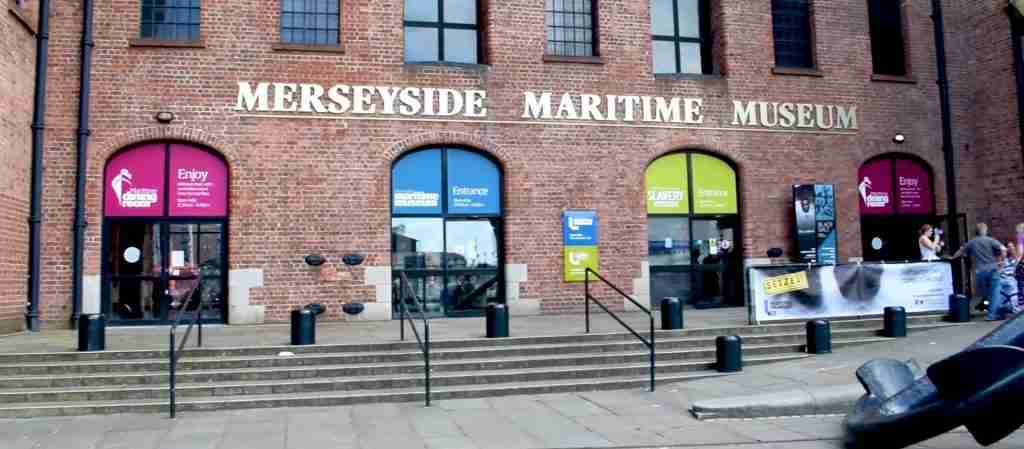
The Merseyside Maritime Museum and Museum of Liverpool provide comprehensive maritime history coverage with completely free admission year-round as part of National Museums Liverpool. The Merseyside Maritime Museum occupies a converted warehouse at the Royal Albert Dock, presenting four floors of galleries covering Liverpool’s role as the Gateway to the World. Permanent exhibitions include Seized! The Border and Customs Uncovered exploring customs operations and smuggling, the Emigration gallery documenting the nine million people who departed Liverpool for new lives overseas between 1830-1930, the Titanic, Lusitania and Empress of Ireland gallery examining Liverpool’s connection to these maritime disasters, the Battle of the Atlantic displays covering World War II naval operations, and extensive ship models, maritime paintings, and artifacts from the port’s history. The museum requires 90-120 minutes for thorough exploration, though visitors can spend half a day examining detailed exhibits and reading historical documentation.
The Museum of Liverpool, located adjacent to the maritime museum at the Pier Head, provides broader Liverpool social and cultural history with significant maritime content. Exhibits cover the city’s role in global trade networks, working-class life in a major port city, immigration and diversity, and the social movements and labor organizing that emerged from Liverpool’s industrial economy. The Great Port gallery specifically examines Liverpool’s maritime supremacy during the 19th and early 20th centuries, while the Overhead Railway gallery preserves a historic rail car from the world’s first elevated electric railway that connected the docks. Free admission means visitors can enter for focused 30-minute visits to specific exhibits or spend multiple hours exploring comprehensive displays across three floors.
Both museums operate Tuesday-Sunday with Monday closures except during school holidays, opening 10:00-17:00 throughout most of the year with extended hours during summer. Free admission extends to all permanent exhibitions though special temporary exhibits occasionally require tickets (typically £6-12 for non-members). No advance booking is required for general museum visits, with visitors simply arriving during opening hours. The museums share a building complex and can be explored sequentially in a single visit. Café facilities provide lunch options, while museum shops sell maritime-themed books, gifts, and souvenirs with proceeds supporting National Museums Liverpool operations. Family-friendly exhibits, hands-on displays, and activity trails make these museums appropriate for all ages, with school groups frequently visiting on weekdays.
Old Dock Tour: Exploring Liverpool’s First Commercial Wet Dock
The Old Dock Tour provides specialized access to the remains of the world’s first commercial wet dock, built in 1715 and representing the engineering breakthrough that transformed Liverpool from a minor creek port into a global maritime hub. Tours depart from the Pump House at Royal Albert Dock, lasting approximately 45-60 minutes and costing £9 per person with concessions available for seniors, students, and children. The tour descends underground to view preserved brick foundations and dock infrastructure uncovered during modern waterfront development, with guides explaining the revolutionary technology that enabled ships to load and unload cargo protected from tidal variations.
Guides contextualize the Old Dock within Liverpool’s broader development, explaining how the city mortgaged itself for £10,000 to finance construction—an enormous investment reflecting confidence in the dock’s commercial potential. The dock’s success proved the concept’s viability, leading to centuries of dock expansion that created Liverpool’s seven miles of waterfront facilities. Archaeological remains visible during the tour include original dock walls, mooring posts, and drainage systems, providing tangible connection to 18th-century maritime engineering. The tour appeals particularly to industrial history enthusiasts, engineering students, and visitors seeking specialized knowledge beyond general maritime museum exhibits.
Booking the Old Dock Tour requires advance reservation through the National Museums Liverpool website or the Maritime Museum reception desk, as daily tour capacity is limited and walk-up availability is inconsistent. Tours operate multiple times weekly with additional frequency during summer months, though the schedule varies based on guide availability and waterfront event calendars. Comfortable walking shoes are essential as the tour involves stairs and uneven underground surfaces, though mobility accommodations can be arranged with advance notice. Photography is permitted throughout the tour, enabling documentation of the remarkable preservation. The 45-60 minute duration makes the tour an ideal supplement to free maritime museum visits, creating a comprehensive half-day maritime experience when combined.
Royal Albert Dock and Waterfront Walking Routes
The Royal Albert Dock complex and surrounding waterfront enable self-guided exploration of Liverpool’s maritime architecture and UNESCO World Heritage sites. The dock opened in 1846 as the world’s first fireproof warehouse system, constructed entirely of cast iron, brick, and stone without structural timber to protect valuable goods from fire risk. The complex now houses museums, galleries, restaurants, and shops while maintaining its distinctive cast-iron and brick architecture. Walking the dock perimeter reveals the engineering scale and elegance of Victorian-era commercial infrastructure, with walkways providing views of the dock basin, restored sailing vessels, and the waterfront skyline.
The Three Graces—Royal Liver Building, Cunard Building, and Port of Liverpool Building—dominate the Pier Head waterfront immediately north of the Albert Dock. These three iconic buildings, constructed in the early 20th century, symbolized Liverpool’s maritime wealth and global connections. The Royal Liver Building (1911) features the city’s famous Liver Birds, the Cunard Building (1917) served as headquarters for Cunard Line transatlantic passenger services, and the Port of Liverpool Building (1907) housed dock administration. Walking routes along the waterfront provide views of all three buildings with interpretation panels explaining their architectural significance and maritime functions. The Royal Liver Building offers guided tours including 360-degree observation deck access (approximately £18 per person, separate from free maritime museums), providing panoramic city and river views.
Self-guided waterfront walks extend beyond the Albert Dock and Pier Head to encompass the broader Liverpool Maritime Mercantile City UNESCO site. Routes can incorporate Stanley Dock Conservation Area to the north featuring the world’s largest brick warehouse, the Ropewalks district with its oldest commercial buildings, and the city centre’s commercial core with Georgian and Victorian merchant offices and banks. Downloadable walking route maps and audio tours available through apps like GPSmyCity (£3-6 per route) provide structured guidance for independent exploration, enabling visitors to walk at their own pace while receiving historical commentary. The compact geography means comprehensive waterfront walks cover 2-3 miles over 2-3 hours, remaining manageable for average fitness levels while revealing Liverpool’s layered maritime and commercial history.
River Explorer Cruise: Mersey Ferry Experience 2026
The Ferry ‘Cross The Mersey, immortalized in Gerry and the Pacemakers’ 1964 hit song, continues operating as both working river transport and tourist attraction. River Explorer cruises depart from the Pier Head terminal throughout the day, running 50-minute circular routes providing views of Liverpool waterfront, Wirral Peninsula, and river traffic. Standard ferry fares apply (approximately £3-4 for point-to-point travel), while the River Explorer tourist service costs approximately £12 for adults and £8 for children, including onboard commentary explaining Liverpool’s maritime history, dock operations, and waterfront architecture. Family tickets reduce per-person costs for groups of two adults and children.
The cruise provides unique perspectives impossible from land, with views of the entire waterfront skyline, close approaches to cargo operations at working docks, and vistas of the Wirral coastline across the river. Commentary covers Liverpool’s role in transatlantic trade, wartime operations, emigration waves, and the decline and revival of the docks during the late 20th century. The 50-minute duration makes the cruise an ideal supplement to waterfront walking routes, providing rest and river views after extensive walking. Ferries operate year-round though weather conditions occasionally cause cancellations during severe storms or high winds. Indoor and outdoor viewing areas accommodate various weather preferences, with heated cabins during cold months.
Combining the River Explorer with walking routes and museum visits creates comprehensive maritime day plans. A typical sequence involves morning Maritime Museum visit (90-120 minutes), Old Dock Tour (60 minutes), lunch at Albert Dock restaurants, afternoon River Explorer cruise (50 minutes), then waterfront walking route to the Three Graces and back to the city centre (60-90 minutes). This itinerary provides 4-6 hours of maritime-focused experiences at minimal cost (approximately £20-25 per person including the Old Dock Tour and River Explorer, with free museum admission and self-guided walking). The Golden Ticket combining city bus, Beatles tour, and River Explorer provides multi-day access for approximately £35, representing value for visitors planning multiple Liverpool experiences beyond maritime focus alone.
Walking Tours and Self-Guided Routes Liverpool 2026
Liverpool’s compact city centre geography enables extensive walking exploration, with most major attractions, cultural sites, and neighborhoods accessible within 20-30 minute walks. Walking tours provide guided context and storytelling, while self-guided routes accommodate flexible schedules and independent interests. The city’s walkability means visitors can experience substantive content without constant taxi usage or bus navigation, reducing costs and increasing spontaneous discovery opportunities.
Free Walking Tours Liverpool: Tip-Based Guided Experiences
Free walking tours operating on pay-what-you-wish models provide comprehensive introductions to Liverpool’s history, architecture, and culture without fixed pricing. SANDEMANs, GuruWalk, and Walkative operate regular free tours departing from St George’s Plateau (outside Lime Street Station) or the waterfront, covering 2-2.5 hours of walking through city centre highlights. Routes typically include the UNESCO World Heritage waterfront with Three Graces, Royal Albert Dock, Liverpool Town Hall, St John’s Gardens, Walker Art Gallery, both cathedrals (Anglican Cathedral and Metropolitan Cathedral), the Cavern Quarter, and various cultural venues. Guides are local residents or longtime Liverpool inhabitants sharing insider knowledge, personal stories, and historical context unavailable in guidebooks.
The tip-based model operates on participants paying according to satisfaction, budget, and perceived value at the tour’s conclusion. Typical tips range £10-20 per person with higher amounts reflecting exceptional experiences or guides providing beyond-standard knowledge. This pricing flexibility enables budget-conscious travelers to access guided content while supporting local guides who depend on tips for income. Groups typically range 10-30 participants per guide, maintaining manageable dynamics while ensuring guides can support themselves through accumulated tips. Tour companies earn revenue from optional paid experiences offered during or after free tours, such as pub crawls, food tours, or day trips, creating sustainable business models that offer genuine free entry-level tours rather than bait-and-switch tactics.
Free walking tour strategy involves arriving 10-15 minutes before departure to secure position in the group, as some popular tours cap participation. No booking required—simply appearing at the meeting point suffices, though some companies offer optional online registration sending reminder emails with meeting point details. Tours run rain or shine with guides adapting routes to include indoor stops (Liverpool Central Library, cathedral interiors) during heavy rain. Comfortable walking shoes are essential as routes cover 2-3 miles with frequent stops. Tours exclude admission fees to paid attractions, focusing on exterior architecture, public spaces, and street-level stories rather than museum interiors or ticketed venues. Participants can ask questions throughout the tour and request recommendations for restaurants, additional attractions, or practical travel advice from guides who know the city intimately.
Paid Walking Tours: Specialized and Thematic Routes
Paid walking tours complement free options by offering specialized themes, smaller group sizes, or expert guides with advanced knowledge. Companies like Liverpool Famous Walking Tours, Livertours Liverpool, and various specialist operators run thematic tours focusing on specific aspects of Liverpool history, culture, or architecture. Pricing typically ranges £15-30 per person for 2-3 hour experiences with advance booking required. Themes include Liverpool ghost tours exploring the city’s paranormal history and supposedly haunted locations, architecture walks examining Georgian, Victorian, and modernist building styles, music heritage tours extending beyond the Beatles to include other Liverpool musical movements, and social history tours covering slavery, labor organizing, and working-class life.
Specialist tours often provide access or knowledge unavailable on general routes. Ghost tours enter locations closed to general visitors during evening hours, while architecture tours led by qualified guides or historians examine technical details and design choices invisible to untrained eyes. Liverpool Slavery History tours confront the city’s uncomfortable role in transatlantic slave trade, visiting buildings and streets directly connected to slave traders and examining how slave trade wealth built Georgian Liverpool. These tours require sensitive handling of difficult history, with qualified guides contextualizing slavery within broader economic and social systems while acknowledging the human suffering underlying Liverpool’s 18th-century prosperity.
Booking paid walking tours requires advance reservation through company websites or platforms like Viator, GetYourGuide, or TripAdvisor Experiences. Popular tours during summer months (May-September) sell out days in advance, necessitating early booking for fixed-date visits. Most paid tours include admission fees to relevant sites when applicable, though some charge separately for optional venue visits. Small group sizes (often capped at 15-20 participants) enable more personalized experiences with easier guide-participant interaction and ability to accommodate questions and discussions. Evening tours (ghost tours, pub walks) provide different city perspectives than daytime experiences, revealing nightlife culture and illuminated architecture while avoiding daytime crowds at major sites.
Self-Guided Walking Routes: Independent Exploration Strategies
Self-guided walking enables maximum schedule flexibility, personalized pacing, and focus on specific interests without group conformity or fixed departure times. Multiple approaches support independent walking: downloadable route maps from tourism websites, dedicated walking tour apps providing GPS navigation and audio commentary, and self-constructed routes based on personal research and attraction priorities. Apps like GPSmyCity offer offline GPS-guided routes with audio commentary covering various themes (Beatles sites, architecture, maritime heritage) for £3-6 per route, working without data connections for international travelers avoiding roaming charges.
Liverpool’s grid-pattern city centre and prominent landmarks simplify navigation for independent walkers. Major sites concentrate in defined districts: waterfront (Albert Dock, Pier Head, Three Graces), Cavern Quarter (Mathew Street, music venues), Hope Street (linking both cathedrals), and shopping districts (Church Street, Liverpool ONE). Walking between these districts takes 10-20 minutes via well-signed pedestrian routes, with the entire city centre remaining comfortably explorable on foot. Street maps available from hotels, tourist information centres, and downloadable from VisitLiverpool.com provide adequate navigation aid for confident travelers, while offline smartphone maps (downloaded before arrival) enable GPS position tracking without data usage.
Self-guided route construction depends on interest priorities and available time. First-time visitors benefit from waterfront-focused routes covering UNESCO heritage sites, maritime museums, and Albert Dock area in 2-3 hours of walking. Beatles devotees can construct Cavern Quarter routes visiting Mathew Street, LIPA, nearby pubs and venues, and Beatles statuary in 90 minutes of downtown walking, supplemented by taxi segments reaching Penny Lane and Strawberry Field if desired. Architecture enthusiasts focus on Hope Street connecting the cathedrals, Georgian merchant quarter around Castle Street, and Victorian commercial buildings around Dale Street. Multi-day visitors can layer routes thematically, walking different districts each day rather than attempting comprehensive coverage in single exhausting walks.
Cathedral Walk: Anglican Cathedral to Metropolitan Cathedral
Hope Street connecting Liverpool’s two cathedrals represents the city’s most architecturally dramatic walking route, covering barely half a mile while traversing centuries of religious architecture and urban development. The walk begins at Liverpool Cathedral (Anglican), Britain’s largest cathedral completed in 1978 after 74 years of construction. The neo-Gothic structure towers over the city with its massive central tower visible for miles, while the interior’s vast scale, intricate stone carving, and massive organ create overwhelming spatial impact. Free admission enables extensive interior exploration, with tower climbs available for approximately £6 offering panoramic city views. The cathedral’s elevated position provides views north across the city centre and waterfront.
Hope Street descends gently from the Anglican Cathedral past restaurants, cafes, cultural venues, and Georgian townhouses, reflecting the street’s evolution from residential to entertainment district. The Philharmonic Dining Rooms (Victorian pub with remarkable decorative interiors) and Everyman Theatre represent Hope Street’s cultural significance, while independent restaurants and bars create vibrant street life. The street maintains human scale despite linking two massive structures, with pedestrian-friendly width and architectural variety providing visual interest throughout the walk.
The Metropolitan Cathedral of Christ the King (Catholic, completed 1967) presents radical architectural contrast to the Anglican Cathedral’s Gothic revival. Frederick Gibbons’ modernist circular design features a conical roof supporting a lantern tower glazed with brilliant colored glass, creating interior light effects impossible in traditional cathedral forms. The unconventional appearance earned it the nickname “Paddy’s Wigwam” from locals, though the interior’s soaring space and dramatic lighting demonstrate successful modernist sacred architecture. Free admission and frequent services enable visits combining architectural appreciation with active worship observation. The crypt, designed by Sir Edwin Lutyens for an unrealized much larger cathedral plan, can be explored to understand the building’s complex design history.
Walking both cathedrals plus Hope Street requires 90-120 minutes allowing for interior exploration of both structures. The route works as a standalone walk or combines naturally with city centre routes, as Hope Street sits just east of the downtown core with 10-15 minute walks connecting to major attractions. Many visitors walk this route during late afternoon, enabling both cathedrals’ lighting systems and stained glass to be experienced in optimal conditions. The route is appropriate for all mobility levels as the street features gentle grades and even paving, though cathedral tower climbs involve stairs and are not wheelchair accessible. Free admission to both cathedral interiors and no advance booking requirement make this route accessible and spontaneous for visitors with flexible schedules.
Combination Tours and Multi-Experience Packages Liverpool 2026
Strategic combination booking creates value through package discounts, transportation coordination, and complementary experiences that individually would consume excessive travel time or cause geographic backtracking. Liverpool’s tour operators and attractions increasingly offer bundled packages recognizing that visitors rarely focus on single interests exclusively, with combinations typically yielding 10-20% savings versus individual purchases while reducing logistical complexity.
Golden Ticket: City, Beatles, and River Explorer Combined Access
The Golden Ticket provides three-day unlimited access to three distinct Liverpool experiences: City Explorer hop-on-hop-off bus covering major city attractions, Beatles Explorer tour focusing on Beatles sites and music heritage, and River Explorer Mersey Ferry cruise providing waterfront and river perspectives. The combined ticket costs approximately £35 for adults, representing roughly 20% savings versus purchasing the three experiences separately (individual pricing: City Explorer £15, Beatles Explorer £15, River Explorer £12, total £42 individually). The three-day validity enables visitors to spread experiences across multiple days rather than rushing all three in a single day, accommodating flexible itineraries and varied energy levels.
The City Explorer bus operates hop-on-hop-off routes covering Royal Albert Dock, Pier Head, Liverpool ONE shopping complex, both cathedrals, Chinatown, and major cultural venues. Buses run every 30 minutes throughout the day with recorded or live commentary explaining historical and cultural context for major sites. The service works best for orientation on arrival day, enabling visitors to identify attractions meriting deeper exploration while gaining overview understanding of Liverpool’s geography and major districts. The Beatles Explorer follows similar format focusing specifically on Beatles-related locations including the Cavern Quarter, LIPA, childhood homes (exterior views), and key neighborhoods where the band formed and evolved. The River Explorer Mersey Ferry provides waterfront views and maritime commentary as described in the maritime tours section.
Golden Ticket strategy depends on visit duration and interest diversity. Visitors staying 3+ days with broad interests (Beatles, maritime, general sightseeing) maximize value by using each component separately on different days, spacing experiences to avoid fatigue and allowing time for museum visits, dining, and spontaneous discoveries between structured tours. Shorter-visit travelers (1-2 days) may find the ticket provides more access than they can utilize, making à la carte selections more economical. The ticket is purchased online or from City Explorer bus drivers, with no advance booking required and flexibility to start using the ticket on any date within validity period after purchase. Children’s tickets and family rates reduce per-person costs for traveling groups.
Stadium and Museum Combination Packages
Football stadium tours frequently pair with related museum experiences to create comprehensive club-focused days. Liverpool FC offers combination tickets bundling the Anfield Stadium Tour with Liverpool FC Museum admission, while also partnering with the Beatles Story museum and other Albert Dock attractions for multi-site packages. Typical combinations include Anfield Stadium Tour + Beatles Story (approximately £45-50, saving £5-8 versus separate purchases), Anfield Stadium Tour + Mersey Ferry River Explorer (approximately £40, modest savings but coordinated scheduling), and Anfield Stadium Tour + Royal Liver Building 360 Experience (approximately £55-60, combining football and architecture). These packages work for visitors seeking curated combinations without researching individual options or coordinating separate bookings.
Everton FC combinations exist but remain more limited given Goodison Park’s transition status and smaller tourist infrastructure compared to Anfield. Some tour operators offer custom packages visiting both stadiums on single days with transportation between grounds, typically priced £50-70 per person including both tours plus guided transport and commentary connecting the clubs’ rivalry history and contrasting architectural styles. These appeal particularly to neutral football enthusiasts wanting comprehensive Liverpool football context rather than single-club focus, and to visiting supporters wanting to experience both grounds during limited-time Liverpool visits.
Stadium tour combination booking requires checking official club websites and authorized ticket partners, as third-party packages sometimes include unauthorized operators or misleading inclusions. Official combinations guarantee legitimate stadium access and coordinated timing, while unauthorized packages risk substandard experiences or even admission denial if using non-official tour operators. Most legitimate packages allow flexibility in experience timing—purchasing the combination ticket but scheduling each component for different days within validity period rather than requiring all experiences on the same day. This flexibility enables more relaxed schedules and reduces fatigue compared to compressed single-day itineraries.
Private Day Tour Packages: Comprehensive Liverpool Experiences
Private tour operators create custom day packages combining multiple Liverpool experiences into cohesive full-day or half-day itineraries with transportation, guide services, and admission fees included. Typical full-day packages (6-8 hours) might combine Beatles taxi tour with Anfield stadium visit, or Beatles sites with maritime walking route and river cruise, priced £150-250 per person with group discounts reducing per-person costs for parties of 3-5. These packages target visitors seeking curated hassle-free experiences without self-organizing logistics, schedule coordination, or navigation challenges.
Private packages provide significant advantages for specific visitor types: international travelers uncomfortable navigating UK public transport, mobility-limited visitors requiring vehicle support, large family groups benefiting from shared costs and customized pacing, and time-constrained business travelers maximizing limited Liverpool hours between meetings or conferences. The premium pricing includes not just admission fees but guide expertise, transportation between sites, flexible scheduling accommodating visitor preferences, and ability to adjust routes based on emerging interests rather than fixed itineraries. Reputable operators also provide rain contingency plans, meal recommendations or reservations, and shopping assistance for visitors seeking specific Liverpool merchandise or gifts.
Booking private packages requires direct contact with operators to discuss preferences, constraints, and pricing rather than booking through online platforms with fixed packages. Initial consultation establishes visitor priorities (Beatles devotion level, football interest intensity, maritime history curiosity, photography focus), physical limitations requiring accommodations, budget parameters, and any must-see locations or must-avoid content. Operators then propose customized itineraries with transparent pricing showing component costs (admissions, transport, guide fees) and total package price. This consultative approach ensures final itineraries match visitor needs rather than forcing visitors into one-size-fits-all packages designed for hypothetical average tourists. Lead times of 1-2 weeks enable proper coordination of stadium bookings, National Trust property access when included, and guide scheduling, though last-minute bookings sometimes succeed during off-peak periods.
Specialized and Niche Liverpool Tours 2026
Beyond mainstream Beatles, football, and maritime tours, Liverpool offers specialized experiences appealing to niche interests or providing alternative perspectives on familiar subjects. These tours typically operate less frequently than major offerings and attract smaller dedicated audiences, but deliver unique content unavailable elsewhere.
Liverpool Slavery History Tours: Confronting Difficult Heritage
Liverpool’s prosperity in the 18th and early 19th centuries derived significantly from involvement in the transatlantic slave trade, with Liverpool ships carrying approximately 1.5 million enslaved Africans across the Atlantic—accounting for roughly one in five captives transported in British ships. Specialized slavery history tours confront this uncomfortable legacy, examining buildings, streets, and institutions financed by slave trade wealth and exploring the economic, social, and human dimensions of Liverpool’s role in this horrific system. These tours operate through various organizations including the International Slavery Museum (free museum-led walks) and private operators like Liverpool Tour Company and specialist historians.
Tours visit locations including buildings housing merchant offices of known slave traders, Castle Street where the Bank of England’s only branch outside London financed slave trade voyages, pubs and taverns where slave ship crews gathered, and churches where slave trade profiteers are buried with memorial plaques celebrating their “philanthropy” and civic contributions while omitting their wealth’s source. Guides contextualize individual merchant activities within Liverpool’s broader economic dependence on slave trade profits, examining how ordinary Liverpool workers, craftsmen, and businesses benefited from trade even when not directly employed in it. The tours also cover abolitionist resistance emerging from Liverpool, including nascent labor organizing and religious groups opposing slavery, providing balanced context rather than one-dimensional condemnation.
These tours serve important educational functions, particularly for visitors from former slave-trade-affected regions including the Caribbean, Americas, and Africa seeking to understand the European mechanisms that transported and enslaved their ancestors. The tours also challenge comfortable narratives for British and European visitors, demonstrating that historical injustices remain embedded in present-day urban landscapes and institutions. Guides navigate difficult content sensitively, acknowledging emotional weight while maintaining historical rigor and avoiding sensationalism. Tours typically last 90-120 minutes covering 1-2 miles of walking through the city centre and waterfront where historic commercial buildings concentrate. Pricing ranges from free (museum-led tours) to £15-25 for private operator tours with advance booking required.
Liverpool Ghost Tours: Paranormal History Walks
Ghost tours combine Liverpool’s genuine history with paranormal claims and spooky atmospheres, operating evening walks through supposedly haunted locations. Tours depart from various city centre locations, covering 90-120 minutes of walking through old streets, graveyards, and historic buildings while guides share ghost stories, unexplained phenomena reports, and historical accounts of deaths, disasters, and dark deeds supposedly causing ongoing hauntings. Pricing typically ranges £12-18 per person with advance booking recommended particularly for weekend tours during October (Halloween period peak demand).
Tour content balances entertainment and history, with guides sharing verifiable historical facts about buildings, past events, and former inhabitants alongside less-verifiable paranormal claims. Skeptics and believers both find value—skeptics appreciate the historical content and entertainment factor while believers engage with the supernatural claims and reported phenomena. Popular haunted locations include both cathedrals with crypt access and graveyard visits, the Adelphi Hotel reputedly haunted by former guests and staff, Rodney Street where medical institutions create macabre histories, and the Liverpool Necropolis with Victorian-era tombs and mausoleums. Some tours include access to normally closed locations or after-hours entry to historic buildings, providing unique architectural perspectives impossible during standard hours.
Ghost tours appeal to visitors seeking evening entertainment distinct from pub crawls or club nights, families with older children interested in spooky content, and Halloween-season tourists wanting seasonal experiences. Tours run year-round though winter darkness creates optimal atmosphere with earlier evening departures accommodating lighting conditions. Comfortable walking shoes and weather-appropriate clothing (including rain gear) are essential as tours operate regardless of conditions. Photography is encouraged, with guides often suggesting optimal locations for attempting paranormal photography though promising no guarantees of capturing supernatural evidence. Tours maintain family-friendly content without excessive graphic violence or disturbing descriptions inappropriate for children, though age recommendations typically suggest 12+ for comfortable participation.
Liverpool Food and Drink Tours: Culinary Heritage Walks
Food tours provide alternative lenses on Liverpool culture, examining working-class culinary traditions, immigrant community influences, and contemporary dining evolution through tastings at multiple venues. Tours typically operate 2.5-3 hours visiting 4-6 locations for tastings, priced £40-60 per person including all food and some drinks. Themes include traditional Liverpool foods (Scouse stew, wet nelly pudding, historic pubs), international cuisine reflecting Liverpool’s diverse communities (Caribbean, Chinese, Baltic), and craft beer or cocktail tours visiting Liverpool’s emerging craft beverage scene.
Traditional food tours emphasize Liverpool’s working-class food heritage, visiting historic pubs serving dishes like Scouse (lamb or beef stew with potatoes, carrots, and onions—the city’s signature dish), lobby (slow-cooked meat stew), and traditional desserts. Guides explain how port work, rationing eras, and limited refrigeration shaped Liverpool’s food culture, with dishes maximizing cheap ingredients and enabling preservation. Immigrant community tours explore Baltic Triangle, Chinatown, and other ethnic enclaves, sampling foods and learning how successive waves of immigration (Irish, Chinese, Caribbean, Eastern European) enriched Liverpool’s culinary landscape. Contemporary tours visit modern restaurants and food halls, demonstrating Liverpool’s dining scene evolution from purely functional working-class eating to diverse sophisticated food culture.
Booking food tours requires advance reservation as venues must prepare for group visits and coordinate timing with restaurants. Dietary restrictions (vegetarian, vegan, gluten-free, allergies) should be communicated during booking, enabling guides to coordinate alternative tastings or modified options. Tours typically include substantial food quantities—comparable to lunch or dinner—making them legitimate meal replacement rather than light snacking. Most tours include some alcoholic beverages though non-alcoholic alternatives accommodate teetotalers and underage participants. Tours operate year-round with evening departures most common, enabling restaurants to provide tastings during slower pre-dinner hours while creating atmospheric evening city walks between venues.
Practical Information for Liverpool Tours 2026
Successful tour planning requires understanding Liverpool’s practical tourism infrastructure including booking platforms, transportation connections, weather considerations, and optimal timing strategies. These operational details transform theoretical tour selection into successful actual experiences.
Booking Platforms and Reservation Strategies
Tour booking in Liverpool utilizes multiple channels with varying advantages. Official attraction websites (Liverpool FC, Everton FC, National Museums Liverpool, Cavern Club) provide direct booking for stadium tours, official Beatles tours, and museum programs with guaranteed authenticity and usually best cancellation policies. Third-party platforms like Viator, GetYourGuide, TripAdvisor Experiences, and Civitatis aggregate multiple tour operators, enabling price comparison and consolidated booking for multi-experience itineraries, though sometimes charge slight premiums versus direct booking while offering flexible cancellation through platform policies.
Free walking tour platforms like GuruWalk, Walkative, and SANDEMANs enable online registration with meeting point reminders though registration is optional—simply appearing at the stated time and location suffices. Private tour operators typically require email or phone contact for custom experiences, enabling consultation about preferences and logistics before formal booking. Most operators now use secure payment processors accepting major credit cards, with deposits common for expensive or high-demand experiences (private tours, VIP stadium experiences, specialized access tours) while general tours typically require full payment at booking.
Cancellation policies vary significantly by operator and experience type. National Museums Liverpool tours (Old Dock Tour) typically allow free cancellation up to 24 hours before departure. Stadium tours have stricter policies, often requiring 48-72 hours notice for full refunds with shorter-notice cancellations forfeiting partial or full payment. Private tour operators negotiate individual policies though most offer reasonable cancellation terms (48 hours notice for full refund) recognizing that travelers face uncertain schedules. Reading cancellation terms before booking prevents unwelcome surprises if schedule changes force cancellations. Weather rarely justifies cancellations given Liverpool’s frequent rain—tours operate in all conditions except genuine safety hazards like severe storms, with indoor alternatives substituting for outdoor components when necessary.
Transportation to Tour Departure Points
Most Liverpool tours depart from central locations easily accessible by public transport, walking, or taxi. Common departure points include the Royal Albert Dock (Magical Mystery Tour, river cruises, maritime tours), Pier Head (waterfront walks, some free tours), St George’s Plateau outside Lime Street Station (city walking tours), and stadium locations (Anfield in Walton, Goodison Park in Everton). Lime Street Station serves as Liverpool’s main railway hub, with frequent services from London (2 hours), Manchester (45 minutes), and other UK cities, positioning it as the natural arrival point for day-trippers and overnight visitors.
Public bus service connects most tour locations, with city buses running frequently throughout the day at £2-3 per journey. The dedicated Soccer Bus service operates routes between Lime Street Station and both Anfield and Goodison Park on matchdays and during tours, providing direct transport for football tourists. Taxis remain affordable for short city-centre journeys (£6-10 typical), while ride-share services (Uber, Bolt) operate throughout Liverpool offering comparable or slightly lower pricing. Walking remains the most practical transport method for city-centre experiences, with Albert Dock sitting approximately 10-15 minutes walk from Lime Street Station and most cultural attractions within 20-30 minutes walk of the station or waterfront.
Visitors driving to Liverpool should utilize city centre car parks (Liverpool ONE, Q-Park facilities) rather than on-street parking given limited availability and complex restrictions. Stadium tours provide dedicated parking though capacity is limited particularly during events. Most accommodation (hotels, Airbnbs) in city-centre locations enables parking-free touring, with visitors walking to tour departure points or using public transport. The city’s compact geography means car usage within the city adds complexity without significant time savings compared to walking or public transport, making cars valuable for regional day trips (Chester, North Wales, Lake District) but unnecessary for Liverpool-only touring.
Weather Considerations and Seasonal Timing
Liverpool’s maritime climate brings frequent rain year-round with changeable conditions common—sunshine alternating with showers throughout single days. Waterproof layers, appropriate footwear, and contingency plans enable comfortable touring regardless of weather. Tours operate in rain with guides adapting routes to include more indoor stops (cathedral interiors, covered shopping areas, pub visits) during heavy precipitation. Umbrellas prove less useful than waterproof jackets during Liverpool’s often-windy conditions, with hands-free rain protection enabling photography, map navigation, and comfortable walking.
Summer (June-August) provides longest daylight (sunset after 21:00 in June), warmest temperatures (average highs 19-20°C / 66-68°F), and busiest tourist period with peak pricing and booking demand. Winter (December-February) brings short days (sunset by 16:00), cooler temperatures (average highs 7-8°C / 45-46°F), fewer tourists, lower prices, and greater last-minute availability. Spring (March-May) and autumn (September-November) balance moderate weather, reasonable crowd levels, and intermediate pricing, making them optimal for visitors prioritizing value and comfort over guaranteed sunshine.
Specific seasonal considerations include International Beatle Week (late August) bringing intensified Beatles tourism with special events but higher prices and crowded sites; Christmas markets (late November-December) creating festive atmosphere at Albert Dock and city centre; football season (August-May) enabling matchday experiences but limiting stadium tour availability on game days; and university term schedules affecting accommodation costs and pub/restaurant crowding when students are present (October-December, January-May) versus absent (June-September). Summer school holidays (late July-August) bring peak family tourism with child-focused activities but crowds at major attractions.
Time Requirements and Multi-Day Itinerary Strategies
Comprehensive Liverpool touring requires minimum 2-3 days, with single-day visits necessitating strict prioritization. One-day visitors typically choose between Beatles-focused days (Magical Mystery Tour, Beatles museum, Cavern Quarter walking), football-focused days (Anfield tour, Goodison tour, city football heritage sites), or mixed overview days (waterfront walking, free maritime museums, Cavern Quarter, River Explorer). Attempting all three themes in one day produces rushed experiences with insufficient time to meaningfully engage any single topic.
Two-day itineraries enable balanced exploration: Day 1 focusing on maritime heritage (Maritime Museum, Old Dock Tour, waterfront walking, River Explorer cruise, cathedral walk) and Day 2 covering Beatles experiences (Magical Mystery Tour, Beatles museum, Cavern Quarter, evening Cavern Club visit). Three-day plans add football (Anfield tour, Goodison tour), specialized interests (ghost tours, food tours), shopping time at Liverpool ONE, and rest periods preventing exhaustion. Multi-day visitors benefit from lodging in city-centre locations (within walking distance of major sites) rather than airport or suburban hotels requiring daily commutes.
Daily time allocation should assume 6-8 hours active touring including breaks, with remaining time for accommodation check-in/out, meals, and rest. Overloading schedules guarantees fatigue and reduces enjoyment of later-day experiences. Building 90-minute breaks between major tours accommodates meal stops, spontaneous discoveries, and energy recovery. First-day arrivals benefit from light schedules (free walking tour, waterfront exploration) allowing time to orient and adjust rather than immediately diving into intensive experiences. Final departure days should avoid morning tours if checking out of accommodation and catching trains, focusing instead on shopping, casual museum visits allowing flexible departure timing, or morning tours with luggage storage at Lime Street Station.
Frequently Asked Questions About Liverpool Tours 2026
Do I need to book Liverpool tours in advance or can I book on arrival?
Booking requirements vary by tour type and season. The Magical Mystery Tour, both stadium tours (Anfield and Goodison Park), and private Beatles taxi tours require advance booking particularly during summer months (May-September), weekends, and school holidays, as these experiences sell out days or weeks ahead during peak periods. Book these 1-2 weeks in advance for summer visits, 3-5 days ahead for shoulder season weekdays. Free walking tours require no booking—simply appearing at the meeting point suffices, though some companies offer optional online registration. Maritime museum visits need no advance booking as admission is free and capacity is large, though the Old Dock Tour has limited daily capacity requiring advance reservation. Winter months (November-March excluding Christmas period) offer greater walk-up availability for most tours, though advance booking remains advisable for weekend visits and provides peace of mind guaranteeing admission.
Can I visit Liverpool from London as a day trip and fit in major tours?
Yes, Liverpool is feasible as a London day trip though requires early departure, efficient planning, and acceptance of limited coverage. Fast trains from London Euston to Liverpool Lime Street run approximately every 30 minutes taking 2 hours 10 minutes, with first morning trains departing around 06:00-07:00 and last practical return trains leaving Liverpool around 20:00-21:00. A typical day-trip schedule involves departing London 07:00-08:00, arriving Liverpool 09:15-10:15, touring until 18:00-19:00 (approximately 8 hours on-site), then returning to London arriving 21:00-22:00. This enables one major tour (Magical Mystery Tour or Anfield Stadium tour), waterfront walking and free museum visits, and Cavern Quarter exploration, totaling a substantive though not comprehensive Liverpool experience. Attempting multiple major tours in a single day trip proves exhausting and rushed. Multi-day stays enable more relaxed pacing and deeper engagement, but dedicated day-trippers can successfully experience Liverpool’s highlights with early starts and focused priorities.
Are Liverpool tours suitable for children and families?
Liverpool offers extensive family-friendly touring with many experiences welcoming children. The Magical Mystery Tour appeals to kids familiar with Beatles music, with the colorful bus and sing-along atmosphere engaging younger participants, though children under 8 sometimes find the 2-hour duration challenging without breaks. Family tickets (2 adults + 2 children) reduce costs for the Magical Mystery Tour (£55 versus £64 for individual tickets) and stadium tours offer similar family pricing. Maritime museums provide free admission, hands-on exhibits, and activity trails specifically designed for children, making them ideal family destinations with flexible visit durations accommodating short attention spans. Walking tours vary in family-friendliness—general city tours work for school-age children (8+) interested in history, while specialized tours (slavery history, ghost tours) suit older children (12+) capable of engaging with serious or spooky content. Private taxi tours enable families to control pacing, incorporate food stops, and adjust content to children’s interests, though premium pricing means this suits families prioritizing personalized experiences over budget control. Most tour operators welcome families and accommodate strollers, though extensive walking tours may prove challenging for very young children better served by bus tours or museum visits with cafe breaks.
What’s the best tour for first-time Liverpool visitors who aren’t Beatles fans?
Non-Beatles-focused visitors should prioritize maritime and architectural experiences showcasing Liverpool’s UNESCO World Heritage status and commercial history. Start with a free waterfront walking tour (2-2.5 hours) covering the Three Graces, Royal Albert Dock, and city centre highlights while providing historical context about Liverpool’s role as a major Atlantic port. Follow with free admission to Merseyside Maritime Museum (90-120 minutes) exploring permanent exhibitions on emigration, customs operations, the Titanic disaster, and Battle of the Atlantic. Add the Old Dock Tour (£9, 60 minutes) for specialized underground access to the world’s first commercial wet dock. Include the River Explorer Mersey Ferry cruise (£12, 50 minutes) for waterfront views and maritime commentary. This combination creates a comprehensive 5-6 hour maritime-focused day for approximately £20 per person, revealing Liverpool’s historical significance beyond Beatles tourism. Alternatively, football enthusiasts prioritize Anfield or Goodison Park stadium tours showcasing Liverpool’s Premier League heritage, while architecture devotees focus on the cathedral walk and Georgian Quarter exploration. Liverpool offers substantive content for diverse interests beyond its musical legacy, though even non-fans often find the Magical Mystery Tour entertaining for its city overview and storytelling even without deep Beatles knowledge.
How much should I budget for a day of Liverpool tours in 2026?
Daily tour budgets vary dramatically based on experience selection and whether favoring paid tours versus free museum admission and self-guided exploration. Budget touring (£25-40 per person daily) relies on free walking tours with tips (£10-20), free maritime museum admission, self-guided cathedral walk, and possibly the River Explorer cruise (£12) or Old Dock Tour (£9). Mid-range touring (£60-90 per person daily) adds the Magical Mystery Tour (£22) plus either a stadium tour (£25-35) or Beatles museum admission (approximately £20-25), creating comprehensive though not luxurious coverage. Premium touring (£150-250+ per person daily) includes private Beatles taxi tours (£80-120, split among participants), VIP stadium experiences (£50-70+), paid specialized walking tours (£15-30), and combination packages with exclusive access. Transport costs add £5-15 daily depending on taxi usage versus walking, while meals add £20-40 for budget to mid-range dining or £50+ for upscale restaurants. Realistic total daily budgets including tours, transport, and meals range £50-80 for budget travelers, £100-150 for mid-range comfort, and £200-300+ for premium experiences. Multi-day passes like the Golden Ticket (£35 for 3 days) spread costs across multiple days while providing extensive access, improving value for visitors staying 2-3+ days.
Can I take photos during Liverpool tours and inside attractions?
Photography policies vary by venue though most Liverpool tours permit personal photography. Stadium tours at both Anfield and Goodison Park allow photography throughout most areas for personal use, enabling souvenir shots in dressing rooms, tunnels, and pitch-side while prohibiting commercial photography or professional equipment. The Magical Mystery Tour permits photography during stops at Penny Lane, Strawberry Field, and outside childhood homes, though movement inside the bus makes on-route photography challenging. Maritime museums allow photography for personal use without flash in most galleries, though some temporary exhibitions prohibit photography due to conservation concerns or lending agreements with other institutions. Cathedrals permit photography except during services, with tripod photography requiring advance permission. Free and paid walking tours enable unrestricted outdoor photography, with guides often suggesting optimal photo locations and angles. Private taxi tours provide maximum photography flexibility with guides accommodating extended photo stops and specific shot requests. National Trust properties (Lennon and McCartney childhood homes) permit interior photography in some areas while prohibiting it in others, with guides clarifying policies at the start of tours. Professional photographers or influencers seeking content creation should clarify policies in advance, as commercial photography typically requires permissions and sometimes fees beyond standard tour admission. Video recording follows similar policies to still photography though stabilization equipment (gimbals, tripods) often requires advance permission even when casual handheld video is permitted.
Are Liverpool tours accessible for visitors with mobility challenges?
Liverpool’s major attractions and tours increasingly accommodate mobility-limited visitors though accessibility varies by venue age and structure. Modern facilities including the Museum of Liverpool, Merseyside Maritime Museum, and Liverpool FC’s expanded Anfield provide wheelchair access, accessible toilets, and elevators enabling full participation. Historic venues including Goodison Park, both cathedrals, and many Georgian buildings have limited accessibility due to age and architectural constraints, though ground-level areas remain accessible while upper levels and tower climbs prove challenging or impossible for wheelchair users. The Magical Mystery Tour accommodates wheelchairs with advance notice and available coach lifts, though boarding requires some mobility and tight bus corridors limit wheelchair maneuverability. Private taxi tours offer optimal accessibility given vehicle adaptations and ability to customize routes avoiding stairs, uneven surfaces, or excessive walking. Free walking tours cover 2-3 miles with frequent stops, challenging for walkers with limited stamina though participants can drop out at any point without penalty. Maritime museums provide mobility scooter charging and wheelchairs for loan, while many attractions offer designated parking spaces near entrances for disabled visitors. Booking accessibility requirements should be communicated at reservation time, enabling venues to arrange appropriate accommodations, assign specialized guides, or suggest alternative experiences if requested features are unavailable. Liverpool’s Tourism Access Scheme provides detailed accessibility information for major attractions, while many tour operators maintain accessibility sections on websites detailing specific provisions and limitations.
Which Liverpool tour provides the best value for money in 2026?
Value assessment depends on interests and budget, but free walking tours with voluntary tips represent exceptional value for information and guide quality received relative to cost. These 2-2.5 hour experiences deliver comprehensive city overviews, insider stories, and local context for £10-20 (typical tip), dramatically undercutting paid equivalents while maintaining quality through guides’ tip-based motivation. The Magical Mystery Tour at £22 similarly provides strong value given its comprehensive Beatles site coverage, 2-hour duration, Cavern Club entry, and professional guiding, particularly for visitors who would otherwise book expensive private Beatles tours. Free maritime museum admission creates remarkable value for history enthusiasts, with 90-120 minutes of curated exhibits, interactive displays, and artifact collections provided at zero cost (National Museums Liverpool funding model), supplemented by the £9 Old Dock Tour for specialized access. The Golden Ticket (£35 for 3 days) offers best value for multi-day visitors with diverse interests, enabling unlimited access to three distinct experiences representing roughly 20% savings versus individual purchases. Private tours rarely represent best value from pure cost perspective but deliver value through personalization, flexibility, and specialized knowledge impossible in large-group formats, justifying premium pricing for visitors prioritizing customized experiences. Budget-conscious travelers maximize value by combining free museums, free walking tours, and selective paid additions (Magical Mystery Tour, River Explorer cruise, Old Dock Tour) creating comprehensive days for £20-30 per person, while premium travelers accepting higher costs access exclusive VIP experiences unavailable at lower price points.
How does Liverpool’s tour scene compare to other UK music cities in 2026?
Liverpool’s music tourism infrastructure exceeds all other UK cities except possibly London due to the Beatles’ unparalleled global cultural impact. No other British band generates comparable destination tourism, with Liverpool welcoming Beatles pilgrims from every continent regardless of other UK travel plans. Manchester offers music tours covering Factory Records, Madchester era, and venues associated with The Smiths, Joy Division, Oasis, and other Manchester bands, but operates at smaller scale with fewer operators and less developed infrastructure. London provides diverse music heritage (Rolling Stones, Led Zeppelin, punk movement, Abbey Road Studios) spread across a massive metropolitan area requiring substantial time and transport costs to cover comprehensively. Glasgow and Edinburgh offer music scenes and heritage tours but lack the concentrated global-appeal landmarks that make Liverpool’s Beatles geography so tour-friendly. Bristol’s music history (trip hop, Massive Attack) and Birmingham’s heavy metal heritage generate niche tourism but nothing approaching Liverpool’s scale. Liverpool’s combination of concentrated Beatles sites, multiple competing tour operators, free walking options, paid premium experiences, and integration with broader tourism infrastructure (maritime heritage, football, UNESCO architecture) creates unmatched depth and variety. The city’s tourism authorities recognize music as a core competitive advantage, maintaining infrastructure investment and quality standards that sustain Liverpool’s position as UK music tourism leader. Beatles fans have legitimate reasons to skip London, Manchester, and other UK cities entirely while making Liverpool pilgrimage essential, a unique position no other UK music destination can claim.
What should I avoid when booking Liverpool tours in 2026?
Several common tourist traps and suboptimal booking decisions reduce Liverpool tour value. Avoid unauthorized Beatles tour operators claiming “official” status—legitimate operators include Cavern City Tours (running the Magical Mystery Tour), Fab 4 Taxi Tours, Beatles Liverpool Tours, and established walking tour companies, while unauthorized operators sometimes use misleading names or operate from parked vans in tourist areas with inferior knowledge and unreliable service. Skip overpriced hop-on-hop-off bus tours outside the Golden Ticket context, as Liverpool’s compact geography makes these unnecessary when comfortable walking, particularly since major sites cluster within 20-30 minute walks. Avoid booking stadium tours on matchdays without verifying the tour actually operates—some booking platforms sell “stadium tour tickets” valid for non-matchday tours only, causing confusion when visitors expect matchday access. Don’t pay premium prices for “VIP” tours promising exclusive access unless carefully verifying what “VIP” means—some operators use the term for standard tours with minimal extras. Resist pressure to book multiple tours in single days, as rushed schedules reduce enjoyment and prevent spontaneous discoveries that often become trip highlights. Avoid Friday and Saturday night city-centre accommodation if seeking quiet sleep, as Liverpool’s energetic nightlife creates noise until late hours; instead choose accommodations in quieter areas like Hope Street, Georgian Quarter, or Baltic Triangle for better rest. Skip tourist-trap restaurants in heavily visited areas like Albert Dock waterfront, instead walking 5-10 minutes to discover better-value authentic options in nearby neighborhoods. Don’t expect comprehensive Beatles coverage from any single tour—even full-day private experiences can’t cover everything, so prioritizing specific interests (early years, specific band members, recording history) rather than attempting impossible completeness improves satisfaction. Finally, avoid planning Liverpool visits during major events (International Beatle Week in August, Liverpool Sound City music festival, major football matches) unless specifically attending these events, as accommodation costs spike, crowds intensify, and general touring becomes more difficult despite exciting atmosphere.