Lisbon Travel Guide 2026: Ultimate Planning Resource
Key Takeaways
- Lisbon offers exceptional value with daily costs ranging €60-120 per person excluding accommodation, significantly lower than other Western European capitals
- Peak season (June-August) brings crowds and €200-350 hotel rates, while shoulder seasons (April-May, September-October) provide ideal weather with 30-40% lower accommodation costs
- The city’s compact historic center makes walking the primary transport mode, complemented by one of Europe’s most affordable metro systems at €1.70 per ride
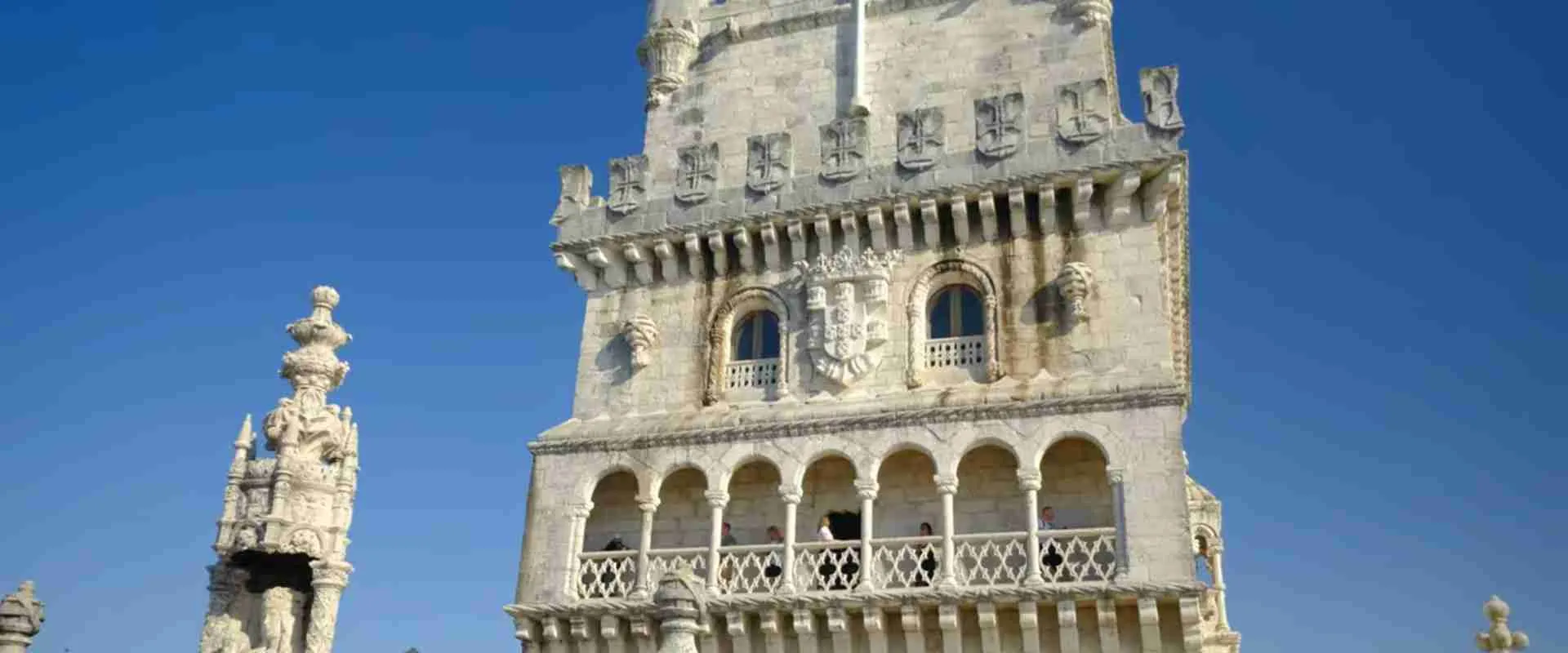
- Advanced booking 2-3 months ahead secures prime accommodation and popular tour slots, particularly for Jerónimos Monastery and Belém Tower UNESCO sites
- Strategic neighborhood selection dramatically impacts your experience—Alfama for authentic culture, Chiado for central access, Belém for UNESCO heritage, each with distinct character and pricing
- The Lisboa Card provides significant savings for museum enthusiasts and frequent public transport users, covering 39 attractions and unlimited transit for 24-72 hours
Planning Your Lisbon Experience in 2026
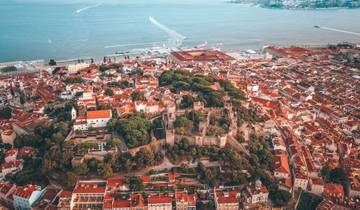
Lisbon stands as one of Europe’s most rewarding destinations, blending UNESCO World Heritage magnificence with authentic Portuguese culture and remarkable affordability. The city’s seven hills overlook the Tagus River estuary, creating dramatic viewpoints at every turn. Historic neighborhoods preserve centuries of maritime heritage while contemporary design districts showcase Portugal’s creative renaissance. Yellow tram 28 rattles through narrow medieval streets where azulejo tiles adorn building facades and traditional fado music echoes from tavern doorways.
Your 2026 Lisbon journey requires strategic planning across several key dimensions. The city’s distinct neighborhoods each offer different experiences and price points. Transportation networks efficiently connect historic districts, though walking remains the most rewarding exploration method. UNESCO sites in Belém demand advance reservations during peak periods. Accommodation ranges from budget hostels at €25-40 per bed to luxury hotels exceeding €400 nightly. Food culture spans affordable tascas serving €8-12 meals to Michelin-starred restaurants commanding €100+ per person.
The Portuguese capital’s compact core allows comprehensive exploration in 3-5 days, though many visitors extend stays to 7-10 days for deeper cultural immersion. Spring and fall deliver optimal conditions—comfortable temperatures, fewer crowds, and hotel rates 30-40% below summer peaks. Winter brings rain but exceptional deals and authentic local atmosphere without tourist congestion. Summer offers guaranteed sunshine but maximum prices and overwhelmed attractions.
People Also Ask About Lisbon 2026
How much does a trip to Lisbon cost in 2026?
A Lisbon visit costs €60-120 per person daily excluding accommodation, positioning it among Europe’s most affordable capitals. Budget travelers manage €60-80 through hostel stays (€25-40 per bed), tasca meals (€8-15), and free attractions. Mid-range visitors spend €100-150 with hotel rooms (€120-180 double occupancy), restaurant dining (€20-35 per meal), and paid tours. Luxury experiences exceed €200 daily with premium hotels (€250-400), fine dining (€60-100+ per meal), and private guides.
Transportation costs remain minimal—metro rides cost €1.70, while the 24-hour Lisboa Card at €22 provides unlimited transit plus free entry to 39 museums and monuments (check visitlisboa.com for current official rates). Jerónimos Monastery tickets cost €10, Belém Tower €6, and São Jorge Castle €10 in 2026. Many churches and viewpoints remain free. Tram 28 rides cost €3.20 per journey or €6.80 for 24-hour passes. Taxis charge €8-15 for cross-city trips, while Uber offers similar rates with greater convenience.
What is the best month to visit Lisbon in 2026?
May and September deliver optimal Lisbon conditions in 2026—warm temperatures (20-25°C), minimal rainfall, and 30-40% lower accommodation costs versus peak summer. April and October serve as secondary choices with slightly cooler weather but excellent value and authentic experiences. These shoulder months provide comfortable exploration without the June-August crowds that overwhelm popular attractions and inflate prices across the board.
Summer (June-August) guarantees sunshine and vibrant energy but brings maximum prices, packed monuments, and 30-35°C heat that makes afternoon sightseeing challenging. Winter (November-March) offers the lowest rates (€80-150 for mid-range hotels versus €200-300 in summer) and genuine local atmosphere, though expect rain 10-15 days monthly and shorter daylight hours. December combines festive decorations with off-season pricing, making it attractive for budget-conscious travelers unbothered by occasional showers.
Do you need advance bookings for Lisbon attractions in 2026?
Advance reservations secure your preferred times at Lisbon’s most popular sites, particularly during April-October. Jerónimos Monastery sells out 2-3 weeks ahead on summer weekends—book online through patrimoniocultural.gov.pt. Belém Tower accepts walk-ins but advance tickets eliminate 30-60 minute queues during peak hours. São Jorge Castle accommodates walk-ups though morning entry ensures better photography light and smaller crowds.
Food experiences require different planning. Celebrated restaurants like Belcanto (2 Michelin stars) need reservations 2-3 months ahead for dinner, while quality tascas accommodate walk-ins except Friday-Saturday evenings. Fado houses in Alfama and Bairro Alto fill quickly—book traditional venues like Clube de Fado or A Baiuca 1-2 weeks ahead. Day tours to Sintra and Cascais run daily but book 3-5 days ahead during summer to secure spots. River cruises and cooking classes likewise benefit from advance planning during peak season.
How many days should you spend in Lisbon in 2026?
Five days provides comprehensive Lisbon coverage including UNESCO sites, distinct neighborhoods, and a Sintra day trip. Three days captures essential experiences—Alfama’s medieval streets, Belém’s monuments, Bairro Alto’s nightlife, and São Jorge Castle. Seven days allows deeper cultural immersion with additional excursions to Cascais, Óbidos, or Évora, plus time for slow-paced neighborhood exploration, cooking classes, and multiple fado performances.
Your ideal duration depends on travel style and interests. History enthusiasts spend extra days exploring Lisbon’s exceptional museums—Gulbenkian (€10 entry), MAAT modern art (€9), Azulejo tile museum (€5), and Maritime Museum (€6.50). Food lovers dedicate time to market tours, wine tastings in nearby regions, and extended restaurant experiences. Photography requires multiple sunrise and sunset sessions at prime viewpoints. First-time visitors typically find 4-5 days ideal for experiencing Lisbon’s highlights without feeling rushed.
Extended multi-day tours – 5+ days
Featured Lisbon Multi-Day Tour Packages
5 days
5 Days Lisbon and Fatima City Adventure
- ✓ Comprehensive Lisbon tour
- ✓ Expert local guides included
- ✓ All accommodation arranged
- ✓ Transportation provided
5 days
Best of Lisbon Tour (with Sintra, Évora and Cascais) – 5 Days in Portugal
- ✓ Comprehensive Lisbon tour
- ✓ Expert local guides included
- ✓ All accommodation arranged
- ✓ Transportation provided
5 days
Best of Lisbon with Sintra, Nazaré, Fátima and Évora – 5 Days
- ✓ Comprehensive Lisbon tour
- ✓ Expert local guides included
- ✓ All accommodation arranged
- ✓ Transportation provided
3 days
Wonders of Portugal
- ✓ Comprehensive Lisbon tour
- ✓ Expert local guides included
- ✓ All accommodation arranged
- ✓ Transportation provided
Multi-day tour packages powered by TourRadar. Prices and availability subject to change.
Essential Planning Information 2026
Understanding Lisbon’s Costs in 2026
Lisbon’s pricing structure positions it as exceptional European value, with costs 30-50% below Paris, London, or Amsterdam equivalents. Daily expenses break down across several categories. Accommodation represents the largest single cost, ranging €25-40 per hostel bed in shared dorms, €80-120 for budget hotels with private rooms, €150-220 for mid-range hotels in prime locations, and €250-400+ for luxury properties. Summer rates peak 40-60% above winter pricing, while shoulder seasons offer sweet spots of good weather and moderate rates.
Food costs remain remarkably affordable compared to other Western European capitals. Traditional tascas serve filling lunch specials (prato do dia) for €8-12 including drink. Quality dinner at neighborhood restaurants costs €15-25 per person. Mid-range establishments charge €25-40 for three courses with wine. Upscale dining reaches €60-100+ per person at celebrated venues. Street food and markets provide budget options—bifanas (pork sandwiches) cost €3-4, pastéis de nata €1.20-1.50, market meals €8-15. Supermarket groceries allow self-catering at typical European prices.
Transportation expenses stay minimal. Single metro/bus/tram tickets cost €1.70 when loaded on a reusable Viva Viagem card (€0.50 card fee). The 24-hour public transport pass costs €6.80, covering unlimited trips across all systems. The Lisboa Card at €22 for 24 hours, €37 for 48 hours, or €46 for 72 hours provides unlimited transit plus free entry to 39 attractions including Jerónimos Monastery, Belém Tower, and São Jorge Castle (check visitlisboa.com for current official rates as pricing may vary). Taxis and Uber charge €1.50-2.50 base fare plus €0.80-1.20 per kilometer. Airport transfers cost €15-25 by taxi or €1.70 by metro.
Neighborhood Selection Strategies 2026
Lisbon’s neighborhoods offer distinct experiences and value propositions. Alfama preserves medieval character with narrow cobblestone alleys, fado houses, and authentic local life. Accommodation here ranges €100-180 for mid-range options, providing genuine cultural immersion though steep hills challenge mobility-impaired visitors. The labyrinthine streets create atmospheric walks but confuse navigation. Tram 28 provides access, though walking remains necessary for most addresses.
Baixa (downtown) centers your Lisbon base with flat terrain, grand plazas, and maximum accessibility. Hotels here cost €120-200 for mid-range properties, positioning you within walking distance of major attractions. Metro connections reach all districts. The grid layout simplifies orientation. Tourist concentration brings higher restaurant prices (€18-30 for casual dinners versus €12-20 in residential areas) but ensures English-speaking services and international cuisine options alongside Portuguese offerings.
Chiado blends upscale shopping, cultural venues, and excellent restaurants on the western downtown edge. Accommodation runs €150-250 for quality hotels, reflecting the fashionable address and prime location between Baixa and Bairro Alto. The neighborhood attracts sophisticated locals and discerning travelers, creating vibrant evening energy. Numerous cafés, bookstores, and theaters provide rainy-day alternatives. Slightly elevated position requires some hill navigation but rewards with splendid Tagus views.
Belém situates you near UNESCO World Heritage monuments—Jerónimos Monastery and Belém Tower—plus excellent museums and riverside parks. Hotels cost €140-220 for mid-range options, offering spacious properties and parking availability that central districts lack. The western location (6km from downtown) requires tram 15 or bus 728 for central access (20-30 minutes). The neighborhood feels residential and relaxed but lacks Lisbon’s vibrant nightlife energy. Ideal for families, history enthusiasts, and travelers prioritizing peaceful accommodations over nighttime action.
Bairro Alto delivers Lisbon’s party atmosphere with dense bars, fado venues, and late-night energy. Budget and mid-range hotels cost €90-160, appealing to younger travelers and nightlife seekers. The hilltop location offers stunning viewpoints but demands stamina for steep ascents. Noise levels persist until 2-3 AM on weekends. Funicular railways (included in transport passes) ease uphill journeys. Excellent restaurants line adjacent streets, though reservations help secure tables at popular spots. Daytime brings quieter charm as locals go about daily routines.
Best Time to Visit Lisbon 2026
Seasonal Analysis for 2026 Planning
Spring (March-May) presents Lisbon at its most appealing. April and May deliver warm days (18-24°C), blooming jacaranda trees painting streets purple, and hotel rates 30-40% below summer peaks. March brings occasional rain (8-10 days monthly) but fewer crowds and excellent deals. Easter week (April 2026) attracts Portuguese visitors, slightly elevating prices and occupancy but adding festive atmosphere. Spring produces ideal conditions for walking Lisbon’s hills without summer heat exhaustion.
Summer (June-August) guarantees sunshine and maximum energy but creates challenges. Temperatures reach 28-35°C, making midday exploration uncomfortable. Tourist numbers peak, overwhelming popular attractions—Jerónimos Monastery queues extend 60-90 minutes without advance tickets. Accommodation costs surge to annual highs (€200-350 for mid-range hotels). Restaurants in tourist zones raise prices and compromise quality to handle volume. Local residents flee to beach towns, reducing authentic cultural interactions. Evening brings relief as temperatures drop and outdoor dining becomes delightful.
Autumn (September-November) rivals spring as Lisbon’s optimal season. September maintains summer warmth (23-27°C) with reduced crowds and 25-30% lower hotel rates. October delivers excellent conditions—comfortable temperatures, minimal rain, and authentic atmosphere as locals return from vacation. November transitions toward winter with increasing rain (10-12 days monthly) but offers exceptional value and genuine experiences. The grape harvest in nearby Douro Valley creates wine tourism opportunities. Shorter daylight (sunset by 5:30 PM in November) limits evening sightseeing.
Winter (December-February) attracts budget travelers and authenticity seekers. Temperatures remain mild (10-16°C) compared to northern Europe, though rain falls 12-15 days monthly. Hotel rates drop to annual lows (€80-150 for mid-range properties). Restaurants cater to local clientele, often improving quality and lowering prices. December combines festive decorations and New Year celebrations with off-season deals. January-February bring quietest periods—some restaurants close for vacation, but major attractions maintain full schedules. Pack layers and rain gear for comfortable exploration.
Monthly Planning Guide 2026
January and February offer maximum value and minimum crowds. Hotel rates bottom out at €80-150 for quality mid-range properties. Attractions remain uncrowded—walk straight into Jerónimos Monastery without queues. Rain falls 12-15 days monthly but rarely all day. Temperatures range 10-16°C, requiring jackets but allowing comfortable walking. Some restaurants close for annual vacation, particularly mid-January through early February. Cultural calendar includes fewer major events but maintains year-round museums and monuments. Excellent period for budget travelers and those seeking authentic local atmosphere.
March marks spring’s arrival with warming temperatures (14-19°C) and blooming flowers. Hotel rates remain reasonable at €100-170 for mid-range options. Tourist numbers stay manageable, creating pleasant exploration conditions. Rain decreases to 8-10 days monthly. Easter celebrations (date varies—check 2026 calendar) bring Portuguese visitors and festive events. Cherry blossoms in parks provide photography opportunities. Outdoor cafés reopen for full-season service. Excellent balance of weather, value, and cultural experiences makes March increasingly popular among savvy travelers.
April and May represent peak spring conditions. Temperatures climb to 18-24°C, ideal for walking exploration. Jacaranda trees bloom purple across the city in late April through early May. Hotel rates rise to €130-200 for mid-range properties but remain below summer peaks. Tourist numbers increase but stay manageable. Rain drops to 6-8 days monthly. Most travelers rate these months as Lisbon’s finest—combining excellent weather, moderate prices, beautiful scenery, and comfortable crowd levels. Book accommodation 4-6 weeks ahead for best selection.
June through August deliver guaranteed sunshine but maximum challenges. Temperatures reach 25-35°C with minimal rainfall. Hotel rates peak at €200-350 for mid-range options, often selling out for weekends. Major attractions overflow—Jerónimos Monastery, Belém Tower, and São Jorge Castle experience 60-90 minute queues without advance tickets. Restaurants in tourist zones inflate prices and struggle with volume. Air conditioning becomes essential for accommodation. The upside includes long daylight hours (sunset after 9 PM), vibrant street life, and numerous outdoor festivals. Beach day trips to Cascais and Costa da Caparica provide heat relief.
September maintains summer warmth (23-27°C) while reducing crowd pressure. Hotel rates drop 25-30% from August peaks to €150-220 for mid-range properties. Attraction queues shorten significantly. Locals return from vacation, restoring authentic neighborhood energy. Minimal rainfall (5-7 days monthly) ensures reliable conditions. Festival season continues with wine harvest celebrations. Many travelers consider September Lisbon’s secret best month—combining summer’s warmth with autumn’s tranquility and value.
October extends ideal conditions with comfortable temperatures (19-23°C) and low rainfall (8-10 days monthly). Hotel rates settle at €120-180 for mid-range options. Crowds thin further while weather remains excellent. Restaurants return to local-focused menus and pricing. Shorter daylight (sunset by 6:30 PM) requires earlier dinner reservations at fado venues for post-meal shows. Cultural calendar fills with film festivals, art exhibitions, and music events. October combines nearly all advantages—great weather, moderate prices, authentic experiences, and pleasant crowd levels.
November transitions toward winter with increasing rain (10-12 days monthly) and cooling temperatures (14-18°C). Hotel rates drop to €100-150 for mid-range properties. Tourist numbers decline significantly, creating relaxed exploration conditions. Some restaurants reduce hours or close Mondays-Tuesdays. Shorter daylight (sunset by 5:30 PM) limits afternoon sightseeing. Museums and indoor attractions become more appealing. Excellent value for travelers unbothered by occasional rain and earlier darkness.
December brings festive atmosphere with Christmas lights, holiday markets, and New Year celebrations. Hotel rates vary—budget weeks at €90-140 for mid-range properties, while Christmas week (December 20-27) and New Year week (December 28-January 2) surge to €180-280. Rain falls 12-14 days monthly. Temperatures hover 11-16°C. Portuguese families visit for holidays, creating local energy. Restaurants prepare special Christmas menus. New Year’s Eve festivities center on Commerce Square and Tagus riverside. Good choice for festive travel at moderate prices outside peak holiday weeks.
Accommodation Strategies 2026
Budget Accommodation Options 2026
Lisbon’s hostel scene provides excellent value for solo travelers and social seekers. Top properties like Lisbon Destination Hostel, Home Lisbon Hostel, and Sunset Destination Hostel charge €25-40 per bed in shared dorms (4-8 beds), including breakfast, communal kitchens, and organized social activities. Private rooms at hostels cost €60-85 for doubles, offering hotel privacy at hostel prices. Peak summer rates increase 20-30% above shoulder season pricing. Book directly through hostel websites for best rates, as booking platforms add commission fees.
Budget hotels and guesthouses serve value-conscious travelers seeking private accommodations. Properties in Martim Moniz, Anjos, and Intendente neighborhoods cost €70-100 for clean double rooms with private bathrooms. These areas position you slightly outside tourist epicenter but connect easily via metro (10-15 minutes to Baixa). Rooms typically measure 12-18 square meters with basic amenities—TV, air conditioning, WiFi. Breakfast sometimes included, often charged €5-8 extra. Elevators uncommon in buildings under five stories.
Airbnb apartments provide another budget option, particularly for groups. Studio apartments cost €60-90 nightly, while one-bedroom units run €90-130 in residential neighborhoods. Two-bedroom apartments accommodate four people for €120-180, making them cost-effective for families or friends traveling together. Kitchen access allows self-catering to reduce food costs. Consider Graça, Campo de Ourique, or Estrela neighborhoods for authentic experiences and good value. Cleaning fees (€30-60) and service charges (14-16%) add to nightly rates, so calculate total costs when comparing options.
Mid-Range Accommodation Selection 2026
Mid-range hotels deliver comfort, services, and prime locations at €120-220 nightly for standard double rooms. Three-star properties in Baixa, Chiado, and Restauradores offer 20-25 square meter rooms with air conditioning, satellite TV, safes, and modern bathrooms. Daily housekeeping, 24-hour reception, and breakfast (€10-15 when not included) provide convenience. Popular chains like My Story Hotels and Turim Hotels maintain consistent quality across properties. Book directly for best rates and cancellation policies.
Boutique hotels blend character with mid-range pricing at €150-250 nightly. Properties occupy restored historic buildings with original architectural details—azulejo tiles, wooden ceilings, period furnishings. Rooms measure 18-28 square meters with design-forward bathrooms and quality linens. Locations concentrate in Príncipe Real, Chiado, and Santos neighborhoods. Breakfast often included in rates. Personalized service distinguishes boutique properties from chain hotels. Examples include Memmo Alfama Hotel, The Lumiares Hotel, and As Janelas Verdes.
Four-star hotels provide elevated experiences at €180-280 for superior rooms. Properties feature rooftop bars, spa facilities, fitness centers, and concierge services. Rooms span 25-35 square meters with separate seating areas, minibars, and premium amenities. Central locations in Avenida da Liberdade and Chiado command premium rates but position you ideally. Breakfast buffets showcase Portuguese specialties. International chains like Tivoli, Altis, and Corinthia maintain properties alongside quality local brands. Weekend rates often 20-30% higher than weekday pricing.
Luxury Accommodation Experiences 2026
Five-star hotels deliver exceptional experiences at €300-600+ nightly. Properties occupy historic palaces, offering 35-50 square meter rooms with marble bathrooms, Nespresso machines, luxury toiletries, and pillow menus. Facilities include rooftop pools, Michelin-starred restaurants, full-service spas, and butler service. The Ritz Four Seasons, Olissippo Lapa Palace, and Memmo Príncipe Real represent Lisbon’s luxury tier. Suites expand to 60-100 square meters with separate living rooms and enhanced amenities. Breakfast showcases organic ingredients and champagne options.
Historic palace hotels provide unique luxury experiences in converted aristocratic residences. Properties like Pestana Palace and Palácio do Governador blend original frescoes, grand staircases, and period furnishings with modern luxury. Rates start €350 nightly for standard rooms, reaching €800+ for suites. Extensive grounds feature gardens, pools, and quiet terraces. Locations in residential neighborhoods like Alcântara and Belém sacrifice central positioning for space and tranquility. Ideal for travelers prioritizing unique accommodations over nightlife proximity.
Design hotels emphasize contemporary aesthetics and cutting-edge amenities at €250-450 nightly. Properties showcase Portuguese and international designers, creating Instagram-worthy spaces. The Corpo Santo Lisbon Historical Hotel, Bairro Alto Hotel, and Torel Palace blend historic shells with modern interiors. Rooms feature statement lighting, custom furnishings, and artistic bathrooms. Rooftop bars and innovative restaurants attract fashionable crowds. These properties appeal to style-conscious travelers seeking both luxury and contemporary edge.
Transportation Guide 2026
Public Transportation Mastery 2026
Lisbon’s metro system provides efficient core access across four color-coded lines. Green, Blue, Red, and Yellow lines connect downtown, airport, business districts, and main train stations. Trains run 6:30 AM to 1 AM daily with 4-7 minute frequencies during peak hours. Single rides cost €1.70 when loaded on a reusable Viva Viagem card (€0.50 one-time purchase). The 24-hour unlimited pass at €6.80 becomes cost-effective after four trips. Metro stations feature clear signage in Portuguese and English, elevators at most stops, and real-time arrival displays.
Tram system includes historic cars and modern vehicles serving hills and riverside routes. The famous Tram 28 winds through Alfama, Graça, and Estrela, providing scenic transportation and tourist attraction. Expect crowds and pickpockets on this route—guard belongings carefully. Single tram tickets cost €3.20 aboard or €1.70 when pre-loaded on Viva Viagem cards. Tram 15 connects downtown to Belém along the riverfront, offering easier boarding and UNESCO site access. Modern trams serve southern districts with less tourist appeal but efficient service.
Bus network covers areas unreached by metro and trams, operating 5:30 AM to 11 PM with night buses (rede da madrugada) running midnight to 5:30 AM. Standard buses accept Viva Viagem cards at €1.70 per ride. Yellow Aerobus connects airport to downtown hotels every 20 minutes for €4 (included in Lisboa Card). Enter buses through front doors, validate cards at machines, exit through middle or rear doors. Route maps at stops and real-time arrival boards help navigate the extensive network. Drivers speak limited English—know your destination stop.
Alternative Transportation Methods 2026
Taxis operate via street hailing, taxi stands, or phone apps using regulated meters. Flagfall costs €3.90 (€4.90 nights and weekends), plus €0.80 per kilometer. Central rides typically run €8-15, while airport transfers cost €15-25 depending on destination and traffic. Drivers must use meters within city limits. Tipping remains optional though rounding up bills shows appreciation. Major taxi stands locate at train stations, main squares, and hotel districts. Taxi apps include Free Now and Bolt for convenient booking.
Uber, Bolt, and Cabify provide ride-sharing alternatives at rates matching or slightly undercutting taxis. Apps show upfront pricing, eliminating meter concerns and language barriers. Availability spans 24/7 with 3-5 minute waits in central areas. Payment processes through apps using registered credit cards. Rating systems encourage quality service. Peak hours and surge pricing can increase costs 20-40%. Pickup spots at major attractions sometimes require walking to approved zones marked in apps.
Bicycles and e-scooters offer flexible exploration though Lisbon’s hills challenge pedaling. Gira bike-sharing system provides electric-assist bikes at €2 per 30 minutes or €15 daily subscription. Stations concentrate in flat areas—Baixa, Avenida da Liberdade, Belém. Lime and Bolt e-scooters scatter across the city, accessed via smartphone apps at €1 unlock plus €0.20 per minute. Cycle lanes exist on major avenues but many streets lack dedicated infrastructure. Walking remains preferable in historic hills while bikes excel for riverside routes and flat districts.
Funiculars and elevators conquer Lisbon’s steepest ascents. Three funicular railways (Glória, Bica, Lavra) and Santa Justa Elevator provide mechanical assistance at €3.80 per ride or free with transport passes. Glória Funicular connects Restauradores to Bairro Alto viewpoint. Bica Funicular links Rua de São Paulo to Largo do Calhariz. Lavra Funicular, Lisbon’s oldest, climbs from Restauradores to Campo Mártires da Pátria. Santa Justa Elevator ascends to Carmo Square with panoramic platform atop. These historic conveyances blend practical transport with tourist attractions.
Day Trip Transportation 2026
Sintra ranks as Lisbon’s most popular day trip, reachable in 40 minutes via frequent trains from Rossio Station. Trains depart every 20-30 minutes (6 AM to 10 PM) costing €2.30 each way with Viva Viagem cards. The UNESCO World Heritage town requires local buses (€4.10 for Circuito da Pena route) or taxis (€10-20 between palaces) to visit hilltop monuments. Major sites include Pena Palace (€14 entry), Quinta da Regaleira (€11), and Moorish Castle (€8). Allocate full day for comprehensive visits. Tourist buses (434 and 435 routes) connect station to main attractions but overflow during summer. Book palace tickets online 1-2 weeks ahead for summer visits to skip queues.
Cascais offers coastal relaxation 35 minutes from Lisbon via trains departing Cais do Sodré every 20 minutes. Tickets cost €2.30 each way. The beach town provides sandy shores, seafood restaurants, and relaxed atmosphere. Walk the coastal promenade connecting Cascais to Estoril (30 minutes), visiting smaller beaches en route. Rent bikes (€10-15 daily) to explore further. Return trains run until midnight, allowing dinner by the ocean before Lisbon return. Combine Cascais with Cabo da Roca (Europe’s westernmost point) via local buses for extended coastal exploration.
Óbidos preserves medieval character within intact castle walls 85km north of Lisbon. Direct buses depart Campo Grande station twice daily (9 AM, 3 PM return schedule) for €8.50 each way (90 minute journey). The walled town requires 2-3 hours to explore—castle ramparts, whitewashed houses, handicraft shops, and ginjinha cherry liqueur sampling. No advance bookings needed for the town itself. Restaurants serve lunch €12-20 per person. Bus schedules limit flexibility—confirm return times at arrival or risk spending night. Alternatively, rent cars (€35-50 daily) for schedule independence and ability to visit nearby sites.
Évora, a complete UNESCO World Heritage city, sits 130km east of Lisbon. Buses from Sete Rios station depart hourly (6:30 AM to 8 PM) costing €12.50 each way for 90-minute journeys. The Roman temple, medieval cathedral (€5 entry), bone chapel (€6), and extensive historic center justify full-day visits. Restaurants serve excellent Alentejo cuisine at €15-25 per person for lunch. Last return buses leave 6-7 PM depending on day. Évora rewards slower exploration—consider overnight stays (€70-120 mid-range hotels) to experience evening atmosphere and visit surrounding wine estates. Day trips feel rushed given travel time and city’s extensive attractions.
Money-Saving Strategies 2026
Lisboa Card Cost-Benefit Analysis 2026
The Lisboa Card provides free entry to 39 attractions plus unlimited public transportation at €22 for 24 hours, €37 for 48 hours, or €46 for 72 hours. The card breaks even for active travelers visiting multiple paid sites daily. Calculate your specific scenario—if planning Jerónimos Monastery (€10), Belém Tower (€6), São Jorge Castle (€10), and Ajuda Palace (€5) in one day, that’s €31 in admissions alone. Add four metro rides (€6.80 value) and you’re at €37.80 in benefits from a €22 card.
Maximum value requires strategic planning. Start your 24-hour period early morning to maximize daylight hours. Focus on expensive attractions—MAAT (€9), Gulbenkian Museum (€10), National Tile Museum (€5)—rather than cheaper churches and viewpoints. Use included transit extensively rather than walking everywhere. The card covers Aerobus airport shuttle (€4 value) and Santa Justa Elevator (€5.40). Skip the card if you prefer walking, plan mostly free attractions, or visit only 2-3 paid sites. Purchase online via visitlisboa.com or at tourist offices and participating attractions.
Meal Cost Optimization 2026
Lunch specials (pratos do dia) at traditional tascas deliver maximum food value—€8-12 for soup, main course, drink, and dessert/coffee. These workingmen’s restaurants fill with locals between noon and 2 PM. Portions satisfy hearty appetites. Quality varies—observe where Portuguese workers eat for reliable options. Avoid tourist-dense streets where pratos do dia cost €15-20 for diminished quality. Bairro neighborhoods (residential districts) consistently offer better value than Baixa or Chiado tourist zones.
Time-of-day pricing significantly impacts restaurant costs. The same establishments charging €25-35 for dinner serve lunch menus at €12-18, often with identical dishes in smaller portions. Evening visits to mid-range restaurants without reservations allow asking about available tables versus prix fixe menus—sometimes yields better deals. Late dinners after 9:30 PM occasionally prompt discount offers at underbooked restaurants, though availability varies. Portuguese dining culture favors 8-9 PM dinner times, so restaurants stay quiet before and after these hours.
Markets provide authentic experiences and budget meals. Mercado da Ribeira (Time Out Market) houses 40+ food stalls serving everything from bifanas to sushi at €8-20 per person. Quality ranges from mediocre tourist fare to excellent chef-operated stands—research vendors before visiting. Campo de Ourique Market offers more local atmosphere and lower prices (€6-12 meals) but less English signage. Mercado de Alvalade caters primarily to neighborhood residents with minimal tourist presence and rock-bottom prices (€5-8 lunch plates). Combine market meals with supermarket-bought wine for economical dining.
Pastéis de nata (custard tarts) cost €1.20-1.50 at quality bakeries versus €2-3 at tourist traps. The original Pastéis de Belém charges €1.40 (€1.05 takeaway) for legendary quality. Local pastelarias throughout Lisbon match this standard at similar prices. Avoid cafés on main squares where inferior tarts cost double. Bifanas (pork sandwiches) run €3-4 at traditional cervejarias, providing filling snacks. Ginjinha (cherry liqueur) shots cost €1.50-2 at hole-in-wall bars versus €3-5 at tourist-oriented spots. Know authentic pricing to avoid overpaying.
Attraction Access Optimization 2026
Free attractions form substantial parts of Lisbon experiences. The city’s numerous miradouros (viewpoints) cost nothing—Portas do Sol, Graça, Santa Catarina, Senhora do Monte, and São Pedro de Alcântara offer spectacular panoramas. Churches generally allow free entry except during Mass—Lisbon Cathedral, Igreja de São Roque (though museum costs €2.50), and Igreja de Santo António. Cemetery of Pleasures provides artistic and peaceful free wandering. LX Factory, a converted industrial complex in Alcântara, entertains with shops, restaurants, and street art at no charge.
First Sunday of each month brings free admission to many public museums—National Tile Museum, National Ancient Art Museum, and others waive fees. Verify specific institutions participate before visiting. Some museums close Mondays—plan free Sundays accordingly to avoid closed-door disappointment. Church museums and private collections maintain regular fees regardless of dates. Jerónimos Monastery and Belém Tower, despite UNESCO status, never offer free entry except annual Heritage Day (date varies—check patrimoniocultural.gov.pt).
Walking tours provide free or tip-based exploration alternatives to paid tours. Several companies run daily walks covering Alfama, Baixa, and Bairro Alto lasting 2-3 hours. Guides work for tips (€10-15 per person considered appropriate) rather than fixed fees. Quality varies—read recent reviews on TripAdvisor or Google. Free tours generally avoid entering paid attractions, focusing on exterior architecture and neighborhood history. Paid tours (€20-30 per person) include more comprehensive content and occasional museum entries but don’t necessarily justify the premium for budget travelers.
Sample 2026 Itineraries
Three-Day Essential Lisbon Itinerary 2026
Day One concentrates on Alfama and downtown core. Start early at São Jorge Castle (€10) for opening-time access and best photography light. Explore the Moorish fortress and panoramic viewpoints (2 hours). Descend through Alfama’s medieval streets to Lisbon Cathedral (free entry, treasury €5) and Roman ruins beneath (€3). Walk to Commerce Square via Augusta Street, stopping at Elevador de Santa Justa (€5.40) for downtown views. Lunch at tasca near Mouraria (€10-15 per person). Afternoon explores Baixa’s grand squares and Chiado’s shops and cafés. Ride Glória Funicular to Bairro Alto (€3.80 or included in transport pass). Sunset from São Pedro de Alcântara viewpoint (free). Dinner in Bairro Alto (€20-30) followed by fado performance at A Baiuca (€15 minimum consumption). Metro €1.70, lunch €12, castle €10, elevator €5.40, dinner €25, fado €15. Total day cost: €69-70 per person (excluding accommodation).
Day Two focuses on Belém UNESCO monuments. Take Tram 15 to Belém (€1.70). Start at Jerónimos Monastery opening time to beat crowds (€10, book online ahead). Spend 90 minutes exploring Manueline architecture and cloisters. Walk to Belém Tower (€6, pre-book to skip queues). Continue to Monument to Discoveries (€6) for river views. Lunch at traditional restaurant near monastery (€15-20). Afternoon visits MAAT modern art museum (€9) or National Coach Museum (€10). Late afternoon pastéis de nata at original Pastéis de Belém (€1.40). Return downtown via tram. Dinner in Cais do Sodré (€25-35). Evening drinks and nightlife in Pink Street bars. Tram €3.40 round trip, monastery €10, tower €6, discoveries €6, museum €9, pastéis €1.40, lunch €17, dinner €30. Total day cost: €82-83 per person (excluding accommodation).
Day Three includes Sintra day trip. Train from Rossio to Sintra (€2.30 each way). Arrive early for tourist bus to Pena Palace (€4.10 bus, €14 palace). Explore colorful romantic palace and gardens (2-3 hours). Walk or taxi to Quinta da Regaleira (€11) for mysterious gardens and initiation well (2 hours). Return to Sintra town for lunch at local restaurant (€15-20). Quick visit to National Palace (€10) or Moorish Castle (€8) if time permits. Return train to Lisbon early evening. Dinner in Graça neighborhood (€20-30). Evening at Graça or Senhora do Monte viewpoints (free). Train €4.60, bus €4.10, Pena €14, Regaleira €11, lunch €17, dinner €25. Total day cost: €75-76 per person (excluding accommodation).
Five-Day Comprehensive Lisbon Experience 2026
Days 1-3 follow the essential itinerary above (€226-229 total for three days excluding accommodation). Day Four explores western neighborhoods and museums. Morning visits Gulbenkian Museum (€10) for renowned art collection spanning ancient Egypt to Impressionism (2-3 hours). Walk through Eduardo VII Park to Avenida da Liberdade’s grand boulevard. Lunch at Campo de Ourique Market (€10-15). Afternoon explores LX Factory’s shops and street art (free entry) or visits National Ancient Art Museum (€10). Sunset from Adamastor viewpoint in Santa Catarina (free). Dinner in Santos neighborhood (€25-35). Evening river cruise (€15-25). Metro €3.40, Gulbenkian €10, lunch €12, Ancient Art €10, dinner €30, cruise €20. Total day cost: €85-86 per person.
Day Five adds Cascais coastal escape. Train from Cais do Sodré to Cascais (€2.30 each way). Explore beach town and coastal promenade (free). Morning beach time or bike rental (€15 half-day) to explore coastline. Lunch at seafood restaurant with ocean views (€20-30 per person). Afternoon visits Casa das Histórias Paula Rego museum (€5) or relaxes at beach. Walk coastal path toward Boca do Inferno rock formation (free). Return to Lisbon late afternoon. Final Lisbon dinner at quality restaurant in Príncipe Real or Chiado (€35-50). Evening drinks at rooftop bar (€12-18 per cocktail). Train €4.60, bike rental €15, lunch €25, museum €5, dinner €42, drinks €15. Total day cost: €106-107 per person.
Five-day total excluding accommodation: €417-422 per person. Add mid-range accommodation at €140-180 per night (€700-900 total for five nights in double room or €350-450 per person double occupancy). Complete trip costs €767-872 per person including accommodation. Budget version reduces daily costs to €50-60 (hostel dorms, tasca meals, free attractions) for €250-300 plus €125-200 accommodation (€375-500 total). Luxury version exceeds €200 daily plus €350+ accommodation for €1,750+ total per person.
Booking and Reservations 2026
Official Booking Channels 2026
Jerónimos Monastery tickets must be purchased online during peak season through the official Cultural Heritage website (patrimoniocultural.gov.pt). Book 2-3 weeks ahead for summer weekends, 1 week for weekdays, or 3-5 days for shoulder seasons. The €10 entry fee covers monastery and cloisters. Separate ticket required for archaeology museum in monastery annex (€5). Audio guides cost additional €3. Combination tickets with Belém Tower don’t exist—purchase separately. Tickets specify time slots in 30-minute windows. Arrive during your designated time for guaranteed entry.
Belém Tower accepts advance online bookings through same Cultural Heritage website at €6 per person. Capacity limits mean summer weekends sell out days ahead. The compact interior accommodates limited visitors—expect 20-30 minute queues even with timed tickets during peak periods. Consider morning visits (opening 10 AM) for shortest waits and best photography light. Walk-ins possible during off-season but lines extend 45-60 minutes midday in summer. Monument to Discoveries next door requires separate tickets (€6) but rarely sells out—purchase on arrival.
Restaurant reservations become essential for celebrated establishments. Book 2-3 months ahead for Michelin-starred venues like Belcanto (€175 tasting menu). Quality mid-range restaurants require 1-2 weeks notice for dinner Friday-Saturday, while weeknight tables remain available with shorter lead times. Use platforms like TheFork for instant confirmation and occasional discounts (10-30% off). Traditional tascas don’t accept reservations—arrive before peak lunch (by 12:30 PM) or dinner (before 8 PM) for best availability. Fado houses need 3-10 days advance booking depending on reputation—Clube de Fado, A Baiuca, and Tasca do Chico fill quickly.
Tour Operator Recommendations 2026
Small-group Sintra tours eliminate day-trip logistics at €55-75 per person for 8-hour experiences including palace entries and transport. Operators like Withlocals, GetYourGuide, and Viator maintain quality standards through customer reviews. Tours typically cover Pena Palace, Quinta da Regaleira, and Sintra town with maximum group sizes of 8-15 people. Prices include transportation from Lisbon hotels, palace tickets, and guide services. Lunch costs extra (€15-25). Book 1 week ahead for availability, 2-3 weeks for summer weekends. Read recent reviews carefully as quality varies between operators and individual guides.
Food tours provide culinary immersion at €60-90 per person for 3-4 hour small-group experiences. Taste of Lisboa offers comprehensive 15+ tastings covering markets, bakeries, and traditional restaurants. Culinary Backstreets runs more upscale experiences at €95-125 focusing on lesser-known establishments. Tours include 6-10 tastings constituting full meals—skip lunch or dinner that day. Wine pairings included in most tours. Group sizes stay below 12 people for manageable restaurant access. Book 1-2 weeks ahead year-round, 3-4 weeks for peak summer periods. Check dietary restriction accommodation before booking.
River cruises offer sunset and evening experiences at €15-45 per person depending on duration and inclusions. Basic 1-hour river tours cost €15-20 providing Lisbon skyline views. Sunset cruises with wine run €30-40 for 2 hours. Dinner cruises reach €70-90 for 3 hours including three-course meals. Ships accommodate 50-150 passengers depending on vessel. Book 3-5 days ahead for sunset cruises during summer, day-of bookings work off-season. Check weather forecasts before booking—rough seas occasionally prompt cancellations with full refunds. Cruises depart from Terreiro do Paço (Commerce Square) docks.
Planning Your 2026 Lisbon Adventure
Advance Planning Timeline 2026
Three months before travel: Book accommodation for summer peak season (June-August) or holiday weeks (Christmas, New Year). Reserve tables at Michelin-starred restaurants. Purchase airline tickets. Apply for necessary visas if required. Begin researching neighborhoods, attractions, and experiences to create preliminary itinerary. Purchase comprehensive travel insurance covering cancellations and medical emergencies. Americans and other non-EU nationals don’t need visas for stays under 90 days.
Six weeks before travel: Book accommodation for shoulder season (April-May, September-October) visits. Reserve popular restaurant tables for Friday-Saturday dinners. Purchase Lisboa Cards if planning museum-heavy itinerary (can buy on arrival but advance purchase ensures availability). Book guided tours and experiences—food tours, river cruises, Sintra day trips. Make reservations at quality fado houses. Research current events and festivals during your visit dates.
Two weeks before travel: Purchase advance tickets for Jerónimos Monastery, Belém Tower, and other timed-entry attractions if visiting peak season. Confirm hotel reservations and review cancellation policies. Download offline maps and useful apps (Google Maps, Citymapper, Uber, restaurant apps). Note emergency numbers and embassy contacts. Inform credit cards of travel dates to avoid fraud blocks. Pack appropriate clothing for season—layers for spring/fall, rain gear for winter, sun protection for summer.
One week before travel: Check weather forecasts and adjust clothing plans. Reconfirm tour bookings and restaurant reservations. Print or save digital copies of confirmations, hotel addresses, and important documents. Exchange small amount of currency for initial expenses (though ATMs in Lisbon offer best rates). Review your daily itineraries and make final adjustments based on weather predictions and energy levels. Charge portable battery packs and ensure phone plans cover international data or purchase local SIM upon arrival.
Essential Apps and Resources 2026
Google Maps provides reliable navigation throughout Lisbon with offline map downloads for areas without data. The app includes public transport directions with real-time updates, walking routes accounting for hills and stairs, and restaurant recommendations with user reviews. Download maps before arrival or at hotel WiFi. Metro Lisboa official app shows real-time arrivals and route planning specific to metro system. Citymapper covers comprehensive public transport including buses, trams, trains, and ferries with helpful “get me somewhere” features.
Restaurant and food apps help identify authentic experiences. Zomato and TheFork provide reviews in English with reservation systems and occasional discounts. Time Out Lisboa (website and app) offers current event listings, restaurant reviews, and local recommendations. Google Reviews generally prove more reliable than TripAdvisor for avoiding tourist traps—sort by recent reviews and read Portuguese comments through translation apps for local perspectives.
Transportation apps streamline movement. Uber, Bolt, and Free Now operate throughout Lisbon for ride-sharing and taxi service. Gira app manages bike-sharing system if planning pedal-powered exploration of flat areas. Lime handles e-scooter rentals via smartphone. ComboiosPortugal app covers train schedules for Sintra and coastal destinations, allowing advance ticket purchases.
FAQ: Planning Your 2026 Lisbon Visit
Is Lisbon expensive to visit in 2026?
Lisbon costs 30-50% less than other Western European capitals like Paris, London, or Amsterdam. Daily expenses excluding accommodation range €60-120 per person depending on choices. Budget travelers manage €60-80 through hostel stays, tasca meals, and free attractions. Mid-range experiences cost €100-150 with hotel rooms, restaurant dining, and paid tours. Luxury exceeds €200 daily. Public transportation stays remarkably affordable at €1.70 per ride while quality restaurant meals cost €15-30 per person versus €40-60 in comparable cities.
What is the best way to get around Lisbon in 2026?
Walking serves as primary exploration method in Lisbon’s compact historic center, supplemented by metro (€1.70 per ride) for longer distances and trams (€3.20 aboard, €1.70 pre-loaded) for scenic routes and hill access. The 24-hour public transport pass at €6.80 becomes cost-effective after four trips. Taxis and Uber cost €8-15 for cross-city journeys. The historic center’s steep hills make comfortable walking shoes essential—many visitors combine metro to neighborhoods with walking within districts.
Should I buy a Lisboa Card for my 2026 visit?
The Lisboa Card justifies its cost (€22 for 24 hours, €37 for 48 hours, €46 for 72 hours) if you plan visiting multiple paid attractions and using public transportation extensively. The card provides free entry to 39 museums and monuments plus unlimited transit. Calculate your specific scenario—visitors planning Jerónimos Monastery, Belém Tower, São Jorge Castle, one additional museum, and six metro/tram rides exceed the 24-hour card cost in individual tickets. Skip the card if you prefer walking and focusing on free attractions.
Do I need to speak Portuguese to visit Lisbon in 2026?
English proficiency in Lisbon’s tourist areas makes Portuguese language skills unnecessary though appreciated. Hotel staff, restaurant servers in central districts, and tour guides speak English. Metro and bus signs include English translations. Younger Portuguese speak English more fluently than older generations. Residential neighborhoods and traditional tascas may have limited English—translation apps help but friendly gestures communicate basics. Learning simple phrases like “obrigado” (thank you) and “por favor” (please) shows respect and improves interactions.
Is Lisbon safe for tourists in 2026?
Lisbon ranks among Europe’s safest capitals with low violent crime rates. Primary concerns involve pickpockets targeting tourists in crowded areas—Tram 28, metro stations, viewpoints, and markets attract thieves. Carry bags securely, avoid displaying expensive phones and jewelry, and stay aware of surroundings. Bar and restaurant scams occasionally target tourists with inflated bills—review charges before paying. Walking alone after dark stays generally safe in main districts though quieter streets warrant caution. Emergency services respond quickly—call 112 for police, ambulance, or fire.
What should I pack for Lisbon in 2026?
Comfortable walking shoes prove essential for Lisbon’s cobblestone streets and hills—broken-in sneakers or walking shoes prevent blisters. Layers accommodate daily temperature variations and air-conditioned interiors. Spring and fall require light jackets and rain gear. Summer demands sun protection—hats, sunglasses, sunscreen—and lightweight clothing. Winter needs waterproof jacket and warm layers for 10-16°C temperatures. Electrical adaptors for European outlets (Type F) necessary for charging devices. Small daypack carries water bottles, snacks, maps, and cameras during daily explorations.
Can I do a day trip from Lisbon in 2026?
Sintra serves as the essential Lisbon day trip—40 minutes by train with multiple palaces and gardens requiring full-day exploration. Cascais offers beach relaxation 35 minutes away via frequent trains. Óbidos preserves medieval character 90 minutes north by bus. Évora showcases complete UNESCO city 90 minutes east but merits overnight stays for comprehensive visits. All destinations connect via public transportation. Tours eliminate logistics but cost €55-90 per person versus €5-15 for independent train/bus travel. Many visitors allocate 2-3 days for day trips from Lisbon base.
What are the must-see attractions in Lisbon for 2026?
Jerónimos Monastery represents Lisbon’s architectural masterpiece and UNESCO heritage, requiring 90-120 minutes (€10 entry). Belém Tower symbolizes Age of Discovery 10 minutes walk away (€6). São Jorge Castle crowns Alfama district with panoramic views and Moorish history (€10). Alfama neighborhood preserves medieval character with winding streets and fado venues (free to explore). Bairro Alto delivers evening energy with bars and restaurants (free to explore). Commerce Square provides grand riverside plaza (free). LX Factory showcases creative conversion of industrial spaces (free). Tram 28 rides through historic districts offering mobile sightseeing (€3.20).
When should I avoid visiting Lisbon in 2026?
August brings peak crowds, maximum prices, and intense heat (30-35°C) making it Lisbon’s most challenging month. Hotels charge premium rates (€200-350 for mid-range), major attractions overflow, and many locals vacation elsewhere reducing authentic atmosphere. Late December (Christmas week) and early January (New Year week) see prices surge 40-60% above typical winter rates. Otherwise, Lisbon welcomes visitors year-round—even winter’s rain comes intermittently rather than continuously, allowing enjoyable exploration with proper rain gear and flexible planning.
How many days do I need to explore Lisbon properly in 2026?
Five days provides comprehensive Lisbon coverage including UNESCO sites, distinct neighborhoods, and one quality day trip to Sintra. Three days captures essential experiences—Alfama, Belém, downtown, and basic attractions. Seven days allows deeper cultural immersion with multiple excursions, specialized tours, cooking classes, and slower-paced exploration. First-time visitors typically find 4-5 days ideal for experiencing highlights without feeling rushed. Extended stays reveal Lisbon’s authentic rhythms as you discover favorite neighborhoods, restaurants, and viewpoints beyond initial tourist circuits.