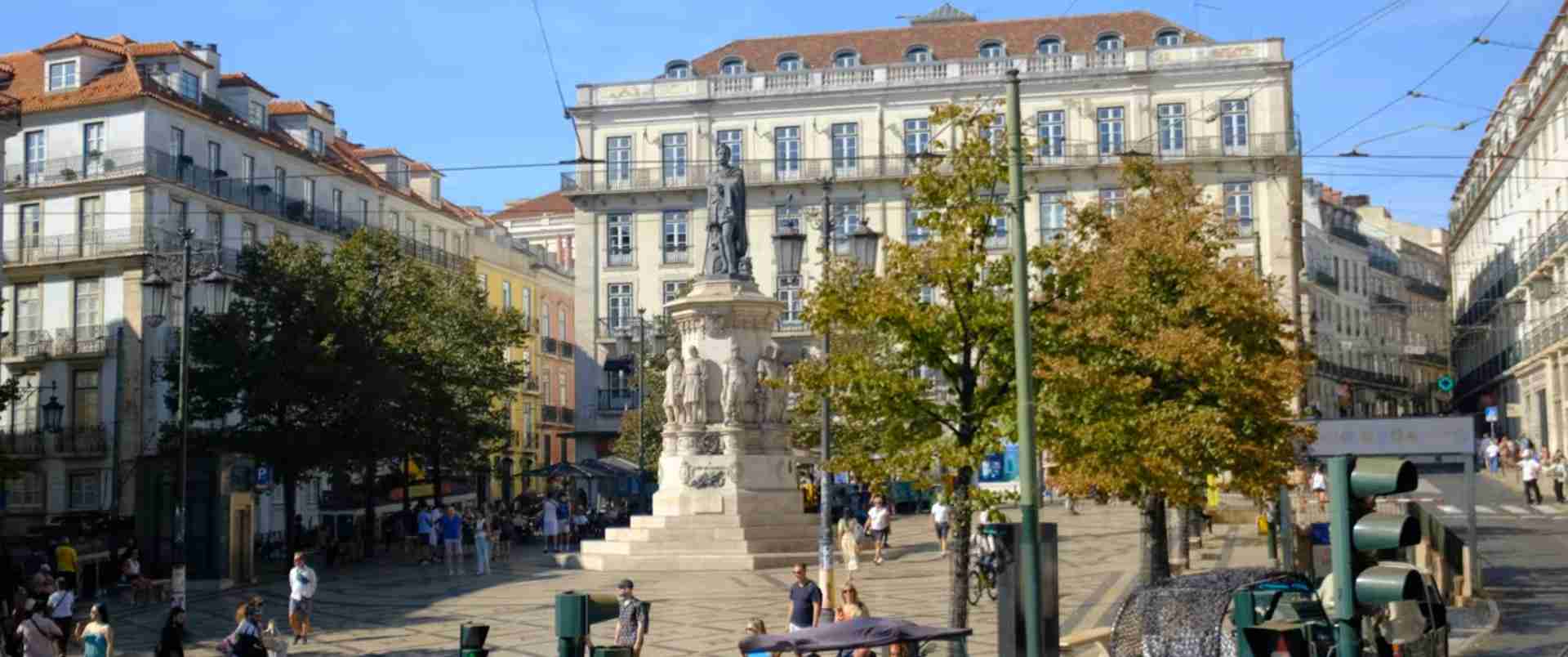
Lisbon with Kids 2026: Complete Family Guide
Key Takeaways
- Budget-Friendly Destination: Family of four can explore Lisbon for €180-280 per day excluding accommodation, with many free attractions and affordable public transportation
- Excellent Public Transport: Metro, trams, and elevators provide child-friendly transportation throughout the city with 24-hour family passes at €15 for unlimited travel
- Year-Round Destination: Lisbon offers comfortable weather for families all year, with spring (March-May) and fall (September-November) providing ideal conditions and smaller crowds
- Interactive Learning: Multiple hands-on museums including Oceanário, Pavilhão do Conhecimento, and maritime museums combine education with entertainment
- Historic Charm Meets Modern Amenities: UNESCO World Heritage sites in Belém offer cultural experiences while modern neighborhoods provide family-friendly facilities and services
- Strategic Location: Perfect base for day trips to beaches (30 minutes), Sintra’s fairy-tale palaces (40 minutes), and child-friendly coastal towns
Planning Your Lisbon Family Adventure in 2026
Lisbon combines historic charm, interactive museums, beautiful beaches, and world-class family attractions to create an exceptional destination for traveling with children. Portugal’s capital offers a perfect balance of cultural experiences and practical amenities that make family travel manageable and enjoyable. The city’s compact size allows families to navigate easily between attractions, while the welcoming Portuguese culture creates a comfortable environment for children of all ages.
The 2026 travel season brings enhanced family facilities throughout Lisbon, with improved accessibility at major attractions, expanded children’s programming at museums, and increased availability of family-oriented accommodation options. The city has invested significantly in making UNESCO World Heritage sites more accessible for families, including the Torre de Belém and Mosteiro dos Jerónimos, where interactive exhibits and child-focused audio guides enhance the experience for younger visitors.
Lisbon’s manageable scale means families can experience significant attractions without exhausting young travelers. Most major sites concentrate in walkable neighborhoods, and the iconic Tram 28 provides an entertaining transportation option that doubles as a sightseeing experience. The city’s seven hills offer spectacular viewpoints but also present challenges for strollers, making strategic planning essential for families with young children.
Portuguese cuisine welcomes children with familiar flavors alongside opportunities for culinary exploration. Pastel de nata (custard tarts) provide universal appeal, while grilled fish, rice dishes, and simple preparations offer accessible options for cautious eaters. Most restaurants accommodate children naturally, with high chairs available and staff accustomed to serving families.
People Also Ask About Lisbon with Kids 2026
Is Lisbon good for families with young children in 2026?
Lisbon ranks as an excellent family destination for 2026, offering safe neighborhoods, reliable public transportation, world-class attractions suitable for children, and welcoming Portuguese hospitality. The city provides numerous parks, playgrounds, interactive museums, and beaches within easy reach. The Parque das Nações neighborhood specifically caters to families with the Oceanário, science center, cable car, and waterfront promenades designed for pedestrian traffic.
Families with young children benefit from Portugal’s child-friendly culture where restaurants welcome kids naturally and locals show patience with traveling families. The compact city center allows manageable walking distances between attractions, while the metro system provides elevator access at most stations for strollers. Summer temperatures stay comfortable compared to other Mediterranean destinations, and the proximity to beaches offers relief during warm afternoons.
How much does a family trip to Lisbon cost in 2026?
A family of four can expect daily costs of €180-280 excluding accommodation in 2026, covering attractions, meals, and transportation. Mid-range family accommodation adds €120-180 per night for apartments or family rooms. A week-long Lisbon family trip totals approximately €1,800-2,800 including accommodation, attractions, dining, and local transportation. Check current rates on booking platforms as prices vary seasonally.
Budget-conscious families can reduce costs significantly through strategic planning. Many top attractions offer free admission on first Sundays, including the Gulbenkian Museum and several municipal museums. The Lisboa Card provides unlimited public transportation plus free or discounted entry to over 25 attractions, costing €42 for adults and €25.50 for youth (4-15 years) for 72 hours in 2026. Family apartments with kitchens allow meal preparation, reducing dining expenses by 40-50% compared to restaurants for every meal.
What is the best time to visit Lisbon with kids in 2026?
April through June and September through October offer optimal conditions for families visiting Lisbon in 2026, providing comfortable temperatures (18-25°C), manageable crowds, and school-friendly timing for extended trips. These shoulder seasons deliver excellent weather for outdoor exploration while avoiding the peak summer heat and tourist congestion that can challenge families with young children.
Spring months (April-May) showcase Lisbon’s parks in full bloom with perfect beach weather emerging by late May. September combines warm ocean temperatures with returning comfortable air temperatures, while October maintains pleasant conditions with fewer tourists than summer months. Winter (December-February) offers the most affordable rates and smallest crowds but includes occasional rain and cooler temperatures requiring adaptation of outdoor activities.
Is Lisbon safe for families traveling with children in 2026?
Lisbon maintains excellent safety standards for families, with low violent crime rates and a generally secure urban environment. The city’s main risks involve pickpocketing in tourist areas and navigating steep hills and uneven cobblestones with strollers. Families should maintain standard urban awareness in crowded areas like Rossio, Baixa, and tourist trams but can feel comfortable exploring most neighborhoods during daytime hours.
Portuguese culture places high value on children’s welfare, meaning locals often assist families navigating the city and show tolerance for typical childhood behavior in public spaces. The extensive pedestrian zones in central Lisbon provide car-free environments for children to move safely, while beaches maintain lifeguard supervision during summer months. Healthcare facilities meet European standards, with several hospitals offering English-speaking pediatric services and pharmacies providing accessible medical supplies.
Extended multi-day tours – 5+ days
Featured Lisbon Multi-Day Tour Packages
3 days
Lisbon 3-Day Discovery Tour
- ✓ Comprehensive Lisbon experience
- ✓ Expert local guides included
- ✓ All accommodation included
- ✓ Transportation provided

5 days
Lisbon 5-Day Highlights Experience
- ✓ Comprehensive Lisbon experience
- ✓ Expert local guides included
- ✓ All accommodation included
- ✓ Transportation provided

7 days
Lisbon 7-Day Cultural Journey
- ✓ Comprehensive Lisbon experience
- ✓ Expert local guides included
- ✓ All accommodation included
- ✓ Transportation provided

10 days
Lisbon 10-Day Complete Adventure
- ✓ Comprehensive Lisbon experience
- ✓ Expert local guides included
- ✓ All accommodation included
- ✓ Transportation provided
Multi-day tour packages powered by TourRadar. Prices and availability subject to change.
Essential Planning Information for 2026 Family Visits
Current Costs and Family Budget Breakdown 2026
Understanding Lisbon’s cost structure allows families to budget accurately and identify money-saving opportunities. The city offers excellent value compared to other Western European capitals while maintaining high-quality attractions and services. Accommodation represents the largest expense, followed by dining and attraction admission, with transportation remaining remarkably affordable through public transit options.
Accommodation Costs 2026: Family apartments in central neighborhoods range €120-180 per night for two-bedroom units sleeping four. Budget options including vacation rentals in residential areas cost €80-120 nightly, while family rooms in hotels range €100-160. Luxury family suites in five-star properties reach €250-400 per night. Staying in neighborhoods like Mouraria, Graça, or Alcântara provides authentic experiences at 20-30% lower costs than prime tourist zones.
Attraction Admission 2026: The Oceanário de Lisboa costs €25 for adults and €17 for children (4-12 years) in 2026, with family tickets at €66 for two adults and two children. Check oceanario.pt for current official rates as pricing may vary. The Pavilhão do Conhecimento (Science Museum) charges €11 for adults and €7 for children. The Torre de Belém and Mosteiro dos Jerónimos each cost €10 for adults with free admission for children under 12. The Lisboa Card mentioned earlier provides significant savings for families planning to visit multiple attractions.
Dining Costs 2026: Family meals range significantly based on choices. Casual neighborhood restaurants serve family lunches for €40-60 total, while tourist-area restaurants charge €60-90 for equivalent meals. Breakfast pastries and coffee cost €12-18 for a family, and supermarket picnics reduce lunch costs to €15-25. Dinner at mid-range restaurants totals €70-100 for four people, while budget options like pizza, pasta, or simple grilled fish meals cost €45-65.
Transportation Costs 2026: Public transportation provides exceptional value. The 24-hour Viva Viagem card costs €6.80 plus €0.50 card fee for unlimited metro, bus, and tram travel within Lisbon. Children under 4 ride free, while youth (4-12) pay half price. A family of four (two adults, two children over 4) spends €15-20 daily for unlimited public transport. Taxis from airport to city center cost €15-20, while Uber provides similar pricing. The tourist tram lines (Tram 28, Tram 15) accept the same cards, eliminating separate tourist transport costs.
Transportation Options for Families 2026
Lisbon’s public transportation system accommodates families effectively, with metro stations providing elevator access, buses offering low floors, and trams creating memorable experiences. The integrated system allows seamless transfers between transport modes, and the extensive network covers all major attractions and neighborhoods relevant to family travel.
Metro System: Four lines (Blue, Yellow, Green, Red) connect major neighborhoods and attractions, operating 6:30 AM to 1:00 AM daily. The Parque das Nações area, home to the Oceanário and science museum, connects via the Red Line. Most stations include elevators, making metro travel manageable with strollers. Trains run every 6-9 minutes during peak hours and every 15 minutes during off-peak periods, reducing wait times with young children.
Iconic Tram Experiences: Tram 28 provides a classic Lisbon experience traveling through historic neighborhoods from Martim Moniz to Campo Ourique. The journey takes 40-50 minutes complete, though families can board at any point along the route. Tram 15 runs from Praça da Figueira to Belém, offering direct access to UNESCO sites. Both trams get extremely crowded during peak tourist hours (10 AM – 4 PM), so families should aim for early morning (before 9 AM) or late afternoon (after 5 PM) journeys for comfortable travel with children.
Buses and Elevators: The extensive bus network fills gaps in metro coverage, particularly to hilltop neighborhoods. The Elevador de Santa Justa provides a unique experience combining transportation with sightseeing, though queues can challenge patience with young children. The Elevador da Glória and Elevador da Bica function as funiculars climbing steep hills, creating entertaining short journeys that kids enjoy while solving stroller-pushing challenges.
Taxis and Ride-Sharing: Taxis display cream-colored vehicles with green roofs, operating on meters that start at €3.90. Uber and Bolt operate throughout Lisbon with competitive rates. A taxi from city center to Belém costs €10-15, while rides to the airport from downtown total €15-20. Families with young children find taxis valuable for direct transport with luggage or tired kids, particularly for airport transfers or late-day returns to accommodation.
Best Time to Visit Lisbon with Families 2026
Seasonal Analysis for Family Travel 2026
Spring Season (March-May 2026): Spring delivers ideal family travel conditions with temperatures ranging 15-22°C, blooming parks and gardens, and manageable tourist crowds except during Easter week. March sees occasional rain requiring flexible planning, while April and May provide consistently pleasant weather perfect for outdoor exploration. Jacaranda trees bloom throughout the city in May, creating spectacular purple canopies in parks and streets.
Spring advantages include comfortable walking weather for children, lower accommodation rates than summer (20-30% reduction), and pleasant beach conditions emerging by late May. The shoulder season means shorter queues at major attractions, with wait times of 15-30 minutes at popular sites versus 60+ minutes in peak summer. Parks remain uncrowded, allowing children free play space.
Summer Season (June-August 2026): Summer brings warm temperatures (22-28°C), minimal rainfall, and the highest tourist crowds. June offers the best balance of summer weather and manageable crowds, while July and August see peak tourism with significantly higher prices and crowded attractions. Beach towns like Cascais and Costa da Caparica fill with Portuguese families taking summer holidays, creating vibrant but busy coastal atmospheres.
Summer presents challenges including heat during midday hours (requiring indoor activities 1-4 PM), crowds at major attractions with wait times exceeding an hour at popular sites, and 30-40% higher accommodation costs than shoulder seasons. However, summer delivers guaranteed beach weather, extended daylight hours (sunset after 9 PM in June-July), and the most extensive programming at family attractions including outdoor concerts and festivals.
Fall Season (September-November 2026): Fall rivals spring as the optimal family travel season, with September maintaining warm temperatures (20-26°C) and excellent beach conditions while crowds diminish as schools resume elsewhere in Europe. October provides comfortable temperatures (17-23°C) ideal for walking and outdoor activities, though occasional rain increases. November brings cooler conditions (14-19°C) with more frequent rain but also the lowest prices and smallest crowds.
Fall benefits families through reduced accommodation costs (25-35% below summer rates), shorter attraction queues, warm ocean temperatures in early fall (19-21°C in September), and authentic local atmosphere as tourism decreases. The São Martinho festival in November offers cultural experiences including roasted chestnuts and traditional celebrations. Schools have resumed in most countries, meaning fewer families travel and attractions cater more to local families than tourists.
Winter Season (December-February 2026): Winter offers the lowest prices and smallest crowds but requires weather adaptability. Temperatures range 10-16°C with increased rainfall, particularly in December and January. While cold by Lisbon standards, winter temperatures remain milder than northern Europe, and many sunny days allow outdoor exploration with appropriate clothing.
Winter advantages include accommodation rates 40-50% below summer prices, minimal queues at attractions, authentic local atmosphere, and Christmas markets and decorations throughout December. Disadvantages include limited beach weather, earlier sunset times (around 5:30 PM), and occasional closures of outdoor attractions during poor weather. Families comfortable with indoor-focused activities and flexible scheduling find excellent value during winter months.
School Holiday Considerations 2026
Families bound by school calendars should plan strategically around European holiday periods when Portuguese and European families travel domestically, creating busier conditions and higher prices. Easter week (April 2026) sees significantly increased domestic tourism, while the first three weeks of August represent the peak Portuguese holiday period when many locals leave Lisbon for coastal destinations, creating mixed effects—some city attractions become less crowded while beach towns fill completely.
International school holidays, particularly British half-terms (late May, late October, mid-February), add tourist traffic to Lisbon. Booking accommodation 3-4 months ahead becomes essential during these periods, as family-friendly properties fill quickly. The Christmas and New Year period (December 20-January 5) sees moderate tourist traffic with locals remaining in the city, creating a festive atmosphere without overwhelming crowds.
Top Family Attractions and Activities 2026
Oceanário de Lisboa: World-Class Aquarium Experience
The Oceanário ranks among Europe’s finest aquariums and serves as Lisbon’s premier family attraction, captivating children of all ages with massive display tanks, interactive exhibits, and diverse marine life. The central tank contains over 5 million liters of seawater with sharks, rays, sunfish, and schools of tropical fish swimming together. Four distinct ecosystems—North Atlantic, Antarctic, Temperate Pacific, and Tropical Indian—surround the central tank, each recreating authentic habitats above and below waterline.
The Oceanário costs €25 for adults and €17 for children (4-12 years) in 2026, with children under 3 admitted free. Check oceanario.pt for current official rates as pricing may vary. Family tickets provide savings at €66 for two adults and two children. The Lisboa Card includes free admission. Audio guides cost €5, though not essential as the displays themselves captivate children through visual impact alone.
Practical tips for families include arriving at opening time (10 AM) or late afternoon (after 4 PM) to avoid peak crowds, allowing 2-3 hours for a complete visit, and bringing snacks as the on-site café charges premium prices. The gift shop offers high-quality marine-themed toys and books but reflects tourist pricing. Stroller access works throughout the facility, and nursing rooms provide private spaces for infant care. The Oceanário lies within the Parque das Nações complex, allowing families to combine it with other activities in the same area for a full-day experience.
Pavilhão do Conhecimento: Interactive Science Museum
Located adjacent to the Oceanário in Parque das Nações, the Pavilhão do Conhecimento (Knowledge Pavilion) provides hands-on science experiences engaging children from toddlers through teenagers. The interactive exhibits focus on physics, mathematics, and technology through participatory activities rather than passive viewing, encouraging children to touch, build, experiment, and discover.
Admission costs €11 for adults and €7 for children (4-17 years) in 2026, with combined Oceanário and Pavilhão tickets offering 10% savings. The museum operates Tuesday-Friday 10 AM – 6 PM and weekends 11 AM – 7 PM. The “Tcharan!” area specifically targets children under 6 with age-appropriate activities including water play, light experiments, and construction materials. Older children engage with robotics exhibits, mathematical puzzles, physics demonstrations, and temporary exhibitions that rotate throughout the year.
The museum café provides affordable lunch options including sandwiches (€5-8), salads (€7-10), and kid-friendly meals (€6-9). Families should allocate 2-3 hours for exploration, though engaged children often request more time. The combination of Oceanário and Pavilhão do Conhecimento creates an excellent full-day experience in Parque das Nações, exhausting even energetic children with stimulating activities.
Belém District: UNESCO World Heritage Sites
The Belém waterfront combines UNESCO World Heritage monuments, maritime museums, riverside parks, and the famous Pastéis de Belém bakery into a child-friendly district accessible via Tram 15 from the city center. The iconic Torre de Belém provides a quintessential Lisbon experience with its maritime architectural details and waterfront location, though the narrow spiral staircase inside challenges families with very young children or strollers.
Torre de Belém admission costs €10 for adults in 2026, with children under 12 admitted free. The Mosteiro dos Jerónimos charges €10 for adults with children under 12 free. Check patrimoniocultural.gov.pt for current official rates. The Lisboa Card includes free entry to both monuments. Lines form by mid-morning during peak season, so families benefit from arriving at opening time (10 AM October-April, 9:30 AM May-September) or purchasing tickets online to bypass queues.
The riverside gardens between monuments provide excellent spaces for children to run and play, with playgrounds, wide promenades, and waterfront views entertaining kids between structured visits. The Padrão dos Descobrimentos (Discoveries Monument) offers elevator access to the roof terrace, providing spectacular Belém views without stair-climbing challenges. The adjacent MAAT (Museum of Art, Architecture and Technology) creates striking modern architecture contrasting with historic monuments, and its exterior riverside walkway allows free exploration even without museum admission.
The Pastéis de Belém bakery attracts crowds throughout the day but moves lines efficiently. The upstairs dining rooms seat families comfortably, while takeaway service allows enjoying the famous custard tarts in nearby gardens. The bakery opens at 8 AM, providing an opportunity to beat crowds for those willing to start early. Each pastel costs €1.40, making treats for a family of four an affordable €5-6 expense.
Castelo de São Jorge: Historic Castle Experience
The medieval castle crowning Lisbon’s highest hill combines history, architecture, gardens, and spectacular city views into an engaging family destination. Children enjoy exploring castle ramparts, peering through crenellations, and imagining medieval life, while parents appreciate the historical significance and photographic opportunities. The expansive grounds include gardens with peacocks roaming freely, archaeological sites, and multiple viewpoints overlooking Lisbon and the Tagus River.
Admission costs €15 for adults and €10 for youth (13-25), with children under 13 free in 2026. Audio guides add €5 per device. The castle opens at 9 AM daily, and morning visits avoid both heat and crowds. The site involves significant walking and stairs, challenging very young children and making strollers impractical for most areas. The rampart walk requires supervision of young children due to height, though the walls themselves provide safety barriers.
The castle offers no food service beyond a small café with limited options, so families should plan lunch elsewhere or bring snacks. The gift shop sells quality replicas of medieval items including wooden swords, shields, and chess sets. The combination of outdoor space, historical atmosphere, and spectacular views maintains children’s interest for 1.5-2 hours. Tram 28 stops nearby, though the final approach requires a steep uphill walk. Alternatively, Tram 12 from Martim Moniz provides closer access with less walking.
LX Factory: Creative Urban Space
This former industrial complex transformed into a creative hub offers a unique Lisbon experience combining art, design, food, and shopping in a family-friendly environment. The outdoor spaces feature street art, installations, and open areas where children can explore safely while parents browse shops, galleries, and restaurants. Weekend markets add craft vendors and food trucks, creating festival-like atmospheres.
LX Factory charges no admission, making it an excellent free activity. Individual purchases vary—meals cost €10-20 per person, while unique toys and crafts in boutique shops range €15-50. The Ler Devagar bookstore creates an impressive space with floor-to-ceiling books, vintage décor, and a café, entertaining book-loving children. Sunday flea markets (10 AM – 6 PM) provide browsing opportunities, and food trucks offer diverse international cuisine appealing to various tastes.
The factory operates with full activity weekends but maintains limited weekday hours when some shops and restaurants close. Weekends deliver the complete experience with all vendors operating and the most energetic atmosphere. Bus 738 from Cais do Sodré reaches LX Factory in 10 minutes, or the 20-minute riverside walk from Belém provides pleasant exercise with Tagus River views.
Lisbon Zoo (Jardim Zoológico)
Portugal’s largest zoo houses over 2,000 animals representing 300 species across 16 hectares of landscaped grounds. Daily presentations include dolphins shows, bird displays, and reptile feedings. The cable car provides aerial views over the zoo, delighting children while reducing walking between distant exhibits. A miniature train circles the property, offering rest breaks for tired young legs.
Admission costs €27 for adults and €19 for children (3-12 years) in 2026, with children under 3 free. Check zoo.pt for current official rates as pricing may vary. Combined entry with cable car and train costs €35 for adults and €25 for children. The Lisboa Card provides 15% admission discounts. The zoo opens at 10 AM daily (closing times vary seasonally from 6 PM winter to 8 PM summer), and full exploration requires 3-4 hours.
The Sete Rios metro station (Blue Line) stops directly at the zoo entrance. Multiple restaurants and cafés operate throughout the grounds with pricing 30-40% above typical Lisbon rates—families can reduce costs by bringing snacks and purchasing only drinks on-site. Stroller access works on main pathways, though some exhibits involve stairs requiring baby-wearing alternatives. The shaded areas and water features provide relief during warm weather, and the dolphin pool includes splash zones where children cool off.
Kid-Friendly Dining Strategies 2026
Portuguese Cuisine for Children
Portuguese food naturally accommodates children with straightforward preparations, familiar ingredients, and minimal spice. Grilled fish arrives simply prepared with lemon and olive oil, french fries accompany most dishes, rice features prominently, and chicken dishes appear on every menu. The national love for bacalhau (salted cod) may not appeal to all children, but restaurants always offer alternatives.
Child-Approved Portuguese Dishes: Bifana (marinated pork sandwich) costs €3-5 and provides an accessible Portuguese fast food option. Francesinha, though originally from Porto, appears in Lisbon restaurants—a hearty sandwich with meat, cheese, and sauce that adventurous kids enjoy. Arroz de pato (duck rice) offers familiar rice preparation with tender meat. Simple grilled sardines or dourada (sea bream) introduce fresh fish without overwhelming flavors. Caldo verde (kale soup) provides vegetables in child-friendly format, often served with cornbread.
Familiar International Options: Pizza restaurants operate throughout Lisbon, with authentic Italian establishments in Chiado and Príncipe Real charging €12-18 for pizzas serving two children. Pasta dishes cost €10-15. Asian restaurants including Chinese, Japanese, and Thai provide alternative cuisines when Portuguese food fatigue sets in, with child-friendly noodle dishes (€8-12) and rice bowls (€10-14).
Breakfast Solutions: Portuguese breakfast centers on coffee and pastries rather than substantial meals. Pastéis de nata (custard tarts) delight most children at €1.20-1.50 each. Bolo de arroz (rice cakes) provide another sweet option. Families seeking more substantial breakfasts should choose accommodation with kitchen facilities or hotels serving international breakfast buffets. Supermarkets offer cereals, yogurt, fruit, and bread at reasonable prices for apartment preparation.
Restaurant Recommendations and Strategies
Budget-Friendly Family Dining: Neighborhood tascas (traditional taverns) serve hearty portions at reasonable prices in casual atmospheres welcoming children. Cantinho do Aziz in Mouraria offers Mozambican-Portuguese fusion with large portions (€12-18 per person) and flavorful dishes appealing to adventurous eaters. Solar dos Presuntos near Praça do Marquês de Pombal specializes in Portuguese classics including roasted meats and fresh fish in an upscale-casual environment (€18-28 per person).
Time Out Market in Cais do Sodré provides excellent family dining with 40+ vendors offering diverse cuisines, communal seating accommodating large groups, and something satisfying every family member’s preferences. Individual dishes cost €8-15, and families can sample multiple vendors. The lively atmosphere tolerates typical child behavior, and the open layout allows kids some movement freedom while adults enjoy meals.
Quick Meal Solutions: Sandwich shops and snack bars throughout Lisbon provide fast, affordable options when full restaurant meals don’t suit the schedule. A bifana (pork sandwich) or prego (steak sandwich) costs €3-5. Empadas (savory pastries) filled with meat or vegetables cost €2-3 each. Gelato shops offer treats for €3-5 per scoop, providing rewards for good behavior during sightseeing.
Supermarket Strategies: Pingo Doce and Continente supermarkets operate throughout Lisbon with extensive prepared food sections, rotisserie chickens (€5-7), fresh bread (€0.80-1.50), produce, and dairy products. A complete picnic lunch for four costs €15-25, including chicken, bread, cheese, fruit, and drinks. Parks throughout the city provide pleasant picnic settings, and the Belém waterfront gardens create particularly scenic lunch spots.
Dining Culture and Etiquette
Portuguese restaurants welcome children naturally, with high chairs available at most establishments (though calling ahead ensures availability). Service proceeds at a relaxed pace—meals rarely feel rushed, allowing families time to eat comfortably. However, this leisurely approach means courses arrive slowly, potentially challenging impatient children. Bringing small activities or allowing device use during waits helps manage expectations.
Portuguese dining times run later than Northern European or North American schedules. Lunch operates noon-3 PM with most locals eating 1-2 PM. Dinner service begins 7 PM but most Portuguese families dine 8-9 PM. Tourist areas serve continuously, and many restaurants accommodate earlier dining requests, particularly for families. However, arriving before 7 PM for dinner may find limited options or restaurants still preparing for evening service.
Accommodation Strategies for Families 2026
Best Neighborhoods for Family Stays
Parque das Nações: This modern waterfront district provides the most family-friendly infrastructure with wide pedestrian zones, parks, playgrounds, the Oceanário, science museum, shopping center, and marina. Accommodation includes modern apartments with full kitchens and hotel chains offering family rooms. The area lacks historic charm but compensates with convenience, safety, and purpose-built family amenities. Apartment rentals cost €100-160 per night for two-bedroom units, while hotel family rooms range €120-180.
Metro access (Red Line) connects Parque das Nações to the city center in 15-20 minutes. The neighborhood feels residential rather than touristy, providing authentic Portuguese atmosphere while maintaining modern conveniences. Multiple supermarkets, restaurants, and services operate throughout the district. The waterfront promenade offers car-free space for children to bike, scooter, or walk safely.
Baixa and Chiado: The city center provides maximum convenience for sightseeing with walkable access to major attractions, metro connections, and abundant dining options. The pedestrian-friendly streets eliminate car traffic concerns, and the grid layout simplifies navigation. However, accommodation costs run 20-30% higher than outlying neighborhoods, and the tourist crowds increase during peak season. Historic buildings mean smaller rooms and frequent stair-climbing with limited elevator access.
Family apartments in Baixa cost €140-200 per night, while hotels charge €150-220 for family rooms. The location maximizes time efficiency, reducing transportation needs and allowing easy returns to accommodation for naps or breaks. The Elevador de Santa Justa provides quick access to Chiado’s shops and restaurants from lower Baixa.
Alfama: Lisbon’s oldest neighborhood creates atmospheric stays in historic settings with narrow streets, local taverns, and fado restaurants. The steep hills and countless stairs challenge families with strollers or young children, and accommodation often occupies buildings without elevators. However, Alfama delivers authentic Lisbon experiences away from tourist crowds. Apartment rentals cost €100-150 per night, providing better value than central neighborhoods while maintaining historic character.
Tram 28 passes through Alfama, providing public transport access, though the crowds and pickpocket risks require vigilance. The neighborhood feels safest during daytime, with some areas becoming deserted after dark. Families comfortable with stairs and seeking authentic experiences find Alfama rewarding, while those prioritizing convenience should consider other areas.
Alcântara and Santos: These residential neighborhoods west of the city center offer authentic local atmosphere with family-friendly infrastructure, parks, and lower accommodation costs. Alcântara provides access to LX Factory and riverside paths, while Santos features traditional architecture with local restaurants and shops. Metro access (Green Line in Santos) and bus routes connect to city center in 15-20 minutes.
Apartment rentals cost €90-140 per night, delivering 25-35% savings compared to tourist areas. The neighborhoods include supermarkets, playgrounds, and local services used by Portuguese families. The trade-off involves less English spoken and fewer tourist-oriented services, but families seeking to experience local life find these areas rewarding.
Accommodation Types and Features
Family Apartments: Short-term apartment rentals provide optimal flexibility for families through kitchen facilities, laundry, living spaces, and multiple bedrooms. Two-bedroom apartments accommodating four people cost €100-180 per night depending on location and season. The ability to prepare breakfast and occasional meals reduces dining expenses significantly, while the extra space allows children to play and parents to relax after sightseeing.
Booking platforms include Airbnb, Vrbo, and local agencies specializing in Lisbon vacation rentals. Essential amenities include washing machine (particularly for longer stays), equipped kitchen with stove and refrigerator, and reliable WiFi. Ground-floor or elevator-serviced apartments eliminate stair challenges with luggage and strollers. Reading reviews carefully identifies properties accurately represented versus disappointing reality.
Hotels and Apart-Hotels: Traditional hotels offer convenience through daily cleaning, reception services, and often breakfast included. Family rooms or connecting rooms cost €120-200 per night in three-star properties, €180-280 in four-star hotels. Apart-hotels combine hotel services with kitchenette facilities, creating middle-ground solutions. The Hotel Mundial near Rossio offers family rooms with Tagus views and central location. The VIP Executive Suites Eden near Restauradores provides apartment-style accommodations with hotel services.
Key Features for Family Accommodation: Elevator access (many historic buildings lack lifts), washing machine or laundry service, kitchen or kitchenette, balcony or outdoor space, blackout curtains for early bedtimes, secure building access, and ground-floor options avoiding stairs. Air conditioning becomes essential for summer stays, while heating matters for winter visits. The ability to prepare simple meals and wash clothes extends wardrobe capabilities and reduces daily costs.
Sample Itineraries 2026
Three-Day Weekend with Kids
Day 1 – Belém Discovery: Start at Belém Tower when it opens (10 AM October-April, 9:30 AM May-September) to avoid crowds. Tower exploration takes 30-40 minutes with children. Walk along the waterfront to Padrão dos Descobrimentos (10 minutes), using the elevator to view from the roof terrace. Continue to Mosteiro dos Jerónimos (10-minute walk), allocating 45-60 minutes for cloister and church exploration. Lunch at a neighborhood restaurant near the monuments or Pastéis de Belém for famous custard tarts and light meals. Afternoon activities include the Maritime Museum (€8 adults, free for children under 12) or riverside gardens for play time. Return via Tram 15 to city center for dinner.
Belém Tower €10 per adult (children under 12 free), Padrão dos Descobrimentos €6 per adult (children under 12 free), Mosteiro dos Jerónimos €10 per adult (children under 12 free), lunch €50-70, pastéis de nata €6-8, dinner €70-90, Tram 15 transport included in daily pass. Total day cost: €152-194 for family of four (two adults, two children) excluding accommodation.
Day 2 – Parque das Nações Science & Ocean Day: Metro to Oriente station, exploring the striking modern station designed by Santiago Calatrava. Start at Pavilhão do Conhecimento (opens 10 AM weekdays, 11 AM weekends), spending 2-3 hours with interactive science exhibits. Lunch at the Vasco da Gama shopping center food court offering diverse options (€30-45 for four). Afternoon at Oceanário (2-3 hours), followed by cable car ride over the park (€6.95 per person round-trip). Walk the waterfront promenade, letting kids play at playgrounds or water features. Dinner in Parque das Nações or return to city center.
Pavilhão do Conhecimento €36 (two adults, two children), Oceanário €66 (family ticket), cable car €28 (four people), lunch €30-45, snacks €10-15, dinner €70-90. Total day cost: €240-274 for family of four excluding accommodation.
Day 3 – Castle & City Center: Morning at Castelo de São Jorge (opens 9 AM), exploring ramparts and gardens (90 minutes). Walk or take Tram 28 to Baixa district, visiting Elevador de Santa Justa (€5.30 per person) for city views. Lunch in Baixa or Chiado (€50-70). Afternoon exploring Rossio and Restauradores squares, riding Elevador da Glória funicular (€3.80 per person), or visiting Carmo Convent ruins (€5 adults, children free). Time Out Market for dinner with multiple vendor options satisfying all family members (€60-80).
Castle admission €30 (two adults, children free), Elevador de Santa Justa €21 (four people), funicular €15 (four people), Carmo €10 (two adults, children free), lunch €50-70, dinner €60-80, snacks €10-15. Total day cost: €196-241 for family of four excluding accommodation.
Three-Day Total: €588-709 excluding accommodation (€120-180 per night = €360-540 for three nights). Complete three-day trip totals €948-1,249 for family of four including accommodation, all attractions, dining, and local transportation.
Five-Day Comprehensive Family Experience
Days 1-2: Follow three-day itinerary Days 1-2 (Belém and Parque das Nações).
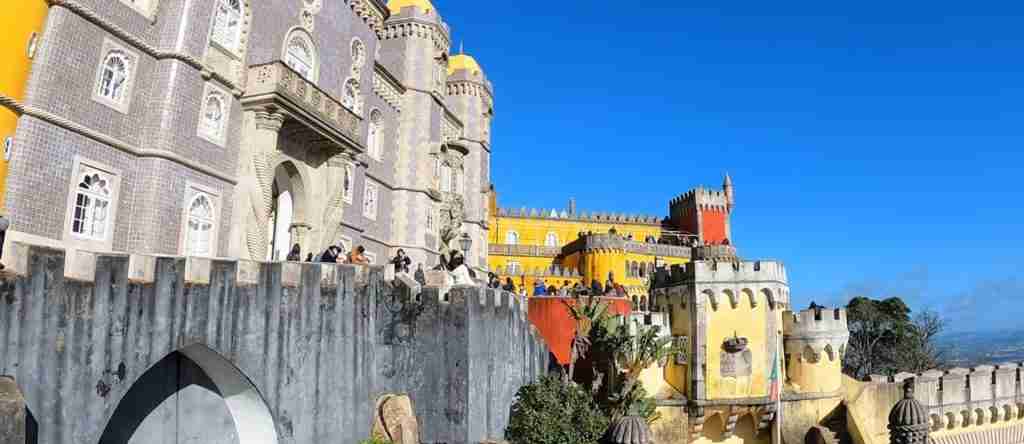
Day 3 – Sintra Day Trip: Train from Rossio station to Sintra (40 minutes, €2.30 per adult, children half price). Purchase 434 bus line ticket at Sintra station (€6.90 per person, children half price) connecting Pena Palace, Moorish Castle, and town center. Visit Quinta da Regaleira (€12 adults, €7 children 6-17) with mysterious gardens, grottoes, and initiation well fascinating children. Lunch in Sintra town (€50-70). Afternoon exploring Pena Palace exterior and gardens (€10 adults, €8.50 children 6-17) or Moorish Castle (€10 adults, €8.50 children 6-17). Return to Lisbon for evening. The fairy-tale architecture and mysterious gardens create memorable experiences for children of all ages.
Sintra train €9.20 return (two adults, two children), bus tickets €21 (four people), Quinta da Regaleira €38 (two adults, two children), Pena Palace grounds €37 (two adults, two children), lunch €50-70, snacks €15-20, dinner €70-90. Total day cost: €240-285 for family of four excluding accommodation.
Day 4 – Beach Day & LX Factory: Morning train or bus to Cascais or Costa da Caparica beach (30-40 minutes). Cascais offers charming town atmosphere with beach, shops, and restaurants. Costa da Caparica provides extensive beaches with varied amenities. Beach activities, swimming, and seaside lunch (€50-70). Afternoon return to Lisbon, visiting LX Factory for creative spaces, shops, and unique atmosphere. Dinner at LX Factory food trucks or nearby restaurants (€60-80).
Beach transport €15-20, beach umbrella rental €15-20, lunch €50-70, ice cream/snacks €15-20, LX Factory transport €5, dinner €60-80. Total day cost: €160-210 for family of four excluding accommodation.
Day 5 – Zoo & Leisure Day: Morning at Lisbon Zoo (3-4 hours) with animal shows and exhibits. Zoo package with cable car and train €120 (two adults, two children). Lunch at zoo (€50-60) or pack picnic to reduce costs. Afternoon leisure time at accommodation or nearby park, allowing rest before departure. Early dinner at local restaurant (€60-80), potentially near accommodation for convenient packing and preparation. Alternatively, substitute zoo with activities missed earlier: castle, museums, or neighborhood exploration based on family interests.
Zoo admission with cable car/train €120, lunch €40-60 (less if picnic), snacks €10-15, dinner €60-80. Total day cost: €230-275 for family of four excluding accommodation.
Five-Day Total: €1,418-1,773 excluding accommodation (€120-180 per night = €600-900 for five nights). Complete five-day trip totals €2,018-2,673 for family of four including accommodation, all attractions, dining, day trips, and transportation.
Money-Saving Strategies for Family Travel 2026
Advance Booking Benefits
Early planning delivers significant savings for family travel to Lisbon. Accommodation booked 2-3 months ahead costs 20-30% less than last-minute rates, particularly during high season (June-August) and school holidays. Airlines offer better fares for flights booked 6-8 weeks in advance, and family apartments in desirable neighborhoods fill quickly, forcing late bookers to accept less convenient locations or higher prices.
The Lisboa Card purchased online before arrival saves 10% compared to in-person purchases. Some attractions including the Oceanário offer small online booking discounts (5-10%) while eliminating ticket line waits. Tour operators provide early-booking promotions for Sintra day trips and other excursions, typically saving €5-10 per person when reserved 2-4 weeks ahead.
Free and Low-Cost Activities
Lisbon offers numerous free experiences that entertain children without admission costs. Tram 28 and Tram 15 rides using standard public transport tickets provide sightseeing entertainment without tourist markup. The entire Belém waterfront allows free access to riverside parks, monuments viewed from exterior, and playgrounds. Walking the Alfama neighborhood creates memorable experiences exploring narrow streets, viewpoints, and historic atmosphere without spending money.
First Sundays offer free admission to many museums including Gulbenkian Museum, National Tile Museum, National Coach Museum, and various smaller institutions. The free entry creates crowded conditions, but families arriving when museums open manage crowds better. Dozens of miradouros (viewpoints) throughout Lisbon provide spectacular city and river views without charge—Miradouro da Graça and Miradouro de Santa Luzia rank among the finest.
Parks and gardens throughout the city offer free access with playgrounds, green space, and opportunities for children to play and picnic. Jardim da Estrela provides a particularly family-friendly park with extensive playground equipment, duck pond, café, and shaded areas. Parque Eduardo VII offers city views, gardens, and open spaces perfect for ball games and running.
Food Cost Management
Strategic dining choices reduce food expenses by 40-50% without sacrificing quality or experience. Preparing breakfast at accommodation eliminates €40-50 daily restaurant breakfast costs for a family—supermarket supplies for week-long breakfast cost €35-50 total. Lunch menus (menu do dia) at neighborhood restaurants provide multi-course meals at fixed prices (€8-12 per person), significantly cheaper than à la carte ordering and typically including soup, main course, dessert, and drink.
Mixing restaurant meals with supermarket picnics balances experience and budget. Having lunch at restaurants experiencing Portuguese cuisine, then preparing simple dinners at apartments or eating casual dinners (pizza, sandwiches) saves significantly compared to two restaurant meals daily. The Time Out Market allows sampling multiple vendors with each family member choosing preferred options without forcing consensus on single restaurant.
Water bottles refilled from accommodation taps eliminate constant beverage purchases—Lisbon tap water meets safety standards. Bringing snacks from accommodation or supermarkets prevents expensive impulse purchases at tourist sites where prices multiply 2-3 times normal rates. A package of cookies or crackers costs €2-4 at supermarkets versus €4-7 at tourist area shops.
Transportation Savings
The 24-hour Viva Viagem card at €6.80 provides unlimited metro, bus, and tram travel far cheaper than individual ride tickets. A family making 4-5 trips daily saves 40-50% compared to per-ride payment. The Lisboa Card includes unlimited public transport plus attraction admission, justifying its cost (€42 adult, €25.50 youth for 72 hours) when visiting 4+ paid attractions and using public transport extensively.
Walking between nearby attractions eliminates transport costs while allowing children exercise and families discovering neighborhood details missed from vehicles. The compact city center enables walking from Baixa to Chiado to Bairro Alto to Príncipe Real in 30-40 minutes with interesting shops, cafés, and architecture throughout. Families with young children or hot weather should balance walking with transport for comfort and energy management.
Airport transfer via metro (Red Line from Aeroporto station) costs €1.85 per person versus €15-20 for taxis or ride-sharing. The metro journey takes 25-30 minutes to city center with stairs and potentially crowded trains, but families traveling light or arriving during off-peak hours manage easily. Returning to airport via metro eliminates final-day taxi expenses.
Practical Tips for Lisbon Family Travel 2026
Navigating the Seven Hills with Children
Lisbon’s famous seven hills present the primary physical challenge for families, particularly those with strollers or young children. Strategic use of elevators, funiculars, and trams minimizes exhausting uphill climbs. The Elevador da Glória climbs from Restauradores to Bairro Alto, eliminating a steep 10-minute walk. The Elevador da Bica and Elevador da Lavra serve similar functions in other neighborhoods. All three elevators accept standard public transport tickets.
Lightweight, compact strollers work better than full-size models for Lisbon’s cobblestone streets and stairs. Baby-wearing carriers provide the most flexibility, allowing access to areas impossible with strollers including castle ramparts, narrow Alfama streets, and crowded trams. Many families combine approaches—using strollers on flat areas and switching to carriers for challenging terrain.
Planning routes with hill considerations improves experience significantly. Starting days in upper neighborhoods (Bairro Alto, Graça, Castle) allows downhill progression rather than ending days with exhausting climbs. The relatively flat Baixa district and waterfront areas (Belém, Parque das Nações) provide relief days without significant elevation changes.
Weather and Clothing Strategies
Lisbon’s moderate climate requires layering rather than extreme weather gear. Spring and fall bring variable conditions—mornings and evenings cool while midday warms significantly. Bringing light jackets, long sleeves, and sun protection allows adjusting to changing conditions throughout the day. Summer demands sun protection including hats, sunscreen, and lightweight clothing, while winter requires rain gear and warmer layers for temperatures dropping to 10-15°C.
Comfortable, closed-toe walking shoes prove essential for cobblestone streets. Adults and older children benefit from well-broken-in shoes with good support, while younger children need flexible shoes allowing natural foot development. Sandals work for beach days but challenge feet on cobblestones. Bringing at least two pairs of shoes allows switching if one pair becomes uncomfortable or wet.
Health and Safety Considerations
Lisbon presents minimal health risks for families. Tap water meets safety standards throughout Portugal, eliminating concerns about drinking water or ice. No special vaccinations beyond routine immunizations are required. The primary health concerns involve sunburn during summer months, dehydration during warm weather, and typical travel illness from fatigue or dietary changes.
Pharmacies (farmácias) operate throughout Lisbon, identified by green crosses, with at least one 24-hour pharmacy in each neighborhood. Pharmacists provide medical advice for minor ailments and sell many medications over-counter that require prescriptions elsewhere. For serious medical needs, Hospital CUF Descobertas and Hospital da Luz offer private care with English-speaking staff, while public hospitals provide emergency services covered by European Health Insurance Cards for EU residents.
Pickpocketing represents the primary safety concern, particularly on crowded tourist trams (Tram 28), busy metro stations, and tourist areas (Rossio, Baixa). Standard precautions include front pockets for valuables, attention in crowded areas, and securing bags. Violent crime remains rare, and families can feel comfortable exploring most neighborhoods during daytime hours. Evening exploration should stick to well-lit, populated areas.
Language and Communication
English language skills vary throughout Lisbon. Tourist areas, major attractions, and hotels typically employ English-speaking staff. Restaurants in central neighborhoods usually provide English menus or English-speaking servers. However, neighborhood restaurants, shops in residential areas, and local services often operate only in Portuguese.
Learning basic Portuguese phrases improves interactions and demonstrates respect. “Bom dia” (good morning), “obrigado/obrigada” (thank you – masculine/feminine), “por favor” (please), “desculpe” (excuse me), and “fala inglês?” (do you speak English?) provide essential courtesy. Portuguese people appreciate attempts at their language even when pronunciation imperfect, and most respond positively to courteous efforts.
Translation apps on smartphones provide valuable backup communication tools. Google Translate offers camera translation for menus and signs, while its conversation mode enables basic exchanges. Having offline translation capability for metro areas with weak signal proves useful.
Packing Essentials for Lisbon Families
Essential items specific to Lisbon family travel include: comfortable walking shoes for all family members, day backpack for carrying water/snacks during sightseeing, refillable water bottles (Lisbon tap water safe), sun protection (hats, sunglasses, sunscreen SPF 30+), small first-aid kit with typical children’s medications, hand sanitizer and wipes (particularly for young children), power adapter (European type C/F), portable phone charger, and lightweight rain jackets even during summer (occasional showers possible).
For young children, bringing familiar snacks from home provides comfort and backup options when Portuguese food doesn’t appeal. A small toy or book for restaurant waits maintains patience during Portuguese-paced service. A tablet or device with downloaded entertainment helps during longer journeys or unexpected delays.
Day Trips and Excursions 2026
Sintra: Fairy-Tale Palaces and Gardens
Sintra creates an essential family day trip combining fairy-tale architecture, mysterious gardens, and mountain scenery 40 minutes from Lisbon. Pena Palace’s colorful exterior and commanding hilltop position fascinate children, while Quinta da Regaleira’s underground tunnels, grottoes, and initiation well create adventure-playground atmosphere. The Moorish Castle offers rampart walks with spectacular views, appealing to kids who enjoyed similar experiences at Castelo de São Jorge.
Trains from Rossio station depart every 20-30 minutes to Sintra (€2.30 adult, half price children). The scenic 40-minute journey passes through suburbs into mountain scenery. The 434 bus connects Sintra station to major palaces (€6.90 per person full day, children half price), running circular routes throughout the day. Alternatively, tuk-tuks offer private transport between sites (€25-35 per trip, negotiable), providing flexibility for families tired from walking.
Early departure (8-9 AM train) allows arriving at Pena Palace before crowds swell mid-morning. Families should allocate 5-7 hours for comprehensive Sintra exploration or focus on 2-3 sites for relaxed visits. The mountain microclimate brings cooler temperatures and occasional clouds even when Lisbon stays warm and sunny—bringing layers proves wise.
Cascais: Beach Town Charm
This elegant coastal town 30 minutes west of Lisbon offers beaches, coastal promenades, charming streets, and relaxed atmosphere perfect for family days. The train journey along the Tagus River and Atlantic coast provides scenic transportation, with trains departing Cais do Sodré every 20 minutes (€2.30 per person, children half price). The beaches feature clean sand, calm waters in protected bays, and lifeguard supervision during summer months.
The town center includes playgrounds, ice cream shops, restaurants ranging from budget to upscale, and pedestrian streets safe for children. The coastal path connects Cascais to nearby Estoril (3km, flat promenade walk) passing beaches and rocky coastline. Families can spend 3-5 hours enjoying beach time, lunch, and exploration without feeling rushed.
Évora: Roman and Medieval History
This UNESCO World Heritage city 90 minutes east of Lisbon provides complete medieval town experience with Roman temple, Gothic cathedral, fascinating (though macabre) Chapel of Bones, and whitewashed streets. Older children interested in history find Évora compelling, while younger kids may struggle with the adult-focused attractions and limited playgrounds.
Direct buses from Lisbon’s Sete Rios station reach Évora in 90 minutes (€12-15 per person). The compact historic center allows exploration on foot, and the Cathedral offers city views from the roof. Lunch options include traditional Alentejo cuisine at reasonable prices. Families should allocate full-day trip (leaving Lisbon morning, returning evening) for comfortable experience without rushing.
Booking and Reservations 2026
Official Booking Channels and Resources
Booking attraction tickets through official websites provides best pricing and guaranteed authenticity. The Oceanário uses oceanario.pt for online ticket purchases. Municipal museums including Castelo de São Jorge operate through lisboaencard.pt. Torre de Belém and Mosteiro dos Jerónimos tickets purchase through patrimoniocultural.gov.pt. Online booking allows selecting specific entry times, reducing waiting in physical ticket lines.
Accommodation booking platforms including Booking.com, Airbnb, and Vrbo offer extensive Lisbon options with user reviews guiding selections. Reading recent reviews (within 3-6 months) provides current information about properties, as conditions change. Filtering for family-friendly features (kitchen, washing machine, elevator) narrows options to relevant properties. Neighborhoods marked on maps allow evaluating location relative to attractions and transportation.
Transportation planning uses metrolisboa.pt for metro information, carris.pt for buses and trams, and cp.pt for trains including Sintra and Cascais lines. The official tourism site visitlisboa.com provides comprehensive attraction information, event calendars, and practical tips.
Tour Operator Recommendations
Several tour operators specialize in family-friendly Lisbon experiences, though independent exploration works perfectly well for most attractions. Viator and GetYourGuide aggregate various tour options with user reviews guiding selection. Family-specific tours to Sintra accommodate children’s shorter attention spans with breaks and engaging guides. Food tours adapted for families introduce Portuguese cuisine through tastings at multiple locations, maintaining interest through movement and variety.
Private tours provide maximum flexibility for families, allowing bathroom breaks, snack stops, and pace adjustment for tired children. Though more expensive (€150-250 for 3-4 hours for family group), private options eliminate schedule stress and accommodate special needs. Most tour operators adjust content based on children’s ages when booking mentions family composition.
2026 Updates and Current Information
Infrastructure Improvements and New Attractions
Lisbon continues infrastructure improvements benefiting family travelers. The metro expansion plans include new stations improving access to previously underserved neighborhoods, though completion dates extend beyond 2026. Several museums undergo renovations including the National Tile Museum, temporarily affecting visiting plans—checking official websites before visiting confirms current status.
Accessibility improvements at UNESCO sites continue with ramps, elevators, and family facilities added where possible within historic preservation requirements. The Parque das Nações area adds new restaurants and entertainment options regularly, expanding choices for family dining and activities. Checking current information sources provides updated details on completed improvements and temporary closures.
Seasonal Events and Festivals 2026
Lisbon’s festival calendar includes family-friendly events throughout 2026. The Santo António festival (June 12-13) creates city-wide celebrations with street parties, music, and traditional foods—though crowds may challenge very young children. The summer months bring outdoor cinema screenings, concerts in parks, and beach festivals along the coast.
Christmas markets operate throughout December in major squares including Terreiro do Paço and Praça do Comércio, featuring activities, decorations, and seasonal treats. The Three Kings Day (January 6) parade includes music, costumes, and entertainment. Checking visitlisboa.com before traveling identifies specific events during visit dates, allowing planning around or incorporating festivals into itineraries.
Frequently Asked Questions
Do I need to book attractions in advance for visiting Lisbon with kids in 2026?
Advance booking proves essential for select attractions and recommended for popular sites during peak season. The Oceanário allows online ticket purchase with time slots, guaranteeing entry and eliminating lines during busy periods (summer, weekends). Pena Palace in Sintra requires advance booking for palace interior during high season, though gardens remain accessible without reservations. Most other Lisbon attractions allow walk-up admission, but online booking often provides slight discounts (5-10%) and time savings.
Accommodation requires advance booking 2-3 months ahead for summer travel or school holiday periods, as family-friendly properties fill quickly. Transportation needs no advance booking for metro, buses, and trams, though Sintra day trips benefit from early starts rather than reservations.
Are Lisbon attractions wheelchair and stroller accessible?
Accessibility varies significantly throughout Lisbon. Modern attractions including the Oceanário, Pavilhão do Conhecimento, and Parque das Nações area provide full wheelchair and stroller access with elevators, ramps, and wide pathways. Historic sites present challenges due to age and preservation requirements—the Torre de Belém and Castelo de São Jorge involve stairs incompatible with wheelchairs or strollers, while the Mosteiro dos Jerónimos offers ground-level cloister access but not upper areas.
The metro system includes elevators at most stations, marked with accessibility symbols on metro maps. Trams provide limited accessibility, with modern articulated trams on some lines offering low-floor access while historic trams require steps. Buses generally feature low floors and wheelchair positions. The cobblestone streets throughout Lisbon challenge wheelchair and stroller maneuvering, making smooth-wheeled, suspension strollers preferable to hard wheels.
What are the best beaches near Lisbon for families with young children?
Cascais offers the most convenient family beaches 30 minutes from Lisbon via train. Praia da Conceição and Praia da Rainha provide calm waters in protected bays, clean facilities, nearby restaurants, and lifeguard supervision during summer. The shallow entry and gentle waves suit young children, while the town infrastructure provides changing facilities, showers, and immediate access to services.
Costa da Caparica south of Lisbon features extensive sandy beaches with varying characteristics. Beaches nearest the town center (accessible via bus from Cacilhas ferry terminal) offer full facilities and calmer conditions suitable for young children. More remote southern beaches provide natural beauty but reduced services and facilities. Families should check current conditions and lifeguard schedules before visiting, as Atlantic conditions vary.
Can I drink tap water in Lisbon? Is it safe for children?
Lisbon tap water meets European safety standards and remains safe for consumption by adults and children. The water quality matches or exceeds bottled water sold in stores. Hotels, restaurants, and private accommodation all provide safe tap water. Bringing refillable bottles eliminates the environmental impact and expense of constant bottled water purchases while ensuring hydration during sightseeing.
Some visitors note slightly different taste compared to home water due to mineral content variations, but this causes no health concerns. Families cautious about new water sources can start with small amounts, though medical evidence supports full safety. Ice in drinks uses tap water and presents no risks.
What should I do if my child gets sick in Lisbon?
Pharmacies (farmácias) provide the first resource for minor ailments including fevers, upset stomachs, and typical childhood illnesses. Portuguese pharmacists offer medical advice and dispense many medications over-counter that require prescriptions elsewhere. At least one 24-hour pharmacy operates in each neighborhood, with locations posted at pharmacy doors.
For more serious concerns, Hospital CUF Descobertas (private) and Hospital da Luz (private) offer pediatric emergency services with English-speaking staff. The Linha Saúde 24 (808 24 24 24) provides 24-hour health advice line with some English support. European Health Insurance Cards cover emergency treatment at public hospitals for EU residents, while travel insurance provides coverage for visitors from other regions. Most pediatric issues require no special procedures beyond typical medical care available throughout Europe.
Are restaurants in Lisbon kid-friendly?
Portuguese culture welcomes children in restaurants naturally, with family dining integral to Portuguese life. Most restaurants accommodate children easily, providing high chairs (requesting when booking ensures availability), tolerating typical child behavior, and offering simple preparations even when not explicitly listed on menus. Staff show patience with families, and fellow diners generally accept children’s presence without complaint.
Kids menus appear at tourist-oriented restaurants but remain uncommon at traditional establishments. However, most restaurants prepare simple pasta with tomato sauce, grilled chicken with french fries, or plain fish upon request even without children’s menu listings. Portion sizes typically accommodate adult appetites, but restaurants readily provide extra plates for sharing meals among young children.
How much Portuguese do I need to know?
English language skills in tourist areas and major attractions mean families manage Lisbon visits with minimal Portuguese. However, learning basic phrases improves interactions and demonstrates respect. Essential phrases include: “Bom dia” (good morning), “Boa tarde” (good afternoon), “Obrigado/Obrigada” (thank you – masculine/feminine), “Por favor” (please), “Desculpe” (excuse me), and “Fala inglês?” (Do you speak English?).
Numbers, basic food vocabulary, and direction terms help in practical situations. Smartphone translation apps provide backup when language barriers arise, though Portuguese people appreciate attempts at their language even with imperfect pronunciation. Most younger Portuguese speak reasonable English, while older generations may have limited English skills but demonstrate patience with communication efforts.
What is the best way to get from the airport to the city center with kids?
The metro Red Line connects Airport station to the city center in 25-30 minutes for €1.85 per person. Elevators at the airport station accommodate luggage and strollers, and trains run every 6-10 minutes throughout the day. The journey requires no changes to reach many central destinations, though connections allow reaching all neighborhoods. Families traveling light or arriving during off-peak hours manage metro transportation easily.
Taxis and ride-sharing services (Uber, Bolt) provide direct transport from airport to accommodation for €15-20 to city center locations. This option delivers maximum convenience for families with significant luggage, young children, or arriving late at night. The 20-25 minute journey eliminates public transport navigation after long flights. Pre-booking ride-sharing through apps ensures immediate pickup, while taxi queues move quickly throughout the day.
Are there changing facilities and nursing rooms at major attractions?
Modern attractions including the Oceanário, Pavilhão do Conhecimento, shopping centers, and Parque das Nações facilities provide dedicated family rooms with changing tables, nursing privacy, and amenities. The Vasco da Gama shopping center near the Oceanário offers extensive family facilities including nursing rooms and children’s play areas.
Historic attractions present limited facilities due to building age and preservation requirements. Torre de Belém and Mosteiro dos Jerónimos provide basic restrooms but not dedicated family facilities. Museums generally include at least changing tables in accessible restrooms. Families should plan accordingly, carrying necessary supplies and utilizing modern facilities (shopping centers, contemporary museums) when available throughout the day.
Can we do Lisbon as a base for other Portugal destinations?
Lisbon serves excellently as a base for exploring surrounding regions through day trips or short excursions. Sintra (40 minutes), Cascais (30 minutes), and Évora (90 minutes) work perfectly as day trips returning to Lisbon accommodation. Porto (3 hours north by train) suits overnight trips, allowing exploration of Portugal’s second city without changing base entirely. The Algarve coast (3+ hours south) requires separate accommodation rather than day trips from Lisbon.
Centralized basing in Lisbon eliminates constant packing and accommodation changes that challenge family travel. Children maintain consistent routines with same accommodation, while parents avoid logistical complexity of moving between destinations. Day trips provide variety while returning to familiar accommodation each evening. For families planning 7-10 days in Portugal, combining Lisbon base (5-7 nights) with one secondary destination (2-3 nights Porto or Algarve) balances variety with convenience.
Final Thoughts: Creating Memorable Lisbon Family Experiences
Lisbon delivers exceptional family travel combining cultural depth, natural beauty, manageable logistics, and welcoming atmosphere. The city’s compact scale allows meaningful experiences without exhausting schedules, while the balance of structured attractions and free exploration accommodates different travel styles. Children gain exposure to Portuguese culture, history, and cuisine in accessible formats, while parents enjoy sophisticated urban environment with family-friendly infrastructure.
The keys to successful Lisbon family travel involve strategic planning without over-scheduling, balancing cultural experiences with downtime, preparing for physical challenges of hills and cobblestones, and maintaining flexibility when plans require adjustment. The Portuguese appreciation for children and family creates comfortable environment for traveling with kids, reducing stress common in destinations less accommodating to families.
Whether exploring UNESCO World Heritage sites, discovering interactive science exhibits, relaxing on nearby beaches, or simply enjoying pastel de nata while watching trams pass historic squares, Lisbon provides rich experiences that create lasting family memories while introducing children to European travel in a manageable, enjoyable setting.