
Lisbon Complete History Guide: From Phoenician Settlement to Modern Capital
Key Takeaways
- Ancient Foundations: Lisbon’s origins trace to Phoenician traders around 1200 BCE, making it one of Europe’s oldest continuously inhabited cities with over 3,000 years of documented settlement
- Strategic Location: The city’s position on the Tagus River estuary created natural harbor advantages that shaped its role as maritime power center throughout Mediterranean and Atlantic trade networks
- Cultural Crossroads: Roman conquest, Visigothic rule, and nearly 400 years of Moorish control created layered cultural heritage visible in architecture, urban planning, and linguistic influences
- Age of Discovery Capital: Lisbon served as launchpad for Portuguese maritime exploration (1415-1543), directing global trade routes and establishing the first colonial empire spanning four continents
- Catastrophic Rebuilding: The 1755 earthquake and subsequent tsunami devastated the city, killing 30,000-40,000 people, but led to Europe’s first earthquake-resistant urban planning under Marquês de Pombal
- Modern Renaissance: Post-1974 Carnation Revolution democracy, 1986 European Union entry, and 1998 World Expo transformed Lisbon into contemporary European capital balancing historic preservation with modernization
Understanding Lisbon’s Historical Significance
Lisbon stands among Europe’s most historically complex capitals, with continuous human settlement spanning over three millennia. The city’s evolution from Phoenician trading post through Roman provincial capital, Moorish stronghold, maritime empire center, and modern European metropolis created distinctive character combining ancient foundations with contemporary vitality. Unlike cities that preserve history as museum pieces, Lisbon integrates multiple historical layers into living urban fabric, where Roman walls support medieval buildings, Moorish street patterns guide modern traffic, and Age of Discovery monuments frame 21st-century architecture.
The city’s historical significance extends beyond Portuguese national narrative to encompass broader European and global history. Lisbon’s role in initiating the Age of Discovery fundamentally altered world geography, economics, and cultural exchange patterns. The Portuguese maritime empire pioneered direct European contact with sub-Saharan Africa, established first sea route to India around Africa’s Cape, and connected Europe with Asia and Americas through oceanic trade networks. These achievements originated from Lisbon’s strategic position, ambitious rulers, and seafaring innovation.
Understanding Lisbon’s history requires examining how geography shaped destiny. The Tagus River estuary provided natural deepwater harbor protected from Atlantic storms while offering inland penetration routes. The surrounding seven hills created defensive advantages while challenging urban development. These geographical features attracted successive civilizations seeking strategic footholds, each leaving architectural, cultural, and social imprints visible throughout contemporary Lisbon.
The catastrophic 1755 earthquake represents pivotal historical moment, dividing Lisbon’s timeline into pre and post-earthquake eras. The disaster destroyed approximately 85% of the city, killed tens of thousands, and sparked theological and philosophical debates throughout Enlightenment Europe. The systematic reconstruction under Marquês de Pombal created Europe’s first rationally planned urban center, pioneering earthquake-resistant construction techniques and modern urban planning principles that influenced city development globally.
People Also Ask About Lisbon History
What is the oldest part of Lisbon?
The Alfama neighborhood constitutes Lisbon’s oldest continuously inhabited district, with foundations dating to Phoenician and Roman periods. The area survived the 1755 earthquake relatively intact due to its location on bedrock and traditional construction methods. Alfama’s medieval street pattern preserves Moorish urban planning, with narrow winding alleys, hidden courtyards, and steep staircases reflecting Islamic architectural principles. The Castelo de São Jorge crowning the hill occupies the site of successive fortifications built by Romans, Visigoths, Moors, and Portuguese, with archaeological evidence revealing occupation layers spanning two millennia.
The name “Alfama” derives from Arabic “al-hamma,” meaning “hot springs” or “baths,” referencing Roman and Moorish bath complexes that once served the area. Medieval construction techniques and materials remain visible throughout the neighborhood, where whitewashed houses with red-tile roofs cluster along labyrinthine streets too narrow for modern vehicles. The survival of this ancient urban fabric makes Alfama invaluable for understanding Lisbon’s pre-earthquake character.
Who founded Lisbon and when?
Phoenician traders established the earliest documented settlement around 1200 BCE, calling it “Alis Ubbo” (safe harbor) or “Olisipo.” Archaeological evidence confirms Phoenician presence through pottery fragments, building foundations, and commercial artifacts discovered beneath modern Lisbon. The Phoenicians recognized the strategic value of the Tagus estuary for Mediterranean trade routes, establishing a trading post that evolved into permanent settlement over subsequent centuries.
Greek geographers referenced the settlement as early as 800 BCE, indicating established commercial importance by the Classical period. The name evolved through successive occupations—Romans called it “Olisipo,” Visigoths “Ulishbona,” and Moors “al-Ushbuna,” before Portuguese Christians adopted “Lisboa.” This linguistic evolution traces the city’s passage through different cultural spheres, each adapting the name to their phonetic systems while maintaining recognizable connection to Phoenician origins.
How long did the Moors control Lisbon?
Moorish forces conquered Lisbon in 711 CE during the rapid Islamic expansion across Iberia, maintaining control for 434 years until Portuguese Christian reconquest in 1147. This extended Moorish period profoundly influenced Lisbon’s development, transforming the settlement from provincial Roman town into sophisticated urban center. The Moors strengthened fortifications, expanded agricultural systems through irrigation technology, introduced new crops including citrus fruits and rice, and established commercial networks connecting Lisbon to broader Islamic world spanning Mediterranean and Indian Ocean.
Moorish architectural and urban planning principles shaped Lisbon’s character permanently. The maze-like street patterns of Alfama and Mouraria directly reflect Islamic design emphasizing privacy, shade, and defensive complexity. The Moors built or enhanced major fortifications including early versions of Castelo de São Jorge, constructed public baths, and developed water distribution systems. Arabic linguistic influences remain in Portuguese vocabulary, particularly terms related to architecture, agriculture, and commerce. The reconquest in 1147 didn’t erase Moorish influence but rather incorporated it into evolving Portuguese Christian identity.
What caused the 1755 Lisbon earthquake?
The earthquake resulted from tectonic activity along the Azores-Gibraltar Transform Fault, where the African and Eurasian plates meet approximately 200 kilometers southwest of Cape St. Vincent. The magnitude estimated between 8.5-9.0 struck on November 1, 1755 (All Saints’ Day) around 9:40 AM, when many Lisboetas attended church services. The seismic event lasted between three and six minutes, causing widespread structural collapse throughout the city. The earthquake triggered massive tsunami waves reaching heights of 20 meters that struck the Tagus waterfront 40 minutes after the initial shock, followed by fires that burned for six days, completing the destruction.
The disaster killed an estimated 30,000-40,000 people in Lisbon alone, with total fatalities throughout Portugal, Spain, and Morocco potentially reaching 60,000-100,000. The event shocked European consciousness, sparking debates about divine providence, natural disaster causation, and human responsibility that influenced Enlightenment philosophy. Voltaire referenced the earthquake in “Candide,” while philosophers and theologians throughout Europe debated its theological implications. The systematic documentation of the disaster and its effects contributed to founding modern seismology as scientific discipline.
Extended multi-day tours – 5+ days
Featured Lisbon Multi-Day Tour Packages
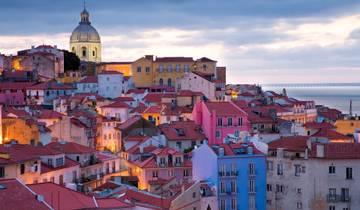
5 days
Best of Lisbon Tour (with Sintra, Évora and Cascais) – 5 Days in Portugal
- ✓ Comprehensive Lisbon tour
- ✓ Expert local guides included
- ✓ All accommodation arranged
- ✓ Transportation provided
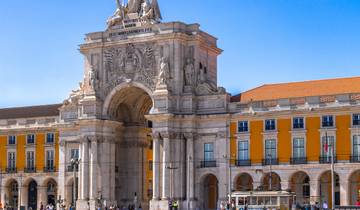
5 days
5 Days Lisbon and Fatima City Adventure
- ✓ Comprehensive Lisbon tour
- ✓ Expert local guides included
- ✓ All accommodation arranged
- ✓ Transportation provided
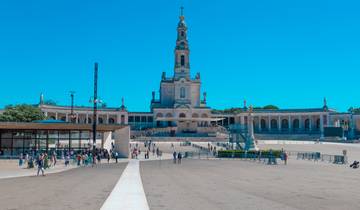
5 days
Best of Lisbon with Sintra, Nazaré, Fátima and Évora – 5 Days
- ✓ Comprehensive Lisbon tour
- ✓ Expert local guides included
- ✓ All accommodation arranged
- ✓ Transportation provided
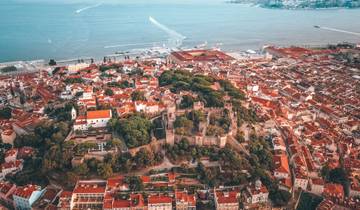
3 days
Wonders of Portugal
- ✓ Comprehensive Lisbon tour
- ✓ Expert local guides included
- ✓ All accommodation arranged
- ✓ Transportation provided
Multi-day tour packages powered by TourRadar. Prices and availability subject to change.
Ancient Origins and Early Settlement
Phoenician Trading Post and Pre-Roman Inhabitants
Phoenician mariners from the eastern Mediterranean established Lisbon’s earliest documented settlement during their westward expansion seeking new trade opportunities and resources. The excellent natural harbor provided safe anchorage for merchant vessels, while the Tagus River offered access to interior regions rich in minerals, particularly tin essential for bronze production. The Phoenicians developed the settlement as commercial outpost rather than major city, focusing on trade with indigenous Iberian populations and resource extraction.
The pre-Phoenician inhabitants belonged to Celtic and Lusitanian tribes occupying the region for millennia before Mediterranean contact. These indigenous peoples practiced agriculture, animal husbandry, and bronze working, establishing hilltop settlements throughout the Tagus valley. The Phoenician arrival introduced these populations to Mediterranean trade networks, advanced maritime technology, and new agricultural techniques. The cultural exchange created hybrid communities blending indigenous and Phoenician elements.
Archaeological excavations beneath modern Lisbon reveal Phoenician residential areas, commercial facilities, and religious sites. Pottery fragments bearing Phoenician script, decorative items showing characteristic artistic styles, and architectural remains confirming construction techniques verify the settlement’s Mediterranean origins. The strategic location attracted not only Phoenicians but also Greeks and Carthaginians, all seeking to establish footholds along the Atlantic trade routes connecting Mediterranean civilizations with northern European tin sources in modern Britain.
Roman Conquest and Olisipo’s Development
Julius Caesar elevated Lisbon to municipal status around 60-48 BCE, renaming it “Felicitas Julia” (Caesar’s happiness) and granting privileges including tax exemptions and citizenship rights to inhabitants. This elevation transformed the settlement from provincial outpost into important Roman administrative center. The Romans recognized Lisbon’s strategic position controlling access between Mediterranean and Atlantic, building it into major provincial capital within Lusitania province.
Roman engineers constructed substantial infrastructure including roads connecting Lisbon to other Iberian cities, aqueducts supplying fresh water, public baths demonstrating sophisticated hydraulic engineering, and defensive walls protecting the expanding settlement. The Romans introduced grape cultivation and wine production that became foundational to regional economy, implemented their legal and administrative systems, and promoted Latin language that evolved into Portuguese. The Rua Augusta in modern Baixa follows the course of the principal Roman street, demonstrating urban planning continuity across two millennia.
The Roman theater discovered near Rua da Prata accommodated approximately 5,000 spectators, indicating substantial population and cultural sophistication. Public buildings included forums for commercial and political activity, temples dedicated to Roman deities, and thermae (bath complexes) serving social functions beyond hygiene. The Roman period established Lisbon as genuine urban center rather than mere trading post, creating administrative, commercial, and cultural infrastructure that survived subsequent invasions and continued functioning under different rulers.
Christianity arrived in Lisbon during the late Roman period, with the first documented bishop mentioned in 381 CE. Early Christian communities established churches, often converting or building adjacent to pagan temples following common practice. The Christian heritage established during Roman rule provided religious continuity that persisted through subsequent Visigothic and Moorish periods, ultimately facilitating the city’s integration into Christian Portuguese kingdom after reconquest.
Medieval Period and Islamic Influence
Visigothic Rule and Early Medieval Development
Following Rome’s collapse, Visigothic tribes established control over Iberia during the 5th century, with Lisbon becoming part of the Visigothic Kingdom. This Germanic people adopted Roman administrative structures while introducing their own legal codes and political systems. The Visigoths converted from Arian Christianity to Catholicism in 589 CE, aligning religious practices with the Roman Christian population and strengthening cultural integration.
Archaeological evidence from this period remains sparse due to subsequent Moorish and Portuguese construction, but the Visigothic era maintained urban infrastructure inherited from Romans while adapting it to new political realities. The city’s population declined from Roman peaks as broader European trade networks contracted during the Migration Period, but Lisbon retained importance as Atlantic port and regional administrative center. Visigothic nobles constructed fortified residences within the old Roman walls, while churches replaced or adapted pagan temples throughout the settlement.
The Visigothic period lasted until 711 CE when Moorish forces crossed from North Africa and rapidly conquered most of Iberia. The Visigothic Kingdom’s political fragmentation and internal conflicts facilitated the swift Islamic conquest, with many cities surrendering after brief resistance or negotiating terms. Lisbon’s capture occurred within this rapid expansion phase, beginning nearly four and a half centuries of Islamic rule that fundamentally transformed the city’s character.
Moorish Lisbon: Al-Ushbuna’s Golden Age
The Moors transformed Lisbon into sophisticated urban center reflecting Islamic civilization’s advanced architecture, engineering, and cultural development. The new rulers strengthened fortifications extensively, constructing or renovating the castle complex on the highest hill (modern São Jorge), building defensive walls encompassing expanded urban area, and creating multiple fortified gates controlling access. These military improvements reflected both defensive necessity in contested frontier region and the resources available to Islamic rulers.
Moorish agricultural innovations revolutionized the Tagus valley’s productivity. The introduction of sophisticated irrigation systems including aqueducts, water wheels, and canal networks enabled cultivation of water-intensive crops previously impossible in Mediterranean climate. New agricultural products including rice, sugarcane, citrus fruits (oranges, lemons), apricots, and various vegetables enriched local diet and created export commodities. The agricultural surplus supported urban population growth and commercial development.
Islamic Lisbon became notable cultural and commercial center within al-Andalus. The city’s position at Atlantic edge of Islamic world created unique character blending Iberian, North African, and Mediterranean influences. Scholars, poets, and merchants contributed to vibrant intellectual atmosphere, while craft production including ceramics, textiles, and metalwork achieved high quality standards. The Moors established madrasas (educational institutions), libraries, and bathhouses reflecting Islamic cultural priorities. Commercial networks connected Lisbon to broader Islamic world, facilitating trade in African gold, spices, textiles, and other luxury goods.
The urban fabric developed during Moorish rule established patterns persisting today. The characteristic maze of narrow streets, small squares, and irregular blocks visible in Alfama and Mouraria reflect Islamic urban planning principles emphasizing privacy, shade, and defensive complexity. Houses featured interior courtyards providing private outdoor space while maintaining separation from public streets—a pattern rooted in Islamic architectural traditions. The Moors constructed public baths, mosques, and markets following Islamic urban planning models that organized cities around religious, commercial, and residential zones.
Christian Reconquest and Portuguese Foundation
Portuguese forces under Afonso Henriques, the first King of Portugal, conquered Lisbon in October 1147 after four-month siege assisted by Crusader armies traveling to the Holy Land. The fall of Lisbon represented crucial victory in the Reconquista, removing Moorish control from the strategically vital Tagus estuary and securing Portugal’s access to Atlantic trade. The conquest effectively established Lisbon as Portugal’s principal city, though Coimbra remained the official capital until 1255.
The conquest involved significant destruction and population displacement. Many Moorish inhabitants fled or faced expulsion, while Christian settlers from northern Portugal and foreign Crusaders received property confiscated from previous Muslim owners. The Great Mosque converted into the Sé Cathedral, symbolizing the religious transformation and Christian dominance. However, complete erasure of Moorish influence proved impossible—the urban layout, agricultural systems, and architectural techniques persisted, and substantial Moorish population remained under Christian rule, gradually assimilating or converting over subsequent centuries.
King Afonso III officially moved the royal court to Lisbon in 1255, recognizing the city’s superior strategic position, commercial potential, and growing population compared to inland Coimbra. This elevation to capital status initiated period of rapid expansion and urban development. The royal presence attracted nobility, merchants, artisans, and ecclesiastical institutions, transforming Lisbon from reconquered frontier city into political center of expanding Portuguese kingdom. The monarchs constructed royal palaces, nobles built urban residences, and religious orders established monasteries and convents throughout the city.
Age of Discovery and Imperial Zenith
Maritime Exploration’s Launching Point
Lisbon’s transformation into center of global maritime exploration began under Prince Henry the Navigator (1394-1460), who directed Portuguese exploration efforts from Sagres in southern Portugal while Lisbon served as commercial and logistical hub. The systematic Portuguese exploration of African coast, search for sea route to India, and eventual establishment of global maritime empire fundamentally altered European history and world trade patterns. Lisbon evolved from regional port into cosmopolitan metropolis directing commercial networks spanning four continents.
The strategic decisions and expeditions that defined the Age of Discovery originated from Lisbon’s royal court and merchant community. King João II commissioned Bartolomeu Dias’s 1488 voyage that rounded Africa’s Cape of Good Hope, proving the existence of sea route to Indian Ocean. Vasco da Gama’s fleet departed from Lisbon in 1497, reaching Calicut, India in 1498 and establishing direct maritime link between Europe and Asian spice markets. This achievement eliminated intermediary Muslim and Venetian merchants who previously controlled the spice trade, generating enormous profits for Portuguese Crown and Lisbon merchants.
Pedro Álvares Cabral’s 1500 voyage to India veered off course, leading to the “discovery” of Brazil and Portugal’s claim to South American territories. The Treaty of Tordesillas (1494) negotiated by Pope Alexander VI divided newly discovered lands between Portugal and Spain, granting Portugal claim to Brazil, African territories, and Asian trading posts. These territorial acquisitions created the first global colonial empire, with Lisbon serving as administrative center coordinating activities across vast distances.
The Golden Age of Commerce and Culture
The 16th century represented Lisbon’s zenith as one of Europe’s wealthiest and most cosmopolitan cities. Merchants from throughout Europe, Asia, and Africa conducted business in the city, creating multicultural atmosphere unusual for the era. The arrival of ships loaded with spices, silks, precious stones, and exotic goods from India, China, Japan, and East Indies transformed Lisbon into primary European market for Asian commodities. Gold from West Africa and later Brazilian mines funded lavish construction projects and royal expenditures.
The immense wealth enabled construction of architectural masterpieces including the Mosteiro dos Jerónimos (begun 1501) and Torre de Belém (1514-1520), both exemplifying distinctive Manueline style blending Gothic elements with maritime motifs, exotic influences, and intricate stone carving. King Manuel I (ruled 1495-1521) commissioned these monuments celebrating Portuguese maritime achievements and demonstrating national power. The Ribeira Palace along the Tagus waterfront served as royal residence, surrounded by customs houses, warehouses, and commercial buildings processing the empire’s trade.
Lisbon’s population swelled to approximately 100,000 inhabitants by mid-16th century, making it one of Europe’s largest cities comparable to Paris, Venice, and Naples. The population included Portuguese from throughout the kingdom, foreign merchants and diplomats, enslaved Africans, and free blacks, Asian servants and merchants, Jews (until expulsion in 1496), and other diverse groups. This cosmopolitan character influenced Portuguese culture, cuisine, and language, incorporating elements from contact with African, Asian, and American peoples.
The cultural flowering extended beyond architecture to literature, art, and intellectual pursuits. Luís de Camões composed “Os Lusíadas” (The Lusiads), Portugal’s national epic celebrating Vasco da Gama’s voyage to India and Portugal’s maritime achievements. The poem, published in 1572, represents pinnacle of Portuguese literature and Renaissance epic tradition. Artists, scholars, and scientists gathered in Lisbon, attracted by royal patronage and commercial opportunities. The Casa da Índia (India House) managed trade with Portuguese possessions, employing cartographers, navigators, and administrators who advanced geographical knowledge.
Spanish Rule and Restoration
King Sebastian’s death at the Battle of Alcácer Quibir in 1578 without heirs triggered succession crisis resolved when Philip II of Spain claimed the Portuguese throne in 1580. The sixty-year period of Spanish Habsburg rule (1580-1640) diminished Lisbon’s independence and channeled Portuguese imperial resources toward Spanish interests. The union meant Lisbon became secondary to Madrid in political importance, though the city retained commercial significance managing Portuguese overseas territories.
The Spanish period brought conflicts affecting Lisbon directly. English and Dutch rivals attacked Portuguese trading posts and ships, weakening the commercial networks that sustained Lisbon’s prosperity. The Dutch seized substantial portions of Portuguese Brazil and Asian holdings, disrupting trade flows. Spanish military commitments in European conflicts drained Portuguese resources without corresponding benefits. Growing Portuguese resentment toward Spanish rule combined with weakening Spanish power created conditions for independence restoration.
The December 1, 1640 coup restored Portuguese independence under João IV of the Braganza dynasty. The relatively bloodless coup involved Portuguese nobles seizing the royal palace in Lisbon and proclaiming João king. Spain initially refused to recognize Portuguese independence, leading to twenty-eight years of intermittent warfare until the 1668 Treaty of Lisbon formalized Portuguese sovereignty. The restoration reinvigorated Portuguese national identity and returned Lisbon to its role as independent national capital, though the city never regained the extraordinary wealth and power of its 16th-century golden age.
Catastrophe and Enlightenment Reconstruction
The 1755 Earthquake and Tsunami
The morning of November 1, 1755 began as All Saints’ Day religious holiday with churches throughout Lisbon filled with worshippers. At approximately 9:40 AM, a massive earthquake struck, lasting between three and six minutes. The intense shaking collapsed buildings throughout the city, with churches suffering particularly severe damage due to their large open interiors and heavy stone construction. Many victims died trapped under rubble of collapsed structures, particularly religious buildings packed with holiday worshippers.
Survivors fleeing to the Tagus waterfront seeking safety from fires and aftershocks faced new horror when massive tsunami waves struck approximately forty minutes after the earthquake. The waves reached heights estimated at 15-20 meters, inundating the low-lying Baixa district and waterfront areas. Ships anchored in the harbor smashed against buildings or swept inland. Many people gathered at the waterfront drowned in the tsunami, while others perished in their collapsed homes or subsequent fires.
Fires ignited by overturned candles, cooking fires, and broken hearths merged into citywide conflagration that burned for six days. The fires destroyed buildings that survived the earthquake, consumed trapped victims, and eliminated food stores and supplies. The combination of earthquake, tsunami, and fires created comprehensive disaster, destroying approximately 85% of Lisbon’s buildings and killing an estimated 30,000-40,000 people from the city’s population of roughly 200,000. The devastation extended beyond Lisbon, with significant damage throughout southern Portugal, southern Spain, and Morocco’s Atlantic coast.
Contemporary accounts describe apocalyptic scenes. Survivors wandered through rubble-filled streets seeking family members, temporary shelters sprouted in open areas, and authorities struggled to maintain order while organizing rescue and relief efforts. The disaster destroyed significant portions of Portuguese state archives, royal records, libraries, and art collections, creating enormous historical documentation loss. The Ribeira Palace along the waterfront completely collapsed and burned, destroying the royal library containing thousands of books, manuscripts, and documents from the Age of Discovery.
Pombaline Reconstruction and Modern Urban Planning
Sebastião José de Carvalho e Melo, the Marquês de Pombal and King José I’s chief minister, directed the reconstruction with remarkable efficiency and vision. Pombal famously responded to the disaster by immediately organizing rescue efforts and reportedly declaring “Now we must bury the dead and care for the living.” His decisive leadership prevented chaos while planning comprehensive rebuilding that transformed Lisbon into Europe’s first rationally planned urban center.
Pombal rejected proposals to rebuild Lisbon following the old medieval street pattern, instead commissioning engineers and architects to design completely new grid-plan downtown district. The Baixa Pombalina (Pombaline Lower Town) features straight, wide streets intersecting at right angles, uniform building heights creating visual harmony, and rationalized zoning separating commercial, residential, and administrative functions. This grid pattern contrasted sharply with the medieval maze typical of European cities, reflecting Enlightenment rationalist principles applied to urban development.
The reconstruction incorporated pioneering earthquake-resistant construction techniques including the “gaiola” (cage) system—interior wooden frameworks designed to flex during earthquakes, distributing stress and preventing collapse. Engineers tested building designs using innovative methods including marching troops around models to simulate earthquake vibrations. The standardized building designs featured reinforced masonry walls, flexible wooden frames, and identical facades creating the Baixa’s characteristic unified aesthetic. These innovations made Lisbon Europe’s first city designed with earthquake safety as primary consideration.
Pombal’s vision extended beyond physical reconstruction to social and economic reforms. He abolished slavery in mainland Portugal in 1761, implemented educational reforms, curtailed religious orders’ power, and promoted economic development including establishing royal monopoly companies. The reconstruction demonstrated the Enlightenment belief in human capacity to impose rational order on chaos, influencing urban planning worldwide. The methodical documentation of the earthquake and systematic approach to rebuilding contributed to modern seismology and earthquake engineering.
The reconstruction required decades to complete, with the Baixa district substantially finished by 1770s but some projects continuing into 19th century. The financial strain contributed to Portugal’s economic difficulties during subsequent decades. Nevertheless, the rebuilt Lisbon embodied modernity and rational planning that established model for future urban development during industrialization era.
Constitutional Monarchy and Liberal Revolution
Napoleonic Wars and Royal Flight to Brazil
Portugal’s alliance with Britain during Napoleonic Wars resulted in French invasion under General Junot in 1807. The royal family and court fled to Brazil aboard British ships as French forces approached, establishing Rio de Janeiro as effective capital of the Portuguese Empire. This unprecedented situation—European monarchy ruling from colonial possession—lasted until 1821. The royal absence diminished Lisbon’s political importance while Brazil gained administrative infrastructure and institutions previously concentrated in the European capital.
French occupation lasted until 1808 when British-Portuguese forces under Sir Arthur Wellesley (later Duke of Wellington) expelled the French during the Peninsular War. The conflict devastated Portuguese economy, damaged infrastructure, and created political instability that persisted throughout the 19th century. Brazil’s 1822 declaration of independence removed Portugal’s wealthiest colony, ending the primary source of colonial revenue and forcing Portugal to reorient economically toward Europe and remaining African colonies.
Liberal Struggles and Constitutional Development
The 1820 Liberal Revolution in Porto spread to Lisbon, establishing constitutional monarchy and limiting royal absolute power. The movement reflected broader European liberal currents following the Napoleonic Wars and sought to modernize Portugal’s political system. The 1822 Constitution established parliamentary system with elected legislature, guaranteed civil rights, and restricted royal authority. However, absolutist forces resisted these changes, leading to the Liberal Wars (1828-1834) between constitutionalist and absolutist factions.
The liberal victory established constitutional monarchy permanently, but political instability continued throughout the 19th century with frequent changes of government, contested successions, and conflicts between progressive and conservative factions. Lisbon served as center for political activity, with parliamentary debates, urban protests, and occasional violence reflecting national political tensions. The city modernized gradually during this period, with gas lighting appearing in 1848, railway connections established in 1850s, and urban expansion beyond the reconstructed Baixa district.
The late 19th century brought technological and social modernization. Trams began operation in 1873 (initially horse-drawn, electrified in 1901), the iconic Elevador de Santa Justa opened in 1902, and modern water and sanitation systems improved public health. The city expanded into new neighborhoods including Avenidas Novas featuring broad boulevards inspired by Parisian planning. Cultural institutions flourished with theaters, museums, and literary cafés becoming centers of intellectual life. However, economic stagnation relative to industrializing northern European nations and political instability undermined national confidence.
Republican Era and Estado Novo
First Republic and Political Turmoil
The October 5, 1910 republican revolution ended the constitutional monarchy, establishing the Portuguese First Republic. The revolution began with military uprising in Lisbon, quickly gaining popular support and forcing King Manuel II into exile. The new republic adopted strongly secular orientation, limiting Catholic Church’s power and influence, implementing educational reforms, and promoting progressive social legislation. However, extreme political fragmentation prevented stable governance—forty-five governments served during the republic’s sixteen years.
Portugal’s participation in World War I alongside the Allies (1916-1918) strained the fragile republic’s resources. The war’s economic impact combined with political instability created conditions for authoritarian reaction. Lisbon experienced political violence, including assassinations, coups, and urban conflict between competing factions. The chaos undermined public confidence in democratic institutions and created openings for authoritarian alternatives.
Salazar’s Estado Novo Dictatorship
The 1926 military coup ended the First Republic, eventually bringing economist António de Oliveira Salazar to power. Salazar established the Estado Novo (New State) authoritarian regime in 1933, ruling as dictator until 1968. The regime combined Catholic conservatism, corporatist economics, Portuguese nationalism, and political repression into coherent ideology justifying authoritarian rule. Salazar maintained Portugal neutral during World War II, though sympathetic to fascist powers, allowing Portugal to avoid war’s devastation while profiting from trade with both sides.
The Estado Novo modernized Lisbon’s infrastructure while maintaining political repression. Major public works included the Cristo Rei monument (completed 1959) inspired by Rio’s Christ the Redeemer, the 25 de Abril Bridge (opened 1966 as Ponte Salazar), and expansion of the port and airport facilities. The regime promoted architectural monumentalism reflecting nationalist ideology, constructing government buildings, public works, and housing projects in Fascist-influenced style. The secret police (PIDE) maintained surveillance and suppressed dissent through arrests, imprisonment, and exile.
Colonial wars in Africa (1961-1974) drained Portuguese resources as independence movements fought Portuguese rule in Angola, Mozambique, and Guinea-Bissau. These conflicts consumed enormous financial and human resources, causing increasing public opposition and military dissatisfaction. Lisbon became center for colonial administration and military logistics while also hosting growing opposition movements despite repression. The inability to resolve colonial conflicts militarily or politically contributed to regime’s eventual collapse.
Democratic Revolution and European Integration
The Carnation Revolution
The April 25, 1974 military coup—the Carnation Revolution—overthrew the Estado Novo dictatorship in virtually bloodless transition to democracy. Military officers frustrated by colonial wars and political repression coordinated the coup, with tank columns entering Lisbon and quickly securing strategic locations. Citizens celebrating in the streets placed red carnations in soldiers’ rifle barrels, creating the revolution’s iconic image and name. The coup marked Portugal’s transition to democracy and ended Europe’s longest-surviving authoritarian regime.
The revolutionary period (1974-1976) brought dramatic changes including African colonies’ independence, return of hundreds of thousands of settlers (retornados) to Portugal, nationalization of major industries, radical land reform, and intense political mobilization. Lisbon experienced revolutionary fervor with massive demonstrations, worker occupations of factories, and competing political factions vying for influence. The eventual stabilization under moderate socialist and social democratic governments established parliamentary democracy that persists today.
European Union Integration and Modern Development
Portugal joined the European Economic Community (later European Union) in 1986, marking formal integration into European mainstream after decades of authoritarian isolation. EU membership brought substantial infrastructure investment, economic modernization, and increased living standards. Lisbon benefited particularly from EU structural funds supporting transportation improvements, urban renewal, and public facilities.
The 1998 World Exposition transformed the eastern waterfront into the modern Parque das Nações district, showcasing contemporary architecture and urban planning. The Expo attracted 10 million visitors and catalyzed renewal of previously industrial area into mixed-use neighborhood with residential, commercial, cultural, and recreational facilities. The Vasco da Gama Bridge, opened for the Expo, became Europe’s longest bridge at the time. The Oceanário de Lisboa (Lisbon Oceanarium), built for the Expo, became one of the city’s premier attractions.
The early 21st century brought continued urban transformation balancing historic preservation with modernization. The historic center received UNESCO World Heritage consideration for areas including Belém and Jerónimos Monastery (listed 1983), Torre de Belém (1983), and continuing efforts for additional designations. Lisbon positioned itself as tourist destination, technology hub, and cultural center while confronting challenges including housing affordability, gentrification, tourism pressure on historic neighborhoods, and economic vulnerabilities exposed by 2008-2014 European debt crisis.
Contemporary Historical Understanding
Archaeological and Historical Research
Ongoing archaeological excavations continue revealing Lisbon’s layered history. Metro construction, building renovations, and planned excavations uncover Roman artifacts, Moorish structures, and medieval remains beneath modern streets. The Roman galleries beneath Rua da Prata, discovered during archaeological investigations, demonstrate sophisticated Roman garum (fish sauce) production facilities. These discoveries contribute to understanding ancient commercial activities and daily life.
Historical research utilizing archives, documents, and oral histories illuminates previously understudied aspects of Lisbon’s past. Scholars examine topics including slavery’s role in the city’s economy, female experiences across different periods, Jewish community history before and after the expulsion, African and Asian communities’ contributions, and working-class experiences during industrialization. These research efforts create more comprehensive understanding of Lisbon’s diverse historical experiences beyond traditional narratives focusing on kings, battles, and monuments.
Historical Memory and Urban Heritage
Contemporary Lisbon grapples with preserving historical heritage while accommodating modern development pressures. The balance between tourist-driven development and resident needs creates tensions in historic neighborhoods experiencing gentrification and character changes. The recognition of colonial history’s problematic aspects coexists with celebration of Age of Discovery achievements, creating complex discussions about historical memory, representation, and acknowledgment of colonialism’s victims.
Museums and cultural institutions increasingly present nuanced historical narratives acknowledging multiple perspectives. The Padrão dos Descobrimentos (Discoveries Monument), originally built for 1940 Estado Novo propaganda and rebuilt in 1960, now hosts exhibitions exploring both achievements and costs of Portuguese exploration and colonialism. Educational programs and historical interpretation efforts attempt to provide balanced understanding of Lisbon’s complex history.
Frequently Asked Questions
Why is Lisbon called the “City of Seven Hills”?
Lisbon’s nickname references the seven prominent hills forming the city’s topography: São Jorge (castle hill), São Vicente, São Roque, Santo André, Santa Catarina, Chagas, and Sant’Ana. This designation creates parallel with Rome’s seven hills, reflecting Portuguese desire to connect their capital with classical heritage. The hills shaped urban development, defensive capabilities, and characteristic viewpoints (miradouros) offering spectacular city vistas. The topography influences daily life, with steep streets, staircases, and elevators/funiculars providing vertical transportation.
What happened to Lisbon’s Jewish community?
Lisbon hosted significant Jewish community contributing to commerce, scholarship, and cultural life throughout medieval period. The 1496 forced conversion or expulsion decree by King Manuel I, issued as condition for marriage to Spanish princess Isabella, eliminated open Jewish practice. Many Jews underwent forced conversion becoming “New Christians” or “Conversos” while secretly maintaining Jewish practices. The Portuguese Inquisition (1536-1821) persecuted suspected crypto-Jews through investigations, trials, and executions. Some Jews fled to more tolerant regions including Ottoman Empire, Netherlands, and eventually Americas. Small Jewish communities reestablished in Lisbon during the 19th century, and the Lisbon Synagogue opened in 1904. The community remained small throughout the 20th century, though Portugal provided refuge to some Jews fleeing Nazi persecution during World War II.
How did Lisbon avoid destruction during World War II?
Portugal maintained neutrality throughout World War II under Salazar’s Estado Novo regime, avoiding direct involvement despite strategic location and colonial possessions. Lisbon became unusual wartime haven where diplomats, spies, refugees, and exiles from opposing sides operated simultaneously. The city served as escape route for refugees fleeing Nazi-occupied Europe, with thousands obtaining visas and passage to Americas, Britain, or other destinations. Aristides de Sousa Mendes, Portuguese consul in Bordeaux, France, famously defied orders by issuing thousands of visas to refugees including Jews, enabling their escape through Portugal. Salazar’s neutrality policy balanced between Allied and Axis powers, trading with both while resisting pressure to join either side. The strategic decision preserved Portugal and Lisbon from war’s devastation while generating economic benefits from providing goods and services to belligerents.
What is the significance of the Tagus River in Lisbon’s history?
The Tagus River determined Lisbon’s existence, strategic importance, and historical development. The river’s estuary provides natural deepwater harbor protected from Atlantic storms while offering inland penetration. This geographical feature attracted Phoenicians establishing the original settlement, Romans recognizing strategic value, and Portuguese monarchs choosing Lisbon as capital. The river served as highway for commerce, connecting Lisbon to interior regions and providing embarkation point for voyages during Age of Discovery. The waterfront concentrated commercial activity with customs houses, warehouses, shipyards, and markets. The 1755 tsunami demonstrated the river’s destructive potential, but its economic importance ensured continuing development along its banks. Modern Lisbon maintains intimate relationship with the Tagus through waterfront development, maritime heritage sites, and the river’s role in urban identity.
What does “Alfama” mean and why is it historically significant?
Alfama derives from Arabic “al-hamma” meaning “hot springs” or “baths,” referencing thermal springs and bath complexes Romans and Moors built in the area. The neighborhood preserves Lisbon’s oldest continuously inhabited district, maintaining medieval and Moorish urban character through narrow winding streets, small squares, and traditional architecture. Alfama survived the 1755 earthquake relatively intact, making it invaluable for understanding pre-earthquake Lisbon’s character. The neighborhood housed diverse populations throughout history including fishermen, dockworkers, sailors, and later became fado music’s birthplace. Contemporary Alfama balances tourism development with residential community, maintaining traditional character while facing gentrification pressures.
How did the Age of Discovery change Lisbon permanently?
The Age of Discovery transformed Lisbon from regional capital into global metropolis and one of Europe’s wealthiest cities. The influx of spices, precious stones, silks, and gold from Asia, Africa, and Americas created extraordinary prosperity funding architectural masterpieces including the Mosteiro dos Jerónimos and Torre de Belém. The city’s population diversified dramatically with merchants from throughout Europe, enslaved and free Africans, Asian servants and traders, creating cosmopolitan character unprecedented for the era. Portuguese cuisine, language, and culture incorporated influences from global contacts. The experience of managing the first global colonial empire created administrative expertise and maritime knowledge concentrated in Lisbon. Although the empire declined and the extraordinary 16th-century wealth diminished, the Age of Discovery established Portuguese global connections and cultural influences that persist today. The monuments, urban development, and cultural achievements from this period define Lisbon’s historical identity and tourist appeal.
What role did Lisbon play in the African slave trade?
Lisbon served as major entry point for enslaved Africans brought to Europe during the 15th-16th centuries, with the slave trade representing dark chapter in the city’s history. Portuguese exploration of African coast initiated European Atlantic slave trade, with enslaved people transported to Lisbon for domestic service, skilled labor, and resale. By the mid-16th century, enslaved and free Africans constituted approximately 10% of Lisbon’s population. The Casa dos Escravos (Slaves’ House) operated near the waterfront, processing enslaved people for distribution. Although Marquês de Pombal abolished slavery in mainland Portugal in 1761, Portugal continued participating in Atlantic slave trade to Brazilian colonies until 1836, and slavery persisted in Portuguese colonies until 1869. This historical legacy remains understudied in Portuguese public history, though scholars increasingly examine slavery’s role in Lisbon’s development and African descendants’ contributions to Portuguese culture.
Why is there a British presence and influence in Lisbon’s history?
The Anglo-Portuguese Alliance, established by the Treaty of Windsor (1386), constitutes the world’s oldest active military alliance. This extraordinary relationship shaped both nations’ histories, with Britain supporting Portuguese independence during conflicts with Spain, providing military assistance during Napoleonic Wars, and maintaining commercial ties throughout centuries. British merchants established substantial community in Lisbon and Porto, particularly in wine trade. The British Cemetery in Lisbon (established 1717) demonstrates the long-standing British community presence. During World War II, British intelligence operated from Lisbon, and British subjects used the city as escape route from Nazi-occupied Europe. The alliance influenced Portuguese foreign policy orientation toward Britain and later NATO, and British investment contributed to Portuguese economic development. Contemporary Lisbon hosts British residents, businesses, and tourists, continuing centuries of connection.
How accurate is the claim that Lisbon is older than Rome?
While Lisbon boasts ancient origins with Phoenician settlement around 1200 BCE, the claim of being “older than Rome” requires nuanced understanding. Archaeological evidence confirms pre-Roman settlement, and the Phoenician presence preceded Rome’s traditional founding date (753 BCE). However, comparing city ages involves methodological challenges—defining what constitutes a “city” versus settlement, continuous occupation versus intermittent habitation, and distinguishing legend from archaeological evidence. Rome’s extensive documentation and archaeological remains provide clearer historical record than Lisbon’s more fragmentary ancient evidence. The claim serves primarily as marketing narrative emphasizing Lisbon’s antiquity rather than rigorous historical comparison. Nevertheless, Lisbon legitimately ranks among Europe’s oldest continuously inhabited cities, with documented settlement spanning over 3,000 years and multiple cultural layers creating rich archaeological and historical record.
What historical sites remain from different periods of Lisbon’s history?
Lisbon preserves remarkable historical sites spanning its multi-millennia existence. Roman remains include theater ruins near Rua da Prata, sections of defensive walls incorporated into later structures, and underground galleries. The Castelo de São Jorge occupies site of successive fortifications built by Romans, Visigoths, Moors, and Portuguese, with visible remains from multiple periods. The Sé Cathedral, founded in 1147 shortly after Christian reconquest, incorporates Romanesque, Gothic, and later architectural elements. The Carmo Convent ruins preserve Gothic church destroyed in 1755 earthquake, maintained as memorial to the disaster. The Torre de Belém and Mosteiro dos Jerónimos exemplify Manueline architecture celebrating Age of Discovery. The Baixa Pombalina district represents 18th-century Enlightenment urban planning. The Águas Livres Aqueduct demonstrates 18th-century engineering. The Cristo Rei monument and 25 de Abril Bridge represent 20th-century development. The Parque das Nações showcases contemporary architecture from the 1998 Expo. This layered preservation allows visitors to trace Lisbon’s evolution through standing monuments representing distinct historical periods.