
Lisbon Cultural Significance Guide: Fado, Maritime Heritage & Identity
Key Takeaways
- Fado Music Heritage: UNESCO-recognized musical tradition expressing saudade (profound longing) through melancholic vocals, Portuguese guitar accompaniment, and poetic lyrics rooted in Alfama neighborhood’s working-class culture
- Maritime Identity: Centuries of seafaring shaped Portuguese cultural psychology, language, cuisine, and worldview, creating national identity intrinsically connected to Atlantic Ocean and global exploration
- Saudade Philosophy: Uniquely Portuguese emotional concept combining nostalgia, longing, and melancholic remembrance influences literature, music, art, and collective cultural expression
- Multicultural Legacy: African, Asian, Brazilian, and European influences created through colonial history produce distinctive cultural synthesis in cuisine, language, religious practices, and social customs
- Literary Tradition: Fernando Pessoa, Luís de Camões, José Saramago, and other writers established Portuguese literature balancing philosophical depth, linguistic innovation, and national cultural expression
- Religious Culture: Catholic traditions including festivals, pilgrimages, and saints’ celebrations structure social life while coexisting with secular modernity in complex relationship
Understanding Lisbon’s Cultural Importance
Lisbon occupies unique position in European cultural geography as westernmost capital facing Atlantic Ocean rather than internal European neighbors. This geographic situation shaped distinct cultural character combining Mediterranean lifestyle, Atlantic maritime orientation, and complex historical relationships with Africa, Asia, and Americas through colonial enterprise. The cultural significance extends beyond Portuguese national identity to encompass broader themes of exploration, encounter, cultural mixing, and the psychological impacts of empire’s rise and decline.
The city functions as repository of Portuguese cultural expression across multiple domains including music (fado), literature (Pessoa, Saramago), visual arts (azulejo tradition, contemporary art), architecture (Manueline to contemporary), and gastronomy (Atlantic seafood, global spice influences). These cultural forms interconnect, creating coherent worldview characterized by saudade’s melancholic beauty, appreciation for artistic expression, and philosophical tendency toward introspection and nostalgia.
The multicultural dimension distinguishes Lisbon from more culturally homogeneous European capitals. The historical contacts with African, Asian, and Brazilian cultures created synthesis visible in language (Portuguese vocabulary includes words from dozens of languages), cuisine (African and Asian spice influences), music (rhythms and instruments from former colonies), and population diversity. This cultural mixing occurred through problematic colonial relationships involving exploitation and forced labor, creating complex legacies requiring contemporary acknowledgment and ongoing cultural negotiation.
Lisbon’s cultural significance also encompasses its role as inspiration for artists, writers, and thinkers from multiple nations. The city’s light quality, dramatic topography, melancholic atmosphere, and historical depth attracted creative figures throughout history. Fernando Pessoa’s poetry captures Lisbon’s metaphysical character, transforming physical city into philosophical meditation. Contemporary artists continue drawing inspiration from Lisbon’s cultural richness, contributing to ongoing cultural production and international cultural exchange.
People Also Ask About Lisbon Culture
What is fado music and why is it important to Lisbon?
Fado represents Portugal’s most distinctive musical contribution, recognized by UNESCO as Intangible Cultural Heritage of Humanity in 2011. The genre originated in early 19th-century Alfama neighborhood among working-class communities including sailors, prostitutes, and urban poor. The music expresses saudade—complex Portuguese emotion combining longing, nostalgia, and melancholic remembrance—through plaintive vocals accompanied by Portuguese guitar (guitarra portuguesa) and classical guitar (viola).
The performance tradition requires intimate settings in fado houses (casas de fado) where silence and respectful attention allow emotional transmission between singer (fadista) and audience. The lyrics address themes including lost love, fate (fado means “fate” in Portuguese), urban life, nostalgia for past, and existential longing. Great fadistas including Amália Rodrigues, who elevated fado to art form, Maria Severa Onofriana (legendary 19th-century figure), and contemporary artists like Mariza and Carminho maintain the tradition while introducing innovations.
Fado’s importance extends beyond music to embody Portuguese cultural identity and emotional character. The genre provides outlet for Portuguese tendency toward melancholic introspection and philosophical contemplation. The music connects contemporary Lisbon to working-class roots, maritime heritage, and collective historical experiences. The UNESCO recognition validates fado as significant cultural expression worthy of preservation and international attention.
What does “saudade” mean and why is it culturally significant?
Saudade constitutes uniquely Portuguese emotional concept defying simple translation, encompassing longing, nostalgia, melancholic remembrance, and bittersweet yearning for absent people, places, times, or experiences. The emotion combines pleasure of memory with pain of absence, creating complex feeling neither entirely positive nor negative. Portuguese speakers consider saudade fundamental to national character and cultural expression, appearing throughout literature, music, art, and everyday conversation.
The cultural significance connects to Portugal’s historical experiences including maritime exploration (longing for sailors at sea), colonial decline (nostalgia for past power), emigration traditions (separation from homeland and family), and general philosophical tendency toward introspection. Saudade permeates Portuguese culture, influencing how Portuguese people conceive relationships, memory, identity, and time. The concept shapes artistic expression across media, providing emotional foundation for fado music, Fernando Pessoa’s poetry, and broader cultural production.
The untranslatability of saudade reflects cultural specificity—certain emotional experiences and concepts develop particular importance within specific cultural contexts. The Portuguese emphasis on saudade distinguishes their cultural psychology from neighboring Spain’s more extroverted character or northern Europe’s Protestant work ethic. Understanding saudade provides key to appreciating Portuguese and Lisbon cultural expressions that might otherwise seem unnecessarily melancholic or nostalgic to cultural outsiders.
How did maritime exploration shape Lisbon’s culture?
Maritime exploration fundamentally shaped Portuguese and Lisbon cultural identity, creating self-conception as nation of navigators, discoverers, and bridge between continents. The Age of Discovery (15th-16th centuries) established Portuguese as first global maritime power, initiating direct European contact with sub-Saharan Africa, sea route to India, and Brazilian colonization. These achievements generated enormous pride while creating cultural psychology of a small nation achieving disproportionate global impact.
The maritime orientation influenced language (nautical terminology permeates everyday Portuguese), cuisine (emphasis on seafood, spices from Asia), architecture (maritime motifs in Manueline style), literature (Camões’s “Os Lusíadas” celebrating da Gama’s voyage), and worldview (openness to cultural encounter, geographic knowledge, cosmopolitan attitudes). The centuries of seafaring created cultural comfort with travel, emigration, and cultural mixing that distinguishes Portugal from more land-oriented European nations.
The decline of empire produced melancholic dimension to maritime identity. The loss of colonies throughout 20th century, particularly following 1974 Carnation Revolution, ended Portugal’s global power while creating nostalgia for imperial past. Contemporary Portuguese culture grapples with this legacy, acknowledging both achievements of navigation and problematic aspects of colonialism including slavery, exploitation, and cultural destruction. The maritime heritage remains central to Lisbon cultural identity while undergoing critical reassessment of historical narratives.
What makes Lisbon’s multiculturalism distinctive?
Lisbon’s multiculturalism emerged through specific historical processes distinguishing it from other European multicultural cities. The colonial empire brought African, Asian, and Brazilian influences to Lisbon through trade, slavery, colonial administration, and eventually postcolonial immigration. This created cultural mixing occurring over centuries rather than only recent decades, producing deeply embedded influences in Portuguese language, cuisine, music, and cultural practices.
The African presence dates to 15th-16th centuries when enslaved Africans constituted approximately 10% of Lisbon’s population. Although slavery ended in mainland Portugal in 1761, African influences persisted and expanded through 20th-century immigration from former colonies including Angola, Mozambique, Cape Verde, and Guinea-Bissau. The Lusophone (Portuguese-speaking) African communities maintain distinct cultural identities while contributing to broader Portuguese culture through music, cuisine, and linguistic innovations.
The Asian connections, particularly with Goa (India), Macau (China), and East Timor, introduced culinary influences including spice use, curry dishes, and tea culture. Brazilian immigration increased following independence (1822) and particularly during 20th-21st centuries, bringing vibrant musical traditions, linguistic variations, and cultural practices. The result creates cultural landscape where Afro-Portuguese, Asian-Portuguese, and Brazilian influences blend with European traditions, producing distinctive Lisbon multiculturalism rooted in colonial history rather than only recent globalization.
Extended multi-day tours – 5+ days
Featured Lisbon Multi-Day Tour Packages
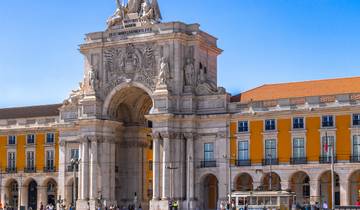
5 days
5 Days Lisbon and Fatima City Adventure
- ✓ Comprehensive Lisbon tour
- ✓ Expert local guides included
- ✓ All accommodation arranged
- ✓ Transportation provided
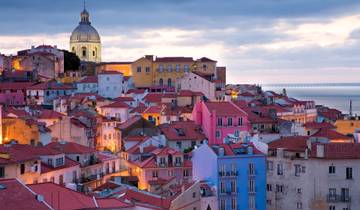
5 days
Best of Lisbon Tour (with Sintra, Évora and Cascais) – 5 Days in Portugal
- ✓ Comprehensive Lisbon tour
- ✓ Expert local guides included
- ✓ All accommodation arranged
- ✓ Transportation provided
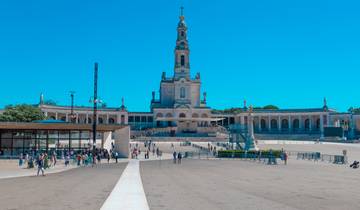
5 days
Best of Lisbon with Sintra, Nazaré, Fátima and Évora – 5 Days
- ✓ Comprehensive Lisbon tour
- ✓ Expert local guides included
- ✓ All accommodation arranged
- ✓ Transportation provided
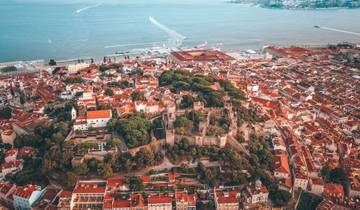
3 days
Wonders of Portugal
- ✓ Comprehensive Lisbon tour
- ✓ Expert local guides included
- ✓ All accommodation arranged
- ✓ Transportation provided
Multi-day tour packages powered by TourRadar. Prices and availability subject to change.
Fado: Lisbon’s Soul Music
Historical Origins and Social Context
Fado’s origins remain debated among scholars, with theories attributing influences to Moorish musical traditions, African slave songs, Brazilian lundum rhythms, and indigenous Portuguese folk music. The genre crystallized in early 19th-century Lisbon, particularly in Alfama and Mouraria neighborhoods among marginalized urban populations. Taverns and sailors’ haunts provided venues where fado developed as music of urban poor expressing hardship, longing, and resilience through song.
Maria Severa Onofriana (1820-1846) emerged as fado’s first legendary figure, a prostitute whose beauty, voice, and tragic early death established romantic mythology surrounding the genre. Her relationship with Count of Vimioso crossed class boundaries, creating narrative of doomed love that became recurring fado theme. Her image wearing black shawl became iconic fadista representation. Although historical documentation remains limited, Severa’s legend established fado’s association with marginal urban life and passionate female performance.
The late 19th-early 20th centuries saw fado’s social ascent from marginal entertainment to recognized artistic expression. Middle-class audiences began attending fado performances, and the music appeared in theaters and formal venues beyond taverns. This social elevation required negotiating authenticity concerns—whether fado performed in refined settings for bourgeois audiences maintained its working-class soul or became commercialized imitation. These debates continue as fado navigates between tradition preservation and contemporary relevance.
Musical Structure and Performance Practice
Traditional fado employs distinctive instrumentation centered on fadista’s voice accompanied by Portuguese guitar (guitarra portuguesa) and classical guitar (viola). The Portuguese guitar features pear-shaped body, twelve metal strings arranged in six double courses, and distinctive teardrop headstock. The instrument produces bright, shimmering sound with rapid decay, creating characteristic fado timbre. The guitarra’s playing style emphasizes arpeggios and melodic responses to vocal phrases, creating dialogue between singer and instrument.
The classical guitar provides harmonic foundation and rhythmic pulse, using fingerstyle technique emphasizing bass notes and harmonic fills. The combination of Portuguese guitar’s high register and classical guitar’s lower register creates full harmonic spectrum supporting the voice. Some contemporary fado groups add bass guitar providing additional low-end support, though purists consider this departure from tradition.
The performance structure follows specific conventions including instrumental introduction (introdução) establishing mood and key, vocal verses (quadras) delivering lyrical content, and instrumental interludes allowing emotional breathing space. The fadista stands rather than sits, wearing dark clothing (black remains traditional though not universal), and often closes eyes during performance emphasizing inward emotional focus. Audiences maintain absolute silence during singing, demonstrating respect for emotional transmission. Applause occurs between songs rather than during performance, allowing uninterrupted emotional atmosphere.
Lyrical Themes and Poetry
Fado lyrics address recurring themes including saudade (longing/nostalgia), amor (love—particularly lost love), ciúme (jealousy), destino/fado (fate), mar (sea—representing both opportunity and separation), and marginalidade (marginalization, urban poverty). The poetry employs simple language often within quatrain structure (four-line verses), allowing emotional directness while maintaining sophisticated metaphorical depth. Great fado poetry achieves universality through specific imagery, making individual experiences resonate with broader human emotions.
Prominent poets including José Régio, Pedro Homem de Mello, and Alexandre O’Neill contributed fado lyrics, elevating the genre’s literary quality. Contemporary fadistas continue commissioning new poetry while drawing from extensive traditional repertoire. The balance between preserving classic fados and introducing contemporary poetry addresses tensions between tradition and innovation fundamental to living cultural forms.
Amália Rodrigues and Fado’s International Recognition
Amália Rodrigues (1920-1999) transformed fado from local working-class entertainment into internationally recognized art form. Her powerful voice, dramatic presence, and artistic sophistication brought fado to concert halls, international tours, and global recording markets. She performed in prestigious venues worldwide including Carnegie Hall, Olympia in Paris, and Tokyo venues, introducing fado to audiences unfamiliar with Portuguese culture.
Amália expanded fado’s emotional and musical range, incorporating literary poetry from Fernando Pessoa, Luís de Camões, and contemporary poets into fado repertoire. This literary elevation enhanced fado’s artistic prestige while creating controversy among purists concerned about departing from traditional texts and themes. Her innovations including orchestral arrangements and diverse musical influences demonstrated fado’s flexibility while maintaining core emotional character.
Her death in 1999 produced national mourning with three days of official grief, and her funeral attracted hundreds of thousands. This response demonstrated fado’s centrality to Portuguese cultural identity and Amália’s status as national symbol. Her former home houses the Amália Rodrigues Museum preserving her legacy and documenting fado history. Contemporary fadistas including Mariza, Carminho, and Ana Moura build on Amália’s foundation while developing individual artistic voices.
Literary Heritage and Intellectual Culture
Fernando Pessoa: Multiple Selves and Modernist Innovation
Fernando Pessoa (1888-1935) ranks among 20th-century literature’s most innovative and philosophically profound poets. His creation of heteronyms—distinct poetic personalities with individual biographies, writing styles, and philosophical positions—represents unique literary innovation. The major heteronyms including Alberto Caeiro (master, writing simple pastoral poetry), Ricardo Reis (classical scholar composing formal odes), and Álvaro de Campos (futurist engineer with expansive, Whitmanesque verse) function as complete artistic personas rather than mere pseudonyms.
Pessoa’s literary project explored identity fragmentation, multiple perspectives on reality, and impossibility of unified self. This modernist sensibility resonated with early 20th-century philosophical and psychological investigations into consciousness, identity, and perception. His work anticipates postmodern concerns about authorship, authenticity, and identity construction while maintaining distinctively Portuguese characteristics including saudade, maritime imagery, and metaphysical questioning.
Pessoa spent most of his life in Lisbon, working as commercial translator while producing enormous literary output—most unpublished during his lifetime. His haunts including Café Martinho da Arcada and Café A Brasileira (where his statue sits) became pilgrimage sites for literary enthusiasts. His writing transforms Lisbon into metaphysical space where urban geography embodies philosophical questioning. The Pessoa House-Museum preserves his final residence, displaying manuscripts, personal effects, and contextual materials documenting his life and work.
Luís de Camões and Os Lusíadas
Luís de Camões (1524-1580) created Portuguese literature’s foundational epic “Os Lusíadas” (The Lusiads), celebrating Vasco da Gama’s voyage to India while elevating Portuguese language to literary vehicle equivalent to Latin, Italian, or Spanish. The ten-canto epic employs ottava rima (eight-line stanzas) modeled on Italian Renaissance epics while adapting the form to Portuguese subject matter and linguistic characteristics.
The poem interweaves historical narrative of da Gama’s voyage with Portuguese history, mythology, and national glorification. The classical gods serve as allegorical figures representing natural and historical forces, while the Portuguese appear as heroes accomplishing deeds rivaling or exceeding ancient Greeks and Romans. This classical framework legitimized Portuguese achievements within European Renaissance literary culture while asserting Portugal’s distinctive contributions to European civilization.
Camões’s life embodied Portuguese maritime experience—he served militarily in North Africa (losing an eye in battle), traveled to Goa and Macau, experienced shipwreck, imprisonment, and poverty. These experiences informed his writing, providing firsthand knowledge of maritime exploration’s realities. His death in poverty contrasts with the poem’s celebratory tone, creating biographical narrative of unappreciated genius—itself becoming part of Portuguese cultural mythology about artists and national destiny.
José Saramago and Contemporary Literature
José Saramago (1922-2010) achieved international recognition including 1998 Nobel Prize in Literature, validating Portuguese literature’s continuing vitality. His novels including “Blindness,” “The Gospel According to Jesus Christ,” “Baltasar and Blimunda,” and “The History of the Siege of Lisbon” demonstrate distinctive style featuring long sentences, minimal punctuation, philosophical digression, and mixing of realism with fantastical elements.
“The History of the Siege of Lisbon” explicitly addresses Portuguese historical mythology, imagining alternative history where a proofreader changes single word in historical text, causing crusaders to refuse helping Portuguese forces reconquer Lisbon from Moors. This metafictional game explores how historical narratives construct national identity and what happens when questioning accepted historical truths. The novel exemplifies Saramago’s concern with examining Portuguese history, mythology, and identity construction critically while maintaining literary artistry.
Saramago’s political commitment to communism and atheism sometimes created controversy in Catholic, politically conservative Portugal. His novel “The Gospel According to Jesus Christ” sparked such controversy that the Portuguese government prevented it competing for European literary prize, prompting Saramago to relocate to Spain’s Canary Islands. This conflict demonstrates ongoing tensions in Portuguese culture between traditional religious values and secular, critical perspectives.
Religious Culture and Festivals
Catholic Traditions and Popular Saints
Portugal’s Catholic heritage profoundly shapes cultural life despite increasing secularization. The popular saints celebrations during June exemplify how religious traditions adapt to function as cultural festivals transcending purely religious meaning. Santo António (Saint Anthony of Padua, though born in Lisbon as Fernando Martins) receives celebration on June 13 with citywide festivities including neighborhood competitions, street parties, grilled sardines, and traditional music.
The cult of Nossa Senhora de Fátima (Our Lady of Fátima) centering on Marian apparitions in 1917 creates major pilgrimage destination attracting millions. Although Fátima lies outside Lisbon, the devotion influences Lisbon religious culture with churches dedicated to the Virgin and pilgrims passing through the capital. The phenomenon demonstrates Portuguese Catholic devotion’s continuing strength particularly among older and rural populations.
Popular religious practices including promessas (vows made to saints), ex-votos (offerings thanking saints for miracles), and processions maintain vitality particularly during festivals. These practices blend Catholic orthodoxy with folk traditions, creating distinctively Portuguese religious culture emphasizing personal relationships with saints rather than institutional hierarchy. The religious culture accommodates this popular devotion while official church maintains theological oversight, creating complex religious field combining orthodoxy and folk practice.
The Santo António Festival
The Santo António celebrations transform Lisbon each June into massive street party combining religious devotion, neighborhood pride, and popular festivity. The festival centers on June 12-13 (eve of Saint Anthony’s feast day) with particular intensity in Alfama, though neighborhoods throughout the city participate. The celebrations feature arraiais (street parties) with grilled sardines, beer and wine, live music, and communal dancing lasting through the night.
The Marchas Populares parade represents festival highlight, with neighborhood groups creating elaborate choreographed performances featuring traditional costumes, original songs, and competitive presentations. Each neighborhood (bairro) invests enormous effort into their marcha, creating community pride and friendly rivalry. The parade descends Avenida da Liberdade before judges and crowds, with winning marcha receiving prizes and bragging rights.
The tradition of gifting pots of manjericos (basil plants) with romantic verses attached creates courtship ritual associated with Santo António. The saint’s association with marriage makes June popular wedding month, with traditional mass weddings at Santo António’s church. The festival demonstrates how religious traditions transform into secular cultural celebrations maintaining social cohesion, neighborhood identity, and collective joy while religious significance becomes optional rather than obligatory.
Culinary Culture and Gastronomic Significance
Atlantic Seafood Traditions
Portuguese cuisine centers on Atlantic seafood reflecting maritime heritage and geographic situation. Bacalhau (salted cod) occupies mythological status as Portuguese national dish despite the fish not inhabiting Portuguese waters—the cod comes from North Atlantic waters around Newfoundland and Norway. The Portuguese preservation through salting and drying created transportable protein source essential for maritime exploration and continues as cultural staple with purportedly 365 recipes (one for each day) representing bacalhau’s culinary versatility.
Fresh fish including sardines, dourada (sea bream), robalo (sea bass), and various shellfish appear grilled with minimal preparation—olive oil, salt, and lemon—allowing quality to speak without heavy saucing. Grilled sardines during Santo António festival create quintessential Lisbon experience combining simplicity, tradition, and communal eating. The Atlantic cold currents produce fish with firmer flesh and pronounced flavors compared to Mediterranean varieties, creating distinctive taste profiles.
Caldeirada (fish stew), cataplana (seafood prepared in copper cataplana pan), and açorda (bread-based dish often with seafood) demonstrate traditional cooking methods developed over centuries. These dishes utilize day’s catch with bread, potatoes, and tomatoes creating hearty, flavorful preparations suited to Portuguese taste preferences for direct flavors rather than complex saucing.
Spice Route Influences and Global Fusion
Portuguese maritime exploration created first sustained European contact with Asian spice sources, introducing ingredients including pepper, cinnamon, cloves, nutmeg, and ginger to European markets. These spices influenced Portuguese cuisine though less dramatically than often assumed—Portuguese cooking maintains restraint compared to heavily spiced Indian or Southeast Asian cuisines. Nevertheless, certain dishes reflect spice route influences including rice preparations, certain sausages incorporating pepper and paprika, and desserts using cinnamon.
The African influences particularly from former colonies including Angola, Mozambique, and Cape Verde introduced piri-piri peppers creating distinctively Portuguese hot sauce, chicken dishes with African flavor profiles, and fusion preparations combining Portuguese and African techniques. The restaurants serving African cuisine throughout Lisbon demonstrate continuing cultural exchange and immigrant communities’ culinary contributions.
Brazilian influences including tropical fruits, feijoada (black bean stew), and various snacks reflect the special relationship between Portugal and its former largest colony. The constant cultural exchange with Brazil including immigration, media consumption, and economic ties maintains living connection influencing contemporary Portuguese culture including food preferences and availability.
Pastel de Nata and Pastry Traditions
The pastel de nata (custard tart) achieves icon status representing Portuguese pastry tradition worldwide. The original recipe originates from Mosteiro dos Jerónimos in Belém, where monks created the pastry using egg yolks left over from using whites for starching habits. Following monastery’s closure during 1820s liberal reforms, a baker acquired the recipe and opened Pastéis de Belém bakery, maintaining “secret” recipe to this day. The authentic version from Belém commands premium status, though countless pastelarias throughout Lisbon produce excellent variations.
The perfect pastel de nata combines flaky, crispy pastry shell with creamy custard filling achieving ideal balance between sweetness and egg richness. The traditional consumption involves dusting with cinnamon and powdered sugar, eaten warm from the oven. The apparent simplicity masks technical complexity—achieving proper pastry lamination, custard consistency, and caramelized surface requires skill and practice.
Beyond pastel de nata, Portuguese pastry tradition includes remarkable diversity: bolo de arroz (rice cakes), queijadas (cheese tarts), travesseiros (almond puff pastry), and countless regional specialties. The convent origins of many pastries reflect historical reality that religious orders possessed resources, sugar access, and leisure for developing complex recipes. The evocative names including barriga de freira (nun’s belly) and toucinho do céu (bacon from heaven) demonstrate Portuguese culinary humor and cultural character.
Visual Arts and Contemporary Culture
Azulejo as Cultural Expression
The azulejo tradition transcends purely architectural function to constitute significant Portuguese visual art form. The narrative panels depicting religious scenes, historical events, and daily life achieve artistic sophistication comparable to painting while maintaining ceramic medium’s distinctive characteristics. Master azulejo painters including António de Oliveira Bernardes achieved individual artistic recognition while working within traditional craft framework.
The contemporary azulejo artists including Maria Keil, Eduardo Nery, and Júlio Pomar elevated the medium into contemporary art, creating installations for metro stations, public buildings, and galleries. This continuity between traditional craft and contemporary art distinguishes Portuguese visual culture, maintaining historical techniques while exploring contemporary aesthetic concerns. The National Tile Museum documents this evolution while preserving historical masterpieces, demonstrating azulejo’s cultural significance beyond practical building material.
Contemporary Art Scene
Lisbon’s contemporary art scene gained international attention through artists including Paula Rego (figurative painter addressing feminist themes and Portuguese cultural subjects), Joana Vasconcelos (sculptor creating large-scale installations often incorporating craft materials), and Julião Sarmento (painter and multimedia artist exploring eroticism and identity). These artists achieve international recognition while maintaining connections to Portuguese cultural contexts and concerns.
The institutions including Museu Coleção Berardo (modern and contemporary art collection), MAAT (Museum of Art, Architecture and Technology), and numerous commercial galleries provide platforms for both Portuguese and international contemporary art. The art scene benefits from relatively low cost of living compared to other European capitals, attracting international artists while supporting local production. The result creates vibrant contemporary art ecosystem balancing international dialogue with local character.
Language and Linguistic Heritage
Portuguese Language Character
Portuguese language evolved from Galician-Portuguese spoken in medieval Galicia and northern Portugal, developing distinctive character through Moorish linguistic influences, maritime contacts with diverse populations, and phonetic evolution creating unique sounds including nasal vowels and palatalized consonants. The language’s musicality—rising and falling intonation, vowel reduction, and rhythmic patterns—contributes to fado’s vocal character and poetry’s sonic qualities.
The vocabulary demonstrates historical layering with Latin base, Arabic loanwords (particularly relating to agriculture, architecture, and commerce), and borrowings from languages encountered during maritime exploration including words from African languages, Asian languages (particularly Malay and Japanese), and indigenous American languages. This linguistic diversity reflects cultural contacts and imperial history, embedding global encounters within everyday language.
The relationship between European Portuguese and Brazilian Portuguese creates ongoing tension and connection. Brazilian Portuguese dominance through population numbers (over 200 million Brazilians versus 10 million Portuguese), media influence, and economic power means European Portuguese speakers constantly encounter Brazilian variants. This linguistic situation parallels broader cultural relationships between Portugal and former colony where demographic and economic realities invert historical imperial relationships.
Frequently Asked Questions
Why do Portuguese people seem melancholic or nostalgic?
The perception of Portuguese melancholy connects to cultural concept of saudade and historical experiences shaping national character. The maritime heritage created culture of separation and longing, as sailors spent years at sea while families awaited uncertain returns. The decline from imperial power to small European nation produced collective nostalgia for past grandeur. High emigration rates throughout 20th century created culture of departure and absence, with many families experiencing separation. These factors combined with philosophical and poetic traditions emphasizing introspection and emotional depth create cultural disposition toward melancholic contemplation rather than superficial optimism. This doesn’t mean Portuguese people lack happiness but rather that melancholy and joy coexist as valued emotional experiences rather than melancholy being suppressed or denied.
How important is soccer to Lisbon culture?
Football (soccer) occupies enormous cultural importance with passionate rivalries between Lisbon clubs particularly Benfica and Sporting CP. The clubs transcend sport to represent neighborhood identities, family traditions, and social affiliations. Benfica traditionally represents working-class identity while Sporting associates with upper-middle-class backgrounds, though these associations simplify complex realities. Match days transform the city with supporters wearing team colors, gathering in cafés to watch broadcasts, and attending stadium matches creating intense atmosphere. The sport provides communal identity, emotional outlet, and social cohesion comparable to religious traditions in previous generations. Football discussions dominate casual conversation, newspaper coverage, and public discourse, making knowledge of teams and players nearly essential for social integration.
What is the Portuguese attitude toward their colonial past?
Portuguese attitudes toward colonial history remain complex and contested. Traditional narratives emphasized Portuguese exceptionalism—the claim that Portuguese colonialism differed from other European imperialism through racial mixing (mestiçagem), cultural fusion (lusotropicalism), and less violent exploitation. This mythology, promoted during Estado Novo dictatorship, portrayed Portugal as creating multicultural societies rather than exploitative colonies. Post-1974 revolution scholarship and contemporary movements increasingly challenge these narratives, documenting slavery, violence, exploitation, and cultural destruction involved in Portuguese colonialism. The current attitude involves tension between pride in maritime achievements and exploration versus acknowledgment of colonial violence and ongoing impacts on formerly colonized populations. Younger generations and academic/activist communities increasingly demand honest accounting of colonial history, while older generations and conservative elements resist revising traditional heroic narratives.
How has immigration changed Lisbon’s culture?
Immigration from former African colonies, Brazil, Eastern Europe, and Asia transformed Lisbon from relatively homogeneous city to multicultural metropolis. The African communities particularly from Cape Verde, Angola, Guinea-Bissau, and Mozambique concentrate in peripheral neighborhoods, contributing musical traditions, culinary diversity, and linguistic innovations. Brazilian immigration brought significant cultural influence through music, media, and language variants. Eastern European immigrants particularly from Ukraine provide labor force while maintaining distinct cultural communities. Asian communities including Chinese, Indian, and Bangladeshi populations create additional diversity. This immigration challenged traditional Portuguese cultural homogeneity while enriching cultural landscape through diverse perspectives, traditions, and creative expressions. The integration remains incomplete with ongoing issues regarding discrimination, economic inequality, and social marginalization affecting immigrant communities.
What makes Lisboa different from Porto culturally?
Lisbon and Porto represent distinct Portuguese cultural identities with rivalry comparable to other national city pairs. Porto claims more direct, practical character versus Lisbon’s cosmopolitan sophistication. Porto associates with commerce and work ethic while Lisbon represents political power and bureaucracy. The fado styles differ—Lisbon fado emphasizes melancholic saudade while Coimbra fado (different from both) uses male voices and university traditions. Porto’s cultural life centers around riverside Ribeira district and port wine tradition, while Lisbon spreads across multiple neighborhoods with diverse cultural scenes. Porto residents (tripeiros) claim authentic Portuguese character versus Lisbon’s (alfacinhas) perceived pretension. These regional identities create productive tension within Portuguese culture, with each city claiming superiority while acknowledging the other’s importance. The rivalry manifests particularly in football (Benfica/Sporting versus Porto), politics, and cultural production.
Is Portuguese culture dying out with globalization?
Portuguese culture demonstrates remarkable resilience while adapting to global influences. Traditional practices including fado, saints festivals, and culinary traditions maintain vitality particularly as UNESCO recognition and tourism increase appreciation. Contemporary artists, musicians, and writers continue producing work engaging with Portuguese cultural heritage while incorporating global influences. The language maintains millions of speakers worldwide through Portuguese-speaking countries creating Lusophone cultural community. However, concerns exist about cultural homogenization through global media, economic pressures favoring English-language content, and youth preferences for international cultural products over traditional Portuguese forms. The balance between preserving cultural distinctiveness and engaging with global culture creates ongoing negotiation. Many younger Portuguese actively reclaim traditional cultural practices, reinterpreting them through contemporary sensibilities rather than simply rejecting them as outdated. This dynamic engagement suggests cultural evolution rather than death.
Why is there African influence in Portuguese culture?
African influence in Portuguese culture stems from centuries of contact beginning with 15th-century exploration of African coast. The Atlantic slave trade brought enslaved Africans to Lisbon from 1440s onward, with African population reaching approximately 10% of city residents by mid-16th century. This created early African cultural presence including musical influences, linguistic borrowings, and social interactions. Following 20th-century decolonization and African countries’ independence in 1970s, substantial immigration from Angola, Mozambique, Cape Verde, Guinea-Bissau, and São Tomé and Príncipe created significant African-descendant communities. These communities maintain cultural practices while contributing to broader Portuguese culture through music (kizomba, kuduro), cuisine, language innovations, and social activism. The African influence reflects both historical colonial relationships and contemporary demographic realities, creating complex cultural exchange continuing to evolve.
What role does literature play in everyday Lisbon culture?
Literature occupies valued position in Portuguese culture with high literacy rates, strong publishing industry, and public engagement with literary culture. Fernando Pessoa’s status approaches cult following with his statue, museums, and pervasive references throughout tourist and local culture. The numerous bookstores including historic Livraria Bertrand (founded 1732, claiming world’s oldest operating bookstore), Ler Devagar, and various independent shops demonstrate sustained reading culture. Literary festivals, book fairs, and author events attract substantial audiences. The poetry tradition remains particularly vital, with spoken word events and poetry readings maintaining audiences beyond academic circles. This literary engagement reflects broader Portuguese cultural values emphasizing education, philosophical reflection, and artistic expression as important components of full human life rather than merely professional concerns or entertainment. The integration of literary references into everyday conversation, tourism marketing, and cultural identity demonstrates literature’s continuing social relevance.
How important is religion in contemporary Lisbon?
Religious practice has declined substantially particularly among younger generations, with surveys showing increasing secularization and religious non-practice. However, Catholic cultural heritage maintains significant influence through festivals, architecture, social traditions, and cultural identity even among non-practicing individuals. Many Portuguese identify culturally as Catholic while rarely attending mass or following doctrine. The major festivals including Santo António maintain vitality partly through transformation into secular cultural celebrations rather than purely religious observances. The Church’s influence over public policy has diminished following democratization in 1974, with legalization of divorce, abortion, and same-sex marriage demonstrating social liberalization. Nevertheless, religious heritage remains visible throughout daily life, artistic traditions, and cultural expressions. The relationship between secularization and cultural Catholicism creates complex religious field where traditional forms persist with altered meanings and reduced institutional power.
What is “Portuguese time” and does it really exist?
The stereotype of “Portuguese time” (atraso português) suggesting endemic lateness reflects broader Mediterranean cultural patterns valuing social relationships over rigid scheduling. The pace of life in Portugal, particularly service industries and social engagements, tends toward relaxed timing compared to northern European or North American punctuality expectations. This reflects cultural priorities valuing present moment enjoyment, social interaction quality, and reduced stress over efficiency maximization. However, this characterization risks stereotyping and oversimplification—Portuguese professionals maintain appropriate punctuality in business contexts, transportation operates on schedules, and individuals vary in time management regardless of cultural background. The perception partly reflects different cultural values about time’s flexibility, with Portuguese culture allowing greater adaptation to circumstances rather than rigid adherence to predetermined schedules. Understanding this as cultural difference rather than deficiency allows appropriate expectation adjustment while avoiding negative stereotyping.