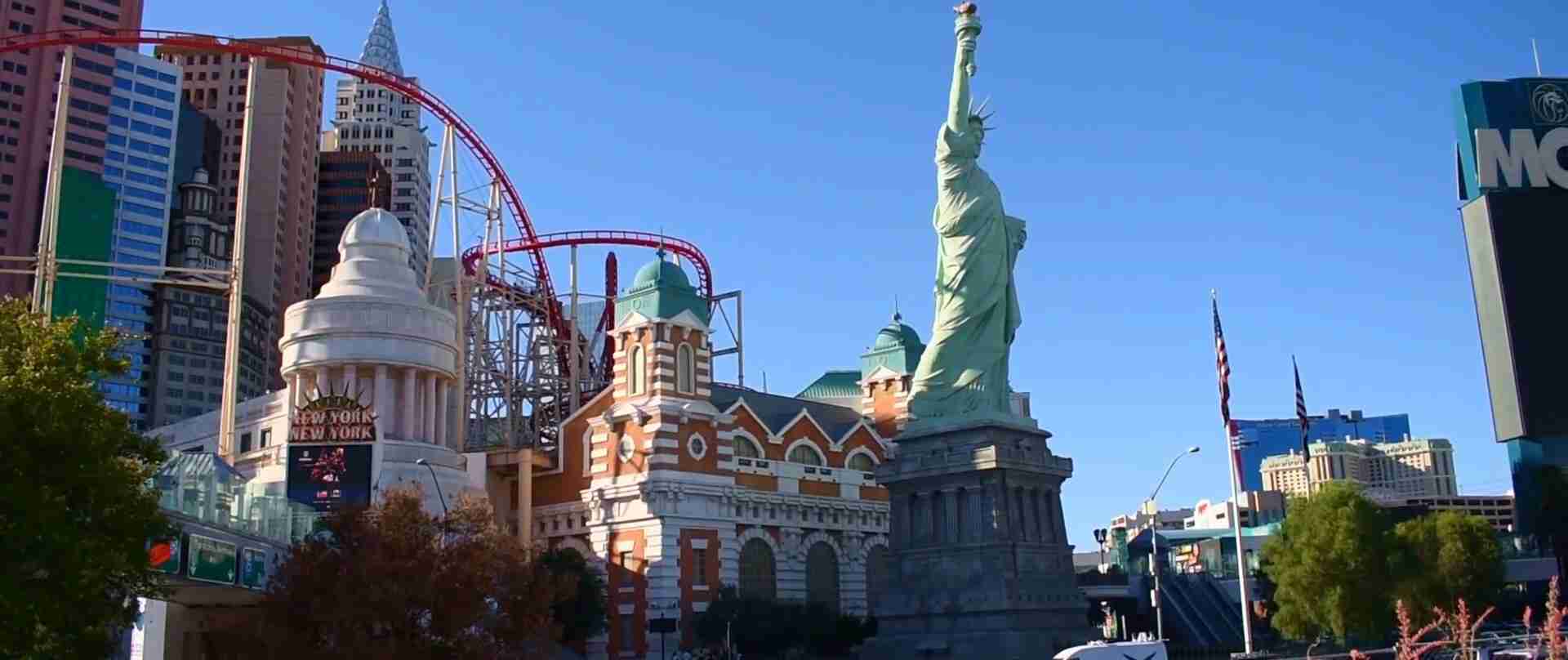
Las Vegas Travel Tips 2026: Essential Planning Guide
Las Vegas in 2026 combines legendary entertainment spectacles with desert landscapes and world-class dining experiences that attract nearly 40 million annual visitors. Planning your Sin City visit requires understanding resort fees, navigating surge pricing patterns, and balancing Strip luxury against off-Strip value to create a memorable experience within your budget. This guide provides verified 2026 pricing, strategic timing recommendations, and insider knowledge that transforms overwhelming options into confident planning decisions.
Key Takeaways
- Resort Fee Reality 2026: Nearly all Strip hotels add mandatory resort fees of $40-57 per night plus 13% tax ($45-64 total), effectively increasing advertised room rates by $135-192 for a typical three-night stay. These fees cover WiFi, fitness centers, and pool access whether you use them or not.
- Transportation Strategy: The Deuce bus 24-hour pass at $8 covers unlimited Strip and downtown travel, saving $40-70 daily compared to multiple Uber rides that surge to $45-80 during peak evening hours and major events.
- Timing Advantage: Midweek stays (Tuesday-Thursday) cost $85-170 less per night than weekends at identical hotels, while January, February, late August, and October offer 25-40% lower rates than peak summer and holiday periods.
- Dining Economics 2026: Off-Strip restaurants and hotel food courts provide meals for $15-25, contrasting with Strip casual dining at $40-60 per person and celebrity chef venues at $75-150 per person before beverages and gratuities.
- Budget Planning Standard: Expect $95-160 per person daily for budget comfort (two sharing hostel or budget hotel), $205-280 for mid-range experiences (two sharing mid-range hotel), or $400-600+ for luxury stays (two sharing luxury hotel), all including accommodation, meals, transport, and activities.
- Free Attractions Value: Bellagio Fountains, Fremont Street Experience light shows, Mirage Volcano, hotel lobby spectacles, and themed casino interiors provide world-class entertainment at zero cost, making Las Vegas accessible regardless of budget tier.
People Also Ask About Las Vegas Travel 2026
How much money should I bring to Las Vegas for 3 days in 2026?
Budget $285-480 total for budget travel ($95-160 per person daily), $615-840 for mid-range comfort ($205-280 daily), or $1,200-1,800+ for luxury experiences ($400-600+ daily), assuming two people sharing accommodation. These totals include hotel costs divided between travelers, all meals, transportation, one show, and modest gambling funds. Resort fees add $135-192 for three nights regardless of tier. Budget travelers staying in hostel dormitories need $190-250 total as dorm beds are already per-person priced with no splitting needed.
What is the best month to visit Las Vegas in 2026?
March, April, October, and November offer the optimal combination of comfortable weather, lower hotel rates, and manageable crowds in 2026. March and April provide pleasant 62-71°F temperatures with minimal rain, while October and November deliver 65-73°F days with fewer tourists than summer. January and February present the lowest prices (25-40% below peak) but cooler 43-48°F temperatures. Avoid July-August when 104-113°F heat limits outdoor activities despite lower summer rates, and December-early January when holiday visitors and conventions drive prices to annual peaks.
Is Las Vegas expensive in 2026?
Las Vegas spans extreme price ranges where strategic planning determines total cost more than any other US destination. Budget travelers spend $95-160 daily through hostel dormitories ($25-35 nightly), food court meals ($15-25), Deuce bus passes ($8), and free attractions. Mid-range visitors pay $205-280 daily with moderate Strip hotels ($100-180 nightly per person when sharing), casual dining ($40-60 per meal), and one Cirque show ($100-150). Luxury experiences exceed $400-600 daily via premium properties ($300-450+ nightly per person sharing), fine dining ($75-200+ per meal), and VIP entertainment. Resort fees ($40-57 plus tax) and weekend pricing surges affect all tiers equally.
How do I avoid overspending on food in Las Vegas 2026?
Purchase snacks and beverages at CVS or Walgreens pharmacies on the Strip where bottled water costs $2 versus $9 at hotel minibars and coffee runs $3 versus $7 at casino cafes, saving $60-90 over a three-day stay. Target lunch specials at Ocean One Grille in Miracle Mile Shops ($6 legendary deals) and Earl of Sandwich in Harrah’s/Planet Hollywood ($10-12 quality meals), reserving dinner budgets for one splurge meal rather than three expensive dinners. Visit between 3-6 PM happy hours offering 40-50% discounts at casino bars and restaurants, and eat one breakfast daily at off-Strip diners like Hash House A Go Go where $12-15 portions replace two meals.
Extended multi-day tours – 5+ days
Featured Las Vegas Multi-Day Tour Packages
1 days
Antelope Canyon and Horseshoe Bend – 1 Day
- ✓ Comprehensive Las Vegas tour
- ✓ Expert local guides included
- ✓ All accommodation arranged
- ✓ Transportation provided

2 days
Grand Canyon, Antelope Canyon, Horseshoe Bend and Lake Powell Small Groups Overnight Tour
- ✓ Comprehensive Las Vegas tour
- ✓ Expert local guides included
- ✓ All accommodation arranged
- ✓ Transportation provided
1 days
Death Valley Day Tour from Las Vegas- Hosted By Kristy
- ✓ Comprehensive Las Vegas tour
- ✓ Expert local guides included
- ✓ All accommodation arranged
- ✓ Transportation provided
1 days
Grand Canyon South Rim Private Tour
- ✓ Booking needs min. 2 travelers
Multi-day tour packages powered by TourRadar. Prices and availability subject to change.
Understanding Las Vegas Travel Planning in 2026
Las Vegas operates on a unique pricing psychology where advertised rates represent merely the starting point rather than the final cost. Hotels display competitive base rates on booking platforms while shifting substantial charges into separate fees collected at checkout, creating budgeting complexity that catches unprepared travelers. The city’s entertainment economy functions on volume and competition, producing both exceptional value opportunities and premium pricing extremes within walking distance of each other. Understanding this duality transforms Las Vegas from an expensive trap into a manageable destination accessible across all budget tiers.
The Strip concentration creates both convenience and cost inflation. Major resorts, celebrity chef restaurants, headline shows, and luxury shopping occupy a 4.2-mile corridor where proximity commands premium pricing. Walking from Mandalay Bay at the south end to The Venetian northward requires 90 minutes, making transportation strategy critical for multi-day visits. Downtown Las Vegas, situated 6 miles north via Las Vegas Boulevard, offers 20-40% lower prices for comparable quality hotels, dining, and gambling while maintaining distinctive entertainment value through the Fremont Street Experience covered pedestrian mall.
Seasonal demand fluctuations exceed most US destinations, with identical hotel rooms varying 300-400% between January weeknights and New Year’s Eve weekends. Convention schedules, major sporting events, holiday periods, and entertainment residencies drive unpredictable price surges where advance research becomes essential for budget protection. Temperature extremes add planning complexity as summer’s 104-113°F heat limits daytime outdoor activities despite lower hotel rates, while winter’s mild 43-62°F days support comfortable exploration alongside rock-bottom pricing.
The 2026 Las Vegas landscape reflects ongoing evolution from the budget-conscious “99-cent shrimp cocktail” era toward integrated luxury resort experiences. Major properties completed between 2020-2025 emphasize upscale amenities, celebrity partnerships, and experiential dining over traditional value propositions. However, competition among 152,000 hotel rooms maintains deals for savvy planners who understand timing strategies, loyalty program benefits, and geographic trade-offs between Strip prestige and off-Strip value. Resort fees, parking charges, and gratuity expectations now represent mandatory budget line items rather than optional expenses, requiring comprehensive cost calculation beyond base room rates.
Essential Booking and Timing Strategies for 2026
Tuesday through Thursday arrivals deliver the most substantial savings in Las Vegas, with identical rooms costing $85-170 less per night than Friday-Sunday rates at the same properties. A Wednesday-Thursday-Friday stay captures two discounted nights plus one weekend night rather than paying premium rates for an entire Friday-Saturday-Sunday visit. Major hotels adjust rates dynamically based on real-time demand, creating pricing variations where The Flamingo charges $45 midweek versus $280 weekend for the same standard room. Downtown properties like The D and Golden Nugget extend this midweek advantage with rates 30-50% below their own weekend pricing alongside 40-60% below comparable Strip hotels.
Advance booking windows of 60-90 days typically secure optimal rates before demand-based price increases, though last-minute deals appear for unsold inventory within 7-14 days of arrival. Monitor hotel websites directly alongside third-party platforms as properties occasionally offer exclusive discounts or waived resort fees for direct bookings, particularly for loyalty program members. Room rate comparison requires calculating total cost including mandatory resort fees rather than comparing advertised base rates alone. A $79 Luxor room with $50 resort fee ($129 total) costs more than a $119 Tropicana room with $35 resort fee ($154 total after fees and tax).
January and February represent the lowest-price months when 25-40% discounts from peak rates combine with comfortable 43-54°F daytime temperatures and minimal crowds. Late August through October excluding holiday weekends offers secondary savings windows with pleasant 73-91°F weather as summer heat subsides. Avoid pricing peaks during New Year’s week (December 26-January 2), major fight weekends, NASCAR races (March), NFL Draft weekend (late April), Electric Daisy Carnival (May), and CES convention (January). These events trigger 200-400% rate increases where $100 standard rooms surge to $400-600 nightly. Convention calendars published at Vegas.com and LVCVA.com allow strategic planning around major events.
Loyalty programs through MGM Rewards (Bellagio, ARIA, MGM Grand, Mandalay Bay, Park MGM, New York-New York, Luxor, Excalibur) and Caesars Rewards (Caesars Palace, Paris, Planet Hollywood, Flamingo, Harrah’s, The LINQ, Horseshoe, The Cromwell) provide immediate benefits including discounted rates, priority booking access, and potential resort fee waivers at Gold tier and above. Free enrollment costs nothing while delivering 10-20% restaurant discounts, show ticket access, and complimentary parking at participating properties. Mid-tier casino play generates room offers and resort fee waivers, though gambling to earn free rooms typically costs more than paying discounted rates directly unless gambling entertainment fits your visit plan naturally.
Accommodation Cost Breakdown Las Vegas 2026
Las Vegas hotel pricing operates on extreme tiers where $40 budget rooms and $900 luxury suites coexist within the same neighborhood, providing genuine options across all spending levels. Strip properties command 30-60% premiums over off-Strip and downtown locations for identical quality due to walkable access to major shows, celebrity restaurants, and casino entertainment. Understanding the all-in nightly cost including mandatory resort fees, taxes, and parking (where applicable) prevents budget shock at checkout when advertised $89 rooms become $165 total expenditures.
Budget Accommodation Options 2026 ($25-90 Per Person Nightly, Two Sharing)
Hostel dormitories provide the absolute lowest Las Vegas accommodation at $25-35 per person nightly with beds already priced individually requiring no cost splitting. Bungalows Hostel on Las Vegas Boulevard offers air-conditioned dorms, communal kitchens, and social areas three blocks from the Strip with $10-15 weekend surcharges. Private hostel rooms ($60-80 nightly total) sleep two travelers for $30-40 each when splitting costs, delivering budget hotel amenities without resort fees. Downtown hostels near Fremont Street trade Strip proximity for 15-20% lower rates plus free entertainment at the Fremont Street Experience pedestrian mall.
Budget Strip hotels including The STRAT, Tropicana, Circus Circus, and Excalibur offer $40-90 base room rates midweek, rising to $120-180 weekends. Resort fees of $35-50 nightly plus 13.38% tax add $40-57 to advertised rates, making actual costs $80-147 nightly ($40-74 per person when two share). The STRAT at the north Strip end provides basic clean rooms for $45-65 midweek ($40-50 resort fee) with distance from central Strip compensated by the Deuce bus stopping directly outside. Excalibur and Luxor at the south end deliver comparable rates ($50-75 base, $42-50 fees) with better central access via pedestrian skywalks connecting to neighboring resorts.
Off-Strip budget hotels situated 1-3 blocks east or west of Las Vegas Boulevard cut costs 20-35% while adding 10-15 minute walks. Properties along Tropicana Avenue, Paradise Road, and Flamingo Road charge $35-70 base rates ($25-40 resort fees where applicable) for standard chains like Holiday Inn Express, Hampton Inn, and Fairfield Inn. Several off-Strip properties including OYO Hotel, Siegel Suites, and select older motels charge zero resort fees, though rooms lack the pools, fitness centers, and WiFi quality that fees theoretically cover at major properties. Free parking at off-Strip locations saves $15-25 daily for travelers with rental cars.
Mid-Range Hotels 2026 ($100-180 Per Person Nightly, Two Sharing)
Mid-range Strip properties deliver modern rooms, quality pools, casino floors, and central locations for $150-280 nightly base rates ($200-360 after resort fees), translating to $100-180 per person when two travelers share. Planet Hollywood, Paris Las Vegas, Flamingo, Harrah’s, and The LINQ provide this tier with rooms ranging from $160-220 midweek to $240-340 weekends before fees. Resort fees of $50-55 plus tax add $56-62 to nightly totals, making complete costs $216-402 total ($108-201 per person sharing). These properties occupy prime central Strip positions with walkable access to most attractions and diverse on-site dining spanning food courts ($15-25 meals) to upscale restaurants ($40-80 per person).
Newer mid-tier properties including Park MGM, New York-New York, and The Cosmopolitan emphasize contemporary design and boutique atmosphics while charging $180-300 base rates ($230-362 after fees). The Cosmopolitan’s $55 resort fee includes unique amenities like the Secret Pizza hidden restaurant and Chandelier Bar, partially offsetting the mandatory charge through included value. Park MGM’s smoke-free environment and Eataly food hall attract health-conscious travelers willing to pay $200-280 base rates ($256-342 total, $128-171 per person sharing) for cleaner air and diverse casual dining options.
Downtown mid-range hotels led by Golden Nugget provide comparable quality for 25-40% lower total costs. Golden Nugget’s tower rooms cost $85-140 base ($100-165 after $35-45 resort fees), or $50-83 per person sharing, with the famous shark tank pool, multiple restaurants, and Fremont Street access included. The D Las Vegas and Downtown Grand deliver similar value at $75-120 total after fees ($38-60 per person), combining updated rooms with lower gambling minimums and more affordable dining than Strip properties. The 15-minute Deuce bus connection to the Strip costs $6 one-way or $8 for 24-hour unlimited access, easily recouping savings versus mid-range Strip rates.
Luxury Accommodation 2026 ($300-450+ Per Person Nightly, Two Sharing)
Premium Strip properties command $400-900+ base rates ($456-1,019 after resort fees) for exceptional service, designer interiors, and exclusive amenities. Wynn and Encore charge $450-650 nightly ($506-713 total) with $57 resort fees covering Ferrari dealership access, championship golf courses, and salon services alongside standard WiFi and fitness facilities. Rooms feature floor-to-ceiling windows, marble bathrooms, and high-thread-count linens with every surface finished to luxury specifications. Two travelers sharing split these costs to $228-357 per person nightly, making luxury accessible for special occasions with budget allocated appropriately.
Bellagio, ARIA, and The Cosmopolitan represent luxury’s mid-tier where $300-500 base rates ($355-562 total after $55-57 fees) deliver iconic experiences. Bellagio’s fountain-view rooms ($400-550 base, $457-607 total, $229-304 per person sharing) combine Strip landmark status with conservatory gardens, fine art gallery, and Cirque du Soleil’s “O” water show in the property. ARIA’s modern tower emphasizes technology integration with $350-480 rooms ($407-537 total, $204-269 per person) featuring automated controls, contemporary art, and access to Crystals shopping complex. Resort fees at this tier include valet parking, spa access, and premium fitness equipment rather than basic amenities.
All-suite luxury properties like The Venetian, Palazzo, and Signature at MGM Grand provide 600-700 square foot accommodations for $280-450 nightly ($330-507 total, $165-254 per person sharing). The Venetian’s standard suites include sunken living areas, Italian marble bathrooms, and Grand Canal Shoppes access with gondola rides available on-site. Suites accommodate couples seeking space and families splitting costs across three-four occupants more comfortably than standard rooms. The Signature’s non-gaming environment attracts travelers prioritizing quiet luxury without casino noise and smoke, though distance from Strip center requires transportation planning.
Transportation and Getting Around Las Vegas 2026
Las Vegas transportation requires strategic planning as the Strip’s 4.2-mile length creates deceptive distances where “nearby” destinations require 30-90 minute walks through casino interiors, pedestrian bridges, and outdoor stretches. The combination of public buses, resort trams, monorail, and ride-sharing creates options spanning $8 daily unlimited travel to $300+ in surge-priced Uber rides depending on timing and route selection. Understanding pickup logistics, surge patterns, and free alternatives transforms transportation from a budget drain into a manageable fixed cost.
Public Transportation Options 2026
The Deuce bus operates 24/7 with stops at every major Strip resort, downtown Fremont Street, Premium Outlets, and airport connections via transfer at South Strip Transit Terminal. Single rides cost $6 for two hours, with 24-hour passes at $8 and 3-day passes at $20 representing the best value for multi-day visitors making 3+ trips daily. Double-decker buses arrive every 15-20 minutes during prime hours (10 AM-2 AM), extending to 20-30 minute intervals overnight. Board at clearly marked bus shelters using exact cash, credit/debit cards, or the RTC mobile app, with children under 5 riding free when accompanied by adults.
The Strip & Downtown Express (SDX) provides faster service with fewer stops between major resorts, charging identical fares to the Deuce while cutting travel time 30-40% through limited-stop routes. SDX operates 9 AM to midnight daily, making it ideal for afternoon-evening transportation but requiring Deuce bus backup for early morning or late-night travel. Both services accept the same passes, allowing flexible switching between routes throughout the day.
Las Vegas Monorail connects seven east-side Strip stations from MGM Grand south to Sahara north, with stops at Horseshoe, Flamingo, Harrah’s, LINQ, and Convention Center. Single rides cost $6, day passes $15, and 3-day passes $32, running 7 AM-2 AM Monday-Thursday and 7 AM-3 AM Friday-Sunday. The monorail’s major limitation involves station locations deep inside resort properties, requiring 10-15 minute walks through casino floors to reach street level. This inconvenience factor makes the monorail most valuable for north-south travel when staying at connected properties rather than universal Strip navigation.
Free trams connect Bellagio-ARIA-Park MGM, Excalibur-Luxor-Mandalay Bay, and Mirage-Treasure Island in self-contained systems that serve neighboring resorts only. These air-conditioned elevated trains save walking time between connected properties but don’t integrate into comprehensive Strip coverage. Tram stations occupy rear casino locations requiring navigation through gaming floors, shops, and restaurants, though travel time beats walking 5-10 minutes between resorts.
Ride-Sharing and Taxi Services 2026
Uber and Lyft dominate Las Vegas ride-sharing with competitive base pricing around $12-18 for typical Strip rides during standard hours. However, surge pricing transforms costs dramatically during peak demand periods including 6-10 PM evenings, Friday-Sunday nights, major events, and convention weeks when identical rides escalate to $35-80. New Year’s Eve, fight weekends, and EDC festival dates trigger extreme surges where $20 standard rides reach $120-160. Compare both Uber and Lyft apps before requesting as pricing algorithms differ, often showing 20-40% variations for identical routes.
Rideshare pickup locations occupy designated areas typically in parking garages or rear entrances rather than main casino entrances, requiring 5-15 minute walks through properties to reach pickup zones. Major resorts including Bellagio, Caesars Palace, and Wynn force all app-based pickups to specific areas marked by illuminated signs and ground staff directing traffic. Airport pickups occur at dedicated rideshare lots requiring short walks from baggage claim, with typical costs of $20-30 to Strip hotels and $15-25 to downtown properties during standard hours.
Traditional taxis line up at casino valet stands offering instant availability without app requirements or surge pricing. Base fares start at $5.20 with $2.20 per mile additions, making typical Strip rides $15-25 regardless of demand periods. However, taxis charge $3-5 credit card processing fees and require cash for convenient payment, while reputation concerns persist regarding route inflation where drivers take longer paths to increase fares. Taxis serve travelers without smartphones, those avoiding surge prices, and situations requiring immediate pickups when rideshare wait times exceed 10-15 minutes.
Walking and Pedestrian Navigation 2026
Walking provides free transportation and entertainment value through hotel lobby spectacles, casino observations, and Strip street performances, though distances exceed initial expectations. Mandalay Bay to The Venetian covers 3.2 miles requiring 75-90 minutes at comfortable pace, while Bellagio to Caesars Palace spans just 0.4 miles but takes 15-20 minutes navigating indoor shortcuts through casino floors. Pedestrian skywalks connect many neighboring resorts, eliminating street-level crossings while adding vertical distance via escalators and stairs.
Summer afternoon walks face 104-113°F temperatures making outdoor travel uncomfortable 11 AM-6 PM June through August. Carry water bottles ($2 at CVS versus $6 from casino vendors) and plan indoor routes through interconnected resort properties when possible. Winter’s 43-62°F days support pleasant walking year-round outside summer months, though occasional wind and rain require light jackets November through March. Comfortable walking shoes prove essential as concrete surfaces, casino floors, and long hotel hallways accumulate 8-12 miles daily for active Strip explorers.
Downtown Fremont Street’s covered pedestrian mall eliminates vehicle traffic across four blocks, creating comfortable walking between Golden Nugget, Fremont Hotel, The D, Golden Gate, and Circa properties. The 1,500-foot LED canopy provides shade during day and hosts nightly free light shows, making downtown exploration more pedestrian-friendly than the Strip’s vehicle-heavy boulevard. However, the 6-mile distance from Strip center to downtown exceeds reasonable walking range, requiring Deuce bus, Uber, or taxi connections.
Dining Budget Strategies Las Vegas 2026
Las Vegas dining spans the full spectrum from $6 lunch specials to $500 tasting menus at celebrity chef establishments, with strategic meal planning determining whether food becomes budget background noise or the dominant expense category. The Strip’s concentration of high-profile restaurants creates pricing pressure where simple breakfast runs $18-25 per person at hotel cafes, casual lunches reach $25-40, and dinners start $40-60 before beverages and gratuities. Understanding the geography of value versus prestige dining transforms meals from automatic Strip purchases into cost-conscious decisions balancing experience against budget impact.
Budget Dining Options 2026 ($15-30 Per Meal)
Hotel food courts provide the most accessible budget dining on the Strip where In-N-Out Burger at The LINQ Promenade, Earl of Sandwich at Planet Hollywood and Harrah’s, and Shake Shack at New York-New York deliver quality meals for $10-15 per person. These fast-casual concepts maintain consistent pricing regardless of Strip location while offering air-conditioned seating and restroom access included in the meal cost. LINQ Promenade additionally hosts Brooklyn Bowl’s grab-and-go counter, Virgil’s Real BBQ express, and Gordon Ramsay Fish & Chips with most items under $18 before tax and tip.
Ocean One Bar & Grille inside Miracle Mile Shops at Planet Hollywood operates the Strip’s legendary $6 lunch specials including sandwich, fries, and fountain drink Monday-Friday 11 AM-3 PM. The full menu spans $8-18 entrees with generous portions supporting meal splitting between two diners. Hash House A Go Go near The LINQ serves massive portions of $12-18 breakfast plates where scrambles, pancakes, and omelets feed two people comfortably, replacing breakfast and lunch in a single meal.
Off-Strip dining approximately 2-5 blocks east or west of Las Vegas Boulevard cuts costs 30-50% for equivalent quality. Tacos El Gordo on Tropicana Avenue near The Showcase serves $3-4 authentic Mexican tacos and $7-9 combination plates, attracting locals and budget travelers with late-night hours and consistently fresh preparation. Lotus of Siam on Sahara Avenue ranks among North America’s finest Thai restaurants with $12-18 lunch specials and $16-24 dinner entrees, requiring $12-18 Uber rides from central Strip but delivering exceptional value compared to Strip Thai concepts charging $22-35 for inferior quality.
Grocery supplies from CVS Pharmacy on the Strip (locations at Park MGM and near Caesars Palace) or Walgreens (multiple Strip locations) provide breakfast and snack coverage at standard retail pricing rather than hotel premiums. Purchase bread, deli meats, yogurt, fruit, and beverages for $25-35 daily, saving $40-60 versus comparable hotel cafe purchases. In-room refrigerators standard at most properties support this strategy, though mini-bars may occupy space requiring front desk requests to clear for personal food storage.
Mid-Range Dining Experiences 2026 ($40-80 Per Person)
Casual chain restaurants on the Strip including Yard House, Maggiano’s, Gordon Ramsay Pub & Grill, and The Capital Grille serve $22-38 entrees with appetizers adding $12-18 and desserts $10-14. Total costs reach $40-60 per person before beverages, tax, and 18-22% gratuity expectations, making dinner for two $110-160 all-inclusive. These establishments provide quality food, full bar service, and Strip people-watching through patio seating at prices 30-50% above their suburban locations while maintaining identical menus and portions.
Happy hour promotions from 3-6 PM at most Strip bars and restaurants discount drinks 30-50% alongside reduced appetizer pricing, creating $25-35 per person meal opportunities at venues otherwise charging $50-70 during dinner hours. Mon Ami Gabi at Paris Las Vegas, facing the Bellagio Fountains, offers $8-12 happy hour appetizers and $6-9 wine glasses from its premium patio location. Cabo Wabo Cantina at Miracle Mile Shops serves $5-7 margaritas and $8-14 appetizers during afternoon hours, replacing full dinner costs with strategic snack-meal combinations.
Downtown Las Vegas dining provides 25-40% lower pricing than Strip equivalents with identical quality at properties like Golden Nugget, circa, and independent restaurants along Fremont Street. Chart House at Golden Nugget charges $28-42 for steaks and seafood matching Strip steakhouse quality at 35-45% lower costs, while Triple George Grill serves $22-35 entrees in classic steakhouse atmosphere without Strip premiums. The additional $8 Deuce bus day pass provides unlimited access to downtown dining while maintaining overall budget advantages versus Strip meal costs.
Buffet Values and Fine Dining 2026
Las Vegas buffets span $25-92 depending on property tier and meal period. Bacchanal Buffet at Caesars Palace commands $65-72 for lunch and $85-92 for dinner, serving 500+ daily preparations across nine kitchens with premium seafood, international cuisines, and dessert selections justifying the cost through quality and variety. Wicked Spoon at The Cosmopolitan charges $40-48 for brunch and $50-58 for dinner, emphasizing individual plated portions rather than steam-table service. Budget buffets at Circus Circus, Excalibur, and The LINQ range $25-38 for dinner with standard American fare, pizza stations, and dessert bars meeting basic expectations without premium ingredients.
Celebrity chef fine dining delivers exceptional culinary experiences for $75-200+ per person before wine, tax, and gratuity. Hell’s Kitchen at Caesars Palace serves Gordon Ramsay’s signature dishes for $75-115 per person at dinner, while Joel Robuchon at MGM Grand commands $220-300 for tasting menu experiences. These restaurants require advance reservations weeks ahead for weekend dinners, with weekday lunch service offering 25-35% lower pricing for identical kitchens and similar menus. Dress codes mandate business casual minimum at most fine dining venues, requiring long pants and collared shirts for men while prohibiting athletic wear, sandals, and baseball caps.
Free casino drinks while gambling provide beverage coverage for players at slot machines and table games with minimum bets as low as $1-5 at downtown properties and $10-25 at Strip casinos. Cocktail servers circulate gaming floors serving beer, wine, well drinks, and soft drinks at no charge, though $2-3 tips per drink maintain service quality and encourage return visits. This tradition offsets beverage costs for travelers incorporating gambling entertainment into their visit, though sitting at machines solely for free drinks costs more in expected losses than purchasing drinks directly.
Entertainment and Show Ticket Strategies 2026
Las Vegas presents 100+ entertainment productions nightly across venues spanning intimate lounges to 2,000-seat theaters purpose-built for permanent residencies. Show ticket pricing reflects this variety with budget magic acts at $35-55, mainstream productions at $80-150, and premium Cirque du Soleil performances at $100-230 depending on seating tier and performance date. Strategic purchasing through discount outlets, matinee performances, and advance booking creates opportunities to experience Las Vegas entertainment across budget levels while avoiding last-minute premiums and sold-out disappointments.
Cirque du Soleil Shows 2026
Six Cirque du Soleil productions occupy permanent Las Vegas theaters with ticket prices from $63 (upper balcony at Mystère) to $330 (premium “O” seating). Mystère at Treasure Island offers the most accessible entry point with upper-level seats at $63-88 and mid-tier at $100-126, delivering classic Cirque acrobatics and whimsy in the company’s longest-running Vegas production. “KÀ” at MGM Grand charges $88-160 across seating sections for its epic martial arts narrative on revolutionary rotating stages, providing family-friendly content with spectacular technical effects.
“O” at Bellagio represents Cirque’s premium Las Vegas experience with water-themed aquatic acrobatics in a custom theater housing 1.5 million gallons. Tickets range $124-243 for standard performances with $198-330 for weekend shows, selling out weeks ahead during peak seasons. The Beatles LOVE at Mirage combines Cirque’s physical artistry with Beatles music catalog, charging $99-180 for nostalgic baby boomer audiences alongside younger travelers discovering the music through innovative staging.
Michael Jackson ONE at Mandalay Bay ($99-199) and Mad Apple at New York-New York ($79-149) round out Cirque’s Vegas lineup with music-driven spectacles targeting specific demographics. Purchase tickets directly through Cirque du Soleil’s website or Vegas.com for transparent pricing, avoiding third-party markup fees while accessing interactive seating charts showing exact view perspectives from each section. Advance booking 30-60 days provides widest selection, while last-minute discounts rarely materialize for popular Cirque shows maintaining consistent 85-95% capacity.
Budget and Alternative Entertainment 2026
Blue Man Group at Luxor delivers family-friendly comedy and music spectacle for $69-129 depending on seating tier and performance date, running 90 minutes without intermission in an intimate theater supporting excellent sight lines from all sections. Mac King Comedy Magic Show at Harrah’s offers Vegas’s best value entertainment at $35-45 for afternoon performances featuring close-up magic, comedy, and audience interaction in a traditional Las Vegas variety show format. These productions provide genuine entertainment without Cirque’s acrobatic intensity or premium pricing, making them accessible for families and budget-conscious travelers.
Absinthe at Caesars Palace packages adult-oriented acrobatic acts, comedy, and burlesque in a 600-seat tent environment where $99-149 tickets support intimate performer-audience connection. The 90-minute show combines European circus traditions with Vegas irreverence, attracting couples seeking edgy entertainment beyond family-friendly mainstream options. Jabbawockeez at MGM Grand blends hip-hop dance, visual effects, and athletic choreography for $69-109, targeting younger demographics comfortable with high-energy beat-driven performances.
Free entertainment throughout Las Vegas eliminates ticket costs while delivering world-class spectacle. Bellagio Fountains perform choreographed water shows every 30 minutes afternoons and every 15 minutes evenings, with music spanning opera to contemporary pop. Mirage Volcano erupts nightly at 8 PM and 9 PM with fire, water, and sound effects visible from sidewalk viewing areas. Fremont Street Experience downtown hosts free LED canopy shows hourly 6 PM-midnight across four blocks of covered pedestrian mall, combining classic rock soundtracks with 12.5 million synchronized LED lights.
Music and Headliner Performances 2026
Celebrity residencies dominate Vegas entertainment in 2026 with ticket prices reflecting star power and demand. Major performers command $150-500+ for standard seating with VIP packages reaching $800-1,500 including meet-and-greets, premium seating, and backstage access. These limited-engagement performances sell out rapidly upon announcement, requiring newsletter subscriptions to artist websites and venue alerts for advance purchasing opportunities before public sales.
Smaller music venues including Brooklyn Bowl at The LINQ, House of Blues at Mandalay Bay, and The Foundry at Virgin Hotels host touring artists for $35-95 general admission, delivering live music without headline pricing. Downtown’s Fremont Street casinos operate lounges and stages featuring local and regional bands at no cover charge, creating authentic music experiences supporting bar tabs rather than ticket sales. These venues attract locals alongside tourists, producing more intimate atmosphics than 2,000-seat productions designed specifically for tourist audiences.
Lounge shows and tribute acts occupy smaller theaters and casino venues charging $45-75 for 60-75 minute performances. Elvis, Rat Pack, and Beatles tributes populate multiple venues with varying quality levels where online reviews provide essential guidance. These shows serve travelers seeking nostalgia and familiar music in casual environments without Cirque’s technical complexity or headline acts’ premium pricing.
Daily Budget Planning Las Vegas 2026
Comprehensive Las Vegas budget planning requires calculating accommodation, meals, transportation, entertainment, and gambling funds across all trip days to establish realistic total costs. The following budget tiers provide per-person daily costs assuming two travelers sharing hotel accommodation, with room rates pre-divided between occupants before adding individual expenses. Solo travelers should add full undivided hotel room rates, increasing budget tier costs by $40-450 daily depending on property selection.
Budget Tier 2026 ($95-160 Per Person Daily)
Budget tier travel combines hostel dormitories or shared budget hotel rooms with food court dining, public transportation, and free entertainment to minimize costs while accessing Las Vegas experiences. Hostel dormitories at $25-35 per person nightly provide the foundation as beds are already individually priced without cost splitting needed. Budget hotel rooms at properties like The STRAT, Excalibur, or Circus Circus cost $80-147 total after base rates and resort fees, splitting to $40-74 per person when two travelers share. Downtown properties deliver similar room quality for $75-130 total ($38-65 per person sharing) with lower gambling minimums and meal costs offsetting 6-mile distance from Strip center.
Daily meal costs target $35-50 per person through food court breakfasts ($8-12), lunch specials at Ocean One or Earl of Sandwich ($10-15), and casual dinners at off-Strip taquerias or Thai restaurants ($17-23). CVS or Walgreens grocery supplies cover snacks, bottled water, and breakfast basics for $8-12 daily, replacing one restaurant meal. Deuce bus 24-hour passes at $8 provide unlimited Strip and downtown travel, eliminating per-ride costs while supporting multiple daily trips between hotels, dining, and attractions.
Entertainment focuses on free attractions including Bellagio Fountains, Mirage Volcano, Fremont Street Experience, and hotel lobby spectacles, supplemented by one budget show ($35-70) during multi-day stays. Gambling budgets remain modest at $20-40 daily for slot play or low-minimum table games at downtown properties where $5 blackjack and $1 roulette support extended playing time without rapid bankroll depletion.
Budget travelers staying in hostel dormitories (already per-person priced): Accommodation $30, meals $42, transport $8, attractions $15. Total approximately $95 per person daily.
Budget travelers sharing hotel room (room cost split between two): Hotel $57 per person (two sharing budget property), meals $42, transport $8, attractions $15. Total approximately $122 per person daily.
Mid-Range Tier 2026 ($205-280 Per Person Daily)
Mid-range travelers balance Strip hotel convenience with cost management through moderate dining choices, strategic transportation, and selective entertainment spending. Mid-range Strip hotels at Planet Hollywood, Flamingo, Paris, or The LINQ cost $200-360 total nightly after base rates and resort fees, splitting to $100-180 per person when two travelers share. These central locations eliminate most transportation needs through walkable access to major attractions while providing quality pools, updated rooms, and diverse on-site dining options.
Meal budgets expand to $70-95 daily per person through hotel cafe breakfasts ($15-22), casual Strip dining for lunch ($25-35), and sit-down dinners at chain restaurants or happy hour combinations ($30-38). One splurge meal at celebrity chef casual concepts ($50-75) or quality buffets ($40-58) adds variety without fine dining extremes. Groceries from CVS supplement with $10-15 daily for in-room breakfast options, beverages, and snacks.
Transportation combines walking primary Strip coverage with selective Uber rides ($12-25) for distances exceeding comfortable walking range or evening returns when fatigue limits pedestrian tolerance. The 3-day Deuce pass at $20 ($7 daily average) supports downtown excursions and airport connections while maintaining budget discipline. Parking fees at mid-range properties typically run $18-25 daily for self-parking or $25-35 valet, making rental cars cost-prohibitive unless extensive off-Strip exploration justifies the expense.
Entertainment budgets accommodate one major show ($100-150 Cirque performance or headliner concert) alongside 1-2 budget shows ($35-80) during week-long stays. Free attractions fill remaining evenings supplemented by happy hour bar visits ($20-35) and moderate gambling sessions ($50-80 daily) at comfortable $10-25 table minimums or $1-2 slot denominations.
Mid-range daily costs per person (two sharing hotel): Hotel $140 per person (two sharing mid-range property), breakfast $18, lunch $30, dinner $38, transport $12, attractions $35. Total approximately $273 per person daily.
Luxury Tier 2026 ($400-600+ Per Person Daily)
Luxury tier experiences prioritize premium properties, celebrity chef dining, VIP entertainment, and convenience over cost considerations. Five-star Strip hotels including Wynn, Bellagio, ARIA, or The Venetian charge $400-900+ nightly before resort fees, totaling $456-1,019 after fees or $228-510 per person when two travelers split costs. Fountain-view rooms at Bellagio, Encore tower suites, and ARIA’s Sky Suites command top-tier pricing justified through exceptional service, designer interiors, and exclusive amenities including priority spa reservations, private pool areas, and concierge assistance.
Dining budgets embrace celebrity chef experiences with breakfast at upscale hotel restaurants ($25-40), lunch at signature venues ($45-80), and fine dining dinners ($100-200+ per person before wine). Beverage programs add $50-120 daily through craft cocktails ($18-24), premium wines by the glass ($18-35), and bottle service at nightlife venues ($400-800 bottles serving 4-6 people). Room service provides convenience despite 20-30% premiums over restaurant pricing, fitting luxury travelers prioritizing time and comfort.
Transportation defaults to on-demand Uber Black or taxi service eliminating wait times and walking, with daily costs reaching $60-120 for 4-6 rides averaging $15-25 each. Valet parking at all destinations adds $5-10 per stop plus $3-5 tips, making rental cars expensive but convenient for travelers visiting off-Strip attractions, golf courses, or Red Rock Canyon. Some luxury travelers book private car service for $200-400 daily providing dedicated drivers and premium vehicles.
Entertainment spans multiple premium Cirque shows ($180-330 tickets), headliner concerts ($150-500), and VIP nightclub experiences ($100-300 cover charges plus bottle service). High-limit gambling adds variable costs where $100-500 table minimums and $5-25 slot denominations accelerate bankroll fluctuations, requiring $300-1,000+ daily budgets for comfortable play without financial stress affecting entertainment value.
Luxury daily costs per person (two sharing hotel): Hotel $369 per person (two sharing luxury property), breakfast $32, lunch $62, dinner $150, transport $35, show ticket $120, nightclub $80. Total approximately $848 per person daily.
Money-Saving Strategies for Las Vegas 2026
Strategic cost management transforms Las Vegas from an expensive indulgence into an accessible destination where informed decisions deliver exceptional value without sacrificing experience quality. The following proven strategies target specific expense categories where small adjustments accumulate into substantial savings over multi-day visits.
Accommodation and Resort Fee Management
Target Tuesday-Thursday check-ins when identical rooms cost $85-170 less nightly than Friday-Sunday rates, creating $255-510 savings on three-night stays. Book downtown properties at Golden Nugget, The D, or Fremont Hotel where 25-40% lower rates offset the 6-mile Strip distance, with $8 Deuce bus day passes providing unlimited access to Strip attractions. Consider off-Strip hotels 2-3 blocks from Las Vegas Boulevard where $35-70 base rates and reduced or zero resort fees save $60-90 nightly versus equivalent Strip properties.
Join free casino loyalty programs (MGM Rewards, Caesars Rewards, Wynn Rewards) immediately to access members-only rates, exclusive booking windows, and potential resort fee waivers at Gold tier and above. Mid-tier casino play generates direct mail offers including free room nights and waived fees, though gambling specifically to earn comps typically costs more than paying discounted rates unless gaming entertainment fits naturally within your visit plan. Monitor loyalty program promotions for limited-time resort fee waivers during off-peak periods, with properties occasionally eliminating fees for select dates to stimulate bookings.
Calculate total accommodation costs including base rates, resort fees, taxes, and parking charges rather than comparing advertised room prices alone. A $119 hotel with $35 resort fee ($168 total after tax) costs less than a $99 property with $55 resort fee ($178 total), making fee amounts equally important as base rates. Downtown properties charging $75-100 total often deliver better value than $120-150 Strip base rates growing to $185-230 after mandatory fees.
Dining Cost Control 2026
Purchase bottled water, coffee, snacks, and breakfast items at CVS or Walgreens on the Strip where $25-35 daily grocery spending replaces $60-90 in hotel cafe purchases. Refrigerators standard at most properties support yogurt, deli meats, bread, fruit, and beverages for in-room breakfasts, saving $18-25 per person daily versus hotel restaurants. Target happy hour promotions 3-6 PM for 40-50% discounts on food and drinks, creating $25-35 dinner opportunities at venues otherwise charging $50-70 during evening hours.
Explore off-Strip dining 2-5 blocks from Las Vegas Boulevard where identical quality costs 30-50% less than Strip equivalents. Lotus of Siam, Tacos El Gordo, and Raku deliver exceptional food for $12-24 per person versus $25-45 at comparable Strip restaurants, with $12-18 Uber rides easily recouping savings on single meals. Downtown Fremont Street restaurants provide similar value with 25-40% lower pricing than Strip properties alongside free entertainment at the covered pedestrian mall.
Split oversized portions at restaurants including Hash House A Go Go, Yard House, and Maggiano’s where massive plates comfortably feed two people for $15-22 each rather than $30-44 ordering separate entrees. Lunch specials at most restaurants offer 25-35% discounts versus identical dinner dishes, making $12-18 lunch meals replace $22-32 dinners from the same kitchens. Ocean One’s legendary $6 lunch specials Monday-Friday 11 AM-3 PM provide full sandwich-and-fries meals at fast-food pricing in full-service environments.
Transportation Savings 2026
Purchase Deuce bus 3-day passes for $20 rather than daily passes at $8 when staying three or more nights, saving $4 over separate daily purchases while supporting unlimited Strip and downtown travel. Walking covers most Strip distances during comfortable weather months (October-May) when 62-73°F temperatures support pleasant outdoor movement, eliminating transportation costs entirely for central Strip stays. Free trams connecting Bellagio-ARIA-Park MGM, Excalibur-Luxor-Mandalay Bay, and Mirage-Treasure Island replace paid rides between these specific properties.
Compare Uber and Lyft pricing before every ride as algorithms differ by 20-40% for identical routes, with the cheaper option varying by time and demand. Avoid surge pricing periods including 6-10 PM evenings, Friday-Sunday nights, and major event dates when standard $12-18 rides escalate to $35-80. Walk one property away from major resorts to access less congested pickup areas reducing surge multipliers, or time rides for off-peak hours before 5 PM or after 11 PM when possible.
Skip rental cars unless extensive off-Strip exploration justifies daily parking fees of $18-35 at Strip properties plus $15-25 at attractions and restaurants. The combination of Deuce bus ($8 daily), selective Uber rides ($12-25), and extensive walking covers 95% of transportation needs at $30-50 total weekly costs versus $280-420 for seven days of rental car, parking, and fuel charges. Reserve rental cars specifically for Red Rock Canyon, Hoover Dam, or Valley of Fire excursions where organized tours ($80-150 per person) cost more than car rental split between 2-4 travelers.
Entertainment Value Strategies
Prioritize free attractions including Bellagio Fountains (every 15-30 minutes), Mirage Volcano (8 PM and 9 PM), Fremont Street Experience LED shows (hourly 6 PM-midnight), and hotel lobby spectacles at The Venetian, Caesars Palace, and Wynn. These world-class productions cost nothing while delivering entertainment value rivaling many paid shows, making them essential budget components rather than mere time-fillers between expensive activities.
Purchase show tickets through Vegas.com, Cirque du Soleil direct, and venue box offices rather than third-party resellers charging 15-30% markup fees. Last-minute discount outlets including Tix4Tonight occasionally offer 30-50% savings on unsold inventory, though popular Cirque productions rarely discount and prime seating sells out weeks ahead. Matinee performances at 5-7 PM often cost 20-30% less than 9-10 PM evening shows for identical productions, making early dining followed by 7 PM shows replace expensive dinner-late show combinations.
Join casino loyalty programs to access members-only show discounts, exclusive presale windows, and occasional complimentary tickets for mid-tier players. MGM Rewards Gold members receive 10-15% restaurant and show discounts across MGM properties, while Caesars Diamond tier unlocks waived resort fees and entertainment credits. These benefits require moderate casino play ($500-1,000 total coin-in over several visits) to achieve, making them realistic for travelers incorporating gambling into Las Vegas visits naturally.
Seasonal Planning and Weather Considerations 2026
Las Vegas weather extremes span 104-113°F summer days to 43-54°F winter mornings, with comfortable spring and fall shoulder seasons supporting outdoor activities alongside moderate hotel pricing. Understanding temperature patterns, crowd fluctuations, and event calendars allows strategic visit timing that optimizes weather comfort, cost savings, and entertainment availability.
Spring Season 2026 (March-May)
March through May delivers ideal Las Vegas weather with daytime temperatures climbing from 62°F in early March to 84°F by late May, providing comfortable outdoor exploration without summer’s oppressive heat. Rainfall remains minimal at 1-2 days monthly with less than 0.5 inches total precipitation, creating reliable sunshine for pool activities, outdoor dining, and Red Rock Canyon excursions. Evening temperatures cool to 45-65°F requiring light jackets for fountain watching and late-night strolls but remaining pleasant for most activities.
Hotel rates increase moderately through spring as March Madness basketball tournaments, spring break crowds, and improving weather drive demand. Expect $120-220 base rates at mid-range properties ($176-282 after resort fees) with weekend premiums of $40-80 above weekday pricing. Late March and April host major conventions raising rates 30-50% during specific weeks, making calendar verification essential at LVCVA.com before booking. Early May before Memorial Day weekend offers transition pricing where summer’s lower rates begin while weather remains comfortable.
Pool season opens fully by late March when daytime temperatures consistently exceed 75°F, with most resort pools operating daily 8 AM-6 PM through October. This timing provides 7-8 months of pool access versus limited winter availability, making spring ideal for travelers prioritizing pool activities. Dayclub season launches in March as properties including Encore Beach Club, Marquee Dayclub, and Wet Republic begin weekend operations, expanding to daily service by April with pool parties attracting 500-2,000 guests daily.
Summer Season 2026 (June-August)
June through August presents Las Vegas’s most challenging weather with daytime temperatures reaching 104-113°F and overnight lows barely dropping below 85°F. Direct sun exposure creates dangerous conditions 11 AM-6 PM when outdoor activities become uncomfortable and potentially hazardous without proper hydration and sun protection. However, this extreme heat drives hotel pricing down 25-40% from spring peaks as many travelers avoid summer visits, creating value opportunities for heat-tolerant visitors and those planning primarily indoor activities.
Mid-range Strip hotels drop to $85-140 base rates ($141-202 after fees) midweek in July-August, with weekend rates remaining 30-50% higher at $120-220 base ($176-282 total). Luxury properties reduce rates modestly to $280-450 ($336-507 total) as upscale travelers prove less price-sensitive than budget segments. Downtown properties charge $60-110 total after fees, making summer the most affordable season despite weather challenges. Air-conditioned casinos, shows, restaurants, and shopping maintain comfortable 68-72°F temperatures, supporting extensive indoor entertainment without weather concerns.
Pool complexes compensate for heat through daytime operations 8 AM-8 PM, evening pool parties, and mist systems cooling deck temperatures. Resort pools become primary daytime destinations where 85-95°F water temperatures feel refreshing against 110°F air. However, walking between properties becomes unpleasant 11 AM-7 PM when pavement radiates stored heat, making transportation planning essential for multi-location days. Schedule outdoor activities including Red Rock Canyon, Valley of Fire, or Hoover Dam for early morning departures returning by 11 AM before peak heat.
Fall Season 2026 (September-November)
September through November creates Las Vegas’s optimal combination of comfortable weather, manageable crowds, and reasonable pricing. September remains warm with 94-99°F highs transitioning to perfect 73-84°F October temperatures and mild 58-68°F November days. Evening temperatures cool to comfortable 55-75°F ranges supporting pleasant outdoor dining, fountain watching, and evening strolls without jackets until late November. Rainfall stays minimal at 1-2 days monthly, maintaining the consistent sunshine that defines desert climates.
Hotel rates follow complex patterns through fall as September maintains summer’s lower pricing ($90-150 mid-range base rates) while October increases moderately for Halloween festivities and pleasant weather ($130-200 base rates). November drops again ($100-170) as Thanksgiving week spikes then crashes immediately after. These fluctuations create opportunity windows where late September and early November deliver summer savings with fall weather comfort. Avoid Halloween weekend (October 25-27, 2026) when Strip properties charge 200-300% premiums for costume parties and special events.
Fall represents peak season for outdoor activities as Red Rock Canyon, Valley of Fire, and Hoover Dam tours operate in comfortable 68-84°F conditions supporting pleasant hiking and sightseeing. Pool season extends through October at most properties with heated pools maintaining 82-86°F water temperatures comfortable for swimming despite 73-84°F air. November sees pool closures begin as daytime highs drop to 58-68°F, though select heated pools at Encore, Bellagio, and ARIA remain open for cold-tolerant swimmers.
Winter Season 2026 (December-February)
December through February brings Las Vegas’s lowest prices alongside mild winter weather markedly warmer than most US destinations. Daytime temperatures range 43-58°F December-January rising to 48-62°F by February, supporting comfortable outdoor exploration with light jackets replacing heavy winter coats. Evening temperatures drop to 32-43°F requiring actual winter clothing for outdoor activities, though rarely reaching freezing except on coldest January nights. Occasional rain and wind occur 2-4 days monthly totaling 0.5-1.0 inches precipitation, making umbrellas and jackets necessary winter accessories.
Hotel pricing reaches annual lows January-February when $70-120 mid-range base rates ($126-182 after fees) attract bargain hunters willing to accept cooler weather. Downtown properties charge $55-95 total, making winter the absolute cheapest season for accommodation. However, December disrupts this pattern as Christmas week (December 20-27) and New Year’s week (December 28-January 2) command year’s highest prices where $200-400 base rates ($256-462 total) become standard at mid-range properties and luxury rooms reach $700-1,200+ nightly. Book 90+ days ahead for holiday travel or avoid entirely for budget protection.
Most resort pools close November-March as 58°F daytime highs feel cold for swimming, though select properties maintain heated pools open year-round. Indoor entertainment dominates winter visits as shows, casinos, restaurants, and shopping provide climate-controlled activities. Winter’s lower crowds create shorter lines at buffets, attractions, and shows while producing more intimate atmosphics at nightlife venues. This combination of minimal crowds and low prices makes winter attractive for travelers prioritizing cost savings over weather perfection and pool access.
Safety, Tipping, and Cultural Expectations 2026
Las Vegas maintains professional security standards across Strip properties and downtown areas where 24-hour pedestrian traffic, extensive camera systems, and visible security presence create safe environments for tourists. However, crowds attract petty crime including pickpocketing, distraction scams, and aggressive panhandling requiring awareness and basic precautions. Tipping expectations exceed many US cities where hospitality workers depend on gratuities as primary income, making 18-22% restaurant tips and $2-5 per service standard rather than optional.
Personal Safety Guidelines
The Strip and Fremont Street maintain safe pedestrian environments through midnight with heavy foot traffic, well-lit walkways, and constant security patrols. Walking between 1-4 AM becomes less comfortable as crowds thin and intoxicated visitors increase, though violent crime remains rare for tourists in main entertainment districts. Use pedestrian skywalks and marked crosswalks rather than crossing Las Vegas Boulevard at ground level where fast-moving traffic creates accident risks. Avoid shortcuts through parking lots, alleys, or construction areas where isolation increases vulnerability to opportunistic crime.
Downtown Las Vegas beyond the four-block Fremont Street Experience requires greater caution as surrounding neighborhoods transition from tourist zones to residential areas. Stay within well-lit casino districts and use taxis or Uber for returns to Strip hotels after 10 PM rather than walking through transitional areas. Off-Strip neighborhoods east and west of Las Vegas Boulevard vary considerably where some blocks host quality restaurants while adjacent areas show urban decay, making specific destination research essential rather than general area assumptions.
Protect valuables in hotel room safes rather than leaving cash, jewelry, or electronics unsecured as housekeeping access creates theft opportunities. Use hotel front desk safety deposit boxes for passports, large cash amounts, and valuable jewelry when not needed during daily activities. Carry only necessary cash and one credit card when gambling or attending nightlife venues where wallet loss or theft creates minimal impact versus losing all cards and identification simultaneously. Photocopy passports and credit cards storing copies separately from originals to expedite replacement if theft occurs.
Tipping Standards and Expectations 2026
Restaurant servers expect 18-22% gratuity on pre-tax totals as standard compensation where $100 dinner bills generate $18-22 tips. Large parties (6+ people) often see automatic 18-20% gratuity added to bills, making additional tipping unnecessary unless service exceeds expectations. Buffet dining traditionally receives $3-5 per person tips for beverage service and table clearing, though some travelers skip buffet tips entirely creating service inconsistencies. Fast-casual counter service (Shake Shack, Earl of Sandwich) doesn’t require tipping beyond optional tip jars, though $1-2 for complex orders shows appreciation.
Bartenders receive $1-2 per drink for beer and simple cocktails, escalating to $2-3 for complex craft cocktails requiring multiple steps. Free casino drinks while gambling deserve $2-3 tips per round to maintain cocktail waitress attention and encourage return visits, as these servers work entirely for tips without base wages. Valet parking attendants expect $3-5 when retrieving vehicles, with some travelers tipping $5 upon drop-off and pickup. Hotel bellhops receive $2-3 per bag when delivering luggage to rooms, while housekeeping deserves $3-5 daily left in envelopes marked “housekeeping” rather than assuming loose bills constitute tips.
Taxi drivers receive 15-20% of fare totals, with $5 minimum for short trips under $25. Uber and Lyft drivers appreciate 15-20% tips added through apps, though many travelers skip rideshare tipping creating service quality inconsistencies. Tour guides for organized excursions expect $5-10 per person for half-day tours and $15-25 for full-day experiences, with exceptional guides receiving 20-25% of tour costs. Show ushers and coat check attendants don’t require tips though $2-5 shows appreciation for special assistance beyond basic duties.
Gambling Etiquette and Casino Behavior
Table games maintain specific etiquette expectations where watching before joining helps understand procedures. Never touch chips or cards once bets are placed until the dealer instructs, as premature touching can void hands or create rule violations. Ask dealers for rule clarifications before playing as most gladly explain betting procedures, payouts, and strategy basics for new players. Tip dealers $5-10 per hour at minimum tables and $25-50 hourly at high-limit games, either through direct chips handed to dealers or “tokes” (bets placed for the dealer that pay out to their tip pool).
Slot machines require no special etiquette beyond basic consideration. Avoid playing multiple adjacent machines during busy periods when other players seek available spots. Don’t touch other players’ machines even when appearing abandoned as many people play multiple machines simultaneously. Take personal belongings when leaving seats even briefly as lost items are rarely recovered and theft is opportunistic. Cocktail waitresses circulating gaming floors deserve $2-3 tips per drink delivery to maintain service attention over extended play sessions.
Casino dress codes vary by property tier where casual attire (jeans, T-shirts, sneakers) suits downtown and budget Strip properties while upscale casinos including Wynn, Bellagio, and ARIA prefer business casual avoiding athletic wear, tank tops, and flip-flops. High-limit gaming areas enforce stricter dress codes requiring collared shirts and dress shoes for men. Smoking is permitted on casino floors except at designated non-smoking table games sections, creating tobacco smoke exposure throughout most gaming areas that sensitive travelers should anticipate.
Day Trip Opportunities from Las Vegas 2026
Las Vegas’s desert location provides access to dramatic natural landscapes, engineering marvels, and historic sites within 30-80 miles, creating day trip opportunities that add outdoor adventure and cultural context to urban entertainment visits. These excursions require rental cars or organized tours as public transportation doesn’t serve outlying attractions, making transportation planning essential for multi-destination itineraries.
Red Rock Canyon National Conservation Area
Red Rock Canyon sits 17 miles west of Las Vegas via Charleston Boulevard, showcasing 3,000-foot red sandstone cliffs, desert hiking trails, and the 13-mile scenic loop drive accessible by standard vehicles. Entry costs $20 per vehicle (7-day pass) or $10 per bicycle, with no public transportation from Las Vegas requiring rental car access. The one-way scenic drive operates dawn to dusk with pullouts providing geological interpretive signs, photo opportunities, and trailhead access.
Popular hikes include Calico Tanks (2.2 miles round-trip, moderate difficulty, 400-foot elevation gain to natural water tank overlook) and Ice Box Canyon (2.6 miles round-trip, moderate-strenuous, seasonal waterfall in narrow canyon). Visit October-May when temperatures stay comfortable 55-75°F, avoiding June-September when 95-110°F heat makes hiking dangerous midday. Arrive by 8 AM during peak spring months as parking lots fill by 10 AM weekends. Pack 2-3 liters of water per person, sun protection, and snacks as no facilities exist along the scenic drive.
Allow 3-4 hours minimum for scenic drive and short hikes, extending to 5-6 hours for longer trails or rock climbing. The visitor center opens 8 AM-5 PM daily providing maps, trail recommendations, and natural history exhibits. Combine Red Rock Canyon with nearby Springs Preserve ($19 adults) or Valley of Fire State Park (2 hours north) for full-day natural area exploration. Rental cars from $60 daily split between 2-4 travelers cost less than $80-120 per person organized tours, though tour buses provide narration and eliminate driving navigation.
Hoover Dam and Lake Mead
Hoover Dam spans the Colorado River 30 miles southeast of Las Vegas on US-93, creating Lake Mead reservoir and generating hydroelectric power for three states. Public tours access the dam’s interior powerplant and observation deck for $30 adults ($15 ages 4-16), with self-guided exterior viewing free from pedestrian walkways and the Mike O’Callaghan-Pat Tillman Memorial Bridge. Arrive early (8-9 AM) to avoid 10 AM-2 PM crowds when tour wait times reach 60-90 minutes during peak seasons.
Lake Mead National Recreation Area surrounds the reservoir with $25 per vehicle entrance fees (7-day pass) providing access to beaches, marinas, and hiking trails. The lake level fluctuates based on Colorado River flows, affecting beach access and marina operations annually. Popular activities include kayaking ($40-60 rentals), paddleboarding ($35-50), and boat tours ($60-90 adults for 90-minute narrated cruises). Swimming is permitted though cold water temperatures (65-75°F) and lake currents require strong swimming skills.
Allow 2-3 hours for Hoover Dam tours including drive time, or 4-6 hours combining dam visits with Lake Mead recreation. No public transportation serves Hoover Dam, requiring rental cars ($60 daily split among passengers) or organized tours ($80-120 per person including transportation, guide, and dam entry). Pack water, snacks, and sun protection as facilities are limited at lake recreation areas. Combine with Valley of Fire State Park for full-day itineraries exploring multiple desert attractions in single rental car trips.
Valley of Fire State Park
Valley of Fire State Park sits 50 miles northeast of Las Vegas via I-15 and SR-169, displaying the Southwest’s finest red Aztec sandstone formations, ancient petroglyphs, and desert hiking trails. Entry costs $10 per vehicle (Nevada residents) or $15 for out-of-state vehicles, with the visitor center providing trail maps, geological exhibits, and ranger programs. No public transportation serves the park, requiring rental cars or organized tours ranging $120-160 per person for guided full-day excursions.
Must-see formations include Fire Wave (1.5 miles round-trip, easy-moderate, striped red-and-white sandstone requiring short sand walking), Arch Rock (easy 0.5-mile loop to natural arch), and White Domes (1.2 miles, moderate, slot canyon and colorful formations). Petroglyph viewing areas at Atlatl Rock and Mouse’s Tank showcase ancient Native American rock art without strenuous hiking. Visit October-April when temperatures remain comfortable 58-75°F, avoiding May-September when 95-115°F heat creates dangerous conditions for outdoor activities.
Plan 4-6 hours for Valley of Fire including 2 hours round-trip driving, 2-3 hours hiking and sightseeing, and 1 hour for visitor center and facilities. Pack 3-4 liters water per person, extensive sun protection, and lunch as no food services exist in the park. Campgrounds provide overnight options ($20 per site) for travelers extending visits, though most Las Vegas visitors complete day trips returning early afternoon before peak heat. Combine with Hoover Dam for ambitious full-day itineraries covering 150+ miles of desert exploration in single rental car days.
Packing Essentials and Practical Preparation 2026
Las Vegas travel requires specific packing considerations balancing desert climate extremes, extended walking distances, casino dress codes, and pool activities into luggage choices. Strategic packing prevents last-minute purchases of forgotten items at inflated hotel shop prices where sunscreen costs $22, phone chargers $35, and basic medications $12-18 for items available at home for 40-60% less.
Clothing and Footwear Strategies
Comfortable walking shoes prove essential as casual Strip exploration accumulates 8-12 miles daily across concrete sidewalks, casino floors, and hotel hallways. Athletic shoes, cushioned sneakers, or supportive sandals prevent foot pain and blisters that limit later mobility. Break in new shoes completely before the trip as uncomfortable footwear ruins otherwise enjoyable days when every step hurts. Pack second pair of walking shoes for rotation, extending comfort and drying time for shoes dampened by pool activities or rare rain.
Casino and restaurant dress codes at upscale properties require business casual minimum where men need collared shirts, long pants, and closed-toe shoes while women should pack dresses, nice pants, or skirts avoiding athletic wear and beachwear. Mid-range and budget properties accept casual jeans and T-shirts for most activities except high-limit gaming areas and fine dining venues. Bring light jacket or sweater for air-conditioned casinos maintaining 68-72°F temperatures that feel cold after hours indoors or when transitioning from 95-110°F outdoor heat.
Pool and dayclub attire centers on swimwear, cover-ups, and water shoes for navigating hot pool decks and rocky lake shores at outlying recreation areas. Women may need multiple swimsuit options as some dayclubs enforce conservative coverage rules while others welcome minimal designs. Pack sundresses or lightweight pants as cover-ups for transitioning between pools and casino floors where swimwear alone violates dress codes. Reef-safe sunscreen ($15-20) protects skin while respecting environmental regulations at Lake Mead and other natural areas.
Electronics and Accessories
Phone chargers and portable power banks prevent dead devices when navigation apps, show ticket QR codes, and hotel room keys depend on phone functionality. The Deuce bus app, Uber/Lyft, casino loyalty programs, and restaurant reservations all require smartphone access, making backup charging essential for multi-day visits. Download offline maps for Las Vegas before arrival as cellular dead zones occasionally occur in parking garages and thick-walled casino interiors where GPS signals fail.
Camera equipment supports memory creation though smartphone cameras satisfy most travelers without dedicated camera gear. Bring extra SD cards and battery chargers for DSLR users planning extensive photography as hotel gift shops charge premium prices for forgotten accessories. Selfie sticks and tripods are prohibited at most shows, casinos, and attractions where security concerns limit photography equipment, making compact cameras and phones more versatile than elaborate setups.
Reusable water bottles ($15-25) save $40-80 over multi-day stays when filled from hotel ice machines and bathroom taps rather than purchasing $6-9 bottles from casino vendors and hotel shops. Collapsible bottles pack efficiently and expand to full 20-24 ounce capacity for extended walking or hiking excursions. Insulated bottles maintain ice water temperatures through hot outdoor walks between resorts and attractions.
Health and Wellness Preparation
Over-the-counter medications including pain relievers, antacids, allergy pills, and digestive aids prevent expensive hotel shop purchases where basic supplies cost 200-300% above drugstore pricing. Pre-pack seven-day supplies in original containers avoiding customs and security concerns. Prescription medications should include buffer days beyond trip length as flight delays and itinerary changes occasionally extend visits unexpectedly.
Sunscreen (SPF 30-50) is mandatory year-round as desert sun intensity causes burns within 15-20 minutes of exposure even during winter’s mild temperatures. Apply before outdoor walking, reapply after swimming or excessive sweating, and use lip balm with SPF protection as lips burn easily in dry desert air. Sunglasses and wide-brim hats provide additional protection for sensitive facial skin and eyes adjusting to intense desert brightness.
Hydration becomes critical in 10-15% humidity desert environments where bodies lose water faster than typical climates. Drink 3-4 liters daily minimum, increasing to 5-6 liters when walking extensively or consuming alcohol. Symptoms of dehydration include headache, fatigue, and dizziness that many travelers mistake for jet lag or lack of sleep. Electrolyte packets ($8-12 for 10-pack) mixed with water replace salts lost through perspiration, preventing cramping and exhaustion during active days.
Frequently Asked Questions About Las Vegas Travel 2026
Do I need a rental car in Las Vegas 2026?
Most Las Vegas visitors don’t need rental cars when staying on the Strip or downtown where walking, Deuce bus service, and selective Uber rides provide adequate transportation for $30-50 weekly versus $280-420 for seven days of rental car, parking fees, and fuel. Rent cars specifically for day trips to Red Rock Canyon, Valley of Fire, or Hoover Dam where $60 daily rental split among 2-4 travelers costs less than $80-150 per person organized tours. Strip hotel parking fees of $18-35 daily make cars expensive for stationary stays even when rental rates seem reasonable.
Are drinks really free while gambling in Las Vegas 2026?
Casinos provide complimentary beer, wine, well drinks, and soft drinks to active gamblers at slot machines and table games, though service quality and frequency depend on property tier and tip generosity. Cocktail waitresses circulate gaming floors taking orders and delivering drinks without charge, though $2-3 tips per round encourage prompt returns and maintain service attention. Free drinks require active gambling with minimum bets as low as $1-5 at downtown properties and $10-25 at Strip casinos, making the “free” drinks cost whatever you lose during play sessions.
What are resort fees and can I avoid them in Las Vegas 2026?
Resort fees are mandatory daily charges of $40-57 plus 13.38% tax ($45-64 total) added to room bills at checkout, covering WiFi, fitness centers, pool access, and other amenities whether used or not. Nearly all Strip and major downtown hotels charge resort fees with no opt-out provisions, making them unavoidable costs requiring budget planning beyond advertised room rates. Several off-Strip properties and select downtown hotels including specific towers at Four Queens charge zero resort fees, saving $135-192 over three-night stays compared to fee-charging properties.
How much should I budget for gambling in Las Vegas 2026?
Budget $50-100 daily for recreational gambling at low-stakes tables ($10-15 minimums) or $1-2 slots, providing 2-4 hours entertainment through modest betting without significant bankroll depletion. Mid-range gamblers allocate $200-400 daily for $25-50 table minimums or $5-10 slot play supporting extended sessions with occasional meaningful wins. High rollers budget $1,000+ daily for $100-500 minimums requiring substantial bankrolls weathering normal variance swings. Set gambling budgets as entertainment expenses accepting total loss rather than expecting wins, keeping casino funds separate from accommodation and meal budgets.
Is Las Vegas safe for solo travelers in 2026?
Las Vegas maintains safe environments for solo travelers through extensive Strip and downtown security, well-lit pedestrian areas, and 24-hour activity creating constant foot traffic. Solo visitors should use main thoroughfares and marked crosswalks rather than shortcuts through parking lots or isolated areas, particularly after midnight when crowds thin. Join casino loyalty programs to access room discounts making solo stays more affordable when absorbing full undivided hotel rates instead of splitting costs between two travelers. Solo gambling at slot machines and lower-stakes table games remains comfortable as dealers and other players provide social interaction without pressure or judgment.
What is the legal gambling age in Las Vegas 2026?
The legal gambling age remains 21 throughout Nevada with strict enforcement at all casinos requiring government-issued photo identification for anyone appearing under 30. Underage individuals cannot loiter on casino floors even without gambling, must use designated non-gaming walkways between hotel areas, and face property ejection for repeated violations. Travelers aged 18-20 access hotel rooms, restaurants, shows, and attractions without restriction but cannot legally gamble, enter nightlife venues serving alcohol, or remain on casino gaming floors.
How far in advance should I book Las Vegas hotels for 2026?
Book 60-90 days ahead for optimal rate availability particularly during peak seasons (December holidays, spring weekends, major events) when properties fill and rates increase as dates approach. Last-minute deals appear 7-14 days before arrival for unsold inventory though prime seating at shows and preferred room locations disappear weeks earlier. Major fight weekends, concerts, and conventions require 90-120 day advance booking as rooms sell out months ahead with rates doubling or tripling normal pricing. Monitor convention calendars at LVCVA.com when selecting dates to avoid unintentional overlap with major events driving rates upward.
What vaccinations or health preparations do I need for Las Vegas 2026?
Las Vegas requires no special vaccinations or health preparations for domestic US travelers, though international visitors should ensure routine vaccinations are current and carry any prescription medications in original containers. Travelers with respiratory conditions may struggle with cigarette smoke pervasive throughout casino floors despite designated non-smoking areas, making smoke-free properties including Park MGM and NoMad preferable. Altitude (2,000 feet) is negligible though combined with dry desert air and potential dehydration may cause minor headaches and fatigue for visitors from sea-level humid climates until bodies adjust after 24-48 hours.
Can I visit Las Vegas attractions with children in 2026?
Las Vegas welcomes families though the city’s adult-oriented entertainment and casino-centric design require strategic planning. Children cannot loiter on casino floors even when accompanied by adults, must use designated walkways between hotel areas, and face restricted access to evening shows, nightlife venues, and certain attractions. Family-friendly hotels including Circus Circus, Excalibur, and New York-New York provide midway games, arcades, and pool areas targeting younger visitors, while attractions including Shark Reef Aquarium ($28 adults, $22 children), Discovery Children’s Museum downtown ($15 all ages), and natural area day trips support family itineraries. Most Cirque du Soleil shows require minimum age 5 with family-friendly productions including Mystère and The Beatles LOVE appropriate for children 8+ years.
What currency and payment methods work in Las Vegas 2026?
US dollars are the only accepted currency at Las Vegas businesses with credit cards widely accepted except at some slot machines and smaller independent restaurants preferring cash. ATMs throughout casinos, hotels, and convenience stores dispense cash though fees reach $3-6 per transaction plus international withdrawal charges for foreign bank cards. Notify credit card companies of Las Vegas travel dates before departure to prevent fraud alerts blocking purchases at casinos and hotels where large transactions trigger security protocols. Carry $200-400 cash for tipping, small purchases, and vendors not accepting cards, keeping larger amounts in hotel safes rather than carrying everywhere.