Las Vegas Museums & Galleries 2026: Complete Cultural Guide
Las Vegas museums and galleries reveal the city’s unexpected cultural depth beyond the casinos and entertainment venues. From immersive digital art installations and organized crime history to vintage neon signs and natural history exhibits, the city’s museum landscape combines traditional education with theatrical presentation that matches the Strip’s innovative spirit.
Key Takeaways
- Budget Planning 2026: Museum admission ranges from free entry at Springs Preserve botanical gardens to $59 for immersive art experiences at Meow Wolf Omega Mart, with most major museums charging $16-35 per adult.
- Location Strategy 2026: Downtown Las Vegas concentrates historic institutions including The Mob Museum and Neon Museum, while Strip-adjacent venues like Arte Museum and Bellagio Gallery of Fine Art integrate easily into resort itineraries.
- Immersive Experiences Dominate 2026: Las Vegas museums increasingly emphasize interactive participation over passive viewing, with attractions like Meow Wolf’s 52,000-square-foot multisensory installation and Arte Museum’s projection-based environments leading the trend.
- Family-Friendly Options 2026: Discovery Children’s Museum and Nevada State Museum at Springs Preserve provide educational experiences specifically designed for younger visitors, with admission starting at $16-19 for all-day exploration.
- Evening Programming 2026: The Neon Museum offers after-dark experiences with illuminated vintage signs, while The Mob Museum operates until 9 PM daily and houses an authentic speakeasy serving craft cocktails in its basement.
- Nevada Resident Discounts: Most Las Vegas museums offer substantial savings for local residents, with reductions ranging from $3-10 per admission when presenting valid Nevada identification.
People Also Ask About Las Vegas Museums & Galleries 2026
What are the best museums in Las Vegas in 2026?
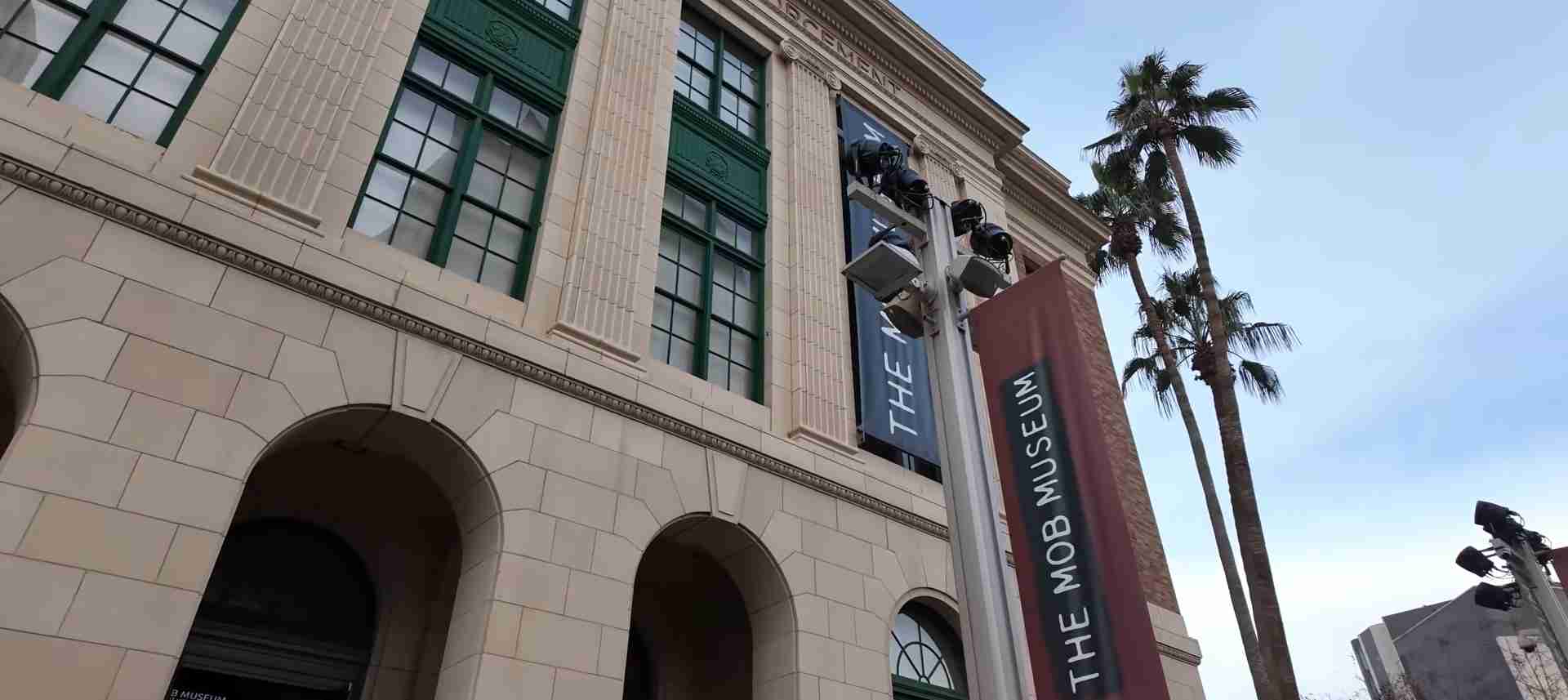
The Mob Museum ranks as Las Vegas’ most comprehensive cultural institution in 2026, occupying the historic federal courthouse with 41,000 square feet exploring organized crime and law enforcement history. Meow Wolf’s Omega Mart at AREA15 represents the city’s largest immersive art installation, transforming a surreal grocery store facade into 52,000 square feet of interactive multisensory environments. The Neon Museum preserves Las Vegas visual heritage through outdoor exhibition of vintage signs dating to the 1930s. Arte Museum delivers 30,000 square feet of projection-based digital art focused on “Eternal Nature” themes. Bellagio Gallery of Fine Art presents rotating exhibitions from major museums and private collections, featuring works by Picasso, Warhol, and contemporary masters in an intimate Strip-side setting.
How much do Las Vegas museums cost in 2026?
Las Vegas museum admission in 2026 ranges from free entry at several venues to $59 for premium immersive experiences. The Mob Museum charges $35 for adults with discounted $27 rates for early morning visits before 11 AM or evening visits after 5 PM. Meow Wolf Omega Mart admission costs $50-59 depending on day and time, with Saturday and holiday premium pricing. Arte Museum ranges $50-60 for adults with bundle packages including tea bar experiences. Bellagio Gallery of Fine Art offers $16 general admission, making it the Strip’s most affordable fine art venue. Discovery Children’s Museum and Nevada State Museum charge $16-20 for general admission. The Neon Museum prices daytime visits at $25 and evening illuminated experiences at $35. Several museums including Springs Preserve gardens and Pinball Hall of Fame offer free admission.
Are Las Vegas museums worth visiting in 2026?
Las Vegas museums deliver exceptional value in 2026 through unique combinations of education and entertainment that distinguish them from traditional museum experiences nationwide. The Mob Museum occupies the actual federal courthouse where Kefauver Committee hearings exposed organized crime’s influence, with interactive exhibits including firearms training simulators and authentic crime scene artifacts. Meow Wolf creates completely original immersive environments impossible to replicate elsewhere, with 212 individual art projects and hidden narrative elements encouraging repeat visits. The Neon Museum preserves irreplaceable pieces of American design history that exist nowhere else. Arte Museum’s projection technology creates Instagram-worthy experiences that justify admission through sheer visual spectacle. Most visitors report 2-4 hours of engagement at major museums, providing superior entertainment value compared to similarly-priced Las Vegas shows or attractions.
Which Las Vegas museums are best for families with children in 2026?
Discovery Children’s Museum ranks as Las Vegas’ premier family destination in 2026, occupying 58,000 square feet across three floors with 26,000 square feet of hands-on exhibits addressing science, art, and early childhood development. The 70-foot Summit tower with 12 interactive levels provides physical challenges while teaching scientific principles. Nevada State Museum at Springs Preserve combines natural history exhibits with outdoor botanical gardens and trails, allowing children to explore desert ecosystems. Meow Wolf welcomes all ages with accessible narrative elements and sensory-friendly accommodations, though some younger children find certain visual effects intense. Pinball Hall of Fame operates as a working arcade where vintage machines cost quarters rather than dollars, making extended play financially feasible. The Neon Museum offers family-friendly daytime tours showcasing classic Las Vegas iconography children recognize from popular culture.
Extended multi-day tours – 5+ days
Featured Las Vegas Multi-Day Tour Packages
3 days
Las Vegas 3-Day Discovery Tour
- ✓ Comprehensive Las Vegas experience
- ✓ Expert local guides included
- ✓ All accommodation included
- ✓ Transportation provided
5 days
Las Vegas 5-Day Highlights Experience
- ✓ Comprehensive Las Vegas experience
- ✓ Expert local guides included
- ✓ All accommodation included
- ✓ Transportation provided
7 days
Las Vegas 7-Day Cultural Journey
- ✓ Comprehensive Las Vegas experience
- ✓ Expert local guides included
- ✓ All accommodation included
- ✓ Transportation provided
10 days
Las Vegas 10-Day Complete Adventure
- ✓ Comprehensive Las Vegas experience
- ✓ Expert local guides included
- ✓ All accommodation included
- ✓ Transportation provided
Multi-day tour packages powered by TourRadar. Prices and availability subject to change.
Introduction to Las Vegas Museums & Galleries 2026
Las Vegas museum evolution accelerated dramatically during the 2010s and 2020s as the city diversified beyond gaming-centric tourism. Major cultural institutions opened or expanded significantly: The Mob Museum debuted in 2012 in the restored federal courthouse, Meow Wolf launched Omega Mart in 2021 as AREA15’s anchor tenant, and Arte Museum arrived in 2024 bringing South Korean immersive art technology to the Strip. This transformation reflects broader shifts in Las Vegas positioning as a complete destination offering business conventions, culinary experiences, outdoor recreation, and now substantial cultural programming.
The 2026 museum landscape divides geographically between downtown concentration and Strip integration. Downtown Las Vegas houses historic institutions within walking distance: The Mob Museum, Neon Museum, and Arts District galleries cluster along the Fremont Street corridor. The Strip and adjacent areas feature resort-integrated venues like Bellagio Gallery of Fine Art within casino properties, plus standalone attractions including Meow Wolf at AREA15 and Arte Museum at 63 Las Vegas retail complex. This geographic distribution allows visitors to incorporate museum experiences into existing itineraries without dedicated cultural excursions.
Las Vegas museums distinguish themselves through theatrical presentation that acknowledges the city’s entertainment heritage. Traditional didactic exhibits share space with interactive installations, simulation experiences, and immersive environments. The Mob Museum includes working courtroom spaces hosting actual programming, firearms training simulators, and an underground speakeasy serving craft cocktails. Meow Wolf eliminates conventional gallery spaces entirely in favor of narrative-driven environments where art doubles as architectural elements. Even traditional institutions like Bellagio Gallery employ sophisticated lighting and intimate gallery spaces that enhance rather than compete with artwork presentation.
Pricing structures in 2026 reflect this entertainment integration, with admission costs generally exceeding traditional museums in other cities but remaining competitive with Las Vegas show tickets and attractions. Most institutions offer Nevada resident discounts recognizing local community support, plus military, senior, and student reductions. Several museums participate in multi-venue discount programs or accept library passes, making cultural experiences accessible across income levels. Museums increasingly adopt dynamic pricing models with premium rates for weekend and evening visits, encouraging strategic timing for budget-conscious visitors.
Major Museum Districts and Locations 2026
Downtown Las Vegas emerged as the city’s cultural district through deliberate urban revitalization efforts concentrating museums and galleries within a walkable area. The Mob Museum anchors this district at 300 Stewart Avenue in the 1933 federal courthouse, with The Neon Museum located at 770 Las Vegas Boulevard North preserving vintage signs in an outdoor boneyard setting. The Arts District along South Main Street between California Avenue and Colorado Avenue houses dozens of independent galleries, with First Friday art walks drawing thousands of visitors monthly. This downtown concentration allows visitors to experience multiple cultural venues in a single afternoon without requiring transportation between locations.
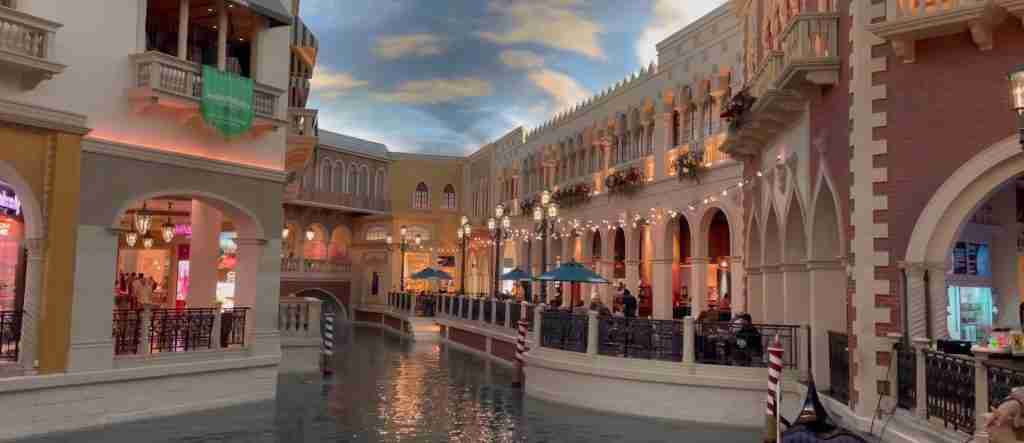
The Strip and adjacent corridors integrate museums into existing resort and entertainment infrastructure. Bellagio Gallery of Fine Art occupies prime real estate within the Bellagio resort’s Promenade Shops across from the main pool entrance, making fine art accessible to casino guests and Strip pedestrians. Madame Tussauds Las Vegas operates inside The Venetian with wax figure collections emphasizing entertainment personalities. The Strip corridor provides superior accessibility for visitors staying at major resorts, though parking costs and crowds require strategic timing.
AREA15 developed specifically as an immersive entertainment district at 3215 South Rancho Drive, positioned minutes from the Strip but requiring deliberate transportation. Meow Wolf’s Omega Mart serves as AREA15’s flagship attraction, supplemented by additional experiences including bars, escape rooms, and projection installations throughout the 200,000-square-foot complex. The district format encourages multi-hour visits combining museum exploration with dining and entertainment, justifying the off-Strip location through comprehensive programming.
Springs Preserve at 333 South Valley View Boulevard functions as Las Vegas’ environmental and natural history campus, incorporating Nevada State Museum alongside botanical gardens, trails, and sustainability exhibits across 180 acres. The preserve occupies the original water source that enabled Las Vegas settlement, with museums and exhibits addressing regional geology, ecology, and human history. This location appeals particularly to families seeking outdoor components alongside indoor museum experiences, with admission including access to all preserve areas.
The Mob Museum 2026: National Museum of Organized Crime and Law Enforcement
The Mob Museum occupies the 1933 neoclassical federal courthouse where Kefauver Committee hearings exposed organized crime’s infiltration of legitimate businesses in 1950-1951. The building itself represents significant American history, hosting proceedings that shaped federal law enforcement responses to organized crime throughout the mid-20th century. Restoration and conversion to museum use cost $42 million, with careful preservation of original courtroom spaces including the second-floor courtroom where actual hearings occurred. The museum’s official designation as the National Museum of Organized Crime and Law Enforcement reflects its comprehensive scope addressing both criminal organizations and law enforcement responses across American history.
Museum admission costs $35 for adults in 2026, with discounted rates of $27 available for visits before 11 AM or after 5 PM. Check the official website for current pricing as rates may vary seasonally. The $35 admission includes access to all four floors of permanent exhibits, temporary exhibitions, and daily programming including reformed mobster presentations at 11 AM, 1 PM, 2 PM, and 4 PM Wednesday through Sunday. The museum operates 9 AM to 9 PM daily, allowing evening visits that avoid daytime crowds. Premium experiences including Crime Lab workshops and Use of Force firearms training simulations require additional fees beyond general admission.
The museum’s permanent collection spans three floors with thematic exhibits addressing mob origins, law enforcement evolution, and contemporary organized crime. The third floor examines criminal enterprises and notorious figures including Al Capone, Lucky Luciano, and Bugsy Siegel through artifacts, photographs, and multimedia presentations. Interactive elements include mock police lineups where visitors pose with booking cards and actual wiretap recordings demonstrating surveillance techniques. The second floor focuses on law enforcement responses, featuring the restored courtroom where visitors sit in original gallery seating while viewing historical footage from Kefauver hearings. The first floor addresses contemporary issues including cybercrime and international trafficking networks, maintaining relevance beyond historical nostalgia.
The Underground speakeasy and distillery occupies the museum’s basement, recreating Prohibition-era atmosphere while serving craft cocktails made with house-distilled spirits. This immersive environment operates independently from museum hours, opening 11 AM to 11 PM Sunday through Thursday and 11 AM to midnight Friday and Saturday. The speakeasy requires separate admission or museum ticket presentation, with cocktails priced $12-18 and small plates available. Live jazz performances Friday and Saturday evenings transform the space into authentic entertainment venue matching its 1920s aesthetic. The combination of historical education and contemporary hospitality exemplifies Las Vegas museum innovation.
Special programming enhances basic admission value throughout the year. The museum hosts speaker series featuring law enforcement officials, former criminals turned informants, and academic experts on organized crime topics. Temporary exhibitions rotate annually, with 2026 programming including “Filmed in Las Vegas: America’s Playground on the Silver Screen” exploring how motion pictures portrayed the city from film noir through contemporary productions. Audio tours available for $6 rental provide deeper context for self-guided exploration, with content organized by theme rather than chronological progression. The museum’s free mobile app offers interactive maps and exhibit details for visitors preferring smartphone-based guidance.
Meow Wolf Omega Mart 2026 at AREA15
Meow Wolf’s Omega Mart represents the company’s second permanent installation following their flagship House of Eternal Return in Santa Fe, expanding the immersive art collective’s reach to Las Vegas audiences. The 52,000-square-foot experience launched in 2021 as AREA15’s anchor attraction, transforming the concept of a surreal supermarket initially created as a temporary Santa Fe installation in 2012. More than 325 artists, writers, sculptors, musicians, lighting designers, and technicians contributed to Omega Mart’s creation, making it one of the largest collaborative art projects in contemporary American culture. The installation follows the fictional Dramcorp corporation’s exploitation of “The Source” power from alternate dimensions, creating narrative complexity that encourages repeat visits to uncover hidden storylines.
Admission to Omega Mart costs $50-59 for adults in 2026 depending on day and time selected, with Saturday and holiday visits commanding premium pricing. Check the official Meow Wolf website for current rates as dynamic pricing adjusts based on demand. Children under 4 enter free, with reduced rates for ages 4-12. The Omega Access Experience card adds $3 to admission, providing RFID technology that unlocks interactive devices throughout the installation and tracks narrative progress through the mysterious storyline. VIP packages starting around $75 include admission, collector credential with lanyard, souvenir pin, beverage, and 15% discount on gift shop purchases exceeding $50. Nevada residents receive parking discounts, with nominal fees applying to out-of-state visitors.
The Omega Mart storefront presents familiar supermarket aesthetics with increasingly surreal product offerings that preview the strangeness ahead. Shelves stock bizarre items visitors can actually purchase, including “Farm Fresh” sandals and mysterious canned goods with cryptic labeling. Behind this facade, secret portals hidden in freezer doors and shelving units transport visitors to fantastical environments themed around Dramcorp’s interdimensional exploitation. The installation’s 212 individual art projects occupy multiple levels accessible through climbing structures, slides, and passages that reward physical exploration. Each themed environment features distinct aesthetics: the Juke Temple pulses with sound-reactive installations, the projection-mapped cave systems create bioluminescent alien landscapes, and the factory spaces reveal Dramcorp’s industrial processes.
Most visitors spend 2-4 hours exploring Omega Mart’s layered environments and narrative elements. The optional storyline engages visitors who scan products and interact with devices using Omega Access cards, gradually revealing Dramcorp’s corporate conspiracy through emails, documents, and hidden messages. Completing the full narrative arc requires methodical exploration and problem-solving, with special commemorative pins awarded to visitors who reach the story’s conclusion. Casual visitors ignore the narrative entirely, treating Omega Mart as a spectacular art playground where every surface presents photographic opportunities and sensory stimulation. The installation accommodates both approaches through multi-layered design.
The hidden Datamosh Bar tucked within Omega Mart’s environments serves cocktails in a speakeasy-style space accessible only to those who discover its location. This bar exemplifies Meow Wolf’s approach of rewarding exploration, with the journey to find it becoming part of the experience value. AREA15’s broader complex surrounding Omega Mart includes additional bars, restaurants, and smaller installations, encouraging extended visits that justify the off-Strip location. Free parking for Nevada residents and nominal fees for visitors removes transportation barriers, though ride-sharing services provide convenient alternatives given AREA15’s proximity to major Strip resorts.
Arte Museum Las Vegas 2026
Arte Museum Las Vegas brought South Korean immersive art technology to the Strip in 2024, occupying 30,000 square feet at 63 Las Vegas retail complex between The Cosmopolitan and Aria. The museum represents arte museum’s United States debut, following successful installations in Jeju, Gangneung, and Yeosu, South Korea. Unlike traditional galleries, Arte Museum creates fully immersive environments using projection mapping technology that transforms architectural surfaces into moving canvases. The “Eternal Nature” theme organizes 14 distinct gallery spaces, each exploring different natural phenomena through digital interpretation. Custom scents enhance the multisensory approach, with forest galleries releasing woodland fragrances and beach environments suggesting ocean air.
General admission ranges $50-60 for adults in 2026 depending on visit day, with Monday through Thursday offering lower rates and Saturday commanding premium pricing. Check the official website for current rates as pricing varies seasonally. Children ages 4-12 and seniors 65+ pay $40-50, with children under 4 admitted free. Bundle packages including Arte Tea Bar experiences save approximately $5 per ticket compared to separate purchases. Nevada residents should inquire at the box office about local discounts not advertised online. The museum operates daily with hours varying by season, generally opening 10 AM and closing between 10 PM and midnight to accommodate evening Strip foot traffic.
The 14 gallery spaces each present distinct natural themes through projection technology. Waterfall Infinite uses 26-foot-tall digital cascades and mirror installations to create seemingly endless falling water, becoming the museum’s most photographed element. Beach Aurora simulates realistic shoreline waves synchronized with Northern Lights displays projected across ceiling surfaces, with visitors reporting instinctive reactions to approaching digital water. The Jungle room immerses visitors in rainforest environments complete with animated wildlife and dynamic weather patterns. Live Sketchbook (Night Safari) serves as the interactive centerpiece, responding to visitor movement with real-time animated effects that transform floor and wall surfaces based on foot traffic patterns.
Visitors report spending 60-90 minutes exploring all galleries at comfortable pace, though the museum imposes no time limits. Photography not only receives permission but active encouragement, with lighting and projection angles specifically designed to create striking images. Staff recommendations suggest wearing white or light-colored clothing to maximize projection visibility on garments, creating silhouette effects impossible with dark attire. The dark environments and loud nature soundscapes may overwhelm visitors with sensory sensitivities, though the museum’s all-ages approach makes these effects family-accessible rather than deliberately intense.
The Arte Tea Bar operates as the museum’s final gallery, offering interactive dining where digital projections respond to cup placement on table surfaces. Moving a teacup triggers animations of scattering and regrowing flower petals across the table, combining beverage service with participatory art. The milk tea receives particular praise from frequent visitors, though the projection technology rather than beverage quality justifies the additional $5-10 cost. This integration of commerce and art reflects Las Vegas museum trends toward experience-based revenue streams beyond simple admission fees.
Neon Museum Las Vegas 2026
The Neon Museum preserves Las Vegas visual heritage through collection and display of vintage electric signs dating from the 1930s through early 2000s. The outdoor Neon Boneyard occupies approximately 2.5 acres, displaying more than 200 unrestored signs from demolished casinos, motels, and businesses that defined mid-century Las Vegas aesthetics. The museum’s mission extends beyond preservation to education about sign design, craftsmanship, and cultural significance. Las Vegas signs represent uniquely American art form, with designers pushing technological and aesthetic boundaries to capture attention in increasingly competitive entertainment landscape. The collection documents this evolution from simple neon tubing to complex animated displays integrating fiber optics and LED technology.
Museum admission costs $25 for daytime guided tours and $35 for evening experiences with illuminated vintage signs in 2026. These rates apply March through June for daytime admission, with evening programming operating year-round. All visits require advance reservations, with walk-up admission unavailable due to tour capacity limits. Tours last approximately 45-60 minutes, led by knowledgeable guides who explain sign history, design techniques, and Las Vegas cultural context. The museum operates 3 PM to 11 PM during peak summer months (May-August), with modified hours during cooler seasons. Box office closes one hour before final admission times.
The Neon Boneyard tour route winds through rows of stacked and displayed signs representing demolished properties including the Stardust, Desert Inn, and Moulin Rouge. Unrestored signs show weathering and damage, creating patina that some visitors find more authentic than pristine restoration. Signs range from small business markers to massive casino installations requiring crane placement, with the variety documenting changing scale of Las Vegas development. Guides explain design elements including color psychology, animation techniques, and electrical engineering innovations that enabled increasingly complex displays. The outdoor setting makes summer visits challenging, with daytime temperatures exceeding 100°F requiring sun protection and hydration.
Evening “Brilliant!” experiences illuminate approximately 40 signs using modern LED and projection technology, approximating their original appearance when powered. This programming transforms the museum from daylight documentation to nighttime spectacle, justifying the $35 premium admission through dramatic visual impact. The illuminated signs activate in choreographed sequences, with musical accompaniment enhancing the theatrical presentation. Evening visits book quickly, particularly during popular convention and event periods when Las Vegas hotel occupancy peaks. Reservations open several months in advance, with Saturday evening time slots selling out first.
The North Gallery occupies the former La Concha Motel lobby, an iconic example of 1960s Googie architecture designed by African-American architect Paul Revere Williams. This climate-controlled space houses additional restored signs and rotating exhibitions, providing relief from outdoor heat during summer visits. The museum shop stocks neon-themed merchandise, books about Las Vegas history, and reproduction signs. Educational programming includes STEAM Saturday workshops combining science, technology, engineering, art, and mathematics concepts through sign design and neon tube bending demonstrations. These free programs operate specific Saturday mornings with library card presentation, making neon arts accessible to local families.
Bellagio Gallery of Fine Art 2026
Bellagio Gallery of Fine Art operates as the Strip’s most accessible fine art venue, occupying intimate exhibition space within the Bellagio resort’s Promenade Shops. The gallery opened in 1998 as part of Steve Wynn’s vision for integrating high culture into casino resort design, predating the current trend toward Strip art installations. Unlike museum permanent collections, Bellagio Gallery presents rotating exhibitions organized in partnership with major museums and private foundations worldwide. This approach brings works by Picasso, Monet, Warhol, Georgia O’Keeffe, and contemporary masters to Las Vegas audiences without requiring permanent acquisition budgets. Exhibitions typically run 4-6 months, with 2-3 major shows annually.
General admission costs $16 for adults in 2026, making Bellagio Gallery the Strip’s most affordable cultural venue compared to Cirque du Soleil tickets exceeding $100 or celebrity chef dining approaching similar costs. Nevada residents and seniors 65+ pay $13, students and teachers with valid identification $11, and military members with ID $11. Children 12 and under enter free when accompanied by paying adults. Bellagio hotel guests should contact the concierge for special pricing not advertised publicly. The gallery operates Thursday through Monday 10 AM to 6 PM, with final admission at 5:45 PM. Hours occasionally change for private events or exhibition transitions, making advance confirmation prudent.
The 2026 exhibition “American Duet: Jazz and Abstract Art” explores connections between improvisational music and mid-century painting through loaned works from multiple museum collections. Previous exhibitions included “Soul Creatures: Animal Mummies in Ancient Egypt” (February-September 2026) featuring Brooklyn Museum artifacts, “Always More: Collecting in Vegas” showcasing 20th-century art from private collectors, and retrospectives examining individual artists’ complete bodies of work. The gallery’s intimate scale and sophisticated lighting create viewing experiences superior to many larger museums, with crowds rarely exceeding comfortable density. Docent-led tours operate during specific time slots, with knowledgeable guides providing context that enhances casual visitor appreciation.
The gallery’s Strip location enables spontaneous cultural experiences for resort guests and pedestrians. Visitors can incorporate fine art viewing into shopping excursions or pre-dinner activities without dedicated transportation or scheduling. The Bellagio’s central Strip position provides walkable access from most major resorts, with the Promenade Shops location across from the main pool entrance easily identifiable from hotel directories. This accessibility makes Bellagio Gallery particularly valuable for business travelers with limited free time, offering condensed cultural experiences fitting meeting schedules.
Nevada State Museum and Springs Preserve 2026
Nevada State Museum at Springs Preserve occupies 20,000 square feet of permanent exhibition space exploring southern Nevada’s geological, ecological, and human history. The museum moved to its current Springs Preserve location in 2011, departing from Lorenzi Park where it operated since 1982. The new facility provides modern climate control, expanded exhibition capabilities, and integration with Springs Preserve’s broader educational mission. Museum exhibits trace Nevada’s formation from ancient sea beds through volcanic activity to current desert landscapes, explaining how geology shaped human settlement patterns and economic development. The state’s largest silver strike at the Comstock Lode receives detailed examination, connecting mining wealth to Nevada’s political development and Las Vegas growth.
General admission costs $19 for adults in 2026, with Nevada residents paying $10 and children ages 3-17 admitted for $11 ($5 for Nevada resident children). Museum admission includes full access to Springs Preserve facilities including Origen Museum, botanical gardens, desert trails, and sustainability exhibits. This comprehensive access represents exceptional value, with families easily spending 4-6 hours exploring indoor and outdoor areas. The museum operates Thursday through Monday 9 AM to 4 PM, with the broader Springs Preserve maintaining identical hours. Free parking eliminates additional costs common at Strip venues where parking fees sometimes exceed museum admission.
The permanent collection addresses Nevada’s unique position in American culture through artifacts, multimedia presentations, and reconstructed environments. Exhibits exploring Las Vegas evolution from desert oasis to international resort destination include original artifacts from the USS Nevada, the Pearl Harbor survivor battleship whose bell and wheel occupy places of honor. The Hoover Dam construction receives extensive treatment, explaining how the massive federal project transformed regional development and enabled Las Vegas growth. Showgirl wall displays elaborate costumes and headdresses representing entertainment industry evolution, while Rat Pack and mobster exhibits connect to The Mob Museum’s downtown programming through complementary rather than redundant perspectives.
The Boomtown 1905 recreated settlement immerses visitors in early Las Vegas life, with period-appropriate buildings and furnishings demonstrating pioneer challenges. Springs Preserve botanical gardens showcase desert landscaping techniques and native plant species adapted to extreme aridity and temperature fluctuations. The gardens provide practical education for Nevada residents considering water-efficient landscaping, while offering out-of-state visitors rare opportunity to experience Mojave Desert ecosystems without backcountry hiking. DesertSol demonstrates sustainable architecture through solar-powered homes designed by university students, connecting environmental education to contemporary building practices.
The museum’s family-friendly approach makes complex scientific and historical concepts accessible to elementary-age children while maintaining enough detail to engage adult learners. Interactive exhibits allow hands-on exploration, with touch-screen displays, geological samples, and reconstructed artifacts children can handle. School groups regularly visit for curriculum-aligned programming, though general admission visitors encounter minimal disruption except during late morning weekday hours when field trips concentrate. The combination of indoor climate-controlled exhibits and outdoor gardens makes Springs Preserve particularly valuable during shoulder seasons when temperatures permit extended outdoor exploration.
Discovery Children’s Museum 2026
Discovery Children’s Museum dominates Las Vegas family cultural offerings through 58,000 square feet of interactive exhibits designed for children ages 0-12. The museum opened in 1990 as Lied Discovery Children’s Museum before relocating to its current facility at 360 Promenade Place in downtown Las Vegas in 2013. The move from former quarters enabled dramatic expansion, with three full floors and 26,000 square feet of core exhibits addressing science, art, early childhood development, and cultural education. The facility specifically designed all exhibits for hands-on interaction rather than passive observation, reflecting contemporary understanding of child learning through play and exploration.
General admission costs $16-20 in 2026 depending on ticketing channel, with Nevada residents receiving discounted $14 rates when presenting valid identification showing Nevada address. The museum participates in the Museums for All program, offering $3 admission to visitors presenting valid EBT, SNAP, or WIC cards, with the discount applying to four family members per qualifying card. Military members, students with valid ID, and groups receive additional discounts. Advance online ticket purchase ensures entry during peak periods when walk-up admission may sell out, particularly weekends and school holidays. The museum operates Tuesday through Saturday 10 AM to 5 PM and Sunday noon to 5 PM, with Monday closings except during school holidays, winter break, and spring break.
The Summit represents the museum’s signature attraction: a 70-foot tower encompassing 2,200 square feet across 12 levels that ascend through all three museum floors. Each level features different climbing structures combined with interactive science exhibits teaching physics, engineering, and mathematics concepts through hands-on challenges. Children can lift an actual car using giant lever at the bottom level, demonstrating mechanical advantage principles. The tower’s top provides panoramic views of downtown Las Vegas, creating sense of achievement that motivates even reluctant climbers. The physical challenge combined with educational content makes Summit experiences memorable long after visits conclude.
Young at Art gallery provides creative materials and guided-making spaces encouraging artistic expression across multiple mediums. The open-making area supplies design materials for unstructured exploration, while the guided-making section offers cutting-edge technology including coding software, CAD programs, laser cutters, 3D printers, and pottery kilns. Children create artwork using traditional materials like watercolors and fluorescent melted crayons, leaving finished pieces on drying racks for pickup after exploring other museum areas. Special STEAM-themed workshops and camps presented by community artists, engineers, and tinkerers rotate throughout the year, supplementing permanent exhibits with specialist instruction.
Eco City occupies the second floor, recreating a miniature Las Vegas with familiar businesses including Smiths grocery store, Wells Fargo bank, Las Vegas Airport, and a scaled Allegiant Stadium. Children role-play adult responsibilities including earning paychecks and making environmentally-conscious choices throughout the simulated city. This exhibit teaches green living principles and civic responsibility through play that feels like entertainment rather than instruction. Patents Pending gallery challenges visitors with design and engineering problems, testing creations through 14-foot drops, air blasts, and simulated earthquakes. The hands-on laboratory environment encourages experimental thinking and problem-solving.
Toddler Town provides specifically-designed spaces for children under five and those with sensory processing needs. The desert-themed environment uses softer colors, lower stimulation levels, and age-appropriate activities that prevent overwhelming younger visitors. Water World allows splashing and water movement exploration without swim attire, with provided hooded raincoats protecting clothing while children learn about hydrodynamics. The museum’s comprehensive approach ensures engaging experiences for the full 0-12 age range rather than focusing exclusively on elementary-school demographics, making it valuable for families with children spanning developmental stages.
National Atomic Testing Museum 2026
National Atomic Testing Museum preserves Cold War nuclear testing history through comprehensive exhibits addressing atomic weapons development, Nevada Test Site operations, and testing’s impacts on science, politics, and popular culture. The museum operates as a Smithsonian affiliate, providing national-level credibility to its collections and programming. Nevada hosted 928 announced nuclear tests between 1951 and 1992 at the Nevada Test Site 65 miles northwest of Las Vegas, with above-ground detonations visible from the city until the 1963 Limited Test Ban Treaty moved testing underground. The museum documents this unique chapter in American military and scientific history through artifacts, photographs, declassified documents, and survivor testimonies.
The museum charges standard admission with specific pricing requiring verification through official channels as rates update periodically. Audio guides rent for $6 per person, providing enhanced context for self-guided tours. UNLV students receive free Wednesday admission when presenting current university identification through Rebel Wednesdays program. Visitors should allow minimum 1-2 hours for complete museum exploration, with nuclear weapons history enthusiasts often spending 3+ hours examining detailed exhibits. The museum operates daily except major holidays, with Easter Sunday closures confirmed for 2026. Location at 755 East Flamingo Road positions the museum near Strip hotels while maintaining separation from resort districts.
Permanent exhibits trace atomic weapons development from Manhattan Project through contemporary nonproliferation efforts. The Ground Zero Theater simulates above-ground nuclear detonation through combined audiovisual effects that approximate witnessing actual test explosions. Visitors sit in bunker-style seating while experiencing sound, vibration, and atmospheric effects recreating observation conditions from safe distances. Artifacts include testing equipment, safety gear, scientific instruments, and everyday objects from the test site community. Declassified photographs and documents reveal previously secret aspects of testing programs, with exhibit text explaining classification decisions and information release timelines.
Special exhibits rotate annually, addressing topics including Area 51 mythology, radiation effects research, nuclear spy cases, and weapons proliferation prevention efforts. The museum maintains balanced presentation acknowledging both strategic necessity arguments for nuclear deterrence and concerns about environmental impacts and arms race escalation. Educational programming serves school groups through curriculum-aligned tours, while public lectures feature scientists, military personnel, and policy experts discussing nuclear weapons history and contemporary challenges. The museum gift shop stocks specialized books, declassified documents, and atomic age memorabilia unavailable through mainstream retailers.
Museum Budget Planning 2026
Las Vegas museum costs in 2026 vary dramatically based on venue selection and visitor demographics. Budget-conscious visitors can experience substantial cultural programming through strategic choices combining free venues with selectively-chosen paid admissions. Springs Preserve botanical gardens and trails offer no-cost exploration, with Nevada State Museum admission at $19 providing comprehensive indoor exhibits when outdoor heat becomes uncomfortable. The Pinball Hall of Fame charges no admission, operating as functional arcade where gameplay costs quarters matching original 1970s-1990s pricing. These free and low-cost options enable families to allocate limited budgets toward one or two premium experiences like Meow Wolf or Arte Museum.
Mid-range museum budgets accommodate most major Las Vegas institutions without financial strain. A couple visiting three museums might spend $16 at Bellagio Gallery, $35 each at The Mob Museum, and $25 each at the Neon Museum for daytime admission, totaling $136 for six museum visits covering fine art, organized crime history, and neon sign preservation. Adding lunch and parking increases the daily total to approximately $180-205 for comprehensive cultural experiences. This compares favorably to Cirque du Soleil tickets starting at $100 per person or celebrity chef dinners approaching $100-150 per person, making museums competitive entertainment options.
Premium immersive experiences command higher admission but deliver hours of engagement justifying costs through extended visit duration. Meow Wolf at $50-59 per person provides 2-4 hours of exploration, calculating to $12-30 per hour entertainment cost. Arte Museum at $50-60 for 60-90 minutes reaches $30-60 per hour, though Instagram-worthy photography and unique sensory experiences justify premium pricing for visitors prioritizing social media content or novel experiences. Families with young children find Discovery Children’s Museum at $16-20 per person delivering 3-5 hours of engagement, calculating to approximately $3-7 per hour for all-day admission. These per-hour cost analyses help visitors evaluate relative value across different museum types and admission structures.
Nevada resident discounts create two-tier pricing systems where locals pay substantially less than tourists. Most institutions reduce admission $3-10 for residents, with some venues including Nevada State Museum cutting costs by approximately 50% for local families. Library cardholders access additional savings through multi-venue passes borrowed from Las Vegas-Clark County Library District, providing free admission to Springs Preserve, Neon Museum STEAM Saturdays, and Discovery Children’s Museum. This library pass program makes weekly museum visits financially feasible for local families, supporting repeat visitation that deepens educational impact beyond one-time tourist experiences.
Museum combination strategies maximize value by pairing complementary institutions in single-day itineraries. Downtown concentration enables walking between The Mob Museum, Neon Museum, and Arts District galleries without transportation costs. Strip positioning allows Bellagio Gallery and Arte Museum combination with shopping and dining at connected retail complexes. Springs Preserve packages Nevada State Museum with outdoor botanical garden exploration, creating full-day experiences justifying admission through variety. Visitors should reserve premium evening experiences like illuminated Neon Museum tours or Mob Museum speakeasy visits for weekdays when lower demand reduces crowds without reducing quality.
Interactive and Immersive Museum Experiences 2026
Las Vegas pioneered experiential museum design that blurs boundaries between education and entertainment, establishing templates that influenced museum development nationwide. This approach recognizes that Las Vegas visitors expect participation rather than passive observation, with interactive elements transforming from occasional supplements into fundamental design principles. The Mob Museum’s Use of Force firearms training simulator exemplifies this philosophy, allowing visitors to experience split-second decision-making faced by law enforcement officers. Participants hold authentic service weapons while responding to projected scenarios, with instructor debriefing explaining legal and tactical considerations. This converts abstract policy discussions into visceral understanding of police work challenges.
Meow Wolf represents interactive design’s apotheosis, eliminating traditional museum boundaries entirely. Visitors don’t view art on walls but inhabit artistic environments, with every surface potentially concealing passages to additional spaces. The installation rewards physical exploration through climbing, crawling, and searching, making museum experience closer to playground or escape room than gallery. The optional RFID access cards transform casual exploration into structured gameplay, with visitors solving puzzles and uncovering narrative elements by scanning products and activating hidden devices. This gamification appeals particularly to younger visitors accustomed to video game interactivity, while permitting older guests to ignore narrative structure in favor of pure sensory immersion.
Arte Museum’s projection technology creates interaction through movement and presence rather than mechanical manipulation. Visitors walking through Beach Aurora trigger wave responses, with digital water reacting to foot traffic patterns. The Live Sketchbook environments generate real-time animations based on visitor positions, creating unique experiences varying with crowd density and movement patterns. This passive interaction requires no learning curve or instruction, making technology accessible to visitors uncomfortable with complex interfaces. The Instagram-ready aesthetics encourage photography that extends museum experience beyond visit duration through social media sharing and subsequent engagement.
The Neon Museum’s illuminated evening programming transforms static preservation into theatrical presentation. Choreographed lighting sequences activate vintage signs in timed patterns accompanied by musical soundtracks, creating narratives about Las Vegas evolution through visual spectacle. This approach acknowledges that signs originally functioned as advertising rather than art objects, with evening illumination restoring their intended purpose while maintaining educational context through guided commentary. The blend of preservation, education, and entertainment epitomizes Las Vegas museum philosophy where categories merge rather than remaining distinct.
Art Museums and Galleries on the Strip 2026
The Strip’s art infrastructure expanded dramatically during the 2000s-2020s as casino resorts integrated cultural programming into property designs. Bellagio pioneered this approach with its Gallery of Fine Art, followed by The Shops at Crystals’ contemporary art installations and Park MGM’s Akhob collection featuring works by James Turrell, Roy Lichtenstein, and other blue-chip artists. This integration makes fine art accessible to casino visitors who might not seek museums independently, with convenient locations and modest admission removing participation barriers. The trend reflects broader Las Vegas repositioning toward comprehensive destination status appealing to luxury travelers, convention attendees, and cultural tourists beyond core gambling demographics.
Bellagio Gallery of Fine Art maintains the Strip’s most consistent exhibition programming, with rotating shows bringing museum-quality works to resort setting. The partnership model with major institutions enables access to collections that individual casinos couldn’t acquire permanently. Recent exhibitions featured Andy Warhol’s Pop Art explorations, Fabergé’s imperial treasures, and contemporary photographers examining American identity. The intimate gallery space limits crowd sizes naturally, creating viewing experiences superior to many larger public museums where popular exhibitions attract overwhelming attendance. The Thursday-Monday operation schedule accommodates resort guests’ flexible vacation timing while providing staff days for exhibition transitions.
Arte Museum represents newer Strip art integration, occupying retail space at 63 Las Vegas complex between major casino properties. Unlike traditional galleries presenting completed artworks, Arte creates environments where projection technology and architectural surfaces merge into comprehensive installations. The “museum” designation stretches conventional definitions when applied to entirely digital, reproducible content lacking unique physical artifacts. However, the immersive experiences and Instagram-worthy photography fulfill contemporary visitor expectations more effectively than traditional painting and sculpture displays, particularly for younger demographics raised on digital media.
Madame Tussauds Las Vegas inside The Venetian operates as celebrity-focused wax museum emphasizing entertainment personalities over historical figures. The collection includes Marvel superheroes, music industry stars, Las Vegas performers, and contemporary culture icons presented in interactive tableaux encouraging photography. The installation includes Marvel 4D movie experience combining traditional film projection with environmental effects including wind, scent, and motion. While lacking fine art credibility, Madame Tussauds delivers accessible celebrity content aligning with Strip’s entertainment focus, particularly appealing to families with children and international visitors seeking American pop culture immersion.
Specialized and Niche Museums 2026
Las Vegas niche museums address specific collecting interests underserved by major institutions, creating passionate followings among enthusiasts while remaining relatively unknown to general tourists. The Pinball Hall of Fame preserves arcade gaming history through working machines spanning 1950s electromechanical pinball to 1990s video games, operating as nonprofit organization dedicated to playable preservation rather than static display. The facility houses over 200 machines maintained in playing condition, with admission-free entry and quarter-based gameplay pricing recreating original arcade economics. Collectors and gaming historians prize the museum’s comprehensive documentation of pinball manufacturers, designers, and technological evolution, while casual visitors enjoy nostalgic gameplay impossible at contemporary entertainment venues.
The Shelby American Heritage Center appeals to automotive enthusiasts through comprehensive Carroll Shelby collection including race cars, production vehicles, and development prototypes. Located at 6405 Ensworth Street near Las Vegas Motor Speedway, the museum documents Shelby’s racing career and his collaboration with Ford producing the iconic Cobra roadster and GT350/GT500 Mustangs. The facility operates as working restoration shop simultaneously, with museum visitors observing actual vehicle restoration and fabrication. This combination of static display and active workshop creates dynamic experiences where museum content evolves as restoration projects progress. Admission pricing varies, with automotive club members receiving discounts recognizing specialized interest.
The Burlesque Hall of Fame preserves striptease and variety theater history through costumes, photographs, and artifacts documenting performers from vaudeville through contemporary neo-burlesque revival. Located in the Arts District, the museum celebrates female performers who shaped American entertainment during mid-20th century when burlesque competed with Hollywood and television for audiences. Elaborate costumes and headdresses demonstrate craftsmanship and showmanship that distinguished star performers, while archival photographs document theater venues and promotional materials. The museum hosts annual convention and competition drawing international participants, creating community around historical preservation and contemporary practice.
The Las Vegas Natural History Museum at 900 Las Vegas Boulevard North presents traditional natural science exhibits including dinosaur fossils, African wildlife dioramas, and live animal displays. This conventional museum approach contrasts sharply with experiential Las Vegas norm, providing familiar educational experiences for families seeking traditional museum formats. The Egyptian exhibit includes mummy replicas and archaeological artifacts, while marine life galleries feature aquarium displays and shark presentations. Though lacking interactive elements common in newer museums, the traditional format appeals to educators and parents prioritizing classical natural history education over entertainment-driven experiences.
Museum Transportation and Access 2026
Downtown Las Vegas museum concentration enables pedestrian access between major institutions, with The Mob Museum at 300 Stewart Avenue positioned approximately one mile from the Neon Museum at 770 Las Vegas Boulevard North. This 15-20 minute walk passes through revitalized downtown areas, though summer heat makes walking uncomfortable May through September when midday temperatures exceed 100°F. The downtown loop free shuttle bus connects Fremont Street Experience with Arts District and museum locations, operating noon to 8 PM Thursday through Monday. RTC public transit route 113 provides air-conditioned transportation along Las Vegas Boulevard corridor, with $6 day passes enabling unlimited rides connecting downtown museums with Strip destinations.
Strip museum access varies by specific venue location and pedestrian infrastructure. Bellagio Gallery of Fine Art occupies the Bellagio resort’s Promenade Shops, accessible through internal casino walkways for resort guests or via main entrance for pedestrians. Arte Museum at 63 Las Vegas sits between The Cosmopolitan and Aria, reachable through climate-controlled pedestrian bridges from both properties. These integrated locations make Strip museums easily accessible without transportation beyond existing Strip navigation, though the 4.2-mile Strip length makes walking between widely-separated resorts physically demanding. The Las Vegas Monorail connects several major resorts but doesn’t serve all museum locations, with $13 day passes justifying costs only for visitors making multiple resort transfers.
AREA15 housing Meow Wolf requires deliberate transportation from Strip or downtown locations. The complex sits at 3215 South Rancho Drive approximately 3 miles west of the Strip, reachable via 15-minute rideshare from central Strip resorts costing $8-15 depending on surge pricing. AREA15 provides free parking for Nevada residents, with nominal fees applying to out-of-state visitors. The parking availability and relatively short distances make personal vehicle rental practical for visitors planning multiple off-Strip excursions combining Meow Wolf with Red Rock Canyon, Springs Preserve, or other non-Strip destinations. Some hotels offer shuttle services to AREA15 for guest convenience, though schedules typically accommodate evening entertainment rather than afternoon museum visits.
Springs Preserve at 333 South Valley View Boulevard sits approximately 3 miles west of downtown Las Vegas, requiring transportation for most visitors. RTC bus route 207 serves Valley View Boulevard with stops near the preserve entrance, providing public transit access for locals and budget travelers. However, the preserve’s 180-acre size and outdoor trail system makes personal vehicle access more practical for families carrying supplies for extended outdoor time. Free parking and picnic areas support multi-hour visits incorporating both Nevada State Museum and botanical garden exploration, with shaded parking structures protecting vehicles from intense summer sun.
Museum parking costs vary dramatically between downtown institutions offering free or metered street parking and Strip venues charging resort parking rates. The Mob Museum provides nearby municipal parking structures with hourly rates, while Neon Museum visitors utilize adjacent surface lot included with admission. Strip resort parking costs $15-30 for self-parking at many properties, though some casino properties offer free parking with player’s club card enrollment or validation through dining/shopping purchases. Museum visitors staying at Strip resorts should confirm whether museum visits qualify for parking validation, potentially saving $15-30 daily in parking fees when combining multiple venues.
Seasonal Considerations for Museum Visits 2026
Las Vegas museums operate year-round with relatively consistent programming, though seasonal temperature variations dramatically affect outdoor venue comfort and indoor museum crowding patterns. Summer months from May through September bring extreme heat with daytime temperatures regularly exceeding 105°F, making outdoor institutions like the Neon Museum challenging during midday hours. The Neon Museum’s evening programs gain particular appeal during summer when illuminated signs appear after sunset around 8-9 PM coinciding with temperature drops to comfortable 80s-90s range. Springs Preserve outdoor trails and botanical gardens become morning-only destinations during summer, with most visitors completing outdoor exploration before 11 AM heat intensifies.
Winter season November through March provides ideal weather for outdoor museum exploration, with daytime temperatures typically 55-70°F perfect for extended Neon Museum tours and Springs Preserve hiking. However, winter brings increased tourist traffic as snowbirds and cold-weather refugees flood Las Vegas, creating museum crowding particularly during major convention periods and holidays. The Mob Museum and Meow Wolf experience peak weekend crowds during winter months, making weekday visits preferable for avoiding lines and densely-packed exhibit spaces. Advance reservations become essential for popular time slots at the Neon Museum and other capacity-controlled venues.
Major conventions including CES (early January), SHOT Show (late January), and NAB Show (April) flood Las Vegas with 100,000+ attendees, creating museum crowds during traditionally quiet periods. Business travelers seeking evening entertainment fill museums, restaurants, and shows, making advance booking essential even for typically low-demand weeknight visits. Convention impact extends to transportation, with rideshare surge pricing and limited vehicle availability affecting museum access. Visitors planning Las Vegas trips should check convention calendars and adjust museum timing to avoid overlapping with major industry gatherings when practical.
Special events and temporary exhibitions create seasonal visitation peaks at specific institutions. Bellagio Gallery of Fine Art attracts surges when opening major exhibitions, with art enthusiasts traveling specifically for limited-run shows featuring works rarely displayed in western United States. The Burlesque Hall of Fame hosts its annual convention typically in May or June, bringing hundreds of performers and historians to Las Vegas for competition and programming. The Neon Museum offers holiday programming including special tours and lighting effects, creating premium pricing and increased demand during Thanksgiving and Christmas weeks when families visit Las Vegas for celebrations.
Family-Friendly Museum Strategies 2026
Las Vegas family museum visits require strategic planning addressing children’s attention spans, physical needs, and entertainment expectations shaped by high-stimulation Strip environment. Discovery Children’s Museum and Nevada State Museum at Springs Preserve design all programming specifically for children, making them natural first choices for families prioritizing educational experiences. However, immersive installations like Meow Wolf and Arte Museum engage children through sensory stimulation and physical exploration rather than traditional museum formats, often maintaining attention longer than conventional exhibits. Parents report children ages 6-12 spending 3+ hours at Meow Wolf without boredom, compared to 60-90 minutes at traditional museums before restlessness emerges.
Age-appropriate venue selection significantly impacts family experience quality. Discovery Children’s Museum serves ages 0-12 through targeted exhibits addressing developmental stages, with Toddler Town providing specific spaces for children under 5 preventing older children’s activities from overwhelming young visitors. Nevada State Museum appeals broadly to elementary through middle school demographics through accessible presentation of science and history concepts without excessive text or complex abstract thinking requirements. The Mob Museum contains mature content including graphic crime scene photographs and violence themes, making it more appropriate for teenagers than younger children despite family-friendly marketing.
Physical considerations including rest areas, food options, and bathroom facilities affect family visit feasibility at different institutions. Discovery Children’s Museum provides extensive seating areas where parents rest while children explore independently, with visible sightlines maintaining supervision. The museum prohibits outside food but offers vending machines and water fountains addressing basic needs. Springs Preserve allows picnicking in designated outdoor areas, making it ideal for families bringing meals and planning extended visits combining museum exploration with outdoor recreation. Meow Wolf and Arte Museum lack substantial rest areas or food service, requiring families to limit visit duration based on children’s physical endurance and hunger tolerance.
Stroller accessibility varies significantly across Las Vegas museums, affecting families with young children planning visits. Discovery Children’s Museum and Nevada State Museum provide stroller-friendly layouts with elevators accessing all floors and wide corridors accommodating traffic. The Neon Museum’s outdoor gravel pathways challenge stroller navigation, particularly for lightweight models that sink or catch on uneven surfaces. Meow Wolf’s multi-level climbing structures and narrow passages make stroller use impractical beyond the initial supermarket area, requiring parents to use infant carriers for babies and planning visits when toddlers can walk independently. Most museums offer stroller parking areas near entrances for families preferring not to navigate exhibits with wheeled equipment.
Museum Photography and Social Media Guidelines 2026
Las Vegas museums generally encourage photography without flash, recognizing social media sharing extends marketing reach and visitor engagement beyond physical visits. Arte Museum specifically designs lighting and projection angles optimizing Instagram photography, with staff offering posing suggestions and timing advice for capturing optimal effects. The museum’s recommendation that visitors wear white or light-colored clothing demonstrates deliberate integration of photography into exhibit design rather than treating it as ancillary activity. This approach reflects contemporary museum evolution where social media presence contributes significantly to attendance and cultural relevance, particularly among younger demographics who research destinations through Instagram visual content before traditional review platforms.
Meow Wolf Omega Mart similarly embraces photography throughout its installation, with every environment offering photographic potential through color, composition, and surprising juxtaposition. The absence of traditional artworks requiring flash restriction means visitors photograph freely without staff intervention, creating organic marketing as images circulate through social networks. The fantastical environments generate distinctive imagery immediately identifiable as Meow Wolf content, building brand recognition that translates to attendance at other locations nationwide. The installation’s narrative structure encourages documentation as visitors track puzzle-solving progress and share discoveries with friends visiting separately.
The Neon Museum implements photography policies balancing preservation needs with visitor documentation desires. Flash photography prohibition protects aging neon tubes and painted surfaces from accelerated degradation, while natural photography receives encouragement. The outdoor Boneyard’s daylight environment enables quality photography without artificial lighting, though evening illuminated tours present challenges requiring camera settings knowledge or smartphone computational photography capabilities. Professional photography including tripods and commercial purposes requires advance permission and potentially additional fees, though personal photography for non-commercial use proceeds without restriction beyond flash prohibition.
Bellagio Gallery of Fine Art restricts photography entirely, following fine art museum standard practices protecting artwork reproduction rights and preventing flash damage to light-sensitive materials. This prohibition frustrates visitors accustomed to photographing museum experiences, though enforcement protects lending institutions’ requirements and maintains insurance coverage for valuable works. The gallery provides limited photography opportunities with replica pieces specifically designated for social media purposes, acknowledging visitor desires for documentation while protecting genuine artworks. Visitors should review photography policies before museum visits, particularly at fine art venues where restrictions may apply without signage prominence matching other museums’ permission.
Educational Programs and Special Events 2026
Las Vegas museums develop robust educational programming serving school groups, homeschool families, and adult learners beyond general admission tourism. Discovery Children’s Museum coordinates curriculum-aligned field trips for Clark County School District and private schools, with age-appropriate content addressing Nevada educational standards in science, social studies, and arts. Guided programs led by museum educators supplement self-guided exploration, teaching specific concepts through demonstrations and discussions. The museum offers discounted group rates for schools and homeschool cooperatives, making field trips financially accessible compared to for-profit attractions charging premium education program fees.
The Mob Museum’s reformed mobster presentations every Wednesday through Sunday provide insider perspectives impossible through conventional curation. Former criminals turned government informants share firsthand accounts of organized crime operations, law enforcement tactics, and personal decisions leading to cooperation. These programs add tremendous value to general admission without additional cost, creating appointment viewing that encourages strategic timing for museum visits. The museum also hosts evening speaker series featuring law enforcement officials, prosecutors, defense attorneys, and academic experts analyzing organized crime’s contemporary evolution and policy responses.
Nevada State Museum develops programming addressing Nevada history, geology, and ecology through expert-led presentations and hands-on workshops. Lectures examining topics from Comstock Lode mining techniques to desert ecosystem adaptation bring university-level content to general audiences in accessible formats. Springs Preserve hosts seasonal events including plant sales featuring native species adapted to southern Nevada conditions, with master gardeners providing cultivation advice for landscape applications. These programs serve local residents seeking ongoing educational engagement rather than one-time tourist visits, building community connections that justify public funding support.
The Neon Museum’s STEAM Saturday programming combines science, technology, engineering, art, and mathematics education through neon sign design workshops and demonstrations. Children ages 5-12 learn about electrical circuits, glass bending techniques, and color theory while creating take-home projects inspired by vintage signage. The free programs require library card presentation for admission, operating specific Saturday mornings with limited capacity requiring advance reservation. These workshops introduce children to skilled trades and artistic crafts potentially inspiring career interests while building cultural literacy about Las Vegas visual heritage.
Museum Membership and Multi-Visit Options 2026
Museum membership programs provide cost savings for repeat visitors while generating stable revenue supporting operations beyond admission-dependent income. Individual Discovery Children’s Museum memberships cost approximately $95 annually, paying for themselves after five visits at the $20 general admission rate. Family memberships serving two adults and all children in household typically cost $145-175 annually, creating strong value for local families visiting monthly. Members receive free admission, discounts on special programs and summer camps, early access to new exhibits, and reciprocal privileges at children’s museums nationwide through Association of Children’s Museums network.
The Mob Museum offers membership tiers from individual ($75) through family ($150) to patron levels ($500+) providing graduated benefits. Basic memberships include free admission, guest passes, merchandise discounts, and members-only events including exclusive tours and speaker programs. Higher tiers add VIP experiences like speakeasy reserved seating, private curator tours, and recognition in museum publications. For tourists visiting once, membership costs exceed admission savings, but Las Vegas residents attending quarterly or more frequent find membership economically sensible while supporting nonprofit cultural mission.
Nevada State Museum membership includes full Springs Preserve access, creating exceptional value given the combined admission covers multiple facilities and 180 acres of trails and gardens. Annual passes cost less than six individual admissions, benefiting local families incorporating regular preserve visits into recreation routines. The membership supports Nevada State Museum system statewide, with reciprocal admission at Carson City and other locations providing additional value for travelers exploring Nevada comprehensively. Special member events including behind-the-scenes collection access and curator presentations enhance value beyond admission savings alone.
Multi-attraction discount cards including Go Las Vegas Pass and Las Vegas Explorer Pass bundle museum admission with shows, tours, and attractions at reduced rates compared to individual purchases. These cards appeal to tourists planning concentrated sightseeing including multiple museums, potentially saving 20-40% on combined admissions when used strategically. However, the cards require careful evaluation as many Las Vegas museums charge modest admission where bundled discount cards generate minimal savings. Cards work best for visitors combining expensive attractions like helicopter tours or dinner shows with moderately-priced museums, using volume discounts to offset premium experience costs.
Accessibility and Accommodations 2026
Las Vegas museums generally provide strong accessibility for visitors with mobility challenges, visual impairments, and other disabilities, though specific accommodations vary by facility age and design. The Mob Museum occupies a 1933 historic building retrofitted with elevators accessing all four floors, plus ramps throughout exhibits ensuring wheelchair users experience identical content to ambulatory visitors. Wide aisles accommodate wheelchairs comfortably without navigation difficulties, and wheelchairs are available for free loan on first-come, first-served basis for visitors requiring mobility assistance. Audio tours and video presentations include captioning options for hearing-impaired visitors, though some interactive elements rely on audio cues that may create challenges.
Meow Wolf earned Certified Autism Center designation through specialized training and environmental modifications supporting visitors with autism spectrum disorders and sensory processing differences. The certification process required staff education about autism characteristics, communication strategies, and behavioral support techniques. Meow Wolf provides sensory guides identifying areas with intense stimulation including loud sounds, strobing lights, or dark environments, allowing visitors to prepare or avoid triggering spaces. The installation’s multi-level climbing structures present challenges for mobility-impaired visitors, though significant portions remain accessible without stairs or crawling through tight spaces.
Discovery Children’s Museum designed accessibility into facility planning from inception, with all three floors connected by elevators and exhibits arranged to ensure wheelchair users access identical experiences. The museum provides sensory-friendly resources for children with autism or ADHD, including quiet spaces where overstimulated children can decompress away from high-activity areas. Staff training emphasizes inclusive practices accommodating diverse learning styles and physical needs. The museum participates in Museums for All program extending financial accessibility to families receiving government assistance, recognizing economic barriers affect museum participation as significantly as physical or cognitive accessibility concerns.
The Neon Museum’s outdoor layout creates accessibility challenges despite ADA compliance in pathways and restrooms. Gravel surfaces throughout the Neon Boneyard present navigation difficulties for wheelchairs and walkers, with uneven areas requiring careful maneuvering. Summer heat poses health risks for visitors with temperature regulation challenges, making evening tours preferable during warm months. The museum provides wheelchairs for complimentary loan, though outdoor terrain limits their effectiveness compared to indoor venues. The climate-controlled North Gallery offers relief from outdoor conditions while maintaining accessibility standards, creating partial solution for visitors combining outdoor and indoor elements strategically.
Museum Gift Shops and Unique Merchandise 2026
Las Vegas museum gift shops extend visitor experiences through curated merchandise connecting to exhibit themes while generating important non-admission revenue supporting operations. The Mob Museum shop stocks specialized books about organized crime history, prohibition era, and law enforcement evolution unavailable through mainstream bookstores. Replica artifacts including tommy gun models, speakeasy glassware, and vintage-style wanted posters allow visitors purchasing tangible exhibit connections. The shop carries local Las Vegas history books and organized crime true crime memoirs, creating reading lists that continue education beyond museum visit duration.
The Neon Museum gift shop emphasizes Las Vegas visual heritage through neon-inspired merchandise including illuminated signs, vintage casino imagery, and mid-century modern design products. Reproduction signs feature iconic Las Vegas properties including the Stardust and Moulin Rouge, allowing visitors purchasing museum-quality replicas at accessible prices. Books documenting neon sign design, Las Vegas architectural history, and vintage photography create comprehensive reference library for serious enthusiasts. The shop’s vintage aesthetic and curated selection distinguish it from generic casino gift shops selling mass-produced Las Vegas kitsch, appealing to design-conscious visitors seeking quality souvenirs.
Meow Wolf operates extensive retail spaces selling installation-specific merchandise alongside general branded products. The Omega Mart gift shop stocks bizarre products featured in the supermarket installation, allowing visitors purchasing items they photographed during exploration. Meow Wolf-branded apparel, art books, and collectibles connect to the broader artistic mission rather than Las Vegas location specifically, creating national brand identity transcending individual installations. The gift shop accepts standard admission ticket purchases, enabling merchandise browsing without paid museum admission though encouraging conversion through product exposure.
Discovery Children’s Museum shop focuses on educational toys, science kits, and creative supplies reinforcing museum’s learning mission. Products emphasize STEAM education through hands-on materials children use independently at home, extending museum’s educational impact beyond visit duration. Age-appropriate selections serve infants through middle school students, matching the museum’s comprehensive demographic range. Pricing targets family budgets rather than tourist souvenir expectations, with many items under $25 making post-visit purchases financially feasible for families already investing in admission and transportation costs.
Combining Museums with Other Las Vegas Attractions 2026
Las Vegas museums integrate effectively into comprehensive itineraries combining cultural experiences with entertainment, dining, and outdoor recreation. Downtown museum concentration enables pairing The Mob Museum and Neon Museum with Fremont Street Experience light show and vintage casino exploration, creating half-day or full-day downtown immersion. Container Park’s outdoor entertainment and dining provides lunch or dinner options between museum visits, with walking distances manageable except during extreme summer heat. The Arts District First Friday events occurring monthly align perfectly with museum visits, adding gallery openings and street performances to cultural programming.
Strip museum locations facilitate integration with resort experiences and shows. Bellagio Gallery of Fine Art pairs naturally with Conservatory & Botanical Gardens viewing and fountain show observation, creating afternoon cultural block before evening show or dinner reservations. Arte Museum’s 60-90 minute duration fits perfectly into pre-theater timing, with evening restaurant reservations following museum closure. The Strip’s pedestrian infrastructure connecting major resorts enables museum visits as intermittent activities during shopping or dining excursions rather than requiring dedicated time blocks, appealing to casual visitors seeking cultural experiences without restructuring vacation schedules.
Meow Wolf at AREA15 benefits from combination with other district offerings including multiple bars, restaurants, and installations. The complex encourages multi-hour visits exploring Meow Wolf alongside smaller experiences, with evening entertainment programming transitioning museum afternoon into nightlife evening. AREA15’s location near Red Rock Canyon National Conservation Area makes it logical stopping point for visitors returning from morning outdoor recreation, with air-conditioned museum exploration providing relief from desert heat while maintaining activity engagement.
Springs Preserve combines museum education with outdoor recreation through integrated programming. Families visiting Nevada State Museum extend stays into botanical garden exploration, hiking desert trails, or picnicking in designated areas, creating full-day experiences without venue changes. The preserve’s educational programming complements museum exhibits through outdoor demonstrations and interpretive signage, reinforcing concepts through multiple learning modalities. This integration creates exceptional value from single admission, particularly for homeschool families seeking comprehensive field trip experiences covering science, history, and physical education simultaneously.
Frequently Asked Questions About Las Vegas Museums & Galleries 2026
Do I need advance reservations for Las Vegas museums in 2026?
Advance reservations requirements vary by museum in 2026, with some venues requiring timed-entry tickets while others operate on first-come, first-served basis. The Neon Museum requires advance booking for all daytime and evening tours, with walk-up admission unavailable due to capacity constraints and guide scheduling. Meow Wolf encourages advance purchase to guarantee preferred time slots, particularly for weekend and evening visits when demand peaks, though same-day tickets remain available when capacity permits. Arte Museum operates similarly with advance purchase recommended but not mandatory. The Mob Museum, Bellagio Gallery of Fine Art, Discovery Children’s Museum, and Nevada State Museum accept walk-up visitors during operating hours, though special events or peak periods may create temporary capacity limits. Visitors should purchase tickets online when planning specific dates to avoid disappointment, with most museums offering identical pricing for advance and day-of purchases eliminating financial penalty for planning ahead.
Which Las Vegas museums offer the best value for money in 2026?
Nevada State Museum at Springs Preserve delivers exceptional value in 2026 through comprehensive admission at $19 covering the museum, Origen Museum, botanical gardens, desert trails, and sustainability exhibits across 180 acres. Families spending 4-6 hours exploring indoor and outdoor areas calculate admission cost to approximately $3-5 per hour of engagement. Discovery Children’s Museum similarly provides all-day access at $16-20, with most families reporting 3-5 hours of entertainment making per-hour costs competitive with commercial entertainment venues. Bellagio Gallery of Fine Art’s $16 admission grants access to museum-quality exhibitions from major institutions and private collections, representing Strip’s most affordable cultural venue while maintaining world-class programming standards. The Mob Museum’s $35 admission includes extensive permanent exhibits across four floors plus daily reformed mobster presentations and temporary exhibitions, with 2-3 hour typical visit duration creating reasonable entertainment value compared to similarly-priced Las Vegas shows or attractions. Budget-conscious visitors maximize value by targeting Nevada resident discounts where applicable, library passes enabling free admission to select venues, and strategic timing avoiding premium weekend and evening pricing.
Can I visit multiple Las Vegas museums in one day in 2026?
Visiting multiple Las Vegas museums in single day proves entirely feasible in 2026 through strategic planning addressing geographic clustering, opening hours, and physical endurance. Downtown concentration enables visiting The Mob Museum and Neon Museum in one afternoon, with both venues within one mile allowing walking during moderate weather or brief rideshare during extreme heat. Typical visit durations of 2-3 hours at The Mob Museum plus 60 minutes at Neon Museum create manageable 3-4 hour cultural block with dining break between venues. Strip museums including Bellagio Gallery of Fine Art and Arte Museum similarly cluster within walkable distance, though each requires 60-90 minutes minimum making three-museum days physically demanding without sufficient rest periods. Morning visits to Springs Preserve combining Nevada State Museum with outdoor exploration followed by afternoon immersion at Meow Wolf creates diverse programming appealing to families with varying interests, though this requires transportation between locations and considerable physical stamina. Visitors attempting multiple museums should prioritize morning starts, comfortable footwear, hydration particularly during summer months, and realistic assessment of energy levels to avoid fatigue diminishing enjoyment of later venues.
Are Las Vegas museums appropriate for solo travelers in 2026?
Las Vegas museums welcome solo travelers in 2026 and often provide superior experiences for individuals compared to group attractions requiring coordination and compromise. The Mob Museum’s self-paced exploration allows solo visitors spending desired time examining specific exhibits without accommodating companions’ differing interests or energy levels. Audio tours enhance solo experiences by providing narrative structure and expert commentary without requiring human guide attention. Meow Wolf’s puzzle-solving narrative elements work excellently for solo visitors who explore systematically without group distractions, with some visitors reporting deeper engagement exploring alone rather than socially. Bellagio Gallery of Fine Art’s contemplative fine art viewing appeals particularly to solo travelers seeking quiet cultural experiences between Strip activities, with intimate gallery spaces preventing loneliness common in vast museum halls. Arte Museum’s photography-centric design accommodates solo visitors excellently, with staff offering photo assistance when requested and projection-based interactivity creating engagement without human conversation requirements. Solo travelers should avoid peak weekend and holiday periods when crowds diminish contemplative atmosphere, targeting weekday mornings or early afternoons when museums operate near capacity minimums creating peaceful exploration environments. Museums provide excellent respite from Las Vegas’s social entertainment emphasis, allowing introverted or solo travelers balancing group activities with independent cultural experiences matching personal interests.
What should I wear to Las Vegas museums in 2026?
Las Vegas museums maintain casual dress codes in 2026, with comfortable clothing and supportive footwear prioritized over formal attire. Most institutions recommend closed-toe shoes given extensive walking and potential outdoor components, with athletic shoes or comfortable flats preferred over sandals or heels. Arte Museum specifically suggests wearing white or light-colored clothing to maximize projection visibility on garments, creating striking silhouette photography impossible with dark clothing. Meow Wolf’s climbing structures and physical exploration make athletic wear practical, with shorts, t-shirts, and sneakers providing mobility and comfort navigating multi-level environments. Summer months require sun protection for outdoor venues including the Neon Museum, with wide-brimmed hats, sunglasses, and high-SPF sunscreen essential for daytime visits when temperatures exceed 100°F. Winter evenings at the Neon Museum require light jackets when temperatures drop to 50s-60s after sunset, though indoor museums maintain comfortable climate control year-round. Layering proves advantageous given temperature variations between outdoor heat and air-conditioned museum interiors, with light sweaters or jackets easily carried and donned as needed. Visitors should avoid overly revealing clothing at family-oriented venues like Discovery Children’s Museum where modest attire maintains appropriate environment for all ages, though Las Vegas’s general casualness makes dress codes rarely enforced except at fine dining or upscale venues unrelated to museums.
Do Las Vegas museums have food and beverage options in 2026?
Las Vegas museum food and beverage availability varies significantly by venue in 2026, with most institutions providing minimal on-site dining requiring visitors planning meals separately. The Mob Museum houses The Underground speakeasy serving full bar service and small plates, though this operates semi-independently from museum admission requiring separate entry or ticket presentation. Cocktails cost $12-18 with food items priced comparably to casual dining establishments, creating authentic Prohibition-era experience beyond simple sustenance. Arte Museum’s Tea Bar provides limited beverage service including milk tea and specialty drinks at $5-10, functioning as museum exhibit through interactive projection tables rather than conventional café. Meow Wolf prohibits outside food and beverage, requiring visitors purchasing refreshments from AREA15’s surrounding restaurants and bars rather than consuming external items within the installation. Discovery Children’s Museum restricts outside food to designated areas, offering vending machines providing basic snacks and beverages without full meal service. Springs Preserve allows picnicking in designated outdoor areas, making it ideal for families bringing meals and planning extended visits combining museum exploration with outdoor recreation. Most museums maintain water fountains providing free hydration, particularly important during summer months when Las Vegas heat requires consistent fluid intake preventing dehydration. Visitors planning multi-hour museum visits should research dining policies and plan accordingly, either eating substantial meals before arrival or identifying nearby restaurants for mid-visit breaks when hunger emerges.
Can I bring bags and backpacks into Las Vegas museums in 2026?
Las Vegas museums generally permit small bags and backpacks in 2026, though policies vary by institution with some venues restricting sizes or requiring security screening. The Mob Museum allows standard backpacks and purses, with security screening at entrance checking for prohibited items including weapons and outside food/beverage. Larger backpacks and luggage require checking or may face prohibition, with visitors encouraged leaving substantial items at hotels rather than attempting museum entry with full-size travel packs. Meow Wolf restricts large bags that impede navigation through climbing structures and narrow passages, encouraging visitors storing substantial items in vehicles or checking them at AREA15 facilities when available. Camera bags and small daypacks proceed without restriction, with photography equipment explicitly permitted throughout most installation areas. Bellagio Gallery of Fine Art maintains strict bag size limits protecting artwork from accidental contact, with visitors potentially required checking larger purses and backpacks before gallery admission. Discovery Children’s Museum and Nevada State Museum permit standard bags without excessive restriction, recognizing families with young children carry supplies including diapers, wipes, and spare clothing requiring bag transport. Visitors planning museum visits should pack light, storing unnecessary items at hotels and carrying only essential items like wallets, phones, sunglasses, and medications. Museums typically provide lockers or coat check services when bag restrictions apply, though availability and pricing vary by venue making advance inquiry prudent for visitors with specific storage needs.
Are photography and videos allowed in Las Vegas museums in 2026?
Photography policies vary across Las Vegas museums in 2026, ranging from explicit encouragement to complete prohibition depending on venue type and exhibit content. Arte Museum and Meow Wolf actively encourage photography without flash restrictions, designing installations specifically to create Instagram-worthy imagery supporting social media marketing. Staff at both venues offer photography assistance including posing suggestions and timing advice for optimal capture, recognizing visitor photography extends museum reach through organic social sharing. The Mob Museum permits photography throughout permanent exhibits excluding flash that might damage artifacts or disturb other visitors, with video recording similarly allowed for personal non-commercial use. Commercial photography including professional equipment or publication purposes requires advance permission and potentially additional fees. The Neon Museum prohibits flash photography protecting vintage neon tubes and painted surfaces from light-induced degradation, while permitting natural light and ambient photography during daytime tours and low-light photography during evening illuminated experiences. Bellagio Gallery of Fine Art maintains complete photography prohibition throughout exhibition spaces, following fine art museum standard practices protecting reproduction rights and preventing flash damage to light-sensitive artworks. Discovery Children’s Museum and Nevada State Museum allow photography for personal use, enabling parents documenting children’s educational experiences and family activities. Visitors should review specific museum photography policies before visits, respecting prohibitions that protect collections and other visitors’ experiences while taking advantage of venues encouraging photographic documentation and social sharing.
Which Las Vegas museums are best for rainy or extremely hot days in 2026?
Climate-controlled indoor museums provide excellent Las Vegas alternatives during extreme weather in 2026, with most major institutions offering comfortable environments regardless of outdoor conditions. The Mob Museum’s four-floor historic courthouse maintains pleasant temperatures year-round, making it ideal refuge during summer days when outdoor temperatures exceed 110°F or rare winter rain events disrupting Strip activities. Meow Wolf’s completely enclosed 52,000-square-foot installation at AREA15 provides hours of climate-controlled entertainment, with internal climbing and exploration independent of external weather. Arte Museum similarly operates entirely indoors with sophisticated climate control maintaining optimal conditions for projection equipment and visitor comfort. Discovery Children’s Museum’s three-floor facility keeps children entertained during weather extremes when outdoor playgrounds become uncomfortable or dangerous, with diverse exhibits preventing boredom during extended indoor periods. Bellagio Gallery of Fine Art offers brief indoor cultural experiences when weather forces retreat from outdoor activities, with 30-45 minute typical visit duration providing concentrated art exposure without requiring multi-hour indoor commitments. The Neon Museum’s outdoor boneyard presents challenges during summer heat and winter rain, though the climate-controlled North Gallery housing additional exhibits provides partial alternative. Nevada State Museum at Springs Preserve combines indoor climate-controlled exhibits with outdoor elements, allowing flexible adaptation to weather by emphasizing indoor components during extremes while maintaining outdoor garden access when conditions permit. Extreme heat visitors should prioritize morning museum visits before afternoon temperatures peak, while rare rain days make museum-heavy itineraries logical substitutes for outdoor recreation and pool activities common during pleasant weather.
Are there senior discounts at Las Vegas museums in 2026?
Senior discounts ranging from $2-7 off general admission apply at most Las Vegas museums in 2026, with qualification ages varying between 60-65 depending on institution. Nevada State Museum offers senior rates at $13 compared to $19 general admission, requiring visitors age 65+ presenting valid identification showing birthdate. Bellagio Gallery of Fine Art provides $13 senior admission versus $16 general rate for visitors 65+, creating modest savings on already-affordable venue. Arte Museum discounts children and seniors 65+ to $40-50 range compared to adult $50-60 pricing, though bundle packages may offer superior value than senior discount depending on interest in tea bar experiences. Discovery Children’s Museum and The Mob Museum offer senior rates requiring advance inquiry as pricing structures adjust periodically, with most institutions honoring AARP membership as age qualification alternative to government-issued identification. Some museums including Meow Wolf offer military discounts encompassing veterans that overlap senior demographics given military service timelines, potentially providing superior savings than age-based reductions. Seniors visiting multiple museums should inquire about available discounts when purchasing admission, as front-line staff sometimes neglect mentioning reductions unless specifically requested. Annual memberships often provide better value than accumulating individual senior discounts for local seniors visiting quarterly or more frequently, with one-time membership cost recovering quickly through eliminated admission fees and additional perks including special programming access and gift shop discounts.