Las Vegas Hidden Gems Guide: Secret Spots and Local Favorites
Las Vegas extends far beyond the neon glow of the Strip into neighborhoods where creativity thrives, natural wonders await discovery, and authentic local culture flourishes. From desert landscapes painted in Aztec sandstone to underground speakeasies hidden behind ice cream shops, the city’s true character emerges in spaces where tourists rarely venture but locals gather daily.
Key Takeaways
- Arts District Authenticity: The 18b Arts District spans eighteen blocks of galleries, vintage boutiques, breweries, and street art installations where First Friday events draw thousands monthly to experience Las Vegas’s creative soul beyond casino floors.
- Desert Escapes Within Reach: Valley of Fire State Park’s 40,000 acres of fiery red sandstone formations lie just one hour northeast of the Strip, while Red Rock Canyon’s 13-mile scenic loop reveals dramatic desert landscapes only 25 minutes west of downtown.
- Hidden Speakeasy Culture: Secret bars disguised as ice cream shops, concealed behind bookshelf doors, or accessible through vintage phone booths create intimate drinking experiences throughout the city, from the Arts District’s CC Speakeasy to Here Kitty Kitty inside Resorts World.
- Neighborhood Character: Downtown Summerlin, Container Park, and Fremont East Entertainment District offer walkable alternatives to the Strip featuring local restaurants, independent bars, live music venues, and community gathering spaces where Las Vegas residents actually spend their time.
- Natural Art Installations: Seven Magic Mountains installation features towering stacks of neon-painted boulders rising from the desert floor just ten miles south of the city, while Springs Preserve’s 180 acres contain botanical gardens, nature trails, and museums exploring Nevada’s natural and cultural history.
- Authentic Dining Experiences: Chinatown’s three-mile corridor along Spring Mountain Road houses more than 150 authentic Asian restaurants serving Chinese, Japanese, Korean, and fusion cuisines at prices locals favor, while neighborhood gems like Esther’s Kitchen in the Arts District showcase locally-driven culinary innovation.
People Also Ask About Las Vegas Hidden Gems
Where do Las Vegas locals actually hang out away from the Strip?
Las Vegas residents frequent the 18b Arts District for First Friday events and gallery openings, gather in Fremont East Entertainment District for bars with character and live music, shop and dine in Downtown Summerlin’s outdoor plaza, and explore Container Park’s boutique shopping and family-friendly atmosphere. Local breweries like Able Baker Brewing Company and Hop Nuts Brewing anchor neighborhood social scenes, while vintage tiki bars like Frankie’s Tiki Room five miles off the Strip draw regulars seeking unpretentious nightlife. The Arts Factory and Art Square complexes serve as cultural hubs where residents attend poetry readings, browse independent galleries, and support local artists throughout the month.
What are the best natural areas near Las Vegas for escaping the city?
Valley of Fire State Park, Nevada’s oldest and largest state park located 55 miles northeast of Las Vegas, showcases 40,000 acres of vibrant red Aztec sandstone formations, ancient petroglyphs dating back 2,000 years, and hiking trails ranging from easy walks to challenging scrambles across petrified dunes. Red Rock Canyon National Conservation Area sits just 17 miles west of downtown, offering a 13-mile scenic drive through towering sandstone cliffs with numerous pullouts for photography and trailheads accessing everything from moderate canyon hikes to technical rock climbing routes. Springs Preserve provides 180 acres of desert gardens, walking trails, and wildlife habitat within city limits, while Floyd Lamb Park at Tule Springs creates a lush oasis centered around series of ponds attracting peacocks, ducks, and migratory birds.
How do I find the hidden speakeasies in Las Vegas?
Hidden speakeasies in Las Vegas require deliberate discovery rather than obvious signage. CC Speakeasy hides inside Craft Creamery ice cream shop in the Arts District—ask for the flavor of the day to unlock access to the secret Latin-themed lounge where dice rolls determine custom cocktails. The Lock Speakeasy inside Horseshoe Las Vegas sits behind a hidden entrance through the Cabinet of Curiosities Bar. Here Kitty Kitty conceals itself behind a cat figurine inside the Famous Foods Street Eats at Resorts World. The Laundry Room inside Commonwealth bar downtown requires a phone call to secure one of the 24 nightly seats in the intimate space hidden behind a bookshelf. Most speakeasies operate on reservation systems or have specific access rituals that reward persistent seekers willing to ask staff for entry procedures.
What makes the Arts District different from the Strip?
The 18b Las Vegas Arts District occupies eighteen blocks of converted warehouses, auto repair shops, and commercial properties where working artists maintain studios, independent galleries showcase contemporary and traditional works, and vintage boutiques sell mid-century furniture and retro clothing reflecting Las Vegas’s bygone eras. Unlike the corporate entertainment complexes dominating the Strip, the Arts District developed organically beginning in the late 1990s when artists seeking affordable studio space transformed industrial buildings into creative hubs. Monthly First Friday events, launched in 2002, draw 15,000 visitors to street markets, gallery openings, and live performances throughout the neighborhood. Restaurants like Esther’s Kitchen, bars like Able Baker Brewing, and performance spaces like Majestic Repertory Theatre create a walkable cultural ecosystem operating independently from casino culture, where locals outnumber tourists and authentic creative expression takes precedence over manufactured spectacle.
Extended multi-day tours – 5+ days
Featured Las Vegas Multi-Day Tour Packages
3 days
Las Vegas 3-Day Discovery Tour
- ✓ Comprehensive Las Vegas experience
- ✓ Expert local guides included
- ✓ All accommodation included
- ✓ Transportation provided
5 days
Las Vegas 5-Day Highlights Experience
- ✓ Comprehensive Las Vegas experience
- ✓ Expert local guides included
- ✓ All accommodation included
- ✓ Transportation provided
7 days
Las Vegas 7-Day Cultural Journey
- ✓ Comprehensive Las Vegas experience
- ✓ Expert local guides included
- ✓ All accommodation included
- ✓ Transportation provided

10 days
Las Vegas 10-Day Complete Adventure
- ✓ Comprehensive Las Vegas experience
- ✓ Expert local guides included
- ✓ All accommodation included
- ✓ Transportation provided
Multi-day tour packages powered by TourRadar. Prices and availability subject to change.
Introduction
The Las Vegas most visitors never see stretches across neighborhoods where graffiti artists transform alleyways into open-air galleries, where desert trails wind through ancient petroglyphs carved into crimson sandstone, and where speakeasies hide behind ice cream counters and vintage phone booths. Beyond the manufactured glamour of mega-resorts and themed casinos lies a city shaped by working artists, outdoor enthusiasts, culinary innovators, and residents building communities around authentic cultural expression rather than tourist spectacle.
This hidden Las Vegas reveals itself gradually to those willing to venture past Fremont Street’s neon canopy and the Strip’s towering marquees. The 18b Arts District demonstrates how creativity flourishes when artists claim abandoned industrial spaces and transform them into galleries, studios, and performance venues. Container Park shows how shipping containers become boutique shops and restaurants arranged around a fire-breathing praying mantis sculpture. Valley of Fire State Park proves that extraordinary natural beauty exists within an hour’s drive from casino floors, where hiking trails cross landscapes glowing crimson in afternoon light.
Local favorites emerge in unexpected places throughout the metropolitan area. Chinatown’s three-mile corridor along Spring Mountain Road houses more Asian restaurants than most West Coast cities, serving authentic regional cuisines at prices reflecting neighborhood economics rather than tourist markup. Downtown Summerlin creates a walkable European-style plaza where residents shop, dine, and attend concerts without entering a single casino. Springs Preserve’s botanical gardens and nature trails occupy 180 acres within city limits, offering desert ecology education and peaceful walking paths surrounded by native plants attracting wildlife.
The speakeasy culture thriving throughout Las Vegas honors Prohibition-era traditions while adding contemporary twists—craft cocktails mixed based on dice rolls, entrance requiring knowledge of secret passwords, intimate spaces seating two dozen patrons maximum. These hidden bars reject the megaclub model dominating the Strip, instead creating environments where conversation flows easily and bartenders remember regular customers by name. Whether concealed behind false walls, accessible through vintage phone booths, or disguised as ordinary retail shops, Las Vegas’s secret drinking establishments reward those willing to search beyond obvious entertainment options.
Natural wonders surrounding the city range from internationally recognized art installations to state parks protecting geological treasures and prehistoric cultural sites. Seven Magic Mountains, Swiss artist Ugo Rondinone’s towering stacks of fluorescent boulders rising from the Mojave Desert, creates surreal contrast between human creativity and stark desert landscape. Red Rock Canyon’s iron-rich sandstone cliffs change color throughout the day as sunlight shifts across their faces, while ancient petroglyphs preserve evidence of human presence dating back millennia.
This guide maps the authentic Las Vegas existing parallel to the tourist corridor—the neighborhoods where residents live, the natural areas where they hike, the restaurants where they eat regularly, the bars where they gather with friends, and the cultural spaces where they experience art, music, and performance. These hidden gems require no special access or insider connections, only willingness to explore beyond the obvious and curiosity about what exists when manufactured entertainment gives way to organic community and natural beauty.
The 18b Las Vegas Arts District: Creative Heart of Downtown
The 18b Las Vegas Arts District occupies eighteen blocks of converted warehouses and former auto repair shops bounded by Charleston Boulevard, Las Vegas Boulevard, Hoover Avenue, and Commerce Street, where working artists maintain studios alongside independent galleries, vintage boutiques, craft breweries, and restaurants serving locally-driven cuisine. This neighborhood developed organically beginning in the late 1990s when artists seeking affordable studio space discovered industrial buildings standing vacant in an area overlooked by casino development, gradually transforming abandoned commercial properties into creative hubs that now anchor downtown’s cultural renaissance.
First Friday events, launched in 2002 by antique shop owner Cindy Funkhouser after visiting similar gatherings in Portland, transformed the fledgling arts district into a destination drawing thousands monthly. By 2005, these events attracted 8,000 to 10,000 visitors each month, eventually growing so large that Tony Hsieh and investors purchased the rights in 2011 to ensure continuity. Today First Friday functions as the premier arts and cultural event in Las Vegas, inviting approximately 15,000 visitors to a district-wide block party revolving around food, drink, live music, visual performances, and artists displaying their creations. Preview Thursday, held the evening before, allows serious collectors to browse without crowds and engage directly with artists in intimate gallery settings.
The Arts Factory serves as the geographic and cultural heart of the district, occupying a converted warehouse where two dozen local artists maintain studios and small galleries showcasing contemporary and traditional styles across diverse media. Visitors wander through spaces like Art Wavey’s eclectic nuevo pop works, Lee Lainer Paints’ pop surrealism with classical influences, and Screaming Demon Art’s intense figurative stencil pieces. Across the street, Art Square comprises three restored vintage buildings housing additional galleries, the intimate Vegas Theatre Company, Nevada Humanities gallery, a cocktail lounge, and even a wedding chapel reflecting Las Vegas’s tradition of impromptu ceremonies.
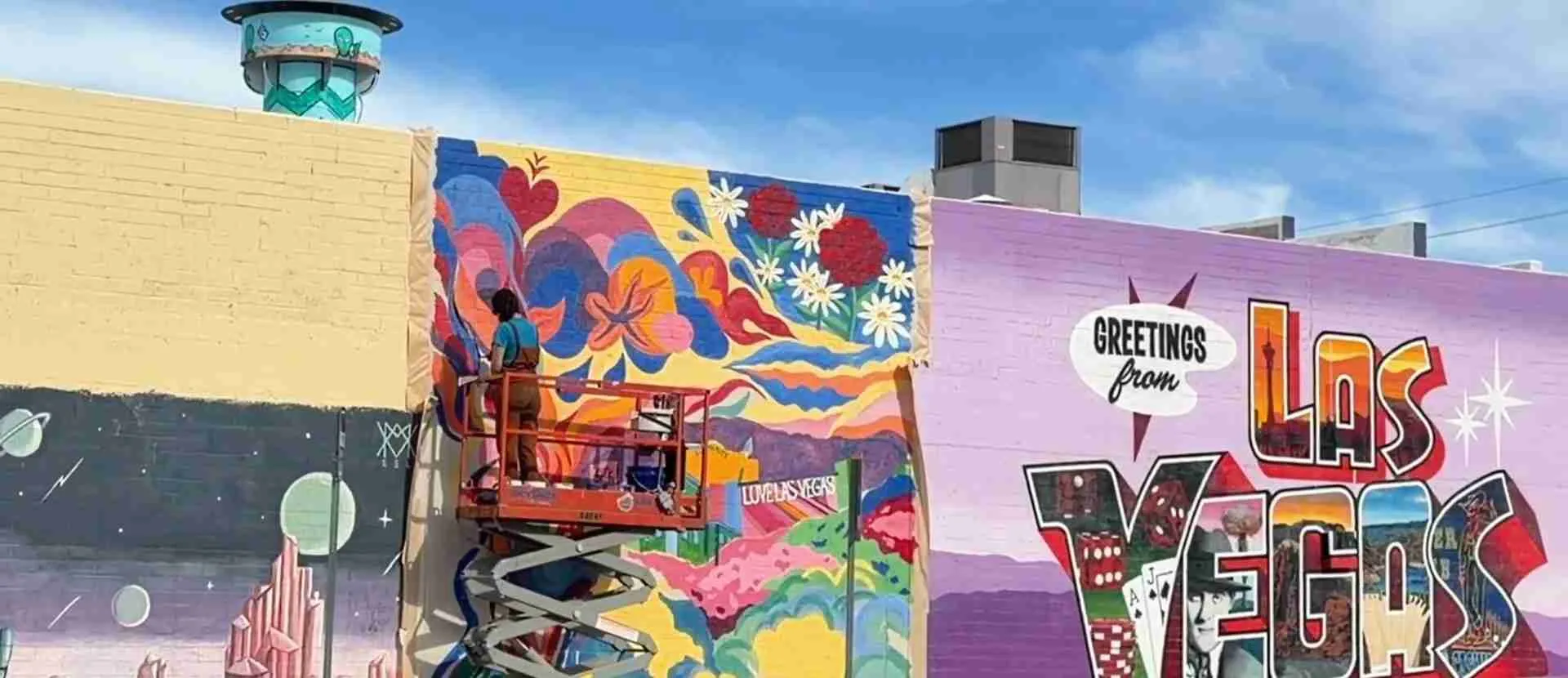
Street art transforms the Arts District into an ever-changing outdoor museum where massive murals cover building facades and alleyways become canvases for both radical graffiti and elegant illustrative works. Many pieces originated during Life is Beautiful festival installations between 2013 and 2017, including Zio Ziegler’s early work “The Cycle of Civilization” on 7th Street and Ogden, and murals by internationally recognized artists Shepard Fairey, D*Face, and Faile covering sides of the Plaza. The constant evolution of street art means each visit reveals new pieces while familiar favorites may disappear overnight, replaced by fresh creative visions.
Vintage shopping defines much of the Arts District’s retail character, with more than twenty independent shops selling retro furniture, mid-century modern pieces, vintage clothing, and casino memorabilia oozing with essence from the city’s bygone eras. Antique Alley Mall houses dozens of dealers under one roof, while Retro Vegas functions almost as a museum displaying casino castoffs and mid-mod treasures. Glam Factory Vintage outfits visitors in new-to-you clothing, while Rockin’ Bettie specializes in decidedly pin-up chic styles. Recycled Propaganda offers one-of-a-kind artwork and political ephemera spanning decades.
Craft breweries anchor the district’s beverage culture, with Hop Nuts Brewing opening as the first in 2014, followed by Able Baker Brewing Company in 2019. Both establishments create gathering spaces where locals outnumber tourists, offering house-brewed beers, outdoor seating, and regular events ranging from trivia nights to live music performances. The breweries function as community hubs where residents meet friends after work, celebrate birthdays, and gather for weekend afternoons disconnected from casino culture.
Restaurant culture in the Arts District emphasizes chef-driven concepts and locally-sourced ingredients over corporate chains and tourist-focused menus. Esther’s Kitchen, opened by chef James Trees in 2018, quickly became a neighborhood favorite serving Italian cuisine emphasizing fresh handmade pasta and wood-fired cooking. Taverna Costera and ReBAR display artwork directly on walls available for purchase, creating dining experiences doubling as gallery visits. The district’s food scene spans price points and cuisines while maintaining commitment to quality and authentic flavors over manufactured spectacle.
Hidden speakeasies add intrigue to the Arts District’s nightlife landscape. CC Speakeasy conceals itself inside Craft Creamery ice cream shop—customers must ask for the flavor of the day to unlock access to the secret Latin-themed lounge where dice rolls determine custom cocktail recipes and Latin fusion small plates complement drinks. Oddfellows houses a video nightclub in its back room, creating an inclusive, judgment-free dance club with themed events attracting diverse crowds. These hidden venues reject the velvet rope model dominating Strip nightlife, instead creating intimate spaces where everyone receives welcome regardless of appearance or spending power.
Performance venues scattered throughout the district showcase local talent and touring artists in intimate settings. Majestic Repertory Theatre, opened in 2016, produces original works and contemporary plays in a black box space holding fewer than 100 seats. Vegas Theatre Company presents experimental productions and new works by local playwrights. Music venues host everything from indie rock to electronic performances, with capacities measured in dozens rather than thousands, creating connection between performers and audiences impossible in arena settings.
The Las Vegas Community Healing Garden, established after the 2017 shooting, serves as a permanent memorial providing quiet reflection space within the district’s vibrant energy. Boulder Plaza, occupying what was once Boulder Avenue, hosts events and gatherings while serving as a central gathering point. The district continues evolving as new businesses open, artists claim additional studio spaces, and the city invests in infrastructure including a parking garage scheduled for completion in mid-year with retail and art spaces integrated into its design.
Walking the Arts District reveals layers of creativity and community impossible to experience from a car. The neighborhood’s compact eighteen-block footprint makes exploration on foot practical, with most galleries, shops, restaurants, and bars concentrated along Main Street and Charleston Boulevard. Free street parking fills quickly during First Friday but remains available throughout the month, while The Loop shuttle—a fuchsia-colored free transit service—connects the district to Fremont Street and the Stratosphere with multiple stops throughout the neighborhood.
Valley of Fire State Park: Desert Landscapes One Hour from the Strip
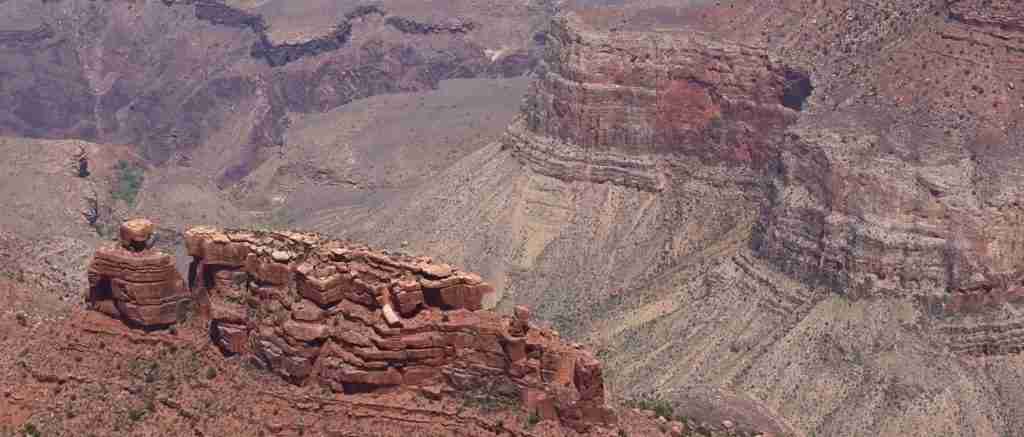
Valley of Fire State Park sprawls across more than 40,000 acres of blazing red Aztec sandstone formed from shifting sand dunes 150 million years ago, creating Nevada’s oldest and largest state park just 55 miles northeast of Las Vegas. The park earned its name in the 1920s when an AAA official traveling the road connecting Salt Lake City and Los Angeles described the entire region appearing “on fire” as sunlight reflected off crimson rock formations, and that fiery character intensifies at sunrise and sunset when the landscape genuinely seems to burn with inner light.
Ancient petroglyphs carved into sandstone walls throughout the park preserve evidence of Ancestral Puebloans living in the modern-day Moapa Valley area approximately 2,500 years ago. These rock art panels depict geometric patterns, human figures, and animal forms created using tools to scratch through the desert varnish coating the rocks, revealing lighter stone underneath. Mouse’s Tank trail, an easy 0.75-mile walk over loose sand, passes multiple petroglyph panels while leading to a natural basin that once collected rainwater. Atlatl Rock features particularly impressive panels accessible via a short flight of stairs leading to the rock face.
Fire Wave stands as the park’s most photographed formation, featuring undulating zebra stripes of white and red sandstone creating surreal patterns across the desert floor. The hike to Fire Wave forms part of the Seven Wonders Loop, a moderate trail requiring approximately two hours to complete. However, this trail closes annually from June 1 through September 30 due to extreme heat creating dangerous conditions even for experienced hikers. Other trails closing during the hottest months include White Domes Loop, Pink Canyon, Pastel Canyon, Pinnacles Loop, Prospect Trail, Arrowhead Trail, and portions of Natural Arch Trail, as the park prioritizes visitor safety over year-round access.
The 13-mile Valley of Fire Highway forms the park’s main artery, connecting the west entrance near Las Vegas to the east entrance approaching Lake Mead National Recreation Area. This scenic drive winds through towering red rock formations with numerous pullouts for photography and short walks to notable features. The road itself becomes an attraction, with curves framing dramatic views of the winding pavement cutting through crimson cliffs—a sight that inspired countless photographs attempting to capture the iconic perspective of asphalt threading through burning stone.
White Domes Road (also called Mouse’s Tank Road) branches north from the main highway, accessing additional trails and formations including the White Domes area where light-colored sandstone contrasts with the dominant red formations. Rainbow Vista provides panoramic views across the valley showing the full spectrum of colors present in the rock layers. Elephant Rock, viewable from the road, demonstrates how erosion sculpts sandstone into recognizable shapes. The Beehives showcase geologic cross-bedding patterns revealing how ancient sand dunes shifted and compacted over millions of years.
The park’s Visitor Center, located at the junction of Valley of Fire Highway and White Domes Road, houses exhibits explaining the geology, ecology, prehistory, and history of the region. Rangers provide trail recommendations based on current conditions, fitness levels, and available time. The center sells books, postcards, and souvenirs while offering restrooms and water refill stations—essential amenities in an environment where summer temperatures regularly exceed 100 degrees Fahrenheit and shade remains scarce.
Two campgrounds with a combined 72 sites provide overnight accommodations for visitors wanting to experience sunrise and sunset when the rocks glow most brilliantly. Campsites include shaded tables, grills, water access, and nearby restrooms, with a dump station and showers available. RV sites with electrical and water hookups cost an additional fee beyond standard camping rates. All campsites operate through reservation systems that fill quickly even on weekdays, as the park’s proximity to Las Vegas and spectacular scenery make it extremely popular year-round.
Several historic stone cabins built by the Civilian Conservation Corps in the 1930s still stand throughout the park, demonstrating the craftsmanship of workers who constructed park infrastructure during the Great Depression. These cabins used native sandstone and traditional building techniques, creating structures that blend seamlessly into the surrounding landscape while providing picnic areas and interpretive displays today. The CCC also built many of the park’s trails and roads between 1933 and the early 1940s, establishing the foundation for modern visitor access.
The park observes an annual maintenance closure from December 1 through December 14, when staff focus exclusively on critical upkeep and repairs. With nearly one million visitors annually, ongoing staffing shortages, and extreme summer temperatures making maintenance challenging during busy seasons, this two-week closure allows essential work to proceed without the competing demands of emergency response and visitor services. All visitor access closes during this period, including entry on foot, with no camping reservations available and all commercial activities prohibited.
Entrance fees of $10 per vehicle for Nevada residents or $15 for out-of-state plates grant day-use access to the entire park from sunrise to sunset. Visitors must exit the park or be in designated campsites by sunset, as the park closes overnight except for registered campers. The prohibition on rideshare services like Uber and Lyft reflects the reality that cellular service remains unreliable throughout the park and drivers rarely travel to remote desert locations without guaranteed return fares, potentially stranding visitors without transportation.
Petrified logs scattered throughout the park provide evidence of a vastly different environment millions of years ago when forests covered the landscape. These ancient trees turned to stone through mineralization processes, preserving wood grain and branch structures in silica. The stark contrast between the fossilized forest remnants and the current desert environment illustrates the dramatic climate shifts that transformed the region over geological time.
Photography opportunities abound throughout Valley of Fire, with the interplay of light and shadow across red rock formations creating constantly changing compositions. Early morning and late afternoon provide optimal lighting conditions, with low-angle sunlight emphasizing textures and deepening color saturation. The park’s relatively compact size allows photographers to visit multiple locations in a single day, though heat considerations during summer months limit practical shooting time to early morning and late evening hours when temperatures drop to manageable levels.
Red Rock Canyon: Desert Wilderness 25 Minutes from Downtown
Red Rock Canyon National Conservation Area occupies 195,000 acres of Mojave Desert landscape just 17 miles west of downtown Las Vegas, where iron-rich sandstone cliffs tower 3,000 feet above the valley floor and change color throughout the day as sunlight shifts across their mineral-streaked faces. The 13-mile scenic drive loops one-way through the conservation area, providing access to pullouts, viewpoints, and trailheads while showcasing the dramatic geology that makes Red Rock a favorite destination for both tourists seeking spectacular scenery and Las Vegas residents pursuing serious outdoor recreation.
The Calico Hills, composed of younger Aztec sandstone displaying vibrant red and tan colors, create one of the most photographed sections of the scenic drive. These rounded formations appear particularly striking when photographed against clear blue skies, their smooth surfaces showing erosion patterns that reveal how wind and water sculpt desert rock over millennia. Short hiking trails wind through the Calico Hills, allowing closer inspection of the stone’s texture and the surprising amount of vegetation finding purchase in cracks and crevices.
Rock climbing attracts thousands of climbers annually to Red Rock’s sandstone faces, where routes ranging from beginner-friendly top-ropes to challenging multi-pitch technical climbs cover cliffs throughout the conservation area. The quality sandstone provides excellent friction and holds, while the desert climate allows climbing nearly year-round except during the hottest summer months. The Black Velvet Wall and Rainbow Wall host some of the area’s most famous routes, drawing climbers from around the world to test their skills on formations featured in climbing films and magazines.
Calico Tanks Trail, a 2.5-mile round-trip hike climbing through the Calico Hills to natural water pockets, demonstrates Red Rock’s appeal beyond serious climbers and experienced desert hikers. The moderate trail gains approximately 350 feet elevation while passing through slot-like passages between sandstone walls before reaching tanks—natural depressions collecting rainwater that historically provided critical resources for wildlife and early human inhabitants. Views from the tanks encompass the Las Vegas Valley, offering perspective on how the city sprawls across the desert floor.
The Visitor Center, located at the beginning of the scenic drive, houses exhibits explaining Red Rock’s geology, ecology, and human history while offering books, maps, and gifts for purchase. Rangers provide current trail conditions, weather forecasts, and recommendations for matching hikes to visitor abilities and interests. The center’s outdoor spaces include native plant demonstrations and short interpretive trails introducing desert ecology concepts.
Horseback riding through Red Rock Canyon allows visitors to experience the landscape as early travelers did, with several commercial outfitters offering trail rides ranging from one-hour introductions to full-day adventures including meals. Guided rides follow designated trails through scenic canyons and across desert plains, with wranglers sharing information about the area’s natural and cultural history while managing horses suited to riders of varying experience levels.
Mountain biking on designated trails provides another perspective on Red Rock’s terrain, with both technical singletrack and more moderate dirt roads accommodating different skill levels. The conservation area’s proximity to Las Vegas makes it popular for before-work or after-work rides among local cyclists, while visitors can rent bikes from shops in the city and transport them to trailheads. Summer heat limits practical biking to early morning and evening hours, but spring and fall create ideal conditions for all-day riding.
Wildlife viewing opportunities include sightings of desert bighorn sheep—the conservation area’s namesake and symbol—along with wild burros, roadrunners, numerous lizard species, and more than 100 bird species recorded within park boundaries. Early morning and late evening provide the best chances for animal sightings, as most desert creatures avoid midday heat by seeking shelter in rock crevices and vegetation.
The scenic drive operates one-way only, requiring approximately 30 minutes to drive without stops but typically consuming several hours as visitors pull over for photography, short walks, and extended viewpoint contemplation. Entry fees of $15 per vehicle for a one-day pass or $30 for an annual pass apply, with the annual pass providing unlimited access for a full year from purchase date. The conservation area opens at sunrise and closes at dusk, with specific hours varying seasonally.
Spring brings wildflower displays throughout Red Rock Canyon when winter rains provide adequate moisture, with blooms typically peaking in March and April. Desert marigold, brittlebush, desert lupine, and dozens of other species carpet the valley floor and hillsides in yellow, purple, white, and pink flowers attracting butterflies and bees. These ephemeral displays transform the typically muted desert palette into vibrant gardens lasting only weeks before summer heat returns.
Cultural history within Red Rock Canyon includes evidence of prehistoric peoples who inhabited the area thousands of years ago, early ranchers who grazed cattle across the landscape, and miners who searched for valuable minerals in the late 1800s and early 1900s. Remnants of these occupations—rock art panels, old ranch buildings, abandoned mine shafts—scatter throughout the conservation area, protected by federal law prohibiting removal or disturbance of cultural resources.
Hidden Speakeasies and Secret Bars Throughout Las Vegas
Las Vegas’s speakeasy culture honors Prohibition-era traditions while adding contemporary twists reflecting the city’s theatrical character, creating intimate drinking experiences that reject the megaclub model dominating the Strip in favor of craft cocktails, limited seating, and deliberate obscurity requiring effort to discover and access. These hidden bars range from reservation-only lounges seating two dozen patrons to walk-in spaces concealed behind false walls, united by commitment to quality drinks, intimate atmospheres, and reward for those willing to search beyond obvious entertainment options.
CC Speakeasy hides inside Craft Creamery ice cream shop in the Arts District, accessible only to customers who ask for “the flavor of the day.” This request unlocks access to a secret Latin-themed lounge where patrons roll dice to determine custom cocktail recipes mixed by bartenders who interpret the results with creative license. Latin fusion small plates complement the drinks, while the intimate space accommodates only a limited number of guests at a time, creating an exclusive feel without pretentious door policies or velvet ropes.
The Laundry Room, concealed inside Commonwealth bar in downtown Las Vegas, operates on a strict reservation system limiting entry to 24 guests nightly. Prospective visitors must call a specific phone number—listed on Commonwealth’s website rather than the door—to request a reservation, at which point staff provide instructions for finding the entrance hidden behind a bookshelf. Once inside, guests experience a intimate cocktail lounge where bartenders prepare elaborate drinks using house-made ingredients and premium spirits, often engaging in extended conversations about flavor preferences and cocktail history while crafting personalized libations.
Here Kitty Kitty at Resorts World Las Vegas conceals itself behind a conspicuous cat figurine inside the Famous Foods Street Eats food hall. The Prohibition-era inspired lounge serves craft cocktails in a laid-back environment contrasting sharply with the mega-resort’s public spaces, creating an intimate hideaway within one of the Strip’s newest properties. The speakeasy’s location inside a food hall means visitors can easily combine drinks with diverse dining options from the surrounding vendors.
The Lock Speakeasy inside Horseshoe Las Vegas requires navigating through the Cabinet of Curiosities Bar and Lounge on the property’s first floor to locate a hidden entrance transporting guests into a themed space evoking the 1920s. The bar serves classic cocktails alongside contemporary creations, with vintage decor and intimate lighting creating ambiance disconnected from the surrounding casino floor’s sensory assault.
Frankie’s Tiki Room, located approximately five miles off the Strip, functions as Las Vegas’s longest-running tiki bar and a favorite gathering spot for locals seeking strong drinks, jukebox tunes, and authentic 1950s tiki lounge atmosphere without tourist crowds. The bar’s commitment to tiki culture extends beyond fruity cocktails to include serious rum selections, traditional tiki mugs, and decor spanning floor to ceiling with carved tikis, fishing nets, and tropical ephemera. While not technically hidden, Frankie’s Tiki Room occupies a standalone building in a neighborhood tourists rarely visit, creating a local secret despite operating continuously for years.
The Golden Tiki, another neighborhood tiki bar beloved by Las Vegas residents, features animatronic shows, extensive rum selection, and elaborate tropical decor creating immersive environment transporting visitors to a Polynesian paradise. Located well off the Strip in a strip mall, the bar attracts crowds on weekends but maintains a neighborhood vibe where regulars know the bartenders and tourists remain rare. The extensive food menu distinguishes Golden Tiki from typical bars, offering substantial meals alongside creative cocktails.
Ghost Donkey, a mezcal and tequila bar hiding behind a pink donkey door at the back of Block 16 food hall inside The Cosmopolitan, serves Mexican-influenced cocktails and bar snacks in a space small enough that finding a seat often requires timing or reservations. The bar frequently features live music, typically Latin-influenced performances complementing the beverage program’s focus on agave spirits. The combination of quality drinks, intimate atmosphere, and deliberate obscurity creates a local favorite despite the downtown Strip location.
Velveteen Rabbit, technically located in the Arts District, functions as a cocktail lounge rather than a hidden speakeasy but deserves mention for its neighborhood bar atmosphere and commitment to craft cocktails served without pretension. The bar’s outdoor patio provides rare fresh air in a city dominated by climate-controlled interiors, while the cocktail menu balances classics with creative originals developed by talented bartenders who often engage in genuine conversation rather than performative mixology.
ReBAR in the Arts District combines cocktail bar with art gallery, displaying works by local artists directly on walls available for purchase while serving drinks in a space that feels like a living room rather than a nightclub. The bar hosts events ranging from art openings to live music performances, creating a cultural hub where drinks serve as accompaniment to broader creative experiences rather than the sole focus.
The speakeasy trend extends to bars requiring passwords, secret handshakes, or specific knowledge to gain entry, though most establishments balance exclusivity with practical business needs by making access information available through online research or friendly inquiry. The theatrical elements—hidden entrances, themed decor, elaborate cocktails—create experiences differentiating these venues from standard bars while maintaining the fundamental appeal of intimate spaces serving quality drinks to patrons seeking alternatives to the Strip’s sensory overload.
Chinatown and Asian Culinary Treasures West of the Strip
Las Vegas Chinatown stretches along Spring Mountain Road less than two miles west of the Strip, where more than 150 restaurants serving authentic Chinese, Japanese, Korean, Thai, Vietnamese, and pan-Asian fusion cuisines cluster within a three-mile corridor alongside six Asian supermarkets, massage establishments, karaoke bars, and specialty shops creating a self-contained cultural district. This concentration of Asian businesses developed organically beginning in the 1990s when the first Chinese restaurants and markets opened, attracting additional entrepreneurs serving immigrant communities and Las Vegas residents seeking authentic Asian flavors unavailable in casino restaurants.
The restaurant density within Chinatown surpasses most West Coast cities outside of San Francisco and Los Angeles, with establishments ranging from humble noodle shops to upscale dining rooms serving regional Chinese specialties, Japanese kaiseki tasting menus, Korean barbecue, and Southeast Asian street food. Lunch specials offer exceptional value, typically featuring generous portions at prices reflecting neighborhood economics rather than tourist markup, making midday visits particularly attractive for budget-conscious diners willing to venture off the Strip.
Regional Chinese cuisines represented throughout Chinatown include Cantonese dim sum served from rolling carts, Sichuan dishes showcasing numbing peppercorns and complex spice blends, Hunan cuisine emphasizing fresh chilies and smoking techniques, northern Chinese noodle houses serving hand-pulled noodles and dumplings, and Taiwanese restaurants offering beef noodle soup and bubble tea. This diversity allows exploration of Chinese culinary traditions extending far beyond the Americanized Chinese food dominating mainstream menus.
Korean barbecue restaurants provide table grills where diners cook their own meat selections while banchan (small side dishes) cover remaining table space, creating communal dining experiences centered on conversation and interactive cooking. All-you-can-eat options allow sampling multiple protein cuts and marinades, while à la carte menus feature premium beef cuts like short ribs and brisket alongside pork belly, chicken, and seafood. The restaurants typically stay open late, with some serving until 2 AM or later to accommodate post-club crowds and night shift workers.
Japanese restaurants in Chinatown range from sushi bars serving traditional nigiri and sashimi to izakaya-style establishments emphasizing small plates and sake, ramen shops specializing in rich tonkotsu and shoyu broths, and casual spots serving donburi rice bowls and bento boxes. The quality generally exceeds comparable restaurants in casino properties, with prices reflecting the absence of resort overhead and target audiences being knowledgeable diners rather than tourists seeking familiar dishes.
Vietnamese restaurants cluster within Chinatown, serving pho noodle soup, banh mi sandwiches, spring rolls, and rice dishes at remarkably low prices considering portion sizes and ingredient quality. These establishments often function as gathering places for Vietnamese families and workers seeking authentic flavors from home, creating atmospheres more focused on food quality than interior design or service polish. The casual environments and modest prices make Vietnamese restaurants particularly popular among Las Vegas residents for quick meals and takeout orders.
Thai restaurants in Chinatown offer regional specialties beyond the pad thai and curry dishes dominating mainstream Thai menus, including northeastern Issan cuisine featuring grilled meats and som tam papaya salad, southern Thai curries incorporating seafood and tropical fruits, and central Thai dishes balancing sweet, sour, salty, and spicy flavors in complex harmony. Many restaurants adjust spice levels based on customer preference, though diners requesting “Thai spicy” typically receive genuinely intense heat levels that chase timid eaters away.
Asian supermarkets within Chinatown stock ingredients impossible to find in mainstream grocery stores, including fresh produce like bok choy, daikon radish, and Asian herbs, frozen dumplings and dim sum in dozens of varieties, imported snacks and sweets, live seafood swimming in tanks, and specialty items like duck eggs, rice noodles in every width, and sauces spanning the full spectrum of Asian cuisines. These markets function as both practical shopping destinations for Asian residents and exploratory expeditions for adventurous cooks seeking authentic ingredients.
The pedestrian-unfriendly layout of Chinatown, spread across multiple strip malls without connected sidewalks or unified design, reflects typical Las Vegas development patterns prioritizing automobile access over walkability. Navigating between restaurants often requires driving short distances and finding new parking spaces rather than strolling from one establishment to the next, though clusters of businesses within individual malls allow exploring multiple shops on foot once parked.
Karaoke bars throughout Chinatown offer private rooms where groups rent space by the hour to sing along with instrumental tracks displayed on screens, with song catalogs spanning English, Mandarin, Cantonese, Korean, Japanese, and other languages. These venues range from basic rooms with minimal equipment to upscale lounges offering full food and drink service alongside premium sound systems and extensive song libraries. The private room model contrasts with Western karaoke bars featuring public performances, creating more comfortable environments for shy singers.
Dessert shops specializing in Asian sweets provide alternatives to typical American ice cream and cake, serving items like shaved ice topped with fresh fruit and condensed milk, mochi filled with sweet bean paste or ice cream, egg tarts with flaky crusts, tapioca-based drinks, and elaborate layered desserts combining jellies, fruits, and cream. These shops often stay open late, attracting post-dinner crowds seeking sweet endings to meals or standalone dessert destinations.
The vitality of Las Vegas Chinatown demonstrates how immigrant communities create cultural districts preserving traditional cuisines, languages, and customs while adapting to American contexts. Unlike casino properties appropriating Asian design elements for theatrical purposes, Chinatown functions as a genuine neighborhood serving practical needs of Asian residents while welcoming anyone willing to venture beyond familiar tourist corridors in search of authentic flavors and cultural experiences.
Fremont East Entertainment District: Downtown’s Alternative Nightlife
The Fremont East Entertainment District extends several blocks east from Fremont Street’s LED canopy where bars with character, live music venues, outdoor patios, and local gathering spots create nightlife alternatives to both the Strip’s megaclubs and downtown’s older casino bars. This neighborhood transformed beginning in the early 2000s when city investment and private entrepreneurship revitalized what had been a declining area, creating walkable blocks where locals outnumber tourists and spontaneous experiences replace manufactured entertainment.
The district’s bars emphasize individual character over corporate branding, with each establishment developing distinct identities through decor, drink programs, and regular clientele. Outdoor patios allow rare fresh air in a city dominated by climate-controlled interiors, while prices generally run lower than Strip equivalents, reflecting target audiences of Las Vegas residents and budget-conscious travelers rather than convention-goers on expense accounts. The concentration of venues within walking distance encourages bar-hopping, with groups easily bouncing between different atmospheres throughout an evening.
Live music venues throughout Fremont East host everything from indie rock and electronic performances to jazz, blues, and experimental shows, typically charging modest cover fees or offering free entry with drink minimums. The intimate capacities—ranging from 50 to 300 patrons—create connection between performers and audiences impossible in arena settings, while booking policies favoring local and regional acts support Las Vegas’s music scene beyond the celebrity headliners dominating casino showrooms.
Container Park, constructed from recycled shipping containers arranged around a central plaza, houses boutique shops, restaurants, and bars alongside a fire-breathing praying mantis sculpture that performs scheduled shows shooting flames from its antennae. The family-friendly venue includes a playground and regularly hosts community events, creating rare daytime destination in downtown Las Vegas where children accompany parents shopping and dining. Evening transforms the park into an adult social space as bars extend hours and live music performances activate the plaza.
The Fremont East district attracts diverse crowds compared to the Strip’s relatively homogeneous tourist demographic, with LGBTQ+ venues, punk bars, craft cocktail lounges, dance clubs, and neighborhood pubs coexisting within blocks of each other. This diversity creates nightlife ecosystem accommodating varied preferences and budgets, from cheap beer and pool tables to craft cocktails and DJ performances, all accessible without navigating casino floors or waiting behind velvet ropes.
Food options in Fremont East range from late-night pizza joints to upscale restaurants serving locally-sourced cuisine, with many establishments staying open past midnight to serve bar crowds seeking sustenance. Food trucks often park along the street during busy weekends, offering additional quick-bite options for groups moving between venues. The concentration of dining and drinking options creates complete entertainment district where visitors spend entire evenings without returning to hotels or venturing to other neighborhoods.
Street performers, art installations, and murals activate public spaces throughout Fremont East, creating visual interest between venues and reflecting downtown’s embrace of creative expression. The relatively relaxed open container laws in this entertainment district allow patrons to carry drinks between venues in some areas, though specific regulations vary and enforcement fluctuates, requiring attention to posted rules and police presence.
Special events throughout the year transform Fremont East into festival grounds for celebrations ranging from First Friday arts walks extending from the nearby Arts District to holiday parties, pride celebrations, and concert series. These events often close streets to vehicle traffic, creating pedestrian zones where thousands gather for music, food, drinks, and social interaction disconnected from casino culture.
The district’s pedestrian-friendly design, with wide sidewalks, frequent crosswalks, and relatively compact layout, makes walking between venues practical and safe compared to the Strip’s long distances and vehicle-dominated streets. This walkability encourages spontaneous decisions to try new venues spotted while strolling rather than pre-planning every stop, creating organic evenings shaped by mood and chance encounters.
Parking presents challenges during busy weekends when street spaces fill quickly and lots charge premium rates, though rideshare services provide convenient alternatives for visitors staying elsewhere in Las Vegas. The district’s proximity to downtown hotels and the Arts District makes it accessible via short drives or even walks for those staying nearby, while The Loop shuttle provides free connections to other downtown areas.
Seven Magic Mountains and Desert Art Installations
Seven Magic Mountains occupies a barren patch of Mojave Desert ten miles south of Las Vegas along Interstate 15, where Swiss artist Ugo Rondinone stacked locally-sourced boulders into seven towers reaching 30 feet tall and painted them in fluorescent hues creating surreal contrast between vibrant human intervention and stark natural landscape. The installation, originally conceived as temporary artwork, proved so popular that its run extended multiple times, becoming a semi-permanent fixture attracting hundreds of thousands of visitors annually to a remote desert location accessible by short drive from the city.
Each tower comprises three to nine boulders balanced in seemingly precarious arrangements defying gravity and common sense, with day-glo colors—neon pink, electric blue, bright yellow, lime green, vivid orange—creating visual assault against muted browns and tans of the surrounding desert. The contrast represents Rondinone’s exploration of the intersection between natural and artificial, primitive and contemporary, organic and manufactured, with the ancient geological formations spray-painted in modern industrial colors embodying tensions central to contemporary art and culture.
Photography dominates visitor activities at Seven Magic Mountains, with the vivid colors and dramatic compositions creating Instagram-worthy images requiring minimal technical skill or artistic vision. The installation’s popularity on social media drove much of its extended run, as images shared online generated free publicity and attracted additional visitors seeking their own photos with the colorful towers. Various times of day create different lighting conditions affecting how the fluorescent paints interact with natural sunlight, with early morning and late afternoon providing optimal conditions for photography.
The site lacks formal facilities beyond small parking areas along the frontage road paralleling the interstate, with visitors crossing open desert on informal paths worn through the sparse vegetation. The absence of shade, water, restrooms, or visitor services reflects the installation’s original temporary status and remote location, requiring visitors to bring necessary supplies and prepare for desert conditions. Summer visits demand particular caution, as temperatures regularly exceed 100 degrees Fahrenheit and the exposed location offers no relief from sun.
Access requires exiting Interstate 15 at the Las Vegas Boulevard South exit and following frontage roads approximately two miles to parking areas near the installation. The short distance from the highway makes visiting practical as a brief stop during longer journeys or a standalone destination for Las Vegas residents seeking nearby outdoor experiences. However, the site’s popularity means parking often fills completely during peak visiting hours, particularly on weekends and holidays when dozens of vehicles cluster along the narrow frontage roads.
The installation’s free admission and 24-hour accessibility make it available to anyone willing to drive to the location, though practical considerations around heat, lighting, and crowd levels make certain visiting times more favorable than others. Dawn and dusk provide cooler temperatures and dramatic lighting, while midday summer visits risk heat exhaustion and produce harsh shadows in photographs. Winter months offer more comfortable temperatures but shorter daylight hours limiting visiting windows.
Conservation concerns arise from the thousands of feet trampling desert vegetation and soil around the installation, creating visible damage to the fragile ecosystem that may take decades to recover even after the artwork’s eventual removal. The tension between public art accessibility and environmental protection reflects broader challenges in balancing cultural programming with conservation in desert landscapes, where recovering from human impact requires far longer than in wetter climates with faster-growing vegetation.
The installation’s eventual fate remains uncertain, with discussions between the artist, Nevada Museum of Art (which commissioned the work), and land management agencies considering whether the towers should become permanent fixtures or be removed as originally planned. The artwork’s popularity and cultural impact argue for preservation, while the temporary permit under which it operates and concerns about environmental damage support returning the site to its pre-installation condition.
Springs Preserve: 180 Acres of Desert Gardens and Natural History
Springs Preserve occupies 180 acres within Las Vegas city limits where natural springs once created an oasis supporting Native American settlements, early Spanish explorers, and Mormon missionaries before the modern city’s explosive growth. The preserve combines botanical gardens showcasing desert plants from around the world, nature trails winding through native habitats, museums exploring Nevada’s natural and cultural history, and educational programs introducing visitors to desert ecology and sustainable living practices in one of Earth’s most challenging environments.
The botanical gardens contain themed collections displaying desert plants organized by geographic origin, with sections dedicated to Mojave Desert natives, Sonoran Desert species, Chihuahuan Desert flora, and desert plants from Africa, Australia, and other continents demonstrating how different regions evolved similar adaptations to aridity. Labels identify species and explain their survival strategies, from deep taproots accessing underground water to waxy coatings reducing moisture loss through leaves. The gardens provide inspiration for residential landscaping, showing how attractive designs incorporating native plants require far less water than traditional grass lawns.
Nature trails totaling several miles wind through preserved natural areas where native vegetation attracts wildlife including desert cottontails, roadrunners, numerous lizard species, and migratory birds using the preserve as a stopover during spring and fall journeys. Early morning walks often reveal animal tracks in sandy areas and bird activity peaks during cooler hours when creatures emerge to feed before daytime heat forces them into shelter. The trails demonstrate what Las Vegas Valley looked like before development transformed the landscape, preserving remnants of the springs-fed ecosystem that made human settlement possible.
The Nevada State Museum housed at Springs Preserve contains exhibits spanning the state’s geological history from ancient seas through ice ages to present desert conditions, displays exploring prehistoric peoples’ adaptations to changing climates, and collections documenting Nevada’s mining heritage, gaming industry development, and modern environmental challenges. Interactive exhibits engage children while providing substantive information satisfying adult curiosity, making the museum appropriate for family visits combining education with entertainment.
Boomtown 1905, a recreated early Las Vegas streetscape, shows how the railroad town appeared during its founding years before gambling and tourism transformed the settlement. Historic buildings moved from original locations house exhibits about daily life in frontier Nevada, while interpretive programs bring the past alive through costumed demonstrations and hands-on activities. The attraction provides context for understanding how Las Vegas evolved from railroad watering stop to entertainment capital, illustrating the dramatic transformations occurring within a single century.
The preserve’s restaurants serve meals emphasizing local ingredients and sustainable practices, with menus changing seasonally to reflect available produce and culinary inspirations. Outdoor dining areas overlook gardens and distant Strip views, creating pleasant alternatives to casino restaurants while supporting the preserve’s educational mission around sustainable food systems and environmental stewardship.
Educational programs at Springs Preserve range from school field trips teaching desert ecology to adult workshops covering topics like xeriscaping, solar energy, water conservation, and sustainable living practices applicable in desert environments. These programs connect environmental education to practical applications, helping residents reduce resource consumption while maintaining quality of life in a city built where annual rainfall measures only four inches.
Admission fees support the preserve’s operations and educational mission, with discounts available for Nevada residents, children, seniors, and military personnel. Annual memberships provide unlimited access plus benefits like discounts in the gift shop and restaurants, free or reduced admission to special events, and reciprocal benefits at other museums and gardens nationwide. The fees remain modest compared to commercial attractions, reflecting the preserve’s nonprofit status and commitment to educational access.
Seasonal events throughout the year activate Springs Preserve for celebrations including winter holiday light displays, spring wildflower festivals, summer evening concerts, and fall harvest festivals. These events transform the preserve into community gathering space where residents celebrate together outside casino environments, creating traditions around natural cycles and cultural heritage rather than manufactured entertainment spectacles.
The preserve’s location within city limits makes it easily accessible by car with ample free parking, though public transit connections remain limited. The site’s daytime hours—typically 9 AM to 5 PM with seasonal variations—reflect its educational mission and staffing realities, requiring visitors to plan accordingly rather than dropping in during evening hours when many commercial attractions operate.
Local Neighborhood Favorites Beyond Tourist Corridors
Downtown Summerlin creates a walkable European-style outdoor shopping, dining, and entertainment district where Las Vegas residents gather for farmers markets, outdoor concerts, and social interaction without setting foot in casinos. The development, anchored by major retailers and restaurants, includes public plaza spaces hosting regular events from yoga classes to holiday celebrations, creating community focal point in the western suburbs. The pedestrian-friendly design, with wide sidewalks and frequent seating areas, encourages strolling between destinations rather than driving, though the development’s suburban location means most visitors arrive by car.
Floyd Lamb Park at Tule Springs transforms 2,040 acres of former ranch land into lush oasis centered around ponds attracting peacocks, ducks, and other wildlife within city limits. The park’s large shade trees, fishing opportunities, picnic areas, and walking trails create rare respite from desert heat, with the ponds and vegetation supporting ecosystems contrasting dramatically with surrounding arid landscape. The park’s history as a working ranch adds cultural interest beyond natural beauty, with historic buildings and interpretive displays explaining agricultural heritage predating suburban development.
Gilcrease Orchard in northwest Las Vegas welcomes visitors to wander rows of fruit trees and pick seasonal produce including peaches, apples, and other crops thriving in Nevada’s climate when properly irrigated. The working farm maintains traditions of agricultural production within urban boundaries, educating visitors about where food originates while providing hands-on experiences rare in cities. The farm stand sells produce and homemade treats crafted from fresh harvests, supporting sustainable local food systems and connecting residents to agricultural heritage.
The Neon Museum preserves retired signs from casinos, hotels, restaurants, and businesses that defined Las Vegas’s visual character across decades, displaying more than 250 pieces in outdoor exhibitions spanning two acres. Tours through the museum’s Boneyard reveal stories behind iconic properties and businesses, with guides explaining the craftsmanship involved in creating massive illuminated signs and the historical contexts in which they operated. The museum documents Las Vegas’s evolution through material culture, preserving artifacts that might otherwise disappear as properties are demolished and reimagined.
The National Atomic Testing Museum explores Nevada’s role in nuclear weapons development, with exhibits explaining the Manhattan Project, displaying replicas of early atomic bombs, and documenting the testing program conducted at the Nevada Test Site north of Las Vegas. The museum addresses both the scientific achievements and the human and environmental costs of nuclear testing, presenting balanced perspectives on controversial topics central to Cold War history and Nevada’s identity. The museum’s location off the Strip in a former testing facility building adds authenticity to the experience.
The Mob Museum downtown occupies a historic federal courthouse where organized crime trials occurred, creating appropriate setting for exhibits exploring organized crime’s influence on Las Vegas development and law enforcement efforts to combat mob control of casinos. The museum presents sophisticated narratives avoiding glamorization while acknowledging criminals’ actual power and violence, using artifacts, photographs, and interactive displays to tell stories spanning from Prohibition through RICO prosecutions that finally broke mob control of Nevada gaming. A speakeasy in the basement serves Prohibition-era cocktails in atmospheric setting completing the thematic experience.
Henderson’s Water Street District creates pedestrian-friendly blocks of restaurants, bars, and shops in the city’s historic downtown, hosting events ranging from farmers markets to outdoor concerts and seasonal festivals. The district demonstrates how older commercial areas can revitalize through investment in walkability, public spaces, and local businesses rather than demolition and replacement with generic developments. The district’s success attracts Las Vegas residents seeking alternatives to corporate chains and tourist-focused venues.
Local golf courses scattered throughout the valley provide recreational opportunities and surprising oases of green in desert landscape, with many courses designed by famous architects and featuring views of surrounding mountains and the Strip skyline. While resort courses serve primarily tourists, municipal and semi-private courses attract local players seeking convenient access and reasonable rates. The courses demonstrate how imported landscapes shape Las Vegas character despite requiring massive water inputs to maintain in desert climate.
Secret Viewpoints and Photography Locations
The Stratosphere observation deck, though touristy, provides unmatched 360-degree views across Las Vegas Valley from 869 feet above the Strip, revealing how the city sprawls across the desert floor surrounded by mountain ranges. The indoor and outdoor observation areas allow photography in all directions, with sunset and night views particularly spectacular as the Strip’s lights illuminate and the valley transforms into a sea of sparkling points. Thrill rides atop the tower offer extreme perspectives for adventurous visitors seeking adrenaline alongside views.
The parking garage at The Cosmopolitan provides surprisingly good Strip views from upper levels, particularly the southern perspective showing Aria, Park MGM, and hotels extending toward the airport. The industrial setting contrasts with polished observation decks, creating grittier aesthetic for photographers seeking alternatives to sanitized viewpoints. Access remains generally unrestricted during business hours, making this free alternative to paid observation decks though parking validation may be required for extended stays.
Red Rock Canyon overlooks throughout the conservation area provide sweeping views across the valley to the Strip skyline and mountains beyond, creating dramatic compositions juxtaposing natural desert landscapes with urban development. The High Point Overlook and other designated viewpoints along the scenic drive offer safe pullouts for photography without requiring hikes, while trails to elevated positions provide more exclusive vantage points for those willing to climb.
The Welcome to Fabulous Las Vegas sign at the southern end of the Strip attracts photographers seeking the iconic image, though crowds often require patience for unobstructed shots. Early morning visits before crowds arrive or weekday midday timing when tourist traffic ebbs slightly improve chances for photos without dozens of people in frame. The sign’s mid-street median location creates safety challenges, with painted pedestrian crossings providing designated access from parking areas on either side.
Lake Las Vegas, an artificial reservoir approximately 20 miles east of the Strip, creates Mediterranean-style resort community with waterfront promenades, restaurants, and hotels overlooking the lake and surrounding mountains. The peaceful setting contrasts dramatically with the Strip’s energy, providing alternatives for photography emphasizing tranquility over excitement. Sunset over the lake creates particularly beautiful reflections and color displays as light interacts with water and desert sky.
Hoover Dam, 35 miles southeast of Las Vegas, provides dramatic engineering and landscape photography opportunities where massive concrete structure holds back the Colorado River creating Lake Mead. Tours inside the dam explain construction history and ongoing operations, while viewpoints from the dam’s roadway and pedestrian walkways reveal the scale of the structure and the dramatic Black Canyon setting. The new bypass bridge allows photography of the dam from elevated perspectives impossible from the dam itself, capturing the full structure in single frames.
Frequently Asked Questions About Las Vegas Hidden Gems
How do I get to Valley of Fire State Park from Las Vegas without renting a car?
Valley of Fire State Park tours departing from Las Vegas Strip hotels provide transportation, guided hiking, and park entry in packages typically costing $80 to $150 per person depending on tour length and inclusions. These tours eliminate the need for car rental while providing expert interpretation of the park’s geology, ecology, and cultural history. However, rideshare services like Uber and Lyft prove unreliable for park visits since drivers rarely travel to remote desert locations without guaranteed return fares, potentially stranding visitors without transportation. The park’s official warning against using rideshare services reflects this reality. Visitors without cars should book organized tours or rent vehicles for the day rather than attempting to arrange transportation independently, as the park’s remote location and limited cellular service create logistical challenges for those dependent on on-demand transportation services.
What’s the best time to visit the Arts District to experience local culture?
First Friday events on the first Friday evening of each month transform the Arts District into a massive block party drawing approximately 15,000 visitors to gallery openings, street performances, food vendors, and live music throughout the neighborhood. These events, running from early evening until late night, showcase the district’s creative energy at maximum intensity. Preview Thursday, held the evening before First Friday, provides more intimate gallery experiences with smaller crowds allowing extended conversations with artists and serious browsing without competing for attention. Regular weekday visits to the Arts District reveal the neighborhood’s authentic character as working artists occupy studios, local restaurants serve neighborhood regulars, and shops operate without event crowds. Weekend daytime visits balance accessibility with manageable crowds, particularly Saturday mornings when galleries and shops open but tourist traffic remains lighter than evening hours.
Are the hiking trails at Red Rock Canyon suitable for beginners?
Red Rock Canyon offers numerous trails appropriate for beginning hikers, including the Calico Tanks Trail’s 2.5-mile round trip with moderate elevation gain, the Lost Creek Children’s Discovery Trail’s easy 0.75-mile loop suitable for families, and the short walks to viewpoints and formations requiring minimal exertion. Trail difficulty ratings posted at trailheads and described in the Visitor Center help match routes to individual abilities and interests. However, desert hiking presents challenges absent from more forgiving environments, including intense heat during summer months, limited shade along most trails, and sandy or rocky surfaces requiring appropriate footwear. Beginning hikers should start with shorter trails during cooler months, carry more water than seems necessary, and understand that distances feel longer in desert conditions where heat and sun exposure affect physical performance. The Visitor Center rangers provide current trail conditions and recommendations based on weather forecasts, individual fitness levels, and available time, making pre-hike consultations valuable for ensuring appropriate trail selection.
How much should I budget for meals in Chinatown compared to Strip restaurants?
Chinatown restaurants typically charge 40 to 60 percent less than comparable Strip establishments, with lunch specials often providing generous portions for $10 to $15 per person and dinner entrees ranging $12 to $25 for most dishes. A full meal including appetizers, main courses, and drinks typically costs $20 to $40 per person in Chinatown compared to $50 to $100 or more for similar experiences in casino restaurants. Korean barbecue all-you-can-eat options run $25 to $35 per person, providing extensive protein selections and unlimited side dishes. Vietnamese pho and banh mi often cost under $10, while dim sum brunches allow sampling multiple dishes for $15 to $25 per person. The price differences reflect lower overhead costs in strip mall locations, target audiences of local residents rather than tourists, and lack of resort fees or parking charges. However, some upscale Asian restaurants in Chinatown approach Strip pricing while still offering better value through larger portions and more authentic preparations using premium ingredients.
Do I need reservations for the hidden speakeasies?
Reservation requirements vary significantly among Las Vegas speakeasies, with The Laundry Room operating strict reservation systems limiting entry to 24 guests nightly requiring advance phone calls, while spots like CC Speakeasy inside Craft Creamery function on walk-in basis with access granted to anyone asking for the “flavor of the day.” Here Kitty Kitty at Resorts World accepts walk-ins but may have capacity limits during busy periods. The Lock Speakeasy inside Horseshoe operates similarly with access through hidden entrance but no formal reservation system. Ghost Donkey at The Cosmopolitan accommodates both walk-ins and reservations, with the latter recommended for guaranteed seating during peak hours. Frankie’s Tiki Room and The Golden Tiki welcome walk-ins without reservations though arrival timing affects wait times for seats or tables. The reservation systems reflect capacity constraints in genuinely intimate spaces versus marketing theater in larger venues using “hidden” themes without actual limitations. Checking individual venue policies through online research or phone calls before visiting prevents disappointment when strict reservation systems turn away walk-in visitors.
Can I visit Seven Magic Mountains at night?
Seven Magic Mountains remains accessible 24 hours daily with no gates or operating hours restricting access, making night photography possible for those willing to navigate the frontage road in darkness and hike across open desert to the installation. However, the remote location lacks artificial lighting, requiring photographers to provide their own illumination or rely on moonlight and long exposures to capture the colored towers against night sky. The absence of facilities, services, or populated areas nearby creates safety considerations for nighttime visits, particularly for solo travelers in an environment where mechanical breakdowns or injuries could leave visitors stranded without quick access to assistance. Full moon nights provide optimal natural lighting for photography while maintaining safety through adequate visibility for navigating terrain. Starry night compositions showing the painted towers against dark sky filled with stars create unique images impossible during daylight hours, rewarding photographers willing to accept the challenges and risks inherent in remote desert locations after dark.
What’s the difference between Fremont Street and Fremont East?
Fremont Street refers to the historic casino corridor covered by the LED canopy displaying light shows, featuring older casinos like Golden Nugget and Binion’s alongside outdoor entertainment, street performers, and dense tourist crowds. Fremont East Entertainment District extends several blocks east of the canopy where bars, live music venues, restaurants, and local gathering spots create nightlife alternatives emphasizing neighborhood character over tourist spectacle. The Fremont East district attracts more local residents and younger crowds seeking craft cocktails, live music, outdoor patios, and lower prices compared to the Strip, while Fremont Street’s canopy area draws tourists visiting downtown’s historic casinos and experiencing the free light shows. The two areas occupy continuous blocks but serve different audiences and offer distinct experiences, with the Fremont East district functioning more like a neighborhood entertainment zone while Fremont Street remains firmly oriented toward tourist entertainment and gambling.
Are there family-friendly hidden gems in Las Vegas beyond the obvious attractions?
Springs Preserve’s 180 acres of gardens, nature trails, and museums provide extensive family-friendly programming including interactive exhibits at the Nevada State Museum, hands-on activities at Boomtown 1905, and educational programs teaching desert ecology through engaging demonstrations. Gilcrease Orchard allows children to pick fruit and learn about agriculture in urban settings, creating hands-on educational experiences. Floyd Lamb Park at Tule Springs offers fishing, peacock viewing, and picnicking in lush settings contrasting dramatically with desert surroundings. Container Park provides a playground, family-friendly restaurants, and boutique shopping in an environment designed to accommodate children during daytime hours. The Discovery Children’s Museum downtown houses three floors of interactive exhibits teaching science, arts, and cultural concepts through play and exploration. Red Rock Canyon’s easier trails including Lost Creek Children’s Discovery Trail introduce families to desert hiking with minimal difficulty. These attractions balance education with entertainment while avoiding the gambling-focused environments dominating much of Las Vegas, creating options for families seeking experiences beyond resort pools and buffets.
How crowded do the natural areas get on weekends?
Valley of Fire State Park experiences significant weekend crowds, particularly during spring and fall when temperatures remain comfortable for hiking, with parking lots at popular trailheads like Fire Wave filling completely by mid-morning and requiring visitors to wait for departing vehicles or visit less popular areas. Red Rock Canyon’s scenic drive creates traffic congestion on weekend mornings as the one-way loop funnels all visitors through the same route, with some viewpoint pullouts becoming too crowded for safe parking. Seven Magic Mountains attracts continuous weekend traffic, with dozens of vehicles clustering along frontage roads and visitors waiting for photo opportunities at the towers. However, these crowds concentrate at peak hours between 10 AM and 2 PM, with early morning and late afternoon visits revealing significantly lighter traffic allowing more solitary experiences. Weekday visits to natural areas outside Valley of Fire’s December closure period typically provide uncrowded trails and viewpoints even at popular destinations, making timing and flexible scheduling effective strategies for avoiding crowds without sacrificing desired experiences.
What should I know about desert safety when visiting natural areas around Las Vegas?
Desert environments present hazards absent from more forgiving climates, requiring preparation and awareness to ensure safe visits. Adequate hydration demands carrying far more water than intuition suggests, with the general recommendation of one gallon per person per day during summer months when temperatures exceed 100 degrees Fahrenheit and humidity remains minimal, causing rapid fluid loss through perspiration that evaporates before becoming visible. Summer trail closures at Valley of Fire and other parks reflect genuine dangers rather than excessive caution, as heat exhaustion and heat stroke develop rapidly in exposed desert conditions without shade or water access. Appropriate footwear prevents ankle injuries on rocky trails and protects against thorny vegetation, venomous creatures, and hot surfaces that can burn skin through thin soles. Sun protection including hats, sunscreen, and protective clothing guards against sunburn occurring quickly at high elevations with minimal atmospheric filtering. Wildlife awareness matters in desert environments where rattlesnakes, scorpions, and other potentially dangerous creatures inhabit rocky areas and vegetation, requiring attention to where hands and feet are placed. Cellular service remains unreliable throughout remote desert areas, meaning visitors cannot depend on phones for emergency assistance or navigation, necessitating preparation including maps, compasses, and informing others of planned routes and expected return times.